

Minh Nhat Builder
AI | Crypto builder Creating tools to simplify trading & learning

ຜູ້ຖື BNB
ຜູ້ຊື້ຂາຍປະຈໍາ
1.1 ປີ
121 ກໍາລັງຕິດຕາມ
82 ຜູ້ຕິດຕາມ
789 Liked
ໂພສ
ທັງໝົດ
ວົງຢືມ
ປັກໝຸດ










Minh Nhat Builder
·
--
When AI agents become customers of each other, payment becomes part of the work itself.
A market analysis agent might need raw on-chain data, a service to clean it, another model to interpret it, and a separate agent to check the findings. Each service could come from a different provider, and each may charge for its work.
What stands out to me is the gap between an agent knowing what to do next and actually being able to do it. If it has to stop and wait for a human to approve every small payment, the workflow breaks at exactly the point where automation should be helping.
Pay-per-request offers a more practical way to handle this. The agent pays for the service it needs when it needs it, without requiring a person to process every transaction. That only works if payments are fast and cheap enough to keep up with the tasks being performed.
Kite’s whitepaper identifies economically viable micropayments as one of the conditions for agents to become real economic actors.
Kite Passport supports two approaches to machine-to-machine payments:
x402: A service can return HTTP 402 Payment Required with payment instructions. The agent uses a spending session previously approved by the user through a passkey to create a signed authorization and retry the request. Once payment is confirmed, the service returns the result.
MPP (Machine Payments Protocol): Developed by Stripe and Tempo, MPP offers another protocol for machine-to-machine payments. Providers that support it can offer it alongside x402 or as an alternative.
The spending session is what makes this more than unrestricted autonomous spending. The user sets the total budget, per-transaction limit, and session duration in advance. The agent can pay without requesting approval for every transaction, but its authority remains bounded by those permissions.
Consider a market analysis agent working through a real task. It pays for raw data, sends that data to a specialist service for processing, then uses the results to finish its analysis. Each payment can happen within the same approved session, provided there is enough budget left and the session has not expired. If either limit is reached, the agent cannot continue making payments without new authorization.
I think this is an important detail in how we should evaluate AI agents. Reasoning through a task is one thing; obtaining the resources needed to finish it is another. If every service call creates a new manual step, the agent’s ability to work independently remains limited.
Kite Passport is addressing this payment problem through x402 and compatibility with protocols such as MPP. What matters is whether agents can pay for the services they need while staying within the limits set by their users. That is how payment can become part of a continuous workflow instead of another reason for it to stop.
@KITE AI 中文 #KiteBBW $KITE

Minh Nhat Builder
·
--
When AI agents become customers of each other, payment becomes part of the work itself.
A market analysis agent might need raw on-chain data, a service to clean it, another model to interpret it, and a separate agent to check the findings. Each service could come from a different provider, and each may charge for its work.
What stands out to me is the gap between an agent knowing what to do next and actually being able to do it. If it has to stop and wait for a human to approve every small payment, the workflow breaks at exactly the point where automation should be helping.
Pay-per-request offers a more practical way to handle this. The agent pays for the service it needs when it needs it, without requiring a person to process every transaction. That only works if payments are fast and cheap enough to keep up with the tasks being performed.
Kite’s whitepaper identifies economically viable micropayments as one of the conditions for agents to become real economic actors.
Kite Passport supports two approaches to machine-to-machine payments:
x402: A service can return HTTP 402 Payment Required with payment instructions. The agent uses a spending session previously approved by the user through a passkey to create a signed authorization and retry the request. Once payment is confirmed, the service returns the result.
MPP (Machine Payments Protocol): Developed by Stripe and Tempo, MPP offers another protocol for machine-to-machine payments. Providers that support it can offer it alongside x402 or as an alternative.
The spending session is what makes this more than unrestricted autonomous spending. The user sets the total budget, per-transaction limit, and session duration in advance. The agent can pay without requesting approval for every transaction, but its authority remains bounded by those permissions.
Consider a market analysis agent working through a real task. It pays for raw data, sends that data to a specialist service for processing, then uses the results to finish its analysis. Each payment can happen within the same approved session, provided there is enough budget left and the session has not expired. If either limit is reached, the agent cannot continue making payments without new authorization.
I think this is an important detail in how we should evaluate AI agents. Reasoning through a task is one thing; obtaining the resources needed to finish it is another. If every service call creates a new manual step, the agent’s ability to work independently remains limited.
Kite Passport is addressing this payment problem through x402 and compatibility with protocols such as MPP. What matters is whether agents can pay for the services they need while staying within the limits set by their users. That is how payment can become part of a continuous workflow instead of another reason for it to stop.
@KITE AI 中文 #KiteBBW $KITE
What stands out to me is the gap between an agent knowing what to do next and actually being able to do it. If it has to stop and wait for a human to approve every small payment, the workflow breaks at exactly the point where automation should be helping.
Pay-per-request offers a more practical way to handle this. The agent pays for the service it needs when it needs it, without requiring a person to process every transaction. That only works if payments are fast and cheap enough to keep up with the tasks being performed.
Kite’s whitepaper identifies economically viable micropayments as one of the conditions for agents to become real economic actors.
Kite Passport supports two approaches to machine-to-machine payments:
x402: A service can return HTTP 402 Payment Required with payment instructions. The agent uses a spending session previously approved by the user through a passkey to create a signed authorization and retry the request. Once payment is confirmed, the service returns the result.
MPP (Machine Payments Protocol): Developed by Stripe and Tempo, MPP offers another protocol for machine-to-machine payments. Providers that support it can offer it alongside x402 or as an alternative.
The spending session is what makes this more than unrestricted autonomous spending. The user sets the total budget, per-transaction limit, and session duration in advance. The agent can pay without requesting approval for every transaction, but its authority remains bounded by those permissions.
Consider a market analysis agent working through a real task. It pays for raw data, sends that data to a specialist service for processing, then uses the results to finish its analysis. Each payment can happen within the same approved session, provided there is enough budget left and the session has not expired. If either limit is reached, the agent cannot continue making payments without new authorization.
I think this is an important detail in how we should evaluate AI agents. Reasoning through a task is one thing; obtaining the resources needed to finish it is another. If every service call creates a new manual step, the agent’s ability to work independently remains limited.
Kite Passport is addressing this payment problem through x402 and compatibility with protocols such as MPP. What matters is whether agents can pay for the services they need while staying within the limits set by their users. That is how payment can become part of a continuous workflow instead of another reason for it to stop.
@KITE AI 中文 #KiteBBW $KITE


Binance Burmese
·
--
Binance နဲ့အတူ Halloween Story ကို မျှဝေပြီး USDC Reward တွေ ရယူလိုက်ပါ!
ဒီ Halloween မှာ Binance နဲ့အတူ ပျော်ရွှင်စရာအမှတ်တရတွေ၊ Spooky Halloween အငွေ့အသက်တွေကို ကိုယ့်ရယ့်ကိုယ်ပိုင် Creativityနဲ့ မျှဝေလိုက်ကြရအောင်! 🦇
ကိုယ်နှစ်သက်တဲ့ Halloween အမှတ်တရ၊ ၀တ်စုံ၊ Decoration၊ ကြောက်စရာဇာတ်လမ်း ဒါမှမဟုတ် ကိုယ့်ရယ့် Halloween အတွေ့အကြုံတွေကို Binance Branding ပါဝင်တဲ့ Photo နဲ့အတူ Binance Square မှာ မျှဝေလိုက်ပါ။ ကိုယ့်ရဲ့ Halloween Story ကို ပြောပြရင်း စုစုပေါင်း 600 USDC Prize Pool ထဲက Reward တွေကို မျှဝေရယူနိုင်မယ့် အခွင့်အရေးလည်း ရှိပါတယ်။ 🏆
📅 Campaign Period
Content Submission: 20 October – 30 October 2026
ဒီကာလအတွင်း မတင်ထားတဲ့ Content တွေကို ထည့်သွင်းစဥ်းစားမှာ မဟုတ်ပါဘူး။
📝 ဘယ်လိုပါဝင်ရမလဲ?
1️⃣ Square မှာ Binance Burmeseကို Follow လုပ်ပြီး သက်ဆိုင်ရာ Binance Chat Group ထဲကို Join လုပ်ထားပါ။
2️⃣ Binance Branding ထင်ရှားစွာပါဝင်တဲ့ Original Halloween-themed Photo တစ်ပုံ ဖန်တီးပြီး Binance Square မှာ Publish လုပ်ပါ။ ဥပမာ Binance Merchandise ဝတ်ဆင်ထားတာ၊ Binance နဲ့ဆိုင်တဲ့ပစ္စည်းတွေ ပြသထားတာ ဒါမှမဟုတ် နောက်ခံမှာ Binance Logo ပါဝင်တာမျိုး ဖြစ်ပါတယ်။
3️⃣ #SEAPumpkinFrenzy Hashtag ကို အသုံးပြုပါ။
4️⃣ ကိုယ့်ရဲ့ Halloween အမှတ်တရ၊ Costume၊ Decoration၊ အတွေ့အကြုံ၊ ကြောက်စရာအဖြစ်အပျက် ဒါမှမဟုတ် Halloweenကိုဘယ်လိုပါ၀င်ဆင်နွှဲမလဲဆိုတာကို အနည်းဆုံး စာလုံးရေ 500 ပါဝင်တဲ့ Story ရေးသားပါ။
5️⃣ ကိုယ်တင်ထားတဲ့ Binance Square Post ကို #SEAPumpkinFrenzy Hashtag နဲ့အတူ ကိုယ့်နိုင်ငံရဲ့ Binance Chat Group ထဲမှာ ပြန်လည်မျှဝေပါ။
6️⃣ Binance Square Post Link နဲ့ Chat Group ထဲမှာ မျှဝေထားကြောင်း သက်သေပြတဲ့ Screenshot ကို ပြင်ဆင်ထားပါ။
7️⃣ Official Binance Survey Form ကို ဖြည့်သွင်းပြီး လိုအပ်တဲ့ Confirmations အားလုံးကို တင်သွင်းပါ။
🔗 Submission Link: https://app.binance.com/uni-qr/user-survey/05a9e616284c48c7be345609ada0c232
🏆 Prize Pool — 600 USDC
🥇 Rank 1 — 90 USDC 🥈 Rank 2 — 45 USDC 🥉 Rank 3 — 40 USDC 🏅 Rank 4 — 35 USDC 🏅 Rank 5 — 30 USDC 🎁 Rank 6–10 — 12 USDC each 🎁 Rank 11–30 — 9 USDC each 🎁 Rank 31–60 — 4 USDC each
📊 Winner တွေကို ဘယ်လိုရွေးချယ်မလဲ?
🏆 Binance Square Post Views — 50% ✨ Content Quality နဲ့ Originality — 30% 🎃 Campaign Topic နဲ့ ကိုက်ညီမှု — 20%
📌 Campaign မှာ ပါဝင်ဖို့ သတိပြုရမယ့်အချက်များ
🔸 ဒီ Campaign ကို နိုင်ငံအချို့မှာ ပါ၀င်လို့ရမှာမဟုတ်ပါဘူး။
🔸 ကိုယ့်နိုင်ငံရဲ့ Binance Square Account ကို Follow လုပ်ပြီး Binance Chat Group ကို Joinထားရပါမယ်။
🔸 Content ဟာ ကိုယ်တိုင်ဖန်တီးထားတဲ့ Original Halloween-themed Content ဖြစ်ရမှာဖြစ်ပြီး Binance Branding လည်း ထင်ရှားစွာ ပါဝင်ရပါမယ်။
🔸 Post မှာ စာလုံးရေ အနည်းဆုံး 500 ပါဝင်ရပါမယ်။
🔸 #SEAPumpkinFrenzy Hashtag ကို အသုံးပြုပြီး ကိုယ့်နိုင်ငံရဲ့ Binance Chat Group ထဲမှာ Post ကို မျှဝေရပါမယ်။
🔸 Official Binance Survey Form ကို ဖြည့်သွင်းပြီး Binance UID၊ Country၊ Binance Square Post Link၊ Chat Group ထဲမှာ မျှဝေထားကြောင်း Screenshot Proof နဲ့ လိုအပ်တဲ့ Confirmations တွေကို ပြည့်စုံစွာ တင်သွင်းရပါမယ်။
🔸 Form မှာ ဖြည့်သွင်းထားတဲ့ အချက်အလက်တွေ မှန်ကန်ပြည့်စုံရပါမယ်။ အချက်အလက် မပြည့်စုံတဲ့ Submission တွေဟာ Campaign မှာ ပါဝင်ခွင့်မရနိုင်ပါဘူး။
🔸 Engagement တိုးလာစေဖို့ သဘာဝအတိုင်း မျှဝေရမှာဖြစ်ပြီး Red Packet ဒါမှမဟုတ် Giveaway လုပ်ခြင်းဖြင့် Engagement မြှင့်တင်ထားတဲ့ Post တွေဟာ Disqualified ဖြစ်ပါမယ်။
🔸 Campaign Period အတွင်း Publish လုပ်ထားတဲ့ Content တွေကိုသာ ထည့်သွင်းစဥ်းစားမှာ ဖြစ်ပါတယ်။
📜 Terms & Conditions
Submission တွေဟာ Original ဖြစ်ရမယ်၊ Binance Global Community Guidelines နဲ့ ကိုက်ညီရပါမယ်။Campaign Period အတွင်း တင်သွင်းထားတဲ့ Entries တွေကိုသာ လက်ခံပါမယ်။ပါဝင်သူတွေဟာ သက်ဆိုင်ရာ Local Binance Community ရဲ့ အဖွဲ့ဝင်ဖြစ်ရပါမယ်။စည်းမျဉ်းချိုးဖောက်ထားတဲ့ Account တွေနဲ့ Sub-account တွေကို အသုံးပြုထားသူတွေဟာ အကျုံးဝင်မှာ မဟုတ်ပါဘူး။Campaign Rules၊ Binance Square Community Guidelines ဒါမှမဟုတ် သက်ဆိုင်ရာ Terms & Conditions တွေကို ချိုးဖောက်တဲ့ Entries တွေကို Binance က ပယ်ဖျက်နိုင်ပါတယ်။Winner တွေကို အထက်ပါစံနှုန်းတွေအပေါ် အခြေခံပြီး Binance Team က ရွေးချယ်ပါမယ်။USDC Token Voucher Rewards တွေကို Campaign ပြီးဆုံးပြီးနောက် working day 30 ရက်အတွင်း ဖြန့်ဝေပေးမှာဖြစ်ပါတယ်။ Profile > Rewards Hub မှာ Reward ကို စစ်ဆေးနိုင်ပြီး Voucher တွေဟာ ဖြန့်ဝေပေးတဲ့နေ့ကစပြီး 14 ရက်အတွင်းသုံးရပါမယ်။Binance ဟာ ကြိုတင်အသိပေးခြင်းမရှိဘဲ Campaign ကို ပြင်ဆင်ခြင်း၊ ရပ်ဆိုင်းခြင်း၊ ပယ်ဖျက်ခြင်း သို့မဟုတ် Terms & Conditions တွေကို ပြောင်းလဲခြင်းတို့ ပြုလုပ်ပိုင်ခွင့်ရှိပါတယ်။ဒီ Campaign နဲ့ပတ်သက်တဲ့ နောက်ဆုံးဆုံးဖြတ်ခွင့်က Binance မှာရှိပါတယ်။
🎃 ကိုယ့်ရဲ့ Halloween Spirit ကို ပြသလိုက်ပါ။ ကိုယ့် Story ကို မျှဝေလိုက်ပါ။ Binance နဲ့အတူ Halloween ကို ဆင်နွှဲလိုက်ပါ! 👻
#SEAPumpkinFrenzy

Minh Nhat Builder
·
--
When AI agents become customers of each other, payment becomes part of the work itself.
A market analysis agent might need raw on-chain data, a service to clean it, another model to interpret it, and a separate agent to check the findings. Each service could come from a different provider, and each may charge for its work.
What stands out to me is the gap between an agent knowing what to do next and actually being able to do it. If it has to stop and wait for a human to approve every small payment, the workflow breaks at exactly the point where automation should be helping.
Pay-per-request offers a more practical way to handle this. The agent pays for the service it needs when it needs it, without requiring a person to process every transaction. That only works if payments are fast and cheap enough to keep up with the tasks being performed.
Kite’s whitepaper identifies economically viable micropayments as one of the conditions for agents to become real economic actors.
Kite Passport supports two approaches to machine-to-machine payments:
x402: A service can return HTTP 402 Payment Required with payment instructions. The agent uses a spending session previously approved by the user through a passkey to create a signed authorization and retry the request. Once payment is confirmed, the service returns the result.
MPP (Machine Payments Protocol): Developed by Stripe and Tempo, MPP offers another protocol for machine-to-machine payments. Providers that support it can offer it alongside x402 or as an alternative.
The spending session is what makes this more than unrestricted autonomous spending. The user sets the total budget, per-transaction limit, and session duration in advance. The agent can pay without requesting approval for every transaction, but its authority remains bounded by those permissions.
Consider a market analysis agent working through a real task. It pays for raw data, sends that data to a specialist service for processing, then uses the results to finish its analysis. Each payment can happen within the same approved session, provided there is enough budget left and the session has not expired. If either limit is reached, the agent cannot continue making payments without new authorization.
I think this is an important detail in how we should evaluate AI agents. Reasoning through a task is one thing; obtaining the resources needed to finish it is another. If every service call creates a new manual step, the agent’s ability to work independently remains limited.
Kite Passport is addressing this payment problem through x402 and compatibility with protocols such as MPP. What matters is whether agents can pay for the services they need while staying within the limits set by their users. That is how payment can become part of a continuous workflow instead of another reason for it to stop.
@KITE AI 中文 #KiteBBW $KITE
What stands out to me is the gap between an agent knowing what to do next and actually being able to do it. If it has to stop and wait for a human to approve every small payment, the workflow breaks at exactly the point where automation should be helping.
Pay-per-request offers a more practical way to handle this. The agent pays for the service it needs when it needs it, without requiring a person to process every transaction. That only works if payments are fast and cheap enough to keep up with the tasks being performed.
Kite’s whitepaper identifies economically viable micropayments as one of the conditions for agents to become real economic actors.
Kite Passport supports two approaches to machine-to-machine payments:
x402: A service can return HTTP 402 Payment Required with payment instructions. The agent uses a spending session previously approved by the user through a passkey to create a signed authorization and retry the request. Once payment is confirmed, the service returns the result.
MPP (Machine Payments Protocol): Developed by Stripe and Tempo, MPP offers another protocol for machine-to-machine payments. Providers that support it can offer it alongside x402 or as an alternative.
The spending session is what makes this more than unrestricted autonomous spending. The user sets the total budget, per-transaction limit, and session duration in advance. The agent can pay without requesting approval for every transaction, but its authority remains bounded by those permissions.
Consider a market analysis agent working through a real task. It pays for raw data, sends that data to a specialist service for processing, then uses the results to finish its analysis. Each payment can happen within the same approved session, provided there is enough budget left and the session has not expired. If either limit is reached, the agent cannot continue making payments without new authorization.
I think this is an important detail in how we should evaluate AI agents. Reasoning through a task is one thing; obtaining the resources needed to finish it is another. If every service call creates a new manual step, the agent’s ability to work independently remains limited.
Kite Passport is addressing this payment problem through x402 and compatibility with protocols such as MPP. What matters is whether agents can pay for the services they need while staying within the limits set by their users. That is how payment can become part of a continuous workflow instead of another reason for it to stop.
@KITE AI 中文 #KiteBBW $KITE


Binance South Asia
·
--
🎓 The results are in!
Congratulations to the 10 winners of Binance Academania Skill-Up – Course 1: Beginner Track! 🎉
You've put your crypto knowledge to the test, and each of you has won 10 USDT! 💛
🏆 Our winners:
@MB_1234
@waseem2311
@MinhNhat-Builder
@rahatofficial
@its_Rumi
@harshraj
@pacific-earners
@Damien Macchi
@aswalia0076
@chyon 16
Thank you to everyone who participated. Keep learning, because the Academania journey is just getting started! 🚀
Rewards will be distributed by 30 November.
Minh Nhat Builder
·
--
When AI agents become customers of each other, payment becomes part of the work itself.
A market analysis agent might need raw on-chain data, a service to clean it, another model to interpret it, and a separate agent to check the findings. Each service could come from a different provider, and each may charge for its work.
What stands out to me is the gap between an agent knowing what to do next and actually being able to do it. If it has to stop and wait for a human to approve every small payment, the workflow breaks at exactly the point where automation should be helping.
Pay-per-request offers a more practical way to handle this. The agent pays for the service it needs when it needs it, without requiring a person to process every transaction. That only works if payments are fast and cheap enough to keep up with the tasks being performed.
Kite’s whitepaper identifies economically viable micropayments as one of the conditions for agents to become real economic actors.
Kite Passport supports two approaches to machine-to-machine payments:
x402: A service can return HTTP 402 Payment Required with payment instructions. The agent uses a spending session previously approved by the user through a passkey to create a signed authorization and retry the request. Once payment is confirmed, the service returns the result.
MPP (Machine Payments Protocol): Developed by Stripe and Tempo, MPP offers another protocol for machine-to-machine payments. Providers that support it can offer it alongside x402 or as an alternative.
The spending session is what makes this more than unrestricted autonomous spending. The user sets the total budget, per-transaction limit, and session duration in advance. The agent can pay without requesting approval for every transaction, but its authority remains bounded by those permissions.
Consider a market analysis agent working through a real task. It pays for raw data, sends that data to a specialist service for processing, then uses the results to finish its analysis. Each payment can happen within the same approved session, provided there is enough budget left and the session has not expired. If either limit is reached, the agent cannot continue making payments without new authorization.
I think this is an important detail in how we should evaluate AI agents. Reasoning through a task is one thing; obtaining the resources needed to finish it is another. If every service call creates a new manual step, the agent’s ability to work independently remains limited.
Kite Passport is addressing this payment problem through x402 and compatibility with protocols such as MPP. What matters is whether agents can pay for the services they need while staying within the limits set by their users. That is how payment can become part of a continuous workflow instead of another reason for it to stop.
@KITE AI 中文 #KiteBBW $KITE
What stands out to me is the gap between an agent knowing what to do next and actually being able to do it. If it has to stop and wait for a human to approve every small payment, the workflow breaks at exactly the point where automation should be helping.
Pay-per-request offers a more practical way to handle this. The agent pays for the service it needs when it needs it, without requiring a person to process every transaction. That only works if payments are fast and cheap enough to keep up with the tasks being performed.
Kite’s whitepaper identifies economically viable micropayments as one of the conditions for agents to become real economic actors.
Kite Passport supports two approaches to machine-to-machine payments:
x402: A service can return HTTP 402 Payment Required with payment instructions. The agent uses a spending session previously approved by the user through a passkey to create a signed authorization and retry the request. Once payment is confirmed, the service returns the result.
MPP (Machine Payments Protocol): Developed by Stripe and Tempo, MPP offers another protocol for machine-to-machine payments. Providers that support it can offer it alongside x402 or as an alternative.
The spending session is what makes this more than unrestricted autonomous spending. The user sets the total budget, per-transaction limit, and session duration in advance. The agent can pay without requesting approval for every transaction, but its authority remains bounded by those permissions.
Consider a market analysis agent working through a real task. It pays for raw data, sends that data to a specialist service for processing, then uses the results to finish its analysis. Each payment can happen within the same approved session, provided there is enough budget left and the session has not expired. If either limit is reached, the agent cannot continue making payments without new authorization.
I think this is an important detail in how we should evaluate AI agents. Reasoning through a task is one thing; obtaining the resources needed to finish it is another. If every service call creates a new manual step, the agent’s ability to work independently remains limited.
Kite Passport is addressing this payment problem through x402 and compatibility with protocols such as MPP. What matters is whether agents can pay for the services they need while staying within the limits set by their users. That is how payment can become part of a continuous workflow instead of another reason for it to stop.
@KITE AI 中文 #KiteBBW $KITE


Binance Square Official
·
--
Introducing a new layer of intelligence for everything finance.
Join the Binance Intelligence launch livestream for an early look at what we've been building.
🗓 Oct 5 | 12:00 UTC
📍 Binance Square Official
Repost this post and tag @Binance Square Official to share your vision for Binance Intelligence for a chance to be one of 5 winners selected for a 20 USDC reward.
Binance South Asia
·
--
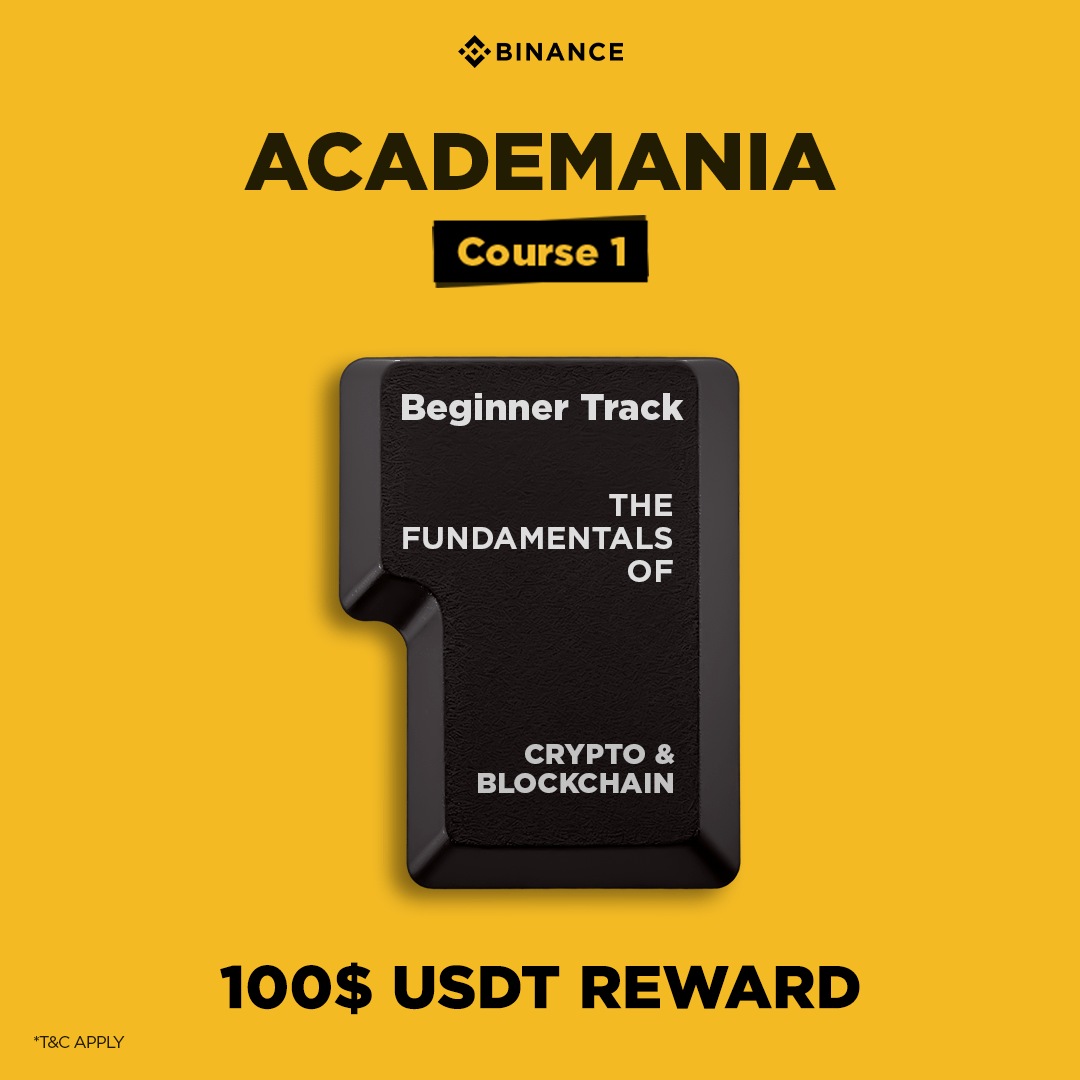
September Binance Academania Skill-Up is live.
This month’s course: Beginner Track - The Fundamentals of crypto and blockchain
New to crypto? Start with the fundamentals of blockchain, cryptocurrencies, DeFi, Web3, trading and investing.
How to participate:
1. Follow @Binance South Asia , like and reshare this post
2. Complete the featured course by 5 October 2026
3. Reply to this post with a screenshot of your certificate
4. Tag one friend in your reply
5. Submit your details here
Entries close on 5 October 2026 at 11:59 PM IST.
10 eligible participants will be selected at random from all valid entries. Each selected participant will receive $10 in USDT as a reward.
*T&Cs apply.
ເຂົ້າສູ່ລະບົບເພື່ອສຳຫຼວດເນື້ອຫາເພີ່ມເຕີມ