

eky-sky
667 ໂພສ

eky-sky
ເປີດການຊື້ຂາຍ
ຜູ້ຊື້ຂາຍຊົ່ວຄາວ
2 ປີ
392 ກໍາລັງຕິດຕາມ
23 ຜູ້ຕິດຕາມ
26 Liked
ໂພສ
Portfolio
ທັງໝົດ
ວົງຢືມ

Manta 甜心
·
--
悉尼的晨跑者抬腕看表的时候,迪拜的商人还没睡。
8座城市,8个时区,同一个市场。
这就是"天涯共此时"的意义。
古人用月亮丈量思念的距离,
币安用连接消灭时区的距离。
#币安中秋故事
8座城市,8个时区,同一个市场。
这就是"天涯共此时"的意义。
古人用月亮丈量思念的距离,
币安用连接消灭时区的距离。
#币安中秋故事

星辰大海_
·
--
ສັນຍານກະທິງ我爆了各位
我被爆了就代表要開始拉了
我宣佈迷因季正式開始!
繼續佈局馬斯克概念Meme
$BTC $DOGE $ETH
我被爆了就代表要開始拉了
我宣佈迷因季正式開始!
繼續佈局馬斯克概念Meme
$BTC $DOGE $ETH
ເນື້ອຫາອ້າງອີງຖືກລົບແລ້ວ

MrStar
·
--
Artificial intelligence is moving from being a tool to becoming an invisible layer of everyday life.
$NEAR
The biggest change may not be that machines become “smarter.”
It may be that intelligence becomes embedded everywhere.
In the coming years AI could quietly shape how we work, learn, design, communicate, trade, travel and make decisions. Many people may stop thinking of it as a separate technology because it will simply become part of the systems around them.
That shift will create enormous opportunities.
Small teams may be able to build what once required large companies. Individuals may gain access to research, analysis and creative tools that were previously expensive or difficult to use. Productivity could rise sharply in sectors that still depend on repetitive manual work.
$IO
But there is another side.
When intelligence becomes cheap and widely available, judgment becomes more valuable.
Knowing what to ask, what to trust, what to verify and when not to automate may become more important than simply having access to powerful tools.
The future may not belong to people who use AI the most.
It may belong to people who know when to use it and when to think for themselves.
That is the part of the AI revolution I find most interesting.
$WLD
Not whether machines can replace humans.
But how humans will redefine their value once intelligence is available almost everywhere.
AI may become common. Good judgment may become rare.
#AI
$NEAR
The biggest change may not be that machines become “smarter.”
It may be that intelligence becomes embedded everywhere.
In the coming years AI could quietly shape how we work, learn, design, communicate, trade, travel and make decisions. Many people may stop thinking of it as a separate technology because it will simply become part of the systems around them.
That shift will create enormous opportunities.
Small teams may be able to build what once required large companies. Individuals may gain access to research, analysis and creative tools that were previously expensive or difficult to use. Productivity could rise sharply in sectors that still depend on repetitive manual work.
$IO
But there is another side.
When intelligence becomes cheap and widely available, judgment becomes more valuable.
Knowing what to ask, what to trust, what to verify and when not to automate may become more important than simply having access to powerful tools.
The future may not belong to people who use AI the most.
It may belong to people who know when to use it and when to think for themselves.
That is the part of the AI revolution I find most interesting.
$WLD
Not whether machines can replace humans.
But how humans will redefine their value once intelligence is available almost everywhere.
AI may become common. Good judgment may become rare.
#AI
ເນື້ອຫາອ້າງອີງຖືກລົບແລ້ວ

KIRAN_加密 143
·
--
ສັນຍານກະທິງ🚨 BTC AIRDROP COUNTDOWN IS LIVE! 🚨
🧧🎁 BIG GIVEAWAY INCOMING! 🎁🧧
⏳ The countdown has started…
₿ Bitcoin rewards are waiting! 💰🔥
✨ Don’t miss your chance to join
🎁 Grab the giveaway
❤️ Like • 💬 Comment • 🔄 Repost
⏰ Stay tuned for the DROP!
🚀 Your lucky moment could be just one countdown away! 🧧
#Giveaway #Airdrop #Crypto #BTC #BinanceSquare
$NVDAB
$AAPLB
$NVDA.US
🧧🎁 BIG GIVEAWAY INCOMING! 🎁🧧
⏳ The countdown has started…
₿ Bitcoin rewards are waiting! 💰🔥
✨ Don’t miss your chance to join
🎁 Grab the giveaway
❤️ Like • 💬 Comment • 🔄 Repost
⏰ Stay tuned for the DROP!
🚀 Your lucky moment could be just one countdown away! 🧧
#Giveaway #Airdrop #Crypto #BTC #BinanceSquare
$NVDAB
$AAPLB
$NVDA.US

ເນື້ອຫາອ້າງອີງຖືກລົບແລ້ວ
ເນື້ອຫາອ້າງອີງຖືກລົບແລ້ວ


菲菲Fifi
·
--
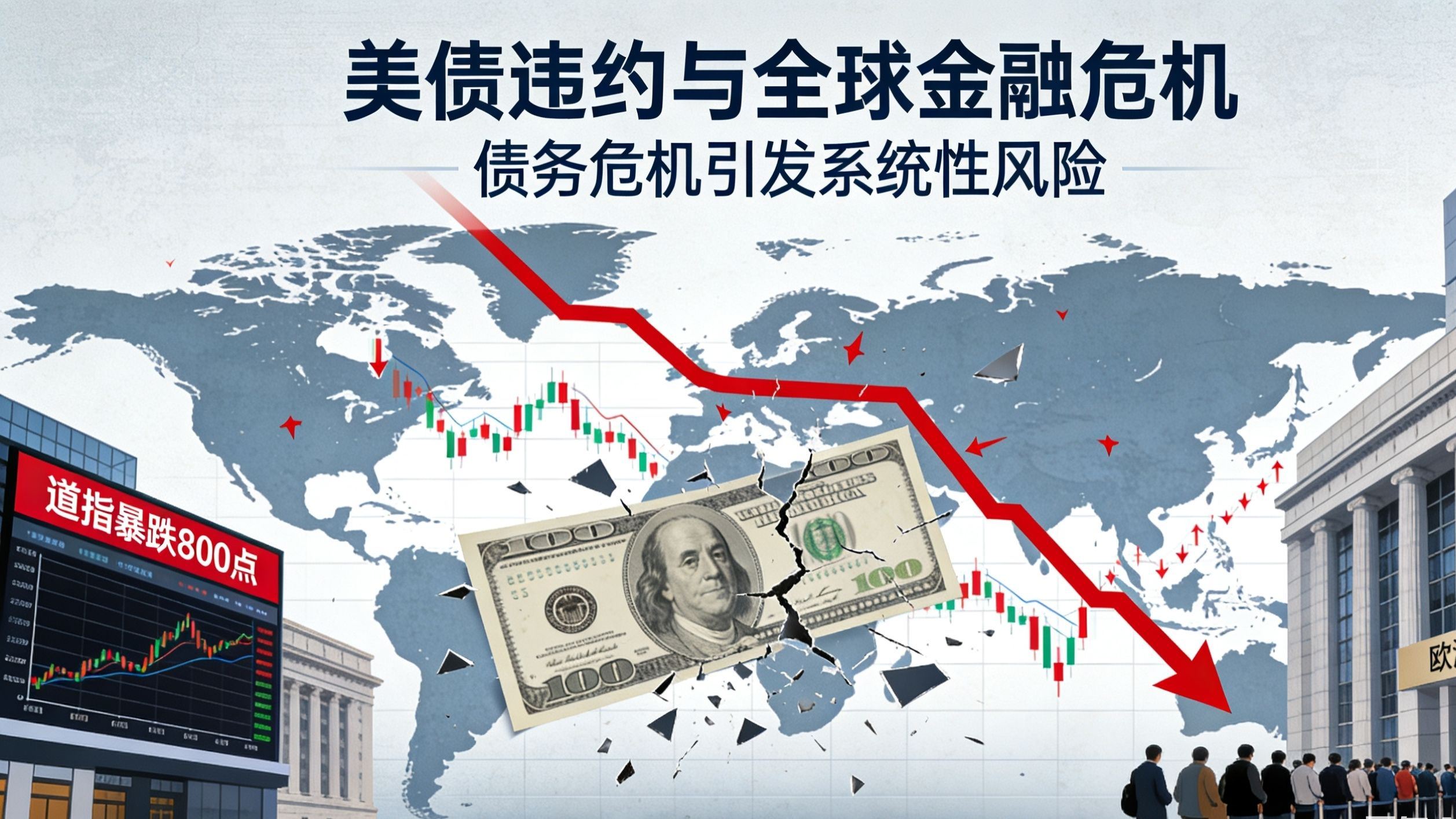
信用是现代文明最脆弱的骨架
而当美国财政部第一次承认无力兑付国债本息,这副支撑世界两百年的骨架,会在同一秒彻底粉碎。
2026年3月2日,美债总额站上38.89万亿美元的历史峰值。这不是简单的数字新高,而是悬在全人类头顶的达摩克利斯之剑。高利率重压之下,美国政府每年仅利息支出便突破1万亿美元,财政早已在悬崖边缘行走。
现代民主政体的底层逻辑,早已被短期选票与即时福利锁死。选民只在乎当下的社保与补贴,政客只追求任期内的支持率,长期风险被无限后移,财政责任被层层甩锅。债务在无人负责的沉默中越滚越大,违约早已不是概率问题,而是时间问题。
作为全球资产定价之锚,美债一旦违约,无风险利率信仰崩塌,所有金融定价模型瞬间失效。抵押品价值骤降,保证金连环追缴,机构为求生疯狂抛售流动性资产,蓝筹、指数、大宗商品无一幸免,全球金融市场将迎来史诗级的踩踏与崩盘。
危机面前,比特币会先经历极端流动性抛售,短期暴跌在所难免。
但当法币体系彻底失去信任,旧秩序燃尽归零,比特币将从投机标的,蜕变为穿越混沌的终极价值锚。
那时,世界不再用美元衡量比特币,而是万物皆以比特币重新定价。
旧时代的寂灭,正是新世界的序章。
2026年3月2日,美债总额站上38.89万亿美元的历史峰值。这不是简单的数字新高,而是悬在全人类头顶的达摩克利斯之剑。高利率重压之下,美国政府每年仅利息支出便突破1万亿美元,财政早已在悬崖边缘行走。
现代民主政体的底层逻辑,早已被短期选票与即时福利锁死。选民只在乎当下的社保与补贴,政客只追求任期内的支持率,长期风险被无限后移,财政责任被层层甩锅。债务在无人负责的沉默中越滚越大,违约早已不是概率问题,而是时间问题。
作为全球资产定价之锚,美债一旦违约,无风险利率信仰崩塌,所有金融定价模型瞬间失效。抵押品价值骤降,保证金连环追缴,机构为求生疯狂抛售流动性资产,蓝筹、指数、大宗商品无一幸免,全球金融市场将迎来史诗级的踩踏与崩盘。
危机面前,比特币会先经历极端流动性抛售,短期暴跌在所难免。
但当法币体系彻底失去信任,旧秩序燃尽归零,比特币将从投机标的,蜕变为穿越混沌的终极价值锚。
那时,世界不再用美元衡量比特币,而是万物皆以比特币重新定价。
旧时代的寂灭,正是新世界的序章。

分析师小梅
·
--
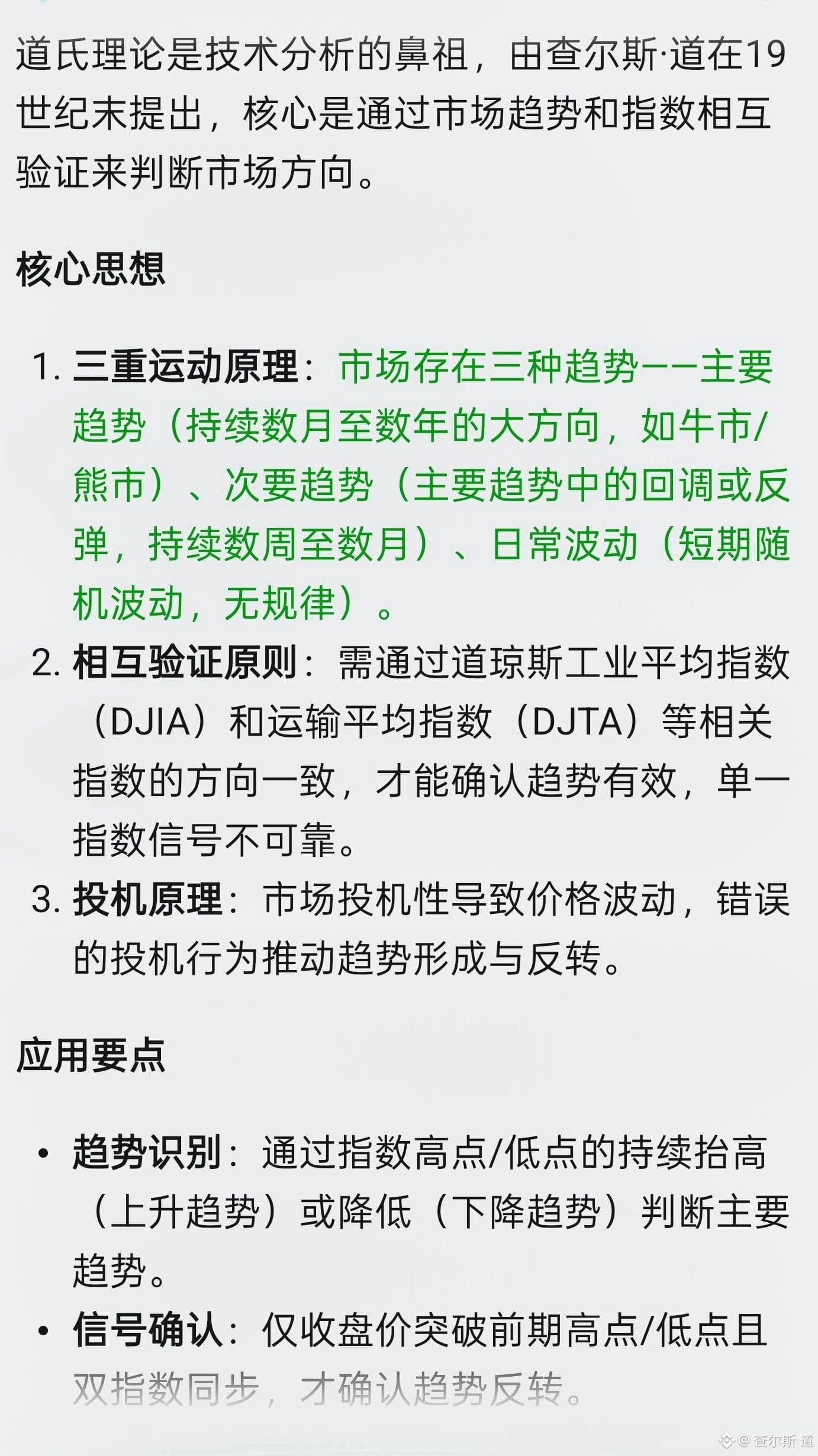
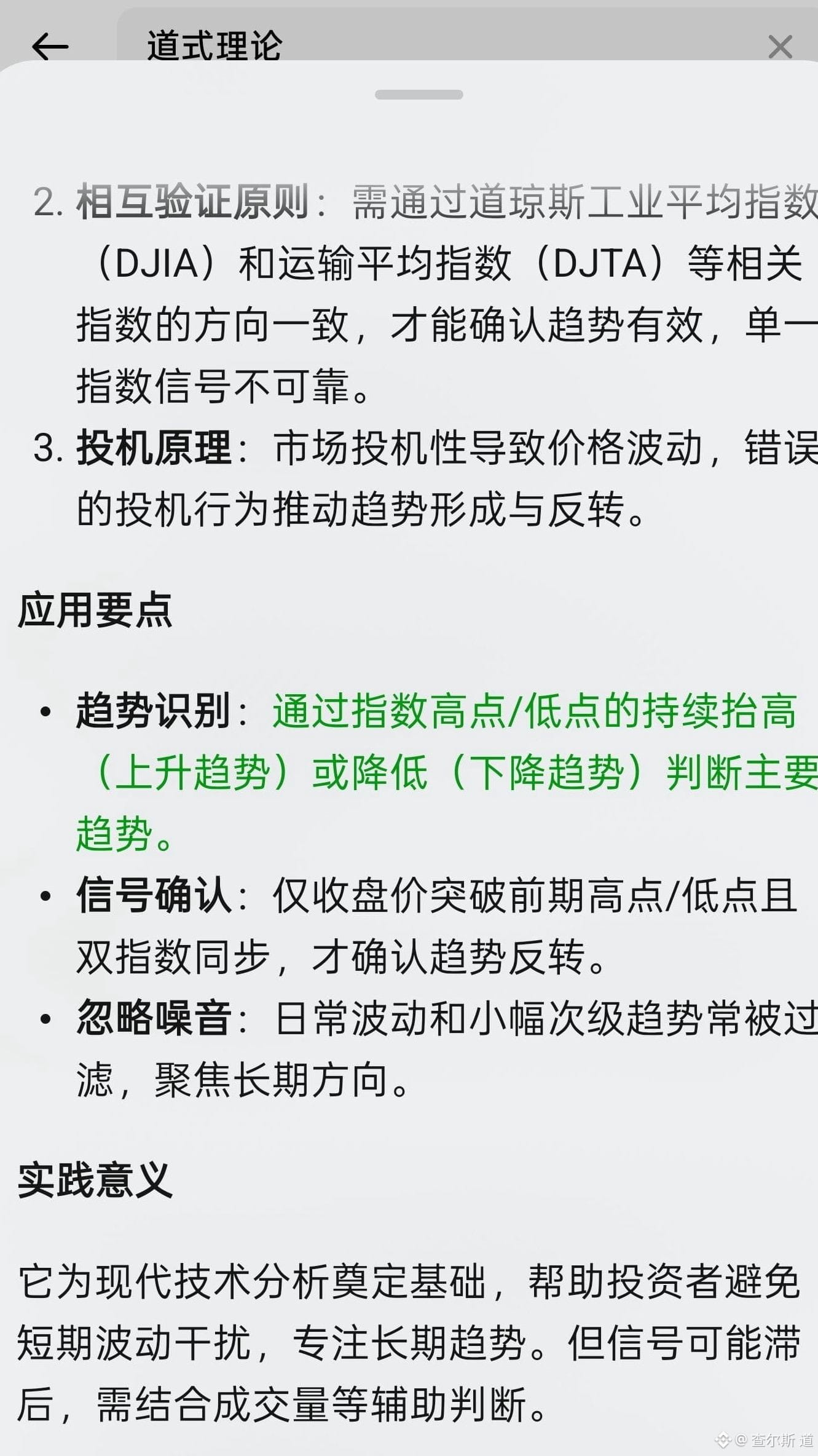
#道氏理论 道氏理论是技术分析的鼻祖,由查尔斯·道在19世纪末提出,核心是通过市场趋势和指数相互验证来判断市场的方向!
ເນື້ອຫາອ້າງອີງຖືກລົບແລ້ວ

k-xin
·
--
#X移除加密禁令 #美以袭击伊朗 晚上好,发送1领取

ເຂົ້າສູ່ລະບົບເພື່ອສຳຫຼວດເນື້ອຫາເພີ່ມເຕີມ