

Professor Mende - Creator of the bonuz Human Layer
2.5k ໂພສ

Professor Mende - Creator of the bonuz Human Layer
 Square ຢືນຢັນແລ້ວ
ລາຍງານ
ບລັອກຜູ້ໃຊ້
🔸 German-based in Dubai
🔸 Co-Founder: Dubai Blockchain Center
🔸 Founder: bonuz Human Layer & Lifestyle Wallet App
🔸 Visit: Bonuz.xyz
🔸 My X: @MendeMatthias

2025 ບລັອກເຊນ 100 — ຜູ້ສະໜັບສະໜູນອຸດສາຫະກໍາ

Creator Awards 2024
ເປີດການຊື້ຂາຍ

ຜູ້ຖື BTC
ຜູ້ຊື້ຂາຍຊົ່ວຄາວ
8.8 ປີ
9 ກໍາລັງຕິດຕາມ
82.7K+ ຜູ້ຕິດຕາມ
42.7K+ Liked
2 ຫຼຽນລາງວັນ
ໂພສ
Portfolio
ທັງໝົດ
ວົງຢືມ
ວີດີໂອ
ຖ່າຍທອດສົດ
ປັກໝຸດ
Thanks for sharing. An absolute Honor to win. Thanks Community 😘
Thanks for sharing. An absolute Honor to win. Thanks Community 😘

TechBullion
·
--
Matthias Mende Honored as Binance’s ‘Creator of the Year’ at Binance Blockchain Week Dubai
Founder of Bonuz Market and Co-founder of Dubai Blockchain Center Recognized for Outstanding Contributions to the Binance Community Matthias Mende, the founder of Bonuz Market and co-founder of the Dubai Blockchain Center, has been awarded the prestigious ‘Creator of the Year’ award by Binance, the world’s leading cryptocurrency exchange. The accolade was presented by Binance […]
The post Matthias Mende Honored as Binance’s ‘Creator of the Year’ at Binance Blockchain Week Dubai appeared first on TechBullion.
The post Matthias Mende Honored as Binance’s ‘Creator of the Year’ at Binance Blockchain Week Dubai appeared first on TechBullion.

285
229
35
2.4k
ປັກໝຸດ
·
--
ສັນຍານກະທິງ
This is not Crypto! This is me meeting the Ruler of #Dubai.
❤️ I love the #UAE and have been calling Dubai my home since 2007. UAE is also the HQ of Binance.
I am glad that the leadership understands the potential of #Blockchain technology here. 🫶🏼✨
#bullish 🇦🇪 😀
This is not Crypto! This is me meeting the Ruler of #Dubai.
❤️ I love the #UAE and have been calling Dubai my home since 2007. UAE is also the HQ of Binance.
I am glad that the leadership understands the potential of #Blockchain technology here. 🫶🏼✨
#bullish 🇦🇪 😀
❤️ I love the #UAE and have been calling Dubai my home since 2007. UAE is also the HQ of Binance.
I am glad that the leadership understands the potential of #Blockchain technology here. 🫶🏼✨
#bullish 🇦🇪 😀

2k
9
431
38.9k
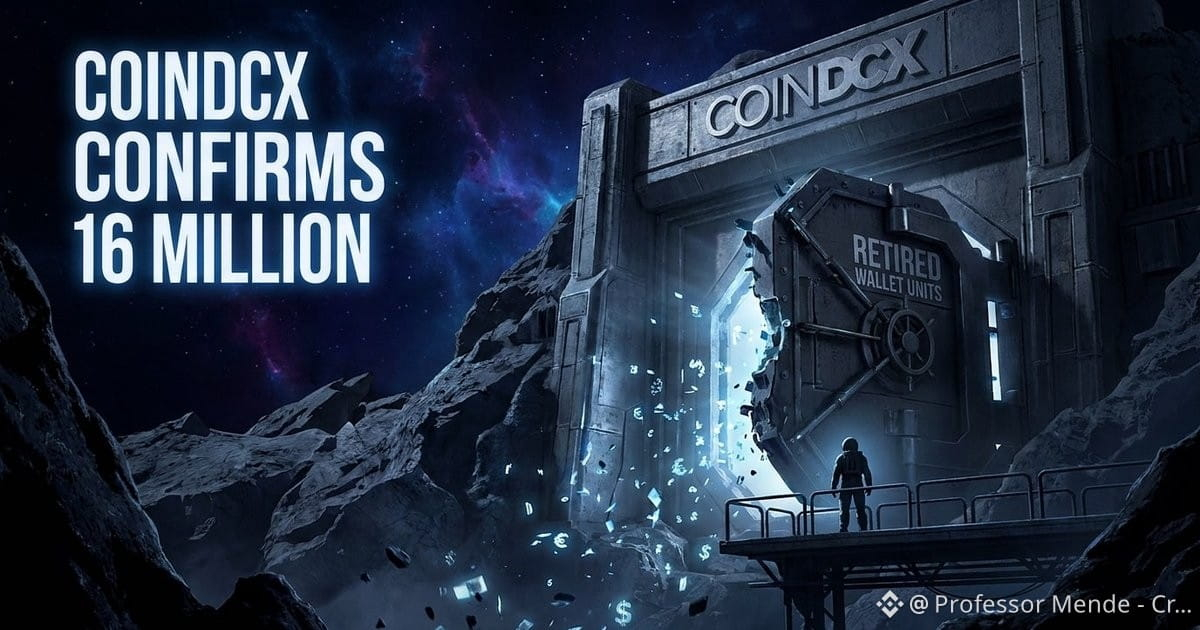
CoinDCX Confirms $16 Million Loss From Retired Wallets
CoinDCX has confirmed a $16 million (USD) loss linked to retired wallets, days after its CEO called early breach reports a false alarm.
How much should the public trust an executive's first public statement during a live security incident, before any internal investigation is complete?
https://www.bonuz.xyz/en/blog/coindcx-confirms-16-million-loss-retired-wallets
💛💛 if these updates help you, a vote for Professor Mende (Community Influencer of the Year) means a lot. vote link plus 🧧 red packets waiting on my profile 💛💛
CoinDCX Confirms $16 Million Loss From Retired Wallets
CoinDCX has confirmed a $16 million (USD) loss linked to retired wallets, days after its CEO called early breach reports a false alarm.
How much should the public trust an executive's first public statement during a live security incident, before any internal investigation is complete?
https://www.bonuz.xyz/en/blog/coindcx-confirms-16-million-loss-retired-wallets
💛💛 if these updates help you, a vote for Professor Mende (Community Influencer of the Year) means a lot. vote link plus 🧧 red packets waiting on my profile 💛💛
CoinDCX has confirmed a $16 million (USD) loss linked to retired wallets, days after its CEO called early breach reports a false alarm.
How much should the public trust an executive's first public statement during a live security incident, before any internal investigation is complete?
https://www.bonuz.xyz/en/blog/coindcx-confirms-16-million-loss-retired-wallets
💛💛 if these updates help you, a vote for Professor Mende (Community Influencer of the Year) means a lot. vote link plus 🧧 red packets waiting on my profile 💛💛
1
146
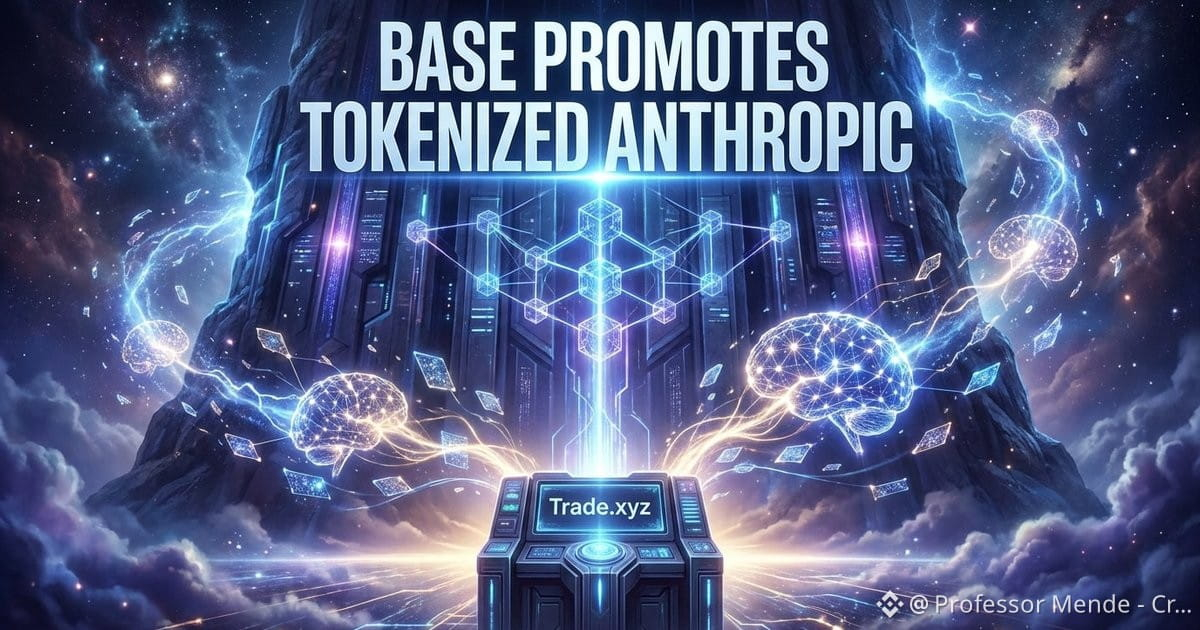
Base Promotes Tokenized Anthropic Shares via Trade.xyz
Base is promoting 'tokenized Anthropic shares' while Trade.xyz opens a leveraged pre-IPO contract called ANT. Neither names an issuer or token contract, raising questions about what buyers actually hold.
If a tokenized product names no issuer and no contract, what exactly is being traded? As more platforms race to offer exposure to private companies before they list, buyers need clarity on whether they hold a claim on something real, or simply a price bet dressed up as equity.
https://www.bonuz.xyz/en/blog/base-tokenized-anthropic-shares-trade-xyz
💛💛 one tap a day helps: vote Professor Mende in the Binance Blockchain 100. link pinned on my profile, grab a 🧧 red packet while you are there 💛💛
Base Promotes Tokenized Anthropic Shares via Trade.xyz
Base is promoting 'tokenized Anthropic shares' while Trade.xyz opens a leveraged pre-IPO contract called ANT. Neither names an issuer or token contract, raising questions about what buyers actually hold.
If a tokenized product names no issuer and no contract, what exactly is being traded? As more platforms race to offer exposure to private companies before they list, buyers need clarity on whether they hold a claim on something real, or simply a price bet dressed up as equity.
https://www.bonuz.xyz/en/blog/base-tokenized-anthropic-shares-trade-xyz
💛💛 one tap a day helps: vote Professor Mende in the Binance Blockchain 100. link pinned on my profile, grab a 🧧 red packet while you are there 💛💛
Base is promoting 'tokenized Anthropic shares' while Trade.xyz opens a leveraged pre-IPO contract called ANT. Neither names an issuer or token contract, raising questions about what buyers actually hold.
If a tokenized product names no issuer and no contract, what exactly is being traded? As more platforms race to offer exposure to private companies before they list, buyers need clarity on whether they hold a claim on something real, or simply a price bet dressed up as equity.
https://www.bonuz.xyz/en/blog/base-tokenized-anthropic-shares-trade-xyz
💛💛 one tap a day helps: vote Professor Mende in the Binance Blockchain 100. link pinned on my profile, grab a 🧧 red packet while you are there 💛💛
2
159
🧧 evening red packet 🧧
last one for today. the Blockchain 100 vote closes 28 Oct at 19:59 Dubai time, and every single vote counts for Professor Mende, Community Influencer of the Year 💛
👇 red packet code in the comments
🗳️ vote link pinned on my profile, one tap a day
thank you for being here. builders win together 💛💛💛
🧧 evening red packet 🧧
last one for today. the Blockchain 100 vote closes 28 Oct at 19:59 Dubai time, and every single vote counts for Professor Mende, Community Influencer of the Year 💛
👇 red packet code in the comments
🗳️ vote link pinned on my profile, one tap a day
thank you for being here. builders win together 💛💛💛
last one for today. the Blockchain 100 vote closes 28 Oct at 19:59 Dubai time, and every single vote counts for Professor Mende, Community Influencer of the Year 💛
👇 red packet code in the comments
🗳️ vote link pinned on my profile, one tap a day
thank you for being here. builders win together 💛💛💛
1
7
369
🧧 red packet #2 for my Square fam 🧧
missed the first one? here's another. you read my posts, you share, you comment. it means a lot, so a small gift back from me
👇 code in the comments
💛 haven't voted yet? link pinned on my profile, one tap
🔁 already voted? you can vote every day until 28 Oct
let's go 🚀💛
🧧 red packet #2 for my Square fam 🧧
missed the first one? here's another. you read my posts, you share, you comment. it means a lot, so a small gift back from me
👇 code in the comments
💛 haven't voted yet? link pinned on my profile, one tap
🔁 already voted? you can vote every day until 28 Oct
let's go 🚀💛
missed the first one? here's another. you read my posts, you share, you comment. it means a lot, so a small gift back from me
👇 code in the comments
💛 haven't voted yet? link pinned on my profile, one tap
🔁 already voted? you can vote every day until 28 Oct
let's go 🚀💛
3
4
275
🧧🧧🧧 red packet time 🧧🧧🧧
3 days left in the Binance Blockchain 100 vote and i'm in the race for Community Influencer of the Year 💛
honest truth: it's a tough race. no tricks, no bought votes, i only have you. so here's a little thank you.
👇 red packet code is in the comments, first come first served
🗳️ vote link is pinned on my profile, one tap a day until 28 Oct
claim it, vote, and tag a friend who should do the same 💛💛
🧧🧧🧧 red packet time 🧧🧧🧧
3 days left in the Binance Blockchain 100 vote and i'm in the race for Community Influencer of the Year 💛
honest truth: it's a tough race. no tricks, no bought votes, i only have you. so here's a little thank you.
👇 red packet code is in the comments, first come first served
🗳️ vote link is pinned on my profile, one tap a day until 28 Oct
claim it, vote, and tag a friend who should do the same 💛💛
3 days left in the Binance Blockchain 100 vote and i'm in the race for Community Influencer of the Year 💛
honest truth: it's a tough race. no tricks, no bought votes, i only have you. so here's a little thank you.
👇 red packet code is in the comments, first come first served
🗳️ vote link is pinned on my profile, one tap a day until 28 Oct
claim it, vote, and tag a friend who should do the same 💛💛

Daily Mende Votes
ຈາກ Professor Mende - Creator of the bonuz Human Layer
1
6
220
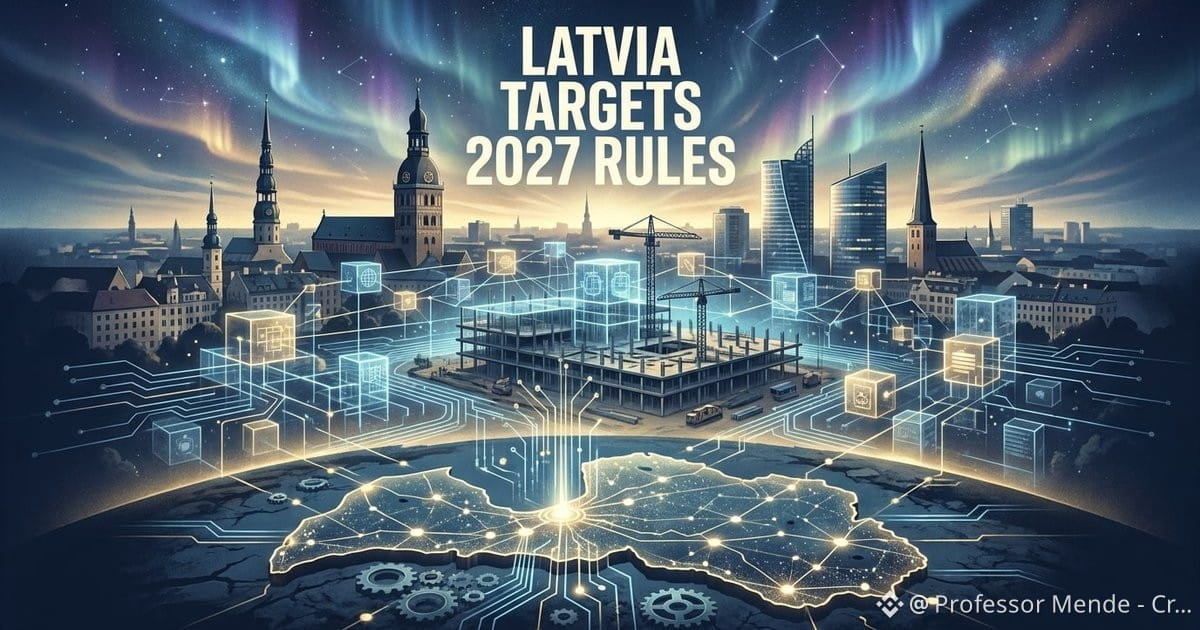
Latvia Targets 2027 Rules for Property Tokenization
Latvia's economics minister says tokenization rules for commercial property and government bonds could arrive by mid-2027, though a legal assessment remains unfinished.
Can a small European Union country build tokenization rules thorough enough to prevent fraud, yet fast enough to attract capital before larger markets move first? Economics Minister Valainis said Latvia wants certainty before any launch, but regulatory caution and competitive urgency often pull in opposite directions. Latvia's eventual answer could shape how other small states in Europe weigh the same trade-off between speed and safety.
https://www.bonuz.xyz/en/blog/latvia-2027-tokenization-rules-property
💛💛 if these updates help you, a vote for Professor Mende (Community Influencer of the Year) means a lot. vote link plus 🧧 red packets waiting on my profile 💛💛
Latvia Targets 2027 Rules for Property Tokenization
Latvia's economics minister says tokenization rules for commercial property and government bonds could arrive by mid-2027, though a legal assessment remains unfinished.
Can a small European Union country build tokenization rules thorough enough to prevent fraud, yet fast enough to attract capital before larger markets move first? Economics Minister Valainis said Latvia wants certainty before any launch, but regulatory caution and competitive urgency often pull in opposite directions. Latvia's eventual answer could shape how other small states in Europe weigh the same trade-off between speed and safety.
https://www.bonuz.xyz/en/blog/latvia-2027-tokenization-rules-property
💛💛 if these updates help you, a vote for Professor Mende (Community Influencer of the Year) means a lot. vote link plus 🧧 red packets waiting on my profile 💛💛
Latvia's economics minister says tokenization rules for commercial property and government bonds could arrive by mid-2027, though a legal assessment remains unfinished.
Can a small European Union country build tokenization rules thorough enough to prevent fraud, yet fast enough to attract capital before larger markets move first? Economics Minister Valainis said Latvia wants certainty before any launch, but regulatory caution and competitive urgency often pull in opposite directions. Latvia's eventual answer could shape how other small states in Europe weigh the same trade-off between speed and safety.
https://www.bonuz.xyz/en/blog/latvia-2027-tokenization-rules-property
💛💛 if these updates help you, a vote for Professor Mende (Community Influencer of the Year) means a lot. vote link plus 🧧 red packets waiting on my profile 💛💛
1
272
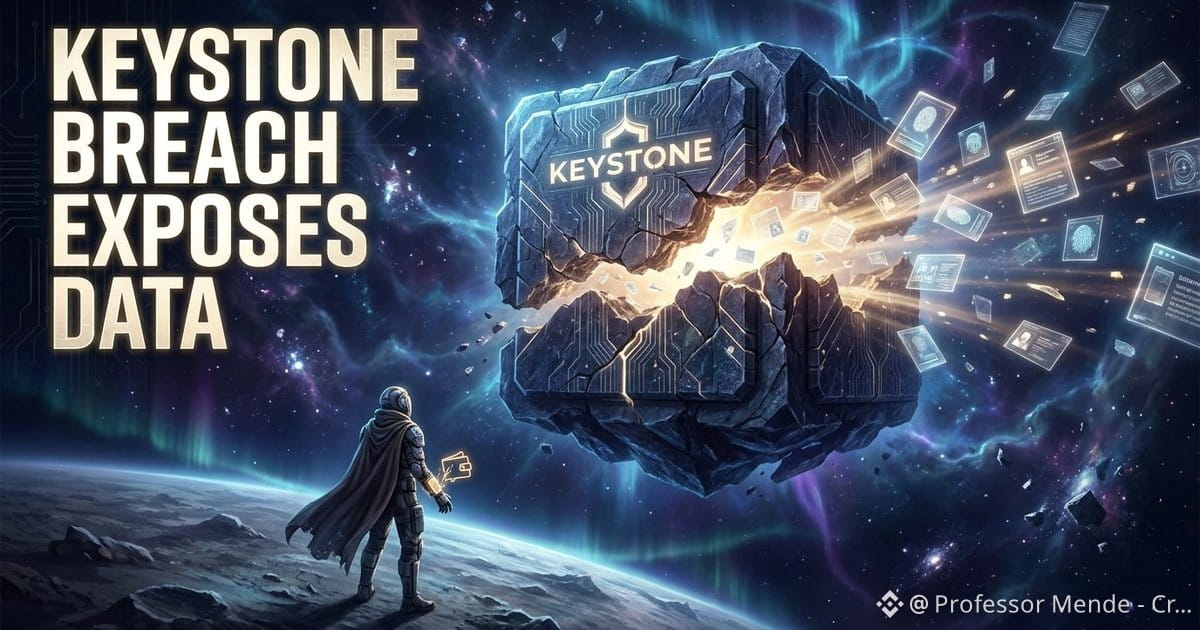
Keystone Breach Exposes Data It Promised to Delete
Keystone customers say a breach exposed data the hardware wallet maker promised to delete within 180 days of a purchase.
If a company promises to delete customer data after a set period, who actually verifies that the deletion happened? Should crypto hardware firms face independent audits of their data deletion policies, similar to reserve attestations, or will customers only learn the truth after a breach exposes the gap?
https://www.bonuz.xyz/en/blog/keystone-breach-exposes-deleted-data
💛💛 one tap a day helps: vote Professor Mende in the Binance Blockchain 100. link pinned on my profile, grab a 🧧 red packet while you are there 💛💛
Keystone Breach Exposes Data It Promised to Delete
Keystone customers say a breach exposed data the hardware wallet maker promised to delete within 180 days of a purchase.
If a company promises to delete customer data after a set period, who actually verifies that the deletion happened? Should crypto hardware firms face independent audits of their data deletion policies, similar to reserve attestations, or will customers only learn the truth after a breach exposes the gap?
https://www.bonuz.xyz/en/blog/keystone-breach-exposes-deleted-data
💛💛 one tap a day helps: vote Professor Mende in the Binance Blockchain 100. link pinned on my profile, grab a 🧧 red packet while you are there 💛💛
Keystone customers say a breach exposed data the hardware wallet maker promised to delete within 180 days of a purchase.
If a company promises to delete customer data after a set period, who actually verifies that the deletion happened? Should crypto hardware firms face independent audits of their data deletion policies, similar to reserve attestations, or will customers only learn the truth after a breach exposes the gap?
https://www.bonuz.xyz/en/blog/keystone-breach-exposes-deleted-data
💛💛 one tap a day helps: vote Professor Mende in the Binance Blockchain 100. link pinned on my profile, grab a 🧧 red packet while you are there 💛💛
1
269
Nintendo Switch 2 Jailbreak Uses AI and an Old Game
A modder used AI and an old SmileBASIC game to jailbreak the Nintendo Switch 2, running a custom Mario Kart World with characters like Peter Griffin. It raises a bigger question about locked hardware.
If an AI tool can crack open a brand new game console within months of release, how long before it can crack open the glasses that show us where to walk, who is nearby, and what is worth trusting? And once that layer can be rewritten by whoever is fastest, who decides what it shows us: the company that built it, the person wearing it, or whoever finds the gap first?
https://www.bonuz.xyz/en/blog/nintendo-switch-2-jailbreak-ai-2026-10-25
💛💛 if these updates help you, a vote for Professor Mende (Community Influencer of the Year) means a lot. vote link plus 🧧 red packets waiting on my profile 💛💛
Nintendo Switch 2 Jailbreak Uses AI and an Old Game
A modder used AI and an old SmileBASIC game to jailbreak the Nintendo Switch 2, running a custom Mario Kart World with characters like Peter Griffin. It raises a bigger question about locked hardware.
If an AI tool can crack open a brand new game console within months of release, how long before it can crack open the glasses that show us where to walk, who is nearby, and what is worth trusting? And once that layer can be rewritten by whoever is fastest, who decides what it shows us: the company that built it, the person wearing it, or whoever finds the gap first?
https://www.bonuz.xyz/en/blog/nintendo-switch-2-jailbreak-ai-2026-10-25
💛💛 if these updates help you, a vote for Professor Mende (Community Influencer of the Year) means a lot. vote link plus 🧧 red packets waiting on my profile 💛💛
A modder used AI and an old SmileBASIC game to jailbreak the Nintendo Switch 2, running a custom Mario Kart World with characters like Peter Griffin. It raises a bigger question about locked hardware.
If an AI tool can crack open a brand new game console within months of release, how long before it can crack open the glasses that show us where to walk, who is nearby, and what is worth trusting? And once that layer can be rewritten by whoever is fastest, who decides what it shows us: the company that built it, the person wearing it, or whoever finds the gap first?
https://www.bonuz.xyz/en/blog/nintendo-switch-2-jailbreak-ai-2026-10-25
💛💛 if these updates help you, a vote for Professor Mende (Community Influencer of the Year) means a lot. vote link plus 🧧 red packets waiting on my profile 💛💛
1
2
217
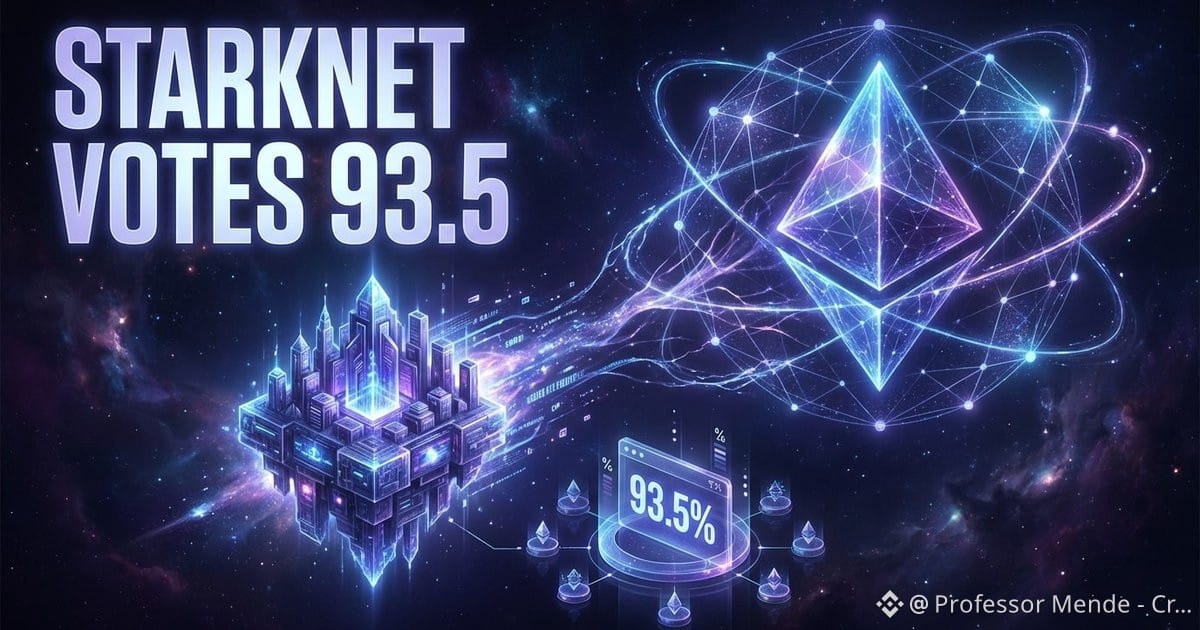
Starknet Votes 93.5% to Explore Independent L1 Exit
Starknet holders backed research into leaving Ethereum for an independent, post-quantum Layer 1, with over 93.5% support. ETH trades near $2,345 today after a rough month.
Starknet's research vote raises a bigger question for the whole rollup ecosystem. If one of Ethereum's largest Layer 2 networks can seriously study independence, how many others might eventually consider the same path? And if several rollups did move toward standalone chains, would that weaken Ethereum's role as the default settlement layer, or simply redraw where that settlement activity happens across a wider set of networks?
https://www.bonuz.xyz/en/blog/starknet-votes-independent-l1-exit-2026-10-25
💛💛 one tap a day helps: vote Professor Mende in the Binance Blockchain 100. link pinned on my profile, grab a 🧧 red packet while you are there 💛💛
Starknet Votes 93.5% to Explore Independent L1 Exit
Starknet holders backed research into leaving Ethereum for an independent, post-quantum Layer 1, with over 93.5% support. ETH trades near $2,345 today after a rough month.
Starknet's research vote raises a bigger question for the whole rollup ecosystem. If one of Ethereum's largest Layer 2 networks can seriously study independence, how many others might eventually consider the same path? And if several rollups did move toward standalone chains, would that weaken Ethereum's role as the default settlement layer, or simply redraw where that settlement activity happens across a wider set of networks?
https://www.bonuz.xyz/en/blog/starknet-votes-independent-l1-exit-2026-10-25
💛💛 one tap a day helps: vote Professor Mende in the Binance Blockchain 100. link pinned on my profile, grab a 🧧 red packet while you are there 💛💛
Starknet holders backed research into leaving Ethereum for an independent, post-quantum Layer 1, with over 93.5% support. ETH trades near $2,345 today after a rough month.
Starknet's research vote raises a bigger question for the whole rollup ecosystem. If one of Ethereum's largest Layer 2 networks can seriously study independence, how many others might eventually consider the same path? And if several rollups did move toward standalone chains, would that weaken Ethereum's role as the default settlement layer, or simply redraw where that settlement activity happens across a wider set of networks?
https://www.bonuz.xyz/en/blog/starknet-votes-independent-l1-exit-2026-10-25
💛💛 one tap a day helps: vote Professor Mende in the Binance Blockchain 100. link pinned on my profile, grab a 🧧 red packet while you are there 💛💛
1
224
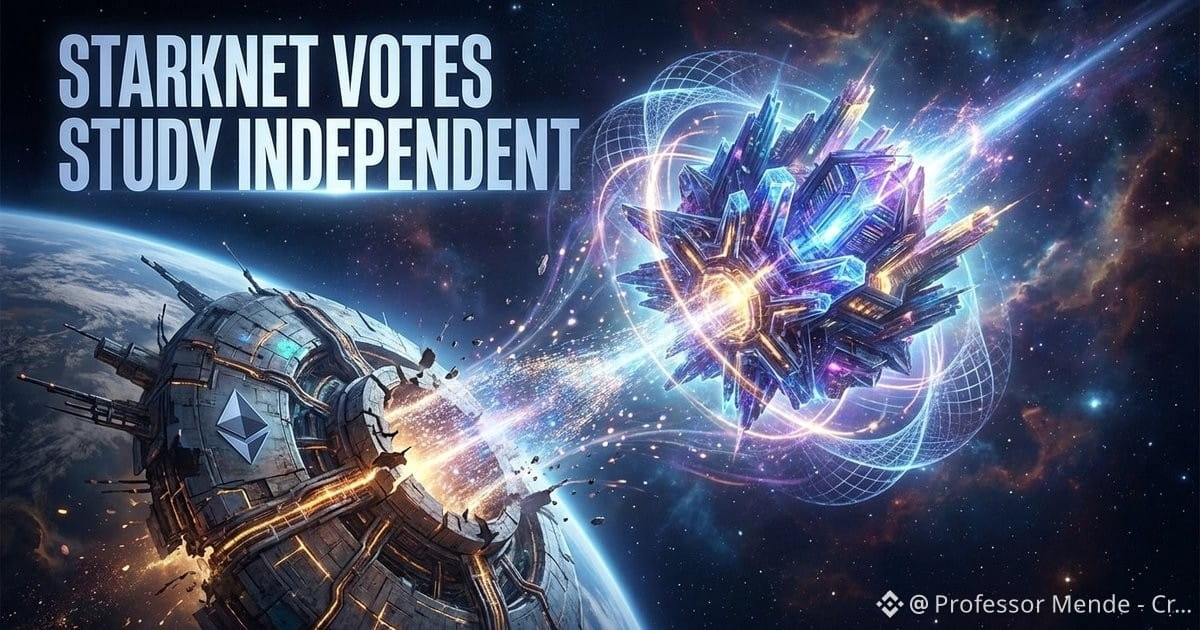
Starknet Votes to Study Independent Post-Quantum L1 Move
Starknet holders voted with over 93.5% support to research an independent, post-quantum Layer 1 transition away from Ethereum. StarkWare will publish a draft whitepaper in November 2026.
If Starknet leaves Ethereum to become an independent Layer 1, does it still benefit from Ethereum's security and liquidity? Layer 2 networks exist to inherit a base chain's trust guarantees. Walking away from that model raises a bigger question for the entire rollup ecosystem: can quantum-resistant security be built without losing the shared security that made Layer 2 networks valuable in the first place?
https://www.bonuz.xyz/en/blog/starknet-post-quantum-l1-vote
💛💛 if these updates help you, a vote for Professor Mende (Community Influencer of the Year) means a lot. vote link plus 🧧 red packets waiting on my profile 💛💛
Starknet Votes to Study Independent Post-Quantum L1 Move
Starknet holders voted with over 93.5% support to research an independent, post-quantum Layer 1 transition away from Ethereum. StarkWare will publish a draft whitepaper in November 2026.
If Starknet leaves Ethereum to become an independent Layer 1, does it still benefit from Ethereum's security and liquidity? Layer 2 networks exist to inherit a base chain's trust guarantees. Walking away from that model raises a bigger question for the entire rollup ecosystem: can quantum-resistant security be built without losing the shared security that made Layer 2 networks valuable in the first place?
https://www.bonuz.xyz/en/blog/starknet-post-quantum-l1-vote
💛💛 if these updates help you, a vote for Professor Mende (Community Influencer of the Year) means a lot. vote link plus 🧧 red packets waiting on my profile 💛💛
Starknet holders voted with over 93.5% support to research an independent, post-quantum Layer 1 transition away from Ethereum. StarkWare will publish a draft whitepaper in November 2026.
If Starknet leaves Ethereum to become an independent Layer 1, does it still benefit from Ethereum's security and liquidity? Layer 2 networks exist to inherit a base chain's trust guarantees. Walking away from that model raises a bigger question for the entire rollup ecosystem: can quantum-resistant security be built without losing the shared security that made Layer 2 networks valuable in the first place?
https://www.bonuz.xyz/en/blog/starknet-post-quantum-l1-vote
💛💛 if these updates help you, a vote for Professor Mende (Community Influencer of the Year) means a lot. vote link plus 🧧 red packets waiting on my profile 💛💛
1
151
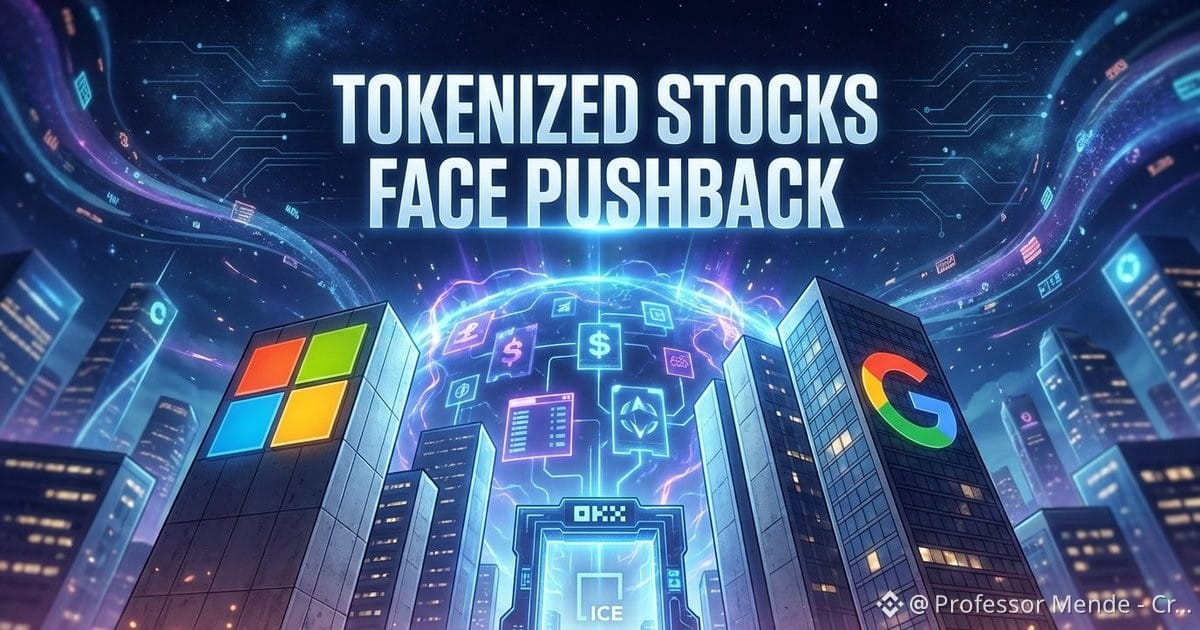
Tokenized Stocks Face Pushback From Microsoft, Google
Microsoft, Alphabet, Goldman Sachs and 19 other companies objected to having their shares tokenized on OKX-ICE's new venue, testing the SEC's innovation exemption for tokenized stocks.
If objecting costs nothing and staying silent becomes a permanent, irreversible decision, will any major public company ever choose to opt in voluntarily? Or does tokenized stock trading only grow once regulators flip the default from opt-out to opt-in, giving issuers more time and clearer answers on custody, dividends and voting before shares move onchain?
https://www.bonuz.xyz/en/blog/tokenized-stocks-pushback-microsoft-google
💛💛 one tap a day helps: vote Professor Mende in the Binance Blockchain 100. link pinned on my profile, grab a 🧧 red packet while you are there 💛💛
Tokenized Stocks Face Pushback From Microsoft, Google
Microsoft, Alphabet, Goldman Sachs and 19 other companies objected to having their shares tokenized on OKX-ICE's new venue, testing the SEC's innovation exemption for tokenized stocks.
If objecting costs nothing and staying silent becomes a permanent, irreversible decision, will any major public company ever choose to opt in voluntarily? Or does tokenized stock trading only grow once regulators flip the default from opt-out to opt-in, giving issuers more time and clearer answers on custody, dividends and voting before shares move onchain?
https://www.bonuz.xyz/en/blog/tokenized-stocks-pushback-microsoft-google
💛💛 one tap a day helps: vote Professor Mende in the Binance Blockchain 100. link pinned on my profile, grab a 🧧 red packet while you are there 💛💛
Microsoft, Alphabet, Goldman Sachs and 19 other companies objected to having their shares tokenized on OKX-ICE's new venue, testing the SEC's innovation exemption for tokenized stocks.
If objecting costs nothing and staying silent becomes a permanent, irreversible decision, will any major public company ever choose to opt in voluntarily? Or does tokenized stock trading only grow once regulators flip the default from opt-out to opt-in, giving issuers more time and clearer answers on custody, dividends and voting before shares move onchain?
https://www.bonuz.xyz/en/blog/tokenized-stocks-pushback-microsoft-google
💛💛 one tap a day helps: vote Professor Mende in the Binance Blockchain 100. link pinned on my profile, grab a 🧧 red packet while you are there 💛💛
1
91
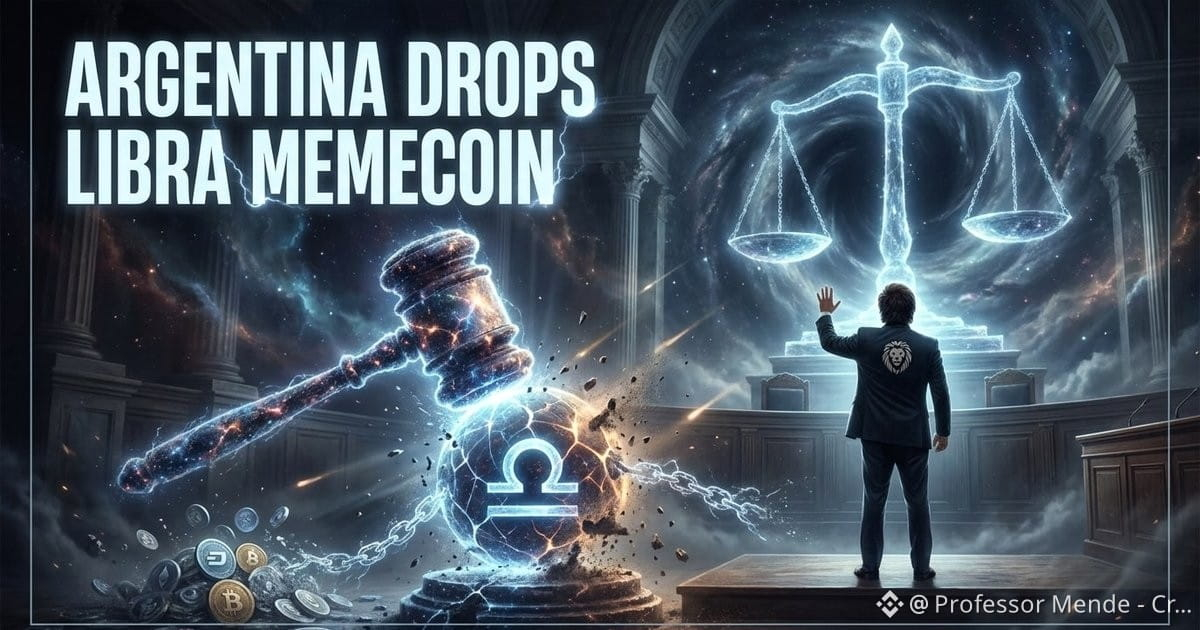
Argentina Drops LIBRA Memecoin Probe Against Milei
An Argentine judge dismissed the criminal case against President Javier Milei over the collapsed LIBRA memecoin, clearing him, his sister, and adviser Hayden Davis of fraud.
If a leader's endorsement of a token is legally separate from the token's performance, who bears responsibility when a promoted asset collapses and wipes out investor savings? Regulators and courts may answer this differently across jurisdictions, leaving investors without a consistent global standard for what counts as deception.
https://www.bonuz.xyz/en/blog/argentina-drops-libra-memecoin-probe-milei
💛💛 you read these every day, now a small favor 🙏 vote Professor Mende for Community Influencer of the Year. link on my profile, 🧧 red packets there too 💛💛
Argentina Drops LIBRA Memecoin Probe Against Milei
An Argentine judge dismissed the criminal case against President Javier Milei over the collapsed LIBRA memecoin, clearing him, his sister, and adviser Hayden Davis of fraud.
If a leader's endorsement of a token is legally separate from the token's performance, who bears responsibility when a promoted asset collapses and wipes out investor savings? Regulators and courts may answer this differently across jurisdictions, leaving investors without a consistent global standard for what counts as deception.
https://www.bonuz.xyz/en/blog/argentina-drops-libra-memecoin-probe-milei
💛💛 you read these every day, now a small favor 🙏 vote Professor Mende for Community Influencer of the Year. link on my profile, 🧧 red packets there too 💛💛
An Argentine judge dismissed the criminal case against President Javier Milei over the collapsed LIBRA memecoin, clearing him, his sister, and adviser Hayden Davis of fraud.
If a leader's endorsement of a token is legally separate from the token's performance, who bears responsibility when a promoted asset collapses and wipes out investor savings? Regulators and courts may answer this differently across jurisdictions, leaving investors without a consistent global standard for what counts as deception.
https://www.bonuz.xyz/en/blog/argentina-drops-libra-memecoin-probe-milei
💛💛 you read these every day, now a small favor 🙏 vote Professor Mende for Community Influencer of the Year. link on my profile, 🧧 red packets there too 💛💛
1
142
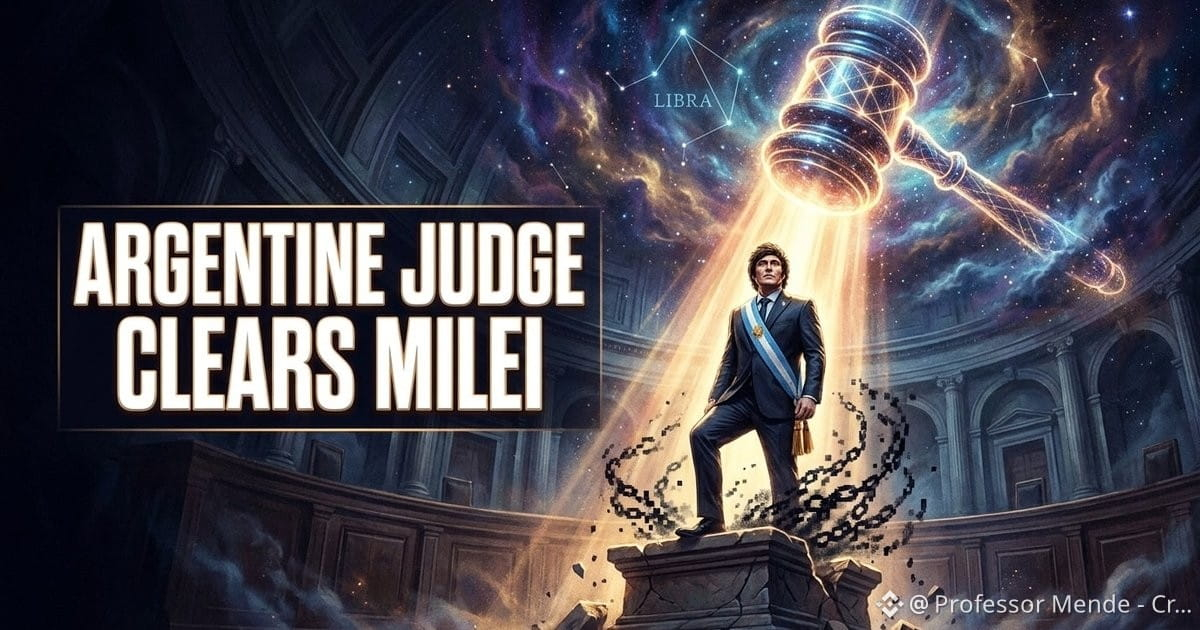
Argentine Judge Clears Milei, Others in LIBRA Case
An Argentine judge cleared President Javier Milei and 10 others in the LIBRA token case, ruling that a single promotional post did not amount to criminal fraud.
The ruling raises a broader question: how much legal responsibility should public figures carry when they promote financial products to millions of followers? If a promotional post alone cannot establish fraud, what threshold should apply instead? This extends beyond Argentina, as officials and celebrities worldwide increasingly promote tokens and other crypto assets.
https://www.bonuz.xyz/en/blog/argentine-judge-clears-milei-libra-case
💛💛 enjoying the alpha? support Professor Mende in the Binance Blockchain 100 vote. vote link and 🧧 red packets on my profile 💛💛
Argentine Judge Clears Milei, Others in LIBRA Case
An Argentine judge cleared President Javier Milei and 10 others in the LIBRA token case, ruling that a single promotional post did not amount to criminal fraud.
The ruling raises a broader question: how much legal responsibility should public figures carry when they promote financial products to millions of followers? If a promotional post alone cannot establish fraud, what threshold should apply instead? This extends beyond Argentina, as officials and celebrities worldwide increasingly promote tokens and other crypto assets.
https://www.bonuz.xyz/en/blog/argentine-judge-clears-milei-libra-case
💛💛 enjoying the alpha? support Professor Mende in the Binance Blockchain 100 vote. vote link and 🧧 red packets on my profile 💛💛
An Argentine judge cleared President Javier Milei and 10 others in the LIBRA token case, ruling that a single promotional post did not amount to criminal fraud.
The ruling raises a broader question: how much legal responsibility should public figures carry when they promote financial products to millions of followers? If a promotional post alone cannot establish fraud, what threshold should apply instead? This extends beyond Argentina, as officials and celebrities worldwide increasingly promote tokens and other crypto assets.
https://www.bonuz.xyz/en/blog/argentine-judge-clears-milei-libra-case
💛💛 enjoying the alpha? support Professor Mende in the Binance Blockchain 100 vote. vote link and 🧧 red packets on my profile 💛💛
1
2
135
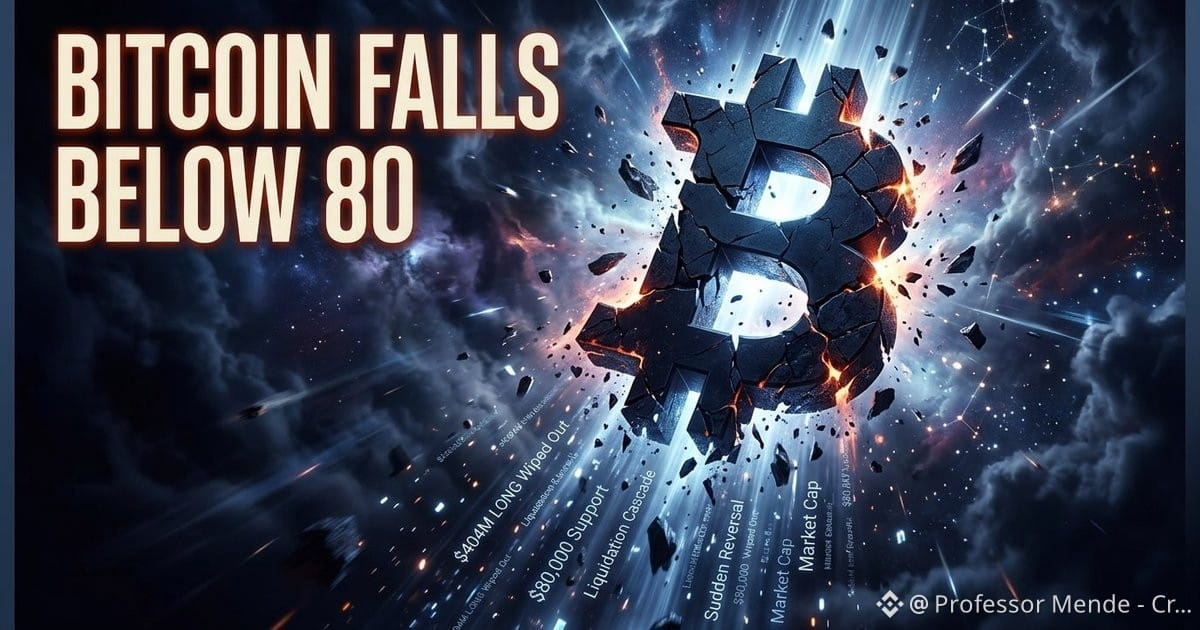
Bitcoin Falls Below $80,000, $404 Million Longs Wiped Out
Bitcoin briefly dropped below $80,000 (USD), triggering $404 million in liquidated long positions and $773 million in ETF outflows, according to The Block and SoSoValue data.
If institutional ETF inflows can reverse into outflows within days, how reliable are they as a signal of long-term confidence in bitcoin? The same data that looked bullish on Wednesday looked bearish by Friday. That raises a broader question for markets built on fast capital flows: can any single metric capture genuine conviction, or does every number simply reflect short-term positioning that can flip overnight?
https://www.bonuz.xyz/en/blog/bitcoin-drops-below-80000-liquidations
💛💛 one tap a day helps: vote Professor Mende in the Binance Blockchain 100. link pinned on my profile, grab a 🧧 red packet while you are there 💛💛
Bitcoin Falls Below $80,000, $404 Million Longs Wiped Out
Bitcoin briefly dropped below $80,000 (USD), triggering $404 million in liquidated long positions and $773 million in ETF outflows, according to The Block and SoSoValue data.
If institutional ETF inflows can reverse into outflows within days, how reliable are they as a signal of long-term confidence in bitcoin? The same data that looked bullish on Wednesday looked bearish by Friday. That raises a broader question for markets built on fast capital flows: can any single metric capture genuine conviction, or does every number simply reflect short-term positioning that can flip overnight?
https://www.bonuz.xyz/en/blog/bitcoin-drops-below-80000-liquidations
💛💛 one tap a day helps: vote Professor Mende in the Binance Blockchain 100. link pinned on my profile, grab a 🧧 red packet while you are there 💛💛
Bitcoin briefly dropped below $80,000 (USD), triggering $404 million in liquidated long positions and $773 million in ETF outflows, according to The Block and SoSoValue data.
If institutional ETF inflows can reverse into outflows within days, how reliable are they as a signal of long-term confidence in bitcoin? The same data that looked bullish on Wednesday looked bearish by Friday. That raises a broader question for markets built on fast capital flows: can any single metric capture genuine conviction, or does every number simply reflect short-term positioning that can flip overnight?
https://www.bonuz.xyz/en/blog/bitcoin-drops-below-80000-liquidations
💛💛 one tap a day helps: vote Professor Mende in the Binance Blockchain 100. link pinned on my profile, grab a 🧧 red packet while you are there 💛💛
1
1
132
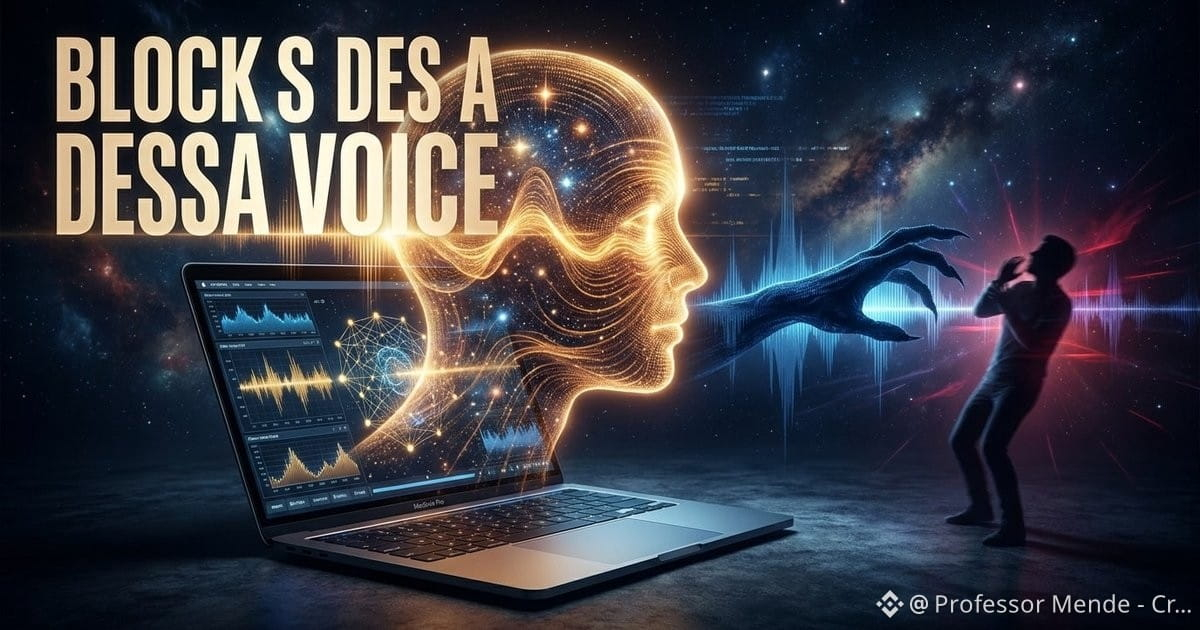
Block's Dessa Voice AI Sounds Human, Sparks Scam Fears
Block unveiled Dessa, a voice AI so humanlike it sparked awe and scam warnings. It runs locally on a MacBook Pro, with no public release date yet.
If AI voices become indistinguishable from humans, should disclosure that you are talking to a machine become mandatory, and who would enforce that?
https://www.bonuz.xyz/en/blog/block-dessa-voice-ai-human-scam-fears
💛💛 enjoying the alpha? support Professor Mende in the Binance Blockchain 100 vote. vote link and 🧧 red packets on my profile 💛💛
Block's Dessa Voice AI Sounds Human, Sparks Scam Fears
Block unveiled Dessa, a voice AI so humanlike it sparked awe and scam warnings. It runs locally on a MacBook Pro, with no public release date yet.
If AI voices become indistinguishable from humans, should disclosure that you are talking to a machine become mandatory, and who would enforce that?
https://www.bonuz.xyz/en/blog/block-dessa-voice-ai-human-scam-fears
💛💛 enjoying the alpha? support Professor Mende in the Binance Blockchain 100 vote. vote link and 🧧 red packets on my profile 💛💛
Block unveiled Dessa, a voice AI so humanlike it sparked awe and scam warnings. It runs locally on a MacBook Pro, with no public release date yet.
If AI voices become indistinguishable from humans, should disclosure that you are talking to a machine become mandatory, and who would enforce that?
https://www.bonuz.xyz/en/blog/block-dessa-voice-ai-human-scam-fears
💛💛 enjoying the alpha? support Professor Mende in the Binance Blockchain 100 vote. vote link and 🧧 red packets on my profile 💛💛
1
366
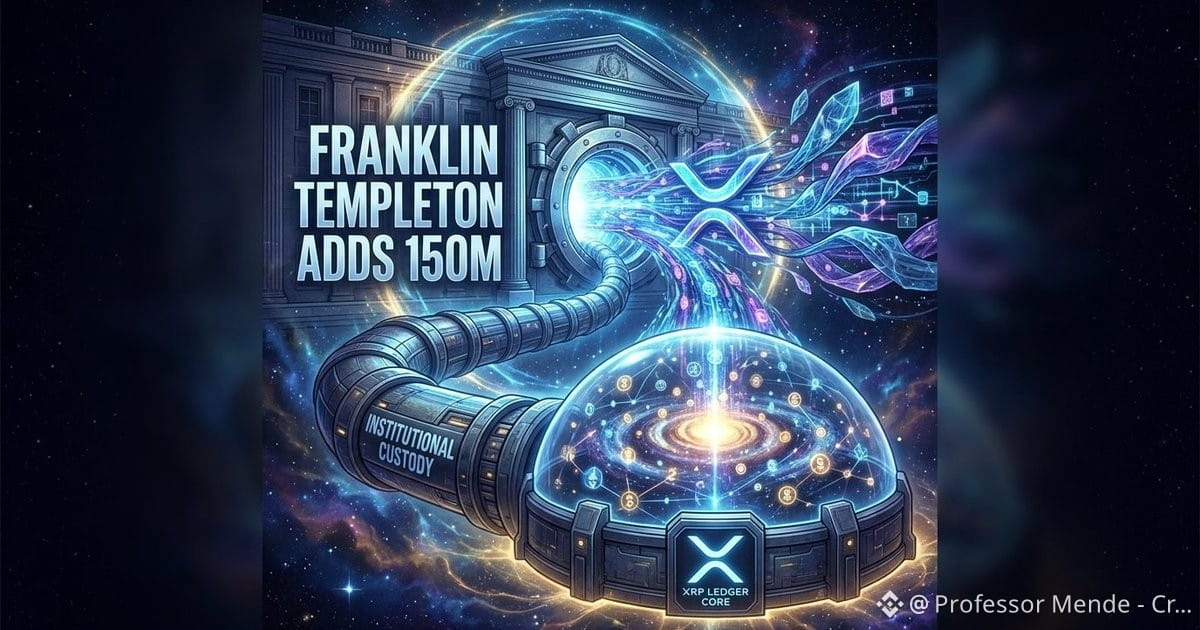
Franklin Templeton Adds $150M to XRP Ledger in One Wallet
Franklin Templeton added $150 million (USD) in tokenized money market fund shares to the XRP Ledger, all directed into a single wallet tied to its issuer account, nearly quadrupling the fund's on-chain token count.
If the largest tokenized fund positions on a public ledger sit inside single, issuer-controlled wallets, how much does the blockchain itself still matter to the end investor? Does real financial inclusion require visible, separate wallets per holder, or is shared custody with off-chain records enough?
https://www.bonuz.xyz/en/blog/franklin-templeton-xrp-ledger-150-million
💛💛 if these updates help you, a vote for Professor Mende (Community Influencer of the Year) means a lot. vote link plus 🧧 red packets waiting on my profile 💛💛
Franklin Templeton Adds $150M to XRP Ledger in One Wallet
Franklin Templeton added $150 million (USD) in tokenized money market fund shares to the XRP Ledger, all directed into a single wallet tied to its issuer account, nearly quadrupling the fund's on-chain token count.
If the largest tokenized fund positions on a public ledger sit inside single, issuer-controlled wallets, how much does the blockchain itself still matter to the end investor? Does real financial inclusion require visible, separate wallets per holder, or is shared custody with off-chain records enough?
https://www.bonuz.xyz/en/blog/franklin-templeton-xrp-ledger-150-million
💛💛 if these updates help you, a vote for Professor Mende (Community Influencer of the Year) means a lot. vote link plus 🧧 red packets waiting on my profile 💛💛
Franklin Templeton added $150 million (USD) in tokenized money market fund shares to the XRP Ledger, all directed into a single wallet tied to its issuer account, nearly quadrupling the fund's on-chain token count.
If the largest tokenized fund positions on a public ledger sit inside single, issuer-controlled wallets, how much does the blockchain itself still matter to the end investor? Does real financial inclusion require visible, separate wallets per holder, or is shared custody with off-chain records enough?
https://www.bonuz.xyz/en/blog/franklin-templeton-xrp-ledger-150-million
💛💛 if these updates help you, a vote for Professor Mende (Community Influencer of the Year) means a lot. vote link plus 🧧 red packets waiting on my profile 💛💛
218
good night red packet 🌙🧧
before you sleep: grab this one, and if you have five seconds, give me today's vote. it closes Wednesday 19:59 Dubai.
💛💛💛💛💛
👉 [today's vote is here](https://app.binance.com/uni-qr/cact26user/783?uc=web_square_share_link&us=twitter) 👈
💛💛💛💛💛
see you tomorrow 💛
good night red packet 🌙🧧
before you sleep: grab this one, and if you have five seconds, give me today's vote. it closes Wednesday 19:59 Dubai.
💛💛💛💛💛
👉 today's vote is here 👈
💛💛💛💛💛
see you tomorrow 💛
before you sleep: grab this one, and if you have five seconds, give me today's vote. it closes Wednesday 19:59 Dubai.
💛💛💛💛💛
👉 today's vote is here 👈
💛💛💛💛💛
see you tomorrow 💛

8
3
636
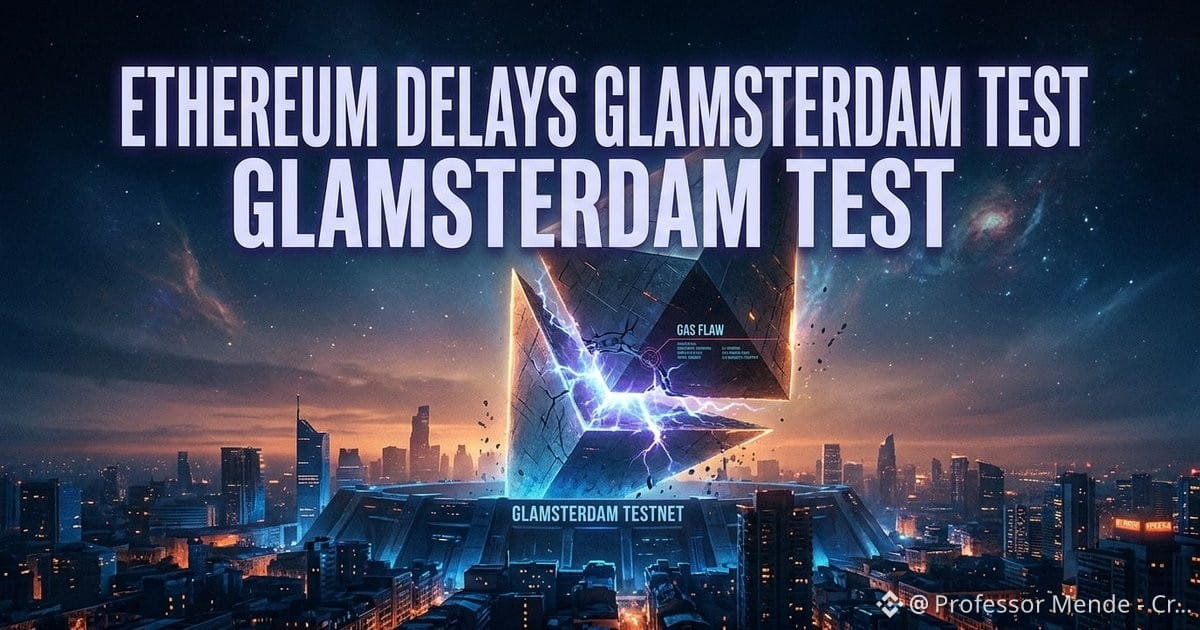
Ethereum Delays Glamsterdam Test Fork Over Gas Flaw
Ethereum delayed the Hoodi testnet fork for Glamsterdam after ChainSecurity found gas flaws linked to 13 real-world failure cases.
How much should a network slow its roadmap every time an auditor finds a flaw with limited real-world cases so far? Ethereum chose caution over 13 cited cases. Rollups like Starknet are asking a related question from the other direction. How much independence from Ethereum's security is acceptable before a Layer 2 stops being one? Neither question has a settled answer yet.
https://www.bonuz.xyz/en/blog/ethereum-delays-glamsterdam-test-fork-gas-flaw-2026-10-24
💛💛 you read these every day, now a small favor 🙏 vote Professor Mende for Community Influencer of the Year. link on my profile, 🧧 red packets there too 💛💛
Ethereum Delays Glamsterdam Test Fork Over Gas Flaw
Ethereum delayed the Hoodi testnet fork for Glamsterdam after ChainSecurity found gas flaws linked to 13 real-world failure cases.
How much should a network slow its roadmap every time an auditor finds a flaw with limited real-world cases so far? Ethereum chose caution over 13 cited cases. Rollups like Starknet are asking a related question from the other direction. How much independence from Ethereum's security is acceptable before a Layer 2 stops being one? Neither question has a settled answer yet.
https://www.bonuz.xyz/en/blog/ethereum-delays-glamsterdam-test-fork-gas-flaw-2026-10-24
💛💛 you read these every day, now a small favor 🙏 vote Professor Mende for Community Influencer of the Year. link on my profile, 🧧 red packets there too 💛💛
Ethereum delayed the Hoodi testnet fork for Glamsterdam after ChainSecurity found gas flaws linked to 13 real-world failure cases.
How much should a network slow its roadmap every time an auditor finds a flaw with limited real-world cases so far? Ethereum chose caution over 13 cited cases. Rollups like Starknet are asking a related question from the other direction. How much independence from Ethereum's security is acceptable before a Layer 2 stops being one? Neither question has a settled answer yet.
https://www.bonuz.xyz/en/blog/ethereum-delays-glamsterdam-test-fork-gas-flaw-2026-10-24
💛💛 you read these every day, now a small favor 🙏 vote Professor Mende for Community Influencer of the Year. link on my profile, 🧧 red packets there too 💛💛
247
ເຂົ້າສູ່ລະບົບເພື່ອສຳຫຼວດເນື້ອຫາເພີ່ມເຕີມ
ເຂົ້າຮ່ວມກຸ່ມຜູ້ໃຊ້ຄຣິບໂຕທົ່ວໂລກໃນ Binance Square.
⚡️ ໄດ້ຮັບຂໍ້ມູນຫຼ້າສຸດ ແລະ ທີ່ມີປະໂຫຍດກ່ຽວກັບຄຣິບໂຕ.
💬 ໄດ້ຮັບຄວາມໄວ້ວາງໃຈຈາກຕະຫຼາດແລກປ່ຽນຄຣິບໂຕທີ່ໃຫຍ່ທີ່ສຸດໃນໂລກ.
👍 ຄົ້ນຫາຂໍ້ມູນເຊີງເລິກທີ່ແທ້ຈາກນັກສ້າງທີ່ໄດ້ຮັບການຢືນຢັນ.
ອີເມວ / ເບີໂທລະສັບ
ຫົວຂໍ້ທີ່ກໍາລັງນິຍົມ
BinancePick
3.2M ຄັ້ງທີ່ເບິ່ງ
155,976 ກຳລັງສົນທະນາ
Join #EarningsSeason: Predict Earnings on Binance Pick, Share Your Take on Binance Square!
Binance Square Official
·413 ຖືກໃຈ
·343.8k ຄັ້ງທີ່ເບິ່ງ
EarningsSeason
5.4M ຄັ້ງທີ່ເບິ່ງ
26,163 ກຳລັງສົນທະນາ
AnthropicTTMRevenueGrewAbout1200%
40,165 ຄັ້ງທີ່ເບິ່ງ
489 ກຳລັງສົນທະນາ