

menasaurio
269 ໂພສ

menasaurio
ລາຍງານ
ບລັອກຜູ້ໃຊ້
Trader retirado. Me dedico a promover inversiones informadas y responsables, desenmascarando el FOMO y las fakes news para que inviertas y debatas con criterio
ເປີດການຊື້ຂາຍ
ຜູ້ຊື້ຂາຍປະຈໍາ
5.5 ປີ
14 ກໍາລັງຕິດຕາມ
1.5K+ ຜູ້ຕິດຕາມ
2.5K+ Liked
ໂພສ
Portfolio
ທັງໝົດ
ວົງຢືມ
ວີດີໂອ
ປັກໝຸດ
·
--

ບົດຄວາມ
Mastering Stop-Loss Strategies: Protect Your Capital and Trade SmarterIn the fast-paced world of trading, especially in the volatile cryptocurrency market, protecting your capital is fundamental. One of the most effective tools to achieve this is the stop-loss.
A stop-loss is an automatic order that closes your position when the price reaches a certain level, limiting your losses. Without it, you risk holding losing positions in the hope of a recovery, which can lead to devastating losses. This article explores why stop-loss is essential, how to implement it effectively, and how to maintain emotional discipline in your trades.
Why Stop-Loss is Necessary
Imagine being a trader who bought Luna at $117 (that was me actually) only to see it crash to nearly zero.
Or consider recently AUCTION, which fell from $66 to $13.66, leaving many stuck in losing positions. These are clear reminders that the “buy and hold” strategy can be disastrous in volatile markets.
Prices can AND WILL swing wildly and without a stop-loss, you are at the mercy of the market’s unpredictability.
Many traders say: “Just buy and wait a few years, it will come back.” But what if it doesn’t? Hundreds of trades can turn negative in seconds due to greed or fear. When SOL jumped from $7.50 to $144, traders or holders with huge profits probably sell, leaving you and me trapped at the top.
Opportunities come and go
A cold, calculated mindset is key to knowing when to enter and exit for the greater good.
A stop-loss is not just a safety net: it’s a necessity to protect your capital and keep you in the game.
How to Act to Reduce Losses ? 🚨
To trade responsibly, you need a solid risk management strategy. Here’s my approach, refined for clarity and effectiveness:
Risk Only 5% of Your Total Capital Per Month: At the beginning of each month, decide how much of your total capital you’re willing to lose. For example, if you have $1,000, you might risk $50 (or if you have $100 you can start trading with $5) per month. This ensures a bad month doesn’t ruin you.Use 30-40% of Your Balance Per Trade: If you have $50 to risk in a month, don’t bet it all on a single trade. Use 30-40% of your available balance per trade. For example, with $50, you might risk $5 in USDC ready for futures. This spreads your risk and keeps you trading longer. (More opportunities my friend)
(I know it’s small but I’m sure with this as a learning trader will have a better success rate)
Set Stop-Loss Based on Market Analysis:
Before entering a trade, study the market. Review resistance and support levels, market sentiment, and price action. For example, if $SOL is at $144 with support at $130, place your stop-loss just below $130 to avoid fakeouts. In a bear market, consider short-selling at key points or adjusting stop-losses during unsustainable rallies.
The goal is not to avoid losses—losses are part of trading—but to reduce them smartly. Chasing a recovery by holding onto a losing position adds more risk and often greater losses. Use your head, not rumors, and always have a stop-loss in place.
Calculating Stop-Loss: A Practical Exercise
Let’s calculate how to set a stop-loss and see it in action with a more realistic and positive scenario. I suggest risking between 30-40% of your balance per trade—say between $1.60 and $2—and setting a stop-loss that doesn’t exceed -40% of your PNL (Loss). This is more conservative and protects your capital better.
Example: You make 20 trades a month, risking $2 on each. You aim for a 40% success rate (8 winning trades, 12 losing). Of the winning trades, half (4 trades) earn over 90% net profit, while the other half (4 trades) gain 30%. For the losing trades, the stop-loss limits losses to 40%.
Winning Trades:
4 trades × $2 × 90% = $7.204 trades × $2 × 30% = $2.40Total profit: $7.20 + $2.40 = $9.60
Losing Trades:
12 trades × $2 × 40% = $9.60Net Result:$9.60 (profits) - $9.60 (losses) = $0 (break-even)
In this scenario, you break even, which is a huge improvement from losing money. But let’s take it a step further: if you improve your success rate or adjust your profit targets, you can achieve consistent gains. For example:
With a 50% success rate (10 winning trades, 10 losing):
5 trades × $2 × 90% = $9.005 trades × $2 × 30% = $3.00Total profit: $12.00Total losses: 10 trades × $2 × 40% = $8.00Net profit: $12.00 - $8.00 = $4.00
Now, you’re earning $4.00 a month with a $50 risk, which is an 8% monthly return. This shows how a solid stop-loss strategy, combined with realistic success rates and profit targets, can lead to sustainable growth.
How Much to Set? Before trading, review the asset’s recent prices, market volume, and sentiment. If everyone is euphoric and buying, you’re probably near the peak—others got in earlier and you’re their profit. Set your stop-loss at a level that limits your loss to 40% of your trade value, based on your analysis.
Emotional Discipline: The Hardest Part
Trading is a mental game. Greed makes you hold winners too long or double down on losers to “recover.” Both can ruin you. Here’s how to stay disciplined:
Accept Losses:
If a trade drops 40%, don’t cling to hope or DCA without a plan. Close it, learn, and wait for the next opportunity. A -40% stop-loss saves you from a -400% nightmare.
Secure Profits:
If your trade hits 60% profit, move your stop-loss to secure 30-35% of that gain. Don’t use take-profit—adjust the stop-loss instead. If price pulls back, you still exit in profit. If it keeps rising, move the stop higher to chase larger gains.
Avoid Overtrading:
After a loss, don’t rush to “win it back.” After a win, don’t get arrogant. Greed is the worst emotion in crypto—it clouds your goal of financial freedom and drags you into debt.
Trade with Confidence
Stop-loss strategies aren’t just about avoiding liquidation—they’re about trading smarter, not harder. Risk only 5% of your monthly capital, use 30-40% per trade, and set stop-losses based on analysis, not emotion. Limit losses to 40%, secure profits, and never let greed take control. The market doesn’t care about your feelings, but a solid stop-loss plan does.
Before every trade, ask yourself: “What’s my exit if this goes wrong?” Don’t have an answer? Don’t trade. Share this with your community—let’s master stop-loss strategies together and build toward financial freedom. Good luck, traders.
#StopLossStrategies
Mastering Stop-Loss Strategies: Protect Your Capital and Trade Smarter
In the fast-paced world of trading, especially in the volatile cryptocurrency market, protecting your capital is fundamental. One of the most effective tools to achieve this is the stop-loss.
A stop-loss is an automatic order that closes your position when the price reaches a certain level, limiting your losses. Without it, you risk holding losing positions in the hope of a recovery, which can lead to devastating losses. This article explores why stop-loss is essential, how to implement it effectively, and how to maintain emotional discipline in your trades.
Why Stop-Loss is Necessary
Imagine being a trader who bought Luna at $117 (that was me actually) only to see it crash to nearly zero.
Or consider recently AUCTION, which fell from $66 to $13.66, leaving many stuck in losing positions. These are clear reminders that the “buy and hold” strategy can be disastrous in volatile markets.
Prices can AND WILL swing wildly and without a stop-loss, you are at the mercy of the market’s unpredictability.
Many traders say: “Just buy and wait a few years, it will come back.” But what if it doesn’t? Hundreds of trades can turn negative in seconds due to greed or fear. When SOL jumped from $7.50 to $144, traders or holders with huge profits probably sell, leaving you and me trapped at the top.
Opportunities come and go
A cold, calculated mindset is key to knowing when to enter and exit for the greater good.
A stop-loss is not just a safety net: it’s a necessity to protect your capital and keep you in the game.
How to Act to Reduce Losses ? 🚨
To trade responsibly, you need a solid risk management strategy. Here’s my approach, refined for clarity and effectiveness:
Risk Only 5% of Your Total Capital Per Month: At the beginning of each month, decide how much of your total capital you’re willing to lose. For example, if you have $1,000, you might risk $50 (or if you have $100 you can start trading with $5) per month. This ensures a bad month doesn’t ruin you.Use 30-40% of Your Balance Per Trade: If you have $50 to risk in a month, don’t bet it all on a single trade. Use 30-40% of your available balance per trade. For example, with $50, you might risk $5 in USDC ready for futures. This spreads your risk and keeps you trading longer. (More opportunities my friend)
(I know it’s small but I’m sure with this as a learning trader will have a better success rate)
Set Stop-Loss Based on Market Analysis:
Before entering a trade, study the market. Review resistance and support levels, market sentiment, and price action. For example, if $SOL is at $144 with support at $130, place your stop-loss just below $130 to avoid fakeouts. In a bear market, consider short-selling at key points or adjusting stop-losses during unsustainable rallies.
The goal is not to avoid losses—losses are part of trading—but to reduce them smartly. Chasing a recovery by holding onto a losing position adds more risk and often greater losses. Use your head, not rumors, and always have a stop-loss in place.
Calculating Stop-Loss: A Practical Exercise
Let’s calculate how to set a stop-loss and see it in action with a more realistic and positive scenario. I suggest risking between 30-40% of your balance per trade—say between $1.60 and $2—and setting a stop-loss that doesn’t exceed -40% of your PNL (Loss). This is more conservative and protects your capital better.
Example: You make 20 trades a month, risking $2 on each. You aim for a 40% success rate (8 winning trades, 12 losing). Of the winning trades, half (4 trades) earn over 90% net profit, while the other half (4 trades) gain 30%. For the losing trades, the stop-loss limits losses to 40%.
Winning Trades:
4 trades × $2 × 90% = $7.204 trades × $2 × 30% = $2.40Total profit: $7.20 + $2.40 = $9.60
Losing Trades:
12 trades × $2 × 40% = $9.60Net Result:$9.60 (profits) - $9.60 (losses) = $0 (break-even)
In this scenario, you break even, which is a huge improvement from losing money. But let’s take it a step further: if you improve your success rate or adjust your profit targets, you can achieve consistent gains. For example:
With a 50% success rate (10 winning trades, 10 losing):
5 trades × $2 × 90% = $9.005 trades × $2 × 30% = $3.00Total profit: $12.00Total losses: 10 trades × $2 × 40% = $8.00Net profit: $12.00 - $8.00 = $4.00
Now, you’re earning $4.00 a month with a $50 risk, which is an 8% monthly return. This shows how a solid stop-loss strategy, combined with realistic success rates and profit targets, can lead to sustainable growth.
How Much to Set? Before trading, review the asset’s recent prices, market volume, and sentiment. If everyone is euphoric and buying, you’re probably near the peak—others got in earlier and you’re their profit. Set your stop-loss at a level that limits your loss to 40% of your trade value, based on your analysis.
Emotional Discipline: The Hardest Part
Trading is a mental game. Greed makes you hold winners too long or double down on losers to “recover.” Both can ruin you. Here’s how to stay disciplined:
Accept Losses:
If a trade drops 40%, don’t cling to hope or DCA without a plan. Close it, learn, and wait for the next opportunity. A -40% stop-loss saves you from a -400% nightmare.
Secure Profits:
If your trade hits 60% profit, move your stop-loss to secure 30-35% of that gain. Don’t use take-profit—adjust the stop-loss instead. If price pulls back, you still exit in profit. If it keeps rising, move the stop higher to chase larger gains.
Avoid Overtrading:
After a loss, don’t rush to “win it back.” After a win, don’t get arrogant. Greed is the worst emotion in crypto—it clouds your goal of financial freedom and drags you into debt.
Trade with Confidence
Stop-loss strategies aren’t just about avoiding liquidation—they’re about trading smarter, not harder. Risk only 5% of your monthly capital, use 30-40% per trade, and set stop-losses based on analysis, not emotion. Limit losses to 40%, secure profits, and never let greed take control. The market doesn’t care about your feelings, but a solid stop-loss plan does.
Before every trade, ask yourself: “What’s my exit if this goes wrong?” Don’t have an answer? Don’t trade. Share this with your community—let’s master stop-loss strategies together and build toward financial freedom. Good luck, traders.
#StopLossStrategies
1
1
6
821
·
--
es increíble que todavia se hable de $BTTC en el gran 26
es increíble que todavia se hable de $BTTC en el gran 26

TAHAE13
·
--
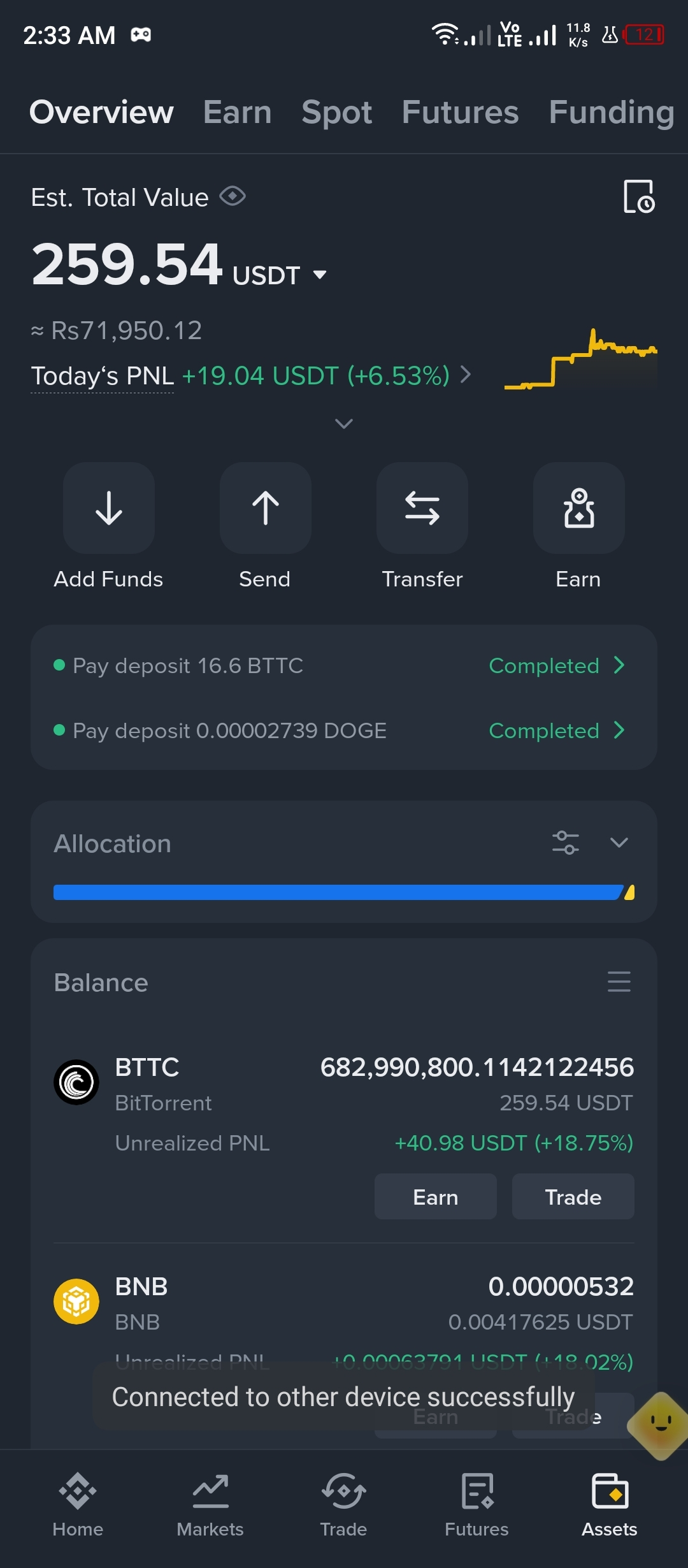
#BTTC. will this coin go to 0.005$ in 2029?
3
381
·
--
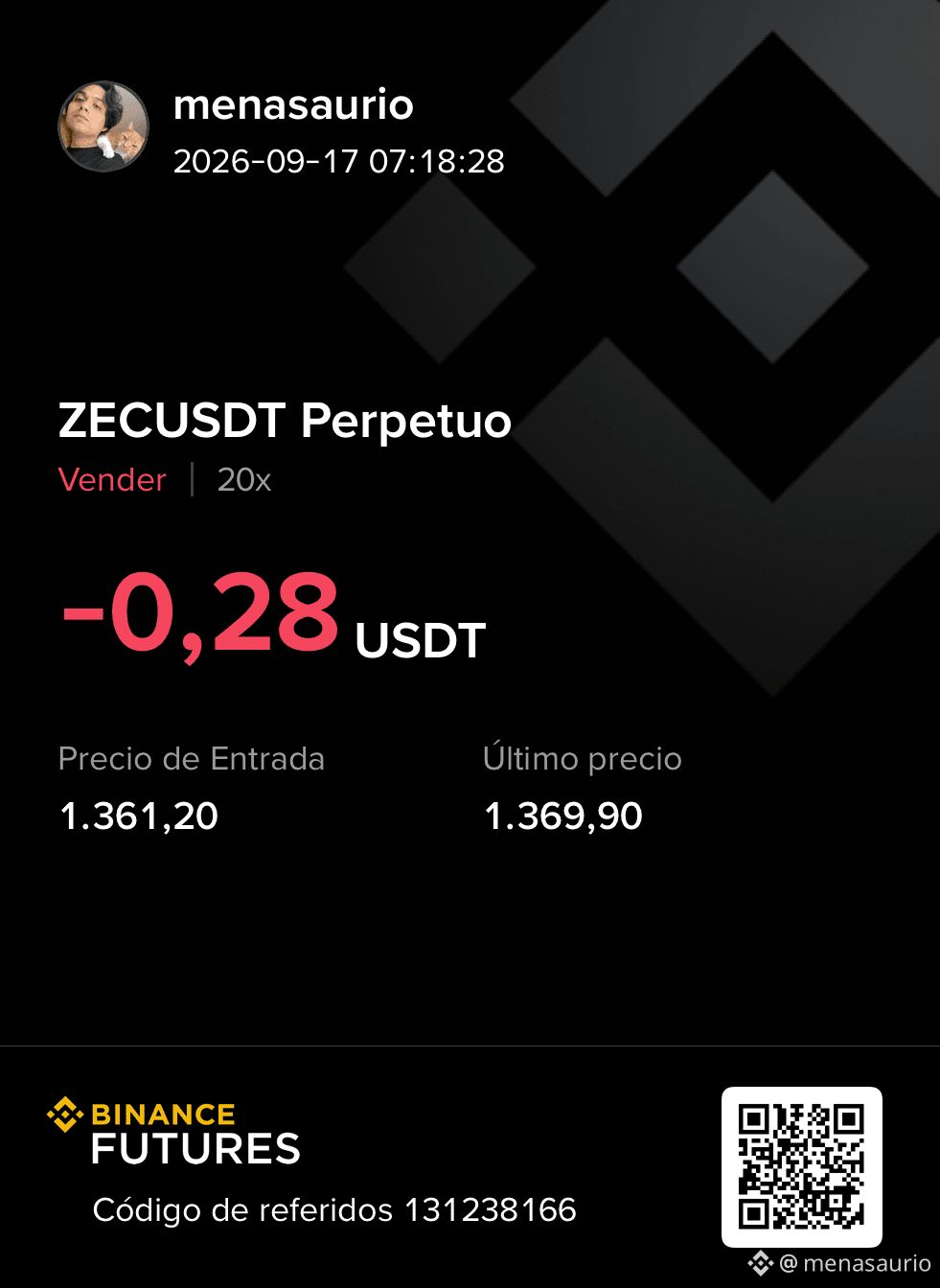
empezando el dia por favor no me liquides tan rapido $ZEC te lo pido!
empezando el dia por favor no me liquides tan rapido $ZEC te lo pido!
78
·
--
ບົດຄວາມ
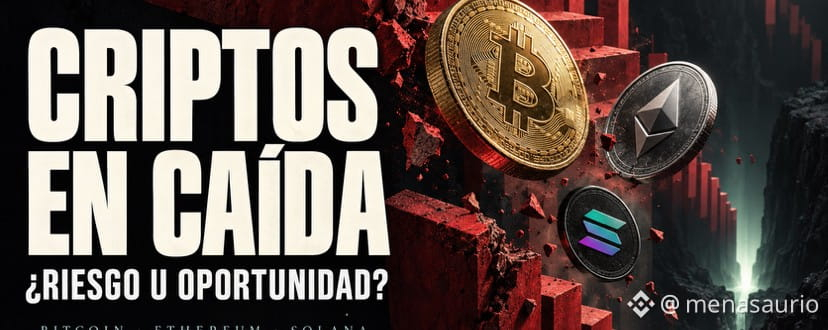
Tres criptomonedas con fundamentos sólidos para analizarCuando el mercado cae, importa distinguir entre un precio más bajo y un proyecto que realmente conserva valor. Estas tres criptomonedas tienen trayectoria y usos identificables, aunque no ofrecen el mismo nivel de riesgo:
1. Bitcoin — #BTC . Funciona desde 2009 y tiene un suministro máximo de 21 millones de monedas. Su trayectoria y diseño descentralizado respaldan su propuesta como activo digital escaso. Sin embargo, esa escasez no garantiza ganancias: necesita demanda y puede sufrir caídas profundas. [Binance Research](https://www.binance.com/en/research/projects/bitcoin)
2. Ether — #ETH . Es la moneda de Ethereum: permite pagar operaciones y contribuir a la seguridad de una red utilizada por aplicaciones financieras y otros servicios. Su fortaleza está en ese ecosistema y en una utilidad que va más allá de comprar para revender. Aun así, una red útil no garantiza que su moneda esté bien valorada ni que su precio se recupere rápidamente. [Binance Academy: Ethereum](https://www.binance.com/en/academy/articles/what-is-ethereum)
3. Solana — $SOL . Se utiliza para pagar transacciones y participar en la seguridad de una red de bajo costo, con aplicaciones financieras y de pagos. La consideraría una alternativa de mayor riesgo dentro de esta selección: tiene menos trayectoria y un historial de interrupciones, aunque ha incorporado mejoras de infraestructura. [Binance Academy: Solana](https://www.binance.com/en/academy/articles/what-is-solana-sol)
Una aclaración importante: ser un token no significa carecer de valor. La diferencia entre moneda y token es técnica —red propia o emisión sobre otra red—, no un certificado de calidad. Para evaluar solidez también importan la seguridad, el uso, la liquidez y la distribución de la oferta. [Binance Academy: monedas y tokens](https://www.binance.com/en/academy/glossary/coin)
Estos fundamentos justifican investigarlas, no comprarlas a cualquier precio. Incluso una criptomoneda consolidada puede seguir cayendo; cualquier entrada debería contemplar pérdidas y utilizar únicamente dinero que puedas permitirte perder.
Tras la Fed: cautela, sin una señal clara de compra
La reacción inicial no confirma un desplome nuevo, pero tampoco que la corrección haya terminado. La Fed subió las tasas 0,25 puntos porcentuales, hasta 3,75–4,00 %. Sus proyecciones apuntan a otra subida este año, aunque no constituyen un compromiso. Mi interpretación: el entorno sigue siendo exigente para los activos de riesgo. Comunicado de la Fed, proyecciones.
BTC, ETH y WLD: comparación antes y después
Para una comparación verificable, estas son las cotizaciones posteriores de Binance con hora visible. Todos los precios están en dólares.
La referencia previa es nuestra consulta matutina, no el minuto anterior al anuncio. Las fuentes y horarios difieren, por lo que estos cambios son orientativos y no pueden atribuirse íntegramente a la Fed.
La secuencia de Bitcoin ilustra la incertidumbre: después del anuncio llegó aproximadamente a USD 76.300, pero posteriormente retrocedió hacia USD 75.400 durante la rueda de prensa. El primer rebote no se sostuvo en esa ventana. Seguimiento de CoinDesk.
Lo que todavía pesa
ETF: el 15 de septiembre salieron USD 450,4 millones de los fondos de Bitcoin y USD 142,3 millones de los de Ethereum. Son datos anteriores a la decisión; los flujos completos del día 16 todavía no estaban publicados. No sería correcto presentarlos como ventas provocadas por la Fed. Farside: BTC, ETH.
Liquidaciones: el reporte matutino registró más de USD 570 millones en posiciones apalancadas liquidadas durante las 24 horas previas. No pude verificar una cifra fiable exclusivamente posterior al anuncio. CoinDesk.Regulación: continúa la incertidumbre tras el revés de CLARITY. Como contrapunto, hoy avanzó en una comisión de la Cámara un proyecto sobre tributación cripto; todavía no es ley ni reemplaza el marco regulatorio pendiente. Detalle legislativo.
¿Comprar o esperar?
Para una entrada importante, esperaría. Buscaría varias sesiones de estabilidad y una mejora de la demanda, incluidos los flujos de ETF. Una compra pequeña y escalonada de BTC o ETH puede encajar en un plan de largo plazo, usando dinero prescindible y sin apalancamiento; no elimina el riesgo de seguir perdiendo. En WLD sería más prudente: su estabilidad momentánea cerca de USD 0,37 no demuestra que haya encontrado un piso. La conclusión es acumulación limitada solo con un plan previo; no una compra impulsiva porque “ya bajó bastante”.
Tres criptomonedas con fundamentos sólidos para analizar
Cuando el mercado cae, importa distinguir entre un precio más bajo y un proyecto que realmente conserva valor. Estas tres criptomonedas tienen trayectoria y usos identificables, aunque no ofrecen el mismo nivel de riesgo:
1. Bitcoin — #BTC . Funciona desde 2009 y tiene un suministro máximo de 21 millones de monedas. Su trayectoria y diseño descentralizado respaldan su propuesta como activo digital escaso. Sin embargo, esa escasez no garantiza ganancias: necesita demanda y puede sufrir caídas profundas. Binance Research
2. Ether — #ETH . Es la moneda de Ethereum: permite pagar operaciones y contribuir a la seguridad de una red utilizada por aplicaciones financieras y otros servicios. Su fortaleza está en ese ecosistema y en una utilidad que va más allá de comprar para revender. Aun así, una red útil no garantiza que su moneda esté bien valorada ni que su precio se recupere rápidamente. Binance Academy: Ethereum
3. Solana — $SOL . Se utiliza para pagar transacciones y participar en la seguridad de una red de bajo costo, con aplicaciones financieras y de pagos. La consideraría una alternativa de mayor riesgo dentro de esta selección: tiene menos trayectoria y un historial de interrupciones, aunque ha incorporado mejoras de infraestructura. Binance Academy: Solana
Una aclaración importante: ser un token no significa carecer de valor. La diferencia entre moneda y token es técnica —red propia o emisión sobre otra red—, no un certificado de calidad. Para evaluar solidez también importan la seguridad, el uso, la liquidez y la distribución de la oferta. Binance Academy: monedas y tokens
Estos fundamentos justifican investigarlas, no comprarlas a cualquier precio. Incluso una criptomoneda consolidada puede seguir cayendo; cualquier entrada debería contemplar pérdidas y utilizar únicamente dinero que puedas permitirte perder.
Tras la Fed: cautela, sin una señal clara de compra
La reacción inicial no confirma un desplome nuevo, pero tampoco que la corrección haya terminado. La Fed subió las tasas 0,25 puntos porcentuales, hasta 3,75–4,00 %. Sus proyecciones apuntan a otra subida este año, aunque no constituyen un compromiso. Mi interpretación: el entorno sigue siendo exigente para los activos de riesgo. Comunicado de la Fed, proyecciones.
BTC, ETH y WLD: comparación antes y después
Para una comparación verificable, estas son las cotizaciones posteriores de Binance con hora visible. Todos los precios están en dólares.
La referencia previa es nuestra consulta matutina, no el minuto anterior al anuncio. Las fuentes y horarios difieren, por lo que estos cambios son orientativos y no pueden atribuirse íntegramente a la Fed.
La secuencia de Bitcoin ilustra la incertidumbre: después del anuncio llegó aproximadamente a USD 76.300, pero posteriormente retrocedió hacia USD 75.400 durante la rueda de prensa. El primer rebote no se sostuvo en esa ventana. Seguimiento de CoinDesk.
Lo que todavía pesa
ETF: el 15 de septiembre salieron USD 450,4 millones de los fondos de Bitcoin y USD 142,3 millones de los de Ethereum. Son datos anteriores a la decisión; los flujos completos del día 16 todavía no estaban publicados. No sería correcto presentarlos como ventas provocadas por la Fed. Farside: BTC, ETH.
Liquidaciones: el reporte matutino registró más de USD 570 millones en posiciones apalancadas liquidadas durante las 24 horas previas. No pude verificar una cifra fiable exclusivamente posterior al anuncio. CoinDesk.Regulación: continúa la incertidumbre tras el revés de CLARITY. Como contrapunto, hoy avanzó en una comisión de la Cámara un proyecto sobre tributación cripto; todavía no es ley ni reemplaza el marco regulatorio pendiente. Detalle legislativo.
¿Comprar o esperar?
Para una entrada importante, esperaría. Buscaría varias sesiones de estabilidad y una mejora de la demanda, incluidos los flujos de ETF. Una compra pequeña y escalonada de BTC o ETH puede encajar en un plan de largo plazo, usando dinero prescindible y sin apalancamiento; no elimina el riesgo de seguir perdiendo. En WLD sería más prudente: su estabilidad momentánea cerca de USD 0,37 no demuestra que haya encontrado un piso. La conclusión es acumulación limitada solo con un plan previo; no una compra impulsiva porque “ya bajó bastante”.
110
·
--
ສັນຍານໝີ
Una compra pequeña y escalonada de #BTC o #ETH puede encajar en un plan de largo plazo, usando dinero prescindible y sin apalancamiento; no elimina el riesgo de seguir perdiendo. En $WLD sería más prudente: su estabilidad momentánea cerca de USD 0,37 no demuestra que haya encontrado un piso.
La conclusión es acumulación limitada solo con un plan previo; no una compra impulsiva porque “ya bajó bastante”.
La conclusión es acumulación limitada solo con un plan previo; no una compra impulsiva porque “ya bajó bastante”.
143
·
--
hacuendo pequeñas compras constantemente de $WLD
hacuendo pequeñas compras constantemente de $WLD
2
801
·
--
nunca fallo con #WLD
nunca fallo con #WLD
menasaurio
·
--
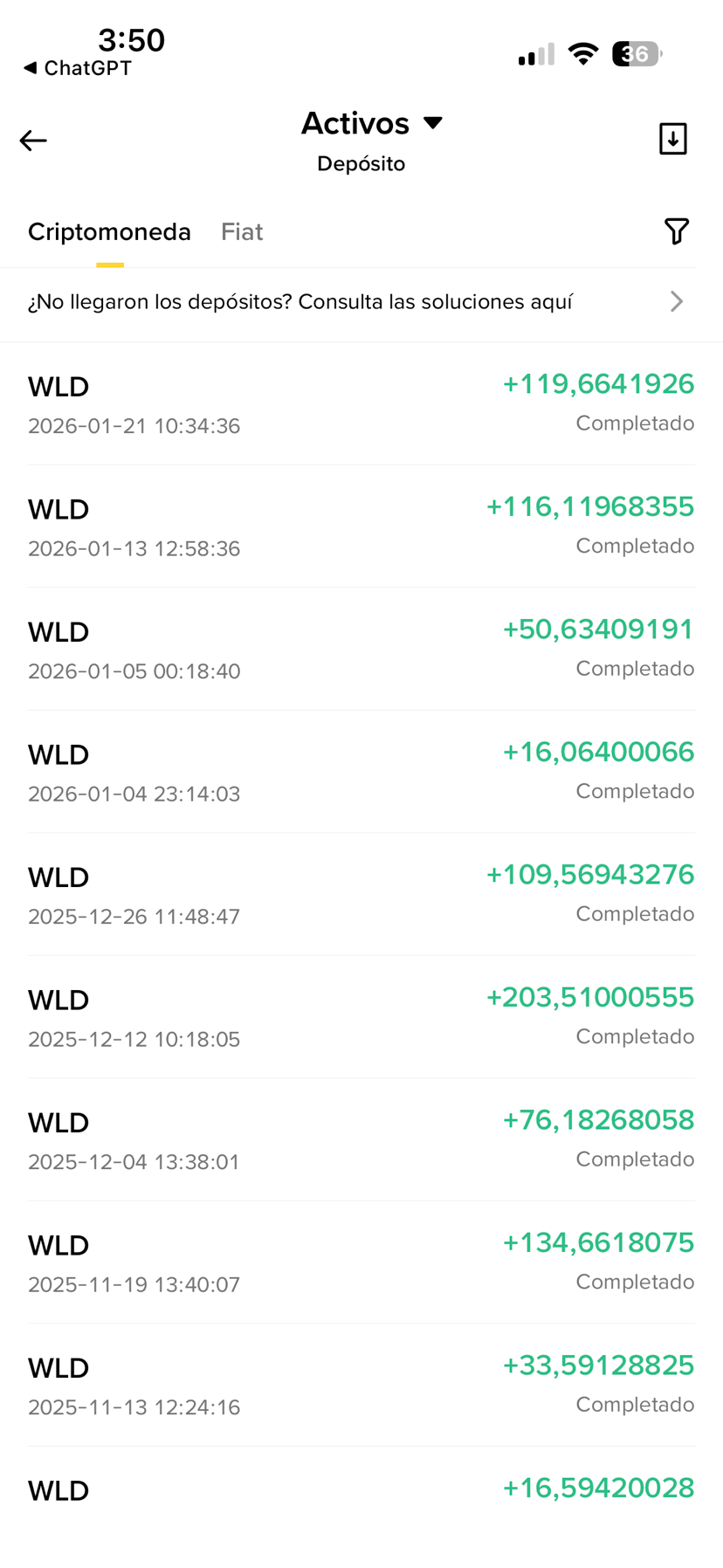
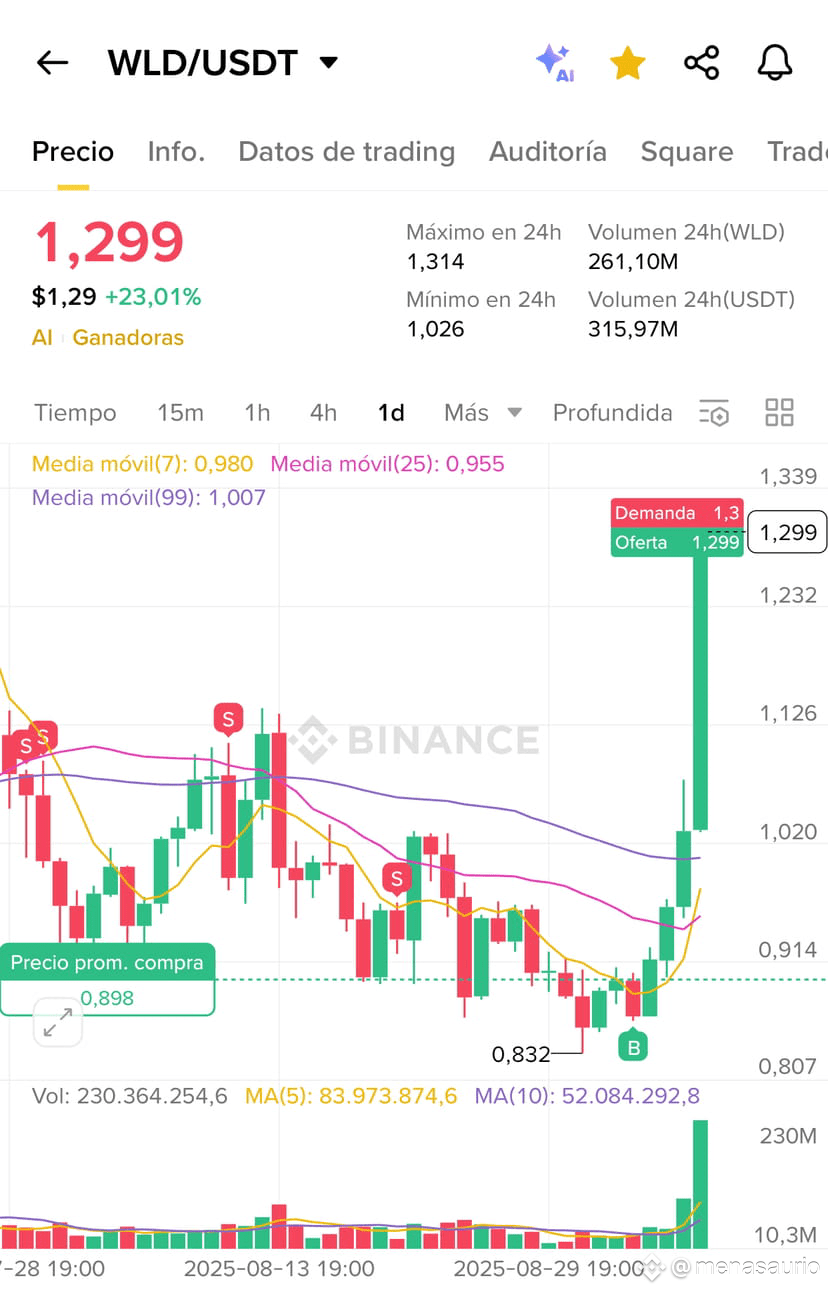
ສັນຍານກະທິງse me reian porque vendi #wld desde 1.27 he pasado vendiendo todo lo que consegui hasta ahora, quizas es momento de recomprar en oferta de nuevo 🤪🤪🤪
99
·
--
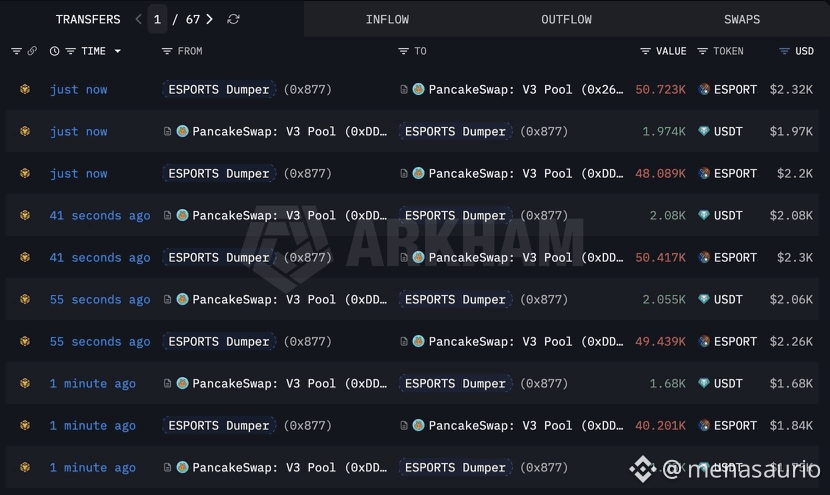
La venta masiva de $ESPORTS aún está en curso.
La ballena ha movido otros 35.13M $ESPORTS en las últimas 3 horas para descargarlos en el mercado.
Hasta ahora, se han vendido 22.73M $ESPORTS por 987,734 USDT
La venta masiva de $ESPORTS aún está en curso.
La ballena ha movido otros 35.13M $ESPORTS en las últimas 3 horas para descargarlos en el mercado.
Hasta ahora, se han vendido 22.73M $ESPORTS por 987,734 USDT
La ballena ha movido otros 35.13M $ESPORTS en las últimas 3 horas para descargarlos en el mercado.
Hasta ahora, se han vendido 22.73M $ESPORTS por 987,734 USDT
1.2k
·
--
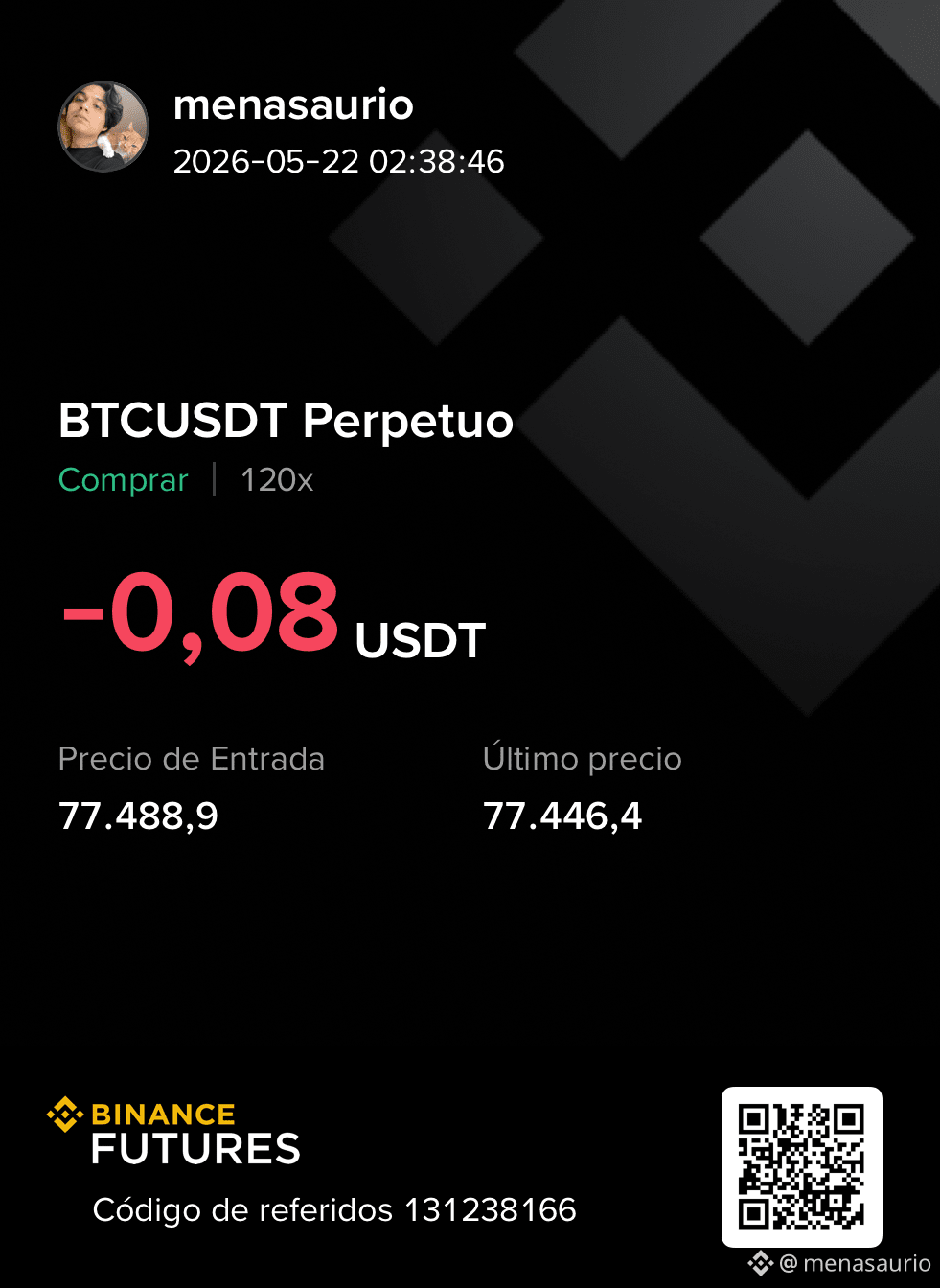
le tengo fe a una subida en este fin de semana que viene, espero se cumpla sino tenemos stop loss activado 👨🏽💻 $BTC $USDT
le tengo fe a una subida en este fin de semana que viene, espero se cumpla sino tenemos stop loss activado 👨🏽💻 $BTC $USDT
180
·
--
ສັນຍານກະທິງ
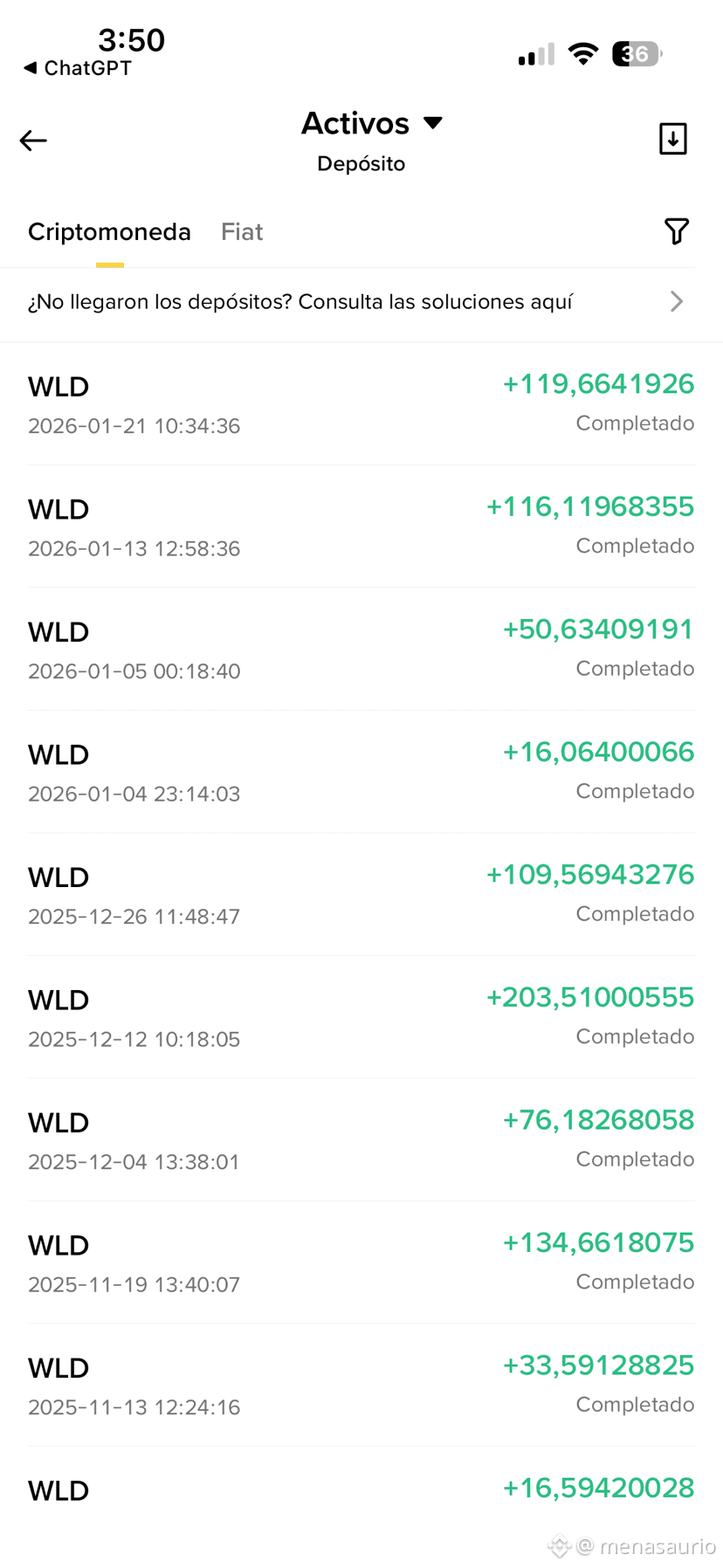
se me reian porque vendi #wld desde 1.27 he pasado vendiendo todo lo que consegui hasta ahora, quizas es momento de recomprar en oferta de nuevo 🤪🤪🤪
se me reian porque vendi #wld desde 1.27 he pasado vendiendo todo lo que consegui hasta ahora, quizas es momento de recomprar en oferta de nuevo 🤪🤪🤪
3
3
8
7.4k
·
--
how bro felt
how bro felt



Crypto pro
·
--
ສັນຍານກະທິງ$SOL is $4 below to my entry 💪😎
I was down $1,500, now only $700 — soon this will turn into profit 😎💰
Keep buying $SOL 🔥
I was down $1,500, now only $700 — soon this will turn into profit 😎💰
Keep buying $SOL 🔥
80
·
--
ສັນຍານກະທິງ
menasaurio
·
--
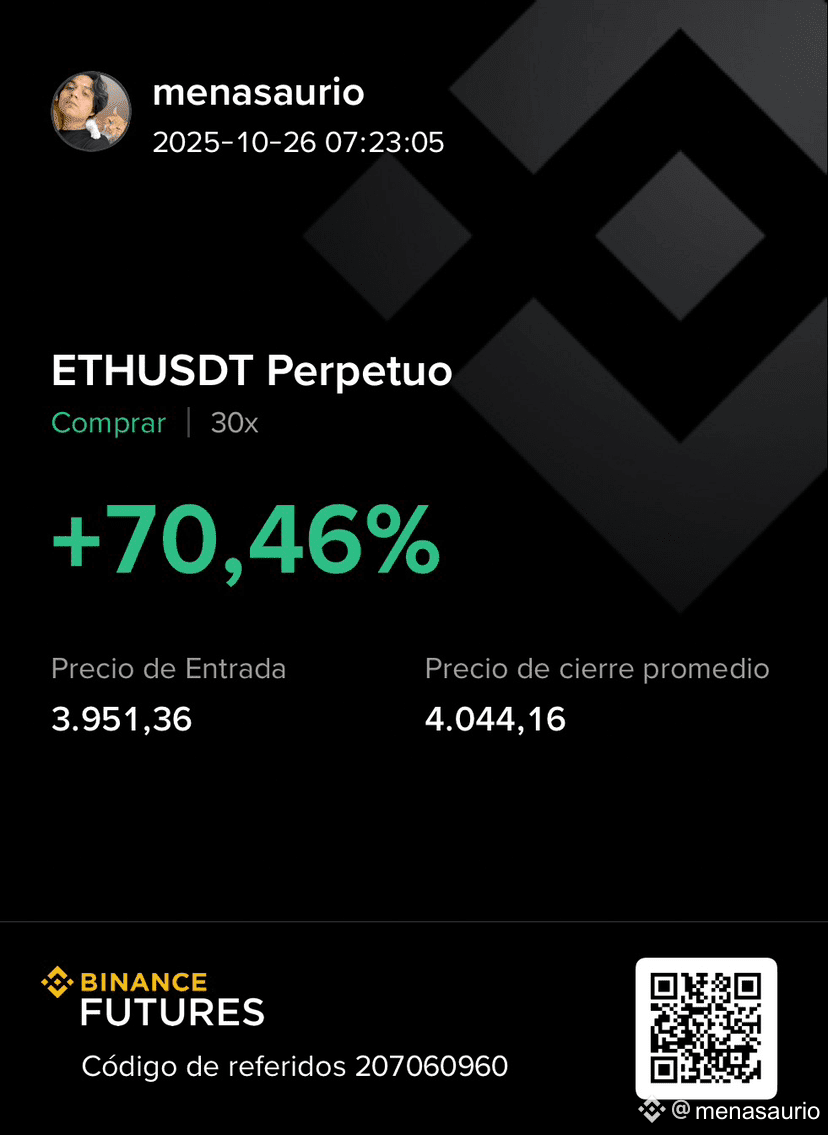
ETH long 🔥
• Entrada: 3,951 (tras recuperar 3,950).
• SL: 3,916.40.
• TPs: 4,015 → 4,040 → 4,065.
• Extensión si hay fuerza: 4,095–4,120.
Gestión: tomo parcial en TP1, muevo a BE y dejo runner. DYOR, no es consejo financiero. #ETH #futuros #crypto
• Entrada: 3,951 (tras recuperar 3,950).
• SL: 3,916.40.
• TPs: 4,015 → 4,040 → 4,065.
• Extensión si hay fuerza: 4,095–4,120.
Gestión: tomo parcial en TP1, muevo a BE y dejo runner. DYOR, no es consejo financiero. #ETH #futuros #crypto
85
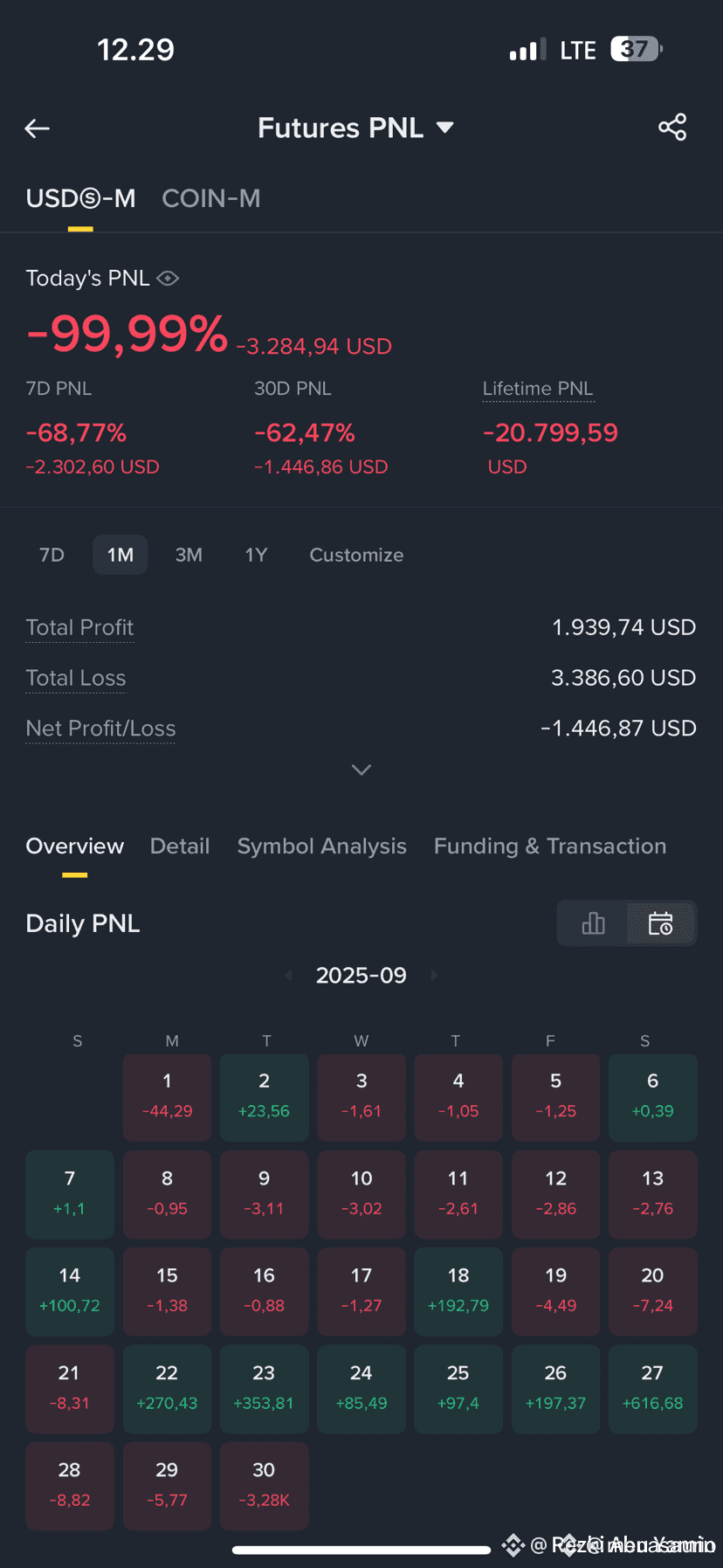
·
--
114
·
--
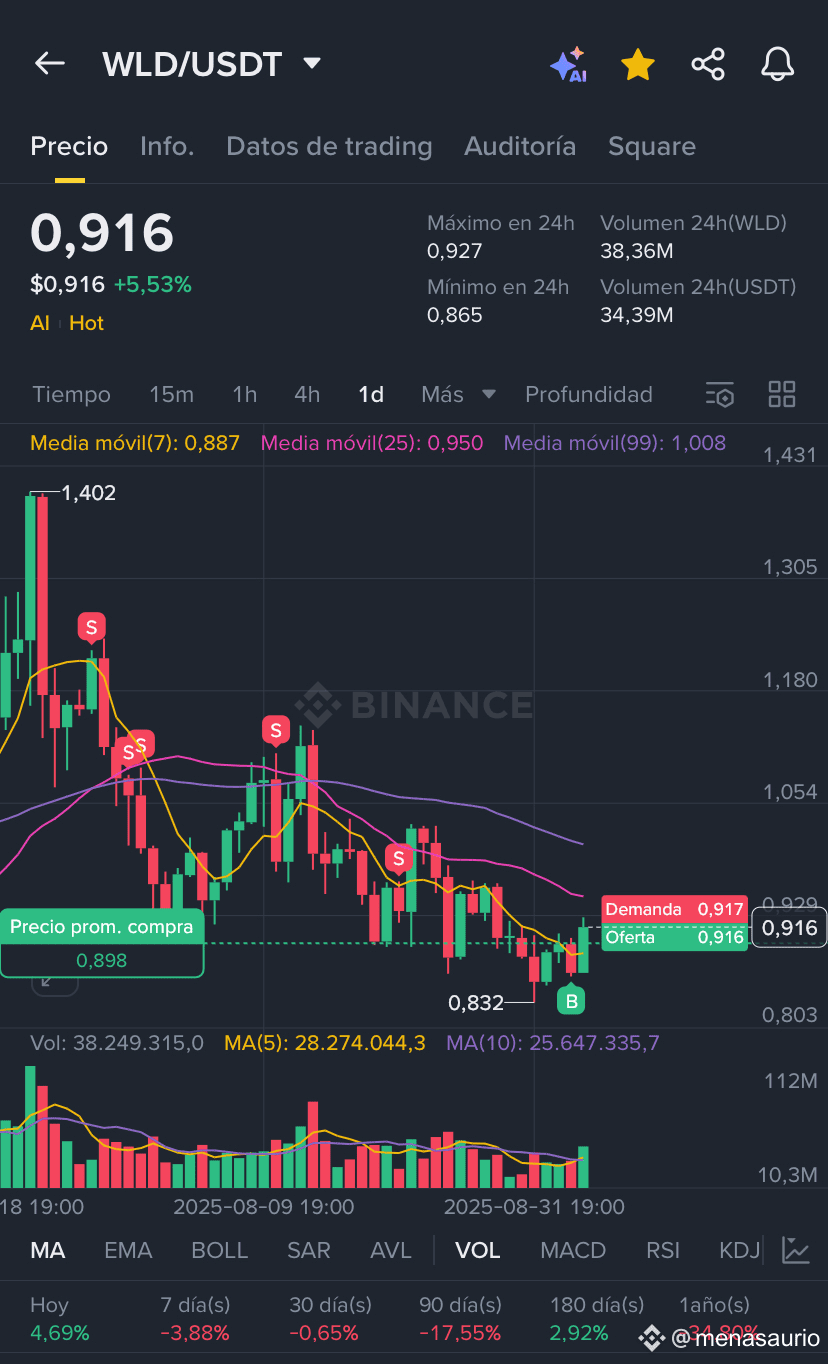
vende alto, compra bajo. nunca fue tan sencillo… #wld
vende alto, compra bajo. nunca fue tan sencillo… #wld
1
1
2
1.3k
·
--
jajajajajajaja ojala te estafen de nuevo
jajajajajajaja ojala te estafen de nuevo

Bianca Breutzmann DPfU
·
--
no es wld es una app dentro de la plataforma, volvieron a pagar, si es estafa no vuelven.
además cual es la pérdida si todo te lo han regalado.usted es comunista?
además cual es la pérdida si todo te lo han regalado.usted es comunista?
141
ເຂົ້າສູ່ລະບົບເພື່ອສຳຫຼວດເນື້ອຫາເພີ່ມເຕີມ
ເຂົ້າຮ່ວມກຸ່ມຜູ້ໃຊ້ຄຣິບໂຕທົ່ວໂລກໃນ Binance Square.
⚡️ ໄດ້ຮັບຂໍ້ມູນຫຼ້າສຸດ ແລະ ທີ່ມີປະໂຫຍດກ່ຽວກັບຄຣິບໂຕ.
💬 ໄດ້ຮັບຄວາມໄວ້ວາງໃຈຈາກຕະຫຼາດແລກປ່ຽນຄຣິບໂຕທີ່ໃຫຍ່ທີ່ສຸດໃນໂລກ.
👍 ຄົ້ນຫາຂໍ້ມູນເຊີງເລິກທີ່ແທ້ຈາກນັກສ້າງທີ່ໄດ້ຮັບການຢືນຢັນ.
ອີເມວ / ເບີໂທລະສັບ
ຫົວຂໍ້ທີ່ກໍາລັງນິຍົມ
EarningsSeason
6.6M ຄັ້ງທີ່ເບິ່ງ
33,107 ກຳລັງສົນທະນາ
Earnings Season Session 3: Will Google & Microsoft Beat Earnings Expectations?
Binance Square Official
·184 ຖືກໃຈ
·109.9k ຄັ້ງທີ່ເບິ່ງ
USMidtermElections
84,876 ຄັ້ງທີ່ເບິ່ງ
1,116 ກຳລັງສົນທະນາ
StrategySTRCReaches$99.95ForFirstTimeIn165Days
666 ຄັ້ງທີ່ເບິ່ງ
32 ກຳລັງສົນທະນາ