
leedz
20 ໂພສ

leedz
15 ກໍາລັງຕິດຕາມ
15 ຜູ້ຕິດຕາມ
18 Liked
ໂພສ
ທັງໝົດ
ວົງຢືມ
🚀 $SOL Breaks $100: Bullish Continuation or Short-Term Pullback?
Following a strong 40%+ rally from mid-August lows, Solana ($SOL ) has reclaimed the key psychological $100 mark and is currently consolidating near $105.
Strong ecosystem fundamentals and surging Open Interest are fueling this momentum. However, with RSI approaching overbought territory on higher timeframes, traders should prepare for potential volatility around these critical technical levels:
📊 Key Technical Levels
Major Resistance: $110.00 – $112.00 (Breakout zone to target $125)
Immediate Support: $101.50 – $103.00
Key Demand Zone: $92.50 – $95.00 (Ideal re-entry level on deep dips)
💡 Trading Strategy
Bullish Setup: A clean daily close above $110 opens the path for a retest of $120–$125.
Pullback Scenario: If resistance holds, look for a healthy retest toward $101-$102 to hunt for long entries with tighter stop-losses.
Risk Management: Maintain strict stop-losses below $98, as elevated leverage across perpetual markets could cause quick liquidation wicks.
👇 What's your stance? Are you holding $SOL for $120+, or waiting to buy the dip below $100? Let's discuss below!
#Solana #SOL #CryptoTrading #TechnicalAnalysis #BinanceSquare
Following a strong 40%+ rally from mid-August lows, Solana ($SOL ) has reclaimed the key psychological $100 mark and is currently consolidating near $105.
Strong ecosystem fundamentals and surging Open Interest are fueling this momentum. However, with RSI approaching overbought territory on higher timeframes, traders should prepare for potential volatility around these critical technical levels:
📊 Key Technical Levels
Major Resistance: $110.00 – $112.00 (Breakout zone to target $125)
Immediate Support: $101.50 – $103.00
Key Demand Zone: $92.50 – $95.00 (Ideal re-entry level on deep dips)
💡 Trading Strategy
Bullish Setup: A clean daily close above $110 opens the path for a retest of $120–$125.
Pullback Scenario: If resistance holds, look for a healthy retest toward $101-$102 to hunt for long entries with tighter stop-losses.
Risk Management: Maintain strict stop-losses below $98, as elevated leverage across perpetual markets could cause quick liquidation wicks.
👇 What's your stance? Are you holding $SOL for $120+, or waiting to buy the dip below $100? Let's discuss below!
#Solana #SOL #CryptoTrading #TechnicalAnalysis #BinanceSquare
#BinanceTurns9 Binance Turns 9 - Built By You
as usually binance is the best exchange ever, just liked the tournament and the anniversary like to be part of the big pict
as usually binance is the best exchange ever, just liked the tournament and the anniversary like to be part of the big pict

An interesting mechanism to watch ahead of the #grvt _io launch on July 21 is their approach to the community airdrop claims. Rather than a standard, one-size-fits-all distribution, the project has introduced a gamified dynamic: users can choose to claim their token allocation immediately at the Token Generation Event (TGE) or opt to delay their claim in exchange for an increased allocation multiplier—potentially scaling up to four times the original amount over an extended lock-up period.
This model essentially forces a choice between immediate liquidity and long-term ecosystem alignment, which could significantly mitigate standard day-one dumping pressures. By combining this structure with the live 1,500,000 GRVT Booster Campaign on Binance Wallet, the team is filtering for genuine, high-conviction participants rather than mercenary capital. It’s a bold experiment in token supply management.
#grvt
This model essentially forces a choice between immediate liquidity and long-term ecosystem alignment, which could significantly mitigate standard day-one dumping pressures. By combining this structure with the live 1,500,000 GRVT Booster Campaign on Binance Wallet, the team is filtering for genuine, high-conviction participants rather than mercenary capital. It’s a bold experiment in token supply management.
#grvt
#grvt The upcoming launch of @grvt_io on July 21 is shaping up to be one of the most anticipated infrastructure rollouts in the derivatives space. Built using ZKsync's powerful ZK Stack, the platform isn't just delivering typical DEX features; it's pushing the boundaries of capital efficiency.
With its unique membership architecture, holding the token introduces major operational advantages, including optimized margin efficiency, tiered trading fee reductions, and priority access to specialized investment vaults and high-yield products. By mitigating MEV vulnerabilities and smart contract exposure through an enterprise-grade hybrid layout, the platform creates an institutional-ready environment that doesn't compromise on self-custody.
With Coinbase recently adding it to its official asset listing roadmap, the project's macro momentum is undeniable as we head toward the token generation event. Watch this space closely. #grvt
With its unique membership architecture, holding the token introduces major operational advantages, including optimized margin efficiency, tiered trading fee reductions, and priority access to specialized investment vaults and high-yield products. By mitigating MEV vulnerabilities and smart contract exposure through an enterprise-grade hybrid layout, the platform creates an institutional-ready environment that doesn't compromise on self-custody.
With Coinbase recently adding it to its official asset listing roadmap, the project's macro momentum is undeniable as we head toward the token generation event. Watch this space closely. #grvt
The next major evolution in crypto derivatives is heavily leaning toward hybrid architectures, and @grvt_io is leading the charge. By combining the blazing execution speed of a centralized platform with the uncompromised security of self-custody, they are solving a massive pain point for modern traders. Built on advanced zero-knowledge infrastructure (the ZK Stack), the platform allows users to retain absolute control over their assets while enjoying ultra-fast matching, minimal slippage, and robust privacy protections. As the ecosystem scales up its trading volume and expands its focus on capital productivity, it is quickly positioning itself as a core infrastructure piece for next-generation perpetual markets. Keep an eye on its growing momentum. #grvt
$NEWT The launch of the Newton Mainnet Beta is a significant milestone for institutional DeFi and autonomous on-chain automation. Operating as an EigenLayer-secured Actively Validated Services (AVS) network, @NewtonProtocol(https://www.binance.com/en/square/profile/newtonprotocol) shifts risk management from reactive post-settlement monitoring to real-time, transaction-time authorization.
Using the VaultKit SDK, curators can seamlessly set strict, custom execution policies directly into their smart contracts. What makes these policies powerful is their data backing: Newton integrates manipulation-resistant asset pricing via RedStone and model-driven risk intelligence via Credora. This allows vaults and AI agents to instantly evaluate and block or liquidate risky positions at the very moment a transaction clears. This fundamental architecture provides verifiable, transparent security infrastructure, driving direct structural utility to $NEWT .
#Newt
Using the VaultKit SDK, curators can seamlessly set strict, custom execution policies directly into their smart contracts. What makes these policies powerful is their data backing: Newton integrates manipulation-resistant asset pricing via RedStone and model-driven risk intelligence via Credora. This allows vaults and AI agents to instantly evaluate and block or liquidate risky positions at the very moment a transaction clears. This fundamental architecture provides verifiable, transparent security infrastructure, driving direct structural utility to $NEWT .
#Newt
#newt $NEWT
The arrival of the Newton Mainnet Beta marks a major shift in how we approach secure on-chain automation and autonomous AI agents. Alongside this launch, @NewtonProtocol(https://www.binance.com/en/square/profile/newtonprotocol) introduced VaultKit—a powerful SDK designed to make a vault's specific rules fully enforceable at the smart contract layer before a transaction ever settles.
By serving as a decentralized authorization engine, the protocol evaluates transaction intents off-chain via an EigenLayer-secured Actively Validated Services (AVS) network, generating a verifiable cryptographic proof to block or allow actions automatically. This means rules like identity requirements, spending limits, or custom compliance are natively guarded. Furthermore, the integration of launch data partners like RedStone (supplying manipulation-resistant market data) and Credora (delivering real-time risk intelligence) ensures these policies are powered by trusted inputs. For anyone tracking the evolution of secure DeFi infrastructure, the concrete utility backing $NEWT is one to watch closely.
#Newt
The arrival of the Newton Mainnet Beta marks a major shift in how we approach secure on-chain automation and autonomous AI agents. Alongside this launch, @NewtonProtocol(https://www.binance.com/en/square/profile/newtonprotocol) introduced VaultKit—a powerful SDK designed to make a vault's specific rules fully enforceable at the smart contract layer before a transaction ever settles.
By serving as a decentralized authorization engine, the protocol evaluates transaction intents off-chain via an EigenLayer-secured Actively Validated Services (AVS) network, generating a verifiable cryptographic proof to block or allow actions automatically. This means rules like identity requirements, spending limits, or custom compliance are natively guarded. Furthermore, the integration of launch data partners like RedStone (supplying manipulation-resistant market data) and Credora (delivering real-time risk intelligence) ensures these policies are powered by trusted inputs. For anyone tracking the evolution of secure DeFi infrastructure, the concrete utility backing $NEWT is one to watch closely.
#Newt

#openledger $OPEN
Exploring the future of decentralized data with @OpenLedger — a project that’s pushing boundaries in how information is structured, shared, and monetized. The vision behind $OPEN is not just about blockchain, but about creating a smarter data economy where transparency and efficiency go hand in hand. As adoption grows, #OpenLedger could become a key layer for next-gen Web3 infrastructure. Keep an eye on this one.
Exploring the future of decentralized data with @OpenLedger — a project that’s pushing boundaries in how information is structured, shared, and monetized. The vision behind $OPEN is not just about blockchain, but about creating a smarter data economy where transparency and efficiency go hand in hand. As adoption grows, #OpenLedger could become a key layer for next-gen Web3 infrastructure. Keep an eye on this one.
#genius $GENIUS
Exploring the innovation behind @GeniusOfficial — this project is pushing boundaries with a fresh approach to decentralized intelligence and scalable blockchain solutions. The vision around $GENIUS isn’t just hype, it’s about building real utility and long-term ecosystem value. Definitely a project worth watching as it evolves. #genius
Exploring the innovation behind @GeniusOfficial — this project is pushing boundaries with a fresh approach to decentralized intelligence and scalable blockchain solutions. The vision around $GENIUS isn’t just hype, it’s about building real utility and long-term ecosystem value. Definitely a project worth watching as it evolves. #genius
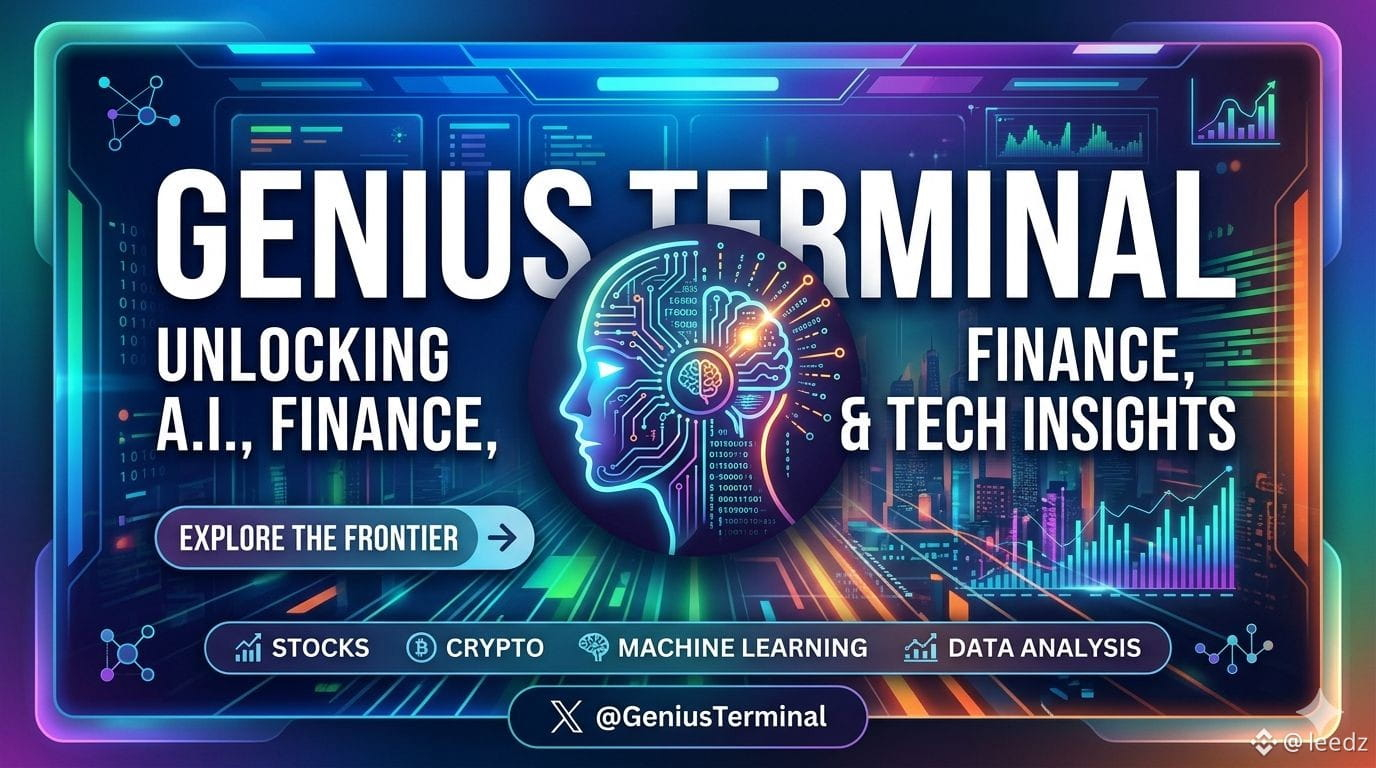

#openledger $OPEN
Exploring the future of decentralized data with @OpenLedger (https://www.binance.com/en/square/profile/openledger)! The vision behind $OPEN is powerful—bringing transparency, scalability, and real utility to on-chain data infrastructure. As more projects shift toward data-driven ecosystems, OpenLedger could play a key role in shaping the next wave of Web3 innovation. Definitely a project worth watching closely. #OpenLedger
Exploring the future of decentralized data with @OpenLedger (https://www.binance.com/en/square/profile/openledger)! The vision behind $OPEN is powerful—bringing transparency, scalability, and real utility to on-chain data infrastructure. As more projects shift toward data-driven ecosystems, OpenLedger could play a key role in shaping the next wave of Web3 innovation. Definitely a project worth watching closely. #OpenLedger
Looking at the current market, Solana (SOL) is flashing several signals that suggest its current price (roughly **$95**) could be a strategic entry point.
Here’s a breakdown of why SOL is looking strong right now:
1. Technical Breakout & Momentum
Trend Reversal:Solana recently broke above a year-long downtrend and reclaimed its 100-day Simple Moving Average (SMA) for the first time since late 2025. This is a classic indicator that the long-term momentum is shifting from bearish to bullish.
Bullish Indicators The *Supertrend indicator just flipped green, and technical analysts are eyeing a push toward the $100–$105 psychological resistance zone. If it clears that, the next major target is around $115
2. Strong Institutional Support
ETF Inflows:Solana spot ETFs have seen consistent positive movement, with roughly **$56 million** in net inflows over the last month. This shows that "big money" is actively accumulating at these levels.
Whale Activity:On-chain data recently showed a dormant whale wallet waking up to purchase over $6 million worth of SOL, signaling confidence from high-net-worth traders.
3. Major Ecosystem Upgrades
The Alpenglow Upgrade:Testing has begun on Alpenglow, a massive infrastructure overhaul designed to make the network significantly faster and more scalable.
The highly anticipated Firedancer validator client is moving closer to mainnet, which could theoretically push Solana’s capacity toward 1 million transactions per second
4. Expanding Utility
Stablecoin Growth:Circle recently minted $750 million in USDC directly on Solana, reinforcing it as a preferred chain for liquidity and payments.
DeFi Dominance:** Solana continues to hold its ground as the second-largest DeFi ecosystem, often surpassing Ethereum in 24-hour decentralized exchange (DEX) volume due to its sub-penny transaction fees.
The Bottom Line**
While SOL is currently trading about 68% below its all-time high of $295, the fundamentals have never been stronger.
$SOL
Here’s a breakdown of why SOL is looking strong right now:
1. Technical Breakout & Momentum
Trend Reversal:Solana recently broke above a year-long downtrend and reclaimed its 100-day Simple Moving Average (SMA) for the first time since late 2025. This is a classic indicator that the long-term momentum is shifting from bearish to bullish.
Bullish Indicators The *Supertrend indicator just flipped green, and technical analysts are eyeing a push toward the $100–$105 psychological resistance zone. If it clears that, the next major target is around $115
2. Strong Institutional Support
ETF Inflows:Solana spot ETFs have seen consistent positive movement, with roughly **$56 million** in net inflows over the last month. This shows that "big money" is actively accumulating at these levels.
Whale Activity:On-chain data recently showed a dormant whale wallet waking up to purchase over $6 million worth of SOL, signaling confidence from high-net-worth traders.
3. Major Ecosystem Upgrades
The Alpenglow Upgrade:Testing has begun on Alpenglow, a massive infrastructure overhaul designed to make the network significantly faster and more scalable.
The highly anticipated Firedancer validator client is moving closer to mainnet, which could theoretically push Solana’s capacity toward 1 million transactions per second
4. Expanding Utility
Stablecoin Growth:Circle recently minted $750 million in USDC directly on Solana, reinforcing it as a preferred chain for liquidity and payments.
DeFi Dominance:** Solana continues to hold its ground as the second-largest DeFi ecosystem, often surpassing Ethereum in 24-hour decentralized exchange (DEX) volume due to its sub-penny transaction fees.
The Bottom Line**
While SOL is currently trading about 68% below its all-time high of $295, the fundamentals have never been stronger.
$SOL
🚀 Solana Price Prediction: Is SOL Preparing for the Next Big Move?
$SOL continues to be one of the strongest Layer-1 projects in crypto, and many analysts believe the next major move could come from ecosystem growth, institutional adoption, and network upgrades like Firedancer.
📈 Bullish scenario:
If market momentum returns and Solana breaks major resistance levels, some forecasts see SOL pushing toward the $150–$250 range in the next cycle. (XS)
⚠️ Bearish scenario:
Crypto remains highly volatile, and several analysts warn that weak market liquidity or another risk-off phase could send SOL back toward lower support zones before recovery. (FXEmpire)
💡 What makes Solana interesting:
• Ultra-fast transactions
• Massive meme coin activity
• Growing DeFi ecosystem
• Increasing institutional attention
• Strong developer community
The biggest question now isn’t whether Solana survives — it’s whether SOL can dominate the next altcoin cycle.
👀 My view?
If adoption keeps growing and the broader crypto market turns bullish again, SOL could surprise a lot of people.
#Solana #SOL #Crypto #Altcoins #Web3 #DeFi #BinanceSquare #CryptoTrading #Blockchain #BullRun
$SOL continues to be one of the strongest Layer-1 projects in crypto, and many analysts believe the next major move could come from ecosystem growth, institutional adoption, and network upgrades like Firedancer.
📈 Bullish scenario:
If market momentum returns and Solana breaks major resistance levels, some forecasts see SOL pushing toward the $150–$250 range in the next cycle. (XS)
⚠️ Bearish scenario:
Crypto remains highly volatile, and several analysts warn that weak market liquidity or another risk-off phase could send SOL back toward lower support zones before recovery. (FXEmpire)
💡 What makes Solana interesting:
• Ultra-fast transactions
• Massive meme coin activity
• Growing DeFi ecosystem
• Increasing institutional attention
• Strong developer community
The biggest question now isn’t whether Solana survives — it’s whether SOL can dominate the next altcoin cycle.
👀 My view?
If adoption keeps growing and the broader crypto market turns bullish again, SOL could surprise a lot of people.
#Solana #SOL #Crypto #Altcoins #Web3 #DeFi #BinanceSquare #CryptoTrading #Blockchain #BullRun
Solana at $90 looks like a strong opportunity 👀
After a major correction from previous highs, $SOL is now sitting in a key accumulation zone where smart money starts getting in. The network continues to grow with fast transactions, low fees, and increasing adoption in DeFi & NFTs.
At this level, the risk/reward becomes attractive:
– Downside is relatively limited compared to the upside
– A strong ecosystem keeps expanding
– Historically, these dips have been the best entry points
If the market turns bullish again, $SOL at $90 could look very cheap in hindsight.
Sometimes the best moves feel uncomfortable — but that’s where the real gains start 🚀
After a major correction from previous highs, $SOL is now sitting in a key accumulation zone where smart money starts getting in. The network continues to grow with fast transactions, low fees, and increasing adoption in DeFi & NFTs.
At this level, the risk/reward becomes attractive:
– Downside is relatively limited compared to the upside
– A strong ecosystem keeps expanding
– Historically, these dips have been the best entry points
If the market turns bullish again, $SOL at $90 could look very cheap in hindsight.
Sometimes the best moves feel uncomfortable — but that’s where the real gains start 🚀
Andy59841


安迪Andy5984
·
--
🤮倒在黎明前,利润基本回吐完了,但是不影响我发红包!新年快乐!🎉🧧🧧🧧🎁🎁🎁🎁🎁🎁🧧🧧BIG RED BOX
2017

إيهاب الحسني - Ehab Hosni
·
--
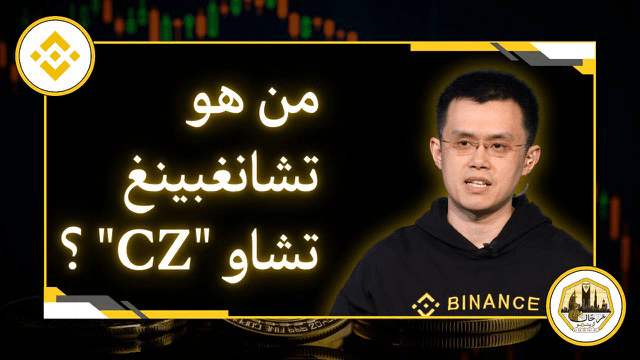
Changpeng Zhao (CZ): من مطاعم الوجبات السريعة إلى قيادة Binance
Changpeng Zhao (CZ) هو الاسم الذي غيّر وجه العملات الرقمية. من بدايات متواضعة إلى تأسيس أكبر منصة تداول في العالم – Binance، أصبح CZ أيقونة في عالم الكريبتو، رغم التحديات القانونية التي
⚡ من هو Changpeng Zhao (CZ)؟
Changpeng Zhao (CZ) وُلد عام 1977 في جيانغسو، الصين، وانتقل لاحقًا إلى كندا.
عمل في صغره في مطاعم الوجبات السريعة ومحطات الوقود لدعم أسرته.
بعد تخرجه من جامعة ماكغيل بتخصص علوم الحاسوب، بدأ بتطوير أنظمة مالية لبورصة طوكيو وشركة بلومبرغ.
⸻
🚀 انطلاقة CZ في عالم العملات الرقمية
بدأت رحلة Changpeng Zhao (CZ) مع الكريبتو عام 2013 عندما انضم لمشروع Blockchain.info، ثم عمل مع OKCoin.
في عام 2017، أطلق Binance، بعد جمع 15 مليون دولار عبر عرض أولي للعملة (ICO).
خلال أقل من سنة، أصبحت Binance أكبر منصة من حيث حجم التداول.
⸻
⚖️ تحديات قانونية واجهت Changpeng Zhao (CZ)
في عام 2023، اعترف CZ بانتهاك قوانين مكافحة غسيل الأموال في الولايات المتحدة.
تم تغريم Binance بـ 4.3 مليار دولار، ودفع CZ غرامة شخصية قدرها 50 مليون دولار.
حُكم عليه بالسجن 4 أشهر، وتم الإفراج عنه في سبتمبر 2024.
⸻
🌍 ما بعد Binance: خطط جديدة لـ Changpeng Zhao (CZ)
بعد خروجه من السجن، أعلن Changpeng Zhao (CZ) رغبته في الابتعاد عن الأضواء مؤقتًا.
بدأ التركيز على مجالات جديدة، أبرزها الذكاء الاصطناعي والتكنولوجيا الحيوية.
كما تم تعيينه مستشارًا لتطوير الأصول الرقمية في باكستان وقيرغيزستان.
⸻
💡 رؤية CZ حول مستقبل العملات الرقمية
يؤمن Changpeng Zhao (CZ) بأن العملات الرقمية ستصبح جزءًا أساسيًا من الاقتصاد العالمي.
يتوقع أن يصل سعر البيتكوين إلى ما بين 500,000 و1,000,000 دولار في الدورة القادمة.
يستمر CZ في التأثير حتى بعد خروجه من Binance.
⸻
✨ خلاصة: ما الذي يجعل CZ شخصية فريدة؟
الرحلة التي خاضها Changpeng Zhao (CZ) تثبت أنه ليس مجرد مؤسس شركة، بل رائد رؤية.
بين الصعود، التحديات، والفرص الجديدة، يظل CZ أحد أهم الشخصيات في تاريخ العملات الرقمية.
#CZ #binancw $BNB
⚡ من هو Changpeng Zhao (CZ)؟
Changpeng Zhao (CZ) وُلد عام 1977 في جيانغسو، الصين، وانتقل لاحقًا إلى كندا.
عمل في صغره في مطاعم الوجبات السريعة ومحطات الوقود لدعم أسرته.
بعد تخرجه من جامعة ماكغيل بتخصص علوم الحاسوب، بدأ بتطوير أنظمة مالية لبورصة طوكيو وشركة بلومبرغ.
⸻
🚀 انطلاقة CZ في عالم العملات الرقمية
بدأت رحلة Changpeng Zhao (CZ) مع الكريبتو عام 2013 عندما انضم لمشروع Blockchain.info، ثم عمل مع OKCoin.
في عام 2017، أطلق Binance، بعد جمع 15 مليون دولار عبر عرض أولي للعملة (ICO).
خلال أقل من سنة، أصبحت Binance أكبر منصة من حيث حجم التداول.
⸻
⚖️ تحديات قانونية واجهت Changpeng Zhao (CZ)
في عام 2023، اعترف CZ بانتهاك قوانين مكافحة غسيل الأموال في الولايات المتحدة.
تم تغريم Binance بـ 4.3 مليار دولار، ودفع CZ غرامة شخصية قدرها 50 مليون دولار.
حُكم عليه بالسجن 4 أشهر، وتم الإفراج عنه في سبتمبر 2024.
⸻
🌍 ما بعد Binance: خطط جديدة لـ Changpeng Zhao (CZ)
بعد خروجه من السجن، أعلن Changpeng Zhao (CZ) رغبته في الابتعاد عن الأضواء مؤقتًا.
بدأ التركيز على مجالات جديدة، أبرزها الذكاء الاصطناعي والتكنولوجيا الحيوية.
كما تم تعيينه مستشارًا لتطوير الأصول الرقمية في باكستان وقيرغيزستان.
⸻
💡 رؤية CZ حول مستقبل العملات الرقمية
يؤمن Changpeng Zhao (CZ) بأن العملات الرقمية ستصبح جزءًا أساسيًا من الاقتصاد العالمي.
يتوقع أن يصل سعر البيتكوين إلى ما بين 500,000 و1,000,000 دولار في الدورة القادمة.
يستمر CZ في التأثير حتى بعد خروجه من Binance.
⸻
✨ خلاصة: ما الذي يجعل CZ شخصية فريدة؟
الرحلة التي خاضها Changpeng Zhao (CZ) تثبت أنه ليس مجرد مؤسس شركة، بل رائد رؤية.
بين الصعود، التحديات، والفرص الجديدة، يظل CZ أحد أهم الشخصيات في تاريخ العملات الرقمية.
#CZ #binancw $BNB
ເຂົ້າສູ່ລະບົບເພື່ອສຳຫຼວດເນື້ອຫາເພີ່ມເຕີມ