
Ben12_
1.2k ໂພສ

Ben12_
ລາຍງານ
ບລັອກຜູ້ໃຊ້
182 ກໍາລັງຕິດຕາມ
16.3K+ ຜູ້ຕິດຕາມ
2.5K+ Liked
ໂພສ
ທັງໝົດ
ວົງຢືມ
ຖ່າຍທອດສົດ

·
--
ໃນຊ່ວງເວລາຄວາມບໍ່ແນ່ນອນທາງມະຫາພາກ, ການຂາຍ Bitcoin ເພື່ອຄວາມສ່ອງແລະສະພາບຄ່ອງຂອງໄລຍະສັ້ນແມ່ນບໍ່ຄ່ອຍເປັນທາງເລືອກທີ່ເໝາະສົມ. @babylonlabs_io ກຳລັງສະເໜີທາງເລືອກທີ່ມີທິດທາງຫຼາຍກວ່າຜ່ານ Trustless Bitcoin Vaults (TBV), ທີ່ເຮັດໃຫ້ຜູ້ຖືສາມາດຮັກສາຕຳແໜ່ງ BTC ຫຼັກຂອງຕົນໄວ້ໄດ້ຢ່າງຄົບຖ້ວນ.
ຂັບເຄື່ອນໂດຍໂປຣແກຣມ $BABY token, TBV ຊ່ວຍໃຫ້ຜູ້ໃຊ້ນຳ BTC ທີ່ມີຢູ່ໄປເປັນຫຼັກປະກັນເພື່ອກູ້ stablecoins ເຊັ່ນ USDC ຫຼື USDT ໃນ Ethereum. ບໍ່ຈຳເປັນຕ້ອງຂາຍຊັບສິນພື້ນຖານ, ບໍ່ຈຳເປັນຕ້ອງ wrap token, ຫຼື ບໍ່ຕ້ອງສົ່ງມອບການຄວບຄຸມຄີສ່ວນຕົວ (private keys). ລະບົບນີ້ເປີດສຳລັບການທົດລອງໃນ Aave v4’s public testnet, ຮອງຮັບໂດຍ testnet faucet ແລະ ແບບຟອມປ້ອນຄຳເຫັນທີ່ພ້ອມໃຫ້ຜູ້ໃຊ້.
ທີ່ສຳຄັນ, ຄວາມຢືນຍົງໄລຍະຍາວຂອງການນຳໃຊ້ native BTC ເປັນ macro collateral ຈະຂຶ້ນກັບວ່າໂປຣໂຕຄ້ອລຈັດການ liquidation thresholds ໄດ້ຢ່າງສະອາດເທົ່າໃດ ໃນຊ່ວງຄວາມບໍ່ເສຖທົດລອງຮຸນແຮງຂອງຕະຫຼາດຢູ່ mainnet. #baby $BABY
ໃນຊ່ວງເວລາຄວາມບໍ່ແນ່ນອນທາງມະຫາພາກ, ການຂາຍ Bitcoin ເພື່ອຄວາມສ່ອງແລະສະພາບຄ່ອງຂອງໄລຍະສັ້ນແມ່ນບໍ່ຄ່ອຍເປັນທາງເລືອກທີ່ເໝາະສົມ. @BabylonLabs_io ກຳລັງສະເໜີທາງເລືອກທີ່ມີທິດທາງຫຼາຍກວ່າຜ່ານ Trustless Bitcoin Vaults (TBV), ທີ່ເຮັດໃຫ້ຜູ້ຖືສາມາດຮັກສາຕຳແໜ່ງ BTC ຫຼັກຂອງຕົນໄວ້ໄດ້ຢ່າງຄົບຖ້ວນ.
ຂັບເຄື່ອນໂດຍໂປຣແກຣມ $BABY token, TBV ຊ່ວຍໃຫ້ຜູ້ໃຊ້ນຳ BTC ທີ່ມີຢູ່ໄປເປັນຫຼັກປະກັນເພື່ອກູ້ stablecoins ເຊັ່ນ USDC ຫຼື USDT ໃນ Ethereum. ບໍ່ຈຳເປັນຕ້ອງຂາຍຊັບສິນພື້ນຖານ, ບໍ່ຈຳເປັນຕ້ອງ wrap token, ຫຼື ບໍ່ຕ້ອງສົ່ງມອບການຄວບຄຸມຄີສ່ວນຕົວ (private keys). ລະບົບນີ້ເປີດສຳລັບການທົດລອງໃນ Aave v4’s public testnet, ຮອງຮັບໂດຍ testnet faucet ແລະ ແບບຟອມປ້ອນຄຳເຫັນທີ່ພ້ອມໃຫ້ຜູ້ໃຊ້.
ທີ່ສຳຄັນ, ຄວາມຢືນຍົງໄລຍະຍາວຂອງການນຳໃຊ້ native BTC ເປັນ macro collateral ຈະຂຶ້ນກັບວ່າໂປຣໂຕຄ້ອລຈັດການ liquidation thresholds ໄດ້ຢ່າງສະອາດເທົ່າໃດ ໃນຊ່ວງຄວາມບໍ່ເສຖທົດລອງຮຸນແຮງຂອງຕະຫຼາດຢູ່ mainnet. #baby $BABY
ຂັບເຄື່ອນໂດຍໂປຣແກຣມ $BABY token, TBV ຊ່ວຍໃຫ້ຜູ້ໃຊ້ນຳ BTC ທີ່ມີຢູ່ໄປເປັນຫຼັກປະກັນເພື່ອກູ້ stablecoins ເຊັ່ນ USDC ຫຼື USDT ໃນ Ethereum. ບໍ່ຈຳເປັນຕ້ອງຂາຍຊັບສິນພື້ນຖານ, ບໍ່ຈຳເປັນຕ້ອງ wrap token, ຫຼື ບໍ່ຕ້ອງສົ່ງມອບການຄວບຄຸມຄີສ່ວນຕົວ (private keys). ລະບົບນີ້ເປີດສຳລັບການທົດລອງໃນ Aave v4’s public testnet, ຮອງຮັບໂດຍ testnet faucet ແລະ ແບບຟອມປ້ອນຄຳເຫັນທີ່ພ້ອມໃຫ້ຜູ້ໃຊ້.
ທີ່ສຳຄັນ, ຄວາມຢືນຍົງໄລຍະຍາວຂອງການນຳໃຊ້ native BTC ເປັນ macro collateral ຈະຂຶ້ນກັບວ່າໂປຣໂຕຄ້ອລຈັດການ liquidation thresholds ໄດ້ຢ່າງສະອາດເທົ່າໃດ ໃນຊ່ວງຄວາມບໍ່ເສຖທົດລອງຮຸນແຮງຂອງຕະຫຼາດຢູ່ mainnet. #baby $BABY
1
4
149
·
--
L’un protocol finanziariu si pò cunsidarì solu quantu forti hè a cumunità chì u prova sottu stress. Inveci di custruì in isolamentu, @babylonlabs_io adopra un approcciu trasparente è guidatu da a cumunità per raffinate a so infrastruttura di Trustless Bitcoin Vaults (TBV).
Spinta da l’ecosistema $BABY token, TBV permette à l’utilizatori di sperimentà prestiti nativi garantiti da BTC: accede à USDC o USDT nantu à Ethereum cù piena self-custody è senza tokens wrapped. Stu flussu sanu hè attivu nantu à a so public testnet cù Aave v4, induve l’utilizatori sò invitati à rivendicà l’attivi da u faucet è à mandà insight diretti di u produttu attraversu u modulu di feedback.
In modu criticu, a participazione attiva di a cumunità in sta fase hè essenziale. I dati veri di l’utenti è u raportu di casu-limite raccolti avà determineranu direttamente quantu resilienti è fluidi funzionerà a meccanica di u vault à scala quandu si lancia in mainnet. #baby $BABY
L’un protocol finanziariu si pò cunsidarì solu quantu forti hè a cumunità chì u prova sottu stress. Inveci di custruì in isolamentu, @BabylonLabs_io adopra un approcciu trasparente è guidatu da a cumunità per raffinate a so infrastruttura di Trustless Bitcoin Vaults (TBV).
Spinta da l’ecosistema $BABY token, TBV permette à l’utilizatori di sperimentà prestiti nativi garantiti da BTC: accede à USDC o USDT nantu à Ethereum cù piena self-custody è senza tokens wrapped. Stu flussu sanu hè attivu nantu à a so public testnet cù Aave v4, induve l’utilizatori sò invitati à rivendicà l’attivi da u faucet è à mandà insight diretti di u produttu attraversu u modulu di feedback.
In modu criticu, a participazione attiva di a cumunità in sta fase hè essenziale. I dati veri di l’utenti è u raportu di casu-limite raccolti avà determineranu direttamente quantu resilienti è fluidi funzionerà a meccanica di u vault à scala quandu si lancia in mainnet. #baby $BABY
Spinta da l’ecosistema $BABY token, TBV permette à l’utilizatori di sperimentà prestiti nativi garantiti da BTC: accede à USDC o USDT nantu à Ethereum cù piena self-custody è senza tokens wrapped. Stu flussu sanu hè attivu nantu à a so public testnet cù Aave v4, induve l’utilizatori sò invitati à rivendicà l’attivi da u faucet è à mandà insight diretti di u produttu attraversu u modulu di feedback.
In modu criticu, a participazione attiva di a cumunità in sta fase hè essenziale. I dati veri di l’utenti è u raportu di casu-limite raccolti avà determineranu direttamente quantu resilienti è fluidi funzionerà a meccanica di u vault à scala quandu si lancia in mainnet. #baby $BABY
4
2
161
·
--
ຕลอดຫຼາຍປີ ນັກພັດທະນາ Web3 ພະຍາຍາມສ້າງຜະລິດຕະພັນການເງິນທີ່ຊັບຊ້ອນຂຶ້ນອ້ອມ Bitcoin ແຕ່ຍ້ອນຂໍ້ຈຳກັດຂອງ native smart contract ໃນ base layer. ການແກ້ໄຂຊົ່ວຄາວເຊັ່ນ wrapped tokens ພຽງແຕ່ໄດ້ເພີ່ມຄວາມບອບບາງເຊິ່ງເປັນລະບົບ. @babylonlabs_io ກຳລັງສະເໜີທາງທີ່ງ່າຍກວ່າເພື່ອກ້າວໄປຂ້າງໜ້າດ້ວຍ Trustless Bitcoin Vaults (TBV).
TBV ໄດ້ຮັບການຂັບເຄື່ອນໂດຍເຄຼືອຂ່າຍ ecosystem $BABY token, ເຮັດໃຫ້ນັກພັດທະນາມີແຜນຜັງທີ່ປອດໄພສຳລັບການປະສົມລວມ native BTC collateral ໂດຍກົງເຂົ້າໃນ dApps ລະດັບໃຫຍ່ເຊັ່ນ Aave v4. ຜູ້ໃຊ້ສາມາດລັອກ native Bitcoin ເພື່ອກູ້ຢືມ USDC ຫຼື USDT ໃນ Ethereum ໂດຍບໍ່ຕ້ອງເສຍ self-custody ເໜືອກະແຈຂອງຕົນ. ທັງຜູ້ສ້າງ ແລະ ຜູ້ໃຊ້ ສາມາດທົດສອບການຕັ້ງຄ່ານີ້ໃນ public testnet, ຂໍສິນຊັບທົດສອບຜ່ານ faucet, ແລະ ສົ່ງຄວາມຄິດເຫັນດ້ານທາງເທັກນິກຜ່ານແບບຟອມ feedback.
ຢ່າງສຳຄັນ, ຄວາມທ້າທາຍສຳລັບນັກພັດທະນາໃນໄລຍະຍາວຈະເປັນການຮັກສາຄວາມສາມາດ composability ໃຫ້ເຊື່ອມຕໍ່ຢ່າງກ້ຽງຊື່ນ ໃນເວລາທີ່ vaults ທີ່ເປັນ native ນີ້ຖືກຕໍ່ເຂົ້າໃນຍຸດທະສາດ DeFi ຫຼາຍເສັ້ນ (multi-chain) ທີ່ຊັບຊ້ອນຂຶ້ນເປັນຈຳນວນຫຼາຍຢູ່ mainnet #baby $BABY
ຕลอดຫຼາຍປີ ນັກພັດທະນາ Web3 ພະຍາຍາມສ້າງຜະລິດຕະພັນການເງິນທີ່ຊັບຊ້ອນຂຶ້ນອ້ອມ Bitcoin ແຕ່ຍ້ອນຂໍ້ຈຳກັດຂອງ native smart contract ໃນ base layer. ການແກ້ໄຂຊົ່ວຄາວເຊັ່ນ wrapped tokens ພຽງແຕ່ໄດ້ເພີ່ມຄວາມບອບບາງເຊິ່ງເປັນລະບົບ. @BabylonLabs_io ກຳລັງສະເໜີທາງທີ່ງ່າຍກວ່າເພື່ອກ້າວໄປຂ້າງໜ້າດ້ວຍ Trustless Bitcoin Vaults (TBV).
TBV ໄດ້ຮັບການຂັບເຄື່ອນໂດຍເຄຼືອຂ່າຍ ecosystem $BABY token, ເຮັດໃຫ້ນັກພັດທະນາມີແຜນຜັງທີ່ປອດໄພສຳລັບການປະສົມລວມ native BTC collateral ໂດຍກົງເຂົ້າໃນ dApps ລະດັບໃຫຍ່ເຊັ່ນ Aave v4. ຜູ້ໃຊ້ສາມາດລັອກ native Bitcoin ເພື່ອກູ້ຢືມ USDC ຫຼື USDT ໃນ Ethereum ໂດຍບໍ່ຕ້ອງເສຍ self-custody ເໜືອກະແຈຂອງຕົນ. ທັງຜູ້ສ້າງ ແລະ ຜູ້ໃຊ້ ສາມາດທົດສອບການຕັ້ງຄ່ານີ້ໃນ public testnet, ຂໍສິນຊັບທົດສອບຜ່ານ faucet, ແລະ ສົ່ງຄວາມຄິດເຫັນດ້ານທາງເທັກນິກຜ່ານແບບຟອມ feedback.
ຢ່າງສຳຄັນ, ຄວາມທ້າທາຍສຳລັບນັກພັດທະນາໃນໄລຍະຍາວຈະເປັນການຮັກສາຄວາມສາມາດ composability ໃຫ້ເຊື່ອມຕໍ່ຢ່າງກ້ຽງຊື່ນ ໃນເວລາທີ່ vaults ທີ່ເປັນ native ນີ້ຖືກຕໍ່ເຂົ້າໃນຍຸດທະສາດ DeFi ຫຼາຍເສັ້ນ (multi-chain) ທີ່ຊັບຊ້ອນຂຶ້ນເປັນຈຳນວນຫຼາຍຢູ່ mainnet #baby $BABY
TBV ໄດ້ຮັບການຂັບເຄື່ອນໂດຍເຄຼືອຂ່າຍ ecosystem $BABY token, ເຮັດໃຫ້ນັກພັດທະນາມີແຜນຜັງທີ່ປອດໄພສຳລັບການປະສົມລວມ native BTC collateral ໂດຍກົງເຂົ້າໃນ dApps ລະດັບໃຫຍ່ເຊັ່ນ Aave v4. ຜູ້ໃຊ້ສາມາດລັອກ native Bitcoin ເພື່ອກູ້ຢືມ USDC ຫຼື USDT ໃນ Ethereum ໂດຍບໍ່ຕ້ອງເສຍ self-custody ເໜືອກະແຈຂອງຕົນ. ທັງຜູ້ສ້າງ ແລະ ຜູ້ໃຊ້ ສາມາດທົດສອບການຕັ້ງຄ່ານີ້ໃນ public testnet, ຂໍສິນຊັບທົດສອບຜ່ານ faucet, ແລະ ສົ່ງຄວາມຄິດເຫັນດ້ານທາງເທັກນິກຜ່ານແບບຟອມ feedback.
ຢ່າງສຳຄັນ, ຄວາມທ້າທາຍສຳລັບນັກພັດທະນາໃນໄລຍະຍາວຈະເປັນການຮັກສາຄວາມສາມາດ composability ໃຫ້ເຊື່ອມຕໍ່ຢ່າງກ້ຽງຊື່ນ ໃນເວລາທີ່ vaults ທີ່ເປັນ native ນີ້ຖືກຕໍ່ເຂົ້າໃນຍຸດທະສາດ DeFi ຫຼາຍເສັ້ນ (multi-chain) ທີ່ຊັບຊ້ອນຂຶ້ນເປັນຈຳນວນຫຼາຍຢູ່ mainnet #baby $BABY
2
146
·
--
Ngokwezinhlaka zezikhungo kanye nabanikazi beBitcoin abanenetha elikhulu (high-net-worth), ukungena ku-DeFi akukaze kube wukuzingela inzuzo yokucabanga (speculative yield) — kumayelana nokulondoloza inhloko-dolobha (capital). Ubuthakathaka obusemqoka ezinhlelweni zamathokheni asongwe (wrapped tokens) kanye namabhuloho agxile kubaxhasi (centralized bridges) buye bagcina imali enkulu ingekho ngaphandle (sidelines). @babylonlabs_io ihlose ukubhekana naleli banga lokuphepha ngqo nge-Trustless Bitcoin Vaults (TBV).
Isekela uhlelo lwemvelo lwe-$BABY token ecosystem, i-TBV ixhumanisa uhlobo olukhulu lwe-BTC liquidity ngqo kuma-protocol afana ne-Aave v4 ngaphandle kokudlulisela izimpahla (assets) kubaxhasi bezinkampani zangaphandle. Abanikazi bahlala benokuzibamba (self-custody) okuphelele ngenkathi besebenzisa i-BTC yendabuko (native BTC) njengedokodo (collateral) ukuze baboleke i-USDC noma i-USDT ku-Ethereum ngamazinga asebenzayo (efficient rates). Lesi simiso njengamanje singahlolwa futhi siqinisekiswe (audited and tested) ku-public testnet yaso, kusetshenziswa i-testnet faucet kanye nefomu lokubuyekeza elivela emphakathini.
Okubalulekile, ukunqoba ukutshalwa kwemali okulingana nezikhungo (institutional-scale liquidity) isikhathi eside kuzoncika ekuqinisekiseni ukuthi izilungiselelo zokujeziswa (slashing) ezisezingeni le-protocol kanye nezimethrikhi zokuxoshwa (vault liquidation parameters) azinakho ukusizakala (exploit-proof) ngokuphelele ngaphambi kokwethulwa ku-mainnet #baby $BABY
Ngokwezinhlaka zezikhungo kanye nabanikazi beBitcoin abanenetha elikhulu (high-net-worth), ukungena ku-DeFi akukaze kube wukuzingela inzuzo yokucabanga (speculative yield) — kumayelana nokulondoloza inhloko-dolobha (capital). Ubuthakathaka obusemqoka ezinhlelweni zamathokheni asongwe (wrapped tokens) kanye namabhuloho agxile kubaxhasi (centralized bridges) buye bagcina imali enkulu ingekho ngaphandle (sidelines). @BabylonLabs_io ihlose ukubhekana naleli banga lokuphepha ngqo nge-Trustless Bitcoin Vaults (TBV).
Isekela uhlelo lwemvelo lwe-$BABY token ecosystem, i-TBV ixhumanisa uhlobo olukhulu lwe-BTC liquidity ngqo kuma-protocol afana ne-Aave v4 ngaphandle kokudlulisela izimpahla (assets) kubaxhasi bezinkampani zangaphandle. Abanikazi bahlala benokuzibamba (self-custody) okuphelele ngenkathi besebenzisa i-BTC yendabuko (native BTC) njengedokodo (collateral) ukuze baboleke i-USDC noma i-USDT ku-Ethereum ngamazinga asebenzayo (efficient rates). Lesi simiso njengamanje singahlolwa futhi siqinisekiswe (audited and tested) ku-public testnet yaso, kusetshenziswa i-testnet faucet kanye nefomu lokubuyekeza elivela emphakathini.
Okubalulekile, ukunqoba ukutshalwa kwemali okulingana nezikhungo (institutional-scale liquidity) isikhathi eside kuzoncika ekuqinisekiseni ukuthi izilungiselelo zokujeziswa (slashing) ezisezingeni le-protocol kanye nezimethrikhi zokuxoshwa (vault liquidation parameters) azinakho ukusizakala (exploit-proof) ngokuphelele ngaphambi kokwethulwa ku-mainnet #baby $BABY
Isekela uhlelo lwemvelo lwe-$BABY token ecosystem, i-TBV ixhumanisa uhlobo olukhulu lwe-BTC liquidity ngqo kuma-protocol afana ne-Aave v4 ngaphandle kokudlulisela izimpahla (assets) kubaxhasi bezinkampani zangaphandle. Abanikazi bahlala benokuzibamba (self-custody) okuphelele ngenkathi besebenzisa i-BTC yendabuko (native BTC) njengedokodo (collateral) ukuze baboleke i-USDC noma i-USDT ku-Ethereum ngamazinga asebenzayo (efficient rates). Lesi simiso njengamanje singahlolwa futhi siqinisekiswe (audited and tested) ku-public testnet yaso, kusetshenziswa i-testnet faucet kanye nefomu lokubuyekeza elivela emphakathini.
Okubalulekile, ukunqoba ukutshalwa kwemali okulingana nezikhungo (institutional-scale liquidity) isikhathi eside kuzoncika ekuqinisekiseni ukuthi izilungiselelo zokujeziswa (slashing) ezisezingeni le-protocol kanye nezimethrikhi zokuxoshwa (vault liquidation parameters) azinakho ukusizakala (exploit-proof) ngokuphelele ngaphambi kokwethulwa ku-mainnet #baby $BABY
3
2
110
·
--
L’isembozo lokuhlanganisa amathokheni angu-@babylonlabs_io Trustless Bitcoin Vaults (TBV) ku-Aave v4 akukhona nje isici esisha - kumaka ushintsho olukhulu ekusebenzelaneni (interoperability) kweWeb3. Uketshezi olukhulu lweBitcoin ngokomlando beluhlukanisiwe, kodwa lesi sakhiwo esinamandla $BABY ekugcineni sivumela i-BTC yangaphakathi (native BTC) ukuthi ihambe ngokukhululeka phakathi kwama-chain ngaphandle kokudela ukuphepha.
Ngokususa ama-bridge nama-synthetic tokens, abasebenzisi bangasebenzisa i-Bitcoin yabo yangempela njengesiqinisekiso ukuze baboleke izimpahla ezifana ne-USDC noma i-USDT e-Ethereum ngaphansi kokugcinwa (self-custody) kwangempela. Ukugeleza okwamanje sekusebenzile ku-public testnet yabo, lapho abahloli bengasebenzisa khona i-faucet enikeziwe futhi babelane ngokufakwayo kwabo ngefomu lemibono (feedback form).
Okubalulekile, ukufinyelela kwesikhathi eside kwe-TBV kuzoncika kakhulu ekutheni amanye amaphrothokholi amakhulu okuboleka azolandela ngokushesha kangakanani isinyathelo se-Aave ekwamukeleni lesi sikhala se-native vault.
#baby $BABY
L’isembozo lokuhlanganisa amathokheni angu-@BabylonLabs_io Trustless Bitcoin Vaults (TBV) ku-Aave v4 akukhona nje isici esisha - kumaka ushintsho olukhulu ekusebenzelaneni (interoperability) kweWeb3. Uketshezi olukhulu lweBitcoin ngokomlando beluhlukanisiwe, kodwa lesi sakhiwo esinamandla $BABY ekugcineni sivumela i-BTC yangaphakathi (native BTC) ukuthi ihambe ngokukhululeka phakathi kwama-chain ngaphandle kokudela ukuphepha.
Ngokususa ama-bridge nama-synthetic tokens, abasebenzisi bangasebenzisa i-Bitcoin yabo yangempela njengesiqinisekiso ukuze baboleke izimpahla ezifana ne-USDC noma i-USDT e-Ethereum ngaphansi kokugcinwa (self-custody) kwangempela. Ukugeleza okwamanje sekusebenzile ku-public testnet yabo, lapho abahloli bengasebenzisa khona i-faucet enikeziwe futhi babelane ngokufakwayo kwabo ngefomu lemibono (feedback form).
Okubalulekile, ukufinyelela kwesikhathi eside kwe-TBV kuzoncika kakhulu ekutheni amanye amaphrothokholi amakhulu okuboleka azolandela ngokushesha kangakanani isinyathelo se-Aave ekwamukeleni lesi sikhala se-native vault.
#baby $BABY
Ngokususa ama-bridge nama-synthetic tokens, abasebenzisi bangasebenzisa i-Bitcoin yabo yangempela njengesiqinisekiso ukuze baboleke izimpahla ezifana ne-USDC noma i-USDT e-Ethereum ngaphansi kokugcinwa (self-custody) kwangempela. Ukugeleza okwamanje sekusebenzile ku-public testnet yabo, lapho abahloli bengasebenzisa khona i-faucet enikeziwe futhi babelane ngokufakwayo kwabo ngefomu lemibono (feedback form).
Okubalulekile, ukufinyelela kwesikhathi eside kwe-TBV kuzoncika kakhulu ekutheni amanye amaphrothokholi amakhulu okuboleka azolandela ngokushesha kangakanani isinyathelo se-Aave ekwamukeleni lesi sikhala se-native vault.
#baby $BABY
2
120
·
--
دេប៊ូកសាកល្បងការខ្ចី Native BTC ដោយគ្មានរឿងរ៉ាវ Bridge
ការខ្ចីទ្រព្យសម្បត្តិក្នុង DeFi ដោយប្រើ Bitcoin native ពិតៗ—ដោយមិនប៉ះ token ដែលត្រូវបាន wrap—គឺជាបទពិសោធន៍ខុសពីអ្វីៗទាំងអស់។ មិនមានការព្រួយបារម្ភអំពី cross-chain bridges ទេ ព្រោះលំហូរទាំងមូលកើតឡើងដោយផ្ទាល់នៅកម្រិត protocol។ នេះហើយជាអ្វីដែល @babylonlabs_io កំពុងបង្ហាញនៅលើ public testnet របស់ពួកគេសម្រាប់ Trustless Bitcoin Vaults (TBV) ដែលឥឡូវនេះបានបញ្ចូលជាមួយ Aave v4.
ដោយដំណើរការដោយ ecosystem របស់ $BABY token មុខងារនេះអនុញ្ញាតឱ្យអ្នកដាក់ប្រាក់ BTC native ជា collateral ដើម្បីខ្ចី stablecoins ដូចជា USDC ឬ USDT នៅលើ Ethereum។ អ្នករក្សាការកាន់កាប់ដោយខ្លួនឯងពេញលេញលើ keys របស់អ្នក ខណៈពេលដែលអ្នកចូលទៅប្រើអត្រា DeFi ដែលប្រកួតប្រជែង។ អ្នកណាក៏អាចសាកល្បង user flow បានយ៉ាងងាយស្រួល ដោយទាមទារ testnet assets តាមរយៈ faucet របស់ពួកគេ ហើយបន្ថែម input តាមរយៈ feedback form របស់ពួកគេ។
ប្រាកដណាស់ បទពិសោធន៍ testnet ដែលរលូន គឺត្រឹមតែជាចំណុចចាប់ផ្តើមប៉ុណ្ណោះ។ ការធ្វើតេស្តពិតសម្រាប់ TBV គឺថាតើវាអាចរក្សាបទពិសោធន៍អ្នកប្រើដោយគ្មានការរាំងស្ទះ (frictionless) នេះបានឬទេ នៅក្រោមចរាចរណ៍ mainnet ដ៏ខ្លាំង។
#baby $BABY
دេប៊ូកសាកល្បងការខ្ចី Native BTC ដោយគ្មានរឿងរ៉ាវ Bridge
ការខ្ចីទ្រព្យសម្បត្តិក្នុង DeFi ដោយប្រើ Bitcoin native ពិតៗ—ដោយមិនប៉ះ token ដែលត្រូវបាន wrap—គឺជាបទពិសោធន៍ខុសពីអ្វីៗទាំងអស់។ មិនមានការព្រួយបារម្ភអំពី cross-chain bridges ទេ ព្រោះលំហូរទាំងមូលកើតឡើងដោយផ្ទាល់នៅកម្រិត protocol។ នេះហើយជាអ្វីដែល @BabylonLabs_io កំពុងបង្ហាញនៅលើ public testnet របស់ពួកគេសម្រាប់ Trustless Bitcoin Vaults (TBV) ដែលឥឡូវនេះបានបញ្ចូលជាមួយ Aave v4.
ដោយដំណើរការដោយ ecosystem របស់ $BABY token មុខងារនេះអនុញ្ញាតឱ្យអ្នកដាក់ប្រាក់ BTC native ជា collateral ដើម្បីខ្ចី stablecoins ដូចជា USDC ឬ USDT នៅលើ Ethereum។ អ្នករក្សាការកាន់កាប់ដោយខ្លួនឯងពេញលេញលើ keys របស់អ្នក ខណៈពេលដែលអ្នកចូលទៅប្រើអត្រា DeFi ដែលប្រកួតប្រជែង។ អ្នកណាក៏អាចសាកល្បង user flow បានយ៉ាងងាយស្រួល ដោយទាមទារ testnet assets តាមរយៈ faucet របស់ពួកគេ ហើយបន្ថែម input តាមរយៈ feedback form របស់ពួកគេ។
ប្រាកដណាស់ បទពិសោធន៍ testnet ដែលរលូន គឺត្រឹមតែជាចំណុចចាប់ផ្តើមប៉ុណ្ណោះ។ ការធ្វើតេស្តពិតសម្រាប់ TBV គឺថាតើវាអាចរក្សាបទពិសោធន៍អ្នកប្រើដោយគ្មានការរាំងស្ទះ (frictionless) នេះបានឬទេ នៅក្រោមចរាចរណ៍ mainnet ដ៏ខ្លាំង។
#baby $BABY
ការខ្ចីទ្រព្យសម្បត្តិក្នុង DeFi ដោយប្រើ Bitcoin native ពិតៗ—ដោយមិនប៉ះ token ដែលត្រូវបាន wrap—គឺជាបទពិសោធន៍ខុសពីអ្វីៗទាំងអស់។ មិនមានការព្រួយបារម្ភអំពី cross-chain bridges ទេ ព្រោះលំហូរទាំងមូលកើតឡើងដោយផ្ទាល់នៅកម្រិត protocol។ នេះហើយជាអ្វីដែល @BabylonLabs_io កំពុងបង្ហាញនៅលើ public testnet របស់ពួកគេសម្រាប់ Trustless Bitcoin Vaults (TBV) ដែលឥឡូវនេះបានបញ្ចូលជាមួយ Aave v4.
ដោយដំណើរការដោយ ecosystem របស់ $BABY token មុខងារនេះអនុញ្ញាតឱ្យអ្នកដាក់ប្រាក់ BTC native ជា collateral ដើម្បីខ្ចី stablecoins ដូចជា USDC ឬ USDT នៅលើ Ethereum។ អ្នករក្សាការកាន់កាប់ដោយខ្លួនឯងពេញលេញលើ keys របស់អ្នក ខណៈពេលដែលអ្នកចូលទៅប្រើអត្រា DeFi ដែលប្រកួតប្រជែង។ អ្នកណាក៏អាចសាកល្បង user flow បានយ៉ាងងាយស្រួល ដោយទាមទារ testnet assets តាមរយៈ faucet របស់ពួកគេ ហើយបន្ថែម input តាមរយៈ feedback form របស់ពួកគេ។
ប្រាកដណាស់ បទពិសោធន៍ testnet ដែលរលូន គឺត្រឹមតែជាចំណុចចាប់ផ្តើមប៉ុណ្ណោះ។ ការធ្វើតេស្តពិតសម្រាប់ TBV គឺថាតើវាអាចរក្សាបទពិសោធន៍អ្នកប្រើដោយគ្មានការរាំងស្ទះ (frictionless) នេះបានឬទេ នៅក្រោមចរាចរណ៍ mainnet ដ៏ខ្លាំង។
#baby $BABY
1
2
190

·
--
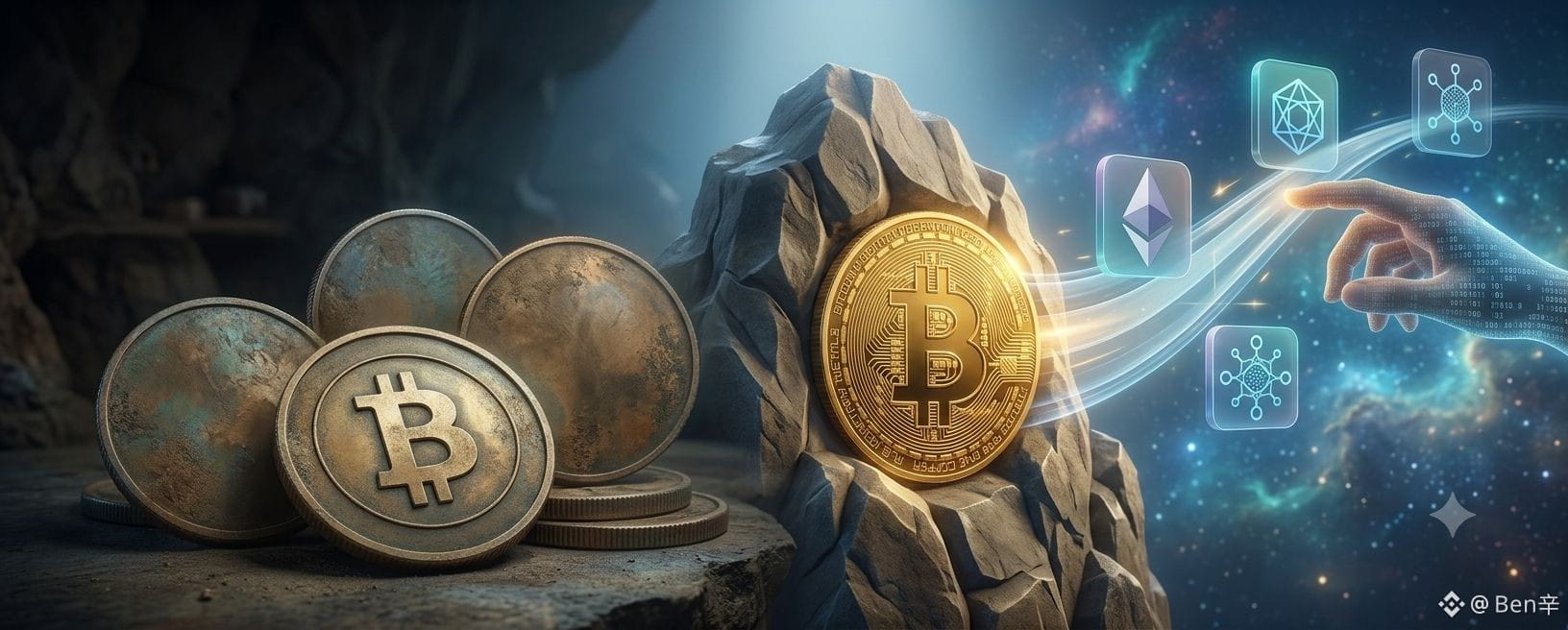
Kutheni iXesha leWrapped Bitcoin lisenokuba sele liza kuphela
Kumaqala iminyaka, indlela eqhelekileyo yokusebenzisa iBitcoin kwiDeFi ibe kukuyifaka (wrap). Kodwa masibe nenyaniso kuthi: ukugoqwa kweBTC kuyafana nokunikezela ngegolide ekrwada kwivault ukuze uyitshintshe ngokusebenzisa irisithi yephepha. Irisithi iyasebenza ekurhwebeni, kodwa awusayibambi ngokwenene loo golide. Ukuba i-bridge okanye i-custodian iyasilela, loo irisithi yephepha iba yinto engenamsebenzi ngobusuku.
Le nkcukacha ibuthathaka kanye leyo yi-@babylonlabs_io abayicima ngoku ngokusebenzayo.
Bexhomekeke kwisakhiwo sabo esiye sangena phezulu kwi-$7.2B yeTVL ngaphambili, baye bazisa Trustless Bitcoin Vaults (TBV).
Ifilosofi engundoqo icacile: kutheni kuphoqelela abasebenzisi kwiitokheni ezenziweyo (synthetic) xa benokusebenzisa iBitcoin yabo yokwenene ngokuthe ngqo? Ixhaswa yitokheni yabo yemveli $BABY, le ndlela idibanisa ulwelo lweBTC phakathi kweecheni ngaphandle kokuxhomekeka kwi-centralized bridge custodians.
Lo mbono sele uvavanywa kwi-public testnet edityaniswe ne-Aave v4. Abasebenzisi banokuzama ukufaka i-native BTC njengemali-mboleko (collateral) ukuze baboleke iiasethi ezifana ne-USDC okanye i-USDT kwi-Ethereum. Izigcina inkqubo isondele ku-self-custody, inika iintlawulo zeDeFi ezikhuphisanayo, kwaye isusa ngokupheleleyo ukuthembela komntu wesithathu.
Ukuqokelela ulwazi lokwenyani emhlabeni, bavule i-testnet faucet kunye nefom yempendulo ukuze uluntu luvavanye indlela yesicelo.
Ngokubalulekileyo, i-TBV ijongana ngokuthe ngqo nemfuno ekhulayo yokusetyenziswa okungaxhomekekanga kwi-custody phakathi kwabo basebenzisa iBitcoin. Nangona kunjalo, ukutshintsha umgangatho osisigxina njenge-wrapped BTC akuyi kwenzeka ngobusuku. Uvavanyo lokwenyani lwe-TBV luya kuba kukomelela kwesmart contract phantsi komthamo ophezulu kwi-mainnet, nokuba abaphuhlisi abasebenza kuWeb3 bayazihlanganisa ngokukhawuleza njani ezi vault models.
#baby $BABY
Kutheni iXesha leWrapped Bitcoin lisenokuba sele liza kuphela
Kumaqala iminyaka, indlela eqhelekileyo yokusebenzisa iBitcoin kwiDeFi ibe kukuyifaka (wrap). Kodwa masibe nenyaniso kuthi: ukugoqwa kweBTC kuyafana nokunikezela ngegolide ekrwada kwivault ukuze uyitshintshe ngokusebenzisa irisithi yephepha. Irisithi iyasebenza ekurhwebeni, kodwa awusayibambi ngokwenene loo golide. Ukuba i-bridge okanye i-custodian iyasilela, loo irisithi yephepha iba yinto engenamsebenzi ngobusuku.
Le nkcukacha ibuthathaka kanye leyo yi-@BabylonLabs_io abayicima ngoku ngokusebenzayo.
Bexhomekeke kwisakhiwo sabo esiye sangena phezulu kwi-$7.2B yeTVL ngaphambili, baye bazisa Trustless Bitcoin Vaults (TBV).
Ifilosofi engundoqo icacile: kutheni kuphoqelela abasebenzisi kwiitokheni ezenziweyo (synthetic) xa benokusebenzisa iBitcoin yabo yokwenene ngokuthe ngqo? Ixhaswa yitokheni yabo yemveli $BABY , le ndlela idibanisa ulwelo lweBTC phakathi kweecheni ngaphandle kokuxhomekeka kwi-centralized bridge custodians.
Lo mbono sele uvavanywa kwi-public testnet edityaniswe ne-Aave v4. Abasebenzisi banokuzama ukufaka i-native BTC njengemali-mboleko (collateral) ukuze baboleke iiasethi ezifana ne-USDC okanye i-USDT kwi-Ethereum. Izigcina inkqubo isondele ku-self-custody, inika iintlawulo zeDeFi ezikhuphisanayo, kwaye isusa ngokupheleleyo ukuthembela komntu wesithathu.
Ukuqokelela ulwazi lokwenyani emhlabeni, bavule i-testnet faucet kunye nefom yempendulo ukuze uluntu luvavanye indlela yesicelo.
Ngokubalulekileyo, i-TBV ijongana ngokuthe ngqo nemfuno ekhulayo yokusetyenziswa okungaxhomekekanga kwi-custody phakathi kwabo basebenzisa iBitcoin. Nangona kunjalo, ukutshintsha umgangatho osisigxina njenge-wrapped BTC akuyi kwenzeka ngobusuku. Uvavanyo lokwenyani lwe-TBV luya kuba kukomelela kwesmart contract phantsi komthamo ophezulu kwi-mainnet, nokuba abaphuhlisi abasebenza kuWeb3 bayazihlanganisa ngokukhawuleza njani ezi vault models.
#baby $BABY
Kumaqala iminyaka, indlela eqhelekileyo yokusebenzisa iBitcoin kwiDeFi ibe kukuyifaka (wrap). Kodwa masibe nenyaniso kuthi: ukugoqwa kweBTC kuyafana nokunikezela ngegolide ekrwada kwivault ukuze uyitshintshe ngokusebenzisa irisithi yephepha. Irisithi iyasebenza ekurhwebeni, kodwa awusayibambi ngokwenene loo golide. Ukuba i-bridge okanye i-custodian iyasilela, loo irisithi yephepha iba yinto engenamsebenzi ngobusuku.
Le nkcukacha ibuthathaka kanye leyo yi-@BabylonLabs_io abayicima ngoku ngokusebenzayo.
Bexhomekeke kwisakhiwo sabo esiye sangena phezulu kwi-$7.2B yeTVL ngaphambili, baye bazisa Trustless Bitcoin Vaults (TBV).
Ifilosofi engundoqo icacile: kutheni kuphoqelela abasebenzisi kwiitokheni ezenziweyo (synthetic) xa benokusebenzisa iBitcoin yabo yokwenene ngokuthe ngqo? Ixhaswa yitokheni yabo yemveli $BABY , le ndlela idibanisa ulwelo lweBTC phakathi kweecheni ngaphandle kokuxhomekeka kwi-centralized bridge custodians.
Lo mbono sele uvavanywa kwi-public testnet edityaniswe ne-Aave v4. Abasebenzisi banokuzama ukufaka i-native BTC njengemali-mboleko (collateral) ukuze baboleke iiasethi ezifana ne-USDC okanye i-USDT kwi-Ethereum. Izigcina inkqubo isondele ku-self-custody, inika iintlawulo zeDeFi ezikhuphisanayo, kwaye isusa ngokupheleleyo ukuthembela komntu wesithathu.
Ukuqokelela ulwazi lokwenyani emhlabeni, bavule i-testnet faucet kunye nefom yempendulo ukuze uluntu luvavanye indlela yesicelo.
Ngokubalulekileyo, i-TBV ijongana ngokuthe ngqo nemfuno ekhulayo yokusetyenziswa okungaxhomekekanga kwi-custody phakathi kwabo basebenzisa iBitcoin. Nangona kunjalo, ukutshintsha umgangatho osisigxina njenge-wrapped BTC akuyi kwenzeka ngobusuku. Uvavanyo lokwenyani lwe-TBV luya kuba kukomelela kwesmart contract phantsi komthamo ophezulu kwi-mainnet, nokuba abaphuhlisi abasebenza kuWeb3 bayazihlanganisa ngokukhawuleza njani ezi vault models.
#baby $BABY
160
·
--
កំពុងអង្គុយលើ Bitcoin ដែលមិនទាន់ប្រើ? អ្នកត្រូវអានអត្ថបទនេះ
សូមនិយាយឲ្យត្រង់បន្តិច។ កាន់ Bitcoin ជាញឹកញាប់មានអារម្មណ៍ដូចជាអាវុធពីរមុខ។ ទុកវានៅក្នុង cold storage ហាក់ដូចជាឱកាសដែលខកខាន ប៉ុន្តែការភ្ជាប់ (bridging) ឬការរុំ (wrapping) ដើម្បីទទួលផលចំណេញ DeFi សម្រាប់ភាគច្រើនធ្វើឲ្យយើងភ័យខ្លាចខ្លាំង ដោយសារមានការវាយប្រហារតាម bridge និងហានិភ័យពីភាគីទីបី។
ការឈឺក្បាលតែមួយដែល @babylonlabs_io កំពុងដោះស្រាយដោយផ្ទាល់។
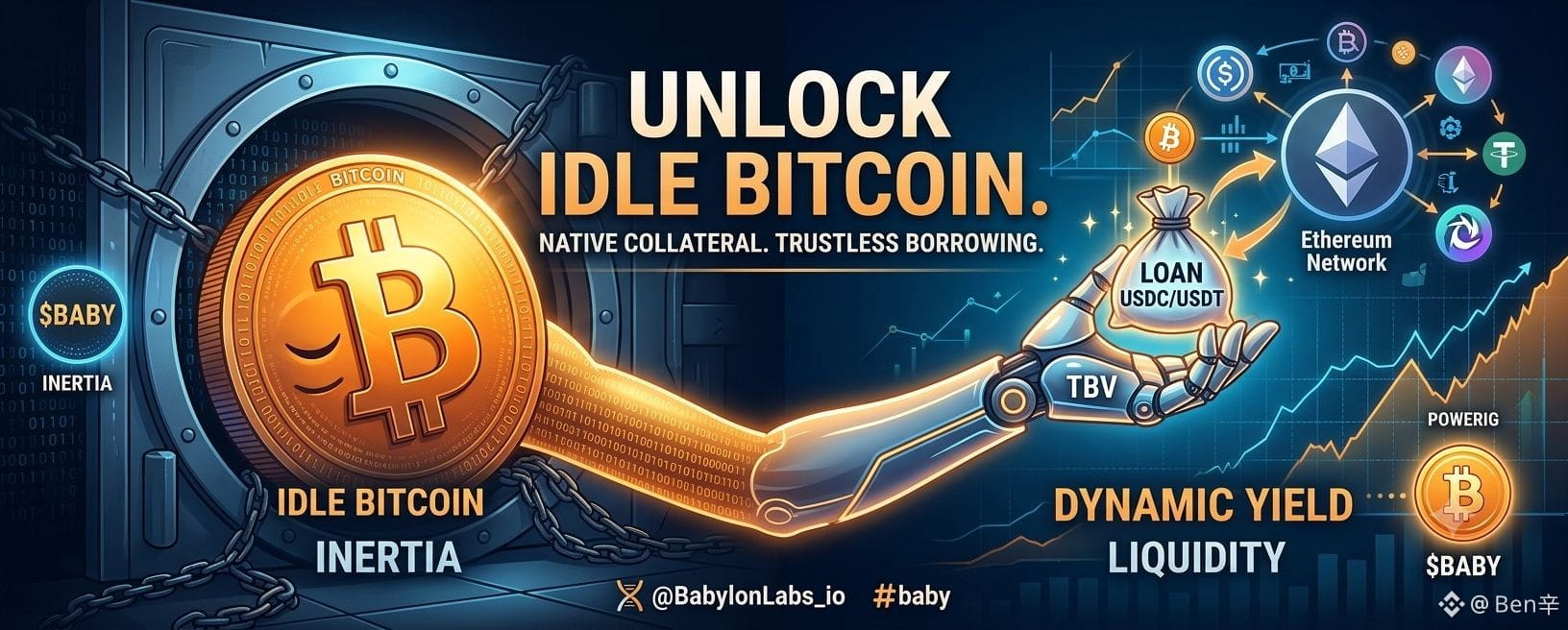
ដោយបន្តលើសន្ទុះរបស់ពួកគេក្នុងនាមជាហេដ្ឋារចនាសម្ព័ន្ធ BTC collateral ដែលធ្លាប់ឈានដល់ $7.2B TVL ខ្ពស់បំផុត ពួកគេទើបតែដាក់ចេញ Trustless Bitcoin Vaults (TBV)។ ជាមួយ TBV អ្នកអាចប្រើ Bitcoin ដើមពិតប្រាកដជាស្ថានធាន (collateral) ឆ្លងកាត់កម្មវិធីផ្សេងៗ ដោយមិនចាំបាច់ wrapping, bridging ឬប្រគល់ការគ្រប់គ្រងឲ្យមធ្យមណាម្នាក់។
ប្រព័ន្ធអេកូនេះត្រូវបានដំណើរការដោយ token ដើមរបស់ពួកគេ $BABY។
ចំណុចល្អបំផុត? វាដំណើរការហើយនៅលើ public testnet ដោយមានការខ្ចីលើកម្រិត native BTC ដែលគាំទ្រជាមួយ Aave v4! អ្នកអាចសាកល្បងដោយប្រើ native BTC ជាស្ថានធាន ដើម្បីខ្ចី USDC/USDT នៅលើ Ethereum ឥឡូវនេះ។ កូនសោរបស់អ្នកនៅតែជារបស់អ្នក កម្រៃអត្រាការខ្ចីនៅតែមានប្រសិទ្ធភាព ហើយភាពជឿទុកចិត្តលើស្ថាប័នកណ្តាលត្រូវបានដកចេញទាំងស្រុងពីសមីការ។
អ្នកអាចសាកល្បងលំហូរ (flow) របស់កម្មវិធី យក test tokens ពី faucet ហើយបន្សល់គំនិតរបស់អ្នកនៅក្នុង feedback form។
និយាយតាមលក្ខណៈសំខាន់ៗ TBV គឺជាជំហានដ៏ធំមួយឆ្ពោះទៅមុខសម្រាប់ប្រយោជន៍ BTC ដែលមិនតម្រូវឲ្យប្រគល់ការគ្រប់គ្រង (non-custodial)។
ការសាកល្បងពិតប្រាកដឥឡូវនេះ គឺមើលថាតើរចនាសម្ព័ន្ធ vault អាចទប់ទល់បានល្អប៉ុណ្ណាក្រោមបរិមាណខ្ពស់ក្នុង mainnet និងលឿនប៉ុណ្ណា protocols សំខាន់ៗផ្សេងទៀតនឹងចូលរួមលើសពី Aave v4។
#baby $BABY
កំពុងអង្គុយលើ Bitcoin ដែលមិនទាន់ប្រើ? អ្នកត្រូវអានអត្ថបទនេះ
សូមនិយាយឲ្យត្រង់បន្តិច។ កាន់ Bitcoin ជាញឹកញាប់មានអារម្មណ៍ដូចជាអាវុធពីរមុខ។ ទុកវានៅក្នុង cold storage ហាក់ដូចជាឱកាសដែលខកខាន ប៉ុន្តែការភ្ជាប់ (bridging) ឬការរុំ (wrapping) ដើម្បីទទួលផលចំណេញ DeFi សម្រាប់ភាគច្រើនធ្វើឲ្យយើងភ័យខ្លាចខ្លាំង ដោយសារមានការវាយប្រហារតាម bridge និងហានិភ័យពីភាគីទីបី។
ការឈឺក្បាលតែមួយដែល @BabylonLabs_io កំពុងដោះស្រាយដោយផ្ទាល់។
ដោយបន្តលើសន្ទុះរបស់ពួកគេក្នុងនាមជាហេដ្ឋារចនាសម្ព័ន្ធ BTC collateral ដែលធ្លាប់ឈានដល់ $7.2B TVL ខ្ពស់បំផុត ពួកគេទើបតែដាក់ចេញ Trustless Bitcoin Vaults (TBV)។ ជាមួយ TBV អ្នកអាចប្រើ Bitcoin ដើមពិតប្រាកដជាស្ថានធាន (collateral) ឆ្លងកាត់កម្មវិធីផ្សេងៗ ដោយមិនចាំបាច់ wrapping, bridging ឬប្រគល់ការគ្រប់គ្រងឲ្យមធ្យមណាម្នាក់។
ប្រព័ន្ធអេកូនេះត្រូវបានដំណើរការដោយ token ដើមរបស់ពួកគេ $BABY ។
ចំណុចល្អបំផុត? វាដំណើរការហើយនៅលើ public testnet ដោយមានការខ្ចីលើកម្រិត native BTC ដែលគាំទ្រជាមួយ Aave v4! អ្នកអាចសាកល្បងដោយប្រើ native BTC ជាស្ថានធាន ដើម្បីខ្ចី USDC/USDT នៅលើ Ethereum ឥឡូវនេះ។ កូនសោរបស់អ្នកនៅតែជារបស់អ្នក កម្រៃអត្រាការខ្ចីនៅតែមានប្រសិទ្ធភាព ហើយភាពជឿទុកចិត្តលើស្ថាប័នកណ្តាលត្រូវបានដកចេញទាំងស្រុងពីសមីការ។
អ្នកអាចសាកល្បងលំហូរ (flow) របស់កម្មវិធី យក test tokens ពី faucet ហើយបន្សល់គំនិតរបស់អ្នកនៅក្នុង feedback form។
និយាយតាមលក្ខណៈសំខាន់ៗ TBV គឺជាជំហានដ៏ធំមួយឆ្ពោះទៅមុខសម្រាប់ប្រយោជន៍ BTC ដែលមិនតម្រូវឲ្យប្រគល់ការគ្រប់គ្រង (non-custodial)។
ការសាកល្បងពិតប្រាកដឥឡូវនេះ គឺមើលថាតើរចនាសម្ព័ន្ធ vault អាចទប់ទល់បានល្អប៉ុណ្ណាក្រោមបរិមាណខ្ពស់ក្នុង mainnet និងលឿនប៉ុណ្ណា protocols សំខាន់ៗផ្សេងទៀតនឹងចូលរួមលើសពី Aave v4។
#baby $BABY
សូមនិយាយឲ្យត្រង់បន្តិច។ កាន់ Bitcoin ជាញឹកញាប់មានអារម្មណ៍ដូចជាអាវុធពីរមុខ។ ទុកវានៅក្នុង cold storage ហាក់ដូចជាឱកាសដែលខកខាន ប៉ុន្តែការភ្ជាប់ (bridging) ឬការរុំ (wrapping) ដើម្បីទទួលផលចំណេញ DeFi សម្រាប់ភាគច្រើនធ្វើឲ្យយើងភ័យខ្លាចខ្លាំង ដោយសារមានការវាយប្រហារតាម bridge និងហានិភ័យពីភាគីទីបី។
ការឈឺក្បាលតែមួយដែល @BabylonLabs_io កំពុងដោះស្រាយដោយផ្ទាល់។
ដោយបន្តលើសន្ទុះរបស់ពួកគេក្នុងនាមជាហេដ្ឋារចនាសម្ព័ន្ធ BTC collateral ដែលធ្លាប់ឈានដល់ $7.2B TVL ខ្ពស់បំផុត ពួកគេទើបតែដាក់ចេញ Trustless Bitcoin Vaults (TBV)។ ជាមួយ TBV អ្នកអាចប្រើ Bitcoin ដើមពិតប្រាកដជាស្ថានធាន (collateral) ឆ្លងកាត់កម្មវិធីផ្សេងៗ ដោយមិនចាំបាច់ wrapping, bridging ឬប្រគល់ការគ្រប់គ្រងឲ្យមធ្យមណាម្នាក់។
ប្រព័ន្ធអេកូនេះត្រូវបានដំណើរការដោយ token ដើមរបស់ពួកគេ $BABY ។
ចំណុចល្អបំផុត? វាដំណើរការហើយនៅលើ public testnet ដោយមានការខ្ចីលើកម្រិត native BTC ដែលគាំទ្រជាមួយ Aave v4! អ្នកអាចសាកល្បងដោយប្រើ native BTC ជាស្ថានធាន ដើម្បីខ្ចី USDC/USDT នៅលើ Ethereum ឥឡូវនេះ។ កូនសោរបស់អ្នកនៅតែជារបស់អ្នក កម្រៃអត្រាការខ្ចីនៅតែមានប្រសិទ្ធភាព ហើយភាពជឿទុកចិត្តលើស្ថាប័នកណ្តាលត្រូវបានដកចេញទាំងស្រុងពីសមីការ។
អ្នកអាចសាកល្បងលំហូរ (flow) របស់កម្មវិធី យក test tokens ពី faucet ហើយបន្សល់គំនិតរបស់អ្នកនៅក្នុង feedback form។
និយាយតាមលក្ខណៈសំខាន់ៗ TBV គឺជាជំហានដ៏ធំមួយឆ្ពោះទៅមុខសម្រាប់ប្រយោជន៍ BTC ដែលមិនតម្រូវឲ្យប្រគល់ការគ្រប់គ្រង (non-custodial)។
ការសាកល្បងពិតប្រាកដឥឡូវនេះ គឺមើលថាតើរចនាសម្ព័ន្ធ vault អាចទប់ទល់បានល្អប៉ុណ្ណាក្រោមបរិមាណខ្ពស់ក្នុង mainnet និងលឿនប៉ុណ្ណា protocols សំខាន់ៗផ្សេងទៀតនឹងចូលរួមលើសពី Aave v4។
#baby $BABY
1
3
152

·
--
baca baca baca , ungqathi ungabi matasa ukufunda #Samsung $SAMSUNG
{future}(SAMSUNGUSDT)
baca baca baca , ungqathi ungabi matasa ukufunda #Samsung $SAMSUNG


Binance Announcement
·
--
Pembaruan Penting ngeunaan Tarif Pendanaan Kontrak Perpetual USDⓈ-M SKHYNIXUSDT, SAMSUNGUSDT, sareng HYUNDAIUSDT (2026-07-14)
Ieu mangrupikeun Bewara Bursa Binance umum. Produk jeung jasa anu disebutkeun di dieu meureun henteu sadia di wilayah anjeun.
Halo Binancian,
Binance terus meninjau penawaran produk dan layanannya pikeun memastikan pengalaman pangguna pangalusna pikeun sakabéh pangguna. Bakal lumaku mimiti 2026-07-14 16:15 (UTC), Binance Futures bakal nyaluyukeun interval pendanaan SKHYNIXUSDT, SAMSUNGUSDT sareng HYUNDAIUSDT kontrak perpetual tina unggal dalapan jam jadi unggal opat jam. Wates luhur/handap tarif pendanaan tina kontrak anu disebutkeun di luhur bakal disaluyukeun jadi ± 0,50%, kalayan rinci saperti kieu:
Halo Binancian,
Binance terus meninjau penawaran produk dan layanannya pikeun memastikan pengalaman pangguna pangalusna pikeun sakabéh pangguna. Bakal lumaku mimiti 2026-07-14 16:15 (UTC), Binance Futures bakal nyaluyukeun interval pendanaan SKHYNIXUSDT, SAMSUNGUSDT sareng HYUNDAIUSDT kontrak perpetual tina unggal dalapan jam jadi unggal opat jam. Wates luhur/handap tarif pendanaan tina kontrak anu disebutkeun di luhur bakal disaluyukeun jadi ± 0,50%, kalayan rinci saperti kieu:
1
1
219
ເຂົ້າສູ່ລະບົບເພື່ອສຳຫຼວດເນື້ອຫາເພີ່ມເຕີມ
ເຂົ້າຮ່ວມກຸ່ມຜູ້ໃຊ້ຄຣິບໂຕທົ່ວໂລກໃນ Binance Square.
⚡️ ໄດ້ຮັບຂໍ້ມູນຫຼ້າສຸດ ແລະ ທີ່ມີປະໂຫຍດກ່ຽວກັບຄຣິບໂຕ.
💬 ໄດ້ຮັບຄວາມໄວ້ວາງໃຈຈາກຕະຫຼາດແລກປ່ຽນຄຣິບໂຕທີ່ໃຫຍ່ທີ່ສຸດໃນໂລກ.
👍 ຄົ້ນຫາຂໍ້ມູນເຊີງເລິກທີ່ແທ້ຈາກນັກສ້າງທີ່ໄດ້ຮັບການຢືນຢັນ.
ອີເມວ / ເບີໂທລະສັບ
ຫົວຂໍ້ທີ່ກໍາລັງນິຍົມ
BitcoinHoldsAbove$77000
64 views
31 ກຳລັງສົນທະນາ
$BTC : $80K ມອງເບິ່ງໃກ້ຂຶ້ນແຕ່ບັນດາຝ່າຍຂາຂຶ້ນ (bulls) ຍັງຕ້ອງພິสูດຕົວເອງ. 🔥
ທີ່ $78,118 ການຟື້ນຕົວແບບ 4 ຊົ່ວໂມງ ສະແດງວ່າແຮງເຄື່ອນໄຫວດີຂຶ້ນ, ດ້ວຍ RSI ໃກ້ 57. ການປິດຢືນຢັນເໜືອ $78,500 ແລະການທົດຄືນ (retest) ທີ່ສຳເລັດຈະຊ່ວຍເສີມການດັນໄປສູ່ $79,200 ຈາກນັ້ນ $80,000.
$77,500 ແມ່ນລະດັບທີ່ຕ້ອງຮັກສາ. ຖ້າສູນເສຍການຮອງຮັບ, $76,400–$76,050 ຈະກັບມາເປັນຈຸດສຸມ. ທະລຸລົງໃຕ້ $76,050, ແລ້ວ $75,000 ຈະກາຍເປັນເປົ້າໝາຍທີ່ໜັກແໜ້ນ.
ຊຸດນີ້ເນັ້ນໃສ່ $80K ກ່ອນ ຕາບໃດທີ່ $77,500 ຍັງຖືກຮັກສາ. ທຽນສີຂຽວຈະດຶງຄວາມສົນໃຈ. ການທະລຸທີ່ຢືນຢັນ (confirmed breakout) ຈະເພີ່ມຄວາມໝັ້ນໃຈ.
#BitcoinHoldsAbove$77000
Snip7r
·0 ຖືກໃຈ
·13 views
FedHikeOddsRiseTo89%
0 views
2 ກຳລັງສົນທະນາ
BitcoinCrosses$78000
2,047 views
124 ກຳລັງສົນທະນາ