
Ruoxi 若曦
1.2k ໂພສ

Ruoxi 若曦
ລາຍງານ
ບລັອກຜູ້ໃຊ້
365 ກໍາລັງຕິດຕາມ
22.2K+ ຜູ້ຕິດຕາມ
1.4K+ Liked
ໂພສ
ທັງໝົດ
ວົງຢືມ
ຖ່າຍທອດສົດ
·
--
ຢືນຢັນແລ້ວ
ເບິ່ງການແປ
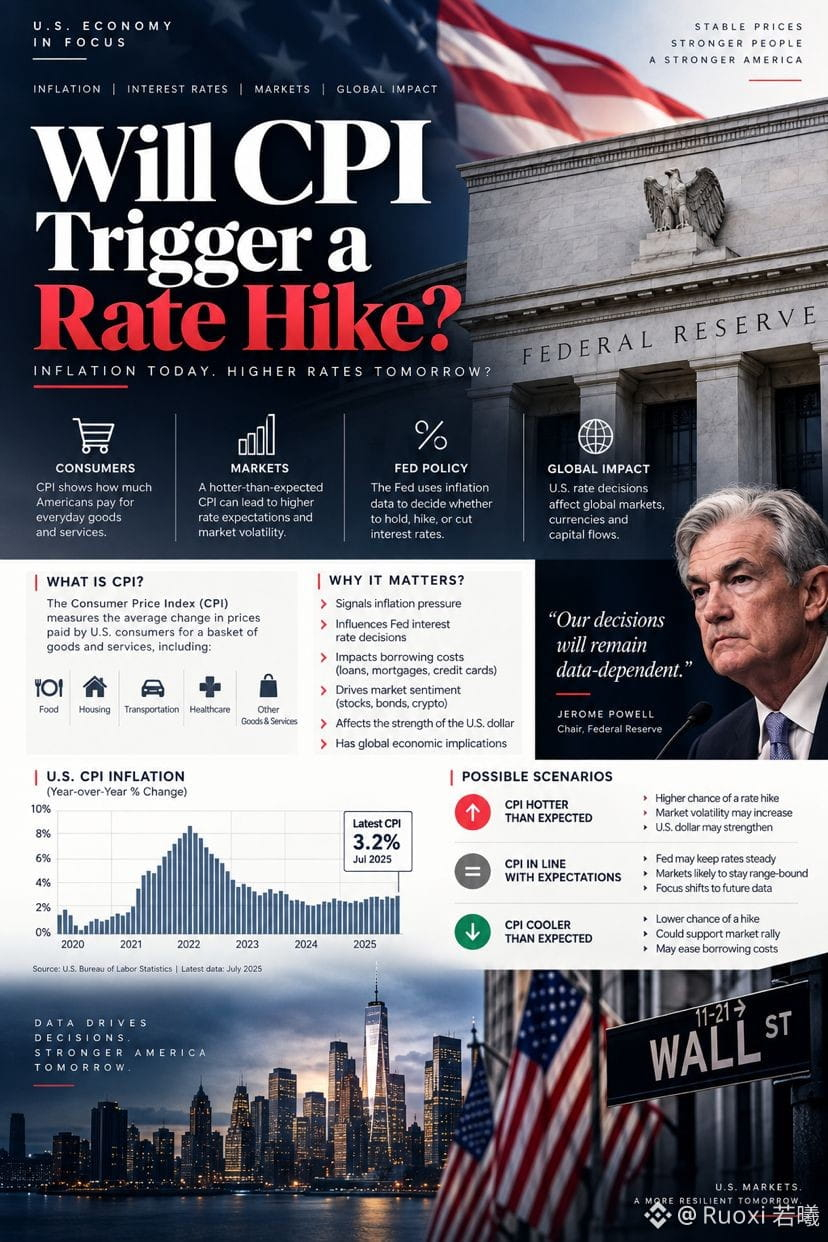
Will CPI Trigger a Rate Hike?
I’ve been watching this setup closely because something feels a little different this time.
The jobs data came in stronger than expected, and now everyone is waiting for CPI to give the Fed its next excuse or maybe its next reason to stay cautious.
Personally, I’m not convinced the Fed will rush into anything. One strong data point doesn’t change the whole picture, but sticky inflation could definitely make the market nervous again.
What worries me most is the reaction after CPI. We could see stocks get hit, yields jump, and gold swing hard within minutes. And honestly, the first move isn’t always the move I trust.
I’m staying cautious on stocks for now and watching gold closely. I’d rather miss the first candle than chase a move that reverses five minutes later.
That’s just how I’m seeing it.
What are you expecting Fed hike or hold? Bullish or bearish?
#CPIWatch
Will CPI Trigger a Rate Hike?
I’ve been watching this setup closely because something feels a little different this time.
The jobs data came in stronger than expected, and now everyone is waiting for CPI to give the Fed its next excuse or maybe its next reason to stay cautious.
Personally, I’m not convinced the Fed will rush into anything. One strong data point doesn’t change the whole picture, but sticky inflation could definitely make the market nervous again.
What worries me most is the reaction after CPI. We could see stocks get hit, yields jump, and gold swing hard within minutes. And honestly, the first move isn’t always the move I trust.
I’m staying cautious on stocks for now and watching gold closely. I’d rather miss the first candle than chase a move that reverses five minutes later.
That’s just how I’m seeing it.
What are you expecting Fed hike or hold? Bullish or bearish?
#CPIWatch
I’ve been watching this setup closely because something feels a little different this time.
The jobs data came in stronger than expected, and now everyone is waiting for CPI to give the Fed its next excuse or maybe its next reason to stay cautious.
Personally, I’m not convinced the Fed will rush into anything. One strong data point doesn’t change the whole picture, but sticky inflation could definitely make the market nervous again.
What worries me most is the reaction after CPI. We could see stocks get hit, yields jump, and gold swing hard within minutes. And honestly, the first move isn’t always the move I trust.
I’m staying cautious on stocks for now and watching gold closely. I’d rather miss the first candle than chase a move that reverses five minutes later.
That’s just how I’m seeing it.
What are you expecting Fed hike or hold? Bullish or bearish?
#CPIWatch
126
·
--
ເບິ່ງການແປ
@termmax I keep looking at the less glamorous side of DeFi, because that’s usually where I learn the most. TermMax has a bug bounty that puts a real value on finding serious smart-contract problems before an attacker does.
For a critical bug, the reward is 10% of directly affected funds, capped at $50,000, with a $10,000 minimum. I think that’s a meaningful incentive for whitehats to speak up early.
What caught my attention is the repeat-attack rule. If a contract can be paused or upgraded, only the initial attack may count. If it can’t be stopped, cumulative damage from repeated exploitation can be considered. That feels much closer to how an actual exploit could unfold.
TermMax combines fixed-rate borrowing and lending with customizable AMM pricing curves, so security isn’t something I’d treat lightly. The bounty also requires a proof of concept, and testing is restricted to local forks rather than live mainnet or public testnet code.
Still, a $50K bounty doesn’t magically make a protocol safe. Bugs can remain undiscovered, and DeFi has plenty of risks outside smart contracts too.
Personally, I see the bounty as one security signal, not a guarantee.
Would a strong bug bounty influence your decision to use TermMax?
#TermMax
$GALA
{spot}(GALAUSDT)
$BCH
{spot}(BCHUSDT)
@TermMax I keep looking at the less glamorous side of DeFi, because that’s usually where I learn the most. TermMax has a bug bounty that puts a real value on finding serious smart-contract problems before an attacker does.
For a critical bug, the reward is 10% of directly affected funds, capped at $50,000, with a $10,000 minimum. I think that’s a meaningful incentive for whitehats to speak up early.
What caught my attention is the repeat-attack rule. If a contract can be paused or upgraded, only the initial attack may count. If it can’t be stopped, cumulative damage from repeated exploitation can be considered. That feels much closer to how an actual exploit could unfold.
TermMax combines fixed-rate borrowing and lending with customizable AMM pricing curves, so security isn’t something I’d treat lightly. The bounty also requires a proof of concept, and testing is restricted to local forks rather than live mainnet or public testnet code.
Still, a $50K bounty doesn’t magically make a protocol safe. Bugs can remain undiscovered, and DeFi has plenty of risks outside smart contracts too.
Personally, I see the bounty as one security signal, not a guarantee.
Would a strong bug bounty influence your decision to use TermMax?
#TermMax
$GALA
$BCH
For a critical bug, the reward is 10% of directly affected funds, capped at $50,000, with a $10,000 minimum. I think that’s a meaningful incentive for whitehats to speak up early.
What caught my attention is the repeat-attack rule. If a contract can be paused or upgraded, only the initial attack may count. If it can’t be stopped, cumulative damage from repeated exploitation can be considered. That feels much closer to how an actual exploit could unfold.
TermMax combines fixed-rate borrowing and lending with customizable AMM pricing curves, so security isn’t something I’d treat lightly. The bounty also requires a proof of concept, and testing is restricted to local forks rather than live mainnet or public testnet code.
Still, a $50K bounty doesn’t magically make a protocol safe. Bugs can remain undiscovered, and DeFi has plenty of risks outside smart contracts too.
Personally, I see the bounty as one security signal, not a guarantee.
Would a strong bug bounty influence your decision to use TermMax?
#TermMax
$GALA
$BCH
Bounty Hunt 🟠
100%
Treasure Hunt 🟣
0%
4 ຄະແນນສຽງ • ປິດລົງຄະແນນສຽງ
1
1
460
·
--
ເປັນຄວາມຈິງບາງສ່ວນ
@termmax One thing immediately stood out to me when I read TermMax’s XP breakdown: the multiplier isn’t equal for every position.
Vault deposits receive 30x XP, FT holdings receive 15x, and GT holdings receive 2x based on the debt asset value. There’s also a referral component worth 10% of referred users’ XP, excluding the referral bonus itself.
Honestly, I like the logic more than a simple “do 100 transactions” campaign.
It gives the incentive system a connection to different roles inside TermMax.
And those roles actually matter because TermMax uses things like Fixed-Rate Tokens and Gearing Tokens to structure borrowing and lending around fixed terms.
Still, 30x can look exciting on paper and become less impressive if too many users pile into the same strategy.
That’s the part I’d watch.
Do you think multiplier-based XP creates better users, or just more competition for the same airdrop?
#TermMax
$ACE
{spot}(ACEUSDT)
$ONG
{spot}(ONGUSDT)
@TermMax One thing immediately stood out to me when I read TermMax’s XP breakdown: the multiplier isn’t equal for every position.
Vault deposits receive 30x XP, FT holdings receive 15x, and GT holdings receive 2x based on the debt asset value. There’s also a referral component worth 10% of referred users’ XP, excluding the referral bonus itself.
Honestly, I like the logic more than a simple “do 100 transactions” campaign.
It gives the incentive system a connection to different roles inside TermMax.
And those roles actually matter because TermMax uses things like Fixed-Rate Tokens and Gearing Tokens to structure borrowing and lending around fixed terms.
Still, 30x can look exciting on paper and become less impressive if too many users pile into the same strategy.
That’s the part I’d watch.
Do you think multiplier-based XP creates better users, or just more competition for the same airdrop?
#TermMax
$ACE
$ONG
Vault deposits receive 30x XP, FT holdings receive 15x, and GT holdings receive 2x based on the debt asset value. There’s also a referral component worth 10% of referred users’ XP, excluding the referral bonus itself.
Honestly, I like the logic more than a simple “do 100 transactions” campaign.
It gives the incentive system a connection to different roles inside TermMax.
And those roles actually matter because TermMax uses things like Fixed-Rate Tokens and Gearing Tokens to structure borrowing and lending around fixed terms.
Still, 30x can look exciting on paper and become less impressive if too many users pile into the same strategy.
That’s the part I’d watch.
Do you think multiplier-based XP creates better users, or just more competition for the same airdrop?
#TermMax
$ACE
$ONG
Bullish Token Volatility 🟢
73%
Bearish Token Volatility 🔴
27%
11 ຄະແນນສຽງ • ປິດລົງຄະແນນສຽງ
3
866
·
--
ເບິ່ງການແປ
@termmax One thing I keep looking at DeFi protocols a little differently now.
A 93% DeFiSafety PQR score on TermMax caught my attention, but I don’t see 93% as “safe, done, move on.” I see it as a reason to look deeper, honestly. The score covers code, documentation, testing, security, admin controls and oracles.
TermMax scored 100% on Code & Team,
94% on Security, 97% on Admin Controls and 100% on Oracles. Testing came in at 89%, while documentation was 70%. That last number is actually the part I’d want to understand better.
I think this is how security scores should be used.
Not as a green light, but as a starting point for research. TermMax also describes unit tests, fuzzing, mutation testing and integration testing.
Still, smart-contract risk never disappears completely in DeFi.
So I’m watching the 93% with interest, not blind trust.For a protocol handling lending, borrowing and structured products, security isn’t a side feature — it’s the whole game.
Would a 93% PQR score change your view of a DeFi protocol?
#TermMax
$CLO
{future}(CLOUSDT)
$ACE
{spot}(ACEUSDT)
@TermMax One thing I keep looking at DeFi protocols a little differently now.
A 93% DeFiSafety PQR score on TermMax caught my attention, but I don’t see 93% as “safe, done, move on.” I see it as a reason to look deeper, honestly. The score covers code, documentation, testing, security, admin controls and oracles.
TermMax scored 100% on Code & Team,
94% on Security, 97% on Admin Controls and 100% on Oracles. Testing came in at 89%, while documentation was 70%. That last number is actually the part I’d want to understand better.
I think this is how security scores should be used.
Not as a green light, but as a starting point for research. TermMax also describes unit tests, fuzzing, mutation testing and integration testing.
Still, smart-contract risk never disappears completely in DeFi.
So I’m watching the 93% with interest, not blind trust.For a protocol handling lending, borrowing and structured products, security isn’t a side feature — it’s the whole game.
Would a 93% PQR score change your view of a DeFi protocol?
#TermMax
$CLO
$ACE
A 93% DeFiSafety PQR score on TermMax caught my attention, but I don’t see 93% as “safe, done, move on.” I see it as a reason to look deeper, honestly. The score covers code, documentation, testing, security, admin controls and oracles.
TermMax scored 100% on Code & Team,
94% on Security, 97% on Admin Controls and 100% on Oracles. Testing came in at 89%, while documentation was 70%. That last number is actually the part I’d want to understand better.
I think this is how security scores should be used.
Not as a green light, but as a starting point for research. TermMax also describes unit tests, fuzzing, mutation testing and integration testing.
Still, smart-contract risk never disappears completely in DeFi.
So I’m watching the 93% with interest, not blind trust.For a protocol handling lending, borrowing and structured products, security isn’t a side feature — it’s the whole game.
Would a 93% PQR score change your view of a DeFi protocol?
#TermMax
$CLO
$ACE
Bullish Volatile 🟢
67%
Bearish Volatile 🔴
33%
3 ຄະແນນສຽງ • ປິດລົງຄະແນນສຽງ
340
·
--
ຢືນຢັນແລ້ວ
@termmax I ဆက်ပြီး DeFi ရဲ့ liquidation ဘက်ကိုကြည့်နေတယ်၊ အဘယ်ကြောင့်ဆိုတော့ အဲဒီနေရာမှာ lending အိုင်ဒီယာအများစုက တကယ်တမ်းစမ်းသပ်ခံရတတ်လို့ပဲ။
ပရိုတိုကောတစ်ခုက အကျိုးအမြတ်ကောင်းတဲ့နှုန်းထားတွေ ပေးနိုင်ပေမဲ့ စျေးကွက်က ရုတ်တရက် 30% လောက်ရွေ့သွားရင် ဘာဖြစ်မလဲ?
TermMax က စိတ်ဝင်စားဖို့ကောင်းတဲ့အဖြေတစ်ခုရှိတယ်— physical delivery (ရုပ်ပိုင်ဆိုင်မှု ပေးအပ်မှု)။ အချို့ liquidation အခြေအနေတွေမှာ ပေါင်ပစ္စည်း (collateral) ကိုပါ အခွင့်ရရှိသူတွေ (lenders) ဆီကို ပေးအပ်နိုင်ပြီး၊ ပါးလွှာတဲ့ စျေးကွက်ထဲမှာ asset တွေကိုသာ ရောင်းချရင်ပဲ အားကိုးမနေဘဲလုပ်နိုင်တယ်။ ဒီဒီဇိုင်းက လုံခြုံရေးအဖြစ် လုပ်ထားတဲ့ ပစ္စည်းတွေလို lower-liquidity assets နဲ့ အချို့ RWAs (Real-World Assets) တွေကိုလည်း ပိုပြီး အသုံးချလို့ရအောင် ရည်ရွယ်ထားတယ်။
TermMax ရဲ့ နည်းနည်းတော့ မကြည့်ကောင်းတဲ့အပိုင်းတွေထဲကတစ်ခုလို့ထင်ပေမဲ့၊ ဖြစ်ကောင်းဖြစ်နိုင်တာကတော့ အရေးကြီးဆုံးအပိုင်းတစ်ခု ဖြစ်နိုင်တယ်။
sharp move တစ်ခုအတွင်း liquidity ပျောက်သွားရင် “liquidate it” လို့ပဲ ပြောလိုက်တာနဲ့ lender က မျှတတဲ့ ပြန်လည်ရရှိမှုကို ရမယ်ဆိုတာ မအာမခံနိုင်ပါဘူး။
ဒါပေမယ့် physical delivery ကလည်း magic shield မဟုတ်ဘူး။ ပေါင်ပစ္စည်းကိုယ်တိုင်ကတောင် တန်ဖိုးကျနိုင်ပါတယ်။
အလွန်အမင်း လှုပ်ရှားတဲ့ စျေးကွက်အခြေအနေမှာ physical delivery ကိုသာမန် market liquidation ထက် ပိုယုံကြည်မလား?
#TermMax
$GPS
{spot}(GPSUSDT)
$TUT
{spot}(TUTUSDT)
@TermMax I ဆက်ပြီး DeFi ရဲ့ liquidation ဘက်ကိုကြည့်နေတယ်၊ အဘယ်ကြောင့်ဆိုတော့ အဲဒီနေရာမှာ lending အိုင်ဒီယာအများစုက တကယ်တမ်းစမ်းသပ်ခံရတတ်လို့ပဲ။
ပရိုတိုကောတစ်ခုက အကျိုးအမြတ်ကောင်းတဲ့နှုန်းထားတွေ ပေးနိုင်ပေမဲ့ စျေးကွက်က ရုတ်တရက် 30% လောက်ရွေ့သွားရင် ဘာဖြစ်မလဲ?
TermMax က စိတ်ဝင်စားဖို့ကောင်းတဲ့အဖြေတစ်ခုရှိတယ်— physical delivery (ရုပ်ပိုင်ဆိုင်မှု ပေးအပ်မှု)။ အချို့ liquidation အခြေအနေတွေမှာ ပေါင်ပစ္စည်း (collateral) ကိုပါ အခွင့်ရရှိသူတွေ (lenders) ဆီကို ပေးအပ်နိုင်ပြီး၊ ပါးလွှာတဲ့ စျေးကွက်ထဲမှာ asset တွေကိုသာ ရောင်းချရင်ပဲ အားကိုးမနေဘဲလုပ်နိုင်တယ်။ ဒီဒီဇိုင်းက လုံခြုံရေးအဖြစ် လုပ်ထားတဲ့ ပစ္စည်းတွေလို lower-liquidity assets နဲ့ အချို့ RWAs (Real-World Assets) တွေကိုလည်း ပိုပြီး အသုံးချလို့ရအောင် ရည်ရွယ်ထားတယ်။
TermMax ရဲ့ နည်းနည်းတော့ မကြည့်ကောင်းတဲ့အပိုင်းတွေထဲကတစ်ခုလို့ထင်ပေမဲ့၊ ဖြစ်ကောင်းဖြစ်နိုင်တာကတော့ အရေးကြီးဆုံးအပိုင်းတစ်ခု ဖြစ်နိုင်တယ်။
sharp move တစ်ခုအတွင်း liquidity ပျောက်သွားရင် “liquidate it” လို့ပဲ ပြောလိုက်တာနဲ့ lender က မျှတတဲ့ ပြန်လည်ရရှိမှုကို ရမယ်ဆိုတာ မအာမခံနိုင်ပါဘူး။
ဒါပေမယ့် physical delivery ကလည်း magic shield မဟုတ်ဘူး။ ပေါင်ပစ္စည်းကိုယ်တိုင်ကတောင် တန်ဖိုးကျနိုင်ပါတယ်။
အလွန်အမင်း လှုပ်ရှားတဲ့ စျေးကွက်အခြေအနေမှာ physical delivery ကိုသာမန် market liquidation ထက် ပိုယုံကြည်မလား?
#TermMax
$GPS
$TUT
ပရိုတိုကောတစ်ခုက အကျိုးအမြတ်ကောင်းတဲ့နှုန်းထားတွေ ပေးနိုင်ပေမဲ့ စျေးကွက်က ရုတ်တရက် 30% လောက်ရွေ့သွားရင် ဘာဖြစ်မလဲ?
TermMax က စိတ်ဝင်စားဖို့ကောင်းတဲ့အဖြေတစ်ခုရှိတယ်— physical delivery (ရုပ်ပိုင်ဆိုင်မှု ပေးအပ်မှု)။ အချို့ liquidation အခြေအနေတွေမှာ ပေါင်ပစ္စည်း (collateral) ကိုပါ အခွင့်ရရှိသူတွေ (lenders) ဆီကို ပေးအပ်နိုင်ပြီး၊ ပါးလွှာတဲ့ စျေးကွက်ထဲမှာ asset တွေကိုသာ ရောင်းချရင်ပဲ အားကိုးမနေဘဲလုပ်နိုင်တယ်။ ဒီဒီဇိုင်းက လုံခြုံရေးအဖြစ် လုပ်ထားတဲ့ ပစ္စည်းတွေလို lower-liquidity assets နဲ့ အချို့ RWAs (Real-World Assets) တွေကိုလည်း ပိုပြီး အသုံးချလို့ရအောင် ရည်ရွယ်ထားတယ်။
TermMax ရဲ့ နည်းနည်းတော့ မကြည့်ကောင်းတဲ့အပိုင်းတွေထဲကတစ်ခုလို့ထင်ပေမဲ့၊ ဖြစ်ကောင်းဖြစ်နိုင်တာကတော့ အရေးကြီးဆုံးအပိုင်းတစ်ခု ဖြစ်နိုင်တယ်။
sharp move တစ်ခုအတွင်း liquidity ပျောက်သွားရင် “liquidate it” လို့ပဲ ပြောလိုက်တာနဲ့ lender က မျှတတဲ့ ပြန်လည်ရရှိမှုကို ရမယ်ဆိုတာ မအာမခံနိုင်ပါဘူး။
ဒါပေမယ့် physical delivery ကလည်း magic shield မဟုတ်ဘူး။ ပေါင်ပစ္စည်းကိုယ်တိုင်ကတောင် တန်ဖိုးကျနိုင်ပါတယ်။
အလွန်အမင်း လှုပ်ရှားတဲ့ စျေးကွက်အခြေအနေမှာ physical delivery ကိုသာမန် market liquidation ထက် ပိုယုံကြည်မလား?
#TermMax
$GPS
$TUT
Bullish volatility 🟢
33%
Bearish volatility 🔴
67%
12 ຄະແນນສຽງ • ປິດລົງຄະແນນສຽງ
1.3k
·
--
@Dusk_Foundation I na aʻu e hoʻomau nei i ka nānā ʻana i ke kūkākūkā AI + crypto a manaʻo wau he mea nalo. Hoʻomaopopo nā poʻe a pau i nā agents e hana nei i ke code, e hoʻokō ana i nā hana a me ka wikiwiki ʻana. He poʻe liʻiliʻi loa ka poʻe e nīnau i ka mea e hana ai i ka wā e hahai ai ka agent i kahi ʻōlelo kuhikuhi kahiko i poina ʻia ua kahiko.
ʻO Pituitary ka hoʻāʻo a Dusk e hoʻoponopono i kēlā pilikia mālie. Nānā ia i ka pilina ma waena o nā ʻōlelo kuhikuhi, nā palapala, nā hoʻoholo a me ke code—ʻaʻole i ka mālama ʻana i kēlā me kēia faila e like me he mea kaʻawale. Hiki iā ia ke ʻimi i nā specs, hoʻohālikelike iā lākou, loaʻa i nā palapala kahiko a nānā i ka hopena.
ʻOiaʻiʻo, ʻo ia ke ʻano o nā mea hana AI aʻu i ʻike ai he mea hoihoi loa. ʻAʻole he chatbot hou e haʻi ana i ka poʻe hoʻomohala i ke code e kākau ai, akā he ʻōnaehana e kōkua i nā poʻe hoʻomohala e pale aku i ka lilo ʻana o ka manaʻo kumu o ka papahana. ʻOi aku hoʻi no ka ʻoihana waiwai, kahi e hiki ai i ka pilikino a me ka hoʻokō kānāwai ke lilo i ʻāpana o ke ʻano hana maoli o ka noi.
Akā, aia kekahi pilikia ma ʻaneʻi. Nui loa nā ʻōlelo hoʻolaha i hoʻāla ʻia e lilo i walaʻau, a hiki i nā kime ke hoʻomaka e nānā ʻole iā lākou i ka wā lōʻihi. Pono ka mea hana e hōʻoia i ka pono o kāna mau hōʻailona.
Akā inā e kākau ana ka AI i ka hapa nui o kā kākou code, ʻaʻole anei mākou e kūkulu i nā ʻōnaehana maikaʻi aʻe no ka hoʻomanaʻo ʻana i nā lula a ke code i manaʻo ʻia e hahai ai?
#dusk $DUSK
$PORTAL
{spot}(PORTALUSDT)
$DOLO
{spot}(DOLOUSDT)
@Dusk I na aʻu e hoʻomau nei i ka nānā ʻana i ke kūkākūkā AI + crypto a manaʻo wau he mea nalo. Hoʻomaopopo nā poʻe a pau i nā agents e hana nei i ke code, e hoʻokō ana i nā hana a me ka wikiwiki ʻana. He poʻe liʻiliʻi loa ka poʻe e nīnau i ka mea e hana ai i ka wā e hahai ai ka agent i kahi ʻōlelo kuhikuhi kahiko i poina ʻia ua kahiko.
ʻO Pituitary ka hoʻāʻo a Dusk e hoʻoponopono i kēlā pilikia mālie. Nānā ia i ka pilina ma waena o nā ʻōlelo kuhikuhi, nā palapala, nā hoʻoholo a me ke code—ʻaʻole i ka mālama ʻana i kēlā me kēia faila e like me he mea kaʻawale. Hiki iā ia ke ʻimi i nā specs, hoʻohālikelike iā lākou, loaʻa i nā palapala kahiko a nānā i ka hopena.
ʻOiaʻiʻo, ʻo ia ke ʻano o nā mea hana AI aʻu i ʻike ai he mea hoihoi loa. ʻAʻole he chatbot hou e haʻi ana i ka poʻe hoʻomohala i ke code e kākau ai, akā he ʻōnaehana e kōkua i nā poʻe hoʻomohala e pale aku i ka lilo ʻana o ka manaʻo kumu o ka papahana. ʻOi aku hoʻi no ka ʻoihana waiwai, kahi e hiki ai i ka pilikino a me ka hoʻokō kānāwai ke lilo i ʻāpana o ke ʻano hana maoli o ka noi.
Akā, aia kekahi pilikia ma ʻaneʻi. Nui loa nā ʻōlelo hoʻolaha i hoʻāla ʻia e lilo i walaʻau, a hiki i nā kime ke hoʻomaka e nānā ʻole iā lākou i ka wā lōʻihi. Pono ka mea hana e hōʻoia i ka pono o kāna mau hōʻailona.
Akā inā e kākau ana ka AI i ka hapa nui o kā kākou code, ʻaʻole anei mākou e kūkulu i nā ʻōnaehana maikaʻi aʻe no ka hoʻomanaʻo ʻana i nā lula a ke code i manaʻo ʻia e hahai ai?
#dusk $DUSK
$PORTAL
$DOLO
ʻO Pituitary ka hoʻāʻo a Dusk e hoʻoponopono i kēlā pilikia mālie. Nānā ia i ka pilina ma waena o nā ʻōlelo kuhikuhi, nā palapala, nā hoʻoholo a me ke code—ʻaʻole i ka mālama ʻana i kēlā me kēia faila e like me he mea kaʻawale. Hiki iā ia ke ʻimi i nā specs, hoʻohālikelike iā lākou, loaʻa i nā palapala kahiko a nānā i ka hopena.
ʻOiaʻiʻo, ʻo ia ke ʻano o nā mea hana AI aʻu i ʻike ai he mea hoihoi loa. ʻAʻole he chatbot hou e haʻi ana i ka poʻe hoʻomohala i ke code e kākau ai, akā he ʻōnaehana e kōkua i nā poʻe hoʻomohala e pale aku i ka lilo ʻana o ka manaʻo kumu o ka papahana. ʻOi aku hoʻi no ka ʻoihana waiwai, kahi e hiki ai i ka pilikino a me ka hoʻokō kānāwai ke lilo i ʻāpana o ke ʻano hana maoli o ka noi.
Akā, aia kekahi pilikia ma ʻaneʻi. Nui loa nā ʻōlelo hoʻolaha i hoʻāla ʻia e lilo i walaʻau, a hiki i nā kime ke hoʻomaka e nānā ʻole iā lākou i ka wā lōʻihi. Pono ka mea hana e hōʻoia i ka pono o kāna mau hōʻailona.
Akā inā e kākau ana ka AI i ka hapa nui o kā kākou code, ʻaʻole anei mākou e kūkulu i nā ʻōnaehana maikaʻi aʻe no ka hoʻomanaʻo ʻana i nā lula a ke code i manaʻo ʻia e hahai ai?
#dusk $DUSK
$PORTAL
$DOLO
Bullish Time 🟢
100%
Bearish Time 🔴
0%
3 ຄະແນນສຽງ • ປິດລົງຄະແນນສຽງ
296
·
--
ຢືນຢັນແລ້ວ
ເບິ່ງການແປ
@Dusk_Foundation One thing I noticed while reading Dusk’s docs smart contracts are becoming part of the network’s economics, not just its applications.
Dusk’s Economic Protocol allows smart contracts to charge fees, pay gas and operate autonomously. That sounds like a small technical improvement until you think about how financial applications actually work. A contract can have its own economic behavior instead of depending on every user to manage each step manually.
Then Stake Abstraction adds another layer.
A contract can participate in staking, handle unstaking and receive staking rewards. So the contract isn’t simply executing financial logic — it can also manage part of the network economics around that logic. That’s where I think things get pretty interesting.
this could make staking infrastructure much more composable. But composability always brings another question — who controls the contract, and what happens if the code has a bug?
Dusk can provide the infrastructure, but application-level risk still belongs to developers and users.
Would you use a smart contract that automatically stakes and manages your DUSK?
#dusk $DUSK
$COW
{spot}(COWUSDT)
$HEMI
{spot}(HEMIUSDT)
@Dusk One thing I noticed while reading Dusk’s docs smart contracts are becoming part of the network’s economics, not just its applications.
Dusk’s Economic Protocol allows smart contracts to charge fees, pay gas and operate autonomously. That sounds like a small technical improvement until you think about how financial applications actually work. A contract can have its own economic behavior instead of depending on every user to manage each step manually.
Then Stake Abstraction adds another layer.
A contract can participate in staking, handle unstaking and receive staking rewards. So the contract isn’t simply executing financial logic — it can also manage part of the network economics around that logic. That’s where I think things get pretty interesting.
this could make staking infrastructure much more composable. But composability always brings another question — who controls the contract, and what happens if the code has a bug?
Dusk can provide the infrastructure, but application-level risk still belongs to developers and users.
Would you use a smart contract that automatically stakes and manages your DUSK?
#dusk $DUSK
$COW
$HEMI
Dusk’s Economic Protocol allows smart contracts to charge fees, pay gas and operate autonomously. That sounds like a small technical improvement until you think about how financial applications actually work. A contract can have its own economic behavior instead of depending on every user to manage each step manually.
Then Stake Abstraction adds another layer.
A contract can participate in staking, handle unstaking and receive staking rewards. So the contract isn’t simply executing financial logic — it can also manage part of the network economics around that logic. That’s where I think things get pretty interesting.
this could make staking infrastructure much more composable. But composability always brings another question — who controls the contract, and what happens if the code has a bug?
Dusk can provide the infrastructure, but application-level risk still belongs to developers and users.
Would you use a smart contract that automatically stakes and manages your DUSK?
#dusk $DUSK
$COW
$HEMI
Buying Bullish 🟢
80%
Selling Bearish 🔴
20%
5 ຄະແນນສຽງ • ປິດລົງຄະແນນສຽງ
4
1
642
·
--
ເບິ່ງການແປ
@Dusk_Foundation One thing I keep looking at Dusk, and the ecosystem story feels different now.
What caught my attention isn’t simply the privacy angle. It’s how Dusk is building several pieces around regulated finance, from DuskVM and DuskEVM to identity, settlement and asset workflows. That makes the network feel more like infrastructure than a single product.
The Dusk docs now show integrations with names like Chainlink, NPEX, Quantoz and Cordial Systems, each touching a different part of finance. Chainlink brings cross-chain messaging and data through CCIP, while NPEX connects directly with regulated real-world asset and securities activity.
I think this is where Dusk becomes interesting. Financial institutions usually don’t need another blockchain just because it is fast or cheap. They need privacy, compliance, settlement and interoperability working together without forcing everything into a completely closed system.
There’s still a big question, though: integrations on paper are not the same as sustained adoption. Dusk needs real users, real asset volume and
real applications to prove this ecosystem can grow beyond partnerships.
Still, from what I’ve seen, the direction is becoming clearer. Dusk seems to be building the rails first and letting applications follow.
Do you think this infrastructure-first approach can actually bring more regulated assets on-chain?
#dusk $DUSK
$ACE
{spot}(ACEUSDT)
$HEI
{spot}(HEIUSDT)
@Dusk One thing I keep looking at Dusk, and the ecosystem story feels different now.
What caught my attention isn’t simply the privacy angle. It’s how Dusk is building several pieces around regulated finance, from DuskVM and DuskEVM to identity, settlement and asset workflows. That makes the network feel more like infrastructure than a single product.
The Dusk docs now show integrations with names like Chainlink, NPEX, Quantoz and Cordial Systems, each touching a different part of finance. Chainlink brings cross-chain messaging and data through CCIP, while NPEX connects directly with regulated real-world asset and securities activity.
I think this is where Dusk becomes interesting. Financial institutions usually don’t need another blockchain just because it is fast or cheap. They need privacy, compliance, settlement and interoperability working together without forcing everything into a completely closed system.
There’s still a big question, though: integrations on paper are not the same as sustained adoption. Dusk needs real users, real asset volume and
real applications to prove this ecosystem can grow beyond partnerships.
Still, from what I’ve seen, the direction is becoming clearer. Dusk seems to be building the rails first and letting applications follow.
Do you think this infrastructure-first approach can actually bring more regulated assets on-chain?
#dusk $DUSK
$ACE
$HEI
What caught my attention isn’t simply the privacy angle. It’s how Dusk is building several pieces around regulated finance, from DuskVM and DuskEVM to identity, settlement and asset workflows. That makes the network feel more like infrastructure than a single product.
The Dusk docs now show integrations with names like Chainlink, NPEX, Quantoz and Cordial Systems, each touching a different part of finance. Chainlink brings cross-chain messaging and data through CCIP, while NPEX connects directly with regulated real-world asset and securities activity.
I think this is where Dusk becomes interesting. Financial institutions usually don’t need another blockchain just because it is fast or cheap. They need privacy, compliance, settlement and interoperability working together without forcing everything into a completely closed system.
There’s still a big question, though: integrations on paper are not the same as sustained adoption. Dusk needs real users, real asset volume and
real applications to prove this ecosystem can grow beyond partnerships.
Still, from what I’ve seen, the direction is becoming clearer. Dusk seems to be building the rails first and letting applications follow.
Do you think this infrastructure-first approach can actually bring more regulated assets on-chain?
#dusk $DUSK
$ACE
$HEI
Buying Time Long 🟢
0%
Selling Time Short 🔴
0%
Hold and Wait 🟠
0%
0 ຄະແນນສຽງ • ປິດລົງຄະແນນສຽງ
1
254
·
--
ເບິ່ງການແປ
@Dusk_Foundation One thing I keep looking at DUSK and asking myself one thing: can a smaller L1 start gaining attention while Bitcoin remains the market’s main benchmark?
What caught my eye is Dusk’s direction. It isn’t trying to replace Bitcoin. It’s building around regulated finance, privacy, selective disclosure and on-chain settlement. That’s a very different bet.
The interesting part is the combination of Moonlight and Phoenix. One keeps transactions public, while the other supports shielded transfers. To me, that feels more practical for financial applications where complete transparency isn’t always useful.
And DuskEVM gives developers a familiar Solidity/EVM path. I think that matters because good infrastructure still needs builders, not just a strong narrative.
But I wouldn’t call this a confirmed trend shift yet. CMC shows DUSK around $0.06 with a roughly $30M market cap, so liquidity and adoption remain real risks.
Still, I keep simple if DUSK can hold strength when Bitcoin slows down, that’s when I’d start paying much closer attention.
Do you think DUSK is showing early signs of moving differently from Bitcoin?
#dusk $DUSK
$AKE
{future}(AKEUSDT)
$ACU
{future}(ACUUSDT)
@Dusk One thing I keep looking at DUSK and asking myself one thing: can a smaller L1 start gaining attention while Bitcoin remains the market’s main benchmark?
What caught my eye is Dusk’s direction. It isn’t trying to replace Bitcoin. It’s building around regulated finance, privacy, selective disclosure and on-chain settlement. That’s a very different bet.
The interesting part is the combination of Moonlight and Phoenix. One keeps transactions public, while the other supports shielded transfers. To me, that feels more practical for financial applications where complete transparency isn’t always useful.
And DuskEVM gives developers a familiar Solidity/EVM path. I think that matters because good infrastructure still needs builders, not just a strong narrative.
But I wouldn’t call this a confirmed trend shift yet. CMC shows DUSK around $0.06 with a roughly $30M market cap, so liquidity and adoption remain real risks.
Still, I keep simple if DUSK can hold strength when Bitcoin slows down, that’s when I’d start paying much closer attention.
Do you think DUSK is showing early signs of moving differently from Bitcoin?
#dusk $DUSK
$AKE
$ACU
What caught my eye is Dusk’s direction. It isn’t trying to replace Bitcoin. It’s building around regulated finance, privacy, selective disclosure and on-chain settlement. That’s a very different bet.
The interesting part is the combination of Moonlight and Phoenix. One keeps transactions public, while the other supports shielded transfers. To me, that feels more practical for financial applications where complete transparency isn’t always useful.
And DuskEVM gives developers a familiar Solidity/EVM path. I think that matters because good infrastructure still needs builders, not just a strong narrative.
But I wouldn’t call this a confirmed trend shift yet. CMC shows DUSK around $0.06 with a roughly $30M market cap, so liquidity and adoption remain real risks.
Still, I keep simple if DUSK can hold strength when Bitcoin slows down, that’s when I’d start paying much closer attention.
Do you think DUSK is showing early signs of moving differently from Bitcoin?
#dusk $DUSK
$AKE
$ACU
Buying Long 🟢
64%
Selling Short 🔴
36%
11 ຄະແນນສຽງ • ປິດລົງຄະແນນສຽງ
1
1
270
·
--
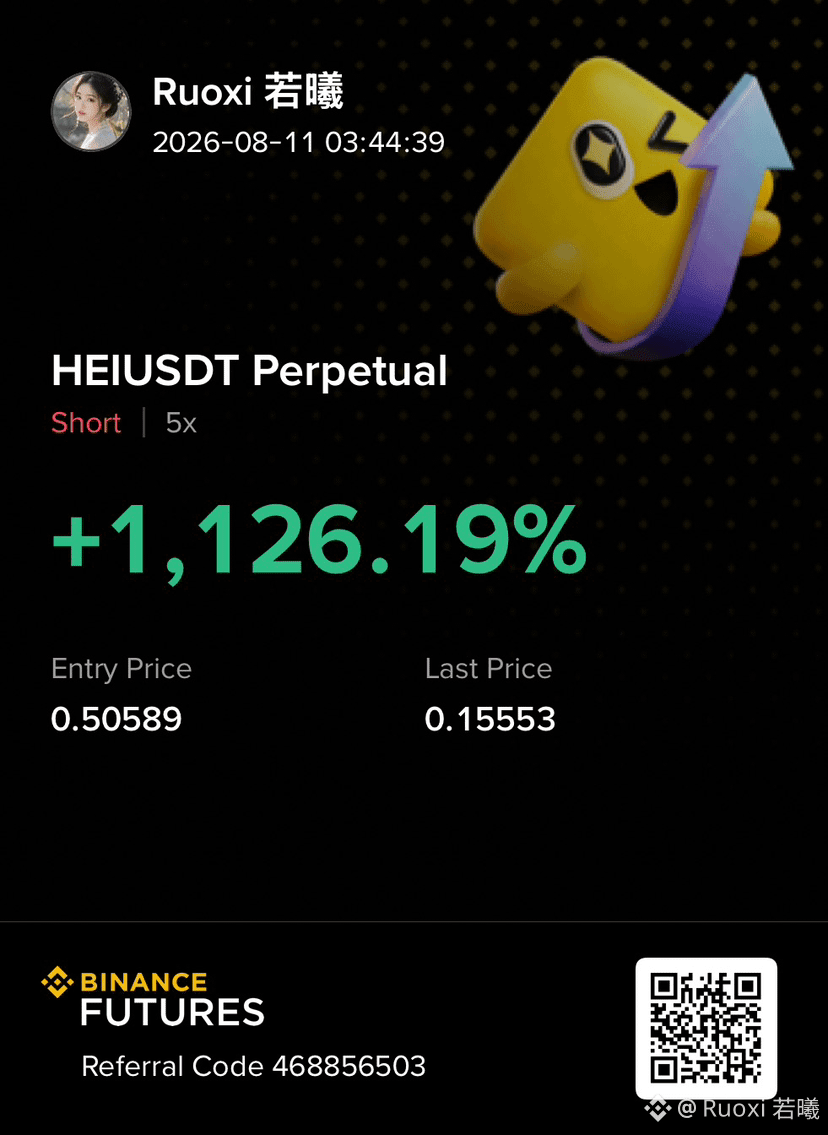
$HEI ກຳລັງດີຫຼາຍ 🔥
ການຄ້າກຳລັງເຄື່ອນໄປຢ່າງສົມບູນ, ແຕ່ຂ້ອຍຍັງຄົງຄວາມງ່າຍໆ ບໍ່ໄລ່ຕາມ, ບໍ່ປະໝາດ.
ສິ່ງທີ່ຂ້ອຍມັກຫຼາຍທີ່ສຸດໃນຕອນນີ້ແມ່ນແຮງເຄື່ອນຕົວ (momentum). ຖ້າ $HEI ສາມາດຮັກສາຄວາມແຂງແຮງນີ້ ແລະສ້າງຂຶ້ນໄປລະດັບທີ່ສູງຂື້ນດ້ວຍປະລິມານທີ່ສຸຂະພາບ, ການຕັ້ງຄ່ານັ້ນອາດຈະຍັງນ່າສົນໃຈ.
ສໍາລັບຂ້ອຍ, ກຸນແຈແມ່ນຄວາມອົດທົນ. ໃຫ້ກຣາບຢືນຢັນການເຄື່ອນໄຫວ ແທນທີ່ຈະບັງຄັບເຂົ້າອອດ.
ການຄ້າດີຈົນເຖິງຕອນນີ້. ໃຫ້ເບິ່ງວ່າ $HEI ຈັດການການເຄື່ອນຕົວຄັ້ງຕໍ່ໄປແນວໃດ. 👀📈
$HEI ກຳລັງດີຫຼາຍ 🔥
ການຄ້າກຳລັງເຄື່ອນໄປຢ່າງສົມບູນ, ແຕ່ຂ້ອຍຍັງຄົງຄວາມງ່າຍໆ ບໍ່ໄລ່ຕາມ, ບໍ່ປະໝາດ.
ສິ່ງທີ່ຂ້ອຍມັກຫຼາຍທີ່ສຸດໃນຕອນນີ້ແມ່ນແຮງເຄື່ອນຕົວ (momentum). ຖ້າ $HEI ສາມາດຮັກສາຄວາມແຂງແຮງນີ້ ແລະສ້າງຂຶ້ນໄປລະດັບທີ່ສູງຂື້ນດ້ວຍປະລິມານທີ່ສຸຂະພາບ, ການຕັ້ງຄ່ານັ້ນອາດຈະຍັງນ່າສົນໃຈ.
ສໍາລັບຂ້ອຍ, ກຸນແຈແມ່ນຄວາມອົດທົນ. ໃຫ້ກຣາບຢືນຢັນການເຄື່ອນໄຫວ ແທນທີ່ຈະບັງຄັບເຂົ້າອອດ.
ການຄ້າດີຈົນເຖິງຕອນນີ້. ໃຫ້ເບິ່ງວ່າ $HEI ຈັດການການເຄື່ອນຕົວຄັ້ງຕໍ່ໄປແນວໃດ. 👀📈
ການຄ້າກຳລັງເຄື່ອນໄປຢ່າງສົມບູນ, ແຕ່ຂ້ອຍຍັງຄົງຄວາມງ່າຍໆ ບໍ່ໄລ່ຕາມ, ບໍ່ປະໝາດ.
ສິ່ງທີ່ຂ້ອຍມັກຫຼາຍທີ່ສຸດໃນຕອນນີ້ແມ່ນແຮງເຄື່ອນຕົວ (momentum). ຖ້າ $HEI ສາມາດຮັກສາຄວາມແຂງແຮງນີ້ ແລະສ້າງຂຶ້ນໄປລະດັບທີ່ສູງຂື້ນດ້ວຍປະລິມານທີ່ສຸຂະພາບ, ການຕັ້ງຄ່ານັ້ນອາດຈະຍັງນ່າສົນໃຈ.
ສໍາລັບຂ້ອຍ, ກຸນແຈແມ່ນຄວາມອົດທົນ. ໃຫ້ກຣາບຢືນຢັນການເຄື່ອນໄຫວ ແທນທີ່ຈະບັງຄັບເຂົ້າອອດ.
ການຄ້າດີຈົນເຖິງຕອນນີ້. ໃຫ້ເບິ່ງວ່າ $HEI ຈັດການການເຄື່ອນຕົວຄັ້ງຕໍ່ໄປແນວໃດ. 👀📈
301
·
--
ເບິ່ງການແປ
@babylonlabs_io One thing I noticed after going through Babylon’s Q4 2025 Founders Call was how much the conversation has changed.
A year ago, most people talked about Bitcoin staking. Now the team is focused on making Bitcoin actually usable in DeFi without wrapped assets or giving up self-custody. I think that’s a bigger shift than many people realize.
What caught my attention was Trustless Bitcoin Vaults.
The idea sounds surprisingly simple. Your BTC stays under your control while becoming collateral for lending and other DeFi use cases. If Babylon delivers this well, it could remove one of the biggest reasons Bitcoin holders have avoided on-chain finance.
I also liked that the founders didn’t pretend everything was perfect.
They openly discussed BABY sell pressure, improving token utility, and why real products should create value before tokenomics try to capture it. Honestly, that’s the harder path, and success will depend on adoption rather than announcements.
From what I’ve seen, Babylon is trying to keep Bitcoin true to its original philosophy while giving it more practical use.
That’s an ambitious goal, but execution is everything. If the user experience isn’t simple enough, even the best technology can struggle to gain traction.
Do you think Trustless Bitcoin Vaults could become the feature that finally brings more Bitcoin into DeFi?
#baby $BABY
$HOME
{spot}(HOMEUSDT)
$BLESS
{future}(BLESSUSDT)
@BabylonLabs_io One thing I noticed after going through Babylon’s Q4 2025 Founders Call was how much the conversation has changed.
A year ago, most people talked about Bitcoin staking. Now the team is focused on making Bitcoin actually usable in DeFi without wrapped assets or giving up self-custody. I think that’s a bigger shift than many people realize.
What caught my attention was Trustless Bitcoin Vaults.
The idea sounds surprisingly simple. Your BTC stays under your control while becoming collateral for lending and other DeFi use cases. If Babylon delivers this well, it could remove one of the biggest reasons Bitcoin holders have avoided on-chain finance.
I also liked that the founders didn’t pretend everything was perfect.
They openly discussed BABY sell pressure, improving token utility, and why real products should create value before tokenomics try to capture it. Honestly, that’s the harder path, and success will depend on adoption rather than announcements.
From what I’ve seen, Babylon is trying to keep Bitcoin true to its original philosophy while giving it more practical use.
That’s an ambitious goal, but execution is everything. If the user experience isn’t simple enough, even the best technology can struggle to gain traction.
Do you think Trustless Bitcoin Vaults could become the feature that finally brings more Bitcoin into DeFi?
#baby $BABY
$HOME
$BLESS
A year ago, most people talked about Bitcoin staking. Now the team is focused on making Bitcoin actually usable in DeFi without wrapped assets or giving up self-custody. I think that’s a bigger shift than many people realize.
What caught my attention was Trustless Bitcoin Vaults.
The idea sounds surprisingly simple. Your BTC stays under your control while becoming collateral for lending and other DeFi use cases. If Babylon delivers this well, it could remove one of the biggest reasons Bitcoin holders have avoided on-chain finance.
I also liked that the founders didn’t pretend everything was perfect.
They openly discussed BABY sell pressure, improving token utility, and why real products should create value before tokenomics try to capture it. Honestly, that’s the harder path, and success will depend on adoption rather than announcements.
From what I’ve seen, Babylon is trying to keep Bitcoin true to its original philosophy while giving it more practical use.
That’s an ambitious goal, but execution is everything. If the user experience isn’t simple enough, even the best technology can struggle to gain traction.
Do you think Trustless Bitcoin Vaults could become the feature that finally brings more Bitcoin into DeFi?
#baby $BABY
$HOME
$BLESS
Bullish Buying 🟢
100%
Bearish Selling 🔴
0%
1 ຄະແນນສຽງ • ປິດລົງຄະແນນສຽງ
1
142
·
--
ເບິ່ງການແປ
@babylonlabs_io One thing I keep looking at Bitcoin and wondering why using it in DeFi has always meant giving something up.
Reading Babylon’s docs changed that perspective a bit. With the Public Testnet, native BTC can be locked inside a Trustless Bitcoin Vault and used as collateral through Aave v4. Your Bitcoin isn’t wrapped or handed to a custodian, which honestly feels much closer to Bitcoin’s original spirit.
I think that’s a meaningful step for BTCFi. Still, it’s only a testnet, and the peg-in process, confirmation time, and liquidation behavior need to prove themselves under real market pressure before I’d fully trust it.
If Bitcoin can stay native while unlocking liquidity, that could be a bigger shift than most people expect.
Would you borrow against native BTC, or would you rather just keep holding?
#baby $BABY
$1000SATS
{spot}(1000SATSUSDT)
$IDOL
{future}(IDOLUSDT)
@BabylonLabs_io One thing I keep looking at Bitcoin and wondering why using it in DeFi has always meant giving something up.
Reading Babylon’s docs changed that perspective a bit. With the Public Testnet, native BTC can be locked inside a Trustless Bitcoin Vault and used as collateral through Aave v4. Your Bitcoin isn’t wrapped or handed to a custodian, which honestly feels much closer to Bitcoin’s original spirit.
I think that’s a meaningful step for BTCFi. Still, it’s only a testnet, and the peg-in process, confirmation time, and liquidation behavior need to prove themselves under real market pressure before I’d fully trust it.
If Bitcoin can stay native while unlocking liquidity, that could be a bigger shift than most people expect.
Would you borrow against native BTC, or would you rather just keep holding?
#baby $BABY
$1000SATS
$IDOL
Reading Babylon’s docs changed that perspective a bit. With the Public Testnet, native BTC can be locked inside a Trustless Bitcoin Vault and used as collateral through Aave v4. Your Bitcoin isn’t wrapped or handed to a custodian, which honestly feels much closer to Bitcoin’s original spirit.
I think that’s a meaningful step for BTCFi. Still, it’s only a testnet, and the peg-in process, confirmation time, and liquidation behavior need to prove themselves under real market pressure before I’d fully trust it.
If Bitcoin can stay native while unlocking liquidity, that could be a bigger shift than most people expect.
Would you borrow against native BTC, or would you rather just keep holding?
#baby $BABY
$1000SATS
$IDOL
Bullish Buying 🟢
83%
Bearish Selling 🔴
17%
6 ຄະແນນສຽງ • ປິດລົງຄະແນນສຽງ
1
242
·
--
ເບິ່ງການແປ
@babylonlabs_io One thought kept coming back while comparing TBV with wrapped BTC and bridges: maybe we’ve been solving the wrong problem.
Instead of moving Bitcoin everywhere, what if the better solution is leaving it where it already has the strongest security?
That’s why Babylon’s TBV stood out to me. It doesn’t depend on a centralized custodian holding the coins or a bridge federation controlling redemption. The Bitcoin stays on its own chain, while cryptographic proofs connect it with Ethereum-based activity.
I still see limitations. The extra waiting time isn’t ideal, and the technology is newer than traditional wrapping methods, so adoption will take time.
Thought: I’d rather wait a little longer than introduce another layer of custody between me and my BTC.
If you had to choose today, would you trust a custodian, a bridge, or a trust-minimized vault?
#baby $BABY
$AXTIB
{spot}(AXTIBUSDT)
$SNXXB
{spot}(SNXXBUSDT)
@BabylonLabs_io One thought kept coming back while comparing TBV with wrapped BTC and bridges: maybe we’ve been solving the wrong problem.
Instead of moving Bitcoin everywhere, what if the better solution is leaving it where it already has the strongest security?
That’s why Babylon’s TBV stood out to me. It doesn’t depend on a centralized custodian holding the coins or a bridge federation controlling redemption. The Bitcoin stays on its own chain, while cryptographic proofs connect it with Ethereum-based activity.
I still see limitations. The extra waiting time isn’t ideal, and the technology is newer than traditional wrapping methods, so adoption will take time.
Thought: I’d rather wait a little longer than introduce another layer of custody between me and my BTC.
If you had to choose today, would you trust a custodian, a bridge, or a trust-minimized vault?
#baby $BABY
$AXTIB
$SNXXB
Instead of moving Bitcoin everywhere, what if the better solution is leaving it where it already has the strongest security?
That’s why Babylon’s TBV stood out to me. It doesn’t depend on a centralized custodian holding the coins or a bridge federation controlling redemption. The Bitcoin stays on its own chain, while cryptographic proofs connect it with Ethereum-based activity.
I still see limitations. The extra waiting time isn’t ideal, and the technology is newer than traditional wrapping methods, so adoption will take time.
Thought: I’d rather wait a little longer than introduce another layer of custody between me and my BTC.
If you had to choose today, would you trust a custodian, a bridge, or a trust-minimized vault?
#baby $BABY
$AXTIB
$SNXXB
Bullish Zone 🟢
100%
Bearish Zone 🔴
0%
2 ຄະແນນສຽງ • ປິດລົງຄະແນນສຽງ
5
1
113
·
--
ຢືນຢັນແລ້ວ
@babylonlabs_io I tẹ̀síwájú láti wo Bitcoin DeFi, àti nǹkan kan ń máa dá mi lójú gidigidi.
Bitcoin ni ohun-ìní tóbi jù lọ nínú crypto, ṣùgbọ́n ó kéré jù bẹ́ẹ̀ lọ́ọ̀rẹ́ 1% ti BTC ni a lò nínú DeFi. Ìdí kì í ṣe pé àwọn ènìyàn kì fẹ́ èrè. Pupọ̀ jù lọ àwọn tó ní BTC ńìkan ò fẹ́ láti fi owó wọn lé àfara kan, custodian, tàbí token tó wulẹ̀ jẹ wrapped. Gẹ́gẹ́ bí mo ti rí i, aabo máa ń wá níwájú.
Babylon’s Trustless Bitcoin Vaults TBV dà bí ọ̀nà míràn. Dípò kí a máa gbe BTC kúrò ní Bitcoin, TBV jẹ́ kí o fi native BTC rẹ̀ sílẹ̀ nínú Taproot vault tí o ń ṣàkóso ara rẹ̀, nígbà tí àwọn ohun èlò Ethereum bá a mọ̀ gẹ́gẹ́ bí ìdánilẹ́kọ̀ọ́. Kò sí wrapped BTC. Kò sí bridge tí ó di owó rẹ̀ mu. Ìgbẹ́kẹ̀lé yí padà sí cryptography àti àwọn nẹ́tíwọ́ọ̀kì Bitcoin/Ethereum, kì í ṣe sí ilé iṣẹ́ kan.
Mo rò pé ìyẹn ni ìdàgbàsókè gidi níbí. Bitcoin kò dá dúró jẹ́ Bitcoin nìkan nítorí pé o fẹ́ yá lòdì sí i tàbí o fẹ́ lo ó nínú DeFi. Ó ń bá a rin lori chain tirẹ̀, nígbà tí protocol bá ń jẹ́risi ohun tí ó ṣẹlẹ̀ kọjá chains pẹ̀lú ìfọwọ́si cryptographic. Ìyípadà ọpọlọ ńlá ni ìyẹn ní ìbámu pẹ̀lú àwọn awoṣe tí a ti lo fún ọdún.
Síbẹ̀síbẹ̀, ó ṣì jẹ́ kùtùkùtù. TBV ń ṣiṣẹ́ lórí Bitcoin Signet àti Ethereum testnet lónìí, àti àpẹrẹ rẹ̀ túbọ̀ sí í nira ju rírò pé kí a kan wrap BTC. Gẹ́gẹ́ bí protocol tuntun kankan, ìgbéga lórí ayé gidi, ìtẹ̀síwájú àyẹ̀wò aabo, àti ìṣọ̀kan àwọn olùdùndún (developer integration) máa ṣe pàtàkì gẹ́gẹ́ bí tè́kìnìkì náà fúnra rẹ̀.
Babylon ti fi hàn pé staking Bitcoin tó jẹ́ self-custodial lè ṣiṣẹ́. Bí TBV bá bá ìmọ̀lára yẹn mu fún Bitcoin-backed DeFi, mo rò pé ó lè ṣí ọjọ́ iwájú patapata míràn sílẹ̀ fún BTC.
Ṣé o máa gbẹ́kẹ̀ lé cryptography ju custodian lọ nígbà tí o bá fẹ́ jẹ́ kí Bitcoin rẹ̀ ṣiṣẹ́ nínú DeFi?
#baby $BABY
$GRVT
{alpha}(560x46f2564e0fa8248d15125e7e54173cfbdef91be7)
$SNXXB
{spot}(SNXXBUSDT)
@BabylonLabs_io I tẹ̀síwájú láti wo Bitcoin DeFi, àti nǹkan kan ń máa dá mi lójú gidigidi.
Bitcoin ni ohun-ìní tóbi jù lọ nínú crypto, ṣùgbọ́n ó kéré jù bẹ́ẹ̀ lọ́ọ̀rẹ́ 1% ti BTC ni a lò nínú DeFi. Ìdí kì í ṣe pé àwọn ènìyàn kì fẹ́ èrè. Pupọ̀ jù lọ àwọn tó ní BTC ńìkan ò fẹ́ láti fi owó wọn lé àfara kan, custodian, tàbí token tó wulẹ̀ jẹ wrapped. Gẹ́gẹ́ bí mo ti rí i, aabo máa ń wá níwájú.
Babylon’s Trustless Bitcoin Vaults TBV dà bí ọ̀nà míràn. Dípò kí a máa gbe BTC kúrò ní Bitcoin, TBV jẹ́ kí o fi native BTC rẹ̀ sílẹ̀ nínú Taproot vault tí o ń ṣàkóso ara rẹ̀, nígbà tí àwọn ohun èlò Ethereum bá a mọ̀ gẹ́gẹ́ bí ìdánilẹ́kọ̀ọ́. Kò sí wrapped BTC. Kò sí bridge tí ó di owó rẹ̀ mu. Ìgbẹ́kẹ̀lé yí padà sí cryptography àti àwọn nẹ́tíwọ́ọ̀kì Bitcoin/Ethereum, kì í ṣe sí ilé iṣẹ́ kan.
Mo rò pé ìyẹn ni ìdàgbàsókè gidi níbí. Bitcoin kò dá dúró jẹ́ Bitcoin nìkan nítorí pé o fẹ́ yá lòdì sí i tàbí o fẹ́ lo ó nínú DeFi. Ó ń bá a rin lori chain tirẹ̀, nígbà tí protocol bá ń jẹ́risi ohun tí ó ṣẹlẹ̀ kọjá chains pẹ̀lú ìfọwọ́si cryptographic. Ìyípadà ọpọlọ ńlá ni ìyẹn ní ìbámu pẹ̀lú àwọn awoṣe tí a ti lo fún ọdún.
Síbẹ̀síbẹ̀, ó ṣì jẹ́ kùtùkùtù. TBV ń ṣiṣẹ́ lórí Bitcoin Signet àti Ethereum testnet lónìí, àti àpẹrẹ rẹ̀ túbọ̀ sí í nira ju rírò pé kí a kan wrap BTC. Gẹ́gẹ́ bí protocol tuntun kankan, ìgbéga lórí ayé gidi, ìtẹ̀síwájú àyẹ̀wò aabo, àti ìṣọ̀kan àwọn olùdùndún (developer integration) máa ṣe pàtàkì gẹ́gẹ́ bí tè́kìnìkì náà fúnra rẹ̀.
Babylon ti fi hàn pé staking Bitcoin tó jẹ́ self-custodial lè ṣiṣẹ́. Bí TBV bá bá ìmọ̀lára yẹn mu fún Bitcoin-backed DeFi, mo rò pé ó lè ṣí ọjọ́ iwájú patapata míràn sílẹ̀ fún BTC.
Ṣé o máa gbẹ́kẹ̀ lé cryptography ju custodian lọ nígbà tí o bá fẹ́ jẹ́ kí Bitcoin rẹ̀ ṣiṣẹ́ nínú DeFi?
#baby $BABY
$GRVT
$SNXXB
Bitcoin ni ohun-ìní tóbi jù lọ nínú crypto, ṣùgbọ́n ó kéré jù bẹ́ẹ̀ lọ́ọ̀rẹ́ 1% ti BTC ni a lò nínú DeFi. Ìdí kì í ṣe pé àwọn ènìyàn kì fẹ́ èrè. Pupọ̀ jù lọ àwọn tó ní BTC ńìkan ò fẹ́ láti fi owó wọn lé àfara kan, custodian, tàbí token tó wulẹ̀ jẹ wrapped. Gẹ́gẹ́ bí mo ti rí i, aabo máa ń wá níwájú.
Babylon’s Trustless Bitcoin Vaults TBV dà bí ọ̀nà míràn. Dípò kí a máa gbe BTC kúrò ní Bitcoin, TBV jẹ́ kí o fi native BTC rẹ̀ sílẹ̀ nínú Taproot vault tí o ń ṣàkóso ara rẹ̀, nígbà tí àwọn ohun èlò Ethereum bá a mọ̀ gẹ́gẹ́ bí ìdánilẹ́kọ̀ọ́. Kò sí wrapped BTC. Kò sí bridge tí ó di owó rẹ̀ mu. Ìgbẹ́kẹ̀lé yí padà sí cryptography àti àwọn nẹ́tíwọ́ọ̀kì Bitcoin/Ethereum, kì í ṣe sí ilé iṣẹ́ kan.
Mo rò pé ìyẹn ni ìdàgbàsókè gidi níbí. Bitcoin kò dá dúró jẹ́ Bitcoin nìkan nítorí pé o fẹ́ yá lòdì sí i tàbí o fẹ́ lo ó nínú DeFi. Ó ń bá a rin lori chain tirẹ̀, nígbà tí protocol bá ń jẹ́risi ohun tí ó ṣẹlẹ̀ kọjá chains pẹ̀lú ìfọwọ́si cryptographic. Ìyípadà ọpọlọ ńlá ni ìyẹn ní ìbámu pẹ̀lú àwọn awoṣe tí a ti lo fún ọdún.
Síbẹ̀síbẹ̀, ó ṣì jẹ́ kùtùkùtù. TBV ń ṣiṣẹ́ lórí Bitcoin Signet àti Ethereum testnet lónìí, àti àpẹrẹ rẹ̀ túbọ̀ sí í nira ju rírò pé kí a kan wrap BTC. Gẹ́gẹ́ bí protocol tuntun kankan, ìgbéga lórí ayé gidi, ìtẹ̀síwájú àyẹ̀wò aabo, àti ìṣọ̀kan àwọn olùdùndún (developer integration) máa ṣe pàtàkì gẹ́gẹ́ bí tè́kìnìkì náà fúnra rẹ̀.
Babylon ti fi hàn pé staking Bitcoin tó jẹ́ self-custodial lè ṣiṣẹ́. Bí TBV bá bá ìmọ̀lára yẹn mu fún Bitcoin-backed DeFi, mo rò pé ó lè ṣí ọjọ́ iwájú patapata míràn sílẹ̀ fún BTC.
Ṣé o máa gbẹ́kẹ̀ lé cryptography ju custodian lọ nígbà tí o bá fẹ́ jẹ́ kí Bitcoin rẹ̀ ṣiṣẹ́ nínú DeFi?
#baby $BABY
$GRVT
$SNXXB
Bullish Time Zone 🟢
50%
Bearish Time Zone 🔴
0%
Unpredictable Zone 🟠
50%
2 ຄະແນນສຽງ • ປິດລົງຄະແນນສຽງ
2
182
·
--
ຢືນຢັນແລ້ວ
@babylonlabs_io Një gjë vazhdoj ta shoh te projektet që përpiqen të fusin Bitcoin në DeFi, dhe sinqerisht, shumica e tyre përfundojnë duke u mbështetur te asetet e tokenizuara (wrapped) ose te dikush që mban çelësat. Kjo kurrë nuk më është dukur përgjigjja e vërtetë.
Integrimi i Babylon-it me Aave v4 duket ndryshe.
BTC-ja jote mbetet e kyçur në Bitcoin brenda një Trustless Bitcoin Vault, ndërsa Aave v4 e njeh atë BTC të kyçur si kolateral përmes një adaptori të dedikuar. Mund të marrësh hua asete pa bërë bridging apo pa wrapped Bitcoin, gjë që mendoj se është një ndryshim mjaft domethënës. Është një dizajn më i pastër se sa e prisja.
Një ide që vazhdoj ta kem parasysh është se kjo s’ka të bëjë me ta bërë Bitcoin “të lëvizë”. Bëhet fjalë për ta bërë Bitcoin të dobishëm ndërkohë që qëndron pikërisht aty ku i përket. Sipas asaj që kam parë në dokumente, vault-i krijohet posaçërisht për aplikacionin Aave, dhe një token i brendshëm i llogaritjes (vaultBTC) përfaqëson kolateralin vetëm brenda protokollit—nuk është një token i tregtueshëm wrapped BTC.
Natyrisht, do të qëndroja ende i kujdesshëm. Integrimi po del gradualisht përmes testnet-it publik, huamarrja ende mbart rrezik likuidimi, dhe çdo model i ri huadhënieje ka nevojë për kohë që të vërtetojë veten në kushtet reale të tregut. Edhe dizajnet e forta s’janë imunë ndaj rasteve të paparashikuara.
Mendoj se Babylon po përpiqet të zgjidhë një problem për të cilin shumë mbajtës BTC kanë folur për vite: përdorimi i Bitcoin-it në DeFi pa hequr dorë nga self-custody.
Do të marrësh hua kundrejt BTC-së vendase (nativ) nëse nuk do të duhej kurrë të largohej nga rrjeti i Bitcoin?
#baby $BABY
$COTI
{spot}(COTIUSDT)
$UAI
{future}(UAIUSDT)
@BabylonLabs_io Një gjë vazhdoj ta shoh te projektet që përpiqen të fusin Bitcoin në DeFi, dhe sinqerisht, shumica e tyre përfundojnë duke u mbështetur te asetet e tokenizuara (wrapped) ose te dikush që mban çelësat. Kjo kurrë nuk më është dukur përgjigjja e vërtetë.
Integrimi i Babylon-it me Aave v4 duket ndryshe.
BTC-ja jote mbetet e kyçur në Bitcoin brenda një Trustless Bitcoin Vault, ndërsa Aave v4 e njeh atë BTC të kyçur si kolateral përmes një adaptori të dedikuar. Mund të marrësh hua asete pa bërë bridging apo pa wrapped Bitcoin, gjë që mendoj se është një ndryshim mjaft domethënës. Është një dizajn më i pastër se sa e prisja.
Një ide që vazhdoj ta kem parasysh është se kjo s’ka të bëjë me ta bërë Bitcoin “të lëvizë”. Bëhet fjalë për ta bërë Bitcoin të dobishëm ndërkohë që qëndron pikërisht aty ku i përket. Sipas asaj që kam parë në dokumente, vault-i krijohet posaçërisht për aplikacionin Aave, dhe një token i brendshëm i llogaritjes (vaultBTC) përfaqëson kolateralin vetëm brenda protokollit—nuk është një token i tregtueshëm wrapped BTC.
Natyrisht, do të qëndroja ende i kujdesshëm. Integrimi po del gradualisht përmes testnet-it publik, huamarrja ende mbart rrezik likuidimi, dhe çdo model i ri huadhënieje ka nevojë për kohë që të vërtetojë veten në kushtet reale të tregut. Edhe dizajnet e forta s’janë imunë ndaj rasteve të paparashikuara.
Mendoj se Babylon po përpiqet të zgjidhë një problem për të cilin shumë mbajtës BTC kanë folur për vite: përdorimi i Bitcoin-it në DeFi pa hequr dorë nga self-custody.
Do të marrësh hua kundrejt BTC-së vendase (nativ) nëse nuk do të duhej kurrë të largohej nga rrjeti i Bitcoin?
#baby $BABY
$COTI
$UAI
Integrimi i Babylon-it me Aave v4 duket ndryshe.
BTC-ja jote mbetet e kyçur në Bitcoin brenda një Trustless Bitcoin Vault, ndërsa Aave v4 e njeh atë BTC të kyçur si kolateral përmes një adaptori të dedikuar. Mund të marrësh hua asete pa bërë bridging apo pa wrapped Bitcoin, gjë që mendoj se është një ndryshim mjaft domethënës. Është një dizajn më i pastër se sa e prisja.
Një ide që vazhdoj ta kem parasysh është se kjo s’ka të bëjë me ta bërë Bitcoin “të lëvizë”. Bëhet fjalë për ta bërë Bitcoin të dobishëm ndërkohë që qëndron pikërisht aty ku i përket. Sipas asaj që kam parë në dokumente, vault-i krijohet posaçërisht për aplikacionin Aave, dhe një token i brendshëm i llogaritjes (vaultBTC) përfaqëson kolateralin vetëm brenda protokollit—nuk është një token i tregtueshëm wrapped BTC.
Natyrisht, do të qëndroja ende i kujdesshëm. Integrimi po del gradualisht përmes testnet-it publik, huamarrja ende mbart rrezik likuidimi, dhe çdo model i ri huadhënieje ka nevojë për kohë që të vërtetojë veten në kushtet reale të tregut. Edhe dizajnet e forta s’janë imunë ndaj rasteve të paparashikuara.
Mendoj se Babylon po përpiqet të zgjidhë një problem për të cilin shumë mbajtës BTC kanë folur për vite: përdorimi i Bitcoin-it në DeFi pa hequr dorë nga self-custody.
Do të marrësh hua kundrejt BTC-së vendase (nativ) nëse nuk do të duhej kurrë të largohej nga rrjeti i Bitcoin?
#baby $BABY
$COTI
$UAI
Bullish Buying 🟢
33%
Bearish Selling 🔴
67%
6 ຄະແນນສຽງ • ປິດລົງຄະແນນສຽງ
2
612
·
--
ເບິ່ງການແປ
@babylonlabs_io One thing I keep looking at airdrops differently these days.
For a long time, I thought claiming an airdrop was just connecting a wallet and waiting for tokens. Then I spent some time reading Babylon’s docs, and one small step caught my attention.
To receive the BABY airdrop, eligible users need to accept the Airdrop Terms and Privacy Policy and prove that acceptance by signing a cryptographic message with their BABY wallet. It isn’t a blockchain transaction or a gas payment. It’s simply a wallet signature that confirms you understand the rules before claiming.
I actually like this approach because it creates a clear record that every participant agreed to the same conditions. Babylon is trying to build Bitcoin-backed security for PoS chains through self-custodial BTC staking, so having a transparent claim process feels consistent with that philosophy.
Still, one thought stays in my mind. Most people click “Accept” without reading a single line. If eligibility, regional restrictions, or data handling matter later, that habit could easily become a problem. I think spending two minutes reading the terms is worth more than rushing to claim.
Would you read an airdrop’s Terms & Privacy Policy before signing, or do you usually trust the process and click Accept?
#baby $BABY
$ESP $BABYSHARK
{spot}(ESPUSDT)
{alpha}(560x777bf78ad4546b61607a17bf4a1977dbbea98c28)
@BabylonLabs_io One thing I keep looking at airdrops differently these days.
For a long time, I thought claiming an airdrop was just connecting a wallet and waiting for tokens. Then I spent some time reading Babylon’s docs, and one small step caught my attention.
To receive the BABY airdrop, eligible users need to accept the Airdrop Terms and Privacy Policy and prove that acceptance by signing a cryptographic message with their BABY wallet. It isn’t a blockchain transaction or a gas payment. It’s simply a wallet signature that confirms you understand the rules before claiming.
I actually like this approach because it creates a clear record that every participant agreed to the same conditions. Babylon is trying to build Bitcoin-backed security for PoS chains through self-custodial BTC staking, so having a transparent claim process feels consistent with that philosophy.
Still, one thought stays in my mind. Most people click “Accept” without reading a single line. If eligibility, regional restrictions, or data handling matter later, that habit could easily become a problem. I think spending two minutes reading the terms is worth more than rushing to claim.
Would you read an airdrop’s Terms & Privacy Policy before signing, or do you usually trust the process and click Accept?
#baby $BABY
$ESP $BABYSHARK
For a long time, I thought claiming an airdrop was just connecting a wallet and waiting for tokens. Then I spent some time reading Babylon’s docs, and one small step caught my attention.
To receive the BABY airdrop, eligible users need to accept the Airdrop Terms and Privacy Policy and prove that acceptance by signing a cryptographic message with their BABY wallet. It isn’t a blockchain transaction or a gas payment. It’s simply a wallet signature that confirms you understand the rules before claiming.
I actually like this approach because it creates a clear record that every participant agreed to the same conditions. Babylon is trying to build Bitcoin-backed security for PoS chains through self-custodial BTC staking, so having a transparent claim process feels consistent with that philosophy.
Still, one thought stays in my mind. Most people click “Accept” without reading a single line. If eligibility, regional restrictions, or data handling matter later, that habit could easily become a problem. I think spending two minutes reading the terms is worth more than rushing to claim.
Would you read an airdrop’s Terms & Privacy Policy before signing, or do you usually trust the process and click Accept?
#baby $BABY
$ESP $BABYSHARK
Buying long 🟢 💯
50%
Selling Short 🔴 💯
50%
4 ຄະແນນສຽງ • ປິດລົງຄະແນນສຽງ
1
1
223
·
--
ເບິ່ງການແປ
@babylonlabs_io One thing I have been watching how stablecoins are finding real use on Babylon Genesis, and Noble USDC feels more useful than I expected.
I used to think it was just another way to park funds. After reading the Babylon docs, I noticed it actually helps you move around the ecosystem without much friction. You can swap Noble USDC on Tower DEX, bridge it through Eureka to supported chains like Arbitrum, and even use other bridges such as Union and Axelar when needed.
One thought I keep coming back to… stable liquidity often matters more than flashy features. Once you have Noble USDC on Babylon Genesis, it becomes easier to access BABY staking or explore liquid staking options like cBABY, eBABY, and milkBABY while staying inside the ecosystem instead of constantly switching networks.
That said, I wouldn’t call it perfect. Babylon’s ecosystem is still young, so available apps and liquidity are growing but haven’t reached the level of more established chains yet. That’s something I always keep in mind before moving larger amounts.
I think this is the kind of infrastructure that quietly improves the user experience. It isn’t the headline feature, but it makes everything around Bitcoin-secured DeFi feel a bit more connected.
If you had Noble USDC on Babylon Genesis today, would you swap, bridge, or stake first?
#baby $BABY
$EUL
{spot}(EULUSDT)
$DIA
{spot}(DIAUSDT)
@BabylonLabs_io One thing I have been watching how stablecoins are finding real use on Babylon Genesis, and Noble USDC feels more useful than I expected.
I used to think it was just another way to park funds. After reading the Babylon docs, I noticed it actually helps you move around the ecosystem without much friction. You can swap Noble USDC on Tower DEX, bridge it through Eureka to supported chains like Arbitrum, and even use other bridges such as Union and Axelar when needed.
One thought I keep coming back to… stable liquidity often matters more than flashy features. Once you have Noble USDC on Babylon Genesis, it becomes easier to access BABY staking or explore liquid staking options like cBABY, eBABY, and milkBABY while staying inside the ecosystem instead of constantly switching networks.
That said, I wouldn’t call it perfect. Babylon’s ecosystem is still young, so available apps and liquidity are growing but haven’t reached the level of more established chains yet. That’s something I always keep in mind before moving larger amounts.
I think this is the kind of infrastructure that quietly improves the user experience. It isn’t the headline feature, but it makes everything around Bitcoin-secured DeFi feel a bit more connected.
If you had Noble USDC on Babylon Genesis today, would you swap, bridge, or stake first?
#baby $BABY
$EUL
$DIA
I used to think it was just another way to park funds. After reading the Babylon docs, I noticed it actually helps you move around the ecosystem without much friction. You can swap Noble USDC on Tower DEX, bridge it through Eureka to supported chains like Arbitrum, and even use other bridges such as Union and Axelar when needed.
One thought I keep coming back to… stable liquidity often matters more than flashy features. Once you have Noble USDC on Babylon Genesis, it becomes easier to access BABY staking or explore liquid staking options like cBABY, eBABY, and milkBABY while staying inside the ecosystem instead of constantly switching networks.
That said, I wouldn’t call it perfect. Babylon’s ecosystem is still young, so available apps and liquidity are growing but haven’t reached the level of more established chains yet. That’s something I always keep in mind before moving larger amounts.
I think this is the kind of infrastructure that quietly improves the user experience. It isn’t the headline feature, but it makes everything around Bitcoin-secured DeFi feel a bit more connected.
If you had Noble USDC on Babylon Genesis today, would you swap, bridge, or stake first?
#baby $BABY
$EUL
$DIA
Bullish Time 🟢
67%
Bearish Time 🔴
33%
6 ຄະແນນສຽງ • ປິດລົງຄະແນນສຽງ
1
726
ເຂົ້າສູ່ລະບົບເພື່ອສຳຫຼວດເນື້ອຫາເພີ່ມເຕີມ
ເຂົ້າຮ່ວມກຸ່ມຜູ້ໃຊ້ຄຣິບໂຕທົ່ວໂລກໃນ Binance Square.
⚡️ ໄດ້ຮັບຂໍ້ມູນຫຼ້າສຸດ ແລະ ທີ່ມີປະໂຫຍດກ່ຽວກັບຄຣິບໂຕ.
💬 ໄດ້ຮັບຄວາມໄວ້ວາງໃຈຈາກຕະຫຼາດແລກປ່ຽນຄຣິບໂຕທີ່ໃຫຍ່ທີ່ສຸດໃນໂລກ.
👍 ຄົ້ນຫາຂໍ້ມູນເຊີງເລິກທີ່ແທ້ຈາກນັກສ້າງທີ່ໄດ້ຮັບການຢືນຢັນ.
ອີເມວ / ເບີໂທລະສັບ
ຫົວຂໍ້ທີ່ກໍາລັງນິຍົມ
HYPEJumpsOver11%
5,358 views
279 ກຳລັງສົນທະນາ
🚨 ຄວາມຕື່ນຕົວເພີ່ມຂຶ້ນແລ້ວ ໄດ້ປ່ຽນຕະຫຼາດ
$HYPE +11% ໃນ 7 ມື້
ໃນຂະນະທີ່ $XRP ແລະ $ETH ກໍາລັງຖືກເລືອດອອກ...
HYPE ທະລຸເຂົ້າ TOP 10 ແລະໄລ່ Cardano ອອກ.
ເປັນຫຍັງ?
-> $1.3B+ ຄວາມສົນໃຈທີ່ເປີດຄ້າງ (Open Interest)
-> ການເຂົ້າຂອງ ETF ເອົາຊະນະ BTC & ETH ETF
-> ການເຜົາຜານອຸປະກອນ (supply burn) ທີ່ໃຫຍ່ຫຼວງກໍາລັງດໍາເນີນ
ນີ້ບໍ່ແມ່ນແຕ່ພຸ້ງຂຶ້ນລ້າງທາງ. ນີ້ແມ່ນຄວາມເດັ່ນ (dominance).
ເຈົ້າກໍາລັງເບິ່ງຢູ່ ຫຼື ARE YOU IN? 👇
#HYPE #Hyperliquid #Crypto #BinanceSquare#hypejumpsover11%
True News
·3 ຖືກໃຈ
·1.7k views
ZcashDevelopersTargetNU7MainnetActivationNov5
0 views
2 ກຳລັງສົນທະນາ
BitcoinSpotETFsNetInflow$159M
1,707 views
73 ກຳລັງສົນທະນາ