
ISHAQJAN
6k ໂພສ

ISHAQJAN
ລາຍງານ
ບລັອກຜູ້ໃຊ້
The chart speaks, I listen. Every candle has a story Fam, let’s make this journey legendary 💛
ເປີດການຊື້ຂາຍ
ຜູ້ຊື້ຂາຍປະຈໍາ
12.1 ເດືອນ
648 ກໍາລັງຕິດຕາມ
29.2K+ ຜູ້ຕິດຕາມ
12.6K+ Liked
ໂພສ
Portfolio
ທັງໝົດ
ວົງຢືມ
ຖ່າຍທອດສົດ
·
--
ສັນຍານກະທິງ
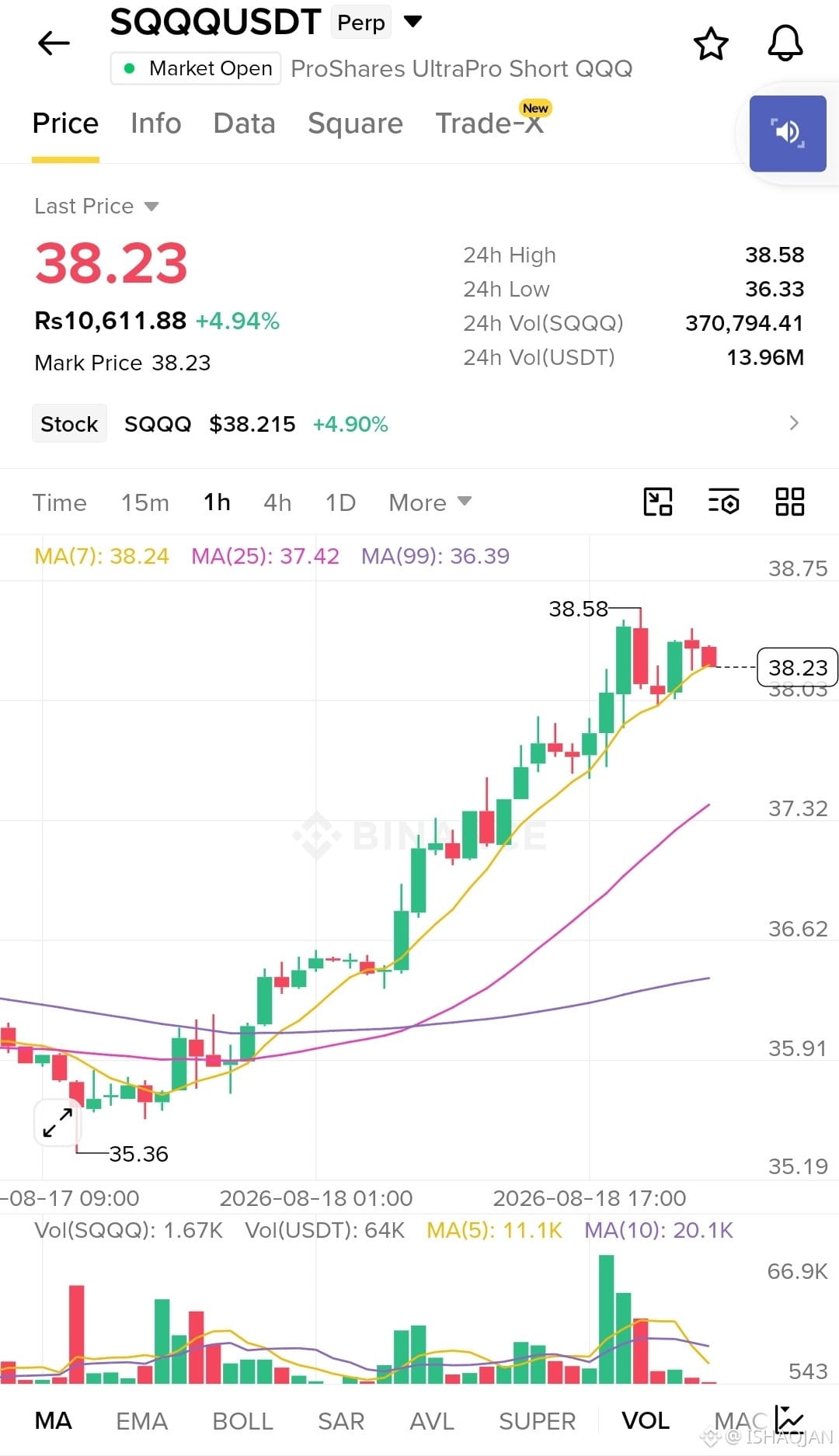
$SQQQ ຍັງມີນໍ້າມັນເຫຼືອຢູ່
SQQQUSDT LONG
ເຂົ້າ: 38.20–38.35
TP: 38.50 / 38.70 / 38.95
SL: 38.05
ໃຊ້ Leverage: 10x
NFA
DYOR
ແທຣດທີ່ນີ້ 👇
SQQQUSDT
Perp
38.23
+4.94%
{future}(SQQQUSDT)
$SQQQ ຍັງມີນໍ້າມັນເຫຼືອຢູ່
SQQQUSDT LONG
ເຂົ້າ: 38.20–38.35
TP: 38.50 / 38.70 / 38.95
SL: 38.05
ໃຊ້ Leverage: 10x
NFA
DYOR
ແທຣດທີ່ນີ້ 👇
SQQQUSDT
Perp
38.23
+4.94%
SQQQUSDT LONG
ເຂົ້າ: 38.20–38.35
TP: 38.50 / 38.70 / 38.95
SL: 38.05
ໃຊ້ Leverage: 10x
NFA
DYOR
ແທຣດທີ່ນີ້ 👇
SQQQUSDT
Perp
38.23
+4.94%
2
1
257
·
--
ສັນຍານກະທິງ
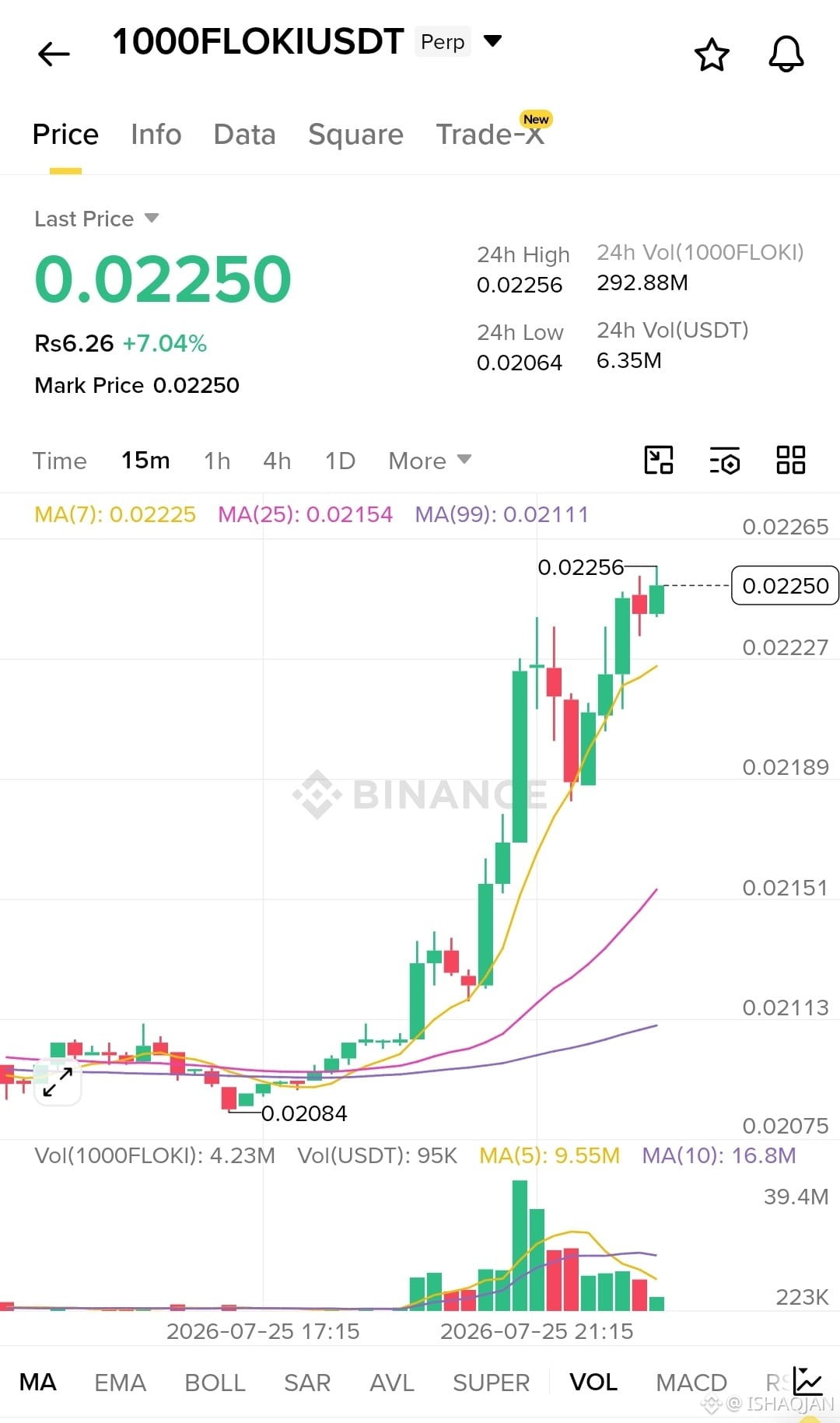
Nnipa, $FLOKI n ń fọ́ lórí ìpò ìjọpọ̀ (short-term accumulation range) pẹ̀lú ìmúgbòòrò bullish tó lágbára. Bí onírà (buyers) bá ń bá a lọ láti ṣetọju ìṣàkóso lókè ipele ìfọ́ (breakout level), ìrìnàjò náà lè gbooro sí i sí ìgbádùn ìdènà (higher resistance). 10x leverage.
Trade Setup
Entry Zone: 0.00002220 – 0.00002250
Target 1: 0.00002320
Target 2: 0.00002420
Target 3: 0.00002550
Stop Loss: 0.00002120
{spot}(FLOKIUSDT)
Nnipa, $FLOKI n ń fọ́ lórí ìpò ìjọpọ̀ (short-term accumulation range) pẹ̀lú ìmúgbòòrò bullish tó lágbára. Bí onírà (buyers) bá ń bá a lọ láti ṣetọju ìṣàkóso lókè ipele ìfọ́ (breakout level), ìrìnàjò náà lè gbooro sí i sí ìgbádùn ìdènà (higher resistance). 10x leverage.
Trade Setup
Entry Zone: 0.00002220 – 0.00002250
Target 1: 0.00002320
Target 2: 0.00002420
Target 3: 0.00002550
Stop Loss: 0.00002120
Trade Setup
Entry Zone: 0.00002220 – 0.00002250
Target 1: 0.00002320
Target 2: 0.00002420
Target 3: 0.00002550
Stop Loss: 0.00002120
1
1
165
·
--
ສັນຍານກະທິງ
ຂ້ອຍໄດ້ຄິດຕະຫຼອດກ່ຽວກັບ Newton Protocol—ບໍ່ແມ່ນພຽງແຕ່ເປັນໂຄງລ່າງພື້ນຖານສຳລັບການອັດຕະໂນມັດທີ່ຂັບເຄື່ອນດ້ວຍ AI, ແຕ່ຍັງເປັນການທົດລອງເກືອບຈະວ່າຜູ້ຄົນເຈລະຈາຄວາມເຊື່ອໃຈກັບລະບົບທີ່ພວກເຂົາບໍ່ໄດ້ສັງເກດເຕັມທີ່ອີກຕໍ່ໄປ.
ເປັນເວລາດົນນານ, ການເຂົ້າຮ່ວມທາງການເງິນຕ້ອງໃຊ້ຄວາມໃສ່ໃຈຢ່າງສະເໝີ. ຄົນໄດ້ກົດປຸ່ມ, ກວດເຊັກຊາດ, ແລະຮັບພາລະທາງຈິດໃຈຂອງການຕ້ອງເປັນຄົນຕັດສິນໃຈແຕ່ລະຢ່າງເອງ. ຄຳສັນຍາຂອງ Intelligent agents ປ່ຽນສັດສ່ວນນັ້ນ. ພວກເຮົາຈາກການເຮັດ ໄປສູ່ການກຳນົດເຈດຈຳນົງ, ຈາກການປະຕິບັດ ໄປສູ່ການມອບໝາຍ.
ສິ່ງທີ່ສົນໃຈຂ້ອຍຄືການປ່ຽນນີ້ບໍ່ໄດ້ກຳຈັດຄວາມເຊື່ອໃຈ—ແຕ່ມັນຈັດສັນມັນໃໝ່.
ໂຄງການແນວ Newton ເນັ້ນການອັດຕະໂນມັດທີ່ກວດສອບໄດ້, ການອະນຸຍາດທີ່ສາມາດຂຽນໂປຣແກຣມໄດ້, ແລະການຮັບປະກັນດ້ວຍຄຣິບໂຕກຣາຟຟີ. ໃນທາງໜຶ່ງ, ມັນຮັບຮູ້ສິ່ງທີ່ຄົນເຮົາເປັນຫຼາຍຢ່າງລຶກເລິກ: ພວກເຮົາມັກຈະມອບໝາຍຄວາມຮັບຜິດຊອບໃຫ້ກັບອີກຝ່າຍເພີ່ມຂຶ້ນ ຕາບໃດທີ່ຂອບເຂດຂອງການມອບໝາຍນັ້ນຍັງມອງເຫັນໄດ້ ແລະຖືກບັງຄັບໃຫ້ເປັນຈິງ. ຄຳຖາມກໍຄື: ການເປີດເຜີຍ (transparency) ຈະກາຍເປັນທົດແທນຂອງຄວາມເຂົ້າໃຈໄດ້ບໍ?
ຍັງມີຄວາມຂັດແຍ້ງທີ່ນ່າສົນໃຈອີກດ້ານໜຶ່ງໃນຮູບແບບຕະຫຼາດທີ່ກຳລັງປະກົດຂຶ້ນສຳລັບນັກພັດທະນາ AI. ຄວາມເປີດເຜີຍເຊີນຊວນການສ້າງສັນ, ແຕ່ມັນກໍສ້າງລຳດັບຊັ້ນໃໝ່ອ້ອມຮອບຊື່ສຽງ, ແຮງຈູງໃຈ, ແລະອິດທິພົນ. ຖ້າຍຸດທະສາດແບບອັດຕະໂນມັດ (autonomous strategies) ກາຍເປັນສິນຄ້າສາທາລະນະທີ່ມີຄຸນຄ່າ (public goods) ແລ້ວ ໃຜກັນແທ້ທີ່ກຳນົດມາດຖານ (norms) ທີ່ຕັດສິນວ່າການອັດຕະໂນມັດຮູບແບບໃດຈະໄດ້ຮັບການໃຫ້ລາງວັນ ແລະຮູບແບບໃດຈະຖືກບໍ່ສົ່ງເສີມ?
ບາງທີເລື່ອງລວມຂອງທັງໝົດບໍ່ແມ່ນກ່ຽວກັບ AI ທີ່ທົດແທນການມີອຳນາດໃນການຕັດສິນໃຈຂອງມະນຸດ, ແຕ່ເປັນກ່ຽວກັບມະນຸດທີ່ອອກແບບການມີອຳນາດໃນການຕັດສິນໃຈນັ້ນໃໝ່ ໃຫ້ກາຍເປັນຊັ້ນຂອງການອະນຸຍາດ (permissions), ນະໂຍບາຍ (policies), ແລະ ໂປຣໂຕຄໍ (protocols).
ເມື່ອກິດຈະກຳທາງເສດຖະກິດຂອງພວກເຮົາຫຼາຍຂຶ້ນກາຍເປັນການດຳເນີນຕາມເຈດຈຳນົງ (intent-based) ຫຼາຍກວ່າການເຮັດຕາມການກະທຳ (action-based), ການເຂົ້າຮ່ວມຢ່າງມີຄວາມໝາຍຈິງໆ ຈະເບິ່ງໜ້າຕາແບບໃດ?
#newt $NEWT @NewtonProtocol
ຂ້ອຍໄດ້ຄິດຕະຫຼອດກ່ຽວກັບ Newton Protocol—ບໍ່ແມ່ນພຽງແຕ່ເປັນໂຄງລ່າງພື້ນຖານສຳລັບການອັດຕະໂນມັດທີ່ຂັບເຄື່ອນດ້ວຍ AI, ແຕ່ຍັງເປັນການທົດລອງເກືອບຈະວ່າຜູ້ຄົນເຈລະຈາຄວາມເຊື່ອໃຈກັບລະບົບທີ່ພວກເຂົາບໍ່ໄດ້ສັງເກດເຕັມທີ່ອີກຕໍ່ໄປ.
ເປັນເວລາດົນນານ, ການເຂົ້າຮ່ວມທາງການເງິນຕ້ອງໃຊ້ຄວາມໃສ່ໃຈຢ່າງສະເໝີ. ຄົນໄດ້ກົດປຸ່ມ, ກວດເຊັກຊາດ, ແລະຮັບພາລະທາງຈິດໃຈຂອງການຕ້ອງເປັນຄົນຕັດສິນໃຈແຕ່ລະຢ່າງເອງ. ຄຳສັນຍາຂອງ Intelligent agents ປ່ຽນສັດສ່ວນນັ້ນ. ພວກເຮົາຈາກການເຮັດ ໄປສູ່ການກຳນົດເຈດຈຳນົງ, ຈາກການປະຕິບັດ ໄປສູ່ການມອບໝາຍ.
ສິ່ງທີ່ສົນໃຈຂ້ອຍຄືການປ່ຽນນີ້ບໍ່ໄດ້ກຳຈັດຄວາມເຊື່ອໃຈ—ແຕ່ມັນຈັດສັນມັນໃໝ່.
ໂຄງການແນວ Newton ເນັ້ນການອັດຕະໂນມັດທີ່ກວດສອບໄດ້, ການອະນຸຍາດທີ່ສາມາດຂຽນໂປຣແກຣມໄດ້, ແລະການຮັບປະກັນດ້ວຍຄຣິບໂຕກຣາຟຟີ. ໃນທາງໜຶ່ງ, ມັນຮັບຮູ້ສິ່ງທີ່ຄົນເຮົາເປັນຫຼາຍຢ່າງລຶກເລິກ: ພວກເຮົາມັກຈະມອບໝາຍຄວາມຮັບຜິດຊອບໃຫ້ກັບອີກຝ່າຍເພີ່ມຂຶ້ນ ຕາບໃດທີ່ຂອບເຂດຂອງການມອບໝາຍນັ້ນຍັງມອງເຫັນໄດ້ ແລະຖືກບັງຄັບໃຫ້ເປັນຈິງ. ຄຳຖາມກໍຄື: ການເປີດເຜີຍ (transparency) ຈະກາຍເປັນທົດແທນຂອງຄວາມເຂົ້າໃຈໄດ້ບໍ?
ຍັງມີຄວາມຂັດແຍ້ງທີ່ນ່າສົນໃຈອີກດ້ານໜຶ່ງໃນຮູບແບບຕະຫຼາດທີ່ກຳລັງປະກົດຂຶ້ນສຳລັບນັກພັດທະນາ AI. ຄວາມເປີດເຜີຍເຊີນຊວນການສ້າງສັນ, ແຕ່ມັນກໍສ້າງລຳດັບຊັ້ນໃໝ່ອ້ອມຮອບຊື່ສຽງ, ແຮງຈູງໃຈ, ແລະອິດທິພົນ. ຖ້າຍຸດທະສາດແບບອັດຕະໂນມັດ (autonomous strategies) ກາຍເປັນສິນຄ້າສາທາລະນະທີ່ມີຄຸນຄ່າ (public goods) ແລ້ວ ໃຜກັນແທ້ທີ່ກຳນົດມາດຖານ (norms) ທີ່ຕັດສິນວ່າການອັດຕະໂນມັດຮູບແບບໃດຈະໄດ້ຮັບການໃຫ້ລາງວັນ ແລະຮູບແບບໃດຈະຖືກບໍ່ສົ່ງເສີມ?
ບາງທີເລື່ອງລວມຂອງທັງໝົດບໍ່ແມ່ນກ່ຽວກັບ AI ທີ່ທົດແທນການມີອຳນາດໃນການຕັດສິນໃຈຂອງມະນຸດ, ແຕ່ເປັນກ່ຽວກັບມະນຸດທີ່ອອກແບບການມີອຳນາດໃນການຕັດສິນໃຈນັ້ນໃໝ່ ໃຫ້ກາຍເປັນຊັ້ນຂອງການອະນຸຍາດ (permissions), ນະໂຍບາຍ (policies), ແລະ ໂປຣໂຕຄໍ (protocols).
ເມື່ອກິດຈະກຳທາງເສດຖະກິດຂອງພວກເຮົາຫຼາຍຂຶ້ນກາຍເປັນການດຳເນີນຕາມເຈດຈຳນົງ (intent-based) ຫຼາຍກວ່າການເຮັດຕາມການກະທຳ (action-based), ການເຂົ້າຮ່ວມຢ່າງມີຄວາມໝາຍຈິງໆ ຈະເບິ່ງໜ້າຕາແບບໃດ?
#newt $NEWT @NewtonProtocol
ເປັນເວລາດົນນານ, ການເຂົ້າຮ່ວມທາງການເງິນຕ້ອງໃຊ້ຄວາມໃສ່ໃຈຢ່າງສະເໝີ. ຄົນໄດ້ກົດປຸ່ມ, ກວດເຊັກຊາດ, ແລະຮັບພາລະທາງຈິດໃຈຂອງການຕ້ອງເປັນຄົນຕັດສິນໃຈແຕ່ລະຢ່າງເອງ. ຄຳສັນຍາຂອງ Intelligent agents ປ່ຽນສັດສ່ວນນັ້ນ. ພວກເຮົາຈາກການເຮັດ ໄປສູ່ການກຳນົດເຈດຈຳນົງ, ຈາກການປະຕິບັດ ໄປສູ່ການມອບໝາຍ.
ສິ່ງທີ່ສົນໃຈຂ້ອຍຄືການປ່ຽນນີ້ບໍ່ໄດ້ກຳຈັດຄວາມເຊື່ອໃຈ—ແຕ່ມັນຈັດສັນມັນໃໝ່.
ໂຄງການແນວ Newton ເນັ້ນການອັດຕະໂນມັດທີ່ກວດສອບໄດ້, ການອະນຸຍາດທີ່ສາມາດຂຽນໂປຣແກຣມໄດ້, ແລະການຮັບປະກັນດ້ວຍຄຣິບໂຕກຣາຟຟີ. ໃນທາງໜຶ່ງ, ມັນຮັບຮູ້ສິ່ງທີ່ຄົນເຮົາເປັນຫຼາຍຢ່າງລຶກເລິກ: ພວກເຮົາມັກຈະມອບໝາຍຄວາມຮັບຜິດຊອບໃຫ້ກັບອີກຝ່າຍເພີ່ມຂຶ້ນ ຕາບໃດທີ່ຂອບເຂດຂອງການມອບໝາຍນັ້ນຍັງມອງເຫັນໄດ້ ແລະຖືກບັງຄັບໃຫ້ເປັນຈິງ. ຄຳຖາມກໍຄື: ການເປີດເຜີຍ (transparency) ຈະກາຍເປັນທົດແທນຂອງຄວາມເຂົ້າໃຈໄດ້ບໍ?
ຍັງມີຄວາມຂັດແຍ້ງທີ່ນ່າສົນໃຈອີກດ້ານໜຶ່ງໃນຮູບແບບຕະຫຼາດທີ່ກຳລັງປະກົດຂຶ້ນສຳລັບນັກພັດທະນາ AI. ຄວາມເປີດເຜີຍເຊີນຊວນການສ້າງສັນ, ແຕ່ມັນກໍສ້າງລຳດັບຊັ້ນໃໝ່ອ້ອມຮອບຊື່ສຽງ, ແຮງຈູງໃຈ, ແລະອິດທິພົນ. ຖ້າຍຸດທະສາດແບບອັດຕະໂນມັດ (autonomous strategies) ກາຍເປັນສິນຄ້າສາທາລະນະທີ່ມີຄຸນຄ່າ (public goods) ແລ້ວ ໃຜກັນແທ້ທີ່ກຳນົດມາດຖານ (norms) ທີ່ຕັດສິນວ່າການອັດຕະໂນມັດຮູບແບບໃດຈະໄດ້ຮັບການໃຫ້ລາງວັນ ແລະຮູບແບບໃດຈະຖືກບໍ່ສົ່ງເສີມ?
ບາງທີເລື່ອງລວມຂອງທັງໝົດບໍ່ແມ່ນກ່ຽວກັບ AI ທີ່ທົດແທນການມີອຳນາດໃນການຕັດສິນໃຈຂອງມະນຸດ, ແຕ່ເປັນກ່ຽວກັບມະນຸດທີ່ອອກແບບການມີອຳນາດໃນການຕັດສິນໃຈນັ້ນໃໝ່ ໃຫ້ກາຍເປັນຊັ້ນຂອງການອະນຸຍາດ (permissions), ນະໂຍບາຍ (policies), ແລະ ໂປຣໂຕຄໍ (protocols).
ເມື່ອກິດຈະກຳທາງເສດຖະກິດຂອງພວກເຮົາຫຼາຍຂຶ້ນກາຍເປັນການດຳເນີນຕາມເຈດຈຳນົງ (intent-based) ຫຼາຍກວ່າການເຮັດຕາມການກະທຳ (action-based), ການເຂົ້າຮ່ວມຢ່າງມີຄວາມໝາຍຈິງໆ ຈະເບິ່ງໜ້າຕາແບບໃດ?
#newt $NEWT @NewtonProtocol
7
10
157
·
--
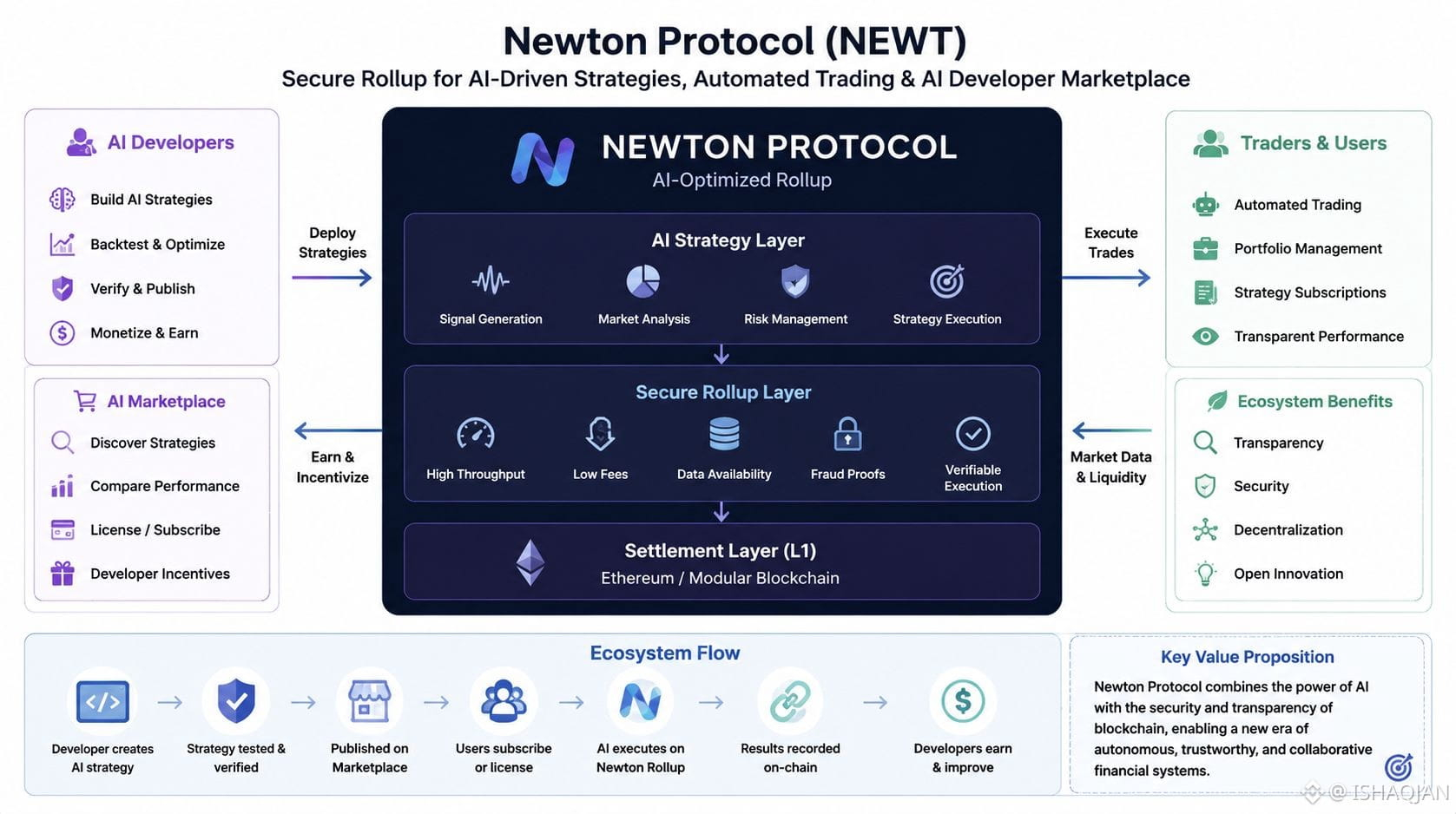
Newton Protocol (NEWT): ການສ້າງຄວາມເຊື່ອໃຈໃຫ້ກັບອະນາຄົດຂອງການເງິນທີ່ໃຊ້ປັນຍາທຽມ@NewtonProtocol
ສອງສອງປີກ່ອນໜ້າ ຄວາມຄິດທີ່ຈະໃຫ້ປັນຍາທຽມຊ່ວຍຕັດສິນທາງການເງິນແທນພວກເຮົາ ຮູ້ສຶກເກືອບຈະບໍ່ສະບາຍໃຈ. ສ່ວນໃຫຍ່ຂອງຄົນ, ລວມທັງຂ້ອຍ, ຢາກໃຫ້ຍັງມີມະນຸດຢູ່ໃນວົງຈອນ—ຄົນໜຶ່ງເພື່ອຕຳນິຖ້າມີສິ່ງບໍ່ດີເກີດຂຶ້ນ, ຫຼືຢ່າງນ້ອຍໃຫ້ມີຄົນອະທິບາຍວ່າເປັນຫຍັງການຕັດສິນໜຶ່ງໆນັ້ນຈຶ່ງເກີດຂຶ້ນ.
ມາທຸກມື້ນີ້ ຄວາມລັງເລຂບນີ້ຍັງມີຢູ່, ແຕ່ເທັກໂນໂລຍີໄດ້ກ້າວໄປຫຼາຍກວ່າທີ່ພວກເຮົາຄາດຄິດ. ປັນຍາທຽມສາມາດວິເຄາະຕະຫຼາດໃນເວລາພຽງວິນາທີ, ກໍານົດຮູບແບບທີ່ມະນຸດຜູ້ຊື້ຂາຍບໍ່ເຫັນ, ແລະອັດຕະໂນມັດຍຸດທະສາດໃນຂະໜາດທີ່ເຄີຍເປັນໄປບໍ່ໄດ້. ແຕ່ຍັງມີຄໍາຖາມໜຶ່ງທີ່ຊື່ງເບິ່ງງ່າຍກວ່າທີ່ຄິດຫຼາຍ: ພວກເຮົາຈະເຊື່ອຖືລະບົບເຫຼົ່ານີ້ໄດ້ແນວໃດ?
Newton Protocol (NEWT): ການສ້າງຄວາມເຊື່ອໃຈໃຫ້ກັບອະນາຄົດຂອງການເງິນທີ່ໃຊ້ປັນຍາທຽມ
@NewtonProtocol
ສອງສອງປີກ່ອນໜ້າ ຄວາມຄິດທີ່ຈະໃຫ້ປັນຍາທຽມຊ່ວຍຕັດສິນທາງການເງິນແທນພວກເຮົາ ຮູ້ສຶກເກືອບຈະບໍ່ສະບາຍໃຈ. ສ່ວນໃຫຍ່ຂອງຄົນ, ລວມທັງຂ້ອຍ, ຢາກໃຫ້ຍັງມີມະນຸດຢູ່ໃນວົງຈອນ—ຄົນໜຶ່ງເພື່ອຕຳນິຖ້າມີສິ່ງບໍ່ດີເກີດຂຶ້ນ, ຫຼືຢ່າງນ້ອຍໃຫ້ມີຄົນອະທິບາຍວ່າເປັນຫຍັງການຕັດສິນໜຶ່ງໆນັ້ນຈຶ່ງເກີດຂຶ້ນ.
ມາທຸກມື້ນີ້ ຄວາມລັງເລຂບນີ້ຍັງມີຢູ່, ແຕ່ເທັກໂນໂລຍີໄດ້ກ້າວໄປຫຼາຍກວ່າທີ່ພວກເຮົາຄາດຄິດ. ປັນຍາທຽມສາມາດວິເຄາະຕະຫຼາດໃນເວລາພຽງວິນາທີ, ກໍານົດຮູບແບບທີ່ມະນຸດຜູ້ຊື້ຂາຍບໍ່ເຫັນ, ແລະອັດຕະໂນມັດຍຸດທະສາດໃນຂະໜາດທີ່ເຄີຍເປັນໄປບໍ່ໄດ້. ແຕ່ຍັງມີຄໍາຖາມໜຶ່ງທີ່ຊື່ງເບິ່ງງ່າຍກວ່າທີ່ຄິດຫຼາຍ: ພວກເຮົາຈະເຊື່ອຖືລະບົບເຫຼົ່ານີ້ໄດ້ແນວໃດ?
ສອງສອງປີກ່ອນໜ້າ ຄວາມຄິດທີ່ຈະໃຫ້ປັນຍາທຽມຊ່ວຍຕັດສິນທາງການເງິນແທນພວກເຮົາ ຮູ້ສຶກເກືອບຈະບໍ່ສະບາຍໃຈ. ສ່ວນໃຫຍ່ຂອງຄົນ, ລວມທັງຂ້ອຍ, ຢາກໃຫ້ຍັງມີມະນຸດຢູ່ໃນວົງຈອນ—ຄົນໜຶ່ງເພື່ອຕຳນິຖ້າມີສິ່ງບໍ່ດີເກີດຂຶ້ນ, ຫຼືຢ່າງນ້ອຍໃຫ້ມີຄົນອະທິບາຍວ່າເປັນຫຍັງການຕັດສິນໜຶ່ງໆນັ້ນຈຶ່ງເກີດຂຶ້ນ.
ມາທຸກມື້ນີ້ ຄວາມລັງເລຂບນີ້ຍັງມີຢູ່, ແຕ່ເທັກໂນໂລຍີໄດ້ກ້າວໄປຫຼາຍກວ່າທີ່ພວກເຮົາຄາດຄິດ. ປັນຍາທຽມສາມາດວິເຄາະຕະຫຼາດໃນເວລາພຽງວິນາທີ, ກໍານົດຮູບແບບທີ່ມະນຸດຜູ້ຊື້ຂາຍບໍ່ເຫັນ, ແລະອັດຕະໂນມັດຍຸດທະສາດໃນຂະໜາດທີ່ເຄີຍເປັນໄປບໍ່ໄດ້. ແຕ່ຍັງມີຄໍາຖາມໜຶ່ງທີ່ຊື່ງເບິ່ງງ່າຍກວ່າທີ່ຄິດຫຼາຍ: ພວກເຮົາຈະເຊື່ອຖືລະບົບເຫຼົ່ານີ້ໄດ້ແນວໃດ?
1
3
154
·
--
ສັນຍານກະທິງ
Ndalaĝe mo o nronye nipa àgbékalẹ̀ kan tí ó máa ń farahàn nígbà gbogbo tí a bá dá iṣẹ́ amáyédẹrùn amáyédẹrùn tuntun sílẹ̀: a sábà máa ń yin ayaworan náà lójú pẹ̀lú kí a tó lóye àṣà tí ó ń dá.
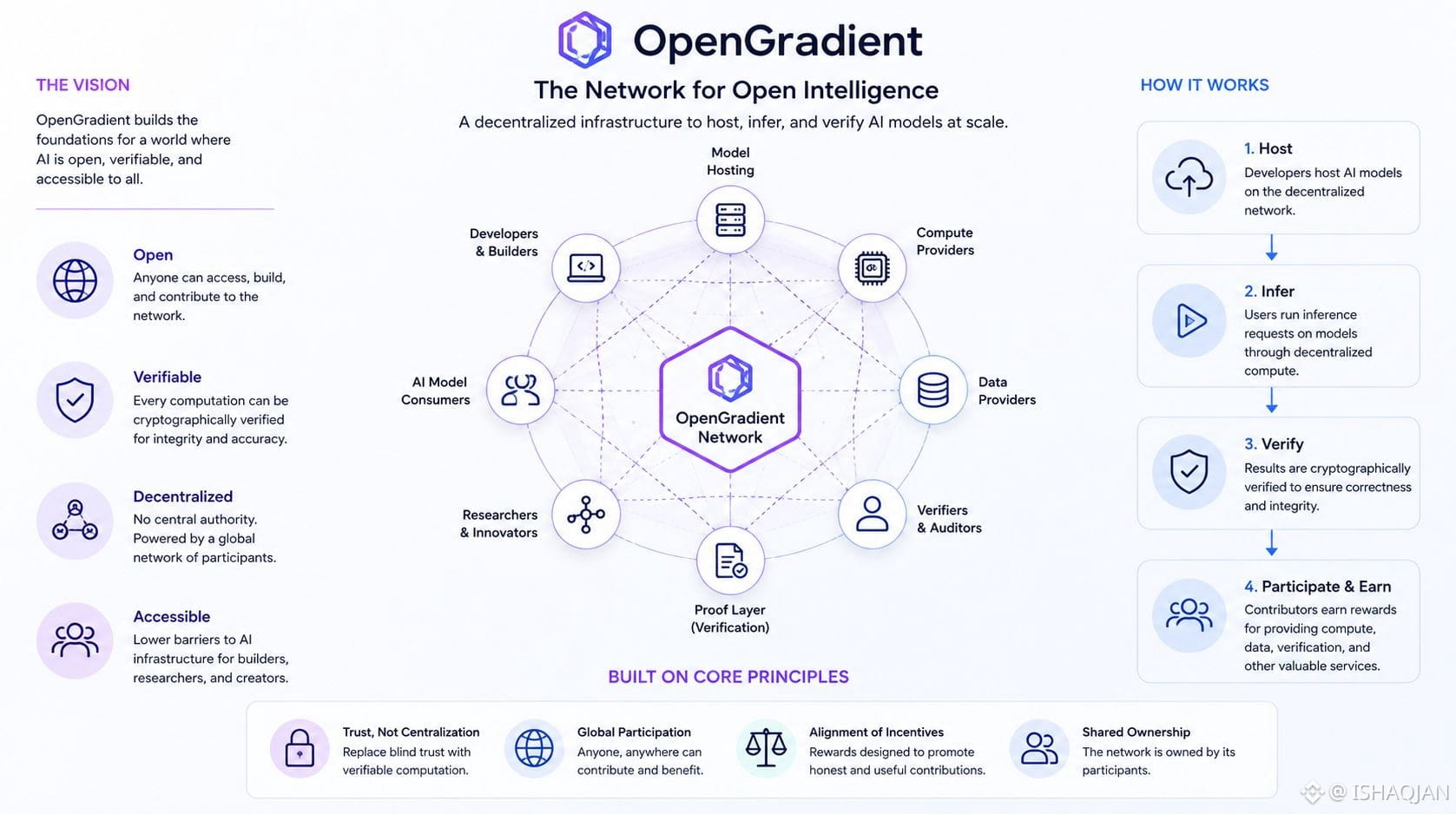
Iran OpenGradient nípa pípínkálẹ̀ àti ìfọwọ́sí AI tí ó ṣeé fìdí rẹ̀ múlẹ̀ jẹ́ ohun tí ó wúlò gan nínú ìmọ̀ ẹ̀rọ. Ó fi ọjọ́ iwájú hàn níbi tí ọgbọ́n kò kàn jẹ́ pé a ń fi í jẹun/ṣe é, bí kò ṣe pé a ń ṣàyẹ̀wò rẹ̀; níbi tí a lè máa tako ìṣirò dípò kí a gba a gbọ́ lórí ìgbàgbọ́; àti níbi tí ìgbẹ́kẹ̀lé ti ń rọ́pò díẹ̀díẹ̀ pẹ̀lú ẹ̀rí. Ṣùgbọ́n iyí ìyípadà náà ń gbé ìbéèrè dídùn-ọrọ sórí ìbáṣepọ̀ ju ti ẹ̀rọ lọ.
Tí gbogbo ìpinnu AI bá di èyí tí ó ṣeé fìdí rẹ̀ múlẹ̀, ṣe àwọn ènìyàn máa ń di onítẹ̀síwájú síi sí àwọn ohun tí wọ́n ń kọ́, tàbí ṣe wọ́n máa ń túbọ̀ túuù sí mímú kíkó-ìdájọ́ lé àwọn ẹlòmíràn nígbà tí igbasilẹ ìkọ̀rọ̀nìyẹn (cryptographic) bá wà? Ìfihàn kedere lè dín àìdánilójú kù, ṣùgbọ́n ó tún lè dá àburu tí ó dà bíi pé gbogbo ohun pàtàkì ni a ti wọn wọn.
Àwọn eto ìṣí (open systems) ń dá ìkópa púpọ̀ sí i, ṣùgbọ́n ìkópa náà ní àwọn ìmísí (incentives) tirẹ̀. Diẹ̀ nínú àwọn olùdarí (contributors) ń ṣe ohun tí ó bá ìfẹ́ wọn mu—ìmísí ìfẹ́kúfẹ̀, àwọn míì fún orúkọ rere, àti àwọn míì fún ẹ̀san. Nẹ́tíwọ́ọ̀kì lè jẹ́ pípínkálẹ̀, ṣùgbọ́n ìdí tí ènìyàn fi ń ṣiṣẹ́ sábà máa ń yàtọ̀. Iṣẹ́ tó ṣòro jù kí ṣe pínpín ìṣirò—ó lè jẹ́ pínpín ojúṣe (accountability).
Ó ṣeé ṣe kí ohun tí ó wúlò jù lọ nínú ìmọ̀ tí a ṣí ni kì í ṣe pé àwọn ẹ̀rọ yóò rọrùn sí i láti gbẹkẹle, bí kò ṣe pé wọ́n ń béèrè lọ́wọ́ ènìyàn láti tún tútùyí (redefine) ohun tí ìgbẹ́kẹ̀lé túmọ̀ sí gangan. Ṣé ìgbẹ́kẹ̀lé jẹ́ ìgbàgbọ́ nínú kóòdù, ìgbàgbọ́ nínú àwọn àwùjọ, tàbí ìgbẹ́kẹ̀lé nínú ìfẹ́ láti béèrè ìbéèrè sí ohun méjèèjì?
Nígbà tí amáyédẹrùn AI bá ń di alámùfìdí sí i, èyí tí yóò ṣe pàtàkì jù: àwọn ẹ̀rí tí àwọn eto ń dá, tàbí àwọn iye (values) àwọn ènìyàn tí ń yan láti gbàgbọ́ wọn?
#opg $OPG @OpenGradient
Ndalaĝe mo o nronye nipa àgbékalẹ̀ kan tí ó máa ń farahàn nígbà gbogbo tí a bá dá iṣẹ́ amáyédẹrùn amáyédẹrùn tuntun sílẹ̀: a sábà máa ń yin ayaworan náà lójú pẹ̀lú kí a tó lóye àṣà tí ó ń dá.
Iran OpenGradient nípa pípínkálẹ̀ àti ìfọwọ́sí AI tí ó ṣeé fìdí rẹ̀ múlẹ̀ jẹ́ ohun tí ó wúlò gan nínú ìmọ̀ ẹ̀rọ. Ó fi ọjọ́ iwájú hàn níbi tí ọgbọ́n kò kàn jẹ́ pé a ń fi í jẹun/ṣe é, bí kò ṣe pé a ń ṣàyẹ̀wò rẹ̀; níbi tí a lè máa tako ìṣirò dípò kí a gba a gbọ́ lórí ìgbàgbọ́; àti níbi tí ìgbẹ́kẹ̀lé ti ń rọ́pò díẹ̀díẹ̀ pẹ̀lú ẹ̀rí. Ṣùgbọ́n iyí ìyípadà náà ń gbé ìbéèrè dídùn-ọrọ sórí ìbáṣepọ̀ ju ti ẹ̀rọ lọ.
Tí gbogbo ìpinnu AI bá di èyí tí ó ṣeé fìdí rẹ̀ múlẹ̀, ṣe àwọn ènìyàn máa ń di onítẹ̀síwájú síi sí àwọn ohun tí wọ́n ń kọ́, tàbí ṣe wọ́n máa ń túbọ̀ túuù sí mímú kíkó-ìdájọ́ lé àwọn ẹlòmíràn nígbà tí igbasilẹ ìkọ̀rọ̀nìyẹn (cryptographic) bá wà? Ìfihàn kedere lè dín àìdánilójú kù, ṣùgbọ́n ó tún lè dá àburu tí ó dà bíi pé gbogbo ohun pàtàkì ni a ti wọn wọn.
Àwọn eto ìṣí (open systems) ń dá ìkópa púpọ̀ sí i, ṣùgbọ́n ìkópa náà ní àwọn ìmísí (incentives) tirẹ̀. Diẹ̀ nínú àwọn olùdarí (contributors) ń ṣe ohun tí ó bá ìfẹ́ wọn mu—ìmísí ìfẹ́kúfẹ̀, àwọn míì fún orúkọ rere, àti àwọn míì fún ẹ̀san. Nẹ́tíwọ́ọ̀kì lè jẹ́ pípínkálẹ̀, ṣùgbọ́n ìdí tí ènìyàn fi ń ṣiṣẹ́ sábà máa ń yàtọ̀. Iṣẹ́ tó ṣòro jù kí ṣe pínpín ìṣirò—ó lè jẹ́ pínpín ojúṣe (accountability).
Ó ṣeé ṣe kí ohun tí ó wúlò jù lọ nínú ìmọ̀ tí a ṣí ni kì í ṣe pé àwọn ẹ̀rọ yóò rọrùn sí i láti gbẹkẹle, bí kò ṣe pé wọ́n ń béèrè lọ́wọ́ ènìyàn láti tún tútùyí (redefine) ohun tí ìgbẹ́kẹ̀lé túmọ̀ sí gangan. Ṣé ìgbẹ́kẹ̀lé jẹ́ ìgbàgbọ́ nínú kóòdù, ìgbàgbọ́ nínú àwọn àwùjọ, tàbí ìgbẹ́kẹ̀lé nínú ìfẹ́ láti béèrè ìbéèrè sí ohun méjèèjì?
Nígbà tí amáyédẹrùn AI bá ń di alámùfìdí sí i, èyí tí yóò ṣe pàtàkì jù: àwọn ẹ̀rí tí àwọn eto ń dá, tàbí àwọn iye (values) àwọn ènìyàn tí ń yan láti gbàgbọ́ wọn?
#opg $OPG @OpenGradient
Iran OpenGradient nípa pípínkálẹ̀ àti ìfọwọ́sí AI tí ó ṣeé fìdí rẹ̀ múlẹ̀ jẹ́ ohun tí ó wúlò gan nínú ìmọ̀ ẹ̀rọ. Ó fi ọjọ́ iwájú hàn níbi tí ọgbọ́n kò kàn jẹ́ pé a ń fi í jẹun/ṣe é, bí kò ṣe pé a ń ṣàyẹ̀wò rẹ̀; níbi tí a lè máa tako ìṣirò dípò kí a gba a gbọ́ lórí ìgbàgbọ́; àti níbi tí ìgbẹ́kẹ̀lé ti ń rọ́pò díẹ̀díẹ̀ pẹ̀lú ẹ̀rí. Ṣùgbọ́n iyí ìyípadà náà ń gbé ìbéèrè dídùn-ọrọ sórí ìbáṣepọ̀ ju ti ẹ̀rọ lọ.
Tí gbogbo ìpinnu AI bá di èyí tí ó ṣeé fìdí rẹ̀ múlẹ̀, ṣe àwọn ènìyàn máa ń di onítẹ̀síwájú síi sí àwọn ohun tí wọ́n ń kọ́, tàbí ṣe wọ́n máa ń túbọ̀ túuù sí mímú kíkó-ìdájọ́ lé àwọn ẹlòmíràn nígbà tí igbasilẹ ìkọ̀rọ̀nìyẹn (cryptographic) bá wà? Ìfihàn kedere lè dín àìdánilójú kù, ṣùgbọ́n ó tún lè dá àburu tí ó dà bíi pé gbogbo ohun pàtàkì ni a ti wọn wọn.
Àwọn eto ìṣí (open systems) ń dá ìkópa púpọ̀ sí i, ṣùgbọ́n ìkópa náà ní àwọn ìmísí (incentives) tirẹ̀. Diẹ̀ nínú àwọn olùdarí (contributors) ń ṣe ohun tí ó bá ìfẹ́ wọn mu—ìmísí ìfẹ́kúfẹ̀, àwọn míì fún orúkọ rere, àti àwọn míì fún ẹ̀san. Nẹ́tíwọ́ọ̀kì lè jẹ́ pípínkálẹ̀, ṣùgbọ́n ìdí tí ènìyàn fi ń ṣiṣẹ́ sábà máa ń yàtọ̀. Iṣẹ́ tó ṣòro jù kí ṣe pínpín ìṣirò—ó lè jẹ́ pínpín ojúṣe (accountability).
Ó ṣeé ṣe kí ohun tí ó wúlò jù lọ nínú ìmọ̀ tí a ṣí ni kì í ṣe pé àwọn ẹ̀rọ yóò rọrùn sí i láti gbẹkẹle, bí kò ṣe pé wọ́n ń béèrè lọ́wọ́ ènìyàn láti tún tútùyí (redefine) ohun tí ìgbẹ́kẹ̀lé túmọ̀ sí gangan. Ṣé ìgbẹ́kẹ̀lé jẹ́ ìgbàgbọ́ nínú kóòdù, ìgbàgbọ́ nínú àwọn àwùjọ, tàbí ìgbẹ́kẹ̀lé nínú ìfẹ́ láti béèrè ìbéèrè sí ohun méjèèjì?
Nígbà tí amáyédẹrùn AI bá ń di alámùfìdí sí i, èyí tí yóò ṣe pàtàkì jù: àwọn ẹ̀rí tí àwọn eto ń dá, tàbí àwọn iye (values) àwọn ènìyàn tí ń yan láti gbàgbọ́ wọn?
#opg $OPG @OpenGradient
2
4
158
·
--
ສັນຍານກະທິງ
ຂ້ອຍໄດ້ຄິດເຖິງວ່າເປັນຫຍັງໂຄງການບາງອັນຈຶ່ງຍັງຢູ່ໃນຄວາມຄິດຂອງຂ້ອຍຢູ່ດົນຫຼັງຈາກທີ່ຂ້ອຍປິດແຖບນັ້ນໄປ. ມັນບໍ່ຄ່ອຍແມ່ນເພາະເຕັກໂນໂລຍີເອງ; ແຕ່ເປັນເພາະມັນສ້າງການສົນທະນາທີ່ເງົາໆຂຶ້ນມາ.
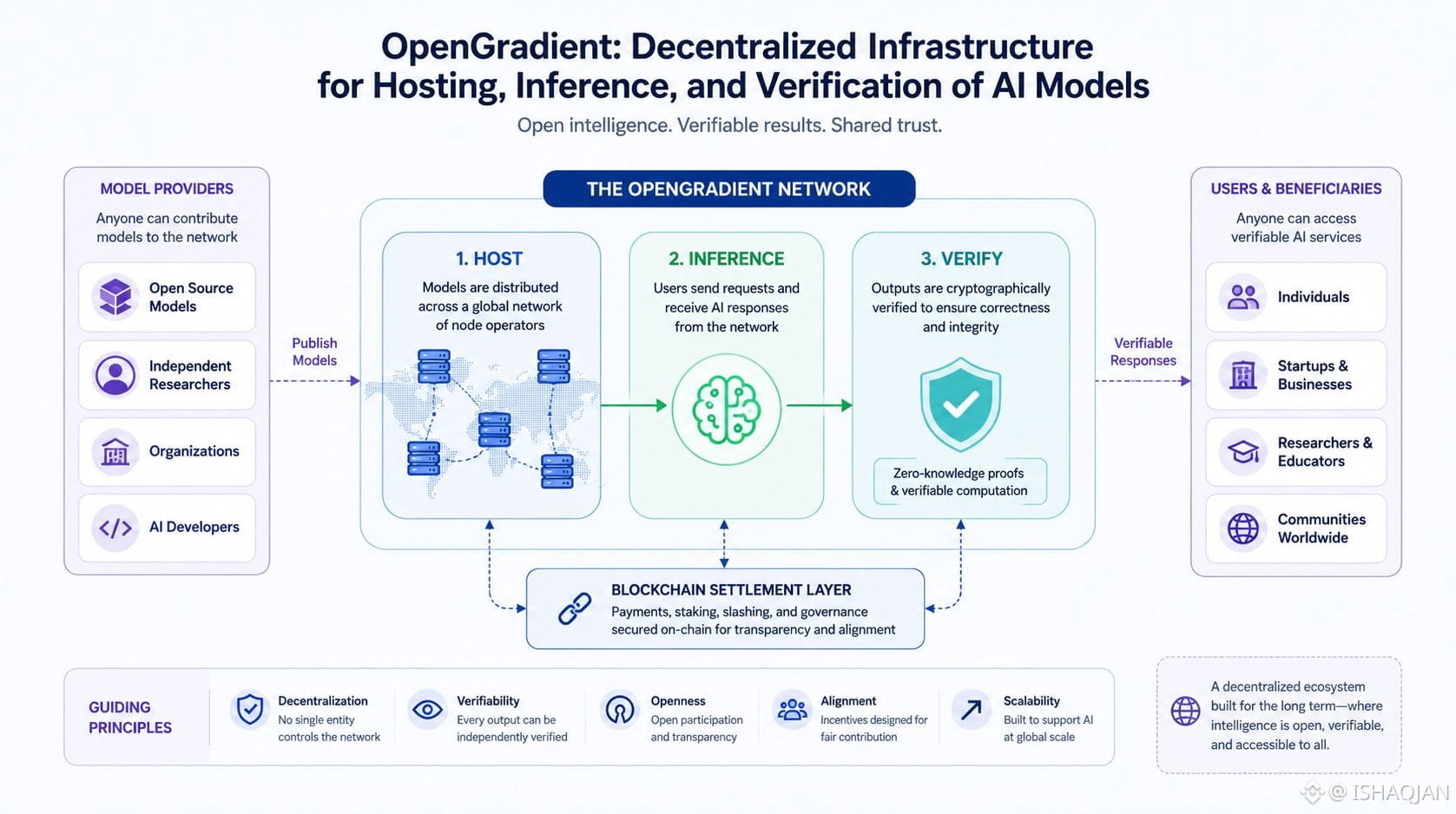
ນັ້ນແຫຼະຄືກັນກັບຕອນທີ່ຂ້ອຍພົບ OpenGradient.
ແທນທີ່ຈະສົນໃຈວ່າ AI ຈະມີອໍານາດໄດ້ສະແດງແຄ່ໃດ, ຂ້ອຍກັບພົບວ່າຕົວເອງຖາມຢາກຮູ້ວ່າຄົນເຮົາຕັດສິນໃຈວ່າຈະເຊື່ອຫຍັງແນວໃດ. ພວກເຮົາຄຸ້ນຊິນກັບການໄວ້ໃຈລະບົບທີ່ພວກເຮົາບໍ່ສາມາດເຫັນຫຼືກວດສອບໄດ້ຈິງ, ສ່ວນຫຼາຍເພາະມັນສະດວກ. ບາງທີມັນເປັນປົກກະຕິ. ບາງທີມັນກໍ່ແມ່ນທາງທີ່ພວກເຮົາກໍາລັງເຄື່ອນໄປ ໂດຍບໍ່ໄດ້ສັງເກດ.
ແນວຄິດຂອງເຄືອຂ່າຍທີ່ AI ສາມາດເປີດໃຫ້ໂຮດໄດ້ ແລະຜົນລັບຖືກກວດສອບໄດ້ ຮູ້ສຶກຄືການຂະຍາຍໜ້ອຍໆ ແຕ່ມີນັຍສໍາຄັນກວ່າ. ມັນຊີ້ວ່າ ການໄວ້ໃຈບໍ່ຈໍາເປັນຕ້ອງມາຈາກບໍລິສັດ, ແບຣນ, ຫຼືຊື່ທີ່ຄຸ້ນເຄີຍ—ມັນອາດຈະມາຈາກຄວາມເປີດເຜີຍ ແລະການຮ່ວມສ່ວນຮ່ວມກັນ.
ແຕ່ມັນກໍ່ເຮັດໃຫ້ມີຄວາມຄິດອີກຢ່າງໜຶ່ງ. ເຖິງແມ່ນເທັກໂນໂລຍີຈະກາຍເປັນສະແດງໄດ້ຊັດ, ຄົນເຮົາກໍຍັງນໍາເອົາຜົນປະໂຫຍດຂອງຕົນ, ອະຄະຕິ, ແລະສົມມຸດຖານທີ່ເປັນຂອງຕົນມານໍາໃຊ້. ການກວດສອບອາດຈະອະທິບາຍວ່າເກີດຫຍັງຂຶ້ນ, ແຕ່ບໍ່ສະເໝີໄປທີ່ຈະຕອບວ່າເປັນຍ້ອນຫຍັງ ຫຼືໃຜຄວນຮັບຜິດຊອບ.
ບາງທີ ອະນາຄົດຂອງ AI ອາດບໍ່ໄດ້ຖືກປັບຮູບພຽງແຕ່ດ້ວຍໂມເດວທີ່ສະຫຼາດກວ່າ ຫຼືໂຄງສ້າງທີ່ໄວກວ່າ. ມັນອາດຈະຖືກກໍານົດໂດຍທາງເລືອກປະຈໍາວັນຂອງຄົນເຮົາ ກ່ຽວກັບຄວາມໄວ້ໃຈ, ການຮ່ວມມື, ແລະຄວາມຮັບຜິດຊອບ.
ຂ້ອຍບໍ່ແນ່ໃຈວ່າມັນຈະນໍາໄປສູ່ຈຸດໃດ, ແຕ່ຂ້ອຍຄິດວ່າຄໍາຖາມເຫຼົ່ານັ້ນກໍາລັງຈະສໍາຄັນພໍໆກັບເທັກໂນໂລຍີເອງ.
#opg $OPG @OpenGradient
ຂ້ອຍໄດ້ຄິດເຖິງວ່າເປັນຫຍັງໂຄງການບາງອັນຈຶ່ງຍັງຢູ່ໃນຄວາມຄິດຂອງຂ້ອຍຢູ່ດົນຫຼັງຈາກທີ່ຂ້ອຍປິດແຖບນັ້ນໄປ. ມັນບໍ່ຄ່ອຍແມ່ນເພາະເຕັກໂນໂລຍີເອງ; ແຕ່ເປັນເພາະມັນສ້າງການສົນທະນາທີ່ເງົາໆຂຶ້ນມາ.
ນັ້ນແຫຼະຄືກັນກັບຕອນທີ່ຂ້ອຍພົບ OpenGradient.
ແທນທີ່ຈະສົນໃຈວ່າ AI ຈະມີອໍານາດໄດ້ສະແດງແຄ່ໃດ, ຂ້ອຍກັບພົບວ່າຕົວເອງຖາມຢາກຮູ້ວ່າຄົນເຮົາຕັດສິນໃຈວ່າຈະເຊື່ອຫຍັງແນວໃດ. ພວກເຮົາຄຸ້ນຊິນກັບການໄວ້ໃຈລະບົບທີ່ພວກເຮົາບໍ່ສາມາດເຫັນຫຼືກວດສອບໄດ້ຈິງ, ສ່ວນຫຼາຍເພາະມັນສະດວກ. ບາງທີມັນເປັນປົກກະຕິ. ບາງທີມັນກໍ່ແມ່ນທາງທີ່ພວກເຮົາກໍາລັງເຄື່ອນໄປ ໂດຍບໍ່ໄດ້ສັງເກດ.
ແນວຄິດຂອງເຄືອຂ່າຍທີ່ AI ສາມາດເປີດໃຫ້ໂຮດໄດ້ ແລະຜົນລັບຖືກກວດສອບໄດ້ ຮູ້ສຶກຄືການຂະຍາຍໜ້ອຍໆ ແຕ່ມີນັຍສໍາຄັນກວ່າ. ມັນຊີ້ວ່າ ການໄວ້ໃຈບໍ່ຈໍາເປັນຕ້ອງມາຈາກບໍລິສັດ, ແບຣນ, ຫຼືຊື່ທີ່ຄຸ້ນເຄີຍ—ມັນອາດຈະມາຈາກຄວາມເປີດເຜີຍ ແລະການຮ່ວມສ່ວນຮ່ວມກັນ.
ແຕ່ມັນກໍ່ເຮັດໃຫ້ມີຄວາມຄິດອີກຢ່າງໜຶ່ງ. ເຖິງແມ່ນເທັກໂນໂລຍີຈະກາຍເປັນສະແດງໄດ້ຊັດ, ຄົນເຮົາກໍຍັງນໍາເອົາຜົນປະໂຫຍດຂອງຕົນ, ອະຄະຕິ, ແລະສົມມຸດຖານທີ່ເປັນຂອງຕົນມານໍາໃຊ້. ການກວດສອບອາດຈະອະທິບາຍວ່າເກີດຫຍັງຂຶ້ນ, ແຕ່ບໍ່ສະເໝີໄປທີ່ຈະຕອບວ່າເປັນຍ້ອນຫຍັງ ຫຼືໃຜຄວນຮັບຜິດຊອບ.
ບາງທີ ອະນາຄົດຂອງ AI ອາດບໍ່ໄດ້ຖືກປັບຮູບພຽງແຕ່ດ້ວຍໂມເດວທີ່ສະຫຼາດກວ່າ ຫຼືໂຄງສ້າງທີ່ໄວກວ່າ. ມັນອາດຈະຖືກກໍານົດໂດຍທາງເລືອກປະຈໍາວັນຂອງຄົນເຮົາ ກ່ຽວກັບຄວາມໄວ້ໃຈ, ການຮ່ວມມື, ແລະຄວາມຮັບຜິດຊອບ.
ຂ້ອຍບໍ່ແນ່ໃຈວ່າມັນຈະນໍາໄປສູ່ຈຸດໃດ, ແຕ່ຂ້ອຍຄິດວ່າຄໍາຖາມເຫຼົ່ານັ້ນກໍາລັງຈະສໍາຄັນພໍໆກັບເທັກໂນໂລຍີເອງ.
#opg $OPG @OpenGradient
ນັ້ນແຫຼະຄືກັນກັບຕອນທີ່ຂ້ອຍພົບ OpenGradient.
ແທນທີ່ຈະສົນໃຈວ່າ AI ຈະມີອໍານາດໄດ້ສະແດງແຄ່ໃດ, ຂ້ອຍກັບພົບວ່າຕົວເອງຖາມຢາກຮູ້ວ່າຄົນເຮົາຕັດສິນໃຈວ່າຈະເຊື່ອຫຍັງແນວໃດ. ພວກເຮົາຄຸ້ນຊິນກັບການໄວ້ໃຈລະບົບທີ່ພວກເຮົາບໍ່ສາມາດເຫັນຫຼືກວດສອບໄດ້ຈິງ, ສ່ວນຫຼາຍເພາະມັນສະດວກ. ບາງທີມັນເປັນປົກກະຕິ. ບາງທີມັນກໍ່ແມ່ນທາງທີ່ພວກເຮົາກໍາລັງເຄື່ອນໄປ ໂດຍບໍ່ໄດ້ສັງເກດ.
ແນວຄິດຂອງເຄືອຂ່າຍທີ່ AI ສາມາດເປີດໃຫ້ໂຮດໄດ້ ແລະຜົນລັບຖືກກວດສອບໄດ້ ຮູ້ສຶກຄືການຂະຍາຍໜ້ອຍໆ ແຕ່ມີນັຍສໍາຄັນກວ່າ. ມັນຊີ້ວ່າ ການໄວ້ໃຈບໍ່ຈໍາເປັນຕ້ອງມາຈາກບໍລິສັດ, ແບຣນ, ຫຼືຊື່ທີ່ຄຸ້ນເຄີຍ—ມັນອາດຈະມາຈາກຄວາມເປີດເຜີຍ ແລະການຮ່ວມສ່ວນຮ່ວມກັນ.
ແຕ່ມັນກໍ່ເຮັດໃຫ້ມີຄວາມຄິດອີກຢ່າງໜຶ່ງ. ເຖິງແມ່ນເທັກໂນໂລຍີຈະກາຍເປັນສະແດງໄດ້ຊັດ, ຄົນເຮົາກໍຍັງນໍາເອົາຜົນປະໂຫຍດຂອງຕົນ, ອະຄະຕິ, ແລະສົມມຸດຖານທີ່ເປັນຂອງຕົນມານໍາໃຊ້. ການກວດສອບອາດຈະອະທິບາຍວ່າເກີດຫຍັງຂຶ້ນ, ແຕ່ບໍ່ສະເໝີໄປທີ່ຈະຕອບວ່າເປັນຍ້ອນຫຍັງ ຫຼືໃຜຄວນຮັບຜິດຊອບ.
ບາງທີ ອະນາຄົດຂອງ AI ອາດບໍ່ໄດ້ຖືກປັບຮູບພຽງແຕ່ດ້ວຍໂມເດວທີ່ສະຫຼາດກວ່າ ຫຼືໂຄງສ້າງທີ່ໄວກວ່າ. ມັນອາດຈະຖືກກໍານົດໂດຍທາງເລືອກປະຈໍາວັນຂອງຄົນເຮົາ ກ່ຽວກັບຄວາມໄວ້ໃຈ, ການຮ່ວມມື, ແລະຄວາມຮັບຜິດຊອບ.
ຂ້ອຍບໍ່ແນ່ໃຈວ່າມັນຈະນໍາໄປສູ່ຈຸດໃດ, ແຕ່ຂ້ອຍຄິດວ່າຄໍາຖາມເຫຼົ່ານັ້ນກໍາລັງຈະສໍາຄັນພໍໆກັບເທັກໂນໂລຍີເອງ.
#opg $OPG @OpenGradient
1
5
113
·
--
ສັນຍານກະທິງ
Matagal ko nang iniisip ang OpenGradient, at ang nagpapanatili ng atensyon ko ay hindi ang imprastruktura mismo—kundi ang pananaw na nakaugat sa likod nito.
Karamihan sa teknolohiya ay sumusubok na alisin ang alitan. Magtatanong tayo, makatatanggap ng sagot, at magpapatuloy nang hindi iniisip kung paano nabuo ang sagot na iyon o kung sino ang humubog nito. Sa paglipas ng panahon, tahimik nitong binabago ang paraan natin ng pagtitiwala sa impormasyon.
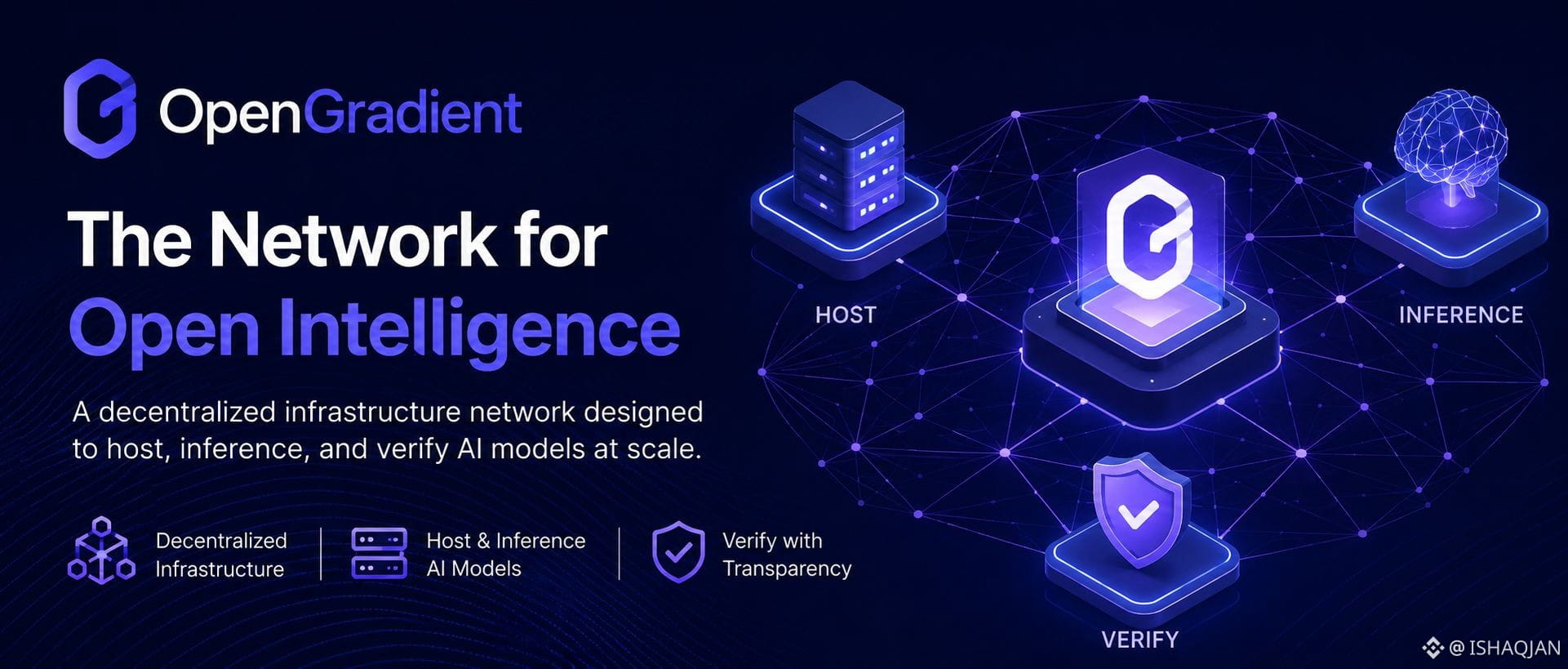
Ang isang network na ginagawang bukas, mapapatunayan, at ipinamamahagi ang mga AI model ay nagbubukas ng ibang uri ng ugnayan. Sa halip na hilingan tayong maniwala lang sa output, iniimbitahan nito tayong suriin ang proseso. Pakiramdam nito ay mas hindi lang teknikal na pagbabago—kundi isang pangkulturang isa.
Ngunit ang pagiging bukas ay hindi agad nangangahulugan ng pag-unawa. Ang mas maraming visibility ay maaaring magdulot ng mas maraming responsibilidad, pero maaari rin nitong likhain ang ilusyon na ang transparency ay pareho lang ng accountability. Kung kaya ng lahat na beripikahin ang isang bagay, sino ang inaasahang magtatanong? At kung ang katalinuhan ay nagiging ibinabahaging sangkap, paano natin pagpapasyahan kung sino ang gagabay sa direksyon nito?
Marahil ang pinakakaakit-akit na bahagi ng open intelligence ay hindi ang arkitektura o ang mga model mismo. Marahil ito ang posibilidad na magsimula tayong magpahalaga sa pakikilahok kaysa sa pagiging pasibong pag-consume, at sa pag-usisa kaysa sa katiyakan.
Hindi ako sigurado kung saan ito patungo, pero nagmumukhang tanong sa akin kung ang hinaharap ng AI ba ay matutukoy ng mas magagandang algorithm—o ng mas magagandang gawi ng pagtitiwala.
#opg $OPG @OpenGradient
Matagal ko nang iniisip ang OpenGradient, at ang nagpapanatili ng atensyon ko ay hindi ang imprastruktura mismo—kundi ang pananaw na nakaugat sa likod nito.
Karamihan sa teknolohiya ay sumusubok na alisin ang alitan. Magtatanong tayo, makatatanggap ng sagot, at magpapatuloy nang hindi iniisip kung paano nabuo ang sagot na iyon o kung sino ang humubog nito. Sa paglipas ng panahon, tahimik nitong binabago ang paraan natin ng pagtitiwala sa impormasyon.
Ang isang network na ginagawang bukas, mapapatunayan, at ipinamamahagi ang mga AI model ay nagbubukas ng ibang uri ng ugnayan. Sa halip na hilingan tayong maniwala lang sa output, iniimbitahan nito tayong suriin ang proseso. Pakiramdam nito ay mas hindi lang teknikal na pagbabago—kundi isang pangkulturang isa.
Ngunit ang pagiging bukas ay hindi agad nangangahulugan ng pag-unawa. Ang mas maraming visibility ay maaaring magdulot ng mas maraming responsibilidad, pero maaari rin nitong likhain ang ilusyon na ang transparency ay pareho lang ng accountability. Kung kaya ng lahat na beripikahin ang isang bagay, sino ang inaasahang magtatanong? At kung ang katalinuhan ay nagiging ibinabahaging sangkap, paano natin pagpapasyahan kung sino ang gagabay sa direksyon nito?
Marahil ang pinakakaakit-akit na bahagi ng open intelligence ay hindi ang arkitektura o ang mga model mismo. Marahil ito ang posibilidad na magsimula tayong magpahalaga sa pakikilahok kaysa sa pagiging pasibong pag-consume, at sa pag-usisa kaysa sa katiyakan.
Hindi ako sigurado kung saan ito patungo, pero nagmumukhang tanong sa akin kung ang hinaharap ng AI ba ay matutukoy ng mas magagandang algorithm—o ng mas magagandang gawi ng pagtitiwala.
#opg $OPG @OpenGradient
Karamihan sa teknolohiya ay sumusubok na alisin ang alitan. Magtatanong tayo, makatatanggap ng sagot, at magpapatuloy nang hindi iniisip kung paano nabuo ang sagot na iyon o kung sino ang humubog nito. Sa paglipas ng panahon, tahimik nitong binabago ang paraan natin ng pagtitiwala sa impormasyon.
Ang isang network na ginagawang bukas, mapapatunayan, at ipinamamahagi ang mga AI model ay nagbubukas ng ibang uri ng ugnayan. Sa halip na hilingan tayong maniwala lang sa output, iniimbitahan nito tayong suriin ang proseso. Pakiramdam nito ay mas hindi lang teknikal na pagbabago—kundi isang pangkulturang isa.
Ngunit ang pagiging bukas ay hindi agad nangangahulugan ng pag-unawa. Ang mas maraming visibility ay maaaring magdulot ng mas maraming responsibilidad, pero maaari rin nitong likhain ang ilusyon na ang transparency ay pareho lang ng accountability. Kung kaya ng lahat na beripikahin ang isang bagay, sino ang inaasahang magtatanong? At kung ang katalinuhan ay nagiging ibinabahaging sangkap, paano natin pagpapasyahan kung sino ang gagabay sa direksyon nito?
Marahil ang pinakakaakit-akit na bahagi ng open intelligence ay hindi ang arkitektura o ang mga model mismo. Marahil ito ang posibilidad na magsimula tayong magpahalaga sa pakikilahok kaysa sa pagiging pasibong pag-consume, at sa pag-usisa kaysa sa katiyakan.
Hindi ako sigurado kung saan ito patungo, pero nagmumukhang tanong sa akin kung ang hinaharap ng AI ba ay matutukoy ng mas magagandang algorithm—o ng mas magagandang gawi ng pagtitiwala.
#opg $OPG @OpenGradient
20
16
200
·
--
ສັນຍານກະທິງ
ຢືນຢັນແລ້ວ
Mo ti ti wa ninu ọpọlọpọ awọn akoko crypto to lati rii ilana kanna n tun ara rẹ ṣe. Ise agbese AI tuntun kan bẹrẹ, gbogbo eniyan si n sọrọ nipa awọn awoṣe yiyara, iṣẹ́ tó dára ju, ati awọn nọmba tó pọ̀. Fun igba diẹ, ìtàn náà di gbogbo ohun tí wọn n sọ.
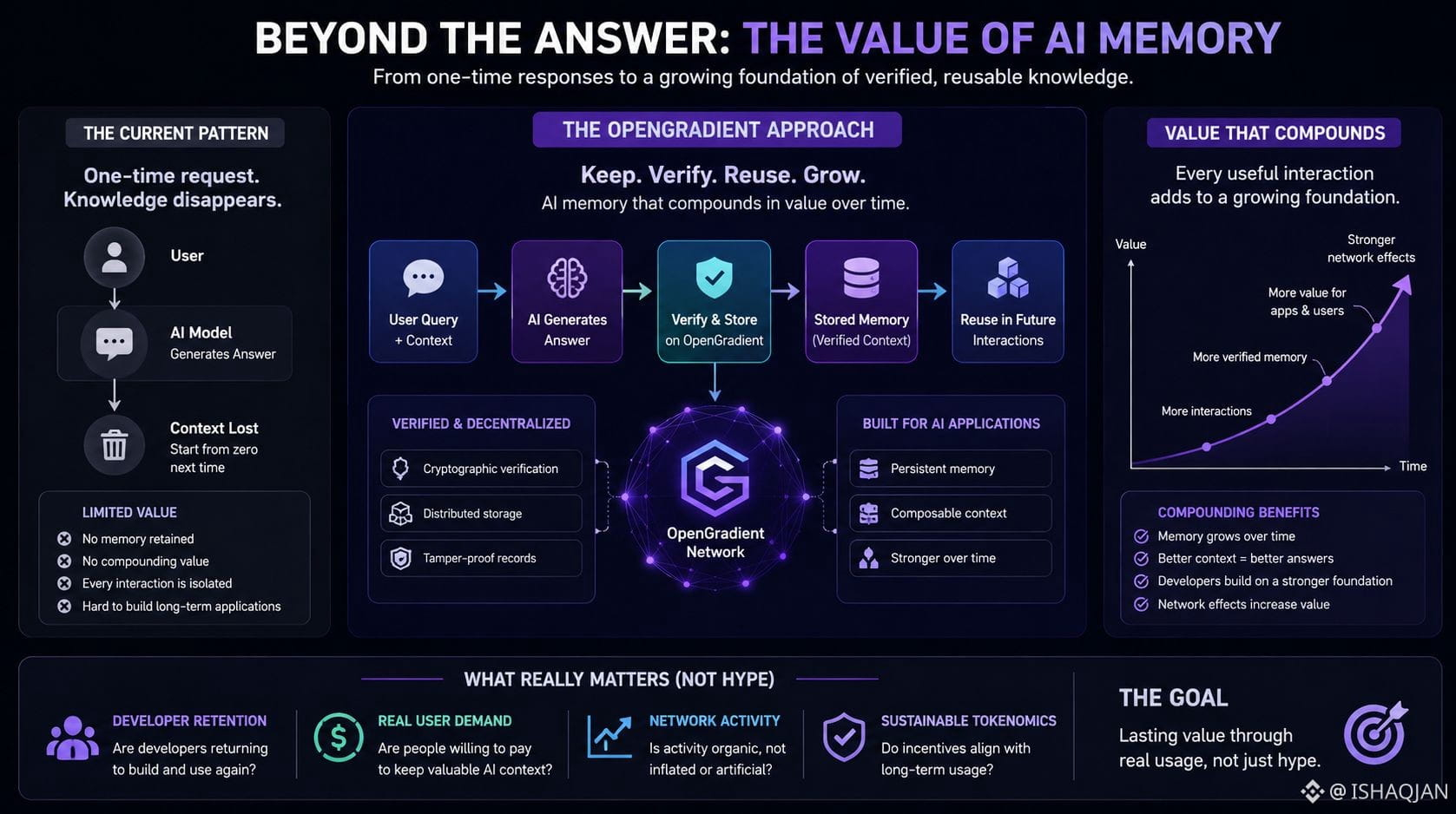
Nígbà tí mo wo OpenGradient, mo rò nípa nkan míì. Dípò kí n béèrè bí AI ṣe le gbọn tó, mo bẹ̀rẹ̀ sí béèrè ohun tí ń ṣẹlẹ̀ lẹ́yìn tí a ti dá idahun jáde. Bí AI bá lè pa ìsọfúnni tó jẹ́risi mọ́ kí o sì lo o lẹ́ẹ̀kansi ní ọjọ́ iwájú, ìmọ̀ tí a fipamọ́ yẹn le di ohun pàtàkì tó dà mí olùkọ́ṣe (model) funra rẹ.
Ero yẹn wuni nitori ìrántí ń gòkè ní gbogbo ìgbà. Gbogbo ìbáṣepọ̀ tó wúlò ń fi iye kun dípò kí o parí lẹ́yìn ìbéèrè kan ṣoṣo. Ó dà bí ẹni pé kì í ṣe iṣẹ́ ẹẹ̀kan-ṣoṣo nikan, ó si jẹ́ bí ìpìlẹ̀ tí àwọn ohun elo le tẹ̀síwájú sí i kọ̀ lé e.
Síbẹ̀, mo ṣọra. Awọn ero tó dara kì í ṣe dandan di idoko-owo tó dára. Bí àwọn olumulo gidi kò bá ń padà wá, bí iṣẹ́ nẹ́twọ́ọkì (network activity) bá ń gòkè nípa ìkànsí, tàbí bí ìmúlẹ̀ ẹ̀bùn token bá ń ṣẹda ìbéèrè tí a dá lórí ìtànjẹ (artificial demand), ìtàn náà kì yóò pẹ́. Ọjà Crypto sábà ń ṣe ayẹyẹ àwọn àbá tó ṣee ṣe kó tó pé tí wọ́n fi san fún lílo gidi.
Nítorí náà, mi ò dojukọ hype tàbí ìgbónáhùn lórí media awujọ. Mo ń wo àwọn ohun rọrùn: Ṣé àwọn olùgbéṣẹ (developers) ń padà wá láti lo nẹ́twọ́ọkì náà lẹ́ẹ̀kansi? Ṣé àwọn ènìyàn fẹ́ sanwo láti pa ìtòlẹ́sẹẹsẹ AI tó wúlò mọ́ dípò kí wọn máa bẹ̀rẹ̀ lati odo ní gbogbo ìgbà? Bí àwọn ìdáhùn wọ̀nyí bá ń tẹ̀síwájú sí i dara, OpenGradient lè ń dá ohun kan tí ó ní iye tó ń lọ pẹ́ ju ìrìn àjò AI kan tó kúrò ní kíákíá lọ.
#opg $OPG @OpenGradient
Mo ti ti wa ninu ọpọlọpọ awọn akoko crypto to lati rii ilana kanna n tun ara rẹ ṣe. Ise agbese AI tuntun kan bẹrẹ, gbogbo eniyan si n sọrọ nipa awọn awoṣe yiyara, iṣẹ́ tó dára ju, ati awọn nọmba tó pọ̀. Fun igba diẹ, ìtàn náà di gbogbo ohun tí wọn n sọ.
Nígbà tí mo wo OpenGradient, mo rò nípa nkan míì. Dípò kí n béèrè bí AI ṣe le gbọn tó, mo bẹ̀rẹ̀ sí béèrè ohun tí ń ṣẹlẹ̀ lẹ́yìn tí a ti dá idahun jáde. Bí AI bá lè pa ìsọfúnni tó jẹ́risi mọ́ kí o sì lo o lẹ́ẹ̀kansi ní ọjọ́ iwájú, ìmọ̀ tí a fipamọ́ yẹn le di ohun pàtàkì tó dà mí olùkọ́ṣe (model) funra rẹ.
Ero yẹn wuni nitori ìrántí ń gòkè ní gbogbo ìgbà. Gbogbo ìbáṣepọ̀ tó wúlò ń fi iye kun dípò kí o parí lẹ́yìn ìbéèrè kan ṣoṣo. Ó dà bí ẹni pé kì í ṣe iṣẹ́ ẹẹ̀kan-ṣoṣo nikan, ó si jẹ́ bí ìpìlẹ̀ tí àwọn ohun elo le tẹ̀síwájú sí i kọ̀ lé e.
Síbẹ̀, mo ṣọra. Awọn ero tó dara kì í ṣe dandan di idoko-owo tó dára. Bí àwọn olumulo gidi kò bá ń padà wá, bí iṣẹ́ nẹ́twọ́ọkì (network activity) bá ń gòkè nípa ìkànsí, tàbí bí ìmúlẹ̀ ẹ̀bùn token bá ń ṣẹda ìbéèrè tí a dá lórí ìtànjẹ (artificial demand), ìtàn náà kì yóò pẹ́. Ọjà Crypto sábà ń ṣe ayẹyẹ àwọn àbá tó ṣee ṣe kó tó pé tí wọ́n fi san fún lílo gidi.
Nítorí náà, mi ò dojukọ hype tàbí ìgbónáhùn lórí media awujọ. Mo ń wo àwọn ohun rọrùn: Ṣé àwọn olùgbéṣẹ (developers) ń padà wá láti lo nẹ́twọ́ọkì náà lẹ́ẹ̀kansi? Ṣé àwọn ènìyàn fẹ́ sanwo láti pa ìtòlẹ́sẹẹsẹ AI tó wúlò mọ́ dípò kí wọn máa bẹ̀rẹ̀ lati odo ní gbogbo ìgbà? Bí àwọn ìdáhùn wọ̀nyí bá ń tẹ̀síwájú sí i dara, OpenGradient lè ń dá ohun kan tí ó ní iye tó ń lọ pẹ́ ju ìrìn àjò AI kan tó kúrò ní kíákíá lọ.
#opg $OPG @OpenGradient
Nígbà tí mo wo OpenGradient, mo rò nípa nkan míì. Dípò kí n béèrè bí AI ṣe le gbọn tó, mo bẹ̀rẹ̀ sí béèrè ohun tí ń ṣẹlẹ̀ lẹ́yìn tí a ti dá idahun jáde. Bí AI bá lè pa ìsọfúnni tó jẹ́risi mọ́ kí o sì lo o lẹ́ẹ̀kansi ní ọjọ́ iwájú, ìmọ̀ tí a fipamọ́ yẹn le di ohun pàtàkì tó dà mí olùkọ́ṣe (model) funra rẹ.
Ero yẹn wuni nitori ìrántí ń gòkè ní gbogbo ìgbà. Gbogbo ìbáṣepọ̀ tó wúlò ń fi iye kun dípò kí o parí lẹ́yìn ìbéèrè kan ṣoṣo. Ó dà bí ẹni pé kì í ṣe iṣẹ́ ẹẹ̀kan-ṣoṣo nikan, ó si jẹ́ bí ìpìlẹ̀ tí àwọn ohun elo le tẹ̀síwájú sí i kọ̀ lé e.
Síbẹ̀, mo ṣọra. Awọn ero tó dara kì í ṣe dandan di idoko-owo tó dára. Bí àwọn olumulo gidi kò bá ń padà wá, bí iṣẹ́ nẹ́twọ́ọkì (network activity) bá ń gòkè nípa ìkànsí, tàbí bí ìmúlẹ̀ ẹ̀bùn token bá ń ṣẹda ìbéèrè tí a dá lórí ìtànjẹ (artificial demand), ìtàn náà kì yóò pẹ́. Ọjà Crypto sábà ń ṣe ayẹyẹ àwọn àbá tó ṣee ṣe kó tó pé tí wọ́n fi san fún lílo gidi.
Nítorí náà, mi ò dojukọ hype tàbí ìgbónáhùn lórí media awujọ. Mo ń wo àwọn ohun rọrùn: Ṣé àwọn olùgbéṣẹ (developers) ń padà wá láti lo nẹ́twọ́ọkì náà lẹ́ẹ̀kansi? Ṣé àwọn ènìyàn fẹ́ sanwo láti pa ìtòlẹ́sẹẹsẹ AI tó wúlò mọ́ dípò kí wọn máa bẹ̀rẹ̀ lati odo ní gbogbo ìgbà? Bí àwọn ìdáhùn wọ̀nyí bá ń tẹ̀síwájú sí i dara, OpenGradient lè ń dá ohun kan tí ó ní iye tó ń lọ pẹ́ ju ìrìn àjò AI kan tó kúrò ní kíákíá lọ.
#opg $OPG @OpenGradient
41
32
618
·
--
ສັນຍານກະທິງ
Ngibe ngikulesi sikhala isikhathi eside ngokwanele ukuba ngizwe uhlobo lokukhathala okungaveli emashadini. Kuvela ezindabeni. Umjikelezo ngamunye, amagama afanayo aphinde apakishwe kabusha. Ubumfihlo. Isikali. Ukuhambisana nemithetho. I-UX engcono. Ama-slide aba muhle nakakhulu, ama-demo abushelelezi, futhi kwenye indlela ngiyayeka ukulalela ngoba sengivele ngizwe isiphetho. Okuningi kuyahlangana. Ungabuka amaphrojekthi amaningi ethembisa ukulungisa inkinga efanayo ngaphambi kokuba konke kuqale kuzwakale njengomsindo wangemuva.
I-OpenGradient ivele ku-feed yami futhi cishe ngadonsela phansi ngadlula. I-decentralized infra yokusebenzisa, ukuhlola, nokusingatha ama-AI models. Ubumfihlo bufakiwe. Ephepheni, kuwumugqa nje omunye ohlwini olude. Kodwa into engangimisa kwakungeyona ingqondo enkulu. Kwakungukuthi yayizama kancane kangakanani ukukudayisela.
Sichithe iminyaka sizama ukwenza sengathi sobala kuwubuhle ngokwalo. Beka konke ku-chain, kwenze kube esidlangalaleni, sikubize ngokuthi ukwethemba. Kuhle kuze kube yilapho idatha ibalulekile ngempela. Izinto zezokwelapha, ama-model weights, uhlobo lokuziphatha komsebenzisi okungafanele luvuleke ukuze noma ubani akhuhle athengise kabusha. Okuphambene nakho akukona okungcono. “Zero-knowledge, sithembe” kungesinye nje isisho sokuthi ngeke uthole ukwazi noma yini. Abalawuli bayakuzonda, amabhizinisi awasebenzi nakho, futhi abasebenzisi baphela ngemikhiqizo ezizwa njengamabhokisi avaliwe.
Okubonakala kwenzeka ku-OpenGradient ukuthi ihlala phakathi nendawo, okuyindawo okungabonakali kangako. Logic yangasese. Ukudalulwa okukhethiwe. Ungafakazela ukuthi okuthile kusebenze kahle ngaphandle kokubonisa wonke umuntu yonke into. Lokho akusona isiqubulo. Kuyisithiyo, futhi izithiyo yilapho iningi lalawa maphrojekthi liyaphuka khona. Ngoba ungaklama i-architecture ehlanzeke kakhulu ku-testnet futhi usalahlekelwe uma umthuthukisi wangempela ezama ukuyifaka ekuthumeleni. Yenza kube msulwa kakhulu bese kuphela ama-PhD azokuthinta. Yenza kube lula kakhulu futhi usubuyela kuseva enesitikha se-crypto. Zama ukujabulisa i-compliance futhi ubumfihlo buguquke bube wukusebenza (performance).
Angicabangi ukuthi i-OpenGradient iyakuxazulula lokho. Angicabangi ukuthi kukhona okuphinda kuqede khona, okungenani hhayi ngasikhathi sinye. Kodwa kubukeka sengathi
#opg $OPG @OpenGradient
Ngibe ngikulesi sikhala isikhathi eside ngokwanele ukuba ngizwe uhlobo lokukhathala okungaveli emashadini. Kuvela ezindabeni. Umjikelezo ngamunye, amagama afanayo aphinde apakishwe kabusha. Ubumfihlo. Isikali. Ukuhambisana nemithetho. I-UX engcono. Ama-slide aba muhle nakakhulu, ama-demo abushelelezi, futhi kwenye indlela ngiyayeka ukulalela ngoba sengivele ngizwe isiphetho. Okuningi kuyahlangana. Ungabuka amaphrojekthi amaningi ethembisa ukulungisa inkinga efanayo ngaphambi kokuba konke kuqale kuzwakale njengomsindo wangemuva.
I-OpenGradient ivele ku-feed yami futhi cishe ngadonsela phansi ngadlula. I-decentralized infra yokusebenzisa, ukuhlola, nokusingatha ama-AI models. Ubumfihlo bufakiwe. Ephepheni, kuwumugqa nje omunye ohlwini olude. Kodwa into engangimisa kwakungeyona ingqondo enkulu. Kwakungukuthi yayizama kancane kangakanani ukukudayisela.
Sichithe iminyaka sizama ukwenza sengathi sobala kuwubuhle ngokwalo. Beka konke ku-chain, kwenze kube esidlangalaleni, sikubize ngokuthi ukwethemba. Kuhle kuze kube yilapho idatha ibalulekile ngempela. Izinto zezokwelapha, ama-model weights, uhlobo lokuziphatha komsebenzisi okungafanele luvuleke ukuze noma ubani akhuhle athengise kabusha. Okuphambene nakho akukona okungcono. “Zero-knowledge, sithembe” kungesinye nje isisho sokuthi ngeke uthole ukwazi noma yini. Abalawuli bayakuzonda, amabhizinisi awasebenzi nakho, futhi abasebenzisi baphela ngemikhiqizo ezizwa njengamabhokisi avaliwe.
Okubonakala kwenzeka ku-OpenGradient ukuthi ihlala phakathi nendawo, okuyindawo okungabonakali kangako. Logic yangasese. Ukudalulwa okukhethiwe. Ungafakazela ukuthi okuthile kusebenze kahle ngaphandle kokubonisa wonke umuntu yonke into. Lokho akusona isiqubulo. Kuyisithiyo, futhi izithiyo yilapho iningi lalawa maphrojekthi liyaphuka khona. Ngoba ungaklama i-architecture ehlanzeke kakhulu ku-testnet futhi usalahlekelwe uma umthuthukisi wangempela ezama ukuyifaka ekuthumeleni. Yenza kube msulwa kakhulu bese kuphela ama-PhD azokuthinta. Yenza kube lula kakhulu futhi usubuyela kuseva enesitikha se-crypto. Zama ukujabulisa i-compliance futhi ubumfihlo buguquke bube wukusebenza (performance).
Angicabangi ukuthi i-OpenGradient iyakuxazulula lokho. Angicabangi ukuthi kukhona okuphinda kuqede khona, okungenani hhayi ngasikhathi sinye. Kodwa kubukeka sengathi
#opg $OPG @OpenGradient
I-OpenGradient ivele ku-feed yami futhi cishe ngadonsela phansi ngadlula. I-decentralized infra yokusebenzisa, ukuhlola, nokusingatha ama-AI models. Ubumfihlo bufakiwe. Ephepheni, kuwumugqa nje omunye ohlwini olude. Kodwa into engangimisa kwakungeyona ingqondo enkulu. Kwakungukuthi yayizama kancane kangakanani ukukudayisela.
Sichithe iminyaka sizama ukwenza sengathi sobala kuwubuhle ngokwalo. Beka konke ku-chain, kwenze kube esidlangalaleni, sikubize ngokuthi ukwethemba. Kuhle kuze kube yilapho idatha ibalulekile ngempela. Izinto zezokwelapha, ama-model weights, uhlobo lokuziphatha komsebenzisi okungafanele luvuleke ukuze noma ubani akhuhle athengise kabusha. Okuphambene nakho akukona okungcono. “Zero-knowledge, sithembe” kungesinye nje isisho sokuthi ngeke uthole ukwazi noma yini. Abalawuli bayakuzonda, amabhizinisi awasebenzi nakho, futhi abasebenzisi baphela ngemikhiqizo ezizwa njengamabhokisi avaliwe.
Okubonakala kwenzeka ku-OpenGradient ukuthi ihlala phakathi nendawo, okuyindawo okungabonakali kangako. Logic yangasese. Ukudalulwa okukhethiwe. Ungafakazela ukuthi okuthile kusebenze kahle ngaphandle kokubonisa wonke umuntu yonke into. Lokho akusona isiqubulo. Kuyisithiyo, futhi izithiyo yilapho iningi lalawa maphrojekthi liyaphuka khona. Ngoba ungaklama i-architecture ehlanzeke kakhulu ku-testnet futhi usalahlekelwe uma umthuthukisi wangempela ezama ukuyifaka ekuthumeleni. Yenza kube msulwa kakhulu bese kuphela ama-PhD azokuthinta. Yenza kube lula kakhulu futhi usubuyela kuseva enesitikha se-crypto. Zama ukujabulisa i-compliance futhi ubumfihlo buguquke bube wukusebenza (performance).
Angicabangi ukuthi i-OpenGradient iyakuxazulula lokho. Angicabangi ukuthi kukhona okuphinda kuqede khona, okungenani hhayi ngasikhathi sinye. Kodwa kubukeka sengathi
#opg $OPG @OpenGradient
1
5
135
·
--
ສັນຍານກະທິງ
Mo l wá nínú crypto tó pẹ́ tó láti rí àwọn èrò kan náà padà bọ̀ wá wọ aṣọ míì.
Ní ìgbà kan ó jẹ́ scalability. Ní èkejì ó jẹ́ UX tó dáa. Lẹ́yìn náà compliance. Lẹ́yìn náà privacy lẹ́ẹ̀kansi. Àwọn ìfihàn náà ń di mọ́tò, ìsọ̀rọ̀ náà sì ń di gígùn, ṣùgbọ́n lẹ́yìn ìgbà díẹ̀, ọ̀pọ̀lọpọ̀ àwọn pílánìì (projects) bẹ̀rẹ̀ sí í dàbí ẹni pé ó mọ́ra gan-an. Kì í ṣe bíi ohun búburú—o kan dàbí ohun tí ó faramọ.
Ó ṣeé ṣe kí ìdí nìyẹn tí OpenGradient fi yà mi lẹ́nu.
Kì í ṣe nítorí pé ó ń ṣèlérí ìjọ́-iṣáájú tó pẹ́pẹ́ (perfect future), bí kò ṣe pé ó dàbí ẹni pé ó mọ ìṣẹ̀lẹ̀ rọrùn kan: kì í ṣe ohun gbogbo ló yẹ kí ó wà ní àfihàn gbangba kíkún. Crypto ti lo ọdún ń bọ̀wọ̀ fún transparency gẹ́gẹ́ bí ibi-afẹ́ ọ̀tẹ̀lẹ̀, ṣùgbọ́n data ayé-òótọ́, àwọn awoṣe AI, àti ìtànkálẹ̀ (personal information) kò wọ̀ọ́ọ̀ dáadáa sínú ìmọ̀-ìgbà yẹn.
Privacy kì í ṣe nígbà gbogbo nípa ìṣàfihàn ẹni-kankan (anonymity). Nígbà míì ó kan jẹ́ nípa ìṣàkóso ohun tí a pín, nígbà tí a pín, àti pẹ̀lú ẹni tí a pín.
Ohun tí ó fa mi ni ìdíwo (focus) lórí àwọn èrò bí private logic, selective disclosure, àti verifiable confidentiality. Wọ́n dàbí ẹni pé kì í ṣe òfin tita (marketing terms) nìkan; wọn dàbí ìgbìmọ̀ láti yanjú ìṣòro gidi kan. Ṣùgbọ́n ìwọ̀n (balance) náà le nira. Ìdí-ọ̀pọ̀ privacy lè dá ìgbẹ́kẹ̀lé (trust issues) sílẹ̀. Ìdí-ọ̀pọ̀ transparency lè dín usability kù. Regulation ń fa sí ọ̀kan, nígbà tí àwọn olùṣàwárí (users) sábà máa ń fẹ́ ọ̀nà míì.
Kò sí nǹkan nínú gbogbo èyí tí ó dá adoption (tí wọ̀pọ̀ sísẹ̀) lójú. A ti rí ọ̀pọ̀ àwọn ètò (systems) tó dá dáadáa tí ó ṣòro lẹ́yìn tí wọ́n bá kúrò ní ipele whitepaper.
Síbẹ̀, ní ọjà tí ó kún fún àwọn ìtàn tí ó faramọ, ó ṣe ohun tí ó ṣeé ṣe kó ṣeé kàyé láti rí pílánìì kan tí ń ṣàwárí àyè tó wà láàárín ìṣígbangba kíkún àti ìkọ̀kọ̀ kíkún. Bí ó ṣe ṣe pàtàkì ní ọdún kan láti ìsinsìnyí ni ìpín yẹn tí mo ṣì ń tọ́pa.
#opg $OPG @OpenGradient
Mo l wá nínú crypto tó pẹ́ tó láti rí àwọn èrò kan náà padà bọ̀ wá wọ aṣọ míì.
Ní ìgbà kan ó jẹ́ scalability. Ní èkejì ó jẹ́ UX tó dáa. Lẹ́yìn náà compliance. Lẹ́yìn náà privacy lẹ́ẹ̀kansi. Àwọn ìfihàn náà ń di mọ́tò, ìsọ̀rọ̀ náà sì ń di gígùn, ṣùgbọ́n lẹ́yìn ìgbà díẹ̀, ọ̀pọ̀lọpọ̀ àwọn pílánìì (projects) bẹ̀rẹ̀ sí í dàbí ẹni pé ó mọ́ra gan-an. Kì í ṣe bíi ohun búburú—o kan dàbí ohun tí ó faramọ.
Ó ṣeé ṣe kí ìdí nìyẹn tí OpenGradient fi yà mi lẹ́nu.
Kì í ṣe nítorí pé ó ń ṣèlérí ìjọ́-iṣáájú tó pẹ́pẹ́ (perfect future), bí kò ṣe pé ó dàbí ẹni pé ó mọ ìṣẹ̀lẹ̀ rọrùn kan: kì í ṣe ohun gbogbo ló yẹ kí ó wà ní àfihàn gbangba kíkún. Crypto ti lo ọdún ń bọ̀wọ̀ fún transparency gẹ́gẹ́ bí ibi-afẹ́ ọ̀tẹ̀lẹ̀, ṣùgbọ́n data ayé-òótọ́, àwọn awoṣe AI, àti ìtànkálẹ̀ (personal information) kò wọ̀ọ́ọ̀ dáadáa sínú ìmọ̀-ìgbà yẹn.
Privacy kì í ṣe nígbà gbogbo nípa ìṣàfihàn ẹni-kankan (anonymity). Nígbà míì ó kan jẹ́ nípa ìṣàkóso ohun tí a pín, nígbà tí a pín, àti pẹ̀lú ẹni tí a pín.
Ohun tí ó fa mi ni ìdíwo (focus) lórí àwọn èrò bí private logic, selective disclosure, àti verifiable confidentiality. Wọ́n dàbí ẹni pé kì í ṣe òfin tita (marketing terms) nìkan; wọn dàbí ìgbìmọ̀ láti yanjú ìṣòro gidi kan. Ṣùgbọ́n ìwọ̀n (balance) náà le nira. Ìdí-ọ̀pọ̀ privacy lè dá ìgbẹ́kẹ̀lé (trust issues) sílẹ̀. Ìdí-ọ̀pọ̀ transparency lè dín usability kù. Regulation ń fa sí ọ̀kan, nígbà tí àwọn olùṣàwárí (users) sábà máa ń fẹ́ ọ̀nà míì.
Kò sí nǹkan nínú gbogbo èyí tí ó dá adoption (tí wọ̀pọ̀ sísẹ̀) lójú. A ti rí ọ̀pọ̀ àwọn ètò (systems) tó dá dáadáa tí ó ṣòro lẹ́yìn tí wọ́n bá kúrò ní ipele whitepaper.
Síbẹ̀, ní ọjà tí ó kún fún àwọn ìtàn tí ó faramọ, ó ṣe ohun tí ó ṣeé ṣe kó ṣeé kàyé láti rí pílánìì kan tí ń ṣàwárí àyè tó wà láàárín ìṣígbangba kíkún àti ìkọ̀kọ̀ kíkún. Bí ó ṣe ṣe pàtàkì ní ọdún kan láti ìsinsìnyí ni ìpín yẹn tí mo ṣì ń tọ́pa.
#opg $OPG @OpenGradient
Ní ìgbà kan ó jẹ́ scalability. Ní èkejì ó jẹ́ UX tó dáa. Lẹ́yìn náà compliance. Lẹ́yìn náà privacy lẹ́ẹ̀kansi. Àwọn ìfihàn náà ń di mọ́tò, ìsọ̀rọ̀ náà sì ń di gígùn, ṣùgbọ́n lẹ́yìn ìgbà díẹ̀, ọ̀pọ̀lọpọ̀ àwọn pílánìì (projects) bẹ̀rẹ̀ sí í dàbí ẹni pé ó mọ́ra gan-an. Kì í ṣe bíi ohun búburú—o kan dàbí ohun tí ó faramọ.
Ó ṣeé ṣe kí ìdí nìyẹn tí OpenGradient fi yà mi lẹ́nu.
Kì í ṣe nítorí pé ó ń ṣèlérí ìjọ́-iṣáájú tó pẹ́pẹ́ (perfect future), bí kò ṣe pé ó dàbí ẹni pé ó mọ ìṣẹ̀lẹ̀ rọrùn kan: kì í ṣe ohun gbogbo ló yẹ kí ó wà ní àfihàn gbangba kíkún. Crypto ti lo ọdún ń bọ̀wọ̀ fún transparency gẹ́gẹ́ bí ibi-afẹ́ ọ̀tẹ̀lẹ̀, ṣùgbọ́n data ayé-òótọ́, àwọn awoṣe AI, àti ìtànkálẹ̀ (personal information) kò wọ̀ọ́ọ̀ dáadáa sínú ìmọ̀-ìgbà yẹn.
Privacy kì í ṣe nígbà gbogbo nípa ìṣàfihàn ẹni-kankan (anonymity). Nígbà míì ó kan jẹ́ nípa ìṣàkóso ohun tí a pín, nígbà tí a pín, àti pẹ̀lú ẹni tí a pín.
Ohun tí ó fa mi ni ìdíwo (focus) lórí àwọn èrò bí private logic, selective disclosure, àti verifiable confidentiality. Wọ́n dàbí ẹni pé kì í ṣe òfin tita (marketing terms) nìkan; wọn dàbí ìgbìmọ̀ láti yanjú ìṣòro gidi kan. Ṣùgbọ́n ìwọ̀n (balance) náà le nira. Ìdí-ọ̀pọ̀ privacy lè dá ìgbẹ́kẹ̀lé (trust issues) sílẹ̀. Ìdí-ọ̀pọ̀ transparency lè dín usability kù. Regulation ń fa sí ọ̀kan, nígbà tí àwọn olùṣàwárí (users) sábà máa ń fẹ́ ọ̀nà míì.
Kò sí nǹkan nínú gbogbo èyí tí ó dá adoption (tí wọ̀pọ̀ sísẹ̀) lójú. A ti rí ọ̀pọ̀ àwọn ètò (systems) tó dá dáadáa tí ó ṣòro lẹ́yìn tí wọ́n bá kúrò ní ipele whitepaper.
Síbẹ̀, ní ọjà tí ó kún fún àwọn ìtàn tí ó faramọ, ó ṣe ohun tí ó ṣeé ṣe kó ṣeé kàyé láti rí pílánìì kan tí ń ṣàwárí àyè tó wà láàárín ìṣígbangba kíkún àti ìkọ̀kọ̀ kíkún. Bí ó ṣe ṣe pàtàkì ní ọdún kan láti ìsinsìnyí ni ìpín yẹn tí mo ṣì ń tọ́pa.
#opg $OPG @OpenGradient
1
2
171
·
--
ສັນຍານກະທິງ
Kuv tab tom saib OpenGradient nrog kev txaus siab me ntsis uas ceev faj.
Tej zaum yog vim kuv tau siv sijhawm ntau dhau hauv kev lag luam no, tab sis ntau yam kev ua haujlwm (crypto) feem ntau pib sib tov ua ke tom qab ib ntus. Txhua lub voj voog nqa tuaj ib nthwv tshiab ntawm "kev hloov pauv tiag tiag" (game-changing) narratives, tab sis txawm li ntawd los kev sib tham yeej niaj hnub tig rov qab mus rau tib yam—kev ceev ntiag tug, kev nthuav dav (scalability), kev ua raws cai (compliance), thiab kev ua kom tau zoo dua (better user experience). Qhov ntim/pob ntawv zoo dua qub, qhov kev piav qhia (pitch) du dua, tiam sis zaj dab neeg tseem ceeb feem ntau zoo ib yam.
Qhov uas ua rau OpenGradient sawv tawm rau kuv tsis yog tias nws thov kom daws txhua yam. Yog tias nws yog qhov uas nws tab tom nug ib lo lus nug uas zoo li tseem ceeb ntxiv thaum AI loj hlob: puas yog txhua yam yeej yuav tsum pom tag nrho txhua lub sijhawm?
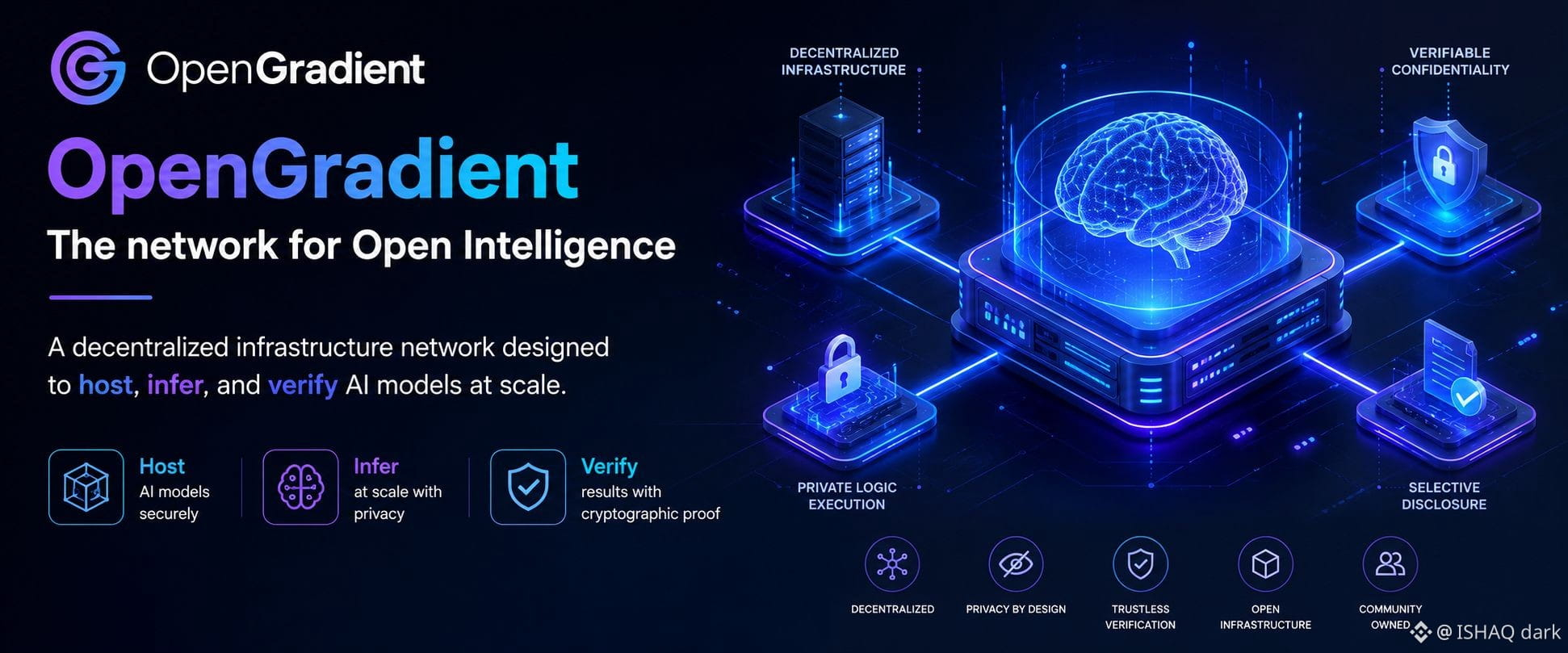
Kev lag luam feem ntau kho kev ceev ntiag tug (privacy) thiab kev qhia kom pom meej (transparency) ua qhov sib tawm tsam, tabsis hauv lub neej tiag nws tsis tshua yooj yim li ntawd. Qee zaum tib neeg xav tau pov thawj yam tsis tas yuav nthuav tawm txhua yam. Qee zaum kev ntseeg tuaj ntawm kev pov thawj (verification), tsis yog kev nthuav tawm (exposure).
Qhov ntawd tsis txhais tias OpenGradient yuav yeej tam sim ntawd. Muaj ntau yam haujlwm uas muaj kev paub/txuj ci zoo heev (technically solid) kuj tseem nyuaj thaum lawv tawm ntawm whitepaper mus ntsib lub ntiaj teb tiag. Kev txais yuav (adoption) feem ntau nyuaj dua li architecture.
Txawm li ntawd los, nyob rau hauv ib lub lag luam uas muaj cov narratives rov siv dua tsis tu ncua, kuv tseem pom kuv tus kheej them kev mloog ntxiv thaum ib lub project tsom rau cov kev txiav txim siab/kev trade-offs siv tau dua li kev daws kom zoo tag nrho. Qhov ntawd yog qhov uas feem ntau cov tswv yim txaus nyiam tshaj pib tshwm sim.
#opg $OPG @OpenGradient
Kuv tab tom saib OpenGradient nrog kev txaus siab me ntsis uas ceev faj.
Tej zaum yog vim kuv tau siv sijhawm ntau dhau hauv kev lag luam no, tab sis ntau yam kev ua haujlwm (crypto) feem ntau pib sib tov ua ke tom qab ib ntus. Txhua lub voj voog nqa tuaj ib nthwv tshiab ntawm "kev hloov pauv tiag tiag" (game-changing) narratives, tab sis txawm li ntawd los kev sib tham yeej niaj hnub tig rov qab mus rau tib yam—kev ceev ntiag tug, kev nthuav dav (scalability), kev ua raws cai (compliance), thiab kev ua kom tau zoo dua (better user experience). Qhov ntim/pob ntawv zoo dua qub, qhov kev piav qhia (pitch) du dua, tiam sis zaj dab neeg tseem ceeb feem ntau zoo ib yam.
Qhov uas ua rau OpenGradient sawv tawm rau kuv tsis yog tias nws thov kom daws txhua yam. Yog tias nws yog qhov uas nws tab tom nug ib lo lus nug uas zoo li tseem ceeb ntxiv thaum AI loj hlob: puas yog txhua yam yeej yuav tsum pom tag nrho txhua lub sijhawm?
Kev lag luam feem ntau kho kev ceev ntiag tug (privacy) thiab kev qhia kom pom meej (transparency) ua qhov sib tawm tsam, tabsis hauv lub neej tiag nws tsis tshua yooj yim li ntawd. Qee zaum tib neeg xav tau pov thawj yam tsis tas yuav nthuav tawm txhua yam. Qee zaum kev ntseeg tuaj ntawm kev pov thawj (verification), tsis yog kev nthuav tawm (exposure).
Qhov ntawd tsis txhais tias OpenGradient yuav yeej tam sim ntawd. Muaj ntau yam haujlwm uas muaj kev paub/txuj ci zoo heev (technically solid) kuj tseem nyuaj thaum lawv tawm ntawm whitepaper mus ntsib lub ntiaj teb tiag. Kev txais yuav (adoption) feem ntau nyuaj dua li architecture.
Txawm li ntawd los, nyob rau hauv ib lub lag luam uas muaj cov narratives rov siv dua tsis tu ncua, kuv tseem pom kuv tus kheej them kev mloog ntxiv thaum ib lub project tsom rau cov kev txiav txim siab/kev trade-offs siv tau dua li kev daws kom zoo tag nrho. Qhov ntawd yog qhov uas feem ntau cov tswv yim txaus nyiam tshaj pib tshwm sim.
#opg $OPG @OpenGradient
Tej zaum yog vim kuv tau siv sijhawm ntau dhau hauv kev lag luam no, tab sis ntau yam kev ua haujlwm (crypto) feem ntau pib sib tov ua ke tom qab ib ntus. Txhua lub voj voog nqa tuaj ib nthwv tshiab ntawm "kev hloov pauv tiag tiag" (game-changing) narratives, tab sis txawm li ntawd los kev sib tham yeej niaj hnub tig rov qab mus rau tib yam—kev ceev ntiag tug, kev nthuav dav (scalability), kev ua raws cai (compliance), thiab kev ua kom tau zoo dua (better user experience). Qhov ntim/pob ntawv zoo dua qub, qhov kev piav qhia (pitch) du dua, tiam sis zaj dab neeg tseem ceeb feem ntau zoo ib yam.
Qhov uas ua rau OpenGradient sawv tawm rau kuv tsis yog tias nws thov kom daws txhua yam. Yog tias nws yog qhov uas nws tab tom nug ib lo lus nug uas zoo li tseem ceeb ntxiv thaum AI loj hlob: puas yog txhua yam yeej yuav tsum pom tag nrho txhua lub sijhawm?
Kev lag luam feem ntau kho kev ceev ntiag tug (privacy) thiab kev qhia kom pom meej (transparency) ua qhov sib tawm tsam, tabsis hauv lub neej tiag nws tsis tshua yooj yim li ntawd. Qee zaum tib neeg xav tau pov thawj yam tsis tas yuav nthuav tawm txhua yam. Qee zaum kev ntseeg tuaj ntawm kev pov thawj (verification), tsis yog kev nthuav tawm (exposure).
Qhov ntawd tsis txhais tias OpenGradient yuav yeej tam sim ntawd. Muaj ntau yam haujlwm uas muaj kev paub/txuj ci zoo heev (technically solid) kuj tseem nyuaj thaum lawv tawm ntawm whitepaper mus ntsib lub ntiaj teb tiag. Kev txais yuav (adoption) feem ntau nyuaj dua li architecture.
Txawm li ntawd los, nyob rau hauv ib lub lag luam uas muaj cov narratives rov siv dua tsis tu ncua, kuv tseem pom kuv tus kheej them kev mloog ntxiv thaum ib lub project tsom rau cov kev txiav txim siab/kev trade-offs siv tau dua li kev daws kom zoo tag nrho. Qhov ntawd yog qhov uas feem ntau cov tswv yim txaus nyiam tshaj pib tshwm sim.
#opg $OPG @OpenGradient
1
2
140
·
--
ສັນຍານກະທິງ
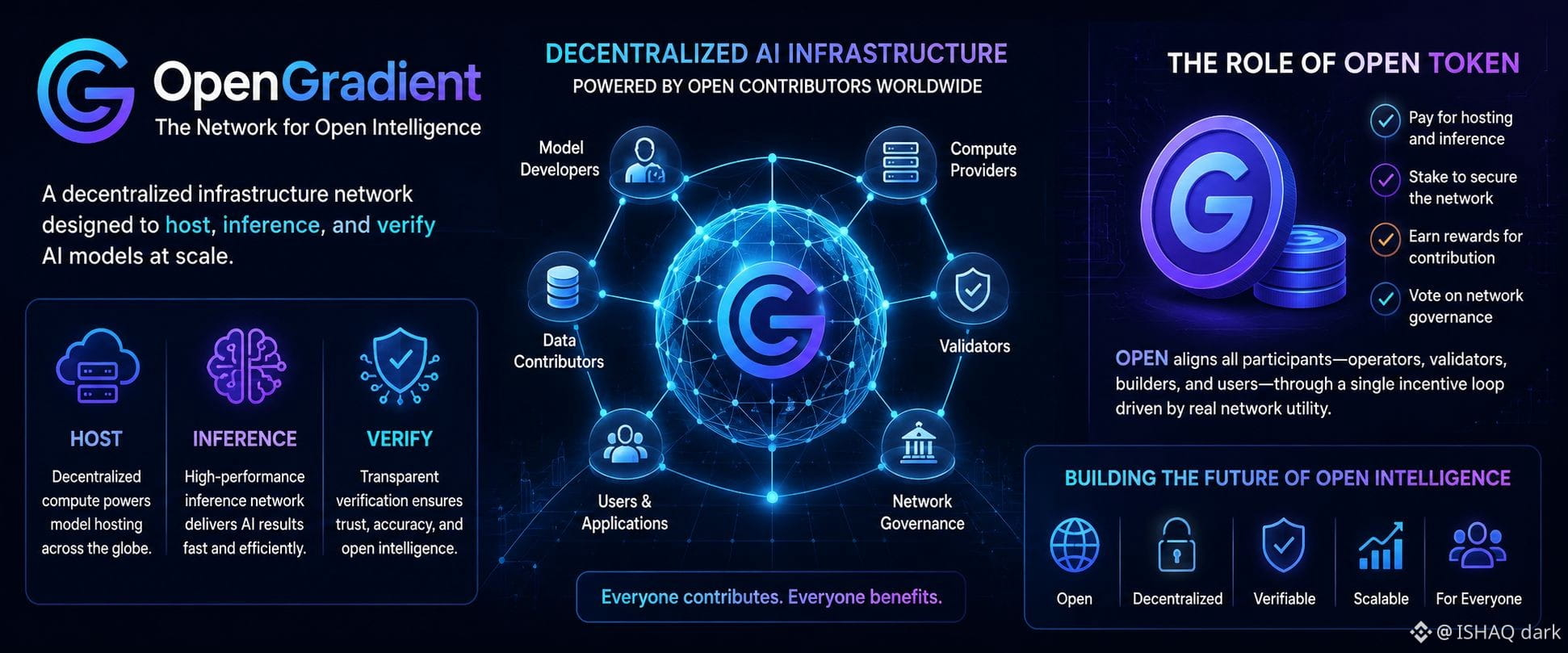
Ndiyabona ukuthi, i-OpenGradient izama ukubhekana nenkinga amaphrojekthi amaningi e-decentralized AI awagcina ebhekene nawo: ukuthola abantu abangabazi abanemigomo ehlukene ukuba bafake isandla kunethiwekhi efanayo ngenxa yezizathu ezingaphandle kwemivuzo. Ukusingatha amamodeli, ukusebenzisa i-inference, nokuqinisekisa okukhiphayo kubonakala kuwusizo, kodwa ukuba wusizo nokuhlanganyela okuzinzile akuvamile ukuhambisana.
Engikubuyela kukho ukuthi ngabe inethiwekhi ingakwazi ukuheha isidingo sangempela ngamasevisi e-AI noma ukuthi ukubamba iqhaza kukhula kakhulu ngoba imivuzo yenza kube mnandi ukuvela. Amasistimu amaningi abonakala e-decentralized uma imivuzo iyageleza. Ubufakazi obunzima buza kamuva, lapho abaqhubi, abanikeli, nababanikazi bamathokheni kudingeka bahlale bethembekile ngoba inethiwekhi ngokwayo inenani, hhayi ngoba imiphumela (emissions) iyayithwala.
Imodeli ye-OpenGradient incike kubahlinzeki be-infrastructure, izindlela zokuqinisekisa, kanye nabanikeli bonke abasebenza beya ngakuqondana. Lokho kwakha indilinga yemivuzo ethokozisayo, kodwa kuphela uma umsebenzi wenethiwekhi ubonisa ukusetshenziswa kwangempela. Uma ukuhlinzekwa kwamakhompiyutha kuqhubeka nokwanda kanti isidingo esiqondakalayo siyalibala, khona-ke amamethrikhi okukhula angase aqale ukutshela indaba ehlukile kunokusetshenziswa kwenethiwekhi.
Ngicabanga futhi ukuthi ukugxila kufanele kunakwe kakhulu kunalokho abantu abaningi abakwenza. Njengoba inethiwekhi ikhula, ukubamba iqhaza kuyasabalala yini kubantu abaningi nabaqhubi/abanikeli abaningi, noma umsebenzi uyahlangana kancane kancane phakathi kwabambalwa abaholi? I-Decentralization kulula ukuyisho ekuqaleni. Ukuyigcina njengoba imivuzo ikhula kujwayele ukuba lapho kuqala khona inselelo.
Indima ye-OPEN ibonakala ixhunywe kulo mbuzo. Uma ukusatshalaliswa kwemivuzo ekugcineni kubonisa isidingo sangempela se-inference, umsebenzi wokuqinisekisa, kanye nomnikelo we-infrastructure, khona-ke ithokheni ingase ibe yisignali yomsebenzi wenethiwekhi okhiqizayo. Uma imivuzo ibheka kakhulu i-liquidity, ukucobelelana (speculation), noma abantu abalandela imivuzo, khona-ke inethiwekhi ingase iphele ekulinganiseni ukukhula ngaphandle kokulinganisa inani.
Okwamanje, ngibhekile ukukhula kwabanikeli, ukusatshalaliswa kwabaqhubi, ukusetshenziswa kwe-infrastructure, umsebenzi wokuqinisekisa, nokuthi isidingo
@OpenGradient #opg $OPG
Ndiyabona ukuthi, i-OpenGradient izama ukubhekana nenkinga amaphrojekthi amaningi e-decentralized AI awagcina ebhekene nawo: ukuthola abantu abangabazi abanemigomo ehlukene ukuba bafake isandla kunethiwekhi efanayo ngenxa yezizathu ezingaphandle kwemivuzo. Ukusingatha amamodeli, ukusebenzisa i-inference, nokuqinisekisa okukhiphayo kubonakala kuwusizo, kodwa ukuba wusizo nokuhlanganyela okuzinzile akuvamile ukuhambisana.
Engikubuyela kukho ukuthi ngabe inethiwekhi ingakwazi ukuheha isidingo sangempela ngamasevisi e-AI noma ukuthi ukubamba iqhaza kukhula kakhulu ngoba imivuzo yenza kube mnandi ukuvela. Amasistimu amaningi abonakala e-decentralized uma imivuzo iyageleza. Ubufakazi obunzima buza kamuva, lapho abaqhubi, abanikeli, nababanikazi bamathokheni kudingeka bahlale bethembekile ngoba inethiwekhi ngokwayo inenani, hhayi ngoba imiphumela (emissions) iyayithwala.
Imodeli ye-OpenGradient incike kubahlinzeki be-infrastructure, izindlela zokuqinisekisa, kanye nabanikeli bonke abasebenza beya ngakuqondana. Lokho kwakha indilinga yemivuzo ethokozisayo, kodwa kuphela uma umsebenzi wenethiwekhi ubonisa ukusetshenziswa kwangempela. Uma ukuhlinzekwa kwamakhompiyutha kuqhubeka nokwanda kanti isidingo esiqondakalayo siyalibala, khona-ke amamethrikhi okukhula angase aqale ukutshela indaba ehlukile kunokusetshenziswa kwenethiwekhi.
Ngicabanga futhi ukuthi ukugxila kufanele kunakwe kakhulu kunalokho abantu abaningi abakwenza. Njengoba inethiwekhi ikhula, ukubamba iqhaza kuyasabalala yini kubantu abaningi nabaqhubi/abanikeli abaningi, noma umsebenzi uyahlangana kancane kancane phakathi kwabambalwa abaholi? I-Decentralization kulula ukuyisho ekuqaleni. Ukuyigcina njengoba imivuzo ikhula kujwayele ukuba lapho kuqala khona inselelo.
Indima ye-OPEN ibonakala ixhunywe kulo mbuzo. Uma ukusatshalaliswa kwemivuzo ekugcineni kubonisa isidingo sangempela se-inference, umsebenzi wokuqinisekisa, kanye nomnikelo we-infrastructure, khona-ke ithokheni ingase ibe yisignali yomsebenzi wenethiwekhi okhiqizayo. Uma imivuzo ibheka kakhulu i-liquidity, ukucobelelana (speculation), noma abantu abalandela imivuzo, khona-ke inethiwekhi ingase iphele ekulinganiseni ukukhula ngaphandle kokulinganisa inani.
Okwamanje, ngibhekile ukukhula kwabanikeli, ukusatshalaliswa kwabaqhubi, ukusetshenziswa kwe-infrastructure, umsebenzi wokuqinisekisa, nokuthi isidingo
@OpenGradient #opg $OPG
Engikubuyela kukho ukuthi ngabe inethiwekhi ingakwazi ukuheha isidingo sangempela ngamasevisi e-AI noma ukuthi ukubamba iqhaza kukhula kakhulu ngoba imivuzo yenza kube mnandi ukuvela. Amasistimu amaningi abonakala e-decentralized uma imivuzo iyageleza. Ubufakazi obunzima buza kamuva, lapho abaqhubi, abanikeli, nababanikazi bamathokheni kudingeka bahlale bethembekile ngoba inethiwekhi ngokwayo inenani, hhayi ngoba imiphumela (emissions) iyayithwala.
Imodeli ye-OpenGradient incike kubahlinzeki be-infrastructure, izindlela zokuqinisekisa, kanye nabanikeli bonke abasebenza beya ngakuqondana. Lokho kwakha indilinga yemivuzo ethokozisayo, kodwa kuphela uma umsebenzi wenethiwekhi ubonisa ukusetshenziswa kwangempela. Uma ukuhlinzekwa kwamakhompiyutha kuqhubeka nokwanda kanti isidingo esiqondakalayo siyalibala, khona-ke amamethrikhi okukhula angase aqale ukutshela indaba ehlukile kunokusetshenziswa kwenethiwekhi.
Ngicabanga futhi ukuthi ukugxila kufanele kunakwe kakhulu kunalokho abantu abaningi abakwenza. Njengoba inethiwekhi ikhula, ukubamba iqhaza kuyasabalala yini kubantu abaningi nabaqhubi/abanikeli abaningi, noma umsebenzi uyahlangana kancane kancane phakathi kwabambalwa abaholi? I-Decentralization kulula ukuyisho ekuqaleni. Ukuyigcina njengoba imivuzo ikhula kujwayele ukuba lapho kuqala khona inselelo.
Indima ye-OPEN ibonakala ixhunywe kulo mbuzo. Uma ukusatshalaliswa kwemivuzo ekugcineni kubonisa isidingo sangempela se-inference, umsebenzi wokuqinisekisa, kanye nomnikelo we-infrastructure, khona-ke ithokheni ingase ibe yisignali yomsebenzi wenethiwekhi okhiqizayo. Uma imivuzo ibheka kakhulu i-liquidity, ukucobelelana (speculation), noma abantu abalandela imivuzo, khona-ke inethiwekhi ingase iphele ekulinganiseni ukukhula ngaphandle kokulinganisa inani.
Okwamanje, ngibhekile ukukhula kwabanikeli, ukusatshalaliswa kwabaqhubi, ukusetshenziswa kwe-infrastructure, umsebenzi wokuqinisekisa, nokuthi isidingo
@OpenGradient #opg $OPG
3
3
97
·
--
ສັນຍານກະທິງ
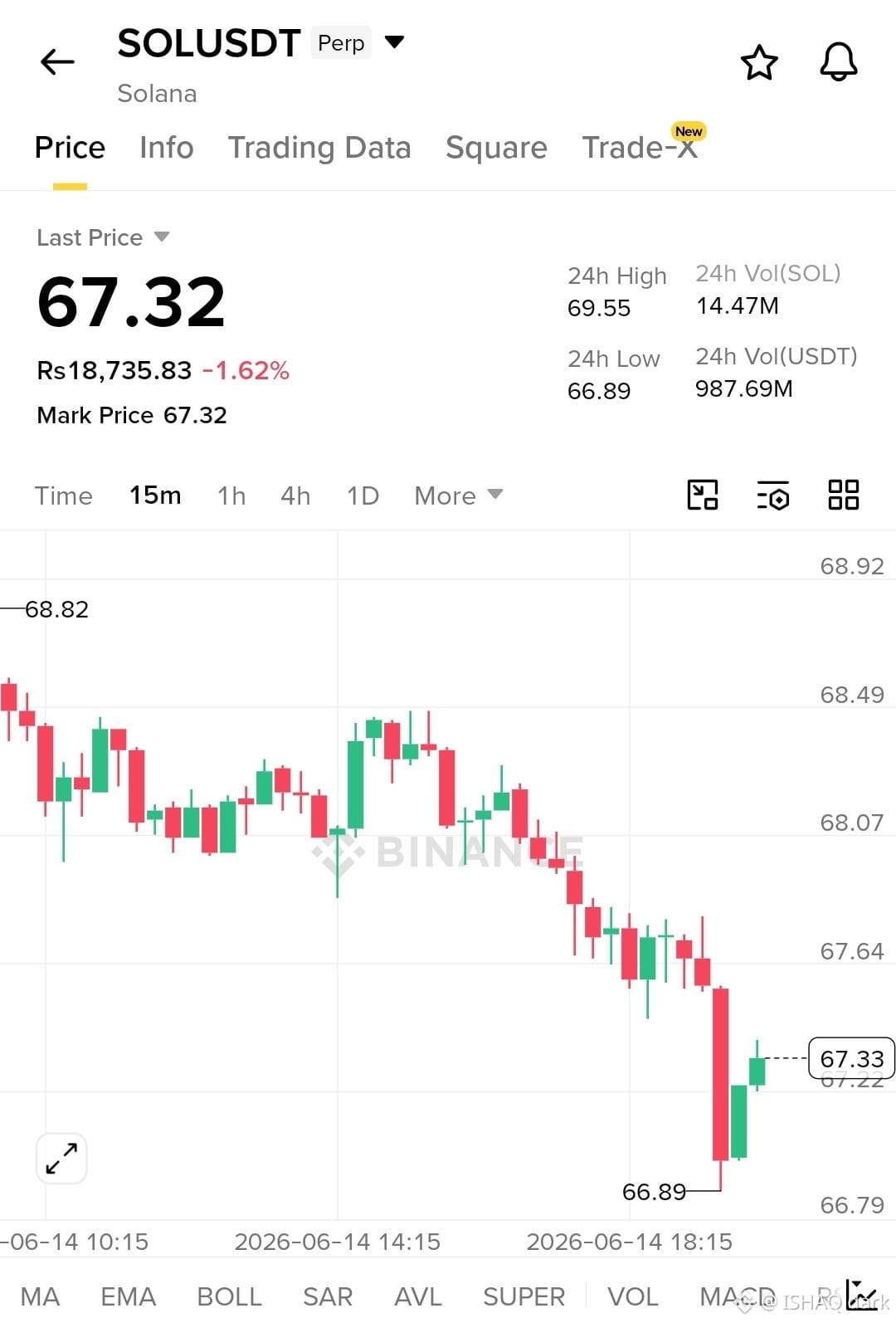
$SOL នៅតែមាន bulls កំពុងការពាររចនាសម្ព័ន្ធ។
តំបន់ចូល Long (Long Setup Entry Zone): $68-$69 គោលដៅ (Targets): $72 → $76 → $82 → $90 បញ្ឈប់ការខាត (Stop Loss): $60
តារាងកំពុងបង្ហាញ៖ ✅ ការគាំទ្រដ៏រឹងមាំនៅជុំវិញ $68 ✅ ការកើនឡើងនូវ higher lows ជាបន្តបន្ទាប់ ✅ ការទិញ dip ដោយសកម្ម ✅ សក្តានុពលនៃការពង្រីក momentum ខាងលើ $72
យកប្រាក់ចំណែក (partial profits) នៅតាមផ្លូវ ហើយការពារដើមទុន។ ការរៀបចំល្អ (setup) មិនមានតម្លៃអ្វីទេ បើគ្មានការគ្រប់គ្រងហានិភ័យត្រឹមត្រូវ។
{spot}(SOLUSDT)
$SOL នៅតែមាន bulls កំពុងការពាររចនាសម្ព័ន្ធ។
តំបន់ចូល Long (Long Setup Entry Zone): $68-$69 គោលដៅ (Targets): $72 → $76 → $82 → $90 បញ្ឈប់ការខាត (Stop Loss): $60
តារាងកំពុងបង្ហាញ៖ ✅ ការគាំទ្រដ៏រឹងមាំនៅជុំវិញ $68 ✅ ការកើនឡើងនូវ higher lows ជាបន្តបន្ទាប់ ✅ ការទិញ dip ដោយសកម្ម ✅ សក្តានុពលនៃការពង្រីក momentum ខាងលើ $72
យកប្រាក់ចំណែក (partial profits) នៅតាមផ្លូវ ហើយការពារដើមទុន។ ការរៀបចំល្អ (setup) មិនមានតម្លៃអ្វីទេ បើគ្មានការគ្រប់គ្រងហានិភ័យត្រឹមត្រូវ។
តំបន់ចូល Long (Long Setup Entry Zone): $68-$69 គោលដៅ (Targets): $72 → $76 → $82 → $90 បញ្ឈប់ការខាត (Stop Loss): $60
តារាងកំពុងបង្ហាញ៖ ✅ ការគាំទ្រដ៏រឹងមាំនៅជុំវិញ $68 ✅ ការកើនឡើងនូវ higher lows ជាបន្តបន្ទាប់ ✅ ការទិញ dip ដោយសកម្ម ✅ សក្តានុពលនៃការពង្រីក momentum ខាងលើ $72
យកប្រាក់ចំណែក (partial profits) នៅតាមផ្លូវ ហើយការពារដើមទុន។ ការរៀបចំល្អ (setup) មិនមានតម្លៃអ្វីទេ បើគ្មានការគ្រប់គ្រងហានិភ័យត្រឹមត្រូវ។
125
·
--
ສັນຍານກະທິງ
ເບິ່ງການແປ
A dip is the chance for regular folks to flip the script, not the rise. Think about it, after this bull run, you know that $BNB , $TRX , and $HYPE are valuable coins that will pump hard in a bull
market, but now their prices are way too high.
If you think like I do, that BNB will hit $10k in the next bull run, that’s an 18x from the current price. If it drops to $300, that’s a 33x. The more it dips, the more you can rake in. The same goes for other coins.
A dip is the chance for regular folks to flip the script, not the rise. Think about it, after this bull run, you know that $BNB , $TRX , and $HYPE are valuable coins that will pump hard in a bull
market, but now their prices are way too high.
If you think like I do, that BNB will hit $10k in the next bull run, that’s an 18x from the current price. If it drops to $300, that’s a 33x. The more it dips, the more you can rake in. The same goes for other coins.
market, but now their prices are way too high.
If you think like I do, that BNB will hit $10k in the next bull run, that’s an 18x from the current price. If it drops to $300, that’s a 33x. The more it dips, the more you can rake in. The same goes for other coins.

2
117
·
--
ສັນຍານກະທິງ
ເບິ່ງການແປ
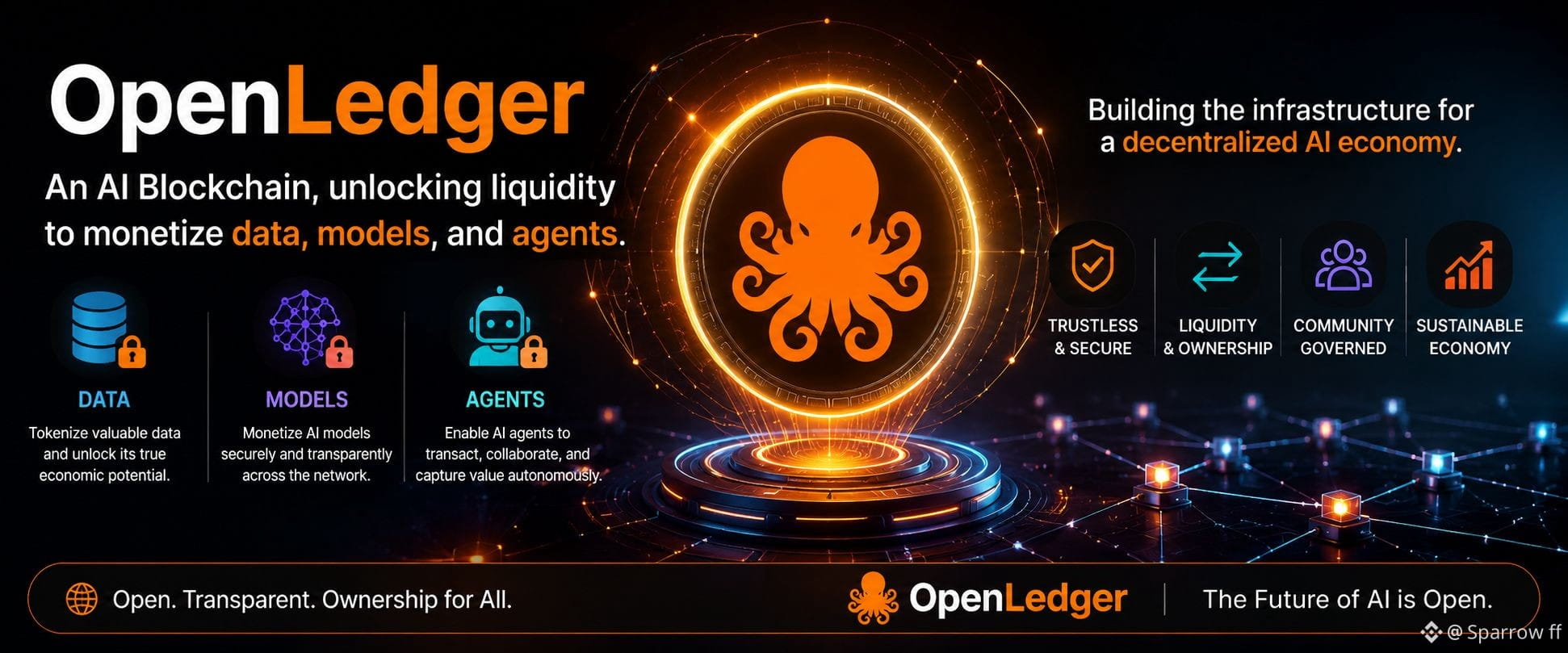
I've been watching OpenLedger closely, and what stands out isn't the narrative—it's the challenge hiding behind it.
OpenLedger is building around a powerful idea: turning data, AI models, and autonomous agents into productive assets that can be monetized through a blockchain-based economy. On paper, the concept feels timely. AI is expanding rapidly, data is becoming increasingly valuable, and markets are searching for better ways to price and distribute intelligence.
But I've spent enough time around technology cycles to know that the hardest part begins after the excitement.
Creating a marketplace is one thing. Creating a marketplace people return to repeatedly is something entirely different.
The real test for OpenLedger isn't whether it can attract attention. It's whether developers, businesses, and AI builders continue using the network when incentives normalize and speculation fades. Can the platform reduce friction? Can it create trust around data quality? Can it make AI resources easier to discover, deploy, and monetize than existing alternatives?
That is where infrastructure either proves itself or disappears into the background noise of innovation.
What makes OpenLedger interesting to me is that it's operating at the intersection of two industries that often promise more than they deliver: AI and blockchain. If it can survive the operational pressure of both worlds, adoption becomes possible.
For now, I'm less focused on the story and more focused on the signals. Usage. Retention. Integration. Those metrics usually tell the truth long before the market does.
@GeniusOfficial #genius $GENIUS
I've been watching OpenLedger closely, and what stands out isn't the narrative—it's the challenge hiding behind it.
OpenLedger is building around a powerful idea: turning data, AI models, and autonomous agents into productive assets that can be monetized through a blockchain-based economy. On paper, the concept feels timely. AI is expanding rapidly, data is becoming increasingly valuable, and markets are searching for better ways to price and distribute intelligence.
But I've spent enough time around technology cycles to know that the hardest part begins after the excitement.
Creating a marketplace is one thing. Creating a marketplace people return to repeatedly is something entirely different.
The real test for OpenLedger isn't whether it can attract attention. It's whether developers, businesses, and AI builders continue using the network when incentives normalize and speculation fades. Can the platform reduce friction? Can it create trust around data quality? Can it make AI resources easier to discover, deploy, and monetize than existing alternatives?
That is where infrastructure either proves itself or disappears into the background noise of innovation.
What makes OpenLedger interesting to me is that it's operating at the intersection of two industries that often promise more than they deliver: AI and blockchain. If it can survive the operational pressure of both worlds, adoption becomes possible.
For now, I'm less focused on the story and more focused on the signals. Usage. Retention. Integration. Those metrics usually tell the truth long before the market does.
@GeniusOfficial #genius $GENIUS
OpenLedger is building around a powerful idea: turning data, AI models, and autonomous agents into productive assets that can be monetized through a blockchain-based economy. On paper, the concept feels timely. AI is expanding rapidly, data is becoming increasingly valuable, and markets are searching for better ways to price and distribute intelligence.
But I've spent enough time around technology cycles to know that the hardest part begins after the excitement.
Creating a marketplace is one thing. Creating a marketplace people return to repeatedly is something entirely different.
The real test for OpenLedger isn't whether it can attract attention. It's whether developers, businesses, and AI builders continue using the network when incentives normalize and speculation fades. Can the platform reduce friction? Can it create trust around data quality? Can it make AI resources easier to discover, deploy, and monetize than existing alternatives?
That is where infrastructure either proves itself or disappears into the background noise of innovation.
What makes OpenLedger interesting to me is that it's operating at the intersection of two industries that often promise more than they deliver: AI and blockchain. If it can survive the operational pressure of both worlds, adoption becomes possible.
For now, I'm less focused on the story and more focused on the signals. Usage. Retention. Integration. Those metrics usually tell the truth long before the market does.
@GeniusOfficial #genius $GENIUS
131
·
--
ສັນຍານກະທິງ
ເບິ່ງການແປ
I've watched countless crypto platforms promise to be the "Bloomberg Terminal of Web3," yet most eventually reveal the same weakness: they sit between users and the chain, creating new layers of trust where trust was supposed to disappear.
That's why Genius Terminal caught my attention.
What stands out to me isn't the flashy narrative or the race for attention. It's the ambition to become the first private and final on-chain terminal—a place where intelligence, execution, and ownership converge without unnecessary intermediaries.
The market is evolving beyond simple dashboards. Traders, builders, and researchers no longer want fragmented tools spread across multiple tabs. They want a unified command center capable of understanding information, interpreting market signals, and acting directly on-chain.
I see Genius Terminal positioning itself at the center of that transition.
If the next phase of crypto is defined by autonomous agents, real-time intelligence, and seamless execution, then terminals won't just display data—they'll become decision engines. The projects that understand this shift early could define how users interact with decentralized networks for years.
The challenge, of course, is execution. Many have attempted to build the ultimate crypto interface and failed. But the opportunity remains enormous.
From my perspective, Genius Terminal isn't just building another product. It's making a bold bet on where on-chain interaction is heading nextand that's exactly what makes it worth watching.
@GeniusOfficial #genius $GENIUS
I've watched countless crypto platforms promise to be the "Bloomberg Terminal of Web3," yet most eventually reveal the same weakness: they sit between users and the chain, creating new layers of trust where trust was supposed to disappear.
That's why Genius Terminal caught my attention.
What stands out to me isn't the flashy narrative or the race for attention. It's the ambition to become the first private and final on-chain terminal—a place where intelligence, execution, and ownership converge without unnecessary intermediaries.
The market is evolving beyond simple dashboards. Traders, builders, and researchers no longer want fragmented tools spread across multiple tabs. They want a unified command center capable of understanding information, interpreting market signals, and acting directly on-chain.
I see Genius Terminal positioning itself at the center of that transition.
If the next phase of crypto is defined by autonomous agents, real-time intelligence, and seamless execution, then terminals won't just display data—they'll become decision engines. The projects that understand this shift early could define how users interact with decentralized networks for years.
The challenge, of course, is execution. Many have attempted to build the ultimate crypto interface and failed. But the opportunity remains enormous.
From my perspective, Genius Terminal isn't just building another product. It's making a bold bet on where on-chain interaction is heading nextand that's exactly what makes it worth watching.
@GeniusOfficial #genius $GENIUS
That's why Genius Terminal caught my attention.
What stands out to me isn't the flashy narrative or the race for attention. It's the ambition to become the first private and final on-chain terminal—a place where intelligence, execution, and ownership converge without unnecessary intermediaries.
The market is evolving beyond simple dashboards. Traders, builders, and researchers no longer want fragmented tools spread across multiple tabs. They want a unified command center capable of understanding information, interpreting market signals, and acting directly on-chain.
I see Genius Terminal positioning itself at the center of that transition.
If the next phase of crypto is defined by autonomous agents, real-time intelligence, and seamless execution, then terminals won't just display data—they'll become decision engines. The projects that understand this shift early could define how users interact with decentralized networks for years.
The challenge, of course, is execution. Many have attempted to build the ultimate crypto interface and failed. But the opportunity remains enormous.
From my perspective, Genius Terminal isn't just building another product. It's making a bold bet on where on-chain interaction is heading nextand that's exactly what makes it worth watching.
@GeniusOfficial #genius $GENIUS

3
1
88
·
--
ສັນຍານກະທິງ
ເບິ່ງການແປ
I’m watching OpenLedger closely, not because of the narrative, but because of the pressure it’s choosing to face.
Everyone talks about AI. Everyone talks about data. Everyone talks about agents. Very few projects are trying to solve the harder question: who actually captures value when these systems start operating at scale?
That’s what keeps pulling my attention back to OpenLedger.
The market loves model creation, but creation is the easy part. The real challenge begins after launch. Can data remain valuable? Can models stay relevant? Can agents generate consistent utility instead of short-lived activity?
Most technology stories look strongest during demonstrations. Reality starts when users arrive, costs appear, and infrastructure gets tested under load.
OpenLedger’s thesis is interesting because it sits directly in that tension. It isn’t just about AI capabilities. It’s about building an economic layer around data, models, and agents that can survive real-world usage.
I’ve seen enough market cycles to know that attention alone means very little. Adoption matters. Repeat usage matters. Durability matters.
The projects that survive are rarely the loudest. They’re the ones that continue functioning when the spotlight moves elsewhere.
That’s why I’m less interested in the excitement around OpenLedger and more interested in what happens next.
Because the real test isn’t whether people are talking about it today.
It’s whether they’re still using it years from now.
@Openledger #openledger $OPEN
I’m watching OpenLedger closely, not because of the narrative, but because of the pressure it’s choosing to face.
Everyone talks about AI. Everyone talks about data. Everyone talks about agents. Very few projects are trying to solve the harder question: who actually captures value when these systems start operating at scale?
That’s what keeps pulling my attention back to OpenLedger.
The market loves model creation, but creation is the easy part. The real challenge begins after launch. Can data remain valuable? Can models stay relevant? Can agents generate consistent utility instead of short-lived activity?
Most technology stories look strongest during demonstrations. Reality starts when users arrive, costs appear, and infrastructure gets tested under load.
OpenLedger’s thesis is interesting because it sits directly in that tension. It isn’t just about AI capabilities. It’s about building an economic layer around data, models, and agents that can survive real-world usage.
I’ve seen enough market cycles to know that attention alone means very little. Adoption matters. Repeat usage matters. Durability matters.
The projects that survive are rarely the loudest. They’re the ones that continue functioning when the spotlight moves elsewhere.
That’s why I’m less interested in the excitement around OpenLedger and more interested in what happens next.
Because the real test isn’t whether people are talking about it today.
It’s whether they’re still using it years from now.
@OpenLedger #openledger $OPEN
Everyone talks about AI. Everyone talks about data. Everyone talks about agents. Very few projects are trying to solve the harder question: who actually captures value when these systems start operating at scale?
That’s what keeps pulling my attention back to OpenLedger.
The market loves model creation, but creation is the easy part. The real challenge begins after launch. Can data remain valuable? Can models stay relevant? Can agents generate consistent utility instead of short-lived activity?
Most technology stories look strongest during demonstrations. Reality starts when users arrive, costs appear, and infrastructure gets tested under load.
OpenLedger’s thesis is interesting because it sits directly in that tension. It isn’t just about AI capabilities. It’s about building an economic layer around data, models, and agents that can survive real-world usage.
I’ve seen enough market cycles to know that attention alone means very little. Adoption matters. Repeat usage matters. Durability matters.
The projects that survive are rarely the loudest. They’re the ones that continue functioning when the spotlight moves elsewhere.
That’s why I’m less interested in the excitement around OpenLedger and more interested in what happens next.
Because the real test isn’t whether people are talking about it today.
It’s whether they’re still using it years from now.
@OpenLedger #openledger $OPEN
1
118
·
--
ບົດຄວາມ
ເບິ່ງການແປ
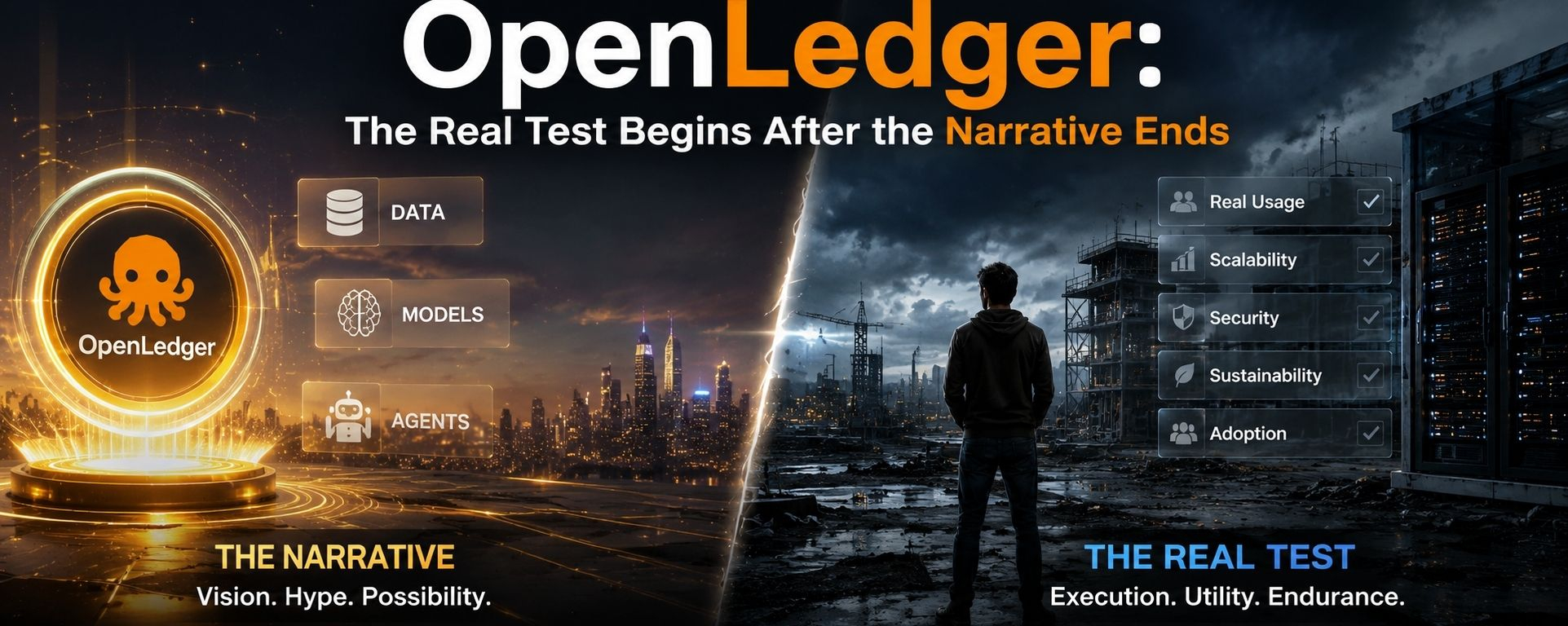
OpenLedger: The Real Test Begins After the Narrative EndsI keep returning to the same thought whenever I look at projects like OpenLedger. After watching technology markets for long enough, it becomes difficult to get overly excited by a narrative alone. The story always arrives first. The expectations arrive shortly after. What takes much longer is discovering whether a product can survive the ordinary pressures of real usage. That is usually the part that interests me most. Not the launch, not the attention, not the early optimism, but the period that comes afterward when a system has to justify its existence every single day.
OpenLedger enters the conversation at a moment when artificial intelligence is expanding into almost every corner of the technology industry. Data has become valuable. Models have become valuable. Even the idea of autonomous agents is beginning to develop its own economy. On paper, creating infrastructure that allows these assets to be monetized and exchanged feels like a natural progression. Yet experience has a way of making simple ideas look much more complicated once they encounter reality.
The technology industry often speaks about data as if value is automatically embedded within it. In practice, most data is messy, fragmented, inconsistent, and difficult to evaluate. The challenge is rarely collecting information. The challenge is determining what information remains useful after the excitement fades. The same applies to AI models. Building a model can be impressive. Keeping it relevant is usually far more difficult. Markets celebrate creation because it is visible. Maintenance receives less attention because it happens quietly in the background.
That distinction matters because technology tends to look strongest during demonstrations. Controlled environments remove uncertainty. Real-world deployment introduces it. Suddenly there are costs to manage, workflows to integrate with, users to support, and expectations to meet. Systems that appear efficient in presentations often encounter friction once they become part of someone's daily routine.
This is where many promising narratives begin to slow down. Not because the technology stops working, but because operating technology is different from showcasing it. Organizations do not adopt products simply because they are technically capable. They adopt products because the benefits outweigh the inconvenience of change. Every new layer added to a workflow creates questions. Does it save time? Does it reduce costs? Does it improve outcomes consistently enough to justify its presence?
The same questions apply to AI agents and the broader ecosystem OpenLedger hopes to support. Agents can be intelligent. Models can be sophisticated. Data can be abundant. Yet none of those qualities automatically create usefulness. Utility emerges when systems become dependable enough that people stop thinking about them. Reliability is often less exciting than innovation, but it tends to matter much more over time.
One pattern that repeats across nearly every technology cycle is the tendency to confuse attention with adoption. Attention can arrive quickly. Adoption moves at a much slower pace. A project can attract interest from thousands of observers while only becoming genuinely useful to a much smaller group of participants. The difference between those two things is often where the real story exists.
Infrastructure projects face an even tougher challenge because their success is usually measured years rather than months after launch. The strongest infrastructure rarely feels dramatic. It becomes valuable because it continues functioning while trends change around it. It survives shifts in market sentiment, shifts in technology, and shifts in user behavior. That kind of resilience cannot be demonstrated overnight.
For OpenLedger, the more interesting question is not whether there is demand for better coordination between data, models, and AI-driven systems. That demand clearly exists. The question is whether the framework can remain useful once it faces the ordinary realities of scale, competition, economic pressure, and evolving user expectations. Those are the conditions that reveal strengths and weaknesses far more effectively than market enthusiasm ever can.
The technology sector has always been full of impressive ideas. What remains relatively rare are systems capable of turning those ideas into long-term habits. Habits are what create durability. People return because something consistently solves a problem. They integrate it into their workflows because removing it would create inconvenience. That kind of adoption develops slowly and often without much attention.
Perhaps that is why projects like OpenLedger are most interesting when viewed through a longer lens. The vision itself is easy to understand. The harder part is understanding how that vision behaves when exposed to years of practical use rather than months of anticipation. There is a meaningful difference between attracting interest and becoming infrastructure. One is driven by possibility. The other is earned through repetition.
For now, the story remains unfinished. The ideas are ambitious, but technology history has shown repeatedly that ambition alone rarely determines outcomes. What matters is whether the system continues proving its usefulness when the excitement becomes quieter, when expectations become higher, and when users begin evaluating it not as a concept but as a tool. That is usually the point where appearance gives way to reality, and where the future of a project becomes much easier to see.
@Openledger #OpenLedger $OPEN
OpenLedger: The Real Test Begins After the Narrative Ends
I keep returning to the same thought whenever I look at projects like OpenLedger. After watching technology markets for long enough, it becomes difficult to get overly excited by a narrative alone. The story always arrives first. The expectations arrive shortly after. What takes much longer is discovering whether a product can survive the ordinary pressures of real usage. That is usually the part that interests me most. Not the launch, not the attention, not the early optimism, but the period that comes afterward when a system has to justify its existence every single day.
OpenLedger enters the conversation at a moment when artificial intelligence is expanding into almost every corner of the technology industry. Data has become valuable. Models have become valuable. Even the idea of autonomous agents is beginning to develop its own economy. On paper, creating infrastructure that allows these assets to be monetized and exchanged feels like a natural progression. Yet experience has a way of making simple ideas look much more complicated once they encounter reality.
The technology industry often speaks about data as if value is automatically embedded within it. In practice, most data is messy, fragmented, inconsistent, and difficult to evaluate. The challenge is rarely collecting information. The challenge is determining what information remains useful after the excitement fades. The same applies to AI models. Building a model can be impressive. Keeping it relevant is usually far more difficult. Markets celebrate creation because it is visible. Maintenance receives less attention because it happens quietly in the background.
That distinction matters because technology tends to look strongest during demonstrations. Controlled environments remove uncertainty. Real-world deployment introduces it. Suddenly there are costs to manage, workflows to integrate with, users to support, and expectations to meet. Systems that appear efficient in presentations often encounter friction once they become part of someone's daily routine.
This is where many promising narratives begin to slow down. Not because the technology stops working, but because operating technology is different from showcasing it. Organizations do not adopt products simply because they are technically capable. They adopt products because the benefits outweigh the inconvenience of change. Every new layer added to a workflow creates questions. Does it save time? Does it reduce costs? Does it improve outcomes consistently enough to justify its presence?
The same questions apply to AI agents and the broader ecosystem OpenLedger hopes to support. Agents can be intelligent. Models can be sophisticated. Data can be abundant. Yet none of those qualities automatically create usefulness. Utility emerges when systems become dependable enough that people stop thinking about them. Reliability is often less exciting than innovation, but it tends to matter much more over time.
One pattern that repeats across nearly every technology cycle is the tendency to confuse attention with adoption. Attention can arrive quickly. Adoption moves at a much slower pace. A project can attract interest from thousands of observers while only becoming genuinely useful to a much smaller group of participants. The difference between those two things is often where the real story exists.
Infrastructure projects face an even tougher challenge because their success is usually measured years rather than months after launch. The strongest infrastructure rarely feels dramatic. It becomes valuable because it continues functioning while trends change around it. It survives shifts in market sentiment, shifts in technology, and shifts in user behavior. That kind of resilience cannot be demonstrated overnight.
For OpenLedger, the more interesting question is not whether there is demand for better coordination between data, models, and AI-driven systems. That demand clearly exists. The question is whether the framework can remain useful once it faces the ordinary realities of scale, competition, economic pressure, and evolving user expectations. Those are the conditions that reveal strengths and weaknesses far more effectively than market enthusiasm ever can.
The technology sector has always been full of impressive ideas. What remains relatively rare are systems capable of turning those ideas into long-term habits. Habits are what create durability. People return because something consistently solves a problem. They integrate it into their workflows because removing it would create inconvenience. That kind of adoption develops slowly and often without much attention.
Perhaps that is why projects like OpenLedger are most interesting when viewed through a longer lens. The vision itself is easy to understand. The harder part is understanding how that vision behaves when exposed to years of practical use rather than months of anticipation. There is a meaningful difference between attracting interest and becoming infrastructure. One is driven by possibility. The other is earned through repetition.
For now, the story remains unfinished. The ideas are ambitious, but technology history has shown repeatedly that ambition alone rarely determines outcomes. What matters is whether the system continues proving its usefulness when the excitement becomes quieter, when expectations become higher, and when users begin evaluating it not as a concept but as a tool. That is usually the point where appearance gives way to reality, and where the future of a project becomes much easier to see.
@OpenLedger #OpenLedger $OPEN
OpenLedger enters the conversation at a moment when artificial intelligence is expanding into almost every corner of the technology industry. Data has become valuable. Models have become valuable. Even the idea of autonomous agents is beginning to develop its own economy. On paper, creating infrastructure that allows these assets to be monetized and exchanged feels like a natural progression. Yet experience has a way of making simple ideas look much more complicated once they encounter reality.
The technology industry often speaks about data as if value is automatically embedded within it. In practice, most data is messy, fragmented, inconsistent, and difficult to evaluate. The challenge is rarely collecting information. The challenge is determining what information remains useful after the excitement fades. The same applies to AI models. Building a model can be impressive. Keeping it relevant is usually far more difficult. Markets celebrate creation because it is visible. Maintenance receives less attention because it happens quietly in the background.
That distinction matters because technology tends to look strongest during demonstrations. Controlled environments remove uncertainty. Real-world deployment introduces it. Suddenly there are costs to manage, workflows to integrate with, users to support, and expectations to meet. Systems that appear efficient in presentations often encounter friction once they become part of someone's daily routine.
This is where many promising narratives begin to slow down. Not because the technology stops working, but because operating technology is different from showcasing it. Organizations do not adopt products simply because they are technically capable. They adopt products because the benefits outweigh the inconvenience of change. Every new layer added to a workflow creates questions. Does it save time? Does it reduce costs? Does it improve outcomes consistently enough to justify its presence?
The same questions apply to AI agents and the broader ecosystem OpenLedger hopes to support. Agents can be intelligent. Models can be sophisticated. Data can be abundant. Yet none of those qualities automatically create usefulness. Utility emerges when systems become dependable enough that people stop thinking about them. Reliability is often less exciting than innovation, but it tends to matter much more over time.
One pattern that repeats across nearly every technology cycle is the tendency to confuse attention with adoption. Attention can arrive quickly. Adoption moves at a much slower pace. A project can attract interest from thousands of observers while only becoming genuinely useful to a much smaller group of participants. The difference between those two things is often where the real story exists.
Infrastructure projects face an even tougher challenge because their success is usually measured years rather than months after launch. The strongest infrastructure rarely feels dramatic. It becomes valuable because it continues functioning while trends change around it. It survives shifts in market sentiment, shifts in technology, and shifts in user behavior. That kind of resilience cannot be demonstrated overnight.
For OpenLedger, the more interesting question is not whether there is demand for better coordination between data, models, and AI-driven systems. That demand clearly exists. The question is whether the framework can remain useful once it faces the ordinary realities of scale, competition, economic pressure, and evolving user expectations. Those are the conditions that reveal strengths and weaknesses far more effectively than market enthusiasm ever can.
The technology sector has always been full of impressive ideas. What remains relatively rare are systems capable of turning those ideas into long-term habits. Habits are what create durability. People return because something consistently solves a problem. They integrate it into their workflows because removing it would create inconvenience. That kind of adoption develops slowly and often without much attention.
Perhaps that is why projects like OpenLedger are most interesting when viewed through a longer lens. The vision itself is easy to understand. The harder part is understanding how that vision behaves when exposed to years of practical use rather than months of anticipation. There is a meaningful difference between attracting interest and becoming infrastructure. One is driven by possibility. The other is earned through repetition.
For now, the story remains unfinished. The ideas are ambitious, but technology history has shown repeatedly that ambition alone rarely determines outcomes. What matters is whether the system continues proving its usefulness when the excitement becomes quieter, when expectations become higher, and when users begin evaluating it not as a concept but as a tool. That is usually the point where appearance gives way to reality, and where the future of a project becomes much easier to see.
@OpenLedger #OpenLedger $OPEN
8
15
107
ເຂົ້າສູ່ລະບົບເພື່ອສຳຫຼວດເນື້ອຫາເພີ່ມເຕີມ
ເຂົ້າຮ່ວມກຸ່ມຜູ້ໃຊ້ຄຣິບໂຕທົ່ວໂລກໃນ Binance Square.
⚡️ ໄດ້ຮັບຂໍ້ມູນຫຼ້າສຸດ ແລະ ທີ່ມີປະໂຫຍດກ່ຽວກັບຄຣິບໂຕ.
💬 ໄດ້ຮັບຄວາມໄວ້ວາງໃຈຈາກຕະຫຼາດແລກປ່ຽນຄຣິບໂຕທີ່ໃຫຍ່ທີ່ສຸດໃນໂລກ.
👍 ຄົ້ນຫາຂໍ້ມູນເຊີງເລິກທີ່ແທ້ຈາກນັກສ້າງທີ່ໄດ້ຮັບການຢືນຢັນ.
ອີເມວ / ເບີໂທລະສັບ
ຫົວຂໍ້ທີ່ກໍາລັງນິຍົມ
EthereumSurpasses$2700
57 views
25 ກຳລັງສົນທະນາ
$XRP y $ETH van កំពុងយកវេលាលើក (bullish) យើងសង្ឃឹមថានឹងទៅដល់ 2700$ និង 1.6$
Tenmyouji
·1 ຖືກໃຈ
·1.5k views
CanaryFilesSecondAmendmentForStakedSEIETF
141 views
35 ກຳລັງສົນທະນາ
SaylorHintsStrategyBitcoinBuy
2.3M views
12,630 ກຳລັງສົນທະນາ