
ILIQ69
215 ໂພສ

ILIQ69
ລາຍງານ
ບລັອກຜູ້ໃຊ້
40 ກໍາລັງຕິດຕາມ
55 ຜູ້ຕິດຕາມ
241 Liked
ໂພສ
ປັກໝຸດ
·
--
ສັນຍານກະທິງ
ເບິ່ງການແປ
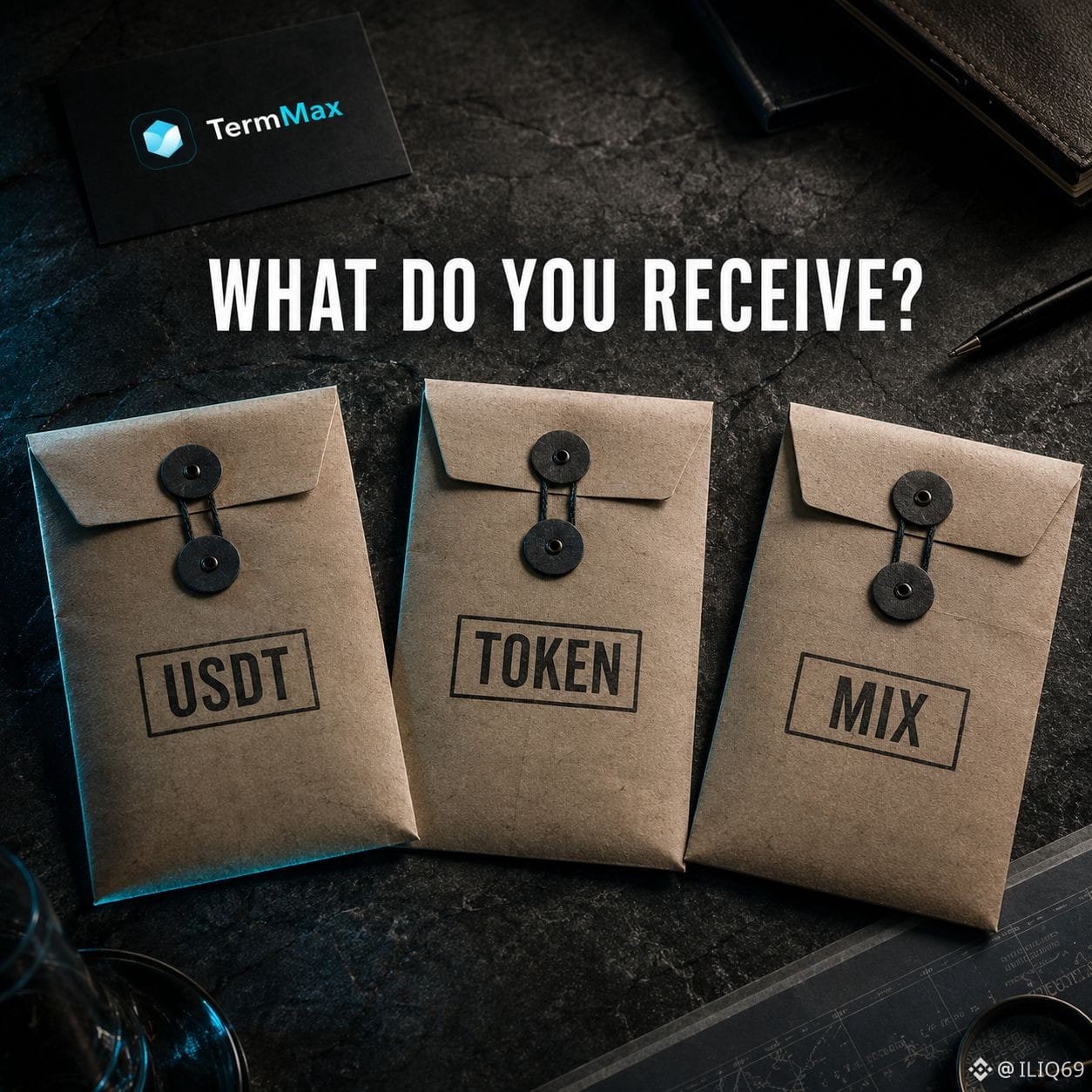
A vault return can look simple until you ask a more practical question: what asset might I actually receive at settlement?
TermMax Alpha documentation explains that, after maturity, a Dual Investment vault may end with USDT, the token, or a mix of both in a partial-exercise scenario. The final composition depends on the settlement outcome and available liquidity.
That detail makes me read a yield offer differently. The rate is only one part of the decision. The settlement asset is another. If I deposit USDT but the setup can settle into tokens under certain conditions, I need to be comfortable with that possibility before I enter.
Which final outcome would you want defined most clearly before depositing?
@termmax $TMX #TermMax
A vault return can look simple until you ask a more practical question: what asset might I actually receive at settlement?
TermMax Alpha documentation explains that, after maturity, a Dual Investment vault may end with USDT, the token, or a mix of both in a partial-exercise scenario. The final composition depends on the settlement outcome and available liquidity.
That detail makes me read a yield offer differently. The rate is only one part of the decision. The settlement asset is another. If I deposit USDT but the setup can settle into tokens under certain conditions, I need to be comfortable with that possibility before I enter.
Which final outcome would you want defined most clearly before depositing?
@TermMax $TMX #TermMax
TermMax Alpha documentation explains that, after maturity, a Dual Investment vault may end with USDT, the token, or a mix of both in a partial-exercise scenario. The final composition depends on the settlement outcome and available liquidity.
That detail makes me read a yield offer differently. The rate is only one part of the decision. The settlement asset is another. If I deposit USDT but the setup can settle into tokens under certain conditions, I need to be comfortable with that possibility before I enter.
Which final outcome would you want defined most clearly before depositing?
@TermMax $TMX #TermMax
Settlement asset
0%
Strike price
0%
Maturity date
0%
Partial-exercise rules
0%
0 ຄະແນນສຽງ • ປິດລົງຄະແນນສຽງ
15
6
110
·
--
ເບິ່ງການແປ
Токенізація може змінити не актив, а весь спосіб взаємодії з ним.
Традиційні фінансові активи десятиліттями працювали через централізовану інфраструктуру.
Blockchain пропонує інший підхід — переносити представлення активів у програмоване ончейн-середовище.
bStocks цікавий саме в цьому контексті.
Це не просто історія про «акції на блокчейні». Це частина більшого тренду, де TradFi поступово знайомиться з інструментами crypto.
І якщо токенізація стане стандартом, blockchain буде вже не альтернативою фінансам, а їхньою частиною.
Токенізація може змінити не актив, а весь спосіб взаємодії з ним.
Традиційні фінансові активи десятиліттями працювали через централізовану інфраструктуру.
Blockchain пропонує інший підхід — переносити представлення активів у програмоване ончейн-середовище.
bStocks цікавий саме в цьому контексті.
Це не просто історія про «акції на блокчейні». Це частина більшого тренду, де TradFi поступово знайомиться з інструментами crypto.
І якщо токенізація стане стандартом, blockchain буде вже не альтернативою фінансам, а їхньою частиною.
Традиційні фінансові активи десятиліттями працювали через централізовану інфраструктуру.
Blockchain пропонує інший підхід — переносити представлення активів у програмоване ончейн-середовище.
bStocks цікавий саме в цьому контексті.
Це не просто історія про «акції на блокчейні». Це частина більшого тренду, де TradFi поступово знайомиться з інструментами crypto.
І якщо токенізація стане стандартом, blockchain буде вже не альтернативою фінансам, а їхньою частиною.
62
·
--
ເບິ່ງການແປ
Blockchain поступово виходить за межі криптовалют.
Один із найцікавіших напрямів — токенізація традиційних фінансових активів.
bStocks працює саме в цьому напрямку, поєднуючи традиційні активи з ончейн-інфраструктурою.
І тут важливий сам принцип: blockchain може бути не лише місцем для створення нових активів, а й технологією для перенесення вже існуючих фінансових інструментів у цифрове середовище.
Це створює міст між TradFi та crypto.
Можливо, справжня масова адаптація blockchain почнеться саме з активів, які люди вже знають.
Blockchain поступово виходить за межі криптовалют.
Один із найцікавіших напрямів — токенізація традиційних фінансових активів.
bStocks працює саме в цьому напрямку, поєднуючи традиційні активи з ончейн-інфраструктурою.
І тут важливий сам принцип: blockchain може бути не лише місцем для створення нових активів, а й технологією для перенесення вже існуючих фінансових інструментів у цифрове середовище.
Це створює міст між TradFi та crypto.
Можливо, справжня масова адаптація blockchain почнеться саме з активів, які люди вже знають.
Один із найцікавіших напрямів — токенізація традиційних фінансових активів.
bStocks працює саме в цьому напрямку, поєднуючи традиційні активи з ончейн-інфраструктурою.
І тут важливий сам принцип: blockchain може бути не лише місцем для створення нових активів, а й технологією для перенесення вже існуючих фінансових інструментів у цифрове середовище.
Це створює міст між TradFi та crypto.
Можливо, справжня масова адаптація blockchain почнеться саме з активів, які люди вже знають.
69
·
--
ເບິ່ງການແປ
Майбутнє TradFi може виглядати набагато більш ончейн, ніж ми звикли уявляти.
bStocks цікавий саме через цю тенденцію — токенізацію традиційних фінансових активів.
Blockchain тут виступає не просто як технологія для криптовалют.
Він може стати інфраструктурним шаром для взаємодії з активами, які історично існували поза крипторинком.
Це поступово стирає межу між двома фінансовими екосистемами.
Crypto не обов’язково має замінити TradFi. Можливо, наступний етап — їхнє об’єднання.
Майбутнє TradFi може виглядати набагато більш ончейн, ніж ми звикли уявляти.
bStocks цікавий саме через цю тенденцію — токенізацію традиційних фінансових активів.
Blockchain тут виступає не просто як технологія для криптовалют.
Він може стати інфраструктурним шаром для взаємодії з активами, які історично існували поза крипторинком.
Це поступово стирає межу між двома фінансовими екосистемами.
Crypto не обов’язково має замінити TradFi. Можливо, наступний етап — їхнє об’єднання.
bStocks цікавий саме через цю тенденцію — токенізацію традиційних фінансових активів.
Blockchain тут виступає не просто як технологія для криптовалют.
Він може стати інфраструктурним шаром для взаємодії з активами, які історично існували поза крипторинком.
Це поступово стирає межу між двома фінансовими екосистемами.
Crypto не обов’язково має замінити TradFi. Можливо, наступний етап — їхнє об’єднання.
28
·
--
ເບິ່ງການແປ
Фінансові активи змінюються не лише через ціну. Змінюється спосіб доступу до них.
bStocks цікавий саме з цієї точки зору — він працює в напрямку токенізації традиційних активів.
Blockchain додає до знайомої фінансової моделі ончейн-інфраструктуру.
Це створює зовсім інший підхід до взаємодії з активами: замість того щоб розглядати blockchain лише як основу для криптовалют, його можна використовувати для фінансових інструментів ширшого ринку.
Токенізація може стати одним із головних мостів між TradFi та crypto.
І саме за розвитком цього напряму зараз цікаво спостерігати.
Фінансові активи змінюються не лише через ціну. Змінюється спосіб доступу до них.
bStocks цікавий саме з цієї точки зору — він працює в напрямку токенізації традиційних активів.
Blockchain додає до знайомої фінансової моделі ончейн-інфраструктуру.
Це створює зовсім інший підхід до взаємодії з активами: замість того щоб розглядати blockchain лише як основу для криптовалют, його можна використовувати для фінансових інструментів ширшого ринку.
Токенізація може стати одним із головних мостів між TradFi та crypto.
І саме за розвитком цього напряму зараз цікаво спостерігати.
bStocks цікавий саме з цієї точки зору — він працює в напрямку токенізації традиційних активів.
Blockchain додає до знайомої фінансової моделі ончейн-інфраструктуру.
Це створює зовсім інший підхід до взаємодії з активами: замість того щоб розглядати blockchain лише як основу для криптовалют, його можна використовувати для фінансових інструментів ширшого ринку.
Токенізація може стати одним із головних мостів між TradFi та crypto.
І саме за розвитком цього напряму зараз цікаво спостерігати.
1
81
·
--
ເບິ່ງການແປ
TradFi не обов’язково потрібно замінювати. Його можна перебудувати.
Токенізація — один із способів перенести традиційні фінансові активи в ончейн-середовище.
Саме тут стає цікавим напрямок bStocks.
Ідея проста: поєднати звичні фінансові активи з інфраструктурою blockchain.
Для ринку це важливіше за черговий хайп навколо крипти.
Бо якщо токенізація стане масовою, blockchain може перетворитися з альтернативної фінансової інфраструктури на частину самої TradFi.
Це вже напрямок, за яким варто стежити.
TradFi не обов’язково потрібно замінювати. Його можна перебудувати.
Токенізація — один із способів перенести традиційні фінансові активи в ончейн-середовище.
Саме тут стає цікавим напрямок bStocks.
Ідея проста: поєднати звичні фінансові активи з інфраструктурою blockchain.
Для ринку це важливіше за черговий хайп навколо крипти.
Бо якщо токенізація стане масовою, blockchain може перетворитися з альтернативної фінансової інфраструктури на частину самої TradFi.
Це вже напрямок, за яким варто стежити.
Токенізація — один із способів перенести традиційні фінансові активи в ончейн-середовище.
Саме тут стає цікавим напрямок bStocks.
Ідея проста: поєднати звичні фінансові активи з інфраструктурою blockchain.
Для ринку це важливіше за черговий хайп навколо крипти.
Бо якщо токенізація стане масовою, blockchain може перетворитися з альтернативної фінансової інфраструктури на частину самої TradFi.
Це вже напрямок, за яким варто стежити.
40
·
--
ສັນຍານກະທິງ
ເບິ່ງການແປ
Наступний крок для TradFi може бути не новим активом, а новим форматом.
Токенізація переносить знайомі фінансові активи в ончейн-середовище.
У цьому й полягає головна ідея bStocks: поєднати традиційний фінансовий світ із інфраструктурою blockchain.
Це цікаво не через хайп навколо слова «tokenization».
Цікаво тому, що blockchain потенційно може стати ще одним шаром для взаємодії з фінансовими активами.
І якщо цей напрям продовжить розвиватися, межа між TradFi та crypto може ставати дедалі тоншою.
Наступний крок для TradFi може бути не новим активом, а новим форматом.
Токенізація переносить знайомі фінансові активи в ончейн-середовище.
У цьому й полягає головна ідея bStocks: поєднати традиційний фінансовий світ із інфраструктурою blockchain.
Це цікаво не через хайп навколо слова «tokenization».
Цікаво тому, що blockchain потенційно може стати ще одним шаром для взаємодії з фінансовими активами.
І якщо цей напрям продовжить розвиватися, межа між TradFi та crypto може ставати дедалі тоншою.
Токенізація переносить знайомі фінансові активи в ончейн-середовище.
У цьому й полягає головна ідея bStocks: поєднати традиційний фінансовий світ із інфраструктурою blockchain.
Це цікаво не через хайп навколо слова «tokenization».
Цікаво тому, що blockchain потенційно може стати ще одним шаром для взаємодії з фінансовими активами.
І якщо цей напрям продовжить розвиватися, межа між TradFi та crypto може ставати дедалі тоншою.
74
·
--
ເບິ່ງການແປ
bStocks — це не просто ще один спосіб торгувати активами.
Головна цікавість тут у самому підході: традиційні фінансові активи отримують ончейн-формат.
Blockchain може змінити не лише спосіб зберігання активів, а й те, як користувачі взаємодіють із ними.
Саме тому напрямок tokenized assets варто відстежувати. Він знаходиться на перетині двох світів — TradFi та crypto.
Питання вже не в тому, чи можуть ці сфери перетинатися.
Питання — наскільки глибоким буде цей перетин.
А bStocks — один із проєктів, за яким цікаво спостерігати.
bStocks — це не просто ще один спосіб торгувати активами.
Головна цікавість тут у самому підході: традиційні фінансові активи отримують ончейн-формат.
Blockchain може змінити не лише спосіб зберігання активів, а й те, як користувачі взаємодіють із ними.
Саме тому напрямок tokenized assets варто відстежувати. Він знаходиться на перетині двох світів — TradFi та crypto.
Питання вже не в тому, чи можуть ці сфери перетинатися.
Питання — наскільки глибоким буде цей перетин.
А bStocks — один із проєктів, за яким цікаво спостерігати.
Головна цікавість тут у самому підході: традиційні фінансові активи отримують ончейн-формат.
Blockchain може змінити не лише спосіб зберігання активів, а й те, як користувачі взаємодіють із ними.
Саме тому напрямок tokenized assets варто відстежувати. Він знаходиться на перетині двох світів — TradFi та crypto.
Питання вже не в тому, чи можуть ці сфери перетинатися.
Питання — наскільки глибоким буде цей перетин.
А bStocks — один із проєктів, за яким цікаво спостерігати.
76
·
--
ສັນຍານກະທິງ
ເບິ່ງການແປ
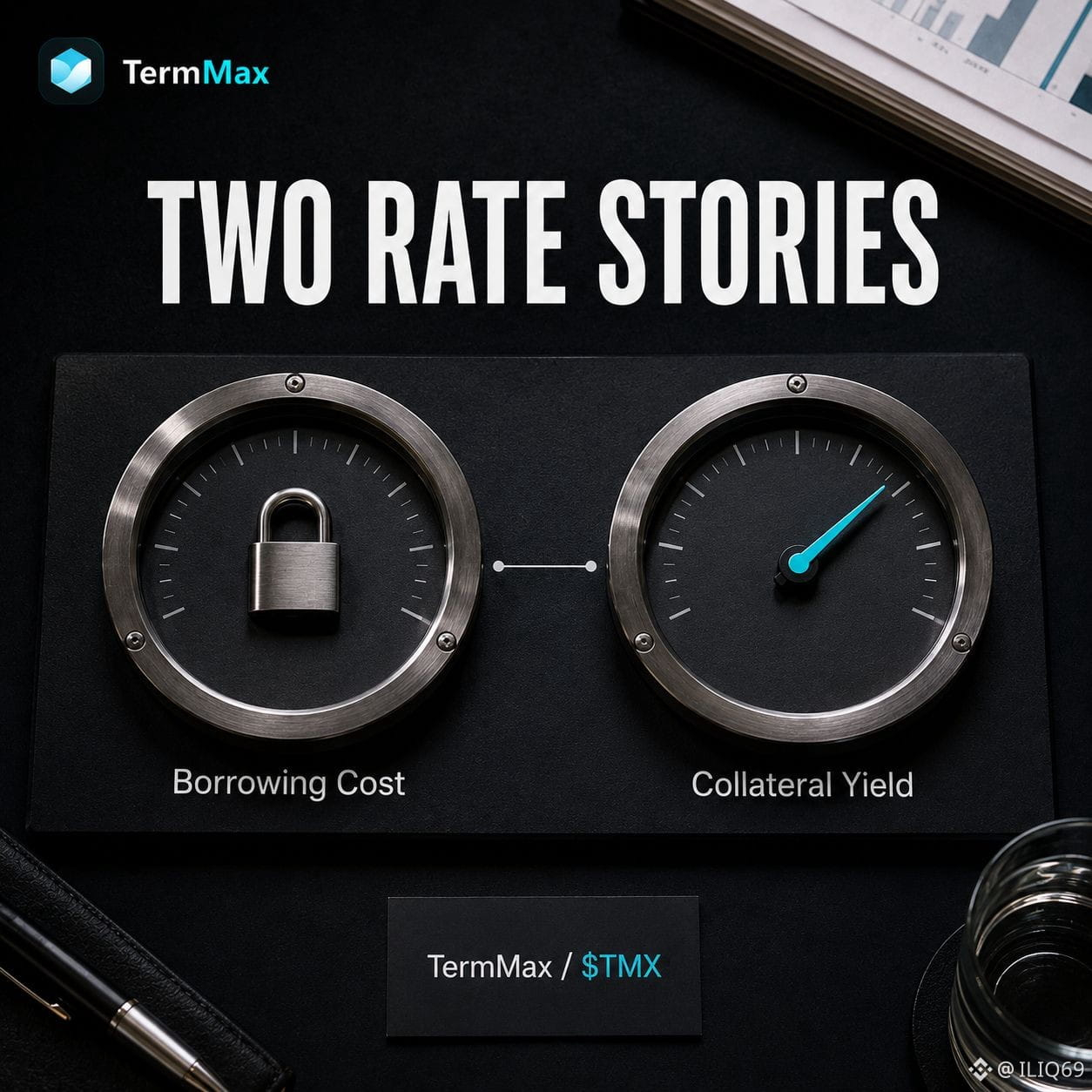
A fixed borrowing rate does not automatically mean the whole position has a fixed outcome. That distinction becomes clearer when yield-bearing collateral enters the picture.
TermMax documentation says the borrowing rate can stay fixed while the income from collateral depends on what that collateral is. A fixed-rate asset such as a PT can have fixed income, while collateral with a floating yield can keep moving with the market.
So I would separate the position into two questions: what is my known cost of borrowing, and what is the return behavior of the asset I locked? Calling both sides “fixed” would hide the part that can still change.
Which part would you separate first when assessing a yield-bearing position?
@termmax #TermMax
A fixed borrowing rate does not automatically mean the whole position has a fixed outcome. That distinction becomes clearer when yield-bearing collateral enters the picture.
TermMax documentation says the borrowing rate can stay fixed while the income from collateral depends on what that collateral is. A fixed-rate asset such as a PT can have fixed income, while collateral with a floating yield can keep moving with the market.
So I would separate the position into two questions: what is my known cost of borrowing, and what is the return behavior of the asset I locked? Calling both sides “fixed” would hide the part that can still change.
Which part would you separate first when assessing a yield-bearing position?
@TermMax #TermMax
TermMax documentation says the borrowing rate can stay fixed while the income from collateral depends on what that collateral is. A fixed-rate asset such as a PT can have fixed income, while collateral with a floating yield can keep moving with the market.
So I would separate the position into two questions: what is my known cost of borrowing, and what is the return behavior of the asset I locked? Calling both sides “fixed” would hide the part that can still change.
Which part would you separate first when assessing a yield-bearing position?
@TermMax #TermMax
Borrowing cost
0%
Collateral yield
0%
LTV risk
0%
All three together
0%
0 ຄະແນນສຽງ • ປິດລົງຄະແນນສຽງ
79
·
--
ສັນຍານກະທິງ
ເບິ່ງການແປ
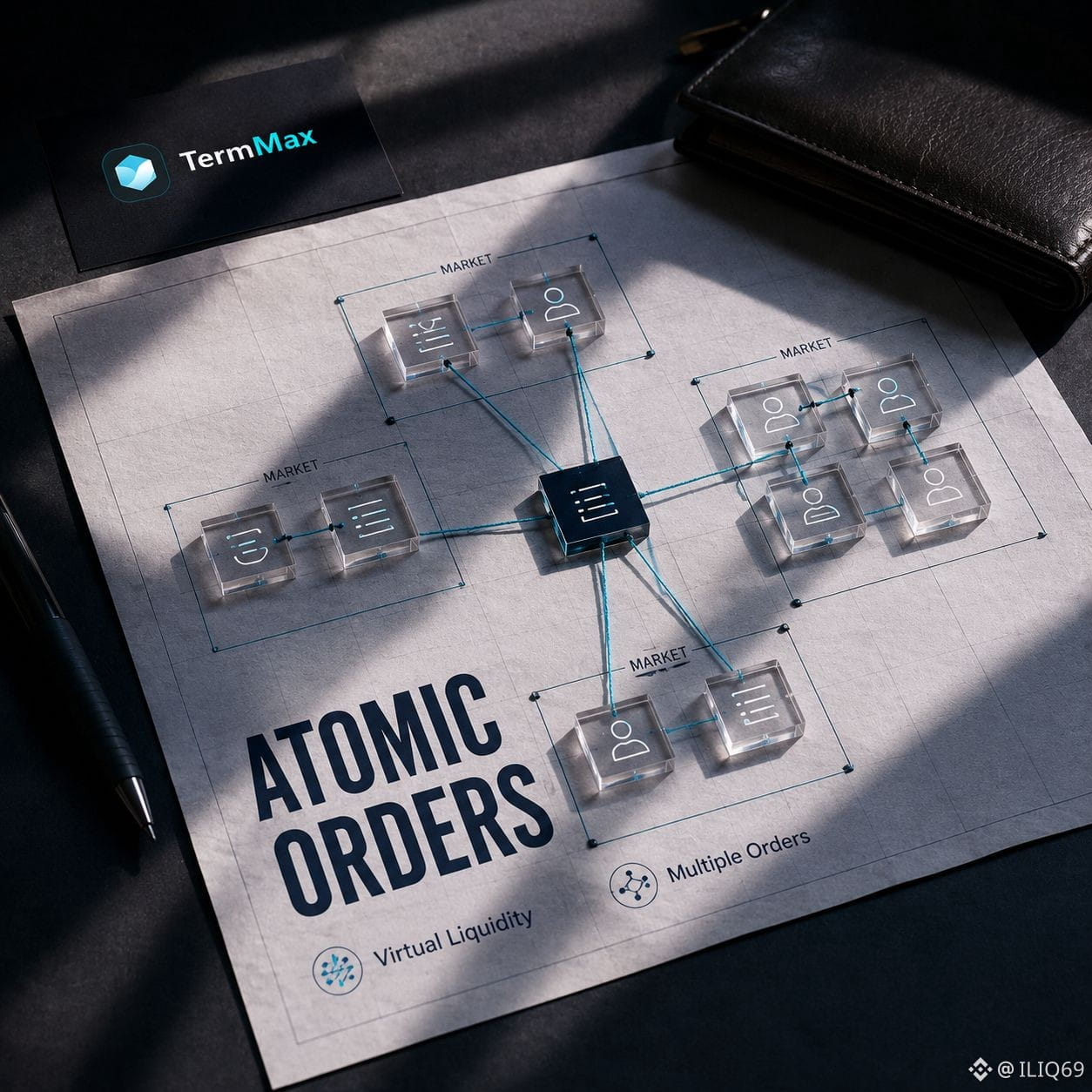
The part of the TMX whitepaper I almost skipped was Atomic Orders. TermMax describes virtual liquidity being spread across multiple orders before the funds are actually borrowed.
That sounds like plumbing, but I think it changes what “available liquidity” really means. Capital does not have to choose one market too early just to be ready. It can be positioned for more than one opportunity instead of being fragmented the moment it enters the system.
I would not treat that as proof that every market will have deep execution. A clever design still has to work in live conditions. But it is a more interesting problem than simply displaying one attractive rate: where should liquidity wait before someone needs it?
Would you rather reserve liquidity in one market or keep it positioned across several opportunities?
@termmax $TMX #TermMax
The part of the TMX whitepaper I almost skipped was Atomic Orders. TermMax describes virtual liquidity being spread across multiple orders before the funds are actually borrowed.
That sounds like plumbing, but I think it changes what “available liquidity” really means. Capital does not have to choose one market too early just to be ready. It can be positioned for more than one opportunity instead of being fragmented the moment it enters the system.
I would not treat that as proof that every market will have deep execution. A clever design still has to work in live conditions. But it is a more interesting problem than simply displaying one attractive rate: where should liquidity wait before someone needs it?
Would you rather reserve liquidity in one market or keep it positioned across several opportunities?
@TermMax $TMX #TermMax
That sounds like plumbing, but I think it changes what “available liquidity” really means. Capital does not have to choose one market too early just to be ready. It can be positioned for more than one opportunity instead of being fragmented the moment it enters the system.
I would not treat that as proof that every market will have deep execution. A clever design still has to work in live conditions. But it is a more interesting problem than simply displaying one attractive rate: where should liquidity wait before someone needs it?
Would you rather reserve liquidity in one market or keep it positioned across several opportunities?
@TermMax $TMX #TermMax
Reserve one market
0%
Spread it across markets
0%
Depends on execution
0%
I need more data
0%
0 ຄະແນນສຽງ • ປິດລົງຄະແນນສຽງ
2
2
112
·
--
ສັນຍານກະທິງ
ເບິ່ງການແປ
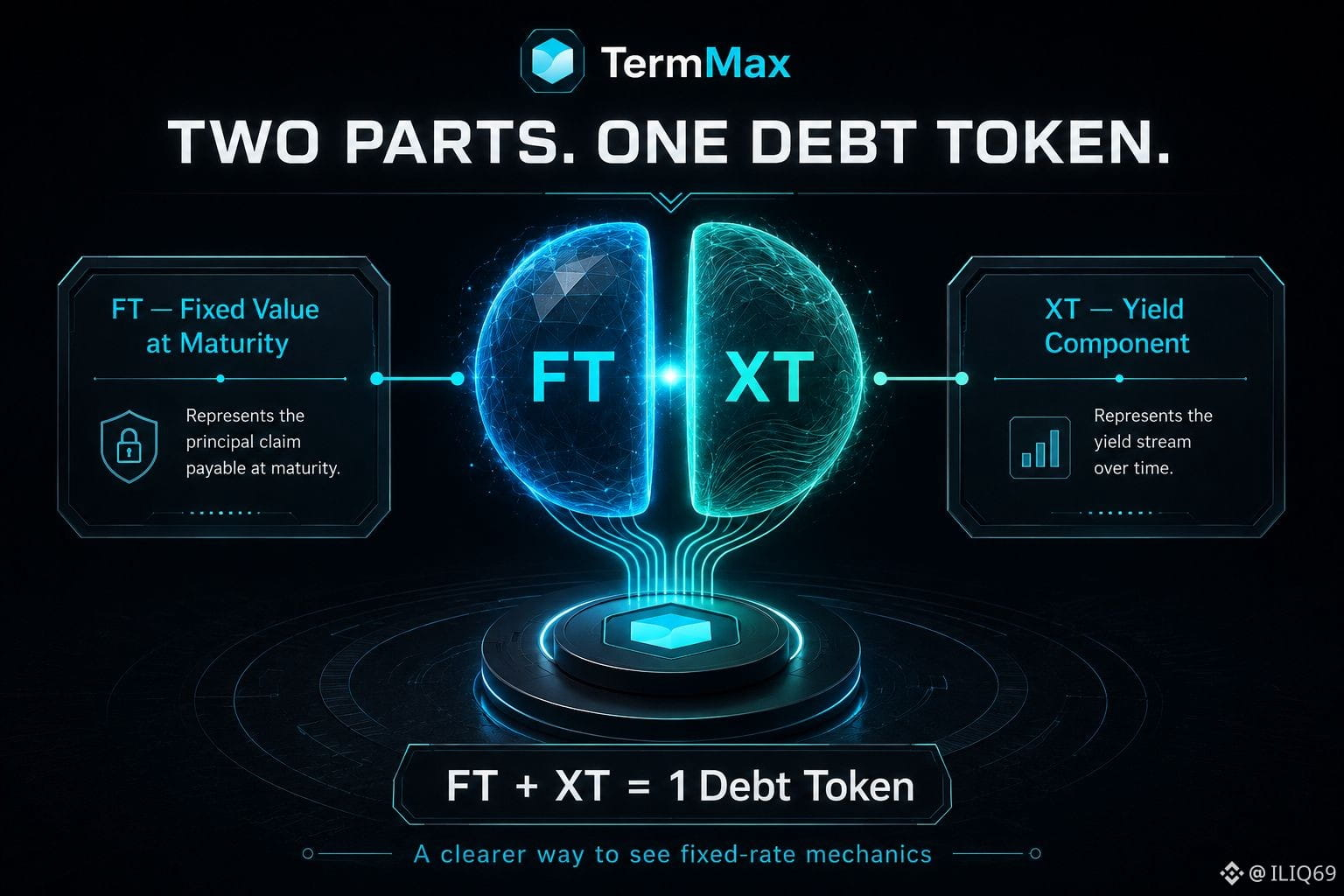
The FT and XT structure on @termmax looked technical to me at first. Then I stopped trying to memorize acronyms and used a simpler mental model.
One debt token can be represented by two connected pieces: FT + XT. The FT carries the fixed-value claim at maturity, while XT represents the other side of that value before maturity. Together, they make the original debt token whole.
I like systems that make the economics visible instead of hiding everything inside one black-box balance. It does not remove risk or make the process “easy money,” but it gives lenders and borrowers a clearer way to see how fixed yield and borrowing cost are formed.
Which part of the FT + XT model would you want explained with a real example?
@termmax #TermMax
The FT and XT structure on @TermMax looked technical to me at first. Then I stopped trying to memorize acronyms and used a simpler mental model.
One debt token can be represented by two connected pieces: FT + XT. The FT carries the fixed-value claim at maturity, while XT represents the other side of that value before maturity. Together, they make the original debt token whole.
I like systems that make the economics visible instead of hiding everything inside one black-box balance. It does not remove risk or make the process “easy money,” but it gives lenders and borrowers a clearer way to see how fixed yield and borrowing cost are formed.
Which part of the FT + XT model would you want explained with a real example?
@TermMax #TermMax
One debt token can be represented by two connected pieces: FT + XT. The FT carries the fixed-value claim at maturity, while XT represents the other side of that value before maturity. Together, they make the original debt token whole.
I like systems that make the economics visible instead of hiding everything inside one black-box balance. It does not remove risk or make the process “easy money,” but it gives lenders and borrowers a clearer way to see how fixed yield and borrowing cost are formed.
Which part of the FT + XT model would you want explained with a real example?
@TermMax #TermMax
How FT earns yield
0%
What XT represents
0%
Why they equal one asset
0%
The borrower flow
0%
0 ຄະແນນສຽງ • ປິດລົງຄະແນນສຽງ
6
1
90
·
--
ສັນຍານກະທິງ
ເບິ່ງການແປ
The part of a trade I want to understand before buying is the exit path.
Binance explains that eligible users can convert between a supported direct stock and the corresponding bStock at a 1:1 ratio with no conversion fee. It also notes that conversion can be paused temporarily for corporate-action processing or maintenance. That is useful, but it is not a reason to skip the details.
For me, the practical takeaway is simple: eligibility, product terms, and operational timing matter before I need them — not after I have already built a position. And because a bStock is a certificate structure rather than direct share ownership, I should understand what I hold before making any conversion plan.
That is not the most exciting part of trading, but it is the part that makes the rest feel more deliberate.
Would you check conversion and eligibility rules before buying a bStock?
#bstockscis @BinanceCIS #bStocksCIS $EWYB
The part of a trade I want to understand before buying is the exit path.
Binance explains that eligible users can convert between a supported direct stock and the corresponding bStock at a 1:1 ratio with no conversion fee. It also notes that conversion can be paused temporarily for corporate-action processing or maintenance. That is useful, but it is not a reason to skip the details.
For me, the practical takeaway is simple: eligibility, product terms, and operational timing matter before I need them — not after I have already built a position. And because a bStock is a certificate structure rather than direct share ownership, I should understand what I hold before making any conversion plan.
That is not the most exciting part of trading, but it is the part that makes the rest feel more deliberate.
Would you check conversion and eligibility rules before buying a bStock?
#bstockscis @BinanceCIS #bStocksCIS $EWYB
Binance explains that eligible users can convert between a supported direct stock and the corresponding bStock at a 1:1 ratio with no conversion fee. It also notes that conversion can be paused temporarily for corporate-action processing or maintenance. That is useful, but it is not a reason to skip the details.
For me, the practical takeaway is simple: eligibility, product terms, and operational timing matter before I need them — not after I have already built a position. And because a bStock is a certificate structure rather than direct share ownership, I should understand what I hold before making any conversion plan.
That is not the most exciting part of trading, but it is the part that makes the rest feel more deliberate.
Would you check conversion and eligibility rules before buying a bStock?
#bstockscis @BinanceCIS #bStocksCIS $EWYB

Always before buying
50%
Only for a large position
0%
Only when I need it
50%
I did not know this existed
0%
2 ຄະແນນສຽງ • ປິດລົງຄະແນນສຽງ
2
3
127
·
--
ສັນຍານກະທິງ
ເບິ່ງການແປ
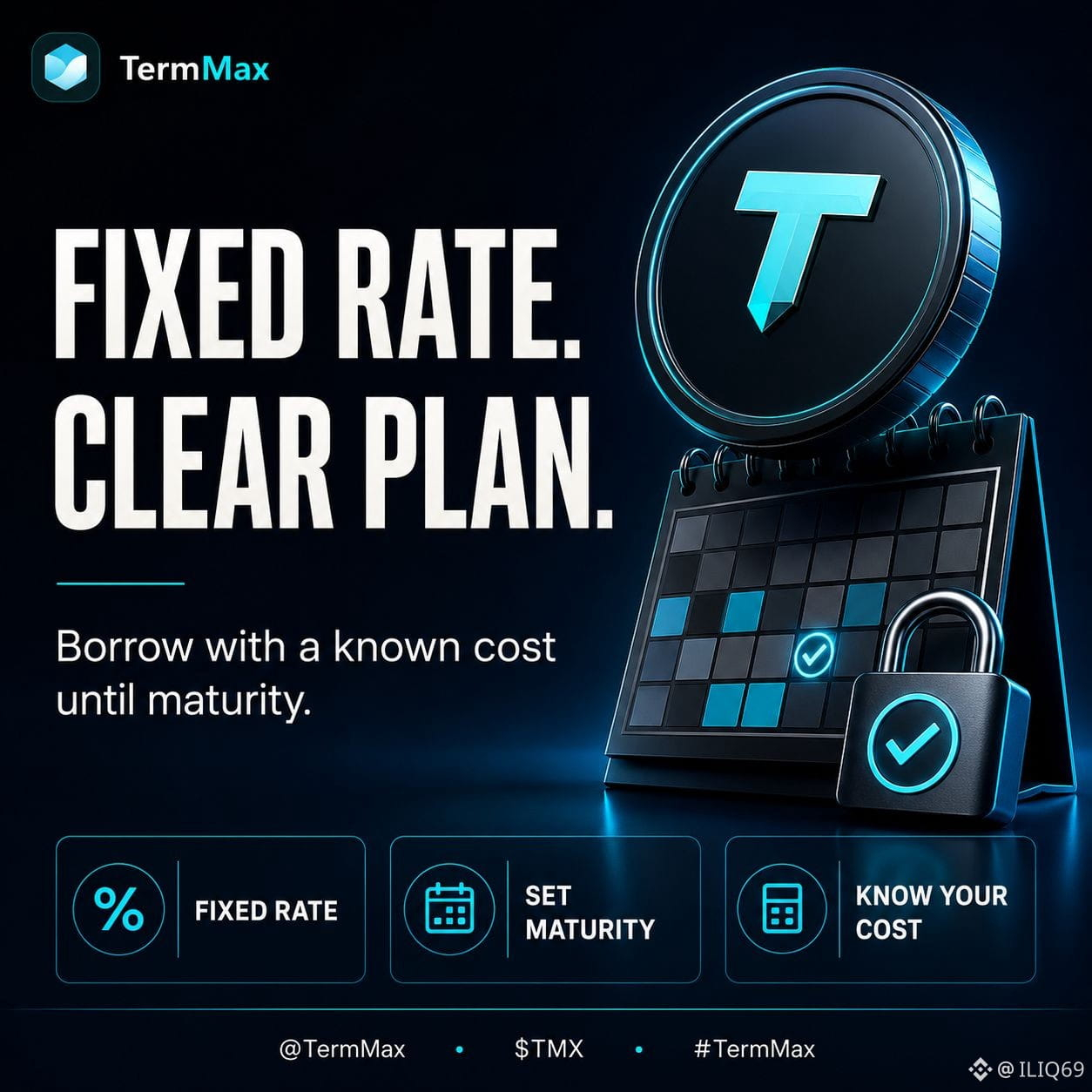
@termmax made me think about DeFi borrowing like planning a small business budget. I can accept a cost; what is difficult to work with is a cost that shifts while the plan stays the same.
With a fixed rate and a fixed maturity, I know the question upfront: is this borrowing cost worth the time I am buying? That feels more honest than treating an APY widget like a promise.
The trade-off still matters. A fixed rate can look less attractive if floating rates later fall, and collateral can still move against you. But certainty has value when the goal is to make a deliberate decision instead of refreshing a dashboard every day.
What would help you more when borrowing: a known rate or maximum flexibility?
@termmax #TermMax
@TermMax made me think about DeFi borrowing like planning a small business budget. I can accept a cost; what is difficult to work with is a cost that shifts while the plan stays the same.
With a fixed rate and a fixed maturity, I know the question upfront: is this borrowing cost worth the time I am buying? That feels more honest than treating an APY widget like a promise.
The trade-off still matters. A fixed rate can look less attractive if floating rates later fall, and collateral can still move against you. But certainty has value when the goal is to make a deliberate decision instead of refreshing a dashboard every day.
What would help you more when borrowing: a known rate or maximum flexibility?
@TermMax #TermMax
With a fixed rate and a fixed maturity, I know the question upfront: is this borrowing cost worth the time I am buying? That feels more honest than treating an APY widget like a promise.
The trade-off still matters. A fixed rate can look less attractive if floating rates later fall, and collateral can still move against you. But certainty has value when the goal is to make a deliberate decision instead of refreshing a dashboard every day.
What would help you more when borrowing: a known rate or maximum flexibility?
@TermMax #TermMax
A known rate
0%
Maximum flexibility
0%
A mix of both
0%
Not borrowing now
0%
0 ຄະແນນສຽງ • ປິດລົງຄະແນນສຽງ
1
78
·
--
ສັນຍານກະທິງ
ເບິ່ງການແປ
There is a useful tension in bStocks that I do not see discussed enough: the market can be open 24/7, while the underlying company still tells its business story on a normal reporting calendar.
With $NVDAB , a price can move at any hour on Binance Spot. But a serious research process still needs the company’s results, guidance, product cycle, customer demand, and risks. A live chart can show that attention changed; it cannot explain whether the business thesis improved.
So I am trying to separate two activities. One is watching the market. The other is reading the company. The first is fast and emotional; the second is slower and usually more useful.
That distinction is what keeps 24/7 access from becoming 24/7 noise for me.
What do you read first when a company publishes results?
#bstockscis @BinanceCIS #bStocksCIS $NVDAB
There is a useful tension in bStocks that I do not see discussed enough: the market can be open 24/7, while the underlying company still tells its business story on a normal reporting calendar.
With $NVDAB , a price can move at any hour on Binance Spot. But a serious research process still needs the company’s results, guidance, product cycle, customer demand, and risks. A live chart can show that attention changed; it cannot explain whether the business thesis improved.
So I am trying to separate two activities. One is watching the market. The other is reading the company. The first is fast and emotional; the second is slower and usually more useful.
That distinction is what keeps 24/7 access from becoming 24/7 noise for me.
What do you read first when a company publishes results?
#bstockscis @BinanceCIS #bStocksCIS $NVDAB
With $NVDAB , a price can move at any hour on Binance Spot. But a serious research process still needs the company’s results, guidance, product cycle, customer demand, and risks. A live chart can show that attention changed; it cannot explain whether the business thesis improved.
So I am trying to separate two activities. One is watching the market. The other is reading the company. The first is fast and emotional; the second is slower and usually more useful.
That distinction is what keeps 24/7 access from becoming 24/7 noise for me.
What do you read first when a company publishes results?
#bstockscis @BinanceCIS #bStocksCIS $NVDAB

Revenue and earnings
100%
Forward guidance
0%
Management commentary
0%
I wait for analysis
0%
1 ຄະແນນສຽງ • ປິດລົງຄະແນນສຽງ
4
1
112
·
--
ສັນຍານກະທິງ
ເບິ່ງການແປ
One bStocks habit I am trying to build is boring on purpose: I do not confuse a market being open with a trade automatically being a good idea.
$SPCXB can trade on Binance Spot around the clock. That is useful, especially when a traditional exchange is closed. But “available to trade” is not the same as “I should rush in with a market order.” Before entering, I want to look at the live order book, decide the maximum price I am comfortable paying, and size the position before emotion takes over.
That is not a prediction about SpaceX. It is an execution rule for any 24/7 asset: convenience should make me more prepared, not more impulsive.
The best trade I avoid may be the one I nearly made because a chart looked exciting at midnight.
When you trade an always-open market, which rule helps you most?
#bstockscis @BinanceCIS #bStocksCIS $SPCXB
One bStocks habit I am trying to build is boring on purpose: I do not confuse a market being open with a trade automatically being a good idea.
$SPCXB can trade on Binance Spot around the clock. That is useful, especially when a traditional exchange is closed. But “available to trade” is not the same as “I should rush in with a market order.” Before entering, I want to look at the live order book, decide the maximum price I am comfortable paying, and size the position before emotion takes over.
That is not a prediction about SpaceX. It is an execution rule for any 24/7 asset: convenience should make me more prepared, not more impulsive.
The best trade I avoid may be the one I nearly made because a chart looked exciting at midnight.
When you trade an always-open market, which rule helps you most?
#bstockscis @BinanceCIS #bStocksCIS $SPCXB
$SPCXB can trade on Binance Spot around the clock. That is useful, especially when a traditional exchange is closed. But “available to trade” is not the same as “I should rush in with a market order.” Before entering, I want to look at the live order book, decide the maximum price I am comfortable paying, and size the position before emotion takes over.
That is not a prediction about SpaceX. It is an execution rule for any 24/7 asset: convenience should make me more prepared, not more impulsive.
The best trade I avoid may be the one I nearly made because a chart looked exciting at midnight.
When you trade an always-open market, which rule helps you most?
#bstockscis @BinanceCIS #bStocksCIS $SPCXB

Use limit orders
0%
Check the order book
67%
Set a position size first
0%
Wait for the main session
33%
3 ຄະແນນສຽງ • ປິດລົງຄະແນນສຽງ
10
5
235
·
--
ສັນຍານກະທິງ
ຢືນຢັນແລ້ວ
ເບິ່ງການແປ
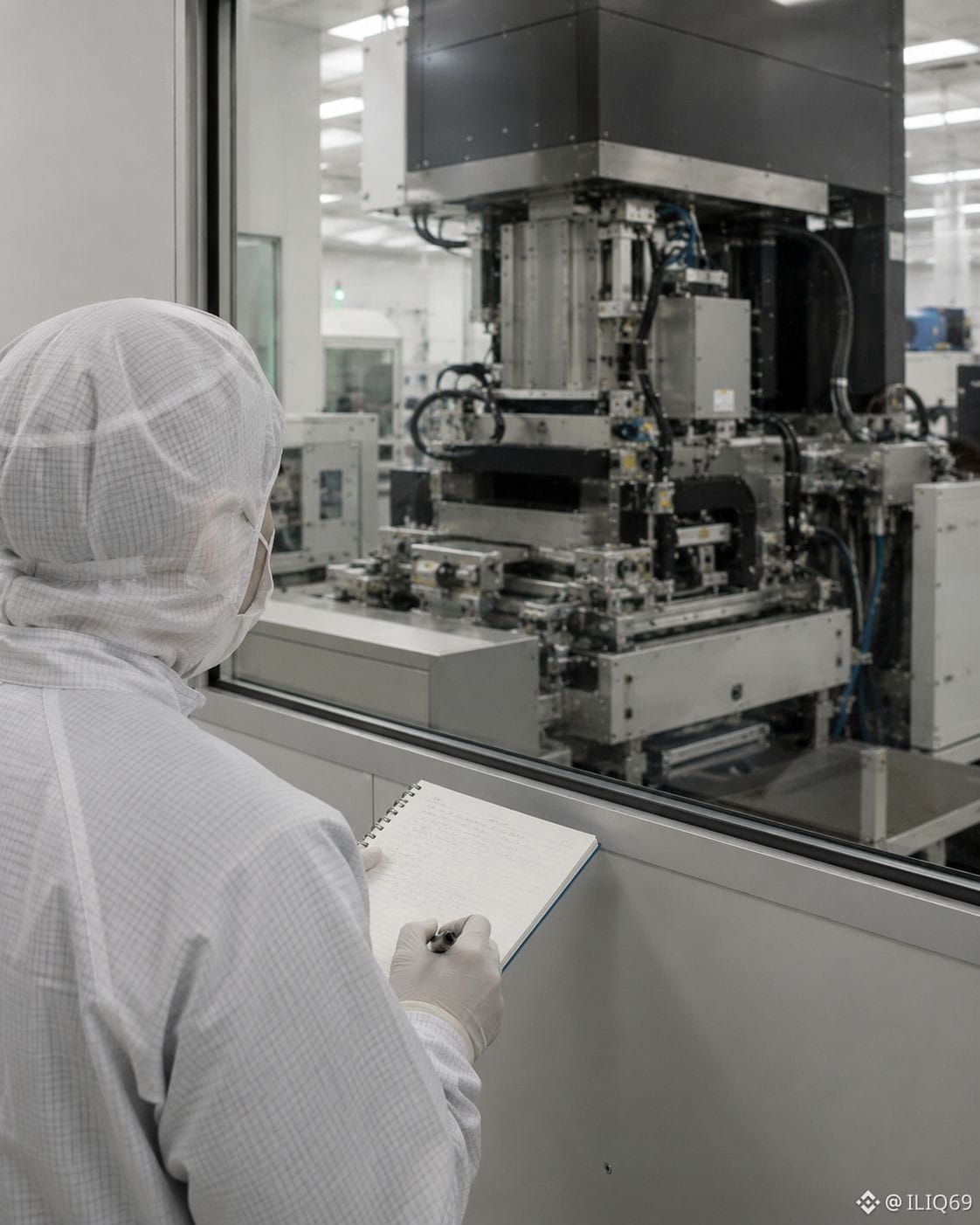
The easy AI narrative is “buy the company that designs the fastest chip.” $ASMLB asks a different question: who makes the equipment that helps chipmakers manufacture advanced chips in the first place?
ASML designs and manufactures lithography machines, plus the software and services used by chipmakers in production. That puts its business further upstream than a familiar consumer-tech headline.
It also changes what I would research. I would not use the next smartphone launch as my whole thesis. I would look at customer capital spending, the manufacturing roadmap, and whether customers are taking delivery and using complex equipment effectively.
This is not a claim that one position is better than another. It is a reminder that “semiconductors” is a chain of very different businesses, each with its own bottlenecks.
Which part of the chip ecosystem interests you most?
#bstockscis @BinanceCIS #bStocksCIS $ASMLB
The easy AI narrative is “buy the company that designs the fastest chip.” $ASMLB asks a different question: who makes the equipment that helps chipmakers manufacture advanced chips in the first place?
ASML designs and manufactures lithography machines, plus the software and services used by chipmakers in production. That puts its business further upstream than a familiar consumer-tech headline.
It also changes what I would research. I would not use the next smartphone launch as my whole thesis. I would look at customer capital spending, the manufacturing roadmap, and whether customers are taking delivery and using complex equipment effectively.
This is not a claim that one position is better than another. It is a reminder that “semiconductors” is a chain of very different businesses, each with its own bottlenecks.
Which part of the chip ecosystem interests you most?
#bstockscis @BinanceCIS #bStocksCIS $ASMLB
ASML designs and manufactures lithography machines, plus the software and services used by chipmakers in production. That puts its business further upstream than a familiar consumer-tech headline.
It also changes what I would research. I would not use the next smartphone launch as my whole thesis. I would look at customer capital spending, the manufacturing roadmap, and whether customers are taking delivery and using complex equipment effectively.
This is not a claim that one position is better than another. It is a reminder that “semiconductors” is a chain of very different businesses, each with its own bottlenecks.
Which part of the chip ecosystem interests you most?
#bstockscis @BinanceCIS #bStocksCIS $ASMLB
Chip design
29%
Manufacturing equipment
0%
Memory and storage
28%
Servers and systems
43%
7 ຄະແນນສຽງ • ປິດລົງຄະແນນສຽງ
10
9
264
·
--
ສັນຍານກະທິງ
ເບິ່ງການແປ
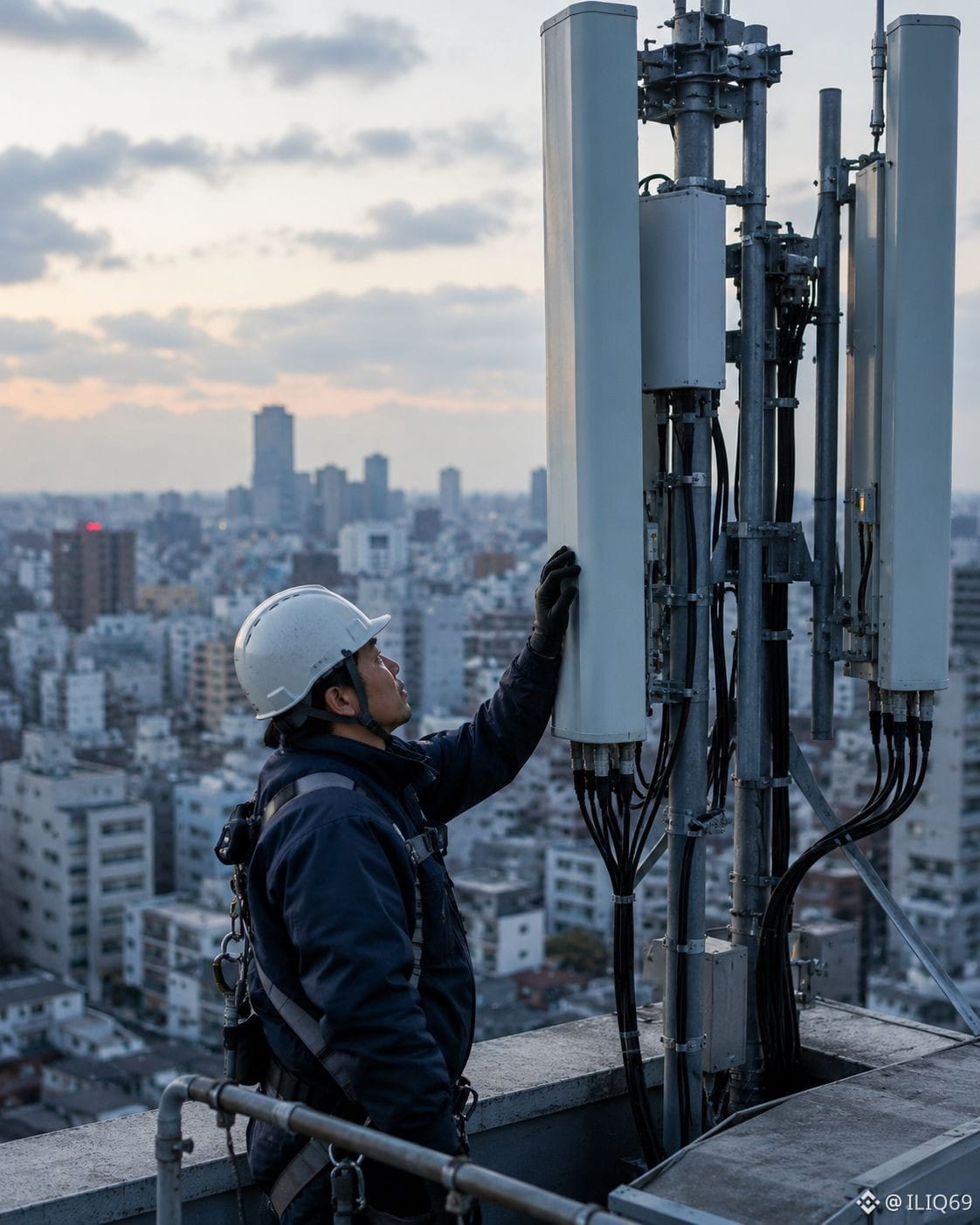
When I see Nokia mentioned, my first mental image is still an old phone. That is exactly why $NOKB makes for a useful research exercise.
Nokia describes itself as a B2B technology company working across mobile, fixed, and cloud networks, with customers that include service providers and enterprises. That means a quick consumer-product narrative misses the actual business lens.
If I were researching this ticker, I would care less about nostalgia and more about network investment cycles, customer contracts, technology standards, and how infrastructure spending converts into results. It is a quieter story than a viral gadget launch, but it is also a more accurate place to start.
The lesson is simple: before trading a familiar brand, ask what the company really sells today.
What would you check first when researching $NOKB ?
@BinanceCIS #bStocksCIS #bstockscis
When I see Nokia mentioned, my first mental image is still an old phone. That is exactly why $NOKB makes for a useful research exercise.
Nokia describes itself as a B2B technology company working across mobile, fixed, and cloud networks, with customers that include service providers and enterprises. That means a quick consumer-product narrative misses the actual business lens.
If I were researching this ticker, I would care less about nostalgia and more about network investment cycles, customer contracts, technology standards, and how infrastructure spending converts into results. It is a quieter story than a viral gadget launch, but it is also a more accurate place to start.
The lesson is simple: before trading a familiar brand, ask what the company really sells today.
What would you check first when researching $NOKB ?
@BinanceCIS #bStocksCIS #bstockscis
Nokia describes itself as a B2B technology company working across mobile, fixed, and cloud networks, with customers that include service providers and enterprises. That means a quick consumer-product narrative misses the actual business lens.
If I were researching this ticker, I would care less about nostalgia and more about network investment cycles, customer contracts, technology standards, and how infrastructure spending converts into results. It is a quieter story than a viral gadget launch, but it is also a more accurate place to start.
The lesson is simple: before trading a familiar brand, ask what the company really sells today.
What would you check first when researching $NOKB ?
@BinanceCIS #bStocksCIS #bstockscis
Network customers
25%
5G and cloud strategy
50%
Financial results
0%
Competitive landscape
25%
4 ຄະແນນສຽງ • ປິດລົງຄະແນນສຽງ
2
5
553
·
--
ສັນຍານກະທິງ
ຢືນຢັນແລ້ວ
ເບິ່ງການແປ
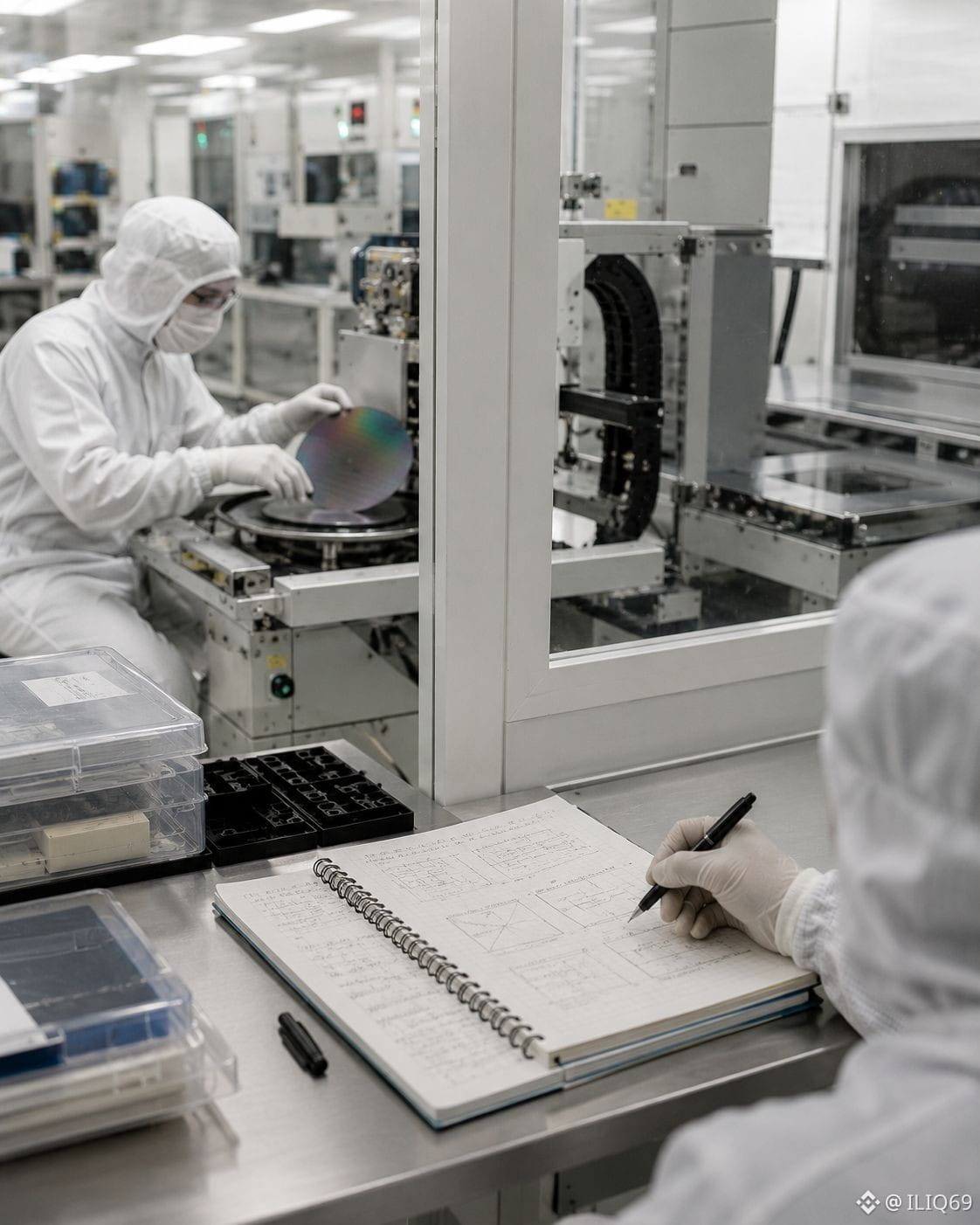
One thing I like about researching $INTCB is that it forces me to drop the “chip company” label. It is too vague to be useful.
Intel reports product businesses that design and sell processors and related semiconductor solutions. It also has Intel Foundry, a manufacturing-and-services business that aims to serve external customers. Those are connected, but they ask for different proof points.
For the product side, I would watch demand and competitiveness. For the foundry side, I would ask about manufacturing execution, customer trust, and whether outside demand is actually developing. Calling both of those things simply “AI exposure” hides more than it explains.
That is my favourite kind of bStock research: not a prediction, just a better map of what the ticker represents.
Which $INTCB story would you study first?
#bstockscis @BinanceCIS #bStocksCIS $INTCB
One thing I like about researching $INTCB is that it forces me to drop the “chip company” label. It is too vague to be useful.
Intel reports product businesses that design and sell processors and related semiconductor solutions. It also has Intel Foundry, a manufacturing-and-services business that aims to serve external customers. Those are connected, but they ask for different proof points.
For the product side, I would watch demand and competitiveness. For the foundry side, I would ask about manufacturing execution, customer trust, and whether outside demand is actually developing. Calling both of those things simply “AI exposure” hides more than it explains.
That is my favourite kind of bStock research: not a prediction, just a better map of what the ticker represents.
Which $INTCB story would you study first?
#bstockscis @BinanceCIS #bStocksCIS $INTCB
Intel reports product businesses that design and sell processors and related semiconductor solutions. It also has Intel Foundry, a manufacturing-and-services business that aims to serve external customers. Those are connected, but they ask for different proof points.
For the product side, I would watch demand and competitiveness. For the foundry side, I would ask about manufacturing execution, customer trust, and whether outside demand is actually developing. Calling both of those things simply “AI exposure” hides more than it explains.
That is my favourite kind of bStock research: not a prediction, just a better map of what the ticker represents.
Which $INTCB story would you study first?
#bstockscis @BinanceCIS #bStocksCIS $INTCB
Consumer and data-center chips
25%
Intel Foundry
0%
Manufacturing execution
25%
All of the above
50%
4 ຄະແນນສຽງ • ປິດລົງຄະແນນສຽງ
2
4
228
·
--
ສັນຍານກະທິງ
ຢືນຢັນແລ້ວ
ເບິ່ງການແປ
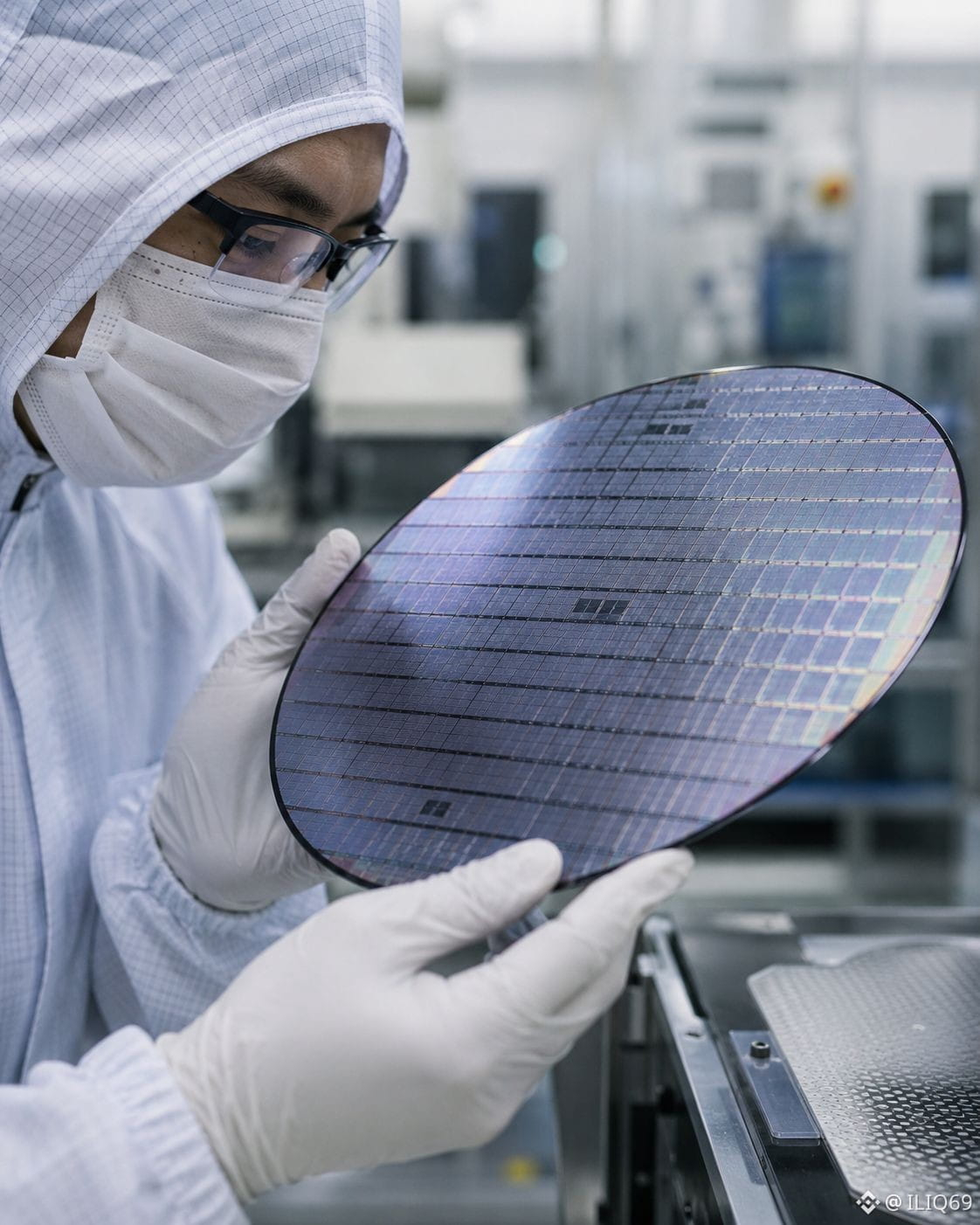
AI discussions usually start with the chip doing the calculation. I have started paying more attention to the memory that lets the system keep data moving.
Micron’s own product range includes DRAM, NAND, and NOR memory and storage products. That does not make $MUB a shortcut to “the AI trade.” It gives me a clearer research question: which part of the compute stack is this company actually exposed to, and what needs to go right for demand to translate into a better business result?
The distinction matters. A strong headline about AI can lift a whole sector, while the economics of memory can still depend on supply, product mix, customer demand, and execution.
So I would rather understand the company’s role in the system than buy a ticker because it appears next to an AI headline.
What would you research first before looking at $MUB ?
@BinanceCIS #bStocksCIS #bstockscis
AI discussions usually start with the chip doing the calculation. I have started paying more attention to the memory that lets the system keep data moving.
Micron’s own product range includes DRAM, NAND, and NOR memory and storage products. That does not make $MUB a shortcut to “the AI trade.” It gives me a clearer research question: which part of the compute stack is this company actually exposed to, and what needs to go right for demand to translate into a better business result?
The distinction matters. A strong headline about AI can lift a whole sector, while the economics of memory can still depend on supply, product mix, customer demand, and execution.
So I would rather understand the company’s role in the system than buy a ticker because it appears next to an AI headline.
What would you research first before looking at $MUB ?
@BinanceCIS #bStocksCIS #bstockscis
Micron’s own product range includes DRAM, NAND, and NOR memory and storage products. That does not make $MUB a shortcut to “the AI trade.” It gives me a clearer research question: which part of the compute stack is this company actually exposed to, and what needs to go right for demand to translate into a better business result?
The distinction matters. A strong headline about AI can lift a whole sector, while the economics of memory can still depend on supply, product mix, customer demand, and execution.
So I would rather understand the company’s role in the system than buy a ticker because it appears next to an AI headline.
What would you research first before looking at $MUB ?
@BinanceCIS #bStocksCIS #bstockscis
Memory product mix
50%
Demand outlook
25%
Supply conditions
0%
Earnings report
25%
4 ຄະແນນສຽງ • ປິດລົງຄະແນນສຽງ
2
5
174
·
--
ສັນຍານກະທິງ
ເບິ່ງການແປ
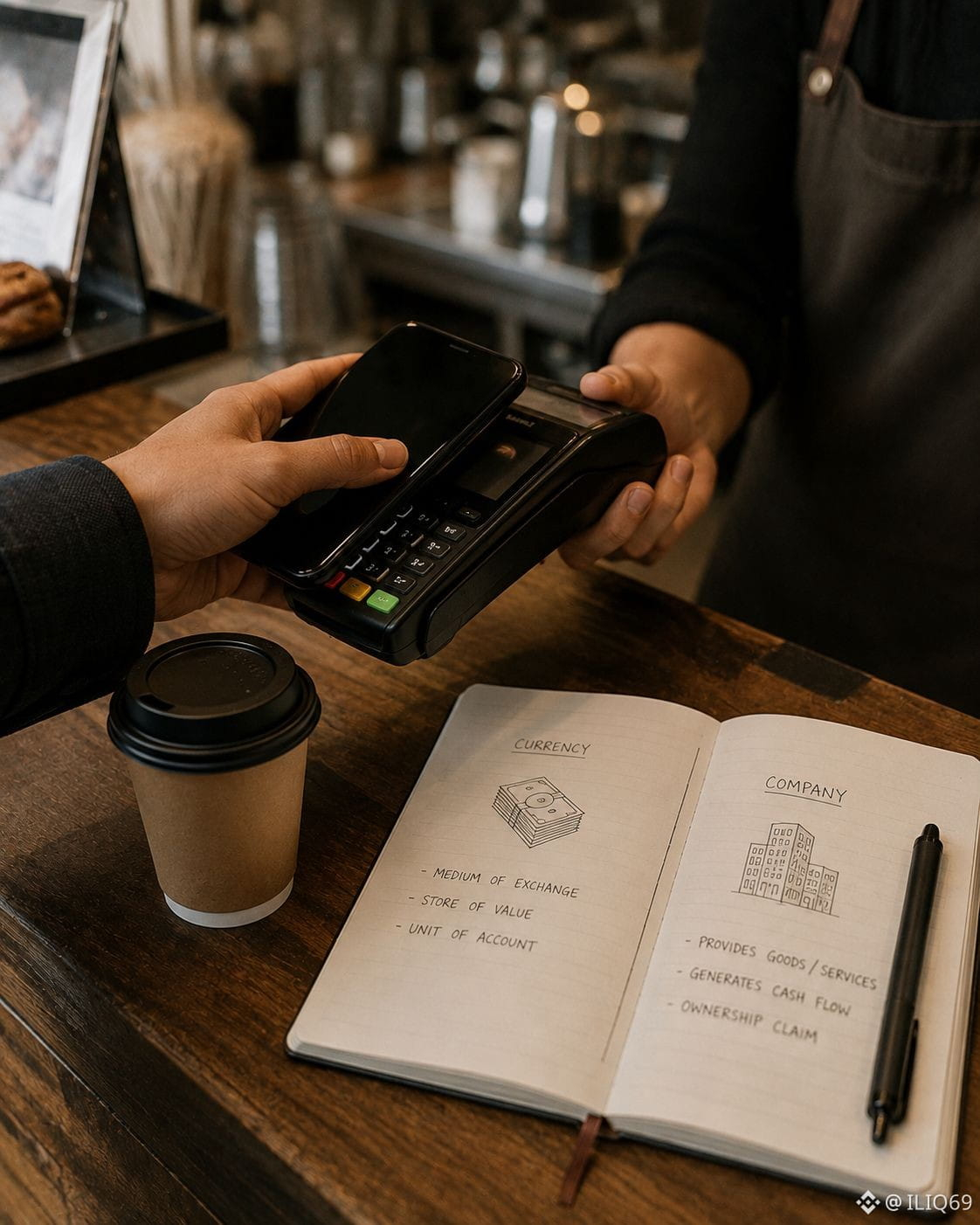
The name “stablecoin” can create a dangerous mental shortcut.
USDC is designed to maintain a dollar peg. $CRCLB is exposure to Circle as a company through a bStock structure. Those are completely different things. One is meant to be stable in price; the other is an equity-linked instrument whose value can react to the company’s revenue model, adoption, competition, regulation, expenses, and market expectations.
That is why I would never call $CRCLB a “safe version of USDC.” The useful connection is not price stability — it is that Circle operates infrastructure around stablecoins and blockchain-based financial services.
For me, the real question is whether I understand how the business earns, grows, and spends money, rather than whether I use its stablecoin in my wallet.
Which business driver would you research first for $CRCLB ?
@BinanceCIS #bStocksCIS #bstockscis
The name “stablecoin” can create a dangerous mental shortcut.
USDC is designed to maintain a dollar peg. $CRCLB is exposure to Circle as a company through a bStock structure. Those are completely different things. One is meant to be stable in price; the other is an equity-linked instrument whose value can react to the company’s revenue model, adoption, competition, regulation, expenses, and market expectations.
That is why I would never call $CRCLB a “safe version of USDC.” The useful connection is not price stability — it is that Circle operates infrastructure around stablecoins and blockchain-based financial services.
For me, the real question is whether I understand how the business earns, grows, and spends money, rather than whether I use its stablecoin in my wallet.
Which business driver would you research first for $CRCLB ?
@BinanceCIS #bStocksCIS #bstockscis
USDC is designed to maintain a dollar peg. $CRCLB is exposure to Circle as a company through a bStock structure. Those are completely different things. One is meant to be stable in price; the other is an equity-linked instrument whose value can react to the company’s revenue model, adoption, competition, regulation, expenses, and market expectations.
That is why I would never call $CRCLB a “safe version of USDC.” The useful connection is not price stability — it is that Circle operates infrastructure around stablecoins and blockchain-based financial services.
For me, the real question is whether I understand how the business earns, grows, and spends money, rather than whether I use its stablecoin in my wallet.
Which business driver would you research first for $CRCLB ?
@BinanceCIS #bStocksCIS #bstockscis
USDC adoption
43%
Reserve income
14%
Regulation
29%
Competition
14%
7 ຄະແນນສຽງ • ປິດລົງຄະແນນສຽງ
1
6
848
ເຂົ້າສູ່ລະບົບເພື່ອສຳຫຼວດເນື້ອຫາເພີ່ມເຕີມ
ເຂົ້າຮ່ວມກຸ່ມຜູ້ໃຊ້ຄຣິບໂຕທົ່ວໂລກໃນ Binance Square.
⚡️ ໄດ້ຮັບຂໍ້ມູນຫຼ້າສຸດ ແລະ ທີ່ມີປະໂຫຍດກ່ຽວກັບຄຣິບໂຕ.
💬 ໄດ້ຮັບຄວາມໄວ້ວາງໃຈຈາກຕະຫຼາດແລກປ່ຽນຄຣິບໂຕທີ່ໃຫຍ່ທີ່ສຸດໃນໂລກ.
👍 ຄົ້ນຫາຂໍ້ມູນເຊີງເລິກທີ່ແທ້ຈາກນັກສ້າງທີ່ໄດ້ຮັບການຢືນຢັນ.
ອີເມວ / ເບີໂທລະສັບ
ຫົວຂໍ້ທີ່ກໍາລັງນິຍົມ
AIStocksWhatNext
498,974 views
3,683 ກຳລັງສົນທະນາ
Пាចែក ແລະ ຮັບຮາງວັນຈາກການແຂ່ງຂັນ Trending Hashtag ຂອງພວກເຮົາ
✨ຫົວຂໍ້: ມີໂອກາດການລົງທຶນອື່ນໃດອີກ ຍັງເຫຼືອບໍ ໃນເວລາທີ່ຫຸ້ນ AI ຍັງຂຶ້ນຢ່າງຕໍ່ເນື່ອງ?
👉ວິທີເຂົ້າຮ່ວມ:
ໂພດຂໍ້ຄວາມສັ້ນຫຼືບົດຄວາມພ້ອມ hashtag #AIStocksWhatNext
ແບ່ງປັນວ່າທ່ານເບີກບວກ (bullish) ຫຼືຂາດບວກ (bearish) ແລະ ໂພດການຖືຫຸ້ນ AI ຫຼືການຊື້ຂາຍຂອງທ່ານ — ການໃຊ້ trade widget ອາດຊ່ວຍໃຫ້ມີສິດກໍານົດໄດ້ດີຂຶ້ນ.
ທ່ານຍັງສາມາດເສີມໃຫ້ໂພດຂອງທ່ານໂດຍການແບ່ງປັນຂໍ້ມູນ ຫຼື ກຣາຟ, ແລະຫຼີກລ້ຽງຮູບພາບທີ່ສ້າງຈາກ AI.
✍️ສ້າງເນື້ອຫາຕາມມຸມມອງດ້ານລຸ່ມນີ້:
- Nvidia ກ່າວວ່າຍອດຂາຍຊິບຈະເພີ່ມເປັນສອງເທົ່າໃນປີໜ້າ, ແລະ ບໍລິສັດ AI ຊັ້ນນໍາຍັງຕີຍອດລາຍຮັບສູງສຸດຕໍ່ເນື່ອງ—ການໃຊ້ຈ່າຍດ້ານ compute ທີ່ຢູ່ຫຼັງມັນກໍ່ຊັດເຈນຫຼາຍ. ຄວາມຕ້ອງການຂອງ AI ຈິງໆກໍາລັງຂຶ້ນບໍ? ແລະ ມັນຈະຢູ່ໄດ້ດົນປານໃດ? ຫຸ້ນ AI ຂຶ້ນທົ່ວກະດານ. ນີ້ແມ່ນການປະຕິບັດສະລຸດຈິງ (real breakout) ຫຼືແພ້ແຄ່ການເດັ້ງກັ້ນໄລຍະສັ້ນ?
- ຜູ້ນໍາໃນອຸດສາຫະກໍາເອີ້ນໃຫ້ຊະລໍການພັດທະນາ AI, ໃນຂະນະທີ່ Trump ວາງແຜນຈະສ້າງ “AI Force” ໂດຍອ້າງວ່າ AI ອາດຈະກວມ 25% ຂອງ GDP ຂອງສະຫະລັດ ໃນອະນາຄົດ. ທ່ານຢູ່ຝ່າຍໃດ? ການໜູນຊ່ວຍຈາກລະດັບລັດ (state-level backing) ຈະເປັນໄຊຊະນະໄລຍະຍາວສໍາລັບຫຸ້ນ AI ບໍ?
- ທ່ານກໍ່າລັງຊື້ຫຸ້ນ AI ບໍ? ແບ່ງປັນການຊື້ຂາຍ/ການຖືຄອງທີ່ກ່ຽວຂ້ອງກັບ AI ຂອງທ່ານຜ່ານ trade sharing widget ຂອງພວກເຮົາ.
⏰ໄລຍະການແຄມເປນ:
- 2026-09-22 7:00 - 2026-09-24 4:00 UTC
🎁ລາງວັນ:
- ໂພດທີ່ມີຄຸນສົມບັດຕາມກົດລະບຽບຂ້າງເທິງ ແລະ ມີຫຼາຍກວ່າ 100 ຄໍາຈະຖືກທວດສອບ ແລະ ອາດຈະໄດ້ຮັບການເພີ່ມເຂົ້າເບິ່ງແບບສຸ່ມ 500 ຫາ 3,000 ຄັ້ງ. ທ່ານຈະໄດ້ຮັບແຈ້ງເຕືອນຈາກເຈົ້າໜ້າທີ່ຂອງ feed ຂອງພວກເຮົາ ຖ້າໂພດຂອງທ່ານຖືກເລືອກ.
- ມີໂອກາດໃຫ້ບົດຄວາມຂອງທ່ານຖືກນໍາໄປສະແດງໃນ Binance Square Official
ຕ້ອງການໄອເດຍສໍາລັບໂພດຂອງທ່ານບໍ? ເຂົ້າໄປທີ່ໜ້າຫົວຂໍ້ #AIStocksWhatNext ຫຼື Square Guide on How to Post for Better Reach.
Binance Square Official
·423 ຖືກໃຈ
·1.1M views
BitcoinTops$87KAtEightMonthHigh
645 views
27 ກຳລັງສົນທະນາ
ZECBreaksAbove$1600AtRecordHigh
268 views
11 ກຳລັງສົນທະນາ