

Ghost Writer
8.1k ໂພສ

Ghost Writer
ລາຍງານ
ບລັອກຜູ້ໃຊ້
Research & summarize the latest Crypto market news | BNB Holder | Web 3 Airdrop | X: @GhostxWriterx
ເປີດການຊື້ຂາຍ
ຜູ້ຊື້ຂາຍປະຈໍາ
5.7 ປີ
788 ກໍາລັງຕິດຕາມ
17.8K+ ຜູ້ຕິດຕາມ
26.7K+ Liked
ໂພສ
Portfolio
ທັງໝົດ
ວົງຢືມ
ວີດີໂອ
ຖ່າຍທອດສົດ
ປັກໝຸດ
·
--
ສັນຍານກະທິງ
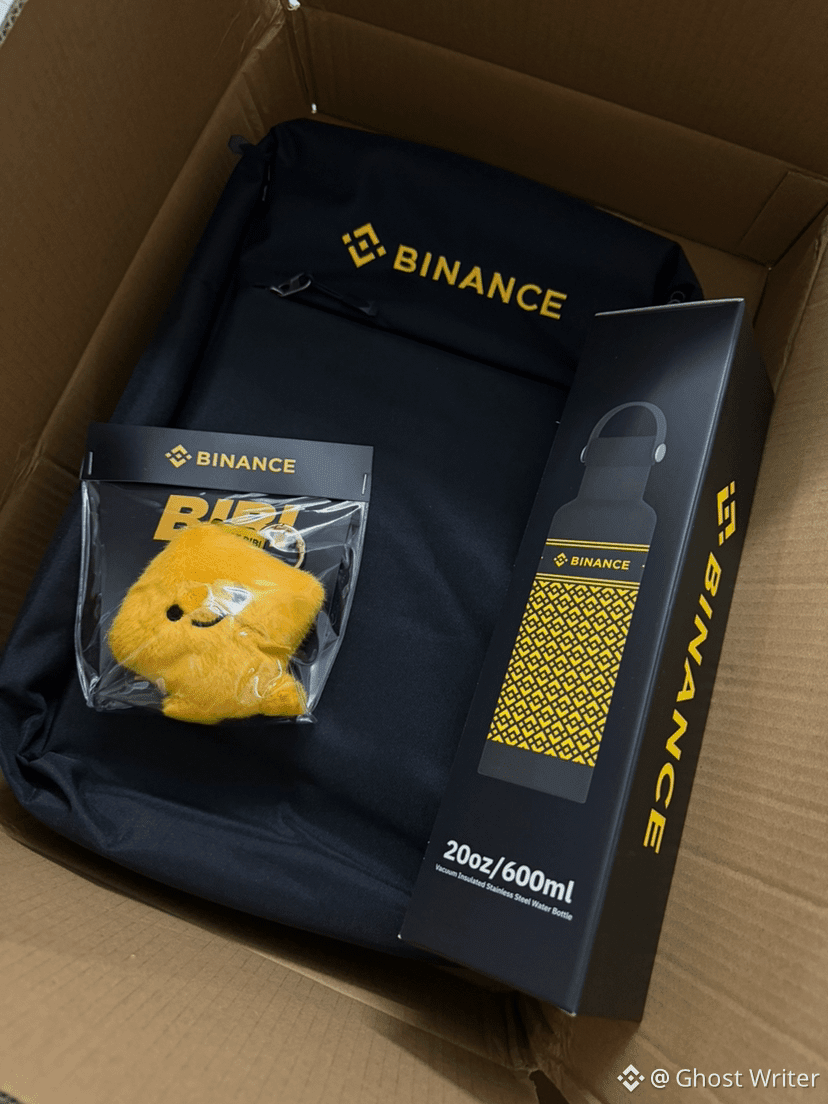
DAY9 - GM GUYS , THE VOTE IS RESET 🙏🏼
[VOTE GHOST TODAY - RISING STAR ⭐](https://www.binance.com/en/square/blockchain-100-2026?username=523)️
[VOTE GHOST TODAY - RISING STAR ⭐](https://www.binance.com/en/square/profile/ghostwriter)️
Comment "Ok" = Airdrop 🎁 $BTC
DAY9 - GM GUYS , THE VOTE IS RESET 🙏🏼
VOTE GHOST TODAY - RISING STAR ⭐️
VOTE GHOST TODAY - RISING STAR ⭐️
Comment "Ok" = Airdrop 🎁 $BTC
VOTE GHOST TODAY - RISING STAR ⭐️
VOTE GHOST TODAY - RISING STAR ⭐️
Comment "Ok" = Airdrop 🎁 $BTC

2.1k
3
97
2.1k
ປັກໝຸດ
·
--
ສັນຍານກະທິງ
DAY 8 - BBW 🏆 VOTE NOW TO GET $BTC
[VOTE ME RISING STAR ⭐](https://www.binance.com/en/square/blockchain-100-2026?username=523)️
[VOTE ME RISING STAR ⭐](https://www.binance.com/en/square/profile/ghostwriter)️
Comment "Vote" , thanks 🙏🏼
DAY 8 - BBW 🏆 VOTE NOW TO GET $BTC
VOTE ME RISING STAR ⭐️
VOTE ME RISING STAR ⭐️
Comment "Vote" , thanks 🙏🏼
VOTE ME RISING STAR ⭐️
VOTE ME RISING STAR ⭐️
Comment "Vote" , thanks 🙏🏼


2.7k
2
126
2.7k
·
--
ສັນຍານກະທິງ
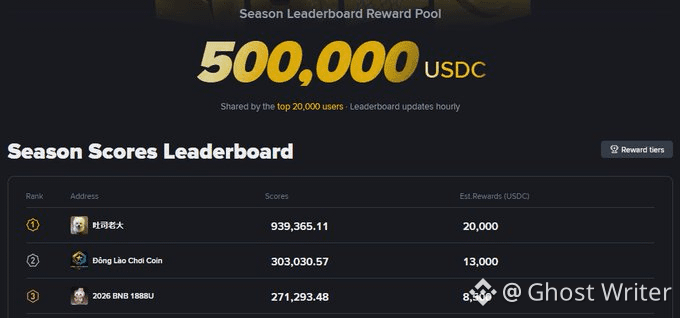
#BinancePick Các pháp sư VN dù rất khủng nhưng vẫn thua...các pháp sư China😂
Hôm nay lại xuất hiện 1 vị thần Trung hoa cán mốc 1 triệu điểm
#BinancePick
Gấp 3 lần top 1 VN Đông lào chơi Coin -> Khả năng all in win 100% chứ sao mà lên nhanh vậy được
Tham gia Free nhận 300 điểm nha ae: [https://app.binance.com/uni-qr/prophet?from=share&seasonId=prophet_1019_s1&ref=VNBCGHOST](https://app.binance.com/uni-qr/prophet?from=share&seasonId=prophet_1019_s1&ref=VNBCGHOST)
#BinancePick Các pháp sư VN dù rất khủng nhưng vẫn thua...các pháp sư China😂
Hôm nay lại xuất hiện 1 vị thần Trung hoa cán mốc 1 triệu điểm
#BinancePick
Gấp 3 lần top 1 VN Đông lào chơi Coin -> Khả năng all in win 100% chứ sao mà lên nhanh vậy được
Tham gia Free nhận 300 điểm nha ae: https://app.binance.com/uni-qr/prophet?from=share&seasonId=prophet_1019_s1&ref=VNBCGHOST
Hôm nay lại xuất hiện 1 vị thần Trung hoa cán mốc 1 triệu điểm
#BinancePick
Gấp 3 lần top 1 VN Đông lào chơi Coin -> Khả năng all in win 100% chứ sao mà lên nhanh vậy được
Tham gia Free nhận 300 điểm nha ae: https://app.binance.com/uni-qr/prophet?from=share&seasonId=prophet_1019_s1&ref=VNBCGHOST
1
156
·
--
ສັນຍານກະທິງ
ຢືນຢັນແລ້ວ
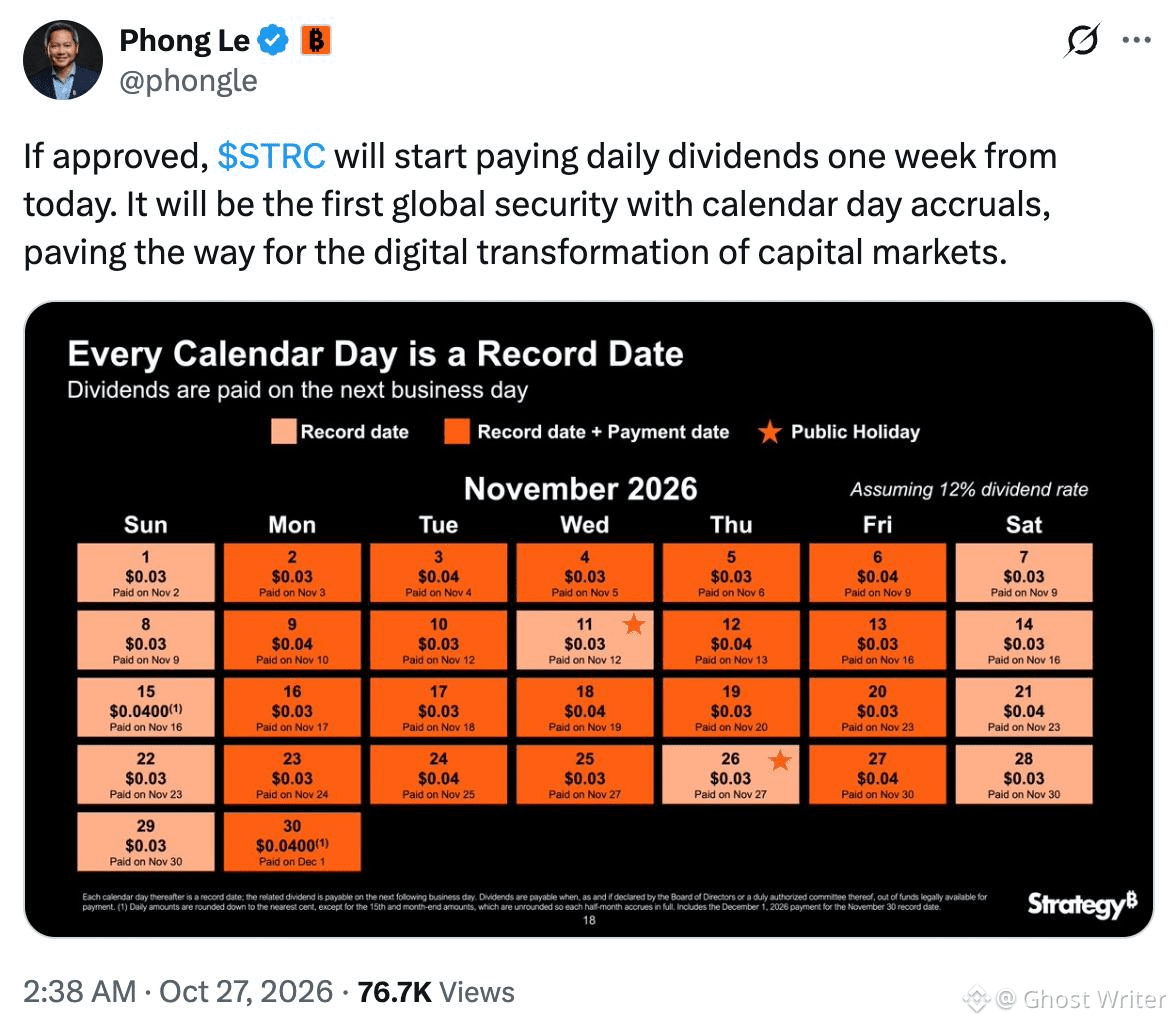
BREAKING: CEO Phong Le wants to make $STRC the world's first stock to pay daily dividends!
Phong Le, CEO of Strategy, has just announced plans to implement a daily dividend payment mechanism for preferred shares of $STRC.US , if approved by shareholders.
💰 Investors are expected to receive approximately $0.03–$0.04 per share daily.
According to Phong Le, this is not only a change in dividend payment methods but also paves the way for the digitalization of the global capital market.
📌 If successfully implemented, STRC could become a noteworthy model in connecting traditional finance with the digital asset ecosystem.
{future}(STRCUSDT)
#strc #MicroStrategy
BREAKING: CEO Phong Le wants to make $STRC the world's first stock to pay daily dividends!
Phong Le, CEO of Strategy, has just announced plans to implement a daily dividend payment mechanism for preferred shares of $STRC.US , if approved by shareholders.
💰 Investors are expected to receive approximately $0.03–$0.04 per share daily.
According to Phong Le, this is not only a change in dividend payment methods but also paves the way for the digitalization of the global capital market.
📌 If successfully implemented, STRC could become a noteworthy model in connecting traditional finance with the digital asset ecosystem.
#strc #MicroStrategy
Phong Le, CEO of Strategy, has just announced plans to implement a daily dividend payment mechanism for preferred shares of $STRC.US , if approved by shareholders.
💰 Investors are expected to receive approximately $0.03–$0.04 per share daily.
According to Phong Le, this is not only a change in dividend payment methods but also paves the way for the digitalization of the global capital market.
📌 If successfully implemented, STRC could become a noteworthy model in connecting traditional finance with the digital asset ecosystem.
#strc #MicroStrategy
STRCUS+0,19%
1
3
1.6k
·
--
THƯỞNG KÉP TỪ 2 EVENT HALLOWEEN 🎃
Binance Global ra mắt campagign Pumpkin Frenzy
🔸 Truy cập: [https://www.binance.com/referral/mystery-box/Pumpkin-Frenzy/claim?ref=VNBCGHOST](https://www.binance.com/referral/mystery-box/Pumpkin-Frenzy/claim?ref=VNBCGHOST)
🔸 Click Đăng ký
🔸 Giao dịch Bstock & Spot/Future (tính đồng thời 2 sự kiện)
🔸 Đập bí ngô mở quà
Chơi ngay nào ace $USDC $BNB
#HalloweenOnBinance
THƯỞNG KÉP TỪ 2 EVENT HALLOWEEN 🎃
Binance Global ra mắt campagign Pumpkin Frenzy
🔸 Truy cập: https://www.binance.com/referral/mystery-box/Pumpkin-Frenzy/claim?ref=VNBCGHOST
🔸 Click Đăng ký
🔸 Giao dịch Bstock & Spot/Future (tính đồng thời 2 sự kiện)
🔸 Đập bí ngô mở quà
Chơi ngay nào ace $USDC $BNB
#HalloweenOnBinance
Binance Global ra mắt campagign Pumpkin Frenzy
🔸 Truy cập: https://www.binance.com/referral/mystery-box/Pumpkin-Frenzy/claim?ref=VNBCGHOST
🔸 Click Đăng ký
🔸 Giao dịch Bstock & Spot/Future (tính đồng thời 2 sự kiện)
🔸 Đập bí ngô mở quà
Chơi ngay nào ace $USDC $BNB
#HalloweenOnBinance
3
3
440
·
--
ສັນຍານກະທິງ
ຢືນຢັນແລ້ວ
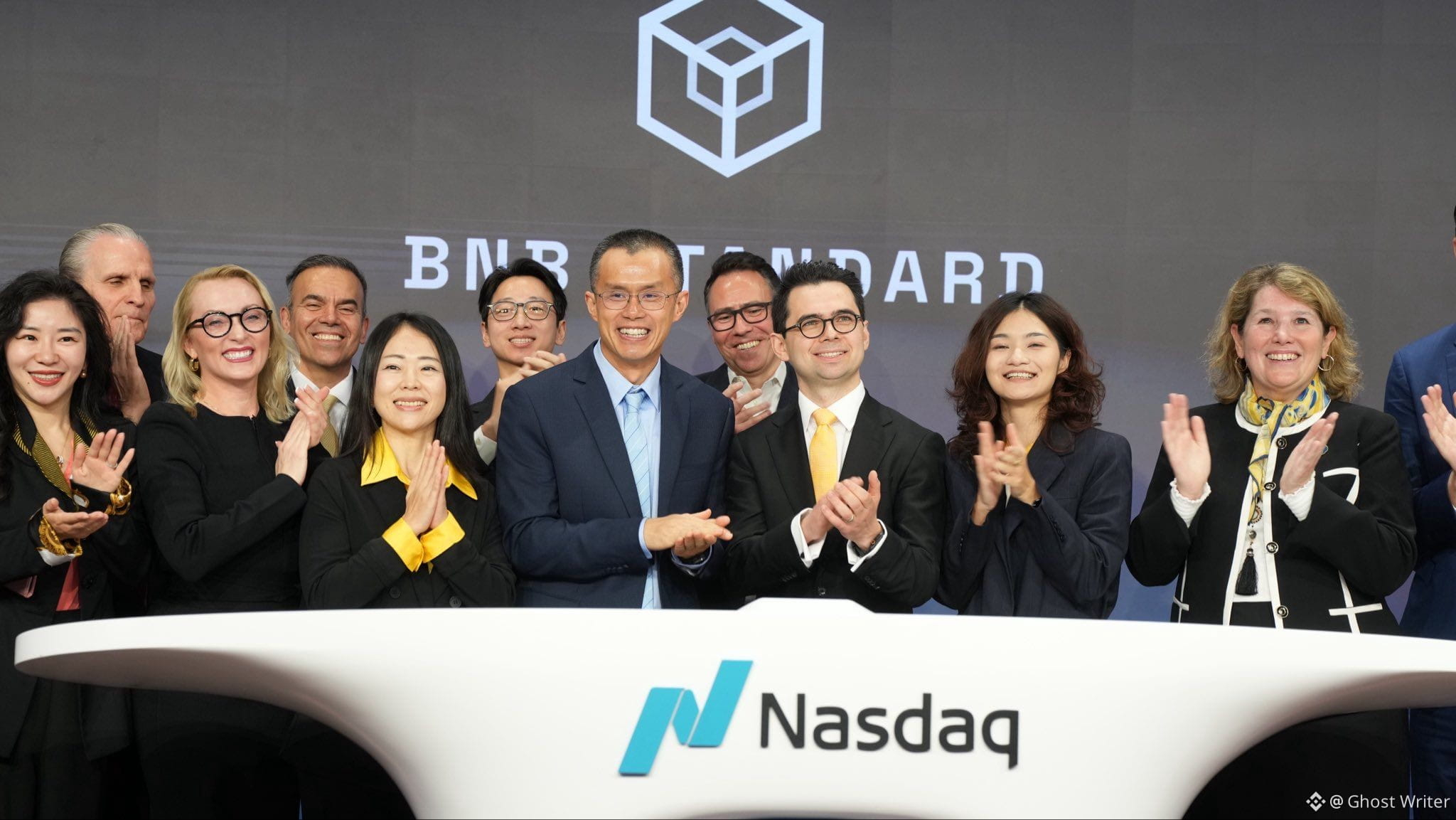
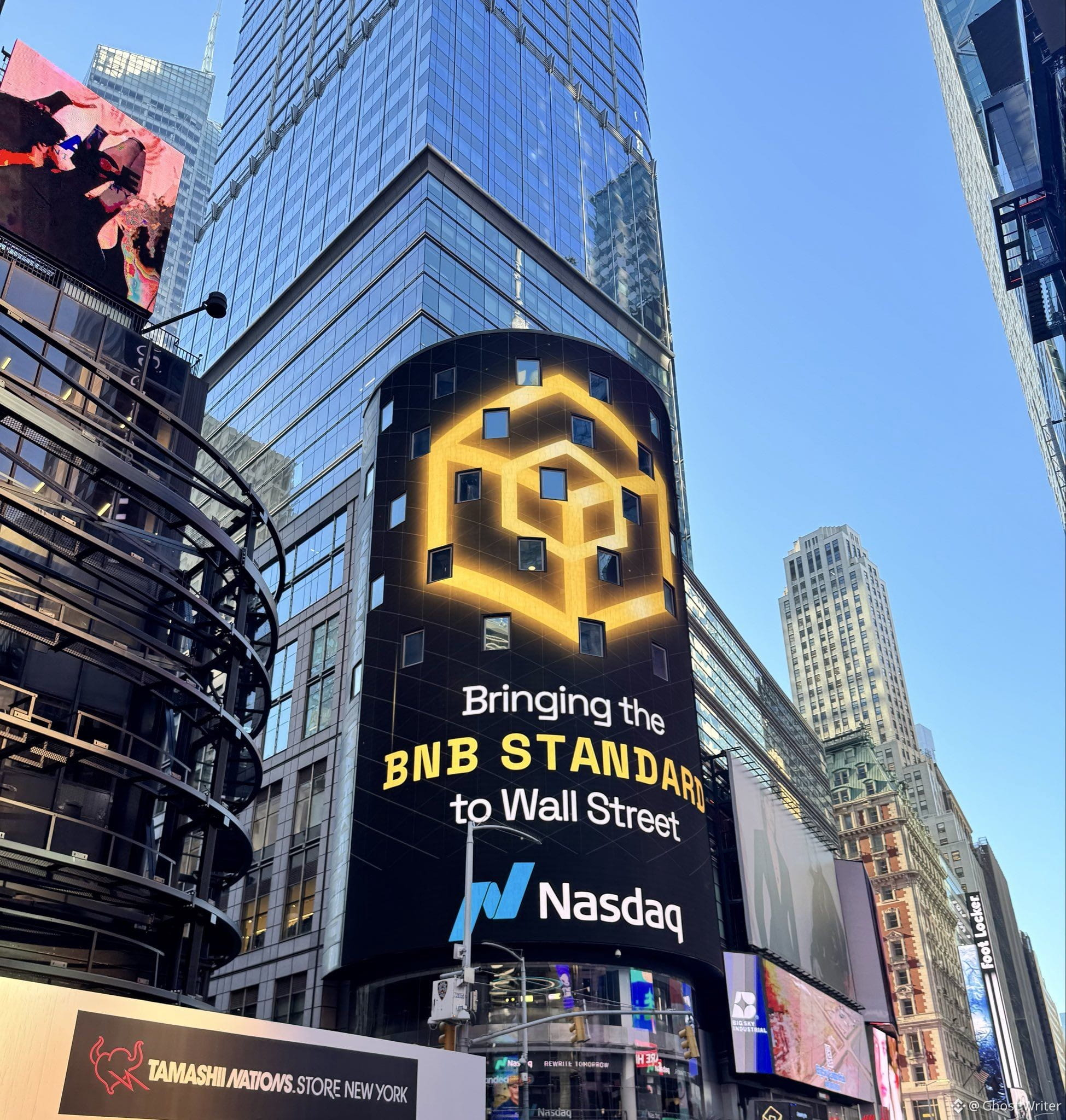
@BNBStandard just rang the Nasdaq Opening Bell with CZ standing right there 👀
A public company built around the world’s largest corporate BNB treasury, ringing the world's most-watched market open.
That’s not a photo op.
That’s BNB walking into the room institutional capital actually watches.
Five quick facts about CZ & the BNB Standard:
🔸YZi Labs led the $500M raise that turned a small Nasdaq company into a BNB treasury vehicle
🔸CZ publicly voted for the name “BNB Standard” in the community advisory poll
🔸New CEO Alex Odagiu previously served as an investment partner at YZi Labs
🔸The company is planning to run a BNB Chain validator, not just hold the token
🔸CZ showed up in Times Square for the first time to ring the bell
Most institutions still haven’t seriously looked at BNB. A Nasdaq-listed company with transparent filings and a real treasury makes that harder to ignore.
The ecosystem just got a clearer on-ramp
This is SUPER Buillish for $BNB $BNCB
#BinancePick
#bnb
@BNBStandard just rang the Nasdaq Opening Bell with CZ standing right there 👀
A public company built around the world’s largest corporate BNB treasury, ringing the world's most-watched market open.
That’s not a photo op.
That’s BNB walking into the room institutional capital actually watches.
Five quick facts about CZ & the BNB Standard:
🔸YZi Labs led the $500M raise that turned a small Nasdaq company into a BNB treasury vehicle
🔸CZ publicly voted for the name “BNB Standard” in the community advisory poll
🔸New CEO Alex Odagiu previously served as an investment partner at YZi Labs
🔸The company is planning to run a BNB Chain validator, not just hold the token
🔸CZ showed up in Times Square for the first time to ring the bell
Most institutions still haven’t seriously looked at BNB. A Nasdaq-listed company with transparent filings and a real treasury makes that harder to ignore.
The ecosystem just got a clearer on-ramp
This is SUPER Buillish for $BNB $BNCB
#BinancePick
#bnb
A public company built around the world’s largest corporate BNB treasury, ringing the world's most-watched market open.
That’s not a photo op.
That’s BNB walking into the room institutional capital actually watches.
Five quick facts about CZ & the BNB Standard:
🔸YZi Labs led the $500M raise that turned a small Nasdaq company into a BNB treasury vehicle
🔸CZ publicly voted for the name “BNB Standard” in the community advisory poll
🔸New CEO Alex Odagiu previously served as an investment partner at YZi Labs
🔸The company is planning to run a BNB Chain validator, not just hold the token
🔸CZ showed up in Times Square for the first time to ring the bell
Most institutions still haven’t seriously looked at BNB. A Nasdaq-listed company with transparent filings and a real treasury makes that harder to ignore.
The ecosystem just got a clearer on-ramp
This is SUPER Buillish for $BNB $BNCB
#BinancePick
#bnb
4
1.4k

·
--
ສັນຍານກະທິງ
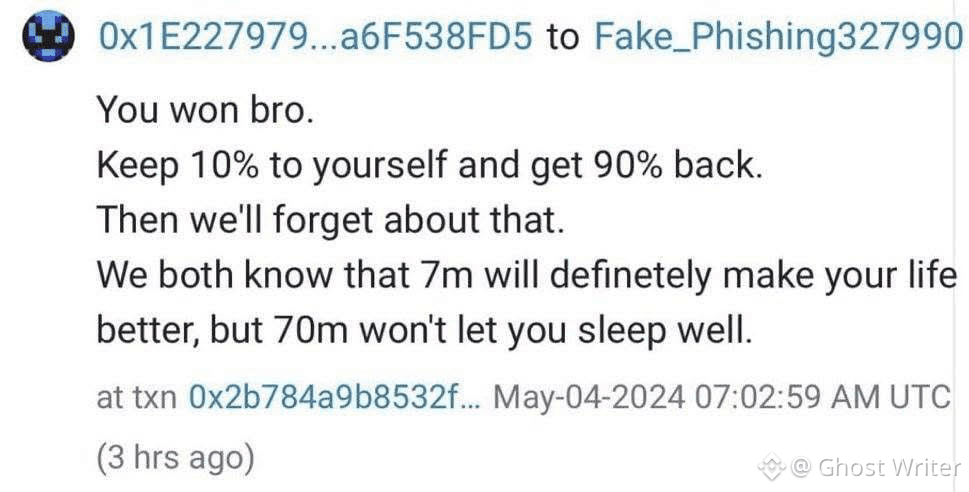
😱 WHALE MISTAKENLY TRANSFERS $73 MILLION USD IN BITCOIN TO STRANGER! $BTC
After realizing they mistakenly transferred $73 million USD worth of BTC, this whale sent an on-chain message, asking the recipient to keep 10% ($7.3 million USD) and return the remaining 90%.
If you were in their shoes, would you return it?
#BinancePick #bitcoin
😱 WHALE MISTAKENLY TRANSFERS $73 MILLION USD IN BITCOIN TO STRANGER! $BTC
After realizing they mistakenly transferred $73 million USD worth of BTC, this whale sent an on-chain message, asking the recipient to keep 10% ($7.3 million USD) and return the remaining 90%.
If you were in their shoes, would you return it?
#BinancePick #bitcoin
After realizing they mistakenly transferred $73 million USD worth of BTC, this whale sent an on-chain message, asking the recipient to keep 10% ($7.3 million USD) and return the remaining 90%.
If you were in their shoes, would you return it?
#BinancePick #bitcoin
130
54
83.3k
·
--
ສັນຍານໝີ
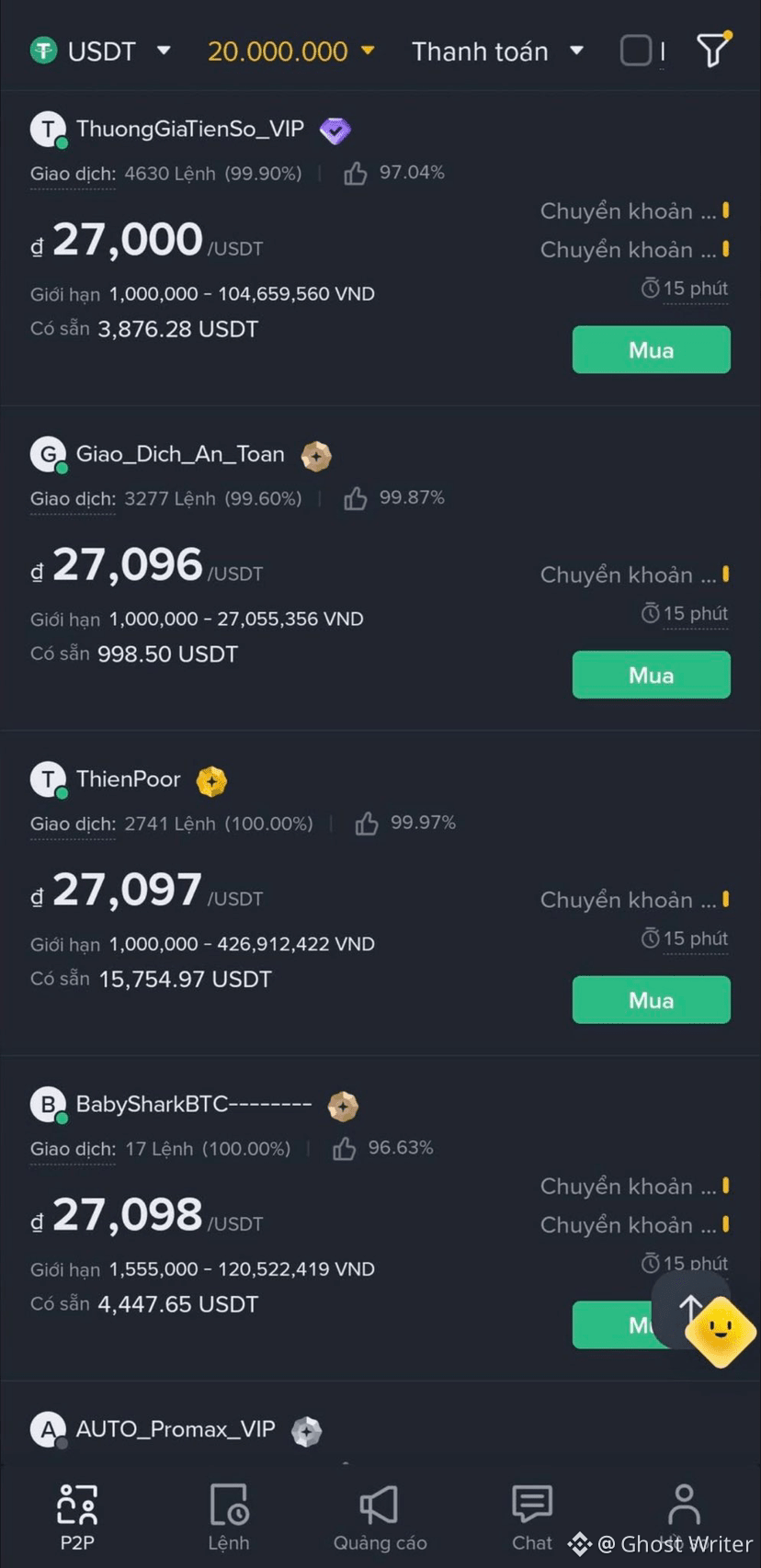
USDT’s quiet climb toward 27,000 VND on Vietnamese P2P is more than a local premium — it’s a live read on dollar demand.
Official SBV central rate sits near 25,630 VND. Typical Binance P2P medians hover around 26,300 (+1.7–2%). Yet the buy-side offers in the screenshot (27,000–27,098 VND) reflect a 4–5% premium over official FX. This gap widens when local demand for a liquid USD proxy spikes.
What’s driving it
• Limited official USD access and capital controls make USDT the practical on-ramp for many retail traders.
• Post-2026 legal recognition of digital assets as property has normalized P2P flows, while the 0.1% transfer tax (effective mid-2026) hasn’t cooled volume.
• During risk-off or dip-buying periods, Vietnamese traders load up on USDT to “bơm giáp” (top up margins) or prepare for alt entries — pushing the clearing price higher than medians.
Market impact
Higher P2P rates raise the effective cost of entering crypto for local buyers and create small arbitrage windows for those who can source USDT closer to official rates. More importantly, a sustained premium acts as a real-time indicator of preference for dollar-like exposure. When the gap expands, it often coincides with increased on-chain activity and tighter local liquidity for VND pairs.
In markets where formal FX is tightly managed, the P2P USDT rate frequently becomes the true marginal price of digital dollars. Watching whether 27k holds or compresses will tell you more about local risk appetite than most macro headlines. $BTC $ETH
USDT’s quiet climb toward 27,000 VND on Vietnamese P2P is more than a local premium — it’s a live read on dollar demand.
Official SBV central rate sits near 25,630 VND. Typical Binance P2P medians hover around 26,300 (+1.7–2%). Yet the buy-side offers in the screenshot (27,000–27,098 VND) reflect a 4–5% premium over official FX. This gap widens when local demand for a liquid USD proxy spikes.
What’s driving it
• Limited official USD access and capital controls make USDT the practical on-ramp for many retail traders.
• Post-2026 legal recognition of digital assets as property has normalized P2P flows, while the 0.1% transfer tax (effective mid-2026) hasn’t cooled volume.
• During risk-off or dip-buying periods, Vietnamese traders load up on USDT to “bơm giáp” (top up margins) or prepare for alt entries — pushing the clearing price higher than medians.
Market impact
Higher P2P rates raise the effective cost of entering crypto for local buyers and create small arbitrage windows for those who can source USDT closer to official rates. More importantly, a sustained premium acts as a real-time indicator of preference for dollar-like exposure. When the gap expands, it often coincides with increased on-chain activity and tighter local liquidity for VND pairs.
In markets where formal FX is tightly managed, the P2P USDT rate frequently becomes the true marginal price of digital dollars. Watching whether 27k holds or compresses will tell you more about local risk appetite than most macro headlines. $BTC $ETH
Official SBV central rate sits near 25,630 VND. Typical Binance P2P medians hover around 26,300 (+1.7–2%). Yet the buy-side offers in the screenshot (27,000–27,098 VND) reflect a 4–5% premium over official FX. This gap widens when local demand for a liquid USD proxy spikes.
What’s driving it
• Limited official USD access and capital controls make USDT the practical on-ramp for many retail traders.
• Post-2026 legal recognition of digital assets as property has normalized P2P flows, while the 0.1% transfer tax (effective mid-2026) hasn’t cooled volume.
• During risk-off or dip-buying periods, Vietnamese traders load up on USDT to “bơm giáp” (top up margins) or prepare for alt entries — pushing the clearing price higher than medians.
Market impact
Higher P2P rates raise the effective cost of entering crypto for local buyers and create small arbitrage windows for those who can source USDT closer to official rates. More importantly, a sustained premium acts as a real-time indicator of preference for dollar-like exposure. When the gap expands, it often coincides with increased on-chain activity and tighter local liquidity for VND pairs.
In markets where formal FX is tightly managed, the P2P USDT rate frequently becomes the true marginal price of digital dollars. Watching whether 27k holds or compresses will tell you more about local risk appetite than most macro headlines. $BTC $ETH
1
1
460
·
--
ສັນຍານໝີ
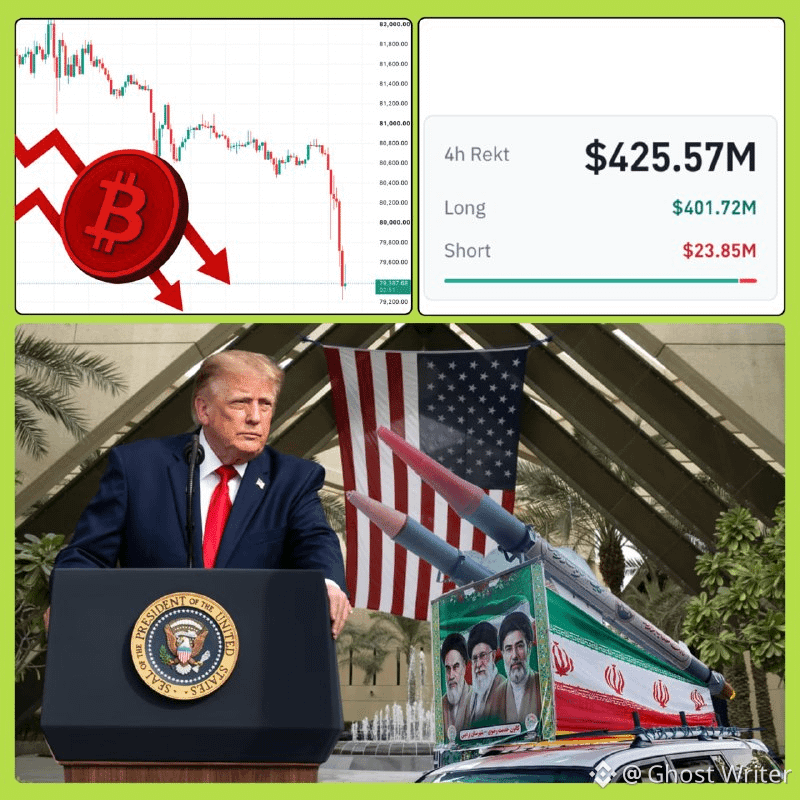
$BTC Why did Bitcoin plummet tonight? The reason could stem from the Middle East conflict 🧨
Bitcoin just dropped 2.2% in 24 hours, to $79,700. ETH, XRP, and SOL also fell 3-4%. Over $400 million worth of long positions were liquidated in the last 4 hours.
Condolences to the long holders 🤕
The market declined after The Wall Street Journal (WSJ) reported that the US is urgently withdrawing personnel from embassies and military bases across the Middle East. Intelligence suggests Iran may be preparing to attack Americans.
Jay Clayton, Director of National Intelligence, wrote in a memo to Secretary of State Marco Rubio that Iran has significantly increased its efforts targeting US personnel. This troop withdrawal appears to be much larger than earlier in the week.
Speaking in Florida on October 23, Trump also said the US could escalate the conflict with Iran again after the midterm elections in early November.
#MarketsPriceJust10%ChanceOfFedHikeNextWeek
#USQ3GDPAndSeptemberPCEDueNextWeek
#BTC
$BTC Why did Bitcoin plummet tonight? The reason could stem from the Middle East conflict 🧨
Bitcoin just dropped 2.2% in 24 hours, to $79,700. ETH, XRP, and SOL also fell 3-4%. Over $400 million worth of long positions were liquidated in the last 4 hours.
Condolences to the long holders 🤕
The market declined after The Wall Street Journal (WSJ) reported that the US is urgently withdrawing personnel from embassies and military bases across the Middle East. Intelligence suggests Iran may be preparing to attack Americans.
Jay Clayton, Director of National Intelligence, wrote in a memo to Secretary of State Marco Rubio that Iran has significantly increased its efforts targeting US personnel. This troop withdrawal appears to be much larger than earlier in the week.
Speaking in Florida on October 23, Trump also said the US could escalate the conflict with Iran again after the midterm elections in early November.
#MarketsPriceJust10%ChanceOfFedHikeNextWeek
#USQ3GDPAndSeptemberPCEDueNextWeek
#BTC
Bitcoin just dropped 2.2% in 24 hours, to $79,700. ETH, XRP, and SOL also fell 3-4%. Over $400 million worth of long positions were liquidated in the last 4 hours.
Condolences to the long holders 🤕
The market declined after The Wall Street Journal (WSJ) reported that the US is urgently withdrawing personnel from embassies and military bases across the Middle East. Intelligence suggests Iran may be preparing to attack Americans.
Jay Clayton, Director of National Intelligence, wrote in a memo to Secretary of State Marco Rubio that Iran has significantly increased its efforts targeting US personnel. This troop withdrawal appears to be much larger than earlier in the week.
Speaking in Florida on October 23, Trump also said the US could escalate the conflict with Iran again after the midterm elections in early November.
#MarketsPriceJust10%ChanceOfFedHikeNextWeek
#USQ3GDPAndSeptemberPCEDueNextWeek
#BTC
6
6
5.4k
·
--
ສັນຍານກະທິງ
#BinancePick Thank you Top Esport (TES)
Vote T1 next here, guys
[https://web3.binance.com/en/prediction/market-detail/lol-t1-cfo-2026-10-26?ref=VNBCGHOST&ct=match&g=moneyline](https://web3.binance.com/en/prediction/market-detail/lol-t1-cfo-2026-10-26?ref=VNBCGHOST&ct=match&g=moneyline)
#BinancePick Thank you Top Esport (TES)
Vote T1 next here, guys
https://web3.binance.com/en/prediction/market-detail/lol-t1-cfo-2026-10-26?ref=VNBCGHOST&ct=match&g=moneyline
Vote T1 next here, guys
https://web3.binance.com/en/prediction/market-detail/lol-t1-cfo-2026-10-26?ref=VNBCGHOST&ct=match&g=moneyline

4
947
·
--
ສັນຍານກະທິງ
ຢືນຢັນແລ້ວ
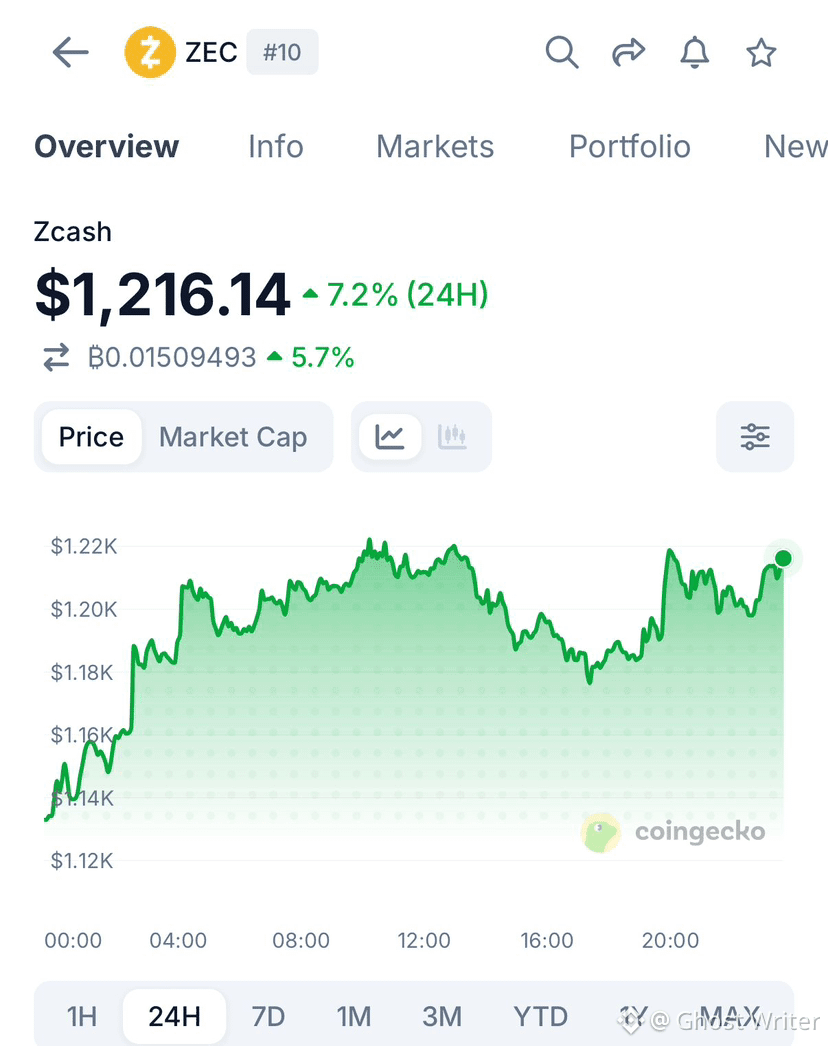
$ZEC Holy smokes... Investors are bullish on $ZEC again!
Spot @Zcash ETFs saw massive net inflows to the tune of more than +$41M this week.
The performance follows three straight weeks of major outflows for the products, which now hold 3.4% of $ZEC's current supply.
Things are looking up.
#zec #Privacy
$ZEC Holy smokes... Investors are bullish on $ZEC again!
Spot @Zcash ETFs saw massive net inflows to the tune of more than +$41M this week.
The performance follows three straight weeks of major outflows for the products, which now hold 3.4% of $ZEC 's current supply.
Things are looking up.
#zec #Privacy
Spot @Zcash ETFs saw massive net inflows to the tune of more than +$41M this week.
The performance follows three straight weeks of major outflows for the products, which now hold 3.4% of $ZEC 's current supply.
Things are looking up.
#zec #Privacy
1
3
1.4k
·
--
ສັນຍານກະທິງ
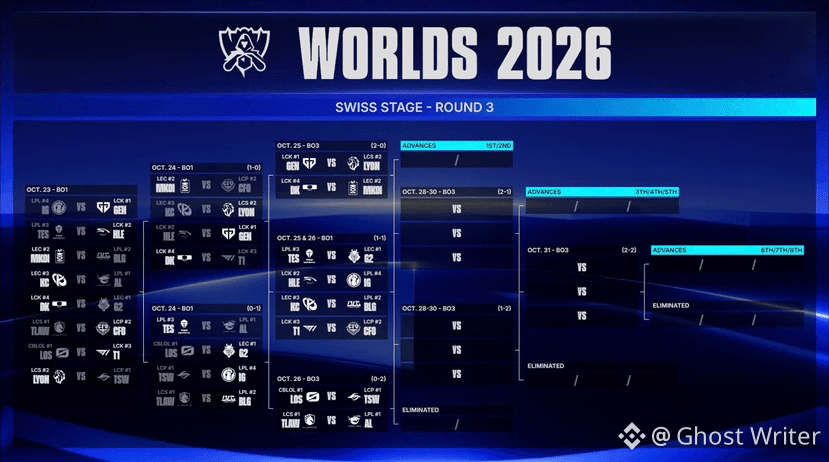
🏆 LoL Worlds 2026: the first 2 quarterfinal spots are decided TODAY
Two teams are 2-0 and play best of three tonight. Win and you're through, lose and you drop to the 2-1 pool.
Sunday, Oct 25 (CET)
18:00 Hanwha Life vs Invictus Gaming (Bo1)
19:00 G2 Esports vs Top Esports (Bo1)
20:00 Movistar KOI vs Dplus KIA (Bo3, winner qualifies)
23:00 Gen.G vs LYON (Bo3, winner qualifies)
Monday, Oct 26 (CET)
18:00 CTBC Flying Oyster vs T1 (Bo1)
19:00 Bilibili Gaming vs Karmine Corp (Bo1)
20:00 LOS vs Team Secret Whales (Bo3, loser is out)
23:00 Team Liquid vs Anyone's Legend (Bo3, loser is out)
⏰ Europe moved to winter time today, so matches start 1 hour earlier on your clock than last week.
Who books the first quarterfinal ticket: Dplus KIA or Movistar KOI? 👇
[Pick and Win](https://web3.binance.com/en/activity/lol-worlds?ref=VNBCGHOST)
#BinancePick #lol #LeagueofLegends
🏆 LoL Worlds 2026: the first 2 quarterfinal spots are decided TODAY
Two teams are 2-0 and play best of three tonight. Win and you're through, lose and you drop to the 2-1 pool.
Sunday, Oct 25 (CET)
18:00 Hanwha Life vs Invictus Gaming (Bo1)
19:00 G2 Esports vs Top Esports (Bo1)
20:00 Movistar KOI vs Dplus KIA (Bo3, winner qualifies)
23:00 Gen.G vs LYON (Bo3, winner qualifies)
Monday, Oct 26 (CET)
18:00 CTBC Flying Oyster vs T1 (Bo1)
19:00 Bilibili Gaming vs Karmine Corp (Bo1)
20:00 LOS vs Team Secret Whales (Bo3, loser is out)
23:00 Team Liquid vs Anyone's Legend (Bo3, loser is out)
⏰ Europe moved to winter time today, so matches start 1 hour earlier on your clock than last week.
Who books the first quarterfinal ticket: Dplus KIA or Movistar KOI? 👇
Pick and Win
#BinancePick #lol #LeagueofLegends
Two teams are 2-0 and play best of three tonight. Win and you're through, lose and you drop to the 2-1 pool.
Sunday, Oct 25 (CET)
18:00 Hanwha Life vs Invictus Gaming (Bo1)
19:00 G2 Esports vs Top Esports (Bo1)
20:00 Movistar KOI vs Dplus KIA (Bo3, winner qualifies)
23:00 Gen.G vs LYON (Bo3, winner qualifies)
Monday, Oct 26 (CET)
18:00 CTBC Flying Oyster vs T1 (Bo1)
19:00 Bilibili Gaming vs Karmine Corp (Bo1)
20:00 LOS vs Team Secret Whales (Bo3, loser is out)
23:00 Team Liquid vs Anyone's Legend (Bo3, loser is out)
⏰ Europe moved to winter time today, so matches start 1 hour earlier on your clock than last week.
Who books the first quarterfinal ticket: Dplus KIA or Movistar KOI? 👇
Pick and Win
#BinancePick #lol #LeagueofLegends
1
338
·
--
ສັນຍານກະທິງ
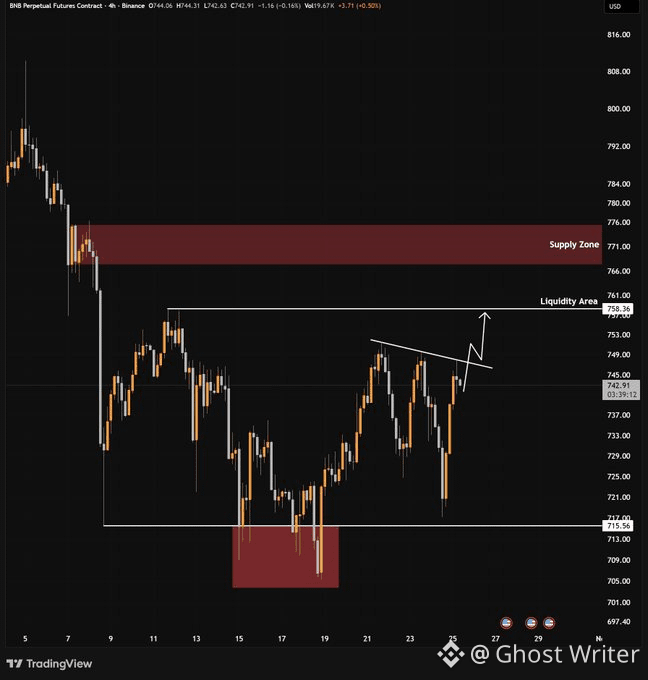
$BNB - My only Love <3 has bounced strongly, but bulls still need to clear descending resistance around $747–$750.
I’m watching for a break above $750 to bring the liquidity around $758.36 into reach. Clear the range high, and the next hurdle is the $767–$775 supply zone.
The supply zone is heavy and is likely to induce some fresh selling, so I would watch the reaction before expecting further upside.
#bnb #BinancePick
$BNB - My only Love <3 has bounced strongly, but bulls still need to clear descending resistance around $747–$750.
I’m watching for a break above $750 to bring the liquidity around $758.36 into reach. Clear the range high, and the next hurdle is the $767–$775 supply zone.
The supply zone is heavy and is likely to induce some fresh selling, so I would watch the reaction before expecting further upside.
#bnb #BinancePick
I’m watching for a break above $750 to bring the liquidity around $758.36 into reach. Clear the range high, and the next hurdle is the $767–$775 supply zone.
The supply zone is heavy and is likely to induce some fresh selling, so I would watch the reaction before expecting further upside.
#bnb #BinancePick
351
·
--
ສັນຍານກະທິງ
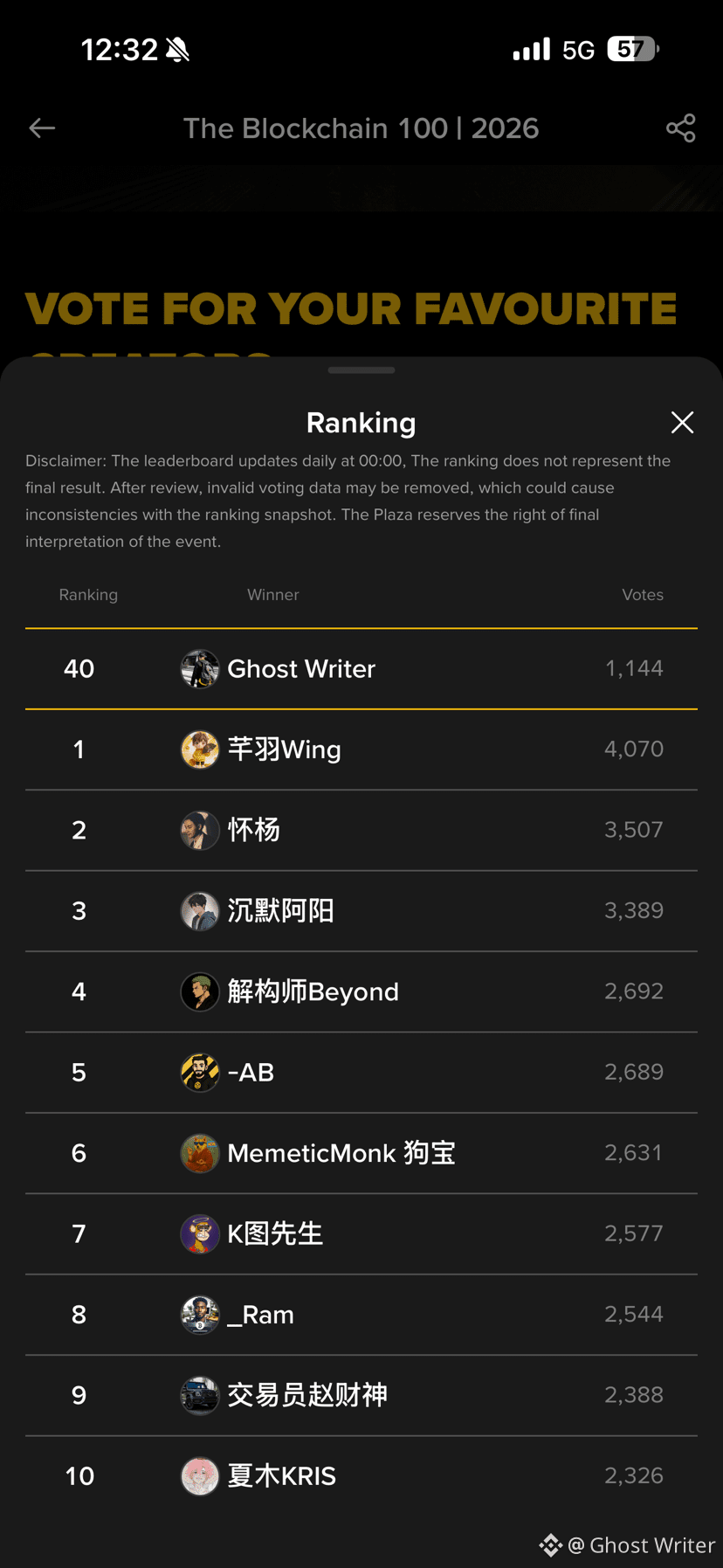
🔥 Chỉ còn chưa đầy 72 giờ nữa là hết vote The Blockchain 100!
Việt Nam đang có 3 anh em ở thế rất sát nút, cần vote gấp:
1. @GhostWriter 🇻🇳 — Rising Star
2. @Trading_Insight_DN 🇻🇳 — Long-form Content
3. @RoniJohn 🇻🇳 — Livestream
Ba người ở 3 hạng mục khác nhau nên vote được cả 3. Mỗi ngày mỗi người vote được 1 lần/hạng mục.
Còn ít thời gian, anh em giúp một cái vote nhé. Cảm ơn nhiều! 🙏
Comment "Vn" để tiếp sức mạnh và nhận quà 🎁
🔥 Chỉ còn chưa đầy 72 giờ nữa là hết vote The Blockchain 100!
Việt Nam đang có 3 anh em ở thế rất sát nút, cần vote gấp:
1. @Ghost Writer 🇻🇳 — Rising Star
2. @Trading Insight_DN 🇻🇳 — Long-form Content
3. @Roni John 🇻🇳 🇻🇳 — Livestream
Ba người ở 3 hạng mục khác nhau nên vote được cả 3. Mỗi ngày mỗi người vote được 1 lần/hạng mục.
Còn ít thời gian, anh em giúp một cái vote nhé. Cảm ơn nhiều! 🙏
Comment "Vn" để tiếp sức mạnh và nhận quà 🎁
Việt Nam đang có 3 anh em ở thế rất sát nút, cần vote gấp:
1. @Ghost Writer 🇻🇳 — Rising Star
2. @Trading Insight_DN 🇻🇳 — Long-form Content
3. @Roni John 🇻🇳 🇻🇳 — Livestream
Ba người ở 3 hạng mục khác nhau nên vote được cả 3. Mỗi ngày mỗi người vote được 1 lần/hạng mục.
Còn ít thời gian, anh em giúp một cái vote nhé. Cảm ơn nhiều! 🙏
Comment "Vn" để tiếp sức mạnh và nhận quà 🎁

607
2
32
607
·
--
ສັນຍານກະທິງ
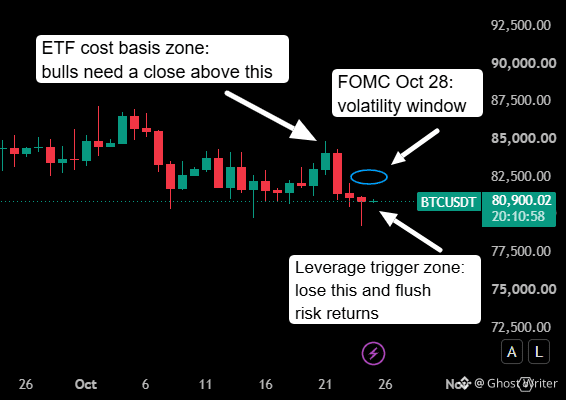
$BTC at 80.9k and the chart is setting a trap for both sides.
A few weeks ago the loud narrative was “bottom is 40-50k.” Now the same crowd is adding longs with 94k targets. Same market, opposite conviction, one month apart. That is CT in one sentence.
I’m not interested in either prediction. Here’s the map I’m watching instead:
Daily close above ~84.4k (the ETF cohort cost basis): interesting, but only if funding stays under ~5% annualized and ETF inflows follow. A close there with funding near 9% is a leveraged move, and those get sold.
Below ~79.8k: leverage has been rebuilt after the two flushes earlier this month, so a third one is a real risk. Funding sits around 7% annualized right now, not crowded, but longs are stacking again.
ETF flows aren’t giving bulls a clean signal either. Friday printed -$137.9M with IBIT leading, while the week is still net positive. Mixed flows = no conviction.
FOMC on Oct 28 is the volatility window. Price can sweep both sides in one candle.
This changes the probability, not the thesis: range-bound until spot demand proves otherwise.
Predictions are cheap. Levels, scenarios and invalidation points are what keep you alive.
Verify first. risk later. scale slowly...
#DowDrops653Points
#btc
#EarningsSeason
$BTC at 80.9k and the chart is setting a trap for both sides.
A few weeks ago the loud narrative was “bottom is 40-50k.” Now the same crowd is adding longs with 94k targets. Same market, opposite conviction, one month apart. That is CT in one sentence.
I’m not interested in either prediction. Here’s the map I’m watching instead:
Daily close above ~84.4k (the ETF cohort cost basis): interesting, but only if funding stays under ~5% annualized and ETF inflows follow. A close there with funding near 9% is a leveraged move, and those get sold.
Below ~79.8k: leverage has been rebuilt after the two flushes earlier this month, so a third one is a real risk. Funding sits around 7% annualized right now, not crowded, but longs are stacking again.
ETF flows aren’t giving bulls a clean signal either. Friday printed -$137.9M with IBIT leading, while the week is still net positive. Mixed flows = no conviction.
FOMC on Oct 28 is the volatility window. Price can sweep both sides in one candle.
This changes the probability, not the thesis: range-bound until spot demand proves otherwise.
Predictions are cheap. Levels, scenarios and invalidation points are what keep you alive.
Verify first. risk later. scale slowly...
#DowDrops653Points
#btc
#EarningsSeason
A few weeks ago the loud narrative was “bottom is 40-50k.” Now the same crowd is adding longs with 94k targets. Same market, opposite conviction, one month apart. That is CT in one sentence.
I’m not interested in either prediction. Here’s the map I’m watching instead:
Daily close above ~84.4k (the ETF cohort cost basis): interesting, but only if funding stays under ~5% annualized and ETF inflows follow. A close there with funding near 9% is a leveraged move, and those get sold.
Below ~79.8k: leverage has been rebuilt after the two flushes earlier this month, so a third one is a real risk. Funding sits around 7% annualized right now, not crowded, but longs are stacking again.
ETF flows aren’t giving bulls a clean signal either. Friday printed -$137.9M with IBIT leading, while the week is still net positive. Mixed flows = no conviction.
FOMC on Oct 28 is the volatility window. Price can sweep both sides in one candle.
This changes the probability, not the thesis: range-bound until spot demand proves otherwise.
Predictions are cheap. Levels, scenarios and invalidation points are what keep you alive.
Verify first. risk later. scale slowly...
#DowDrops653Points
#btc
#EarningsSeason
1
426
·
--
ສັນຍານກະທິງ
DAY 7 BBW Vote Ghost Rising Star , comment "Bnb" 🎁
[VOTE GHOST ⭐](https://www.binance.com/en/square/blockchain-100-2026?username=523)️
[VOTE GHOST ⭐](https://www.binance.com/en/square/profile/ghostwriter)️
Thanks
DAY 7 BBW Vote Ghost Rising Star , comment "Bnb" 🎁
VOTE GHOST ⭐️
VOTE GHOST ⭐️
Thanks
VOTE GHOST ⭐️
VOTE GHOST ⭐️
Thanks


507
1
29
1.1k
·
--
ສັນຍານກະທິງ
ຖືຄອງ $BTC 1.2K USDT


3k
5
130
3k
·
--
ສັນຍານກະທິງ
DAY6 - TAKE ME TO TOP 10 BBW 🏆
[VOTE NOW ⭐](https://www.binance.com/en/square/blockchain-100-2026?username=523)️
[
VOTE NOW ⭐](https://www.binance.com/en/square/profile/ghostwriter)️
Comment "Ok" 🎁 $BNB
DAY6 - TAKE ME TO TOP 10 BBW 🏆
VOTE NOW ⭐️
[
VOTE NOW ⭐](https://www.binance.com/en/square/profile/ghostwriter)️
Comment "Ok" 🎁 $BNB
VOTE NOW ⭐️
[
VOTE NOW ⭐](https://www.binance.com/en/square/profile/ghostwriter)️
Comment "Ok" 🎁 $BNB

507
1
31
507
·
--
ສັນຍານກະທິງ
ຢືນຢັນແລ້ວ
#EarningsSeason #BinancePick
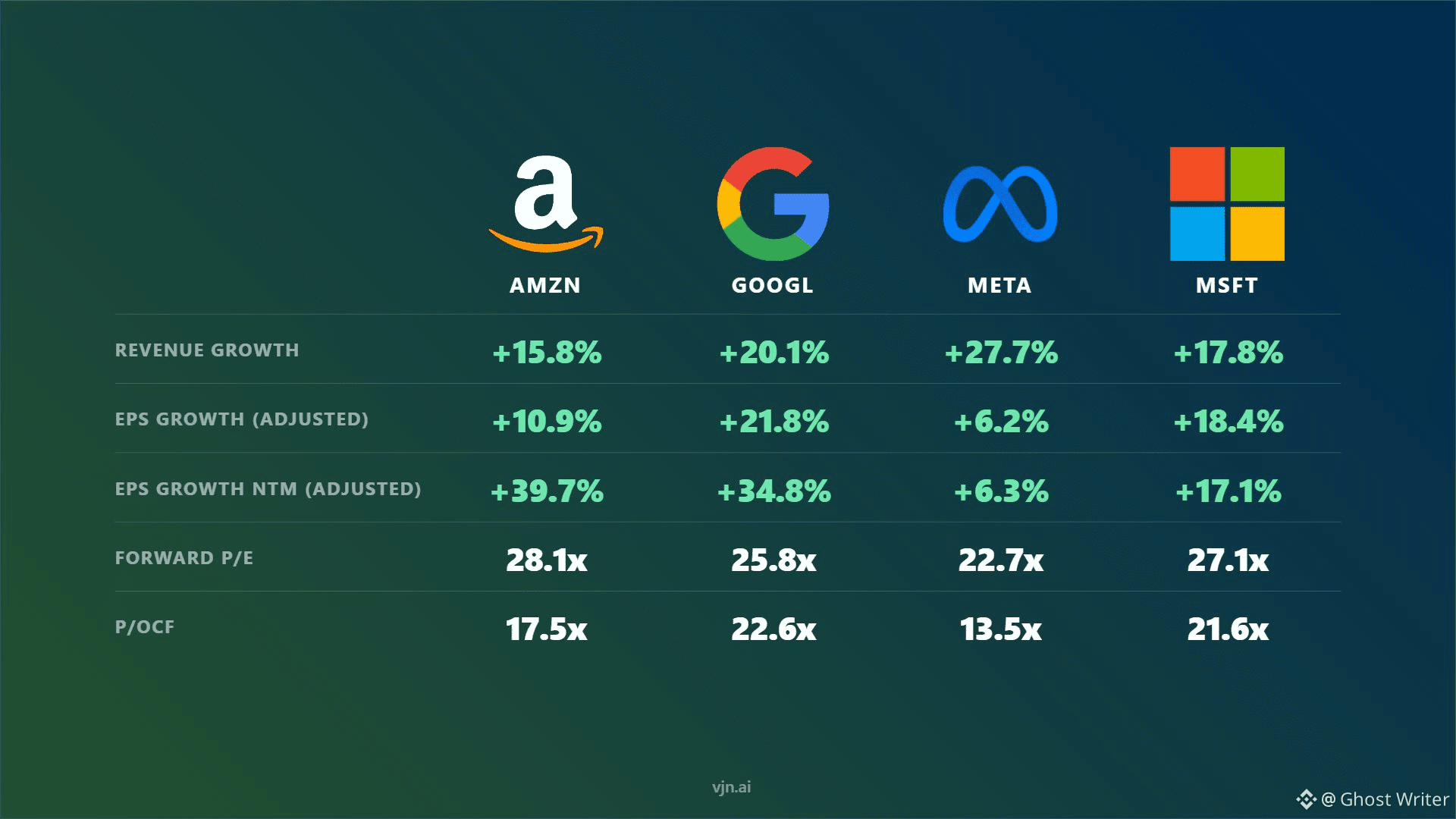
Microsoft $MSFT reports after the close on Oct 28. Consensus sits around $4.71–$4.72 EPS and roughly $90.6–$90.7B revenue.
Management guided $89.85–$90.95B, with Azure expected to grow about 45% constant currency.
I think they clear both numbers. They have beaten EPS in eight straight quarters, and last quarter’s print ($4.74 vs $4.24, revenue $90B) was clean. Azure checks from analysts still look strong, and Copilot adoption is no longer just a slide. CapEx is heavy, but the revenue side of AI demand has been showing up. I do not expect a big miss on the top or bottom line.
The harder part is the reaction. $MSFTB has a habit of beating and then trading soft if the next-quarter Azure guide or margin comment is only “in line.” Options are pricing a smaller move than the stock has usually delivered recently. A clean Azure print above 45% plus stable guidance could push it higher in the first session. Anything that sounds like capacity constraints or slower sequential growth will get sold, even if the headline numbers beat.
I am not adding a fresh position into the print. I already have some exposure from earlier and would rather see the Azure number and the Q2 commentary before deciding whether to add.
> If it gaps up hard on a solid guide I will wait.
> If it dips on a non-issue I will look at adding a small size.
Not Financial advice.
#EarningsSeason #BinancePick
Microsoft $MSFT reports after the close on Oct 28. Consensus sits around $4.71–$4.72 EPS and roughly $90.6–$90.7B revenue.
Management guided $89.85–$90.95B, with Azure expected to grow about 45% constant currency.
I think they clear both numbers. They have beaten EPS in eight straight quarters, and last quarter’s print ($4.74 vs $4.24, revenue $90B) was clean. Azure checks from analysts still look strong, and Copilot adoption is no longer just a slide. CapEx is heavy, but the revenue side of AI demand has been showing up. I do not expect a big miss on the top or bottom line.
The harder part is the reaction. $MSFTB has a habit of beating and then trading soft if the next-quarter Azure guide or margin comment is only “in line.” Options are pricing a smaller move than the stock has usually delivered recently. A clean Azure print above 45% plus stable guidance could push it higher in the first session. Anything that sounds like capacity constraints or slower sequential growth will get sold, even if the headline numbers beat.
I am not adding a fresh position into the print. I already have some exposure from earlier and would rather see the Azure number and the Q2 commentary before deciding whether to add.
> If it gaps up hard on a solid guide I will wait.
> If it dips on a non-issue I will look at adding a small size.
Not Financial advice.
Microsoft $MSFT reports after the close on Oct 28. Consensus sits around $4.71–$4.72 EPS and roughly $90.6–$90.7B revenue.
Management guided $89.85–$90.95B, with Azure expected to grow about 45% constant currency.
I think they clear both numbers. They have beaten EPS in eight straight quarters, and last quarter’s print ($4.74 vs $4.24, revenue $90B) was clean. Azure checks from analysts still look strong, and Copilot adoption is no longer just a slide. CapEx is heavy, but the revenue side of AI demand has been showing up. I do not expect a big miss on the top or bottom line.
The harder part is the reaction. $MSFTB has a habit of beating and then trading soft if the next-quarter Azure guide or margin comment is only “in line.” Options are pricing a smaller move than the stock has usually delivered recently. A clean Azure print above 45% plus stable guidance could push it higher in the first session. Anything that sounds like capacity constraints or slower sequential growth will get sold, even if the headline numbers beat.
I am not adding a fresh position into the print. I already have some exposure from earlier and would rather see the Azure number and the Q2 commentary before deciding whether to add.
> If it gaps up hard on a solid guide I will wait.
> If it dips on a non-issue I will look at adding a small size.
Not Financial advice.
2
9
14.8k
ເຂົ້າສູ່ລະບົບເພື່ອສຳຫຼວດເນື້ອຫາເພີ່ມເຕີມ
ເຂົ້າຮ່ວມກຸ່ມຜູ້ໃຊ້ຄຣິບໂຕທົ່ວໂລກໃນ Binance Square.
⚡️ ໄດ້ຮັບຂໍ້ມູນຫຼ້າສຸດ ແລະ ທີ່ມີປະໂຫຍດກ່ຽວກັບຄຣິບໂຕ.
💬 ໄດ້ຮັບຄວາມໄວ້ວາງໃຈຈາກຕະຫຼາດແລກປ່ຽນຄຣິບໂຕທີ່ໃຫຍ່ທີ່ສຸດໃນໂລກ.
👍 ຄົ້ນຫາຂໍ້ມູນເຊີງເລິກທີ່ແທ້ຈາກນັກສ້າງທີ່ໄດ້ຮັບການຢືນຢັນ.
ອີເມວ / ເບີໂທລະສັບ
ຫົວຂໍ້ທີ່ກໍາລັງນິຍົມ
FOMCWatch
8.9M ຄັ້ງທີ່ເບິ່ງ
26,914 ກຳລັງສົນທະນາ
TradFi News | Warsh Must Explain Why the Fed Is Holding This Week While Keeping a December Hike Alive
Binance News
·6 ຖືກໃຈ
·858 ຄັ້ງທີ່ເບິ່ງ
EthereumDropsBelow$2300
4,327 ຄັ້ງທີ່ເບິ່ງ
100 ກຳລັງສົນທະນາ
BitcoinSlipsBelow$80KAgain
12,589 ຄັ້ງທີ່ເບິ່ງ
71 ກຳລັງສົນທະນາ