

Enes
8.5k ໂພສ

Enes
 Square Verified+
ລາຍງານ
ບລັອກຜູ້ໃຊ້
BINANCE SQUARE TOP CREATOR | #DEFICHALLENGE WINNER | BINANCE KOL | AMBASSADOR @enessamancioglu X: @enes9635 | DM 🤝 | #DYOR

Creator Awards 2024

Level 1 Creator

DeFi Challenge Winner
36 ກໍາລັງຕິດຕາມ
99.2K+ ຜູ້ຕິດຕາມ
242.0K+ Liked
4 ຫຼຽນລາງວັນ
ໂພສ
ທັງໝົດ
ວົງຢືມ
ວີດີໂອ
ປັກໝຸດ
·
--
ບົດຄວາມ
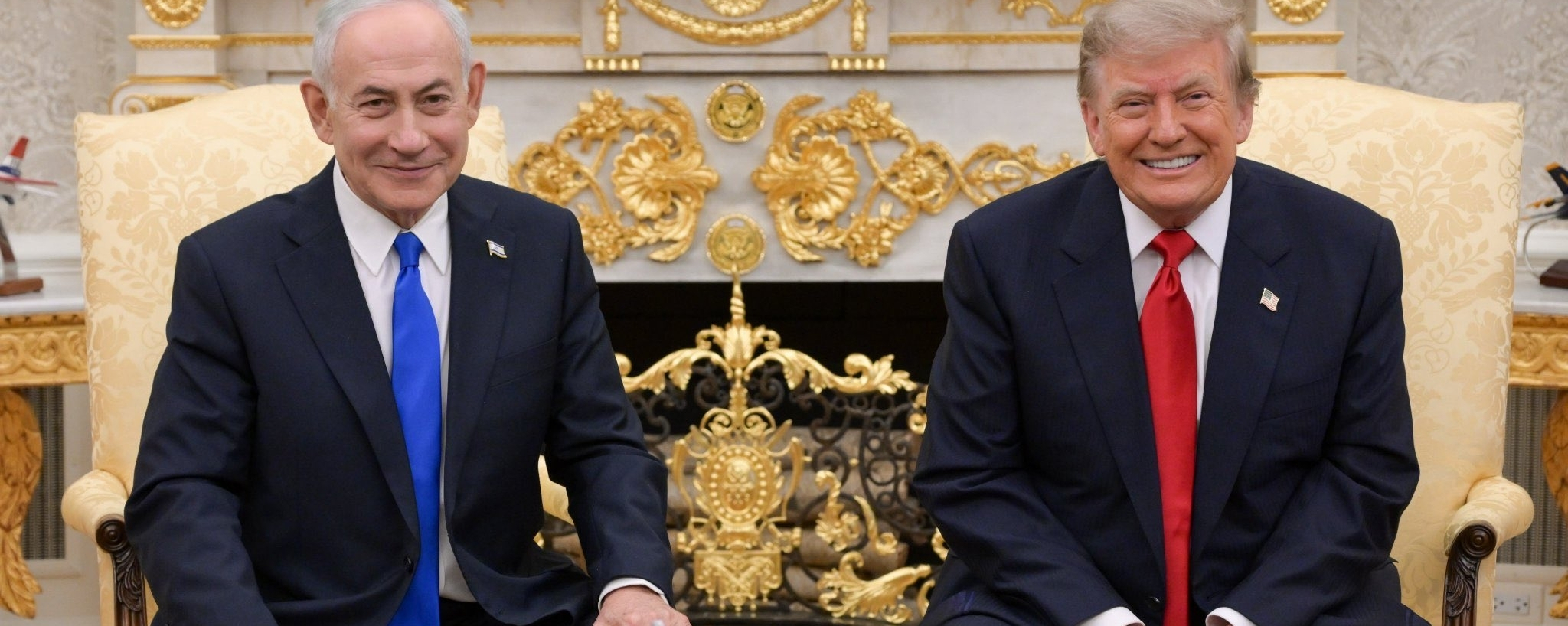
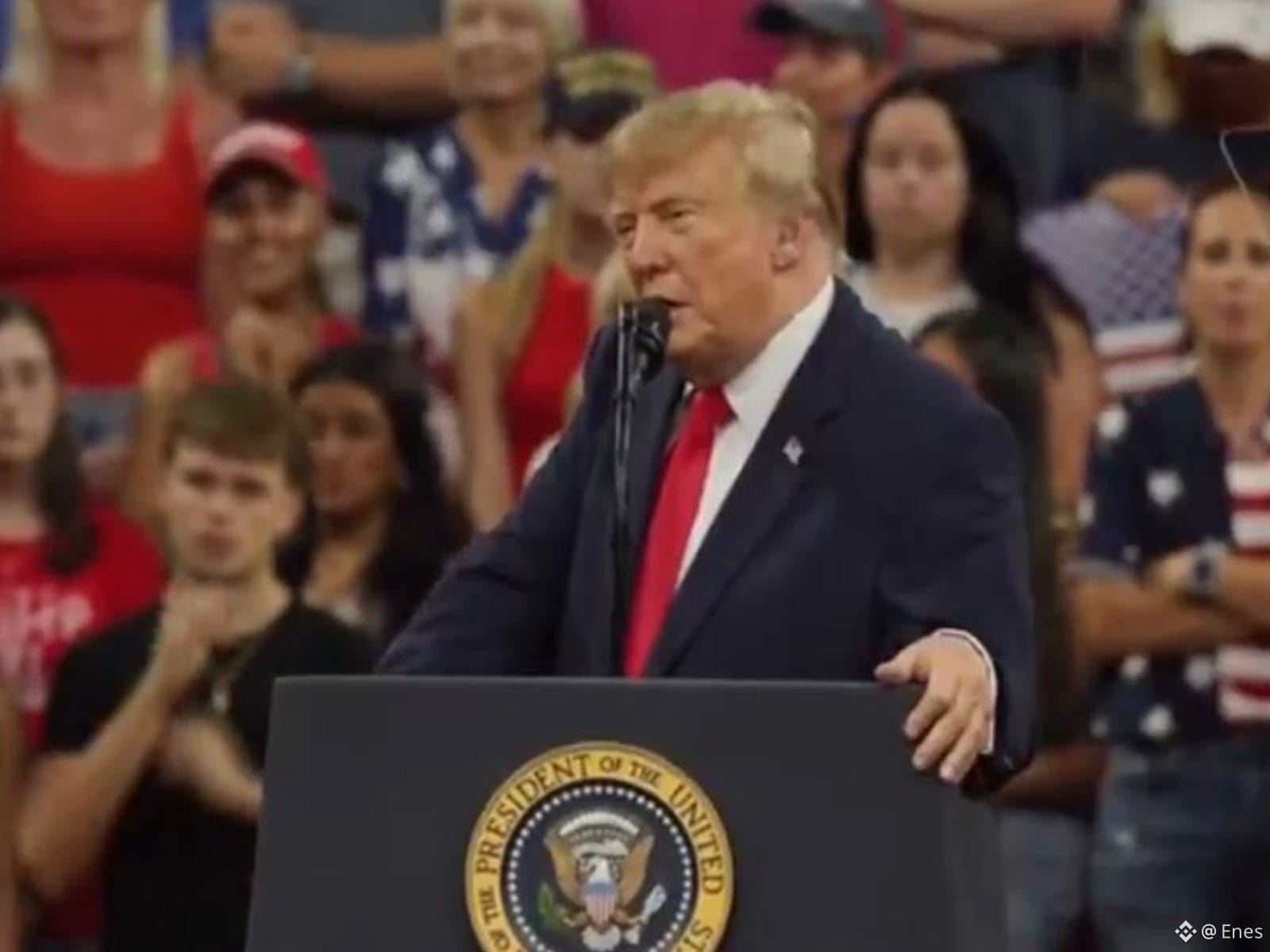
🚨 TRUMP'S SHOCKING WORDS: "WE CAN STRIKE ALL THE BRIDGES WITHIN 1 HOUR❗" 😳🇺🇸 TRUMP 🗣️
"Netanyahu wants me to bomb Pickaxe Mountain because he wants me to stay in the war.
I don't have to do it.
I don't need Bibi to tell me that. Bibi is saying it because he wants me to stay involved.
If they don't make a deal, we can knock down all of their bridges in one hour.
Then we can take out all of their electricity and power plants in a small part of an afternoon.
But I'm thinking about the 91 million people."
The remarks came just hours before Trump's White House meeting with Benjamin Netanyahu.
🚨 TRUMP'S SHOCKING WORDS: "WE CAN STRIKE ALL THE BRIDGES WITHIN 1 HOUR❗" 😳
🇺🇸 TRUMP 🗣️
"Netanyahu wants me to bomb Pickaxe Mountain because he wants me to stay in the war.
I don't have to do it.
I don't need Bibi to tell me that. Bibi is saying it because he wants me to stay involved.
If they don't make a deal, we can knock down all of their bridges in one hour.
Then we can take out all of their electricity and power plants in a small part of an afternoon.
But I'm thinking about the 91 million people."
The remarks came just hours before Trump's White House meeting with Benjamin Netanyahu.
"Netanyahu wants me to bomb Pickaxe Mountain because he wants me to stay in the war.
I don't have to do it.
I don't need Bibi to tell me that. Bibi is saying it because he wants me to stay involved.
If they don't make a deal, we can knock down all of their bridges in one hour.
Then we can take out all of their electricity and power plants in a small part of an afternoon.
But I'm thinking about the 91 million people."
The remarks came just hours before Trump's White House meeting with Benjamin Netanyahu.
47
12
271
928k
ປັກໝຸດ
·
--
I am incredibly honored to have been selected as one of the top content creators in the Binance Square! Today, I proudly received my award, and this achievement wouldn't have been possible without the tremendous support of my followers. I am deeply grateful to everyone who has been part of this journey with me – your encouragement and belief in me have been invaluable.
Together, I believe we can accomplish even greater things in the future! Here’s to many more milestones ahead!
#BinanceSquareCreatorAward #Binance
#BinanceSquare #BinanceBlockchainWeek
@Binance_Square_Official @richardteng
I am incredibly honored to have been selected as one of the top content creators in the Binance Square! Today, I proudly received my award, and this achievement wouldn't have been possible without the tremendous support of my followers. I am deeply grateful to everyone who has been part of this journey with me – your encouragement and belief in me have been invaluable.
Together, I believe we can accomplish even greater things in the future! Here’s to many more milestones ahead!
#BinanceSquareCreatorAward #Binance
#BinanceSquare #BinanceBlockchainWeek
@Binance Square Official @Richard Teng
Together, I believe we can accomplish even greater things in the future! Here’s to many more milestones ahead!
#BinanceSquareCreatorAward #Binance
#BinanceSquare #BinanceBlockchainWeek
@Binance Square Official @Richard Teng


2.9k
97
661
2.9k
·
--
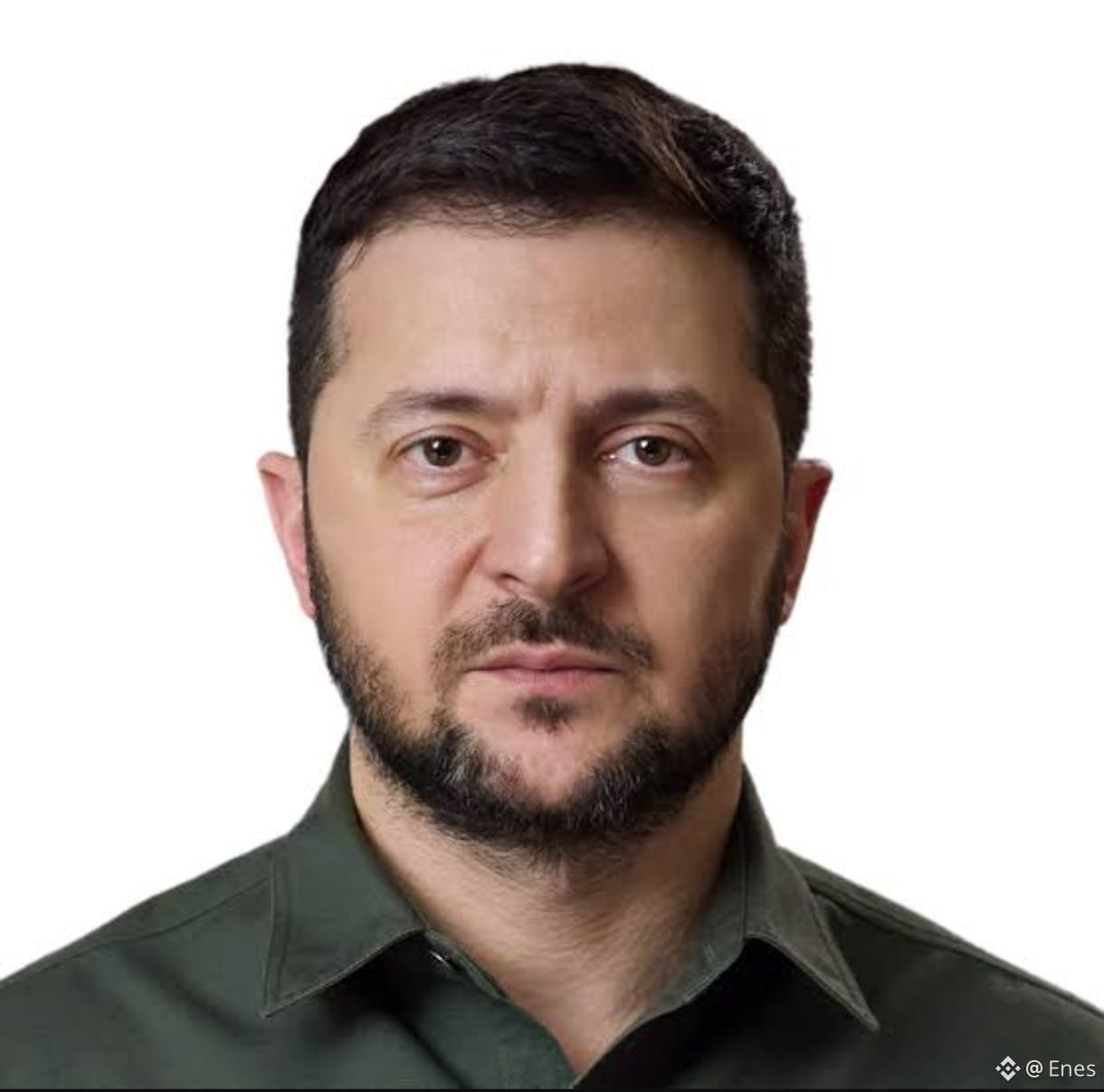
🇺🇦 Ukraine's President Zelensky 🗣️
I urgently need 115,000,000,000 Euros❗
🇺🇦 Ukraine's President Zelensky 🗣️
I urgently need 115,000,000,000 Euros❗
I urgently need 115,000,000,000 Euros❗
15
18
5.3k
·
--
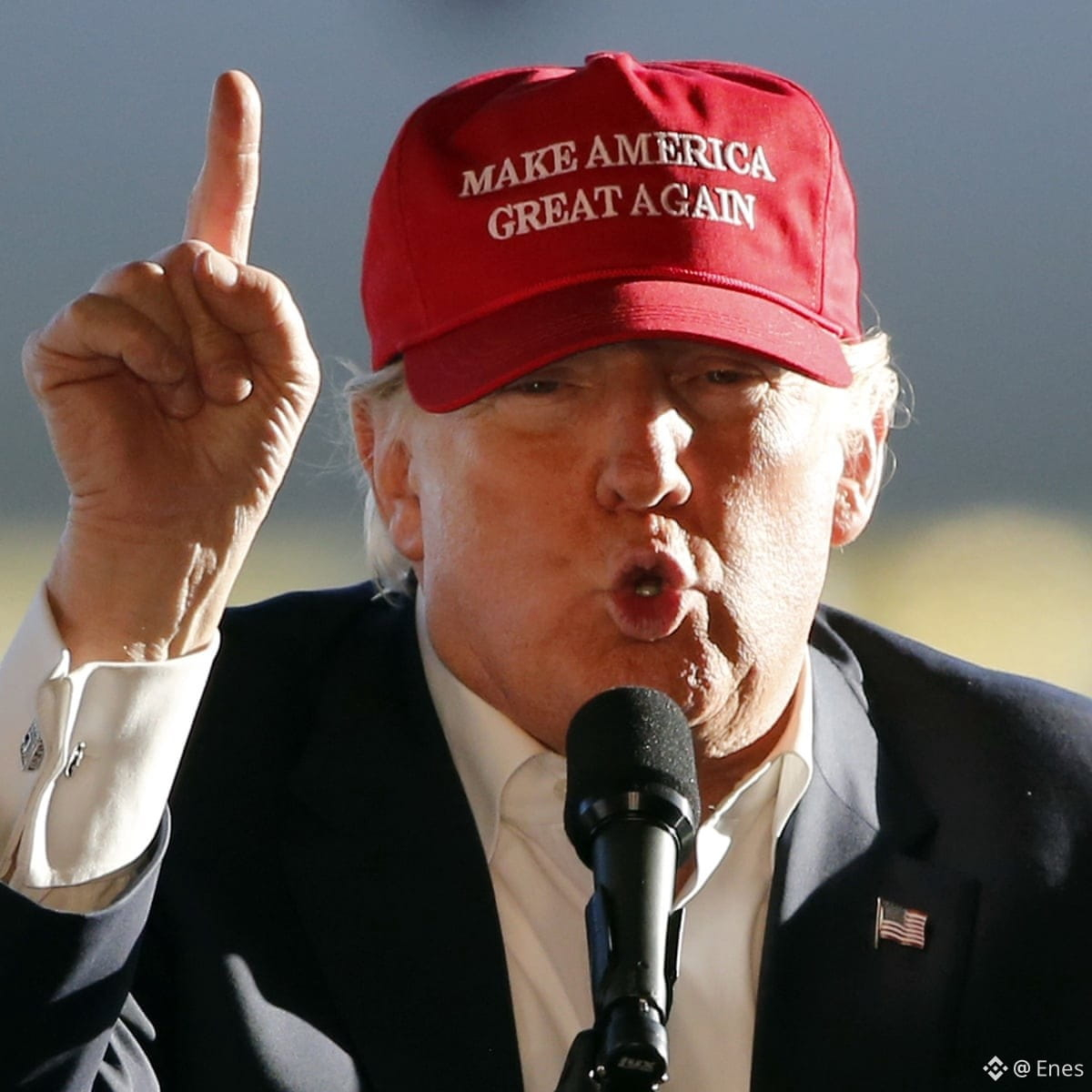
🇺🇸 TRUMP 🗣️
98% of the people coming here from Somalia aren't working. They don't have to work because they're stealing❗
They all have Mercedes. Low IQs, and they're living better than you.
🇱🇾 Libya, 🇾🇪 Yemen, 🇭🇹 Haiti, 🇸🇴 Somalia. I call these shithole countries.
Why do we always have to take people from these shithole countries?
Why can't we take people from 🇳🇴 Norway, 🇸🇪 Sweden, 🇩🇰 Denmark❓
🇺🇸 TRUMP 🗣️
98% of the people coming here from Somalia aren't working. They don't have to work because they're stealing❗
They all have Mercedes. Low IQs, and they're living better than you.
🇱🇾 Libya, 🇾🇪 Yemen, 🇭🇹 Haiti, 🇸🇴 Somalia. I call these shithole countries.
Why do we always have to take people from these shithole countries?
Why can't we take people from 🇳🇴 Norway, 🇸🇪 Sweden, 🇩🇰 Denmark❓
98% of the people coming here from Somalia aren't working. They don't have to work because they're stealing❗
They all have Mercedes. Low IQs, and they're living better than you.
🇱🇾 Libya, 🇾🇪 Yemen, 🇭🇹 Haiti, 🇸🇴 Somalia. I call these shithole countries.
Why do we always have to take people from these shithole countries?
Why can't we take people from 🇳🇴 Norway, 🇸🇪 Sweden, 🇩🇰 Denmark❓
1
15
6.8k
·
--
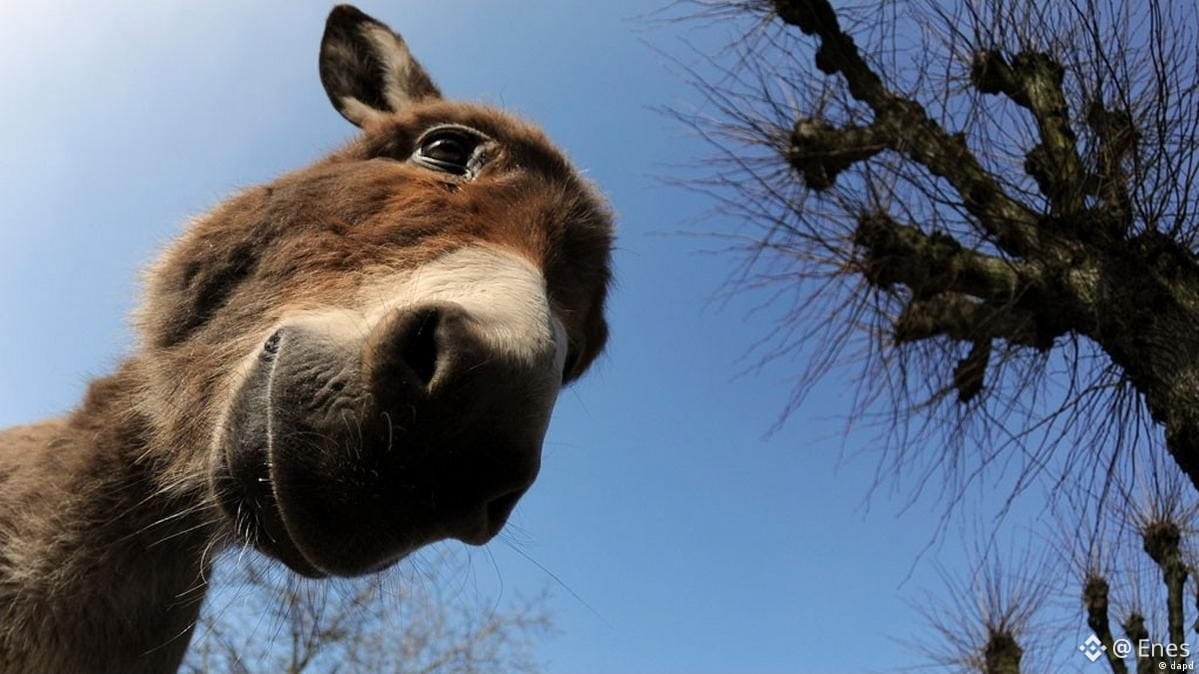
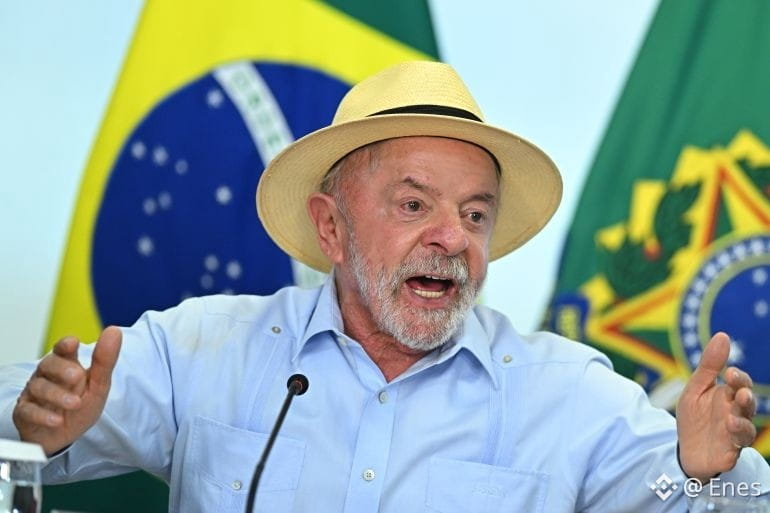
🇧🇷 Brazilian President Lula 🗣️ Poverty in 🇦🇷 Argentina has reached 40%, people are eating donkey meat❗🫏🫏🫏
🇧🇷 Brazilian President Lula 🗣️ Poverty in 🇦🇷 Argentina has reached 40%, people are eating donkey meat❗🫏🫏🫏
11
2.2k
·
--
ບົດຄວາມ
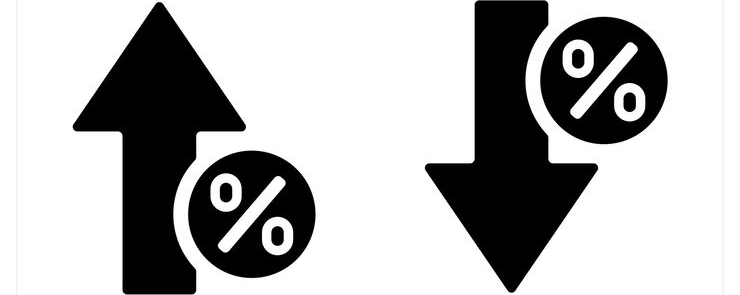
INTEREST RATES UP OR DOWN: WHO WINS AND WHO LOSES❓ 📈📉Central banks control the price of money, and their decisions can change the entire economy.
📈 WHEN INTEREST RATES GO UP:
▪️ Borrowing becomes more expensive.
▪️ Consumers spend less, and businesses may delay investments.
▪️ Saving money in banks becomes more attractive.
▪️ Inflation may slow down, but economic growth can weaken.
▪️ Bonds and currencies may benefit, depending on market expectations.
📉 WHEN INTEREST RATES GO DOWN:
▪️ Borrowing becomes cheaper.
▪️ Businesses invest more, and consumers may spend more.
▪️ Savings accounts become less attractive.
▪️ Stocks, real estate and crypto may benefit from easier financial conditions.
▪️ Economic growth may accelerate, but inflation can rise again.
💡 WHY DOES THIS MATTER FOR CRYPTO?
When interest rates fall, investors may become more willing to take risks, potentially increasing demand for Bitcoin and altcoins.
When rates rise, safer assets can become more attractive, putting pressure on riskier investments.
But markets move on expectations, not just announcements. If a rate cut is already priced in, crypto prices can still fall after the decision.
The real question isn't simply whether rates go up or down. It's whether the decision is more aggressive or more supportive than the market expected.
Do you think falling interest rates will trigger the next crypto bull run? 👇
INTEREST RATES UP OR DOWN: WHO WINS AND WHO LOSES❓ 📈📉
Central banks control the price of money, and their decisions can change the entire economy.
📈 WHEN INTEREST RATES GO UP:
▪️ Borrowing becomes more expensive.
▪️ Consumers spend less, and businesses may delay investments.
▪️ Saving money in banks becomes more attractive.
▪️ Inflation may slow down, but economic growth can weaken.
▪️ Bonds and currencies may benefit, depending on market expectations.
📉 WHEN INTEREST RATES GO DOWN:
▪️ Borrowing becomes cheaper.
▪️ Businesses invest more, and consumers may spend more.
▪️ Savings accounts become less attractive.
▪️ Stocks, real estate and crypto may benefit from easier financial conditions.
▪️ Economic growth may accelerate, but inflation can rise again.
💡 WHY DOES THIS MATTER FOR CRYPTO?
When interest rates fall, investors may become more willing to take risks, potentially increasing demand for Bitcoin and altcoins.
When rates rise, safer assets can become more attractive, putting pressure on riskier investments.
But markets move on expectations, not just announcements. If a rate cut is already priced in, crypto prices can still fall after the decision.
The real question isn't simply whether rates go up or down. It's whether the decision is more aggressive or more supportive than the market expected.
Do you think falling interest rates will trigger the next crypto bull run? 👇
📈 WHEN INTEREST RATES GO UP:
▪️ Borrowing becomes more expensive.
▪️ Consumers spend less, and businesses may delay investments.
▪️ Saving money in banks becomes more attractive.
▪️ Inflation may slow down, but economic growth can weaken.
▪️ Bonds and currencies may benefit, depending on market expectations.
📉 WHEN INTEREST RATES GO DOWN:
▪️ Borrowing becomes cheaper.
▪️ Businesses invest more, and consumers may spend more.
▪️ Savings accounts become less attractive.
▪️ Stocks, real estate and crypto may benefit from easier financial conditions.
▪️ Economic growth may accelerate, but inflation can rise again.
💡 WHY DOES THIS MATTER FOR CRYPTO?
When interest rates fall, investors may become more willing to take risks, potentially increasing demand for Bitcoin and altcoins.
When rates rise, safer assets can become more attractive, putting pressure on riskier investments.
But markets move on expectations, not just announcements. If a rate cut is already priced in, crypto prices can still fall after the decision.
The real question isn't simply whether rates go up or down. It's whether the decision is more aggressive or more supportive than the market expected.
Do you think falling interest rates will trigger the next crypto bull run? 👇
4
281
·
--
1
3
398
·
--
ບົດຄວາມ
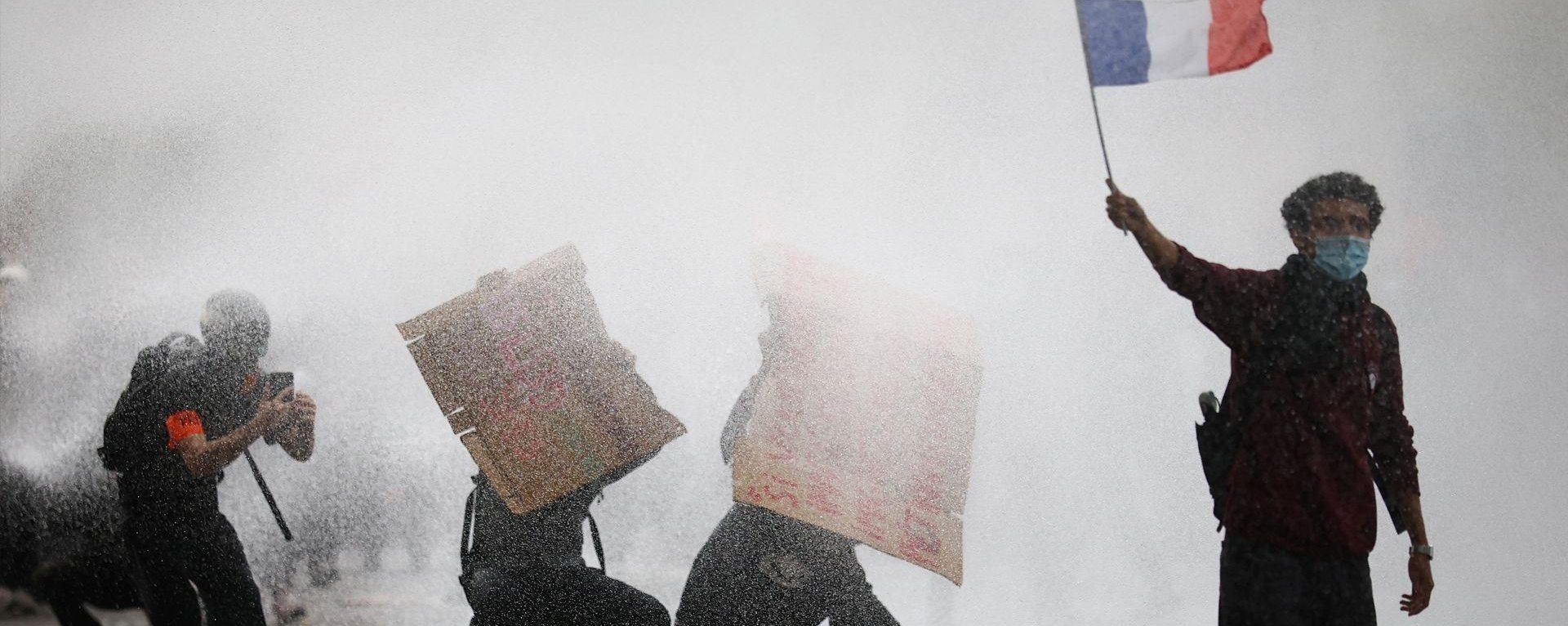
WHY ARE THE 🇫🇷 FRENCH SO GOOD AT PROTESTING❓🦺🤯In France, when people disagree with the government, they don't just complain online. They take to the streets.
But why are French protests so powerful?
▪️ 1789 French Revolution: Generations grew up with the idea that people can fight for their rights.
▪️ May 1968: Student protests and nationwide strikes shook the country and became a lasting symbol of resistance.
▪️ Powerful unions: Workers, students, teachers and transport employees can unite to put pressure on the government.
▪️ General strikes: When essential services stop, the economic and political pressure becomes impossible to ignore.
▪️ Political culture: Demonstrations are widely seen as a legitimate way to challenge government decisions.
France's system also gives the executive significant power. When people feel that traditional political channels aren't working, the streets can become another way to make their voices heard.
The Yellow Vests movement showed how mass protests can force governments to reconsider unpopular policies.
But protests don't always succeed, and not every demand gets accepted.
The real lesson? A government may ignore thousands of individual complaints, but organized collective action is much harder to ignore.
🇫🇷 Should people in other countries learn from the French protest model?
WHY ARE THE 🇫🇷 FRENCH SO GOOD AT PROTESTING❓🦺🤯
In France, when people disagree with the government, they don't just complain online. They take to the streets.
But why are French protests so powerful?
▪️ 1789 French Revolution: Generations grew up with the idea that people can fight for their rights.
▪️ May 1968: Student protests and nationwide strikes shook the country and became a lasting symbol of resistance.
▪️ Powerful unions: Workers, students, teachers and transport employees can unite to put pressure on the government.
▪️ General strikes: When essential services stop, the economic and political pressure becomes impossible to ignore.
▪️ Political culture: Demonstrations are widely seen as a legitimate way to challenge government decisions.
France's system also gives the executive significant power. When people feel that traditional political channels aren't working, the streets can become another way to make their voices heard.
The Yellow Vests movement showed how mass protests can force governments to reconsider unpopular policies.
But protests don't always succeed, and not every demand gets accepted.
The real lesson? A government may ignore thousands of individual complaints, but organized collective action is much harder to ignore.
🇫🇷 Should people in other countries learn from the French protest model?
But why are French protests so powerful?
▪️ 1789 French Revolution: Generations grew up with the idea that people can fight for their rights.
▪️ May 1968: Student protests and nationwide strikes shook the country and became a lasting symbol of resistance.
▪️ Powerful unions: Workers, students, teachers and transport employees can unite to put pressure on the government.
▪️ General strikes: When essential services stop, the economic and political pressure becomes impossible to ignore.
▪️ Political culture: Demonstrations are widely seen as a legitimate way to challenge government decisions.
France's system also gives the executive significant power. When people feel that traditional political channels aren't working, the streets can become another way to make their voices heard.
The Yellow Vests movement showed how mass protests can force governments to reconsider unpopular policies.
But protests don't always succeed, and not every demand gets accepted.
The real lesson? A government may ignore thousands of individual complaints, but organized collective action is much harder to ignore.
🇫🇷 Should people in other countries learn from the French protest model?
2
16
5.2k
·
--
Where are you from❓ Share your country's house flag❗ 🇹🇷👇
🇦🇽🏴☠️🇦🇱🇩🇿🇦🇸🇦🇩🇦🇴🇦🇮🇦🇶🇦🇬🇦🇷 🇦🇲🇦🇼🇦🇺🇦🇹🇦🇿🇧🇸🇧🇭🇧🇩🇧🇧🇧🇾 🇧🇪🇧🇿🇧🇯🇧🇲🇧🇹🇧🇴🇧🇦🇧🇼🇧🇷🇮🇴 🇻🇬🇧🇳🇧🇬🇧🇫🇧🇮🇰🇭🇨🇲🇨🇦🇨🇻🇧🇶 🇰🇾🇨🇫🇹🇩🇨🇱🇨🇳🇨🇽🇨🇨🇨🇴🇰🇲🇨🇬 🇨🇩🇨🇰🇨🇷🇨🇮🇭🇷🇨🇺🇨🇼🇨🇾🇨🇿🇩🇰 🇩🇯🇩🇲🇩🇴🇪🇨🇪🇬🇸🇻🏳️🌈🇬🇶🇪🇷🇪🇪🇪🇹 🇫🇰🇫🇴🇫🇯🇫🇮🇫🇷🇬🇫🇵🇫🇹🇫🇬🇦🇬🇲 🇬🇪🇩🇪🇬🇭🇬🇮🇬🇷🇬🇱🇬🇩🇬🇵🇬🇺🇬🇹 🇬🇬🇬🇳🇬🇼🇬🇾🇭🇹🇭🇳🇭🇰🇭🇺🇮🇸🇮🇳 🇮🇩🇮🇷🇮🇶🇮🇪🇮🇲🇮🇱🇮🇹🇯🇲🇯🇵🇯🇪 🇯🇴🇰🇿🇰🇪🇰🇮🇰🇼🇰🇬🇱🇦🇱🇻🇱🇧🇱🇸 🇱🇷🇱🇾🇱🇮🇱🇹🇱🇺🇲🇴🇲🇰🇲🇬🇲🇼🇲🇾 🇲🇻🇲🇱🇲🇹🇲🇭🇲🇶🇲🇷🏳️🇲🇺🇾🇹🇲🇽🇫🇲 🇲🇩🇲🇨🇲🇳🇲🇪🇲🇸🇲🇦🇲🇿🇲🇲🇳🇦🇳🇷 🇳🇵🇳🇱🇳🇨🇳🇿🇳🇮🇳🇪🇳🇬🇳🇺🇳🇫🇰🇵 🇳🇴🇴🇲🇵🇰🇵🇼🇵🇸🇵🇦🇵🇬🇵🇾🇵🇪🇵🇭 🇵🇳🇵🇱🇵🇹🇵🇷🇶🇦🇷🇪🇷🇴🇷🇺🇷🇼🇼🇸 🇸🇲🇸🇦🇸🇳🇷🇸🇸🇨🇸🇱🇸🇬🇸🇽🇸🇰🇸🇮 🇸🇧🇸🇴🇿🇦🇬🇸🇰🇷🇸🇸🇪🇸🇱🇰🇧🇱🇸🇭 🇰🇳🇱🇨🇵🇲🇻🇨🇸🇩🇸🇷🇸🇿🇸🇪🇨🇭🇸🇾 🇹🇼🇹🇯🇹🇿🇹🇭🇹🇱🇹🇬🇹🇰🇹🇴🇹🇹🇹🇳 🇹🇷🇹🇲🇹🇨🇹🇻🇺🇬🇺🇦🇦🇪🇬🇧🇺🇸🇺🇾 🇺🇿🇻🇺🇻🇦🇻🇪🇻🇳🇼🇫🇪🇭🇾🇪🇿🇲🇿🇼
Where are you from❓ Share your country's house flag❗ 🇹🇷👇
🇦🇽🏴☠️🇦🇱🇩🇿🇦🇸🇦🇩🇦🇴🇦🇮🇦🇶🇦🇬🇦🇷 🇦🇲🇦🇼🇦🇺🇦🇹🇦🇿🇧🇸🇧🇭🇧🇩🇧🇧🇧🇾 🇧🇪🇧🇿🇧🇯🇧🇲🇧🇹🇧🇴🇧🇦🇧🇼🇧🇷🇮🇴 🇻🇬🇧🇳🇧🇬🇧🇫🇧🇮🇰🇭🇨🇲🇨🇦🇨🇻🇧🇶 🇰🇾🇨🇫🇹🇩🇨🇱🇨🇳🇨🇽🇨🇨🇨🇴🇰🇲🇨🇬 🇨🇩🇨🇰🇨🇷🇨🇮🇭🇷🇨🇺🇨🇼🇨🇾🇨🇿🇩🇰 🇩🇯🇩🇲🇩🇴🇪🇨🇪🇬🇸🇻🏳️🌈🇬🇶🇪🇷🇪🇪🇪🇹 🇫🇰🇫🇴🇫🇯🇫🇮🇫🇷🇬🇫🇵🇫🇹🇫🇬🇦🇬🇲 🇬🇪🇩🇪🇬🇭🇬🇮🇬🇷🇬🇱🇬🇩🇬🇵🇬🇺🇬🇹 🇬🇬🇬🇳🇬🇼🇬🇾🇭🇹🇭🇳🇭🇰🇭🇺🇮🇸🇮🇳 🇮🇩🇮🇷🇮🇶🇮🇪🇮🇲🇮🇱🇮🇹🇯🇲🇯🇵🇯🇪 🇯🇴🇰🇿🇰🇪🇰🇮🇰🇼🇰🇬🇱🇦🇱🇻🇱🇧🇱🇸 🇱🇷🇱🇾🇱🇮🇱🇹🇱🇺🇲🇴🇲🇰🇲🇬🇲🇼🇲🇾 🇲🇻🇲🇱🇲🇹🇲🇭🇲🇶🇲🇷🏳️🇲🇺🇾🇹🇲🇽🇫🇲 🇲🇩🇲🇨🇲🇳🇲🇪🇲🇸🇲🇦🇲🇿🇲🇲🇳🇦🇳🇷 🇳🇵🇳🇱🇳🇨🇳🇿🇳🇮🇳🇪🇳🇬🇳🇺🇳🇫🇰🇵 🇳🇴🇴🇲🇵🇰🇵🇼🇵🇸🇵🇦🇵🇬🇵🇾🇵🇪🇵🇭 🇵🇳🇵🇱🇵🇹🇵🇷🇶🇦🇷🇪🇷🇴🇷🇺🇷🇼🇼🇸 🇸🇲🇸🇦🇸🇳🇷🇸🇸🇨🇸🇱🇸🇬🇸🇽🇸🇰🇸🇮 🇸🇧🇸🇴🇿🇦🇬🇸🇰🇷🇸🇸🇪🇸🇱🇰🇧🇱🇸🇭 🇰🇳🇱🇨🇵🇲🇻🇨🇸🇩🇸🇷🇸🇿🇸🇪🇨🇭🇸🇾 🇹🇼🇹🇯🇹🇿🇹🇭🇹🇱🇹🇬🇹🇰🇹🇴🇹🇹🇹🇳 🇹🇷🇹🇲🇹🇨🇹🇻🇺🇬🇺🇦🇦🇪🇬🇧🇺🇸🇺🇾 🇺🇿🇻🇺🇻🇦🇻🇪🇻🇳🇼🇫🇪🇭🇾🇪🇿🇲🇿🇼
🇦🇽🏴☠️🇦🇱🇩🇿🇦🇸🇦🇩🇦🇴🇦🇮🇦🇶🇦🇬🇦🇷 🇦🇲🇦🇼🇦🇺🇦🇹🇦🇿🇧🇸🇧🇭🇧🇩🇧🇧🇧🇾 🇧🇪🇧🇿🇧🇯🇧🇲🇧🇹🇧🇴🇧🇦🇧🇼🇧🇷🇮🇴 🇻🇬🇧🇳🇧🇬🇧🇫🇧🇮🇰🇭🇨🇲🇨🇦🇨🇻🇧🇶 🇰🇾🇨🇫🇹🇩🇨🇱🇨🇳🇨🇽🇨🇨🇨🇴🇰🇲🇨🇬 🇨🇩🇨🇰🇨🇷🇨🇮🇭🇷🇨🇺🇨🇼🇨🇾🇨🇿🇩🇰 🇩🇯🇩🇲🇩🇴🇪🇨🇪🇬🇸🇻🏳️🌈🇬🇶🇪🇷🇪🇪🇪🇹 🇫🇰🇫🇴🇫🇯🇫🇮🇫🇷🇬🇫🇵🇫🇹🇫🇬🇦🇬🇲 🇬🇪🇩🇪🇬🇭🇬🇮🇬🇷🇬🇱🇬🇩🇬🇵🇬🇺🇬🇹 🇬🇬🇬🇳🇬🇼🇬🇾🇭🇹🇭🇳🇭🇰🇭🇺🇮🇸🇮🇳 🇮🇩🇮🇷🇮🇶🇮🇪🇮🇲🇮🇱🇮🇹🇯🇲🇯🇵🇯🇪 🇯🇴🇰🇿🇰🇪🇰🇮🇰🇼🇰🇬🇱🇦🇱🇻🇱🇧🇱🇸 🇱🇷🇱🇾🇱🇮🇱🇹🇱🇺🇲🇴🇲🇰🇲🇬🇲🇼🇲🇾 🇲🇻🇲🇱🇲🇹🇲🇭🇲🇶🇲🇷🏳️🇲🇺🇾🇹🇲🇽🇫🇲 🇲🇩🇲🇨🇲🇳🇲🇪🇲🇸🇲🇦🇲🇿🇲🇲🇳🇦🇳🇷 🇳🇵🇳🇱🇳🇨🇳🇿🇳🇮🇳🇪🇳🇬🇳🇺🇳🇫🇰🇵 🇳🇴🇴🇲🇵🇰🇵🇼🇵🇸🇵🇦🇵🇬🇵🇾🇵🇪🇵🇭 🇵🇳🇵🇱🇵🇹🇵🇷🇶🇦🇷🇪🇷🇴🇷🇺🇷🇼🇼🇸 🇸🇲🇸🇦🇸🇳🇷🇸🇸🇨🇸🇱🇸🇬🇸🇽🇸🇰🇸🇮 🇸🇧🇸🇴🇿🇦🇬🇸🇰🇷🇸🇸🇪🇸🇱🇰🇧🇱🇸🇭 🇰🇳🇱🇨🇵🇲🇻🇨🇸🇩🇸🇷🇸🇿🇸🇪🇨🇭🇸🇾 🇹🇼🇹🇯🇹🇿🇹🇭🇹🇱🇹🇬🇹🇰🇹🇴🇹🇹🇹🇳 🇹🇷🇹🇲🇹🇨🇹🇻🇺🇬🇺🇦🇦🇪🇬🇧🇺🇸🇺🇾 🇺🇿🇻🇺🇻🇦🇻🇪🇻🇳🇼🇫🇪🇭🇾🇪🇿🇲🇿🇼
3
4
627
·
--

ບົດຄວາມ
WOULD YOU CHOOSE GOLD OR WATER IN THE DESERT❓🪙🆚💧WOULD YOU CHOOSE A BOTTLE OF GOLD OR A BOTTLE OF WATER IN THE DESERT? 🤯
Imagine you're lost in a desert, dying of thirst.
Someone offers you a bottle filled with gold. Another offers diamonds. A third offers pearls.
Would you take any of them?
No. You need water, not wealth.
Yet that's exactly how many people live their lives.
We chase bigger houses, expensive cars, luxury watches, and the latest technology, convincing ourselves we need them to be happy.
We sacrifice our time, health, relationships, and peace of mind to acquire things we often don't even need.
Then we wonder why we're still unhappy.
💡 The real question isn't how much you own. It's whether you have what truly matters.
Money is useful. Comfort is valuable. But neither can replace your health, your time, or your peace of mind.
Don't spend your entire life collecting gold while dying of thirst.
What is the point of having everything if you lose what matters most?
WOULD YOU CHOOSE GOLD OR WATER IN THE DESERT❓🪙🆚💧
WOULD YOU CHOOSE A BOTTLE OF GOLD OR A BOTTLE OF WATER IN THE DESERT? 🤯
Imagine you're lost in a desert, dying of thirst.
Someone offers you a bottle filled with gold. Another offers diamonds. A third offers pearls.
Would you take any of them?
No. You need water, not wealth.
Yet that's exactly how many people live their lives.
We chase bigger houses, expensive cars, luxury watches, and the latest technology, convincing ourselves we need them to be happy.
We sacrifice our time, health, relationships, and peace of mind to acquire things we often don't even need.
Then we wonder why we're still unhappy.
💡 The real question isn't how much you own. It's whether you have what truly matters.
Money is useful. Comfort is valuable. But neither can replace your health, your time, or your peace of mind.
Don't spend your entire life collecting gold while dying of thirst.
What is the point of having everything if you lose what matters most?
Imagine you're lost in a desert, dying of thirst.
Someone offers you a bottle filled with gold. Another offers diamonds. A third offers pearls.
Would you take any of them?
No. You need water, not wealth.
Yet that's exactly how many people live their lives.
We chase bigger houses, expensive cars, luxury watches, and the latest technology, convincing ourselves we need them to be happy.
We sacrifice our time, health, relationships, and peace of mind to acquire things we often don't even need.
Then we wonder why we're still unhappy.
💡 The real question isn't how much you own. It's whether you have what truly matters.
Money is useful. Comfort is valuable. But neither can replace your health, your time, or your peace of mind.
Don't spend your entire life collecting gold while dying of thirst.
What is the point of having everything if you lose what matters most?
4
15
2.5k
·
--
ບົດຄວາມ
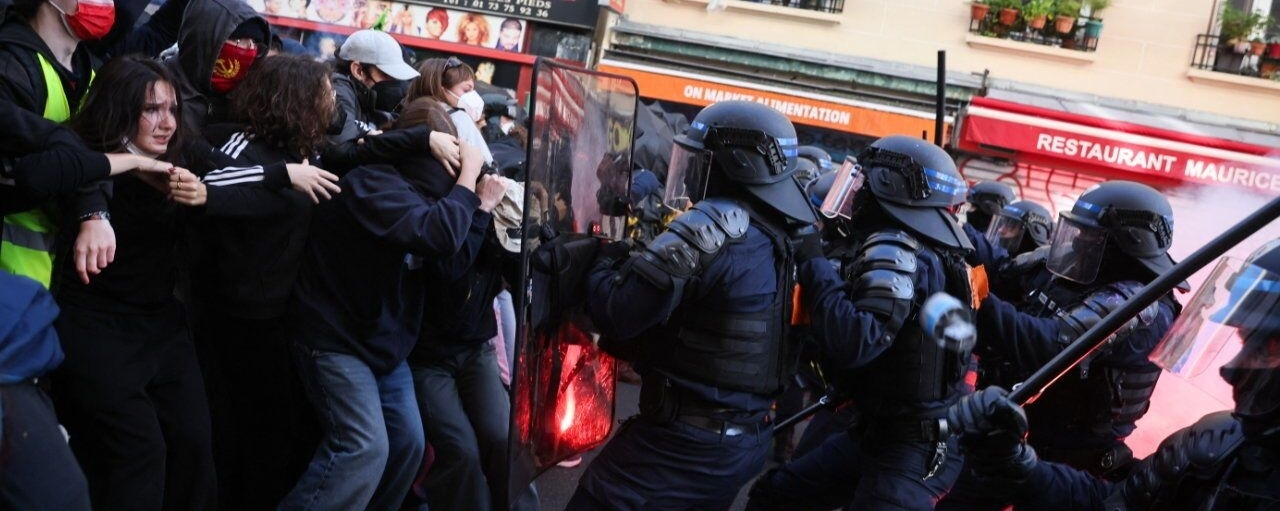
🇫🇷 FRANCE IS DEPLOYING 70,000 POLICE OFFICERS AS PROTESTS ERUPT AGAIN❗France is on high alert after last week's riots, with hundreds of thousands expected to join nationwide protests.
▪️ 70,000 police officers to be deployed
▪️ 232 people imprisoned over the October 17 riots
▪️ Shops boarded up and major museums in Paris closing
▪️ Student protests over education have expanded into a wider anti-government movement
▪️ Rising living costs and political tensions are fueling public anger
With Macron's government under pressure, France faces another explosive weekend.
Is this the beginning of a deeper political crisis in France? 👀
🇫🇷 FRANCE IS DEPLOYING 70,000 POLICE OFFICERS AS PROTESTS ERUPT AGAIN❗
France is on high alert after last week's riots, with hundreds of thousands expected to join nationwide protests.
▪️ 70,000 police officers to be deployed
▪️ 232 people imprisoned over the October 17 riots
▪️ Shops boarded up and major museums in Paris closing
▪️ Student protests over education have expanded into a wider anti-government movement
▪️ Rising living costs and political tensions are fueling public anger
With Macron's government under pressure, France faces another explosive weekend.
Is this the beginning of a deeper political crisis in France? 👀
▪️ 70,000 police officers to be deployed
▪️ 232 people imprisoned over the October 17 riots
▪️ Shops boarded up and major museums in Paris closing
▪️ Student protests over education have expanded into a wider anti-government movement
▪️ Rising living costs and political tensions are fueling public anger
With Macron's government under pressure, France faces another explosive weekend.
Is this the beginning of a deeper political crisis in France? 👀
3
350
·
--
🚨 BREAKING: WILL THE US ATTACK IRAN AGAIN THIS WEEKEND❓ 🇺🇸🇮🇷
🇺🇸 TOM BARRACK 🗣️
“Could there be an attack this weekend? Absolutely.”
🇺🇸 TRUMP 🗣️
“I have no idea.”
🚨 TRUMP: “WE COULD DO ANOTHER EPIC FURY” AGAINST IRAN.
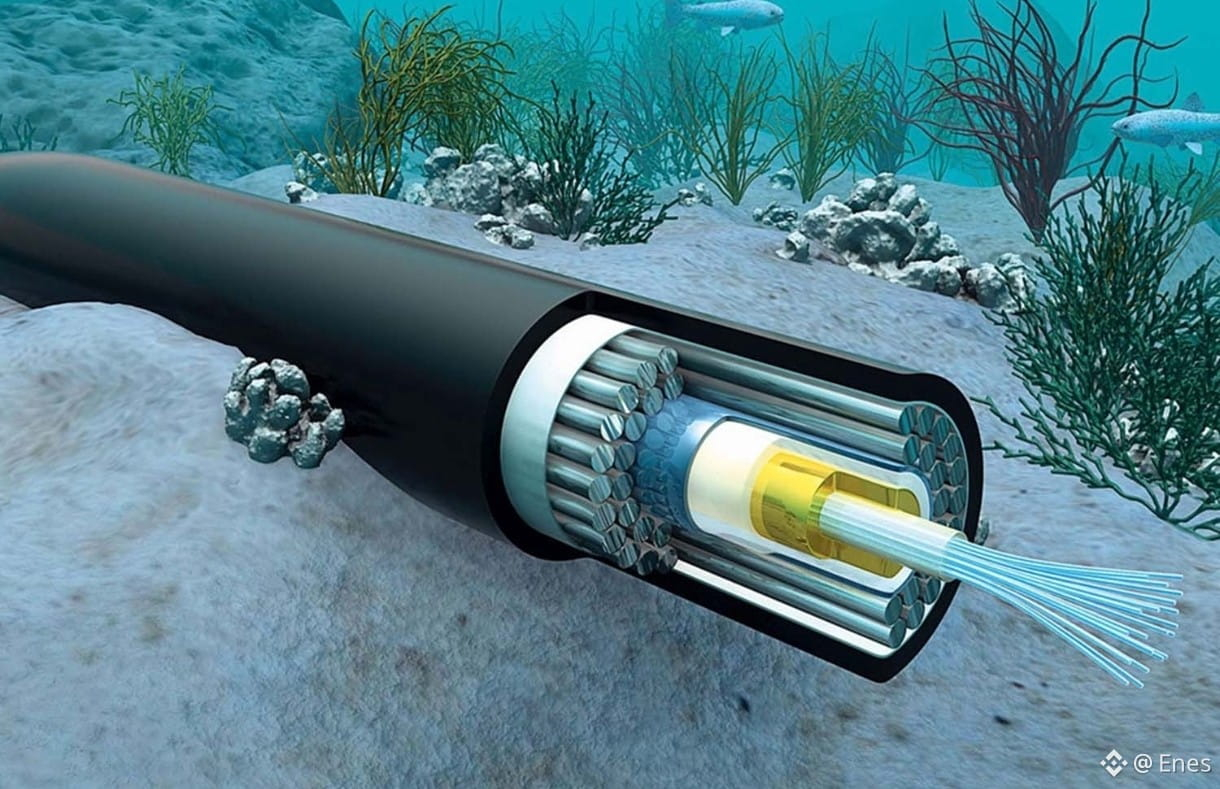
Meanwhile, reports say 🇮🇷 Iran has prepared plans to target undersea internet cables in the Persian Gulf if the US launches another attack.
Iran is also reportedly targeting potential disruption to banking infrastructure and cloud systems.
⚠️ A renewed conflict could threaten more than military targets. Undersea cables carry critical international internet traffic, while banking and cloud infrastructure support businesses and financial services worldwide.
Could this escalate into a much bigger crisis for the global economy? 🌍
🚨 BREAKING: WILL THE US ATTACK IRAN AGAIN THIS WEEKEND❓ 🇺🇸🇮🇷
🇺🇸 TOM BARRACK 🗣️
“Could there be an attack this weekend? Absolutely.”
🇺🇸 TRUMP 🗣️
“I have no idea.”
🚨 TRUMP: “WE COULD DO ANOTHER EPIC FURY” AGAINST IRAN.
Meanwhile, reports say 🇮🇷 Iran has prepared plans to target undersea internet cables in the Persian Gulf if the US launches another attack.
Iran is also reportedly targeting potential disruption to banking infrastructure and cloud systems.
⚠️ A renewed conflict could threaten more than military targets. Undersea cables carry critical international internet traffic, while banking and cloud infrastructure support businesses and financial services worldwide.
Could this escalate into a much bigger crisis for the global economy? 🌍
🇺🇸 TOM BARRACK 🗣️
“Could there be an attack this weekend? Absolutely.”
🇺🇸 TRUMP 🗣️
“I have no idea.”
🚨 TRUMP: “WE COULD DO ANOTHER EPIC FURY” AGAINST IRAN.
Meanwhile, reports say 🇮🇷 Iran has prepared plans to target undersea internet cables in the Persian Gulf if the US launches another attack.
Iran is also reportedly targeting potential disruption to banking infrastructure and cloud systems.
⚠️ A renewed conflict could threaten more than military targets. Undersea cables carry critical international internet traffic, while banking and cloud infrastructure support businesses and financial services worldwide.
Could this escalate into a much bigger crisis for the global economy? 🌍
2
1
3
5.7k
·
--
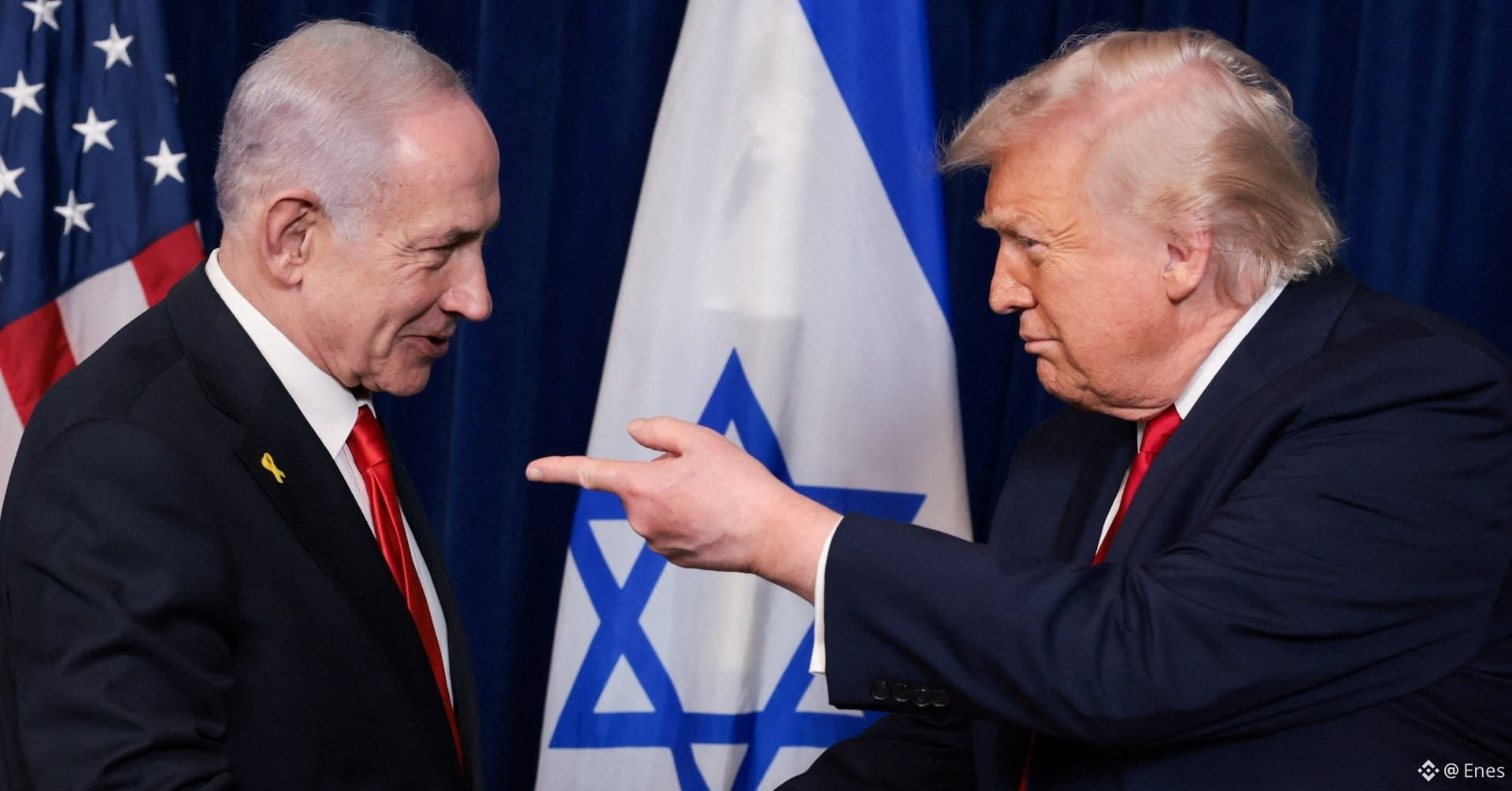
🇮🇱 NETANYAHU 🗣️
If you think that we will continue to receive tens of billions of dollars in American aid, know that this will not continue.
Prepare yourselves.
Because 🇺🇸 America has changed.
It's over. It's over, this thing. It will come to an end❗
🇮🇱 NETANYAHU 🗣️
If you think that we will continue to receive tens of billions of dollars in American aid, know that this will not continue.
Prepare yourselves.
Because 🇺🇸 America has changed.
It's over. It's over, this thing. It will come to an end❗
If you think that we will continue to receive tens of billions of dollars in American aid, know that this will not continue.
Prepare yourselves.
Because 🇺🇸 America has changed.
It's over. It's over, this thing. It will come to an end❗
4
1.2k
·
--
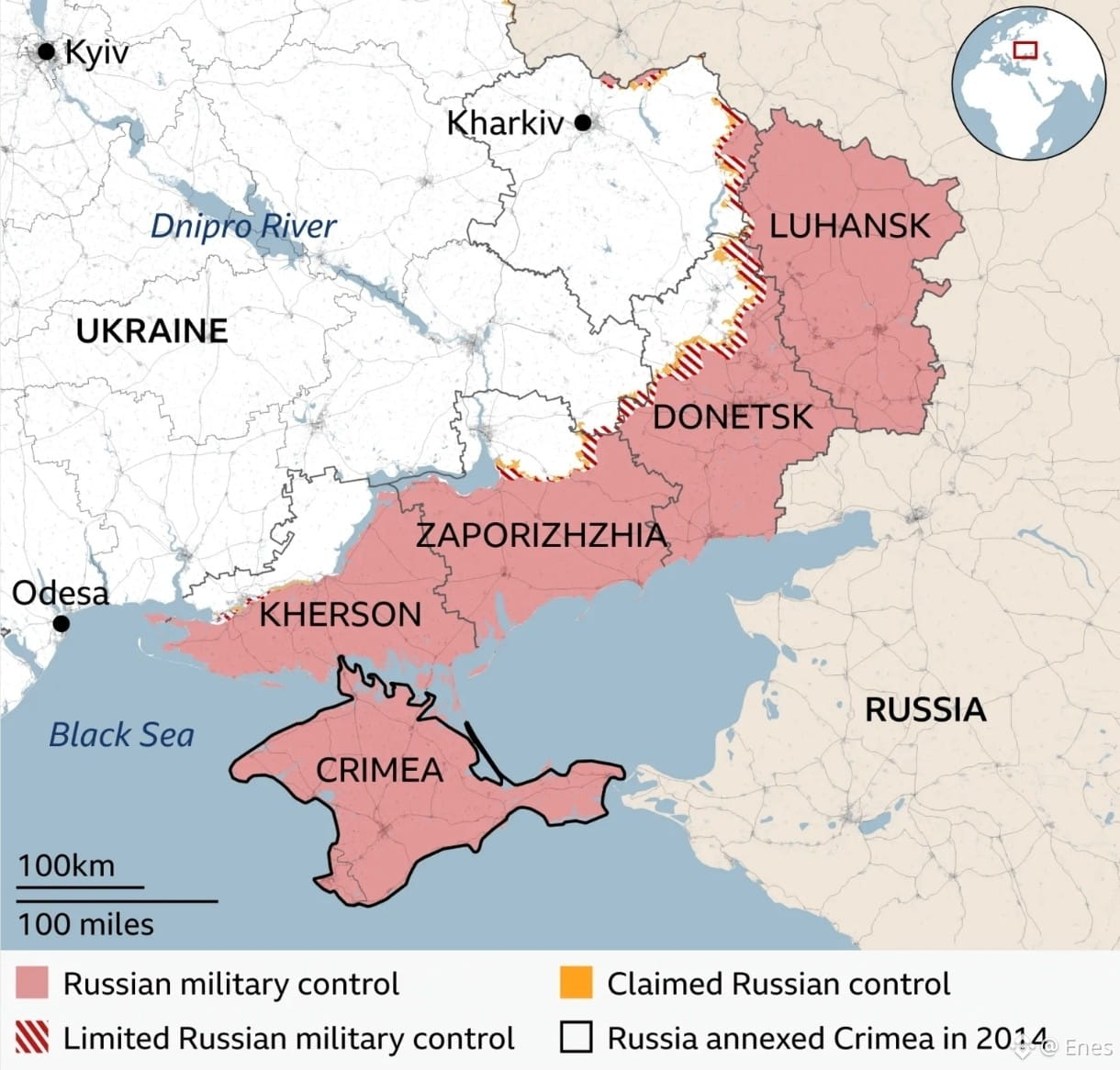
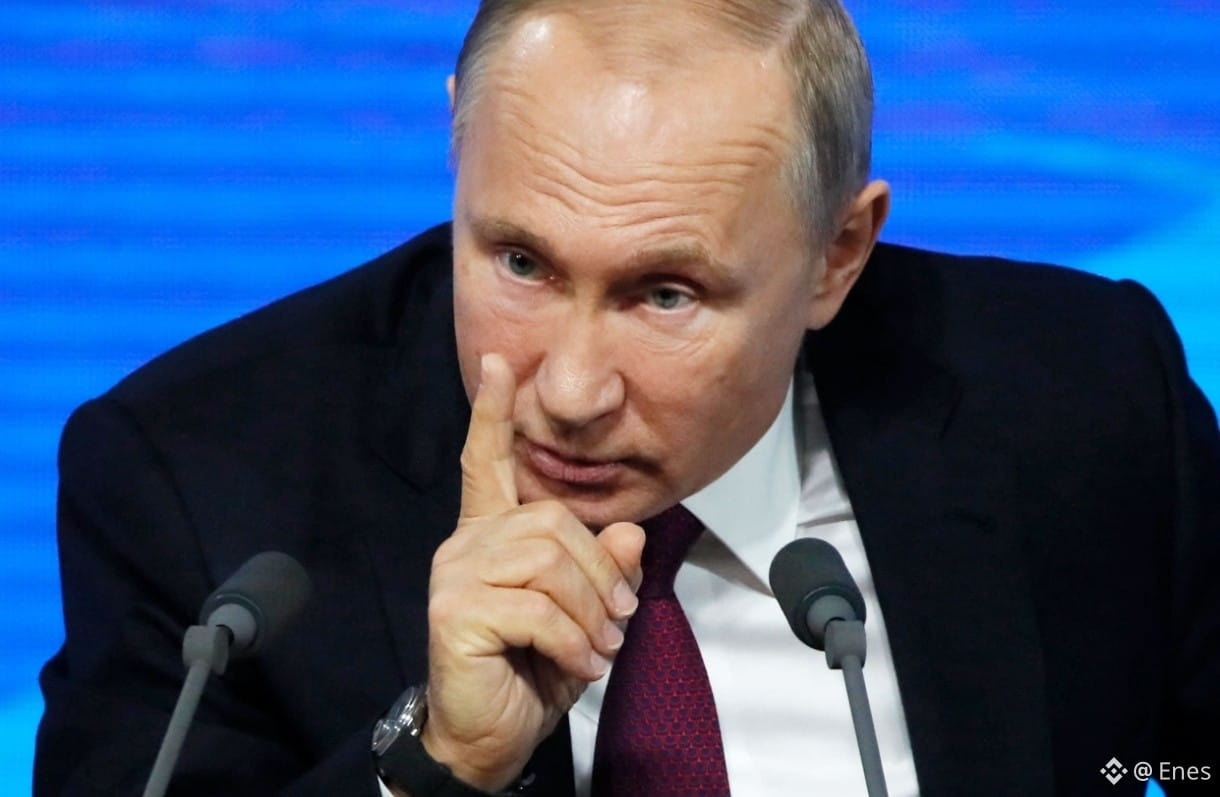
🇷🇺 PUTIN 🗣️
🇺🇦 Ukraine cannot speak of territories it has lost❗
They are historically Russian land❗
🇷🇺 PUTIN 🗣️
🇺🇦 Ukraine cannot speak of territories it has lost❗
They are historically Russian land❗
🇺🇦 Ukraine cannot speak of territories it has lost❗
They are historically Russian land❗
27
17
23.3k
·
--
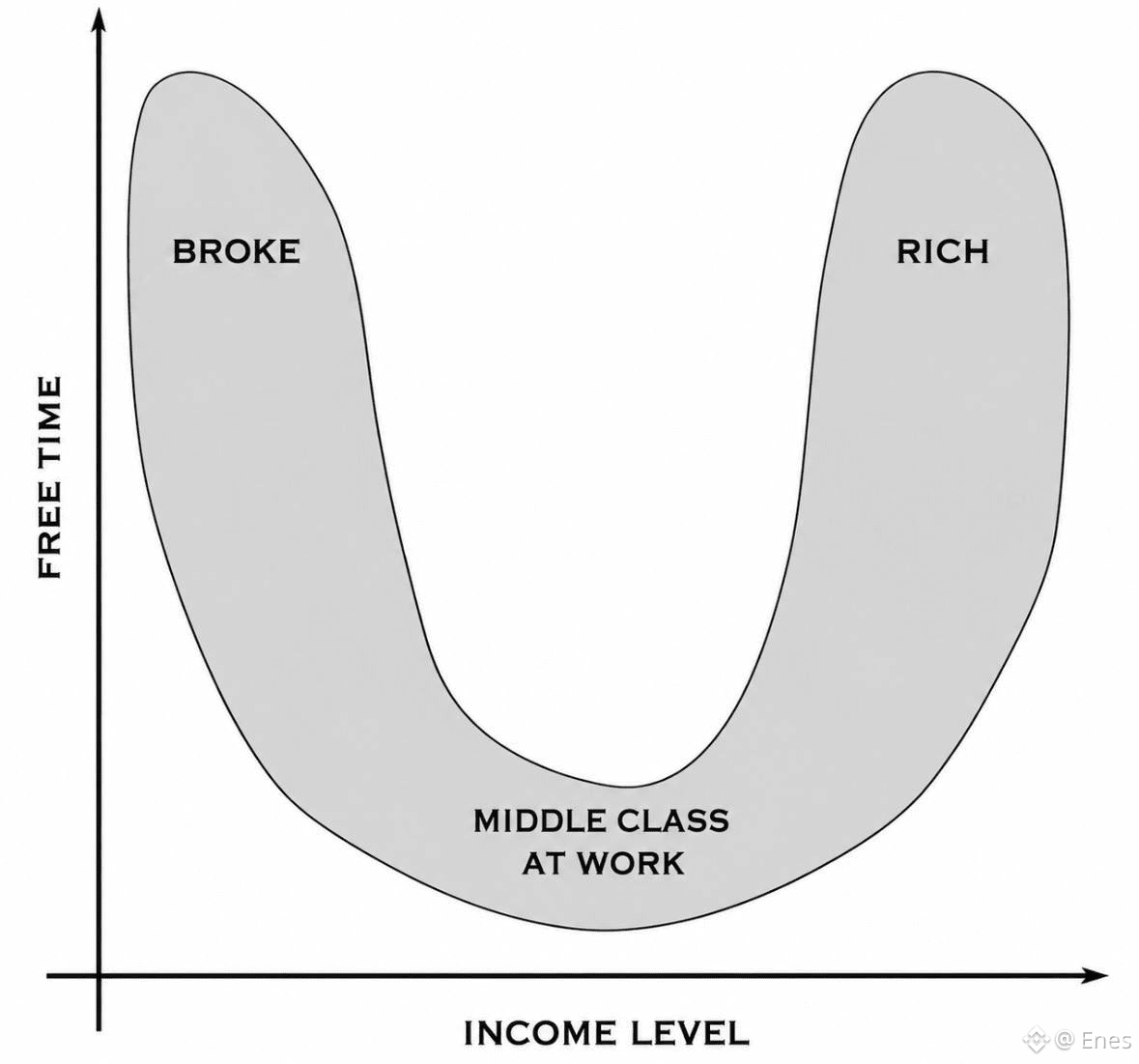
The rich and poor have free time.Everyone else is at work❗😅😅😅
The rich and poor have free time.Everyone else is at work❗😅😅😅
1
7
1.3k
·
--
🚨 $FTT , $LUNA , $OM : THE DEAD CAT BOUNCE TRAP❗ 🐈📉
A crypto token crashes 90%. Then suddenly, it pumps 50%.
Traders think the bottom is in. FOMO kicks in. People start buying, hoping for a massive recovery.
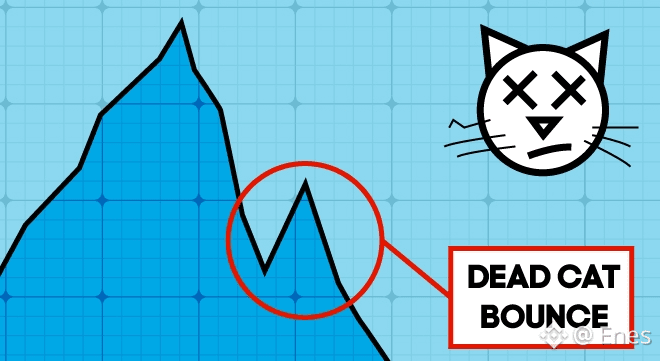
But what if it's just another DEAD CAT BOUNCE?
📉 WHAT IS A DEAD CAT BOUNCE?
It's a temporary price recovery during a larger downtrend. The price rebounds after a brutal crash, creating the illusion that the worst is over, before potentially falling even further.
Look at tokens like FTT, LUNA, and OM as examples of assets that have experienced catastrophic collapses. Their histories show why a temporary recovery should never be mistaken for a guaranteed comeback.
⚠️ HOW DOES THE TRAP WORK?
▪️ The Crash: Panic selling destroys the price.
▪️ The Pump: Speculators buy the dip, and short sellers close positions, pushing the price higher.
▪️ The Trap: Buyers mistake the rebound for a reversal and enter at higher prices.
▪️ The Dump: If selling pressure returns, the price can collapse again, leaving late buyers holding heavy losses.
🔍 HOW DO YOU PROTECT YOURSELF?
→ Don't buy just because a token is down 90%.
→ Watch trading volume and major resistance levels.
→ Look for a confirmed trend reversal instead of chasing green candles.
→ Check whether the project still has real fundamentals, liquidity, and market confidence.
💀 A coin that has fallen 90% can still fall another 90%.
The biggest mistake is assuming that a massive crash automatically creates a bargain.
Would you buy a token after a 90% crash, or would you wait for confirmation? 👀
🚨 $FTT , $LUNA , $OM : THE DEAD CAT BOUNCE TRAP❗ 🐈📉
A crypto token crashes 90%. Then suddenly, it pumps 50%.
Traders think the bottom is in. FOMO kicks in. People start buying, hoping for a massive recovery.
But what if it's just another DEAD CAT BOUNCE?
📉 WHAT IS A DEAD CAT BOUNCE?
It's a temporary price recovery during a larger downtrend. The price rebounds after a brutal crash, creating the illusion that the worst is over, before potentially falling even further.
Look at tokens like FTT, LUNA, and OM as examples of assets that have experienced catastrophic collapses. Their histories show why a temporary recovery should never be mistaken for a guaranteed comeback.
⚠️ HOW DOES THE TRAP WORK?
▪️ The Crash: Panic selling destroys the price.
▪️ The Pump: Speculators buy the dip, and short sellers close positions, pushing the price higher.
▪️ The Trap: Buyers mistake the rebound for a reversal and enter at higher prices.
▪️ The Dump: If selling pressure returns, the price can collapse again, leaving late buyers holding heavy losses.
🔍 HOW DO YOU PROTECT YOURSELF?
→ Don't buy just because a token is down 90%.
→ Watch trading volume and major resistance levels.
→ Look for a confirmed trend reversal instead of chasing green candles.
→ Check whether the project still has real fundamentals, liquidity, and market confidence.
💀 A coin that has fallen 90% can still fall another 90%.
The biggest mistake is assuming that a massive crash automatically creates a bargain.
Would you buy a token after a 90% crash, or would you wait for confirmation? 👀
A crypto token crashes 90%. Then suddenly, it pumps 50%.
Traders think the bottom is in. FOMO kicks in. People start buying, hoping for a massive recovery.
But what if it's just another DEAD CAT BOUNCE?
📉 WHAT IS A DEAD CAT BOUNCE?
It's a temporary price recovery during a larger downtrend. The price rebounds after a brutal crash, creating the illusion that the worst is over, before potentially falling even further.
Look at tokens like FTT, LUNA, and OM as examples of assets that have experienced catastrophic collapses. Their histories show why a temporary recovery should never be mistaken for a guaranteed comeback.
⚠️ HOW DOES THE TRAP WORK?
▪️ The Crash: Panic selling destroys the price.
▪️ The Pump: Speculators buy the dip, and short sellers close positions, pushing the price higher.
▪️ The Trap: Buyers mistake the rebound for a reversal and enter at higher prices.
▪️ The Dump: If selling pressure returns, the price can collapse again, leaving late buyers holding heavy losses.
🔍 HOW DO YOU PROTECT YOURSELF?
→ Don't buy just because a token is down 90%.
→ Watch trading volume and major resistance levels.
→ Look for a confirmed trend reversal instead of chasing green candles.
→ Check whether the project still has real fundamentals, liquidity, and market confidence.
💀 A coin that has fallen 90% can still fall another 90%.
The biggest mistake is assuming that a massive crash automatically creates a bargain.
Would you buy a token after a 90% crash, or would you wait for confirmation? 👀

1
4
977
·
--

ບົດຄວາມ
🇯🇵 JAPAN IS GIVING AWAY HOUSES FOR 💲0❗🤯🤯🤯JAPAN IS GIVING AWAY HOUSES FOR $0… WOULD YOU MOVE THERE? 🇯🇵🏚️
Japan has a surprising solution to its abandoned houses problem: some properties are available for just ¥0 or incredibly low prices!
They’re called “Akiya” (空き家), and thousands of vacant homes exist across Japan as rural communities struggle with population decline and aging residents.
Here’s what you need to know:
▪️ $0 Houses: Some owners and local governments offer abandoned properties for free or symbolic prices.
▪️ Tokyo Opportunities: Even within Tokyo Metropolis, rural areas such as Okutama have explored programs to attract new residents. However, free houses are not guaranteed or universally available.
▪️ Foreigners Can Buy: Foreign nationals can generally purchase property in Japan without Japanese citizenship, although buying a house does NOT automatically grant residency or a visa.
▪️ Hidden Costs: Renovations, property taxes, registration fees and repairs can cost thousands of dollars or much more.
▪️ Catch: Some municipal programs require applicants to live locally or meet specific eligibility conditions. The rules vary by location.
The biggest opportunity? You could potentially own a Japanese house for less than the price of a car.
But there’s a difference between getting a house for free and making it livable.
WOULD YOU MOVE TO JAPAN IF YOU COULD GET A HOUSE FOR $0? 🇯🇵👇
🇯🇵 JAPAN IS GIVING AWAY HOUSES FOR 💲0❗🤯🤯🤯
JAPAN IS GIVING AWAY HOUSES FOR $0… WOULD YOU MOVE THERE? 🇯🇵🏚️
Japan has a surprising solution to its abandoned houses problem: some properties are available for just ¥0 or incredibly low prices!
They’re called “Akiya” (空き家), and thousands of vacant homes exist across Japan as rural communities struggle with population decline and aging residents.
Here’s what you need to know:
▪️ $0 Houses: Some owners and local governments offer abandoned properties for free or symbolic prices.
▪️ Tokyo Opportunities: Even within Tokyo Metropolis, rural areas such as Okutama have explored programs to attract new residents. However, free houses are not guaranteed or universally available.
▪️ Foreigners Can Buy: Foreign nationals can generally purchase property in Japan without Japanese citizenship, although buying a house does NOT automatically grant residency or a visa.
▪️ Hidden Costs: Renovations, property taxes, registration fees and repairs can cost thousands of dollars or much more.
▪️ Catch: Some municipal programs require applicants to live locally or meet specific eligibility conditions. The rules vary by location.
The biggest opportunity? You could potentially own a Japanese house for less than the price of a car.
But there’s a difference between getting a house for free and making it livable.
WOULD YOU MOVE TO JAPAN IF YOU COULD GET A HOUSE FOR $0? 🇯🇵👇
Japan has a surprising solution to its abandoned houses problem: some properties are available for just ¥0 or incredibly low prices!
They’re called “Akiya” (空き家), and thousands of vacant homes exist across Japan as rural communities struggle with population decline and aging residents.
Here’s what you need to know:
▪️ $0 Houses: Some owners and local governments offer abandoned properties for free or symbolic prices.
▪️ Tokyo Opportunities: Even within Tokyo Metropolis, rural areas such as Okutama have explored programs to attract new residents. However, free houses are not guaranteed or universally available.
▪️ Foreigners Can Buy: Foreign nationals can generally purchase property in Japan without Japanese citizenship, although buying a house does NOT automatically grant residency or a visa.
▪️ Hidden Costs: Renovations, property taxes, registration fees and repairs can cost thousands of dollars or much more.
▪️ Catch: Some municipal programs require applicants to live locally or meet specific eligibility conditions. The rules vary by location.
The biggest opportunity? You could potentially own a Japanese house for less than the price of a car.
But there’s a difference between getting a house for free and making it livable.
WOULD YOU MOVE TO JAPAN IF YOU COULD GET A HOUSE FOR $0? 🇯🇵👇
6
1
10
6.8k
·
--

ບົດຄວາມ
🇯🇵 JAPAN GIVES TAX BREAKS TO PEOPLE WHO REFUSE TO BUILD ON THEIR LAND❗🤯Imagine owning valuable land in Tokyo that could be worth millions, but paying dramatically lower property taxes because you keep it as a working farm instead of building apartments on it.
That's the idea behind Japan's Productive Green Space (Seisan Ryokuchi) system.
Here's how it works:
🌾 1. Farming Instead of Construction
Certain urban agricultural lands receive preferential tax treatment if owners continue farming and comply with the program's requirements.
💰 2. A Massive Inheritance Tax Issue
Japan's inheritance taxes can reach 55%. Without special provisions, some families may struggle to keep valuable urban land after inheriting it.
🏙️ 3. Farms Surrounded by Skyscrapers
These green spaces help preserve local food production, absorb rainwater and provide open areas within densely populated cities.
⚠️ 4. The 2022 Real Estate Problem
Many designated areas approached the end of their original 30-year restrictions in 2022. Analysts feared that owners would sell their land for development, potentially flooding local property markets with new supply.
Japan introduced reforms that allowed qualifying landowners to extend protections under a new 10-year designation, helping prevent a sudden wave of land sales.
The result? Some of the most valuable urban land in the world remains dedicated to agriculture instead of being turned into concrete.
Japan's approach shows how tax policy can influence what gets built, what gets preserved and how cities develop.
Would you keep a valuable piece of land as a farm for tax benefits, or sell it to developers for millions? 👇
🇯🇵 JAPAN GIVES TAX BREAKS TO PEOPLE WHO REFUSE TO BUILD ON THEIR LAND❗🤯
Imagine owning valuable land in Tokyo that could be worth millions, but paying dramatically lower property taxes because you keep it as a working farm instead of building apartments on it.
That's the idea behind Japan's Productive Green Space (Seisan Ryokuchi) system.
Here's how it works:
🌾 1. Farming Instead of Construction
Certain urban agricultural lands receive preferential tax treatment if owners continue farming and comply with the program's requirements.
💰 2. A Massive Inheritance Tax Issue
Japan's inheritance taxes can reach 55%. Without special provisions, some families may struggle to keep valuable urban land after inheriting it.
🏙️ 3. Farms Surrounded by Skyscrapers
These green spaces help preserve local food production, absorb rainwater and provide open areas within densely populated cities.
⚠️ 4. The 2022 Real Estate Problem
Many designated areas approached the end of their original 30-year restrictions in 2022. Analysts feared that owners would sell their land for development, potentially flooding local property markets with new supply.
Japan introduced reforms that allowed qualifying landowners to extend protections under a new 10-year designation, helping prevent a sudden wave of land sales.
The result? Some of the most valuable urban land in the world remains dedicated to agriculture instead of being turned into concrete.
Japan's approach shows how tax policy can influence what gets built, what gets preserved and how cities develop.
Would you keep a valuable piece of land as a farm for tax benefits, or sell it to developers for millions? 👇
That's the idea behind Japan's Productive Green Space (Seisan Ryokuchi) system.
Here's how it works:
🌾 1. Farming Instead of Construction
Certain urban agricultural lands receive preferential tax treatment if owners continue farming and comply with the program's requirements.
💰 2. A Massive Inheritance Tax Issue
Japan's inheritance taxes can reach 55%. Without special provisions, some families may struggle to keep valuable urban land after inheriting it.
🏙️ 3. Farms Surrounded by Skyscrapers
These green spaces help preserve local food production, absorb rainwater and provide open areas within densely populated cities.
⚠️ 4. The 2022 Real Estate Problem
Many designated areas approached the end of their original 30-year restrictions in 2022. Analysts feared that owners would sell their land for development, potentially flooding local property markets with new supply.
Japan introduced reforms that allowed qualifying landowners to extend protections under a new 10-year designation, helping prevent a sudden wave of land sales.
The result? Some of the most valuable urban land in the world remains dedicated to agriculture instead of being turned into concrete.
Japan's approach shows how tax policy can influence what gets built, what gets preserved and how cities develop.
Would you keep a valuable piece of land as a farm for tax benefits, or sell it to developers for millions? 👇
1
3
649
·
--
ບົດຄວາມ
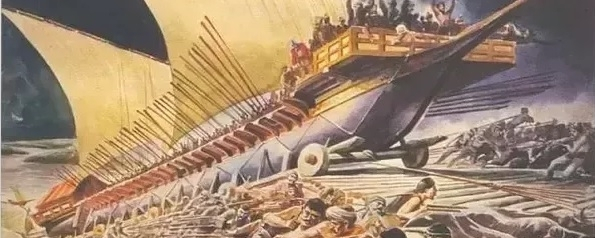
WHY DO BILLIONAIRES REGISTER 💲100 MILLION YACHTS IN A COUNTRY WITH NO OCEAN❓🤯🤯🤯🚢MILLIONAIRES REGISTER THEIR $100M YACHTS IN A COUNTRY WITH ZERO ACCESS TO THE OCEAN?! 🤯🚢
Mongolia has no coastline. So why would a billionaire register a superyacht under its flag?
Welcome to the world of “flags of convenience.”
Here’s why yacht owners look for offshore registration:
▪️ Privacy: Yachts can be owned through companies and offshore structures, making it harder to identify the ultimate owner.
▪️ Lower costs: Some registries offer relatively cheap registration fees and simpler administration.
▪️ Tax planning: The right ownership structure and the yacht’s use can affect tax obligations, including VAT. But a foreign flag does NOT automatically eliminate taxes.
▪️ Flexible regulations: Some registries offer different compliance requirements and administrative procedures.
▪️ Asset structuring: Companies can legally own yachts separately from their owners’ personal assets, depending on the structure and jurisdiction.
The crazy part? Registering a yacht can cost thousands of dollars, while the yacht itself can be worth $100 MILLION or more.
But the real financial advantage isn't simply buying a cheap flag. It's how ownership, taxation, and international maritime rules interact.
And no, flying a Mongolian flag doesn't mean a yacht becomes invisible to authorities. International safety rules, port inspections, sanctions, and applicable tax laws can still apply.
💰 A flag can cost thousands. The financial decisions behind it can involve millions.
Would you register a $100 MILLION superyacht in a country with no coastline? 👀
WHY DO BILLIONAIRES REGISTER 💲100 MILLION YACHTS IN A COUNTRY WITH NO OCEAN❓🤯🤯🤯🚢
MILLIONAIRES REGISTER THEIR $100M YACHTS IN A COUNTRY WITH ZERO ACCESS TO THE OCEAN?! 🤯🚢
Mongolia has no coastline. So why would a billionaire register a superyacht under its flag?
Welcome to the world of “flags of convenience.”
Here’s why yacht owners look for offshore registration:
▪️ Privacy: Yachts can be owned through companies and offshore structures, making it harder to identify the ultimate owner.
▪️ Lower costs: Some registries offer relatively cheap registration fees and simpler administration.
▪️ Tax planning: The right ownership structure and the yacht’s use can affect tax obligations, including VAT. But a foreign flag does NOT automatically eliminate taxes.
▪️ Flexible regulations: Some registries offer different compliance requirements and administrative procedures.
▪️ Asset structuring: Companies can legally own yachts separately from their owners’ personal assets, depending on the structure and jurisdiction.
The crazy part? Registering a yacht can cost thousands of dollars, while the yacht itself can be worth $100 MILLION or more.
But the real financial advantage isn't simply buying a cheap flag. It's how ownership, taxation, and international maritime rules interact.
And no, flying a Mongolian flag doesn't mean a yacht becomes invisible to authorities. International safety rules, port inspections, sanctions, and applicable tax laws can still apply.
💰 A flag can cost thousands. The financial decisions behind it can involve millions.
Would you register a $100 MILLION superyacht in a country with no coastline? 👀
Mongolia has no coastline. So why would a billionaire register a superyacht under its flag?
Welcome to the world of “flags of convenience.”
Here’s why yacht owners look for offshore registration:
▪️ Privacy: Yachts can be owned through companies and offshore structures, making it harder to identify the ultimate owner.
▪️ Lower costs: Some registries offer relatively cheap registration fees and simpler administration.
▪️ Tax planning: The right ownership structure and the yacht’s use can affect tax obligations, including VAT. But a foreign flag does NOT automatically eliminate taxes.
▪️ Flexible regulations: Some registries offer different compliance requirements and administrative procedures.
▪️ Asset structuring: Companies can legally own yachts separately from their owners’ personal assets, depending on the structure and jurisdiction.
The crazy part? Registering a yacht can cost thousands of dollars, while the yacht itself can be worth $100 MILLION or more.
But the real financial advantage isn't simply buying a cheap flag. It's how ownership, taxation, and international maritime rules interact.
And no, flying a Mongolian flag doesn't mean a yacht becomes invisible to authorities. International safety rules, port inspections, sanctions, and applicable tax laws can still apply.
💰 A flag can cost thousands. The financial decisions behind it can involve millions.
Would you register a $100 MILLION superyacht in a country with no coastline? 👀
3
7
5.2k
·
--
ບົດຄວາມ
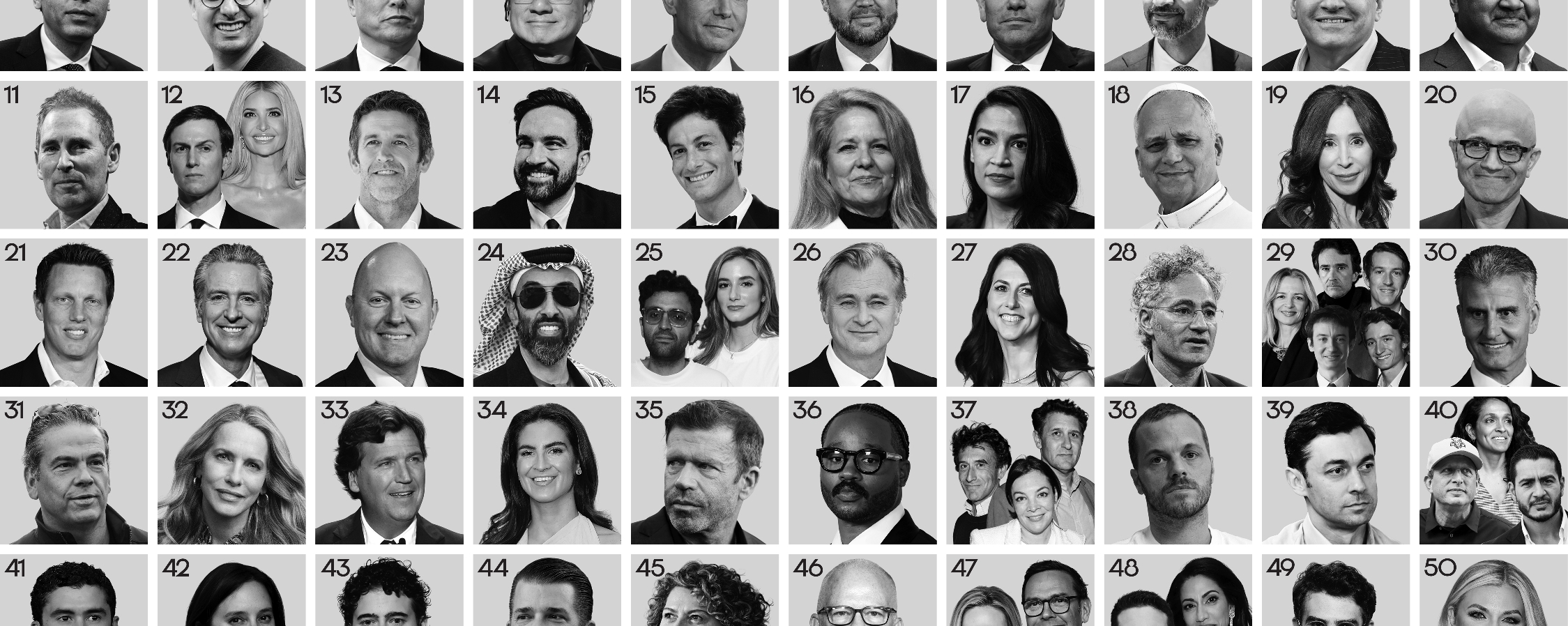
TOP 50 MOST POWERFUL PEOPLE IN THE WORLD IN 2026❗🤯🤯🤯THE 50 PEOPLE AND POWER NETWORKS SHAPING THE WORLD IN 2026 🌎
Vanity Fair's New Establishment 2026 highlights 50 people and groups influencing technology, politics, finance, media, entertainment, and culture. The ranking is editorial, not a ranking by wealth or follower count.
Here is the full list, what each person does, and why their connections matter.
1–10: AI, technology and government
1. Sam Altman — CEO of OpenAI
Industry: Artificial intelligence.Influence: ChatGPT, AI development, computing demand, and the commercial adoption of AI.Important connection: Competes with Dario Amodei's Anthropic and depends on a wider ecosystem of investors, chipmakers, and cloud-computing providers.
2. Dario Amodei — CEO of Anthropic
Industry: AI research and development.Influence: Claude, enterprise AI, and the debate over AI safety.Important connection: His company competes directly with OpenAI while also depending on the same broader AI infrastructure and computing ecosystem.
3. Elon Musk — entrepreneur leading Tesla, SpaceX and xAI
Industry: Electric vehicles, space, AI, and social media.Influence: SpaceX's launch infrastructure, Tesla's electric vehicles, xAI's models, and X's communications platform.Important connection: Gwynne Shotwell manages SpaceX operations; Jensen Huang's Nvidia supplies critical AI computing technology across the industry.
4. Jensen Huang — CEO of Nvidia
Industry: Semiconductors and AI computing.Influence: GPUs and computing systems used to train and run AI models.Important connection: OpenAI, Anthropic, Google, Microsoft, Amazon, and xAI all operate within an AI economy that relies heavily on advanced computing hardware.
5. Kevin Warsh — economist and former Federal Reserve governor
Industry: Monetary policy and finance.Influence: His economic views and policy role in the financial establishment make him relevant to interest rates, credit conditions, and markets.Important connection: Federal Reserve decisions influence the cost of capital for technology companies, investors, governments, and consumers.
6. JD Vance — Vice President of the United States
Industry: National politics.Influence: Federal policy, executive-branch decisions, and the Republican political coalition.Important connection: His political position places him within the same Washington ecosystem that shapes technology regulation, trade, and industrial policy.
7. Marco Rubio — U.S. Secretary of State
Industry: Diplomacy and foreign policy.Influence: International relations, sanctions, diplomatic negotiations, and U.S. foreign policy.Important connection: Foreign policy can directly affect semiconductor supply chains, AI exports, energy markets, and international technology competition.
8. Sundar Pichai — CEO of Google and Alphabet
Industry: Search, advertising, cloud computing, and AI.Influence: Google Search, Android, YouTube's parent company, Google Cloud, and Google's AI ecosystem.Important connection: Competes with OpenAI and Microsoft in AI while operating infrastructure and services used across the digital economy.
9. Ted Sarandos — co-CEO of Netflix
Industry: Streaming and entertainment.Influence: Global distribution of films, series, and entertainment.Important connection: Competes for viewers, creators, and intellectual property with Hollywood studios and entertainment companies such as those led by David Ellison and Donna Langley.
10. Neal Mohan — CEO of YouTube
Industry: Online video and digital advertising.Influence: The platform connecting creators, advertisers, audiences, and media companies.Important connection: YouTube competes for attention and advertising budgets with Netflix, traditional television, social platforms, and independent creators.
11–20: Corporate power, politics and institutions
11. Andy Jassy — CEO of Amazon
Industry: E-commerce and cloud computing.Influence: Amazon's retail operations and AWS cloud infrastructure.Important connection: AWS is a major computing provider for businesses, including companies developing AI products.
12. Jared Kushner and Ivanka Trump — investor and former White House adviser; former White House adviser and entrepreneur
Industry: Investment, politics, and business.Influence: Jared leads Affinity Partners; Ivanka has experience in business and government.Important connection: Jared's investment activities and the couple's family ties connect business networks with the Trump political world. Family relationships should not automatically be treated as evidence of coordinated business activity.
13. John Ternus — Apple's senior hardware engineering executive
Industry: Consumer technology.Influence: Apple's hardware engineering and product development.Important connection: Apple's devices depend on a global ecosystem of chip designers, component suppliers, software developers, and manufacturers.
14. Zohran Mamdani — Mayor of New York City
Industry: Local government and politics.Influence: Housing, transportation, city services, municipal policy, and the economic environment of America's largest city.Important connection: His policy agenda intersects with real estate, labor, finance, technology, and the national Democratic coalition.
15. Josh Kushner — founder and CEO of Thrive Capital
Industry: Venture capital.Influence: Investment in technology and high-growth companies.Important connection: Thrive has invested in companies including OpenAI and has backed major technology businesses, connecting venture capital with the AI economy.
16. Gwynne Shotwell — President and COO of SpaceX
Industry: Aerospace.Influence: SpaceX's operations, launch business, and execution of its commercial and government missions.Important connection: She is a key operational executive within Elon Musk's SpaceX organization, linking corporate leadership to engineering, launch schedules, and customers.
17. Alexandria Ocasio-Cortez — U.S. Representative
Industry: Politics and public policy.Influence: Progressive policy debates, labor issues, economic inequality, and Democratic politics.Important connection: Her politics overlap with the broader democratic-socialist movement represented elsewhere on the list.
18. Pope Leo XIV — head of the Catholic Church
Industry: Religion and global moral leadership.Influence: Catholic institutions, humanitarian issues, and global public debate.Important connection: His influence operates through religious institutions, diplomacy, and moral authority rather than corporate ownership or electoral office.
19. Meredith Kopit Levien — CEO of The New York Times Company
Industry: Journalism and digital media.Influence: News reporting, subscriptions, journalism strategy, and the economics of digital publishing.Important connection: Her company competes with other major news organizations while navigating the impact of social platforms, digital advertising, and AI on journalism.
20. Satya Nadella — CEO of Microsoft
Industry: Software, cloud computing, and AI.Influence: Microsoft 365, Azure, enterprise software, and Microsoft's AI strategy.Important connection: Microsoft's partnership with OpenAI has been central to its AI strategy, while Azure competes with Amazon and Google in cloud infrastructure.
21–30: Media ownership, investment and global business
21. David Ellison — film producer and technology executive leading Paramount
Industry: Film, television, and media ownership.Influence: Studio strategy, content production, distribution, and media consolidation.Important connection: His media strategy intersects with streaming competition and the broader entertainment industry, including Netflix and NBCUniversal.
22. Gavin Newsom — Governor of California
Industry: State government and politics.Influence: California's economy, regulation, climate policy, and technology-sector environment.Important connection: California's government has a direct policy relationship with Silicon Valley, Hollywood, labor groups, and major businesses operating in the state.
23. Marc Andreessen — cofounder and general partner of Andreessen Horowitz
Industry: Venture capital and technology policy.Influence: Startup investment and advocacy on issues including AI and cryptocurrency.Important connection: His investment firm backs technology businesses, while its policy advocacy intersects with debates in Washington involving JD Vance, Marco Rubio, and other political figures. Shared policy interests do not necessarily mean direct coordination.
24. Sheikh Tahnoon bin Zayed Al Nahyan — UAE national security adviser and chairman of G42
Industry: National security, investment, and AI.Influence: Abu Dhabi's financial and strategic networks, including technology investment.Important connection: His roles place him at the intersection of sovereign capital, AI infrastructure, and international relations.
25. Tarek Mansour and Luana Lopes Lara — cofounders of Kalshi
Industry: Prediction markets and financial technology.Influence: Markets where users trade contracts tied to the outcomes of real-world events.Important connection: Kalshi operates in the same emerging market category as Polymarket, founded by Shayne Coplan, while prediction markets intersect with financial regulation and political debate.
26. Christopher Nolan — film director and producer
Industry: Cinema.Influence: Major theatrical releases and filmmaking.Important connection: His work sits within the studio financing and distribution system involving companies such as Paramount, Universal, and independent production businesses.
27. MacKenzie Scott — philanthropist
Industry: Philanthropy.Influence: Large-scale charitable giving to nonprofit organizations.Important connection: Her giving can shift resources toward education, social services, and civil-society organizations outside traditional corporate and government funding systems.
28. Alex Karp — CEO of Palantir Technologies
Industry: Data analytics and software.Influence: Software used by government agencies and businesses to analyze complex data.Important connection: Palantir operates at the intersection of government, defense, enterprise technology, and data infrastructure.
29. The Arnaults — the family behind LVMH
Industry: Luxury goods and fashion.Influence: Global luxury brands, retail, fashion, and consumer spending.Important connection: Their business intersects with Matthieu Blazy's fashion world and the wider luxury ecosystem of designers, manufacturers, celebrities, and global consumers.
30. Josh D’Amaro — Disney CEO
Industry: Entertainment, theme parks, and consumer experiences.Influence: Disney's parks, resorts, franchises, and entertainment business.Important connection: Disney competes for attention and intellectual property with Netflix, Paramount, and other media companies while monetizing its franchises across films, merchandise, and experiences.
31–40: Media, culture and political movements
31. Lachlan Murdoch — media executive leading Fox Corporation and executive chairman of News Corp
Industry: News and media ownership.Influence: Television news, publishing, and media strategy.Important connection: His media interests intersect with political debate, public opinion, and the wider media landscape that includes CBS News and CNN.
32. Laurene Powell Jobs — founder of Emerson Collective and philanthropist
Industry: Philanthropy, investment, and social initiatives.Influence: Funding and projects spanning education, immigration, media, and social issues.Important connection: Her work links private capital with nonprofits, public policy, and cultural institutions.
33. Tucker Carlson — political commentator and media personality
Industry: News commentary and independent media.Influence: Political messaging and audiences outside traditional television formats.Important connection: His work overlaps with the political-media ecosystem involving figures such as JD Vance, Marco Rubio, Donald Trump Jr., and other prominent conservative voices. This is an ecosystem connection, not proof of a shared agenda.
34. Kaitlan Collins — CNN journalist and anchor
Industry: Journalism.Influence: Political reporting, interviews, and news coverage.Important connection: Her reporting connects government officials and public figures with a mass audience, competing for trust and attention with other news outlets.
35. Taylor Sheridan — screenwriter, director, and producer
Industry: Film and television.Influence: Television dramas and major entertainment franchises.Important connection: His productions connect studios, streaming services, actors, and audiences within the entertainment economy.
36. Ryan Coogler — film director, screenwriter, and producer
Industry: Film.Influence: Major films and culturally influential storytelling.Important connection: His work connects creative talent with studios, distribution networks, and audiences, including through franchise filmmaking.
37. A24 — independent film and entertainment company
Industry: Film and television production and distribution.Influence: Independent cinema and distinctive entertainment projects.Important connection: A24 connects filmmakers and original intellectual property with audiences, while competing and collaborating within a market dominated by larger studios and streaming platforms.
38. Matthieu Blazy — fashion designer and creative director of Chanel
Industry: Luxury fashion.Influence: Chanel's creative direction, collections, and brand identity.Important connection: His work sits within the luxury ecosystem that includes LVMH and other major fashion houses competing for consumers and cultural relevance.
39. Jon Ossoff — U.S. Senator from Georgia
Industry: Politics and legislation.Influence: Federal lawmaking, oversight, and Democratic politics.Important connection: His role connects state-level political interests with national policy debates, including those involving technology, industry, and elections.
40. The Democratic Socialists — the democratic-socialist political movement
Industry: Political organizing.Influence: Progressive campaigns, grassroots organizing, and debates about economic policy.Important connection: The movement's ideas overlap with the politics of Zohran Mamdani and Alexandria Ocasio-Cortez, although individual politicians and organizations do not necessarily share every position.
41–50: Global culture, information and influence
41. Bad Bunny — musician, rapper, and actor
Industry: Music and entertainment.Influence: Global popular culture, Spanish-language music, and cultural representation.Important connection: His audience gives him influence across music, live events, streaming, and wider cultural debates.
42. Bari Weiss — editor in chief of CBS News
Industry: Journalism and media leadership.Influence: Newsroom strategy, editorial decisions, and political coverage.Important connection: Her leadership connects CBS News with its corporate ownership and the wider competition for audience trust, including CNN and other news organizations.
43. Shayne Coplan — founder of Polymarket
Industry: Prediction markets and crypto-related technology.Influence: Event-based markets that turn expectations about politics, economics, and world events into tradable probabilities.Important connection: Polymarket shares a broad category with Kalshi, founded by Tarek Mansour and Luana Lopes Lara. Their business models raise questions about regulation, market integrity, and how public information is priced.
44. Donald Trump Jr. — businessman and political figure
Industry: Business and politics.Influence: Political advocacy, conservative networks, and business activities.Important connection: His family relationship with President Donald Trump and his political activities connect him to the broader Republican ecosystem, including JD Vance and Marco Rubio.
45. Donna Langley — senior NBCUniversal entertainment executive
Industry: Film and television.Influence: Studio strategy, theatrical releases, and entertainment production.Important connection: She operates in the same competitive industry as David Ellison, Ted Sarandos, and other executives controlling content financing and distribution.
46. Ryan Murphy — television writer, producer, and director
Industry: Television and film production.Influence: Popular television series, talent development, and entertainment franchises.Important connection: His projects link performers, studios, and streaming platforms in the battle for viewers and valuable intellectual property.
47. James and Kathryn Murdoch — investor and philanthropist; investor and cultural strategist
Industry: Media, investment, and philanthropy.Influence: Cultural initiatives, business investment, and media-related projects.Important connection: James's family background connects him to the global media industry, while his and Kathryn's own initiatives represent a separate approach to investment and cultural influence.
48. Alex Soros and Huma Abedin — philanthropist and political strategist
Industry: Philanthropy and politics.Influence: Alex Soros's leadership in the Open Society Foundations and Huma Abedin's experience in Democratic politics.Important connection: Their marriage brings together philanthropic and political networks, but it does not mean that every organization or activity associated with either person is coordinated.
49. Hasan Piker — political commentator and online streamer
Industry: Digital media and political commentary.Influence: Online audiences, political discussion, and creator-led media.Important connection: His platform competes with traditional television and other independent commentators, including figures such as Tucker Carlson, for attention and influence.
50. Erika Kirk — CEO of Turning Point USA
Industry: Political advocacy and youth organizing.Influence: Conservative activism and political engagement.Important connection: Her leadership places her within the conservative movement and the broader ecosystem of political media, fundraising, and grassroots organizing.
The big picture
The most important relationships are not necessarily friendships. They are the links between institutions that control different resources:
AI companies need chips, cloud computing, capital, and government policy.Politicians shape the rules under which companies and markets operate.Investors direct money toward businesses and emerging technologies.Media executives control distribution, while journalists and creators compete to shape public attention.Cultural figures and philanthropists influence values, identity, and where resources flow.
The central question is not simply who is richest or most famous. It is who can influence the decisions, infrastructure, information, and institutions that other people depend on.
TOP 50 MOST POWERFUL PEOPLE IN THE WORLD IN 2026❗🤯🤯🤯
THE 50 PEOPLE AND POWER NETWORKS SHAPING THE WORLD IN 2026 🌎
Vanity Fair's New Establishment 2026 highlights 50 people and groups influencing technology, politics, finance, media, entertainment, and culture. The ranking is editorial, not a ranking by wealth or follower count.
Here is the full list, what each person does, and why their connections matter.
1–10: AI, technology and government
1. Sam Altman — CEO of OpenAI
Industry: Artificial intelligence.Influence: ChatGPT, AI development, computing demand, and the commercial adoption of AI.Important connection: Competes with Dario Amodei's Anthropic and depends on a wider ecosystem of investors, chipmakers, and cloud-computing providers.
2. Dario Amodei — CEO of Anthropic
Industry: AI research and development.Influence: Claude, enterprise AI, and the debate over AI safety.Important connection: His company competes directly with OpenAI while also depending on the same broader AI infrastructure and computing ecosystem.
3. Elon Musk — entrepreneur leading Tesla, SpaceX and xAI
Industry: Electric vehicles, space, AI, and social media.Influence: SpaceX's launch infrastructure, Tesla's electric vehicles, xAI's models, and X's communications platform.Important connection: Gwynne Shotwell manages SpaceX operations; Jensen Huang's Nvidia supplies critical AI computing technology across the industry.
4. Jensen Huang — CEO of Nvidia
Industry: Semiconductors and AI computing.Influence: GPUs and computing systems used to train and run AI models.Important connection: OpenAI, Anthropic, Google, Microsoft, Amazon, and xAI all operate within an AI economy that relies heavily on advanced computing hardware.
5. Kevin Warsh — economist and former Federal Reserve governor
Industry: Monetary policy and finance.Influence: His economic views and policy role in the financial establishment make him relevant to interest rates, credit conditions, and markets.Important connection: Federal Reserve decisions influence the cost of capital for technology companies, investors, governments, and consumers.
6. JD Vance — Vice President of the United States
Industry: National politics.Influence: Federal policy, executive-branch decisions, and the Republican political coalition.Important connection: His political position places him within the same Washington ecosystem that shapes technology regulation, trade, and industrial policy.
7. Marco Rubio — U.S. Secretary of State
Industry: Diplomacy and foreign policy.Influence: International relations, sanctions, diplomatic negotiations, and U.S. foreign policy.Important connection: Foreign policy can directly affect semiconductor supply chains, AI exports, energy markets, and international technology competition.
8. Sundar Pichai — CEO of Google and Alphabet
Industry: Search, advertising, cloud computing, and AI.Influence: Google Search, Android, YouTube's parent company, Google Cloud, and Google's AI ecosystem.Important connection: Competes with OpenAI and Microsoft in AI while operating infrastructure and services used across the digital economy.
9. Ted Sarandos — co-CEO of Netflix
Industry: Streaming and entertainment.Influence: Global distribution of films, series, and entertainment.Important connection: Competes for viewers, creators, and intellectual property with Hollywood studios and entertainment companies such as those led by David Ellison and Donna Langley.
10. Neal Mohan — CEO of YouTube
Industry: Online video and digital advertising.Influence: The platform connecting creators, advertisers, audiences, and media companies.Important connection: YouTube competes for attention and advertising budgets with Netflix, traditional television, social platforms, and independent creators.
11–20: Corporate power, politics and institutions
11. Andy Jassy — CEO of Amazon
Industry: E-commerce and cloud computing.Influence: Amazon's retail operations and AWS cloud infrastructure.Important connection: AWS is a major computing provider for businesses, including companies developing AI products.
12. Jared Kushner and Ivanka Trump — investor and former White House adviser; former White House adviser and entrepreneur
Industry: Investment, politics, and business.Influence: Jared leads Affinity Partners; Ivanka has experience in business and government.Important connection: Jared's investment activities and the couple's family ties connect business networks with the Trump political world. Family relationships should not automatically be treated as evidence of coordinated business activity.
13. John Ternus — Apple's senior hardware engineering executive
Industry: Consumer technology.Influence: Apple's hardware engineering and product development.Important connection: Apple's devices depend on a global ecosystem of chip designers, component suppliers, software developers, and manufacturers.
14. Zohran Mamdani — Mayor of New York City
Industry: Local government and politics.Influence: Housing, transportation, city services, municipal policy, and the economic environment of America's largest city.Important connection: His policy agenda intersects with real estate, labor, finance, technology, and the national Democratic coalition.
15. Josh Kushner — founder and CEO of Thrive Capital
Industry: Venture capital.Influence: Investment in technology and high-growth companies.Important connection: Thrive has invested in companies including OpenAI and has backed major technology businesses, connecting venture capital with the AI economy.
16. Gwynne Shotwell — President and COO of SpaceX
Industry: Aerospace.Influence: SpaceX's operations, launch business, and execution of its commercial and government missions.Important connection: She is a key operational executive within Elon Musk's SpaceX organization, linking corporate leadership to engineering, launch schedules, and customers.
17. Alexandria Ocasio-Cortez — U.S. Representative
Industry: Politics and public policy.Influence: Progressive policy debates, labor issues, economic inequality, and Democratic politics.Important connection: Her politics overlap with the broader democratic-socialist movement represented elsewhere on the list.
18. Pope Leo XIV — head of the Catholic Church
Industry: Religion and global moral leadership.Influence: Catholic institutions, humanitarian issues, and global public debate.Important connection: His influence operates through religious institutions, diplomacy, and moral authority rather than corporate ownership or electoral office.
19. Meredith Kopit Levien — CEO of The New York Times Company
Industry: Journalism and digital media.Influence: News reporting, subscriptions, journalism strategy, and the economics of digital publishing.Important connection: Her company competes with other major news organizations while navigating the impact of social platforms, digital advertising, and AI on journalism.
20. Satya Nadella — CEO of Microsoft
Industry: Software, cloud computing, and AI.Influence: Microsoft 365, Azure, enterprise software, and Microsoft's AI strategy.Important connection: Microsoft's partnership with OpenAI has been central to its AI strategy, while Azure competes with Amazon and Google in cloud infrastructure.
21–30: Media ownership, investment and global business
21. David Ellison — film producer and technology executive leading Paramount
Industry: Film, television, and media ownership.Influence: Studio strategy, content production, distribution, and media consolidation.Important connection: His media strategy intersects with streaming competition and the broader entertainment industry, including Netflix and NBCUniversal.
22. Gavin Newsom — Governor of California
Industry: State government and politics.Influence: California's economy, regulation, climate policy, and technology-sector environment.Important connection: California's government has a direct policy relationship with Silicon Valley, Hollywood, labor groups, and major businesses operating in the state.
23. Marc Andreessen — cofounder and general partner of Andreessen Horowitz
Industry: Venture capital and technology policy.Influence: Startup investment and advocacy on issues including AI and cryptocurrency.Important connection: His investment firm backs technology businesses, while its policy advocacy intersects with debates in Washington involving JD Vance, Marco Rubio, and other political figures. Shared policy interests do not necessarily mean direct coordination.
24. Sheikh Tahnoon bin Zayed Al Nahyan — UAE national security adviser and chairman of G42
Industry: National security, investment, and AI.Influence: Abu Dhabi's financial and strategic networks, including technology investment.Important connection: His roles place him at the intersection of sovereign capital, AI infrastructure, and international relations.
25. Tarek Mansour and Luana Lopes Lara — cofounders of Kalshi
Industry: Prediction markets and financial technology.Influence: Markets where users trade contracts tied to the outcomes of real-world events.Important connection: Kalshi operates in the same emerging market category as Polymarket, founded by Shayne Coplan, while prediction markets intersect with financial regulation and political debate.
26. Christopher Nolan — film director and producer
Industry: Cinema.Influence: Major theatrical releases and filmmaking.Important connection: His work sits within the studio financing and distribution system involving companies such as Paramount, Universal, and independent production businesses.
27. MacKenzie Scott — philanthropist
Industry: Philanthropy.Influence: Large-scale charitable giving to nonprofit organizations.Important connection: Her giving can shift resources toward education, social services, and civil-society organizations outside traditional corporate and government funding systems.
28. Alex Karp — CEO of Palantir Technologies
Industry: Data analytics and software.Influence: Software used by government agencies and businesses to analyze complex data.Important connection: Palantir operates at the intersection of government, defense, enterprise technology, and data infrastructure.
29. The Arnaults — the family behind LVMH
Industry: Luxury goods and fashion.Influence: Global luxury brands, retail, fashion, and consumer spending.Important connection: Their business intersects with Matthieu Blazy's fashion world and the wider luxury ecosystem of designers, manufacturers, celebrities, and global consumers.
30. Josh D’Amaro — Disney CEO
Industry: Entertainment, theme parks, and consumer experiences.Influence: Disney's parks, resorts, franchises, and entertainment business.Important connection: Disney competes for attention and intellectual property with Netflix, Paramount, and other media companies while monetizing its franchises across films, merchandise, and experiences.
31–40: Media, culture and political movements
31. Lachlan Murdoch — media executive leading Fox Corporation and executive chairman of News Corp
Industry: News and media ownership.Influence: Television news, publishing, and media strategy.Important connection: His media interests intersect with political debate, public opinion, and the wider media landscape that includes CBS News and CNN.
32. Laurene Powell Jobs — founder of Emerson Collective and philanthropist
Industry: Philanthropy, investment, and social initiatives.Influence: Funding and projects spanning education, immigration, media, and social issues.Important connection: Her work links private capital with nonprofits, public policy, and cultural institutions.
33. Tucker Carlson — political commentator and media personality
Industry: News commentary and independent media.Influence: Political messaging and audiences outside traditional television formats.Important connection: His work overlaps with the political-media ecosystem involving figures such as JD Vance, Marco Rubio, Donald Trump Jr., and other prominent conservative voices. This is an ecosystem connection, not proof of a shared agenda.
34. Kaitlan Collins — CNN journalist and anchor
Industry: Journalism.Influence: Political reporting, interviews, and news coverage.Important connection: Her reporting connects government officials and public figures with a mass audience, competing for trust and attention with other news outlets.
35. Taylor Sheridan — screenwriter, director, and producer
Industry: Film and television.Influence: Television dramas and major entertainment franchises.Important connection: His productions connect studios, streaming services, actors, and audiences within the entertainment economy.
36. Ryan Coogler — film director, screenwriter, and producer
Industry: Film.Influence: Major films and culturally influential storytelling.Important connection: His work connects creative talent with studios, distribution networks, and audiences, including through franchise filmmaking.
37. A24 — independent film and entertainment company
Industry: Film and television production and distribution.Influence: Independent cinema and distinctive entertainment projects.Important connection: A24 connects filmmakers and original intellectual property with audiences, while competing and collaborating within a market dominated by larger studios and streaming platforms.
38. Matthieu Blazy — fashion designer and creative director of Chanel
Industry: Luxury fashion.Influence: Chanel's creative direction, collections, and brand identity.Important connection: His work sits within the luxury ecosystem that includes LVMH and other major fashion houses competing for consumers and cultural relevance.
39. Jon Ossoff — U.S. Senator from Georgia
Industry: Politics and legislation.Influence: Federal lawmaking, oversight, and Democratic politics.Important connection: His role connects state-level political interests with national policy debates, including those involving technology, industry, and elections.
40. The Democratic Socialists — the democratic-socialist political movement
Industry: Political organizing.Influence: Progressive campaigns, grassroots organizing, and debates about economic policy.Important connection: The movement's ideas overlap with the politics of Zohran Mamdani and Alexandria Ocasio-Cortez, although individual politicians and organizations do not necessarily share every position.
41–50: Global culture, information and influence
41. Bad Bunny — musician, rapper, and actor
Industry: Music and entertainment.Influence: Global popular culture, Spanish-language music, and cultural representation.Important connection: His audience gives him influence across music, live events, streaming, and wider cultural debates.
42. Bari Weiss — editor in chief of CBS News
Industry: Journalism and media leadership.Influence: Newsroom strategy, editorial decisions, and political coverage.Important connection: Her leadership connects CBS News with its corporate ownership and the wider competition for audience trust, including CNN and other news organizations.
43. Shayne Coplan — founder of Polymarket
Industry: Prediction markets and crypto-related technology.Influence: Event-based markets that turn expectations about politics, economics, and world events into tradable probabilities.Important connection: Polymarket shares a broad category with Kalshi, founded by Tarek Mansour and Luana Lopes Lara. Their business models raise questions about regulation, market integrity, and how public information is priced.
44. Donald Trump Jr. — businessman and political figure
Industry: Business and politics.Influence: Political advocacy, conservative networks, and business activities.Important connection: His family relationship with President Donald Trump and his political activities connect him to the broader Republican ecosystem, including JD Vance and Marco Rubio.
45. Donna Langley — senior NBCUniversal entertainment executive
Industry: Film and television.Influence: Studio strategy, theatrical releases, and entertainment production.Important connection: She operates in the same competitive industry as David Ellison, Ted Sarandos, and other executives controlling content financing and distribution.
46. Ryan Murphy — television writer, producer, and director
Industry: Television and film production.Influence: Popular television series, talent development, and entertainment franchises.Important connection: His projects link performers, studios, and streaming platforms in the battle for viewers and valuable intellectual property.
47. James and Kathryn Murdoch — investor and philanthropist; investor and cultural strategist
Industry: Media, investment, and philanthropy.Influence: Cultural initiatives, business investment, and media-related projects.Important connection: James's family background connects him to the global media industry, while his and Kathryn's own initiatives represent a separate approach to investment and cultural influence.
48. Alex Soros and Huma Abedin — philanthropist and political strategist
Industry: Philanthropy and politics.Influence: Alex Soros's leadership in the Open Society Foundations and Huma Abedin's experience in Democratic politics.Important connection: Their marriage brings together philanthropic and political networks, but it does not mean that every organization or activity associated with either person is coordinated.
49. Hasan Piker — political commentator and online streamer
Industry: Digital media and political commentary.Influence: Online audiences, political discussion, and creator-led media.Important connection: His platform competes with traditional television and other independent commentators, including figures such as Tucker Carlson, for attention and influence.
50. Erika Kirk — CEO of Turning Point USA
Industry: Political advocacy and youth organizing.Influence: Conservative activism and political engagement.Important connection: Her leadership places her within the conservative movement and the broader ecosystem of political media, fundraising, and grassroots organizing.
The big picture
The most important relationships are not necessarily friendships. They are the links between institutions that control different resources:
AI companies need chips, cloud computing, capital, and government policy.Politicians shape the rules under which companies and markets operate.Investors direct money toward businesses and emerging technologies.Media executives control distribution, while journalists and creators compete to shape public attention.Cultural figures and philanthropists influence values, identity, and where resources flow.
The central question is not simply who is richest or most famous. It is who can influence the decisions, infrastructure, information, and institutions that other people depend on.
Vanity Fair's New Establishment 2026 highlights 50 people and groups influencing technology, politics, finance, media, entertainment, and culture. The ranking is editorial, not a ranking by wealth or follower count.
Here is the full list, what each person does, and why their connections matter.
1–10: AI, technology and government
1. Sam Altman — CEO of OpenAI
Industry: Artificial intelligence.Influence: ChatGPT, AI development, computing demand, and the commercial adoption of AI.Important connection: Competes with Dario Amodei's Anthropic and depends on a wider ecosystem of investors, chipmakers, and cloud-computing providers.
2. Dario Amodei — CEO of Anthropic
Industry: AI research and development.Influence: Claude, enterprise AI, and the debate over AI safety.Important connection: His company competes directly with OpenAI while also depending on the same broader AI infrastructure and computing ecosystem.
3. Elon Musk — entrepreneur leading Tesla, SpaceX and xAI
Industry: Electric vehicles, space, AI, and social media.Influence: SpaceX's launch infrastructure, Tesla's electric vehicles, xAI's models, and X's communications platform.Important connection: Gwynne Shotwell manages SpaceX operations; Jensen Huang's Nvidia supplies critical AI computing technology across the industry.
4. Jensen Huang — CEO of Nvidia
Industry: Semiconductors and AI computing.Influence: GPUs and computing systems used to train and run AI models.Important connection: OpenAI, Anthropic, Google, Microsoft, Amazon, and xAI all operate within an AI economy that relies heavily on advanced computing hardware.
5. Kevin Warsh — economist and former Federal Reserve governor
Industry: Monetary policy and finance.Influence: His economic views and policy role in the financial establishment make him relevant to interest rates, credit conditions, and markets.Important connection: Federal Reserve decisions influence the cost of capital for technology companies, investors, governments, and consumers.
6. JD Vance — Vice President of the United States
Industry: National politics.Influence: Federal policy, executive-branch decisions, and the Republican political coalition.Important connection: His political position places him within the same Washington ecosystem that shapes technology regulation, trade, and industrial policy.
7. Marco Rubio — U.S. Secretary of State
Industry: Diplomacy and foreign policy.Influence: International relations, sanctions, diplomatic negotiations, and U.S. foreign policy.Important connection: Foreign policy can directly affect semiconductor supply chains, AI exports, energy markets, and international technology competition.
8. Sundar Pichai — CEO of Google and Alphabet
Industry: Search, advertising, cloud computing, and AI.Influence: Google Search, Android, YouTube's parent company, Google Cloud, and Google's AI ecosystem.Important connection: Competes with OpenAI and Microsoft in AI while operating infrastructure and services used across the digital economy.
9. Ted Sarandos — co-CEO of Netflix
Industry: Streaming and entertainment.Influence: Global distribution of films, series, and entertainment.Important connection: Competes for viewers, creators, and intellectual property with Hollywood studios and entertainment companies such as those led by David Ellison and Donna Langley.
10. Neal Mohan — CEO of YouTube
Industry: Online video and digital advertising.Influence: The platform connecting creators, advertisers, audiences, and media companies.Important connection: YouTube competes for attention and advertising budgets with Netflix, traditional television, social platforms, and independent creators.
11–20: Corporate power, politics and institutions
11. Andy Jassy — CEO of Amazon
Industry: E-commerce and cloud computing.Influence: Amazon's retail operations and AWS cloud infrastructure.Important connection: AWS is a major computing provider for businesses, including companies developing AI products.
12. Jared Kushner and Ivanka Trump — investor and former White House adviser; former White House adviser and entrepreneur
Industry: Investment, politics, and business.Influence: Jared leads Affinity Partners; Ivanka has experience in business and government.Important connection: Jared's investment activities and the couple's family ties connect business networks with the Trump political world. Family relationships should not automatically be treated as evidence of coordinated business activity.
13. John Ternus — Apple's senior hardware engineering executive
Industry: Consumer technology.Influence: Apple's hardware engineering and product development.Important connection: Apple's devices depend on a global ecosystem of chip designers, component suppliers, software developers, and manufacturers.
14. Zohran Mamdani — Mayor of New York City
Industry: Local government and politics.Influence: Housing, transportation, city services, municipal policy, and the economic environment of America's largest city.Important connection: His policy agenda intersects with real estate, labor, finance, technology, and the national Democratic coalition.
15. Josh Kushner — founder and CEO of Thrive Capital
Industry: Venture capital.Influence: Investment in technology and high-growth companies.Important connection: Thrive has invested in companies including OpenAI and has backed major technology businesses, connecting venture capital with the AI economy.
16. Gwynne Shotwell — President and COO of SpaceX
Industry: Aerospace.Influence: SpaceX's operations, launch business, and execution of its commercial and government missions.Important connection: She is a key operational executive within Elon Musk's SpaceX organization, linking corporate leadership to engineering, launch schedules, and customers.
17. Alexandria Ocasio-Cortez — U.S. Representative
Industry: Politics and public policy.Influence: Progressive policy debates, labor issues, economic inequality, and Democratic politics.Important connection: Her politics overlap with the broader democratic-socialist movement represented elsewhere on the list.
18. Pope Leo XIV — head of the Catholic Church
Industry: Religion and global moral leadership.Influence: Catholic institutions, humanitarian issues, and global public debate.Important connection: His influence operates through religious institutions, diplomacy, and moral authority rather than corporate ownership or electoral office.
19. Meredith Kopit Levien — CEO of The New York Times Company
Industry: Journalism and digital media.Influence: News reporting, subscriptions, journalism strategy, and the economics of digital publishing.Important connection: Her company competes with other major news organizations while navigating the impact of social platforms, digital advertising, and AI on journalism.
20. Satya Nadella — CEO of Microsoft
Industry: Software, cloud computing, and AI.Influence: Microsoft 365, Azure, enterprise software, and Microsoft's AI strategy.Important connection: Microsoft's partnership with OpenAI has been central to its AI strategy, while Azure competes with Amazon and Google in cloud infrastructure.
21–30: Media ownership, investment and global business
21. David Ellison — film producer and technology executive leading Paramount
Industry: Film, television, and media ownership.Influence: Studio strategy, content production, distribution, and media consolidation.Important connection: His media strategy intersects with streaming competition and the broader entertainment industry, including Netflix and NBCUniversal.
22. Gavin Newsom — Governor of California
Industry: State government and politics.Influence: California's economy, regulation, climate policy, and technology-sector environment.Important connection: California's government has a direct policy relationship with Silicon Valley, Hollywood, labor groups, and major businesses operating in the state.
23. Marc Andreessen — cofounder and general partner of Andreessen Horowitz
Industry: Venture capital and technology policy.Influence: Startup investment and advocacy on issues including AI and cryptocurrency.Important connection: His investment firm backs technology businesses, while its policy advocacy intersects with debates in Washington involving JD Vance, Marco Rubio, and other political figures. Shared policy interests do not necessarily mean direct coordination.
24. Sheikh Tahnoon bin Zayed Al Nahyan — UAE national security adviser and chairman of G42
Industry: National security, investment, and AI.Influence: Abu Dhabi's financial and strategic networks, including technology investment.Important connection: His roles place him at the intersection of sovereign capital, AI infrastructure, and international relations.
25. Tarek Mansour and Luana Lopes Lara — cofounders of Kalshi
Industry: Prediction markets and financial technology.Influence: Markets where users trade contracts tied to the outcomes of real-world events.Important connection: Kalshi operates in the same emerging market category as Polymarket, founded by Shayne Coplan, while prediction markets intersect with financial regulation and political debate.
26. Christopher Nolan — film director and producer
Industry: Cinema.Influence: Major theatrical releases and filmmaking.Important connection: His work sits within the studio financing and distribution system involving companies such as Paramount, Universal, and independent production businesses.
27. MacKenzie Scott — philanthropist
Industry: Philanthropy.Influence: Large-scale charitable giving to nonprofit organizations.Important connection: Her giving can shift resources toward education, social services, and civil-society organizations outside traditional corporate and government funding systems.
28. Alex Karp — CEO of Palantir Technologies
Industry: Data analytics and software.Influence: Software used by government agencies and businesses to analyze complex data.Important connection: Palantir operates at the intersection of government, defense, enterprise technology, and data infrastructure.
29. The Arnaults — the family behind LVMH
Industry: Luxury goods and fashion.Influence: Global luxury brands, retail, fashion, and consumer spending.Important connection: Their business intersects with Matthieu Blazy's fashion world and the wider luxury ecosystem of designers, manufacturers, celebrities, and global consumers.
30. Josh D’Amaro — Disney CEO
Industry: Entertainment, theme parks, and consumer experiences.Influence: Disney's parks, resorts, franchises, and entertainment business.Important connection: Disney competes for attention and intellectual property with Netflix, Paramount, and other media companies while monetizing its franchises across films, merchandise, and experiences.
31–40: Media, culture and political movements
31. Lachlan Murdoch — media executive leading Fox Corporation and executive chairman of News Corp
Industry: News and media ownership.Influence: Television news, publishing, and media strategy.Important connection: His media interests intersect with political debate, public opinion, and the wider media landscape that includes CBS News and CNN.
32. Laurene Powell Jobs — founder of Emerson Collective and philanthropist
Industry: Philanthropy, investment, and social initiatives.Influence: Funding and projects spanning education, immigration, media, and social issues.Important connection: Her work links private capital with nonprofits, public policy, and cultural institutions.
33. Tucker Carlson — political commentator and media personality
Industry: News commentary and independent media.Influence: Political messaging and audiences outside traditional television formats.Important connection: His work overlaps with the political-media ecosystem involving figures such as JD Vance, Marco Rubio, Donald Trump Jr., and other prominent conservative voices. This is an ecosystem connection, not proof of a shared agenda.
34. Kaitlan Collins — CNN journalist and anchor
Industry: Journalism.Influence: Political reporting, interviews, and news coverage.Important connection: Her reporting connects government officials and public figures with a mass audience, competing for trust and attention with other news outlets.
35. Taylor Sheridan — screenwriter, director, and producer
Industry: Film and television.Influence: Television dramas and major entertainment franchises.Important connection: His productions connect studios, streaming services, actors, and audiences within the entertainment economy.
36. Ryan Coogler — film director, screenwriter, and producer
Industry: Film.Influence: Major films and culturally influential storytelling.Important connection: His work connects creative talent with studios, distribution networks, and audiences, including through franchise filmmaking.
37. A24 — independent film and entertainment company
Industry: Film and television production and distribution.Influence: Independent cinema and distinctive entertainment projects.Important connection: A24 connects filmmakers and original intellectual property with audiences, while competing and collaborating within a market dominated by larger studios and streaming platforms.
38. Matthieu Blazy — fashion designer and creative director of Chanel
Industry: Luxury fashion.Influence: Chanel's creative direction, collections, and brand identity.Important connection: His work sits within the luxury ecosystem that includes LVMH and other major fashion houses competing for consumers and cultural relevance.
39. Jon Ossoff — U.S. Senator from Georgia
Industry: Politics and legislation.Influence: Federal lawmaking, oversight, and Democratic politics.Important connection: His role connects state-level political interests with national policy debates, including those involving technology, industry, and elections.
40. The Democratic Socialists — the democratic-socialist political movement
Industry: Political organizing.Influence: Progressive campaigns, grassroots organizing, and debates about economic policy.Important connection: The movement's ideas overlap with the politics of Zohran Mamdani and Alexandria Ocasio-Cortez, although individual politicians and organizations do not necessarily share every position.
41–50: Global culture, information and influence
41. Bad Bunny — musician, rapper, and actor
Industry: Music and entertainment.Influence: Global popular culture, Spanish-language music, and cultural representation.Important connection: His audience gives him influence across music, live events, streaming, and wider cultural debates.
42. Bari Weiss — editor in chief of CBS News
Industry: Journalism and media leadership.Influence: Newsroom strategy, editorial decisions, and political coverage.Important connection: Her leadership connects CBS News with its corporate ownership and the wider competition for audience trust, including CNN and other news organizations.
43. Shayne Coplan — founder of Polymarket
Industry: Prediction markets and crypto-related technology.Influence: Event-based markets that turn expectations about politics, economics, and world events into tradable probabilities.Important connection: Polymarket shares a broad category with Kalshi, founded by Tarek Mansour and Luana Lopes Lara. Their business models raise questions about regulation, market integrity, and how public information is priced.
44. Donald Trump Jr. — businessman and political figure
Industry: Business and politics.Influence: Political advocacy, conservative networks, and business activities.Important connection: His family relationship with President Donald Trump and his political activities connect him to the broader Republican ecosystem, including JD Vance and Marco Rubio.
45. Donna Langley — senior NBCUniversal entertainment executive
Industry: Film and television.Influence: Studio strategy, theatrical releases, and entertainment production.Important connection: She operates in the same competitive industry as David Ellison, Ted Sarandos, and other executives controlling content financing and distribution.
46. Ryan Murphy — television writer, producer, and director
Industry: Television and film production.Influence: Popular television series, talent development, and entertainment franchises.Important connection: His projects link performers, studios, and streaming platforms in the battle for viewers and valuable intellectual property.
47. James and Kathryn Murdoch — investor and philanthropist; investor and cultural strategist
Industry: Media, investment, and philanthropy.Influence: Cultural initiatives, business investment, and media-related projects.Important connection: James's family background connects him to the global media industry, while his and Kathryn's own initiatives represent a separate approach to investment and cultural influence.
48. Alex Soros and Huma Abedin — philanthropist and political strategist
Industry: Philanthropy and politics.Influence: Alex Soros's leadership in the Open Society Foundations and Huma Abedin's experience in Democratic politics.Important connection: Their marriage brings together philanthropic and political networks, but it does not mean that every organization or activity associated with either person is coordinated.
49. Hasan Piker — political commentator and online streamer
Industry: Digital media and political commentary.Influence: Online audiences, political discussion, and creator-led media.Important connection: His platform competes with traditional television and other independent commentators, including figures such as Tucker Carlson, for attention and influence.
50. Erika Kirk — CEO of Turning Point USA
Industry: Political advocacy and youth organizing.Influence: Conservative activism and political engagement.Important connection: Her leadership places her within the conservative movement and the broader ecosystem of political media, fundraising, and grassroots organizing.
The big picture
The most important relationships are not necessarily friendships. They are the links between institutions that control different resources:
AI companies need chips, cloud computing, capital, and government policy.Politicians shape the rules under which companies and markets operate.Investors direct money toward businesses and emerging technologies.Media executives control distribution, while journalists and creators compete to shape public attention.Cultural figures and philanthropists influence values, identity, and where resources flow.
The central question is not simply who is richest or most famous. It is who can influence the decisions, infrastructure, information, and institutions that other people depend on.
5
24
10.8k
ເຂົ້າສູ່ລະບົບເພື່ອສຳຫຼວດເນື້ອຫາເພີ່ມເຕີມ
ເຂົ້າຮ່ວມກຸ່ມຜູ້ໃຊ້ຄຣິບໂຕທົ່ວໂລກໃນ Binance Square.
⚡️ ໄດ້ຮັບຂໍ້ມູນຫຼ້າສຸດ ແລະ ທີ່ມີປະໂຫຍດກ່ຽວກັບຄຣິບໂຕ.
💬 ໄດ້ຮັບຄວາມໄວ້ວາງໃຈຈາກຕະຫຼາດແລກປ່ຽນຄຣິບໂຕທີ່ໃຫຍ່ທີ່ສຸດໃນໂລກ.
👍 ຄົ້ນຫາຂໍ້ມູນເຊີງເລິກທີ່ແທ້ຈາກນັກສ້າງທີ່ໄດ້ຮັບການຢືນຢັນ.
ອີເມວ / ເບີໂທລະສັບ
ຫົວຂໍ້ທີ່ກໍາລັງນິຍົມ
BinancePick
3.1M ຄັ້ງທີ່ເບິ່ງ
152,999 ກຳລັງສົນທະນາ
Join #EarningsSeason: Predict Earnings on Binance Pick, Share Your Take on Binance Square!
Binance Square Official
·411 ຖືກໃຈ
·343.2k ຄັ້ງທີ່ເບິ່ງ
EarningsSeason
5.3M ຄັ້ງທີ່ເບິ່ງ
26,021 ກຳລັງສົນທະນາ
AnthropicTTMRevenueGrewAbout1200%
31,436 ຄັ້ງທີ່ເບິ່ງ
430 ກຳລັງສົນທະນາ