
Crypto_Paykash
2.3k ໂພສ

Crypto_Paykash
ລາຍງານ
ບລັອກຜູ້ໃຊ້
Crypto enthusiast | Exploring blockchain and digital assets | Content creator | Writer | CMC KOL.
ເປີດການຊື້ຂາຍ
ຜູ້ຊື້ຂາຍຊົ່ວຄາວ
4.3 ປີ
15 ກໍາລັງຕິດຕາມ
1.7K+ ຜູ້ຕິດຕາມ
3.1K+ Liked
ໂພສ
Portfolio
ທັງໝົດ
ວົງຢືມ
ປັກໝຸດ
Molta għalliema li għadhom ma jafux kif jaħdem SpaceX $SPCX huwa ħafna akbar milli ħafna negozjanti jagħtu kreditu għalih.
Mill-perspettiva tiegħi, kull min qed jixtri issa għandu jkun qed jaħseb fit-tul aktar milli jiġri l-aġir tal-prezz għal żmien qasir. Il-potenzjal tal-futur tar-revenue tal-kumpanija huwa enormi, allura m’għandekx tkun sorpriż jekk il-prezz jinnegozja taħt $100 f’xi ħin. Dan hu kompletament normali fis-suq tal-istokks.
Jekk temmen fl-istorja fit-tul, il-volatilità għal żmien qasir hija biss parti mill-vjaġġ.
Molta għalliema li għadhom ma jafux kif jaħdem SpaceX $SPCX huwa ħafna akbar milli ħafna negozjanti jagħtu kreditu għalih.
Mill-perspettiva tiegħi, kull min qed jixtri issa għandu jkun qed jaħseb fit-tul aktar milli jiġri l-aġir tal-prezz għal żmien qasir. Il-potenzjal tal-futur tar-revenue tal-kumpanija huwa enormi, allura m’għandekx tkun sorpriż jekk il-prezz jinnegozja taħt $100 f’xi ħin. Dan hu kompletament normali fis-suq tal-istokks.
Jekk temmen fl-istorja fit-tul, il-volatilità għal żmien qasir hija biss parti mill-vjaġġ.
Mill-perspettiva tiegħi, kull min qed jixtri issa għandu jkun qed jaħseb fit-tul aktar milli jiġri l-aġir tal-prezz għal żmien qasir. Il-potenzjal tal-futur tar-revenue tal-kumpanija huwa enormi, allura m’għandekx tkun sorpriż jekk il-prezz jinnegozja taħt $100 f’xi ħin. Dan hu kompletament normali fis-suq tal-istokks.
Jekk temmen fl-istorja fit-tul, il-volatilità għal żmien qasir hija biss parti mill-vjaġġ.
17
3
122
396.5k
ປັກໝຸດ
ບົດຄວາມ
ເບິ່ງການແປ
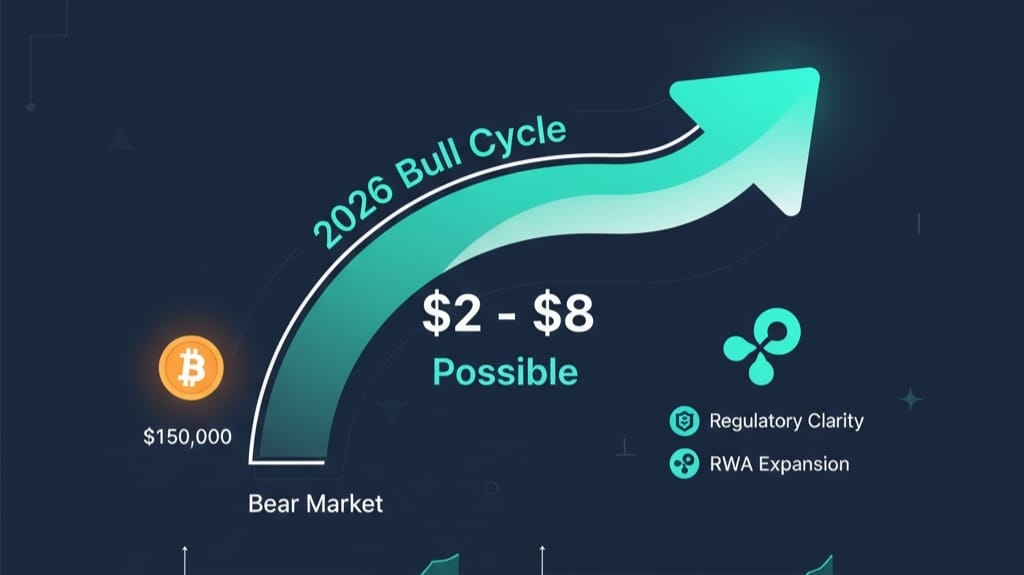
Understanding XRP’s Potential Cycle Turn in 2026Crypto markets move in cycles periods of rapid growth followed by deep corrections. In early 2026, sentiment feels bearish: Bitcoin sits near $69K after pulling back from 2025 highs, while major altcoins like Solana (SOL) and are down roughly 40–45% year-to-date. Historically, however, these pessimistic phases often set the stage for the next major rally.
XRP is particularly interesting right now. Trading around $1.40–$1.60, it remains below its 2018 ATH of $3.65 but far above the $0.20 lows seen in past downturns. The big question: Could 2026 mark a cycle turn from bear to bull?
What Are Crypto Market Cycles?
Crypto cycles typically align with Bitcoin’s four-year halving rhythm:
Accumulation, Bull Market, Distribution, Bear Market.
While we appear to be in a cooling phase, catalysts like ETF approvals, regulatory clarity, and institutional adoption can accelerate a reversal.
XRP’s 2026 Outlook
Analysts remain mixed but increasingly optimistic.
Conservative views: $2–$4 without major catalysts.
Bullish scenarios: $5–$8 if ETFs, regulation, and adoption improve.
Extreme upside: Higher targets depend heavily on mass institutional use.
Key drivers to watch:
Institutional inflows through potential XRP ETFs
Regulatory progress for Ripple
Expansion into real-world assets (RWAs)
A broader Bitcoin recovery
Technically, XRP appears to be defending previous breakout zones, suggesting $1.40 could act as strong support but regulatory setbacks or prolonged bearish conditions could keep it range-bound.
XRP vs. Solana: Speed vs. Stability
Solana tends to move faster due to retail hype, DeFi activity, and meme-coin ecosystems. Its cycles are explosive but volatile.
SOL: High-beta asset that often rebounds quickly.
XRP: Slower mover with stronger institutional narratives.
If alt season returns, may surge first, but XRP could deliver steadier, more sustainable gains.
XRP vs. Bitcoin: Following the Market Leader
Bitcoin still dictates macro direction. Historically, alts rally after BTC strengthens.
A BTC push toward new highs could lift XRP into the $4–$8 range.
Unlike Bitcoin’s scarcity-driven growth, XRP’s upside relies more on adoption and utility.
Expect higher volatility but also larger percentage moves.
In Conclusion:
Market cycles reward patience. While sentiment is uncertain, consolidation often comes before expansion.
The edge belongs to investors who stay informed and think long-term because the biggest moves usually begin when conviction is quiet.
Understanding XRP’s Potential Cycle Turn in 2026
Crypto markets move in cycles periods of rapid growth followed by deep corrections. In early 2026, sentiment feels bearish: Bitcoin sits near $69K after pulling back from 2025 highs, while major altcoins like Solana (SOL) and are down roughly 40–45% year-to-date. Historically, however, these pessimistic phases often set the stage for the next major rally.
XRP is particularly interesting right now. Trading around $1.40–$1.60, it remains below its 2018 ATH of $3.65 but far above the $0.20 lows seen in past downturns. The big question: Could 2026 mark a cycle turn from bear to bull?
What Are Crypto Market Cycles?
Crypto cycles typically align with Bitcoin’s four-year halving rhythm:
Accumulation, Bull Market, Distribution, Bear Market.
While we appear to be in a cooling phase, catalysts like ETF approvals, regulatory clarity, and institutional adoption can accelerate a reversal.
XRP’s 2026 Outlook
Analysts remain mixed but increasingly optimistic.
Conservative views: $2–$4 without major catalysts.
Bullish scenarios: $5–$8 if ETFs, regulation, and adoption improve.
Extreme upside: Higher targets depend heavily on mass institutional use.
Key drivers to watch:
Institutional inflows through potential XRP ETFs
Regulatory progress for Ripple
Expansion into real-world assets (RWAs)
A broader Bitcoin recovery
Technically, XRP appears to be defending previous breakout zones, suggesting $1.40 could act as strong support but regulatory setbacks or prolonged bearish conditions could keep it range-bound.
XRP vs. Solana: Speed vs. Stability
Solana tends to move faster due to retail hype, DeFi activity, and meme-coin ecosystems. Its cycles are explosive but volatile.
SOL: High-beta asset that often rebounds quickly.
XRP: Slower mover with stronger institutional narratives.
If alt season returns, may surge first, but XRP could deliver steadier, more sustainable gains.
XRP vs. Bitcoin: Following the Market Leader
Bitcoin still dictates macro direction. Historically, alts rally after BTC strengthens.
A BTC push toward new highs could lift XRP into the $4–$8 range.
Unlike Bitcoin’s scarcity-driven growth, XRP’s upside relies more on adoption and utility.
Expect higher volatility but also larger percentage moves.
In Conclusion:
Market cycles reward patience. While sentiment is uncertain, consolidation often comes before expansion.
The edge belongs to investors who stay informed and think long-term because the biggest moves usually begin when conviction is quiet.
XRP is particularly interesting right now. Trading around $1.40–$1.60, it remains below its 2018 ATH of $3.65 but far above the $0.20 lows seen in past downturns. The big question: Could 2026 mark a cycle turn from bear to bull?
What Are Crypto Market Cycles?
Crypto cycles typically align with Bitcoin’s four-year halving rhythm:
Accumulation, Bull Market, Distribution, Bear Market.
While we appear to be in a cooling phase, catalysts like ETF approvals, regulatory clarity, and institutional adoption can accelerate a reversal.
XRP’s 2026 Outlook
Analysts remain mixed but increasingly optimistic.
Conservative views: $2–$4 without major catalysts.
Bullish scenarios: $5–$8 if ETFs, regulation, and adoption improve.
Extreme upside: Higher targets depend heavily on mass institutional use.
Key drivers to watch:
Institutional inflows through potential XRP ETFs
Regulatory progress for Ripple
Expansion into real-world assets (RWAs)
A broader Bitcoin recovery
Technically, XRP appears to be defending previous breakout zones, suggesting $1.40 could act as strong support but regulatory setbacks or prolonged bearish conditions could keep it range-bound.
XRP vs. Solana: Speed vs. Stability
Solana tends to move faster due to retail hype, DeFi activity, and meme-coin ecosystems. Its cycles are explosive but volatile.
SOL: High-beta asset that often rebounds quickly.
XRP: Slower mover with stronger institutional narratives.
If alt season returns, may surge first, but XRP could deliver steadier, more sustainable gains.
XRP vs. Bitcoin: Following the Market Leader
Bitcoin still dictates macro direction. Historically, alts rally after BTC strengthens.
A BTC push toward new highs could lift XRP into the $4–$8 range.
Unlike Bitcoin’s scarcity-driven growth, XRP’s upside relies more on adoption and utility.
Expect higher volatility but also larger percentage moves.
In Conclusion:
Market cycles reward patience. While sentiment is uncertain, consolidation often comes before expansion.
The edge belongs to investors who stay informed and think long-term because the biggest moves usually begin when conviction is quiet.
8
5
71
55.5k
ເບິ່ງການແປ
Another spike could happen this week as CPI volatility picks up.
Last week was relatively neutral with little reaction, but inflation data could bring more volatility across both stocks and crypto, especially if inflation starts cooling or comes in hotter than expected.
#ClarityActFacesProceduralVoteSept15
Another spike could happen this week as CPI volatility picks up.
Last week was relatively neutral with little reaction, but inflation data could bring more volatility across both stocks and crypto, especially if inflation starts cooling or comes in hotter than expected.
#ClarityActFacesProceduralVoteSept15
Last week was relatively neutral with little reaction, but inflation data could bring more volatility across both stocks and crypto, especially if inflation starts cooling or comes in hotter than expected.
#ClarityActFacesProceduralVoteSept15
1
137
ເບິ່ງການແປ
$BTC CPI played out almost exactly like the sweep scenario from this morning. Absolutely beautiful.
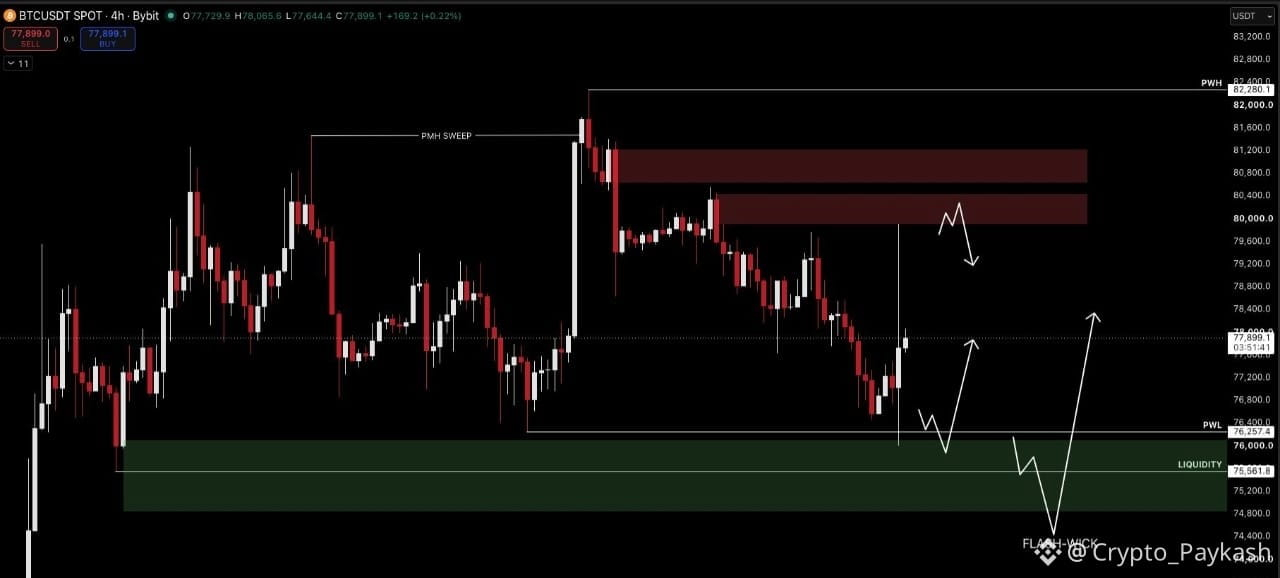
CPI dumped below the $76.2K PWL, sweeping the lows, liquidating buyers and pulling sellers in.
Bitcoin then immediately reversed toward $79.9K, taking out plenty of buy-side liquidity.
I took a momentum long after the 5M candle broke the high of the 5M hammer.
These setups can be tricky, but if you wait 5–10 minutes after the news, let price test the POI, and get your trigger, the setup becomes much cleaner.
PA rarely moves without a reason. This pump went straight into our first short POI around $80K.
I’m not shorting yet. I’d rather see a little more upside and wait for a proper trigger. No positions for me over the weekend.
Overall, a really nice trading week. Have a great weekend everyone.
$BTC CPI played out almost exactly like the sweep scenario from this morning. Absolutely beautiful.
CPI dumped below the $76.2K PWL, sweeping the lows, liquidating buyers and pulling sellers in.
Bitcoin then immediately reversed toward $79.9K, taking out plenty of buy-side liquidity.
I took a momentum long after the 5M candle broke the high of the 5M hammer.
These setups can be tricky, but if you wait 5–10 minutes after the news, let price test the POI, and get your trigger, the setup becomes much cleaner.
PA rarely moves without a reason. This pump went straight into our first short POI around $80K.
I’m not shorting yet. I’d rather see a little more upside and wait for a proper trigger. No positions for me over the weekend.
Overall, a really nice trading week. Have a great weekend everyone.
CPI dumped below the $76.2K PWL, sweeping the lows, liquidating buyers and pulling sellers in.
Bitcoin then immediately reversed toward $79.9K, taking out plenty of buy-side liquidity.
I took a momentum long after the 5M candle broke the high of the 5M hammer.
These setups can be tricky, but if you wait 5–10 minutes after the news, let price test the POI, and get your trigger, the setup becomes much cleaner.
PA rarely moves without a reason. This pump went straight into our first short POI around $80K.
I’m not shorting yet. I’d rather see a little more upside and wait for a proper trigger. No positions for me over the weekend.
Overall, a really nice trading week. Have a great weekend everyone.
97
ເບິ່ງການແປ
🇺🇸 ETF FLOWS: $XRP spot ETFs recorded net inflows on Sept. 10, while BTC, ETH and $SOL spot ETFs ended the day with outflows.
BTC: -$282.56M
ETH: -$29.76M
SOL: -$482.55K
XRP: +$5.14M
#CryptoSectorsFallSecondDay
🇺🇸 ETF FLOWS: $XRP spot ETFs recorded net inflows on Sept. 10, while BTC, ETH and $SOL spot ETFs ended the day with outflows.
BTC: -$282.56M
ETH: -$29.76M
SOL: -$482.55K
XRP: +$5.14M
#CryptoSectorsFallSecondDay
BTC: -$282.56M
ETH: -$29.76M
SOL: -$482.55K
XRP: +$5.14M
#CryptoSectorsFallSecondDay

43
ເບິ່ງການແປ
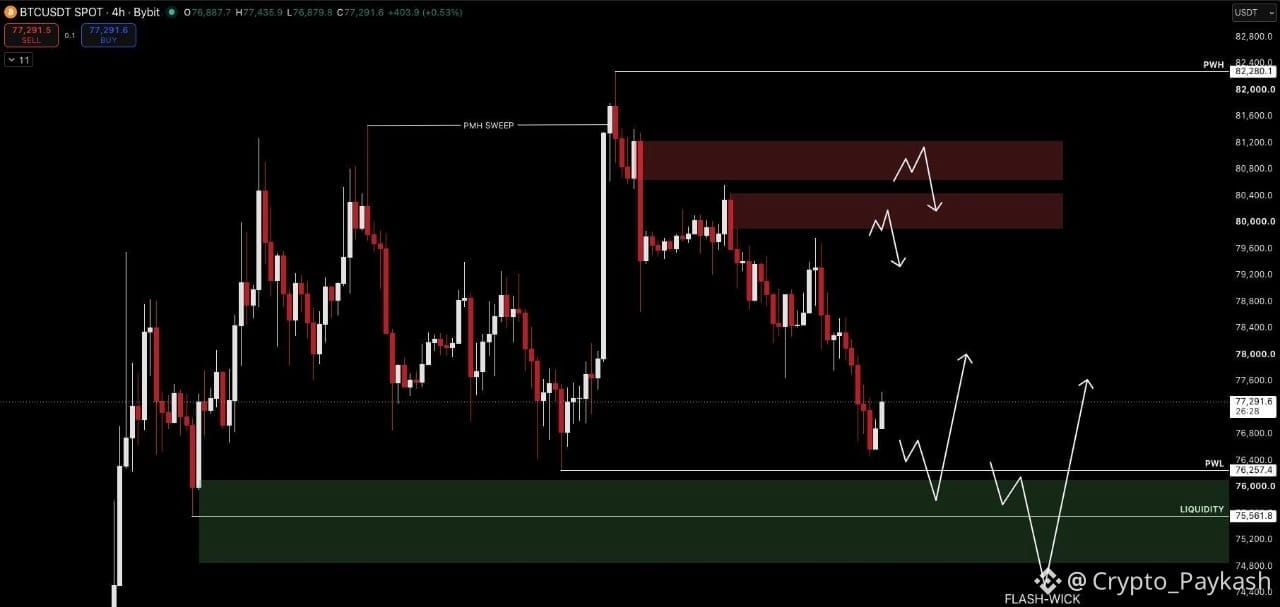
$BTC is grinding around the $76.2K previous weekly low ahead of CPI.
Honestly, this range feels pretty dead right now, and I wouldn’t be surprised if it stays this way until after the CPI release.
OI also shows that the last dump attracted a lot of shorts, while this small pump looks largely driven by aggressive short covering.
For longs, I’m watching two scenarios today, both likely playing out after CPI.
First, if we sweep the $76.2K PWL, that could trigger more selling and flush out buyers. If that happens, I’ll be watching for a long trigger after the sweep.
The second scenario is the one I prefer: CPI sends BTC into a sharp flash wick below $75.5K.
That could wipe out the buyers trapped in this range and bring aggressive sellers into the market. From there, a strong reclaim could give a much better setup for higher-timeframe longs.
The $80K and $81K short POIs are still valid, but I don’t expect price to reach them today.
#CPIWatch
$BTC is grinding around the $76.2K previous weekly low ahead of CPI.
Honestly, this range feels pretty dead right now, and I wouldn’t be surprised if it stays this way until after the CPI release.
OI also shows that the last dump attracted a lot of shorts, while this small pump looks largely driven by aggressive short covering.
For longs, I’m watching two scenarios today, both likely playing out after CPI.
First, if we sweep the $76.2K PWL, that could trigger more selling and flush out buyers. If that happens, I’ll be watching for a long trigger after the sweep.
The second scenario is the one I prefer: CPI sends BTC into a sharp flash wick below $75.5K.
That could wipe out the buyers trapped in this range and bring aggressive sellers into the market. From there, a strong reclaim could give a much better setup for higher-timeframe longs.
The $80K and $81K short POIs are still valid, but I don’t expect price to reach them today.
#CPIWatch
Honestly, this range feels pretty dead right now, and I wouldn’t be surprised if it stays this way until after the CPI release.
OI also shows that the last dump attracted a lot of shorts, while this small pump looks largely driven by aggressive short covering.
For longs, I’m watching two scenarios today, both likely playing out after CPI.
First, if we sweep the $76.2K PWL, that could trigger more selling and flush out buyers. If that happens, I’ll be watching for a long trigger after the sweep.
The second scenario is the one I prefer: CPI sends BTC into a sharp flash wick below $75.5K.
That could wipe out the buyers trapped in this range and bring aggressive sellers into the market. From there, a strong reclaim could give a much better setup for higher-timeframe longs.
The $80K and $81K short POIs are still valid, but I don’t expect price to reach them today.
#CPIWatch
67
ເບິ່ງການແປ
Diesel pushing above $6 per gallon is another major inflation pressure for the U.S. economy. Higher fuel costs can ripple through transportation, manufacturing, businesses, and eventually hit consumers through higher prices.
The impact can also extend beyond the U.S., especially for economies that depend heavily on American products and global supply chains. As energy costs keep rising, markets may see a bigger shift toward more efficient and lower-emission technologies, with countries like China already moving aggressively in that direction.
If fuel inflation stays elevated, it could become a major factor shaping markets and consumer spending globally.
#CPIWatch
Diesel pushing above $6 per gallon is another major inflation pressure for the U.S. economy. Higher fuel costs can ripple through transportation, manufacturing, businesses, and eventually hit consumers through higher prices.
The impact can also extend beyond the U.S., especially for economies that depend heavily on American products and global supply chains. As energy costs keep rising, markets may see a bigger shift toward more efficient and lower-emission technologies, with countries like China already moving aggressively in that direction.
If fuel inflation stays elevated, it could become a major factor shaping markets and consumer spending globally.
#CPIWatch
The impact can also extend beyond the U.S., especially for economies that depend heavily on American products and global supply chains. As energy costs keep rising, markets may see a bigger shift toward more efficient and lower-emission technologies, with countries like China already moving aggressively in that direction.
If fuel inflation stays elevated, it could become a major factor shaping markets and consumer spending globally.
#CPIWatch
96
$BTC tòn planu no keia la.
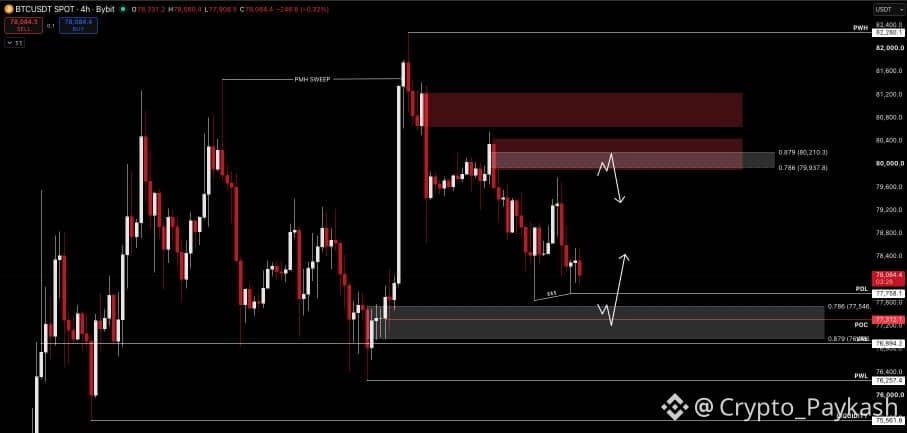
O ka pōkole o kā mākou manaʻo mai nehinei i pololei, akā ʻaʻole i hiki ke kumukūʻai i kā mākou kuhi kūʻai komo. He ʻāpana kēlā o ke kālepa. ʻAʻohe pono e alualu, e nānā wale i ka hoʻonohonoho hou.
Ke mau nei ka wahi 80K, no laila e nānā au i nā hōʻailona pōkole inā hoʻihoʻi hou ʻo Bitcoin iā ia.
No nā lōʻihi (longs), makemake au e ʻike i ka sweep ma 77.6K, me ka hiki ke hiki i 77.3K. Aia kēlā wahi ma kahi kokoke i ka welena kiʻekiʻe loa o ka pule (weekly range extreme) me ka POC kokoke loa.
Inā loaʻa iā mākou ka sweep a me ka hōʻoia, e nānā au i ka neʻe ʻana hoʻi i kahi o 80K+.
Aia nō hoʻi he nūhou koʻikoʻi ʻulaʻula (major red-folder news) ma ka 08:30 ET, no laila ʻoi aku koʻu makemake e kali a hiki i ka hoʻokuʻu ʻana a ʻike i ke ʻano o ka mākeke.
He ʻūhā a huikau ka neʻe ʻana o ke kumukūʻai i kēia manawa, no laila e hoʻomau au i ka ahonui a pale aku i ka ʻoki ʻoki pono ʻole.
$BTC tòn planu no keia la.
O ka pōkole o kā mākou manaʻo mai nehinei i pololei, akā ʻaʻole i hiki ke kumukūʻai i kā mākou kuhi kūʻai komo. He ʻāpana kēlā o ke kālepa. ʻAʻohe pono e alualu, e nānā wale i ka hoʻonohonoho hou.
Ke mau nei ka wahi 80K, no laila e nānā au i nā hōʻailona pōkole inā hoʻihoʻi hou ʻo Bitcoin iā ia.
No nā lōʻihi (longs), makemake au e ʻike i ka sweep ma 77.6K, me ka hiki ke hiki i 77.3K. Aia kēlā wahi ma kahi kokoke i ka welena kiʻekiʻe loa o ka pule (weekly range extreme) me ka POC kokoke loa.
Inā loaʻa iā mākou ka sweep a me ka hōʻoia, e nānā au i ka neʻe ʻana hoʻi i kahi o 80K+.
Aia nō hoʻi he nūhou koʻikoʻi ʻulaʻula (major red-folder news) ma ka 08:30 ET, no laila ʻoi aku koʻu makemake e kali a hiki i ka hoʻokuʻu ʻana a ʻike i ke ʻano o ka mākeke.
He ʻūhā a huikau ka neʻe ʻana o ke kumukūʻai i kēia manawa, no laila e hoʻomau au i ka ahonui a pale aku i ka ʻoki ʻoki pono ʻole.
O ka pōkole o kā mākou manaʻo mai nehinei i pololei, akā ʻaʻole i hiki ke kumukūʻai i kā mākou kuhi kūʻai komo. He ʻāpana kēlā o ke kālepa. ʻAʻohe pono e alualu, e nānā wale i ka hoʻonohonoho hou.
Ke mau nei ka wahi 80K, no laila e nānā au i nā hōʻailona pōkole inā hoʻihoʻi hou ʻo Bitcoin iā ia.
No nā lōʻihi (longs), makemake au e ʻike i ka sweep ma 77.6K, me ka hiki ke hiki i 77.3K. Aia kēlā wahi ma kahi kokoke i ka welena kiʻekiʻe loa o ka pule (weekly range extreme) me ka POC kokoke loa.
Inā loaʻa iā mākou ka sweep a me ka hōʻoia, e nānā au i ka neʻe ʻana hoʻi i kahi o 80K+.
Aia nō hoʻi he nūhou koʻikoʻi ʻulaʻula (major red-folder news) ma ka 08:30 ET, no laila ʻoi aku koʻu makemake e kali a hiki i ka hoʻokuʻu ʻana a ʻike i ke ʻano o ka mākeke.
He ʻūhā a huikau ka neʻe ʻana o ke kumukūʻai i kēia manawa, no laila e hoʻomau au i ka ahonui a pale aku i ka ʻoki ʻoki pono ʻole.
1.6k
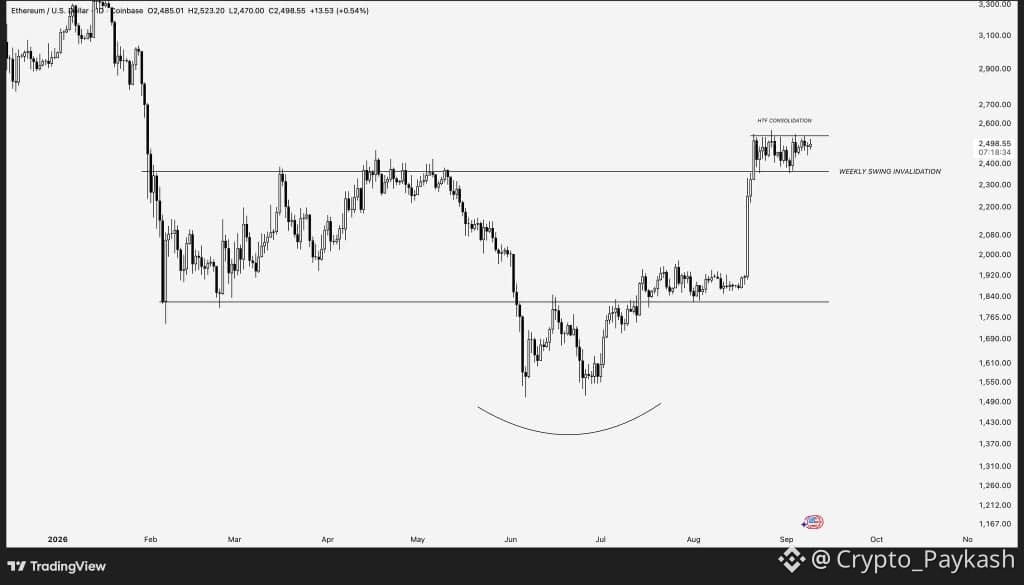
Yimaꞌ todavía plenty debate tungkol sa kung ang Bitcoin ay nakahanap na ba ng cycle bottom, pero ang $ETH ay nagsisimulang mukhang mas kumbinsido.
Ang weekly bearish swing pivot ay na-invalidate na, at ang retest ng macro $2,350 support ay nanatiling buo. Ang ETH ngayon ay nagko-consolidate lang sa ibaba ng susunod na key breakout level na nasa paligid ng $2,550.
Sa mas mataas na time-frame na pananaw, ang Ethereum ay nagpapakita ng mga palatandaan ng muling pagpapalakas habang ang Bitcoin naman ay mukhang naghahanap pa ng kumpirmasyon.
Kapansin-pansin, ang ETH ay nag-bottom na rin bago ang $BTC sa parehong mga cycle na ito, na may mga low sa June 2022 at June 2026.
#EUExtendsCentralContactPointToCASPs
Yimaꞌ todavía plenty debate tungkol sa kung ang Bitcoin ay nakahanap na ba ng cycle bottom, pero ang $ETH ay nagsisimulang mukhang mas kumbinsido.
Ang weekly bearish swing pivot ay na-invalidate na, at ang retest ng macro $2,350 support ay nanatiling buo. Ang ETH ngayon ay nagko-consolidate lang sa ibaba ng susunod na key breakout level na nasa paligid ng $2,550.
Sa mas mataas na time-frame na pananaw, ang Ethereum ay nagpapakita ng mga palatandaan ng muling pagpapalakas habang ang Bitcoin naman ay mukhang naghahanap pa ng kumpirmasyon.
Kapansin-pansin, ang ETH ay nag-bottom na rin bago ang $BTC sa parehong mga cycle na ito, na may mga low sa June 2022 at June 2026.
#EUExtendsCentralContactPointToCASPs
Ang weekly bearish swing pivot ay na-invalidate na, at ang retest ng macro $2,350 support ay nanatiling buo. Ang ETH ngayon ay nagko-consolidate lang sa ibaba ng susunod na key breakout level na nasa paligid ng $2,550.
Sa mas mataas na time-frame na pananaw, ang Ethereum ay nagpapakita ng mga palatandaan ng muling pagpapalakas habang ang Bitcoin naman ay mukhang naghahanap pa ng kumpirmasyon.
Kapansin-pansin, ang ETH ay nag-bottom na rin bago ang $BTC sa parehong mga cycle na ito, na may mga low sa June 2022 at June 2026.
#EUExtendsCentralContactPointToCASPs
2
1.7k
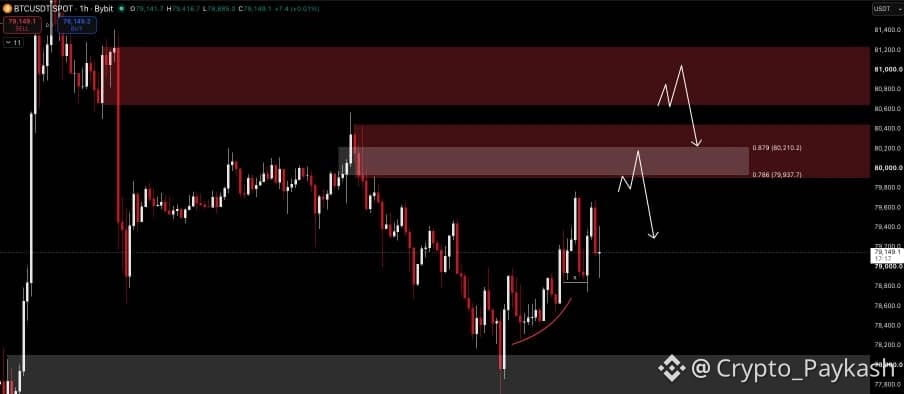
$BTC o n lọra pupọ loni ati pe emi ko yanilenu, išipopada naa n lọ ni ọna kankan ati pe emi ko yanilenu, ọkọ oju-irin ti n lọ kii yoo duro titi de opin irin ajo, o le kan jẹ ìrìnàjò lọra.
Long mi ṣi n ṣiṣẹ, nítorí náà mo n dúró sùúrù ati nduro fun iye owo lati de ọkan ninu awọn short-POIs ti mo pín lónìí ní òwúrọ̀.
Ìdánwò agbegbe $80K yoo jẹ ohun tó dara jù fún mi, ibi tí emi yoo ti n wo awọn short triggers.
Bitcoin ti ti $78.8K tẹlẹ, nítorí náà ìgbésẹ soke sí short-POI mi yoo dáa gidigidi. Agbegbe $81K tí ó wà lókè rẹ̀ jẹ òmíràn tí mo n ṣọra si.
Awọn agbegbe méjèèjì le ṣiṣẹ gẹgẹ bí hedges lòdì sí awọn longs lọwọlọwọ nigba tí mo ṣi n ṣí ìfarahan silẹ fún ìṣeeṣe ìṣipopada sí isalẹ.
Ti BTC ba já a kọja ìkópa amúyẹ yẹn ní ayika $78.4K ki o si sọkalẹ lai ṣe idanwo boya POI, emi kan jẹ́ kí ìṣipopada náà lọ.
Mo fẹ́ padanu trade ju kí n fi ipa mu setup tí kò dáa. Awọn ọjọ lọra jẹ́ apá ti ere náà.
$BTC o n lọra pupọ loni ati pe emi ko yanilenu, išipopada naa n lọ ni ọna kankan ati pe emi ko yanilenu, ọkọ oju-irin ti n lọ kii yoo duro titi de opin irin ajo, o le kan jẹ ìrìnàjò lọra.
Long mi ṣi n ṣiṣẹ, nítorí náà mo n dúró sùúrù ati nduro fun iye owo lati de ọkan ninu awọn short-POIs ti mo pín lónìí ní òwúrọ̀.
Ìdánwò agbegbe $80K yoo jẹ ohun tó dara jù fún mi, ibi tí emi yoo ti n wo awọn short triggers.
Bitcoin ti ti $78.8K tẹlẹ, nítorí náà ìgbésẹ soke sí short-POI mi yoo dáa gidigidi. Agbegbe $81K tí ó wà lókè rẹ̀ jẹ òmíràn tí mo n ṣọra si.
Awọn agbegbe méjèèjì le ṣiṣẹ gẹgẹ bí hedges lòdì sí awọn longs lọwọlọwọ nigba tí mo ṣi n ṣí ìfarahan silẹ fún ìṣeeṣe ìṣipopada sí isalẹ.
Ti BTC ba já a kọja ìkópa amúyẹ yẹn ní ayika $78.4K ki o si sọkalẹ lai ṣe idanwo boya POI, emi kan jẹ́ kí ìṣipopada náà lọ.
Mo fẹ́ padanu trade ju kí n fi ipa mu setup tí kò dáa. Awọn ọjọ lọra jẹ́ apá ti ere náà.
Long mi ṣi n ṣiṣẹ, nítorí náà mo n dúró sùúrù ati nduro fun iye owo lati de ọkan ninu awọn short-POIs ti mo pín lónìí ní òwúrọ̀.
Ìdánwò agbegbe $80K yoo jẹ ohun tó dara jù fún mi, ibi tí emi yoo ti n wo awọn short triggers.
Bitcoin ti ti $78.8K tẹlẹ, nítorí náà ìgbésẹ soke sí short-POI mi yoo dáa gidigidi. Agbegbe $81K tí ó wà lókè rẹ̀ jẹ òmíràn tí mo n ṣọra si.
Awọn agbegbe méjèèjì le ṣiṣẹ gẹgẹ bí hedges lòdì sí awọn longs lọwọlọwọ nigba tí mo ṣi n ṣí ìfarahan silẹ fún ìṣeeṣe ìṣipopada sí isalẹ.
Ti BTC ba já a kọja ìkópa amúyẹ yẹn ní ayika $78.4K ki o si sọkalẹ lai ṣe idanwo boya POI, emi kan jẹ́ kí ìṣipopada náà lọ.
Mo fẹ́ padanu trade ju kí n fi ipa mu setup tí kò dáa. Awọn ọjọ lọra jẹ́ apá ti ere náà.
2
1.6k
ເບິ່ງການແປ
🇺🇸 ETF FLOWS: Spot ETF flows were mixed on Sept. 8.
BTC, ETH and $SOL recorded net outflows, while XRP was the only one to see inflows.
BTC: -$46.65M
ETH: -$24.29M
SOL: -$667.72K
XRP: +$1.55M
Not a huge shift overall, but $XRP stood out while the majors saw money move out.
🇺🇸 ETF FLOWS: Spot ETF flows were mixed on Sept. 8.
BTC, ETH and $SOL recorded net outflows, while XRP was the only one to see inflows.
BTC: -$46.65M
ETH: -$24.29M
SOL: -$667.72K
XRP: +$1.55M
Not a huge shift overall, but $XRP stood out while the majors saw money move out.
BTC, ETH and $SOL recorded net outflows, while XRP was the only one to see inflows.
BTC: -$46.65M
ETH: -$24.29M
SOL: -$667.72K
XRP: +$1.55M
Not a huge shift overall, but $XRP stood out while the majors saw money move out.

1
721
ເບິ່ງການແປ
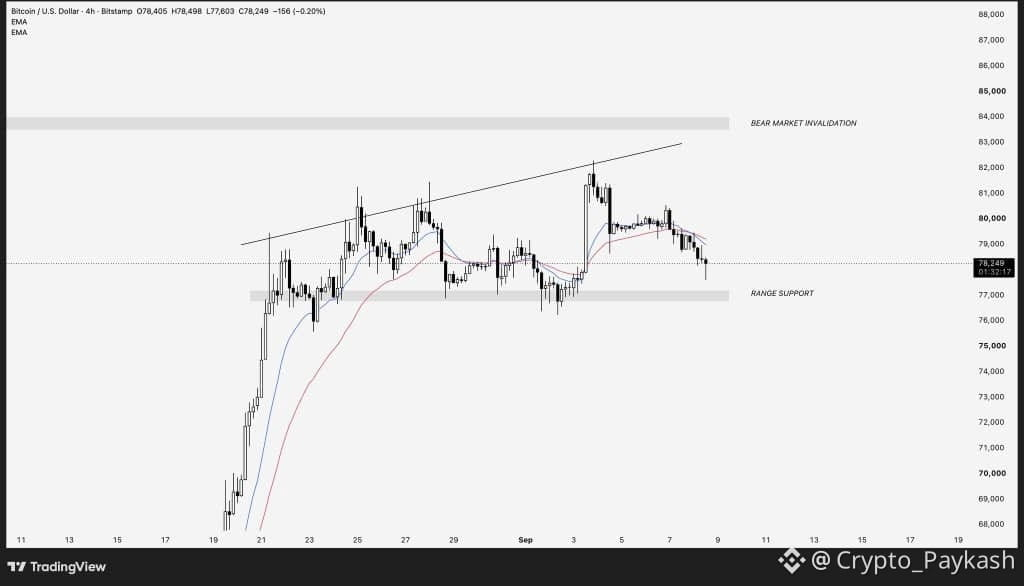
Pretty straightforward for $BTC right now.
A break above the $83K ascending wedge could flip the broader bearish structure and squeeze shorts across multiple timeframes.
On the other side, losing $76.7K would break the key support that has held every major downside attempt and put early longs under pressure.
Until one of those levels gives way, I’m staying out.
No need to force a trade in the middle.
Pretty straightforward for $BTC right now.
A break above the $83K ascending wedge could flip the broader bearish structure and squeeze shorts across multiple timeframes.
On the other side, losing $76.7K would break the key support that has held every major downside attempt and put early longs under pressure.
Until one of those levels gives way, I’m staying out.
No need to force a trade in the middle.
A break above the $83K ascending wedge could flip the broader bearish structure and squeeze shorts across multiple timeframes.
On the other side, losing $76.7K would break the key support that has held every major downside attempt and put early longs under pressure.
Until one of those levels gives way, I’m staying out.
No need to force a trade in the middle.
1
636
ເບິ່ງການແປ
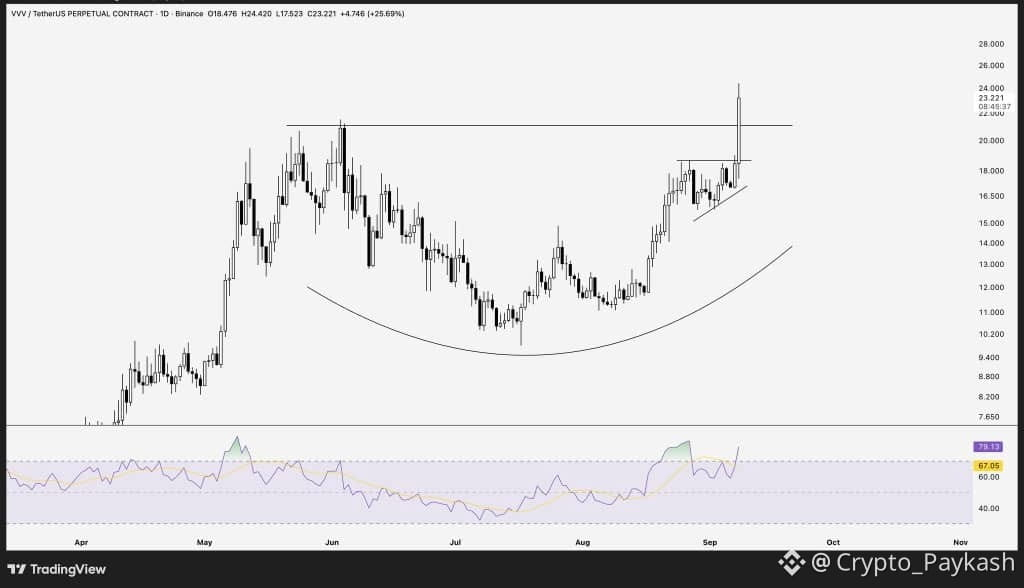
$VVV just broke out with a solid 15% move and is now entering price discovery.
The rounding-bottom setup is playing out nicely, with momentum starting to pick up.
RSI has pushed back into the power zone. The last time it reached these levels, VVV went on to rally more than 50%.
#AEROSurges17%In24Hours
$VVV just broke out with a solid 15% move and is now entering price discovery.
The rounding-bottom setup is playing out nicely, with momentum starting to pick up.
RSI has pushed back into the power zone. The last time it reached these levels, VVV went on to rally more than 50%.
#AEROSurges17%In24Hours
The rounding-bottom setup is playing out nicely, with momentum starting to pick up.
RSI has pushed back into the power zone. The last time it reached these levels, VVV went on to rally more than 50%.
#AEROSurges17%In24Hours
850
ເບິ່ງການແປ
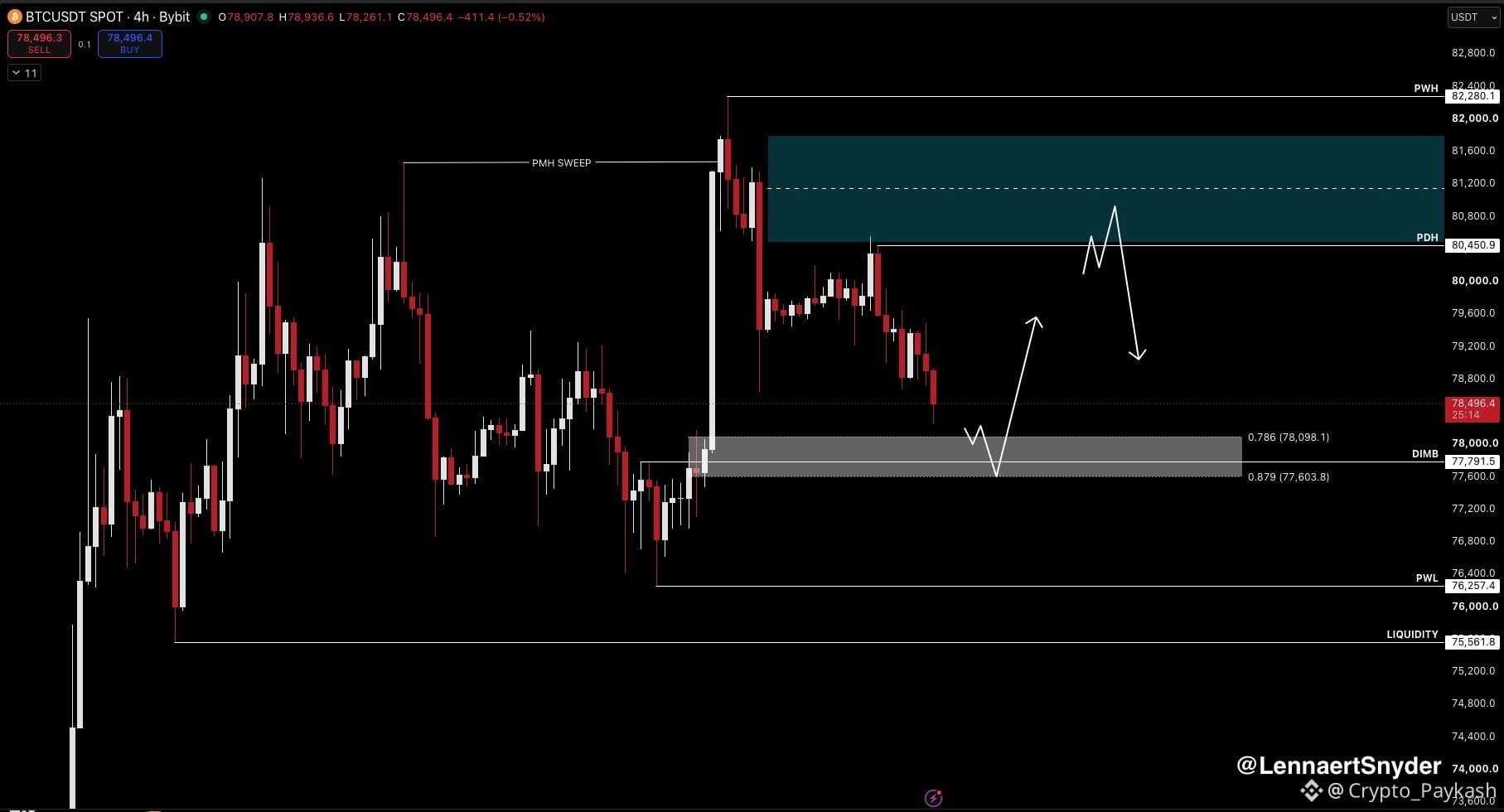
$BTC keeps getting rejected and is now approaching my 77.8K long-POI.
My short limit at 79.4K triggered, while I’m still holding the long from 77.5K.
For now, I’m treating this as a range until Bitcoin shows direction.
77.8K is the area I want to see a long trigger, especially with macro still bearish and rate-hike odds rising this month.
If 77.8K fails, I’ll stay defensive with longs and would rather see a move below 75.5K.
80.8K remains my short area after a sweep + trigger, but I don’t expect BTC to reach it today.
We’ve already lost the PDL, so holding below the 80.4K PDH looks more likely than taking it out.
If the long triggers, I’d like to see BTC move toward 80.8K later this week. Otherwise, I’ll let the short run and wait for better POIs.
$BTC keeps getting rejected and is now approaching my 77.8K long-POI.
My short limit at 79.4K triggered, while I’m still holding the long from 77.5K.
For now, I’m treating this as a range until Bitcoin shows direction.
77.8K is the area I want to see a long trigger, especially with macro still bearish and rate-hike odds rising this month.
If 77.8K fails, I’ll stay defensive with longs and would rather see a move below 75.5K.
80.8K remains my short area after a sweep + trigger, but I don’t expect BTC to reach it today.
We’ve already lost the PDL, so holding below the 80.4K PDH looks more likely than taking it out.
If the long triggers, I’d like to see BTC move toward 80.8K later this week. Otherwise, I’ll let the short run and wait for better POIs.
My short limit at 79.4K triggered, while I’m still holding the long from 77.5K.
For now, I’m treating this as a range until Bitcoin shows direction.
77.8K is the area I want to see a long trigger, especially with macro still bearish and rate-hike odds rising this month.
If 77.8K fails, I’ll stay defensive with longs and would rather see a move below 75.5K.
80.8K remains my short area after a sweep + trigger, but I don’t expect BTC to reach it today.
We’ve already lost the PDL, so holding below the 80.4K PDH looks more likely than taking it out.
If the long triggers, I’d like to see BTC move toward 80.8K later this week. Otherwise, I’ll let the short run and wait for better POIs.
987
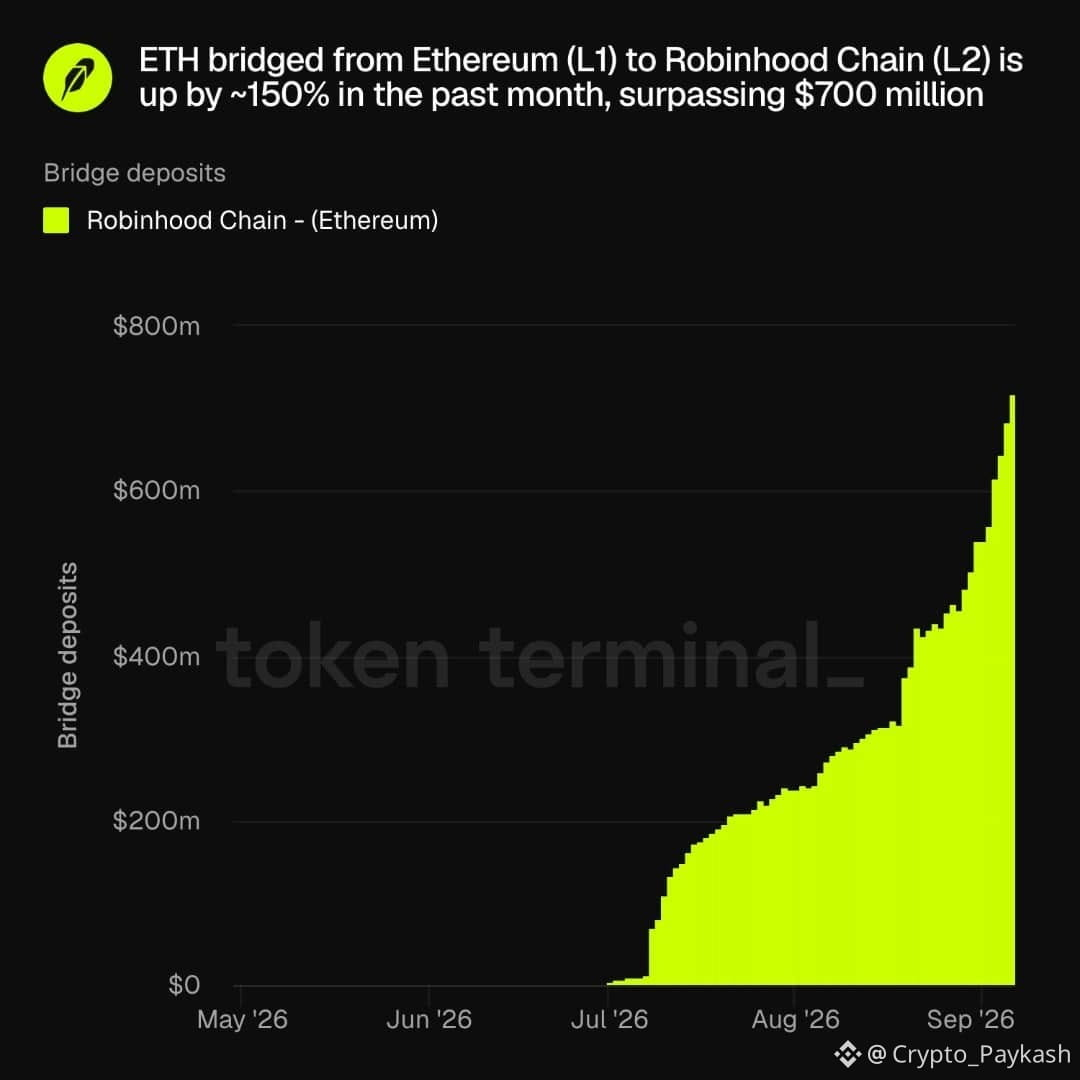
ແຈ້ງທັນທີ: ມູນຄ່າຫຼາຍກວ່າ $700M ຂອງ $ETH ຖືກໂອນ/bridge ຈາກ Ethereum ໄປຍັງ Robinhood Chain ແລ້ວ, ເພີ່ມຂຶ້ນ 150% ໃນຮອບເດືອນຜ່ານມາ, ອີງຕາມ Token Terminal.
ຄວາມຄືບໜ້າທີ່ນ້າສັງເກດໃນກິດຈະກຳຂອງ ETH ທົ່ວທັງເຄືອຂ່າຍ.
#SideSwapSuspendsLiquidServices
ແຈ້ງທັນທີ: ມູນຄ່າຫຼາຍກວ່າ $700M ຂອງ $ETH ຖືກໂອນ/bridge ຈາກ Ethereum ໄປຍັງ Robinhood Chain ແລ້ວ, ເພີ່ມຂຶ້ນ 150% ໃນຮອບເດືອນຜ່ານມາ, ອີງຕາມ Token Terminal.
ຄວາມຄືບໜ້າທີ່ນ້າສັງເກດໃນກິດຈະກຳຂອງ ETH ທົ່ວທັງເຄືອຂ່າຍ.
#SideSwapSuspendsLiquidServices
ຄວາມຄືບໜ້າທີ່ນ້າສັງເກດໃນກິດຈະກຳຂອງ ETH ທົ່ວທັງເຄືອຂ່າຍ.
#SideSwapSuspendsLiquidServices
1.1k
ເບິ່ງການແປ
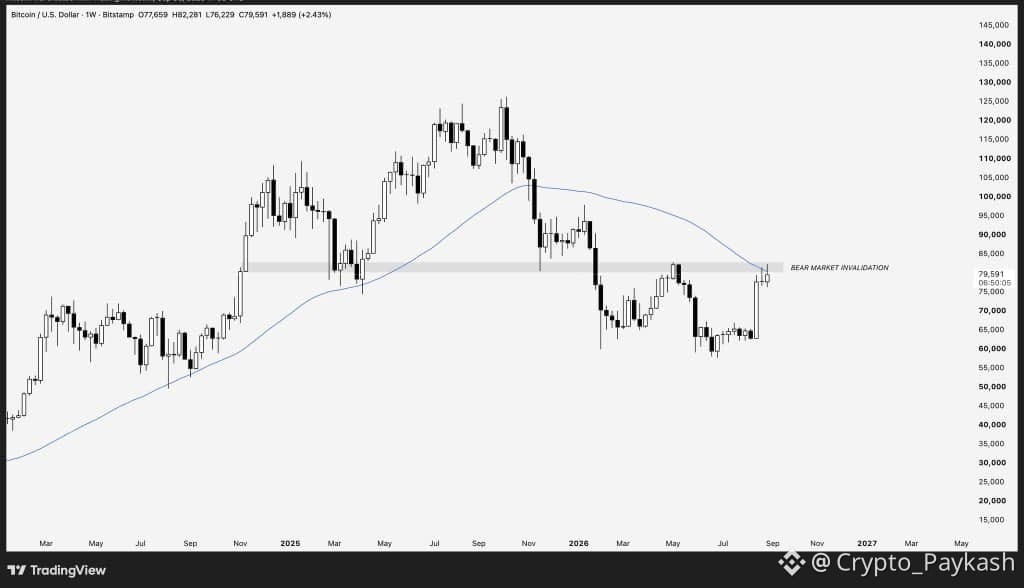
Another week, another rejection for $BTC at the 50-week moving average, which is currently around the $83K bear market invalidation level.
What stands out is how the 50WMA has behaved in previous bear cycles. Bitcoin has typically tested it twice.
The first test usually comes somewhere around the early-to-middle stages of the bear market, followed by a rejection and another move lower.
The second test tends to come later in the cycle, and that’s when price has historically broken through.
So far, this is BTC’s first test of the 50WMA in the current cycle.
If we fail to reclaim it over the next few weeks, I wouldn’t be surprised to see some mean reversion after this recent move higher.
If that happens, I’d expect the next retest of the 50WMA to have a much better chance of breaking through and invalidating the bearish structure.
Another week, another rejection for $BTC at the 50-week moving average, which is currently around the $83K bear market invalidation level.
What stands out is how the 50WMA has behaved in previous bear cycles. Bitcoin has typically tested it twice.
The first test usually comes somewhere around the early-to-middle stages of the bear market, followed by a rejection and another move lower.
The second test tends to come later in the cycle, and that’s when price has historically broken through.
So far, this is BTC’s first test of the 50WMA in the current cycle.
If we fail to reclaim it over the next few weeks, I wouldn’t be surprised to see some mean reversion after this recent move higher.
If that happens, I’d expect the next retest of the 50WMA to have a much better chance of breaking through and invalidating the bearish structure.
What stands out is how the 50WMA has behaved in previous bear cycles. Bitcoin has typically tested it twice.
The first test usually comes somewhere around the early-to-middle stages of the bear market, followed by a rejection and another move lower.
The second test tends to come later in the cycle, and that’s when price has historically broken through.
So far, this is BTC’s first test of the 50WMA in the current cycle.
If we fail to reclaim it over the next few weeks, I wouldn’t be surprised to see some mean reversion after this recent move higher.
If that happens, I’d expect the next retest of the 50WMA to have a much better chance of breaking through and invalidating the bearish structure.
1
1
407
ເບິ່ງການແປ
🔥 Capital B just made its biggest Bitcoin purchase of the year, adding 376 BTC for $29.4M.
That brings the company’s total Bitcoin holdings to 3,521 $BTC .
🔥 Capital B just made its biggest Bitcoin purchase of the year, adding 376 BTC for $29.4M.
That brings the company’s total Bitcoin holdings to 3,521 $BTC .
That brings the company’s total Bitcoin holdings to 3,521 $BTC .

328
ຢືນຢັນແລ້ວ
ເບິ່ງການແປ
Private firms aren’t necessarily “piling into” the stock market as buyers. A lot of them are coming in as sellers.
$SPCX just pulled off the largest IPO in history. OpenAI and Anthropic have filed, while PE-backed companies that stayed private for years from restaurants to data centers and industrials are now lining up to go public.
That’s the bigger signal.
After years of cheap private capital, secondary deals, and rising paper valuations, the public market is becoming the exit again.
US listings and share sales already reached a record $251B in H1 2026.
The IPO window isn’t just about sentiment. It’s a liquidity event.
Two things can be true at the same time:
Mega-IPOs show that demand is still strong.
But a lot of supply is coming too lockups, PE exits, and companies that have simply outgrown private markets.
If you’re only watching $NVDA and the Magnificent Seven, you’re still watching the old market.
The next phase could be about private companies turning into public-market supply.
Retail gets access. Sponsors get liquidity. Indexes get new giants. And private valuations finally face a real-time public price.
Would you rather own these businesses before they list, or after the public market has to absorb the float?
#EightChineseFinancialFirmsRaise360BYuan
Private firms aren’t necessarily “piling into” the stock market as buyers. A lot of them are coming in as sellers.
$SPCX just pulled off the largest IPO in history. OpenAI and Anthropic have filed, while PE-backed companies that stayed private for years from restaurants to data centers and industrials are now lining up to go public.
That’s the bigger signal.
After years of cheap private capital, secondary deals, and rising paper valuations, the public market is becoming the exit again.
US listings and share sales already reached a record $251B in H1 2026.
The IPO window isn’t just about sentiment. It’s a liquidity event.
Two things can be true at the same time:
Mega-IPOs show that demand is still strong.
But a lot of supply is coming too lockups, PE exits, and companies that have simply outgrown private markets.
If you’re only watching $NVDA and the Magnificent Seven, you’re still watching the old market.
The next phase could be about private companies turning into public-market supply.
Retail gets access. Sponsors get liquidity. Indexes get new giants. And private valuations finally face a real-time public price.
Would you rather own these businesses before they list, or after the public market has to absorb the float?
#EightChineseFinancialFirmsRaise360BYuan
$SPCX just pulled off the largest IPO in history. OpenAI and Anthropic have filed, while PE-backed companies that stayed private for years from restaurants to data centers and industrials are now lining up to go public.
That’s the bigger signal.
After years of cheap private capital, secondary deals, and rising paper valuations, the public market is becoming the exit again.
US listings and share sales already reached a record $251B in H1 2026.
The IPO window isn’t just about sentiment. It’s a liquidity event.
Two things can be true at the same time:
Mega-IPOs show that demand is still strong.
But a lot of supply is coming too lockups, PE exits, and companies that have simply outgrown private markets.
If you’re only watching $NVDA and the Magnificent Seven, you’re still watching the old market.
The next phase could be about private companies turning into public-market supply.
Retail gets access. Sponsors get liquidity. Indexes get new giants. And private valuations finally face a real-time public price.
Would you rather own these businesses before they list, or after the public market has to absorb the float?
#EightChineseFinancialFirmsRaise360BYuan
1
2.1k
ເບິ່ງການແປ
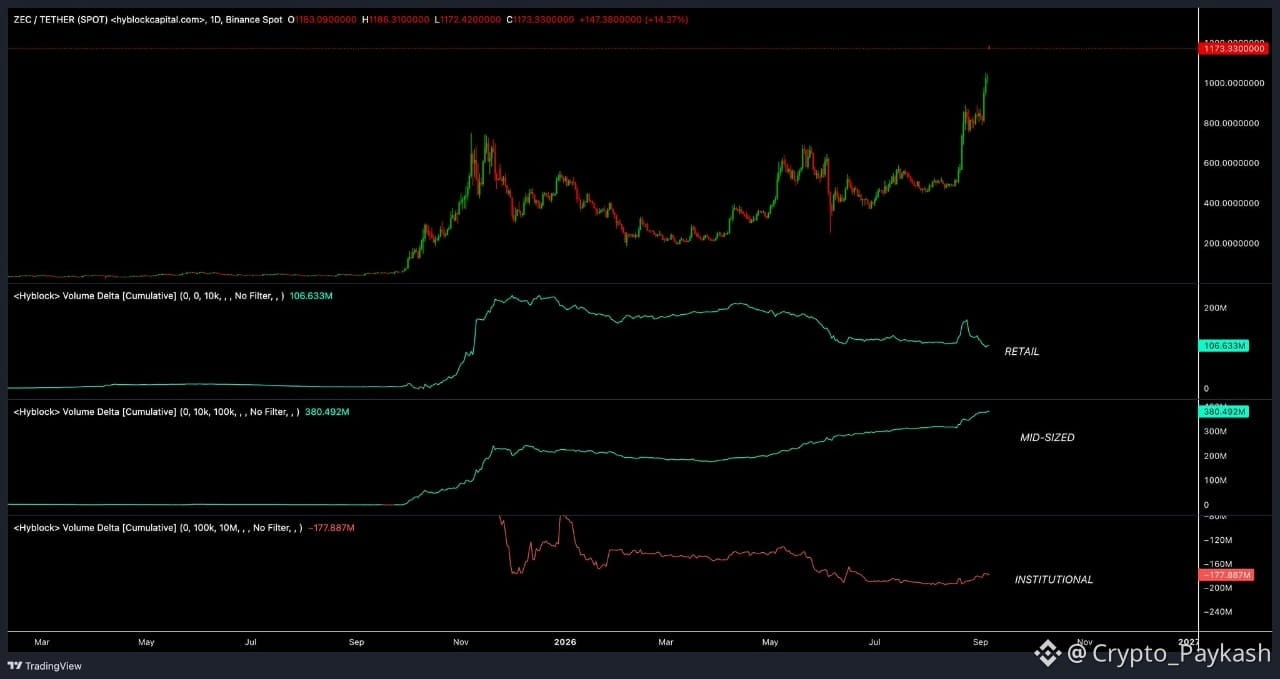
$ZEC is up another 40% in just a few days.
One of the most interesting parts of this move is who has been buying throughout the rally.
Mid-sized participants trading between $10K and $100K have been consistently adding exposure. That includes crypto professionals, high-net-worth traders, smaller funds and execution desks.
Their cumulative volume delta has continued making new highs alongside price.
They bought the initial breakout, kept buying through consolidation, and are still buying as ZEC pushes above $1,000.
Retail, meanwhile, keeps following the same pattern: chasing the breakout, getting shaken out on pullbacks, then FOMOing back in.
Institutional-sized CVD is different. It peaked around last December's rally and trended lower through most of 2026, only recently starting to turn higher.
That's what makes this move interesting.
ZEC has nearly tripled in weeks without sustained demand from either retail or large institutions.
#ZECHitsANewAllTimeHigh
$ZEC is up another 40% in just a few days.
One of the most interesting parts of this move is who has been buying throughout the rally.
Mid-sized participants trading between $10K and $100K have been consistently adding exposure. That includes crypto professionals, high-net-worth traders, smaller funds and execution desks.
Their cumulative volume delta has continued making new highs alongside price.
They bought the initial breakout, kept buying through consolidation, and are still buying as ZEC pushes above $1,000.
Retail, meanwhile, keeps following the same pattern: chasing the breakout, getting shaken out on pullbacks, then FOMOing back in.
Institutional-sized CVD is different. It peaked around last December's rally and trended lower through most of 2026, only recently starting to turn higher.
That's what makes this move interesting.
ZEC has nearly tripled in weeks without sustained demand from either retail or large institutions.
#ZECHitsANewAllTimeHigh
One of the most interesting parts of this move is who has been buying throughout the rally.
Mid-sized participants trading between $10K and $100K have been consistently adding exposure. That includes crypto professionals, high-net-worth traders, smaller funds and execution desks.
Their cumulative volume delta has continued making new highs alongside price.
They bought the initial breakout, kept buying through consolidation, and are still buying as ZEC pushes above $1,000.
Retail, meanwhile, keeps following the same pattern: chasing the breakout, getting shaken out on pullbacks, then FOMOing back in.
Institutional-sized CVD is different. It peaked around last December's rally and trended lower through most of 2026, only recently starting to turn higher.
That's what makes this move interesting.
ZEC has nearly tripled in weeks without sustained demand from either retail or large institutions.
#ZECHitsANewAllTimeHigh
787
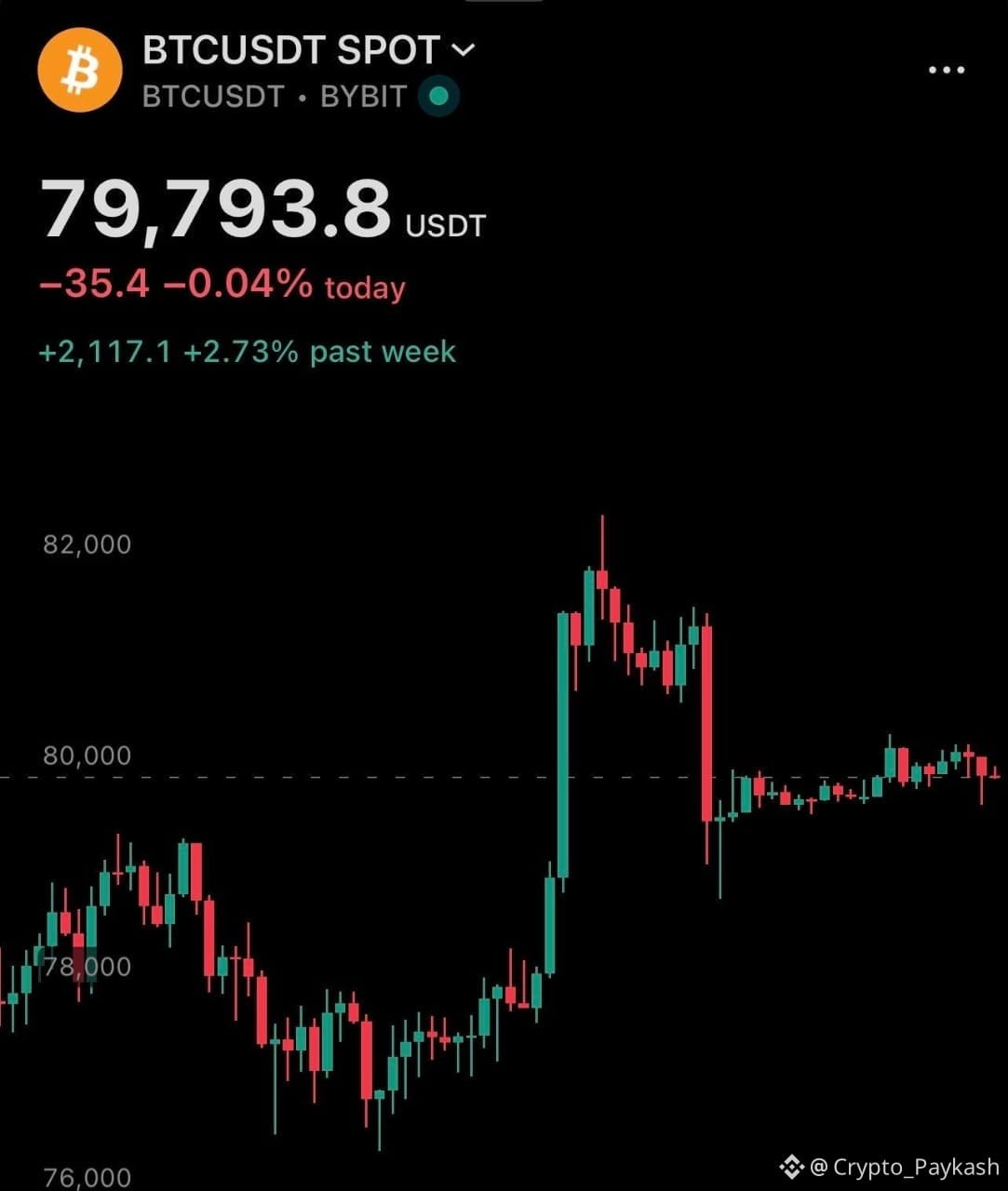
$BTC ກຳລັງເຂົ້າປະມານ $79.8K ຫຼັງຈາກວັນຸງຽບສຸດສັບປະດາ.
ແຜນການຍັງບໍ່ປ່ຽນແປງຈາກມື້ວານນີ້. ຂ້ອຍກຳລັງລໍຖ້າການເປີດຕອນພາຍຫຼັງຂອງມື້ອື່ນເພື່ອເບິ່ງວ່າ Bitcoin ເລືອກໄປທິດທາງໃດ.
ການຈັດວາງທີ່ສະອາດທີ່ສຸດກໍຄື ການກວາດກັບຜ່ານຂະໜາດນ້ອຍຂອງພຸມປະຈຳວັນຸງຽບ ກ່ອນທີ່ການເຄື່ອນຕໍ່ຄັ້ງຕໍ່ໄປຈະເກີດຂຶ້ນ.
ການທົດລອງລົງບອດຕ່ຳ (lows) ອາດຈະໃຫ້ພື້ນທີ່ທີ່ໝັ້ນຄົງສຳລັບ long, ໃນຂະນະທີ່ການຈັດການ short ຍັງຖືກຕ້ອງຖ້າ BTC ກັບໄປທີ່ບໍລິເວນ $81K.
ອາທິດໜ້າຍັງສາມາດນຳເອົາແຮງແຮງຂຶ້ນ ແລະອາດຈະໄດ້ຄ່າສູງໃໝ່.
ແຕ່ວ່າ ກໍຕາມພາບພາຍນອກ (macro backdrop) ທີ່ເບິ່ງອອກໄປໃນແນວທີ່ລົບຫຼາຍຂຶ້ນ ການດຶງຖອນລົງທີ່ເລິກກວ່ານັ້ນ ກໍເປັນໄປໄດ້ອີກ.
ສຳລັບຂ້ອຍ ນັ້ນຈະເປັນພຽງແຕ່ສ້າງໂອກາດໃນການເພີ່ມຂະໜາດເຂົ້າ swing longs ໃນຈຸດທີ່ໜ້າສົນໃຈຂອງ higher-timeframe. ຈັບຕາໄວ້ກັບການເປີດຕອນມື້ອື່ນ.
#BitcoinETFsBiggestDailyInflowSinceJanuary
$BTC ກຳລັງເຂົ້າປະມານ $79.8K ຫຼັງຈາກວັນຸງຽບສຸດສັບປະດາ.
ແຜນການຍັງບໍ່ປ່ຽນແປງຈາກມື້ວານນີ້. ຂ້ອຍກຳລັງລໍຖ້າການເປີດຕອນພາຍຫຼັງຂອງມື້ອື່ນເພື່ອເບິ່ງວ່າ Bitcoin ເລືອກໄປທິດທາງໃດ.
ການຈັດວາງທີ່ສະອາດທີ່ສຸດກໍຄື ການກວາດກັບຜ່ານຂະໜາດນ້ອຍຂອງພຸມປະຈຳວັນຸງຽບ ກ່ອນທີ່ການເຄື່ອນຕໍ່ຄັ້ງຕໍ່ໄປຈະເກີດຂຶ້ນ.
ການທົດລອງລົງບອດຕ່ຳ (lows) ອາດຈະໃຫ້ພື້ນທີ່ທີ່ໝັ້ນຄົງສຳລັບ long, ໃນຂະນະທີ່ການຈັດການ short ຍັງຖືກຕ້ອງຖ້າ BTC ກັບໄປທີ່ບໍລິເວນ $81K.
ອາທິດໜ້າຍັງສາມາດນຳເອົາແຮງແຮງຂຶ້ນ ແລະອາດຈະໄດ້ຄ່າສູງໃໝ່.
ແຕ່ວ່າ ກໍຕາມພາບພາຍນອກ (macro backdrop) ທີ່ເບິ່ງອອກໄປໃນແນວທີ່ລົບຫຼາຍຂຶ້ນ ການດຶງຖອນລົງທີ່ເລິກກວ່ານັ້ນ ກໍເປັນໄປໄດ້ອີກ.
ສຳລັບຂ້ອຍ ນັ້ນຈະເປັນພຽງແຕ່ສ້າງໂອກາດໃນການເພີ່ມຂະໜາດເຂົ້າ swing longs ໃນຈຸດທີ່ໜ້າສົນໃຈຂອງ higher-timeframe. ຈັບຕາໄວ້ກັບການເປີດຕອນມື້ອື່ນ.
#BitcoinETFsBiggestDailyInflowSinceJanuary
ແຜນການຍັງບໍ່ປ່ຽນແປງຈາກມື້ວານນີ້. ຂ້ອຍກຳລັງລໍຖ້າການເປີດຕອນພາຍຫຼັງຂອງມື້ອື່ນເພື່ອເບິ່ງວ່າ Bitcoin ເລືອກໄປທິດທາງໃດ.
ການຈັດວາງທີ່ສະອາດທີ່ສຸດກໍຄື ການກວາດກັບຜ່ານຂະໜາດນ້ອຍຂອງພຸມປະຈຳວັນຸງຽບ ກ່ອນທີ່ການເຄື່ອນຕໍ່ຄັ້ງຕໍ່ໄປຈະເກີດຂຶ້ນ.
ການທົດລອງລົງບອດຕ່ຳ (lows) ອາດຈະໃຫ້ພື້ນທີ່ທີ່ໝັ້ນຄົງສຳລັບ long, ໃນຂະນະທີ່ການຈັດການ short ຍັງຖືກຕ້ອງຖ້າ BTC ກັບໄປທີ່ບໍລິເວນ $81K.
ອາທິດໜ້າຍັງສາມາດນຳເອົາແຮງແຮງຂຶ້ນ ແລະອາດຈະໄດ້ຄ່າສູງໃໝ່.
ແຕ່ວ່າ ກໍຕາມພາບພາຍນອກ (macro backdrop) ທີ່ເບິ່ງອອກໄປໃນແນວທີ່ລົບຫຼາຍຂຶ້ນ ການດຶງຖອນລົງທີ່ເລິກກວ່ານັ້ນ ກໍເປັນໄປໄດ້ອີກ.
ສຳລັບຂ້ອຍ ນັ້ນຈະເປັນພຽງແຕ່ສ້າງໂອກາດໃນການເພີ່ມຂະໜາດເຂົ້າ swing longs ໃນຈຸດທີ່ໜ້າສົນໃຈຂອງ higher-timeframe. ຈັບຕາໄວ້ກັບການເປີດຕອນມື້ອື່ນ.
#BitcoinETFsBiggestDailyInflowSinceJanuary
779
ເຂົ້າສູ່ລະບົບເພື່ອສຳຫຼວດເນື້ອຫາເພີ່ມເຕີມ
ເຂົ້າຮ່ວມກຸ່ມຜູ້ໃຊ້ຄຣິບໂຕທົ່ວໂລກໃນ Binance Square.
⚡️ ໄດ້ຮັບຂໍ້ມູນຫຼ້າສຸດ ແລະ ທີ່ມີປະໂຫຍດກ່ຽວກັບຄຣິບໂຕ.
💬 ໄດ້ຮັບຄວາມໄວ້ວາງໃຈຈາກຕະຫຼາດແລກປ່ຽນຄຣິບໂຕທີ່ໃຫຍ່ທີ່ສຸດໃນໂລກ.
👍 ຄົ້ນຫາຂໍ້ມູນເຊີງເລິກທີ່ແທ້ຈາກນັກສ້າງທີ່ໄດ້ຮັບການຢືນຢັນ.
ອີເມວ / ເບີໂທລະສັບ
ຫົວຂໍ້ທີ່ກໍາລັງນິຍົມ
SECReceivesGrayscaleLitecoinTrustETFFiling
92,237 views
1,459 ກຳລັງສົນທະນາ
#secreceivesgrayscalelitecointrustetffiling
I-SEC ITHOLA UKUFIKA KWEFAYELA YE-GRAYSCALE LITECOIN ETF: I-LTC ISANDA KUTHOLA OKUNYE UKUBUKA 🚨
Imakethe ibihamba kancane lapho kufika elinye isihloko sika-Litecoin. Kubahwebi ababukele bephandle, bekuyifayela elenza ume ubhekane nombuzo: ingabe ukufinyelela kwezikhungo kuya kusondela?
I-Grayscale’s Litecoin Trust isithathe enye indlela iya phambili ekubumbeni kwe-ETF, ngamafayili akamuva axhunyaniswe noshintsho oluphakanyisiwe kanye nenqubo yokufakwa kuhlu ku-NYSE Arca. Irekhodi le-SEC libonisa izinqubo zangaphambilini mayelana nesiphakamiso se-Grayscale se-Litecoin, kanti imisebenzi yakamuva yamafayela igcina indaba iqhubeka.
Okubalulekile ukuthi ifayela akusona isivumelwano. Abatshalizimali kufanele bahlukanise inqubekelaphambili yokulawula nokulindela ukuqaliswa kwe-ETF ngokushesha.
Umbono wami: indaba enkulu ukufinyeleleka. Uhlelo lwe-ETF lungase lwenze kube lula ukuzuza ukuvezwa ku-LTC kubatshalizimali bendabuko abakhetha imikhiqizo elawulwa kunokubamba ngqo i-cryptocurrency.
ILitecoin okwamanje ihweba cishe ngo-$53.69 ku-Binance, kanti le mpahla ibonisa ukunyakaza okulinganiselwe emahoreni angama-24. Lokho kwenza intuthuko yokulawula ibe yinto ethakazelisayo kunokulandela nje ukusabela kwentengo okusekelwe esihlokweni.
Ukuhlolwa kwangempela kufika ngokulandelayo: izinqumo zokulawula, isidingo semakethe, uketshezi, nokuthi ngabe intshisekelo yezikhungo iyalandela yini amaphepha.
Ifayela lingavula umnyango, kodwa isidingo sinquma ukuthi kwenzekani ngemva kokuvuleka.
❓Ucabanga ukuthi i-Grayscale Litecoin ETF ingashintsha kakhulu isidingo sezikhungo se-LTC?
Isaziso: Lokhu ngezinjongo zolwazi kuphela hhayi iseluleko sezezimali. Izimpahla ze-Crypto ziyaguquguquka, futhi imiphumela yokulawula ayiqinisekile.
#Litecoin #CryptoETF #GrowWithSAC $LTC $ETH $SOL
#SECReceivesGrayscaleLitecoinTrustETFFiling
Sienna Leo-你真棒-带我走
·3 ຖືກໃຈ
·2.3k views
ClarityActFacesProceduralVoteSept15
214,965 views
2,366 ກຳລັງສົນທະນາ
US10YearTreasuryYieldNears5%
77,061 views
1,305 ກຳລັງສົນທະນາ