
D E X O R A
8.8k ໂພສ

D E X O R A
 Square Verified+
ລາຍງານ
ບລັອກຜູ້ໃຊ້
Vision refined, Precision defined | Binance KOL & Crypto Mentor 🙌
ເປີດການຊື້ຂາຍ

ຜູ້ຖື ASTER
ຜູ້ຊື້ຂາຍຊົ່ວຄາວ
3.6 ປີ
121 ກໍາລັງຕິດຕາມ
39.0K+ ຜູ້ຕິດຕາມ
107.5K+ Liked
ໂພສ
Portfolio
ທັງໝົດ
ວົງຢືມ
ຖ່າຍທອດສົດ
ປັກໝຸດ
·
--
ບົດຄວາມ
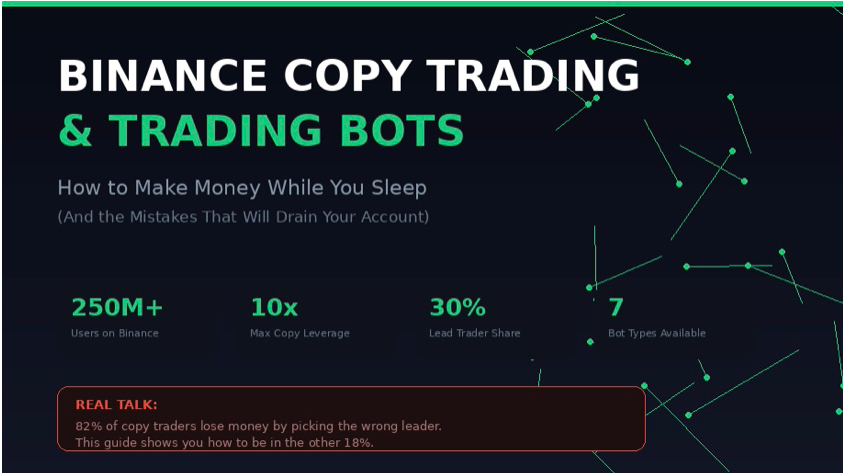
Binance Copy Trading & Bots: Le Taiala Ou te Manuia Na Foa'i Mai a'o le'i Ou Leiloa $400Veo ma tuʻu saʻo atu iā te oe. O le taimi muamua na ou taumafai ai i le copy trading i Binance, sa ou filifilia le ta'ita'i e maualuga lona ROI. O le tama e pei o le 800% i le lua vaiaso. Sa ou manatu ua ou maua se maina auro. I le tolu aso mulimuli ane, ua alu ese le afa o laʻu tupe. Na ia faia se tasi le peti tele e faʻaaoga ai le leverage, ma na le manuia, ma o tagata uma na kopiina o ia na fa'aleagaina ai.
O lena sa na'o se lesona taugofie pe a fa'atusatusa i mea e totogi e nisi tagata. Ma sa aoaoina ai a'u i se mea tāua — o le copy trading ma trading bots o ni meafaigaluega moni e mafai ona fesoasoani moni ai ia te oe e maua ai tupe. Ae na'o pe afai e te malamalama i le auala e galue ai i lalo o le pulou. E to'atele tagata e le malamalama. Latou te va'ai i numera lanu meamata tetele i luga o le ta'iala (leaderboard) ma lafo ai tupe i le igoa muamua latou te va'aia. O le petipolo lena, ae le o le trading.
Binance Copy Trading & Bots: Le Taiala Ou te Manuia Na Foa'i Mai a'o le'i Ou Leiloa $400
Veo ma tuʻu saʻo atu iā te oe. O le taimi muamua na ou taumafai ai i le copy trading i Binance, sa ou filifilia le ta'ita'i e maualuga lona ROI. O le tama e pei o le 800% i le lua vaiaso. Sa ou manatu ua ou maua se maina auro. I le tolu aso mulimuli ane, ua alu ese le afa o laʻu tupe. Na ia faia se tasi le peti tele e faʻaaoga ai le leverage, ma na le manuia, ma o tagata uma na kopiina o ia na fa'aleagaina ai.
O lena sa na'o se lesona taugofie pe a fa'atusatusa i mea e totogi e nisi tagata. Ma sa aoaoina ai a'u i se mea tāua — o le copy trading ma trading bots o ni meafaigaluega moni e mafai ona fesoasoani moni ai ia te oe e maua ai tupe. Ae na'o pe afai e te malamalama i le auala e galue ai i lalo o le pulou. E to'atele tagata e le malamalama. Latou te va'ai i numera lanu meamata tetele i luga o le ta'iala (leaderboard) ma lafo ai tupe i le igoa muamua latou te va'aia. O le petipolo lena, ae le o le trading.
O lena sa na'o se lesona taugofie pe a fa'atusatusa i mea e totogi e nisi tagata. Ma sa aoaoina ai a'u i se mea tāua — o le copy trading ma trading bots o ni meafaigaluega moni e mafai ona fesoasoani moni ai ia te oe e maua ai tupe. Ae na'o pe afai e te malamalama i le auala e galue ai i lalo o le pulou. E to'atele tagata e le malamalama. Latou te va'ai i numera lanu meamata tetele i luga o le ta'iala (leaderboard) ma lafo ai tupe i le igoa muamua latou te va'aia. O le petipolo lena, ae le o le trading.
41
16
156
47.5k
·
--
BNB Chain Тихо Заходить У Значно Величнішу Гру: Підйом Токенізованих АкційПротягом тривалого часу, коли люди говорили про BNB Chain, розмова зазвичай одразу переходила до DeFi, мемкоїнів, ігор або будь-якого токена, який набрав популярності того тижня. Але останнім часом я почав звертати увагу на іншу історію, що розвивається навколо екосистеми, і чесно кажучи, я думаю, що вона може стати значно більшою, ніж звичний крипто-наратив. Розмова про токенізовані акції та реальні активи зростає, і BNB Chain дедалі частіше стає частиною цієї розмови.
Думка спершу може здаватися складною, але базова ідея насправді досить проста. Токенізація — це перенесення активів, які існують на традиційних фінансових ринках, на інфраструктуру блокчейну у цифровій формі. Замість того щоб розглядати блокчейн як цілком окремий фінансовий світ, ідея полягає в тому, щоб використовувати його як ще один шар для доступу до фінансових активів і їхнього передавання.
BNB Chain Тихо Заходить У Значно Величнішу Гру: Підйом Токенізованих Акцій
Протягом тривалого часу, коли люди говорили про BNB Chain, розмова зазвичай одразу переходила до DeFi, мемкоїнів, ігор або будь-якого токена, який набрав популярності того тижня. Але останнім часом я почав звертати увагу на іншу історію, що розвивається навколо екосистеми, і чесно кажучи, я думаю, що вона може стати значно більшою, ніж звичний крипто-наратив. Розмова про токенізовані акції та реальні активи зростає, і BNB Chain дедалі частіше стає частиною цієї розмови.
Думка спершу може здаватися складною, але базова ідея насправді досить проста. Токенізація — це перенесення активів, які існують на традиційних фінансових ринках, на інфраструктуру блокчейну у цифровій формі. Замість того щоб розглядати блокчейн як цілком окремий фінансовий світ, ідея полягає в тому, щоб використовувати його як ще один шар для доступу до фінансових активів і їхнього передавання.
Думка спершу може здаватися складною, але базова ідея насправді досить проста. Токенізація — це перенесення активів, які існують на традиційних фінансових ринках, на інфраструктуру блокчейну у цифровій формі. Замість того щоб розглядати блокчейн як цілком окремий фінансовий світ, ідея полягає в тому, щоб використовувати його як ще один шар для доступу до фінансових активів і їхнього передавання.
288
·
--
Spot Trading ໃນ Binance ເບິ່ງຄ້າຍງ່າຍ… ຈົນກວ່າທ່ານຈະເຫັນວ່າມີຍຸດທະສາດຢູ່ຫຼັງມັນຫຼາຍປານໃດເມື່ອຄົນທຳອິດເຂົ້າສູ່ crypto, ການຊື້ຂາຍແບບ spot ມັກຈະຮູ້ສຶກວ່າເປັນສິ່ງທີ່ງ່າຍທີ່ສຸດໃນການເຂົ້າໃຈ. ທ່ານເລືອກສິນຊັບ, ຕັດສິນໃຈວ່າຈະຊື້ເທົ່າໃດ, ແລ້ວກົດສັ່ງຊື້. ເມື່ອທຽບກັບ futures ຫຼື ຜະລິດຕະພັນ leveraged ທີ່ຊັບຊ້ອນ, spot trading ເບິ່ງຈະງ່າຍດາຍ. ແຕ່ພາຍຫຼັງໄດ້ໃຊ້ເວລາໃນຕະຫຼາດຫຼາຍຂຶ້ນ, ຂ້ອຍເຫັນວ່າສ່ວນທີ່ຍາກນັ້ນ ບໍ່ແມ່ນການກົດປຸ່ມ buy ຫຼື sell. ສ່ວນທີ່ຍາກນັ້ນ ແມ່ນການຮູ້ວ່າທ່ານກຳລັງຕັດສິນໃຈນັ້ນເພາະເຫດໃດ ຕັ້ງແຕ່ທຳອິດ.
ນັ້ນແຫຼະຄືສິ່ງທີ່ເຮັດໃຫ້ Binance Spot ເປັນສິ່ງທີ່ໜ້າສົນໃຈສໍາລັບຂ້ອຍ.
Spot Trading ໃນ Binance ເບິ່ງຄ້າຍງ່າຍ… ຈົນກວ່າທ່ານຈະເຫັນວ່າມີຍຸດທະສາດຢູ່ຫຼັງມັນຫຼາຍປານໃດ
ເມື່ອຄົນທຳອິດເຂົ້າສູ່ crypto, ການຊື້ຂາຍແບບ spot ມັກຈະຮູ້ສຶກວ່າເປັນສິ່ງທີ່ງ່າຍທີ່ສຸດໃນການເຂົ້າໃຈ. ທ່ານເລືອກສິນຊັບ, ຕັດສິນໃຈວ່າຈະຊື້ເທົ່າໃດ, ແລ້ວກົດສັ່ງຊື້. ເມື່ອທຽບກັບ futures ຫຼື ຜະລິດຕະພັນ leveraged ທີ່ຊັບຊ້ອນ, spot trading ເບິ່ງຈະງ່າຍດາຍ. ແຕ່ພາຍຫຼັງໄດ້ໃຊ້ເວລາໃນຕະຫຼາດຫຼາຍຂຶ້ນ, ຂ້ອຍເຫັນວ່າສ່ວນທີ່ຍາກນັ້ນ ບໍ່ແມ່ນການກົດປຸ່ມ buy ຫຼື sell. ສ່ວນທີ່ຍາກນັ້ນ ແມ່ນການຮູ້ວ່າທ່ານກຳລັງຕັດສິນໃຈນັ້ນເພາະເຫດໃດ ຕັ້ງແຕ່ທຳອິດ.
ນັ້ນແຫຼະຄືສິ່ງທີ່ເຮັດໃຫ້ Binance Spot ເປັນສິ່ງທີ່ໜ້າສົນໃຈສໍາລັບຂ້ອຍ.
ນັ້ນແຫຼະຄືສິ່ງທີ່ເຮັດໃຫ້ Binance Spot ເປັນສິ່ງທີ່ໜ້າສົນໃຈສໍາລັບຂ້ອຍ.
287
·
--
I-Binance Square Ingaphezulu Kokuphakelwa Kwe-Crypto — Iya Ngokuthula Iba I-Ecosystem YomphakathiNokho abantu bacabangela ngeBinance, into yokuqala evame ukufika engqondweni ukudayisa. Amashadi, amanani, iBitcoin, iBNB, namathuba emakethe ngokwemvelo kuba yindawo egxilile yokunakwa. Kodwa njengoba ngichitha isikhathi esiningi ngaphakathi kwe-Binance ecosystem, ngiyaqaphela ukuthi esinye sezici zayo ezithakazelisa kakhulu asihlangene ngqo nokuthenga noma ukuthengisa i-crypto.
KuBinance Square.
Okokuqala, kungase kubukeke njengokuphakelwa komphakathi okulula lapho abantu babelana khona ngemibono yemakethe nezindaba ze-crypto. Kodwa uma usuyiqala ukuyisebenzisa njalo, uyaqonda ukuthi iBinance Square izama ukuxazulula inkinga enkulu kakhulu ku-crypto: ulwazi lukhona yonke indawo, kodwa ulwazi oluwusizo kunzima ukuluthola ngesikhathi esifanele.
I-Binance Square Ingaphezulu Kokuphakelwa Kwe-Crypto — Iya Ngokuthula Iba I-Ecosystem Yomphakathi
Nokho abantu bacabangela ngeBinance, into yokuqala evame ukufika engqondweni ukudayisa. Amashadi, amanani, iBitcoin, iBNB, namathuba emakethe ngokwemvelo kuba yindawo egxilile yokunakwa. Kodwa njengoba ngichitha isikhathi esiningi ngaphakathi kwe-Binance ecosystem, ngiyaqaphela ukuthi esinye sezici zayo ezithakazelisa kakhulu asihlangene ngqo nokuthenga noma ukuthengisa i-crypto.
KuBinance Square.
Okokuqala, kungase kubukeke njengokuphakelwa komphakathi okulula lapho abantu babelana khona ngemibono yemakethe nezindaba ze-crypto. Kodwa uma usuyiqala ukuyisebenzisa njalo, uyaqonda ukuthi iBinance Square izama ukuxazulula inkinga enkulu kakhulu ku-crypto: ulwazi lukhona yonke indawo, kodwa ulwazi oluwusizo kunzima ukuluthola ngesikhathi esifanele.
KuBinance Square.
Okokuqala, kungase kubukeke njengokuphakelwa komphakathi okulula lapho abantu babelana khona ngemibono yemakethe nezindaba ze-crypto. Kodwa uma usuyiqala ukuyisebenzisa njalo, uyaqonda ukuthi iBinance Square izama ukuxazulula inkinga enkulu kakhulu ku-crypto: ulwazi lukhona yonke indawo, kodwa ulwazi oluwusizo kunzima ukuluthola ngesikhathi esifanele.
218
·
--
Muling Tumataas ang Bitcoin… Ngunit ang Pinaka-Kawili-wiling Bagay ay Hindi Pa Lahat Ay Naniniwala DitoBawat oras na ang Bitcoin ay gumawa ng malakas na galaw, nagsisimula ang parehong pattern. Umaakyat ang presyo, bumabalik ang sigasig, at bigla na lang, lahat nagtatanong kung opisyal na bang bumalik ang bull market. Ngunit sa pagkakataong ito, may kaunting kakaibang pakiramdam sa akin. Ang Bitcoin ay umaakyat, ang Ethereum at ilang malalaking altcoin ay sumusunod, at ang usapan tungkol sa crypto ay muling nagiging mas optimistiko. Gayunman, may nakakagulat na dami pa ring pag-aatubili sa merkado.
At totoo lang, ang pag-aalinlangang iyon ang maaaring maging pinakakaakit-akit na bahagi ng kuwento.
Muling Tumataas ang Bitcoin… Ngunit ang Pinaka-Kawili-wiling Bagay ay Hindi Pa Lahat Ay Naniniwala Dito
Bawat oras na ang Bitcoin ay gumawa ng malakas na galaw, nagsisimula ang parehong pattern. Umaakyat ang presyo, bumabalik ang sigasig, at bigla na lang, lahat nagtatanong kung opisyal na bang bumalik ang bull market. Ngunit sa pagkakataong ito, may kaunting kakaibang pakiramdam sa akin. Ang Bitcoin ay umaakyat, ang Ethereum at ilang malalaking altcoin ay sumusunod, at ang usapan tungkol sa crypto ay muling nagiging mas optimistiko. Gayunman, may nakakagulat na dami pa ring pag-aatubili sa merkado.
At totoo lang, ang pag-aalinlangang iyon ang maaaring maging pinakakaakit-akit na bahagi ng kuwento.
At totoo lang, ang pag-aalinlangang iyon ang maaaring maging pinakakaakit-akit na bahagi ng kuwento.
260
·
--
Wonke Umuntu Ulindele Icoin Yama-100x Elandelayo… Kodwa Inguquko Enkulu Kakhulu Ye-Crypto Kungenzeka Sesivele IkhonaUma ubuzile umuntu eminyakeni embalwa eyedlule ukuthi stablecoins zaziyini, impendulo bekungaba lula. Zazimane ziyidola ledijithali abahwebi abalisebenzisayo ukudlulisela ukungena nokuphuma ku-Bitcoin noma ama-altcoins ngaphandle kokuguqulela emuva emalini yendabuko. Lokho kwakuyisazisi sazo, futhi isikhathi eside kwakuliqiniso.
Lungakucabange, leyo ndaba isishintshe ngokuphelele.
Uma ngilandela imakethe ye-crypto kakhudlwana, kulapho ngiqonda khona ukuthi i-stablecoins kancane kancane ziya ziba esinye sezicucu ezibaluleke kakhulu kuwo wonke umkhakha we-blockchain. Akusamele nje zisize abahwebi ukulawula ukuguquguquka kwamanani. Ziya kuba yisisekelo esiqhuba izinkokhelo, ukudluliselwa ngaphesheya kwemingcele, ukuhwebelana (settlements), ngisho nezinsizakalo zezimali zendabuko. Nakuba wonke umuntu ematasa efuna ithokheni elilandelayo okungenzeka liphindaphinde intengo, isisekelo somnotho we-crypto sakhiwa kabusha ngokusobala.
Wonke Umuntu Ulindele Icoin Yama-100x Elandelayo… Kodwa Inguquko Enkulu Kakhulu Ye-Crypto Kungenzeka Sesivele Ikhona
Uma ubuzile umuntu eminyakeni embalwa eyedlule ukuthi stablecoins zaziyini, impendulo bekungaba lula. Zazimane ziyidola ledijithali abahwebi abalisebenzisayo ukudlulisela ukungena nokuphuma ku-Bitcoin noma ama-altcoins ngaphandle kokuguqulela emuva emalini yendabuko. Lokho kwakuyisazisi sazo, futhi isikhathi eside kwakuliqiniso.
Lungakucabange, leyo ndaba isishintshe ngokuphelele.
Uma ngilandela imakethe ye-crypto kakhudlwana, kulapho ngiqonda khona ukuthi i-stablecoins kancane kancane ziya ziba esinye sezicucu ezibaluleke kakhulu kuwo wonke umkhakha we-blockchain. Akusamele nje zisize abahwebi ukulawula ukuguquguquka kwamanani. Ziya kuba yisisekelo esiqhuba izinkokhelo, ukudluliselwa ngaphesheya kwemingcele, ukuhwebelana (settlements), ngisho nezinsizakalo zezimali zendabuko. Nakuba wonke umuntu ematasa efuna ithokheni elilandelayo okungenzeka liphindaphinde intengo, isisekelo somnotho we-crypto sakhiwa kabusha ngokusobala.
Lungakucabange, leyo ndaba isishintshe ngokuphelele.
Uma ngilandela imakethe ye-crypto kakhudlwana, kulapho ngiqonda khona ukuthi i-stablecoins kancane kancane ziya ziba esinye sezicucu ezibaluleke kakhulu kuwo wonke umkhakha we-blockchain. Akusamele nje zisize abahwebi ukulawula ukuguquguquka kwamanani. Ziya kuba yisisekelo esiqhuba izinkokhelo, ukudluliselwa ngaphesheya kwemingcele, ukuhwebelana (settlements), ngisho nezinsizakalo zezimali zendabuko. Nakuba wonke umuntu ematasa efuna ithokheni elilandelayo okungenzeka liphindaphinde intengo, isisekelo somnotho we-crypto sakhiwa kabusha ngokusobala.
3
239
·
--
🎙️ ការនិយាយអំពីស្មារតីវិនិយោគ និង DCA BNB Spot!
ສິ້ນສຸດ
03 ຊົ່ວໂມງ 39 ນາທີ 01 ວິນາທີ
30.2k
38
40
·
--
ບົດຄວາມ
ຫຼັງຈາກ 9 ປີ: Binance ບໍ່ແມ່ນແຄ່ Exchange ອີກຕໍ່ໄປ—ແຕ່ເປັນສ່ວນໜຶ່ງຂອງປະຫວັດສາດ cryptoເກົ້າປີອາດບໍ່ເບິ່ງດົນໃນການເງິນແບບດັ້ງເດີມ, ແຕ່ໃນໂລກຄຣິບໂຕ ມັນຮູ້ສຶກຄືເປັນ 1 ລຸ້ນຄົນທັງໝົດ. ຕະຫຼາດໄດ້ຜ່ານການຂຶ້ນໄປຢ່າງຮຸນແຮງ, ການລົ້ມລົງຢ່າງເຈັບປວດ, ຄວາມບໍ່ແນ່ນອນໃນການອອກກົດລະບຽບ, ຄວາມກ້າວໜ້າດ້ານເທັກໂນໂລຢີ, ແລະນາໆເລື່ອງລາວ/ນາໆນິຍາມທີ່ມາແລະຫາຍໄປ. ຜ່ານທຸກການປ່ຽນແປງເຫຼົ່ານັ້ນ, ສິ່ງໜຶ່ງທີ່ຍັງຄົງຢູ່ຢ່າງໜ້າສັງເກດຄື: Binance ຍັງຄົງພັດທະນາ ແລະປັບຕົວໄປພ້ອມກັບອຸດສາຫະກຳ.
ນັ້ນແຫຼະ ເຫດຜົນທີ່ຄົບຮອບປີທີ 9 ຂອງ Binance ຮູ້ສຶກວ່າຫຼາຍກວ່າພຽງແຕ່ເປັນໝາຍເຫດຂອງບໍລິສັດ. ໃນຫຼາຍໆດ້ານ, ມັນສະທ້ອນວ່າລະບົບ crypto ທັງໝົດໄດ້ກ້າວມາໄກປານໃດ.
ຫຼັງຈາກ 9 ປີ: Binance ບໍ່ແມ່ນແຄ່ Exchange ອີກຕໍ່ໄປ—ແຕ່ເປັນສ່ວນໜຶ່ງຂອງປະຫວັດສາດ crypto
ເກົ້າປີອາດບໍ່ເບິ່ງດົນໃນການເງິນແບບດັ້ງເດີມ, ແຕ່ໃນໂລກຄຣິບໂຕ ມັນຮູ້ສຶກຄືເປັນ 1 ລຸ້ນຄົນທັງໝົດ. ຕະຫຼາດໄດ້ຜ່ານການຂຶ້ນໄປຢ່າງຮຸນແຮງ, ການລົ້ມລົງຢ່າງເຈັບປວດ, ຄວາມບໍ່ແນ່ນອນໃນການອອກກົດລະບຽບ, ຄວາມກ້າວໜ້າດ້ານເທັກໂນໂລຢີ, ແລະນາໆເລື່ອງລາວ/ນາໆນິຍາມທີ່ມາແລະຫາຍໄປ. ຜ່ານທຸກການປ່ຽນແປງເຫຼົ່ານັ້ນ, ສິ່ງໜຶ່ງທີ່ຍັງຄົງຢູ່ຢ່າງໜ້າສັງເກດຄື: Binance ຍັງຄົງພັດທະນາ ແລະປັບຕົວໄປພ້ອມກັບອຸດສາຫະກຳ.
ນັ້ນແຫຼະ ເຫດຜົນທີ່ຄົບຮອບປີທີ 9 ຂອງ Binance ຮູ້ສຶກວ່າຫຼາຍກວ່າພຽງແຕ່ເປັນໝາຍເຫດຂອງບໍລິສັດ. ໃນຫຼາຍໆດ້ານ, ມັນສະທ້ອນວ່າລະບົບ crypto ທັງໝົດໄດ້ກ້າວມາໄກປານໃດ.
ນັ້ນແຫຼະ ເຫດຜົນທີ່ຄົບຮອບປີທີ 9 ຂອງ Binance ຮູ້ສຶກວ່າຫຼາຍກວ່າພຽງແຕ່ເປັນໝາຍເຫດຂອງບໍລິສັດ. ໃນຫຼາຍໆດ້ານ, ມັນສະທ້ອນວ່າລະບົບ crypto ທັງໝົດໄດ້ກ້າວມາໄກປານໃດ.
6
216
·
--
🎙️ ការនិយាយអំពីស្មារតីវិនិយោគ និង DCA BNB Spot!
ສິ້ນສຸດ
03 ຊົ່ວໂມງ 33 ນາທີ 40 ວິນາທີ
30.2k
31
38
·
--
ສັນຍານກະທິງ
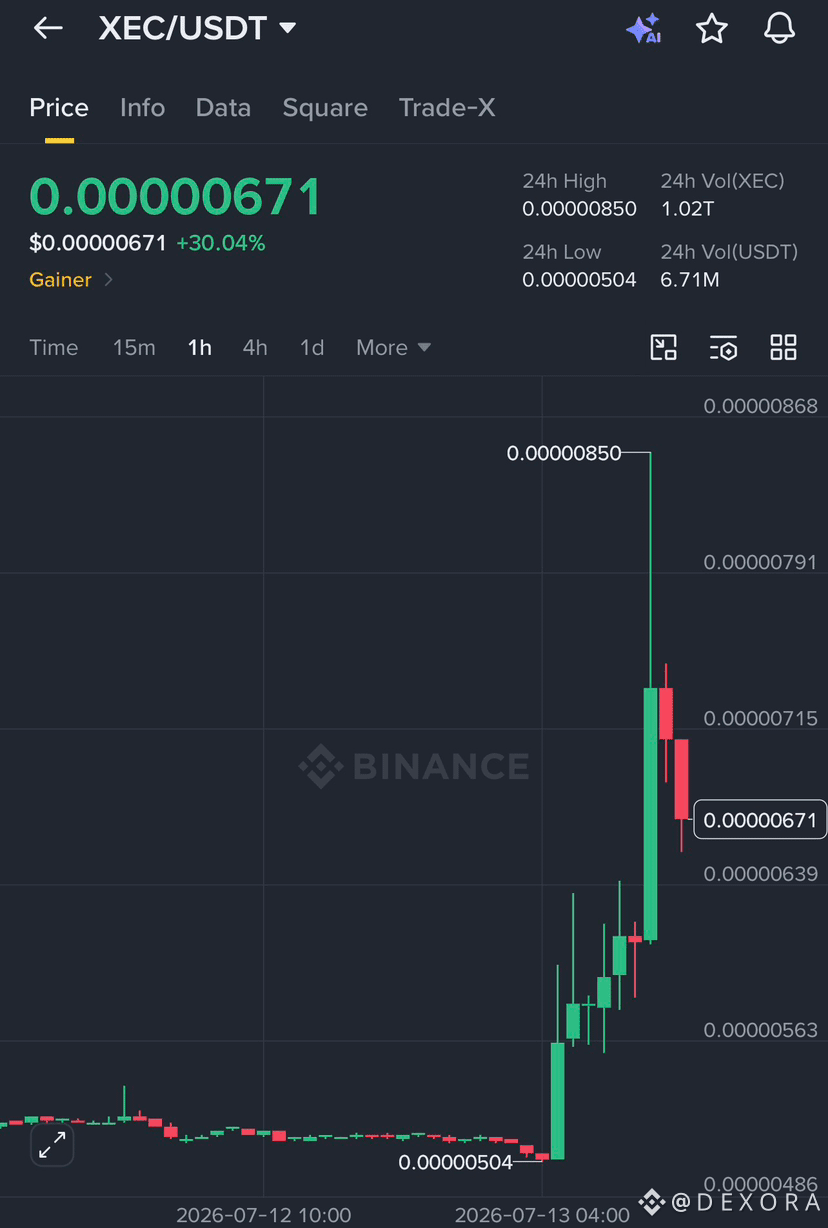
$XEC
justo ngayon ay gumawa ng isang matibay na hakbang. 🚀
Isang 30% na pag-akyat ang nakakuha ng atensyon, at ngayon ay nakatutok ang lahat sa kung kayang panatilihin ng mga bumibili ang momentum matapos ang mabilis na pag-urong.
Nanonood o naghihintay? 👀
$XEC
justo ngayon ay gumawa ng isang matibay na hakbang. 🚀
Isang 30% na pag-akyat ang nakakuha ng atensyon, at ngayon ay nakatutok ang lahat sa kung kayang panatilihin ng mga bumibili ang momentum matapos ang mabilis na pag-urong.
Nanonood o naghihintay? 👀
justo ngayon ay gumawa ng isang matibay na hakbang. 🚀
Isang 30% na pag-akyat ang nakakuha ng atensyon, at ngayon ay nakatutok ang lahat sa kung kayang panatilihin ng mga bumibili ang momentum matapos ang mabilis na pag-urong.
Nanonood o naghihintay? 👀

Best Wishes!
ຈາກ D E X O R A
3
168
·
--
ບົດຄວາມ
Tirgus Vēl Nešķiet Eiforisks… Un Tas Varētu Būt Spēcīgākais Buļļu SignālsKuvēlāmānu pēdējās nedēļas laikā esmu pamanījis vienu lietu: kriptovalūtu cenas ir sākušas atgūties, tomēr aizrautība, kas parasti parādās līdz ar vērienīgu ralliju, joprojām nav manāma. Sociālie tīkli nav pārplūduši ar stāstiem par nakts miljonāriem, un daudzi investori vēl gaida “ideālu” apstiprinājumu, pirms tic, ka tirgus patiešām ir mainījies. Paradoksāli, ka tieši šī vilcināšanās man padara šo periodu tik interesantu.
Katrs lielais buļļu tirgus sākas ar šaubām. Pēc sarežģīta perioda investori dabiski kļūst piesardzīgi, jo viņi atceras tirgus svārstīgumu daudz vairāk nekā iespēju. Pat laikā, kad Bitcoin atgūst spēku un kapitāls lēnām atgriežas tirgū, daudzi cilvēki joprojām gaida vēl vienu asu korekciju, pirms būs gatavi apņemties. Šāda piesardzīga domāšana ir pilnībā saprotama, taču vēsture rāda, ka tirgi reti gaida, līdz visi jūtas ērti. Līdz brīdim, kad pārliecība kļūst vispārēja, būtiska daļa no kustības bieži jau ir notikusi. Nesenie tirgus dati arī norāda uz uzlabojamu noskaņojumu: Bitcoin tiek atbalstīts ar atjaunotu pirkšanas interesi un jauniem ieguldījumiem ETF veidā.
Tirgus Vēl Nešķiet Eiforisks… Un Tas Varētu Būt Spēcīgākais Buļļu Signāls
Kuvēlāmānu pēdējās nedēļas laikā esmu pamanījis vienu lietu: kriptovalūtu cenas ir sākušas atgūties, tomēr aizrautība, kas parasti parādās līdz ar vērienīgu ralliju, joprojām nav manāma. Sociālie tīkli nav pārplūduši ar stāstiem par nakts miljonāriem, un daudzi investori vēl gaida “ideālu” apstiprinājumu, pirms tic, ka tirgus patiešām ir mainījies. Paradoksāli, ka tieši šī vilcināšanās man padara šo periodu tik interesantu.
Katrs lielais buļļu tirgus sākas ar šaubām. Pēc sarežģīta perioda investori dabiski kļūst piesardzīgi, jo viņi atceras tirgus svārstīgumu daudz vairāk nekā iespēju. Pat laikā, kad Bitcoin atgūst spēku un kapitāls lēnām atgriežas tirgū, daudzi cilvēki joprojām gaida vēl vienu asu korekciju, pirms būs gatavi apņemties. Šāda piesardzīga domāšana ir pilnībā saprotama, taču vēsture rāda, ka tirgi reti gaida, līdz visi jūtas ērti. Līdz brīdim, kad pārliecība kļūst vispārēja, būtiska daļa no kustības bieži jau ir notikusi. Nesenie tirgus dati arī norāda uz uzlabojamu noskaņojumu: Bitcoin tiek atbalstīts ar atjaunotu pirkšanas interesi un jauniem ieguldījumiem ETF veidā.
Katrs lielais buļļu tirgus sākas ar šaubām. Pēc sarežģīta perioda investori dabiski kļūst piesardzīgi, jo viņi atceras tirgus svārstīgumu daudz vairāk nekā iespēju. Pat laikā, kad Bitcoin atgūst spēku un kapitāls lēnām atgriežas tirgū, daudzi cilvēki joprojām gaida vēl vienu asu korekciju, pirms būs gatavi apņemties. Šāda piesardzīga domāšana ir pilnībā saprotama, taču vēsture rāda, ka tirgi reti gaida, līdz visi jūtas ērti. Līdz brīdim, kad pārliecība kļūst vispārēja, būtiska daļa no kustības bieži jau ir notikusi. Nesenie tirgus dati arī norāda uz uzlabojamu noskaņojumu: Bitcoin tiek atbalstīts ar atjaunotu pirkšanas interesi un jauniem ieguldījumiem ETF veidā.
3
209
·
--
ບົດຄວາມ
Wonke Umuntu Ufuna I-Bull Market… Kodwa Ngicabanga Ukuthi Iningi Labantu AliyilungeleKulezi zinyanga, umphakathi we-crypto ubesebuzana umbuzo ofanayo: “Uzoqala nini umbusi wenkunzi (bull market)?” Ukuqhuma okuncane ngakunye kukhuthaza injabulo, ukwehla ngakunye kudala ukungabaza, futhi ezinkundleni zokuxhumana ukushintshashintsha phakathi kwethemba elidlulele nokwesaba okukhulu kwenzeka cishe ngokuphazima kweso. Kodwa muva nje, kunento ebonakala ihlukile. Ingxoxo iyashintsha. Esikhundleni sokubuza ukuthi i-bull market iyenzeka yini, abantu abaningi sebeqala ukubuza ukuthi ingahlala isikhathi esingakanani.
Okokuqala okundihudathayo akukhona nje intengo ye-Bitcoin. Kukhona ukuzethemba okubuya kancane kancane emakethe. Umsebenzi wokuhweba uyakhula, onjiniyela bethula amaphrojekthi amasha, izikhungo ziyaqhubeka nokuhlola izimpahla zedijithali, futhi abatshalizimali abavamile baphinde baba nesithakazelo. Akukho neyodwa yalezi zimpawu eqinisekisa ukuthi amanani azohlala ekhuphuka kuphela, kodwa ndawonye adala indawo ezwakala inempilo kakhulu kunalokho eyayiyikho ngonyaka odlule.
Wonke Umuntu Ufuna I-Bull Market… Kodwa Ngicabanga Ukuthi Iningi Labantu Aliyilungele
Kulezi zinyanga, umphakathi we-crypto ubesebuzana umbuzo ofanayo: “Uzoqala nini umbusi wenkunzi (bull market)?” Ukuqhuma okuncane ngakunye kukhuthaza injabulo, ukwehla ngakunye kudala ukungabaza, futhi ezinkundleni zokuxhumana ukushintshashintsha phakathi kwethemba elidlulele nokwesaba okukhulu kwenzeka cishe ngokuphazima kweso. Kodwa muva nje, kunento ebonakala ihlukile. Ingxoxo iyashintsha. Esikhundleni sokubuza ukuthi i-bull market iyenzeka yini, abantu abaningi sebeqala ukubuza ukuthi ingahlala isikhathi esingakanani.
Okokuqala okundihudathayo akukhona nje intengo ye-Bitcoin. Kukhona ukuzethemba okubuya kancane kancane emakethe. Umsebenzi wokuhweba uyakhula, onjiniyela bethula amaphrojekthi amasha, izikhungo ziyaqhubeka nokuhlola izimpahla zedijithali, futhi abatshalizimali abavamile baphinde baba nesithakazelo. Akukho neyodwa yalezi zimpawu eqinisekisa ukuthi amanani azohlala ekhuphuka kuphela, kodwa ndawonye adala indawo ezwakala inempilo kakhulu kunalokho eyayiyikho ngonyaka odlule.
Okokuqala okundihudathayo akukhona nje intengo ye-Bitcoin. Kukhona ukuzethemba okubuya kancane kancane emakethe. Umsebenzi wokuhweba uyakhula, onjiniyela bethula amaphrojekthi amasha, izikhungo ziyaqhubeka nokuhlola izimpahla zedijithali, futhi abatshalizimali abavamile baphinde baba nesithakazelo. Akukho neyodwa yalezi zimpawu eqinisekisa ukuthi amanani azohlala ekhuphuka kuphela, kodwa ndawonye adala indawo ezwakala inempilo kakhulu kunalokho eyayiyikho ngonyaka odlule.
3
234
·
--
ບົດຄວາມ
Wonke umntu uLindile i-Bull Run… Kodwa Kuthekani Ukuba Sele Iqalile Kwicala Elahlukileyo?Yonke imijikelo ye-crypto inebali elinye elikhula ngokuzolileyo ngelixa wonke umntu ejonge kwenye indawo. Kwimijikelo edlulileyo, yayinguDeFi. Emva koko iiNFT zathatha. Emva koko kwafika ii-meme coins kunye ne-AI. Namhlanje, ndicinga ukuba elinye ibali liyakhiwa kancinci, kodwa alifumani ngqalelo efanele kuba alixhaswanga lihlombe (hype). Lixhaswa kukwamkelwa.
Okukhona ndilandelela imarike, kokukhona ndiyabona ukuba amaziko sele engasabuzi ukuba ngaba i-blockchain inexesha elizayo. Babuza ukuba bangayisebenzisa njani. Eli yincoko eyahlukileyo ngokupheleleyo. Endaweni yokuxoxa ukuba ii-asethi zedijithali zikhona na ukuze zihlale, iinkampani ziphonononga ii-asethi eziguqulelwe kwiitoken, iintlawulo ze-stablecoin, kunye nesiseko se-blockchain esinokuphucula iinkqubo zemali ezikhoyo. Olu tshintsho sele lube yenye yezona zihloko zinamandla zexesha elide kuwo wonke umzi we-crypto.
Wonke umntu uLindile i-Bull Run… Kodwa Kuthekani Ukuba Sele Iqalile Kwicala Elahlukileyo?
Yonke imijikelo ye-crypto inebali elinye elikhula ngokuzolileyo ngelixa wonke umntu ejonge kwenye indawo. Kwimijikelo edlulileyo, yayinguDeFi. Emva koko iiNFT zathatha. Emva koko kwafika ii-meme coins kunye ne-AI. Namhlanje, ndicinga ukuba elinye ibali liyakhiwa kancinci, kodwa alifumani ngqalelo efanele kuba alixhaswanga lihlombe (hype). Lixhaswa kukwamkelwa.
Okukhona ndilandelela imarike, kokukhona ndiyabona ukuba amaziko sele engasabuzi ukuba ngaba i-blockchain inexesha elizayo. Babuza ukuba bangayisebenzisa njani. Eli yincoko eyahlukileyo ngokupheleleyo. Endaweni yokuxoxa ukuba ii-asethi zedijithali zikhona na ukuze zihlale, iinkampani ziphonononga ii-asethi eziguqulelwe kwiitoken, iintlawulo ze-stablecoin, kunye nesiseko se-blockchain esinokuphucula iinkqubo zemali ezikhoyo. Olu tshintsho sele lube yenye yezona zihloko zinamandla zexesha elide kuwo wonke umzi we-crypto.
Okukhona ndilandelela imarike, kokukhona ndiyabona ukuba amaziko sele engasabuzi ukuba ngaba i-blockchain inexesha elizayo. Babuza ukuba bangayisebenzisa njani. Eli yincoko eyahlukileyo ngokupheleleyo. Endaweni yokuxoxa ukuba ii-asethi zedijithali zikhona na ukuze zihlale, iinkampani ziphonononga ii-asethi eziguqulelwe kwiitoken, iintlawulo ze-stablecoin, kunye nesiseko se-blockchain esinokuphucula iinkqubo zemali ezikhoyo. Olu tshintsho sele lube yenye yezona zihloko zinamandla zexesha elide kuwo wonke umzi we-crypto.
6
269
·
--
ຢືນຢັນແລ້ວ
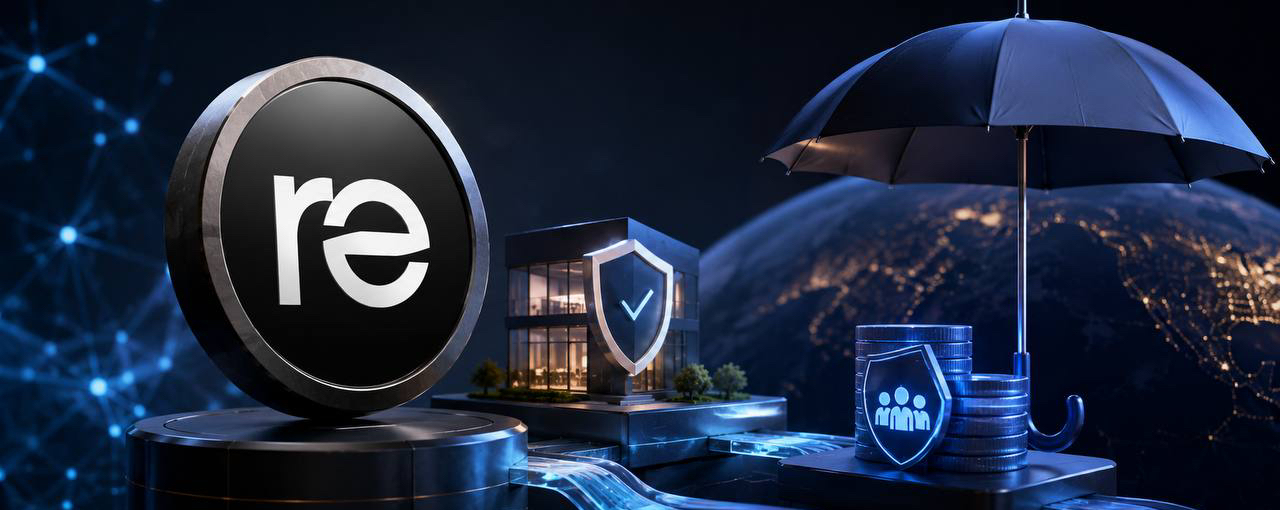
ບົດຄວາມ
Idi ti RE Protocol Fi Iyatọ Rẹ Ọtọ Ninu Aye RWAẸka Asset (RWA) ti Agbaye (Real World Asset) ti di ọkan ninu awọn agbegbe ti o n dagba ni kiakia julọ ninu crypto. Pupọ awọn iṣẹ (projects) dojukọ awọn Treasury bills ti a ti tokenized, private credit, tabi ohun-ini gidi, ṣugbọn RE Protocol n mu ọna miiran wa nipa sisopọ DeFi pẹlu ọja reinsurance agbaye.
Asta ti lo ni ibi ti o yara mu ifojusi mi, nitori iṣeduro atunṣe (reinsurance) jẹ ọkan ninu awọn ile-iṣẹ owo inawo ti o tobi julọ ni agbaye, sibẹsibẹ a ṣọwọn sọrọ rẹ ninu crypto.
Nitorinaa, kini o jẹ ki
dáa yanilenu?
Dipo ki o gbẹkẹle awọn imoriri ami (token incentives) nikan, RE Protocol gba awọn olumulo laaye lati fi awọn stablecoins pamọ ti o ṣe iranlọwọ atilẹyin awọn adehun iṣeduro atunṣe ti o ni idaniloju ni kikun (fully collateralized) nipasẹ awọn alabaṣepọ iṣeduro ti o ni iwe-aṣẹ. Ni ipadabọ, awọn olumulo n gba èrè (yield) ti o ni atilẹyin nipasẹ owo-ori iṣeduro lati igbesi-aye gidi (real-world insurance premium income) lẹgbẹẹ awọn orisun lori-chain.
Idi ti RE Protocol Fi Iyatọ Rẹ Ọtọ Ninu Aye RWA
Ẹka Asset (RWA) ti Agbaye (Real World Asset) ti di ọkan ninu awọn agbegbe ti o n dagba ni kiakia julọ ninu crypto. Pupọ awọn iṣẹ (projects) dojukọ awọn Treasury bills ti a ti tokenized, private credit, tabi ohun-ini gidi, ṣugbọn RE Protocol n mu ọna miiran wa nipa sisopọ DeFi pẹlu ọja reinsurance agbaye.
Asta ti lo ni ibi ti o yara mu ifojusi mi, nitori iṣeduro atunṣe (reinsurance) jẹ ọkan ninu awọn ile-iṣẹ owo inawo ti o tobi julọ ni agbaye, sibẹsibẹ a ṣọwọn sọrọ rẹ ninu crypto.
Nitorinaa, kini o jẹ ki
dáa yanilenu?
Dipo ki o gbẹkẹle awọn imoriri ami (token incentives) nikan, RE Protocol gba awọn olumulo laaye lati fi awọn stablecoins pamọ ti o ṣe iranlọwọ atilẹyin awọn adehun iṣeduro atunṣe ti o ni idaniloju ni kikun (fully collateralized) nipasẹ awọn alabaṣepọ iṣeduro ti o ni iwe-aṣẹ. Ni ipadabọ, awọn olumulo n gba èrè (yield) ti o ni atilẹyin nipasẹ owo-ori iṣeduro lati igbesi-aye gidi (real-world insurance premium income) lẹgbẹẹ awọn orisun lori-chain.
Asta ti lo ni ibi ti o yara mu ifojusi mi, nitori iṣeduro atunṣe (reinsurance) jẹ ọkan ninu awọn ile-iṣẹ owo inawo ti o tobi julọ ni agbaye, sibẹsibẹ a ṣọwọn sọrọ rẹ ninu crypto.
Nitorinaa, kini o jẹ ki
dáa yanilenu?
Dipo ki o gbẹkẹle awọn imoriri ami (token incentives) nikan, RE Protocol gba awọn olumulo laaye lati fi awọn stablecoins pamọ ti o ṣe iranlọwọ atilẹyin awọn adehun iṣeduro atunṣe ti o ni idaniloju ni kikun (fully collateralized) nipasẹ awọn alabaṣepọ iṣeduro ti o ni iwe-aṣẹ. Ni ipadabọ, awọn olumulo n gba èrè (yield) ti o ni atilẹyin nipasẹ owo-ori iṣeduro lati igbesi-aye gidi (real-world insurance premium income) lẹgbẹẹ awọn orisun lori-chain.
60
75
10.7k
·
--
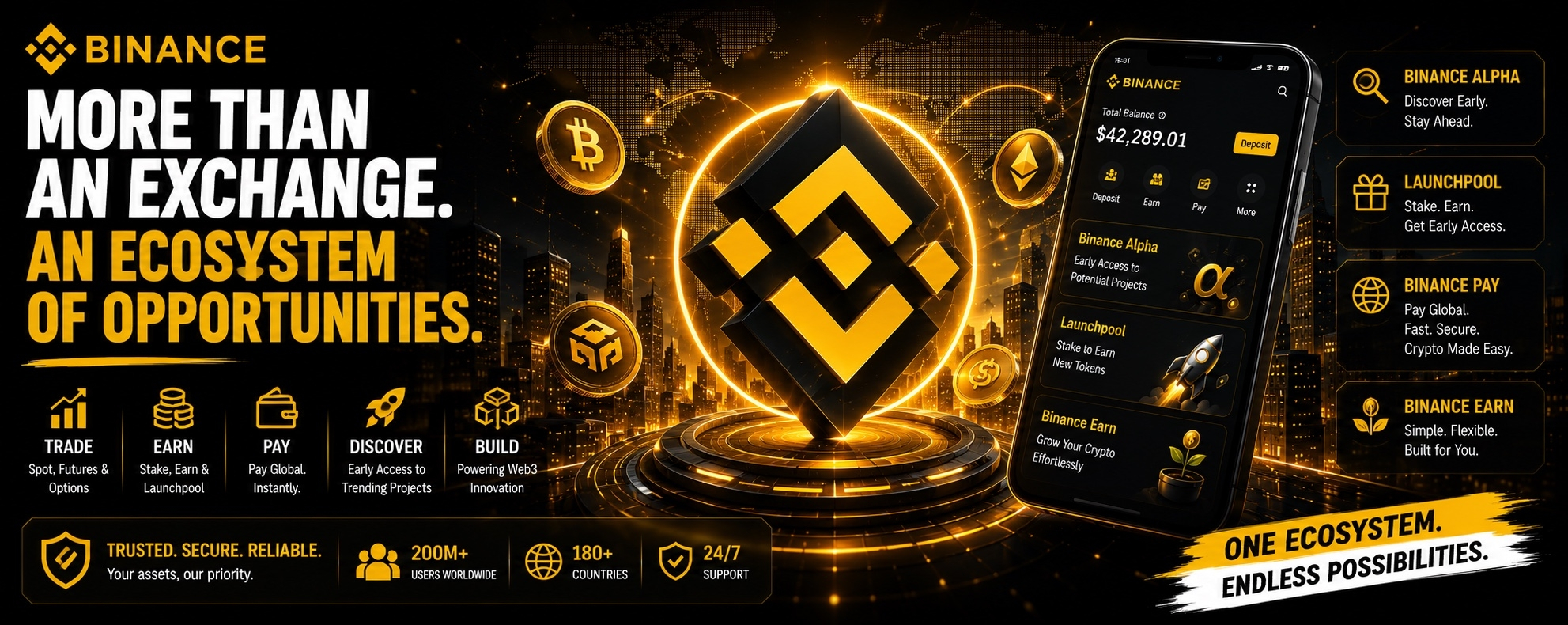
ບົດຄວາມ
I-Binance Alpha Iyashintsha Ngokuthula Indlela Abantu Abathola Ngayo AmathubaNdikuye khona engikuqaphele muva nje ukuthi abasebenzisi abaningi be-crypto basavula i-Binance ngengqondo efanayo ababeyiyo eminyakeni embalwa edlule. Bayangena, bahlole amanani, benze ukuhweba, bese beya. Akukho lutho olungalungile ngalokho, kodwa ngicabanga ukuthi bayaphuthelwa yenye yezinto ezithakazelisa kakhulu ezenzekayo endaweni yesikhulumi namuhla. I-Binance kancane kancane iyashintsha isuka ekubeni nje yindawo yokuhweba iye ekubeni indawo lapho abasebenzisi bengathola khona amathuba kusenesikhathi kakhulu empilweni yabo, futhi i-Binance Alpha ingesinye sezibonelo ezicace kakhulu zalokho kuguquka.
I-Binance Alpha Iyashintsha Ngokuthula Indlela Abantu Abathola Ngayo Amathuba
Ndikuye khona engikuqaphele muva nje ukuthi abasebenzisi abaningi be-crypto basavula i-Binance ngengqondo efanayo ababeyiyo eminyakeni embalwa edlule. Bayangena, bahlole amanani, benze ukuhweba, bese beya. Akukho lutho olungalungile ngalokho, kodwa ngicabanga ukuthi bayaphuthelwa yenye yezinto ezithakazelisa kakhulu ezenzekayo endaweni yesikhulumi namuhla. I-Binance kancane kancane iyashintsha isuka ekubeni nje yindawo yokuhweba iye ekubeni indawo lapho abasebenzisi bengathola khona amathuba kusenesikhathi kakhulu empilweni yabo, futhi i-Binance Alpha ingesinye sezibonelo ezicace kakhulu zalokho kuguquka.
1
3
467
·
--
Iphutha Elikhulu Ku-Crypto Akusikho Ukuthenga I-Coin Engalungile. Kukulinda Isikhathi Eside Ukuze UfundeNgangena ku-crypto okokuqala, ngangicabanga ukuthi impumelelo imayelana nokuthola i-coin ephelele ngaphambi kwawo wonke umuntu. Ngosuku ngalunye ngangifuna amatshe ayigugu afihlekile, ngibukele amashadi amanani amahora, futhi ngilandela zonke izindaba ezithandwayo ku-social media. Ngangikholelwa ukuthi uma ngikwazi nje ukuthola iphrojekthi elandelayo engu-100x, konke okunye kuzokuzinakekela. Uma ngibuyela emuva manje, ngiyabona ukuthi ngangibuza umbuzo ongalungile.
Umahluko omkhulu phakathi kwabatyali-mali abanolwazi nabaqalayo akusikho ukuthi elinye iqembu lihlala likhetha ama-coin angcono. Kunalokho ukuthi abatshali-mali abanolwazi bachitha isikhathi esiningi ukuqonda imakethe kunokuba bayilandela ngokuyizingela. Bayazi ukuthi amanani ashintsha njalo ngomzuzu, kodwa ulwazi luhlala nawe kuwo wonke umjikelezo wemakethe. Uma usuyiqonda indlela i-crypto esebenza ngayo, yonke i-bull market nayo yonke i-correction iba lula ukuyihamba ngoba wenza izinqumo ngokusekelwe ekuqondeni hhayi ngemizwa.
Iphutha Elikhulu Ku-Crypto Akusikho Ukuthenga I-Coin Engalungile. Kukulinda Isikhathi Eside Ukuze Ufunde
Ngangena ku-crypto okokuqala, ngangicabanga ukuthi impumelelo imayelana nokuthola i-coin ephelele ngaphambi kwawo wonke umuntu. Ngosuku ngalunye ngangifuna amatshe ayigugu afihlekile, ngibukele amashadi amanani amahora, futhi ngilandela zonke izindaba ezithandwayo ku-social media. Ngangikholelwa ukuthi uma ngikwazi nje ukuthola iphrojekthi elandelayo engu-100x, konke okunye kuzokuzinakekela. Uma ngibuyela emuva manje, ngiyabona ukuthi ngangibuza umbuzo ongalungile.
Umahluko omkhulu phakathi kwabatyali-mali abanolwazi nabaqalayo akusikho ukuthi elinye iqembu lihlala likhetha ama-coin angcono. Kunalokho ukuthi abatshali-mali abanolwazi bachitha isikhathi esiningi ukuqonda imakethe kunokuba bayilandela ngokuyizingela. Bayazi ukuthi amanani ashintsha njalo ngomzuzu, kodwa ulwazi luhlala nawe kuwo wonke umjikelezo wemakethe. Uma usuyiqonda indlela i-crypto esebenza ngayo, yonke i-bull market nayo yonke i-correction iba lula ukuyihamba ngoba wenza izinqumo ngokusekelwe ekuqondeni hhayi ngemizwa.
Umahluko omkhulu phakathi kwabatyali-mali abanolwazi nabaqalayo akusikho ukuthi elinye iqembu lihlala likhetha ama-coin angcono. Kunalokho ukuthi abatshali-mali abanolwazi bachitha isikhathi esiningi ukuqonda imakethe kunokuba bayilandela ngokuyizingela. Bayazi ukuthi amanani ashintsha njalo ngomzuzu, kodwa ulwazi luhlala nawe kuwo wonke umjikelezo wemakethe. Uma usuyiqonda indlela i-crypto esebenza ngayo, yonke i-bull market nayo yonke i-correction iba lula ukuyihamba ngoba wenza izinqumo ngokusekelwe ekuqondeni hhayi ngemizwa.
3
230
·
--
Wonke Umuntu Uyabukela I-Bitcoin… Kodwa Imali Ehlakaniphile Ibhukuda Kancane Iqaphe Ama-StablecoinsNoma nini lapho i-Bitcoin iqala ukunyakaza okukhulu, ngokwemvelo iba yisikhungo sazo zonke izingxoxo. Izinsuku zokuqala zigcwala ukubikezela kwamanani, abathengisi baqala ukwabelana ngama-chart, futhi wonke umuntu uqala ukuxoxa ngokuthi i-rally elandelayo isiqalile yini. Kodwa emavikini ambalwa adlule, ngizithole nginaka okuthile okuthule kakhulu, futhi ngithembeke ukuthi kungaba phakathi kwezindaba ezinkulu kakhulu kulesi sikhathi.
Leyondaba ama-stablecoins.
Kunenani iminyaka embalwa edlule, ama-stablecoins ayebonakala kakhulu njengamathuluzi abathengisi. Ayesuke eseyindawo yokupaka imali ngenkathi ilinde ithuba elilandelayo. Namuhla, lowo mqondo uzizwa ungasekho. Ama-stablecoins kancane kancane aya engxenyeni yengqalasizinda yezimali esekela yonke imboni ye-crypto. Ayasetshenziswa ukwenza izinkokhelo eziwela imingcele, izivumelwano zokukhokha, ukuthunyelwa kwemali ekhaya (remittances), futhi ngokwandayo njengokuxhumanisa phakathi kwezezimali zendabuko nobuchwepheshe be-blockchain. Intuthuko yakamuva elawulayo iyanezela okunye ukunakwa kulolu shintsho, ikhombisa ukuthi ohulumeni nezikhungo sebezwa lolu daba ngokungathi sína kakhulu kule ngxenye.
Wonke Umuntu Uyabukela I-Bitcoin… Kodwa Imali Ehlakaniphile Ibhukuda Kancane Iqaphe Ama-Stablecoins
Noma nini lapho i-Bitcoin iqala ukunyakaza okukhulu, ngokwemvelo iba yisikhungo sazo zonke izingxoxo. Izinsuku zokuqala zigcwala ukubikezela kwamanani, abathengisi baqala ukwabelana ngama-chart, futhi wonke umuntu uqala ukuxoxa ngokuthi i-rally elandelayo isiqalile yini. Kodwa emavikini ambalwa adlule, ngizithole nginaka okuthile okuthule kakhulu, futhi ngithembeke ukuthi kungaba phakathi kwezindaba ezinkulu kakhulu kulesi sikhathi.
Leyondaba ama-stablecoins.
Kunenani iminyaka embalwa edlule, ama-stablecoins ayebonakala kakhulu njengamathuluzi abathengisi. Ayesuke eseyindawo yokupaka imali ngenkathi ilinde ithuba elilandelayo. Namuhla, lowo mqondo uzizwa ungasekho. Ama-stablecoins kancane kancane aya engxenyeni yengqalasizinda yezimali esekela yonke imboni ye-crypto. Ayasetshenziswa ukwenza izinkokhelo eziwela imingcele, izivumelwano zokukhokha, ukuthunyelwa kwemali ekhaya (remittances), futhi ngokwandayo njengokuxhumanisa phakathi kwezezimali zendabuko nobuchwepheshe be-blockchain. Intuthuko yakamuva elawulayo iyanezela okunye ukunakwa kulolu shintsho, ikhombisa ukuthi ohulumeni nezikhungo sebezwa lolu daba ngokungathi sína kakhulu kule ngxenye.
Leyondaba ama-stablecoins.
Kunenani iminyaka embalwa edlule, ama-stablecoins ayebonakala kakhulu njengamathuluzi abathengisi. Ayesuke eseyindawo yokupaka imali ngenkathi ilinde ithuba elilandelayo. Namuhla, lowo mqondo uzizwa ungasekho. Ama-stablecoins kancane kancane aya engxenyeni yengqalasizinda yezimali esekela yonke imboni ye-crypto. Ayasetshenziswa ukwenza izinkokhelo eziwela imingcele, izivumelwano zokukhokha, ukuthunyelwa kwemali ekhaya (remittances), futhi ngokwandayo njengokuxhumanisa phakathi kwezezimali zendabuko nobuchwepheshe be-blockchain. Intuthuko yakamuva elawulayo iyanezela okunye ukunakwa kulolu shintsho, ikhombisa ukuthi ohulumeni nezikhungo sebezwa lolu daba ngokungathi sína kakhulu kule ngxenye.
3
216
·
--
Sa Palagay Ko, Mali ang Pagtingin ng Karamihan sa BinanceKamakailan, napansin ko ang isang bagay na kawili-wili. Kapag nagiging pabagu-bago ang merkado, agad na nagsisimulang pag-usapan ng mga tao ang mga presyo. Pinag-uusapan nila ang Bitcoin, altcoins, market caps, at mga hula. Pero kakaunti lang ang nagsasalita tungkol sa mga plataporma na nagpapagana sa buong ekosistema. Kaya iniisip ko na maraming investors ang hindi pinapansin ang isa sa pinakamalalaking kuwento na nangyayari ngayon sa crypto
Ang kuwento ay hindi tungkol sa iisang token.
Ito ay tungkol sa mga ekosistema.
At ang Binance ay maaaring isa sa pinakamalalakas na halimbawa ng kalakaran na iyon.
Sa Palagay Ko, Mali ang Pagtingin ng Karamihan sa Binance
Kamakailan, napansin ko ang isang bagay na kawili-wili. Kapag nagiging pabagu-bago ang merkado, agad na nagsisimulang pag-usapan ng mga tao ang mga presyo. Pinag-uusapan nila ang Bitcoin, altcoins, market caps, at mga hula. Pero kakaunti lang ang nagsasalita tungkol sa mga plataporma na nagpapagana sa buong ekosistema. Kaya iniisip ko na maraming investors ang hindi pinapansin ang isa sa pinakamalalaking kuwento na nangyayari ngayon sa crypto
Ang kuwento ay hindi tungkol sa iisang token.
Ito ay tungkol sa mga ekosistema.
At ang Binance ay maaaring isa sa pinakamalalakas na halimbawa ng kalakaran na iyon.
Ang kuwento ay hindi tungkol sa iisang token.
Ito ay tungkol sa mga ekosistema.
At ang Binance ay maaaring isa sa pinakamalalakas na halimbawa ng kalakaran na iyon.
3
156
·
--

ບົດຄວາມ
Isivumelwano sikaTrump ne-Iran Singase Sibe Nkulu Kakhulu Nge-Crypto Kunabantu Abaningi AbacabangaEmasontweni ambalwa edlule, abahwebi abaningi be-crypto bebegxile kumashadi, ukwethulwa kwamathokheni, kanye nesishukumisi esilandelayo semakethe. Kodwa kwesinye isikhathi ukunyakaza okukhulu kuqala kude nemboni ye-crypto uqobo. Yingakho ngibe ngilandela ngokucophelela ukuthuthuka okusha okuhlobene nesivumelwano sikaTrump ne-Iran. Nakuba kungase kubonakale njengendaba yezepolitiki kuqala, iqiniso liwukuthi izehlakalo zezombusazwe emhlabeni zivame ukwakha imizwa yemakethe isikhathi eside ngaphambi kokuba abatshalizimali baqonde ngokugcwele umthelela wako.l
Isivumelwano phakathi kwe-United States ne-Iran sesivele sikhuthaze ukusabela okuqinile kuzo zonke izimakethe zendabuko. Amanani kawoyela ehle kakhulu ngemuva kokuba kuvele amathemba okuthi ukungezwani kuleyo ndawo kungase kunciphe nokuthi i-Strait of Hormuz izoqhubeka ivulekile ukuze kunikezwe amandla emhlabeni wonke. Ngesikhathi esifanayo, izimakethe zamasheya zikhuphukile njengoba abatshalizimali baqala ukubeka amanani engcuphe yokwehla kwamandla emali encane nokuzinza okungcono komnotho. Izimakethe zivame ukuphendula ngokushesha uma ukungaqiniseki kuqala ukuphela.
Isivumelwano sikaTrump ne-Iran Singase Sibe Nkulu Kakhulu Nge-Crypto Kunabantu Abaningi Abacabanga
Emasontweni ambalwa edlule, abahwebi abaningi be-crypto bebegxile kumashadi, ukwethulwa kwamathokheni, kanye nesishukumisi esilandelayo semakethe. Kodwa kwesinye isikhathi ukunyakaza okukhulu kuqala kude nemboni ye-crypto uqobo. Yingakho ngibe ngilandela ngokucophelela ukuthuthuka okusha okuhlobene nesivumelwano sikaTrump ne-Iran. Nakuba kungase kubonakale njengendaba yezepolitiki kuqala, iqiniso liwukuthi izehlakalo zezombusazwe emhlabeni zivame ukwakha imizwa yemakethe isikhathi eside ngaphambi kokuba abatshalizimali baqonde ngokugcwele umthelela wako.l
Isivumelwano phakathi kwe-United States ne-Iran sesivele sikhuthaze ukusabela okuqinile kuzo zonke izimakethe zendabuko. Amanani kawoyela ehle kakhulu ngemuva kokuba kuvele amathemba okuthi ukungezwani kuleyo ndawo kungase kunciphe nokuthi i-Strait of Hormuz izoqhubeka ivulekile ukuze kunikezwe amandla emhlabeni wonke. Ngesikhathi esifanayo, izimakethe zamasheya zikhuphukile njengoba abatshalizimali baqala ukubeka amanani engcuphe yokwehla kwamandla emali encane nokuzinza okungcono komnotho. Izimakethe zivame ukuphendula ngokushesha uma ukungaqiniseki kuqala ukuphela.
Isivumelwano phakathi kwe-United States ne-Iran sesivele sikhuthaze ukusabela okuqinile kuzo zonke izimakethe zendabuko. Amanani kawoyela ehle kakhulu ngemuva kokuba kuvele amathemba okuthi ukungezwani kuleyo ndawo kungase kunciphe nokuthi i-Strait of Hormuz izoqhubeka ivulekile ukuze kunikezwe amandla emhlabeni wonke. Ngesikhathi esifanayo, izimakethe zamasheya zikhuphukile njengoba abatshalizimali baqala ukubeka amanani engcuphe yokwehla kwamandla emali encane nokuzinza okungcono komnotho. Izimakethe zivame ukuphendula ngokushesha uma ukungaqiniseki kuqala ukuphela.
1
4
488
ເຂົ້າສູ່ລະບົບເພື່ອສຳຫຼວດເນື້ອຫາເພີ່ມເຕີມ
ເຂົ້າຮ່ວມກຸ່ມຜູ້ໃຊ້ຄຣິບໂຕທົ່ວໂລກໃນ Binance Square.
⚡️ ໄດ້ຮັບຂໍ້ມູນຫຼ້າສຸດ ແລະ ທີ່ມີປະໂຫຍດກ່ຽວກັບຄຣິບໂຕ.
💬 ໄດ້ຮັບຄວາມໄວ້ວາງໃຈຈາກຕະຫຼາດແລກປ່ຽນຄຣິບໂຕທີ່ໃຫຍ່ທີ່ສຸດໃນໂລກ.
👍 ຄົ້ນຫາຂໍ້ມູນເຊີງເລິກທີ່ແທ້ຈາກນັກສ້າງທີ່ໄດ້ຮັບການຢືນຢັນ.
ອີເມວ / ເບີໂທລະສັບ
ຫົວຂໍ້ທີ່ກໍາລັງນິຍົມ
AIStocksWhatNext
11,140 views
24 ກຳລັງສົນທະນາ
Пាចែក ແລະ ຮັບຮາງວັນຈາກການແຂ່ງຂັນ Trending Hashtag ຂອງພວກເຮົາ
✨ຫົວຂໍ້: ມີໂອກາດການລົງທຶນອື່ນໃດອີກ ຍັງເຫຼືອບໍ ໃນເວລາທີ່ຫຸ້ນ AI ຍັງຂຶ້ນຢ່າງຕໍ່ເນື່ອງ?
👉ວິທີເຂົ້າຮ່ວມ:
ໂພດຂໍ້ຄວາມສັ້ນຫຼືບົດຄວາມພ້ອມ hashtag #AIStocksWhatNext
ແບ່ງປັນວ່າທ່ານເບີກບວກ (bullish) ຫຼືຂາດບວກ (bearish) ແລະ ໂພດການຖືຫຸ້ນ AI ຫຼືການຊື້ຂາຍຂອງທ່ານ — ການໃຊ້ trade widget ອາດຊ່ວຍໃຫ້ມີສິດກໍານົດໄດ້ດີຂຶ້ນ.
ທ່ານຍັງສາມາດເສີມໃຫ້ໂພດຂອງທ່ານໂດຍການແບ່ງປັນຂໍ້ມູນ ຫຼື ກຣາຟ, ແລະຫຼີກລ້ຽງຮູບພາບທີ່ສ້າງຈາກ AI.
✍️ສ້າງເນື້ອຫາຕາມມຸມມອງດ້ານລຸ່ມນີ້:
- Nvidia ກ່າວວ່າຍອດຂາຍຊິບຈະເພີ່ມເປັນສອງເທົ່າໃນປີໜ້າ, ແລະ ບໍລິສັດ AI ຊັ້ນນໍາຍັງຕີຍອດລາຍຮັບສູງສຸດຕໍ່ເນື່ອງ—ການໃຊ້ຈ່າຍດ້ານ compute ທີ່ຢູ່ຫຼັງມັນກໍ່ຊັດເຈນຫຼາຍ. ຄວາມຕ້ອງການຂອງ AI ຈິງໆກໍາລັງຂຶ້ນບໍ? ແລະ ມັນຈະຢູ່ໄດ້ດົນປານໃດ? ຫຸ້ນ AI ຂຶ້ນທົ່ວກະດານ. ນີ້ແມ່ນການປະຕິບັດສະລຸດຈິງ (real breakout) ຫຼືແພ້ແຄ່ການເດັ້ງກັ້ນໄລຍະສັ້ນ?
- ຜູ້ນໍາໃນອຸດສາຫະກໍາເອີ້ນໃຫ້ຊະລໍການພັດທະນາ AI, ໃນຂະນະທີ່ Trump ວາງແຜນຈະສ້າງ “AI Force” ໂດຍອ້າງວ່າ AI ອາດຈະກວມ 25% ຂອງ GDP ຂອງສະຫະລັດ ໃນອະນາຄົດ. ທ່ານຢູ່ຝ່າຍໃດ? ການໜູນຊ່ວຍຈາກລະດັບລັດ (state-level backing) ຈະເປັນໄຊຊະນະໄລຍະຍາວສໍາລັບຫຸ້ນ AI ບໍ?
- ທ່ານກໍ່າລັງຊື້ຫຸ້ນ AI ບໍ? ແບ່ງປັນການຊື້ຂາຍ/ການຖືຄອງທີ່ກ່ຽວຂ້ອງກັບ AI ຂອງທ່ານຜ່ານ trade sharing widget ຂອງພວກເຮົາ.
⏰ໄລຍະການແຄມເປນ:
- 2026-09-22 7:00 - 2026-09-24 4:00 UTC
🎁ລາງວັນ:
- ໂພດທີ່ມີຄຸນສົມບັດຕາມກົດລະບຽບຂ້າງເທິງ ແລະ ມີຫຼາຍກວ່າ 100 ຄໍາຈະຖືກທວດສອບ ແລະ ອາດຈະໄດ້ຮັບການເພີ່ມເຂົ້າເບິ່ງແບບສຸ່ມ 500 ຫາ 3,000 ຄັ້ງ. ທ່ານຈະໄດ້ຮັບແຈ້ງເຕືອນຈາກເຈົ້າໜ້າທີ່ຂອງ feed ຂອງພວກເຮົາ ຖ້າໂພດຂອງທ່ານຖືກເລືອກ.
- ມີໂອກາດໃຫ້ບົດຄວາມຂອງທ່ານຖືກນໍາໄປສະແດງໃນ Binance Square Official
ຕ້ອງການໄອເດຍສໍາລັບໂພດຂອງທ່ານບໍ? ເຂົ້າໄປທີ່ໜ້າຫົວຂໍ້ #AIStocksWhatNext ຫຼື Square Guide on How to Post for Better Reach.
Binance Square Official
·64 ຖືກໃຈ
·64.6k views
CardanoAddedToX402KitForADAPayments
3,596 views
169 ກຳລັງສົນທະນາ
XRPRises8%
12,137 views
502 ກຳລັງສົນທະນາ