

BlockchainCreator
18.5k ໂພສ

BlockchainCreator
ລາຍງານ
ບລັອກຜູ້ໃຊ້
Exploring the Future of Crypto | Deep Dives | Market Stories | DYOR 📈 | X: @BlockCreatorX🔷
ເປີດການຊື້ຂາຍ
ຜູ້ຊື້ຂາຍຊົ່ວຄາວ
5 ປີ
6.9K+ ກໍາລັງຕິດຕາມ
24.2K+ ຜູ້ຕິດຕາມ
13.6K+ Liked
ໂພສ
Portfolio
ທັງໝົດ
ວົງຢືມ
ວີດີໂອ
ປັກໝຸດ
The real problem with public blockchains isn't always what people can see. It's what they can learn before an action happens.
Think about placing a stop-loss order or submitting a bid in an auction. If your intentions become visible too early, someone else may use that information against you. Transparency is useful for verification, but it can be costly when every move reveals part of your strategy.
This is the problem I find interesting about Nillion.
Instead of focusing only on hiding transaction data, Nillion is exploring how to keep the instructions behind an action private until the right conditions are met. Its Covenants concept could make that possible without abandoning public blockchain settlement.
The first release, Dusk, is now live on Ethereum mainnet, introducing price- and time-based conditions. That creates some practical possibilities: conditional trading instructions, sealed bids, and payments that execute at a specified time.
Still, a mainnet launch is a starting point, not proof of long-term adoption.
The harder questions come with real usage. Can these instructions execute reliably? Are the costs reasonable? Can developers integrate them without adding unnecessary complexity? And how will applications balance confidentiality with compliance and accountability?
These details matter more than the vision alone.
Dusk represents the first era of Nillion's seven-era roadmap. Future developments may expand what Covenants can support, but the value will depend on what actually works in production.
My take: Nillion is addressing a genuine weakness in transparent markets. If it can make private instructions practical, affordable, and dependable, developers may have a compelling reason to adopt it.
The technology is worth watching, but execution will decide its place.
@nillionnetwork $NIL #NIL
The real problem with public blockchains isn't always what people can see. It's what they can learn before an action happens.
Think about placing a stop-loss order or submitting a bid in an auction. If your intentions become visible too early, someone else may use that information against you. Transparency is useful for verification, but it can be costly when every move reveals part of your strategy.
This is the problem I find interesting about Nillion.
Instead of focusing only on hiding transaction data, Nillion is exploring how to keep the instructions behind an action private until the right conditions are met. Its Covenants concept could make that possible without abandoning public blockchain settlement.
The first release, Dusk, is now live on Ethereum mainnet, introducing price- and time-based conditions. That creates some practical possibilities: conditional trading instructions, sealed bids, and payments that execute at a specified time.
Still, a mainnet launch is a starting point, not proof of long-term adoption.
The harder questions come with real usage. Can these instructions execute reliably? Are the costs reasonable? Can developers integrate them without adding unnecessary complexity? And how will applications balance confidentiality with compliance and accountability?
These details matter more than the vision alone.
Dusk represents the first era of Nillion's seven-era roadmap. Future developments may expand what Covenants can support, but the value will depend on what actually works in production.
My take: Nillion is addressing a genuine weakness in transparent markets. If it can make private instructions practical, affordable, and dependable, developers may have a compelling reason to adopt it.
The technology is worth watching, but execution will decide its place.
@Nillion $NIL #NIL
Think about placing a stop-loss order or submitting a bid in an auction. If your intentions become visible too early, someone else may use that information against you. Transparency is useful for verification, but it can be costly when every move reveals part of your strategy.
This is the problem I find interesting about Nillion.
Instead of focusing only on hiding transaction data, Nillion is exploring how to keep the instructions behind an action private until the right conditions are met. Its Covenants concept could make that possible without abandoning public blockchain settlement.
The first release, Dusk, is now live on Ethereum mainnet, introducing price- and time-based conditions. That creates some practical possibilities: conditional trading instructions, sealed bids, and payments that execute at a specified time.
Still, a mainnet launch is a starting point, not proof of long-term adoption.
The harder questions come with real usage. Can these instructions execute reliably? Are the costs reasonable? Can developers integrate them without adding unnecessary complexity? And how will applications balance confidentiality with compliance and accountability?
These details matter more than the vision alone.
Dusk represents the first era of Nillion's seven-era roadmap. Future developments may expand what Covenants can support, but the value will depend on what actually works in production.
My take: Nillion is addressing a genuine weakness in transparent markets. If it can make private instructions practical, affordable, and dependable, developers may have a compelling reason to adopt it.
The technology is worth watching, but execution will decide its place.
@Nillion $NIL #NIL
4
4
104
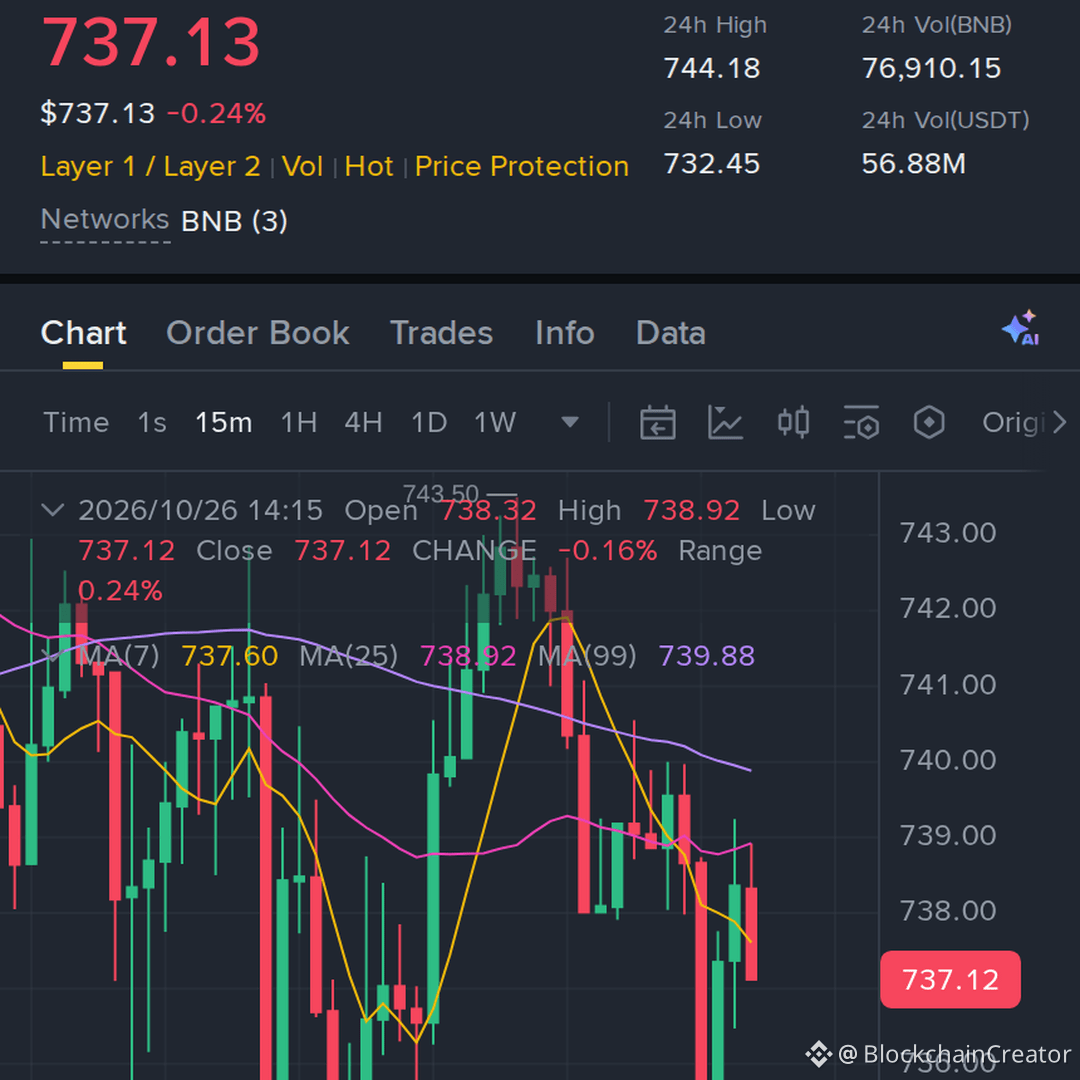
the reaction on $BNB, with leverage near 24x, is struggling to hold the recovery
Entry: 736.99–737.77
TP1: 719.2 → TP2: 707.12 → TP3: 685.99
Stop Loss: 749.18
the reaction on $BNB , with leverage near 24x, is struggling to hold the recovery
Entry: 736.99–737.77
TP1: 719.2 → TP2: 707.12 → TP3: 685.99
Stop Loss: 749.18
Entry: 736.99–737.77
TP1: 719.2 → TP2: 707.12 → TP3: 685.99
Stop Loss: 749.18
5
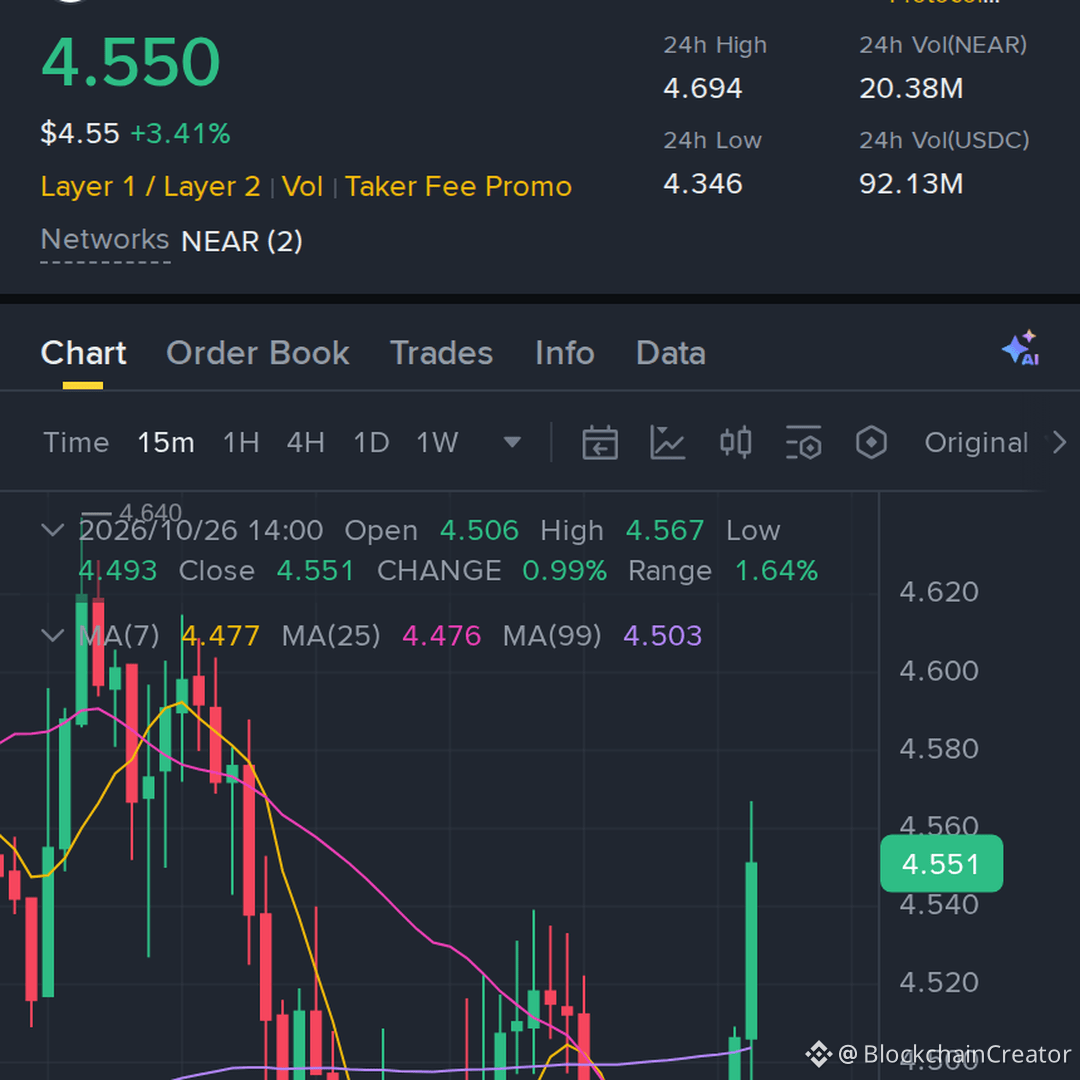
looks like $NEAR is recovering nicely here and buyers are stepping back in
Entry: 4.542–4.554 | Stop Loss: 4.422
TP1: 4.684 / TP2: 4.798 / TP3: 4.912
looks like $NEAR is recovering nicely here and buyers are stepping back in
Entry: 4.542–4.554 | Stop Loss: 4.422
TP1: 4.684 / TP2: 4.798 / TP3: 4.912
Entry: 4.542–4.554 | Stop Loss: 4.422
TP1: 4.684 / TP2: 4.798 / TP3: 4.912
25
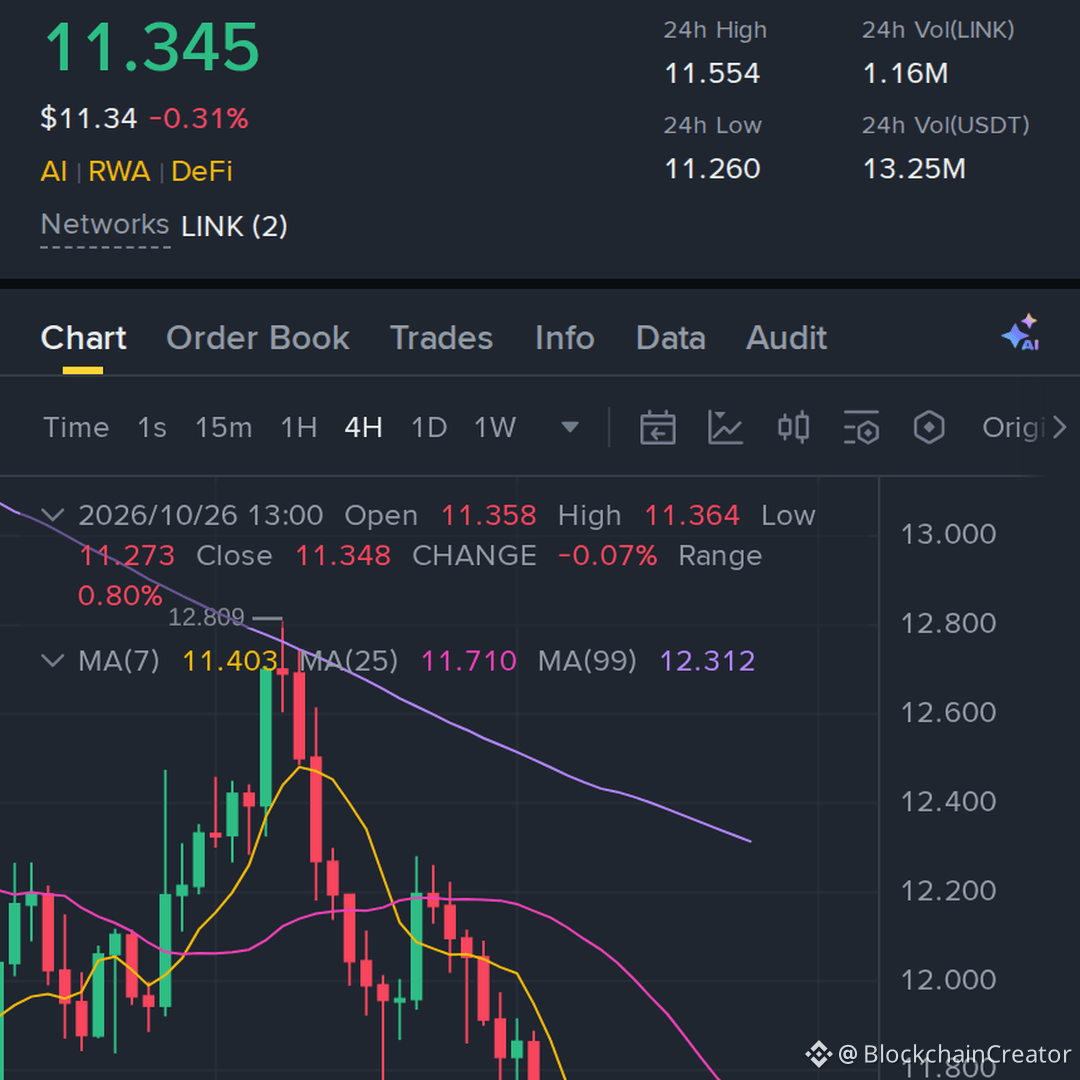
looks like $LINK is losing strength near resistance
Entry: 11.335–11.391 | Stop Loss: 11.699
TP1: 10.883 / TP2: 10.504 / TP3: 9.976
looks like $LINK is losing strength near resistance
Entry: 11.335–11.391 | Stop Loss: 11.699
TP1: 10.883 / TP2: 10.504 / TP3: 9.976
Entry: 11.335–11.391 | Stop Loss: 11.699
TP1: 10.883 / TP2: 10.504 / TP3: 9.976
23
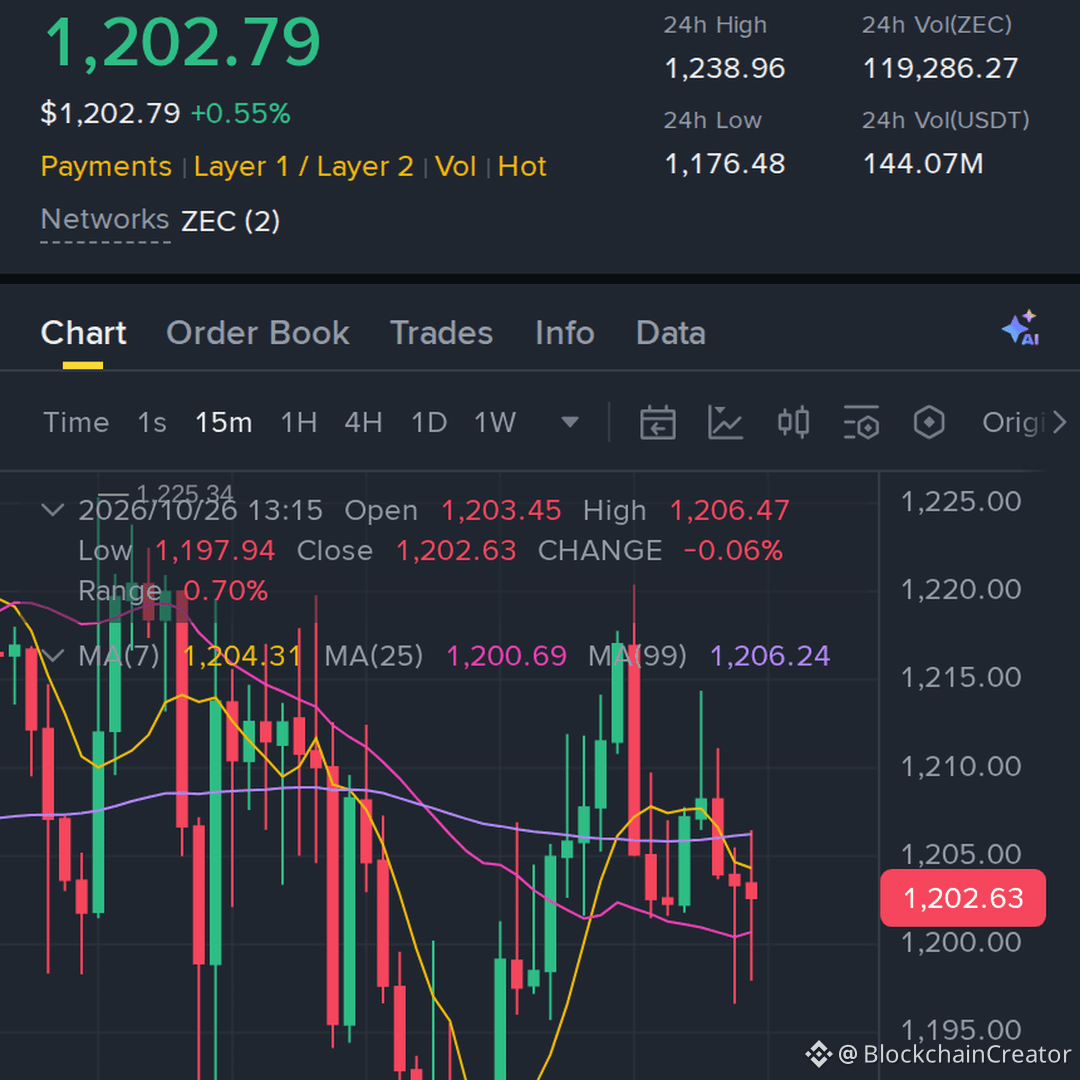
momentum on $ZEC, with leverage near 32x, tried to recover but the bounce is losing energy again
Entry: 1202.45–1205.08 | Stop Loss: 1223.03
TP1: 1175.99 / TP2: 1152.58 / TP3: 1125.57
momentum on $ZEC , with leverage near 32x, tried to recover but the bounce is losing energy again
Entry: 1202.45–1205.08 | Stop Loss: 1223.03
TP1: 1175.99 / TP2: 1152.58 / TP3: 1125.57
Entry: 1202.45–1205.08 | Stop Loss: 1223.03
TP1: 1175.99 / TP2: 1152.58 / TP3: 1125.57
38
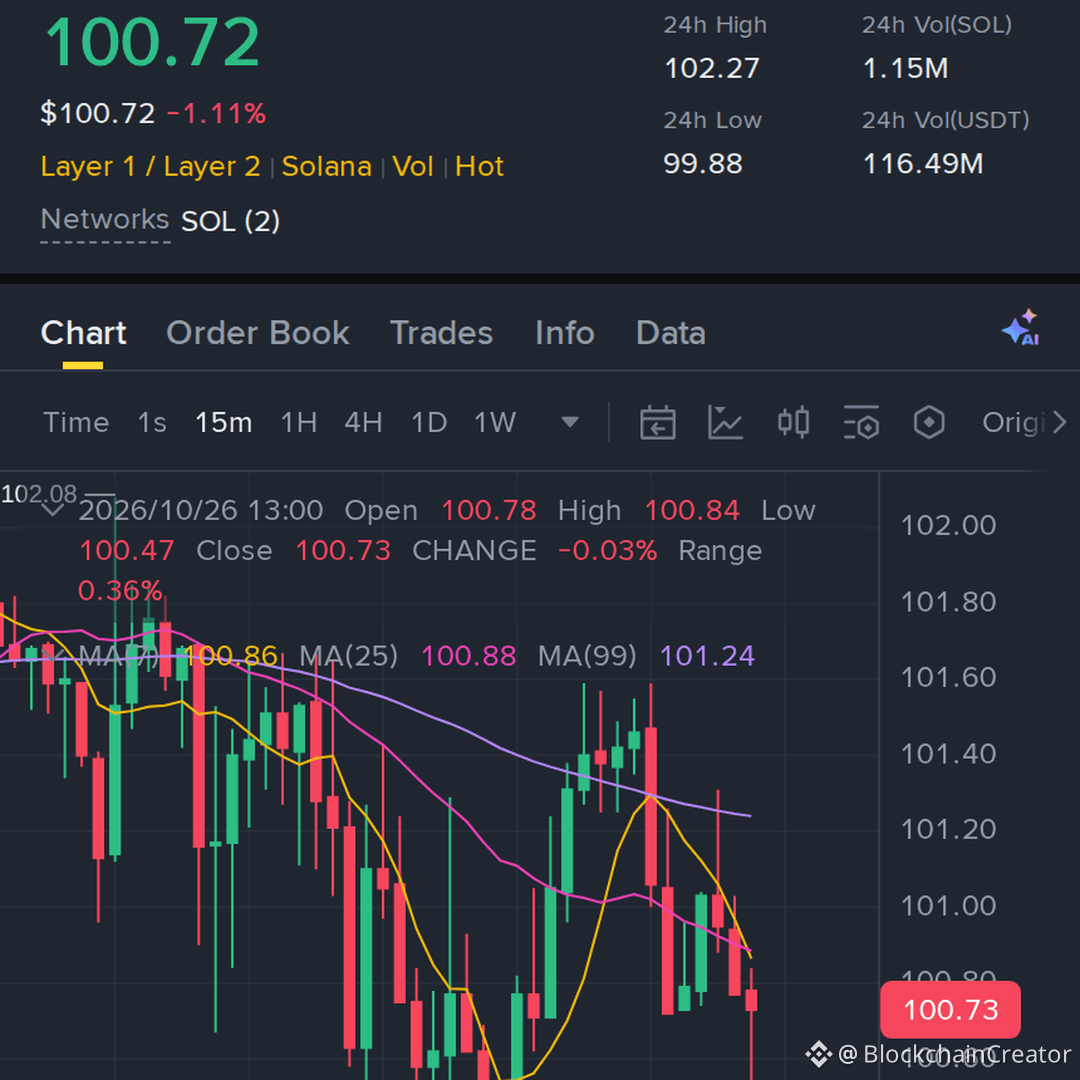
this bounce on $SOL, with 34x as the working leverage, keeps rejecting the same area, so the short side is worth watching
Entry: 100.74–100.85
TP1: 98.42 / TP2: 96.54 / TP3: 93.61
Stop Loss: 102.41
this bounce on $SOL , with 34x as the working leverage, keeps rejecting the same area, so the short side is worth watching
Entry: 100.74–100.85
TP1: 98.42 / TP2: 96.54 / TP3: 93.61
Stop Loss: 102.41
Entry: 100.74–100.85
TP1: 98.42 / TP2: 96.54 / TP3: 93.61
Stop Loss: 102.41
81
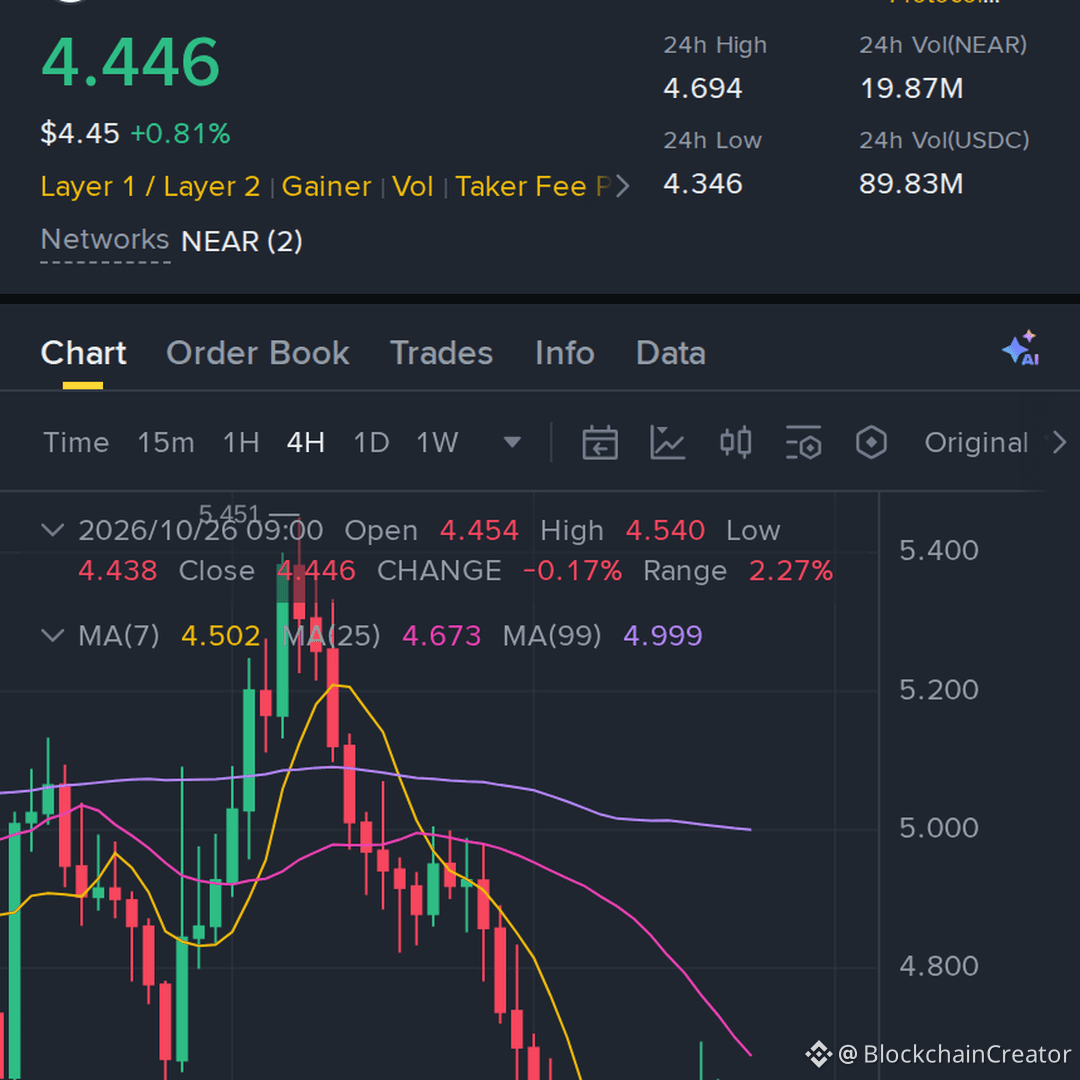
momentum on $NEAR, with leverage near 37x, is struggling to hold the recovery
Entry: 4.44–4.484
TP1: 4.239 / TP2: 4.038 / TP3: 3.837
Stop Loss: 4.726
momentum on $NEAR , with leverage near 37x, is struggling to hold the recovery
Entry: 4.44–4.484
TP1: 4.239 / TP2: 4.038 / TP3: 3.837
Stop Loss: 4.726
Entry: 4.44–4.484
TP1: 4.239 / TP2: 4.038 / TP3: 3.837
Stop Loss: 4.726
50
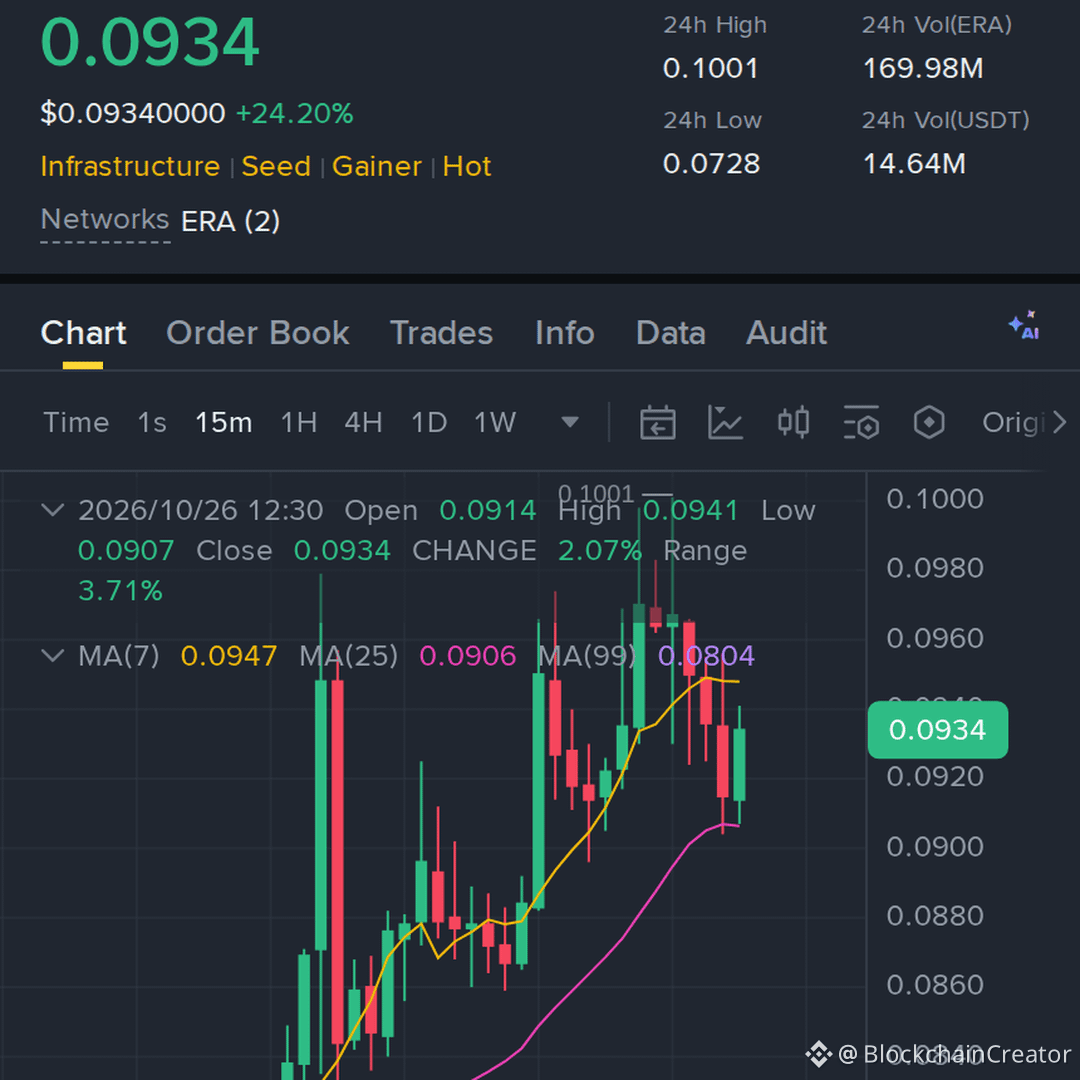
this bounce on $ERA, pulled back without breaking structure and buyers are stepping back in
Entry: 0.0923–0.0936 | Stop Loss: 0.0887
TP1: 0.0958 / TP2: 0.0981 / TP3: 0.1004
this bounce on $ERA , pulled back without breaking structure and buyers are stepping back in
Entry: 0.0923–0.0936 | Stop Loss: 0.0887
TP1: 0.0958 / TP2: 0.0981 / TP3: 0.1004
Entry: 0.0923–0.0936 | Stop Loss: 0.0887
TP1: 0.0958 / TP2: 0.0981 / TP3: 0.1004
64
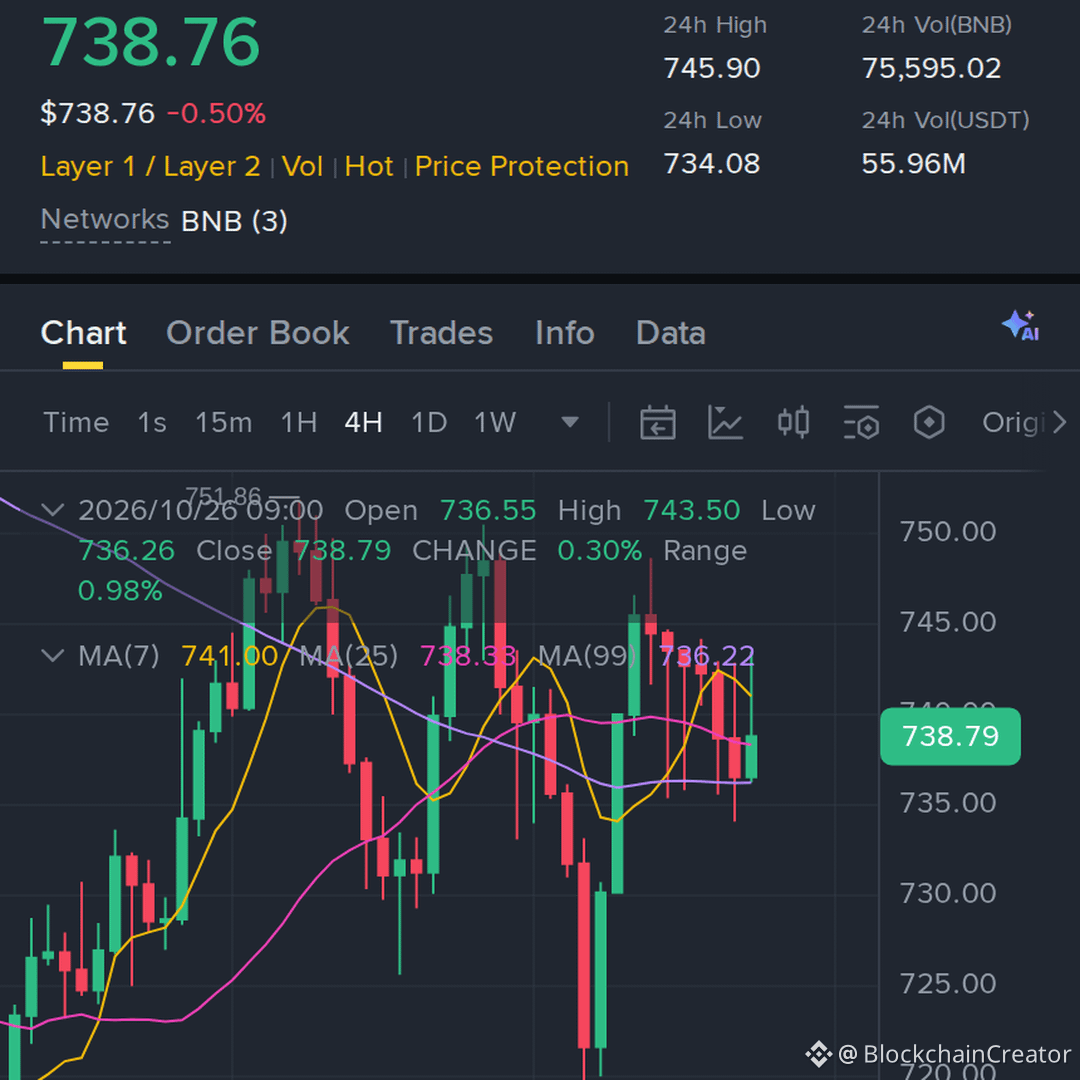
this bounce on $BNB, with leverage near 22x, is finding buyers again around the pullback zone
Entry: 736.82–739.15
TP1: 769.96 / TP2: 796.2 / TP3: 834.45
Stop Loss: 716.29
this bounce on $BNB , with leverage near 22x, is finding buyers again around the pullback zone
Entry: 736.82–739.15
TP1: 769.96 / TP2: 796.2 / TP3: 834.45
Stop Loss: 716.29
Entry: 736.82–739.15
TP1: 769.96 / TP2: 796.2 / TP3: 834.45
Stop Loss: 716.29
39
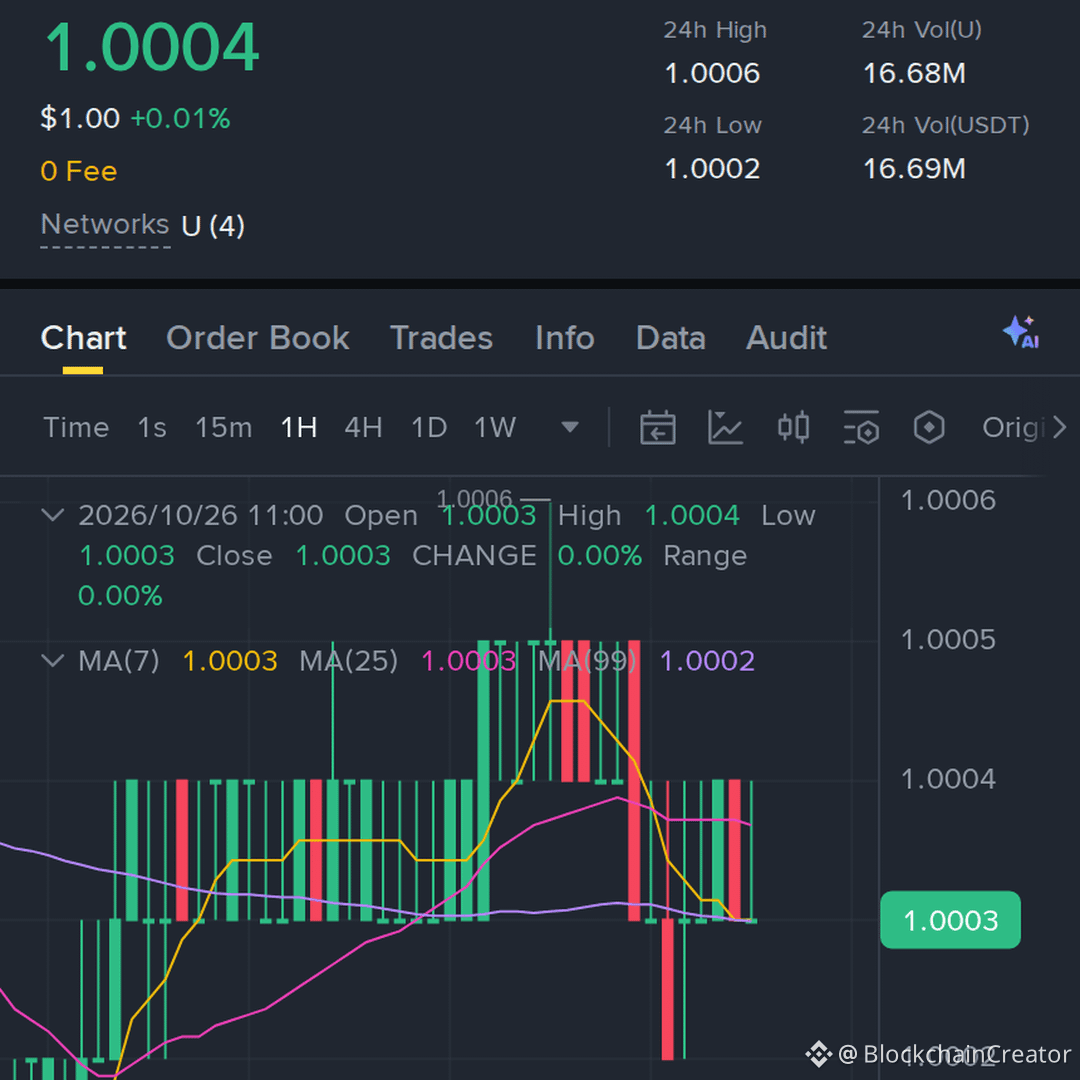
price action on $U, with a 32x leverage plan, gave a controlled pullback and the trend is trying to continue
Entry: 1.0004–1.0004
TP1: 1.0236 → TP2: 1.0445 → TP3: 1.0702
Stop Loss: 0.9844
price action on $U , with a 32x leverage plan, gave a controlled pullback and the trend is trying to continue
Entry: 1.0004–1.0004
TP1: 1.0236 → TP2: 1.0445 → TP3: 1.0702
Stop Loss: 0.9844
Entry: 1.0004–1.0004
TP1: 1.0236 → TP2: 1.0445 → TP3: 1.0702
Stop Loss: 0.9844
66
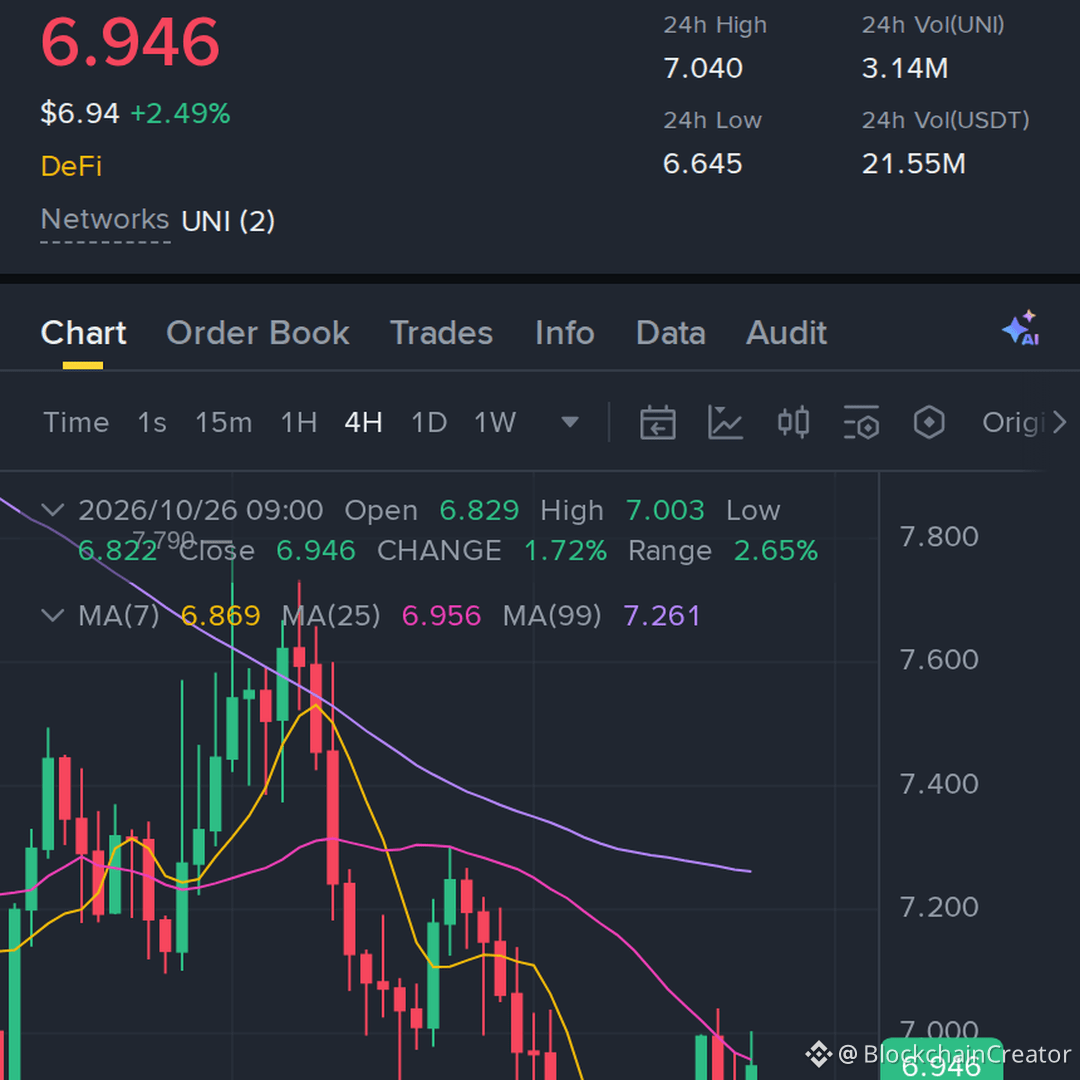
seeing a shift on $UNI, with leverage near 29x, held the low and momentum is slowly returning
Entry: 6.9–6.954
TP1: 7.273 / TP2: 7.585 / TP3: 7.897
Stop Loss: 6.476
seeing a shift on $UNI , with leverage near 29x, held the low and momentum is slowly returning
Entry: 6.9–6.954
TP1: 7.273 / TP2: 7.585 / TP3: 7.897
Stop Loss: 6.476
Entry: 6.9–6.954
TP1: 7.273 / TP2: 7.585 / TP3: 7.897
Stop Loss: 6.476
33
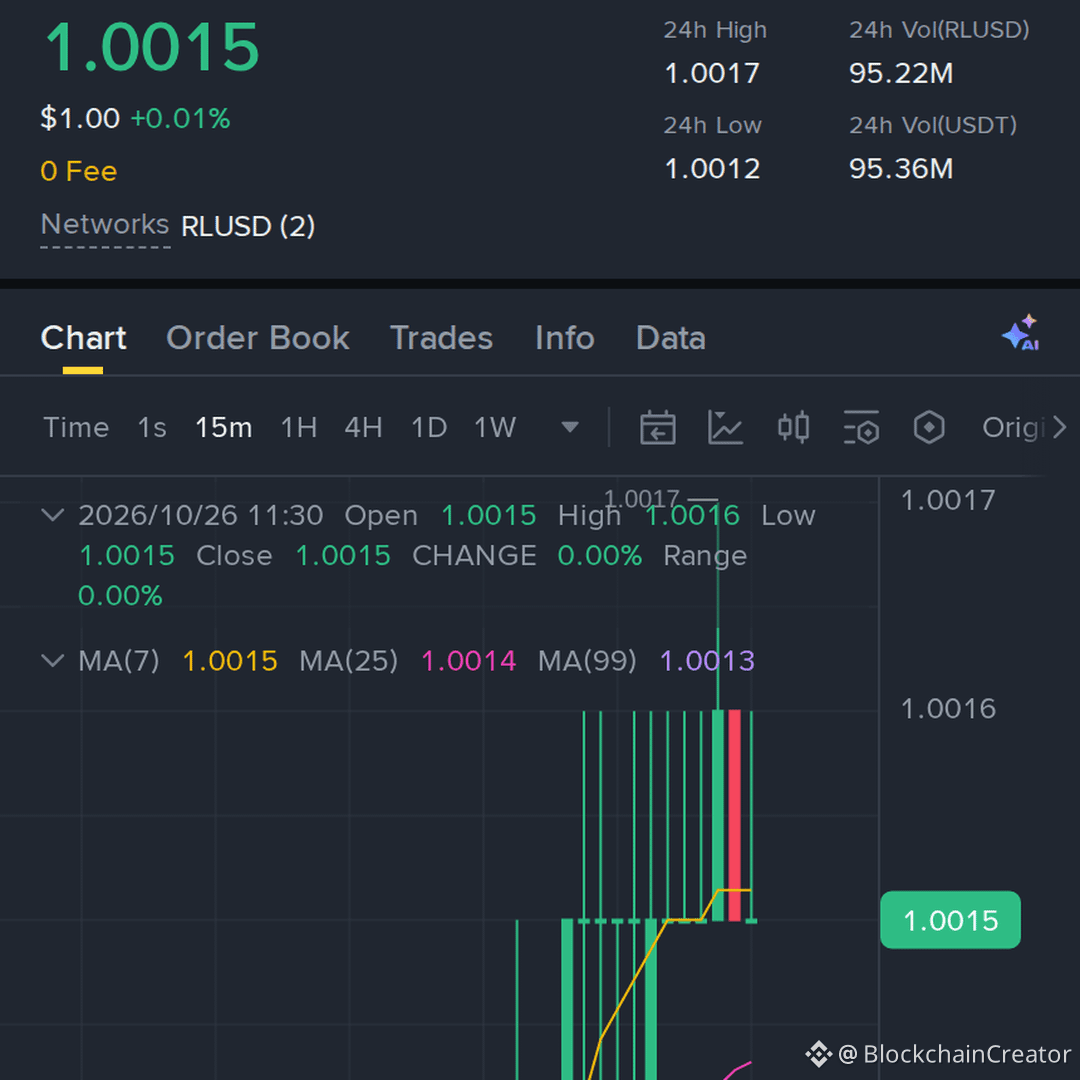
seeing a shift on $RLUSD, with a 25x leverage plan, pulled back without breaking structure and buyers are stepping back in
Entry: 1.0016–1.0016 | Stop Loss: 0.9856
TP1: 1.0259 / TP2: 1.0426 / TP3: 1.066
seeing a shift on $RLUSD , with a 25x leverage plan, pulled back without breaking structure and buyers are stepping back in
Entry: 1.0016–1.0016 | Stop Loss: 0.9856
TP1: 1.0259 / TP2: 1.0426 / TP3: 1.066
Entry: 1.0016–1.0016 | Stop Loss: 0.9856
TP1: 1.0259 / TP2: 1.0426 / TP3: 1.066
46
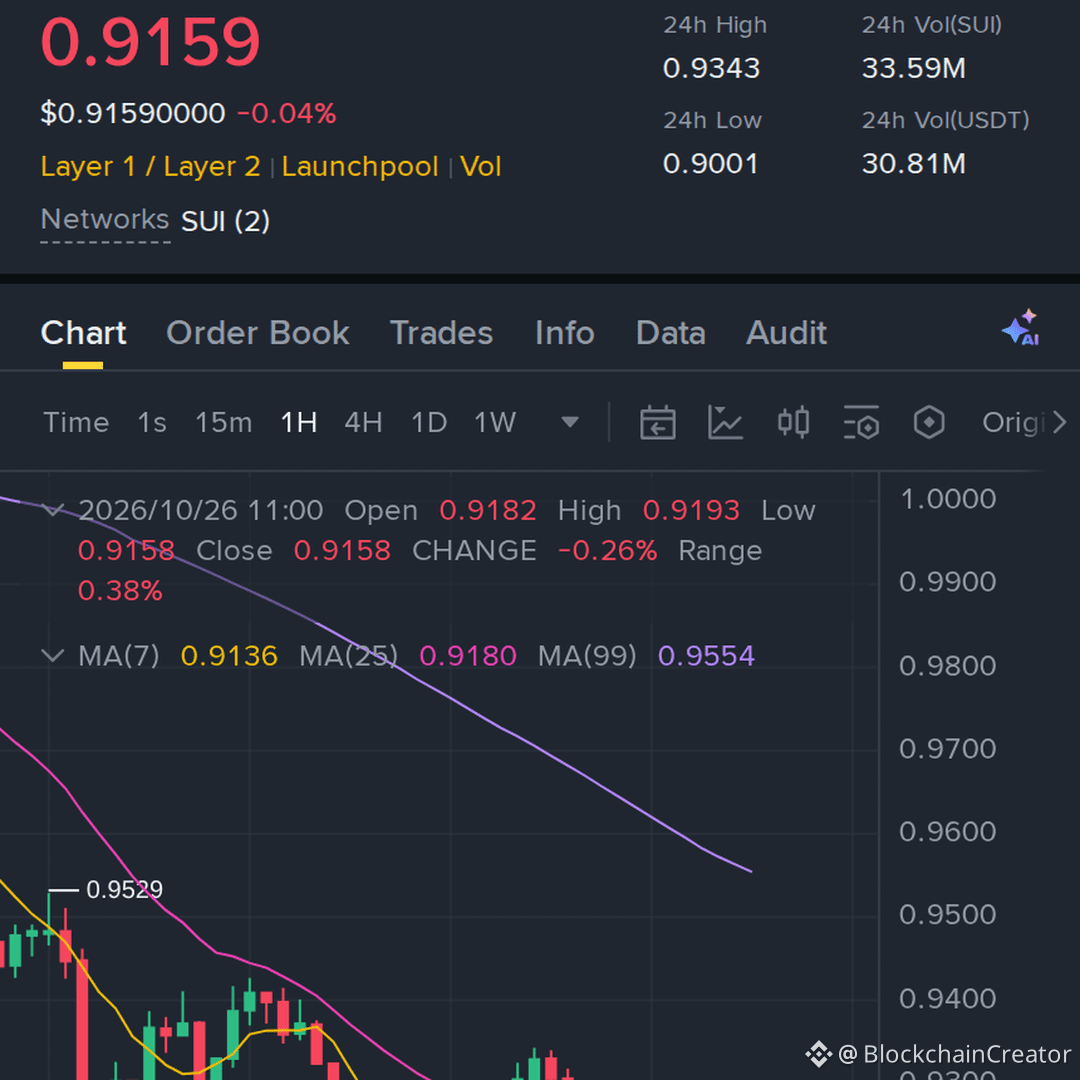
this bounce on $SUI, with leverage sitting around 29x, is struggling to hold the recovery
Entry: 0.9153–0.9183
TP1: 0.8927 | TP2: 0.8722 | TP3: 0.8441
Stop Loss: 0.934
this bounce on $SUI , with leverage sitting around 29x, is struggling to hold the recovery
Entry: 0.9153–0.9183
TP1: 0.8927 | TP2: 0.8722 | TP3: 0.8441
Stop Loss: 0.934
Entry: 0.9153–0.9183
TP1: 0.8927 | TP2: 0.8722 | TP3: 0.8441
Stop Loss: 0.934
46
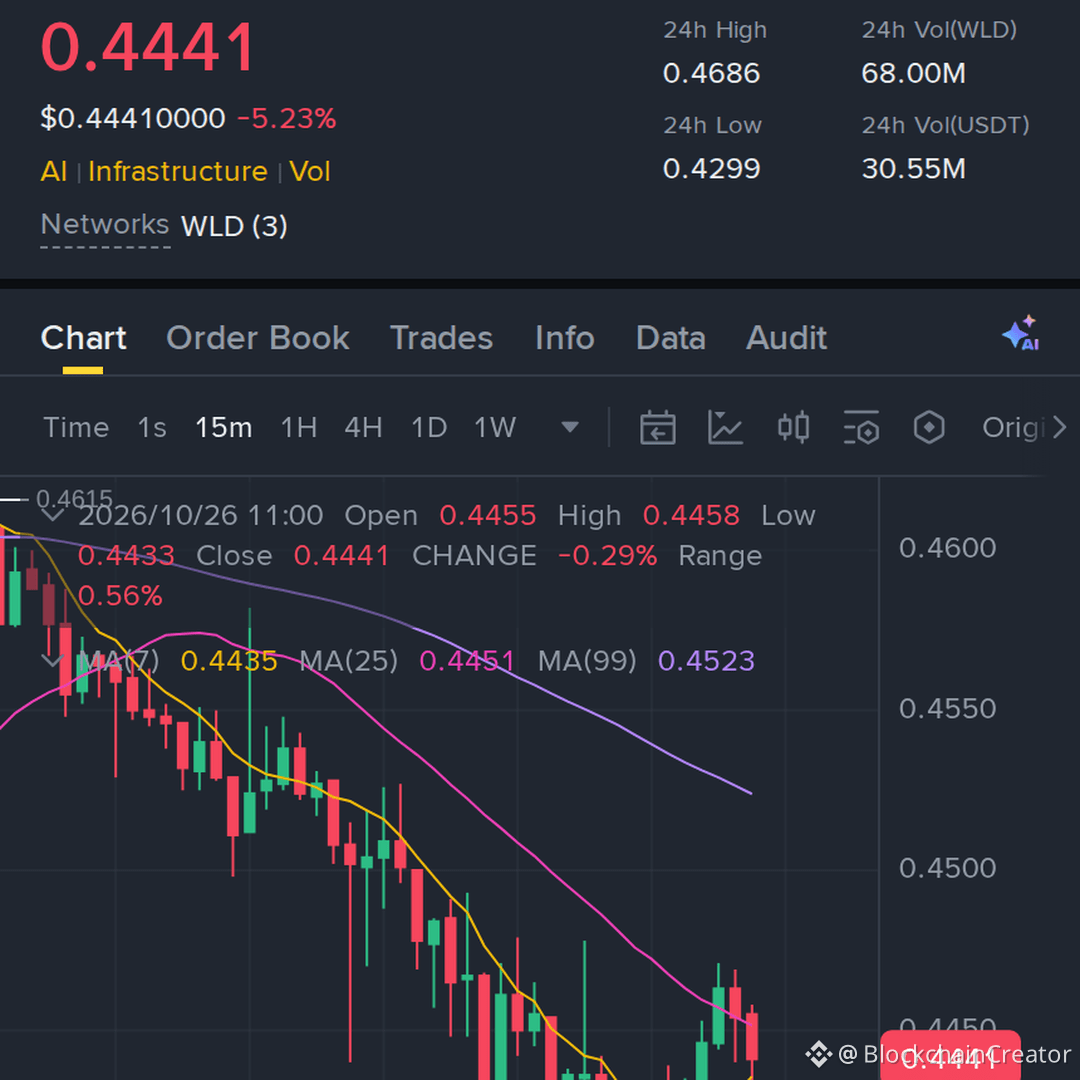
that rejection on $WLD, with roughly 43x on the setup, tried to recover but the bounce is losing energy again
Entry: 0.4442–0.4452 | Stop Loss: 0.4518
TP1: 0.4342 / TP2: 0.4252 / TP3: 0.4159
that rejection on $WLD , with roughly 43x on the setup, tried to recover but the bounce is losing energy again
Entry: 0.4442–0.4452 | Stop Loss: 0.4518
TP1: 0.4342 / TP2: 0.4252 / TP3: 0.4159
Entry: 0.4442–0.4452 | Stop Loss: 0.4518
TP1: 0.4342 / TP2: 0.4252 / TP3: 0.4159
56
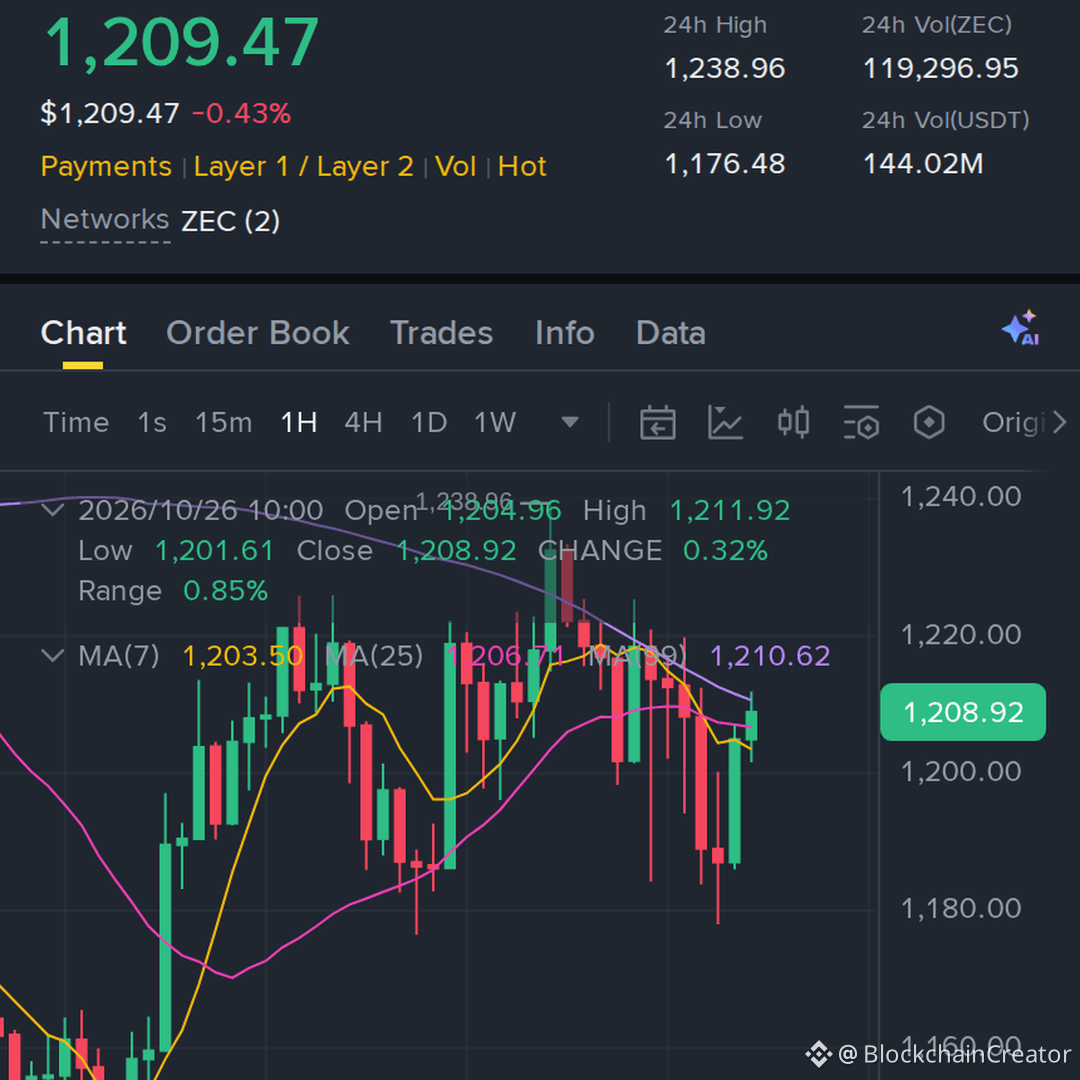
seeing a shift on $ZEC, with leverage near 49x, pulled back without breaking structure and buyers are stepping back in
Entry: 1204.71–1210.65 | Stop Loss: 1173.65
TP1: 1249.95 / TP2: 1286.18 / TP3: 1328.45
seeing a shift on $ZEC , with leverage near 49x, pulled back without breaking structure and buyers are stepping back in
Entry: 1204.71–1210.65 | Stop Loss: 1173.65
TP1: 1249.95 / TP2: 1286.18 / TP3: 1328.45
Entry: 1204.71–1210.65 | Stop Loss: 1173.65
TP1: 1249.95 / TP2: 1286.18 / TP3: 1328.45
32
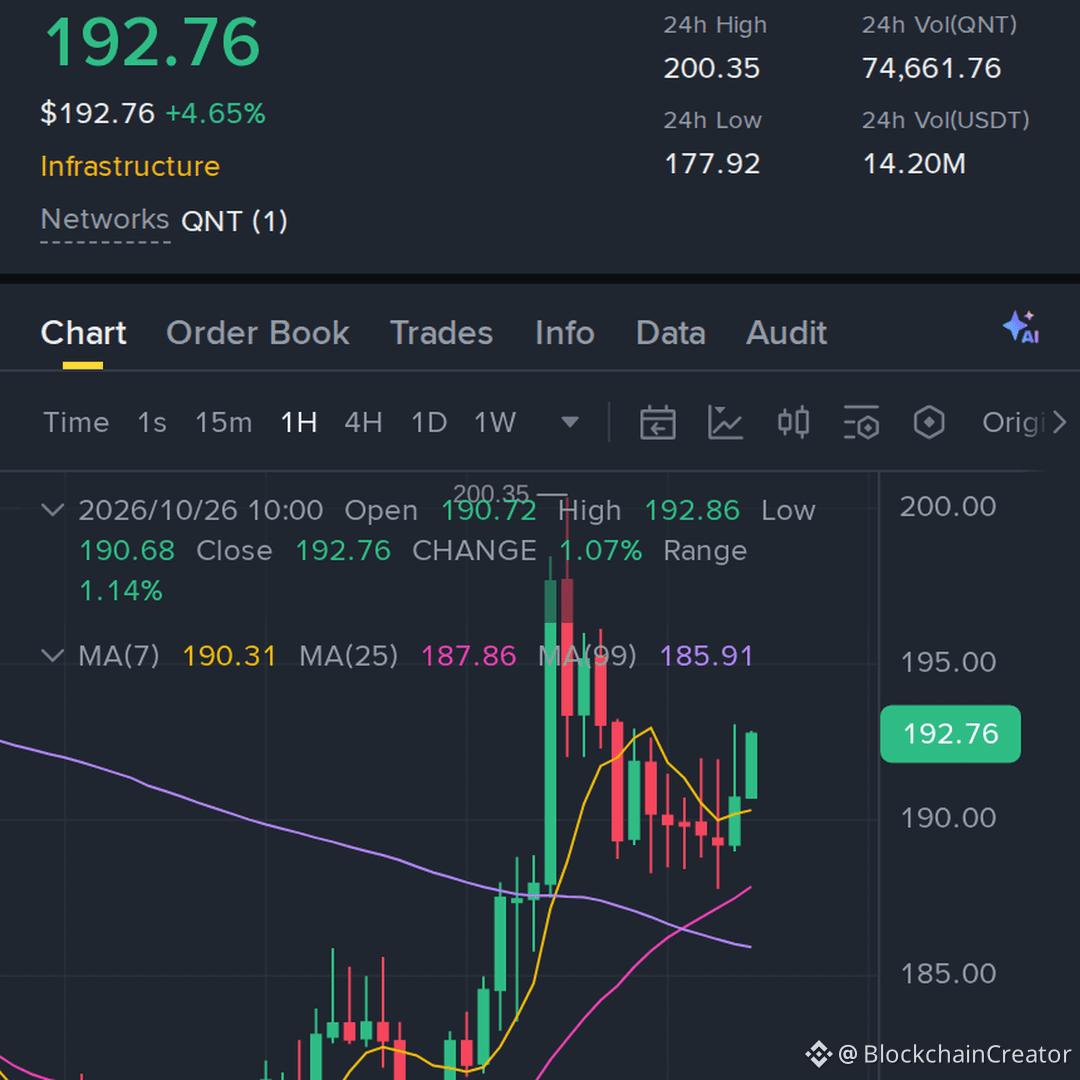
looks like $QNT gave a controlled pullback and the trend is trying to continue
Entry: 191.83–192.95
TP1: 199.12 | TP2: 204.9 | TP3: 211.63
Stop Loss: 186.98
looks like $QNT gave a controlled pullback and the trend is trying to continue
Entry: 191.83–192.95
TP1: 199.12 | TP2: 204.9 | TP3: 211.63
Stop Loss: 186.98
Entry: 191.83–192.95
TP1: 199.12 | TP2: 204.9 | TP3: 211.63
Stop Loss: 186.98
55
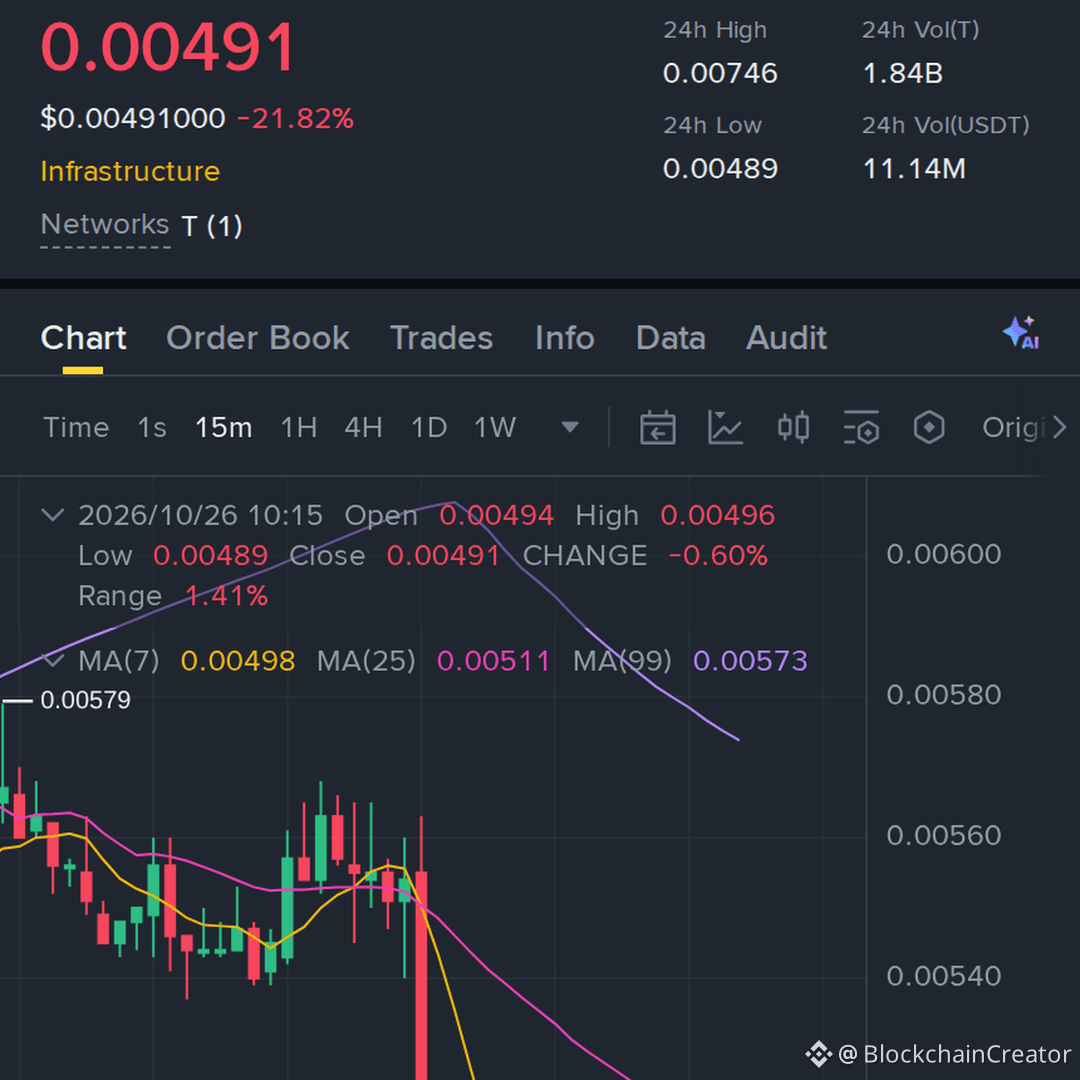
momentum on $T, keeping leverage around 41x, keeps failing to recover support, so the short side still looks cleaner
Entry: 0.00491–0.00493
TP1: 0.00477 → TP2: 0.00465 → TP3: 0.00452
Stop Loss: 0.0051
momentum on $T , keeping leverage around 41x, keeps failing to recover support, so the short side still looks cleaner
Entry: 0.00491–0.00493
TP1: 0.00477 → TP2: 0.00465 → TP3: 0.00452
Stop Loss: 0.0051
Entry: 0.00491–0.00493
TP1: 0.00477 → TP2: 0.00465 → TP3: 0.00452
Stop Loss: 0.0051
49
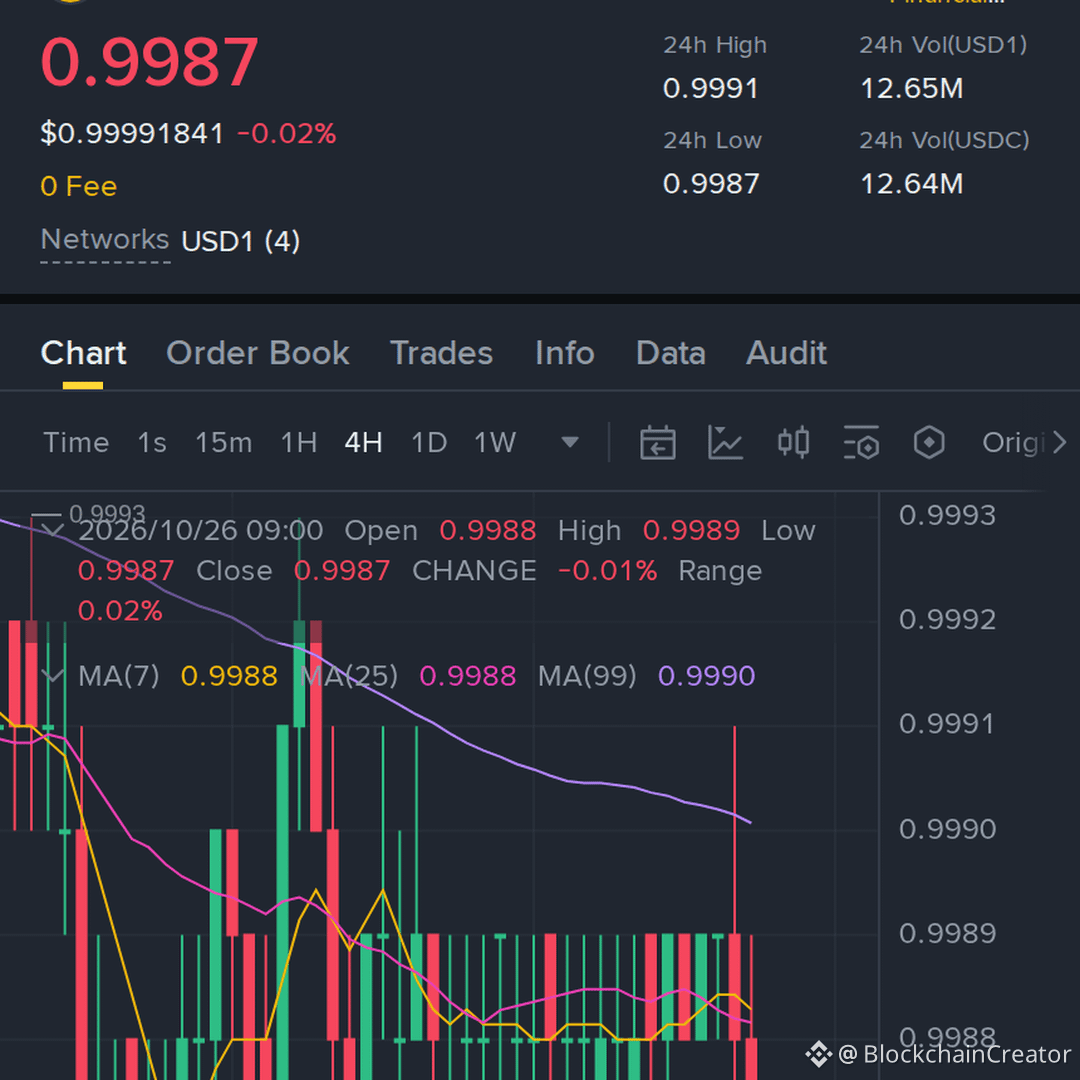
seeing a shift on $USD1, with the setup mapped around 45x, is struggling to hold the recovery
Entry: 0.9987–0.9988
TP1: 0.9771 / TP2: 0.9545 / TP3: 0.9333
Stop Loss: 1.0147
seeing a shift on $USD1 , with the setup mapped around 45x, is struggling to hold the recovery
Entry: 0.9987–0.9988
TP1: 0.9771 / TP2: 0.9545 / TP3: 0.9333
Stop Loss: 1.0147
Entry: 0.9987–0.9988
TP1: 0.9771 / TP2: 0.9545 / TP3: 0.9333
Stop Loss: 1.0147
65
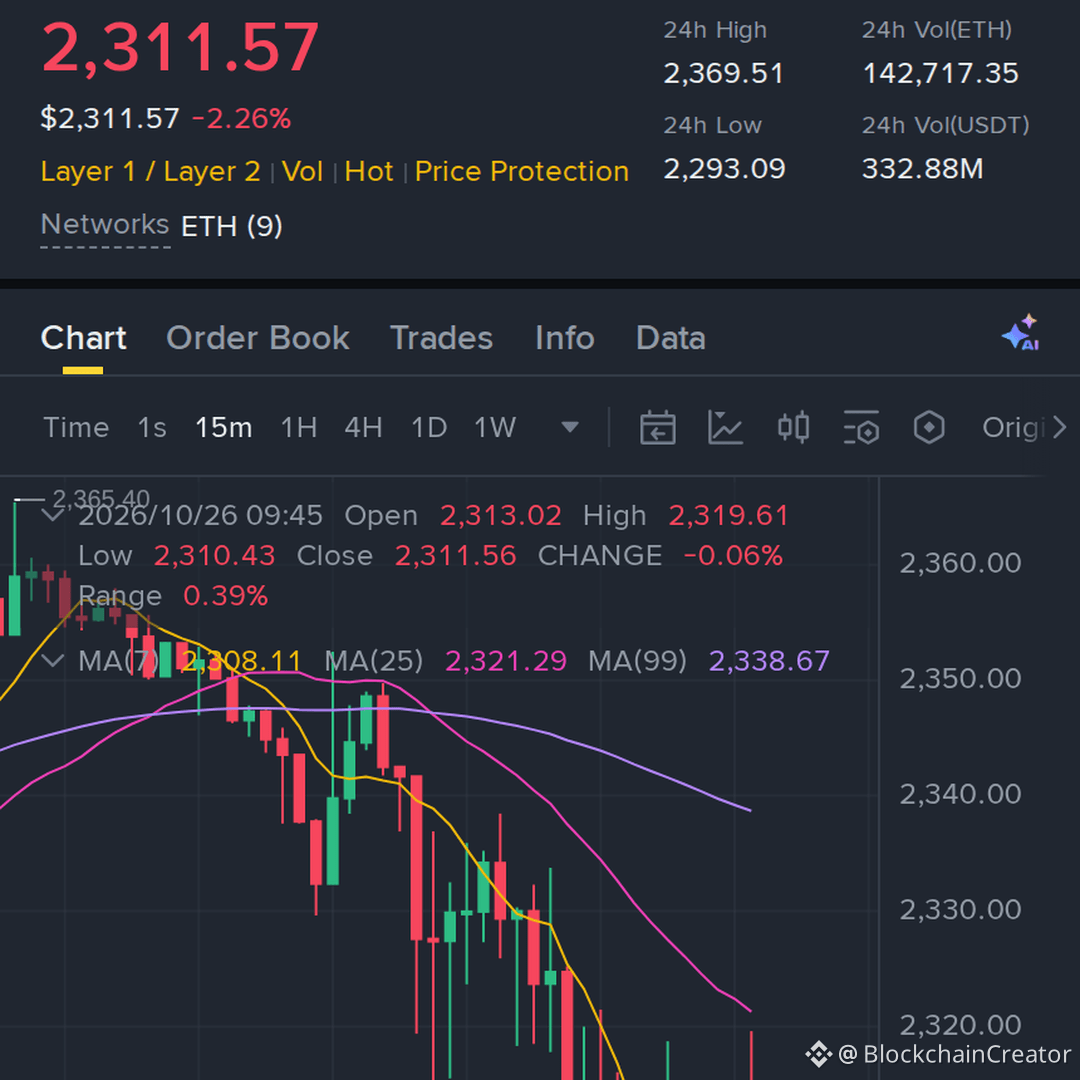
seeing a shift on $ETH, keeps rejecting the same area, so the short side is worth watching
Entry: 2311.23–2314.69 | TP1: 2260.95 / TP2: 2218.05 / TP3: 2160.33 | Stop Loss: 2349.97
seeing a shift on $ETH , keeps rejecting the same area, so the short side is worth watching
Entry: 2311.23–2314.69 | TP1: 2260.95 / TP2: 2218.05 / TP3: 2160.33 | Stop Loss: 2349.97
Entry: 2311.23–2314.69 | TP1: 2260.95 / TP2: 2218.05 / TP3: 2160.33 | Stop Loss: 2349.97
66
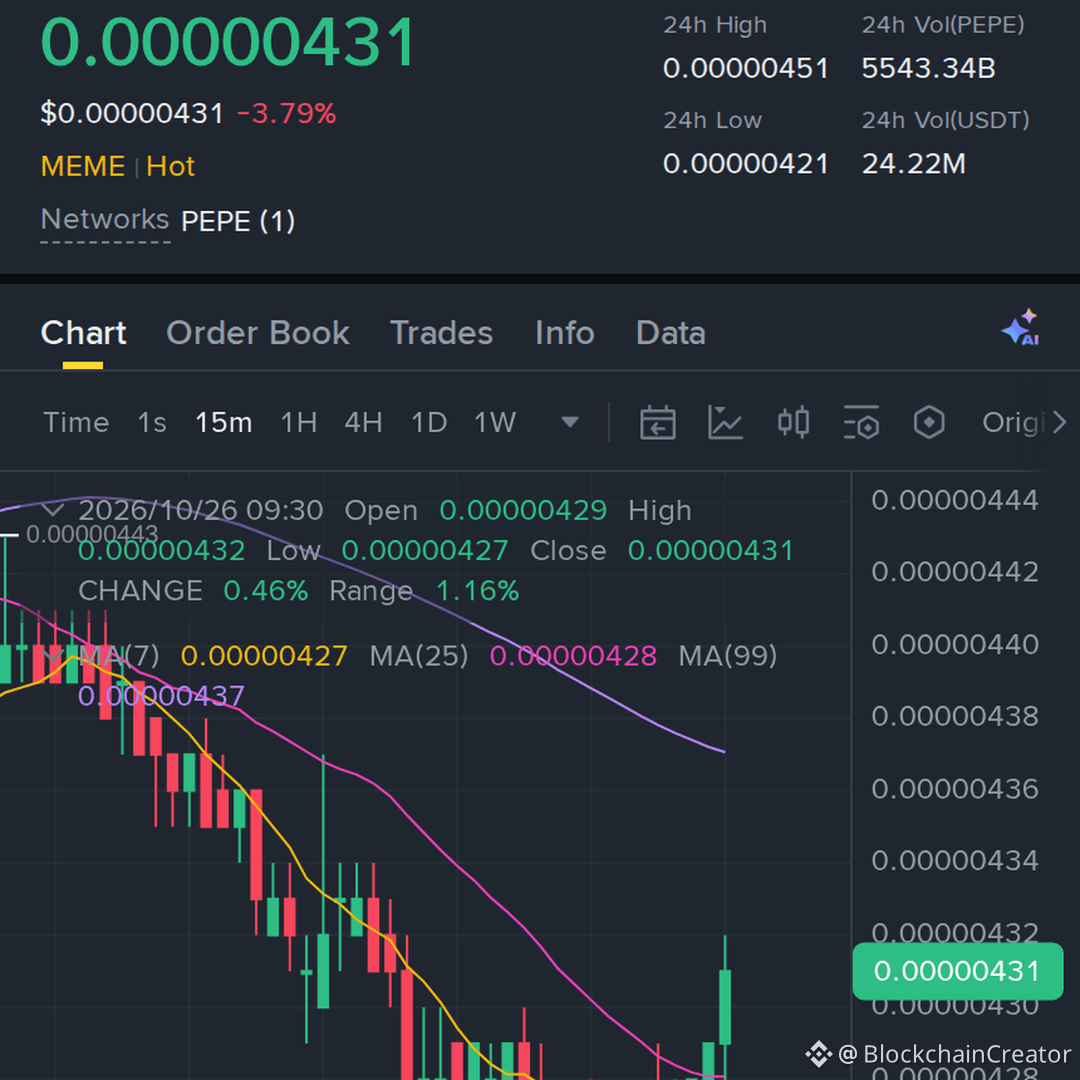
that rejection on $PEPE, with leverage near 38x, is building again after the rebound
Entry: 0.0000043–0.00000431
TP1: 0.00000444 | TP2: 0.00000454 | TP3: 0.00000465
Stop Loss: 0.0000042
that rejection on $PEPE , with leverage near 38x, is building again after the rebound
Entry: 0.0000043–0.00000431
TP1: 0.00000444 | TP2: 0.00000454 | TP3: 0.00000465
Stop Loss: 0.0000042
Entry: 0.0000043–0.00000431
TP1: 0.00000444 | TP2: 0.00000454 | TP3: 0.00000465
Stop Loss: 0.0000042
35
ເຂົ້າສູ່ລະບົບເພື່ອສຳຫຼວດເນື້ອຫາເພີ່ມເຕີມ
ເຂົ້າຮ່ວມກຸ່ມຜູ້ໃຊ້ຄຣິບໂຕທົ່ວໂລກໃນ Binance Square.
⚡️ ໄດ້ຮັບຂໍ້ມູນຫຼ້າສຸດ ແລະ ທີ່ມີປະໂຫຍດກ່ຽວກັບຄຣິບໂຕ.
💬 ໄດ້ຮັບຄວາມໄວ້ວາງໃຈຈາກຕະຫຼາດແລກປ່ຽນຄຣິບໂຕທີ່ໃຫຍ່ທີ່ສຸດໃນໂລກ.
👍 ຄົ້ນຫາຂໍ້ມູນເຊີງເລິກທີ່ແທ້ຈາກນັກສ້າງທີ່ໄດ້ຮັບການຢືນຢັນ.
ອີເມວ / ເບີໂທລະສັບ
ຫົວຂໍ້ທີ່ກໍາລັງນິຍົມ
BinancePick
2.6M ຄັ້ງທີ່ເບິ່ງ
139,353 ກຳລັງສົນທະນາ
Join #EarningsSeason: Predict Earnings on Binance Pick, Share Your Take on Binance Square!
Binance Square Official
·400 ຖືກໃຈ
·337.6k ຄັ້ງທີ່ເບິ່ງ
EarningsSeason
5M ຄັ້ງທີ່ເບິ່ງ
24,079 ກຳລັງສົນທະນາ
StrategyMSTRSurpassesNasdaqInMarketCap
0 ຄັ້ງທີ່ເບິ່ງ
8 ກຳລັງສົນທະນາ