
ChainAffairs
248 ໂພສ

ChainAffairs
ລາຍງານ
ບລັອກຜູ້ໃຊ້
1 ກໍາລັງຕິດຕາມ
117 ຜູ້ຕິດຕາມ
183 Liked
ໂພສ
·
--

ບົດຄວາມ
Magdagdag ang XRP Whales ng $2.2B sa Holdings Habang Tinitingnan ng Presyo ang $1.60 Supply WallTahimik na nag-aakyat ang malalaking may hawak ng XRP, at nagsisimula nang maramdaman ito ng merkado. Sa loob ng 96-hour na bintana, ang mga whale wallet ay nagdagdag ng halos 1.54 bilyong XRP—katumbas ng mga $2.2 bilyon noong panahong iyon—at mula noon, umakyat na ang token ng 8.22% sa tatlong araw. Ngayon, ang on-chain na datos ay tumuturo sa $1.60 bilang susunod na malaking pagsubok para sa momentum na iyon.
Ang pag-ipon at ang paggalaw ng presyo ay magkasingtugma nang sapat para mangailangan ng pansin, ngunit ang mas nakakaengganyong kuwento ay nasa supply data lamang sa itaas ng kasalukuyang mga antas—kung saan ang pader ng dati nang na-transact na XRP ay maaaring magpasya kung hanggang saan talaga aabot ang takbong ito.
Magdagdag ang XRP Whales ng $2.2B sa Holdings Habang Tinitingnan ng Presyo ang $1.60 Supply Wall
Tahimik na nag-aakyat ang malalaking may hawak ng XRP, at nagsisimula nang maramdaman ito ng merkado. Sa loob ng 96-hour na bintana, ang mga whale wallet ay nagdagdag ng halos 1.54 bilyong XRP—katumbas ng mga $2.2 bilyon noong panahong iyon—at mula noon, umakyat na ang token ng 8.22% sa tatlong araw. Ngayon, ang on-chain na datos ay tumuturo sa $1.60 bilang susunod na malaking pagsubok para sa momentum na iyon.
Ang pag-ipon at ang paggalaw ng presyo ay magkasingtugma nang sapat para mangailangan ng pansin, ngunit ang mas nakakaengganyong kuwento ay nasa supply data lamang sa itaas ng kasalukuyang mga antas—kung saan ang pader ng dati nang na-transact na XRP ay maaaring magpasya kung hanggang saan talaga aabot ang takbong ito.
Ang pag-ipon at ang paggalaw ng presyo ay magkasingtugma nang sapat para mangailangan ng pansin, ngunit ang mas nakakaengganyong kuwento ay nasa supply data lamang sa itaas ng kasalukuyang mga antas—kung saan ang pader ng dati nang na-transact na XRP ay maaaring magpasya kung hanggang saan talaga aabot ang takbong ito.
1.6k
·
--

ບົດຄວາມ
XRP Shorts Umabot sa $2B Habang Taya ng Smart Money Laban sa BounceAng mga XRP trader ay gumagawa ng malaking taya laban sa isang rally na nauna na sa kanila. Sa kabila ng pag-akyat ng token sa $1.482 at pagrekober ng 18.5% mula sa mababang noong nakaraang linggo, ang mga short position ay sumirit na lampas sa $2 bilyon sa 24-hour volume — at ang smart money ay nagpapahiwatig na sa tingin nila, hindi magtatagal ang bounce.
Hindi pangkaraniwan ang setup. Ang retail at whale traders sa mga pangunahing exchange ay nananatiling matatag na bullish, ngunit ang propesyonal na trading crowd na tinatawag na “smart money” ay nakahilig nang husto sa kabilang direksyon. Ang paghating iyon ang nagtatakda ng enteng ilang araw na susunod sa $XRP na market.
XRP Shorts Umabot sa $2B Habang Taya ng Smart Money Laban sa Bounce
Ang mga XRP trader ay gumagawa ng malaking taya laban sa isang rally na nauna na sa kanila. Sa kabila ng pag-akyat ng token sa $1.482 at pagrekober ng 18.5% mula sa mababang noong nakaraang linggo, ang mga short position ay sumirit na lampas sa $2 bilyon sa 24-hour volume — at ang smart money ay nagpapahiwatig na sa tingin nila, hindi magtatagal ang bounce.
Hindi pangkaraniwan ang setup. Ang retail at whale traders sa mga pangunahing exchange ay nananatiling matatag na bullish, ngunit ang propesyonal na trading crowd na tinatawag na “smart money” ay nakahilig nang husto sa kabilang direksyon. Ang paghating iyon ang nagtatakda ng enteng ilang araw na susunod sa $XRP na market.
Hindi pangkaraniwan ang setup. Ang retail at whale traders sa mga pangunahing exchange ay nananatiling matatag na bullish, ngunit ang propesyonal na trading crowd na tinatawag na “smart money” ay nakahilig nang husto sa kabilang direksyon. Ang paghating iyon ang nagtatakda ng enteng ilang araw na susunod sa $XRP na market.
2
3
1.9k
·
--

ບົດຄວາມ
49-50: Ivoti Elilodwa Laxubha Kanjani Iwina Elikhulu Lemithetho ye-Crypto (Okwamanje)Umzamo omkhulu wokunikeza izimpahla zedijithali isisekelo esicacile sokulawula e-US ushayeke odongeni. I-CLARITY Act yehlulekile ukudlula ivoti le-Senate le-cloture ngoLwesibili, yehla ngaphansi kuka-49-50 njengoba amaDemocrats ecaphuna ukukhathazeka okuhlobene nokubanjwa kwe-crypto kukaMongameli Donald Trump. Kodwa abaxhasi balo mthethosivivinywa abakawubheki njengofileyo — futhi abanye sebesethi babheka abalawuli njengohlelo lokulondoloza.
Ukushaya Kancane, Akusikho Ukunqanyulwa Okugcwele
Iphuzu okudingeka lifinyelele amavoti angu-60 ukuze liqhubeke lathola amavoti angaphezu kwalo kanye nje — lagcina selingaphansi kwaleso sibalo. Kwamshiya umunyu, nakuba imboni ichithe iminyaka ilobbyla ngemithetho ecacile elawula izibambiso, izimpahla, nokudluliswa kwemali. Nokho, impendulo evela kubaholi be-crypto ayizange ibe ukwethuka — bekungukushintsha indlela.
49-50: Ivoti Elilodwa Laxubha Kanjani Iwina Elikhulu Lemithetho ye-Crypto (Okwamanje)
Umzamo omkhulu wokunikeza izimpahla zedijithali isisekelo esicacile sokulawula e-US ushayeke odongeni. I-CLARITY Act yehlulekile ukudlula ivoti le-Senate le-cloture ngoLwesibili, yehla ngaphansi kuka-49-50 njengoba amaDemocrats ecaphuna ukukhathazeka okuhlobene nokubanjwa kwe-crypto kukaMongameli Donald Trump. Kodwa abaxhasi balo mthethosivivinywa abakawubheki njengofileyo — futhi abanye sebesethi babheka abalawuli njengohlelo lokulondoloza.
Ukushaya Kancane, Akusikho Ukunqanyulwa Okugcwele
Iphuzu okudingeka lifinyelele amavoti angu-60 ukuze liqhubeke lathola amavoti angaphezu kwalo kanye nje — lagcina selingaphansi kwaleso sibalo. Kwamshiya umunyu, nakuba imboni ichithe iminyaka ilobbyla ngemithetho ecacile elawula izibambiso, izimpahla, nokudluliswa kwemali. Nokho, impendulo evela kubaholi be-crypto ayizange ibe ukwethuka — bekungukushintsha indlela.
Ukushaya Kancane, Akusikho Ukunqanyulwa Okugcwele
Iphuzu okudingeka lifinyelele amavoti angu-60 ukuze liqhubeke lathola amavoti angaphezu kwalo kanye nje — lagcina selingaphansi kwaleso sibalo. Kwamshiya umunyu, nakuba imboni ichithe iminyaka ilobbyla ngemithetho ecacile elawula izibambiso, izimpahla, nokudluliswa kwemali. Nokho, impendulo evela kubaholi be-crypto ayizange ibe ukwethuka — bekungukushintsha indlela.
285
·
--
ເປັນຄວາມຈິງບາງສ່ວນ

ບົດຄວາມ
XRP Whales ດຶງ $165M ອອກຈາກການແລກປ່ຽນ ເມື່ອການຖອນຂຶ້ນສູງສຸດໃນ 7 ເດືອນແຜນພາບລາຄາຂອງ XRP ບໍ່ໄດ້ໃຫ້ຄົນຖືຮຸ້ນມີຫຍັງໃຫ້ດີໃຈຫຼາຍ ນັບຕັ້ງແຕ່ລາຄາຂຶ້ນສູງໃກ້ $1.69 ໃນທ້າຍເດືອນສິງຫາ. ແຕ່ພາຍໃຕ້ຜິວໜ້າ ມີເລື່ອງອີກເລື່ອງໜຶ່ງກຳລັງດຳເນີນຢູ່ — ແລະມັນກ່ຽວກັບກະเปົາເງິນຂະໜາດໃຫຍ່ທີ່ສຸດໃນຕະຫຼາດ ກຳລັງຖອນອອກຈາກບ່ອນແລກປ່ຽນຢ່າງງຽບໆ.
ບໍລິສັດວິເຄາະຂໍ້ມູນອອນເຊນ CryptoQuant ລາຍງານວ່າທຸລະກຳ XRP ຂະໜາດ whale — ທີ່ໂອນ 1 ລ້ານໂທເຄນ ຫຼືຫຼາຍກວ່າ — ໄດ້ດຶງກວ່າ $165 ລ້ານອອກຈາກການແລກປ່ຽນຫຼັກໆໃນວັນທີ 11 ກັນຍາ. ນີ້ແມ່ນການຖອນລະດັບນີ້ທີ່ມີສູງສຸດໃນມື້ດຽວນັບຕັ້ງແຕ່ທ້າຍເດືອນກຸມພາ — ເປັນສັນຍານທີ່ບໍ່ຄວນຖືເບົາຖ້າເຖິງແມ້ວ່າ XRP ຍັງຄົງຊື້ຂາຍຢູ່ຕ່ຳກວ່າຈຸດສູງສຸດຂອງມັນຄັ້ງກ່ອນ.
XRP Whales ດຶງ $165M ອອກຈາກການແລກປ່ຽນ ເມື່ອການຖອນຂຶ້ນສູງສຸດໃນ 7 ເດືອນ
ແຜນພາບລາຄາຂອງ XRP ບໍ່ໄດ້ໃຫ້ຄົນຖືຮຸ້ນມີຫຍັງໃຫ້ດີໃຈຫຼາຍ ນັບຕັ້ງແຕ່ລາຄາຂຶ້ນສູງໃກ້ $1.69 ໃນທ້າຍເດືອນສິງຫາ. ແຕ່ພາຍໃຕ້ຜິວໜ້າ ມີເລື່ອງອີກເລື່ອງໜຶ່ງກຳລັງດຳເນີນຢູ່ — ແລະມັນກ່ຽວກັບກະเปົາເງິນຂະໜາດໃຫຍ່ທີ່ສຸດໃນຕະຫຼາດ ກຳລັງຖອນອອກຈາກບ່ອນແລກປ່ຽນຢ່າງງຽບໆ.
ບໍລິສັດວິເຄາະຂໍ້ມູນອອນເຊນ CryptoQuant ລາຍງານວ່າທຸລະກຳ XRP ຂະໜາດ whale — ທີ່ໂອນ 1 ລ້ານໂທເຄນ ຫຼືຫຼາຍກວ່າ — ໄດ້ດຶງກວ່າ $165 ລ້ານອອກຈາກການແລກປ່ຽນຫຼັກໆໃນວັນທີ 11 ກັນຍາ. ນີ້ແມ່ນການຖອນລະດັບນີ້ທີ່ມີສູງສຸດໃນມື້ດຽວນັບຕັ້ງແຕ່ທ້າຍເດືອນກຸມພາ — ເປັນສັນຍານທີ່ບໍ່ຄວນຖືເບົາຖ້າເຖິງແມ້ວ່າ XRP ຍັງຄົງຊື້ຂາຍຢູ່ຕ່ຳກວ່າຈຸດສູງສຸດຂອງມັນຄັ້ງກ່ອນ.
ບໍລິສັດວິເຄາະຂໍ້ມູນອອນເຊນ CryptoQuant ລາຍງານວ່າທຸລະກຳ XRP ຂະໜາດ whale — ທີ່ໂອນ 1 ລ້ານໂທເຄນ ຫຼືຫຼາຍກວ່າ — ໄດ້ດຶງກວ່າ $165 ລ້ານອອກຈາກການແລກປ່ຽນຫຼັກໆໃນວັນທີ 11 ກັນຍາ. ນີ້ແມ່ນການຖອນລະດັບນີ້ທີ່ມີສູງສຸດໃນມື້ດຽວນັບຕັ້ງແຕ່ທ້າຍເດືອນກຸມພາ — ເປັນສັນຍານທີ່ບໍ່ຄວນຖືເບົາຖ້າເຖິງແມ້ວ່າ XRP ຍັງຄົງຊື້ຂາຍຢູ່ຕ່ຳກວ່າຈຸດສູງສຸດຂອງມັນຄັ້ງກ່ອນ.
4
7
9.6k
·
--
ບົດຄວາມ
ເບິ່ງການແປ
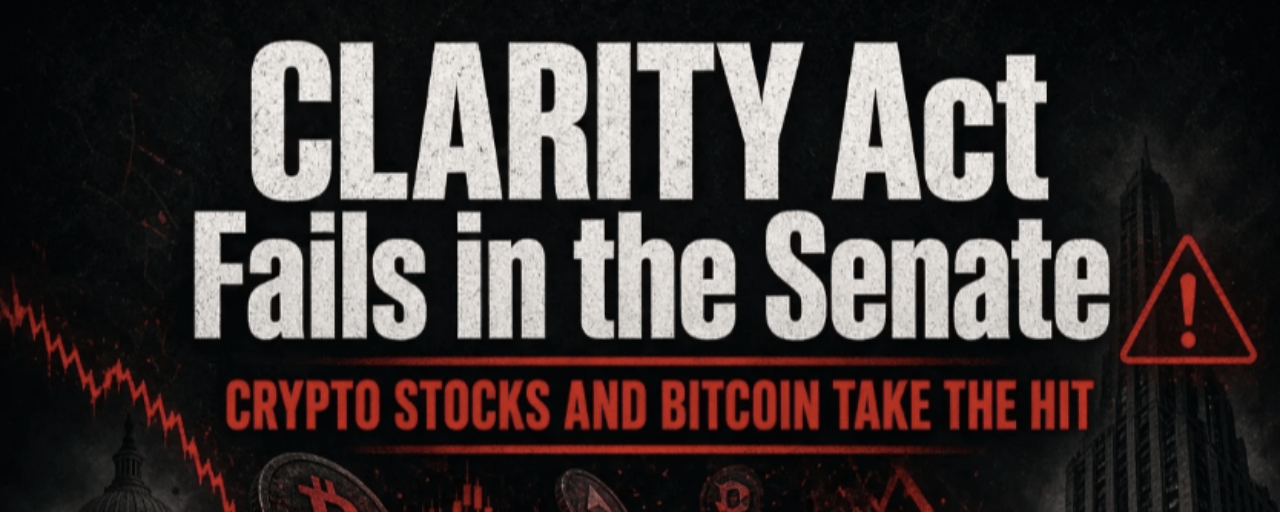
The CLARITY Act Just Died in the Senate – Here’s What It Means for Crypto NowThe CLARITY Act‘s bid to advance through the Senate came up short on Tuesday, with the cloture motion drawing 49 votes in favor and 50 against — 11 short of the 60 needed to move the bill to floor debate. It’s the outcome crypto markets had been bracing for after weeks of stalled negotiations, and it now leaves the legislation’s future genuinely uncertain.
With fewer than 36 legislative days remaining before a new Congress is sworn in following November’s midterms, the bill is unlikely to see meaningful movement for the rest of the year. That timeline effectively pushes any resolution on federal crypto oversight — including how authority is split between the CFTC and SEC — into 2027 at the earliest.
What Killed the Bill’s Momentum
The legislation had already been fragile heading into Tuesday. It stalled ahead of Congress’s August recess over ethics provisions meant to stop government officials and their families from issuing or profiting from digital assets while in office. President Trump had signed off on most of a bipartisan proposal to toughen those restrictions just before the vote, which briefly looked like it might be enough to get the bill across the finish line.
That momentum didn’t hold. A coalition of 18 state attorneys general came out against the bill on Monday, arguing it would weaken states’ ability to police crypto fraud and misconduct — a late objection that added to existing doubts among Senate Democrats about whether the ethics language went far enough.
Markets React Fast and Hard
The financial fallout was immediate. Bitcoin $BTC dropped more than 5% on the day, briefly slipping below $75,000 before recovering somewhat to trade near $76,000. Crypto-linked equities took an even sharper hit: Coinbase shares fell 9.9%, and Circle dropped roughly 10%.
The selloff spread across the sector. Bitcoin treasury companies were hit hard, with American Bitcoin down about 8% and both Strategy and Strive falling roughly 5%. Mining stocks followed the same pattern, with Riot Platforms down about 6%, CleanSpark down nearly 5%, Hut 8 down more than 4%, and IREN down almost 4%. The breadth of the decline — spanning exchanges, treasury firms, and miners alike — suggests investors read the failed vote as a setback for the industry’s regulatory outlook broadly, not just for one segment.
Industry Reaction Split Between Frustration and Defiance
Coinbase CEO Brian Armstrong had spent months as one of the bill’s most visible advocates, calling it, as far back as May, the strongest and most bipartisan position the legislation had ever held. By August, he’d framed the stakes bluntly, predicting the Senate would either deliver 60 votes on September 15 or regulatory clarity would arrive anyway through CFTC and SEC rulemaking. Just before Tuesday’s vote, he made a final public push, warning that history — and crypto voters — wouldn’t forget how senators chose to act.
Not everyone in the industry shared his focus on legislative clarity. Strategy co-founder Michael Saylor offered a different take after the vote failed, suggesting Bitcoin itself, not Congress, is the only clarity that matters.
What Comes Next
For now, the core questions the CLARITY Act was meant to settle — which regulator oversees which parts of the crypto market, and what rules govern the space — remain open. Whether that gap gets filled through renewed legislative talks, agency rulemaking, or continued regulatory ambiguity will likely shape how the industry operates well into next year.
Disclaimer: The information in this article is for general purposes only and does not constitute financial advice. The author’s views are personal and may not reflect the views of Chain Affairs. Before making any investment decisions, you should always conduct your own research. Chain Affairs is not responsible for any financial losses.
The CLARITY Act Just Died in the Senate – Here’s What It Means for Crypto Now
The CLARITY Act‘s bid to advance through the Senate came up short on Tuesday, with the cloture motion drawing 49 votes in favor and 50 against — 11 short of the 60 needed to move the bill to floor debate. It’s the outcome crypto markets had been bracing for after weeks of stalled negotiations, and it now leaves the legislation’s future genuinely uncertain.
With fewer than 36 legislative days remaining before a new Congress is sworn in following November’s midterms, the bill is unlikely to see meaningful movement for the rest of the year. That timeline effectively pushes any resolution on federal crypto oversight — including how authority is split between the CFTC and SEC — into 2027 at the earliest.
What Killed the Bill’s Momentum
The legislation had already been fragile heading into Tuesday. It stalled ahead of Congress’s August recess over ethics provisions meant to stop government officials and their families from issuing or profiting from digital assets while in office. President Trump had signed off on most of a bipartisan proposal to toughen those restrictions just before the vote, which briefly looked like it might be enough to get the bill across the finish line.
That momentum didn’t hold. A coalition of 18 state attorneys general came out against the bill on Monday, arguing it would weaken states’ ability to police crypto fraud and misconduct — a late objection that added to existing doubts among Senate Democrats about whether the ethics language went far enough.
Markets React Fast and Hard
The financial fallout was immediate. Bitcoin $BTC dropped more than 5% on the day, briefly slipping below $75,000 before recovering somewhat to trade near $76,000. Crypto-linked equities took an even sharper hit: Coinbase shares fell 9.9%, and Circle dropped roughly 10%.
The selloff spread across the sector. Bitcoin treasury companies were hit hard, with American Bitcoin down about 8% and both Strategy and Strive falling roughly 5%. Mining stocks followed the same pattern, with Riot Platforms down about 6%, CleanSpark down nearly 5%, Hut 8 down more than 4%, and IREN down almost 4%. The breadth of the decline — spanning exchanges, treasury firms, and miners alike — suggests investors read the failed vote as a setback for the industry’s regulatory outlook broadly, not just for one segment.
Industry Reaction Split Between Frustration and Defiance
Coinbase CEO Brian Armstrong had spent months as one of the bill’s most visible advocates, calling it, as far back as May, the strongest and most bipartisan position the legislation had ever held. By August, he’d framed the stakes bluntly, predicting the Senate would either deliver 60 votes on September 15 or regulatory clarity would arrive anyway through CFTC and SEC rulemaking. Just before Tuesday’s vote, he made a final public push, warning that history — and crypto voters — wouldn’t forget how senators chose to act.
Not everyone in the industry shared his focus on legislative clarity. Strategy co-founder Michael Saylor offered a different take after the vote failed, suggesting Bitcoin itself, not Congress, is the only clarity that matters.
What Comes Next
For now, the core questions the CLARITY Act was meant to settle — which regulator oversees which parts of the crypto market, and what rules govern the space — remain open. Whether that gap gets filled through renewed legislative talks, agency rulemaking, or continued regulatory ambiguity will likely shape how the industry operates well into next year.
Disclaimer: The information in this article is for general purposes only and does not constitute financial advice. The author’s views are personal and may not reflect the views of Chain Affairs. Before making any investment decisions, you should always conduct your own research. Chain Affairs is not responsible for any financial losses.
With fewer than 36 legislative days remaining before a new Congress is sworn in following November’s midterms, the bill is unlikely to see meaningful movement for the rest of the year. That timeline effectively pushes any resolution on federal crypto oversight — including how authority is split between the CFTC and SEC — into 2027 at the earliest.
What Killed the Bill’s Momentum
The legislation had already been fragile heading into Tuesday. It stalled ahead of Congress’s August recess over ethics provisions meant to stop government officials and their families from issuing or profiting from digital assets while in office. President Trump had signed off on most of a bipartisan proposal to toughen those restrictions just before the vote, which briefly looked like it might be enough to get the bill across the finish line.
That momentum didn’t hold. A coalition of 18 state attorneys general came out against the bill on Monday, arguing it would weaken states’ ability to police crypto fraud and misconduct — a late objection that added to existing doubts among Senate Democrats about whether the ethics language went far enough.
Markets React Fast and Hard
The financial fallout was immediate. Bitcoin $BTC dropped more than 5% on the day, briefly slipping below $75,000 before recovering somewhat to trade near $76,000. Crypto-linked equities took an even sharper hit: Coinbase shares fell 9.9%, and Circle dropped roughly 10%.
The selloff spread across the sector. Bitcoin treasury companies were hit hard, with American Bitcoin down about 8% and both Strategy and Strive falling roughly 5%. Mining stocks followed the same pattern, with Riot Platforms down about 6%, CleanSpark down nearly 5%, Hut 8 down more than 4%, and IREN down almost 4%. The breadth of the decline — spanning exchanges, treasury firms, and miners alike — suggests investors read the failed vote as a setback for the industry’s regulatory outlook broadly, not just for one segment.
Industry Reaction Split Between Frustration and Defiance
Coinbase CEO Brian Armstrong had spent months as one of the bill’s most visible advocates, calling it, as far back as May, the strongest and most bipartisan position the legislation had ever held. By August, he’d framed the stakes bluntly, predicting the Senate would either deliver 60 votes on September 15 or regulatory clarity would arrive anyway through CFTC and SEC rulemaking. Just before Tuesday’s vote, he made a final public push, warning that history — and crypto voters — wouldn’t forget how senators chose to act.
Not everyone in the industry shared his focus on legislative clarity. Strategy co-founder Michael Saylor offered a different take after the vote failed, suggesting Bitcoin itself, not Congress, is the only clarity that matters.
What Comes Next
For now, the core questions the CLARITY Act was meant to settle — which regulator oversees which parts of the crypto market, and what rules govern the space — remain open. Whether that gap gets filled through renewed legislative talks, agency rulemaking, or continued regulatory ambiguity will likely shape how the industry operates well into next year.
Disclaimer: The information in this article is for general purposes only and does not constitute financial advice. The author’s views are personal and may not reflect the views of Chain Affairs. Before making any investment decisions, you should always conduct your own research. Chain Affairs is not responsible for any financial losses.
1
238
·
--

ບົດຄວາມ
ເບິ່ງການແປ
Bitcoin ETFs Lose $462M as EU Cracks Down on Wallets and Senate Makes Its “Final” Crypto OfferUS spot Bitcoin ETFs snapped a three-week inflow streak last week, posting $462.7 million in net outflows — a sharp reversal after what had been the strongest run of 2026 for the category. According to Farside Investors, withdrawals hit every trading session from Tuesday through Friday, following a holiday-shortened week that had already seen $166.8 million exit the funds.
The selling intensified midweek. Thursday brought $282.7 million in outflows, the largest single-day withdrawal since July, according to SoSoValue. Friday’s pace slowed to $13.2 million, but the losing streak still stretched to four straight days. ARK 21Shares Bitcoin ETF took the biggest hit at $234.2 million, followed by Grayscale’s Bitcoin Trust ETF at $129.1 million. Even BlackRock’s iShares Bitcoin Trust ETF and Fidelity’s Wise Origin Bitcoin Fund weren’t spared, losing $52.5 million and $50.7 million respectively. Despite the pullback, Bitcoin ETFs are still up roughly $307.3 million for September.
Ether ETFs told a different story. After a choppy start — outflows on Tuesday and Thursday, a small gain on Wednesday — the funds turned sharply positive on Friday with $216.4 million in net inflows, pushing the week’s total to nearly $197 million. BlackRock’s iShares Ethereum Trust ETF led the surge with $148.8 million, followed by 21Shares Core Ethereum ETF at $29.1 million.
The EU Gives Crypto Wallet Makers a 24-Hour Reporting Clock
Separately, the European Union has laid out strict new cybersecurity obligations for crypto wallet providers. Under the Cyber Resilience Act, which took effect Friday, hardware and software wallet makers must report actively exploited vulnerabilities within 24 hours of becoming aware of them, followed by a full notification within 72 hours. A final report is due within 14 days of a fix becoming available, or within a month for more severe incidents.
The European Commission framed the rules as a consumer and business protection measure, and the requirements apply broadly to any product with digital elements sold in the EU — not just crypto-specific hardware. For wallet providers, it adds a tight compliance window to an already complex regulatory landscape in Europe.
Senate Republicans Make Their “Final” CLARITY Act Offer
Back in Washington, Senate Republicans released revised text of the CLARITY Act on Sunday, aiming to win over Democratic support ahead of Tuesday’s procedural vote. The 635-page proposal, put forward by Senate Banking Digital Assets Subcommittee Chair Cynthia Lummis along with Chairmen John Boozman and Tim Scott, includes notable changes to ethics rules for government officials involved with digital assets, along with updates to the Blockchain Regulatory Certainty Act and stablecoin yield provisions.
Lummis said the new ethics language had been agreed to directly by President Trump, describing it as holding elected officials, judges, and their spouses to some of the toughest ethics standards in US history. A Republican aide characterized the release as a final offer to Democrats ahead of Tuesday’s 2:15 p.m. ET vote, which will decide whether the bill can advance toward full Senate consideration.
Revolut Discloses a Breach Tied to a Fake Government Email
Rounding out the day’s news, fintech company Revolut disclosed that customer data — including passport copies, verification selfies, and full transaction histories — was exposed after the company responded to fraudulent information requests. The requests appeared to come from a legitimate government agency email domain and passed Revolut’s authentication checks before the company determined they weren’t genuine.
Revolut notified affected customers on Friday and said it has since blocked the impersonating address, alerted the government agency being spoofed, and informed law enforcement and financial regulators. The incident underscores how sophisticated impersonation scams can slip past even established verification systems.
Disclaimer: The information in this article is for general purposes only and does not constitute financial advice. The author’s views are personal and may not reflect the views of Chain Affairs. Before making any investment decisions, you should always conduct your own research. Chain Affairs is not responsible for any financial losses.
Bitcoin ETFs Lose $462M as EU Cracks Down on Wallets and Senate Makes Its “Final” Crypto Offer
US spot Bitcoin ETFs snapped a three-week inflow streak last week, posting $462.7 million in net outflows — a sharp reversal after what had been the strongest run of 2026 for the category. According to Farside Investors, withdrawals hit every trading session from Tuesday through Friday, following a holiday-shortened week that had already seen $166.8 million exit the funds.
The selling intensified midweek. Thursday brought $282.7 million in outflows, the largest single-day withdrawal since July, according to SoSoValue. Friday’s pace slowed to $13.2 million, but the losing streak still stretched to four straight days. ARK 21Shares Bitcoin ETF took the biggest hit at $234.2 million, followed by Grayscale’s Bitcoin Trust ETF at $129.1 million. Even BlackRock’s iShares Bitcoin Trust ETF and Fidelity’s Wise Origin Bitcoin Fund weren’t spared, losing $52.5 million and $50.7 million respectively. Despite the pullback, Bitcoin ETFs are still up roughly $307.3 million for September.
Ether ETFs told a different story. After a choppy start — outflows on Tuesday and Thursday, a small gain on Wednesday — the funds turned sharply positive on Friday with $216.4 million in net inflows, pushing the week’s total to nearly $197 million. BlackRock’s iShares Ethereum Trust ETF led the surge with $148.8 million, followed by 21Shares Core Ethereum ETF at $29.1 million.
The EU Gives Crypto Wallet Makers a 24-Hour Reporting Clock
Separately, the European Union has laid out strict new cybersecurity obligations for crypto wallet providers. Under the Cyber Resilience Act, which took effect Friday, hardware and software wallet makers must report actively exploited vulnerabilities within 24 hours of becoming aware of them, followed by a full notification within 72 hours. A final report is due within 14 days of a fix becoming available, or within a month for more severe incidents.
The European Commission framed the rules as a consumer and business protection measure, and the requirements apply broadly to any product with digital elements sold in the EU — not just crypto-specific hardware. For wallet providers, it adds a tight compliance window to an already complex regulatory landscape in Europe.
Senate Republicans Make Their “Final” CLARITY Act Offer
Back in Washington, Senate Republicans released revised text of the CLARITY Act on Sunday, aiming to win over Democratic support ahead of Tuesday’s procedural vote. The 635-page proposal, put forward by Senate Banking Digital Assets Subcommittee Chair Cynthia Lummis along with Chairmen John Boozman and Tim Scott, includes notable changes to ethics rules for government officials involved with digital assets, along with updates to the Blockchain Regulatory Certainty Act and stablecoin yield provisions.
Lummis said the new ethics language had been agreed to directly by President Trump, describing it as holding elected officials, judges, and their spouses to some of the toughest ethics standards in US history. A Republican aide characterized the release as a final offer to Democrats ahead of Tuesday’s 2:15 p.m. ET vote, which will decide whether the bill can advance toward full Senate consideration.
Revolut Discloses a Breach Tied to a Fake Government Email
Rounding out the day’s news, fintech company Revolut disclosed that customer data — including passport copies, verification selfies, and full transaction histories — was exposed after the company responded to fraudulent information requests. The requests appeared to come from a legitimate government agency email domain and passed Revolut’s authentication checks before the company determined they weren’t genuine.
Revolut notified affected customers on Friday and said it has since blocked the impersonating address, alerted the government agency being spoofed, and informed law enforcement and financial regulators. The incident underscores how sophisticated impersonation scams can slip past even established verification systems.
Disclaimer: The information in this article is for general purposes only and does not constitute financial advice. The author’s views are personal and may not reflect the views of Chain Affairs. Before making any investment decisions, you should always conduct your own research. Chain Affairs is not responsible for any financial losses.
The selling intensified midweek. Thursday brought $282.7 million in outflows, the largest single-day withdrawal since July, according to SoSoValue. Friday’s pace slowed to $13.2 million, but the losing streak still stretched to four straight days. ARK 21Shares Bitcoin ETF took the biggest hit at $234.2 million, followed by Grayscale’s Bitcoin Trust ETF at $129.1 million. Even BlackRock’s iShares Bitcoin Trust ETF and Fidelity’s Wise Origin Bitcoin Fund weren’t spared, losing $52.5 million and $50.7 million respectively. Despite the pullback, Bitcoin ETFs are still up roughly $307.3 million for September.
Ether ETFs told a different story. After a choppy start — outflows on Tuesday and Thursday, a small gain on Wednesday — the funds turned sharply positive on Friday with $216.4 million in net inflows, pushing the week’s total to nearly $197 million. BlackRock’s iShares Ethereum Trust ETF led the surge with $148.8 million, followed by 21Shares Core Ethereum ETF at $29.1 million.
The EU Gives Crypto Wallet Makers a 24-Hour Reporting Clock
Separately, the European Union has laid out strict new cybersecurity obligations for crypto wallet providers. Under the Cyber Resilience Act, which took effect Friday, hardware and software wallet makers must report actively exploited vulnerabilities within 24 hours of becoming aware of them, followed by a full notification within 72 hours. A final report is due within 14 days of a fix becoming available, or within a month for more severe incidents.
The European Commission framed the rules as a consumer and business protection measure, and the requirements apply broadly to any product with digital elements sold in the EU — not just crypto-specific hardware. For wallet providers, it adds a tight compliance window to an already complex regulatory landscape in Europe.
Senate Republicans Make Their “Final” CLARITY Act Offer
Back in Washington, Senate Republicans released revised text of the CLARITY Act on Sunday, aiming to win over Democratic support ahead of Tuesday’s procedural vote. The 635-page proposal, put forward by Senate Banking Digital Assets Subcommittee Chair Cynthia Lummis along with Chairmen John Boozman and Tim Scott, includes notable changes to ethics rules for government officials involved with digital assets, along with updates to the Blockchain Regulatory Certainty Act and stablecoin yield provisions.
Lummis said the new ethics language had been agreed to directly by President Trump, describing it as holding elected officials, judges, and their spouses to some of the toughest ethics standards in US history. A Republican aide characterized the release as a final offer to Democrats ahead of Tuesday’s 2:15 p.m. ET vote, which will decide whether the bill can advance toward full Senate consideration.
Revolut Discloses a Breach Tied to a Fake Government Email
Rounding out the day’s news, fintech company Revolut disclosed that customer data — including passport copies, verification selfies, and full transaction histories — was exposed after the company responded to fraudulent information requests. The requests appeared to come from a legitimate government agency email domain and passed Revolut’s authentication checks before the company determined they weren’t genuine.
Revolut notified affected customers on Friday and said it has since blocked the impersonating address, alerted the government agency being spoofed, and informed law enforcement and financial regulators. The incident underscores how sophisticated impersonation scams can slip past even established verification systems.
Disclaimer: The information in this article is for general purposes only and does not constitute financial advice. The author’s views are personal and may not reflect the views of Chain Affairs. Before making any investment decisions, you should always conduct your own research. Chain Affairs is not responsible for any financial losses.
55
·
--

ບົດຄວາມ
ເບິ່ງການແປ
Bitcoin May Have Already Bottomed, Says CoinMarketCap’s Alice Liu — But the Real Story Is ElsewhereBitcoin’s failure to hold above $80,000 after its recent rally might look like a warning sign, but CoinMarketCap Head of Research Alice Liu doesn’t see it that way. Speaking with Cointelegraph on Trade Secrets, Liu said she believes the market has likely already found its floor — pointing back to June’s drop to roughly $59,000, a level about 53% below Bitcoin’s October all-time high near $126,100.
Since then, Bitcoin has clawed back meaningful ground. Prices touched $81,600 in early September, marking a roughly 28% rally from mid-August lows. That move was enough to push CoinMarketCap’s Crypto Fear & Greed Index back into “Greed” territory, a notable shift after months of the index sitting in “Fear.”
Why Liu Is Watching Hyperliquid Closely
While Bitcoin dominates headlines, Liu argues some of the more compelling action right now is happening elsewhere — specifically in tokenized real-world assets and perpetual futures markets. She’s been tracking RWA perps, contracts tied to tokenized stocks, ETFs, and indices, and singles out Hyperliquid as a project worth watching on two separate fronts: network activity and token price.
Liu noted that trading volume in tokenized perps has started shifting toward centralized exchanges. Binance’s entry into the RWA perps space has pulled significant volume and liquidity away from platforms like Hyperliquid, with Binance now controlling roughly half the market by her estimate. Still, she said Hyperliquid remains the clear leader among decentralized exchanges, continuing to aggregate liquidity and serve as a hub for product development in that corner of the market.
On price, Liu pointed to a different driver altogether: buybacks. Hyperliquid’s token recently hit an all-time high around $86, and Liu credits much of that momentum to the project’s aggressive buyback program, funded by more than $400 million in revenue spent repurchasing its own tokens. With only a small portion of Hyperliquid’s total token supply currently unlocked, she expects future unlocks to happen gradually rather than all at once — a factor that could help cushion price pressure.
That said, Liu flagged an important dependency: Hyperliquid’s buybacks rely on sustained network revenue. Whether activity stays strong enough to keep funding them is, in her view, one of the key things to track going forward.
A More Cautious Take on AI Tokens
Liu’s optimism doesn’t extend evenly across the market. She’s notably more skeptical of the AI-crypto narrative, especially tokens that surged during the AI hype cycle of late 2023 without much underlying utility or infrastructure. She said these projects now face direct competition from actual AI stocks and established tech companies — competition she believes many of them aren’t equipped to win. In her view, purely speculative AI tokens with no real infrastructure behind them could eventually go to zero.
She was quicker to distinguish those from legitimate AI infrastructure projects, which she described as solid and likely to retain real utility — though she still expects even the strongest of them to trade at a discount compared to where hype alone might otherwise push them.
A Measured View on Bitcoin’s Long-Term Ceiling
Zooming back out to Bitcoin, Liu believes the broader crypto market remains underappreciated as a place to store value given the current economic climate. But when it comes to long-term price targets, she’s noticeably more conservative than voices like Coinbase CEO Brian Armstrong and ARK Invest’s Cathie Wood, both of whom have floated the idea of Bitcoin reaching $1 million by 2030.
Liu’s own estimate lands closer to $500,000 by that timeframe. She didn’t rule out the possibility of Bitcoin eventually hitting $1 million, but said she’d rather stick with a more grounded number for now.
Disclaimer: The information in this article is for general purposes only and does not constitute financial advice. The author’s views are personal and may not reflect the views of Chain Affairs. Before making any investment decisions, you should always conduct your own research. Chain Affairs is not responsible for any financial losses
Bitcoin May Have Already Bottomed, Says CoinMarketCap’s Alice Liu — But the Real Story Is Elsewhere
Bitcoin’s failure to hold above $80,000 after its recent rally might look like a warning sign, but CoinMarketCap Head of Research Alice Liu doesn’t see it that way. Speaking with Cointelegraph on Trade Secrets, Liu said she believes the market has likely already found its floor — pointing back to June’s drop to roughly $59,000, a level about 53% below Bitcoin’s October all-time high near $126,100.
Since then, Bitcoin has clawed back meaningful ground. Prices touched $81,600 in early September, marking a roughly 28% rally from mid-August lows. That move was enough to push CoinMarketCap’s Crypto Fear & Greed Index back into “Greed” territory, a notable shift after months of the index sitting in “Fear.”
Why Liu Is Watching Hyperliquid Closely
While Bitcoin dominates headlines, Liu argues some of the more compelling action right now is happening elsewhere — specifically in tokenized real-world assets and perpetual futures markets. She’s been tracking RWA perps, contracts tied to tokenized stocks, ETFs, and indices, and singles out Hyperliquid as a project worth watching on two separate fronts: network activity and token price.
Liu noted that trading volume in tokenized perps has started shifting toward centralized exchanges. Binance’s entry into the RWA perps space has pulled significant volume and liquidity away from platforms like Hyperliquid, with Binance now controlling roughly half the market by her estimate. Still, she said Hyperliquid remains the clear leader among decentralized exchanges, continuing to aggregate liquidity and serve as a hub for product development in that corner of the market.
On price, Liu pointed to a different driver altogether: buybacks. Hyperliquid’s token recently hit an all-time high around $86, and Liu credits much of that momentum to the project’s aggressive buyback program, funded by more than $400 million in revenue spent repurchasing its own tokens. With only a small portion of Hyperliquid’s total token supply currently unlocked, she expects future unlocks to happen gradually rather than all at once — a factor that could help cushion price pressure.
That said, Liu flagged an important dependency: Hyperliquid’s buybacks rely on sustained network revenue. Whether activity stays strong enough to keep funding them is, in her view, one of the key things to track going forward.
A More Cautious Take on AI Tokens
Liu’s optimism doesn’t extend evenly across the market. She’s notably more skeptical of the AI-crypto narrative, especially tokens that surged during the AI hype cycle of late 2023 without much underlying utility or infrastructure. She said these projects now face direct competition from actual AI stocks and established tech companies — competition she believes many of them aren’t equipped to win. In her view, purely speculative AI tokens with no real infrastructure behind them could eventually go to zero.
She was quicker to distinguish those from legitimate AI infrastructure projects, which she described as solid and likely to retain real utility — though she still expects even the strongest of them to trade at a discount compared to where hype alone might otherwise push them.
A Measured View on Bitcoin’s Long-Term Ceiling
Zooming back out to Bitcoin, Liu believes the broader crypto market remains underappreciated as a place to store value given the current economic climate. But when it comes to long-term price targets, she’s noticeably more conservative than voices like Coinbase CEO Brian Armstrong and ARK Invest’s Cathie Wood, both of whom have floated the idea of Bitcoin reaching $1 million by 2030.
Liu’s own estimate lands closer to $500,000 by that timeframe. She didn’t rule out the possibility of Bitcoin eventually hitting $1 million, but said she’d rather stick with a more grounded number for now.
Disclaimer: The information in this article is for general purposes only and does not constitute financial advice. The author’s views are personal and may not reflect the views of Chain Affairs. Before making any investment decisions, you should always conduct your own research. Chain Affairs is not responsible for any financial losses
Since then, Bitcoin has clawed back meaningful ground. Prices touched $81,600 in early September, marking a roughly 28% rally from mid-August lows. That move was enough to push CoinMarketCap’s Crypto Fear & Greed Index back into “Greed” territory, a notable shift after months of the index sitting in “Fear.”
Why Liu Is Watching Hyperliquid Closely
While Bitcoin dominates headlines, Liu argues some of the more compelling action right now is happening elsewhere — specifically in tokenized real-world assets and perpetual futures markets. She’s been tracking RWA perps, contracts tied to tokenized stocks, ETFs, and indices, and singles out Hyperliquid as a project worth watching on two separate fronts: network activity and token price.
Liu noted that trading volume in tokenized perps has started shifting toward centralized exchanges. Binance’s entry into the RWA perps space has pulled significant volume and liquidity away from platforms like Hyperliquid, with Binance now controlling roughly half the market by her estimate. Still, she said Hyperliquid remains the clear leader among decentralized exchanges, continuing to aggregate liquidity and serve as a hub for product development in that corner of the market.
On price, Liu pointed to a different driver altogether: buybacks. Hyperliquid’s token recently hit an all-time high around $86, and Liu credits much of that momentum to the project’s aggressive buyback program, funded by more than $400 million in revenue spent repurchasing its own tokens. With only a small portion of Hyperliquid’s total token supply currently unlocked, she expects future unlocks to happen gradually rather than all at once — a factor that could help cushion price pressure.
That said, Liu flagged an important dependency: Hyperliquid’s buybacks rely on sustained network revenue. Whether activity stays strong enough to keep funding them is, in her view, one of the key things to track going forward.
A More Cautious Take on AI Tokens
Liu’s optimism doesn’t extend evenly across the market. She’s notably more skeptical of the AI-crypto narrative, especially tokens that surged during the AI hype cycle of late 2023 without much underlying utility or infrastructure. She said these projects now face direct competition from actual AI stocks and established tech companies — competition she believes many of them aren’t equipped to win. In her view, purely speculative AI tokens with no real infrastructure behind them could eventually go to zero.
She was quicker to distinguish those from legitimate AI infrastructure projects, which she described as solid and likely to retain real utility — though she still expects even the strongest of them to trade at a discount compared to where hype alone might otherwise push them.
A Measured View on Bitcoin’s Long-Term Ceiling
Zooming back out to Bitcoin, Liu believes the broader crypto market remains underappreciated as a place to store value given the current economic climate. But when it comes to long-term price targets, she’s noticeably more conservative than voices like Coinbase CEO Brian Armstrong and ARK Invest’s Cathie Wood, both of whom have floated the idea of Bitcoin reaching $1 million by 2030.
Liu’s own estimate lands closer to $500,000 by that timeframe. She didn’t rule out the possibility of Bitcoin eventually hitting $1 million, but said she’d rather stick with a more grounded number for now.
Disclaimer: The information in this article is for general purposes only and does not constitute financial advice. The author’s views are personal and may not reflect the views of Chain Affairs. Before making any investment decisions, you should always conduct your own research. Chain Affairs is not responsible for any financial losses
130
·
--

ບົດຄວາມ
May 118 Araw ang mga May Hawak ng XRP Para Ayusin ang Kanilang mga Tax Records — Narito Kung Bakit MahalagaPinapayuhan ng crypto commentator na BULLRUNNERS ang mga may hawak ng XRP na kumilos na ngayon, babala na may natitira pang 118 araw sa kung ano ang tinatawag niyang unang tax year kung kailan kailangang mag-report ang mga broker ng cost basis sa ilang transaksiyong digital asset. Ang babala ay nakasentro sa Form 1099-DA, isang bagong IRS reporting form na nakaangkla sa mga tuntunin ng Treasury Department na muling humuhubog kung paano nadodokumento ang mga transaksyon sa crypto simula 2026.
Hangga ngayon, karaniwang iniulat lang ng mga broker ang mga nalikom mula sa pagbebenta ng isang digital asset — hindi kung magkano ang orihinal na ibinayad ng may-ari para dito. Nagbabago iyon, at sinasabi ng BULLRUNNERS na ang pagbabagong ito ay lumilikha ng tunay na mga obligasyong pangtala para sa sinumang may XRP sa iba’t ibang platform.
May 118 Araw ang mga May Hawak ng XRP Para Ayusin ang Kanilang mga Tax Records — Narito Kung Bakit Mahalaga
Pinapayuhan ng crypto commentator na BULLRUNNERS ang mga may hawak ng XRP na kumilos na ngayon, babala na may natitira pang 118 araw sa kung ano ang tinatawag niyang unang tax year kung kailan kailangang mag-report ang mga broker ng cost basis sa ilang transaksiyong digital asset. Ang babala ay nakasentro sa Form 1099-DA, isang bagong IRS reporting form na nakaangkla sa mga tuntunin ng Treasury Department na muling humuhubog kung paano nadodokumento ang mga transaksyon sa crypto simula 2026.
Hangga ngayon, karaniwang iniulat lang ng mga broker ang mga nalikom mula sa pagbebenta ng isang digital asset — hindi kung magkano ang orihinal na ibinayad ng may-ari para dito. Nagbabago iyon, at sinasabi ng BULLRUNNERS na ang pagbabagong ito ay lumilikha ng tunay na mga obligasyong pangtala para sa sinumang may XRP sa iba’t ibang platform.
Hangga ngayon, karaniwang iniulat lang ng mga broker ang mga nalikom mula sa pagbebenta ng isang digital asset — hindi kung magkano ang orihinal na ibinayad ng may-ari para dito. Nagbabago iyon, at sinasabi ng BULLRUNNERS na ang pagbabagong ito ay lumilikha ng tunay na mga obligasyong pangtala para sa sinumang may XRP sa iba’t ibang platform.
6
12
11.3k
·
--

ບົດຄວາມ
ເບິ່ງການແປ
XRP Needs Two Breakouts to Reach $2.00 — Here’s What Traders Are WatchingXRP traders are zeroing in on two price levels that could decide whether the token has real momentum toward $2.00 or stays stuck trading sideways. According to an analysis from trader Bird_XRPL, shared by crypto commentator XRP Update, $1.42 and $1.56 are the two resistance zones XRP needs to clear before a stronger rally becomes likely.
The framing is straightforward: it’s not enough to just push through those prices. XRP Update described it as a “two breakouts” setup, where $1.42 needs to fall first, followed by $1.56. But the real test comes after the breakout — both levels need to flip from resistance into support. If that happens, the analysis suggests the move toward $2.00 could speed up considerably.
Why Holding Matters More Than Breaking Through
This distinction between breaking a level and holding above it is central to the whole thesis. A quick spike above $1.42 or $1.56 that fades right back down wouldn’t confirm much — XRP would likely stay locked in its current trading range. But a breakout that sticks, where former resistance starts acting as a support floor, would signal genuine buying strength behind the move.
Bird_XRPL, responding to questions in the comments, acknowledged this isn’t guaranteed. Asked what happens if those levels keep rejecting price, Bird said XRP could just as easily chop sideways for a while, form a wedge pattern, or stay range-bound rather than break out cleanly.
Sell Walls Are the Immediate Obstacle
Bird pointed to sell walls sitting around both resistance levels as the first hurdle XRP has to clear. Even so, the analyst expects those walls to eventually get absorbed, pointing to broader market conditions as the reason for staying optimistic. Bird specifically cited the fact that Bitcoin and Ethereum have already broken into fresh territory with strong liquidity behind them, arguing that XRP tends to follow when the two largest cryptocurrencies are running.
Other traders weighed in with similar targets. One commentator, Sarah_615h, noted XRP had pulled back to $1.36 and argued that clearing $1.45 could open the door to a move above $1.80. Another trader, RIPPLE KING, pointed to $1.42–$1.43 as the first key zone and $1.55–$1.60 as the second, saying a volume-backed breakout through both areas could put $2.00 realistically in play.
Nothing Confirmed Yet
It’s worth being clear about where things actually stand: neither breakout has happened yet. This is a roadmap, not a confirmation. XRP Update’s analysis lays out the conditions bulls need to see — a break and hold above $1.42, then the same at $1.56 — rather than declaring the move already underway.
For now, the path to $2.00 hinges on whether XRP can turn resistance into support at both levels, a test that will likely play out over the coming days and weeks.
Disclaimer: The information in this article is for general purposes only and does not constitute financial advice. The author’s views are personal and may not reflect the views of Chain Affairs. Before making any investment decisions, you should always conduct your own research. Chain Affairs is not responsible for any financial losses.
XRP Needs Two Breakouts to Reach $2.00 — Here’s What Traders Are Watching
XRP traders are zeroing in on two price levels that could decide whether the token has real momentum toward $2.00 or stays stuck trading sideways. According to an analysis from trader Bird_XRPL, shared by crypto commentator XRP Update, $1.42 and $1.56 are the two resistance zones XRP needs to clear before a stronger rally becomes likely.
The framing is straightforward: it’s not enough to just push through those prices. XRP Update described it as a “two breakouts” setup, where $1.42 needs to fall first, followed by $1.56. But the real test comes after the breakout — both levels need to flip from resistance into support. If that happens, the analysis suggests the move toward $2.00 could speed up considerably.
Why Holding Matters More Than Breaking Through
This distinction between breaking a level and holding above it is central to the whole thesis. A quick spike above $1.42 or $1.56 that fades right back down wouldn’t confirm much — XRP would likely stay locked in its current trading range. But a breakout that sticks, where former resistance starts acting as a support floor, would signal genuine buying strength behind the move.
Bird_XRPL, responding to questions in the comments, acknowledged this isn’t guaranteed. Asked what happens if those levels keep rejecting price, Bird said XRP could just as easily chop sideways for a while, form a wedge pattern, or stay range-bound rather than break out cleanly.
Sell Walls Are the Immediate Obstacle
Bird pointed to sell walls sitting around both resistance levels as the first hurdle XRP has to clear. Even so, the analyst expects those walls to eventually get absorbed, pointing to broader market conditions as the reason for staying optimistic. Bird specifically cited the fact that Bitcoin and Ethereum have already broken into fresh territory with strong liquidity behind them, arguing that XRP tends to follow when the two largest cryptocurrencies are running.
Other traders weighed in with similar targets. One commentator, Sarah_615h, noted XRP had pulled back to $1.36 and argued that clearing $1.45 could open the door to a move above $1.80. Another trader, RIPPLE KING, pointed to $1.42–$1.43 as the first key zone and $1.55–$1.60 as the second, saying a volume-backed breakout through both areas could put $2.00 realistically in play.
Nothing Confirmed Yet
It’s worth being clear about where things actually stand: neither breakout has happened yet. This is a roadmap, not a confirmation. XRP Update’s analysis lays out the conditions bulls need to see — a break and hold above $1.42, then the same at $1.56 — rather than declaring the move already underway.
For now, the path to $2.00 hinges on whether XRP can turn resistance into support at both levels, a test that will likely play out over the coming days and weeks.
Disclaimer: The information in this article is for general purposes only and does not constitute financial advice. The author’s views are personal and may not reflect the views of Chain Affairs. Before making any investment decisions, you should always conduct your own research. Chain Affairs is not responsible for any financial losses.
The framing is straightforward: it’s not enough to just push through those prices. XRP Update described it as a “two breakouts” setup, where $1.42 needs to fall first, followed by $1.56. But the real test comes after the breakout — both levels need to flip from resistance into support. If that happens, the analysis suggests the move toward $2.00 could speed up considerably.
Why Holding Matters More Than Breaking Through
This distinction between breaking a level and holding above it is central to the whole thesis. A quick spike above $1.42 or $1.56 that fades right back down wouldn’t confirm much — XRP would likely stay locked in its current trading range. But a breakout that sticks, where former resistance starts acting as a support floor, would signal genuine buying strength behind the move.
Bird_XRPL, responding to questions in the comments, acknowledged this isn’t guaranteed. Asked what happens if those levels keep rejecting price, Bird said XRP could just as easily chop sideways for a while, form a wedge pattern, or stay range-bound rather than break out cleanly.
Sell Walls Are the Immediate Obstacle
Bird pointed to sell walls sitting around both resistance levels as the first hurdle XRP has to clear. Even so, the analyst expects those walls to eventually get absorbed, pointing to broader market conditions as the reason for staying optimistic. Bird specifically cited the fact that Bitcoin and Ethereum have already broken into fresh territory with strong liquidity behind them, arguing that XRP tends to follow when the two largest cryptocurrencies are running.
Other traders weighed in with similar targets. One commentator, Sarah_615h, noted XRP had pulled back to $1.36 and argued that clearing $1.45 could open the door to a move above $1.80. Another trader, RIPPLE KING, pointed to $1.42–$1.43 as the first key zone and $1.55–$1.60 as the second, saying a volume-backed breakout through both areas could put $2.00 realistically in play.
Nothing Confirmed Yet
It’s worth being clear about where things actually stand: neither breakout has happened yet. This is a roadmap, not a confirmation. XRP Update’s analysis lays out the conditions bulls need to see — a break and hold above $1.42, then the same at $1.56 — rather than declaring the move already underway.
For now, the path to $2.00 hinges on whether XRP can turn resistance into support at both levels, a test that will likely play out over the coming days and weeks.
Disclaimer: The information in this article is for general purposes only and does not constitute financial advice. The author’s views are personal and may not reflect the views of Chain Affairs. Before making any investment decisions, you should always conduct your own research. Chain Affairs is not responsible for any financial losses.
1
3
656
·
--

ບົດຄວາມ
ເບິ່ງການແປ
Bitcoin’s Next 24 Hours Could Swing Between $55K and $100K — Here’s WhyBitcoin traders are bracing for a stretch of 24 hours that could reshape the market’s near-term direction. On September 15, the US Senate is set to vote on whether to advance the CLARITY Act, the crypto market structure bill that has been stuck in negotiations over anti-money-laundering provisions and ethics rules. Less than a day later, the Federal Reserve wraps up its two-day policy meeting with a decision on interest rates.
Neither event happens in isolation. Coming so close together, they create a compressed window where regulatory clarity and monetary policy could either reinforce each other or cancel each other out — and traders are trying to price in outcomes they can’t fully predict.
What’s at Stake in the Senate
Senate Majority Leader John Thune filed cloture on the CLARITY Act‘s motion to proceed before the August recess, setting up a vote that needs 60 votes to clear. The bill cleared the Senate Banking Committee back in May by a bipartisan 15-9 margin, but disagreements over anti-money-laundering standards and ethics restrictions have slowed momentum since then.
Treasury Secretary Scott Bessent has already weighed in, cautioning that a failed vote would send what he called a troubling signal to US allies watching how America regulates digital assets. If the motion fails to reach 60 votes, analysts say it could stall the bill’s chances of passing before the end of 2026 — a setback that would remove one of the clearer near-term catalysts crypto markets have been counting on.
The Fed’s Rate Call Adds a Second Layer of Uncertainty
Just as the Senate outcome lands, attention shifts to the Federal Reserve. The Federal Open Market Committee meets September 15 and 16, with the rate decision due on the second day. A rate hike tends to strengthen the dollar, which historically weighs on Bitcoin and other risk assets. Leaving rates unchanged could have the opposite effect, especially since prediction markets currently lean toward expecting a hike — meaning a hold could catch some traders off guard.
To gauge possible outcomes, CCN asked four AI models — ChatGPT, Gemini, Claude, and Grok — to estimate how Bitcoin might react to different combinations of these two events. Their estimates ranged widely: a slide toward $55,000 if the CLARITY Act stalls and the Fed hikes, up to a swift move back above $100,000 if both outcomes favor crypto.
Also Read: XRP Ledger Tops Global Charts With $3.6 Billion in RWA Inflows
Long-Term Targets Still Loom in the Background
Even as short-term volatility dominates the conversation, longer-range forecasts continue to circulate. Coinbase CEO Brian Armstrong has pointed to $400,000 as a plausible long-term target if Bitcoin captures a larger share of the global store-of-value market. Bernstein’s Gautam Chhugani has laid out a base case of $150,000 by mid-2027 and a bull case of $500,000 by 2029. ARK Invest’s most aggressive scenario puts Bitcoin near $1.5 million by 2030.
None of those targets hinge directly on this week’s votes. But the regulatory clarity — or lack of it — and the monetary backdrop these decisions set will shape the conditions those longer-term bets depend on.
Disclaimer: The information in this article is for general purposes only and does not constitute financial advice. The author’s views are personal and may not reflect the views of Chain Affairs. Before making any investment decisions, you should always conduct your own research. Chain Affairs is not responsible for any financial losses.
Bitcoin’s Next 24 Hours Could Swing Between $55K and $100K — Here’s Why
Bitcoin traders are bracing for a stretch of 24 hours that could reshape the market’s near-term direction. On September 15, the US Senate is set to vote on whether to advance the CLARITY Act, the crypto market structure bill that has been stuck in negotiations over anti-money-laundering provisions and ethics rules. Less than a day later, the Federal Reserve wraps up its two-day policy meeting with a decision on interest rates.
Neither event happens in isolation. Coming so close together, they create a compressed window where regulatory clarity and monetary policy could either reinforce each other or cancel each other out — and traders are trying to price in outcomes they can’t fully predict.
What’s at Stake in the Senate
Senate Majority Leader John Thune filed cloture on the CLARITY Act‘s motion to proceed before the August recess, setting up a vote that needs 60 votes to clear. The bill cleared the Senate Banking Committee back in May by a bipartisan 15-9 margin, but disagreements over anti-money-laundering standards and ethics restrictions have slowed momentum since then.
Treasury Secretary Scott Bessent has already weighed in, cautioning that a failed vote would send what he called a troubling signal to US allies watching how America regulates digital assets. If the motion fails to reach 60 votes, analysts say it could stall the bill’s chances of passing before the end of 2026 — a setback that would remove one of the clearer near-term catalysts crypto markets have been counting on.
The Fed’s Rate Call Adds a Second Layer of Uncertainty
Just as the Senate outcome lands, attention shifts to the Federal Reserve. The Federal Open Market Committee meets September 15 and 16, with the rate decision due on the second day. A rate hike tends to strengthen the dollar, which historically weighs on Bitcoin and other risk assets. Leaving rates unchanged could have the opposite effect, especially since prediction markets currently lean toward expecting a hike — meaning a hold could catch some traders off guard.
To gauge possible outcomes, CCN asked four AI models — ChatGPT, Gemini, Claude, and Grok — to estimate how Bitcoin might react to different combinations of these two events. Their estimates ranged widely: a slide toward $55,000 if the CLARITY Act stalls and the Fed hikes, up to a swift move back above $100,000 if both outcomes favor crypto.
Also Read: XRP Ledger Tops Global Charts With $3.6 Billion in RWA Inflows
Long-Term Targets Still Loom in the Background
Even as short-term volatility dominates the conversation, longer-range forecasts continue to circulate. Coinbase CEO Brian Armstrong has pointed to $400,000 as a plausible long-term target if Bitcoin captures a larger share of the global store-of-value market. Bernstein’s Gautam Chhugani has laid out a base case of $150,000 by mid-2027 and a bull case of $500,000 by 2029. ARK Invest’s most aggressive scenario puts Bitcoin near $1.5 million by 2030.
None of those targets hinge directly on this week’s votes. But the regulatory clarity — or lack of it — and the monetary backdrop these decisions set will shape the conditions those longer-term bets depend on.
Disclaimer: The information in this article is for general purposes only and does not constitute financial advice. The author’s views are personal and may not reflect the views of Chain Affairs. Before making any investment decisions, you should always conduct your own research. Chain Affairs is not responsible for any financial losses.
Neither event happens in isolation. Coming so close together, they create a compressed window where regulatory clarity and monetary policy could either reinforce each other or cancel each other out — and traders are trying to price in outcomes they can’t fully predict.
What’s at Stake in the Senate
Senate Majority Leader John Thune filed cloture on the CLARITY Act‘s motion to proceed before the August recess, setting up a vote that needs 60 votes to clear. The bill cleared the Senate Banking Committee back in May by a bipartisan 15-9 margin, but disagreements over anti-money-laundering standards and ethics restrictions have slowed momentum since then.
Treasury Secretary Scott Bessent has already weighed in, cautioning that a failed vote would send what he called a troubling signal to US allies watching how America regulates digital assets. If the motion fails to reach 60 votes, analysts say it could stall the bill’s chances of passing before the end of 2026 — a setback that would remove one of the clearer near-term catalysts crypto markets have been counting on.
The Fed’s Rate Call Adds a Second Layer of Uncertainty
Just as the Senate outcome lands, attention shifts to the Federal Reserve. The Federal Open Market Committee meets September 15 and 16, with the rate decision due on the second day. A rate hike tends to strengthen the dollar, which historically weighs on Bitcoin and other risk assets. Leaving rates unchanged could have the opposite effect, especially since prediction markets currently lean toward expecting a hike — meaning a hold could catch some traders off guard.
To gauge possible outcomes, CCN asked four AI models — ChatGPT, Gemini, Claude, and Grok — to estimate how Bitcoin might react to different combinations of these two events. Their estimates ranged widely: a slide toward $55,000 if the CLARITY Act stalls and the Fed hikes, up to a swift move back above $100,000 if both outcomes favor crypto.
Also Read: XRP Ledger Tops Global Charts With $3.6 Billion in RWA Inflows
Long-Term Targets Still Loom in the Background
Even as short-term volatility dominates the conversation, longer-range forecasts continue to circulate. Coinbase CEO Brian Armstrong has pointed to $400,000 as a plausible long-term target if Bitcoin captures a larger share of the global store-of-value market. Bernstein’s Gautam Chhugani has laid out a base case of $150,000 by mid-2027 and a bull case of $500,000 by 2029. ARK Invest’s most aggressive scenario puts Bitcoin near $1.5 million by 2030.
None of those targets hinge directly on this week’s votes. But the regulatory clarity — or lack of it — and the monetary backdrop these decisions set will shape the conditions those longer-term bets depend on.
Disclaimer: The information in this article is for general purposes only and does not constitute financial advice. The author’s views are personal and may not reflect the views of Chain Affairs. Before making any investment decisions, you should always conduct your own research. Chain Affairs is not responsible for any financial losses.
102
·
--
ຢືນຢັນແລ້ວ

ບົດຄວາມ
ເບິ່ງການແປ
XRP Ledger Just Became the #1 Blockchain for RWA Inflows in 2026While $XRP 's price has struggled this year — down 27% YTD despite the August bounce — its underlying network is quietly dominating a completely different metric: real-world asset inflows.
The numbers:
XRP Ledger has pulled in $3.6B in RWA inflows in 2026, the highest of ANY blockchain tracked. That puts it ahead of:
BNB Chain — $2.6B
Stellar — $2.5B
Solana — $2.2B
Ethereum — $1.2B
That's a $2.4B lead over Ethereum specifically.
What's driving it?
Not stablecoins — this $3.6B figure excludes them entirely. The real story is commodities and credit:
Justoken's JMWH: $2.229BCRX Digital Assets: ~$1B
Together, those two alone make up 89% of XRPL's entire RWA growth this year.
For scale: XRPL's RWA market was worth just $226.8M at the end of 2025. This year's growth alone is already 16x what the network added in all of 2025.
The stablecoin bonus:
Add in stablecoin growth (~$1B, mostly from RLUSD) and XRPL's total tokenized-asset inflows hit $4.4B. That's enough for 3rd place globally when stablecoins are counted across all chains — behind TRON ($11.9B) and HyperEVM ($6B).
Bottom line: Price action and network fundamentals are telling two very different stories right now. XRP the token is struggling. XRPL the network is winning the RWA race outright. 🔥
#XRP #RWA #XRPL #RealWorldAssets #Tokenization
XRP Ledger Just Became the #1 Blockchain for RWA Inflows in 2026
While $XRP 's price has struggled this year — down 27% YTD despite the August bounce — its underlying network is quietly dominating a completely different metric: real-world asset inflows.
The numbers:
XRP Ledger has pulled in $3.6B in RWA inflows in 2026, the highest of ANY blockchain tracked. That puts it ahead of:
BNB Chain — $2.6B
Stellar — $2.5B
Solana — $2.2B
Ethereum — $1.2B
That's a $2.4B lead over Ethereum specifically.
What's driving it?
Not stablecoins — this $3.6B figure excludes them entirely. The real story is commodities and credit:
Justoken's JMWH: $2.229BCRX Digital Assets: ~$1B
Together, those two alone make up 89% of XRPL's entire RWA growth this year.
For scale: XRPL's RWA market was worth just $226.8M at the end of 2025. This year's growth alone is already 16x what the network added in all of 2025.
The stablecoin bonus:
Add in stablecoin growth (~$1B, mostly from RLUSD) and XRPL's total tokenized-asset inflows hit $4.4B. That's enough for 3rd place globally when stablecoins are counted across all chains — behind TRON ($11.9B) and HyperEVM ($6B).
Bottom line: Price action and network fundamentals are telling two very different stories right now. XRP the token is struggling. XRPL the network is winning the RWA race outright. 🔥
#XRP #RWA #XRPL #RealWorldAssets #Tokenization
The numbers:
XRP Ledger has pulled in $3.6B in RWA inflows in 2026, the highest of ANY blockchain tracked. That puts it ahead of:
BNB Chain — $2.6B
Stellar — $2.5B
Solana — $2.2B
Ethereum — $1.2B
That's a $2.4B lead over Ethereum specifically.
What's driving it?
Not stablecoins — this $3.6B figure excludes them entirely. The real story is commodities and credit:
Justoken's JMWH: $2.229BCRX Digital Assets: ~$1B
Together, those two alone make up 89% of XRPL's entire RWA growth this year.
For scale: XRPL's RWA market was worth just $226.8M at the end of 2025. This year's growth alone is already 16x what the network added in all of 2025.
The stablecoin bonus:
Add in stablecoin growth (~$1B, mostly from RLUSD) and XRPL's total tokenized-asset inflows hit $4.4B. That's enough for 3rd place globally when stablecoins are counted across all chains — behind TRON ($11.9B) and HyperEVM ($6B).
Bottom line: Price action and network fundamentals are telling two very different stories right now. XRP the token is struggling. XRPL the network is winning the RWA race outright. 🔥
#XRP #RWA #XRPL #RealWorldAssets #Tokenization
5
1.4k
·
--
ບົດຄວາມ
ເບິ່ງການແປ
25% of Gen Z Trading Volume Now Goes to ETFs, Binance Data ShowsGen Z investors on Binance are shifting more of their equity activity toward exchange-traded funds, a trend that stands out against the platform’s older, more stock-focused user base. [New data](https://www.binance.com/en/research/analysis/gen-z-perspective-rewrite) from Binance Research shows ETFs made up 25% of the cohort’s trading volume in early August — a jump that signals a generational change in how young traders approach markets.
The Numbers Behind the Shift
The trend has been building for weeks. ETFs accounted for 21.9% of Gen Z’s net equity inflows in July, up from 18.5% in June. Over the same period, the share going to individual stocks slipped from 77% to 74.2%. It’s a modest but consistent move, and it suggests younger traders are leaning toward diversified exposure rather than picking single names.
Binance Research pulled the numbers from a broader study comparing Gen Z with Millennials, Gen X and Baby Boomers across direct equities, tokenized stocks and traditional finance perpetuals, looking at trading frequency, net flows and leverage use.
Cautious by Comparison
One theme runs through nearly every metric: Gen Z trades less aggressively than older cohorts. They averaged just 13 monthly trades in TradFi perpetuals, well below Millennials’ 17 and Gen X’s 16.5. They also steered clear of leveraged and inverse ETFs — 88.2% of Gen Z perpetual accounts saw no activity in those products at all, a higher abstention rate than Millennials or Gen X.
The buy-and-hold instinct shows up elsewhere too. Among Gen Z’s direct-equity accounts, 22% have never placed a single sell order — more than Gen X’s 19% and far more than Baby Boomers’ 9%. Their favorite names to accumulate: Broadcom, Tesla and the Schwab US Dividend Equity ETF.
Binance noted its direct-equities product only reached meaningful scale in June, so the sample size and time frame remain limited.
Tokenized Stocks Have Their Own Race Underway
Separately, Binance’s bStocks briefly passed Kraken’s xStocks to become the second-largest tokenized stock issuer, less than two months after launch, holding $610.6 million in tokenized stock value on Tuesday versus xStocks’ $601.2 million. By Friday, the lead had flipped back to xStocks. Ondo Finance still leads the field overall. The broader tokenized stock market keeps growing regardless, hitting roughly $2.43 billion in tracked value, up about 5% over the past month.
Together, the data paints a picture of a generation trading carefully, favoring funds over speculation, even as the tokenized asset race around them heats up.
Disclaimer: The information in this article is for general purposes only and does not constitute financial advice. The author’s views are personal and may not reflect the views of Chain Affairs. Before making any investment decisions, you should always conduct your own research. Chain Affairs is not responsible for any financial losses.
25% of Gen Z Trading Volume Now Goes to ETFs, Binance Data Shows
Gen Z investors on Binance are shifting more of their equity activity toward exchange-traded funds, a trend that stands out against the platform’s older, more stock-focused user base. New data from Binance Research shows ETFs made up 25% of the cohort’s trading volume in early August — a jump that signals a generational change in how young traders approach markets.
The Numbers Behind the Shift
The trend has been building for weeks. ETFs accounted for 21.9% of Gen Z’s net equity inflows in July, up from 18.5% in June. Over the same period, the share going to individual stocks slipped from 77% to 74.2%. It’s a modest but consistent move, and it suggests younger traders are leaning toward diversified exposure rather than picking single names.
Binance Research pulled the numbers from a broader study comparing Gen Z with Millennials, Gen X and Baby Boomers across direct equities, tokenized stocks and traditional finance perpetuals, looking at trading frequency, net flows and leverage use.
Cautious by Comparison
One theme runs through nearly every metric: Gen Z trades less aggressively than older cohorts. They averaged just 13 monthly trades in TradFi perpetuals, well below Millennials’ 17 and Gen X’s 16.5. They also steered clear of leveraged and inverse ETFs — 88.2% of Gen Z perpetual accounts saw no activity in those products at all, a higher abstention rate than Millennials or Gen X.
The buy-and-hold instinct shows up elsewhere too. Among Gen Z’s direct-equity accounts, 22% have never placed a single sell order — more than Gen X’s 19% and far more than Baby Boomers’ 9%. Their favorite names to accumulate: Broadcom, Tesla and the Schwab US Dividend Equity ETF.
Binance noted its direct-equities product only reached meaningful scale in June, so the sample size and time frame remain limited.
Tokenized Stocks Have Their Own Race Underway
Separately, Binance’s bStocks briefly passed Kraken’s xStocks to become the second-largest tokenized stock issuer, less than two months after launch, holding $610.6 million in tokenized stock value on Tuesday versus xStocks’ $601.2 million. By Friday, the lead had flipped back to xStocks. Ondo Finance still leads the field overall. The broader tokenized stock market keeps growing regardless, hitting roughly $2.43 billion in tracked value, up about 5% over the past month.
Together, the data paints a picture of a generation trading carefully, favoring funds over speculation, even as the tokenized asset race around them heats up.
Disclaimer: The information in this article is for general purposes only and does not constitute financial advice. The author’s views are personal and may not reflect the views of Chain Affairs. Before making any investment decisions, you should always conduct your own research. Chain Affairs is not responsible for any financial losses.
The Numbers Behind the Shift
The trend has been building for weeks. ETFs accounted for 21.9% of Gen Z’s net equity inflows in July, up from 18.5% in June. Over the same period, the share going to individual stocks slipped from 77% to 74.2%. It’s a modest but consistent move, and it suggests younger traders are leaning toward diversified exposure rather than picking single names.
Binance Research pulled the numbers from a broader study comparing Gen Z with Millennials, Gen X and Baby Boomers across direct equities, tokenized stocks and traditional finance perpetuals, looking at trading frequency, net flows and leverage use.
Cautious by Comparison
One theme runs through nearly every metric: Gen Z trades less aggressively than older cohorts. They averaged just 13 monthly trades in TradFi perpetuals, well below Millennials’ 17 and Gen X’s 16.5. They also steered clear of leveraged and inverse ETFs — 88.2% of Gen Z perpetual accounts saw no activity in those products at all, a higher abstention rate than Millennials or Gen X.
The buy-and-hold instinct shows up elsewhere too. Among Gen Z’s direct-equity accounts, 22% have never placed a single sell order — more than Gen X’s 19% and far more than Baby Boomers’ 9%. Their favorite names to accumulate: Broadcom, Tesla and the Schwab US Dividend Equity ETF.
Binance noted its direct-equities product only reached meaningful scale in June, so the sample size and time frame remain limited.
Tokenized Stocks Have Their Own Race Underway
Separately, Binance’s bStocks briefly passed Kraken’s xStocks to become the second-largest tokenized stock issuer, less than two months after launch, holding $610.6 million in tokenized stock value on Tuesday versus xStocks’ $601.2 million. By Friday, the lead had flipped back to xStocks. Ondo Finance still leads the field overall. The broader tokenized stock market keeps growing regardless, hitting roughly $2.43 billion in tracked value, up about 5% over the past month.
Together, the data paints a picture of a generation trading carefully, favoring funds over speculation, even as the tokenized asset race around them heats up.
Disclaimer: The information in this article is for general purposes only and does not constitute financial advice. The author’s views are personal and may not reflect the views of Chain Affairs. Before making any investment decisions, you should always conduct your own research. Chain Affairs is not responsible for any financial losses.
204
·
--
ເບິ່ງການແປ
Blockstream has rejected a ransom demand from the hackers behind the Liquid Network exploit, calling the act theft rather than responsible disclosure. With 598 $BTC still missing after the $320M breach, Blockstream says it will pursue law enforcement and forensic tracing instead of paying up.
https://chainaffairs.com/it-is-theft-blockstream-fires-back-at-liquid-network-hackers-bounty-demand/
Blockstream has rejected a ransom demand from the hackers behind the Liquid Network exploit, calling the act theft rather than responsible disclosure. With 598 $BTC still missing after the $320M breach, Blockstream says it will pursue law enforcement and forensic tracing instead of paying up.
https://chainaffairs.com/it-is-theft-blockstream-fires-back-at-liquid-network-hackers-bounty-demand/
https://chainaffairs.com/it-is-theft-blockstream-fires-back-at-liquid-network-hackers-bounty-demand/
81
·
--
ເບິ່ງການແປ
#Polygon ’s Aishwary Gupta predicts a massive “stablecoin super cycle” with over 100,000 digital coins emerging in the next five years.
He warns that banks could lose deposits to on-chain yields, prompting them to issue deposit tokens like JPMD to keep liquidity on-balance-sheet.
Japan’s experiments with JPYC in public finance demonstrate a future where digital assets strengthen monetary sovereignty, enabling seamless cross-currency payments.
The world of money may soon be programmable, and traditional institutions will need to adapt—or risk being left behind.
{spot}(POLUSDT)
#Polygon ’s Aishwary Gupta predicts a massive “stablecoin super cycle” with over 100,000 digital coins emerging in the next five years.
He warns that banks could lose deposits to on-chain yields, prompting them to issue deposit tokens like JPMD to keep liquidity on-balance-sheet.
Japan’s experiments with JPYC in public finance demonstrate a future where digital assets strengthen monetary sovereignty, enabling seamless cross-currency payments.
The world of money may soon be programmable, and traditional institutions will need to adapt—or risk being left behind.
He warns that banks could lose deposits to on-chain yields, prompting them to issue deposit tokens like JPMD to keep liquidity on-balance-sheet.
Japan’s experiments with JPYC in public finance demonstrate a future where digital assets strengthen monetary sovereignty, enabling seamless cross-currency payments.
The world of money may soon be programmable, and traditional institutions will need to adapt—or risk being left behind.
90
·
--
ເບິ່ງການແປ
#Hyperliquid is crushing the Perp DEX competition with $53M in net inflows over the past 24 hours. While chains like #Ethereum and #Solana saw smaller moves, Hyperliquid’s high open interest and steady revenue show strong institutional confidence.
DEX trading is booming, with $419B in total volumes and a DEX-to-CEX ratio of 21%. Hyperliquid’s fast HyperBFT consensus and smart fee use make it the top choice for on-chain traders.
Is this the start of a permanent shift toward DEX dominance?
#Hyperliquid is crushing the Perp DEX competition with $53M in net inflows over the past 24 hours. While chains like #Ethereum and #Solana saw smaller moves, Hyperliquid’s high open interest and steady revenue show strong institutional confidence.
DEX trading is booming, with $419B in total volumes and a DEX-to-CEX ratio of 21%. Hyperliquid’s fast HyperBFT consensus and smart fee use make it the top choice for on-chain traders.
Is this the start of a permanent shift toward DEX dominance?
DEX trading is booming, with $419B in total volumes and a DEX-to-CEX ratio of 21%. Hyperliquid’s fast HyperBFT consensus and smart fee use make it the top choice for on-chain traders.
Is this the start of a permanent shift toward DEX dominance?
1
53
·
--
ເບິ່ງການແປ
#Worldcoin just hit a key support level again, and analysts think this might be the turning point that sets up its next major move.
$WLD is trading around $0.65, but forecasts show possible upside to $4.18 in 2025 and even $35+ by 2030 if the AI crypto narrative continues strengthening.
{spot}(WLDUSDT)
The big question now: is this another fake-out, or the real start of a long-term recovery?
Curious what the community thinks — bullish or bearish?
#Worldcoin just hit a key support level again, and analysts think this might be the turning point that sets up its next major move.
$WLD is trading around $0.65, but forecasts show possible upside to $4.18 in 2025 and even $35+ by 2030 if the AI crypto narrative continues strengthening.
The big question now: is this another fake-out, or the real start of a long-term recovery?
Curious what the community thinks — bullish or bearish?
$WLD is trading around $0.65, but forecasts show possible upside to $4.18 in 2025 and even $35+ by 2030 if the AI crypto narrative continues strengthening.
The big question now: is this another fake-out, or the real start of a long-term recovery?
Curious what the community thinks — bullish or bearish?
1
231
·
--
ເບິ່ງການແປ
🚨: $XRP Supply on Binance is Collapsing — ETFs + Whales Are Absorbing Everything
CryptoQuant reports #Binance ’s reserves falling to just 2.7B XRP — one of the lowest levels ever recorded. Over 300M #XRP has been withdrawn since October, mostly into private wallets.
Meanwhile, ETF inflows are accelerating with nearly $160M across two weeks, and more funds are expected soon.
Combined with XRP holding above $2 and supply shrinking, this could be the early stages of a long-term supply squeeze.
Is a bigger move coming, or is this just another consolidation phase?
{spot}(XRPUSDT)
🚨: $XRP Supply on Binance is Collapsing — ETFs + Whales Are Absorbing Everything
CryptoQuant reports #Binance ’s reserves falling to just 2.7B XRP — one of the lowest levels ever recorded. Over 300M #XRP has been withdrawn since October, mostly into private wallets.
Meanwhile, ETF inflows are accelerating with nearly $160M across two weeks, and more funds are expected soon.
Combined with XRP holding above $2 and supply shrinking, this could be the early stages of a long-term supply squeeze.
Is a bigger move coming, or is this just another consolidation phase?
CryptoQuant reports #Binance ’s reserves falling to just 2.7B XRP — one of the lowest levels ever recorded. Over 300M #XRP has been withdrawn since October, mostly into private wallets.
Meanwhile, ETF inflows are accelerating with nearly $160M across two weeks, and more funds are expected soon.
Combined with XRP holding above $2 and supply shrinking, this could be the early stages of a long-term supply squeeze.
Is a bigger move coming, or is this just another consolidation phase?
74
·
--
ເບິ່ງການແປ
🚨: #TomLee has stepped back from his $250K #Bitcoin call, but says
BTC
$BTC ’s “best days” are still ahead before year-end. With only weeks left, investors are watching closely for a sudden breakout — or a deeper pullback.
{spot}(BTCUSDT)
🚨: #TomLee has stepped back from his $250K #Bitcoin call, but says
BTC
$BTC ’s “best days” are still ahead before year-end. With only weeks left, investors are watching closely for a sudden breakout — or a deeper pullback.
BTC
$BTC ’s “best days” are still ahead before year-end. With only weeks left, investors are watching closely for a sudden breakout — or a deeper pullback.
17
·
--
ເບິ່ງການແປ
$XRP is back above $2 after a sharp 20% weekly rebound, and several models now point to a potential breakout toward $3–$4 in November. Analysts say maintaining $2.40–$2.50 could trigger a retest of the $3.66 all-time high.
AI platforms like Gemini and Claude are giving ranges as high as $7–$8+ for late 2025, and long-term projections even stretch to $26.50 (2030) and $526 (2050).
Is this realistic? Or another overhyped move?
Curious what the community thinks.
{spot}(XRPUSDT)
$XRP is back above $2 after a sharp 20% weekly rebound, and several models now point to a potential breakout toward $3–$4 in November. Analysts say maintaining $2.40–$2.50 could trigger a retest of the $3.66 all-time high.
AI platforms like Gemini and Claude are giving ranges as high as $7–$8+ for late 2025, and long-term projections even stretch to $26.50 (2030) and $526 (2050).
Is this realistic? Or another overhyped move?
Curious what the community thinks.
AI platforms like Gemini and Claude are giving ranges as high as $7–$8+ for late 2025, and long-term projections even stretch to $26.50 (2030) and $526 (2050).
Is this realistic? Or another overhyped move?
Curious what the community thinks.
141
ເຂົ້າສູ່ລະບົບເພື່ອສຳຫຼວດເນື້ອຫາເພີ່ມເຕີມ
ເຂົ້າຮ່ວມກຸ່ມຜູ້ໃຊ້ຄຣິບໂຕທົ່ວໂລກໃນ Binance Square.
⚡️ ໄດ້ຮັບຂໍ້ມູນຫຼ້າສຸດ ແລະ ທີ່ມີປະໂຫຍດກ່ຽວກັບຄຣິບໂຕ.
💬 ໄດ້ຮັບຄວາມໄວ້ວາງໃຈຈາກຕະຫຼາດແລກປ່ຽນຄຣິບໂຕທີ່ໃຫຍ່ທີ່ສຸດໃນໂລກ.
👍 ຄົ້ນຫາຂໍ້ມູນເຊີງເລິກທີ່ແທ້ຈາກນັກສ້າງທີ່ໄດ້ຮັບການຢືນຢັນ.
ອີເມວ / ເບີໂທລະສັບ
ຫົວຂໍ້ທີ່ກໍາລັງນິຍົມ
AIStocksWhatNext
550,435 views
4,099 ກຳລັງສົນທະນາ
Пាចែក ແລະ ຮັບຮາງວັນຈາກການແຂ່ງຂັນ Trending Hashtag ຂອງພວກເຮົາ
✨ຫົວຂໍ້: ມີໂອກາດການລົງທຶນອື່ນໃດອີກ ຍັງເຫຼືອບໍ ໃນເວລາທີ່ຫຸ້ນ AI ຍັງຂຶ້ນຢ່າງຕໍ່ເນື່ອງ?
👉ວິທີເຂົ້າຮ່ວມ:
ໂພດຂໍ້ຄວາມສັ້ນຫຼືບົດຄວາມພ້ອມ hashtag #AIStocksWhatNext
ແບ່ງປັນວ່າທ່ານເບີກບວກ (bullish) ຫຼືຂາດບວກ (bearish) ແລະ ໂພດການຖືຫຸ້ນ AI ຫຼືການຊື້ຂາຍຂອງທ່ານ — ການໃຊ້ trade widget ອາດຊ່ວຍໃຫ້ມີສິດກໍານົດໄດ້ດີຂຶ້ນ.
ທ່ານຍັງສາມາດເສີມໃຫ້ໂພດຂອງທ່ານໂດຍການແບ່ງປັນຂໍ້ມູນ ຫຼື ກຣາຟ, ແລະຫຼີກລ້ຽງຮູບພາບທີ່ສ້າງຈາກ AI.
✍️ສ້າງເນື້ອຫາຕາມມຸມມອງດ້ານລຸ່ມນີ້:
- Nvidia ກ່າວວ່າຍອດຂາຍຊິບຈະເພີ່ມເປັນສອງເທົ່າໃນປີໜ້າ, ແລະ ບໍລິສັດ AI ຊັ້ນນໍາຍັງຕີຍອດລາຍຮັບສູງສຸດຕໍ່ເນື່ອງ—ການໃຊ້ຈ່າຍດ້ານ compute ທີ່ຢູ່ຫຼັງມັນກໍ່ຊັດເຈນຫຼາຍ. ຄວາມຕ້ອງການຂອງ AI ຈິງໆກໍາລັງຂຶ້ນບໍ? ແລະ ມັນຈະຢູ່ໄດ້ດົນປານໃດ? ຫຸ້ນ AI ຂຶ້ນທົ່ວກະດານ. ນີ້ແມ່ນການປະຕິບັດສະລຸດຈິງ (real breakout) ຫຼືແພ້ແຄ່ການເດັ້ງກັ້ນໄລຍະສັ້ນ?
- ຜູ້ນໍາໃນອຸດສາຫະກໍາເອີ້ນໃຫ້ຊະລໍການພັດທະນາ AI, ໃນຂະນະທີ່ Trump ວາງແຜນຈະສ້າງ “AI Force” ໂດຍອ້າງວ່າ AI ອາດຈະກວມ 25% ຂອງ GDP ຂອງສະຫະລັດ ໃນອະນາຄົດ. ທ່ານຢູ່ຝ່າຍໃດ? ການໜູນຊ່ວຍຈາກລະດັບລັດ (state-level backing) ຈະເປັນໄຊຊະນະໄລຍະຍາວສໍາລັບຫຸ້ນ AI ບໍ?
- ທ່ານກໍ່າລັງຊື້ຫຸ້ນ AI ບໍ? ແບ່ງປັນການຊື້ຂາຍ/ການຖືຄອງທີ່ກ່ຽວຂ້ອງກັບ AI ຂອງທ່ານຜ່ານ trade sharing widget ຂອງພວກເຮົາ.
⏰ໄລຍະການແຄມເປນ:
- 2026-09-22 7:00 - 2026-09-24 4:00 UTC
🎁ລາງວັນ:
- ໂພດທີ່ມີຄຸນສົມບັດຕາມກົດລະບຽບຂ້າງເທິງ ແລະ ມີຫຼາຍກວ່າ 100 ຄໍາຈະຖືກທວດສອບ ແລະ ອາດຈະໄດ້ຮັບການເພີ່ມເຂົ້າເບິ່ງແບບສຸ່ມ 500 ຫາ 3,000 ຄັ້ງ. ທ່ານຈະໄດ້ຮັບແຈ້ງເຕືອນຈາກເຈົ້າໜ້າທີ່ຂອງ feed ຂອງພວກເຮົາ ຖ້າໂພດຂອງທ່ານຖືກເລືອກ.
- ມີໂອກາດໃຫ້ບົດຄວາມຂອງທ່ານຖືກນໍາໄປສະແດງໃນ Binance Square Official
ຕ້ອງການໄອເດຍສໍາລັບໂພດຂອງທ່ານບໍ? ເຂົ້າໄປທີ່ໜ້າຫົວຂໍ້ #AIStocksWhatNext ຫຼື Square Guide on How to Post for Better Reach.
Binance Square Official
·444 ຖືກໃຈ
·1.2M views
21SharesLaunchesEuropesFirstZcashETP
197 views
31 ກຳລັງສົນທະນາ
CardanoJoinsX402PaymentStandard
343 views
49 ກຳລັງສົນທະນາ