
Crypto_juju
232 ໂພສ

Crypto_juju
ລາຍງານ
ບລັອກຜູ້ໃຊ້
Uniquely me, but crypto has my heart, ohh am in love with defi and am here to let everyone know about it
0 ກໍາລັງຕິດຕາມ
9 ຜູ້ຕິດຕາມ
53 Liked
ໂພສ
·
--
ເບິ່ງການແປ
$HYPE has been pretty quiet for a while, while $ZEC is still gaining momentum. 👀 On the other hand, I’ve been thinking about **GEMSTON** for a while. When I first came across it, I honestly wondered what the real use case would be when **STON** already exists. But the more I look at **Stoncat**, the more it starts to make sense. GEMSTON isn’t trying to replace STON. It has a different role inside the @ston_fi ecosystem, especially around Stoncat and its utility. You can use GEMSTON to feed your Stoncat, unlock Purrks, customize it and level it up. That made me see GEMSTON a little differently. It’s one thing to have a token sitting in an ecosystem. It’s another when there’s an actual reason to use it. Still early, but I’ll be watching how this develops from here.
$HYPE has been pretty quiet for a while, while $ZEC is still gaining momentum. 👀 On the other hand, I’ve been thinking about **GEMSTON** for a while. When I first came across it, I honestly wondered what the real use case would be when **STON** already exists. But the more I look at **Stoncat**, the more it starts to make sense. GEMSTON isn’t trying to replace STON. It has a different role inside the @ston_fi ecosystem, especially around Stoncat and its utility. You can use GEMSTON to feed your Stoncat, unlock Purrks, customize it and level it up. That made me see GEMSTON a little differently. It’s one thing to have a token sitting in an ecosystem. It’s another when there’s an actual reason to use it. Still early, but I’ll be watching how this develops from here.
19
·
--
ເບິ່ງການແປ
Robinhood Chain is now live on @stonfi. I’ve been watching @ston_fi push further into cross-chain swaps, and this one caught my attention. You can now access **USDG on Robinhood Chain** from TON, TRON and supported EVM networks through Stonfi cross-chain flow. What I find interesting isn’t just another chain being added. It’s the direction Stonfi is taking. Instead of thinking about DeFi as separate ecosystems where you constantly have to figure out bridges, networks and where to move your assets first, the goal is starting to look more like: **I have an asset here. I want an asset there. Just give me a route. That’s where Omniston comes in, handling the routing and atomic execution behind the cross-chain swap. Robinhood Chain being added is another small step toward that more connected DeFi experience. More chains, more liquidity sources, fewer walls between ecosystems. That’s the part I’m watching. $AVAAI $XRP
Robinhood Chain is now live on @stonfi. I’ve been watching @ston_fi push further into cross-chain swaps, and this one caught my attention. You can now access **USDG on Robinhood Chain** from TON, TRON and supported EVM networks through Stonfi cross-chain flow. What I find interesting isn’t just another chain being added. It’s the direction Stonfi is taking. Instead of thinking about DeFi as separate ecosystems where you constantly have to figure out bridges, networks and where to move your assets first, the goal is starting to look more like: **I have an asset here. I want an asset there. Just give me a route. That’s where Omniston comes in, handling the routing and atomic execution behind the cross-chain swap. Robinhood Chain being added is another small step toward that more connected DeFi experience. More chains, more liquidity sources, fewer walls between ecosystems. That’s the part I’m watching. $AVAAI $XRP
23
·
--
ເບິ່ງການແປ
$XRP is heating up. Always a delight to see a token I like start making its moves. $STONK is also putting in some work, so the market has been giving me a few things to watch. Meanwhile, I came across something interesting from @ston_fi . They’re running a campaign called “One Swap. Across Chains.” The idea is pretty simple: learn how moving crypto between different networks works, including TON, TRON and other major chains, while completing a few simple tasks along the way. If you join the waitlist before it closes on September 15 at 00:00 UTC, you get **1,000 bonus miles right away. I actually like the educational angle here. Cross-chain swaps can still feel confusing when you’re dealing with different networks, tokens and routes, so anything that makes that process easier to understand is worth checking out. And with stonfi already working on cross-chain swaps through Omniston, this feels like a good way to get familiar with the idea before the bigger missions start. If you’ve been meaning to understand cross-chain swaps better, this might be worth a look.
$XRP is heating up. Always a delight to see a token I like start making its moves. $STONK is also putting in some work, so the market has been giving me a few things to watch. Meanwhile, I came across something interesting from @ston_fi . They’re running a campaign called “One Swap. Across Chains.” The idea is pretty simple: learn how moving crypto between different networks works, including TON, TRON and other major chains, while completing a few simple tasks along the way. If you join the waitlist before it closes on September 15 at 00:00 UTC, you get **1,000 bonus miles right away. I actually like the educational angle here. Cross-chain swaps can still feel confusing when you’re dealing with different networks, tokens and routes, so anything that makes that process easier to understand is worth checking out. And with stonfi already working on cross-chain swaps through Omniston, this feels like a good way to get familiar with the idea before the bigger missions start. If you’ve been meaning to understand cross-chain swaps better, this might be worth a look.

30
·
--
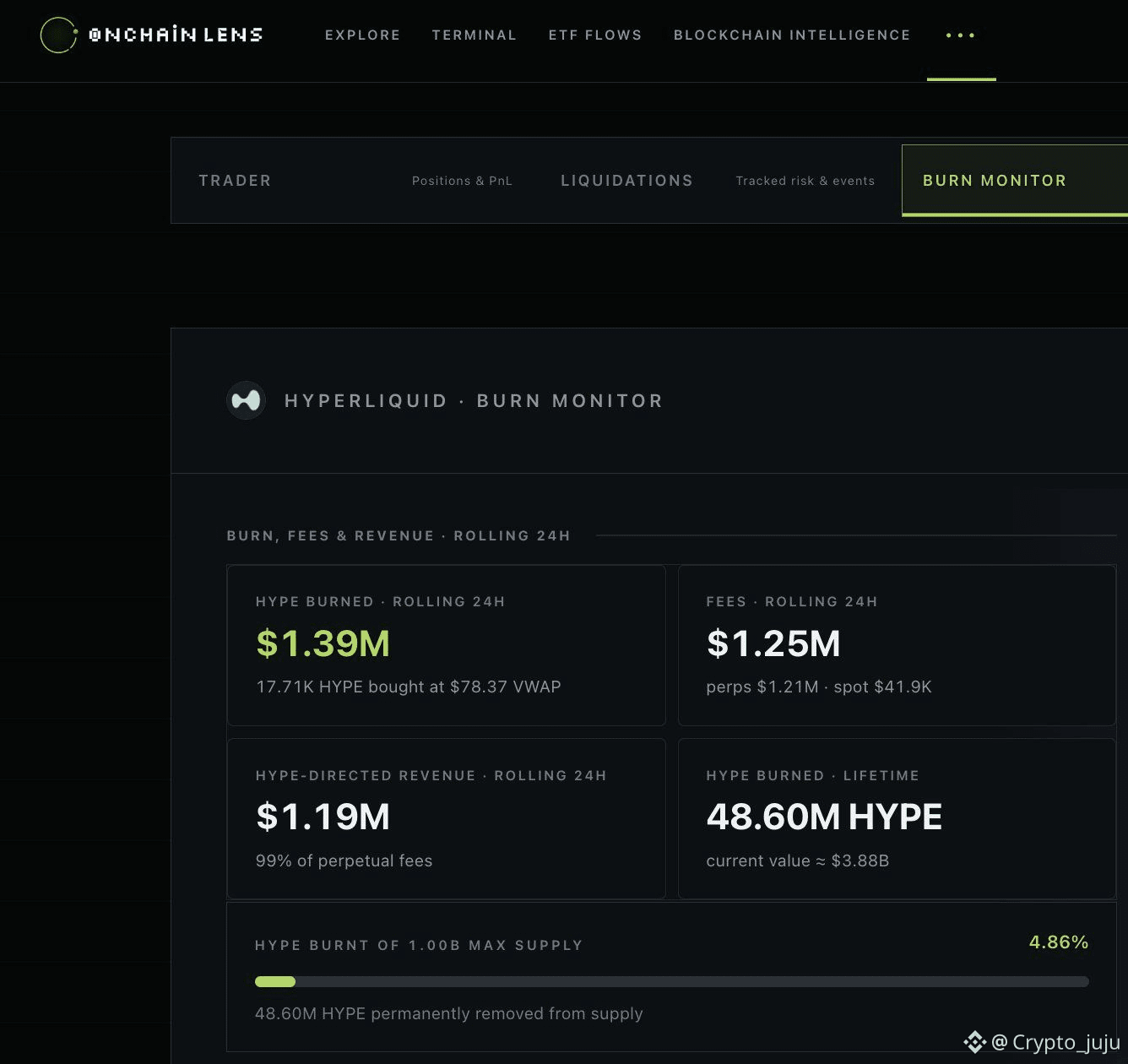
$HYPE ກຳລັງເລີ່ມຈັບຄວາມສົນໃຈຂອງຂ້ອຍອີກຄັ້ງ ຊະນະ Hyperliquid ພຶດຈັບແລະເຜົາ HYPE ອີກ 17.7K HYPE, ມູນຄ່າປະມານ $1.39M, ຊຸກຍູ້ໃຫ້ລວມຈຳນວນທີ່ເຜົາໄປແລ້ວຂຶ້ນໄປປະມານ 48.6M HYPE. ນີ້ເກືອບ 4.9% ຂອງອຸປະກອນສູງສຸດ 1B ທີ່ເຄີຍຜ່ານໄປແລ້ວຖາວອນ. ສິ່ງທີ່ຂ້ອຍເຫັນວ່ານ່າສົນໃຈຄືຝ່າຍ FOMO ຂອງມັນ. ພວກເຮົາເຫັນການຫັນໄປຊື່ຢ່າງ $PUMP ແລ້ວ ເມື່ອກຳລັງແຮງເລີ່ມຂຶ້ນ. ຖ້າ HYPE ຍັງຮັບແຮງດັນດ້ານສະພາບອຸປະທານແນວນີ້ ຄຽງຄູ່ກັບຄວາມຮູ້ສຶກແຂງແກ່ນ, ຂ້ອຍບໍ່ແນ່ໃຈວ່າອາດຈະເຫັນການໝຸນມາໃຫ້ຄວາມສົນໃຈຢູ່ທີ່ນີ້ອີກ. ບໍ່ໄດ້ເວົ້າວ່າມັນຮັບປະກັນຈະພຸ່ງ, ແຕ່ນີ້ແມ່ນອັນໜຶ່ງທີ່ຂ້ອຍກຳລັງຈັບຕາຢ່າງໃກ້ຊິດ.
$HYPE ກຳລັງເລີ່ມຈັບຄວາມສົນໃຈຂອງຂ້ອຍອີກຄັ້ງ ຊະນະ Hyperliquid ພຶດຈັບແລະເຜົາ HYPE ອີກ 17.7K HYPE, ມູນຄ່າປະມານ $1.39M, ຊຸກຍູ້ໃຫ້ລວມຈຳນວນທີ່ເຜົາໄປແລ້ວຂຶ້ນໄປປະມານ 48.6M HYPE. ນີ້ເກືອບ 4.9% ຂອງອຸປະກອນສູງສຸດ 1B ທີ່ເຄີຍຜ່ານໄປແລ້ວຖາວອນ. ສິ່ງທີ່ຂ້ອຍເຫັນວ່ານ່າສົນໃຈຄືຝ່າຍ FOMO ຂອງມັນ. ພວກເຮົາເຫັນການຫັນໄປຊື່ຢ່າງ $PUMP ແລ້ວ ເມື່ອກຳລັງແຮງເລີ່ມຂຶ້ນ. ຖ້າ HYPE ຍັງຮັບແຮງດັນດ້ານສະພາບອຸປະທານແນວນີ້ ຄຽງຄູ່ກັບຄວາມຮູ້ສຶກແຂງແກ່ນ, ຂ້ອຍບໍ່ແນ່ໃຈວ່າອາດຈະເຫັນການໝຸນມາໃຫ້ຄວາມສົນໃຈຢູ່ທີ່ນີ້ອີກ. ບໍ່ໄດ້ເວົ້າວ່າມັນຮັບປະກັນຈະພຸ່ງ, ແຕ່ນີ້ແມ່ນອັນໜຶ່ງທີ່ຂ້ອຍກຳລັງຈັບຕາຢ່າງໃກ້ຊິດ.
50
·
--
Gaît pearlaðik tolokumaach an na $XRP Ledger Na iniari iko **chen iaꞌel lielima-11 na stablecoin chain**, nu stablecoin supply nene tɔlar kiꞌe. $RLUSD kasina pòr na nampa miati na ATH hou $2.44B**, namba idi stablecoins malima na native so anga XRP Ledger kàsiga na omkring $1.15B. Nikiꞌi ndɛ ana tanda gaît maring stablecoin activity mo liquidity kuto ipiꞌi so an na XRP ecosystem.
Gaît pearlaðik tolokumaach an na $XRP Ledger Na iniari iko **chen iaꞌel lielima-11 na stablecoin chain**, nu stablecoin supply nene tɔlar kiꞌe. $RLUSD kasina pòr na nampa miati na ATH hou $2.44B**, namba idi stablecoins malima na native so anga XRP Ledger kàsiga na omkring $1.15B. Nikiꞌi ndɛ ana tanda gaît maring stablecoin activity mo liquidity kuto ipiꞌi so an na XRP ecosystem.
64
·
--
$PUMP ຍັງເບິ່ງດີຢູ່, ແລະ $ZEC ກໍກຳລັງທຳອິດຂຶ້ນດີຢ່າງເໝາະສົມ. ຕອນນີ້ມີແຕ່ບາງຢ່າງຂອງໂຕເຄັນທີ່ຢາກໃຫ້ເຈົ້າມີການເປີດຮັບແບບໜ້ອຍໜຶ່ງ ແລະຄ້າງຕາມຕໍ່ໄປ. ໃນຂະນະດຽວກັນ, ຂ້ອຍໄດ້ລອງເຂົ້າໄປເຊັກ Stoncat mint ທີ່ @ston_fi ເຈົ້ານ່າຈະຮູ້ຈັກ Stoncat ແລ້ວຈາກສະຕິກເກີ, ພາບສາຍຕາ ແລະ memes, ແຕ່ຕອນນີ້ເຈົ້າສາມາດເຮັດ mint ຂອງເຈົ້າເອງໄດ້ຈິງໆ. ສ່ວນທີ່ມ່ວນແມ່ນມັນບໍ່ໄດ້ຢູ່ແຕ່ເປັນ NFT ເຉົ້າໆ. ເຈົ້າສາມາດໃຫ້ Stoncat ຂອງເຈົ້າກິນ GEMSTON, ປົດລັອກ Purrks, ແລະນຳໃຊ້ມັນເພື່ອປ່ຽນຮູບລັກສະນະຂອງແມວ ແລະຊ່ວຍໃຫ້ຄວາມໜ້າຫາຊາຂອງມັນດີຂຶ້ນເມື່ອມັນອັບລະດັບ. ຍິ່ງ Purrks ຫາຍາກກວ່າ, Stoncat ຂອງເຈົ້າກໍຍິ່ງສາມາດກາຍເປັນຂອງຫາຍາກກວ່າໄດ້, ແລະເຈົ້າຍັງສາມາດຂຶ້ນໄປຢູ່ໃນຕາຕະລາງຄວາມຫາຍາກໄດ້ອີກ. ຂ້ອຍຈັກໄດ້ mint ໄປແລ້ວບາງສ່ວນ, ດັ່ງນັ້ນຕອນນີ້ກໍແມ່ນກຳລັງເບິ່ງວ່າຈະດັນໄປໄດ້ເທົ່າໃດ. ຕະຫຼາດກຳລັງເຄື່ອນໄຫວ, Stoncat ກຳລັງພັດທະນາ… ມາເບິ່ງວ່າອັນໃດຈະເຮັດໃຫ້ຂ້ອຍຕົກໃຈກ່ອນ!
$PUMP ຍັງເບິ່ງດີຢູ່, ແລະ $ZEC ກໍກຳລັງທຳອິດຂຶ້ນດີຢ່າງເໝາະສົມ. ຕອນນີ້ມີແຕ່ບາງຢ່າງຂອງໂຕເຄັນທີ່ຢາກໃຫ້ເຈົ້າມີການເປີດຮັບແບບໜ້ອຍໜຶ່ງ ແລະຄ້າງຕາມຕໍ່ໄປ. ໃນຂະນະດຽວກັນ, ຂ້ອຍໄດ້ລອງເຂົ້າໄປເຊັກ Stoncat mint ທີ່ @ston_fi ເຈົ້ານ່າຈະຮູ້ຈັກ Stoncat ແລ້ວຈາກສະຕິກເກີ, ພາບສາຍຕາ ແລະ memes, ແຕ່ຕອນນີ້ເຈົ້າສາມາດເຮັດ mint ຂອງເຈົ້າເອງໄດ້ຈິງໆ. ສ່ວນທີ່ມ່ວນແມ່ນມັນບໍ່ໄດ້ຢູ່ແຕ່ເປັນ NFT ເຉົ້າໆ. ເຈົ້າສາມາດໃຫ້ Stoncat ຂອງເຈົ້າກິນ GEMSTON, ປົດລັອກ Purrks, ແລະນຳໃຊ້ມັນເພື່ອປ່ຽນຮູບລັກສະນະຂອງແມວ ແລະຊ່ວຍໃຫ້ຄວາມໜ້າຫາຊາຂອງມັນດີຂຶ້ນເມື່ອມັນອັບລະດັບ. ຍິ່ງ Purrks ຫາຍາກກວ່າ, Stoncat ຂອງເຈົ້າກໍຍິ່ງສາມາດກາຍເປັນຂອງຫາຍາກກວ່າໄດ້, ແລະເຈົ້າຍັງສາມາດຂຶ້ນໄປຢູ່ໃນຕາຕະລາງຄວາມຫາຍາກໄດ້ອີກ. ຂ້ອຍຈັກໄດ້ mint ໄປແລ້ວບາງສ່ວນ, ດັ່ງນັ້ນຕອນນີ້ກໍແມ່ນກຳລັງເບິ່ງວ່າຈະດັນໄປໄດ້ເທົ່າໃດ. ຕະຫຼາດກຳລັງເຄື່ອນໄຫວ, Stoncat ກຳລັງພັດທະນາ… ມາເບິ່ງວ່າອັນໃດຈະເຮັດໃຫ້ຂ້ອຍຕົກໃຈກ່ອນ!
50
·
--
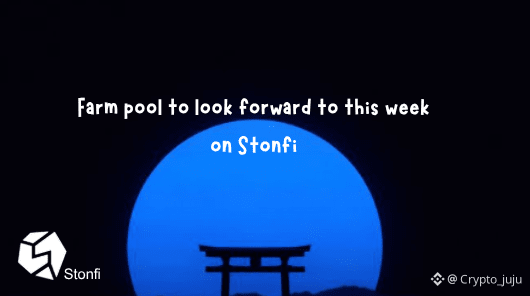
$LSK ແມ່ນຫົວຂໍ້ທີ່ຄົນກຳລັງຄຸຍກັນມື້ວານນີ້. ສອງສາມອາທິດກ່ອນໜ້ານີ້ ມັນເຄີຍເປັນ $USELESS . ດຽວນີ້ມັນເຮັດໃຫ້ຂ້ອຍສົງໄສ… ຕໍ່ໄປຈະເປັນ token ຕົວໃດ? 👀 ຮູ້ສຶກຄືວ່າທາດສະພາບຄວາມພ້ອມຂອງສະມາທິແມ່ນຄ່ອຍໆກຳລັງຄືນເຂົ້າໄປໃນ alts, ແລະເມື່ອເລີ່ມເກີດຂຶ້ນແບບນັ້ນ ຂ້ອຍມັກຈະເອົາໃຈໃສ່ວ່າການເຄື່ອນໄຫວກຳລັງໄປທາງໃດ ບໍ່ແມ່ນໄລ່ຕາມອັນທີ່ເພີ່ມຂຶ້ນໄປແລ້ວ. ນັ້ນແຫຼະ ທີ່ເຮັດໃຫ້ຂ້ອຍໄປເຊັກຝ່າຍ farming ຂອງ @ston_fi ອາທິດນີ້. ມີພູນສອງສາມບ່ອນທີ່ດຶງເຂົ້າໃຈຂ້ອຍ: STON/USDT 10,000 STON/ເດືອນ, ດຳເນີນຕໍ່ໄປ ໂດຍບໍ່ມີ LP lock, ພ້ອມ up to 2× APR boost ຈົນຮອດ Sept 30. JETTON/USDT ແລະ JETTON/GRAM 200,000 JETTON/ເດືອນ ທົ່ວທັງສອງ pool, ດຳເນີນຈົນຮອດ Dec 31 ໂດຍບໍ່ມີ LP lock. STORM/GRAM 30,000 STORM/ວັນ, ດຳເນີນຕໍ່ໄປ ໂດຍບໍ່ມີ LP lock. ບໍ່ແມ່ນກຳລັງບອກວ່າ every farm ຄຸ້ມຄ່າທີ່ຈະໂດດເຂົ້າໄປ—ຍັງມີຄວາມບໍ່ໝັ້ນຄົງຂອງ token, impermanent loss ແລະ ຄວາມສ່ຽງດ້ານ incentive ທີ່ຕ້ອງພິຈາລະນາ. ສຳລັບຂ້ອຍ ມັນກ່ຽວກັບການຈັບຕາໄວ້ວ່າມະຫາພາກສະພາບຄວາມພ້ອມ (liquidity) ກຳລັງໄປໃສ. LSK ມື້ວານນີ້, USELESS ກ່ອນໜ້ານັ້ນ… ໄປເບິ່ງກັນວ່າອັນໃດຈະໄດ້ຂຶ້ນເປັນໂຟກັສຄັ້ງຕໍ່ໄປ.
$LSK ແມ່ນຫົວຂໍ້ທີ່ຄົນກຳລັງຄຸຍກັນມື້ວານນີ້. ສອງສາມອາທິດກ່ອນໜ້ານີ້ ມັນເຄີຍເປັນ $USELESS . ດຽວນີ້ມັນເຮັດໃຫ້ຂ້ອຍສົງໄສ… ຕໍ່ໄປຈະເປັນ token ຕົວໃດ? 👀 ຮູ້ສຶກຄືວ່າທາດສະພາບຄວາມພ້ອມຂອງສະມາທິແມ່ນຄ່ອຍໆກຳລັງຄືນເຂົ້າໄປໃນ alts, ແລະເມື່ອເລີ່ມເກີດຂຶ້ນແບບນັ້ນ ຂ້ອຍມັກຈະເອົາໃຈໃສ່ວ່າການເຄື່ອນໄຫວກຳລັງໄປທາງໃດ ບໍ່ແມ່ນໄລ່ຕາມອັນທີ່ເພີ່ມຂຶ້ນໄປແລ້ວ. ນັ້ນແຫຼະ ທີ່ເຮັດໃຫ້ຂ້ອຍໄປເຊັກຝ່າຍ farming ຂອງ @ston_fi ອາທິດນີ້. ມີພູນສອງສາມບ່ອນທີ່ດຶງເຂົ້າໃຈຂ້ອຍ: STON/USDT 10,000 STON/ເດືອນ, ດຳເນີນຕໍ່ໄປ ໂດຍບໍ່ມີ LP lock, ພ້ອມ up to 2× APR boost ຈົນຮອດ Sept 30. JETTON/USDT ແລະ JETTON/GRAM 200,000 JETTON/ເດືອນ ທົ່ວທັງສອງ pool, ດຳເນີນຈົນຮອດ Dec 31 ໂດຍບໍ່ມີ LP lock. STORM/GRAM 30,000 STORM/ວັນ, ດຳເນີນຕໍ່ໄປ ໂດຍບໍ່ມີ LP lock. ບໍ່ແມ່ນກຳລັງບອກວ່າ every farm ຄຸ້ມຄ່າທີ່ຈະໂດດເຂົ້າໄປ—ຍັງມີຄວາມບໍ່ໝັ້ນຄົງຂອງ token, impermanent loss ແລະ ຄວາມສ່ຽງດ້ານ incentive ທີ່ຕ້ອງພິຈາລະນາ. ສຳລັບຂ້ອຍ ມັນກ່ຽວກັບການຈັບຕາໄວ້ວ່າມະຫາພາກສະພາບຄວາມພ້ອມ (liquidity) ກຳລັງໄປໃສ. LSK ມື້ວານນີ້, USELESS ກ່ອນໜ້ານັ້ນ… ໄປເບິ່ງກັນວ່າອັນໃດຈະໄດ້ຂຶ້ນເປັນໂຟກັສຄັ້ງຕໍ່ໄປ.
71
·
--
$STONK ບັດນີ້ຖືກລວມເຂົ້າກັບ @ston_fi ແລ້ວ, ແລະຂ້ອຍກໍຈິງໆມັກສິ່ງທີ່ມັນເພີ່ມເຂົ້າໃສ່ ecosystem DeFi ຂອງ TON. ເພື່ອເຂົ້າໃຈພາຍໃນບໍລິບົດ, Stonks ແມ່ນ launch ecosystem ທີ່ຂັບເຄື່ອນດ້ວຍ AI ບ່ອນທີ່ projects ສາມາດເປີດ token, ໃຊ້ bonding curves ທີ່ປັບແຕ່ງໄດ້, seed liquidity ຫຼື ແລ່ນ presales. ສ່ວນທີ່ນ່າສົນໃຈສຳລັບຂ້ອຍແມ່ນສິ່ງທີ່ເກີດຂຶ້ນຫຼັງຈາກ token ເລີ່ມຮັບ traction. ແທນທີ່ຈະໃຫ້ liquidity ກາຍເປັນບັນຫາແຍກຕ່າງຫາຍໃນພາຍຫຼັງ, token ສາມາດຍ້າຍຈາກ bonding curve ໄປສູ່ pool ຂອງ Stonfi, ໃນຂະນະທີ່ຜູ້ໃຊ້ກໍສາມາດ swap token ຂອງ Stonfi ໂດຍກົງຜ່ານ Stonks terminal ແລະ Telegram bot. ແລະກ່ອນການ migration, Omniston ສາມາດຊ່ວຍ route swaps ຜ່ານແຫຼ່ງ liquidity ທີ່ມີຢູ່ ເພື່ອຊອກຫາ execution ທີ່ດີກວ່າ. ດັ່ງນັ້ນເຈົ້າຈຶ່ງຈະໄດ້ເສັ້ນທາງຈາກ: **Launch → Bonding Curve → Liquidity → Stonfi→ Swaps ຄວາມຕໍ່ເນື່ອງແບບນັ້ນແມ່ນສຳຄັນສຳລັບ TON. ໃນຖານະທີ່ເປັນຄົນທີ່ໃຊ້ເວລາຫຼາຍເພື່ອເບິ່ງການກະໂດດຂອງ liquidity ທົ່ວ ecosystem, ຂ້ອຍມັກທີ່ໄດ້ເຫັນອົງປະກອບຕ່າງໆ ເລີ່ມເຮັດວຽກຮ່ວມກັນ ແທນທີ່ທຸກ project ຈະສ້າງຊຸດທີ່ແຍກອອກຈາກກັນຂອງຕົນເອງ. ຍັງເປັນໄລຍະເລີ່ມຕົ້ນ, ແຕ່ integration ແບບນີ້ແມ່ນປະເພດຂອງ infrastructure ທີ່ຂ້ອຍຢາກເຫັນຕື່ມອີກໃນ TON. $USELESS #Altcoin Season#
$STONK ບັດນີ້ຖືກລວມເຂົ້າກັບ @ston_fi ແລ້ວ, ແລະຂ້ອຍກໍຈິງໆມັກສິ່ງທີ່ມັນເພີ່ມເຂົ້າໃສ່ ecosystem DeFi ຂອງ TON. ເພື່ອເຂົ້າໃຈພາຍໃນບໍລິບົດ, Stonks ແມ່ນ launch ecosystem ທີ່ຂັບເຄື່ອນດ້ວຍ AI ບ່ອນທີ່ projects ສາມາດເປີດ token, ໃຊ້ bonding curves ທີ່ປັບແຕ່ງໄດ້, seed liquidity ຫຼື ແລ່ນ presales. ສ່ວນທີ່ນ່າສົນໃຈສຳລັບຂ້ອຍແມ່ນສິ່ງທີ່ເກີດຂຶ້ນຫຼັງຈາກ token ເລີ່ມຮັບ traction. ແທນທີ່ຈະໃຫ້ liquidity ກາຍເປັນບັນຫາແຍກຕ່າງຫາຍໃນພາຍຫຼັງ, token ສາມາດຍ້າຍຈາກ bonding curve ໄປສູ່ pool ຂອງ Stonfi, ໃນຂະນະທີ່ຜູ້ໃຊ້ກໍສາມາດ swap token ຂອງ Stonfi ໂດຍກົງຜ່ານ Stonks terminal ແລະ Telegram bot. ແລະກ່ອນການ migration, Omniston ສາມາດຊ່ວຍ route swaps ຜ່ານແຫຼ່ງ liquidity ທີ່ມີຢູ່ ເພື່ອຊອກຫາ execution ທີ່ດີກວ່າ. ດັ່ງນັ້ນເຈົ້າຈຶ່ງຈະໄດ້ເສັ້ນທາງຈາກ: **Launch → Bonding Curve → Liquidity → Stonfi→ Swaps ຄວາມຕໍ່ເນື່ອງແບບນັ້ນແມ່ນສຳຄັນສຳລັບ TON. ໃນຖານະທີ່ເປັນຄົນທີ່ໃຊ້ເວລາຫຼາຍເພື່ອເບິ່ງການກະໂດດຂອງ liquidity ທົ່ວ ecosystem, ຂ້ອຍມັກທີ່ໄດ້ເຫັນອົງປະກອບຕ່າງໆ ເລີ່ມເຮັດວຽກຮ່ວມກັນ ແທນທີ່ທຸກ project ຈະສ້າງຊຸດທີ່ແຍກອອກຈາກກັນຂອງຕົນເອງ. ຍັງເປັນໄລຍະເລີ່ມຕົ້ນ, ແຕ່ integration ແບບນີ້ແມ່ນປະເພດຂອງ infrastructure ທີ່ຂ້ອຍຢາກເຫັນຕື່ມອີກໃນ TON. $USELESS #Altcoin Season#
38
·
--
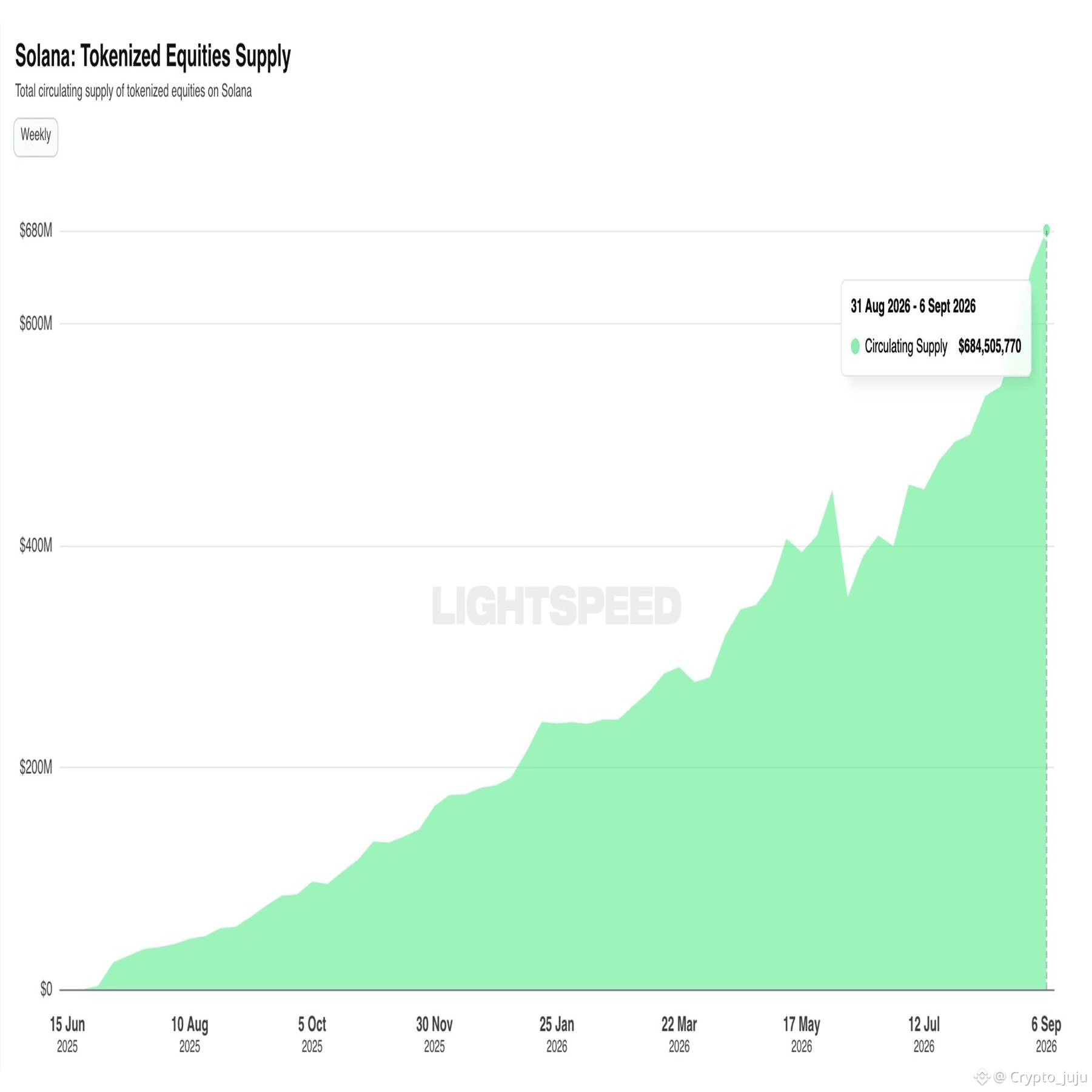
ຮຸ້ນທີ່ແປງເປັນ token ຢູ່ $SOL ພິເສດຫາຈຸດສູງສຸດໃໝ່ $684M ພຶ່ງ. ນັ້ນເປັນການເພີ່ມຂຶ້ນ 47% ໃນພຽງ 3 ອາທິດ. ຍິ່ງຂ້ອຍເຫັນຕົວເລກແບບນີ້ຫຼາຍຂຶ້ນ, ຂ້ອຍຍິ່ງຮູ້ສຶກວ່າການ tokenization ກຳລັງເລີ່ມຕົ້ນໄດ້ພຽງແຕ່ເທົ່ານັ້ນ. ຮຸ້ນ, ພັນທະບັດ, ກອງທຶນ, RWAs ທີ່ນຳຊັບສິນທີ່ເປັນແບບເກົ່າຂຶ້ນສູ່ onchain ກາຍເປັນບໍ່ແມ່ນ “ຈະເປັນແນວໃດ” ອີກຕໍ່ໄປ ແຕ່ເປັນ “ເມື່ອໃດກໍຈະເກີດ.” ແລະເວົ້າຈິງໆ, ຂ້ອຍກໍສົນໃຈວ່າອະນາຄົດນັ້ນຈະເປັນແນວໃດ, ສະນັ້ນຂ້ອຍໄດ້ໄປເບິ່ງ xStocks ບາງອັນຂອງ @ston_fi ຢູ່ຂ້າງຄຽງ. ການໄດ້ເຫັນຊັບສິນແບບນີ້ທີ່ຖືກສະແດງເປັນ onchain ແລະສາມາດໂຕ້ຕອບກັບມັນຜ່ານ DeFi interface ກໍຍັງຮູ້ສຶກແປກຫນ່ອຍໆ. ຕອນນີ້ລອງນຶກເບິ່ງວ່າ ຮຸ້ນທີ່ເປັນ token ຈະເປັນແນວໃດໃນອີກ 10 ປີຂ້າງໜ້າ**. ນັ້ນແຫຼະຄືສ່ວນທີ່ຂ້ອຍສົນໃຈຫຼາຍ. ອາດຈະແມ່ນພຽງແຕ່ຂອງຮຸ່ນຕົ້ນໆຂອງສິ່ງທີ່ຕະຫຼາດການເງິນ onchain ຈະກາຍເປັນໃນທີ່ສຸດ. $HBAR #Altcoin Season#
ຮຸ້ນທີ່ແປງເປັນ token ຢູ່ $SOL ພິເສດຫາຈຸດສູງສຸດໃໝ່ $684M ພຶ່ງ. ນັ້ນເປັນການເພີ່ມຂຶ້ນ 47% ໃນພຽງ 3 ອາທິດ. ຍິ່ງຂ້ອຍເຫັນຕົວເລກແບບນີ້ຫຼາຍຂຶ້ນ, ຂ້ອຍຍິ່ງຮູ້ສຶກວ່າການ tokenization ກຳລັງເລີ່ມຕົ້ນໄດ້ພຽງແຕ່ເທົ່ານັ້ນ. ຮຸ້ນ, ພັນທະບັດ, ກອງທຶນ, RWAs ທີ່ນຳຊັບສິນທີ່ເປັນແບບເກົ່າຂຶ້ນສູ່ onchain ກາຍເປັນບໍ່ແມ່ນ “ຈະເປັນແນວໃດ” ອີກຕໍ່ໄປ ແຕ່ເປັນ “ເມື່ອໃດກໍຈະເກີດ.” ແລະເວົ້າຈິງໆ, ຂ້ອຍກໍສົນໃຈວ່າອະນາຄົດນັ້ນຈະເປັນແນວໃດ, ສະນັ້ນຂ້ອຍໄດ້ໄປເບິ່ງ xStocks ບາງອັນຂອງ @ston_fi ຢູ່ຂ້າງຄຽງ. ການໄດ້ເຫັນຊັບສິນແບບນີ້ທີ່ຖືກສະແດງເປັນ onchain ແລະສາມາດໂຕ້ຕອບກັບມັນຜ່ານ DeFi interface ກໍຍັງຮູ້ສຶກແປກຫນ່ອຍໆ. ຕອນນີ້ລອງນຶກເບິ່ງວ່າ ຮຸ້ນທີ່ເປັນ token ຈະເປັນແນວໃດໃນອີກ 10 ປີຂ້າງໜ້າ**. ນັ້ນແຫຼະຄືສ່ວນທີ່ຂ້ອຍສົນໃຈຫຼາຍ. ອາດຈະແມ່ນພຽງແຕ່ຂອງຮຸ່ນຕົ້ນໆຂອງສິ່ງທີ່ຕະຫຼາດການເງິນ onchain ຈະກາຍເປັນໃນທີ່ສຸດ. $HBAR #Altcoin Season#
65
·
--
ໃນມື້ປົກກະຕິ ທ່ານອາດຈະເຫັນ XRP ຢູ່ບ່ອນໃດບ່ອນໜຶ່ງໃນຂ່າວຂອງຄຣິບໂຕ. ຂ້ອຍຈິງໆມັກແນວທາງທີ່ Ripple ສືບຕໍ່ຊອກຫາວິທີໃຫ້ຍັງຄົງຢູ່ໃນຄວາມໜ້າສົນໃຈ. ຕອນນີ້ SEC ໄດ້ອະນຸມັດ $XRP ສຳລັບ Nasdaq Texas Commodity Trusts ແລ້ວ, ໂດຍໃນເອກະສານການຍື່ນໄດ້ລະບຸ XRP ຄຽງກັບ Bitcoin, Ethereum, ແລະ Solana. ກົດລະບຽບທີ່ສະເໜີຍັງອະນຸຍາດໃຫ້ສູງສຸດ 15% ຂອງຊັບສິນໃນກອງທຶນສາມາດຢູ່ນອກເງື່ອນໄຂຄວາມເໝາະມາດຕະຖານ. XRP ເຫມືອນຈະມັກຫາທາງກັບຄືນເຂົ້າໄປໃນການສົນທະນາສະເໝີ. ແລະກໍ່ເວົ້າເຖິງສິ່ງທີ່ກຳລັງຄ່ອຍໆສ້າງຢູ່ໃນພື້ນຫຼັງ, ກໍມີຄວາມເຄື່ອນໄຫວຝ່າຍ $GRAM ເຊັ່ນກັນ. ວັນທີ 25 ສິງຫາ, Omniston ໄດ້ປະມວນຜົນປະລິມານການແລກປ່ຽນຂ້າມເຊນ (cross-chain swap volume) ປະມານ $150K ໃນມື້ດຽວ.** 150,000 ກິໂລແມັດ ແມ່ນພຽງພໍທີ່ຈະເດີນທາງຮອບໂລກໄດ້ປະມານ 3.5 ເທື່ອ. ມັນຍັງໄວເກີນໄປ, ແຕ່ນີ້ແມ່ນຂັ້ນກ້າວທີ່ຂ້ອຍຊອກເບິ່ງ: ການສ້າງປະລິມານຂຶ້ນ, ມີເສັ້ນທາງ (routes) ຖືກນຳໃຊ້ຫຼາຍຂຶ້ນ, ແລະມີຄົນຫຼາຍຂຶ້ນກຳລັງທົດລອງ cross-chain swaps. ຂໍຂອບໃຈຢ່າງຫຼວງຫຼາຍສຳລັບທຸກຄົນທີ່ທຳການແລກປ່ຽນ, ທົດລອງເສັ້ນທາງ, ແລະຍູ້ໃຫ້ປະລິມານສູງຂຶ້ນ. ພວກເຈົ້າແມ່ນເຫດຜົນທີ່ມັນຍັງຄົງຂັບເຄື່ອນຕໍ່ໄປ. #Ripple
ໃນມື້ປົກກະຕິ ທ່ານອາດຈະເຫັນ XRP ຢູ່ບ່ອນໃດບ່ອນໜຶ່ງໃນຂ່າວຂອງຄຣິບໂຕ. ຂ້ອຍຈິງໆມັກແນວທາງທີ່ Ripple ສືບຕໍ່ຊອກຫາວິທີໃຫ້ຍັງຄົງຢູ່ໃນຄວາມໜ້າສົນໃຈ. ຕອນນີ້ SEC ໄດ້ອະນຸມັດ $XRP ສຳລັບ Nasdaq Texas Commodity Trusts ແລ້ວ, ໂດຍໃນເອກະສານການຍື່ນໄດ້ລະບຸ XRP ຄຽງກັບ Bitcoin, Ethereum, ແລະ Solana. ກົດລະບຽບທີ່ສະເໜີຍັງອະນຸຍາດໃຫ້ສູງສຸດ 15% ຂອງຊັບສິນໃນກອງທຶນສາມາດຢູ່ນອກເງື່ອນໄຂຄວາມເໝາະມາດຕະຖານ. XRP ເຫມືອນຈະມັກຫາທາງກັບຄືນເຂົ້າໄປໃນການສົນທະນາສະເໝີ. ແລະກໍ່ເວົ້າເຖິງສິ່ງທີ່ກຳລັງຄ່ອຍໆສ້າງຢູ່ໃນພື້ນຫຼັງ, ກໍມີຄວາມເຄື່ອນໄຫວຝ່າຍ $GRAM ເຊັ່ນກັນ. ວັນທີ 25 ສິງຫາ, Omniston ໄດ້ປະມວນຜົນປະລິມານການແລກປ່ຽນຂ້າມເຊນ (cross-chain swap volume) ປະມານ $150K ໃນມື້ດຽວ.** 150,000 ກິໂລແມັດ ແມ່ນພຽງພໍທີ່ຈະເດີນທາງຮອບໂລກໄດ້ປະມານ 3.5 ເທື່ອ. ມັນຍັງໄວເກີນໄປ, ແຕ່ນີ້ແມ່ນຂັ້ນກ້າວທີ່ຂ້ອຍຊອກເບິ່ງ: ການສ້າງປະລິມານຂຶ້ນ, ມີເສັ້ນທາງ (routes) ຖືກນຳໃຊ້ຫຼາຍຂຶ້ນ, ແລະມີຄົນຫຼາຍຂຶ້ນກຳລັງທົດລອງ cross-chain swaps. ຂໍຂອບໃຈຢ່າງຫຼວງຫຼາຍສຳລັບທຸກຄົນທີ່ທຳການແລກປ່ຽນ, ທົດລອງເສັ້ນທາງ, ແລະຍູ້ໃຫ້ປະລິມານສູງຂຶ້ນ. ພວກເຈົ້າແມ່ນເຫດຜົນທີ່ມັນຍັງຄົງຂັບເຄື່ອນຕໍ່ໄປ. #Ripple
52
·
--
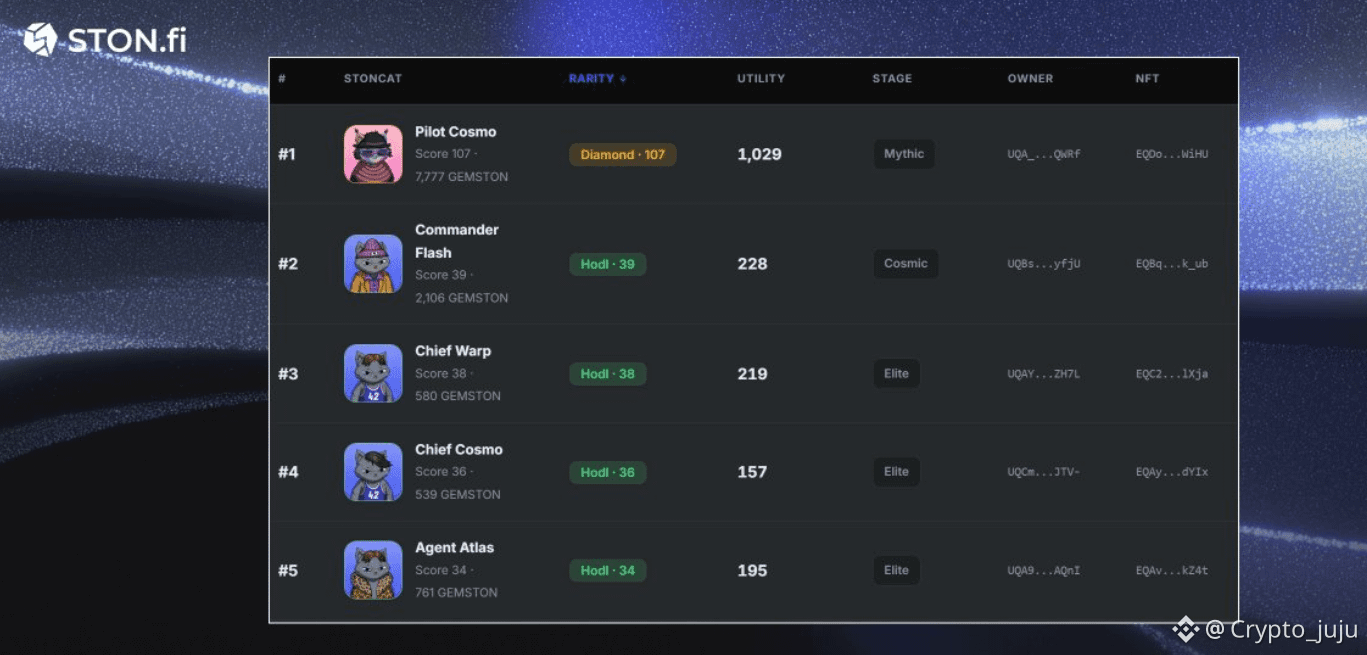
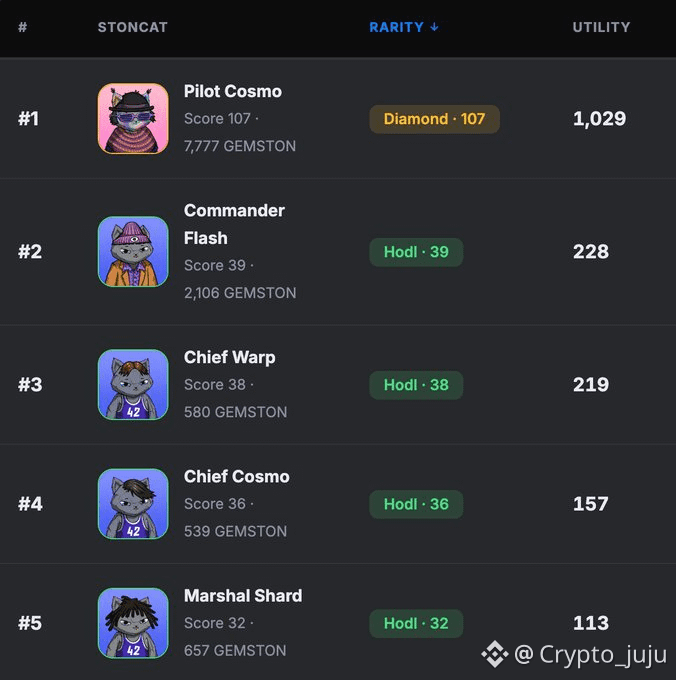
$SOL ແລະ $HYPE ກໍາລັງໃຫ້ຂ້ອຍຮູ້ສຶກຄືວ່າອາດຈະມີ pump ກຳລັງຈະມາ ຍັງບໍ່ທັນຈະໂດດເຂົ້າໄປໃນອັນໃດກໍຕາມ ພຽງແຕ່ເກັບທັງສອງໄວ້ໃນ radar ແລະຄອຍເບິ່ງວ່າມັນຈະອອກບົດບາດແນວໃດ. ໃນຂະນະທີ່ເຊັກຕະຫຼາດ, ຂ້ອຍກໍັງສັງເກດວ່າ Diamond STONCAT holder ຢູ່ທາງເທິງຂອງ leaderboard ແລະເວົ້າຕາມກົງຂ້ອຍມັກການເບິ່ງໃຫ້ແຂ່ງຂັນກາຍເປັນຈັງຈັງ Collection ຂອງ @ston_fi ກໍາລັງເຮັດໃຫ້ GEMSTON ນ່າສົນໃຈຂຶ້ນອີກ. ຈາກເດີມ GEMSTON ພຽງແຕ່ເປັນສິ່ງທີ່ເຈົ້າໄດ້ຮັບຈາກ staking, ດຽວນີ້ເຈົ້າສາມາດໃຊ້ມັນໄດ້ຈິງໆເພື່ອແຕ່ງໂຕ ແລະ upgrade STONCAT ຂອງເຈົ້າ. STONCAT ຂອງເຈົ້າສູງຂຶ້ນເທົ່າໃດ, ເຈົ້າກໍຈະສາມາດໄປຈັບກັບ trait ທີ່ຫຼາກຫຼາຍ ແລະຮູບລັກສະນະທີ່ຫາຍາກຂຶ້ນ, ເຊິ່ງເປັນສິ່ງທີ່ເຮັດໃຫ້ leaderboard ໜ້າເຝົ້າເບິ່ງ. ມັນເບິ່ງຄືວ່າຕ້ອງໃຊ້ປະມານ $801 ມູນຄ່າຂອງ GEMSTON ເພື່ອຂຶ້ນໄປຮອດລະດັບ Diamond. ນັ້ນເປັນຈຳນວນ GEMSTON ທີ່ຄ້າງຢູ່ໃນ STONCAT ໜຶ່ງກ້ອນຢ່າງພໍສົມຄວນ. ເຫັນຄົນທີ່ຢູ່ທາງເທິງແລ້ວກໍເຮັດໃຫ້ຂ້ອຍຄິດວ່າຕ້ອງຍົກລະດັບເກມ STONCAT ຂອງຂ້ອຍເອງ. ເຖິງເວລາໄປແຕ່ງໂຕ mine ຂອງຂ້ອຍແລ້ວ. #Altcoin Season#
$SOL ແລະ $HYPE ກໍາລັງໃຫ້ຂ້ອຍຮູ້ສຶກຄືວ່າອາດຈະມີ pump ກຳລັງຈະມາ ຍັງບໍ່ທັນຈະໂດດເຂົ້າໄປໃນອັນໃດກໍຕາມ ພຽງແຕ່ເກັບທັງສອງໄວ້ໃນ radar ແລະຄອຍເບິ່ງວ່າມັນຈະອອກບົດບາດແນວໃດ. ໃນຂະນະທີ່ເຊັກຕະຫຼາດ, ຂ້ອຍກໍັງສັງເກດວ່າ Diamond STONCAT holder ຢູ່ທາງເທິງຂອງ leaderboard ແລະເວົ້າຕາມກົງຂ້ອຍມັກການເບິ່ງໃຫ້ແຂ່ງຂັນກາຍເປັນຈັງຈັງ Collection ຂອງ @ston_fi ກໍາລັງເຮັດໃຫ້ GEMSTON ນ່າສົນໃຈຂຶ້ນອີກ. ຈາກເດີມ GEMSTON ພຽງແຕ່ເປັນສິ່ງທີ່ເຈົ້າໄດ້ຮັບຈາກ staking, ດຽວນີ້ເຈົ້າສາມາດໃຊ້ມັນໄດ້ຈິງໆເພື່ອແຕ່ງໂຕ ແລະ upgrade STONCAT ຂອງເຈົ້າ. STONCAT ຂອງເຈົ້າສູງຂຶ້ນເທົ່າໃດ, ເຈົ້າກໍຈະສາມາດໄປຈັບກັບ trait ທີ່ຫຼາກຫຼາຍ ແລະຮູບລັກສະນະທີ່ຫາຍາກຂຶ້ນ, ເຊິ່ງເປັນສິ່ງທີ່ເຮັດໃຫ້ leaderboard ໜ້າເຝົ້າເບິ່ງ. ມັນເບິ່ງຄືວ່າຕ້ອງໃຊ້ປະມານ $801 ມູນຄ່າຂອງ GEMSTON ເພື່ອຂຶ້ນໄປຮອດລະດັບ Diamond. ນັ້ນເປັນຈຳນວນ GEMSTON ທີ່ຄ້າງຢູ່ໃນ STONCAT ໜຶ່ງກ້ອນຢ່າງພໍສົມຄວນ. ເຫັນຄົນທີ່ຢູ່ທາງເທິງແລ້ວກໍເຮັດໃຫ້ຂ້ອຍຄິດວ່າຕ້ອງຍົກລະດັບເກມ STONCAT ຂອງຂ້ອຍເອງ. ເຖິງເວລາໄປແຕ່ງໂຕ mine ຂອງຂ້ອຍແລ້ວ. #Altcoin Season#
61
·
--
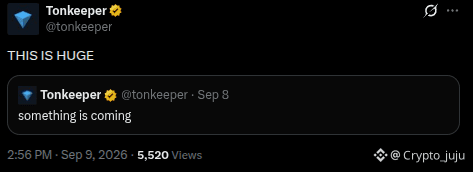
$GRAM tolokang tahimik na yata kaming nakaraan, pero si Ton keeper sa Ton may wallet na nangungulit na may darating na malaking bagay. Habang nagsisimulang umusad muli ang merkado, talagang curious ako kung ano ang magiging laman ng update na ‘to at, higit sa lahat, kung ano ang magiging epekto nito sa buong TON ecosystem. Marami na ring nangyayari sa panig ng @ston_fi , kaya medyo interesting ang timing. Sa pagitan ng mga kamakailang improvement sa infrastructure at mga kampanyang gaya ng **“One Swap. Across Chains”**, kung saan ang pag-join sa waitlist ay nagbibigay sa’yo ng **1,000 bonus points**, may marami talagang dapat bantayan. Parang dahan-dahang itinatayo ng TON ang isang bagay. Ngayon, hinihintay ko na lang kung ano ang malaking anunsyo. $HYPE
$GRAM tolokang tahimik na yata kaming nakaraan, pero si Ton keeper sa Ton may wallet na nangungulit na may darating na malaking bagay. Habang nagsisimulang umusad muli ang merkado, talagang curious ako kung ano ang magiging laman ng update na ‘to at, higit sa lahat, kung ano ang magiging epekto nito sa buong TON ecosystem. Marami na ring nangyayari sa panig ng @ston_fi , kaya medyo interesting ang timing. Sa pagitan ng mga kamakailang improvement sa infrastructure at mga kampanyang gaya ng **“One Swap. Across Chains”**, kung saan ang pag-join sa waitlist ay nagbibigay sa’yo ng **1,000 bonus points**, may marami talagang dapat bantayan. Parang dahan-dahang itinatayo ng TON ang isang bagay. Ngayon, hinihintay ko na lang kung ano ang malaking anunsyo. $HYPE
27
·
--
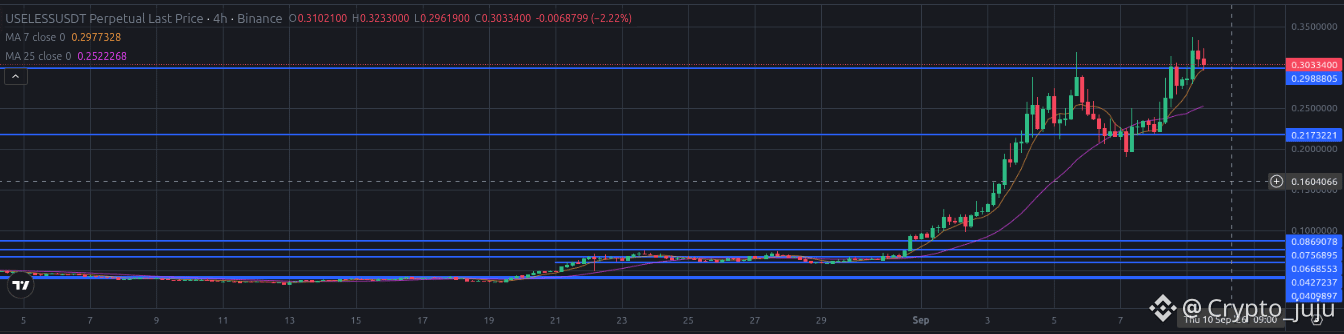
ຈິນຕະນາການຂາຍຖົງ $USELESS ຂອງເຈົ້າ ເພື່ອໄປຊື້ $LAPTOP ພຽງແຕ່ໃຫ້ Hunter ຖິ້ມຖົງຂອງລາວທັນທີຫຼັງຈາກນັ້ນ. ແມ່ນແຕ່ວ່າ ມັນໜັກແທ້ໆ. ຂະນະດຽວກັນນີ້ ຂ້ອຍໄດ້ກໍາລັງໃສ່ໃຈຫຼາຍຂຶ້ນກັບສິ່ງທີ່ກຳລັງເກີດຂຶ້ນກັບ GEMSTON ຢູ່ @ston_fi. ດ້ວຍການອອກຕົວ Stonfi Collection ແລ້ວ, GEMSTON ກຳລັງເລີ່ມມີໄອດີສຳລັບການນຳໃຊ້ທີ່ນ່າສົນໃຈອີກຢ່າງ, ແລະເວົ້າຕາມກົງ ມັນດີຫຼາຍທີ່ໄດ້ເຫັນແບບນັ້ນ. ຂ້ອຍຍັງກຳລັງ staking Ston ຫຼາຍຂຶ້ນ ແລະສະສົມ GEMSTON ຂອງຂ້ອຍ. ຫວັງວ່າ ພວກເຮົາຈະໄດ້ເຫັນສິ່ງດີໆອອກມາຈາກມັນ.
ຈິນຕະນາການຂາຍຖົງ $USELESS ຂອງເຈົ້າ ເພື່ອໄປຊື້ $LAPTOP ພຽງແຕ່ໃຫ້ Hunter ຖິ້ມຖົງຂອງລາວທັນທີຫຼັງຈາກນັ້ນ. ແມ່ນແຕ່ວ່າ ມັນໜັກແທ້ໆ. ຂະນະດຽວກັນນີ້ ຂ້ອຍໄດ້ກໍາລັງໃສ່ໃຈຫຼາຍຂຶ້ນກັບສິ່ງທີ່ກຳລັງເກີດຂຶ້ນກັບ GEMSTON ຢູ່ @ston_fi. ດ້ວຍການອອກຕົວ Stonfi Collection ແລ້ວ, GEMSTON ກຳລັງເລີ່ມມີໄອດີສຳລັບການນຳໃຊ້ທີ່ນ່າສົນໃຈອີກຢ່າງ, ແລະເວົ້າຕາມກົງ ມັນດີຫຼາຍທີ່ໄດ້ເຫັນແບບນັ້ນ. ຂ້ອຍຍັງກຳລັງ staking Ston ຫຼາຍຂຶ້ນ ແລະສະສົມ GEMSTON ຂອງຂ້ອຍ. ຫວັງວ່າ ພວກເຮົາຈະໄດ້ເຫັນສິ່ງດີໆອອກມາຈາກມັນ.
45
·
--
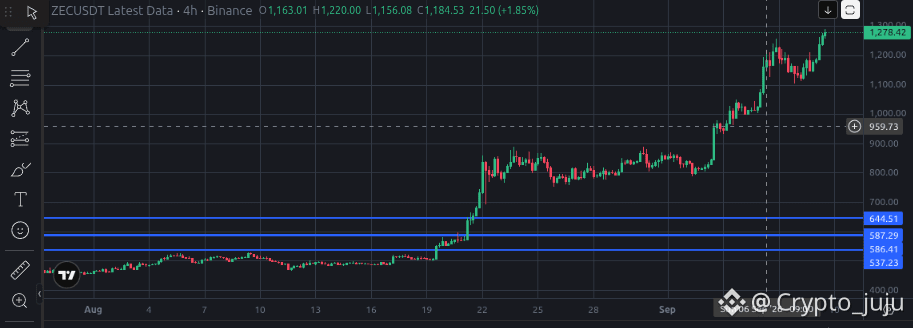
$ZEC ກຳລັງເຄື່ອນທີ່ໄປສູ່ທາງໄວສຳລັບ $1,500 ຫວັງວ່າເຮົາຈະໄດ້ໄປຮອດໄວໆນີ້. ໃນຂະນະນັ້ນ, $XRP ກໍ່ໄດ້ກຳລັງເພີ່ມສ່ວນໜຶ່ງຂອງສະພາບຄ່ອຍຄືກັນນັ້ນຄືກັນ, ສະນັ້ນຂ້ອຍໄດ້ຕິດຕາມທັງສອງຢ່າງ. ແລະນີ້ແມ່ນຕົວຢ່າງທີ່ດີຂອງສິ່ງທີ່ການພັດທະນາເບິ່ງໜ້າຕາເປັນແນວໃດດ້ານໂຄງສ້າງພື້ນຖານ. Omniston ຕອນນີ້ສະແກນ DeDust v2 ແລະ Tonco v2 pools, ຊຶ່ງໝາຍຄວາມວ່າລຸ້ນ pool ລ່າສຸດຈາກທັງສອງໂປຣໂທຄອນຖືກຮອງຮັບແລ້ວ. ການມີແຫຼ່ງຄວາມສະໜອງສະສົມຫຼາຍຂຶ້ນໃຫ້ Omniston ເພື່ອເປັນຕົວປຽບທຽບ ໝາຍຄວາມວ່າສາມາດຊອກເສັ້ນທາງທີ່ດີກວ່າໃນການ swap ຢູ່ TON, ໂດຍບໍ່ຕ້ອງໃຫ້ຜູ້ໃຊ້ໄປໂດດລະຫວ່າງ pool ຕ່າງໆແບບຄົນເອງ. ບໍ່ແມ່ນຫຍັງທີ່ຕື່ນຕາຫຼືດັງຫຼາຍ, ແຕ່ນີ້ແມ່ນຈຳພວກການພັດທະນາທີ່ສຳຄັນ ເພາະວ່າ liquidity ກຳລັງເພີ່ມຂຶ້ນຢູ່ຕະຫຼອດ. ນີ້ແມ່ນສິ່ງທີ່ການພັດທະນາເບິ່ງໜ້າຕາແບບໃດກໍ່ເປັນແນວນັ້ນ. Swap on @ston_fi
$ZEC ກຳລັງເຄື່ອນທີ່ໄປສູ່ທາງໄວສຳລັບ $1,500 ຫວັງວ່າເຮົາຈະໄດ້ໄປຮອດໄວໆນີ້. ໃນຂະນະນັ້ນ, $XRP ກໍ່ໄດ້ກຳລັງເພີ່ມສ່ວນໜຶ່ງຂອງສະພາບຄ່ອຍຄືກັນນັ້ນຄືກັນ, ສະນັ້ນຂ້ອຍໄດ້ຕິດຕາມທັງສອງຢ່າງ. ແລະນີ້ແມ່ນຕົວຢ່າງທີ່ດີຂອງສິ່ງທີ່ການພັດທະນາເບິ່ງໜ້າຕາເປັນແນວໃດດ້ານໂຄງສ້າງພື້ນຖານ. Omniston ຕອນນີ້ສະແກນ DeDust v2 ແລະ Tonco v2 pools, ຊຶ່ງໝາຍຄວາມວ່າລຸ້ນ pool ລ່າສຸດຈາກທັງສອງໂປຣໂທຄອນຖືກຮອງຮັບແລ້ວ. ການມີແຫຼ່ງຄວາມສະໜອງສະສົມຫຼາຍຂຶ້ນໃຫ້ Omniston ເພື່ອເປັນຕົວປຽບທຽບ ໝາຍຄວາມວ່າສາມາດຊອກເສັ້ນທາງທີ່ດີກວ່າໃນການ swap ຢູ່ TON, ໂດຍບໍ່ຕ້ອງໃຫ້ຜູ້ໃຊ້ໄປໂດດລະຫວ່າງ pool ຕ່າງໆແບບຄົນເອງ. ບໍ່ແມ່ນຫຍັງທີ່ຕື່ນຕາຫຼືດັງຫຼາຍ, ແຕ່ນີ້ແມ່ນຈຳພວກການພັດທະນາທີ່ສຳຄັນ ເພາະວ່າ liquidity ກຳລັງເພີ່ມຂຶ້ນຢູ່ຕະຫຼອດ. ນີ້ແມ່ນສິ່ງທີ່ການພັດທະນາເບິ່ງໜ້າຕາແບບໃດກໍ່ເປັນແນວນັ້ນ. Swap on @ston_fi
49
·
--
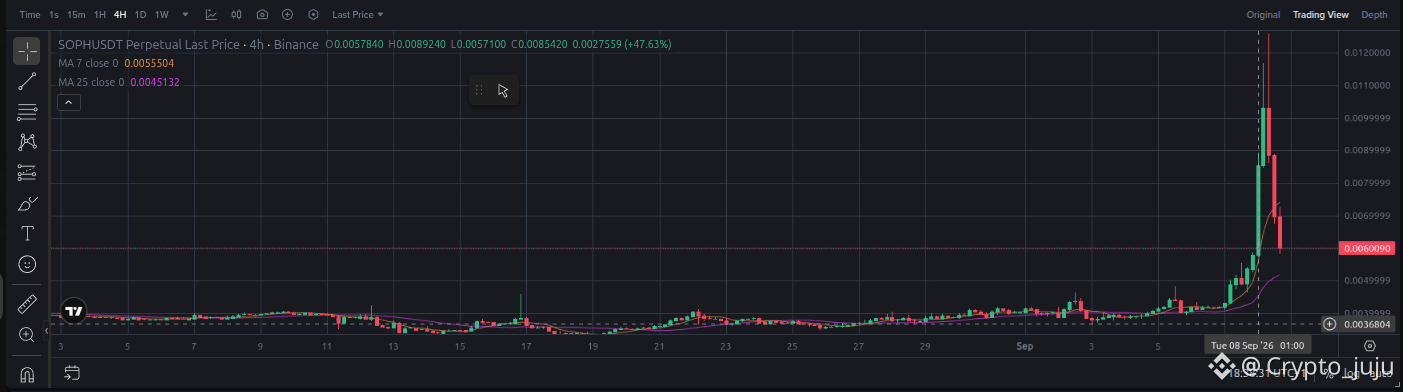
ນິ່າສົນໃຈ… ຕອນນີ້ຕະຫຼາດມາແຮງຫຼາຍແທ້. ການນອນເລີ່ມຮູ້ສຶກຄືຄວາມຜິດກະທຳ $BNB ກຳລັງຂຍັນແຮງໆ ແລະ $SOPH ຝ່າຍໜຶ່ງກາວໆ ຫາກໍ່ພວົບວ່າມີ deep man ຂະໜາດໃຫຍ່. ແນ່ນອນນັ້ນຄືໜຶ່ງໃນຊ່ວງທີ່ຢາກໃຫ້ເຝົ້າເບິ່ງກຣາຟກໍ່ແລ້ວ. ໃນຂະນະດຽວກັນກໍ່ມີຄວາມຄືບໜ້າທີ່ນ່າສົນໃຈໃນຝັ່ງ @ston_fi ຄືກັນ. **Omniston ເພິ່ມຜ່ານ $3M+ ໃນປະລິມານ cross-chain swap ຕະຫຼອດການ. ບໍ່ແມ່ນ milestone ທີ່ບໍ່ດີເລີຍ. ສິ່ງທີ່ຂ້ອຍມັກກ່ຽວກັບພາບລວມໃຫຍ່ໆ ກໍຄື cross-chain liquidity ກຳລັງຄ່ອຍໆເຂົ້າເຖິງໄດ້ງ່າຍຂຶ້ນ. ຈາກເດີມທີ່ຊັບສິນ ແລະ liquidity ຖືກແຍກຂາດອອກຈາກກັນຢ່າງສິ້ນເຊີງຕາມເຄືອຂ່າຍຕ່າງໆ, ອົງປະກອບເຊັ່ນ Omniston ກຳລັງຊ່ວຍເຊື່ອມຕໍ່ ecosystem ເຫຼົ່ານັ້ນໃຫ້ຖືກກັນ. ແລະຕອນນີ້ກໍມີ **“One Swap. Across Chains”** ດຳເນີນເປັນແຄມເປນການສຳຫຼວດທີ່ຖືກນຳພາໂດຍ Sronfi ກ່ຽວກັບ cross-chain swaps. ສະນັ້ນ ໃນຂະນະທີ່ຕະຫຼາດກຳລັງຮັກສາເຮົາໄວ້ຕອນກາງຄືນ, ກໍລອງເບິ່ງວ່າຝ່າຍ infrastructure ກຳລັງເກີດຫຍັງຢູ່ກໍ່ແລ້ວ 😂 BNB , SOPH ແລະ cross-chain DeFi ມີຫຼາຍຢ່າງໃຫ້ເຝົ້າເບິ່ງໃນຄືນນີ້
ນິ່າສົນໃຈ… ຕອນນີ້ຕະຫຼາດມາແຮງຫຼາຍແທ້. ການນອນເລີ່ມຮູ້ສຶກຄືຄວາມຜິດກະທຳ $BNB ກຳລັງຂຍັນແຮງໆ ແລະ $SOPH ຝ່າຍໜຶ່ງກາວໆ ຫາກໍ່ພວົບວ່າມີ deep man ຂະໜາດໃຫຍ່. ແນ່ນອນນັ້ນຄືໜຶ່ງໃນຊ່ວງທີ່ຢາກໃຫ້ເຝົ້າເບິ່ງກຣາຟກໍ່ແລ້ວ. ໃນຂະນະດຽວກັນກໍ່ມີຄວາມຄືບໜ້າທີ່ນ່າສົນໃຈໃນຝັ່ງ @ston_fi ຄືກັນ. **Omniston ເພິ່ມຜ່ານ $3M+ ໃນປະລິມານ cross-chain swap ຕະຫຼອດການ. ບໍ່ແມ່ນ milestone ທີ່ບໍ່ດີເລີຍ. ສິ່ງທີ່ຂ້ອຍມັກກ່ຽວກັບພາບລວມໃຫຍ່ໆ ກໍຄື cross-chain liquidity ກຳລັງຄ່ອຍໆເຂົ້າເຖິງໄດ້ງ່າຍຂຶ້ນ. ຈາກເດີມທີ່ຊັບສິນ ແລະ liquidity ຖືກແຍກຂາດອອກຈາກກັນຢ່າງສິ້ນເຊີງຕາມເຄືອຂ່າຍຕ່າງໆ, ອົງປະກອບເຊັ່ນ Omniston ກຳລັງຊ່ວຍເຊື່ອມຕໍ່ ecosystem ເຫຼົ່ານັ້ນໃຫ້ຖືກກັນ. ແລະຕອນນີ້ກໍມີ **“One Swap. Across Chains”** ດຳເນີນເປັນແຄມເປນການສຳຫຼວດທີ່ຖືກນຳພາໂດຍ Sronfi ກ່ຽວກັບ cross-chain swaps. ສະນັ້ນ ໃນຂະນະທີ່ຕະຫຼາດກຳລັງຮັກສາເຮົາໄວ້ຕອນກາງຄືນ, ກໍລອງເບິ່ງວ່າຝ່າຍ infrastructure ກຳລັງເກີດຫຍັງຢູ່ກໍ່ແລ້ວ 😂 BNB , SOPH ແລະ cross-chain DeFi ມີຫຼາຍຢ່າງໃຫ້ເຝົ້າເບິ່ງໃນຄືນນີ້
41
·
--
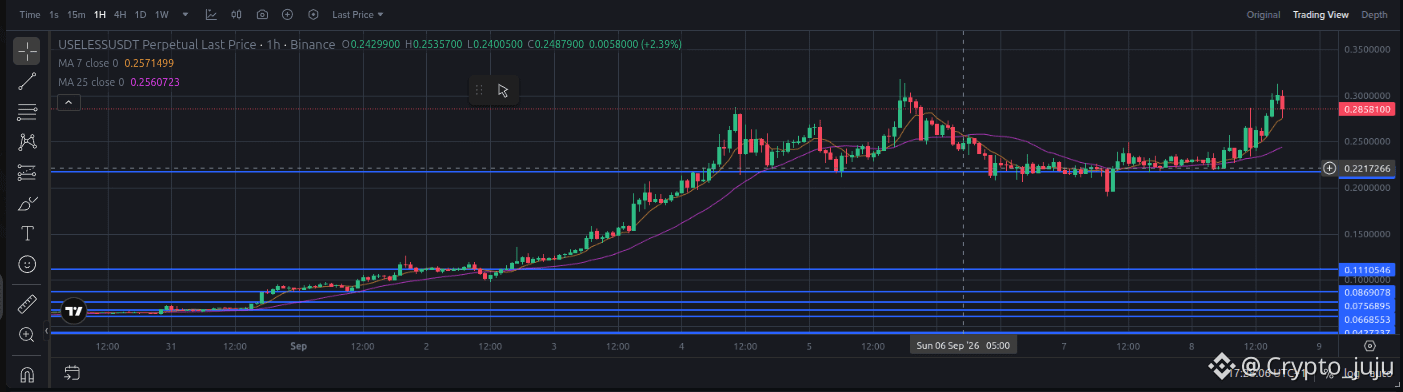
Mà ng tao dù nghĩ pé $USELESS momentum ti bọ́wọ̀ dẹ́kun, $HYPE Liquid listing kan ṣubú Ohun yìí gan-an kò fẹ́ túntun lati tútù. Dájúdájú máa tọ́jú chart láti rí bí momentum yìí ṣe lè gùn gan-an. Nígbà náà, lórí ẹgbẹ TON náà, ewọ̀ mi ni @ston_fi farm watch fún ọ̀sẹ̀ yìí 🔥 USD₮/JETTON — ~93% APR 🔥 GRAM/JETTON — ~54% APR 🔥 STON/USD₮ — ~14% APR ⚡ STON/USD₮ Boost Farm — ~27% APR Àwọn nọmba díẹ̀ gan-an wúni lórí, pàápàá jù fún àwọn pool JETTON. Dájúdájú, APR lè yípadà, àti pé APR gíga kò túmọ̀ sí pé ìṣòwò dára laifọwọyi. Ìrìnàjò iye token, liquidity, àti impermanent loss ṣì jẹ́ àwọn nkan tí mo máa rántí kí n tó fo sínú ẹ̀ka kankan. Mo kan ń pín ohun tí ó wà lójú mi ní ọ̀sẹ̀ yìí. Crypto n fún ọ ní nkan tuntun gan-an láti tọ́jú ní gbogbo díẹ̀ wákàtí #Hypeliquid
Mà ng tao dù nghĩ pé $USELESS momentum ti bọ́wọ̀ dẹ́kun, $HYPE Liquid listing kan ṣubú Ohun yìí gan-an kò fẹ́ túntun lati tútù. Dájúdájú máa tọ́jú chart láti rí bí momentum yìí ṣe lè gùn gan-an. Nígbà náà, lórí ẹgbẹ TON náà, ewọ̀ mi ni @ston_fi farm watch fún ọ̀sẹ̀ yìí 🔥 USD₮/JETTON — ~93% APR 🔥 GRAM/JETTON — ~54% APR 🔥 STON/USD₮ — ~14% APR ⚡ STON/USD₮ Boost Farm — ~27% APR Àwọn nọmba díẹ̀ gan-an wúni lórí, pàápàá jù fún àwọn pool JETTON. Dájúdájú, APR lè yípadà, àti pé APR gíga kò túmọ̀ sí pé ìṣòwò dára laifọwọyi. Ìrìnàjò iye token, liquidity, àti impermanent loss ṣì jẹ́ àwọn nkan tí mo máa rántí kí n tó fo sínú ẹ̀ka kankan. Mo kan ń pín ohun tí ó wà lójú mi ní ọ̀sẹ̀ yìí. Crypto n fún ọ ní nkan tuntun gan-an láti tọ́jú ní gbogbo díẹ̀ wákàtí #Hypeliquid
36
·
--
il Word è $BTC botom parantos aya di kuring ngira waktosna pikeun nempatkeun panon kuring dina tempat anu pas $XRP HYPE sareng ZEC
il Word è $BTC botom parantos aya di kuring ngira waktosna pikeun nempatkeun panon kuring dina tempat anu pas $XRP HYPE sareng ZEC
43
·
--
$INJ គ្រាន់តែបានបំបែកកំណត់ត្រាខ្ពស់បំផុតថ្មីក្នុងថូខឹនដែលបានដាក់ភ្នាល់។ ឥឡូវនេះ INJ ជាង 58.8M ត្រូវបានចាក់សោនៅលើខ្សែសង្វាក់ (on-chain)។ នោះជាសញ្ញាដ៏រឹងមាំមួយនៃការបង្ហាញការប្តេជ្ញាចិត្តកាន់តែខ្លាំងចំពោះអេកូសისტែម Injective។ $HYPE
$INJ គ្រាន់តែបានបំបែកកំណត់ត្រាខ្ពស់បំផុតថ្មីក្នុងថូខឹនដែលបានដាក់ភ្នាល់។ ឥឡូវនេះ INJ ជាង 58.8M ត្រូវបានចាក់សោនៅលើខ្សែសង្វាក់ (on-chain)។ នោះជាសញ្ញាដ៏រឹងមាំមួយនៃការបង្ហាញការប្តេជ្ញាចិត្តកាន់តែខ្លាំងចំពោះអេកូសისტែម Injective។ $HYPE
43
·
--
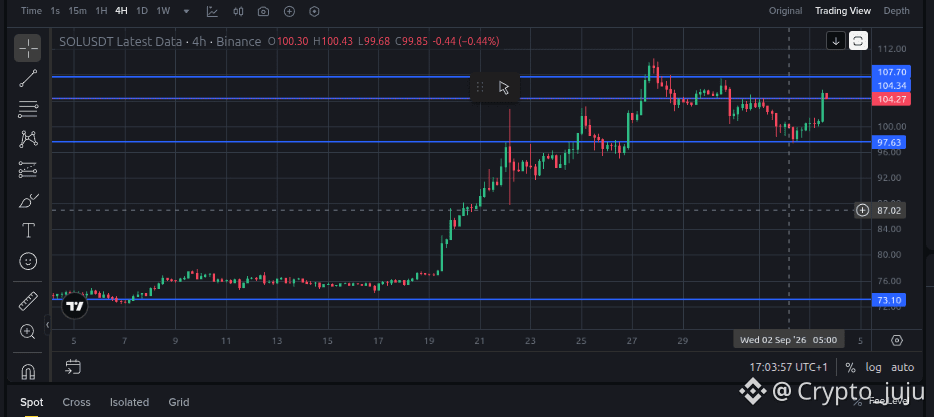
$SOL ກຳລັງຈະໄປຫາ $112 ອີກຄັ້ງ ຮັກສິ່ງທີ່ແຜນຜັງເບິ່ງຢູ່, ເວລາໄປກວດເບິ່ງວ່າ $XRP ແຜນຜັງເປັນແນວໃດ
$SOL ກຳລັງຈະໄປຫາ $112 ອີກຄັ້ງ ຮັກສິ່ງທີ່ແຜນຜັງເບິ່ງຢູ່, ເວລາໄປກວດເບິ່ງວ່າ $XRP ແຜນຜັງເປັນແນວໃດ
39
·
--
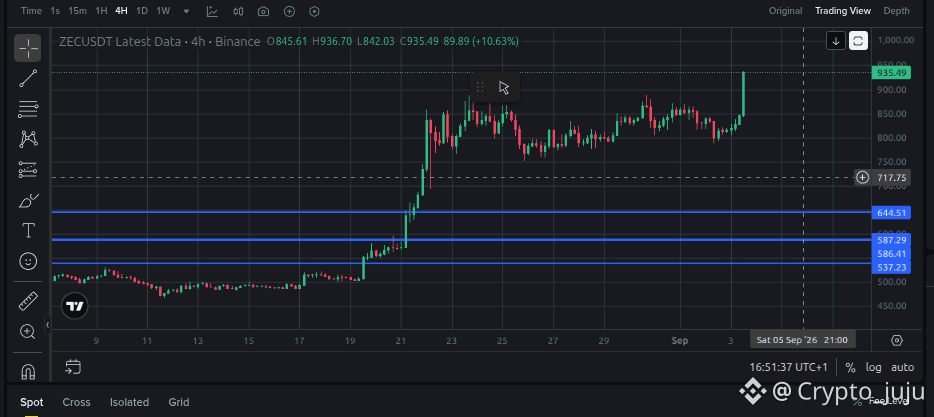
$ZEC ພຽງແຕ່ໄດ້ຍ້າຍຢ່າງແຮງຫຼາຍ ອາທິດນີ້ກຳລັງດູດີ ຂ້ອຍມີຕາຢູ່ກັບ $HYPE
$ZEC ພຽງແຕ່ໄດ້ຍ້າຍຢ່າງແຮງຫຼາຍ ອາທິດນີ້ກຳລັງດູດີ ຂ້ອຍມີຕາຢູ່ກັບ $HYPE
70
ເຂົ້າສູ່ລະບົບເພື່ອສຳຫຼວດເນື້ອຫາເພີ່ມເຕີມ
ເຂົ້າຮ່ວມກຸ່ມຜູ້ໃຊ້ຄຣິບໂຕທົ່ວໂລກໃນ Binance Square.
⚡️ ໄດ້ຮັບຂໍ້ມູນຫຼ້າສຸດ ແລະ ທີ່ມີປະໂຫຍດກ່ຽວກັບຄຣິບໂຕ.
💬 ໄດ້ຮັບຄວາມໄວ້ວາງໃຈຈາກຕະຫຼາດແລກປ່ຽນຄຣິບໂຕທີ່ໃຫຍ່ທີ່ສຸດໃນໂລກ.
👍 ຄົ້ນຫາຂໍ້ມູນເຊີງເລິກທີ່ແທ້ຈາກນັກສ້າງທີ່ໄດ້ຮັບການຢືນຢັນ.
ອີເມວ / ເບີໂທລະສັບ
ຫົວຂໍ້ທີ່ກໍາລັງນິຍົມ
BitcoinHoldsAbove$77000
64 views
31 ກຳລັງສົນທະນາ
$BTC : $80K ມອງເບິ່ງໃກ້ຂຶ້ນແຕ່ບັນດາຝ່າຍຂາຂຶ້ນ (bulls) ຍັງຕ້ອງພິสูດຕົວເອງ. 🔥
ທີ່ $78,118 ການຟື້ນຕົວແບບ 4 ຊົ່ວໂມງ ສະແດງວ່າແຮງເຄື່ອນໄຫວດີຂຶ້ນ, ດ້ວຍ RSI ໃກ້ 57. ການປິດຢືນຢັນເໜືອ $78,500 ແລະການທົດຄືນ (retest) ທີ່ສຳເລັດຈະຊ່ວຍເສີມການດັນໄປສູ່ $79,200 ຈາກນັ້ນ $80,000.
$77,500 ແມ່ນລະດັບທີ່ຕ້ອງຮັກສາ. ຖ້າສູນເສຍການຮອງຮັບ, $76,400–$76,050 ຈະກັບມາເປັນຈຸດສຸມ. ທະລຸລົງໃຕ້ $76,050, ແລ້ວ $75,000 ຈະກາຍເປັນເປົ້າໝາຍທີ່ໜັກແໜ້ນ.
ຊຸດນີ້ເນັ້ນໃສ່ $80K ກ່ອນ ຕາບໃດທີ່ $77,500 ຍັງຖືກຮັກສາ. ທຽນສີຂຽວຈະດຶງຄວາມສົນໃຈ. ການທະລຸທີ່ຢືນຢັນ (confirmed breakout) ຈະເພີ່ມຄວາມໝັ້ນໃຈ.
#BitcoinHoldsAbove$77000
Snip7r
·0 ຖືກໃຈ
·13 views
FedHikeOddsRiseTo89%
0 views
2 ກຳລັງສົນທະນາ
BitcoinCrosses$78000
2,047 views
124 ກຳລັງສົນທະນາ