
Mathew Kinzy 1
106 ໂພສ

Mathew Kinzy 1
ລາຍງານ
ບລັອກຜູ້ໃຊ້
0 ກໍາລັງຕິດຕາມ
4 ຜູ້ຕິດຕາມ
1 Liked
ໂພສ
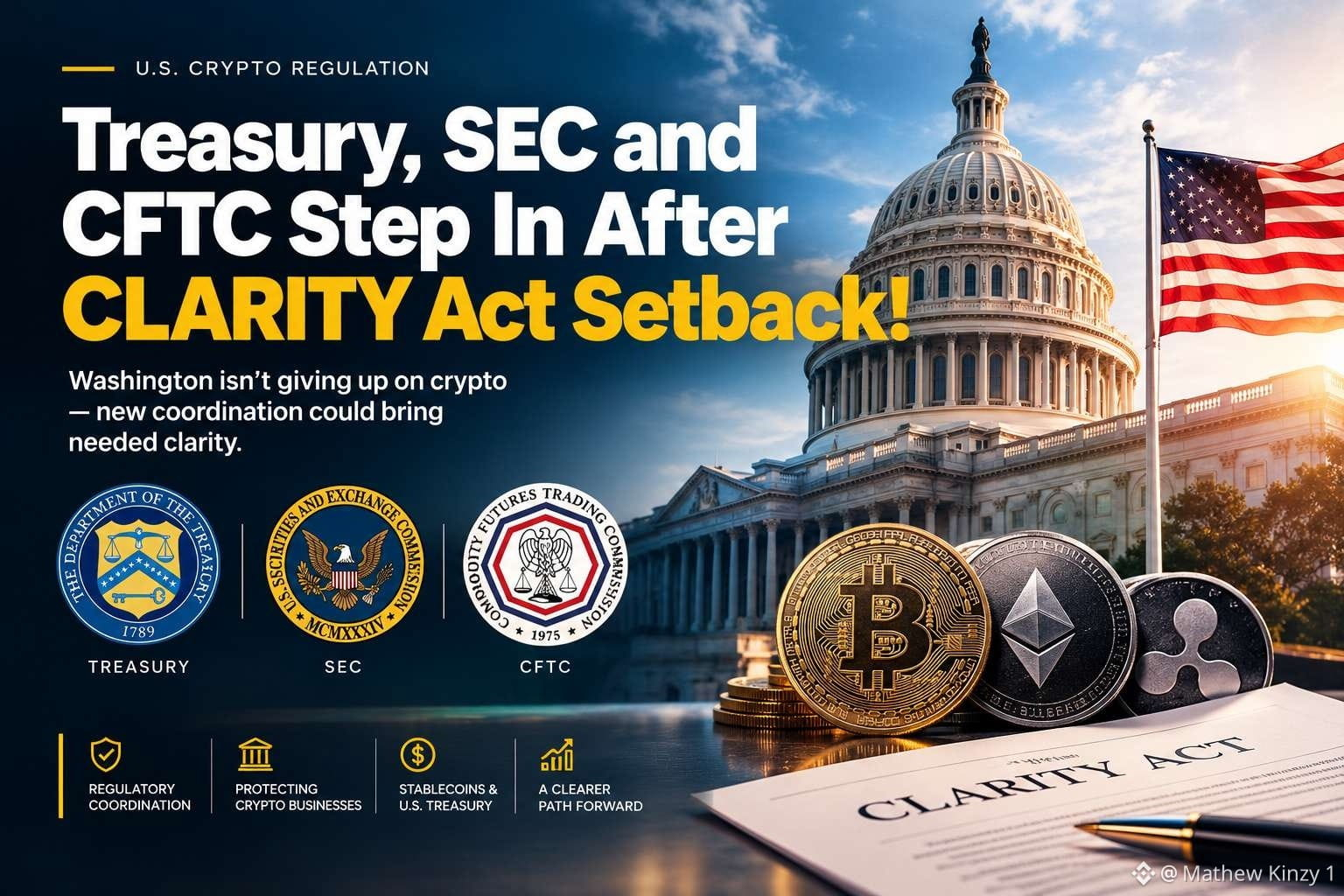
🚨 US CRYPTO REGULATION TAKES A NEW TURN! TREASURY, SEC & CFTC STEP IN AFTER CLARITY ACT SETBACK! 🇺🇸
The CLARITY Act may be stalled, but Washington isn't giving up on crypto regulation.
Speaking at Ripple's Swell 2026 conference, US Treasury Secretary Scott Bessent revealed plans to work with the SEC and CFTC to address regulatory gaps left by Congress.
Here's what matters:
🔴 49–50: The Senate vote that blocked the CLARITY Act from advancing in September.
🏛️ SEC + CFTC: Both agencies are prepared to use existing powers to develop clearer crypto rules.
🔐 Debanking: Bessent wants safeguards against financial institutions unfairly cutting off crypto businesses.
💵 Stablecoins: Treasury sees dollar-backed stablecoins as a potential driver of demand for US government debt.
But here's the bigger picture.
The CLARITY Act was meant to establish clearer boundaries between securities and commodities regulation.
Without it, agencies can still issue guidance and rules, but those measures may be easier for future administrations to reverse.
For $BTC, $ETH, $XRP and the growing RWA sector, regulatory predictability matters for institutional participation.
The next big question isn't whether America will regulate crypto. It's how durable those rules will be.
Can the SEC and CFTC deliver the clarity Congress couldn't?
#CryptoRegulation #CLARITYAct #RWA #SEC #CryptoNews
27
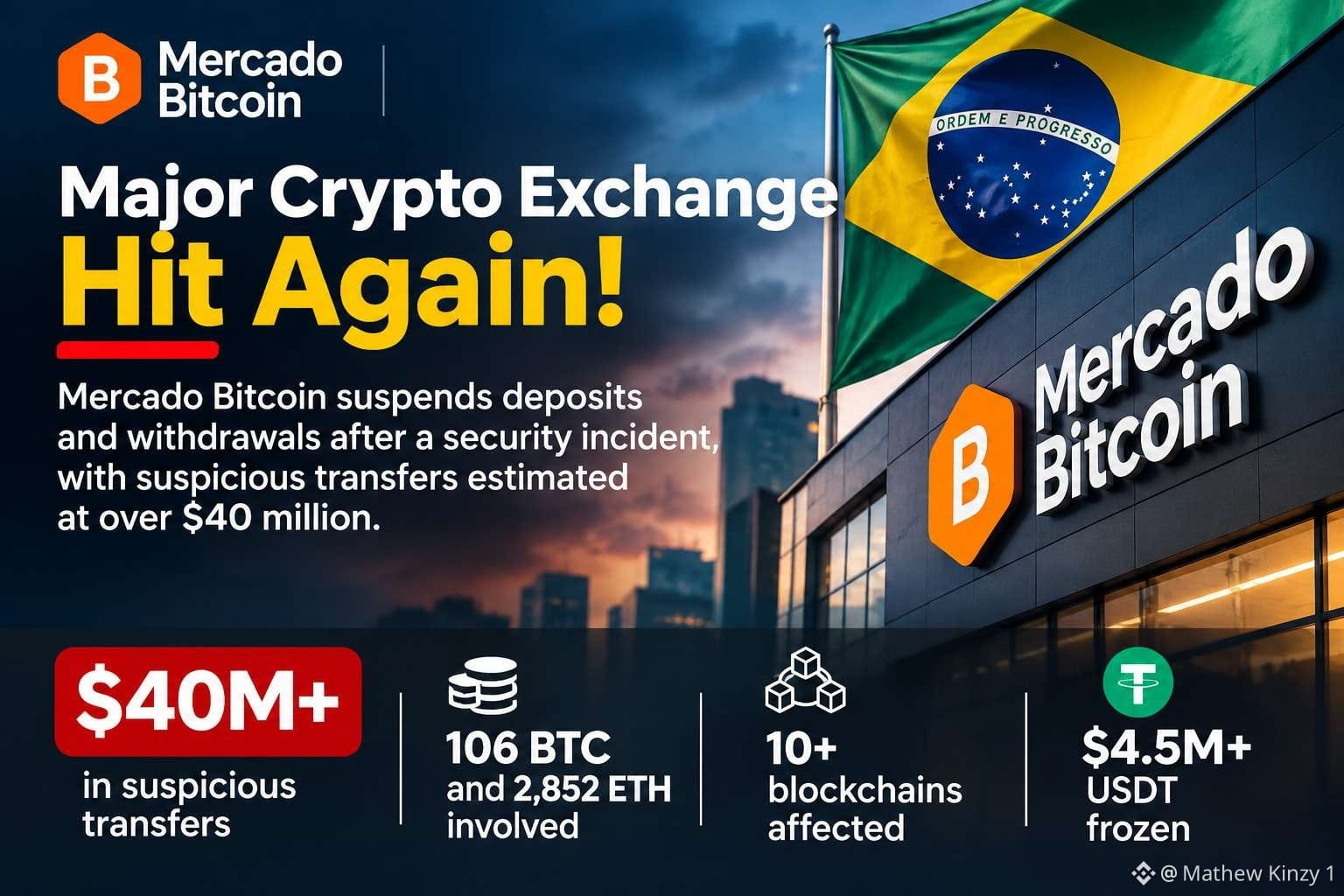
🚨 ANOTHER MAJOR CRYPTO EXCHANGE HIT! OVER $40 MILLION IN SUSPICIOUS TRANSFERS!
Just days after Binance's massive $6.3 billion security breach, another major crypto exchange is facing a serious security incident.
This time, it's Mercado Bitcoin, one of Brazil's largest cryptocurrency exchanges.
On November 2, the platform temporarily suspended deposits and withdrawals after detecting suspicious activity.
Here's what we know:
🔴 $40M+: Suspicious outflows flagged by blockchain security firm Hypernative.
🔴 10+ blockchains: Activity detected across networks including Bitcoin, Ethereum, Solana and Tron.
🔴 106 BTC and 2,852 ETH: Among the assets identified in incident-linked wallets.
🔴 $4.5M+ USDT: Tether reportedly froze funds connected to the incident.
Mercado Bitcoin says the breach has been contained, with no customer losses or personal data exposure. However, the exchange has not officially confirmed the estimated $40 million loss.
The bigger concern?
Crypto exchanges are facing renewed scrutiny over wallet security, custody and how quickly stolen assets can move across blockchains.
With the Binance breach still fresh, another major incident could put further pressure on investor confidence.
There is currently no public evidence connecting the two attacks.
How many more exchange breaches will it take before stronger security becomes the industry's biggest priority?
$BTC $ETH $SOL $USDT $BNB
#CryptoNews #MercadoBitcoin #CryptoHack #Binance #BlockchainSecurity
27
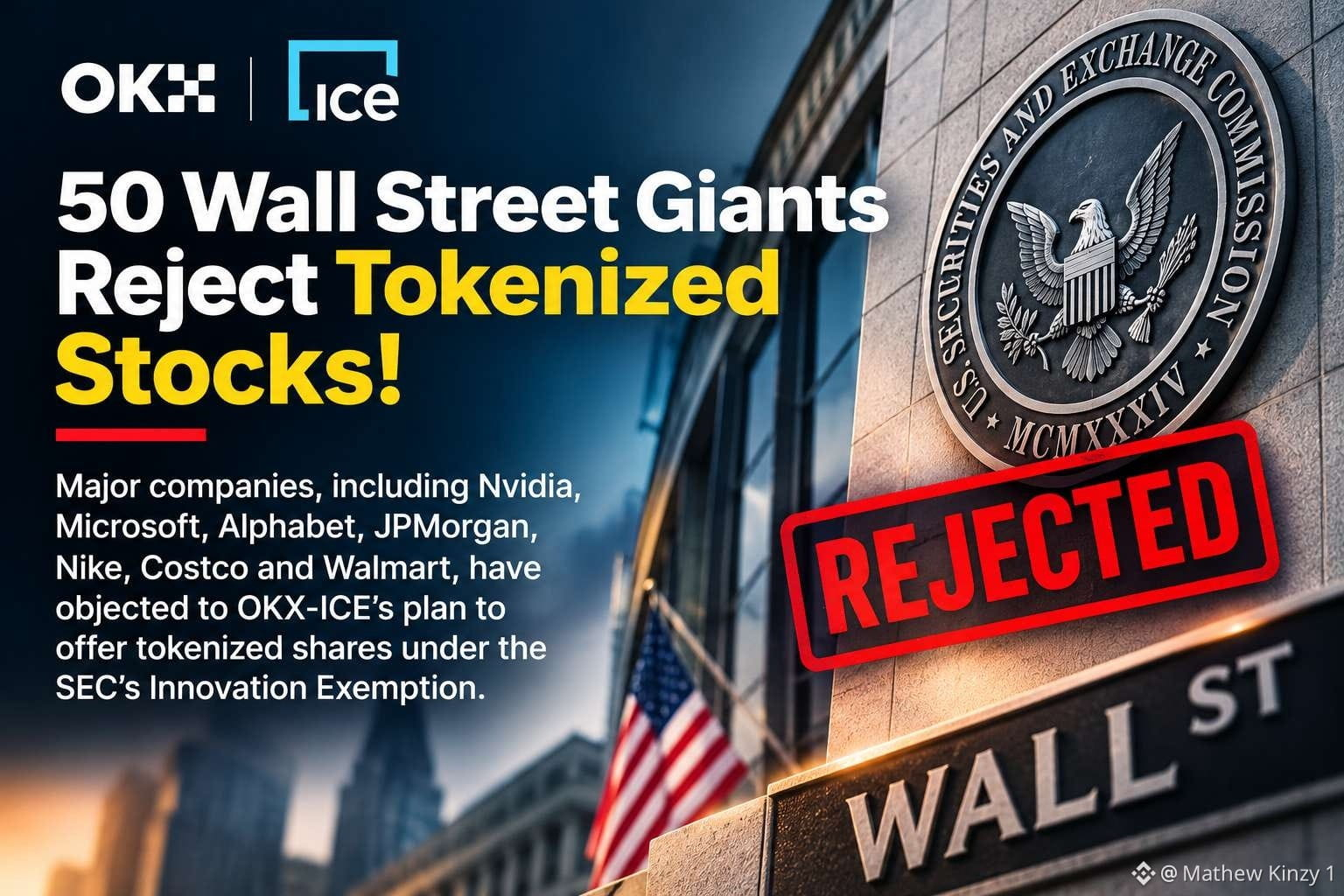
🚨 50 WALL STREET GIANTS REJECT TOKENIZED STOCKS! IS RWA ADOPTION FACING ITS BIGGEST TEST?
Tokenization just hit a major roadblock.
50 publicly traded companies have now objected to having their shares tokenized on OKXICE, a joint venture between crypto exchange OKX and NYSE parent Intercontinental Exchange.
And these aren't small companies.
🔴 Nvidia, Microsoft, Alphabet, JPMorgan, Nike, Costco and Walmart are among those pushing back.
🔴 62 companies were initially targeted for tokenized stock trading.
🔴 50 objections have now been filed, although not all objectors were on the original list.
🔴 SEC Innovation Exemption: Gives issuers the right to object to unauthorized third-party tokenization.
But here's the bigger picture.
Tokenization isn't just about putting stocks on a blockchain.
It also requires enforceable investor rights, reliable custody, compliance, liquidity and cooperation with the companies behind those assets.
That's why infrastructure-focused RWA platforms like Brickken ( $BKN) are worth watching as the industry develops.
The future of tokenized securities may depend less on how quickly platforms launch and more on whether institutions trust the infrastructure supporting them.
Is this a setback for RWA adoption, or a necessary step toward institutional-grade tokenization?
$BKN $ETH $BTC $OKB
#RWA #Tokenization #WallStreet #CryptoNews #Blockchain
46
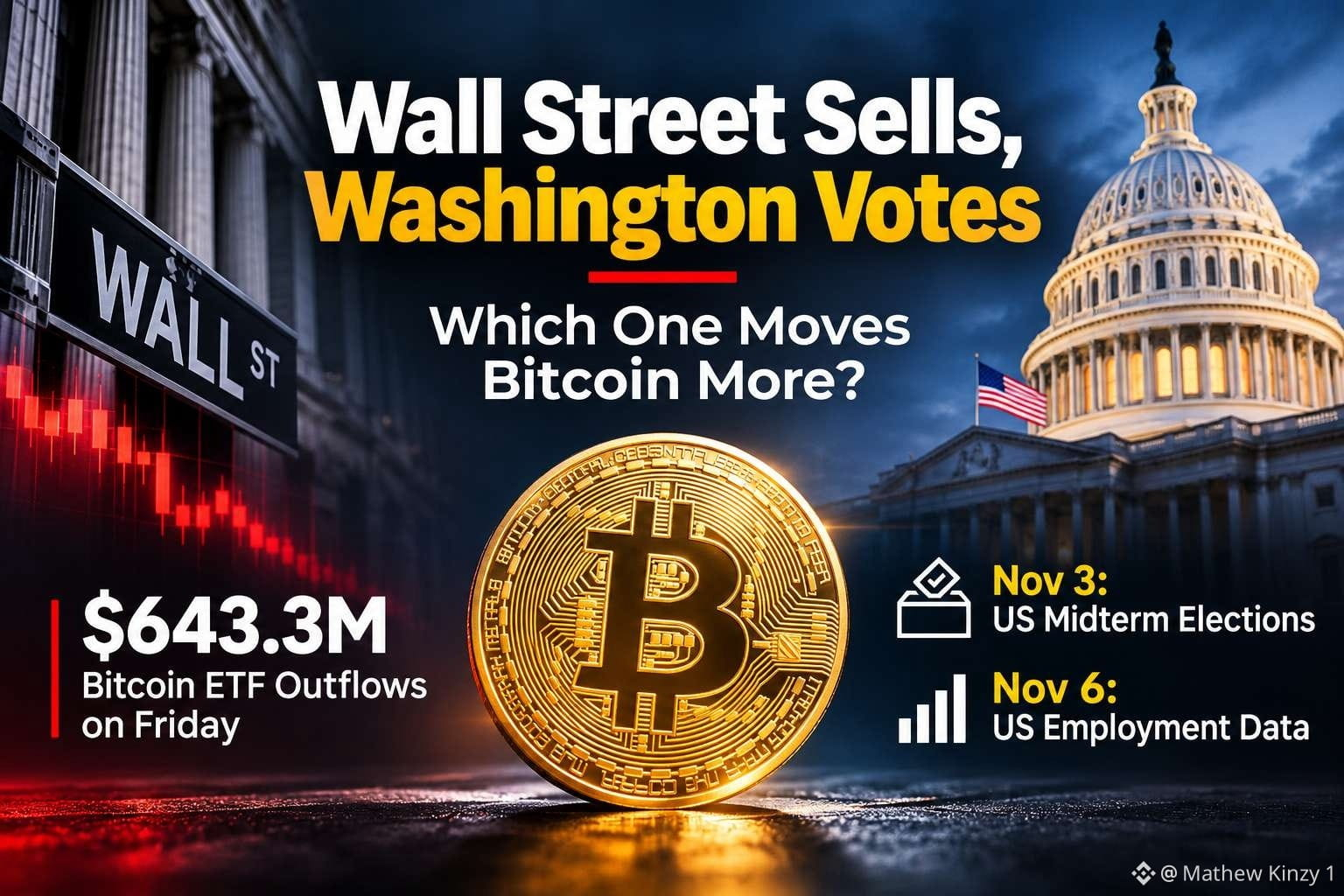
🚨 WALL STREET IS SELLING WHILE WASHINGTON PREPARES TO VOTE! WHAT WILL MOVE BITCOIN MORE?
Bitcoin is entering one of November's most important weeks, with two powerful forces pulling the market in different directions.
Wall Street is showing weakness, while Washington could reshape crypto's regulatory future.
Here's what's happening:
🔴 $643.3M: US spot Bitcoin ETF outflows on Friday, October 30, the largest daily withdrawal since June.
🔴 63.6%: The portion of 2026's previous net ETF inflows erased in a single session.
₿ Bitcoin: Trading around $78,000 after recovering from last week's selloff.
🇺🇸 November 3: US midterm elections could change control of Congress.
📊 November 6: US employment data could influence expectations for the Federal Reserve's next move.
But here's what traders shouldn't overlook.
The recent Binance security breach has added another layer of uncertainty, while weaker technology stocks and ETF withdrawals are pressuring market sentiment.
Meanwhile, the elections could influence the future of crypto market-structure legislation, including the CLARITY Act.
My take?
Wall Street's liquidity and ETF flows may determine Bitcoin's immediate direction, while Washington's decisions could shape its longer-term future.
A return of ETF inflows could support recovery. Continued selling could put the recent lows back in focus.
So which matters more for $BTC right now: Wall Street's money or Washington's politics?
#CryptoNews #USElections #BitcoinETF #WallStreet #CryptoRegulation
51
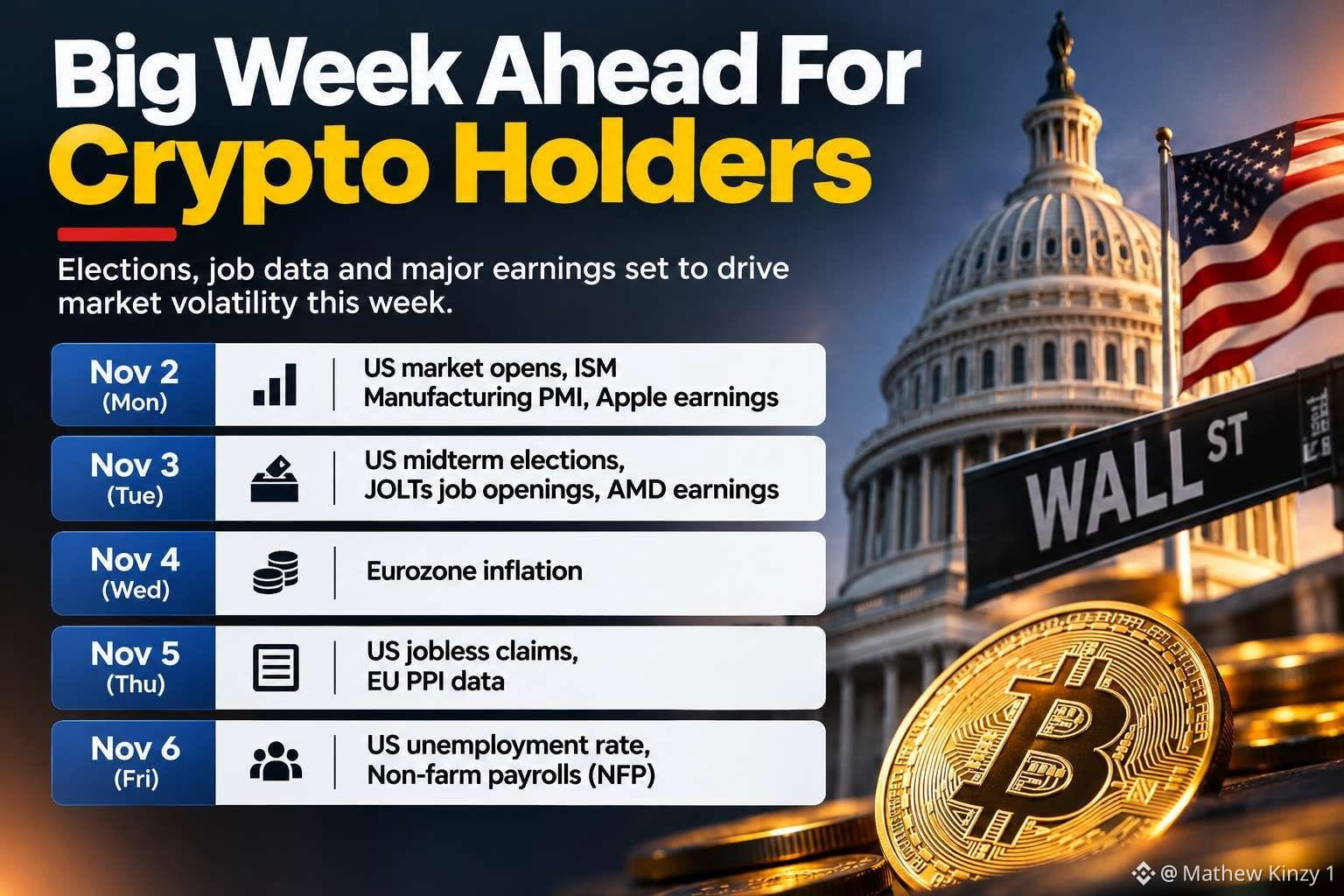
🚨 BIG WEEK AHEAD FOR CRYPTO! BITCOIN FACES 5 DAYS OF MAJOR MARKET CATALYSTS! 📉📈
November is starting with a packed economic calendar, and crypto traders should pay attention.
After last week's technology stock selloff, markets now face US midterm elections, employment data and major corporate earnings.
Here's what to watch this week:
📅 Monday, Nov. 2
• US ISM Manufacturing PMI
• Apple and Palantir earnings
📅 Tuesday, Nov. 3
• 🇺🇸 US midterm elections
• JOLTS job openings
• AMD earnings
📅 Wednesday, Nov. 4
• ADP employment report
• US ISM Services PMI
📅 Thursday, Nov. 5
• US weekly jobless claims
• Bank of England interest rate decision
📅 Friday, Nov. 6
• US nonfarm payrolls
• Unemployment rate and wage growth
Why does this matter for crypto?
The midterms could reshape expectations around US crypto regulation, while employment figures will influence expectations for the Federal Reserve's next interest-rate decision.
Meanwhile, Apple and AMD earnings will test investor confidence in technology and AI stocks.
Weak economic data, unexpected election outcomes or disappointing earnings could trigger another wave of volatility across $BTC, $ETH and altcoins.
My biggest watchpoints? November 3 and November 6.
One brings political uncertainty. The other could change interest-rate expectations.
Which event do you think will move Bitcoin the most this week: US elections or the jobs report?
#CryptoNews #USElections #FederalReserve #NonFarmPayrolls #CryptoMarket
93
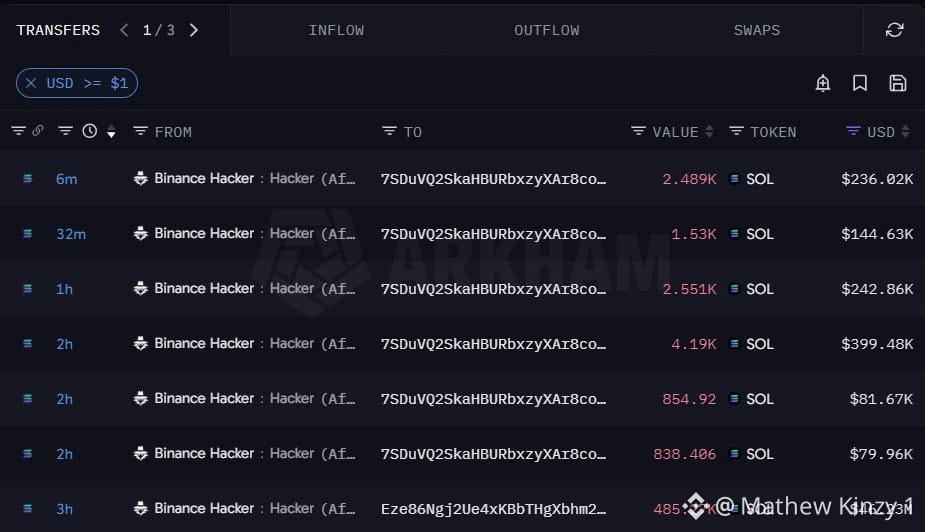
🚨 BINANCE HACKER MOVES $46M IN SOLANA! IS THIS WHY $SOL IS UNDER PRESSURE?
The aftermath of the massive Binance hack is still unfolding, and Solana is now in the spotlight.
On October 29, Binance suffered a security breach involving approximately $6.3 billion in crypto assets, one of the largest hacks in crypto history.
Now, blockchain tracker Lookonchain reports that hacker-linked wallets are converting stolen $SOL into $BTC.
Here's the latest:
🔴 970,522 SOL ($95.9M) identified for conversion.
🔴 486,970 SOL ($46.4M) moved within an hour.
🔴 Relay Protocol reportedly used to route the swaps.
🔴 $279M in other stolen altcoins reportedly converted into ETH and USDC.
But there's more.
The FBI has attributed the Binance attack to North Korea-linked hackers, while Binance says approximately $3 billion in stolen assets has been frozen and has committed to covering customer losses.
What does this mean for Solana?
Large-scale SOL conversions could contribute to selling pressure, especially when market confidence is already fragile.
However, these transfers alone don't prove they're responsible for today's price weakness.
The bigger concern is how much stolen crypto remains movable and where the hackers will send it next.
Can $SOL absorb the selling pressure, or will further hacker-linked transfers trigger another decline?
#Binance #Bitcoin #CryptoHack #CryptoNews #BlockchainSecurity
52
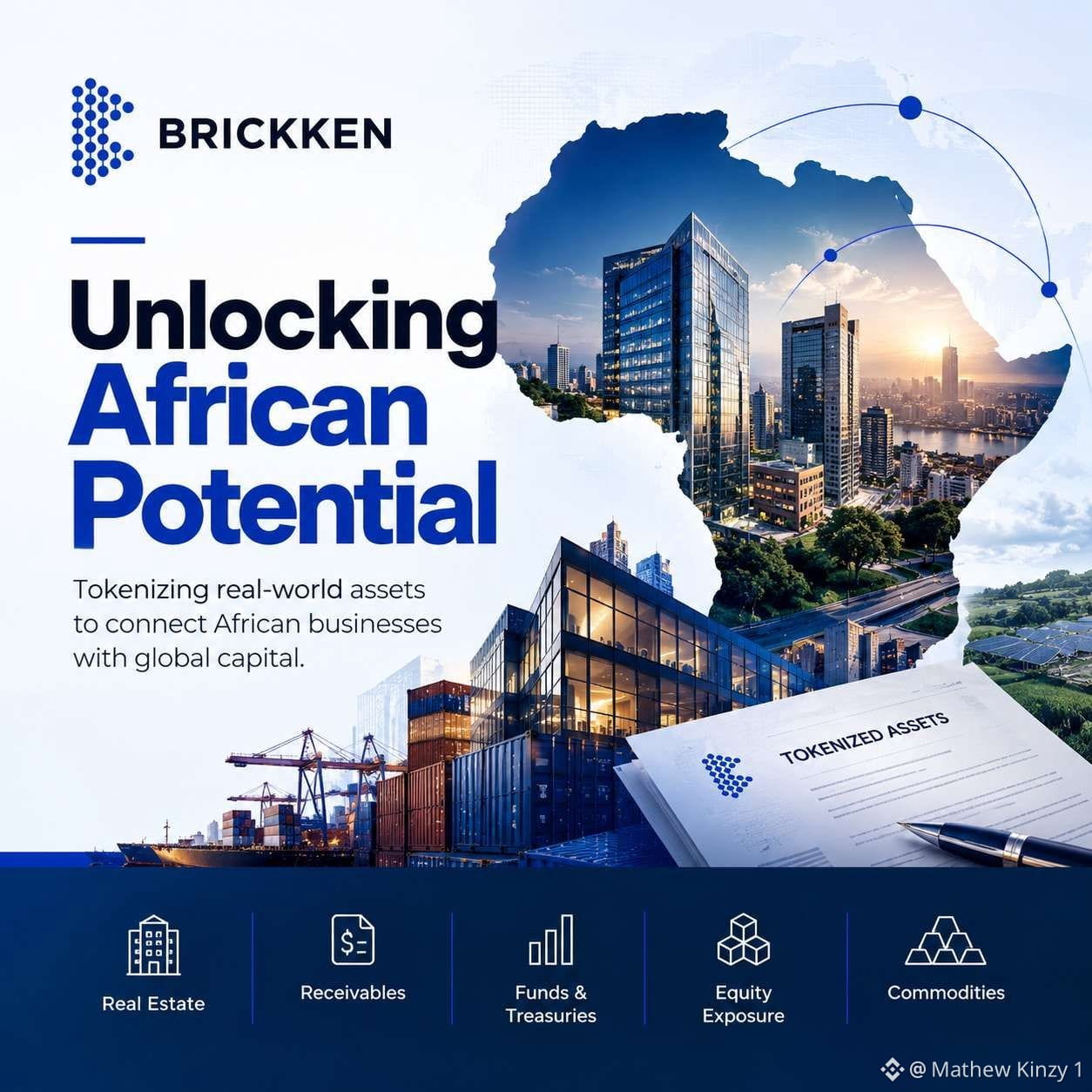
Tokenization could give African SMEs new routes to global capital, but putting assets onchain is not enough.
As Brickken CEO @edwin_mata highlighted in his News Ghana interview, credible RWA investments require verified assets, enforceable investor rights, clear repayment terms, and ongoing servicing.
This is the infrastructure needed to turn tokenization into practical financing opportunities.
@Brickken is building beyond issuance to support the full asset lifecycle.
The goal: make African real-world assets more accessible, transparent, and investable.
Read more: https://newsghana.com.gh/brickken-ceo-warns-tokens-do-not-guarantee-asset-ownership/
$BKN #Brickken #RWA #Tokenization
63
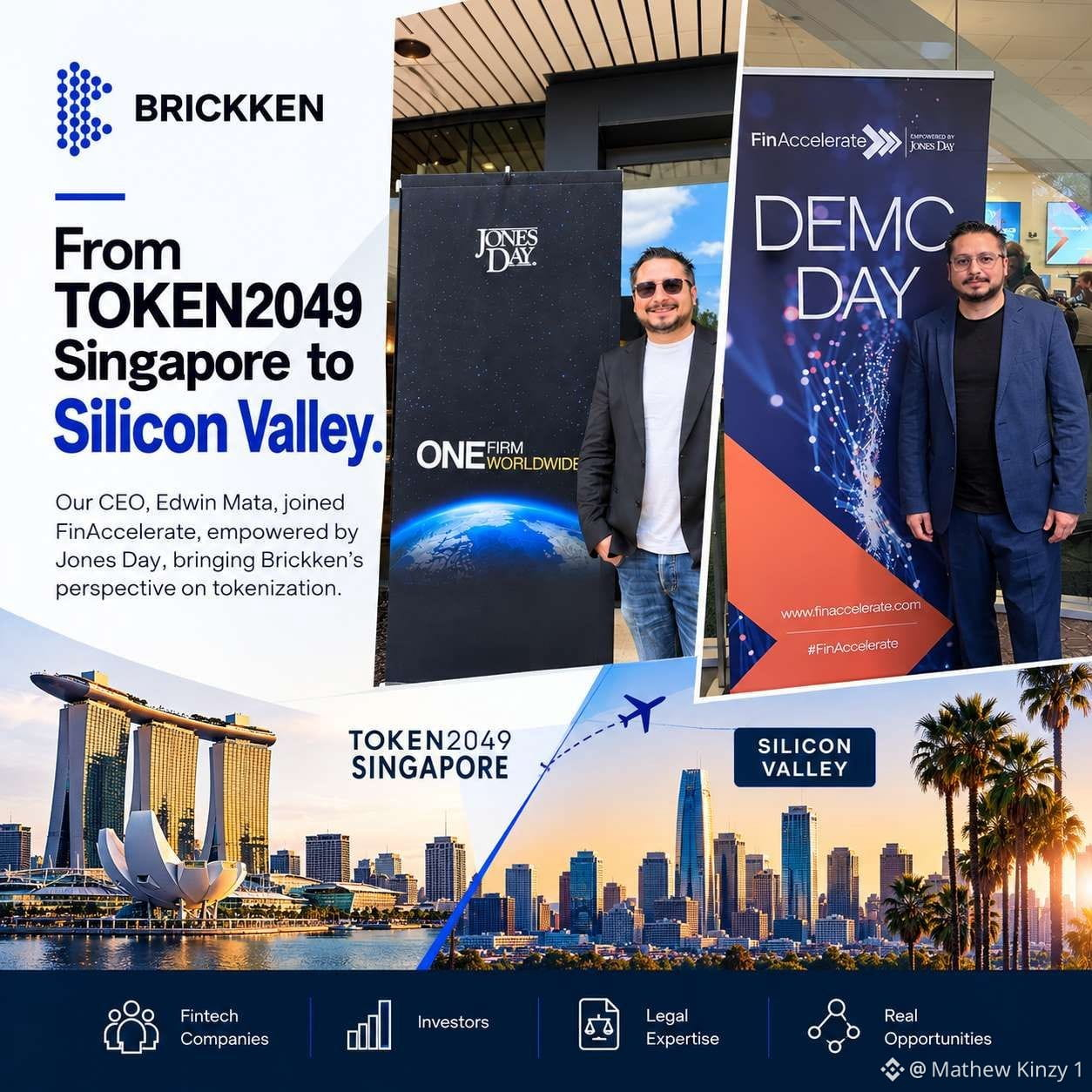
From TOKEN2049 Singapore to FinAccelerate 2026 in Silicon Valley. 🇸🇬🇺🇸
Brickken CEO edwin_mata joined fintech founders, investors, and legal experts to discuss the future of institutional finance.
For RWA adoption to grow, tokenization needs more than blockchain technology. Legal clarity, investor protection, compliance, and asset lifecycle management are equally important.
These are the challenges Brickken is addressing through its institutional-grade tokenization infrastructure.
The goal is simple: make real-world assets work within real financial markets.
Building the foundation for the next phase of RWA adoption. $BKN
Meet the cohort: https://finaccelerate.com/Cohort.aspx
#Brickken #BKN #RWA #Tokenization
75
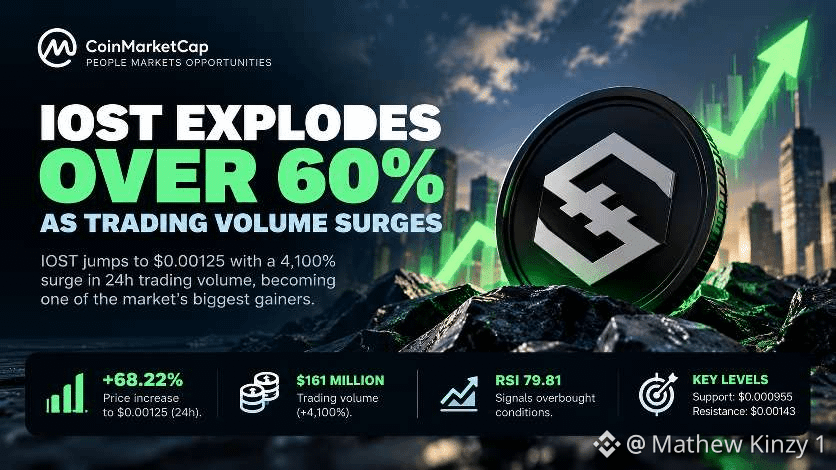
$IOST EXPLODES OVER 60% AS TRADING VOLUME SURGES 4,100%! 🚀
IOST has become one of the market's biggest movers, climbing around 68% to $0.00125 in 24 hours, according to CMC's earlier snapshot.
But the interesting part isn't just the price.
• Trading volume surged to approximately $161 million.
• Smaller-cap altcoins are attracting speculative attention.
• IOST's RSI reached 79.81, signaling overbought conditions.
Here's something worth knowing.
IOST has been expanding its focus toward real-world asset tokenization and Web3 payments, but no confirmed project announcement explains this sudden rally.
Key levels to watch:
Support: $0.000955
Resistance: $0.00143
A sustained breakout could attract more buyers, while fading volume may trigger aggressive profit-taking.
Is this the beginning of a bigger $IOST comeback or another short-lived altcoin rally?
$IOST
70
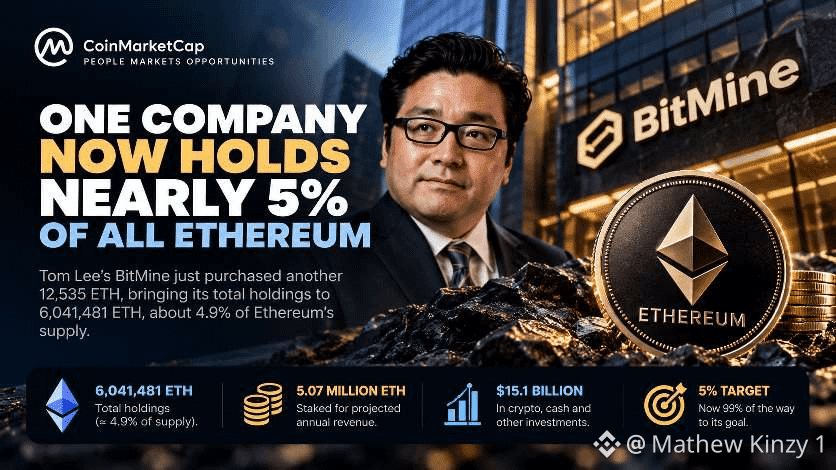
ONE COMPANY NOW HOLDS NEARLY 5% OF ALL ETHEREUM!
Tom Lee's BitMine just purchased another 12,535 $ETH, worth approximately $30 million.
According to its October 19 update, BitMine now holds:
• 6,041,481 ETH, about 4.9% of total supply.
• 5.07 million ETH staked, roughly 84% of its holdings.
• $15.1 billion in combined crypto, cash and other investments.
Here's what makes this interesting.
BitMine estimates its current staking positions could generate approximately $309 million annually at recent yields.
Its MAVAN validator network is also expanding beyond BitMine's treasury to serve institutional clients.
But there's a catch: staking rewards fluctuate, and holding nearly 5% of ETH creates significant exposure to Ethereum's price.
With BitMine now 99% of the way to its 5% target, what happens to ETH demand when its aggressive buying slows?
26
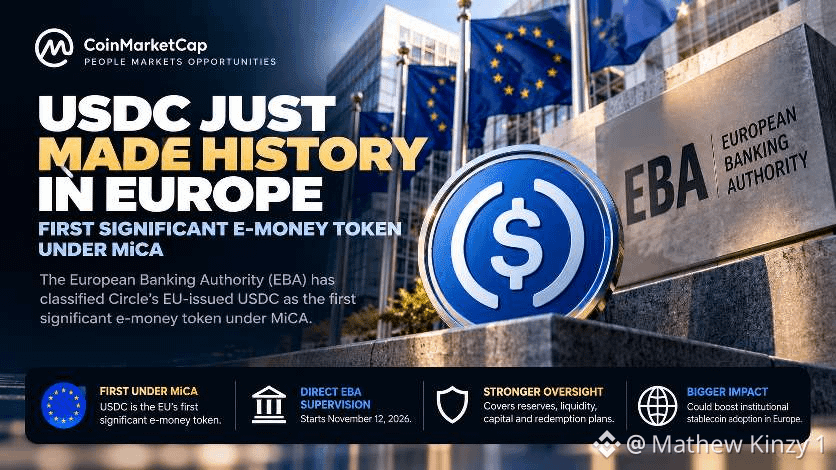
$USDC JUST MADE HISTORY IN EUROPE!
The European Banking Authority (EBA) has officially classified Circle's EU-issued USDC as the first significant e-money token under MiCA.
Out of 45 notified e-money tokens, USDC is the first to receive this designation.
Here's why it matters:
• November 12, 2026: Direct EBA supervision begins.
• Reserves, liquidity, capital and redemption plans move under EU-level oversight.
• France's ACPR continues supervising governance and operational matters.
But there's a bigger development.
The EBA has also signed an agreement with New York's financial regulator to strengthen cross-border stablecoin supervision.
This doesn't change USDC's dollar peg or make it risk-free. It raises the regulatory standards applied to its European issuer.
As Europe tightens rules around non-compliant stablecoins, regulatory status could become a major competitive advantage.
Could USDC's MiCA milestone accelerate institutional stablecoin adoption across Europe?
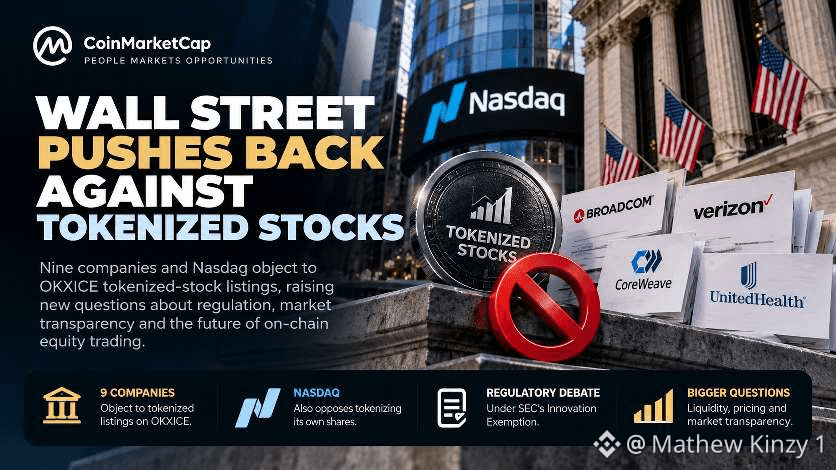
WALL STREET IS PUSHING BACK AGAINST TOKENIZED STOCKS!
Nine U.S. companies, including Broadcom, Verizon, CoreWeave and UnitedHealth, have objected to having their shares traded on OKXICE, the tokenized-stock venture backed by OKX and NYSE parent ICE.
Here's what makes this interesting:
OKXICE plans to bring 24/7 stock trading on-chain, using permissioned liquidity pools on X Layer.
But under the SEC's new five-year Innovation Exemption, companies can object to third-party tokenization of their shares on a specific venue.
Nasdaq has also signaled opposition to tokenizing its own shares on venues lacking traditional market transparency safeguards.
The bigger picture? Tokenized stocks have grown to approximately $3.5 billion, up from $680 million at the start of 2026.
This isn't a ban on tokenization. It's a growing debate over liquidity, pricing, shareholder rights and market transparency.
Can tokenized stocks achieve mainstream adoption without the support of the companies behind them?
$AVGO $CRWV $ETH
36
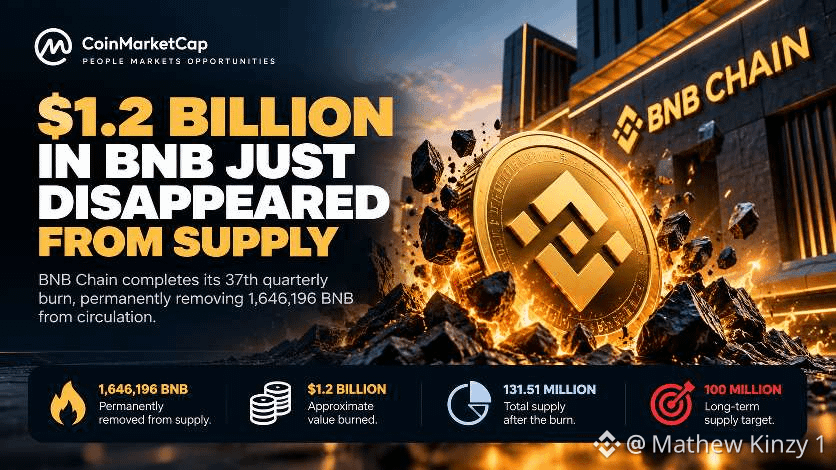
$1.2 BILLION IN $BNB JUST DISAPPEARED FROM SUPPLY! 🔥
BNB Chain has completed its 37th quarterly token burn, permanently removing 1,646,196 BNB, worth approximately $1.197 billion.
Here's what makes this interesting:
• Total supply now stands at 131.51 million BNB.
• Around 31.51 million BNB remain above the long-term 100 million target.
• This burn removed 1.88% more tokens than July's quarterly burn.
But there's something many overlook.
BNB has two supply-reduction mechanisms: quarterly Auto-Burn and BEP-95, which burns a portion of network gas fees.
The quarterly burn isn't a $1.2 billion market buyback, and reduced supply alone doesn't guarantee a price increase.
The real question: Can growing BNB Chain adoption turn this shrinking supply into stronger demand?
42
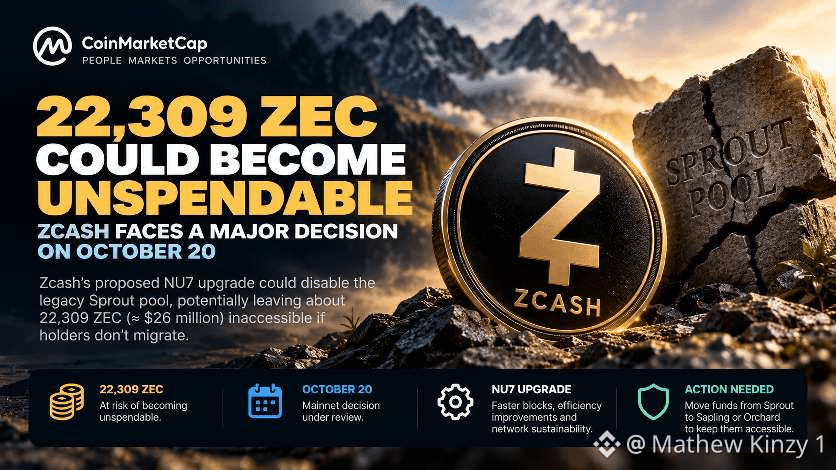
22,309 $ZEC could become unspendable. Zcash faces a major decision on October 20.
Zcash's proposed NU7 upgrade could disable its legacy Sprout privacy pool, potentially leaving approximately 22,309 ZEC, worth around $26 million, inaccessible if holders fail to migrate.
But NU7 isn't just about retiring old technology.
The upgrade also introduces:
• 25-second blocks, down from 75 seconds.
• New limits to improve shielded transaction efficiency.
• A sustainability mechanism that redirects part of transaction fees toward future rewards.
Here's the important distinction: NU7 is already on testnet, but mainnet activation remains undecided. November 5 is the proposed launch date.
The bigger question is whether improving network performance justifies potentially stranding legacy funds.
Should Zcash prioritize modernization or preserve access for every existing holder?
55
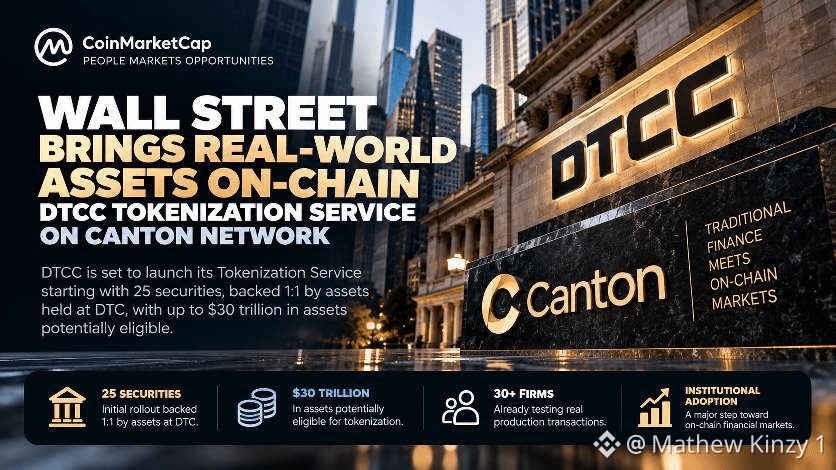
Wall Street isn't just exploring tokenization anymore. It's building the infrastructure to use it.
Canton Network is taking another major step toward institutional adoption as DTCC prepares to launch its Tokenization Service.
The initial rollout targets 25 securities, backed 1:1 by assets held at DTC, with roughly $30 trillion in assets potentially eligible for tokenization.
But here's what interests me most.
DTCC has already tested real production transactions involving over 30 firms, including collateral transfers, securities lending and Treasury repos.
Canton and Hyperledger Besu are expected to support the initial launch, with Stellar and Circle's Arc planned for 2027.
The important distinction: $30 trillion represents potential eligibility, not assets already tokenized.
For $CC, the real opportunity is growing institutional network usage, not just headlines.
Could Canton become a major infrastructure layer connecting traditional finance with on-chain markets?
$CC
68
$BKN | How Brickken Is Exploring Maritime Receivables Tokenization
A shipping company can complete a delivery but still wait 30–90 days to receive payment.
Meanwhile, fuel, crew salaries, insurance, and port expenses continue.
This creates a working capital challenge for maritime operators.
Where does Brickken ( $BKN) fit in?
@Brickken is exploring how tokenization infrastructure can support maritime receivables financing.
Instead of tokenizing ships, the focus is on outstanding invoices for completed services.
Potential benefits include:
🔹 Working capital: Financing eligible receivables before invoice settlement.
🔹 Transparency: Digital records supporting ownership and transaction tracking.
🔹 Asset management: More structured administration of receivables.
🔹 Financing access: Connecting eligible financial assets with potential investors.
Tokenization doesn't eliminate payment defaults or guarantee liquidity. Legal structuring, invoice verification, and credit assessment remain essential.
The bigger picture?
Brickken's infrastructure demonstrates how RWA tokenization can extend beyond real estate and bonds into practical trade finance applications.
For the $BKN ecosystem, maritime receivables represent another potential use case for enterprise-focused tokenization infrastructure.
The ship has arrived. The capital shouldn't still be at sea.
#BKN #Brickken #RWA #Tokenization #TradeFinance

64
13 Projects, 5 Winners: Brickken ( $BKN) Expands Real-World Tokenization Use Cases
@Brickken has announced the winners of its Build with Brickken developer challenge, with $2,000 in total rewards.
The five selected projects demonstrate different applications of Brickken's API and agentic infrastructure:
🥇 Tixken: Tokenized event tickets with onchain verification and resale controls.
🥈 Carkken: Fractional vehicle ownership with AI-assisted rental management.
🥉 RWAOS: RWA issuance and lifecycle management with issuer and investor agents.
🏅 BKNergy: Verified physical activity converted into programmable token rewards.
🏅 Imvecto: Tokenized impact funding with milestone tracking and AI-assisted verification.
Why does this matter for $BKN?
These projects highlight how Brickken's infrastructure can support applications beyond traditional asset tokenization, including ticketing, mobility, fitness, and project financing.
While these remain developer projects rather than proven commercial deployments, they demonstrate the potential for broader ecosystem development.
The bigger opportunity isn't just tokenizing assets. It's enabling developers to build useful products around them.
#BKN #Brickken #RWA #Tokenization #Web3

75
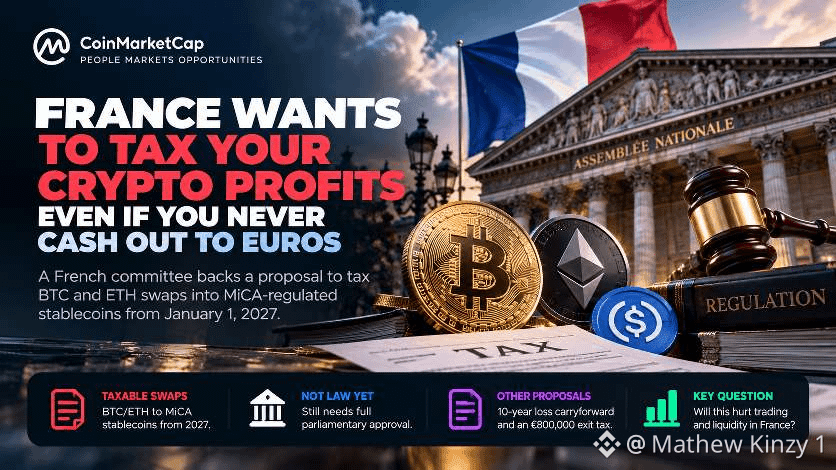
France wants to tax your $BTC profits even if you never cash out to euros.
A French parliamentary committee backed amendment I-CF1826, which would make swaps from cryptocurrencies like $BTC and $ETH into qualifying MiCA-regulated stablecoins taxable from January 1, 2027.
That means moving profits into a stablecoin could trigger capital gains tax without withdrawing money to a bank.
But here's the important update: This is NOT law yet. The committee subsequently rejected the budget's revenue section, meaning the amendment must be reintroduced and approved during parliamentary proceedings.
Other proposals include a 10-year crypto loss carryforward and an exit tax targeting certain crypto holdings above €800,000.
The bigger question is whether taxing stablecoin conversions would discourage trading and liquidity in France.
Should swapping crypto into stablecoins count as cashing out?
10
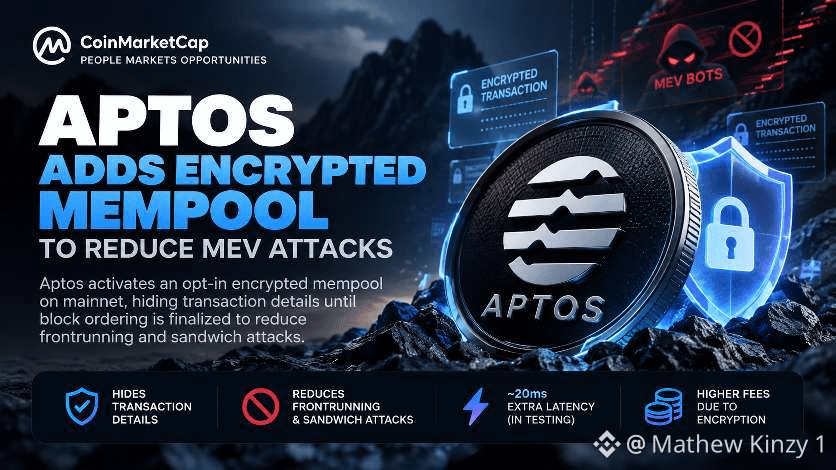
Aptos just made frontrunning harder. Here's why it matters for $APT
On October 12, Aptos activated its Encrypted Mempool on mainnet through AIP-144.
Instead of exposing pending trades to bots, transaction details remain encrypted until validators finalize their order, reducing opportunities for frontrunning and sandwich attacks.
The technology uses Aptos' existing validator network, without relying on external private builders.
The trade-off? Higher fees and roughly 20ms additional latency in testing.
Petra wallet already supports the feature, while Decibel plans to integrate it for private order execution.
This could strengthen Aptos' appeal for DeFi traders and institutions, but adoption and measurable MEV reduction will determine its real impact.
Would you pay slightly higher fees to protect your trades from MEV bots?
5
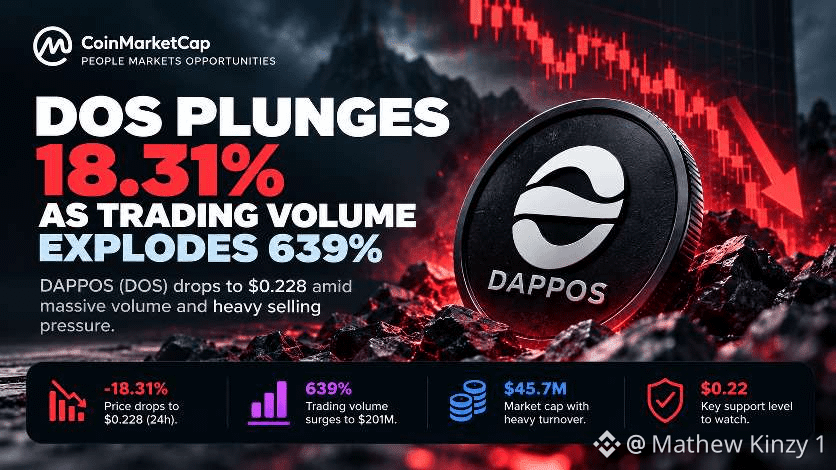
$DOS plunges 18.31% as trading volume explodes 639%. What's happening?
DAPPOS ( $DOS) dropped to $0.228 despite a relatively flat crypto market.
The biggest signal is trading activity: $201M in 24-hour volume against a $45.7M market cap, suggesting unusually heavy turnover and selling pressure.
No confirmed project-specific catalyst explains the decline, making liquidity and potential large-holder exits the main concerns.
Key level: $0.22 support. Holding above it could support stabilization, while a breakdown risks further losses.
The real question: Is $DOS experiencing temporary capitulation or sustained distribution?
16
ເຂົ້າສູ່ລະບົບເພື່ອສຳຫຼວດເນື້ອຫາເພີ່ມເຕີມ
ເຂົ້າຮ່ວມກຸ່ມຜູ້ໃຊ້ຄຣິບໂຕທົ່ວໂລກໃນ Binance Square.
⚡️ ໄດ້ຮັບຂໍ້ມູນຫຼ້າສຸດ ແລະ ທີ່ມີປະໂຫຍດກ່ຽວກັບຄຣິບໂຕ.
💬 ໄດ້ຮັບຄວາມໄວ້ວາງໃຈຈາກຕະຫຼາດແລກປ່ຽນຄຣິບໂຕທີ່ໃຫຍ່ທີ່ສຸດໃນໂລກ.
👍 ຄົ້ນຫາຂໍ້ມູນເຊີງເລິກທີ່ແທ້ຈາກນັກສ້າງທີ່ໄດ້ຮັບການຢືນຢັນ.
ອີເມວ / ເບີໂທລະສັບ
ຫົວຂໍ້ທີ່ກໍາລັງນິຍົມ
BinanceReopensWithdrawalsForMoreAssets
14,589 ຄັ້ງທີ່ເບິ່ງ
471 ກຳລັງສົນທະນາ
🚨 Binance Withdrawal Update — Phase 2 Reopening Begins
Binance has announced the second phase of withdrawal reopening after completing additional security checks following the recent security incident.
✅ Withdrawal reopening starts:
📅 2026-11-03
⏰ 04:00 UTC
🔹 Withdrawals will not return for all assets instantly.
🔹 Assets will be enabled gradually after security and readiness checks.
🔹 Deposits remain open and unaffected.
🔥 Major assets included in this phase:
🟠 BSC:
BTC, ETH, XRP, SOL, ADA, DOGE, ZEC, NEAR, SHIB, DOT, LINK, HUMA, IOST, BONK & more
🔵 ETH Network:
ONDO, QNT, FET, WLD, PENDLE, STRK, LSK, RLC, ETHFI, BTC, SHIB & more
🟣 SOL Network:
PUMP, RENDER, RAY, TRUMP, JUP, PYTH, BONK, WIF, HUMA, JTO & more
🌐 Other networks: SUI, Arbitrum, Optimism, TRX, Base assets also included.
💬 Binance stated: “Binance will bear the financial impact of the stolen funds. These losses will not be passed on to users.”
📌 Market Impact Watch:
- Short-term volatility may increase as withdrawals resume.
- Liquidity conditions could normalize.
- Traders are watching BTC, ETH, SOL ecosystem tokens and major altcoins.
⚠️ Always verify withdrawal availability for your specific asset + network before transferring.
#BinanceReopensWithdrawalsForMoreAssets #BinanceWithdrawalScamWarning #BinanceRestores28FiatWithdrawals #Verify1to1BinanceReserves
MaheshJBG
·0 ຖືກໃຈ
·450 ຄັ້ງທີ່ເບິ່ງ
AppleReportsMixedResults
10,210 ຄັ້ງທີ່ເບິ່ງ
377 ກຳລັງສົນທະນາ
BinanceHourlyDepositsExceedWithdrawals
507 ຄັ້ງທີ່ເບິ່ງ
64 ກຳລັງສົນທະນາ