
Asfand_01
58 ໂພສ
Asfand_01
ລາຍງານ
ບລັອກຜູ້ໃຊ້
130 ກໍາລັງຕິດຕາມ
4.1K+ ຜູ້ຕິດຕາມ
448 Liked
ໂພສ
·
--
ເບິ່ງການແປ
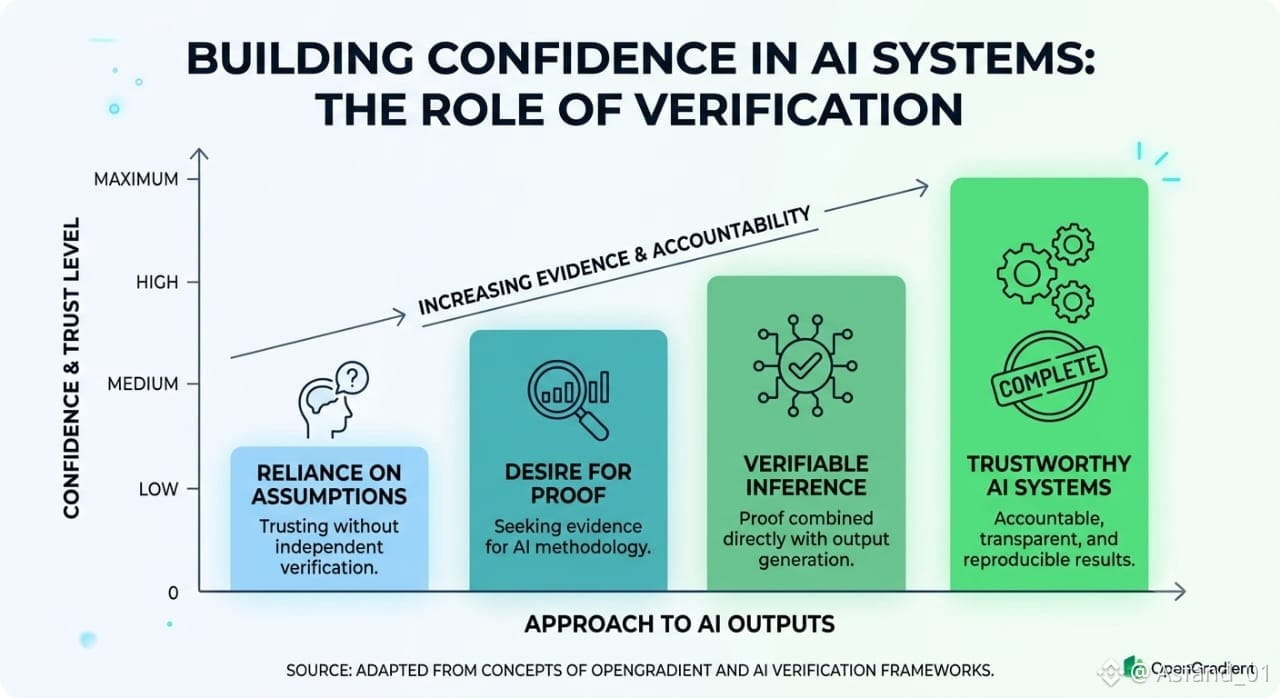
I almost spent more time relying on an AI response the other day, then I caught myself thinking, "How do I actually know this answer was produced the way it claims?" I realized I was ready to trust the result without having anything to verify. That small moment completely changed how I think about AI.
Since then, what interests me more isn't how quickly a model responds, but whether its output can stand up to independent verification. It reminds me of reading a research paper where the methodology matters just as much as the conclusion.
That's why @OpenGradient caught my attention. The idea of combining verification with inference instead of treating proof as an afterthought feels like a meaningful step toward AI accountability, transparent computation, reproducible outputs, and trustworthy AI systems. In the long run, confidence should come from evidence, not assumptions.
#opg $OPG
I almost spent more time relying on an AI response the other day, then I caught myself thinking, "How do I actually know this answer was produced the way it claims?" I realized I was ready to trust the result without having anything to verify. That small moment completely changed how I think about AI.
Since then, what interests me more isn't how quickly a model responds, but whether its output can stand up to independent verification. It reminds me of reading a research paper where the methodology matters just as much as the conclusion.
That's why @OpenGradient caught my attention. The idea of combining verification with inference instead of treating proof as an afterthought feels like a meaningful step toward AI accountability, transparent computation, reproducible outputs, and trustworthy AI systems. In the long run, confidence should come from evidence, not assumptions.
#opg $OPG
Since then, what interests me more isn't how quickly a model responds, but whether its output can stand up to independent verification. It reminds me of reading a research paper where the methodology matters just as much as the conclusion.
That's why @OpenGradient caught my attention. The idea of combining verification with inference instead of treating proof as an afterthought feels like a meaningful step toward AI accountability, transparent computation, reproducible outputs, and trustworthy AI systems. In the long run, confidence should come from evidence, not assumptions.
#opg $OPG
2
7
408
·
--
Kumaluwag ko ug kapoy nga paghunahuna kung ang pinakadaku nga hagit sa AI dili na ba ang salabutan kundi ang pagpanagutan. Ang mga modelo nahimong mas dali kuhaon, pero lisod gihapon masabtan kung kinsa ang naghimog ug output, unsang datos ang nakaimpluwensya niini, o kung ang proseso ba mahimong ma-check nga independente. Kining pagkawala sa kasiguruhan mas dako ang gipasabut samtang ang AI mosulod na sa adlaw-adlaw nga mga desisyon.
Ang mas dako nga isyu mao nga ang pagsalig dili mahimong magalig sa reputasyon ra. Ang mga nag-build, mga tiggamit, ug tibuok mga ekosistema kinahanglan og mga sistema nga nagabuhat ug pag-verify nga praktikal imbes nga magpaabot ug bulag nga pagsalig. Kung wala kining pundasyon, mahimong hinay ang pag-adopt bisan pa nga nagpadayon ang pag-uswag sa kalidad sa modelo.
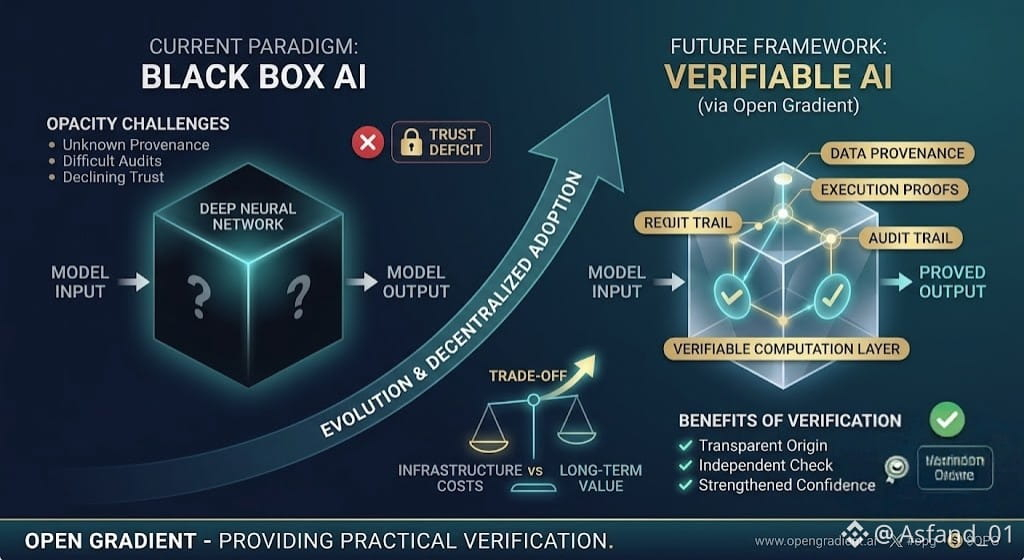
Usa sa hinungdan nganong ang @OpenGradient t nakadani sa akong atensyon kay ang pokus niini sa ma-verify nga komputasyon. Imbes nga tagdon ang AI isip itom nga kahon, ang ideya mao ang paghimog mas klaro kung giunsa ang pagpadagan mismo. Kini nga pamaagi mahimong makapalig-on sa pagsalig sa tibuok decentralized nga mga network sa AI kung mapamatud-an nga praktikal.
Apan bisan pa niana, ang pagdugang og verification nagdala usab ug gasto. Mas daghang imprastraktura, koordinasyon, ug teknikal nga kahugot ang mahimo’g moabot, ug makapahimong dili ganahan ang pag-adopt kung ang mga benepisyo dili klaro nga mas labaw pa sa kalisod.
Sa akong hunahuna, ang dugay-ng panahon nga kantidad sa AI mahimong mas nagdepende usab sa pagpamatuod sa mga resulta kay sa pag-generate niini, pero sayo pa kaayo aron masayran kung unsaon pag-usab kining balanse.
Mahimo ba nga ang transparent verification mahimong default nga gilauman para sa AI, o ang kahamugaway ra gihapon ang modaog?
#opg $OPG
Kumaluwag ko ug kapoy nga paghunahuna kung ang pinakadaku nga hagit sa AI dili na ba ang salabutan kundi ang pagpanagutan. Ang mga modelo nahimong mas dali kuhaon, pero lisod gihapon masabtan kung kinsa ang naghimog ug output, unsang datos ang nakaimpluwensya niini, o kung ang proseso ba mahimong ma-check nga independente. Kining pagkawala sa kasiguruhan mas dako ang gipasabut samtang ang AI mosulod na sa adlaw-adlaw nga mga desisyon.
Ang mas dako nga isyu mao nga ang pagsalig dili mahimong magalig sa reputasyon ra. Ang mga nag-build, mga tiggamit, ug tibuok mga ekosistema kinahanglan og mga sistema nga nagabuhat ug pag-verify nga praktikal imbes nga magpaabot ug bulag nga pagsalig. Kung wala kining pundasyon, mahimong hinay ang pag-adopt bisan pa nga nagpadayon ang pag-uswag sa kalidad sa modelo.
Usa sa hinungdan nganong ang @OpenGradient t nakadani sa akong atensyon kay ang pokus niini sa ma-verify nga komputasyon. Imbes nga tagdon ang AI isip itom nga kahon, ang ideya mao ang paghimog mas klaro kung giunsa ang pagpadagan mismo. Kini nga pamaagi mahimong makapalig-on sa pagsalig sa tibuok decentralized nga mga network sa AI kung mapamatud-an nga praktikal.
Apan bisan pa niana, ang pagdugang og verification nagdala usab ug gasto. Mas daghang imprastraktura, koordinasyon, ug teknikal nga kahugot ang mahimo’g moabot, ug makapahimong dili ganahan ang pag-adopt kung ang mga benepisyo dili klaro nga mas labaw pa sa kalisod.
Sa akong hunahuna, ang dugay-ng panahon nga kantidad sa AI mahimong mas nagdepende usab sa pagpamatuod sa mga resulta kay sa pag-generate niini, pero sayo pa kaayo aron masayran kung unsaon pag-usab kining balanse.
Mahimo ba nga ang transparent verification mahimong default nga gilauman para sa AI, o ang kahamugaway ra gihapon ang modaog?
#opg $OPG
Ang mas dako nga isyu mao nga ang pagsalig dili mahimong magalig sa reputasyon ra. Ang mga nag-build, mga tiggamit, ug tibuok mga ekosistema kinahanglan og mga sistema nga nagabuhat ug pag-verify nga praktikal imbes nga magpaabot ug bulag nga pagsalig. Kung wala kining pundasyon, mahimong hinay ang pag-adopt bisan pa nga nagpadayon ang pag-uswag sa kalidad sa modelo.
Usa sa hinungdan nganong ang @OpenGradient t nakadani sa akong atensyon kay ang pokus niini sa ma-verify nga komputasyon. Imbes nga tagdon ang AI isip itom nga kahon, ang ideya mao ang paghimog mas klaro kung giunsa ang pagpadagan mismo. Kini nga pamaagi mahimong makapalig-on sa pagsalig sa tibuok decentralized nga mga network sa AI kung mapamatud-an nga praktikal.
Apan bisan pa niana, ang pagdugang og verification nagdala usab ug gasto. Mas daghang imprastraktura, koordinasyon, ug teknikal nga kahugot ang mahimo’g moabot, ug makapahimong dili ganahan ang pag-adopt kung ang mga benepisyo dili klaro nga mas labaw pa sa kalisod.
Sa akong hunahuna, ang dugay-ng panahon nga kantidad sa AI mahimong mas nagdepende usab sa pagpamatuod sa mga resulta kay sa pag-generate niini, pero sayo pa kaayo aron masayran kung unsaon pag-usab kining balanse.
Mahimo ba nga ang transparent verification mahimong default nga gilauman para sa AI, o ang kahamugaway ra gihapon ang modaog?
#opg $OPG
3
5
611
·
--
ເບິ່ງການແປ
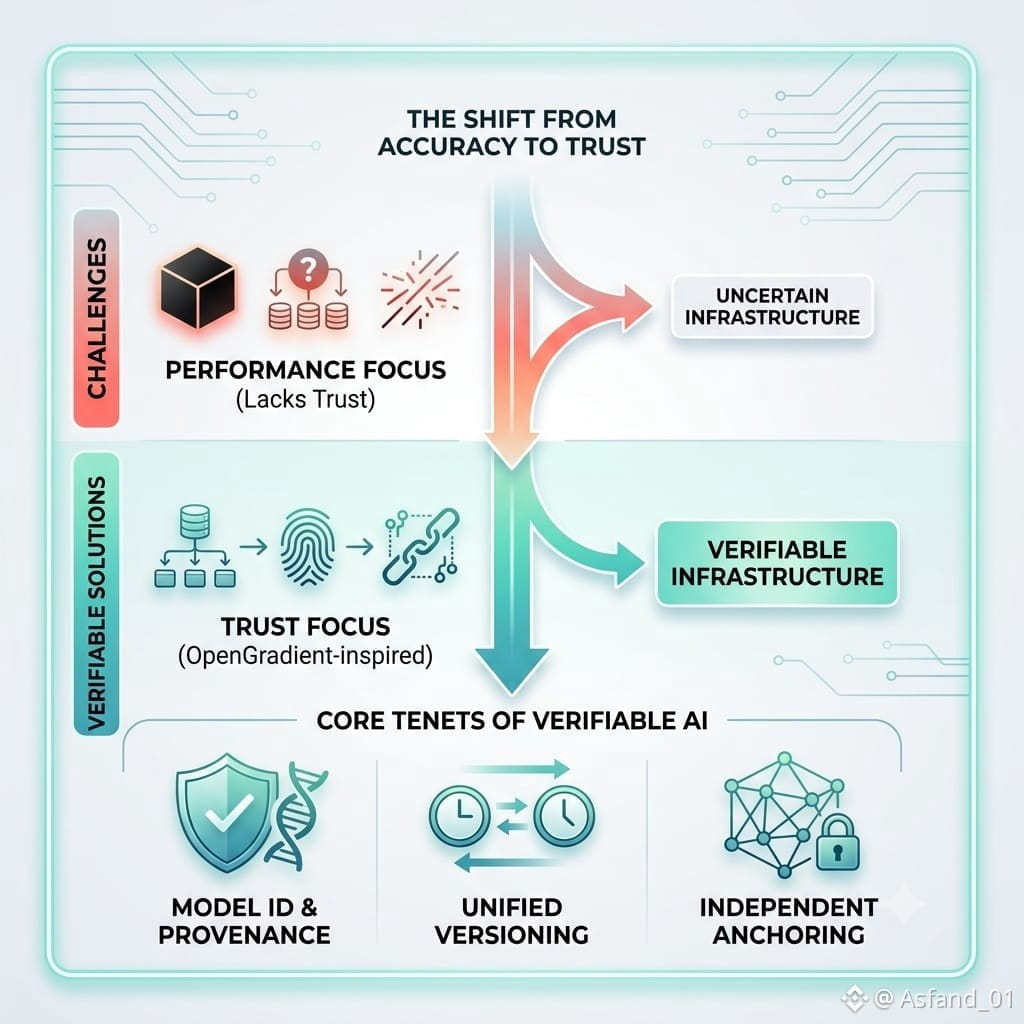
I've been thinking less about whether AI models are accurate and more about whether the systems around them deserve trust. A capable model means very little if nobody can verify where it came from, who changed it, or whether different users are actually interacting with the same version.
That feels like a larger challenge for the industry. As AI becomes part of everyday workflows, confidence will increasingly depend on transparent coordination rather than raw performance. Builders, users, and networks all need ways to verify shared assumptions without introducing unnecessary friction.
One reason I keep watching @OpenGradient is its focus on verifiable AI infrastructure. The idea that model identity and provenance can be anchored independently of the model itself seems like a practical step toward making distributed AI more accountable instead of simply more accessible.
Of course, stronger verification also introduces costs. Extra coordination, integration complexity, and incentives for operators could slow adoption, especially if developers prioritize convenience over transparency.
I'm not convinced there's a perfect balance yet, but I do think infrastructure decisions made today will shape how much confidence people place in AI systems tomorrow.
Will users eventually value verifiable AI enough to accept the extra complexity it may require?
#opg $OPG
I've been thinking less about whether AI models are accurate and more about whether the systems around them deserve trust. A capable model means very little if nobody can verify where it came from, who changed it, or whether different users are actually interacting with the same version.
That feels like a larger challenge for the industry. As AI becomes part of everyday workflows, confidence will increasingly depend on transparent coordination rather than raw performance. Builders, users, and networks all need ways to verify shared assumptions without introducing unnecessary friction.
One reason I keep watching @OpenGradient is its focus on verifiable AI infrastructure. The idea that model identity and provenance can be anchored independently of the model itself seems like a practical step toward making distributed AI more accountable instead of simply more accessible.
Of course, stronger verification also introduces costs. Extra coordination, integration complexity, and incentives for operators could slow adoption, especially if developers prioritize convenience over transparency.
I'm not convinced there's a perfect balance yet, but I do think infrastructure decisions made today will shape how much confidence people place in AI systems tomorrow.
Will users eventually value verifiable AI enough to accept the extra complexity it may require?
#opg $OPG
That feels like a larger challenge for the industry. As AI becomes part of everyday workflows, confidence will increasingly depend on transparent coordination rather than raw performance. Builders, users, and networks all need ways to verify shared assumptions without introducing unnecessary friction.
One reason I keep watching @OpenGradient is its focus on verifiable AI infrastructure. The idea that model identity and provenance can be anchored independently of the model itself seems like a practical step toward making distributed AI more accountable instead of simply more accessible.
Of course, stronger verification also introduces costs. Extra coordination, integration complexity, and incentives for operators could slow adoption, especially if developers prioritize convenience over transparency.
I'm not convinced there's a perfect balance yet, but I do think infrastructure decisions made today will shape how much confidence people place in AI systems tomorrow.
Will users eventually value verifiable AI enough to accept the extra complexity it may require?
#opg $OPG
5
4
216
·
--
ເບິ່ງການແປ
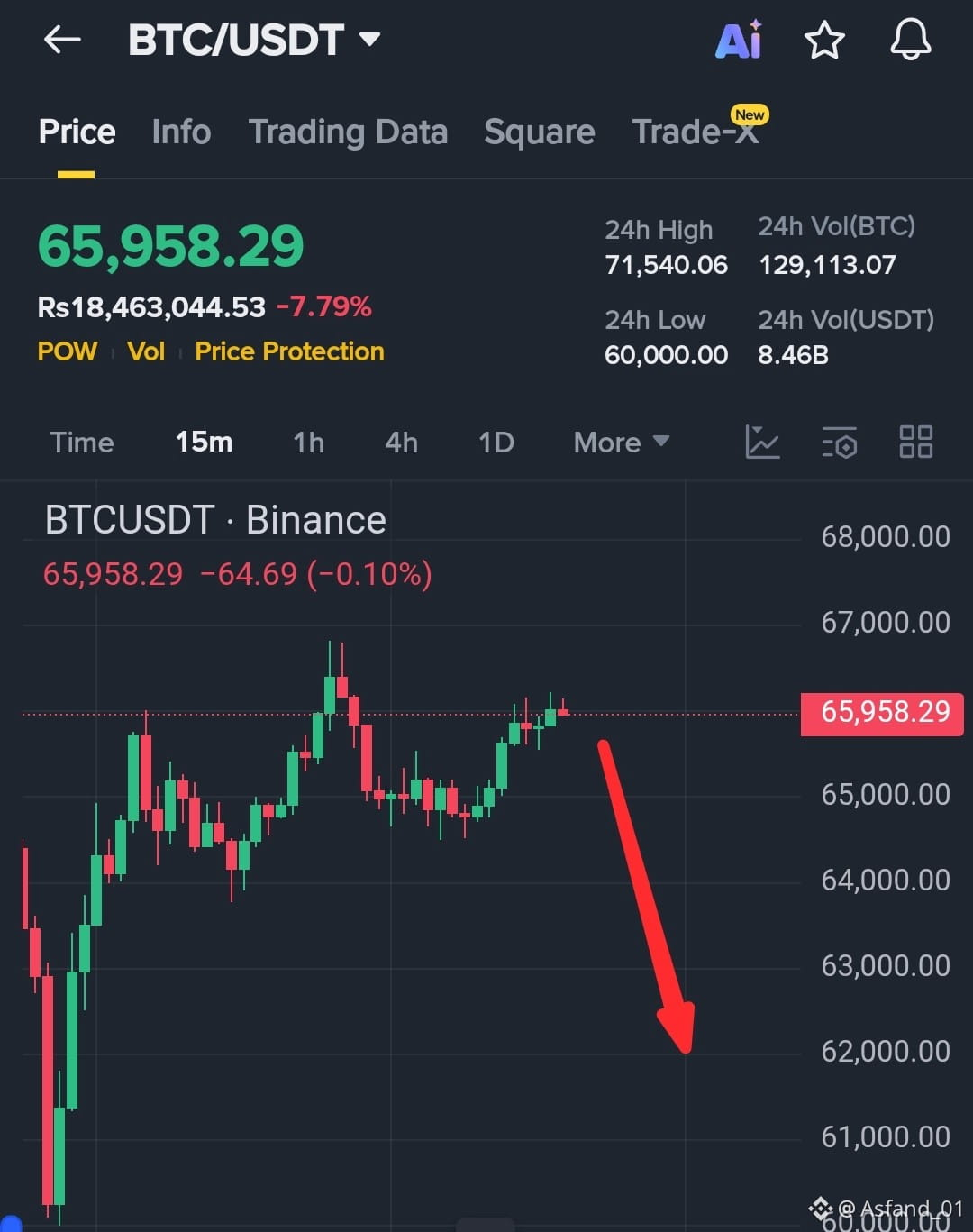
$BTC /USDT – SHORT
Timeframe: 15M
Setup: Resistance rejection / possible lower high formation
Entry: 65,800 – 66,100
Take Profit: 64,200
Take Profit 2: 62,200
Stop Loss: 67,000
{future}(BTCUSDT)
$BTC /USDT – SHORT
Timeframe: 15M
Setup: Resistance rejection / possible lower high formation
Entry: 65,800 – 66,100
Take Profit: 64,200
Take Profit 2: 62,200
Stop Loss: 67,000
Timeframe: 15M
Setup: Resistance rejection / possible lower high formation
Entry: 65,800 – 66,100
Take Profit: 64,200
Take Profit 2: 62,200
Stop Loss: 67,000
9
70
·
--
ເບິ່ງການແປ
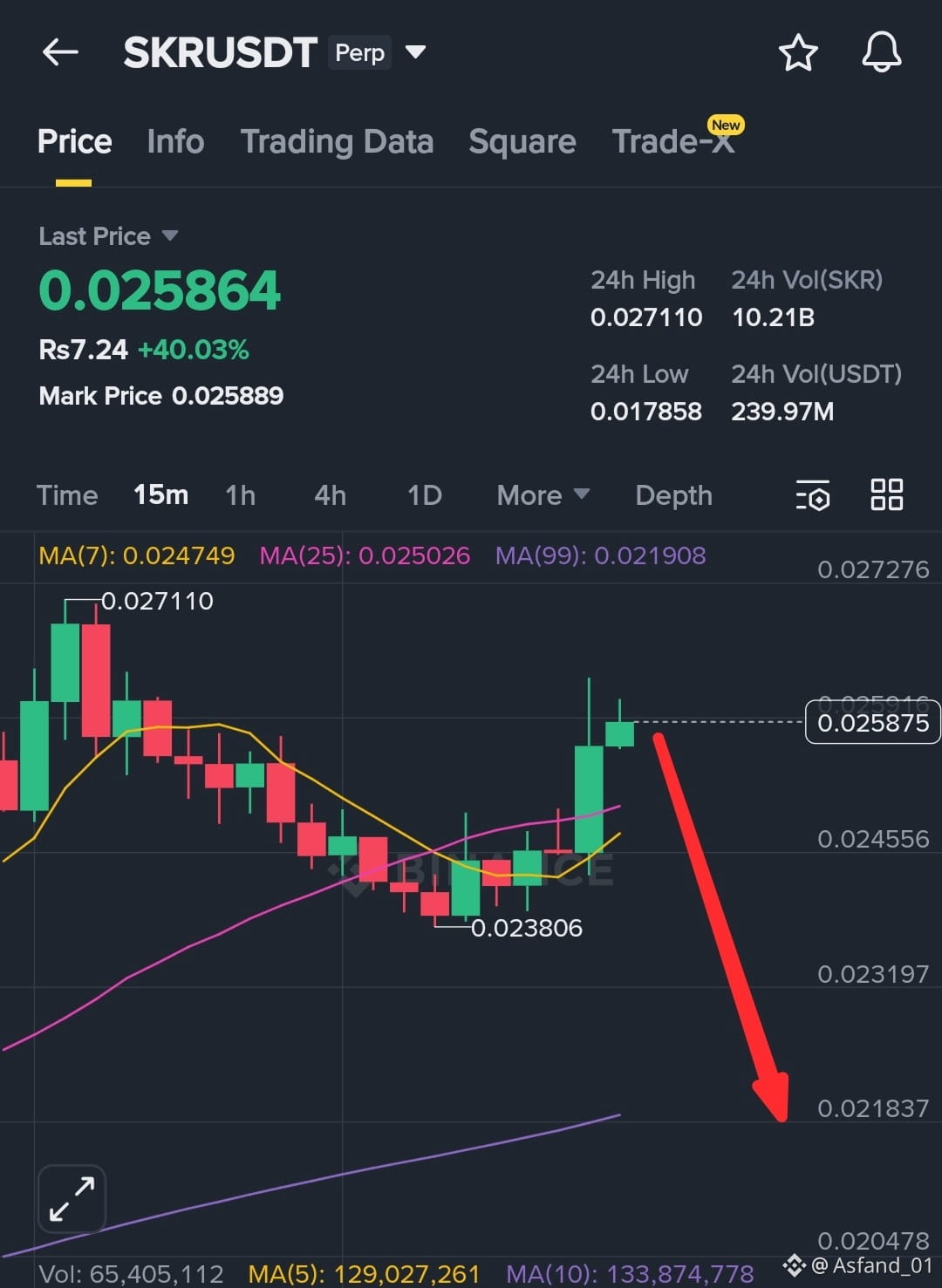
$SKR SHORT (Single Position)
Setup: Double Top → bearish reversal confirmed
Entry: Market price
Take Profit: 0.018169
Stop Loss: 0.028000
{future}(SKRUSDT)
$SKR SHORT (Single Position)
Setup: Double Top → bearish reversal confirmed
Entry: Market price
Take Profit: 0.018169
Stop Loss: 0.028000
Setup: Double Top → bearish reversal confirmed
Entry: Market price
Take Profit: 0.018169
Stop Loss: 0.028000
11
331
ເຂົ້າສູ່ລະບົບເພື່ອສຳຫຼວດເນື້ອຫາເພີ່ມເຕີມ
ເຂົ້າຮ່ວມກຸ່ມຜູ້ໃຊ້ຄຣິບໂຕທົ່ວໂລກໃນ Binance Square.
⚡️ ໄດ້ຮັບຂໍ້ມູນຫຼ້າສຸດ ແລະ ທີ່ມີປະໂຫຍດກ່ຽວກັບຄຣິບໂຕ.
💬 ໄດ້ຮັບຄວາມໄວ້ວາງໃຈຈາກຕະຫຼາດແລກປ່ຽນຄຣິບໂຕທີ່ໃຫຍ່ທີ່ສຸດໃນໂລກ.
👍 ຄົ້ນຫາຂໍ້ມູນເຊີງເລິກທີ່ແທ້ຈາກນັກສ້າງທີ່ໄດ້ຮັບການຢືນຢັນ.
ອີເມວ / ເບີໂທລະສັບ
ຫົວຂໍ້ທີ່ກໍາລັງນິຍົມ
USAugustPPIRisesLessThanExpected
8 views
9 ກຳລັງສົນທະນາ
🚨 US AUG PPI: ຂຶ້ນໜ້ອຍກວ່າທີ່ຄາດ! ເປັນບວກສໍາລັບ Crypto? 🚀
PPI +0.4% MoM ຕາມຄາດ, ແຕ່ CORE PPI ພຽງ +0.2% ທຽບກັບ +0.3% ທີ່ຄາດ - ເຢັນລົງ!
ຄວາມໝາຍຂອງມັນ:
• ອັດຕາເງິນເຟີ້ຂອງການຄ້າຂາຍສົ່ງເບົາກວ່າທີ່ກັງວົນ
• ໂອກາດຂອງການຂຶ້ນອັດຕາດອກເບ້ຍຂອງ Fed ຕອນນີ້ 62% - ແຕ່ມີສັນຍານແນວ dovish ມາ
• ຄາດວ່າການປັບປຸງ Core PCE ຈະອອກມາຕໍ່າລົງ - ເປັນບວກ
• BTC ປົກກະຕິຈະເພີ່ມຂຶ້ນເມື່ອ PPI ອ່ອນລົງ
ກອງປະຊຸມ Fed 15-16 ກັນຍາ - ຕອນນີ້ຕະຫຼາດຄາດຈະຢຸດ ບໍ່ແມ່ນຂຶ້ນ?
ນີ້ແມ່ນແສງສີຂຽວສໍາລັບການແຂ່ງຂຶ້ນໃນ Q4 ບໍ?
#Bitcoin #PPI #Fed #CryptoNews #BTC#usaugustppiriseslessthanexpected
True News
·1 ຖືກໃຈ
·17 views
SECApprovesNasdaqTexasCommodityTrustRule
1,035 views
98 ກຳລັງສົນທະນາ
ECBRaisesRatesSecondTimeTo2.5%
414 views
64 ກຳລັງສົນທະນາ