
AshCrypto 1
119 ໂພສ

AshCrypto 1
ລາຍງານ
ບລັອກຜູ້ໃຊ້
Cryptocurrency expert | KOL | Simplifying #DeFi | Join the crypto revolution | NFT | #Binance #BNB ⭐
0 ກໍາລັງຕິດຕາມ
6 ຜູ້ຕິດຕາມ
8 Liked
ໂພສ
·
--
ເບິ່ງການແປ
Some things don't need to be rendered to be real.
$RENDER holders are powering the GPU economy behind the next generation of graphics, AI, and virtual worlds. Infrastructure for everything visual that's coming.
The DeLorean has been part of that visual world for 40 years already.
Every frame of film, every poster, every recreation across games and media. $DMC tokenizes the real IP behind all of it, the asset render farms have quietly been recreating for decades without anyone owning a piece of it.
Now they can. ⚡
#Altcoin Season#
Some things don't need to be rendered to be real.
$RENDER holders are powering the GPU economy behind the next generation of graphics, AI, and virtual worlds. Infrastructure for everything visual that's coming.
The DeLorean has been part of that visual world for 40 years already.
Every frame of film, every poster, every recreation across games and media. $DMC tokenizes the real IP behind all of it, the asset render farms have quietly been recreating for decades without anyone owning a piece of it.
Now they can. ⚡
#Altcoin Season#
$RENDER holders are powering the GPU economy behind the next generation of graphics, AI, and virtual worlds. Infrastructure for everything visual that's coming.
The DeLorean has been part of that visual world for 40 years already.
Every frame of film, every poster, every recreation across games and media. $DMC tokenizes the real IP behind all of it, the asset render farms have quietly been recreating for decades without anyone owning a piece of it.
Now they can. ⚡
#Altcoin Season#
73
·
--
ເບິ່ງການແປ
This is the perception gap.
$PEPE and $PUMP can move because attention rotates fast on CMC, meme charts and social feeds. Pyth is a different kind of opportunity because attention may still be behind the actual product curve.
Most people still talk about Pyth like it is another oracle project.
Then you look at the stack.
Nasdaq Basic through Pyth Data Marketplace.
$723.77B in August RWA perp volume priced by Pyth.
96.27% share of tracked RWA perp pricing.
$10.4M ARR.
$2.9M gross new ARR in August.
3,500+ market feeds.
138+ first-party publishers.
That does not look like a small crypto infra story anymore.
Nasdaq Basic gives approved clients real-time U.S. equity market data through Pyth’s marketplace channel after they license directly with Nasdaq.
That is market-data distribution language, not just DeFi feed language.
My read is simple: the product has moved faster than the market’s mental model.
If people still see Pyth as only a token-price oracle, they are missing the lane it is trying to own.
Nasdaq makes that harder to miss.
#Altcoin Season# #PEPE
This is the perception gap.
$PEPE and $PUMP can move because attention rotates fast on CMC, meme charts and social feeds. Pyth is a different kind of opportunity because attention may still be behind the actual product curve.
Most people still talk about Pyth like it is another oracle project.
Then you look at the stack.
Nasdaq Basic through Pyth Data Marketplace.
$723.77B in August RWA perp volume priced by Pyth.
96.27% share of tracked RWA perp pricing.
$10.4M ARR.
$2.9M gross new ARR in August.
3,500+ market feeds.
138+ first-party publishers.
That does not look like a small crypto infra story anymore.
Nasdaq Basic gives approved clients real-time U.S. equity market data through Pyth’s marketplace channel after they license directly with Nasdaq.
That is market-data distribution language, not just DeFi feed language.
My read is simple: the product has moved faster than the market’s mental model.
If people still see Pyth as only a token-price oracle, they are missing the lane it is trying to own.
Nasdaq makes that harder to miss.
#Altcoin Season# #PEPE
$PEPE and $PUMP can move because attention rotates fast on CMC, meme charts and social feeds. Pyth is a different kind of opportunity because attention may still be behind the actual product curve.
Most people still talk about Pyth like it is another oracle project.
Then you look at the stack.
Nasdaq Basic through Pyth Data Marketplace.
$723.77B in August RWA perp volume priced by Pyth.
96.27% share of tracked RWA perp pricing.
$10.4M ARR.
$2.9M gross new ARR in August.
3,500+ market feeds.
138+ first-party publishers.
That does not look like a small crypto infra story anymore.
Nasdaq Basic gives approved clients real-time U.S. equity market data through Pyth’s marketplace channel after they license directly with Nasdaq.
That is market-data distribution language, not just DeFi feed language.
My read is simple: the product has moved faster than the market’s mental model.
If people still see Pyth as only a token-price oracle, they are missing the lane it is trying to own.
Nasdaq makes that harder to miss.
#Altcoin Season# #PEPE
38
·
--
ເບິ່ງການແປ
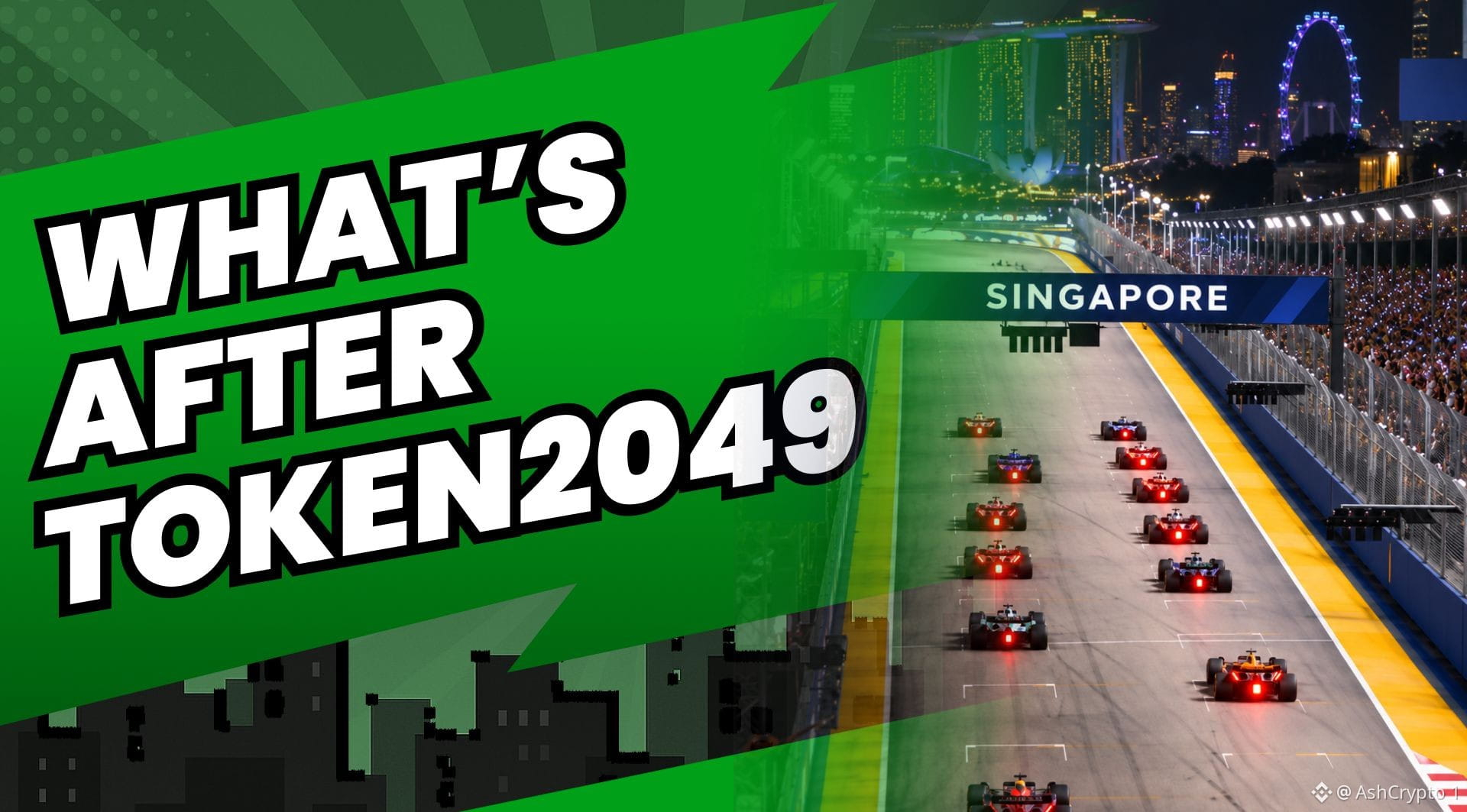
TOKEN2049 Ain’t What I’m Watching This Year 👀
Communities around $ETH and $GRAM know exactly what large crypto conferences are designed to do: they bring thousands of people into the same city and make discovery happen at a scale no private room could reproduce.
TOKEN2049 expects more than 25,000 attendees in Singapore this October, and as the room grows, every interaction competes with the constant movement and noise around it.
That is why the number I am watching is 23.
After TOKEN2049 closes, a three-day $Trump Coin Club experience is planned in Singapore for 23 eligible attendees.
The contrast reveals two completely different objectives. Twenty-five thousand people maximize discovery, while a group of 23 concentrates the experience into a truly wholesome gathering 💫
#Altcoin Season#
TOKEN2049 Ain’t What I’m Watching This Year 👀
Communities around $ETH and $GRAM know exactly what large crypto conferences are designed to do: they bring thousands of people into the same city and make discovery happen at a scale no private room could reproduce.
TOKEN2049 expects more than 25,000 attendees in Singapore this October, and as the room grows, every interaction competes with the constant movement and noise around it.
That is why the number I am watching is 23.
After TOKEN2049 closes, a three-day $Trump Coin Club experience is planned in Singapore for 23 eligible attendees.
The contrast reveals two completely different objectives. Twenty-five thousand people maximize discovery, while a group of 23 concentrates the experience into a truly wholesome gathering 💫
#Altcoin Season#
Communities around $ETH and $GRAM know exactly what large crypto conferences are designed to do: they bring thousands of people into the same city and make discovery happen at a scale no private room could reproduce.
TOKEN2049 expects more than 25,000 attendees in Singapore this October, and as the room grows, every interaction competes with the constant movement and noise around it.
That is why the number I am watching is 23.
After TOKEN2049 closes, a three-day $Trump Coin Club experience is planned in Singapore for 23 eligible attendees.
The contrast reveals two completely different objectives. Twenty-five thousand people maximize discovery, while a group of 23 concentrates the experience into a truly wholesome gathering 💫
#Altcoin Season#
58
·
--
ការជួញដូរដូចគ្នា អាចធ្វើបានច្រើនជាងនេះ 👀
ក្នុងរដូវ altcoin នេះ $HYPE និង $ZEC បានផ្តល់ឱ្យអ្នកជួញដូរនូវឱកាសដែលមានតម្លៃត្រូវអនុវត្ត ហើយពេលដែលទស្សនៈច្បាស់ហើយ មនុស្សភាគច្រើនផ្តោតទៅលើទិសដៅ ចំណូល (entry) និងហានិភ័យ បន្ទាប់មកក៏អនុវត្តទៅតាមកន្លែងដែលដើមទុនរបស់ពួកគេបានដាក់อยู่។
ខ្ញុំគិតថា កន្លែង (venue) សមនឹងការគិតបន្ថែម។
ប្រសិនបើខ្ញុំត្រូវតែបង្កើតបរិមាណ (volume) ទោះយ៉ាងណា ខ្ញុំនឹងចូលចិត្តដាក់ការជួញដូរ នៅកន្លែងដែលសកម្មភាពនោះបង្កើតតម្លៃ លើសពីតំណែង (position) ខ្លួនឯង។
Aevo ធ្វើដូចនេះ នៅក្នុង Perp Majors ដែលមានលក្ខណៈសម្បត្តិនៃសប្តាហ៍នេះ និងទីផ្សារ options របស់វា នៅពេលដែលបរិមាណកំពុងកកកុញឆ្ពោះទៅតម្រូវការ 10m សម្រាប់ការចែកចាយ USDC 808,800 នៅដំណាច់ឆ្នាំដែលបានព្យាករណ៍។
សិទ្ធិនៅដំណាច់ឆ្នាំក៏ត្រូវការនូវការកាន់កាប់ stake ដែលសកម្ម COMMANDER ឬ LEGEND ផងដែរ។
នោះធ្វើឲ្យការជ្រើសរើស venue ក្លាយជាផ្នែកមួយនៃការជួញដូរផ្ទាល់។
ឈុតរៀបចំ (setup) នៅដដែល ប៉ុន្តែសកម្មភាពអាចបន្តកើនឡើងឆ្ពោះដល់ខែធ្នូ។
សម្រាប់ខ្ញុំ នោះផ្តល់ហេតុផលបន្ថែមឲ្យការជួញដូរដែលបានគ្រោងទុកទាំងអស់ មានមូលហេតុច្រើន ដើម្បីរត់តាម Aevo 🔥
#Altcoin Season#
ការជួញដូរដូចគ្នា អាចធ្វើបានច្រើនជាងនេះ 👀
ក្នុងរដូវ altcoin នេះ $HYPE និង $ZEC បានផ្តល់ឱ្យអ្នកជួញដូរនូវឱកាសដែលមានតម្លៃត្រូវអនុវត្ត ហើយពេលដែលទស្សនៈច្បាស់ហើយ មនុស្សភាគច្រើនផ្តោតទៅលើទិសដៅ ចំណូល (entry) និងហានិភ័យ បន្ទាប់មកក៏អនុវត្តទៅតាមកន្លែងដែលដើមទុនរបស់ពួកគេបានដាក់อยู่។
ខ្ញុំគិតថា កន្លែង (venue) សមនឹងការគិតបន្ថែម។
ប្រសិនបើខ្ញុំត្រូវតែបង្កើតបរិមាណ (volume) ទោះយ៉ាងណា ខ្ញុំនឹងចូលចិត្តដាក់ការជួញដូរ នៅកន្លែងដែលសកម្មភាពនោះបង្កើតតម្លៃ លើសពីតំណែង (position) ខ្លួនឯង។
Aevo ធ្វើដូចនេះ នៅក្នុង Perp Majors ដែលមានលក្ខណៈសម្បត្តិនៃសប្តាហ៍នេះ និងទីផ្សារ options របស់វា នៅពេលដែលបរិមាណកំពុងកកកុញឆ្ពោះទៅតម្រូវការ 10m សម្រាប់ការចែកចាយ USDC 808,800 នៅដំណាច់ឆ្នាំដែលបានព្យាករណ៍។
សិទ្ធិនៅដំណាច់ឆ្នាំក៏ត្រូវការនូវការកាន់កាប់ stake ដែលសកម្ម COMMANDER ឬ LEGEND ផងដែរ។
នោះធ្វើឲ្យការជ្រើសរើស venue ក្លាយជាផ្នែកមួយនៃការជួញដូរផ្ទាល់។
ឈុតរៀបចំ (setup) នៅដដែល ប៉ុន្តែសកម្មភាពអាចបន្តកើនឡើងឆ្ពោះដល់ខែធ្នូ។
សម្រាប់ខ្ញុំ នោះផ្តល់ហេតុផលបន្ថែមឲ្យការជួញដូរដែលបានគ្រោងទុកទាំងអស់ មានមូលហេតុច្រើន ដើម្បីរត់តាម Aevo 🔥
#Altcoin Season#
ក្នុងរដូវ altcoin នេះ $HYPE និង $ZEC បានផ្តល់ឱ្យអ្នកជួញដូរនូវឱកាសដែលមានតម្លៃត្រូវអនុវត្ត ហើយពេលដែលទស្សនៈច្បាស់ហើយ មនុស្សភាគច្រើនផ្តោតទៅលើទិសដៅ ចំណូល (entry) និងហានិភ័យ បន្ទាប់មកក៏អនុវត្តទៅតាមកន្លែងដែលដើមទុនរបស់ពួកគេបានដាក់อยู่។
ខ្ញុំគិតថា កន្លែង (venue) សមនឹងការគិតបន្ថែម។
ប្រសិនបើខ្ញុំត្រូវតែបង្កើតបរិមាណ (volume) ទោះយ៉ាងណា ខ្ញុំនឹងចូលចិត្តដាក់ការជួញដូរ នៅកន្លែងដែលសកម្មភាពនោះបង្កើតតម្លៃ លើសពីតំណែង (position) ខ្លួនឯង។
Aevo ធ្វើដូចនេះ នៅក្នុង Perp Majors ដែលមានលក្ខណៈសម្បត្តិនៃសប្តាហ៍នេះ និងទីផ្សារ options របស់វា នៅពេលដែលបរិមាណកំពុងកកកុញឆ្ពោះទៅតម្រូវការ 10m សម្រាប់ការចែកចាយ USDC 808,800 នៅដំណាច់ឆ្នាំដែលបានព្យាករណ៍។
សិទ្ធិនៅដំណាច់ឆ្នាំក៏ត្រូវការនូវការកាន់កាប់ stake ដែលសកម្ម COMMANDER ឬ LEGEND ផងដែរ។
នោះធ្វើឲ្យការជ្រើសរើស venue ក្លាយជាផ្នែកមួយនៃការជួញដូរផ្ទាល់។
ឈុតរៀបចំ (setup) នៅដដែល ប៉ុន្តែសកម្មភាពអាចបន្តកើនឡើងឆ្ពោះដល់ខែធ្នូ។
សម្រាប់ខ្ញុំ នោះផ្តល់ហេតុផលបន្ថែមឲ្យការជួញដូរដែលបានគ្រោងទុកទាំងអស់ មានមូលហេតុច្រើន ដើម្បីរត់តាម Aevo 🔥
#Altcoin Season#
57
·
--
ເບິ່ງການແປ
Sleeping Giants Eventually Start Shipping Again 😤
I’ll be honest. For a while, Zora looked far too quiet.
Now $BNB is joining the pairing and crosschain surface being built around $ZORA
Zoom out and the pattern becomes difficult to ignore.
One summer has delivered a serious rebuild:
- Multichain expanded to Robinhood Chain and Solana
- Custom Pairs opened new markets around stocks, memes, and majors
- More than 4,000 pairs were created
- BNB support now extends pairing and crosschain trading again
That is a platform coming out of hibernation with intent.
Fresh leadership appears willing to move quickly, communicate more, and put distribution back on the agenda.
Zora still has to translate this shipping pace into sustained users and volume.
But the product is moving again.
Every added chain expands what can be paired, where it can trade, and who can participate.
If this pace continues, Zora’s quiet period may end up looking like the setup for a much bigger return.
#Altcoin Season#
Sleeping Giants Eventually Start Shipping Again 😤
I’ll be honest. For a while, Zora looked far too quiet.
Now $BNB is joining the pairing and crosschain surface being built around $ZORA
Zoom out and the pattern becomes difficult to ignore.
One summer has delivered a serious rebuild:
- Multichain expanded to Robinhood Chain and Solana
- Custom Pairs opened new markets around stocks, memes, and majors
- More than 4,000 pairs were created
- BNB support now extends pairing and crosschain trading again
That is a platform coming out of hibernation with intent.
Fresh leadership appears willing to move quickly, communicate more, and put distribution back on the agenda.
Zora still has to translate this shipping pace into sustained users and volume.
But the product is moving again.
Every added chain expands what can be paired, where it can trade, and who can participate.
If this pace continues, Zora’s quiet period may end up looking like the setup for a much bigger return.
#Altcoin Season#
I’ll be honest. For a while, Zora looked far too quiet.
Now $BNB is joining the pairing and crosschain surface being built around $ZORA
Zoom out and the pattern becomes difficult to ignore.
One summer has delivered a serious rebuild:
- Multichain expanded to Robinhood Chain and Solana
- Custom Pairs opened new markets around stocks, memes, and majors
- More than 4,000 pairs were created
- BNB support now extends pairing and crosschain trading again
That is a platform coming out of hibernation with intent.
Fresh leadership appears willing to move quickly, communicate more, and put distribution back on the agenda.
Zora still has to translate this shipping pace into sustained users and volume.
But the product is moving again.
Every added chain expands what can be paired, where it can trade, and who can participate.
If this pace continues, Zora’s quiet period may end up looking like the setup for a much bigger return.
#Altcoin Season#
51
·
--
ເບິ່ງການແປ
Reinsurance Moved Onchain, Underwriting Did Not 🛡️
The money side of insurance is quietly moving onchain, and the part that decides who actually gets covered has not moved at all.
In June, SurancePlus began issuing tokenized reinsurance securities on $SOL in a $12M program against a 2026 to 2027 excess-of-loss contract at around $5,000 a ticket, which is one of the more interesting RWA launches on Solana this year.
$LINK is wiring the same institutional plumbing from the other end, with Swift, Euroclear, UBS and JP Morgan's Kinexys building against its runtime environment.
So the capital and the settlement are getting solved.
Underwriting is the piece that stays offchain, because pricing a risk means reading an applicant's claims history, their finances and records they would never publish, and every quote means handing that file to one more company that keeps a copy.
It is why onchain insurance so far mostly covers smart contract failure, which is the one risk anyone can price from public data alone.
Arcium changes what the underwriter has to receive, splitting the applicant's file into fragments across a cluster of nodes where no single node holds a readable copy, while the model still returns the correct price.
The policy and the premium settle on Solana as an ordinary public transaction, so an auditor or a regulator can check the book even though the file behind each quote stays sealed.
That compute layer has been live on Mainnet Alpha since February 2, with more than 2.5 million computations run so far.
Reinsurance capital found its way onchain and underwriting did not, and my read is that whoever closes that gap opens a market worth north of $780B that has never had a reason to look at crypto.
#RWA #Solana
Reinsurance Moved Onchain, Underwriting Did Not 🛡️
The money side of insurance is quietly moving onchain, and the part that decides who actually gets covered has not moved at all.
In June, SurancePlus began issuing tokenized reinsurance securities on $SOL in a $12M program against a 2026 to 2027 excess-of-loss contract at around $5,000 a ticket, which is one of the more interesting RWA launches on Solana this year.
$LINK is wiring the same institutional plumbing from the other end, with Swift, Euroclear, UBS and JP Morgan's Kinexys building against its runtime environment.
So the capital and the settlement are getting solved.
Underwriting is the piece that stays offchain, because pricing a risk means reading an applicant's claims history, their finances and records they would never publish, and every quote means handing that file to one more company that keeps a copy.
It is why onchain insurance so far mostly covers smart contract failure, which is the one risk anyone can price from public data alone.
Arcium changes what the underwriter has to receive, splitting the applicant's file into fragments across a cluster of nodes where no single node holds a readable copy, while the model still returns the correct price.
The policy and the premium settle on Solana as an ordinary public transaction, so an auditor or a regulator can check the book even though the file behind each quote stays sealed.
That compute layer has been live on Mainnet Alpha since February 2, with more than 2.5 million computations run so far.
Reinsurance capital found its way onchain and underwriting did not, and my read is that whoever closes that gap opens a market worth north of $780B that has never had a reason to look at crypto.
#RWA #Solana
The money side of insurance is quietly moving onchain, and the part that decides who actually gets covered has not moved at all.
In June, SurancePlus began issuing tokenized reinsurance securities on $SOL in a $12M program against a 2026 to 2027 excess-of-loss contract at around $5,000 a ticket, which is one of the more interesting RWA launches on Solana this year.
$LINK is wiring the same institutional plumbing from the other end, with Swift, Euroclear, UBS and JP Morgan's Kinexys building against its runtime environment.
So the capital and the settlement are getting solved.
Underwriting is the piece that stays offchain, because pricing a risk means reading an applicant's claims history, their finances and records they would never publish, and every quote means handing that file to one more company that keeps a copy.
It is why onchain insurance so far mostly covers smart contract failure, which is the one risk anyone can price from public data alone.
Arcium changes what the underwriter has to receive, splitting the applicant's file into fragments across a cluster of nodes where no single node holds a readable copy, while the model still returns the correct price.
The policy and the premium settle on Solana as an ordinary public transaction, so an auditor or a regulator can check the book even though the file behind each quote stays sealed.
That compute layer has been live on Mainnet Alpha since February 2, with more than 2.5 million computations run so far.
Reinsurance capital found its way onchain and underwriting did not, and my read is that whoever closes that gap opens a market worth north of $780B that has never had a reason to look at crypto.
#RWA #Solana
64
·
--
ເບິ່ງການແປ
Ostium odds look too low 👀
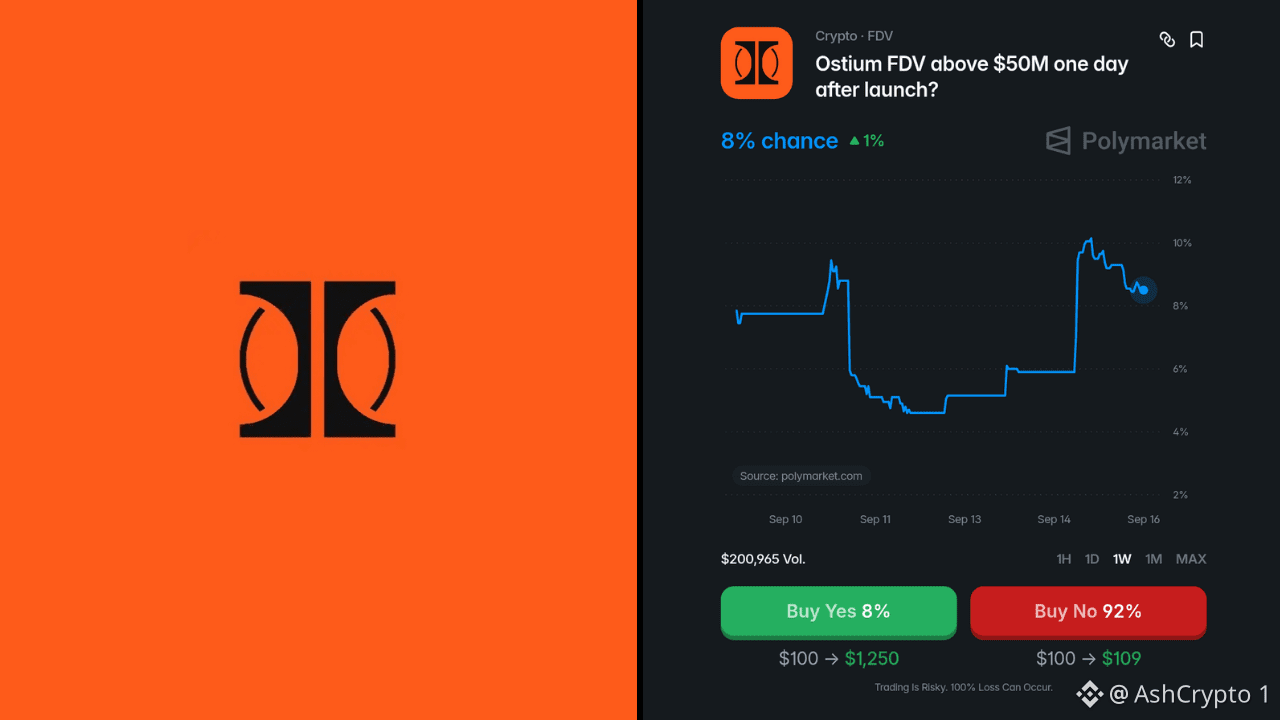
8% on Yes with almost $201K already traded.
That is exactly the kind of Polymarket market that makes me stop scrolling.
The question is whether Ostium can launch above a $50M FDV one day after launch. The market is overwhelmingly saying no, but I am taking Yes.
$50M is not an insane launch valuation in crypto, especially when the requirement is only to clear that level at the defined post-launch snapshot. It does not need to prove that valuation for the next six months.
And the 8% price is what makes this interesting.
The lower the probability I buy at, the larger the potential payout if the crowd is wrong. Roughly speaking, a $10 Yes position around 8% represents about $125 at resolution if Yes wins, before fees and execution differences.
That's the asymmetry I want.
I'd rather rotate a small piece of my $BNB exposure into a specific prediction like this than chase another token after it has already pumped.
I also don't need Ostium to actually resolve Yes to make money on the position. If launch excitement pushes the odds from 8% to 15% or 20%, Polymarket gives me the freedom to sell before resolution.
Low odds. Defined catalyst. Huge repricing potential.
I'm taking Yes.
#Altcoin Season#
Ostium odds look too low 👀
8% on Yes with almost $201K already traded.
That is exactly the kind of Polymarket market that makes me stop scrolling.
The question is whether Ostium can launch above a $50M FDV one day after launch. The market is overwhelmingly saying no, but I am taking Yes.
$50M is not an insane launch valuation in crypto, especially when the requirement is only to clear that level at the defined post-launch snapshot. It does not need to prove that valuation for the next six months.
And the 8% price is what makes this interesting.
The lower the probability I buy at, the larger the potential payout if the crowd is wrong. Roughly speaking, a $10 Yes position around 8% represents about $125 at resolution if Yes wins, before fees and execution differences.
That's the asymmetry I want.
I'd rather rotate a small piece of my $BNB exposure into a specific prediction like this than chase another token after it has already pumped.
I also don't need Ostium to actually resolve Yes to make money on the position. If launch excitement pushes the odds from 8% to 15% or 20%, Polymarket gives me the freedom to sell before resolution.
Low odds. Defined catalyst. Huge repricing potential.
I'm taking Yes.
#Altcoin Season#
8% on Yes with almost $201K already traded.
That is exactly the kind of Polymarket market that makes me stop scrolling.
The question is whether Ostium can launch above a $50M FDV one day after launch. The market is overwhelmingly saying no, but I am taking Yes.
$50M is not an insane launch valuation in crypto, especially when the requirement is only to clear that level at the defined post-launch snapshot. It does not need to prove that valuation for the next six months.
And the 8% price is what makes this interesting.
The lower the probability I buy at, the larger the potential payout if the crowd is wrong. Roughly speaking, a $10 Yes position around 8% represents about $125 at resolution if Yes wins, before fees and execution differences.
That's the asymmetry I want.
I'd rather rotate a small piece of my $BNB exposure into a specific prediction like this than chase another token after it has already pumped.
I also don't need Ostium to actually resolve Yes to make money on the position. If launch excitement pushes the odds from 8% to 15% or 20%, Polymarket gives me the freedom to sell before resolution.
Low odds. Defined catalyst. Huge repricing potential.
I'm taking Yes.
#Altcoin Season#
81
·
--
ເບິ່ງການແປ
When Staking Connects to Real Activity 📈
$MET offers an interesting example of how staking can be connected to activity generated by a working protocol.
Meteora’s Referral Staking Program allows participants to earn a share of protocol fees generated through liquidity providers they refer. Rewards depend on actual usage and program conditions, so the return is not a guaranteed 36% fixed APY.
That distinction matters. Sustainable rewards should come from measurable activity rather than an emissions number designed only to attract deposits.
I see a related opportunity developing around $KAITO .
Kaito’s value proposition is built around products people can use: AI-powered market intelligence, mindshare analytics, creator campaigns, verified attention and social-trading context through Pulse.
The stronger these products become, the more reasons users, creators, projects and brands have to participate in the wider Kaito ecosystem. Staking can align holders with that growth and provide access to additional participation opportunities, even when the displayed base APR changes.
Meteora connects staking with liquidity and protocol fees. Kaito can connect staking with attention, data and ecosystem participation.
That is the kind of utility that can make holding a token more meaningful over time.
When Staking Connects to Real Activity 📈
$MET offers an interesting example of how staking can be connected to activity generated by a working protocol.
Meteora’s Referral Staking Program allows participants to earn a share of protocol fees generated through liquidity providers they refer. Rewards depend on actual usage and program conditions, so the return is not a guaranteed 36% fixed APY.
That distinction matters. Sustainable rewards should come from measurable activity rather than an emissions number designed only to attract deposits.
I see a related opportunity developing around $KAITO .
Kaito’s value proposition is built around products people can use: AI-powered market intelligence, mindshare analytics, creator campaigns, verified attention and social-trading context through Pulse.
The stronger these products become, the more reasons users, creators, projects and brands have to participate in the wider Kaito ecosystem. Staking can align holders with that growth and provide access to additional participation opportunities, even when the displayed base APR changes.
Meteora connects staking with liquidity and protocol fees. Kaito can connect staking with attention, data and ecosystem participation.
That is the kind of utility that can make holding a token more meaningful over time.
$MET offers an interesting example of how staking can be connected to activity generated by a working protocol.
Meteora’s Referral Staking Program allows participants to earn a share of protocol fees generated through liquidity providers they refer. Rewards depend on actual usage and program conditions, so the return is not a guaranteed 36% fixed APY.
That distinction matters. Sustainable rewards should come from measurable activity rather than an emissions number designed only to attract deposits.
I see a related opportunity developing around $KAITO .
Kaito’s value proposition is built around products people can use: AI-powered market intelligence, mindshare analytics, creator campaigns, verified attention and social-trading context through Pulse.
The stronger these products become, the more reasons users, creators, projects and brands have to participate in the wider Kaito ecosystem. Staking can align holders with that growth and provide access to additional participation opportunities, even when the displayed base APR changes.
Meteora connects staking with liquidity and protocol fees. Kaito can connect staking with attention, data and ecosystem participation.
That is the kind of utility that can make holding a token more meaningful over time.
65
·
--
ການປະຕິບັດຄວາມຖືກຕ້ອງໄດ້ກາຍເປັນແບບກຳນົດໄດ້ ⚖️
ຂ້ອຍເຊື່ອວ່າ Space ແລະ Time ມີການແປຄວາມໝາຍທີ່ຖືກຕ້ອງກ່ຽວກັບທິດທາງທີ່ການຄວບຄຸມກຳກັບ crypto ກຳລັງຈະໄປ.
ການສົນທະນາ CLARITY ບໍ່ແມ່ນພຽງແຕ່ເລື່ອງການໃຫ້ໂຄງການອີກຊຸດການກວດກາດ້ານກົດໝາຍ.
ມັນແມ່ນເລື່ອງການແຍກແຍະໂครงລ່າງທີ່ມີການແຈກກະຈາຍແທ້ ແລະ ການດຳເນີນງານທີ່ໂປ່ງໃສ ອອກຈາກລະບົບທີ່ຍັງຂຶ້ນກັບການຄວບຄຸມທີ່ຖືກຊ່ອນໄວ້ເປັນຫຼັກ.
Space ແລະ Time ກຳລັງສ້າງຂຶ້ນອ້ອມຂ້າງຄວາມສາມາດກວດສອບໄດ້ (verifiability) ຕັ້ງແຕ່ຕົ້ນ.
ນັ້ນແມ່ນຂໍ້ໄດ້ປຽບທີ່ມີຄວາມໝາຍ.
Proof of SQL ບໍ່ໄດ້ຂໍໃຫ້ແອັບພິເຄຊັນເຊື່ອໂດຍບໍ່ມີເຫດຜົນຕາມຄົນທີ່ເປັນຜູ້ຜະລິດຜົນຂໍ້ມູນໃນຖານຂໍ້ມູນ.
ມັນເຮັດໃຫ້ຜົນນັ້ນຖືກກວດສອບໄດ້ຢ່າງຄັດກອງດ້ວຍການພິสูດຍືນຢັນດ້ວຍຄຣິບໂຕກຣາຟຟິກ (cryptographically).
ເມື່ອຂ້ອຍເບິ່ງເຄືອຂ່າຍທີ່ເນັ້ນຄວາມປອດໄພສ່ວນຕົວເຊັ່ນ $XMR ຂ້ອຍຖືກເຕືອນໃຈວ່າ crypto ຢູ່ສະເໝີຕ້ອງກົດດັນສົມດຸນລະຫວ່າງການເປີດເຜີຍ ແລະ ອຳນາດ/ສິດອຳນາດຂອງຜູ້ໃຊ້ (user sovereignty).
ການປະຕິບັດຄວາມຖືກຕ້ອງບໍ່ຈຳເປັນຕ້ອງແປວ່າຕ້ອງເປີດເຜີຍທຸກຢ່າງ.
ຮູບແບບທີ່ແຂງແຮງກວ່າແມ່ນການພິສູດສິ່ງທີ່ສຳຄັນ ໂດຍບໍ່ໄດ້ເປີດເຜີຍສິ່ງທີ່ບໍ່ຈຳເປັນຕ້ອງ.
Space ແລະ Time ກຳລັງສ້າງຢ່າງໜ້າປະທັບໃຈໃກ້ຄຽງກັບປັດຊະຍານັ້ນແລ້ວ.
#Altcoin Season#
ການປະຕິບັດຄວາມຖືກຕ້ອງໄດ້ກາຍເປັນແບບກຳນົດໄດ້ ⚖️
ຂ້ອຍເຊື່ອວ່າ Space ແລະ Time ມີການແປຄວາມໝາຍທີ່ຖືກຕ້ອງກ່ຽວກັບທິດທາງທີ່ການຄວບຄຸມກຳກັບ crypto ກຳລັງຈະໄປ.
ການສົນທະນາ CLARITY ບໍ່ແມ່ນພຽງແຕ່ເລື່ອງການໃຫ້ໂຄງການອີກຊຸດການກວດກາດ້ານກົດໝາຍ.
ມັນແມ່ນເລື່ອງການແຍກແຍະໂครงລ່າງທີ່ມີການແຈກກະຈາຍແທ້ ແລະ ການດຳເນີນງານທີ່ໂປ່ງໃສ ອອກຈາກລະບົບທີ່ຍັງຂຶ້ນກັບການຄວບຄຸມທີ່ຖືກຊ່ອນໄວ້ເປັນຫຼັກ.
Space ແລະ Time ກຳລັງສ້າງຂຶ້ນອ້ອມຂ້າງຄວາມສາມາດກວດສອບໄດ້ (verifiability) ຕັ້ງແຕ່ຕົ້ນ.
ນັ້ນແມ່ນຂໍ້ໄດ້ປຽບທີ່ມີຄວາມໝາຍ.
Proof of SQL ບໍ່ໄດ້ຂໍໃຫ້ແອັບພິເຄຊັນເຊື່ອໂດຍບໍ່ມີເຫດຜົນຕາມຄົນທີ່ເປັນຜູ້ຜະລິດຜົນຂໍ້ມູນໃນຖານຂໍ້ມູນ.
ມັນເຮັດໃຫ້ຜົນນັ້ນຖືກກວດສອບໄດ້ຢ່າງຄັດກອງດ້ວຍການພິสูດຍືນຢັນດ້ວຍຄຣິບໂຕກຣາຟຟິກ (cryptographically).
ເມື່ອຂ້ອຍເບິ່ງເຄືອຂ່າຍທີ່ເນັ້ນຄວາມປອດໄພສ່ວນຕົວເຊັ່ນ $XMR ຂ້ອຍຖືກເຕືອນໃຈວ່າ crypto ຢູ່ສະເໝີຕ້ອງກົດດັນສົມດຸນລະຫວ່າງການເປີດເຜີຍ ແລະ ອຳນາດ/ສິດອຳນາດຂອງຜູ້ໃຊ້ (user sovereignty).
ການປະຕິບັດຄວາມຖືກຕ້ອງບໍ່ຈຳເປັນຕ້ອງແປວ່າຕ້ອງເປີດເຜີຍທຸກຢ່າງ.
ຮູບແບບທີ່ແຂງແຮງກວ່າແມ່ນການພິສູດສິ່ງທີ່ສຳຄັນ ໂດຍບໍ່ໄດ້ເປີດເຜີຍສິ່ງທີ່ບໍ່ຈຳເປັນຕ້ອງ.
Space ແລະ Time ກຳລັງສ້າງຢ່າງໜ້າປະທັບໃຈໃກ້ຄຽງກັບປັດຊະຍານັ້ນແລ້ວ.
#Altcoin Season#
ຂ້ອຍເຊື່ອວ່າ Space ແລະ Time ມີການແປຄວາມໝາຍທີ່ຖືກຕ້ອງກ່ຽວກັບທິດທາງທີ່ການຄວບຄຸມກຳກັບ crypto ກຳລັງຈະໄປ.
ການສົນທະນາ CLARITY ບໍ່ແມ່ນພຽງແຕ່ເລື່ອງການໃຫ້ໂຄງການອີກຊຸດການກວດກາດ້ານກົດໝາຍ.
ມັນແມ່ນເລື່ອງການແຍກແຍະໂครงລ່າງທີ່ມີການແຈກກະຈາຍແທ້ ແລະ ການດຳເນີນງານທີ່ໂປ່ງໃສ ອອກຈາກລະບົບທີ່ຍັງຂຶ້ນກັບການຄວບຄຸມທີ່ຖືກຊ່ອນໄວ້ເປັນຫຼັກ.
Space ແລະ Time ກຳລັງສ້າງຂຶ້ນອ້ອມຂ້າງຄວາມສາມາດກວດສອບໄດ້ (verifiability) ຕັ້ງແຕ່ຕົ້ນ.
ນັ້ນແມ່ນຂໍ້ໄດ້ປຽບທີ່ມີຄວາມໝາຍ.
Proof of SQL ບໍ່ໄດ້ຂໍໃຫ້ແອັບພິເຄຊັນເຊື່ອໂດຍບໍ່ມີເຫດຜົນຕາມຄົນທີ່ເປັນຜູ້ຜະລິດຜົນຂໍ້ມູນໃນຖານຂໍ້ມູນ.
ມັນເຮັດໃຫ້ຜົນນັ້ນຖືກກວດສອບໄດ້ຢ່າງຄັດກອງດ້ວຍການພິสูດຍືນຢັນດ້ວຍຄຣິບໂຕກຣາຟຟິກ (cryptographically).
ເມື່ອຂ້ອຍເບິ່ງເຄືອຂ່າຍທີ່ເນັ້ນຄວາມປອດໄພສ່ວນຕົວເຊັ່ນ $XMR ຂ້ອຍຖືກເຕືອນໃຈວ່າ crypto ຢູ່ສະເໝີຕ້ອງກົດດັນສົມດຸນລະຫວ່າງການເປີດເຜີຍ ແລະ ອຳນາດ/ສິດອຳນາດຂອງຜູ້ໃຊ້ (user sovereignty).
ການປະຕິບັດຄວາມຖືກຕ້ອງບໍ່ຈຳເປັນຕ້ອງແປວ່າຕ້ອງເປີດເຜີຍທຸກຢ່າງ.
ຮູບແບບທີ່ແຂງແຮງກວ່າແມ່ນການພິສູດສິ່ງທີ່ສຳຄັນ ໂດຍບໍ່ໄດ້ເປີດເຜີຍສິ່ງທີ່ບໍ່ຈຳເປັນຕ້ອງ.
Space ແລະ Time ກຳລັງສ້າງຢ່າງໜ້າປະທັບໃຈໃກ້ຄຽງກັບປັດຊະຍານັ້ນແລ້ວ.
#Altcoin Season#
82
·
--
ការទិញត្រឡប់ (Buybacks) អាចប្តូរបរិបទទាំងមូល 🔄
ការសមស្របគ្នារវាងអ្នកកាន់ Token បានក្លាយជាការធ្វើតេស្តដ៏លំបាកបំផុតមួយរបស់ទីផ្សារ។
អ្នកណាដែលតាមដានការពិភាក្សាជុំវិញ $AAVE ដឹងថា អ្នកប្រើប្រាស់កាន់តែយកចិត្តទុកដាក់ពីរបៀបដែលភាពជោគជ័យរបស់ប្រូតូកុលហូរត្រឡប់ទៅកាន់ Token វិញ។
ការយកចិត្តទុកដាក់នឹងបាត់ទៅវិញ នៅពេលដែលអ្នកកាន់មើលមិនឃើញទីតាំងរបស់ខ្លួនក្នុងអាជីវកម្ម។
ទុកចិត្តដំណើរការដូចគ្នា។
ពេលវាប្រែខ្សោយ ឧបាយកាលដ៏ថ្មីជាទូទៅកម្រនឹងជួសជុលវាដោយខ្លួនឯងឡើយ។
ការទំនាក់ទំនងច្បាស់លាស់ និងសកម្មភាពដែលអាចមើលឃើញ មានតម្លៃជាងច្រើនបំផុត។
CEO ថ្មីដែលនឹងមកដល់របស់ Zora ($ZORA) កំពុងដាក់ buybacks និងរង្វាន់ឲ្យស្ថិតនៅខាងលើបញ្ជីអាទិភាពយ៉ាងបើកចំហ។
ផែនការនេះក៏រួមមានការចាប់ផ្តើមឡើងវិញនូវការលើកទឹកចិត្តសម្រាប់សហគមន៍ ការកែលម្អការទំនាក់ទំនង និងការប្រើប្រាស់កម្មវិធីទូរស័ព្ទដើម្បីទាក់ទាញអ្នកចូលរួមថ្មី។
ខ្ញុំចូលចិត្តដែលអាទិភាពទាំងនេះដោះស្រាយទំនាក់ទំនងរវាងក្រុមហ៊ុន ផលិតផល និងអ្នកកាន់ Token ដោយផ្ទាល់។
ការអនុវត្តនៅតែជាកត្តាដែលសម្រេចអ្វីៗទាំងអស់។
Buybacks ត្រូវការការរៀបចំដែលអាចបន្តបាន ចំណែកការលើកទឹកចិត្តត្រូវការគោលបំណងច្បាស់លាស់ ហើយការកសាងទុកចិត្តឡើងវិញនឹងត្រូវការពេលវេលា។
ប៉ុន្តែនេះមើលទៅដូចជាចំណុចចាប់ផ្តើមដែលមានសុខភាពល្អជាងសម្រាប់ Zora ជាងការមិនអើពើនឹងភាពតានតឹងនេះ។
អ្នកដឹកនាំថ្មីឥឡូវនេះ មានឱកាសធ្វើឲ្យការរីកលូតលាស់របស់ផលិតផលស្របគ្នាជាមួយមនុស្សដែលនៅតែបានវិនិយោគលើអនាគតរបស់វា។
នោះអាចផ្តល់ការកំណត់ចាប់ផ្តើមឡើងវិញដែលត្រូវការយ៉ាងខ្លាំងចំពោះរឿងរ៉ាវទាំងមូលរបស់ Zora។
#Altcoin Season#
ការទិញត្រឡប់ (Buybacks) អាចប្តូរបរិបទទាំងមូល 🔄
ការសមស្របគ្នារវាងអ្នកកាន់ Token បានក្លាយជាការធ្វើតេស្តដ៏លំបាកបំផុតមួយរបស់ទីផ្សារ។
អ្នកណាដែលតាមដានការពិភាក្សាជុំវិញ $AAVE ដឹងថា អ្នកប្រើប្រាស់កាន់តែយកចិត្តទុកដាក់ពីរបៀបដែលភាពជោគជ័យរបស់ប្រូតូកុលហូរត្រឡប់ទៅកាន់ Token វិញ។
ការយកចិត្តទុកដាក់នឹងបាត់ទៅវិញ នៅពេលដែលអ្នកកាន់មើលមិនឃើញទីតាំងរបស់ខ្លួនក្នុងអាជីវកម្ម។
ទុកចិត្តដំណើរការដូចគ្នា។
ពេលវាប្រែខ្សោយ ឧបាយកាលដ៏ថ្មីជាទូទៅកម្រនឹងជួសជុលវាដោយខ្លួនឯងឡើយ។
ការទំនាក់ទំនងច្បាស់លាស់ និងសកម្មភាពដែលអាចមើលឃើញ មានតម្លៃជាងច្រើនបំផុត។
CEO ថ្មីដែលនឹងមកដល់របស់ Zora ($ZORA) កំពុងដាក់ buybacks និងរង្វាន់ឲ្យស្ថិតនៅខាងលើបញ្ជីអាទិភាពយ៉ាងបើកចំហ។
ផែនការនេះក៏រួមមានការចាប់ផ្តើមឡើងវិញនូវការលើកទឹកចិត្តសម្រាប់សហគមន៍ ការកែលម្អការទំនាក់ទំនង និងការប្រើប្រាស់កម្មវិធីទូរស័ព្ទដើម្បីទាក់ទាញអ្នកចូលរួមថ្មី។
ខ្ញុំចូលចិត្តដែលអាទិភាពទាំងនេះដោះស្រាយទំនាក់ទំនងរវាងក្រុមហ៊ុន ផលិតផល និងអ្នកកាន់ Token ដោយផ្ទាល់។
ការអនុវត្តនៅតែជាកត្តាដែលសម្រេចអ្វីៗទាំងអស់។
Buybacks ត្រូវការការរៀបចំដែលអាចបន្តបាន ចំណែកការលើកទឹកចិត្តត្រូវការគោលបំណងច្បាស់លាស់ ហើយការកសាងទុកចិត្តឡើងវិញនឹងត្រូវការពេលវេលា។
ប៉ុន្តែនេះមើលទៅដូចជាចំណុចចាប់ផ្តើមដែលមានសុខភាពល្អជាងសម្រាប់ Zora ជាងការមិនអើពើនឹងភាពតានតឹងនេះ។
អ្នកដឹកនាំថ្មីឥឡូវនេះ មានឱកាសធ្វើឲ្យការរីកលូតលាស់របស់ផលិតផលស្របគ្នាជាមួយមនុស្សដែលនៅតែបានវិនិយោគលើអនាគតរបស់វា។
នោះអាចផ្តល់ការកំណត់ចាប់ផ្តើមឡើងវិញដែលត្រូវការយ៉ាងខ្លាំងចំពោះរឿងរ៉ាវទាំងមូលរបស់ Zora។
#Altcoin Season#
ការសមស្របគ្នារវាងអ្នកកាន់ Token បានក្លាយជាការធ្វើតេស្តដ៏លំបាកបំផុតមួយរបស់ទីផ្សារ។
អ្នកណាដែលតាមដានការពិភាក្សាជុំវិញ $AAVE ដឹងថា អ្នកប្រើប្រាស់កាន់តែយកចិត្តទុកដាក់ពីរបៀបដែលភាពជោគជ័យរបស់ប្រូតូកុលហូរត្រឡប់ទៅកាន់ Token វិញ។
ការយកចិត្តទុកដាក់នឹងបាត់ទៅវិញ នៅពេលដែលអ្នកកាន់មើលមិនឃើញទីតាំងរបស់ខ្លួនក្នុងអាជីវកម្ម។
ទុកចិត្តដំណើរការដូចគ្នា។
ពេលវាប្រែខ្សោយ ឧបាយកាលដ៏ថ្មីជាទូទៅកម្រនឹងជួសជុលវាដោយខ្លួនឯងឡើយ។
ការទំនាក់ទំនងច្បាស់លាស់ និងសកម្មភាពដែលអាចមើលឃើញ មានតម្លៃជាងច្រើនបំផុត។
CEO ថ្មីដែលនឹងមកដល់របស់ Zora ($ZORA) កំពុងដាក់ buybacks និងរង្វាន់ឲ្យស្ថិតនៅខាងលើបញ្ជីអាទិភាពយ៉ាងបើកចំហ។
ផែនការនេះក៏រួមមានការចាប់ផ្តើមឡើងវិញនូវការលើកទឹកចិត្តសម្រាប់សហគមន៍ ការកែលម្អការទំនាក់ទំនង និងការប្រើប្រាស់កម្មវិធីទូរស័ព្ទដើម្បីទាក់ទាញអ្នកចូលរួមថ្មី។
ខ្ញុំចូលចិត្តដែលអាទិភាពទាំងនេះដោះស្រាយទំនាក់ទំនងរវាងក្រុមហ៊ុន ផលិតផល និងអ្នកកាន់ Token ដោយផ្ទាល់។
ការអនុវត្តនៅតែជាកត្តាដែលសម្រេចអ្វីៗទាំងអស់។
Buybacks ត្រូវការការរៀបចំដែលអាចបន្តបាន ចំណែកការលើកទឹកចិត្តត្រូវការគោលបំណងច្បាស់លាស់ ហើយការកសាងទុកចិត្តឡើងវិញនឹងត្រូវការពេលវេលា។
ប៉ុន្តែនេះមើលទៅដូចជាចំណុចចាប់ផ្តើមដែលមានសុខភាពល្អជាងសម្រាប់ Zora ជាងការមិនអើពើនឹងភាពតានតឹងនេះ។
អ្នកដឹកនាំថ្មីឥឡូវនេះ មានឱកាសធ្វើឲ្យការរីកលូតលាស់របស់ផលិតផលស្របគ្នាជាមួយមនុស្សដែលនៅតែបានវិនិយោគលើអនាគតរបស់វា។
នោះអាចផ្តល់ការកំណត់ចាប់ផ្តើមឡើងវិញដែលត្រូវការយ៉ាងខ្លាំងចំពោះរឿងរ៉ាវទាំងមូលរបស់ Zora។
#Altcoin Season#
57
·
--
La infraestructura més important normalment és invisible 🧱
$LINK va esdevenir una infraestructura central en convertir dades externes en una cosa que els contractes poden utilitzar.
Les proves ZK tenen una dependència semblantment oculta.
Una prova pot demostrar que un càlcul va seguir les seves regles sense revelar les dades privades que hi ha al darrere.
Pensa-hi com un certificat segellat que conté un resultat sense el fitxer confidencial.
Crear aquest certificat no acaba la feina.
Algú encara necessita verificar que és genuí.
Crec que el mercat presta molta més atenció a la generació de proves que no pas a aquesta capa de verificació.
zkVerify converteix la verificació en una infraestructura dedicada.
El seu paper és clar:
• Comprovar proves de múltiples sistemes
• Fer reutilitzables els resultats verificats per aplicacions o cadenes
• Requerir $VFY com a pagament per cada sol·licitud de verificació
Amb el model actual, el 70% de cada comissió pagada es crema (burned).
El cas alcista depèn de l’activitat recurrent de proves, que es pot seguir a través del volum de verificacions i les comissions.
#Infrastructure #Altcoin Season#
La infraestructura més important normalment és invisible 🧱
$LINK va esdevenir una infraestructura central en convertir dades externes en una cosa que els contractes poden utilitzar.
Les proves ZK tenen una dependència semblantment oculta.
Una prova pot demostrar que un càlcul va seguir les seves regles sense revelar les dades privades que hi ha al darrere.
Pensa-hi com un certificat segellat que conté un resultat sense el fitxer confidencial.
Crear aquest certificat no acaba la feina.
Algú encara necessita verificar que és genuí.
Crec que el mercat presta molta més atenció a la generació de proves que no pas a aquesta capa de verificació.
zkVerify converteix la verificació en una infraestructura dedicada.
El seu paper és clar:
• Comprovar proves de múltiples sistemes
• Fer reutilitzables els resultats verificats per aplicacions o cadenes
• Requerir $VFY com a pagament per cada sol·licitud de verificació
Amb el model actual, el 70% de cada comissió pagada es crema (burned).
El cas alcista depèn de l’activitat recurrent de proves, que es pot seguir a través del volum de verificacions i les comissions.
#Infrastructure #Altcoin Season#
$LINK va esdevenir una infraestructura central en convertir dades externes en una cosa que els contractes poden utilitzar.
Les proves ZK tenen una dependència semblantment oculta.
Una prova pot demostrar que un càlcul va seguir les seves regles sense revelar les dades privades que hi ha al darrere.
Pensa-hi com un certificat segellat que conté un resultat sense el fitxer confidencial.
Crear aquest certificat no acaba la feina.
Algú encara necessita verificar que és genuí.
Crec que el mercat presta molta més atenció a la generació de proves que no pas a aquesta capa de verificació.
zkVerify converteix la verificació en una infraestructura dedicada.
El seu paper és clar:
• Comprovar proves de múltiples sistemes
• Fer reutilitzables els resultats verificats per aplicacions o cadenes
• Requerir $VFY com a pagament per cada sol·licitud de verificació
Amb el model actual, el 70% de cada comissió pagada es crema (burned).
El cas alcista depèn de l’activitat recurrent de proves, que es pot seguir a través del volum de verificacions i les comissions.
#Infrastructure #Altcoin Season#
69
·
--
$SOL ຈະແຕກ $150 ບໍ? 📉
Polymarket ໃຫ້ຄ່າໂອກາດ 22%.
ຂ້ອຍກຳລັງຕ້ານມັນ.
ເບິ່ງວ່າບັນດານັກຊື້ຂາຍໄດ້ປະຕິບັດຕໍ່ການລອຍໂຕທຸກຄັ້ງໃນຕະຫຼາດນີ້ຢ່າງໃດ.
ຄວາມເປັນໄປໄດ້ຂຶ້ນໄປຮອດປະມານ 30%, ລົດລົງໄປປະມານ 23%, ກໍກັບຄືນອີກ, ແລ້ວກໍເລື່ອນກັບລົງກົງໆ ກັບໄປ 22%.
ນັ້ນແມ່ນການຖືກປະຕິເສດຊ້ຳໆ.
ແລະ $150 ບໍ່ແມ່ນເປົ້າໝາຍນ້ອຍສຳລັບຕອນນີ້.
ສຳລັບ Yes ທີ່ຈະຊະນະ, Solana ຕ້ອງມີແຮງເຄື່ອນທີ່ປ່ຽນແປງຢ່າງຊັດເຈນກ່ອນວັນທີ 31 ທັນວາ.
ມັນອາດເກີດຂຶ້ນບໍ? ແນ່ນອນ.
ແລ້ວຂ້ອຍຈະຈ່າຍ 22 ເຊັນຕໍ່ 1 ໂດລາໃນມື້ນີ້ບໍ?
ບໍ.
ຂ້ອຍຢາກໄປຝ່າຍ 78% ແລະໃຫ້ຕະຫຼາດພິสูດວ່າຂ້ອຍຄິດຜິດ.
$HYPE ໃຫ້ຂ້ອຍອີກມຸມມອງ crypto ທີ່ມີຄວາມຄ້າຍຄືກັນແບບມີສະຊອງ ໃນຂະນະທີ່ຂ້ອຍຊື້-ຂາຍ SOL ຈຸດປາຍທີ່ແທ້ ຜ່ານ Polymarket.
ນັ້ນແຫຼະສິ່ງທີ່ເຮັດໃຫ້ຕະຫຼາດແບບນີ້ນ່າສົນໃຈ.
ຂ້ອຍບໍ່ຈຳເປັນຕ້ອງທຳນາຍໄດ້ແຕ່ລະທຽນ.
ຂ້ອຍຕ້ອງທຳນາຍໃຫ້ໄດ້ຜົນສຸດທ້າຍ.
#Altcoin Season#
$SOL ຈະແຕກ $150 ບໍ? 📉
Polymarket ໃຫ້ຄ່າໂອກາດ 22%.
ຂ້ອຍກຳລັງຕ້ານມັນ.
ເບິ່ງວ່າບັນດານັກຊື້ຂາຍໄດ້ປະຕິບັດຕໍ່ການລອຍໂຕທຸກຄັ້ງໃນຕະຫຼາດນີ້ຢ່າງໃດ.
ຄວາມເປັນໄປໄດ້ຂຶ້ນໄປຮອດປະມານ 30%, ລົດລົງໄປປະມານ 23%, ກໍກັບຄືນອີກ, ແລ້ວກໍເລື່ອນກັບລົງກົງໆ ກັບໄປ 22%.
ນັ້ນແມ່ນການຖືກປະຕິເສດຊ້ຳໆ.
ແລະ $150 ບໍ່ແມ່ນເປົ້າໝາຍນ້ອຍສຳລັບຕອນນີ້.
ສຳລັບ Yes ທີ່ຈະຊະນະ, Solana ຕ້ອງມີແຮງເຄື່ອນທີ່ປ່ຽນແປງຢ່າງຊັດເຈນກ່ອນວັນທີ 31 ທັນວາ.
ມັນອາດເກີດຂຶ້ນບໍ? ແນ່ນອນ.
ແລ້ວຂ້ອຍຈະຈ່າຍ 22 ເຊັນຕໍ່ 1 ໂດລາໃນມື້ນີ້ບໍ?
ບໍ.
ຂ້ອຍຢາກໄປຝ່າຍ 78% ແລະໃຫ້ຕະຫຼາດພິสูດວ່າຂ້ອຍຄິດຜິດ.
$HYPE ໃຫ້ຂ້ອຍອີກມຸມມອງ crypto ທີ່ມີຄວາມຄ້າຍຄືກັນແບບມີສະຊອງ ໃນຂະນະທີ່ຂ້ອຍຊື້-ຂາຍ SOL ຈຸດປາຍທີ່ແທ້ ຜ່ານ Polymarket.
ນັ້ນແຫຼະສິ່ງທີ່ເຮັດໃຫ້ຕະຫຼາດແບບນີ້ນ່າສົນໃຈ.
ຂ້ອຍບໍ່ຈຳເປັນຕ້ອງທຳນາຍໄດ້ແຕ່ລະທຽນ.
ຂ້ອຍຕ້ອງທຳນາຍໃຫ້ໄດ້ຜົນສຸດທ້າຍ.
#Altcoin Season#
Polymarket ໃຫ້ຄ່າໂອກາດ 22%.
ຂ້ອຍກຳລັງຕ້ານມັນ.
ເບິ່ງວ່າບັນດານັກຊື້ຂາຍໄດ້ປະຕິບັດຕໍ່ການລອຍໂຕທຸກຄັ້ງໃນຕະຫຼາດນີ້ຢ່າງໃດ.
ຄວາມເປັນໄປໄດ້ຂຶ້ນໄປຮອດປະມານ 30%, ລົດລົງໄປປະມານ 23%, ກໍກັບຄືນອີກ, ແລ້ວກໍເລື່ອນກັບລົງກົງໆ ກັບໄປ 22%.
ນັ້ນແມ່ນການຖືກປະຕິເສດຊ້ຳໆ.
ແລະ $150 ບໍ່ແມ່ນເປົ້າໝາຍນ້ອຍສຳລັບຕອນນີ້.
ສຳລັບ Yes ທີ່ຈະຊະນະ, Solana ຕ້ອງມີແຮງເຄື່ອນທີ່ປ່ຽນແປງຢ່າງຊັດເຈນກ່ອນວັນທີ 31 ທັນວາ.
ມັນອາດເກີດຂຶ້ນບໍ? ແນ່ນອນ.
ແລ້ວຂ້ອຍຈະຈ່າຍ 22 ເຊັນຕໍ່ 1 ໂດລາໃນມື້ນີ້ບໍ?
ບໍ.
ຂ້ອຍຢາກໄປຝ່າຍ 78% ແລະໃຫ້ຕະຫຼາດພິสูດວ່າຂ້ອຍຄິດຜິດ.
$HYPE ໃຫ້ຂ້ອຍອີກມຸມມອງ crypto ທີ່ມີຄວາມຄ້າຍຄືກັນແບບມີສະຊອງ ໃນຂະນະທີ່ຂ້ອຍຊື້-ຂາຍ SOL ຈຸດປາຍທີ່ແທ້ ຜ່ານ Polymarket.
ນັ້ນແຫຼະສິ່ງທີ່ເຮັດໃຫ້ຕະຫຼາດແບບນີ້ນ່າສົນໃຈ.
ຂ້ອຍບໍ່ຈຳເປັນຕ້ອງທຳນາຍໄດ້ແຕ່ລະທຽນ.
ຂ້ອຍຕ້ອງທຳນາຍໃຫ້ໄດ້ຜົນສຸດທ້າຍ.
#Altcoin Season#

61
·
--
ຕະຫຼາດປັ່ນສູງ ຄວາມຄຳນວນຕ້ອງຕ້ອງມາພ້ອມກັນດ້ວຍ ⚡
ວຽກຄົ້ນຄວ້າຂອງ Theoriq ແມ່ນມີລັກສະນະ “ພຸ່ງຂຶ້ນ” ຕາມທຳມະຊາດ, ແລະນັ້ນບໍ່ແມ່ນບັງເອີນດ້ວຍ.
ຊ່ວງທີ່ງຽບໆ ຖືກທຳລາຍລົງໂດຍຄວາມຕ້ອງການຄວາມຄຳນວນຂະໜາດໃຫຍ່, ແມ່ນໃນເວລາທີ່ການຝຶກອົບຮົມ ຫຼື ການກວດປະເມີນແບບຄົບຖ້ວນ ຈິງໆກຳລັງຕ້ອງມັນຫຼາຍທີ່ສຸດ.
ເປັນຫຍັງມັນຈຶ່ງສຳຄັນສຳລັບແພັລຟອມການຄັດເລືອກໂດຍສະເພາະ?
ເພາະວ່າ DeFi ເຮັດວຽກຕາມຈັງຫວະດຽວກັນນັ້ນຢູ່ຂ້າງໃຕ້ສິ່ງອື່ນທັງໝົດ. ຊ່ວງທີ່ສະຫງົບ. ຈາກນັ້ນ ການລະລາຍສິນເຊື່ອຢ່າງກະທັນຫັນ ແລະ ຄວາມຜັນຜວນທີ່ພຸ່ງສູງ ບໍ່ໄດ້ຖືກວາງແຜນໄວ້ລ່ວງໜ້າ.
ການຮັບມືກັບຄວາມຕ້ອງການທີ່ບໍ່ຄາດຄິດ ແລະ “ພຸ່ງຂຶ້ນ” ແບບນີ້ ໂດຍບໍ່ເຄີຍຕົກອັນຍາກເພາະກົດດັນໃນຂອງຈິງ ແມ່ນການທົດສອບທີ່ເຄືອຂ່າຍແບບສະເໜີຢ່າງ <a> <c-1/> </a> ເຊັ່ນ $SOL ກໍ່ໄດ້ຜ່ານມາແລ້ວ ໃນຊ່ວງຄວາມຜັນຜວນຮ້າຍແຮງຂອງພວກເຂົາເອງ.
Targon ຈັດຫາຄວາມຍືດຫຍຸ່ນແບບດຽວກັນໃຫ້ກັບ pipeline ການຄົ້ນຄວ້າຂອງ Theoriq, ມີກ້ອນ GPU ຂະໜາດໃຫຍ່ພ້ອມໃຫ້ໃຊ້ໄດ້ໃນເວລາສັ້ນ ແທນທີ່ຈະນັ່ງສຳຮອງຢູ່ໃຫ້ວ່າງຢູ່ຕ່ອໆພາຍໃຕ້ເວລາ.
ການຈັບຄູ່ຄວາມຍືດຫຍຸ່ນຂອງໂຄງສ້າງ ໃຫ້ກັບຄວາມຍືດຫຍຸ່ນຂອງຕະຫຼາດ ຟັງຄືຈະແຈ້ງແລ້ວ ເມື່ອເວົ້າອອກມາດັງໆຕອນນັ້ນ.
ແຕ່ບໍ່ມີຫຼາຍຄົນສ້າງໄວ້ລ່ວງໜ້າແນວນັ້ນ.
ທີມສ່ວນໃຫຍ່ພຽງແຕ່ຕອບສະໜອງ ເມື່ອຄວາມພຸ່ງໄດ້ເຂົ້າມາຫາພວກເຂົາແລ້ວ.
#Altcoin Season# #DeFi
ຕະຫຼາດປັ່ນສູງ ຄວາມຄຳນວນຕ້ອງຕ້ອງມາພ້ອມກັນດ້ວຍ ⚡
ວຽກຄົ້ນຄວ້າຂອງ Theoriq ແມ່ນມີລັກສະນະ “ພຸ່ງຂຶ້ນ” ຕາມທຳມະຊາດ, ແລະນັ້ນບໍ່ແມ່ນບັງເອີນດ້ວຍ.
ຊ່ວງທີ່ງຽບໆ ຖືກທຳລາຍລົງໂດຍຄວາມຕ້ອງການຄວາມຄຳນວນຂະໜາດໃຫຍ່, ແມ່ນໃນເວລາທີ່ການຝຶກອົບຮົມ ຫຼື ການກວດປະເມີນແບບຄົບຖ້ວນ ຈິງໆກຳລັງຕ້ອງມັນຫຼາຍທີ່ສຸດ.
ເປັນຫຍັງມັນຈຶ່ງສຳຄັນສຳລັບແພັລຟອມການຄັດເລືອກໂດຍສະເພາະ?
ເພາະວ່າ DeFi ເຮັດວຽກຕາມຈັງຫວະດຽວກັນນັ້ນຢູ່ຂ້າງໃຕ້ສິ່ງອື່ນທັງໝົດ. ຊ່ວງທີ່ສະຫງົບ. ຈາກນັ້ນ ການລະລາຍສິນເຊື່ອຢ່າງກະທັນຫັນ ແລະ ຄວາມຜັນຜວນທີ່ພຸ່ງສູງ ບໍ່ໄດ້ຖືກວາງແຜນໄວ້ລ່ວງໜ້າ.
ການຮັບມືກັບຄວາມຕ້ອງການທີ່ບໍ່ຄາດຄິດ ແລະ “ພຸ່ງຂຶ້ນ” ແບບນີ້ ໂດຍບໍ່ເຄີຍຕົກອັນຍາກເພາະກົດດັນໃນຂອງຈິງ ແມ່ນການທົດສອບທີ່ເຄືອຂ່າຍແບບສະເໜີຢ່າງ <a> <c-1/> </a> ເຊັ່ນ $SOL ກໍ່ໄດ້ຜ່ານມາແລ້ວ ໃນຊ່ວງຄວາມຜັນຜວນຮ້າຍແຮງຂອງພວກເຂົາເອງ.
Targon ຈັດຫາຄວາມຍືດຫຍຸ່ນແບບດຽວກັນໃຫ້ກັບ pipeline ການຄົ້ນຄວ້າຂອງ Theoriq, ມີກ້ອນ GPU ຂະໜາດໃຫຍ່ພ້ອມໃຫ້ໃຊ້ໄດ້ໃນເວລາສັ້ນ ແທນທີ່ຈະນັ່ງສຳຮອງຢູ່ໃຫ້ວ່າງຢູ່ຕ່ອໆພາຍໃຕ້ເວລາ.
ການຈັບຄູ່ຄວາມຍືດຫຍຸ່ນຂອງໂຄງສ້າງ ໃຫ້ກັບຄວາມຍືດຫຍຸ່ນຂອງຕະຫຼາດ ຟັງຄືຈະແຈ້ງແລ້ວ ເມື່ອເວົ້າອອກມາດັງໆຕອນນັ້ນ.
ແຕ່ບໍ່ມີຫຼາຍຄົນສ້າງໄວ້ລ່ວງໜ້າແນວນັ້ນ.
ທີມສ່ວນໃຫຍ່ພຽງແຕ່ຕອບສະໜອງ ເມື່ອຄວາມພຸ່ງໄດ້ເຂົ້າມາຫາພວກເຂົາແລ້ວ.
#Altcoin Season# #DeFi
ວຽກຄົ້ນຄວ້າຂອງ Theoriq ແມ່ນມີລັກສະນະ “ພຸ່ງຂຶ້ນ” ຕາມທຳມະຊາດ, ແລະນັ້ນບໍ່ແມ່ນບັງເອີນດ້ວຍ.
ຊ່ວງທີ່ງຽບໆ ຖືກທຳລາຍລົງໂດຍຄວາມຕ້ອງການຄວາມຄຳນວນຂະໜາດໃຫຍ່, ແມ່ນໃນເວລາທີ່ການຝຶກອົບຮົມ ຫຼື ການກວດປະເມີນແບບຄົບຖ້ວນ ຈິງໆກຳລັງຕ້ອງມັນຫຼາຍທີ່ສຸດ.
ເປັນຫຍັງມັນຈຶ່ງສຳຄັນສຳລັບແພັລຟອມການຄັດເລືອກໂດຍສະເພາະ?
ເພາະວ່າ DeFi ເຮັດວຽກຕາມຈັງຫວະດຽວກັນນັ້ນຢູ່ຂ້າງໃຕ້ສິ່ງອື່ນທັງໝົດ. ຊ່ວງທີ່ສະຫງົບ. ຈາກນັ້ນ ການລະລາຍສິນເຊື່ອຢ່າງກະທັນຫັນ ແລະ ຄວາມຜັນຜວນທີ່ພຸ່ງສູງ ບໍ່ໄດ້ຖືກວາງແຜນໄວ້ລ່ວງໜ້າ.
ການຮັບມືກັບຄວາມຕ້ອງການທີ່ບໍ່ຄາດຄິດ ແລະ “ພຸ່ງຂຶ້ນ” ແບບນີ້ ໂດຍບໍ່ເຄີຍຕົກອັນຍາກເພາະກົດດັນໃນຂອງຈິງ ແມ່ນການທົດສອບທີ່ເຄືອຂ່າຍແບບສະເໜີຢ່າງ <a> <c-1/> </a> ເຊັ່ນ $SOL ກໍ່ໄດ້ຜ່ານມາແລ້ວ ໃນຊ່ວງຄວາມຜັນຜວນຮ້າຍແຮງຂອງພວກເຂົາເອງ.
Targon ຈັດຫາຄວາມຍືດຫຍຸ່ນແບບດຽວກັນໃຫ້ກັບ pipeline ການຄົ້ນຄວ້າຂອງ Theoriq, ມີກ້ອນ GPU ຂະໜາດໃຫຍ່ພ້ອມໃຫ້ໃຊ້ໄດ້ໃນເວລາສັ້ນ ແທນທີ່ຈະນັ່ງສຳຮອງຢູ່ໃຫ້ວ່າງຢູ່ຕ່ອໆພາຍໃຕ້ເວລາ.
ການຈັບຄູ່ຄວາມຍືດຫຍຸ່ນຂອງໂຄງສ້າງ ໃຫ້ກັບຄວາມຍືດຫຍຸ່ນຂອງຕະຫຼາດ ຟັງຄືຈະແຈ້ງແລ້ວ ເມື່ອເວົ້າອອກມາດັງໆຕອນນັ້ນ.
ແຕ່ບໍ່ມີຫຼາຍຄົນສ້າງໄວ້ລ່ວງໜ້າແນວນັ້ນ.
ທີມສ່ວນໃຫຍ່ພຽງແຕ່ຕອບສະໜອງ ເມື່ອຄວາມພຸ່ງໄດ້ເຂົ້າມາຫາພວກເຂົາແລ້ວ.
#Altcoin Season# #DeFi
62
·
--
Space and Time ndiyo inkokheli yemakethe lapha. 🌐
Kukhona isigaba ku-crypto esingakabi nayo igama eliqinile okwamanje: i-verified data layer yezimali ze-onchain.
I-Space and Time iyayiphethe.
Hhayi njengokukuphikisa noma isithembiso, kodwa njengohlelo lwemikhiqizo olusevele selusebenza futhi lusebenza namakhasimende ezikhungo.
I-Virtual Vaults yokuhlolwa kwesikweletu sezikhungo.
I-CLARITY Compliance Framework yokukhiqiza ubufakazi bomthetho.
I-Dreamspace yokuthunyelwa kwezinhlelo zokusebenza ze-AI ngaphandle kwekhodi kudatha eqinisekisiwe.
Ukuhlanganiswa ne-Microsoft Fabric kuletha idatha ye-blockchain efakazelwe nge-ZK ekuhlaziyweni kwamabhizinisi.
$TAO iyaqhudelana nombono wengqalasizinda ye-AI kanti $RENDER ibusa indaba yokusebenza okwabiwe ngendlela yamadecentralized.
Zombili zisemthethweni.
Kodwa akukho neyodwa ehlala endaweni lapho kudibana khona idatha eqinisekisiwe, izimali zezikhungo, nokuhambisana nemithetho ngendlela Space and Time eyenza ngayo.
Umnotho wama-agent, igagasi le-RWA, kanye nomzuzu wokucaca kwezomthetho konke kuyafika ngesikhathi esifanayo.
I-Space and Time ukuphela kwephrojekthi yengqalasizinda engiyitholile eyakhiwe ngokukhethekile ukuze kuhlangatshezwane nakho konke okuthathu ngasikhathi sinye.
Lokho akusikho ukubeka isikhundla.
Lokho kuyimkhiqizo.
#Altcoin Season# #AI
Space and Time ndiyo inkokheli yemakethe lapha. 🌐
Kukhona isigaba ku-crypto esingakabi nayo igama eliqinile okwamanje: i-verified data layer yezimali ze-onchain.
I-Space and Time iyayiphethe.
Hhayi njengokukuphikisa noma isithembiso, kodwa njengohlelo lwemikhiqizo olusevele selusebenza futhi lusebenza namakhasimende ezikhungo.
I-Virtual Vaults yokuhlolwa kwesikweletu sezikhungo.
I-CLARITY Compliance Framework yokukhiqiza ubufakazi bomthetho.
I-Dreamspace yokuthunyelwa kwezinhlelo zokusebenza ze-AI ngaphandle kwekhodi kudatha eqinisekisiwe.
Ukuhlanganiswa ne-Microsoft Fabric kuletha idatha ye-blockchain efakazelwe nge-ZK ekuhlaziyweni kwamabhizinisi.
$TAO iyaqhudelana nombono wengqalasizinda ye-AI kanti $RENDER ibusa indaba yokusebenza okwabiwe ngendlela yamadecentralized.
Zombili zisemthethweni.
Kodwa akukho neyodwa ehlala endaweni lapho kudibana khona idatha eqinisekisiwe, izimali zezikhungo, nokuhambisana nemithetho ngendlela Space and Time eyenza ngayo.
Umnotho wama-agent, igagasi le-RWA, kanye nomzuzu wokucaca kwezomthetho konke kuyafika ngesikhathi esifanayo.
I-Space and Time ukuphela kwephrojekthi yengqalasizinda engiyitholile eyakhiwe ngokukhethekile ukuze kuhlangatshezwane nakho konke okuthathu ngasikhathi sinye.
Lokho akusikho ukubeka isikhundla.
Lokho kuyimkhiqizo.
#Altcoin Season# #AI
Kukhona isigaba ku-crypto esingakabi nayo igama eliqinile okwamanje: i-verified data layer yezimali ze-onchain.
I-Space and Time iyayiphethe.
Hhayi njengokukuphikisa noma isithembiso, kodwa njengohlelo lwemikhiqizo olusevele selusebenza futhi lusebenza namakhasimende ezikhungo.
I-Virtual Vaults yokuhlolwa kwesikweletu sezikhungo.
I-CLARITY Compliance Framework yokukhiqiza ubufakazi bomthetho.
I-Dreamspace yokuthunyelwa kwezinhlelo zokusebenza ze-AI ngaphandle kwekhodi kudatha eqinisekisiwe.
Ukuhlanganiswa ne-Microsoft Fabric kuletha idatha ye-blockchain efakazelwe nge-ZK ekuhlaziyweni kwamabhizinisi.
$TAO iyaqhudelana nombono wengqalasizinda ye-AI kanti $RENDER ibusa indaba yokusebenza okwabiwe ngendlela yamadecentralized.
Zombili zisemthethweni.
Kodwa akukho neyodwa ehlala endaweni lapho kudibana khona idatha eqinisekisiwe, izimali zezikhungo, nokuhambisana nemithetho ngendlela Space and Time eyenza ngayo.
Umnotho wama-agent, igagasi le-RWA, kanye nomzuzu wokucaca kwezomthetho konke kuyafika ngesikhathi esifanayo.
I-Space and Time ukuphela kwephrojekthi yengqalasizinda engiyitholile eyakhiwe ngokukhethekile ukuze kuhlangatshezwane nakho konke okuthathu ngasikhathi sinye.
Lokho akusikho ukubeka isikhundla.
Lokho kuyimkhiqizo.
#Altcoin Season# #AI
60
·
--
ទីផ្សារកំពុងដេកមិនទាន់ឃើញវេទិកានេះ👇
ខ្ញុំគិតថា គ្រីបតូ ចំណាយពេលច្រើនពេកក្នុងការដេញតាមនិទានកថា (narratives) ដែលបានបញ្ចប់រួចហើយ។
ទីផ្សារផ្តល់ការយកចិត្តទុកដាក់ឥតឈប់ឈរចំពោះវប្បធម៌ជុំវិញ $BONK និងហេដ្ឋារចនាសម្ព័ន្ធសាច់ប្រាក់ងាយស្រួល (liquidity infrastructure) ជុំវិញ $AERO
ប៉ុន្តែថូខឹន (tokens) ជាទូទៅគឺជាលទ្ធផល។ $aero
សំណួរដែលគួរឱ្យចាប់អារម្មណ៍ជាងនេះ គឺថា តើរលកបន្ទាប់នៃទីផ្សារត្រូវបានបង្កើតនៅឯណា។
មានវេទិកាតិចណាស់ ដែលកំពុងធ្វើដំណើរការនោះឲ្យបើកចំហពិតប្រាកដ។
Zora មានគូ (pairs) ដែលបានបង្កើតរួចហើយលើសពី 4,000។
អ្នកបង្កើត (creators) អាចសាងសង់ទីផ្សារផ្ទាល់ខ្លួនជុំវិញ memes, creator coins, ទ្រព្យសម្បត្តិដែលត្រូវបាន tokenize (tokenized assets), និងថូខឹនផ្សេងៗដែលគាំទ្រ។
គូ Solana អាចបើកដំណើរការដោយឥតគិតថ្លៃ (free to launch) ហើយការជួញដូរដំបូង (first trade) គឺជាអ្វីដែលធ្វើឲ្យថូខឹនសកម្ម (activating)។
ការពិសោធន៍ជាច្រើននឹងបាត់ខ្លួនទៅវិញ។
ប៉ុន្តែ វេទិកាដែលបង្កើតពួកវារាប់ពាន់គ្រាន់តែត្រូវការតែប៉ុន្មានប៉ុណ្ណោះ ដើម្បីក្លាយជាផ្នែកមួយដែលមានភាពពាក់ព័ន្ធផ្នែកវប្បធម៌។
នោះធ្វើឲ្យ Zora មើលទៅដូចជាត្រូវបានគេមើលមិនសូវឃើញ (underwatched) សម្រាប់ខ្ញុំ។
វាកំពុងត្រូវបានសាងសង់ នៅកន្លែងដែលហេដ្ឋារចនាសម្ព័ន្ធ DeFi, វប្បធម៌អ៊ីនធឺណិត, និងការបង្កើតដោយគ្មានការអនុញ្ញាត (permissionless creation) កំពុងចាប់ផ្តើមត្រួតគ្នា។
ខ្ញុំគិតថាវាគួរតែទទួលបានការយកចិត្តទុកដាក់ច្រើនជាងនេះ ដែលវាកំពុងទទួលនៅពេលនេះ។
ប្រសិនបើពេលវេលា ទៅការយកចិត្តទុកដាក់របស់ទីផ្សារស្របតាមផលិតផល នោះ Zora អាចក្លាយជារឿងពិបាកក្នុងការមើលរំលងខ្លាំងណាស់។
#DeFi #Altcoin Season#
ទីផ្សារកំពុងដេកមិនទាន់ឃើញវេទិកានេះ👇
ខ្ញុំគិតថា គ្រីបតូ ចំណាយពេលច្រើនពេកក្នុងការដេញតាមនិទានកថា (narratives) ដែលបានបញ្ចប់រួចហើយ។
ទីផ្សារផ្តល់ការយកចិត្តទុកដាក់ឥតឈប់ឈរចំពោះវប្បធម៌ជុំវិញ $BONK និងហេដ្ឋារចនាសម្ព័ន្ធសាច់ប្រាក់ងាយស្រួល (liquidity infrastructure) ជុំវិញ $AERO
ប៉ុន្តែថូខឹន (tokens) ជាទូទៅគឺជាលទ្ធផល។ $aero
សំណួរដែលគួរឱ្យចាប់អារម្មណ៍ជាងនេះ គឺថា តើរលកបន្ទាប់នៃទីផ្សារត្រូវបានបង្កើតនៅឯណា។
មានវេទិកាតិចណាស់ ដែលកំពុងធ្វើដំណើរការនោះឲ្យបើកចំហពិតប្រាកដ។
Zora មានគូ (pairs) ដែលបានបង្កើតរួចហើយលើសពី 4,000។
អ្នកបង្កើត (creators) អាចសាងសង់ទីផ្សារផ្ទាល់ខ្លួនជុំវិញ memes, creator coins, ទ្រព្យសម្បត្តិដែលត្រូវបាន tokenize (tokenized assets), និងថូខឹនផ្សេងៗដែលគាំទ្រ។
គូ Solana អាចបើកដំណើរការដោយឥតគិតថ្លៃ (free to launch) ហើយការជួញដូរដំបូង (first trade) គឺជាអ្វីដែលធ្វើឲ្យថូខឹនសកម្ម (activating)។
ការពិសោធន៍ជាច្រើននឹងបាត់ខ្លួនទៅវិញ។
ប៉ុន្តែ វេទិកាដែលបង្កើតពួកវារាប់ពាន់គ្រាន់តែត្រូវការតែប៉ុន្មានប៉ុណ្ណោះ ដើម្បីក្លាយជាផ្នែកមួយដែលមានភាពពាក់ព័ន្ធផ្នែកវប្បធម៌។
នោះធ្វើឲ្យ Zora មើលទៅដូចជាត្រូវបានគេមើលមិនសូវឃើញ (underwatched) សម្រាប់ខ្ញុំ។
វាកំពុងត្រូវបានសាងសង់ នៅកន្លែងដែលហេដ្ឋារចនាសម្ព័ន្ធ DeFi, វប្បធម៌អ៊ីនធឺណិត, និងការបង្កើតដោយគ្មានការអនុញ្ញាត (permissionless creation) កំពុងចាប់ផ្តើមត្រួតគ្នា។
ខ្ញុំគិតថាវាគួរតែទទួលបានការយកចិត្តទុកដាក់ច្រើនជាងនេះ ដែលវាកំពុងទទួលនៅពេលនេះ។
ប្រសិនបើពេលវេលា ទៅការយកចិត្តទុកដាក់របស់ទីផ្សារស្របតាមផលិតផល នោះ Zora អាចក្លាយជារឿងពិបាកក្នុងការមើលរំលងខ្លាំងណាស់។
#DeFi #Altcoin Season#
ខ្ញុំគិតថា គ្រីបតូ ចំណាយពេលច្រើនពេកក្នុងការដេញតាមនិទានកថា (narratives) ដែលបានបញ្ចប់រួចហើយ។
ទីផ្សារផ្តល់ការយកចិត្តទុកដាក់ឥតឈប់ឈរចំពោះវប្បធម៌ជុំវិញ $BONK និងហេដ្ឋារចនាសម្ព័ន្ធសាច់ប្រាក់ងាយស្រួល (liquidity infrastructure) ជុំវិញ $AERO
ប៉ុន្តែថូខឹន (tokens) ជាទូទៅគឺជាលទ្ធផល។ $aero
សំណួរដែលគួរឱ្យចាប់អារម្មណ៍ជាងនេះ គឺថា តើរលកបន្ទាប់នៃទីផ្សារត្រូវបានបង្កើតនៅឯណា។
មានវេទិកាតិចណាស់ ដែលកំពុងធ្វើដំណើរការនោះឲ្យបើកចំហពិតប្រាកដ។
Zora មានគូ (pairs) ដែលបានបង្កើតរួចហើយលើសពី 4,000។
អ្នកបង្កើត (creators) អាចសាងសង់ទីផ្សារផ្ទាល់ខ្លួនជុំវិញ memes, creator coins, ទ្រព្យសម្បត្តិដែលត្រូវបាន tokenize (tokenized assets), និងថូខឹនផ្សេងៗដែលគាំទ្រ។
គូ Solana អាចបើកដំណើរការដោយឥតគិតថ្លៃ (free to launch) ហើយការជួញដូរដំបូង (first trade) គឺជាអ្វីដែលធ្វើឲ្យថូខឹនសកម្ម (activating)។
ការពិសោធន៍ជាច្រើននឹងបាត់ខ្លួនទៅវិញ។
ប៉ុន្តែ វេទិកាដែលបង្កើតពួកវារាប់ពាន់គ្រាន់តែត្រូវការតែប៉ុន្មានប៉ុណ្ណោះ ដើម្បីក្លាយជាផ្នែកមួយដែលមានភាពពាក់ព័ន្ធផ្នែកវប្បធម៌។
នោះធ្វើឲ្យ Zora មើលទៅដូចជាត្រូវបានគេមើលមិនសូវឃើញ (underwatched) សម្រាប់ខ្ញុំ។
វាកំពុងត្រូវបានសាងសង់ នៅកន្លែងដែលហេដ្ឋារចនាសម្ព័ន្ធ DeFi, វប្បធម៌អ៊ីនធឺណិត, និងការបង្កើតដោយគ្មានការអនុញ្ញាត (permissionless creation) កំពុងចាប់ផ្តើមត្រួតគ្នា។
ខ្ញុំគិតថាវាគួរតែទទួលបានការយកចិត្តទុកដាក់ច្រើនជាងនេះ ដែលវាកំពុងទទួលនៅពេលនេះ។
ប្រសិនបើពេលវេលា ទៅការយកចិត្តទុកដាក់របស់ទីផ្សារស្របតាមផលិតផល នោះ Zora អាចក្លាយជារឿងពិបាកក្នុងការមើលរំលងខ្លាំងណាស់។
#DeFi #Altcoin Season#
53
·
--
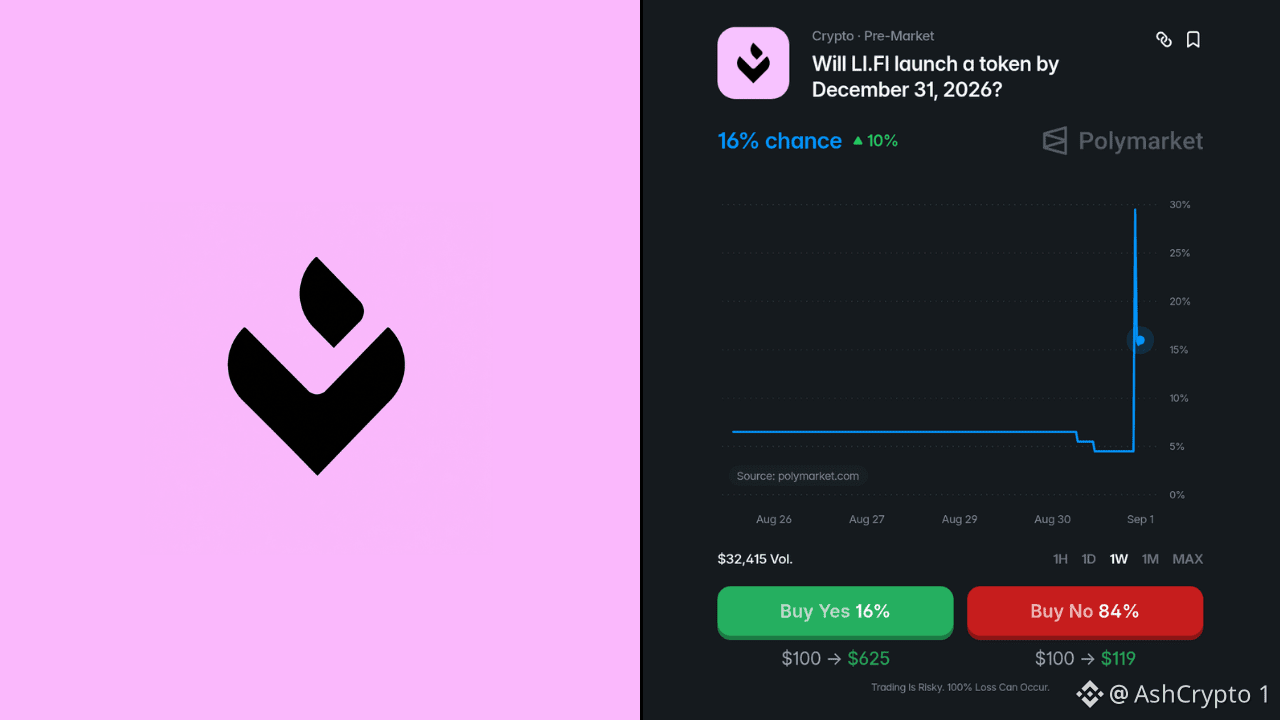
🚨 Is LI FI's token launch waking up?
Вот в чем сюжетный твист. Часть самого свежего движения на этом графике была профинансирована через $HYPE — это более острое применение монеты, чем просто держать ее и надеяться.
Эта штука сидела почти внизу весь период, а потом резко выстрелила вверх из ниоткуда прямо в самом конце.
Сейчас шанс 16%, рост уже на 10% — все еще явный аутсайдер, но этот всплеск — самое свежее на всем графике.
Объем $32,415 означает, что люди уже обращают внимание.
Я говорю «Да», даже будучи аутсайдером. Такое внезапное движение после тишины обычно означает, что что-то изменилось.
Выйти можно в любой момент, когда чтение для тебя изменится — никакой обязанности досматривать всю хронологию.
Polymarket остается самым чистым способом заработать на таком свежем сигнале, и $ARB обычно появляется рядом с рынками, которые оживают, как этот.
#Altcoin Season#
🚨 Is LI FI's token launch waking up?
Вот в чем сюжетный твист. Часть самого свежего движения на этом графике была профинансирована через $HYPE — это более острое применение монеты, чем просто держать ее и надеяться.
Эта штука сидела почти внизу весь период, а потом резко выстрелила вверх из ниоткуда прямо в самом конце.
Сейчас шанс 16%, рост уже на 10% — все еще явный аутсайдер, но этот всплеск — самое свежее на всем графике.
Объем $32,415 означает, что люди уже обращают внимание.
Я говорю «Да», даже будучи аутсайдером. Такое внезапное движение после тишины обычно означает, что что-то изменилось.
Выйти можно в любой момент, когда чтение для тебя изменится — никакой обязанности досматривать всю хронологию.
Polymarket остается самым чистым способом заработать на таком свежем сигнале, и $ARB обычно появляется рядом с рынками, которые оживают, как этот.
#Altcoin Season#
Вот в чем сюжетный твист. Часть самого свежего движения на этом графике была профинансирована через $HYPE — это более острое применение монеты, чем просто держать ее и надеяться.
Эта штука сидела почти внизу весь период, а потом резко выстрелила вверх из ниоткуда прямо в самом конце.
Сейчас шанс 16%, рост уже на 10% — все еще явный аутсайдер, но этот всплеск — самое свежее на всем графике.
Объем $32,415 означает, что люди уже обращают внимание.
Я говорю «Да», даже будучи аутсайдером. Такое внезапное движение после тишины обычно означает, что что-то изменилось.
Выйти можно в любой момент, когда чтение для тебя изменится — никакой обязанности досматривать всю хронологию.
Polymarket остается самым чистым способом заработать на таком свежем сигнале, и $ARB обычно появляется рядом с рынками, которые оживают, как этот.
#Altcoin Season#
58
·
--
ຄຳຂໍຂອງທ່ານອ່ານໄດ້ຂະນະມັນກຳລັງແລ່ນ 🔐
ແບບຈຳລອງທຸກອັນທີ່ທ່ານໃຊ້ຕ້ອງໄດ້ຮັບຄຳຂໍຂອງທ່ານແບບຊັດໆ ກ່ອນຈະຕອບໄດ້.
ນະໂຍບາຍແມ່ນສິ່ງດຽວທີ່ຢຸດບໍ່ໃຫ້ຄົນອື່ນມາອ່ານມັນໃນຈຸດນັ້ນ, ແລະນະໂຍບາຍແມ່ນຄຳສັນຍາ ບໍ່ແມ່ນເຄື່ອງກົນຈັກ.
ທຸລະກິດທັງໝົດຖືກສ້າງຂຶ້ນມາໃຫ້ຄົນຮູ້ສຶກບໍ່ສະບາຍໃຈກັບສິ່ງນັ້ນ, ແລະ $VVV ຕອນນີ້ດຳເນີນ inference ແບບທີ່ບໍ່ເກັບຂໍ້ມູນໄວ້ ສຳລັບຜູ້ໃຊ້ປະມານ 3.5 ລ້ານຄົນ ໃນອັດຕາປະມານ 2 ລ້ານຄຳຮ້ອງຕໍ່ມື້.
$TAO ຢູ່ຊັ້ນຖັດລົງມາອີກໜ້ອຍໃນ stack ດຽວກັນ, ຄອບຄອງຜູ້ປະຕິບັດທີ່ເປັນເອກະລາດຫຼາຍພັນຄົນທີ່ແລ່ນແບບຈຳລອງ, ແລະຜູ້ປະຕິບັດແຕ່ລະຄົນກໍ່ສາມາດເຫັນວຽກທີ່ມັນກຳລັງປະມວນຜົນຢູ່.
ດັ່ງນັ້ນການເປີດເຜີຍບໍ່ແມ່ນແທ້ໆຢູ່ຊັ້ນ app.
Venice ຂະຫຍາຍໄປຮອດຂະໜາດນັ້ນໄດ້ໃນແຜນການບໍ່ບັນທຶກ ບອກທ່ານວ່າຄວາມຕ້ອງການມີຈິງ.
ມັນຍັງສະແດງວ່າຂີດຈຳກັດຢູ່ຕົງໃສ ເພາະການບໍ່ເກັບ prompt ແລະການບໍ່ອ່ານ prompt ແມ່ນການມຸ້ມມັ່ນທີ່ຕ່າງກັນຄົນລະແບບ.
ໄຟລ໌ຖືກລົບທິ້ງຫຼັງຈາກນັ້ນ, ແລະມັນຍັງອ່ານໄດ້ຂະນະທີ່ງານກຳລັງດຳເນີນຢູ່.
ຄວາມແຕກຕ່າງນັ້ນຈະມີຄວາມສຳຄັນຫຼາຍກວ່າເກົ່າ ເມື່ອ agent ເລີ່ມຈັດການສິ່ງທີ່ຄົນບໍ່ເຄີຍພິມເອງໃນຫນ້າຈໍແຊັດແຊັດຂອງແຊັດຊົມ.
Arcium ຍ້າຍຄຳຮັບປະກັນອອກຈາກນະໂຍບາຍ ແລະໄປໃສ່ຄິດໄລເລກຄະນິດ.
ການຄຳນວນແບ່ງແຍກໄປທົ່ວກຸ່ມຂອງ node ທີ່ເປັນເອກະລາດ, ແຕ່ລະ node ຖືເພດສ່ວນຫນຶ່ງຂອງ input, ແລະບໍ່ມີອັນໃດທີ່ສາມາດປະກອບຄືນໄດ້ວ່າໄດ້ສົ່ງຫຍັງໄປ.
ດັ່ງນັ້ນຄຳຕອບຈຶ່ງກັບມາຖືກຕ້ອງ, ແລະບໍ່ມີເຄື່ອງຈັກໃດໃນສາຍໂສ້ຂະບວນການຖືສຳເນົາທີ່ສາມາດອ່ານໄດ້ຂອງຄຳຖາມ.
ເລື່ອງນີ້ໄດ້ດຳເນີນຢູ່ໃນ Mainnet Alpha ຕັ້ງແຕ່ວັນທີ 2 ເດືອນກຸມພາ, ດ້ວຍ node ຫຼາຍກວ່າ 4,000 ແລະມີ 30 ກວ່າແອັບທີ່ແລ່ນຢູ່ເທິງມັນ.
ແຕ່ Blackthorn ແມ່ນໂປຣໂຕຄອນ AI ທີ່ສ້າງຂຶ້ນເທິງມັນ, ແລະຍັງບໍ່ໄດ້ອອກຈຳໜ່າຍ ສະນັ້ນຂ້ອຍຈຶ່ງກຳລັງເຝົ້າມັນຢູ່ ແທນທີ່ຈະນັບມັນ.
ຄຳສັນຍາທີ່ຈະບໍ່ເບິ່ງ ມີຄ່າ, ແລະລະບົບທີ່ບໍ່ສາມາດເບິ່ງໄດ້ຈຶ່ງມີຄ່າຫຼາຍກວ່າອີກ, ເພາະສະນັ້ນວຽກງານ DeFi ແລະ AI ທີ່ຢູ່ໃນການກຳກັບ ຈະຕົກຢູ່ໃສ່ເທິງ cryptography ບໍ່ແມ່ນເທິງ terms of service.
#AI #DeFi
ຄຳຂໍຂອງທ່ານອ່ານໄດ້ຂະນະມັນກຳລັງແລ່ນ 🔐
ແບບຈຳລອງທຸກອັນທີ່ທ່ານໃຊ້ຕ້ອງໄດ້ຮັບຄຳຂໍຂອງທ່ານແບບຊັດໆ ກ່ອນຈະຕອບໄດ້.
ນະໂຍບາຍແມ່ນສິ່ງດຽວທີ່ຢຸດບໍ່ໃຫ້ຄົນອື່ນມາອ່ານມັນໃນຈຸດນັ້ນ, ແລະນະໂຍບາຍແມ່ນຄຳສັນຍາ ບໍ່ແມ່ນເຄື່ອງກົນຈັກ.
ທຸລະກິດທັງໝົດຖືກສ້າງຂຶ້ນມາໃຫ້ຄົນຮູ້ສຶກບໍ່ສະບາຍໃຈກັບສິ່ງນັ້ນ, ແລະ $VVV ຕອນນີ້ດຳເນີນ inference ແບບທີ່ບໍ່ເກັບຂໍ້ມູນໄວ້ ສຳລັບຜູ້ໃຊ້ປະມານ 3.5 ລ້ານຄົນ ໃນອັດຕາປະມານ 2 ລ້ານຄຳຮ້ອງຕໍ່ມື້.
$TAO ຢູ່ຊັ້ນຖັດລົງມາອີກໜ້ອຍໃນ stack ດຽວກັນ, ຄອບຄອງຜູ້ປະຕິບັດທີ່ເປັນເອກະລາດຫຼາຍພັນຄົນທີ່ແລ່ນແບບຈຳລອງ, ແລະຜູ້ປະຕິບັດແຕ່ລະຄົນກໍ່ສາມາດເຫັນວຽກທີ່ມັນກຳລັງປະມວນຜົນຢູ່.
ດັ່ງນັ້ນການເປີດເຜີຍບໍ່ແມ່ນແທ້ໆຢູ່ຊັ້ນ app.
Venice ຂະຫຍາຍໄປຮອດຂະໜາດນັ້ນໄດ້ໃນແຜນການບໍ່ບັນທຶກ ບອກທ່ານວ່າຄວາມຕ້ອງການມີຈິງ.
ມັນຍັງສະແດງວ່າຂີດຈຳກັດຢູ່ຕົງໃສ ເພາະການບໍ່ເກັບ prompt ແລະການບໍ່ອ່ານ prompt ແມ່ນການມຸ້ມມັ່ນທີ່ຕ່າງກັນຄົນລະແບບ.
ໄຟລ໌ຖືກລົບທິ້ງຫຼັງຈາກນັ້ນ, ແລະມັນຍັງອ່ານໄດ້ຂະນະທີ່ງານກຳລັງດຳເນີນຢູ່.
ຄວາມແຕກຕ່າງນັ້ນຈະມີຄວາມສຳຄັນຫຼາຍກວ່າເກົ່າ ເມື່ອ agent ເລີ່ມຈັດການສິ່ງທີ່ຄົນບໍ່ເຄີຍພິມເອງໃນຫນ້າຈໍແຊັດແຊັດຂອງແຊັດຊົມ.
Arcium ຍ້າຍຄຳຮັບປະກັນອອກຈາກນະໂຍບາຍ ແລະໄປໃສ່ຄິດໄລເລກຄະນິດ.
ການຄຳນວນແບ່ງແຍກໄປທົ່ວກຸ່ມຂອງ node ທີ່ເປັນເອກະລາດ, ແຕ່ລະ node ຖືເພດສ່ວນຫນຶ່ງຂອງ input, ແລະບໍ່ມີອັນໃດທີ່ສາມາດປະກອບຄືນໄດ້ວ່າໄດ້ສົ່ງຫຍັງໄປ.
ດັ່ງນັ້ນຄຳຕອບຈຶ່ງກັບມາຖືກຕ້ອງ, ແລະບໍ່ມີເຄື່ອງຈັກໃດໃນສາຍໂສ້ຂະບວນການຖືສຳເນົາທີ່ສາມາດອ່ານໄດ້ຂອງຄຳຖາມ.
ເລື່ອງນີ້ໄດ້ດຳເນີນຢູ່ໃນ Mainnet Alpha ຕັ້ງແຕ່ວັນທີ 2 ເດືອນກຸມພາ, ດ້ວຍ node ຫຼາຍກວ່າ 4,000 ແລະມີ 30 ກວ່າແອັບທີ່ແລ່ນຢູ່ເທິງມັນ.
ແຕ່ Blackthorn ແມ່ນໂປຣໂຕຄອນ AI ທີ່ສ້າງຂຶ້ນເທິງມັນ, ແລະຍັງບໍ່ໄດ້ອອກຈຳໜ່າຍ ສະນັ້ນຂ້ອຍຈຶ່ງກຳລັງເຝົ້າມັນຢູ່ ແທນທີ່ຈະນັບມັນ.
ຄຳສັນຍາທີ່ຈະບໍ່ເບິ່ງ ມີຄ່າ, ແລະລະບົບທີ່ບໍ່ສາມາດເບິ່ງໄດ້ຈຶ່ງມີຄ່າຫຼາຍກວ່າອີກ, ເພາະສະນັ້ນວຽກງານ DeFi ແລະ AI ທີ່ຢູ່ໃນການກຳກັບ ຈະຕົກຢູ່ໃສ່ເທິງ cryptography ບໍ່ແມ່ນເທິງ terms of service.
#AI #DeFi
ແບບຈຳລອງທຸກອັນທີ່ທ່ານໃຊ້ຕ້ອງໄດ້ຮັບຄຳຂໍຂອງທ່ານແບບຊັດໆ ກ່ອນຈະຕອບໄດ້.
ນະໂຍບາຍແມ່ນສິ່ງດຽວທີ່ຢຸດບໍ່ໃຫ້ຄົນອື່ນມາອ່ານມັນໃນຈຸດນັ້ນ, ແລະນະໂຍບາຍແມ່ນຄຳສັນຍາ ບໍ່ແມ່ນເຄື່ອງກົນຈັກ.
ທຸລະກິດທັງໝົດຖືກສ້າງຂຶ້ນມາໃຫ້ຄົນຮູ້ສຶກບໍ່ສະບາຍໃຈກັບສິ່ງນັ້ນ, ແລະ $VVV ຕອນນີ້ດຳເນີນ inference ແບບທີ່ບໍ່ເກັບຂໍ້ມູນໄວ້ ສຳລັບຜູ້ໃຊ້ປະມານ 3.5 ລ້ານຄົນ ໃນອັດຕາປະມານ 2 ລ້ານຄຳຮ້ອງຕໍ່ມື້.
$TAO ຢູ່ຊັ້ນຖັດລົງມາອີກໜ້ອຍໃນ stack ດຽວກັນ, ຄອບຄອງຜູ້ປະຕິບັດທີ່ເປັນເອກະລາດຫຼາຍພັນຄົນທີ່ແລ່ນແບບຈຳລອງ, ແລະຜູ້ປະຕິບັດແຕ່ລະຄົນກໍ່ສາມາດເຫັນວຽກທີ່ມັນກຳລັງປະມວນຜົນຢູ່.
ດັ່ງນັ້ນການເປີດເຜີຍບໍ່ແມ່ນແທ້ໆຢູ່ຊັ້ນ app.
Venice ຂະຫຍາຍໄປຮອດຂະໜາດນັ້ນໄດ້ໃນແຜນການບໍ່ບັນທຶກ ບອກທ່ານວ່າຄວາມຕ້ອງການມີຈິງ.
ມັນຍັງສະແດງວ່າຂີດຈຳກັດຢູ່ຕົງໃສ ເພາະການບໍ່ເກັບ prompt ແລະການບໍ່ອ່ານ prompt ແມ່ນການມຸ້ມມັ່ນທີ່ຕ່າງກັນຄົນລະແບບ.
ໄຟລ໌ຖືກລົບທິ້ງຫຼັງຈາກນັ້ນ, ແລະມັນຍັງອ່ານໄດ້ຂະນະທີ່ງານກຳລັງດຳເນີນຢູ່.
ຄວາມແຕກຕ່າງນັ້ນຈະມີຄວາມສຳຄັນຫຼາຍກວ່າເກົ່າ ເມື່ອ agent ເລີ່ມຈັດການສິ່ງທີ່ຄົນບໍ່ເຄີຍພິມເອງໃນຫນ້າຈໍແຊັດແຊັດຂອງແຊັດຊົມ.
Arcium ຍ້າຍຄຳຮັບປະກັນອອກຈາກນະໂຍບາຍ ແລະໄປໃສ່ຄິດໄລເລກຄະນິດ.
ການຄຳນວນແບ່ງແຍກໄປທົ່ວກຸ່ມຂອງ node ທີ່ເປັນເອກະລາດ, ແຕ່ລະ node ຖືເພດສ່ວນຫນຶ່ງຂອງ input, ແລະບໍ່ມີອັນໃດທີ່ສາມາດປະກອບຄືນໄດ້ວ່າໄດ້ສົ່ງຫຍັງໄປ.
ດັ່ງນັ້ນຄຳຕອບຈຶ່ງກັບມາຖືກຕ້ອງ, ແລະບໍ່ມີເຄື່ອງຈັກໃດໃນສາຍໂສ້ຂະບວນການຖືສຳເນົາທີ່ສາມາດອ່ານໄດ້ຂອງຄຳຖາມ.
ເລື່ອງນີ້ໄດ້ດຳເນີນຢູ່ໃນ Mainnet Alpha ຕັ້ງແຕ່ວັນທີ 2 ເດືອນກຸມພາ, ດ້ວຍ node ຫຼາຍກວ່າ 4,000 ແລະມີ 30 ກວ່າແອັບທີ່ແລ່ນຢູ່ເທິງມັນ.
ແຕ່ Blackthorn ແມ່ນໂປຣໂຕຄອນ AI ທີ່ສ້າງຂຶ້ນເທິງມັນ, ແລະຍັງບໍ່ໄດ້ອອກຈຳໜ່າຍ ສະນັ້ນຂ້ອຍຈຶ່ງກຳລັງເຝົ້າມັນຢູ່ ແທນທີ່ຈະນັບມັນ.
ຄຳສັນຍາທີ່ຈະບໍ່ເບິ່ງ ມີຄ່າ, ແລະລະບົບທີ່ບໍ່ສາມາດເບິ່ງໄດ້ຈຶ່ງມີຄ່າຫຼາຍກວ່າອີກ, ເພາະສະນັ້ນວຽກງານ DeFi ແລະ AI ທີ່ຢູ່ໃນການກຳກັບ ຈະຕົກຢູ່ໃສ່ເທິງ cryptography ບໍ່ແມ່ນເທິງ terms of service.
#AI #DeFi
69
·
--
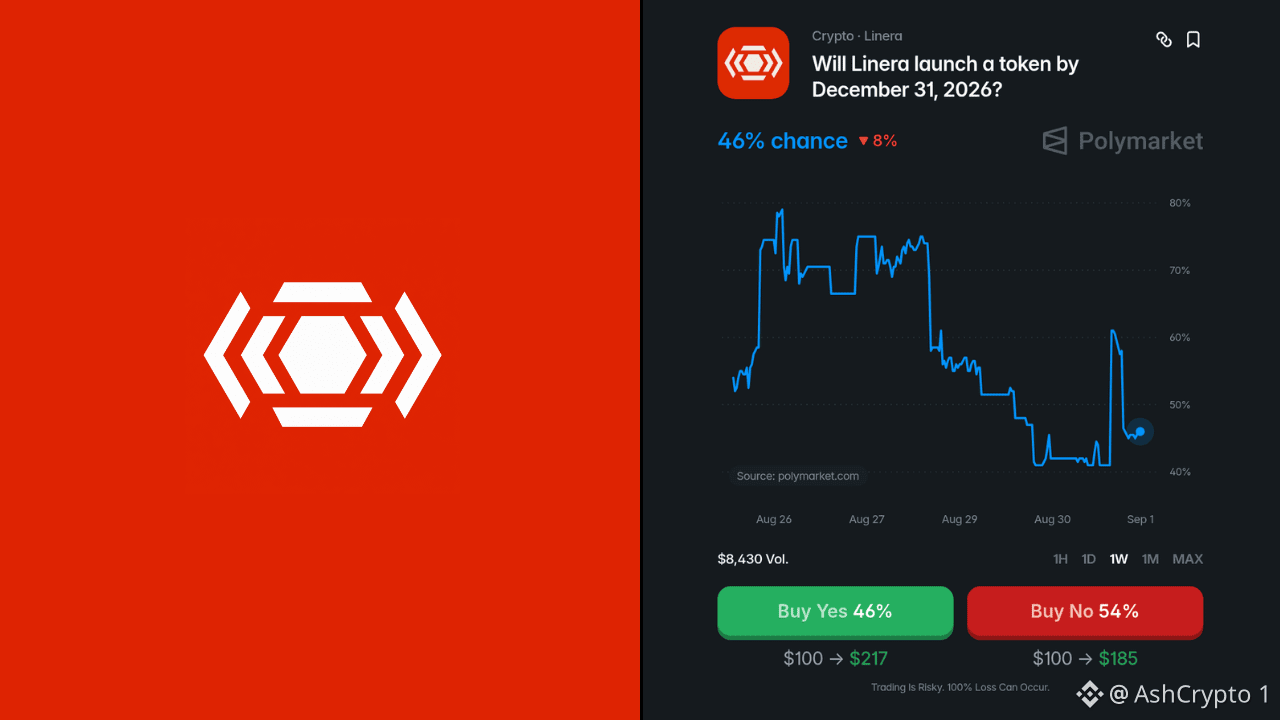
Ngaba uWill Linera izakwethula ithokheni yakhe ngesikhathi? 🚨
Lena ibinendawo yokuphakama yangempela, ifinyelele cishe ku-78%, futhi selokhu kwaba nokwehla isikhathi eside.
Manje kunethuba elingu-46%, lehle ngo-8%. Kuthule futhi, kunomthamo ongu-$8,430, okushiya indawo yokuthi le nombolo iqhubeke nokuhamba ngaphambi kokuba abantu abaningi bayiqaphele.
Ngithatha uNo. A—ukwehla okude kangaka kusukela ekuphakameni okuphakeme kangaka kuvamise kudinga okungaphezu kokugxuma okuncane okukodwa ukuze empeleni kubuye emuva.
I-$SOL isixhase ingxenye yalokhu kwehla, okuyindlela ebukhali yokusebenzisa imali kunokubuka ishadi layo lingenzi lutho.
I-$POL ivamise ukuvela kanye nayo; ukuba khona kwayo kule nkundla kuyaqhubeka nokukhuphuka.
Phuma noma nini lapho ufuna kulokhu—awuboshiwe kuze kube usuku lwangempela.
I-Polymarket ihlala ingelinye lezindlela ezithembeke kakhulu zokuzuza ngokufunda okunjengalokhu.
#Altcoin Season#
Ngaba uWill Linera izakwethula ithokheni yakhe ngesikhathi? 🚨
Lena ibinendawo yokuphakama yangempela, ifinyelele cishe ku-78%, futhi selokhu kwaba nokwehla isikhathi eside.
Manje kunethuba elingu-46%, lehle ngo-8%. Kuthule futhi, kunomthamo ongu-$8,430, okushiya indawo yokuthi le nombolo iqhubeke nokuhamba ngaphambi kokuba abantu abaningi bayiqaphele.
Ngithatha uNo. A—ukwehla okude kangaka kusukela ekuphakameni okuphakeme kangaka kuvamise kudinga okungaphezu kokugxuma okuncane okukodwa ukuze empeleni kubuye emuva.
I-$SOL isixhase ingxenye yalokhu kwehla, okuyindlela ebukhali yokusebenzisa imali kunokubuka ishadi layo lingenzi lutho.
I-$POL ivamise ukuvela kanye nayo; ukuba khona kwayo kule nkundla kuyaqhubeka nokukhuphuka.
Phuma noma nini lapho ufuna kulokhu—awuboshiwe kuze kube usuku lwangempela.
I-Polymarket ihlala ingelinye lezindlela ezithembeke kakhulu zokuzuza ngokufunda okunjengalokhu.
#Altcoin Season#
Lena ibinendawo yokuphakama yangempela, ifinyelele cishe ku-78%, futhi selokhu kwaba nokwehla isikhathi eside.
Manje kunethuba elingu-46%, lehle ngo-8%. Kuthule futhi, kunomthamo ongu-$8,430, okushiya indawo yokuthi le nombolo iqhubeke nokuhamba ngaphambi kokuba abantu abaningi bayiqaphele.
Ngithatha uNo. A—ukwehla okude kangaka kusukela ekuphakameni okuphakeme kangaka kuvamise kudinga okungaphezu kokugxuma okuncane okukodwa ukuze empeleni kubuye emuva.
I-$SOL isixhase ingxenye yalokhu kwehla, okuyindlela ebukhali yokusebenzisa imali kunokubuka ishadi layo lingenzi lutho.
I-$POL ivamise ukuvela kanye nayo; ukuba khona kwayo kule nkundla kuyaqhubeka nokukhuphuka.
Phuma noma nini lapho ufuna kulokhu—awuboshiwe kuze kube usuku lwangempela.
I-Polymarket ihlala ingelinye lezindlela ezithembeke kakhulu zokuzuza ngokufunda okunjengalokhu.
#Altcoin Season#
66
·
--
ແຄມເປນ $KAITO Katalyst ໃໝ່ກຳລັງຫຼຸດລົງ 🔥
ຂ້ອຍໄດ້ລອງເບິ່ງແຄມເປນໃໝ່ທີ່ກຳລັງອອນໄລນ໌ຢູ່ໃນ Kaito Katalyst ຕອນນີ້ ລວມທັງແຄມເປນຈາກ $MX ແລະກົນໄກທີ່ຢູ່ຫຼັງມັນ ຂ້ອຍວ່າແຕກຕ່າງຈາກແຄມເປນຂອງເຄຣເດັດເຊີຣຈຳນວນຫຼາຍທີ່ຂ້ອຍເຄີຍເຫັນມາກ່ອນ.
Katalyst ຈ່າຍໃຫ້ເຄຣເດັດເຊີຣຕາມສິ່ງທີ່ເຂົາຂັບຂີ່/ຜົນທີ່ແທ້ຈິງ ບໍ່ແມ່ນພຽງແຕ່ຈອດໂພສ. ແທນທີ່ຈະເປັນຄ່າແບບຄົງທີ່ສຳລັບ tweet ໜຶ່ງ, ລາງວັນຈະຖືກນຳໄປຄິດໃສ່ກັບຜົນລັບທີ່ເກີດຂຶ້ນຈິງ, ເຊັ່ນ mindshare, clicks, sign ups, deposits ຫຼືກິດຈະກຳໃນແພລດຟອມ, ຂຶ້ນກັບວ່າແຄມເປນນັ້ນຖືກສ້າງເພື່ອອັນໃດ.
ນັ້ນໝາຍຄວາມວ່າ ການຈ່າຍຈິງໆສະທ້ອນຜົນກະທົບທີ່ເຄຣເດັດເຊີຣໄດ້ເຮັດ, ບໍ່ແມ່ນວ່າທຸກຄົນຈະໄດ້ຮັບເງິນຄືກັນໝົດ ເຖິງແມ້ເນື້ອຫາຂອງເຂົາຈະບໍ່ໄດ້ຂົນຂື້ນຈິງຫຼືພຽງແຕ່ຢູ່ກັບທີ່ເກີດຂຶ້ນ.
ສຳລັບເຄຣເດັດເຊີຣ ການເລີ່ມຕົ້ນບໍ່ຍາກເລີຍ. ໄປທີ່ Kaito Studio, ເຊັກແຄມເປນທີ່ກຳລັງອອນໄລນ໌, ແລ້ວສະໝັກໃຫ້ກັບອັນທີ່ເໝາະກັບ niche ຂອງເຈົ້າ. ພໍເຂົ້າໄປແລ້ວ ເຈົ້າຈະສ້າງເນື້ອຫາຕາມ brief, ແລະ ລາງວັນຂອງເຈົ້າຈະປັບຕາມຜົນທີ່ເນື້ອຫາຂອງເຈົ້າສ້າງໄດ້ຈິງ.
ຂ້ອຍມັກອັນນີ້ຫຼາຍກວ່າຂໍ້ຕົກລົງຄ່າແບບຄົງທີ່ທົ່ວໄປ ເພາະມັນໝາຍຄວາມວ່າ ເຄຣເດັດເຊີຣທີ່ເຮັດວຽກຈິງ ແລະຂັບເຄື່ອງຈິງກັງ engagement ຫຼື conversions ໄດ້ຈິງ ຄືຜູ້ທີ່ໄດ້ຮັບຄ່າຕອບແທນຫຼາຍສຸດ, ບໍ່ແມ່ນພຽງແຕ່ຜູ້ທີ່ມີ followers ມາກທີ່ສຸດ.
ຖ້າເຈົ້າເປັນເຄຣເດັດເຊີຣ ທີ່ກຳລັງຊອກວິທີທີ່ດີກວ່າເພື່ອໄດ້ຮັບຄ່າຕອບແທນສຳລັບອິດທິພົນຂອງເຈົ້າ, ໄປເບິ່ງແຄມເປນ Katalyst ທີ່ກຳລັງອອນໄລນ໌ຢູ່ Kaito Studio ໄດ້ເລີຍຕອນນີ້.
#Altcoin Season# #Macro Insights#
ແຄມເປນ $KAITO Katalyst ໃໝ່ກຳລັງຫຼຸດລົງ 🔥
ຂ້ອຍໄດ້ລອງເບິ່ງແຄມເປນໃໝ່ທີ່ກຳລັງອອນໄລນ໌ຢູ່ໃນ Kaito Katalyst ຕອນນີ້ ລວມທັງແຄມເປນຈາກ $MX ແລະກົນໄກທີ່ຢູ່ຫຼັງມັນ ຂ້ອຍວ່າແຕກຕ່າງຈາກແຄມເປນຂອງເຄຣເດັດເຊີຣຈຳນວນຫຼາຍທີ່ຂ້ອຍເຄີຍເຫັນມາກ່ອນ.
Katalyst ຈ່າຍໃຫ້ເຄຣເດັດເຊີຣຕາມສິ່ງທີ່ເຂົາຂັບຂີ່/ຜົນທີ່ແທ້ຈິງ ບໍ່ແມ່ນພຽງແຕ່ຈອດໂພສ. ແທນທີ່ຈະເປັນຄ່າແບບຄົງທີ່ສຳລັບ tweet ໜຶ່ງ, ລາງວັນຈະຖືກນຳໄປຄິດໃສ່ກັບຜົນລັບທີ່ເກີດຂຶ້ນຈິງ, ເຊັ່ນ mindshare, clicks, sign ups, deposits ຫຼືກິດຈະກຳໃນແພລດຟອມ, ຂຶ້ນກັບວ່າແຄມເປນນັ້ນຖືກສ້າງເພື່ອອັນໃດ.
ນັ້ນໝາຍຄວາມວ່າ ການຈ່າຍຈິງໆສະທ້ອນຜົນກະທົບທີ່ເຄຣເດັດເຊີຣໄດ້ເຮັດ, ບໍ່ແມ່ນວ່າທຸກຄົນຈະໄດ້ຮັບເງິນຄືກັນໝົດ ເຖິງແມ້ເນື້ອຫາຂອງເຂົາຈະບໍ່ໄດ້ຂົນຂື້ນຈິງຫຼືພຽງແຕ່ຢູ່ກັບທີ່ເກີດຂຶ້ນ.
ສຳລັບເຄຣເດັດເຊີຣ ການເລີ່ມຕົ້ນບໍ່ຍາກເລີຍ. ໄປທີ່ Kaito Studio, ເຊັກແຄມເປນທີ່ກຳລັງອອນໄລນ໌, ແລ້ວສະໝັກໃຫ້ກັບອັນທີ່ເໝາະກັບ niche ຂອງເຈົ້າ. ພໍເຂົ້າໄປແລ້ວ ເຈົ້າຈະສ້າງເນື້ອຫາຕາມ brief, ແລະ ລາງວັນຂອງເຈົ້າຈະປັບຕາມຜົນທີ່ເນື້ອຫາຂອງເຈົ້າສ້າງໄດ້ຈິງ.
ຂ້ອຍມັກອັນນີ້ຫຼາຍກວ່າຂໍ້ຕົກລົງຄ່າແບບຄົງທີ່ທົ່ວໄປ ເພາະມັນໝາຍຄວາມວ່າ ເຄຣເດັດເຊີຣທີ່ເຮັດວຽກຈິງ ແລະຂັບເຄື່ອງຈິງກັງ engagement ຫຼື conversions ໄດ້ຈິງ ຄືຜູ້ທີ່ໄດ້ຮັບຄ່າຕອບແທນຫຼາຍສຸດ, ບໍ່ແມ່ນພຽງແຕ່ຜູ້ທີ່ມີ followers ມາກທີ່ສຸດ.
ຖ້າເຈົ້າເປັນເຄຣເດັດເຊີຣ ທີ່ກຳລັງຊອກວິທີທີ່ດີກວ່າເພື່ອໄດ້ຮັບຄ່າຕອບແທນສຳລັບອິດທິພົນຂອງເຈົ້າ, ໄປເບິ່ງແຄມເປນ Katalyst ທີ່ກຳລັງອອນໄລນ໌ຢູ່ Kaito Studio ໄດ້ເລີຍຕອນນີ້.
#Altcoin Season# #Macro Insights#
ຂ້ອຍໄດ້ລອງເບິ່ງແຄມເປນໃໝ່ທີ່ກຳລັງອອນໄລນ໌ຢູ່ໃນ Kaito Katalyst ຕອນນີ້ ລວມທັງແຄມເປນຈາກ $MX ແລະກົນໄກທີ່ຢູ່ຫຼັງມັນ ຂ້ອຍວ່າແຕກຕ່າງຈາກແຄມເປນຂອງເຄຣເດັດເຊີຣຈຳນວນຫຼາຍທີ່ຂ້ອຍເຄີຍເຫັນມາກ່ອນ.
Katalyst ຈ່າຍໃຫ້ເຄຣເດັດເຊີຣຕາມສິ່ງທີ່ເຂົາຂັບຂີ່/ຜົນທີ່ແທ້ຈິງ ບໍ່ແມ່ນພຽງແຕ່ຈອດໂພສ. ແທນທີ່ຈະເປັນຄ່າແບບຄົງທີ່ສຳລັບ tweet ໜຶ່ງ, ລາງວັນຈະຖືກນຳໄປຄິດໃສ່ກັບຜົນລັບທີ່ເກີດຂຶ້ນຈິງ, ເຊັ່ນ mindshare, clicks, sign ups, deposits ຫຼືກິດຈະກຳໃນແພລດຟອມ, ຂຶ້ນກັບວ່າແຄມເປນນັ້ນຖືກສ້າງເພື່ອອັນໃດ.
ນັ້ນໝາຍຄວາມວ່າ ການຈ່າຍຈິງໆສະທ້ອນຜົນກະທົບທີ່ເຄຣເດັດເຊີຣໄດ້ເຮັດ, ບໍ່ແມ່ນວ່າທຸກຄົນຈະໄດ້ຮັບເງິນຄືກັນໝົດ ເຖິງແມ້ເນື້ອຫາຂອງເຂົາຈະບໍ່ໄດ້ຂົນຂື້ນຈິງຫຼືພຽງແຕ່ຢູ່ກັບທີ່ເກີດຂຶ້ນ.
ສຳລັບເຄຣເດັດເຊີຣ ການເລີ່ມຕົ້ນບໍ່ຍາກເລີຍ. ໄປທີ່ Kaito Studio, ເຊັກແຄມເປນທີ່ກຳລັງອອນໄລນ໌, ແລ້ວສະໝັກໃຫ້ກັບອັນທີ່ເໝາະກັບ niche ຂອງເຈົ້າ. ພໍເຂົ້າໄປແລ້ວ ເຈົ້າຈະສ້າງເນື້ອຫາຕາມ brief, ແລະ ລາງວັນຂອງເຈົ້າຈະປັບຕາມຜົນທີ່ເນື້ອຫາຂອງເຈົ້າສ້າງໄດ້ຈິງ.
ຂ້ອຍມັກອັນນີ້ຫຼາຍກວ່າຂໍ້ຕົກລົງຄ່າແບບຄົງທີ່ທົ່ວໄປ ເພາະມັນໝາຍຄວາມວ່າ ເຄຣເດັດເຊີຣທີ່ເຮັດວຽກຈິງ ແລະຂັບເຄື່ອງຈິງກັງ engagement ຫຼື conversions ໄດ້ຈິງ ຄືຜູ້ທີ່ໄດ້ຮັບຄ່າຕອບແທນຫຼາຍສຸດ, ບໍ່ແມ່ນພຽງແຕ່ຜູ້ທີ່ມີ followers ມາກທີ່ສຸດ.
ຖ້າເຈົ້າເປັນເຄຣເດັດເຊີຣ ທີ່ກຳລັງຊອກວິທີທີ່ດີກວ່າເພື່ອໄດ້ຮັບຄ່າຕອບແທນສຳລັບອິດທິພົນຂອງເຈົ້າ, ໄປເບິ່ງແຄມເປນ Katalyst ທີ່ກຳລັງອອນໄລນ໌ຢູ່ Kaito Studio ໄດ້ເລີຍຕອນນີ້.
#Altcoin Season# #Macro Insights#
81
·
--
$52 $SUI ເປັນໄປບໍ່ໄດ້.
ຈົນກະທັ້ງ…ມັນກໍບໍ່ແມ່ນ 👀
ປະມານ $0.73, Sui ມີ market cap ໃກ້ຄຽງ $2.97 ຕື້.
ການເຄື່ອນ 72X ຈະພາໃຫ້ $SUI ຢູ່ປະມານ $52.
ທີ່ມັນຟັງແບບນີ້ກໍເຫັນວ່າເປັນໄປບໍ່ເປັນໄປແບບສົມບູນແທ້ໆກ່ອນ.
ຕອນນີ້ລອງເບິ່ງການເຄົາລະນັດມູນຄ່າແທ້.
ດ້ວຍຈໍານວນໂຕເຄື່ອນແຫຼວປະມານ 4.07 ຕື້ໂຕ, ລາຄາ $52 ຈະແທນ market cap ໃກ້ຄຽງ $212 ຕື້.
ທຽບກັບອຸປະສົງອະທິບາຍການສະໜອງສູງສຸດ 10 ຕື້, ການເຄົາລະນັດ fully diluted ຈະເປັນປະມານ $520 ຕື້.
ນັ້ນແມ່ນມູນຄ່າທີ່ໃຫຍ່ຫຼວງ.
ການຈະໄປເຖິງມັນໄດ້ ຈະຕ້ອງໃຫ້ Sui ກາຍເປັນໜຶ່ງໃນເຄືອຂ່າຍທີ່ສຳຄັນທີ່ສຸດໃນ crypto.
ແຕ່ນີ້ກໍເປັນ ecosystem ທີ່ໄດ້ກ້າວຜ່ານຈໍານວນທັງໝົດ 5.8 ຕື້ທຣ່ານຊັກແລ້ວ ໃນ DeFi, ການຈ່າຍເງິນ, gaming ແລະ stablecoins.
ຂ້ອຍບໍ່ໄດ້ພະຍາຍາມອ້າງວ່າສະໜອງຈະຫາຍໄປ ຫຼືວ່າ 72X ຈະເກີດຂຶ້ນງ່າຍໆ.
ຂ້ອຍກໍຢາກຖາມວ່າ ເຄືອຂ່າຍການເງິນລະດັບໂລກ ຈະສາມາດຮອງຮັບມູນຄ່າລະດັບໂລກໄດ້ໃນອະນາຄົດບໍ?
ຄົນເຄີຍເອີ້ນຊັບສິນ crypto ມູນຄ່າຕື້ຕື້ ວ່າເປັນໄປບໍ່ໄດ້ຢູ່ເທື່ອໜຶ່ງ.
ສະຖານະການ $52 ແມ່ນແບບກ້າຫານ, ແຕ່ ຄະນິດສາດກໍຄວນຈົບເວົ້າແບບຈິງຈັງ ບໍ່ແມ່ນຈົມກົ້ນດ້ວຍການປະຕິເສດທັນທີ.
#Altcoin Season#
$52 $SUI ເປັນໄປບໍ່ໄດ້.
ຈົນກະທັ້ງ…ມັນກໍບໍ່ແມ່ນ 👀
ປະມານ $0.73, Sui ມີ market cap ໃກ້ຄຽງ $2.97 ຕື້.
ການເຄື່ອນ 72X ຈະພາໃຫ້ $SUI ຢູ່ປະມານ $52.
ທີ່ມັນຟັງແບບນີ້ກໍເຫັນວ່າເປັນໄປບໍ່ເປັນໄປແບບສົມບູນແທ້ໆກ່ອນ.
ຕອນນີ້ລອງເບິ່ງການເຄົາລະນັດມູນຄ່າແທ້.
ດ້ວຍຈໍານວນໂຕເຄື່ອນແຫຼວປະມານ 4.07 ຕື້ໂຕ, ລາຄາ $52 ຈະແທນ market cap ໃກ້ຄຽງ $212 ຕື້.
ທຽບກັບອຸປະສົງອະທິບາຍການສະໜອງສູງສຸດ 10 ຕື້, ການເຄົາລະນັດ fully diluted ຈະເປັນປະມານ $520 ຕື້.
ນັ້ນແມ່ນມູນຄ່າທີ່ໃຫຍ່ຫຼວງ.
ການຈະໄປເຖິງມັນໄດ້ ຈະຕ້ອງໃຫ້ Sui ກາຍເປັນໜຶ່ງໃນເຄືອຂ່າຍທີ່ສຳຄັນທີ່ສຸດໃນ crypto.
ແຕ່ນີ້ກໍເປັນ ecosystem ທີ່ໄດ້ກ້າວຜ່ານຈໍານວນທັງໝົດ 5.8 ຕື້ທຣ່ານຊັກແລ້ວ ໃນ DeFi, ການຈ່າຍເງິນ, gaming ແລະ stablecoins.
ຂ້ອຍບໍ່ໄດ້ພະຍາຍາມອ້າງວ່າສະໜອງຈະຫາຍໄປ ຫຼືວ່າ 72X ຈະເກີດຂຶ້ນງ່າຍໆ.
ຂ້ອຍກໍຢາກຖາມວ່າ ເຄືອຂ່າຍການເງິນລະດັບໂລກ ຈະສາມາດຮອງຮັບມູນຄ່າລະດັບໂລກໄດ້ໃນອະນາຄົດບໍ?
ຄົນເຄີຍເອີ້ນຊັບສິນ crypto ມູນຄ່າຕື້ຕື້ ວ່າເປັນໄປບໍ່ໄດ້ຢູ່ເທື່ອໜຶ່ງ.
ສະຖານະການ $52 ແມ່ນແບບກ້າຫານ, ແຕ່ ຄະນິດສາດກໍຄວນຈົບເວົ້າແບບຈິງຈັງ ບໍ່ແມ່ນຈົມກົ້ນດ້ວຍການປະຕິເສດທັນທີ.
#Altcoin Season#
ຈົນກະທັ້ງ…ມັນກໍບໍ່ແມ່ນ 👀
ປະມານ $0.73, Sui ມີ market cap ໃກ້ຄຽງ $2.97 ຕື້.
ການເຄື່ອນ 72X ຈະພາໃຫ້ $SUI ຢູ່ປະມານ $52.
ທີ່ມັນຟັງແບບນີ້ກໍເຫັນວ່າເປັນໄປບໍ່ເປັນໄປແບບສົມບູນແທ້ໆກ່ອນ.
ຕອນນີ້ລອງເບິ່ງການເຄົາລະນັດມູນຄ່າແທ້.
ດ້ວຍຈໍານວນໂຕເຄື່ອນແຫຼວປະມານ 4.07 ຕື້ໂຕ, ລາຄາ $52 ຈະແທນ market cap ໃກ້ຄຽງ $212 ຕື້.
ທຽບກັບອຸປະສົງອະທິບາຍການສະໜອງສູງສຸດ 10 ຕື້, ການເຄົາລະນັດ fully diluted ຈະເປັນປະມານ $520 ຕື້.
ນັ້ນແມ່ນມູນຄ່າທີ່ໃຫຍ່ຫຼວງ.
ການຈະໄປເຖິງມັນໄດ້ ຈະຕ້ອງໃຫ້ Sui ກາຍເປັນໜຶ່ງໃນເຄືອຂ່າຍທີ່ສຳຄັນທີ່ສຸດໃນ crypto.
ແຕ່ນີ້ກໍເປັນ ecosystem ທີ່ໄດ້ກ້າວຜ່ານຈໍານວນທັງໝົດ 5.8 ຕື້ທຣ່ານຊັກແລ້ວ ໃນ DeFi, ການຈ່າຍເງິນ, gaming ແລະ stablecoins.
ຂ້ອຍບໍ່ໄດ້ພະຍາຍາມອ້າງວ່າສະໜອງຈະຫາຍໄປ ຫຼືວ່າ 72X ຈະເກີດຂຶ້ນງ່າຍໆ.
ຂ້ອຍກໍຢາກຖາມວ່າ ເຄືອຂ່າຍການເງິນລະດັບໂລກ ຈະສາມາດຮອງຮັບມູນຄ່າລະດັບໂລກໄດ້ໃນອະນາຄົດບໍ?
ຄົນເຄີຍເອີ້ນຊັບສິນ crypto ມູນຄ່າຕື້ຕື້ ວ່າເປັນໄປບໍ່ໄດ້ຢູ່ເທື່ອໜຶ່ງ.
ສະຖານະການ $52 ແມ່ນແບບກ້າຫານ, ແຕ່ ຄະນິດສາດກໍຄວນຈົບເວົ້າແບບຈິງຈັງ ບໍ່ແມ່ນຈົມກົ້ນດ້ວຍການປະຕິເສດທັນທີ.
#Altcoin Season#
73
ເຂົ້າສູ່ລະບົບເພື່ອສຳຫຼວດເນື້ອຫາເພີ່ມເຕີມ
ເຂົ້າຮ່ວມກຸ່ມຜູ້ໃຊ້ຄຣິບໂຕທົ່ວໂລກໃນ Binance Square.
⚡️ ໄດ້ຮັບຂໍ້ມູນຫຼ້າສຸດ ແລະ ທີ່ມີປະໂຫຍດກ່ຽວກັບຄຣິບໂຕ.
💬 ໄດ້ຮັບຄວາມໄວ້ວາງໃຈຈາກຕະຫຼາດແລກປ່ຽນຄຣິບໂຕທີ່ໃຫຍ່ທີ່ສຸດໃນໂລກ.
👍 ຄົ້ນຫາຂໍ້ມູນເຊີງເລິກທີ່ແທ້ຈາກນັກສ້າງທີ່ໄດ້ຮັບການຢືນຢັນ.
ອີເມວ / ເບີໂທລະສັບ
ຫົວຂໍ້ທີ່ກໍາລັງນິຍົມ
AIStocksWhatNext
868,187 views
6,546 ກຳລັງສົນທະນາ
Пាចែក ແລະ ຮັບຮາງວັນຈາກການແຂ່ງຂັນ Trending Hashtag ຂອງພວກເຮົາ
✨ຫົວຂໍ້: ມີໂອກາດການລົງທຶນອື່ນໃດອີກ ຍັງເຫຼືອບໍ ໃນເວລາທີ່ຫຸ້ນ AI ຍັງຂຶ້ນຢ່າງຕໍ່ເນື່ອງ?
👉ວິທີເຂົ້າຮ່ວມ:
ໂພດຂໍ້ຄວາມສັ້ນຫຼືບົດຄວາມພ້ອມ hashtag #AIStocksWhatNext
ແບ່ງປັນວ່າທ່ານເບີກບວກ (bullish) ຫຼືຂາດບວກ (bearish) ແລະ ໂພດການຖືຫຸ້ນ AI ຫຼືການຊື້ຂາຍຂອງທ່ານ — ການໃຊ້ trade widget ອາດຊ່ວຍໃຫ້ມີສິດກໍານົດໄດ້ດີຂຶ້ນ.
ທ່ານຍັງສາມາດເສີມໃຫ້ໂພດຂອງທ່ານໂດຍການແບ່ງປັນຂໍ້ມູນ ຫຼື ກຣາຟ, ແລະຫຼີກລ້ຽງຮູບພາບທີ່ສ້າງຈາກ AI.
✍️ສ້າງເນື້ອຫາຕາມມຸມມອງດ້ານລຸ່ມນີ້:
- Nvidia ກ່າວວ່າຍອດຂາຍຊິບຈະເພີ່ມເປັນສອງເທົ່າໃນປີໜ້າ, ແລະ ບໍລິສັດ AI ຊັ້ນນໍາຍັງຕີຍອດລາຍຮັບສູງສຸດຕໍ່ເນື່ອງ—ການໃຊ້ຈ່າຍດ້ານ compute ທີ່ຢູ່ຫຼັງມັນກໍ່ຊັດເຈນຫຼາຍ. ຄວາມຕ້ອງການຂອງ AI ຈິງໆກໍາລັງຂຶ້ນບໍ? ແລະ ມັນຈະຢູ່ໄດ້ດົນປານໃດ? ຫຸ້ນ AI ຂຶ້ນທົ່ວກະດານ. ນີ້ແມ່ນການປະຕິບັດສະລຸດຈິງ (real breakout) ຫຼືແພ້ແຄ່ການເດັ້ງກັ້ນໄລຍະສັ້ນ?
- ຜູ້ນໍາໃນອຸດສາຫະກໍາເອີ້ນໃຫ້ຊະລໍການພັດທະນາ AI, ໃນຂະນະທີ່ Trump ວາງແຜນຈະສ້າງ “AI Force” ໂດຍອ້າງວ່າ AI ອາດຈະກວມ 25% ຂອງ GDP ຂອງສະຫະລັດ ໃນອະນາຄົດ. ທ່ານຢູ່ຝ່າຍໃດ? ການໜູນຊ່ວຍຈາກລະດັບລັດ (state-level backing) ຈະເປັນໄຊຊະນະໄລຍະຍາວສໍາລັບຫຸ້ນ AI ບໍ?
- ທ່ານກໍ່າລັງຊື້ຫຸ້ນ AI ບໍ? ແບ່ງປັນການຊື້ຂາຍ/ການຖືຄອງທີ່ກ່ຽວຂ້ອງກັບ AI ຂອງທ່ານຜ່ານ trade sharing widget ຂອງພວກເຮົາ.
⏰ໄລຍະການແຄມເປນ:
- 2026-09-22 7:00 - 2026-09-24 4:00 UTC
🎁ລາງວັນ:
- ໂພດທີ່ມີຄຸນສົມບັດຕາມກົດລະບຽບຂ້າງເທິງ ແລະ ມີຫຼາຍກວ່າ 100 ຄໍາຈະຖືກທວດສອບ ແລະ ອາດຈະໄດ້ຮັບການເພີ່ມເຂົ້າເບິ່ງແບບສຸ່ມ 500 ຫາ 3,000 ຄັ້ງ. ທ່ານຈະໄດ້ຮັບແຈ້ງເຕືອນຈາກເຈົ້າໜ້າທີ່ຂອງ feed ຂອງພວກເຮົາ ຖ້າໂພດຂອງທ່ານຖືກເລືອກ.
- ມີໂອກາດໃຫ້ບົດຄວາມຂອງທ່ານຖືກນໍາໄປສະແດງໃນ Binance Square Official
ຕ້ອງການໄອເດຍສໍາລັບໂພດຂອງທ່ານບໍ? ເຂົ້າໄປທີ່ໜ້າຫົວຂໍ້ #AIStocksWhatNext ຫຼື Square Guide on How to Post for Better Reach.
Binance Square Official
·581 ຖືກໃຈ
·1.7M views
BitcoinRejectedAt$87,300Twice
0 views
0 ກຳລັງສົນທະນາ
BCHJumps28%OnCMEFuturesListing
9,477 views
471 ກຳລັງສົນທະນາ