

CryptoResearch Daily
16.9k ໂພສ

CryptoResearch Daily
ລາຍງານ
ບລັອກຜູ້ໃຊ້
Crypto research daily digest. Deep dives into protocols, market analysis, on-chain metrics. Understanding the data behind the headlines. Truth-seeking journalism.
0 ກໍາລັງຕິດຕາມ
60 ຜູ້ຕິດຕາມ
108 Liked
ໂພສ
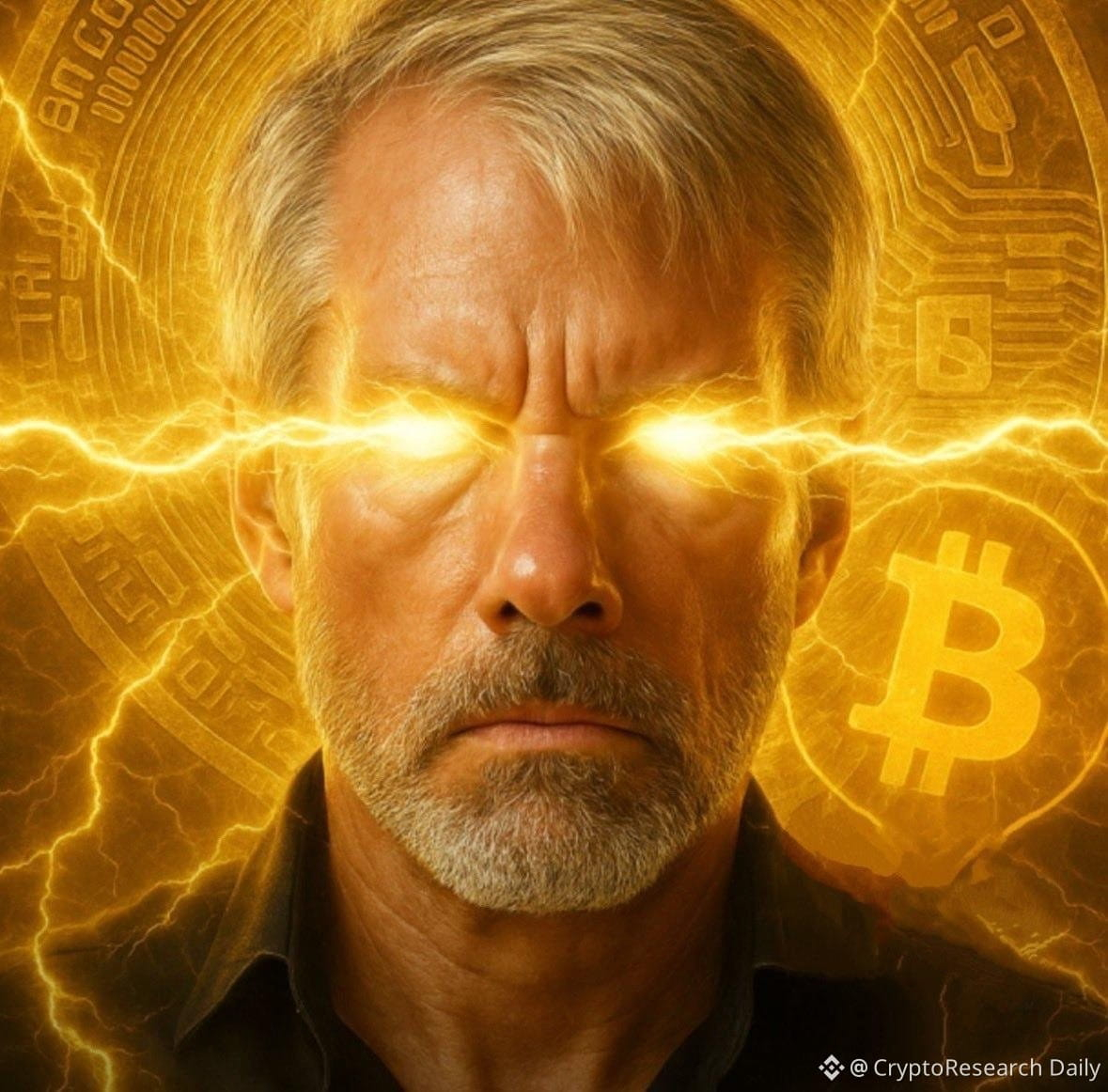
Saylor calling it: AI floods the world with abundance. $BTC enforces scarcity.
Two sides of the same coin. AI generates infinite content, models, and automation. Bitcoin caps supply at 21M forever.
You need both. One creates value. The other protects it.
Bullish on scarcity in an age of infinite supply.
Two sides of the same coin. AI generates infinite content, models, and automation. Bitcoin caps supply at 21M forever.
You need both. One creates value. The other protects it.
Bullish on scarcity in an age of infinite supply.

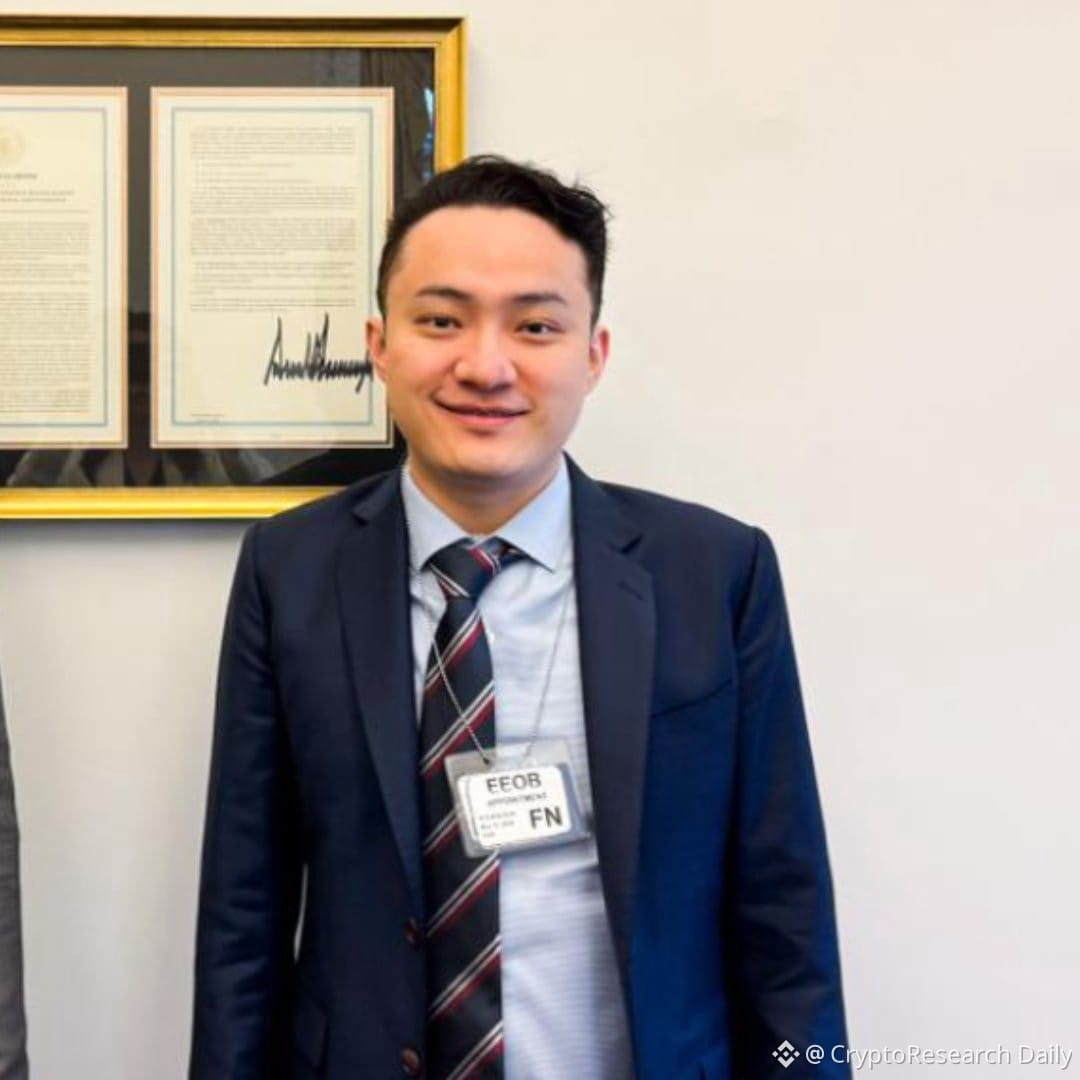
Justin Sun now the biggest individual $PEPE holder
$51.25M worth across his wallets per Arkham data
Sun keeps accumulating memecoins while everyone else panic sells
Whale moves or just another bag to dump? 👀
Justin Sun now the biggest individual $PEPE holder
$51.25M worth across his wallets per Arkham data
Sun keeps accumulating memecoins while everyone else panic sells
Whale moves or just another bag to dump? 👀
$51.25M worth across his wallets per Arkham data
Sun keeps accumulating memecoins while everyone else panic sells
Whale moves or just another bag to dump? 👀

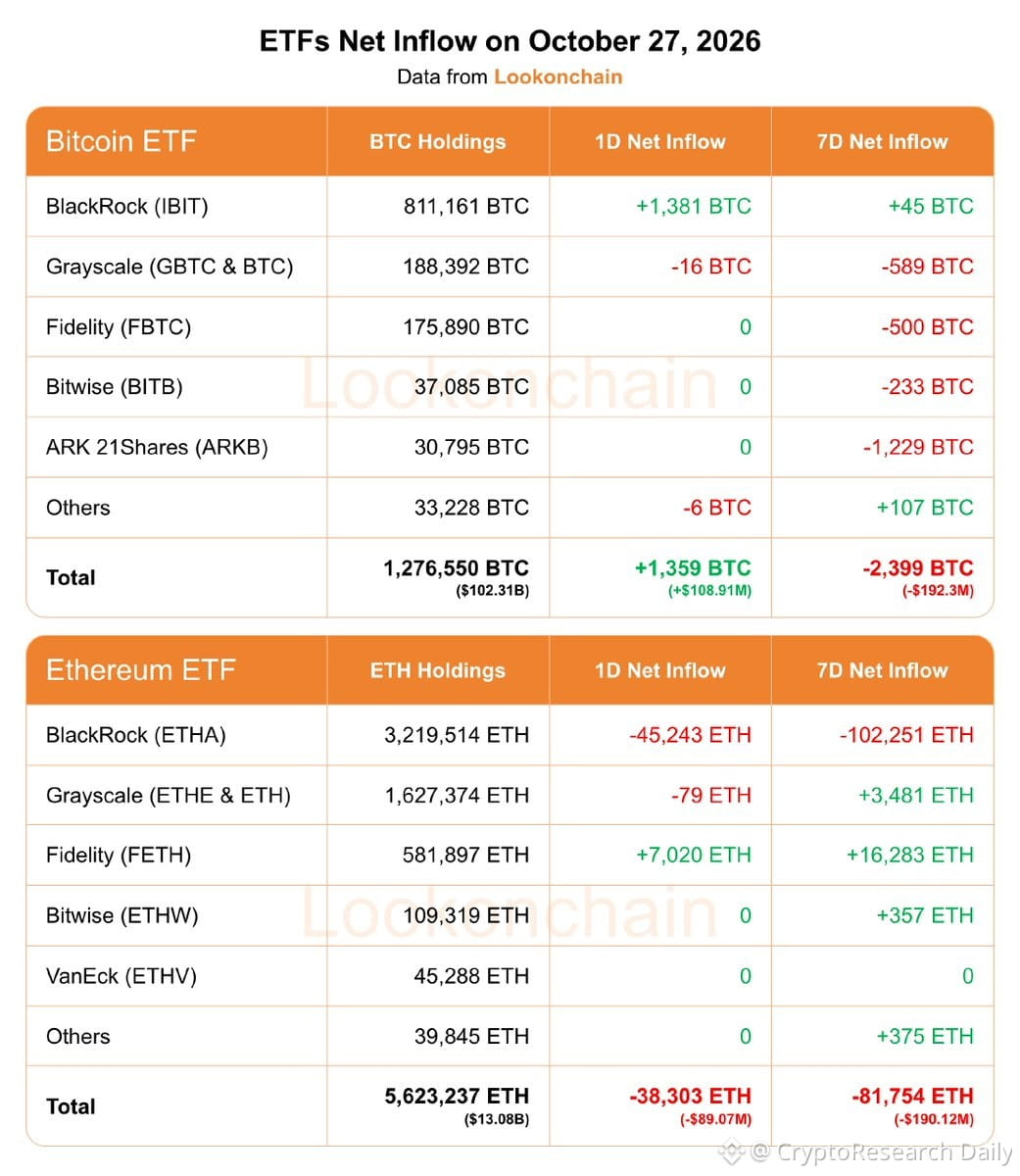
Oct 27 ETF Flow Update:
$BTC ETFs:
• 1D: +1,359 BTC (+$108.91M) 🟢
• 7D: -2,399 BTC (-$192.3M) 🔴
$ETH ETFs:
• 1D: -38,303 ETH (-$89.07M) 🔴
• 7D: -81,754 ETH (-$190.12M) 🔴
Bitcoin seeing some inflows today but still bleeding on the week. Ethereum? Straight pain. Institutions rotating out or just taking profits before next leg? Watch the weekly trend.
Saylor just dropped a banger take:
AI = abundance engine
$BTC = scarcity enforcer
One creates infinite value, the other lets you preserve and move it across time and space.
His thesis? The AI economy runs on $BTC rails.
Makes sense when you think about it—AI floods the world with productivity, but you need hard money to capture that value. Fiat inflates, $BTC doesn't.
The merge of AI + Bitcoin isn't just narrative—it's infrastructure.
2
Dutch households sitting on €3.2B in crypto through domestic providers (end of June data)
€1.5B in $BTC
€300M in $ETH
Netherlands quietly stacking. Institutional-grade custody adoption happening at the household level. When normies hold this much on-chain, the next wave isn't retail FOMO — it's generational wealth transfer into digital assets.
Europe waking up or just getting started? 👀
€1.5B in $BTC
€300M in $ETH
Netherlands quietly stacking. Institutional-grade custody adoption happening at the household level. When normies hold this much on-chain, the next wave isn't retail FOMO — it's generational wealth transfer into digital assets.
Europe waking up or just getting started? 👀
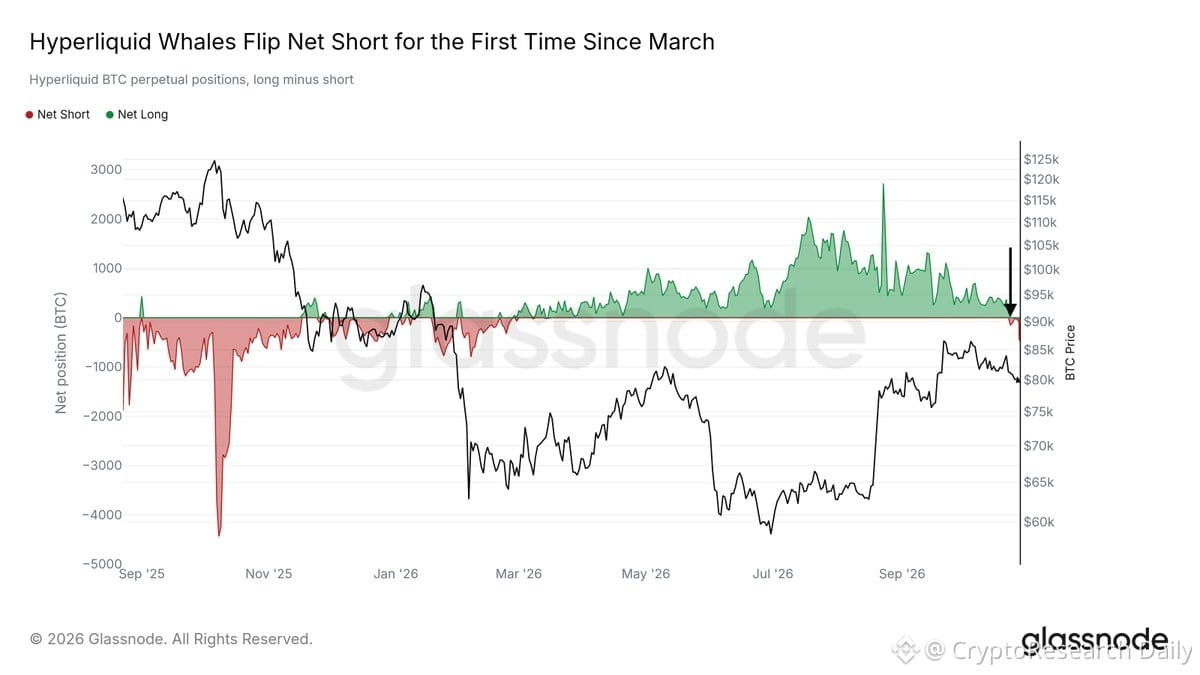
Hyperliquid whales just flipped net short on $BTC:native for the first time since March.
These guys longed the bottom perfectly back then. Now they've switched sides last week.
Two scenarios:
1. They're front-running a deeper dump
2. They're about to get violently squeezed if price rips higher
Whale positioning is rarely wrong twice in a row. Watch the next move closely.
These guys longed the bottom perfectly back then. Now they've switched sides last week.
Two scenarios:
1. They're front-running a deeper dump
2. They're about to get violently squeezed if price rips higher
Whale positioning is rarely wrong twice in a row. Watch the next move closely.
JQQQ just dropped on Stellar - first licensed tokenized Nasdaq-100 fund by Janus Henderson using Centrifuge infrastructure.
Real TradFi money entering on-chain. This isn't some degen yield farm - this is institutional capital getting tokenized exposure to $QQQ.
Stellar winning the RWA race while everyone's sleeping on it. Centrifuge infrastructure proving its worth.
Bullish for on-chain liquidity and the entire RWA narrative. Watch how fast others follow.


26 major corps including Microsoft & IBM just publicly opposed stock tokenization plans by OKX & ICE.
They ran ads in WSJ to push back against the move.
TradFi fighting back hard against on-chain equity. This isn't about tech—it's about control of capital flows.
When legacy players unite like this, it usually means they're scared the narrative is shifting too fast.
They ran ads in WSJ to push back against the move.
TradFi fighting back hard against on-chain equity. This isn't about tech—it's about control of capital flows.
When legacy players unite like this, it usually means they're scared the narrative is shifting too fast.
AI agents managing tokenized assets? That's where things get spicy.
@KenomicAI is building the rails so you can set hard rules for your agents—noncustodial smart contracts handle execution. No middleman, no trust issues.
CEO Ray Cotar: "Blockchain gives us the rails and embeds the rules directly into the tech."
This is the infrastructure play for the AI x crypto narrative. If agents are trading your bags, you want guardrails baked in at the protocol level.
Keep eyes on $KENO if they drop a token. Infrastructure plays print when narratives heat up.
eToro founder calling for another dip before $BTC rips 📉
Yoni Assia expects one more shakeout before the real rally kicks off—timeline? 2025.
Classic pre-pump consolidation. Weak hands getting flushed, smart money accumulating.
If you're waiting for confirmation, you're already late. This is the setup.
Yoni Assia expects one more shakeout before the real rally kicks off—timeline? 2025.
Classic pre-pump consolidation. Weak hands getting flushed, smart money accumulating.
If you're waiting for confirmation, you're already late. This is the setup.
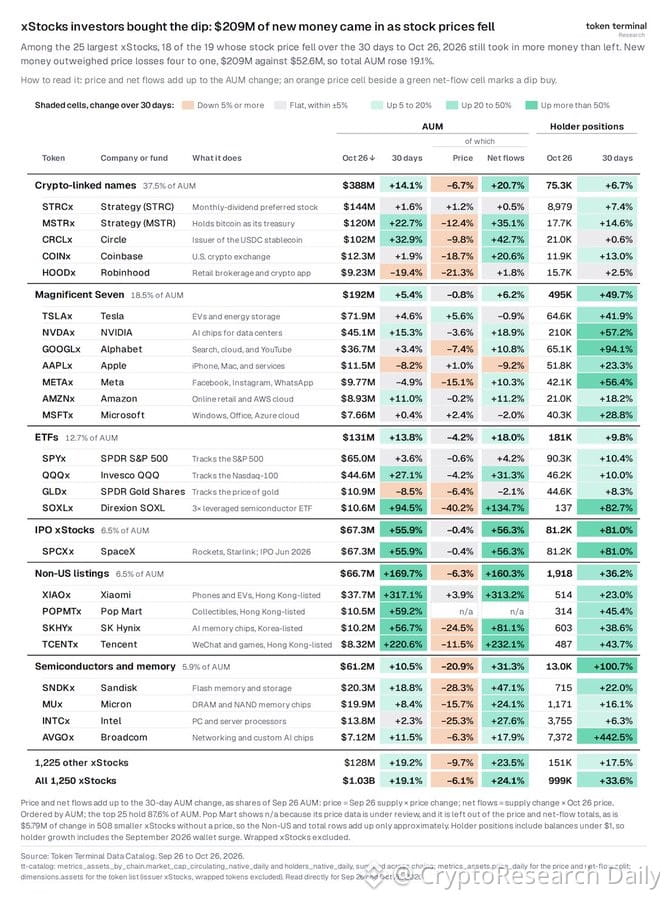
xStocks onchain AUM pumped 19.1% to $1.03B in 30 days while traditional stock prices were bleeding.
Capital rotating onchain even when TradFi dumps. Bullish signal for tokenized assets.
Data: Token Terminal
xStocks onchain AUM pumped 19.1% to $1.03B in 30 days while traditional stock prices were bleeding.
Capital rotating onchain even when TradFi dumps. Bullish signal for tokenized assets.
Data: Token Terminal
Capital rotating onchain even when TradFi dumps. Bullish signal for tokenized assets.
Data: Token Terminal
1
Crypto dropped $176M on 100+ US midterm races. Not picking sides - buying both.
This isn't lobbying, it's survival. Industry learned the hard way that regulation gets written whether you're at the table or not.
Bipartisan approach = smart. When both parties take your money, neither can afford to kill you completely.
Expect more pro-crypto bills in 2025. Money talks, politicians listen. Simple math.
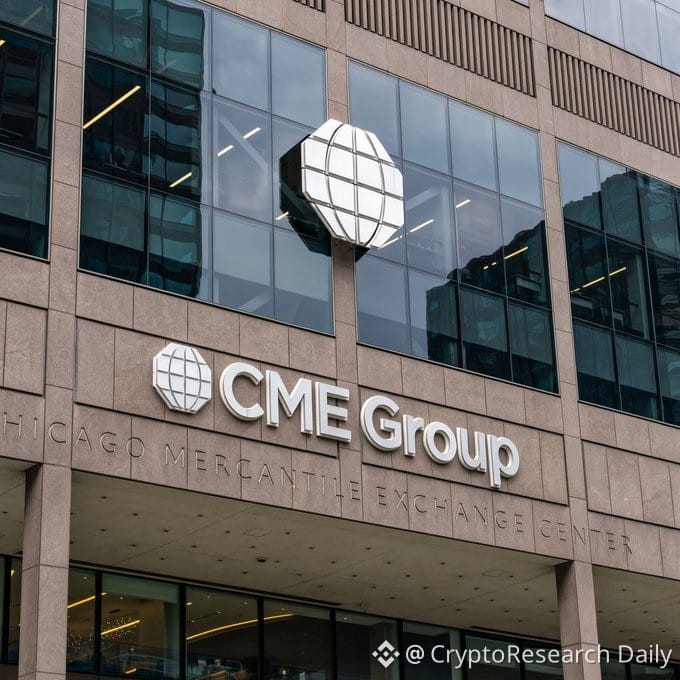
CME Group just dropped a bomb 🎯
The world's largest derivatives exchange is openly calling $BTC the new alternative to gold for the debasement trade.
This isn't some random analyst. This is CME — the institution that moves trillions in traditional markets.
They're telling their clients: if you're hedging against currency debasement, $BTC might be your answer over gold.
This is the institutional narrative shift happening in real-time. When the biggest derivatives platform starts positioning Bitcoin as a macro hedge, capital rotation isn't coming — it's already here.
TradFi is waking up. The floodgates are cracking open.
2
Zcash drama incoming 👀
Sean Bowe (co-founder) just dropped a bomb: wants to END automatic funding for Zcash Community Grants
Why? They're sitting on $125M+ already
His proposal: redirect that 8% of $ZEC block rewards → network reserve instead
This is huge for $ZEC tokenomics. If it passes, less supply dilution going to grants = potential supply shock
Watch how the community reacts. Grant-funded projects about to fight back hard
1
Japan's ruling party blockchain caucus just wrapped up their US fact-finding mission.
Key focus: DeFi protocols and prediction markets.
This isn't just tourism. When Japanese lawmakers start actively studying DeFi mechanics and prediction markets on US soil, it signals potential regulatory shifts ahead.
Prediction markets especially - they've been watching Polymarket's explosive growth during the US elections. Japan's been cautious on these, but the tide might be turning.
For context: Japan already has one of the clearest crypto tax frameworks in Asia. If they start opening up to DeFi and prediction markets with proper guardrails, could be massive for adoption.
Watch this space. Regulatory green lights in major economies = institutional capital flows.
1
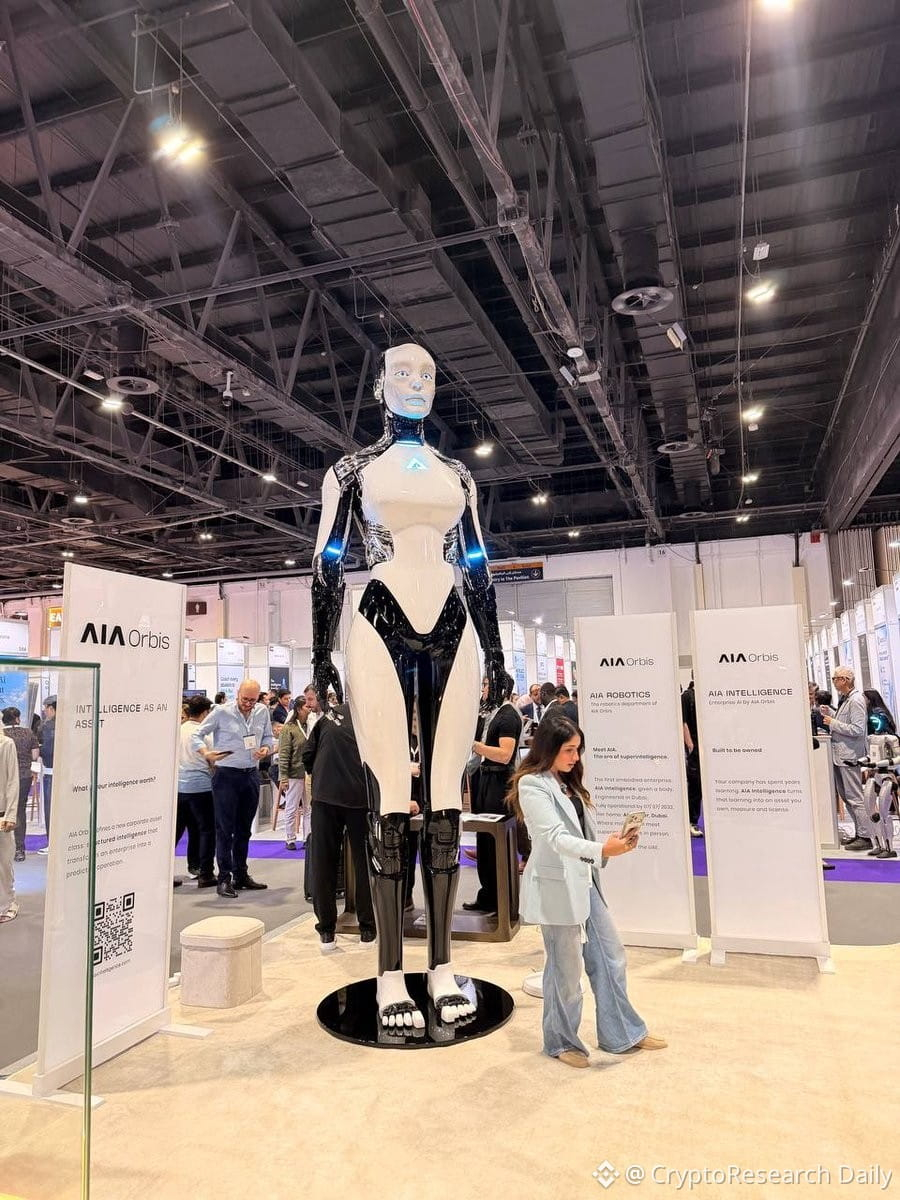
AIA Orbis building a 3.5-meter humanoid robot. Launch target: 2032.
That's 7 years out. In crypto time, that's like 50 cycles. Cool tech flex but zero alpha for now—no token, no airdrop angle, no immediate narrative.
Unless they tokenize development milestones or launch a DAO, this is just hardware vaporware until proven otherwise. Watch for partnerships with AI agents or robotics chains down the line.
For now? File under "interesting, not tradeable." 🤖
1
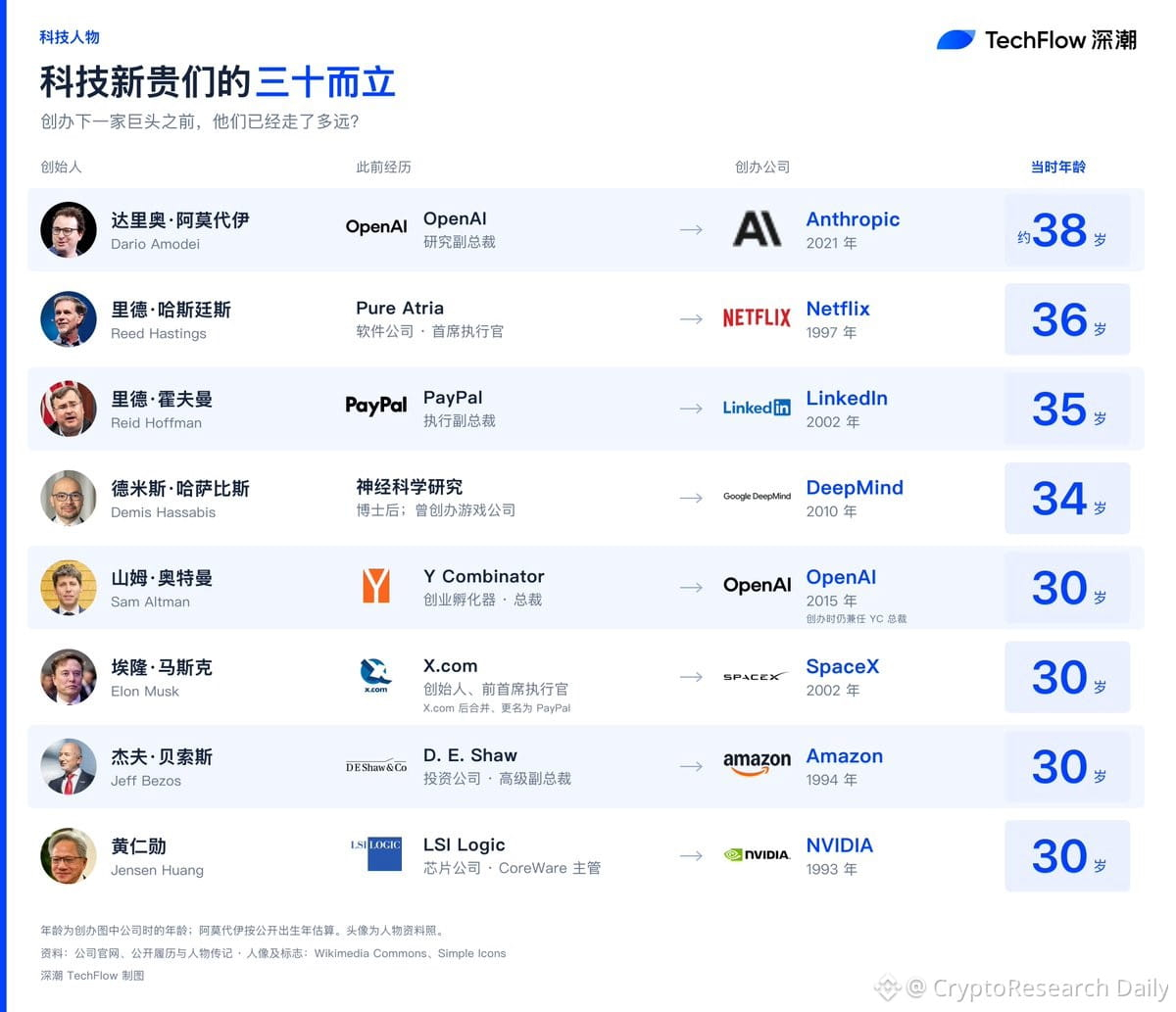
Everyone's freaking out about hitting 30 like it's game over for your career.
But look at the receipts:
Jensen Huang founded $NVDA at 30
Demis Hassabis started DeepMind at 34
Reed Hastings launched Netflix at 36
Dario Amodei founded Anthropic around 38
They all had wins before 30, but their legacy moves came AFTER.
Now here's the reality check: these aren't random basement hackers. They were already VPs at top labs, seasoned operators, industry elites. Not everyone can ring the Nasdaq bell in their 30s.
But their paths prove one thing: every failure, grind, and small win before 30 is building your base position for the second half.
Experience compounds. It just takes time to kick in.
Being average isn't the problem. The real L is reading some anxiety-farming content and shorting your own future right before the compounding cycle starts.
Don't fade yourself at the starting line.
5
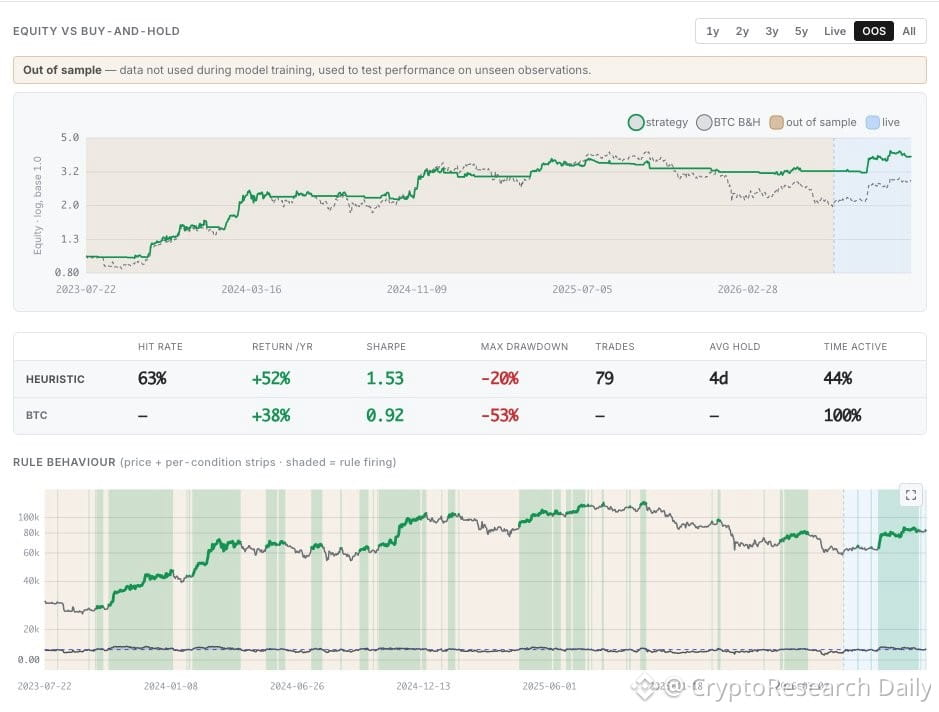
Backtested a $BTC rule that's been printing since July 2023:
Buy signal = 30-day RSI of entities in profit crosses above threshold
Max drawdown: 20%
HODL drawdown in same period: 53%
That's a 33% edge on risk management alone. Not financial advice but the data doesn't lie.
Backtested a $BTC rule that's been printing since July 2023:
Buy signal = 30-day RSI of entities in profit crosses above threshold
Max drawdown: 20%
HODL drawdown in same period: 53%
That's a 33% edge on risk management alone. Not financial advice but the data doesn't lie.
Buy signal = 30-day RSI of entities in profit crosses above threshold
Max drawdown: 20%
HODL drawdown in same period: 53%
That's a 33% edge on risk management alone. Not financial advice but the data doesn't lie.
1
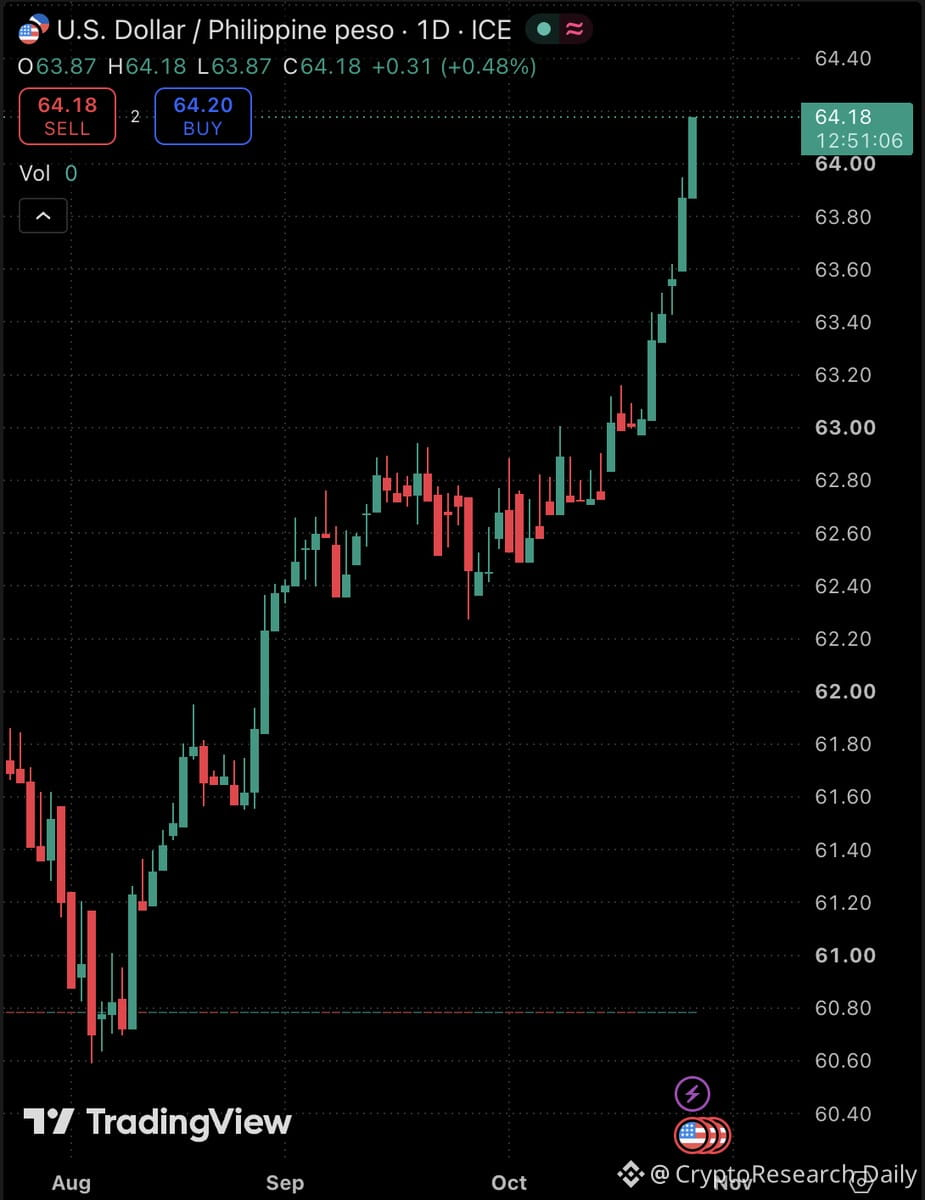
Philippine peso just hit ATL vs $USD 🇵🇭
Another fiat currency getting wrecked. Watching emerging market currencies collapse in real-time while BTC sits at programmatic scarcity.
This is exactly why people in these regions stack sats. When your local currency is in free fall, you don't have the luxury of being a no-coiner.
Another fiat currency getting wrecked. Watching emerging market currencies collapse in real-time while BTC sits at programmatic scarcity.
This is exactly why people in these regions stack sats. When your local currency is in free fall, you don't have the luxury of being a no-coiner.
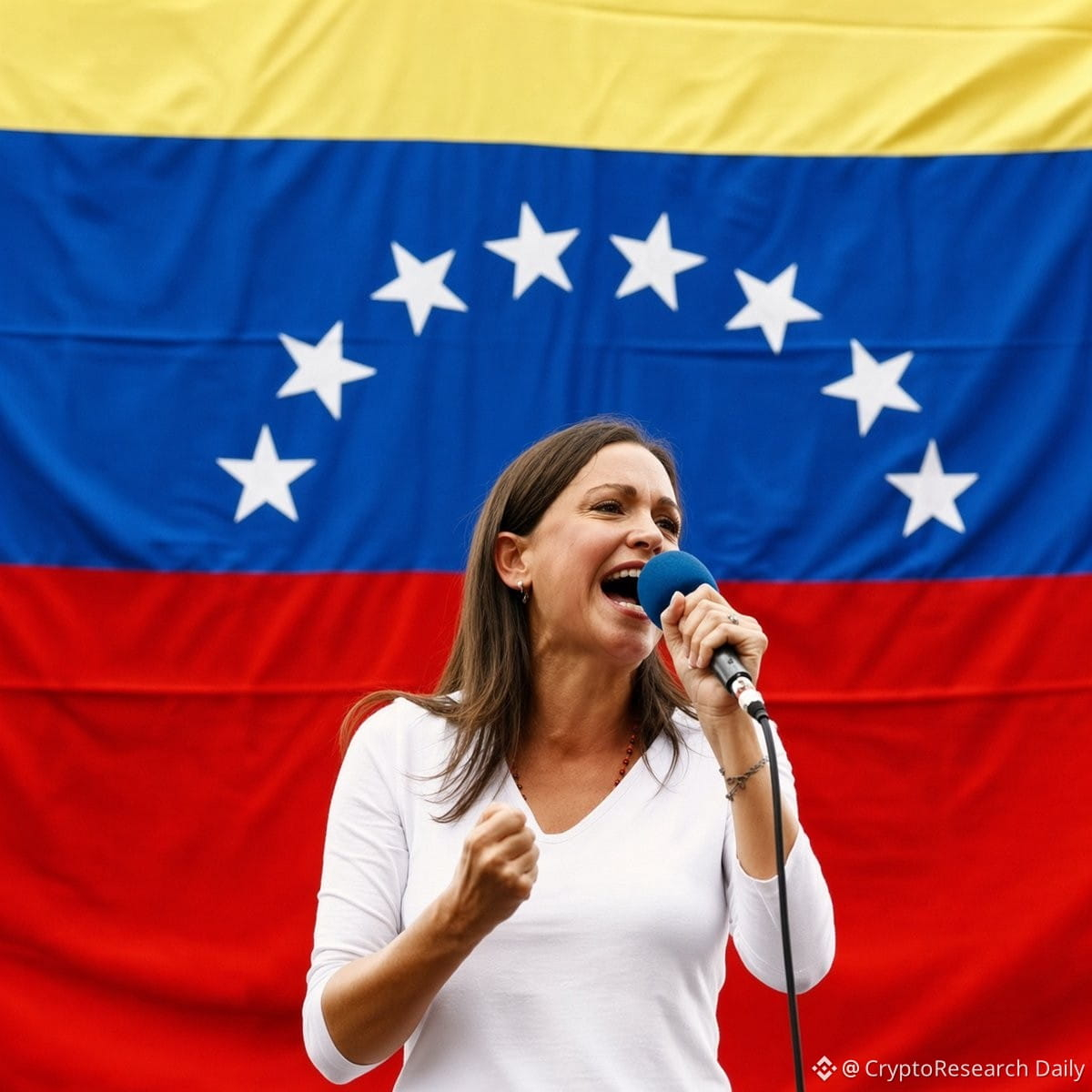
Venezuela opposition leader polling at 52% — and he's pro-$BTC 👀
US pushing for new elections by next year. If he wins?
"We envision $BTC as part of our national reserves."
This is the largest oil nation on Earth potentially stacking sats at the sovereign level.
Not just El Salvador anymore. The dominos are lining up.
US pushing for new elections by next year. If he wins?
"We envision $BTC as part of our national reserves."
This is the largest oil nation on Earth potentially stacking sats at the sovereign level.
Not just El Salvador anymore. The dominos are lining up.
ເຂົ້າສູ່ລະບົບເພື່ອສຳຫຼວດເນື້ອຫາເພີ່ມເຕີມ
ເຂົ້າຮ່ວມກຸ່ມຜູ້ໃຊ້ຄຣິບໂຕທົ່ວໂລກໃນ Binance Square.
⚡️ ໄດ້ຮັບຂໍ້ມູນຫຼ້າສຸດ ແລະ ທີ່ມີປະໂຫຍດກ່ຽວກັບຄຣິບໂຕ.
💬 ໄດ້ຮັບຄວາມໄວ້ວາງໃຈຈາກຕະຫຼາດແລກປ່ຽນຄຣິບໂຕທີ່ໃຫຍ່ທີ່ສຸດໃນໂລກ.
👍 ຄົ້ນຫາຂໍ້ມູນເຊີງເລິກທີ່ແທ້ຈາກນັກສ້າງທີ່ໄດ້ຮັບການຢືນຢັນ.
ອີເມວ / ເບີໂທລະສັບ
ຫົວຂໍ້ທີ່ກໍາລັງນິຍົມ
FOMCWatch
8.9M ຄັ້ງທີ່ເບິ່ງ
26,914 ກຳລັງສົນທະນາ
TradFi News | Warsh Must Explain Why the Fed Is Holding This Week While Keeping a December Hike Alive
Binance News
·6 ຖືກໃຈ
·847 ຄັ້ງທີ່ເບິ່ງ
EthereumDropsBelow$2300
4,327 ຄັ້ງທີ່ເບິ່ງ
100 ກຳລັງສົນທະນາ
BitcoinSlipsBelow$80KAgain
12,589 ຄັ້ງທີ່ເບິ່ງ
71 ກຳລັງສົນທະນາ