
Sahil987
13k ໂພສ

Sahil987
 Square Verified+
@Sahil_987_ 🔶 Web3 Learner | Trends & Market Understanding | Mistakes & Market Lessons In Real Time. No Shortcuts - Just Consistency.
ຜູ້ຊື້ຂາຍປະຈໍາ
2.2 ປີ
189 ກໍາລັງຕິດຕາມ
70.5K+ ຜູ້ຕິດຕາມ
56.4K+ Liked
ໂພສ
ທັງໝົດ
ວົງຢືມ
ວີດີໂອ
ຖ່າຍທອດສົດ
ປັກໝຸດ
Claim 🎁🎁 Somewhere between the mountains and your smile, I found my favorite place to be.

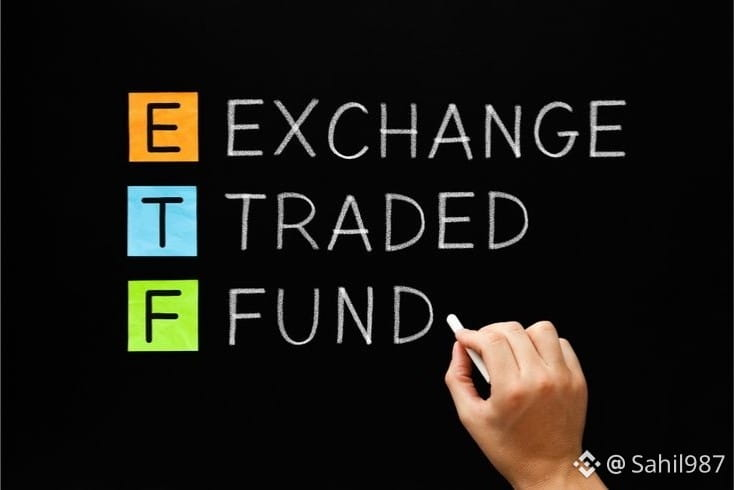
Trading in single-stock leveraged #ETFs in South Korea is reportedly falling, suggesting retail investors may be becoming more cautious after a period of heavy demand for high-risk products.
These products can amplify both gains and losses, so a drop in activity may reflect changing sentiment as investors become less willing to take aggressive bets on individual stocks.
The shift is worth watching because retail participation can be a useful signal for broader market risk appetite. If traders are moving away from leveraged exposure, it could point to a more defensive mood across equities.
For #KOSPI and Korean stocks, the key question is whether this is simply a temporary slowdown or the start of a broader pullback in retail risk-taking.
Do you think Korean retail investors are becoming more cautious, or are they simply rotating into less leveraged opportunities?
$NVDA $AAPL $GOOGL
#KoreaSingleStockLeveragedETFTradingFalls
These products can amplify both gains and losses, so a drop in activity may reflect changing sentiment as investors become less willing to take aggressive bets on individual stocks.
The shift is worth watching because retail participation can be a useful signal for broader market risk appetite. If traders are moving away from leveraged exposure, it could point to a more defensive mood across equities.
For #KOSPI and Korean stocks, the key question is whether this is simply a temporary slowdown or the start of a broader pullback in retail risk-taking.
Do you think Korean retail investors are becoming more cautious, or are they simply rotating into less leveraged opportunities?
$NVDA $AAPL $GOOGL
#KoreaSingleStockLeveragedETFTradingFalls
✅✅

静心1688
·
--
💥天网恢恢,疏而不失。
自然的法则看似宽松,却不会遗漏任何因果。
#越南试点加密资产市场 #首笔抗量子比特币交易主网完成
💥天网恢恢,疏而不失。
自然的法则看似宽松,却不会遗漏任何因果。
#越南试点加密资产市场 #首笔抗量子比特币交易主网完成

✅✅

AYESHA ABID 阿伊莎 阿比德
·
--
ສັນຍານກະທິງ$SOL — Levels That Matter Right Now 👀
$SOL around $195 is sitting at a key decision point.
📈 Break & Hold: $198
🎯 Upside: $202 → $208 → $215
🟢 Major Support: $190
🔻 Breakdown: Below $190
🎯 Downside: $185 → $180
The setup is simple:
$198 reclaimed = buyers gain control
$190 lost = sellers gain control
No need to chase the candle. Let the level confirm the move.
$SOL
Are you watching $215 or $180 first?
#SOL #Solana
$SOL around $195 is sitting at a key decision point.
📈 Break & Hold: $198
🎯 Upside: $202 → $208 → $215
🟢 Major Support: $190
🔻 Breakdown: Below $190
🎯 Downside: $185 → $180
The setup is simple:
$198 reclaimed = buyers gain control
$190 lost = sellers gain control
No need to chase the candle. Let the level confirm the move.
$SOL
Are you watching $215 or $180 first?
#SOL #Solana
✅✅

ANUUONCHAIN
·
--
😍🥰😍🥰😍🥰😍🥰😍🥰😍🥰😍🥰😍
🥵🥵🥵🥵🥵🥵🥵🥵🥵🥵🥵🥵🥵🥵🥵
follow me please
🙌🙌🙌🙌😼😼😼😼😼😼😼😼😼😼😼
🥵🥵🥵🥵🥵🥵🥵🥵🥵🥵🥵🥵🥵🥵🥵
follow me please
🙌🙌🙌🙌😼😼😼😼😼😼😼😼😼😼😼

✅✅

Leo - F0
·
--
ສັນຍານກະທິງ🧧🧧🔥HAPPY SUNDAY FULL OF GİFTS FOR EVERYONE FROM DUBAİ!🔥🧧🧧
"Close the terminal and let the wallet grow. Chasing the high life only traders know."
$BTC 🔥🔥🧧🧧#Dubái
$BNB $ETH
#1688家族family 💚 @周周1688 @Hawk自由哥 #xrp #DOGE #Binance
"Close the terminal and let the wallet grow. Chasing the high life only traders know."
$BTC 🔥🔥🧧🧧#Dubái
$BNB $ETH
#1688家族family 💚 @周周1688 @Hawk自由哥 #xrp #DOGE #Binance

✅

Ahmed Ali Nizamani
·
--
666 + 666 = 🎁🎁🎁✨✨✨

✅

Aria Bloom 阿莉娅
·
--
ສັນຍານກະທິງSometimes the best moments are the simplest ones ☕🌹✨
A peaceful moment, a warm cup of coffee, and a little beauty in the day. ❤️
$DUSK $BTC
A peaceful moment, a warm cup of coffee, and a little beauty in the day. ❤️
$DUSK $BTC

✅✅

J U N I A
·
--
🎁🎁🎁 CLAIM REWARD

✅✅

周周1688
·
--
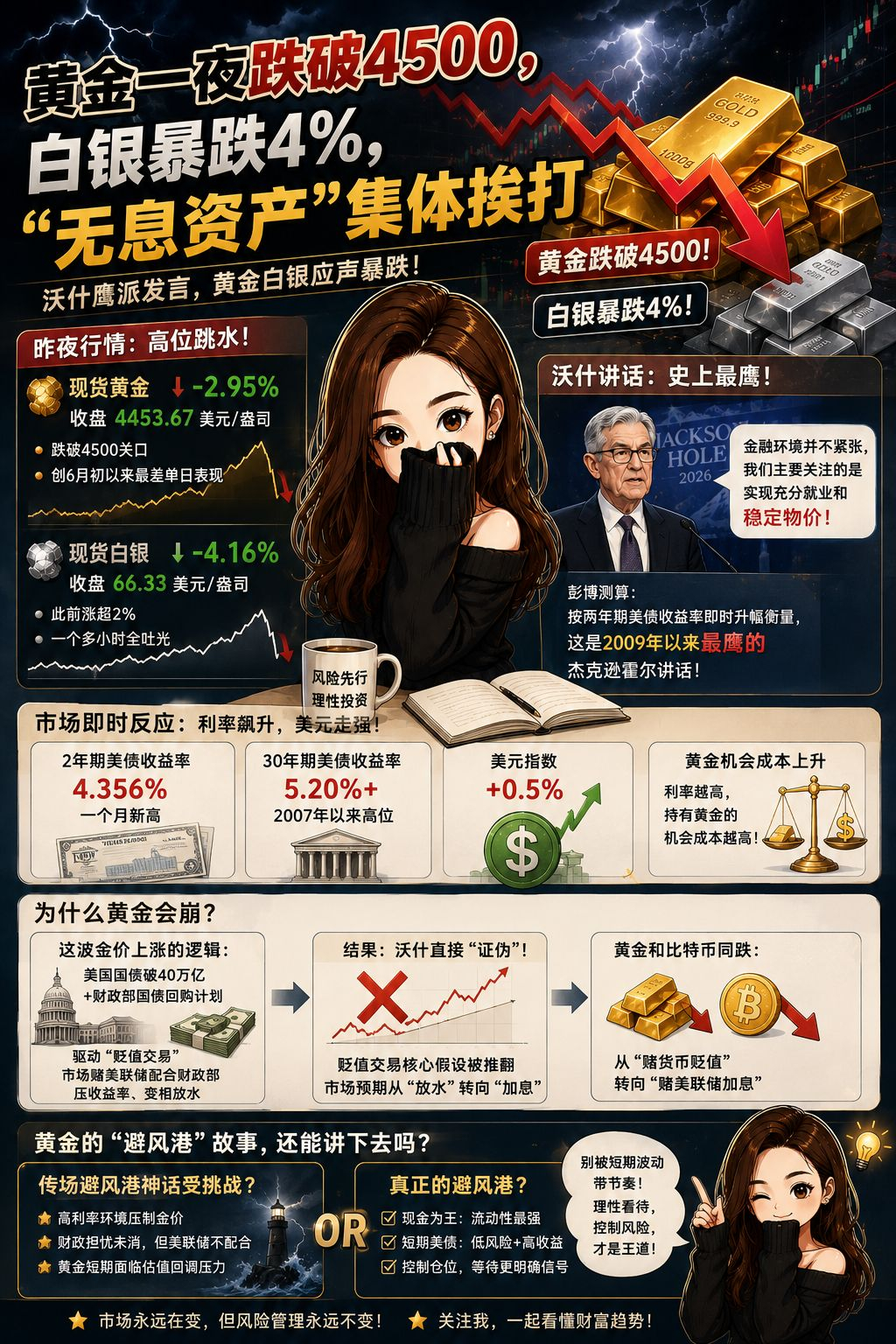
黄金一夜跌破4500,白银暴跌4%,"无息资产"集体挨打
昨晚被沃什一炮打崩的不只是币圈,还有黄金和白银。
现货黄金收盘大跌2.95%,报4453.67美元/盎司,直接跌破4500关口,创6月初以来最差单日表现。 更惨的是盘中走势:金价一度还涨近1%,沃什开讲后直线跳水,标准的"高位接刀"行情。 白银更狠,暴跌4.16%,收66.33美元/盎司——此前还涨超2%,一个多小时全吐光。
为什么黄金这种"避险之王"会崩? 因为沃什昨晚的鹰派程度,是教科书级别的。 彭博测算:按两年期美债收益率即时升幅衡量,这是2009年以来最鹰的一次杰克逊霍尔讲话,比鲍威尔2022、2023年那两次还猛。 两年期美债收益率收4.356%,一个月新高;30年期回到5.2%上方,2007年以来的高位。 美元指数+0.5%。
逻辑很简单:黄金不生息,利率越高,持有黄金的机会成本越高。 更深一层:这波金价上涨,靠的是"美国国债破40万亿+财政部国债回购计划"驱动的贬值交易——市场赌美联储会配合财政部压收益率、变相放水。 结果沃什直接表态:金融环境不紧张,我主要管物价。 贬值交易的核心假设,当场被证伪。
黄金和比特币昨晚同跌,就是这个信号:市场从"赌货币贬值",转向"赌美联储加息"。
黄金的"避风港"故事,还能讲下去吗? 还是说,这轮真正的避风港,只有现金和短债?
#1688家族family
$BNB
$SOL
昨晚被沃什一炮打崩的不只是币圈,还有黄金和白银。
现货黄金收盘大跌2.95%,报4453.67美元/盎司,直接跌破4500关口,创6月初以来最差单日表现。 更惨的是盘中走势:金价一度还涨近1%,沃什开讲后直线跳水,标准的"高位接刀"行情。 白银更狠,暴跌4.16%,收66.33美元/盎司——此前还涨超2%,一个多小时全吐光。
为什么黄金这种"避险之王"会崩? 因为沃什昨晚的鹰派程度,是教科书级别的。 彭博测算:按两年期美债收益率即时升幅衡量,这是2009年以来最鹰的一次杰克逊霍尔讲话,比鲍威尔2022、2023年那两次还猛。 两年期美债收益率收4.356%,一个月新高;30年期回到5.2%上方,2007年以来的高位。 美元指数+0.5%。
逻辑很简单:黄金不生息,利率越高,持有黄金的机会成本越高。 更深一层:这波金价上涨,靠的是"美国国债破40万亿+财政部国债回购计划"驱动的贬值交易——市场赌美联储会配合财政部压收益率、变相放水。 结果沃什直接表态:金融环境不紧张,我主要管物价。 贬值交易的核心假设,当场被证伪。
黄金和比特币昨晚同跌,就是这个信号:市场从"赌货币贬值",转向"赌美联储加息"。
黄金的"避风港"故事,还能讲下去吗? 还是说,这轮真正的避风港,只有现金和短债?
#1688家族family
$BNB
$SOL
✅✅

美琳 Měi Lín
·
--
claim reward $USDT gift for my followers 🎁😄

claim 🎁🎁
Sahil987
·
--
Claim 🎁🎁 Somewhere between the mountains and your smile, I found my favorite place to be.

claim 🎁🎁

Nia987
·
--
Red packet dropped 🧧
Follow ✅
Comments ✅
Repost ✅
Follow ✅
Comments ✅
Repost ✅

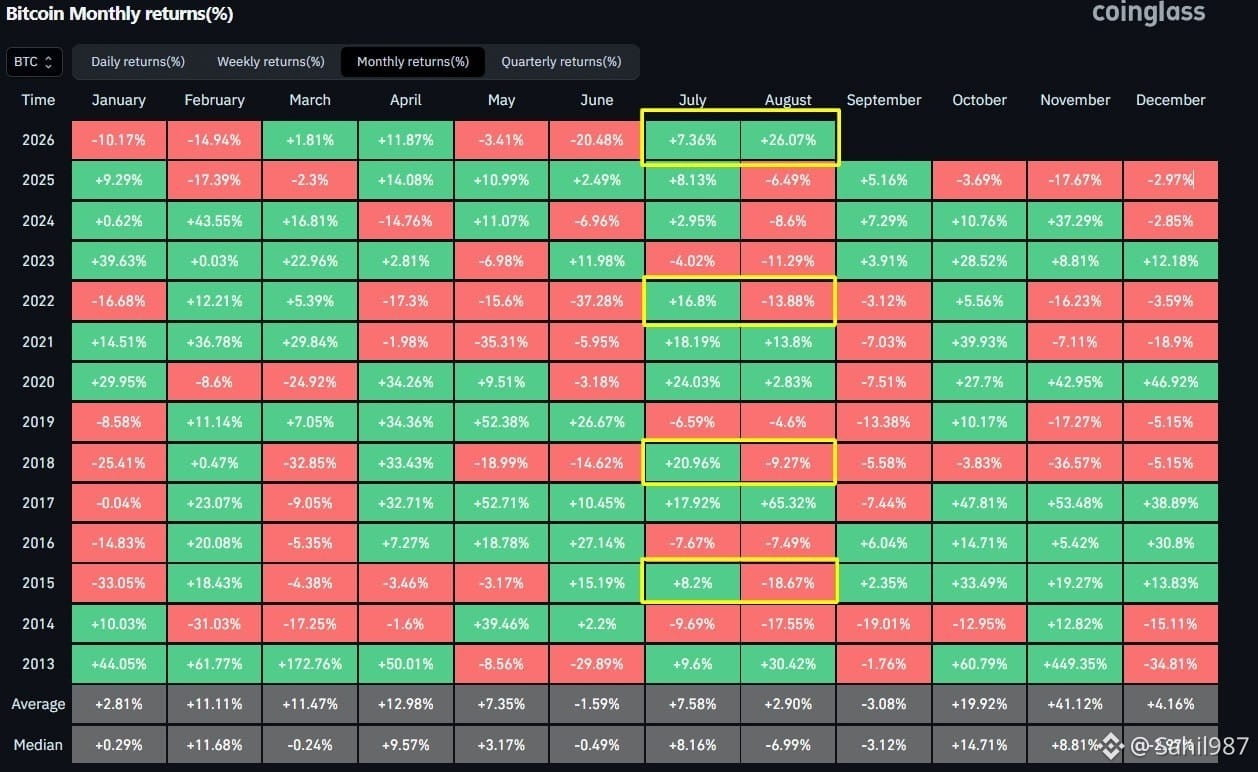
Bitcoin is just one day away from potentially closing August in the green, which would break the pattern we've seen during this bear-market phase.
If $BTC finishes the month higher, 2026 would mark the first positive August of this cycle. That's interesting because seasonal patterns can influence sentiment, but they don't always survive when market conditions change.
A green August wouldn't confirm that the bear market is over, but it could signal that Bitcoin's price behavior is starting to diverge from the pattern investors have become used to.
Now all eyes are on the final day. Holding the gains into the monthly close could make the setup for September even more interesting.
Do you think $BTC is finally breaking its August pattern, or is it too early to call a change in trend?
#MarketSentimentToday #CryptoUpdate
#BitcoinSpotETFEnds9DayInflowStreak
If $BTC finishes the month higher, 2026 would mark the first positive August of this cycle. That's interesting because seasonal patterns can influence sentiment, but they don't always survive when market conditions change.
A green August wouldn't confirm that the bear market is over, but it could signal that Bitcoin's price behavior is starting to diverge from the pattern investors have become used to.
Now all eyes are on the final day. Holding the gains into the monthly close could make the setup for September even more interesting.
Do you think $BTC is finally breaking its August pattern, or is it too early to call a change in trend?
#MarketSentimentToday #CryptoUpdate
#BitcoinSpotETFEnds9DayInflowStreak
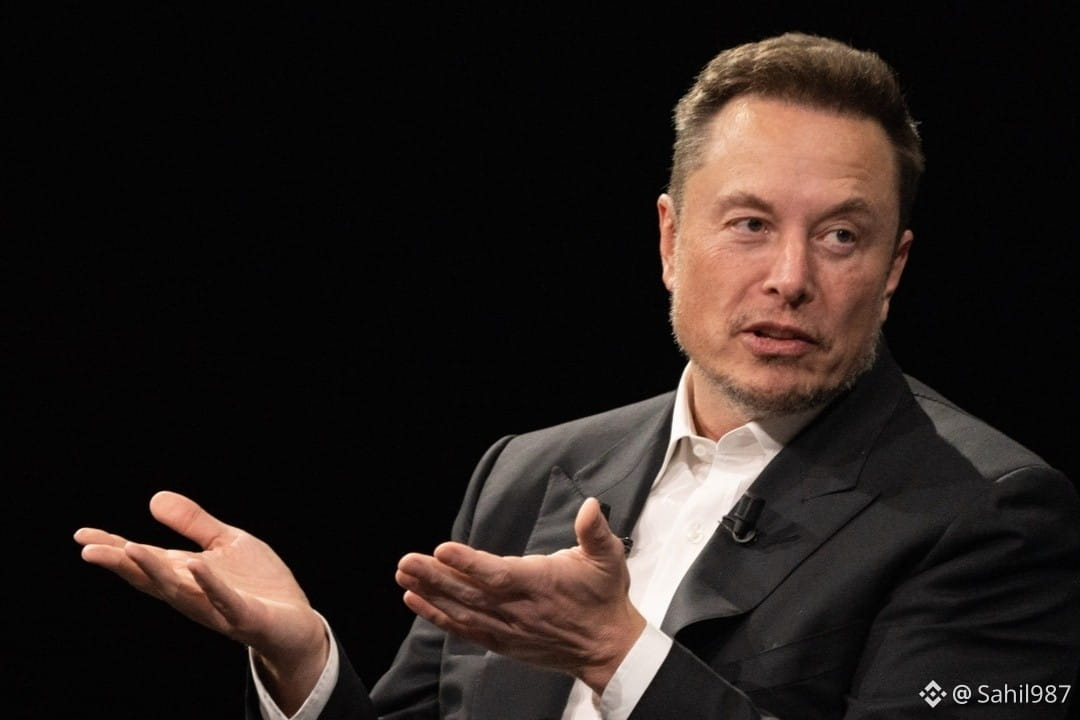
The Musk–Altman feud keeps getting more personal, but the bigger issue underneath it is still about who gets to shape the future of AI.
Musk has accused Sam Altman of moving OpenAI away from its original nonprofit and open-source mission, arguing that the organization became something very different from what was promised at the beginning.
Whatever side you take, the evolution of $OPENAI shows how quickly the AI landscape has changed.
What started with a focus on openness and research is now sitting at the center of a massive race for capital, talent and technological control.
The interesting question is whether the original ideals of open AI can survive when the stakes become this big.
#CryptoNews #Market_Update #OpenAI
#ElonMusk #MarketSentimentToday
Musk has accused Sam Altman of moving OpenAI away from its original nonprofit and open-source mission, arguing that the organization became something very different from what was promised at the beginning.
Whatever side you take, the evolution of $OPENAI shows how quickly the AI landscape has changed.
What started with a focus on openness and research is now sitting at the center of a massive race for capital, talent and technological control.
The interesting question is whether the original ideals of open AI can survive when the stakes become this big.
#CryptoNews #Market_Update #OpenAI
#ElonMusk #MarketSentimentToday
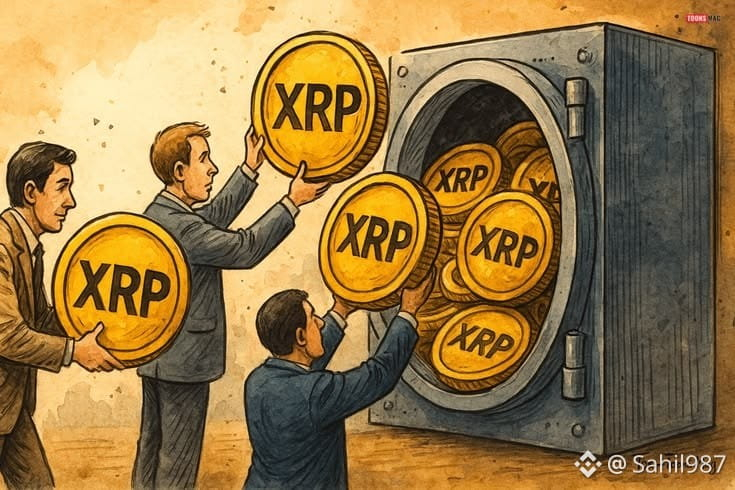
August has been a wild month for $XRP with the token jumping from around $1 to $1.70 in just a few days before settling back down.
Now the attention is shifting toward September. Historical patterns have been encouraging, with XRP posting gains in each of the past four Septembers, while a strong August has sometimes been followed by another positive month. Of course, history can offer context, but it doesn't guarantee the same setup will repeat.
The bigger catalyst could be regulation. Renewed discussions around the #CLARITYAct in the U.S. Senate could become an important driver for XRP and the broader crypto market if progress brings more clarity around digital assets.
After such a strong August, September has a lot to live up to.
Do you think $XRP can continue the momentum into September, or is another pullback more likely after the recent rally?
#ICBAOpposesCLARITYActOverStablecoinLoophole
#XRPETFsBiggestWeeklyHaulOf2026
Now the attention is shifting toward September. Historical patterns have been encouraging, with XRP posting gains in each of the past four Septembers, while a strong August has sometimes been followed by another positive month. Of course, history can offer context, but it doesn't guarantee the same setup will repeat.
The bigger catalyst could be regulation. Renewed discussions around the #CLARITYAct in the U.S. Senate could become an important driver for XRP and the broader crypto market if progress brings more clarity around digital assets.
After such a strong August, September has a lot to live up to.
Do you think $XRP can continue the momentum into September, or is another pullback more likely after the recent rally?
#ICBAOpposesCLARITYActOverStablecoinLoophole
#XRPETFsBiggestWeeklyHaulOf2026

The interesting part about $ZEC isn't just the ETF launch, but how quickly the attention around it disappeared. Social activity peaked before Zcash reached around $878, then fell back toward normal levels as the ETF began trading.
That kind of pattern can be a warning for traders. When social buzz peaks before a major event, much of the expected excitement may already be reflected in the price. The actual launch can then become a “sell the news” moment rather than the catalyst everyone expected.
Still, institutional access gives ZEC a different path forward. Grayscale's ETF could make it easier for traditional investors to gain exposure, while Zcash's privacy-focused technology gives it a distinct position among major crypto assets.
The real test now is whether ZEC can attract sustained demand after the initial hype has faded.
Do you think the #etf can bring long-term institutional interest to $ZEC or was most of the excitement already priced in?
#USShortTermTreasuryYieldsJump
#Market_Update #CryptoNews
That kind of pattern can be a warning for traders. When social buzz peaks before a major event, much of the expected excitement may already be reflected in the price. The actual launch can then become a “sell the news” moment rather than the catalyst everyone expected.
Still, institutional access gives ZEC a different path forward. Grayscale's ETF could make it easier for traditional investors to gain exposure, while Zcash's privacy-focused technology gives it a distinct position among major crypto assets.
The real test now is whether ZEC can attract sustained demand after the initial hype has faded.
Do you think the #etf can bring long-term institutional interest to $ZEC or was most of the excitement already priced in?
#USShortTermTreasuryYieldsJump
#Market_Update #CryptoNews
ຢືນຢັນແລ້ວ
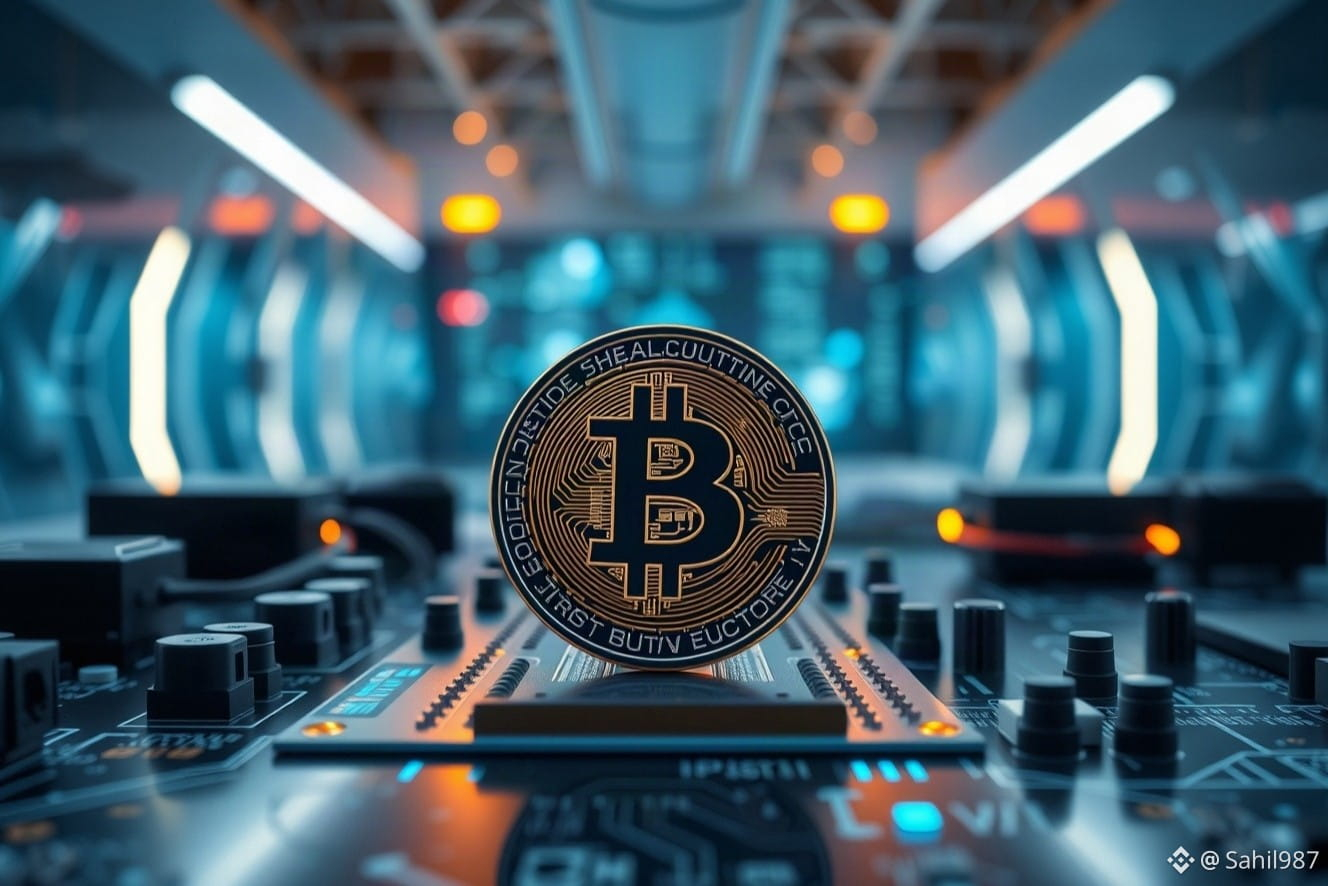
A real $BTC transaction has reportedly been mined on mainnet using a post-quantum signature scheme, marking an important step toward testing how Bitcoin could defend against future quantum attacks.
It’s still early, but the message is clear: quantum resistance is moving from theory into real-world experimentation. If “Q-Day” eventually arrives, networks that start testing migration paths now could have a major advantage.
#AntiQuantumBitcoinTransactionMinedOnMainnet
#BitcoinSpotETFEnds9DayInflowStreak
It’s still early, but the message is clear: quantum resistance is moving from theory into real-world experimentation. If “Q-Day” eventually arrives, networks that start testing migration paths now could have a major advantage.
#AntiQuantumBitcoinTransactionMinedOnMainnet
#BitcoinSpotETFEnds9DayInflowStreak
ເຂົ້າສູ່ລະບົບເພື່ອສຳຫຼວດເນື້ອຫາເພີ່ມເຕີມ