

#vanar
vanar
10.4M ຄັ້ງທີ່ເບິ່ງ
193,118 ກຳລັງສົນທະນາ
ມາແຮງ
ຫຼ້າສຸດ


·
--
I've Been Patient With $VANRY and the Chart Is Finally Agreeing
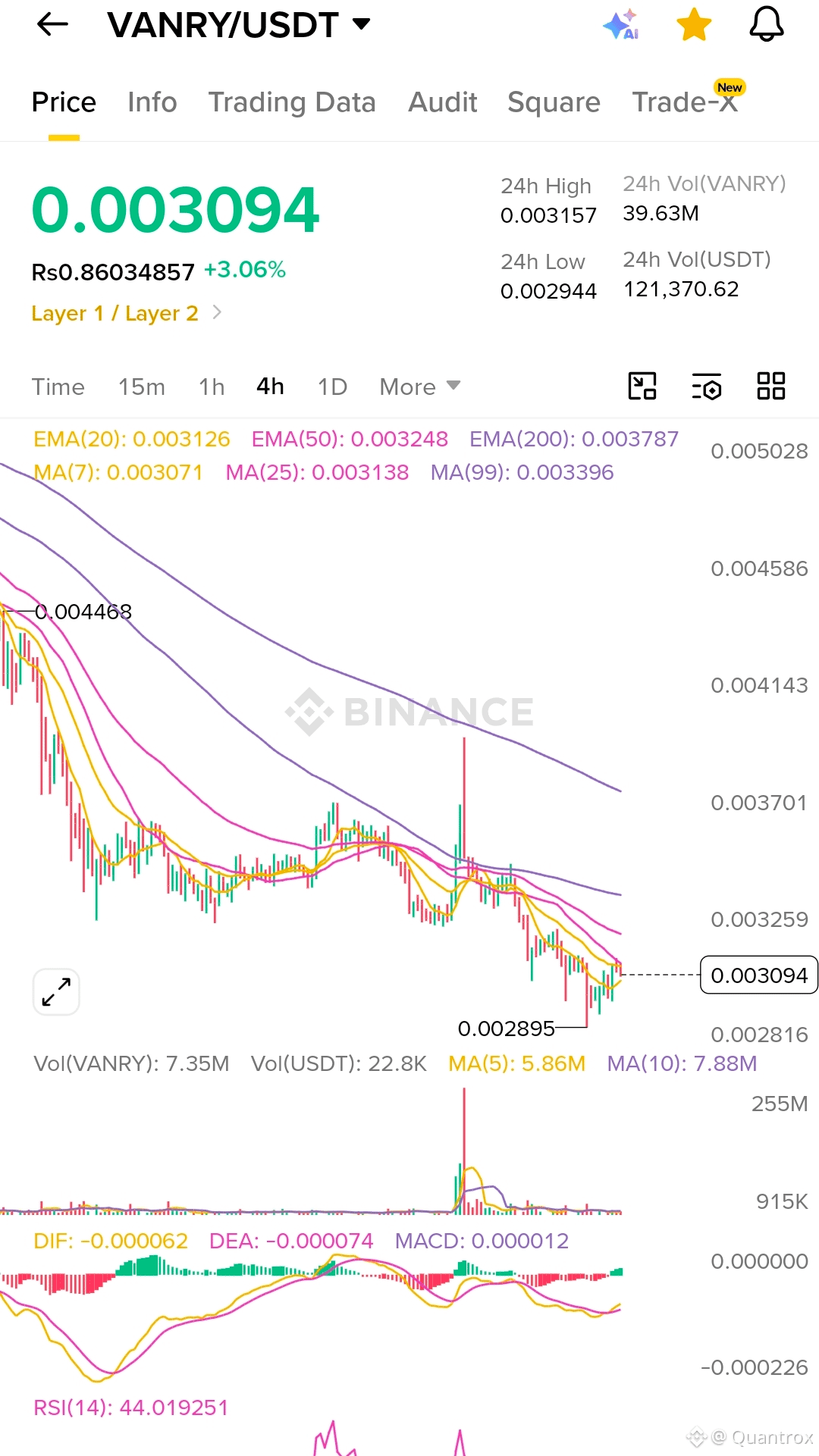
Held the 0.002895 low and MACD just crossed bullish on the 4H. Volume spiked on this bounce — that's not retail noise.
RSI recovering and MA7 already flipped below price. The patience is paying off.
🎯 Trade Plan
Entry Zone: 0.003050 – 0.003100
✅ Target 1: 0.003260
✅ Target 2: 0.003500
❌ Stop Loss: 0.002820
DYOR | NFA
#VANRY #Vanar #CryptoTrading
I've Been Patient With $VANRY and the Chart Is Finally Agreeing
Held the 0.002895 low and MACD just crossed bullish on the 4H. Volume spiked on this bounce — that's not retail noise.
RSI recovering and MA7 already flipped below price. The patience is paying off.
🎯 Trade Plan
Entry Zone: 0.003050 – 0.003100
✅ Target 1: 0.003260
✅ Target 2: 0.003500
❌ Stop Loss: 0.002820
DYOR | NFA
#VANRY #Vanar #CryptoTrading
Held the 0.002895 low and MACD just crossed bullish on the 4H. Volume spiked on this bounce — that's not retail noise.
RSI recovering and MA7 already flipped below price. The patience is paying off.
🎯 Trade Plan
Entry Zone: 0.003050 – 0.003100
✅ Target 1: 0.003260
✅ Target 2: 0.003500
❌ Stop Loss: 0.002820
DYOR | NFA
#VANRY #Vanar #CryptoTrading
1
361

·
--
𝗪𝗵𝗶𝗹𝗲 𝗲𝘃𝗲𝗿𝘆𝗼𝗻𝗲 𝗶𝘀 𝘀𝗹𝗲𝗲𝗽𝗶𝗻𝗴 𝗼𝗻 𝗶𝗻𝗳𝗿𝗮𝘀𝘁𝗿𝘂𝗰𝘁𝘂𝗿𝗲, @𝘃𝗮𝗻𝗮𝗿𝗰𝗵𝗮𝗶𝗻 𝗶𝘀 𝗾𝘂𝗶𝗲𝘁𝗹𝘆 𝗽𝗲𝗿𝗳𝗲𝗰𝘁𝗶𝗻𝗴 𝘁𝗵𝗲 𝗔𝗜-𝗻𝗮𝘁𝗶𝘃𝗲 𝘀𝘁𝗮𝗰𝗸
The ignition phase is here. With owned memory and verifiable execution going live, we aren’t just seeing another chain we’re witnessing the actual ecosystem liftoff. Moon imminent as the builders move in
Who else is loading? 💎🚀 #Vanar #AI
𝗪𝗵𝗶𝗹𝗲 𝗲𝘃𝗲𝗿𝘆𝗼𝗻𝗲 𝗶𝘀 𝘀𝗹𝗲𝗲𝗽𝗶𝗻𝗴 𝗼𝗻 𝗶𝗻𝗳𝗿𝗮𝘀𝘁𝗿𝘂𝗰𝘁𝘂𝗿𝗲, @𝘃𝗮𝗻𝗮𝗿𝗰𝗵𝗮𝗶𝗻 𝗶𝘀 𝗾𝘂𝗶𝗲𝘁𝗹𝘆 𝗽𝗲𝗿𝗳𝗲𝗰𝘁𝗶𝗻𝗴 𝘁𝗵𝗲 𝗔𝗜-𝗻𝗮𝘁𝗶𝘃𝗲 𝘀𝘁𝗮𝗰𝗸
The ignition phase is here. With owned memory and verifiable execution going live, we aren’t just seeing another chain we’re witnessing the actual ecosystem liftoff. Moon imminent as the builders move in
Who else is loading? 💎🚀 #Vanar #AI
The ignition phase is here. With owned memory and verifiable execution going live, we aren’t just seeing another chain we’re witnessing the actual ecosystem liftoff. Moon imminent as the builders move in
Who else is loading? 💎🚀 #Vanar #AI
58

🚀 Vanar Chain ($VANRY ): More Than Just a Trend?
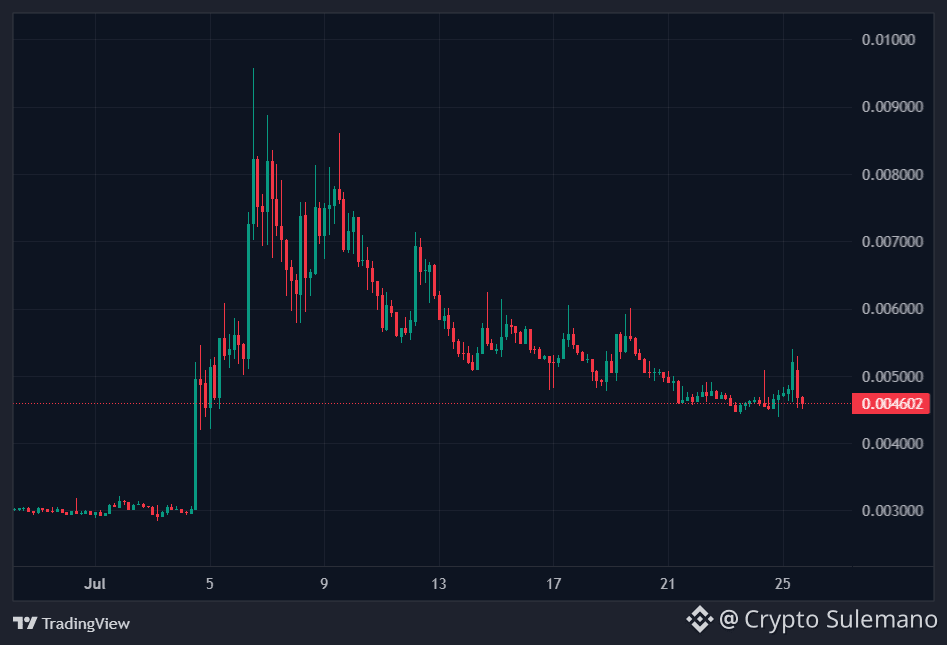
$VANRY is gaining attention, but the bigger story is its **transition to an AI-focused ecosystem on Base**. The project aims to attract developers and AI applications while expanding its ecosystem through a planned 1:1 token migration.
For **traders**, rising volume can create opportunities—but watch whether momentum holds after the initial hype.
For **investors**, the key question isn't today's price. It's whether Vanar can deliver real AI products, attract developers, and grow user adoption.
For **holders**, long-term value will depend on ecosystem growth, successful migration, and how the new tokenomics are managed over time.
🏛️ PMIF™ Insight
Narratives create attention.
Execution creates value.
Watch adoption—not just the chart.
#Vanar #Aİ #Web3 #Crypto
🚀 Vanar Chain ($VANRY ): More Than Just a Trend?
$VANRY is gaining attention, but the bigger story is its **transition to an AI-focused ecosystem on Base**. The project aims to attract developers and AI applications while expanding its ecosystem through a planned 1:1 token migration.
For **traders**, rising volume can create opportunities—but watch whether momentum holds after the initial hype.
For **investors**, the key question isn't today's price. It's whether Vanar can deliver real AI products, attract developers, and grow user adoption.
For **holders**, long-term value will depend on ecosystem growth, successful migration, and how the new tokenomics are managed over time.
🏛️ PMIF™ Insight
Narratives create attention.
Execution creates value.
Watch adoption—not just the chart.
#Vanar #Aİ #Web3 #Crypto
$VANRY is gaining attention, but the bigger story is its **transition to an AI-focused ecosystem on Base**. The project aims to attract developers and AI applications while expanding its ecosystem through a planned 1:1 token migration.
For **traders**, rising volume can create opportunities—but watch whether momentum holds after the initial hype.
For **investors**, the key question isn't today's price. It's whether Vanar can deliver real AI products, attract developers, and grow user adoption.
For **holders**, long-term value will depend on ecosystem growth, successful migration, and how the new tokenomics are managed over time.
🏛️ PMIF™ Insight
Narratives create attention.
Execution creates value.
Watch adoption—not just the chart.
#Vanar #Aİ #Web3 #Crypto
1
106


·
--
ສັນຍານກະທິງ
#Vanar (VANRY) is an L1 blockchain built for real-world adoption.
From gaming 🎮 and AI 🤖 to the metaverse 🌐 and global brands, Vanar is making Web3 easier for the next 3 billion users.
👀 Keep an eye on $VANRY
#VANRY #Vanar #Web3 #BinanceSquare $VANRY
{spot}(VANRYUSDT)
#Vanar (VANRY) is an L1 blockchain built for real-world adoption.
From gaming 🎮 and AI 🤖 to the metaverse 🌐 and global brands, Vanar is making Web3 easier for the next 3 billion users.
👀 Keep an eye on $VANRY
#VANRY #Vanar #Web3 #BinanceSquare $VANRY
From gaming 🎮 and AI 🤖 to the metaverse 🌐 and global brands, Vanar is making Web3 easier for the next 3 billion users.
👀 Keep an eye on $VANRY
#VANRY #Vanar #Web3 #BinanceSquare $VANRY

147

·
--
ຢືນຢັນແລ້ວ
ບົດຄວາມ
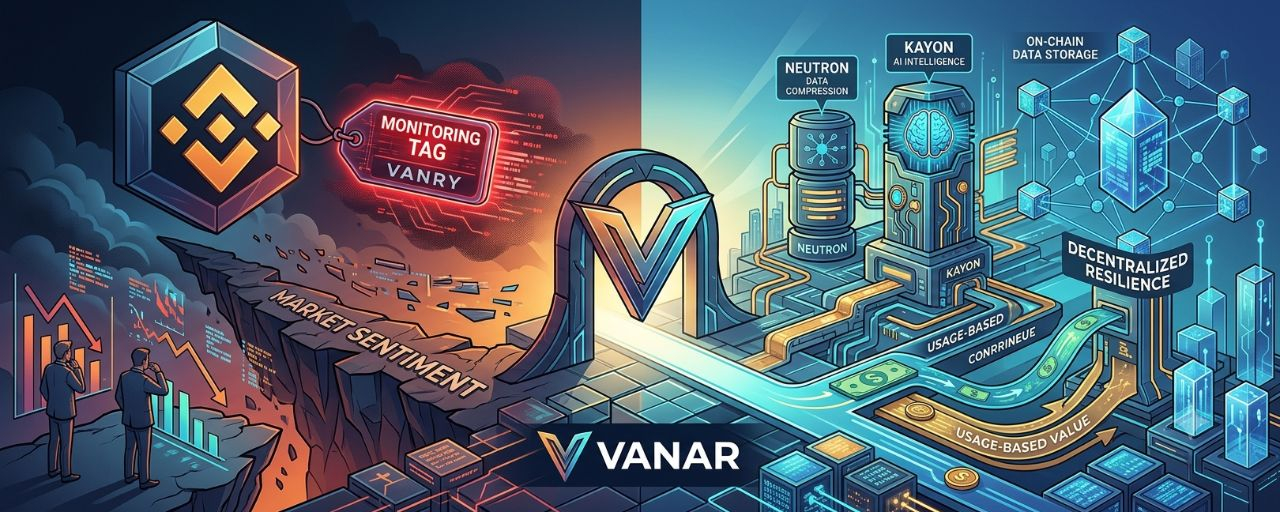
Vanar Chain Faces Binance Pressure While AI Infrastructure Keeps GrowingVanar Chain has reached a critical stage. On one side, Binance has placed a Monitoring Tag on VANRY, signaling that the token is under closer review for potentially failing to meet the exchange's listing standards. While this is not a delisting decision, it creates uncertainty and encourages investors to stay cautious. As long as the tag remains, market sentiment is likely to stay under pressure.
Behind that short-term challenge, Vanar continues expanding its AI infrastructure. Core products such as Neutron for on-chain data compression and Kayon, its decentralized intelligence engine, are already operational and are moving toward a subscription-based model. The goal is to tie VANRY's value directly to real network usage instead of relying mainly on market speculation.
The project's long-term vision has also been reinforced by CEO Jawad Ashraf, who highlighted the importance of decentralized infrastructure following major cloud service outages. Vanar aims to provide blockchain technology capable of storing data fully on-chain, reducing dependence on centralized cloud providers and strengthening resilience for digital infrastructure.
For now, Vanar sits between short-term exchange-related pressure and long-term technological progress. If its products continue gaining adoption, the project could rebuild market confidence. Until then, investors will likely remain focused on how Vanar responds to Binance's ongoing review. #vanar $VANRY
{spot}(VANRYUSDT)
{future}(VANRYUSDT)
Vanar Chain Faces Binance Pressure While AI Infrastructure Keeps Growing
Vanar Chain has reached a critical stage. On one side, Binance has placed a Monitoring Tag on VANRY, signaling that the token is under closer review for potentially failing to meet the exchange's listing standards. While this is not a delisting decision, it creates uncertainty and encourages investors to stay cautious. As long as the tag remains, market sentiment is likely to stay under pressure.
Behind that short-term challenge, Vanar continues expanding its AI infrastructure. Core products such as Neutron for on-chain data compression and Kayon, its decentralized intelligence engine, are already operational and are moving toward a subscription-based model. The goal is to tie VANRY's value directly to real network usage instead of relying mainly on market speculation.
The project's long-term vision has also been reinforced by CEO Jawad Ashraf, who highlighted the importance of decentralized infrastructure following major cloud service outages. Vanar aims to provide blockchain technology capable of storing data fully on-chain, reducing dependence on centralized cloud providers and strengthening resilience for digital infrastructure.
For now, Vanar sits between short-term exchange-related pressure and long-term technological progress. If its products continue gaining adoption, the project could rebuild market confidence. Until then, investors will likely remain focused on how Vanar responds to Binance's ongoing review. #vanar $VANRY
Behind that short-term challenge, Vanar continues expanding its AI infrastructure. Core products such as Neutron for on-chain data compression and Kayon, its decentralized intelligence engine, are already operational and are moving toward a subscription-based model. The goal is to tie VANRY's value directly to real network usage instead of relying mainly on market speculation.
The project's long-term vision has also been reinforced by CEO Jawad Ashraf, who highlighted the importance of decentralized infrastructure following major cloud service outages. Vanar aims to provide blockchain technology capable of storing data fully on-chain, reducing dependence on centralized cloud providers and strengthening resilience for digital infrastructure.
For now, Vanar sits between short-term exchange-related pressure and long-term technological progress. If its products continue gaining adoption, the project could rebuild market confidence. Until then, investors will likely remain focused on how Vanar responds to Binance's ongoing review. #vanar $VANRY
3
18
1.1k

VANR币单日狂拉57.6%,币安合约未平仓量同步暴涨63%,资金正在悄悄涌入这个游戏公链赛道。
从盘面看,现货和衍生品双双放量,说明这轮不是单纯的现货FOMO,杠杆资金也在同步进场加注,趋势型行情的味道更浓。
不过要冷静两点:
一是合约OI增速快过币价涨幅,短线杠杆偏拥挤,任何回调都可能被放大;
二是Vanar Chain作为游戏和娱乐向的L1,基本面叙事仍需生态数据验证,目前更多是情绪驱动+低市值弹性。
操作上,追高风险已经不小,更稳的做法是等首次深度回调后观察支撑,而不是在插针位追多。资金费率和OI变化,是接下来判断多头是否还有余力的关键指标。
山寨轮动季,$VANRY 这种小盘齐涨的品种会越来越多,控制仓位比抓涨幅更重要。
#VANRY #Vanar #山寨季
VANR币单日狂拉57.6%,币安合约未平仓量同步暴涨63%,资金正在悄悄涌入这个游戏公链赛道。
从盘面看,现货和衍生品双双放量,说明这轮不是单纯的现货FOMO,杠杆资金也在同步进场加注,趋势型行情的味道更浓。
不过要冷静两点:
一是合约OI增速快过币价涨幅,短线杠杆偏拥挤,任何回调都可能被放大;
二是Vanar Chain作为游戏和娱乐向的L1,基本面叙事仍需生态数据验证,目前更多是情绪驱动+低市值弹性。
操作上,追高风险已经不小,更稳的做法是等首次深度回调后观察支撑,而不是在插针位追多。资金费率和OI变化,是接下来判断多头是否还有余力的关键指标。
山寨轮动季,$VANRY 这种小盘齐涨的品种会越来越多,控制仓位比抓涨幅更重要。
#VANRY #Vanar #山寨季
从盘面看,现货和衍生品双双放量,说明这轮不是单纯的现货FOMO,杠杆资金也在同步进场加注,趋势型行情的味道更浓。
不过要冷静两点:
一是合约OI增速快过币价涨幅,短线杠杆偏拥挤,任何回调都可能被放大;
二是Vanar Chain作为游戏和娱乐向的L1,基本面叙事仍需生态数据验证,目前更多是情绪驱动+低市值弹性。
操作上,追高风险已经不小,更稳的做法是等首次深度回调后观察支撑,而不是在插针位追多。资金费率和OI变化,是接下来判断多头是否还有余力的关键指标。
山寨轮动季,$VANRY 这种小盘齐涨的品种会越来越多,控制仓位比抓涨幅更重要。
#VANRY #Vanar #山寨季
145

·
--
The Reality of the Chart: Navigating the Vanar Downtrend 📉
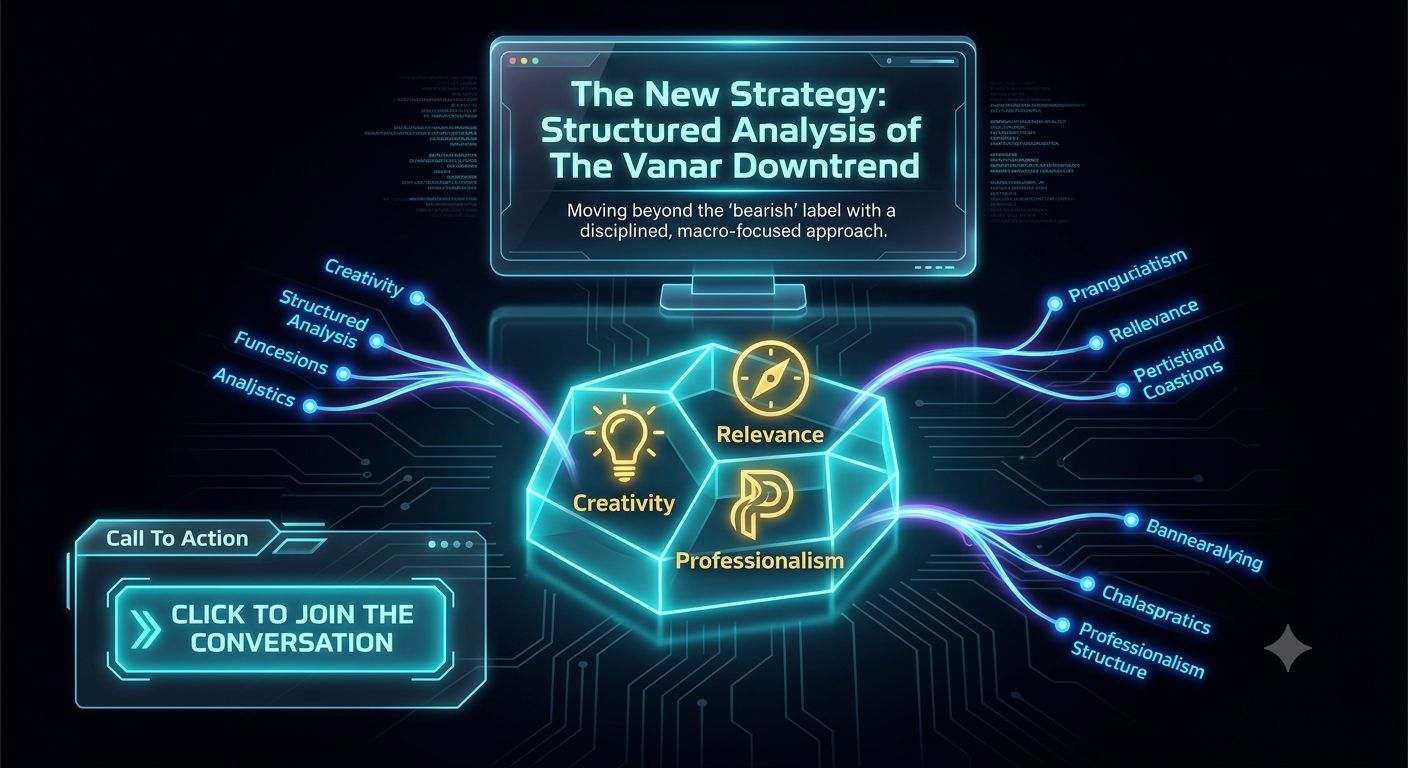
Let’s talk about $VANAR. There’s no point in sugarcoating it—the current price action is decidedly bearish, and the asset is facing significant overhead pressure. In moments like this, separating emotion from strategy is what keeps a trader alive.
Instead of panic-selling or blindly buying a falling knife, the smart move right now is patience. I am closely monitoring the macro support levels to see where buyers finally decide to step in and establish a firm accumulation floor. A bearish trend isn't just a downswing; it’s the market resetting and setting up the next potential structure.
Managing risk with strict stop-losses and keeping dry powder ready is the priority until we see a confirmed trend reversal or a solid double-bottom pattern on the higher timeframes.
Are you actively looking to scoop up the dip at lower support levels, or are you sitting on the sidelines waiting for a confirmed bullish market structure shift? Let me know your strategy in the comments below! 👇
#vanar #CryptoAnalysis #TradingStrategy #Altcoins #Write2Earn
$VANRY
{spot}(VANRYUSDT)
$GOOGL.US
{stock_us}(GOOGL.US)
The Reality of the Chart: Navigating the Vanar Downtrend 📉
Let’s talk about $VANAR. There’s no point in sugarcoating it—the current price action is decidedly bearish, and the asset is facing significant overhead pressure. In moments like this, separating emotion from strategy is what keeps a trader alive.
Instead of panic-selling or blindly buying a falling knife, the smart move right now is patience. I am closely monitoring the macro support levels to see where buyers finally decide to step in and establish a firm accumulation floor. A bearish trend isn't just a downswing; it’s the market resetting and setting up the next potential structure.
Managing risk with strict stop-losses and keeping dry powder ready is the priority until we see a confirmed trend reversal or a solid double-bottom pattern on the higher timeframes.
Are you actively looking to scoop up the dip at lower support levels, or are you sitting on the sidelines waiting for a confirmed bullish market structure shift? Let me know your strategy in the comments below! 👇
#vanar #CryptoAnalysis #TradingStrategy #Altcoins #Write2Earn
$VANRY
$GOOGL.US
Let’s talk about $VANAR. There’s no point in sugarcoating it—the current price action is decidedly bearish, and the asset is facing significant overhead pressure. In moments like this, separating emotion from strategy is what keeps a trader alive.
Instead of panic-selling or blindly buying a falling knife, the smart move right now is patience. I am closely monitoring the macro support levels to see where buyers finally decide to step in and establish a firm accumulation floor. A bearish trend isn't just a downswing; it’s the market resetting and setting up the next potential structure.
Managing risk with strict stop-losses and keeping dry powder ready is the priority until we see a confirmed trend reversal or a solid double-bottom pattern on the higher timeframes.
Are you actively looking to scoop up the dip at lower support levels, or are you sitting on the sidelines waiting for a confirmed bullish market structure shift? Let me know your strategy in the comments below! 👇
#vanar #CryptoAnalysis #TradingStrategy #Altcoins #Write2Earn
$VANRY
$GOOGL.US
GOOGLUS+0,34%
453

·
--
ສັນຍານກະທິງ
$VANRY is trading near a key support zone after a prolonged downtrend. • A breakout above $GOOG.US
{stock_us}(GOOG.US)
0.0054 with strong volume could confirm bullish momentum.
#USStrikesIran13thNightTrumpNotReadyToNegotiate #vanar #Altcoin #Binance $BNB
{future}(BNBUSDT)
$VANRY is trading near a key support zone after a prolonged downtrend. • A breakout above $GOOG.US
0.0054 with strong volume could confirm bullish momentum.
#USStrikesIran13thNightTrumpNotReadyToNegotiate #vanar #Altcoin #Binance $BNB
0.0054 with strong volume could confirm bullish momentum.
#USStrikesIran13thNightTrumpNotReadyToNegotiate #vanar #Altcoin #Binance $BNB
GOOGUS+0,32%
BNB+0,55%
1
136

·
--
ສັນຍານກະທິງ
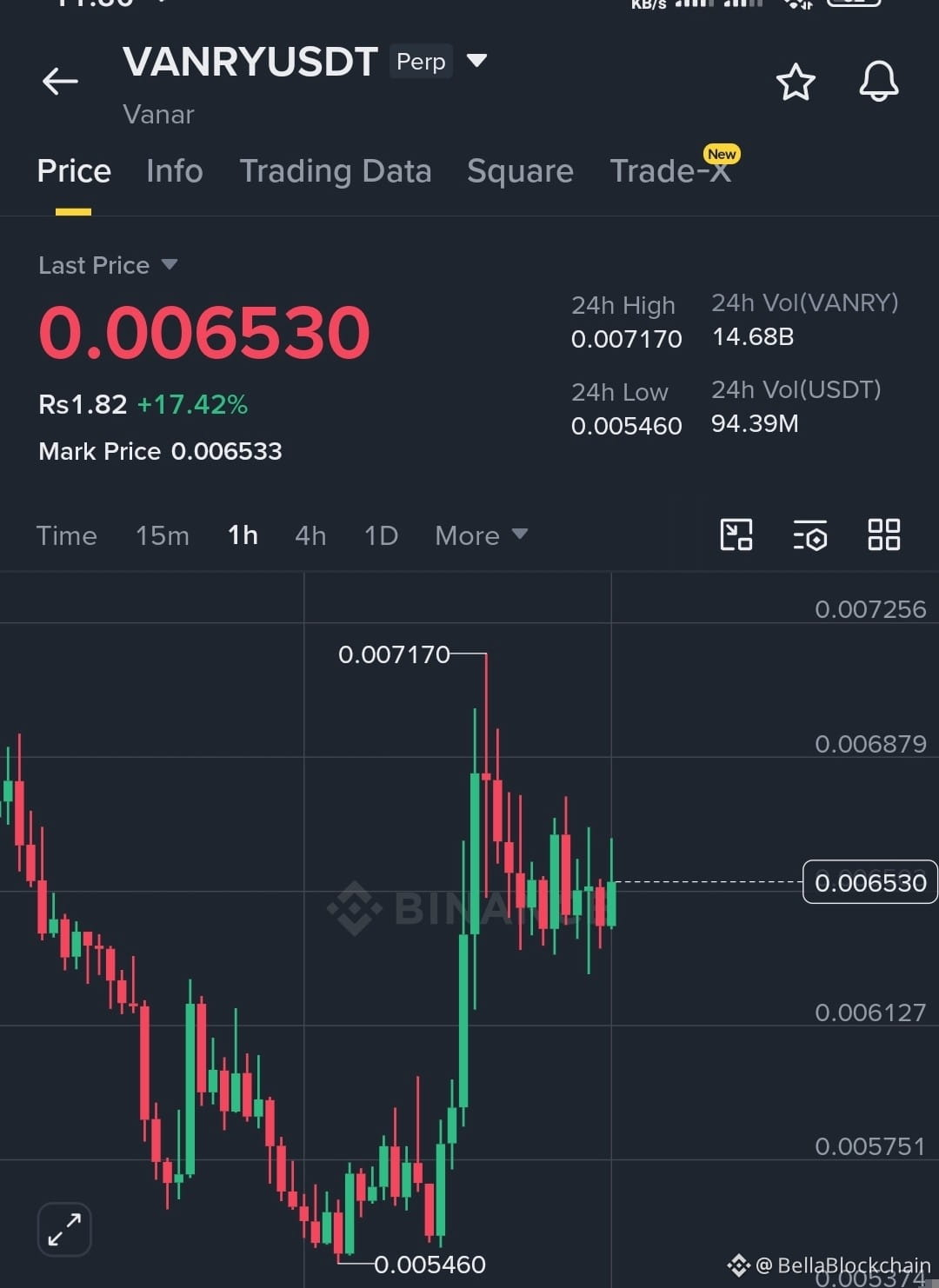
$VANRY has experienced a powerful recovery on the 1-hour chart, surging over 17% from its recent 24-hour low of 0.005460. After exploding upward to a peak of 0.007170, the price has entered a brief consolidation phase and is currently holding strong around the 0.006530 level. Massive trading volume indicates that market interest remains high, positioning the token nicely for another leg upward if buyers defend this current baseline.
Target 1: 0.006879
Target 2: 0.007170
Target 3: 0.007500
#VANRY #Vanar #CryptoTrading
$VANRY
{future}(VANRYUSDT)
$VANRY has experienced a powerful recovery on the 1-hour chart, surging over 17% from its recent 24-hour low of 0.005460. After exploding upward to a peak of 0.007170, the price has entered a brief consolidation phase and is currently holding strong around the 0.006530 level. Massive trading volume indicates that market interest remains high, positioning the token nicely for another leg upward if buyers defend this current baseline.
Target 1: 0.006879
Target 2: 0.007170
Target 3: 0.007500
#VANRY #Vanar #CryptoTrading
$VANRY
Target 1: 0.006879
Target 2: 0.007170
Target 3: 0.007500
#VANRY #Vanar #CryptoTrading
$VANRY
100
VANRY单日暴涨57.6%,币安合约未平仓合约激增63%,Vanar Chain正在成为这波山寨季里最亮眼的名字之一。
价格与合约持仓同步放大,通常意味着增量资金真金白银在进场,而不是单纯的现货逼空。这种量价配合的走势,短线情绪会非常亢奋,但也要警惕:一旦资金费率飙到高位,多头拥挤度过高,随时可能迎来一次剧烈回踩洗盘。
个人视角:Vanar Chain定位在娱乐与AI应用场景,叙事本身有想象空间,但基本面兑现需要时间。短期我会把它当成情绪交易品来看待,而不是重仓底仓——追高不如等回调,合约仓位务必控制杠杆,别在最热的时候把筹码全押进去。
山寨轮动往往一波接一波,抓住节奏比抓住某个币更重要。
$VANRY #Vanar #山寨季 #合约持仓
VANRY单日暴涨57.6%,币安合约未平仓合约激增63%,Vanar Chain正在成为这波山寨季里最亮眼的名字之一。
价格与合约持仓同步放大,通常意味着增量资金真金白银在进场,而不是单纯的现货逼空。这种量价配合的走势,短线情绪会非常亢奋,但也要警惕:一旦资金费率飙到高位,多头拥挤度过高,随时可能迎来一次剧烈回踩洗盘。
个人视角:Vanar Chain定位在娱乐与AI应用场景,叙事本身有想象空间,但基本面兑现需要时间。短期我会把它当成情绪交易品来看待,而不是重仓底仓——追高不如等回调,合约仓位务必控制杠杆,别在最热的时候把筹码全押进去。
山寨轮动往往一波接一波,抓住节奏比抓住某个币更重要。
$VANRY #Vanar #山寨季 #合约持仓
价格与合约持仓同步放大,通常意味着增量资金真金白银在进场,而不是单纯的现货逼空。这种量价配合的走势,短线情绪会非常亢奋,但也要警惕:一旦资金费率飙到高位,多头拥挤度过高,随时可能迎来一次剧烈回踩洗盘。
个人视角:Vanar Chain定位在娱乐与AI应用场景,叙事本身有想象空间,但基本面兑现需要时间。短期我会把它当成情绪交易品来看待,而不是重仓底仓——追高不如等回调,合约仓位务必控制杠杆,别在最热的时候把筹码全押进去。
山寨轮动往往一波接一波,抓住节奏比抓住某个币更重要。
$VANRY #Vanar #山寨季 #合约持仓
130

·
--
ສັນຍານກະທິງ
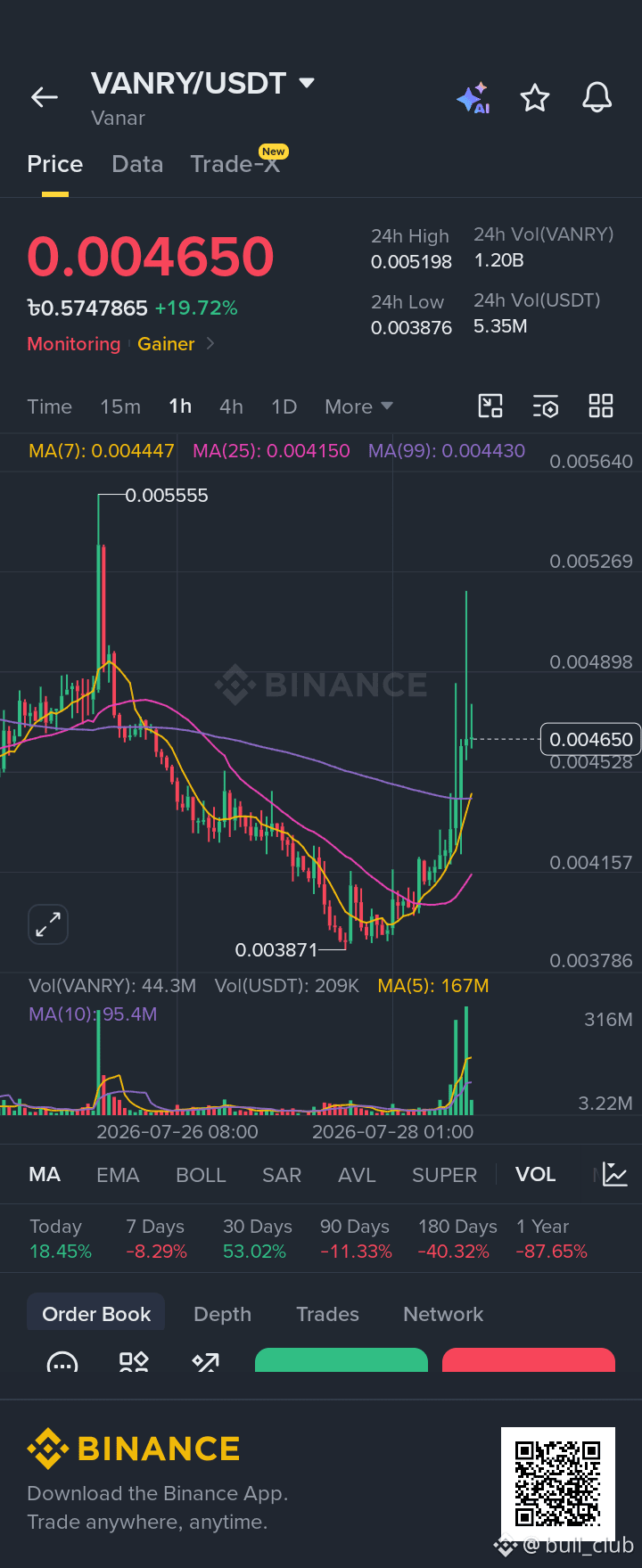
VANRY is pumping hard with 19 percent gain today. Volume is exploding with 1.20B tokens traded.
Here is my trade plan.
Entry 0.00440 to 0.00450.
Target 0.00500 and 0.00520.
Stop loss 0.00410.
Price bounced from 0.003871 low and now testing 0.004650. MA7 is at 0.004447 and MA25 at 0.004150. MAs are stacked bullish. If it breaks 0.00480 next target is 0.00520. If rejects might drop to 0.00440 support.
What is your plan for VANRY? Let me know in comments.
Not financial advice. DYOR.
$VANRY
{future}(VANRYUSDT)
#VANRY #Vanar #Crypto #trading
VANRY is pumping hard with 19 percent gain today. Volume is exploding with 1.20B tokens traded.
Here is my trade plan.
Entry 0.00440 to 0.00450.
Target 0.00500 and 0.00520.
Stop loss 0.00410.
Price bounced from 0.003871 low and now testing 0.004650. MA7 is at 0.004447 and MA25 at 0.004150. MAs are stacked bullish. If it breaks 0.00480 next target is 0.00520. If rejects might drop to 0.00440 support.
What is your plan for VANRY? Let me know in comments.
Not financial advice. DYOR.
$VANRY
#VANRY #Vanar #Crypto #trading
Here is my trade plan.
Entry 0.00440 to 0.00450.
Target 0.00500 and 0.00520.
Stop loss 0.00410.
Price bounced from 0.003871 low and now testing 0.004650. MA7 is at 0.004447 and MA25 at 0.004150. MAs are stacked bullish. If it breaks 0.00480 next target is 0.00520. If rejects might drop to 0.00440 support.
What is your plan for VANRY? Let me know in comments.
Not financial advice. DYOR.
$VANRY
#VANRY #Vanar #Crypto #trading
1
1
1.2k
Vanar 宣布完成 VANRY 代币迁移:以太坊与 Polygon 上的旧合约已暂停,当前代币交易仅在 Base 继续。与此同时,Vanar L1 将于 9 月 18 日起逐步关闭,项目资源全面转向 Base 生态。
接下来的重心是 Foundry、AI 组织及其经济系统,Foundry 计划于 10 月 1 日上线。对仍持有旧链资产的用户来说,需尽快确认迁移与持仓渠道,避免合约暂停后操作受限。
这也是 AI 基础设施项目收缩自研公链、押注以太坊 Layer2 生态的又一信号。短期关注迁移后的流动性与交易深度,长期则看 Foundry 能否真正带来 AI 组织应用场景。
#Vanar #Base #AI
Vanar 宣布完成 VANRY 代币迁移:以太坊与 Polygon 上的旧合约已暂停,当前代币交易仅在 Base 继续。与此同时,Vanar L1 将于 9 月 18 日起逐步关闭,项目资源全面转向 Base 生态。
接下来的重心是 Foundry、AI 组织及其经济系统,Foundry 计划于 10 月 1 日上线。对仍持有旧链资产的用户来说,需尽快确认迁移与持仓渠道,避免合约暂停后操作受限。
这也是 AI 基础设施项目收缩自研公链、押注以太坊 Layer2 生态的又一信号。短期关注迁移后的流动性与交易深度,长期则看 Foundry 能否真正带来 AI 组织应用场景。
#Vanar #Base #AI
接下来的重心是 Foundry、AI 组织及其经济系统,Foundry 计划于 10 月 1 日上线。对仍持有旧链资产的用户来说,需尽快确认迁移与持仓渠道,避免合约暂停后操作受限。
这也是 AI 基础设施项目收缩自研公链、押注以太坊 Layer2 生态的又一信号。短期关注迁移后的流动性与交易深度,长期则看 Foundry 能否真正带来 AI 组织应用场景。
#Vanar #Base #AI
28

·
--
ສັນຍານກະທິງ
I’ve been tracking @Vanar Chain for a while, and what sets it apart isn't the usual crypto marketing it’s the hyper-focus on building a real-world infrastructure layer.
As mainstream entertainment and enterprise brands actively transition onto the blockchain, having a high-efficiency network that can handle massive transaction volumes without soaring gas costs is going to be the ultimate differentiator. That’s the kind of sustainable, utility-driven foundation that survives market cycles. #vanar
We're still in the early stages of enterprise adoption, but this is absolutely a project to keep on your radar.
$VANRY
{spot}(VANRYUSDT)
I’ve been tracking @Vanarchain Chain for a while, and what sets it apart isn't the usual crypto marketing it’s the hyper-focus on building a real-world infrastructure layer.
As mainstream entertainment and enterprise brands actively transition onto the blockchain, having a high-efficiency network that can handle massive transaction volumes without soaring gas costs is going to be the ultimate differentiator. That’s the kind of sustainable, utility-driven foundation that survives market cycles. #vanar
We're still in the early stages of enterprise adoption, but this is absolutely a project to keep on your radar.
$VANRY
As mainstream entertainment and enterprise brands actively transition onto the blockchain, having a high-efficiency network that can handle massive transaction volumes without soaring gas costs is going to be the ultimate differentiator. That’s the kind of sustainable, utility-driven foundation that survives market cycles. #vanar
We're still in the early stages of enterprise adoption, but this is absolutely a project to keep on your radar.
$VANRY
1
2
425


·
--
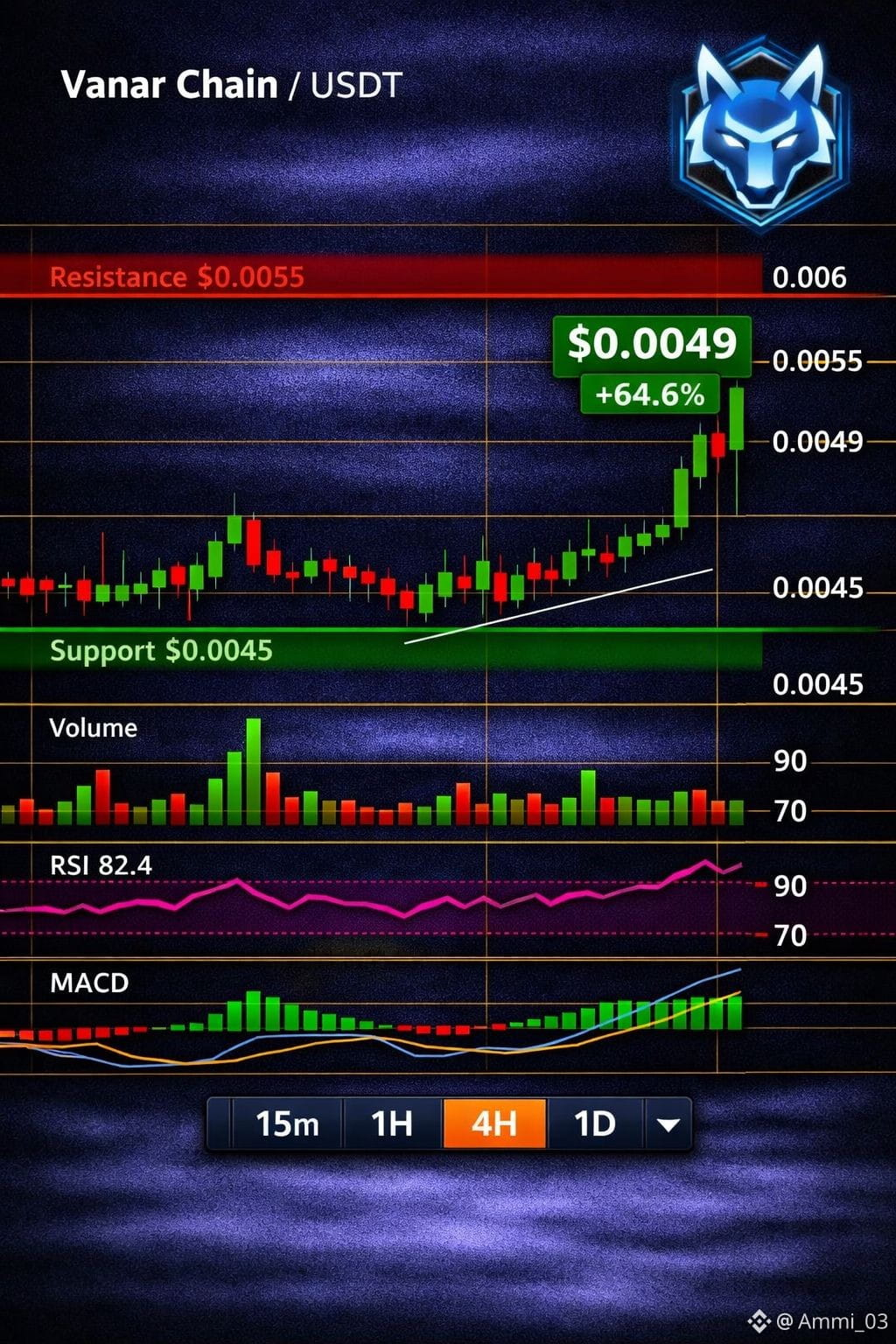
Vanar Chain ($VANRY ) has surged over 60% in early July 2026, trading near $0.0049, but the rally is largely speculative, driven by extreme derivatives activity and altcoin rotation rather than strong fundamentals. Binance has placed VANRY under a Monitoring Tag, signaling exchange risk and fragile liquidity.
___________________________________
📊 Current Price & Sentiment
● Price (July 4–5, 2026): ~$0.0049
● 24h Change: +64.6%
● Market Cap: ~$10.6M
● Volume: ~$27–49M (4–5x market cap, highly speculative)
● Sentiment: Bullish momentum but high risk ___________________________________
Key Technical Levels
🟩 Support: $0.0045
🟥 Resistance: $0.0055
● Risk Zone: Collapse in volume could trigger pullback to $0.0038–$0.0040
___________________________________
⚙️ Catalysts & Risks
● Speculative Momentum: 589% surge in trading volume, likely short squeeze.
● Altcoin Rotation: Rising Altcoin Season Index (+12.7%) boosted flows into high‑beta tokens.
● Exchange Risk: Binance Monitoring Tag (July 3, 2026) raises delisting concerns.
● Fundamentals: Near‑zero developer activity, fragile liquidity concentrated in Turkish Lira pairs (~44% of volume).
● Tech Ambition: Vanar promotes AI‑native blockchain tools (Neutron compression, Kayon AI engine), but adoption remains limited.
___________________________________
🎯 Outlook
● Bullish Case: Sustained volume above $20M and holding $0.0045 could extend rally toward $0.0055.
● Bearish Risk: Volume collapse or Binance delisting could send VANRY back to $0.0028 (recent all‑time low).
● Long‑Term Potential: Depends on proving real utility in AI‑native blockchain services and attracting developer traction.
___________________________________
Risks & Challenges
● Exchange Scrutiny: Monitoring Tag often precedes liquidity issues or delisting.
● Speculative Froth: Current rally lacks fundamental anchor.
● Developer Activity: Flatlined, undermining ecosystem credibility.
● Liquidity Concentration: Heavy reliance on one region (Turkey) increases fragility.
#vanar
Vanar Chain ($VANRY ) has surged over 60% in early July 2026, trading near $0.0049, but the rally is largely speculative, driven by extreme derivatives activity and altcoin rotation rather than strong fundamentals. Binance has placed VANRY under a Monitoring Tag, signaling exchange risk and fragile liquidity.
___________________________________
📊 Current Price & Sentiment
● Price (July 4–5, 2026): ~$0.0049
● 24h Change: +64.6%
● Market Cap: ~$10.6M
● Volume: ~$27–49M (4–5x market cap, highly speculative)
● Sentiment: Bullish momentum but high risk ___________________________________
Key Technical Levels
🟩 Support: $0.0045
🟥 Resistance: $0.0055
● Risk Zone: Collapse in volume could trigger pullback to $0.0038–$0.0040
___________________________________
⚙️ Catalysts & Risks
● Speculative Momentum: 589% surge in trading volume, likely short squeeze.
● Altcoin Rotation: Rising Altcoin Season Index (+12.7%) boosted flows into high‑beta tokens.
● Exchange Risk: Binance Monitoring Tag (July 3, 2026) raises delisting concerns.
● Fundamentals: Near‑zero developer activity, fragile liquidity concentrated in Turkish Lira pairs (~44% of volume).
● Tech Ambition: Vanar promotes AI‑native blockchain tools (Neutron compression, Kayon AI engine), but adoption remains limited.
___________________________________
🎯 Outlook
● Bullish Case: Sustained volume above $20M and holding $0.0045 could extend rally toward $0.0055.
● Bearish Risk: Volume collapse or Binance delisting could send VANRY back to $0.0028 (recent all‑time low).
● Long‑Term Potential: Depends on proving real utility in AI‑native blockchain services and attracting developer traction.
___________________________________
Risks & Challenges
● Exchange Scrutiny: Monitoring Tag often precedes liquidity issues or delisting.
● Speculative Froth: Current rally lacks fundamental anchor.
● Developer Activity: Flatlined, undermining ecosystem credibility.
● Liquidity Concentration: Heavy reliance on one region (Turkey) increases fragility.
#vanar
___________________________________
📊 Current Price & Sentiment
● Price (July 4–5, 2026): ~$0.0049
● 24h Change: +64.6%
● Market Cap: ~$10.6M
● Volume: ~$27–49M (4–5x market cap, highly speculative)
● Sentiment: Bullish momentum but high risk ___________________________________
Key Technical Levels
🟩 Support: $0.0045
🟥 Resistance: $0.0055
● Risk Zone: Collapse in volume could trigger pullback to $0.0038–$0.0040
___________________________________
⚙️ Catalysts & Risks
● Speculative Momentum: 589% surge in trading volume, likely short squeeze.
● Altcoin Rotation: Rising Altcoin Season Index (+12.7%) boosted flows into high‑beta tokens.
● Exchange Risk: Binance Monitoring Tag (July 3, 2026) raises delisting concerns.
● Fundamentals: Near‑zero developer activity, fragile liquidity concentrated in Turkish Lira pairs (~44% of volume).
● Tech Ambition: Vanar promotes AI‑native blockchain tools (Neutron compression, Kayon AI engine), but adoption remains limited.
___________________________________
🎯 Outlook
● Bullish Case: Sustained volume above $20M and holding $0.0045 could extend rally toward $0.0055.
● Bearish Risk: Volume collapse or Binance delisting could send VANRY back to $0.0028 (recent all‑time low).
● Long‑Term Potential: Depends on proving real utility in AI‑native blockchain services and attracting developer traction.
___________________________________
Risks & Challenges
● Exchange Scrutiny: Monitoring Tag often precedes liquidity issues or delisting.
● Speculative Froth: Current rally lacks fundamental anchor.
● Developer Activity: Flatlined, undermining ecosystem credibility.
● Liquidity Concentration: Heavy reliance on one region (Turkey) increases fragility.
#vanar
1
166

·
--
🚨 أكبر خبر في $VANRY ليس حركة السعر… بل تغيير بنية المشروع بالكامل
بدأت Vanar عملية نقل الرمز والبنية إلى شبكة Base، مع ترحيل حاملي VANRY بنسبة 1:1 عبر القنوات الرسمية. في الوقت نفسه تتجه الخطة إلى رفع إجمالي المعروض من 2.4 مليار إلى 10 مليارات رمز، مع بقاء نحو 62% مقفلًا مبدئيًا وتحرير المخصصات الجديدة تدريجيًا على خمس سنوات.
هذه الخطوة قد تمنح المشروع وصولًا أسهل إلى سيولة ومطورين داخل منظومة Base، لكنها تفتح سؤالًا جوهريًا حول التخفيف: هل سينمو استخدام منظومة الذكاء الاصطناعي أسرع من نمو المعروض؟
أراقب العقد الرسمي الجديد، دعم المنصات للترحيل، جدول الفتح الفعلي، وعدد التطبيقات والمستخدمين بعد الانتقال. والأهم: لا تستخدم أي رابط تبديل يصل عبر رسالة خاصة.
هل ترى الانتقال إلى Base إعادة انطلاق أم تنازلًا عن هوية السلسلة المستقلة؟
⚠️ تحليل تعليمي؛ مخاطر الترحيل والتخفيف مرتفعة.
$VANRY #vanar r #Base #Aİ
🚨 أكبر خبر في $VANRY ليس حركة السعر… بل تغيير بنية المشروع بالكامل
بدأت Vanar عملية نقل الرمز والبنية إلى شبكة Base، مع ترحيل حاملي VANRY بنسبة 1:1 عبر القنوات الرسمية. في الوقت نفسه تتجه الخطة إلى رفع إجمالي المعروض من 2.4 مليار إلى 10 مليارات رمز، مع بقاء نحو 62% مقفلًا مبدئيًا وتحرير المخصصات الجديدة تدريجيًا على خمس سنوات.
هذه الخطوة قد تمنح المشروع وصولًا أسهل إلى سيولة ومطورين داخل منظومة Base، لكنها تفتح سؤالًا جوهريًا حول التخفيف: هل سينمو استخدام منظومة الذكاء الاصطناعي أسرع من نمو المعروض؟
أراقب العقد الرسمي الجديد، دعم المنصات للترحيل، جدول الفتح الفعلي، وعدد التطبيقات والمستخدمين بعد الانتقال. والأهم: لا تستخدم أي رابط تبديل يصل عبر رسالة خاصة.
هل ترى الانتقال إلى Base إعادة انطلاق أم تنازلًا عن هوية السلسلة المستقلة؟
⚠️ تحليل تعليمي؛ مخاطر الترحيل والتخفيف مرتفعة.
$VANRY #vanar r #Base #Aİ
بدأت Vanar عملية نقل الرمز والبنية إلى شبكة Base، مع ترحيل حاملي VANRY بنسبة 1:1 عبر القنوات الرسمية. في الوقت نفسه تتجه الخطة إلى رفع إجمالي المعروض من 2.4 مليار إلى 10 مليارات رمز، مع بقاء نحو 62% مقفلًا مبدئيًا وتحرير المخصصات الجديدة تدريجيًا على خمس سنوات.
هذه الخطوة قد تمنح المشروع وصولًا أسهل إلى سيولة ومطورين داخل منظومة Base، لكنها تفتح سؤالًا جوهريًا حول التخفيف: هل سينمو استخدام منظومة الذكاء الاصطناعي أسرع من نمو المعروض؟
أراقب العقد الرسمي الجديد، دعم المنصات للترحيل، جدول الفتح الفعلي، وعدد التطبيقات والمستخدمين بعد الانتقال. والأهم: لا تستخدم أي رابط تبديل يصل عبر رسالة خاصة.
هل ترى الانتقال إلى Base إعادة انطلاق أم تنازلًا عن هوية السلسلة المستقلة؟
⚠️ تحليل تعليمي؛ مخاطر الترحيل والتخفيف مرتفعة.
$VANRY #vanar r #Base #Aİ
1
300

·
--

ບົດຄວາມ
La Persona que Descubrió que su Identidad Digital ya No Cabía en una Sola PantallaEsta mañana estaba revisando el mercado cuando un activo llamó mi atención.
$VANRY había subido más de un 70%.
No conocía todos los detalles del proyecto, así que decidí investigar un poco.
Y terminé pensando en algo completamente distinto.
Hace unos días vi a un joven cambiar de una aplicación a otra en su teléfono.
En una tenía fotografías.
En otra, videos.
En otra, un videojuego.
En otra, su billetera.
En otra, sus redes sociales.
Todo parecía pertenecerle.
Pero en realidad, su identidad digital estaba repartida por todas partes.
Le pregunté algo:
—Si mañana una de esas plataformas desapareciera, ¿qué parte de tu vida digital perderías?
Se quedó pensando unos segundos.
Y respondió:
—Probablemente muchas cosas.
Esa conversación me hizo recordar una idea que aparece detrás de @VanarChain.
El proyecto habla de construir infraestructura para experiencias digitales, entretenimiento, identidad y aplicaciones donde las personas puedan interactuar de formas nuevas dentro de Web3.
En términos sencillos, me hizo pensar en algo interesante:
Quizá el futuro de Internet no consista solamente en tener más aplicaciones.
Quizá consista en tener una identidad digital que pueda moverse con nosotros.
Nuestros activos.
Nuestras comunidades.
Nuestros objetos digitales.
Nuestra reputación.
Nuestros datos.
Todo conectado.
Mientras seguía leyendo sobre @undefined apareció una pregunta que no pude ignorar:
Si cada vez pasamos más tiempo viviendo, trabajando y creando en entornos digitales…
¿Llegará un momento en el que nuestra identidad digital sea tan importante como nuestra identidad física?
@Vanar
#vanar #Web3 #blockchain #Nomadacripto #Metaverse
$VANRY
{spot}(VANRYUSDT)
La Persona que Descubrió que su Identidad Digital ya No Cabía en una Sola Pantalla
Esta mañana estaba revisando el mercado cuando un activo llamó mi atención.
$VANRY había subido más de un 70%.
No conocía todos los detalles del proyecto, así que decidí investigar un poco.
Y terminé pensando en algo completamente distinto.
Hace unos días vi a un joven cambiar de una aplicación a otra en su teléfono.
En una tenía fotografías.
En otra, videos.
En otra, un videojuego.
En otra, su billetera.
En otra, sus redes sociales.
Todo parecía pertenecerle.
Pero en realidad, su identidad digital estaba repartida por todas partes.
Le pregunté algo:
—Si mañana una de esas plataformas desapareciera, ¿qué parte de tu vida digital perderías?
Se quedó pensando unos segundos.
Y respondió:
—Probablemente muchas cosas.
Esa conversación me hizo recordar una idea que aparece detrás de @VanarChain.
El proyecto habla de construir infraestructura para experiencias digitales, entretenimiento, identidad y aplicaciones donde las personas puedan interactuar de formas nuevas dentro de Web3.
En términos sencillos, me hizo pensar en algo interesante:
Quizá el futuro de Internet no consista solamente en tener más aplicaciones.
Quizá consista en tener una identidad digital que pueda moverse con nosotros.
Nuestros activos.
Nuestras comunidades.
Nuestros objetos digitales.
Nuestra reputación.
Nuestros datos.
Todo conectado.
Mientras seguía leyendo sobre @undefined apareció una pregunta que no pude ignorar:
Si cada vez pasamos más tiempo viviendo, trabajando y creando en entornos digitales…
¿Llegará un momento en el que nuestra identidad digital sea tan importante como nuestra identidad física?
@Vanarchain
#vanar #Web3 #blockchain #Nomadacripto #Metaverse
$VANRY
$VANRY había subido más de un 70%.
No conocía todos los detalles del proyecto, así que decidí investigar un poco.
Y terminé pensando en algo completamente distinto.
Hace unos días vi a un joven cambiar de una aplicación a otra en su teléfono.
En una tenía fotografías.
En otra, videos.
En otra, un videojuego.
En otra, su billetera.
En otra, sus redes sociales.
Todo parecía pertenecerle.
Pero en realidad, su identidad digital estaba repartida por todas partes.
Le pregunté algo:
—Si mañana una de esas plataformas desapareciera, ¿qué parte de tu vida digital perderías?
Se quedó pensando unos segundos.
Y respondió:
—Probablemente muchas cosas.
Esa conversación me hizo recordar una idea que aparece detrás de @VanarChain.
El proyecto habla de construir infraestructura para experiencias digitales, entretenimiento, identidad y aplicaciones donde las personas puedan interactuar de formas nuevas dentro de Web3.
En términos sencillos, me hizo pensar en algo interesante:
Quizá el futuro de Internet no consista solamente en tener más aplicaciones.
Quizá consista en tener una identidad digital que pueda moverse con nosotros.
Nuestros activos.
Nuestras comunidades.
Nuestros objetos digitales.
Nuestra reputación.
Nuestros datos.
Todo conectado.
Mientras seguía leyendo sobre @undefined apareció una pregunta que no pude ignorar:
Si cada vez pasamos más tiempo viviendo, trabajando y creando en entornos digitales…
¿Llegará un momento en el que nuestra identidad digital sea tan importante como nuestra identidad física?
@Vanarchain
#vanar #Web3 #blockchain #Nomadacripto #Metaverse
$VANRY
3
264
ເຂົ້າສູ່ລະບົບເພື່ອສຳຫຼວດເນື້ອຫາເພີ່ມເຕີມ
ເຂົ້າຮ່ວມກຸ່ມຜູ້ໃຊ້ຄຣິບໂຕທົ່ວໂລກໃນ Binance Square.
⚡️ ໄດ້ຮັບຂໍ້ມູນຫຼ້າສຸດ ແລະ ທີ່ມີປະໂຫຍດກ່ຽວກັບຄຣິບໂຕ.
💬 ໄດ້ຮັບຄວາມໄວ້ວາງໃຈຈາກຕະຫຼາດແລກປ່ຽນຄຣິບໂຕທີ່ໃຫຍ່ທີ່ສຸດໃນໂລກ.
👍 ຄົ້ນຫາຂໍ້ມູນເຊີງເລິກທີ່ແທ້ຈາກນັກສ້າງທີ່ໄດ້ຮັບການຢືນຢັນ.
ອີເມວ / ເບີໂທລະສັບ
ຫົວຂໍ້ທີ່ກໍາລັງນິຍົມ
1
#BinancePick
3.1M ຄັ້ງທີ່ເບິ່ງ
153,320 ກຳລັງສົນທະນາ
2
#EarningsSeason
5.3M ຄັ້ງທີ່ເບິ່ງ
26,065 ກຳລັງສົນທະນາ
3
#AnthropicTTMRevenueGrewAbout1200%
36,046 ຄັ້ງທີ່ເບິ່ງ
446 ກຳລັງສົນທະນາ
4
#AnthropicS1ExpectedToday
29,677 ຄັ້ງທີ່ເບິ່ງ
362 ກຳລັງສົນທະນາ
5
#SouthKoreaReportedlyWeighsFourthCryptoTaxDelay
33,033 ຄັ້ງທີ່ເບິ່ງ
493 ກຳລັງສົນທະນາ
6
#FranklinTempletonFilesForTwoDividendToBitcoinETFs
43,939 ຄັ້ງທີ່ເບິ່ງ
560 ກຳລັງສົນທະນາ
7
#StrategyMSTRSurpassesNasdaqInMarketCap
33,758 ຄັ້ງທີ່ເບິ່ງ
399 ກຳລັງສົນທະນາ
8
#CanadaProposesStablecoinRedemptionWithin3BusinessDays
1,412 ຄັ້ງທີ່ເບິ່ງ
36 ກຳລັງສົນທະນາ
9
#ElectrumWalletBugLetRogueServersStealFunds
33,054 ຄັ້ງທີ່ເບິ່ງ
480 ກຳລັງສົນທະນາ
10
#ArgentineCourtDismissesLIBRACaseAgainstMilei
49,315 ຄັ້ງທີ່ເບິ່ງ
601 ກຳລັງສົນທະນາ