
#seal
seal
66,802 views
47 ກຳລັງສົນທະນາ
ມາແຮງ
ຫຼ້າສຸດ

·
--
ເບິ່ງການແປ
Sui 主网迎来 Seal MPC 上线,这事值得说道说道。
Seal 定位是面向数据、AI 和数字资产的可编程访问层。以前构建者要么用独立密钥服务器,要么走 MPC 委员会,现在可以两者混合部署,信任假设可以自己调。
首个主网 MPC 委员会跑的是 5-of-8 阈值,节点运营商包括 Mysten Labs、Unconfirmed Labs、H2O Nodes、Ruby Nodes、Natsai、Triton One、Nodeinfra 和 OverclockSol。8 家分散开,任意 5 家协作才能解密,单点失守不影响整体。
我比较关注的是这个组合拳的实用价值:AI 训练数据要授权访问、链上身份要选择性披露、RWA 要合规可控,这些场景都需要"既能加密又能按规则解锁"的中间层。Seal 把密钥管理做成可编程的,等于给应用层补了一块一直缺的拼图。
混合部署这个设计也挺务实,小项目可以先用单服务器降成本,做大了再切 MPC 委员会提高信任级别,不用推倒重来。
接下来看哪些 dApp 会先接入,这才是检验需求的关键。
#Sui #Seal $SUI
Sui 主网迎来 Seal MPC 上线,这事值得说道说道。
Seal 定位是面向数据、AI 和数字资产的可编程访问层。以前构建者要么用独立密钥服务器,要么走 MPC 委员会,现在可以两者混合部署,信任假设可以自己调。
首个主网 MPC 委员会跑的是 5-of-8 阈值,节点运营商包括 Mysten Labs、Unconfirmed Labs、H2O Nodes、Ruby Nodes、Natsai、Triton One、Nodeinfra 和 OverclockSol。8 家分散开,任意 5 家协作才能解密,单点失守不影响整体。
我比较关注的是这个组合拳的实用价值:AI 训练数据要授权访问、链上身份要选择性披露、RWA 要合规可控,这些场景都需要"既能加密又能按规则解锁"的中间层。Seal 把密钥管理做成可编程的,等于给应用层补了一块一直缺的拼图。
混合部署这个设计也挺务实,小项目可以先用单服务器降成本,做大了再切 MPC 委员会提高信任级别,不用推倒重来。
接下来看哪些 dApp 会先接入,这才是检验需求的关键。
#Sui #Seal $SUI
Seal 定位是面向数据、AI 和数字资产的可编程访问层。以前构建者要么用独立密钥服务器,要么走 MPC 委员会,现在可以两者混合部署,信任假设可以自己调。
首个主网 MPC 委员会跑的是 5-of-8 阈值,节点运营商包括 Mysten Labs、Unconfirmed Labs、H2O Nodes、Ruby Nodes、Natsai、Triton One、Nodeinfra 和 OverclockSol。8 家分散开,任意 5 家协作才能解密,单点失守不影响整体。
我比较关注的是这个组合拳的实用价值:AI 训练数据要授权访问、链上身份要选择性披露、RWA 要合规可控,这些场景都需要"既能加密又能按规则解锁"的中间层。Seal 把密钥管理做成可编程的,等于给应用层补了一块一直缺的拼图。
混合部署这个设计也挺务实,小项目可以先用单服务器降成本,做大了再切 MPC 委员会提高信任级别,不用推倒重来。
接下来看哪些 dApp 会先接入,这才是检验需求的关键。
#Sui #Seal $SUI
177
Sui 生态 privacy layer 再升级:Seal MPC 正式登陆主网。
Seal 定位为面向数据、AI 与数字资产的可编程访问层,此次更新最大的看点是部署方式的灵活性——开发者可以自由选择独立密钥服务器、MPC 委员会,或者把两者混合使用,从而构建出更强的信任假设。
首个主网 MPC 委员会采用 5-of-8 门限方案,由 Mysten Labs、Unconfirmed Labs、H2O Nodes、Ruby Nodes、Natsai、Triton One、Nodeinfra 和 OverclockSol 共 8 家节点运营商组成,签名安全和抗合谋能力都有了明显提升。
我的看法:在 AI Agent 和链上数据授权场景日益升温的当下,谁能解决“细粒度访问控制+去信任化”这道题,谁就握住了下一轮叙事的钥匙。Seal 把 MPC 做成可插拔模块,而不是单一固定方案,这种工程思路对真实业务方更友好。
值得关注 Sui 生态后续是否会有更多 AI、RWA 项目接入 Seal 来做密钥托管和数据授权。
#Sui #Seal #MPC $SUI
Sui 生态 privacy layer 再升级:Seal MPC 正式登陆主网。
Seal 定位为面向数据、AI 与数字资产的可编程访问层,此次更新最大的看点是部署方式的灵活性——开发者可以自由选择独立密钥服务器、MPC 委员会,或者把两者混合使用,从而构建出更强的信任假设。
首个主网 MPC 委员会采用 5-of-8 门限方案,由 Mysten Labs、Unconfirmed Labs、H2O Nodes、Ruby Nodes、Natsai、Triton One、Nodeinfra 和 OverclockSol 共 8 家节点运营商组成,签名安全和抗合谋能力都有了明显提升。
我的看法:在 AI Agent 和链上数据授权场景日益升温的当下,谁能解决“细粒度访问控制+去信任化”这道题,谁就握住了下一轮叙事的钥匙。Seal 把 MPC 做成可插拔模块,而不是单一固定方案,这种工程思路对真实业务方更友好。
值得关注 Sui 生态后续是否会有更多 AI、RWA 项目接入 Seal 来做密钥托管和数据授权。
#Sui #Seal #MPC $SUI
Seal 定位为面向数据、AI 与数字资产的可编程访问层,此次更新最大的看点是部署方式的灵活性——开发者可以自由选择独立密钥服务器、MPC 委员会,或者把两者混合使用,从而构建出更强的信任假设。
首个主网 MPC 委员会采用 5-of-8 门限方案,由 Mysten Labs、Unconfirmed Labs、H2O Nodes、Ruby Nodes、Natsai、Triton One、Nodeinfra 和 OverclockSol 共 8 家节点运营商组成,签名安全和抗合谋能力都有了明显提升。
我的看法:在 AI Agent 和链上数据授权场景日益升温的当下,谁能解决“细粒度访问控制+去信任化”这道题,谁就握住了下一轮叙事的钥匙。Seal 把 MPC 做成可插拔模块,而不是单一固定方案,这种工程思路对真实业务方更友好。
值得关注 Sui 生态后续是否会有更多 AI、RWA 项目接入 Seal 来做密钥托管和数据授权。
#Sui #Seal #MPC $SUI
177

·
--
ສັນຍານກະທິງ
ເບິ່ງການແປ
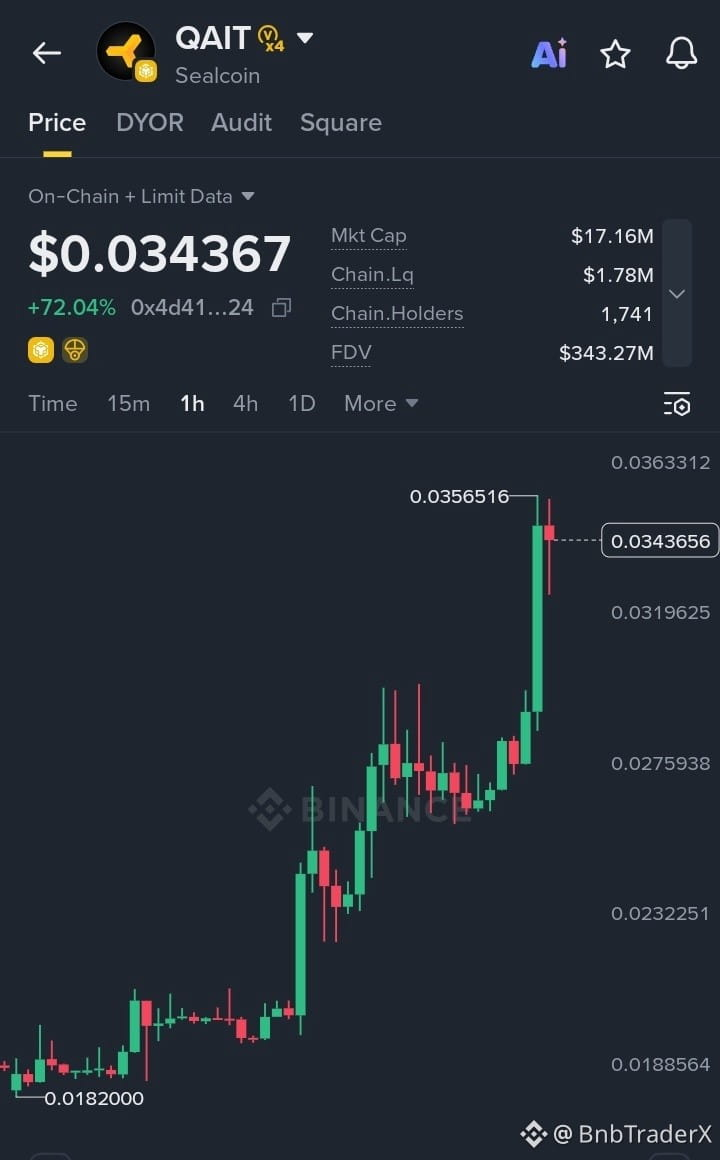
$SEAL continues to show strong bullish momentum, now trading around $0.03436 with a market cap of $17.16M and gains exceeding 72%. Liquidity remains stable at $1.78M while the project maintains a growing and active holder base. The chart structure is still forming higher highs and higher lows after a powerful breakout from the $0.018 region, indicating sustained buying pressure. If volume continues to build and market sentiment stays favorable toward AI narratives, $SEAL could be preparing for another leg higher.
Targets:
🎯 $0.050
🎯 $0.075
🎯 $0.100
#SEAL #Sealcoin #DeFi #BullRun
$SEAL continues to show strong bullish momentum, now trading around $0.03436 with a market cap of $17.16M and gains exceeding 72%. Liquidity remains stable at $1.78M while the project maintains a growing and active holder base. The chart structure is still forming higher highs and higher lows after a powerful breakout from the $0.018 region, indicating sustained buying pressure. If volume continues to build and market sentiment stays favorable toward AI narratives, $SEAL could be preparing for another leg higher.
Targets:
🎯 $0.050
🎯 $0.075
🎯 $0.100
#SEAL #Sealcoin #DeFi #BullRun
Targets:
🎯 $0.050
🎯 $0.075
🎯 $0.100
#SEAL #Sealcoin #DeFi #BullRun
2
325

·
--
ເບິ່ງການແປ
Sui has introduced Seal - a powerful programmable access layer for data, AI, and digital assets.
Developers can now flexibly build custom trust models using independent key servers, an MPC committee, or a hybrid approach. This unlocks secure, encrypted interactions across AI, data, and on-chain assets with strong privacy guarantees.
A big step for decentralized applications that need both security and usability.
{spot}(SUIUSDT)
$SUI #AI #Sui #Seal #CoinVahini #DeFi
Sui has introduced Seal - a powerful programmable access layer for data, AI, and digital assets.
Developers can now flexibly build custom trust models using independent key servers, an MPC committee, or a hybrid approach. This unlocks secure, encrypted interactions across AI, data, and on-chain assets with strong privacy guarantees.
A big step for decentralized applications that need both security and usability.
$SUI #AI #Sui #Seal #CoinVahini #DeFi
Developers can now flexibly build custom trust models using independent key servers, an MPC committee, or a hybrid approach. This unlocks secure, encrypted interactions across AI, data, and on-chain assets with strong privacy guarantees.
A big step for decentralized applications that need both security and usability.
$SUI #AI #Sui #Seal #CoinVahini #DeFi
75

·
--
Sui mainnet ຮັບການອັບເກຣດພື້ນຖານທີ່ສຳຄັນອີກຂັ້ນ—Seal MPC ເປີດໃຊ້ຢ່າງເປັນທາງການ.
ໃນຖານະຊັ້ນການເຂົ້າເຖິງແບບຕັ້ງໂປຣແກຣມ (programmable) ທີ່ສຸ່ມໃສ່ຂໍ້ມູນ, AI ແລະສິນຊັບດິຈິຕອນ, ຄັ້ງນີ້ Seal ໄດ້ສົ່ງເລືອກ 3 ຢ່າງໃຫ້ນັກພັດທະນາ: ເຊີບເວີ key ສ່ວນຕົວ, ຄະນະ MPC, ຫຼື ການຈັດແບບປະສົມລວມທັງສອງ. ຢູ່ພາຍໃຕ້ຄວາມຍືດຫຍຸ່ນນັ້ນ ແມ່ນສົມມຸດຄວາມໄວ້ວາງໃຈ (trust) ທີ່ເຂັ້ມແຂງກວ່າ—ທ່ານສາມາດກຳນົດຂອບເຂດຄວາມປອດໄພຂອງຕົນເອງ ຕາມສະຖານະການນຳໃຊ້.
ຄະນະ MPC ຊຸດແລກຂອງ mainnet ໃຊ້ແຜນການ threshold 5-of-8, ແລະລາຍຊື່ຜູ້ດຳເນີນຈຸດ (node operators) ກໍໜ້າຈັບຕາຫຼາຍ: Mysten Labs, Unconfirmed Labs, H2O Nodes, Ruby Nodes, Natsai, Triton One, Nodeinfra ແລະ OverclockSol. ແປດຝ່າຍປະກອບອຳນາດ, ບໍ່ມີທາງໃດທີ່ຝ່າຍສາມຂ້າງຈະຮ່ວມກັນສົນນາໃຫ້ປົດລັອກ key ໄດ້.
ເປັນຫຍັງເລື່ອງນີ້ຄວນສົນໃຈ?
ໃນຂະນະທີ່ສະຖານະການເຊັ່ນ AI ໃນເຊນ (on-chain), privacy computing ແລະການ custody ສິນຊັບລັບ (confidential assets) ກຳລັງຮ້ອນແຮງ, ການຈັດການ key ຈຸດດຽວ (single-key management) ກໍບໍ່ພໍອີກຕໍ່ໄປ. ຮູບແບບ MPC ຄະນະ ແຈກຢາຍຄວາມໄວ້ວາງໃຈໄປຍັງຜູ້ດຳເນີນການທີ່ແຍກຕ່າງຫາກຫຼາຍກວ່າ, ແລະການຈັດແບບປະສົມຍັງເຮັດໃຫ້ໂຄງການຊອກຫາຈຸດດຸນລະຫວ່າງຄວາມແບ່ງສ່ວນແບບກະຈາຍ (decentralization) ແລະສະມັດທະພາບ (performance).
ສຳລັບຊິວະບົດຂອງ $SUI , ນີ້ແມ່ນກ້າວໜຶ່ງຈາກ “ສິນຊັບ (assets) ແບບຕັ້ງໂປຣແກຣມ” ໄປສູ່ “ການຄວບຄຸມການເຂົ້າເຖິງ (access control) ແບບຕັ້ງໂປຣແກຣມ”. ເມື່ອຊັ້ນ access ໜາຂຶ້ນ, ຂອບເຂດຂອງແອັບພລິເຄຊັນທີ່ສາມາດງອກອອກຈາກຂ້າງເທິງກໍຈະກວ້າງຂຶ້ນເອງ.
ຕໍ່ໄປທີ່ຄວນສັງເກດ: ຈະມີໂຄງການໃໝ່ຈຳນວນເທົ່າໃດຈະສ້າງຂຶ້ນໂດຍອີງໃສ່ Seal, ແລະ ຈຳນວນ node ຂອງຄະນະ (committee) ຈະເພີ່ມຂະໜາດຕື່ມອີກບໍ.
#Sui #Seal #MPC
Sui mainnet ຮັບການອັບເກຣດພື້ນຖານທີ່ສຳຄັນອີກຂັ້ນ—Seal MPC ເປີດໃຊ້ຢ່າງເປັນທາງການ.
ໃນຖານະຊັ້ນການເຂົ້າເຖິງແບບຕັ້ງໂປຣແກຣມ (programmable) ທີ່ສຸ່ມໃສ່ຂໍ້ມູນ, AI ແລະສິນຊັບດິຈິຕອນ, ຄັ້ງນີ້ Seal ໄດ້ສົ່ງເລືອກ 3 ຢ່າງໃຫ້ນັກພັດທະນາ: ເຊີບເວີ key ສ່ວນຕົວ, ຄະນະ MPC, ຫຼື ການຈັດແບບປະສົມລວມທັງສອງ. ຢູ່ພາຍໃຕ້ຄວາມຍືດຫຍຸ່ນນັ້ນ ແມ່ນສົມມຸດຄວາມໄວ້ວາງໃຈ (trust) ທີ່ເຂັ້ມແຂງກວ່າ—ທ່ານສາມາດກຳນົດຂອບເຂດຄວາມປອດໄພຂອງຕົນເອງ ຕາມສະຖານະການນຳໃຊ້.
ຄະນະ MPC ຊຸດແລກຂອງ mainnet ໃຊ້ແຜນການ threshold 5-of-8, ແລະລາຍຊື່ຜູ້ດຳເນີນຈຸດ (node operators) ກໍໜ້າຈັບຕາຫຼາຍ: Mysten Labs, Unconfirmed Labs, H2O Nodes, Ruby Nodes, Natsai, Triton One, Nodeinfra ແລະ OverclockSol. ແປດຝ່າຍປະກອບອຳນາດ, ບໍ່ມີທາງໃດທີ່ຝ່າຍສາມຂ້າງຈະຮ່ວມກັນສົນນາໃຫ້ປົດລັອກ key ໄດ້.
ເປັນຫຍັງເລື່ອງນີ້ຄວນສົນໃຈ?
ໃນຂະນະທີ່ສະຖານະການເຊັ່ນ AI ໃນເຊນ (on-chain), privacy computing ແລະການ custody ສິນຊັບລັບ (confidential assets) ກຳລັງຮ້ອນແຮງ, ການຈັດການ key ຈຸດດຽວ (single-key management) ກໍບໍ່ພໍອີກຕໍ່ໄປ. ຮູບແບບ MPC ຄະນະ ແຈກຢາຍຄວາມໄວ້ວາງໃຈໄປຍັງຜູ້ດຳເນີນການທີ່ແຍກຕ່າງຫາກຫຼາຍກວ່າ, ແລະການຈັດແບບປະສົມຍັງເຮັດໃຫ້ໂຄງການຊອກຫາຈຸດດຸນລະຫວ່າງຄວາມແບ່ງສ່ວນແບບກະຈາຍ (decentralization) ແລະສະມັດທະພາບ (performance).
ສຳລັບຊິວະບົດຂອງ $SUI , ນີ້ແມ່ນກ້າວໜຶ່ງຈາກ “ສິນຊັບ (assets) ແບບຕັ້ງໂປຣແກຣມ” ໄປສູ່ “ການຄວບຄຸມການເຂົ້າເຖິງ (access control) ແບບຕັ້ງໂປຣແກຣມ”. ເມື່ອຊັ້ນ access ໜາຂຶ້ນ, ຂອບເຂດຂອງແອັບພລິເຄຊັນທີ່ສາມາດງອກອອກຈາກຂ້າງເທິງກໍຈະກວ້າງຂຶ້ນເອງ.
ຕໍ່ໄປທີ່ຄວນສັງເກດ: ຈະມີໂຄງການໃໝ່ຈຳນວນເທົ່າໃດຈະສ້າງຂຶ້ນໂດຍອີງໃສ່ Seal, ແລະ ຈຳນວນ node ຂອງຄະນະ (committee) ຈະເພີ່ມຂະໜາດຕື່ມອີກບໍ.
#Sui #Seal #MPC
ໃນຖານະຊັ້ນການເຂົ້າເຖິງແບບຕັ້ງໂປຣແກຣມ (programmable) ທີ່ສຸ່ມໃສ່ຂໍ້ມູນ, AI ແລະສິນຊັບດິຈິຕອນ, ຄັ້ງນີ້ Seal ໄດ້ສົ່ງເລືອກ 3 ຢ່າງໃຫ້ນັກພັດທະນາ: ເຊີບເວີ key ສ່ວນຕົວ, ຄະນະ MPC, ຫຼື ການຈັດແບບປະສົມລວມທັງສອງ. ຢູ່ພາຍໃຕ້ຄວາມຍືດຫຍຸ່ນນັ້ນ ແມ່ນສົມມຸດຄວາມໄວ້ວາງໃຈ (trust) ທີ່ເຂັ້ມແຂງກວ່າ—ທ່ານສາມາດກຳນົດຂອບເຂດຄວາມປອດໄພຂອງຕົນເອງ ຕາມສະຖານະການນຳໃຊ້.
ຄະນະ MPC ຊຸດແລກຂອງ mainnet ໃຊ້ແຜນການ threshold 5-of-8, ແລະລາຍຊື່ຜູ້ດຳເນີນຈຸດ (node operators) ກໍໜ້າຈັບຕາຫຼາຍ: Mysten Labs, Unconfirmed Labs, H2O Nodes, Ruby Nodes, Natsai, Triton One, Nodeinfra ແລະ OverclockSol. ແປດຝ່າຍປະກອບອຳນາດ, ບໍ່ມີທາງໃດທີ່ຝ່າຍສາມຂ້າງຈະຮ່ວມກັນສົນນາໃຫ້ປົດລັອກ key ໄດ້.
ເປັນຫຍັງເລື່ອງນີ້ຄວນສົນໃຈ?
ໃນຂະນະທີ່ສະຖານະການເຊັ່ນ AI ໃນເຊນ (on-chain), privacy computing ແລະການ custody ສິນຊັບລັບ (confidential assets) ກຳລັງຮ້ອນແຮງ, ການຈັດການ key ຈຸດດຽວ (single-key management) ກໍບໍ່ພໍອີກຕໍ່ໄປ. ຮູບແບບ MPC ຄະນະ ແຈກຢາຍຄວາມໄວ້ວາງໃຈໄປຍັງຜູ້ດຳເນີນການທີ່ແຍກຕ່າງຫາກຫຼາຍກວ່າ, ແລະການຈັດແບບປະສົມຍັງເຮັດໃຫ້ໂຄງການຊອກຫາຈຸດດຸນລະຫວ່າງຄວາມແບ່ງສ່ວນແບບກະຈາຍ (decentralization) ແລະສະມັດທະພາບ (performance).
ສຳລັບຊິວະບົດຂອງ $SUI , ນີ້ແມ່ນກ້າວໜຶ່ງຈາກ “ສິນຊັບ (assets) ແບບຕັ້ງໂປຣແກຣມ” ໄປສູ່ “ການຄວບຄຸມການເຂົ້າເຖິງ (access control) ແບບຕັ້ງໂປຣແກຣມ”. ເມື່ອຊັ້ນ access ໜາຂຶ້ນ, ຂອບເຂດຂອງແອັບພລິເຄຊັນທີ່ສາມາດງອກອອກຈາກຂ້າງເທິງກໍຈະກວ້າງຂຶ້ນເອງ.
ຕໍ່ໄປທີ່ຄວນສັງເກດ: ຈະມີໂຄງການໃໝ່ຈຳນວນເທົ່າໃດຈະສ້າງຂຶ້ນໂດຍອີງໃສ່ Seal, ແລະ ຈຳນວນ node ຂອງຄະນະ (committee) ຈະເພີ່ມຂະໜາດຕື່ມອີກບໍ.
#Sui #Seal #MPC
193

·
--

ບົດຄວາມ
ເບິ່ງການແປ
Scammers Steal Over $400,000 Via Fake Uniswap Google AdsScammers have stolen at least $400,000 by promoting fake Uniswap sites through Google sponsored ads.
Google Search phishing attacks have surged since March, with attackers often buying or compromising ads.
This signals ongoing DeFi interfaces risks as phishing attacks targeting popular protocols intensify.
Scammers have stolen at least $400,000 through fake Uniswap Google Ads. The stolen funds reportedly came from users who were redirected to phishing sites impersonating Uniswap after clicking sponsored Google ads.
Scammers Steal Over $400K Via Google Sponsored Ads
On May 25, 2026, on-chain analyst b-block issued a community warning that scammers were actively draining funds through a phishing website impersonating Uniswap. The attackers had stolen over $400,000, including at least 146.6 Ethereum (ETH), as well as other tokens and cross-chain assets. The stolen funds were traced to two addresses, including:
0x37925684BA178821b4436E06e67f5dBD6cfA49Bb
0x2fC25F46cC49D226eF92E9A7665f3d2821F3c5E2
Meanwhile, the Security Alliance (SEAL) previously said Google Search phishing campaigns have risen sharply since March, with attackers often buying ads or compromising legitimate ad accounts to impersonate popular crypto protocols.
How Fake Uniswap Google Ads Enabled the Phishing Scam
Notably, the scammers purchased sponsored ad placements on Google that appeared at the top of search results for “Uniswap.” When users clicked these ads, they were directed to counterfeit websites that closely impersonated the legitimate Uniswap interface.
The fake sites tricked users into connecting their crypto wallets and approving transactions. Behind the scenes, these approvals triggered malicious drainer contracts that transferred funds directly to the attackers.
What’s the Impact on DeFi User Trust and Security?
This incident highlights growing concerns around DeFi user trust and security. Users now view even major DeFi platforms as vulnerable to discovery-layer exploits, accelerating distrust in centralized discovery tools and prompting many to favor Centralized Exchanges (CEXs) over self-custodial solutions.
From a security perspective, the incident underscores a critical evolution in threat vectors, from on-chain exploits to off-chain interface attacks. Wallet drainers that leverage social engineering through paid search results expose the fragility of user-facing entry points. Even with secure underlying protocols, irreversible transaction approvals continue to represent the highest risk surface, demanding heightened user vigilance and improved wallet-level safeguards.
Looking ahead, this could accelerate adoption of domain authentication tools, browser extensions with real-time artificial intelligence (AI) scam detection, and greater industry pressure on ad platforms for rigorous vetting. Projects will prioritize direct onboarding channels and education campaigns, while decentralized discovery mechanisms gain traction. However, sustained attacks may persist until search giants implement crypto-specific controls, keeping onboarding friction elevated and institutional trust recovery gradual.
Related: Fake Google Ads Drain Trader’s Portfolio; Uniswap Founder Calls for Action
#UNIUSDT
#seal #Ethereum
#HYPEHitsATHAbove$64
#SpainBlocksPolymarketKalshi
Scammers Steal Over $400,000 Via Fake Uniswap Google Ads
Scammers have stolen at least $400,000 by promoting fake Uniswap sites through Google sponsored ads.
Google Search phishing attacks have surged since March, with attackers often buying or compromising ads.
This signals ongoing DeFi interfaces risks as phishing attacks targeting popular protocols intensify.
Scammers have stolen at least $400,000 through fake Uniswap Google Ads. The stolen funds reportedly came from users who were redirected to phishing sites impersonating Uniswap after clicking sponsored Google ads.
Scammers Steal Over $400K Via Google Sponsored Ads
On May 25, 2026, on-chain analyst b-block issued a community warning that scammers were actively draining funds through a phishing website impersonating Uniswap. The attackers had stolen over $400,000, including at least 146.6 Ethereum (ETH), as well as other tokens and cross-chain assets. The stolen funds were traced to two addresses, including:
0x37925684BA178821b4436E06e67f5dBD6cfA49Bb
0x2fC25F46cC49D226eF92E9A7665f3d2821F3c5E2
Meanwhile, the Security Alliance (SEAL) previously said Google Search phishing campaigns have risen sharply since March, with attackers often buying ads or compromising legitimate ad accounts to impersonate popular crypto protocols.
How Fake Uniswap Google Ads Enabled the Phishing Scam
Notably, the scammers purchased sponsored ad placements on Google that appeared at the top of search results for “Uniswap.” When users clicked these ads, they were directed to counterfeit websites that closely impersonated the legitimate Uniswap interface.
The fake sites tricked users into connecting their crypto wallets and approving transactions. Behind the scenes, these approvals triggered malicious drainer contracts that transferred funds directly to the attackers.
What’s the Impact on DeFi User Trust and Security?
This incident highlights growing concerns around DeFi user trust and security. Users now view even major DeFi platforms as vulnerable to discovery-layer exploits, accelerating distrust in centralized discovery tools and prompting many to favor Centralized Exchanges (CEXs) over self-custodial solutions.
From a security perspective, the incident underscores a critical evolution in threat vectors, from on-chain exploits to off-chain interface attacks. Wallet drainers that leverage social engineering through paid search results expose the fragility of user-facing entry points. Even with secure underlying protocols, irreversible transaction approvals continue to represent the highest risk surface, demanding heightened user vigilance and improved wallet-level safeguards.
Looking ahead, this could accelerate adoption of domain authentication tools, browser extensions with real-time artificial intelligence (AI) scam detection, and greater industry pressure on ad platforms for rigorous vetting. Projects will prioritize direct onboarding channels and education campaigns, while decentralized discovery mechanisms gain traction. However, sustained attacks may persist until search giants implement crypto-specific controls, keeping onboarding friction elevated and institutional trust recovery gradual.
Related: Fake Google Ads Drain Trader’s Portfolio; Uniswap Founder Calls for Action
#UNIUSDT
#seal #Ethereum
#HYPEHitsATHAbove$64
#SpainBlocksPolymarketKalshi
Google Search phishing attacks have surged since March, with attackers often buying or compromising ads.
This signals ongoing DeFi interfaces risks as phishing attacks targeting popular protocols intensify.
Scammers have stolen at least $400,000 through fake Uniswap Google Ads. The stolen funds reportedly came from users who were redirected to phishing sites impersonating Uniswap after clicking sponsored Google ads.
Scammers Steal Over $400K Via Google Sponsored Ads
On May 25, 2026, on-chain analyst b-block issued a community warning that scammers were actively draining funds through a phishing website impersonating Uniswap. The attackers had stolen over $400,000, including at least 146.6 Ethereum (ETH), as well as other tokens and cross-chain assets. The stolen funds were traced to two addresses, including:
0x37925684BA178821b4436E06e67f5dBD6cfA49Bb
0x2fC25F46cC49D226eF92E9A7665f3d2821F3c5E2
Meanwhile, the Security Alliance (SEAL) previously said Google Search phishing campaigns have risen sharply since March, with attackers often buying ads or compromising legitimate ad accounts to impersonate popular crypto protocols.
How Fake Uniswap Google Ads Enabled the Phishing Scam
Notably, the scammers purchased sponsored ad placements on Google that appeared at the top of search results for “Uniswap.” When users clicked these ads, they were directed to counterfeit websites that closely impersonated the legitimate Uniswap interface.
The fake sites tricked users into connecting their crypto wallets and approving transactions. Behind the scenes, these approvals triggered malicious drainer contracts that transferred funds directly to the attackers.
What’s the Impact on DeFi User Trust and Security?
This incident highlights growing concerns around DeFi user trust and security. Users now view even major DeFi platforms as vulnerable to discovery-layer exploits, accelerating distrust in centralized discovery tools and prompting many to favor Centralized Exchanges (CEXs) over self-custodial solutions.
From a security perspective, the incident underscores a critical evolution in threat vectors, from on-chain exploits to off-chain interface attacks. Wallet drainers that leverage social engineering through paid search results expose the fragility of user-facing entry points. Even with secure underlying protocols, irreversible transaction approvals continue to represent the highest risk surface, demanding heightened user vigilance and improved wallet-level safeguards.
Looking ahead, this could accelerate adoption of domain authentication tools, browser extensions with real-time artificial intelligence (AI) scam detection, and greater industry pressure on ad platforms for rigorous vetting. Projects will prioritize direct onboarding channels and education campaigns, while decentralized discovery mechanisms gain traction. However, sustained attacks may persist until search giants implement crypto-specific controls, keeping onboarding friction elevated and institutional trust recovery gradual.
Related: Fake Google Ads Drain Trader’s Portfolio; Uniswap Founder Calls for Action
#UNIUSDT
#seal #Ethereum
#HYPEHitsATHAbove$64
#SpainBlocksPolymarketKalshi
95
ເຂົ້າສູ່ລະບົບເພື່ອສຳຫຼວດເນື້ອຫາເພີ່ມເຕີມ
ເຂົ້າຮ່ວມກຸ່ມຜູ້ໃຊ້ຄຣິບໂຕທົ່ວໂລກໃນ Binance Square.
⚡️ ໄດ້ຮັບຂໍ້ມູນຫຼ້າສຸດ ແລະ ທີ່ມີປະໂຫຍດກ່ຽວກັບຄຣິບໂຕ.
💬 ໄດ້ຮັບຄວາມໄວ້ວາງໃຈຈາກຕະຫຼາດແລກປ່ຽນຄຣິບໂຕທີ່ໃຫຍ່ທີ່ສຸດໃນໂລກ.
👍 ຄົ້ນຫາຂໍ້ມູນເຊີງເລິກທີ່ແທ້ຈາກນັກສ້າງທີ່ໄດ້ຮັບການຢືນຢັນ.
ອີເມວ / ເບີໂທລະສັບ
ຫົວຂໍ້ທີ່ກໍາລັງນິຍົມ
1
#CPIWatch
86M views
498,214 ກຳລັງສົນທະນາ
2
#CryptoSectorsFallSecondDay
2,353 views
130 ກຳລັງສົນທະນາ
3
#BitcoinGoldenCrossConfirms
4,650 views
179 ກຳລັງສົນທະນາ
4
#AppleRises3.56%AfterIPhoneDuoLaunch
736 views
34 ກຳລັງສົນທະນາ
5
#US10YTreasuryYieldHitsHighestSinceOct2023
865 views
34 ກຳລັງສົນທະນາ
6
#Top7AssetsHold92.1%OfCryptoTop100
3,234 views
91 ກຳລັງສົນທະນາ
7
#SaudiCrudeOutputHitsLowestSince1990
3,207 views
84 ກຳລັງສົນທະນາ
8
#IranBlocksStraitOfHormuz
4,635 views
118 ກຳລັງສົນທະນາ
9
#伊朗封锁霍尔木兹海峡
3,216 views
35 ກຳລັງສົນທະນາ
10
#USAugustPPIRisesLessThanExpected
92,313 views
1,135 ກຳລັງສົນທະນາ