

#cryptoportfolio
cryptoportfolio
415,584 ຄັ້ງທີ່ເບິ່ງ
1,030 ກຳລັງສົນທະນາ
ມາແຮງ
ຫຼ້າສຸດ

·
--
A hypothetical $1,000 altcoin portfolio for the next market cycle.
Here is one possible allocation:
$LINK — 30% ($300)
$ADA — 25% ($250)
$NEAR — 25% ($250)
$ARB — 20% ($200)
Why this mix?
LINK: Oracle infrastructure
ADA: Smart-contract ecosystem
NEAR: Blockchain infrastructure
ARB: Ethereum scaling
The allocation is an example for discussion, not personalized investment advice.
Before buying, I would compare current valuations, unlock schedules, adoption and downside risk.
How would you change this portfolio?
#CryptoPortfolio #Altcoins #dyor
A hypothetical $1,000 altcoin portfolio for the next market cycle.
Here is one possible allocation:
$LINK — 30% ($300)
$ADA — 25% ($250)
$NEAR — 25% ($250)
$ARB — 20% ($200)
Why this mix?
LINK: Oracle infrastructure
ADA: Smart-contract ecosystem
NEAR: Blockchain infrastructure
ARB: Ethereum scaling
The allocation is an example for discussion, not personalized investment advice.
Before buying, I would compare current valuations, unlock schedules, adoption and downside risk.
How would you change this portfolio?
#CryptoPortfolio #Altcoins #dyor
Here is one possible allocation:
$LINK — 30% ($300)
$ADA — 25% ($250)
$NEAR — 25% ($250)
$ARB — 20% ($200)
Why this mix?
LINK: Oracle infrastructure
ADA: Smart-contract ecosystem
NEAR: Blockchain infrastructure
ARB: Ethereum scaling
The allocation is an example for discussion, not personalized investment advice.
Before buying, I would compare current valuations, unlock schedules, adoption and downside risk.
How would you change this portfolio?
#CryptoPortfolio #Altcoins #dyor

54

·
--
How would you approach a $100 monthly crypto investing challenge?
Here is a hypothetical allocation for discussion:
$BTC — 40%
$ETH — 30%
$LTC — 15%
$ADA — 15%
Monthly contribution: $100
The idea is to spread exposure across four established crypto assets instead of relying on one speculative altcoin.
There is no guaranteed return, and even this allocation can experience substantial losses. The right mix depends on risk tolerance and time horizon.
Would you change these percentages? What would your allocation look like?
#CryptoPortfolio #DCA #Bitcoin
How would you approach a $100 monthly crypto investing challenge?
Here is a hypothetical allocation for discussion:
$BTC — 40%
$ETH — 30%
$LTC — 15%
$ADA — 15%
Monthly contribution: $100
The idea is to spread exposure across four established crypto assets instead of relying on one speculative altcoin.
There is no guaranteed return, and even this allocation can experience substantial losses. The right mix depends on risk tolerance and time horizon.
Would you change these percentages? What would your allocation look like?
#CryptoPortfolio #DCA #Bitcoin
Here is a hypothetical allocation for discussion:
$BTC — 40%
$ETH — 30%
$LTC — 15%
$ADA — 15%
Monthly contribution: $100
The idea is to spread exposure across four established crypto assets instead of relying on one speculative altcoin.
There is no guaranteed return, and even this allocation can experience substantial losses. The right mix depends on risk tolerance and time horizon.
Would you change these percentages? What would your allocation look like?
#CryptoPortfolio #DCA #Bitcoin

186
🤖 BINANCE AI PRO DECODED #5: I THOUGHT 40 COINS MEANT DIVERSIFICATION. AI HAD OTHER PLANS. 👀
I challenged Binance AI Pro to audit my visible Spot wallet.
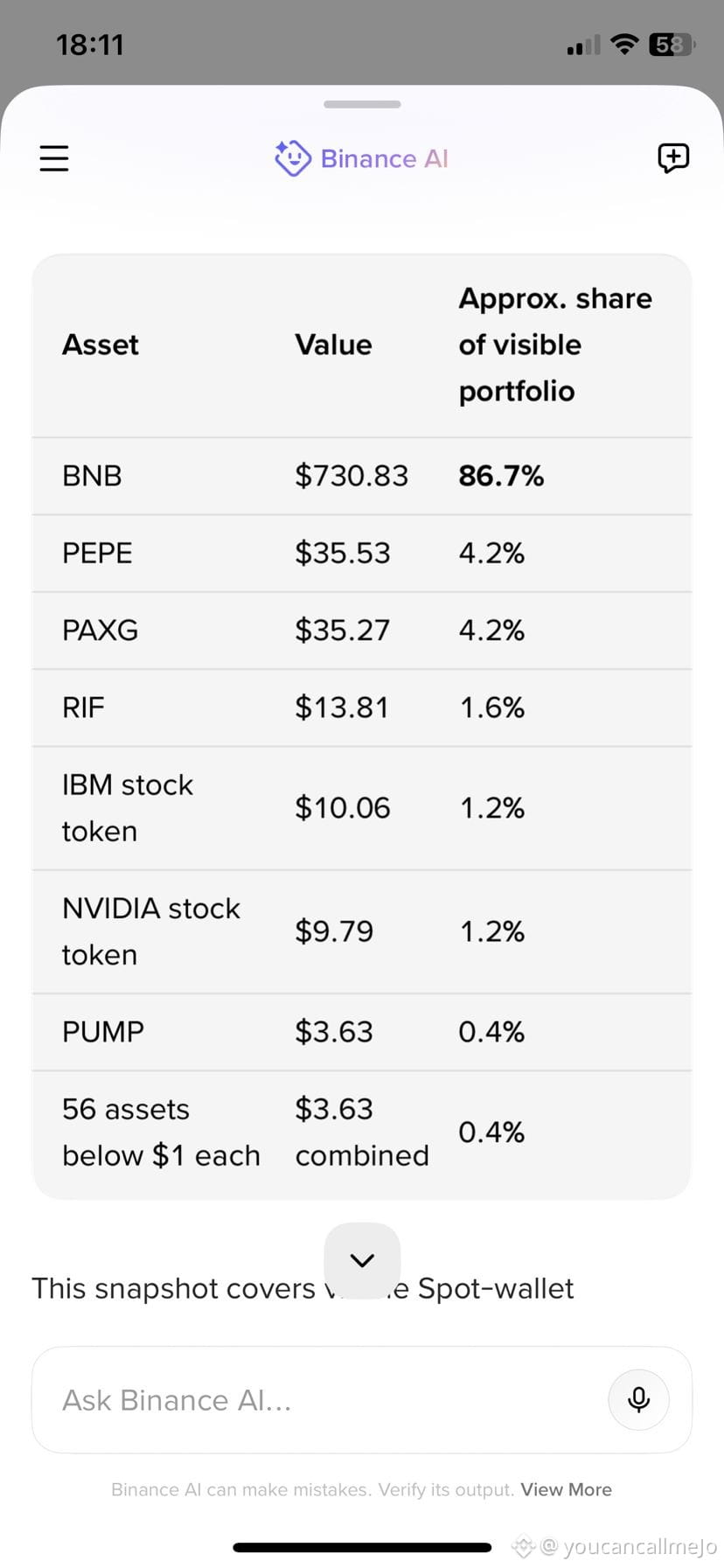
The result? My portfolio was worth $842.56, and BNB alone accounted for 86.7% of it.
Let that sink in.
I could own dozens of tokens, but if one asset dominates my portfolio, my risk is still heavily concentrated.
Here’s what AI highlighted:
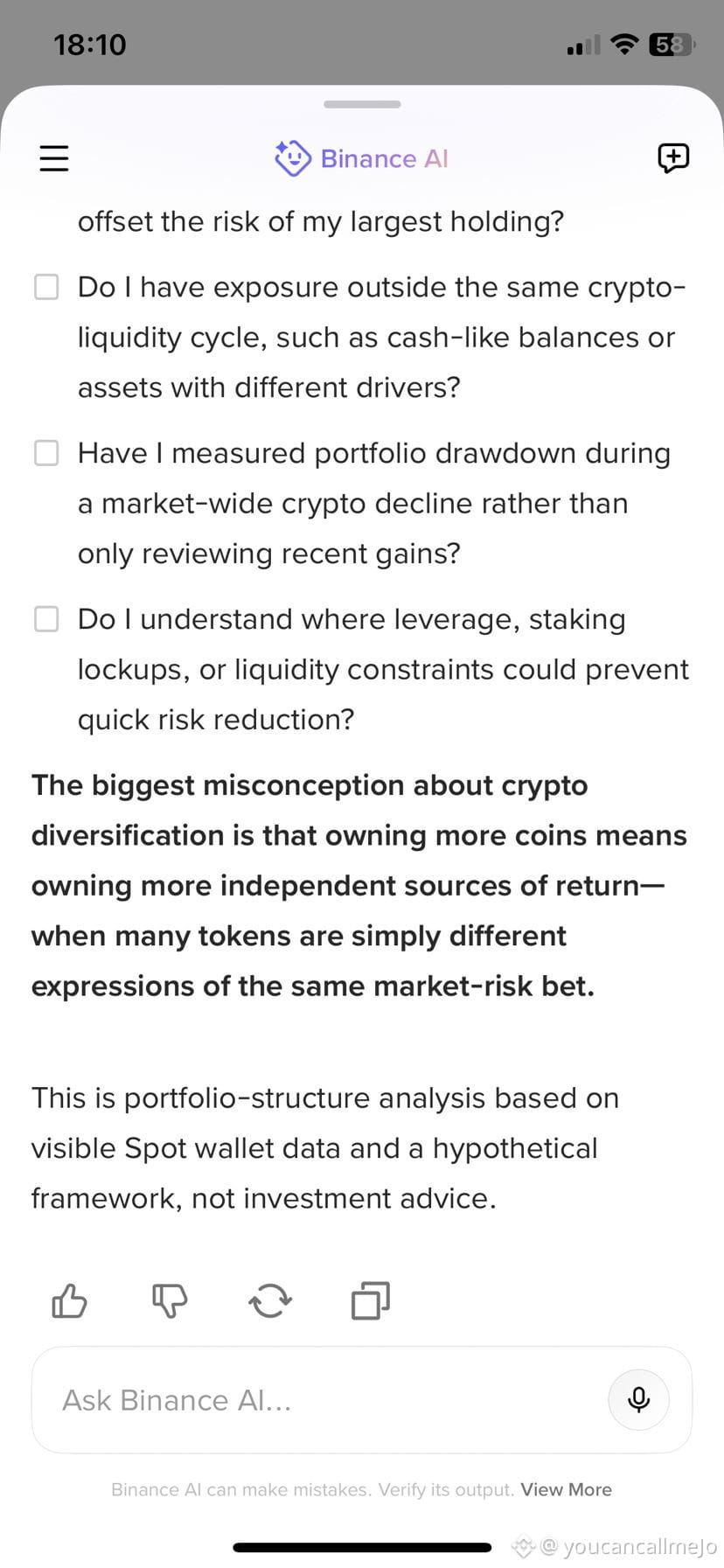
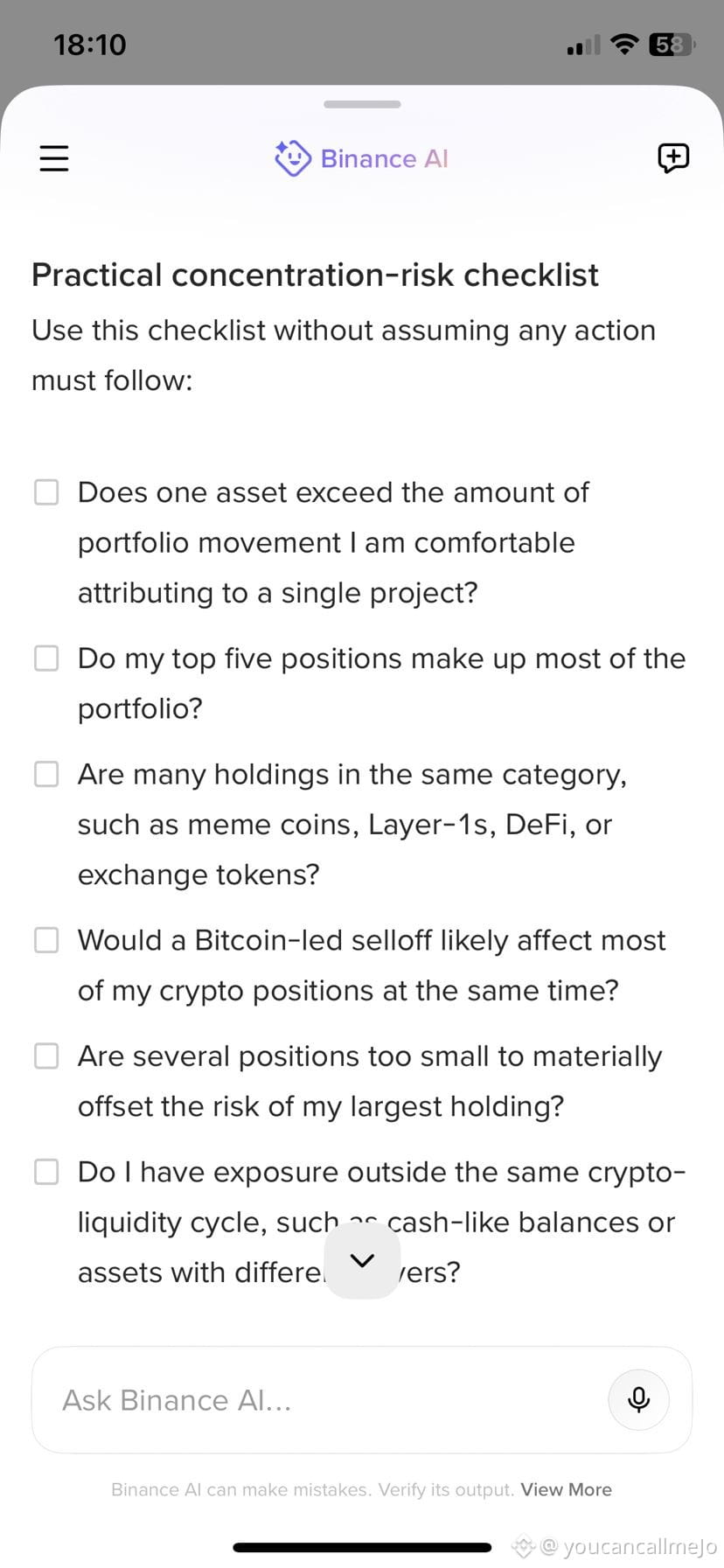
📊 Coin count ≠ diversification. Different tokens can share the same underlying market risks.
📉 Bitcoin matters. A sharp BTC selloff can drag down multiple altcoins together.
⚠️ Tiny positions don’t change much. Holding dozens of assets worth less than $1 each doesn’t meaningfully offset a dominant position.
🧠 Real diversification means understanding risk drivers, not collecting tickers.
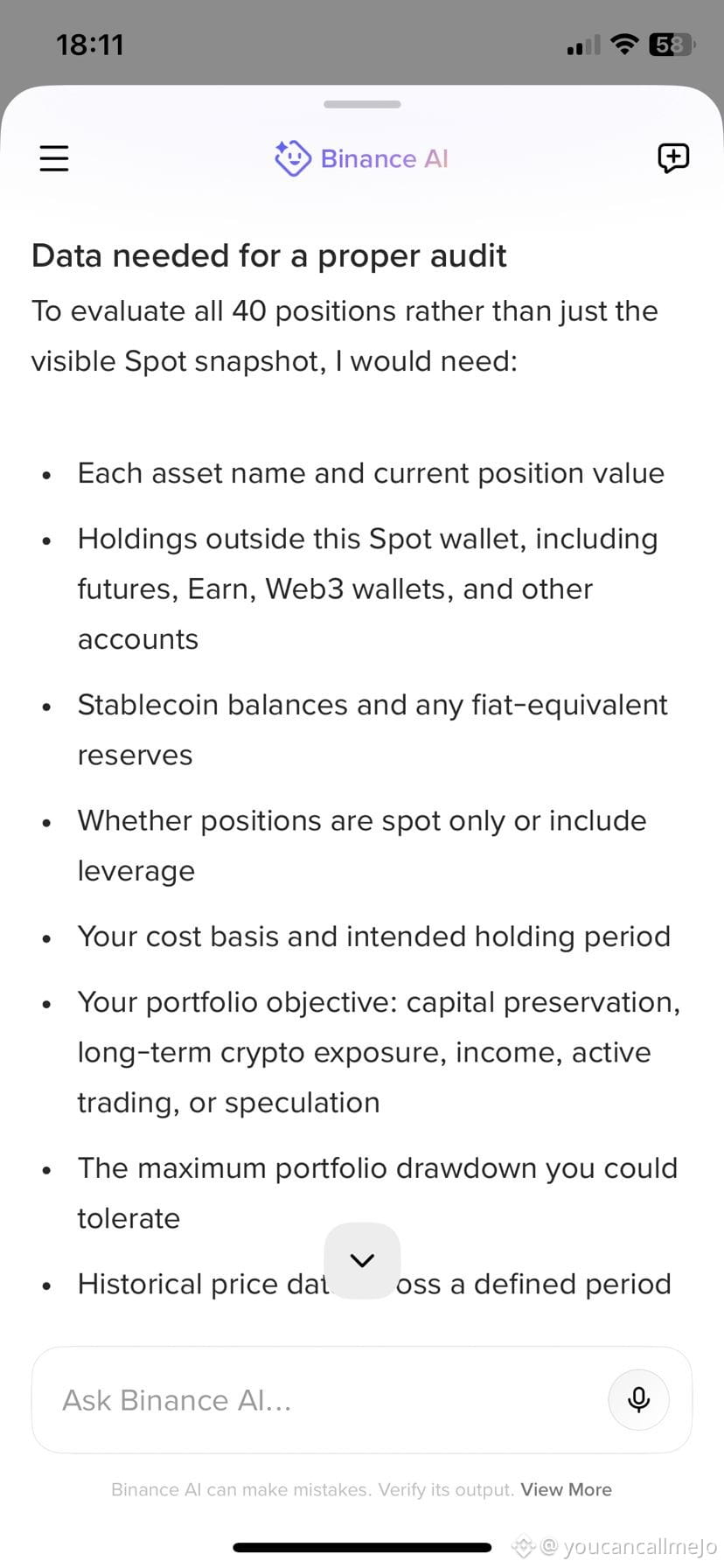
One important limitation: this analysis covered visible Spot balances, not my entire financial exposure or the measured historical correlations of every holding.
Joey’s takeaway: Don’t ask how many coins you own. Ask what percentage of your portfolio depends on the same market outcome.
#BinanceAI #CryptoPortfolio #Diversification #RiskManagement
🤖 BINANCE AI PRO DECODED #5: I THOUGHT 40 COINS MEANT DIVERSIFICATION. AI HAD OTHER PLANS. 👀
I challenged Binance AI Pro to audit my visible Spot wallet.
The result? My portfolio was worth $842.56, and BNB alone accounted for 86.7% of it.
Let that sink in.
I could own dozens of tokens, but if one asset dominates my portfolio, my risk is still heavily concentrated.
Here’s what AI highlighted:
📊 Coin count ≠ diversification. Different tokens can share the same underlying market risks.
📉 Bitcoin matters. A sharp BTC selloff can drag down multiple altcoins together.
⚠️ Tiny positions don’t change much. Holding dozens of assets worth less than $1 each doesn’t meaningfully offset a dominant position.
🧠 Real diversification means understanding risk drivers, not collecting tickers.
One important limitation: this analysis covered visible Spot balances, not my entire financial exposure or the measured historical correlations of every holding.
Joey’s takeaway: Don’t ask how many coins you own. Ask what percentage of your portfolio depends on the same market outcome.
#BinanceAI #CryptoPortfolio #Diversification #RiskManagement
I challenged Binance AI Pro to audit my visible Spot wallet.
The result? My portfolio was worth $842.56, and BNB alone accounted for 86.7% of it.
Let that sink in.
I could own dozens of tokens, but if one asset dominates my portfolio, my risk is still heavily concentrated.
Here’s what AI highlighted:
📊 Coin count ≠ diversification. Different tokens can share the same underlying market risks.
📉 Bitcoin matters. A sharp BTC selloff can drag down multiple altcoins together.
⚠️ Tiny positions don’t change much. Holding dozens of assets worth less than $1 each doesn’t meaningfully offset a dominant position.
🧠 Real diversification means understanding risk drivers, not collecting tickers.
One important limitation: this analysis covered visible Spot balances, not my entire financial exposure or the measured historical correlations of every holding.
Joey’s takeaway: Don’t ask how many coins you own. Ask what percentage of your portfolio depends on the same market outcome.
#BinanceAI #CryptoPortfolio #Diversification #RiskManagement
1
3
272

·
--
Diversified Top Tokens
Leading tokens by market cap ($BTC , $ETH , $BNB , SOL, XRP and others) are often used in diversified frameworks for broader ecosystem exposure.
Typical smart strategies keep the largest share in BTC/ETH and allocate smaller portions to other high-liquidity assets.
Portfolio plans on Binance support multi-token recurring buys.
#CryptoPortfolio #SOL #BNB #XRP
Diversified Top Tokens
Leading tokens by market cap ($BTC , $ETH , $BNB , SOL, XRP and others) are often used in diversified frameworks for broader ecosystem exposure.
Typical smart strategies keep the largest share in BTC/ETH and allocate smaller portions to other high-liquidity assets.
Portfolio plans on Binance support multi-token recurring buys.
#CryptoPortfolio #SOL #BNB #XRP
Leading tokens by market cap ($BTC , $ETH , $BNB , SOL, XRP and others) are often used in diversified frameworks for broader ecosystem exposure.
Typical smart strategies keep the largest share in BTC/ETH and allocate smaller portions to other high-liquidity assets.
Portfolio plans on Binance support multi-token recurring buys.
#CryptoPortfolio #SOL #BNB #XRP
142

·
--
Most crypto portfolios fail not from bad picks — but from bad rebalancing discipline.
Here's what separates durable portfolios from ones that evaporate in downturns:
The best operators treat stablecoins as a *strategic asset*, not just idle cash. A 15–25% stablecoin reserve isn't underperformance — it's dry powder. When $BTC corrects 20–30% and the crowd panics, those stables become the most valuable position you hold.
Rebalancing mechanics matter too. Most people rebalance emotionally ("it dropped, let me cut"). Disciplined rebalancers set thresholds: if $ETH grows from 30% to 45% of the portfolio, trim back to target weight. This forces selling strength and buying weakness — structurally.
For multi-asset books with $BNB exposure, volatility-weighted sizing keeps blowup risk proportional. A 4x-vol altcoin deserves half the notional of a 2x-vol large cap, even if the thesis is equally strong.
The goal isn't to maximize bull-run gains. It's to survive bear markets with enough capital to deploy when the cycle resets.
Stablecoins are the bridge between cycles. Respect them.
#CryptoPortfolio #RiskManagement #DeFi #CryptoStrategy #Binance
Most crypto portfolios fail not from bad picks — but from bad rebalancing discipline.
Here's what separates durable portfolios from ones that evaporate in downturns:
The best operators treat stablecoins as a *strategic asset*, not just idle cash. A 15–25% stablecoin reserve isn't underperformance — it's dry powder. When $BTC corrects 20–30% and the crowd panics, those stables become the most valuable position you hold.
Rebalancing mechanics matter too. Most people rebalance emotionally ("it dropped, let me cut"). Disciplined rebalancers set thresholds: if $ETH grows from 30% to 45% of the portfolio, trim back to target weight. This forces selling strength and buying weakness — structurally.
For multi-asset books with $BNB exposure, volatility-weighted sizing keeps blowup risk proportional. A 4x-vol altcoin deserves half the notional of a 2x-vol large cap, even if the thesis is equally strong.
The goal isn't to maximize bull-run gains. It's to survive bear markets with enough capital to deploy when the cycle resets.
Stablecoins are the bridge between cycles. Respect them.
#CryptoPortfolio #RiskManagement #DeFi #CryptoStrategy #Binance
Here's what separates durable portfolios from ones that evaporate in downturns:
The best operators treat stablecoins as a *strategic asset*, not just idle cash. A 15–25% stablecoin reserve isn't underperformance — it's dry powder. When $BTC corrects 20–30% and the crowd panics, those stables become the most valuable position you hold.
Rebalancing mechanics matter too. Most people rebalance emotionally ("it dropped, let me cut"). Disciplined rebalancers set thresholds: if $ETH grows from 30% to 45% of the portfolio, trim back to target weight. This forces selling strength and buying weakness — structurally.
For multi-asset books with $BNB exposure, volatility-weighted sizing keeps blowup risk proportional. A 4x-vol altcoin deserves half the notional of a 2x-vol large cap, even if the thesis is equally strong.
The goal isn't to maximize bull-run gains. It's to survive bear markets with enough capital to deploy when the cycle resets.
Stablecoins are the bridge between cycles. Respect them.
#CryptoPortfolio #RiskManagement #DeFi #CryptoStrategy #Binance
44
·
--
Portfolio concentration is crypto's most underestimated risk — and most traders find out the hard way.
Running 60–80% of capital in two or three altcoins feels like conviction. It is actually correlated exposure. In a risk-off rotation, altcoins rarely decouple from $BTC — they fall together, often harder. Concentration amplifies a single thesis bet, not multiple independent ones.
A more resilient framework:
1. Treat $BTC as your base layer. 40–50% allocation anchors the portfolio to the highest-liquidity, lowest-volatility asset in the space. It also benefits most from institutional inflows.
2. Tier your altcoin exposure. Layer 1s like $ETH and $BNB get larger sizing than mid-cap narratives, which get more than speculative plays. Match position size to survival probability, not return potential.
3. Rebalance on strength, not panic. Trimming a 40% winner and redistributing to laggards is painful psychology but sound math — you are selling relative overperformance and buying relative underperformance within a correlated basket.
4. Keep 10–15% in stablecoins. Dry powder is not a missed opportunity — it is optionality. The ability to add conviction during a 30–40% correction is worth more than marginal exposure during the grind up.
Concentration feels profitable in a bull market. Risk management is what lets you participate in the next one.
$BTC $ETH $BNB
#CryptoPortfolio #RiskManagement #BinanceSquare #CryptoInvesting #Altcoins
Portfolio concentration is crypto's most underestimated risk — and most traders find out the hard way.
Running 60–80% of capital in two or three altcoins feels like conviction. It is actually correlated exposure. In a risk-off rotation, altcoins rarely decouple from $BTC — they fall together, often harder. Concentration amplifies a single thesis bet, not multiple independent ones.
A more resilient framework:
1. Treat $BTC as your base layer. 40–50% allocation anchors the portfolio to the highest-liquidity, lowest-volatility asset in the space. It also benefits most from institutional inflows.
2. Tier your altcoin exposure. Layer 1s like $ETH and $BNB get larger sizing than mid-cap narratives, which get more than speculative plays. Match position size to survival probability, not return potential.
3. Rebalance on strength, not panic. Trimming a 40% winner and redistributing to laggards is painful psychology but sound math — you are selling relative overperformance and buying relative underperformance within a correlated basket.
4. Keep 10–15% in stablecoins. Dry powder is not a missed opportunity — it is optionality. The ability to add conviction during a 30–40% correction is worth more than marginal exposure during the grind up.
Concentration feels profitable in a bull market. Risk management is what lets you participate in the next one.
$BTC $ETH $BNB
#CryptoPortfolio #RiskManagement #BinanceSquare #CryptoInvesting #Altcoins
Running 60–80% of capital in two or three altcoins feels like conviction. It is actually correlated exposure. In a risk-off rotation, altcoins rarely decouple from $BTC — they fall together, often harder. Concentration amplifies a single thesis bet, not multiple independent ones.
A more resilient framework:
1. Treat $BTC as your base layer. 40–50% allocation anchors the portfolio to the highest-liquidity, lowest-volatility asset in the space. It also benefits most from institutional inflows.
2. Tier your altcoin exposure. Layer 1s like $ETH and $BNB get larger sizing than mid-cap narratives, which get more than speculative plays. Match position size to survival probability, not return potential.
3. Rebalance on strength, not panic. Trimming a 40% winner and redistributing to laggards is painful psychology but sound math — you are selling relative overperformance and buying relative underperformance within a correlated basket.
4. Keep 10–15% in stablecoins. Dry powder is not a missed opportunity — it is optionality. The ability to add conviction during a 30–40% correction is worth more than marginal exposure during the grind up.
Concentration feels profitable in a bull market. Risk management is what lets you participate in the next one.
$BTC $ETH $BNB
#CryptoPortfolio #RiskManagement #BinanceSquare #CryptoInvesting #Altcoins
107

·
--
ບົດຄວາມ
Моє правило трьох кошиків 🧩Моє правило трьох кошиків 🧩
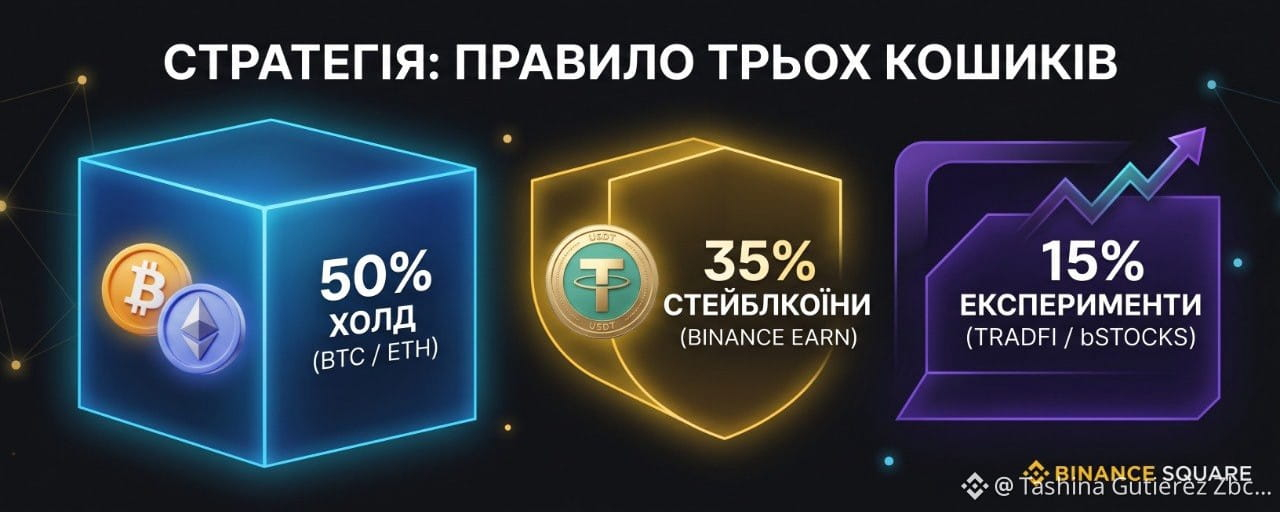
1. 50% — фундаментал (BTC, ETH) у довгостроковий холд.
2. 35% — стейблкоїни у Binance Earn як резерв під просадки.
3. 15% — ризикові експерименти, трейдинг та нові продукти bStocks/TradFi.
Такий розподіл зберігає нерви за будь-якого стану ринку.
#Strategy #CryptoPortfolio #Binance
Моє правило трьох кошиків 🧩
Моє правило трьох кошиків 🧩
1. 50% — фундаментал (BTC, ETH) у довгостроковий холд.
2. 35% — стейблкоїни у Binance Earn як резерв під просадки.
3. 15% — ризикові експерименти, трейдинг та нові продукти bStocks/TradFi.
Такий розподіл зберігає нерви за будь-якого стану ринку.
#Strategy #CryptoPortfolio #Binance
1. 50% — фундаментал (BTC, ETH) у довгостроковий холд.
2. 35% — стейблкоїни у Binance Earn як резерв під просадки.
3. 15% — ризикові експерименти, трейдинг та нові продукти bStocks/TradFi.
Такий розподіл зберігає нерви за будь-якого стану ринку.
#Strategy #CryptoPortfolio #Binance
107

·
--
📊 Crypto Portfolio Check-In 🪙
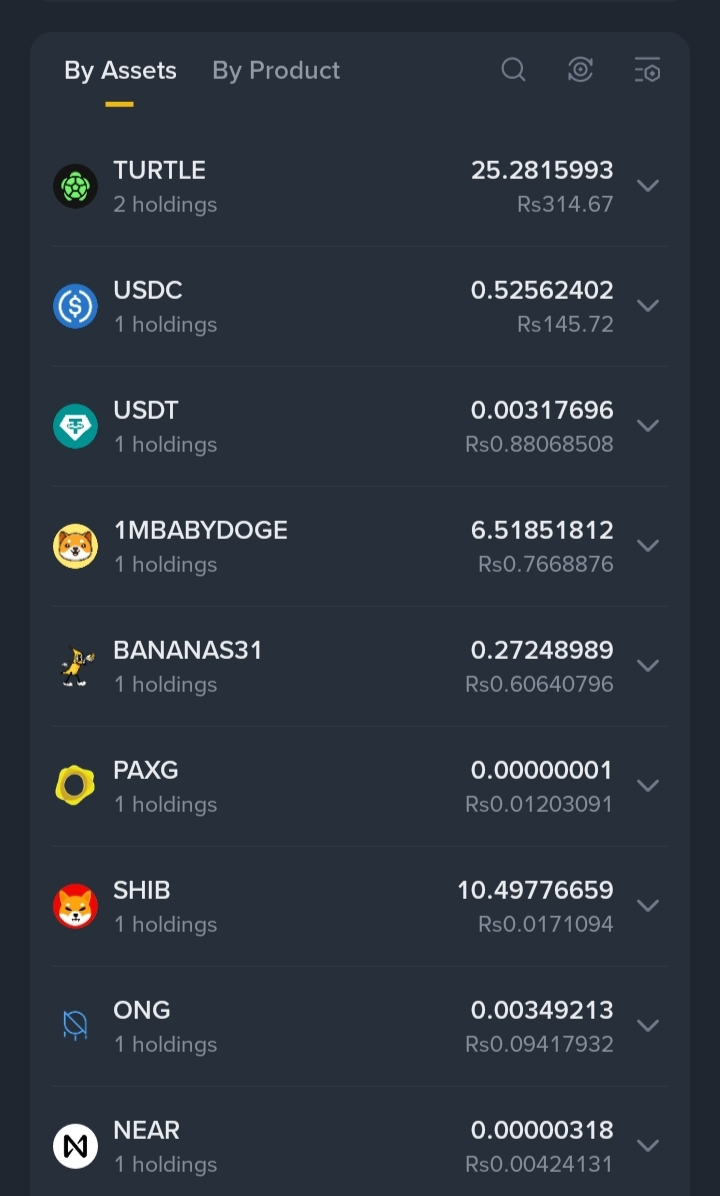
My Binance "Earn" bag today: a wild mix of blue chips and meme coin chaos 🎢
🐢 $TURTLE | 💵 $USDC & $USDT | 🐕 $BABYDOGE | 🍌 $BANANAS31 | 🥇 $PAXG | 🐕 $SHIB | ⚡ $ONG | Ⓝ NEAR
Diversified? Debatable. Entertaining? Absolutely. 😅
Not financial advice — just vibes and small bags. 📈
#Crypto #HODL #CryptoPortfolio #Altcoins
#CircleMints500MUSDCOnSolana
📊 Crypto Portfolio Check-In 🪙
My Binance "Earn" bag today: a wild mix of blue chips and meme coin chaos 🎢
🐢 $TURTLE | 💵 $USDC & $USDT | 🐕 $BABYDOGE | 🍌 $BANANAS31 | 🥇 $PAXG | 🐕 $SHIB | ⚡ $ONG | Ⓝ NEAR
Diversified? Debatable. Entertaining? Absolutely. 😅
Not financial advice — just vibes and small bags. 📈
#Crypto #HODL #CryptoPortfolio #Altcoins
#CircleMints500MUSDCOnSolana
My Binance "Earn" bag today: a wild mix of blue chips and meme coin chaos 🎢
🐢 $TURTLE | 💵 $USDC & $USDT | 🐕 $BABYDOGE | 🍌 $BANANAS31 | 🥇 $PAXG | 🐕 $SHIB | ⚡ $ONG | Ⓝ NEAR
Diversified? Debatable. Entertaining? Absolutely. 😅
Not financial advice — just vibes and small bags. 📈
#Crypto #HODL #CryptoPortfolio #Altcoins
#CircleMints500MUSDCOnSolana
488

ບົດຄວາມ
Institutional Crypto Portfolio Management: Best Practices for 2026Your 10-token crypto portfolio is one position. Here is the data.
Takeaways first:
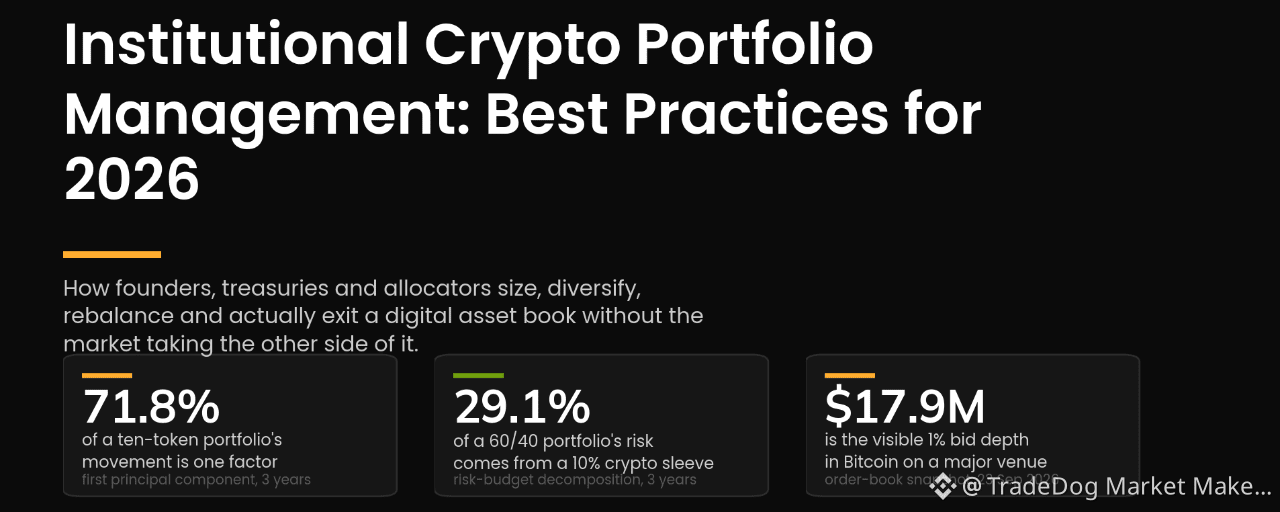
One factor explains 82.0% of the movement of ten large tokens over the past year.A 5% Bitcoin sleeve contributes 12.4% of a 60/40 portfolio’s risk. A 10% sleeve contributes 29.1%.A $50m position in Avalanche is 80.8x the entire visible 1% bid depth on a major venue.Every rebalancing rule tested beat buy and hold over three and five years. Annual won at the lowest turnover.73% of 351 institutions surveyed plan to add in 2026, and 49% have tightened risk management and position sizing.
The diversification you think you bought
TDMM measured daily closes for ten large assets on Coinbase Exchange over the year to 23 September 2026. Correlation with Bitcoin: $ETH 0.905, Solana 0.867, $XRP 0.866, Chainlink 0.840, Cardano 0.812. Even Polkadot, the loosest of the ten, was 0.636.
Run a principal component analysis and the first component explains 82.0% of the common variation. An equal-weight ten-token basket ran at 66.6% annualised volatility over three years against 47.3% for Bitcoin alone, for a diversification ratio of 1.18. You paid nineteen points of volatility for an 18% benefit.
Nine extra tokens, one bet: 82% of the movement is a single factor
And it fails when you need it. Fitted separately on up days and down days over three years, Chainlink’s beta to Bitcoin was 0.88 up and 1.37 down. XRP was 0.89 up and 1.24 down. On the 55 worst Bitcoin days, Bitcoin fell 5.22% on average and altcoins fell between 6.01% and 7.65%.
Size by risk, not by weight
Carve a Bitcoin sleeve out of a 60/40 portfolio and measure what share of portfolio risk it contributes, over three years to 23 September 2026:
1% sleeve, 1.8% of risk2% sleeve, 4.0% of risk5% sleeve, 12.4% of risk10% sleeve, 29.1% of risk
A 5% crypto sleeve is 12% of your risk. A 10% sleeve is 29%.
BlackRock reached the same shape in December 2024. That is about as close to a stable rule as this asset class offers.
The number nobody checks before buying
Order book snapshot, Coinbase Exchange, 23 September 2026 at 06:53 UTC. Value of resting buy orders within 1% of mid:
$BTC $17.88m. ETH $5.46m. SOL $3.90m. XRP $3.05m. LINK $0.79m. ADA $0.73m. AVAX $0.62m. DOT $0.33m.
How big is too big? Measure the position against the book, not the market cap.
A $50m position is 2.8x Bitcoin’s visible depth and 80.8x Avalanche’s. Cardano’s market cap was $9.7bn that day; its visible 1% bid depth was under $750,000.
One venue, one instant, and Coinbase was 1.75% of global BTC volume, so the all-venue number is a multiple. The ranking is what matters. On 10 October 2025 about $19bn of leveraged positions were liquidated in a day and open interest fell 43%. Depth is not a constant.
Working rule: participation cap of 5% to 10% of daily volume, maximum exit horizon of about twenty trading days for a satellite, multiply the two for your position limit.
Rebalancing
A 50/30/20 BTC/ETH/SOL sleeve to 23 September 2026. Over three years: buy and hold 50.4% a year at a 0.77 Sharpe; annual rebalancing 54.7% at 0.91 with 13.2% turnover; a 10% drift band 51.9% at 0.86 with 47.6% turnover. Over five years: buy and hold 7.9% at 0.06, annual 16.2% at 0.20.
Every rebalanced version beat buy and hold. The discipline pays, the frequency mostly costs.
Where it sits
More than $3.4bn was stolen between January and early December 2025, including $713m from personal wallets across about 158,000 incidents. Core with a qualified custodian. Reserves in tested multi-sig. Exchange balances as working float only, capped and swept daily. Two stablecoin issuers minimum, because one of them printed $0.65 on a single venue during the October 2025 dislocation.
Where TDMM fits
TDMM is a market maker, not an asset manager. We supply the operating layer a portfolio decision runs on: live depth and spread across 100+ venue integrations, two-sided quoting that keeps a market tradable while a book is rebalanced, cross-venue execution on one reference price, and block liquidity for the size visible depth cannot absorb. Active since 2015, $10bn+ traded, 200+ markets, 24/7 across five continents. Tradability, transparency, full lifecycle. No promises on price or volume.
Full analysis with all 19 charts is on the tdmm.io/insights/blog/
Disclaimer: Information and education only, not investment, financial, legal or tax advice. TDMM is a market maker and liquidity provider, not a registered investment adviser. Digital assets are highly volatile and can lose all value. Data captured 23 September 2026; depth measured on one venue at one instant. Backtests are hypothetical, charge no costs and do not represent actual trading. Past performance is not a reliable indicator of future results. Do your own research.
#CryptoPortfolio #InstitutionalCrypto #RiskManagement #MarketMaking #TDMM
Institutional Crypto Portfolio Management: Best Practices for 2026
Your 10-token crypto portfolio is one position. Here is the data.
Takeaways first:
One factor explains 82.0% of the movement of ten large tokens over the past year.A 5% Bitcoin sleeve contributes 12.4% of a 60/40 portfolio’s risk. A 10% sleeve contributes 29.1%.A $50m position in Avalanche is 80.8x the entire visible 1% bid depth on a major venue.Every rebalancing rule tested beat buy and hold over three and five years. Annual won at the lowest turnover.73% of 351 institutions surveyed plan to add in 2026, and 49% have tightened risk management and position sizing.
The diversification you think you bought
TDMM measured daily closes for ten large assets on Coinbase Exchange over the year to 23 September 2026. Correlation with Bitcoin: $ETH 0.905, Solana 0.867, $XRP 0.866, Chainlink 0.840, Cardano 0.812. Even Polkadot, the loosest of the ten, was 0.636.
Run a principal component analysis and the first component explains 82.0% of the common variation. An equal-weight ten-token basket ran at 66.6% annualised volatility over three years against 47.3% for Bitcoin alone, for a diversification ratio of 1.18. You paid nineteen points of volatility for an 18% benefit.
Nine extra tokens, one bet: 82% of the movement is a single factor
And it fails when you need it. Fitted separately on up days and down days over three years, Chainlink’s beta to Bitcoin was 0.88 up and 1.37 down. XRP was 0.89 up and 1.24 down. On the 55 worst Bitcoin days, Bitcoin fell 5.22% on average and altcoins fell between 6.01% and 7.65%.
Size by risk, not by weight
Carve a Bitcoin sleeve out of a 60/40 portfolio and measure what share of portfolio risk it contributes, over three years to 23 September 2026:
1% sleeve, 1.8% of risk2% sleeve, 4.0% of risk5% sleeve, 12.4% of risk10% sleeve, 29.1% of risk
A 5% crypto sleeve is 12% of your risk. A 10% sleeve is 29%.
BlackRock reached the same shape in December 2024. That is about as close to a stable rule as this asset class offers.
The number nobody checks before buying
Order book snapshot, Coinbase Exchange, 23 September 2026 at 06:53 UTC. Value of resting buy orders within 1% of mid:
$BTC $17.88m. ETH $5.46m. SOL $3.90m. XRP $3.05m. LINK $0.79m. ADA $0.73m. AVAX $0.62m. DOT $0.33m.
How big is too big? Measure the position against the book, not the market cap.
A $50m position is 2.8x Bitcoin’s visible depth and 80.8x Avalanche’s. Cardano’s market cap was $9.7bn that day; its visible 1% bid depth was under $750,000.
One venue, one instant, and Coinbase was 1.75% of global BTC volume, so the all-venue number is a multiple. The ranking is what matters. On 10 October 2025 about $19bn of leveraged positions were liquidated in a day and open interest fell 43%. Depth is not a constant.
Working rule: participation cap of 5% to 10% of daily volume, maximum exit horizon of about twenty trading days for a satellite, multiply the two for your position limit.
Rebalancing
A 50/30/20 BTC/ETH/SOL sleeve to 23 September 2026. Over three years: buy and hold 50.4% a year at a 0.77 Sharpe; annual rebalancing 54.7% at 0.91 with 13.2% turnover; a 10% drift band 51.9% at 0.86 with 47.6% turnover. Over five years: buy and hold 7.9% at 0.06, annual 16.2% at 0.20.
Every rebalanced version beat buy and hold. The discipline pays, the frequency mostly costs.
Where it sits
More than $3.4bn was stolen between January and early December 2025, including $713m from personal wallets across about 158,000 incidents. Core with a qualified custodian. Reserves in tested multi-sig. Exchange balances as working float only, capped and swept daily. Two stablecoin issuers minimum, because one of them printed $0.65 on a single venue during the October 2025 dislocation.
Where TDMM fits
TDMM is a market maker, not an asset manager. We supply the operating layer a portfolio decision runs on: live depth and spread across 100+ venue integrations, two-sided quoting that keeps a market tradable while a book is rebalanced, cross-venue execution on one reference price, and block liquidity for the size visible depth cannot absorb. Active since 2015, $10bn+ traded, 200+ markets, 24/7 across five continents. Tradability, transparency, full lifecycle. No promises on price or volume.
Full analysis with all 19 charts is on the tdmm.io/insights/blog/
Disclaimer: Information and education only, not investment, financial, legal or tax advice. TDMM is a market maker and liquidity provider, not a registered investment adviser. Digital assets are highly volatile and can lose all value. Data captured 23 September 2026; depth measured on one venue at one instant. Backtests are hypothetical, charge no costs and do not represent actual trading. Past performance is not a reliable indicator of future results. Do your own research.
#CryptoPortfolio #InstitutionalCrypto #RiskManagement #MarketMaking #TDMM
Takeaways first:
One factor explains 82.0% of the movement of ten large tokens over the past year.A 5% Bitcoin sleeve contributes 12.4% of a 60/40 portfolio’s risk. A 10% sleeve contributes 29.1%.A $50m position in Avalanche is 80.8x the entire visible 1% bid depth on a major venue.Every rebalancing rule tested beat buy and hold over three and five years. Annual won at the lowest turnover.73% of 351 institutions surveyed plan to add in 2026, and 49% have tightened risk management and position sizing.
The diversification you think you bought
TDMM measured daily closes for ten large assets on Coinbase Exchange over the year to 23 September 2026. Correlation with Bitcoin: $ETH 0.905, Solana 0.867, $XRP 0.866, Chainlink 0.840, Cardano 0.812. Even Polkadot, the loosest of the ten, was 0.636.
Run a principal component analysis and the first component explains 82.0% of the common variation. An equal-weight ten-token basket ran at 66.6% annualised volatility over three years against 47.3% for Bitcoin alone, for a diversification ratio of 1.18. You paid nineteen points of volatility for an 18% benefit.
Nine extra tokens, one bet: 82% of the movement is a single factor
And it fails when you need it. Fitted separately on up days and down days over three years, Chainlink’s beta to Bitcoin was 0.88 up and 1.37 down. XRP was 0.89 up and 1.24 down. On the 55 worst Bitcoin days, Bitcoin fell 5.22% on average and altcoins fell between 6.01% and 7.65%.
Size by risk, not by weight
Carve a Bitcoin sleeve out of a 60/40 portfolio and measure what share of portfolio risk it contributes, over three years to 23 September 2026:
1% sleeve, 1.8% of risk2% sleeve, 4.0% of risk5% sleeve, 12.4% of risk10% sleeve, 29.1% of risk
A 5% crypto sleeve is 12% of your risk. A 10% sleeve is 29%.
BlackRock reached the same shape in December 2024. That is about as close to a stable rule as this asset class offers.
The number nobody checks before buying
Order book snapshot, Coinbase Exchange, 23 September 2026 at 06:53 UTC. Value of resting buy orders within 1% of mid:
$BTC $17.88m. ETH $5.46m. SOL $3.90m. XRP $3.05m. LINK $0.79m. ADA $0.73m. AVAX $0.62m. DOT $0.33m.
How big is too big? Measure the position against the book, not the market cap.
A $50m position is 2.8x Bitcoin’s visible depth and 80.8x Avalanche’s. Cardano’s market cap was $9.7bn that day; its visible 1% bid depth was under $750,000.
One venue, one instant, and Coinbase was 1.75% of global BTC volume, so the all-venue number is a multiple. The ranking is what matters. On 10 October 2025 about $19bn of leveraged positions were liquidated in a day and open interest fell 43%. Depth is not a constant.
Working rule: participation cap of 5% to 10% of daily volume, maximum exit horizon of about twenty trading days for a satellite, multiply the two for your position limit.
Rebalancing
A 50/30/20 BTC/ETH/SOL sleeve to 23 September 2026. Over three years: buy and hold 50.4% a year at a 0.77 Sharpe; annual rebalancing 54.7% at 0.91 with 13.2% turnover; a 10% drift band 51.9% at 0.86 with 47.6% turnover. Over five years: buy and hold 7.9% at 0.06, annual 16.2% at 0.20.
Every rebalanced version beat buy and hold. The discipline pays, the frequency mostly costs.
Where it sits
More than $3.4bn was stolen between January and early December 2025, including $713m from personal wallets across about 158,000 incidents. Core with a qualified custodian. Reserves in tested multi-sig. Exchange balances as working float only, capped and swept daily. Two stablecoin issuers minimum, because one of them printed $0.65 on a single venue during the October 2025 dislocation.
Where TDMM fits
TDMM is a market maker, not an asset manager. We supply the operating layer a portfolio decision runs on: live depth and spread across 100+ venue integrations, two-sided quoting that keeps a market tradable while a book is rebalanced, cross-venue execution on one reference price, and block liquidity for the size visible depth cannot absorb. Active since 2015, $10bn+ traded, 200+ markets, 24/7 across five continents. Tradability, transparency, full lifecycle. No promises on price or volume.
Full analysis with all 19 charts is on the tdmm.io/insights/blog/
Disclaimer: Information and education only, not investment, financial, legal or tax advice. TDMM is a market maker and liquidity provider, not a registered investment adviser. Digital assets are highly volatile and can lose all value. Data captured 23 September 2026; depth measured on one venue at one instant. Backtests are hypothetical, charge no costs and do not represent actual trading. Past performance is not a reliable indicator of future results. Do your own research.
#CryptoPortfolio #InstitutionalCrypto #RiskManagement #MarketMaking #TDMM
5
957

ບົດຄວາມ
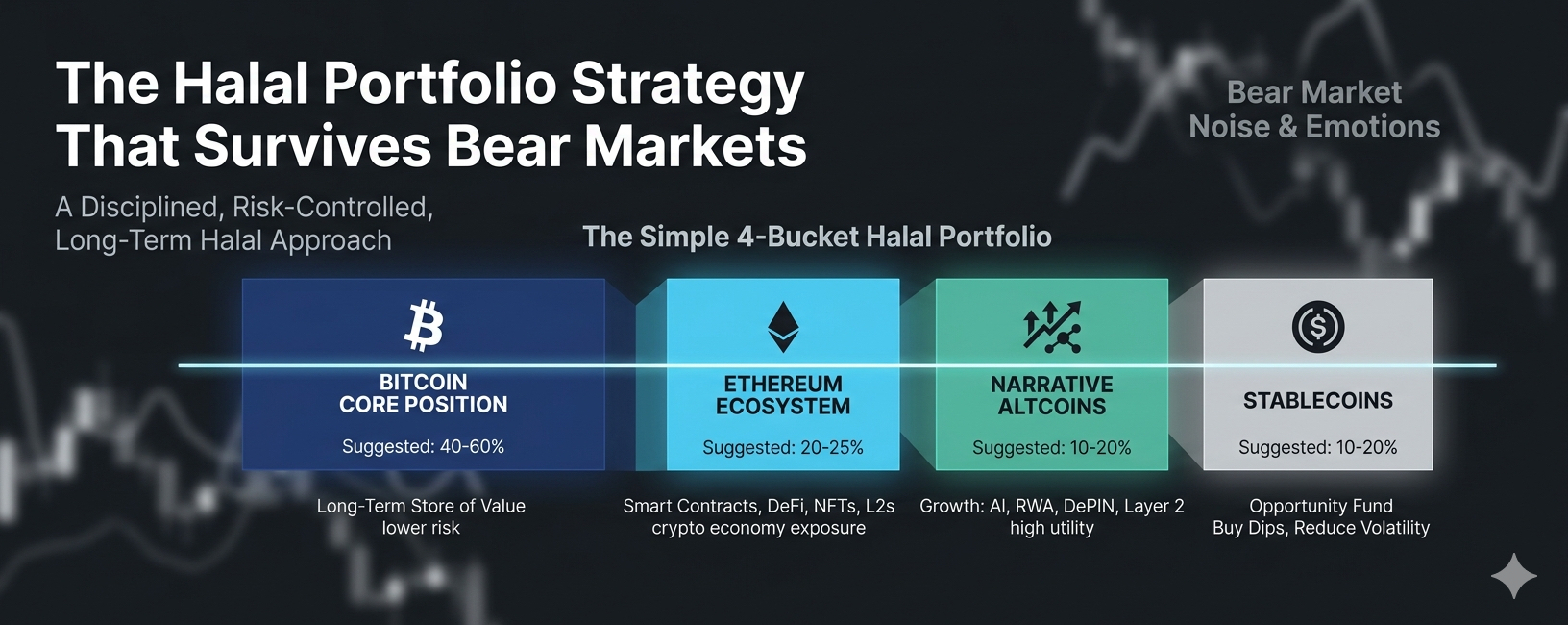
The Halal Portfolio Strategy That Survives Bear MarketsBear markets destroy emotional investors.
But disciplined investors quietly build wealth.
This article explains a simple halal portfolio structure many traders ignore.
Why most portfolios fail
Most beginners hold
Too many coins
Too much risk
Too much emotion
A halal approach focuses on
Risk control
Real utility
Long-term thinking
The simple 4-bucket halal portfolio
Bucket 1 — Bitcoin core position
Purpose: long term store of value
Bitcoin acts as the foundation of a crypto portfolio.
Lower risk compared to altcoins.
Suggested share
40 to 60 percent
Bucket 2 — Ethereum ecosystem
Purpose: smart contract economy exposure
Ethereum powers DeFi, NFTs and Layer 2 networks.
This gives exposure to the crypto economy.
Suggested share
20 to 25 percent
Bucket 3 — Narrative altcoins
Purpose: growth
Focus on strong narratives
AI
RWA
DePIN
Layer 2
Suggested share
10 to 20 percent
Bucket 4 — Stablecoins
Purpose: opportunity fund
Used to buy dips and reduce volatility.
Suggested share
10 to 20 percent
Why this structure works
Reduces emotional decisions
Keeps cash for opportunities
Balances risk and growth
Halal reminder
Avoid leverage
Avoid hype trading
Invest gradually
Stay patient
Wealth in crypto is built slowly.
#CryptoPortfolio #HalalInvesting #Bitcoin #Ethereum #LongTerm
The Halal Portfolio Strategy That Survives Bear Markets
Bear markets destroy emotional investors.
But disciplined investors quietly build wealth.
This article explains a simple halal portfolio structure many traders ignore.
Why most portfolios fail
Most beginners hold
Too many coins
Too much risk
Too much emotion
A halal approach focuses on
Risk control
Real utility
Long-term thinking
The simple 4-bucket halal portfolio
Bucket 1 — Bitcoin core position
Purpose: long term store of value
Bitcoin acts as the foundation of a crypto portfolio.
Lower risk compared to altcoins.
Suggested share
40 to 60 percent
Bucket 2 — Ethereum ecosystem
Purpose: smart contract economy exposure
Ethereum powers DeFi, NFTs and Layer 2 networks.
This gives exposure to the crypto economy.
Suggested share
20 to 25 percent
Bucket 3 — Narrative altcoins
Purpose: growth
Focus on strong narratives
AI
RWA
DePIN
Layer 2
Suggested share
10 to 20 percent
Bucket 4 — Stablecoins
Purpose: opportunity fund
Used to buy dips and reduce volatility.
Suggested share
10 to 20 percent
Why this structure works
Reduces emotional decisions
Keeps cash for opportunities
Balances risk and growth
Halal reminder
Avoid leverage
Avoid hype trading
Invest gradually
Stay patient
Wealth in crypto is built slowly.
#CryptoPortfolio #HalalInvesting #Bitcoin #Ethereum #LongTerm
But disciplined investors quietly build wealth.
This article explains a simple halal portfolio structure many traders ignore.
Why most portfolios fail
Most beginners hold
Too many coins
Too much risk
Too much emotion
A halal approach focuses on
Risk control
Real utility
Long-term thinking
The simple 4-bucket halal portfolio
Bucket 1 — Bitcoin core position
Purpose: long term store of value
Bitcoin acts as the foundation of a crypto portfolio.
Lower risk compared to altcoins.
Suggested share
40 to 60 percent
Bucket 2 — Ethereum ecosystem
Purpose: smart contract economy exposure
Ethereum powers DeFi, NFTs and Layer 2 networks.
This gives exposure to the crypto economy.
Suggested share
20 to 25 percent
Bucket 3 — Narrative altcoins
Purpose: growth
Focus on strong narratives
AI
RWA
DePIN
Layer 2
Suggested share
10 to 20 percent
Bucket 4 — Stablecoins
Purpose: opportunity fund
Used to buy dips and reduce volatility.
Suggested share
10 to 20 percent
Why this structure works
Reduces emotional decisions
Keeps cash for opportunities
Balances risk and growth
Halal reminder
Avoid leverage
Avoid hype trading
Invest gradually
Stay patient
Wealth in crypto is built slowly.
#CryptoPortfolio #HalalInvesting #Bitcoin #Ethereum #LongTerm
121

·
--
$ETH LEADS MY 2026 ALTCOIN PORTFOLIO — HERE'S THE FULL LIST 💎
$ETH , $BNB , $SOL , $XRP , $SUI , $XMR , $ASTER , $TON , $HYPE , $NEAR , $XLM , $ADA , $SEI — these are the assets I believe have the deepest liquidity and most resilient structure for the next cycle. Each one shows strong order flow on the weekly, with clear support zones that have held through multiple sweeps.
The common thread is utility and adoption. Scalability, privacy, or real-world integration — every coin here serves a specific liquidity pool that institutions are already building around. What should I add to the list?
Not financial advice. Always manage your risk.
#ETH #AltcoinWatch #CryptoPortfolio #HODL
💎
$ETH LEADS MY 2026 ALTCOIN PORTFOLIO — HERE'S THE FULL LIST 💎
$ETH , $BNB , $SOL , $XRP , $SUI , $XMR , $ASTER , $TON , $HYPE , $NEAR , $XLM , $ADA , $SEI — these are the assets I believe have the deepest liquidity and most resilient structure for the next cycle. Each one shows strong order flow on the weekly, with clear support zones that have held through multiple sweeps.
The common thread is utility and adoption. Scalability, privacy, or real-world integration — every coin here serves a specific liquidity pool that institutions are already building around. What should I add to the list?
Not financial advice. Always manage your risk.
#ETH #AltcoinWatch #CryptoPortfolio #HODL
💎
$ETH , $BNB , $SOL , $XRP , $SUI , $XMR , $ASTER , $TON , $HYPE , $NEAR , $XLM , $ADA , $SEI — these are the assets I believe have the deepest liquidity and most resilient structure for the next cycle. Each one shows strong order flow on the weekly, with clear support zones that have held through multiple sweeps.
The common thread is utility and adoption. Scalability, privacy, or real-world integration — every coin here serves a specific liquidity pool that institutions are already building around. What should I add to the list?
Not financial advice. Always manage your risk.
#ETH #AltcoinWatch #CryptoPortfolio #HODL
💎

152

·
--
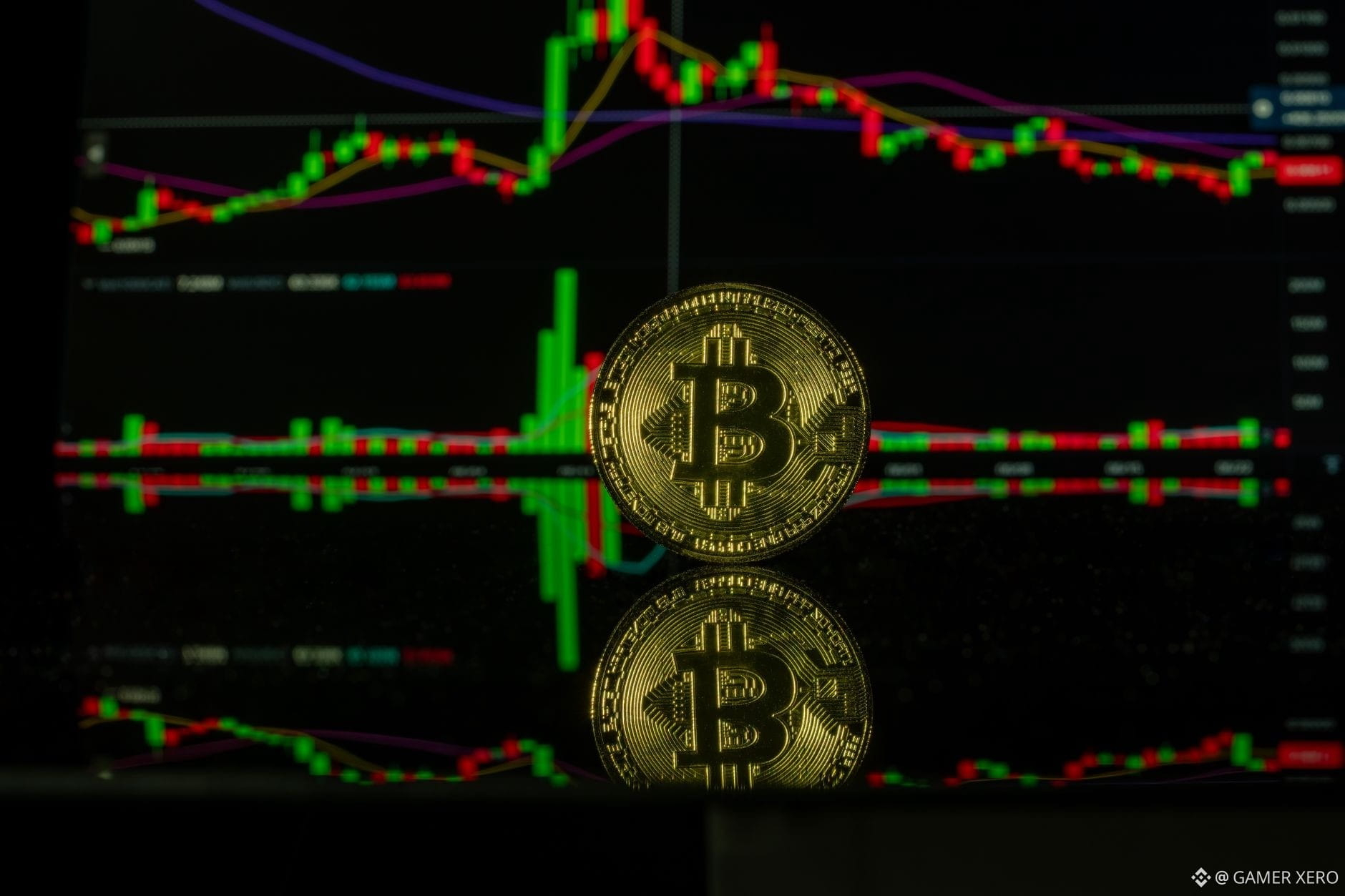
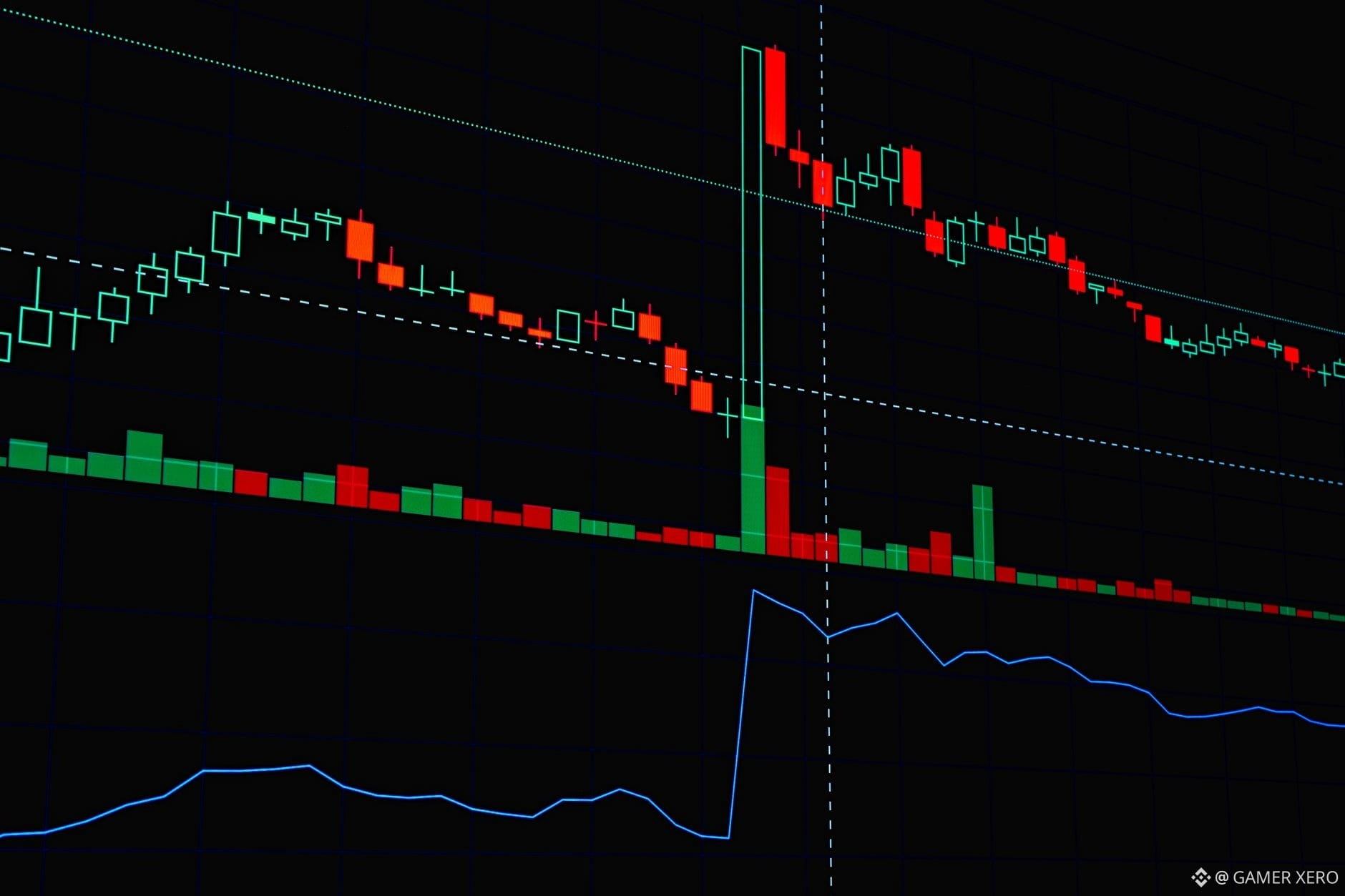
Seeing $BTC sit at $63,595 on Binance while $ETH hovers around $1,886, I’m reminded how a single‑asset focus can inflate volatility exposure. A practical way to keep portfolio risk in check is to set an explicit exposure cap per asset – for example, no more than 20 % of total capital in any one coin. That means if you have $10,000 allocated, the $BTC position should stay under $2,000, regardless of short‑term price swings.
Finally, size each entry to volatility. Calculate the 24‑hour average true range (ATR) – for $BTC it’s roughly $1,190 (high‑low) and for $ETH about $52. Set your position size so that a single ATR move would not exceed 1 % of your account. This “volatility‑adjusted sizing” keeps drawdowns manageable and makes recovery math straightforward: a 10 % loss on a 1 % risk per trade implies you’d need about ten winning trades to break even, assuming similar risk.
What methods do you use to balance exposure limits and volatility sizing in a tight market?
#RiskManagement #CryptoPortfolio #Diversification #GAMERXERO
Seeing $BTC sit at $63,595 on Binance while $ETH hovers around $1,886, I’m reminded how a single‑asset focus can inflate volatility exposure. A practical way to keep portfolio risk in check is to set an explicit exposure cap per asset – for example, no more than 20 % of total capital in any one coin. That means if you have $10,000 allocated, the $BTC position should stay under $2,000, regardless of short‑term price swings.
Finally, size each entry to volatility. Calculate the 24‑hour average true range (ATR) – for $BTC it’s roughly $1,190 (high‑low) and for $ETH about $52. Set your position size so that a single ATR move would not exceed 1 % of your account. This “volatility‑adjusted sizing” keeps drawdowns manageable and makes recovery math straightforward: a 10 % loss on a 1 % risk per trade implies you’d need about ten winning trades to break even, assuming similar risk.
What methods do you use to balance exposure limits and volatility sizing in a tight market?
#RiskManagement #CryptoPortfolio #Diversification #GAMERXERO
Finally, size each entry to volatility. Calculate the 24‑hour average true range (ATR) – for $BTC it’s roughly $1,190 (high‑low) and for $ETH about $52. Set your position size so that a single ATR move would not exceed 1 % of your account. This “volatility‑adjusted sizing” keeps drawdowns manageable and makes recovery math straightforward: a 10 % loss on a 1 % risk per trade implies you’d need about ten winning trades to break even, assuming similar risk.
What methods do you use to balance exposure limits and volatility sizing in a tight market?
#RiskManagement #CryptoPortfolio #Diversification #GAMERXERO
41
·
--
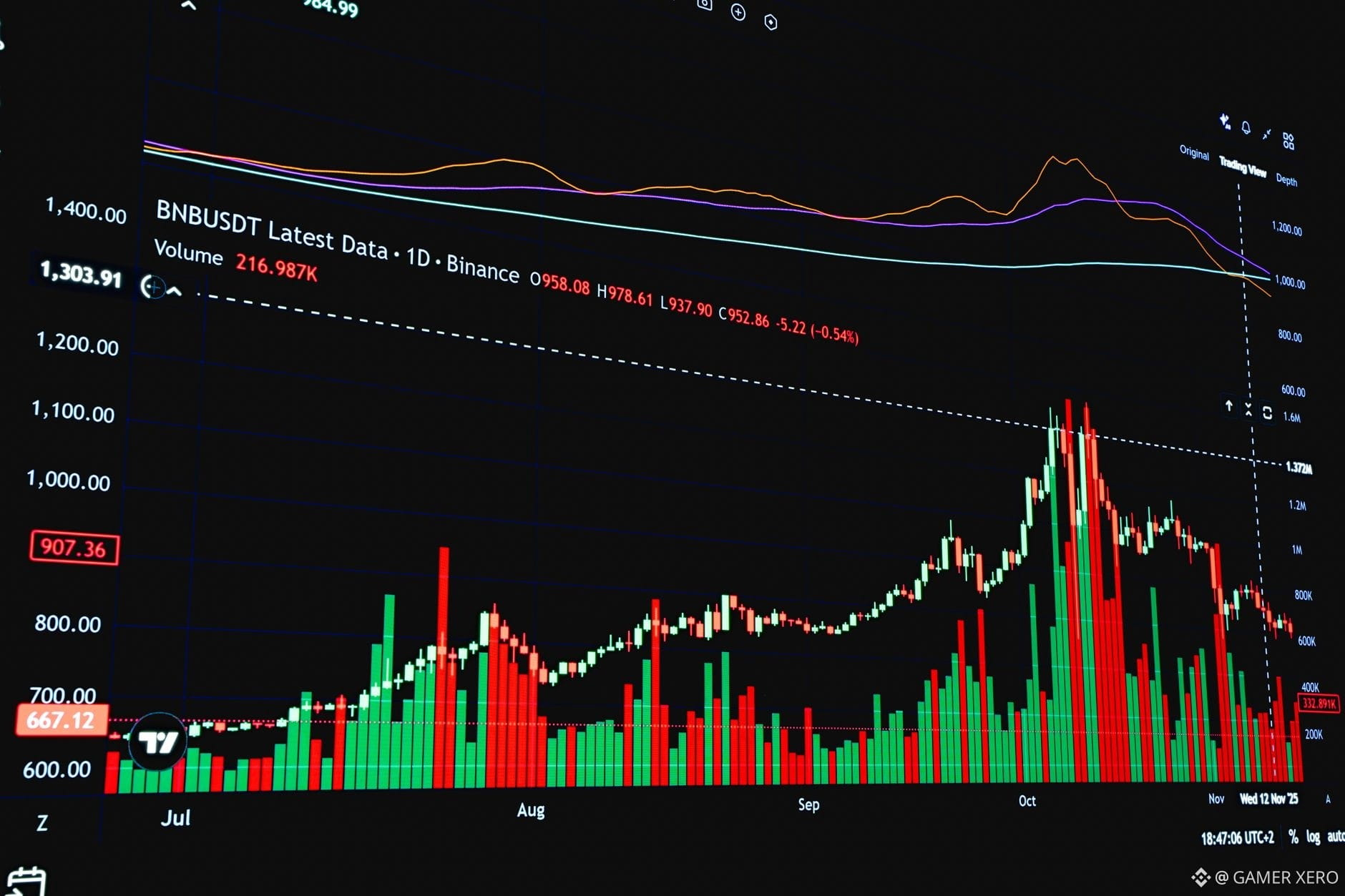
Seeing $BTC linger around $63,129 and $ETH nudging $1,884 on Binance tells me the market’s calm is a perfect time to tighten the portfolio’s risk framework. First, set a hard exposure ceiling – for most traders a 20 % cap on any single asset keeps tail‑risk in check. With $BTC representing half the crypto market, a 20 % limit means you’d allocate no more than $12‑13k of a $60k portfolio to it, leaving room for other positions.
Next, diversify across uncorrelated slices. Pairing a core $BTC holding with a smaller tactical $ETH stake can smooth volatility because their 24‑hour ranges differ slightly; $BTC swung –0.39 % while $ETH was up 0.26 %. A 70/30 split lets the modest upside in $ETH offset modest dips in $BTC, reducing overall drawdown potential.
How do you structure your exposure limits when the market sits in a narrow range?
#RiskManagement #CryptoPortfolio #Diversification #GAMERXERO
Seeing $BTC linger around $63,129 and $ETH nudging $1,884 on Binance tells me the market’s calm is a perfect time to tighten the portfolio’s risk framework. First, set a hard exposure ceiling – for most traders a 20 % cap on any single asset keeps tail‑risk in check. With $BTC representing half the crypto market, a 20 % limit means you’d allocate no more than $12‑13k of a $60k portfolio to it, leaving room for other positions.
Next, diversify across uncorrelated slices. Pairing a core $BTC holding with a smaller tactical $ETH stake can smooth volatility because their 24‑hour ranges differ slightly; $BTC swung –0.39 % while $ETH was up 0.26 %. A 70/30 split lets the modest upside in $ETH offset modest dips in $BTC , reducing overall drawdown potential.
How do you structure your exposure limits when the market sits in a narrow range?
#RiskManagement #CryptoPortfolio #Diversification #GAMERXERO
Next, diversify across uncorrelated slices. Pairing a core $BTC holding with a smaller tactical $ETH stake can smooth volatility because their 24‑hour ranges differ slightly; $BTC swung –0.39 % while $ETH was up 0.26 %. A 70/30 split lets the modest upside in $ETH offset modest dips in $BTC , reducing overall drawdown potential.
How do you structure your exposure limits when the market sits in a narrow range?
#RiskManagement #CryptoPortfolio #Diversification #GAMERXERO
30
·
--
Seeing $BTC hovering at $63,794 on Binance while $ETH trades around $1,891 reminds me how quickly a balanced‑risk plan can become a safety net. I keep my crypto exposure capped at 30 % of total capital; the rest sits in stable‑coins and a small slice of traditional assets. Within that 30 % I split evenly between a “core” position (the top‑2 market caps) and a “satellite” basket of higher‑volatility picks. The core slice is sized by the asset’s 30‑day volatility: for $BTC that’s roughly 2 % daily, so a 2 % × $63,794 ≈ $1,276 risk per trade translates to a 2 % position of the crypto allocation. If a drawdown hits 15 %, I rebalance by cutting the losing position by half and reallocating the freed margin into the stable‑coin pool, which cushions future entries and reduces overall volatility.
How do you structure your exposure limits and drawdown buffers to stay comfortable during sideways markets?
#RiskManagement #CryptoPortfolio #Diversification #GAMERXERO
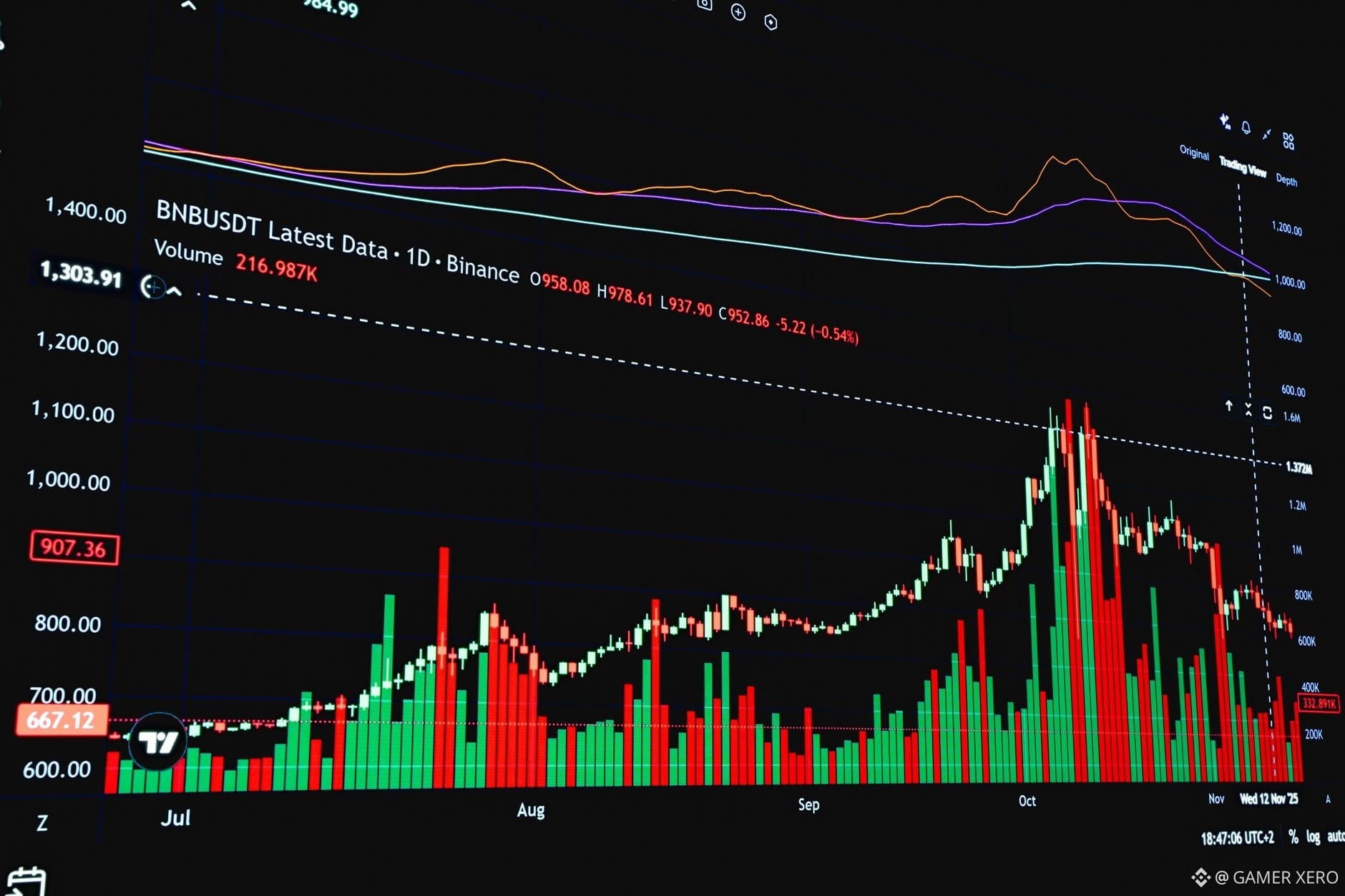
Seeing $BTC hovering at $63,794 on Binance while $ETH trades around $1,891 reminds me how quickly a balanced‑risk plan can become a safety net. I keep my crypto exposure capped at 30 % of total capital; the rest sits in stable‑coins and a small slice of traditional assets. Within that 30 % I split evenly between a “core” position (the top‑2 market caps) and a “satellite” basket of higher‑volatility picks. The core slice is sized by the asset’s 30‑day volatility: for $BTC that’s roughly 2 % daily, so a 2 % × $63,794 ≈ $1,276 risk per trade translates to a 2 % position of the crypto allocation. If a drawdown hits 15 %, I rebalance by cutting the losing position by half and reallocating the freed margin into the stable‑coin pool, which cushions future entries and reduces overall volatility.
How do you structure your exposure limits and drawdown buffers to stay comfortable during sideways markets?
#RiskManagement #CryptoPortfolio #Diversification #GAMERXERO
How do you structure your exposure limits and drawdown buffers to stay comfortable during sideways markets?
#RiskManagement #CryptoPortfolio #Diversification #GAMERXERO
40
·
--
Crypto Portfolio Construction: Stop Pretending Diversification Works the Way You Think
Most crypto investors hold 10 tokens and believe they are diversified. During bull runs, everything pumps — and that feels like confirmation. During risk-off events, everything crashes together. That is not diversification. That is correlated exposure wearing a costume.
In traditional finance, diversification relies on low or negative correlation between assets. In crypto, the majority of tokens share one dominant risk factor: Bitcoin sentiment. When $BTC drops sharply, altcoins do not decouple — they amplify. $ETH and $AVAX both bleed harder and faster than the benchmark move.
True portfolio construction in crypto requires you to think in layers:
1. BTC Core — store of value, liquidity anchor, the baseline.
2. Smart Contract Beta — $ETH and its ecosystem give you tech-cycle exposure.
3. Structural Differentiators — assets with genuinely uncorrelated catalysts: network upgrades, ecosystem unlocks, real revenue, or institutional flows unique to that token.
4. Stablecoin Reserve — dry powder is a position. It earns yield and protects optionality.
The trap is overweighting layers 2 and 3 in bull markets and then scrambling to rebalance when correlation spikes. By then, you are selling lows.
Build the portfolio for the worst week, not the best month. Correlation is lowest when you need it to be high, and highest when you need it to be low.
Know your actual risk before the market shows it to you.
$BTC $ETH $AVAX
#CryptoPortfolio #RiskManagement #BinanceSquare #CryptoInvesting #MarketCycle
Crypto Portfolio Construction: Stop Pretending Diversification Works the Way You Think
Most crypto investors hold 10 tokens and believe they are diversified. During bull runs, everything pumps — and that feels like confirmation. During risk-off events, everything crashes together. That is not diversification. That is correlated exposure wearing a costume.
In traditional finance, diversification relies on low or negative correlation between assets. In crypto, the majority of tokens share one dominant risk factor: Bitcoin sentiment. When $BTC drops sharply, altcoins do not decouple — they amplify. $ETH and $AVAX both bleed harder and faster than the benchmark move.
True portfolio construction in crypto requires you to think in layers:
1. BTC Core — store of value, liquidity anchor, the baseline.
2. Smart Contract Beta — $ETH and its ecosystem give you tech-cycle exposure.
3. Structural Differentiators — assets with genuinely uncorrelated catalysts: network upgrades, ecosystem unlocks, real revenue, or institutional flows unique to that token.
4. Stablecoin Reserve — dry powder is a position. It earns yield and protects optionality.
The trap is overweighting layers 2 and 3 in bull markets and then scrambling to rebalance when correlation spikes. By then, you are selling lows.
Build the portfolio for the worst week, not the best month. Correlation is lowest when you need it to be high, and highest when you need it to be low.
Know your actual risk before the market shows it to you.
$BTC $ETH $AVAX
#CryptoPortfolio #RiskManagement #BinanceSquare #CryptoInvesting #MarketCycle
Most crypto investors hold 10 tokens and believe they are diversified. During bull runs, everything pumps — and that feels like confirmation. During risk-off events, everything crashes together. That is not diversification. That is correlated exposure wearing a costume.
In traditional finance, diversification relies on low or negative correlation between assets. In crypto, the majority of tokens share one dominant risk factor: Bitcoin sentiment. When $BTC drops sharply, altcoins do not decouple — they amplify. $ETH and $AVAX both bleed harder and faster than the benchmark move.
True portfolio construction in crypto requires you to think in layers:
1. BTC Core — store of value, liquidity anchor, the baseline.
2. Smart Contract Beta — $ETH and its ecosystem give you tech-cycle exposure.
3. Structural Differentiators — assets with genuinely uncorrelated catalysts: network upgrades, ecosystem unlocks, real revenue, or institutional flows unique to that token.
4. Stablecoin Reserve — dry powder is a position. It earns yield and protects optionality.
The trap is overweighting layers 2 and 3 in bull markets and then scrambling to rebalance when correlation spikes. By then, you are selling lows.
Build the portfolio for the worst week, not the best month. Correlation is lowest when you need it to be high, and highest when you need it to be low.
Know your actual risk before the market shows it to you.
$BTC $ETH $AVAX
#CryptoPortfolio #RiskManagement #BinanceSquare #CryptoInvesting #MarketCycle
96
·
--
Seeing $BTC hover around $69,400 on Binance while $ETH rides a 17 % surge gives a practical backdrop to rethink portfolio exposure. A simple rule I keep is “no single asset should own more than 20 % of total capital.” If you hold $10 k, that caps $BTC at $2 k and $ETH at $2 k, leaving room for stablecoins or low‑beta projects.
Finally, diversify across uncorrelated assets. SOL’s recent 10 % gain and lower volatility can act as a stabilizer when $BTC swings wider. Pairing a small exposure to a higher‑beta coin with a modest stake in a lower‑beta asset smooths the equity curve and eases recovery after a drawdown.
What’s your go‑to method for setting exposure limits when the market’s this choppy?
#RiskManagement #CryptoPortfolio #Binance #GAMERXERO
Seeing $BTC hover around $69,400 on Binance while $ETH rides a 17 % surge gives a practical backdrop to rethink portfolio exposure. A simple rule I keep is “no single asset should own more than 20 % of total capital.” If you hold $10 k, that caps $BTC at $2 k and $ETH at $2 k, leaving room for stablecoins or low‑beta projects.
Finally, diversify across uncorrelated assets. SOL’s recent 10 % gain and lower volatility can act as a stabilizer when $BTC swings wider. Pairing a small exposure to a higher‑beta coin with a modest stake in a lower‑beta asset smooths the equity curve and eases recovery after a drawdown.
What’s your go‑to method for setting exposure limits when the market’s this choppy?
#RiskManagement #CryptoPortfolio #Binance #GAMERXERO
Finally, diversify across uncorrelated assets. SOL’s recent 10 % gain and lower volatility can act as a stabilizer when $BTC swings wider. Pairing a small exposure to a higher‑beta coin with a modest stake in a lower‑beta asset smooths the equity curve and eases recovery after a drawdown.
What’s your go‑to method for setting exposure limits when the market’s this choppy?
#RiskManagement #CryptoPortfolio #Binance #GAMERXERO
48
·
--
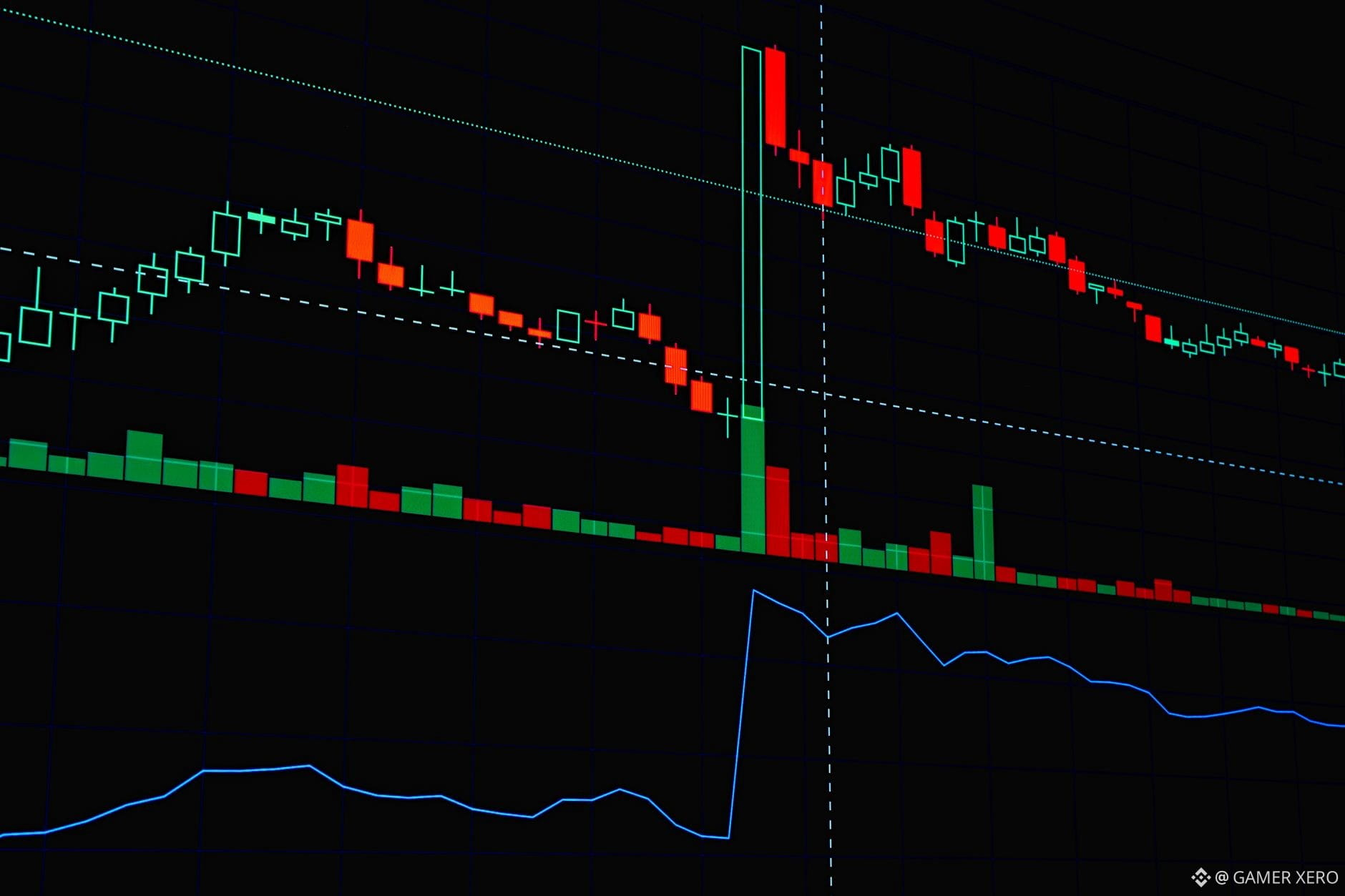
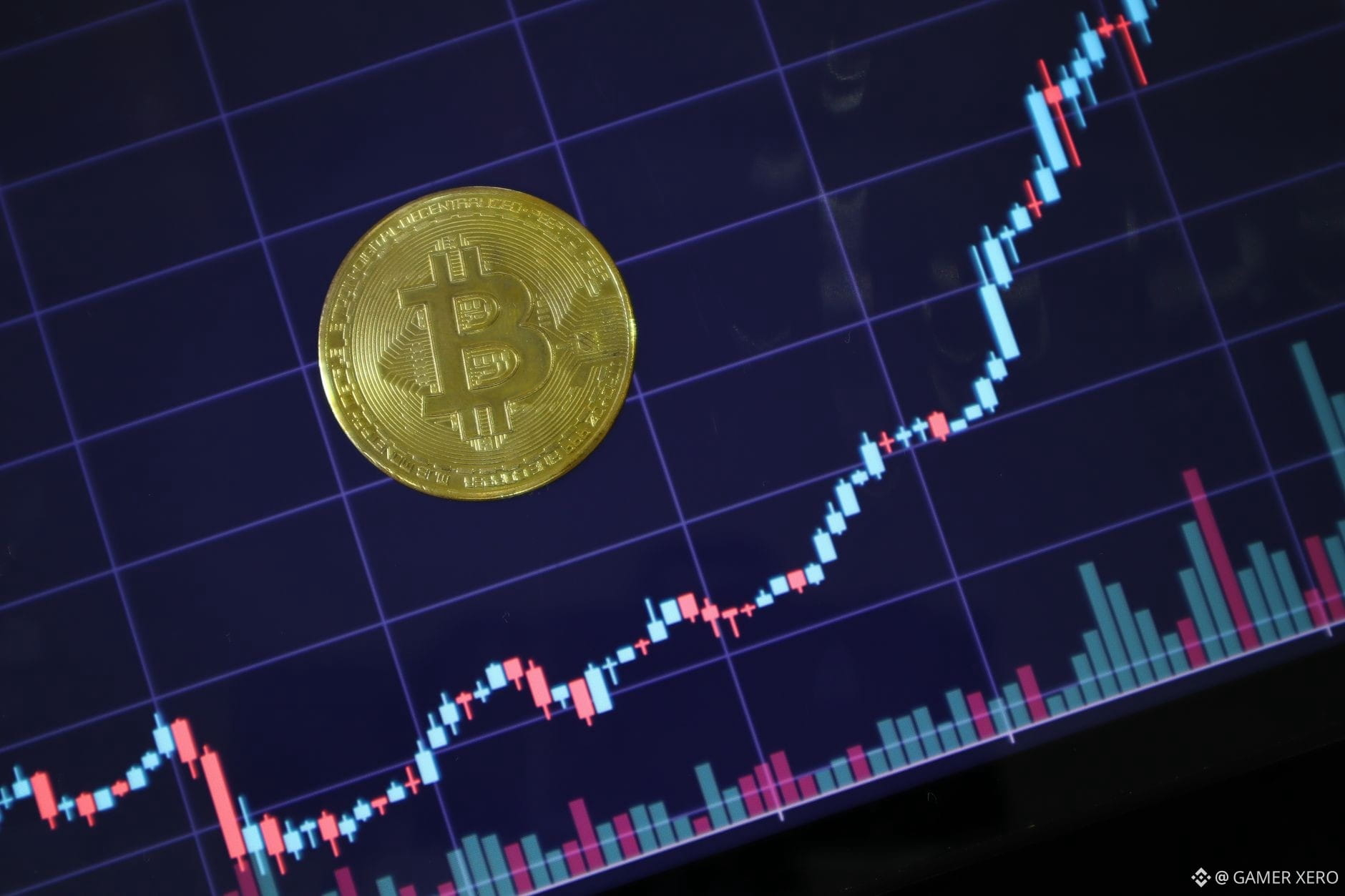
$BTC hovering at $77,742, just under its 24‑hour high of $78,052, shows a tight range. When the swing is only a few percent, capping any single asset at 5 % of portfolio value prevents a modest move from blowing up overall exposure. A 20 % drop in $BTC would then affect the whole portfolio by just 1 %.
Drawdown recovery is simple math: a 10 % loss needs about an 11.1 % gain to break even. Apply it to $ETH at $2,463 with a 1.62 % daily rise – a 15 % dip would demand roughly a 17.7 % rebound, which is a tall order in a market whose 24‑hour band sits between $2,355 and $2,485.
For position sizing, use the recent high‑low spread as a volatility proxy. $BTC’s spread is $2,507, roughly 3.2 % of price. If you risk 1 % per trade, set a stop‑loss about one‑third of that spread, which translates to a position size of about 0.33 % of your capital. This keeps risk tight while giving the price room to move.
How do you adjust your exposure limits when the market stays in a narrow corridor? #RiskManagement #CryptoPortfolio #GAMERXERO #BinanceSquare
$BTC hovering at $77,742, just under its 24‑hour high of $78,052, shows a tight range. When the swing is only a few percent, capping any single asset at 5 % of portfolio value prevents a modest move from blowing up overall exposure. A 20 % drop in $BTC would then affect the whole portfolio by just 1 %.
Drawdown recovery is simple math: a 10 % loss needs about an 11.1 % gain to break even. Apply it to $ETH at $2,463 with a 1.62 % daily rise – a 15 % dip would demand roughly a 17.7 % rebound, which is a tall order in a market whose 24‑hour band sits between $2,355 and $2,485.
For position sizing, use the recent high‑low spread as a volatility proxy. $BTC ’s spread is $2,507, roughly 3.2 % of price. If you risk 1 % per trade, set a stop‑loss about one‑third of that spread, which translates to a position size of about 0.33 % of your capital. This keeps risk tight while giving the price room to move.
How do you adjust your exposure limits when the market stays in a narrow corridor? #RiskManagement #CryptoPortfolio #GAMERXERO #BinanceSquare
Drawdown recovery is simple math: a 10 % loss needs about an 11.1 % gain to break even. Apply it to $ETH at $2,463 with a 1.62 % daily rise – a 15 % dip would demand roughly a 17.7 % rebound, which is a tall order in a market whose 24‑hour band sits between $2,355 and $2,485.
For position sizing, use the recent high‑low spread as a volatility proxy. $BTC ’s spread is $2,507, roughly 3.2 % of price. If you risk 1 % per trade, set a stop‑loss about one‑third of that spread, which translates to a position size of about 0.33 % of your capital. This keeps risk tight while giving the price room to move.
How do you adjust your exposure limits when the market stays in a narrow corridor? #RiskManagement #CryptoPortfolio #GAMERXERO #BinanceSquare
108
·
--
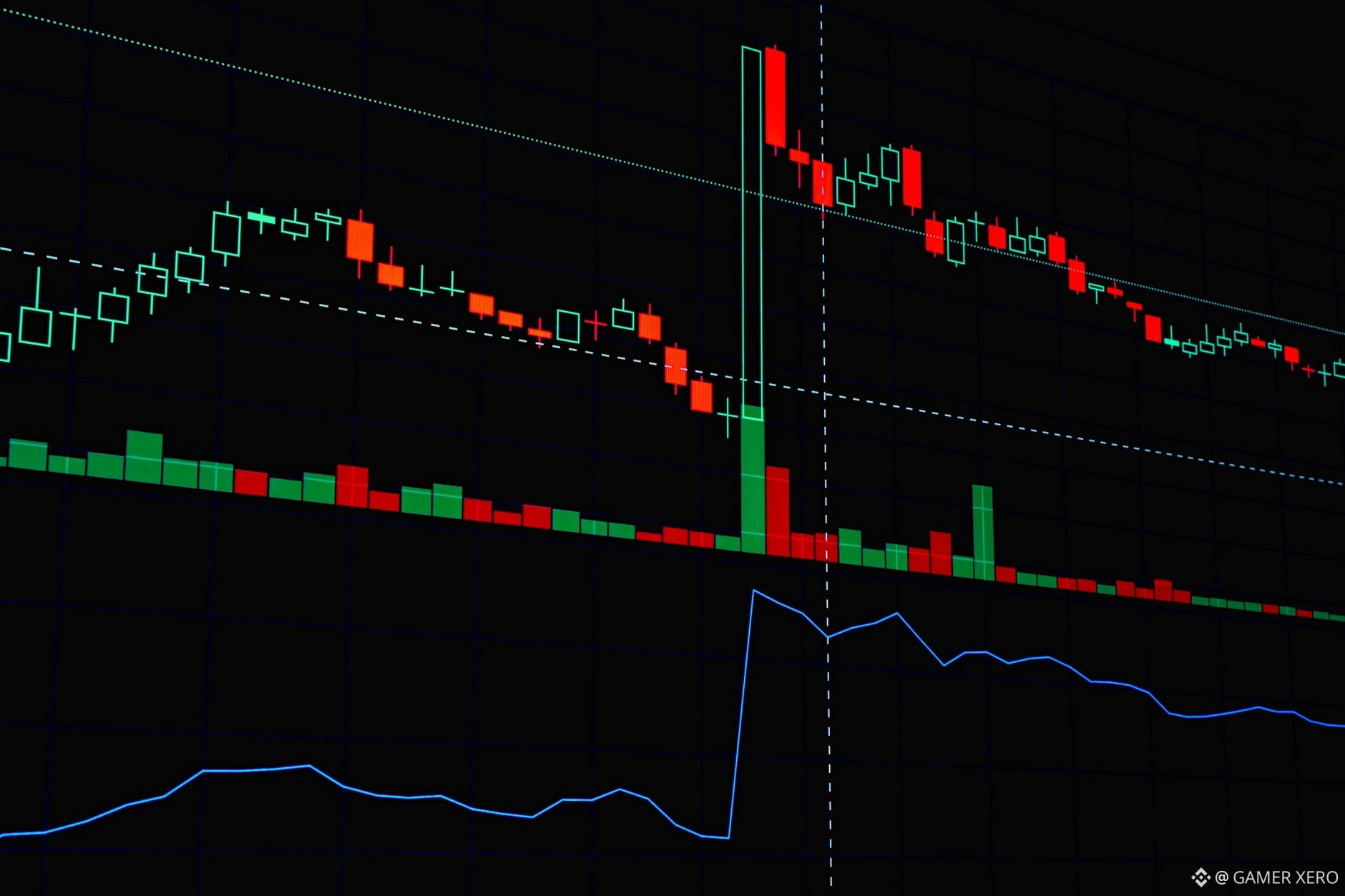
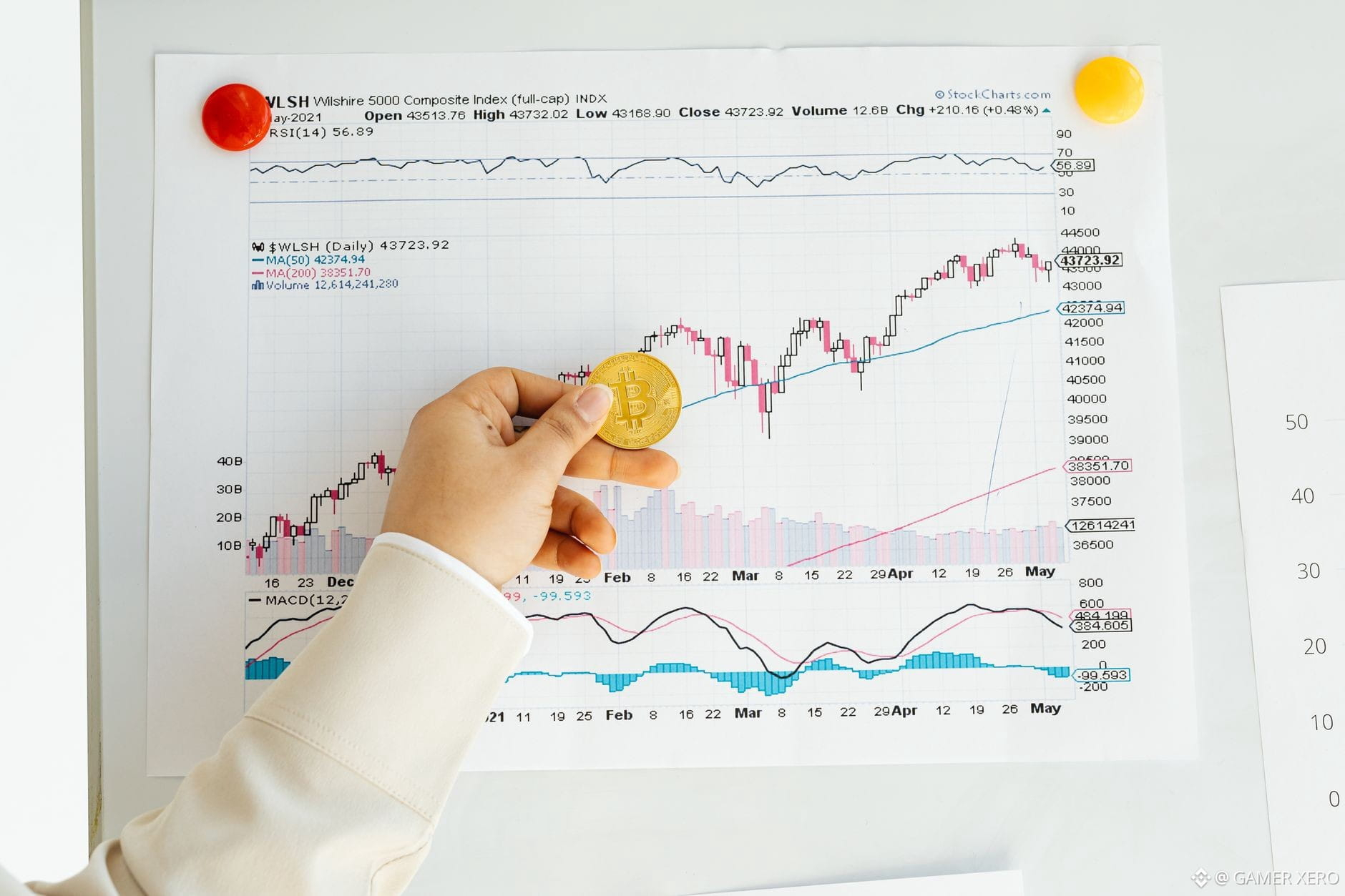
Seeing how $BTC is hovering around $79,604 and $ETH near $2,505 on Binance, I’m reminded that single‑asset focus can quickly turn a small swing into a painful drawdown. A practical way to keep that risk in check is to cap each position at a fixed % of total equity—typically 2‑4 % depending on volatility tolerance. If you allocate 3 % to $BTC, a 10 % move against you only erodes 0.3 % of the whole portfolio, giving you breathing room to stay in the trade longer.
Diversification complements the cap. Pairing a high‑beta asset like $BTC with a lower‑beta one such as $ETH spreads exposure across different market drivers. Even within crypto, consider adding a stable‑coin holding (e.g., USDC) to offset sudden drops; it’s not about chasing returns but preserving capital.
When a loss does occur, recovery math matters. To regain a 5 % loss on a $10,000 account, you need a 5.26 % gain—not a 5 % one. Knowing this helps set realistic stop‑loss levels and prevents chasing the market with oversized positions.
What exposure‑limit or diversification tweak has saved you from a bigger drawdown lately?
#RiskManagement #CryptoPortfolio #Diversify #GAMERXERO
Seeing how $BTC is hovering around $79,604 and $ETH near $2,505 on Binance, I’m reminded that single‑asset focus can quickly turn a small swing into a painful drawdown. A practical way to keep that risk in check is to cap each position at a fixed % of total equity—typically 2‑4 % depending on volatility tolerance. If you allocate 3 % to $BTC , a 10 % move against you only erodes 0.3 % of the whole portfolio, giving you breathing room to stay in the trade longer.
Diversification complements the cap. Pairing a high‑beta asset like $BTC with a lower‑beta one such as $ETH spreads exposure across different market drivers. Even within crypto, consider adding a stable‑coin holding (e.g., USDC) to offset sudden drops; it’s not about chasing returns but preserving capital.
When a loss does occur, recovery math matters. To regain a 5 % loss on a $10,000 account, you need a 5.26 % gain—not a 5 % one. Knowing this helps set realistic stop‑loss levels and prevents chasing the market with oversized positions.
What exposure‑limit or diversification tweak has saved you from a bigger drawdown lately?
#RiskManagement #CryptoPortfolio #Diversify #GAMERXERO
Diversification complements the cap. Pairing a high‑beta asset like $BTC with a lower‑beta one such as $ETH spreads exposure across different market drivers. Even within crypto, consider adding a stable‑coin holding (e.g., USDC) to offset sudden drops; it’s not about chasing returns but preserving capital.
When a loss does occur, recovery math matters. To regain a 5 % loss on a $10,000 account, you need a 5.26 % gain—not a 5 % one. Knowing this helps set realistic stop‑loss levels and prevents chasing the market with oversized positions.
What exposure‑limit or diversification tweak has saved you from a bigger drawdown lately?
#RiskManagement #CryptoPortfolio #Diversify #GAMERXERO
20
·
--
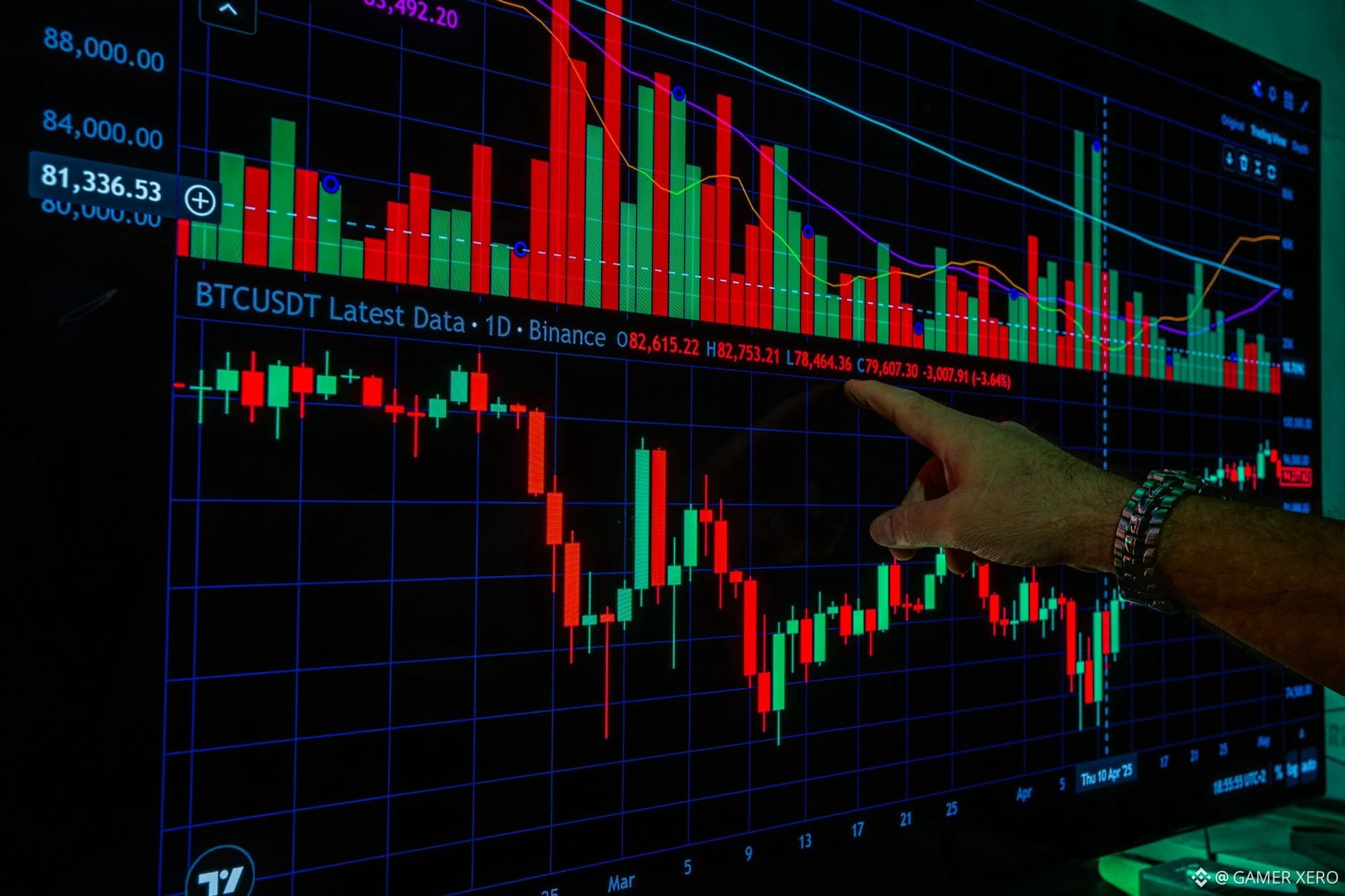
Seeing $BTC hover around $78,770 with a 2 % daily swing and $ETH nudging above $2,460 in a 1.2 % range, it’s easy to feel the market is calm. Calm periods are when portfolio risk can creep up unnoticed, especially if you let a single asset dominate.
A practical rule I keep: no more than 5 % of total equity on any one ticker. If you have $20 k allocated, that caps $BTC exposure at $1 k, which translates to roughly 0.012 BTC at today’s price. The same logic applies to $ETH – $1 k buys about 0.41 ETH. This limit forces you to spread capital across uncorrelated positions, smoothing out drawdowns when one market leg falters.
How do you currently size positions around volatility, and what exposure caps have worked for you?
#RiskManagement #CryptoPortfolio #BinanceTips #GAMERXERO
Seeing $BTC hover around $78,770 with a 2 % daily swing and $ETH nudging above $2,460 in a 1.2 % range, it’s easy to feel the market is calm. Calm periods are when portfolio risk can creep up unnoticed, especially if you let a single asset dominate.
A practical rule I keep: no more than 5 % of total equity on any one ticker. If you have $20 k allocated, that caps $BTC exposure at $1 k, which translates to roughly 0.012 BTC at today’s price. The same logic applies to $ETH – $1 k buys about 0.41 ETH. This limit forces you to spread capital across uncorrelated positions, smoothing out drawdowns when one market leg falters.
How do you currently size positions around volatility, and what exposure caps have worked for you?
#RiskManagement #CryptoPortfolio #BinanceTips #GAMERXERO
A practical rule I keep: no more than 5 % of total equity on any one ticker. If you have $20 k allocated, that caps $BTC exposure at $1 k, which translates to roughly 0.012 BTC at today’s price. The same logic applies to $ETH – $1 k buys about 0.41 ETH. This limit forces you to spread capital across uncorrelated positions, smoothing out drawdowns when one market leg falters.
How do you currently size positions around volatility, and what exposure caps have worked for you?
#RiskManagement #CryptoPortfolio #BinanceTips #GAMERXERO
148
·
--
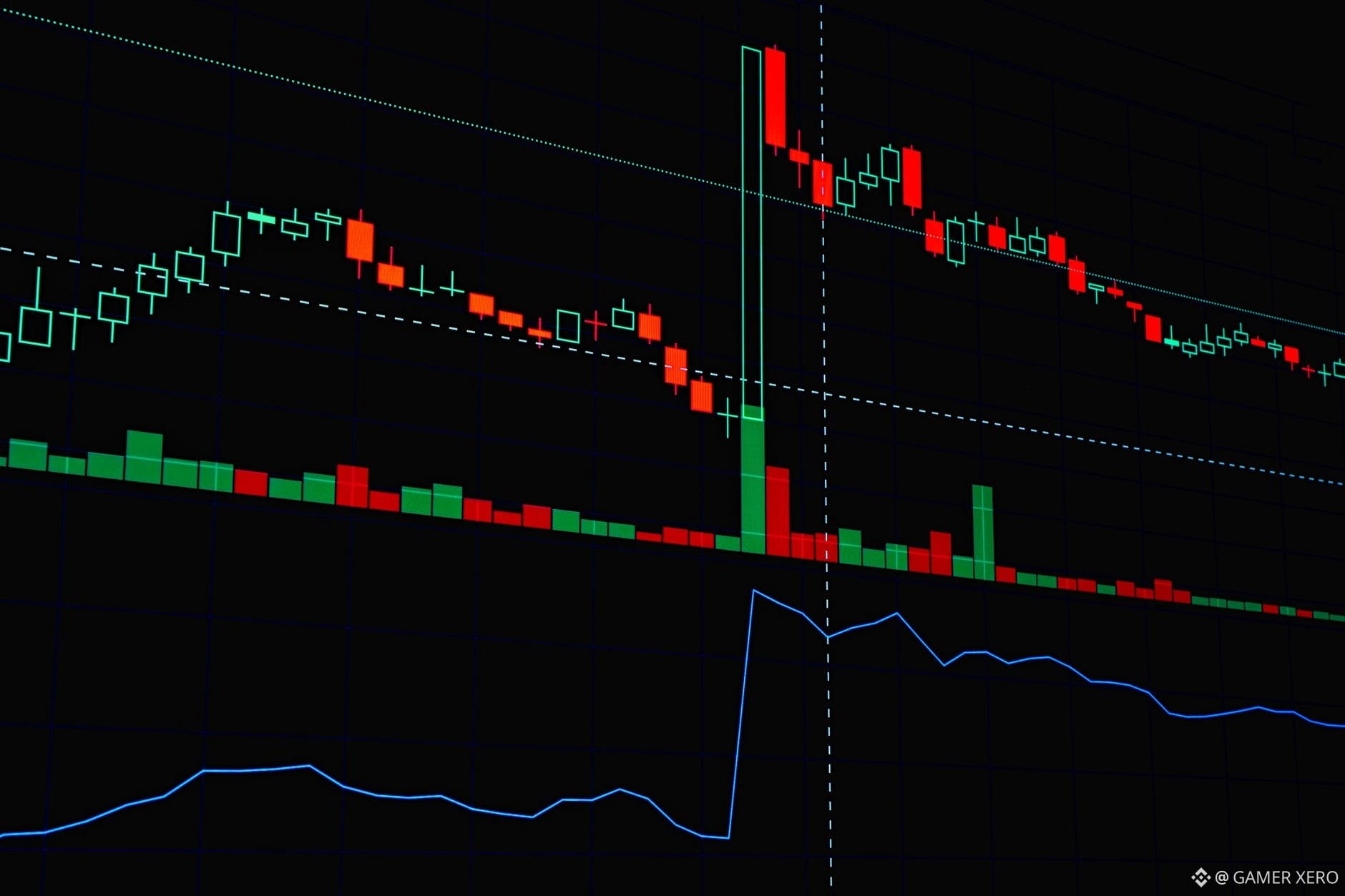
Seeing $BTC sit at $80,952 with a 4.28 % gain and $ETH nudging around $2,521 after a 5.20 % rise, it’s tempting to let the recent upside dictate position size. I prefer to let portfolio‑level risk set the tone first. A simple rule I use is the “3‑percent exposure cap”: no single asset should ever represent more than 3 % of total account equity. On a $20 k balance that means a max of $600 per coin, regardless of how strong the momentum looks.
Diversification complements that cap. Splitting exposure across a core (e.g., $BTC, $ETH) and a few lower‑volatility assets (like stablecoins or high‑yield tokens) smooths drawdowns. If the market slips 15 % from today’s high, a balanced mix reduces the hit to roughly half what a concentrated $BTC‑only stance would suffer.
How do you set your exposure limits and what metrics do you rely on for sizing into volatile moves?
#RiskManagement #CryptoPortfolio #DiversifySmart #GAMERXERO
Seeing $BTC sit at $80,952 with a 4.28 % gain and $ETH nudging around $2,521 after a 5.20 % rise, it’s tempting to let the recent upside dictate position size. I prefer to let portfolio‑level risk set the tone first. A simple rule I use is the “3‑percent exposure cap”: no single asset should ever represent more than 3 % of total account equity. On a $20 k balance that means a max of $600 per coin, regardless of how strong the momentum looks.
Diversification complements that cap. Splitting exposure across a core (e.g., $BTC , $ETH ) and a few lower‑volatility assets (like stablecoins or high‑yield tokens) smooths drawdowns. If the market slips 15 % from today’s high, a balanced mix reduces the hit to roughly half what a concentrated $BTC ‑only stance would suffer.
How do you set your exposure limits and what metrics do you rely on for sizing into volatile moves?
#RiskManagement #CryptoPortfolio #DiversifySmart #GAMERXERO
Diversification complements that cap. Splitting exposure across a core (e.g., $BTC , $ETH ) and a few lower‑volatility assets (like stablecoins or high‑yield tokens) smooths drawdowns. If the market slips 15 % from today’s high, a balanced mix reduces the hit to roughly half what a concentrated $BTC ‑only stance would suffer.
How do you set your exposure limits and what metrics do you rely on for sizing into volatile moves?
#RiskManagement #CryptoPortfolio #DiversifySmart #GAMERXERO
15
ເຂົ້າສູ່ລະບົບເພື່ອສຳຫຼວດເນື້ອຫາເພີ່ມເຕີມ
ເຂົ້າຮ່ວມກຸ່ມຜູ້ໃຊ້ຄຣິບໂຕທົ່ວໂລກໃນ Binance Square.
⚡️ ໄດ້ຮັບຂໍ້ມູນຫຼ້າສຸດ ແລະ ທີ່ມີປະໂຫຍດກ່ຽວກັບຄຣິບໂຕ.
💬 ໄດ້ຮັບຄວາມໄວ້ວາງໃຈຈາກຕະຫຼາດແລກປ່ຽນຄຣິບໂຕທີ່ໃຫຍ່ທີ່ສຸດໃນໂລກ.
👍 ຄົ້ນຫາຂໍ້ມູນເຊີງເລິກທີ່ແທ້ຈາກນັກສ້າງທີ່ໄດ້ຮັບການຢືນຢັນ.
ອີເມວ / ເບີໂທລະສັບ
ຫົວຂໍ້ທີ່ກໍາລັງນິຍົມ
1
#BinancePick
2.8M ຄັ້ງທີ່ເບິ່ງ
147,072 ກຳລັງສົນທະນາ
2
#EarningsSeason
5.1M ຄັ້ງທີ່ເບິ່ງ
25,120 ກຳລັງສົນທະນາ
3
#AnthropicTTMRevenueGrewAbout1200%
328 ຄັ້ງທີ່ເບິ່ງ
64 ກຳລັງສົນທະນາ
4
#AnthropicS1ExpectedToday
2,042 ຄັ້ງທີ່ເບິ່ງ
88 ກຳລັງສົນທະນາ
5
#SouthKoreaReportedlyWeighsFourthCryptoTaxDelay
10,595 ຄັ້ງທີ່ເບິ່ງ
260 ກຳລັງສົນທະນາ
6
#FranklinTempletonFilesForTwoDividendToBitcoinETFs
17,254 ຄັ້ງທີ່ເບິ່ງ
383 ກຳລັງສົນທະນາ
7
#StrategyMSTRSurpassesNasdaqInMarketCap
14,056 ຄັ້ງທີ່ເບິ່ງ
302 ກຳລັງສົນທະນາ
8
#CanadaProposesStablecoinRedemptionWithin3BusinessDays
651 ຄັ້ງທີ່ເບິ່ງ
30 ກຳລັງສົນທະນາ
9
#ElectrumWalletBugLetRogueServersStealFunds
18,808 ຄັ້ງທີ່ເບິ່ງ
400 ກຳລັງສົນທະນາ
10
#ArgentineCourtDismissesLIBRACaseAgainstMilei
29,445 ຄັ້ງທີ່ເບິ່ງ
485 ກຳລັງສົນທະນາ