
#bedrock
bedrock
7.3M ຄັ້ງທີ່ເບິ່ງ
89,925 ກຳລັງສົນທະນາ
ມາແຮງ
ຫຼ້າສຸດ

·
--
$BR is one of today's sharpest movers on Binance, and the interesting part isn't the price — it's where the move is coming from.
Up 17.7% to $0.4652, but spot volume is just $3.4M while futures did $38.3M — eleven times more. Open interest jumped 37% to $29.7M, mostly new longs, and funding is running at 0.0295%, roughly triple the normal baseline. Shorts took 70% of the $65K in liquidations. In other words, this is a derivatives-led squeeze, not a rush of spot buyers.
I couldn't find a confirmed Bedrock catalyst behind it — no fresh announcement, just a broad altcoin rebound doing the lifting. That matters, because the tokenomics underneath are heavy: only 30% of the 1B supply circulates, the fully diluted value is $465M against a $140M market cap, and a 40.6M BR unlock lands on 20 December. Bedrock's protocol holds around $240M in deposits but earned only about $110K in the past year, so the token is priced well ahead of the revenue.
Levels to watch: $0.4785 is today's high, then $0.50. Lose $0.45 and the move starts looking like a fade; $0.3934 is the day's low.
$BTC is holding just above $61,000, up 2–3% after dipping near $55,000 on Saturday, and $BNB is near $558, up roughly 2–3% — a steadier backdrop than the weekend's sell-off, but that doesn't make a leveraged rally safe to chase.
Not financial advice. DYOR.
#Bedrock #BR #DeFi
157

·
--
🔥 $BR IS BACK ON THE RADAR!
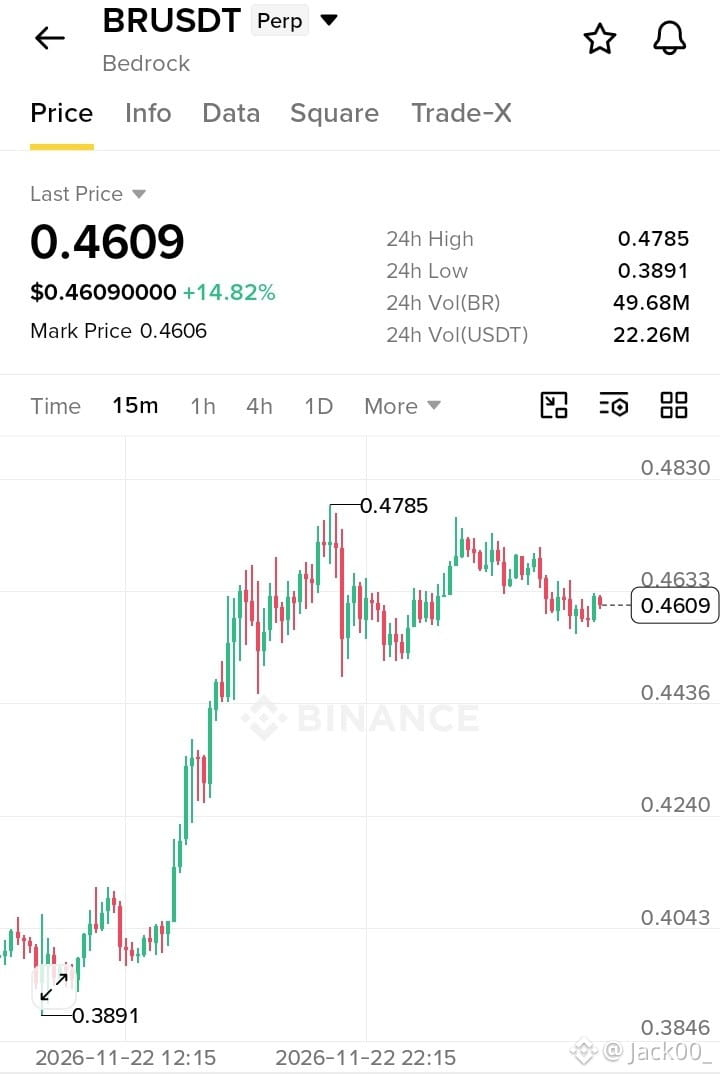
Bedrock ($BR) is showing a powerful move, climbing 14.82% and reaching $0.4785. Momentum is strong, but the next move will be important.
📊 Price: $0.4609
📈 24H High: $0.4785
📉 24H Low: $0.3891
Will bulls push $BR toward another breakout, or is a cooldown coming?
#BR #Bedrock #Binance #Crypto
Bedrock ($BR) is showing a powerful move, climbing 14.82% and reaching $0.4785. Momentum is strong, but the next move will be important.
📊 Price: $0.4609
📈 24H High: $0.4785
📉 24H Low: $0.3891
Will bulls push $BR toward another breakout, or is a cooldown coming?
#BR #Bedrock #Binance #Crypto
120

·
--
Finished the Bedrock ($BR) task and the one thing I can't shake is the stack itself. #Bedrock @Bedrock builds capital deployment as a ladder — park BTC, mint uniBTC, fold into brBTC, route yield across six protocols at once. In theory, the higher you climb, the smarter your capital works.
Then I pulled up brBTC on CoinGecko. Only 800 tokens in circulation. Zero dollars in 24-hour trading volume. Zero. The global market was up 3.70% this past week — brBTC moved 0.00%, with no active trades, just a price tag resting on the last recorded transaction. A $57M market cap with nothing exchanging hands.
The veBR gauge system is the other piece — lock BR, vote emissions, direct incentives toward whatever pools the DAO believes in. That structure is thought-through. More deliberate than most things I've poked around this cycle. But the most optimized layer of the deployment stack, the one that supposedly coordinates the smartest capital, has no secondary market moving through it yet. Sat there staring at it for a minute.
Does smarter architecture pull capital toward it, or does it just sit and wait?
@Bedrock #BedRock $BR #BR
Finished the Bedrock ($BR ) task and the one thing I can't shake is the stack itself. #Bedrock @Bedrock builds capital deployment as a ladder — park BTC, mint uniBTC, fold into brBTC, route yield across six protocols at once. In theory, the higher you climb, the smarter your capital works.
Then I pulled up brBTC on CoinGecko. Only 800 tokens in circulation. Zero dollars in 24-hour trading volume. Zero. The global market was up 3.70% this past week — brBTC moved 0.00%, with no active trades, just a price tag resting on the last recorded transaction. A $57M market cap with nothing exchanging hands.
The veBR gauge system is the other piece — lock BR, vote emissions, direct incentives toward whatever pools the DAO believes in. That structure is thought-through. More deliberate than most things I've poked around this cycle. But the most optimized layer of the deployment stack, the one that supposedly coordinates the smartest capital, has no secondary market moving through it yet. Sat there staring at it for a minute.
Does smarter architecture pull capital toward it, or does it just sit and wait?
@Bedrock #BedRock $BR #BR
247

·
--
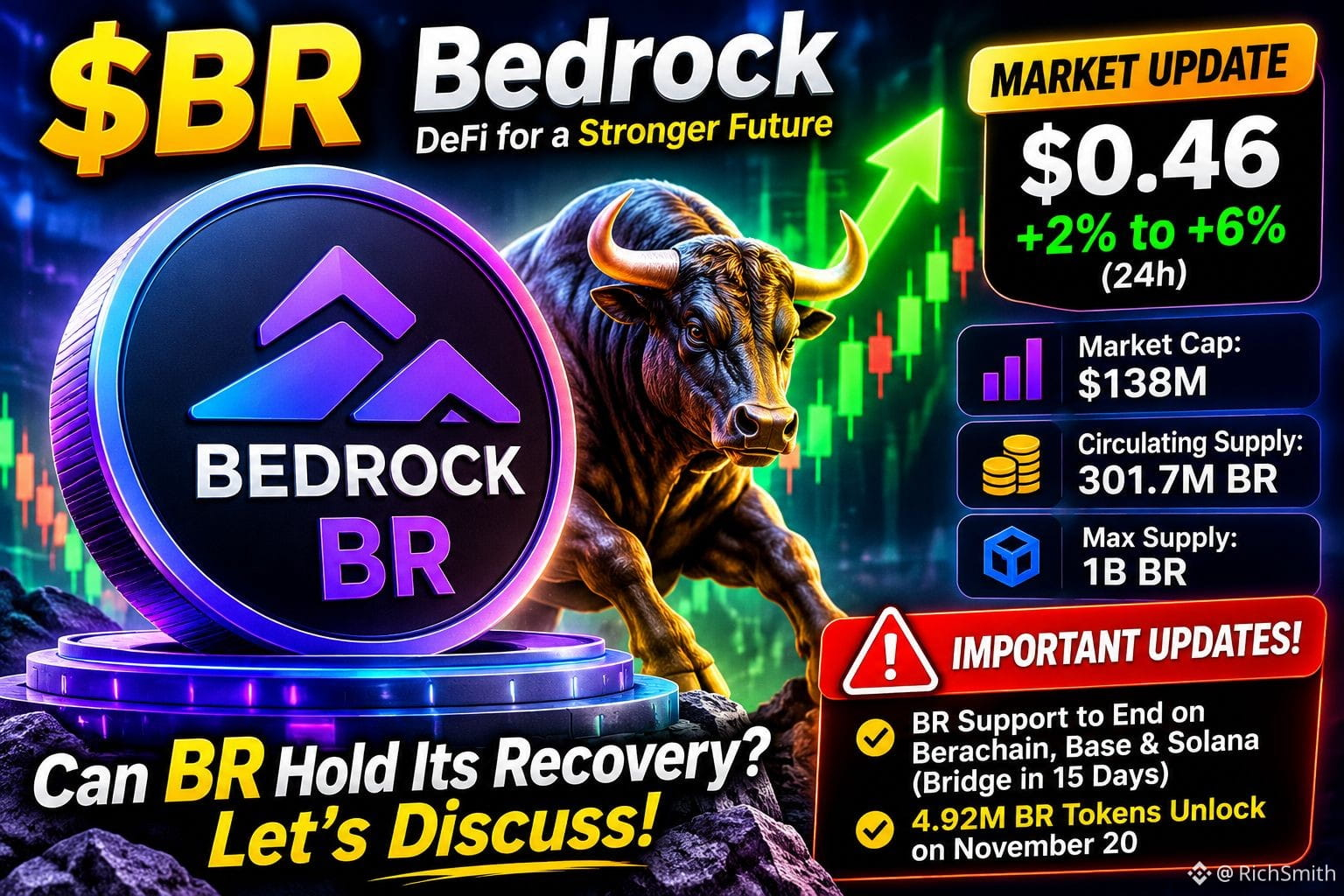
Can Bedrock($BR) maintain its recovery despite these developments, or could the upcoming supply increase and network changes create more selling pressure?
$BR IS MOVING! BUT THERE'S A BIG DEVELOPMENT INVESTORS SHOULD NOT IGNORE!
Bedrock ($BR) is attracting attention as its price attempts a short-term recovery.
November 18 Market Update
24-hour performance: Positive
Price: Around $0.46
Market capitalization: Approximately $138 million.
But here's where things get interesting!
BR has announced that it will discontinue Bedrock support on Berachain, Base and Solana, with the bridge scheduled to go offline in 15 days.
Users holding BR on those networks have been advised to bridge their tokens back to BNB Chain.
Another important date to watch is November 20, when approximately 4.92 million BR tokens are scheduled to unlock.
#BR #Bedrock #defi #CryptoNewss #BinanceSquare
Not financial advice.
1
315


·
--
🚀 $BR US Showing Strong Bullish Momentum!
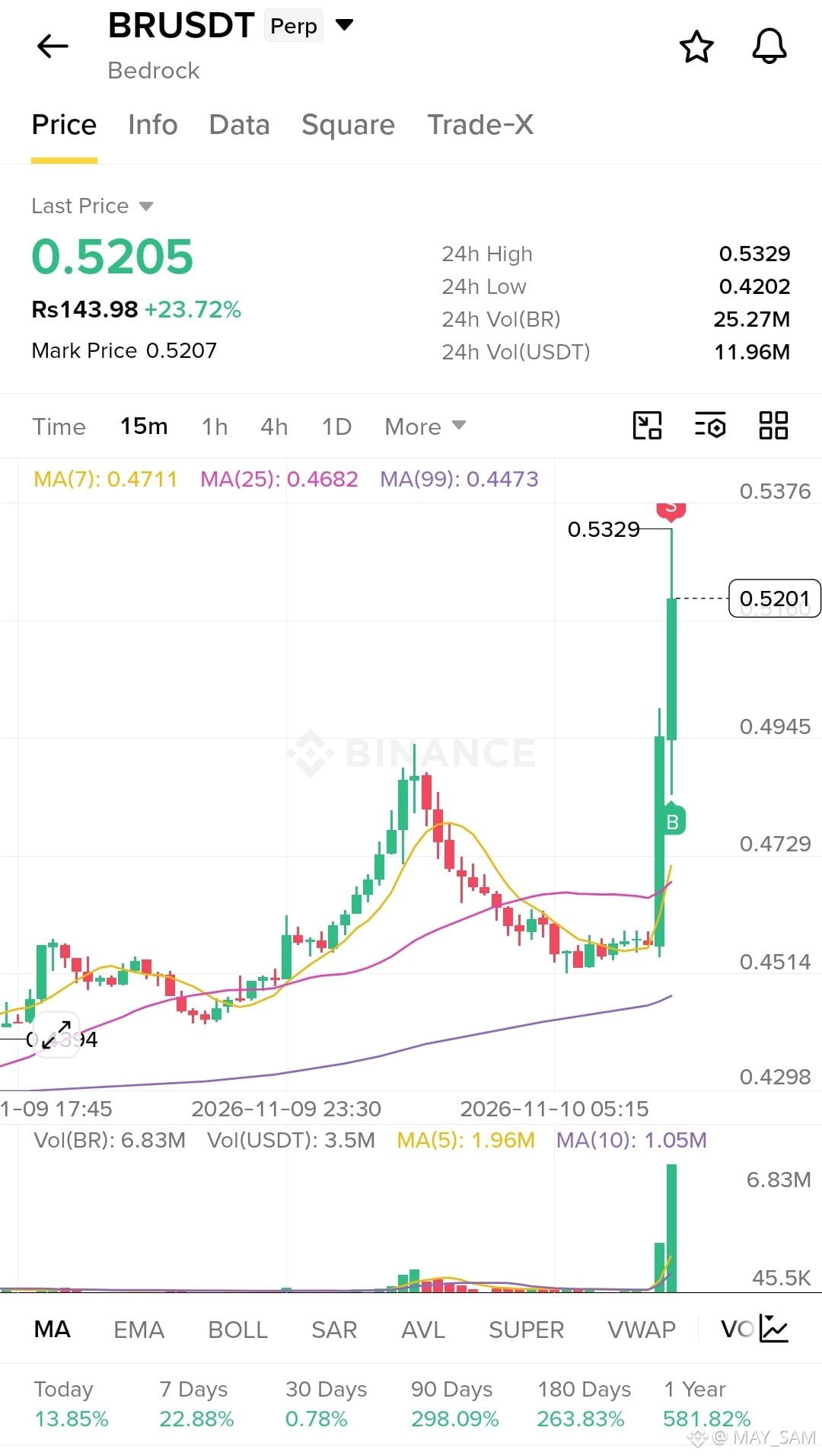
Bedrock ($BRUS) is trading around $0.5205, up 23.72% in 24 hours. The 15-minute chart shows a powerful breakout backed by a significant volume spike.
📊 Key Levels:
▫️ Resistance: $0.5329
▫️ Support: $0.4945
▫️ Next Support: $0.4729
If buying pressure continues and BRUS breaks above $0.5329, further upside may be possible. However, some profit-taking after this sharp rally cannot be ignored.
What's your view? Another breakout or a short-term correction?
Trade carefully and always manage your risk.
#BR #Bedrock #CryptoMarket #altcoins
1
3
379

·
--
ສັນຍານກະທິງ
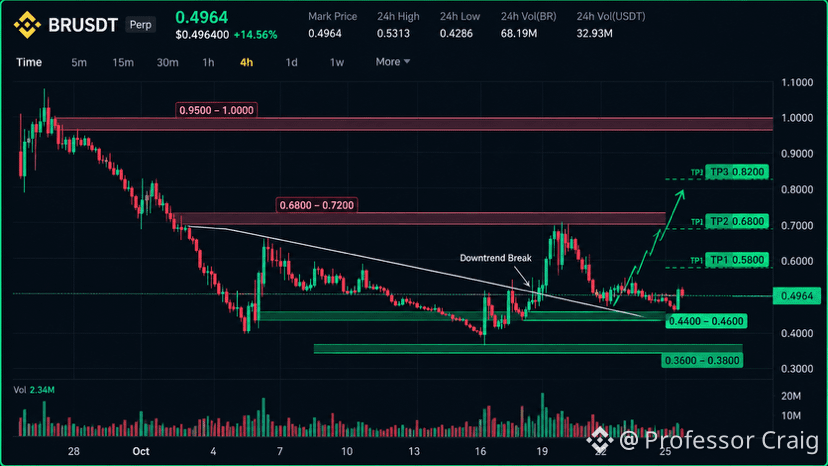
🚨$BR /USDT is preparing for its next major move. The downtrend has been challenged, and buyers are defending the $0.44–$0.46 support zone. I’m watching this chart closely because the next breakout could bring a strong recovery.
BRUSDT is trading around $0.4964 on the 4-hour chart after gaining 14.56% over the past 24 hours. After falling from above $1.00, the price has started showing signs of recovery, and the recent rally toward $0.70 suggests buyers are stepping back into the market. The key now is whether BR can build enough momentum to break above the nearby $0.53 resistance. The $0.44–$0.46 zone is the most important support to watch. As long as buyers defend this area, the bullish recovery setup remains in play. A breakout above $0.53 would strengthen the move toward $0.58, followed by $0.68–$0.72. If momentum continues and the upper resistance zone breaks, $0.82 becomes the next upside target.
My focus is on a sustained move above $0.53, which would give this setup a stronger bullish structure. Losing $0.44 would weaken the recovery and bring the $0.36–$0.38 support zone back into focus. BRUSDT is worth watching here, especially after the recent surge in momentum.
Key levels 🛑
* Current price: $0.4964
* Resistance: $0.53
* Target 1: $0.58
* Target 2: $0.68–$0.72
* Target 3: $0.82
* Support: $0.44–$0.46
* Major support: $0.36–$0.38
The next breakout could define BR’s direction for the coming sessions. Are you bullish on BRUSDT from here?
{future}(BRUSDT)
#bedrock #BRUSDT
🚨$BR /USDT is preparing for its next major move. The downtrend has been challenged, and buyers are defending the $0.44–$0.46 support zone. I’m watching this chart closely because the next breakout could bring a strong recovery.
BRUSDT is trading around $0.4964 on the 4-hour chart after gaining 14.56% over the past 24 hours. After falling from above $1.00, the price has started showing signs of recovery, and the recent rally toward $0.70 suggests buyers are stepping back into the market. The key now is whether BR can build enough momentum to break above the nearby $0.53 resistance. The $0.44–$0.46 zone is the most important support to watch. As long as buyers defend this area, the bullish recovery setup remains in play. A breakout above $0.53 would strengthen the move toward $0.58, followed by $0.68–$0.72. If momentum continues and the upper resistance zone breaks, $0.82 becomes the next upside target.
My focus is on a sustained move above $0.53, which would give this setup a stronger bullish structure. Losing $0.44 would weaken the recovery and bring the $0.36–$0.38 support zone back into focus. BRUSDT is worth watching here, especially after the recent surge in momentum.
Key levels 🛑
* Current price: $0.4964
* Resistance: $0.53
* Target 1: $0.58
* Target 2: $0.68–$0.72
* Target 3: $0.82
* Support: $0.44–$0.46
* Major support: $0.36–$0.38
The next breakout could define BR’s direction for the coming sessions. Are you bullish on BRUSDT from here?
#bedrock #BRUSDT
1
335

·
--
ສັນຍານກະທິງ
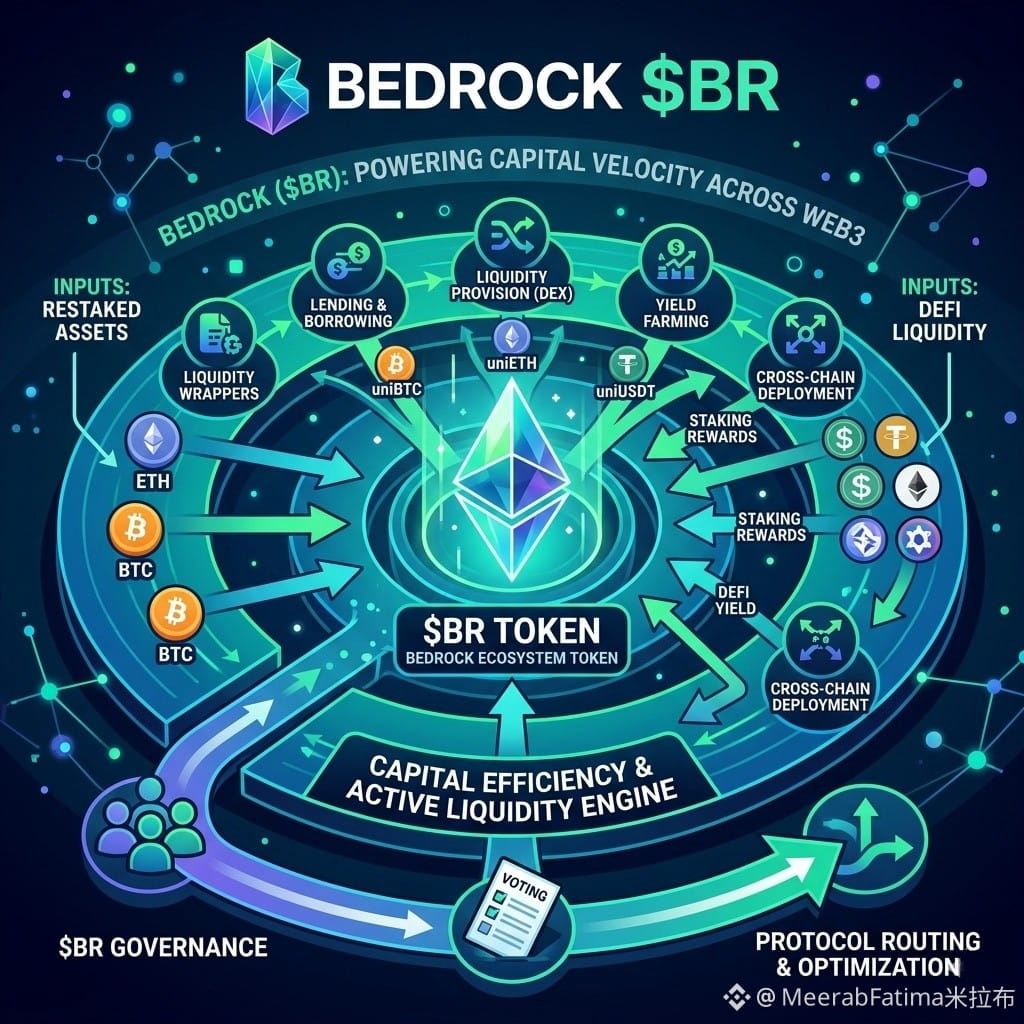
#bedrock $BR One assumption that has followed crypto for years is that staking is fundamentally about locking assets and earning a return. It’s such a familiar idea that many people rarely stop to question it.
But after spending years watching staking infrastructure, DeFi markets, and liquidity mechanisms evolve, I think that view captures only part of the picture.
The more mature the industry becomes, the more the conversation shifts from yield to efficiency. Yield is relatively easy to understand. Capital efficiency is more subtle. It asks whether an asset can remain productive without becoming isolated from the rest of the ecosystem. Increasingly, that seems to be where innovation is happening.
One thing I’ve noticed over time is a change in how users think about idle assets. In earlier cycles, simply earning a return felt sufficient. Today, many participants view inactive liquidity as a hidden cost. There’s a growing awareness that every asset parked in one place represents a potential opportunity somewhere else.
That broader shift is part of what makes Bedrock ($BR) interesting to me. Not because of a particular feature or narrative, but because it reflects a larger effort to address a recurring challenge: how to keep capital active, useful, and adaptable across different environments without forcing unnecessary trade-offs.
The longer I observe crypto, the less I think value is created through passive ownership alone. More often, it emerges from the ability of capital to move, participate, and remain productive. That may be one of the most important changes taking place beneath the surface of modern crypto markets.
#BedrockBR @Bedrock $BR
{future}(BRUSDT)
#bedrock $BR One assumption that has followed crypto for years is that staking is fundamentally about locking assets and earning a return. It’s such a familiar idea that many people rarely stop to question it.
But after spending years watching staking infrastructure, DeFi markets, and liquidity mechanisms evolve, I think that view captures only part of the picture.
The more mature the industry becomes, the more the conversation shifts from yield to efficiency. Yield is relatively easy to understand. Capital efficiency is more subtle. It asks whether an asset can remain productive without becoming isolated from the rest of the ecosystem. Increasingly, that seems to be where innovation is happening.
One thing I’ve noticed over time is a change in how users think about idle assets. In earlier cycles, simply earning a return felt sufficient. Today, many participants view inactive liquidity as a hidden cost. There’s a growing awareness that every asset parked in one place represents a potential opportunity somewhere else.
That broader shift is part of what makes Bedrock ($BR ) interesting to me. Not because of a particular feature or narrative, but because it reflects a larger effort to address a recurring challenge: how to keep capital active, useful, and adaptable across different environments without forcing unnecessary trade-offs.
The longer I observe crypto, the less I think value is created through passive ownership alone. More often, it emerges from the ability of capital to move, participate, and remain productive. That may be one of the most important changes taking place beneath the surface of modern crypto markets.
#BedrockBR @Bedrock $BR
2
117

·
--
🚀 Bedrock 生态深度洞察:多链布局下的 LSD 治理新范式
@Bedrock 作为流动性质押赛道中一个不可忽视的存在,我今天想和大家好好聊聊它的生态定位和竞争格局。很多人只盯着 $BR 的 K 线涨跌,却忽略了项目本身在跨链扩张和治理机制上的扎实步伐。
先看一组关键数据:$BR 当前价格 $0.1387,24 小时小幅回调 -4.06%,但 7 日涨幅 +5.27%,30 日累计上涨 +10.71%,整体趋势依然健康。市值约 $3486 万,24 小时成交量 $614 万,流通市值排名 CoinGecko 第 587 位。值得注意的是,$BR 流通量仅 2.51 亿枚,占总供应量 10 亿的 25.1%——大量代币尚未进入市场,这意味着随着协议发展,代币的释放节奏将对供需产生深远影响。
📊 多链版图:从 BSC 到 Berachain
Bedrock 目前已经部署了四条链——BNB Chain、Ethereum、Base 和 Berachain。这种多链策略在 LSD 赛道中并不多见。大多数流动性质押协议往往选择单链深耕(比如 Lido 主攻以太坊),而 Bedrock 选择了「遍地开花」的路径。BSC 上 $BR 的主流动性池拥有约 $76 万的深度,是目前生态中最核心的交易场所。Base 链和 Berachain 的布局则显示出团队对新兴 L2 和新兴公链生态的前瞻性押注。
🏛️ veBR 治理模型:锁仓即权力
Bedrock 的治理架构基于 veBR(投票托管)模型,用户将 $BR 按 1:1 比例锁仓即可获得 veBR,参与协议参数、激励结构和流动性分配的决策。这与 Curve 的 veCRV 模型一脉相承,但 Bedrock 将其引入流动性质押治理领域,形成了一个「质押→治理→收益」的闭环。这种设计不仅增强了代币的长期持有意愿,也为协议的可持续发展提供了去中心化决策的底层保障。
🔍 竞争格局中的差异化
在 LSD/LRT 赛道,Lido 以 $200 亿+ TVL 独占鳌头,Rocket Pool、Frax Ether 等也各有千秋。Bedrock 的差异化在于:第一,它不局限于单一链的流动性质押,而是通过多链部署获取更广泛的用户基础;第二,veBR 治理模型赋予了代币持有者真实的协议话语权,而非仅仅被动持有;第三,被列入 Binance Alpha Spotlight 和 Binance Wallet IDO,说明币安生态对其给予了相当程度的认可。
💭 我的看法
$BR 目前较 ATH $0.2571 仍有 -46% 的回撤空间,但从 ATL $0.0392 至今 +253% 的涨幅来看,早期参与者已经获得了可观的回报。现阶段的估值($3500 万市值)对于一个四链部署、拥有完整治理体系的 LSD 协议来说,并不算贵——当然,前提是团队能持续推动 TVL 增长和跨链用户转化。我更关注的是 Berachain 上线后能否为 Bedrock 带来新的流动性注入,以及 veBR 治理是否真正被社区活跃使用。
在这个快节奏的市场里,愿意花时间理解项目底层逻辑的人,往往比只看 K 线的人走得更远。
#Bedrock
161

·
--
#bedrock $BR
Innovation in DeFi depends on protocols that make assets work smarter, and @Bedrock is moving in that direction with Bedrock 2.0. I like the focus on improving capital efficiency, expanding multi-asset staking opportunities, and creating more utility for users across ecosystems. The long-term vision behind $BR is worth watching as the platform continues to evolve and attract more participants. Excited to follow the next milestones ahead. #bedrockoficial
Innovation in DeFi depends on protocols that make assets work smarter, and @Bedrock is moving in that direction with Bedrock 2.0. I like the focus on improving capital efficiency, expanding multi-asset staking opportunities, and creating more utility for users across ecosystems. The long-term vision behind $BR is worth watching as the platform continues to evolve and attract more participants. Excited to follow the next milestones ahead. #bedrockoficial
1
89

#bedrock $BR
Bitcoin restaking is exploding, and #bedrockoficial is leading the charge! Through uniBTC, they have unlocked massive liquidity for Bitcoin holders across multiple networks. By aggregating yield and securing decentralized networks, the protocol provides institutional-grade capital efficiency. Keep a close eye on $BR as the ecosystem scales up. Follow @Bedrock for the latest updates! 📈
#WorldShiftsToUtilityDrivenGrowth #USEquityFundingCostsSurge

87

·
--
Mình thấy @Bedrock đang đi khá rõ hướng trong mảng restaking đa tài sản, và với Bedrock 2.0 thì họ bắt đầu tối ưu tốt hơn giữa việc giữ thanh khoản và tăng yield, giúp người dùng không còn bị “kẹt vốn” khi stake như trước; điểm này khá hợp với thị trường hiện tại khi ai cũng muốn linh hoạt dòng tiền, và nếu triển khai ổn thì $BR vẫn là cái tên đáng theo dõi trong narrative DeFi thời gian tới
#Bedrock $BR
{future}(BRUSDT)
Mình thấy @Bedrock đang đi khá rõ hướng trong mảng restaking đa tài sản, và với Bedrock 2.0 thì họ bắt đầu tối ưu tốt hơn giữa việc giữ thanh khoản và tăng yield, giúp người dùng không còn bị “kẹt vốn” khi stake như trước; điểm này khá hợp với thị trường hiện tại khi ai cũng muốn linh hoạt dòng tiền, và nếu triển khai ổn thì $BR vẫn là cái tên đáng theo dõi trong narrative DeFi thời gian tới
#Bedrock $BR
#Bedrock $BR

4
2
220

·
--
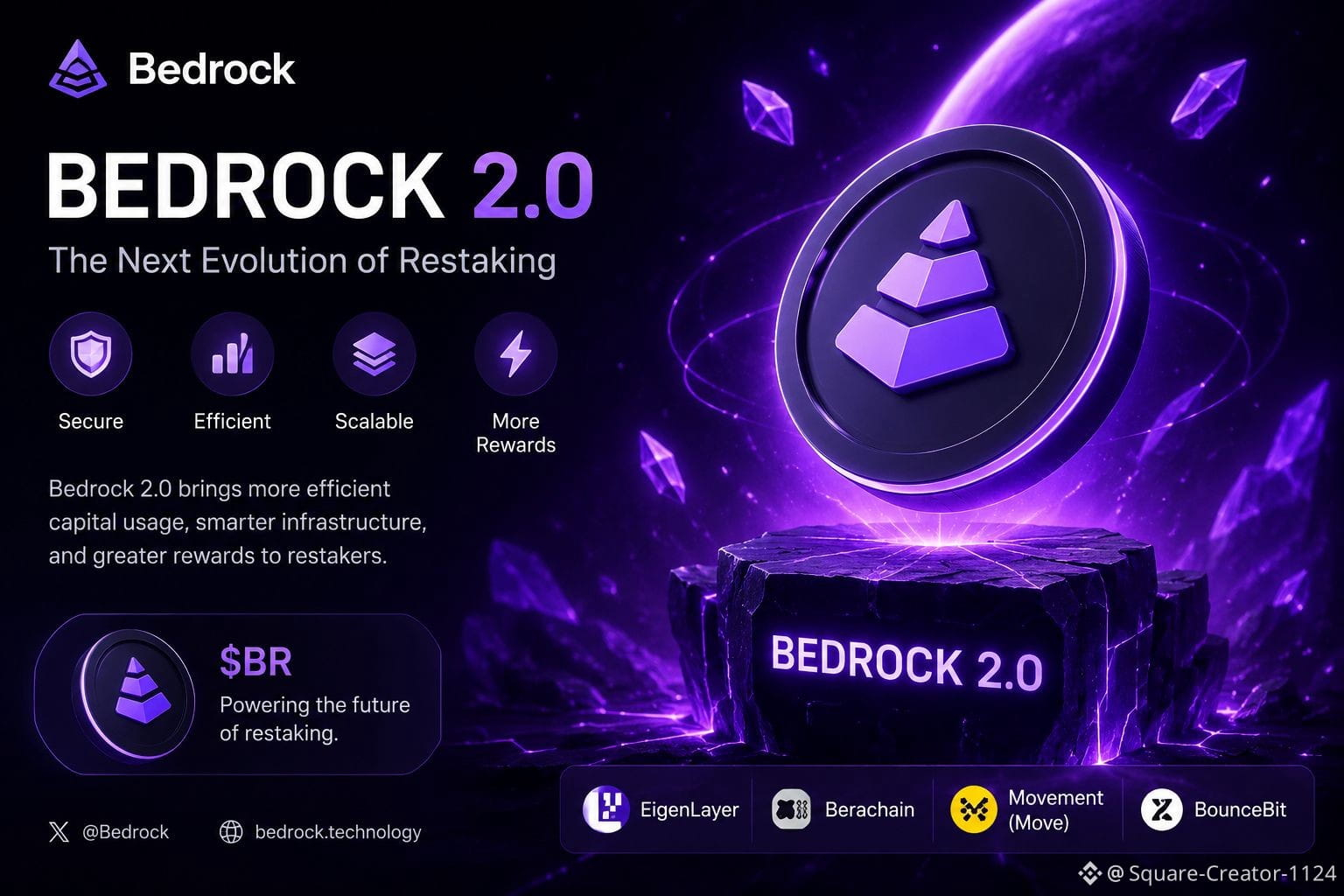
مع تزايد المنافسة في قطاع التمويل اللامركزي، تصبح المشاريع القادرة على تحسين كفاءة الأصول أكثر أهمية من أي وقت مضى. أرى أن Bedrock 2.0 يقدم رؤية مثيرة للاهتمام من خلال التركيز على تعظيم الاستفادة من الأصول المرهونة وتوفير سيولة أكثر مرونة للمستخدمين. أتابع تطورات @Bedrock باستمرار وأترقب كيف سيساهم $BR
{future}(BRUSDT)
في دعم نمو النظام البيئي للمشروع خلال المرحلة القادمة. #Bedrock
مع تزايد المنافسة في قطاع التمويل اللامركزي، تصبح المشاريع القادرة على تحسين كفاءة الأصول أكثر أهمية من أي وقت مضى. أرى أن Bedrock 2.0 يقدم رؤية مثيرة للاهتمام من خلال التركيز على تعظيم الاستفادة من الأصول المرهونة وتوفير سيولة أكثر مرونة للمستخدمين. أتابع تطورات @Bedrock باستمرار وأترقب كيف سيساهم $BR
في دعم نمو النظام البيئي للمشروع خلال المرحلة القادمة. #Bedrock
في دعم نمو النظام البيئي للمشروع خلال المرحلة القادمة. #Bedrock
2
98

·
--
ສັນຍານກະທິງ
$BR USDT has delivered a powerful +46.70% gain in the last 24 hours. The strong momentum indicates growing market attention and increased speculative activity. Traders should watch whether the price can hold above recent breakout levels. Sustained volume could support further upside, while a drop in momentum may lead to a pullback. Managing leverage carefully is important during highly volatile sessions. @Bedrock #Bedrock
{future}(BRUSDT)
$BR USDT has delivered a powerful +46.70% gain in the last 24 hours. The strong momentum indicates growing market attention and increased speculative activity. Traders should watch whether the price can hold above recent breakout levels. Sustained volume could support further upside, while a drop in momentum may lead to a pullback. Managing leverage carefully is important during highly volatile sessions. @Bedrock #Bedrock
128

·
--
$BR
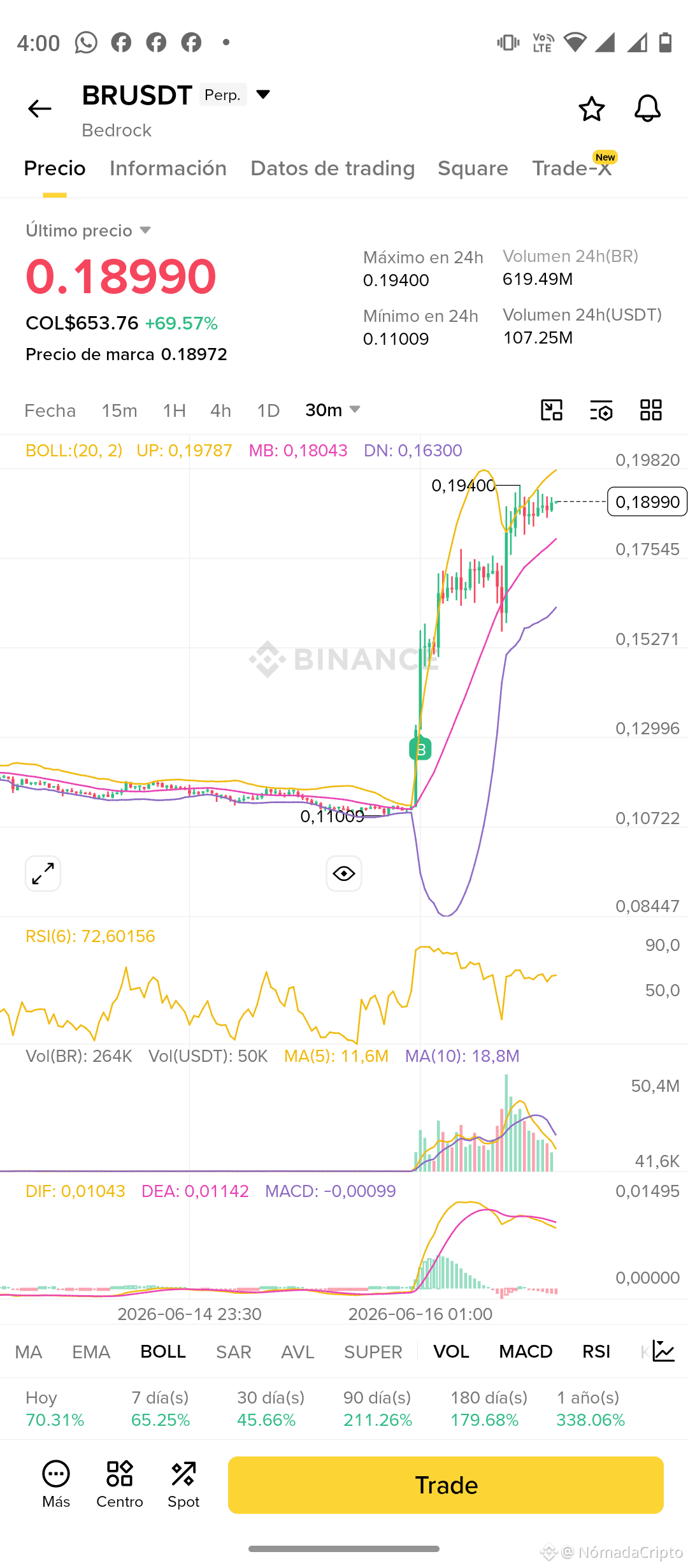
BR se convirtió en uno de los activos más explosivos de la jornada después de registrar una subida cercana al 70% en apenas 24 horas y romper con fuerza una larga fase de estabilidad.
Lo más llamativo es la velocidad del movimiento. Tras mantenerse durante varios días alrededor de la zona de 0.11 USDT, los compradores aparecieron con fuerza y llevaron el precio hasta máximos cercanos a 0.19 USDT, acompañado por un aumento significativo en el volumen negociado.
Cuando un activo permanece tranquilo durante tanto tiempo y luego experimenta una expansión tan agresiva, suele atraer rápidamente la atención de traders que buscan identificar si el impulso todavía tiene recorrido o si las primeras tomas de ganancias están por comenzar.
Por ahora BR continúa negociándose cerca de sus máximos recientes, una señal que mantiene el interés del mercado mientras aumenta la expectativa sobre su próximo movimiento.
La pregunta que muchos empiezan a hacerse es sencilla:
¿Estamos viendo el inicio de una nueva etapa alcista para BR o el mercado está acercándose a una zona donde los vendedores intentarán recuperar el control?
$BR #Bedrock #Nomadacripto
{future}(BRUSDT)
$BR
BR se convirtió en uno de los activos más explosivos de la jornada después de registrar una subida cercana al 70% en apenas 24 horas y romper con fuerza una larga fase de estabilidad.
Lo más llamativo es la velocidad del movimiento. Tras mantenerse durante varios días alrededor de la zona de 0.11 USDT, los compradores aparecieron con fuerza y llevaron el precio hasta máximos cercanos a 0.19 USDT, acompañado por un aumento significativo en el volumen negociado.
Cuando un activo permanece tranquilo durante tanto tiempo y luego experimenta una expansión tan agresiva, suele atraer rápidamente la atención de traders que buscan identificar si el impulso todavía tiene recorrido o si las primeras tomas de ganancias están por comenzar.
Por ahora BR continúa negociándose cerca de sus máximos recientes, una señal que mantiene el interés del mercado mientras aumenta la expectativa sobre su próximo movimiento.
La pregunta que muchos empiezan a hacerse es sencilla:
¿Estamos viendo el inicio de una nueva etapa alcista para BR o el mercado está acercándose a una zona donde los vendedores intentarán recuperar el control?
$BR #Bedrock #Nomadacripto
2
752

·
--
I've noticed that most people evaluate governance by looking at who gets voting power.
Lately, I've been thinking a different question might be more important: who is willing to wait for it?
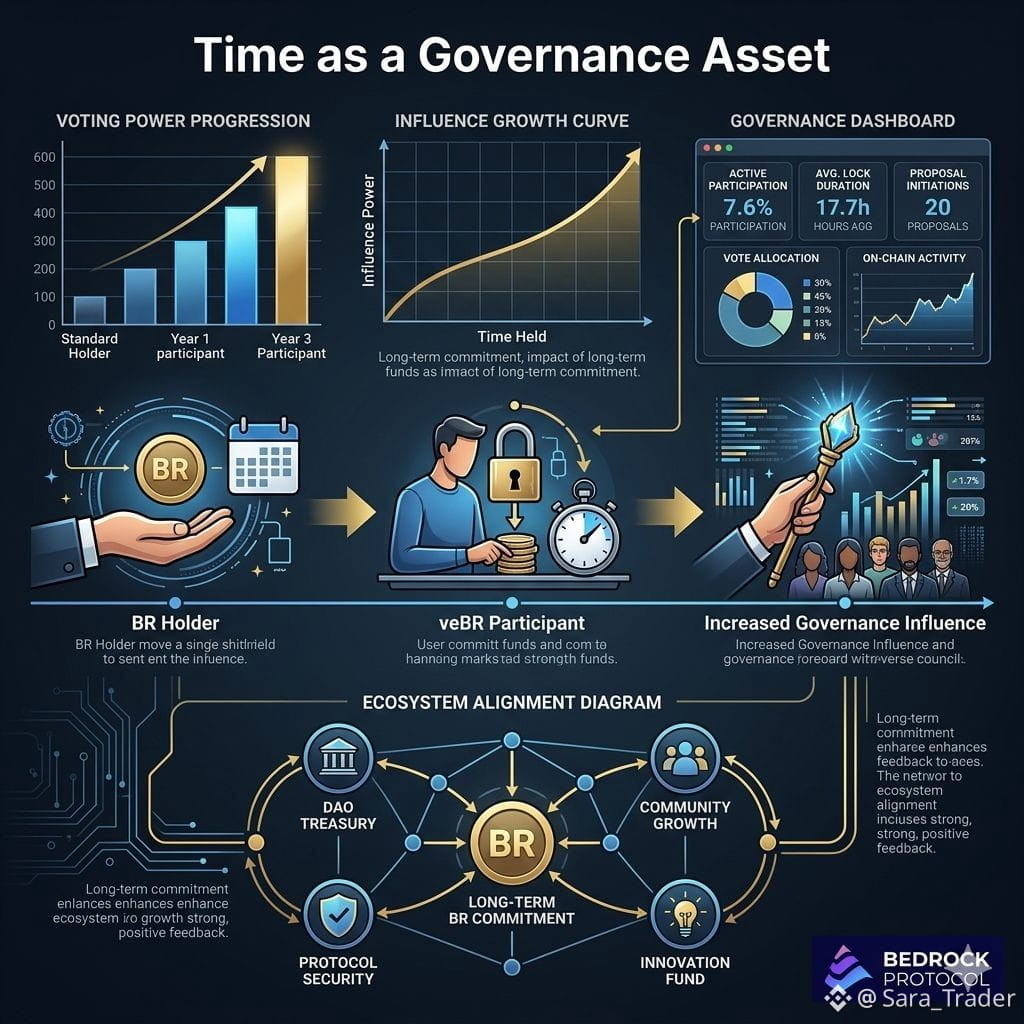
In Bedrock's model, influence isn't only tied to holding $BR. It becomes stronger through veBR and long-term participation. That creates an interesting dynamic because time itself becomes part of the governance process.
What catches my attention is that this changes the competition for influence. Instead of being purely about capital, it also becomes about commitment.
The market tends to reward speed. Governance often rewards patience.
Whether that leads to better decisions is something that can only be proven over time. But I do think it's an interesting experiment in aligning influence with participants who are willing to stay engaged beyond the next opportunity.
In a space where attention moves quickly, systems that value long-term commitment stand out to me.
@Bedrock $BR #Bedrock
I've noticed that most people evaluate governance by looking at who gets voting power.
Lately, I've been thinking a different question might be more important: who is willing to wait for it?
In Bedrock's model, influence isn't only tied to holding $BR . It becomes stronger through veBR and long-term participation. That creates an interesting dynamic because time itself becomes part of the governance process.
What catches my attention is that this changes the competition for influence. Instead of being purely about capital, it also becomes about commitment.
The market tends to reward speed. Governance often rewards patience.
Whether that leads to better decisions is something that can only be proven over time. But I do think it's an interesting experiment in aligning influence with participants who are willing to stay engaged beyond the next opportunity.
In a space where attention moves quickly, systems that value long-term commitment stand out to me.
@Bedrock $BR #Bedrock
1
1
160

·
--
ສັນຍານໝີ
The tricky part isn’t creating a liquid restaking token. It’s making sure everything still adds up after people start using it.
While looking into Bedrock, I kept coming back to that point. The system can be live, but there’s still a lot happening behind the scenes—BTC and ETH rewards coming from different places, brBTC allocations being adjusted, and uniBTC/uniETH holders expecting the value they see to match what’s actually being generated underneath.
Bedrock is basically taking rewards from multiple layers like Babylon, Kernel, Pell, SatLayer and packaging that complexity into assets people can hold and use.
For me, the real test is simple: can users trust that one token still reflects the underlying strategy as more integrations get added?
That’s also where $BR starts to matter. Not because of bigger yield numbers, but because allocation decisions, incentives, and verification become harder as the stack grows.
My question is: how does Bedrock keep reward attribution transparent enough that users can verify where the value is actually coming from? @Bedrock $BR
{future}(BRUSDT)
#Bedrock
The tricky part isn’t creating a liquid restaking token. It’s making sure everything still adds up after people start using it.
While looking into Bedrock, I kept coming back to that point. The system can be live, but there’s still a lot happening behind the scenes—BTC and ETH rewards coming from different places, brBTC allocations being adjusted, and uniBTC/uniETH holders expecting the value they see to match what’s actually being generated underneath.
Bedrock is basically taking rewards from multiple layers like Babylon, Kernel, Pell, SatLayer and packaging that complexity into assets people can hold and use.
For me, the real test is simple: can users trust that one token still reflects the underlying strategy as more integrations get added?
That’s also where $BR starts to matter. Not because of bigger yield numbers, but because allocation decisions, incentives, and verification become harder as the stack grows.
My question is: how does Bedrock keep reward attribution transparent enough that users can verify where the value is actually coming from? @Bedrock $BR
#Bedrock
3
14
234

·
--
#bedrock $BR
لطالما كان مشروع Bedrock رائدًا في مجاله، ومع الإعلان عن Bedrock 2.0، يزداد يقيني بأن المشروع يتجه نحو خطوات هامة في مسار نموه. رمز $BR يمتلك إمكانات واعدة بالنظر إلى البنية التحتية القوية التي يتم بناؤها حالياً. أنصح الجميع بمتابعة @Bedrock للحصول على المعلومات الرسمية والموثوقة أولًا بأول. #Bedrock
لطالما كان مشروع Bedrock رائدًا في مجاله، ومع الإعلان عن Bedrock 2.0، يزداد يقيني بأن المشروع يتجه نحو خطوات هامة في مسار نموه. رمز $BR يمتلك إمكانات واعدة بالنظر إلى البنية التحتية القوية التي يتم بناؤها حالياً. أنصح الجميع بمتابعة @Bedrock للحصول على المعلومات الرسمية والموثوقة أولًا بأول. #Bedrock
5
138

·
--
周末和老李喝茶,听他大吐苦水,说刚被某个画大饼的DeFi项目割了韭菜。我笑着摆摆手,这种只看噱头不看底盘的“冤种操作”,在圈子里早就不新鲜了。其实真要找个能长期拿得出手的标的,我最近盯上的 @Bedrock 确实有点东西。
首先,它的 TVL 走势非常健康,是标准的“台阶型”。跟那些靠高额补贴续命、资金来回跑的“锯齿型”协议不同,Bedrock 每一轮拉升都伴随着上新链或对接新生态等关键节点。资金涨上去后能稳稳沉淀下来,横盘期越长,说明真实用户的粘性越强,底盘扎实。
其次,它主打的 Delta 中性策略是真正的“复利入场券”。这套逻辑是用 BTC 现货抵押拿安全收益,再通过永续合约对冲掉方向风险,只赚资金费率和质押息差。年化 8 到 15 个点看着不刺激,但回撤被死死按在个位数。在这个高收益往往伴随高爆仓风险的市场里,这种“少输”的策略反而能跑得更远。
最后,它的多路由和 AI 导航设计也颇具巧思。Bedrock 2.0 接入了 15 条链和多个 AVS 协议,配合 BRClaw 这个链上 AI 分析师,能帮普通用户快速评估保险库机会。只要数据源足够独立,这种工具能极大降低用户的认知门槛。
总的来说,在这个充满黑天鹅的市场里,Bedrock 这种靠真实业务驱动、注重风险控制的协议,确实比那些只会玩“未来叙事”的项目靠谱得多。
如果是你,在 DeFi 赛道里最看重以下哪一项核心优势?
@Bedrock
#bedrock $BR
A. 稳健的“台阶型”TVL 底盘
80%
B. 主打“少输”的 Delta 中性策略
20%
C. 降维打击的“AI 导航 + 多路由”
0%
D. 成年人不做选择,我全都要!
0%
10 ຄະແນນສຽງ • ປິດລົງຄະແນນສຽງ
1
4
2.1k

·
--
#bedrock $BR @Bedrock I didn't really pay much attention to Bedrock the first few times I saw people talking about it.
There are so many BTCFi projects now that after a while they all start sounding similar. Higher yield, better efficiency, more opportunities... you've heard it all before.
But when I spent some time reading about Bedrock, the uniBTC part actually made me stop for a minute.
One thing I've always found strange about Bitcoin is how much value just sits there doing nothing. People hold BTC for years, which makes sense, but at the same time that liquidity isn't really being used.
Bedrock seems to be built around that exact problem.
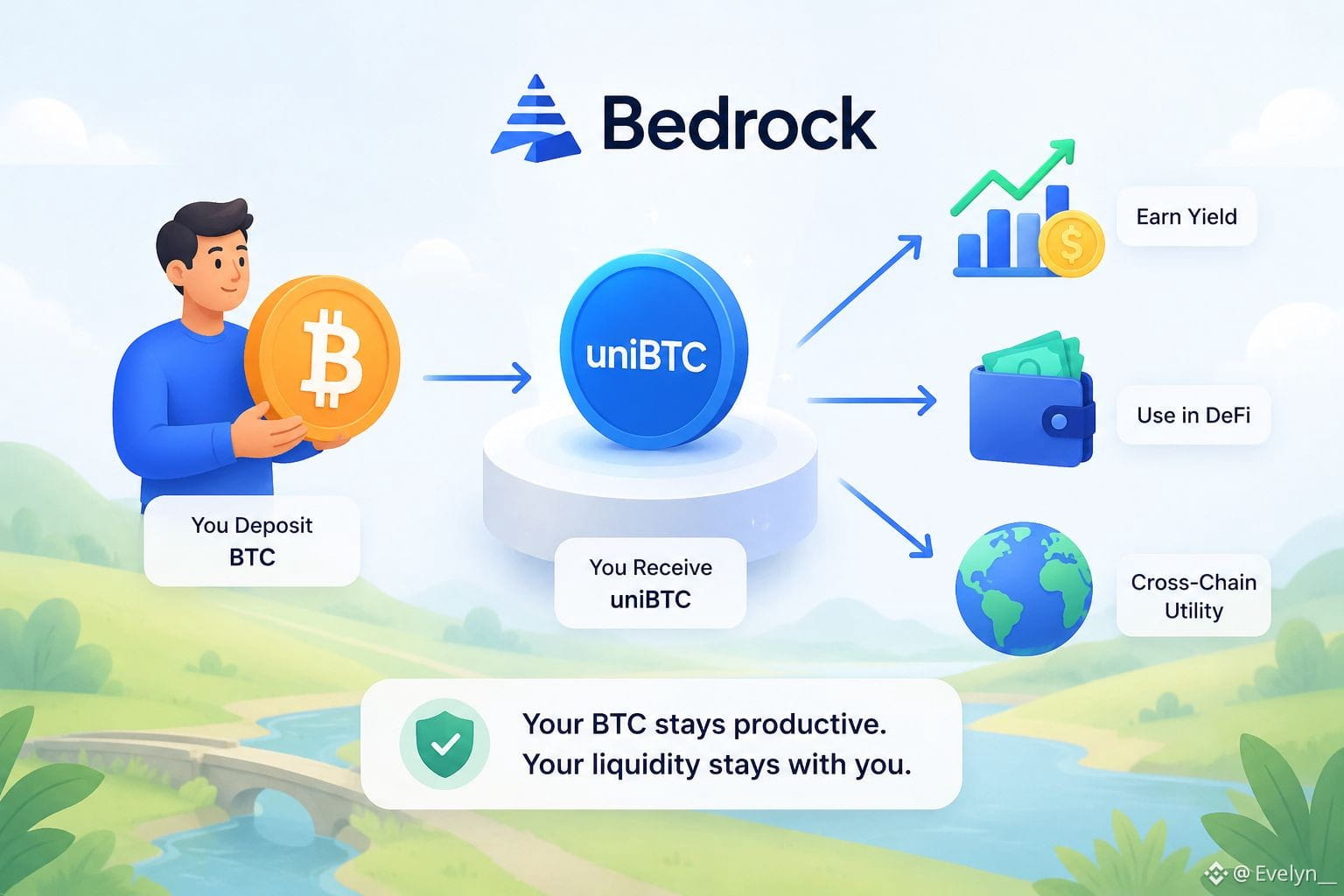
The idea behind uniBTC is pretty simple. You deposit Bitcoin-related assets and receive uniBTC in return. So instead of choosing between holding BTC or exploring DeFi opportunities, you can keep exposure while still having something liquid to use across the ecosystem.
I think that's the reason it has gained attention recently.
The growth numbers are hard to ignore too. Bedrock has expanded to more than 19 chains, integrated with 60+ DeFi protocols, and its TVL has already crossed $470M. For me, that says people are actually using the product rather than just talking about it on social media.
The more I look at it, the more it feels like Bedrock isn't trying to reinvent Bitcoin. It's trying to make existing Bitcoin liquidity more useful.
Maybe that's why I keep seeing its name come up whenever the BTCFi conversation starts.
4
3
252

·
--
ສັນຍານກະທິງ
Most people who've been around crypto long enough treat staking yield as a destination. You commit your assets, the protocol rewards you, and that's the end of the thought process. I held that view for longer than I'd like to admit.
What gradually changed my thinking wasn't a single protocol or mechanism it was watching how sophisticated capital actually behaves over time. It doesn't rest. It moves through layers, finds compounding surfaces, and treats any static position as a temporary compromise rather than a strategy.
The uncomfortable realization I kept arriving at was this: most retail participants accept opportunity cost as a fixed condition of participating in staking, rather than a problem worth solving. That acceptance has become so normalized it barely registers as a limitation anymore.
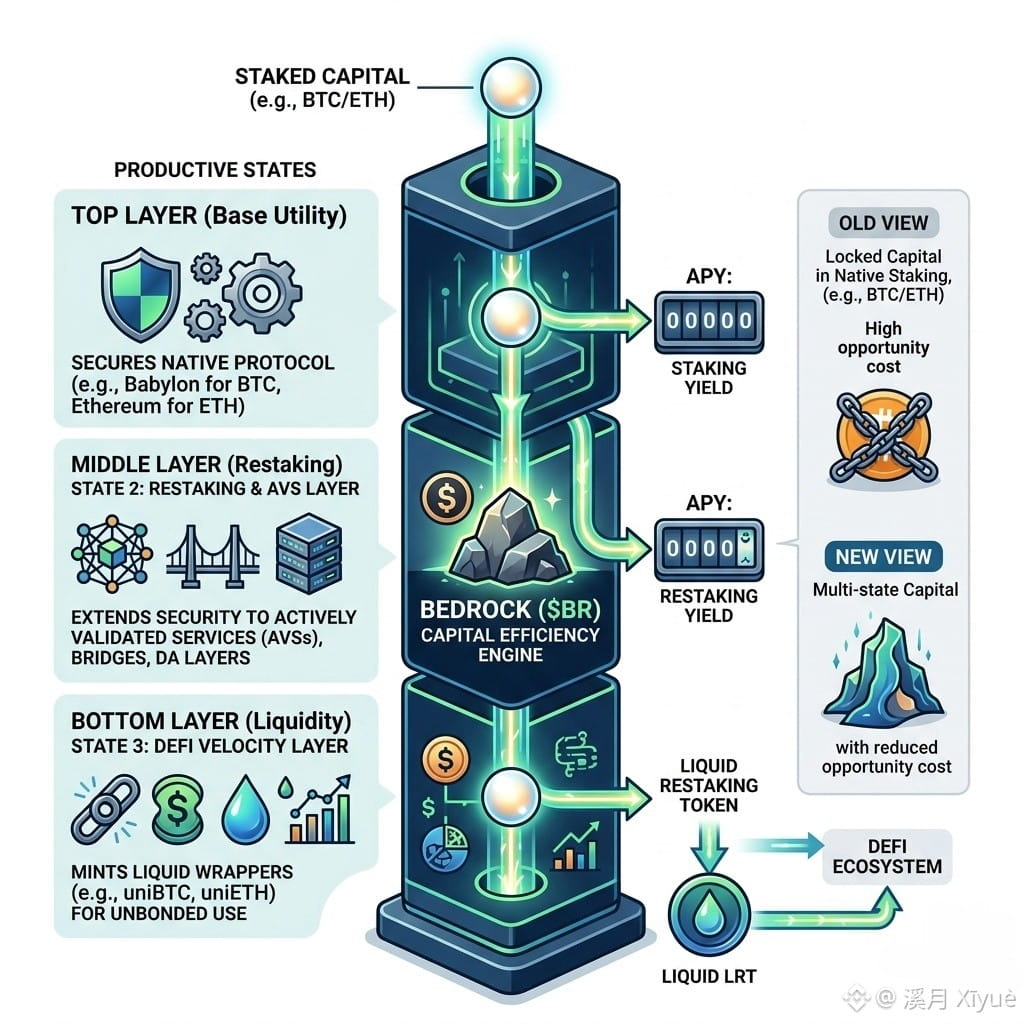
But the infrastructure conversation has quietly moved on. The more interesting question being asked now isn't how much yield a position generates in isolation it's how many productive states a single unit of capital can occupy without fragmenting its underlying value or sacrificing access.
Bedrock exists somewhere inside that question. What draws my attention isn't the yield mechanics specifically, but the fact that it seems to be designed around a different assumption entirely that staked capital shouldn't have to choose between being productive and remaining useful elsewhere.
Whether that becomes a lasting framework or just another cycle narrative, I genuinely don't know. But I think the underlying premise deserves more serious consideration than most people are currently giving it.
$BR @Bedrock #bedrock
{alpha}(560xff7d6a96ae471bbcd7713af9cb1feeb16cf56b41)
Most people who've been around crypto long enough treat staking yield as a destination. You commit your assets, the protocol rewards you, and that's the end of the thought process. I held that view for longer than I'd like to admit.
What gradually changed my thinking wasn't a single protocol or mechanism it was watching how sophisticated capital actually behaves over time. It doesn't rest. It moves through layers, finds compounding surfaces, and treats any static position as a temporary compromise rather than a strategy.
The uncomfortable realization I kept arriving at was this: most retail participants accept opportunity cost as a fixed condition of participating in staking, rather than a problem worth solving. That acceptance has become so normalized it barely registers as a limitation anymore.
But the infrastructure conversation has quietly moved on. The more interesting question being asked now isn't how much yield a position generates in isolation it's how many productive states a single unit of capital can occupy without fragmenting its underlying value or sacrificing access.
Bedrock exists somewhere inside that question. What draws my attention isn't the yield mechanics specifically, but the fact that it seems to be designed around a different assumption entirely that staked capital shouldn't have to choose between being productive and remaining useful elsewhere.
Whether that becomes a lasting framework or just another cycle narrative, I genuinely don't know. But I think the underlying premise deserves more serious consideration than most people are currently giving it.
$BR @Bedrock #bedrock
150
ເຂົ້າສູ່ລະບົບເພື່ອສຳຫຼວດເນື້ອຫາເພີ່ມເຕີມ
ເຂົ້າຮ່ວມກຸ່ມຜູ້ໃຊ້ຄຣິບໂຕທົ່ວໂລກໃນ Binance Square.
⚡️ ໄດ້ຮັບຂໍ້ມູນຫຼ້າສຸດ ແລະ ທີ່ມີປະໂຫຍດກ່ຽວກັບຄຣິບໂຕ.
💬 ໄດ້ຮັບຄວາມໄວ້ວາງໃຈຈາກຕະຫຼາດແລກປ່ຽນຄຣິບໂຕທີ່ໃຫຍ່ທີ່ສຸດໃນໂລກ.
👍 ຄົ້ນຫາຂໍ້ມູນເຊີງເລິກທີ່ແທ້ຈາກນັກສ້າງທີ່ໄດ້ຮັບການຢືນຢັນ.
ອີເມວ / ເບີໂທລະສັບ
ຫົວຂໍ້ທີ່ກໍາລັງນິຍົມ
1
#NVIDIAReinstatesJensenHuangasCEO
3,277 ຄັ້ງທີ່ເບິ່ງ
279 ກຳລັງສົນທະນາ
2
#WillMarketsStageAThanksgivingReliefRally?
101,051 ຄັ້ງທີ່ເບິ່ງ
1,485 ກຳລັງສົນທະນາ
3
#WillOctCorePCEShiftFedHikeExpectations?
37,073 ຄັ້ງທີ່ເບິ່ງ
584 ກຳລັງສົນທະນາ
4
#BitcoinEndsRecord17DayStreakOfLowerHighs
312 ຄັ້ງທີ່ເບິ່ງ
79 ກຳລັງສົນທະນາ
5
#TradersPriceOut50bpDecemberFedHike
980 ຄັ້ງທີ່ເບິ່ງ
71 ກຳລັງສົນທະນາ
6
#EvolveAtBinanceBlockchainWeek
87,572 ຄັ້ງທີ່ເບິ່ງ
866 ກຳລັງສົນທະນາ
7
#BlackRockETHNetOutflowsReach$1.75BSinceOct1
311 ຄັ້ງທີ່ເບິ່ງ
10 ກຳລັງສົນທະນາ
8
#TrumpBackedAmericanBitcoinRaisesHoldingsToOver8500BTC
567 ຄັ້ງທີ່ເບິ່ງ
26 ກຳລັງສົນທະນາ
9
#MuskWarnsOfAICashCrunch
49,848 ຄັ້ງທີ່ເບິ່ງ
643 ກຳລັງສົນທະນາ
10
#SkyPSMUSDCLiquidityReboundsTo$1.77B
381 ຄັ້ງທີ່ເບິ່ງ
9 ກຳລັງສົນທະນາ