

#kavabnbchainsummer
kavabnbchainsummer
6.7M views
53,341 ກຳລັງສົນທະນາ
ມາແຮງ
ຫຼ້າສຸດ
·
--
DeFi isn’t just about trading, it’s about building lasting ecosystems! With @kava and $KAVA , innovation meets speed, giving us a brighter blockchain future. #KavaBNBChainSummer
DeFi isn’t just about trading, it’s about building lasting ecosystems! With @kava and $KAVA , innovation meets speed, giving us a brighter blockchain future. #KavaBNBChainSummer
10
27


·
--
ບົດຄວາມ
The rise of KAVA : Inside the Momentum and Innovation Driving Its Next MoveKAVA has become one of the most closely watched tokens in the complex web of today's cryptocurrency market, enthralling both analysts and traders. Its trajectory from key support levels to the edge of crucial resistance points tells a story that is much more complex than simple price swings. Technical momentum, market psychology, and participation trends are all compellingly examined in the token's performance, which reveals a dynamic interaction that provides insightful information for both long-term investors and short-term traders.
The recent trajectory of KAVA demonstrates how momentum is a carefully developed pattern supported by actual demand rather than just an artifact of market speculation. The initial recovery of the token from lower support levels paved the way for a path of steady ascent, with higher candles indicating greater buyer confidence and bolstering the idea of resilience. Once a major barrier, the $0.67 resistance level now offers an interesting prism through which to examine market behavior. Earlier attempts to break through this barrier were greeted with resistance, but the recent spike in trading volume points to a significant change: buyers are acting decisively, exhibiting conviction that goes beyond simple price speculation.
Three essential pillars must be examined in order to fully comprehend KAVA's momentum: price action, volume trends, and technical indicators. Specifically, volume serves as an early warning system for possible breakouts and frequently comes before long-term upward trends. The volume of KAVA has continuously matched its price growth, according to observers, suggesting that the advancements are driven by real market activity rather than ephemeral hype. Additionally, this bullish bias is supported by important technical tools like the RSI and MACD, which indicate a high likelihood that upward movement will continue as market participants rally around the token.
However, KAVA's momentum also reflects trading psychology, which goes beyond technical charts. A self-reinforcing cycle of confidence and active engagement is being fostered by investors' growing recognition of the token's ability to sustain upward trajectories even during slight retracements. Through the creation of an ecosystem where sentiment and technical triggers converge to sustain growth, this behavioral component amplifies the structural momentum. In this regard, KAVA is a project exhibiting a resilience that establishes it as a long-term contender in the crypto space, rather than just a token going through speculative spikes.
Technological Underpinnings: Ecosystem Development and KAVA's Dual-Chain Architecture
Although market momentum draws attention right away, KAVA's underlying technological architecture serves as the foundation for long-term growth. The design of the protocol places a strong emphasis on interoperability, scalability, and effective transaction processing, providing a competitive edge in a market that is becoming more and more crowded with rival platforms. Notable is its dual-chain architecture, which enables the independent scaling of transactional processes and application-specific activities. Users gain from smooth experiences and less friction thanks to this design, which guarantees that developers can innovate without overtaxing the network.
KAVA's dedication to performance optimization and adoption facilitation is further supported by recent protocol upgrades. Increased transaction throughput due to improved scalability has reduced latency and improved the operational environment for institutional and retail players. Stakeholder confidence is maintained and the network is shielded from vulnerabilities by sophisticated security measures. Alongside these technological advancements, KAVA has a strong ecosystem that supports a variety of decentralized applications that increase its usefulness beyond simple token transfers. Because of its adaptability, the token can be used as a platform to facilitate intricate financial transactions as well as a useful medium of exchange.
The potential of KAVA is further enhanced by community involvement. Stakeholders feel more invested when they actively participate in governance, protocol development, and ecosystem projects. By increasing liquidity, promoting adoption, and bolstering positive sentiment, this engagement has a direct impact on market behavior and is not merely symbolic. By extending its reach and strengthening its credibility, strategic partnerships and cross-chain integrations help KAVA maintain its standing as an innovative, forward-thinking project.
Deeper understanding of KAVA's trajectory can be gained by conducting a strategic analysis. A framework for predicting future market movements is created by combining historical resistance points, current volume trends, and changing sentiment. The rise in buyer participation as the token gets closer to previously difficult levels indicates both confidence and strategic positioning. Converging technical, behavioral, and volume-based signals can provide traders with valuable insights that help them make well-informed decisions.
The interaction between micro-level dynamics and macro-level market trends enhances KAVA's story even more. The token's steady performance emphasizes the significance of project-specific factors, even though sentiment in the cryptocurrency market as a whole surely affects price action. The ability of KAVA to withstand market volatility is demonstrated by its structural resilience, which is demonstrated by its recovery from slight declines and ongoing upward trends. It serves as an example of how tokens can achieve sustainable growth as opposed to sporadic spikes because of its combination of strategic innovation, community involvement, and disciplined technical behavior.
Prospects for the Future: Innovation, Momentum, and Community-Driven Development
A combination of technical, strategic, and community-driven factors have shaped KAVA's trajectory, which looks promising going forward. Analysts stress that the conditions for further upward movement are created by the convergence of bullish indicators, persistent volume trends, and continuous ecosystem expansion. In order to take advantage of new opportunities in decentralized finance, cross-chain interoperability, and application adoption, the project's roadmap emphasizes both technological advancement and community empowerment.
For KAVA, strategic innovation continues to be a crucial differentiator. Long-term growth is made possible by the combination of a strong protocol architecture, an active community, and focused technology advancements. In addition to momentum, observers should take into account the fundamental forces that guarantee sustainability, such as scalability programs, ecosystem integrations, and a governance framework that gives stakeholders the ability to direct the course of development. Because technical proficiency, strategic vision, and participatory governance are all in line, KAVA is positioned as a token where investors can get significant returns through thorough research and prompt participation.
Current market participation trends emphasize how crucial timing and awareness are. Growing buyer engagement and higher trading volume as KAVA gets closer to historically significant resistance levels show a convergence of technical readiness, strategic positioning, and confidence. This behavior shows how momentum can produce positive effects for both long-term holders and short-term traders when it is bolstered by technology and community involvement.
In conclusion, $KAVA serves as an example of innovation, momentum, and strategic growth.
In conclusion, KAVA is a prime example of the uncommon fusion of technological innovation, community-driven growth, and technical momentum. The token appears to be well-positioned for future success based on its rise from fundamental support levels, rising volume, and the alignment of bullish indicators. There are real grounds for hope thanks to the dual-chain architecture, protocol improvements, and ecosystem growth, and long-term sustainability is further supported by an engaged and driven community.
For those looking for strategic insights, KAVA presents an engaging story where ecosystem growth, functional utility, and robust price action come together to create long-term momentum. Traders and investors can take advantage of @kava's potential by keeping an eye on it, comprehending its technological foundations, and observing trends in market participation. The story of KAVA is far from over; for those who participate carefully, its trajectory offers both opportunity and excitement as the project continues to innovate.
In the end, #KavaBNBChainSummer , @kava , and $KAVA come together to tell a tale of momentum, creativity, and community involvement that is both practical and motivational for those navigating the changing cryptocurrency scene.
The rise of KAVA : Inside the Momentum and Innovation Driving Its Next Move
KAVA has become one of the most closely watched tokens in the complex web of today's cryptocurrency market, enthralling both analysts and traders. Its trajectory from key support levels to the edge of crucial resistance points tells a story that is much more complex than simple price swings. Technical momentum, market psychology, and participation trends are all compellingly examined in the token's performance, which reveals a dynamic interaction that provides insightful information for both long-term investors and short-term traders.
The recent trajectory of KAVA demonstrates how momentum is a carefully developed pattern supported by actual demand rather than just an artifact of market speculation. The initial recovery of the token from lower support levels paved the way for a path of steady ascent, with higher candles indicating greater buyer confidence and bolstering the idea of resilience. Once a major barrier, the $0.67 resistance level now offers an interesting prism through which to examine market behavior. Earlier attempts to break through this barrier were greeted with resistance, but the recent spike in trading volume points to a significant change: buyers are acting decisively, exhibiting conviction that goes beyond simple price speculation.
Three essential pillars must be examined in order to fully comprehend KAVA's momentum: price action, volume trends, and technical indicators. Specifically, volume serves as an early warning system for possible breakouts and frequently comes before long-term upward trends. The volume of KAVA has continuously matched its price growth, according to observers, suggesting that the advancements are driven by real market activity rather than ephemeral hype. Additionally, this bullish bias is supported by important technical tools like the RSI and MACD, which indicate a high likelihood that upward movement will continue as market participants rally around the token.
However, KAVA's momentum also reflects trading psychology, which goes beyond technical charts. A self-reinforcing cycle of confidence and active engagement is being fostered by investors' growing recognition of the token's ability to sustain upward trajectories even during slight retracements. Through the creation of an ecosystem where sentiment and technical triggers converge to sustain growth, this behavioral component amplifies the structural momentum. In this regard, KAVA is a project exhibiting a resilience that establishes it as a long-term contender in the crypto space, rather than just a token going through speculative spikes.
Technological Underpinnings: Ecosystem Development and KAVA's Dual-Chain Architecture
Although market momentum draws attention right away, KAVA's underlying technological architecture serves as the foundation for long-term growth. The design of the protocol places a strong emphasis on interoperability, scalability, and effective transaction processing, providing a competitive edge in a market that is becoming more and more crowded with rival platforms. Notable is its dual-chain architecture, which enables the independent scaling of transactional processes and application-specific activities. Users gain from smooth experiences and less friction thanks to this design, which guarantees that developers can innovate without overtaxing the network.
KAVA's dedication to performance optimization and adoption facilitation is further supported by recent protocol upgrades. Increased transaction throughput due to improved scalability has reduced latency and improved the operational environment for institutional and retail players. Stakeholder confidence is maintained and the network is shielded from vulnerabilities by sophisticated security measures. Alongside these technological advancements, KAVA has a strong ecosystem that supports a variety of decentralized applications that increase its usefulness beyond simple token transfers. Because of its adaptability, the token can be used as a platform to facilitate intricate financial transactions as well as a useful medium of exchange.
The potential of KAVA is further enhanced by community involvement. Stakeholders feel more invested when they actively participate in governance, protocol development, and ecosystem projects. By increasing liquidity, promoting adoption, and bolstering positive sentiment, this engagement has a direct impact on market behavior and is not merely symbolic. By extending its reach and strengthening its credibility, strategic partnerships and cross-chain integrations help KAVA maintain its standing as an innovative, forward-thinking project.
Deeper understanding of KAVA's trajectory can be gained by conducting a strategic analysis. A framework for predicting future market movements is created by combining historical resistance points, current volume trends, and changing sentiment. The rise in buyer participation as the token gets closer to previously difficult levels indicates both confidence and strategic positioning. Converging technical, behavioral, and volume-based signals can provide traders with valuable insights that help them make well-informed decisions.
The interaction between micro-level dynamics and macro-level market trends enhances KAVA's story even more. The token's steady performance emphasizes the significance of project-specific factors, even though sentiment in the cryptocurrency market as a whole surely affects price action. The ability of KAVA to withstand market volatility is demonstrated by its structural resilience, which is demonstrated by its recovery from slight declines and ongoing upward trends. It serves as an example of how tokens can achieve sustainable growth as opposed to sporadic spikes because of its combination of strategic innovation, community involvement, and disciplined technical behavior.
Prospects for the Future: Innovation, Momentum, and Community-Driven Development
A combination of technical, strategic, and community-driven factors have shaped KAVA's trajectory, which looks promising going forward. Analysts stress that the conditions for further upward movement are created by the convergence of bullish indicators, persistent volume trends, and continuous ecosystem expansion. In order to take advantage of new opportunities in decentralized finance, cross-chain interoperability, and application adoption, the project's roadmap emphasizes both technological advancement and community empowerment.
For KAVA, strategic innovation continues to be a crucial differentiator. Long-term growth is made possible by the combination of a strong protocol architecture, an active community, and focused technology advancements. In addition to momentum, observers should take into account the fundamental forces that guarantee sustainability, such as scalability programs, ecosystem integrations, and a governance framework that gives stakeholders the ability to direct the course of development. Because technical proficiency, strategic vision, and participatory governance are all in line, KAVA is positioned as a token where investors can get significant returns through thorough research and prompt participation.
Current market participation trends emphasize how crucial timing and awareness are. Growing buyer engagement and higher trading volume as KAVA gets closer to historically significant resistance levels show a convergence of technical readiness, strategic positioning, and confidence. This behavior shows how momentum can produce positive effects for both long-term holders and short-term traders when it is bolstered by technology and community involvement.
In conclusion, $KAVA serves as an example of innovation, momentum, and strategic growth.
In conclusion, KAVA is a prime example of the uncommon fusion of technological innovation, community-driven growth, and technical momentum. The token appears to be well-positioned for future success based on its rise from fundamental support levels, rising volume, and the alignment of bullish indicators. There are real grounds for hope thanks to the dual-chain architecture, protocol improvements, and ecosystem growth, and long-term sustainability is further supported by an engaged and driven community.
For those looking for strategic insights, KAVA presents an engaging story where ecosystem growth, functional utility, and robust price action come together to create long-term momentum. Traders and investors can take advantage of @kava's potential by keeping an eye on it, comprehending its technological foundations, and observing trends in market participation. The story of KAVA is far from over; for those who participate carefully, its trajectory offers both opportunity and excitement as the project continues to innovate.
In the end, #KavaBNBChainSummer , @kava , and $KAVA come together to tell a tale of momentum, creativity, and community involvement that is both practical and motivational for those navigating the changing cryptocurrency scene.
The recent trajectory of KAVA demonstrates how momentum is a carefully developed pattern supported by actual demand rather than just an artifact of market speculation. The initial recovery of the token from lower support levels paved the way for a path of steady ascent, with higher candles indicating greater buyer confidence and bolstering the idea of resilience. Once a major barrier, the $0.67 resistance level now offers an interesting prism through which to examine market behavior. Earlier attempts to break through this barrier were greeted with resistance, but the recent spike in trading volume points to a significant change: buyers are acting decisively, exhibiting conviction that goes beyond simple price speculation.
Three essential pillars must be examined in order to fully comprehend KAVA's momentum: price action, volume trends, and technical indicators. Specifically, volume serves as an early warning system for possible breakouts and frequently comes before long-term upward trends. The volume of KAVA has continuously matched its price growth, according to observers, suggesting that the advancements are driven by real market activity rather than ephemeral hype. Additionally, this bullish bias is supported by important technical tools like the RSI and MACD, which indicate a high likelihood that upward movement will continue as market participants rally around the token.
However, KAVA's momentum also reflects trading psychology, which goes beyond technical charts. A self-reinforcing cycle of confidence and active engagement is being fostered by investors' growing recognition of the token's ability to sustain upward trajectories even during slight retracements. Through the creation of an ecosystem where sentiment and technical triggers converge to sustain growth, this behavioral component amplifies the structural momentum. In this regard, KAVA is a project exhibiting a resilience that establishes it as a long-term contender in the crypto space, rather than just a token going through speculative spikes.
Technological Underpinnings: Ecosystem Development and KAVA's Dual-Chain Architecture
Although market momentum draws attention right away, KAVA's underlying technological architecture serves as the foundation for long-term growth. The design of the protocol places a strong emphasis on interoperability, scalability, and effective transaction processing, providing a competitive edge in a market that is becoming more and more crowded with rival platforms. Notable is its dual-chain architecture, which enables the independent scaling of transactional processes and application-specific activities. Users gain from smooth experiences and less friction thanks to this design, which guarantees that developers can innovate without overtaxing the network.
KAVA's dedication to performance optimization and adoption facilitation is further supported by recent protocol upgrades. Increased transaction throughput due to improved scalability has reduced latency and improved the operational environment for institutional and retail players. Stakeholder confidence is maintained and the network is shielded from vulnerabilities by sophisticated security measures. Alongside these technological advancements, KAVA has a strong ecosystem that supports a variety of decentralized applications that increase its usefulness beyond simple token transfers. Because of its adaptability, the token can be used as a platform to facilitate intricate financial transactions as well as a useful medium of exchange.
The potential of KAVA is further enhanced by community involvement. Stakeholders feel more invested when they actively participate in governance, protocol development, and ecosystem projects. By increasing liquidity, promoting adoption, and bolstering positive sentiment, this engagement has a direct impact on market behavior and is not merely symbolic. By extending its reach and strengthening its credibility, strategic partnerships and cross-chain integrations help KAVA maintain its standing as an innovative, forward-thinking project.
Deeper understanding of KAVA's trajectory can be gained by conducting a strategic analysis. A framework for predicting future market movements is created by combining historical resistance points, current volume trends, and changing sentiment. The rise in buyer participation as the token gets closer to previously difficult levels indicates both confidence and strategic positioning. Converging technical, behavioral, and volume-based signals can provide traders with valuable insights that help them make well-informed decisions.
The interaction between micro-level dynamics and macro-level market trends enhances KAVA's story even more. The token's steady performance emphasizes the significance of project-specific factors, even though sentiment in the cryptocurrency market as a whole surely affects price action. The ability of KAVA to withstand market volatility is demonstrated by its structural resilience, which is demonstrated by its recovery from slight declines and ongoing upward trends. It serves as an example of how tokens can achieve sustainable growth as opposed to sporadic spikes because of its combination of strategic innovation, community involvement, and disciplined technical behavior.
Prospects for the Future: Innovation, Momentum, and Community-Driven Development
A combination of technical, strategic, and community-driven factors have shaped KAVA's trajectory, which looks promising going forward. Analysts stress that the conditions for further upward movement are created by the convergence of bullish indicators, persistent volume trends, and continuous ecosystem expansion. In order to take advantage of new opportunities in decentralized finance, cross-chain interoperability, and application adoption, the project's roadmap emphasizes both technological advancement and community empowerment.
For KAVA, strategic innovation continues to be a crucial differentiator. Long-term growth is made possible by the combination of a strong protocol architecture, an active community, and focused technology advancements. In addition to momentum, observers should take into account the fundamental forces that guarantee sustainability, such as scalability programs, ecosystem integrations, and a governance framework that gives stakeholders the ability to direct the course of development. Because technical proficiency, strategic vision, and participatory governance are all in line, KAVA is positioned as a token where investors can get significant returns through thorough research and prompt participation.
Current market participation trends emphasize how crucial timing and awareness are. Growing buyer engagement and higher trading volume as KAVA gets closer to historically significant resistance levels show a convergence of technical readiness, strategic positioning, and confidence. This behavior shows how momentum can produce positive effects for both long-term holders and short-term traders when it is bolstered by technology and community involvement.
In conclusion, $KAVA serves as an example of innovation, momentum, and strategic growth.
In conclusion, KAVA is a prime example of the uncommon fusion of technological innovation, community-driven growth, and technical momentum. The token appears to be well-positioned for future success based on its rise from fundamental support levels, rising volume, and the alignment of bullish indicators. There are real grounds for hope thanks to the dual-chain architecture, protocol improvements, and ecosystem growth, and long-term sustainability is further supported by an engaged and driven community.
For those looking for strategic insights, KAVA presents an engaging story where ecosystem growth, functional utility, and robust price action come together to create long-term momentum. Traders and investors can take advantage of @kava's potential by keeping an eye on it, comprehending its technological foundations, and observing trends in market participation. The story of KAVA is far from over; for those who participate carefully, its trajectory offers both opportunity and excitement as the project continues to innovate.
In the end, #KavaBNBChainSummer , @kava , and $KAVA come together to tell a tale of momentum, creativity, and community involvement that is both practical and motivational for those navigating the changing cryptocurrency scene.
2
691

·
--
ບົດຄວາມ
【Kava生态掘金指南:借贷、质押与跨链的多元收益一站搞定!】在DeFi生态中,Kava凭借其独特的跨链技术与金融创新,成为连接多链资产的枢纽。其核心价值不仅在于借贷、质押与跨链功能,更在于其生态的可持续性与开发者友好性。
一、收益方式:跨链金融的多元实践
1. 借贷与稳定币
Kava通过超额抵押机制支持用户将BTC、BNB等跨链资产抵押生成稳定币USDX,实现低风险收益。其CDP协议通过智能合约自动清算,保障资金安全。
2. 质押与治理
用户可通过质押$KAVA参与网络治理,获得约8%年化收益,并参与社区投票。Kava的双代币模型(与USDX)进一步优化生态经济。
3. 跨链互操作性
Kava通过IBC协议与EVM兼容性,连接Cosmos与以太坊生态,支持跨链资产转移。其IBC协议整合后,用户可直接在Kava平台进行跨链操作,降低交易成本。
二、生态发展与技术架构
1. 跨链与多链支持
Kava基于Cosmos SDK开发,支持EVM兼容性,实现与Cosmos生态的深度融合。其Kava 10主网升级后,EVM支持进一步扩展了跨链应用的可能性。
2. 开发者生态
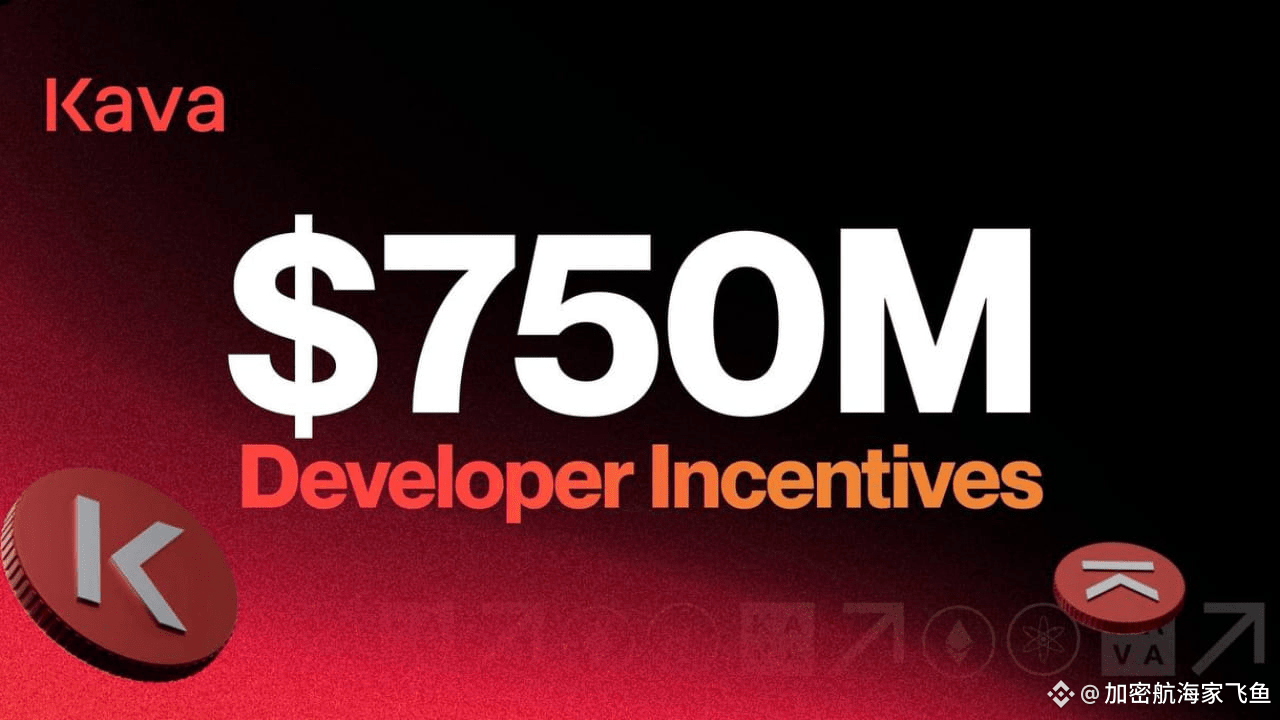
Kava通过Kava Rise基金(7.5亿美元激励计划)推动开发者创新,支持Synapse等协议部署,提升生态流动性。
3. 生态规模与竞争
Kava在Cosmos生态中排名前列,稳定币市值领先,生态项目覆盖借贷、流动性池、跨链桥等。
三、未来展望与挑战
Kava面临跨链资产兑换成熟度不足、生态垄断等挑战,但其零通胀模型与跨链互操作性优势有望推动其成为DeFi枢纽。另外,其与Polkadot等生态的协作可能进一步扩展其影响力。
四、结语
Kava通过跨链技术与金融创新,为用户与开发者提供了低门槛的收益机会与生态参与路径。其跨链能力与生态协同性,使其在DeFi领域持续占据重要地位。
@kava #KavaBNBChainSummer $KAVA
{future}(KAVAUSDT)
(以上内容仅供参考,不构成任何投资建议。)
【Kava生态掘金指南:借贷、质押与跨链的多元收益一站搞定!】
在DeFi生态中,Kava凭借其独特的跨链技术与金融创新,成为连接多链资产的枢纽。其核心价值不仅在于借贷、质押与跨链功能,更在于其生态的可持续性与开发者友好性。
一、收益方式:跨链金融的多元实践
1. 借贷与稳定币
Kava通过超额抵押机制支持用户将BTC、BNB等跨链资产抵押生成稳定币USDX,实现低风险收益。其CDP协议通过智能合约自动清算,保障资金安全。
2. 质押与治理
用户可通过质押$KAVA 参与网络治理,获得约8%年化收益,并参与社区投票。Kava的双代币模型(与USDX)进一步优化生态经济。
3. 跨链互操作性
Kava通过IBC协议与EVM兼容性,连接Cosmos与以太坊生态,支持跨链资产转移。其IBC协议整合后,用户可直接在Kava平台进行跨链操作,降低交易成本。
二、生态发展与技术架构
1. 跨链与多链支持
Kava基于Cosmos SDK开发,支持EVM兼容性,实现与Cosmos生态的深度融合。其Kava 10主网升级后,EVM支持进一步扩展了跨链应用的可能性。
2. 开发者生态
Kava通过Kava Rise基金(7.5亿美元激励计划)推动开发者创新,支持Synapse等协议部署,提升生态流动性。
3. 生态规模与竞争
Kava在Cosmos生态中排名前列,稳定币市值领先,生态项目覆盖借贷、流动性池、跨链桥等。
三、未来展望与挑战
Kava面临跨链资产兑换成熟度不足、生态垄断等挑战,但其零通胀模型与跨链互操作性优势有望推动其成为DeFi枢纽。另外,其与Polkadot等生态的协作可能进一步扩展其影响力。
四、结语
Kava通过跨链技术与金融创新,为用户与开发者提供了低门槛的收益机会与生态参与路径。其跨链能力与生态协同性,使其在DeFi领域持续占据重要地位。
@kava #KavaBNBChainSummer $KAVA
(以上内容仅供参考,不构成任何投资建议。)
一、收益方式:跨链金融的多元实践
1. 借贷与稳定币
Kava通过超额抵押机制支持用户将BTC、BNB等跨链资产抵押生成稳定币USDX,实现低风险收益。其CDP协议通过智能合约自动清算,保障资金安全。
2. 质押与治理
用户可通过质押$KAVA 参与网络治理,获得约8%年化收益,并参与社区投票。Kava的双代币模型(与USDX)进一步优化生态经济。
3. 跨链互操作性
Kava通过IBC协议与EVM兼容性,连接Cosmos与以太坊生态,支持跨链资产转移。其IBC协议整合后,用户可直接在Kava平台进行跨链操作,降低交易成本。
二、生态发展与技术架构
1. 跨链与多链支持
Kava基于Cosmos SDK开发,支持EVM兼容性,实现与Cosmos生态的深度融合。其Kava 10主网升级后,EVM支持进一步扩展了跨链应用的可能性。
2. 开发者生态
Kava通过Kava Rise基金(7.5亿美元激励计划)推动开发者创新,支持Synapse等协议部署,提升生态流动性。
3. 生态规模与竞争
Kava在Cosmos生态中排名前列,稳定币市值领先,生态项目覆盖借贷、流动性池、跨链桥等。
三、未来展望与挑战
Kava面临跨链资产兑换成熟度不足、生态垄断等挑战,但其零通胀模型与跨链互操作性优势有望推动其成为DeFi枢纽。另外,其与Polkadot等生态的协作可能进一步扩展其影响力。
四、结语
Kava通过跨链技术与金融创新,为用户与开发者提供了低门槛的收益机会与生态参与路径。其跨链能力与生态协同性,使其在DeFi领域持续占据重要地位。
@kava #KavaBNBChainSummer $KAVA
(以上内容仅供参考,不构成任何投资建议。)
1
14
16.5k

ບົດຄວາມ
Kava: Integración de Ethereum y Cosmos para Mejorar Escalabilidad e InteroperabilidadKava se distingue en el mundo blockchain por su innovadora arquitectura dual-chain. Este diseño integra una cadena compatible con EVM (Ethereum Virtual Machine) y una cadena basada en Cosmos, con el objetivo de combinar lo mejor de ambos ecosistemas. El resultado es una red que busca mejorar la escalabilidad y la interoperabilidad.
La Arquitectura Dual: Ethereum y Cosmos
Cadena compatible con EVM: Kava tiene una cadena que soporta EVM, lo que permite a los desarrolladores utilizar herramientas y lenguajes comunes como Solidity. Esto facilita la interacción con aplicaciones y tokens del vasto ecosistema de Ethereum.Cadena Cosmos: Paralelamente, Kava opera su propia cadena construida con el Cosmos SDK. Esta capa está optimizada para la escalabilidad gracias al consenso Tendermint, que es más rápido y eficiente. Además, el protocolo IBC (Inter-Blockchain Communication) de Cosmos permite la comunicación fluida entre diferentes blockchains.
Beneficios Clave de la Arquitectura
La fusión de estas dos tecnologías genera una plataforma poderosa:
Eficiencia y Ahorro: Kava aprovecha la familiaridad y el ecosistema de Ethereum sin sacrificar la escalabilidad y eficiencia de Cosmos. Esto se traduce en una mayor capacidad de procesamiento y menores costos de transacción para los usuarios.Interoperabilidad: La compatibilidad con IBC amplía el universo de activos y aplicaciones disponibles en Kava, creando un entorno multisistema donde los usuarios pueden interactuar con diferentes blockchains.Versatilidad: Este diseño equilibra la seguridad y funcionalidad de Ethereum con la flexibilidad y escalabilidad de Cosmos, ofreciendo una experiencia robusta tanto para desarrolladores como para usuarios.
En resumen, la arquitectura dual-chain de Kava es una propuesta tecnológica que busca combinar lo mejor de dos mundos: la familiaridad de Ethereum y la eficiencia de Cosmos.
@kava #KavaBNBChainSummer $KAVA
Kava: Integración de Ethereum y Cosmos para Mejorar Escalabilidad e Interoperabilidad
Kava se distingue en el mundo blockchain por su innovadora arquitectura dual-chain. Este diseño integra una cadena compatible con EVM (Ethereum Virtual Machine) y una cadena basada en Cosmos, con el objetivo de combinar lo mejor de ambos ecosistemas. El resultado es una red que busca mejorar la escalabilidad y la interoperabilidad.
La Arquitectura Dual: Ethereum y Cosmos
Cadena compatible con EVM: Kava tiene una cadena que soporta EVM, lo que permite a los desarrolladores utilizar herramientas y lenguajes comunes como Solidity. Esto facilita la interacción con aplicaciones y tokens del vasto ecosistema de Ethereum.Cadena Cosmos: Paralelamente, Kava opera su propia cadena construida con el Cosmos SDK. Esta capa está optimizada para la escalabilidad gracias al consenso Tendermint, que es más rápido y eficiente. Además, el protocolo IBC (Inter-Blockchain Communication) de Cosmos permite la comunicación fluida entre diferentes blockchains.
Beneficios Clave de la Arquitectura
La fusión de estas dos tecnologías genera una plataforma poderosa:
Eficiencia y Ahorro: Kava aprovecha la familiaridad y el ecosistema de Ethereum sin sacrificar la escalabilidad y eficiencia de Cosmos. Esto se traduce en una mayor capacidad de procesamiento y menores costos de transacción para los usuarios.Interoperabilidad: La compatibilidad con IBC amplía el universo de activos y aplicaciones disponibles en Kava, creando un entorno multisistema donde los usuarios pueden interactuar con diferentes blockchains.Versatilidad: Este diseño equilibra la seguridad y funcionalidad de Ethereum con la flexibilidad y escalabilidad de Cosmos, ofreciendo una experiencia robusta tanto para desarrolladores como para usuarios.
En resumen, la arquitectura dual-chain de Kava es una propuesta tecnológica que busca combinar lo mejor de dos mundos: la familiaridad de Ethereum y la eficiencia de Cosmos.
@kava #KavaBNBChainSummer $KAVA
La Arquitectura Dual: Ethereum y Cosmos
Cadena compatible con EVM: Kava tiene una cadena que soporta EVM, lo que permite a los desarrolladores utilizar herramientas y lenguajes comunes como Solidity. Esto facilita la interacción con aplicaciones y tokens del vasto ecosistema de Ethereum.Cadena Cosmos: Paralelamente, Kava opera su propia cadena construida con el Cosmos SDK. Esta capa está optimizada para la escalabilidad gracias al consenso Tendermint, que es más rápido y eficiente. Además, el protocolo IBC (Inter-Blockchain Communication) de Cosmos permite la comunicación fluida entre diferentes blockchains.
Beneficios Clave de la Arquitectura
La fusión de estas dos tecnologías genera una plataforma poderosa:
Eficiencia y Ahorro: Kava aprovecha la familiaridad y el ecosistema de Ethereum sin sacrificar la escalabilidad y eficiencia de Cosmos. Esto se traduce en una mayor capacidad de procesamiento y menores costos de transacción para los usuarios.Interoperabilidad: La compatibilidad con IBC amplía el universo de activos y aplicaciones disponibles en Kava, creando un entorno multisistema donde los usuarios pueden interactuar con diferentes blockchains.Versatilidad: Este diseño equilibra la seguridad y funcionalidad de Ethereum con la flexibilidad y escalabilidad de Cosmos, ofreciendo una experiencia robusta tanto para desarrolladores como para usuarios.
En resumen, la arquitectura dual-chain de Kava es una propuesta tecnológica que busca combinar lo mejor de dos mundos: la familiaridad de Ethereum y la eficiencia de Cosmos.
@kava #KavaBNBChainSummer $KAVA
2.3k

·
--
ບົດຄວາມ
How Kava Manages Risk in a Multi-Chain DeFi WorldRisk management has always been the quiet backbone of financial systems. In decentralized finance, where billions in assets are deployed through code and cross-chain flows, it becomes even more critical. A single exploit or poorly managed incentive can drain liquidity and destroy trust overnight. For a platform like Kava, which positions itself as a cross-chain DeFi hub, the challenge is magnified: it must not only secure its own chain but also manage risks that come with bridging ecosystems.
Kava addresses this challenge first at the protocol level. Its co-chain architecture—the Ethereum Co-Chain and Cosmos Co-Chain-relies on the Translator Module to keep execution aligned. Maintaining state consistency across two execution environments is no small feat. By building this into the protocol itself, rather than relying on external bridges, Kava reduces one of the most common attack vectors in multi-chain DeFi. The result is interoperability without exposing users to the same risks that have plagued third-party bridges.
Another pillar of risk management is economic design. Kava’s decision to eliminate perpetual inflation and move to a hard-capped @kava supply is not just about token value-it’s about reducing systemic risk. Inflation-driven ecosystems often create unsustainable incentives, leading to liquidity bubbles that collapse once subsidies end. By using the Strategic Vault to fund rewards, Kava ensures incentives are both sustainable and flexible, reducing the risk of ecosystem-wide shocks.
Collateralized Debt Positions (CDPs) add another layer of complexity, and Kava has built safeguards here as well. USDX, the stablecoin minted through CDPs, requires overcollateralization and is managed through governance-set parameters. This ensures that sudden market swings don’t destabilize the system. When CDPs are closed, KAVA is burned, creating deflationary pressure while also reducing systemic exposure over time. It’s a model that ties liquidity creation to sound economic incentives.
Kava also invests in security audits and bug bounty programs. External firms like CertiK and Quantstamp have reviewed its contracts, while ongoing bounty programs invite white-hat hackers to probe for vulnerabilities. In a multi-chain environment where composability increases complexity, proactive audits and community-driven testing are crucial for staying ahead of potential exploits.
Governance is another important risk lever. With validators and delegators actively voting on proposals, the community can respond quickly to emerging risks. For example, if a collateral type becomes unstable, governance can vote to adjust parameters or even remove it. This adaptability ensures that risk management isn’t locked into code alone but evolves dynamically with the market.
Finally, Kava’s position as a liquidity hub requires it to manage counterparty and interoperability risk. By hosting Tether’s USDt natively, rather than relying on wrapped assets, Kava reduces trust dependencies. By integrating directly with IBC, it leverages a protocol-level standard rather than ad hoc bridges. Each of these choices reflects a deliberate effort to reduce exposure in a multi-chain world.
In DeFi, risk can never be eliminated-it can only be managed. Kava’s architecture, tokenomics, audits, and governance all work together to create a layered defense system. By embedding risk management into every part of its design, Kava demonstrates that scaling across chains doesn’t have to come at the cost of security. Instead, it shows that responsible growth is possible—even in a multi-chain world.
#KavaBNBChainSummer @kava $KAVA
How Kava Manages Risk in a Multi-Chain DeFi World
Risk management has always been the quiet backbone of financial systems. In decentralized finance, where billions in assets are deployed through code and cross-chain flows, it becomes even more critical. A single exploit or poorly managed incentive can drain liquidity and destroy trust overnight. For a platform like Kava, which positions itself as a cross-chain DeFi hub, the challenge is magnified: it must not only secure its own chain but also manage risks that come with bridging ecosystems.
Kava addresses this challenge first at the protocol level. Its co-chain architecture—the Ethereum Co-Chain and Cosmos Co-Chain-relies on the Translator Module to keep execution aligned. Maintaining state consistency across two execution environments is no small feat. By building this into the protocol itself, rather than relying on external bridges, Kava reduces one of the most common attack vectors in multi-chain DeFi. The result is interoperability without exposing users to the same risks that have plagued third-party bridges.
Another pillar of risk management is economic design. Kava’s decision to eliminate perpetual inflation and move to a hard-capped @kava supply is not just about token value-it’s about reducing systemic risk. Inflation-driven ecosystems often create unsustainable incentives, leading to liquidity bubbles that collapse once subsidies end. By using the Strategic Vault to fund rewards, Kava ensures incentives are both sustainable and flexible, reducing the risk of ecosystem-wide shocks.
Collateralized Debt Positions (CDPs) add another layer of complexity, and Kava has built safeguards here as well. USDX, the stablecoin minted through CDPs, requires overcollateralization and is managed through governance-set parameters. This ensures that sudden market swings don’t destabilize the system. When CDPs are closed, KAVA is burned, creating deflationary pressure while also reducing systemic exposure over time. It’s a model that ties liquidity creation to sound economic incentives.
Kava also invests in security audits and bug bounty programs. External firms like CertiK and Quantstamp have reviewed its contracts, while ongoing bounty programs invite white-hat hackers to probe for vulnerabilities. In a multi-chain environment where composability increases complexity, proactive audits and community-driven testing are crucial for staying ahead of potential exploits.
Governance is another important risk lever. With validators and delegators actively voting on proposals, the community can respond quickly to emerging risks. For example, if a collateral type becomes unstable, governance can vote to adjust parameters or even remove it. This adaptability ensures that risk management isn’t locked into code alone but evolves dynamically with the market.
Finally, Kava’s position as a liquidity hub requires it to manage counterparty and interoperability risk. By hosting Tether’s USDt natively, rather than relying on wrapped assets, Kava reduces trust dependencies. By integrating directly with IBC, it leverages a protocol-level standard rather than ad hoc bridges. Each of these choices reflects a deliberate effort to reduce exposure in a multi-chain world.
In DeFi, risk can never be eliminated-it can only be managed. Kava’s architecture, tokenomics, audits, and governance all work together to create a layered defense system. By embedding risk management into every part of its design, Kava demonstrates that scaling across chains doesn’t have to come at the cost of security. Instead, it shows that responsible growth is possible—even in a multi-chain world.
#KavaBNBChainSummer @kava $KAVA
Kava addresses this challenge first at the protocol level. Its co-chain architecture—the Ethereum Co-Chain and Cosmos Co-Chain-relies on the Translator Module to keep execution aligned. Maintaining state consistency across two execution environments is no small feat. By building this into the protocol itself, rather than relying on external bridges, Kava reduces one of the most common attack vectors in multi-chain DeFi. The result is interoperability without exposing users to the same risks that have plagued third-party bridges.
Another pillar of risk management is economic design. Kava’s decision to eliminate perpetual inflation and move to a hard-capped @kava supply is not just about token value-it’s about reducing systemic risk. Inflation-driven ecosystems often create unsustainable incentives, leading to liquidity bubbles that collapse once subsidies end. By using the Strategic Vault to fund rewards, Kava ensures incentives are both sustainable and flexible, reducing the risk of ecosystem-wide shocks.
Collateralized Debt Positions (CDPs) add another layer of complexity, and Kava has built safeguards here as well. USDX, the stablecoin minted through CDPs, requires overcollateralization and is managed through governance-set parameters. This ensures that sudden market swings don’t destabilize the system. When CDPs are closed, KAVA is burned, creating deflationary pressure while also reducing systemic exposure over time. It’s a model that ties liquidity creation to sound economic incentives.
Kava also invests in security audits and bug bounty programs. External firms like CertiK and Quantstamp have reviewed its contracts, while ongoing bounty programs invite white-hat hackers to probe for vulnerabilities. In a multi-chain environment where composability increases complexity, proactive audits and community-driven testing are crucial for staying ahead of potential exploits.
Governance is another important risk lever. With validators and delegators actively voting on proposals, the community can respond quickly to emerging risks. For example, if a collateral type becomes unstable, governance can vote to adjust parameters or even remove it. This adaptability ensures that risk management isn’t locked into code alone but evolves dynamically with the market.
Finally, Kava’s position as a liquidity hub requires it to manage counterparty and interoperability risk. By hosting Tether’s USDt natively, rather than relying on wrapped assets, Kava reduces trust dependencies. By integrating directly with IBC, it leverages a protocol-level standard rather than ad hoc bridges. Each of these choices reflects a deliberate effort to reduce exposure in a multi-chain world.
In DeFi, risk can never be eliminated-it can only be managed. Kava’s architecture, tokenomics, audits, and governance all work together to create a layered defense system. By embedding risk management into every part of its design, Kava demonstrates that scaling across chains doesn’t have to come at the cost of security. Instead, it shows that responsible growth is possible—even in a multi-chain world.
#KavaBNBChainSummer @kava $KAVA
2
496

·
--
Dolomite How Virtual Assets and Risk Isolation Rewire DeFi’s Core LogicSection I: The Age of Trade-Offs in DeFi
From its earliest days, decentralized finance promised liberation. No banks, no gatekeepers, no custodians — just open protocols where anyone could lend, borrow, or trade on equal terms. Yet beneath that freedom lurked a hidden logic of compromise. Every user of DeFi’s first generation quickly learned that participating in this brave new financial world required trade-offs. You could stake tokens for yield, but then they were locked, unavailable as collateral. You could borrow against assets, but that often meant giving up governance rights or staking rewards. You could participate in liquidity pools, but your assets were then tied to the pool, subject to impermanent loss, and unavailable for other uses.
This logic of trade-offs was not incidental; it was baked into the architecture of early protocols. Aave and Compound, for example, designed pooled lending markets where assets had to be deposited directly into the pool. Once inside, they served as collateral, but their other functions disappeared. A staked derivative was treated as any other token — stripped of its staking rights, governance participation, and rewards. A liquidity provider’s LP token could be collateralized only at the cost of losing yield from fees. Governance tokens could be borrowed against only by forgoing voting rights.
These compromises reflected a brittle design philosophy. Protocols sought simplicity and safety by forcing users to choose one utility at a time. In traditional finance, banks behave similarly: you can lock money in a certificate of deposit to earn interest, but then it becomes unavailable for liquidity. You can borrow against stocks, but often through clunky margin accounts that limit participation in dividends or governance. DeFi’s first wave replicated these silos in a different form.
The consequence was inefficiency. Billions in assets sat idle, stripped of their full potential. A staker earned yield but could not borrow against their position. A liquidity provider earned fees but could not unlock leverage. A DAO treasury held governance tokens that could not be used without diluting control. DeFi promised composability but delivered compromise. Users were free, but their capital was constrained.
This inefficiency was compounded by fragility. By forcing assets into pooled models, protocols created systemic risks. Volatility in one asset could spill over into others. Exploits could drain entire pools. To protect themselves, protocols restricted collateral to blue-chip assets, excluding the long tail. Instead of democratizing liquidity, DeFi became exclusive, centered around ETH, WBTC, and stablecoins. The rest of the ecosystem was left outside.
Yet in every inefficiency lies an opportunity. The trade-offs that constrained early DeFi created the conditions for protocols willing to reimagine the core logic. Dolomite emerged as one such protocol, challenging the assumption that trade-offs were inevitable. By designing a system that preserves native rights while unlocking collateral, it built the foundation for liquidity without compromise.
Section II: Virtual Liquidity — Breaking the Binary
Dolomite’s breakthrough came from rethinking how assets function within lending markets. Instead of forcing users to deposit assets directly into pools, Dolomite introduced the concept of “virtual liquidity.” In this model, assets retain their native rights — staking rewards, governance power, LP fees — while also serving as collateral. This innovation breaks the binary logic of early DeFi: no longer must users choose between utility and liquidity. They can have both.
Imagine a user staking ETH on a liquid staking protocol like Lido. Traditionally, they receive stETH, which represents their staked position. If deposited into Aave or Compound, that stETH becomes collateral, but its staking yield is lost. Dolomite changes this. By treating stETH as a virtual asset, Dolomite allows the user to borrow against it while still receiving staking rewards.
The asset continues to accrue yield, continues to participate in the validator set, and continues to function as staked ETH — all while unlocking liquidity.
The same applies to LP tokens. In most protocols, providing liquidity to a DEX yields LP tokens that earn trading fees. If these LP tokens are used as collateral elsewhere, the fees stop flowing. In Dolomite, LP tokens retain their rights. Users can borrow against them without forgoing the yield from the underlying pool. Governance tokens, too, retain their voting power, allowing DAOs to borrow against treasuries without diluting control.
Virtual liquidity transforms DeFi’s capital efficiency. Assets are no longer stripped of function when used as collateral. They remain fully productive, serving multiple roles simultaneously. This composability unlocks layered strategies: staking rewards fund borrowing costs, LP fees offset leverage risk, governance tokens finance DAO expansion. Every unit of capital does more, compounding utility across the system.
This design has profound implications. It reduces opportunity cost, encouraging more users to participate. It strengthens ecosystems, as staked and pooled assets continue to perform their native functions. It aligns incentives, as DAOs can unlock liquidity without undermining governance. Most importantly, it turns DeFi’s founding promise of composability into a lived reality. No more compromises, no more forced trade-offs — just assets that remain maximally useful.
Virtual liquidity also embodies resilience. By preserving native rights, it prevents the distortions that arise when assets are stripped of function. Stakers remain aligned with validator performance. LP providers remain aligned with trading activity. Governance token holders remain aligned with community decisions. In this way, Dolomite not only increases efficiency but also strengthens alignment. Liquidity is unlocked, but the system’s integrity is preserved.
Section III: Risk Isolation — Expanding Without Fear
Virtual liquidity solves the problem of inefficiency, but it alone cannot guarantee safety. Integrating diverse assets — especially long-tail tokens — introduces risks of volatility, manipulation, and contagion. Dolomite addresses this with its second innovation: risk isolation.
In traditional pooled systems, assets share risk. If a thinly traded token is manipulated, the entire pool can be compromised. Dolomite’s architecture ring-fences each borrowing position, isolating its risk from the rest of the system. If a long-tail token collapses, the damage is contained to the vaults that used it, leaving the broader protocol unaffected.
This containment transforms Dolomite’s risk profile. Instead of fearing volatile assets, the protocol can embrace them safely. It can integrate staked derivatives, LP tokens, and governance assets without endangering the system. This inclusivity expands liquidity while maintaining stability. Volatility becomes localized, not systemic.
The benefits extend beyond safety. Risk isolation empowers innovation. Communities can propose the integration of their native tokens without jeopardizing the protocol. DAOs can collateralize governance assets. Retail users can experiment with new strategies. Each integration expands Dolomite’s scope, deepening composability and reinforcing its role as infrastructure.
This architecture also strengthens trust. Users know that their positions are not at the mercy of failures elsewhere. Institutions see a system where risk is managed, not pooled blindly. Regulators, too, may view risk isolation as a responsible design, containing shocks and preventing contagion. In a world increasingly focused on systemic risk, Dolomite’s model offers a blueprint for resilience.
Risk isolation, paired with virtual liquidity, makes Dolomite uniquely antifragile. It can integrate more assets without increasing fragility. It can expand inclusively without fear. It can grow stronger under stress, demonstrating resilience while others collapse.
In this way, Dolomite rewrites not only the logic of liquidity but also the logic of safety in DeFi.
Section IV: Tokenomics and Treasury Alignment
Architecture alone is not enough. Sustainability depends on incentives — and incentives depend on tokenomics and treasury management. Here, too, Dolomite rejects compromise. It aligns capital, governance, and growth through a carefully structured token system.
At the heart of Dolomite’s model is the tri-token system: DOLO, veDOLO, and oDOLO. DOLO is the liquid utility token, but governance and revenue share require conversion into veDOLO through time locks. This design ensures that governance power is tied to long-term commitment. The longer the lock, the greater the influence and the share of rewards. This discourages mercenary behavior and rewards aligned participants.
oDOLO introduces another layer. Distributed as incentives, it must be paired with DOLO to mint veDOLO at a discount. This mechanism recycles emissions into governance, ensuring that incentives strengthen alignment rather than dilute it. Unlike protocols that hemorrhage tokens to attract liquidity, Dolomite’s emissions feed back into its core.
Treasury management reflects the same philosophy. Funds are allocated strategically: liquidity support to deepen markets, ecosystem grants to expand use cases, security reserves for audits and bounties, and community rewards for governance and staking. This precision makes the treasury not a static vault but a growth engine. Every allocation serves to strengthen the ecosystem.
The result is sustainable yield. Rewards are funded by real fees from lending and trading, not by endless emissions. Annualized fees exceed eleven million dollars, with millions retained as protocol revenue. Stakers and governance participants share in this revenue, grounding incentives in real economic activity. In contrast to protocols like Terra’s Anchor, which collapsed under the weight of unsustainable subsidies, Dolomite’s model grows stronger with usage.
This alignment extends across stakeholders. Users are incentivized to lock DOLO, strengthening governance. DAOs are incentivized to integrate assets, expanding liquidity. Developers are incentivized through grants, expanding use cases. Auditors and white-hat hackers are incentivized through bounties, strengthening security. Every stakeholder is tied to the protocol’s long-term success.
By rejecting short-termism, Dolomite ensures durability. Its tokenomics do not bribe users with fleeting rewards; they cultivate alignment. Its treasury does not sit idle; it fuels expansion. Its governance does not reward speculation; it empowers commitment. This is liquidity without compromise, extended to incentives themselves.
Section V: Liquidity Without Compromise — The Future of Finance
Dolomite’s innovations — virtual liquidity, risk isolation, aligned tokenomics — are not isolated features. Together, they represent a reimagining of DeFi’s core logic. They reject the assumption that trade-offs are inevitable. They prove that liquidity does not have to come at the cost of utility, that inclusivity does not have to come at the cost of safety, and that incentives do not have to come at the cost of sustainability.
This philosophy has far-reaching implications. For DAOs, it unlocks treasuries without diluting governance. For institutions, it offers a system that balances inclusivity with resilience. For emerging markets, it provides a bridge that integrates local tokens into global liquidity. For users, it delivers a system where every asset is maximally useful, every position is productive, and every strategy is composable.
In this vision, finance becomes a system of full utility. A staked asset secures the network, earns yield, participates in governance, and collateralizes borrowing simultaneously. A liquidity provider earns fees, unlocks leverage, and strengthens composability. A governance token funds development, anchors liquidity, and empowers decision-making. Capital is never idle, always active, always productive.
Dolomite’s role in this future is foundational. It is not simply another lending protocol but a financial operating system. It is infrastructure upon which DAOs, institutions, and communities can build. It is a platform that demonstrates how antifragility and inclusivity can coexist. It is a model for liquidity without compromise, showing that finance can evolve beyond silos and trade-offs into systems of integration and alignment.
The legacy of Dolomite will not be measured only in TVL or token price. It will be measured in the communities it empowered, the assets it activated, the treasuries it unlocked, and the ecosystems it strengthened. It will be remembered as the protocol that proved DeFi could deliver on its founding ethos: composability without compromise, inclusivity without fragility, incentives without illusion.
As global finance confronts volatility, fragmentation, and exclusion, Dolomite offers a new path. It is not merely surviving the storms of DeFi; it is redefining its core logic. In a world of trade-offs, Dolomite stands for possibility. Liquidity without compromise is not just a feature — it is a philosophy, a blueprint for the future of decentralized finance, and perhaps finance itself.
#KavaBNBChainSummer @kava
$KAVA
Dolomite How Virtual Assets and Risk Isolation Rewire DeFi’s Core Logic
Section I: The Age of Trade-Offs in DeFi
From its earliest days, decentralized finance promised liberation. No banks, no gatekeepers, no custodians — just open protocols where anyone could lend, borrow, or trade on equal terms. Yet beneath that freedom lurked a hidden logic of compromise. Every user of DeFi’s first generation quickly learned that participating in this brave new financial world required trade-offs. You could stake tokens for yield, but then they were locked, unavailable as collateral. You could borrow against assets, but that often meant giving up governance rights or staking rewards. You could participate in liquidity pools, but your assets were then tied to the pool, subject to impermanent loss, and unavailable for other uses.
This logic of trade-offs was not incidental; it was baked into the architecture of early protocols. Aave and Compound, for example, designed pooled lending markets where assets had to be deposited directly into the pool. Once inside, they served as collateral, but their other functions disappeared. A staked derivative was treated as any other token — stripped of its staking rights, governance participation, and rewards. A liquidity provider’s LP token could be collateralized only at the cost of losing yield from fees. Governance tokens could be borrowed against only by forgoing voting rights.
These compromises reflected a brittle design philosophy. Protocols sought simplicity and safety by forcing users to choose one utility at a time. In traditional finance, banks behave similarly: you can lock money in a certificate of deposit to earn interest, but then it becomes unavailable for liquidity. You can borrow against stocks, but often through clunky margin accounts that limit participation in dividends or governance. DeFi’s first wave replicated these silos in a different form.
The consequence was inefficiency. Billions in assets sat idle, stripped of their full potential. A staker earned yield but could not borrow against their position. A liquidity provider earned fees but could not unlock leverage. A DAO treasury held governance tokens that could not be used without diluting control. DeFi promised composability but delivered compromise. Users were free, but their capital was constrained.
This inefficiency was compounded by fragility. By forcing assets into pooled models, protocols created systemic risks. Volatility in one asset could spill over into others. Exploits could drain entire pools. To protect themselves, protocols restricted collateral to blue-chip assets, excluding the long tail. Instead of democratizing liquidity, DeFi became exclusive, centered around ETH, WBTC, and stablecoins. The rest of the ecosystem was left outside.
Yet in every inefficiency lies an opportunity. The trade-offs that constrained early DeFi created the conditions for protocols willing to reimagine the core logic. Dolomite emerged as one such protocol, challenging the assumption that trade-offs were inevitable. By designing a system that preserves native rights while unlocking collateral, it built the foundation for liquidity without compromise.
Section II: Virtual Liquidity — Breaking the Binary
Dolomite’s breakthrough came from rethinking how assets function within lending markets. Instead of forcing users to deposit assets directly into pools, Dolomite introduced the concept of “virtual liquidity.” In this model, assets retain their native rights — staking rewards, governance power, LP fees — while also serving as collateral. This innovation breaks the binary logic of early DeFi: no longer must users choose between utility and liquidity. They can have both.
Imagine a user staking ETH on a liquid staking protocol like Lido. Traditionally, they receive stETH, which represents their staked position. If deposited into Aave or Compound, that stETH becomes collateral, but its staking yield is lost. Dolomite changes this. By treating stETH as a virtual asset, Dolomite allows the user to borrow against it while still receiving staking rewards.
The asset continues to accrue yield, continues to participate in the validator set, and continues to function as staked ETH — all while unlocking liquidity.
The same applies to LP tokens. In most protocols, providing liquidity to a DEX yields LP tokens that earn trading fees. If these LP tokens are used as collateral elsewhere, the fees stop flowing. In Dolomite, LP tokens retain their rights. Users can borrow against them without forgoing the yield from the underlying pool. Governance tokens, too, retain their voting power, allowing DAOs to borrow against treasuries without diluting control.
Virtual liquidity transforms DeFi’s capital efficiency. Assets are no longer stripped of function when used as collateral. They remain fully productive, serving multiple roles simultaneously. This composability unlocks layered strategies: staking rewards fund borrowing costs, LP fees offset leverage risk, governance tokens finance DAO expansion. Every unit of capital does more, compounding utility across the system.
This design has profound implications. It reduces opportunity cost, encouraging more users to participate. It strengthens ecosystems, as staked and pooled assets continue to perform their native functions. It aligns incentives, as DAOs can unlock liquidity without undermining governance. Most importantly, it turns DeFi’s founding promise of composability into a lived reality. No more compromises, no more forced trade-offs — just assets that remain maximally useful.
Virtual liquidity also embodies resilience. By preserving native rights, it prevents the distortions that arise when assets are stripped of function. Stakers remain aligned with validator performance. LP providers remain aligned with trading activity. Governance token holders remain aligned with community decisions. In this way, Dolomite not only increases efficiency but also strengthens alignment. Liquidity is unlocked, but the system’s integrity is preserved.
Section III: Risk Isolation — Expanding Without Fear
Virtual liquidity solves the problem of inefficiency, but it alone cannot guarantee safety. Integrating diverse assets — especially long-tail tokens — introduces risks of volatility, manipulation, and contagion. Dolomite addresses this with its second innovation: risk isolation.
In traditional pooled systems, assets share risk. If a thinly traded token is manipulated, the entire pool can be compromised. Dolomite’s architecture ring-fences each borrowing position, isolating its risk from the rest of the system. If a long-tail token collapses, the damage is contained to the vaults that used it, leaving the broader protocol unaffected.
This containment transforms Dolomite’s risk profile. Instead of fearing volatile assets, the protocol can embrace them safely. It can integrate staked derivatives, LP tokens, and governance assets without endangering the system. This inclusivity expands liquidity while maintaining stability. Volatility becomes localized, not systemic.
The benefits extend beyond safety. Risk isolation empowers innovation. Communities can propose the integration of their native tokens without jeopardizing the protocol. DAOs can collateralize governance assets. Retail users can experiment with new strategies. Each integration expands Dolomite’s scope, deepening composability and reinforcing its role as infrastructure.
This architecture also strengthens trust. Users know that their positions are not at the mercy of failures elsewhere. Institutions see a system where risk is managed, not pooled blindly. Regulators, too, may view risk isolation as a responsible design, containing shocks and preventing contagion. In a world increasingly focused on systemic risk, Dolomite’s model offers a blueprint for resilience.
Risk isolation, paired with virtual liquidity, makes Dolomite uniquely antifragile. It can integrate more assets without increasing fragility. It can expand inclusively without fear. It can grow stronger under stress, demonstrating resilience while others collapse.
In this way, Dolomite rewrites not only the logic of liquidity but also the logic of safety in DeFi.
Section IV: Tokenomics and Treasury Alignment
Architecture alone is not enough. Sustainability depends on incentives — and incentives depend on tokenomics and treasury management. Here, too, Dolomite rejects compromise. It aligns capital, governance, and growth through a carefully structured token system.
At the heart of Dolomite’s model is the tri-token system: DOLO, veDOLO, and oDOLO. DOLO is the liquid utility token, but governance and revenue share require conversion into veDOLO through time locks. This design ensures that governance power is tied to long-term commitment. The longer the lock, the greater the influence and the share of rewards. This discourages mercenary behavior and rewards aligned participants.
oDOLO introduces another layer. Distributed as incentives, it must be paired with DOLO to mint veDOLO at a discount. This mechanism recycles emissions into governance, ensuring that incentives strengthen alignment rather than dilute it. Unlike protocols that hemorrhage tokens to attract liquidity, Dolomite’s emissions feed back into its core.
Treasury management reflects the same philosophy. Funds are allocated strategically: liquidity support to deepen markets, ecosystem grants to expand use cases, security reserves for audits and bounties, and community rewards for governance and staking. This precision makes the treasury not a static vault but a growth engine. Every allocation serves to strengthen the ecosystem.
The result is sustainable yield. Rewards are funded by real fees from lending and trading, not by endless emissions. Annualized fees exceed eleven million dollars, with millions retained as protocol revenue. Stakers and governance participants share in this revenue, grounding incentives in real economic activity. In contrast to protocols like Terra’s Anchor, which collapsed under the weight of unsustainable subsidies, Dolomite’s model grows stronger with usage.
This alignment extends across stakeholders. Users are incentivized to lock DOLO, strengthening governance. DAOs are incentivized to integrate assets, expanding liquidity. Developers are incentivized through grants, expanding use cases. Auditors and white-hat hackers are incentivized through bounties, strengthening security. Every stakeholder is tied to the protocol’s long-term success.
By rejecting short-termism, Dolomite ensures durability. Its tokenomics do not bribe users with fleeting rewards; they cultivate alignment. Its treasury does not sit idle; it fuels expansion. Its governance does not reward speculation; it empowers commitment. This is liquidity without compromise, extended to incentives themselves.
Section V: Liquidity Without Compromise — The Future of Finance
Dolomite’s innovations — virtual liquidity, risk isolation, aligned tokenomics — are not isolated features. Together, they represent a reimagining of DeFi’s core logic. They reject the assumption that trade-offs are inevitable. They prove that liquidity does not have to come at the cost of utility, that inclusivity does not have to come at the cost of safety, and that incentives do not have to come at the cost of sustainability.
This philosophy has far-reaching implications. For DAOs, it unlocks treasuries without diluting governance. For institutions, it offers a system that balances inclusivity with resilience. For emerging markets, it provides a bridge that integrates local tokens into global liquidity. For users, it delivers a system where every asset is maximally useful, every position is productive, and every strategy is composable.
In this vision, finance becomes a system of full utility. A staked asset secures the network, earns yield, participates in governance, and collateralizes borrowing simultaneously. A liquidity provider earns fees, unlocks leverage, and strengthens composability. A governance token funds development, anchors liquidity, and empowers decision-making. Capital is never idle, always active, always productive.
Dolomite’s role in this future is foundational. It is not simply another lending protocol but a financial operating system. It is infrastructure upon which DAOs, institutions, and communities can build. It is a platform that demonstrates how antifragility and inclusivity can coexist. It is a model for liquidity without compromise, showing that finance can evolve beyond silos and trade-offs into systems of integration and alignment.
The legacy of Dolomite will not be measured only in TVL or token price. It will be measured in the communities it empowered, the assets it activated, the treasuries it unlocked, and the ecosystems it strengthened. It will be remembered as the protocol that proved DeFi could deliver on its founding ethos: composability without compromise, inclusivity without fragility, incentives without illusion.
As global finance confronts volatility, fragmentation, and exclusion, Dolomite offers a new path. It is not merely surviving the storms of DeFi; it is redefining its core logic. In a world of trade-offs, Dolomite stands for possibility. Liquidity without compromise is not just a feature — it is a philosophy, a blueprint for the future of decentralized finance, and perhaps finance itself.
#KavaBNBChainSummer @kava
$KAVA
From its earliest days, decentralized finance promised liberation. No banks, no gatekeepers, no custodians — just open protocols where anyone could lend, borrow, or trade on equal terms. Yet beneath that freedom lurked a hidden logic of compromise. Every user of DeFi’s first generation quickly learned that participating in this brave new financial world required trade-offs. You could stake tokens for yield, but then they were locked, unavailable as collateral. You could borrow against assets, but that often meant giving up governance rights or staking rewards. You could participate in liquidity pools, but your assets were then tied to the pool, subject to impermanent loss, and unavailable for other uses.
This logic of trade-offs was not incidental; it was baked into the architecture of early protocols. Aave and Compound, for example, designed pooled lending markets where assets had to be deposited directly into the pool. Once inside, they served as collateral, but their other functions disappeared. A staked derivative was treated as any other token — stripped of its staking rights, governance participation, and rewards. A liquidity provider’s LP token could be collateralized only at the cost of losing yield from fees. Governance tokens could be borrowed against only by forgoing voting rights.
These compromises reflected a brittle design philosophy. Protocols sought simplicity and safety by forcing users to choose one utility at a time. In traditional finance, banks behave similarly: you can lock money in a certificate of deposit to earn interest, but then it becomes unavailable for liquidity. You can borrow against stocks, but often through clunky margin accounts that limit participation in dividends or governance. DeFi’s first wave replicated these silos in a different form.
The consequence was inefficiency. Billions in assets sat idle, stripped of their full potential. A staker earned yield but could not borrow against their position. A liquidity provider earned fees but could not unlock leverage. A DAO treasury held governance tokens that could not be used without diluting control. DeFi promised composability but delivered compromise. Users were free, but their capital was constrained.
This inefficiency was compounded by fragility. By forcing assets into pooled models, protocols created systemic risks. Volatility in one asset could spill over into others. Exploits could drain entire pools. To protect themselves, protocols restricted collateral to blue-chip assets, excluding the long tail. Instead of democratizing liquidity, DeFi became exclusive, centered around ETH, WBTC, and stablecoins. The rest of the ecosystem was left outside.
Yet in every inefficiency lies an opportunity. The trade-offs that constrained early DeFi created the conditions for protocols willing to reimagine the core logic. Dolomite emerged as one such protocol, challenging the assumption that trade-offs were inevitable. By designing a system that preserves native rights while unlocking collateral, it built the foundation for liquidity without compromise.
Section II: Virtual Liquidity — Breaking the Binary
Dolomite’s breakthrough came from rethinking how assets function within lending markets. Instead of forcing users to deposit assets directly into pools, Dolomite introduced the concept of “virtual liquidity.” In this model, assets retain their native rights — staking rewards, governance power, LP fees — while also serving as collateral. This innovation breaks the binary logic of early DeFi: no longer must users choose between utility and liquidity. They can have both.
Imagine a user staking ETH on a liquid staking protocol like Lido. Traditionally, they receive stETH, which represents their staked position. If deposited into Aave or Compound, that stETH becomes collateral, but its staking yield is lost. Dolomite changes this. By treating stETH as a virtual asset, Dolomite allows the user to borrow against it while still receiving staking rewards.
The asset continues to accrue yield, continues to participate in the validator set, and continues to function as staked ETH — all while unlocking liquidity.
The same applies to LP tokens. In most protocols, providing liquidity to a DEX yields LP tokens that earn trading fees. If these LP tokens are used as collateral elsewhere, the fees stop flowing. In Dolomite, LP tokens retain their rights. Users can borrow against them without forgoing the yield from the underlying pool. Governance tokens, too, retain their voting power, allowing DAOs to borrow against treasuries without diluting control.
Virtual liquidity transforms DeFi’s capital efficiency. Assets are no longer stripped of function when used as collateral. They remain fully productive, serving multiple roles simultaneously. This composability unlocks layered strategies: staking rewards fund borrowing costs, LP fees offset leverage risk, governance tokens finance DAO expansion. Every unit of capital does more, compounding utility across the system.
This design has profound implications. It reduces opportunity cost, encouraging more users to participate. It strengthens ecosystems, as staked and pooled assets continue to perform their native functions. It aligns incentives, as DAOs can unlock liquidity without undermining governance. Most importantly, it turns DeFi’s founding promise of composability into a lived reality. No more compromises, no more forced trade-offs — just assets that remain maximally useful.
Virtual liquidity also embodies resilience. By preserving native rights, it prevents the distortions that arise when assets are stripped of function. Stakers remain aligned with validator performance. LP providers remain aligned with trading activity. Governance token holders remain aligned with community decisions. In this way, Dolomite not only increases efficiency but also strengthens alignment. Liquidity is unlocked, but the system’s integrity is preserved.
Section III: Risk Isolation — Expanding Without Fear
Virtual liquidity solves the problem of inefficiency, but it alone cannot guarantee safety. Integrating diverse assets — especially long-tail tokens — introduces risks of volatility, manipulation, and contagion. Dolomite addresses this with its second innovation: risk isolation.
In traditional pooled systems, assets share risk. If a thinly traded token is manipulated, the entire pool can be compromised. Dolomite’s architecture ring-fences each borrowing position, isolating its risk from the rest of the system. If a long-tail token collapses, the damage is contained to the vaults that used it, leaving the broader protocol unaffected.
This containment transforms Dolomite’s risk profile. Instead of fearing volatile assets, the protocol can embrace them safely. It can integrate staked derivatives, LP tokens, and governance assets without endangering the system. This inclusivity expands liquidity while maintaining stability. Volatility becomes localized, not systemic.
The benefits extend beyond safety. Risk isolation empowers innovation. Communities can propose the integration of their native tokens without jeopardizing the protocol. DAOs can collateralize governance assets. Retail users can experiment with new strategies. Each integration expands Dolomite’s scope, deepening composability and reinforcing its role as infrastructure.
This architecture also strengthens trust. Users know that their positions are not at the mercy of failures elsewhere. Institutions see a system where risk is managed, not pooled blindly. Regulators, too, may view risk isolation as a responsible design, containing shocks and preventing contagion. In a world increasingly focused on systemic risk, Dolomite’s model offers a blueprint for resilience.
Risk isolation, paired with virtual liquidity, makes Dolomite uniquely antifragile. It can integrate more assets without increasing fragility. It can expand inclusively without fear. It can grow stronger under stress, demonstrating resilience while others collapse.
In this way, Dolomite rewrites not only the logic of liquidity but also the logic of safety in DeFi.
Section IV: Tokenomics and Treasury Alignment
Architecture alone is not enough. Sustainability depends on incentives — and incentives depend on tokenomics and treasury management. Here, too, Dolomite rejects compromise. It aligns capital, governance, and growth through a carefully structured token system.
At the heart of Dolomite’s model is the tri-token system: DOLO, veDOLO, and oDOLO. DOLO is the liquid utility token, but governance and revenue share require conversion into veDOLO through time locks. This design ensures that governance power is tied to long-term commitment. The longer the lock, the greater the influence and the share of rewards. This discourages mercenary behavior and rewards aligned participants.
oDOLO introduces another layer. Distributed as incentives, it must be paired with DOLO to mint veDOLO at a discount. This mechanism recycles emissions into governance, ensuring that incentives strengthen alignment rather than dilute it. Unlike protocols that hemorrhage tokens to attract liquidity, Dolomite’s emissions feed back into its core.
Treasury management reflects the same philosophy. Funds are allocated strategically: liquidity support to deepen markets, ecosystem grants to expand use cases, security reserves for audits and bounties, and community rewards for governance and staking. This precision makes the treasury not a static vault but a growth engine. Every allocation serves to strengthen the ecosystem.
The result is sustainable yield. Rewards are funded by real fees from lending and trading, not by endless emissions. Annualized fees exceed eleven million dollars, with millions retained as protocol revenue. Stakers and governance participants share in this revenue, grounding incentives in real economic activity. In contrast to protocols like Terra’s Anchor, which collapsed under the weight of unsustainable subsidies, Dolomite’s model grows stronger with usage.
This alignment extends across stakeholders. Users are incentivized to lock DOLO, strengthening governance. DAOs are incentivized to integrate assets, expanding liquidity. Developers are incentivized through grants, expanding use cases. Auditors and white-hat hackers are incentivized through bounties, strengthening security. Every stakeholder is tied to the protocol’s long-term success.
By rejecting short-termism, Dolomite ensures durability. Its tokenomics do not bribe users with fleeting rewards; they cultivate alignment. Its treasury does not sit idle; it fuels expansion. Its governance does not reward speculation; it empowers commitment. This is liquidity without compromise, extended to incentives themselves.
Section V: Liquidity Without Compromise — The Future of Finance
Dolomite’s innovations — virtual liquidity, risk isolation, aligned tokenomics — are not isolated features. Together, they represent a reimagining of DeFi’s core logic. They reject the assumption that trade-offs are inevitable. They prove that liquidity does not have to come at the cost of utility, that inclusivity does not have to come at the cost of safety, and that incentives do not have to come at the cost of sustainability.
This philosophy has far-reaching implications. For DAOs, it unlocks treasuries without diluting governance. For institutions, it offers a system that balances inclusivity with resilience. For emerging markets, it provides a bridge that integrates local tokens into global liquidity. For users, it delivers a system where every asset is maximally useful, every position is productive, and every strategy is composable.
In this vision, finance becomes a system of full utility. A staked asset secures the network, earns yield, participates in governance, and collateralizes borrowing simultaneously. A liquidity provider earns fees, unlocks leverage, and strengthens composability. A governance token funds development, anchors liquidity, and empowers decision-making. Capital is never idle, always active, always productive.
Dolomite’s role in this future is foundational. It is not simply another lending protocol but a financial operating system. It is infrastructure upon which DAOs, institutions, and communities can build. It is a platform that demonstrates how antifragility and inclusivity can coexist. It is a model for liquidity without compromise, showing that finance can evolve beyond silos and trade-offs into systems of integration and alignment.
The legacy of Dolomite will not be measured only in TVL or token price. It will be measured in the communities it empowered, the assets it activated, the treasuries it unlocked, and the ecosystems it strengthened. It will be remembered as the protocol that proved DeFi could deliver on its founding ethos: composability without compromise, inclusivity without fragility, incentives without illusion.
As global finance confronts volatility, fragmentation, and exclusion, Dolomite offers a new path. It is not merely surviving the storms of DeFi; it is redefining its core logic. In a world of trade-offs, Dolomite stands for possibility. Liquidity without compromise is not just a feature — it is a philosophy, a blueprint for the future of decentralized finance, and perhaps finance itself.
#KavaBNBChainSummer @kava
$KAVA
1
7
8.5k

·
--
√√Kava Community Events
Kava regularly hosts community events such as webinars, hackathons, and online discussions. These events engage users, educate about DeFi tools, highlight ecosystem updates, and encourage participation in governance. Attending Kava events allows users to connect with developers, influencers, and other stakeholders, fostering a collaborative environment that strengthens adoption and ecosystem growth.
$KAVA #KavaBNBChainSummer @kava
√√Kava Community Events
Kava regularly hosts community events such as webinars, hackathons, and online discussions. These events engage users, educate about DeFi tools, highlight ecosystem updates, and encourage participation in governance. Attending Kava events allows users to connect with developers, influencers, and other stakeholders, fostering a collaborative environment that strengthens adoption and ecosystem growth.
$KAVA #KavaBNBChainSummer @kava
Kava regularly hosts community events such as webinars, hackathons, and online discussions. These events engage users, educate about DeFi tools, highlight ecosystem updates, and encourage participation in governance. Attending Kava events allows users to connect with developers, influencers, and other stakeholders, fostering a collaborative environment that strengthens adoption and ecosystem growth.
$KAVA #KavaBNBChainSummer @kava
1
37

ບົດຄວາມ
بروتوكول KAVA: دليلك لأهم منصات التمويل اللامركزي (DeFi)في عالم الكريبتو اللي بيتطور بسرعة رهيبة، بروتوكول @kava بيثبت نفسه كواحد من الأعمدة الأساسية للتمويل اللامركزي. البروتوكول ده مبني على شبكة Cosmos، وبيقدم حلول مالية ذكية تناسب كل المستثمرين، سواء مبتدئين أو محترفين.
التقنية اللي ورا #KAVA ⚡
KAVA بيشتغل بتقنية Tendermint Consensus، ودي بتضمن سرعات عالية في المعاملات مع أمان واستقرار قوي. النتيجة؟ آلاف المعاملات بتتعمل يومياً بتكلفة قليلة جدًا وبكفاءة عالية… يعني حل مثالي لأي حد عايز سرعة ومصداقية.
الخدمات اللي بتميز $KAVA 💡
{spot}(KAVAUSDT)
إنتاج العملة المستقرة USDX:
تقدر تولّد عملة مستقرة مربوطة بالدولار باستخدام أصول زي BTC أو BNB أو ETH كضمان. ده معناه إنك تقدر توفر سيولة لنفسك من غير ما تضطر تبيع أصولك، وتفضل مستفيد من أي ارتفاع جاي في أسعارها.
برامج السيولة والمكافآت:
أي حد بيشارك بسيولة يقدر يحصل على عوائد سنوية من 8% لـ 25% حسب المدة والمجموعة اللي هيشارك فيها. والمكافآت دي بتكون بعملة KAVA نفسها، يعني غير العائد كمان ممكن تستفيد من نمو قيمة العملة.
الإقراض والاقتراض:
تقدر تقرض عملاتك الرقمية وتاخد فوائد، أو تقترض عملات تانية مقابل ضمانات. المرونة دي بتفتح لك استراتيجيات استثمارية جديدة ومتقدمة.
شراكات تعزز قوة KAVA 🤝
من أقوى الحركات اللي عملها KAVA هي شراكتها مع BNB Chain. التعاون ده بيدي المطورين فرصة يبنوا تطبيقات DeFi متطورة، وبيفتح السوق قدام المستخدمين بشكل أوسع محليًا وعالميًا.
الأمان وإدارة المخاطر 🔒
KAVA مش ماشي عشوائي. فيه نظام حماية شامل:
تصفية تلقائية لأي مراكز فيها مخاطر.
نسب ضمان دنيا علشان يتجنبوا الانهيارات.
مراجعات أمنية دورية من شركات عالمية.
إزاي تبدأ مع KAVA 🪙
لو أول مرة تدخل، الأفضل تبدأ بمبالغ صغيرة علشان تفهم النظام كويس. ومع الخبرة، تزود تدريجيًا. والأهم إنك تبقى فاهم إن التمويل اللامركزي فيه مخاطرة زي ما فيه فرص.
الخلاصة 🎯
KAVA مش مجرد بروتوكول… ده باب مفتوح على فرص ضخمة في DeFi. سواء عايز تستفيد من العوائد، أو تحافظ على أصولك، أو تدخل في استراتيجيات استثمارية أذكى، KAVA موجود علشان يديك الأدوات اللي تساعدك.
🚀 المستقبل للتمويل اللامركزي… وانت لسه على البر!
#KavaBNBChainSummer
بروتوكول KAVA: دليلك لأهم منصات التمويل اللامركزي (DeFi)
في عالم الكريبتو اللي بيتطور بسرعة رهيبة، بروتوكول @kava بيثبت نفسه كواحد من الأعمدة الأساسية للتمويل اللامركزي. البروتوكول ده مبني على شبكة Cosmos، وبيقدم حلول مالية ذكية تناسب كل المستثمرين، سواء مبتدئين أو محترفين.
التقنية اللي ورا #KAVA ⚡
KAVA بيشتغل بتقنية Tendermint Consensus، ودي بتضمن سرعات عالية في المعاملات مع أمان واستقرار قوي. النتيجة؟ آلاف المعاملات بتتعمل يومياً بتكلفة قليلة جدًا وبكفاءة عالية… يعني حل مثالي لأي حد عايز سرعة ومصداقية.
الخدمات اللي بتميز $KAVA 💡
إنتاج العملة المستقرة USDX:
تقدر تولّد عملة مستقرة مربوطة بالدولار باستخدام أصول زي BTC أو BNB أو ETH كضمان. ده معناه إنك تقدر توفر سيولة لنفسك من غير ما تضطر تبيع أصولك، وتفضل مستفيد من أي ارتفاع جاي في أسعارها.
برامج السيولة والمكافآت:
أي حد بيشارك بسيولة يقدر يحصل على عوائد سنوية من 8% لـ 25% حسب المدة والمجموعة اللي هيشارك فيها. والمكافآت دي بتكون بعملة KAVA نفسها، يعني غير العائد كمان ممكن تستفيد من نمو قيمة العملة.
الإقراض والاقتراض:
تقدر تقرض عملاتك الرقمية وتاخد فوائد، أو تقترض عملات تانية مقابل ضمانات. المرونة دي بتفتح لك استراتيجيات استثمارية جديدة ومتقدمة.
شراكات تعزز قوة KAVA 🤝
من أقوى الحركات اللي عملها KAVA هي شراكتها مع BNB Chain. التعاون ده بيدي المطورين فرصة يبنوا تطبيقات DeFi متطورة، وبيفتح السوق قدام المستخدمين بشكل أوسع محليًا وعالميًا.
الأمان وإدارة المخاطر 🔒
KAVA مش ماشي عشوائي. فيه نظام حماية شامل:
تصفية تلقائية لأي مراكز فيها مخاطر.
نسب ضمان دنيا علشان يتجنبوا الانهيارات.
مراجعات أمنية دورية من شركات عالمية.
إزاي تبدأ مع KAVA 🪙
لو أول مرة تدخل، الأفضل تبدأ بمبالغ صغيرة علشان تفهم النظام كويس. ومع الخبرة، تزود تدريجيًا. والأهم إنك تبقى فاهم إن التمويل اللامركزي فيه مخاطرة زي ما فيه فرص.
الخلاصة 🎯
KAVA مش مجرد بروتوكول… ده باب مفتوح على فرص ضخمة في DeFi. سواء عايز تستفيد من العوائد، أو تحافظ على أصولك، أو تدخل في استراتيجيات استثمارية أذكى، KAVA موجود علشان يديك الأدوات اللي تساعدك.
🚀 المستقبل للتمويل اللامركزي… وانت لسه على البر!
#KavaBNBChainSummer
التقنية اللي ورا #KAVA ⚡
KAVA بيشتغل بتقنية Tendermint Consensus، ودي بتضمن سرعات عالية في المعاملات مع أمان واستقرار قوي. النتيجة؟ آلاف المعاملات بتتعمل يومياً بتكلفة قليلة جدًا وبكفاءة عالية… يعني حل مثالي لأي حد عايز سرعة ومصداقية.
الخدمات اللي بتميز $KAVA 💡
إنتاج العملة المستقرة USDX:
تقدر تولّد عملة مستقرة مربوطة بالدولار باستخدام أصول زي BTC أو BNB أو ETH كضمان. ده معناه إنك تقدر توفر سيولة لنفسك من غير ما تضطر تبيع أصولك، وتفضل مستفيد من أي ارتفاع جاي في أسعارها.
برامج السيولة والمكافآت:
أي حد بيشارك بسيولة يقدر يحصل على عوائد سنوية من 8% لـ 25% حسب المدة والمجموعة اللي هيشارك فيها. والمكافآت دي بتكون بعملة KAVA نفسها، يعني غير العائد كمان ممكن تستفيد من نمو قيمة العملة.
الإقراض والاقتراض:
تقدر تقرض عملاتك الرقمية وتاخد فوائد، أو تقترض عملات تانية مقابل ضمانات. المرونة دي بتفتح لك استراتيجيات استثمارية جديدة ومتقدمة.
شراكات تعزز قوة KAVA 🤝
من أقوى الحركات اللي عملها KAVA هي شراكتها مع BNB Chain. التعاون ده بيدي المطورين فرصة يبنوا تطبيقات DeFi متطورة، وبيفتح السوق قدام المستخدمين بشكل أوسع محليًا وعالميًا.
الأمان وإدارة المخاطر 🔒
KAVA مش ماشي عشوائي. فيه نظام حماية شامل:
تصفية تلقائية لأي مراكز فيها مخاطر.
نسب ضمان دنيا علشان يتجنبوا الانهيارات.
مراجعات أمنية دورية من شركات عالمية.
إزاي تبدأ مع KAVA 🪙
لو أول مرة تدخل، الأفضل تبدأ بمبالغ صغيرة علشان تفهم النظام كويس. ومع الخبرة، تزود تدريجيًا. والأهم إنك تبقى فاهم إن التمويل اللامركزي فيه مخاطرة زي ما فيه فرص.
الخلاصة 🎯
KAVA مش مجرد بروتوكول… ده باب مفتوح على فرص ضخمة في DeFi. سواء عايز تستفيد من العوائد، أو تحافظ على أصولك، أو تدخل في استراتيجيات استثمارية أذكى، KAVA موجود علشان يديك الأدوات اللي تساعدك.
🚀 المستقبل للتمويل اللامركزي… وانت لسه على البر!
#KavaBNBChainSummer
2
1
17
3.7k

ບົດຄວາມ
Kava y la AI: La combinación perfecta para la interoperabilidadEl mundo blockchain ha evolucionado significativamente desde sus inicios, pasando de simples transacciones de Bitcoin a una ola masiva de innovación que abarca desde contratos inteligentes hasta redes de IA descentralizadas. Sin embargo, a pesar de todo el progreso logrado, muchos proyectos siguen aislados, sin puentes que los conecten y permitan la interacción fluida entre ellos.
El desafío de la interoperabilidad
La interoperabilidad es fundamental para construir una economía Web3 totalmente integrada. Los puentes entre cadenas son esenciales para permitir la movilidad fluida de datos y activos entre diferentes bloques de cadenas. Sin embargo, estos puentes han sido históricamente vulnerables a ataques maliciosos, lo que ha generado preocupaciones sobre su seguridad.
La Solución: inteligencia artificial
La inteligencia artificial (IA) está cambiando el juego al mejorar la seguridad, optimizar la eficiencia y modernizar significativamente los puentes. La detección de anomalías impulsada por IA permite identificar patrones de transacciones inusuales y comportamientos sospechosos en tiempo real, lo que puede prevenir ataques antes de que se produzcan daños. Además, la IA puede ayudar con las auditorías seguras de contratos inteligentes y la gestión de claves privadas.
Kava: Un proyecto innovador
Kava es un proyecto que está liderando la innovación en la interoperabilidad entre cadenas. Con su arquitectura de co-cadena innovadora, Kava permite la interacción fluida entre Ethereum y Cosmos, proporcionando una plataforma segura y eficiente para la creación de aplicaciones descentralizadas. La integración de la IA en la plataforma Kava podría potenciar aún más su capacidad para detectar anomalías y optimizar las transacciones.
Un futuro más seguro y eficiente
La IA está transformando la forma en que interactúan las cadenas de bloques, creando un futuro multicadena fluido, seguro y eficiente donde más los activos, los datos y las ideas puedan circular libremente sin cuellos de botella ni temor a la explotación. La combinación de Kava y la IA es la clave para lograr este futuro, y es hora de prestar atención a la forma en que esta tecnología está revolucionando la industria blockchain.
@kava
#kavaBNBChainSummer
$KAVA
{spot}(KAVAUSDT)
Kava y la AI: La combinación perfecta para la interoperabilidad
El mundo blockchain ha evolucionado significativamente desde sus inicios, pasando de simples transacciones de Bitcoin a una ola masiva de innovación que abarca desde contratos inteligentes hasta redes de IA descentralizadas. Sin embargo, a pesar de todo el progreso logrado, muchos proyectos siguen aislados, sin puentes que los conecten y permitan la interacción fluida entre ellos.
El desafío de la interoperabilidad
La interoperabilidad es fundamental para construir una economía Web3 totalmente integrada. Los puentes entre cadenas son esenciales para permitir la movilidad fluida de datos y activos entre diferentes bloques de cadenas. Sin embargo, estos puentes han sido históricamente vulnerables a ataques maliciosos, lo que ha generado preocupaciones sobre su seguridad.
La Solución: inteligencia artificial
La inteligencia artificial (IA) está cambiando el juego al mejorar la seguridad, optimizar la eficiencia y modernizar significativamente los puentes. La detección de anomalías impulsada por IA permite identificar patrones de transacciones inusuales y comportamientos sospechosos en tiempo real, lo que puede prevenir ataques antes de que se produzcan daños. Además, la IA puede ayudar con las auditorías seguras de contratos inteligentes y la gestión de claves privadas.
Kava: Un proyecto innovador
Kava es un proyecto que está liderando la innovación en la interoperabilidad entre cadenas. Con su arquitectura de co-cadena innovadora, Kava permite la interacción fluida entre Ethereum y Cosmos, proporcionando una plataforma segura y eficiente para la creación de aplicaciones descentralizadas. La integración de la IA en la plataforma Kava podría potenciar aún más su capacidad para detectar anomalías y optimizar las transacciones.
Un futuro más seguro y eficiente
La IA está transformando la forma en que interactúan las cadenas de bloques, creando un futuro multicadena fluido, seguro y eficiente donde más los activos, los datos y las ideas puedan circular libremente sin cuellos de botella ni temor a la explotación. La combinación de Kava y la IA es la clave para lograr este futuro, y es hora de prestar atención a la forma en que esta tecnología está revolucionando la industria blockchain.
@kava
#kavaBNBChainSummer
$KAVA
El desafío de la interoperabilidad
La interoperabilidad es fundamental para construir una economía Web3 totalmente integrada. Los puentes entre cadenas son esenciales para permitir la movilidad fluida de datos y activos entre diferentes bloques de cadenas. Sin embargo, estos puentes han sido históricamente vulnerables a ataques maliciosos, lo que ha generado preocupaciones sobre su seguridad.
La Solución: inteligencia artificial
La inteligencia artificial (IA) está cambiando el juego al mejorar la seguridad, optimizar la eficiencia y modernizar significativamente los puentes. La detección de anomalías impulsada por IA permite identificar patrones de transacciones inusuales y comportamientos sospechosos en tiempo real, lo que puede prevenir ataques antes de que se produzcan daños. Además, la IA puede ayudar con las auditorías seguras de contratos inteligentes y la gestión de claves privadas.
Kava: Un proyecto innovador
Kava es un proyecto que está liderando la innovación en la interoperabilidad entre cadenas. Con su arquitectura de co-cadena innovadora, Kava permite la interacción fluida entre Ethereum y Cosmos, proporcionando una plataforma segura y eficiente para la creación de aplicaciones descentralizadas. La integración de la IA en la plataforma Kava podría potenciar aún más su capacidad para detectar anomalías y optimizar las transacciones.
Un futuro más seguro y eficiente
La IA está transformando la forma en que interactúan las cadenas de bloques, creando un futuro multicadena fluido, seguro y eficiente donde más los activos, los datos y las ideas puedan circular libremente sin cuellos de botella ni temor a la explotación. La combinación de Kava y la IA es la clave para lograr este futuro, y es hora de prestar atención a la forma en que esta tecnología está revolucionando la industria blockchain.
@kava
#kavaBNBChainSummer
$KAVA
2.6k
1.1k
194
2.6k

ບົດຄວາມ
Kava: Building a DeAI-Ready Financial Fabric That Thinks Like MarketsIntroduction
Kava started as a sensible cross-chain DeFi hub-a Cosmos-native chain with an EVM co-chain that aimed to combine interoperability and developer ergonomics. Over the past two years, that simple framing has matured into a far bolder thesis: Kava wants to be the blockchain where decentralized finance and decentralized AI converge. The bet is practical, not fashionable: financial systems gain massive edge from better real-time decisioning, and AI models need cheap, verifiable compute and data. Kava attempts to marry these needs into a single stack-an interoperable settlement layer, EVM-friendly execution, and a growing set of AI compute and agent primitives-so infrastructure and models can co-design markets rather than retrofit them.
The Evolution: From Co-Chain to AI-First Platform
Kava’s architectural DNA is co-chain: an EVM-compatible execution environment coupled with a Cosmos SDK settlement plane. That design removes the traditional friction between Solidity-based dev flows and IBC-native interoperability, letting dApps use familiar tooling while tapping native Cosmos liquidity and composability. Over 2024–2025, Kava doubled down: the roadmap moved from purely DeFi modules to DeAI primitives-DeCloud (decentralized GPU compute), agent layers, and model hosting-explicitly integrating compute and market rails. The move is visible in product milestones and public roadmaps that prioritize decentralized compute marketplaces and agent orchestration on top of settlement flows.
Why AI and DeFi Are Complementary on Kava
At a high level, DeFi needs smarter automation—better liquidation engines, predictive risk scoring, dynamic collateral strategies—while AI needs affordable, verifiable compute and latency-conscious settlement for economic actions. Kava’s thesis: when the chain provides on-ramps to decentralized GPU marketplaces and standardized model hosting, protocols can run inference workflows close to settlement, reduce oracle lag, and compress reaction windows. The result is tighter risk management, fewer cascading liquidations, and novel agent-native financial products (autonomous market makers, contract-attached trading agents, or compliance-aware liquidation bots). This is not speculative; it’s an engineering tradeoff that treats models as a first-class primitive of the financial stack.
Product Surface: DeCloud, Oros, and Agent Primitives
Kava’s public materials emphasize a few tangible product areas. DeCloud is a decentralized GPU resource marketplace intended to match compute providers with model trainers and inference buyers. Oros and related agent layers are intended to let off-chain models trigger on-chain actions in safe, auditable ways-think model-driven vault rebalances or agent-initiated arbitrage executed under predefined safety constraints. The roadmap shows staged rollouts that prioritize secure compute orchestration, cross-chain bridges for model provenance, and billing mechanisms to charge for compute directly via $KAVA. If these components interoperate reliably, developers can deploy model-backed automation without complex ad hoc integrations.
Tokenomics & Strategic Vault: From Emissions to Predictability
One of the most consequential design shifts for Kava was Tokenomics 2.0: freezing continuous inflation and moving toward a Strategic Vault model that allocates treasury resources predictably. This matters on two levels. First, long-term capital planning for infrastructure (secure bridges, audits, node incentives, and compute subsidies) becomes more sustainable when emissions aren’t the uncontrolled variable. Second, the vault model puts capital allocation decisions into the hands of governance with clearer constraints, enabling funding for AI compute grants, model bounties, and cross-chain integrations without resorting to open-ended token prints. The economic reframe is an attempt to reduce macro uncertainty for builders and institutions.
Interoperability and Settlement: IBC, Bridges, and Co-Chain Flows
Kava’s settlement advantage is native IBC connectivity across the Cosmos ecosystem, paired with EVM compatibility for mainstream developer flows. The chain has rolled out IBC packet-forwarding middleware and bridge integrations that aim to minimize asset friction between EVM and Cosmos worlds. For builders, that means the option to run complex on-chain strategies (for example, cross-chain stablecoin rebalancing, multi-chain lending, or cross-domain market-making) while retaining predictable settlement and lower fees. Maintaining secure, low-latency cross-chain flows is a nontrivial operational effort, but it’s central to Kava’s promise of being a financial fabric rather than a single isolated market.
Institutional Touchpoints: Custody, Compliance, and Productization
Kava’s posture has evolved to attract more institutional engagement. The combination of a Strategic Vault, predictable token economics, and cross-chain rails makes it easier to structure enterprise integrations: custody partnerships, compliance-friendly bridges, and contract templates for regulated products. The Kava team’s messaging increasingly targets infrastructure partners-exchanges, custodians, and market-making firms-rather than only retail liquidity. For institutional players, the ability to route dollar-denominated liquidity across Chains with deterministic settlement and the prospect of programmatic AI-driven execution are compelling selling points.
Developer Experience: EVM Ergonomics with Cosmos Power
From a developer’s vantage, Kava’s value is straightforward: build with Solidity and familiar toolchains while benefiting from IBC composability and low fees. SDKs, tooling, and examples that bridge model-hosting and on-chain triggers are emerging; the degree to which Kava simplifies secure model invocation-billing compute, attesting provenance, and gating agent authority-will determine adoption among sophisticated DeFi teams. Early adopters are testing model-backed vaults and automated risk agents; broad adoption will hinge on polished SDKs and robust primitives that reduce integration risk.
Security and Risks: Oracles, Bridges, and Model Integrity
Kava’s ambitions increase the attack surface: bridges and pack-forwarding middleware must guard against cross-chain replay and liquidity drains; oracles must be resistant to manipulation when models act on price signals; and decentralized compute markets must provide attestable execution to prevent model tampering. Integrating AI brings an extra dimension-model integrity. If inference feeds are corrupted or models trained on poisoned data act on financial primitives, the consequences could be severe. Kava’s mitigation approach relies on multi-source oracles, economic slashing for misbehaving providers, formal verification where feasible, and auditable compute attestations. These defenses need continuous auditing as the stack grows in complexity.
Competitive Landscape: Where Kava Sits
The space Kava plays in is crowded: other Cosmos hubs, AI-oriented chains, and L1/L2 ecosystems are announcing similar ambitions. Kava’s differentiator is the combination of co-chain ergonomics, a governance-driven Strategic Vault, and an explicit DeAI roadmap. That blend is rare: many projects either prioritize raw TPS and L1 metrics or pursue AI tooling without robust settlement guarantees. Kava’s risk is execution speed-competitors can replicate parts of the stack faster-but the protocol’s strength is its network effects inside Cosmos and the pragmatic orientation toward financial primitives. If Kava can demonstrate secure model-to-settlement flows and meaningful integration with institutional partners, it will have a defensible position.
Signals to Watch: Adoption Metrics and Technical Milestones
Useful indicators of progress include mainnet DeCloud launches and sustained compute marketplace activity, the number of dApps using agent primitives for automated financial flows, measurable integrations with custody and compliance vendors, Strategic Vault disbursement transparency, and IBC packet volumes tied to Kava-native DeFi. Audits of bridges and compute attestation systems and growth in validator diversity are also critical. Success is incremental: early wins will look like reliable compute billing, stable cross-chain liquid pools, and model-driven risk mitigation that demonstrably reduces liquidation events.
Use Cases: Practical Products That Matter
Several near-term product archetypes illustrate Kava’s vision: AI-supervised lending desks that predict borrower stress and proactively rebalance collateral; agent-driven arbitrage that captures cross-chain spreads and routes profit back to liquidity providers; decentralized model marketplaces where dataset owners monetize inference; and compliance-aware automation for treasury management in DAOs. These use cases emphasize automation, transparency, and predictability-areas where the Kava stack attempts to deliver measurable improvement over classic DeFi toolkits.
Conclusion
Kava’s pivot from a co-chain DeFi hub to a DeAI-ready financial fabric is a pragmatic attempt to solve real engineering and economic frictions. By blending EVM ergonomics, IBC-native settlement, a Strategic Vault for predictable funding, and an emerging decentralized compute layer, Kava wants to make model-enabled markets ordinary rather than exotic. Execution risk is real-bridges, oracles, and model integrity increase complexity-but the payoff is tangible: smarter markets, lower systemic tail risk, and new product categories at the intersection of AI and finance.
@kava #kavaBNBChainSummer $KAVA
{spot}(KAVAUSDT)
Kava: Building a DeAI-Ready Financial Fabric That Thinks Like Markets
Introduction
Kava started as a sensible cross-chain DeFi hub-a Cosmos-native chain with an EVM co-chain that aimed to combine interoperability and developer ergonomics. Over the past two years, that simple framing has matured into a far bolder thesis: Kava wants to be the blockchain where decentralized finance and decentralized AI converge. The bet is practical, not fashionable: financial systems gain massive edge from better real-time decisioning, and AI models need cheap, verifiable compute and data. Kava attempts to marry these needs into a single stack-an interoperable settlement layer, EVM-friendly execution, and a growing set of AI compute and agent primitives-so infrastructure and models can co-design markets rather than retrofit them.
The Evolution: From Co-Chain to AI-First Platform
Kava’s architectural DNA is co-chain: an EVM-compatible execution environment coupled with a Cosmos SDK settlement plane. That design removes the traditional friction between Solidity-based dev flows and IBC-native interoperability, letting dApps use familiar tooling while tapping native Cosmos liquidity and composability. Over 2024–2025, Kava doubled down: the roadmap moved from purely DeFi modules to DeAI primitives-DeCloud (decentralized GPU compute), agent layers, and model hosting-explicitly integrating compute and market rails. The move is visible in product milestones and public roadmaps that prioritize decentralized compute marketplaces and agent orchestration on top of settlement flows.
Why AI and DeFi Are Complementary on Kava
At a high level, DeFi needs smarter automation—better liquidation engines, predictive risk scoring, dynamic collateral strategies—while AI needs affordable, verifiable compute and latency-conscious settlement for economic actions. Kava’s thesis: when the chain provides on-ramps to decentralized GPU marketplaces and standardized model hosting, protocols can run inference workflows close to settlement, reduce oracle lag, and compress reaction windows. The result is tighter risk management, fewer cascading liquidations, and novel agent-native financial products (autonomous market makers, contract-attached trading agents, or compliance-aware liquidation bots). This is not speculative; it’s an engineering tradeoff that treats models as a first-class primitive of the financial stack.
Product Surface: DeCloud, Oros, and Agent Primitives
Kava’s public materials emphasize a few tangible product areas. DeCloud is a decentralized GPU resource marketplace intended to match compute providers with model trainers and inference buyers. Oros and related agent layers are intended to let off-chain models trigger on-chain actions in safe, auditable ways-think model-driven vault rebalances or agent-initiated arbitrage executed under predefined safety constraints. The roadmap shows staged rollouts that prioritize secure compute orchestration, cross-chain bridges for model provenance, and billing mechanisms to charge for compute directly via $KAVA . If these components interoperate reliably, developers can deploy model-backed automation without complex ad hoc integrations.
Tokenomics & Strategic Vault: From Emissions to Predictability
One of the most consequential design shifts for Kava was Tokenomics 2.0: freezing continuous inflation and moving toward a Strategic Vault model that allocates treasury resources predictably. This matters on two levels. First, long-term capital planning for infrastructure (secure bridges, audits, node incentives, and compute subsidies) becomes more sustainable when emissions aren’t the uncontrolled variable. Second, the vault model puts capital allocation decisions into the hands of governance with clearer constraints, enabling funding for AI compute grants, model bounties, and cross-chain integrations without resorting to open-ended token prints. The economic reframe is an attempt to reduce macro uncertainty for builders and institutions.
Interoperability and Settlement: IBC, Bridges, and Co-Chain Flows
Kava’s settlement advantage is native IBC connectivity across the Cosmos ecosystem, paired with EVM compatibility for mainstream developer flows. The chain has rolled out IBC packet-forwarding middleware and bridge integrations that aim to minimize asset friction between EVM and Cosmos worlds. For builders, that means the option to run complex on-chain strategies (for example, cross-chain stablecoin rebalancing, multi-chain lending, or cross-domain market-making) while retaining predictable settlement and lower fees. Maintaining secure, low-latency cross-chain flows is a nontrivial operational effort, but it’s central to Kava’s promise of being a financial fabric rather than a single isolated market.
Institutional Touchpoints: Custody, Compliance, and Productization
Kava’s posture has evolved to attract more institutional engagement. The combination of a Strategic Vault, predictable token economics, and cross-chain rails makes it easier to structure enterprise integrations: custody partnerships, compliance-friendly bridges, and contract templates for regulated products. The Kava team’s messaging increasingly targets infrastructure partners-exchanges, custodians, and market-making firms-rather than only retail liquidity. For institutional players, the ability to route dollar-denominated liquidity across Chains with deterministic settlement and the prospect of programmatic AI-driven execution are compelling selling points.
Developer Experience: EVM Ergonomics with Cosmos Power
From a developer’s vantage, Kava’s value is straightforward: build with Solidity and familiar toolchains while benefiting from IBC composability and low fees. SDKs, tooling, and examples that bridge model-hosting and on-chain triggers are emerging; the degree to which Kava simplifies secure model invocation-billing compute, attesting provenance, and gating agent authority-will determine adoption among sophisticated DeFi teams. Early adopters are testing model-backed vaults and automated risk agents; broad adoption will hinge on polished SDKs and robust primitives that reduce integration risk.
Security and Risks: Oracles, Bridges, and Model Integrity
Kava’s ambitions increase the attack surface: bridges and pack-forwarding middleware must guard against cross-chain replay and liquidity drains; oracles must be resistant to manipulation when models act on price signals; and decentralized compute markets must provide attestable execution to prevent model tampering. Integrating AI brings an extra dimension-model integrity. If inference feeds are corrupted or models trained on poisoned data act on financial primitives, the consequences could be severe. Kava’s mitigation approach relies on multi-source oracles, economic slashing for misbehaving providers, formal verification where feasible, and auditable compute attestations. These defenses need continuous auditing as the stack grows in complexity.
Competitive Landscape: Where Kava Sits
The space Kava plays in is crowded: other Cosmos hubs, AI-oriented chains, and L1/L2 ecosystems are announcing similar ambitions. Kava’s differentiator is the combination of co-chain ergonomics, a governance-driven Strategic Vault, and an explicit DeAI roadmap. That blend is rare: many projects either prioritize raw TPS and L1 metrics or pursue AI tooling without robust settlement guarantees. Kava’s risk is execution speed-competitors can replicate parts of the stack faster-but the protocol’s strength is its network effects inside Cosmos and the pragmatic orientation toward financial primitives. If Kava can demonstrate secure model-to-settlement flows and meaningful integration with institutional partners, it will have a defensible position.
Signals to Watch: Adoption Metrics and Technical Milestones
Useful indicators of progress include mainnet DeCloud launches and sustained compute marketplace activity, the number of dApps using agent primitives for automated financial flows, measurable integrations with custody and compliance vendors, Strategic Vault disbursement transparency, and IBC packet volumes tied to Kava-native DeFi. Audits of bridges and compute attestation systems and growth in validator diversity are also critical. Success is incremental: early wins will look like reliable compute billing, stable cross-chain liquid pools, and model-driven risk mitigation that demonstrably reduces liquidation events.
Use Cases: Practical Products That Matter
Several near-term product archetypes illustrate Kava’s vision: AI-supervised lending desks that predict borrower stress and proactively rebalance collateral; agent-driven arbitrage that captures cross-chain spreads and routes profit back to liquidity providers; decentralized model marketplaces where dataset owners monetize inference; and compliance-aware automation for treasury management in DAOs. These use cases emphasize automation, transparency, and predictability-areas where the Kava stack attempts to deliver measurable improvement over classic DeFi toolkits.
Conclusion
Kava’s pivot from a co-chain DeFi hub to a DeAI-ready financial fabric is a pragmatic attempt to solve real engineering and economic frictions. By blending EVM ergonomics, IBC-native settlement, a Strategic Vault for predictable funding, and an emerging decentralized compute layer, Kava wants to make model-enabled markets ordinary rather than exotic. Execution risk is real-bridges, oracles, and model integrity increase complexity-but the payoff is tangible: smarter markets, lower systemic tail risk, and new product categories at the intersection of AI and finance.
@kava #kavaBNBChainSummer $KAVA
Kava started as a sensible cross-chain DeFi hub-a Cosmos-native chain with an EVM co-chain that aimed to combine interoperability and developer ergonomics. Over the past two years, that simple framing has matured into a far bolder thesis: Kava wants to be the blockchain where decentralized finance and decentralized AI converge. The bet is practical, not fashionable: financial systems gain massive edge from better real-time decisioning, and AI models need cheap, verifiable compute and data. Kava attempts to marry these needs into a single stack-an interoperable settlement layer, EVM-friendly execution, and a growing set of AI compute and agent primitives-so infrastructure and models can co-design markets rather than retrofit them.
The Evolution: From Co-Chain to AI-First Platform
Kava’s architectural DNA is co-chain: an EVM-compatible execution environment coupled with a Cosmos SDK settlement plane. That design removes the traditional friction between Solidity-based dev flows and IBC-native interoperability, letting dApps use familiar tooling while tapping native Cosmos liquidity and composability. Over 2024–2025, Kava doubled down: the roadmap moved from purely DeFi modules to DeAI primitives-DeCloud (decentralized GPU compute), agent layers, and model hosting-explicitly integrating compute and market rails. The move is visible in product milestones and public roadmaps that prioritize decentralized compute marketplaces and agent orchestration on top of settlement flows.
Why AI and DeFi Are Complementary on Kava
At a high level, DeFi needs smarter automation—better liquidation engines, predictive risk scoring, dynamic collateral strategies—while AI needs affordable, verifiable compute and latency-conscious settlement for economic actions. Kava’s thesis: when the chain provides on-ramps to decentralized GPU marketplaces and standardized model hosting, protocols can run inference workflows close to settlement, reduce oracle lag, and compress reaction windows. The result is tighter risk management, fewer cascading liquidations, and novel agent-native financial products (autonomous market makers, contract-attached trading agents, or compliance-aware liquidation bots). This is not speculative; it’s an engineering tradeoff that treats models as a first-class primitive of the financial stack.
Product Surface: DeCloud, Oros, and Agent Primitives
Kava’s public materials emphasize a few tangible product areas. DeCloud is a decentralized GPU resource marketplace intended to match compute providers with model trainers and inference buyers. Oros and related agent layers are intended to let off-chain models trigger on-chain actions in safe, auditable ways-think model-driven vault rebalances or agent-initiated arbitrage executed under predefined safety constraints. The roadmap shows staged rollouts that prioritize secure compute orchestration, cross-chain bridges for model provenance, and billing mechanisms to charge for compute directly via $KAVA . If these components interoperate reliably, developers can deploy model-backed automation without complex ad hoc integrations.
Tokenomics & Strategic Vault: From Emissions to Predictability
One of the most consequential design shifts for Kava was Tokenomics 2.0: freezing continuous inflation and moving toward a Strategic Vault model that allocates treasury resources predictably. This matters on two levels. First, long-term capital planning for infrastructure (secure bridges, audits, node incentives, and compute subsidies) becomes more sustainable when emissions aren’t the uncontrolled variable. Second, the vault model puts capital allocation decisions into the hands of governance with clearer constraints, enabling funding for AI compute grants, model bounties, and cross-chain integrations without resorting to open-ended token prints. The economic reframe is an attempt to reduce macro uncertainty for builders and institutions.
Interoperability and Settlement: IBC, Bridges, and Co-Chain Flows
Kava’s settlement advantage is native IBC connectivity across the Cosmos ecosystem, paired with EVM compatibility for mainstream developer flows. The chain has rolled out IBC packet-forwarding middleware and bridge integrations that aim to minimize asset friction between EVM and Cosmos worlds. For builders, that means the option to run complex on-chain strategies (for example, cross-chain stablecoin rebalancing, multi-chain lending, or cross-domain market-making) while retaining predictable settlement and lower fees. Maintaining secure, low-latency cross-chain flows is a nontrivial operational effort, but it’s central to Kava’s promise of being a financial fabric rather than a single isolated market.
Institutional Touchpoints: Custody, Compliance, and Productization
Kava’s posture has evolved to attract more institutional engagement. The combination of a Strategic Vault, predictable token economics, and cross-chain rails makes it easier to structure enterprise integrations: custody partnerships, compliance-friendly bridges, and contract templates for regulated products. The Kava team’s messaging increasingly targets infrastructure partners-exchanges, custodians, and market-making firms-rather than only retail liquidity. For institutional players, the ability to route dollar-denominated liquidity across Chains with deterministic settlement and the prospect of programmatic AI-driven execution are compelling selling points.
Developer Experience: EVM Ergonomics with Cosmos Power
From a developer’s vantage, Kava’s value is straightforward: build with Solidity and familiar toolchains while benefiting from IBC composability and low fees. SDKs, tooling, and examples that bridge model-hosting and on-chain triggers are emerging; the degree to which Kava simplifies secure model invocation-billing compute, attesting provenance, and gating agent authority-will determine adoption among sophisticated DeFi teams. Early adopters are testing model-backed vaults and automated risk agents; broad adoption will hinge on polished SDKs and robust primitives that reduce integration risk.
Security and Risks: Oracles, Bridges, and Model Integrity
Kava’s ambitions increase the attack surface: bridges and pack-forwarding middleware must guard against cross-chain replay and liquidity drains; oracles must be resistant to manipulation when models act on price signals; and decentralized compute markets must provide attestable execution to prevent model tampering. Integrating AI brings an extra dimension-model integrity. If inference feeds are corrupted or models trained on poisoned data act on financial primitives, the consequences could be severe. Kava’s mitigation approach relies on multi-source oracles, economic slashing for misbehaving providers, formal verification where feasible, and auditable compute attestations. These defenses need continuous auditing as the stack grows in complexity.
Competitive Landscape: Where Kava Sits
The space Kava plays in is crowded: other Cosmos hubs, AI-oriented chains, and L1/L2 ecosystems are announcing similar ambitions. Kava’s differentiator is the combination of co-chain ergonomics, a governance-driven Strategic Vault, and an explicit DeAI roadmap. That blend is rare: many projects either prioritize raw TPS and L1 metrics or pursue AI tooling without robust settlement guarantees. Kava’s risk is execution speed-competitors can replicate parts of the stack faster-but the protocol’s strength is its network effects inside Cosmos and the pragmatic orientation toward financial primitives. If Kava can demonstrate secure model-to-settlement flows and meaningful integration with institutional partners, it will have a defensible position.
Signals to Watch: Adoption Metrics and Technical Milestones
Useful indicators of progress include mainnet DeCloud launches and sustained compute marketplace activity, the number of dApps using agent primitives for automated financial flows, measurable integrations with custody and compliance vendors, Strategic Vault disbursement transparency, and IBC packet volumes tied to Kava-native DeFi. Audits of bridges and compute attestation systems and growth in validator diversity are also critical. Success is incremental: early wins will look like reliable compute billing, stable cross-chain liquid pools, and model-driven risk mitigation that demonstrably reduces liquidation events.
Use Cases: Practical Products That Matter
Several near-term product archetypes illustrate Kava’s vision: AI-supervised lending desks that predict borrower stress and proactively rebalance collateral; agent-driven arbitrage that captures cross-chain spreads and routes profit back to liquidity providers; decentralized model marketplaces where dataset owners monetize inference; and compliance-aware automation for treasury management in DAOs. These use cases emphasize automation, transparency, and predictability-areas where the Kava stack attempts to deliver measurable improvement over classic DeFi toolkits.
Conclusion
Kava’s pivot from a co-chain DeFi hub to a DeAI-ready financial fabric is a pragmatic attempt to solve real engineering and economic frictions. By blending EVM ergonomics, IBC-native settlement, a Strategic Vault for predictable funding, and an emerging decentralized compute layer, Kava wants to make model-enabled markets ordinary rather than exotic. Execution risk is real-bridges, oracles, and model integrity increase complexity-but the payoff is tangible: smarter markets, lower systemic tail risk, and new product categories at the intersection of AI and finance.
@kava #kavaBNBChainSummer $KAVA
2
139

·
--
ບົດຄວາມ
Kava: Pioneering Cross-Chain Innovation and Decentralized AIKava is a rare exception in the crypto world, combining technology, adoption, and vision to shift the landscape.
Here's how:
- Dual-Chain Architecture: Kava's architecture merges Ethereum's developer ecosystem with Cosmos' speed and interoperability, providing a seamless experience for developers and users.
- Incentivized Growth: Kava's developer incentive program has attracted DeFi giants like Curve and Sushi, bringing TVL and credibility to the ecosystem.
Institutional Adoption
Kava has made significant progress in institutional adoption, with:
- Coinbase Listing: KAVA is listed on Coinbase, providing easy access for U.S. users.
- Fireblocks Custody Support: Fireblocks has added custody support for KAVA, enabling funds and enterprises to hold and use KAVA securely.
Decentralized AI
Kava is experimenting with decentralized AI through its Oros AI agent layer, enabling:
- Natural Language Interaction: Users can interact with blockchain via natural language, executing portfolio management or DeFi transactions.
- Decentralized AI Models: Kava aims to host fully decentralized AI models directly on-chain, powered by distributed infrastructure.
Why Kava Matters
Kava's appeal lies in its balance of technical innovation, usability, and institutional adoption. Its decentralized AI ambitions position it as a potential leader in a new category – Layer-AI.
Buy Here $KAVA
{spot}(KAVAUSDT)
#KavaBNBChainSummer @kava
Kava: Pioneering Cross-Chain Innovation and Decentralized AI
Kava is a rare exception in the crypto world, combining technology, adoption, and vision to shift the landscape.
Here's how:
- Dual-Chain Architecture: Kava's architecture merges Ethereum's developer ecosystem with Cosmos' speed and interoperability, providing a seamless experience for developers and users.
- Incentivized Growth: Kava's developer incentive program has attracted DeFi giants like Curve and Sushi, bringing TVL and credibility to the ecosystem.
Institutional Adoption
Kava has made significant progress in institutional adoption, with:
- Coinbase Listing: KAVA is listed on Coinbase, providing easy access for U.S. users.
- Fireblocks Custody Support: Fireblocks has added custody support for KAVA, enabling funds and enterprises to hold and use KAVA securely.
Decentralized AI
Kava is experimenting with decentralized AI through its Oros AI agent layer, enabling:
- Natural Language Interaction: Users can interact with blockchain via natural language, executing portfolio management or DeFi transactions.
- Decentralized AI Models: Kava aims to host fully decentralized AI models directly on-chain, powered by distributed infrastructure.
Why Kava Matters
Kava's appeal lies in its balance of technical innovation, usability, and institutional adoption. Its decentralized AI ambitions position it as a potential leader in a new category – Layer-AI.
Buy Here $KAVA
#KavaBNBChainSummer @kava
Here's how:
- Dual-Chain Architecture: Kava's architecture merges Ethereum's developer ecosystem with Cosmos' speed and interoperability, providing a seamless experience for developers and users.
- Incentivized Growth: Kava's developer incentive program has attracted DeFi giants like Curve and Sushi, bringing TVL and credibility to the ecosystem.
Institutional Adoption
Kava has made significant progress in institutional adoption, with:
- Coinbase Listing: KAVA is listed on Coinbase, providing easy access for U.S. users.
- Fireblocks Custody Support: Fireblocks has added custody support for KAVA, enabling funds and enterprises to hold and use KAVA securely.
Decentralized AI
Kava is experimenting with decentralized AI through its Oros AI agent layer, enabling:
- Natural Language Interaction: Users can interact with blockchain via natural language, executing portfolio management or DeFi transactions.
- Decentralized AI Models: Kava aims to host fully decentralized AI models directly on-chain, powered by distributed infrastructure.
Why Kava Matters
Kava's appeal lies in its balance of technical innovation, usability, and institutional adoption. Its decentralized AI ambitions position it as a potential leader in a new category – Layer-AI.
Buy Here $KAVA
#KavaBNBChainSummer @kava
10
13.4k

·
--
ບົດຄວາມ
Navigating the KavaBNBChain Ecosystem: $KAVA’s Role in Future TransactionsAs the world of blockchain technology and cryptocurrencies expands, the quest for seamless and efficient solutions has become paramount. KavaBNBChain, powered by its native token KAVA, emerges as a noteworthy contender in the decentralized finance (DeFi) arena. By offering a robust ecosystem that prioritizes cross-chain compatibility and user engagement, KavaBNBChain is not only reshaping how transactions occur but also providing a framework for the future of finance.
The Essence of KavaBNBChain
KavaBNBChain is designed to bridge the gap between various blockchain networks, thereby enhancing interoperability and reducing friction in financial transactions. By integrating the capabilities of both the Kava network and the Binance Smart Chain (BSC), KavaBNBChain establishes a versatile platform for users to access a myriad of DeFi services without being restricted to a single ecosystem.
At the core of this strategy is the KAVA token, which serves multiple purposes. It is not only a medium for transactions but also a governance tool that empowers users to shape the future of the platform. This dual functionality elevates the importance of KAVA, making it integral to the KavaBNBChain ecosystem.
Facilitating Cross-Chain Transactions
One of the most significant advantages of KavaBNBChain is its cross-chain capability. In the traditional cryptocurrency landscape, assets are often confined to the blockchain on which they were created, limiting their usability and overall potential. KavaBNBChain addresses this issue by enabling users to transfer assets seamlessly between networks, enhancing liquidity and creating new opportunities for investment and trading.
This cross-chain functionality allows users to capitalize on various DeFi services without being hindered by the constraints of individual blockchains. Whether it’s lending, borrowing, or participating in liquidity pools, users can engage with their assets in innovative ways. This level of flexibility and convenience is essential for fostering user adoption and ensuring that KavaBNBChain meets the demands of a rapidly evolving market.
The Important Role of KAVA
The KAVA token is central to the KavaBNBChain ecosystem. Its multifaceted utility drives engagement and governance, making it a valuable asset for anyone looking to participate in the KavaBNBChain community. Token holders can stake their KAVA, allowing them to earn rewards while contributing to the network's overall security and stability.
Moreover, participation in governance through KAVA enables users to vote on critical decisions, such as platform upgrades and new feature implementations. This democratic approach fosters user loyalty and ensures that the platform evolves in a way that reflects the needs and preferences of its community.
User Engagement and Educational Initiatives
KavaBNBChain recognizes that promoting user engagement is vital for the ecosystem’s growth. As such, the platform is investing in educational initiatives aimed at demystifying blockchain technology and decentralized finance for potential users. By offering resources such as tutorials, webinars, and community events, KavaBNBChain is making strides to engage a diverse user base, from seasoned crypto enthusiasts to newcomers.
By equipping users with the knowledge necessary to navigate the ecosystem effectively, KavaBNBChain is promoting financial literacy and empowering users to make informed decisions regarding their investments and transactions. This focus on education can foster a more vibrant community, encouraging wider adoption of both the platform and the KAVA token.
Commitment to Security and Compliance
In the realm of digital finance, security and compliance are paramount. KavaBNBChain is dedicated to maintaining high standards of security through routine audits and proactive measures designed to protect users' assets. By prioritizing security, KavaBNBChain aims to build trust and confidence among users, crucial for attracting individuals hesitant to engage with the cryptocurrency market.
Additionally, KavaBNBChain remains committed to compliance with industry regulations. This adherence not only protects users but also positions KavaBNBChain favorably within the broader financial landscape. By ensuring that all operations are compliant, KavaBNBChain demonstrates its commitment to establishing a legitimate and trusted platform.
Looking Ahead: The Future of KAVA
As KavaBNBChain continues to grow, the role of KAVA within the ecosystem will become increasingly significant. As more users migrate to the platform, the demand for KAVA is likely to rise. This demand, fueled by the token’s utility in governance and staking, could lead to enhanced value for holders.
In addition, as KavaBNBChain expands its services and forms partnerships within the DeFi space, the opportunities for utilizing KAVA will broaden. The combination of cross-chain capabilities, user engagement, and a focus on security positions KavaBNBChain as a leader amid the competitive landscape of decentralized finance.
Conclusion
KavaBNBChain stands at the forefront of the DeFi movement, offering a comprehensive ecosystem that transforms how users engage with their assets. By leveraging the power of the KAVA token and prioritizing cross-chain transactions, KavaBNBChain enables an interconnected and dynamic financial landscape. As the platform evolves, its role in facilitating future transactions will become increasingly indispensable, making KAVA a token to watch in the rapidly changing world of cryptocurrency. For users and investors alike, KavaBNBChain represents a promising opportunity to engage with the future of finance.
@kava $KAVA #KavaBNBChainSummer
Navigating the KavaBNBChain Ecosystem: $KAVA’s Role in Future Transactions
As the world of blockchain technology and cryptocurrencies expands, the quest for seamless and efficient solutions has become paramount. KavaBNBChain, powered by its native token KAVA, emerges as a noteworthy contender in the decentralized finance (DeFi) arena. By offering a robust ecosystem that prioritizes cross-chain compatibility and user engagement, KavaBNBChain is not only reshaping how transactions occur but also providing a framework for the future of finance.
The Essence of KavaBNBChain
KavaBNBChain is designed to bridge the gap between various blockchain networks, thereby enhancing interoperability and reducing friction in financial transactions. By integrating the capabilities of both the Kava network and the Binance Smart Chain (BSC), KavaBNBChain establishes a versatile platform for users to access a myriad of DeFi services without being restricted to a single ecosystem.
At the core of this strategy is the KAVA token, which serves multiple purposes. It is not only a medium for transactions but also a governance tool that empowers users to shape the future of the platform. This dual functionality elevates the importance of KAVA, making it integral to the KavaBNBChain ecosystem.
Facilitating Cross-Chain Transactions
One of the most significant advantages of KavaBNBChain is its cross-chain capability. In the traditional cryptocurrency landscape, assets are often confined to the blockchain on which they were created, limiting their usability and overall potential. KavaBNBChain addresses this issue by enabling users to transfer assets seamlessly between networks, enhancing liquidity and creating new opportunities for investment and trading.
This cross-chain functionality allows users to capitalize on various DeFi services without being hindered by the constraints of individual blockchains. Whether it’s lending, borrowing, or participating in liquidity pools, users can engage with their assets in innovative ways. This level of flexibility and convenience is essential for fostering user adoption and ensuring that KavaBNBChain meets the demands of a rapidly evolving market.
The Important Role of KAVA
The KAVA token is central to the KavaBNBChain ecosystem. Its multifaceted utility drives engagement and governance, making it a valuable asset for anyone looking to participate in the KavaBNBChain community. Token holders can stake their KAVA, allowing them to earn rewards while contributing to the network's overall security and stability.
Moreover, participation in governance through KAVA enables users to vote on critical decisions, such as platform upgrades and new feature implementations. This democratic approach fosters user loyalty and ensures that the platform evolves in a way that reflects the needs and preferences of its community.
User Engagement and Educational Initiatives
KavaBNBChain recognizes that promoting user engagement is vital for the ecosystem’s growth. As such, the platform is investing in educational initiatives aimed at demystifying blockchain technology and decentralized finance for potential users. By offering resources such as tutorials, webinars, and community events, KavaBNBChain is making strides to engage a diverse user base, from seasoned crypto enthusiasts to newcomers.
By equipping users with the knowledge necessary to navigate the ecosystem effectively, KavaBNBChain is promoting financial literacy and empowering users to make informed decisions regarding their investments and transactions. This focus on education can foster a more vibrant community, encouraging wider adoption of both the platform and the KAVA token.
Commitment to Security and Compliance
In the realm of digital finance, security and compliance are paramount. KavaBNBChain is dedicated to maintaining high standards of security through routine audits and proactive measures designed to protect users' assets. By prioritizing security, KavaBNBChain aims to build trust and confidence among users, crucial for attracting individuals hesitant to engage with the cryptocurrency market.
Additionally, KavaBNBChain remains committed to compliance with industry regulations. This adherence not only protects users but also positions KavaBNBChain favorably within the broader financial landscape. By ensuring that all operations are compliant, KavaBNBChain demonstrates its commitment to establishing a legitimate and trusted platform.
Looking Ahead: The Future of KAVA
As KavaBNBChain continues to grow, the role of KAVA within the ecosystem will become increasingly significant. As more users migrate to the platform, the demand for KAVA is likely to rise. This demand, fueled by the token’s utility in governance and staking, could lead to enhanced value for holders.
In addition, as KavaBNBChain expands its services and forms partnerships within the DeFi space, the opportunities for utilizing KAVA will broaden. The combination of cross-chain capabilities, user engagement, and a focus on security positions KavaBNBChain as a leader amid the competitive landscape of decentralized finance.
Conclusion
KavaBNBChain stands at the forefront of the DeFi movement, offering a comprehensive ecosystem that transforms how users engage with their assets. By leveraging the power of the KAVA token and prioritizing cross-chain transactions, KavaBNBChain enables an interconnected and dynamic financial landscape. As the platform evolves, its role in facilitating future transactions will become increasingly indispensable, making KAVA a token to watch in the rapidly changing world of cryptocurrency. For users and investors alike, KavaBNBChain represents a promising opportunity to engage with the future of finance.
@kava $KAVA #KavaBNBChainSummer
The Essence of KavaBNBChain
KavaBNBChain is designed to bridge the gap between various blockchain networks, thereby enhancing interoperability and reducing friction in financial transactions. By integrating the capabilities of both the Kava network and the Binance Smart Chain (BSC), KavaBNBChain establishes a versatile platform for users to access a myriad of DeFi services without being restricted to a single ecosystem.
At the core of this strategy is the KAVA token, which serves multiple purposes. It is not only a medium for transactions but also a governance tool that empowers users to shape the future of the platform. This dual functionality elevates the importance of KAVA, making it integral to the KavaBNBChain ecosystem.
Facilitating Cross-Chain Transactions
One of the most significant advantages of KavaBNBChain is its cross-chain capability. In the traditional cryptocurrency landscape, assets are often confined to the blockchain on which they were created, limiting their usability and overall potential. KavaBNBChain addresses this issue by enabling users to transfer assets seamlessly between networks, enhancing liquidity and creating new opportunities for investment and trading.
This cross-chain functionality allows users to capitalize on various DeFi services without being hindered by the constraints of individual blockchains. Whether it’s lending, borrowing, or participating in liquidity pools, users can engage with their assets in innovative ways. This level of flexibility and convenience is essential for fostering user adoption and ensuring that KavaBNBChain meets the demands of a rapidly evolving market.
The Important Role of KAVA
The KAVA token is central to the KavaBNBChain ecosystem. Its multifaceted utility drives engagement and governance, making it a valuable asset for anyone looking to participate in the KavaBNBChain community. Token holders can stake their KAVA, allowing them to earn rewards while contributing to the network's overall security and stability.
Moreover, participation in governance through KAVA enables users to vote on critical decisions, such as platform upgrades and new feature implementations. This democratic approach fosters user loyalty and ensures that the platform evolves in a way that reflects the needs and preferences of its community.
User Engagement and Educational Initiatives
KavaBNBChain recognizes that promoting user engagement is vital for the ecosystem’s growth. As such, the platform is investing in educational initiatives aimed at demystifying blockchain technology and decentralized finance for potential users. By offering resources such as tutorials, webinars, and community events, KavaBNBChain is making strides to engage a diverse user base, from seasoned crypto enthusiasts to newcomers.
By equipping users with the knowledge necessary to navigate the ecosystem effectively, KavaBNBChain is promoting financial literacy and empowering users to make informed decisions regarding their investments and transactions. This focus on education can foster a more vibrant community, encouraging wider adoption of both the platform and the KAVA token.
Commitment to Security and Compliance
In the realm of digital finance, security and compliance are paramount. KavaBNBChain is dedicated to maintaining high standards of security through routine audits and proactive measures designed to protect users' assets. By prioritizing security, KavaBNBChain aims to build trust and confidence among users, crucial for attracting individuals hesitant to engage with the cryptocurrency market.
Additionally, KavaBNBChain remains committed to compliance with industry regulations. This adherence not only protects users but also positions KavaBNBChain favorably within the broader financial landscape. By ensuring that all operations are compliant, KavaBNBChain demonstrates its commitment to establishing a legitimate and trusted platform.
Looking Ahead: The Future of KAVA
As KavaBNBChain continues to grow, the role of KAVA within the ecosystem will become increasingly significant. As more users migrate to the platform, the demand for KAVA is likely to rise. This demand, fueled by the token’s utility in governance and staking, could lead to enhanced value for holders.
In addition, as KavaBNBChain expands its services and forms partnerships within the DeFi space, the opportunities for utilizing KAVA will broaden. The combination of cross-chain capabilities, user engagement, and a focus on security positions KavaBNBChain as a leader amid the competitive landscape of decentralized finance.
Conclusion
KavaBNBChain stands at the forefront of the DeFi movement, offering a comprehensive ecosystem that transforms how users engage with their assets. By leveraging the power of the KAVA token and prioritizing cross-chain transactions, KavaBNBChain enables an interconnected and dynamic financial landscape. As the platform evolves, its role in facilitating future transactions will become increasingly indispensable, making KAVA a token to watch in the rapidly changing world of cryptocurrency. For users and investors alike, KavaBNBChain represents a promising opportunity to engage with the future of finance.
@kava $KAVA #KavaBNBChainSummer
1
411
·
--
How Kava Turned Native USD₮ + WBTC Into Cosmos’s Fastest On-RampsEvery cycle crowns a new infrastructure story.
Right now, it isn’t another rollup or another points farm it’s the chains that move dollars and bitcoin with the least friction and wire that liquidity straight into real usage.
Kava quietly spent two years wiring the plumbing: native USD₮ native WBTC (custodied by BitGo), an EVM that talks IBC natively, and exchange routes that institutions already use.
That’s not sexy on a billboard, but it’s exactly what developers, treasuries, and market makers care about when they decide where to launch.
Kava’s bet was simple: if you can make settlement-grade dollars and bitcoin show up where builders live, everything else follows. The results are beginning to show. DefiLlama has Kava at ~$116m TVL, ~$133m stablecoin cap with USD₮ at ~81% share, and consistent on-chain fees/volumes; Injective, by contrast, sits near ~$27m in stablecoins Kava is the materially deeper dollar rail across the Cosmos L1s where builders are active. Fees to push a tx? ~$0.0001. That’s not a vibe; that’s a cost basis.
I. Why “native” matters (and why Kava’s version is different)
Most chains boast “support” for stablecoins and WBTC until you dig and find wrapped IOUs gated by third-party bridges. Kava’s approach is canonical. Tether chose Kava as its Cosmos gateway in 2023 and mints USD₮ on Kava; BitGo followed with a native WBTC deployment in 2024, bringing their custody and insurance model with them. That pair USD₮ + WBTC is rare among L1s and changes how market makers provision liquidity across venues.
The distribution routes are equally important. Binance completed a direct Kava EVM integration, and Fireblocks added Kava support meaning desks can custody KAVA and native USD₮ with the same MPC workflows they already use everywhere else.
This is the difference between possible and used in production.
II. The engine under the hood: EVM + IBC with an internal translator
Kava’s EVM isn’t a bolted-on sidecar; it’s fused into a Cosmos SDK chain that speaks both ERC-20 and ICS-20. The chain ships an internal translator so the same USD₮ can move natively between the EVM world and IBC app-chains without the bridge gymnastics that usually add risk and latency.
In practice, builders get Ethereum tooling, Cosmos routes, and “money that clears” in one place.
That architecture shows up in the numbers: Kava stablecoin liquidity ($133m) dwarfs Injective’s ($27m) on DefiLlama, giving USD-pairs and perps desks a deeper base to quote from. If your dApp needs dollars and BTC today, you point to the chain with canonical mints and the fewest extra hops.
III. Proof it’s working: traction, cost, and routes
• Stablecoins/TVL/fees: ~$133.5m stablecoins (USD₮ ~81% share), ~$116m TVL, ~$154k fees over 24h; $6.1m 24h DEX volume gives builders a usable base right now. Average tx fee ~$0.0001.
• Assets & rails: Native USD₮ live; native WBTC live and custodied by BitGo; Binance EVM routes open for KAVA/USDT; Fireblocks connectivity for institutional custody and DeFi access.
• Network scale: ~16.7m addresses and ~2.3m total txs tracked on OKLink show a broadening base (and a lot of cheap transactions).
IV. Token economics that don’t tax growth
Since Jan 1, 2024, KAVA runs zero inflation a fixed supply around ~1.08B. Instead of debasing to pay validators, incentives flow from treasury/programs and protocol revenues. For builders and treasuries, that means new users aren’t subsidized by silent dilution. It’s an unusual stance for a PoS L1 and it’s live on mainnet, not a blog post promise.
V. Where Kava outpaces peers right now
• Dollar depth in Cosmos: On DefiLlama’s stablecoin boards, Kava’s stablecoin base ($133m) materially leads Injective ($27m). If your app needs native USD₮ liquidity across Cosmos and EVM with direct CEX routes, Kava is the pragmatic choice today.
• Canonical assets, fewer wrappers: Native mints for USD₮ and WBTC cut out third-party bridge risk and operational overhead—advantages Injective and other Cosmos L1s don’t yet match at the same scale.
• Institutional on-ramps: Binance EVM + Fireblocks support is precisely what market desks require to deploy size. That combination is still rare across mid-cap L1s.
VI. The philosophy
Hayek’s split between taxis and cosmos sounds esoteric until you try to route dollars across 50 chains. Kava’s stance is pragmatic decentralization: keep the base layer simple, verifiable, and cheap; let dollars and bitcoin arrive natively; let builders compose up the stack.
In cycles where GPUs and AI agents will execute trades and settlements autonomously, the chain that makes money movement boring will win attention and order flow.
VII. Near-term catalysts to watch
• Liquidity logistics: Kava’s roadmap points to a dedicated LayerZero route to BNB Chain and Stargate-based flows more one-click fiat primitives for users that don’t care about chain names.
• AI + execution: “DeFi Co-Pilot with AI execution” (Oros) is Kava’s attempt to wire agentic flows directly to settlement rails relevant if AI trading agents become a mainstream primitive.
• Ecosystem scale: 125+ dApps already; as canonical USD₮ routes deepen, expect more CEX/market-maker pairs to quote Kava perps/spot pairs natively.
Bottom line: Kava doesn’t win because it yells the loudest. It wins because USD₮ and WBTC show up natively, move cheaply, and clear where builders live EVM and IBC through routes desks already trust. In a cycle that will be defined by AI agents and basis-trading treasuries hunting clean rails, that’s the whole game.
@kava #KavaBNBChainSummer $KAVA
How Kava Turned Native USD₮ + WBTC Into Cosmos’s Fastest On-Ramps
Every cycle crowns a new infrastructure story.
Right now, it isn’t another rollup or another points farm it’s the chains that move dollars and bitcoin with the least friction and wire that liquidity straight into real usage.
Kava quietly spent two years wiring the plumbing: native USD₮ native WBTC (custodied by BitGo), an EVM that talks IBC natively, and exchange routes that institutions already use.
That’s not sexy on a billboard, but it’s exactly what developers, treasuries, and market makers care about when they decide where to launch.
Kava’s bet was simple: if you can make settlement-grade dollars and bitcoin show up where builders live, everything else follows. The results are beginning to show. DefiLlama has Kava at ~$116m TVL, ~$133m stablecoin cap with USD₮ at ~81% share, and consistent on-chain fees/volumes; Injective, by contrast, sits near ~$27m in stablecoins Kava is the materially deeper dollar rail across the Cosmos L1s where builders are active. Fees to push a tx? ~$0.0001. That’s not a vibe; that’s a cost basis.
I. Why “native” matters (and why Kava’s version is different)
Most chains boast “support” for stablecoins and WBTC until you dig and find wrapped IOUs gated by third-party bridges. Kava’s approach is canonical. Tether chose Kava as its Cosmos gateway in 2023 and mints USD₮ on Kava; BitGo followed with a native WBTC deployment in 2024, bringing their custody and insurance model with them. That pair USD₮ + WBTC is rare among L1s and changes how market makers provision liquidity across venues.
The distribution routes are equally important. Binance completed a direct Kava EVM integration, and Fireblocks added Kava support meaning desks can custody KAVA and native USD₮ with the same MPC workflows they already use everywhere else.
This is the difference between possible and used in production.
II. The engine under the hood: EVM + IBC with an internal translator
Kava’s EVM isn’t a bolted-on sidecar; it’s fused into a Cosmos SDK chain that speaks both ERC-20 and ICS-20. The chain ships an internal translator so the same USD₮ can move natively between the EVM world and IBC app-chains without the bridge gymnastics that usually add risk and latency.
In practice, builders get Ethereum tooling, Cosmos routes, and “money that clears” in one place.
That architecture shows up in the numbers: Kava stablecoin liquidity ($133m) dwarfs Injective’s ($27m) on DefiLlama, giving USD-pairs and perps desks a deeper base to quote from. If your dApp needs dollars and BTC today, you point to the chain with canonical mints and the fewest extra hops.
III. Proof it’s working: traction, cost, and routes
• Stablecoins/TVL/fees: ~$133.5m stablecoins (USD₮ ~81% share), ~$116m TVL, ~$154k fees over 24h; $6.1m 24h DEX volume gives builders a usable base right now. Average tx fee ~$0.0001.
• Assets & rails: Native USD₮ live; native WBTC live and custodied by BitGo; Binance EVM routes open for KAVA/USDT; Fireblocks connectivity for institutional custody and DeFi access.
• Network scale: ~16.7m addresses and ~2.3m total txs tracked on OKLink show a broadening base (and a lot of cheap transactions).
IV. Token economics that don’t tax growth
Since Jan 1, 2024, KAVA runs zero inflation a fixed supply around ~1.08B. Instead of debasing to pay validators, incentives flow from treasury/programs and protocol revenues. For builders and treasuries, that means new users aren’t subsidized by silent dilution. It’s an unusual stance for a PoS L1 and it’s live on mainnet, not a blog post promise.
V. Where Kava outpaces peers right now
• Dollar depth in Cosmos: On DefiLlama’s stablecoin boards, Kava’s stablecoin base ($133m) materially leads Injective ($27m). If your app needs native USD₮ liquidity across Cosmos and EVM with direct CEX routes, Kava is the pragmatic choice today.
• Canonical assets, fewer wrappers: Native mints for USD₮ and WBTC cut out third-party bridge risk and operational overhead—advantages Injective and other Cosmos L1s don’t yet match at the same scale.
• Institutional on-ramps: Binance EVM + Fireblocks support is precisely what market desks require to deploy size. That combination is still rare across mid-cap L1s.
VI. The philosophy
Hayek’s split between taxis and cosmos sounds esoteric until you try to route dollars across 50 chains. Kava’s stance is pragmatic decentralization: keep the base layer simple, verifiable, and cheap; let dollars and bitcoin arrive natively; let builders compose up the stack.
In cycles where GPUs and AI agents will execute trades and settlements autonomously, the chain that makes money movement boring will win attention and order flow.
VII. Near-term catalysts to watch
• Liquidity logistics: Kava’s roadmap points to a dedicated LayerZero route to BNB Chain and Stargate-based flows more one-click fiat primitives for users that don’t care about chain names.
• AI + execution: “DeFi Co-Pilot with AI execution” (Oros) is Kava’s attempt to wire agentic flows directly to settlement rails relevant if AI trading agents become a mainstream primitive.
• Ecosystem scale: 125+ dApps already; as canonical USD₮ routes deepen, expect more CEX/market-maker pairs to quote Kava perps/spot pairs natively.
Bottom line: Kava doesn’t win because it yells the loudest. It wins because USD₮ and WBTC show up natively, move cheaply, and clear where builders live EVM and IBC through routes desks already trust. In a cycle that will be defined by AI agents and basis-trading treasuries hunting clean rails, that’s the whole game.
@kava #KavaBNBChainSummer $KAVA
Right now, it isn’t another rollup or another points farm it’s the chains that move dollars and bitcoin with the least friction and wire that liquidity straight into real usage.
Kava quietly spent two years wiring the plumbing: native USD₮ native WBTC (custodied by BitGo), an EVM that talks IBC natively, and exchange routes that institutions already use.
That’s not sexy on a billboard, but it’s exactly what developers, treasuries, and market makers care about when they decide where to launch.
Kava’s bet was simple: if you can make settlement-grade dollars and bitcoin show up where builders live, everything else follows. The results are beginning to show. DefiLlama has Kava at ~$116m TVL, ~$133m stablecoin cap with USD₮ at ~81% share, and consistent on-chain fees/volumes; Injective, by contrast, sits near ~$27m in stablecoins Kava is the materially deeper dollar rail across the Cosmos L1s where builders are active. Fees to push a tx? ~$0.0001. That’s not a vibe; that’s a cost basis.
I. Why “native” matters (and why Kava’s version is different)
Most chains boast “support” for stablecoins and WBTC until you dig and find wrapped IOUs gated by third-party bridges. Kava’s approach is canonical. Tether chose Kava as its Cosmos gateway in 2023 and mints USD₮ on Kava; BitGo followed with a native WBTC deployment in 2024, bringing their custody and insurance model with them. That pair USD₮ + WBTC is rare among L1s and changes how market makers provision liquidity across venues.
The distribution routes are equally important. Binance completed a direct Kava EVM integration, and Fireblocks added Kava support meaning desks can custody KAVA and native USD₮ with the same MPC workflows they already use everywhere else.
This is the difference between possible and used in production.
II. The engine under the hood: EVM + IBC with an internal translator
Kava’s EVM isn’t a bolted-on sidecar; it’s fused into a Cosmos SDK chain that speaks both ERC-20 and ICS-20. The chain ships an internal translator so the same USD₮ can move natively between the EVM world and IBC app-chains without the bridge gymnastics that usually add risk and latency.
In practice, builders get Ethereum tooling, Cosmos routes, and “money that clears” in one place.
That architecture shows up in the numbers: Kava stablecoin liquidity ($133m) dwarfs Injective’s ($27m) on DefiLlama, giving USD-pairs and perps desks a deeper base to quote from. If your dApp needs dollars and BTC today, you point to the chain with canonical mints and the fewest extra hops.
III. Proof it’s working: traction, cost, and routes
• Stablecoins/TVL/fees: ~$133.5m stablecoins (USD₮ ~81% share), ~$116m TVL, ~$154k fees over 24h; $6.1m 24h DEX volume gives builders a usable base right now. Average tx fee ~$0.0001.
• Assets & rails: Native USD₮ live; native WBTC live and custodied by BitGo; Binance EVM routes open for KAVA/USDT; Fireblocks connectivity for institutional custody and DeFi access.
• Network scale: ~16.7m addresses and ~2.3m total txs tracked on OKLink show a broadening base (and a lot of cheap transactions).
IV. Token economics that don’t tax growth
Since Jan 1, 2024, KAVA runs zero inflation a fixed supply around ~1.08B. Instead of debasing to pay validators, incentives flow from treasury/programs and protocol revenues. For builders and treasuries, that means new users aren’t subsidized by silent dilution. It’s an unusual stance for a PoS L1 and it’s live on mainnet, not a blog post promise.
V. Where Kava outpaces peers right now
• Dollar depth in Cosmos: On DefiLlama’s stablecoin boards, Kava’s stablecoin base ($133m) materially leads Injective ($27m). If your app needs native USD₮ liquidity across Cosmos and EVM with direct CEX routes, Kava is the pragmatic choice today.
• Canonical assets, fewer wrappers: Native mints for USD₮ and WBTC cut out third-party bridge risk and operational overhead—advantages Injective and other Cosmos L1s don’t yet match at the same scale.
• Institutional on-ramps: Binance EVM + Fireblocks support is precisely what market desks require to deploy size. That combination is still rare across mid-cap L1s.
VI. The philosophy
Hayek’s split between taxis and cosmos sounds esoteric until you try to route dollars across 50 chains. Kava’s stance is pragmatic decentralization: keep the base layer simple, verifiable, and cheap; let dollars and bitcoin arrive natively; let builders compose up the stack.
In cycles where GPUs and AI agents will execute trades and settlements autonomously, the chain that makes money movement boring will win attention and order flow.
VII. Near-term catalysts to watch
• Liquidity logistics: Kava’s roadmap points to a dedicated LayerZero route to BNB Chain and Stargate-based flows more one-click fiat primitives for users that don’t care about chain names.
• AI + execution: “DeFi Co-Pilot with AI execution” (Oros) is Kava’s attempt to wire agentic flows directly to settlement rails relevant if AI trading agents become a mainstream primitive.
• Ecosystem scale: 125+ dApps already; as canonical USD₮ routes deepen, expect more CEX/market-maker pairs to quote Kava perps/spot pairs natively.
Bottom line: Kava doesn’t win because it yells the loudest. It wins because USD₮ and WBTC show up natively, move cheaply, and clear where builders live EVM and IBC through routes desks already trust. In a cycle that will be defined by AI agents and basis-trading treasuries hunting clean rails, that’s the whole game.
@kava #KavaBNBChainSummer $KAVA
1
1
7
6.8k
·
--
ບົດຄວາມ
Kava: Cosmos-Ethereum Co-Chain HubBlockchain has always had to choose to grow. Developers may build on Ethereum, which offers the best development community but high fees and congestion, or Cosmos for speed, control, and IBC connection. But they'd miss Ethereum's enormous ecosystem. This was a zero-sum option for years.
This model was broken by $KAVA . Kava wanted to be more than a Layer 1 competitor. It created a co-chain architecture to connect the Cosmos SDK to Ethereum. Kava connects developers, liquidity, and next-generation Web3 apps. It does this by operating these two environments next to each other and letting them communicate easily.
Dual Engine Co-Chain Architecture ⚙️
Its two-chain architecture makes @kava special:
1. Ethereum Co-Chain (EVM) → Compatible with all Ethereum versions. You can quickly install Solidity dApps on Kava from Ethereum, Arbitrum, Polygon, or BSC. This connects you to the biggest crypto development community and offers more transactions and cheaper costs than Ethereum.
2. Cosmos Co-Chain SDK → Fast execution, independence, and native IBC support. The "Internet of Blockchains" can get money from Kava since it links directly to over 50 IBC-enabled chains.
The Translator Module securely links the two realities. This lets you utilize Cosmos ATOM directly as collateral in an EVM-based Kava lending protocol without hazardous third-party bridges.
The dual-engine strategy ties everything together and allows numerous systems work. That protects it against rivals using one stack.
Limited supply and long-term survival in tokenomics 💎
The economic layer strengthens Kava's architecture: • No inflation: Kava has 1 billion KAVA, unlike chains with inflation. Validators get incentives from the $300 million Kava Vault, funded by network fees. This means KAVA is one of the few Layer 1 tokens with a restricted quantity. Governance: KAVA holders decide how to spend the treasury, update the protocol, and add features. This maintains the token's value as the protocol grows. • The $750 million Kava Rise Program rewards enterprises that deliver genuine TVL on Kava. Instead of paying yield producers, impact builders get rewards.
Every purchase on Kava increases in value. Half of fees go to validators, half to burning. Adoption reduces supply while funding security and infrastructure.
The Future of AI: Post-DeFi 🤖
Kava was originally a DeFi lending platform, but its design is ideal for decentralized AI markets and high-performance applications. • It can manage thousands of TPS and sub-second finality, making micro-transactions for AI training and inference possible. Why AI jobs are viable due of low, predictable costs. • IBC interoperability simplifies data, model, and computation transfer across chains. • On-chain governance monitors AI ecosystem morality and technology.
Kava may reach a far larger market than financial primitives as a Layer 1 for DeFi and decentralized AI.
Strategic Positioning: BNB Chain Alliance #KavaBNBChainSummer
Kava works with BNB Chain to reach more people. Cooperative marketing and prizes help KAVA move people and money across ecosystems. BNB Chain and Kava are closer with liquidity mirroring. • New users: Kava's AI and DeFi technologies may attract millions of BNB Chain customers. More people using both chains strengthens them.
Kava doesn't compete with other networks; it carefully ties to bigger ones, making it a better trading environment.
Investment Thesis: Infrastructure, Not Apps 📈
To have KAVA is to gamble on the system, not one dApp. Kava gets aid from several sources: • More transactions mean more lost fees, making things harder to discover. Why Rise incentives increase TVL, which increases developer employment. More connections increase network effects and liquidity.
Due to its co-chain construction and long-term tokenomics, Kava is secure. Nothing else offers complete EVM compatibility with native Cosmos interoperability in one network.
Finally, the Multi-Chain Era Hub 🌐
Kava went from DeFi to a multi-chain hub with big aspirations. It creates a platform for DeFi, AI, and other things using Ethereum's developer-friendly environment and Cosmos' speed and IBC. Kava is preparing the next generation of Web3 infrastructure via scarcity, a $750 million incentive package, and smart partnerships.
Kava's co-chain architecture isn't simply another blockchain alternative; it's the connector across ecosystems and may power the multi-chain future.
Kava: Cosmos-Ethereum Co-Chain Hub
Blockchain has always had to choose to grow. Developers may build on Ethereum, which offers the best development community but high fees and congestion, or Cosmos for speed, control, and IBC connection. But they'd miss Ethereum's enormous ecosystem. This was a zero-sum option for years.
This model was broken by $KAVA . Kava wanted to be more than a Layer 1 competitor. It created a co-chain architecture to connect the Cosmos SDK to Ethereum. Kava connects developers, liquidity, and next-generation Web3 apps. It does this by operating these two environments next to each other and letting them communicate easily.
Dual Engine Co-Chain Architecture ⚙️
Its two-chain architecture makes @kava special:
1. Ethereum Co-Chain (EVM) → Compatible with all Ethereum versions. You can quickly install Solidity dApps on Kava from Ethereum, Arbitrum, Polygon, or BSC. This connects you to the biggest crypto development community and offers more transactions and cheaper costs than Ethereum.
2. Cosmos Co-Chain SDK → Fast execution, independence, and native IBC support. The "Internet of Blockchains" can get money from Kava since it links directly to over 50 IBC-enabled chains.
The Translator Module securely links the two realities. This lets you utilize Cosmos ATOM directly as collateral in an EVM-based Kava lending protocol without hazardous third-party bridges.
The dual-engine strategy ties everything together and allows numerous systems work. That protects it against rivals using one stack.
Limited supply and long-term survival in tokenomics 💎
The economic layer strengthens Kava's architecture: • No inflation: Kava has 1 billion KAVA, unlike chains with inflation. Validators get incentives from the $300 million Kava Vault, funded by network fees. This means KAVA is one of the few Layer 1 tokens with a restricted quantity. Governance: KAVA holders decide how to spend the treasury, update the protocol, and add features. This maintains the token's value as the protocol grows. • The $750 million Kava Rise Program rewards enterprises that deliver genuine TVL on Kava. Instead of paying yield producers, impact builders get rewards.
Every purchase on Kava increases in value. Half of fees go to validators, half to burning. Adoption reduces supply while funding security and infrastructure.
The Future of AI: Post-DeFi 🤖
Kava was originally a DeFi lending platform, but its design is ideal for decentralized AI markets and high-performance applications. • It can manage thousands of TPS and sub-second finality, making micro-transactions for AI training and inference possible. Why AI jobs are viable due of low, predictable costs. • IBC interoperability simplifies data, model, and computation transfer across chains. • On-chain governance monitors AI ecosystem morality and technology.
Kava may reach a far larger market than financial primitives as a Layer 1 for DeFi and decentralized AI.
Strategic Positioning: BNB Chain Alliance #KavaBNBChainSummer
Kava works with BNB Chain to reach more people. Cooperative marketing and prizes help KAVA move people and money across ecosystems. BNB Chain and Kava are closer with liquidity mirroring. • New users: Kava's AI and DeFi technologies may attract millions of BNB Chain customers. More people using both chains strengthens them.
Kava doesn't compete with other networks; it carefully ties to bigger ones, making it a better trading environment.
Investment Thesis: Infrastructure, Not Apps 📈
To have KAVA is to gamble on the system, not one dApp. Kava gets aid from several sources: • More transactions mean more lost fees, making things harder to discover. Why Rise incentives increase TVL, which increases developer employment. More connections increase network effects and liquidity.
Due to its co-chain construction and long-term tokenomics, Kava is secure. Nothing else offers complete EVM compatibility with native Cosmos interoperability in one network.
Finally, the Multi-Chain Era Hub 🌐
Kava went from DeFi to a multi-chain hub with big aspirations. It creates a platform for DeFi, AI, and other things using Ethereum's developer-friendly environment and Cosmos' speed and IBC. Kava is preparing the next generation of Web3 infrastructure via scarcity, a $750 million incentive package, and smart partnerships.
Kava's co-chain architecture isn't simply another blockchain alternative; it's the connector across ecosystems and may power the multi-chain future.
This model was broken by $KAVA . Kava wanted to be more than a Layer 1 competitor. It created a co-chain architecture to connect the Cosmos SDK to Ethereum. Kava connects developers, liquidity, and next-generation Web3 apps. It does this by operating these two environments next to each other and letting them communicate easily.
Dual Engine Co-Chain Architecture ⚙️
Its two-chain architecture makes @kava special:
1. Ethereum Co-Chain (EVM) → Compatible with all Ethereum versions. You can quickly install Solidity dApps on Kava from Ethereum, Arbitrum, Polygon, or BSC. This connects you to the biggest crypto development community and offers more transactions and cheaper costs than Ethereum.
2. Cosmos Co-Chain SDK → Fast execution, independence, and native IBC support. The "Internet of Blockchains" can get money from Kava since it links directly to over 50 IBC-enabled chains.
The Translator Module securely links the two realities. This lets you utilize Cosmos ATOM directly as collateral in an EVM-based Kava lending protocol without hazardous third-party bridges.
The dual-engine strategy ties everything together and allows numerous systems work. That protects it against rivals using one stack.
Limited supply and long-term survival in tokenomics 💎
The economic layer strengthens Kava's architecture: • No inflation: Kava has 1 billion KAVA, unlike chains with inflation. Validators get incentives from the $300 million Kava Vault, funded by network fees. This means KAVA is one of the few Layer 1 tokens with a restricted quantity. Governance: KAVA holders decide how to spend the treasury, update the protocol, and add features. This maintains the token's value as the protocol grows. • The $750 million Kava Rise Program rewards enterprises that deliver genuine TVL on Kava. Instead of paying yield producers, impact builders get rewards.
Every purchase on Kava increases in value. Half of fees go to validators, half to burning. Adoption reduces supply while funding security and infrastructure.
The Future of AI: Post-DeFi 🤖
Kava was originally a DeFi lending platform, but its design is ideal for decentralized AI markets and high-performance applications. • It can manage thousands of TPS and sub-second finality, making micro-transactions for AI training and inference possible. Why AI jobs are viable due of low, predictable costs. • IBC interoperability simplifies data, model, and computation transfer across chains. • On-chain governance monitors AI ecosystem morality and technology.
Kava may reach a far larger market than financial primitives as a Layer 1 for DeFi and decentralized AI.
Strategic Positioning: BNB Chain Alliance #KavaBNBChainSummer
Kava works with BNB Chain to reach more people. Cooperative marketing and prizes help KAVA move people and money across ecosystems. BNB Chain and Kava are closer with liquidity mirroring. • New users: Kava's AI and DeFi technologies may attract millions of BNB Chain customers. More people using both chains strengthens them.
Kava doesn't compete with other networks; it carefully ties to bigger ones, making it a better trading environment.
Investment Thesis: Infrastructure, Not Apps 📈
To have KAVA is to gamble on the system, not one dApp. Kava gets aid from several sources: • More transactions mean more lost fees, making things harder to discover. Why Rise incentives increase TVL, which increases developer employment. More connections increase network effects and liquidity.
Due to its co-chain construction and long-term tokenomics, Kava is secure. Nothing else offers complete EVM compatibility with native Cosmos interoperability in one network.
Finally, the Multi-Chain Era Hub 🌐
Kava went from DeFi to a multi-chain hub with big aspirations. It creates a platform for DeFi, AI, and other things using Ethereum's developer-friendly environment and Cosmos' speed and IBC. Kava is preparing the next generation of Web3 infrastructure via scarcity, a $750 million incentive package, and smart partnerships.
Kava's co-chain architecture isn't simply another blockchain alternative; it's the connector across ecosystems and may power the multi-chain future.
16
32.3k

·
--
ສັນຍານກະທິງ
🚀 @kava is a powerful multichain DeFi platform built to deliver fast, low-cost, and scalable solutions on Binance Smart Chain. With its strong ecosystem, $KAVA is shaping the future of decentralized finance and driving global adoption 🌐 #KavaBNBChainSummer
$KAVA
{spot}(KAVAUSDT)
#KAVA
#KavaCrypto
🚀 @kava is a powerful multichain DeFi platform built to deliver fast, low-cost, and scalable solutions on Binance Smart Chain. With its strong ecosystem, $KAVA is shaping the future of decentralized finance and driving global adoption 🌐 #KavaBNBChainSummer
$KAVA
#KAVA
#KavaCrypto
$KAVA
#KAVA
#KavaCrypto
500
252
66
500

·
--
🌐 Kava:多链金融的新桥梁!
想在多链世界里自由流动资产?Kava 做到了。它同时兼容 EVM + Cosmos,还能通过 IBC 协议与几十条链高效互通,让你的 DeFi 体验更顺畅。
🔥 亮点速览
KavaDAO:社区共治,持币者参与决策
完整 DeFi 场景:USDX 稳定币、借贷、交易一应俱全
通证经济升级:KAVA 燃烧率提升,长期价值支撑
未来扩展:接入 RWA,让资产更稳固
Kava 不只是实验,它正在构建 可持续、多链金融基础设施。生态落地、资产多样化、治理透明化……它可能就是你下一个不可错过的多链桥梁。
🚀 你准备好跟上 Kava 的节奏了吗?
@kava
#KavaBNBChainSummer
$KAVA
{future}(KAVAUSDT)
🌐 Kava:多链金融的新桥梁!
想在多链世界里自由流动资产?Kava 做到了。它同时兼容 EVM + Cosmos,还能通过 IBC 协议与几十条链高效互通,让你的 DeFi 体验更顺畅。
🔥 亮点速览
KavaDAO:社区共治,持币者参与决策
完整 DeFi 场景:USDX 稳定币、借贷、交易一应俱全
通证经济升级:KAVA 燃烧率提升,长期价值支撑
未来扩展:接入 RWA,让资产更稳固
Kava 不只是实验,它正在构建 可持续、多链金融基础设施。生态落地、资产多样化、治理透明化……它可能就是你下一个不可错过的多链桥梁。
🚀 你准备好跟上 Kava 的节奏了吗?
@kava
#KavaBNBChainSummer
$KAVA
想在多链世界里自由流动资产?Kava 做到了。它同时兼容 EVM + Cosmos,还能通过 IBC 协议与几十条链高效互通,让你的 DeFi 体验更顺畅。
🔥 亮点速览
KavaDAO:社区共治,持币者参与决策
完整 DeFi 场景:USDX 稳定币、借贷、交易一应俱全
通证经济升级:KAVA 燃烧率提升,长期价值支撑
未来扩展:接入 RWA,让资产更稳固
Kava 不只是实验,它正在构建 可持续、多链金融基础设施。生态落地、资产多样化、治理透明化……它可能就是你下一个不可错过的多链桥梁。
🚀 你准备好跟上 Kava 的节奏了吗?
@kava
#KavaBNBChainSummer
$KAVA
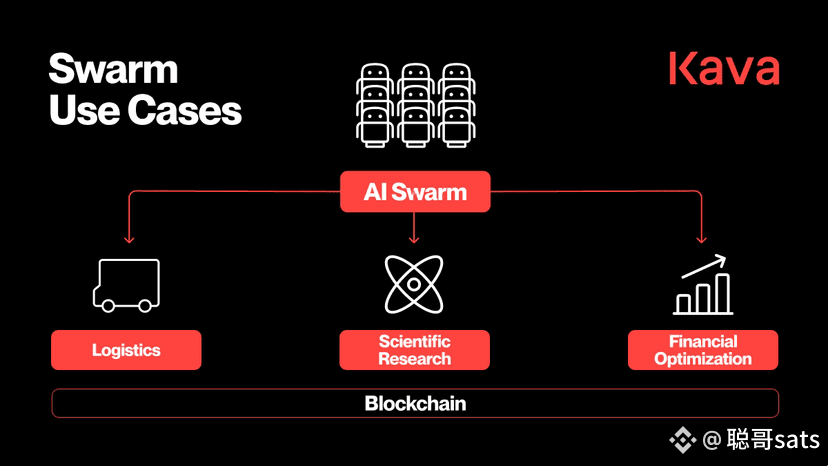
738
350
48
738

·
--
Kava生态被低估的价值洼地:早期参与者的红利期还有多久?
每次牛市都会出现几个让人拍断大腿的项目——明明很早就在眼前,却完美错过。现在的Kava生态,给我的就是这种感觉。作为一个跨越Cosmos和BNB Chain两大生态的桥梁,$KAVA 的价值显然还没有被市场充分认知。
目前整个Kava网络的TVL才刚过亿级别,相比其他主流链动辄数十亿的规模,显然还处于非常早期的阶段。这意味着什么?意味着现在参与,你面对的是蓝海市场,而不是红海竞争。
早期参与的红利是显而易见的:更高的挖矿收益、更多的空投机会、更早接触创新项目。回想一下当初在BNB Chain和Solana早期的参与者,哪个不是赚得盆满钵满?现在Kava提供的机会是类似的——你在一个生态爆发前夜入场,享受最早期的红利。
当然,任何早期机会都伴随风险。但相比fomo冲进那些已经暴涨的项目,在Kava生态早期布局显然是更明智的选择。@kava 团队正在做的事情,就是为下一个周期做准备。聪明人已经悄悄布局,而你还在观望吗?
#KavaBNBChainSummer $KAVA @kava
Kava生态被低估的价值洼地:早期参与者的红利期还有多久?
每次牛市都会出现几个让人拍断大腿的项目——明明很早就在眼前,却完美错过。现在的Kava生态,给我的就是这种感觉。作为一个跨越Cosmos和BNB Chain两大生态的桥梁,$KAVA 的价值显然还没有被市场充分认知。
目前整个Kava网络的TVL才刚过亿级别,相比其他主流链动辄数十亿的规模,显然还处于非常早期的阶段。这意味着什么?意味着现在参与,你面对的是蓝海市场,而不是红海竞争。
早期参与的红利是显而易见的:更高的挖矿收益、更多的空投机会、更早接触创新项目。回想一下当初在BNB Chain和Solana早期的参与者,哪个不是赚得盆满钵满?现在Kava提供的机会是类似的——你在一个生态爆发前夜入场,享受最早期的红利。
当然,任何早期机会都伴随风险。但相比fomo冲进那些已经暴涨的项目,在Kava生态早期布局显然是更明智的选择。@kava 团队正在做的事情,就是为下一个周期做准备。聪明人已经悄悄布局,而你还在观望吗?
#KavaBNBChainSummer $KAVA @kava
每次牛市都会出现几个让人拍断大腿的项目——明明很早就在眼前,却完美错过。现在的Kava生态,给我的就是这种感觉。作为一个跨越Cosmos和BNB Chain两大生态的桥梁,$KAVA 的价值显然还没有被市场充分认知。
目前整个Kava网络的TVL才刚过亿级别,相比其他主流链动辄数十亿的规模,显然还处于非常早期的阶段。这意味着什么?意味着现在参与,你面对的是蓝海市场,而不是红海竞争。
早期参与的红利是显而易见的:更高的挖矿收益、更多的空投机会、更早接触创新项目。回想一下当初在BNB Chain和Solana早期的参与者,哪个不是赚得盆满钵满?现在Kava提供的机会是类似的——你在一个生态爆发前夜入场,享受最早期的红利。
当然,任何早期机会都伴随风险。但相比fomo冲进那些已经暴涨的项目,在Kava生态早期布局显然是更明智的选择。@kava 团队正在做的事情,就是为下一个周期做准备。聪明人已经悄悄布局,而你还在观望吗?
#KavaBNBChainSummer $KAVA @kava
5.8k
2.8k
425
5.8k

ບົດຄວາມ
𝐊𝐚𝐯𝐚 𝐓𝐡𝐞 𝐅𝐮𝐭𝐮𝐫𝐞 𝐨𝐟 𝐁𝐥𝐨𝐜𝐤𝐜𝐡𝐚𝐢𝐧 & 𝐃𝐞𝐅𝐢@kava | $KAVA #KavaBNBChainSummer
When we talk about the future of blockchain, three words come to mind: speed, scalability, and intelligence. Most blockchains do one thing well, but struggle to deliver all three at once. Kava is different. It’s a secure, lightning-fast Layer-1 blockchain that merges the developer power of Ethereum with the speed and connectivity of Cosmos.
This mix is why Kava is quickly becoming one of the strongest foundations for the next generation of DeFi, AI, and Web3 applications.
Why Kava is Different
Ethereum has the biggest developer community and the most apps but it’s slowed down by high gas fees and congestion. Cosmos is fast and great for interoperability but doesn’t have the same adoption.
Kava merges both:
Ethereum Virtual Machine (EVM) → developers can build dApps using Solidity and Ethereum tools.
Cosmos IBC technology → apps on Kava can connect with other chains seamlessly.
This makes Kava one of the only chains that solves the long-standing trade-off problem in Web3: adoption vs. scalability. On Kava, developers don’t have to choose they get both.
Kava AI: The Game Changer
AI is already everywhere from logistics to finance to disaster management. But AI by itself lacks trust and transparency. That’s where blockchain comes in.
Kava AI combines:
AI intelligence → data analysis, risk detection, real-time optimization.
Blockchain trust → immutability, scalability, and decentralization.
This unlocks massive use cases:
Financial markets optimized by AI agents running on-chain.
AI swarms coordinating logistics or disaster responses globally.
DeFi strategies managed by automated AI bots, safer and more profitable than human trading.
What makes Kava unique is that it’s already building these integrations, not just talking about them. That gives it a first-mover advantage in AI-powered DeFi.
Why AI is the Next Big Unlock in DeFi
DeFi has changed finance, but it’s still risky and inefficient. Markets can be unpredictable, liquidity pools can be mismanaged, and opportunities are often missed.
AI fixes that:
Real-time scanning → AI can process millions of data points instantly.
Risk management → AI can predict crashes before they happen.
Liquidity optimization → AI keeps pools efficient and profitable.
Kava AI is making this vision real, setting itself up as the chain where AI + DeFi come together for the first time at scale.
Scalability and Security: Built for Growth
Blockchains often struggle as they grow slow transactions, high fees, and network strain. Kava is built for millions of users without sacrificing security.
Fast, low-cost transactions → perfect for apps in gaming, finance, and entertainment.
Institution-grade security → strong enough for big money to flow in.
Cross-chain interoperability → apps on Kava can interact with Ethereum, Cosmos, and beyond.
This balance makes Kava reliable for both retail users and institutions.
Real-World Use Cases
Kava isn’t just theory it’s being used today. Examples include:
DeFi apps for lending, borrowing, and yield farming.
AI-driven applications for smarter financial decisions.
Cross-chain projects connecting multiple ecosystems.
Future-ready AI swarms for global-scale logistics, climate, and finance.
This proves Kava isn’t just another chain it’s a platform for real adoption.
The Role of $KAVA
The $kava token powers the ecosystem. Its utility makes it much more than a speculative coin:
Staking → secures the chain.
Governance → lets holders vote on upgrades.
Rewards → incentives for developers and users.
As Kava scales and more apps launch, demand for $KAVA naturally grows. Its role in AI + DeFi adoption puts it in a strong position for the long term.
Market Outlook & Future Potential
The biggest trends in Web3 are:
1. Scalability → networks that can handle millions of users.
2. Cross-chain ecosystems → no more isolated chains.
3. AI integration → smarter, faster, safer finance.
Kava is at the center of all three. That’s why developers, investors, and institutions are paying attention.
If AI-powered DeFi becomes the next mega trend, Kava will be one of the leading blockchains to watch.
Why I’m Holding $KAVA
For me, Kava isn’t just a short-term trade. It’s a long-term project solving real problems:
It merges the strengths of Ethereum and Cosmos.
It pioneers AI + blockchain integration.
It’s scalable, secure, and already delivering results.
Holding $KAVA is like holding a ticket to the next wave of Web3 innovation where blockchain isn’t just about finance but about powering industries, solving global problems, and driving mainstream adoption.
Final Thoughts
Kava is proving it’s not just another Layer-1. It’s building the future where AI, DeFi, and cross-chain systems work together. The KAVA token secures this ecosystem, fuels growth, and ensures the network remains community-driven.
For anyone looking at long-term blockchain opportunities, Kava stands out as one of the strongest bets. It’s not just about today’s DeFi it’s about preparing for a world where blockchain and AI power global industries.
#KavaBNBChainSummer | $KAVA | @kava
𝐊𝐚𝐯𝐚 𝐓𝐡𝐞 𝐅𝐮𝐭𝐮𝐫𝐞 𝐨𝐟 𝐁𝐥𝐨𝐜𝐤𝐜𝐡𝐚𝐢𝐧 & 𝐃𝐞𝐅𝐢
@kava | $KAVA #KavaBNBChainSummer
When we talk about the future of blockchain, three words come to mind: speed, scalability, and intelligence. Most blockchains do one thing well, but struggle to deliver all three at once. Kava is different. It’s a secure, lightning-fast Layer-1 blockchain that merges the developer power of Ethereum with the speed and connectivity of Cosmos.
This mix is why Kava is quickly becoming one of the strongest foundations for the next generation of DeFi, AI, and Web3 applications.
Why Kava is Different
Ethereum has the biggest developer community and the most apps but it’s slowed down by high gas fees and congestion. Cosmos is fast and great for interoperability but doesn’t have the same adoption.
Kava merges both:
Ethereum Virtual Machine (EVM) → developers can build dApps using Solidity and Ethereum tools.
Cosmos IBC technology → apps on Kava can connect with other chains seamlessly.
This makes Kava one of the only chains that solves the long-standing trade-off problem in Web3: adoption vs. scalability. On Kava, developers don’t have to choose they get both.
Kava AI: The Game Changer
AI is already everywhere from logistics to finance to disaster management. But AI by itself lacks trust and transparency. That’s where blockchain comes in.
Kava AI combines:
AI intelligence → data analysis, risk detection, real-time optimization.
Blockchain trust → immutability, scalability, and decentralization.
This unlocks massive use cases:
Financial markets optimized by AI agents running on-chain.
AI swarms coordinating logistics or disaster responses globally.
DeFi strategies managed by automated AI bots, safer and more profitable than human trading.
What makes Kava unique is that it’s already building these integrations, not just talking about them. That gives it a first-mover advantage in AI-powered DeFi.
Why AI is the Next Big Unlock in DeFi
DeFi has changed finance, but it’s still risky and inefficient. Markets can be unpredictable, liquidity pools can be mismanaged, and opportunities are often missed.
AI fixes that:
Real-time scanning → AI can process millions of data points instantly.
Risk management → AI can predict crashes before they happen.
Liquidity optimization → AI keeps pools efficient and profitable.
Kava AI is making this vision real, setting itself up as the chain where AI + DeFi come together for the first time at scale.
Scalability and Security: Built for Growth
Blockchains often struggle as they grow slow transactions, high fees, and network strain. Kava is built for millions of users without sacrificing security.
Fast, low-cost transactions → perfect for apps in gaming, finance, and entertainment.
Institution-grade security → strong enough for big money to flow in.
Cross-chain interoperability → apps on Kava can interact with Ethereum, Cosmos, and beyond.
This balance makes Kava reliable for both retail users and institutions.
Real-World Use Cases
Kava isn’t just theory it’s being used today. Examples include:
DeFi apps for lending, borrowing, and yield farming.
AI-driven applications for smarter financial decisions.
Cross-chain projects connecting multiple ecosystems.
Future-ready AI swarms for global-scale logistics, climate, and finance.
This proves Kava isn’t just another chain it’s a platform for real adoption.
The Role of $KAVA
The $kava token powers the ecosystem. Its utility makes it much more than a speculative coin:
Staking → secures the chain.
Governance → lets holders vote on upgrades.
Rewards → incentives for developers and users.
As Kava scales and more apps launch, demand for $KAVA naturally grows. Its role in AI + DeFi adoption puts it in a strong position for the long term.
Market Outlook & Future Potential
The biggest trends in Web3 are:
1. Scalability → networks that can handle millions of users.
2. Cross-chain ecosystems → no more isolated chains.
3. AI integration → smarter, faster, safer finance.
Kava is at the center of all three. That’s why developers, investors, and institutions are paying attention.
If AI-powered DeFi becomes the next mega trend, Kava will be one of the leading blockchains to watch.
Why I’m Holding $KAVA
For me, Kava isn’t just a short-term trade. It’s a long-term project solving real problems:
It merges the strengths of Ethereum and Cosmos.
It pioneers AI + blockchain integration.
It’s scalable, secure, and already delivering results.
Holding $KAVA is like holding a ticket to the next wave of Web3 innovation where blockchain isn’t just about finance but about powering industries, solving global problems, and driving mainstream adoption.
Final Thoughts
Kava is proving it’s not just another Layer-1. It’s building the future where AI, DeFi, and cross-chain systems work together. The KAVA token secures this ecosystem, fuels growth, and ensures the network remains community-driven.
For anyone looking at long-term blockchain opportunities, Kava stands out as one of the strongest bets. It’s not just about today’s DeFi it’s about preparing for a world where blockchain and AI power global industries.
#KavaBNBChainSummer | $KAVA | @kava
When we talk about the future of blockchain, three words come to mind: speed, scalability, and intelligence. Most blockchains do one thing well, but struggle to deliver all three at once. Kava is different. It’s a secure, lightning-fast Layer-1 blockchain that merges the developer power of Ethereum with the speed and connectivity of Cosmos.
This mix is why Kava is quickly becoming one of the strongest foundations for the next generation of DeFi, AI, and Web3 applications.
Why Kava is Different
Ethereum has the biggest developer community and the most apps but it’s slowed down by high gas fees and congestion. Cosmos is fast and great for interoperability but doesn’t have the same adoption.
Kava merges both:
Ethereum Virtual Machine (EVM) → developers can build dApps using Solidity and Ethereum tools.
Cosmos IBC technology → apps on Kava can connect with other chains seamlessly.
This makes Kava one of the only chains that solves the long-standing trade-off problem in Web3: adoption vs. scalability. On Kava, developers don’t have to choose they get both.
Kava AI: The Game Changer
AI is already everywhere from logistics to finance to disaster management. But AI by itself lacks trust and transparency. That’s where blockchain comes in.
Kava AI combines:
AI intelligence → data analysis, risk detection, real-time optimization.
Blockchain trust → immutability, scalability, and decentralization.
This unlocks massive use cases:
Financial markets optimized by AI agents running on-chain.
AI swarms coordinating logistics or disaster responses globally.
DeFi strategies managed by automated AI bots, safer and more profitable than human trading.
What makes Kava unique is that it’s already building these integrations, not just talking about them. That gives it a first-mover advantage in AI-powered DeFi.
Why AI is the Next Big Unlock in DeFi
DeFi has changed finance, but it’s still risky and inefficient. Markets can be unpredictable, liquidity pools can be mismanaged, and opportunities are often missed.
AI fixes that:
Real-time scanning → AI can process millions of data points instantly.
Risk management → AI can predict crashes before they happen.
Liquidity optimization → AI keeps pools efficient and profitable.
Kava AI is making this vision real, setting itself up as the chain where AI + DeFi come together for the first time at scale.
Scalability and Security: Built for Growth
Blockchains often struggle as they grow slow transactions, high fees, and network strain. Kava is built for millions of users without sacrificing security.
Fast, low-cost transactions → perfect for apps in gaming, finance, and entertainment.
Institution-grade security → strong enough for big money to flow in.
Cross-chain interoperability → apps on Kava can interact with Ethereum, Cosmos, and beyond.
This balance makes Kava reliable for both retail users and institutions.
Real-World Use Cases
Kava isn’t just theory it’s being used today. Examples include:
DeFi apps for lending, borrowing, and yield farming.
AI-driven applications for smarter financial decisions.
Cross-chain projects connecting multiple ecosystems.
Future-ready AI swarms for global-scale logistics, climate, and finance.
This proves Kava isn’t just another chain it’s a platform for real adoption.
The Role of $KAVA
The $kava token powers the ecosystem. Its utility makes it much more than a speculative coin:
Staking → secures the chain.
Governance → lets holders vote on upgrades.
Rewards → incentives for developers and users.
As Kava scales and more apps launch, demand for $KAVA naturally grows. Its role in AI + DeFi adoption puts it in a strong position for the long term.
Market Outlook & Future Potential
The biggest trends in Web3 are:
1. Scalability → networks that can handle millions of users.
2. Cross-chain ecosystems → no more isolated chains.
3. AI integration → smarter, faster, safer finance.
Kava is at the center of all three. That’s why developers, investors, and institutions are paying attention.
If AI-powered DeFi becomes the next mega trend, Kava will be one of the leading blockchains to watch.
Why I’m Holding $KAVA
For me, Kava isn’t just a short-term trade. It’s a long-term project solving real problems:
It merges the strengths of Ethereum and Cosmos.
It pioneers AI + blockchain integration.
It’s scalable, secure, and already delivering results.
Holding $KAVA is like holding a ticket to the next wave of Web3 innovation where blockchain isn’t just about finance but about powering industries, solving global problems, and driving mainstream adoption.
Final Thoughts
Kava is proving it’s not just another Layer-1. It’s building the future where AI, DeFi, and cross-chain systems work together. The KAVA token secures this ecosystem, fuels growth, and ensures the network remains community-driven.
For anyone looking at long-term blockchain opportunities, Kava stands out as one of the strongest bets. It’s not just about today’s DeFi it’s about preparing for a world where blockchain and AI power global industries.
#KavaBNBChainSummer | $KAVA | @kava
6
19
24
140

·
--
💥 Kava’s Milestones and the Road Ahead 💥Execution Over Promises
In blockchain, whitepapers are easy to write but hard to execute. What separates lasting projects from failed experiments is delivery. Many new chains appear impressive in presentations but struggle when it comes to actual performance. Kava is different. Its roadmap is not just theory—it has translated into live infrastructure, measurable adoption, and a credible growth path.
What Kava Has Delivered
Over 125 decentralized applications deployed within its ecosystem
100 active validators maintaining security and governance
More than 120 million KAVA staked, showing long-term commitment
$2.5 billion in bridged assets processed
On-chain asset value exceeding $625 million
Average transaction fee close to $0.0001
These milestones show real traction, not speculative hype. They mark Kava as a functioning settlement layer that supports developers, users, and capital flows.
Metrics That Point to Product-Market Fit
The scale of bridged transactions demonstrates that users trust Kava for cross-chain value transfers. The number of active dApps confirms developer interest in its dual EVM and IBC model. The level of staking shows that participants are aligned with long-term network security. To strengthen credibility further, Kava would benefit from transparent reporting on daily active users, transaction frequency, stablecoin adoption, and governance participation.
Use Cases Already in Motion
Cross-chain stablecoin settlement and bridging with low costs and fast finality
Development of dApps using Ethereum tools while accessing Cosmos liquidity
Kava AI, which has already reached more than 100,000 users, demonstrating early adoption of agent-driven financial applications
Comparisons With Other Chains
Ethereum Layer 2s lower costs but remain tied to Ethereum’s bottlenecks. Kava avoids this by combining EVM execution with Cosmos IBC.
Cosmos-only chains excel at interoperability but often lack EVM tooling. Kava delivers both.
Yield-focused chains attract short-term capital but lose momentum once incentives fade. Kava’s capped supply and predictable emissions provide stability.
Resilience in a Post-Terra Landscape
The Terra collapse damaged trust in the Cosmos ecosystem. Many chains tied to Terra’s liquidity struggled to survive. Kava, however, endured. By avoiding algorithmic stablecoins and enforcing a hard supply cap, it preserved credibility and attracted major protocols such as Curve, Sushi, and Uniswap v3.
Strategic Milestones
Integration of Uniswap v3 brought concentrated liquidity strategies and deeper market efficiency
Addition of Ethereum smart contracts opened the door for Solidity developers without losing access to IBC liquidity
Measured economic design has allowed Kava to present itself as a neutral venue where both decentralized users and institutions can operate
The Road Ahead
Kava’s roadmap is focused on three emerging themes:
Artificial intelligence in finance, through predictive tools and autonomous agents
Real-world asset tokenization, including treasuries and private credit
Institutional settlement of stablecoins and tokenized securities
Conclusion
Kava has transitioned from building to operating. Its achievements prove resilience, its integrations show market confidence, and its roadmap points toward long-term relevance. In a market filled with unfulfilled promises, Kava stands out as a chain that is shipping, scaling, and earning credibility as a neutral settlement layer for the next phase of decentralized finance.
$KAVA @kava
#KavaBNBChainSummer
💥 Kava’s Milestones and the Road Ahead 💥
Execution Over Promises
In blockchain, whitepapers are easy to write but hard to execute. What separates lasting projects from failed experiments is delivery. Many new chains appear impressive in presentations but struggle when it comes to actual performance. Kava is different. Its roadmap is not just theory—it has translated into live infrastructure, measurable adoption, and a credible growth path.
What Kava Has Delivered
Over 125 decentralized applications deployed within its ecosystem
100 active validators maintaining security and governance
More than 120 million KAVA staked, showing long-term commitment
$2.5 billion in bridged assets processed
On-chain asset value exceeding $625 million
Average transaction fee close to $0.0001
These milestones show real traction, not speculative hype. They mark Kava as a functioning settlement layer that supports developers, users, and capital flows.
Metrics That Point to Product-Market Fit
The scale of bridged transactions demonstrates that users trust Kava for cross-chain value transfers. The number of active dApps confirms developer interest in its dual EVM and IBC model. The level of staking shows that participants are aligned with long-term network security. To strengthen credibility further, Kava would benefit from transparent reporting on daily active users, transaction frequency, stablecoin adoption, and governance participation.
Use Cases Already in Motion
Cross-chain stablecoin settlement and bridging with low costs and fast finality
Development of dApps using Ethereum tools while accessing Cosmos liquidity
Kava AI, which has already reached more than 100,000 users, demonstrating early adoption of agent-driven financial applications
Comparisons With Other Chains
Ethereum Layer 2s lower costs but remain tied to Ethereum’s bottlenecks. Kava avoids this by combining EVM execution with Cosmos IBC.
Cosmos-only chains excel at interoperability but often lack EVM tooling. Kava delivers both.
Yield-focused chains attract short-term capital but lose momentum once incentives fade. Kava’s capped supply and predictable emissions provide stability.
Resilience in a Post-Terra Landscape
The Terra collapse damaged trust in the Cosmos ecosystem. Many chains tied to Terra’s liquidity struggled to survive. Kava, however, endured. By avoiding algorithmic stablecoins and enforcing a hard supply cap, it preserved credibility and attracted major protocols such as Curve, Sushi, and Uniswap v3.
Strategic Milestones
Integration of Uniswap v3 brought concentrated liquidity strategies and deeper market efficiency
Addition of Ethereum smart contracts opened the door for Solidity developers without losing access to IBC liquidity
Measured economic design has allowed Kava to present itself as a neutral venue where both decentralized users and institutions can operate
The Road Ahead
Kava’s roadmap is focused on three emerging themes:
Artificial intelligence in finance, through predictive tools and autonomous agents
Real-world asset tokenization, including treasuries and private credit
Institutional settlement of stablecoins and tokenized securities
Conclusion
Kava has transitioned from building to operating. Its achievements prove resilience, its integrations show market confidence, and its roadmap points toward long-term relevance. In a market filled with unfulfilled promises, Kava stands out as a chain that is shipping, scaling, and earning credibility as a neutral settlement layer for the next phase of decentralized finance.
$KAVA @kava
#KavaBNBChainSummer
In blockchain, whitepapers are easy to write but hard to execute. What separates lasting projects from failed experiments is delivery. Many new chains appear impressive in presentations but struggle when it comes to actual performance. Kava is different. Its roadmap is not just theory—it has translated into live infrastructure, measurable adoption, and a credible growth path.
What Kava Has Delivered
Over 125 decentralized applications deployed within its ecosystem
100 active validators maintaining security and governance
More than 120 million KAVA staked, showing long-term commitment
$2.5 billion in bridged assets processed
On-chain asset value exceeding $625 million
Average transaction fee close to $0.0001
These milestones show real traction, not speculative hype. They mark Kava as a functioning settlement layer that supports developers, users, and capital flows.
Metrics That Point to Product-Market Fit
The scale of bridged transactions demonstrates that users trust Kava for cross-chain value transfers. The number of active dApps confirms developer interest in its dual EVM and IBC model. The level of staking shows that participants are aligned with long-term network security. To strengthen credibility further, Kava would benefit from transparent reporting on daily active users, transaction frequency, stablecoin adoption, and governance participation.
Use Cases Already in Motion
Cross-chain stablecoin settlement and bridging with low costs and fast finality
Development of dApps using Ethereum tools while accessing Cosmos liquidity
Kava AI, which has already reached more than 100,000 users, demonstrating early adoption of agent-driven financial applications
Comparisons With Other Chains
Ethereum Layer 2s lower costs but remain tied to Ethereum’s bottlenecks. Kava avoids this by combining EVM execution with Cosmos IBC.
Cosmos-only chains excel at interoperability but often lack EVM tooling. Kava delivers both.
Yield-focused chains attract short-term capital but lose momentum once incentives fade. Kava’s capped supply and predictable emissions provide stability.
Resilience in a Post-Terra Landscape
The Terra collapse damaged trust in the Cosmos ecosystem. Many chains tied to Terra’s liquidity struggled to survive. Kava, however, endured. By avoiding algorithmic stablecoins and enforcing a hard supply cap, it preserved credibility and attracted major protocols such as Curve, Sushi, and Uniswap v3.
Strategic Milestones
Integration of Uniswap v3 brought concentrated liquidity strategies and deeper market efficiency
Addition of Ethereum smart contracts opened the door for Solidity developers without losing access to IBC liquidity
Measured economic design has allowed Kava to present itself as a neutral venue where both decentralized users and institutions can operate
The Road Ahead
Kava’s roadmap is focused on three emerging themes:
Artificial intelligence in finance, through predictive tools and autonomous agents
Real-world asset tokenization, including treasuries and private credit
Institutional settlement of stablecoins and tokenized securities
Conclusion
Kava has transitioned from building to operating. Its achievements prove resilience, its integrations show market confidence, and its roadmap points toward long-term relevance. In a market filled with unfulfilled promises, Kava stands out as a chain that is shipping, scaling, and earning credibility as a neutral settlement layer for the next phase of decentralized finance.
$KAVA @kava
#KavaBNBChainSummer
11
16.1k

·
--
ສັນຍານກະທິງ
Summer is heating up on-chain! @kava is powering the #KavaBNBChainSummer with $KAVA , bringing builders and users together on a fast, secure, and scalable Layer-1. From DeFi to real-world adoption, Kava is where innovation takes center stage
Summer is heating up on-chain! @kava is powering the #KavaBNBChainSummer with $KAVA , bringing builders and users together on a fast, secure, and scalable Layer-1. From DeFi to real-world adoption, Kava is where innovation takes center stage
33
ເຂົ້າສູ່ລະບົບເພື່ອສຳຫຼວດເນື້ອຫາເພີ່ມເຕີມ
ເຂົ້າຮ່ວມກຸ່ມຜູ້ໃຊ້ຄຣິບໂຕທົ່ວໂລກໃນ Binance Square.
⚡️ ໄດ້ຮັບຂໍ້ມູນຫຼ້າສຸດ ແລະ ທີ່ມີປະໂຫຍດກ່ຽວກັບຄຣິບໂຕ.
💬 ໄດ້ຮັບຄວາມໄວ້ວາງໃຈຈາກຕະຫຼາດແລກປ່ຽນຄຣິບໂຕທີ່ໃຫຍ່ທີ່ສຸດໃນໂລກ.
👍 ຄົ້ນຫາຂໍ້ມູນເຊີງເລິກທີ່ແທ້ຈາກນັກສ້າງທີ່ໄດ້ຮັບການຢືນຢັນ.
ອີເມວ / ເບີໂທລະສັບ
ຫົວຂໍ້ທີ່ກໍາລັງນິຍົມ
1
#FedMinutesFocusOnOctoberPause
6,395 views
247 ກຳລັງສົນທະນາ
2
#BinanceLaunchesBinanceIntelligence
904,859 views
5,529 ກຳລັງສົນທະນາ
3
#RobinhoodAdds$25MInBitcoinToBalanceSheet
480 views
23 ກຳລັງສົນທະນາ
4
#SP500AndNasdaqHitRecordHighs
3,187 views
146 ກຳລັງສົນທະນາ
5
#USMortgageRatesRiseTo7.49%
2,914 views
126 ກຳລັງສົນທະນາ
6
#BTCFallsBelow$84K
68,307 views
185 ກຳລັງສົນທະນາ
7
#DubaiVARAIssuesReserveAssetAuditCircular
26,925 views
741 ກຳລັງສົນທະນາ
8
#SECApproves3XBitcoinETF
25,582 views
604 ກຳລັງສົນທະນາ
9
#WinklevossFilesSpotZcashETFApplication
33,876 views
717 ກຳລັງສົນທະນາ
10
#SouthKoreaAITradeLiftsWorldcoinTo$7.41B
3,689 views
51 ກຳລັງສົນທະນາ