
WOLF 狼
10.4k Жариялаулар

WOLF 狼
The Market Hunter | KOL | Crypto Trader | Technical Analyst | Write2Earn Specialist | X: @Wolf_Official17
Ашық сауда
Жоғары жиілікті трейдер
2 жыл
1.3K+ Жазылым
44.8K+ Жазылушылар
31.0K+ лайк басылған
Жазбалар
Портфолио
Барлығы
Баға ұсыныстары
Видеолар
Тікелей эфир
PINNED


Z O N E P R I M E
·
--
Жоғары (өспелі)🎁 ZONE PRIME BTC SURPRISE DROP! 🎁
💰 The Red Packet is full and ready to open! 💰
👇 Simple Steps to Participate 👇
❤️ Follow ZONE PRIME
🔁 Like & Share
💬 Comment “BTC”
🔔 Stay connected and active for upcoming surprise drops!
#BTC #Crypto #ZONEPRIME #RedPacket #Binance $BTC
💰 The Red Packet is full and ready to open! 💰
👇 Simple Steps to Participate 👇
❤️ Follow ZONE PRIME
🔁 Like & Share
💬 Comment “BTC”
🔔 Stay connected and active for upcoming surprise drops!
#BTC #Crypto #ZONEPRIME #RedPacket #Binance $BTC


Maraishh
·
--
The future belongs to those who dare to take action today.
LUCIC is more than a coin — it’s a growing community, a new opportunity, and a journey toward a brighter digital future.
Don’t just watch others move forward. Choose your path. Choose growth. Choose LUCIC.
The opportunity is here. The choice is yours.
LUCIC — From Vision to Victory. 🚀
LUCIC is more than a coin — it’s a growing community, a new opportunity, and a journey toward a brighter digital future.
Don’t just watch others move forward. Choose your path. Choose growth. Choose LUCIC.
The opportunity is here. The choice is yours.
LUCIC — From Vision to Victory. 🚀


CryptooSHAHIN
·
--
Please share my red pocket
Go. fast #ClaimYourReward $PEPE
🎁🎁🎁🎁🎁🎁🎁🎁🎁🎁🎁🎁🎁🎁🎁🎁🎁🎁🎁🎁🎁🎁🎁🎁🎁🎁🎁🎁🎁🎁💸💸💸💸💸💸💸💸💸💸💸💸💸💸💸
Go. fast #ClaimYourReward $PEPE
🎁🎁🎁🎁🎁🎁🎁🎁🎁🎁🎁🎁🎁🎁🎁🎁🎁🎁🎁🎁🎁🎁🎁🎁🎁🎁🎁🎁🎁🎁💸💸💸💸💸💸💸💸💸💸💸💸💸💸💸


Fatima 5
·
--
$ETH
A peaceful evening, a little crypto energy, and an ETH gift to make the moment special. ✨🕊️
💛 Like the post
💬 Comment your thoughts
👥 Follow for more Binance updates
🎁 Stay connected for more gifts
$ETH
A peaceful evening, a little crypto energy, and an ETH gift to make the moment special. ✨🕊️
💛 Like the post
💬 Comment your thoughts
👥 Follow for more Binance updates
🎁 Stay connected for more gifts
$ETH


Mahi_玛希BNB
·
--
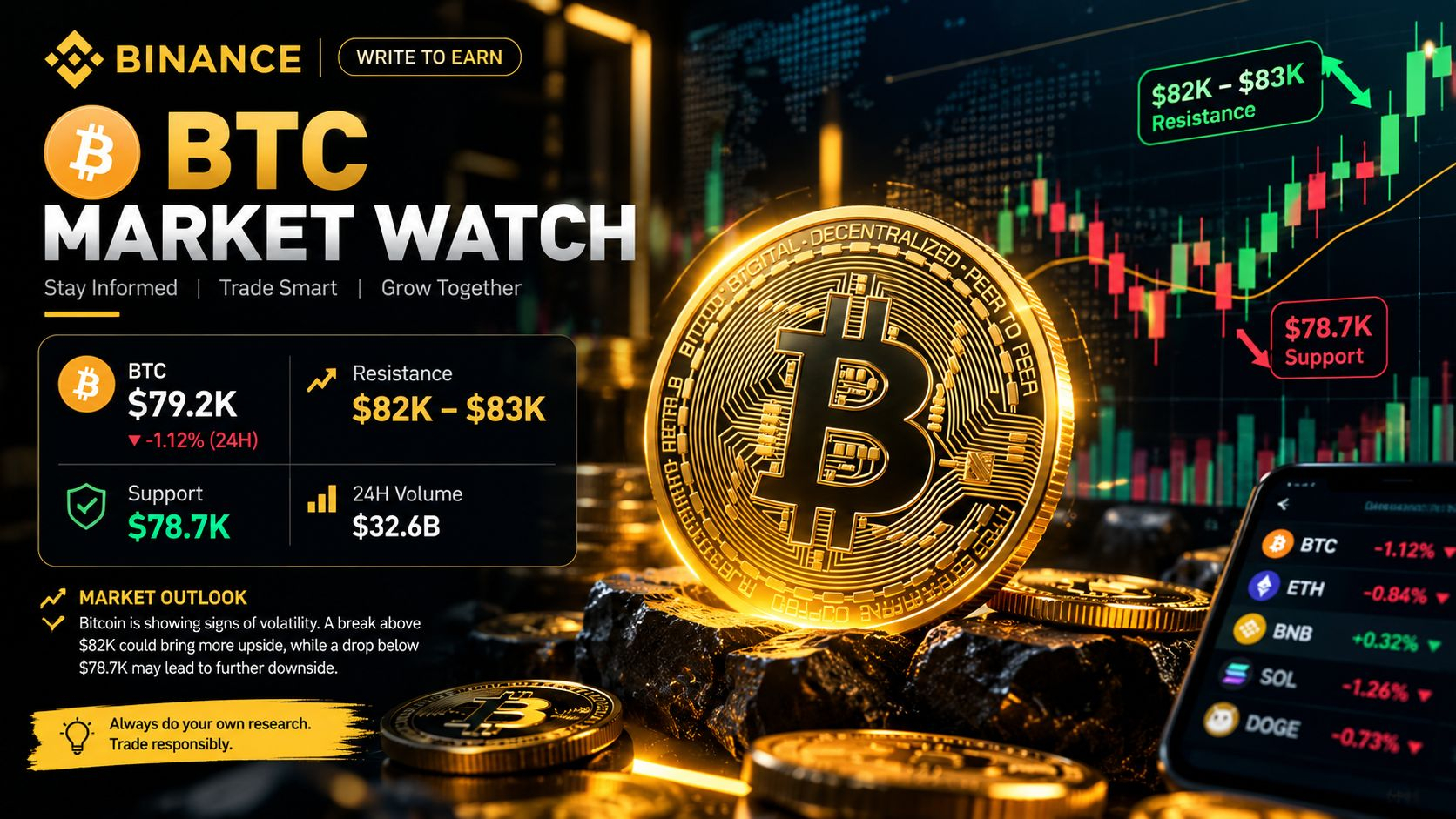
Жоғары (өспелі)🟡 Binance Square — BTC Market Update
BTC is holding near $79K as traders watch the next breakout. $BTC is currently around $79.2K, with the $82K–$83K resistance zone remaining important. A strong break above this area could improve bullish momentum, while losing the $78.7K support could bring more downside pressure.
1️⃣ **Follow MAHI BNB** ✅
2️⃣ **Like & Comment “BTC”** ✅
3️⃣ **Repost This Post** 🔄✅
4️⃣ **Stay Tuned for the Next Gift 🎁🧧** ✅
For now, volume + price action are key. Stay patient and manage risk. 📊
#BTC #Crypto #CryptoTrading #Binance #BinanceSquare #Trading #CryptoMarketMoves #writetoearn
$BNB $ETH
BTC is holding near $79K as traders watch the next breakout. $BTC is currently around $79.2K, with the $82K–$83K resistance zone remaining important. A strong break above this area could improve bullish momentum, while losing the $78.7K support could bring more downside pressure.
1️⃣ **Follow MAHI BNB** ✅
2️⃣ **Like & Comment “BTC”** ✅
3️⃣ **Repost This Post** 🔄✅
4️⃣ **Stay Tuned for the Next Gift 🎁🧧** ✅
For now, volume + price action are key. Stay patient and manage risk. 📊
#BTC #Crypto #CryptoTrading #Binance #BinanceSquare #Trading #CryptoMarketMoves #writetoearn
$BNB $ETH


Suadagar Ali
·
--
#BNB ETH BTC$
follow like and
🌹☘️🥀🌹comments
repost
follow like and
🌹☘️🥀🌹comments
repost


Ahli Hidaya ya rabi ma he q
·
--
Жоғары (өспелі)Ripple CLO Stuart Alderoty Calls on Senators to Meet Real Crypto Holders Ahead of CLARITY Act Vote
Ripple Chief Legal Officer Stuart Alderoty has taken a direct approach as the U.S. Senate prepares for a crucial procedural vote on the CLARITY Act. Alderoty is actively urging undecided and opposing senators to step away from corporate lobbyists and meet face-to-face with everyday cryptocurrency holders before casting their votes.
Key highlights surrounding the push include:
The Human Element: Alderoty emphasized that senators need to hear real stories from ordinary citizens who own digital assets rather than just listening to industry executives.
Massive Scale: Highlighting the weight of the community, Ripple pointed out that the U.S. currently has 67 million crypto holders, an ecosystem supporting 232,000 jobs, and a sector generating roughly $55 billion in economic activity.
The Legislative Hurdle: The upcoming Senate procedural vote faces a strict threshold requiring at least 60 votes to clear the way for formal debate, amid growing political scrutiny and ethical concerns raised by some lawmakers.
As the crypto industry pushes for a clear federal regulatory framework, this grassroots-focused appeal aims to remind lawmakers of the millions of everyday Americans directly impacted by digital asset policies.
#Ripple #XRP #CryptoRegulation #CLARITYAct #BinanceSquare #CryptoNews$XRP $USDC #dyor
Ripple Chief Legal Officer Stuart Alderoty has taken a direct approach as the U.S. Senate prepares for a crucial procedural vote on the CLARITY Act. Alderoty is actively urging undecided and opposing senators to step away from corporate lobbyists and meet face-to-face with everyday cryptocurrency holders before casting their votes.
Key highlights surrounding the push include:
The Human Element: Alderoty emphasized that senators need to hear real stories from ordinary citizens who own digital assets rather than just listening to industry executives.
Massive Scale: Highlighting the weight of the community, Ripple pointed out that the U.S. currently has 67 million crypto holders, an ecosystem supporting 232,000 jobs, and a sector generating roughly $55 billion in economic activity.
The Legislative Hurdle: The upcoming Senate procedural vote faces a strict threshold requiring at least 60 votes to clear the way for formal debate, amid growing political scrutiny and ethical concerns raised by some lawmakers.
As the crypto industry pushes for a clear federal regulatory framework, this grassroots-focused appeal aims to remind lawmakers of the millions of everyday Americans directly impacted by digital asset policies.
#Ripple #XRP #CryptoRegulation #CLARITYAct #BinanceSquare #CryptoNews$XRP $USDC #dyor

Mahi_玛希BNB
·
--
Жоғары (өспелі)🟡 Binance Square — BTC Market Update
BTC is holding near $79K as traders watch the next breakout. $BTC is currently around $79.2K, with the $82K–$83K resistance zone remaining important. A strong break above this area could improve bullish momentum, while losing the $78.7K support could bring more downside pressure.
1️⃣ **Follow MAHI BNB** ✅
2️⃣ **Like & Comment “BTC”** ✅
3️⃣ **Repost This Post** 🔄✅
4️⃣ **Stay Tuned for the Next Gift 🎁🧧** ✅
For now, volume + price action are key. Stay patient and manage risk. 📊
#BTC #Crypto #CryptoTrading #Binance #BinanceSquare #Trading #CryptoMarketMoves #writetoearn
$BNB $ETH
BTC is holding near $79K as traders watch the next breakout. $BTC is currently around $79.2K, with the $82K–$83K resistance zone remaining important. A strong break above this area could improve bullish momentum, while losing the $78.7K support could bring more downside pressure.
1️⃣ **Follow MAHI BNB** ✅
2️⃣ **Like & Comment “BTC”** ✅
3️⃣ **Repost This Post** 🔄✅
4️⃣ **Stay Tuned for the Next Gift 🎁🧧** ✅
For now, volume + price action are key. Stay patient and manage risk. 📊
#BTC #Crypto #CryptoTrading #Binance #BinanceSquare #Trading #CryptoMarketMoves #writetoearn
$BNB $ETH
Markslo
·
--
Grab your personal share!!
Follow me🥂
🎁🎁✅✅🎁🎁✅✅
$NVDAB
#AppleDebutsFoldablePhone
#dyor
Follow me🥂
🎁🎁✅✅🎁🎁✅✅
$NVDAB
#AppleDebutsFoldablePhone
#dyor


Flora Firdos
·
--
🎉 WHO WANTS FREE $USDT ? 💸👀
Here’s your chance to join the giveaway!
📌 Entry steps:
💬 Comment 999
❤️ Like this post
🔄 Repost & share
➕ Follow the account
The sooner you enter, the sooner you’re in the game. 🚀
Good luck everyone! 🎁🔥
#USDT🔥🔥🔥 #CryptoGiveaway #Airdrop #USDTfree
Here’s your chance to join the giveaway!
📌 Entry steps:
💬 Comment 999
❤️ Like this post
🔄 Repost & share
➕ Follow the account
The sooner you enter, the sooner you’re in the game. 🚀
Good luck everyone! 🎁🔥
#USDT🔥🔥🔥 #CryptoGiveaway #Airdrop #USDTfree


大仁Jaron
·
--
指數權重的「甜蜜毒藥」:SpaceX 被動買盤的 124 億美元,正迎面撞上 23 億股解禁洪峰
一場由指數規則觸發的「非基本面行情」
SpaceX 即將迎來的這波買盤,與其商業前景幾乎無關。它更像是一條少有人注意的指數編制規則被觸發後,產生的機械結果。
納斯達克 100 指數定於 9 月 21 日 生效的季度重平衡,預計將把 SpaceX 的權重從 1.25% 提升至約 1.51%。據摩根大通策略師 Min Moon 團隊測算,這一調整將觸發約 124 億美元 的被動淨買入。
推動權重躍升的直接原因,是自由流通比例從 IPO 後的不足 10% 升至近 30%——超過 10 億股 限售股解除鎖定後,指數規則自動放大了這隻市值超 2 萬億美元 巨頭的納入權重。
但解禁遠未結束。10 月底前 將有超 10 億股、11 月中旬三季度業績後 另有約 13 億股 限售股陸續進入可交易狀態,合計超 23 億股。短期機械買盤與中期供給衝擊的博弈,正成為 SpaceX 四季度定價的核心變量。
截至發稿,SpaceX 週二漲超 3%,股價處於近兩個月高位,總市值重回 2 萬億美元。
權重翻倍機制:自由流通比例跳升的連鎖反應
納斯達克 100 的權重計算基於總股本與三倍自由流通股數中的較低者。自由流通比例偏低的股票,其市值在納入計算時會被大幅折價——自由流通股剔除了內部人士持股及受限售約束的股份。
SpaceX 此前正是這種情況。因限售鎖定,其自由流通比例不足 10%,儘管市值超 2 萬億美元、位居指數第六,權重卻只有 1.25%、排在第 19 位。隨著超 10 億股 限售股解除鎖定,自由流通比例升至近 30%,直接觸發了權重的重新計算。
據納斯達克統計,截至二季度末約有 1.7 萬億美元 資產跟蹤納斯達克 100 指數,其中包括知名的 Invesco QQQ ETF(代碼 QQQ)。重平衡方案將於週五盤後公佈。隨著未來一年更多股份解禁,自由流通比例繼續上升,SpaceX 的權重還可能進一步提高。
23 億股解禁:短期買盤背後的供給洪峰
自由流通比例的跳升,本質上是限售股解禁的結果,而更大的解禁量還在後頭。
根據時間表:
· 10 月底前:超 10 億股 限售股解除鎖定;
· 11 月中旬 三季度業績發佈後:另有約 13 億股 股份進入可交易狀態。
兩批合計超 23 億股。
8 月首批解禁(與 SpaceX 首份業績同期)曾引發大規模拋售擔憂,但內部人士大多持股不動,拋壓並未兌現。
River Wealth Advisors 首席執行官 Ed O'Gorman 認為,真正關鍵的事件要到 11 月業績觸發解禁時才到來,屆時將有大量股票進入市場。Interactive Brokers 首席策略師 Steve Sosnick 則表示,新解禁的股份要麼賣給潛在的被動買盤,要麼股價因指數基金的需求增加而上漲,QQQ 等產品料將帶來更多需求。
多空分歧:被動買盤能否對沖解禁拋壓?
短期看,約 155 億美元 的被動買盤相對確定;中期看,解禁拋壓的規模與節奏取決於內部人士的減持意願。二者構成當前最大的預期差。
過去四周,SpaceX 股價在 133 至 150 美元 區間橫盤整理,圍繞 135 美元 的 IPO 發行價波動,缺乏基本面催化劑。Ed O'Gorman 指出,市場價格將在一定程度上被強制買入所推動,需要一段時間才能真正讀懂市場對這隻股票的看法。
類似規則並非納斯達克獨有。標普道瓊斯指數同樣採用自由流通調整市值計算權重;兩年前伯克希爾·哈撒韋減持蘋果後,Piper Sandler 曾估計將觸發約 400 億美元 的被動基金買入。
SpaceX 今年 6 月已被納入羅素 1000 指數,但標普 500 要求至少 12 個月的上市交易歷史,意味著其最早要到 2027 年年中 才具備入選資格,被動買盤後續仍有增量空間。
11 月中旬三季度業績觸發的解禁,將是檢驗 SpaceX 真實市場深度、決定短期多空勝負的關鍵節點。
SpaceX 即將迎來的這波買盤,與其商業前景幾乎無關。它更像是一條少有人注意的指數編制規則被觸發後,產生的機械結果。
納斯達克 100 指數定於 9 月 21 日 生效的季度重平衡,預計將把 SpaceX 的權重從 1.25% 提升至約 1.51%。據摩根大通策略師 Min Moon 團隊測算,這一調整將觸發約 124 億美元 的被動淨買入。
推動權重躍升的直接原因,是自由流通比例從 IPO 後的不足 10% 升至近 30%——超過 10 億股 限售股解除鎖定後,指數規則自動放大了這隻市值超 2 萬億美元 巨頭的納入權重。
但解禁遠未結束。10 月底前 將有超 10 億股、11 月中旬三季度業績後 另有約 13 億股 限售股陸續進入可交易狀態,合計超 23 億股。短期機械買盤與中期供給衝擊的博弈,正成為 SpaceX 四季度定價的核心變量。
截至發稿,SpaceX 週二漲超 3%,股價處於近兩個月高位,總市值重回 2 萬億美元。
權重翻倍機制:自由流通比例跳升的連鎖反應
納斯達克 100 的權重計算基於總股本與三倍自由流通股數中的較低者。自由流通比例偏低的股票,其市值在納入計算時會被大幅折價——自由流通股剔除了內部人士持股及受限售約束的股份。
SpaceX 此前正是這種情況。因限售鎖定,其自由流通比例不足 10%,儘管市值超 2 萬億美元、位居指數第六,權重卻只有 1.25%、排在第 19 位。隨著超 10 億股 限售股解除鎖定,自由流通比例升至近 30%,直接觸發了權重的重新計算。
據納斯達克統計,截至二季度末約有 1.7 萬億美元 資產跟蹤納斯達克 100 指數,其中包括知名的 Invesco QQQ ETF(代碼 QQQ)。重平衡方案將於週五盤後公佈。隨著未來一年更多股份解禁,自由流通比例繼續上升,SpaceX 的權重還可能進一步提高。
23 億股解禁:短期買盤背後的供給洪峰
自由流通比例的跳升,本質上是限售股解禁的結果,而更大的解禁量還在後頭。
根據時間表:
· 10 月底前:超 10 億股 限售股解除鎖定;
· 11 月中旬 三季度業績發佈後:另有約 13 億股 股份進入可交易狀態。
兩批合計超 23 億股。
8 月首批解禁(與 SpaceX 首份業績同期)曾引發大規模拋售擔憂,但內部人士大多持股不動,拋壓並未兌現。
River Wealth Advisors 首席執行官 Ed O'Gorman 認為,真正關鍵的事件要到 11 月業績觸發解禁時才到來,屆時將有大量股票進入市場。Interactive Brokers 首席策略師 Steve Sosnick 則表示,新解禁的股份要麼賣給潛在的被動買盤,要麼股價因指數基金的需求增加而上漲,QQQ 等產品料將帶來更多需求。
多空分歧:被動買盤能否對沖解禁拋壓?
短期看,約 155 億美元 的被動買盤相對確定;中期看,解禁拋壓的規模與節奏取決於內部人士的減持意願。二者構成當前最大的預期差。
過去四周,SpaceX 股價在 133 至 150 美元 區間橫盤整理,圍繞 135 美元 的 IPO 發行價波動,缺乏基本面催化劑。Ed O'Gorman 指出,市場價格將在一定程度上被強制買入所推動,需要一段時間才能真正讀懂市場對這隻股票的看法。
類似規則並非納斯達克獨有。標普道瓊斯指數同樣採用自由流通調整市值計算權重;兩年前伯克希爾·哈撒韋減持蘋果後,Piper Sandler 曾估計將觸發約 400 億美元 的被動基金買入。
SpaceX 今年 6 月已被納入羅素 1000 指數,但標普 500 要求至少 12 個月的上市交易歷史,意味著其最早要到 2027 年年中 才具備入選資格,被動買盤後續仍有增量空間。
11 月中旬三季度業績觸發的解禁,將是檢驗 SpaceX 真實市場深度、決定短期多空勝負的關鍵節點。

Prof Denial
·
--
‼️Claim Fast Before it's gone ‼️
Hurry, $DOGE 🐕 Reward Is Waiting!
Come quickly, claim your reward & enjoy
Don’t wait too long it could be gone soon!
Hurry, $DOGE 🐕 Reward Is Waiting!
Come quickly, claim your reward & enjoy
Don’t wait too long it could be gone soon!


Bilawal Ashiq
·
--
🧧🧧 Clam Repost And Like Pls Gift 🎉🎉
$BNB
$BNB

RuXo
·
--
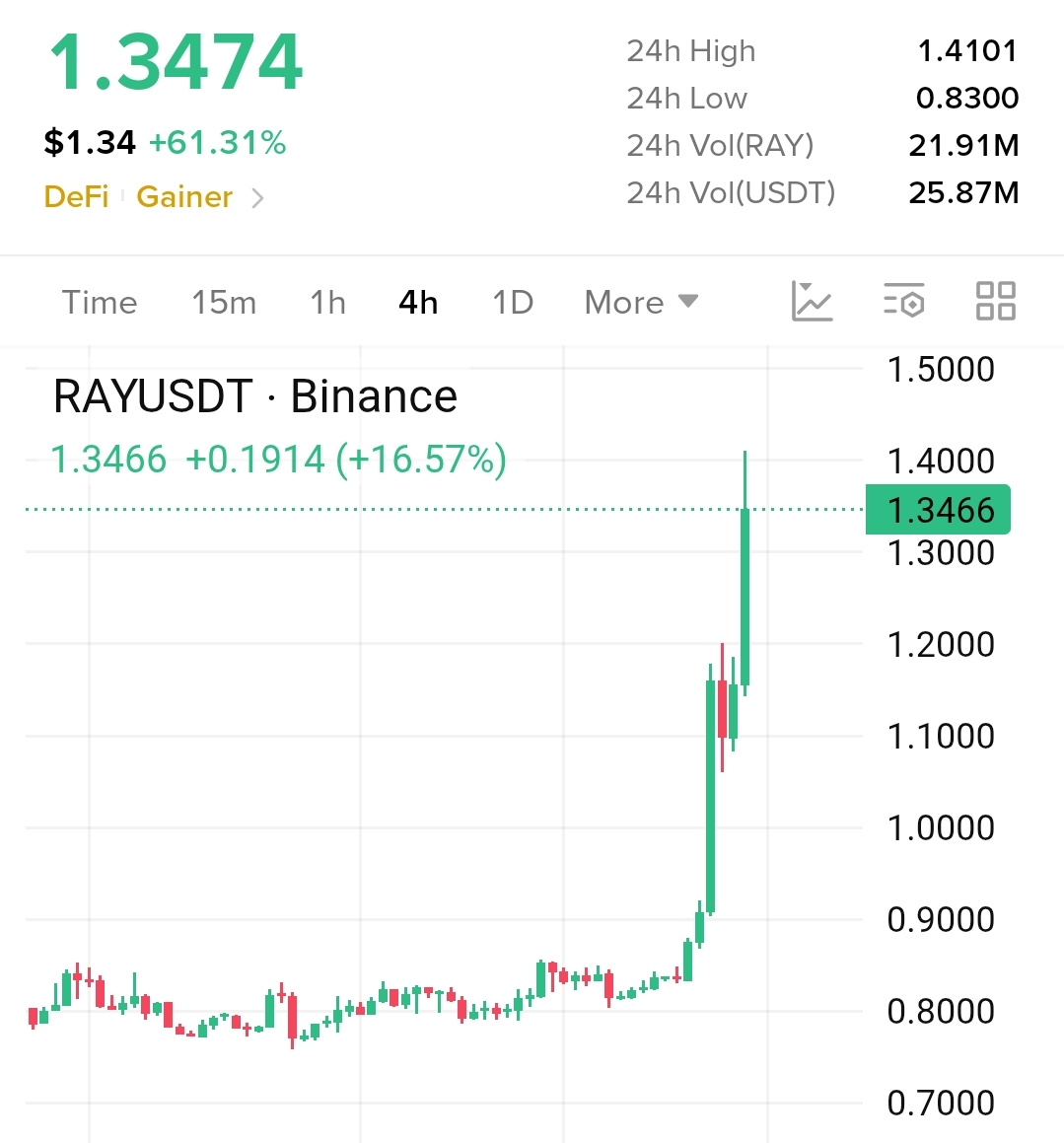
🚀🎁 $RAY 🧧surging +61.31% & consolidating near $1.3474! 👀🔥
4H timeframe showing an explosive parabolic breakout expansion after surging off 24h lows of $0.8300, currently pulling back slightly after touching a 24h high of $1.4101! Lock in your parameters:
🟢 LONG: Close ABOVE $1.4150 🎯 TP: $1.5200 | $1.6500+ 🚀 🛑 SL: $1.2200
🔴 SHORT: Close BELOW $1.2200 🎯 TP: $1.0800 | $0.9500- 📉 🛑 SL: $1.4150
Manage your risk & DYOR! 📊⚡
➡️ CLICK $RAY BELOW TO TRADE ⬅️
#RAYUSDT #raydium #DeFi #gainer #BinanceSquare
4H timeframe showing an explosive parabolic breakout expansion after surging off 24h lows of $0.8300, currently pulling back slightly after touching a 24h high of $1.4101! Lock in your parameters:
🟢 LONG: Close ABOVE $1.4150 🎯 TP: $1.5200 | $1.6500+ 🚀 🛑 SL: $1.2200
🔴 SHORT: Close BELOW $1.2200 🎯 TP: $1.0800 | $0.9500- 📉 🛑 SL: $1.4150
Manage your risk & DYOR! 📊⚡
➡️ CLICK $RAY BELOW TO TRADE ⬅️
#RAYUSDT #raydium #DeFi #gainer #BinanceSquare


Sonu7856
·
--
‼️$DOGE 🐕 Reward is here ‼️
I’m sharing $DOGE rewards with the community as a Bigger thank-you.
✨ Just claim your reward and enjoy! ✨
Claim it. Get rewarded
@Doge Coin _ $DOGE #doge⚡
I’m sharing $DOGE rewards with the community as a Bigger thank-you.
✨ Just claim your reward and enjoy! ✨
Claim it. Get rewarded
@Doge Coin _ $DOGE #doge⚡


Ahmed Ali Nizamani
·
--
🔥 Good Morning 🎁🎁🎁🎁🎁


饼哥HODLER
·
--
在涨跌起伏里,修炼自己的心态。
在盈亏得失中,看清自己的内心。
在盈亏得失中,看清自己的内心。

Stella_ DCruz
·
--
$AAPLB $NVDA.US
.
claim here 👈🌹
.
.
$SUI
.
claim here 👈🌹
.
.
$SUI

Aria Daisy 阿莉娅_黛西
·
--
Төмен (кемімелі)🎁 BNB COIN GIVEAWAY 🎁
I’m excited to share a 1,000 BNB giveaway with 10 lucky winners! 🔥💛
How to participate:
✅ Follow me
🔄 Repost this post
💬 Comment “3”
Thank you for all your love and support! ❤️
Good luck everyone! 🍀🚀
#BinanceSquareTalks #BNB走势
$BNB $BTC
I’m excited to share a 1,000 BNB giveaway with 10 lucky winners! 🔥💛
How to participate:
✅ Follow me
🔄 Repost this post
💬 Comment “3”
Thank you for all your love and support! ❤️
Good luck everyone! 🍀🚀
#BinanceSquareTalks #BNB走势
$BNB $BTC

Көбірек контент көру үшін кіріңіз