

TheCryptoDegen
1.1k Жариялаулар

TheCryptoDegen
Хабарлау
Пайдаланушыны блоктау
Blockchain & Digital ASSETS Management |#BTC History & stories | Investor | Doing the MOST |On X @BuundiKe
Кездейсоқ трейдер
5.3 жыл
23 Жазылым
3.8K+ Жазылушылар
2.0K+ лайк басылған
Жазбалар
Барлығы
Баға ұсыныстары
Видеолар
PINNED
Bitcoin had a feature in 2009 so dangerous Satoshi himself deleted it after one user pointed it out
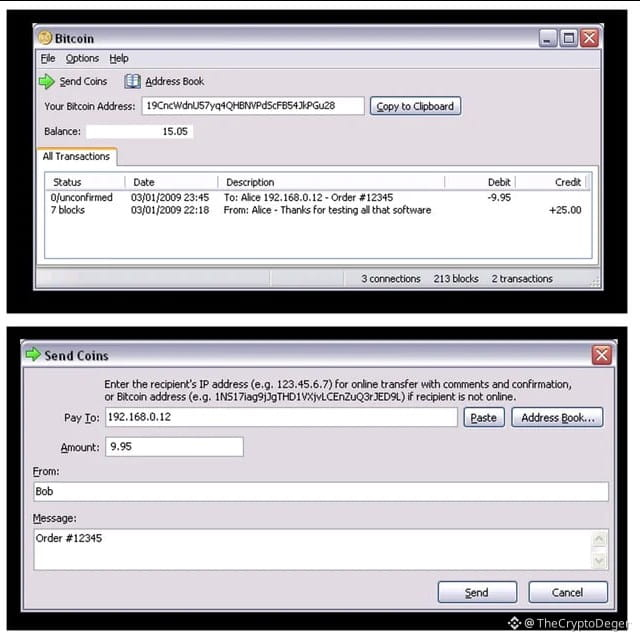
In the original version of Bitcoin you could send coins directly to someone's IP address
There was no wallet address needed and even worse, your computer would connect to theirs to send the coins through
That meant anyone could see your IP, locate your machine and try to attack it just by sending you Bitcoin
On January 14, 2009 Satoshi decided to test it himself and emailed an early miner named Dustin Trammell asking for his IP
Trammell replied and actually sent it to him
A few minutes later Satoshi connected and sent him 25 BTC with a message that said "Hello"
Trammell answered him with a warning that the feature was insecure and within weeks Satoshi deleted it from Bitcoin entirely
Those 25 BTC would be worth $1.86 million today
Bitcoin had a feature in 2009 so dangerous Satoshi himself deleted it after one user pointed it out
In the original version of Bitcoin you could send coins directly to someone's IP address
There was no wallet address needed and even worse, your computer would connect to theirs to send the coins through
That meant anyone could see your IP, locate your machine and try to attack it just by sending you Bitcoin
On January 14, 2009 Satoshi decided to test it himself and emailed an early miner named Dustin Trammell asking for his IP
Trammell replied and actually sent it to him
A few minutes later Satoshi connected and sent him 25 BTC with a message that said "Hello"
Trammell answered him with a warning that the feature was insecure and within weeks Satoshi deleted it from Bitcoin entirely
Those 25 BTC would be worth $1.86 million today
In the original version of Bitcoin you could send coins directly to someone's IP address
There was no wallet address needed and even worse, your computer would connect to theirs to send the coins through
That meant anyone could see your IP, locate your machine and try to attack it just by sending you Bitcoin
On January 14, 2009 Satoshi decided to test it himself and emailed an early miner named Dustin Trammell asking for his IP
Trammell replied and actually sent it to him
A few minutes later Satoshi connected and sent him 25 BTC with a message that said "Hello"
Trammell answered him with a warning that the feature was insecure and within weeks Satoshi deleted it from Bitcoin entirely
Those 25 BTC would be worth $1.86 million today
89
10
183
362.4k
HUGE:
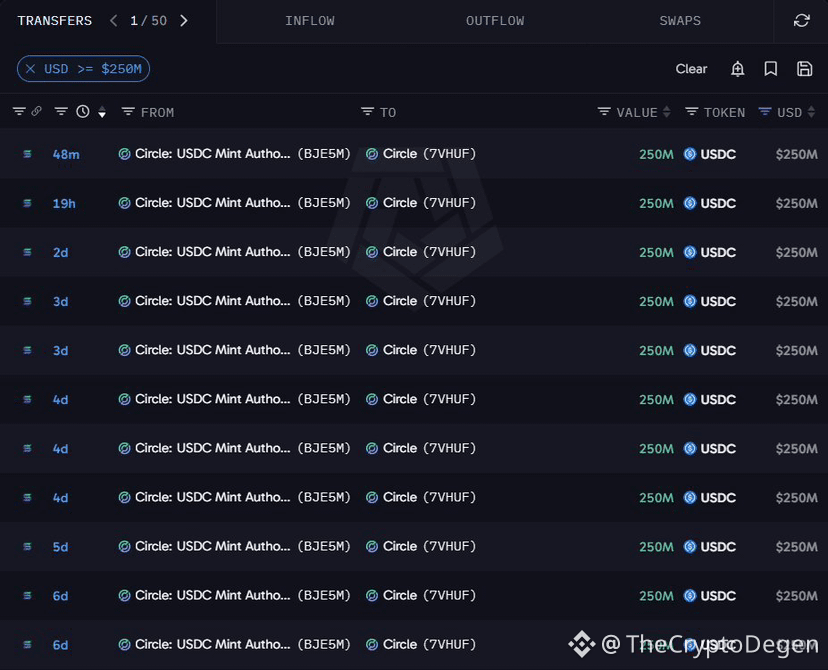
$6 Billion in USDC has been minted this month
We just need a good narrative and this liquidity will start flowing into BTC and alts
#CPIWatch
HUGE:
$6 Billion in USDC has been minted this month
We just need a good narrative and this liquidity will start flowing into BTC and alts
#CPIWatch
$6 Billion in USDC has been minted this month
We just need a good narrative and this liquidity will start flowing into BTC and alts
#CPIWatch
1
1
117
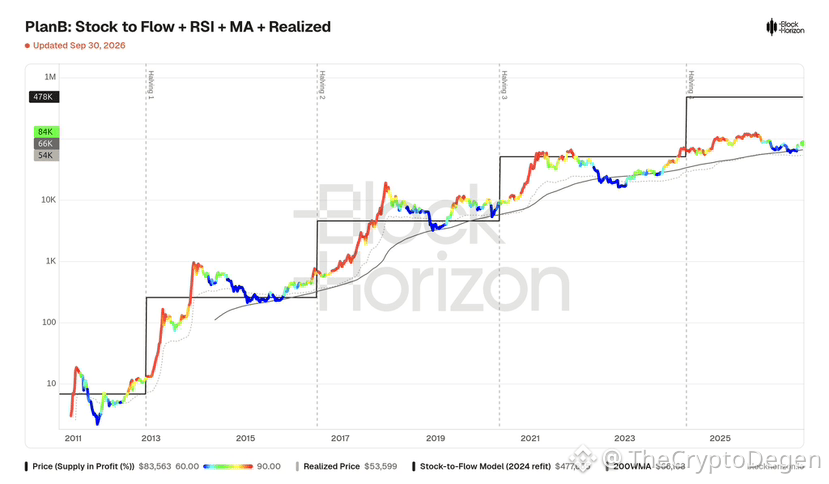
Bitcoin closed September at $83,563
- Above Realized Price $54k
- Above 200-week MA $66k
- Addresses in profit 82%
- UTXO in profit 80%
- Bitcoin in profit 71%
Looking forward to Uptober!
Bitcoin closed September at $83,563
- Above Realized Price $54k
- Above 200-week MA $66k
- Addresses in profit 82%
- UTXO in profit 80%
- Bitcoin in profit 71%
Looking forward to Uptober!
- Above Realized Price $54k
- Above 200-week MA $66k
- Addresses in profit 82%
- UTXO in profit 80%
- Bitcoin in profit 71%
Looking forward to Uptober!
133
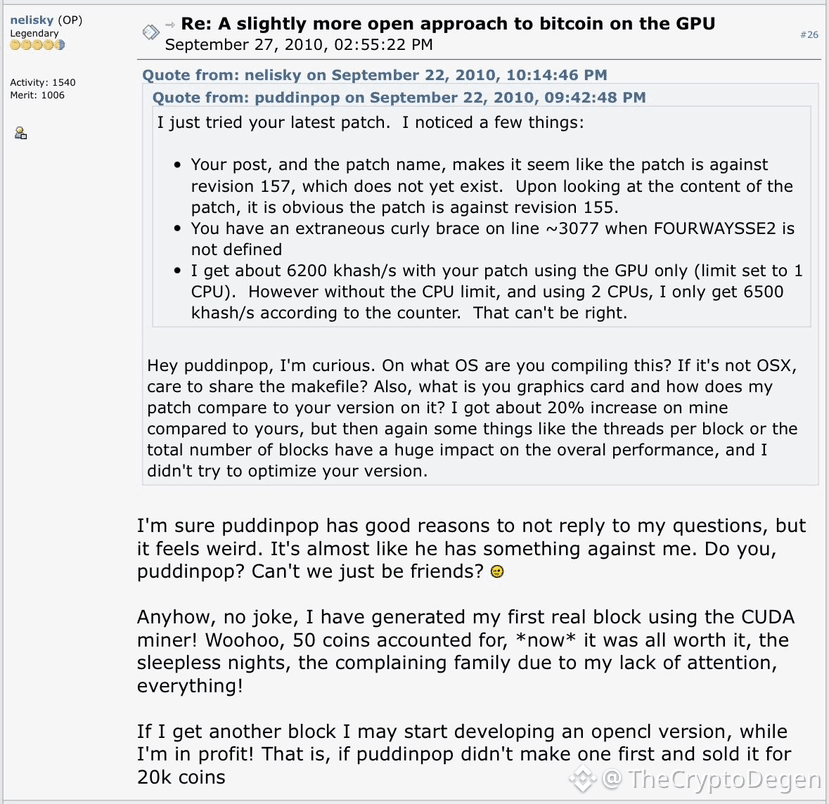
Bitcoin user posts, “Woohoo, 50 coins accounted for, *now* it was all worth it, the sleepless nights, the complaining family due to my lack of attention, everything!”, on September 27th, 2010
Bitcoin user posts, “Woohoo, 50 coins accounted for, *now* it was all worth it, the sleepless nights, the complaining family due to my lack of attention, everything!”, on September 27th, 2010
1
153
Bitcoin is the best performing asset of the year.
It is also sometimes the worst.
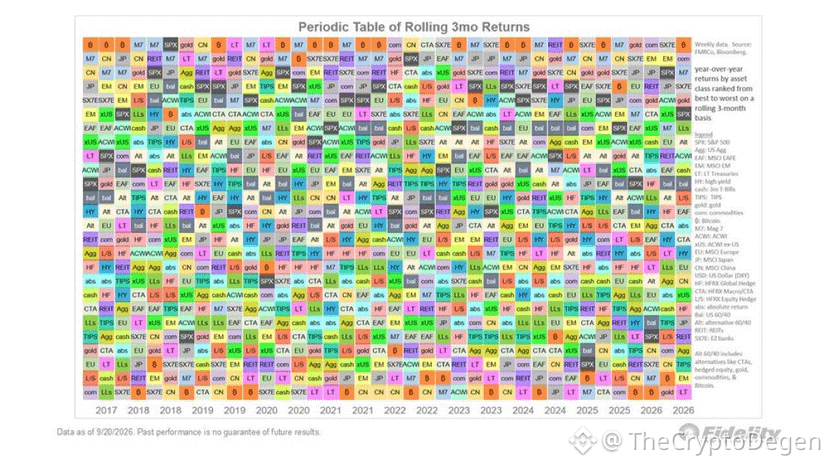
Look at Fidelity’s table of rolling returns.
Everything else lives in the middle.
Stocks. Bonds. Gold. Cash.
Forgettable. No one cares.
Bitcoin is never in the middle. It is either first or last. That is not bad. It means people are paying attention to bitcoin all the time. You do not want to own the asset nobody has an opinion about.
The volatility is the signal.
Bitcoin is the best performing asset of the year.
It is also sometimes the worst.
Look at Fidelity’s table of rolling returns.
Everything else lives in the middle.
Stocks. Bonds. Gold. Cash.
Forgettable. No one cares.
Bitcoin is never in the middle. It is either first or last. That is not bad. It means people are paying attention to bitcoin all the time. You do not want to own the asset nobody has an opinion about.
The volatility is the signal.
It is also sometimes the worst.
Look at Fidelity’s table of rolling returns.
Everything else lives in the middle.
Stocks. Bonds. Gold. Cash.
Forgettable. No one cares.
Bitcoin is never in the middle. It is either first or last. That is not bad. It means people are paying attention to bitcoin all the time. You do not want to own the asset nobody has an opinion about.
The volatility is the signal.
1
109
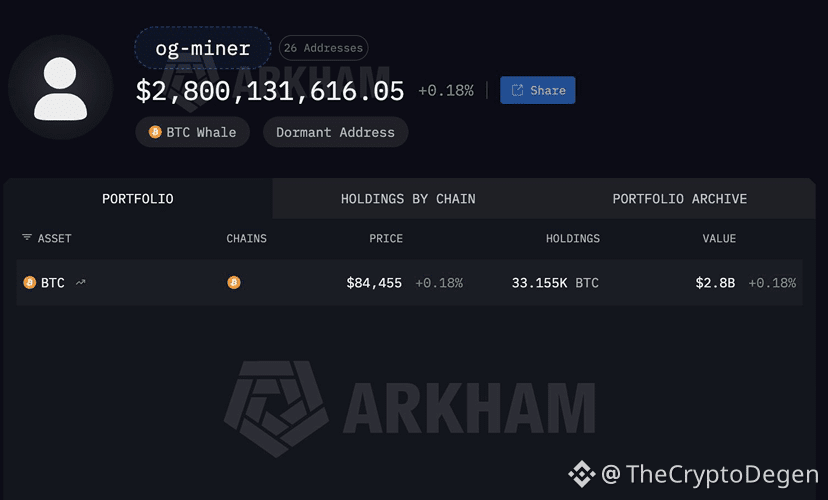
This OG has 33K BTC ($2.8B)
He's kept his BTC separated into 4.5K BTC addresses for the last 8 years and most of the bitcoin traces back to mining in 2010.
Diamond Hands.
#BTC
This OG has 33K BTC ($2.8B)
He's kept his BTC separated into 4.5K BTC addresses for the last 8 years and most of the bitcoin traces back to mining in 2010.
Diamond Hands.
#BTC
He's kept his BTC separated into 4.5K BTC addresses for the last 8 years and most of the bitcoin traces back to mining in 2010.
Diamond Hands.
#BTC
143
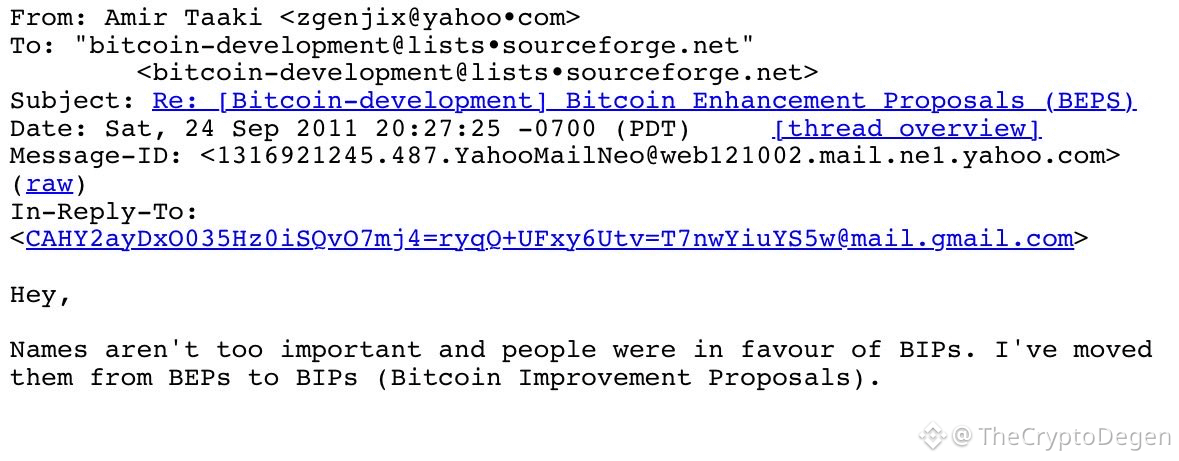
On 25 September 2011, developer Amir Taaki suggested on the Bitcoin development mailing list that Bitcoin’s formal change documents should be called Bitcoin Improvement Proposals (BIPs).
The BIP process is the public specification system used to propose, discuss, and document changes to Bitcoin.
Individual BIPs are numbered papers covering protocol rules, peer-to-peer behavior, wallet standards, and process conventions.
Later upgrades such as Segregated Witness and Taproot were specified through this system.
Taaki’s idea is still used 15 years later.
The documents live in an open repository, are debated in public, and are adopted only if implementations and the network follow them.
The mailing-list note did not create Bitcoin’s governance. It named one of the formats through which that governance is written down.
On 25 September 2011, developer Amir Taaki suggested on the Bitcoin development mailing list that Bitcoin’s formal change documents should be called Bitcoin Improvement Proposals (BIPs).
The BIP process is the public specification system used to propose, discuss, and document changes to Bitcoin.
Individual BIPs are numbered papers covering protocol rules, peer-to-peer behavior, wallet standards, and process conventions.
Later upgrades such as Segregated Witness and Taproot were specified through this system.
Taaki’s idea is still used 15 years later.
The documents live in an open repository, are debated in public, and are adopted only if implementations and the network follow them.
The mailing-list note did not create Bitcoin’s governance. It named one of the formats through which that governance is written down.
The BIP process is the public specification system used to propose, discuss, and document changes to Bitcoin.
Individual BIPs are numbered papers covering protocol rules, peer-to-peer behavior, wallet standards, and process conventions.
Later upgrades such as Segregated Witness and Taproot were specified through this system.
Taaki’s idea is still used 15 years later.
The documents live in an open repository, are debated in public, and are adopted only if implementations and the network follow them.
The mailing-list note did not create Bitcoin’s governance. It named one of the formats through which that governance is written down.
80
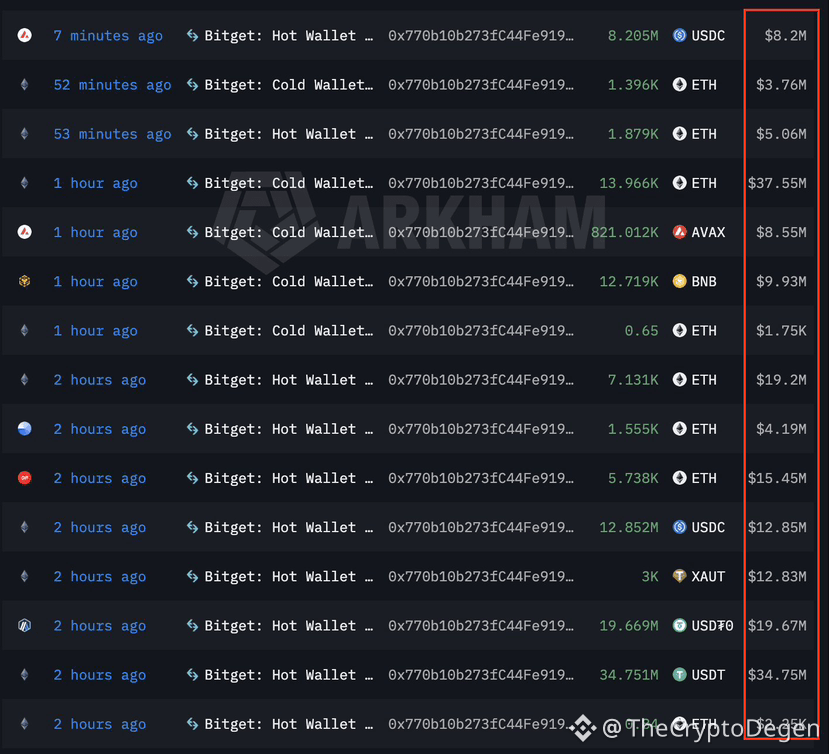
🚨 BITGET HACKED FOR NEARLY $200 MILLION
An attacker broke into three hot wallets and one cold wallet, swapping everything into ETH within minutes, some of it at 5% above market price. Those wallets still hold $530 million.
No official statement from Bitget yet.
🚨 BITGET HACKED FOR NEARLY $200 MILLION
An attacker broke into three hot wallets and one cold wallet, swapping everything into ETH within minutes, some of it at 5% above market price. Those wallets still hold $530 million.
No official statement from Bitget yet.
An attacker broke into three hot wallets and one cold wallet, swapping everything into ETH within minutes, some of it at 5% above market price. Those wallets still hold $530 million.
No official statement from Bitget yet.
97
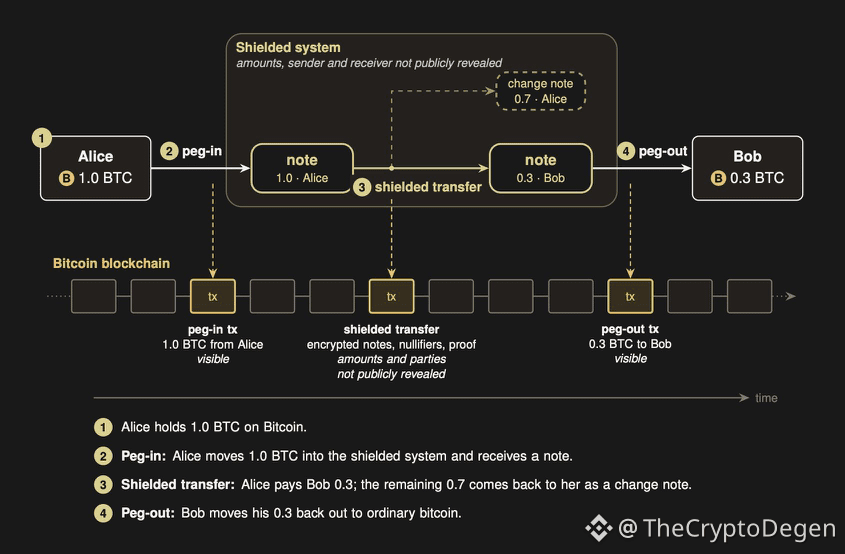
Developers just figured out a way to hide who sent bitcoin, who received it, and how much moved, without changing Bitcoin itself.
This new proposed idea is not a fork around the protocol or new cryptocurrency. This is how Bitcoin was designed, a base layer people can innovate on without asking permission.
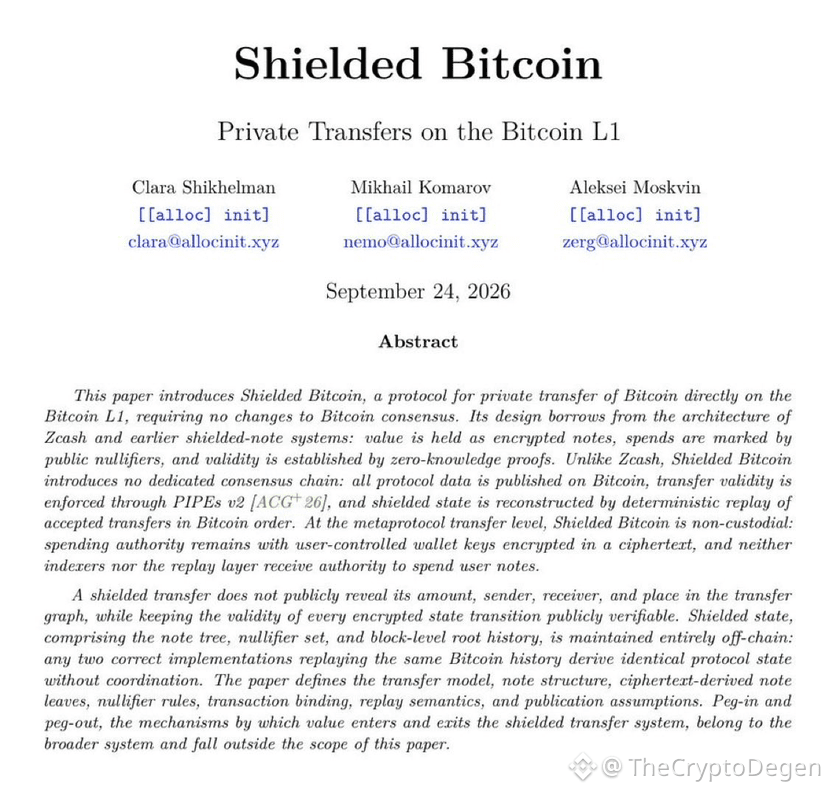
On Thursday, researcher Misha Komarov and colleagues published Shielded Bitcoin, a Zcash-style shielded pool for Bitcoin’s base layer.
Encrypted notes and zero-knowledge proofs ride along in ordinary Bitcoin transactions. Separate software checks that no coins are created from nothing and none are spent twice.
There is no company running the pool, no sidechain, and no soft fork. Funds go in and out through cryptographic vaults Komarov has been building, called PIPEs, so no federation has to hold the bitcoin.
Miners do not enforce the privacy rules. Invalid shielded data can still land in a block, indexers simply ignore it.
The trade is: Bitcoin stays conservative, and the experiment lives on top of it. If it works, private transfers arrive the way most of Bitcoin’s best ideas have, not by rewriting the constitution, but by building on the settlement layer everyone already trusts.
Developers just figured out a way to hide who sent bitcoin, who received it, and how much moved, without changing Bitcoin itself.
This new proposed idea is not a fork around the protocol or new cryptocurrency. This is how Bitcoin was designed, a base layer people can innovate on without asking permission.
On Thursday, researcher Misha Komarov and colleagues published Shielded Bitcoin, a Zcash-style shielded pool for Bitcoin’s base layer.
Encrypted notes and zero-knowledge proofs ride along in ordinary Bitcoin transactions. Separate software checks that no coins are created from nothing and none are spent twice.
There is no company running the pool, no sidechain, and no soft fork. Funds go in and out through cryptographic vaults Komarov has been building, called PIPEs, so no federation has to hold the bitcoin.
Miners do not enforce the privacy rules. Invalid shielded data can still land in a block, indexers simply ignore it.
The trade is: Bitcoin stays conservative, and the experiment lives on top of it. If it works, private transfers arrive the way most of Bitcoin’s best ideas have, not by rewriting the constitution, but by building on the settlement layer everyone already trusts.
This new proposed idea is not a fork around the protocol or new cryptocurrency. This is how Bitcoin was designed, a base layer people can innovate on without asking permission.
On Thursday, researcher Misha Komarov and colleagues published Shielded Bitcoin, a Zcash-style shielded pool for Bitcoin’s base layer.
Encrypted notes and zero-knowledge proofs ride along in ordinary Bitcoin transactions. Separate software checks that no coins are created from nothing and none are spent twice.
There is no company running the pool, no sidechain, and no soft fork. Funds go in and out through cryptographic vaults Komarov has been building, called PIPEs, so no federation has to hold the bitcoin.
Miners do not enforce the privacy rules. Invalid shielded data can still land in a block, indexers simply ignore it.
The trade is: Bitcoin stays conservative, and the experiment lives on top of it. If it works, private transfers arrive the way most of Bitcoin’s best ideas have, not by rewriting the constitution, but by building on the settlement layer everyone already trusts.
71
An anonymous user decided they had enough money and pledged 5,057 bitcoin to charity.
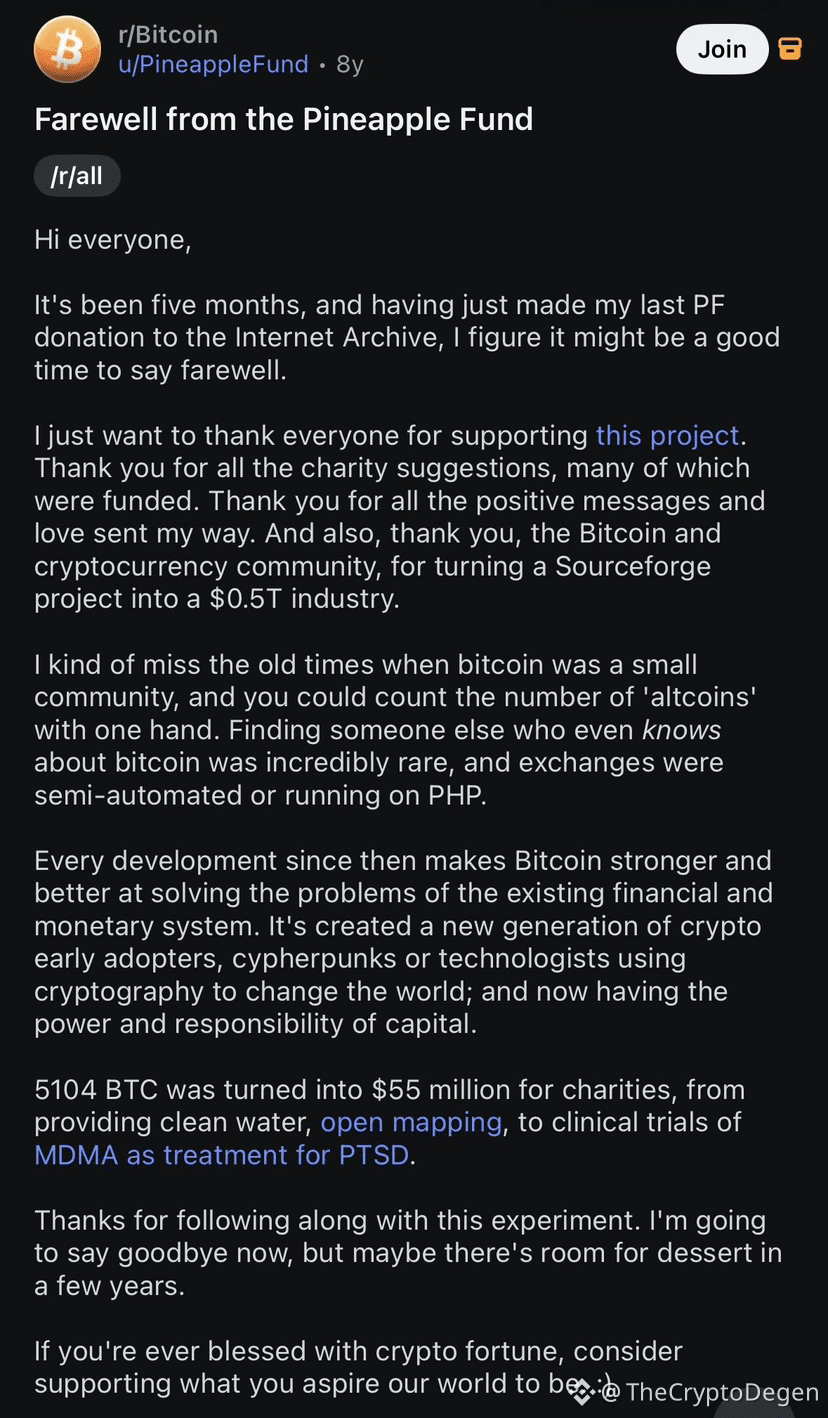
The Reddit user “PineappleFund” remembered watching bitcoin reach $15, $20 and $30. By December 2017, they posted:
“I have far more money than I can ever spend.”
Five months later, their farewell post reported that 5,104 bitcoin had become $55,000,000 for charities.
The final donation went to the Internet Archive.
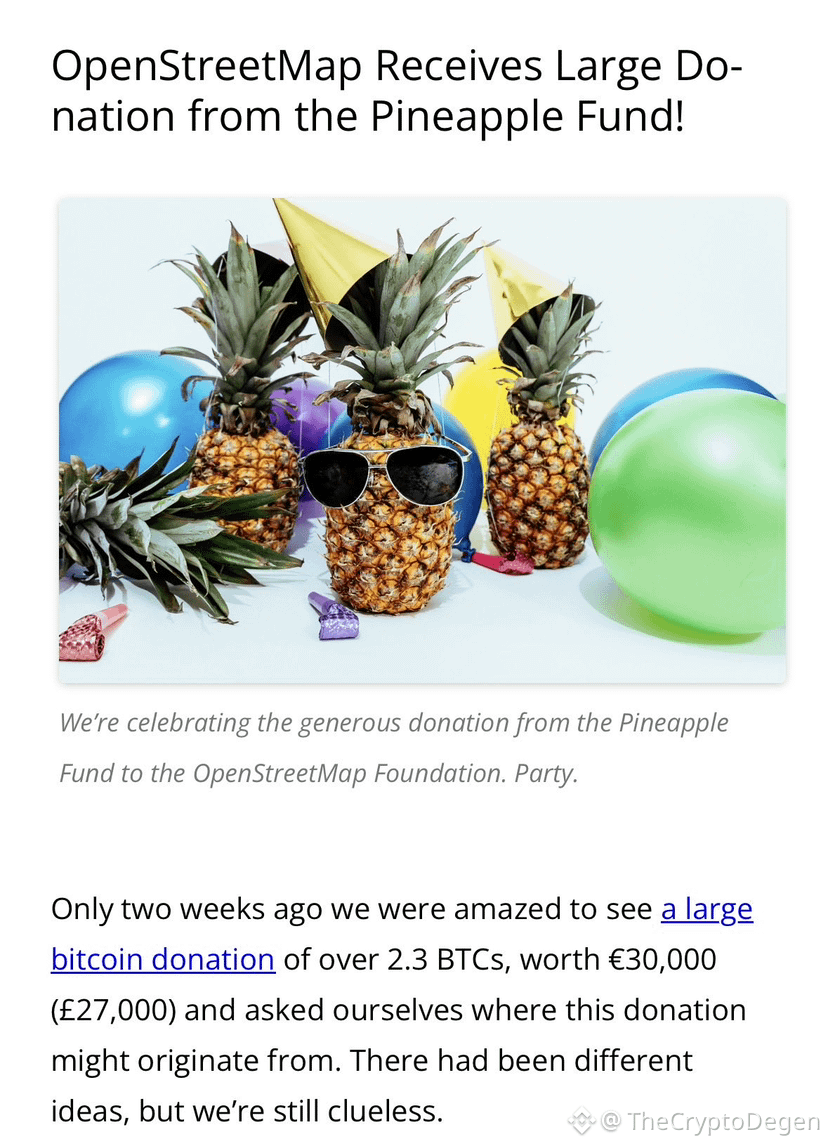
One recipient, OpenStreetMap, independently documented receiving 18 bitcoin.
Today, if the charities had kept the donations in bitcoin, it would be worth $426,394,540.
The user has not been heard from since.
An anonymous user decided they had enough money and pledged 5,057 bitcoin to charity.
The Reddit user “PineappleFund” remembered watching bitcoin reach $15, $20 and $30. By December 2017, they posted:
“I have far more money than I can ever spend.”
Five months later, their farewell post reported that 5,104 bitcoin had become $55,000,000 for charities.
The final donation went to the Internet Archive.
One recipient, OpenStreetMap, independently documented receiving 18 bitcoin.
Today, if the charities had kept the donations in bitcoin, it would be worth $426,394,540.
The user has not been heard from since.
The Reddit user “PineappleFund” remembered watching bitcoin reach $15, $20 and $30. By December 2017, they posted:
“I have far more money than I can ever spend.”
Five months later, their farewell post reported that 5,104 bitcoin had become $55,000,000 for charities.
The final donation went to the Internet Archive.
One recipient, OpenStreetMap, independently documented receiving 18 bitcoin.
Today, if the charities had kept the donations in bitcoin, it would be worth $426,394,540.
The user has not been heard from since.

1
4
1.9k
A difficult concept to wrap your head around is that a bitcoin can be divided into ever smaller units as needed, so it remains usable no matter how large the population becomes.
Even with a global population of a trillion people on Earth, anyone can send or receive amounts of any size because the unit itself can be split further and further, and further.
0.0000000001 bitcoins
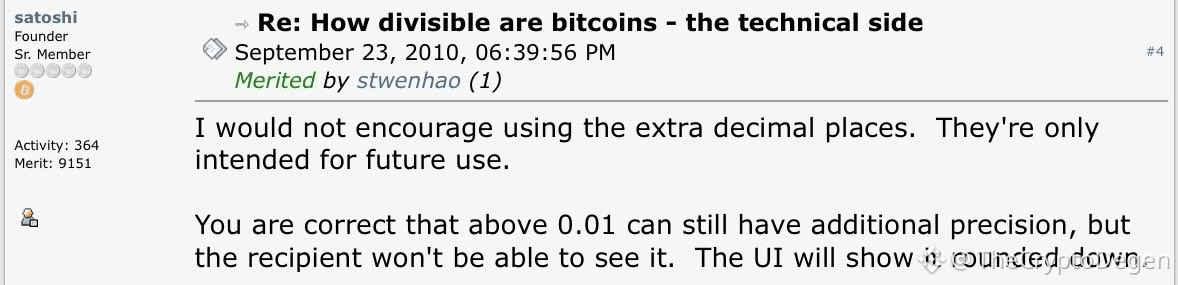
The software could retain precision that its interface did not display. Satoshi Nakamoto discouraged developers from relying on those extra displayed digits:
“I would not encourage using the extra decimal places. They’re only intended for future use.”
He explained that a recipient would see the amount rounded down in the interface. This concerned precision beyond the client’s two displayed decimal places, not an extension beyond Bitcoin’s eight-decimal accounting.
Since this post by Satoshi on September 23rd, 2010, the price of bitcoin has increased exponentially and many people now use additional decimal places.
$BTC
A difficult concept to wrap your head around is that a bitcoin can be divided into ever smaller units as needed, so it remains usable no matter how large the population becomes.
Even with a global population of a trillion people on Earth, anyone can send or receive amounts of any size because the unit itself can be split further and further, and further.
0.0000000001 bitcoins
The software could retain precision that its interface did not display. Satoshi Nakamoto discouraged developers from relying on those extra displayed digits:
“I would not encourage using the extra decimal places. They’re only intended for future use.”
He explained that a recipient would see the amount rounded down in the interface. This concerned precision beyond the client’s two displayed decimal places, not an extension beyond Bitcoin’s eight-decimal accounting.
Since this post by Satoshi on September 23rd, 2010, the price of bitcoin has increased exponentially and many people now use additional decimal places.
$BTC
Even with a global population of a trillion people on Earth, anyone can send or receive amounts of any size because the unit itself can be split further and further, and further.
0.0000000001 bitcoins
The software could retain precision that its interface did not display. Satoshi Nakamoto discouraged developers from relying on those extra displayed digits:
“I would not encourage using the extra decimal places. They’re only intended for future use.”
He explained that a recipient would see the amount rounded down in the interface. This concerned precision beyond the client’s two displayed decimal places, not an extension beyond Bitcoin’s eight-decimal accounting.
Since this post by Satoshi on September 23rd, 2010, the price of bitcoin has increased exponentially and many people now use additional decimal places.
$BTC
116
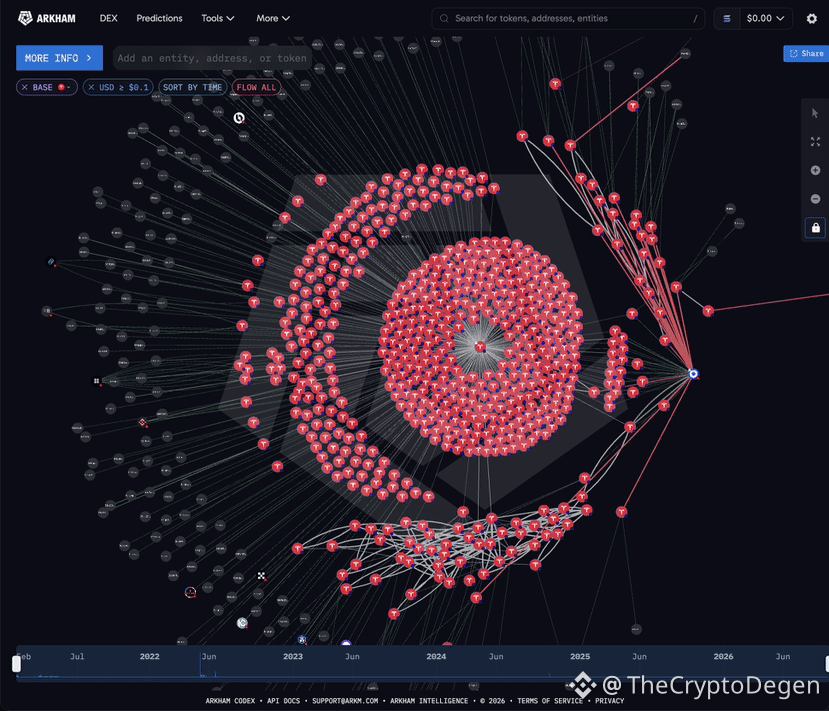
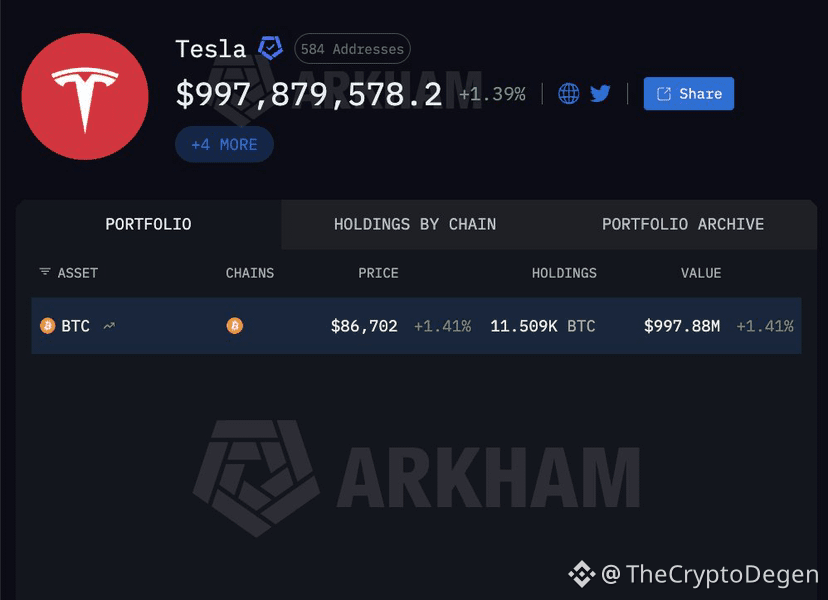
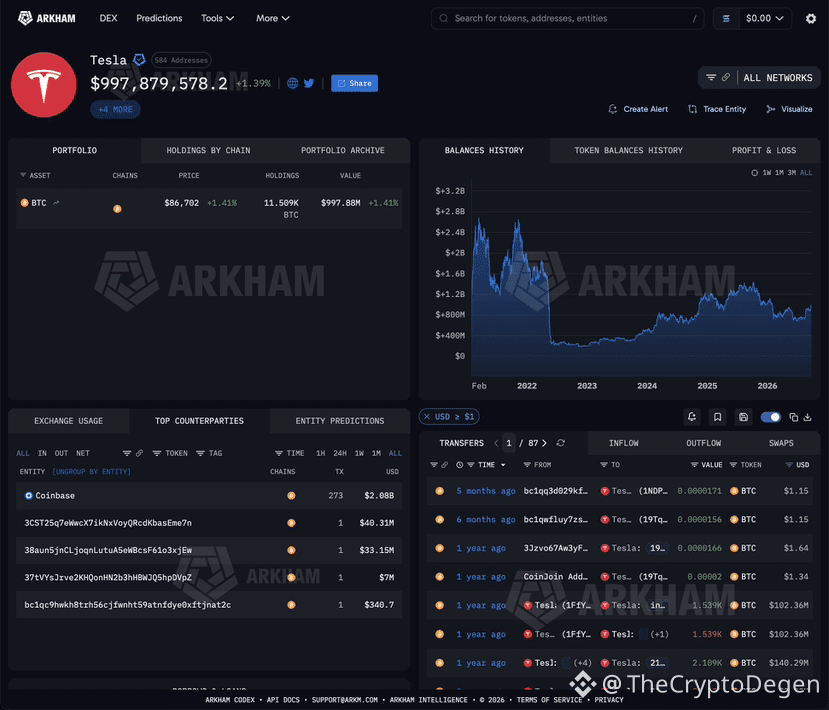
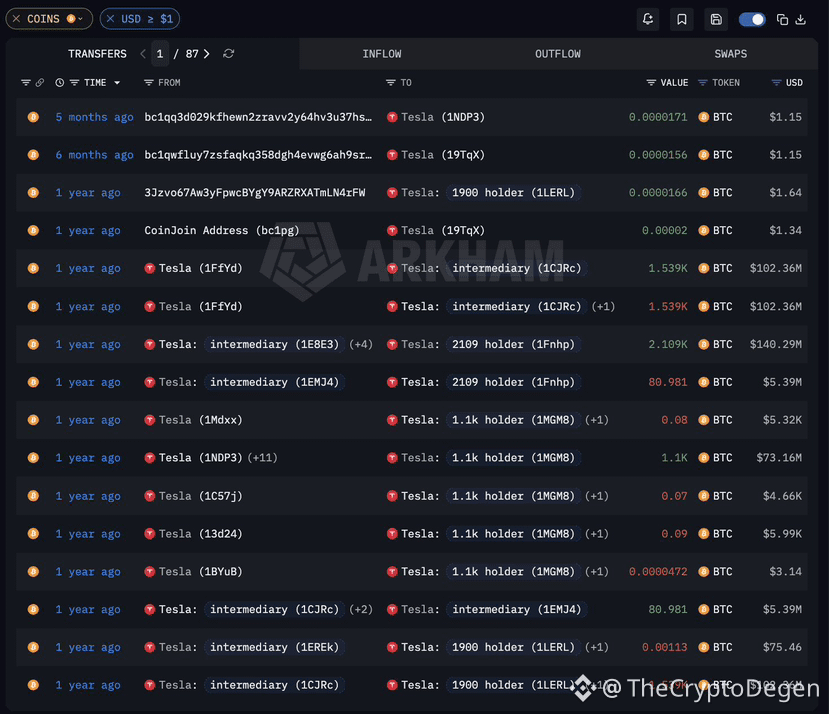
TESLA MADE $100M WITHOUT DOING ANYTHING
Tesla holds $994.90M of Bitcoin (11,509 BTC), up $122.62M this week as BTC rose 14%.
They have held the same stack for 4 years without moving a single coin. It is now $5.1M away from $1 BILLION.
#TeslaBitcoinHoldings
TESLA MADE $100M WITHOUT DOING ANYTHING
Tesla holds $994.90M of Bitcoin (11,509 BTC), up $122.62M this week as BTC rose 14%.
They have held the same stack for 4 years without moving a single coin. It is now $5.1M away from $1 BILLION.
#TeslaBitcoinHoldings
Tesla holds $994.90M of Bitcoin (11,509 BTC), up $122.62M this week as BTC rose 14%.
They have held the same stack for 4 years without moving a single coin. It is now $5.1M away from $1 BILLION.
#TeslaBitcoinHoldings
115
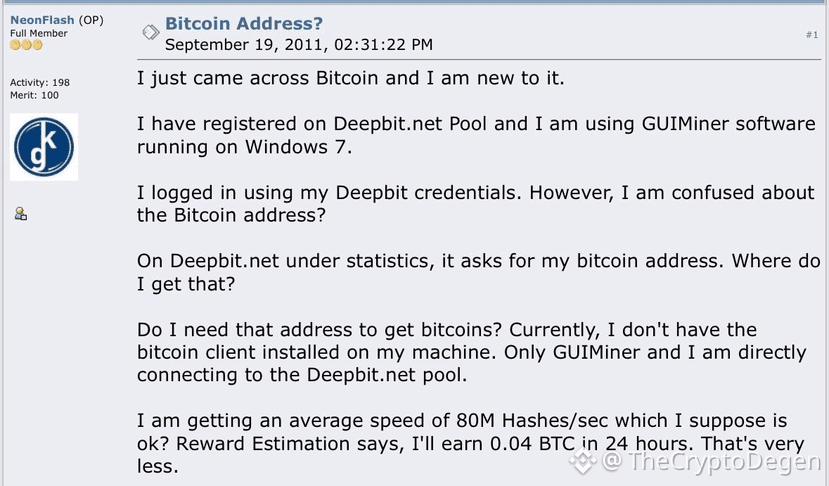
Forum user NeonFlash had just discovered bitcoin on September 19, 2011. They were using a Radeon 6770M graphics card, mining bitcoin at about 80 million hashes per second.
A calculator estimated approximately 0.046 bitcoin a day, 1.393 BTC a month, or 16.74 bitcoin a year.
They thought the new graphics card should do better and asked how other people managed to earn ten or fifteen bitcoins daily.
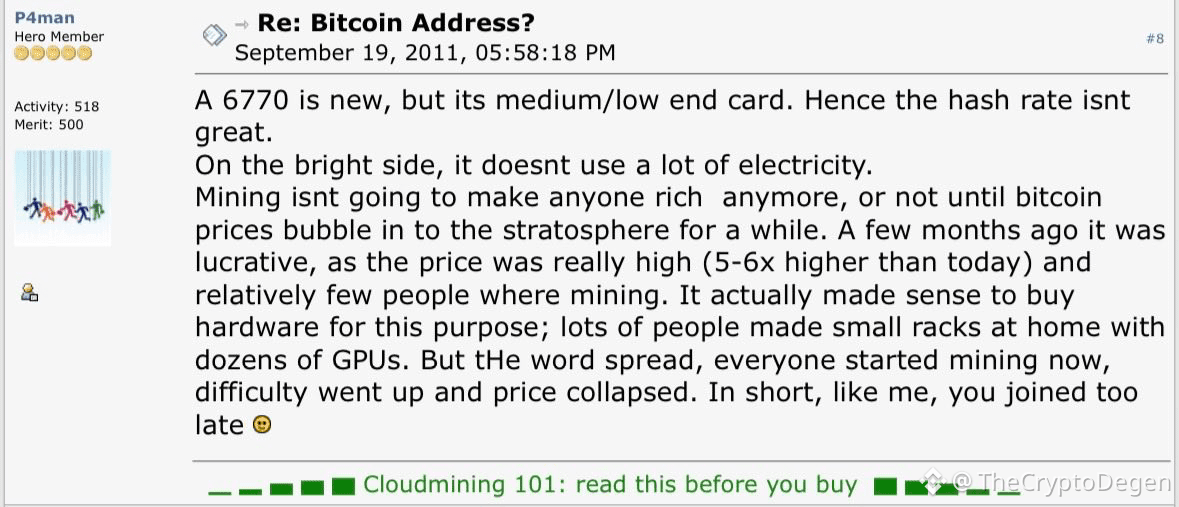
P4man eventually answered:
“In short, like me, you joined too late.”
They would have made $1,365,118 that year based on today’s current market price of 16.74 bitcoin.
Forum user NeonFlash had just discovered bitcoin on September 19, 2011. They were using a Radeon 6770M graphics card, mining bitcoin at about 80 million hashes per second.
A calculator estimated approximately 0.046 bitcoin a day, 1.393 BTC a month, or 16.74 bitcoin a year.
They thought the new graphics card should do better and asked how other people managed to earn ten or fifteen bitcoins daily.
P4man eventually answered:
“In short, like me, you joined too late.”
They would have made $1,365,118 that year based on today’s current market price of 16.74 bitcoin.
A calculator estimated approximately 0.046 bitcoin a day, 1.393 BTC a month, or 16.74 bitcoin a year.
They thought the new graphics card should do better and asked how other people managed to earn ten or fifteen bitcoins daily.
P4man eventually answered:
“In short, like me, you joined too late.”
They would have made $1,365,118 that year based on today’s current market price of 16.74 bitcoin.
560
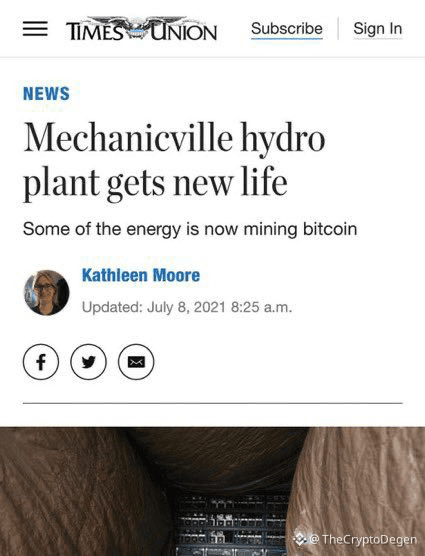
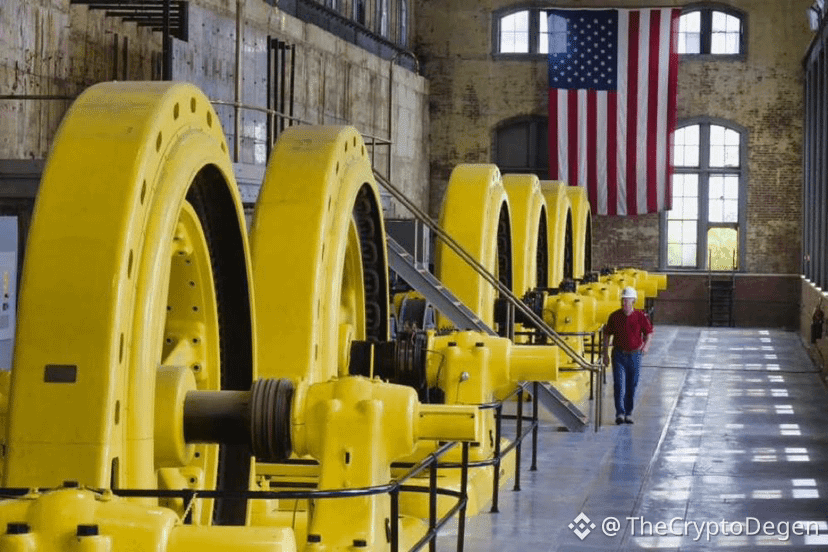
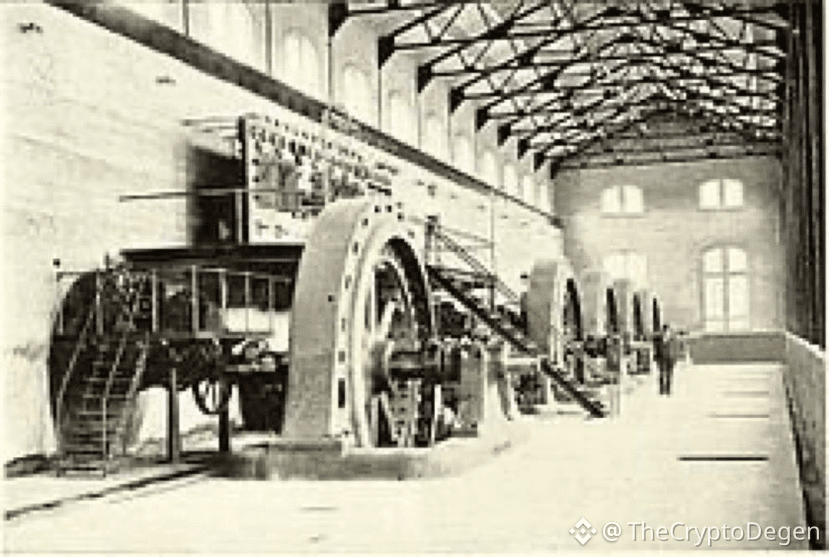
The oldest producer of clean renewable electricity in the United States, Mechanicville Hydroelectric was saved by bitcoin mining.
The Mechanicville hydroelectric plant in New York dates to 1897. It was built on the Hudson River to supply electricity to General Electric’s operations in Schenectady. The company has since long abandoned the facility.
In 2021, the hydroelectric dam could not make a profit and was going to be decommissioned. Bitcoin mining fixed that when the CEO decided to use some of the electricity to run Bitcoin miners.
CEO Jim Besha said selling power to the grid brought in three cents per kilowatt-hour. Bitcoin mining brought in approximately three times as much.
He was buying used mining equipment and converting the bitcoin into cash rather than keeping it as an investment. This saved the facility.
The oldest producer of clean renewable electricity in the United States, Mechanicville Hydroelectric was saved by bitcoin mining.
The Mechanicville hydroelectric plant in New York dates to 1897. It was built on the Hudson River to supply electricity to General Electric’s operations in Schenectady. The company has since long abandoned the facility.
In 2021, the hydroelectric dam could not make a profit and was going to be decommissioned. Bitcoin mining fixed that when the CEO decided to use some of the electricity to run Bitcoin miners.
CEO Jim Besha said selling power to the grid brought in three cents per kilowatt-hour. Bitcoin mining brought in approximately three times as much.
He was buying used mining equipment and converting the bitcoin into cash rather than keeping it as an investment. This saved the facility.
The Mechanicville hydroelectric plant in New York dates to 1897. It was built on the Hudson River to supply electricity to General Electric’s operations in Schenectady. The company has since long abandoned the facility.
In 2021, the hydroelectric dam could not make a profit and was going to be decommissioned. Bitcoin mining fixed that when the CEO decided to use some of the electricity to run Bitcoin miners.
CEO Jim Besha said selling power to the grid brought in three cents per kilowatt-hour. Bitcoin mining brought in approximately three times as much.
He was buying used mining equipment and converting the bitcoin into cash rather than keeping it as an investment. This saved the facility.
92
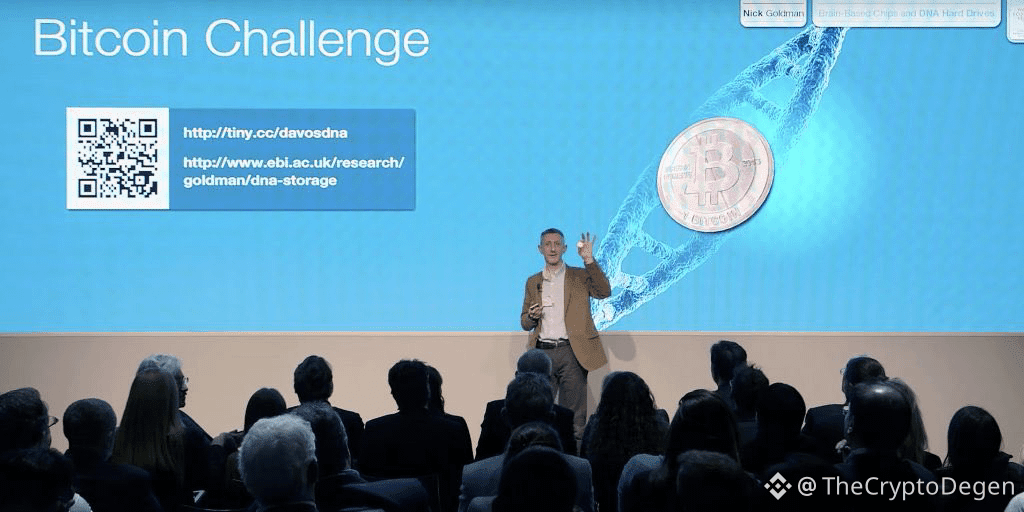
A bitcoin prize was encrypted into human DNA
DNA, the building blocks and foundational structure of life itself, can store computer data by translating information into sequences of its four chemical letters.
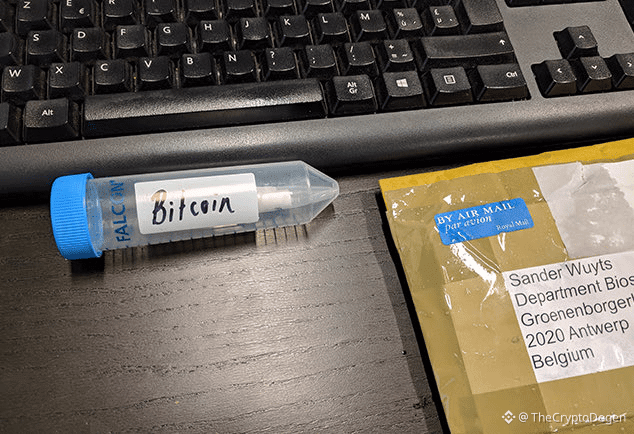
In January of 2015, geneticist Nick Goldman distributed tubes of synthetic DNA at Davos. The encoded files included the private key to 1 bitcoin.
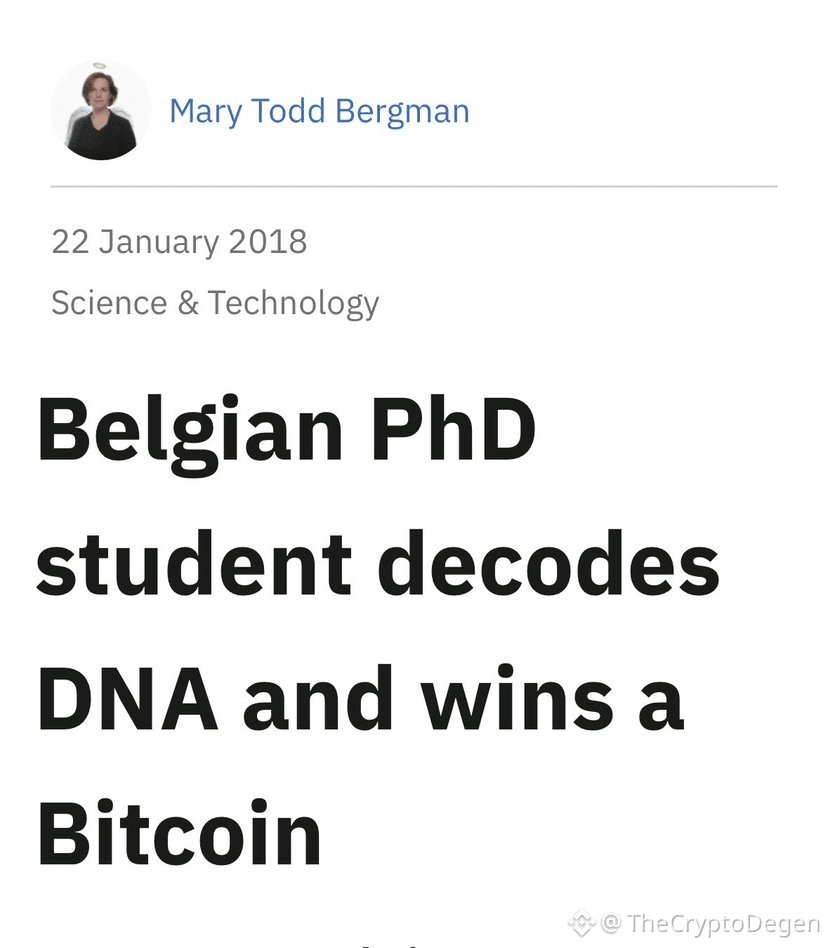
Participants had three years to sequence the DNA and recover it. Belgian doctoral student Sander Wuyts solved the challenge shortly before the January 2018 deadline.
His first attempts failed because of an erroneous line in his decoding program, but removing it produced the files and the spendable key.
A bitcoin prize was encrypted into human DNA
DNA, the building blocks and foundational structure of life itself, can store computer data by translating information into sequences of its four chemical letters.
In January of 2015, geneticist Nick Goldman distributed tubes of synthetic DNA at Davos. The encoded files included the private key to 1 bitcoin.
Participants had three years to sequence the DNA and recover it. Belgian doctoral student Sander Wuyts solved the challenge shortly before the January 2018 deadline.
His first attempts failed because of an erroneous line in his decoding program, but removing it produced the files and the spendable key.
DNA, the building blocks and foundational structure of life itself, can store computer data by translating information into sequences of its four chemical letters.
In January of 2015, geneticist Nick Goldman distributed tubes of synthetic DNA at Davos. The encoded files included the private key to 1 bitcoin.
Participants had three years to sequence the DNA and recover it. Belgian doctoral student Sander Wuyts solved the challenge shortly before the January 2018 deadline.
His first attempts failed because of an erroneous line in his decoding program, but removing it produced the files and the spendable key.
20
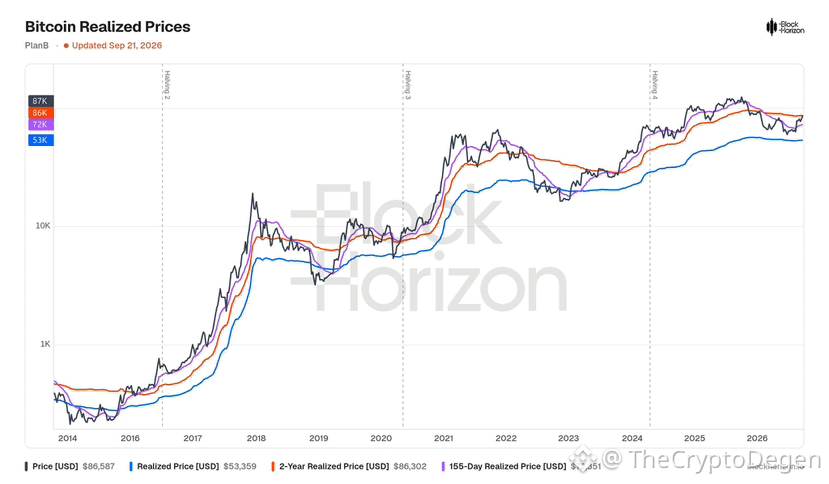
BTC $87K is now sitting above every major realized price:
• Realized price: $53K
• 155-day realized: $72K
• 2-year realized: $86K
A drop below $53K this cycle is off the table IMO. The “must retest realized price like every prior bear” thesis just lost its last clean setup.
BTC $87K is now sitting above every major realized price:
• Realized price: $53K
• 155-day realized: $72K
• 2-year realized: $86K
A drop below $53K this cycle is off the table IMO. The “must retest realized price like every prior bear” thesis just lost its last clean setup.
• Realized price: $53K
• 155-day realized: $72K
• 2-year realized: $86K
A drop below $53K this cycle is off the table IMO. The “must retest realized price like every prior bear” thesis just lost its last clean setup.
47
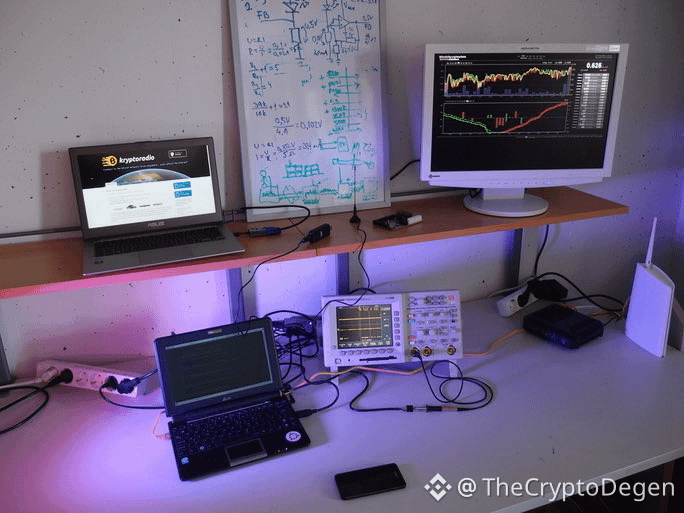
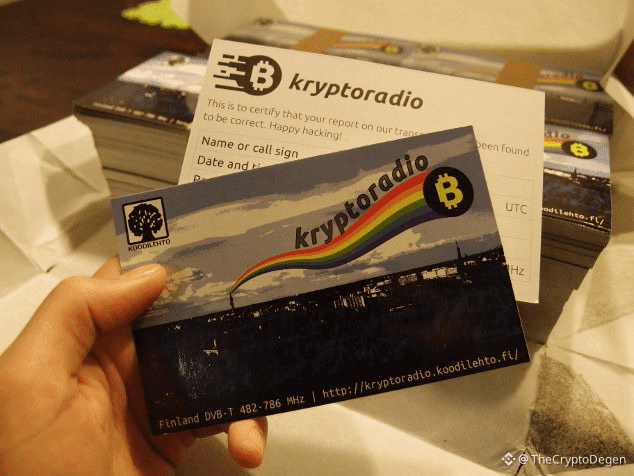
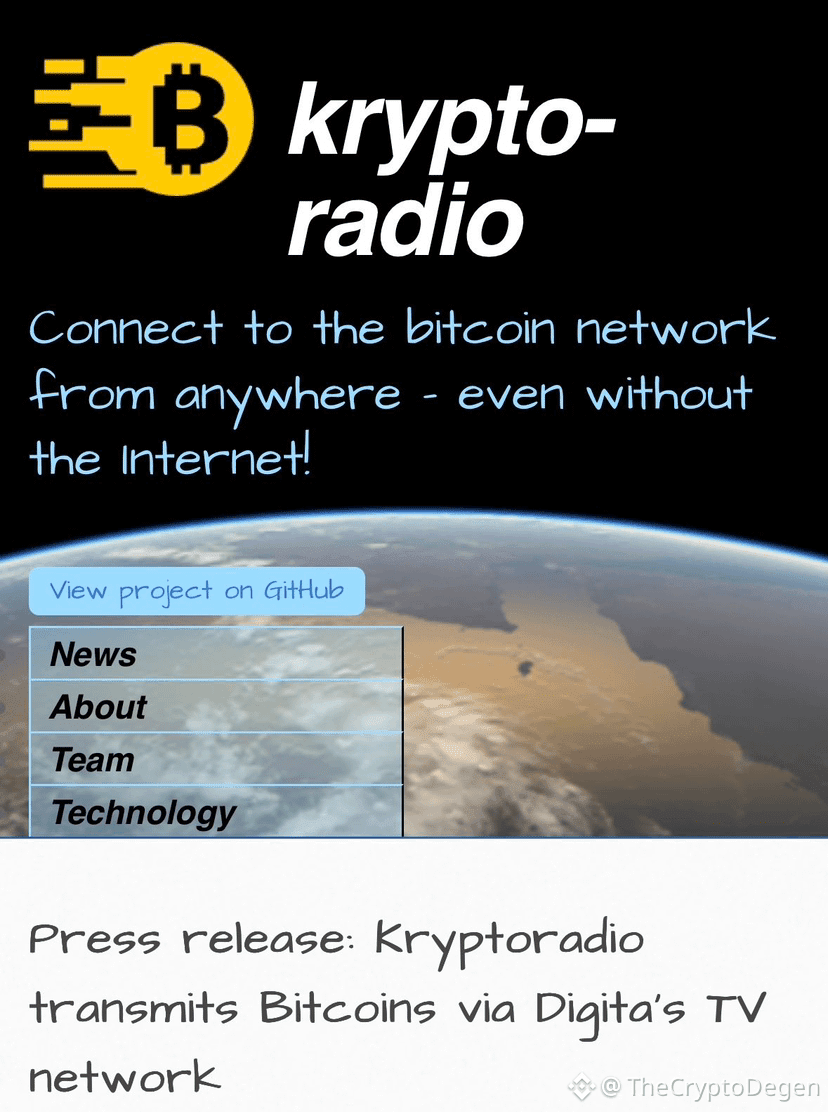
In September of 2014, a Finnish project called Kryptoradio began broadcasting the Bitcoin blockchain through the local television network.
The initial announcement described transmissions from ninety broadcast stations. The signal included bitcoin transactions, blocks, and exchange-rate information.
A receiver could follow the Bitcoin network without an ordinary internet connection. By November, the broadcast network used for the trial covered approximately 95% of Finland’s population.
It was a one-way service: receiving Bitcoin data through a television signal did not automatically provide a way to send transactions back.
The trial ended in December 2014, and the project subsequently reported that it lacked funding to continue.
$BTC
{future}(BTCUSDT)
In September of 2014, a Finnish project called Kryptoradio began broadcasting the Bitcoin blockchain through the local television network.
The initial announcement described transmissions from ninety broadcast stations. The signal included bitcoin transactions, blocks, and exchange-rate information.
A receiver could follow the Bitcoin network without an ordinary internet connection. By November, the broadcast network used for the trial covered approximately 95% of Finland’s population.
It was a one-way service: receiving Bitcoin data through a television signal did not automatically provide a way to send transactions back.
The trial ended in December 2014, and the project subsequently reported that it lacked funding to continue.
$BTC
The initial announcement described transmissions from ninety broadcast stations. The signal included bitcoin transactions, blocks, and exchange-rate information.
A receiver could follow the Bitcoin network without an ordinary internet connection. By November, the broadcast network used for the trial covered approximately 95% of Finland’s population.
It was a one-way service: receiving Bitcoin data through a television signal did not automatically provide a way to send transactions back.
The trial ended in December 2014, and the project subsequently reported that it lacked funding to continue.
$BTC
12
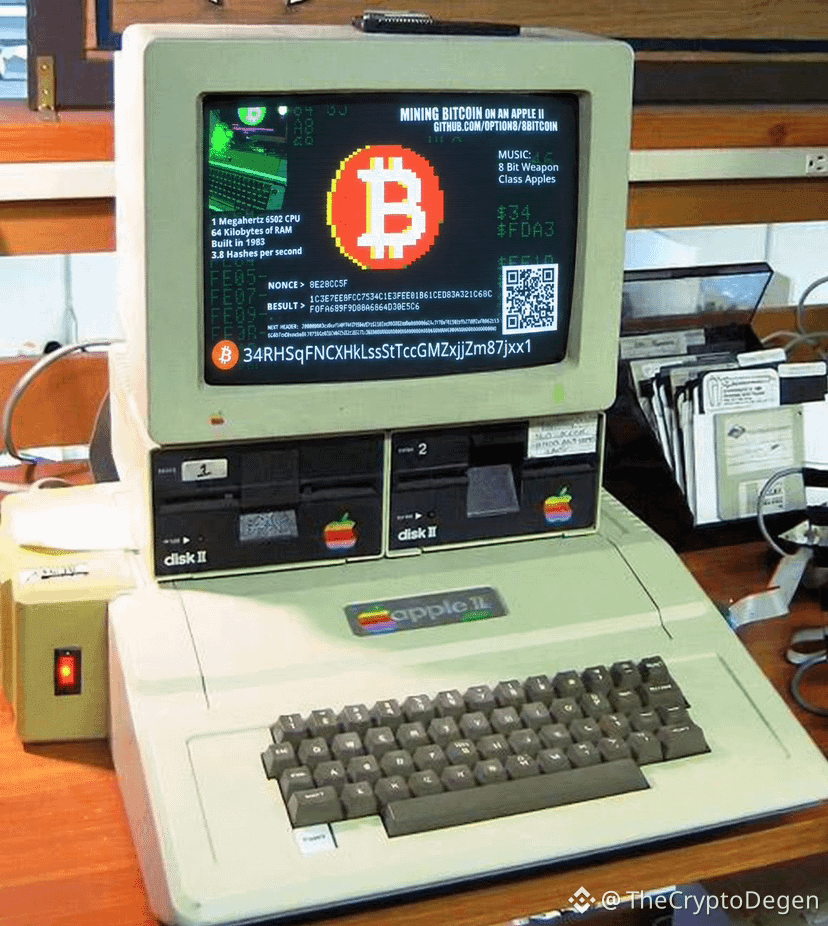
A developer mined bitcoin on an Apple II, a home computer built in 1983 with an eight-bit processor.
Bitcoin’s hashing algorithm uses thirty-two-bit operations, so the program had to construct those operations from smaller pieces.
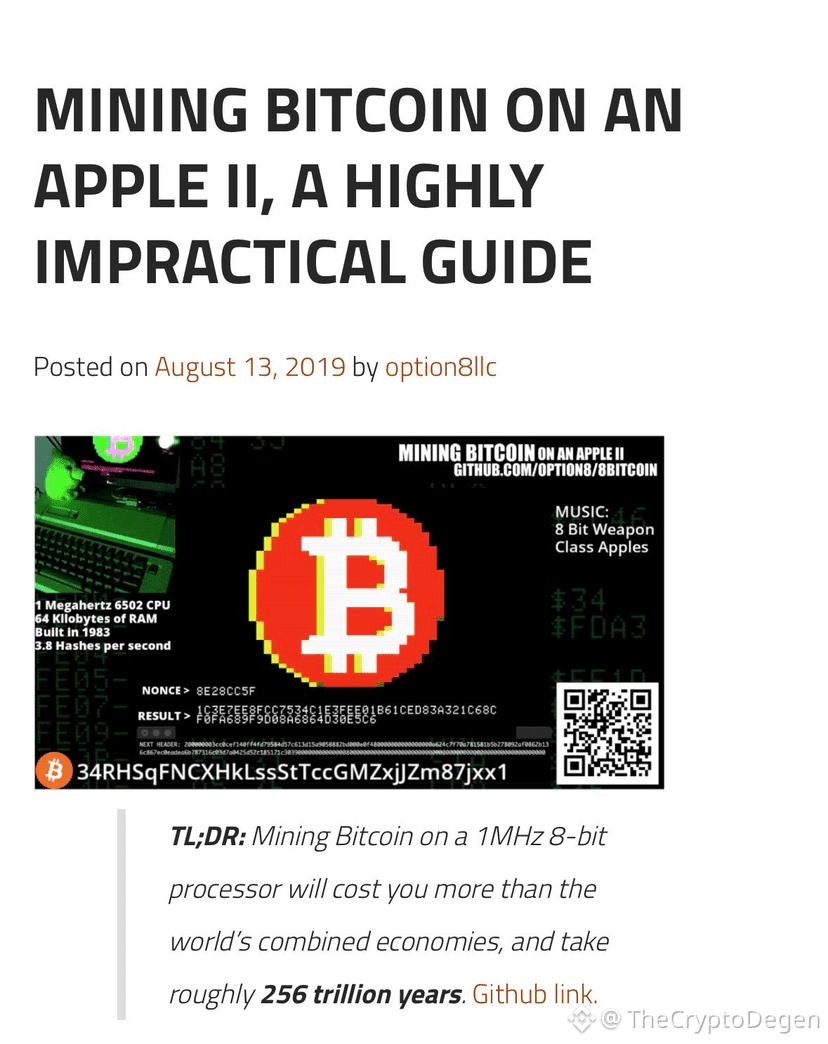
Programmer Peter Ferrie helped optimize the code until it reached approximately 3.8 hashes per second.
A modern Mac obtained mining work and passed it to the Apple II through a virtual floppy disk over a serial connection. A low-resolution Bitcoin symbol rotated when new work arrived.
The developer estimated an average of 256 trillion years to find a block at the difficulty then prevailing.
A developer mined bitcoin on an Apple II, a home computer built in 1983 with an eight-bit processor.
Bitcoin’s hashing algorithm uses thirty-two-bit operations, so the program had to construct those operations from smaller pieces.
Programmer Peter Ferrie helped optimize the code until it reached approximately 3.8 hashes per second.
A modern Mac obtained mining work and passed it to the Apple II through a virtual floppy disk over a serial connection. A low-resolution Bitcoin symbol rotated when new work arrived.
The developer estimated an average of 256 trillion years to find a block at the difficulty then prevailing.
Bitcoin’s hashing algorithm uses thirty-two-bit operations, so the program had to construct those operations from smaller pieces.
Programmer Peter Ferrie helped optimize the code until it reached approximately 3.8 hashes per second.
A modern Mac obtained mining work and passed it to the Apple II through a virtual floppy disk over a serial connection. A low-resolution Bitcoin symbol rotated when new work arrived.
The developer estimated an average of 256 trillion years to find a block at the difficulty then prevailing.
50
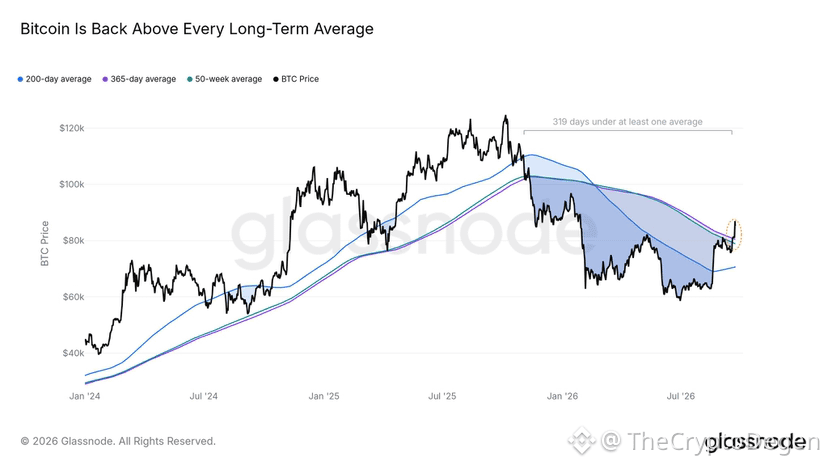
$BTC has reclaimed every one of its long-term moving averages.
After around 300 days underneath them, this dynamic has now flipped.
Holding above them is what maintains a long-term uptrend.
$BTC has reclaimed every one of its long-term moving averages.
After around 300 days underneath them, this dynamic has now flipped.
Holding above them is what maintains a long-term uptrend.
After around 300 days underneath them, this dynamic has now flipped.
Holding above them is what maintains a long-term uptrend.
43
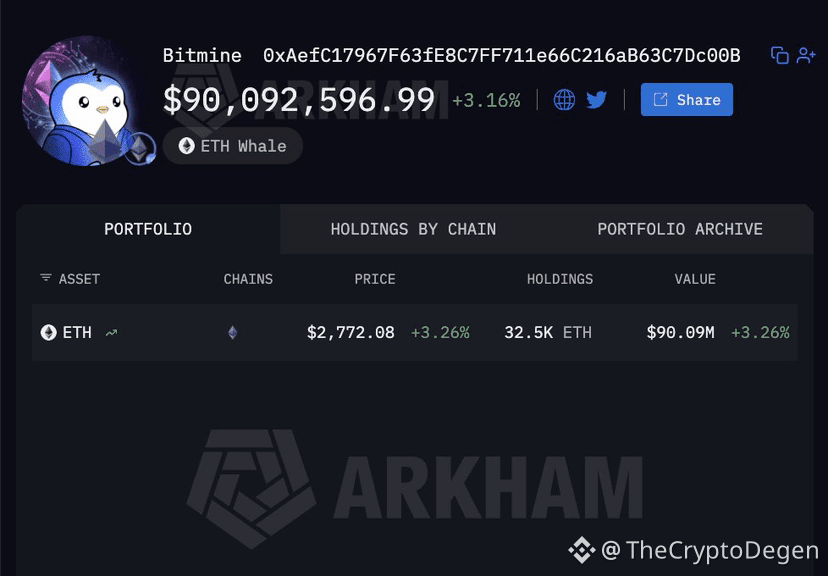
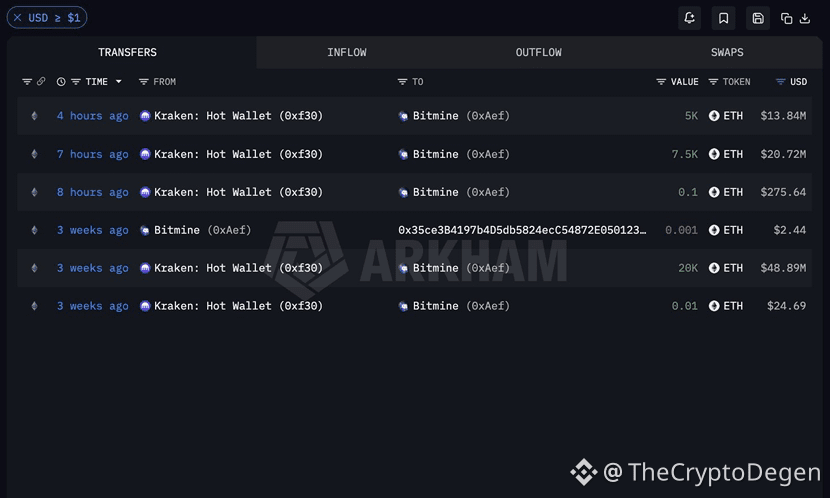
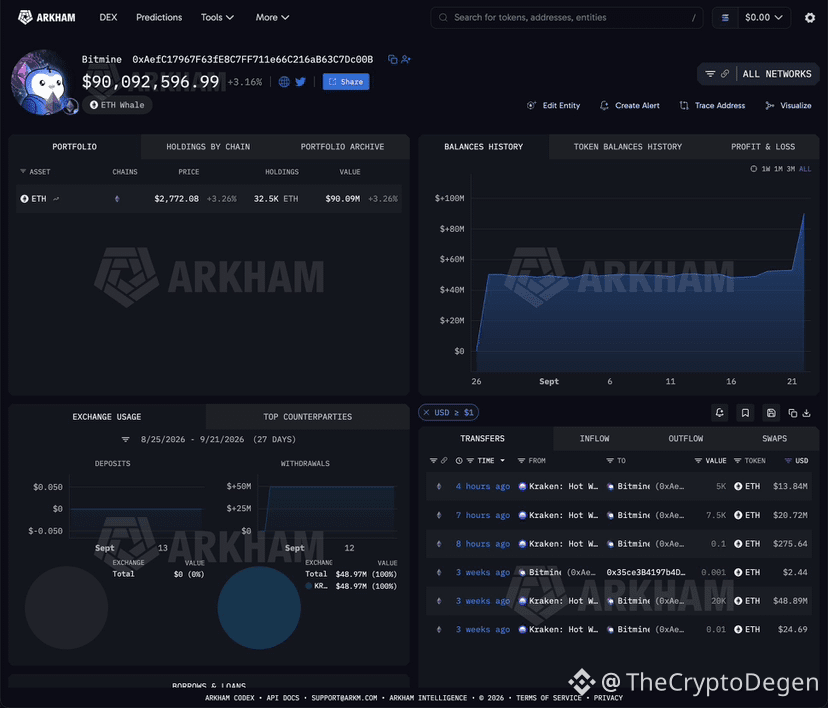
BITMINE IS BUYING
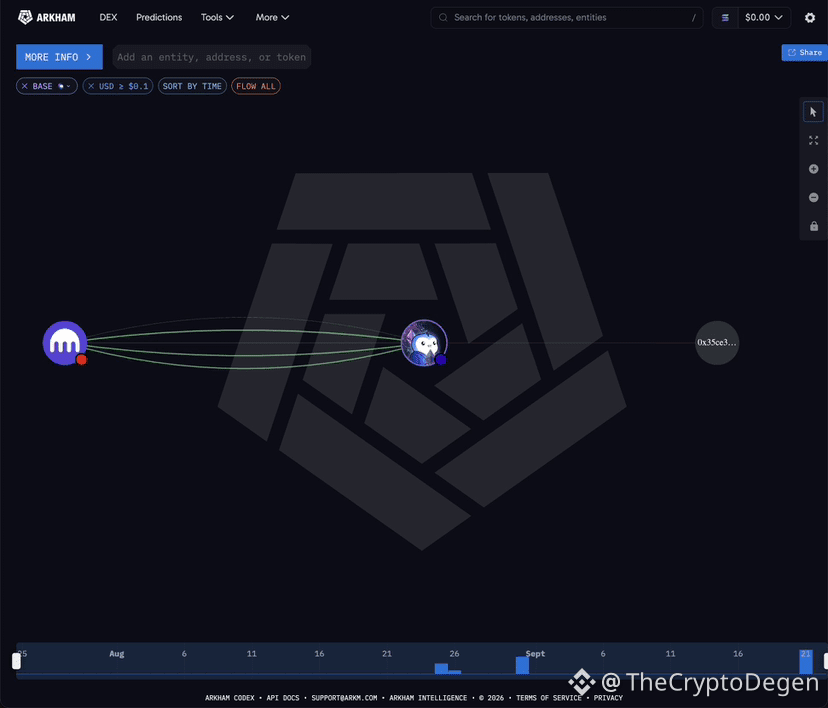
A wallet just withdrew $34.5M of ETH from Kraken, an acquisition pattern that matches prior Bitmine purchase patterns.
Bitmine holds $978.05M of ETH in its labelled on-chain wallets, with approximately $10B of ETH staked on top of that.
BITMINE IS BUYING
A wallet just withdrew $34.5M of ETH from Kraken, an acquisition pattern that matches prior Bitmine purchase patterns.
Bitmine holds $978.05M of ETH in its labelled on-chain wallets, with approximately $10B of ETH staked on top of that.
A wallet just withdrew $34.5M of ETH from Kraken, an acquisition pattern that matches prior Bitmine purchase patterns.
Bitmine holds $978.05M of ETH in its labelled on-chain wallets, with approximately $10B of ETH staked on top of that.
1.1k
Көбірек контент көру үшін кіріңіз
Binance Square платформасында әлемдік криптоқоғамдастыққа қосылыңыз
⚡️ Криптовалюта туралы ең соңғы және пайдалы ақпаратты алыңыз.
💬 Әлемдегі ең ірі криптобиржаның сеніміне ие.
👍 Расталған авторлардың нақты пікірлерін табыңыз.
Электрондық пошта/телефон нөмірі
Трендтегі тақырыптар
CanMicrosoftDeliverOnAI
20,648 рет көрілді
411 адам талқылап жатыр
Earnings Season Session 3: Will Google & Microsoft Beat Earnings Expectations?
Binance Square Official
·40 лайк
·10k рет көрілді
CanGoogleDefindItsCore
11,520 рет көрілді
323 адам талқылап жатыр
FOMCWatch
9M рет көрілді
27,565 адам талқылап жатыр