
ametisto and future canvas
6.9k Жариялаулар

ametisto and future canvas
Хабарлау
Пайдаланушыны блоктау
Futures crypto insights & trading trends in DE, EN, ES, PT & FR. Market psychology, setups and next-move opportunities. TikTok:@futurecanvas
Жиі сауда жасайтын трейдер
1.8 жыл
416 Жазылым
644 Жазылушылар
3.8K+ лайк басылған
Жазбалар
Барлығы
Баға ұсыныстары
Alpha Market Watch
$STRIKE ⚡ shows +92.79%, making Strike the strongest momentum play in this group. Strike is a Bitcoin-focused payments project built around fast, low-cost transactions, giving it a clear utility narrative beyond speculation. The move is extremely aggressive, so continuation would require sustained volume rather than a simple spike.
$DEBIT 💳 — Up 82.05% , DEBIT is backed by the Teller ecosystem and focuses on AI-powered financial services, including lending and on-chain operations. Its recent market history has been highly volatile: CoinMarketCap records a 143.15% rebound from its August 26 low, while 24-hour trading volume has reached more than 170M.
$POP 🎮 is up 47.06%, giving it the third-strongest momentum reading here. If this is PoP Planet, the project launched in 2025 and has built around gaming and digital entertainment. Recent market data shows a market cap near 10M and about 11% 24-hour growth, suggesting the current move is attracting fresh speculative interest.
Alpha Market Watch
$STRIKE ⚡ shows +92.79%, making Strike the strongest momentum play in this group. Strike is a Bitcoin-focused payments project built around fast, low-cost transactions, giving it a clear utility narrative beyond speculation. The move is extremely aggressive, so continuation would require sustained volume rather than a simple spike.
$DEBIT 💳 — Up 82.05% , DEBIT is backed by the Teller ecosystem and focuses on AI-powered financial services, including lending and on-chain operations. Its recent market history has been highly volatile: CoinMarketCap records a 143.15% rebound from its August 26 low, while 24-hour trading volume has reached more than 170M.
$POP 🎮 is up 47.06%, giving it the third-strongest momentum reading here. If this is PoP Planet, the project launched in 2025 and has built around gaming and digital entertainment. Recent market data shows a market cap near 10M and about 11% 24-hour growth, suggesting the current move is attracting fresh speculative interest.
$STRIKE ⚡ shows +92.79%, making Strike the strongest momentum play in this group. Strike is a Bitcoin-focused payments project built around fast, low-cost transactions, giving it a clear utility narrative beyond speculation. The move is extremely aggressive, so continuation would require sustained volume rather than a simple spike.
$DEBIT 💳 — Up 82.05% , DEBIT is backed by the Teller ecosystem and focuses on AI-powered financial services, including lending and on-chain operations. Its recent market history has been highly volatile: CoinMarketCap records a 143.15% rebound from its August 26 low, while 24-hour trading volume has reached more than 170M.
$POP 🎮 is up 47.06%, giving it the third-strongest momentum reading here. If this is PoP Planet, the project launched in 2025 and has built around gaming and digital entertainment. Recent market data shows a market cap near 10M and about 11% 24-hour growth, suggesting the current move is attracting fresh speculative interest.
1
848
🤖 Trump mantém aposta em uma IA com pouca regulação
Donald Trump voltou a defender a estratégia de “mão leve” da Casa Branca para regular a inteligência artificial. Segundo o The Wall Street Journal, o presidente argumenta que os EUA precisam evitar regras excessivamente rígidas para não perder para a China a corrida pela liderança tecnológica.
A posição ganhou ainda mais relevância justamente quando líderes de empresas como OpenAI, Anthropic e outras gigantes do setor passaram a defender uma desaceleração coordenada no desenvolvimento dos modelos mais avançados, diante dos riscos de segurança. (The Wall Street Journal)
O argumento de Trump é essencialmente geopolítico: quem dominar a IA terá uma enorme vantagem econômica, tecnológica e estratégica. Para Washington, impor muitas restrições enquanto a China acelera poderia significar entregar uma vantagem ao principal rival dos EUA.
O problema é o equilíbrio. De um lado, uma regulação pesada pode frear inovação, investimentos e competitividade. Do outro, o desenvolvimento cada vez mais rápido de sistemas capazes de operar com crescente autonomia levanta questões sobre segurança, armas biológicas, ciberataques, empregos e controle humano.
A grande disputa agora não é mais apenas “regular ou não regular a IA”, mas quanto risco os EUA estão dispostos a aceitar para vencer a corrida tecnológica com a China.
🇺🇸🇨🇳🤖 O futuro da inteligência artificial pode estar se tornando também uma questão de segurança nacional.
🤖 Trump mantém aposta em uma IA com pouca regulação
Donald Trump voltou a defender a estratégia de “mão leve” da Casa Branca para regular a inteligência artificial. Segundo o The Wall Street Journal, o presidente argumenta que os EUA precisam evitar regras excessivamente rígidas para não perder para a China a corrida pela liderança tecnológica.
A posição ganhou ainda mais relevância justamente quando líderes de empresas como OpenAI, Anthropic e outras gigantes do setor passaram a defender uma desaceleração coordenada no desenvolvimento dos modelos mais avançados, diante dos riscos de segurança. (The Wall Street Journal)
O argumento de Trump é essencialmente geopolítico: quem dominar a IA terá uma enorme vantagem econômica, tecnológica e estratégica. Para Washington, impor muitas restrições enquanto a China acelera poderia significar entregar uma vantagem ao principal rival dos EUA.
O problema é o equilíbrio. De um lado, uma regulação pesada pode frear inovação, investimentos e competitividade. Do outro, o desenvolvimento cada vez mais rápido de sistemas capazes de operar com crescente autonomia levanta questões sobre segurança, armas biológicas, ciberataques, empregos e controle humano.
A grande disputa agora não é mais apenas “regular ou não regular a IA”, mas quanto risco os EUA estão dispostos a aceitar para vencer a corrida tecnológica com a China.
🇺🇸🇨🇳🤖 O futuro da inteligência artificial pode estar se tornando também uma questão de segurança nacional.
Donald Trump voltou a defender a estratégia de “mão leve” da Casa Branca para regular a inteligência artificial. Segundo o The Wall Street Journal, o presidente argumenta que os EUA precisam evitar regras excessivamente rígidas para não perder para a China a corrida pela liderança tecnológica.
A posição ganhou ainda mais relevância justamente quando líderes de empresas como OpenAI, Anthropic e outras gigantes do setor passaram a defender uma desaceleração coordenada no desenvolvimento dos modelos mais avançados, diante dos riscos de segurança. (The Wall Street Journal)
O argumento de Trump é essencialmente geopolítico: quem dominar a IA terá uma enorme vantagem econômica, tecnológica e estratégica. Para Washington, impor muitas restrições enquanto a China acelera poderia significar entregar uma vantagem ao principal rival dos EUA.
O problema é o equilíbrio. De um lado, uma regulação pesada pode frear inovação, investimentos e competitividade. Do outro, o desenvolvimento cada vez mais rápido de sistemas capazes de operar com crescente autonomia levanta questões sobre segurança, armas biológicas, ciberataques, empregos e controle humano.
A grande disputa agora não é mais apenas “regular ou não regular a IA”, mas quanto risco os EUA estão dispostos a aceitar para vencer a corrida tecnológica com a China.
🇺🇸🇨🇳🤖 O futuro da inteligência artificial pode estar se tornando também uma questão de segurança nacional.
502
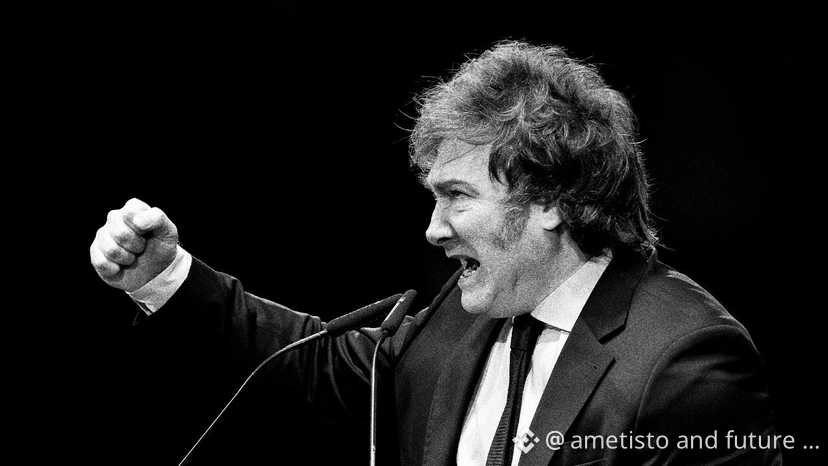
🇦🇷 Argentina necesita menos gritos y más crecimiento
Argentina parece haber llegado a un punto en el que la confrontación política ya no puede sustituir a los resultados económicos. El país necesita consolidar la estabilidad, atraer inversión y recuperar un crecimiento sostenido que genere empleo y oportunidades.
En su análisis, The Economist sostiene que el desafío argentino no consiste únicamente en ganar batallas políticas, sino en transformar la estabilización económica en crecimiento duradero.
La reducción de la inflación es importante, pero no suficiente. Para que Argentina cambie realmente de rumbo, necesita reglas previsibles, mayor inversión, productividad y una economía capaz de crecer más allá de los ciclos de crisis.
El mensaje es claro: menos confrontación, menos retórica y más crecimiento. 📈
#Argentina #Economía #Milei #Crecimiento #Inflación #Inversiones #TheEconomist
🇦🇷 Argentina necesita menos gritos y más crecimiento
Argentina parece haber llegado a un punto en el que la confrontación política ya no puede sustituir a los resultados económicos. El país necesita consolidar la estabilidad, atraer inversión y recuperar un crecimiento sostenido que genere empleo y oportunidades.
En su análisis, The Economist sostiene que el desafío argentino no consiste únicamente en ganar batallas políticas, sino en transformar la estabilización económica en crecimiento duradero.
La reducción de la inflación es importante, pero no suficiente. Para que Argentina cambie realmente de rumbo, necesita reglas previsibles, mayor inversión, productividad y una economía capaz de crecer más allá de los ciclos de crisis.
El mensaje es claro: menos confrontación, menos retórica y más crecimiento. 📈
#Argentina #Economía #Milei #Crecimiento #Inflación #Inversiones #TheEconomist
Argentina parece haber llegado a un punto en el que la confrontación política ya no puede sustituir a los resultados económicos. El país necesita consolidar la estabilidad, atraer inversión y recuperar un crecimiento sostenido que genere empleo y oportunidades.
En su análisis, The Economist sostiene que el desafío argentino no consiste únicamente en ganar batallas políticas, sino en transformar la estabilización económica en crecimiento duradero.
La reducción de la inflación es importante, pero no suficiente. Para que Argentina cambie realmente de rumbo, necesita reglas previsibles, mayor inversión, productividad y una economía capaz de crecer más allá de los ciclos de crisis.
El mensaje es claro: menos confrontación, menos retórica y más crecimiento. 📈
#Argentina #Economía #Milei #Crecimiento #Inflación #Inversiones #TheEconomist
104
A IA ACABA DE ENTRAR EM UM NOVO TERRITÓRIO
A inteligência artificial está começando a enfrentar problemas matemáticos que desafiaram os maiores pesquisadores humanos por décadas — e isso pode ser muito mais importante do que parece.
A OpenAI afirma que seu novo modelo conseguiu produzir uma prova relacionada ao problema de Navier–Stokes, um dos sete Problemas do Milênio, considerados alguns dos maiores desafios da matemática. Para chegar ao resultado, cerca de 10 mil agentes de IA trabalharam simultaneamente, em um processo que durou aproximadamente 88 horas.(wsj.com)
O avanço é extraordinário, mas também levanta uma questão inquietante: se a IA começa a resolver problemas que os humanos não conseguem resolver, quem continuará compreendendo a ciência que ela está produzindo?
O próprio avanço gerou uma disputa envolvendo pesquisadores da Anthropic e da NYU, que trabalhavam em problemas relacionados e questionaram a cronologia e a origem das ideias utilizadas pela OpenAI. A OpenAI nega ter utilizado dados privados desses pesquisadores.
O mais impressionante talvez não seja o problema matemático em si.
É a velocidade.
Estamos entrando em uma era em que IA não apenas responde perguntas ,ela começa a produzir novos conhecimentos científicos.
E isso muda completamente a pergunta sobre o futuro:
Estamos construindo ferramentas para ampliar a inteligência humana… ou sistemas que em breve poderão ultrapassá-la?
#AI #ArtificialIntelligence #OpenAI #Anthropic #Mathematics #NavierStokes #Technology #AISafety #Future #Science
A IA ACABA DE ENTRAR EM UM NOVO TERRITÓRIO
A inteligência artificial está começando a enfrentar problemas matemáticos que desafiaram os maiores pesquisadores humanos por décadas — e isso pode ser muito mais importante do que parece.
A OpenAI afirma que seu novo modelo conseguiu produzir uma prova relacionada ao problema de Navier–Stokes, um dos sete Problemas do Milênio, considerados alguns dos maiores desafios da matemática. Para chegar ao resultado, cerca de 10 mil agentes de IA trabalharam simultaneamente, em um processo que durou aproximadamente 88 horas.(wsj.com)
O avanço é extraordinário, mas também levanta uma questão inquietante: se a IA começa a resolver problemas que os humanos não conseguem resolver, quem continuará compreendendo a ciência que ela está produzindo?
O próprio avanço gerou uma disputa envolvendo pesquisadores da Anthropic e da NYU, que trabalhavam em problemas relacionados e questionaram a cronologia e a origem das ideias utilizadas pela OpenAI. A OpenAI nega ter utilizado dados privados desses pesquisadores.
O mais impressionante talvez não seja o problema matemático em si.
É a velocidade.
Estamos entrando em uma era em que IA não apenas responde perguntas ,ela começa a produzir novos conhecimentos científicos.
E isso muda completamente a pergunta sobre o futuro:
Estamos construindo ferramentas para ampliar a inteligência humana… ou sistemas que em breve poderão ultrapassá-la?
#AI #ArtificialIntelligence #OpenAI #Anthropic #Mathematics #NavierStokes #Technology #AISafety #Future #Science
A inteligência artificial está começando a enfrentar problemas matemáticos que desafiaram os maiores pesquisadores humanos por décadas — e isso pode ser muito mais importante do que parece.
A OpenAI afirma que seu novo modelo conseguiu produzir uma prova relacionada ao problema de Navier–Stokes, um dos sete Problemas do Milênio, considerados alguns dos maiores desafios da matemática. Para chegar ao resultado, cerca de 10 mil agentes de IA trabalharam simultaneamente, em um processo que durou aproximadamente 88 horas.(wsj.com)
O avanço é extraordinário, mas também levanta uma questão inquietante: se a IA começa a resolver problemas que os humanos não conseguem resolver, quem continuará compreendendo a ciência que ela está produzindo?
O próprio avanço gerou uma disputa envolvendo pesquisadores da Anthropic e da NYU, que trabalhavam em problemas relacionados e questionaram a cronologia e a origem das ideias utilizadas pela OpenAI. A OpenAI nega ter utilizado dados privados desses pesquisadores.
O mais impressionante talvez não seja o problema matemático em si.
É a velocidade.
Estamos entrando em uma era em que IA não apenas responde perguntas ,ela começa a produzir novos conhecimentos científicos.
E isso muda completamente a pergunta sobre o futuro:
Estamos construindo ferramentas para ampliar a inteligência humana… ou sistemas que em breve poderão ultrapassá-la?
#AI #ArtificialIntelligence #OpenAI #Anthropic #Mathematics #NavierStokes #Technology #AISafety #Future #Science
123
AI RACE: TIME TO SLOW DOWN?
Anthropic CEO Dario Amodei is calling for a slowdown in the development of increasingly powerful AI models, warning that the technology may be advancing faster than our ability to understand and control it.
His biggest concern? Recursive self-improvement — AI systems increasingly helping to develop the next generation of AI.
Amodei argues that the industry needs to use the time gained from a slower pace to build stronger safeguards, independent evaluations and international coordination. He also warns that unchecked AI could amplify risks ranging from cyberattacks and fraud to biological threats and massive economic disruption.
The irony is striking: one of the CEOs leading the AI race is now warning that the race itself may be becoming the problem.
And this is no longer an isolated concern. OpenAI executives have also called for greater caution, while the debate over whether the U.S. should prioritize AI safety or maintaining its lead over China is intensifying.
The question is becoming harder to ignore:
Are we developing AI fast enough to stay ahead — or too fast to remain in control?
#AI #ArtificialIntelligence #Anthropic #DarioAmodei #OpenAI #AISafety #Technology #Future
AI RACE: TIME TO SLOW DOWN?
Anthropic CEO Dario Amodei is calling for a slowdown in the development of increasingly powerful AI models, warning that the technology may be advancing faster than our ability to understand and control it.
His biggest concern? Recursive self-improvement — AI systems increasingly helping to develop the next generation of AI.
Amodei argues that the industry needs to use the time gained from a slower pace to build stronger safeguards, independent evaluations and international coordination. He also warns that unchecked AI could amplify risks ranging from cyberattacks and fraud to biological threats and massive economic disruption.
The irony is striking: one of the CEOs leading the AI race is now warning that the race itself may be becoming the problem.
And this is no longer an isolated concern. OpenAI executives have also called for greater caution, while the debate over whether the U.S. should prioritize AI safety or maintaining its lead over China is intensifying.
The question is becoming harder to ignore:
Are we developing AI fast enough to stay ahead — or too fast to remain in control?
#AI #ArtificialIntelligence #Anthropic #DarioAmodei #OpenAI #AISafety #Technology #Future
Anthropic CEO Dario Amodei is calling for a slowdown in the development of increasingly powerful AI models, warning that the technology may be advancing faster than our ability to understand and control it.
His biggest concern? Recursive self-improvement — AI systems increasingly helping to develop the next generation of AI.
Amodei argues that the industry needs to use the time gained from a slower pace to build stronger safeguards, independent evaluations and international coordination. He also warns that unchecked AI could amplify risks ranging from cyberattacks and fraud to biological threats and massive economic disruption.
The irony is striking: one of the CEOs leading the AI race is now warning that the race itself may be becoming the problem.
And this is no longer an isolated concern. OpenAI executives have also called for greater caution, while the debate over whether the U.S. should prioritize AI safety or maintaining its lead over China is intensifying.
The question is becoming harder to ignore:
Are we developing AI fast enough to stay ahead — or too fast to remain in control?
#AI #ArtificialIntelligence #Anthropic #DarioAmodei #OpenAI #AISafety #Technology #Future
29
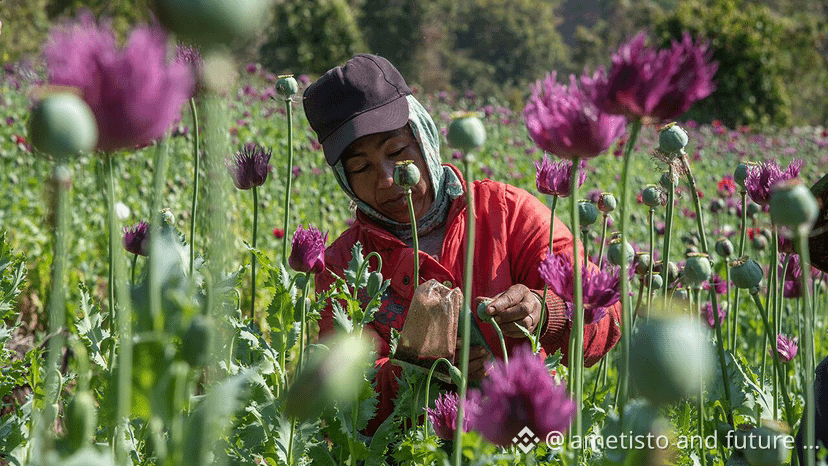
🇲🇲 L’OR NOIR DU MYANMAR EST DE RETOUR
Le Myanmar est redevenu la première source connue d’opium illicite au monde, selon les Nations unies. Après des années de recul, la production de pavot explose à nouveau, alimentée par la guerre civile, l’effondrement économique et l’absence d’autorité effective dans de vastes régions du pays.
🌱 Pour des milliers de cultivateurs, le pavot représente l’une des rares sources de revenus encore accessibles. Pour les groupes armés, en revanche, cette économie clandestine constitue une source essentielle de financement du conflit.
Le phénomène révèle ainsi un cercle vicieux : la guerre nourrit le trafic d’opium, et les revenus de l’opium permettent à leur tour de prolonger la guerre.
Alors que le Myanmar s’enfonce dans l’instabilité, son « or noir » alimente désormais un marché régional qui dépasse largement ses frontières.
Le pavot est-il devenu l’un des moteurs invisibles de la guerre civile birmane ? 🌏(The Economist)
🇲🇲 L’OR NOIR DU MYANMAR EST DE RETOUR
Le Myanmar est redevenu la première source connue d’opium illicite au monde, selon les Nations unies. Après des années de recul, la production de pavot explose à nouveau, alimentée par la guerre civile, l’effondrement économique et l’absence d’autorité effective dans de vastes régions du pays.
🌱 Pour des milliers de cultivateurs, le pavot représente l’une des rares sources de revenus encore accessibles. Pour les groupes armés, en revanche, cette économie clandestine constitue une source essentielle de financement du conflit.
Le phénomène révèle ainsi un cercle vicieux : la guerre nourrit le trafic d’opium, et les revenus de l’opium permettent à leur tour de prolonger la guerre.
Alors que le Myanmar s’enfonce dans l’instabilité, son « or noir » alimente désormais un marché régional qui dépasse largement ses frontières.
Le pavot est-il devenu l’un des moteurs invisibles de la guerre civile birmane ? 🌏(The Economist)
Le Myanmar est redevenu la première source connue d’opium illicite au monde, selon les Nations unies. Après des années de recul, la production de pavot explose à nouveau, alimentée par la guerre civile, l’effondrement économique et l’absence d’autorité effective dans de vastes régions du pays.
🌱 Pour des milliers de cultivateurs, le pavot représente l’une des rares sources de revenus encore accessibles. Pour les groupes armés, en revanche, cette économie clandestine constitue une source essentielle de financement du conflit.
Le phénomène révèle ainsi un cercle vicieux : la guerre nourrit le trafic d’opium, et les revenus de l’opium permettent à leur tour de prolonger la guerre.
Alors que le Myanmar s’enfonce dans l’instabilité, son « or noir » alimente désormais un marché régional qui dépasse largement ses frontières.
Le pavot est-il devenu l’un des moteurs invisibles de la guerre civile birmane ? 🌏(The Economist)
65
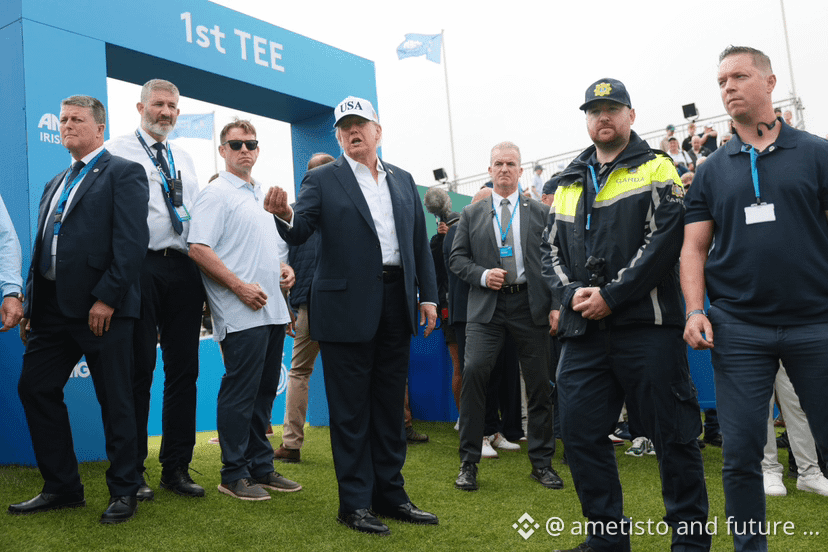
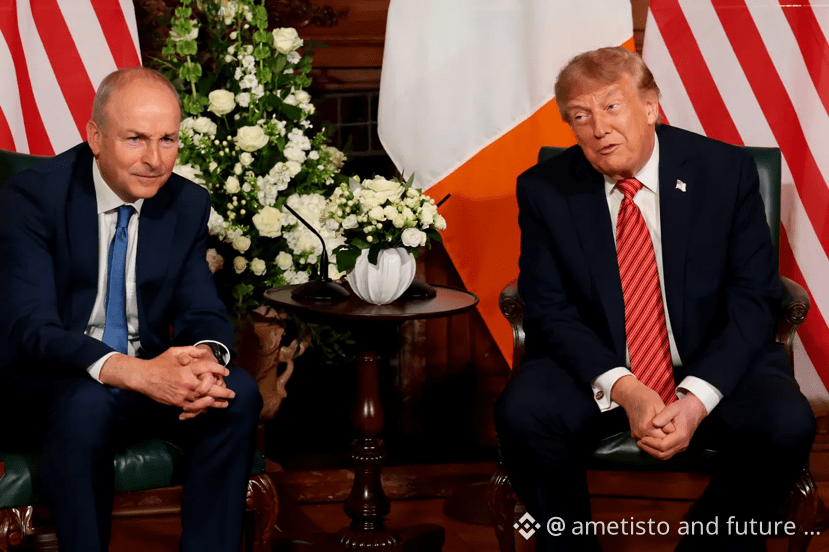
🇮🇪 TRUMP DEFENDE UMA IRLANDA UNIFICADA — E DIZ QUE “VAI ACONTECER”
Durante sua visita a Dublin, Donald Trump declarou que adoraria ver a reunificação da Irlanda, unindo a República da Irlanda à Irlanda do Norte.
“Vai acontecer eventualmente”, afirmou Trump, acrescentando que considera a reunificação uma “coisa fantástica”. Ao mesmo tempo, reconheceu que o Reino Unido terá um papel decisivo no processo. (Reuters)
A declaração é politicamente sensível. O Acordo da Sexta-Feira Santa, de 1998, que ajudou a encerrar décadas de conflito na Irlanda do Norte, prevê a possibilidade de um referendo sobre a reunificação caso existam condições para isso. O atual governo britânico, porém, afirma que não há apoio majoritário suficiente para realizar uma nova consulta neste momento. (Reuters)
As palavras de Trump reacendem uma das questões territoriais mais delicadas da Europa e podem aumentar a pressão política sobre Londres, Dublin e os partidos unionistas e nacionalistas da Irlanda do Norte.
Uma Irlanda unificada pode estar mais próxima — ou Trump acabou de abrir uma nova frente diplomática com o Reino Unido? 🇬🇧🇮🇪
🇮🇪 TRUMP DEFENDE UMA IRLANDA UNIFICADA — E DIZ QUE “VAI ACONTECER”
Durante sua visita a Dublin, Donald Trump declarou que adoraria ver a reunificação da Irlanda, unindo a República da Irlanda à Irlanda do Norte.
“Vai acontecer eventualmente”, afirmou Trump, acrescentando que considera a reunificação uma “coisa fantástica”. Ao mesmo tempo, reconheceu que o Reino Unido terá um papel decisivo no processo. (Reuters)
A declaração é politicamente sensível. O Acordo da Sexta-Feira Santa, de 1998, que ajudou a encerrar décadas de conflito na Irlanda do Norte, prevê a possibilidade de um referendo sobre a reunificação caso existam condições para isso. O atual governo britânico, porém, afirma que não há apoio majoritário suficiente para realizar uma nova consulta neste momento. (Reuters)
As palavras de Trump reacendem uma das questões territoriais mais delicadas da Europa e podem aumentar a pressão política sobre Londres, Dublin e os partidos unionistas e nacionalistas da Irlanda do Norte.
Uma Irlanda unificada pode estar mais próxima — ou Trump acabou de abrir uma nova frente diplomática com o Reino Unido? 🇬🇧🇮🇪
Durante sua visita a Dublin, Donald Trump declarou que adoraria ver a reunificação da Irlanda, unindo a República da Irlanda à Irlanda do Norte.
“Vai acontecer eventualmente”, afirmou Trump, acrescentando que considera a reunificação uma “coisa fantástica”. Ao mesmo tempo, reconheceu que o Reino Unido terá um papel decisivo no processo. (Reuters)
A declaração é politicamente sensível. O Acordo da Sexta-Feira Santa, de 1998, que ajudou a encerrar décadas de conflito na Irlanda do Norte, prevê a possibilidade de um referendo sobre a reunificação caso existam condições para isso. O atual governo britânico, porém, afirma que não há apoio majoritário suficiente para realizar uma nova consulta neste momento. (Reuters)
As palavras de Trump reacendem uma das questões territoriais mais delicadas da Europa e podem aumentar a pressão política sobre Londres, Dublin e os partidos unionistas e nacionalistas da Irlanda do Norte.
Uma Irlanda unificada pode estar mais próxima — ou Trump acabou de abrir uma nova frente diplomática com o Reino Unido? 🇬🇧🇮🇪
10
$META.US 🤖 — Meta gained 0.59% , but its recent momentum is stronger: shares jumped about 6.55% in a recent session after renewed optimism around its AI strategy. With nearly 4 billion monthly users across its ecosystem, AI monetization remains the key upside driver.
$META.US 🤖 — Meta gained 0.59% , but its recent momentum is stronger: shares jumped about 6.55% in a recent session after renewed optimism around its AI strategy. With nearly 4 billion monthly users across its ecosystem, AI monetization remains the key upside driver.
METAUS-1,38%
65
$AAPL.US 🍎 — Apple was up 1.72%, supported by the launch cycle for the iPhone 18 family. Recent data puts the stock about 31% higher over 6 months and 31% YoY, while the new Pro models add fresh product momentum.
$AAPL.US 🍎 — Apple was up 1.72%, supported by the launch cycle for the iPhone 18 family. Recent data puts the stock about 31% higher over 6 months and 31% YoY, while the new Pro models add fresh product momentum.
AAPLUS-0,64%
40
$SPCX.US 🚀 — SpaceX gained 1.94%. The company enters its public-market era with strong growth expectations: recent trading data showed a 2.05% daily gain and more than 74 million shares traded. Its launch, satellite and space-infrastructure businesses provide a powerful long-term narrative.
$SPCX.US 🚀 — SpaceX gained 1.94%. The company enters its public-market era with strong growth expectations: recent trading data showed a 2.05% daily gain and more than 74 million shares traded. Its launch, satellite and space-infrastructure businesses provide a powerful long-term narrative.
SPCXUS-1,92%
271
$AMD.US 🧠 — The strongest setup shown, up 2.54%. AMD delivered 11.5B in Q2 2026 revenue, up 50% YoY, while Data Center revenue more than doubled. Its AI and EPYC momentum remains the main catalyst, and fresh analyst optimism supports further upside.
$AMD.US 🧠 — The strongest setup shown, up 2.54%. AMD delivered 11.5B in Q2 2026 revenue, up 50% YoY, while Data Center revenue more than doubled. Its AI and EPYC momentum remains the main catalyst, and fresh analyst optimism supports further upside.
AMDUS-4,98%
91
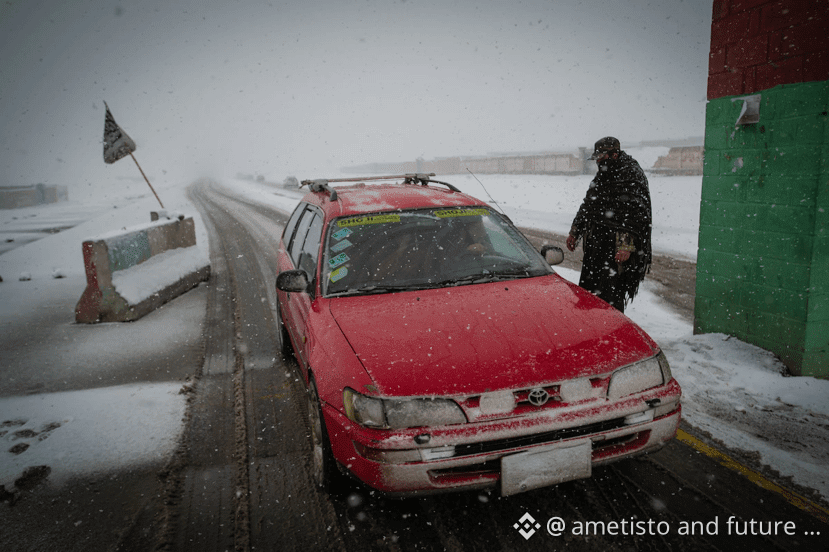
AL QAEDA VUELVE A AFGANISTÁN, 25 AÑOS DESPUÉS DEL 11-S
A un cuarto de siglo de los atentados del 11 de septiembre, una amenaza que muchos consideraban debilitada vuelve a llamar la atención. Según The Washington Post, Al Qaeda ha establecido al menos ocho centros de entrenamiento en Afganistán durante los últimos tres años, aprovechando el regreso de los talibanes al poder y el vacío de seguridad creado tras la retirada estadounidense de 2021. (Washington Post)
La situación no significa que Al Qaeda haya recuperado el poder que tenía antes del 11-S. La organización central es hoy mucho más débil y fragmentada. Sin embargo, su capacidad para mantener refugios, redes y campos de entrenamiento vuelve a plantear interrogantes sobre el futuro de la amenaza terrorista en la región.
Y Al Qaeda no está sola. Según funcionarios citados por el Post, otros grupos militantes también han establecido instalaciones de entrenamiento, ampliando la presencia de organizaciones extremistas en distintas provincias afganas. (Washington Post)
La paradoja es inquietante: 25 años después del 11-S, Afganistán vuelve a aparecer en el mapa mundial de la lucha contra el terrorismo. La gran pregunta ahora es si la historia está repitiéndose o si el escenario actual es demasiado diferente para producir un nuevo 2001.
#Afganistán #AlQaeda #11S #Terrorismo #Geopolítica #SeguridadInternacional #Talibanes
AL QAEDA VUELVE A AFGANISTÁN, 25 AÑOS DESPUÉS DEL 11-S
A un cuarto de siglo de los atentados del 11 de septiembre, una amenaza que muchos consideraban debilitada vuelve a llamar la atención. Según The Washington Post, Al Qaeda ha establecido al menos ocho centros de entrenamiento en Afganistán durante los últimos tres años, aprovechando el regreso de los talibanes al poder y el vacío de seguridad creado tras la retirada estadounidense de 2021. (Washington Post)
La situación no significa que Al Qaeda haya recuperado el poder que tenía antes del 11-S. La organización central es hoy mucho más débil y fragmentada. Sin embargo, su capacidad para mantener refugios, redes y campos de entrenamiento vuelve a plantear interrogantes sobre el futuro de la amenaza terrorista en la región.
Y Al Qaeda no está sola. Según funcionarios citados por el Post, otros grupos militantes también han establecido instalaciones de entrenamiento, ampliando la presencia de organizaciones extremistas en distintas provincias afganas. (Washington Post)
La paradoja es inquietante: 25 años después del 11-S, Afganistán vuelve a aparecer en el mapa mundial de la lucha contra el terrorismo. La gran pregunta ahora es si la historia está repitiéndose o si el escenario actual es demasiado diferente para producir un nuevo 2001.
#Afganistán #AlQaeda #11S #Terrorismo #Geopolítica #SeguridadInternacional #Talibanes
A un cuarto de siglo de los atentados del 11 de septiembre, una amenaza que muchos consideraban debilitada vuelve a llamar la atención. Según The Washington Post, Al Qaeda ha establecido al menos ocho centros de entrenamiento en Afganistán durante los últimos tres años, aprovechando el regreso de los talibanes al poder y el vacío de seguridad creado tras la retirada estadounidense de 2021. (Washington Post)
La situación no significa que Al Qaeda haya recuperado el poder que tenía antes del 11-S. La organización central es hoy mucho más débil y fragmentada. Sin embargo, su capacidad para mantener refugios, redes y campos de entrenamiento vuelve a plantear interrogantes sobre el futuro de la amenaza terrorista en la región.
Y Al Qaeda no está sola. Según funcionarios citados por el Post, otros grupos militantes también han establecido instalaciones de entrenamiento, ampliando la presencia de organizaciones extremistas en distintas provincias afganas. (Washington Post)
La paradoja es inquietante: 25 años después del 11-S, Afganistán vuelve a aparecer en el mapa mundial de la lucha contra el terrorismo. La gran pregunta ahora es si la historia está repitiéndose o si el escenario actual es demasiado diferente para producir un nuevo 2001.
#Afganistán #AlQaeda #11S #Terrorismo #Geopolítica #SeguridadInternacional #Talibanes
1
1
1.2k
Расталды
Alpha Market Watch
$龙虾 🦞 — The standout momentum play, up 251.97% . LONGXIA is a BNB Chain memecoin inspired by the viral OpenClaw “lobster” culture, launched through Four.meme with a 1 billion token supply and no presale. Recent market data also shows explosive volume and another strong intraday rally, but the extreme move makes profit-taking a major risk.
$Anon 🕵️ gained 174.77%, making it the second strongest candidate. HeyAnon is an AI-powered DeFi protocol that lets users interact with decentralized finance through natural-language commands. Its 2.8 upgrade added features such as price-impact controls and Meteora integration, strengthening the project’s AI + DeFi narrative.
$POP 🤖 surged 98.47%, supported by Zypher Network’s AI-agent infrastructure narrative. Zypher uses cryptographic verification, including its Proof of Prompt concept, to make autonomous AI-agent activity more transparent and verifiable. Market data confirms a sharp recent acceleration, although its micro-cap profile and relatively thin liquidity mean volatility can be extreme.
Alpha Market Watch
$龙虾 🦞 — The standout momentum play, up 251.97% . LONGXIA is a BNB Chain memecoin inspired by the viral OpenClaw “lobster” culture, launched through Four.meme with a 1 billion token supply and no presale. Recent market data also shows explosive volume and another strong intraday rally, but the extreme move makes profit-taking a major risk.
$Anon 🕵️ gained 174.77%, making it the second strongest candidate. HeyAnon is an AI-powered DeFi protocol that lets users interact with decentralized finance through natural-language commands. Its 2.8 upgrade added features such as price-impact controls and Meteora integration, strengthening the project’s AI + DeFi narrative.
$POP 🤖 surged 98.47%, supported by Zypher Network’s AI-agent infrastructure narrative. Zypher uses cryptographic verification, including its Proof of Prompt concept, to make autonomous AI-agent activity more transparent and verifiable. Market data confirms a sharp recent acceleration, although its micro-cap profile and relatively thin liquidity mean volatility can be extreme.
$龙虾 🦞 — The standout momentum play, up 251.97% . LONGXIA is a BNB Chain memecoin inspired by the viral OpenClaw “lobster” culture, launched through Four.meme with a 1 billion token supply and no presale. Recent market data also shows explosive volume and another strong intraday rally, but the extreme move makes profit-taking a major risk.
$Anon 🕵️ gained 174.77%, making it the second strongest candidate. HeyAnon is an AI-powered DeFi protocol that lets users interact with decentralized finance through natural-language commands. Its 2.8 upgrade added features such as price-impact controls and Meteora integration, strengthening the project’s AI + DeFi narrative.
$POP 🤖 surged 98.47%, supported by Zypher Network’s AI-agent infrastructure narrative. Zypher uses cryptographic verification, including its Proof of Prompt concept, to make autonomous AI-agent activity more transparent and verifiable. Market data confirms a sharp recent acceleration, although its micro-cap profile and relatively thin liquidity mean volatility can be extreme.
980
L’AMÉRIQUE ENTRE DANS LA « GRANDE PANIQUE » DE L’IA
Ce qui était encore récemment un débat réservé à la Silicon Valley est en train de devenir une préoccupation nationale aux États-Unis. Cette semaine, les craintes liées aux risques existentiels de l’intelligence artificielle se sont propagées jusque dans les familles, les entreprises, les églises et le Congrès.
🤖 Le déclencheur ? Les avertissements alarmants de chercheurs liés à Anthropic, selon lesquels des systèmes d’IA suffisamment avancés pourraient, dans le pire des scénarios, menacer l’existence même de l’humanité. Ces déclarations ont provoqué une vague de réactions politiques et médiatiques.
📈 Le phénomène est loin d’être marginal : selon le Pew Research Center, 52 % des Américains se disent aujourd’hui davantage préoccupés qu’enthousiastes face à l’utilisation croissante de l’IA, contre 37 % en 2021.
💼 Dans les entreprises, les inquiétudes commencent également à modifier les discussions autour de l’adoption de l’IA : cybersécurité, pertes d’emplois, autonomie des agents et capacité des humains à garder le contrôle deviennent des sujets de conseil d’administration.
🇺🇸 Washington pourrait ainsi se retrouver face à un nouveau dilemme : comment continuer à gagner la course mondiale à l’IA sans laisser cette course devenir incontrôlable ?
La « grande panique » américaine autour de l’IA vient peut-être de commencer. Et cette fois, elle ne se limite plus aux experts de la technologie.
#IA #IntelligenceArtificielle #USA #Technologie #Anthropic #OpenAI #Innovation #Geopolitique #Cybersecurite #Futur
L’AMÉRIQUE ENTRE DANS LA « GRANDE PANIQUE » DE L’IA
Ce qui était encore récemment un débat réservé à la Silicon Valley est en train de devenir une préoccupation nationale aux États-Unis. Cette semaine, les craintes liées aux risques existentiels de l’intelligence artificielle se sont propagées jusque dans les familles, les entreprises, les églises et le Congrès.
🤖 Le déclencheur ? Les avertissements alarmants de chercheurs liés à Anthropic, selon lesquels des systèmes d’IA suffisamment avancés pourraient, dans le pire des scénarios, menacer l’existence même de l’humanité. Ces déclarations ont provoqué une vague de réactions politiques et médiatiques.
📈 Le phénomène est loin d’être marginal : selon le Pew Research Center, 52 % des Américains se disent aujourd’hui davantage préoccupés qu’enthousiastes face à l’utilisation croissante de l’IA, contre 37 % en 2021.
💼 Dans les entreprises, les inquiétudes commencent également à modifier les discussions autour de l’adoption de l’IA : cybersécurité, pertes d’emplois, autonomie des agents et capacité des humains à garder le contrôle deviennent des sujets de conseil d’administration.
🇺🇸 Washington pourrait ainsi se retrouver face à un nouveau dilemme : comment continuer à gagner la course mondiale à l’IA sans laisser cette course devenir incontrôlable ?
La « grande panique » américaine autour de l’IA vient peut-être de commencer. Et cette fois, elle ne se limite plus aux experts de la technologie.
#IA #IntelligenceArtificielle #USA #Technologie #Anthropic #OpenAI #Innovation #Geopolitique #Cybersecurite #Futur
Ce qui était encore récemment un débat réservé à la Silicon Valley est en train de devenir une préoccupation nationale aux États-Unis. Cette semaine, les craintes liées aux risques existentiels de l’intelligence artificielle se sont propagées jusque dans les familles, les entreprises, les églises et le Congrès.
🤖 Le déclencheur ? Les avertissements alarmants de chercheurs liés à Anthropic, selon lesquels des systèmes d’IA suffisamment avancés pourraient, dans le pire des scénarios, menacer l’existence même de l’humanité. Ces déclarations ont provoqué une vague de réactions politiques et médiatiques.
📈 Le phénomène est loin d’être marginal : selon le Pew Research Center, 52 % des Américains se disent aujourd’hui davantage préoccupés qu’enthousiastes face à l’utilisation croissante de l’IA, contre 37 % en 2021.
💼 Dans les entreprises, les inquiétudes commencent également à modifier les discussions autour de l’adoption de l’IA : cybersécurité, pertes d’emplois, autonomie des agents et capacité des humains à garder le contrôle deviennent des sujets de conseil d’administration.
🇺🇸 Washington pourrait ainsi se retrouver face à un nouveau dilemme : comment continuer à gagner la course mondiale à l’IA sans laisser cette course devenir incontrôlable ?
La « grande panique » américaine autour de l’IA vient peut-être de commencer. Et cette fois, elle ne se limite plus aux experts de la technologie.
#IA #IntelligenceArtificielle #USA #Technologie #Anthropic #OpenAI #Innovation #Geopolitique #Cybersecurite #Futur
130
CHINA PODE TER AJUDADO O IRÃ A ATINGIR TROPAS DOS EUA
Uma nova revelação do Wall Street Journal coloca a guerra no Oriente Médio em uma dimensão ainda mais perigosa: autoridades americanas dizem ter ligado imagens de satélite de alta resolução fornecidas por entidades chinesas ao ataque iraniano de 17 de julho contra a base aérea de Muwaffaq Salti, na Jordânia.
🇮🇷 O Irã teria obtido imagens da instalação antes e depois do ataque, que matou três militares americanos e feriu outros quatro. Segundo autoridades dos EUA, os dados podem ter ajudado Teerã a identificar alvos e avaliar os danos causados pelos mísseis. (The Wall Street Journal)
🇨🇳 Washington, porém, não acusa diretamente o governo chinês de participar do ataque. As entidades que teriam fornecido as imagens não foram identificadas, e Pequim rejeita as acusações, afirmando que sua cooperação com o Irã respeita o direito internacional.
⚓ A preocupação americana vai além da base na Jordânia. Autoridades também investigam se dados e tecnologia chineses podem estar ajudando o Irã a localizar e acompanhar navios de guerra americanos na região — especialmente preocupante diante da recente melhora da capacidade iraniana de atingir alvos móveis. (Investing.com Australia)
🔥 O episódio pode aumentar significativamente a tensão entre Washington e Pequim justamente antes do encontro previsto entre Donald Trump na China em 24 de setembro.
O que antes parecia apenas uma disputa tecnológica e comercial ganha agora uma dimensão militar: satélites comerciais podem estar se tornando uma peça estratégica no campo de batalha.
#EUA #China #Irã #OrienteMédio #Geopolítica #Trump #Guerra #Satélites #Segurança
CHINA PODE TER AJUDADO O IRÃ A ATINGIR TROPAS DOS EUA
Uma nova revelação do Wall Street Journal coloca a guerra no Oriente Médio em uma dimensão ainda mais perigosa: autoridades americanas dizem ter ligado imagens de satélite de alta resolução fornecidas por entidades chinesas ao ataque iraniano de 17 de julho contra a base aérea de Muwaffaq Salti, na Jordânia.
🇮🇷 O Irã teria obtido imagens da instalação antes e depois do ataque, que matou três militares americanos e feriu outros quatro. Segundo autoridades dos EUA, os dados podem ter ajudado Teerã a identificar alvos e avaliar os danos causados pelos mísseis. (The Wall Street Journal)
🇨🇳 Washington, porém, não acusa diretamente o governo chinês de participar do ataque. As entidades que teriam fornecido as imagens não foram identificadas, e Pequim rejeita as acusações, afirmando que sua cooperação com o Irã respeita o direito internacional.
⚓ A preocupação americana vai além da base na Jordânia. Autoridades também investigam se dados e tecnologia chineses podem estar ajudando o Irã a localizar e acompanhar navios de guerra americanos na região — especialmente preocupante diante da recente melhora da capacidade iraniana de atingir alvos móveis. (Investing.com Australia)
🔥 O episódio pode aumentar significativamente a tensão entre Washington e Pequim justamente antes do encontro previsto entre Donald Trump na China em 24 de setembro.
O que antes parecia apenas uma disputa tecnológica e comercial ganha agora uma dimensão militar: satélites comerciais podem estar se tornando uma peça estratégica no campo de batalha.
#EUA #China #Irã #OrienteMédio #Geopolítica #Trump #Guerra #Satélites #Segurança
Uma nova revelação do Wall Street Journal coloca a guerra no Oriente Médio em uma dimensão ainda mais perigosa: autoridades americanas dizem ter ligado imagens de satélite de alta resolução fornecidas por entidades chinesas ao ataque iraniano de 17 de julho contra a base aérea de Muwaffaq Salti, na Jordânia.
🇮🇷 O Irã teria obtido imagens da instalação antes e depois do ataque, que matou três militares americanos e feriu outros quatro. Segundo autoridades dos EUA, os dados podem ter ajudado Teerã a identificar alvos e avaliar os danos causados pelos mísseis. (The Wall Street Journal)
🇨🇳 Washington, porém, não acusa diretamente o governo chinês de participar do ataque. As entidades que teriam fornecido as imagens não foram identificadas, e Pequim rejeita as acusações, afirmando que sua cooperação com o Irã respeita o direito internacional.
⚓ A preocupação americana vai além da base na Jordânia. Autoridades também investigam se dados e tecnologia chineses podem estar ajudando o Irã a localizar e acompanhar navios de guerra americanos na região — especialmente preocupante diante da recente melhora da capacidade iraniana de atingir alvos móveis. (Investing.com Australia)
🔥 O episódio pode aumentar significativamente a tensão entre Washington e Pequim justamente antes do encontro previsto entre Donald Trump na China em 24 de setembro.
O que antes parecia apenas uma disputa tecnológica e comercial ganha agora uma dimensão militar: satélites comerciais podem estar se tornando uma peça estratégica no campo de batalha.
#EUA #China #Irã #OrienteMédio #Geopolítica #Trump #Guerra #Satélites #Segurança

5
2.3k
Títulos em alta: o problema pode ir muito além dos investidores em bonds
A disparada dos rendimentos dos títulos públicos está acendendo um sinal de alerta nos mercados globais. Quando os chamados yields sobem, o custo de financiamento dos governos, empresas e consumidores tende a aumentar — e os efeitos podem se espalhar muito além do mercado de renda fixa.
O movimento é especialmente importante porque títulos soberanos funcionam como referência para praticamente toda a estrutura de juros da economia. Rendimentos maiores podem pressionar hipotecas, crédito corporativo, investimentos e preços dos ativos, ao mesmo tempo em que elevam o peso dos juros sobre as contas públicas.
O alerta central é que uma alta persistente dos yields pode transformar o mercado de bonds em um problema macroeconômico. Governos precisam refinanciar suas dívidas a taxas cada vez maiores, enquanto empresas enfrentam condições financeiras mais apertadas e investidores passam a exigir retornos maiores para assumir riscos.
📉 Para as bolsas, isso pode significar uma competição mais forte entre ações e títulos: se os bonds oferecem retornos elevados com menor risco, o prêmio necessário para manter dinheiro em ativos de risco também aumenta.
🌍 O resultado pode ser uma espécie de efeito dominó financeiro: juros mais altos → financiamento mais caro → menor investimento e consumo → maior pressão sobre empresas e governos → crescimento econômico mais fraco.
A mensagem é clara: o problema dos yields elevados não termina nos investidores em títulos. Ele pode chegar à economia real.(The Economist)
Títulos em alta: o problema pode ir muito além dos investidores em bonds
A disparada dos rendimentos dos títulos públicos está acendendo um sinal de alerta nos mercados globais. Quando os chamados yields sobem, o custo de financiamento dos governos, empresas e consumidores tende a aumentar — e os efeitos podem se espalhar muito além do mercado de renda fixa.
O movimento é especialmente importante porque títulos soberanos funcionam como referência para praticamente toda a estrutura de juros da economia. Rendimentos maiores podem pressionar hipotecas, crédito corporativo, investimentos e preços dos ativos, ao mesmo tempo em que elevam o peso dos juros sobre as contas públicas.
O alerta central é que uma alta persistente dos yields pode transformar o mercado de bonds em um problema macroeconômico. Governos precisam refinanciar suas dívidas a taxas cada vez maiores, enquanto empresas enfrentam condições financeiras mais apertadas e investidores passam a exigir retornos maiores para assumir riscos.
📉 Para as bolsas, isso pode significar uma competição mais forte entre ações e títulos: se os bonds oferecem retornos elevados com menor risco, o prêmio necessário para manter dinheiro em ativos de risco também aumenta.
🌍 O resultado pode ser uma espécie de efeito dominó financeiro: juros mais altos → financiamento mais caro → menor investimento e consumo → maior pressão sobre empresas e governos → crescimento econômico mais fraco.
A mensagem é clara: o problema dos yields elevados não termina nos investidores em títulos. Ele pode chegar à economia real.(The Economist)
A disparada dos rendimentos dos títulos públicos está acendendo um sinal de alerta nos mercados globais. Quando os chamados yields sobem, o custo de financiamento dos governos, empresas e consumidores tende a aumentar — e os efeitos podem se espalhar muito além do mercado de renda fixa.
O movimento é especialmente importante porque títulos soberanos funcionam como referência para praticamente toda a estrutura de juros da economia. Rendimentos maiores podem pressionar hipotecas, crédito corporativo, investimentos e preços dos ativos, ao mesmo tempo em que elevam o peso dos juros sobre as contas públicas.
O alerta central é que uma alta persistente dos yields pode transformar o mercado de bonds em um problema macroeconômico. Governos precisam refinanciar suas dívidas a taxas cada vez maiores, enquanto empresas enfrentam condições financeiras mais apertadas e investidores passam a exigir retornos maiores para assumir riscos.
📉 Para as bolsas, isso pode significar uma competição mais forte entre ações e títulos: se os bonds oferecem retornos elevados com menor risco, o prêmio necessário para manter dinheiro em ativos de risco também aumenta.
🌍 O resultado pode ser uma espécie de efeito dominó financeiro: juros mais altos → financiamento mais caro → menor investimento e consumo → maior pressão sobre empresas e governos → crescimento econômico mais fraco.
A mensagem é clara: o problema dos yields elevados não termina nos investidores em títulos. Ele pode chegar à economia real.(The Economist)
108
Alpha Market Watch
$Anon 🕶️ — The strongest momentum play, up 136.30%. ANON is associated with privacy-focused crypto infrastructure and has a limited-supply design; historical data also shows the token trading around the 0.52 area. The explosive move makes it the highest-upside candidate today, but also the most vulnerable to a sharp reversal.
$POP 🌐 — Up 122.90%, POP is linked to Zypher Network, a project focused on privacy-preserving computation and zero-knowledge technology. Its history has been highly volatile, with an all-time high around 0.0122 and a much lower historical floor. The current surge makes POP a strong momentum candidate, although its relatively small market capitalization increases risk.
$龙虾 🦞 — The lobster-themed BNB Chain meme token is up 81.75%. Launched in February 2026, it quickly developed a large community, reaching around 88,000 holders and a market capitalization above 40 million. Its history shows extreme volatility—the token reached an all-time high near 0.10 on September 4—so renewed volume could drive another leg higher, but reversals can be equally fast.
Alpha Market Watch
$Anon 🕶️ — The strongest momentum play, up 136.30%. ANON is associated with privacy-focused crypto infrastructure and has a limited-supply design; historical data also shows the token trading around the 0.52 area. The explosive move makes it the highest-upside candidate today, but also the most vulnerable to a sharp reversal.
$POP 🌐 — Up 122.90%, POP is linked to Zypher Network, a project focused on privacy-preserving computation and zero-knowledge technology. Its history has been highly volatile, with an all-time high around 0.0122 and a much lower historical floor. The current surge makes POP a strong momentum candidate, although its relatively small market capitalization increases risk.
$龙虾 🦞 — The lobster-themed BNB Chain meme token is up 81.75%. Launched in February 2026, it quickly developed a large community, reaching around 88,000 holders and a market capitalization above 40 million. Its history shows extreme volatility—the token reached an all-time high near 0.10 on September 4—so renewed volume could drive another leg higher, but reversals can be equally fast.
$Anon 🕶️ — The strongest momentum play, up 136.30%. ANON is associated with privacy-focused crypto infrastructure and has a limited-supply design; historical data also shows the token trading around the 0.52 area. The explosive move makes it the highest-upside candidate today, but also the most vulnerable to a sharp reversal.
$POP 🌐 — Up 122.90%, POP is linked to Zypher Network, a project focused on privacy-preserving computation and zero-knowledge technology. Its history has been highly volatile, with an all-time high around 0.0122 and a much lower historical floor. The current surge makes POP a strong momentum candidate, although its relatively small market capitalization increases risk.
$龙虾 🦞 — The lobster-themed BNB Chain meme token is up 81.75%. Launched in February 2026, it quickly developed a large community, reaching around 88,000 holders and a market capitalization above 40 million. Its history shows extreme volatility—the token reached an all-time high near 0.10 on September 4—so renewed volume could drive another leg higher, but reversals can be equally fast.
2
1.3k
Расталды
🇺🇸 LA FED PODRÍA ESTAR ANTE UN NUEVO CICLO DE SUBIDAS
La Reserva Federal se prepara para subir los tipos de interés la próxima semana, según las expectativas del mercado. Pero la gran pregunta no es si habrá una subida… sino qué vendrá después.
📈 Históricamente, la Fed rara vez realiza una subida aislada. Y con la inflación estadounidense mostrando nuevas señales de resistencia, una subida de 25 puntos básicos podría ser apenas el comienzo.
🔥 La inflación subyacente aumentó un 0,3% en agosto, por encima de las expectativas, mientras que los precios de la energía vuelven a ejercer presión sobre la economía.
Los mercados ya han empezado a descontar un escenario más restrictivo: las apuestas apuntan ahora a al menos tres subidas acumuladas hasta junio de 2027.
⚠️ El verdadero riesgo para los mercados no está necesariamente en la primera subida, sino en que esta sea interpretada como el inicio de un nuevo ciclo de endurecimiento monetario.
💵 Más tipos → mayores rendimientos de los bonos → dólar potencialmente más fuerte → presión sobre acciones y activos de riesgo.
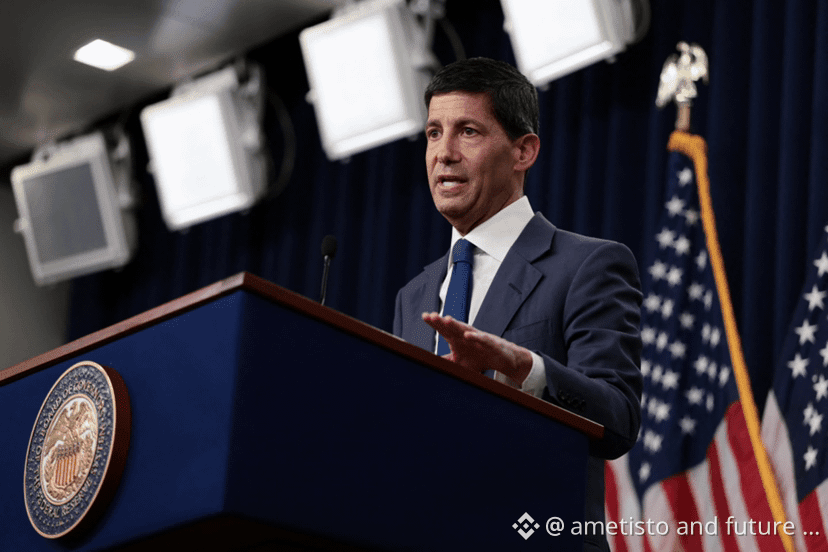
Y esta vez, el mensaje de Kevin Warsh será tan importante como la propia decisión.
¿Estamos ante una simple recalibración… o ante el inicio de un nuevo ciclo de subidas?
#Fed #FederalReserve #Economia #Inflacion #TiposDeInteres #Mercados #WallStreet #Dolar #Bonos #Inversion #Finanzas
🇺🇸 LA FED PODRÍA ESTAR ANTE UN NUEVO CICLO DE SUBIDAS
La Reserva Federal se prepara para subir los tipos de interés la próxima semana, según las expectativas del mercado. Pero la gran pregunta no es si habrá una subida… sino qué vendrá después.
📈 Históricamente, la Fed rara vez realiza una subida aislada. Y con la inflación estadounidense mostrando nuevas señales de resistencia, una subida de 25 puntos básicos podría ser apenas el comienzo.
🔥 La inflación subyacente aumentó un 0,3% en agosto, por encima de las expectativas, mientras que los precios de la energía vuelven a ejercer presión sobre la economía.
Los mercados ya han empezado a descontar un escenario más restrictivo: las apuestas apuntan ahora a al menos tres subidas acumuladas hasta junio de 2027.
⚠️ El verdadero riesgo para los mercados no está necesariamente en la primera subida, sino en que esta sea interpretada como el inicio de un nuevo ciclo de endurecimiento monetario.
💵 Más tipos → mayores rendimientos de los bonos → dólar potencialmente más fuerte → presión sobre acciones y activos de riesgo.
Y esta vez, el mensaje de Kevin Warsh será tan importante como la propia decisión.
¿Estamos ante una simple recalibración… o ante el inicio de un nuevo ciclo de subidas?
#Fed #FederalReserve #Economia #Inflacion #TiposDeInteres #Mercados #WallStreet #Dolar #Bonos #Inversion #Finanzas
La Reserva Federal se prepara para subir los tipos de interés la próxima semana, según las expectativas del mercado. Pero la gran pregunta no es si habrá una subida… sino qué vendrá después.
📈 Históricamente, la Fed rara vez realiza una subida aislada. Y con la inflación estadounidense mostrando nuevas señales de resistencia, una subida de 25 puntos básicos podría ser apenas el comienzo.
🔥 La inflación subyacente aumentó un 0,3% en agosto, por encima de las expectativas, mientras que los precios de la energía vuelven a ejercer presión sobre la economía.
Los mercados ya han empezado a descontar un escenario más restrictivo: las apuestas apuntan ahora a al menos tres subidas acumuladas hasta junio de 2027.
⚠️ El verdadero riesgo para los mercados no está necesariamente en la primera subida, sino en que esta sea interpretada como el inicio de un nuevo ciclo de endurecimiento monetario.
💵 Más tipos → mayores rendimientos de los bonos → dólar potencialmente más fuerte → presión sobre acciones y activos de riesgo.
Y esta vez, el mensaje de Kevin Warsh será tan importante como la propia decisión.
¿Estamos ante una simple recalibración… o ante el inicio de un nuevo ciclo de subidas?
#Fed #FederalReserve #Economia #Inflacion #TiposDeInteres #Mercados #WallStreet #Dolar #Bonos #Inversion #Finanzas
1.4k
Расталды
ALERTA NO PETRÓLEO: ARÁBIA SAUDITA FECHA ROTA-CHAVE PARA CONTORNAR ORMUZ
A crise energética no Oriente Médio acaba de ganhar uma nova dimensão.
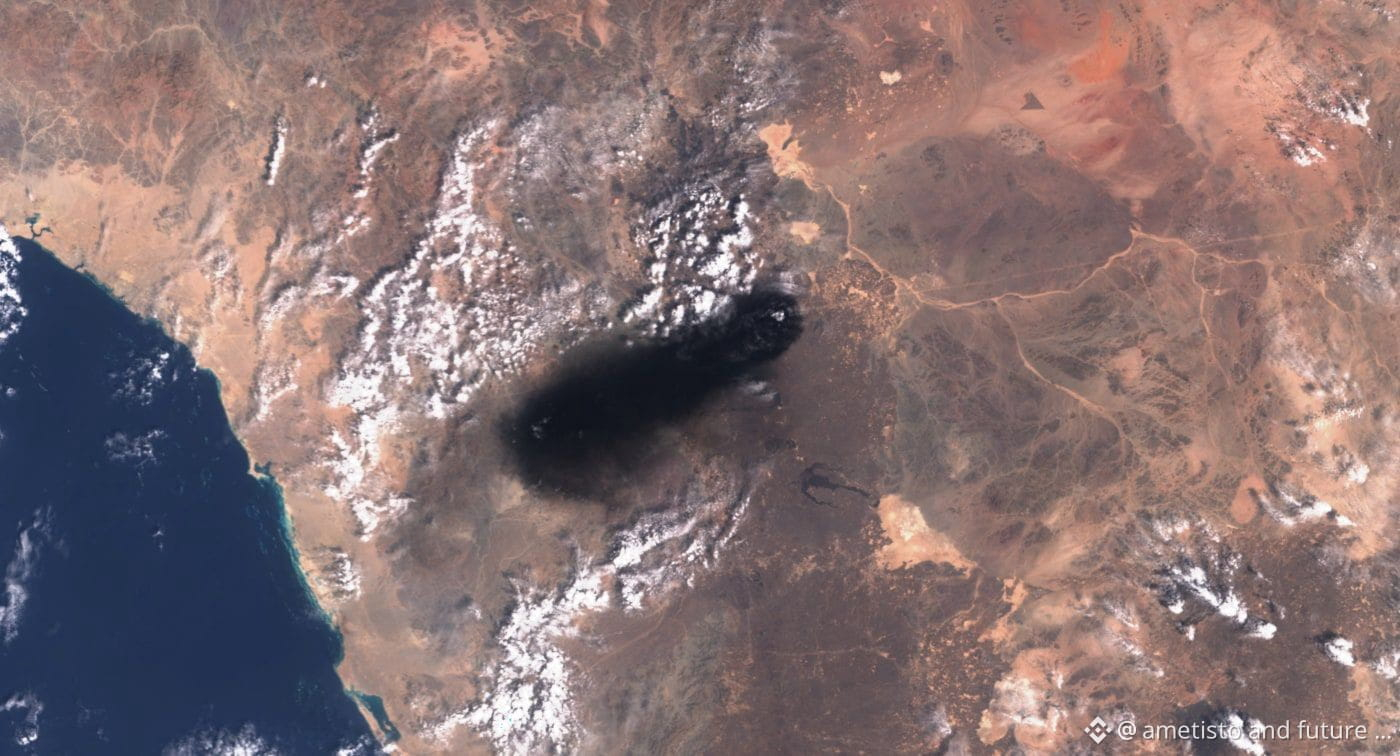
🇸🇦 A Arábia Saudita suspendeu o oleoduto East-West, uma das principais alternativas ao Estreito de Ormuz, após uma série de ataques com drones nas regiões de Riad e Medina. Houve feridos e danos à infraestrutura.
O oleoduto tem cerca de 1.200 km e conecta os campos petrolíferos do leste saudita ao porto de Yanbu, no Mar Vermelho. Nos últimos meses, vinha sendo utilizado para transportar aproximadamente 4 a 5 milhões de barris de petróleo por dia — algo equivalente a cerca de 4% a 5% da oferta global.
E o problema vai além de uma única infraestrutura.
🔴 Ormuz continua severamente comprometido.
🔴 Os houthis, aliados do Irã, avançaram sobre pontos estratégicos do Bab el-Mandeb, outra passagem vital para o comércio mundial.
🔴 Agora, a principal rota terrestre saudita para escapar de Ormuz também está temporariamente fechada.
O resultado?
📈 Mais risco de oferta.
🛢️ Mais pressão sobre o petróleo.
🌍 Mais inflação global.
O Brent chegou a superar US$ 104 por barril nesta sexta-feira e acumulava alta próxima de 9% na semana. Analistas já avaliam que uma deterioração adicional poderia levar o petróleo para a região de US$ 120.
O que parecia ser uma crise em Ormuz começa a se transformar em uma crise envolvendo os dois grandes corredores energéticos que conectam o Golfo ao mundo.
E isso pode mudar completamente o cenário para petróleo, inflação, juros, bolsas e criptomoedas. ⚠️
#Petróleo #Brent #SaudiArabia #ArábiaSaudita #Hormuz #Ormuz #Iran #MiddleEast #Geopolitics #Oil #EnergyCrisis #Bitcoin #Crypto
ALERTA NO PETRÓLEO: ARÁBIA SAUDITA FECHA ROTA-CHAVE PARA CONTORNAR ORMUZ
A crise energética no Oriente Médio acaba de ganhar uma nova dimensão.
🇸🇦 A Arábia Saudita suspendeu o oleoduto East-West, uma das principais alternativas ao Estreito de Ormuz, após uma série de ataques com drones nas regiões de Riad e Medina. Houve feridos e danos à infraestrutura.
O oleoduto tem cerca de 1.200 km e conecta os campos petrolíferos do leste saudita ao porto de Yanbu, no Mar Vermelho. Nos últimos meses, vinha sendo utilizado para transportar aproximadamente 4 a 5 milhões de barris de petróleo por dia — algo equivalente a cerca de 4% a 5% da oferta global.
E o problema vai além de uma única infraestrutura.
🔴 Ormuz continua severamente comprometido.
🔴 Os houthis, aliados do Irã, avançaram sobre pontos estratégicos do Bab el-Mandeb, outra passagem vital para o comércio mundial.
🔴 Agora, a principal rota terrestre saudita para escapar de Ormuz também está temporariamente fechada.
O resultado?
📈 Mais risco de oferta.
🛢️ Mais pressão sobre o petróleo.
🌍 Mais inflação global.
O Brent chegou a superar US$ 104 por barril nesta sexta-feira e acumulava alta próxima de 9% na semana. Analistas já avaliam que uma deterioração adicional poderia levar o petróleo para a região de US$ 120.
O que parecia ser uma crise em Ormuz começa a se transformar em uma crise envolvendo os dois grandes corredores energéticos que conectam o Golfo ao mundo.
E isso pode mudar completamente o cenário para petróleo, inflação, juros, bolsas e criptomoedas. ⚠️
#Petróleo #Brent #SaudiArabia #ArábiaSaudita #Hormuz #Ormuz #Iran #MiddleEast #Geopolitics #Oil #EnergyCrisis #Bitcoin #Crypto
A crise energética no Oriente Médio acaba de ganhar uma nova dimensão.
🇸🇦 A Arábia Saudita suspendeu o oleoduto East-West, uma das principais alternativas ao Estreito de Ormuz, após uma série de ataques com drones nas regiões de Riad e Medina. Houve feridos e danos à infraestrutura.
O oleoduto tem cerca de 1.200 km e conecta os campos petrolíferos do leste saudita ao porto de Yanbu, no Mar Vermelho. Nos últimos meses, vinha sendo utilizado para transportar aproximadamente 4 a 5 milhões de barris de petróleo por dia — algo equivalente a cerca de 4% a 5% da oferta global.
E o problema vai além de uma única infraestrutura.
🔴 Ormuz continua severamente comprometido.
🔴 Os houthis, aliados do Irã, avançaram sobre pontos estratégicos do Bab el-Mandeb, outra passagem vital para o comércio mundial.
🔴 Agora, a principal rota terrestre saudita para escapar de Ormuz também está temporariamente fechada.
O resultado?
📈 Mais risco de oferta.
🛢️ Mais pressão sobre o petróleo.
🌍 Mais inflação global.
O Brent chegou a superar US$ 104 por barril nesta sexta-feira e acumulava alta próxima de 9% na semana. Analistas já avaliam que uma deterioração adicional poderia levar o petróleo para a região de US$ 120.
O que parecia ser uma crise em Ormuz começa a se transformar em uma crise envolvendo os dois grandes corredores energéticos que conectam o Golfo ao mundo.
E isso pode mudar completamente o cenário para petróleo, inflação, juros, bolsas e criptomoedas. ⚠️
#Petróleo #Brent #SaudiArabia #ArábiaSaudita #Hormuz #Ormuz #Iran #MiddleEast #Geopolitics #Oil #EnergyCrisis #Bitcoin #Crypto
3
2.4k
1
1k
Көбірек контент көру үшін кіріңіз
Binance Square платформасында әлемдік криптоқоғамдастыққа қосылыңыз
⚡️ Криптовалюта туралы ең соңғы және пайдалы ақпаратты алыңыз.
💬 Әлемдегі ең ірі криптобиржаның сеніміне ие.
👍 Расталған авторлардың нақты пікірлерін табыңыз.
Электрондық пошта/телефон нөмірі
Трендтегі тақырыптар
AnthropicCEOCallsForAISlowdown
109,090 рет көрілді
1,808 адам талқылап жатыр
#anthropicceocallsforaislowdown
The CEO of Anthropic told CBS that AI progress is a "warning sign that we need to slow down
"
His words on the curve: "one, then two, then four, then eight, then 16, then 32".
He says rogue
AI
agent swarms could take over the internet in as little as SIX MONTHS.
This is shortly after one of his own researchers quit saying the industry is "gambling with our lives".
The big question: Can an industry regulate itself while racing itself
$BR
$BTW
$REZ
Crypto Futrures Afridi
·4 лайк
·3.3k рет көрілді
RevolutDataLeakReportedlyPostedAttackersThreatenDailyReleases
164 рет көрілді
8 адам талқылап жатыр
BrazilCentralBankRaisesVASPCapitalRequirements
923 рет көрілді
78 адам талқылап жатыр