
ParvezMayar
11.9k Жариялаулар

ParvezMayar
 «Square расталған+» белгісі
Хабарлау
Пайдаланушыны блоктау
Crypto enthusiast | Exploring, sharing, and earning | Let’s grow together!🤝 | X @Next_GemHunter

Traders League Badge Expert
Ашық сауда
Жоғары жиілікті трейдер
3 жыл
331 Жазылым
46.5K+ Жазылушылар
89.7K+ лайк басылған
1 Белгішелер
Жазбалар
Портфолио
Барлығы
Баға ұсыныстары
Видеолар
Тікелей эфир
·
--
Жоғары (өспелі)
Okay so... MARKET is bullish today and you are going to BUY and accumulate for BULL RUN 😁
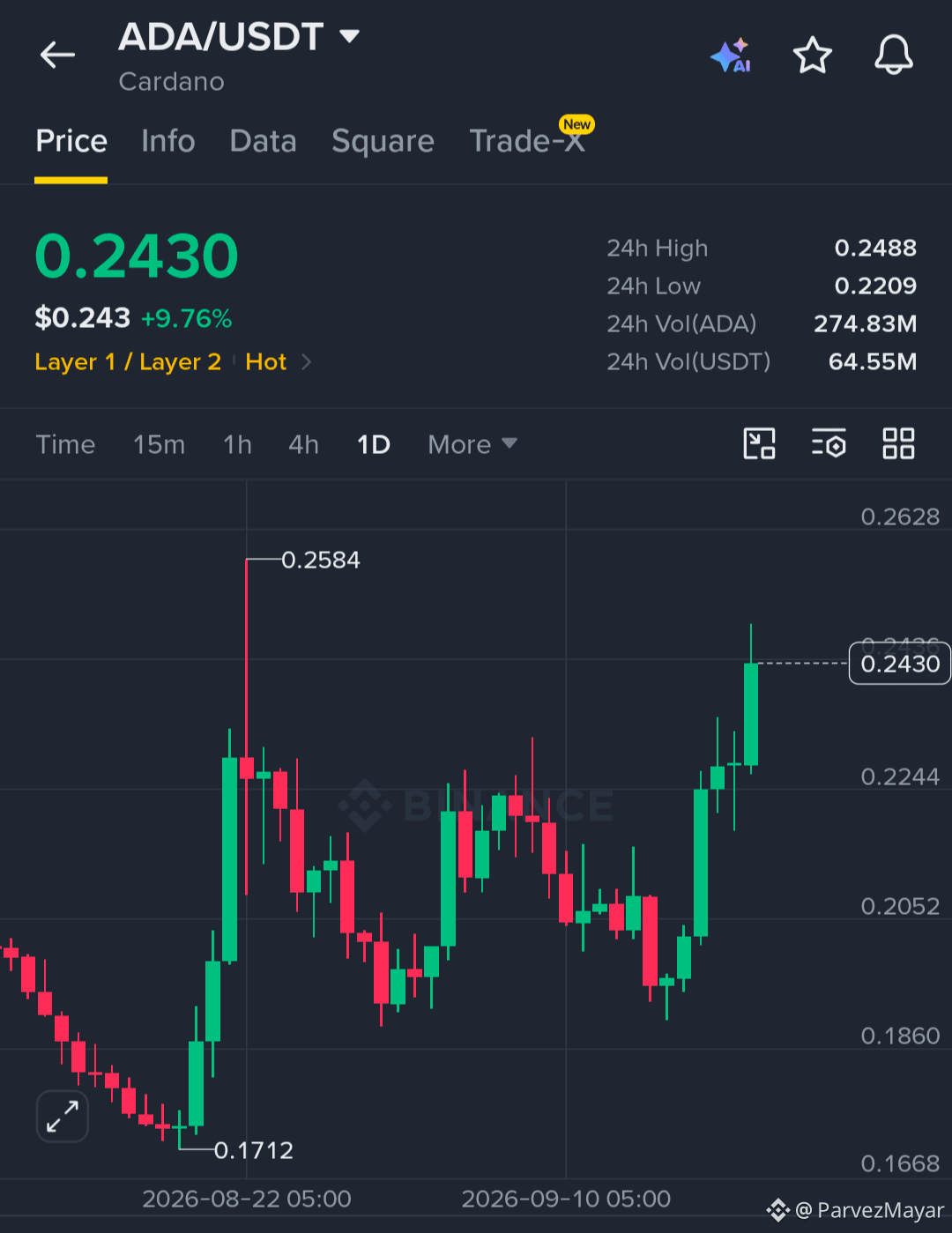
BUT which one of these THREE you are going to HOLD for NEXT potential 5x ❓
$XRP almost at $1.5 , with strong ecosystem and utility high potential for future 5x 🤑
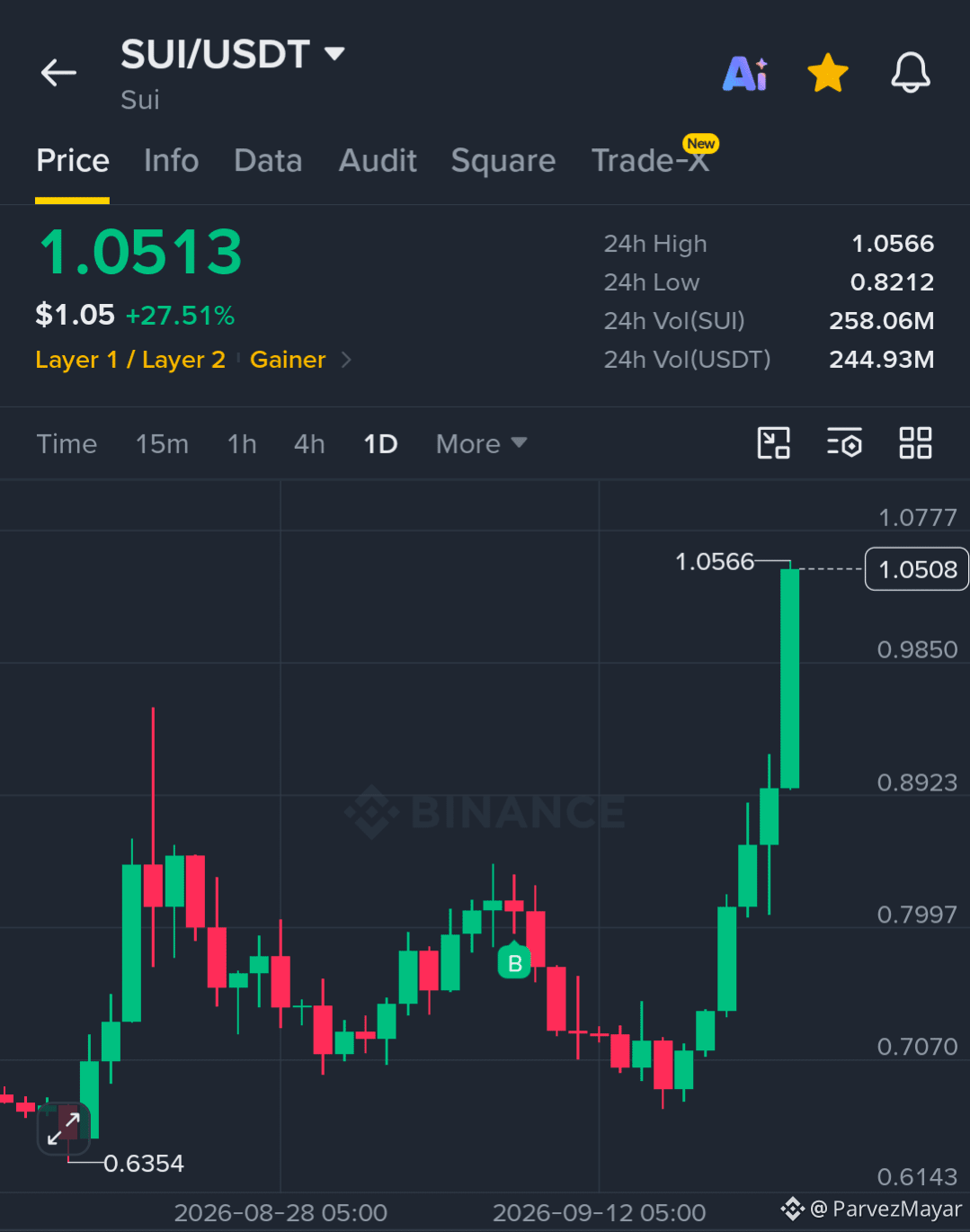
$SUI almost 28% gains and above $1... not that much strong like XRP but yeah still can't ignore it.
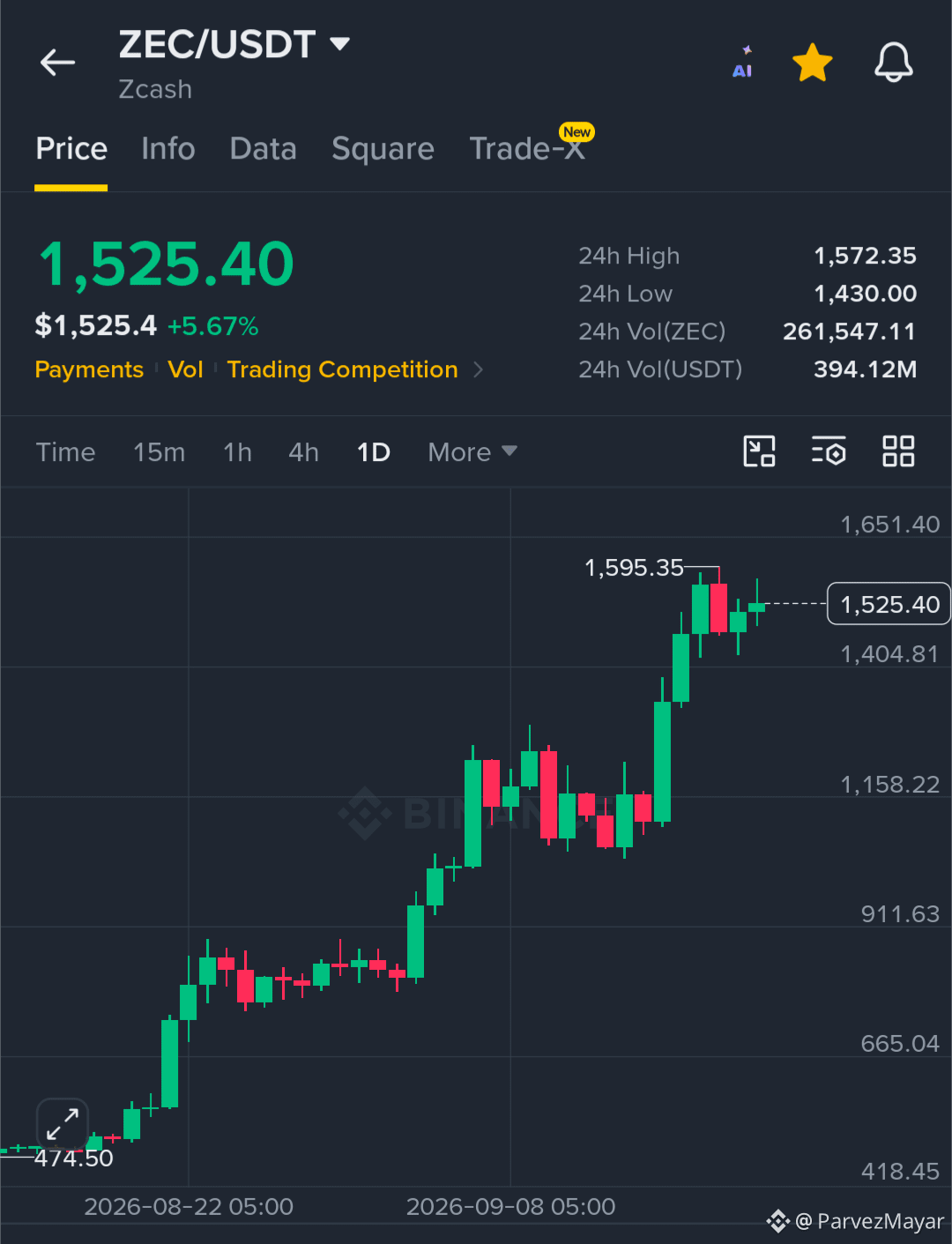
$ZEC doesn't need any introduction i guess 💛
👇🏻 PICK YOUR CHOICE FOR LONG TERM HOLDING.
Okay so... MARKET is bullish today and you are going to BUY and accumulate for BULL RUN 😁
BUT which one of these THREE you are going to HOLD for NEXT potential 5x ❓
$XRP almost at $1.5 , with strong ecosystem and utility high potential for future 5x 🤑
$SUI almost 28% gains and above $1... not that much strong like XRP but yeah still can't ignore it.
$ZEC doesn't need any introduction i guess 💛
👇🏻 PICK YOUR CHOICE FOR LONG TERM HOLDING.
BUT which one of these THREE you are going to HOLD for NEXT potential 5x ❓
$XRP almost at $1.5 , with strong ecosystem and utility high potential for future 5x 🤑
$SUI almost 28% gains and above $1... not that much strong like XRP but yeah still can't ignore it.
$ZEC doesn't need any introduction i guess 💛
👇🏻 PICK YOUR CHOICE FOR LONG TERM HOLDING.
5
8
2k
·
--
Жоғары (өспелі)
Just bought $100 of $AKE hoping for another 50% pump... instead of trading on Futures i think it's better to hold on BINANCE ALPHA 🔥
Just bought $100 of $AKE hoping for another 50% pump... instead of trading on Futures i think it's better to hold on BINANCE ALPHA 🔥
4
12
3.7k
·
--
Жоғары (өспелі)
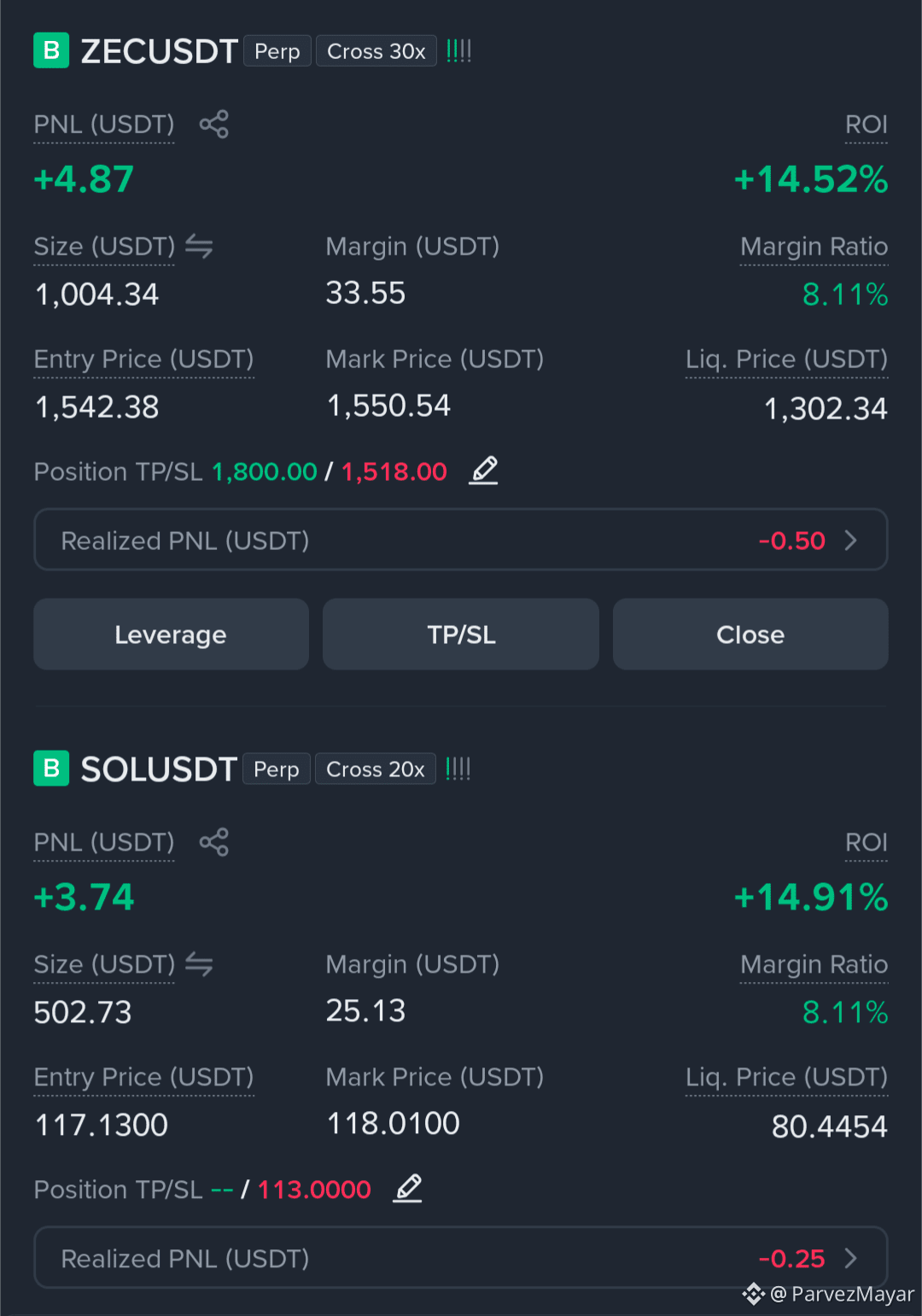
$SOL бойынша лонг позиция: 500.8 USDT
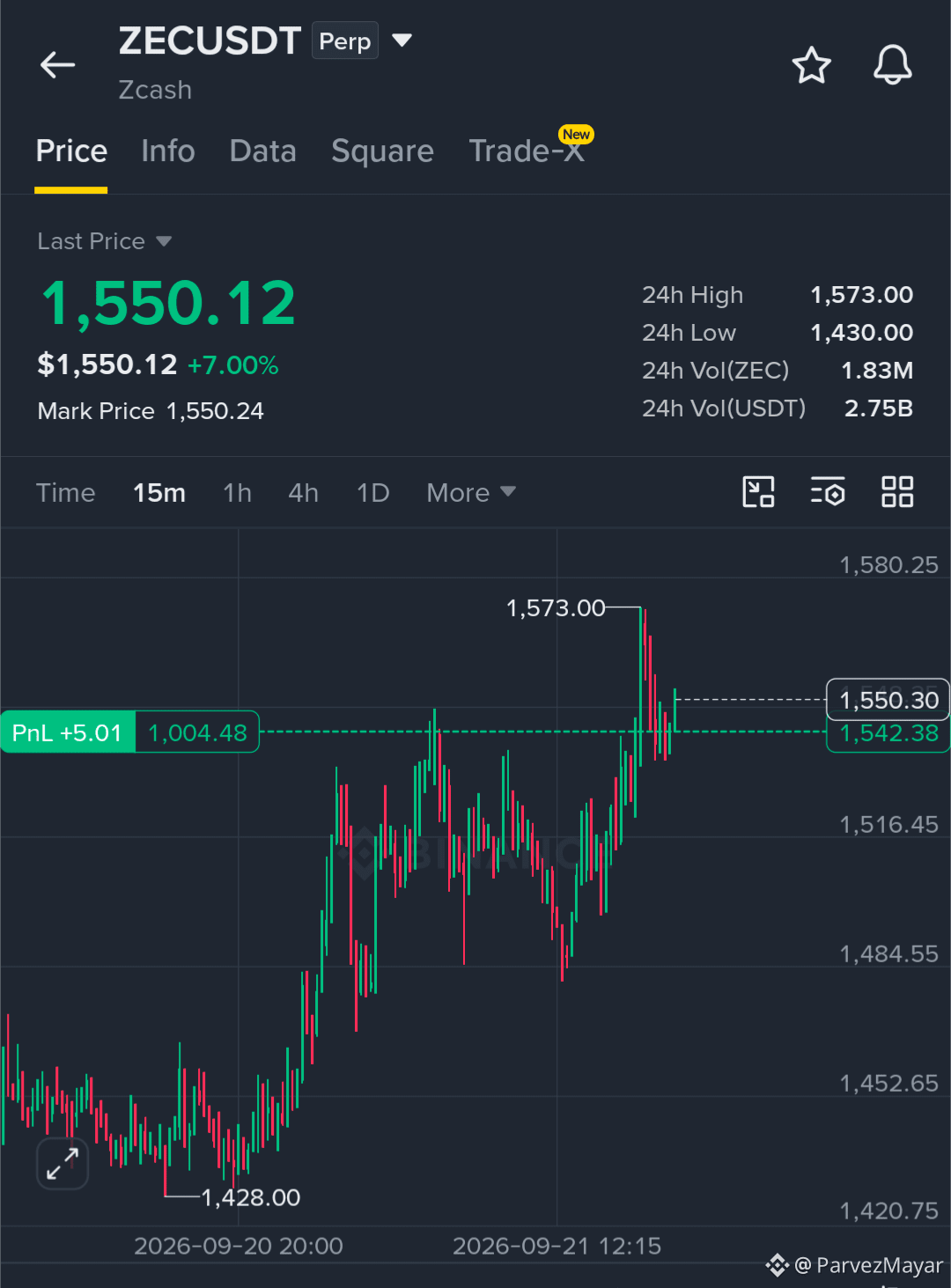
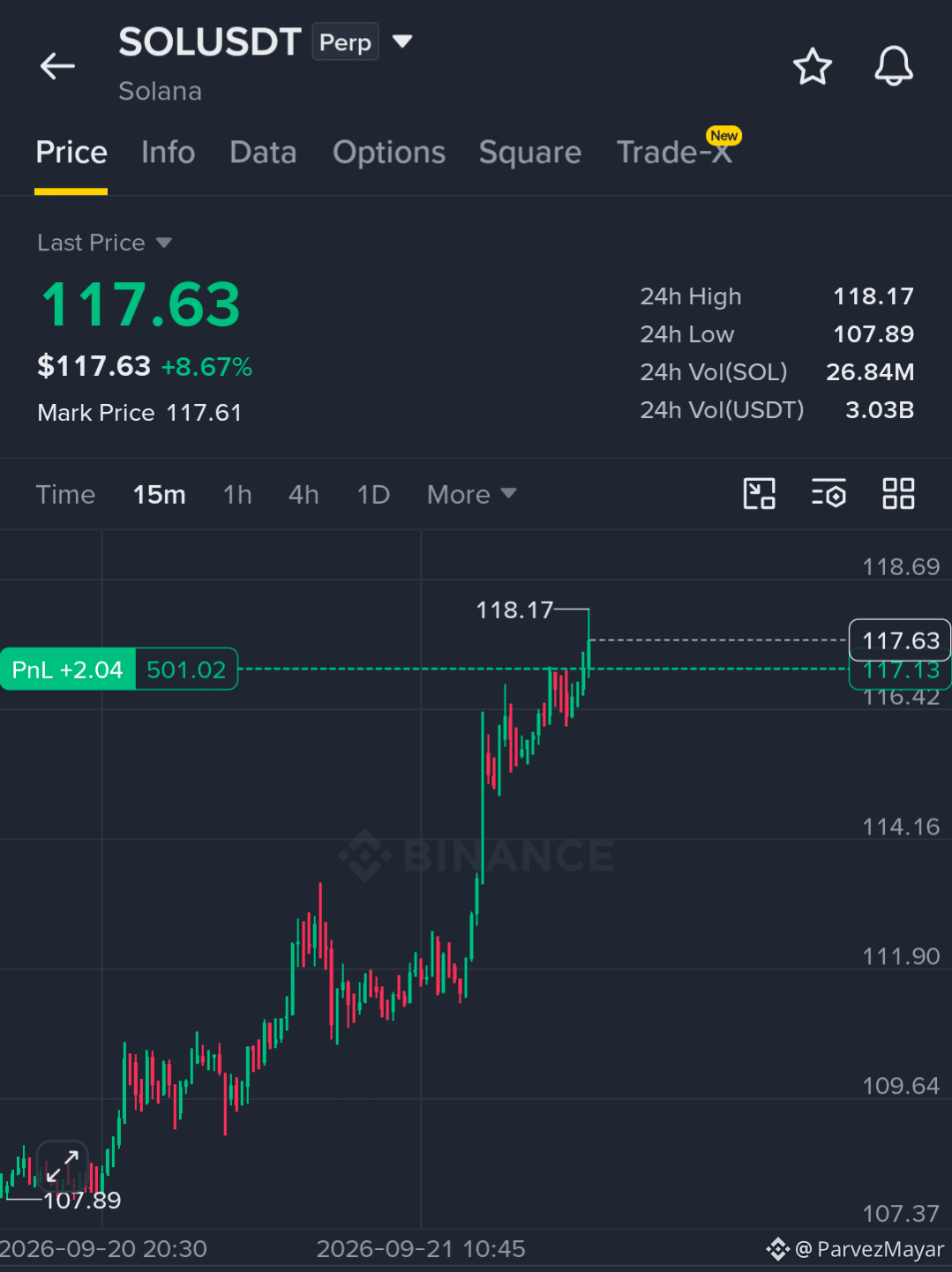
JUST OPENED SMALL MARGIN LONG positions on $ZEC and $SOL with tight SL 🤑
LET'S GOOOO.
You guys are still not bullish enough ❓
JUST OPENED SMALL MARGIN LONG positions on $ZEC and $SOL with tight SL 🤑
LET'S GOOOO.
You guys are still not bullish enough ❓
LET'S GOOOO.
You guys are still not bullish enough ❓
2
792
·
--
Жоғары (өспелі)
30 күндегі $BTC сауда көлемі: 613.9 USDT
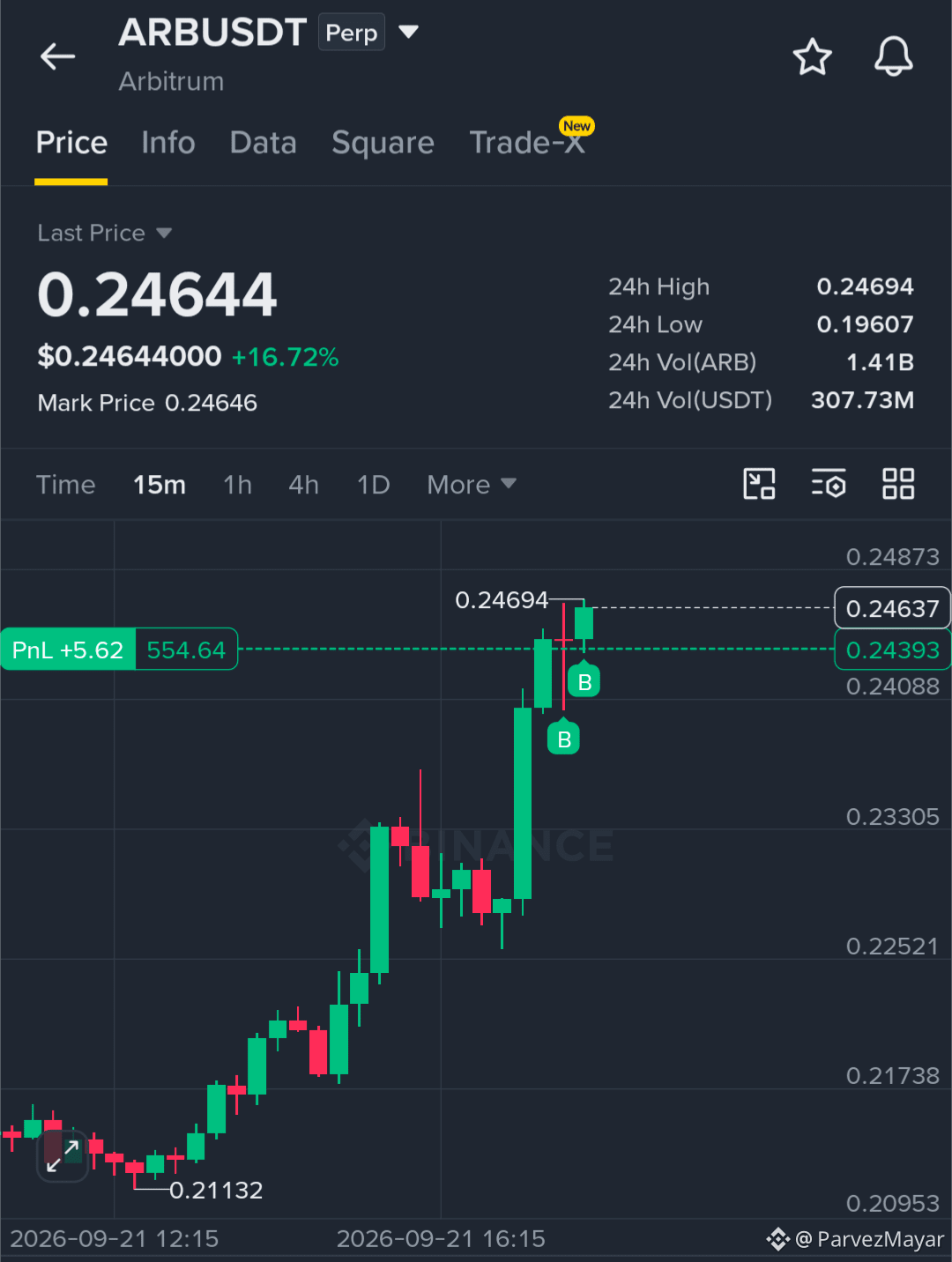
Guys... $ARB is looking bullish once again 17% in last 24h and i am feeling this time ARB is all set for $0.3+ 💪🏻🔥
Market is already bullish with $ETH and $BTC waking up hard 😉
Let's see how this thing behaves.. i am going long on ARB 💪🏻
Guys... $ARB is looking bullish once again 17% in last 24h and i am feeling this time ARB is all set for $0.3+ 💪🏻🔥
Market is already bullish with $ETH and $BTC waking up hard 😉
Let's see how this thing behaves.. i am going long on ARB 💪🏻
Market is already bullish with $ETH and $BTC waking up hard 😉
Let's see how this thing behaves.. i am going long on ARB 💪🏻
3
851
·
--
Жоғары (өспелі)
30 күндегі $BTC сауда көлемі: 613.9 USDT
So who's waiting for $ZEC to dump below $500❓ 😁
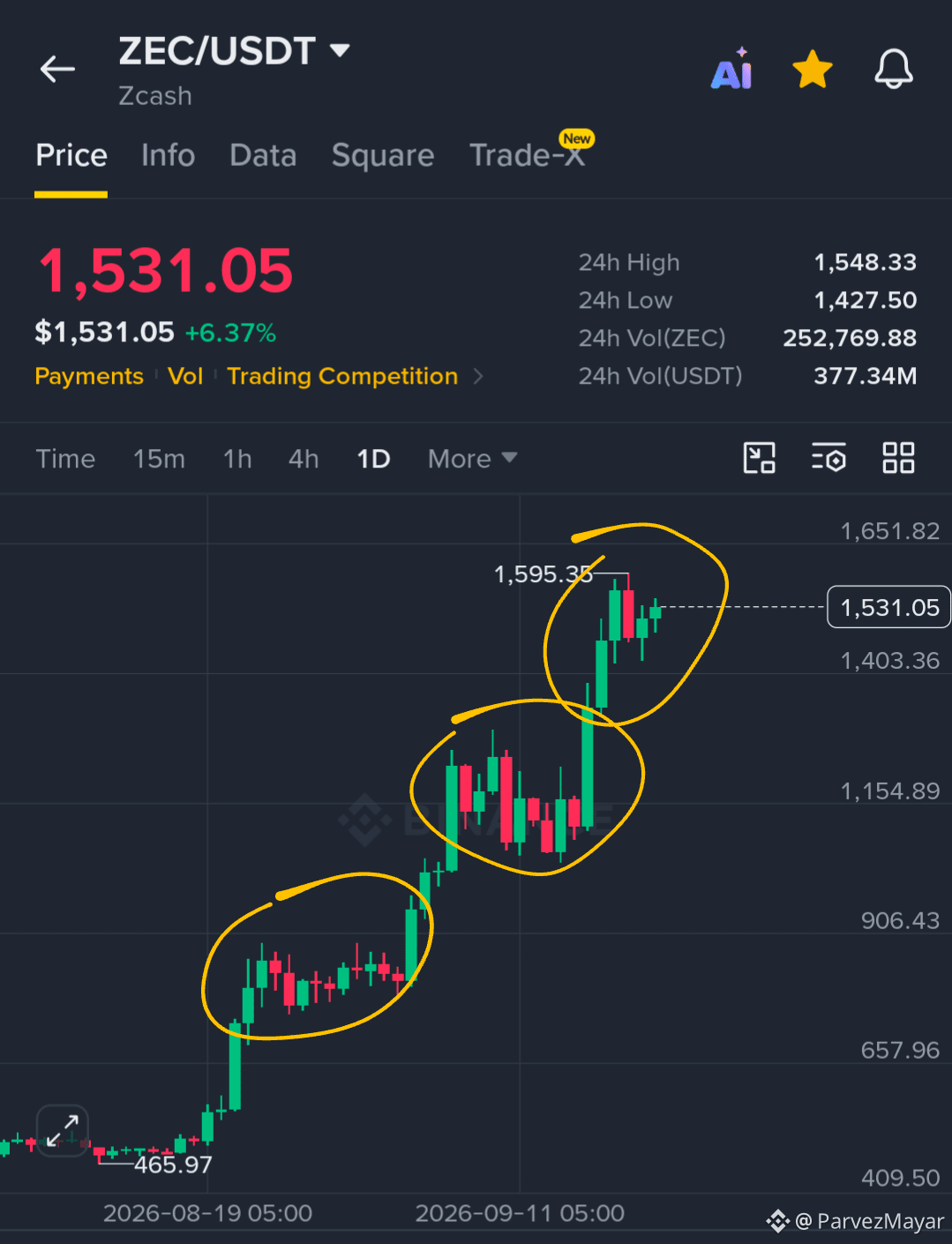
Just look at the consolidation around $1,480 to $1,580... Zcash once again building a perfect base.
By perfect base i mean just like previously we have seen $ZEC do the same thing around $450 and then push above $850+... then $750-$850 range before pushing above $1,200 and similarly $1,100-$1,200 consolidation before pushing above $1,500.
I am not saying that this consolidation will always result in massive pump... but at least that's what the recent price action tells us.
And psychology is funny... people who wanted ZEC at $500 are now waiting for $500 again while price is sitting above $1,500 😆
So this time i am looking at $1,800+ 😉🔥
😁 Apart from that we saw $BTC hitting $84,000+... that's another story about Bitcoin's long held resistance around $82K-$82.5K finally been broken.
{future}(BTCUSDT)
{future}(ZECUSDT)
#ECBStartsBlockchainEuroSettlement
#SaylorHintsStrategyBitcoinBuy
So who's waiting for $ZEC to dump below $500❓ 😁
Just look at the consolidation around $1,480 to $1,580... Zcash once again building a perfect base.
By perfect base i mean just like previously we have seen $ZEC do the same thing around $450 and then push above $850+... then $750-$850 range before pushing above $1,200 and similarly $1,100-$1,200 consolidation before pushing above $1,500.
I am not saying that this consolidation will always result in massive pump... but at least that's what the recent price action tells us.
And psychology is funny... people who wanted ZEC at $500 are now waiting for $500 again while price is sitting above $1,500 😆
So this time i am looking at $1,800+ 😉🔥
😁 Apart from that we saw $BTC hitting $84,000+... that's another story about Bitcoin's long held resistance around $82K-$82.5K finally been broken.
#ECBStartsBlockchainEuroSettlement
#SaylorHintsStrategyBitcoinBuy
Just look at the consolidation around $1,480 to $1,580... Zcash once again building a perfect base.
By perfect base i mean just like previously we have seen $ZEC do the same thing around $450 and then push above $850+... then $750-$850 range before pushing above $1,200 and similarly $1,100-$1,200 consolidation before pushing above $1,500.
I am not saying that this consolidation will always result in massive pump... but at least that's what the recent price action tells us.
And psychology is funny... people who wanted ZEC at $500 are now waiting for $500 again while price is sitting above $1,500 😆
So this time i am looking at $1,800+ 😉🔥
😁 Apart from that we saw $BTC hitting $84,000+... that's another story about Bitcoin's long held resistance around $82K-$82.5K finally been broken.
#ECBStartsBlockchainEuroSettlement
#SaylorHintsStrategyBitcoinBuy
6
2.8k
·
--
Жоғары (өспелі)
🚨 BREAKING : Bitcoin broke past $82.5k.
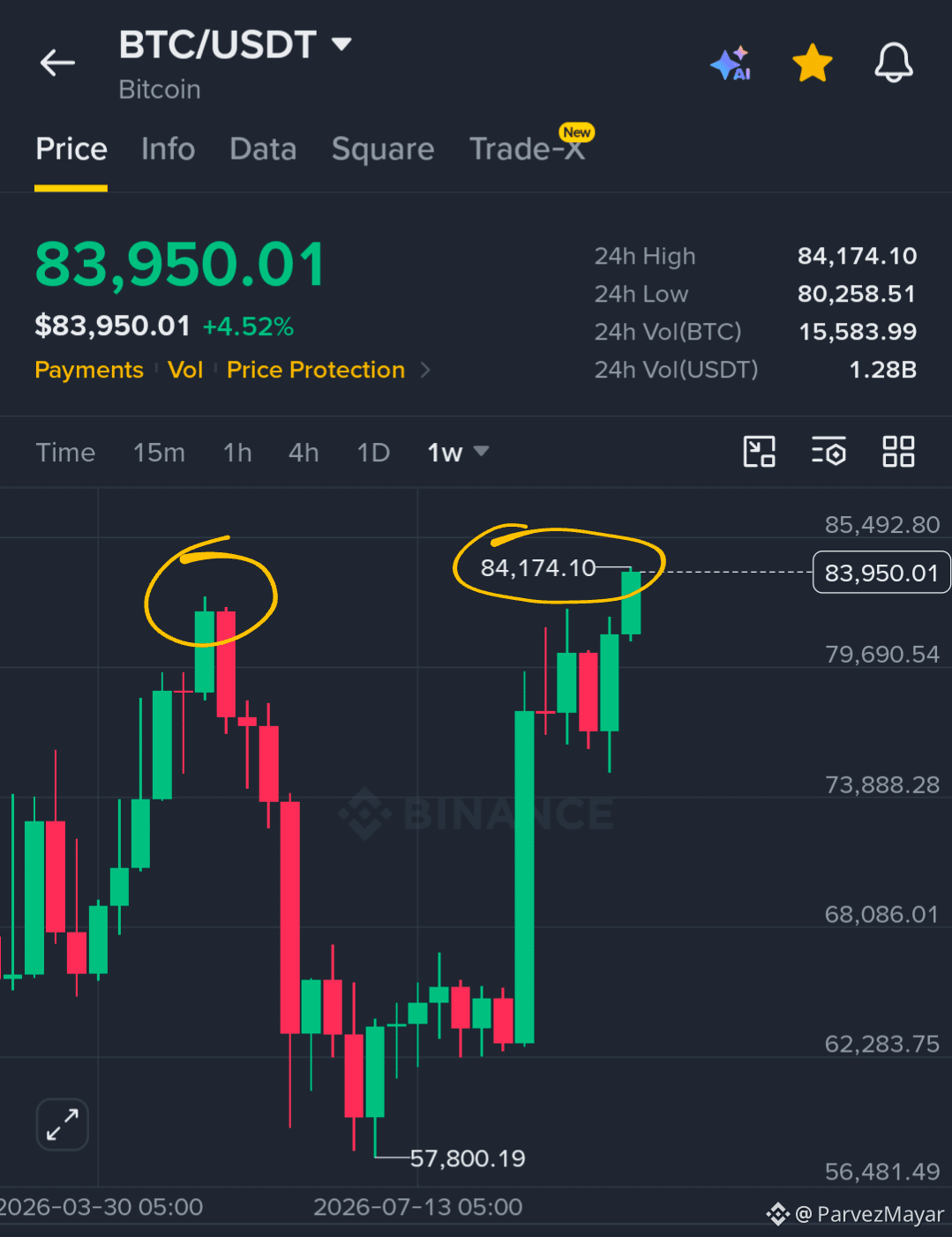
Okay so... The curse, the long held resistance at $82.5k has been broken by $BTC 🔥
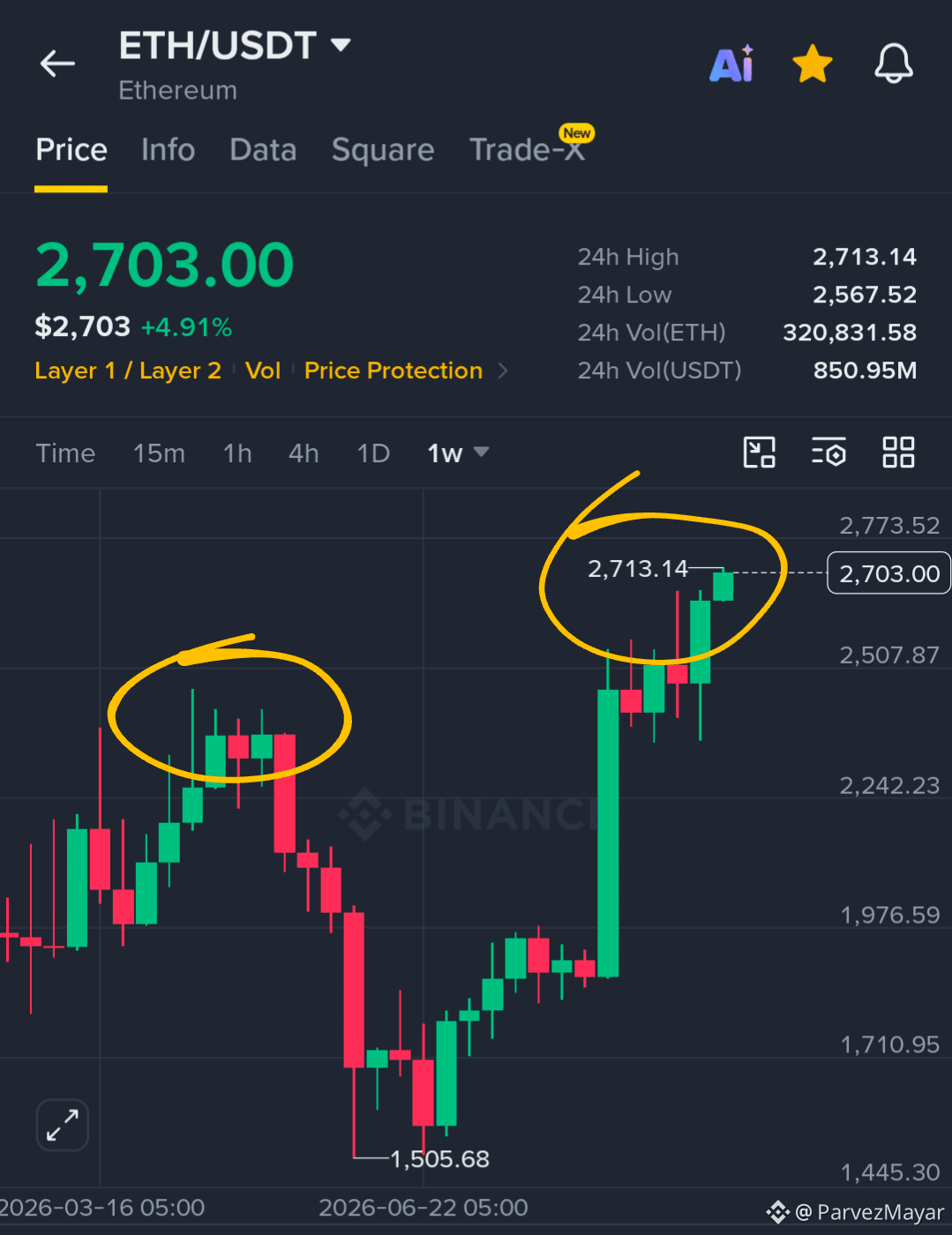
Finally we are seeing some fresh bullish signs as BTC touched $84k again... With $ETH rushing to $2,700 range once again 😉
Are we entering the bull season of 2026❓
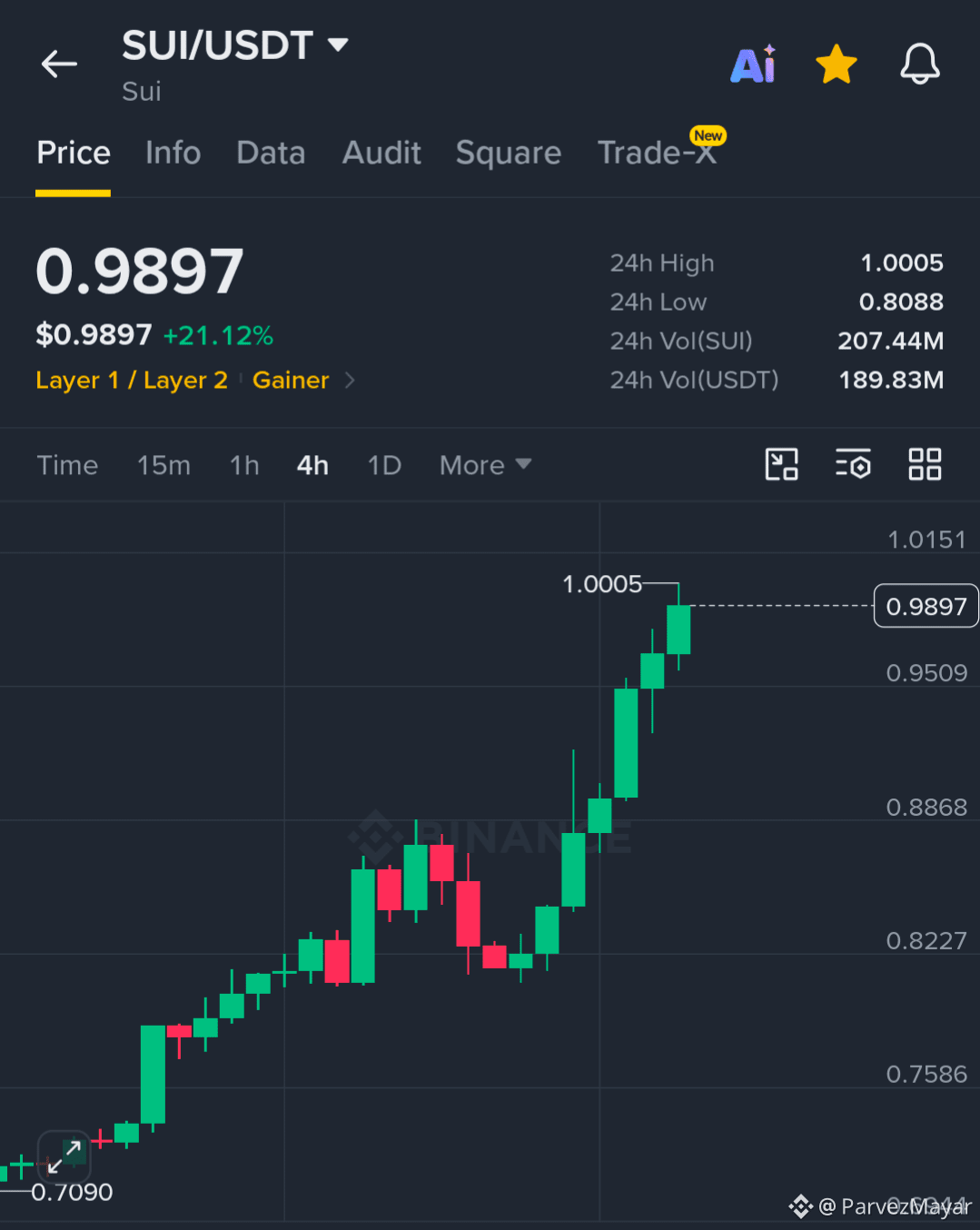
$SUI is also touching $1 with +22% in 24h... something positive after a whole year of downtrend.
BTC breaking that resistance + ETH pushing $2.7k + ALTS finally waking up together... this is exactly what i wanted to see 💪🏻
Now the real test is whether BTC can HOLD above $82.5k... because if it does, $85k+ is getting very close 👀
Are you still watching...😉 FILL YOUR BAGS 🤑
{future}(BTCUSDT)
{future}(ETHUSDT)
{future}(SUIUSDT)
#SouthAfricaProposesCryptoExchangeControls
#SaylorHintsStrategyBitcoinBuy
#BOJRaisesRatesTo31YearHigh
#HKCompletesFirstHKDStablecoinUseCase
📍 Always DYOR!
🚨 BREAKING : Bitcoin broke past $82.5k.
Okay so... The curse, the long held resistance at $82.5k has been broken by $BTC 🔥
Finally we are seeing some fresh bullish signs as BTC touched $84k again... With $ETH rushing to $2,700 range once again 😉
Are we entering the bull season of 2026❓
$SUI is also touching $1 with +22% in 24h... something positive after a whole year of downtrend.
BTC breaking that resistance + ETH pushing $2.7k + ALTS finally waking up together... this is exactly what i wanted to see 💪🏻
Now the real test is whether BTC can HOLD above $82.5k... because if it does, $85k+ is getting very close 👀
Are you still watching...😉 FILL YOUR BAGS 🤑
#SouthAfricaProposesCryptoExchangeControls
#SaylorHintsStrategyBitcoinBuy
#BOJRaisesRatesTo31YearHigh
#HKCompletesFirstHKDStablecoinUseCase
📍 Always DYOR!
Okay so... The curse, the long held resistance at $82.5k has been broken by $BTC 🔥
Finally we are seeing some fresh bullish signs as BTC touched $84k again... With $ETH rushing to $2,700 range once again 😉
Are we entering the bull season of 2026❓
$SUI is also touching $1 with +22% in 24h... something positive after a whole year of downtrend.
BTC breaking that resistance + ETH pushing $2.7k + ALTS finally waking up together... this is exactly what i wanted to see 💪🏻
Now the real test is whether BTC can HOLD above $82.5k... because if it does, $85k+ is getting very close 👀
Are you still watching...😉 FILL YOUR BAGS 🤑
#SouthAfricaProposesCryptoExchangeControls
#SaylorHintsStrategyBitcoinBuy
#BOJRaisesRatesTo31YearHigh
#HKCompletesFirstHKDStablecoinUseCase
📍 Always DYOR!
3
2.9k
·
--
$BNB активін ұстау: 355.6 USDT
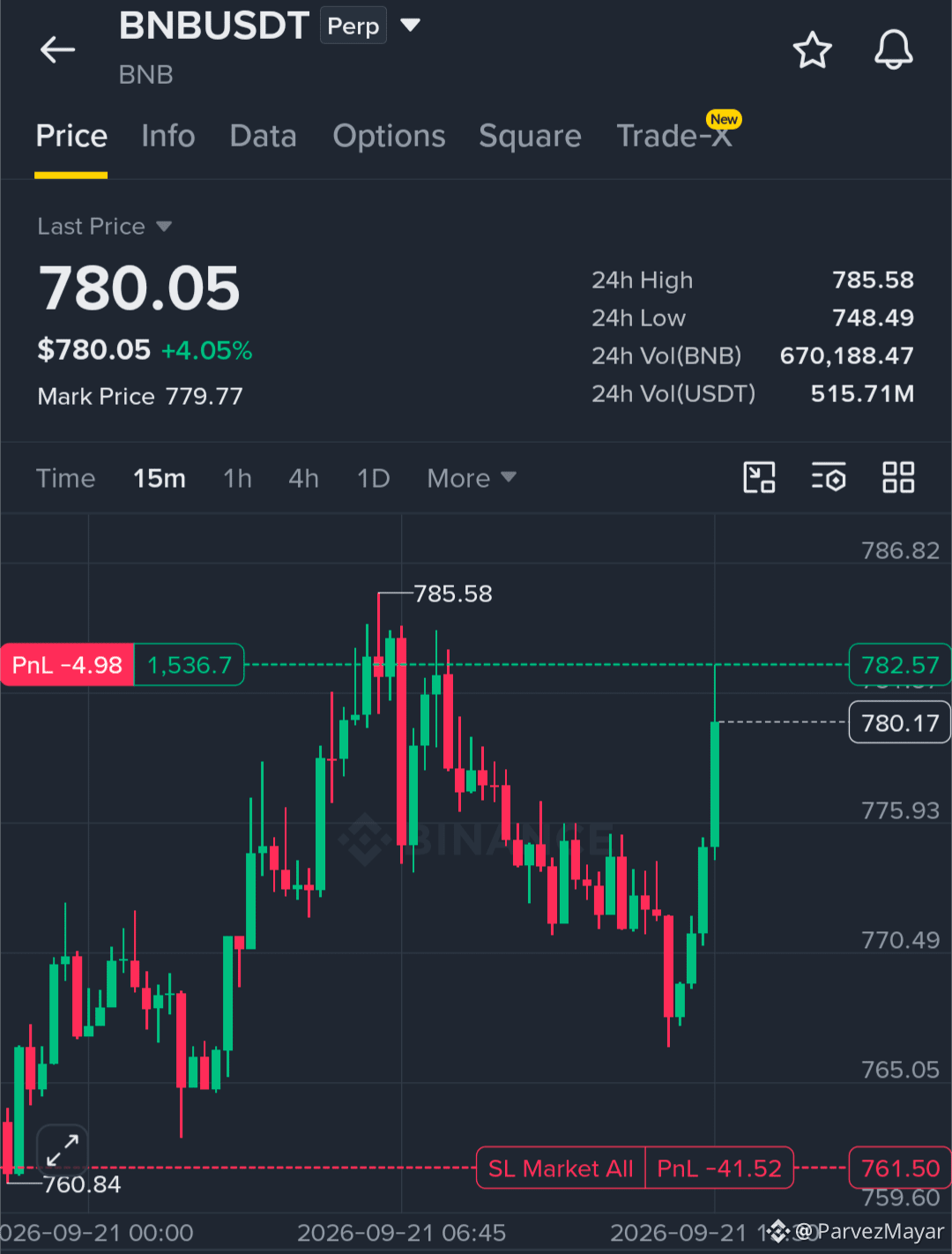
😂 $BNB just touched my entry and backed off.
Brother, push towards $900 fast 🤑.
Are you guys bullish on $BNB ❓
😂 $BNB just touched my entry and backed off.
Brother, push towards $900 fast 🤑.
Are you guys bullish on $BNB ❓
Brother, push towards $900 fast 🤑.
Are you guys bullish on $BNB ❓
1
4
1.1k
·
--
Расталды
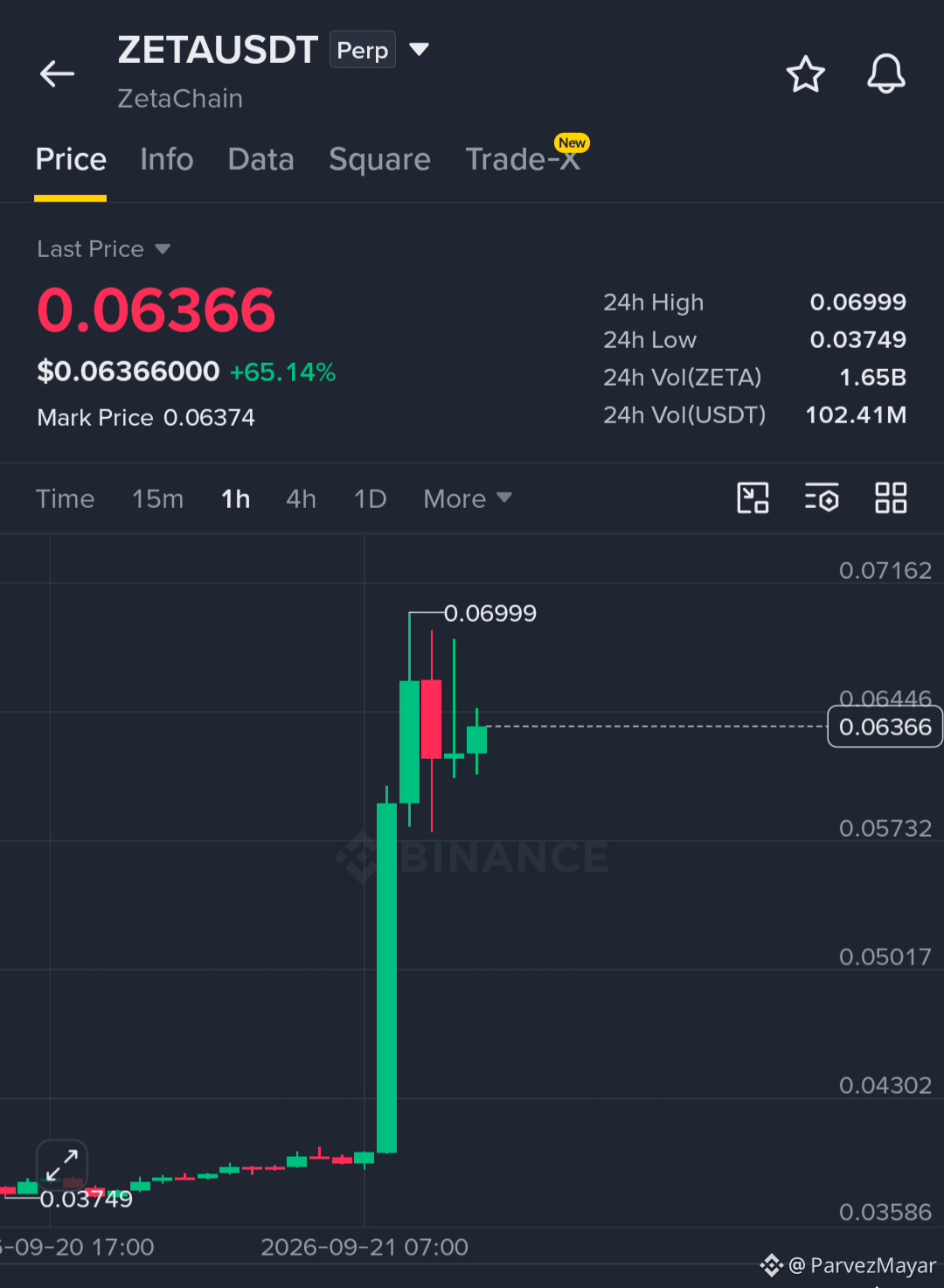
$ZETA just woke up with +65% and touched almost $0.07 😁
And this one actually has a catalyst behind the madness...
ZetaChain holders just approved Proposal 68 with 99.4% support, moving toward retiring its own L1 and migrating ZETA to Solana. The migration still needs another proposal to finalize the details.
Now ZETA is around $0.063 with $102M+ 24H futures volume on Binance 👀
So yeah... not just a random green candle this time.
But +65% is still +65% 😆 don't become exit liquidity chasing the top.
Because we have seen already with $AKE and $CELR , what happens with such massive pumpe? people short thinking it's the top and get trapped, and after another push they long thinking it will go up ..
What happens? Both sorts and LoNGS get liquadated in the process 😂
{future}(ZETAUSDT)
{future}(CELRUSDT)
{future}(AKEUSDT)
📍 Dyor!
#SaylorHintsStrategyBitcoinBuy
$ZETA just woke up with +65% and touched almost $0.07 😁
And this one actually has a catalyst behind the madness...
ZetaChain holders just approved Proposal 68 with 99.4% support, moving toward retiring its own L1 and migrating ZETA to Solana. The migration still needs another proposal to finalize the details.
Now ZETA is around $0.063 with $102M+ 24H futures volume on Binance 👀
So yeah... not just a random green candle this time.
But +65% is still +65% 😆 don't become exit liquidity chasing the top.
Because we have seen already with $AKE and $CELR , what happens with such massive pumpe? people short thinking it's the top and get trapped, and after another push they long thinking it will go up ..
What happens? Both sorts and LoNGS get liquadated in the process 😂
📍 Dyor!
#SaylorHintsStrategyBitcoinBuy
And this one actually has a catalyst behind the madness...
ZetaChain holders just approved Proposal 68 with 99.4% support, moving toward retiring its own L1 and migrating ZETA to Solana. The migration still needs another proposal to finalize the details.
Now ZETA is around $0.063 with $102M+ 24H futures volume on Binance 👀
So yeah... not just a random green candle this time.
But +65% is still +65% 😆 don't become exit liquidity chasing the top.
Because we have seen already with $AKE and $CELR , what happens with such massive pumpe? people short thinking it's the top and get trapped, and after another push they long thinking it will go up ..
What happens? Both sorts and LoNGS get liquadated in the process 😂
📍 Dyor!
#SaylorHintsStrategyBitcoinBuy
4
3.3k
·
--
Жоғары (өспелі)
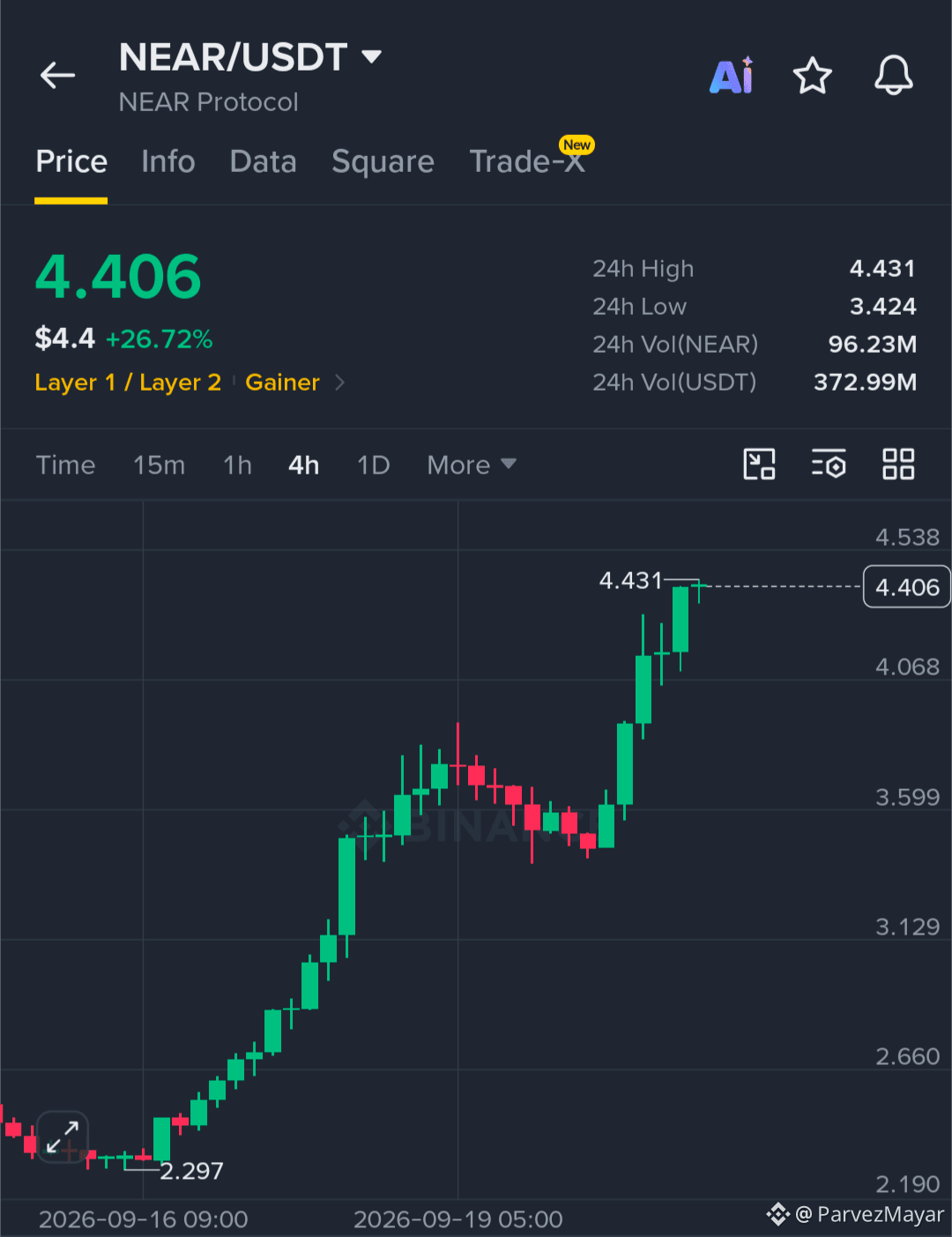
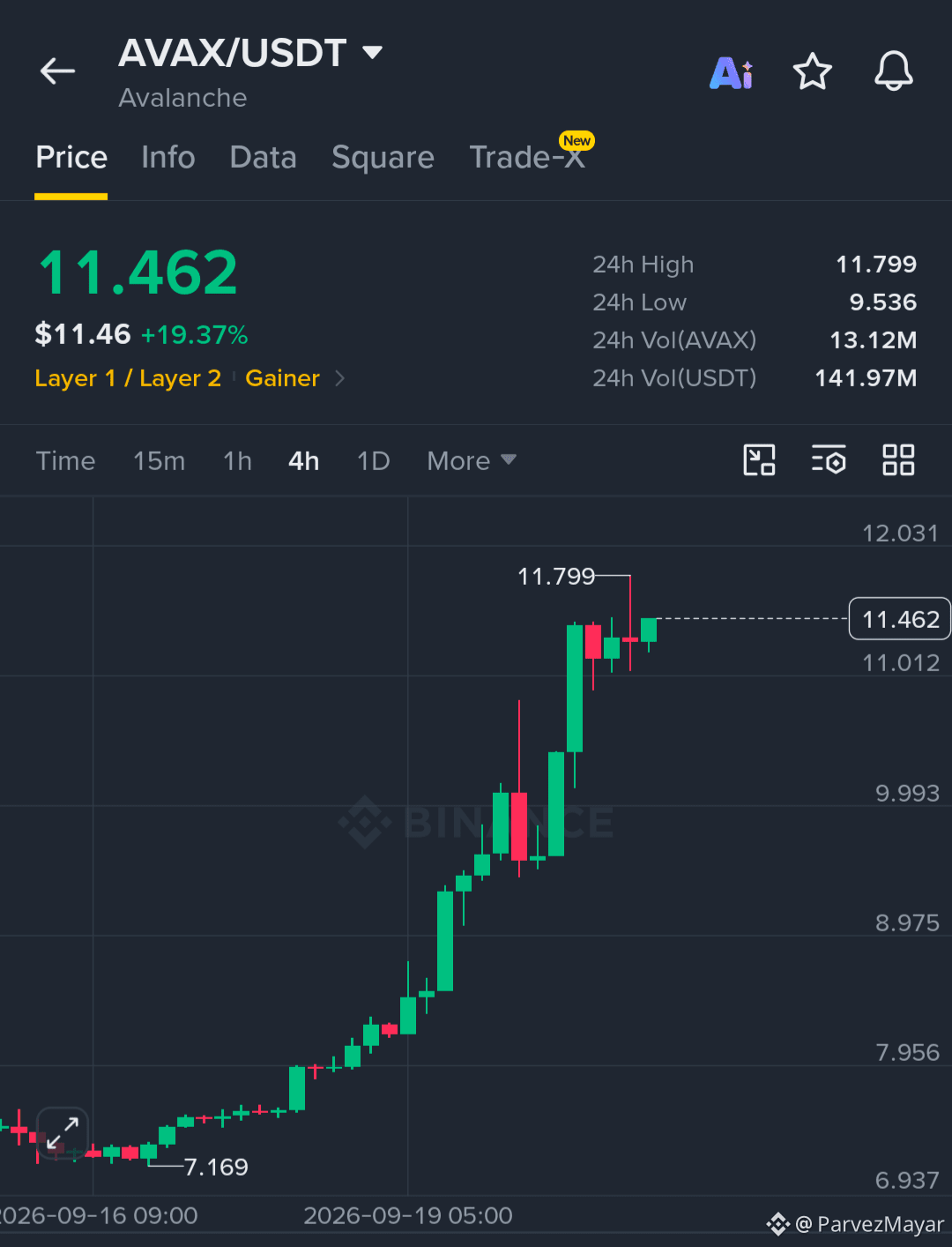
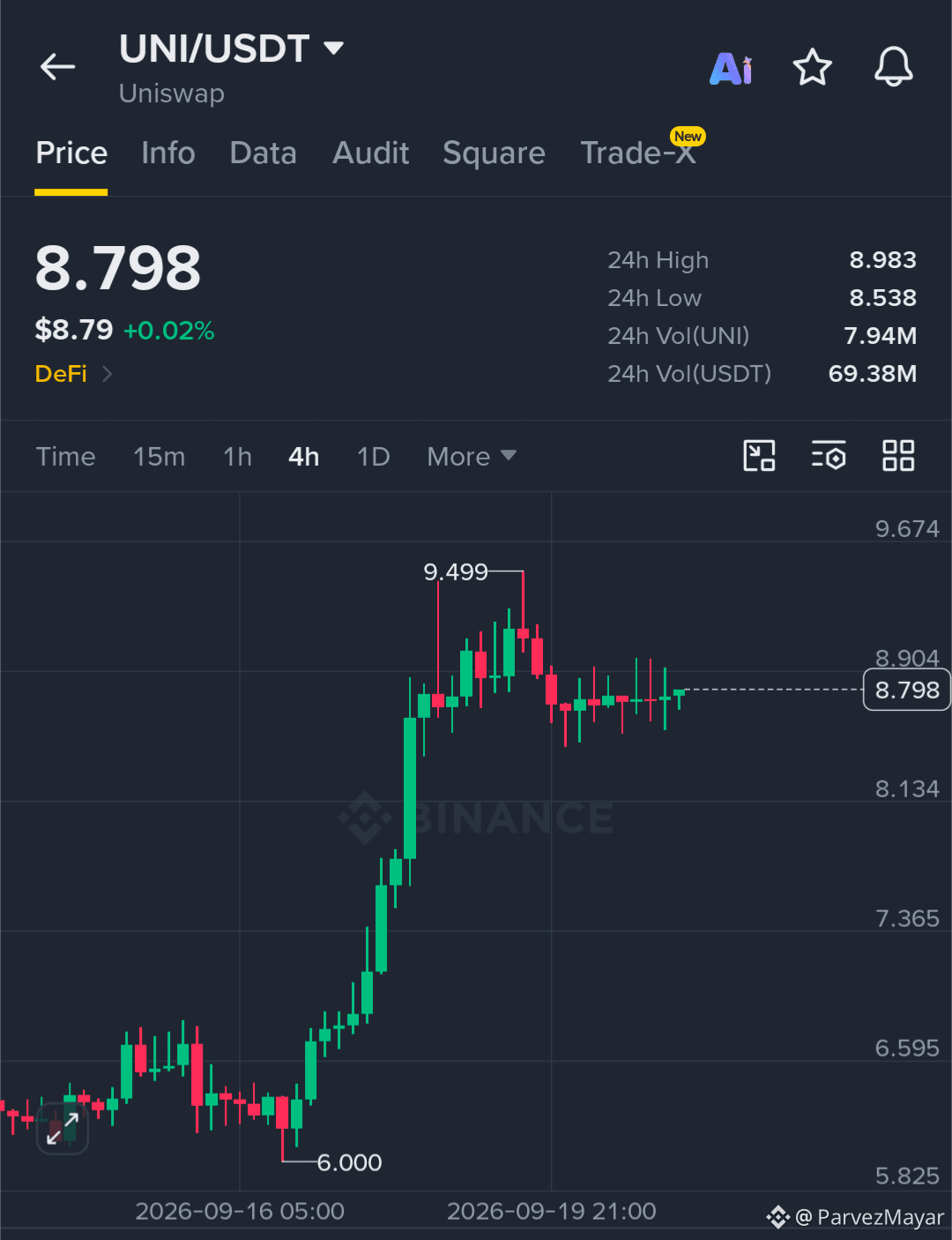
Now that $NEAR is above $4 with +27% gains and $AVAX above $11.5 with almost +20% in last 24h...
How many times did i tell you guys about these two and $UNI too❓ Be honest 😁
I shared my top 3 picks for long term holding a few days ago right? When NEAR was just touching $3, AVAX was below $10 and UNI was around $7...
And you probably been wondering why these three.
NEAR has been getting more attention with its privacy + Zcash connection, AVAX has recent developments bringing momentum back and Uniswap is still one of the biggest names behind the DeFi narrative.
Now NEAR already touched $4.43, AVAX $11.79 and UNI went as high as $9.49 💪🏻
I am not saying they will go straight up from here... corrections will come.
But atleast consider these for longer term potential instead of only noticing coins AFTER they already pumped 100-200% 😆
{future}(NEARUSDT)
{future}(UNIUSDT)
{future}(AVAXUSDT)
#CanaryFilesSecondAmendmentForStakedSEIETF
#VietnamPlansFirstCryptoLicensesIn2026
#BTCBreaks80K
📍 DYOR!
Now that $NEAR is above $4 with +27% gains and $AVAX above $11.5 with almost +20% in last 24h...
How many times did i tell you guys about these two and $UNI too❓ Be honest 😁
I shared my top 3 picks for long term holding a few days ago right? When NEAR was just touching $3, AVAX was below $10 and UNI was around $7...
And you probably been wondering why these three.
NEAR has been getting more attention with its privacy + Zcash connection, AVAX has recent developments bringing momentum back and Uniswap is still one of the biggest names behind the DeFi narrative.
Now NEAR already touched $4.43, AVAX $11.79 and UNI went as high as $9.49 💪🏻
I am not saying they will go straight up from here... corrections will come.
But atleast consider these for longer term potential instead of only noticing coins AFTER they already pumped 100-200% 😆
#CanaryFilesSecondAmendmentForStakedSEIETF
#VietnamPlansFirstCryptoLicensesIn2026
#BTCBreaks80K
📍 DYOR!
How many times did i tell you guys about these two and $UNI too❓ Be honest 😁
I shared my top 3 picks for long term holding a few days ago right? When NEAR was just touching $3, AVAX was below $10 and UNI was around $7...
And you probably been wondering why these three.
NEAR has been getting more attention with its privacy + Zcash connection, AVAX has recent developments bringing momentum back and Uniswap is still one of the biggest names behind the DeFi narrative.
Now NEAR already touched $4.43, AVAX $11.79 and UNI went as high as $9.49 💪🏻
I am not saying they will go straight up from here... corrections will come.
But atleast consider these for longer term potential instead of only noticing coins AFTER they already pumped 100-200% 😆
#CanaryFilesSecondAmendmentForStakedSEIETF
#VietnamPlansFirstCryptoLicensesIn2026
#BTCBreaks80K
📍 DYOR!
3
11
4.6k
·
--
Жоғары (өспелі)
$BNB активін ұстау: 354.2 USDT
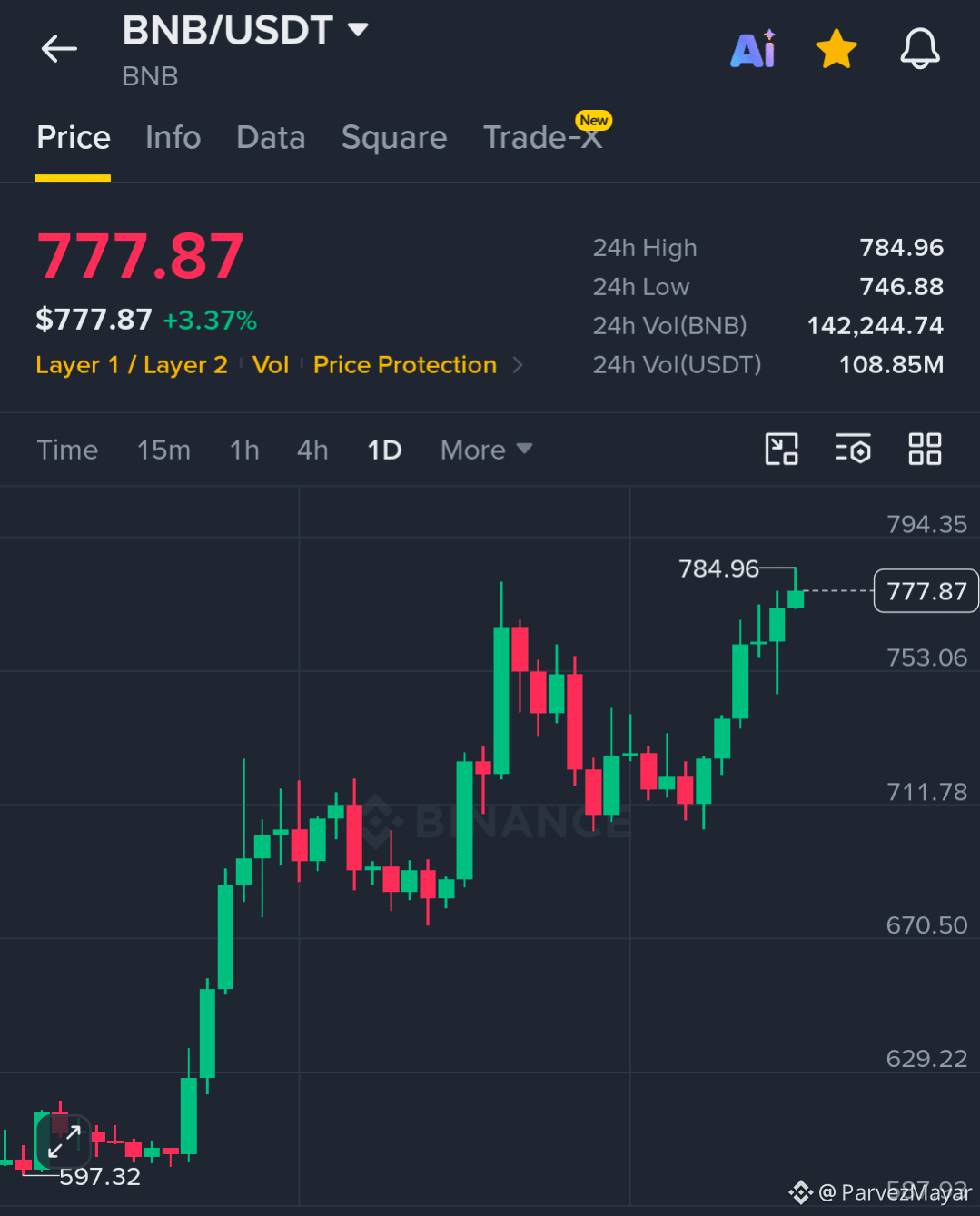
$BNB has been impressive so far... after falling below $600, since the market started showing some positive signs BNB was one of the coins making most out of it 💪🏻
Now holding above key levels around $750+ and already pushed as high as $784.96... looking good for that $800 break hopefully.
Are you bullish enough on $BNB ❓
I think many of you are still ignoring BNB... which is exactly why i think soon many of you will start chasing it above $900 😉😁
Better to notice strength early than suddenly become bullish after another +20% candle.
#BOJRaisesRatesTo31YearHigh
#SaylorHintsStrategyBitcoinBuy
#CanaryFilesSecondAmendmentForStakedSEIETF
#BTCBreaks80K
$BNB has been impressive so far... after falling below $600, since the market started showing some positive signs BNB was one of the coins making most out of it 💪🏻
Now holding above key levels around $750+ and already pushed as high as $784.96... looking good for that $800 break hopefully.
Are you bullish enough on $BNB ❓
I think many of you are still ignoring BNB... which is exactly why i think soon many of you will start chasing it above $900 😉😁
Better to notice strength early than suddenly become bullish after another +20% candle.
#BOJRaisesRatesTo31YearHigh
#SaylorHintsStrategyBitcoinBuy
#CanaryFilesSecondAmendmentForStakedSEIETF
#BTCBreaks80K
Now holding above key levels around $750+ and already pushed as high as $784.96... looking good for that $800 break hopefully.
Are you bullish enough on $BNB ❓
I think many of you are still ignoring BNB... which is exactly why i think soon many of you will start chasing it above $900 😉😁
Better to notice strength early than suddenly become bullish after another +20% candle.
#BOJRaisesRatesTo31YearHigh
#SaylorHintsStrategyBitcoinBuy
#CanaryFilesSecondAmendmentForStakedSEIETF
#BTCBreaks80K
5
363
·
--
Жоғары (өспелі)
$ZEC бойынша лонг позиция: 1.5K USDT
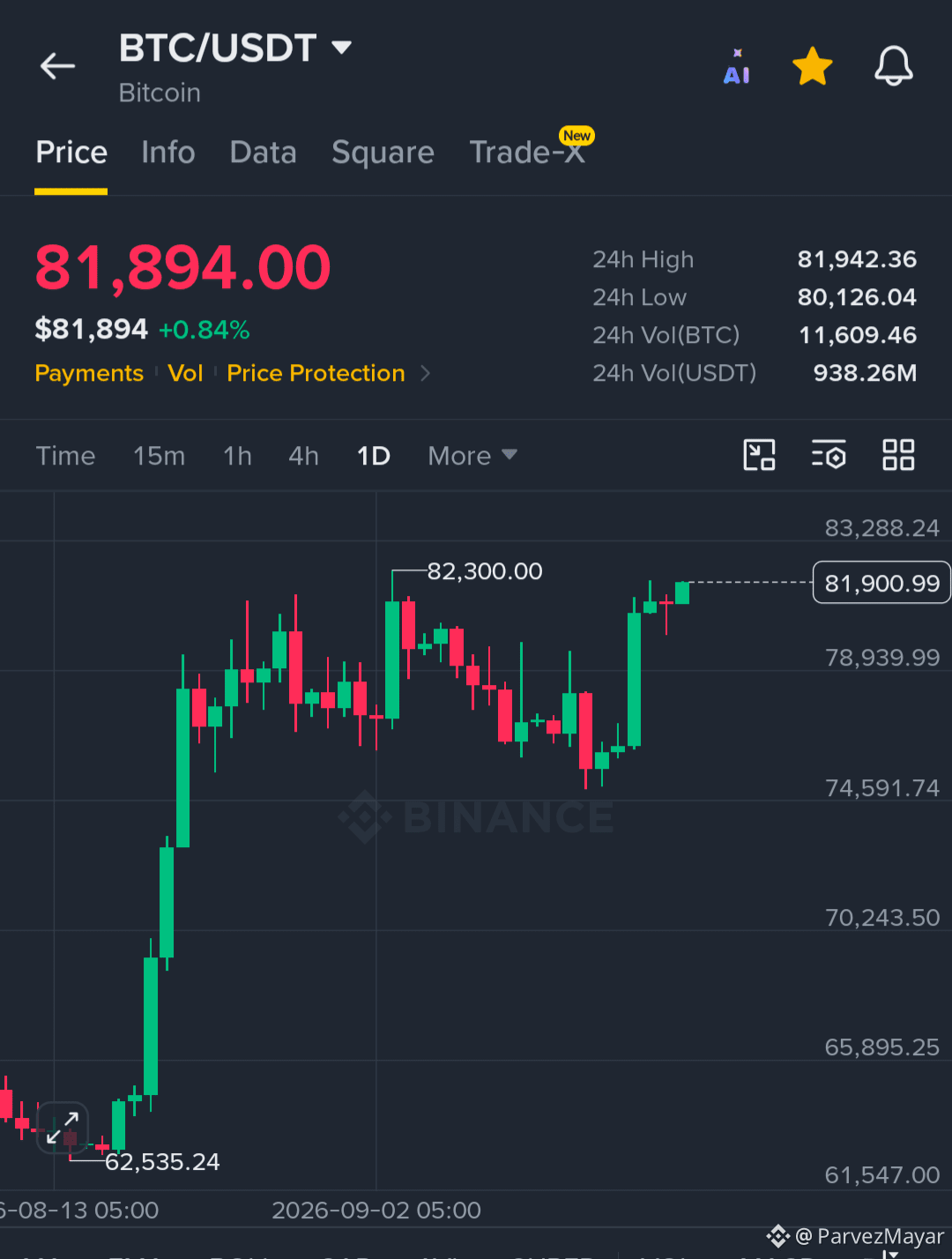
Today $BTC is looking much stronger and holding above $81.5K without giving much of the previous gains back 💪🏻
Are we finally going to see that $82.3K-$82.5K resistance broken❓
Yess... WE ARE ABOUT TO SEE some serious action in upcoming month 😉
When Bitcoin HOLDS... ALTS also start showing strength.
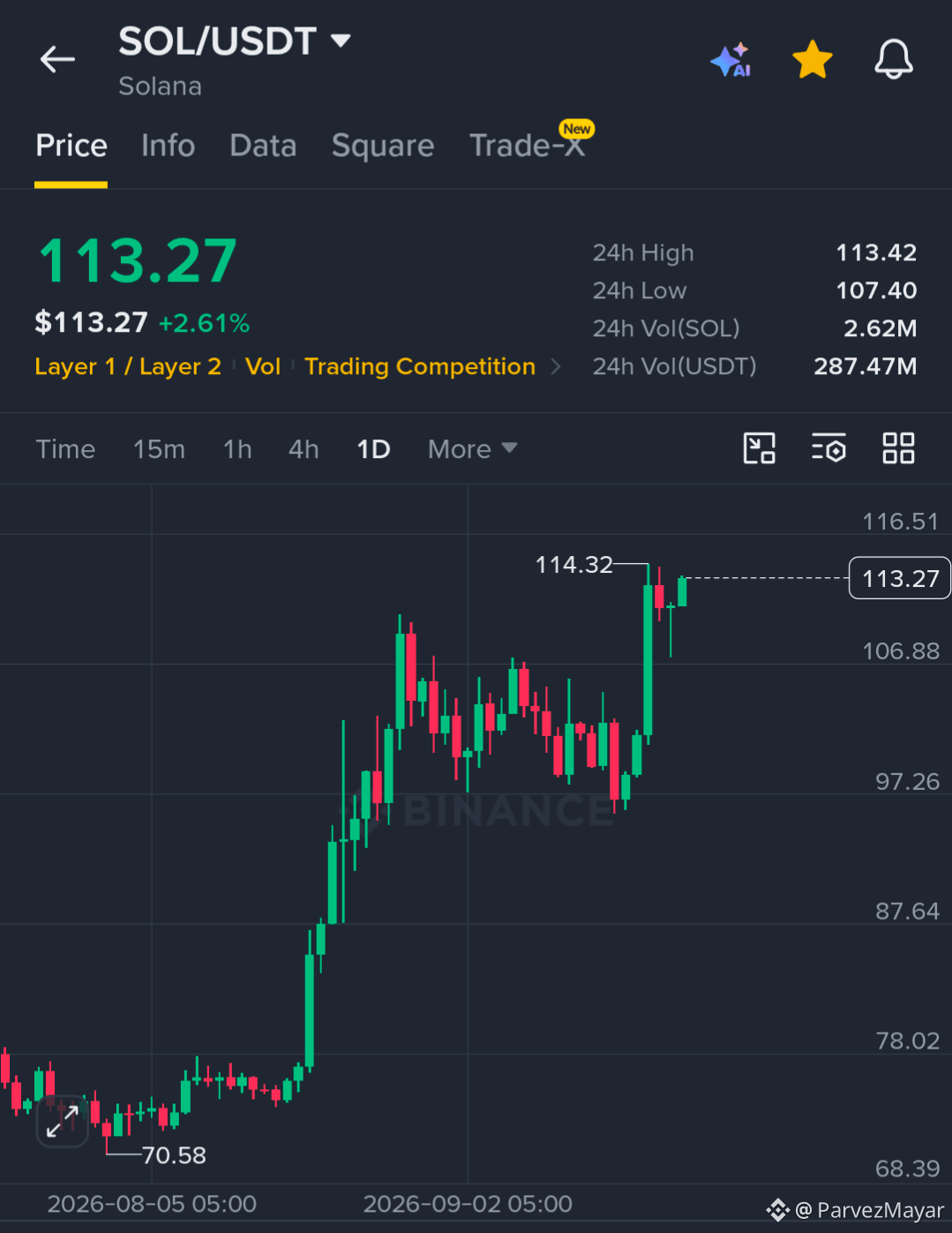
$SOL has been looking good after breaking that $110 resistance and now settling above it nicely around $113.
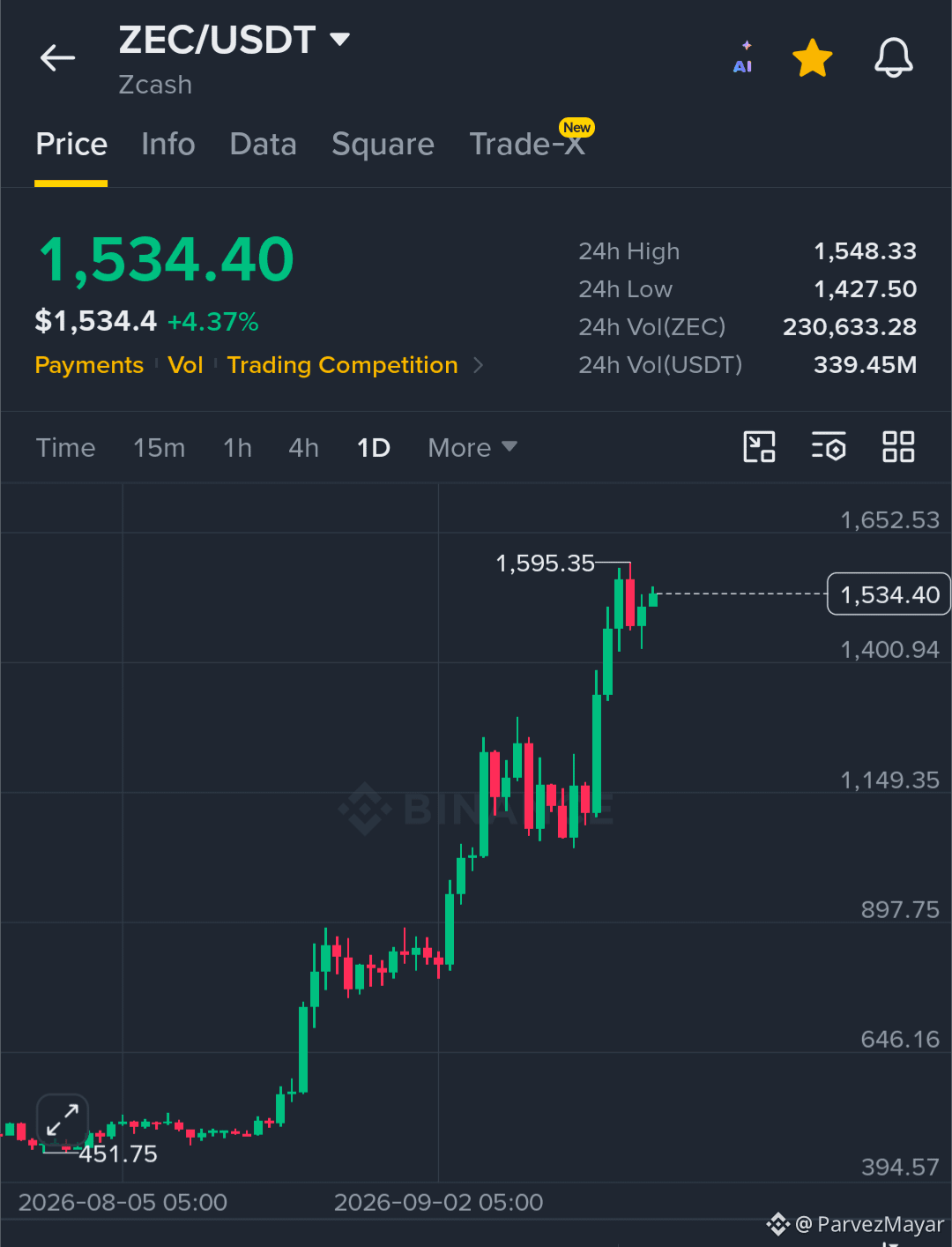
And for $ZEC ... i am just watching for my next target $2,000+ 😁
Zcash is already back above $1,500 after a minor correction from $1,595... buyers are clearly not letting it cool for long.
BNB also back above $780...
So overall market is looking good... and we might be entering #Uptober with some real momentum this time 👀
Just don't turn bullish momentum into stupid leverage... market always finds a way to humble people 😆
{future}(BTCUSDT)
{future}(SOLUSDT)
{future}(ZECUSDT)
#SaylorHintsStrategyBitcoinBuy
#BTCBreaks80K
#SOLJumpsAbout10%
Today $BTC is looking much stronger and holding above $81.5K without giving much of the previous gains back 💪🏻
Are we finally going to see that $82.3K-$82.5K resistance broken❓
Yess... WE ARE ABOUT TO SEE some serious action in upcoming month 😉
When Bitcoin HOLDS... ALTS also start showing strength.
$SOL has been looking good after breaking that $110 resistance and now settling above it nicely around $113.
And for $ZEC ... i am just watching for my next target $2,000+ 😁
Zcash is already back above $1,500 after a minor correction from $1,595... buyers are clearly not letting it cool for long.
BNB also back above $780...
So overall market is looking good... and we might be entering #Uptober with some real momentum this time 👀
Just don't turn bullish momentum into stupid leverage... market always finds a way to humble people 😆
#SaylorHintsStrategyBitcoinBuy
#BTCBreaks80K
#SOLJumpsAbout10%
Are we finally going to see that $82.3K-$82.5K resistance broken❓
Yess... WE ARE ABOUT TO SEE some serious action in upcoming month 😉
When Bitcoin HOLDS... ALTS also start showing strength.
$SOL has been looking good after breaking that $110 resistance and now settling above it nicely around $113.
And for $ZEC ... i am just watching for my next target $2,000+ 😁
Zcash is already back above $1,500 after a minor correction from $1,595... buyers are clearly not letting it cool for long.
BNB also back above $780...
So overall market is looking good... and we might be entering #Uptober with some real momentum this time 👀
Just don't turn bullish momentum into stupid leverage... market always finds a way to humble people 😆
#SaylorHintsStrategyBitcoinBuy
#BTCBreaks80K
#SOLJumpsAbout10%
3
612
·
--
30 күндегі $XRP сауда көлемі: 79.9 USDT
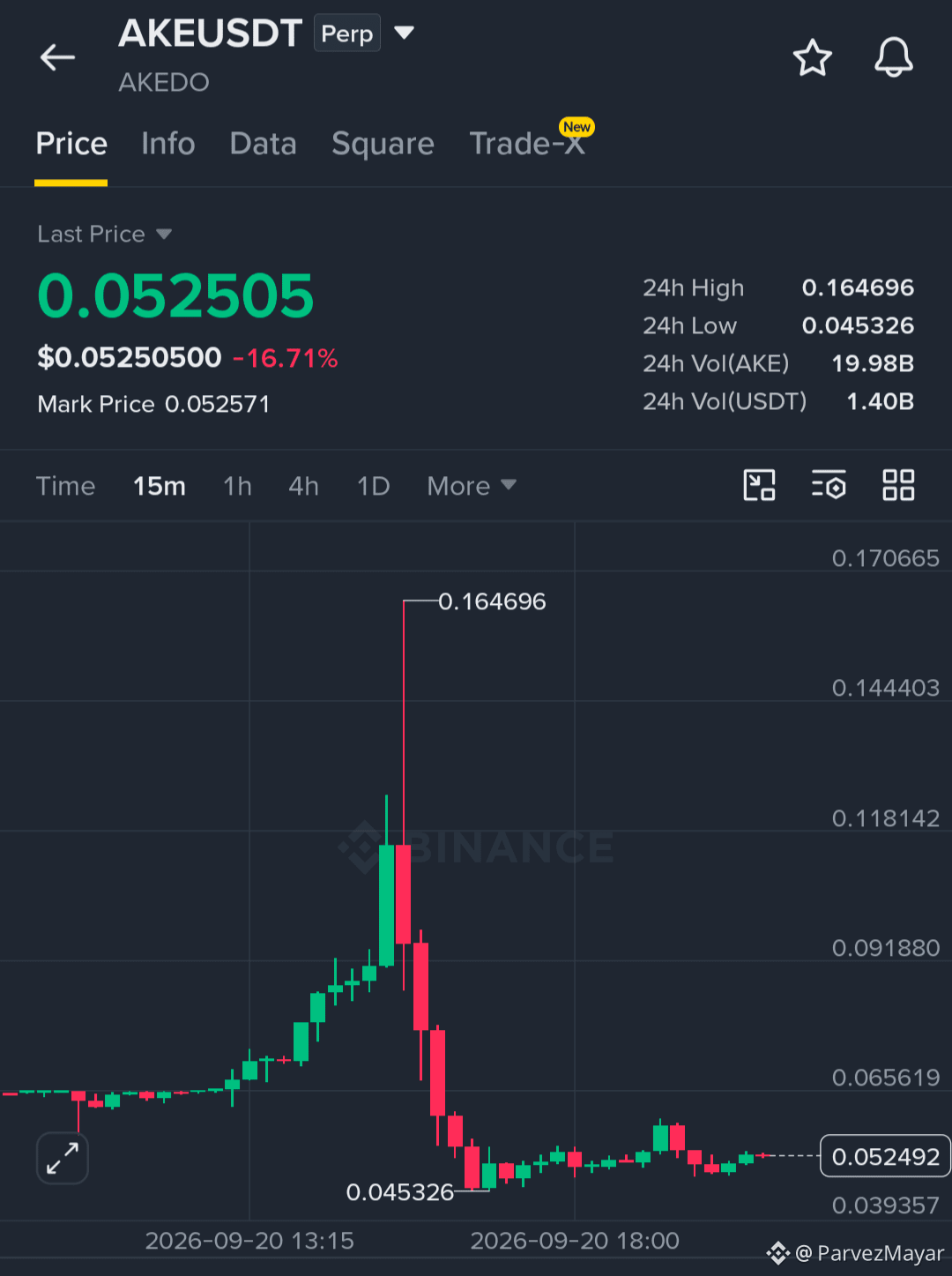
So finally $AKE did what it is best at doing... a massive pump, attract late buyers and then❓
A massive massive DUMP in minutes to punish everyone chasing the top 😂
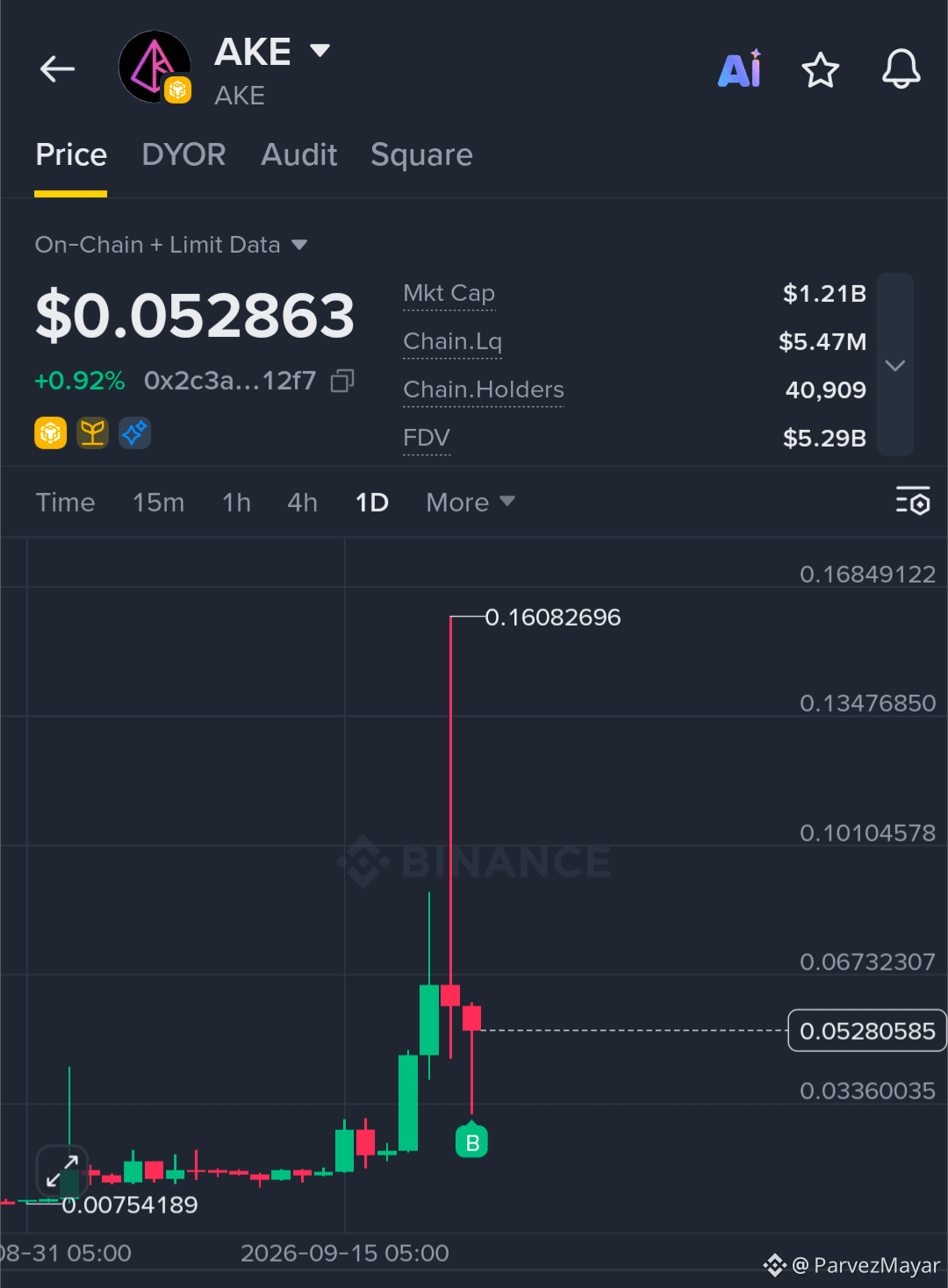
I mean last time it did almost the same thing from around $0.01 to $0.044+... and now again AKE went completely stupid, touched $0.164+ and dumped below $0.05.
That's almost a 72% dump from the top in HOURS 😆
And imagine the liquidations this madness caused...
In the last 24H, roughly $4.4M of AKE positions got liquidated across tracked exchanges.
🐻 SHORTS: around $3.3M
🐂 LONGS: around $1.1M
So first the pump destroyed SHORTS... then that vertical dump started punishing late LONGS too. Perfect low-cap casino 😂
And look at the volume... Binance alone showing around $1.4 BILLION 24H futures volume on AKE.
That's why i always say... chose safer options if you are not someone sitting with millions in capital.
$AVAX , $XRP or $SOL for longer TERM good returns potential with less stupid volatility... you don't always need to chase the coin pumping 200% today.
Protect your capital bros... making +20% slowly is still better than making +100% and giving everything back in ONE candle 😉
{future}(AKEUSDT)
{future}(XRPUSDT)
{future}(AVAXUSDT)
#XRPExchangeReservesHitSevenYearLow
#BuffettStepsDownAsBerkshireChairman
#SOLJumpsAbout10%
So finally $AKE did what it is best at doing... a massive pump, attract late buyers and then❓
A massive massive DUMP in minutes to punish everyone chasing the top 😂
I mean last time it did almost the same thing from around $0.01 to $0.044+... and now again AKE went completely stupid, touched $0.164+ and dumped below $0.05.
That's almost a 72% dump from the top in HOURS 😆
And imagine the liquidations this madness caused...
In the last 24H, roughly $4.4M of AKE positions got liquidated across tracked exchanges.
🐻 SHORTS: around $3.3M
🐂 LONGS: around $1.1M
So first the pump destroyed SHORTS... then that vertical dump started punishing late LONGS too. Perfect low-cap casino 😂
And look at the volume... Binance alone showing around $1.4 BILLION 24H futures volume on AKE.
That's why i always say... chose safer options if you are not someone sitting with millions in capital.
$AVAX , $XRP or $SOL for longer TERM good returns potential with less stupid volatility... you don't always need to chase the coin pumping 200% today.
Protect your capital bros... making +20% slowly is still better than making +100% and giving everything back in ONE candle 😉
#XRPExchangeReservesHitSevenYearLow
#BuffettStepsDownAsBerkshireChairman
#SOLJumpsAbout10%
A massive massive DUMP in minutes to punish everyone chasing the top 😂
I mean last time it did almost the same thing from around $0.01 to $0.044+... and now again AKE went completely stupid, touched $0.164+ and dumped below $0.05.
That's almost a 72% dump from the top in HOURS 😆
And imagine the liquidations this madness caused...
In the last 24H, roughly $4.4M of AKE positions got liquidated across tracked exchanges.
🐻 SHORTS: around $3.3M
🐂 LONGS: around $1.1M
So first the pump destroyed SHORTS... then that vertical dump started punishing late LONGS too. Perfect low-cap casino 😂
And look at the volume... Binance alone showing around $1.4 BILLION 24H futures volume on AKE.
That's why i always say... chose safer options if you are not someone sitting with millions in capital.
$AVAX , $XRP or $SOL for longer TERM good returns potential with less stupid volatility... you don't always need to chase the coin pumping 200% today.
Protect your capital bros... making +20% slowly is still better than making +100% and giving everything back in ONE candle 😉
#XRPExchangeReservesHitSevenYearLow
#BuffettStepsDownAsBerkshireChairman
#SOLJumpsAbout10%
4
963
·
--
Жоғары (өспелі)
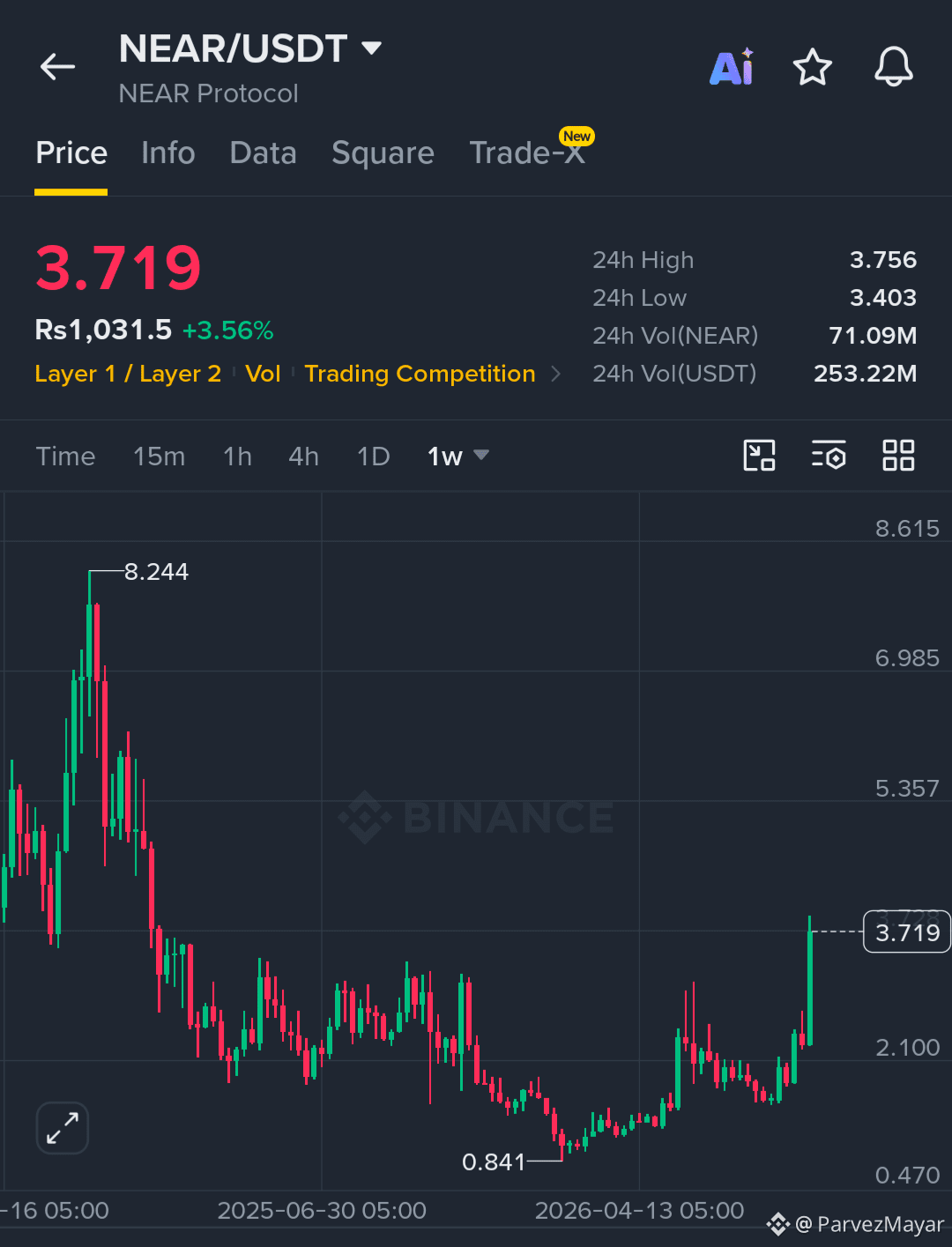
Buddies... if you are looking for coins at cheap prices and want to HOLD for longer term...
Here are my TOP 3 picks right now 💪🏻
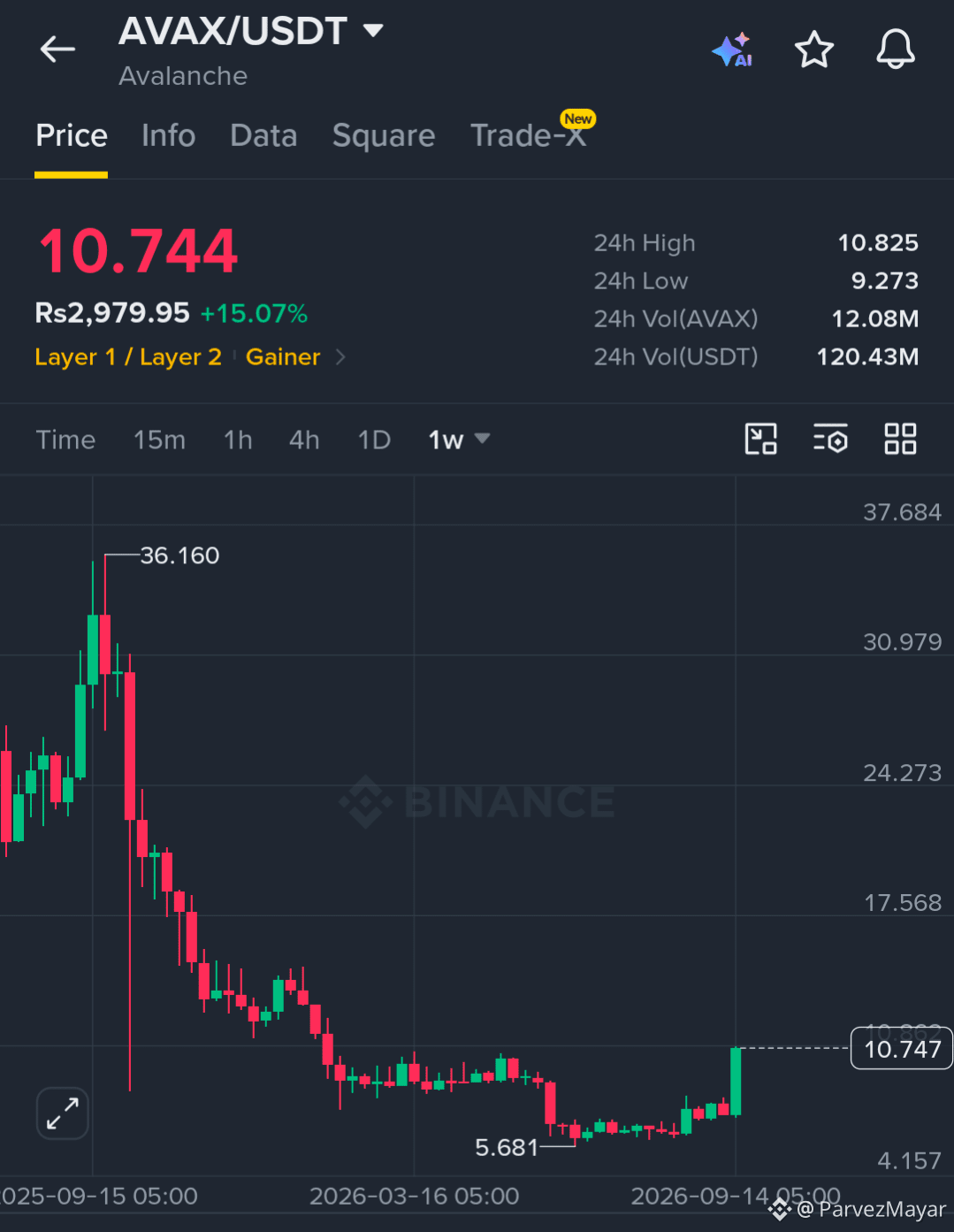
$AVAX at $10.74 is absolutely cheap, it was above $140 previously 😁
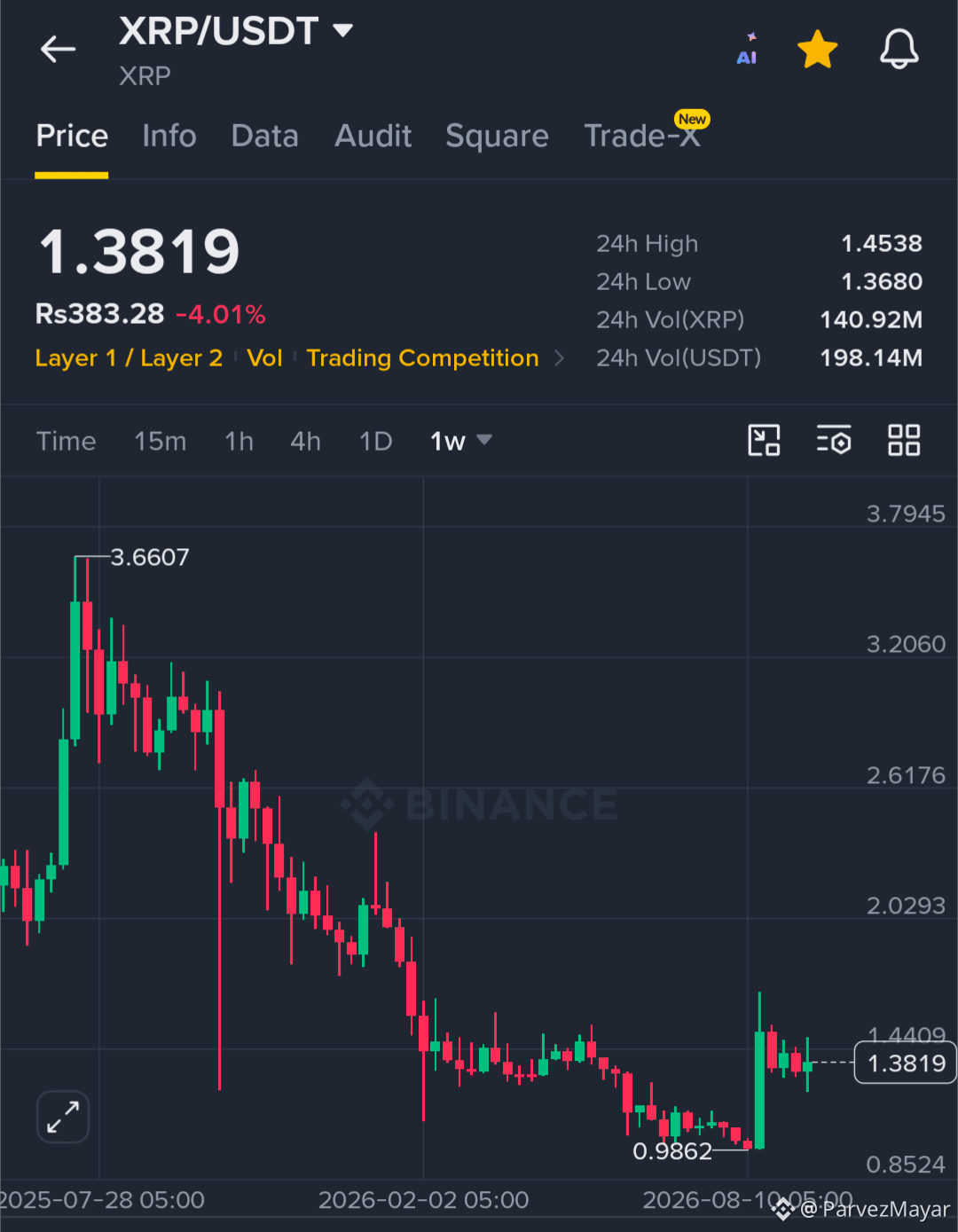
$XRP another long term giant with strong ecosystem and community is stil relevent to the market... just waiting for that bull run spark.
and the 3rd option is $NEAR , neae protocol is another good option for a long term potential of upto 5x returns.
I am not saying all three will give you absolutely 10x returns but i and talking about potential and the prices these three are... are at best below the average people's buying prices.
Crypto is not always moving in straight line so dumps are always the best chance to accumulate for long term 😁
📍 NFA, DYOR!
{future}(XRPUSDT)
{future}(AVAXUSDT)
{future}(NEARUSDT)
#SaylorHintsStrategyBitcoinBuy
#BTCBreaks80K
#XRPExchangeReservesHitSevenYearLow
Buddies... if you are looking for coins at cheap prices and want to HOLD for longer term...
Here are my TOP 3 picks right now 💪🏻
$AVAX at $10.74 is absolutely cheap, it was above $140 previously 😁
$XRP another long term giant with strong ecosystem and community is stil relevent to the market... just waiting for that bull run spark.
and the 3rd option is $NEAR , neae protocol is another good option for a long term potential of upto 5x returns.
I am not saying all three will give you absolutely 10x returns but i and talking about potential and the prices these three are... are at best below the average people's buying prices.
Crypto is not always moving in straight line so dumps are always the best chance to accumulate for long term 😁
📍 NFA, DYOR!
#SaylorHintsStrategyBitcoinBuy
#BTCBreaks80K
#XRPExchangeReservesHitSevenYearLow
Here are my TOP 3 picks right now 💪🏻
$AVAX at $10.74 is absolutely cheap, it was above $140 previously 😁
$XRP another long term giant with strong ecosystem and community is stil relevent to the market... just waiting for that bull run spark.
and the 3rd option is $NEAR , neae protocol is another good option for a long term potential of upto 5x returns.
I am not saying all three will give you absolutely 10x returns but i and talking about potential and the prices these three are... are at best below the average people's buying prices.
Crypto is not always moving in straight line so dumps are always the best chance to accumulate for long term 😁
📍 NFA, DYOR!
#SaylorHintsStrategyBitcoinBuy
#BTCBreaks80K
#XRPExchangeReservesHitSevenYearLow
3
14
10.2k
·
--
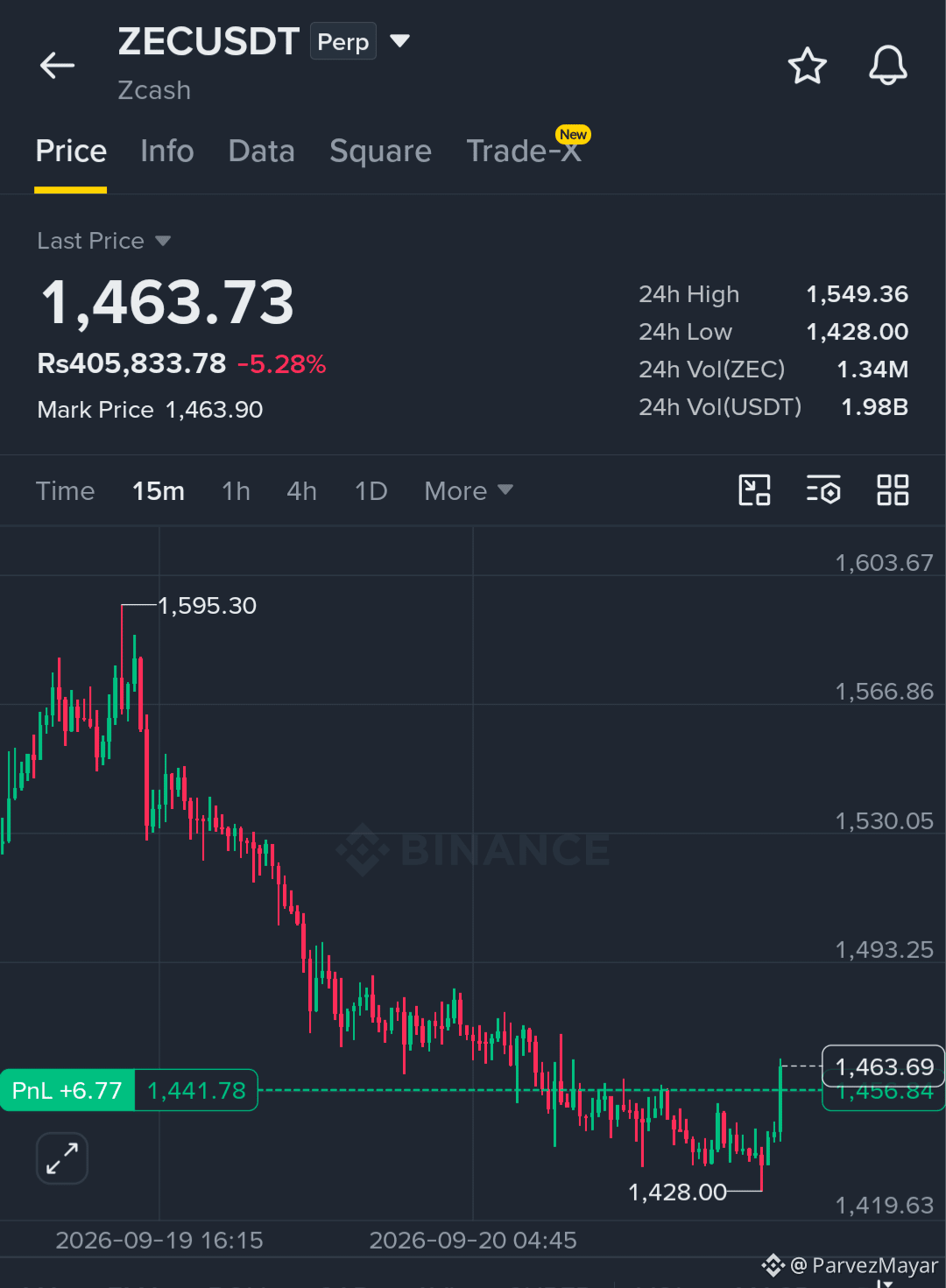
$ZEC fresh bounce is building... and momentum is once again getting stronger 😁
After dropping from $1,595, ZEC finally found buyers around $1,428 and now already pushing back above $1,460.
LONG NOW 💪🏻
Entry : $1,465 - $1,455
🎯 TP1: $1,500
🎯 TP2: $1,550
🎯 TP3: $1,600+
🛑 SL: $1,417
That $1,428-$1,440 area got defended nicely... now $1,500 is the first real test again.
Manage your risk bros... $ZEC volatility is crazy and leverage can turn one wrong candle into a disaster.
But bigger picture... after touching almost $1,600, are we finally looking at $2,000+ ZEC next❓👀
$ZEC fresh bounce is building... and momentum is once again getting stronger 😁
After dropping from $1,595, ZEC finally found buyers around $1,428 and now already pushing back above $1,460.
LONG NOW 💪🏻
Entry : $1,465 - $1,455
🎯 TP1: $1,500
🎯 TP2: $1,550
🎯 TP3: $1,600+
🛑 SL: $1,417
That $1,428-$1,440 area got defended nicely... now $1,500 is the first real test again.
Manage your risk bros... $ZEC volatility is crazy and leverage can turn one wrong candle into a disaster.
But bigger picture... after touching almost $1,600, are we finally looking at $2,000+ ZEC next❓👀
After dropping from $1,595, ZEC finally found buyers around $1,428 and now already pushing back above $1,460.
LONG NOW 💪🏻
Entry : $1,465 - $1,455
🎯 TP1: $1,500
🎯 TP2: $1,550
🎯 TP3: $1,600+
🛑 SL: $1,417
That $1,428-$1,440 area got defended nicely... now $1,500 is the first real test again.
Manage your risk bros... $ZEC volatility is crazy and leverage can turn one wrong candle into a disaster.
But bigger picture... after touching almost $1,600, are we finally looking at $2,000+ ZEC next❓👀
3
6
731
·
--
Жоғары (өспелі)
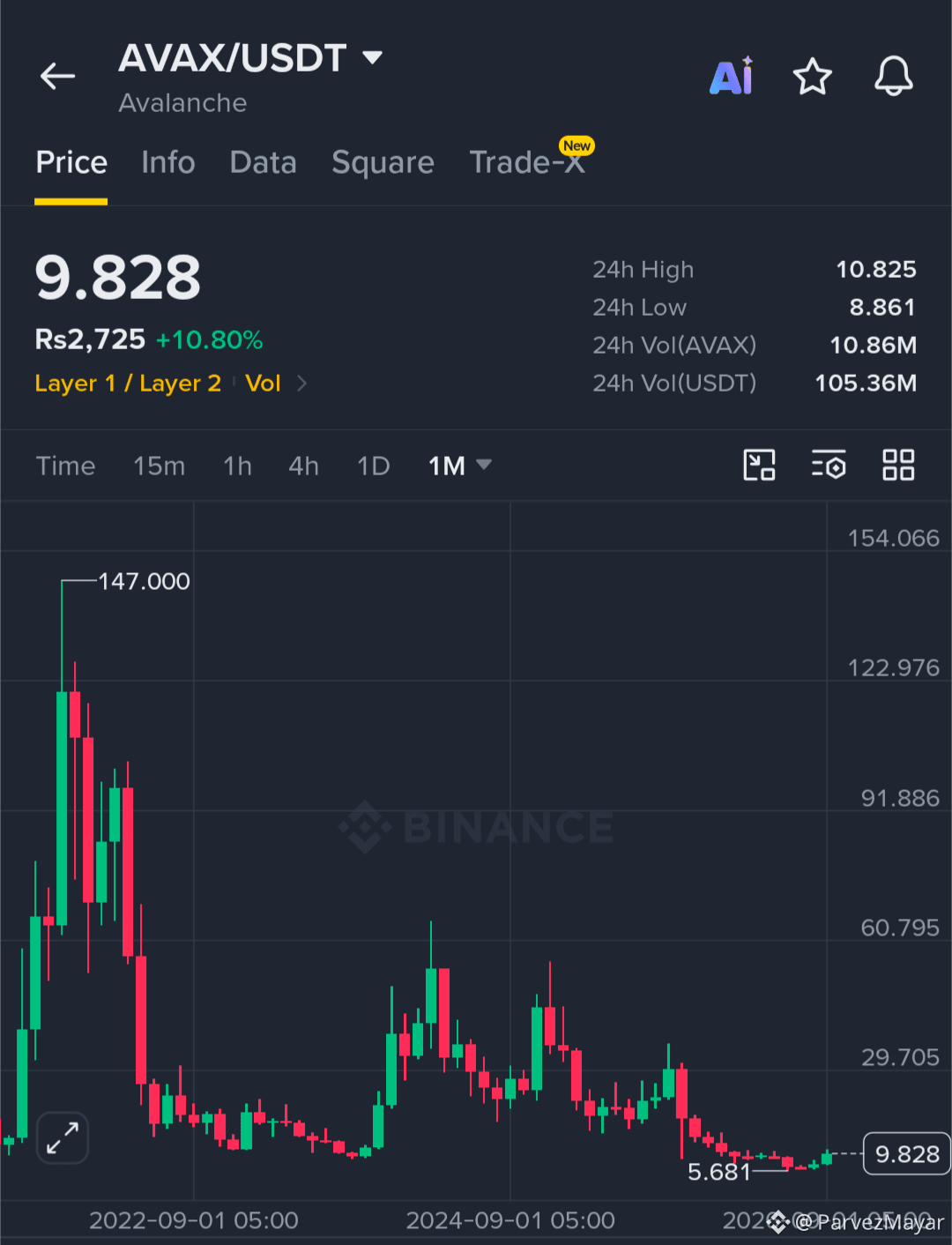
Any chance for $AVAX to $60+ again❓
Leave that $147 high... just $60 ? POSSIBLE ‼️
{future}(AVAXUSDT)
$AKE
{future}(AKEUSDT)
$CELR
{future}(CELRUSDT)
Any chance for $AVAX to $60+ again❓
Leave that $147 high... just $60 ? POSSIBLE ‼️
$AKE
$CELR
Leave that $147 high... just $60 ? POSSIBLE ‼️
$AKE
$CELR
8
1.9k
·
--
Жоғары (өспелі)
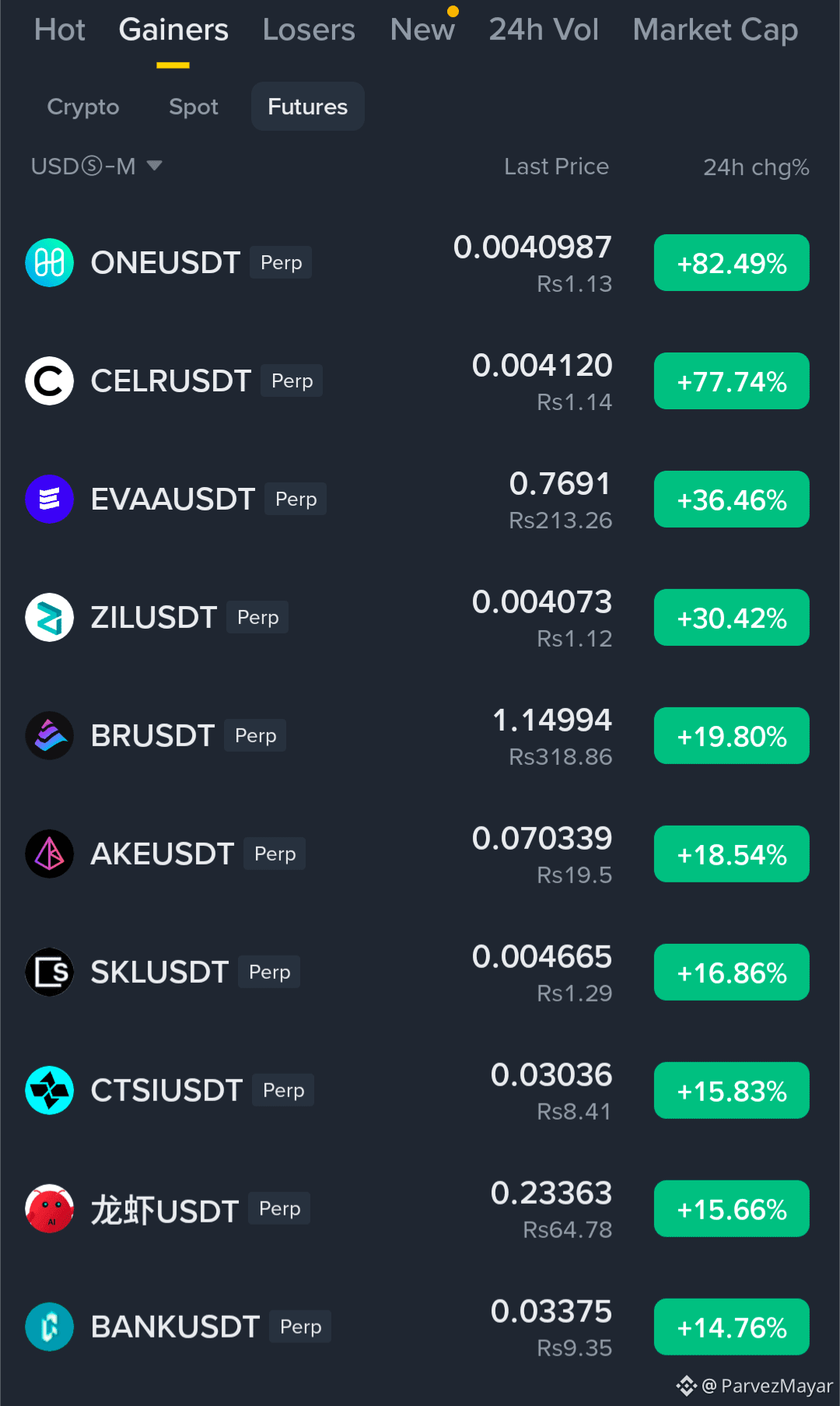
😁 These daily gainers look overwhelming right now.
But look at $BR , $AKE and $龙虾 properly...
BR is up around +369% in 7 days, +991% in 180 days and +1,055% in 1 year.
AKE is even crazier... +343% in 7 days, +751% in 30 days and +33,000% in 180 days 😆
And LOBSTER is still sitting around +2,000% in 180 days, after running from around $0.017 to $0.23.
These numbers look beautiful until you remember what comes WITH them...
Extreme volatility + stupid wicks + 30-50% moves that can happen before you even understand what happened 😂
I know everyone wants to catch the next BR before it goes 5X... but don't destroy one month of profits chasing one green candle.
Trade these low caps carefully... small position, control your leverage and protect your mental peace too.
Because making money is good...
watching your account get nuked in one candle because AKE decided to become AKE again? not so good 😆
{future}(AKEUSDT)
{future}(BRUSDT)
{future}(龙虾USDT)
#BOJRaisesRatesTo31YearHigh
#VietnamPlansFirstCryptoLicensesIn2026
#BitcoinMarketCapTopsTesla
📍DYOR!
😁 These daily gainers look overwhelming right now.
But look at $BR , $AKE and $龙虾 properly...
BR is up around +369% in 7 days, +991% in 180 days and +1,055% in 1 year.
AKE is even crazier... +343% in 7 days, +751% in 30 days and +33,000% in 180 days 😆
And LOBSTER is still sitting around +2,000% in 180 days, after running from around $0.017 to $0.23.
These numbers look beautiful until you remember what comes WITH them...
Extreme volatility + stupid wicks + 30-50% moves that can happen before you even understand what happened 😂
I know everyone wants to catch the next BR before it goes 5X... but don't destroy one month of profits chasing one green candle.
Trade these low caps carefully... small position, control your leverage and protect your mental peace too.
Because making money is good...
watching your account get nuked in one candle because AKE decided to become AKE again? not so good 😆
#BOJRaisesRatesTo31YearHigh
#VietnamPlansFirstCryptoLicensesIn2026
#BitcoinMarketCapTopsTesla
📍DYOR!
But look at $BR , $AKE and $龙虾 properly...
BR is up around +369% in 7 days, +991% in 180 days and +1,055% in 1 year.
AKE is even crazier... +343% in 7 days, +751% in 30 days and +33,000% in 180 days 😆
And LOBSTER is still sitting around +2,000% in 180 days, after running from around $0.017 to $0.23.
These numbers look beautiful until you remember what comes WITH them...
Extreme volatility + stupid wicks + 30-50% moves that can happen before you even understand what happened 😂
I know everyone wants to catch the next BR before it goes 5X... but don't destroy one month of profits chasing one green candle.
Trade these low caps carefully... small position, control your leverage and protect your mental peace too.
Because making money is good...
watching your account get nuked in one candle because AKE decided to become AKE again? not so good 😆
#BOJRaisesRatesTo31YearHigh
#VietnamPlansFirstCryptoLicensesIn2026
#BitcoinMarketCapTopsTesla
📍DYOR!
5
2.2k
·
--
😜 I will close my $ZEC LONG when it hits $2,500.
😜 I will close my $ZEC LONG when it hits $2,500.
2
8
963
·
--
30 күндегі $ZEC сауда көлемі: 5.6K USDT
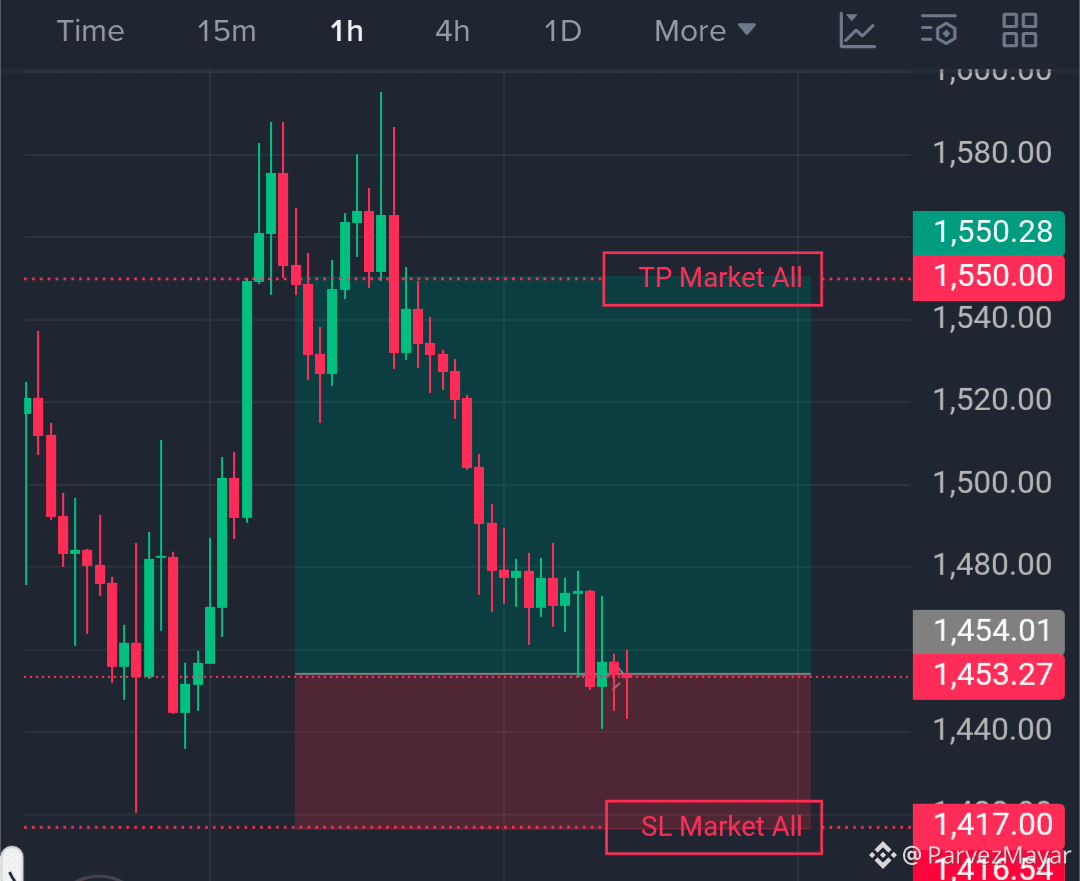
Going LONG on $ZEC 💪🏻
LET'S go buddy 😁
TARGET $1,550
Stop loss : $1,417 (Previous multiple support area)
Going LONG on $ZEC 💪🏻
LET'S go buddy 😁
TARGET $1,550
Stop loss : $1,417 (Previous multiple support area)
LET'S go buddy 😁
TARGET $1,550
Stop loss : $1,417 (Previous multiple support area)
2
631
Көбірек контент көру үшін кіріңіз
Binance Square платформасында әлемдік криптоқоғамдастыққа қосылыңыз
⚡️ Криптовалюта туралы ең соңғы және пайдалы ақпаратты алыңыз.
💬 Әлемдегі ең ірі криптобиржаның сеніміне ие.
👍 Расталған авторлардың нақты пікірлерін табыңыз.
Электрондық пошта/телефон нөмірі
Трендтегі тақырыптар
NEARRisesNearly80%InAWeek
9,999 рет көрілді
529 адам талқылап жатыр
#nearrisesnearly80%inaweek
بروتوكول NEAR في حالة تألق مطلقة هذا الأسبوع — إليك ما الذي يدفع الارتفاع 🔥
يا لها من أسبوع لـ NEAR! 🚀 تحقيق مكاسب تقارب 80% خلال 7 أيام فقط ليس مجرد حظ؛ بل يشير إلى زخم ضخم يتشكل حول رؤية NEAR لتجريد السلسلة وتكامل الذكاء الاصطناعي. عندما تلتقي كفاءة التقنية بحماس السوق لدى المتداولين، نحصل على حركة سعر بهذا الشكل تمامًا.
هل تحتفظ بـ NEAR على المدى الطويل، أم تأخذ أرباحًا عند هذه المستويات؟ اذكر إستراتيجيتك أدناه! 👇
متابعة من فضلكم
$NEAR
#BitcoinHits$85K #Near #SolanaCutsTargetSlotTimeTo250ms
Shamika Metting
·2 лайк
·1.6k рет көрілді
MultiversXPlansHardForkRecovery
10,788 рет көрілді
432 адам талқылап жатыр
CircleLaunchesInstitutionalBTCBackedBorrowing
12,667 рет көрілді
574 адам талқылап жатыр