

Mr_Crypto Whale
2.3k Жариялаулар

Mr_Crypto Whale
Хабарлау
Пайдаланушыны блоктау
Day trader and chart enthusiast 📊. Breaking down market moves and sharing real-time trade setups. Not financial advice. Always DYOR. 💡"
Кездейсоқ трейдер
1.1 жыл
1 Жазылым
743 Жазылушылар
6.6K+ лайк басылған
Жазбалар
Барлығы
Баға ұсыныстары
Видеолар
PINNED
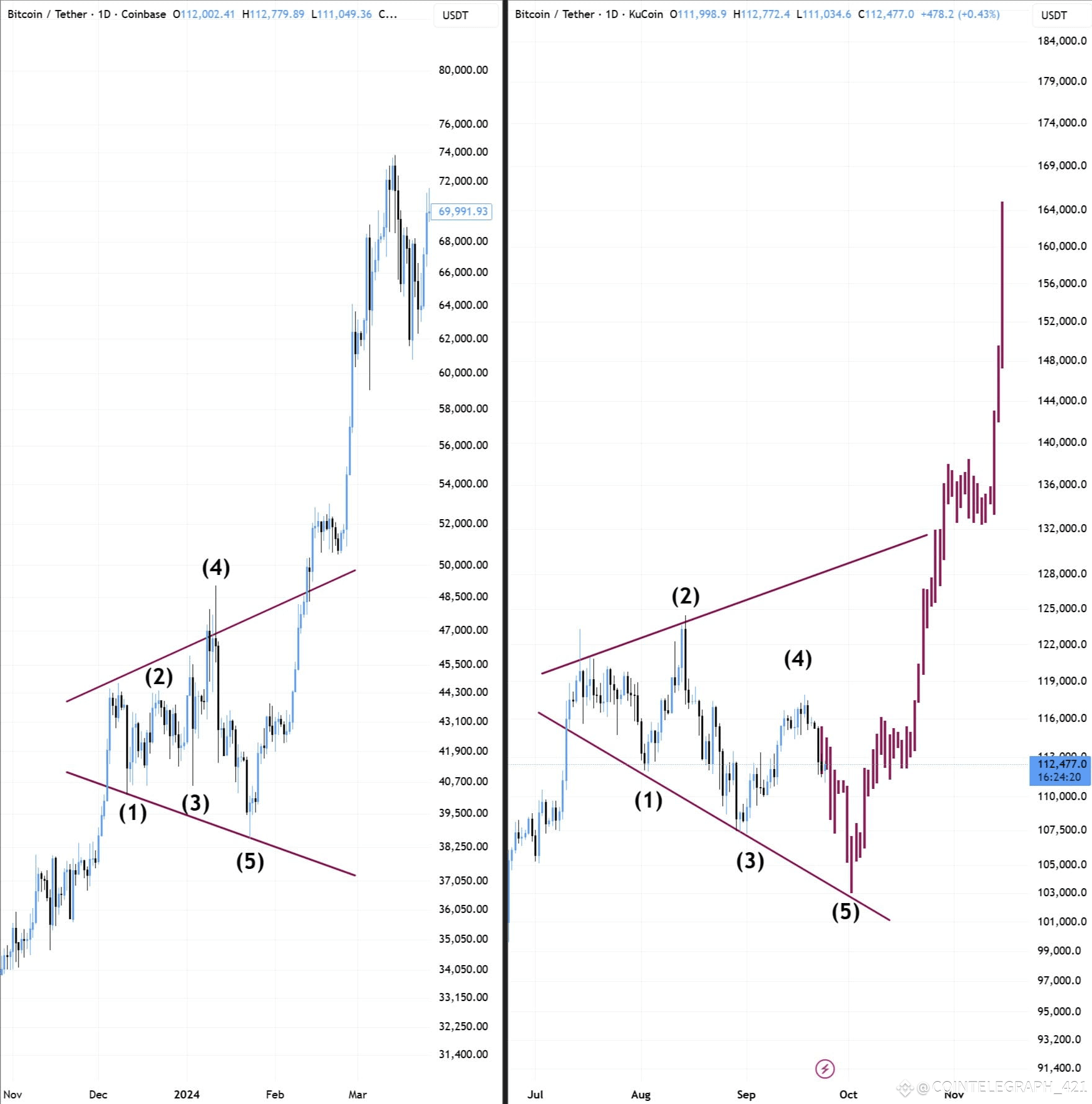
$BTC is doing exactly what it did in Q1 2024.
The long-term trend is still to the upside, but we may get some corrections.
I wouldn't be surprised if Bitcoin retests $103K-$105K level before reversal.
$BTC going to hit $150k this month 🥂
{future}(BTCUSDT)
$BTC is doing exactly what it did in Q1 2024.
The long-term trend is still to the upside, but we may get some corrections.
I wouldn't be surprised if Bitcoin retests $103K-$105K level before reversal.
$BTC going to hit $150k this month 🥂
The long-term trend is still to the upside, but we may get some corrections.
I wouldn't be surprised if Bitcoin retests $103K-$105K level before reversal.
$BTC going to hit $150k this month 🥂
5
2
18
33.3k
PINNED
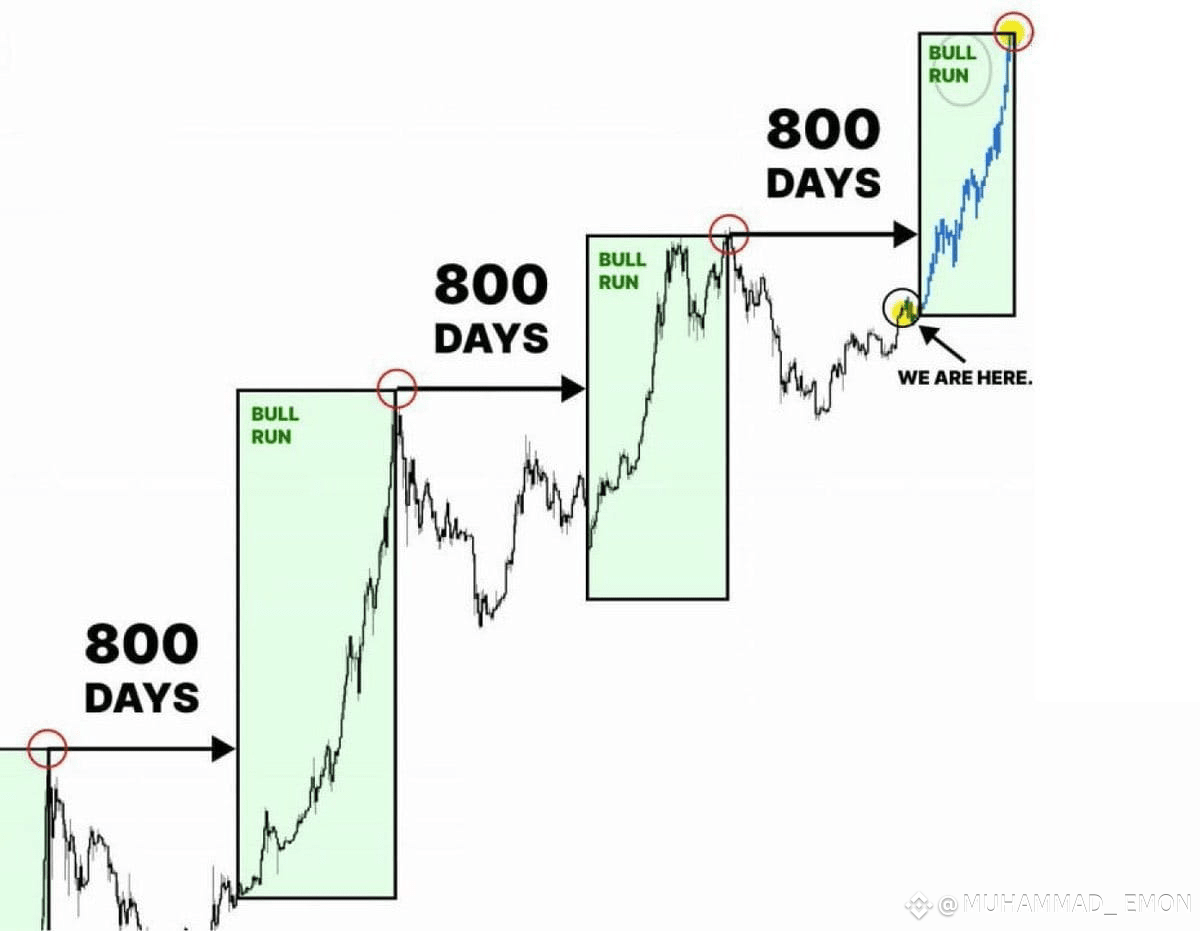
XRP LEDGER BULL RUN HAS STARTED!!
$XRP WILL BE $271.78
$SOL TOKEN WILL BE $925.91
$XLM WILL BE $93.94
IM BUYING MORE EVERYDAY!
{future}(XLMUSDT)
{future}(SOLUSDT)
{future}(XRPUSDT)
XRP LEDGER BULL RUN HAS STARTED!!
$XRP WILL BE $271.78
$SOL TOKEN WILL BE $925.91
$XLM WILL BE $93.94
IM BUYING MORE EVERYDAY!
$XRP WILL BE $271.78
$SOL TOKEN WILL BE $925.91
$XLM WILL BE $93.94
IM BUYING MORE EVERYDAY!
74
33
152
127.8k
Good morning ☀️
$XRP $XLM $HBAR $QNT $XDC
One day you’ll thank yourself for being early.
For staying when people laughed.
For trusting what you learned when nobody around you understood it.
Being early can feel lonely.
Until it doesn’t.
#BitwiseFilesFinalNEARSpotETFProspectus
Good morning ☀️
$XRP $XLM $HBAR $QNT $XDC
One day you’ll thank yourself for being early.
For staying when people laughed.
For trusting what you learned when nobody around you understood it.
Being early can feel lonely.
Until it doesn’t.
#BitwiseFilesFinalNEARSpotETFProspectus
$XRP $XLM $HBAR $QNT $XDC
One day you’ll thank yourself for being early.
For staying when people laughed.
For trusting what you learned when nobody around you understood it.
Being early can feel lonely.
Until it doesn’t.
#BitwiseFilesFinalNEARSpotETFProspectus
1
1
656
🚨THIS IS BIG:
Brad Garlinghouse is hinting
$XRP could become part of America’s banking system as projections now point ABOVE $30,000 per XRP.
This is MUCH bigger than people realize
{future}(XRPUSDT)
🚨THIS IS BIG:
Brad Garlinghouse is hinting
$XRP could become part of America’s banking system as projections now point ABOVE $30,000 per XRP.
This is MUCH bigger than people realize
Brad Garlinghouse is hinting
$XRP could become part of America’s banking system as projections now point ABOVE $30,000 per XRP.
This is MUCH bigger than people realize
4
22
5.3k
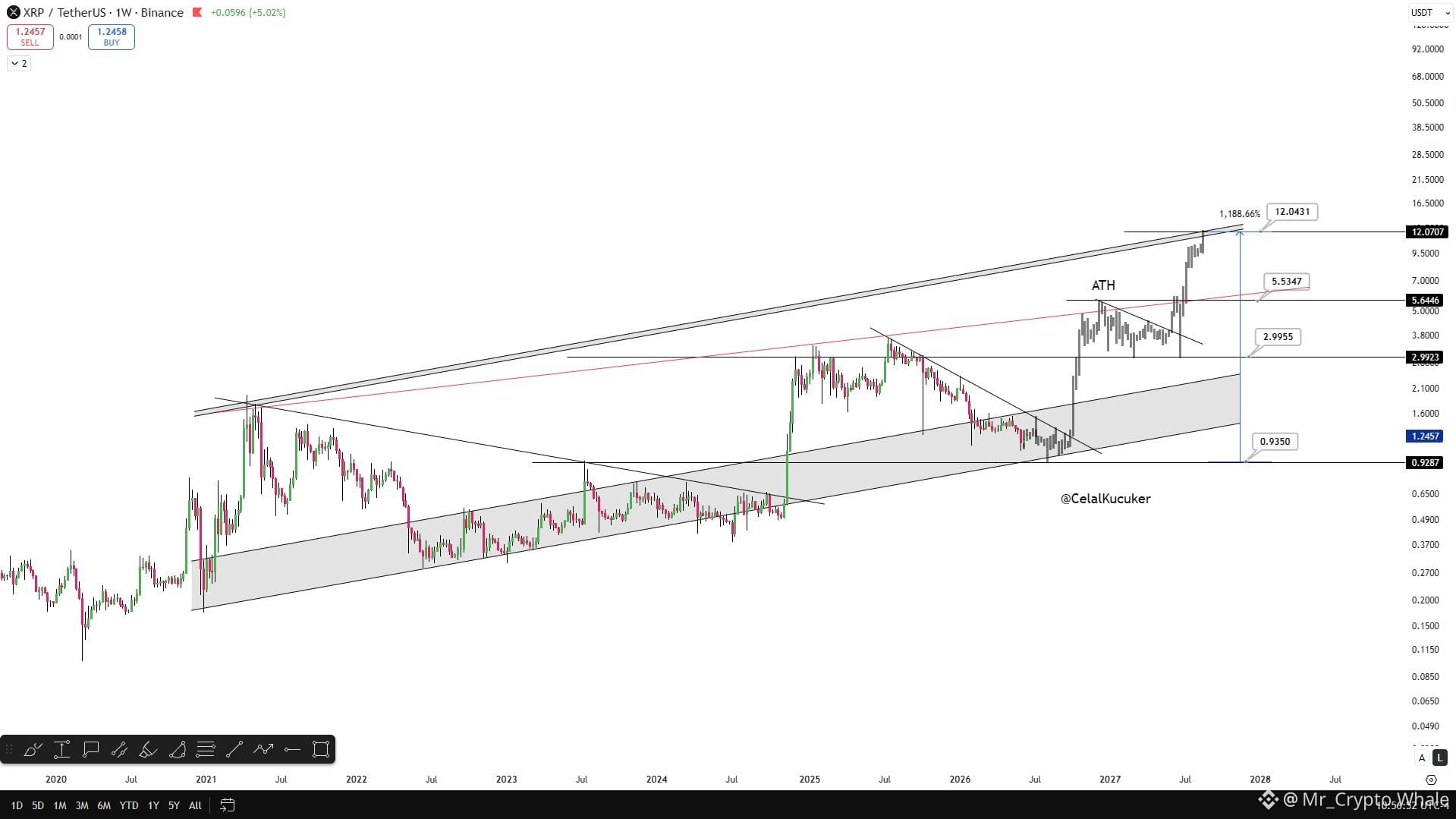
$XRP From the $0.93 bottom.
Has a potential 12X upside over the next 12$ months.
Don't underestimate $XRP 🔥
{future}(XRPUSDT)
$XRP From the $0.93 bottom.
Has a potential 12X upside over the next 12$ months.
Don't underestimate $XRP 🔥
Has a potential 12X upside over the next 12$ months.
Don't underestimate $XRP 🔥
1
519
$SUI is showing strength after weeks of accumulation. I’m long here, targeting higher levels as buyers finally take control and momentum starts building.
{future}(SUIUSDT)
$SUI is showing strength after weeks of accumulation. I’m long here, targeting higher levels as buyers finally take control and momentum starts building.
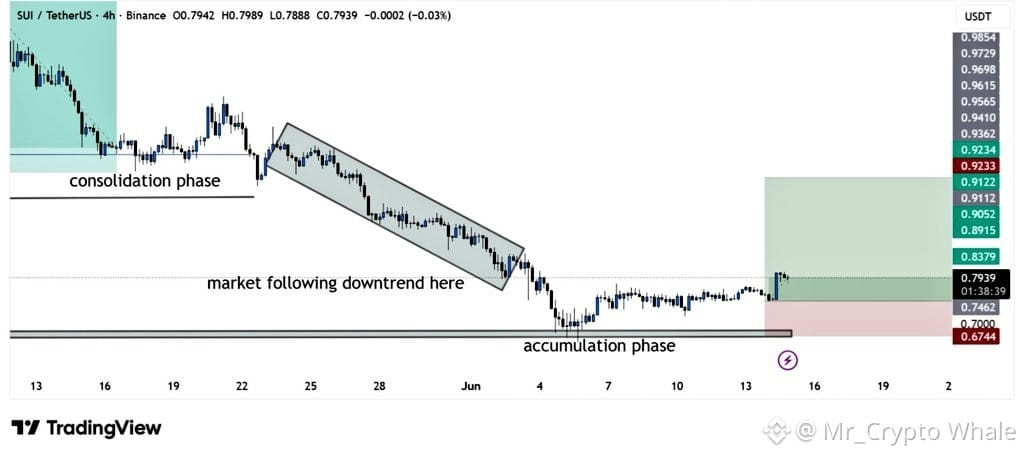
1
111
🚨 Which coin are you MOST Bullish on ?
$XLM or $ONDO
{future}(XLMUSDT)
{future}(ONDOUSDT)
🚨 Which coin are you MOST Bullish on ?
$XLM or $ONDO
$XLM or $ONDO

1
133
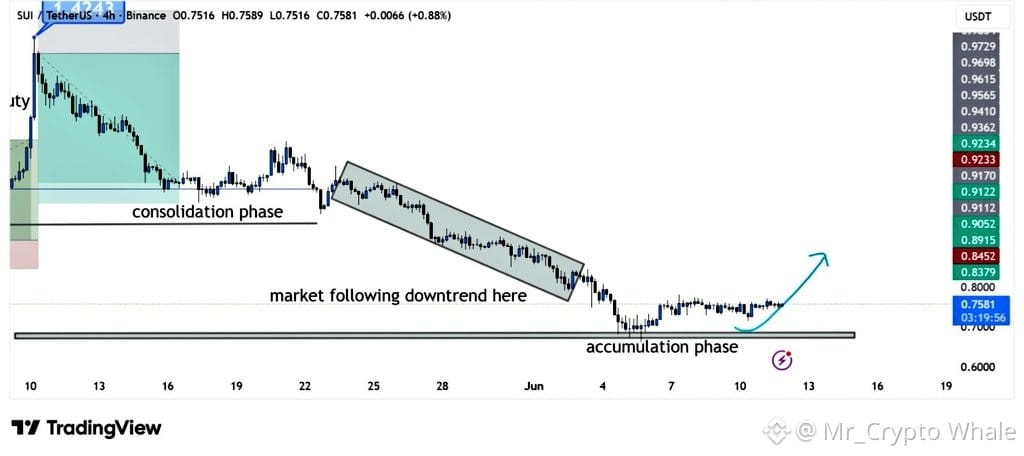
$SUI is showing signs of accumulation after a strong downtrend.
If buyers keep defending this support zone, a move toward higher levels could be the next step.
{future}(SUIUSDT)
$SUI is showing signs of accumulation after a strong downtrend.
If buyers keep defending this support zone, a move toward higher levels could be the next step.
If buyers keep defending this support zone, a move toward higher levels could be the next step.
1
52
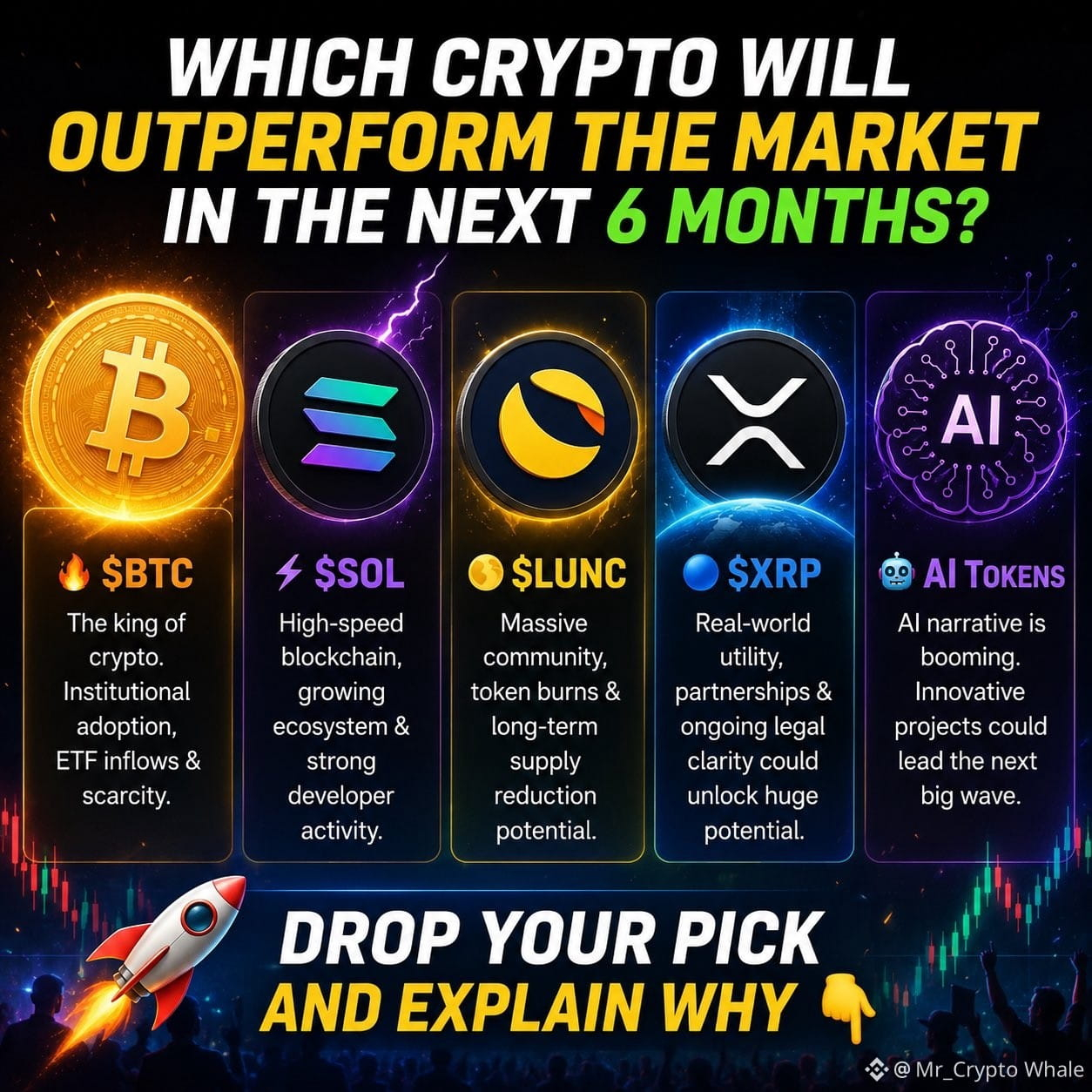
🚨 Which crypto will outperform the market in the next 6 months?
🔥 $BTC
⚡ $SOL
🌕 $LUNC
🔵 $XRP
🤖 AI Tokens
Drop your pick and explain why 👇
#BinanceSquareTalks
{future}(SOLUSDT)
{future}(BTCUSDT)
{future}(XRPUSDT)
🚨 Which crypto will outperform the market in the next 6 months?
🔥 $BTC
⚡ $SOL
🌕 $LUNC
🔵 $XRP
🤖 AI Tokens
Drop your pick and explain why 👇
#BinanceSquareTalks
🔥 $BTC
⚡ $SOL
🌕 $LUNC
🔵 $XRP
🤖 AI Tokens
Drop your pick and explain why 👇
#BinanceSquareTalks
1
65
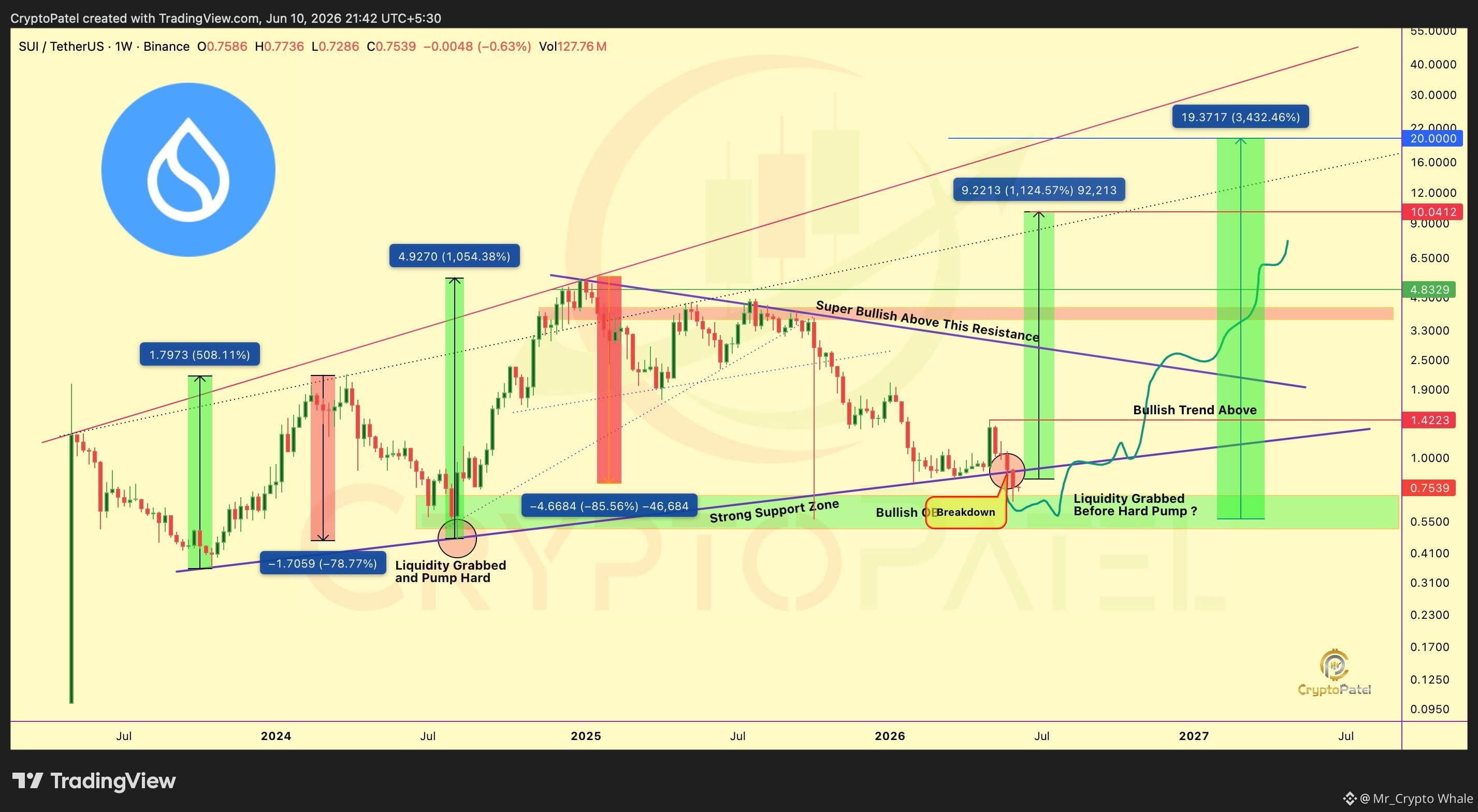
$SUI From $0.7 To $10? 🚀
The SUI Network Growth Story Might Be The Opportunity Most Investors Are Missing.
Explosive Ecosystem Growth, Rising Adoption, Increasing TVL, And Strong Institutional Interest Are Putting #SUİ In The Spotlight.
If This Momentum Continues, @SuiNetwork Could Be One Of The Biggest Winners Of This Cycle. 👀🔥
{future}(SUIUSDT)
$SUI From $0.7 To $10? 🚀
The SUI Network Growth Story Might Be The Opportunity Most Investors Are Missing.
Explosive Ecosystem Growth, Rising Adoption, Increasing TVL, And Strong Institutional Interest Are Putting #SUİ In The Spotlight.
If This Momentum Continues, @Sui Could Be One Of The Biggest Winners Of This Cycle. 👀🔥
The SUI Network Growth Story Might Be The Opportunity Most Investors Are Missing.
Explosive Ecosystem Growth, Rising Adoption, Increasing TVL, And Strong Institutional Interest Are Putting #SUİ In The Spotlight.
If This Momentum Continues, @Sui Could Be One Of The Biggest Winners Of This Cycle. 👀🔥
1
88
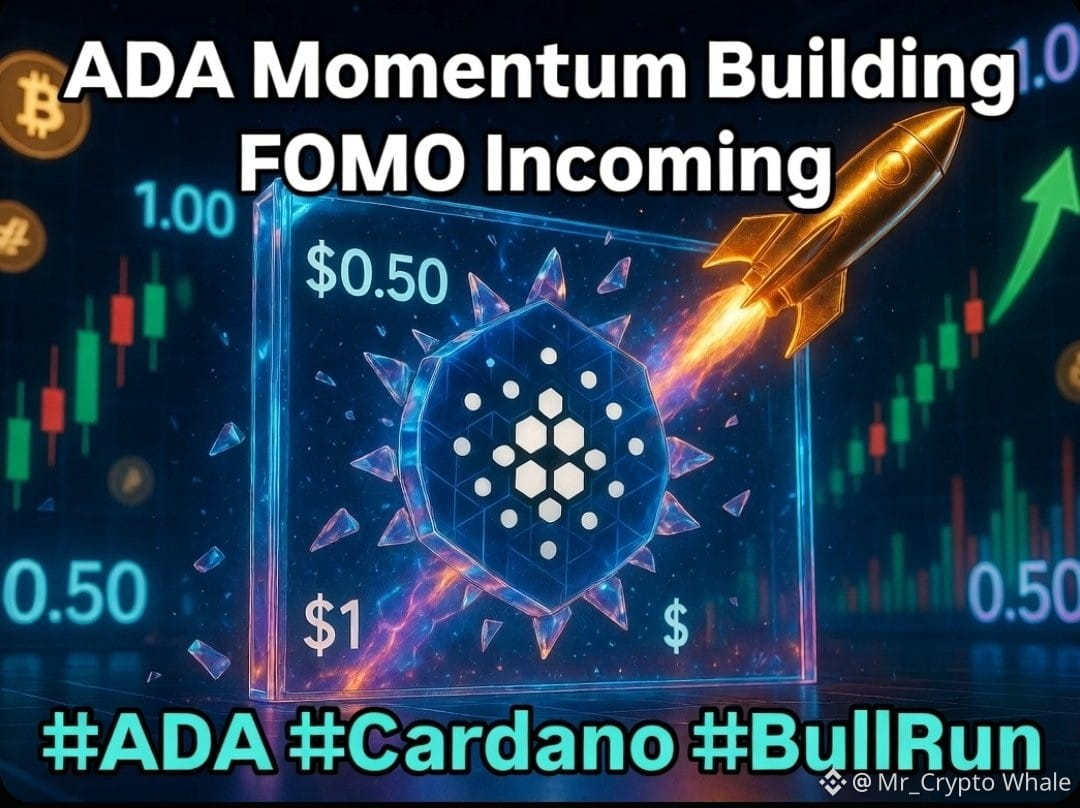
👀 Does $ADA really need to break $1 before Crypto X starts paying attention again?
Maybe not.
The narrative could shift long before that.
Once Cardano starts building momentum above $0.50, don't be surprised if the silent accounts suddenly become active again. 🔥
That's how markets work.
First comes disbelief. Then comes curiosity. Then comes FOMO.
By the time everyone is talking about $ADA again, the move may already be underway. 🚀
The question is:
📈 What price level brings Cardano back into the spotlight?
{future}(ADAUSDT)
👀 Does $ADA really need to break $1 before Crypto X starts paying attention again?
Maybe not.
The narrative could shift long before that.
Once Cardano starts building momentum above $0.50, don't be surprised if the silent accounts suddenly become active again. 🔥
That's how markets work.
First comes disbelief. Then comes curiosity. Then comes FOMO.
By the time everyone is talking about $ADA again, the move may already be underway. 🚀
The question is:
📈 What price level brings Cardano back into the spotlight?
Maybe not.
The narrative could shift long before that.
Once Cardano starts building momentum above $0.50, don't be surprised if the silent accounts suddenly become active again. 🔥
That's how markets work.
First comes disbelief. Then comes curiosity. Then comes FOMO.
By the time everyone is talking about $ADA again, the move may already be underway. 🚀
The question is:
📈 What price level brings Cardano back into the spotlight?
1
228
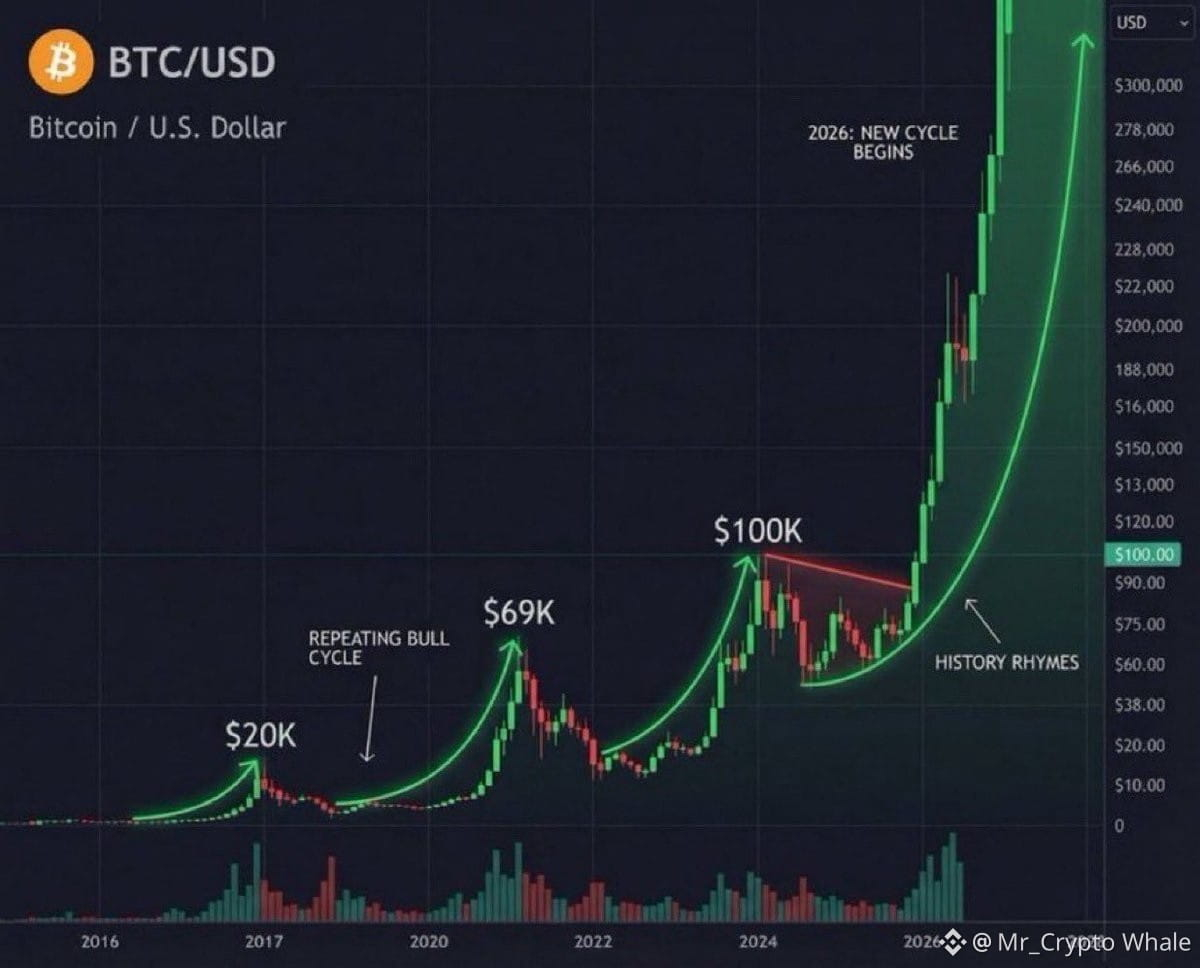
#BREAKING 🚨 BOOOOM 💥💥
$BTC IS HEADING TOWARD $300,000! 🚀 And if you were too scared to buy at $60K, guess what? You might be NGMI! Just HODL and watch the magic happen!
THIS IS JUST THE BEGINNING! 💎
#BinanceSquareFamily
{future}(BTCUSDT)
#BREAKING 🚨 BOOOOM 💥💥
$BTC IS HEADING TOWARD $300,000! 🚀 And if you were too scared to buy at $60K, guess what? You might be NGMI! Just HODL and watch the magic happen!
THIS IS JUST THE BEGINNING! 💎
#BinanceSquareFamily
$BTC IS HEADING TOWARD $300,000! 🚀 And if you were too scared to buy at $60K, guess what? You might be NGMI! Just HODL and watch the magic happen!
THIS IS JUST THE BEGINNING! 💎
#BinanceSquareFamily
1
31
🚨 $XRP Ledger just earned a spot among the world's elite blockchains.
Fortune ranks XRPL in the Top 6 most influential blockchains alongside Bitcoin, Ethereum, and Solana. 🔥
Let that sink in.
For years, critics said XRP was being overlooked.
Now one of the world's biggest business publications is placing XRPL among the industry's most important networks.
Mainstream finance isn't ignoring XRP anymore.
At this point, it can't. 👀
🚀 The question isn't whether XRPL matters.
It's whether the market has fully priced in its growing influence.
{future}(XRPUSDT)
🚨 $XRP Ledger just earned a spot among the world's elite blockchains.
Fortune ranks XRPL in the Top 6 most influential blockchains alongside Bitcoin, Ethereum, and Solana. 🔥
Let that sink in.
For years, critics said XRP was being overlooked.
Now one of the world's biggest business publications is placing XRPL among the industry's most important networks.
Mainstream finance isn't ignoring XRP anymore.
At this point, it can't. 👀
🚀 The question isn't whether XRPL matters.
It's whether the market has fully priced in its growing influence.
Fortune ranks XRPL in the Top 6 most influential blockchains alongside Bitcoin, Ethereum, and Solana. 🔥
Let that sink in.
For years, critics said XRP was being overlooked.
Now one of the world's biggest business publications is placing XRPL among the industry's most important networks.
Mainstream finance isn't ignoring XRP anymore.
At this point, it can't. 👀
🚀 The question isn't whether XRPL matters.
It's whether the market has fully priced in its growing influence.
1
75
“There will be a day when you won’t be able to get $XRP . “
{future}(XRPUSDT)
“There will be a day when you won’t be able to get $XRP . “
2
54
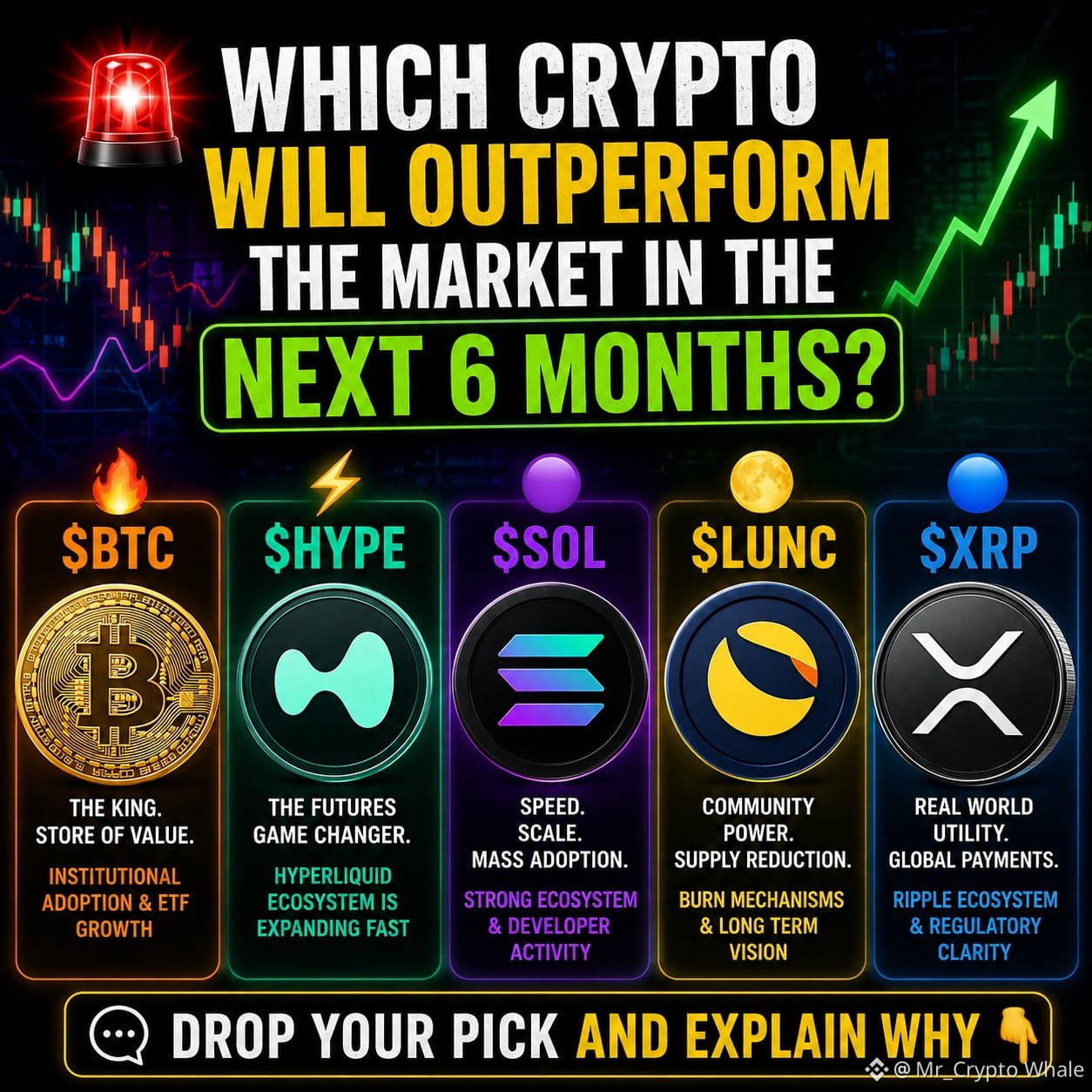
🚨 Which crypto will outperform the market in the next 6 months?
🔥 $BTC
⚡ $HYPE
🟣 $SOL
🌕 $LUNC
🔵 $XRP
Drop your pick and explain why 👇
#CPIWatch
{future}(SOLUSDT)
{future}(XRPUSDT)
{future}(BTCUSDT)
🚨 Which crypto will outperform the market in the next 6 months?
🔥 $BTC
⚡ $HYPE
🟣 $SOL
🌕 $LUNC
🔵 $XRP
Drop your pick and explain why 👇
#CPIWatch
🔥 $BTC
⚡ $HYPE
🟣 $SOL
🌕 $LUNC
🔵 $XRP
Drop your pick and explain why 👇
#CPIWatch
1
18
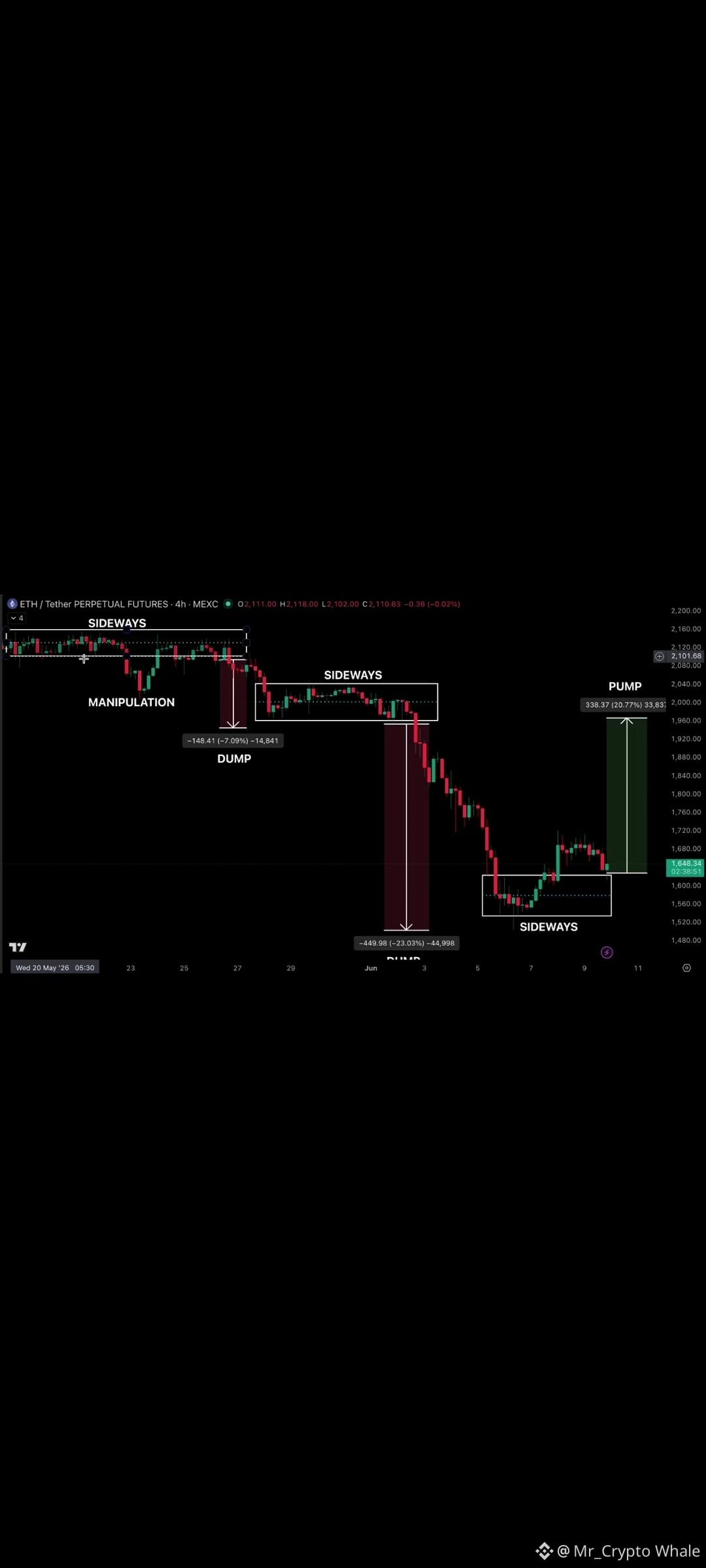
$ETH
Everyone bullish at $2.1K
Everyone bearish at $1.6K
---Boredom---Fear----Panic---Then FOMO
Classic crypto cycle TBH
{future}(ETHUSDT)
$ETH
Everyone bullish at $2.1K
Everyone bearish at $1.6K
---Boredom---Fear----Panic---Then FOMO
Classic crypto cycle TBH
Everyone bullish at $2.1K
Everyone bearish at $1.6K
---Boredom---Fear----Panic---Then FOMO
Classic crypto cycle TBH
1
157
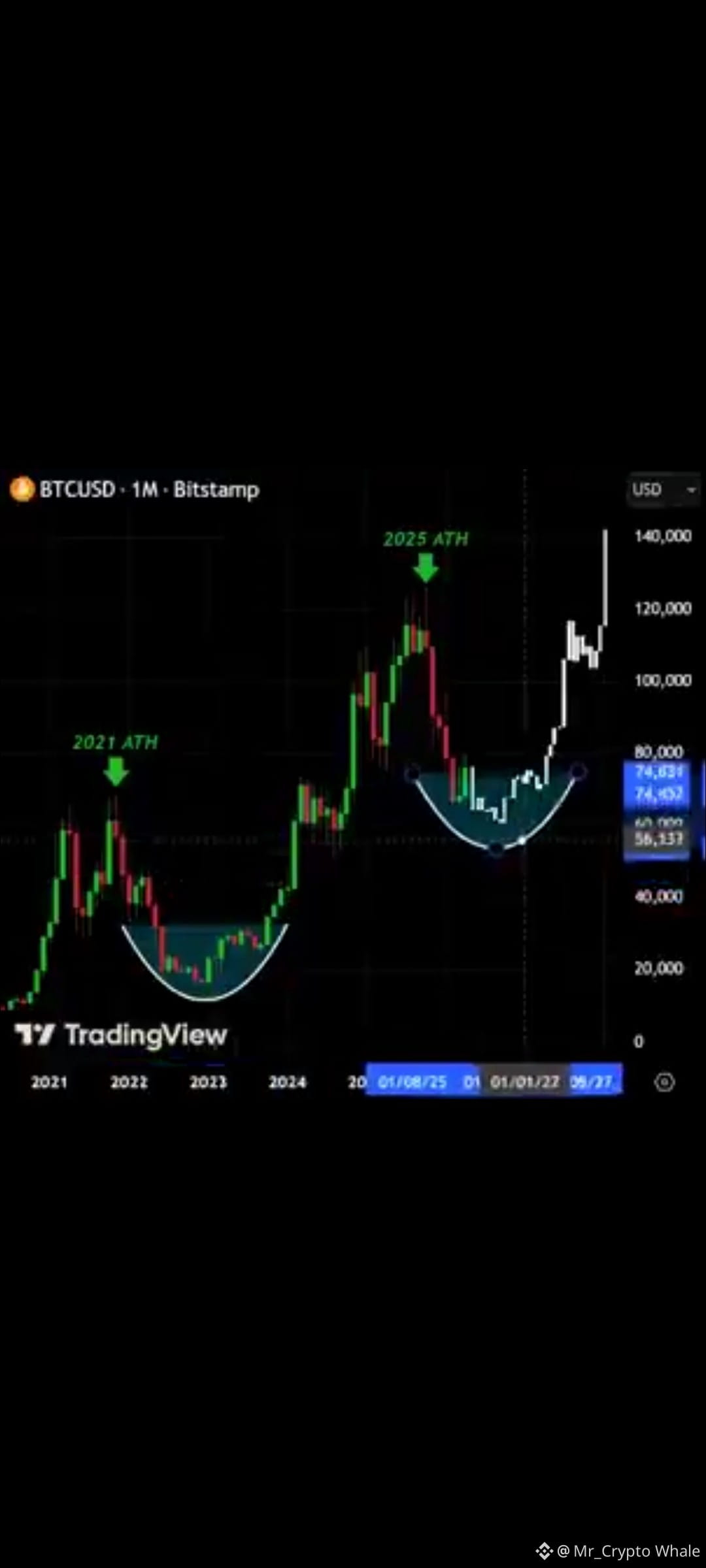
🚨 BULL TRAP $BTC ENDING!
NEXT LEG DOWN LOADING...
$126K → $81K → $97K → $62K → $82K → $43K
THE BITCOIN CYCLE BOTTOM WILL LOOK EXACTLY LIKE THIS
Bottom target: $39K–$50K
As a reminder, I warned about the bull trap at $82K and the summer drop
MY NEXT CALL WILL BE THE BIGGEST ONE OF THIS CYCLE
TURN ON NOTIFICATIONS. MOST PEOPLE WILL FOLLOW ME TOO LATE
{future}(BTCUSDT)
🚨 BULL TRAP $BTC ENDING!
NEXT LEG DOWN LOADING...
$126K → $81K → $97K → $62K → $82K → $43K
THE BITCOIN CYCLE BOTTOM WILL LOOK EXACTLY LIKE THIS
Bottom target: $39K–$50K
As a reminder, I warned about the bull trap at $82K and the summer drop
MY NEXT CALL WILL BE THE BIGGEST ONE OF THIS CYCLE
TURN ON NOTIFICATIONS. MOST PEOPLE WILL FOLLOW ME TOO LATE
NEXT LEG DOWN LOADING...
$126K → $81K → $97K → $62K → $82K → $43K
THE BITCOIN CYCLE BOTTOM WILL LOOK EXACTLY LIKE THIS
Bottom target: $39K–$50K
As a reminder, I warned about the bull trap at $82K and the summer drop
MY NEXT CALL WILL BE THE BIGGEST ONE OF THIS CYCLE
TURN ON NOTIFICATIONS. MOST PEOPLE WILL FOLLOW ME TOO LATE
1
55
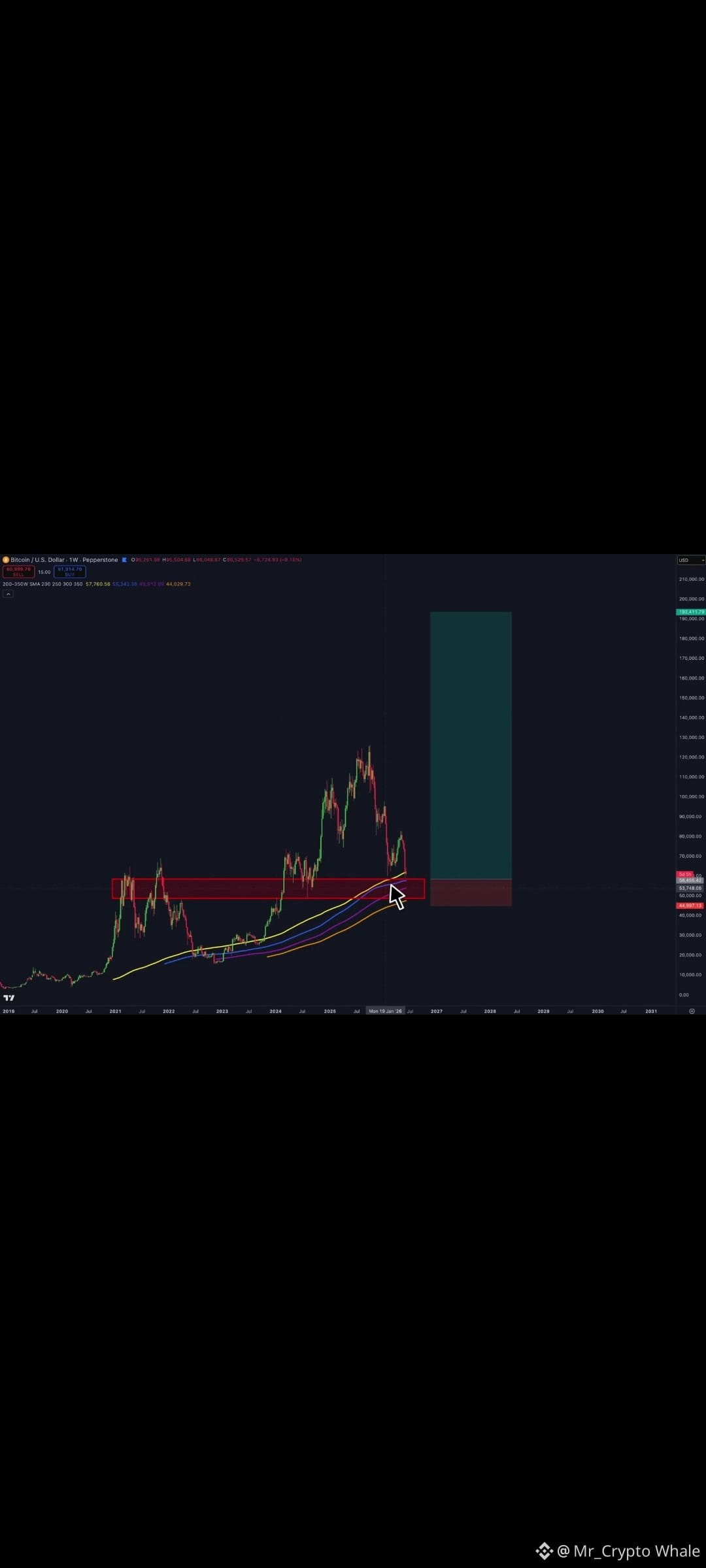
20,000,000 f*cking dollars.
I'm not joking with my new $BTC setup.
This will be the biggest swing long of my life.
#CPIWatch
{future}(BTCUSDT)
20,000,000 f*cking dollars.
I'm not joking with my new $BTC setup.
This will be the biggest swing long of my life.
#CPIWatch
I'm not joking with my new $BTC setup.
This will be the biggest swing long of my life.
#CPIWatch
1
184
THE NEXT BULL RUN WILL BE AWESOME:
$BTC $400,000
$ETH $30,000
$BNB $10,000
$SOL $3000
$XRP $30
$ADA $20
$TON $60
$FIL $200
$DOGE $50
$LTC $1000
THE NEXT BULL RUN WILL BE AWESOME:
$BTC $400,000
$ETH $30,000
$BNB $10,000
$SOL $3000
$XRP $30
$ADA $20
$TON $60
$FIL $200
$DOGE $50
$LTC $1000
$BTC $400,000
$ETH $30,000
$BNB $10,000
$SOL $3000
$XRP $30
$ADA $20
$TON $60
$FIL $200
$DOGE $50
$LTC $1000
1
73
Көбірек контент көру үшін кіріңіз
Binance Square платформасында әлемдік криптоқоғамдастыққа қосылыңыз
⚡️ Криптовалюта туралы ең соңғы және пайдалы ақпаратты алыңыз.
💬 Әлемдегі ең ірі криптобиржаның сеніміне ие.
👍 Расталған авторлардың нақты пікірлерін табыңыз.
Электрондық пошта/телефон нөмірі
Трендтегі тақырыптар
FedMinutesFocusOnOctoberPause
22,243 рет көрілді
453 адам талқылап жатыр
#fedminutesfocusonoctoberpause
🚨 OCTOBER FED HIKE ODDS COLLAPSE TO 21.6%… Is $BTC About to React? 👀
The Fed is about to give markets another major clue.
Investors are waiting for today’s FOMC minutes — and the biggest question is whether October brings another rate hike… or a pause.
Right now, the odds of a 25-basis-point October hike have fallen to just 21.6%.
That’s a huge shift in expectations.
But here’s what makes this interesting… 👀
The Fed raised rates to 3.75%–4.00% in September, but recent weakness in jobs data and softer inflation have made another immediate hike look less certain.
And for crypto, this matters.
A Fed pause could reduce pressure on financial conditions and potentially improve risk appetite.
That could become a tailwind for BTC
But there’s a catch…
Bitcoin is already under pressure as the dollar and Treasury yields move higher.
So tonight’s minutes could become a volatility trigger.
Dovish Fed → liquidity hopes → bullish .
BTC narrative?
Hawkish Fed → higher-rate fears → more pressure on risk assets?
The real question:
Is October becoming the pause Bitcoin bulls have been waiting for… or could the Fed surprise the market again? 👀
Watch BTC + Fed expectations + Treasury yields closely.
#FederalReserve #Fed #Crypto #InterestRates
$ETH
$SOL
Shae Cassler Sw9r
·15 лайк
·32.9k рет көрілді
BinanceLaunchesBinanceIntelligence
939,383 рет көрілді
5,729 адам талқылап жатыр
EvernorthDelaysNasdaqDebutToOct12
0 рет көрілді
0 адам талқылап жатыр