
Gnashhh
2.8k Жариялаулар

Gnashhh
Хабарлау
Пайдаланушыны блоктау
Ở đâu cũng có content!

SXT ұстаушы
Жоғары жиілікті трейдер
6.1 жыл
258 Жазылым
1.5K+ Жазылушылар
4.7K+ лайк басылған
Жазбалар
Барлығы
Баға ұсыныстары
Видеолар
Тікелей эфир
·
--
Жоғары (өспелі)
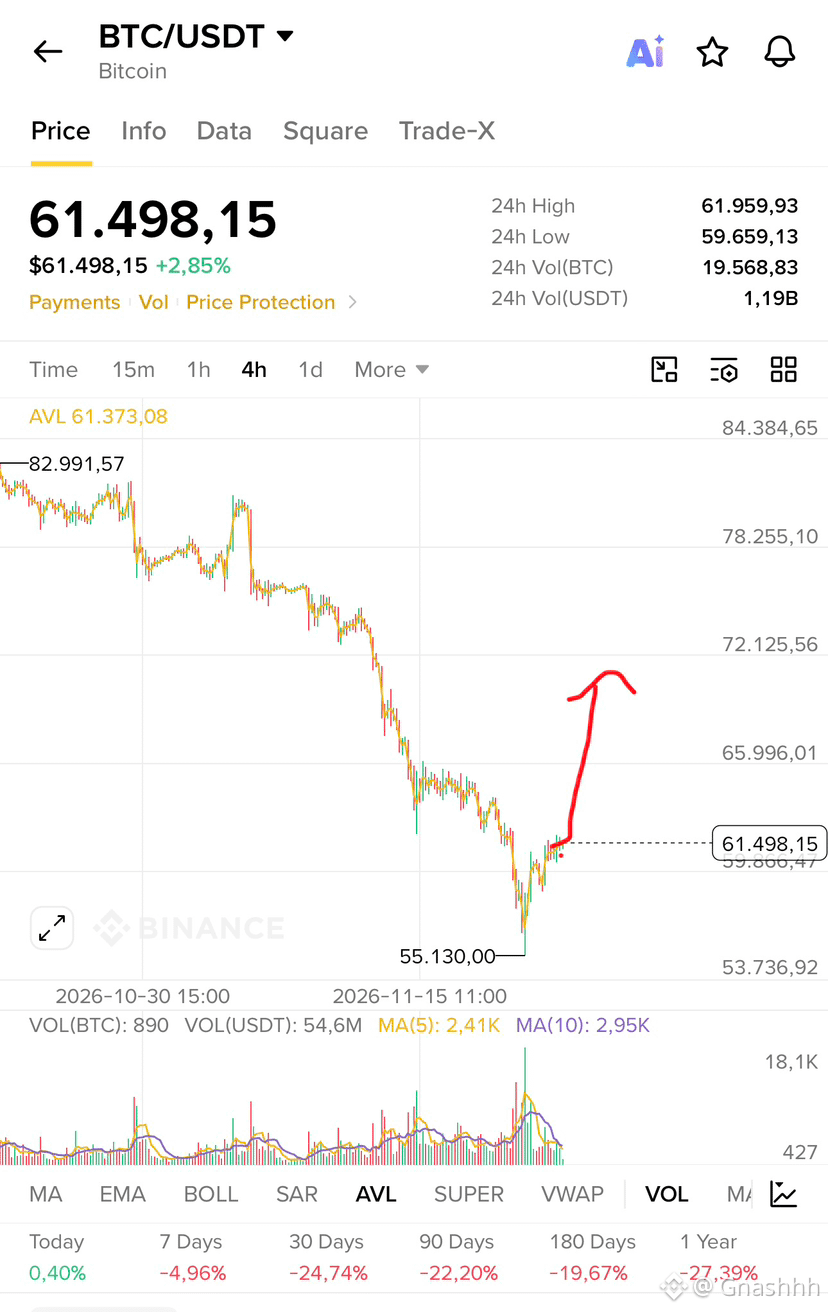
Tầm này $BTC hồi về 70k chắc anh em đua nhau chạy hết 🤣
{future}(BTCUSDT)
Tầm này $BTC hồi về 70k chắc anh em đua nhau chạy hết 🤣
609

·
--
Жоғары (өспелі)
Расталды
A tokenized warehouse receipt crossed my feed with a clean dashboard, and my first instinct was to trust the numbers. Then I read this line: Space and Time provides verifiable data for tokenized assets (RWA). The word I stopped on was "data".
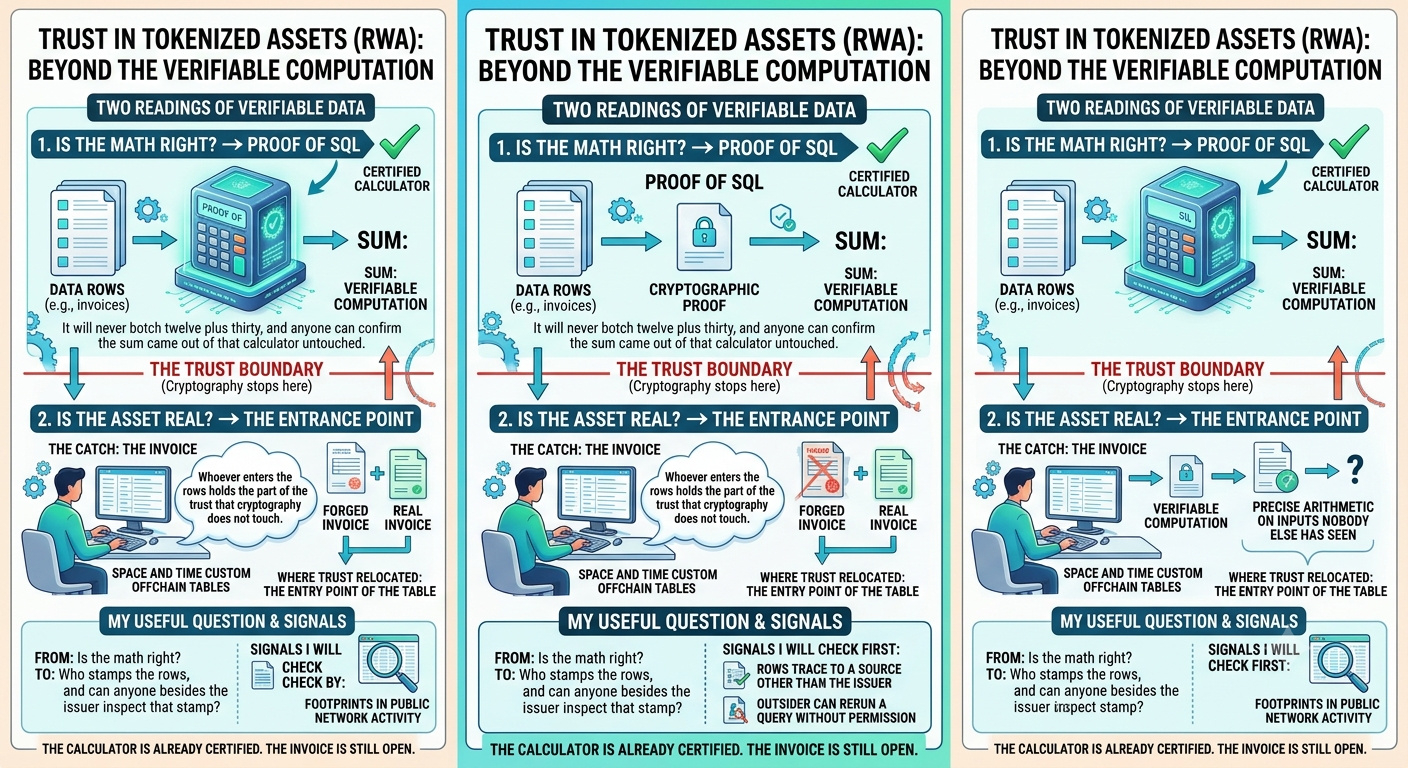
Space and Time's custom offchain tables let an issuer keep records offchain and still query them with proof. Think of Proof of SQL as a certified calculator. It will never botch twelve plus thirty, and anyone can confirm the sum came out of that calculator untouched.
The catch is the invoice. A certified calculator adds a forged invoice just as perfectly as a real one. The proof starts after the numbers are typed in, so whoever enters the rows holds the part of the trust that cryptography does not touch. Trust did not disappear from RWA. It relocated to the entry point of the table.
That splits "verifiable data" in two. One reading is that the computation is verifiable, which Proof of SQL delivers. The other is that the asset's existence is verifiable, which is what a buyer of a tokenized asset usually wants. Reading the first as the second is the easy mistake.
Where that leaves me: this is a boundary, not a flaw, and it moves the useful question from "is the math right" to "who stamps the rows, and can anyone besides the issuer inspect that stamp".
A table earns my respect when its rows trace to a source other than the issuer, and when an outsider can rerun a query without permission. Both should leave footprints in public network activity, so those are the signals I will check first. Without them, I count it as precise arithmetic on inputs nobody else has seen.
The calculator is already certified. The invoice is still open.
#sxt $SXT @SpaceandTimeDB
A tokenized warehouse receipt crossed my feed with a clean dashboard, and my first instinct was to trust the numbers. Then I read this line: Space and Time provides verifiable data for tokenized assets (RWA). The word I stopped on was "data".
Space and Time's custom offchain tables let an issuer keep records offchain and still query them with proof. Think of Proof of SQL as a certified calculator. It will never botch twelve plus thirty, and anyone can confirm the sum came out of that calculator untouched.
The catch is the invoice. A certified calculator adds a forged invoice just as perfectly as a real one. The proof starts after the numbers are typed in, so whoever enters the rows holds the part of the trust that cryptography does not touch. Trust did not disappear from RWA. It relocated to the entry point of the table.
That splits "verifiable data" in two. One reading is that the computation is verifiable, which Proof of SQL delivers. The other is that the asset's existence is verifiable, which is what a buyer of a tokenized asset usually wants. Reading the first as the second is the easy mistake.
Where that leaves me: this is a boundary, not a flaw, and it moves the useful question from "is the math right" to "who stamps the rows, and can anyone besides the issuer inspect that stamp".
A table earns my respect when its rows trace to a source other than the issuer, and when an outsider can rerun a query without permission. Both should leave footprints in public network activity, so those are the signals I will check first. Without them, I count it as precise arithmetic on inputs nobody else has seen.
The calculator is already certified. The invoice is still open.
#sxt $SXT @SpaceandTime
2
834
·
--
Төмен (кемімелі)
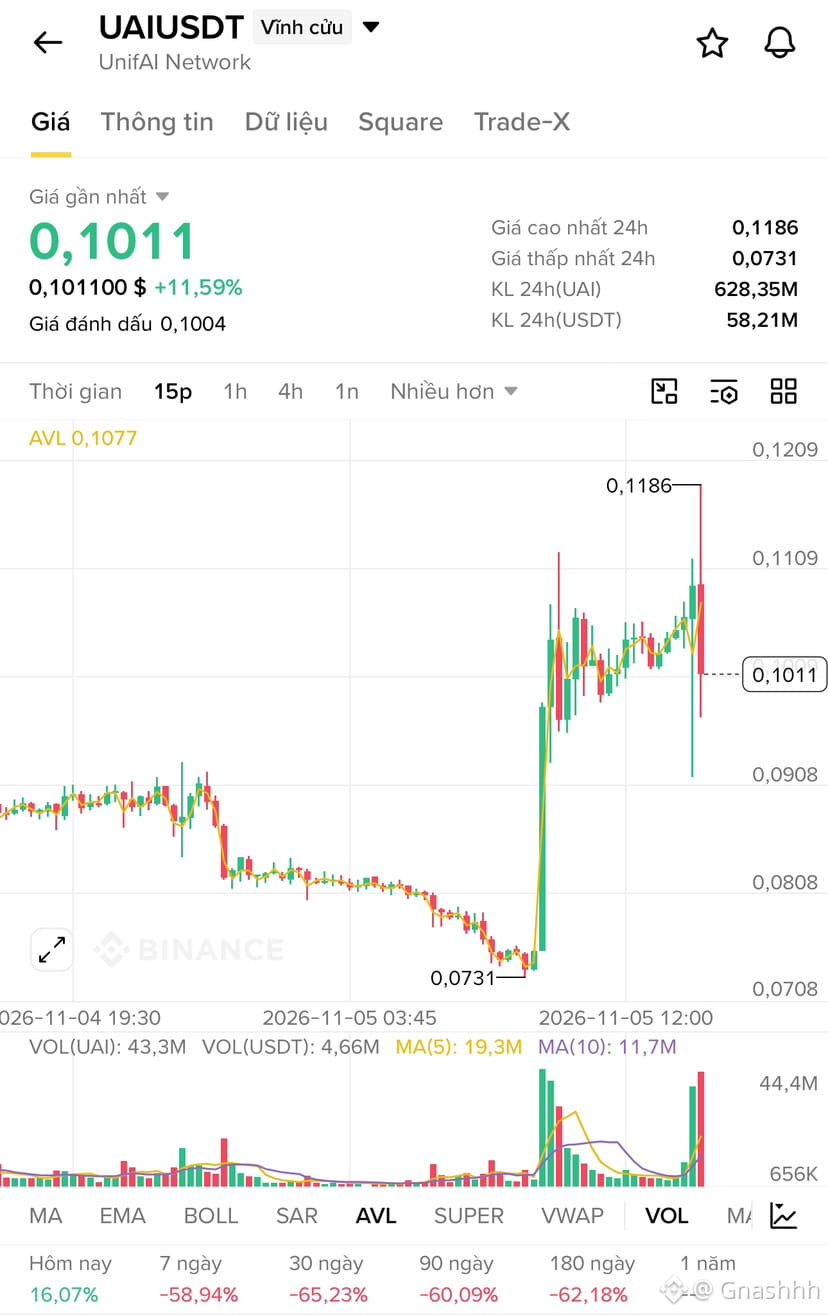
$UAI - Chart pump dump đã vậy ta 🥹
Anh em đang long hay short?
{future}(UAIUSDT)
$UAI - Chart pump dump đã vậy ta 🥹
Anh em đang long hay short?
Anh em đang long hay short?
1
901

·
--
Төмен (кемімелі)
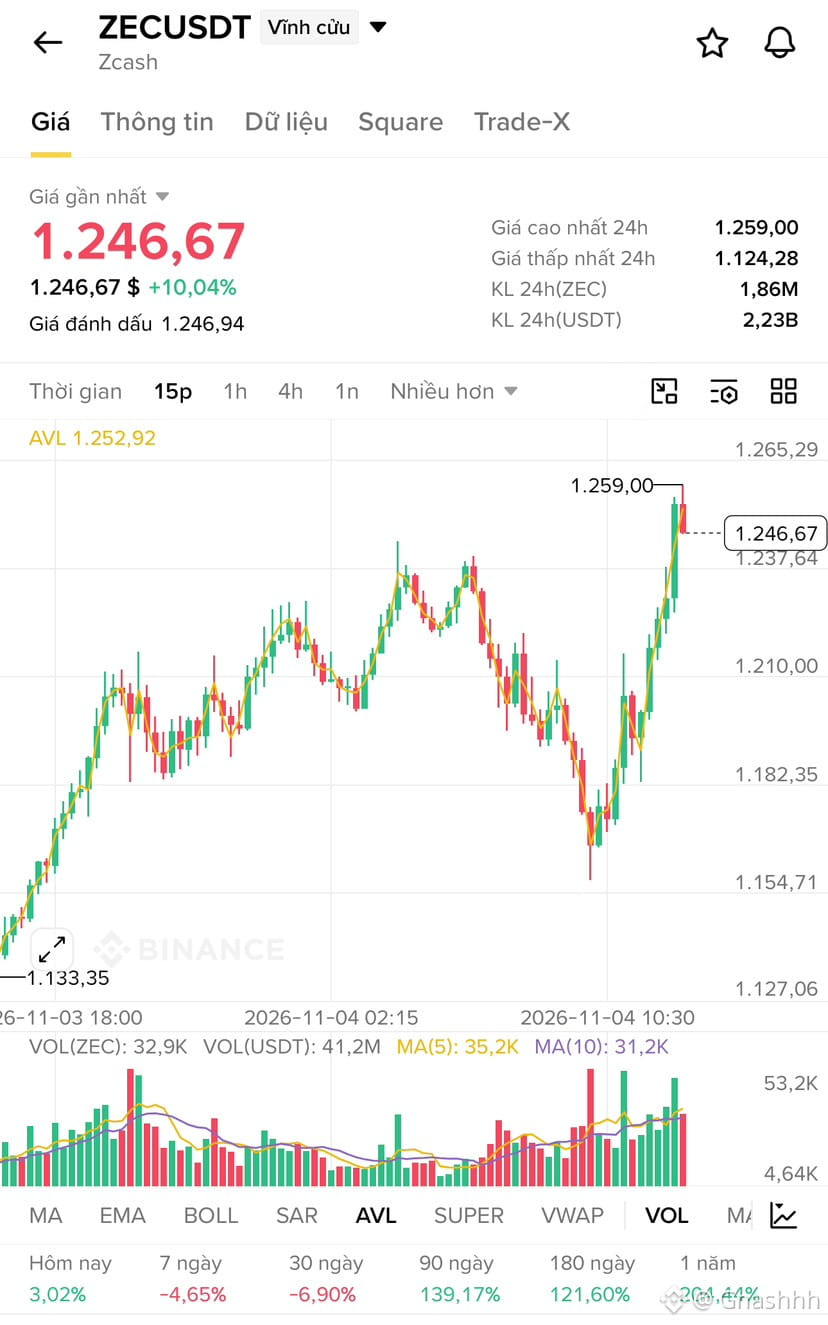
$BTC có chạy ra sao thì $ZEC vẫn 1 mình 1 ngựa 😆
1266 té nha bà coan!
Dyor. Nfa
{future}(ZECUSDT)
{future}(BTCUSDT)
$BTC có chạy ra sao thì $ZEC vẫn 1 mình 1 ngựa 😆
1266 té nha bà coan!
Dyor. Nfa
1266 té nha bà coan!
Dyor. Nfa
1
1.2k

·
--
Жоғары (өспелі)
1
764
·
--
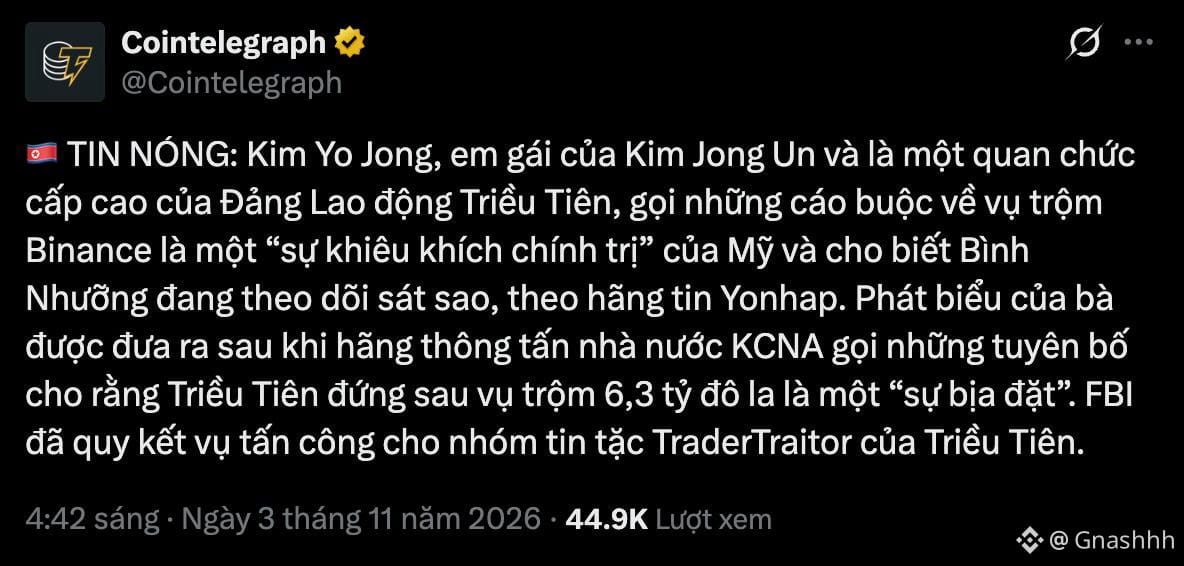
#BinancePick Có vẻ Binance đã cover được hết các khoản bị cuỗm đi - hi vọng sớm ổn 100%
#BinancePick Có vẻ Binance đã cover được hết các khoản bị cuỗm đi - hi vọng sớm ổn 100%

47
·
--
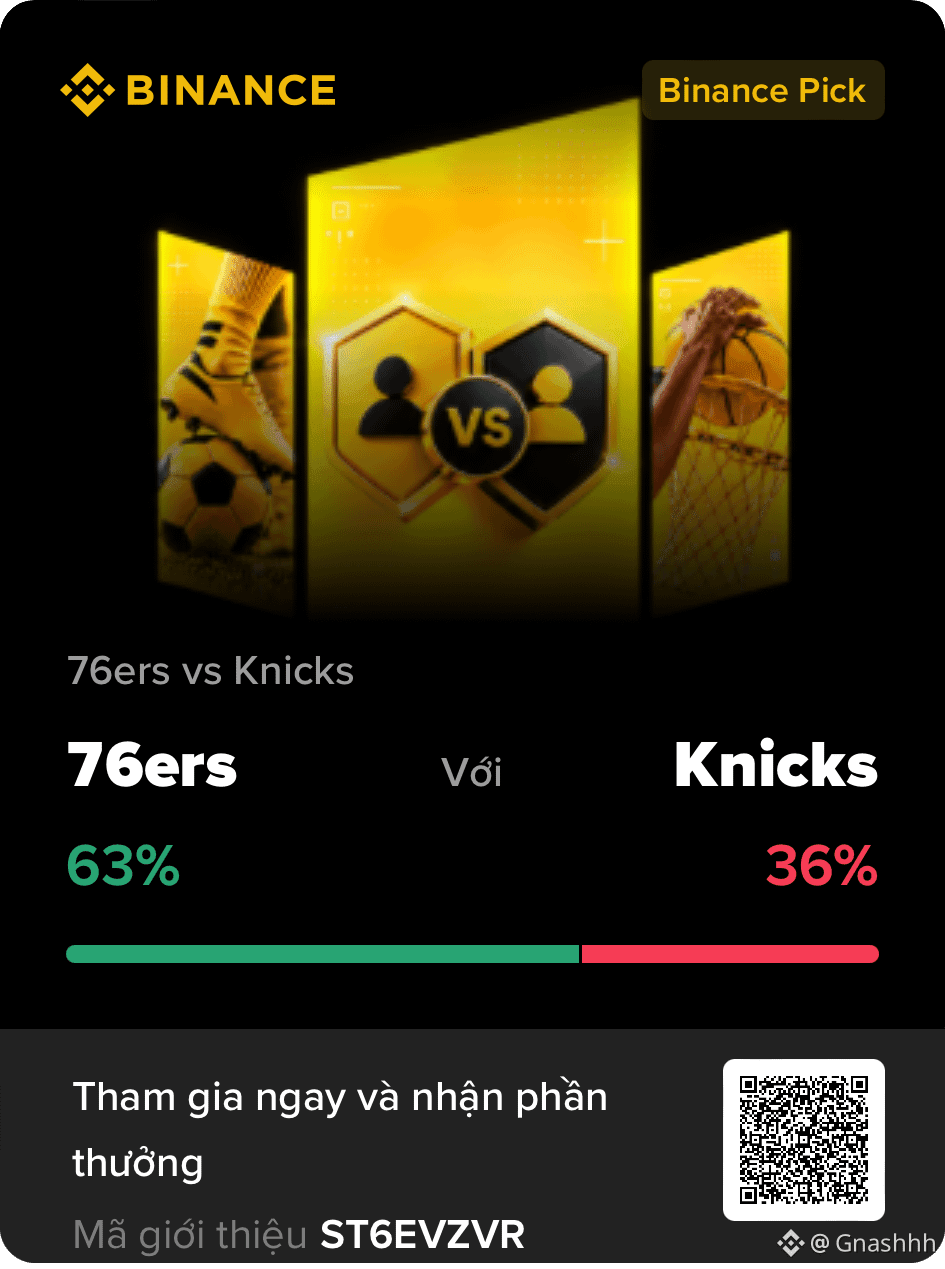
#BinancePick Pick đội win sao dạo này có vẻ ngày càng khó rồi 😅
#BinancePick Pick đội win sao dạo này có vẻ ngày càng khó rồi 😅

56
·
--
#BinancePick Mỗi ngày một mốc mới, một thử thách mới. Đừng quên chiến thắng
#BinancePick Mỗi ngày một mốc mới, một thử thách mới. Đừng quên chiến thắng

85

·
--
#BinancePick Mất luôn pool predict bằng $BTC rồi 😅
{future}(BTCUSDT)
#BinancePick Mất luôn pool predict bằng $BTC rồi 😅

62
·
--
#BinancePick Chơi Binance Pick căng phết, top đầu như thánh vậy 😅
#BinancePick Chơi Binance Pick căng phết, top đầu như thánh vậy 😅

1
59
·
--
#BinancePick Try it for free but won the real prize, guys!
#BinancePick Try it for free but won the real prize, guys!

2
187
·
--
Жоғары (өспелі)
Расталды
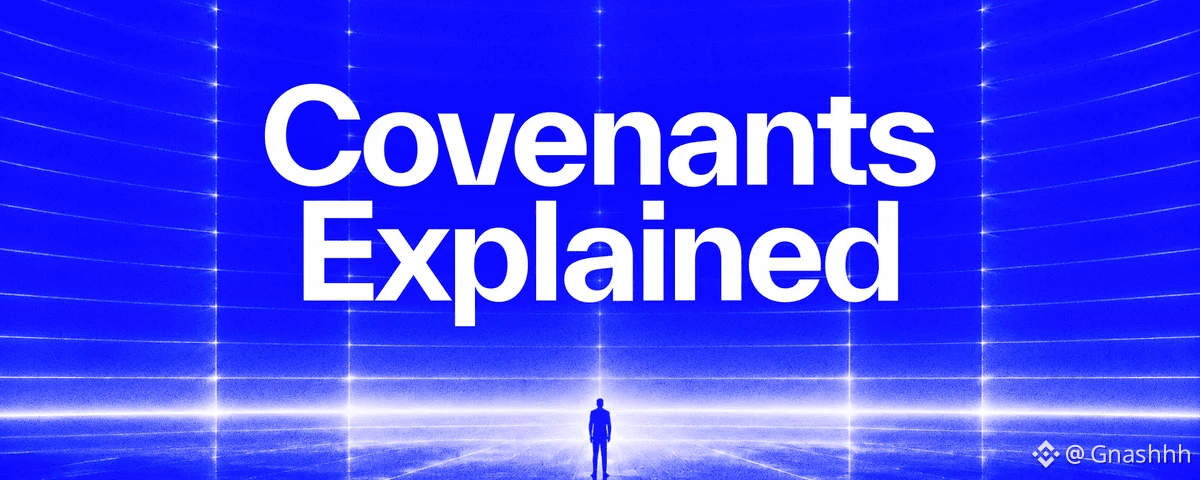
Escrow, wills, sealed-bid auctions and time capsules look like four unrelated businesses. They run on the same idea: an instruction is locked away, and it opens only when something becomes true. Nobody calls that idea an industry. It is a primitive, and whole industries get built on top of it.
That is how I read Nillion’s Covenant. A Covenant is an instruction sealed to a condition and posted onchain, encrypted. When the condition turns true, a threshold of independent nodes opens it and it executes. Nobody runs a bot, and nobody has to be trusted to keep their eyes closed. A stop-loss, a bid, a scheduled payment and a delayed disclosure are the same object with different conditions attached.
This is what separates a primitive from a product. A product wins by beating competitors at one job. A primitive wins when other teams use it for jobs its authors never listed. The first phase, called Dusk, puts Covenants on Ethereum, and the roadmap carries the same mechanism across EVM chains and then toward settlement between chains. The mechanism stays fixed while the surface area grows.
If I have to name what I like most about Covenant, it is how little it asks. It does not try to replace the exchange, the vault or the auction house. It gives each of them one ability they never had: keeping an instruction unreadable until the moment it matters. A primitive that completes existing apps never has to win a war against them.
That also tells me what to measure. One app’s transaction count says little. The number of different conditions people attach, and the number of separate teams building on the same primitive, says a lot.
The question I keep coming back to: which builder ships the first Covenant use case that nobody at Nillion planned?
#nil $NIL @nillionnetwork
Escrow, wills, sealed-bid auctions and time capsules look like four unrelated businesses. They run on the same idea: an instruction is locked away, and it opens only when something becomes true. Nobody calls that idea an industry. It is a primitive, and whole industries get built on top of it.
That is how I read Nillion’s Covenant. A Covenant is an instruction sealed to a condition and posted onchain, encrypted. When the condition turns true, a threshold of independent nodes opens it and it executes. Nobody runs a bot, and nobody has to be trusted to keep their eyes closed. A stop-loss, a bid, a scheduled payment and a delayed disclosure are the same object with different conditions attached.
This is what separates a primitive from a product. A product wins by beating competitors at one job. A primitive wins when other teams use it for jobs its authors never listed. The first phase, called Dusk, puts Covenants on Ethereum, and the roadmap carries the same mechanism across EVM chains and then toward settlement between chains. The mechanism stays fixed while the surface area grows.
If I have to name what I like most about Covenant, it is how little it asks. It does not try to replace the exchange, the vault or the auction house. It gives each of them one ability they never had: keeping an instruction unreadable until the moment it matters. A primitive that completes existing apps never has to win a war against them.
That also tells me what to measure. One app’s transaction count says little. The number of different conditions people attach, and the number of separate teams building on the same primitive, says a lot.
The question I keep coming back to: which builder ships the first Covenant use case that nobody at Nillion planned?
#nil $NIL @Nillion
1
5
3.1k
·
--
Төмен (кемімелі)
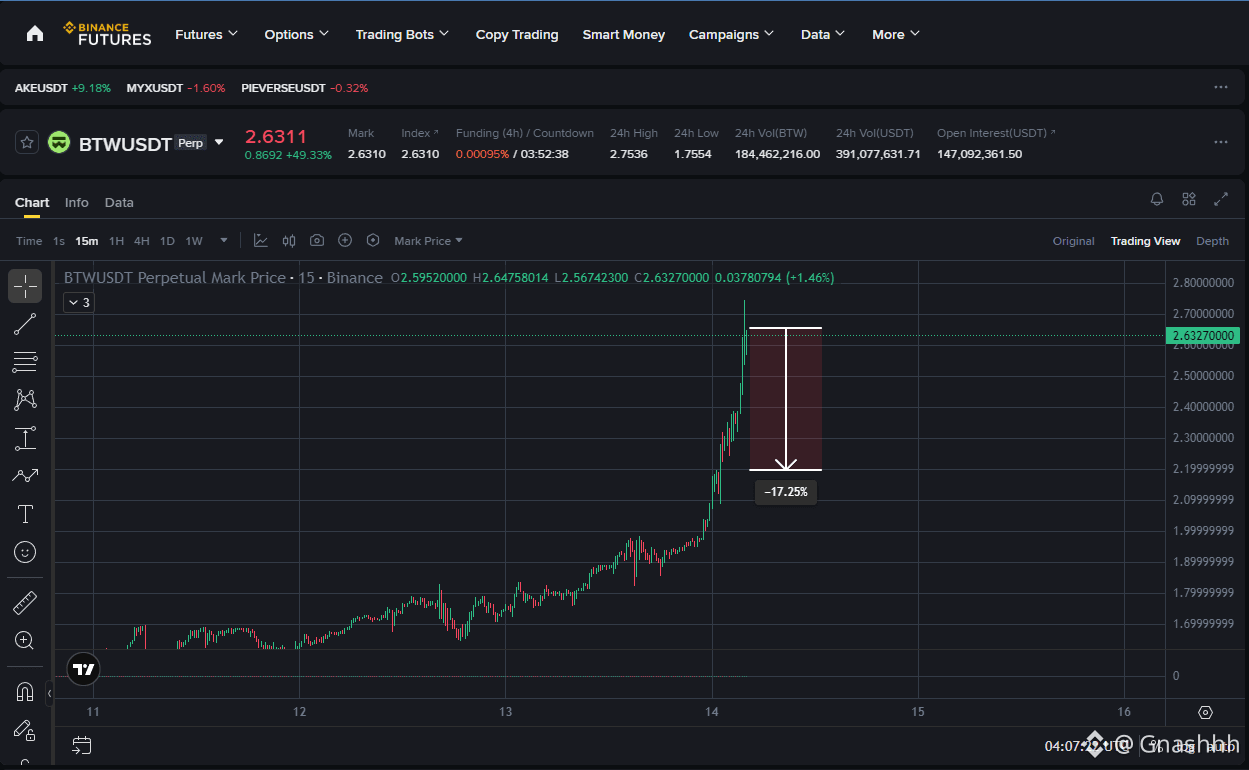
$BTW - A $26B valuation? Seriously overvalued.
Trading volume should be above $1B, and funding rates need to hit -2%.
Just look at what happened after its ATH. A 99% crash. 💀
DYOR. NFA
{future}(BTWUSDT)
$BTW - A $26B valuation? Seriously overvalued.
Trading volume should be above $1B, and funding rates need to hit -2%.
Just look at what happened after its ATH. A 99% crash. 💀
DYOR. NFA
Trading volume should be above $1B, and funding rates need to hit -2%.
Just look at what happened after its ATH. A 99% crash. 💀
DYOR. NFA
3
3
2.6k
·
--
Жоғары (өспелі)
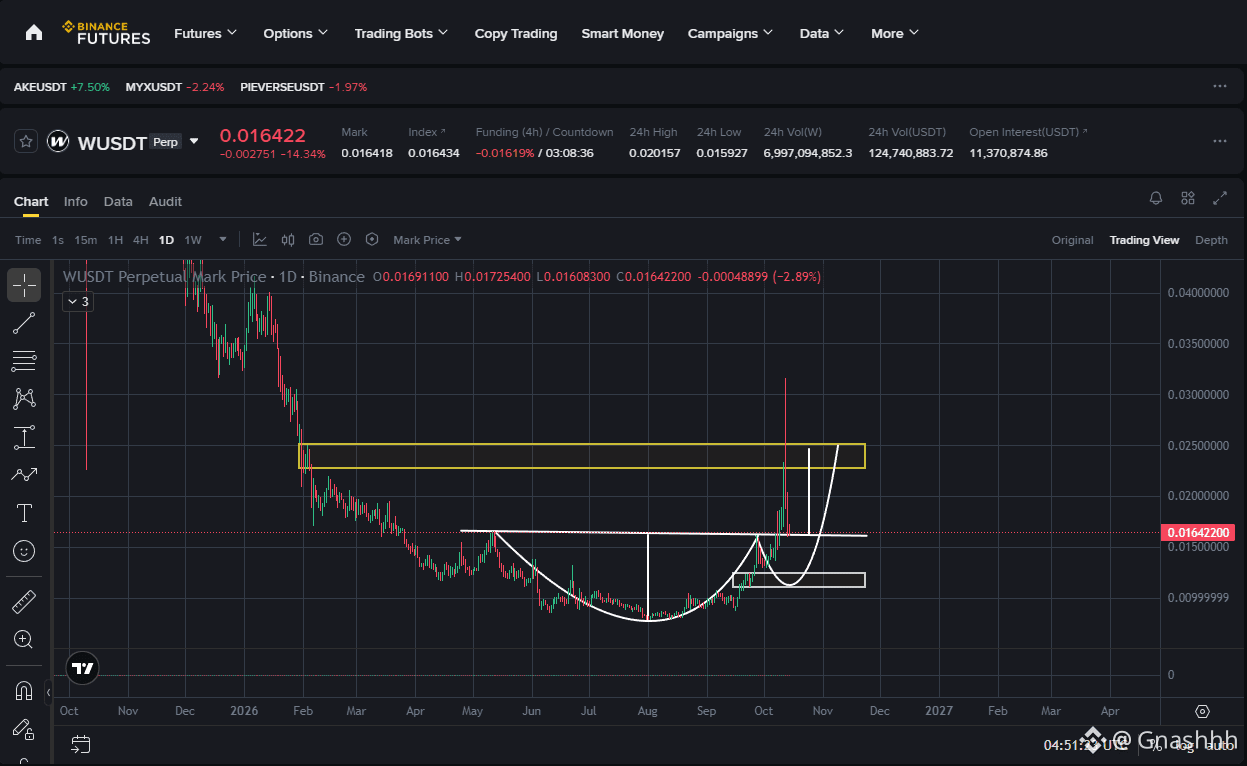
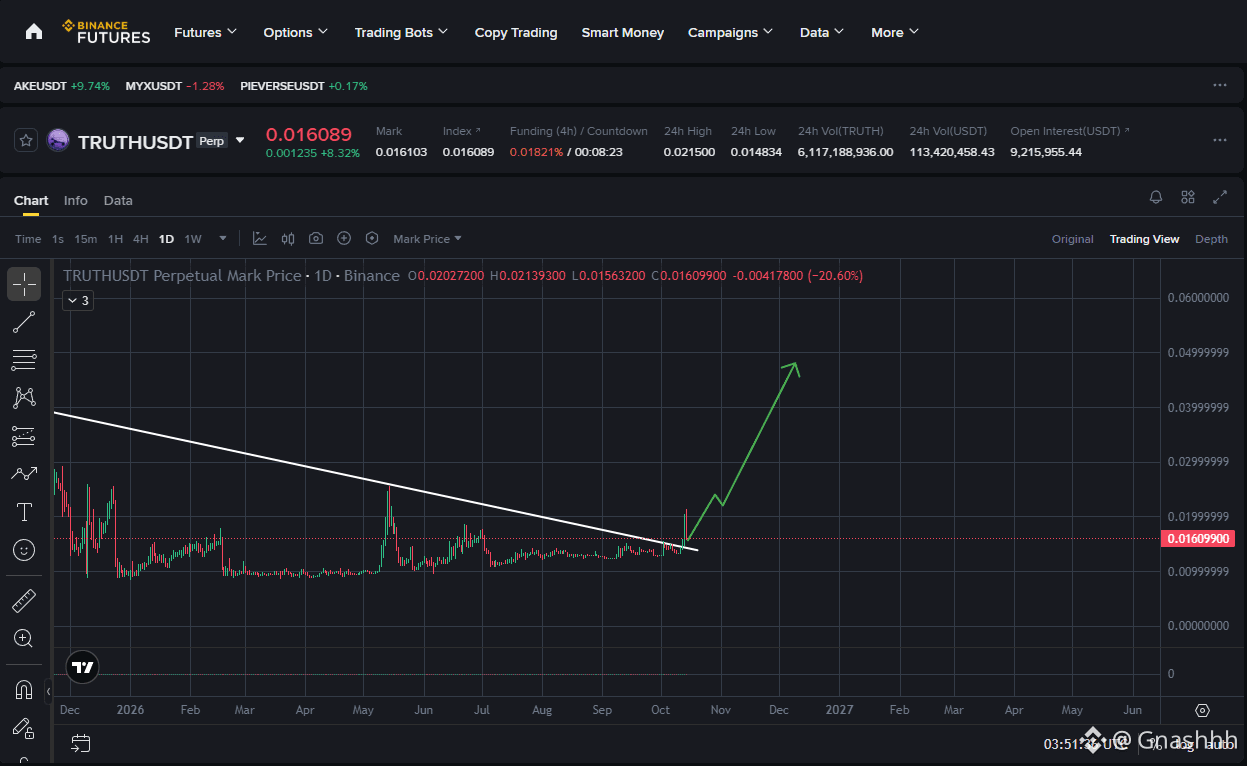
$TRUTH - Breakout.
Next TP: 0.0235 - 0.0475
DYOR. NFA
{future}(TRUTHUSDT)
$TRUTH - Breakout.
Next TP: 0.0235 - 0.0475
DYOR. NFA
Next TP: 0.0235 - 0.0475
DYOR. NFA
2
1k
Көбірек контент көру үшін кіріңіз
Binance Square платформасында әлемдік криптоқоғамдастыққа қосылыңыз
⚡️ Криптовалюта туралы ең соңғы және пайдалы ақпаратты алыңыз.
💬 Әлемдегі ең ірі криптобиржаның сеніміне ие.
👍 Расталған авторлардың нақты пікірлерін табыңыз.
Электрондық пошта/телефон нөмірі
Трендтегі тақырыптар
Bitcoin'sReboundFadesBelow$60K
1,293 рет көрілді
43 адам талқылап жатыр
🚨 BITCOIN IS FLASHING A MAJOR WARNING.
Current Update
·2 лайк
·773 рет көрілді
NVIDIAReinstatesJensenHuangasCEO
188,785 рет көрілді
1,292 адам талқылап жатыр
WillMarketsStageAThanksgivingReliefRally?
281,653 рет көрілді
2,166 адам талқылап жатыр