Binance Square
Selena09
1.1k Жариялаулар

Selena09

209 Жазылым
402 Жазылушылар
1.2K+ лайк басылған
Жазбалар
·
--
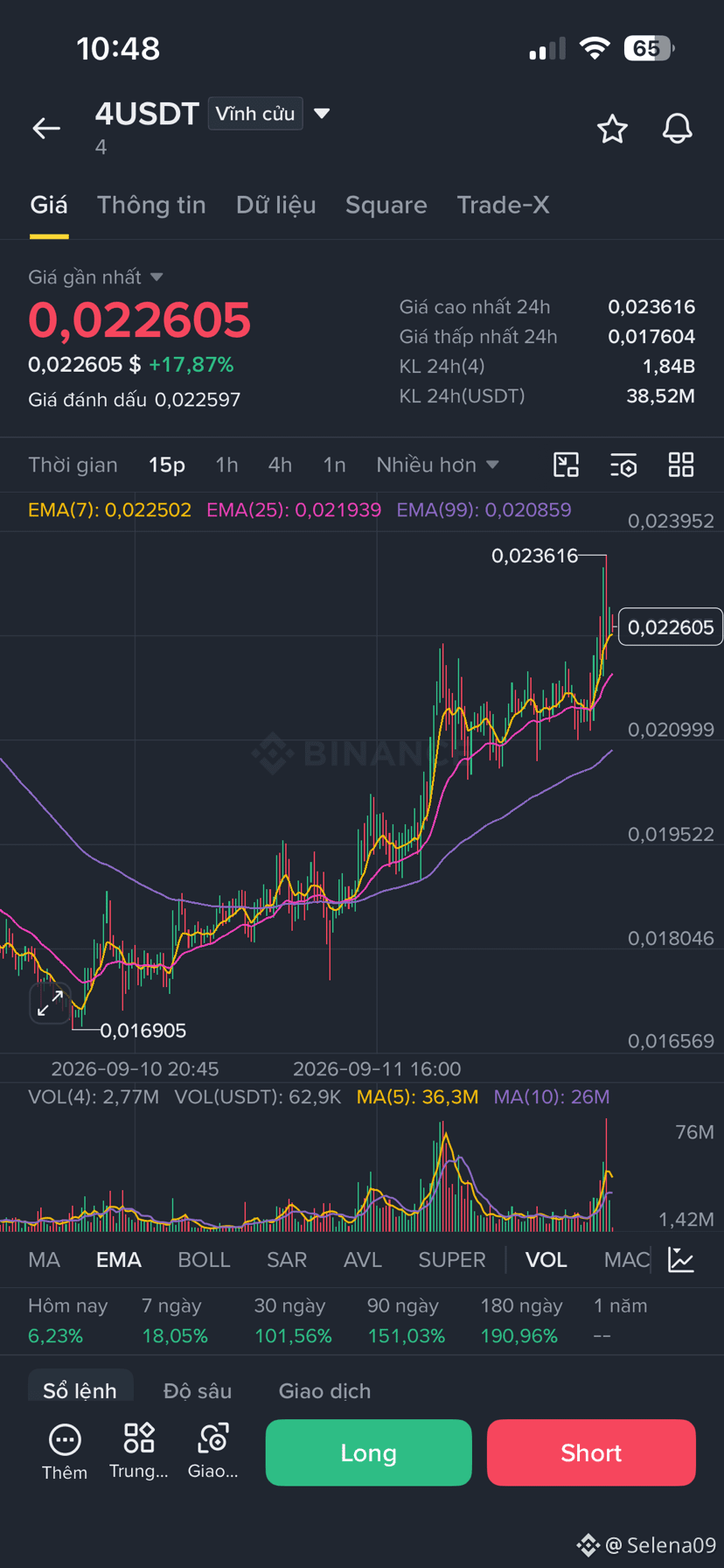
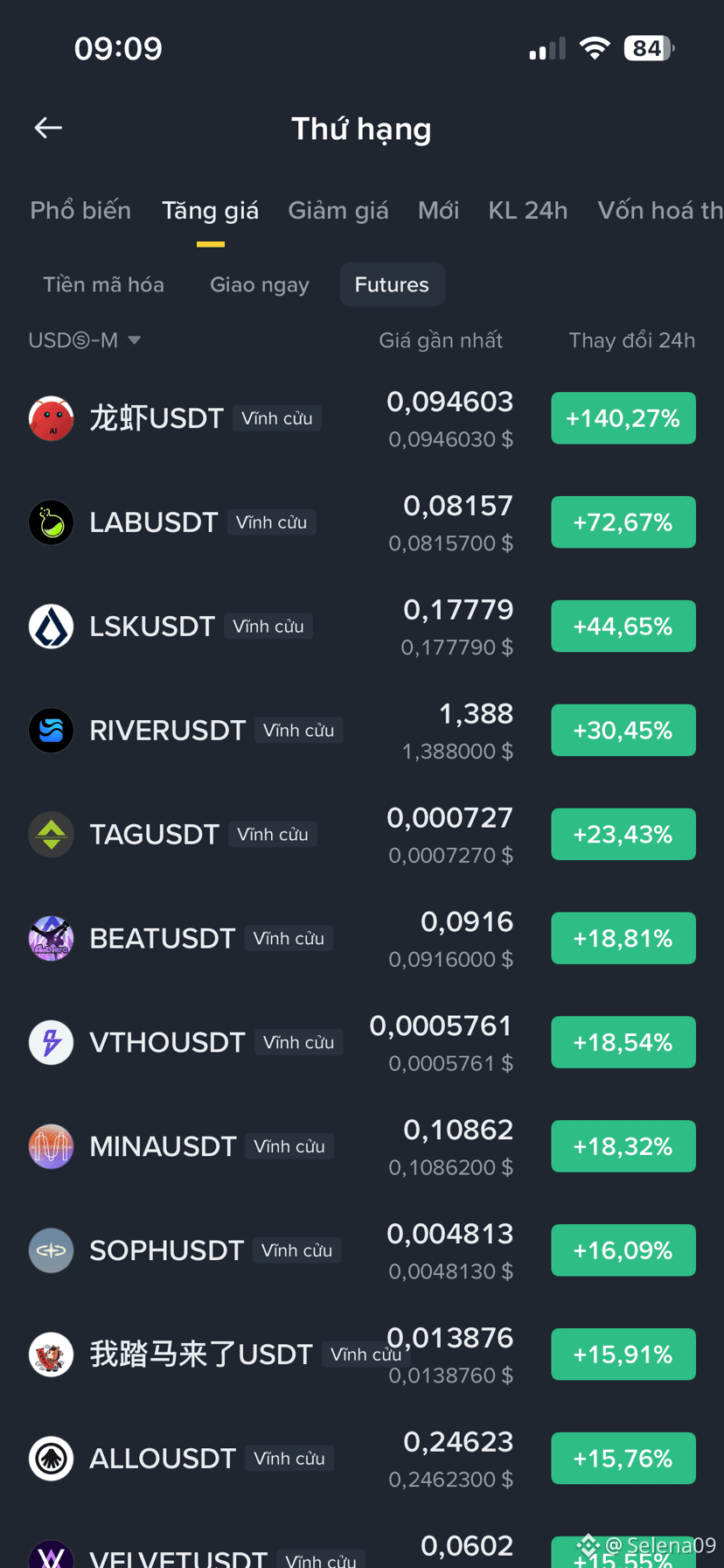
Lại thêm tin gì nhữa đây, thị trường ảm đạm có khác, hết tin xấu này tới tin xấu nọ. Còn gì nữa tới liền nào 😴😴
Binance News
·
--
Russia Places Telegram Founder Pavel Durov on International Wanted List
Russian authorities have placed Telegram founder Pavel Durov on an international wanted list as they escalate a criminal case accusing him of facilitating terrorist activity. According to Cointelegraph, Russia’s Federal Security Service said on Wednesday that it charged Durov with facilitating terrorist activity and issued an international warrant for his arrest, according to local news agency Interfax. The FSB alleged that Telegram failed to remove channels, chats and bots used by Ukrainian intelligence services, terrorist groups and extremist organizations to coordinate attacks, recruit operatives and carry out cyber fraud. The case marks a further step in the dispute between Russian authorities and the messaging platform’s founder, who has previously denied that the investigation reflects legitimate law enforcement concerns.
A dishonest actor is not afraid of being inspected. What they fear most is not knowing where the inspection will happen. That was the first thought that came to mind when I encountered the numbers 307–301–6 in the BABE mechanism behind Trustless Bitcoin Vaults (TBV) by @BabylonLabs_io. I understood the numbers. What I didn’t understand was why a protocol would intentionally create so much extra work. During peg-in, BABE generates 307 garbled circuit instances. Through a cut-and-choose protocol, 301 instances are opened to verify how the circuits were created, while only the remaining 6 are actually used. At first, that looked terribly inefficient. Nearly 98% of the circuits never contribute to the final computation. If only six are needed, why not generate six from the start? Because that only works if the circuit generator already knows which six will survive. BABE removes exactly that advantage. All 307 instances must be created before the protocol randomly selects 301 for inspection. The verifier is not simply checking the final result, but the integrity of the generation process itself. Since no one knows in advance which circuits will be challenged, preparing separate “honest” and “dishonest” versions becomes impractical. That was when the 301 opened circuits stopped looking like wasted work. They are the cost of making verification unpredictable. To me, that is the real design choice behind BABE. The protocol does not rely on participants being honest. It makes honesty the safer strategy because no one can predict what will be inspected. The numbers 307–301–6 are therefore more than implementation details. They reflect a deliberate architectural trade-off inside TBV: spending more computation during verification to reduce trust assumptions before Bitcoin secures an application. @babylonlabs_io $ON $BABY #baby
A dishonest actor is not afraid of being inspected. What they fear most is not knowing where the inspection will happen.
That was the first thought that came to mind when I encountered the numbers 307–301–6 in the BABE mechanism behind Trustless Bitcoin Vaults (TBV) by @BabylonLabs_io. I understood the numbers. What I didn’t understand was why a protocol would intentionally create so much extra work.

During peg-in, BABE generates 307 garbled circuit instances. Through a cut-and-choose protocol, 301 instances are opened to verify how the circuits were created, while only the remaining 6 are actually used.

At first, that looked terribly inefficient. Nearly 98% of the circuits never contribute to the final computation. If only six are needed, why not generate six from the start? Because that only works if the circuit generator already knows which six will survive. BABE removes exactly that advantage.

All 307 instances must be created before the protocol randomly selects 301 for inspection. The verifier is not simply checking the final result, but the integrity of the generation process itself. Since no one knows in advance which circuits will be challenged, preparing separate “honest” and “dishonest” versions becomes impractical.

That was when the 301 opened circuits stopped looking like wasted work. They are the cost of making verification unpredictable.
To me, that is the real design choice behind BABE. The protocol does not rely on participants being honest. It makes honesty the safer strategy because no one can predict what will be inspected.

The numbers 307–301–6 are therefore more than implementation details. They reflect a deliberate architectural trade-off inside TBV: spending more computation during verification to reduce trust assumptions before Bitcoin secures an application.

@BabylonLabs_io $ON $BABY #baby
Chờ đợi và hi vọng GRVT vào ngày 30/7 trên Binance Alpha, nghe nói air lỏ lắm không biết có lên alpha không đây $ON
Chờ đợi và hi vọng GRVT vào ngày 30/7 trên Binance Alpha, nghe nói air lỏ lắm không biết có lên alpha không đây
$ON
Tăng gì ác vậy, con mua thì sấp mặt. BƠM ÁC $ON
Tăng gì ác vậy, con mua thì sấp mặt. BƠM ÁC
$ON
Расталды
The number that stayed with me after Phase-1 Cap-2 was not nearly 23,000 BTC staked. It was the fact that those 23,000 BTC did not need anyone coordinating them. In traditional finance, getting thousands of people to complete the same action within a short period usually requires someone in the middle setting schedules, assigning priorities, or deciding who goes first. Bitcoin has none of that. That is why I think Phase-1 Cap-2 by @babylonlabs_io deserves attention for a different reason. Many people see it as proof of staking demand. I see it as a demonstration of coordination without a coordinator. Within a window of only 10 Bitcoin blocks, thousands of participants had to choose their own UTXOs, build and sign their staking transactions, estimate appropriate fees, and compete in the same mempool. There was no scheduler. No sequencer. No priority queue. Not even a guarantee that any transaction would be included in a block. Some will argue that incentives explain everything. I agree but only up to a point. Incentives can motivate people to participate. They cannot replace coordination. If everyone wanted to stake but submitted transactions at the wrong time, underpriced their fees, or failed to prepare properly, the result would simply be a congested mempool. Desire alone does not create coordination. That is what impressed me most about Cap-2. Babylon did not stand in the middle directing thousands of participants. Instead, it created a set of rules clear enough that thousands of independent participants could coordinate themselves. That is why nearly 23,000 BTC represents more than capital flowing into a protocol. It demonstrates something far more difficult: a decentralized system enabling thousands of strangers to act in remarkable synchrony without anyone giving orders. To me, that is the real achievement of Phase-1 Cap-2. @babylonlabs_io $LAB $BABY #baby
The number that stayed with me after Phase-1 Cap-2 was not nearly 23,000 BTC staked. It was the fact that those 23,000 BTC did not need anyone coordinating them.

In traditional finance, getting thousands of people to complete the same action within a short period usually requires someone in the middle setting schedules, assigning priorities, or deciding who goes first. Bitcoin has none of that.

That is why I think Phase-1 Cap-2 by @BabylonLabs_io deserves attention for a different reason.
Many people see it as proof of staking demand.
I see it as a demonstration of coordination without a coordinator.

Within a window of only 10 Bitcoin blocks, thousands of participants had to choose their own UTXOs, build and sign their staking transactions, estimate appropriate fees, and compete in the same mempool. There was no scheduler. No sequencer. No priority queue. Not even a guarantee that any transaction would be included in a block.

Some will argue that incentives explain everything. I agree but only up to a point. Incentives can motivate people to participate. They cannot replace coordination.

If everyone wanted to stake but submitted transactions at the wrong time, underpriced their fees, or failed to prepare properly, the result would simply be a congested mempool. Desire alone does not create coordination.

That is what impressed me most about Cap-2. Babylon did not stand in the middle directing thousands of participants. Instead, it created a set of rules clear enough that thousands of independent participants could coordinate themselves. That is why nearly 23,000 BTC represents more than capital flowing into a protocol.

It demonstrates something far more difficult: a decentralized system enabling thousands of strangers to act in remarkable synchrony without anyone giving orders. To me, that is the real achievement of Phase-1 Cap-2.

@BabylonLabs_io $LAB $BABY #baby
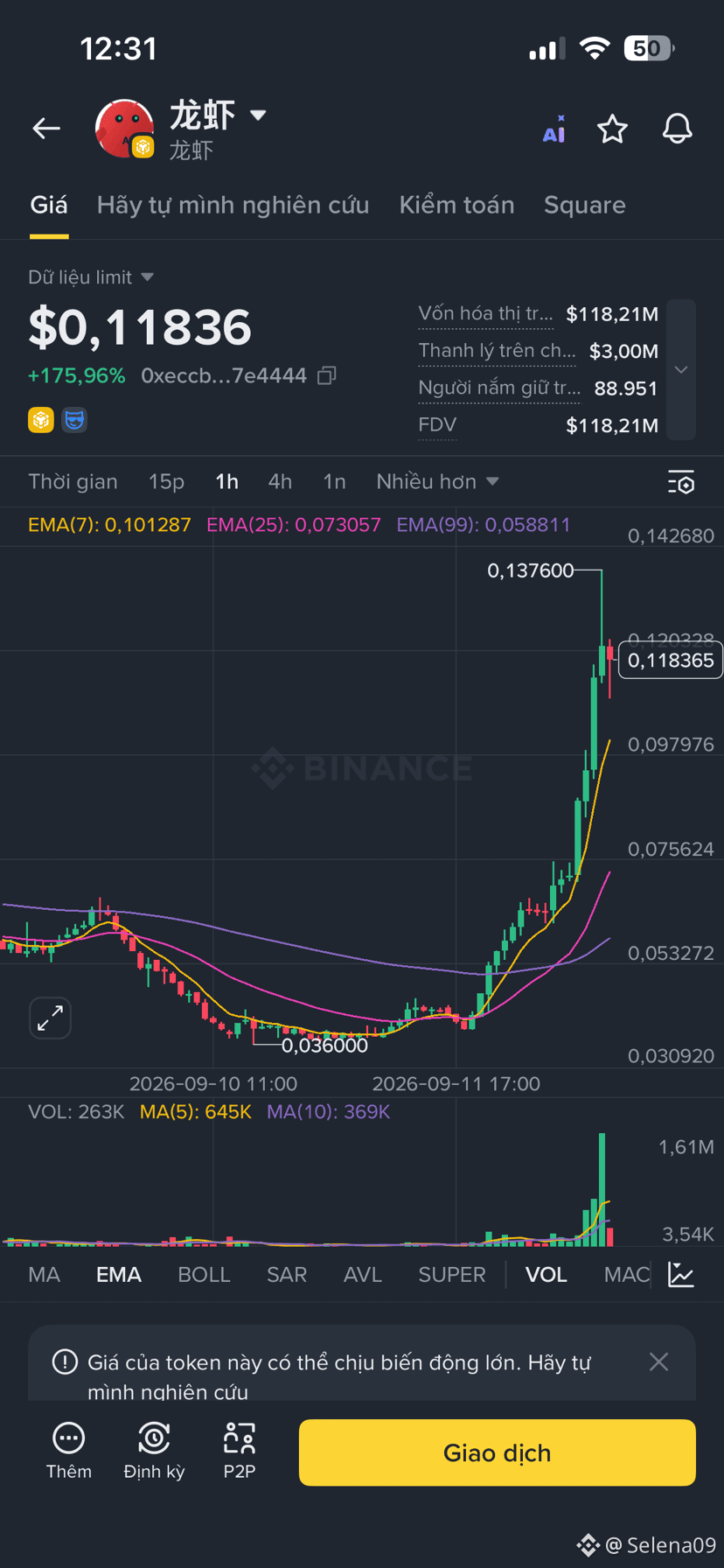
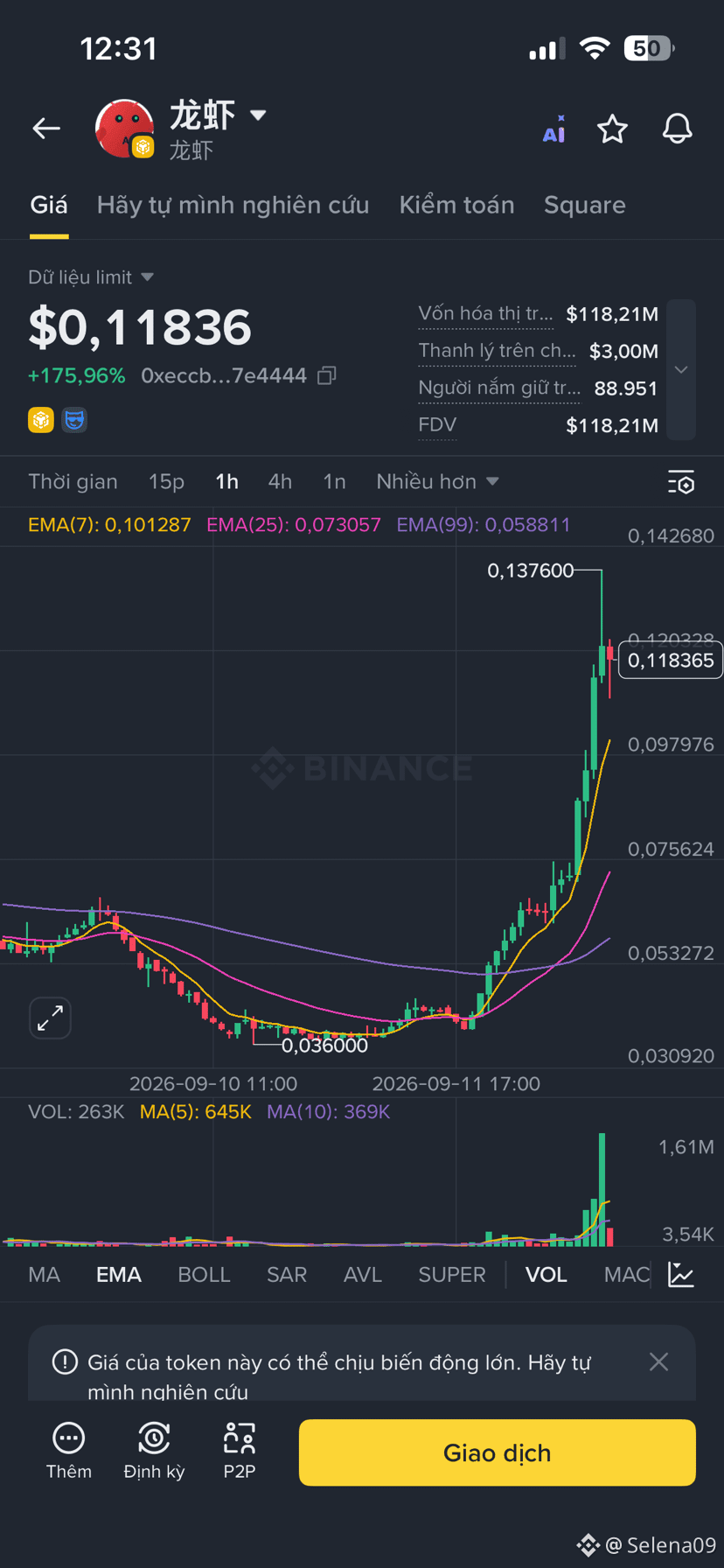
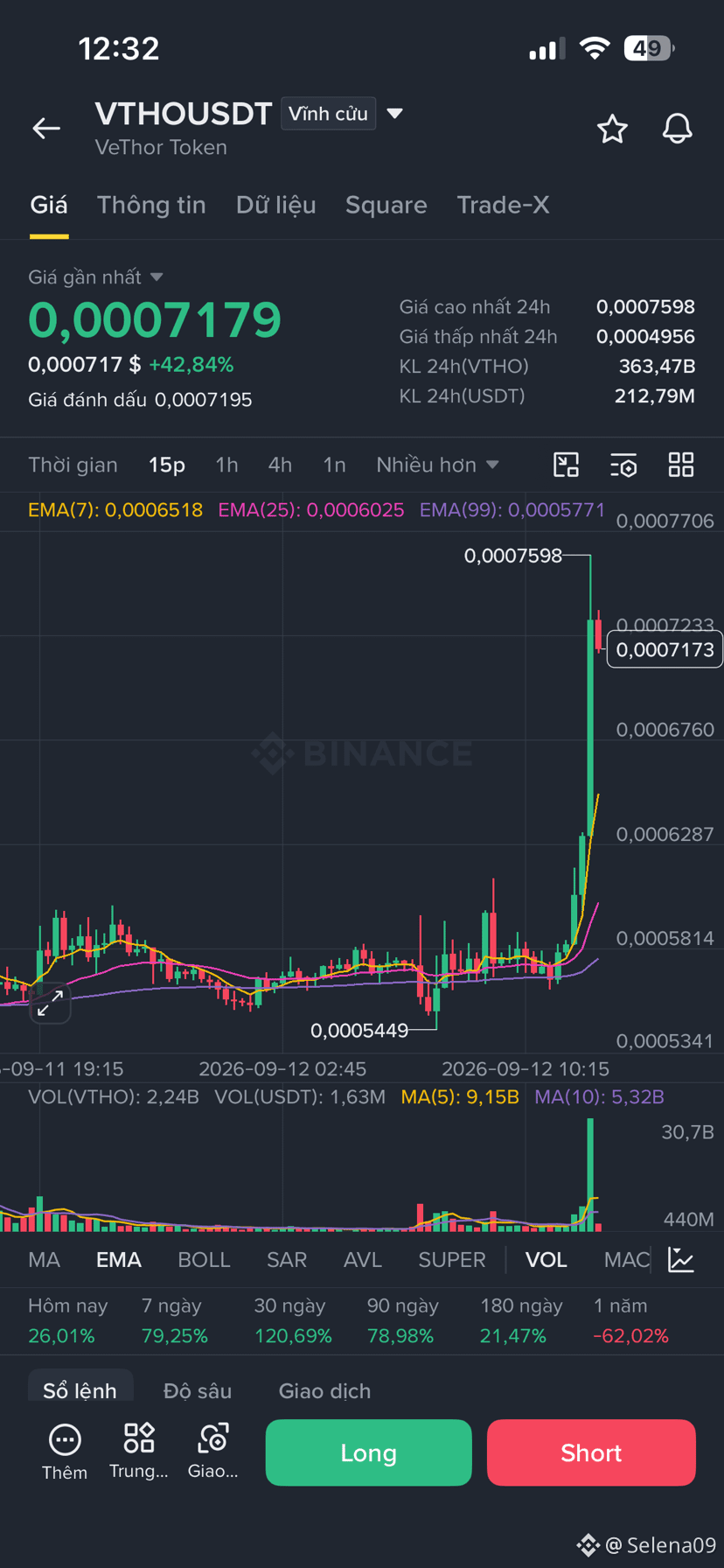
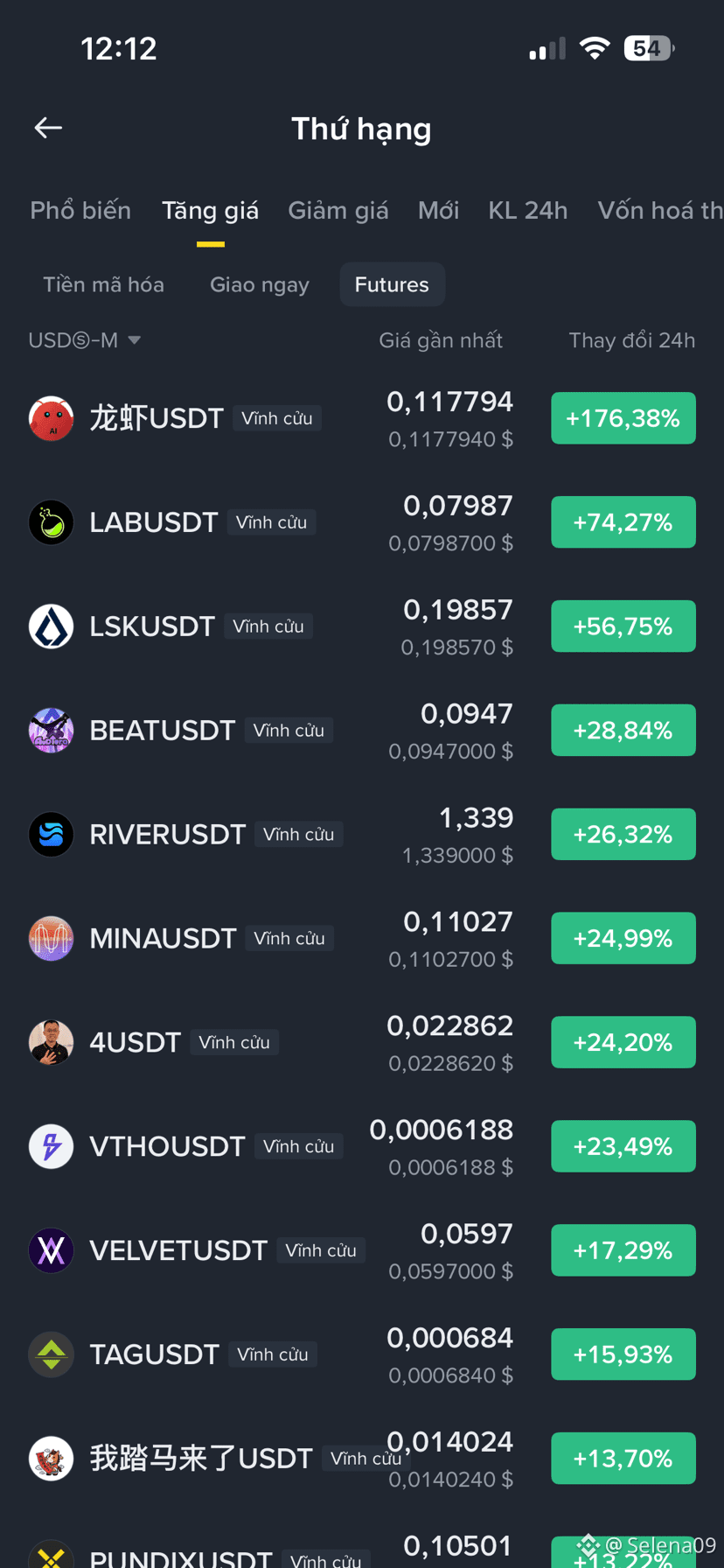
Thị trường hiện tại chỉ vài con alpha còn đẩy, chán nản quá rồi. Uptrend thì không biết khi nào nhưng nhận thấy toàn con chia tài khoản :) $ON
Thị trường hiện tại chỉ vài con alpha còn đẩy, chán nản quá rồi. Uptrend thì không biết khi nào nhưng nhận thấy toàn con chia tài khoản :)
$ON
There is one thing I always look for when reading a blockchain audit report: how the protocol's architecture reacts after its assumptions are broken. That is why what caught my attention most in Zellic's Babylon Genesis audit was not the 32 findings, nor even the 7 Critical severity ones. It was how Babylon turned every single finding into an opportunity to raise the bar for its own security architecture. Babylon successfully detected violations but faced the challenge of uniformly synchronizing penalty states across all system components. What makes @babylonlabs_io truly admirable is how they turned this challenge into an opportunity for a comprehensive architectural upgrade, demonstrating exceptional maturity in security design. The patches did not just fix individual code snippets. They synchronized the slashed and jailed state throughout the voting power update process while eliminating delegation paths that could bring a penalized Finality Provider back into the active set. Babylon did not just fix a bug; it reinforced a security invariant so that the entire protocol shares a single source of truth. In my view, this is the hallmark of a mature architecture. An immature protocol treats an audit as a place to find bugs. A mature protocol treats an audit as a process to verify whether its core principles are truly consistent across every module. That is also why I do not view the 7 Critical findings as the primary message of this report. What is far more valuable is that Babylon demonstrated the ability to absorb external critique and translate it into architectural-level improvements, rather than just patching isolated issues. Ultimately, what makes me more confident in this audit is not that Babylon has no weaknesses—no complex system can promise that. What gives me confidence is that Babylon proved a much more crucial quality: every time it is challenged, the protocol's security principles become more consistent, rather than simply having fewer bugs. @babylonlabs_io $LAB $BABY #baby
There is one thing I always look for when reading a blockchain audit report: how the protocol's architecture reacts after its assumptions are broken. That is why what caught my attention most in Zellic's Babylon Genesis audit was not the 32 findings, nor even the 7 Critical severity ones. It was how Babylon turned every single finding into an opportunity to raise the bar for its own security architecture.

Babylon successfully detected violations but faced the challenge of uniformly synchronizing penalty states across all system components. What makes @BabylonLabs_io truly admirable is how they turned this challenge into an opportunity for a comprehensive architectural upgrade, demonstrating exceptional maturity in security design.

The patches did not just fix individual code snippets. They synchronized the slashed and jailed state throughout the voting power update process while eliminating delegation paths that could bring a penalized Finality Provider back into the active set. Babylon did not just fix a bug; it reinforced a security invariant so that the entire protocol shares a single source of truth.
In my view, this is the hallmark of a mature architecture.
An immature protocol treats an audit as a place to find bugs.

A mature protocol treats an audit as a process to verify whether its core principles are truly consistent across every module.
That is also why I do not view the 7 Critical findings as the primary message of this report. What is far more valuable is that Babylon demonstrated the ability to absorb external critique and translate it into architectural-level improvements, rather than just patching isolated issues.
Ultimately, what makes me more confident in this audit is not that Babylon has no weaknesses—no complex system can promise that. What gives me confidence is that Babylon proved a much more crucial quality: every time it is challenged, the protocol's security principles become more consistent, rather than simply having fewer bugs.

@BabylonLabs_io $LAB $BABY #baby
I used to think the biggest risk for a ride-hailing driver who manipulates the system was the immediate fine. In reality, the larger cost is losing ratings, customers, and months of future income. When I look at Babylon’s network of more than 200 Finality Providers, I see the same logic applied to blockchain security: operators risk not only present rewards, but also their ability to keep earning. That is what I find most compelling about Babylon. The protocol does not need to identify who is morally trustworthy. It creates conditions in which correct behavior remains economically superior to equivocation. Finality Providers perform their duties to retain delegation and rewards; if they double-sign, EOTS makes the violation detectable and enables slashing. Reliability is supported not by reputation alone, but by enforceable consequences. The deeper incentive lies beyond the direct penalty. Misconduct can cost an operator future delegation, recurring revenue, and the position built over years of reliable performance. Babylon therefore turns expected future income into invisible collateral for present behavior. A short-term attack must outweigh not only what can be slashed today, but everything the operator may no longer earn tomorrow. This design is powerful, but its strength can create inertia. Established providers may keep attracting delegation because of past performance even after current quality declines, while capable newcomers lack the history to compete. The answer is not to weaken market choice, but to improve time-sensitive performance transparency so accumulated reputation remains evidence—not permanent protection from scrutiny. This is why I see Babylon as more than an additional security layer for Bitcoin. It aligns present conduct with future opportunity, making honest operation a compounding economic asset rather than merely a protocol obligation. Bitcoin verifies what happened. Babylon makes an operator’s economic future answer for what they choose to do today. @babylonlabs_io $PIEVERSE $BABY #baby
I used to think the biggest risk for a ride-hailing driver who manipulates the system was the immediate fine. In reality, the larger cost is losing ratings, customers, and months of future income. When I look at Babylon’s network of more than 200 Finality Providers, I see the same logic applied to blockchain security: operators risk not only present rewards, but also their ability to keep earning.

That is what I find most compelling about Babylon. The protocol does not need to identify who is morally trustworthy. It creates conditions in which correct behavior remains economically superior to equivocation. Finality Providers perform their duties to retain delegation and rewards; if they double-sign, EOTS makes the violation detectable and enables slashing. Reliability is supported not by reputation alone, but by enforceable consequences.

The deeper incentive lies beyond the direct penalty. Misconduct can cost an operator future delegation, recurring revenue, and the position built over years of reliable performance. Babylon therefore turns expected future income into invisible collateral for present behavior. A short-term attack must outweigh not only what can be slashed today, but everything the operator may no longer earn tomorrow.

This design is powerful, but its strength can create inertia. Established providers may keep attracting delegation because of past performance even after current quality declines, while capable newcomers lack the history to compete. The answer is not to weaken market choice, but to improve time-sensitive performance transparency so accumulated reputation remains evidence—not permanent protection from scrutiny.

This is why I see Babylon as more than an additional security layer for Bitcoin. It aligns present conduct with future opportunity, making honest operation a compounding economic asset rather than merely a protocol obligation. Bitcoin verifies what happened. Babylon makes an operator’s economic future answer for what they choose to do today.
@BabylonLabs_io $PIEVERSE $BABY #baby
Расталды
Nam, a friend of mine in a Babylon group chat, once asked, “If Bitcoin only gives you a few dozen bytes of data, how can an entire staking system be anchored to it?” Most replies went back to Taproot, scripts, and trustlessness. But those terms still missed the more important question: how much of the system does Bitcoin actually need to verify? In a Bitcoin Staking transaction from @BabylonLabs_io, the OP_RETURN payload is only 71 bytes. It contains 4 bytes for the protocol identifier, 1 byte for the version, 32 bytes for the staker’s public key, 32 bytes for the Finality Provider’s public key, and 2 bytes for the staking period. The two public keys alone consume 64 of the 71 bytes, more than 90% of the payload. There is no validator name, no chain ID, no staking state, and no interface metadata. Babylon is not trying to fit the entire system inside a 71-byte safe. It only places inside the keys Bitcoin truly needs to hold. That data is enough to bind the transaction to the staker, the selected Finality Provider, and the staking period. The spending conditions live in the script, while the broader state and context are handled by external protocol layers. Babylon therefore does not need to fork Bitcoin or turn it into an application chain. But that small safe creates a real constraint. The 71-byte format is already tightly packed. Adding another key type, proof, or state field would require a new data version, redesigned encoding, or more responsibility being moved outside Bitcoin. That is what I find most worth watching. The less context Bitcoin verifies directly, the more the system depends on external layers to explain what the on-chain trace represents. If too much meaning is pushed outside, Bitcoin may still hold the key without directly securing the entire door behind it. Babylon does not need Bitcoin to understand the whole staking system. But it must ensure that what Bitcoin directly enforces remains the core of that system, rather than merely a trace of decisions defined elsewhere. @babylonlabs_io $BEAT $ON $BABY #baby
Nam, a friend of mine in a Babylon group chat, once asked, “If Bitcoin only gives you a few dozen bytes of data, how can an entire staking system be anchored to it?”

Most replies went back to Taproot, scripts, and trustlessness. But those terms still missed the more important question: how much of the system does Bitcoin actually need to verify?

In a Bitcoin Staking transaction from @BabylonLabs_io, the OP_RETURN payload is only 71 bytes. It contains 4 bytes for the protocol identifier, 1 byte for the version, 32 bytes for the staker’s public key, 32 bytes for the Finality Provider’s public key, and 2 bytes for the staking period. The two public keys alone consume 64 of the 71 bytes, more than 90% of the payload.

There is no validator name, no chain ID, no staking state, and no interface metadata. Babylon is not trying to fit the entire system inside a 71-byte safe. It only places inside the keys Bitcoin truly needs to hold.

That data is enough to bind the transaction to the staker, the selected Finality Provider, and the staking period. The spending conditions live in the script, while the broader state and context are handled by external protocol layers. Babylon therefore does not need to fork Bitcoin or turn it into an application chain.

But that small safe creates a real constraint. The 71-byte format is already tightly packed. Adding another key type, proof, or state field would require a new data version, redesigned encoding, or more responsibility being moved outside Bitcoin.

That is what I find most worth watching. The less context Bitcoin verifies directly, the more the system depends on external layers to explain what the on-chain trace represents. If too much meaning is pushed outside, Bitcoin may still hold the key without directly securing the entire door behind it.

Babylon does not need Bitcoin to understand the whole staking system. But it must ensure that what Bitcoin directly enforces remains the core of that system, rather than merely a trace of decisions defined elsewhere.

@BabylonLabs_io $BEAT $ON $BABY #baby
GRVT has attracted attention by tackling one of crypto’s oldest trade-offs: delivering the speed of a centralized exchange without giving up self-custody. It is an ambitious idea, but after reading through its architecture, I think it deserves more scrutiny than hype. What stands out first is the separation between custody and execution. User assets remain secured by smart contracts, while order matching takes place off-chain. From a performance perspective, this design is understandable. However, it also raises a practical question: if the matching engine fails during a period of extreme market volatility, how quickly can users regain the ability to trade? In real markets, owning an asset is not always the same as being able to act on it. GRVT introduces an Exit Hatch so users can withdraw funds if the platform becomes unavailable. That is an important safeguard, but its value depends on usability. If recovering assets requires interacting directly with smart contracts or performing technical steps that most users are unfamiliar with, then the difference between having an emergency mechanism and being able to rely on it becomes significant. The overall architecture also deserves attention. MPC, zero-knowledge proofs, and Validium are all proven technologies individually, but combining multiple security layers introduces new operational assumptions. Many major failures are caused not by broken cryptography, but by interactions between complex components under stress. More evidence of recovery procedures and failure handling would strengthen confidence far more than architectural diagrams alone. To me, GRVT is not the final answer to the CEX-versus-DeFi debate. It is an interesting attempt to balance execution efficiency with user ownership. The real question is not simply how fast or secure the platform is, but how resilient it remains when one critical part of the system stops working. Trust is earned not by promising perfect uptime, but by ensuring users remain in control even when things go wrong. @grvt_io #grvt $LAB
GRVT has attracted attention by tackling one of crypto’s oldest trade-offs: delivering the speed of a centralized exchange without giving up self-custody. It is an ambitious idea, but after reading through its architecture, I think it deserves more scrutiny than hype.

What stands out first is the separation between custody and execution. User assets remain secured by smart contracts, while order matching takes place off-chain. From a performance perspective, this design is understandable. However, it also raises a practical question: if the matching engine fails during a period of extreme market volatility, how quickly can users regain the ability to trade? In real markets, owning an asset is not always the same as being able to act on it.

GRVT introduces an Exit Hatch so users can withdraw funds if the platform becomes unavailable. That is an important safeguard, but its value depends on usability. If recovering assets requires interacting directly with smart contracts or performing technical steps that most users are unfamiliar with, then the difference between having an emergency mechanism and being able to rely on it becomes significant.

The overall architecture also deserves attention. MPC, zero-knowledge proofs, and Validium are all proven technologies individually, but combining multiple security layers introduces new operational assumptions. Many major failures are caused not by broken cryptography, but by interactions between complex components under stress. More evidence of recovery procedures and failure handling would strengthen confidence far more than architectural diagrams alone.

To me, GRVT is not the final answer to the CEX-versus-DeFi debate. It is an interesting attempt to balance execution efficiency with user ownership. The real question is not simply how fast or secure the platform is, but how resilient it remains when one critical part of the system stops working. Trust is earned not by promising perfect uptime, but by ensuring users remain in control even when things go wrong.
@grvt_io #grvt $LAB
Мақала
Newton Protocol có thể đang khiến lợi thế cạnh tranh của AI Agent dịch chuyển khỏi ModelPhần lớn cuộc đua AI hiện nay đang xoay quanh cùng một câu hỏi: Agent này dùng Model nào? Đó là một cách đánh giá hợp lý ở giai đoạn đầu của thị trường. Khi năng lực giữa các mô hình còn chênh lệch lớn, lựa chọn Model gần như quyết định trực tiếp chất lượng sản phẩm. Nhưng lợi thế cạnh tranh chỉ thực sự có giá trị nếu nó khó bị sao chép. Và đây là điểm mình cho rằng thị trường đang đánh giá sai. Model ngày càng dễ thay thế. Một Agent có thể đổi từ GPT sang Claude, từ Claude sang một mô hình mã nguồn mở, hoặc tích hợp nhiều Model cùng lúc mà gần như không phải thay đổi kiến trúc sản phẩm. Điều được nâng cấp là khả năng suy luận. Nhưng gần như toàn bộ những gì quyết định cách Agent được phép hành động vẫn giữ nguyên. Đó mới là phần khó thay đổi. Một AI có thể biết thời điểm tốt nhất để mua một tài sản. Điều đó không có nghĩa nó được phép sử dụng toàn bộ số dư trong ví. Nó có thể xác định một cơ hội arbitrage gần như không có rủi ro. Điều đó cũng không đồng nghĩa nó được quyền chuyển tài sản sang bất kỳ giao thức nào. Trong môi trường blockchain, khả năng phân tích và quyền hành động chưa bao giờ là một khái niệm. Newton Protocol được xây dựng trên chính sự tách biệt đó. Thay vì coi Policy là vài điều kiện nằm bên trong Smart Contract, Newton biến nó thành một lớp hạ tầng độc lập. Mỗi quyết định của AI đều phải đi qua Policy trước khi giao dịch được phép thực thi. Điều mạng lưới xác minh không chỉ là chữ ký hay trạng thái cuối cùng của blockchain, mà còn là việc hành động đó có phù hợp với những giới hạn đã được định nghĩa hay không. Điều này tạo ra một thay đổi thú vị trong cách hình thành lợi thế cạnh tranh. Nếu mười công ty cùng sử dụng một Model mạnh nhất trên thị trường, họ vẫn có thể tạo ra mười AI Agent hoàn toàn khác nhau. Không phải vì chất lượng suy luận khác nhau, mà vì Policy khác nhau. Ngân hàng sẽ ưu tiên tuân thủ. Quỹ đầu tư sẽ ưu tiên quản trị rủi ro. DAO sẽ ưu tiên cơ chế biểu quyết. Những khác biệt đó không đến từ AI. Chúng đến từ cách tổ chức định nghĩa quyền hành động. Đó cũng là phần gần như không thể sao chép. Model có thể được cấp phép sử dụng. Prompt có thể bị bắt chước. Ngay cả workflow cũng có thể được tái tạo sau một thời gian. Nhưng Policy phản ánh cách một tổ chức vận hành, phân quyền, chấp nhận rủi ro và tuân thủ quy định. Nó được hình thành từ kinh nghiệm tích lũy, không phải từ một bản cập nhật phần mềm. Vì vậy, nếu Newton Protocol thành công, giá trị của AI Agent có thể sẽ không còn được đo bằng Model đứng phía sau. Nó sẽ được đo bằng chất lượng của hệ thống Policy mà Agent đang vận hành. Đó không chỉ là thay đổi về mặt kỹ thuật. Đó là thay đổi trong cách thị trường định giá AI. Trong nhiều năm, blockchain tạo ra niềm tin bằng cách khiến mọi node đồng thuận về điều đã xảy ra. Newton Protocol đang mở rộng khái niệm đó sang một tầng khác: tạo ra sự đồng thuận về điều gì được phép xảy ra. Khoảng cách giữa hai cách tiếp cận chỉ là một bước trong kiến trúc hệ thống. Nhưng nếu AI Agent trở thành lớp ứng dụng chính của blockchain trong tương lai, chính bước nhỏ đó có thể quyết định nơi giá trị sẽ được tích lũy. Có lẽ vì vậy, câu hỏi quan trọng nhất sẽ không còn là: “AI này thông minh đến đâu?” Mà là: “AI này được trao quyền hành động theo những Policy nào, và ai sẵn sàng tin vào những Policy đó?” @NewtonProtocol $NEWT #Newt $LAB

Newton Protocol có thể đang khiến lợi thế cạnh tranh của AI Agent dịch chuyển khỏi Model

Phần lớn cuộc đua AI hiện nay đang xoay quanh cùng một câu hỏi: Agent này dùng Model nào?
Đó là một cách đánh giá hợp lý ở giai đoạn đầu của thị trường. Khi năng lực giữa các mô hình còn chênh lệch lớn, lựa chọn Model gần như quyết định trực tiếp chất lượng sản phẩm. Nhưng lợi thế cạnh tranh chỉ thực sự có giá trị nếu nó khó bị sao chép. Và đây là điểm mình cho rằng thị trường đang đánh giá sai.
Model ngày càng dễ thay thế.
Một Agent có thể đổi từ GPT sang Claude, từ Claude sang một mô hình mã nguồn mở, hoặc tích hợp nhiều Model cùng lúc mà gần như không phải thay đổi kiến trúc sản phẩm. Điều được nâng cấp là khả năng suy luận. Nhưng gần như toàn bộ những gì quyết định cách Agent được phép hành động vẫn giữ nguyên.
Đó mới là phần khó thay đổi.
Một AI có thể biết thời điểm tốt nhất để mua một tài sản. Điều đó không có nghĩa nó được phép sử dụng toàn bộ số dư trong ví. Nó có thể xác định một cơ hội arbitrage gần như không có rủi ro. Điều đó cũng không đồng nghĩa nó được quyền chuyển tài sản sang bất kỳ giao thức nào. Trong môi trường blockchain, khả năng phân tích và quyền hành động chưa bao giờ là một khái niệm.
Newton Protocol được xây dựng trên chính sự tách biệt đó.
Thay vì coi Policy là vài điều kiện nằm bên trong Smart Contract, Newton biến nó thành một lớp hạ tầng độc lập. Mỗi quyết định của AI đều phải đi qua Policy trước khi giao dịch được phép thực thi. Điều mạng lưới xác minh không chỉ là chữ ký hay trạng thái cuối cùng của blockchain, mà còn là việc hành động đó có phù hợp với những giới hạn đã được định nghĩa hay không.
Điều này tạo ra một thay đổi thú vị trong cách hình thành lợi thế cạnh tranh.
Nếu mười công ty cùng sử dụng một Model mạnh nhất trên thị trường, họ vẫn có thể tạo ra mười AI Agent hoàn toàn khác nhau. Không phải vì chất lượng suy luận khác nhau, mà vì Policy khác nhau. Ngân hàng sẽ ưu tiên tuân thủ. Quỹ đầu tư sẽ ưu tiên quản trị rủi ro. DAO sẽ ưu tiên cơ chế biểu quyết. Những khác biệt đó không đến từ AI. Chúng đến từ cách tổ chức định nghĩa quyền hành động.
Đó cũng là phần gần như không thể sao chép.
Model có thể được cấp phép sử dụng. Prompt có thể bị bắt chước. Ngay cả workflow cũng có thể được tái tạo sau một thời gian. Nhưng Policy phản ánh cách một tổ chức vận hành, phân quyền, chấp nhận rủi ro và tuân thủ quy định. Nó được hình thành từ kinh nghiệm tích lũy, không phải từ một bản cập nhật phần mềm.
Vì vậy, nếu Newton Protocol thành công, giá trị của AI Agent có thể sẽ không còn được đo bằng Model đứng phía sau. Nó sẽ được đo bằng chất lượng của hệ thống Policy mà Agent đang vận hành.
Đó không chỉ là thay đổi về mặt kỹ thuật.
Đó là thay đổi trong cách thị trường định giá AI.
Trong nhiều năm, blockchain tạo ra niềm tin bằng cách khiến mọi node đồng thuận về điều đã xảy ra. Newton Protocol đang mở rộng khái niệm đó sang một tầng khác: tạo ra sự đồng thuận về điều gì được phép xảy ra.
Khoảng cách giữa hai cách tiếp cận chỉ là một bước trong kiến trúc hệ thống. Nhưng nếu AI Agent trở thành lớp ứng dụng chính của blockchain trong tương lai, chính bước nhỏ đó có thể quyết định nơi giá trị sẽ được tích lũy.
Có lẽ vì vậy, câu hỏi quan trọng nhất sẽ không còn là: “AI này thông minh đến đâu?” Mà là: “AI này được trao quyền hành động theo những Policy nào, và ai sẵn sàng tin vào những Policy đó?”
@NewtonProtocol $NEWT
#Newt $LAB
A protocol can survive for years without changing how it transfers assets. Yet in that same period, its risk limits may be revised dozens of times. Governance votes may alter permissions. New attack patterns may force stricter controls. AI agents may need narrower operating boundaries after one bad decision. That gap is where Newton Protocol becomes interesting. Most blockchains still treat all of these changes as software problems. When rules evolve, smart contracts are upgraded, patched, or replaced. The execution layer keeps absorbing decisions that were never meant to live there permanently. Over time, the code becomes less like a stable engine and more like a storage room for every new exception. Newton takes a different route. It leaves execution where it belongs and moves changing rules into the Policy Layer. The smart contract does not need to understand every new governance decision. It only needs to execute once Newton has determined that the action is allowed under the current permissions, risk limits, and context. The distinction matters more than it first appears. Software defines capability. Governance defines restraint. A protocol may retain the same technical ability for years, while the conditions under which that ability should be used change every week. By separating those two timelines, Newton allows code to remain stable without forcing governance to stand still. This is why Newton Protocol feels less like another software framework and more like a new category of infrastructure. It is not making blockchain more adaptable by changing code faster. It is making blockchain more adaptable by reducing how often code needs to change at all. Governance moves. Execution stays dependable. That is the shift from software to Governance Software. @NewtonProtocol #Newt $NEWT $LAB
A protocol can survive for years without changing how it transfers assets.

Yet in that same period, its risk limits may be revised dozens of times. Governance votes may alter permissions. New attack patterns may force stricter controls. AI agents may need narrower operating boundaries after one bad decision.

That gap is where Newton Protocol becomes interesting.

Most blockchains still treat all of these changes as software problems. When rules evolve, smart contracts are upgraded, patched, or replaced. The execution layer keeps absorbing decisions that were never meant to live there permanently. Over time, the code becomes less like a stable engine and more like a storage room for every new exception.

Newton takes a different route.

It leaves execution where it belongs and moves changing rules into the Policy Layer. The smart contract does not need to understand every new governance decision. It only needs to execute once Newton has determined that the action is allowed under the current permissions, risk limits, and context.

The distinction matters more than it first appears.

Software defines capability. Governance defines restraint. A protocol may retain the same technical ability for years, while the conditions under which that ability should be used change every week. By separating those two timelines, Newton allows code to remain stable without forcing governance to stand still.

This is why Newton Protocol feels less like another software framework and more like a new category of infrastructure.

It is not making blockchain more adaptable by changing code faster. It is making blockchain more adaptable by reducing how often code needs to change at all. Governance moves. Execution stays dependable.

That is the shift from software to Governance Software.
@NewtonProtocol #Newt $NEWT $LAB
Мақала
“Sự kỷ luật thầm lặng” – Newton Protocol và giá trị của việc ngăn chặnĐiều khiến tôi chú ý ở Newton Protocol không phải là việc AI agent có thể giao dịch, tái cân bằng danh mục hay thực hiện tác vụ xuyên chuỗi. Những thứ đó rồi sẽ trở nên phổ biến. Điểm khó hơn nằm ở câu hỏi Newton đặt ra trước mỗi hành động: agent này được phép làm gì, trong giới hạn nào, với tài sản nào và đến mức nào thì buộc phải dừng? Crypto đã dành nhiều năm để loại bỏ ma sát. Giao dịch nhanh hơn, rẻ hơn, ít bước hơn và ngày càng gần với trạng thái “bấm một lần là xong”. Nhưng tốc độ chỉ tốt khi quyết định ban đầu là đúng. Nếu quyền được cấp quá rộng, dữ liệu đầu vào sai hoặc chiến lược vượt khỏi ý định của người dùng, hạ tầng càng nhanh thì tiền mất càng nhanh. Newton Protocol đi ngược bản năng đó. Thay vì chỉ tối ưu lớp thực thi, Newton đặt một lớp policy giữa ý định và hành động. Agent không thể đi thẳng từ “muốn làm” sang “đã làm”. Mỗi tác vụ phải được kiểm tra lại theo những điều kiện đã được định nghĩa trước: hạn mức vốn, loại tài sản, địa chỉ được phép, thời gian hiệu lực, mức rủi ro và trạng thái dữ liệu tại thời điểm thực thi. Một agent có thể được phép mua ETH, nhưng chỉ với tối đa 2.000 USDC. Nó có thể tái cân bằng danh mục, nhưng không được chạm vào tài sản ngoài whitelist. Nó có thể bán để giảm rủi ro, nhưng không được tương tác với hợp đồng chưa được phê duyệt. Nếu dữ liệu quan trọng không đủ tin cậy, lựa chọn đúng không phải là đoán rồi tiếp tục. Hệ thống phải từ chối. Đó là phần ít hào nhoáng nhất của Newton, nhưng cũng là phần có giá trị nhất. Trong nhiều dự án AI-Web3, sức mạnh thường được đo bằng số việc agent có thể làm. Newton buộc người ta nhìn sang một thước đo khác: hệ thống có thể ngăn bao nhiêu hành động sai trước khi chúng trở thành giao dịch thật? Một lệnh được thực hiện thành công chỉ chứng minh agent có quyền hành động. Một lệnh bị chặn đúng lúc mới chứng minh hệ thống hiểu ranh giới của quyền đó. Đây là ý nghĩa thực sự của Permissioned Automation. “Tự động” không đồng nghĩa với “toàn quyền”. Agent vẫn có thể phản ứng nhanh, hoạt động liên tục và thực thi qua nhiều giao thức, nhưng mọi quyền lực đều bị đóng khung bằng policy. Newton không làm AI yếu đi. Nó làm quyền của AI trở nên có cấu trúc, có điều kiện và có thể kiểm tra. Điều tôi đánh giá cao là Newton không giả định agent sẽ luôn đúng. AI có thể hiểu sai ý định. Nguồn dữ liệu có thể lỗi. Thị trường có thể thay đổi trước khi lệnh được thực hiện. Một chiến lược từng an toàn ở quy mô 1.000 USDC có thể trở nên nguy hiểm khi tăng lên 100.000 USDC. Newton được xây từ chính giả định rằng những sai lệch đó sẽ xảy ra. Vì thế, giá trị của giao thức không nằm ở lời hứa tạo ra một agent hoàn hảo. Nó nằm ở việc khóa hậu quả của một agent không hoàn hảo vào phạm vi mà người dùng đã chấp nhận từ trước. Đây cũng là lý do Newton có thể vượt qua một mùa narrative AI. Narrative rồi sẽ đổi. Thị trường có thể chuyển sang RWA, stablecoin, payments hoặc một chủ đề mới. Nhưng một khi phần mềm được giao quyền quản lý tài sản thật, nhu cầu kiểm soát quyền hành động sẽ không biến mất. Vốn càng lớn, yêu cầu về policy, kiểm chứng và khả năng từ chối càng cao. Các dự án chạy theo xu hướng thường được chú ý vì chúng mở thêm khả năng. Newton xây giá trị từ chiều ngược lại: xác định rõ điều gì không được phép xảy ra. Đó là một dạng lợi thế rất thầm lặng. Nó không dễ gây ấn tượng như tốc độ, lợi suất hay một màn demo xuyên chuỗi trong vài giây. Nhưng khi thị trường bước vào giai đoạn thanh lọc, thứ giữ một giao thức sống sót không chỉ là những gì nó cho phép người dùng làm, mà còn là những tổn thất nó đã ngăn được trước khi quá muộn. Newton Protocol không cố tạo ra AI mạnh nhất. Nó đang cố tạo ra ranh giới đáng tin nhất quanh AI. Và trong một ngành đã quá giỏi tăng tốc, giao thức bền vững nhất có thể lại là giao thức biết chính xác lúc nào phải nói “không”. #Newt $NEWT @NewtonProtocol $LAB

“Sự kỷ luật thầm lặng” – Newton Protocol và giá trị của việc ngăn chặn

Điều khiến tôi chú ý ở Newton Protocol không phải là việc AI agent có thể giao dịch, tái cân bằng danh mục hay thực hiện tác vụ xuyên chuỗi. Những thứ đó rồi sẽ trở nên phổ biến.
Điểm khó hơn nằm ở câu hỏi Newton đặt ra trước mỗi hành động: agent này được phép làm gì, trong giới hạn nào, với tài sản nào và đến mức nào thì buộc phải dừng?
Crypto đã dành nhiều năm để loại bỏ ma sát. Giao dịch nhanh hơn, rẻ hơn, ít bước hơn và ngày càng gần với trạng thái “bấm một lần là xong”. Nhưng tốc độ chỉ tốt khi quyết định ban đầu là đúng. Nếu quyền được cấp quá rộng, dữ liệu đầu vào sai hoặc chiến lược vượt khỏi ý định của người dùng, hạ tầng càng nhanh thì tiền mất càng nhanh.
Newton Protocol đi ngược bản năng đó.
Thay vì chỉ tối ưu lớp thực thi, Newton đặt một lớp policy giữa ý định và hành động. Agent không thể đi thẳng từ “muốn làm” sang “đã làm”. Mỗi tác vụ phải được kiểm tra lại theo những điều kiện đã được định nghĩa trước: hạn mức vốn, loại tài sản, địa chỉ được phép, thời gian hiệu lực, mức rủi ro và trạng thái dữ liệu tại thời điểm thực thi.
Một agent có thể được phép mua ETH, nhưng chỉ với tối đa 2.000 USDC. Nó có thể tái cân bằng danh mục, nhưng không được chạm vào tài sản ngoài whitelist.
Nó có thể bán để giảm rủi ro, nhưng không được tương tác với hợp đồng chưa được phê duyệt. Nếu dữ liệu quan trọng không đủ tin cậy, lựa chọn đúng không phải là đoán rồi tiếp tục. Hệ thống phải từ chối.
Đó là phần ít hào nhoáng nhất của Newton, nhưng cũng là phần có giá trị nhất.
Trong nhiều dự án AI-Web3, sức mạnh thường được đo bằng số việc agent có thể làm. Newton buộc người ta nhìn sang một thước đo khác: hệ thống có thể ngăn bao nhiêu hành động sai trước khi chúng trở thành giao dịch thật?
Một lệnh được thực hiện thành công chỉ chứng minh agent có quyền hành động. Một lệnh bị chặn đúng lúc mới chứng minh hệ thống hiểu ranh giới của quyền đó. Đây là ý nghĩa thực sự của Permissioned Automation.
“Tự động” không đồng nghĩa với “toàn quyền”. Agent vẫn có thể phản ứng nhanh, hoạt động liên tục và thực thi qua nhiều giao thức, nhưng mọi quyền lực đều bị đóng khung bằng policy. Newton không làm AI yếu đi. Nó làm quyền của AI trở nên có cấu trúc, có điều kiện và có thể kiểm tra.
Điều tôi đánh giá cao là Newton không giả định agent sẽ luôn đúng.
AI có thể hiểu sai ý định. Nguồn dữ liệu có thể lỗi. Thị trường có thể thay đổi trước khi lệnh được thực hiện. Một chiến lược từng an toàn ở quy mô 1.000 USDC có thể trở nên nguy hiểm khi tăng lên 100.000 USDC. Newton được xây từ chính giả định rằng những sai lệch đó sẽ xảy ra.
Vì thế, giá trị của giao thức không nằm ở lời hứa tạo ra một agent hoàn hảo. Nó nằm ở việc khóa hậu quả của một agent không hoàn hảo vào phạm vi mà người dùng đã chấp nhận từ trước. Đây cũng là lý do Newton có thể vượt qua một mùa narrative AI.
Narrative rồi sẽ đổi. Thị trường có thể chuyển sang RWA, stablecoin, payments hoặc một chủ đề mới. Nhưng một khi phần mềm được giao quyền quản lý tài sản thật, nhu cầu kiểm soát quyền hành động sẽ không biến mất. Vốn càng lớn, yêu cầu về policy, kiểm chứng và khả năng từ chối càng cao.
Các dự án chạy theo xu hướng thường được chú ý vì chúng mở thêm khả năng. Newton xây giá trị từ chiều ngược lại: xác định rõ điều gì không được phép xảy ra.
Đó là một dạng lợi thế rất thầm lặng. Nó không dễ gây ấn tượng như tốc độ, lợi suất hay một màn demo xuyên chuỗi trong vài giây. Nhưng khi thị trường bước vào giai đoạn thanh lọc, thứ giữ một giao thức sống sót không chỉ là những gì nó cho phép người dùng làm, mà còn là những tổn thất nó đã ngăn được trước khi quá muộn.
Newton Protocol không cố tạo ra AI mạnh nhất. Nó đang cố tạo ra ranh giới đáng tin nhất quanh AI. Và trong một ngành đã quá giỏi tăng tốc, giao thức bền vững nhất có thể lại là giao thức biết chính xác lúc nào phải nói “không”.
#Newt $NEWT @NewtonProtocol $LAB
I once abandoned a transaction because there was not enough ETH left in my wallet for gas. I already had the asset and the opportunity was still there, yet I had to buy another token unrelated to my original goal. The strangest part of Web3 is not that fees can be high. It is that users must understand the network before they can use the service built on top of it. Newton Protocol reverses that logic. In a gasless experience, blockchain fees do not disappear; they are simply moved into the background. Users no longer need to keep ETH, BNB, or other native tokens across multiple chains. They only define the outcome they want, while the system handles gas, permissions, policies, and execution behind the scenes. This gives NEWT a different role from traditional gas tokens. Users are not only paying for block space, but for AI agents to verify instructions, receive permission, and act within defined limits. Value shifts from blockchain capacity to verifiable intelligence. The real significance is not simply cheaper transactions. It is that Web3 begins to hide its own complexity. When users no longer need to know which chain holds their assets, which gas token is missing, or how many signatures are required, blockchain can finally move closer to mass adoption. If the number of AI agents, sessions, and intents grows, demand for NEWT could become tied to real activity on the network. The token would no longer represent speculation alone. It could become an input for a market in which machines perform financial work for humans. Still, replacing ETH with NEWT does not automatically create value. If AI agents fail to produce useful outcomes, or if service fees exceed the value they generate, users will leave. Sustainable demand only appears when each NEWT consumed supports an action with real utility. The evolution of gas, therefore, is not a shift from ETH to NEWT. It is a shift from paying for blockchain execution to paying for machines to act with permission, limits, and proof. @NewtonProtocol $NEWT #Newt $LAB
I once abandoned a transaction because there was not enough ETH left in my wallet for gas. I already had the asset and the opportunity was still there, yet I had to buy another token unrelated to my original goal. The strangest part of Web3 is not that fees can be high. It is that users must understand the network before they can use the service built on top of it.

Newton Protocol reverses that logic.

In a gasless experience, blockchain fees do not disappear; they are simply moved into the background. Users no longer need to keep ETH, BNB, or other native tokens across multiple chains. They only define the outcome they want, while the system handles gas, permissions, policies, and execution behind the scenes.

This gives NEWT a different role from traditional gas tokens. Users are not only paying for block space, but for AI agents to verify instructions, receive permission, and act within defined limits. Value shifts from blockchain capacity to verifiable intelligence.

The real significance is not simply cheaper transactions. It is that Web3 begins to hide its own complexity. When users no longer need to know which chain holds their assets, which gas token is missing, or how many signatures are required, blockchain can finally move closer to mass adoption.

If the number of AI agents, sessions, and intents grows, demand for NEWT could become tied to real activity on the network. The token would no longer represent speculation alone. It could become an input for a market in which machines perform financial work for humans.

Still, replacing ETH with NEWT does not automatically create value. If AI agents fail to produce useful outcomes, or if service fees exceed the value they generate, users will leave. Sustainable demand only appears when each NEWT consumed supports an action with real utility.

The evolution of gas, therefore, is not a shift from ETH to NEWT. It is a shift from paying for blockchain execution to paying for machines to act with permission, limits, and proof.
@NewtonProtocol $NEWT #Newt $LAB
What surprised me most about GRVT’s Business Account wasn’t the leverage. In my example, a trader could open a 40,000 USDT SOL position but couldn’t withdraw 100 USDT. That didn’t make sense. I built a Business Account with 20,000 USDT, kept the funds in the Funding Account, and allocated 8,000 USDT to Minh’s Trading Account. With 5× leverage, Minh could create roughly 40,000 USDT of exposure. Yet the Trading Account could Trade and Transfer, but not Withdraw. Any withdrawal had to go through the Funding Account, while a new destination wallet could require multiple Funding Admin approvals. That was the paradox. A trader was trusted to create thousands of dollars in market exposure, but not to move 100 USDT outside the platform. I went back to the docs and realized I had been measuring the wrong thing. GRVT doesn’t classify permissions by the amount involved. It classifies them by the kind of change an action creates. A leveraged trade changes exposure while capital remains governed by margin rules, portfolio limits, and the Risk Engine. A withdrawal is different. Once assets leave the Funding Account for an external wallet, most internal controls no longer apply. The same capital is involved, but the risk is fundamentally different. That was when I stopped seeing Business Accounts as just another permission model. To me, GRVT is separating market risk from ownership risk. Traders can decide how capital is exposed, but not how it leaves the organization. That separation adds friction. Multiple accounts and approval flows are less convenient, especially for smaller teams. But convenience isn’t the priority. GRVT is optimizing for a system where no single person can create market risk and move the same capital outside the organization. That left me with a broader conclusion: Financial systems rarely fail because someone trades too much. They fail when one person can do too many different things with the same capital. @grvt_io #grvt $LAB
What surprised me most about GRVT’s Business Account wasn’t the leverage. In my example, a trader could open a 40,000 USDT SOL position but couldn’t withdraw 100 USDT.

That didn’t make sense.

I built a Business Account with 20,000 USDT, kept the funds in the Funding Account, and allocated 8,000 USDT to Minh’s Trading Account. With 5× leverage, Minh could create roughly 40,000 USDT of exposure. Yet the Trading Account could Trade and Transfer, but not Withdraw. Any withdrawal had to go through the Funding Account, while a new destination wallet could require multiple Funding Admin approvals.

That was the paradox. A trader was trusted to create thousands of dollars in market exposure, but not to move 100 USDT outside the platform. I went back to the docs and realized I had been measuring the wrong thing. GRVT doesn’t classify permissions by the amount involved. It classifies them by the kind of change an action creates.

A leveraged trade changes exposure while capital remains governed by margin rules, portfolio limits, and the Risk Engine. A withdrawal is different. Once assets leave the Funding Account for an external wallet, most internal controls no longer apply. The same capital is involved, but the risk is fundamentally different.

That was when I stopped seeing Business Accounts as just another permission model. To me, GRVT is separating market risk from ownership risk. Traders can decide how capital is exposed, but not how it leaves the organization. That separation adds friction. Multiple accounts and approval flows are less convenient, especially for smaller teams. But convenience isn’t the priority.

GRVT is optimizing for a system where no single person can create market risk and move the same capital outside the organization. That left me with a broader conclusion: Financial systems rarely fail because someone trades too much. They fail when one person can do too many different things with the same capital.
@grvt_io #grvt $LAB
What surprised me most is that almost every trader knows options are effective hedging tools before events like FOMC meetings or CPI releases. Yet when volatility approaches, most still reduce leverage or close positions. It is not because they do not want protection. Using options simply demands too much knowledge and too many decisions. A trader must understand Delta, Gamma and Theta, choose a strike, evaluate expiration and consider the impact on the entire portfolio. For many retail traders, that process alone is enough to stop them from placing a trade. In my view, GRVT’s Smart Options Engine addresses this exact bottleneck. GRVT is not simplifying options themselves. The pricing models and Greeks still exist, but the system moves much of that complexity into the infrastructure. Traders no longer need to think like options specialists. They mainly need to define the risk they want to protect against. Unified Margin makes this more powerful. On many platforms, Perpetuals and Options operate as separate systems. Hedging often requires adding collateral or moving funds between accounts, reducing capital efficiency precisely when volatility is rising. GRVT takes a different approach. Its Risk Engine evaluates the portfolio as one unified state, allowing profitable Perpetual positions to support protective Options positions without requiring additional capital. Unrealized PnL becomes reusable capital within the same risk framework. Of course, this does not remove market risk. A poor strike, bad timing or incorrect market view can still lead to losses. A simpler interface cannot replace judgment. But that is not what GRVT is trying to automate. The real shift is that much of the expertise required to use Options is embedded into the infrastructure. GRVT is not merely adding another product. It is turning hedging from a specialist skill into a native capability of the trading system. If this model works, the future of Options may not depend on more traders learning the Greeks. It may depend on fewer traders ever needing to see them. @grvt_io #grvt $LAB
What surprised me most is that almost every trader knows options are effective hedging tools before events like FOMC meetings or CPI releases. Yet when volatility approaches, most still reduce leverage or close positions. It is not because they do not want protection. Using options simply demands too much knowledge and too many decisions.

A trader must understand Delta, Gamma and Theta, choose a strike, evaluate expiration and consider the impact on the entire portfolio. For many retail traders, that process alone is enough to stop them from placing a trade. In my view, GRVT’s Smart Options Engine addresses this exact bottleneck.

GRVT is not simplifying options themselves. The pricing models and Greeks still exist, but the system moves much of that complexity into the infrastructure. Traders no longer need to think like options specialists. They mainly need to define the risk they want to protect against.

Unified Margin makes this more powerful.

On many platforms, Perpetuals and Options operate as separate systems. Hedging often requires adding collateral or moving funds between accounts, reducing capital efficiency precisely when volatility is rising.

GRVT takes a different approach. Its Risk Engine evaluates the portfolio as one unified state, allowing profitable Perpetual positions to support protective Options positions without requiring additional capital. Unrealized PnL becomes reusable capital within the same risk framework.

Of course, this does not remove market risk. A poor strike, bad timing or incorrect market view can still lead to losses. A simpler interface cannot replace judgment. But that is not what GRVT is trying to automate. The real shift is that much of the expertise required to use Options is embedded into the infrastructure.

GRVT is not merely adding another product. It is turning hedging from a specialist skill into a native capability of the trading system. If this model works, the future of Options may not depend on more traders learning the Greeks. It may depend on fewer traders ever needing to see them.
@grvt_io #grvt $LAB
Мақала
Newton Protocol vs Oracle Whitelist: Hai cách xây dựng hạ tầng Compliance cho RWAĐiều mình thấy nghịch lý nhất ở RWA là blockchain càng muốn tuân thủ pháp lý thì lại càng rời xa công việc vốn làm rất tốt. Thay vì chỉ xác minh trạng thái tài sản, Smart Contract phải đọc thêm KYC, AML, giới hạn sở hữu, khu vực địa lý và hàng loạt điều kiện khác. Mỗi quy định mới lại kéo thêm một phần compliance vào hợp đồng thông minh. Theo mình, đây mới là điểm khiến RWA khó mở rộng, chứ không phải tốc độ của blockchain. Điều mình đánh giá cao ở Newton Protocol là họ không cố giúp Smart Contract xử lý compliance hiệu quả hơn. Họ đặt ra một câu hỏi khác hẳn: tại sao Smart Contract phải xử lý compliance ngay từ đầu? Chỉ cần thay đổi câu hỏi, toàn bộ kiến trúc phía sau cũng thay đổi. Compliance không còn là một phần của ứng dụng mà trở thành một lớp Policy độc lập, hoạt động trước khi blockchain tham gia. Đó là lý do Newton không bắt Smart Contract liên tục đọc dữ liệu pháp lý. KYC, AML, dữ liệu Oracle, giới hạn chuyển nhượng hay các quy định của tổ chức phát hành đều được xử lý ngoài chuỗi bởi Policy Engine. Sau khi đánh giá hoàn tất, hệ thống chỉ tạo ra một bằng chứng Zero-Knowledge để Smart Contract xác minh. Điều blockchain nhìn thấy không còn là hàng chục điều kiện compliance, mà chỉ là một kết quả đã được chứng minh. Khi nhìn từ góc đó, mình mới thấy Oracle Whitelist không phải vấn đề. Oracle chỉ đang phục vụ cho một kiến trúc mà ở đó mỗi Smart Contract phải tự chịu trách nhiệm về compliance của chính mình. Muốn giao dịch được thực hiện, hợp đồng phải liên tục gọi Oracle, đọc dữ liệu rồi tự đưa ra quyết định. Oracle Whitelist không sai, nhưng nó phản ánh một giả định cũ: compliance là việc của từng ứng dụng. Newton Protocol thay đổi chính giả định đó. Smart Contract không còn là nơi tạo ra compliance mà chỉ là nơi xác nhận compliance đã được thực hiện đúng. Blockchain cũng không còn phải diễn giải luật hay kết hợp nhiều nguồn dữ liệu để tự đưa ra kết luận. Theo mình, đây mới là thay đổi quan trọng nhất ở tầng kiến trúc, bởi nó trả blockchain về đúng vai trò của một hệ thống xác minh. Ý nghĩa của sự thay đổi này lớn hơn việc tiết kiệm gas. Khi compliance nằm trong từng Smart Contract, mỗi giao thức mới gần như phải xây lại cùng một quy trình KYC, AML và các cơ chế kiểm tra pháp lý. Newton biến những phần việc lặp lại đó thành một hạ tầng dùng chung mà nhiều ứng dụng có thể cùng kế thừa. Nhà phát triển vì thế có thể tập trung vào sản phẩm, thay vì liên tục giải lại cùng một bài toán compliance. Mình nghĩ đây cũng là điểm khiến Newton phù hợp với RWA hơn là DeFi truyền thống. Một tài sản thực có thể tồn tại hàng chục năm, nhưng quy định pháp lý lại thay đổi liên tục theo từng quốc gia và từng giai đoạn. Nếu logic compliance nằm bên trong Smart Contract, mỗi thay đổi đều có nguy cơ kéo theo việc nâng cấp hoặc triển khai lại hệ thống. Khi policy được tách thành một lớp độc lập, việc thích nghi với thay đổi cũng linh hoạt hơn rất nhiều. Nhiều người ví Newton với một giao thức Oracle, nhưng mình lại thấy họ giống Visa hơn. Visa không trở thành hạ tầng thanh toán vì máy POS xử lý nhanh hơn. Visa thành công vì từng cửa hàng không còn phải tự kết nối với từng ngân hàng và tự xây hệ thống xác minh của riêng mình. Theo mình, Newton đang theo đúng tư duy đó: chuẩn hóa hạ tầng compliance để từng ứng dụng không còn phải phát minh lại cùng một quy trình. Tất nhiên, điều đó không đồng nghĩa Oracle Whitelist sẽ biến mất. Với những ứng dụng nhỏ, số lượng quy định ít và phạm vi triển khai hẹp, mô hình truyền thống vẫn đơn giản, hiệu quả và tiết kiệm chi phí hơn. Ngược lại, Newton phải đánh đổi bằng một kiến trúc phức tạp hơn, nơi Policy Engine, dữ liệu đầu vào và cơ chế quản trị policy trở thành một phần của hạ tầng niềm tin. Họ không loại bỏ bài toán compliance, mà chuyển nó sang một tầng kiến trúc chuyên biệt hơn. Theo mình, cuộc cạnh tranh giữa Newton Protocol và Oracle Whitelist chưa bao giờ chỉ là cuộc đua xem ai xác minh nhanh hơn. Nó là cuộc cạnh tranh giữa hai cách xây dựng hạ tầng tuân thủ. Một bên coi compliance là chức năng mà từng Smart Contract phải tự thực hiện. Bên còn lại coi compliance là một hạ tầng độc lập để toàn bộ hệ sinh thái cùng sử dụng. Nếu RWA chỉ dừng ở vài dự án riêng lẻ, Oracle Whitelist vẫn là một lời giải hợp lý. Nhưng nếu mục tiêu là đưa hàng nghìn loại tài sản thực lên blockchain trong nhiều khu vực pháp lý khác nhau, mình nghĩ compliance không thể tiếp tục bị xây lại ở từng ứng dụng. Có lẽ sự khác biệt lớn nhất mà Newton Protocol đang theo đuổi không phải là một cách xác minh mới, mà là một cách tổ chức lại hạ tầng tuân thủ để mọi ứng dụng trong tương lai có thể xây dựng trên cùng một nền móng, thay vì bắt đầu lại từ đầu. @NewtonProtocol $NEWT #Newt $LAB

Newton Protocol vs Oracle Whitelist: Hai cách xây dựng hạ tầng Compliance cho RWA

Điều mình thấy nghịch lý nhất ở RWA là blockchain càng muốn tuân thủ pháp lý thì lại càng rời xa công việc vốn làm rất tốt. Thay vì chỉ xác minh trạng thái tài sản, Smart Contract phải đọc thêm KYC, AML, giới hạn sở hữu, khu vực địa lý và hàng loạt điều kiện khác. Mỗi quy định mới lại kéo thêm một phần compliance vào hợp đồng thông minh. Theo mình, đây mới là điểm khiến RWA khó mở rộng, chứ không phải tốc độ của blockchain.
Điều mình đánh giá cao ở Newton Protocol là họ không cố giúp Smart Contract xử lý compliance hiệu quả hơn. Họ đặt ra một câu hỏi khác hẳn: tại sao Smart Contract phải xử lý compliance ngay từ đầu? Chỉ cần thay đổi câu hỏi, toàn bộ kiến trúc phía sau cũng thay đổi. Compliance không còn là một phần của ứng dụng mà trở thành một lớp Policy độc lập, hoạt động trước khi blockchain tham gia.
Đó là lý do Newton không bắt Smart Contract liên tục đọc dữ liệu pháp lý. KYC, AML, dữ liệu Oracle, giới hạn chuyển nhượng hay các quy định của tổ chức phát hành đều được xử lý ngoài chuỗi bởi Policy Engine. Sau khi đánh giá hoàn tất, hệ thống chỉ tạo ra một bằng chứng Zero-Knowledge để Smart Contract xác minh. Điều blockchain nhìn thấy không còn là hàng chục điều kiện compliance, mà chỉ là một kết quả đã được chứng minh.
Khi nhìn từ góc đó, mình mới thấy Oracle Whitelist không phải vấn đề. Oracle chỉ đang phục vụ cho một kiến trúc mà ở đó mỗi Smart Contract phải tự chịu trách nhiệm về compliance của chính mình. Muốn giao dịch được thực hiện, hợp đồng phải liên tục gọi Oracle, đọc dữ liệu rồi tự đưa ra quyết định. Oracle Whitelist không sai, nhưng nó phản ánh một giả định cũ: compliance là việc của từng ứng dụng.
Newton Protocol thay đổi chính giả định đó. Smart Contract không còn là nơi tạo ra compliance mà chỉ là nơi xác nhận compliance đã được thực hiện đúng. Blockchain cũng không còn phải diễn giải luật hay kết hợp nhiều nguồn dữ liệu để tự đưa ra kết luận. Theo mình, đây mới là thay đổi quan trọng nhất ở tầng kiến trúc, bởi nó trả blockchain về đúng vai trò của một hệ thống xác minh.
Ý nghĩa của sự thay đổi này lớn hơn việc tiết kiệm gas. Khi compliance nằm trong từng Smart Contract, mỗi giao thức mới gần như phải xây lại cùng một quy trình KYC, AML và các cơ chế kiểm tra pháp lý. Newton biến những phần việc lặp lại đó thành một hạ tầng dùng chung mà nhiều ứng dụng có thể cùng kế thừa. Nhà phát triển vì thế có thể tập trung vào sản phẩm, thay vì liên tục giải lại cùng một bài toán compliance.
Mình nghĩ đây cũng là điểm khiến Newton phù hợp với RWA hơn là DeFi truyền thống. Một tài sản thực có thể tồn tại hàng chục năm, nhưng quy định pháp lý lại thay đổi liên tục theo từng quốc gia và từng giai đoạn. Nếu logic compliance nằm bên trong Smart Contract, mỗi thay đổi đều có nguy cơ kéo theo việc nâng cấp hoặc triển khai lại hệ thống. Khi policy được tách thành một lớp độc lập, việc thích nghi với thay đổi cũng linh hoạt hơn rất nhiều.
Nhiều người ví Newton với một giao thức Oracle, nhưng mình lại thấy họ giống Visa hơn. Visa không trở thành hạ tầng thanh toán vì máy POS xử lý nhanh hơn. Visa thành công vì từng cửa hàng không còn phải tự kết nối với từng ngân hàng và tự xây hệ thống xác minh của riêng mình. Theo mình, Newton đang theo đúng tư duy đó: chuẩn hóa hạ tầng compliance để từng ứng dụng không còn phải phát minh lại cùng một quy trình.
Tất nhiên, điều đó không đồng nghĩa Oracle Whitelist sẽ biến mất. Với những ứng dụng nhỏ, số lượng quy định ít và phạm vi triển khai hẹp, mô hình truyền thống vẫn đơn giản, hiệu quả và tiết kiệm chi phí hơn. Ngược lại, Newton phải đánh đổi bằng một kiến trúc phức tạp hơn, nơi Policy Engine, dữ liệu đầu vào và cơ chế quản trị policy trở thành một phần của hạ tầng niềm tin. Họ không loại bỏ bài toán compliance, mà chuyển nó sang một tầng kiến trúc chuyên biệt hơn.
Theo mình, cuộc cạnh tranh giữa Newton Protocol và Oracle Whitelist chưa bao giờ chỉ là cuộc đua xem ai xác minh nhanh hơn. Nó là cuộc cạnh tranh giữa hai cách xây dựng hạ tầng tuân thủ. Một bên coi compliance là chức năng mà từng Smart Contract phải tự thực hiện. Bên còn lại coi compliance là một hạ tầng độc lập để toàn bộ hệ sinh thái cùng sử dụng.
Nếu RWA chỉ dừng ở vài dự án riêng lẻ, Oracle Whitelist vẫn là một lời giải hợp lý. Nhưng nếu mục tiêu là đưa hàng nghìn loại tài sản thực lên blockchain trong nhiều khu vực pháp lý khác nhau, mình nghĩ compliance không thể tiếp tục bị xây lại ở từng ứng dụng. Có lẽ sự khác biệt lớn nhất mà Newton Protocol đang theo đuổi không phải là một cách xác minh mới, mà là một cách tổ chức lại hạ tầng tuân thủ để mọi ứng dụng trong tương lai có thể xây dựng trên cùng một nền móng, thay vì bắt đầu lại từ đầu.
@NewtonProtocol $NEWT #Newt $LAB
A $500 million DeFi hack is never about $500 million at the beginning. What the blockchain actually sees is a single transaction. If that transaction is never allowed to become an execution, then the $500 million behind it never has a chance to disappear. To me, that is the philosophy behind Newton Protocol’s “cryptographic fuse.” Instead of adding another security layer that reacts to attackers, Newton moves the entire line of defense in front of execution through Authorization and Policy. Every intent must satisfy policy before the blockchain ever sees a transaction. If policy rejects it, execution never exists. No transaction. No state transition. No exploit. This is what sets Newton apart from most DeFi security models. Audits reduce vulnerabilities. Monitoring detects suspicious behavior. Emergency pauses limit damage after an incident begins. All of them operate after execution already exists. Newton decides whether execution should exist at all. That is why the fuse analogy fits so well. A fuse does not care whether it protects a light bulb or an entire factory. Once the current exceeds its limit, the circuit is broken. The scale changes, but the logic never does. Newton’s Authorization layer works the same way. A $1,000 transaction and a $500 million transaction face the same question: Does this intent comply with policy? If not, the execution path ends before it begins. More capital does not require a different security model. It only raises the cost of an incorrect “Allow” decision. To me, this is the most important idea behind Newton Protocol. It is not designed to contain massive exploits after they happen. It is designed to ensure they never make it past the first transaction. A cryptographic fuse does not secure the blockchain after state changes. It prevents dangerous state changes from ever existing in the first place, all within a single millisecond. @NewtonProtocol $NEWT #Newt $LAB
A $500 million DeFi hack is never about $500 million at the beginning.

What the blockchain actually sees is a single transaction. If that transaction is never allowed to become an execution, then the $500 million behind it never has a chance to disappear. To me, that is the philosophy behind Newton Protocol’s “cryptographic fuse.”

Instead of adding another security layer that reacts to attackers, Newton moves the entire line of defense in front of execution through Authorization and Policy. Every intent must satisfy policy before the blockchain ever sees a transaction. If policy rejects it, execution never exists. No transaction. No state transition. No exploit.

This is what sets Newton apart from most DeFi security models. Audits reduce vulnerabilities. Monitoring detects suspicious behavior. Emergency pauses limit damage after an incident begins. All of them operate after execution already exists. Newton decides whether execution should exist at all.

That is why the fuse analogy fits so well. A fuse does not care whether it protects a light bulb or an entire factory. Once the current exceeds its limit, the circuit is broken. The scale changes, but the logic never does.

Newton’s Authorization layer works the same way. A $1,000 transaction and a $500 million transaction face the same question: Does this intent comply with policy? If not, the execution path ends before it begins. More capital does not require a different security model. It only raises the cost of an incorrect “Allow” decision.

To me, this is the most important idea behind Newton Protocol. It is not designed to contain massive exploits after they happen. It is designed to ensure they never make it past the first transaction. A cryptographic fuse does not secure the blockchain after state changes. It prevents dangerous state changes from ever existing in the first place, all within a single millisecond.
@NewtonProtocol $NEWT #Newt $LAB
For a long time, I assumed Zero-Knowledge was built to make blockchains more capable. GRVT made me question that assumption. What if ZK exists for the opposite reason? Imagine removing every proof from GRVT tomorrow. I don’t think the first thing to stop working would be the exchange itself. Orders could still be matched. Margin could still be calculated. Balances could still change. The real question is different. Who gets to say those results are correct? My first instinct was simple: let the blockchain recompute everything. The more I thought about it, the less that made sense. A Hybrid Exchange exists because execution has already moved off-chain. If the blockchain still has to replay every risk calculation and state transition, the architecture quietly falls back to the model it was trying to leave behind. Without ZK, the system is left with two choices: either the blockchain computes everything, or the exchange becomes the source of truth. Neither feels like GRVT. That is when I stopped thinking of Zero-Knowledge as another execution technology. Its job is not to produce a financial state. Its job is to give the blockchain enough evidence to accept that state without reproducing the computation behind it. The breakthrough is not that computation moved off-chain. It is that trust did not. Without ZK, trades could still be matched and positions could still be updated. What disappears is the separation between who performs the computation and who has the authority to establish financial truth. That is why I no longer see Zero-Knowledge as just a scaling solution. To me, it is the mechanism that lets a Hybrid Exchange move computation away from the blockchain without moving trust away from it. @grvt_io #grvt $LAB
For a long time, I assumed Zero-Knowledge was built to make blockchains more capable.

GRVT made me question that assumption.

What if ZK exists for the opposite reason?

Imagine removing every proof from GRVT tomorrow. I don’t think the first thing to stop working would be the exchange itself. Orders could still be matched. Margin could still be calculated. Balances could still change.

The real question is different. Who gets to say those results are correct? My first instinct was simple: let the blockchain recompute everything.

The more I thought about it, the less that made sense.

A Hybrid Exchange exists because execution has already moved off-chain. If the blockchain still has to replay every risk calculation and state transition, the architecture quietly falls back to the model it was trying to leave behind.

Without ZK, the system is left with two choices: either the blockchain computes everything, or the exchange becomes the source of truth.

Neither feels like GRVT.

That is when I stopped thinking of Zero-Knowledge as another execution technology.

Its job is not to produce a financial state.

Its job is to give the blockchain enough evidence to accept that state without reproducing the computation behind it.

The breakthrough is not that computation moved off-chain.

It is that trust did not.

Without ZK, trades could still be matched and positions could still be updated. What disappears is the separation between who performs the computation and who has the authority to establish financial truth.

That is why I no longer see Zero-Knowledge as just a scaling solution.

To me, it is the mechanism that lets a Hybrid Exchange move computation away from the blockchain without moving trust away from it.
@grvt_io #grvt $LAB
Cache Reduces Latency, but It Can Make Data Stale. How Much Control Should a Policy Author Have Over TTL? I used to think TTL was just a cache setting. A longer cache meant lower latency; a shorter one meant fresher data. But @NewtonProtocol suggests a different question entirely. A Policy never observes the blockchain or the market directly. It evaluates only PolicyData supplied by a Data Provider. Newton does not authorize the world itself. It authorizes a snapshot of the world captured at a specific moment. Caching reduces latency, lowers Data Provider load, and helps operators evaluate the same PolicyData, improving both performance and deterministic evaluation. The trade-off begins immediately. The longer a snapshot survives, the less likely it is to represent reality. Prices move, identities change, and risk signals evolve while the Policy continues trusting information from the past. That is where the real question changes. The issue is not how long a cache should live, but how long a Policy is allowed to trust the same snapshot. TTL is no longer a cache parameter. It becomes the point where an old snapshot stops being a valid basis for authorization. This is also why TTL should not belong entirely to infrastructure. If infrastructure extends TTL to improve efficiency, it is also extending the authorization boundary defined by the Policy. If every TTL is dictated solely by the Policy Author, scalability and performance inevitably suffer. The better balance is for the Policy Author to define the required freshness, while infrastructure determines how to satisfy it. One side defines authorization semantics. The other optimizes execution. TTL does more than expire cached data. It defines how long a Policy is allowed to trust a particular version of the world. Once that limit is crossed, what expires is not only the cache, but also the authorization decision’s ability to faithfully represent the original Intent. @NewtonProtocol $NEWT #Newt $LAB $BEAT
Cache Reduces Latency, but It Can Make Data Stale. How Much Control Should a Policy Author Have Over TTL?

I used to think TTL was just a cache setting. A longer cache meant lower latency; a shorter one meant fresher data. But @NewtonProtocol suggests a different question entirely.

A Policy never observes the blockchain or the market directly. It evaluates only PolicyData supplied by a Data Provider. Newton does not authorize the world itself. It authorizes a snapshot of the world captured at a specific moment.

Caching reduces latency, lowers Data Provider load, and helps operators evaluate the same PolicyData, improving both performance and deterministic evaluation.

The trade-off begins immediately. The longer a snapshot survives, the less likely it is to represent reality. Prices move, identities change, and risk signals evolve while the Policy continues trusting information from the past.

That is where the real question changes. The issue is not how long a cache should live, but how long a Policy is allowed to trust the same snapshot. TTL is no longer a cache parameter. It becomes the point where an old snapshot stops being a valid basis for authorization.

This is also why TTL should not belong entirely to infrastructure. If infrastructure extends TTL to improve efficiency, it is also extending the authorization boundary defined by the Policy. If every TTL is dictated solely by the Policy Author, scalability and performance inevitably suffer.

The better balance is for the Policy Author to define the required freshness, while infrastructure determines how to satisfy it. One side defines authorization semantics. The other optimizes execution.

TTL does more than expire cached data. It defines how long a Policy is allowed to trust a particular version of the world. Once that limit is crossed, what expires is not only the cache, but also the authorization decision’s ability to faithfully represent the original Intent.
@NewtonProtocol $NEWT #Newt $LAB $BEAT
Көбірек контент көру үшін кіріңіз
Binance Square платформасында әлемдік криптоқоғамдастыққа қосылыңыз
⚡️ Криптовалюта туралы ең соңғы және пайдалы ақпаратты алыңыз.
💬 Әлемдегі ең ірі криптобиржаның сеніміне ие.
👍 Расталған авторлардың нақты пікірлерін табыңыз.
Электрондық пошта/телефон нөмірі
Сайт картасы
Cookie параметрлері
Платформаның шарттары мен талаптары