

Erica hazel
2k Жариялаулар
Erica hazel
Хабарлау
Пайдаланушыны блоктау
Ашық сауда
Жиі сауда жасайтын трейдер
2.6 жыл
76 Жазылым
17.8K+ Жазылушылар
15.8K+ лайк басылған
Жазбалар
Портфолио
Барлығы
Баға ұсыныстары
·
--
After a long break, I'm finally back on Binance Square. 👀🔥
And honestly…
I couldn't have picked a more interesting time to return.
The market is moving.
Narratives are shifting.
New opportunities are appearing every day.
So we're starting again. 🚀
Expect:
📈 Market insights
🔥 Trending narratives
🧠 Project research
🚨 Breaking crypto updates
💡 Opportunities worth watching
No disappearing this time.
If you're still here, drop a below. Let's rebuild the community together.
#BinanceSquare #Binance #Crypto #Bitcoin #CryptoCommunity
After a long break, I'm finally back on Binance Square. 👀🔥
And honestly…
I couldn't have picked a more interesting time to return.
The market is moving.
Narratives are shifting.
New opportunities are appearing every day.
So we're starting again. 🚀
Expect:
📈 Market insights
🔥 Trending narratives
🧠 Project research
🚨 Breaking crypto updates
💡 Opportunities worth watching
No disappearing this time.
If you're still here, drop a below. Let's rebuild the community together.
#BinanceSquare #Binance #Crypto #Bitcoin #CryptoCommunity
And honestly…
I couldn't have picked a more interesting time to return.
The market is moving.
Narratives are shifting.
New opportunities are appearing every day.
So we're starting again. 🚀
Expect:
📈 Market insights
🔥 Trending narratives
🧠 Project research
🚨 Breaking crypto updates
💡 Opportunities worth watching
No disappearing this time.
If you're still here, drop a below. Let's rebuild the community together.
#BinanceSquare #Binance #Crypto #Bitcoin #CryptoCommunity
1
1
1.5k
·
--
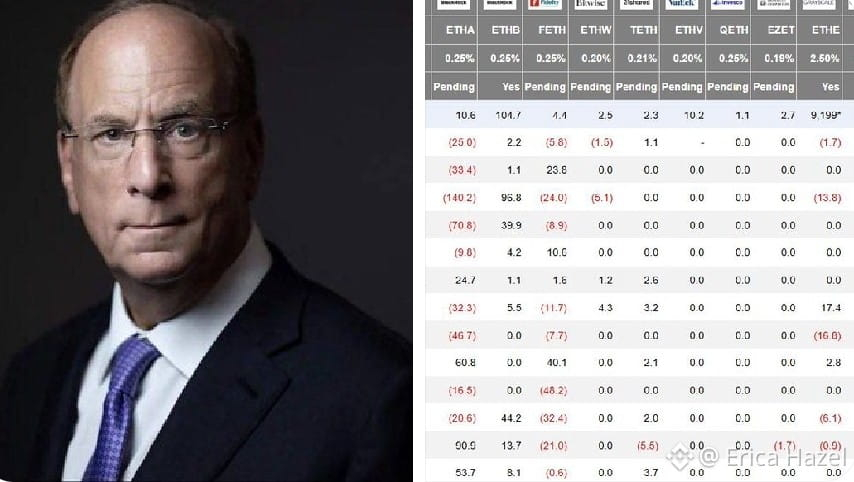
$ETH ETFs pulled in $187M in inflows this week.
Meanwhile, BlackRock added $234.3M worth of Ethereum to its position.
$ETH ETFs pulled in $187M in inflows this week.
Meanwhile, BlackRock added $234.3M worth of Ethereum to its position.
Meanwhile, BlackRock added $234.3M worth of Ethereum to its position.
2
2.8k
·
--
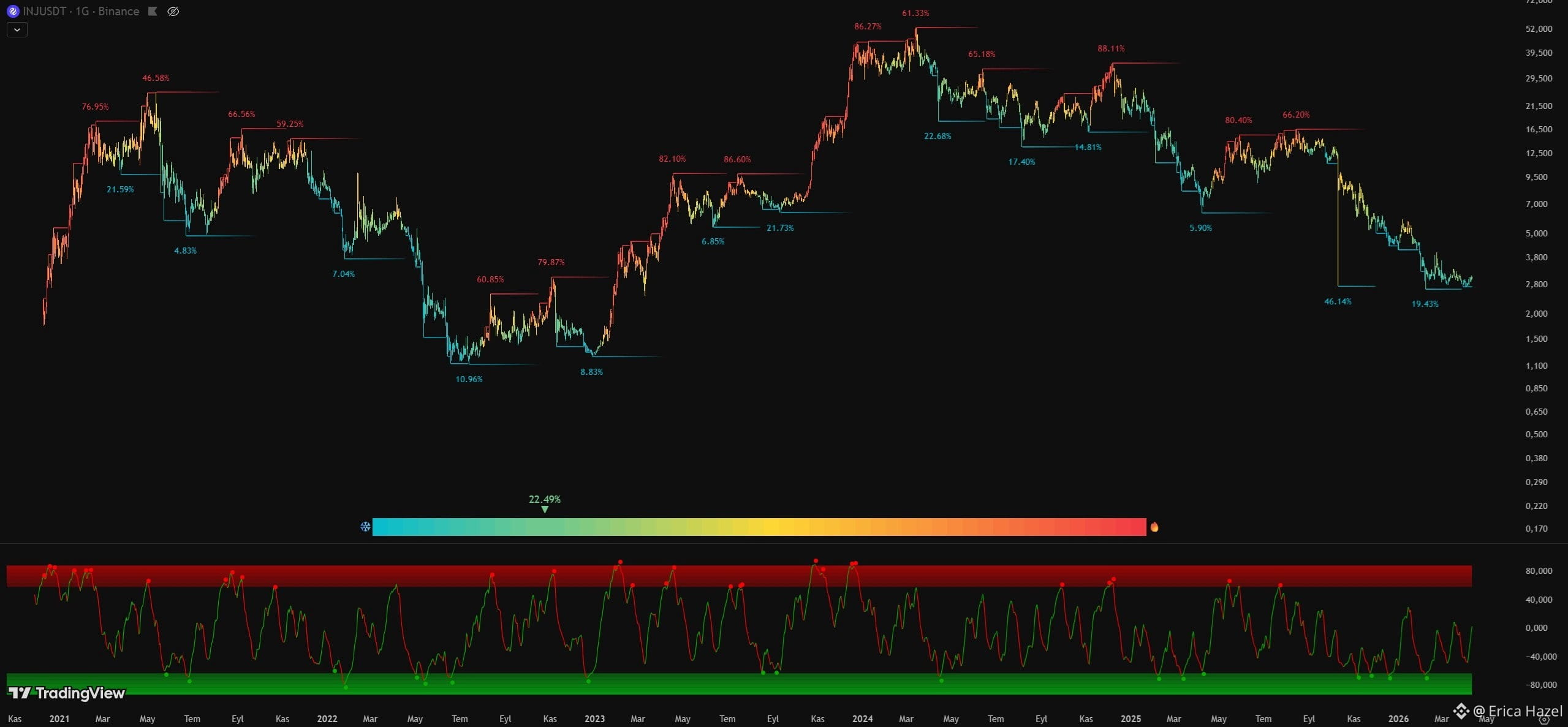
$INJ /USDT
Entry: $2.5 – $3.2
TP1: $7
TP2: $12
SL: Below $2
🔸 Price is deeply corrected and sitting in a historical demand zone. Structure shows exhaustion after repeated lower highs, so a relief bounce is likely if buyers step in.
$INJ /USDT
Entry: $2.5 – $3.2
TP1: $7
TP2: $12
SL: Below $2
🔸 Price is deeply corrected and sitting in a historical demand zone. Structure shows exhaustion after repeated lower highs, so a relief bounce is likely if buyers step in.
Entry: $2.5 – $3.2
TP1: $7
TP2: $12
SL: Below $2
🔸 Price is deeply corrected and sitting in a historical demand zone. Structure shows exhaustion after repeated lower highs, so a relief bounce is likely if buyers step in.
2
308
·
--
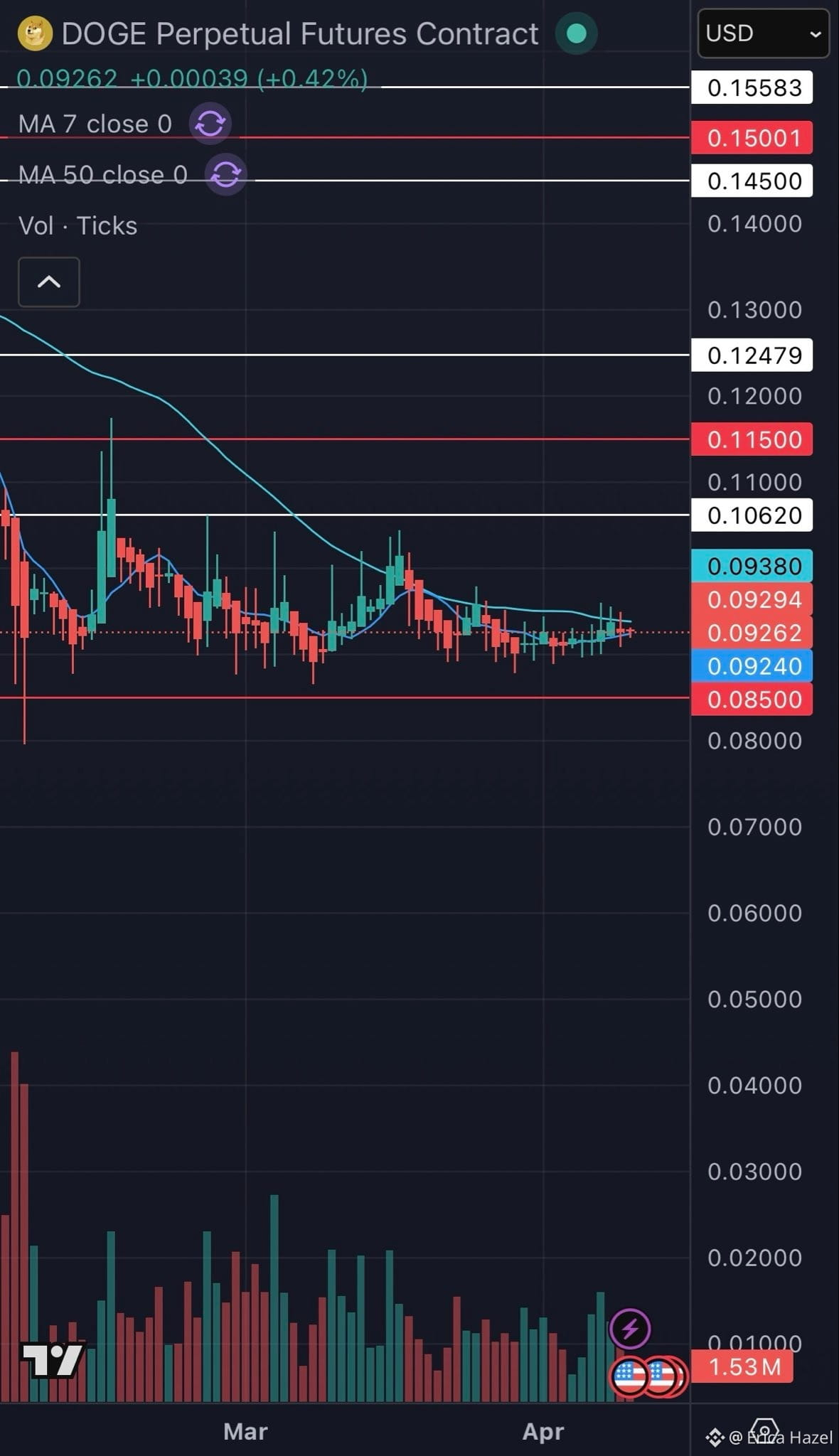
Market still flat.in a . $DOGE 03 range since February. Currently Dogecoin is at .093 and climbing. Need more peace talks with agreements to see more upside. HODL.
Market still flat.in a . $DOGE 03 range since February. Currently Dogecoin is at .093 and climbing. Need more peace talks with agreements to see more upside. HODL.
1
223
·
--
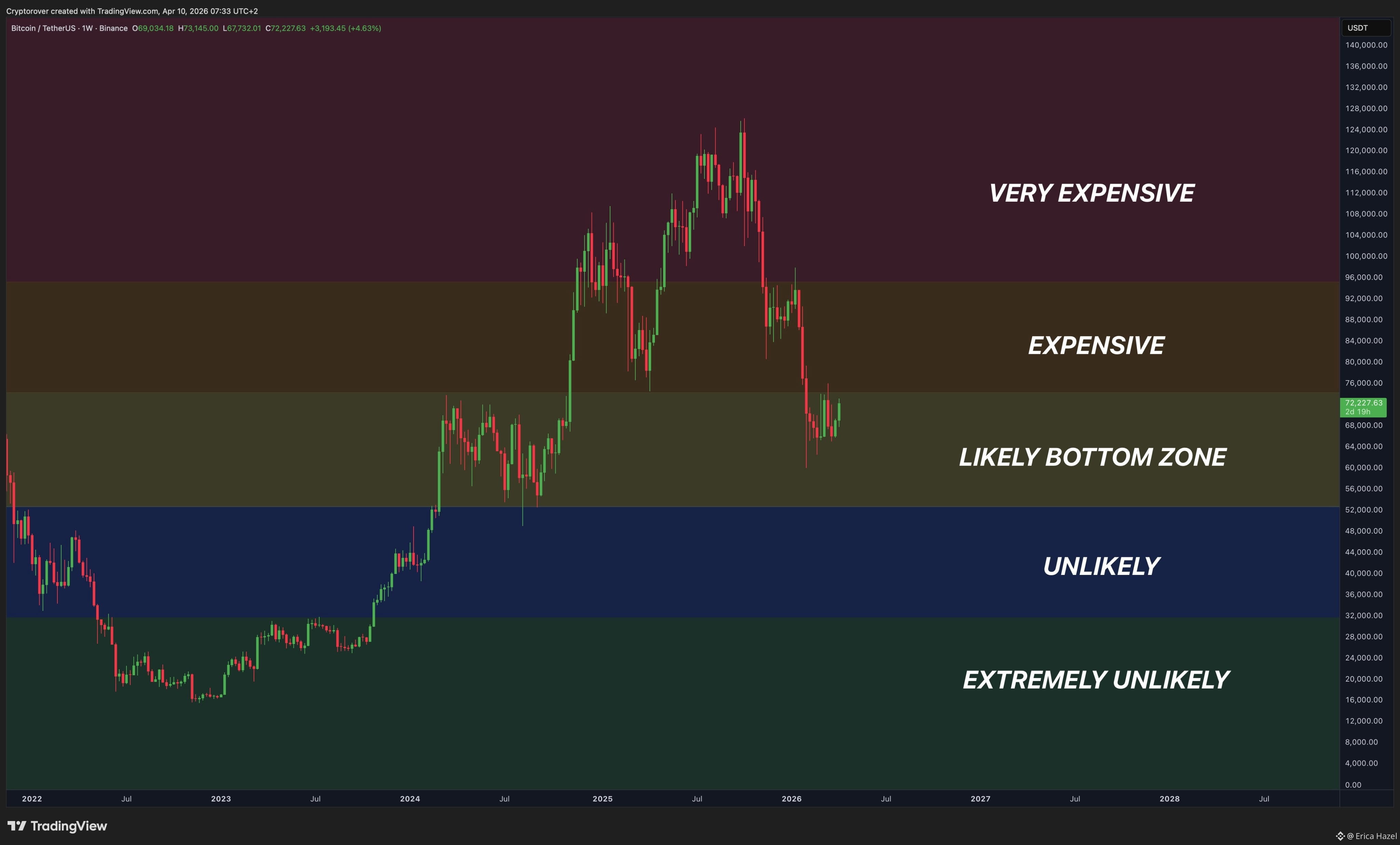
The only chart you need for $BTC this bear market.
The only chart you need for $BTC this bear market.
183
·
--
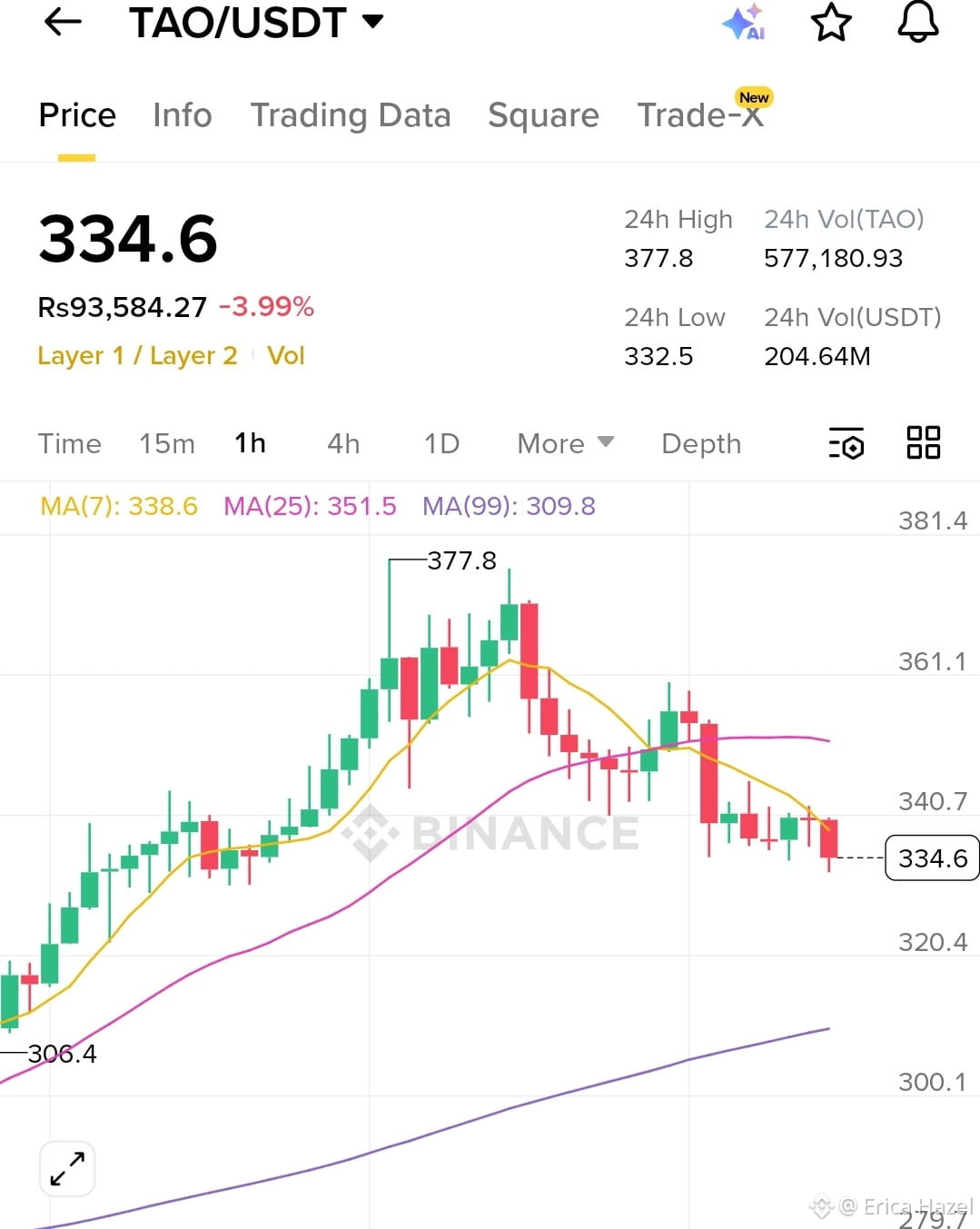
$TAO
Peaked at 377.8 and now pulling back below MA7 and MA25. MA99 still rising as strong support. Healthy correction smart money waits for the dip to hold
Pullback Entry (best):
309.8 – 338.6
Targets:
→ 351.5
→ 377.8
→ 400+
Stop Loss:
→ 306.4
> ⚠️ Not financial advice. Always manage your risk.
$TAO
Peaked at 377.8 and now pulling back below MA7 and MA25. MA99 still rising as strong support. Healthy correction smart money waits for the dip to hold
Pullback Entry (best):
309.8 – 338.6
Targets:
→ 351.5
→ 377.8
→ 400+
Stop Loss:
→ 306.4
> ⚠️ Not financial advice. Always manage your risk.
Peaked at 377.8 and now pulling back below MA7 and MA25. MA99 still rising as strong support. Healthy correction smart money waits for the dip to hold
Pullback Entry (best):
309.8 – 338.6
Targets:
→ 351.5
→ 377.8
→ 400+
Stop Loss:
→ 306.4
> ⚠️ Not financial advice. Always manage your risk.
2
331
·
--
110-year-old Turkish grandma shares her secret to a long life:
"I never used leverage"
110-year-old Turkish grandma shares her secret to a long life:
"I never used leverage"
"I never used leverage"

2
5
213
·
--
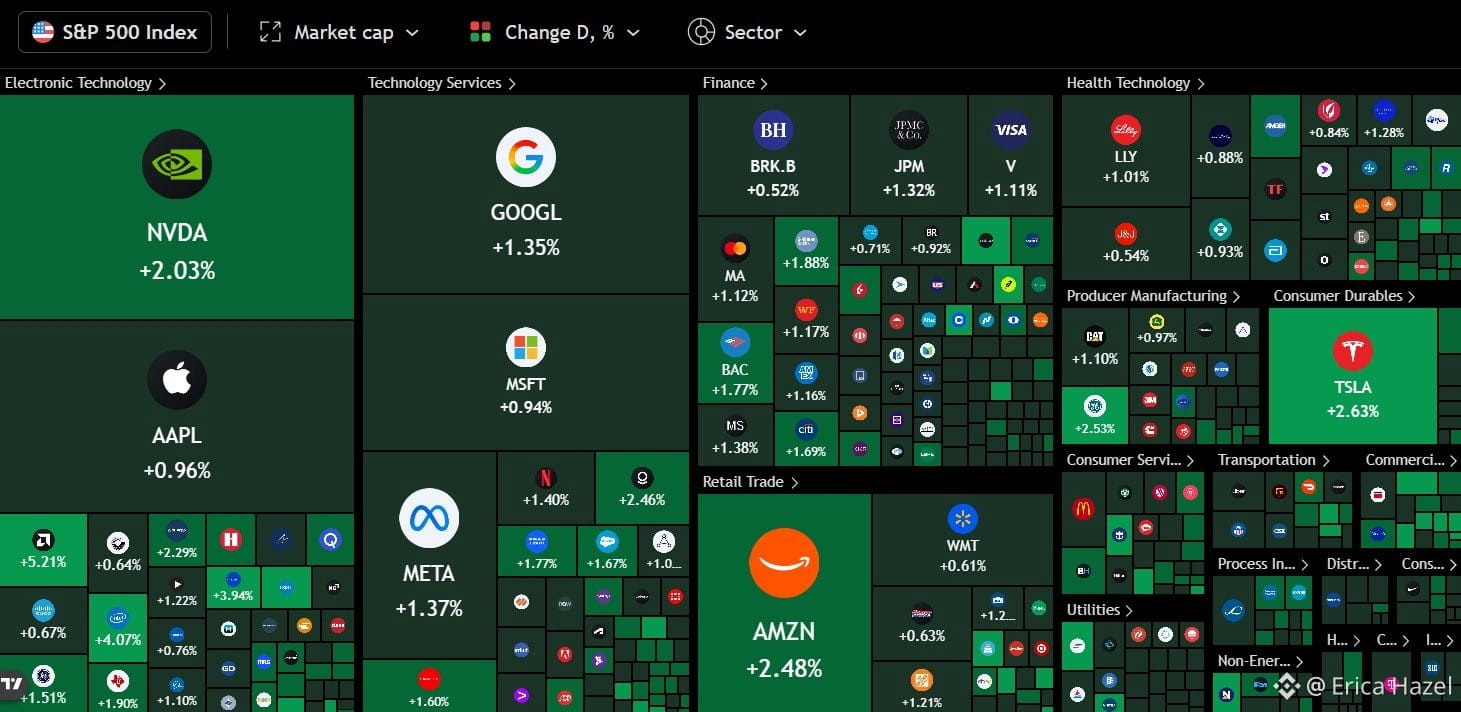
The US stock market just saw over $630 billion flow in today.
The US stock market just saw over $630 billion flow in today.
2
4
411
·
--
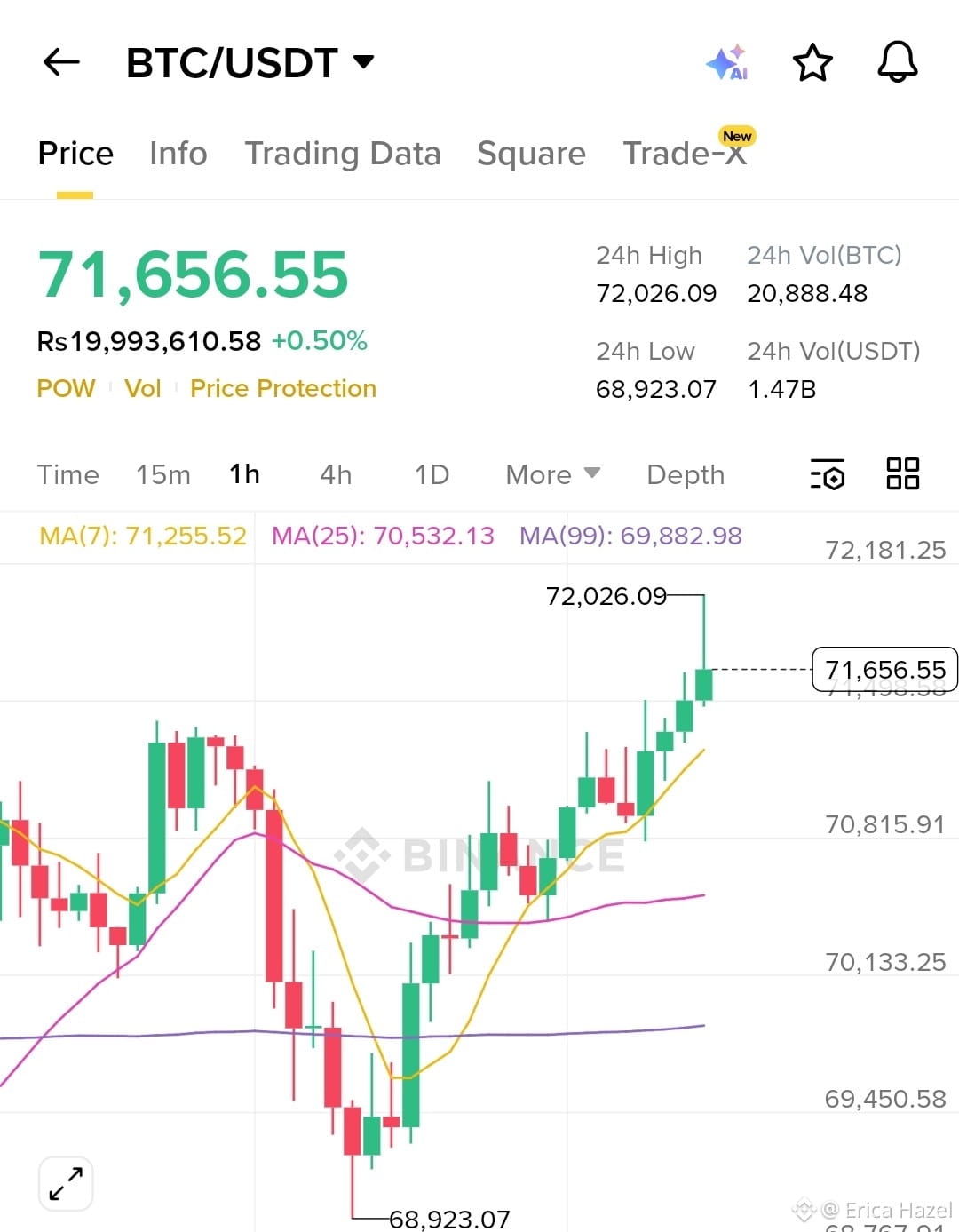
$BTC
V-shape recovery from 68,923 with all MAs stacked bullish. King is pushing toward 72K again but chasing here means bad R:R. Let it breathe
Pullback Entry (best):
70,532 – 71,255
Targets:
→ 72,026
→ 73,500
→ 75,000+
Stop Loss:
→ 68,923
$BTC
V-shape recovery from 68,923 with all MAs stacked bullish. King is pushing toward 72K again but chasing here means bad R:R. Let it breathe
Pullback Entry (best):
70,532 – 71,255
Targets:
→ 72,026
→ 73,500
→ 75,000+
Stop Loss:
→ 68,923
V-shape recovery from 68,923 with all MAs stacked bullish. King is pushing toward 72K again but chasing here means bad R:R. Let it breathe
Pullback Entry (best):
70,532 – 71,255
Targets:
→ 72,026
→ 73,500
→ 75,000+
Stop Loss:
→ 68,923
4
186
·
--
Мақала
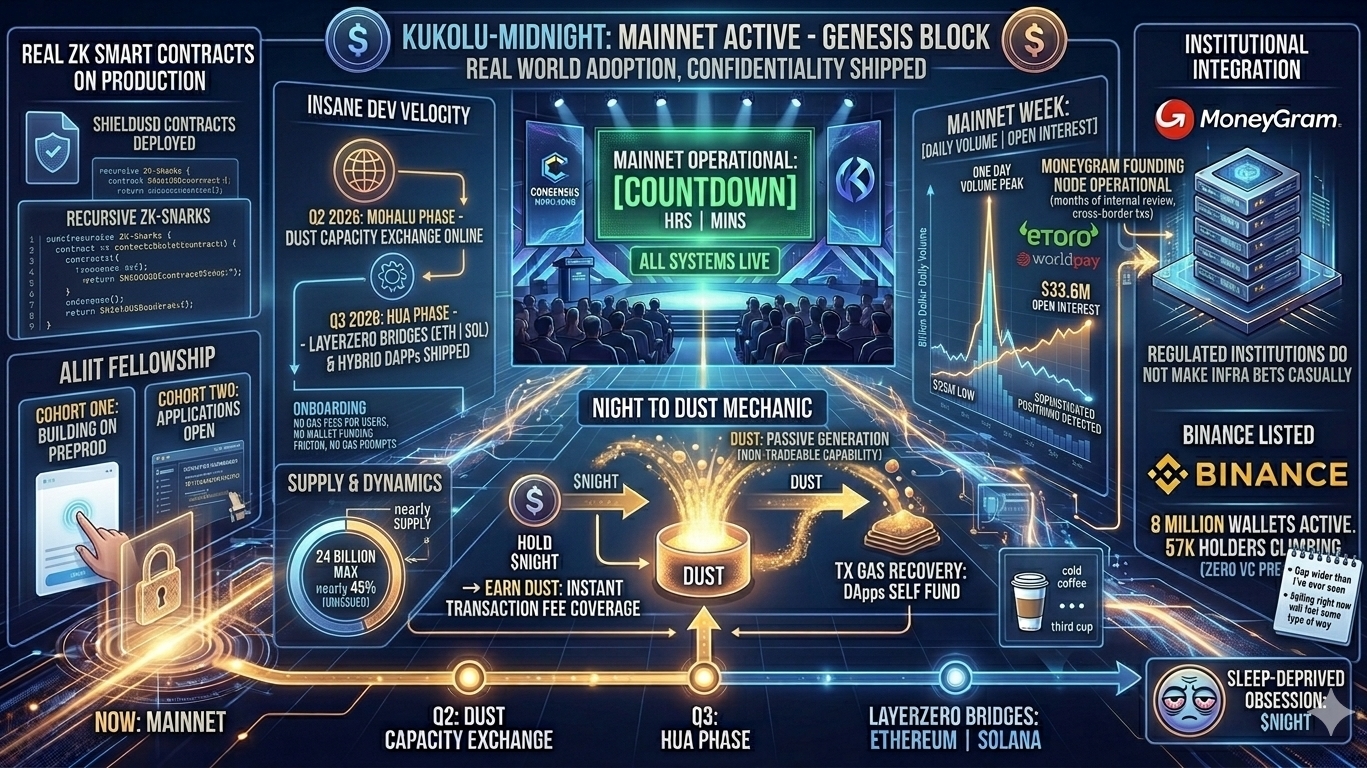
Mainnet weekI keep refreshing the chart and then closing my phone and then opening it again like something is going to change in the 40 seconds since i last checked... it won't. $NIGHT sitting at $0.045 down 12 percent and honestly the people selling right now are going to feel some type of way about this in a few months i genuinely believe that
But okay let me just say what i actually think is happening here because i feel like nobody in my feed is connecting the dots properly
Billion dollar volume. single day. this week. and open interest climbed to $33.6 million off a monthly low of $25 million... that is not retail that is not people panic buying because they saw a tweet that is sophisticated positioning ahead of genesis block activation and the people doing it are not broadcasting it they are just quietly building exposure while the chart looks terrible
(honestly i'm losing my mind here because how is this not a bigger conversation)
The infra is already running. testnet retired weeks ago. devs pushed to preprod. federated nodes live. moneygram is operating founding node infra on a zk blockchain... moneygram... the company that processes cross border txs across 200 plus countries went through months of internal legal and compliance review and came out the other side running a node. google cloud. vodafone through pairpoint. bullish. worldpay. etoro. these are not crypto native funds these are regulated businesses that do not make infra bets casually ever
And DUST... god nobody talks about DUST properly
You hold $NIGHT it generates DUST passively and DUST pays for private txs on the network but here is the thing that actually matters... DUST cannot be transferred between wallets they built it non tradeable on purpose which means devs can delegate their own DUST capacity to absorb all tx costs for their users entirely and your users never see a fee prompt never fund a wallet never touch gas they just open the app and it works like a normal product
I have watched so many consumer web3 products die at onboarding because of fee friction... this kills that problem at the protocol level not the interface level that distinction matters enormously
Supply picture is real though i want to be straight about that. nearly 45 percent of 24 billion max supply still unissued. glacier drop thawing quarterly through december 2026. mechanical pressure is real and i'm not going to pretend otherwise because you deserve honest takes not cheerleading... but supply dynamics and fundamental dev progress are two separate conversations and conflating them is just lazy
Mohalu phase q2 2026 brings DUST capacity exchange online. then hua phase q3 brings hybrid dapps. ethereum devs. solana devs. embedding midnight privacy directly into existing apps without leaving their current chain... that is the unlock that changes the total addressable ecosystem overnight and the mcap reflects none of it right now
Shieldusd contracts already deployed. aliit fellowship cohort two applications open right now while cohort one is literally building on preprod today...
The gap between what this network actually is and what the market is pricing it at right now is the widest i have seen since i started following midnight closely
Closes this week or over the next few quarters i genuinely don't know... but i know which side of that gap i want to be on
Mainnet week
I keep refreshing the chart and then closing my phone and then opening it again like something is going to change in the 40 seconds since i last checked... it won't. $NIGHT sitting at $0.045 down 12 percent and honestly the people selling right now are going to feel some type of way about this in a few months i genuinely believe that
But okay let me just say what i actually think is happening here because i feel like nobody in my feed is connecting the dots properly
Billion dollar volume. single day. this week. and open interest climbed to $33.6 million off a monthly low of $25 million... that is not retail that is not people panic buying because they saw a tweet that is sophisticated positioning ahead of genesis block activation and the people doing it are not broadcasting it they are just quietly building exposure while the chart looks terrible
(honestly i'm losing my mind here because how is this not a bigger conversation)
The infra is already running. testnet retired weeks ago. devs pushed to preprod. federated nodes live. moneygram is operating founding node infra on a zk blockchain... moneygram... the company that processes cross border txs across 200 plus countries went through months of internal legal and compliance review and came out the other side running a node. google cloud. vodafone through pairpoint. bullish. worldpay. etoro. these are not crypto native funds these are regulated businesses that do not make infra bets casually ever
And DUST... god nobody talks about DUST properly
You hold $NIGHT it generates DUST passively and DUST pays for private txs on the network but here is the thing that actually matters... DUST cannot be transferred between wallets they built it non tradeable on purpose which means devs can delegate their own DUST capacity to absorb all tx costs for their users entirely and your users never see a fee prompt never fund a wallet never touch gas they just open the app and it works like a normal product
I have watched so many consumer web3 products die at onboarding because of fee friction... this kills that problem at the protocol level not the interface level that distinction matters enormously
Supply picture is real though i want to be straight about that. nearly 45 percent of 24 billion max supply still unissued. glacier drop thawing quarterly through december 2026. mechanical pressure is real and i'm not going to pretend otherwise because you deserve honest takes not cheerleading... but supply dynamics and fundamental dev progress are two separate conversations and conflating them is just lazy
Mohalu phase q2 2026 brings DUST capacity exchange online. then hua phase q3 brings hybrid dapps. ethereum devs. solana devs. embedding midnight privacy directly into existing apps without leaving their current chain... that is the unlock that changes the total addressable ecosystem overnight and the mcap reflects none of it right now
Shieldusd contracts already deployed. aliit fellowship cohort two applications open right now while cohort one is literally building on preprod today...
The gap between what this network actually is and what the market is pricing it at right now is the widest i have seen since i started following midnight closely
Closes this week or over the next few quarters i genuinely don't know... but i know which side of that gap i want to be on
But okay let me just say what i actually think is happening here because i feel like nobody in my feed is connecting the dots properly
Billion dollar volume. single day. this week. and open interest climbed to $33.6 million off a monthly low of $25 million... that is not retail that is not people panic buying because they saw a tweet that is sophisticated positioning ahead of genesis block activation and the people doing it are not broadcasting it they are just quietly building exposure while the chart looks terrible
(honestly i'm losing my mind here because how is this not a bigger conversation)
The infra is already running. testnet retired weeks ago. devs pushed to preprod. federated nodes live. moneygram is operating founding node infra on a zk blockchain... moneygram... the company that processes cross border txs across 200 plus countries went through months of internal legal and compliance review and came out the other side running a node. google cloud. vodafone through pairpoint. bullish. worldpay. etoro. these are not crypto native funds these are regulated businesses that do not make infra bets casually ever
And DUST... god nobody talks about DUST properly
You hold $NIGHT it generates DUST passively and DUST pays for private txs on the network but here is the thing that actually matters... DUST cannot be transferred between wallets they built it non tradeable on purpose which means devs can delegate their own DUST capacity to absorb all tx costs for their users entirely and your users never see a fee prompt never fund a wallet never touch gas they just open the app and it works like a normal product
I have watched so many consumer web3 products die at onboarding because of fee friction... this kills that problem at the protocol level not the interface level that distinction matters enormously
Supply picture is real though i want to be straight about that. nearly 45 percent of 24 billion max supply still unissued. glacier drop thawing quarterly through december 2026. mechanical pressure is real and i'm not going to pretend otherwise because you deserve honest takes not cheerleading... but supply dynamics and fundamental dev progress are two separate conversations and conflating them is just lazy
Mohalu phase q2 2026 brings DUST capacity exchange online. then hua phase q3 brings hybrid dapps. ethereum devs. solana devs. embedding midnight privacy directly into existing apps without leaving their current chain... that is the unlock that changes the total addressable ecosystem overnight and the mcap reflects none of it right now
Shieldusd contracts already deployed. aliit fellowship cohort two applications open right now while cohort one is literally building on preprod today...
The gap between what this network actually is and what the market is pricing it at right now is the widest i have seen since i started following midnight closely
Closes this week or over the next few quarters i genuinely don't know... but i know which side of that gap i want to be on
19
189
·
--
Cold coffee. third cup. still refreshing
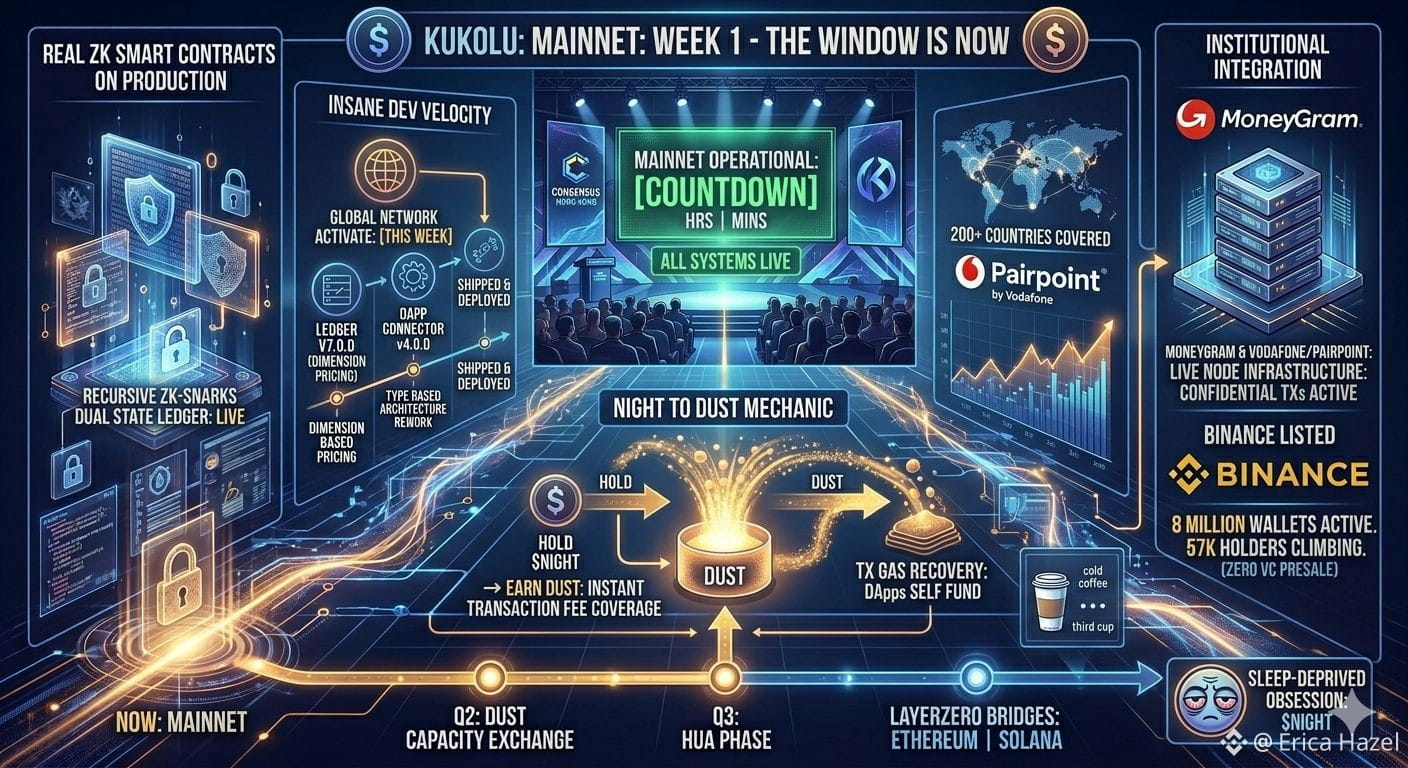
ok so kukolu is literally this week and i feel like i'm the only one losing sleep over this... mainnet. not testnet. not "phase one of our journey" actual production chain going live and the twitter timeline is just... vibes
And the infra situation honestly makes me want to grab people by the shoulders. google cloud. moneygram. vodafone through pairpoint. blockdaemon. etoro. these are not logo sponsors they are running live nodes RIGHT NOW on a chain most of crypto hasn't priced in yet... moneygram alone is on the hook for confidential txs across 200 plus countries from infrastructure they personally operate (honestly i'm losing my mind here) at this mcap. at THIS mcap
the zk architecture keeps breaking my brain every time i try to explain it to someone... recursive zk-snarks dual state ledger means a user can prove solvency or KYC status without exposing a single byte of underlying data. that's not a whitepaper promise that shipped. devs are already deploying on it
And then DUST just sitting there doing its thing quietly... hold $NIGHT earn DUST passively. DUST covers every tx. no gas UX. devs self fund their own apps. i keep waiting to find the catch and i haven't found it yet
4.5 billion $NIGHT out to 8 million addresses zero VC presale... smart contract deployments up 1617% on testnet in december alone. 57k unique holders climbing
But everyone's still sleeping on this
window. is. now
#night $NIGHT @MidnightNetwork
Cold coffee. third cup. still refreshing
ok so kukolu is literally this week and i feel like i'm the only one losing sleep over this... mainnet. not testnet. not "phase one of our journey" actual production chain going live and the twitter timeline is just... vibes
And the infra situation honestly makes me want to grab people by the shoulders. google cloud. moneygram. vodafone through pairpoint. blockdaemon. etoro. these are not logo sponsors they are running live nodes RIGHT NOW on a chain most of crypto hasn't priced in yet... moneygram alone is on the hook for confidential txs across 200 plus countries from infrastructure they personally operate (honestly i'm losing my mind here) at this mcap. at THIS mcap
the zk architecture keeps breaking my brain every time i try to explain it to someone... recursive zk-snarks dual state ledger means a user can prove solvency or KYC status without exposing a single byte of underlying data. that's not a whitepaper promise that shipped. devs are already deploying on it
And then DUST just sitting there doing its thing quietly... hold $NIGHT earn DUST passively. DUST covers every tx. no gas UX. devs self fund their own apps. i keep waiting to find the catch and i haven't found it yet
4.5 billion $NIGHT out to 8 million addresses zero VC presale... smart contract deployments up 1617% on testnet in december alone. 57k unique holders climbing
But everyone's still sleeping on this
window. is. now
#night $NIGHT @MidnightNetwork
ok so kukolu is literally this week and i feel like i'm the only one losing sleep over this... mainnet. not testnet. not "phase one of our journey" actual production chain going live and the twitter timeline is just... vibes
And the infra situation honestly makes me want to grab people by the shoulders. google cloud. moneygram. vodafone through pairpoint. blockdaemon. etoro. these are not logo sponsors they are running live nodes RIGHT NOW on a chain most of crypto hasn't priced in yet... moneygram alone is on the hook for confidential txs across 200 plus countries from infrastructure they personally operate (honestly i'm losing my mind here) at this mcap. at THIS mcap
the zk architecture keeps breaking my brain every time i try to explain it to someone... recursive zk-snarks dual state ledger means a user can prove solvency or KYC status without exposing a single byte of underlying data. that's not a whitepaper promise that shipped. devs are already deploying on it
And then DUST just sitting there doing its thing quietly... hold $NIGHT earn DUST passively. DUST covers every tx. no gas UX. devs self fund their own apps. i keep waiting to find the catch and i haven't found it yet
4.5 billion $NIGHT out to 8 million addresses zero VC presale... smart contract deployments up 1617% on testnet in december alone. 57k unique holders climbing
But everyone's still sleeping on this
window. is. now
#night $NIGHT @MidnightNetwork
14
83
·
--

Мақала
Mainnet is live, and I’m still holding heavier bags than most understand.57,000 wallets. Think about that for a second.
Three hundred percent growth in two months and most of the timeline is still debating whether the price will recover. I genuinely do not know what chart these people are looking at because the one that matters to me right now is not the NIGHT candles. It is that holder count climbing while everyone else is distracted by macro noise and quarterly unlocks.
Kukolu goes live this week. Done. No more testnet. No more preprod migration announcements. The Genesis block activates and we cross from theoretical into real. I have been around long enough to watch a lot of teams announce mainnet dates and then quietly disappear into radio silence for six more months. That is not what happened here. They retired testnet-02. They pushed every developer to preprod weeks ago. The infra was being cleared. I noticed.
And the open interest. 31.72 million dollars in NIGHT futures sitting there while retail is panic selling into unlock pressure. Sophisticated money does not build that kind of position accidentally. They read the same signals I did and they positioned. Quietly.
But here is the part I keep trying to explain to people at 2am when they ask me why I still have bags.
DUST.
Not the token. The mechanic. You hold NIGHT and DUST generates passively. Developers delegate that DUST to absorb fees for their users completely. Your users never see a gas prompt. Ever. They just open the app and it works like a normal product because someone upstream handled the friction invisibly. I have spent years watching Web3 consumer products die at onboarding because of exactly this problem and the fact that Midnight solved it at the architecture level rather than slapping a better UI on top of the same broken model is the thing that actually changed my opinion on this network.
That is not a feature. That is a different philosophy entirely.
And the node operators. God. People keep glazing over this. MoneyGram runs cross border payments across 200 plus countries. They have compliance teams. Legal teams. Infrastructure teams that do not approve speculative bets. Same with Vodafone through Pairpoint. Same with eToro. Same with Google Cloud. These are not crypto native funds talking their own book. These are regulated businesses that looked at zero knowledge privacy infra and decided it solved a real problem they have today. Not in 2028. Today.
Worldpay joined. Bullish joined. And the timeline is selling.
Nearly 45 percent of the 24 billion max supply still unissued. I know. The Glacier Drop thawing quarterly through December 2026. I know that too. Supply pressure is real and I am not going to pretend otherwise because you deserve honest analysis not cheerleading. But supply dynamics and fundamental development are two completely separate conversations and conflating them is intellectually lazy. I see it constantly. People pointing at unlock schedules and calling it due diligence.
It is not.
Mohalu comes after Kukolu. Q2 2026. Brings the DUST Capacity Exchange online and suddenly the token economics get genuinely dynamic in ways most holders have not modeled yet. Then Hua in Q3. Hybrid dApps. Ethereum developers. Solana developers. Embedding Midnight privacy directly into applications they already built without migrating to a new chain. That is the unlock that changes the total addressable ecosystem overnight and almost nobody in my feed is discussing it with any real seriousness.
ShieldUSD contracts already deployed. Midnight City live and running AI agents transacting privately at scale. Aliit Fellowship cohort two accepting applications while cohort one is on preprod building right now in real time. The developer relations team doing weekly firesides. None of this is vaporware anymore.
Tired. Honestly. Tired of explaining that the gap between price and project reality is the widest I have seen since I started paying attention to this network. The market is pricing unlock schedules and sentiment. It is not pricing a live zero knowledge production network activating for the first time in history. It is not pricing MoneyGram running a node. It is not pricing Hybrid dApps reaching Ethereum developers in six months.
These windows always feel uncertain from the inside.
Always.
And then one day they do not anymore and everyone pretends they saw it coming.
#night $NIGHT @MidnightNetwork
Mainnet is live, and I’m still holding heavier bags than most understand.
57,000 wallets. Think about that for a second.
Three hundred percent growth in two months and most of the timeline is still debating whether the price will recover. I genuinely do not know what chart these people are looking at because the one that matters to me right now is not the NIGHT candles. It is that holder count climbing while everyone else is distracted by macro noise and quarterly unlocks.
Kukolu goes live this week. Done. No more testnet. No more preprod migration announcements. The Genesis block activates and we cross from theoretical into real. I have been around long enough to watch a lot of teams announce mainnet dates and then quietly disappear into radio silence for six more months. That is not what happened here. They retired testnet-02. They pushed every developer to preprod weeks ago. The infra was being cleared. I noticed.
And the open interest. 31.72 million dollars in NIGHT futures sitting there while retail is panic selling into unlock pressure. Sophisticated money does not build that kind of position accidentally. They read the same signals I did and they positioned. Quietly.
But here is the part I keep trying to explain to people at 2am when they ask me why I still have bags.
DUST.
Not the token. The mechanic. You hold NIGHT and DUST generates passively. Developers delegate that DUST to absorb fees for their users completely. Your users never see a gas prompt. Ever. They just open the app and it works like a normal product because someone upstream handled the friction invisibly. I have spent years watching Web3 consumer products die at onboarding because of exactly this problem and the fact that Midnight solved it at the architecture level rather than slapping a better UI on top of the same broken model is the thing that actually changed my opinion on this network.
That is not a feature. That is a different philosophy entirely.
And the node operators. God. People keep glazing over this. MoneyGram runs cross border payments across 200 plus countries. They have compliance teams. Legal teams. Infrastructure teams that do not approve speculative bets. Same with Vodafone through Pairpoint. Same with eToro. Same with Google Cloud. These are not crypto native funds talking their own book. These are regulated businesses that looked at zero knowledge privacy infra and decided it solved a real problem they have today. Not in 2028. Today.
Worldpay joined. Bullish joined. And the timeline is selling.
Nearly 45 percent of the 24 billion max supply still unissued. I know. The Glacier Drop thawing quarterly through December 2026. I know that too. Supply pressure is real and I am not going to pretend otherwise because you deserve honest analysis not cheerleading. But supply dynamics and fundamental development are two completely separate conversations and conflating them is intellectually lazy. I see it constantly. People pointing at unlock schedules and calling it due diligence.
It is not.
Mohalu comes after Kukolu. Q2 2026. Brings the DUST Capacity Exchange online and suddenly the token economics get genuinely dynamic in ways most holders have not modeled yet. Then Hua in Q3. Hybrid dApps. Ethereum developers. Solana developers. Embedding Midnight privacy directly into applications they already built without migrating to a new chain. That is the unlock that changes the total addressable ecosystem overnight and almost nobody in my feed is discussing it with any real seriousness.
ShieldUSD contracts already deployed. Midnight City live and running AI agents transacting privately at scale. Aliit Fellowship cohort two accepting applications while cohort one is on preprod building right now in real time. The developer relations team doing weekly firesides. None of this is vaporware anymore.
Tired. Honestly. Tired of explaining that the gap between price and project reality is the widest I have seen since I started paying attention to this network. The market is pricing unlock schedules and sentiment. It is not pricing a live zero knowledge production network activating for the first time in history. It is not pricing MoneyGram running a node. It is not pricing Hybrid dApps reaching Ethereum developers in six months.
These windows always feel uncertain from the inside.
Always.
And then one day they do not anymore and everyone pretends they saw it coming.
#night $NIGHT @MidnightNetwork
Three hundred percent growth in two months and most of the timeline is still debating whether the price will recover. I genuinely do not know what chart these people are looking at because the one that matters to me right now is not the NIGHT candles. It is that holder count climbing while everyone else is distracted by macro noise and quarterly unlocks.
Kukolu goes live this week. Done. No more testnet. No more preprod migration announcements. The Genesis block activates and we cross from theoretical into real. I have been around long enough to watch a lot of teams announce mainnet dates and then quietly disappear into radio silence for six more months. That is not what happened here. They retired testnet-02. They pushed every developer to preprod weeks ago. The infra was being cleared. I noticed.
And the open interest. 31.72 million dollars in NIGHT futures sitting there while retail is panic selling into unlock pressure. Sophisticated money does not build that kind of position accidentally. They read the same signals I did and they positioned. Quietly.
But here is the part I keep trying to explain to people at 2am when they ask me why I still have bags.
DUST.
Not the token. The mechanic. You hold NIGHT and DUST generates passively. Developers delegate that DUST to absorb fees for their users completely. Your users never see a gas prompt. Ever. They just open the app and it works like a normal product because someone upstream handled the friction invisibly. I have spent years watching Web3 consumer products die at onboarding because of exactly this problem and the fact that Midnight solved it at the architecture level rather than slapping a better UI on top of the same broken model is the thing that actually changed my opinion on this network.
That is not a feature. That is a different philosophy entirely.
And the node operators. God. People keep glazing over this. MoneyGram runs cross border payments across 200 plus countries. They have compliance teams. Legal teams. Infrastructure teams that do not approve speculative bets. Same with Vodafone through Pairpoint. Same with eToro. Same with Google Cloud. These are not crypto native funds talking their own book. These are regulated businesses that looked at zero knowledge privacy infra and decided it solved a real problem they have today. Not in 2028. Today.
Worldpay joined. Bullish joined. And the timeline is selling.
Nearly 45 percent of the 24 billion max supply still unissued. I know. The Glacier Drop thawing quarterly through December 2026. I know that too. Supply pressure is real and I am not going to pretend otherwise because you deserve honest analysis not cheerleading. But supply dynamics and fundamental development are two completely separate conversations and conflating them is intellectually lazy. I see it constantly. People pointing at unlock schedules and calling it due diligence.
It is not.
Mohalu comes after Kukolu. Q2 2026. Brings the DUST Capacity Exchange online and suddenly the token economics get genuinely dynamic in ways most holders have not modeled yet. Then Hua in Q3. Hybrid dApps. Ethereum developers. Solana developers. Embedding Midnight privacy directly into applications they already built without migrating to a new chain. That is the unlock that changes the total addressable ecosystem overnight and almost nobody in my feed is discussing it with any real seriousness.
ShieldUSD contracts already deployed. Midnight City live and running AI agents transacting privately at scale. Aliit Fellowship cohort two accepting applications while cohort one is on preprod building right now in real time. The developer relations team doing weekly firesides. None of this is vaporware anymore.
Tired. Honestly. Tired of explaining that the gap between price and project reality is the widest I have seen since I started paying attention to this network. The market is pricing unlock schedules and sentiment. It is not pricing a live zero knowledge production network activating for the first time in history. It is not pricing MoneyGram running a node. It is not pricing Hybrid dApps reaching Ethereum developers in six months.
These windows always feel uncertain from the inside.
Always.
And then one day they do not anymore and everyone pretends they saw it coming.
#night $NIGHT @MidnightNetwork
21
101
·
--
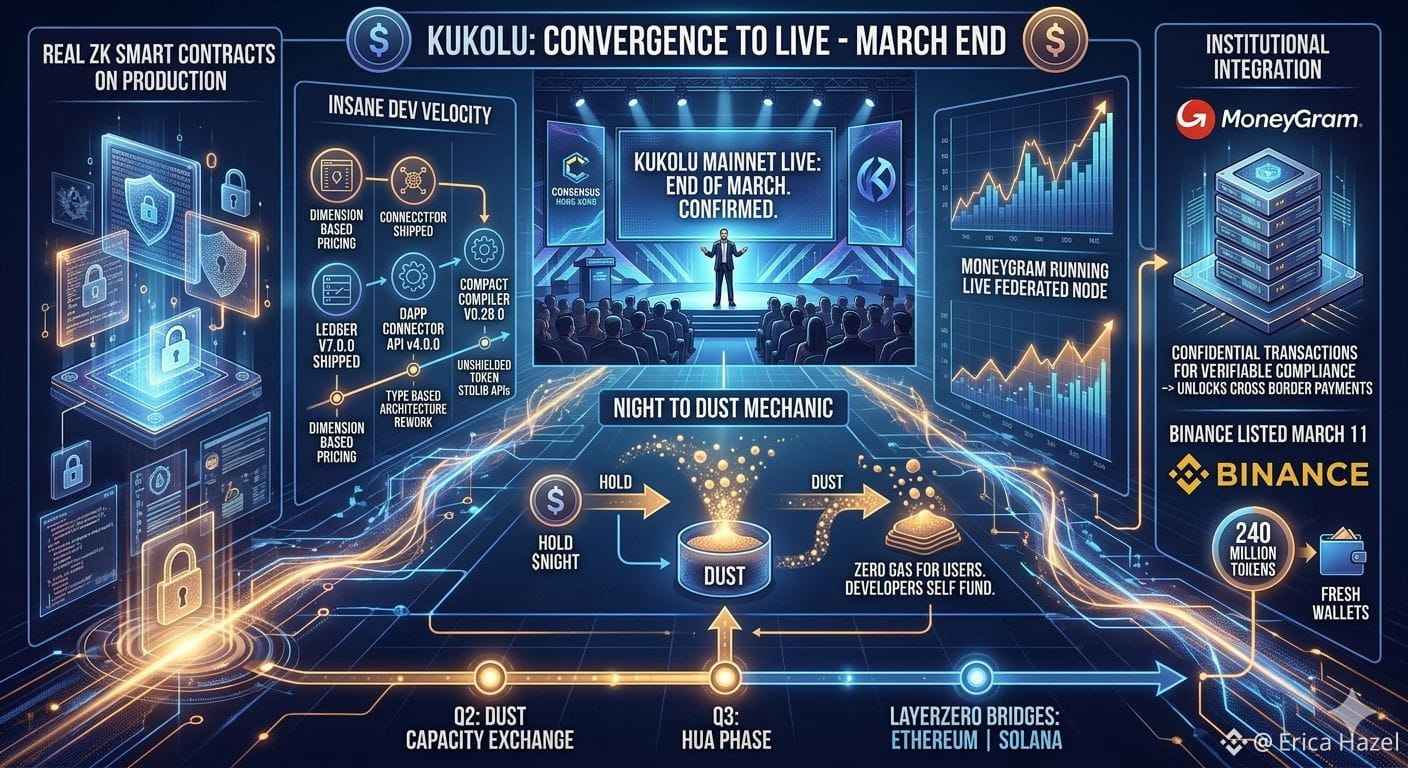
Kukolu is live end of March. Confirmed. Not a blog post teaser either, they said it on stage at Consensus Hong Kong so it's locked in.
Real ZK smart contracts on production. I keep saying that to myself because it still feels early to be this close.
Been digging into the dev updates and honestly the velocity is kind of insane right now. Ledger v7.0.0 shipped with dimension based pricing, DApp Connector API hit v4.0.0 with a full type based architecture rework, Compact compiler v0.28.0 added unshielded token standard library APIs... like that's not a team coasting. That's a team that knows exactly what date is on the calendar.
MoneyGram is running a live federated node. Not sponsoring a tweet. Actually running infrastructure and looking at confidential transactions for verifiable compliance. Which, if you think about what that unlocks for cross border payments, is kind of a big deal.
The NIGHT to DUST mechanic still gets slept on. Hold NIGHT, earn DUST passively, DUST covers every tx. Zero gas for users. Developers self fund. Why isn't every chain doing this?
Binance listed on March 11. HODLer airdrop went out, 240 million tokens distributed. That's a lot of fresh wallets right before mainnet drops.
Q2 brings the DUST Capacity Exchange. Q3 the Hua phase hits with LayerZero bridges to Ethereum and Solana. The roadmap is actually sequential and shipping which... yeah I don't take that for granted anymore.
#night $NIGHT @MidnightNetwork
Kukolu is live end of March. Confirmed. Not a blog post teaser either, they said it on stage at Consensus Hong Kong so it's locked in.
Real ZK smart contracts on production. I keep saying that to myself because it still feels early to be this close.
Been digging into the dev updates and honestly the velocity is kind of insane right now. Ledger v7.0.0 shipped with dimension based pricing, DApp Connector API hit v4.0.0 with a full type based architecture rework, Compact compiler v0.28.0 added unshielded token standard library APIs... like that's not a team coasting. That's a team that knows exactly what date is on the calendar.
MoneyGram is running a live federated node. Not sponsoring a tweet. Actually running infrastructure and looking at confidential transactions for verifiable compliance. Which, if you think about what that unlocks for cross border payments, is kind of a big deal.
The NIGHT to DUST mechanic still gets slept on. Hold NIGHT, earn DUST passively, DUST covers every tx. Zero gas for users. Developers self fund. Why isn't every chain doing this?
Binance listed on March 11. HODLer airdrop went out, 240 million tokens distributed. That's a lot of fresh wallets right before mainnet drops.
Q2 brings the DUST Capacity Exchange. Q3 the Hua phase hits with LayerZero bridges to Ethereum and Solana. The roadmap is actually sequential and shipping which... yeah I don't take that for granted anymore.
#night $NIGHT @MidnightNetwork
Real ZK smart contracts on production. I keep saying that to myself because it still feels early to be this close.
Been digging into the dev updates and honestly the velocity is kind of insane right now. Ledger v7.0.0 shipped with dimension based pricing, DApp Connector API hit v4.0.0 with a full type based architecture rework, Compact compiler v0.28.0 added unshielded token standard library APIs... like that's not a team coasting. That's a team that knows exactly what date is on the calendar.
MoneyGram is running a live federated node. Not sponsoring a tweet. Actually running infrastructure and looking at confidential transactions for verifiable compliance. Which, if you think about what that unlocks for cross border payments, is kind of a big deal.
The NIGHT to DUST mechanic still gets slept on. Hold NIGHT, earn DUST passively, DUST covers every tx. Zero gas for users. Developers self fund. Why isn't every chain doing this?
Binance listed on March 11. HODLer airdrop went out, 240 million tokens distributed. That's a lot of fresh wallets right before mainnet drops.
Q2 brings the DUST Capacity Exchange. Q3 the Hua phase hits with LayerZero bridges to Ethereum and Solana. The roadmap is actually sequential and shipping which... yeah I don't take that for granted anymore.
#night $NIGHT @MidnightNetwork
1
22
67
·
--
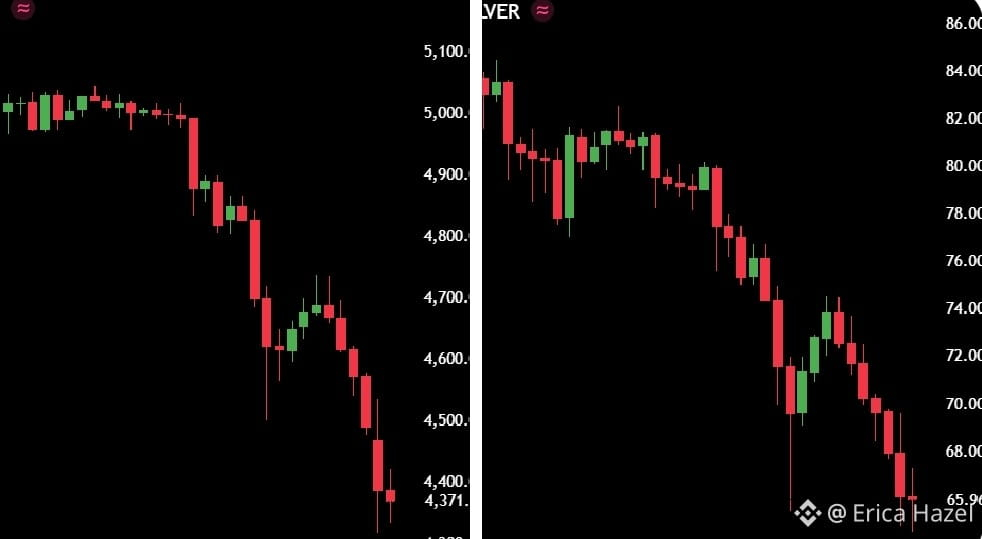
$1,820,000,000,000 has been wiped out from Gold and Silver in just 6 HOURS.
Did their dev abandon the project?
$1,820,000,000,000 has been wiped out from Gold and Silver in just 6 HOURS.
Did their dev abandon the project?
Did their dev abandon the project?
2
15
197
·
--
Most people are staring at the chart; I’m watching who’s actually running the nodes.
End of March is here, Kukolu mainnet goes live, and I keep feeling like this is getting treated as just another launch when it’s actually a shift in how the plumbing works real ZK smart contracts moving out of test environments into production, DUST starting to flow as the internal fuel layer, and a model where holding $NIGHT passively generates execution capacity that developers can tap into so users don’t even see fees, which sounds simple until you map it onto the stack: infra providers like Google Cloud, payment rails like MoneyGram, telecom-backed entities like Vodafone via Pairpoint all participating at the node level, not as passive logos but as operators inside the system, and that creates this strange hybrid where Web2-scale entities are directly embedded into a privacy-preserving execution layer… and honestly, that’s where things either click or completely break because aligning incentives between infra, devs, and end users without introducing hidden friction is harder than it looks on paper…
It’s live.
But I’m not fully convinced yet.
Zero-fee UX has always been the promise. Execution is where most projects fail. And if DUST doesn’t balance properly supply, demand, delegation the whole model gets weird fast.
Still, the signals are stacking.
Unique holders up ~300% in two months.
LayerZero integration confirmed.
Testnet contract deployments up 1600%+.
That’s not noise.
I’ve been tracking this quietly for a while, and it feels like we’re at that point where the easy time to ignore it is almost gone.
Maybe it works. Maybe it doesn’t.
But this window before mainnet… it’s closing.
$NIGHT #night @MidnightNetwork
Most people are staring at the chart; I’m watching who’s actually running the nodes.
End of March is here, Kukolu mainnet goes live, and I keep feeling like this is getting treated as just another launch when it’s actually a shift in how the plumbing works real ZK smart contracts moving out of test environments into production, DUST starting to flow as the internal fuel layer, and a model where holding $NIGHT passively generates execution capacity that developers can tap into so users don’t even see fees, which sounds simple until you map it onto the stack: infra providers like Google Cloud, payment rails like MoneyGram, telecom-backed entities like Vodafone via Pairpoint all participating at the node level, not as passive logos but as operators inside the system, and that creates this strange hybrid where Web2-scale entities are directly embedded into a privacy-preserving execution layer… and honestly, that’s where things either click or completely break because aligning incentives between infra, devs, and end users without introducing hidden friction is harder than it looks on paper…
It’s live.
But I’m not fully convinced yet.
Zero-fee UX has always been the promise. Execution is where most projects fail. And if DUST doesn’t balance properly supply, demand, delegation the whole model gets weird fast.
Still, the signals are stacking.
Unique holders up ~300% in two months.
LayerZero integration confirmed.
Testnet contract deployments up 1600%+.
That’s not noise.
I’ve been tracking this quietly for a while, and it feels like we’re at that point where the easy time to ignore it is almost gone.
Maybe it works. Maybe it doesn’t.
But this window before mainnet… it’s closing.
$NIGHT #night @MidnightNetwork
End of March is here, Kukolu mainnet goes live, and I keep feeling like this is getting treated as just another launch when it’s actually a shift in how the plumbing works real ZK smart contracts moving out of test environments into production, DUST starting to flow as the internal fuel layer, and a model where holding $NIGHT passively generates execution capacity that developers can tap into so users don’t even see fees, which sounds simple until you map it onto the stack: infra providers like Google Cloud, payment rails like MoneyGram, telecom-backed entities like Vodafone via Pairpoint all participating at the node level, not as passive logos but as operators inside the system, and that creates this strange hybrid where Web2-scale entities are directly embedded into a privacy-preserving execution layer… and honestly, that’s where things either click or completely break because aligning incentives between infra, devs, and end users without introducing hidden friction is harder than it looks on paper…
It’s live.
But I’m not fully convinced yet.
Zero-fee UX has always been the promise. Execution is where most projects fail. And if DUST doesn’t balance properly supply, demand, delegation the whole model gets weird fast.
Still, the signals are stacking.
Unique holders up ~300% in two months.
LayerZero integration confirmed.
Testnet contract deployments up 1600%+.
That’s not noise.
I’ve been tracking this quietly for a while, and it feels like we’re at that point where the easy time to ignore it is almost gone.
Maybe it works. Maybe it doesn’t.
But this window before mainnet… it’s closing.
$NIGHT #night @MidnightNetwork

12
166
·
--
Мақала
Beyond the Hype: The Silent Institutional Shift to $NIGHTI keep coming back to $NIGHT this week.
Not in a hype way. More like… I don’t think people have fully processed what’s about to happen.
Mainnet is here. Kukolu goes live in a few days. And somehow it still feels like the market is half-paying attention, stuck on macro, rates, whatever the narrative of the week is.
But this feels bigger than the usual “new chain launching” cycle.
Midnight isn’t just another L1 trying to compete on throughput or fees. What caught my attention is the focus on zero-knowledge smart contracts actually running in production, not just demos or research papers. Real privacy, but structured — they call it rational privacy, which I’m still trying to fully wrap my head around.
It sounds clean on paper. Probably harder in reality.
And then there’s the testnet decision. They shut down testnet-02 early and pushed everyone to preprod. That’s not something teams do unless they’re either very confident… or very willing to take risks. Maybe both. I can’t decide which yet.
The node operators are what made me pause, though.
Google Cloud. MoneyGram. Vodafone (through Pairpoint). Blockdaemon. eToro.
That’s not your usual crypto validator set. These aren’t just names on a slide — they’re running infrastructure. Especially something like MoneyGram… a company that already moves money across basically the entire world. If they’re involved at the node level, there’s probably a very specific reason.
Still, I try not to over-index on that. Big names don’t always translate into real usage.
What I do think is under-discussed is the DUST model.
You hold NIGHT, you generate DUST. Developers can use that to cover fees for users. So theoretically, the end user never deals with gas at all.
That sounds small until you think about it for a second.
Every cycle we talk about onboarding. And every cycle, users still have to figure out wallets, gas, signing… all the friction points we pretend are solved but aren’t. If Midnight actually abstracts that away properly, that’s not just a UX improvement. It changes how apps get built.
But again — theory vs execution.
I’ve seen too many “this fixes everything” narratives fall apart once real users show up.
Price-wise, it’s still sitting below its highs. Mainnet is days away. Infrastructure is already in place.
I don’t know if the market is underestimating it or just waiting to see proof.
Probably the latter.
Still… this feels like one of those moments that looks obvious only after the fact.
$NIGHT #night @MidnightNetwork
Beyond the Hype: The Silent Institutional Shift to $NIGHT
I keep coming back to $NIGHT this week.
Not in a hype way. More like… I don’t think people have fully processed what’s about to happen.
Mainnet is here. Kukolu goes live in a few days. And somehow it still feels like the market is half-paying attention, stuck on macro, rates, whatever the narrative of the week is.
But this feels bigger than the usual “new chain launching” cycle.
Midnight isn’t just another L1 trying to compete on throughput or fees. What caught my attention is the focus on zero-knowledge smart contracts actually running in production, not just demos or research papers. Real privacy, but structured — they call it rational privacy, which I’m still trying to fully wrap my head around.
It sounds clean on paper. Probably harder in reality.
And then there’s the testnet decision. They shut down testnet-02 early and pushed everyone to preprod. That’s not something teams do unless they’re either very confident… or very willing to take risks. Maybe both. I can’t decide which yet.
The node operators are what made me pause, though.
Google Cloud. MoneyGram. Vodafone (through Pairpoint). Blockdaemon. eToro.
That’s not your usual crypto validator set. These aren’t just names on a slide — they’re running infrastructure. Especially something like MoneyGram… a company that already moves money across basically the entire world. If they’re involved at the node level, there’s probably a very specific reason.
Still, I try not to over-index on that. Big names don’t always translate into real usage.
What I do think is under-discussed is the DUST model.
You hold NIGHT, you generate DUST. Developers can use that to cover fees for users. So theoretically, the end user never deals with gas at all.
That sounds small until you think about it for a second.
Every cycle we talk about onboarding. And every cycle, users still have to figure out wallets, gas, signing… all the friction points we pretend are solved but aren’t. If Midnight actually abstracts that away properly, that’s not just a UX improvement. It changes how apps get built.
But again — theory vs execution.
I’ve seen too many “this fixes everything” narratives fall apart once real users show up.
Price-wise, it’s still sitting below its highs. Mainnet is days away. Infrastructure is already in place.
I don’t know if the market is underestimating it or just waiting to see proof.
Probably the latter.
Still… this feels like one of those moments that looks obvious only after the fact.
$NIGHT #night @MidnightNetwork
Not in a hype way. More like… I don’t think people have fully processed what’s about to happen.
Mainnet is here. Kukolu goes live in a few days. And somehow it still feels like the market is half-paying attention, stuck on macro, rates, whatever the narrative of the week is.
But this feels bigger than the usual “new chain launching” cycle.
Midnight isn’t just another L1 trying to compete on throughput or fees. What caught my attention is the focus on zero-knowledge smart contracts actually running in production, not just demos or research papers. Real privacy, but structured — they call it rational privacy, which I’m still trying to fully wrap my head around.
It sounds clean on paper. Probably harder in reality.
And then there’s the testnet decision. They shut down testnet-02 early and pushed everyone to preprod. That’s not something teams do unless they’re either very confident… or very willing to take risks. Maybe both. I can’t decide which yet.
The node operators are what made me pause, though.
Google Cloud. MoneyGram. Vodafone (through Pairpoint). Blockdaemon. eToro.
That’s not your usual crypto validator set. These aren’t just names on a slide — they’re running infrastructure. Especially something like MoneyGram… a company that already moves money across basically the entire world. If they’re involved at the node level, there’s probably a very specific reason.
Still, I try not to over-index on that. Big names don’t always translate into real usage.
What I do think is under-discussed is the DUST model.
You hold NIGHT, you generate DUST. Developers can use that to cover fees for users. So theoretically, the end user never deals with gas at all.
That sounds small until you think about it for a second.
Every cycle we talk about onboarding. And every cycle, users still have to figure out wallets, gas, signing… all the friction points we pretend are solved but aren’t. If Midnight actually abstracts that away properly, that’s not just a UX improvement. It changes how apps get built.
But again — theory vs execution.
I’ve seen too many “this fixes everything” narratives fall apart once real users show up.
Price-wise, it’s still sitting below its highs. Mainnet is days away. Infrastructure is already in place.
I don’t know if the market is underestimating it or just waiting to see proof.
Probably the latter.
Still… this feels like one of those moments that looks obvious only after the fact.
$NIGHT #night @MidnightNetwork
11
131
·
--
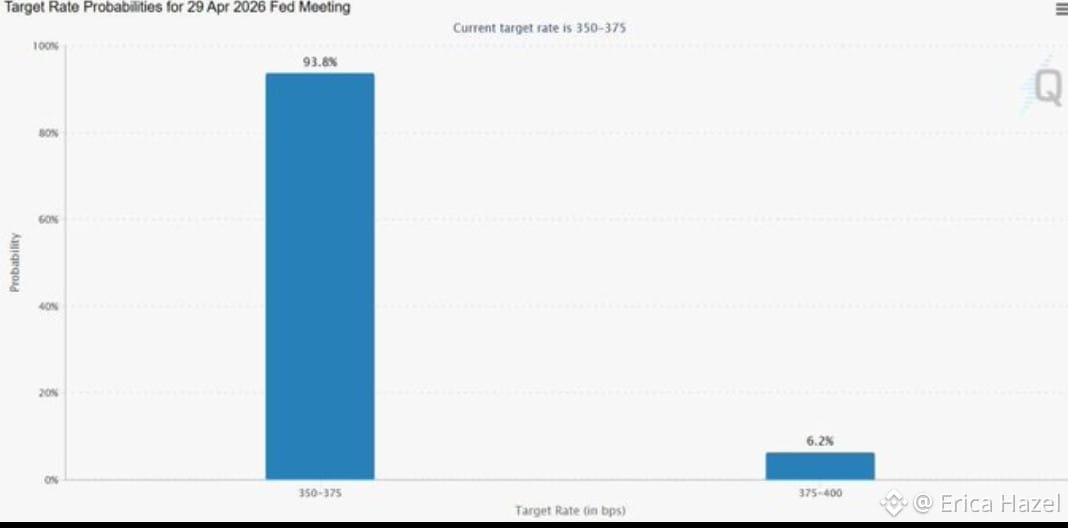
This is getting ugly.
Markets are now pricing in around a 6.2% chance of a Fed rate hike next month.
Not long ago, everyone was expecting rate cuts but the narrative flipped fast as the US Iran conflict pushed inflation risks higher.
This is getting ugly.
Markets are now pricing in around a 6.2% chance of a Fed rate hike next month.
Not long ago, everyone was expecting rate cuts but the narrative flipped fast as the US Iran conflict pushed inflation risks higher.
Markets are now pricing in around a 6.2% chance of a Fed rate hike next month.
Not long ago, everyone was expecting rate cuts but the narrative flipped fast as the US Iran conflict pushed inflation risks higher.
3
8
63
·
--
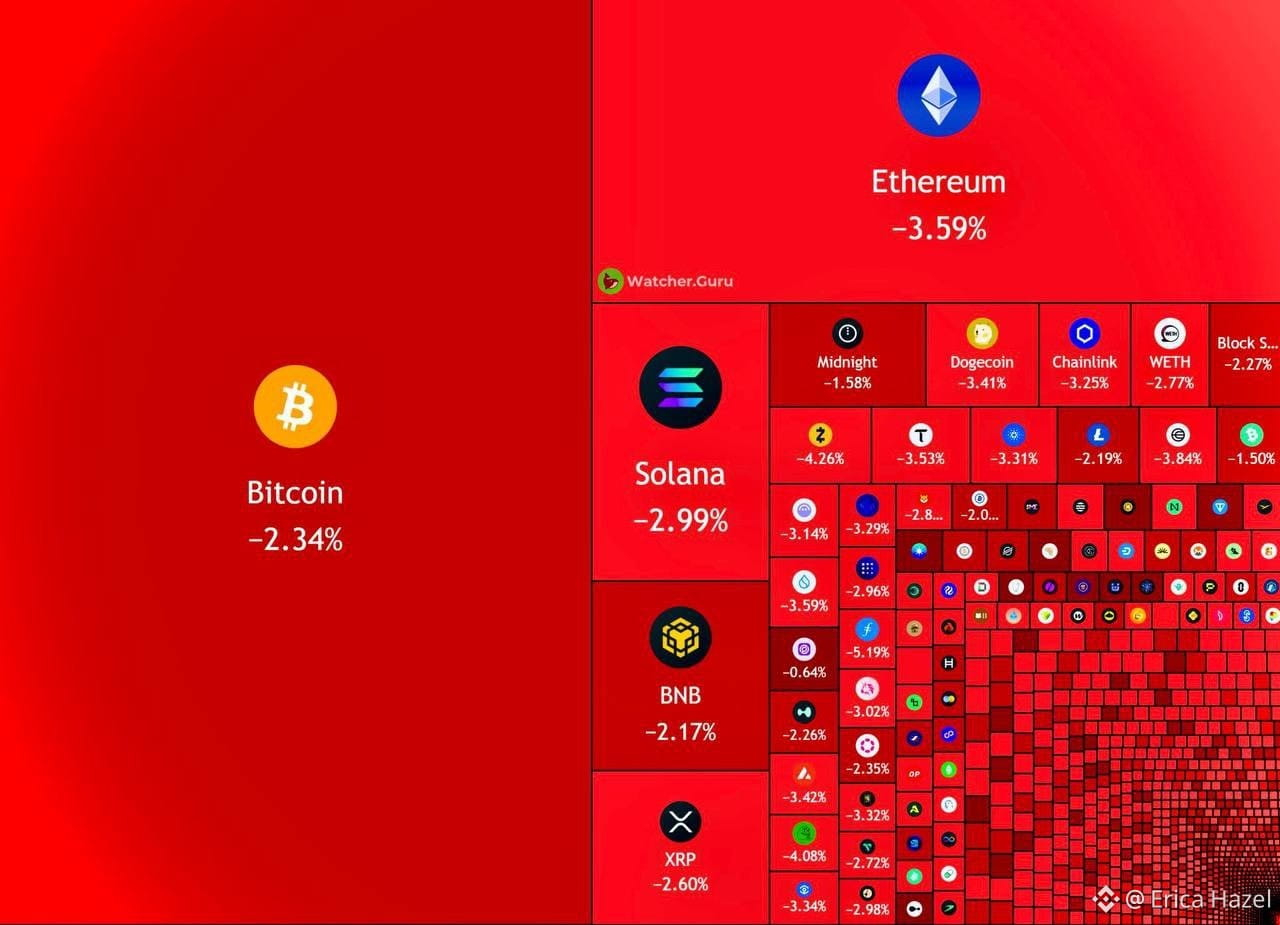
Liquidations Just Hit Hard
$240M wiped out from the crypto market in just 15 minutes.
Fast, aggressive flush
Overleveraged positions cleared
• Volatility expanding
Stay Safe.
Liquidations Just Hit Hard
$240M wiped out from the crypto market in just 15 minutes.
Fast, aggressive flush
Overleveraged positions cleared
• Volatility expanding
Stay Safe.
$240M wiped out from the crypto market in just 15 minutes.
Fast, aggressive flush
Overleveraged positions cleared
• Volatility expanding
Stay Safe.
3
1
5
75
·
--
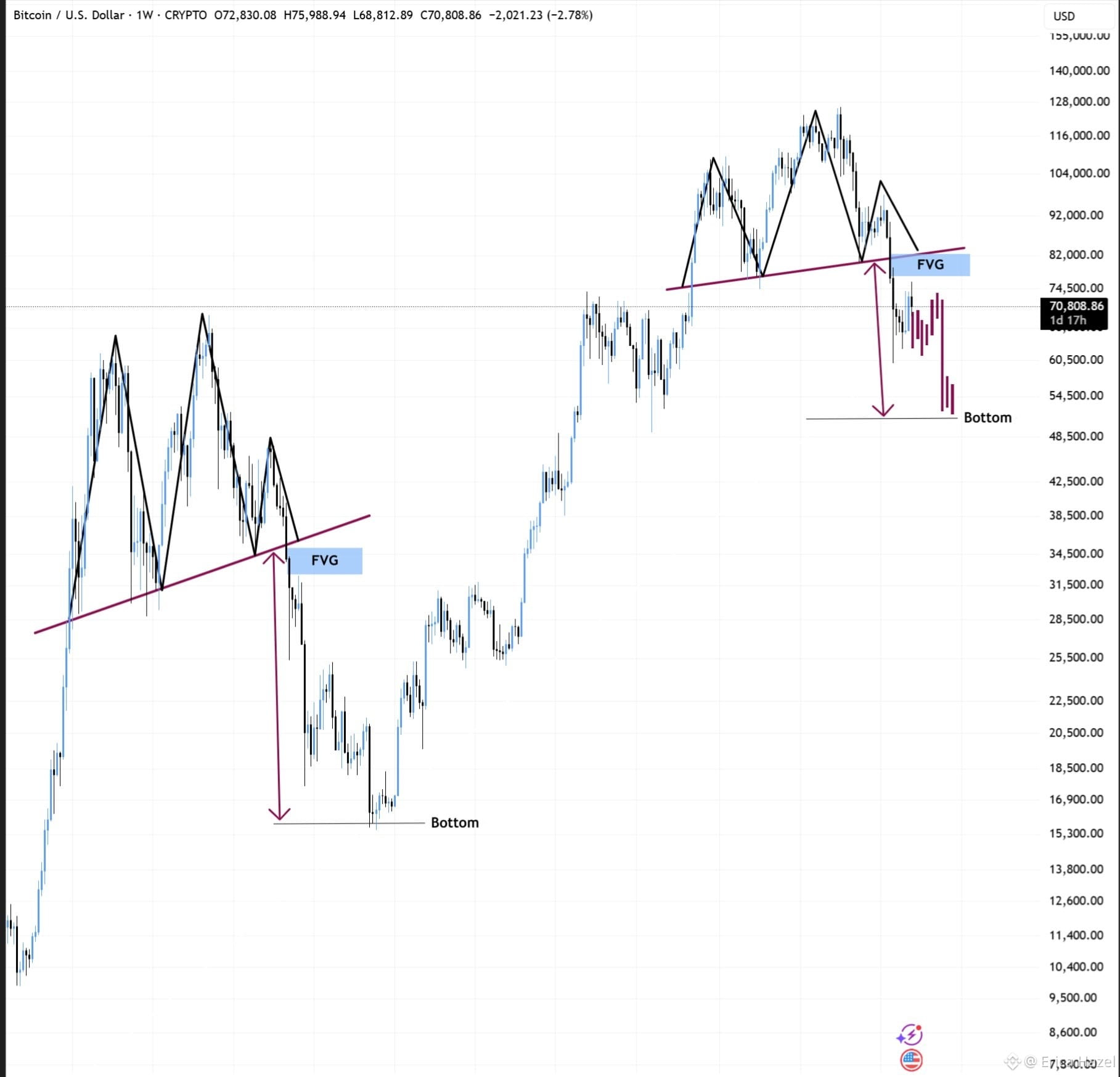
$BTC could have another move towards the $74,000 level.
This will be similar to Jan 2026, before dumping to new lows.
$BTC could have another move towards the $74,000 level.
This will be similar to Jan 2026, before dumping to new lows.
This will be similar to Jan 2026, before dumping to new lows.
5
49
·
--
Debt Is Exploding and It’s Accelerating 🚨👇
US federal debt has now crossed $39 trillion for the first time.
Here’s the pace:
+$2T added in just 8 months
+$2.8T since the debt ceiling lift in July
Nearly doubled since 2018
Debt-to-GDP now at 124%
And it doesn’t slow down from here:
Projected +$2.4T per year
Estimated to hit $64T by 2036
This isn’t a gradual climb anymore it’s a surge.
When debt grows faster than the system can sustain currency pressure and asset repricing follow.
This is no longer a distant risk.
It’s unfolding in real time.
Debt Is Exploding and It’s Accelerating 🚨👇
US federal debt has now crossed $39 trillion for the first time.
Here’s the pace:
+$2T added in just 8 months
+$2.8T since the debt ceiling lift in July
Nearly doubled since 2018
Debt-to-GDP now at 124%
And it doesn’t slow down from here:
Projected +$2.4T per year
Estimated to hit $64T by 2036
This isn’t a gradual climb anymore it’s a surge.
When debt grows faster than the system can sustain currency pressure and asset repricing follow.
This is no longer a distant risk.
It’s unfolding in real time.
US federal debt has now crossed $39 trillion for the first time.
Here’s the pace:
+$2T added in just 8 months
+$2.8T since the debt ceiling lift in July
Nearly doubled since 2018
Debt-to-GDP now at 124%
And it doesn’t slow down from here:
Projected +$2.4T per year
Estimated to hit $64T by 2036
This isn’t a gradual climb anymore it’s a surge.
When debt grows faster than the system can sustain currency pressure and asset repricing follow.
This is no longer a distant risk.
It’s unfolding in real time.
1
5
39
Көбірек контент көру үшін кіріңіз
Binance Square платформасында әлемдік криптоқоғамдастыққа қосылыңыз
⚡️ Криптовалюта туралы ең соңғы және пайдалы ақпаратты алыңыз.
💬 Әлемдегі ең ірі криптобиржаның сеніміне ие.
👍 Расталған авторлардың нақты пікірлерін табыңыз.
Электрондық пошта/телефон нөмірі
Трендтегі тақырыптар
BinancePick
2.6M рет көрілді
139,167 адам талқылап жатыр
Join #EarningsSeason: Predict Earnings on Binance Pick, Share Your Take on Binance Square!
Binance Square Official
·400 лайк
·337.5k рет көрілді
EarningsSeason
5M рет көрілді
24,068 адам талқылап жатыр
StrategyMSTRSurpassesNasdaqInMarketCap
0 рет көрілді
0 адам талқылап жатыр