

DK短线复刻
761 Жариялаулар

DK短线复刻
 «Square расталған+» белгісі
交易不是孤注一掷,而是长期的占有概率优势。X@DKFK1688

黑马 ұстаушы
Жоғары жиілікті трейдер
8.9 жыл
1.4K+ Жазылым
57.3K+ Жазылушылар
55.7K+ лайк басылған
Жазбалар
Барлығы
Баға ұсыныстары
Тікелей эфир
PINNED


Bilverse
·
--
🔥🧧 THE ETH RED PACKET DROP IS HERE! 🧧🔥
Think your crypto luck is about to change? 👀
The #Bilverse ETH Giveaway is bringing the community together—and your entry takes just a few seconds. 🚀
🎯 HOW TO JOIN:
1️⃣ FOLLOW @Bilverse
2️⃣ COMMENT “4000” 👇
3️⃣ TAG a friend who loves crypto 🫂
💰 Why miss the action?
✨ Simple entry
🔥 Community-powered energy
💎 ETH giveaway opportunity
🌎 Bring your crypto squad
🚨 Drop “4000” below + tag your crypto buddy!
Let’s see how loud the #BilverseArmy can get. 🦾🔥
#ETH #RedPacketMission #CryptoCommunity
Think your crypto luck is about to change? 👀
The #Bilverse ETH Giveaway is bringing the community together—and your entry takes just a few seconds. 🚀
🎯 HOW TO JOIN:
1️⃣ FOLLOW @Bilverse
2️⃣ COMMENT “4000” 👇
3️⃣ TAG a friend who loves crypto 🫂
💰 Why miss the action?
✨ Simple entry
🔥 Community-powered energy
💎 ETH giveaway opportunity
🌎 Bring your crypto squad
🚨 Drop “4000” below + tag your crypto buddy!
Let’s see how loud the #BilverseArmy can get. 🦾🔥
#ETH #RedPacketMission #CryptoCommunity


ake万棵
·
--
热点喧嚣扰人心,涨跌起伏皆是常态✨
拒绝FOMO情绪,不跟风盲目冲场。
市场机会无穷,本金才是底牌。
沉下心,守好仓位,静待属于自己的时机。
愿诸位进退从容,收益长虹🧧
拒绝FOMO情绪,不跟风盲目冲场。
市场机会无穷,本金才是底牌。
沉下心,守好仓位,静待属于自己的时机。
愿诸位进退从容,收益长虹🧧


520龙行天下
·
--
[Аяқталды] 🎙️ 聊聊行情聊聊价值投资
8.3k рет тыңдалды
520龙行天下
·
--
盘面起伏不定,消息面轮番扰动,资金博弈加剧。行情火热之时最容易滋生FOMO,切勿盲目追高、重仓加杠杆。机会永远不缺,本金才是交易的根基。读懂资金逻辑,守好自身仓位,耐心等待适合自己的交易窗口。理性看待涨跌,从容取舍,愿大家交易稳进,账户长红💰


黑猫SabTheTrader
·
--
$BTC 今天还在 8.3 万美元附近震荡,这两天美债收益率又处在多年高位,市场明显在等今晚的数据。👀
东八区 20:30,美国 8 月核心 PCE (小非农)将公布,这是美联储很关注的通胀指标之一。数据出来前后波动可能放大,我还是老习惯:不抢跑,等价格自己走。
#PCE
东八区 20:30,美国 8 月核心 PCE (小非农)将公布,这是美联储很关注的通胀指标之一。数据出来前后波动可能放大,我还是老习惯:不抢跑,等价格自己走。
#PCE


E L E X A
·
--
🚨 IT’S LIVE 🚨
Watching is simple… but winners take action 👀
🎁 Want FREE $USDT?
💬 Comment 888
❤️ Like
🔁 Share
➕ Follow
⏳ Don’t miss your chance — spots are limited!
Drop 888 below and join now 🚀
#Crypto #USDT。 #Giveaway
Watching is simple… but winners take action 👀
🎁 Want FREE $USDT?
💬 Comment 888
❤️ Like
🔁 Share
➕ Follow
⏳ Don’t miss your chance — spots are limited!
Drop 888 below and join now 🚀
#Crypto #USDT。 #Giveaway


MAYA_
·
--
GIFT BOX 🎁🎁🎁
🎁🎁🎁🎁🎁
$BTC 100k SOON 🟢
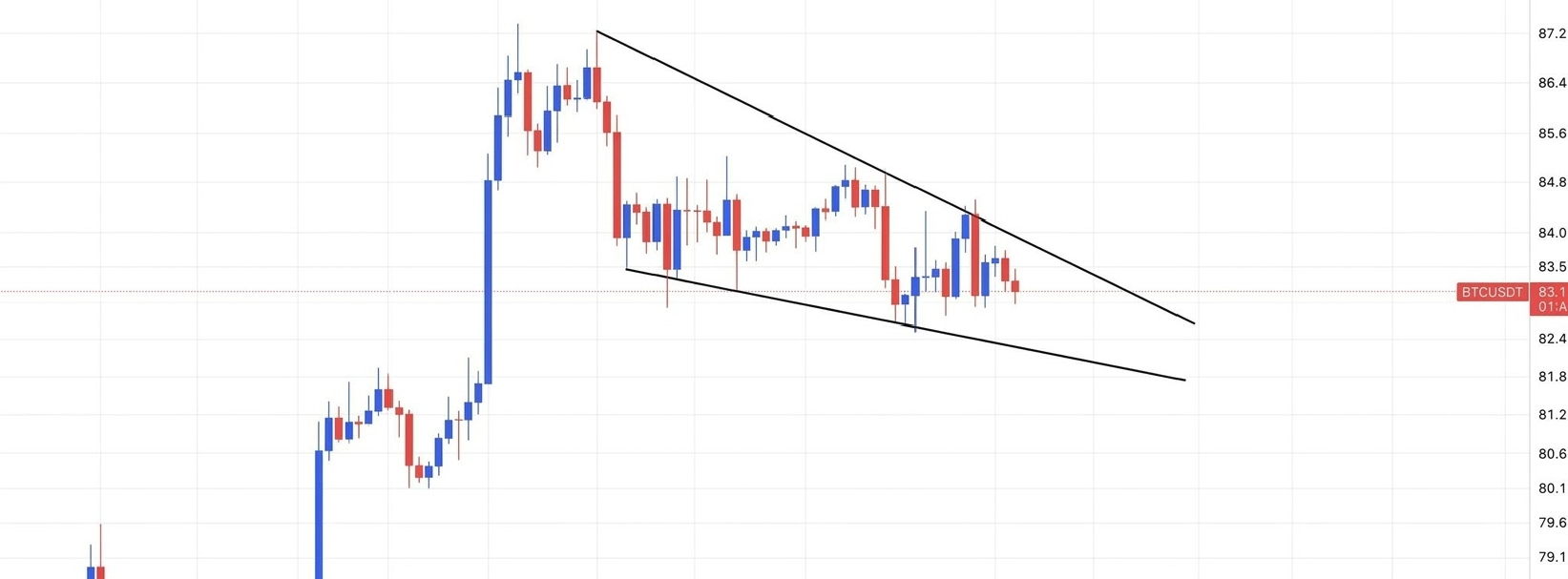
$BTC FALLING WEDGE WATCH🟢🟢
BTC is trading inside a falling wedge, and honestly, this setup is getting interesting.
The bullish case is pretty simple: if price breaks above the wedge and then successfully retests the breakout zone, that could open the door for a much stronger move higher.
Now we just need confirmation.
🎁🎁🎁🎁🎁
$BTC 100k SOON 🟢
$BTC FALLING WEDGE WATCH🟢🟢
BTC is trading inside a falling wedge, and honestly, this setup is getting interesting.
The bullish case is pretty simple: if price breaks above the wedge and then successfully retests the breakout zone, that could open the door for a much stronger move higher.
Now we just need confirmation.

生蚝哥Oyster
·
--
Жоғары (өспелі)今日加密货币市场速览|2026年9月30日
今天市场整体稳健偏震荡:
- 比特币 (BTC) 在 $83,000–$84,000 区间震荡,短暂测试过更高位置后回落,关键支撑看 $80,000–$82,000 附近。
- 全球加密货币总市值约 $2.96万亿,24小时小幅波动。
- 情绪仍偏 Greed(贪婪),但分析师提醒:牛市结构完好,短期 rally 已现裂缝,获利了结增加。
亮点速递:
- 以太坊、XRP、DOGE 等部分山寨币相对坚挺,甚至小幅上涨。
- 美国现货比特币 ETF 近期仍有资金流入(上周累计超 $20亿级别),机构兴趣未退。
- 宏观面:美债收益率走高、油价波动,给风险资产带来压力,但加密市场展现一定韧性。
- 其他热点:Coinbase 衍生品业务获批、机构稳定币合作持续推进、部分 meme 与 AI 相关代币表现活跃。
短期关注本周通胀与就业数据,可能影响风险偏好。中长期来看,减半周期 + 机构入场逻辑仍在。
你怎么看?BTC 能站稳 $85K 再冲?还是先回调蓄力?评论区聊聊你的仓位和看法!
#BTC
(仅供参考,不构成投资建议。市场有风险,决策需谨慎。)
今天市场整体稳健偏震荡:
- 比特币 (BTC) 在 $83,000–$84,000 区间震荡,短暂测试过更高位置后回落,关键支撑看 $80,000–$82,000 附近。
- 全球加密货币总市值约 $2.96万亿,24小时小幅波动。
- 情绪仍偏 Greed(贪婪),但分析师提醒:牛市结构完好,短期 rally 已现裂缝,获利了结增加。
亮点速递:
- 以太坊、XRP、DOGE 等部分山寨币相对坚挺,甚至小幅上涨。
- 美国现货比特币 ETF 近期仍有资金流入(上周累计超 $20亿级别),机构兴趣未退。
- 宏观面:美债收益率走高、油价波动,给风险资产带来压力,但加密市场展现一定韧性。
- 其他热点:Coinbase 衍生品业务获批、机构稳定币合作持续推进、部分 meme 与 AI 相关代币表现活跃。
短期关注本周通胀与就业数据,可能影响风险偏好。中长期来看,减半周期 + 机构入场逻辑仍在。
你怎么看?BTC 能站稳 $85K 再冲?还是先回调蓄力?评论区聊聊你的仓位和看法!
#BTC
(仅供参考,不构成投资建议。市场有风险,决策需谨慎。)


YASH_DHALIWAL_31
·
--
🎁claim your gift 🎁
👻28/09/2026👻
$QNT $ETH $NVDAB
#ChinaMayLetAlibabaByteDanceBuyNvidiaChips
#QNTFallsOver40%FromMorningHigh
👻28/09/2026👻
$QNT $ETH $NVDAB
#ChinaMayLetAlibabaByteDanceBuyNvidiaChips
#QNTFallsOver40%FromMorningHigh

Sheemm
·
--
🎁🎁🎁🎁 GOOD AFTERNOON
LIKE REPOST COMMENT
AND CLAIM YOUR GIFT 🎁🎁🎁🎁
$BNB 🎁🎁🎁🎁
$MOVR
$GTC
LIKE REPOST COMMENT
AND CLAIM YOUR GIFT 🎁🎁🎁🎁
$BNB 🎁🎁🎁🎁
$MOVR
$GTC

king Gulfam
·
--
Жоғары (өспелі)#EarningsSeason
@ZEC @BNC @NEAR
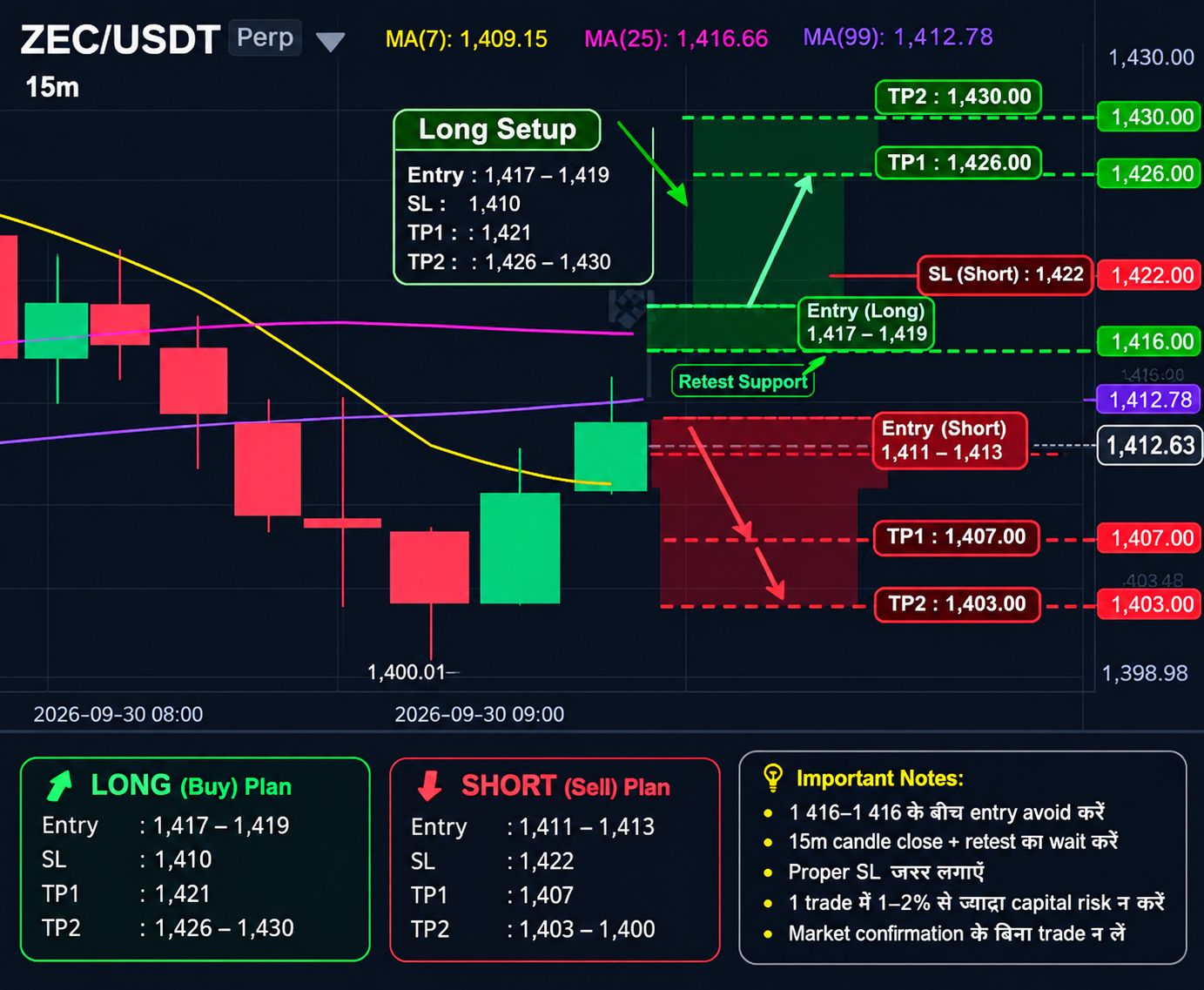
$ZEC
🟢 Long setup:
1416.7 ke upar 15m candle close ho aur retest hold kare →
Entry: 1417–1419
SL: 1410
TP1: 1421
TP2: 1426–1430
🔴 Short setup:
1416–1421 zone se strong rejection aaye aur price 1412 ke neeche close kare →
Entry: 1411–1413
SL: 1422
TP1: 1407
TP2: 1403–1400
Abhi 1412–1416 ke beech mein entry avoid karna better hai, kyunki price moving averages ke beech फँसा हुआ है.
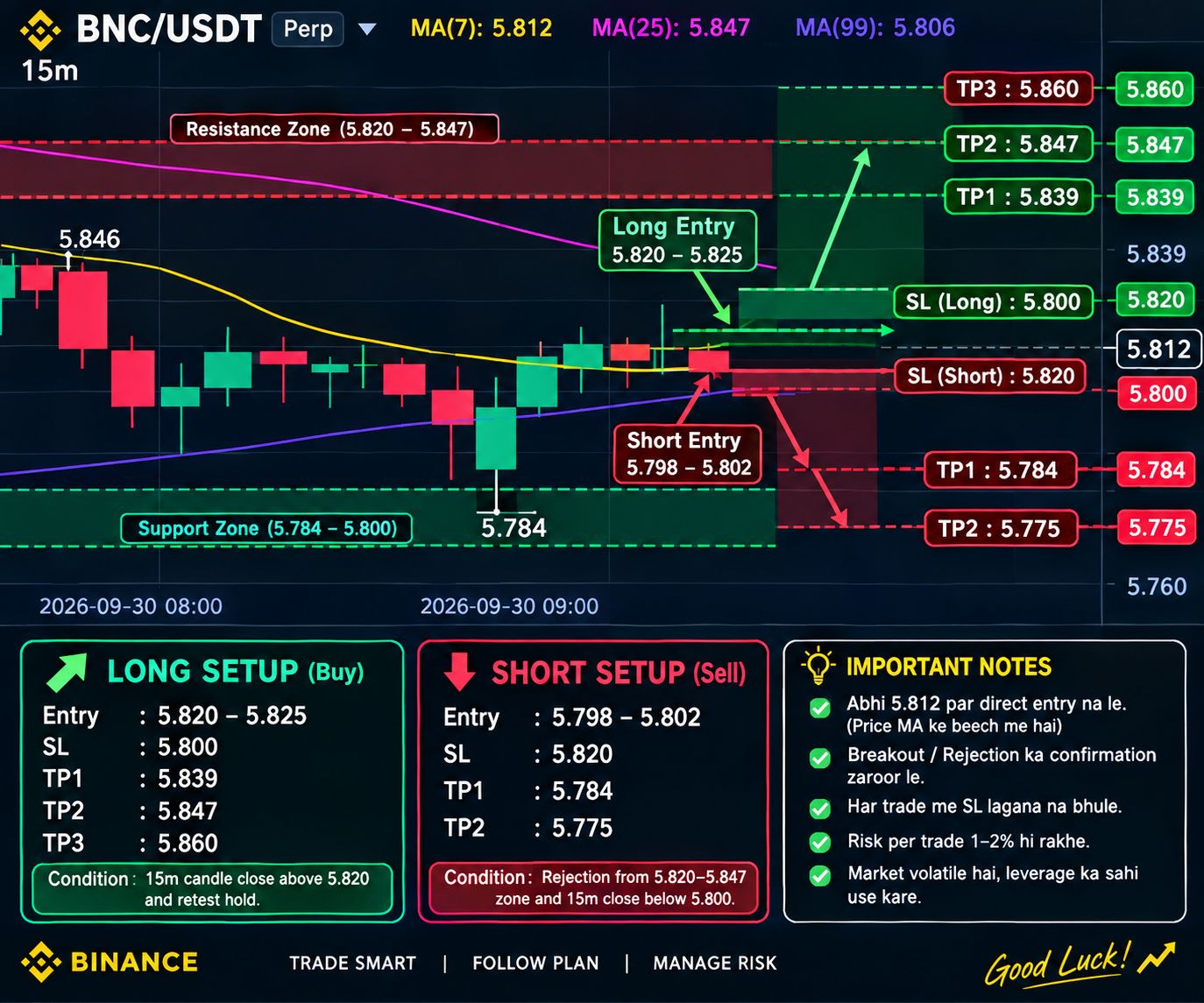
$BNC
🟢 LONG — confirmation ke baad
Agar 15m candle 5.820 ke upar close kare aur retest hold kare:
Entry: 5.820–5.825
SL: 5.800
TP1: 5.839
TP2: 5.847
TP3: 5.860
🔴 SHORT — rejection ke baad
Agar 5.820–5.847 zone se rejection aaye aur price 5.800 ke neeche 15m close kare:
Entry: 5.798–5.802
SL: 5.820
TP1: 5.784
TP2: 5.775
$NEAR
LONG setup:
Entry: 5.00 ke upar 15m candle close + retest
SL: 4.94
TP1: 5.03
TP2: 5.08–5.12
SHORT setup:
Agar 4.98–5.00 se strong rejection mile
Entry: 4.96–4.98
SL: 5.04
TP1: 4.93
TP2: 4.89
@ZEC @BNC @NEAR
$ZEC
🟢 Long setup:
1416.7 ke upar 15m candle close ho aur retest hold kare →
Entry: 1417–1419
SL: 1410
TP1: 1421
TP2: 1426–1430
🔴 Short setup:
1416–1421 zone se strong rejection aaye aur price 1412 ke neeche close kare →
Entry: 1411–1413
SL: 1422
TP1: 1407
TP2: 1403–1400
Abhi 1412–1416 ke beech mein entry avoid karna better hai, kyunki price moving averages ke beech फँसा हुआ है.
$BNC
🟢 LONG — confirmation ke baad
Agar 15m candle 5.820 ke upar close kare aur retest hold kare:
Entry: 5.820–5.825
SL: 5.800
TP1: 5.839
TP2: 5.847
TP3: 5.860
🔴 SHORT — rejection ke baad
Agar 5.820–5.847 zone se rejection aaye aur price 5.800 ke neeche 15m close kare:
Entry: 5.798–5.802
SL: 5.820
TP1: 5.784
TP2: 5.775
$NEAR
LONG setup:
Entry: 5.00 ke upar 15m candle close + retest
SL: 4.94
TP1: 5.03
TP2: 5.08–5.12
SHORT setup:
Agar 4.98–5.00 se strong rejection mile
Entry: 4.96–4.98
SL: 5.04
TP1: 4.93
TP2: 4.89

BLOCK Rayne
·
--
🎁🎁Reply today to receive the red envelope 🎁🎁$SOL
🌹Thank you for helping to share and spread the word THS🌹
🌹Thank you for helping to share and spread the word THS🌹


Sara_ k
·
--
$SOL $ETH $BNB .
.
claim 🎁🧧🧧🧧🧧👈
.
claim 2 🧧🧧🧧🧧👈
.
.
claim 🎁🧧🧧🧧🧧👈
.
claim 2 🧧🧧🧧🧧👈
.

Cryptology_7
·
--
𝙎𝙊𝙈𝙀𝙏𝙄𝙈𝙀𝙎 𝙏𝙃𝙀 𝘽𝙀𝙎𝙏 𝙏𝙍𝘼𝘿𝙀 𝙄𝙎
𝙉𝙊 𝙏𝙍𝘼𝘿𝙀 🌱 $LSK
#LSK #BinanceSquareTalks #Cryptology_7
𝙉𝙊 𝙏𝙍𝘼𝘿𝙀 🌱 $LSK
#LSK #BinanceSquareTalks #Cryptology_7


路人1688luren
·
--
#SEC主席拟推动股市上链
美股股票,真的是长期投资的标地。未来大家拿住。给自己一个不一样的未来……
美股股票,真的是长期投资的标地。未来大家拿住。给自己一个不一样的未来……




Baoluo币商资本
·
--
#SEC主席拟推动股市上链
继续迎接市场的挑战,下个月的行情走势应该挡不住了吧!
继续迎接市场的挑战,下个月的行情走势应该挡不住了吧!


大鹤1688
·
--
明天就是国庆节了!祝大家在国庆节发财喽!!!
#股票财报季
#股票财报季


兰汐kyL
·
--
有是努力搞钱的一天,打狗,玩一级,想想🤔🤔就是开心😃😃😃😃😃😃,我这里有👉大红包👉🧧🧧🧧🧧🧧🧧🧧都来领一下。拼手速,


Sherry长得帅不如跑的快1688
·
--
🚨 BITCOIN’S BULL SCORE JUST HIT 90/100.
But there’s one problem:
WHERE ARE THE BUYERS?
BTC recently pushed to around $87.4K.
Now it’s back near $83K.
And underneath the price:
🟢 Bull Score → 90/100
📉 30-day spot demand → down ~170K BTC
⚡ Futures demand growth → down ~90% in 15 days
💰 Short-term unrealized profit → ~33%
That creates a fascinating contradiction:
THE MARKET LOOKS BULLISH.
BUT DEMAND IS COOLING.
So the real question isn’t:
“Is Bitcoin still in a bull market?”
It’s:
WHO BUYS THE NEXT LEG HIGHER?
Because a rally needs more than fewer sellers.
It needs:
FRESH DEMAND.
If new buyers return,
$87K could become another breakout level.
But if demand keeps fading,
highly profitable holders may start taking money off the table.
Now I’m watching:
💰 BTC spot demand
⚡ New futures positioning
📍 $80K–$83K zone
🧱 The recent ~$87K high
👇 Your take?
FRESH BUYERS RETURN 🟢
or
THE BULL MARKET NEEDS TO COOL 🔴?
#BTC #ETH #BNB
But there’s one problem:
WHERE ARE THE BUYERS?
BTC recently pushed to around $87.4K.
Now it’s back near $83K.
And underneath the price:
🟢 Bull Score → 90/100
📉 30-day spot demand → down ~170K BTC
⚡ Futures demand growth → down ~90% in 15 days
💰 Short-term unrealized profit → ~33%
That creates a fascinating contradiction:
THE MARKET LOOKS BULLISH.
BUT DEMAND IS COOLING.
So the real question isn’t:
“Is Bitcoin still in a bull market?”
It’s:
WHO BUYS THE NEXT LEG HIGHER?
Because a rally needs more than fewer sellers.
It needs:
FRESH DEMAND.
If new buyers return,
$87K could become another breakout level.
But if demand keeps fading,
highly profitable holders may start taking money off the table.
Now I’m watching:
💰 BTC spot demand
⚡ New futures positioning
📍 $80K–$83K zone
🧱 The recent ~$87K high
👇 Your take?
FRESH BUYERS RETURN 🟢
or
THE BULL MARKET NEEDS TO COOL 🔴?
#BTC #ETH #BNB

Көбірек контент көру үшін кіріңіз