Binance Square

Crypto PM

image
Расталған автор
Empowering Crypto Community Since 2014 | X.com/cryptopm_
Жиі сауда жасайтын трейдер
8.5 жыл
47 Жазылым
302.4K+ Жазылушылар
358.8K+ лайк басылған
46.2K+ Бөлісу
Жазбалар
·
--
Жоғары (өспелі)
𝗣𝗹𝗮𝘀𝗺𝗮 𝗙𝗲𝗯𝗿𝘂𝗮𝗿𝘆 𝟵, 𝟮𝟬𝟮𝟲 𝘀𝗻𝗮𝗽𝘀𝗵𝗼𝘁: Amid broader altcoin outflows and 'Bitcoin Season' rotation (Fear & Greed at extreme lows), Plasma's settlement layer quietly demonstrates resilience, handling billions in cumulative stablecoin transfers with consistent sub-second performance, even as hype from 2025 launch fades. Recent analyses (Messari, community trackers) emphasize Plasma's edge in real on-chain dollar flows over speculative volume, positioning it as durable infra in a risk-off environment where many L1s see sharper drops in activity. This utility-first approach, zero surprises on basic transfers, predictable behavior, appeals when markets punish over-leveraged narratives. $XPL aligns long-term holders with network security via staking as decentralization steps continue. In cycles like this, quiet utility often outlasts noise. Seeing similar signals in stablecoin infra? Share your observations @Plasma #Plasma $XPL {future}(XPLUSDT)
𝗣𝗹𝗮𝘀𝗺𝗮 𝗙𝗲𝗯𝗿𝘂𝗮𝗿𝘆 𝟵, 𝟮𝟬𝟮𝟲 𝘀𝗻𝗮𝗽𝘀𝗵𝗼𝘁:

Amid broader altcoin outflows and 'Bitcoin Season' rotation (Fear & Greed at extreme lows), Plasma's settlement layer quietly demonstrates resilience, handling billions in cumulative stablecoin transfers with consistent sub-second performance, even as hype from 2025 launch fades.

Recent analyses (Messari, community trackers) emphasize Plasma's edge in real on-chain dollar flows over speculative volume, positioning it as durable infra in a risk-off environment where many L1s see sharper drops in activity.

This utility-first approach, zero surprises on basic transfers, predictable behavior, appeals when markets punish over-leveraged narratives.

$XPL aligns long-term holders with network security via staking as decentralization steps continue.

In cycles like this, quiet utility often outlasts noise.

Seeing similar signals in stablecoin infra? Share your observations

@Plasma #Plasma $XPL
·
--
Жоғары (өспелі)
Feb 8, 2026 snapshot: $VANRY steady ~$0.0062–$0.0063 (+3–4% 24h) on moderate volume, holding support after sub-$0.006 tests, with predictions eyeing short-term dips but long-term upside to $0.01+ if adoption sticks. @Vanar highlighting Neutron's role as OpenClaw agents' "second brain": persistent memory survives restarts/lifecycles for long-running tasks. Early access still free → plug in at console.vanarchain.com. This tackles real agent pain points (forgetful sessions, no zero-start loops). PayFi + native stack ready for production agents. Dip buyers active? #vanar
Feb 8, 2026 snapshot: $VANRY steady ~$0.0062–$0.0063 (+3–4% 24h) on moderate volume, holding support after sub-$0.006 tests, with predictions eyeing short-term dips but long-term upside to $0.01+ if adoption sticks.

@Vanarchain highlighting Neutron's role as OpenClaw agents' "second brain": persistent memory survives restarts/lifecycles for long-running tasks.

Early access still free → plug in at console.vanarchain.com. This tackles real agent pain points (forgetful sessions, no zero-start loops).

PayFi + native stack ready for production agents.

Dip buyers active?

#vanar
·
--
Төмен (кемімелі)
$NKN {spot}(NKNUSDT) I’ve been watching NKN (New Kind of Network) today, and it is doing something we see a lot right before a major delisting an explosive, high-volatility pump. The price just surged over 35%, even though the clock is ticking. Here is what I’m seeing on the charts: 🔴 The Elephant in the Room Let’s be real: the only reason NKN is this volatile right now is because Binance is delisting it on February 13th. We’ve seen this before with coins like DF earlier this week, traders jump in for one last "dead cat bounce" or a short-squeeze before the liquidity vanishes. But once that February 13th deadline hits, getting out will be much harder. 🟢 Why Some Are Still Buying Despite the bad news, NKN actually has some solid tech. They are building a decentralized internet where people share bandwidth, and they’ve even had deals with companies like iQIYI in the past. On the 1-day chart, the MACD just flipped bullish, which is why we’re seeing this massive rebound to around $0.007. The community is split, some are "diamond handing" the long-term vision, while others are just here for the quick pump. ⚠️ The Risks are Extreme If you’re trading this, be incredibly careful. My indicators show that the "smart money" is already moving out. I’m seeing huge outflows from large holders who are likely using this pump as their exit door. The volatility is off the charts, and with the delisting just 4 days away, the risk of a "dump" is much higher than the chance of a "moon." My Plan: I love the idea of a decentralized web, but I never fight a delisting. I’m staying completely away from this one. I’ve seen too many traders get stuck with "worthless" bags because they tried to catch the very last move. If I were holding, I’d be using this 35% pump to secure my exit before the lights go out on the 13th. #nkn
$NKN

I’ve been watching NKN (New Kind of Network) today, and it is doing something we see a lot right before a major delisting an explosive, high-volatility pump. The price just surged over 35%, even though the clock is ticking.

Here is what I’m seeing on the charts:

🔴 The Elephant in the Room

Let’s be real: the only reason NKN is this volatile right now is because Binance is delisting it on February 13th. We’ve seen this before with coins like DF earlier this week, traders jump in for one last "dead cat bounce" or a short-squeeze before the liquidity vanishes. But once that February 13th deadline hits, getting out will be much harder.

🟢 Why Some Are Still Buying

Despite the bad news, NKN actually has some solid tech. They are building a decentralized internet where people share bandwidth, and they’ve even had deals with companies like iQIYI in the past. On the 1-day chart, the MACD just flipped bullish, which is why we’re seeing this massive rebound to around $0.007. The community is split, some are "diamond handing" the long-term vision, while others are just here for the quick pump.

⚠️ The Risks are Extreme

If you’re trading this, be incredibly careful. My indicators show that the "smart money" is already moving out. I’m seeing huge outflows from large holders who are likely using this pump as their exit door. The volatility is off the charts, and with the delisting just 4 days away, the risk of a "dump" is much higher than the chance of a "moon."

My Plan:

I love the idea of a decentralized web, but I never fight a delisting. I’m staying completely away from this one. I’ve seen too many traders get stuck with "worthless" bags because they tried to catch the very last move. If I were holding, I’d be using this 35% pump to secure my exit before the lights go out on the 13th.

#nkn
·
--
Жоғары (өспелі)
𝗖𝗭 𝗦𝗻𝗼𝘄𝗯𝗼𝗮𝗿𝗱𝘀 𝗶𝗻 𝗞𝘆𝗿𝗴𝘆𝘇𝘀𝘁𝗮𝗻 𝗔𝗺𝗶𝗱 𝗙𝗨𝗗 𝗖𝗿𝗶𝘁𝗶𝗰𝗶𝘀𝗺. Zhao posted a 23-second video of himself snowboarding at Karakol resort, captioning it as a response to 'FUD'-fear, uncertainty, and doubt, while vacationing with Kyrgyz President Sadyr Japarov, whom he advises on digital assets. This followed weeks of online claims about Binance outflows, insolvency, and manipulation, which Zhao countered with data showing billions in net inflows and the exchange's SAFU fund buying Bitcoin. Supporters praised his relaxed vibe shredding powder, while critics pushed for more direct answers on alleged issues. @CZ #CZ #Binance
𝗖𝗭 𝗦𝗻𝗼𝘄𝗯𝗼𝗮𝗿𝗱𝘀 𝗶𝗻 𝗞𝘆𝗿𝗴𝘆𝘇𝘀𝘁𝗮𝗻 𝗔𝗺𝗶𝗱 𝗙𝗨𝗗 𝗖𝗿𝗶𝘁𝗶𝗰𝗶𝘀𝗺.

Zhao posted a 23-second video of himself snowboarding at Karakol resort, captioning it as a response to 'FUD'-fear, uncertainty, and doubt, while vacationing with Kyrgyz President Sadyr Japarov, whom he advises on digital assets.

This followed weeks of online claims about Binance outflows, insolvency, and manipulation, which Zhao countered with data showing billions in net inflows and the exchange's SAFU fund buying Bitcoin.

Supporters praised his relaxed vibe shredding powder, while critics pushed for more direct answers on alleged issues.

@CZ #CZ #Binance
·
--
Төмен (кемімелі)
100% EMOTIONS 🤣
100% EMOTIONS 🤣
B
ETHUSDC
Жабылды
PNL
-20 599,95USDT
Dusk Network And The Choice To Build For Real Finance Not ApplauseDusk Network feels like a project that made a very uncomfortable decision early. Instead of chasing DeFi volume farming hype or catchy one line slogans, it decided to shape itself around the real constraints of finance. That means privacy is required. Settlement must be final. Compliance cannot be added later with a blog post. This already puts Dusk in a strange position in crypto. It is not optimized for speed alone or low fees alone. It is optimized for not breaking when real money real issuers and real regulators show up. That is not exciting for most traders but it is very important for actual markets. ALSO READ: [From Experiments To Settlement, How Dusk Reframes On-Chain Finance](https://www.binance.com/en/square/post/289466692804146) Privacy And Auditability Are Not Enemies Here At the center of Dusk philosophy is a simple but hard idea. Privacy and auditability do not have to fight each other. Most chains treat this as a trade off. Either everything is public or everything is hidden. Dusk takes a different route. It designs for selective disclosure. Sensitive data stays private by default but the system can still prove correctness compliance and settlement when someone needs to check. Auditors regulators issuers are assumed to exist in the future and the chain is built with that assumption. This is why Dusk feels closer to market infrastructure than experimental crypto. XSC And Why Asset Standards Matter One of the most important pieces in Dusk is the Confidential Security Contract standard also called XSC. This is not just a label. It is an attempt to define how regulated financial assets should behave on chain. Securities are not simple tokens. They have lifecycle rules eligibility constraints reporting requirements and corporate actions. XSC exists to embed those rules directly into the asset logic while keeping sensitive data private. The point is not to hide things forever. The point is to avoid broadcasting private financial information to the entire internet. Phoenix And Zedger Are Not The Same Thing Dusk privacy stack is not one size fits all. Phoenix is described as a privacy preserving transaction model that supports confidential transfers and smart contract interactions. Privacy is native not bolted on. Zedger goes further and is designed specifically for security tokens. This matters because regulated assets behave differently than casual transfers. They need controls audits and lifecycle management. By separating these models Dusk is acknowledging reality. Regulated finance has special needs and pretending otherwise breaks systems. Modular Architecture That Accepts Reality Dusk architecture is evolving into a modular multi layer design. DuskDS sits at the core handling consensus data availability settlement finality staking and bridging. This is the anchor layer. On top of that sits DuskEVM which allows builders to use familiar EVM tooling. This is critical. Adoption lives or dies on tooling. Builders do not want to rewrite everything. DuskVM is positioned as the deeper privacy native execution layer. This means the ecosystem can grow through EVM while privacy heavy applications mature in parallel. Hedger Brings Confidentiality To EVM Hedger is one of the more interesting components. It is designed to bring confidential transactions into an EVM compatible environment using techniques like homomorphic encryption and zero knowledge proofs. This is important because EVM convenience and privacy rarely coexist. If Hedger works reliably it unlocks things like private execution flows and order books that do not leak intent. That is a big deal for fair markets. Partnerships And Standards Signal Intent Dusk talks about partnerships with NPEX and adopting Chainlink standards. This is not random. Regulated markets need reliable data and interoperability. Tokenizing an asset is meaningless without correct data controlled processes and strong settlement guarantees. Dusk wants to host those workflows without turning everything into public surveillance. This is infrastructure thinking not app thinking. Shipping And Handling Reality Dusk continues to ship through its Rusk implementation with releases into early 2026. That shows active iteration. The bridge incident notice in January 2026 is also worth mentioning. Bridging is one of the hardest parts of infrastructure. Pausing services transparently when unusual activity is detected is part of being serious. No system avoids incidents. How teams respond becomes part of the product. Token As Architecture Fuel Not Decoration DUSK token is positioned as functional. Staking security fees governance. The ERC20 supply on Ethereum anchors the broader system today. As more activity moves to native layers the token becomes more tied to usage and security rather than speculation alone. What Comes Next Looks Clear Enough More activity should flow through DuskEVM first. Deeper privacy applications will mature through DuskVM. Bridging and migration will become central. If Hedger becomes stable and regulated partnerships expand Dusk moves from promising infrastructure to used infrastructure. my take My honest take is that Dusk is not trying to win the same game as most chains. It is aiming for a narrower but higher value target. Regulated confidential finance. The risks are obvious. Execution security bridges adoption. But the architecture choices feel intentional and consistent. If Dusk keeps discipline and does not drift into hype chasing it has a real chance to become something boring and trusted. And in finance boring usually wins. @Dusk_Foundation #dusk $DUSK {future}(DUSKUSDT)

Dusk Network And The Choice To Build For Real Finance Not Applause

Dusk Network feels like a project that made a very uncomfortable decision early. Instead of chasing DeFi volume farming hype or catchy one line slogans, it decided to shape itself around the real constraints of finance. That means privacy is required. Settlement must be final. Compliance cannot be added later with a blog post.

This already puts Dusk in a strange position in crypto. It is not optimized for speed alone or low fees alone. It is optimized for not breaking when real money real issuers and real regulators show up. That is not exciting for most traders but it is very important for actual markets.

ALSO READ: From Experiments To Settlement, How Dusk Reframes On-Chain Finance

Privacy And Auditability Are Not Enemies Here

At the center of Dusk philosophy is a simple but hard idea. Privacy and auditability do not have to fight each other. Most chains treat this as a trade off. Either everything is public or everything is hidden.

Dusk takes a different route. It designs for selective disclosure. Sensitive data stays private by default but the system can still prove correctness compliance and settlement when someone needs to check. Auditors regulators issuers are assumed to exist in the future and the chain is built with that assumption.

This is why Dusk feels closer to market infrastructure than experimental crypto.

XSC And Why Asset Standards Matter

One of the most important pieces in Dusk is the Confidential Security Contract standard also called XSC. This is not just a label. It is an attempt to define how regulated financial assets should behave on chain.

Securities are not simple tokens. They have lifecycle rules eligibility constraints reporting requirements and corporate actions. XSC exists to embed those rules directly into the asset logic while keeping sensitive data private.

The point is not to hide things forever. The point is to avoid broadcasting private financial information to the entire internet.

Phoenix And Zedger Are Not The Same Thing

Dusk privacy stack is not one size fits all. Phoenix is described as a privacy preserving transaction model that supports confidential transfers and smart contract interactions. Privacy is native not bolted on.

Zedger goes further and is designed specifically for security tokens. This matters because regulated assets behave differently than casual transfers. They need controls audits and lifecycle management.

By separating these models Dusk is acknowledging reality. Regulated finance has special needs and pretending otherwise breaks systems.

Modular Architecture That Accepts Reality

Dusk architecture is evolving into a modular multi layer design. DuskDS sits at the core handling consensus data availability settlement finality staking and bridging. This is the anchor layer.

On top of that sits DuskEVM which allows builders to use familiar EVM tooling. This is critical. Adoption lives or dies on tooling. Builders do not want to rewrite everything.

DuskVM is positioned as the deeper privacy native execution layer. This means the ecosystem can grow through EVM while privacy heavy applications mature in parallel.

Hedger Brings Confidentiality To EVM

Hedger is one of the more interesting components. It is designed to bring confidential transactions into an EVM compatible environment using techniques like homomorphic encryption and zero knowledge proofs.

This is important because EVM convenience and privacy rarely coexist. If Hedger works reliably it unlocks things like private execution flows and order books that do not leak intent.

That is a big deal for fair markets.

Partnerships And Standards Signal Intent

Dusk talks about partnerships with NPEX and adopting Chainlink standards. This is not random. Regulated markets need reliable data and interoperability.

Tokenizing an asset is meaningless without correct data controlled processes and strong settlement guarantees. Dusk wants to host those workflows without turning everything into public surveillance.

This is infrastructure thinking not app thinking.

Shipping And Handling Reality

Dusk continues to ship through its Rusk implementation with releases into early 2026. That shows active iteration.

The bridge incident notice in January 2026 is also worth mentioning. Bridging is one of the hardest parts of infrastructure. Pausing services transparently when unusual activity is detected is part of being serious. No system avoids incidents. How teams respond becomes part of the product.

Token As Architecture Fuel Not Decoration

DUSK token is positioned as functional. Staking security fees governance. The ERC20 supply on Ethereum anchors the broader system today.

As more activity moves to native layers the token becomes more tied to usage and security rather than speculation alone.

What Comes Next Looks Clear Enough

More activity should flow through DuskEVM first. Deeper privacy applications will mature through DuskVM. Bridging and migration will become central.

If Hedger becomes stable and regulated partnerships expand Dusk moves from promising infrastructure to used infrastructure.

my take

My honest take is that Dusk is not trying to win the same game as most chains. It is aiming for a narrower but higher value target. Regulated confidential finance. The risks are obvious. Execution security bridges adoption. But the architecture choices feel intentional and consistent. If Dusk keeps discipline and does not drift into hype chasing it has a real chance to become something boring and trusted. And in finance boring usually wins.

@Dusk #dusk $DUSK
·
--
Жоғары (өспелі)
𝗘𝗮𝗿𝗹𝘆 𝗙𝗲𝗯 𝟮𝟬𝟮𝟲: Dusk mainnet remains stable, with recent DIP community feedback driving optimizations to the native bridge between DuskDS and DuskEVM, improving latency and gas efficiency for cross-layer compliant transfers. Developers are also testing enhanced DuskEVM RPC endpoints and Hedger examples, building toward more robust regulated dApp frameworks. @Dusk_Foundation $DUSK {future}(DUSKUSDT) #dusk
𝗘𝗮𝗿𝗹𝘆 𝗙𝗲𝗯 𝟮𝟬𝟮𝟲: Dusk mainnet remains stable, with recent DIP community feedback driving optimizations to the native bridge between DuskDS and DuskEVM, improving latency and gas efficiency for cross-layer compliant transfers.

Developers are also testing enhanced DuskEVM RPC endpoints and Hedger examples, building toward more robust regulated dApp frameworks.

@Dusk $DUSK
#dusk
·
--
Жоғары (өспелі)
𝗜𝗳 𝘆𝗼𝘂 𝘄𝗮𝗻𝘁 𝗲𝘅𝗽𝗼𝘀𝘂𝗿𝗲 𝘁𝗼 𝘁𝗵𝗲 𝘀𝗽𝗮𝗰𝗲 𝗲𝗰𝗼𝗻𝗼𝗺𝘆, 𝘁𝗵𝗲𝗿𝗲’𝘀 𝗼𝗻𝗹𝘆 𝗼𝗻𝗲 𝗼𝗻-𝗰𝗵𝗮𝗶𝗻 𝗴𝗮𝘁𝗲𝘄𝗮𝘆: $SPACE {future}(SPACEUSDT) Spacecoin isn’t a concept. It’s real infrastructure already in orbit. • 4 satellites live • World’s first blockchain transaction sent from space • Building a permissionless satellite internet layer , not an app, not a simulation This is DePIN at its hardest: hardware, launches, governments, and real users. Why Spacecoin Is Different From Other DePIN Plays Most “infrastructure tokens” stop at software. Spacecoin operates where $HNT , $RENDER , and compute or connectivity narratives end , actual space-based infrastructure. 𝗧𝗵𝗶𝗻𝗸 𝗼𝗳 𝗶𝘁 𝗮𝘀 𝘁𝗵𝗲 𝗰𝗼𝗻𝗻𝗲𝗰𝘁𝗶𝘃𝗶𝘁𝘆 𝗹𝗮𝘆𝗲𝗿 𝗼𝗳 𝗗𝗲𝗣𝗜𝗡: • Programmable bandwidth • On-chain escrow for trustless payments • Staking incentives for operators • Open constellation (any compatible satellite can join from 2026) Fixed 21B SPACE supply. No inflation games. The Stack Most People Miss • Midnight Network (Cardano) → zero-knowledge, censorship-resistant satellite messaging • Creditcoin L1 → pay for internet in crypto, build on-chain credit histories automatically • Strategic ties across Kenya, Nigeria, Indonesia, Cambodia • WLFI partnership for stablecoin rails This isn’t just internet , it’s connectivity + finance + identity in one system. Why SPACE Accrues Value 𝗦𝗣𝗔𝗖𝗘 𝗽𝗼𝘄𝗲𝗿𝘀 𝗲𝘃𝗲𝗿𝘆𝘁𝗵𝗶𝗻𝗴: • Staking for satellite operators (~10% APR, limited window) • Bandwidth payments via escrow • Network access fees • Governance + future credit incentives As usage grows, demand compounds naturally , not via emissions. #Space #Spacecoin
𝗜𝗳 𝘆𝗼𝘂 𝘄𝗮𝗻𝘁 𝗲𝘅𝗽𝗼𝘀𝘂𝗿𝗲 𝘁𝗼 𝘁𝗵𝗲 𝘀𝗽𝗮𝗰𝗲 𝗲𝗰𝗼𝗻𝗼𝗺𝘆, 𝘁𝗵𝗲𝗿𝗲’𝘀 𝗼𝗻𝗹𝘆 𝗼𝗻𝗲 𝗼𝗻-𝗰𝗵𝗮𝗶𝗻 𝗴𝗮𝘁𝗲𝘄𝗮𝘆: $SPACE

Spacecoin isn’t a concept.

It’s real infrastructure already in orbit.

• 4 satellites live

• World’s first blockchain transaction sent from space

• Building a permissionless satellite internet layer , not an app, not a simulation

This is DePIN at its hardest: hardware, launches, governments, and real users.

Why Spacecoin Is Different From Other DePIN Plays

Most “infrastructure tokens” stop at software.

Spacecoin operates where $HNT , $RENDER , and compute or connectivity narratives end , actual space-based infrastructure.

𝗧𝗵𝗶𝗻𝗸 𝗼𝗳 𝗶𝘁 𝗮𝘀 𝘁𝗵𝗲 𝗰𝗼𝗻𝗻𝗲𝗰𝘁𝗶𝘃𝗶𝘁𝘆 𝗹𝗮𝘆𝗲𝗿 𝗼𝗳 𝗗𝗲𝗣𝗜𝗡:

• Programmable bandwidth

• On-chain escrow for trustless payments

• Staking incentives for operators

• Open constellation (any compatible satellite can join from 2026)

Fixed 21B SPACE supply. No inflation games.

The Stack Most People Miss

• Midnight Network (Cardano) → zero-knowledge, censorship-resistant satellite messaging

• Creditcoin L1 → pay for internet in crypto, build on-chain credit histories automatically

• Strategic ties across Kenya, Nigeria, Indonesia, Cambodia

• WLFI partnership for stablecoin rails

This isn’t just internet , it’s connectivity + finance + identity in one system.

Why SPACE Accrues Value

𝗦𝗣𝗔𝗖𝗘 𝗽𝗼𝘄𝗲𝗿𝘀 𝗲𝘃𝗲𝗿𝘆𝘁𝗵𝗶𝗻𝗴:

• Staking for satellite operators (~10% APR, limited window)

• Bandwidth payments via escrow

• Network access fees

• Governance + future credit incentives

As usage grows, demand compounds naturally , not via emissions.

#Space #Spacecoin
·
--
Төмен (кемімелі)
Now sold all to buy $ETH Dip 😂
B
ETHUSDC
Жабылды
PNL
-20 599,95USDT
From Experiments To Settlement, How Dusk Reframes On-Chain FinanceDusk Network live in a strange corner of crypto where hype does not really help. The thing it is trying to fix is not TPS not memes not narratives. It is market structure. And that difference matter a lot more than people think. Most public blockchains are built on radical transparency. Everything visible forever. That sounds powerful until you try to run real financial activity. In real finance nobody wants every balance trade counterparty and strategy exposed like a public diary. At the same time regulators auditors courts still need truth proofs and settlement records. That is the tension Dusk is built around. ALSO READ: [Dusk Network: From Privacy Tech to Regulated On-Chain Markets](https://www.binance.com/en/square/post/288996960086034) The system must support privacy and auditability together. Not one or the other. Surveillance chains break markets. Black box chains scare institutions. Privacy As Normal Behavior Not A Feature Dusk does not present itself as a general chain with a privacy switch. It positions itself as financial infrastructure where confidentiality is normal behavior. Compliance is not a plugin added later. It is assumed. The core logic is simple but serious. Markets need privacy to behave naturally. Oversight needs auditability to exist. Settlement needs finality to move value safely. Base layer must handle all three without falling apart or leaking user intent to the world. That framing already puts Dusk in a different mental bucket. An End To End Stack Not A Single Trick Dusk architecture is not one feature. You keep seeing Phoenix Zedger and XSC together because they are meant to work together. Phoenix is the transactional layer. It supports confidential transfers and contract interactions. Privacy is not optional toggle that breaks composability. When privacy is bolted on later developer experience suffers user experience becomes confusing and the product feels like experiment. Here confidentiality is native. That matters more than buzzwords. Zedger And The Reality Of Regulated Assets Zedger is where things get uncomfortable for people used to simple tokens. Regulated assets have lifecycles. Eligibility caps governance voting redemptions reporting obligations. Most chains cannot express these behaviors cleanly. Issuers build fragile workarounds. Dusk tries to model this reality directly. The goal is to let market activity stay private while still producing verifiable proofs for authorized parties. That is the only way serious issuers will move. XSC And Why Standards Matter More Than Features XSC the Confidential Security Contract standard is Dusk trying to formalize regulated assets. The value is not the name. It is repeatability. Institutions do not scale by improvisation. They scale by templates predictable flows predictable audits. If Dusk can make issuance and settlement feel like a designed system instead of hacked together contracts then it becomes infrastructure not sandbox. Finality Is Not A Nice To Have Dusk consensus research focuses on committee based proof of stake with strong finality. That matter deeply for settlement. Retail users tolerate probabilistic finality. Financial systems do not. Settlement must mean settlement. Not maybe later. When Dusk talks about direct settlement finality it is speaking to market expectations not crypto culture. Boring Developer Stuff Decides Everything None of this matters if nobody can build. Dusk stack includes execution environments tooling node software repositories documentation. This boring stuff decides adoption. Predictable upgrades stable clients clear patterns. Dusk ambition is not hosting random apps. It is hosting financial applications that cannot afford instability. That means higher standards. Hyper staking Makes Staking Infrastructure One of the more interesting parts is stake abstraction also called hyper staking. Staking can be done via smart contracts not only wallets. This turns staking into programmable infrastructure. Automated policies pools reward routing participation logic. Institutions do not want manual click staking. They want policy driven predictable automated systems. This is subtle but important shift. The Token Makes Sense In This Context DUSK token is not decorative. It sits at core of security staking incentives execution. The strongest thesis is not speculation. It is functional demand from real workflows. If adoption comes it comes from steady usage not hype cycles. Slow Adoption Is Still Adoption Regulated markets move slow. That is a risk. Packaging complex primitives into simple tools is hard. Dusk will be judged on whether it can make deep design feel invisible. Best infrastructure is invisible. If issuers can deploy cleanly developers can build without pain settlement is stable and compliance works without exposure then Dusk stops being niche. Why The Direction Feels Intentional What I like is that Dusk did not chase privacy trend late. It was built around the idea that markets need confidentiality and regulators need proof. That line is hard to hold but ages well. No Loud News But Live Signals There is no need to invent headlines. On chain metrics dev activity repositories keep moving. Holders transfers code commits continue. This is what infrastructure looks like. Quiet motion. my take Personally I think Dusk is one of those projects that will never win twitter but might win reality. It is hard slow and complicated. Adoption risk is real. But the problem it is solving is real too. Markets cannot live on surveillance ledgers. If tokenization actually grows Dusk direction starts to look less niche and more necessary. It is not exciting. But finance rarely is. @Dusk_Foundation #dusk $DUSK {future}(DUSKUSDT)

From Experiments To Settlement, How Dusk Reframes On-Chain Finance

Dusk Network live in a strange corner of crypto where hype does not really help. The thing it is trying to fix is not TPS not memes not narratives. It is market structure. And that difference matter a lot more than people think.

Most public blockchains are built on radical transparency. Everything visible forever. That sounds powerful until you try to run real financial activity. In real finance nobody wants every balance trade counterparty and strategy exposed like a public diary. At the same time regulators auditors courts still need truth proofs and settlement records. That is the tension Dusk is built around.

ALSO READ: Dusk Network: From Privacy Tech to Regulated On-Chain Markets

The system must support privacy and auditability together. Not one or the other. Surveillance chains break markets. Black box chains scare institutions.

Privacy As Normal Behavior Not A Feature

Dusk does not present itself as a general chain with a privacy switch. It positions itself as financial infrastructure where confidentiality is normal behavior. Compliance is not a plugin added later. It is assumed.

The core logic is simple but serious. Markets need privacy to behave naturally. Oversight needs auditability to exist. Settlement needs finality to move value safely. Base layer must handle all three without falling apart or leaking user intent to the world.

That framing already puts Dusk in a different mental bucket.

An End To End Stack Not A Single Trick

Dusk architecture is not one feature. You keep seeing Phoenix Zedger and XSC together because they are meant to work together.

Phoenix is the transactional layer. It supports confidential transfers and contract interactions. Privacy is not optional toggle that breaks composability. When privacy is bolted on later developer experience suffers user experience becomes confusing and the product feels like experiment.

Here confidentiality is native. That matters more than buzzwords.

Zedger And The Reality Of Regulated Assets

Zedger is where things get uncomfortable for people used to simple tokens. Regulated assets have lifecycles. Eligibility caps governance voting redemptions reporting obligations.

Most chains cannot express these behaviors cleanly. Issuers build fragile workarounds. Dusk tries to model this reality directly.

The goal is to let market activity stay private while still producing verifiable proofs for authorized parties. That is the only way serious issuers will move.

XSC And Why Standards Matter More Than Features

XSC the Confidential Security Contract standard is Dusk trying to formalize regulated assets.

The value is not the name. It is repeatability. Institutions do not scale by improvisation. They scale by templates predictable flows predictable audits.

If Dusk can make issuance and settlement feel like a designed system instead of hacked together contracts then it becomes infrastructure not sandbox.

Finality Is Not A Nice To Have

Dusk consensus research focuses on committee based proof of stake with strong finality. That matter deeply for settlement.

Retail users tolerate probabilistic finality. Financial systems do not. Settlement must mean settlement. Not maybe later.

When Dusk talks about direct settlement finality it is speaking to market expectations not crypto culture.

Boring Developer Stuff Decides Everything

None of this matters if nobody can build. Dusk stack includes execution environments tooling node software repositories documentation.

This boring stuff decides adoption. Predictable upgrades stable clients clear patterns.

Dusk ambition is not hosting random apps. It is hosting financial applications that cannot afford instability. That means higher standards.

Hyper staking Makes Staking Infrastructure

One of the more interesting parts is stake abstraction also called hyper staking. Staking can be done via smart contracts not only wallets.

This turns staking into programmable infrastructure. Automated policies pools reward routing participation logic.

Institutions do not want manual click staking. They want policy driven predictable automated systems.

This is subtle but important shift.

The Token Makes Sense In This Context

DUSK token is not decorative. It sits at core of security staking incentives execution.

The strongest thesis is not speculation. It is functional demand from real workflows.

If adoption comes it comes from steady usage not hype cycles.

Slow Adoption Is Still Adoption

Regulated markets move slow. That is a risk. Packaging complex primitives into simple tools is hard.

Dusk will be judged on whether it can make deep design feel invisible. Best infrastructure is invisible.

If issuers can deploy cleanly developers can build without pain settlement is stable and compliance works without exposure then Dusk stops being niche.

Why The Direction Feels Intentional

What I like is that Dusk did not chase privacy trend late. It was built around the idea that markets need confidentiality and regulators need proof.

That line is hard to hold but ages well.

No Loud News But Live Signals

There is no need to invent headlines. On chain metrics dev activity repositories keep moving. Holders transfers code commits continue.

This is what infrastructure looks like. Quiet motion.

my take

Personally I think Dusk is one of those projects that will never win twitter but might win reality. It is hard slow and complicated. Adoption risk is real. But the problem it is solving is real too. Markets cannot live on surveillance ledgers. If tokenization actually grows Dusk direction starts to look less niche and more necessary. It is not exciting. But finance rarely is.

@Dusk #dusk $DUSK
Vanar And The Idea Of A Living Blockchain That Actually RemembersVanar builders describe their network not as a product but as a living infrastructure. That already tell you a lot. This chain is designed for constant motion. Big data flows tiny payments and endless interaction between AI agents that never sleep. It is not about users clicking buttons once a day. It is about systems talking to systems all the time. ALSO READ: [Vanar Chain From Metaverse Fun To A Chain That Actually Thinks](https://www.binance.com/en/square/post/288995676386801) Settlements on Vanar happen in around three seconds and cost roughly half a cent. That price does not jump when demand rises. That detail is important. Micro payments only work when pricing is boring and stable. Imagine a smart meter paying electricity every second or an AI buying small data pieces continuously. If fees jump randomly the whole idea dies. Vanar tries to remove that fear. Micro Payments Without Anxiety Predictable pricing makes strange ideas suddenly possible. Tiny payments stop being theoretical. When fees are flat small actions remain small. That is rare in crypto. Vanar even positions this as life infrastructure. Not trading infrastructure. Life is made of small repetitive actions not giant speculative moves. Sustainability Is Treated As A Requirement Vanar also leans into environmental questions which most chains avoid. Validators run on renewable energy through Google Cloud partnerships and emissions are compensated. Heavy computation is handled using NVIDIA CUDA accelerated AI stacks. This matters to enterprises and regulators. Performance and sustainability are usually treated as opposites. Vanar tries to show they can coexist. Neutron Changes How Data Lives Neutron is where Vanar becomes strange in a good way. It uses hybrid storage. By default data seeds live off chain for speed. Owners can anchor them on chain for auditability and ownership. On chain anchoring stores metadata encrypted hashes and proof of existence. The actual content stays private. Only the owner has decryption keys. AI embeddings are also seeds. That means data can be searched by meaning not filename. This turns storage into memory. Agents do not just store they remember. This feels less like documentation and more like a living knowledge layer. Kayon Is The Brain Kayon AI sits on top of this memory. It connects to tools people already use Gmail Google Drive Slack Notion Salesforce and more. It pulls messy files messages spreadsheets and turns them into organized knowledge. Users choose what to connect. Everything is encrypted. Access can be removed anytime. Control stays with the user. Once connected Kayon allows natural language queries. Find Q3 roadmap. Summarise last client conversation. Answers are cited not hallucinated. Developers can use Kayon APIs to build apps on this structured data. Over time Kayon could become a universal productivity backend. Personal Agents With Memory MyNeutron pushes this idea to individuals. Introduced October 2025 it lets users create personal AI agents that remember. They do not reset every session. These agents can organize tasks buy items in games plan actions based on past behavior. Memory removes repetition. Pilot is another experiment. A natural language wallet. You tell it send tokens mint NFTs interact with contracts. No technical steps. This lowers barrier massively. It brings voice assistant feel to blockchain. Games As Real Testbeds In World of Dypians game you see Vanar stack in action. Massive multiplayer world over 2000 square kilometres running on Vanar. Over 30000 active players and more than 155 million on chain transactions. NPCs use AI and react to player behavior in real time. Payments quests social interactions all happen with micro payments. This is not demo. It is live stress test. Partnerships That Are Not Paper Vanar partnerships are heavy. NVIDIA accelerates AI. Google Cloud and BCW Group run validators. Worldpay integrates Vanar into payment rails across 150 currencies. Emirates Digital Wallet serving over 13 million users uses Vanar infrastructure. Viva Games brings Disney and Hasbro titles. This is not whitepaper land. These are production environments. VANRY Is Not Just Gas VANRY token utility goes beyond fees. Starting Q1 2026 advanced Neutron and Kayon features require VANRY subscriptions. Validators stake VANRY. Some operations burn it creating deflation. This ties token value to usage not hype. That is rare design. Looking Forward Without Fantasy Vanar is researching quantum resistant encryption. That is future thinking. Today VANRY market value does not reflect tech ambition. That gap is common. Adoption will decide. Enterprises gamers developers will judge if memory and reasoning chains are needed. A Platform For Autonomous Economies Vanar combines hybrid storage AI reasoning low cost transactions and progressive decentralisation. It is built to understand data not just store it. To act not just record. This platform is being tested in games payments metaverse supply chains personal assistants. Some experiments will fail. Some may define next era. my take I think Vanar is weird in the right way. It is not chasing pumps. It is chasing a future where AI agents need memory cheap payments and reasoning. Execution risk is huge. Adoption is uncertain. But the stack feels coherent. If AI really becomes economic actor Vanar looks early not crazy. It may fail quietly or succeed quietly. Either way it is building something different and that alone makes it worth watching. @Vanar #vanar $VANRY {future}(VANRYUSDT)

Vanar And The Idea Of A Living Blockchain That Actually Remembers

Vanar builders describe their network not as a product but as a living infrastructure. That already tell you a lot. This chain is designed for constant motion. Big data flows tiny payments and endless interaction between AI agents that never sleep. It is not about users clicking buttons once a day. It is about systems talking to systems all the time.

ALSO READ: Vanar Chain From Metaverse Fun To A Chain That Actually Thinks

Settlements on Vanar happen in around three seconds and cost roughly half a cent. That price does not jump when demand rises. That detail is important. Micro payments only work when pricing is boring and stable. Imagine a smart meter paying electricity every second or an AI buying small data pieces continuously. If fees jump randomly the whole idea dies. Vanar tries to remove that fear.

Micro Payments Without Anxiety

Predictable pricing makes strange ideas suddenly possible. Tiny payments stop being theoretical. When fees are flat small actions remain small. That is rare in crypto.

Vanar even positions this as life infrastructure. Not trading infrastructure. Life is made of small repetitive actions not giant speculative moves.

Sustainability Is Treated As A Requirement

Vanar also leans into environmental questions which most chains avoid. Validators run on renewable energy through Google Cloud partnerships and emissions are compensated. Heavy computation is handled using NVIDIA CUDA accelerated AI stacks.

This matters to enterprises and regulators. Performance and sustainability are usually treated as opposites. Vanar tries to show they can coexist.

Neutron Changes How Data Lives

Neutron is where Vanar becomes strange in a good way. It uses hybrid storage. By default data seeds live off chain for speed. Owners can anchor them on chain for auditability and ownership.

On chain anchoring stores metadata encrypted hashes and proof of existence. The actual content stays private. Only the owner has decryption keys.

AI embeddings are also seeds. That means data can be searched by meaning not filename. This turns storage into memory. Agents do not just store they remember.

This feels less like documentation and more like a living knowledge layer.

Kayon Is The Brain

Kayon AI sits on top of this memory. It connects to tools people already use Gmail Google Drive Slack Notion Salesforce and more. It pulls messy files messages spreadsheets and turns them into organized knowledge.

Users choose what to connect. Everything is encrypted. Access can be removed anytime. Control stays with the user.

Once connected Kayon allows natural language queries. Find Q3 roadmap. Summarise last client conversation. Answers are cited not hallucinated.

Developers can use Kayon APIs to build apps on this structured data. Over time Kayon could become a universal productivity backend.

Personal Agents With Memory

MyNeutron pushes this idea to individuals. Introduced October 2025 it lets users create personal AI agents that remember. They do not reset every session.

These agents can organize tasks buy items in games plan actions based on past behavior. Memory removes repetition.

Pilot is another experiment. A natural language wallet. You tell it send tokens mint NFTs interact with contracts. No technical steps.

This lowers barrier massively. It brings voice assistant feel to blockchain.

Games As Real Testbeds

In World of Dypians game you see Vanar stack in action. Massive multiplayer world over 2000 square kilometres running on Vanar. Over 30000 active players and more than 155 million on chain transactions.

NPCs use AI and react to player behavior in real time. Payments quests social interactions all happen with micro payments.

This is not demo. It is live stress test.

Partnerships That Are Not Paper

Vanar partnerships are heavy. NVIDIA accelerates AI. Google Cloud and BCW Group run validators. Worldpay integrates Vanar into payment rails across 150 currencies. Emirates Digital Wallet serving over 13 million users uses Vanar infrastructure. Viva Games brings Disney and Hasbro titles.

This is not whitepaper land. These are production environments.

VANRY Is Not Just Gas

VANRY token utility goes beyond fees. Starting Q1 2026 advanced Neutron and Kayon features require VANRY subscriptions. Validators stake VANRY. Some operations burn it creating deflation.

This ties token value to usage not hype. That is rare design.

Looking Forward Without Fantasy

Vanar is researching quantum resistant encryption. That is future thinking. Today VANRY market value does not reflect tech ambition. That gap is common.

Adoption will decide. Enterprises gamers developers will judge if memory and reasoning chains are needed.

A Platform For Autonomous Economies

Vanar combines hybrid storage AI reasoning low cost transactions and progressive decentralisation. It is built to understand data not just store it. To act not just record.

This platform is being tested in games payments metaverse supply chains personal assistants. Some experiments will fail. Some may define next era.

my take

I think Vanar is weird in the right way. It is not chasing pumps. It is chasing a future where AI agents need memory cheap payments and reasoning. Execution risk is huge. Adoption is uncertain. But the stack feels coherent. If AI really becomes economic actor Vanar looks early not crazy. It may fail quietly or succeed quietly. Either way it is building something different and that alone makes it worth watching.

@Vanarchain #vanar $VANRY
Plasma And The Strange Idea That Digital Dollars Should Feel NormalPlasma is not trying to be the fastest chain or the cheapest chain and that already confuses many people. It starts with a very simple question that most blockchains never ask properly. Why is sending stablecoins still annoying. Right now when you send a stablecoin you need another token. You guess gas. You pray the network is calm. If it fails you try again. Something as simple as paying or sending money to family becomes a technical ritual. Plasma looks at this and says this is not user failure this is product failure. ALSO READ: [Plasma In 2026, From Stablecoin Chain To Global Money Rail](https://www.binance.com/en/square/post/288993640118514) What if sending digital dollars felt like sending a text message. No thinking no guessing no prep. A Chain Built Around Stablecoins Not Everything Else Most blockchains are general purpose. They try to do games NFTs DeFi identity and payments all at once. Plasma goes narrow. Stablecoins first. On Plasma stablecoins are not an experiment or side feature. They are first class citizens. That changes many small decisions that add up. One example is gas. On Plasma you can send USDT without holding another token. The paymaster node covers gas for simple transfers. There are limits identity checks and abuse controls. It is not free magic. The result is simple. A user installs a wallet adds USDT and starts sending money. No ETH no SOL no TRX no confusion. That small change removes mental friction. It allows micro payments that would be stupid if every transfer cost dollars. Merchants get predictable fees. Users stop juggling tokens. This is how Plasma wants stablecoins to stop being speculative chips and start behaving like money. Fast Settlement Without Breaking Developer Habits Plasma uses PlasmaBFT which gives sub second finality. Transactions settle almost instantly. That matters for payments payroll commerce and real time systems. At the same time Plasma stays EVM compatible. Solidity code runs the same. Developers do not rewrite their brains. Wallets processors and DeFi systems can integrate with less pain. The execution engine is built on Reth which is light and efficient. The chain can handle thousands of transactions per second. That is needed for high volume use like ecommerce games or salary payments. Users can also pay using assets they already have like USDT or Bitcoin. The focus is on user assets not native token worship. Liquidity Before Hype Most chains launch then hope liquidity comes later. Plasma reversed that order. When mainnet launched late September 2025 Plasma already had billions in liquidity across over one hundred DeFi partners. That meant users could actually use the chain from day one. Within a week TVL crossed five billion. Aave integration brought over 6.5 billion in deposits making Plasma the second largest Aave market. This is not bragging. Stablecoins need deep pools. Deep liquidity reduces slippage attracts more users more protocols and more institutions. Liquidity feeds itself. Money likes depth not promises. Plasma One Shows What The Rails Enable Infrastructure matters only if products exist. Plasma One is the proof. Plasma One is a stablecoin neobank. You hold digital dollars earn yield spend with a card accepted in millions of shops and send money instantly without fees. It offers high yields cashback and positions itself as an alternative to banks. Target markets include places with weak local currencies like Istanbul or Buenos Aires then Middle East and Southeast Asia. Because transfers are free small daily payments become realistic. Through processors merchants can accept stablecoins and receive local currency. Over time Plasma One plans bill payments topups remittances. This is not demo. It is a real business riding Plasma rails. 2026 Is Exciting And Risky At start of 2026 Plasma sits at crossroads. It controls large share of non Ethereum stablecoin lending. User numbers grow. Plasma One brings non crypto users. But challenges exist. XPL token unlocks in July 2026 may create volatility. Plasma uses staking incentives to encourage holding but behavior is unknown. Also many users still only do simple transfers. To grow Plasma must expand use cases. Bitcoin bridge pBTC rollout expansion of Plasma One and tech improvements are planned. Execution matters more now than vision. An Inter City Payment Rail Not A Dream Plasma does not try to be everything. It wants one thing. Move digital dollars cheaply fast reliably. By removing gas friction instant settlement deep liquidity and real products Plasma makes stablecoins feel like money. If Plasma wins it will not be measured by hype charts. It will be measured by boring success. People paying salaries buying groceries sending money without thinking. my take I honestly think Plasma is attacking the right problem. Not speed contests not narratives but usability. There are risks token unlocks competition regulation. But the philosophy feels grounded. Money systems win when people stop noticing them. If Plasma reaches that point then it already succeeded even if nobody tweets about it. @Plasma #Plasma $XPL {future}(XPLUSDT)

Plasma And The Strange Idea That Digital Dollars Should Feel Normal

Plasma is not trying to be the fastest chain or the cheapest chain and that already confuses many people. It starts with a very simple question that most blockchains never ask properly. Why is sending stablecoins still annoying.

Right now when you send a stablecoin you need another token. You guess gas. You pray the network is calm. If it fails you try again. Something as simple as paying or sending money to family becomes a technical ritual. Plasma looks at this and says this is not user failure this is product failure.

ALSO READ: Plasma In 2026, From Stablecoin Chain To Global Money Rail

What if sending digital dollars felt like sending a text message. No thinking no guessing no prep.

A Chain Built Around Stablecoins Not Everything Else

Most blockchains are general purpose. They try to do games NFTs DeFi identity and payments all at once. Plasma goes narrow. Stablecoins first.

On Plasma stablecoins are not an experiment or side feature. They are first class citizens. That changes many small decisions that add up.

One example is gas. On Plasma you can send USDT without holding another token. The paymaster node covers gas for simple transfers. There are limits identity checks and abuse controls. It is not free magic.

The result is simple. A user installs a wallet adds USDT and starts sending money. No ETH no SOL no TRX no confusion.

That small change removes mental friction. It allows micro payments that would be stupid if every transfer cost dollars. Merchants get predictable fees. Users stop juggling tokens.

This is how Plasma wants stablecoins to stop being speculative chips and start behaving like money.

Fast Settlement Without Breaking Developer Habits

Plasma uses PlasmaBFT which gives sub second finality. Transactions settle almost instantly. That matters for payments payroll commerce and real time systems.

At the same time Plasma stays EVM compatible. Solidity code runs the same. Developers do not rewrite their brains. Wallets processors and DeFi systems can integrate with less pain.

The execution engine is built on Reth which is light and efficient. The chain can handle thousands of transactions per second. That is needed for high volume use like ecommerce games or salary payments.

Users can also pay using assets they already have like USDT or Bitcoin. The focus is on user assets not native token worship.

Liquidity Before Hype

Most chains launch then hope liquidity comes later. Plasma reversed that order.

When mainnet launched late September 2025 Plasma already had billions in liquidity across over one hundred DeFi partners. That meant users could actually use the chain from day one.

Within a week TVL crossed five billion. Aave integration brought over 6.5 billion in deposits making Plasma the second largest Aave market.

This is not bragging. Stablecoins need deep pools. Deep liquidity reduces slippage attracts more users more protocols and more institutions. Liquidity feeds itself.

Money likes depth not promises.

Plasma One Shows What The Rails Enable

Infrastructure matters only if products exist. Plasma One is the proof.

Plasma One is a stablecoin neobank. You hold digital dollars earn yield spend with a card accepted in millions of shops and send money instantly without fees.

It offers high yields cashback and positions itself as an alternative to banks. Target markets include places with weak local currencies like Istanbul or Buenos Aires then Middle East and Southeast Asia.

Because transfers are free small daily payments become realistic. Through processors merchants can accept stablecoins and receive local currency.

Over time Plasma One plans bill payments topups remittances. This is not demo. It is a real business riding Plasma rails.

2026 Is Exciting And Risky

At start of 2026 Plasma sits at crossroads. It controls large share of non Ethereum stablecoin lending. User numbers grow. Plasma One brings non crypto users.

But challenges exist. XPL token unlocks in July 2026 may create volatility. Plasma uses staking incentives to encourage holding but behavior is unknown.

Also many users still only do simple transfers. To grow Plasma must expand use cases. Bitcoin bridge pBTC rollout expansion of Plasma One and tech improvements are planned.

Execution matters more now than vision.

An Inter City Payment Rail Not A Dream

Plasma does not try to be everything. It wants one thing. Move digital dollars cheaply fast reliably.

By removing gas friction instant settlement deep liquidity and real products Plasma makes stablecoins feel like money.

If Plasma wins it will not be measured by hype charts. It will be measured by boring success. People paying salaries buying groceries sending money without thinking.

my take

I honestly think Plasma is attacking the right problem. Not speed contests not narratives but usability. There are risks token unlocks competition regulation. But the philosophy feels grounded. Money systems win when people stop noticing them. If Plasma reaches that point then it already succeeded even if nobody tweets about it.

@Plasma #Plasma $XPL
·
--
Жоғары (өспелі)
$VANRY {future}(VANRYUSDT) I’ve been watching Vanar (VANRY) closely today, and it’s starting to show some life. It just jumped nearly 3% in the last hour with a solid spike in volume. After a long period of consolidation, the charts are finally flashing bullish signs. Here is what I’m seeing: 🟢 Why I’m Bullish To me, VANRY isn't just another Layer 1, it’s actually building a "brain" for the blockchain. They recently launched Neutron, which is basically a permanent memory layer for AI agents. Imagine an AI that doesn't "forget" your previous conversations or data because it’s all compressed and stored directly on-chain. I also love their "Web2-friendly" strategy. They are partnered with Google Cloud and NVIDIA to make it easy for big companies to jump into Web3 without worrying about high gas fees or complex wallets. Their 0-Gas solution and ESG (environmental) compliance make them the "safe" choice for mainstream brands. On the technical side, the moving averages (EMA) just crossed into a buy signal, which usually means more upside is coming. 🔴 What Worries Me But I have to be careful. The price shot up so fast that the RSI (my "overbought" indicator) hit 81. Usually, when it gets that hot, a small pullback is right around the corner. I also noticed some big players started moving money out right after the pump. It looks like some whales were waiting for this jump to take their profits. We are also trading right at the top of the Bollinger Bands, which often acts as a ceiling for the price in the short term. My Plan: I’m a big fan of the AI memory story, but I never buy when the RSI is over 80. I’m going to wait for a dip back toward the moving average to see if it holds as support. If the "smart money" starts flowing back in, that’ll be my signal to enter. @Vanar #vanar
$VANRY
I’ve been watching Vanar (VANRY) closely today, and it’s starting to show some life. It just jumped nearly 3% in the last hour with a solid spike in volume. After a long period of consolidation, the charts are finally flashing bullish signs.

Here is what I’m seeing:

🟢 Why I’m Bullish

To me, VANRY isn't just another Layer 1, it’s actually building a "brain" for the blockchain. They recently launched Neutron, which is basically a permanent memory layer for AI agents. Imagine an AI that doesn't "forget" your previous conversations or data because it’s all compressed and stored directly on-chain.

I also love their "Web2-friendly" strategy. They are partnered with Google Cloud and NVIDIA to make it easy for big companies to jump into Web3 without worrying about high gas fees or complex wallets.

Their 0-Gas solution and ESG (environmental) compliance make them the "safe" choice for mainstream brands. On the technical side, the moving averages (EMA) just crossed into a buy signal, which usually means more upside is coming.

🔴 What Worries Me

But I have to be careful. The price shot up so fast that the RSI (my "overbought" indicator) hit 81. Usually, when it gets that hot, a small pullback is right around the corner.

I also noticed some big players started moving money out right after the pump. It looks like some whales were waiting for this jump to take their profits. We are also trading right at the top of the Bollinger Bands, which often acts as a ceiling for the price in the short term.

My Plan:

I’m a big fan of the AI memory story, but I never buy when the RSI is over 80. I’m going to wait for a dip back toward the moving average to see if it holds as support. If the "smart money" starts flowing back in, that’ll be my signal to enter.

@Vanarchain #vanar
·
--
Жоғары (өспелі)
$XPL {future}(XPLUSDT) I’ve been watching XPL (Plasma) closely after it hit an all-time low a few days ago. It’s up about 1.6% today, and while it’s not a moon mission yet, it feels like the bleeding might be stopping. Here is what I’m seeing on my charts: 🟢 Why I’m Still Interested To me, the long-term story for XPL is actually one of the strongest in the market. They are building a "stablecoin-first" blockchain with zero fees for USDT transfers. Think about that, actual money moving globally without gas fees. I also found a massive "hidden" catalyst: the tokens for institutional investors are locked until July 28, 2026. That means the big players are forced to hold for another few months, which usually gives the team a huge incentive to push out big updates and drive the price up before that date. Plus, they just integrated with Chainlink on their testnet, which is a major step for institutional-grade data. 🔴 What Worries Me But I have to be honest, the short-term chart still looks like a struggle. The price is stuck below the main moving averages, and the money flow shows that the big whales aren't buying in aggressively yet. It feels like the market is a bit "bored" because there haven't been enough flashy announcements lately. My Plan: I think the "zero-fee" payment vision is a winner, but I’m not FOMO-ing (fear of missing out) here. I’m starting to slowly nibble at these prices near the all-time low, but I’m keeping a close eye on that $0.071 support level. If it holds there, this could be a great long-term spot. @Plasma #Plasma
$XPL

I’ve been watching XPL (Plasma) closely after it hit an all-time low a few days ago. It’s up about 1.6% today, and while it’s not a moon mission yet, it feels like the bleeding might be stopping.
Here is what I’m seeing on my charts:

🟢 Why I’m Still Interested

To me, the long-term story for XPL is actually one of the strongest in the market. They are building a "stablecoin-first" blockchain with zero fees for USDT transfers. Think about that, actual money moving globally without gas fees.

I also found a massive "hidden" catalyst: the tokens for institutional investors are locked until July 28, 2026. That means the big players are forced to hold for another few months, which usually gives the team a huge incentive to push out big updates and drive the price up before that date. Plus, they just integrated with Chainlink on their testnet, which is a major step for institutional-grade data.

🔴 What Worries Me

But I have to be honest, the short-term chart still looks like a struggle. The price is stuck below the main moving averages, and the money flow shows that the big whales aren't buying in aggressively yet. It feels like the market is a bit "bored" because there haven't been enough flashy announcements lately.

My Plan:

I think the "zero-fee" payment vision is a winner, but I’m not FOMO-ing (fear of missing out) here. I’m starting to slowly nibble at these prices near the all-time low, but I’m keeping a close eye on that $0.071 support level. If it holds there, this could be a great long-term spot.

@Plasma #Plasma
·
--
Жоғары (өспелі)
$DUSK {future}(DUSKUSDT) I’ve been tracking DUSK closely since their mainnet went live in January, and it’s finally starting to show some serious strength. It just jumped up to $0.0930, and the volume is looking healthy. Here is what I’m seeing on the charts: 🟢 Why I’m Bullish To me, DUSK is one of the most interesting plays for 2026 because they aren't just chasing hype, they are building for real banks. Their recent mainnet upgrade was huge; it cut gas fees by 80-90% and made transactions way faster. I also like their focus on "Real World Assets" (RWA). They are working with European exchanges to bring over €300 million in securities on-chain. On my chart, the short-term trend is looking great, with the price breaking above the Bollinger Bands and the moving averages crossing to the upside. 🔴 What Worries Me But I have to be careful. My indicators show it is "overbought" (the RSI is up at 84), which usually means the price needs a break before it can go higher. I also haven't forgotten the "bridge pause" back in mid-January. Even though no funds were lost and the team handled it professionally, it’s a reminder that new mainnets can have hiccups. Plus, the money flow isn't showing a ton of "whale" activity yet, so this move might be mostly driven by retail traders for now. My Plan: I really like the tech and the institutional story, but I’m not buying a vertical green candle with an RSI over 80. I’m going to wait for a small pullback to see if it can hold this new level as support before I jump in. @Dusk_Foundation #dusk
$DUSK

I’ve been tracking DUSK closely since their mainnet went live in January, and it’s finally starting to show some serious strength. It just jumped up to $0.0930, and the volume is looking healthy.

Here is what I’m seeing on the charts:

🟢 Why I’m Bullish

To me, DUSK is one of the most interesting plays for 2026 because they aren't just chasing hype, they are building for real banks. Their recent mainnet upgrade was huge; it cut gas fees by 80-90% and made transactions way faster.

I also like their focus on "Real World Assets" (RWA). They are working with European exchanges to bring over €300 million in securities on-chain. On my chart, the short-term trend is looking great, with the price breaking above the Bollinger Bands and the moving averages crossing to the upside.

🔴 What Worries Me

But I have to be careful. My indicators show it is "overbought" (the RSI is up at 84), which usually means the price needs a break before it can go higher.

I also haven't forgotten the "bridge pause" back in mid-January. Even though no funds were lost and the team handled it professionally, it’s a reminder that new mainnets can have hiccups. Plus, the money flow isn't showing a ton of "whale" activity yet, so this move might be mostly driven by retail traders for now.

My Plan:

I really like the tech and the institutional story, but I’m not buying a vertical green candle with an RSI over 80. I’m going to wait for a small pullback to see if it can hold this new level as support before I jump in.

@Dusk #dusk
·
--
Жоғары (өспелі)
𝗩𝗮𝗻𝗮𝗿𝗰𝗵𝗮𝗶𝗻 𝗱𝗿𝗼𝗽𝗽𝗶𝗻𝗴 𝗸𝗲𝘆 𝗶𝗻𝘀𝗶𝗴𝗵𝘁𝘀: Neutron as "second brain" for agents (persistent memory survives restarts & lifecycles), perfect for OpenClaw long-running tasks. Big Tech's $650B AI infra spend in 2026 validates the shift, Vanar's native stack (memory + reasoning + PayFi) positions it for agent adoption. Rebound real or dead cat? Who's adding on this dip? @Vanar #vanar $VANRY {future}(VANRYUSDT)
𝗩𝗮𝗻𝗮𝗿𝗰𝗵𝗮𝗶𝗻 𝗱𝗿𝗼𝗽𝗽𝗶𝗻𝗴 𝗸𝗲𝘆 𝗶𝗻𝘀𝗶𝗴𝗵𝘁𝘀:

Neutron as "second brain" for agents (persistent memory survives restarts & lifecycles), perfect for OpenClaw long-running tasks.

Big Tech's $650B AI infra spend in 2026 validates the shift, Vanar's native stack (memory + reasoning + PayFi) positions it for agent adoption.

Rebound real or dead cat? Who's adding on this dip?

@Vanarchain #vanar $VANRY
·
--
Жоғары (өспелі)
After my chair, I sold my bed to get more cash to buy $ETH dip 😂
B
ETHUSDC
Жабылды
PNL
-20 599,95USDT
·
--
Жоғары (өспелі)
𝗠𝗮𝗶𝗻𝗻𝗲𝘁 𝘀𝘁𝗮𝗯𝗹𝗲 𝘀𝗶𝗻𝗰𝗲 𝗝𝗮𝗻𝘂𝗮𝗿𝘆 𝟮𝟬𝟮𝟲. Dusk's DIPs community is actively debating proposals to further integrate Hedger privacy primitives across DuskEVM and DuskVM layers, plus expanded tooling for compliant dApp builders. The ongoing grants program supports projects focused on privacy-enhanced RWAs and MiCA-ready DeFi , empowering developers to shape the regulated on-chain future. @Dusk_Foundation $DUSK {spot}(DUSKUSDT) #dusk
𝗠𝗮𝗶𝗻𝗻𝗲𝘁 𝘀𝘁𝗮𝗯𝗹𝗲 𝘀𝗶𝗻𝗰𝗲 𝗝𝗮𝗻𝘂𝗮𝗿𝘆 𝟮𝟬𝟮𝟲.

Dusk's DIPs community is actively debating proposals to further integrate Hedger privacy primitives across DuskEVM and DuskVM layers, plus expanded tooling for compliant dApp builders.

The ongoing grants program supports projects focused on privacy-enhanced RWAs and MiCA-ready DeFi , empowering developers to shape the regulated on-chain future.

@Dusk $DUSK
#dusk
·
--
Төмен (кемімелі)
A market maker’s grid strategy malfunction is driving abnormal price swings in $ETH
B
ETHUSDC
Жабылды
PNL
-20 599,95USDT
·
--
Төмен (кемімелі)
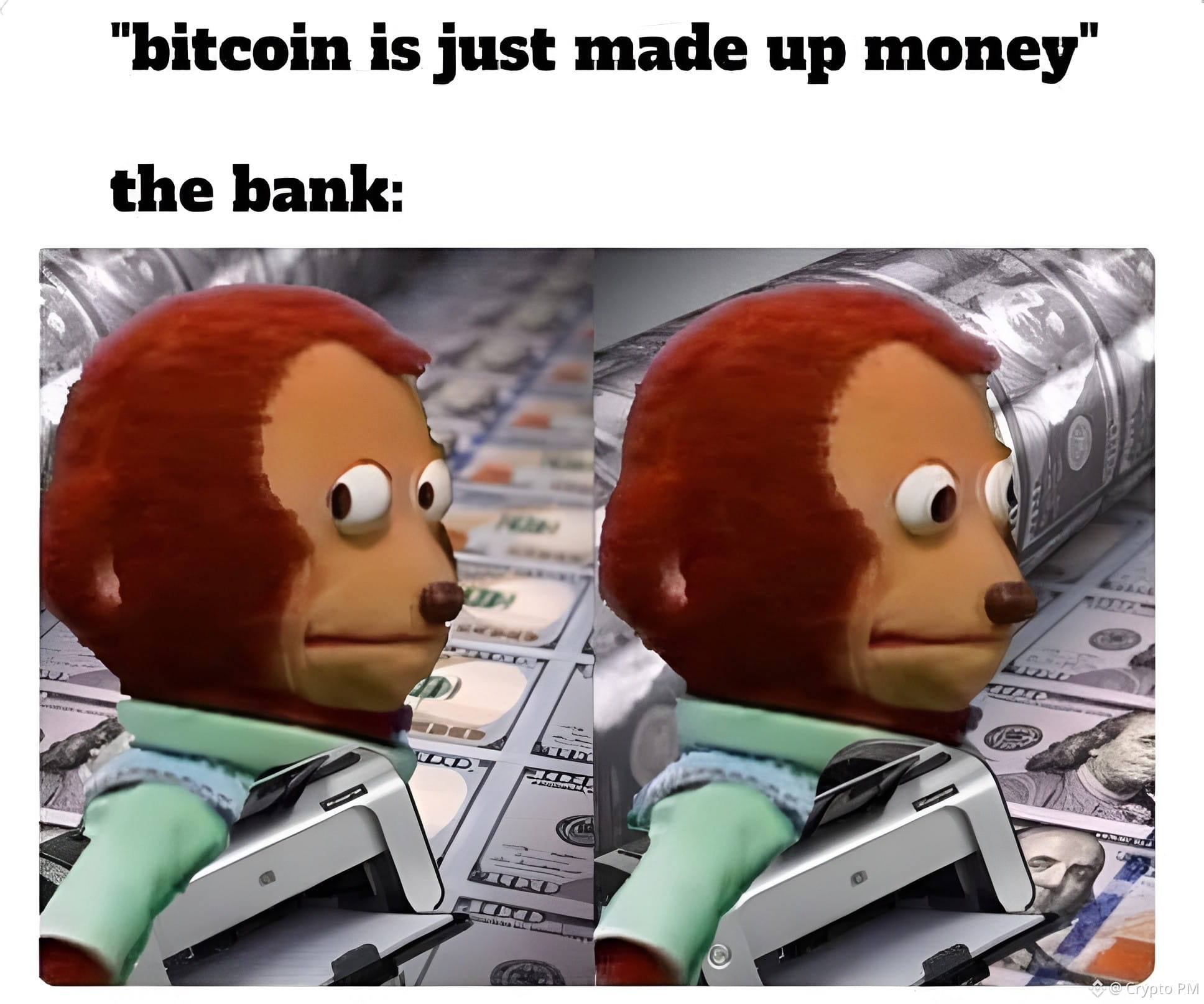
$MSTR coming to Binance Futures. I'm feeling sad for Micheal saylor 😂
$MSTR coming to Binance Futures.

I'm feeling sad for Micheal saylor 😂
Басқа контенттерді шолу үшін жүйеге кіріңіз
Криптоәлемдегі соңғы жаңалықтармен танысыңыз
⚡️ Криптовалюта тақырыбындағы соңғы талқылауларға қатысыңыз
💬 Таңдаулы авторларыңызбен әрекеттесіңіз
👍 Өзіңізге қызық контентті тамашалаңыз
Электрондық пошта/телефон нөмірі
Сайт картасы
Cookie параметрлері
Платформаның шарттары мен талаптары