
0xMohamed 1
586 Жариялаулар

0xMohamed 1
Хабарлау
Пайдаланушыны блоктау
Web3 Community Manager | Content Creator | Crypto Project Ambassador linktr.ee/0xmohamed
0 Жазылым
33 Жазылушылар
61 лайк басылған
Жазбалар
·
--
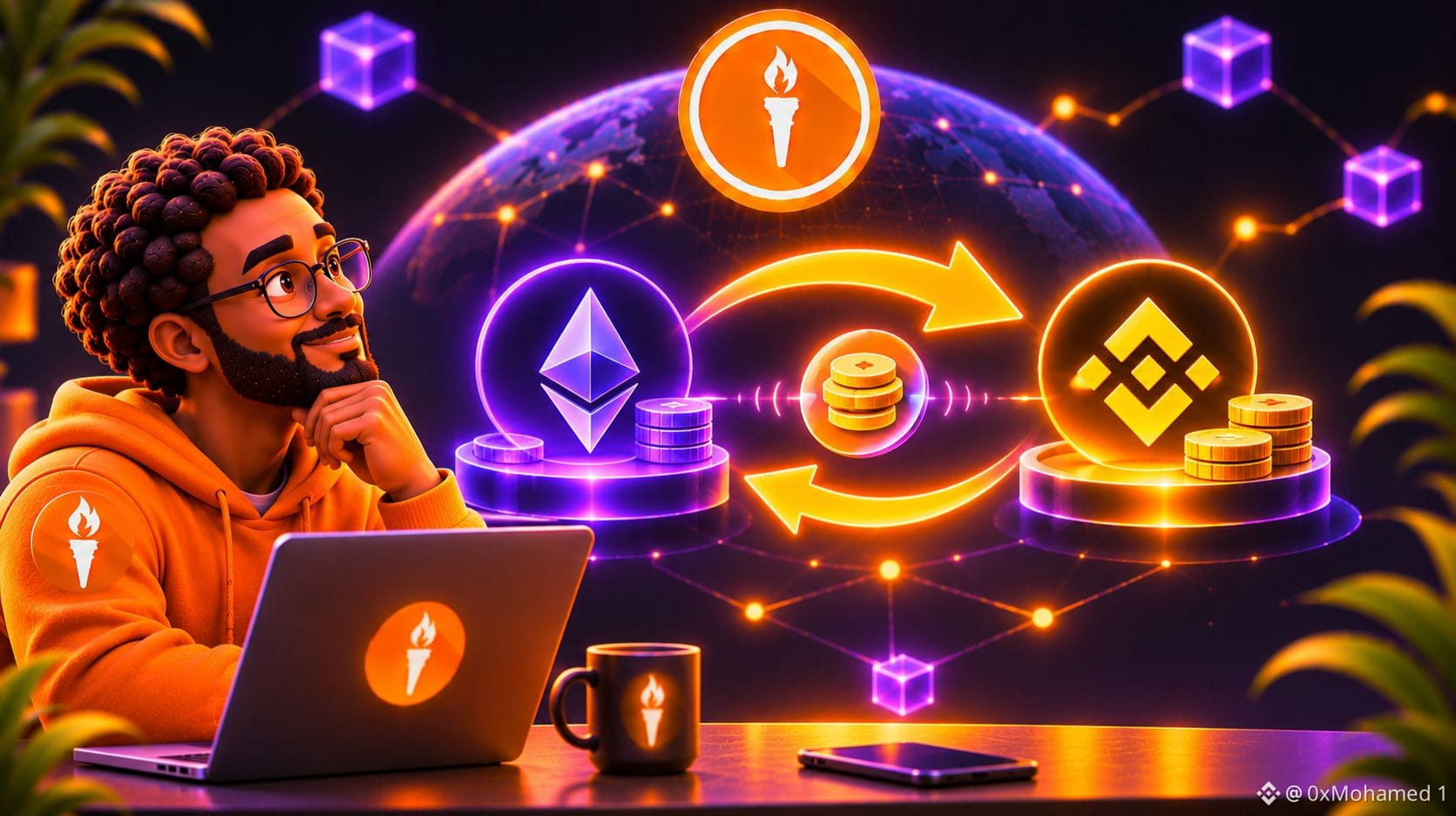
Imagine holding assets on Ethereum but wanting to interact with another blockchain. That's where cross-chain transactions come in. A cross-chain transaction involves operations across two or more different blockchain networks. Why does this matter? 🔸 Move value: Transfer assets between supported networks. 🔸 Swap assets: Exchange tokens across different blockchain ecosystems. 🔸 Connect ecosystems: Interact with services beyond a single blockchain. 🔸 Reduce fragmentation: Make the multi-chain experience more accessible. But there's a challenge. Different blockchains have different architectures, rules and security models. Making them work together isn't always simple. That's why cross-chain interoperability matters. Web3 has multiple ecosystems. Users shouldn't have to think in isolated blockchain environments forever. #Liberdus @Liberdus $BNB $USDC
Imagine holding assets on Ethereum but wanting to interact with another blockchain. That's where cross-chain transactions come in. A cross-chain transaction involves operations across two or more different blockchain networks. Why does this matter? 🔸 Move value: Transfer assets between supported networks. 🔸 Swap assets: Exchange tokens across different blockchain ecosystems. 🔸 Connect ecosystems: Interact with services beyond a single blockchain. 🔸 Reduce fragmentation: Make the multi-chain experience more accessible. But there's a challenge. Different blockchains have different architectures, rules and security models. Making them work together isn't always simple. That's why cross-chain interoperability matters. Web3 has multiple ecosystems. Users shouldn't have to think in isolated blockchain environments forever. #Liberdus @Liberdus $BNB $USDC
68
·
--
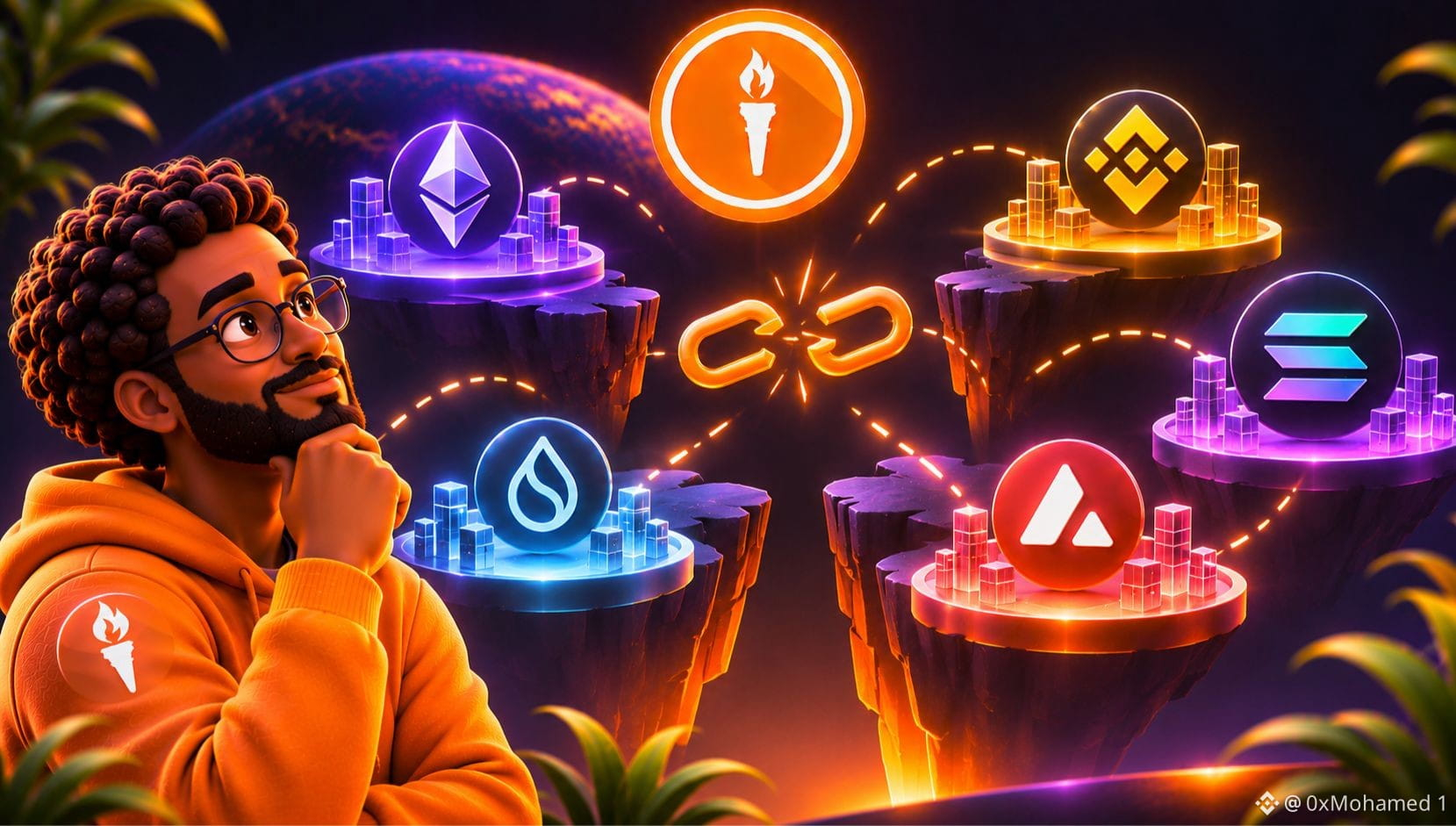
Web3 was supposed to connect people to a more open financial ecosystem. But there's still a major challenge: blockchain fragmentation. Ethereum, Solana, BNB Chain and other networks operate with different architectures, assets and ecosystems. The result? • Assets are spread across multiple networks. • Applications often support specific blockchains. • Moving value between networks can require additional steps. • Users face a fragmented experience. Each blockchain brings its own opportunities. But how do we make them work better together? That's where cross-chain interoperability comes in. The future of Web3 shouldn't be limited by blockchain boundaries. #Web3 #Blockchain #Interoperability $BNB $ETH
Web3 was supposed to connect people to a more open financial ecosystem. But there's still a major challenge: blockchain fragmentation. Ethereum, Solana, BNB Chain and other networks operate with different architectures, assets and ecosystems. The result? • Assets are spread across multiple networks. • Applications often support specific blockchains. • Moving value between networks can require additional steps. • Users face a fragmented experience. Each blockchain brings its own opportunities. But how do we make them work better together? That's where cross-chain interoperability comes in. The future of Web3 shouldn't be limited by blockchain boundaries. #Web3 #Blockchain #Interoperability $BNB $ETH
66
·
--
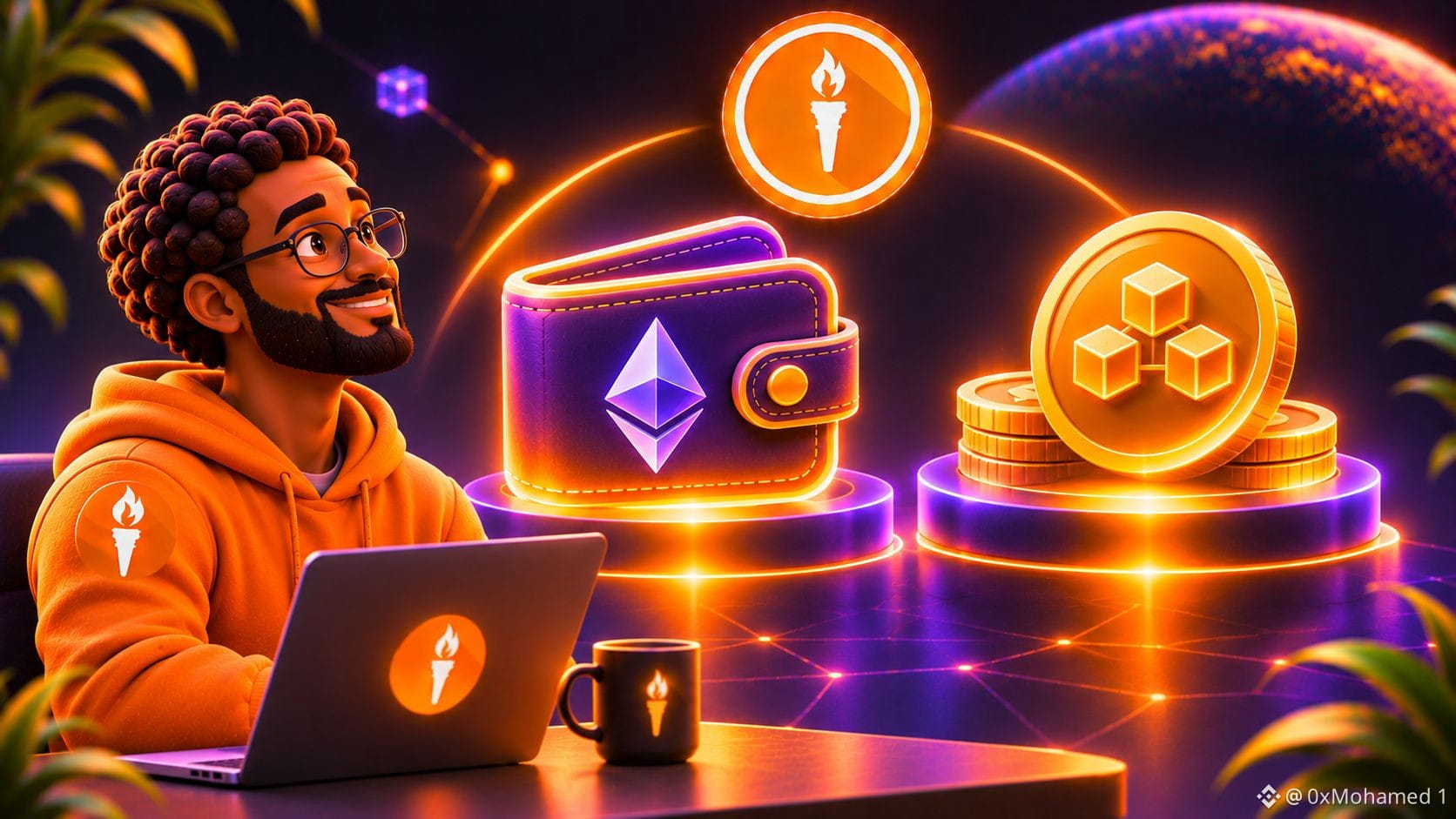
We've explored EVM wallets, digital assets and blockchain compatibility. Now, let's connect the dots. Two developments are coming to the Liberdus ecosystem: 🔸 EVM Wallet An upcoming addition designed around the EVM wallet ecosystem. 🔸 Asset Launch The introduction of digital assets as another development within Liberdus. Why does this matter? Wallets and digital assets are important building blocks of the Web3 experience. They open the door to new possibilities for managing and interacting with digital assets. We're looking forward to seeing how these developments take shape. What interests you most: the EVM Wallet or the asset launch? #Liberdus #EVM @Liberdus $HYPE
We've explored EVM wallets, digital assets and blockchain compatibility. Now, let's connect the dots. Two developments are coming to the Liberdus ecosystem: 🔸 EVM Wallet An upcoming addition designed around the EVM wallet ecosystem. 🔸 Asset Launch The introduction of digital assets as another development within Liberdus. Why does this matter? Wallets and digital assets are important building blocks of the Web3 experience. They open the door to new possibilities for managing and interacting with digital assets. We're looking forward to seeing how these developments take shape. What interests you most: the EVM Wallet or the asset launch? #Liberdus #EVM @Liberdus $HYPE
58
·
--
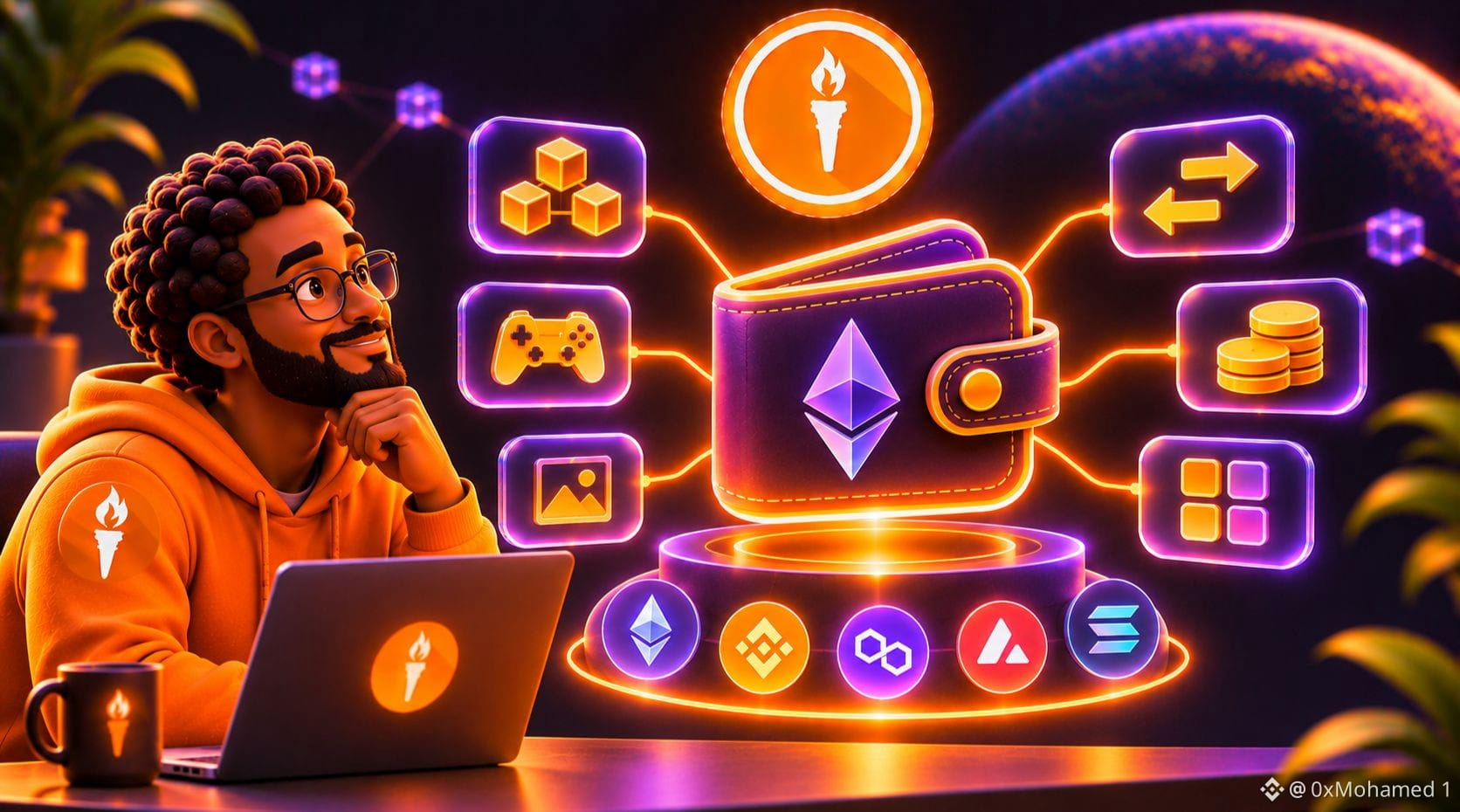
A crypto wallet shouldn't become a limitation in Web3. That's why compatibility matters. A well-supported EVM wallet can make it easier to: 🔸 Connect to decentralized applications. 🔸 Interact with supported EVM networks. 🔸 Manage compatible digital assets. 🔸 Access different blockchain ecosystems. 🔸 Sign transactions across supported networks. But compatibility isn't universal. Not every wallet supports every network, token or application. And having the same wallet address across EVM networks doesn't mean your assets automatically move between them. Better compatibility means fewer barriers between users and the Web3 ecosystem. #Liberdus @Liberdus #AVAX $AVAX
A crypto wallet shouldn't become a limitation in Web3. That's why compatibility matters. A well-supported EVM wallet can make it easier to: 🔸 Connect to decentralized applications. 🔸 Interact with supported EVM networks. 🔸 Manage compatible digital assets. 🔸 Access different blockchain ecosystems. 🔸 Sign transactions across supported networks. But compatibility isn't universal. Not every wallet supports every network, token or application. And having the same wallet address across EVM networks doesn't mean your assets automatically move between them. Better compatibility means fewer barriers between users and the Web3 ecosystem. #Liberdus @Liberdus #AVAX $AVAX
49
·
--
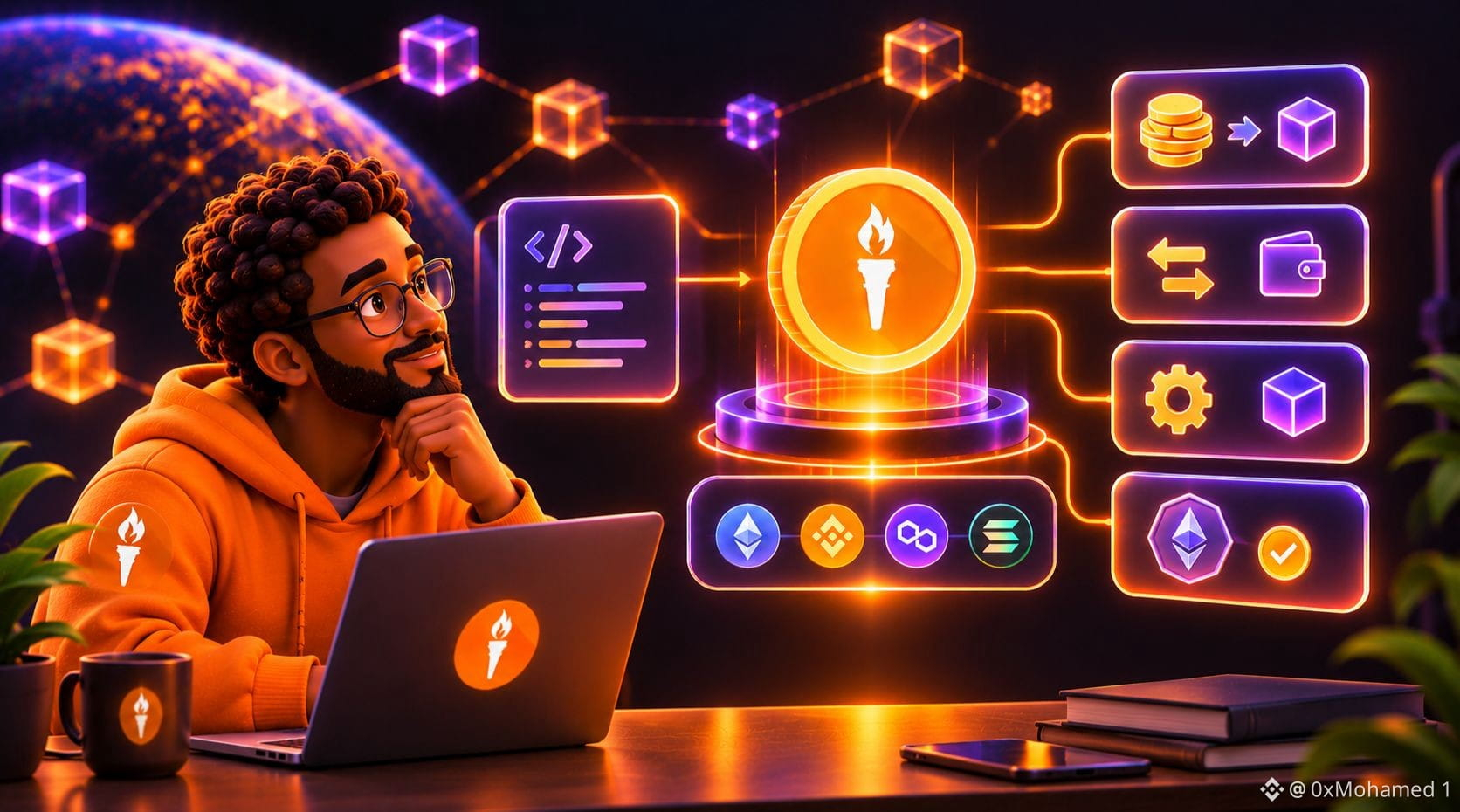
What does it actually mean to launch a digital asset? It's more than creating a token name and choosing a symbol. On a blockchain, launching a token generally involves deploying a smart contract that defines how the asset works. For example: 🔸 Supply: How many tokens exist? 🔸 Transfers: How can tokens move between addresses? 🔸 Utility: What purpose does the asset serve? 🔸 Standards: Does it follow established standards such as ERC-20? Why do standards matter? They help wallets, applications and exchanges interact with tokens consistently. But remember: Launching a token doesn't automatically give it value, utility or market demand. The technology creates the asset. Its purpose and adoption determine its relevance. #EVM #PI $PI #liberdus @Liberdus
What does it actually mean to launch a digital asset? It's more than creating a token name and choosing a symbol. On a blockchain, launching a token generally involves deploying a smart contract that defines how the asset works. For example: 🔸 Supply: How many tokens exist? 🔸 Transfers: How can tokens move between addresses? 🔸 Utility: What purpose does the asset serve? 🔸 Standards: Does it follow established standards such as ERC-20? Why do standards matter? They help wallets, applications and exchanges interact with tokens consistently. But remember: Launching a token doesn't automatically give it value, utility or market demand. The technology creates the asset. Its purpose and adoption determine its relevance. #EVM #PI $PI #liberdus @Liberdus
71
·
--
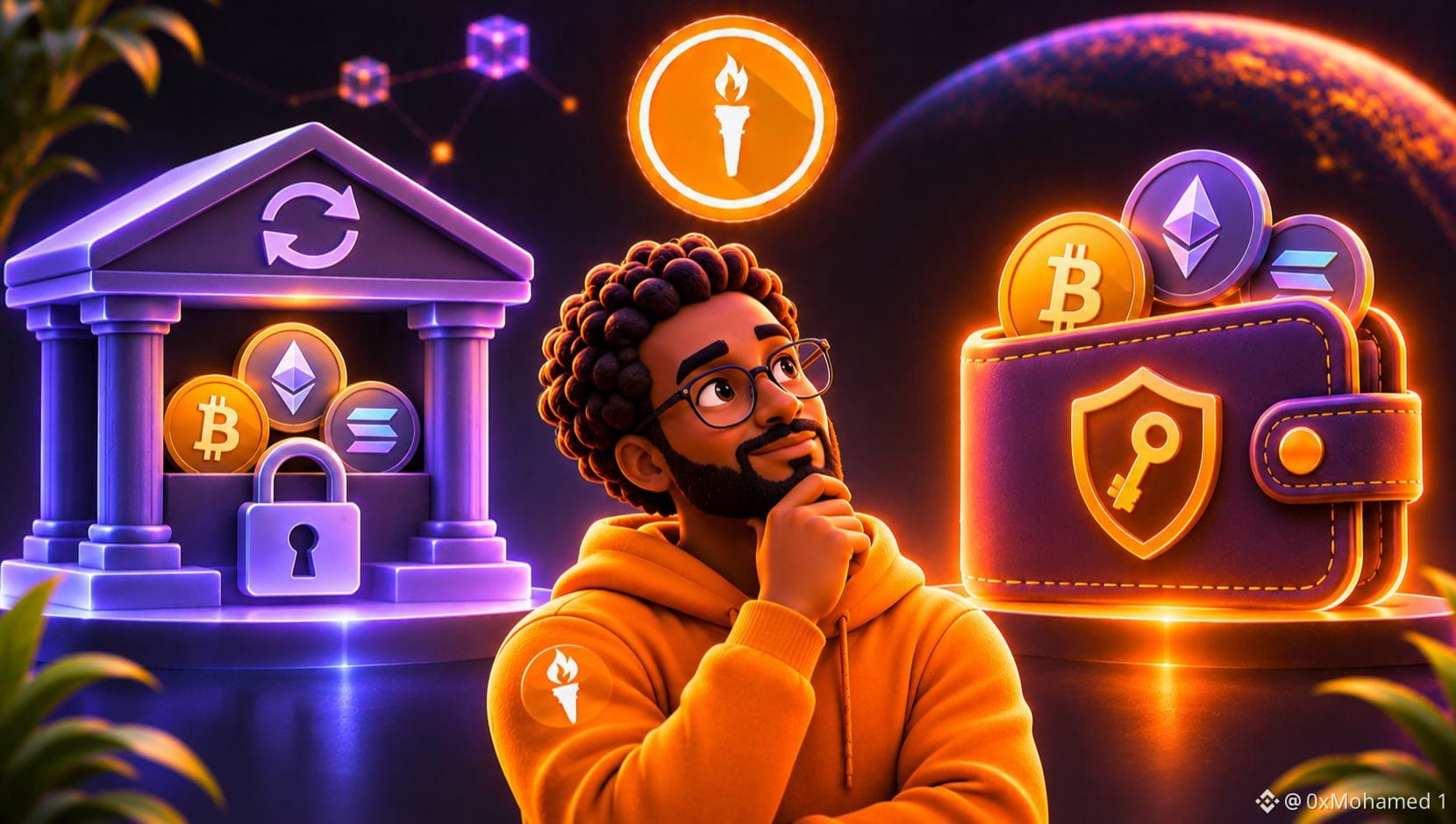
Wallet or exchange? The difference goes beyond where you see your crypto balance. It comes down to one important question: Who controls the private keys? 🔸 Centralized Exchange The platform typically holds your private keys and manages your assets on your behalf. You trust the platform to provide access to your funds. 🔸 Self-Custody Wallet You control your private keys and authorize your own transactions. No intermediary needs to hold your keys for you. But self-custody comes with responsibility: losing your recovery phrase can mean losing access to your assets. Convenience matters, security matters and ownership matters. Not your keys, not your coins. How do you prefer to manage your cryto ? #SelfCustody @Liberdus #ONDO $ONDO
Wallet or exchange? The difference goes beyond where you see your crypto balance. It comes down to one important question: Who controls the private keys? 🔸 Centralized Exchange The platform typically holds your private keys and manages your assets on your behalf. You trust the platform to provide access to your funds. 🔸 Self-Custody Wallet You control your private keys and authorize your own transactions. No intermediary needs to hold your keys for you. But self-custody comes with responsibility: losing your recovery phrase can mean losing access to your assets. Convenience matters, security matters and ownership matters. Not your keys, not your coins. How do you prefer to manage your cryto ? #SelfCustody @Liberdus #ONDO $ONDO
61
·
--
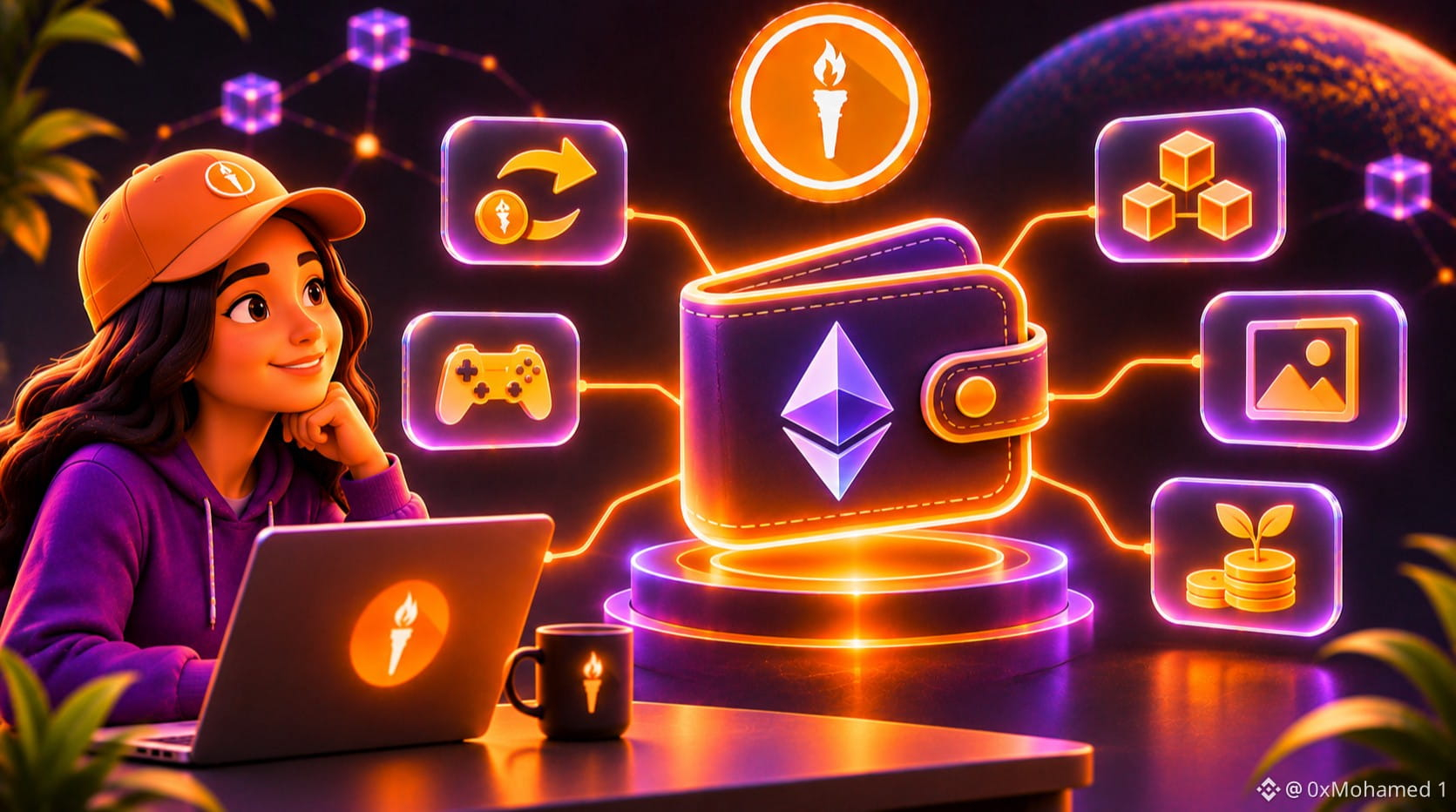
Your EVM wallet is more than a place to hold crypto. It's your gateway to blockchain applications. But how does it actually work? Here's the simple version: 1️⃣ Connect: Your wallet connects to a decentralized application (dApp). 2️⃣ Interact: You can access information, check balances or explore available services. 3️⃣ Approve: When an action requires a blockchain transaction, your wallet asks you to review and sign it. 4️⃣ Execute: The signed transaction is submitted to the network for processing. For example, you could use an EVM wallet to: • Swap tokens. • Interact with smart contracts. • Manage digital assets. • Use decentralized applications. One important distinction, reading blockchain data doesn't normally require gas. Changing on-chain data through a transaction does. Your wallet is the bridge between you and the Web3 experience. @Liberdus #liberdus #XRP $XRP
Your EVM wallet is more than a place to hold crypto. It's your gateway to blockchain applications. But how does it actually work? Here's the simple version: 1️⃣ Connect: Your wallet connects to a decentralized application (dApp). 2️⃣ Interact: You can access information, check balances or explore available services. 3️⃣ Approve: When an action requires a blockchain transaction, your wallet asks you to review and sign it. 4️⃣ Execute: The signed transaction is submitted to the network for processing. For example, you could use an EVM wallet to: • Swap tokens. • Interact with smart contracts. • Manage digital assets. • Use decentralized applications. One important distinction, reading blockchain data doesn't normally require gas. Changing on-chain data through a transaction does. Your wallet is the bridge between you and the Web3 experience. @Liberdus #liberdus #XRP $XRP
·
--
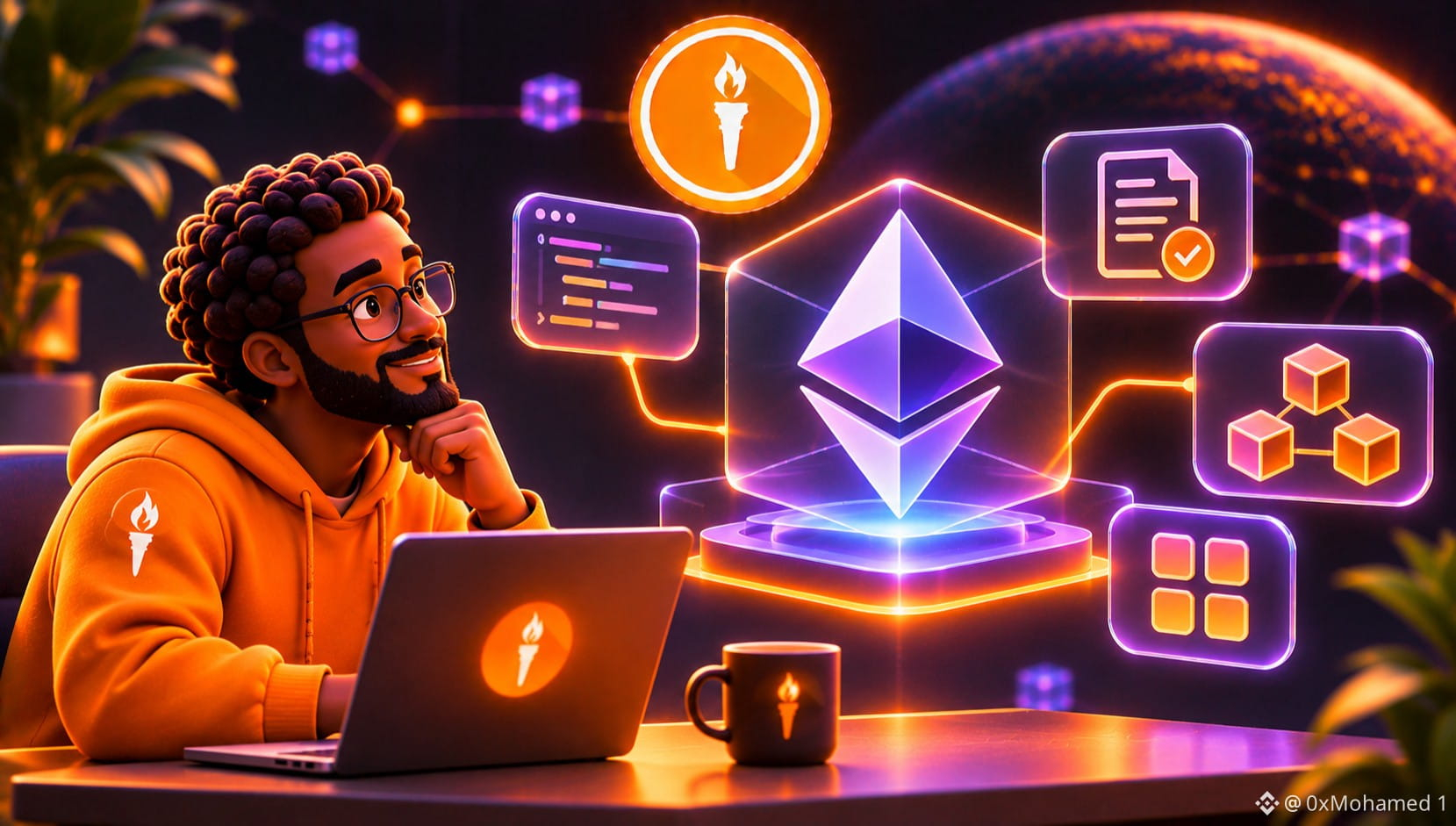
EVM, you've probably seen this acronym in Web3. But what does it actually mean? EVM stands for Ethereum Virtual Machine. Think of it as the execution environment that allows smart contracts to run on Ethereum. Why does it matter? 🔸 It executes smart contract code. 🔸 It processes blockchain transactions. 🔸 It enables decentralized applications to operate. 🔸 EVM compatibility allows other networks to support the same execution environment. In simple terms: EVM is one of the foundations that makes the Ethereum ecosystem programmable. Understanding it is a good first step towards understanding EVM wallets. #Ethereum #EVM #Web3 @Liberdus $ETH
EVM, you've probably seen this acronym in Web3. But what does it actually mean? EVM stands for Ethereum Virtual Machine. Think of it as the execution environment that allows smart contracts to run on Ethereum. Why does it matter? 🔸 It executes smart contract code. 🔸 It processes blockchain transactions. 🔸 It enables decentralized applications to operate. 🔸 EVM compatibility allows other networks to support the same execution environment. In simple terms: EVM is one of the foundations that makes the Ethereum ecosystem programmable. Understanding it is a good first step towards understanding EVM wallets. #Ethereum #EVM #Web3 @Liberdus $ETH
57
·
--
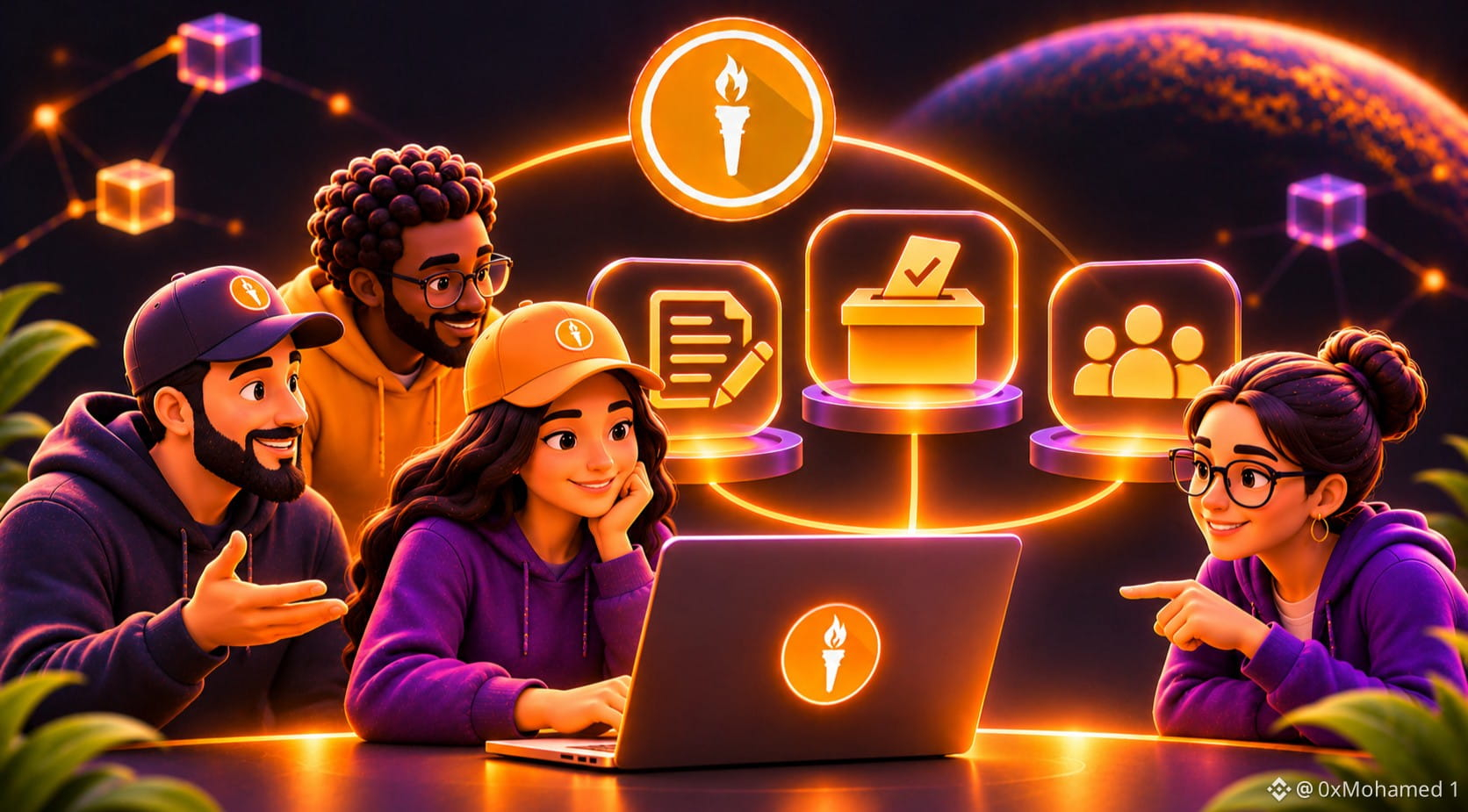
Decentralized governance is more than just having a voting button. It's about giving a community ways to participate in the direction of an ecosystem. That's why understanding DAOs matters. Proposals Voting Collective decisions Community participation These are some of the concepts behind decentralized governance. And there's something to look forward to @Liberdus DAO features are coming to Testnet. An opportunity for the community to explore another important aspect of the Web3 ecosystem. Before testing, understand the principles. Because meaningful participation starts with understanding how governance works. #Liberdus #XRP $XRP
Decentralized governance is more than just having a voting button. It's about giving a community ways to participate in the direction of an ecosystem. That's why understanding DAOs matters. Proposals Voting Collective decisions Community participation These are some of the concepts behind decentralized governance. And there's something to look forward to @Liberdus DAO features are coming to Testnet. An opportunity for the community to explore another important aspect of the Web3 ecosystem. Before testing, understand the principles. Because meaningful participation starts with understanding how governance works. #Liberdus #XRP $XRP
57
·
--
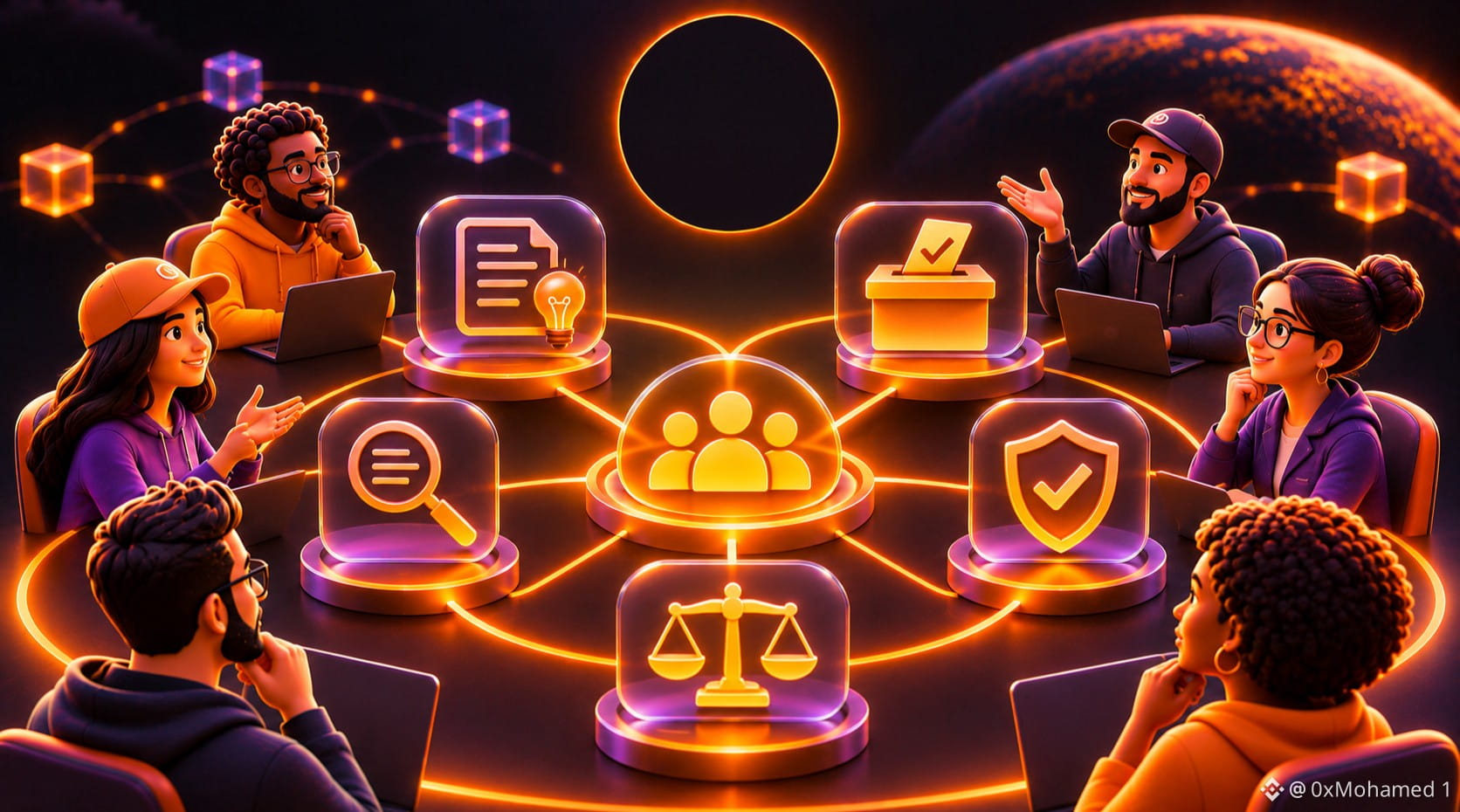
Having a DAO doesn't automatically make a project decentralized. The real question is: where does the decision-making power actually sit? A genuinely decentralized governance model should consider: • Power distribution: Is influence concentrated in a few hands? • Open participation: Can eligible community members contribute? • Transparency: Are proposals, voting rules and outcomes visible? • Accountability: Can decision-makers be held responsible? • Fair representation: Do different voices have a meaningful opportunity to be heard? Decentralization isn't just about having a voting mechanism. It's about how power is distributed and exercised. What do you think is the most important ingredient of decentralized governance? #Liberdus @Liberdus #PI $PI
Having a DAO doesn't automatically make a project decentralized. The real question is: where does the decision-making power actually sit? A genuinely decentralized governance model should consider: • Power distribution: Is influence concentrated in a few hands? • Open participation: Can eligible community members contribute? • Transparency: Are proposals, voting rules and outcomes visible? • Accountability: Can decision-makers be held responsible? • Fair representation: Do different voices have a meaningful opportunity to be heard? Decentralization isn't just about having a voting mechanism. It's about how power is distributed and exercised. What do you think is the most important ingredient of decentralized governance? #Liberdus @Liberdus #PI $PI
77
·
--
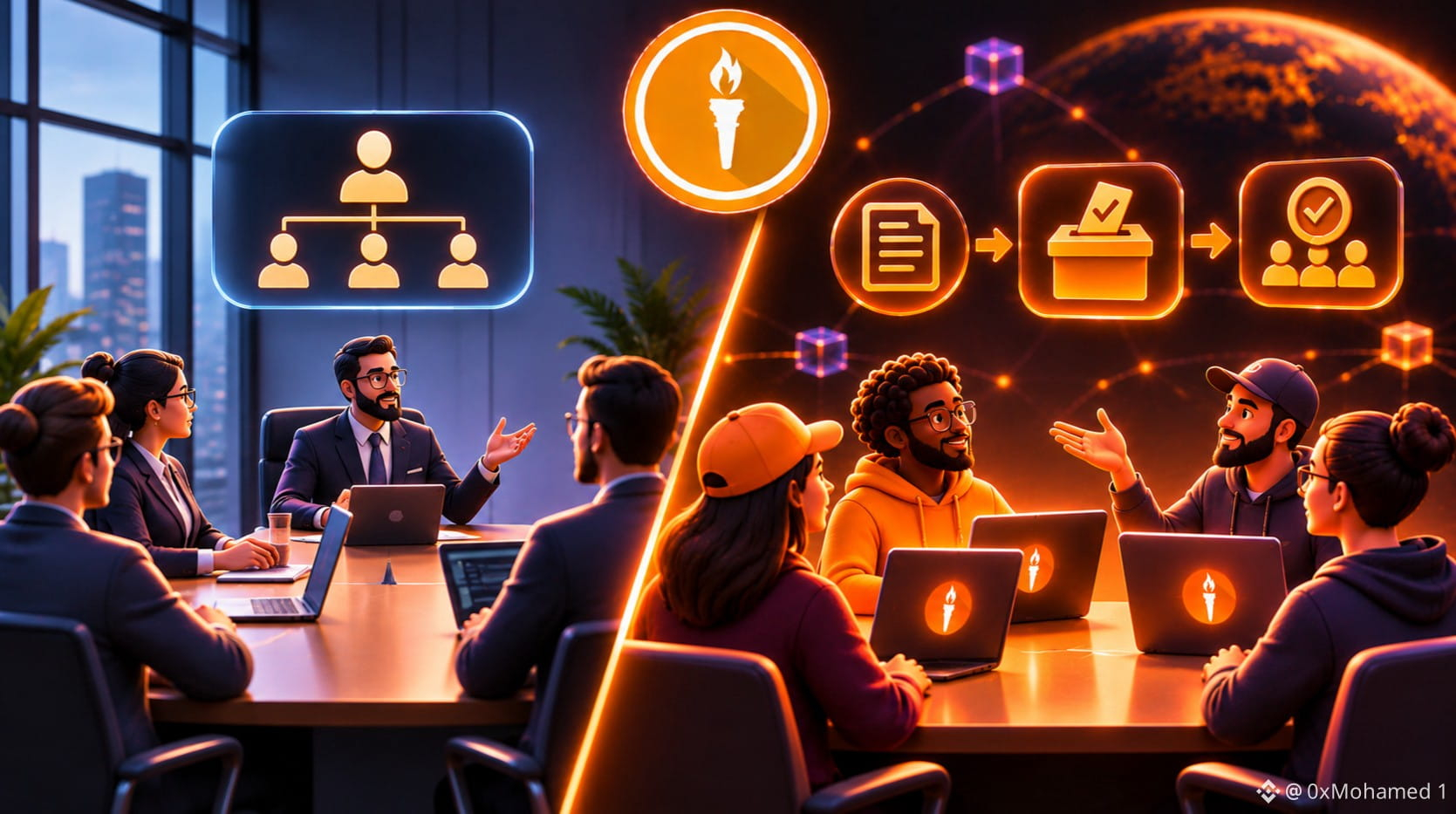
Traditional companies and DAOs can approach decision-making very differently. In a traditional company: • Decisions often follow a management hierarchy. • Leadership teams typically set strategic priorities. • Authority is assigned through organizational roles. In a DAO: • Participants can submit proposals. • Eligible members can vote on decisions. • Governance rules determine how outcomes are approved and implemented. Neither model is perfect. Traditional structures can offer clear accountability and faster decisions. DAOs can open new ways for communities to participate in governance. But, would you rather have decisions made by a leadership team or through community participation? #Web3 #DAO #BTC $BTC
Traditional companies and DAOs can approach decision-making very differently. In a traditional company: • Decisions often follow a management hierarchy. • Leadership teams typically set strategic priorities. • Authority is assigned through organizational roles. In a DAO: • Participants can submit proposals. • Eligible members can vote on decisions. • Governance rules determine how outcomes are approved and implemented. Neither model is perfect. Traditional structures can offer clear accountability and faster decisions. DAOs can open new ways for communities to participate in governance. But, would you rather have decisions made by a leadership team or through community participation? #Web3 #DAO #BTC $BTC
61
·
--
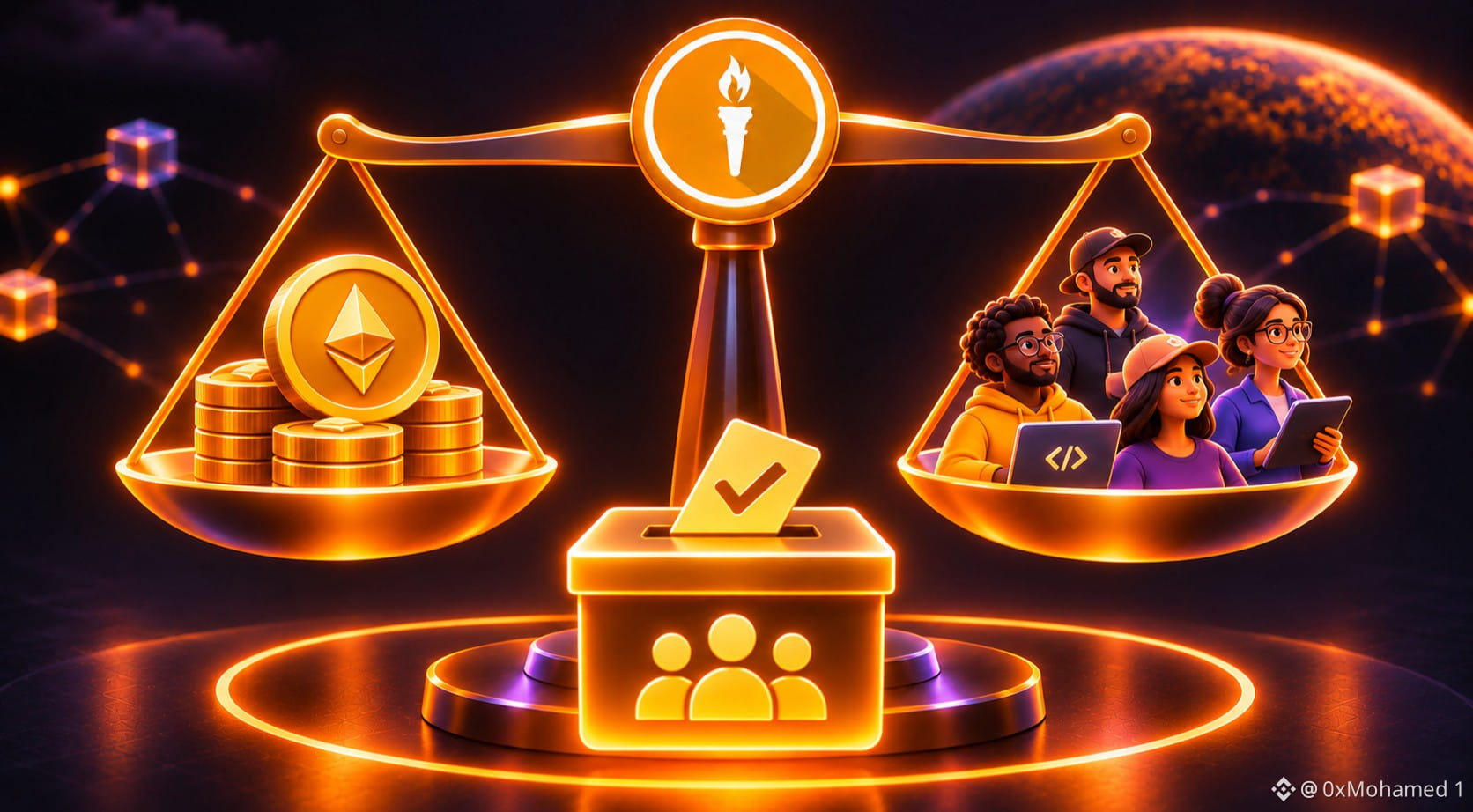
Should owning a token give you a voice in a project's future? In many DAOs, token holders can participate in governance by voting on proposals. It sounds fair if you're invested in an ecosystem, you should have a say in its direction. But there's another side to consider. Does owning more tokens mean having more influence? And what about developers, contributors and active community members who may hold fewer tokens? Should governance power depend on token ownership, contribution, or both? Let's discuss. 👇 #SOL #liberdus @Liberdus $SOL
Should owning a token give you a voice in a project's future? In many DAOs, token holders can participate in governance by voting on proposals. It sounds fair if you're invested in an ecosystem, you should have a say in its direction. But there's another side to consider. Does owning more tokens mean having more influence? And what about developers, contributors and active community members who may hold fewer tokens? Should governance power depend on token ownership, contribution, or both? Let's discuss. 👇 #SOL #liberdus @Liberdus $SOL
78
·
--
Tron and Tether have teamed up with Chainalysis to flag suspicious USDT transfers on Tron and help law enforcement trace and freeze funds. $USDT $TRX
Tron and Tether have teamed up with Chainalysis to flag suspicious USDT transfers on Tron and help law enforcement trace and freeze funds. $USDT $TRX
56
·
--
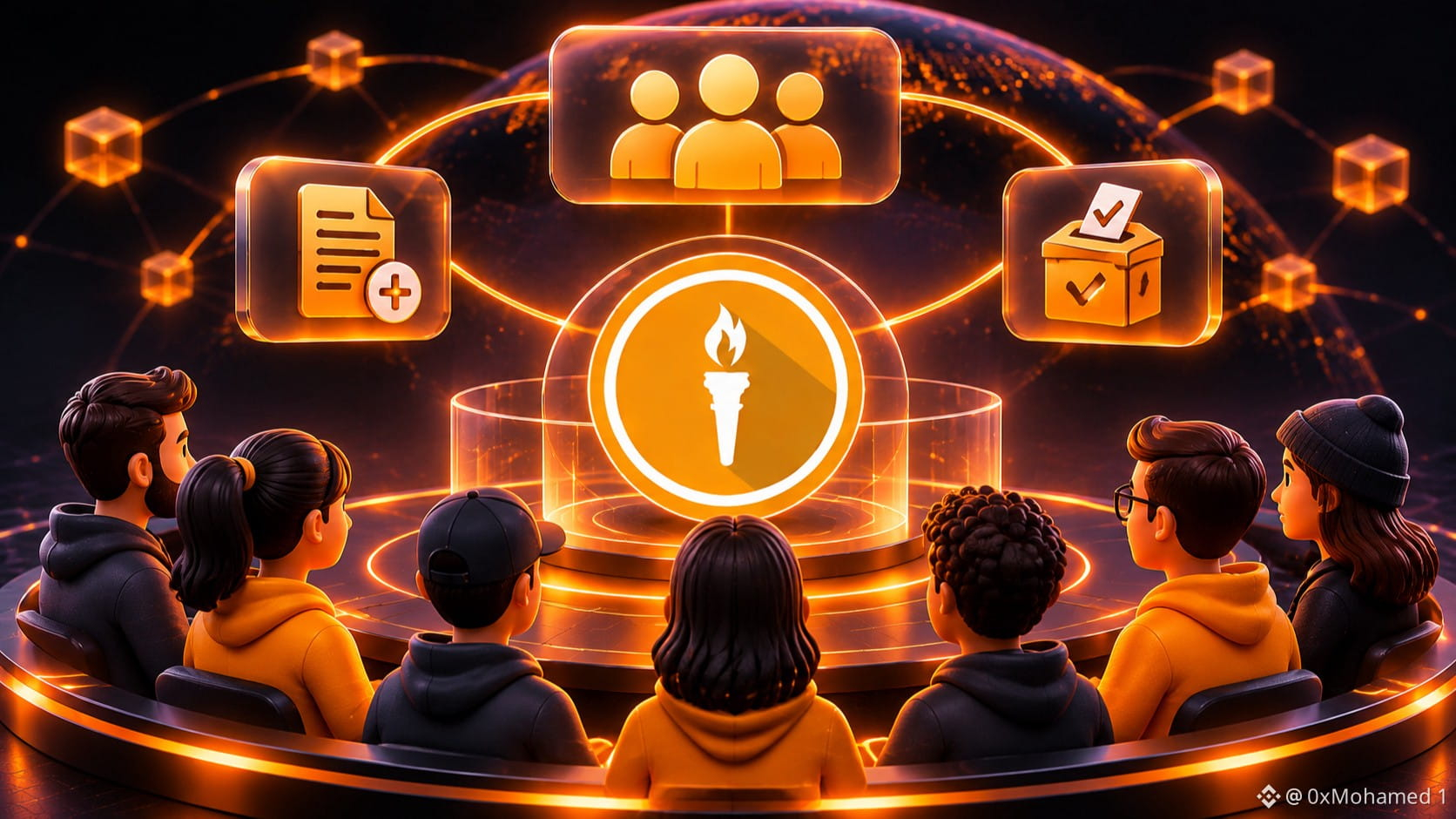
A decentralized network needs more than decentralized infrastructure. It also needs a way for its community to participate in important decisions. Because decentralization isn't just about who runs the nodes. It's also about who has a voice. Who can propose changes? Who gets to vote? Who influences the direction of the ecosystem? Technology can distribute infrastructure. Good governance helps distribute decision-making power. That's why DAOs matter in Web3. #Web3 #DAO #Liberdus $PI
A decentralized network needs more than decentralized infrastructure. It also needs a way for its community to participate in important decisions. Because decentralization isn't just about who runs the nodes. It's also about who has a voice. Who can propose changes? Who gets to vote? Who influences the direction of the ecosystem? Technology can distribute infrastructure. Good governance helps distribute decision-making power. That's why DAOs matter in Web3. #Web3 #DAO #Liberdus $PI
70
·
--
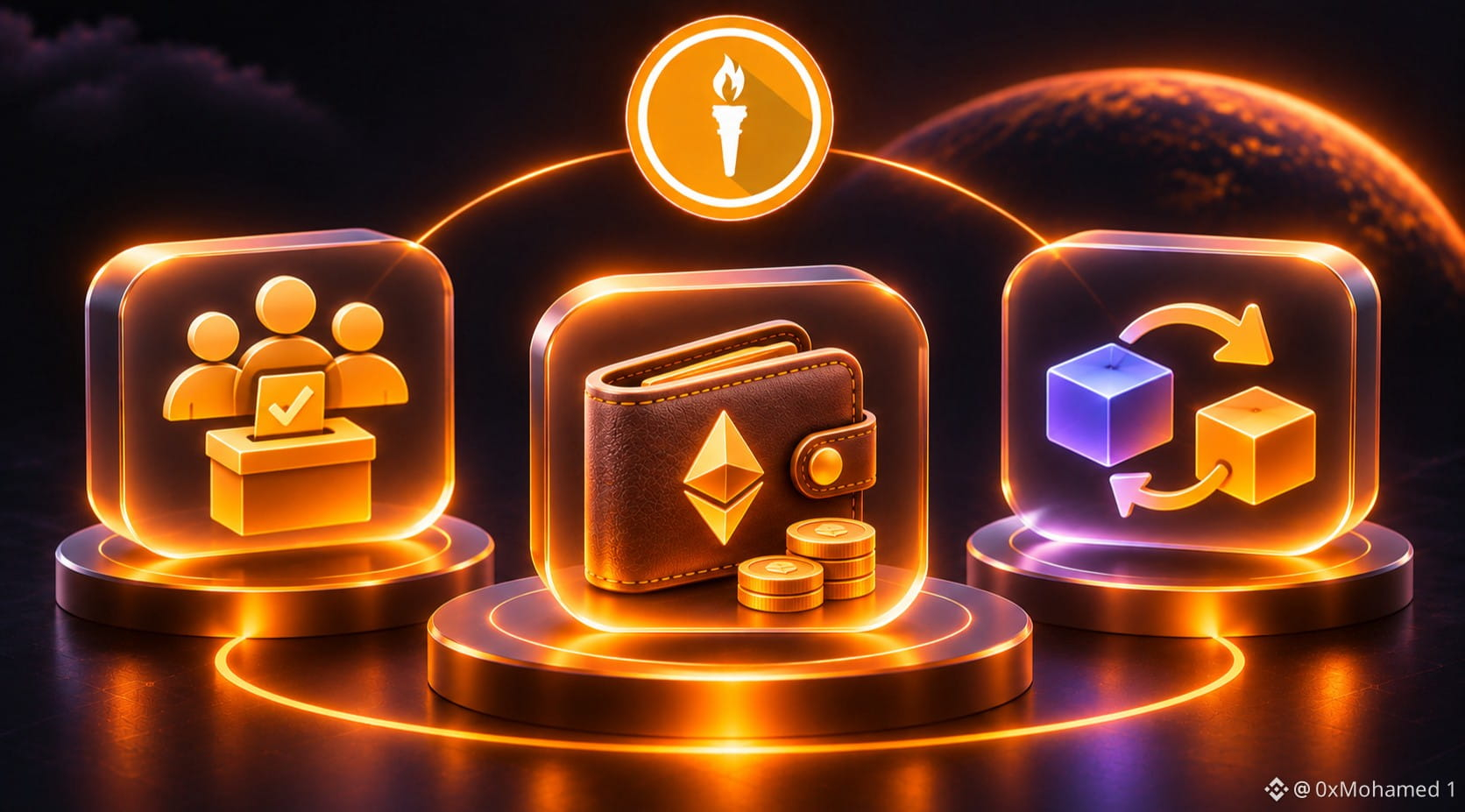
Web3 is evolving. And ecosystems need to evolve with it. Three interesting developments are being prepared for Liberdus: 🔸 DAO Features Bringing decentralized governance closer to the community, with DAO features planned for Testnet. 🔸 EVM Wallet & Asset Launch Expanding the ecosystem with an EVM Wallet and the introduction of digital assets. 🔸 NEAR Intents Exploring cross-chain interoperability to make interactions between different blockchain ecosystems easier. Three developments. Three different challenges. Governance. Digital asset management. Interoperability. The goal is to keep building an ecosystem that gives users more ways to participate and interact with Web3. Which of these developments are you most interested in exploring? #Liberdus #Web3 #ONDO $ONDO
Web3 is evolving. And ecosystems need to evolve with it. Three interesting developments are being prepared for Liberdus: 🔸 DAO Features Bringing decentralized governance closer to the community, with DAO features planned for Testnet. 🔸 EVM Wallet & Asset Launch Expanding the ecosystem with an EVM Wallet and the introduction of digital assets. 🔸 NEAR Intents Exploring cross-chain interoperability to make interactions between different blockchain ecosystems easier. Three developments. Three different challenges. Governance. Digital asset management. Interoperability. The goal is to keep building an ecosystem that gives users more ways to participate and interact with Web3. Which of these developments are you most interested in exploring? #Liberdus #Web3 #ONDO $ONDO
73
·
--
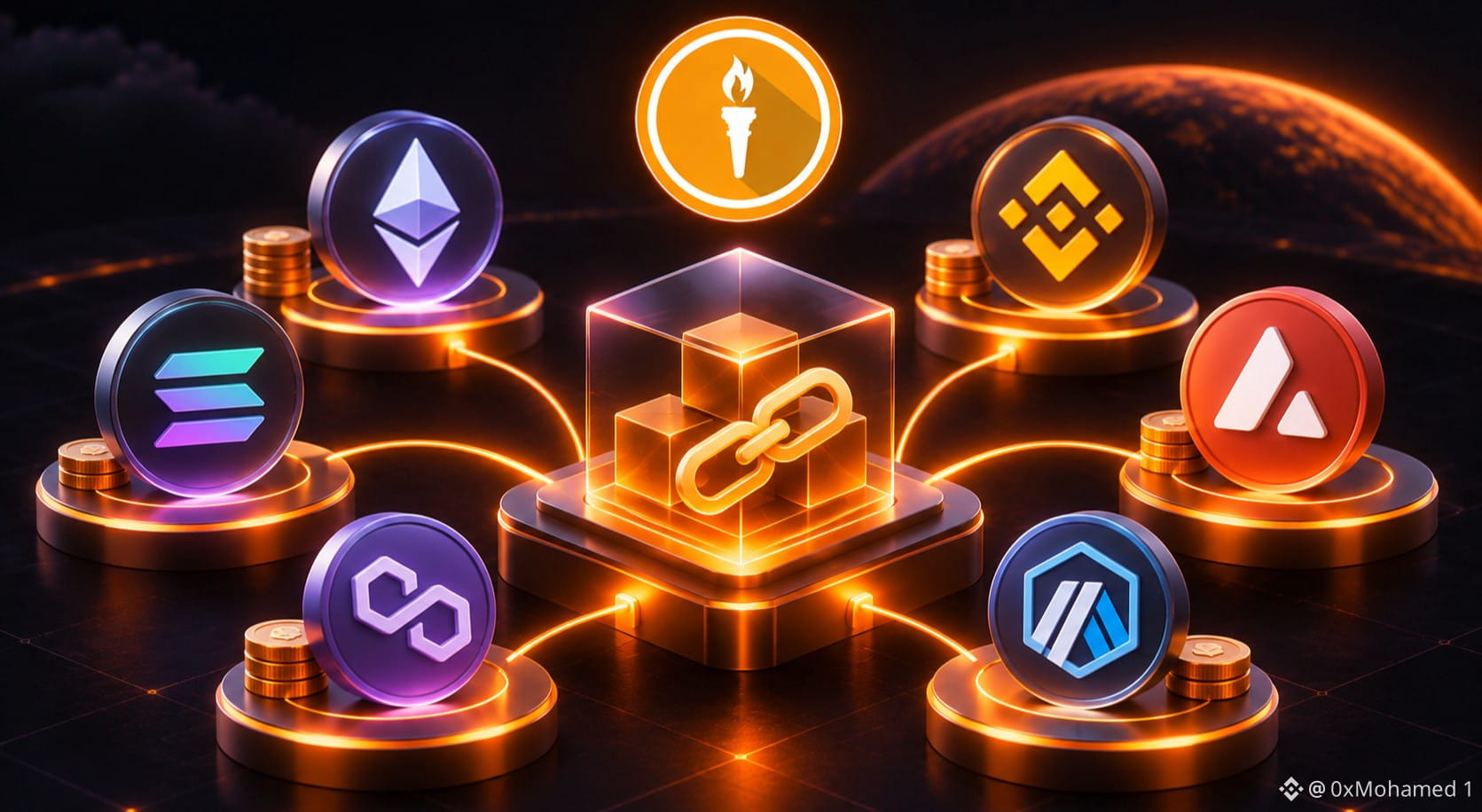
Why do digital assets exist across different blockchains? Because not every blockchain serves the same purpose. Different networks offer different: - Technologies. - Transaction mechanisms. - Ecosystems. - Smart contract environments. As a result, digital assets are spread across multiple networks. But this creates a challenge, moving assets between ecosystems isn't always simple. Web3 doesn't just need more blockchains. It needs better interoperability. @Liberdus #AVAX $AVAX
Why do digital assets exist across different blockchains? Because not every blockchain serves the same purpose. Different networks offer different: - Technologies. - Transaction mechanisms. - Ecosystems. - Smart contract environments. As a result, digital assets are spread across multiple networks. But this creates a challenge, moving assets between ecosystems isn't always simple. Web3 doesn't just need more blockchains. It needs better interoperability. @Liberdus #AVAX $AVAX
83
·
--
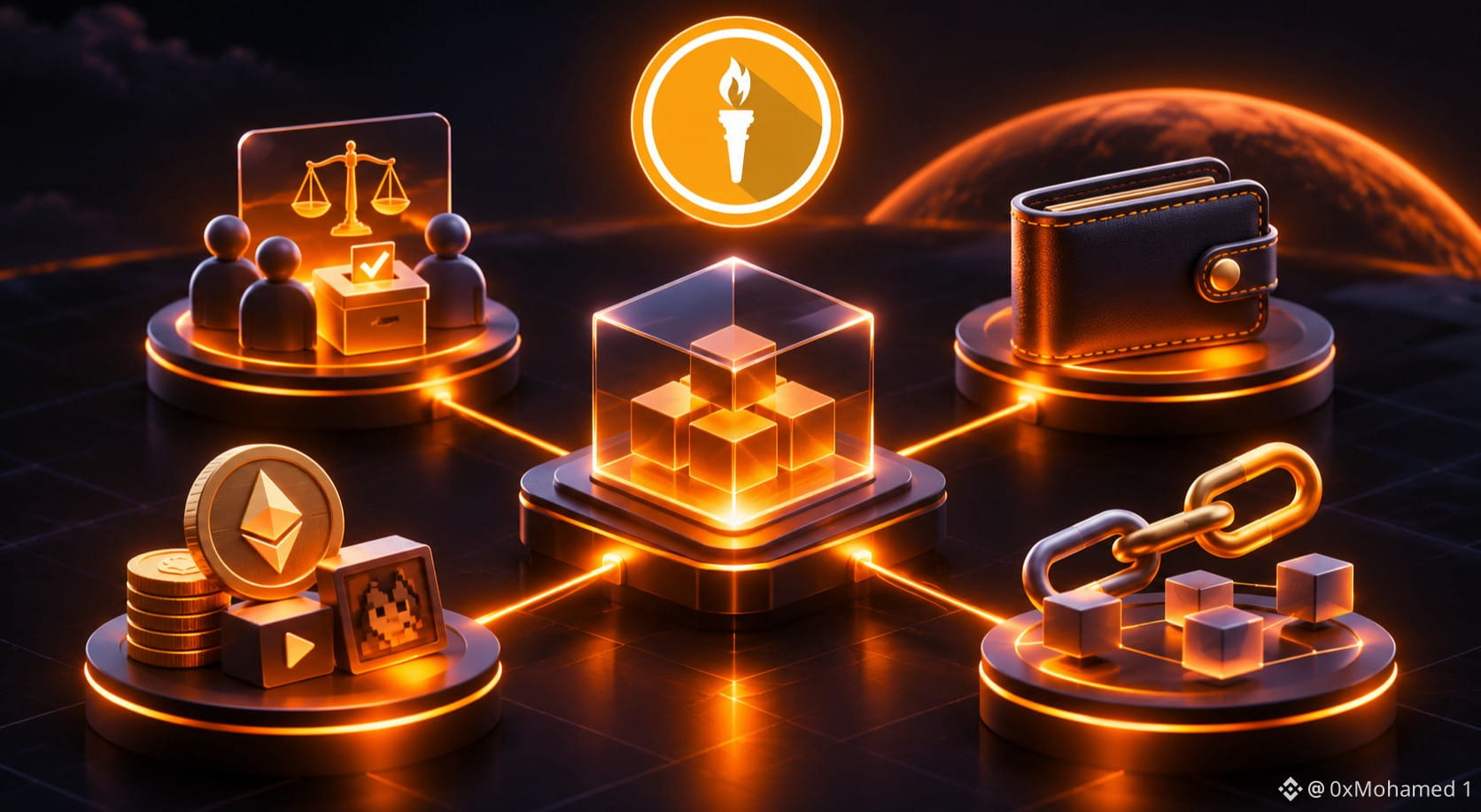
Web3 is evolving, but what should a complete Web3 ecosystem actually offer? More than just a blockchain. Users need: - Decentralized governance. - Secure and accessible wallets. - Digital asset ownership. - Cross-chain interoperability. The real challenge isn't building more tools. It's making them work together to give users more control. What do you think is still missing from Web3? @Liberdus #Liberdus #XRP $XRP
Web3 is evolving, but what should a complete Web3 ecosystem actually offer? More than just a blockchain. Users need: - Decentralized governance. - Secure and accessible wallets. - Digital asset ownership. - Cross-chain interoperability. The real challenge isn't building more tools. It's making them work together to give users more control. What do you think is still missing from Web3? @Liberdus #Liberdus #XRP $XRP
62
·
--
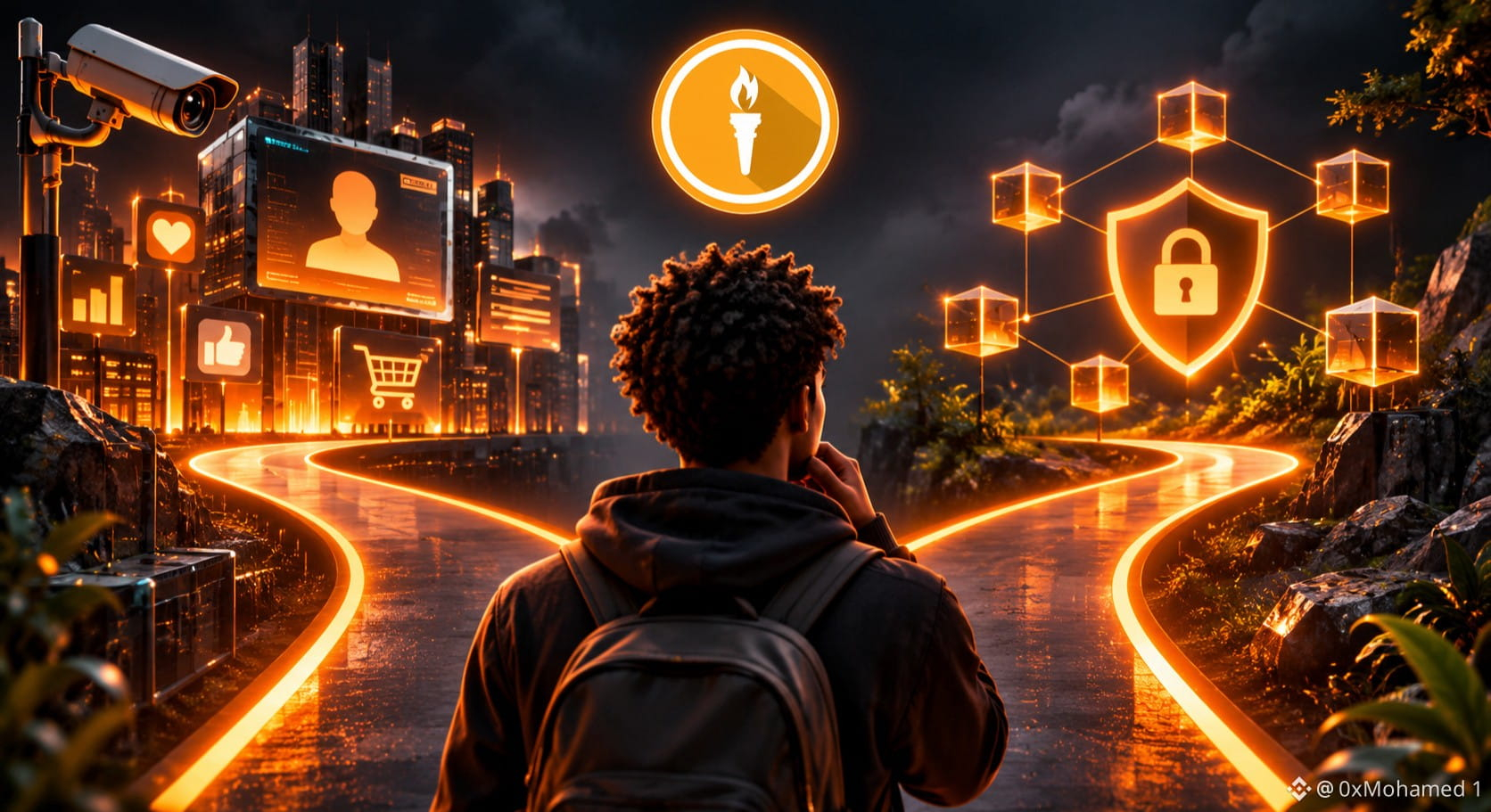
A decentralized network can still have centralized points of failure. Think about it. You can have hundreds of validators, but if many rely on the same hosting provider, network infrastructure or software client, a single failure can affect a significant part of the network. That's why validator count alone doesn't tell the whole story. We also need to examine: - Hosting provider diversity - Geographic distribution - Software client diversity - Stake concentration - Independent infrastructure Solana experienced this challenge in August 2026 a routing failure took nearly 29% of its stake offline, yet block production continued. That's an interesting resilience test. Decentralization isn't just about how many validators exist. It's also about how independently they operate. What metric do you think matters most when evaluating a decentralized network? @Liberdus #SOL $SOL
A decentralized network can still have centralized points of failure. Think about it. You can have hundreds of validators, but if many rely on the same hosting provider, network infrastructure or software client, a single failure can affect a significant part of the network. That's why validator count alone doesn't tell the whole story. We also need to examine: - Hosting provider diversity - Geographic distribution - Software client diversity - Stake concentration - Independent infrastructure Solana experienced this challenge in August 2026 a routing failure took nearly 29% of its stake offline, yet block production continued. That's an interesting resilience test. Decentralization isn't just about how many validators exist. It's also about how independently they operate. What metric do you think matters most when evaluating a decentralized network? @Liberdus #SOL $SOL
67
·
--
One thing I'm learning in Web3, a good CM or ambassador shouldn't just know how to explain a feature. They should understand the problem it solves. Why was it designed this way? What trade-offs does it introduce? What happens when things go wrong? That's the difference between repeating announcements and helping people understand the technology. I'm using Liberdus as one of my learning grounds, exploring the ideas behind privacy, decentralization, and digital ownership. Less repetition and more investigation. @Liberdus #ONDO $ONDO
One thing I'm learning in Web3, a good CM or ambassador shouldn't just know how to explain a feature. They should understand the problem it solves. Why was it designed this way? What trade-offs does it introduce? What happens when things go wrong? That's the difference between repeating announcements and helping people understand the technology. I'm using Liberdus as one of my learning grounds, exploring the ideas behind privacy, decentralization, and digital ownership. Less repetition and more investigation. @Liberdus #ONDO $ONDO

78
·
--
BlackRock sells $71.78 million worth of
$BTC
#BTC
BlackRock sells $71.78 million worth of
$BTC
#BTC
$BTC
#BTC
67
Көбірек контент көру үшін кіріңіз
Binance Square платформасында әлемдік криптоқоғамдастыққа қосылыңыз
⚡️ Криптовалюта туралы ең соңғы және пайдалы ақпаратты алыңыз.
💬 Әлемдегі ең ірі криптобиржаның сеніміне ие.
👍 Расталған авторлардың нақты пікірлерін табыңыз.
Электрондық пошта/телефон нөмірі
Трендтегі тақырыптар
NvidiaLoses$2.7TrillionInMonthAndAHalf
13,490 рет көрілді
106 адам талқылап жатыр
Nvidia’s $2.7 Trillion Wipeout: When Narrative Overrides Numbers 📉
Crypto With Faisal
·7 лайк
·4.8k рет көрілді
CanBTCReboundAfterFallingBelow60K?
705,696 рет көрілді
2,882 адам талқылап жатыр
GlobalStocksFaceLongestLosingStreakSince2023
253,881 рет көрілді
1,944 адам талқылап жатыр