
CAN_DX
14.7k Жариялаулар

CAN_DX
 «Square расталған» белгісі
Хабарлау
Пайдаланушыны блоктау
Your daily dose of Web3 alpha, signals & real talk. No FLUFF. JUST FACTS.👊X: @Can__dX7
356 Жазылым
50.8K+ Жазылушылар
34.8K+ лайк басылған
Жазбалар
Барлығы
Баға ұсыныстары
Тікелей эфир
PINNED
·
--
NFP came in stronger than expected, so now all eyes are on CPI.
My personal view: the Fed is more likely to hold rates unless CPI comes in much hotter than expected.
I’m watching gold closely because sticky inflation could continue to support it. Stocks may see higher volatility, especially after the CPI release.
If CPI comes in soft, risk assets could get some relief.
If CPI comes in hot, rate hike fears could return and put pressure on the market.
My bias: cautiously bullish on gold, careful on stocks.
Fed hike or hold?
#CPIWatch

32
31
7.8k
·
--
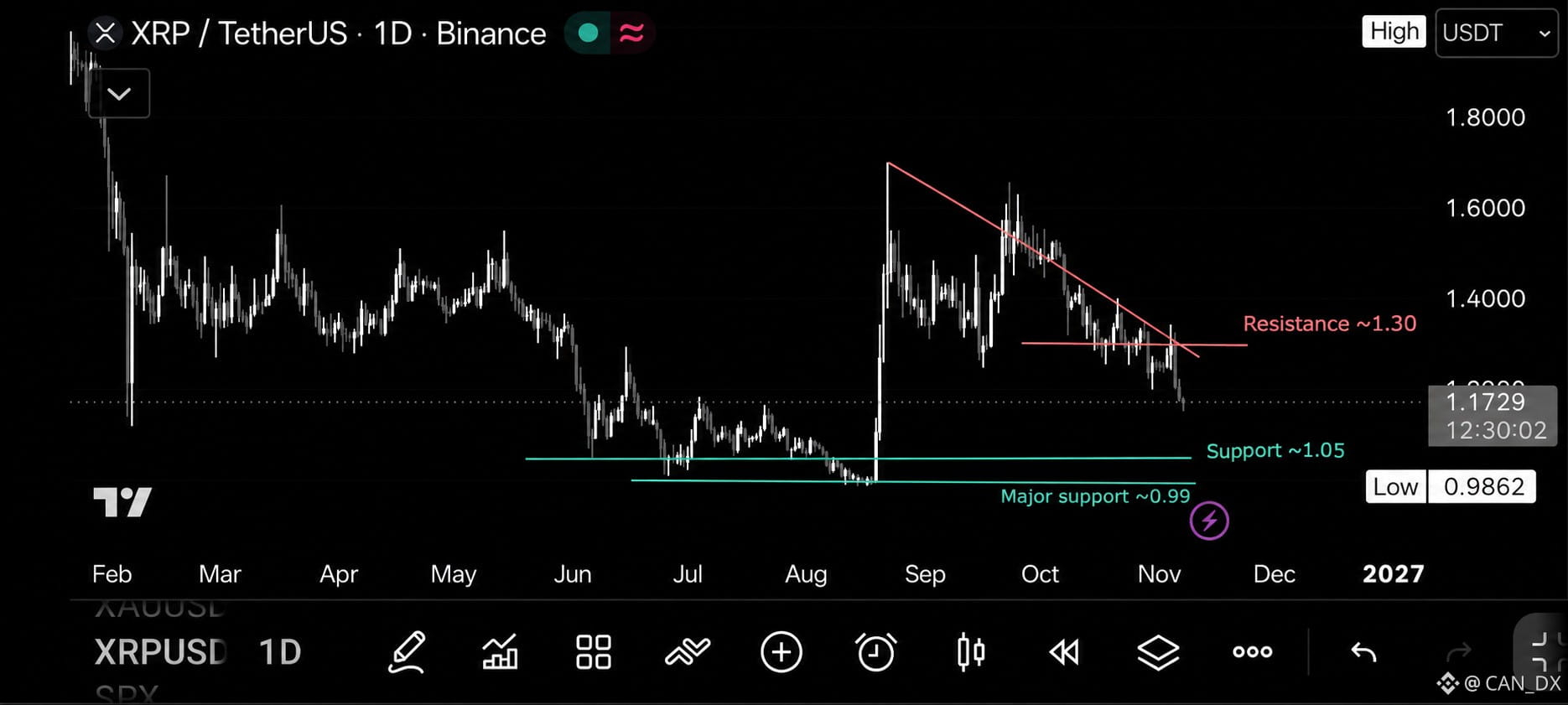
$XRP needs buyers to step in.
On this daily chart, price is near $1.17 and remains under a descending trendline. I’m watching $1.30 as the key resistance, with support around $1.05 and $0.99.
My view: I’d wait for a confirmed breakout and a steady retest before calling a recovery. Until then, lower highs keep me cautious.
#XRP #Ripple #Crypto #Altcoins #TechnicalAnalysis
6
4
148
·
--
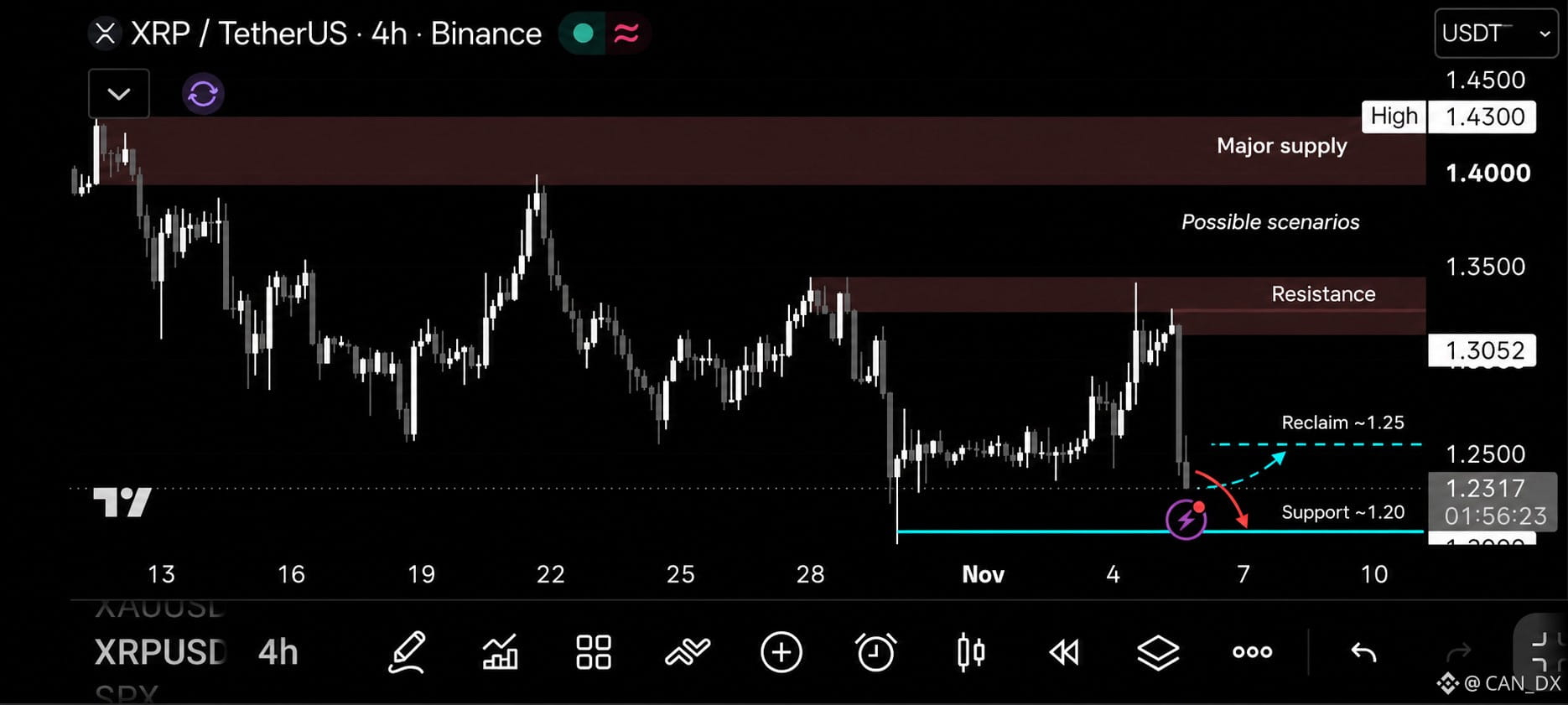
I’m watching $XRP after its sharp drop toward $1.23 on this 4H chart.
Support is near $1.20. Holding this level and moving back above $1.25 could help buyers recover. The next resistance area is $1.31 to $1.34.
Losing $1.20 would weaken the setup. For now, I’m waiting to see how price reacts near support.
#XRP #Crypto #BinanceSquare #Ripple #Write2Earn
Support is near $1.20. Holding this level and moving back above $1.25 could help buyers recover. The next resistance area is $1.31 to $1.34.
Losing $1.20 would weaken the setup. For now, I’m waiting to see how price reacts near support.
#XRP #Crypto #BinanceSquare #Ripple #Write2Earn
22
16
775
·
--
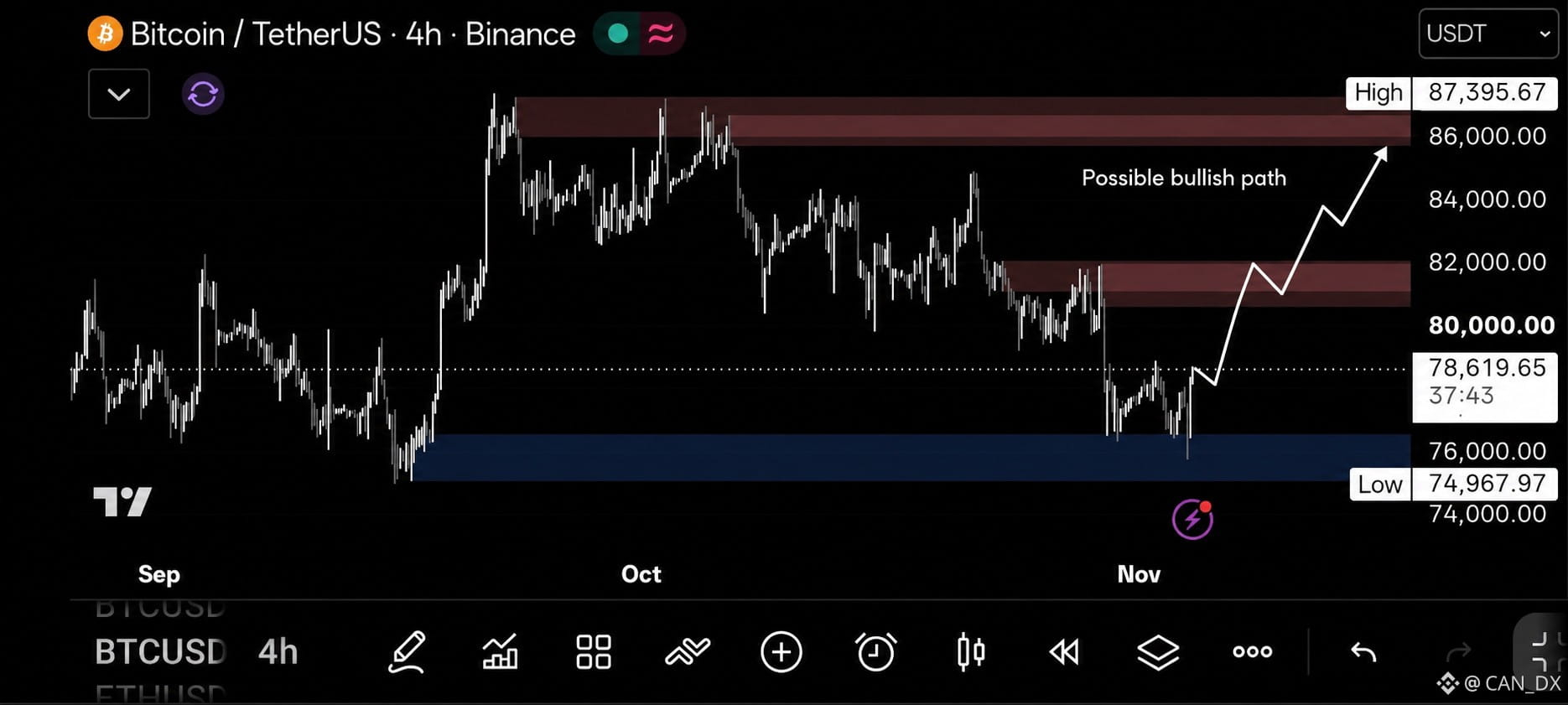
$BTC is bouncing from the $75K to $76.5K support zone.
Holding here could bring $82K next, then $86K if buyers stay strong. Below $75K, this setup weakens.
#Bitcoin #BTC #Crypto #BTCUSDT #CryptoTrading
$BTC is bouncing from the $75K to $76.5K support zone.
Holding here could bring $82K next, then $86K if buyers stay strong. Below $75K, this setup weakens.
#Bitcoin #BTC #Crypto #BTCUSDT #CryptoTrading
Holding here could bring $82K next, then $86K if buyers stay strong. Below $75K, this setup weakens.
#Bitcoin #BTC #Crypto #BTCUSDT #CryptoTrading
14
17
909
·
--
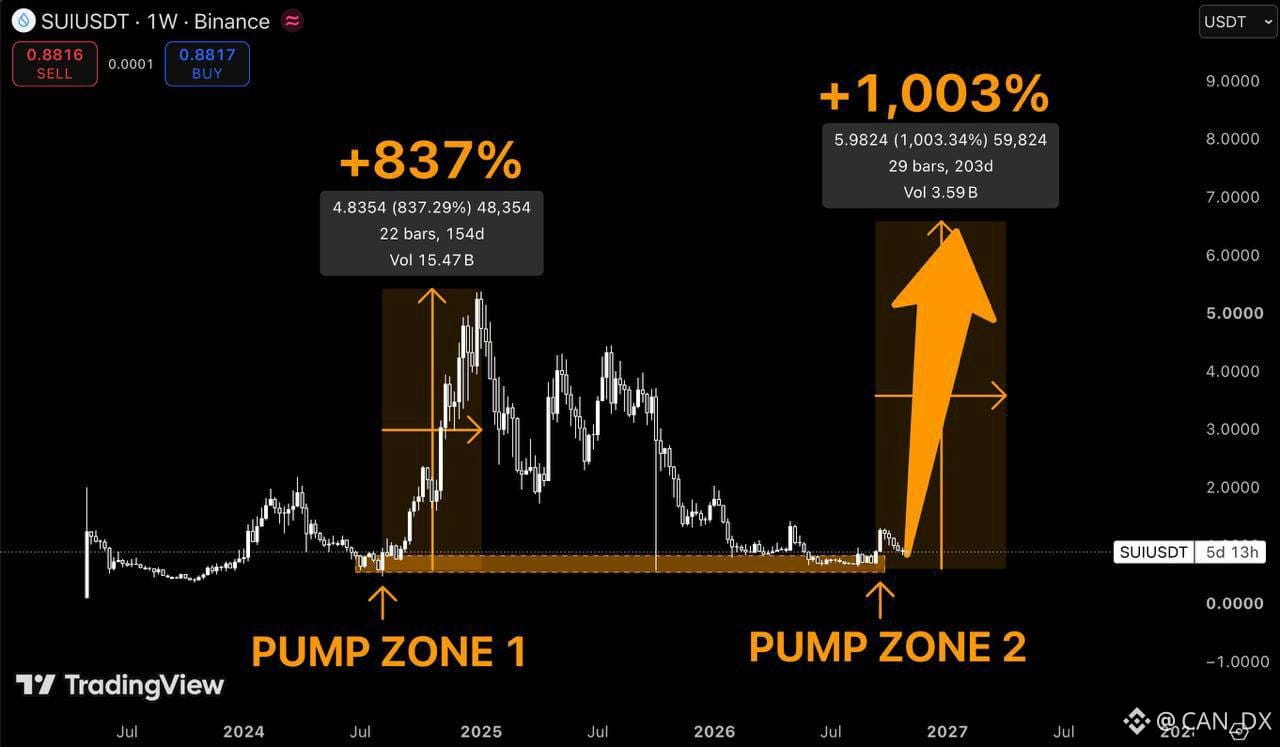
$SUI at $0.88 feels like déjà vu.
Last time it sat in this zone
it went on an 837% run.
Now we're back at almost the exact same levels
and suddenly nobody wants to talk about it. 💀
The chart is showing a second potential accumulation zone.
And if history rhymes, $6–7 becomes my aggressive bull-case target.
Another 1,000% rally? Sounds ridiculous.
But so did the first one before it happened.
I'm watching this one closely. 👀
#sui #Write2Earn #BinanceSqaure #USMidtermElections
18
552
·
--
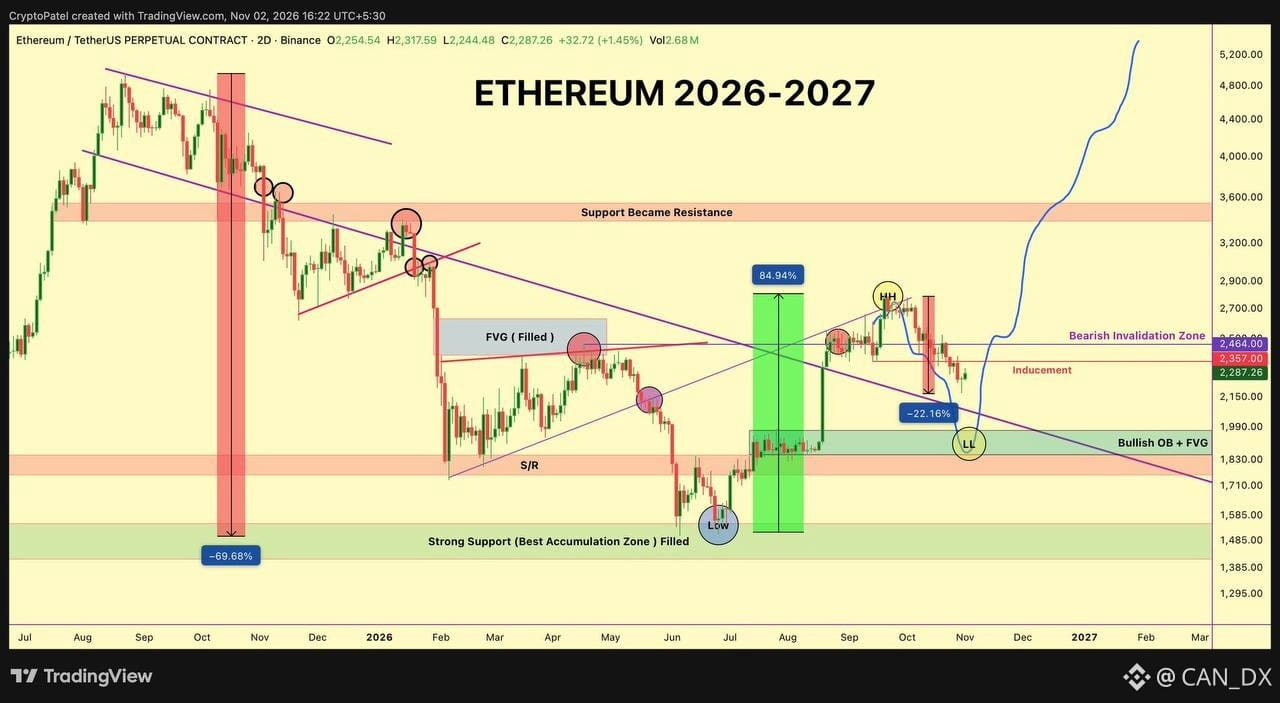
$ETH could face another dip before a stronger recovery.
On this chart, I’m watching $1,830–$1,990 as support. Reclaiming $2,464 would weaken the bearish setup and put $2,700 back in focus.
The projected rally is a possibility, not confirmation.
#ETH #Ethereum #Crypto #USMidtermElections #BinanceRestores28FiatWithdrawals
On this chart, I’m watching $1,830–$1,990 as support. Reclaiming $2,464 would weaken the bearish setup and put $2,700 back in focus.
The projected rally is a possibility, not confirmation.
#ETH #Ethereum #Crypto #USMidtermElections #BinanceRestores28FiatWithdrawals
15
15
787
·
--
$BTC UPDATE
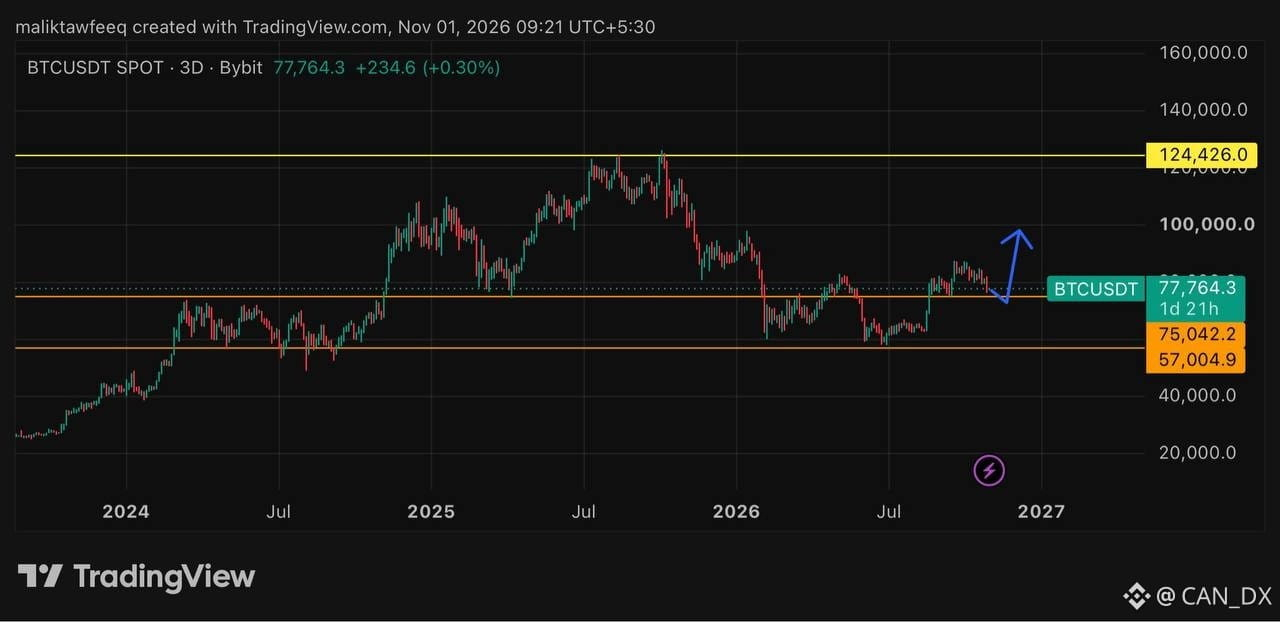
Bitcoin is testing support around $75,000, and the reaction here could shape its next move.
If buyers defend this level, a bounce could follow. Losing it would weaken the setup and leave room for further downside.
Waiting for confirmation before getting too confident.
#BTC #Bitcoin #Crypto #BTCAnalysis #CryptoTrading
29
25
5.8k
·
--
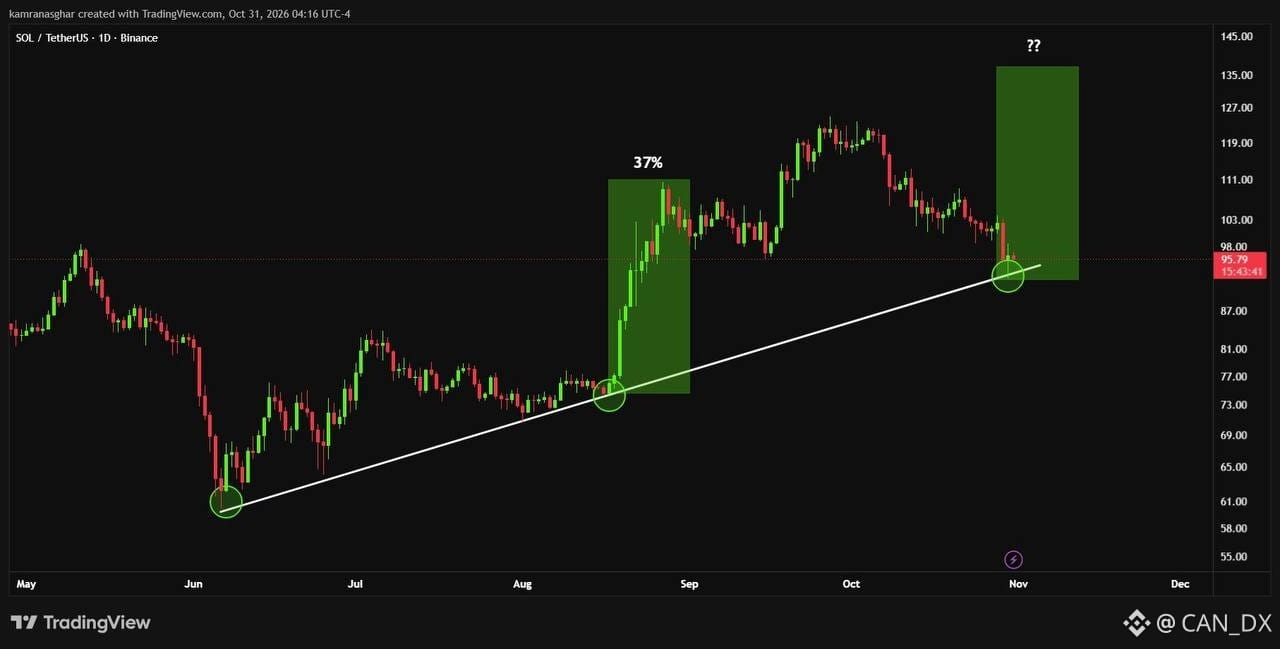
$SOL is back at rising trendline support around $92 to $95.
A hold here, followed by a move above $103, would put $111 and $120 in focus. A daily close below the trendline would weaken the bullish outlook.
#SOL #Solana #BinanceSquare #Crypto #TechnicalAnalysis
$SOL is back at rising trendline support around $92 to $95.
A hold here, followed by a move above $103, would put $111 and $120 in focus. A daily close below the trendline would weaken the bullish outlook.
#SOL #Solana #BinanceSquare #Crypto #TechnicalAnalysis
A hold here, followed by a move above $103, would put $111 and $120 in focus. A daily close below the trendline would weaken the bullish outlook.
#SOL #Solana #BinanceSquare #Crypto #TechnicalAnalysis
18
14
614
·
--
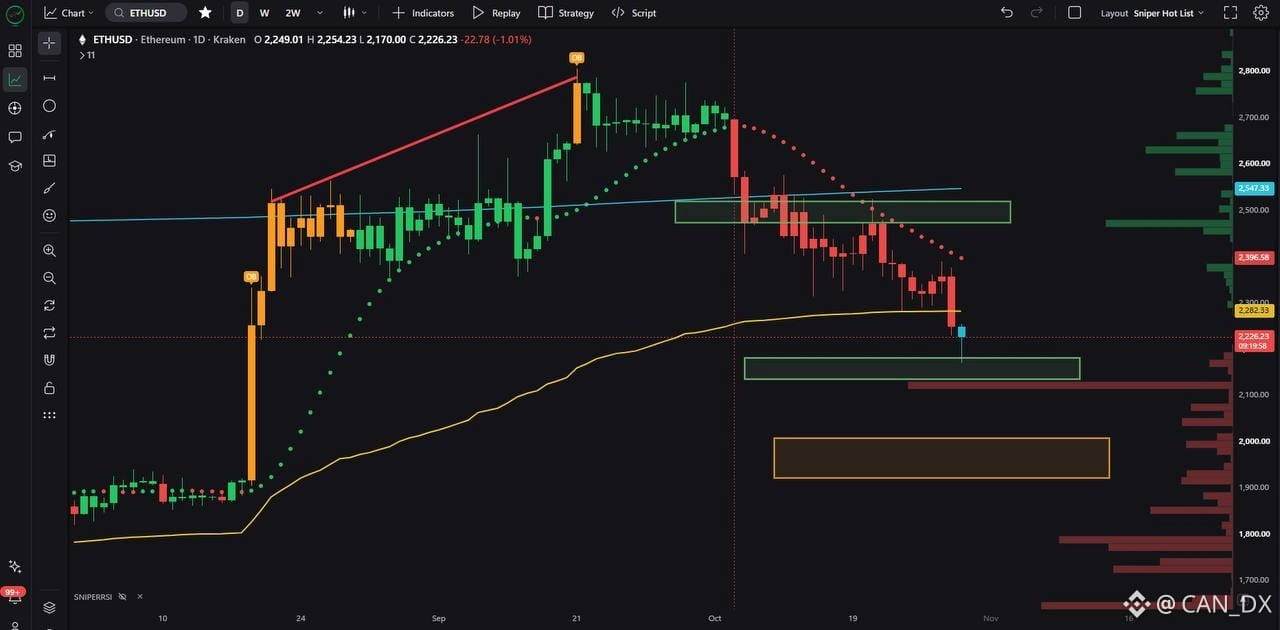
$ETH hit the third target zone at $2,170.
The indicator is flashing an oversold blue candle, but a reversal is still unconfirmed.
The $2,200 long liquidation cluster has been cleared, with another near $2,119 to watch if selling continues.
#Ethereum #Write2Earn #binance
$ETH hit the third target zone at $2,170.
The indicator is flashing an oversold blue candle, but a reversal is still unconfirmed.
The $2,200 long liquidation cluster has been cleared, with another near $2,119 to watch if selling continues.
#Ethereum #Write2Earn #binance
The indicator is flashing an oversold blue candle, but a reversal is still unconfirmed.
The $2,200 long liquidation cluster has been cleared, with another near $2,119 to watch if selling continues.
#Ethereum #Write2Earn #binance
26
1
17
3.2k
·
--
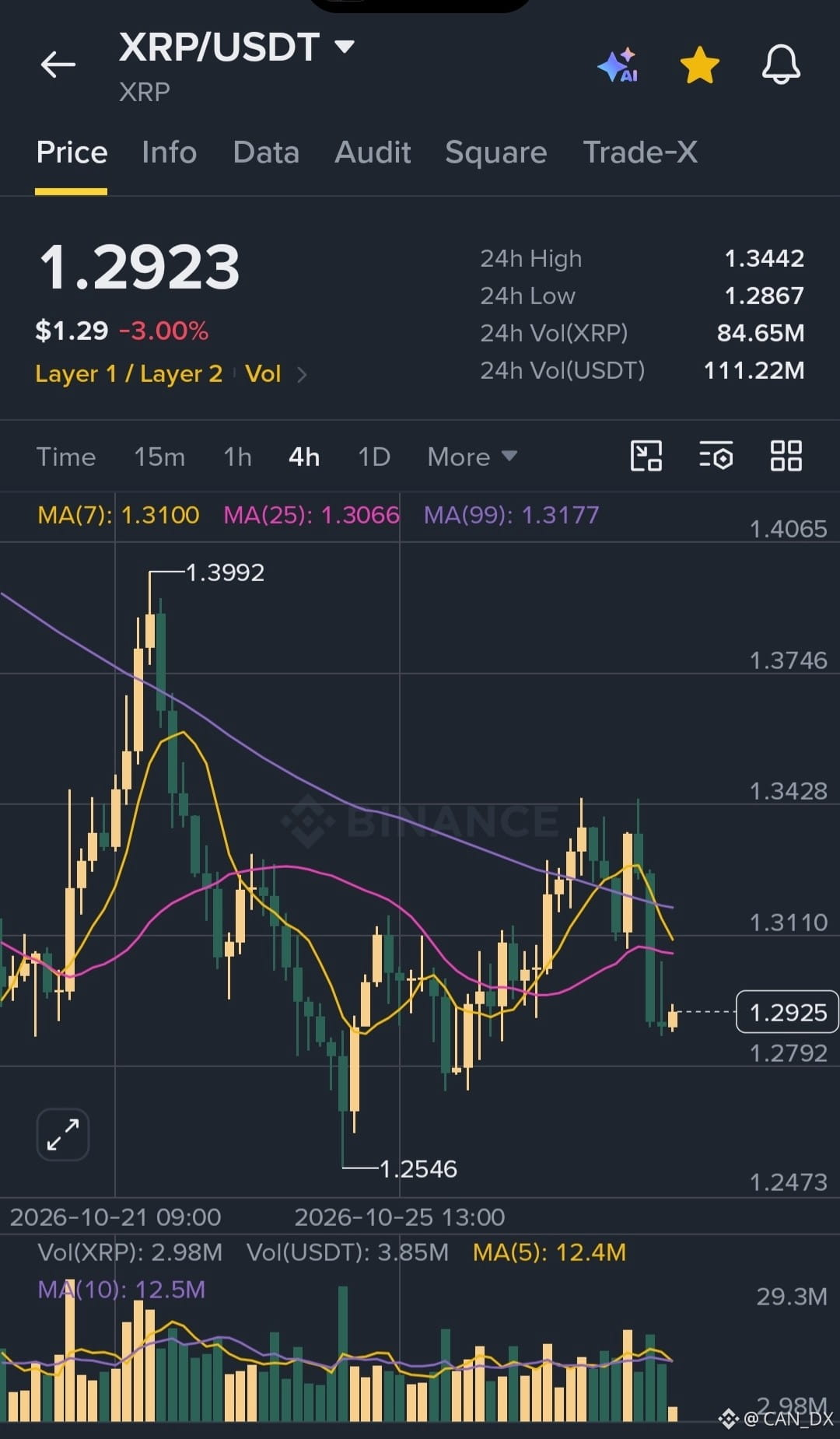
$XRP sits near $1.29, below all three moving averages on the 4H chart.
I’m watching $1.279 support. Losing it could bring $1.255 into play, while reclaiming $1.318 would strengthen the recovery case.
Waiting for confirmation before calling a reversal.
#XRP #Ripple #Crypto #Altcoins #TechnicalAnalysis
I’m watching $1.279 support. Losing it could bring $1.255 into play, while reclaiming $1.318 would strengthen the recovery case.
Waiting for confirmation before calling a reversal.
#XRP #Ripple #Crypto #Altcoins #TechnicalAnalysis
17
1
10
2.8k
·
--
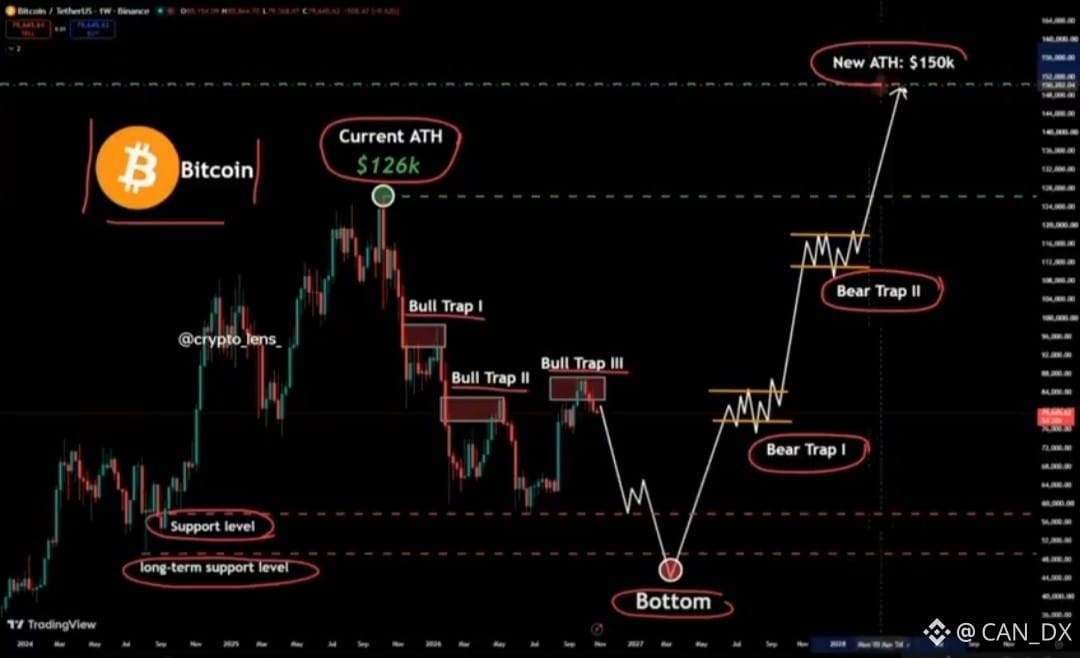
$BTC ’s rejection near $85K puts downside risk back in focus.
If $80K breaks, I’m watching $75K and $67K. A deeper correction could bring $53K–$49K into view.
These are potential scenarios, not confirmed targets. A sustained recovery above $85K would weaken the bearish outlook.
#BTC #Bitcoin #CryptoAnalysis #EarningsSeason
If $80K breaks, I’m watching $75K and $67K. A deeper correction could bring $53K–$49K into view.
These are potential scenarios, not confirmed targets. A sustained recovery above $85K would weaken the bearish outlook.
#BTC #Bitcoin #CryptoAnalysis #EarningsSeason
24
20
3.7k
·
--
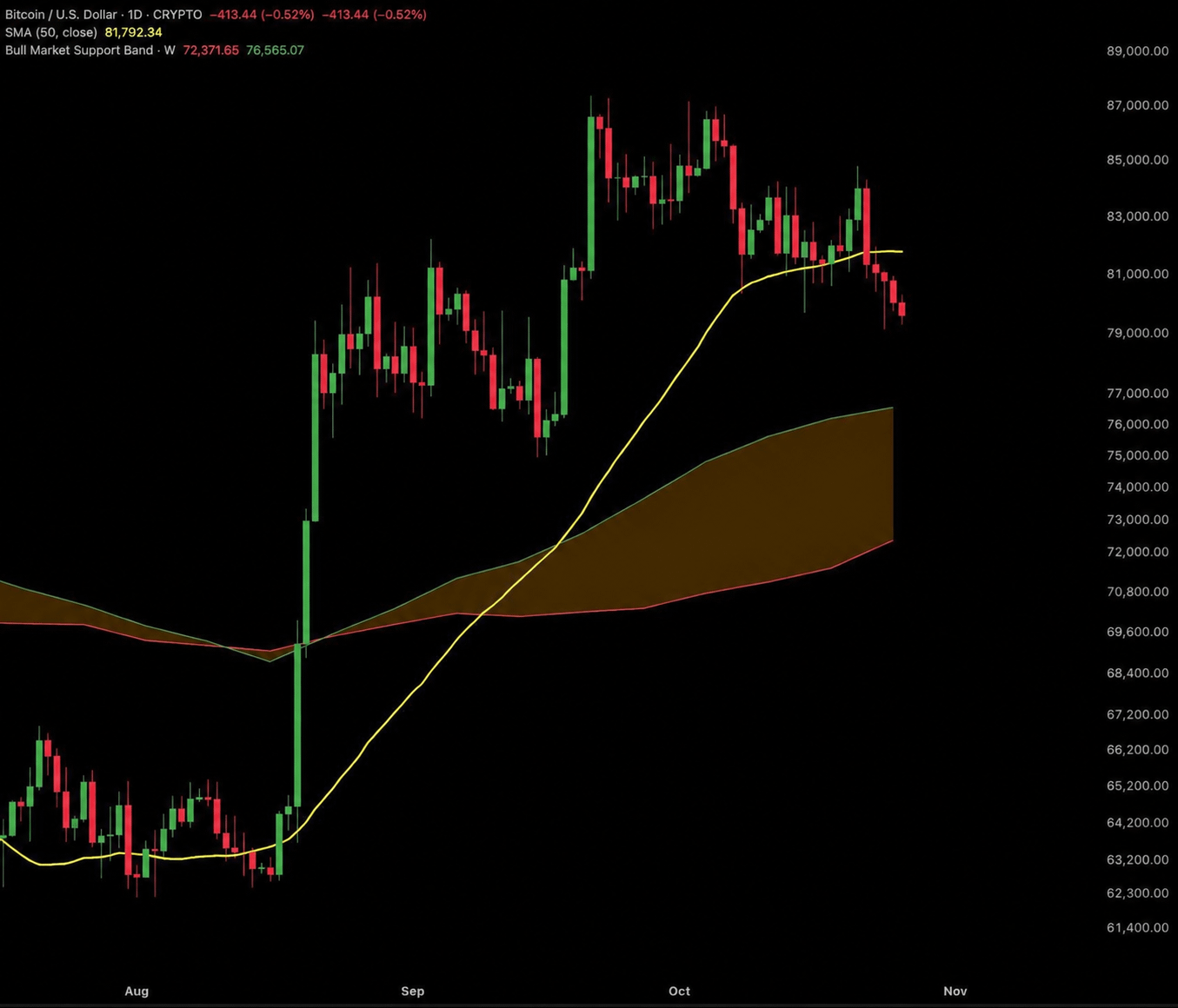
$BTC is losing momentum on the daily chart, slipping below the 50-day SMA near $81,792.
I’m watching $79K closely. A break below could bring the weekly bull market support band around $72.4K–$76.6K into focus, starting with its upper edge.
For buyers, reclaiming $81.8K would be the first sign of improving strength. Until then, the chart calls for patience.
#BTC #bitcoin #CryptoAnalysis
27
19
2.6k
·
--
Let’s come together to support @Cas_Abb on the Rising Star journey. Cast your vote and encourage others to join. Every vote matters!
Let’s come together to support @Cas Abbé on the Rising Star journey. Cast your vote and encourage others to join. Every vote matters!
Дәйексөз келтірілген мазмұн жойылды
229
·
--
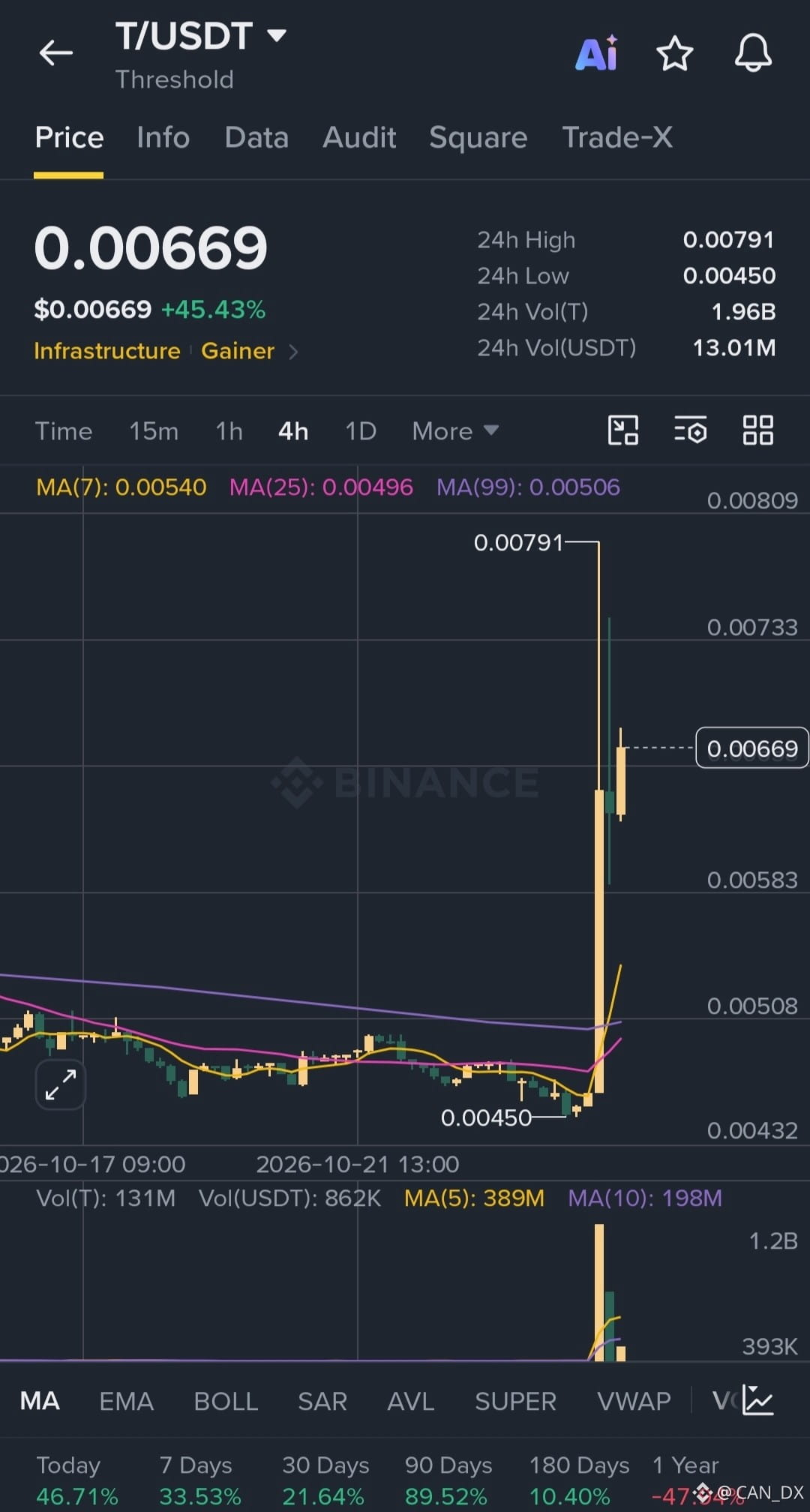
$T is showing strong momentum near $0.00669, up 45.43% on the shared 4H chart.
Watching $0.00583 support and $0.00733–$0.00791 resistance. The long upper wick signals selling pressure, so holding support matters before another push higher.
NFA. DYOR.
#BinanceSquare #Threshold #Altcoins
$T is showing strong momentum near $0.00669, up 45.43% on the shared 4H chart.
Watching $0.00583 support and $0.00733–$0.00791 resistance. The long upper wick signals selling pressure, so holding support matters before another push higher.
NFA. DYOR.
#BinanceSquare #Threshold #Altcoins
Watching $0.00583 support and $0.00733–$0.00791 resistance. The long upper wick signals selling pressure, so holding support matters before another push higher.
NFA. DYOR.
#BinanceSquare #Threshold #Altcoins
15
11
2.4k
·
--
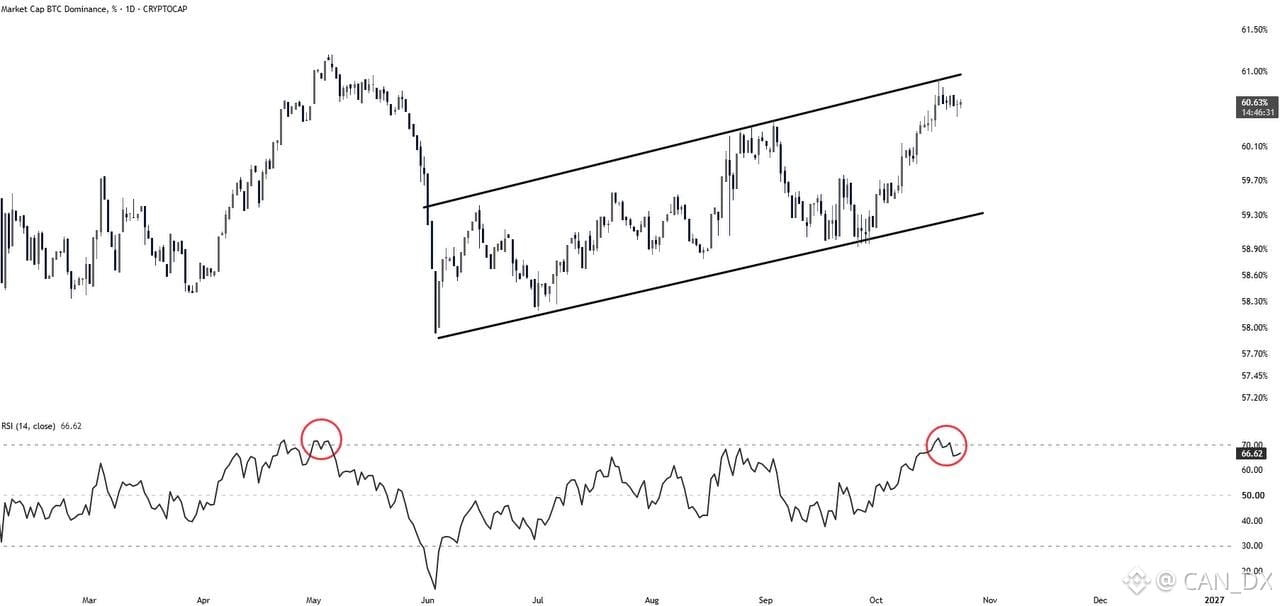
Bitcoin dominance is struggling at 61% again, putting altcoins back on watch.
If $BTC dominance continues lower toward 59.3%, it could give altcoins room to outperform—especially if Bitcoin’s price stays stable.
The door to altseason may be opening, but a sustained decline in dominance and broader altcoin strength would make the case more convincing.
#Bitcoin #BTCDominance #Altcoins #Altseason #Write2Earn
31
28
2.8k
·
--
Расталды
The agent economy has an interesting test ahead: after seeing the result and the bill, would a user pay for another session?
That would tell me more than a successful payment demonstration.
Kite’s documentation describes a flow where agents can discover services and pay for API access through x402, within an approved Passport spending session. Users can review completed payments and session spending in the dashboard.
That gives me a practical way to think about $KITE .
Imagine an agent paying for a data source during a research task. The transaction succeeds, the information arrives, and the task gets completed.
The next question is whether that information made the work meaningfully better.
Did it save time? Resolve an uncertainty? Provide something the agent could not get elsewhere?
I’d judge the experience by those answers. If the result justifies the cost, approving another session becomes an easier decision.
What would convince you to keep paying for an agent’s work?
#KiteBBW @GoKiteAI
The agent economy has an interesting test ahead: after seeing the result and the bill, would a user pay for another session?
That would tell me more than a successful payment demonstration.
Kite’s documentation describes a flow where agents can discover services and pay for API access through x402, within an approved Passport spending session. Users can review completed payments and session spending in the dashboard.
That gives me a practical way to think about $KITE .
Imagine an agent paying for a data source during a research task. The transaction succeeds, the information arrives, and the task gets completed.
The next question is whether that information made the work meaningfully better.
Did it save time? Resolve an uncertainty? Provide something the agent could not get elsewhere?
I’d judge the experience by those answers. If the result justifies the cost, approving another session becomes an easier decision.
What would convince you to keep paying for an agent’s work?
#KiteBBW @KITE AI 中文

23
18
2.4k
·
--
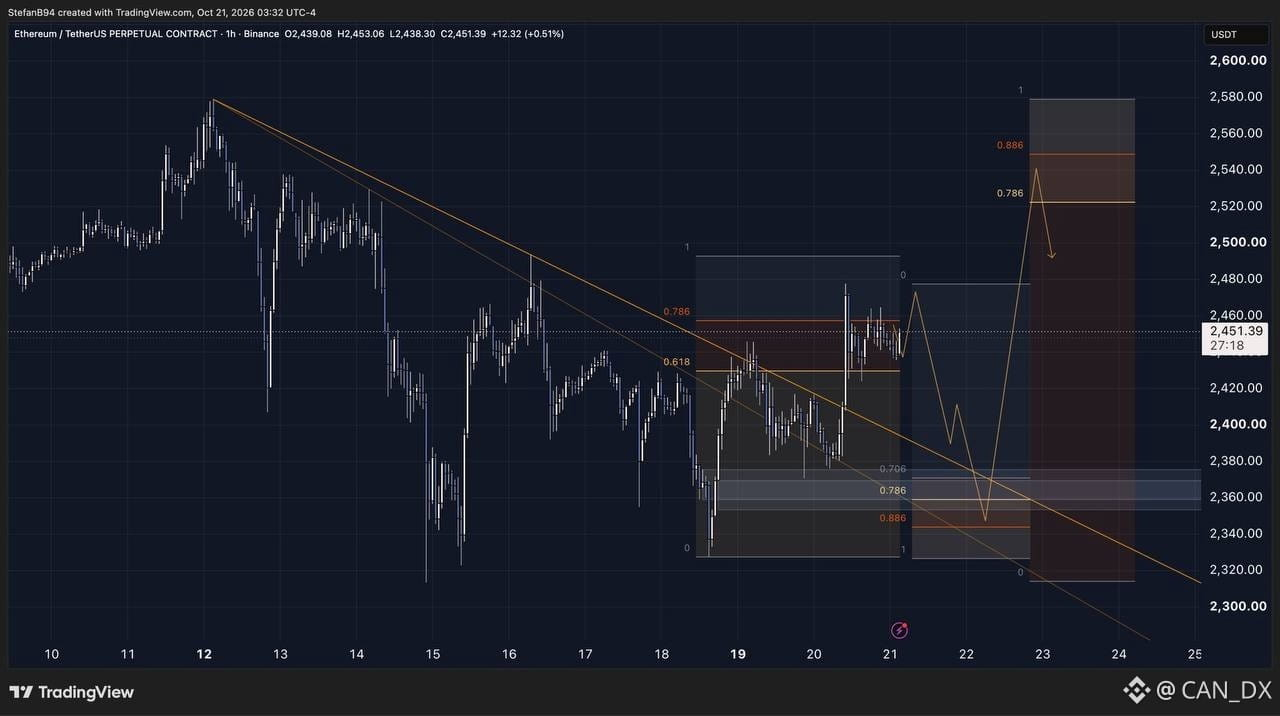
$ETH is around $2,451 on the shared 1H chart, above the descending trendline. 👀
🔹 Resistance: $2,460–$2,480
🔹 Support: $2,425–$2,430
🔹 Deeper support: $2,350–$2,375
Holding support keeps another push higher possible. A confirmed break above resistance could put $2,520–$2,550 in focus.
#ETH #Ethereum #BinanceSquare
🔹 Resistance: $2,460–$2,480
🔹 Support: $2,425–$2,430
🔹 Deeper support: $2,350–$2,375
Holding support keeps another push higher possible. A confirmed break above resistance could put $2,520–$2,550 in focus.
#ETH #Ethereum #BinanceSquare
17
14
767
·
--
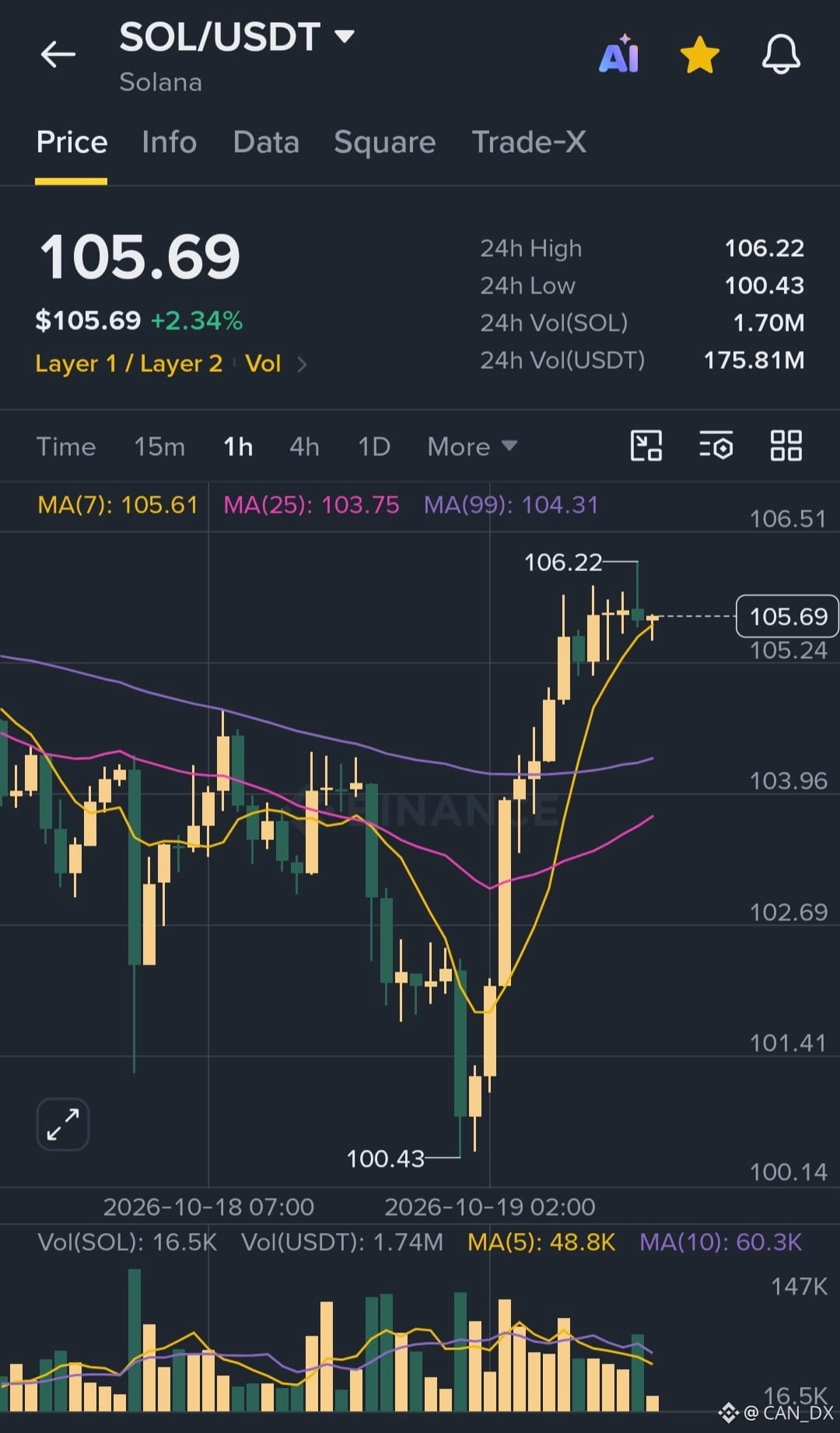
Strong bounce, but the breakout still needs confirmation.
$SOL is near $105.69 on this 1H chart after recovering from $100.43.
Resistance: $106.22
Support: $105.25, then $104.31–$103.75
I’m watching for a clean break and retest of $106.22 before getting more bullish. No chasing here.
DYOR.
#SOL #Solana #CryptoTrading #Altcoins #BinanceSquare
$SOL is near $105.69 on this 1H chart after recovering from $100.43.
Resistance: $106.22
Support: $105.25, then $104.31–$103.75
I’m watching for a clean break and retest of $106.22 before getting more bullish. No chasing here.
DYOR.
#SOL #Solana #CryptoTrading #Altcoins #BinanceSquare
20
20
2.8k
·
--
Расталды
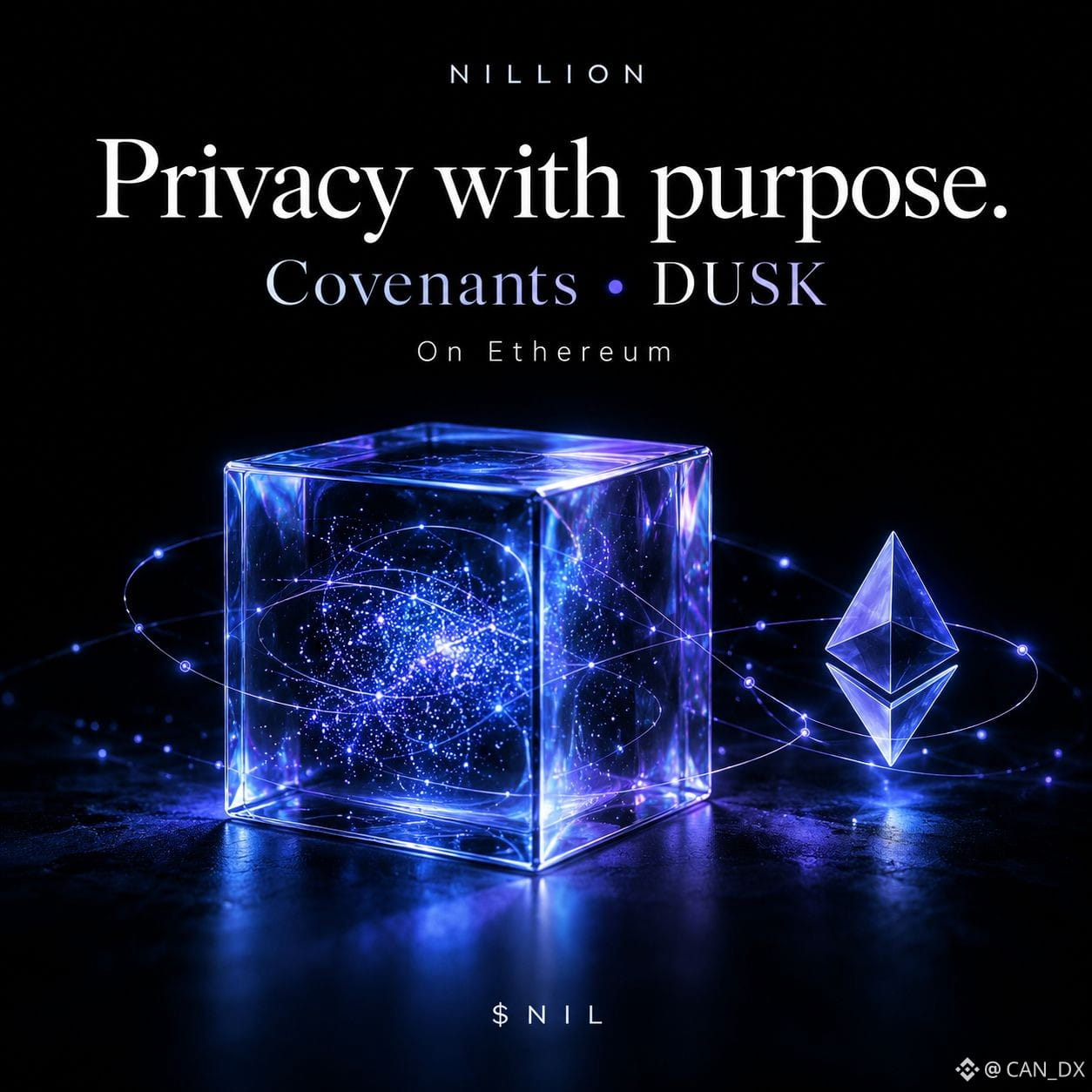
$NIL @nillionnetwork What I like about Nillion’s Covenants is the focus on privacy that people can actually use. Some information needs to stay private, especially when money and trading decisions are involved.
With DUSK, its first release, now live on Ethereum, I’m curious to see what developers build with it. For me, the interesting part will be seeing how these ideas work in everyday apps and whether people find them useful.
That’s the side of $NIL I’m watching beyond the price chart.
#NIL
$NIL @Nillion What I like about Nillion’s Covenants is the focus on privacy that people can actually use. Some information needs to stay private, especially when money and trading decisions are involved.
With DUSK, its first release, now live on Ethereum, I’m curious to see what developers build with it. For me, the interesting part will be seeing how these ideas work in everyday apps and whether people find them useful.
That’s the side of $NIL I’m watching beyond the price chart.
#NIL
With DUSK, its first release, now live on Ethereum, I’m curious to see what developers build with it. For me, the interesting part will be seeing how these ideas work in everyday apps and whether people find them useful.
That’s the side of $NIL I’m watching beyond the price chart.
#NIL
56
33
2.4k
·
--
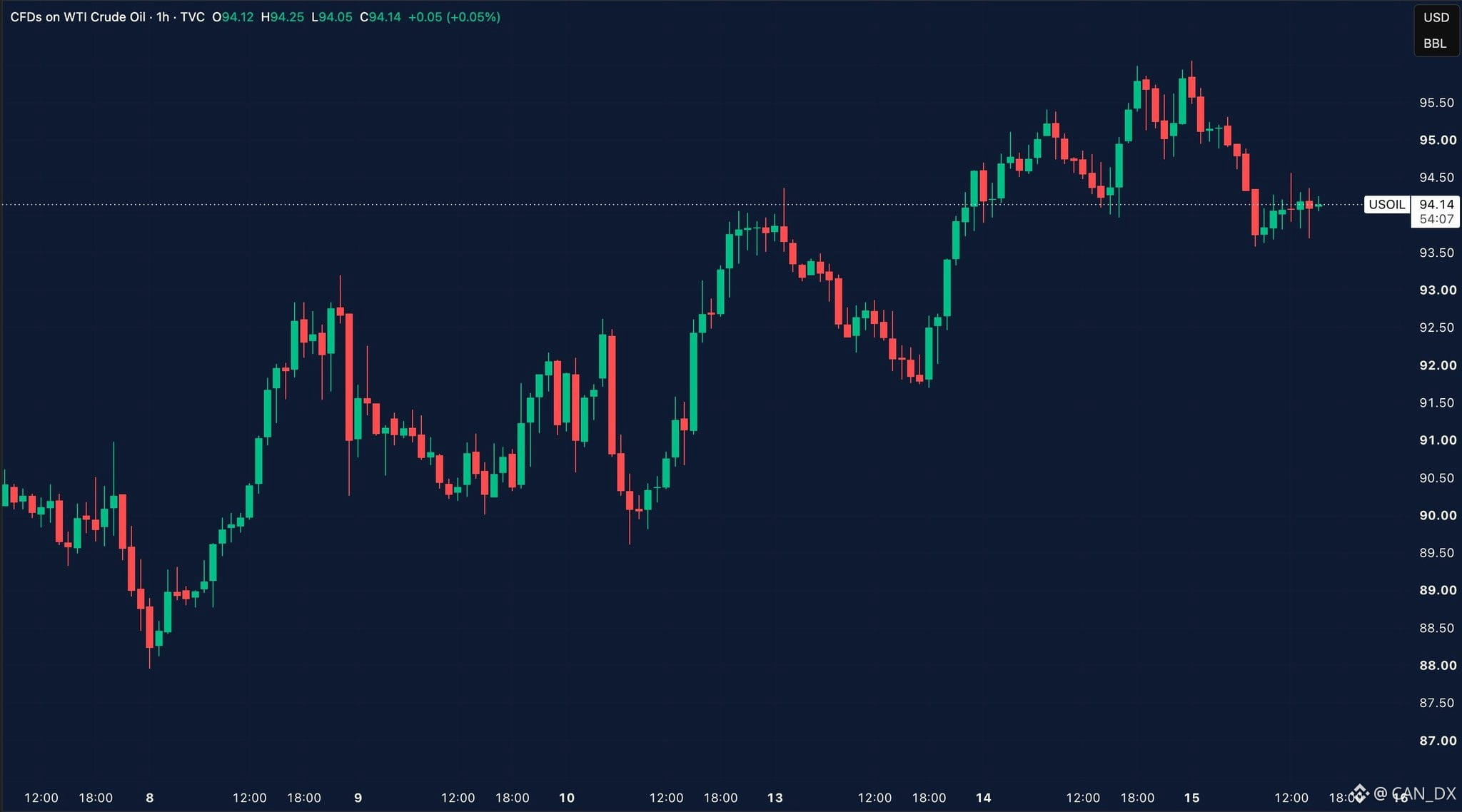
WTI has climbed from around 88 to above 95 since October 6 as Middle East tensions threaten oil supply.
For crypto, higher energy costs could fuel inflation, delay rate cuts and pressure Bitcoin.
I’m watching whether tensions ease or disruptions deepen.
#CPIWatch #SouthKoreaPlansTighterCybersecurityRules #PatrickWittExitsWhiteHouseCryptoRole
For crypto, higher energy costs could fuel inflation, delay rate cuts and pressure Bitcoin.
I’m watching whether tensions ease or disruptions deepen.
#CPIWatch #SouthKoreaPlansTighterCybersecurityRules #PatrickWittExitsWhiteHouseCryptoRole
17
25
3.7k
Көбірек контент көру үшін кіріңіз
Binance Square платформасында әлемдік криптоқоғамдастыққа қосылыңыз
⚡️ Криптовалюта туралы ең соңғы және пайдалы ақпаратты алыңыз.
💬 Әлемдегі ең ірі криптобиржаның сеніміне ие.
👍 Расталған авторлардың нақты пікірлерін табыңыз.
Электрондық пошта/телефон нөмірі
Трендтегі тақырыптар
JobsReportRaisesHikeOdds
278,452 рет көрілді
2,166 адам талқылап жатыр
TradFi News | US Adds 165,000 Jobs in October, More Than Double the 65,000 Forecast, as Unemployment Falls to 4.1%
Binance News
·38 лайк
·23.3k рет көрілді
CPITestsDecemberRateOutlook
32,596 рет көрілді
412 адам талқылап жатыр
BitcoinRebounds$75KAsChipsLead
22,730 рет көрілді
230 адам талқылап жатыр