

Amina Chattha
29k Жариялаулар

Amina Chattha
 «Square расталған+» белгісі
Хабарлау
Пайдаланушыны блоктау
55 Жазылым
42.9K+ Жазылушылар
99.8K+ лайк басылған
Жазбалар
Барлығы
Баға ұсыныстары
Видеолар
Тікелей эфир
PINNED
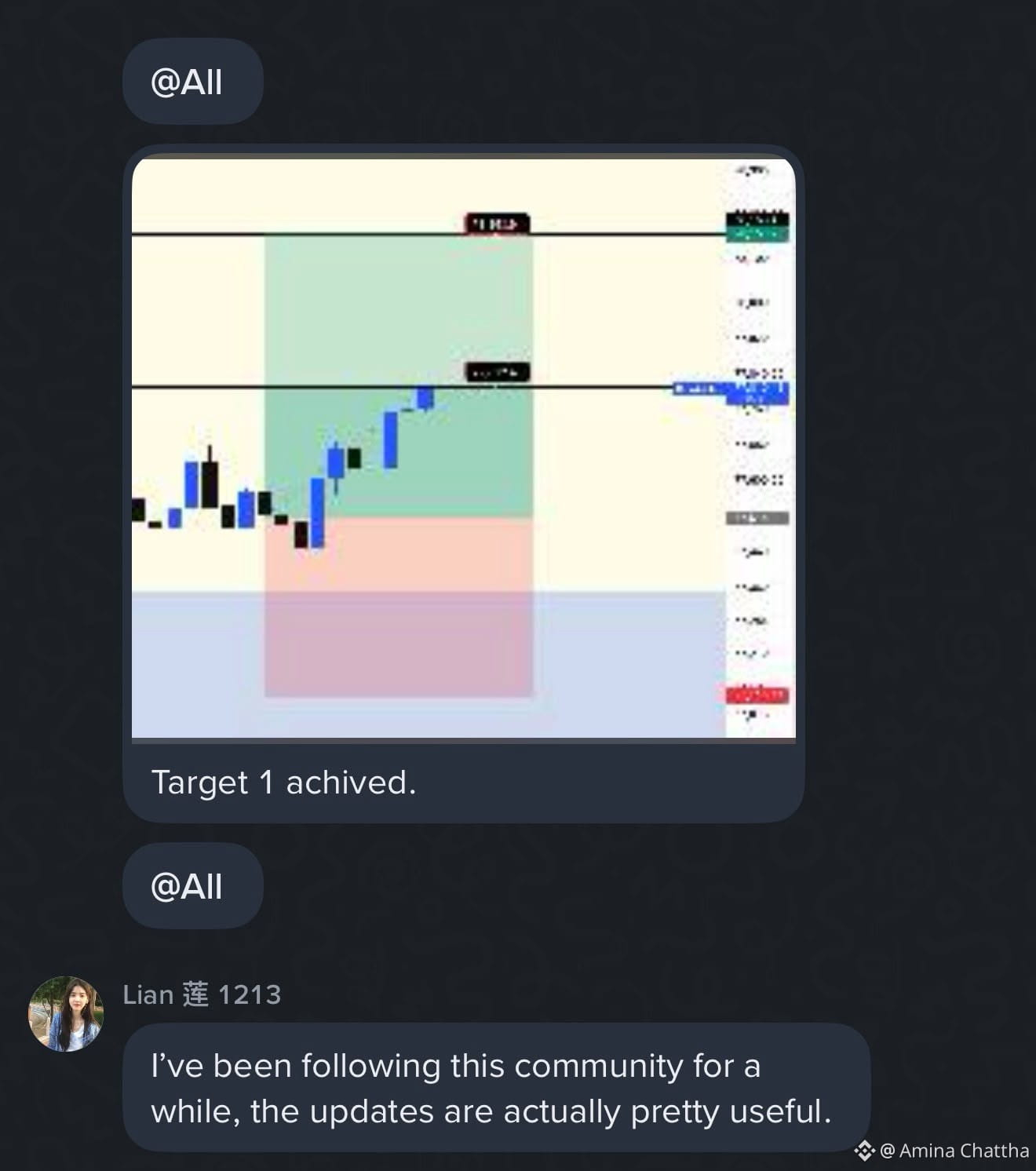
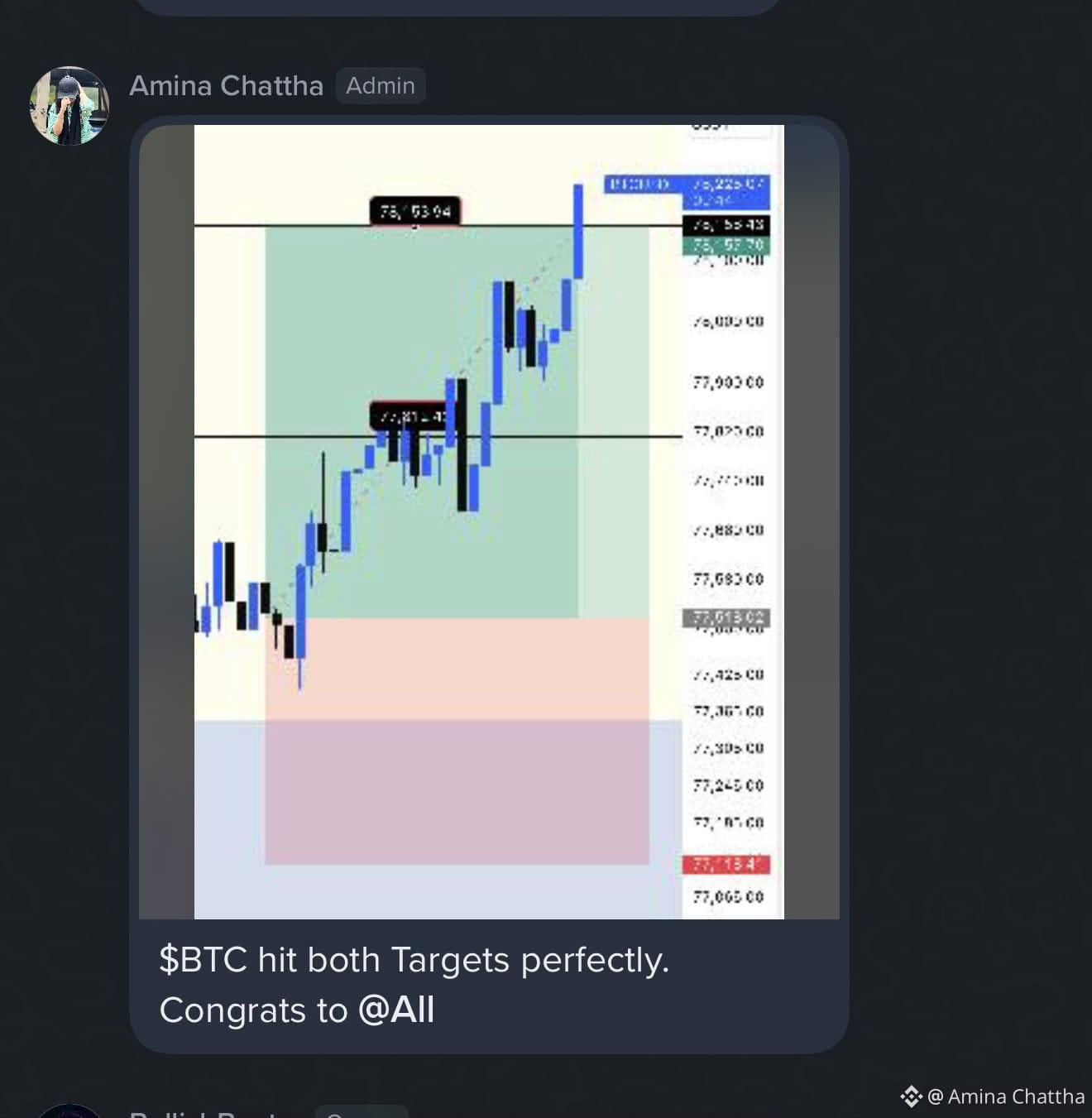
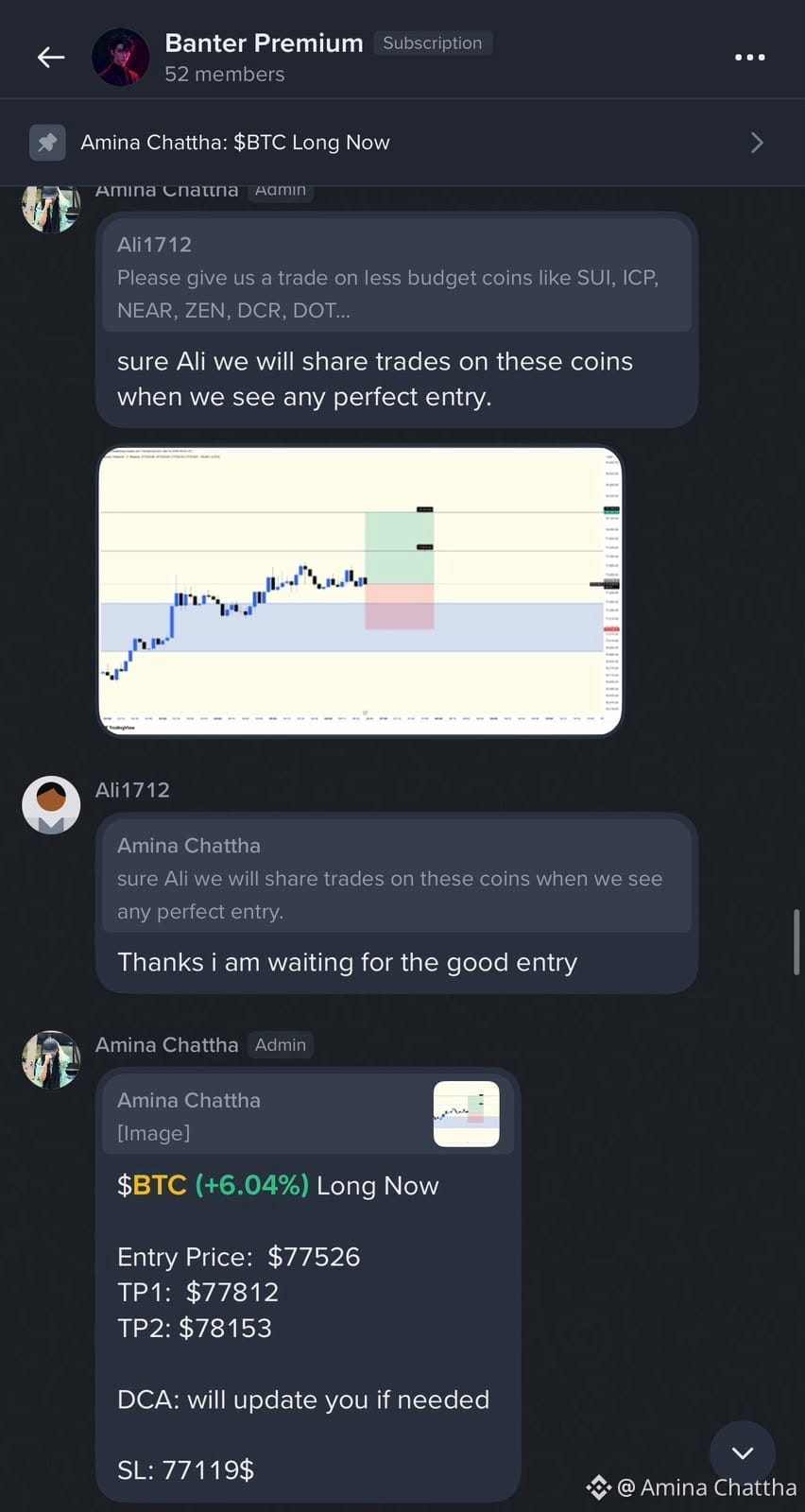
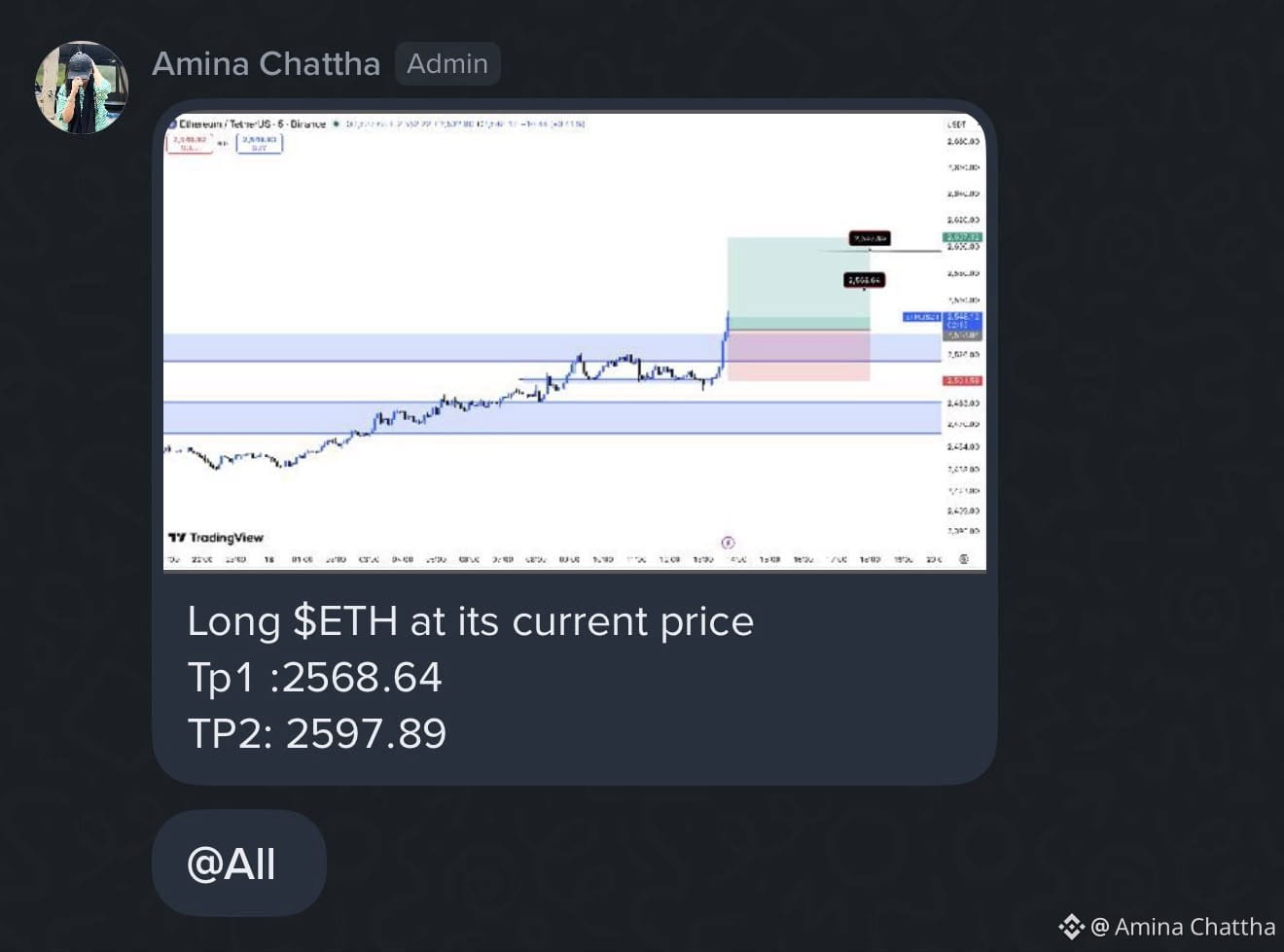
This is what we are cooking in this volatile market when evryone is unsure about the market trend I'm helping my community to catch small moves to generate profit.
You might be now thinking where am I giving these signals as they are not on my profile so this secret recipie is cooking inside the [Banter Premium](https://app.binance.com/uni-qr/SuZUGbDz) where six minds are giving their analysis so it reduces the chance of risky trades.
I'm just sharing mine as there are 5 more people giving signal in the group so join now and enjoy the profits.
#BTCBreaks80K
This is what we are cooking in this volatile market when evryone is unsure about the market trend I'm helping my community to catch small moves to generate profit.
You might be now thinking where am I giving these signals as they are not on my profile so this secret recipie is cooking inside the Banter Premium where six minds are giving their analysis so it reduces the chance of risky trades.
I'm just sharing mine as there are 5 more people giving signal in the group so join now and enjoy the profits.
#BTCBreaks80K
You might be now thinking where am I giving these signals as they are not on my profile so this secret recipie is cooking inside the Banter Premium where six minds are giving their analysis so it reduces the chance of risky trades.
I'm just sharing mine as there are 5 more people giving signal in the group so join now and enjoy the profits.
#BTCBreaks80K
7
7
175
PINNED
Dear Binancians, whether you’re a beginner or already an experienced trader, if you ever feel confused about buying, selling, entries, exits, or any trading pattern, this group is for you.
You can join completely free and ask anything about crypto trading. I’ll try to explain things in simple words and make your trading journey easier, clearer, and less confusing.
No fees. No complicated stuff. Just learn, discuss, and trade smarter together.
So what are you waaiting for??
[Click here to join the group.](https://app.binance.com/uni-qr/WKThC9kW)
Dear Binancians, whether you’re a beginner or already an experienced trader, if you ever feel confused about buying, selling, entries, exits, or any trading pattern, this group is for you.
You can join completely free and ask anything about crypto trading. I’ll try to explain things in simple words and make your trading journey easier, clearer, and less confusing.
No fees. No complicated stuff. Just learn, discuss, and trade smarter together.
So what are you waaiting for??
Click here to join the group.
You can join completely free and ask anything about crypto trading. I’ll try to explain things in simple words and make your trading journey easier, clearer, and less confusing.
No fees. No complicated stuff. Just learn, discuss, and trade smarter together.
So what are you waaiting for??
Click here to join the group.
1
9
138
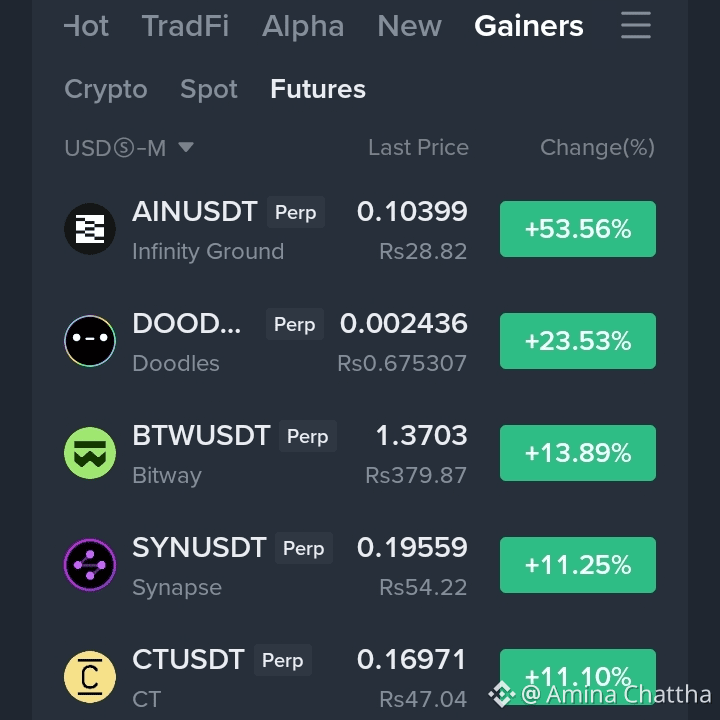
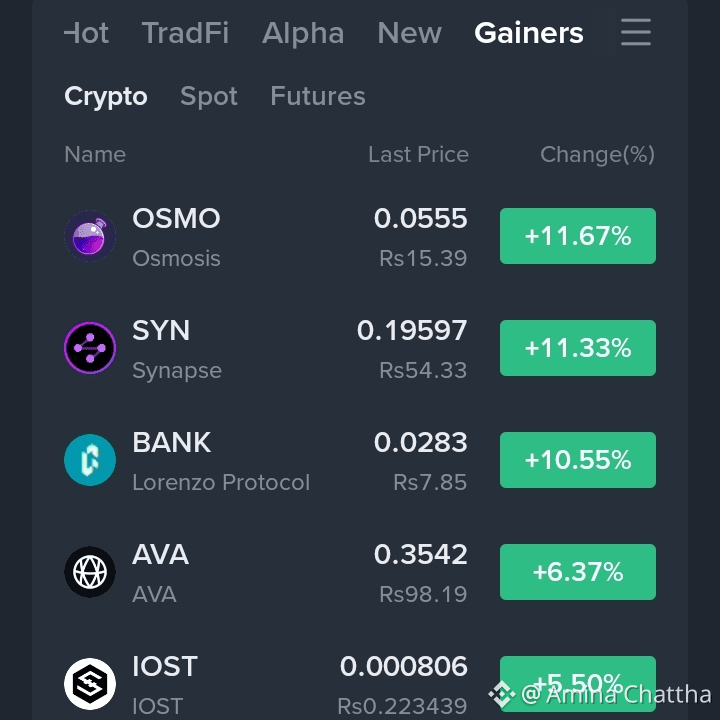
CRYPTO GAINERS ARE ON FIRE!
$AIN leads with +53%, $DOOD jumps 23%, while $OSMO and #SYN show strength. Bulls are making moves today. Who’s next?
{spot}(OSMOUSDT)
{future}(DOODUSDT)
{future}(AINUSDT)
CRYPTO GAINERS ARE ON FIRE!
$AIN leads with +53%, $DOOD jumps 23%, while $OSMO and #SYN show strength. Bulls are making moves today. Who’s next?
$AIN leads with +53%, $DOOD jumps 23%, while $OSMO and #SYN show strength. Bulls are making moves today. Who’s next?
1
46
$AVA RECOVERY IS FADING PAY ATTENTION HERE!
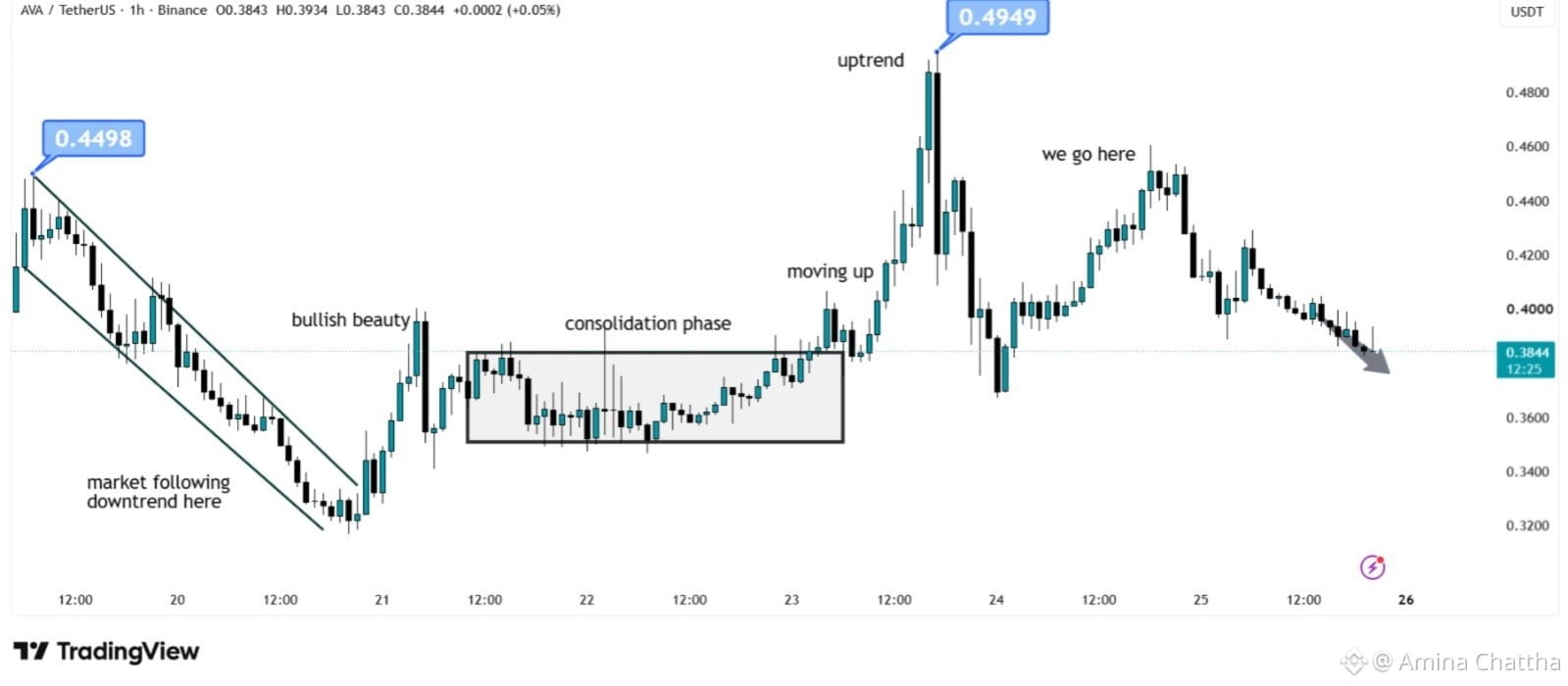
I’m seeing $AVA lose momentum after its rally to $0.4949. Price has dropped back to $0.3844, with lower highs showing sellers are in control. If $0.38 breaks, another slide toward $0.36–$0.35 looks possible. Bulls need to reclaim $0.40 to show strength again.
{spot}(AVAUSDT)
$AVA RECOVERY IS FADING PAY ATTENTION HERE!
I’m seeing $AVA lose momentum after its rally to $0.4949. Price has dropped back to $0.3844, with lower highs showing sellers are in control. If $0.38 breaks, another slide toward $0.36–$0.35 looks possible. Bulls need to reclaim $0.40 to show strength again.
I’m seeing $AVA lose momentum after its rally to $0.4949. Price has dropped back to $0.3844, with lower highs showing sellers are in control. If $0.38 breaks, another slide toward $0.36–$0.35 looks possible. Bulls need to reclaim $0.40 to show strength again.
1
167
$BULLA TRIED TO FLY, BUT SELLERS HAD OTHER PLANS!
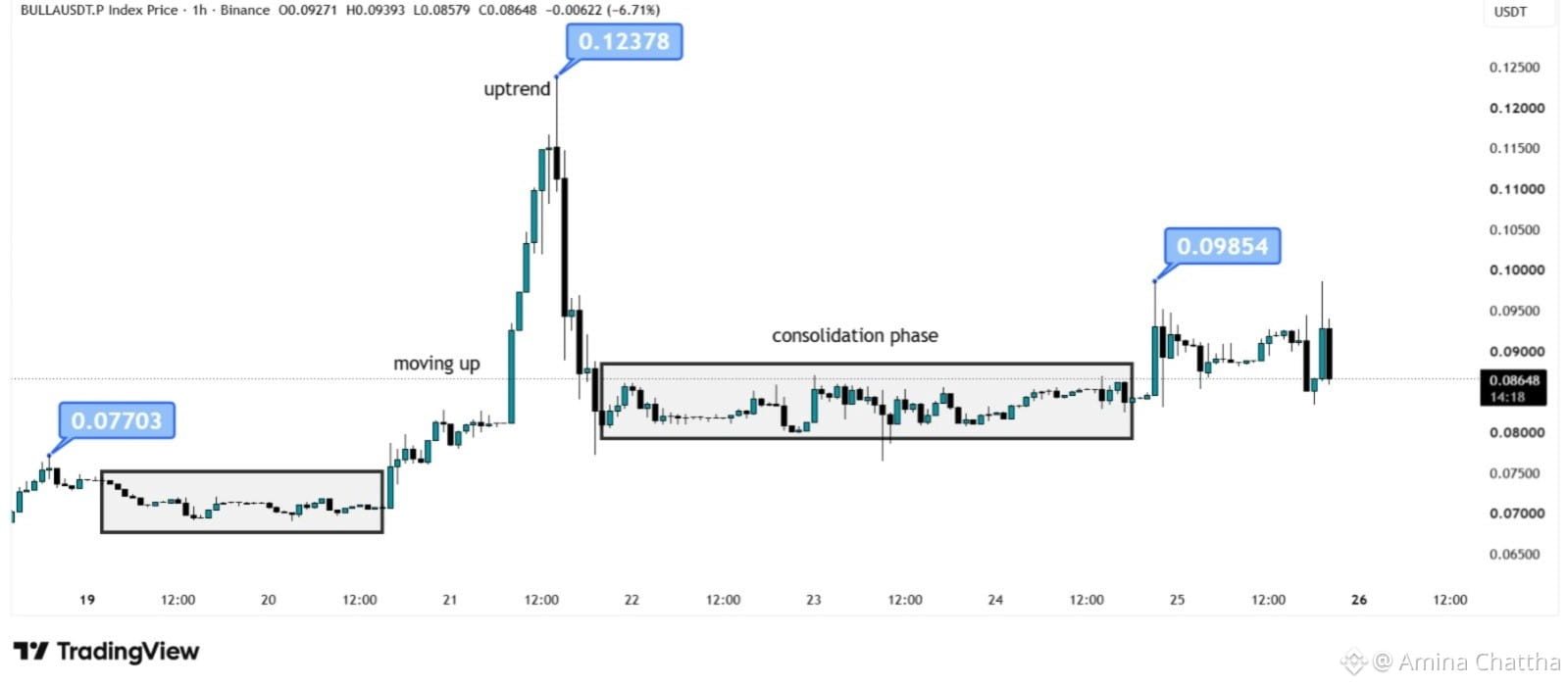
I’m watching $BULLA closely after its rejection near $0.09854. Price has slipped back to $0.08648, putting the recent breakout under pressure. If $0.085 fails, we could see another drop toward $0.080. Bulls need to reclaim $0.093 to regain momentum.
{future}(BULLAUSDT)
$BULLA TRIED TO FLY, BUT SELLERS HAD OTHER PLANS!
I’m watching $BULLA closely after its rejection near $0.09854. Price has slipped back to $0.08648, putting the recent breakout under pressure. If $0.085 fails, we could see another drop toward $0.080. Bulls need to reclaim $0.093 to regain momentum.
I’m watching $BULLA closely after its rejection near $0.09854. Price has slipped back to $0.08648, putting the recent breakout under pressure. If $0.085 fails, we could see another drop toward $0.080. Bulls need to reclaim $0.093 to regain momentum.
2
185
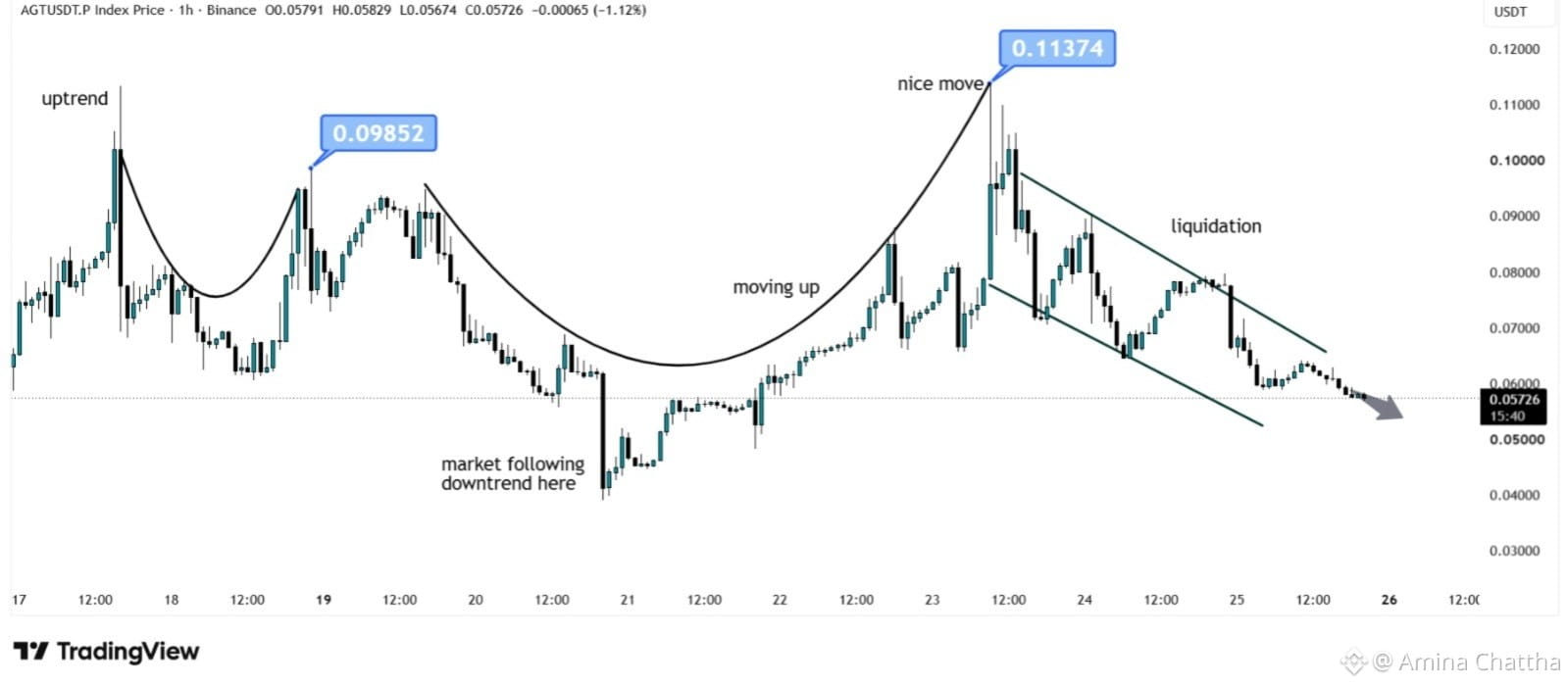
$AGT HOLDERS, THIS CHART IS SENDING A WARNING!
I’m seeing strong selling pressure after $AGT dropped from $0.11374 to $0.05726. The chart keeps making lower highs, and buyers are struggling to recover. If $0.057 breaks, another slide toward $0.050 looks possible. Bulls need to reclaim $0.070 to change the picture.
{future}(AGTUSDT)
$AGT HOLDERS, THIS CHART IS SENDING A WARNING!
I’m seeing strong selling pressure after $AGT dropped from $0.11374 to $0.05726. The chart keeps making lower highs, and buyers are struggling to recover. If $0.057 breaks, another slide toward $0.050 looks possible. Bulls need to reclaim $0.070 to change the picture.
I’m seeing strong selling pressure after $AGT dropped from $0.11374 to $0.05726. The chart keeps making lower highs, and buyers are struggling to recover. If $0.057 breaks, another slide toward $0.050 looks possible. Bulls need to reclaim $0.070 to change the picture.
1
164
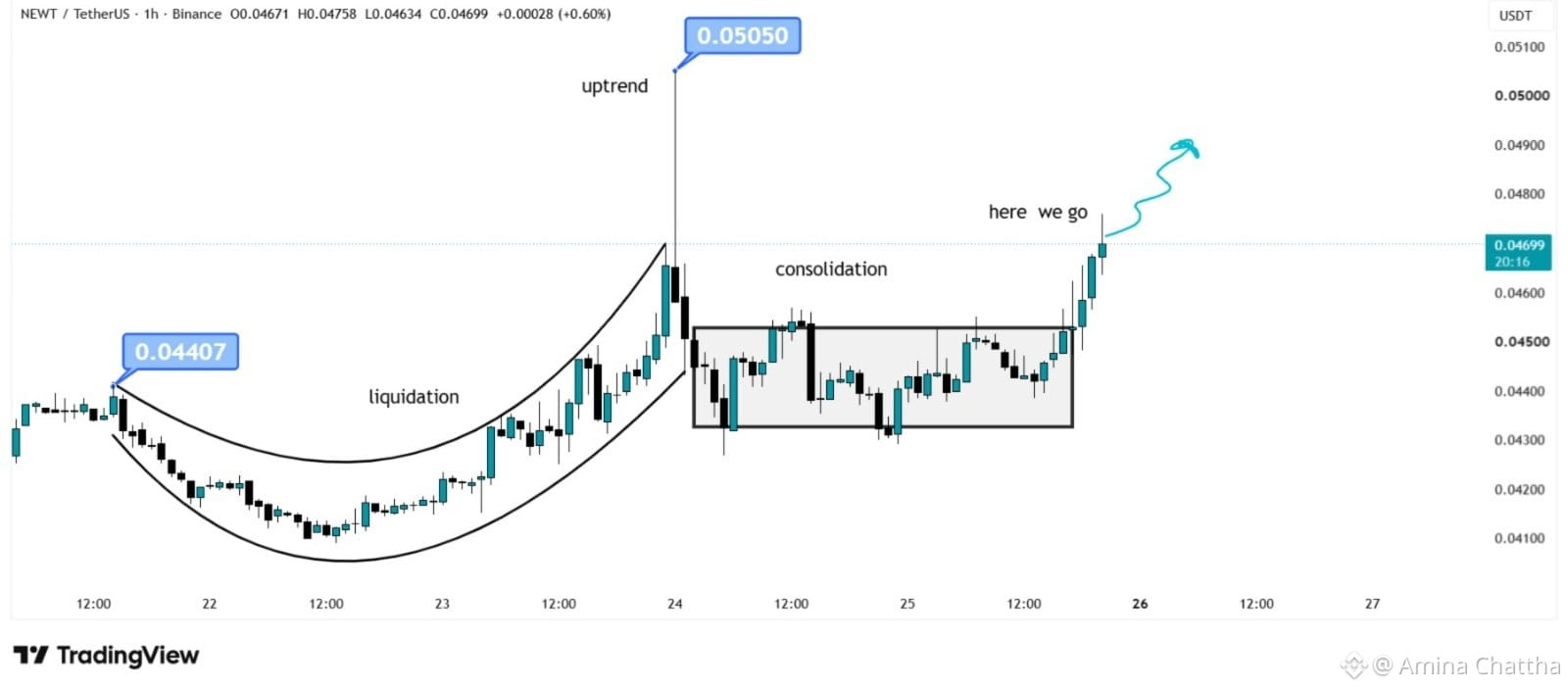
$NEWT IS BREAKING FREE DID YOU CATCH THIS?
I’m watching $NEWT push above its consolidation range, now trading near $0.047. If bulls hold this breakout, $0.049 could be next, followed by a possible retest of $0.05050. Losing $0.045 would weaken the momentum.
{spot}(NEWTUSDT)
$NEWT IS BREAKING FREE DID YOU CATCH THIS?
I’m watching $NEWT push above its consolidation range, now trading near $0.047. If bulls hold this breakout, $0.049 could be next, followed by a possible retest of $0.05050. Losing $0.045 would weaken the momentum.
I’m watching $NEWT push above its consolidation range, now trading near $0.047. If bulls hold this breakout, $0.049 could be next, followed by a possible retest of $0.05050. Losing $0.045 would weaken the momentum.
1
1
73
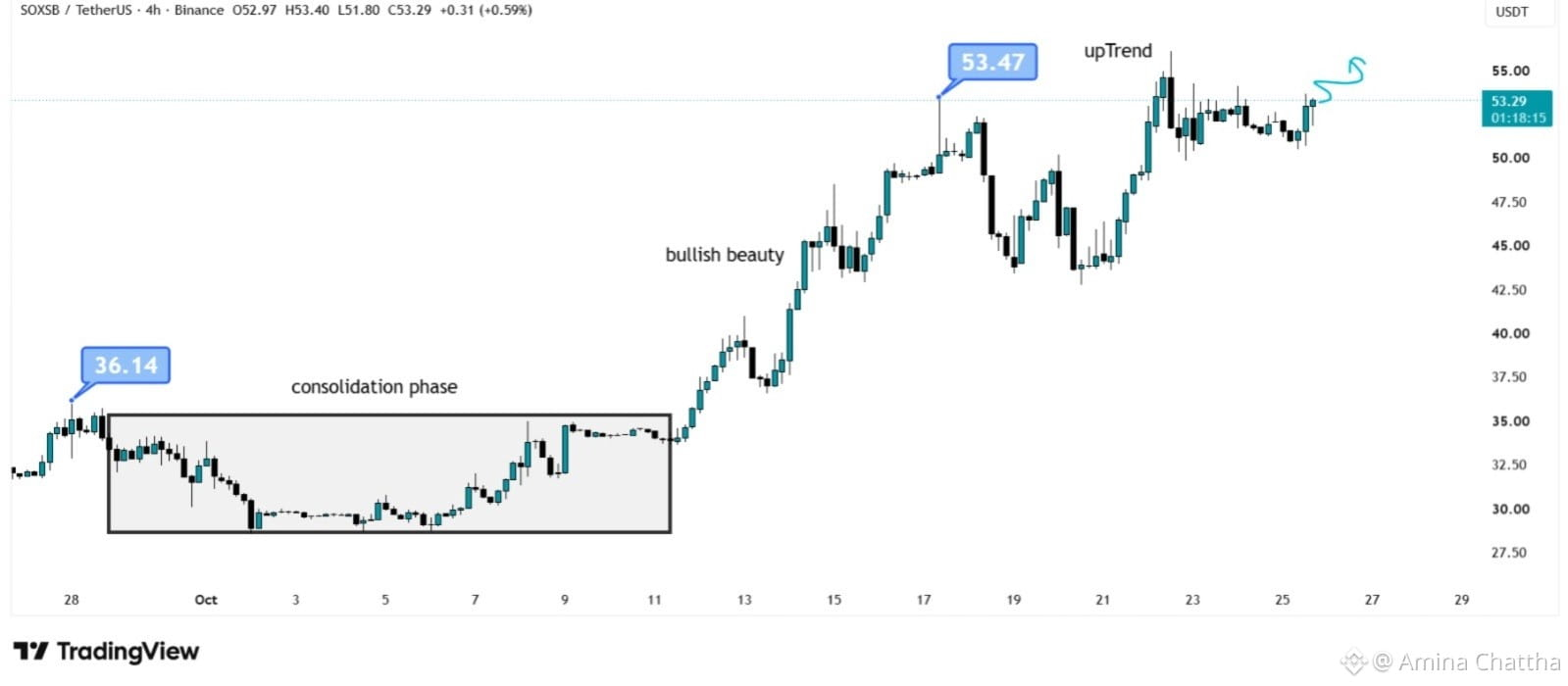
$SOXSB ISN’T DONE YET BULLS WANT MORE!
I’m watching $SOXSB holding strong near $53.29 after a huge rally from $36. Price is building momentum again, and a clean break above $55 could open the door toward $58–$60. As long as $51 holds, the bullish structure remains in play.
{spot}(SOXSBUSDT)
$SOXSB ISN’T DONE YET BULLS WANT MORE!
I’m watching $SOXSB holding strong near $53.29 after a huge rally from $36. Price is building momentum again, and a clean break above $55 could open the door toward $58–$60. As long as $51 holds, the bullish structure remains in play.
I’m watching $SOXSB holding strong near $53.29 after a huge rally from $36. Price is building momentum again, and a clean break above $55 could open the door toward $58–$60. As long as $51 holds, the bullish structure remains in play.
119
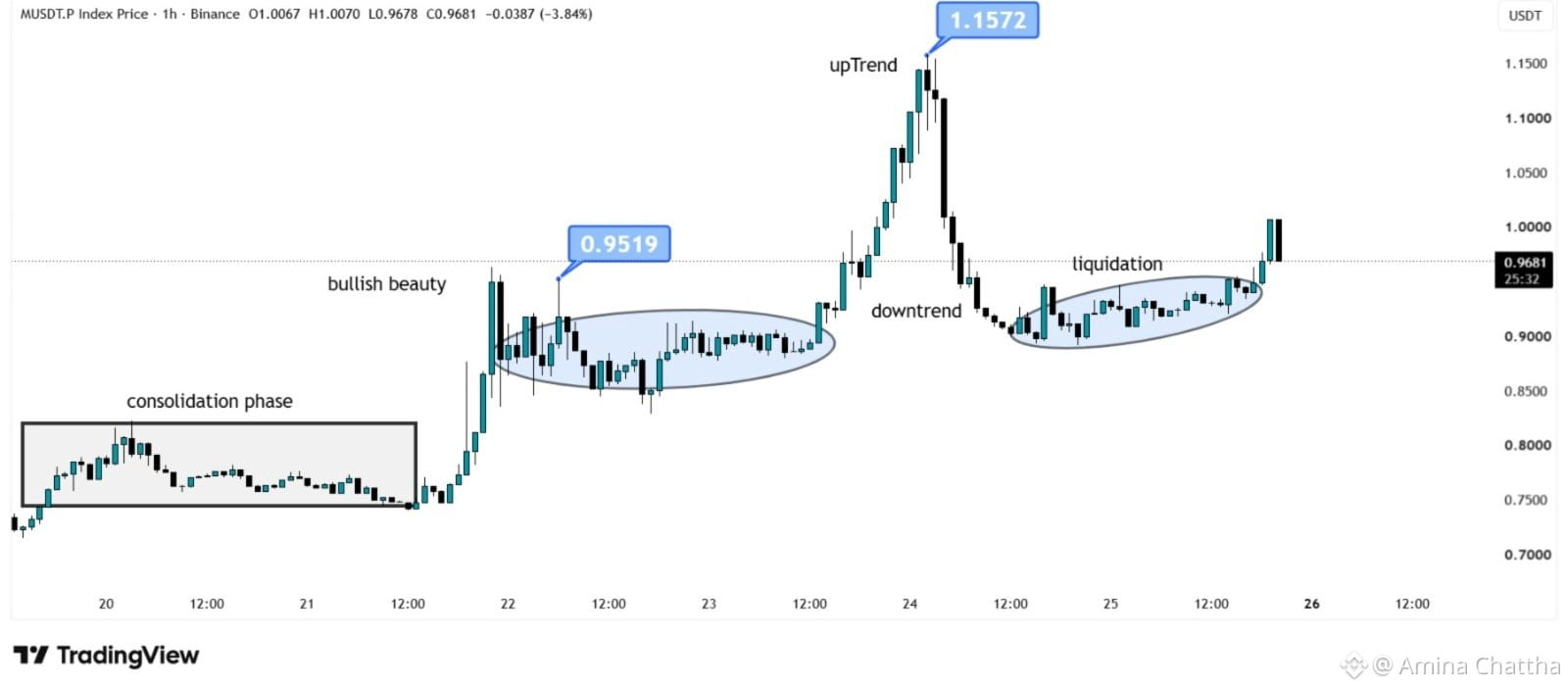
$M JUST WOKE UP AGAIN WATCH THIS MOVE!
I’m watching $M after its strong rally to $1.1572 and sharp correction. Price consolidated near $0.90 before pushing back toward $1.00. If bulls reclaim $1.00, another move toward $1.05 could follow. But losing $0.90 would weaken this recovery.
{future}(MUSDT)
$M JUST WOKE UP AGAIN WATCH THIS MOVE!
I’m watching $M after its strong rally to $1.1572 and sharp correction. Price consolidated near $0.90 before pushing back toward $1.00. If bulls reclaim $1.00, another move toward $1.05 could follow. But losing $0.90 would weaken this recovery.
I’m watching $M after its strong rally to $1.1572 and sharp correction. Price consolidated near $0.90 before pushing back toward $1.00. If bulls reclaim $1.00, another move toward $1.05 could follow. But losing $0.90 would weaken this recovery.
1
117
$BMT IS CREEPING HIGHER IS ANOTHER BIG MOVE COMING?
I’m watching $BMT closely after its massive spike to $0.05139 and sharp correction. Price is recovering near $0.03518, with $0.03879 as the next key resistance. If bulls break above it, $0.04089 could be back in play. The next breakout will be interesting!
{spot}(BMTUSDT)
$BMT IS CREEPING HIGHER IS ANOTHER BIG MOVE COMING?
I’m watching $BMT closely after its massive spike to $0.05139 and sharp correction. Price is recovering near $0.03518, with $0.03879 as the next key resistance. If bulls break above it, $0.04089 could be back in play. The next breakout will be interesting!
I’m watching $BMT closely after its massive spike to $0.05139 and sharp correction. Price is recovering near $0.03518, with $0.03879 as the next key resistance. If bulls break above it, $0.04089 could be back in play. The next breakout will be interesting!
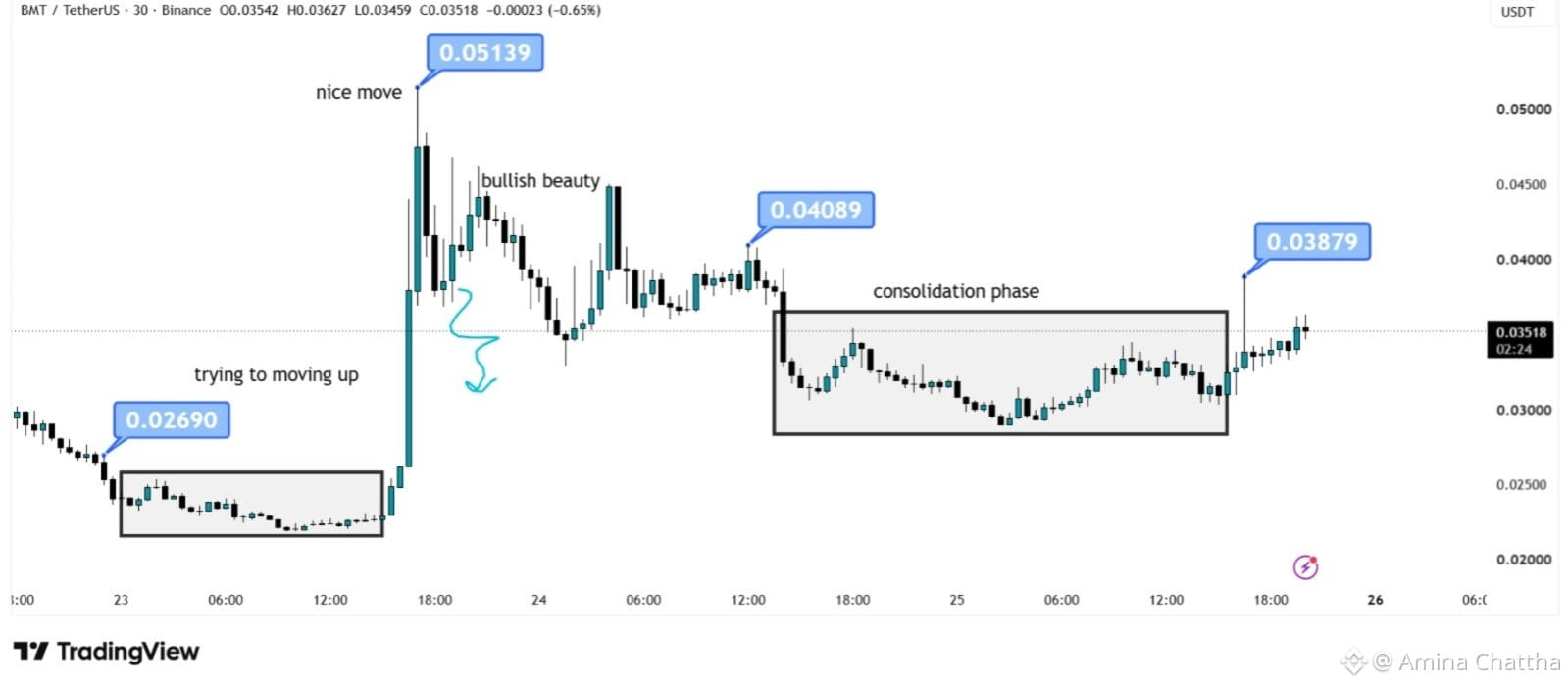
1
167
$LIGHT HAD ITS MOMENT AT $0.3258 CAN IT SHINE AGAIN?
After a massive rally, $LIGHT dropped sharply but is now recovering near $0.2482. I’m watching $0.2571 resistance closely. If bulls reclaim that level, $0.28 could come into focus. Otherwise, another pullback toward $0.23 remains possible.
{future}(LIGHTUSDT)
$LIGHT HAD ITS MOMENT AT $0.3258 CAN IT SHINE AGAIN?
After a massive rally, $LIGHT dropped sharply but is now recovering near $0.2482. I’m watching $0.2571 resistance closely. If bulls reclaim that level, $0.28 could come into focus. Otherwise, another pullback toward $0.23 remains possible.
After a massive rally, $LIGHT dropped sharply but is now recovering near $0.2482. I’m watching $0.2571 resistance closely. If bulls reclaim that level, $0.28 could come into focus. Otherwise, another pullback toward $0.23 remains possible.
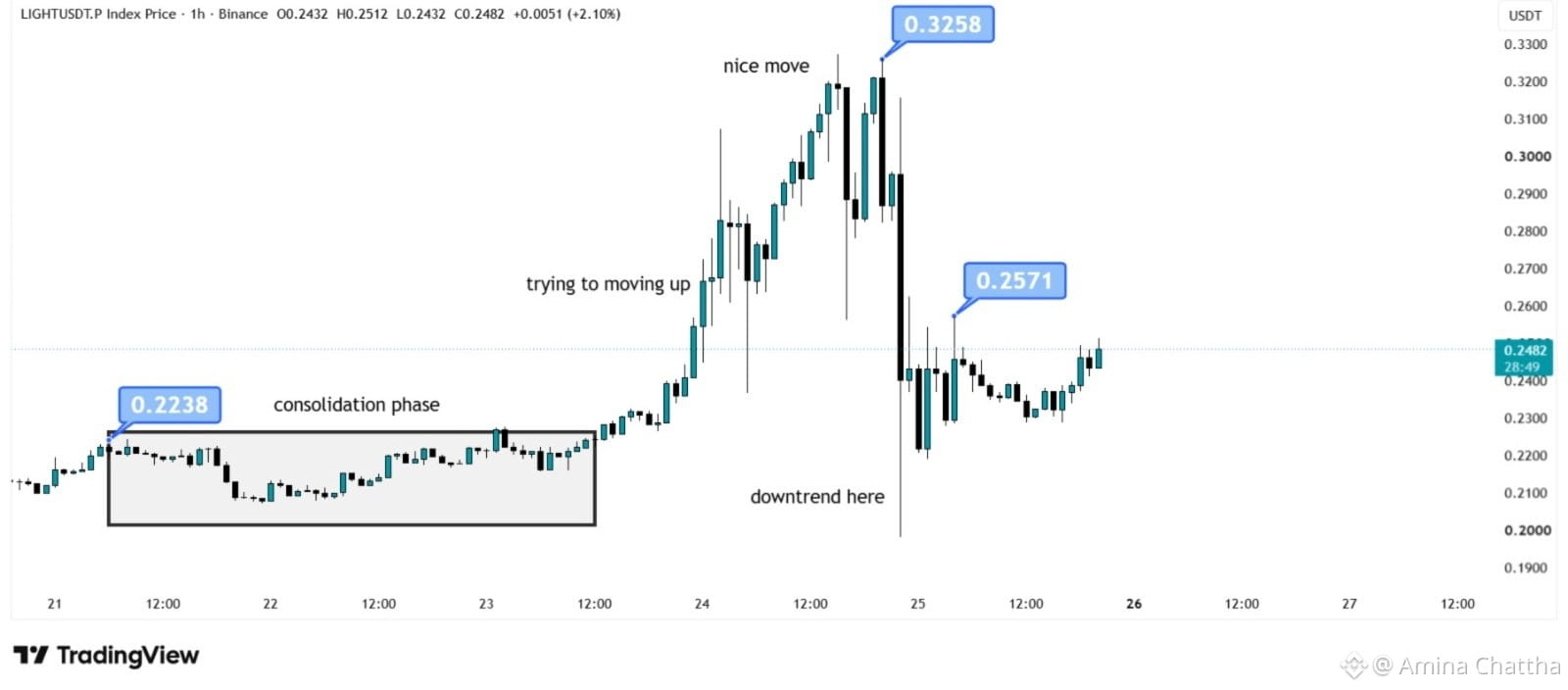
1
162
$BABY IS MAKING NOISE AGAIN $0.015 NEXT?
I’m seeing buyers return after the sharp pullback! $BABY has recovered to $0.01413 after bouncing from $0.013. If it clears $0.0145, another push toward $0.01505 could follow. The bulls are fighting back!
{spot}(BABYUSDT)
$BABY IS MAKING NOISE AGAIN $0.015 NEXT?
I’m seeing buyers return after the sharp pullback! $BABY has recovered to $0.01413 after bouncing from $0.013. If it clears $0.0145, another push toward $0.01505 could follow. The bulls are fighting back!
I’m seeing buyers return after the sharp pullback! $BABY has recovered to $0.01413 after bouncing from $0.013. If it clears $0.0145, another push toward $0.01505 could follow. The bulls are fighting back!
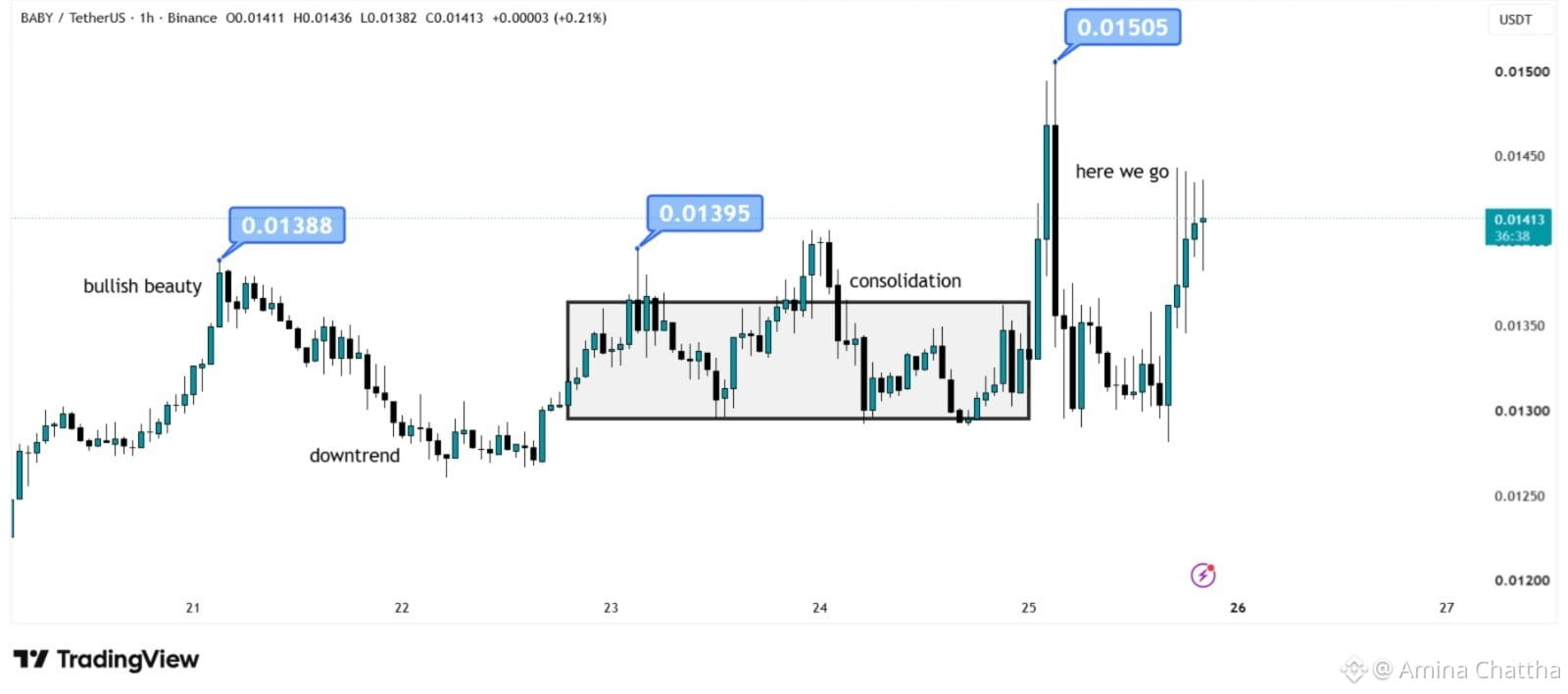
1
148
$BEAMX IS FIGHTING BACK CAN BULLS BREAK $0.00331?
Look at this recovery! $BEAMX bounced from $0.00285 and climbed back near $0.00327. I’m watching $0.00331 resistance closely. If buyers break through, $0.00340–$0.00356 could be next. The comeback looks promising, but confirmation matters!
{spot}(BEAMXUSDT)
$BEAMX IS FIGHTING BACK CAN BULLS BREAK $0.00331?
Look at this recovery! $BEAMX bounced from $0.00285 and climbed back near $0.00327. I’m watching $0.00331 resistance closely. If buyers break through, $0.00340–$0.00356 could be next. The comeback looks promising, but confirmation matters!
Look at this recovery! $BEAMX bounced from $0.00285 and climbed back near $0.00327. I’m watching $0.00331 resistance closely. If buyers break through, $0.00340–$0.00356 could be next. The comeback looks promising, but confirmation matters!
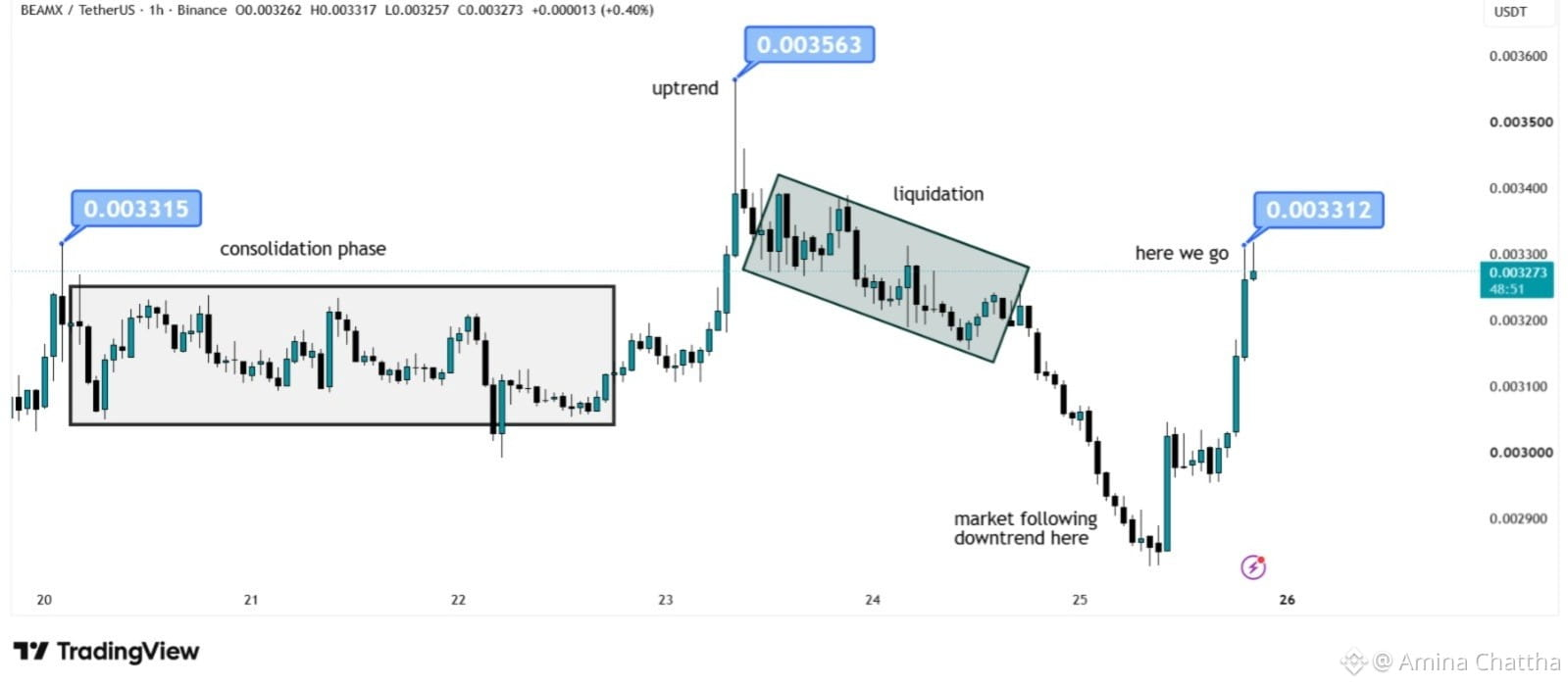
1
156
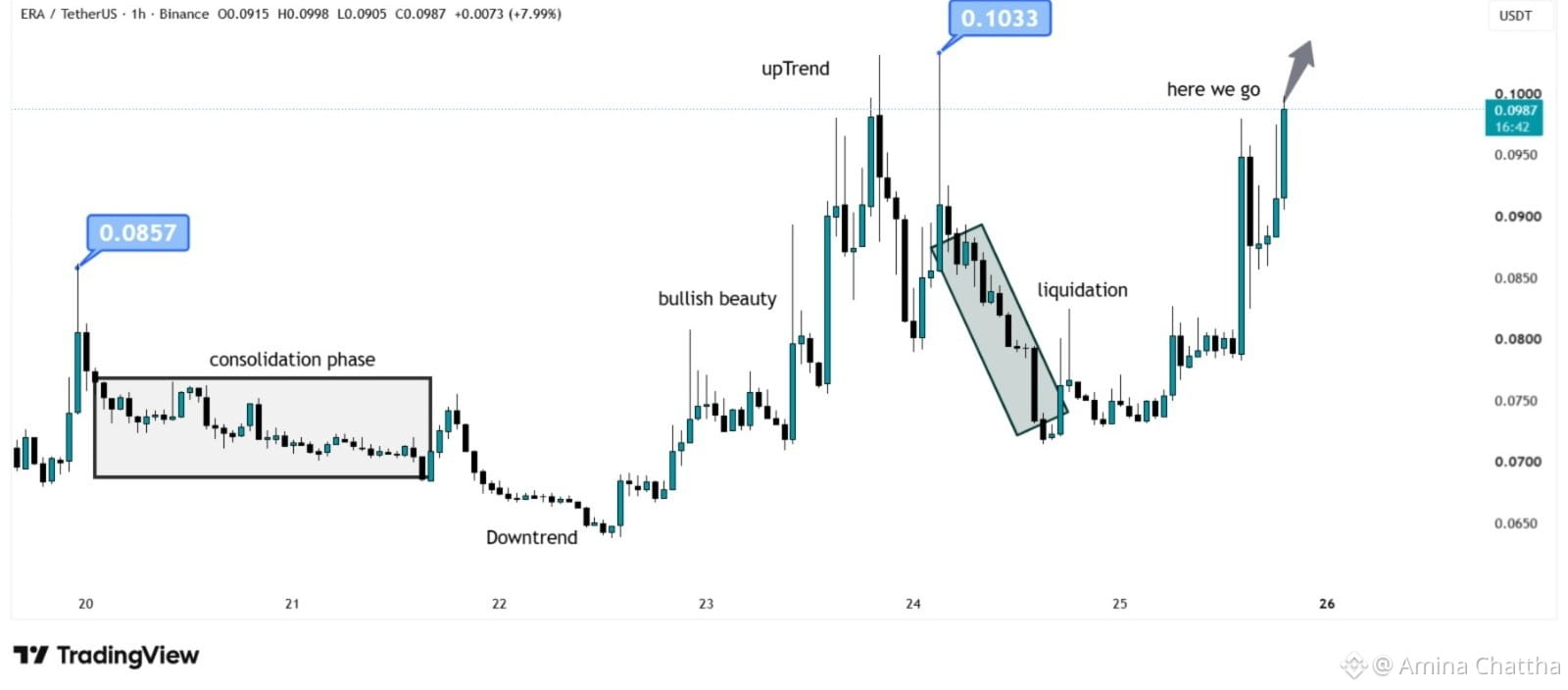
$ERA IS KNOCKING ON $0.10 LOOK AT THIS RECOVERY!
What a comeback! $ERA bounced from $0.073 and climbed to $0.0987. I’m watching the $0.10 breakout closely. If buyers push through, $0.1033 could be the next target. Bulls are showing strength again!
{spot}(ERAUSDT)
$ERA IS KNOCKING ON $0.10 LOOK AT THIS RECOVERY!
What a comeback! $ERA bounced from $0.073 and climbed to $0.0987. I’m watching the $0.10 breakout closely. If buyers push through, $0.1033 could be the next target. Bulls are showing strength again!
What a comeback! $ERA bounced from $0.073 and climbed to $0.0987. I’m watching the $0.10 breakout closely. If buyers push through, $0.1033 could be the next target. Bulls are showing strength again!
1
184
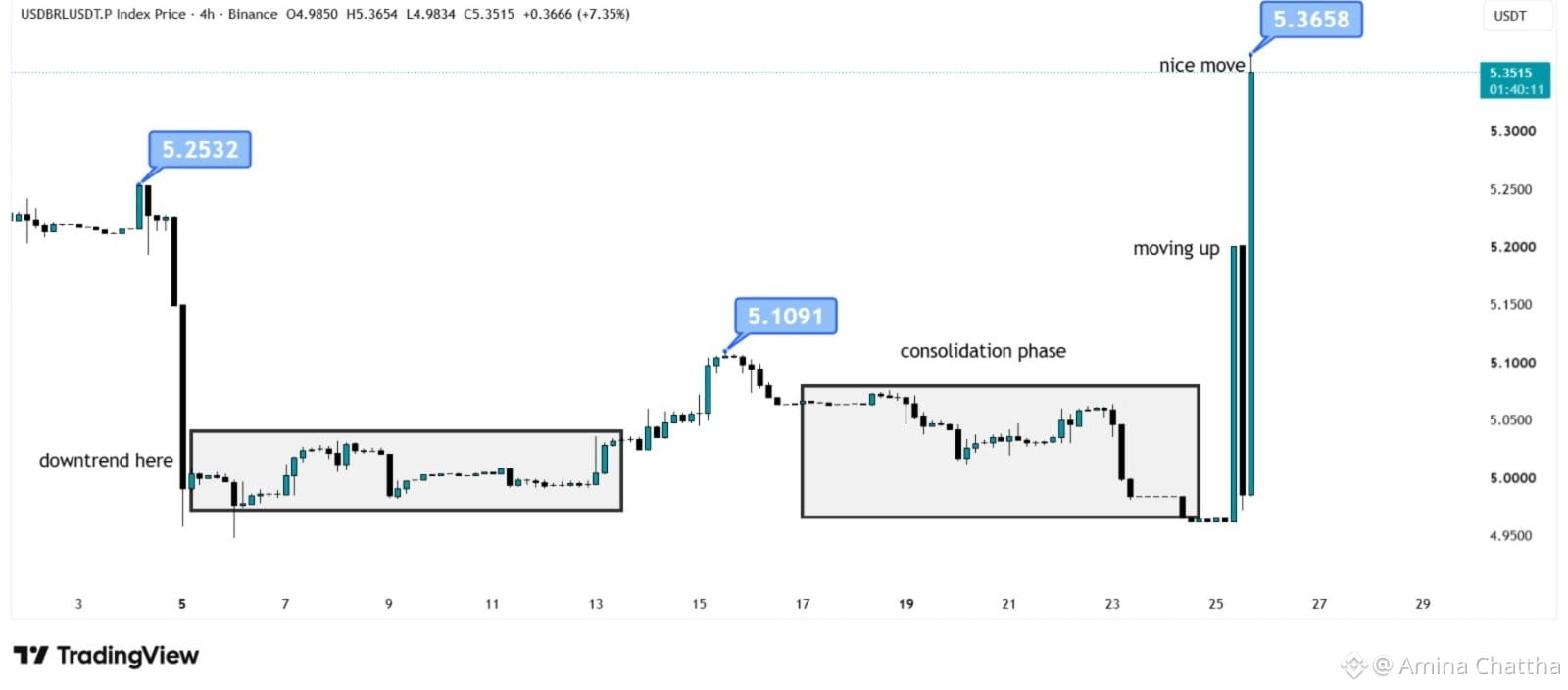
$USDBRL JUST EXPLODED DID YOU SEE THAT CANDLE?
Look at this sudden move! $USDBRL jumped from around 4.96 to 5.3658, breaking above its previous 5.2532 high. I’m watching whether price can hold above 5.25. If momentum continues, 5.40 could be the next level in focus!
{future}(USDBRLUSDT)
$USDBRL JUST EXPLODED DID YOU SEE THAT CANDLE?
Look at this sudden move! $USDBRL jumped from around 4.96 to 5.3658, breaking above its previous 5.2532 high. I’m watching whether price can hold above 5.25. If momentum continues, 5.40 could be the next level in focus!
Look at this sudden move! $USDBRL jumped from around 4.96 to 5.3658, breaking above its previous 5.2532 high. I’m watching whether price can hold above 5.25. If momentum continues, 5.40 could be the next level in focus!
1
43
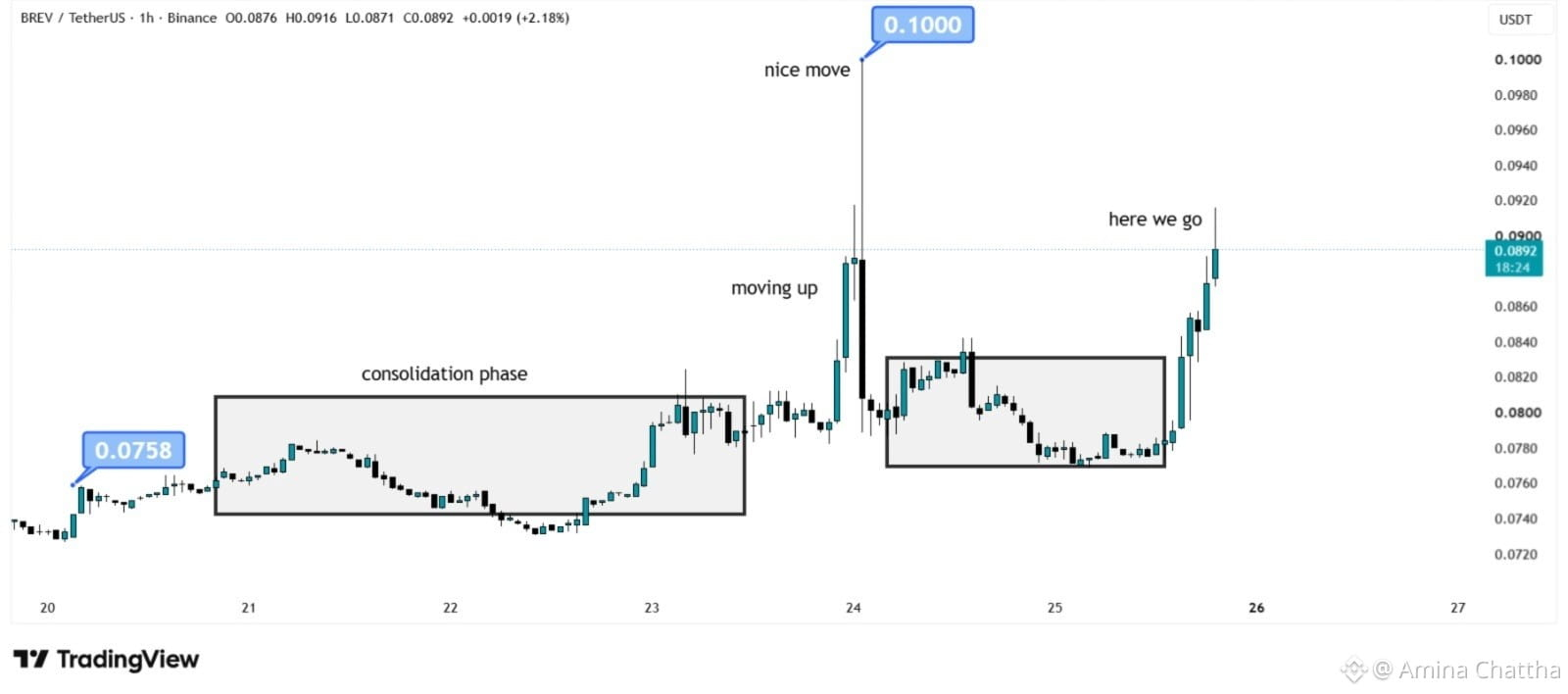
$BREV IS BACK IN ACTION $0.10 NEXT?
Look at this comeback! $BREV broke out of its sideways range and climbed to $0.0892. I’m watching $0.092 as the next hurdle. If bulls clear it, a retest of $0.10 could be possible. Momentum looks strong, but the breakout needs to hold!
{spot}(BREVUSDT)
$BREV IS BACK IN ACTION $0.10 NEXT?
Look at this comeback! $BREV broke out of its sideways range and climbed to $0.0892. I’m watching $0.092 as the next hurdle. If bulls clear it, a retest of $0.10 could be possible. Momentum looks strong, but the breakout needs to hold!
Look at this comeback! $BREV broke out of its sideways range and climbed to $0.0892. I’m watching $0.092 as the next hurdle. If bulls clear it, a retest of $0.10 could be possible. Momentum looks strong, but the breakout needs to hold!
1
210
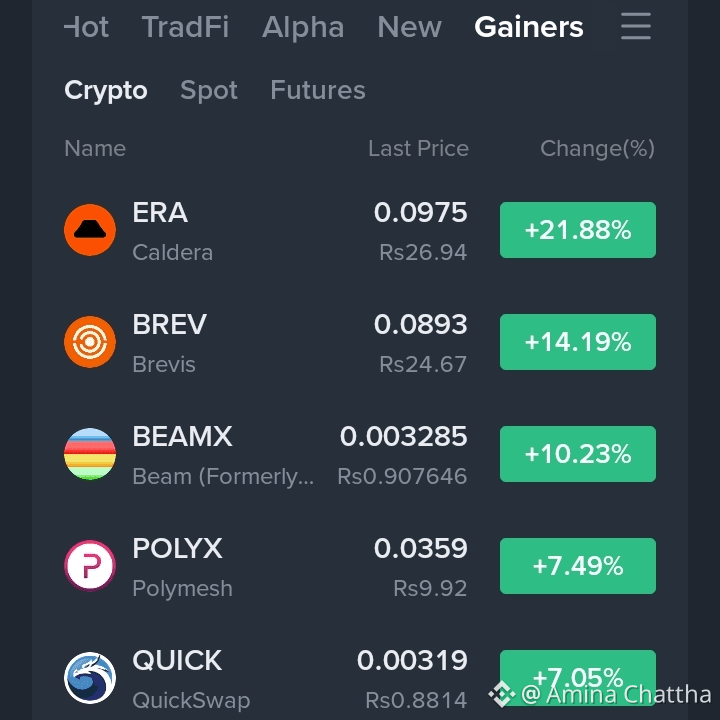
$ERA Takes the Lead! Altcoins Are Heating Up!
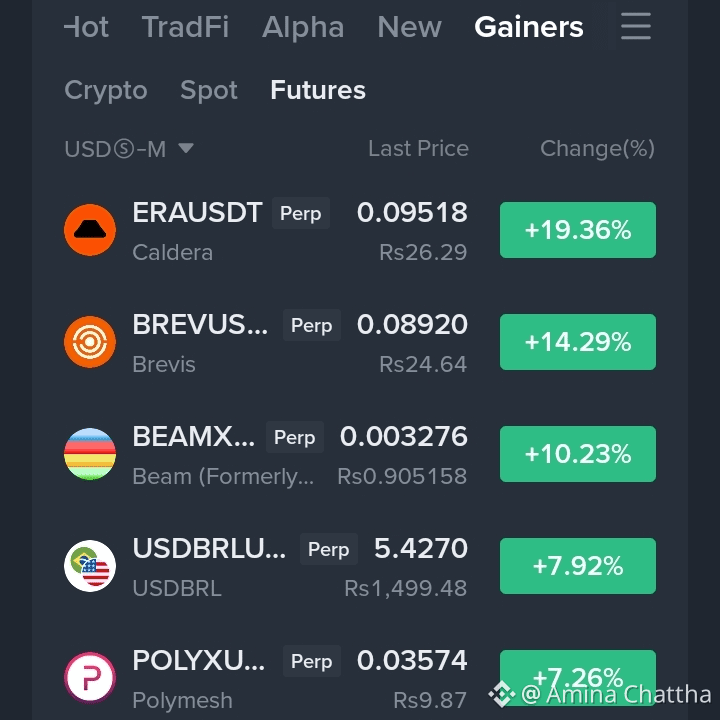
Look at Binance's top gainers! ERA is leading with over 21% gains, followed by $BREV at 14% and $BEAMX above 10%. I'm watching these coins closely as buyers show fresh interest. Let's see if this momentum continues!
{spot}(BEAMXUSDT)
{spot}(BREVUSDT)
{spot}(ERAUSDT)
$ERA Takes the Lead! Altcoins Are Heating Up!
Look at Binance's top gainers! ERA is leading with over 21% gains, followed by $BREV at 14% and $BEAMX above 10%. I'm watching these coins closely as buyers show fresh interest. Let's see if this momentum continues!
Look at Binance's top gainers! ERA is leading with over 21% gains, followed by $BREV at 14% and $BEAMX above 10%. I'm watching these coins closely as buyers show fresh interest. Let's see if this momentum continues!
1
217
$SUI HOLDERS, THIS SUPPORT COULD DECIDE EVERYTHING!
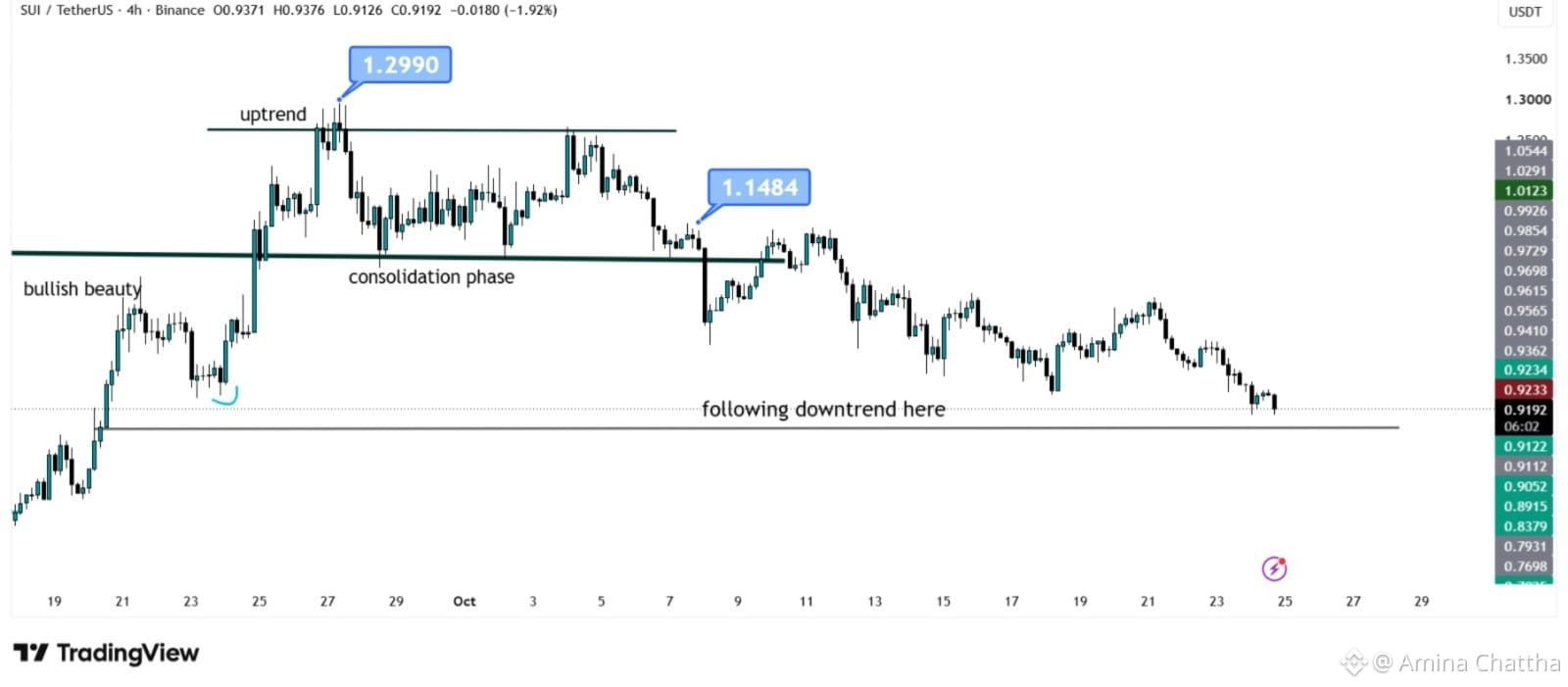
$SUI has been sliding since its $1.299 peak and is now testing the $0.91 support area. Bulls are struggling to recover, and losing $0.91 could open the door toward $0.89–$0.84. A bounce above $0.94 would be the first sign of relief. Watch this level closely!
{spot}(SUIUSDT)
$SUI HOLDERS, THIS SUPPORT COULD DECIDE EVERYTHING!
$SUI has been sliding since its $1.299 peak and is now testing the $0.91 support area. Bulls are struggling to recover, and losing $0.91 could open the door toward $0.89–$0.84. A bounce above $0.94 would be the first sign of relief. Watch this level closely!
$SUI has been sliding since its $1.299 peak and is now testing the $0.91 support area. Bulls are struggling to recover, and losing $0.91 could open the door toward $0.89–$0.84. A bounce above $0.94 would be the first sign of relief. Watch this level closely!
1
187
Көбірек контент көру үшін кіріңіз
Binance Square платформасында әлемдік криптоқоғамдастыққа қосылыңыз
⚡️ Криптовалюта туралы ең соңғы және пайдалы ақпаратты алыңыз.
💬 Әлемдегі ең ірі криптобиржаның сеніміне ие.
👍 Расталған авторлардың нақты пікірлерін табыңыз.
Электрондық пошта/телефон нөмірі
Трендтегі тақырыптар
BinancePick
3.3M рет көрілді
164,099 адам талқылап жатыр
Join #EarningsSeason: Predict Earnings on Binance Pick, Share Your Take on Binance Square!
Binance Square Official
·418 лайк
·345.2k рет көрілді
EarningsSeason
5.5M рет көрілді
26,808 адам талқылап жатыр
StrategySkipsBitcoinPurchasesSpends$205MOnSTRCBuybacks
619 рет көрілді
24 адам талқылап жатыр