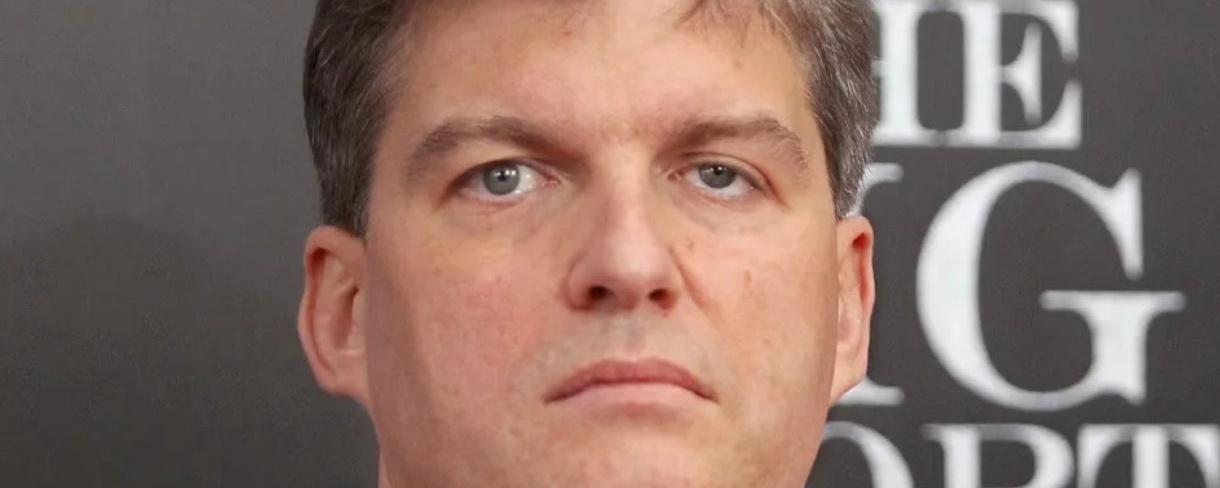

Michael Burry, the legendary investor known for predicting the 2008 financial crisis in The Big Short, is raising serious concerns about NVIDIA's future.
His warning comes at a time when NVIDIA sits at the center of the global AI revolution. But according to Burry, the company's impressive growth story may be hiding risks that investors shouldn't ignore.
Here are 5 major concerns behind his warning:
1️⃣ Dependence on Jensen Huang: What happens to NVIDIA's growth story if its CEO eventually steps away? Could leadership uncertainty affect investor confidence?
2️⃣ Hidden AI Debt: NVIDIA's customer financing arrangements could create financial risks across the AI ecosystem, potentially masking the true cost of the AI boom.
3️⃣ Aggressive Chip Sales: Burry alleges that customers may have been encouraged to purchase chips earlier than needed, partly out of concern about future supply availability.
4️⃣ AI Spending Slowdown: The massive AI infrastructure spending cycle may not continue forever. If major tech companies reduce their investments, NVIDIA's growth could face significant pressure.
5️⃣ Profit Margin Pressure: Rising competition, changing demand and pricing pressure could challenge NVIDIA's margins and future earnings growth.
🔥 THE BIGGER QUESTION: IS THE AI BOOM BECOMING TOO MUCH OF A GOOD THING?
NVIDIA has been one of the biggest beneficiaries of the AI revolution. However, explosive growth also creates extremely high expectations.
If AI spending slows, financing risks increase, or competition intensifies, even the strongest companies could face a reality check.
Burry's warning doesn't guarantee an NVIDIA crash, but it raises an important question:
Are investors pricing in too much future growth, or does NVIDIA still have plenty of room to dominate the AI revolution?
📊 What do you think? Is Michael Burry seeing risks the market is ignoring, or is he being too bearish on NVIDIA?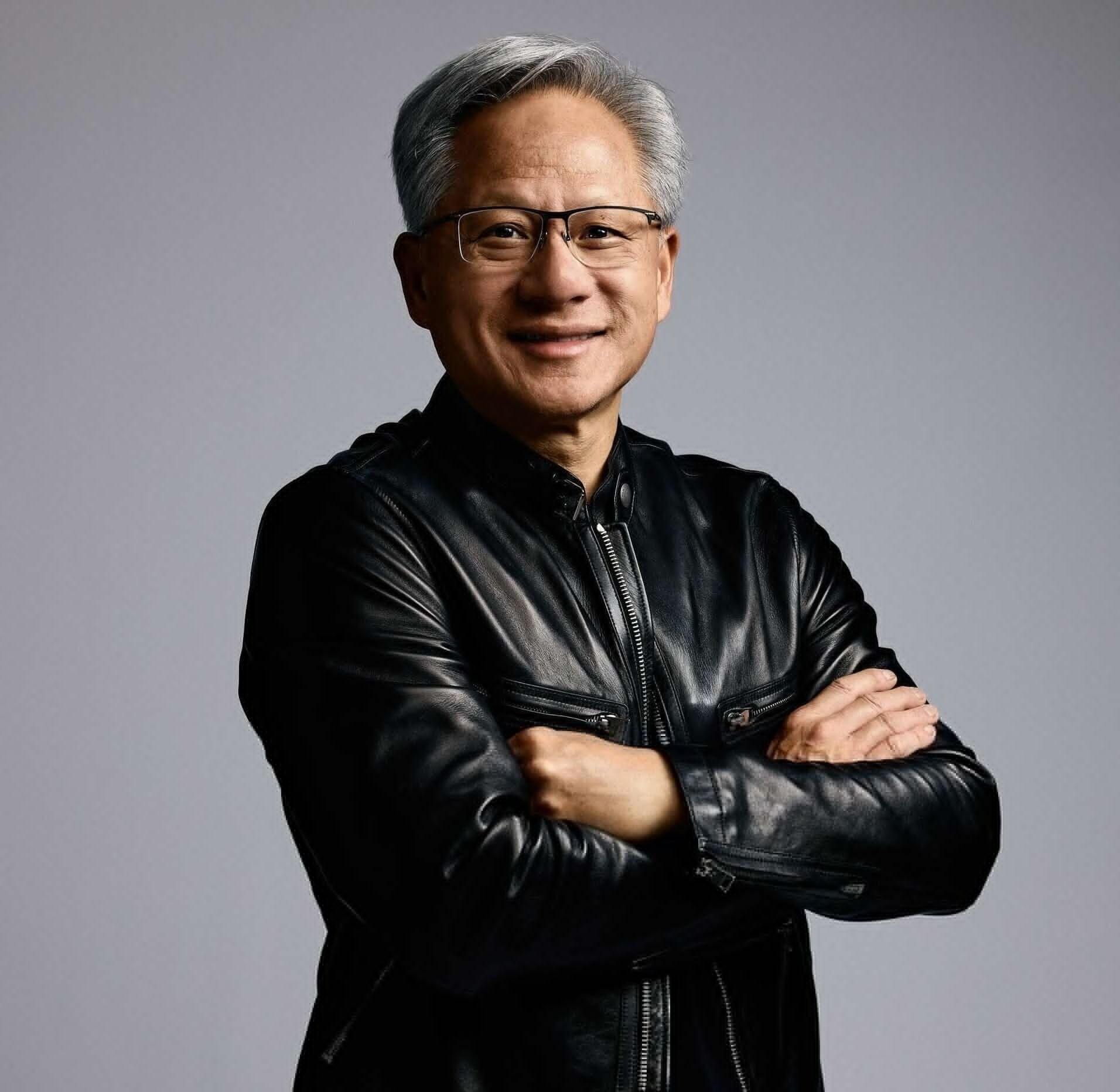
#NVIDIA #MichaelBurry #AI #StockMarket