

#hackattack
hackattack
60,928 рет көрілді
48 адам талқылап жатыр
Қызу саудада
Ең соңғы
·
--
Төмен (кемімелі)
""Psychological Crashing Points. ""
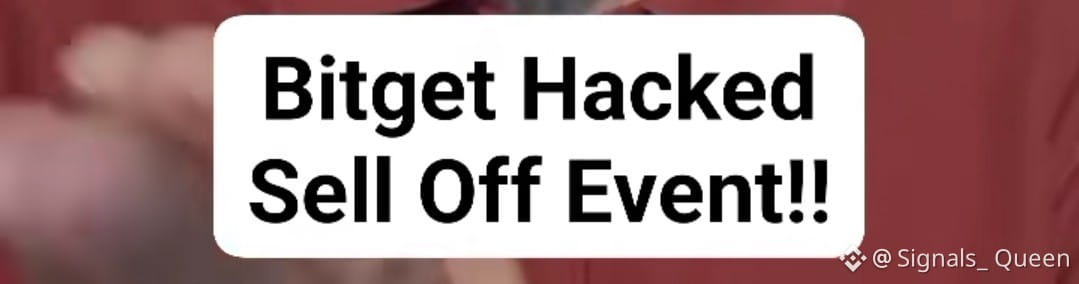
Today early in the morning , I saw this news that bitget exchange has been hacked almost 350$ million has been taken from bitget by hackers.
it is not easy to hack one exchange but possibility is always present but her is one point📍
why Always bad news come , when market want to crash , why Exchange always hack while market is at pick ,
its is just a planned game to crash the market harder nothing else , bitget has very strong security don't be panic , learn the logic
#BitgetExchange #hackattack #Alert🔴
$BTC
""Psychological Crashing Points. ""
Today early in the morning , I saw this news that bitget exchange has been hacked almost 350$ million has been taken from bitget by hackers.
it is not easy to hack one exchange but possibility is always present but her is one point📍
why Always bad news come , when market want to crash , why Exchange always hack while market is at pick ,
its is just a planned game to crash the market harder nothing else , bitget has very strong security don't be panic , learn the logic
#BitgetExchange #hackattack #Alert🔴
$BTC
Today early in the morning , I saw this news that bitget exchange has been hacked almost 350$ million has been taken from bitget by hackers.
it is not easy to hack one exchange but possibility is always present but her is one point📍
why Always bad news come , when market want to crash , why Exchange always hack while market is at pick ,
its is just a planned game to crash the market harder nothing else , bitget has very strong security don't be panic , learn the logic
#BitgetExchange #hackattack #Alert🔴
$BTC
1
95

🚨 AI exposed a massive flaw in top crypto network and experts warn banks could be next
After an AI model helped uncover a four-year-old flaw in Zcash, security researchers warn that similar bugs may be hiding across crypto and traditional financial systems.#hackattack #SecurityAlert $ZEC
🚨 AI exposed a massive flaw in top crypto network and experts warn banks could be next
After an AI model helped uncover a four-year-old flaw in Zcash, security researchers warn that similar bugs may be hiding across crypto and traditional financial systems.#hackattack #SecurityAlert $ZEC
After an AI model helped uncover a four-year-old flaw in Zcash, security researchers warn that similar bugs may be hiding across crypto and traditional financial systems.#hackattack #SecurityAlert $ZEC

144

·
--
Расталды
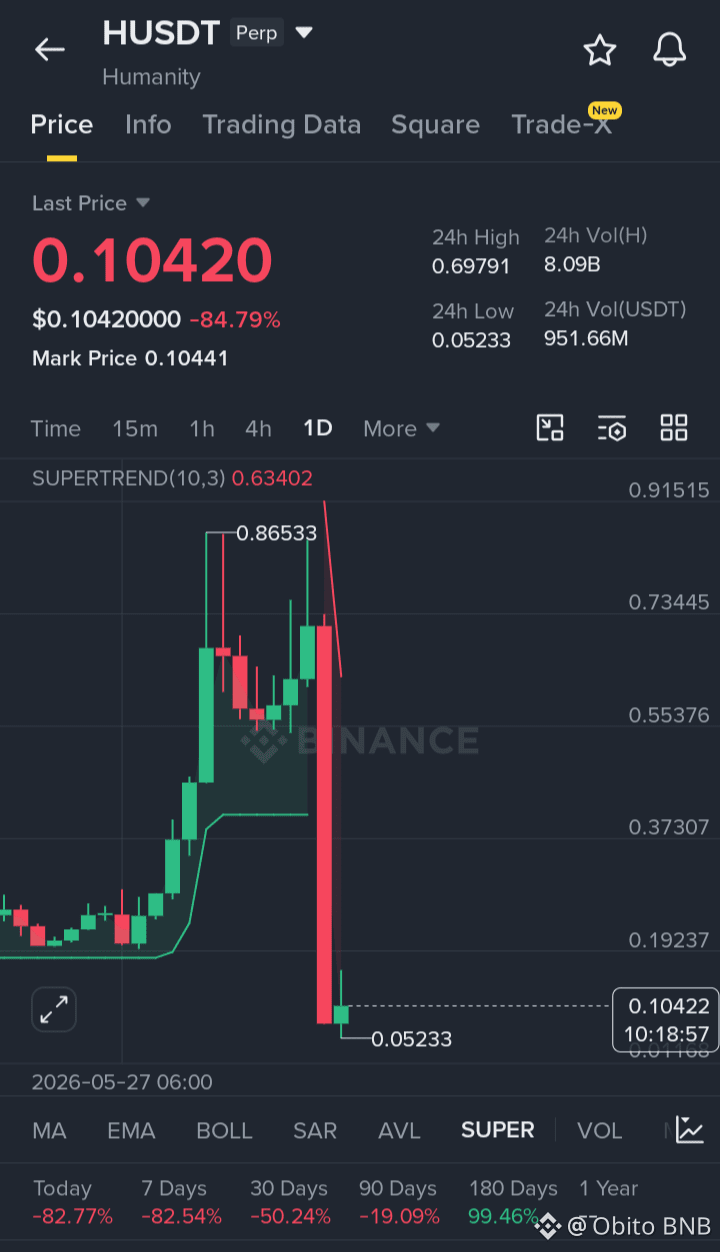
actually hacked or scam ?
$H
{future}(HUSDT)
#Humanityprotocol private key hack$36M
#HumanityHackerStealsOver$20M
#hackattack #h
actually hacked or scam ?
$H
#Humanityprotocol private key hack$36M
#HumanityHackerStealsOver$20M
#hackattack #h
$H
#Humanityprotocol private key hack$36M
#HumanityHackerStealsOver$20M
#hackattack #h

follow plz
Obito BNB атынан
428
1
29
914

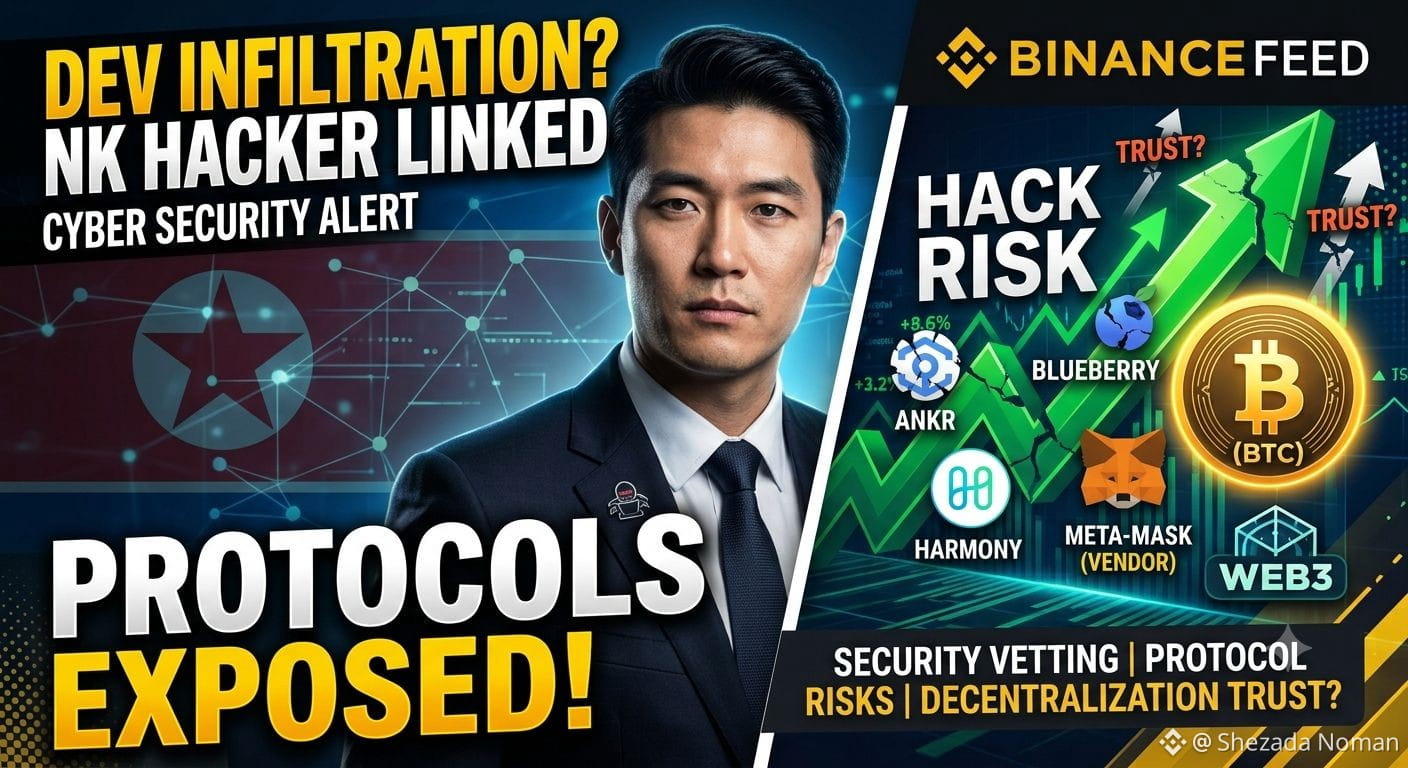
🚨 Security Alert: North Korean-Linked Dev Infiltration ⚠️
Recent tracking and industry reports reveal that a developer linked to North Korean cyber operations (associated with Mauro Liu and the Lazarus Group) previously worked or contributed to multiple crypto protocols.
🔍 Key Details & Protocols Involved
Affected Ecosystems: Public tracking records highlight past links to platforms such as Ankr, Blueberry Protocol, Clover Network, Harmony, and others.
The Consensys/MetaMask Incident: A developer using an alias gained temporary system access after being brought on through an outsourced third-party vendor, bypassing standard direct-hiring checks.
Security Outcome: Security teams revoked permissions immediately upon detecting unusual activity, confirming that no assets or data were compromised.
$BANK $ACE $AVAAI
{future}(AVAAIUSDT)
{future}(ACEUSDT)
{future}(BANKUSDT)
#NorthKoreanHackerMauroLiuWorkedAtCryptoProtocols #HackerAlert #hackattack
🚨 Security Alert: North Korean-Linked Dev Infiltration ⚠️
Recent tracking and industry reports reveal that a developer linked to North Korean cyber operations (associated with Mauro Liu and the Lazarus Group) previously worked or contributed to multiple crypto protocols.
🔍 Key Details & Protocols Involved
Affected Ecosystems: Public tracking records highlight past links to platforms such as Ankr, Blueberry Protocol, Clover Network, Harmony, and others.
The Consensys/MetaMask Incident: A developer using an alias gained temporary system access after being brought on through an outsourced third-party vendor, bypassing standard direct-hiring checks.
Security Outcome: Security teams revoked permissions immediately upon detecting unusual activity, confirming that no assets or data were compromised.
$BANK $ACE $AVAAI
#NorthKoreanHackerMauroLiuWorkedAtCryptoProtocols #HackerAlert #hackattack
Recent tracking and industry reports reveal that a developer linked to North Korean cyber operations (associated with Mauro Liu and the Lazarus Group) previously worked or contributed to multiple crypto protocols.
🔍 Key Details & Protocols Involved
Affected Ecosystems: Public tracking records highlight past links to platforms such as Ankr, Blueberry Protocol, Clover Network, Harmony, and others.
The Consensys/MetaMask Incident: A developer using an alias gained temporary system access after being brought on through an outsourced third-party vendor, bypassing standard direct-hiring checks.
Security Outcome: Security teams revoked permissions immediately upon detecting unusual activity, confirming that no assets or data were compromised.
$BANK $ACE $AVAAI
#NorthKoreanHackerMauroLiuWorkedAtCryptoProtocols #HackerAlert #hackattack
294
·
--
💻 Crypto hack theft dropped 7% in June to $76 million, as reported by PeckShield
Humanity Protocol was the most affected project during this period.
#hackattack
#packshield
SpotSilverRises3%To$60.10
💻 Crypto hack theft dropped 7% in June to $76 million, as reported by PeckShield
Humanity Protocol was the most affected project during this period.
#hackattack
#packshield
SpotSilverRises3%To$60.10
Humanity Protocol was the most affected project during this period.
#hackattack
#packshield
SpotSilverRises3%To$60.10
98

🚨 B1tg3t: de $170M a $387,5M
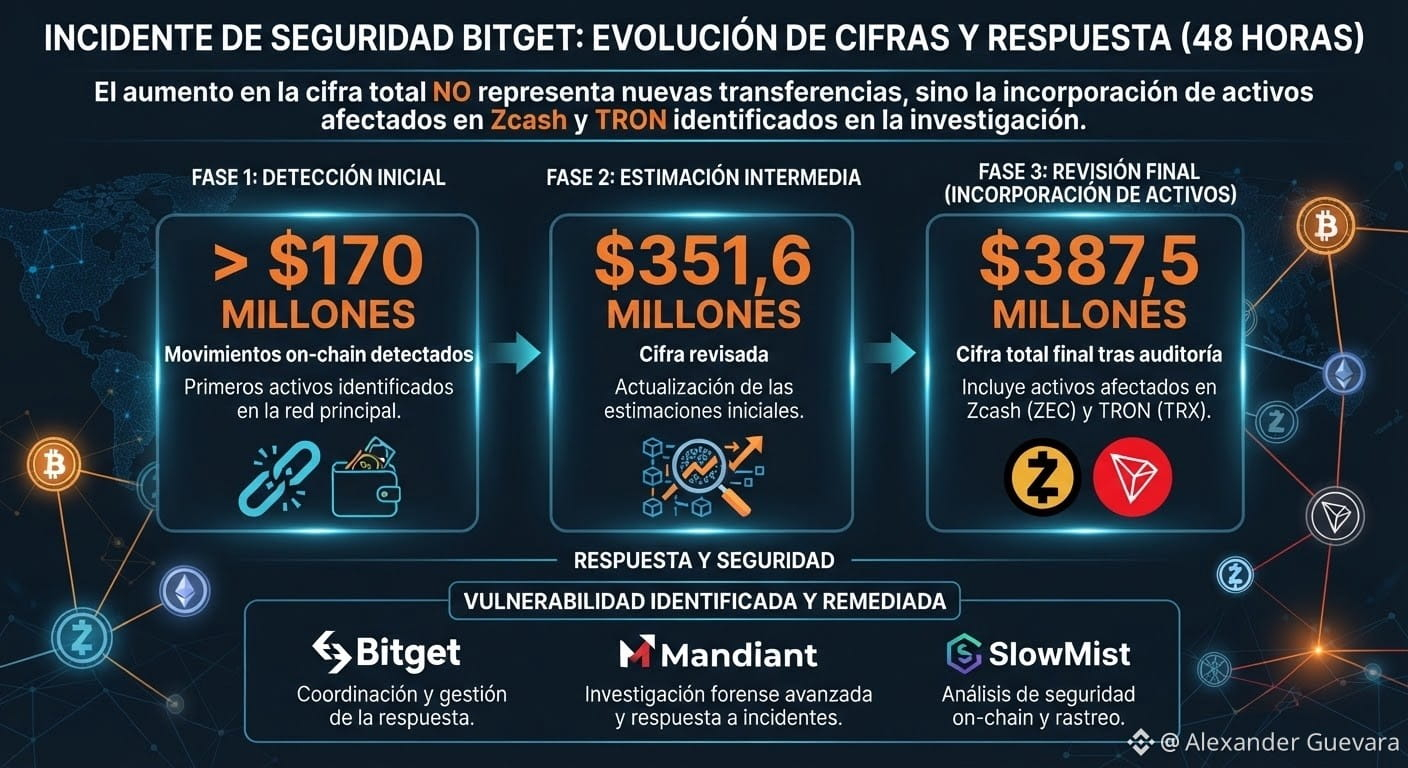
El caso B1tg3t cambió de magnitud en apenas 48 horas.
Primero fueron más de $170 millones en movimientos detectados on-chain. Después llegó una estimación de $351,6 millones y posteriormente una cifra revisada de $387,5 millones, tras incorporar activos afectados en Zcash y TRON.
Pero hay un detalle clave: el aumento de la cifra no representa una nueva ola de transferencias, según B1tg3t.
La compañía asegura que la vulnerabilidad fue identificada y remediada, mientras Mandiant y SlowMist continúan apoyando la investigación.
📌 #HackerAlert #hackattack #On-chain #ciberseguridad #CircleTetherFreezeBitgetHackerWallet $TRX $ZEC
🚨 B1tg3t: de $170M a $387,5M
El caso B1tg3t cambió de magnitud en apenas 48 horas.
Primero fueron más de $170 millones en movimientos detectados on-chain. Después llegó una estimación de $351,6 millones y posteriormente una cifra revisada de $387,5 millones, tras incorporar activos afectados en Zcash y TRON.
Pero hay un detalle clave: el aumento de la cifra no representa una nueva ola de transferencias, según B1tg3t.
La compañía asegura que la vulnerabilidad fue identificada y remediada, mientras Mandiant y SlowMist continúan apoyando la investigación.
📌 #HackerAlert #hackattack #On-chain #ciberseguridad #CircleTetherFreezeBitgetHackerWallet $TRX $ZEC
El caso B1tg3t cambió de magnitud en apenas 48 horas.
Primero fueron más de $170 millones en movimientos detectados on-chain. Después llegó una estimación de $351,6 millones y posteriormente una cifra revisada de $387,5 millones, tras incorporar activos afectados en Zcash y TRON.
Pero hay un detalle clave: el aumento de la cifra no representa una nueva ola de transferencias, según B1tg3t.
La compañía asegura que la vulnerabilidad fue identificada y remediada, mientras Mandiant y SlowMist continúan apoyando la investigación.
📌 #HackerAlert #hackattack #On-chain #ciberseguridad #CircleTetherFreezeBitgetHackerWallet $TRX $ZEC
Fadel Samaan:
no es chistoso que ahora respalden activo zk0 ,impulsan un mundo sumido en la anarquía , desconfianza y falta de transparencia... una década y no llega la sabiduría o la madurez al mercado cripto.
1
129

Мақала
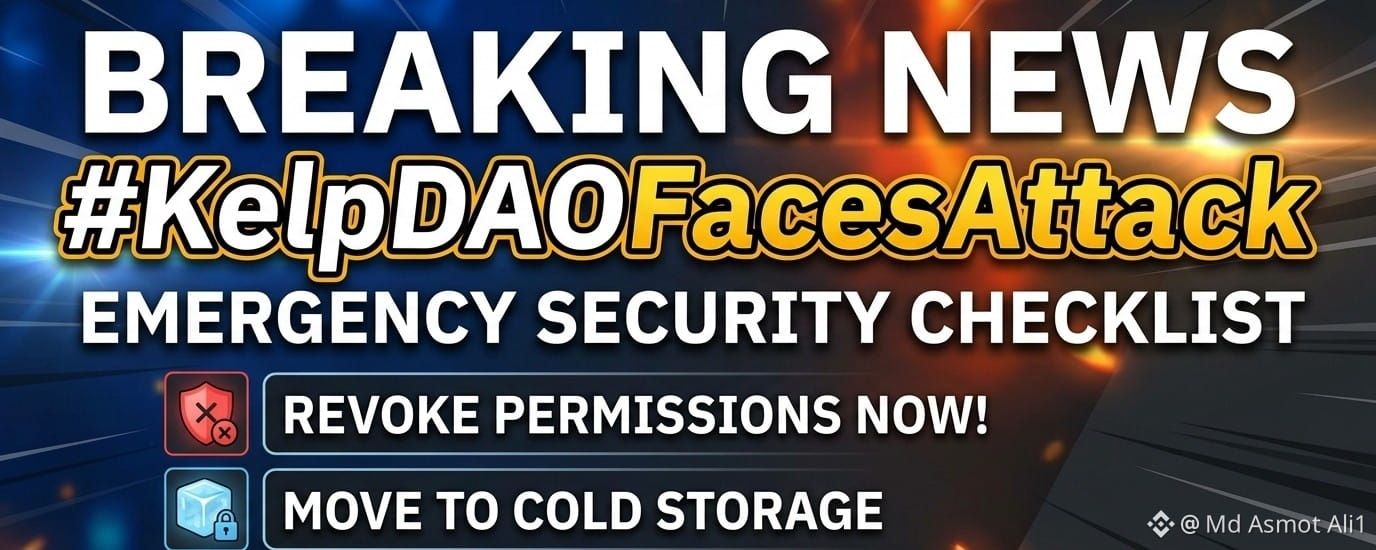
🚨 URGENT: #KelpDAOFacesAttack – Protect Your Assets NOW! 🚨
The DeFi space is reeling from repor🚨 URGENT: #KelpDAOFacesAttack – Protect Your Assets NOW! 🚨
The DeFi space is reeling from reports of a security incident involving Kelp DAO. In times like these, "Wait and See" is a dangerous strategy. Your priority is securing your hard-earned assets immediately.
Here is your Emergency Security Checklist to stay safe:
1. Revoke Permissions Immediately 🛡️
If you have interacted with Kelp DAO recently, your wallet approvals might still be active.
Go to Revoke.cash or Rabby Wallet and terminate all smart contract permissions related to Kelp DAO.
Why? Even if your funds are in your wallet, an open approval can allow attackers to drain them.
2. Move Funds to Cold Storage 🧊
If you hold liquid assets or LSTs (Liquid Staking Tokens) associated with the protocol, consider moving your remaining "at-risk" capital to a hardware wallet (Ledger/Trezor).
3. Beware of "Refund" Scams ⚠️
Scammers thrive in the chaos of an attack.
DO NOT click on links claiming to be "Kelp DAO Recovery Portals" or "Refund Claims" on X (Twitter) or Telegram.
Official updates will ONLY come from verified channels. If they ask for your Seed Phrase, it’s a scam.
4. Monitor Official Channels 📢
Stick to the official Kelp DAO Discord and X account for the post-mortem and official instructions. Do not trust "support agents" sliding into your DMs.
The Golden Rule of DeFi: Verify, don't trust. Moving fast saves portfolios. Share this post with your fellow traders to ensure no one gets caught in the crossfire! 🛡️💰
#KelpDAO # #CryptoSecurity
#DeFi #hackattack
🚨 URGENT: #KelpDAOFacesAttack – Protect Your Assets NOW! 🚨 The DeFi space is reeling from repor
🚨 URGENT: #KelpDAOFacesAttack – Protect Your Assets NOW! 🚨
The DeFi space is reeling from reports of a security incident involving Kelp DAO. In times like these, "Wait and See" is a dangerous strategy. Your priority is securing your hard-earned assets immediately.
Here is your Emergency Security Checklist to stay safe:
1. Revoke Permissions Immediately 🛡️
If you have interacted with Kelp DAO recently, your wallet approvals might still be active.
Go to Revoke.cash or Rabby Wallet and terminate all smart contract permissions related to Kelp DAO.
Why? Even if your funds are in your wallet, an open approval can allow attackers to drain them.
2. Move Funds to Cold Storage 🧊
If you hold liquid assets or LSTs (Liquid Staking Tokens) associated with the protocol, consider moving your remaining "at-risk" capital to a hardware wallet (Ledger/Trezor).
3. Beware of "Refund" Scams ⚠️
Scammers thrive in the chaos of an attack.
DO NOT click on links claiming to be "Kelp DAO Recovery Portals" or "Refund Claims" on X (Twitter) or Telegram.
Official updates will ONLY come from verified channels. If they ask for your Seed Phrase, it’s a scam.
4. Monitor Official Channels 📢
Stick to the official Kelp DAO Discord and X account for the post-mortem and official instructions. Do not trust "support agents" sliding into your DMs.
The Golden Rule of DeFi: Verify, don't trust. Moving fast saves portfolios. Share this post with your fellow traders to ensure no one gets caught in the crossfire! 🛡️💰
#KelpDAO # #CryptoSecurity
#DeFi #hackattack
The DeFi space is reeling from reports of a security incident involving Kelp DAO. In times like these, "Wait and See" is a dangerous strategy. Your priority is securing your hard-earned assets immediately.
Here is your Emergency Security Checklist to stay safe:
1. Revoke Permissions Immediately 🛡️
If you have interacted with Kelp DAO recently, your wallet approvals might still be active.
Go to Revoke.cash or Rabby Wallet and terminate all smart contract permissions related to Kelp DAO.
Why? Even if your funds are in your wallet, an open approval can allow attackers to drain them.
2. Move Funds to Cold Storage 🧊
If you hold liquid assets or LSTs (Liquid Staking Tokens) associated with the protocol, consider moving your remaining "at-risk" capital to a hardware wallet (Ledger/Trezor).
3. Beware of "Refund" Scams ⚠️
Scammers thrive in the chaos of an attack.
DO NOT click on links claiming to be "Kelp DAO Recovery Portals" or "Refund Claims" on X (Twitter) or Telegram.
Official updates will ONLY come from verified channels. If they ask for your Seed Phrase, it’s a scam.
4. Monitor Official Channels 📢
Stick to the official Kelp DAO Discord and X account for the post-mortem and official instructions. Do not trust "support agents" sliding into your DMs.
The Golden Rule of DeFi: Verify, don't trust. Moving fast saves portfolios. Share this post with your fellow traders to ensure no one gets caught in the crossfire! 🛡️💰
#KelpDAO # #CryptoSecurity
#DeFi #hackattack
86

·
--
Мақала
$300M Exploit Shakes LRT Ecosystem — A Stark Reminder of Systemic RiskOne of the largest exploits of 2026 has just unfolded, sending shockwaves across the liquid restaking (LRT) ecosystem. KelpDAO suffered a major breach that resulted in the draining of approximately 116,500 rsETH — nearly $300 million, representing close to 18% of its total supply. The attack reportedly originated from a vulnerability tied to a cross-chain bridge mechanism, highlighting once again how critical infrastructure layers remain the weakest link in otherwise sophisticated DeFi systems.
The team responded by pausing the protocol within roughly 45 minutes, a move that likely prevented an additional $100 million in potential losses from follow-up exploit attempts. While the response helped contain further damage, the immediate fallout was unavoidable. Lending markets across major protocols froze rsETH-related activity to mitigate contagion. Platforms integrating rsETH as collateral or yield-bearing assets were forced into emergency shutdowns, with concerns ranging from liquidity fragmentation to the emergence of bad debt.
The broader impact extends well beyond a single protocol. Integrations across yield aggregators and structured DeFi strategies are now under pressure, as rsETH had become deeply embedded within multiple layers of the ecosystem. This incident reinforces a critical structural issue with LRTs: composability amplifies both efficiency and fragility. When a widely used asset fails, the damage doesn’t stay isolated — it cascades through every protocol that touches it.
More concerning is that this marks the second major incident involving KelpDAO within a year, raising questions around risk management, auditing depth, and architectural resilience. In a market that increasingly relies on shared liquidity layers and rehypothecated assets, repeated failures at this scale erode confidence not just in one project, but in the entire category.
The takeaway is simple but uncomfortable: yield in DeFi is rarely isolated. When capital flows through interconnected systems, risk compounds just as fast as returns. LRTs promised capital efficiency, but events like this expose the hidden cost — systemic exposure that few participants fully price in.
Short-term outlook: expect tightened collateral parameters, reduced leverage across LRT-backed positions, and cautious capital rotation into less interconnected assets.
Long-term implication: the next phase of DeFi will not just be about yield optimization — it will be about risk isolation, bridge security, and minimizing cascading failure paths.
Because in a composable system, it’s never just one protocol that breaks — it’s the entire network that feels it.
#liquidrestaking #KelpDAOFacesAttack #hackattack $ETH #KelpDAO
$300M Exploit Shakes LRT Ecosystem — A Stark Reminder of Systemic Risk
One of the largest exploits of 2026 has just unfolded, sending shockwaves across the liquid restaking (LRT) ecosystem. KelpDAO suffered a major breach that resulted in the draining of approximately 116,500 rsETH — nearly $300 million, representing close to 18% of its total supply. The attack reportedly originated from a vulnerability tied to a cross-chain bridge mechanism, highlighting once again how critical infrastructure layers remain the weakest link in otherwise sophisticated DeFi systems.
The team responded by pausing the protocol within roughly 45 minutes, a move that likely prevented an additional $100 million in potential losses from follow-up exploit attempts. While the response helped contain further damage, the immediate fallout was unavoidable. Lending markets across major protocols froze rsETH-related activity to mitigate contagion. Platforms integrating rsETH as collateral or yield-bearing assets were forced into emergency shutdowns, with concerns ranging from liquidity fragmentation to the emergence of bad debt.
The broader impact extends well beyond a single protocol. Integrations across yield aggregators and structured DeFi strategies are now under pressure, as rsETH had become deeply embedded within multiple layers of the ecosystem. This incident reinforces a critical structural issue with LRTs: composability amplifies both efficiency and fragility. When a widely used asset fails, the damage doesn’t stay isolated — it cascades through every protocol that touches it.
More concerning is that this marks the second major incident involving KelpDAO within a year, raising questions around risk management, auditing depth, and architectural resilience. In a market that increasingly relies on shared liquidity layers and rehypothecated assets, repeated failures at this scale erode confidence not just in one project, but in the entire category.
The takeaway is simple but uncomfortable: yield in DeFi is rarely isolated. When capital flows through interconnected systems, risk compounds just as fast as returns. LRTs promised capital efficiency, but events like this expose the hidden cost — systemic exposure that few participants fully price in.
Short-term outlook: expect tightened collateral parameters, reduced leverage across LRT-backed positions, and cautious capital rotation into less interconnected assets.
Long-term implication: the next phase of DeFi will not just be about yield optimization — it will be about risk isolation, bridge security, and minimizing cascading failure paths.
Because in a composable system, it’s never just one protocol that breaks — it’s the entire network that feels it.
#liquidrestaking #KelpDAOFacesAttack #hackattack $ETH #KelpDAO
The team responded by pausing the protocol within roughly 45 minutes, a move that likely prevented an additional $100 million in potential losses from follow-up exploit attempts. While the response helped contain further damage, the immediate fallout was unavoidable. Lending markets across major protocols froze rsETH-related activity to mitigate contagion. Platforms integrating rsETH as collateral or yield-bearing assets were forced into emergency shutdowns, with concerns ranging from liquidity fragmentation to the emergence of bad debt.
The broader impact extends well beyond a single protocol. Integrations across yield aggregators and structured DeFi strategies are now under pressure, as rsETH had become deeply embedded within multiple layers of the ecosystem. This incident reinforces a critical structural issue with LRTs: composability amplifies both efficiency and fragility. When a widely used asset fails, the damage doesn’t stay isolated — it cascades through every protocol that touches it.
More concerning is that this marks the second major incident involving KelpDAO within a year, raising questions around risk management, auditing depth, and architectural resilience. In a market that increasingly relies on shared liquidity layers and rehypothecated assets, repeated failures at this scale erode confidence not just in one project, but in the entire category.
The takeaway is simple but uncomfortable: yield in DeFi is rarely isolated. When capital flows through interconnected systems, risk compounds just as fast as returns. LRTs promised capital efficiency, but events like this expose the hidden cost — systemic exposure that few participants fully price in.
Short-term outlook: expect tightened collateral parameters, reduced leverage across LRT-backed positions, and cautious capital rotation into less interconnected assets.
Long-term implication: the next phase of DeFi will not just be about yield optimization — it will be about risk isolation, bridge security, and minimizing cascading failure paths.
Because in a composable system, it’s never just one protocol that breaks — it’s the entire network that feels it.
#liquidrestaking #KelpDAOFacesAttack #hackattack $ETH #KelpDAO
2
108
Көбірек контент көру үшін кіріңіз
Binance Square платформасында әлемдік криптоқоғамдастыққа қосылыңыз
⚡️ Криптовалюта туралы ең соңғы және пайдалы ақпаратты алыңыз.
💬 Әлемдегі ең ірі криптобиржаның сеніміне ие.
👍 Расталған авторлардың нақты пікірлерін табыңыз.
Электрондық пошта/телефон нөмірі
Трендтегі тақырыптар
1
#GoldFallsTo$4144
1,256 рет көрілді
36 адам талқылап жатыр
2
#QNTFallsOver40%FromMorningHigh
8,526 рет көрілді
293 адам талқылап жатыр
3
#KospiFalls2.7%SamsungSKHynixDropOver5%
478 рет көрілді
71 адам талқылап жатыр
4
#BitgetCEOConfirms$388MStolenInHack
426 рет көрілді
18 адам талқылап жатыр
5
#BTCFallsBelow$83000
10,206 рет көрілді
99 адам талқылап жатыр
6
#BitgetDetailsSecurityIncidentTimeline
7,698 рет көрілді
245 адам талқылап жатыр
7
#BitcoinSpotETFs$2.39BWeeklyNetInflow
3,432 рет көрілді
21 адам талқылап жатыр
8
#FedProposesPaymentStablecoinRules
33,389 рет көрілді
609 адам талқылап жатыр
9
#ChinaMayLetAlibabaByteDanceBuyNvidiaChips
35,158 рет көрілді
646 адам талқылап жатыр
10
#USChinaRelease$30BTariffCutProductLists
3,397 рет көрілді
50 адам талқылап жатыр