
#musk
musk
2.7M рет көрілді
1,532 адам талқылап жатыр
Қызу саудада
Ең соңғы

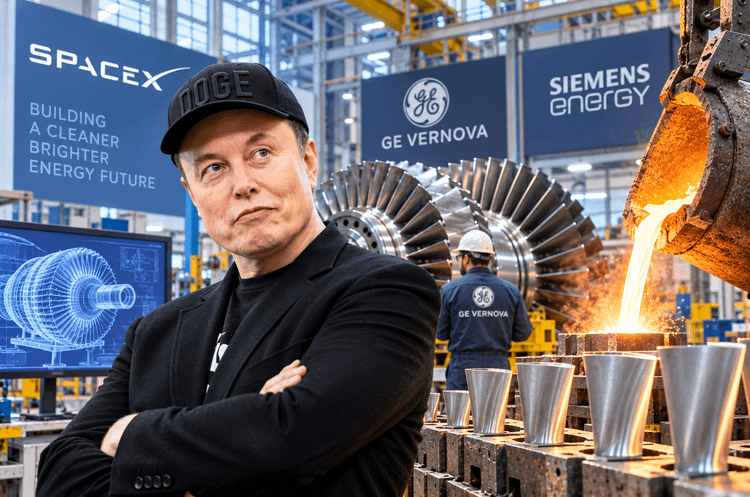
Ілон Маск вирішує проблему дефіциту електроенергії ⚡⚡⚡
SpaceX готується відкрити виробництво комплектуючих для газових турбін.
Засновник і СЕО SpaceX Ілон Маск підтвердив чутки, що компанія збирається виробляти лопатки для газових турбін. Саме їх дефіцит він вважає головним обмежувальним чинником у розгортанні потужностей дата-центрів і поширенні технологій штучного інтелекту (ШІ) в світі.
Амбіції підприємця змусили нервувати таких важковаговиків цього ринку, як GE Vernova і Siemens Energy. Після допису Ілона Маска в мережі Х акції обох компаній на Нью-Йоркській біржі дешевшали протягом торгового дня майже на 10%.
💬 «Литво турбінних лопаток залишатиметься найбільш суттєвим обмежувальним чинником для генерації електроенергії доти, доки не почнеться масштабне розгортання сонячних ШІ-супутників», – зазначив Ілон Маск.
До цього SpaceX покладатиметься на наземні центри обробки даних, щоб будувати бізнес зі штучним інтелектом. Тому Маск шукає можливості для їх сталого енергозабезпечення і зробив ставку на газову генерацію.
#SpaceX #Musk #Aİ
{spot}(SPCXBUSDT)
Ілон Маск вирішує проблему дефіциту електроенергії ⚡⚡⚡
SpaceX готується відкрити виробництво комплектуючих для газових турбін.
Засновник і СЕО SpaceX Ілон Маск підтвердив чутки, що компанія збирається виробляти лопатки для газових турбін. Саме їх дефіцит він вважає головним обмежувальним чинником у розгортанні потужностей дата-центрів і поширенні технологій штучного інтелекту (ШІ) в світі.
Амбіції підприємця змусили нервувати таких важковаговиків цього ринку, як GE Vernova і Siemens Energy. Після допису Ілона Маска в мережі Х акції обох компаній на Нью-Йоркській біржі дешевшали протягом торгового дня майже на 10%.
💬 «Литво турбінних лопаток залишатиметься найбільш суттєвим обмежувальним чинником для генерації електроенергії доти, доки не почнеться масштабне розгортання сонячних ШІ-супутників», – зазначив Ілон Маск.
До цього SpaceX покладатиметься на наземні центри обробки даних, щоб будувати бізнес зі штучним інтелектом. Тому Маск шукає можливості для їх сталого енергозабезпечення і зробив ставку на газову генерацію.
#SpaceX #Musk #Aİ
SpaceX готується відкрити виробництво комплектуючих для газових турбін.
Засновник і СЕО SpaceX Ілон Маск підтвердив чутки, що компанія збирається виробляти лопатки для газових турбін. Саме їх дефіцит він вважає головним обмежувальним чинником у розгортанні потужностей дата-центрів і поширенні технологій штучного інтелекту (ШІ) в світі.
Амбіції підприємця змусили нервувати таких важковаговиків цього ринку, як GE Vernova і Siemens Energy. Після допису Ілона Маска в мережі Х акції обох компаній на Нью-Йоркській біржі дешевшали протягом торгового дня майже на 10%.
💬 «Литво турбінних лопаток залишатиметься найбільш суттєвим обмежувальним чинником для генерації електроенергії доти, доки не почнеться масштабне розгортання сонячних ШІ-супутників», – зазначив Ілон Маск.
До цього SpaceX покладатиметься на наземні центри обробки даних, щоб будувати бізнес зі штучним інтелектом. Тому Маск шукає можливості для їх сталого енергозабезпечення і зробив ставку на газову генерацію.
#SpaceX #Musk #Aİ
8
745
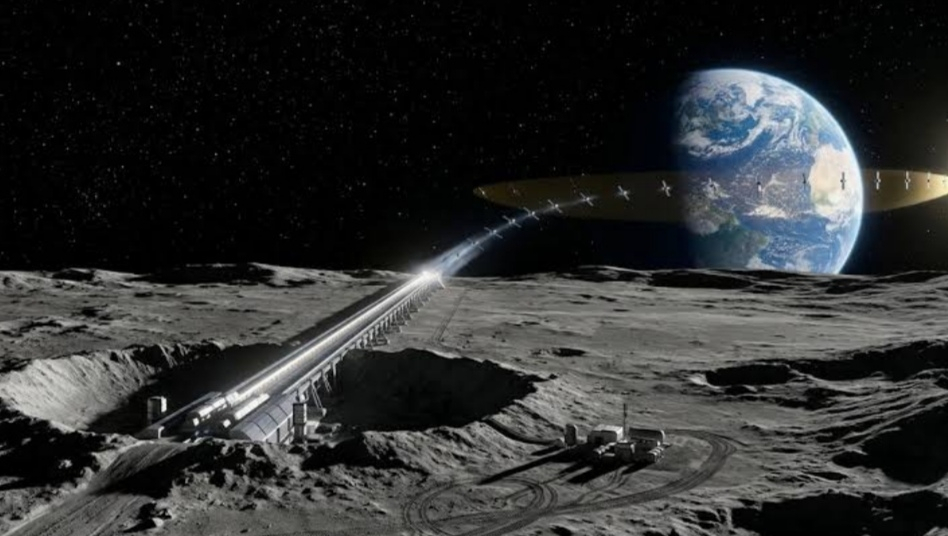
Ілон Маск придумав, як врятувати Землю за допомогою місячного AI-щита 🌍🌒📡
Він переконаний, що знає спосіб врятувати Землю протягом 1 млрд років. На його думку, розгорнуті з поверхні Місяця розумні AI-супутники здатні забезпечувати придатні для життя умови на нашій планеті практично безкінечно.
У своїй публікації в мережі X бізнесмен зазначив, що банальної відмови від викопного палива на користь сонячної та вітрової енергетики буде недостатньо для захисту людства від масштабних катастроф, які призводять до вимирання видів і стаються приблизно кожні 100 млн років.
Запропонований ним розв’язок полягає в застосуванні розумних супутників на сонячних батареях під керуванням AI. Ці апарати повинні розташовуватися в стабільній точці між Землею та Сонцем після їх виведення з поверхні Місяця за допомогою велетенського електромагнітного катапульта замість класичних ракет.
Інтегрований AI здійснюватиме постійне мікрокоригування системи в безперервному режимі, не очікуючи на командні вказівки від людей.
#Musk #SpaceX #Aİ
Ілон Маск придумав, як врятувати Землю за допомогою місячного AI-щита 🌍🌒📡
Він переконаний, що знає спосіб врятувати Землю протягом 1 млрд років. На його думку, розгорнуті з поверхні Місяця розумні AI-супутники здатні забезпечувати придатні для життя умови на нашій планеті практично безкінечно.
У своїй публікації в мережі X бізнесмен зазначив, що банальної відмови від викопного палива на користь сонячної та вітрової енергетики буде недостатньо для захисту людства від масштабних катастроф, які призводять до вимирання видів і стаються приблизно кожні 100 млн років.
Запропонований ним розв’язок полягає в застосуванні розумних супутників на сонячних батареях під керуванням AI. Ці апарати повинні розташовуватися в стабільній точці між Землею та Сонцем після їх виведення з поверхні Місяця за допомогою велетенського електромагнітного катапульта замість класичних ракет.
Інтегрований AI здійснюватиме постійне мікрокоригування системи в безперервному режимі, не очікуючи на командні вказівки від людей.
#Musk #SpaceX #Aİ
Він переконаний, що знає спосіб врятувати Землю протягом 1 млрд років. На його думку, розгорнуті з поверхні Місяця розумні AI-супутники здатні забезпечувати придатні для життя умови на нашій планеті практично безкінечно.
У своїй публікації в мережі X бізнесмен зазначив, що банальної відмови від викопного палива на користь сонячної та вітрової енергетики буде недостатньо для захисту людства від масштабних катастроф, які призводять до вимирання видів і стаються приблизно кожні 100 млн років.
Запропонований ним розв’язок полягає в застосуванні розумних супутників на сонячних батареях під керуванням AI. Ці апарати повинні розташовуватися в стабільній точці між Землею та Сонцем після їх виведення з поверхні Місяця за допомогою велетенського електромагнітного катапульта замість класичних ракет.
Інтегрований AI здійснюватиме постійне мікрокоригування системи в безперервному режимі, не очікуючи на командні вказівки від людей.
#Musk #SpaceX #Aİ
2
7
2.2k
$SPCXB
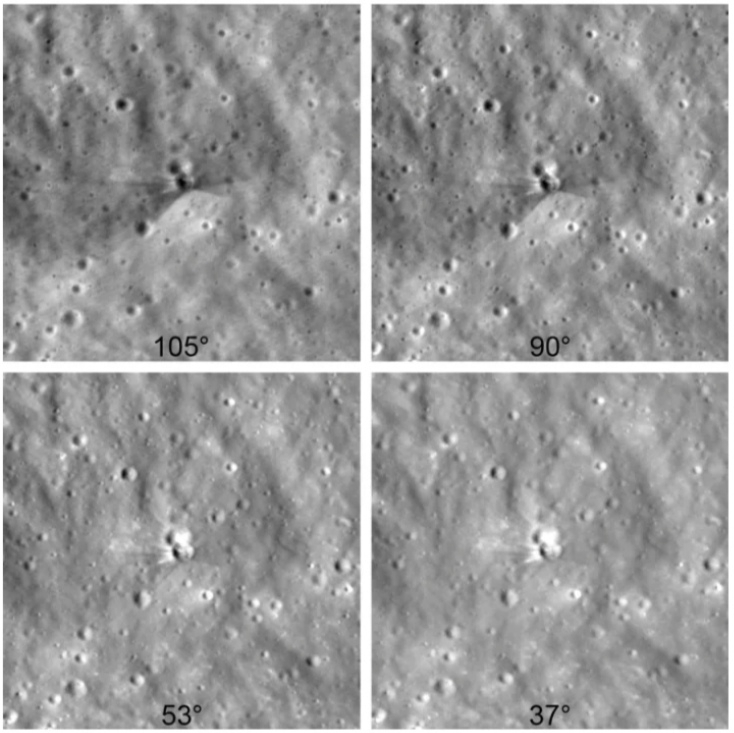
Ракета Ілона Маска врізалася в Місяць і зробила кратер 🌘
NASA показала знімки нового 18-метрового кратера на Місяці, який утворився після падіння верхнього ступеня ракети SpaceX Falcon 9.
Знімки показали сам кратер, а також темні та яскраві смуги навколо нього. Світліші смуги — це свіжа речовина, яку під час удару викинуло на поверхню з глибоких шарів ґрунту.
Цю ракету запустили 15 січня 2025 року, щоб вивести в космос два приватні місячні посадкові апарати. Після відокремлення корисного вантажу верхній ступінь ракети довжиною близько 12 метрів і вагою чотири тонни не зміг повернутися в атмосферу Землі та на багато місяців «застряг» на витягнутій навколоземній орбіті.
5️⃣ серпня він остаточно впав на поверхню Місяця неподалік від кратера Ейнштейна на швидкості близько 8 690 км/год, що утворило новий кратер — 18 метрів у ширину та менше трьох метрів у глибину.
#SpaceX #Musk #NASA #bStocksSpaceX
$SPCXB
Ракета Ілона Маска врізалася в Місяць і зробила кратер 🌘
NASA показала знімки нового 18-метрового кратера на Місяці, який утворився після падіння верхнього ступеня ракети SpaceX Falcon 9.
Знімки показали сам кратер, а також темні та яскраві смуги навколо нього. Світліші смуги — це свіжа речовина, яку під час удару викинуло на поверхню з глибоких шарів ґрунту.
Цю ракету запустили 15 січня 2025 року, щоб вивести в космос два приватні місячні посадкові апарати. Після відокремлення корисного вантажу верхній ступінь ракети довжиною близько 12 метрів і вагою чотири тонни не зміг повернутися в атмосферу Землі та на багато місяців «застряг» на витягнутій навколоземній орбіті.
5️⃣ серпня він остаточно впав на поверхню Місяця неподалік від кратера Ейнштейна на швидкості близько 8 690 км/год, що утворило новий кратер — 18 метрів у ширину та менше трьох метрів у глибину.
#SpaceX #Musk #NASA #bStocksSpaceX
Ракета Ілона Маска врізалася в Місяць і зробила кратер 🌘
NASA показала знімки нового 18-метрового кратера на Місяці, який утворився після падіння верхнього ступеня ракети SpaceX Falcon 9.
Знімки показали сам кратер, а також темні та яскраві смуги навколо нього. Світліші смуги — це свіжа речовина, яку під час удару викинуло на поверхню з глибоких шарів ґрунту.
Цю ракету запустили 15 січня 2025 року, щоб вивести в космос два приватні місячні посадкові апарати. Після відокремлення корисного вантажу верхній ступінь ракети довжиною близько 12 метрів і вагою чотири тонни не зміг повернутися в атмосферу Землі та на багато місяців «застряг» на витягнутій навколоземній орбіті.
5️⃣ серпня він остаточно впав на поверхню Місяця неподалік від кратера Ейнштейна на швидкості близько 8 690 км/год, що утворило новий кратер — 18 метрів у ширину та менше трьох метрів у глибину.
#SpaceX #Musk #NASA #bStocksSpaceX
1
12
6.8k
MORGAN STANLEY SEES $300 SPACEX — 2.2B ROBOTS BECOME THE NEW AI CLOUD ⚡🤖
The battlefield for AI dominance just shifted. Morgan Stanley's Adam Jonas dropped a killer thesis: distributed computing from a robot swarm could push SpaceX to a 1 Terawatt power target faster than any data center on Earth. 🧠
By 2040, we're talking ~2.2 billion robots running at 500W each — that's 1.1 Terawatts of raw inference power, theoretically stitched together through Starlink. This is what Jonas calls the "distributed inference cloud." Fixed and mobile edge nodes, snapped into one hybrid architecture. Tesla holders already know the play — Musk's been talking about idle cars and Megapods as compute nodes for years. Now SpaceX investors need to catch up.
The numbers get stupid interesting: compute prices near $31/W by Q4 2026 could fuel $42B in incremental revenue through 2027 — nearly tripling the top line. And Grok's creeping up the leaderboard, hitting 61 on the intelligence index with 4.7 just weeks out.
Starship's 14th flight? First-ever booster stack catch would print a major milestone. Are you locked into SpaceX's compute narrative, or just watching the rockets? 🚀
⚠️ Not financial advice. Always manage your risk. 🛡️
🏷️ $SPACEX #AIComputing #DistributedCloud #Musk #SpaceTech
🚀⚡
MORGAN STANLEY SEES $300 SPACEX — 2.2B ROBOTS BECOME THE NEW AI CLOUD ⚡🤖
The battlefield for AI dominance just shifted. Morgan Stanley's Adam Jonas dropped a killer thesis: distributed computing from a robot swarm could push SpaceX to a 1 Terawatt power target faster than any data center on Earth. 🧠
By 2040, we're talking ~2.2 billion robots running at 500W each — that's 1.1 Terawatts of raw inference power, theoretically stitched together through Starlink. This is what Jonas calls the "distributed inference cloud." Fixed and mobile edge nodes, snapped into one hybrid architecture. Tesla holders already know the play — Musk's been talking about idle cars and Megapods as compute nodes for years. Now SpaceX investors need to catch up.
The numbers get stupid interesting: compute prices near $31/W by Q4 2026 could fuel $42B in incremental revenue through 2027 — nearly tripling the top line. And Grok's creeping up the leaderboard, hitting 61 on the intelligence index with 4.7 just weeks out.
Starship's 14th flight? First-ever booster stack catch would print a major milestone. Are you locked into SpaceX's compute narrative, or just watching the rockets? 🚀
⚠️ Not financial advice. Always manage your risk. 🛡️
🏷️ $SPACEX #AIComputing #DistributedCloud #Musk #SpaceTech
🚀⚡
The battlefield for AI dominance just shifted. Morgan Stanley's Adam Jonas dropped a killer thesis: distributed computing from a robot swarm could push SpaceX to a 1 Terawatt power target faster than any data center on Earth. 🧠
By 2040, we're talking ~2.2 billion robots running at 500W each — that's 1.1 Terawatts of raw inference power, theoretically stitched together through Starlink. This is what Jonas calls the "distributed inference cloud." Fixed and mobile edge nodes, snapped into one hybrid architecture. Tesla holders already know the play — Musk's been talking about idle cars and Megapods as compute nodes for years. Now SpaceX investors need to catch up.
The numbers get stupid interesting: compute prices near $31/W by Q4 2026 could fuel $42B in incremental revenue through 2027 — nearly tripling the top line. And Grok's creeping up the leaderboard, hitting 61 on the intelligence index with 4.7 just weeks out.
Starship's 14th flight? First-ever booster stack catch would print a major milestone. Are you locked into SpaceX's compute narrative, or just watching the rockets? 🚀
⚠️ Not financial advice. Always manage your risk. 🛡️
🏷️ $SPACEX #AIComputing #DistributedCloud #Musk #SpaceTech
🚀⚡
72
·
--

Мақала
Musk e o trilhão no mercado de ações: o “space boom”Tem algo errado. Em 2025, a Amazon reportou receitas recordes de US$ 716 bilhões, gerando lucros líquidos de quase US$ 78 bilhões. Também em 2025, a SpaceX, de Elon Musk, acumulou receitas de US$ 18,7 bilhões e prejuízos de US$ 4,9 bilhões devido aos investimentos necessários para desenvolver inteligência artificial, data centers e foguetes espaciais. Anteontem, na Bolsa de Valores de Nova York, onde a SpaceX acaba de abrir seu capital, a empresa de Musk valia praticamente o mesmo que a Amazon, cerca de US$ 2,7 trilhões. Você também vê algo errado? A Volkswagen, que atravessa um período difícil, vendeu 9 milhões de carros em 2025, gerou receitas de US$ 340 bilhões e lucrou US$ 7,3 bilhões: seu valor de mercado gira em torno de US$ 53 bilhões. A Tesla, de Musk, vendeu 1,6 milhão de carros em 2025, gerou receitas de US$ 95 bilhões (e em queda) com lucros de US$ 3,8 bilhões: vale US$ 1,3 trilhão no mercado de ações. O Prêmio Nobel, Paul Krugman, resumiu a situação da seguinte forma: "Temos um termo para empresas que parecem ser bem-sucedidas porque continuam atraindo novos investidores, justamente por parecerem lucrativas. Chamamos isso de esquemas Ponzi. E Elon Musk é essencialmente um esquema Ponzi humano." O mercado compra promessas, ou, para sermos gentis, genialidade. Veja o caso do antigo Twitter: comprado por Musk com um empréstimo bancário de US$ 13 bilhões, renomeado X e destruído em poucos meses em meio à debandada de patrocinadores e ao pânico em Wall Street; a chegada de Trump à Casa Branca trouxe de volta alguns investidores e lhe deu um fôlego, tempo suficiente para incorporar o X à xAI (março de 2025), capitalizando o entusiasmo do mercado pela inteligência artificial, mesmo que o Grok não seja exatamente considerado um sucesso no setor. Hoje, essas duas empresas (com receita de 3,2 bilhões e prejuízo de 6,4 bilhões em 2025) estão sendo fundidas na SpaceX, que inclui uma empresa lucrativa (Starlink) e mais uma rodada de promessas do bom e velho Elon Musk (de 18 para "1 trilhão de dólares em receita até 2030"). Não é a perspicácia empreendedora e industrial de Musk que está em dúvida, mas sim os múltiplos de suas empresas no mercado de ações, visto que, no dia em que a bolha estourar, o estrondo será ouvido em todo o sistema solar: e assim, pelo menos, nosso homem terá cumprido sua promessa de nos levar a Marte...
#Musk #SpaceX #NASDAQ
Musk e o trilhão no mercado de ações: o “space boom”
Tem algo errado. Em 2025, a Amazon reportou receitas recordes de US$ 716 bilhões, gerando lucros líquidos de quase US$ 78 bilhões. Também em 2025, a SpaceX, de Elon Musk, acumulou receitas de US$ 18,7 bilhões e prejuízos de US$ 4,9 bilhões devido aos investimentos necessários para desenvolver inteligência artificial, data centers e foguetes espaciais. Anteontem, na Bolsa de Valores de Nova York, onde a SpaceX acaba de abrir seu capital, a empresa de Musk valia praticamente o mesmo que a Amazon, cerca de US$ 2,7 trilhões. Você também vê algo errado? A Volkswagen, que atravessa um período difícil, vendeu 9 milhões de carros em 2025, gerou receitas de US$ 340 bilhões e lucrou US$ 7,3 bilhões: seu valor de mercado gira em torno de US$ 53 bilhões. A Tesla, de Musk, vendeu 1,6 milhão de carros em 2025, gerou receitas de US$ 95 bilhões (e em queda) com lucros de US$ 3,8 bilhões: vale US$ 1,3 trilhão no mercado de ações. O Prêmio Nobel, Paul Krugman, resumiu a situação da seguinte forma: "Temos um termo para empresas que parecem ser bem-sucedidas porque continuam atraindo novos investidores, justamente por parecerem lucrativas. Chamamos isso de esquemas Ponzi. E Elon Musk é essencialmente um esquema Ponzi humano." O mercado compra promessas, ou, para sermos gentis, genialidade. Veja o caso do antigo Twitter: comprado por Musk com um empréstimo bancário de US$ 13 bilhões, renomeado X e destruído em poucos meses em meio à debandada de patrocinadores e ao pânico em Wall Street; a chegada de Trump à Casa Branca trouxe de volta alguns investidores e lhe deu um fôlego, tempo suficiente para incorporar o X à xAI (março de 2025), capitalizando o entusiasmo do mercado pela inteligência artificial, mesmo que o Grok não seja exatamente considerado um sucesso no setor. Hoje, essas duas empresas (com receita de 3,2 bilhões e prejuízo de 6,4 bilhões em 2025) estão sendo fundidas na SpaceX, que inclui uma empresa lucrativa (Starlink) e mais uma rodada de promessas do bom e velho Elon Musk (de 18 para "1 trilhão de dólares em receita até 2030"). Não é a perspicácia empreendedora e industrial de Musk que está em dúvida, mas sim os múltiplos de suas empresas no mercado de ações, visto que, no dia em que a bolha estourar, o estrondo será ouvido em todo o sistema solar: e assim, pelo menos, nosso homem terá cumprido sua promessa de nos levar a Marte...
#Musk #SpaceX #NASDAQ
#Musk #SpaceX #NASDAQ
2
1.8k

AI TRENDS
Elon Musk admits he "previously underestimated Anthropic"
and now calls it a leader in the AI industry.
The comment signals growing respect for Anthropic’s
safety-focused models and rapid growth.
With AI competition heating up, every major player
is being re-rated by tech’s biggest names.
#Elon #Musk
AI TRENDS
Elon Musk admits he "previously underestimated Anthropic"
and now calls it a leader in the AI industry.
The comment signals growing respect for Anthropic’s
safety-focused models and rapid growth.
With AI competition heating up, every major player
is being re-rated by tech’s biggest names.
#Elon #Musk
Elon Musk admits he "previously underestimated Anthropic"
and now calls it a leader in the AI industry.
The comment signals growing respect for Anthropic’s
safety-focused models and rapid growth.
With AI competition heating up, every major player
is being re-rated by tech’s biggest names.
#Elon #Musk
126


·
--
Ішінара рас
SpaceX成功上市的意义,远比马斯克个人财富突破1万亿美元更值得关注。
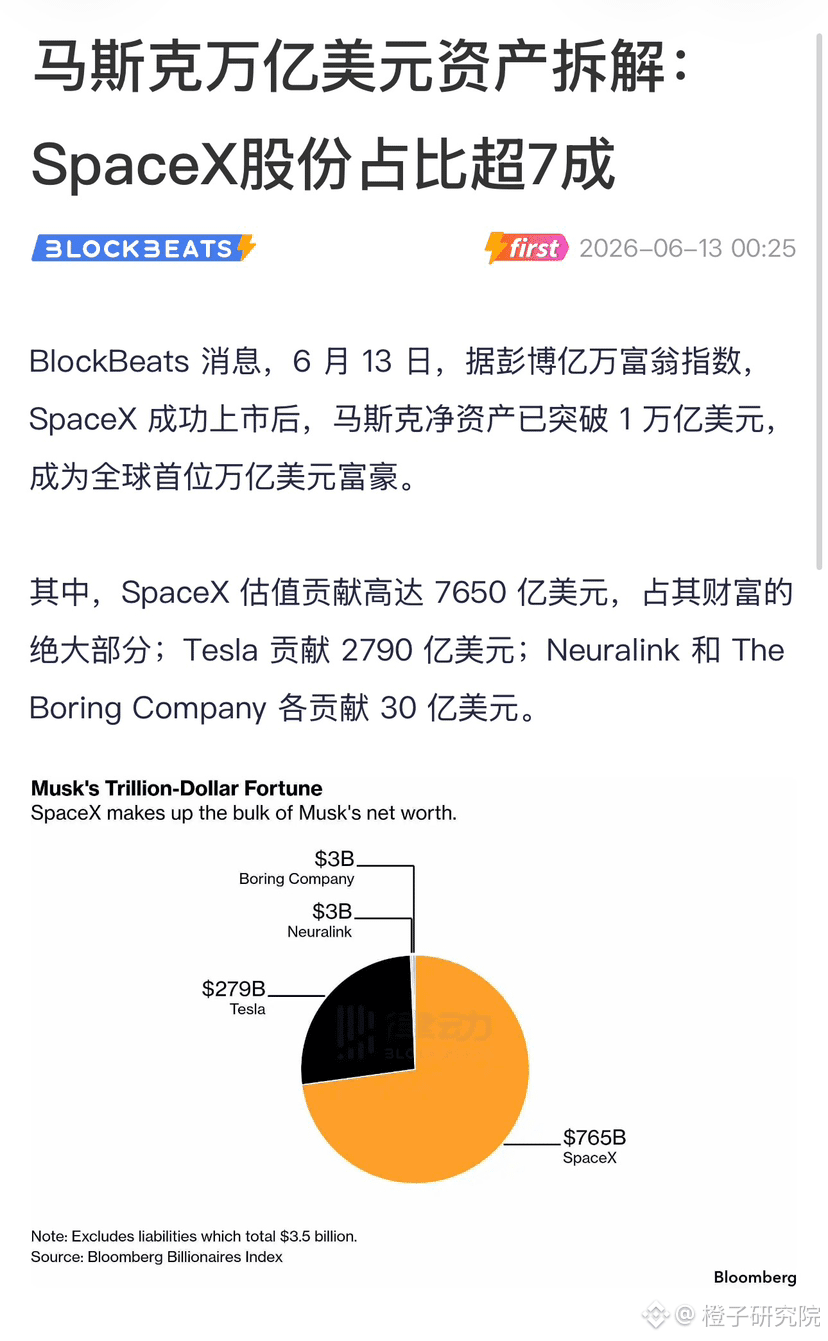
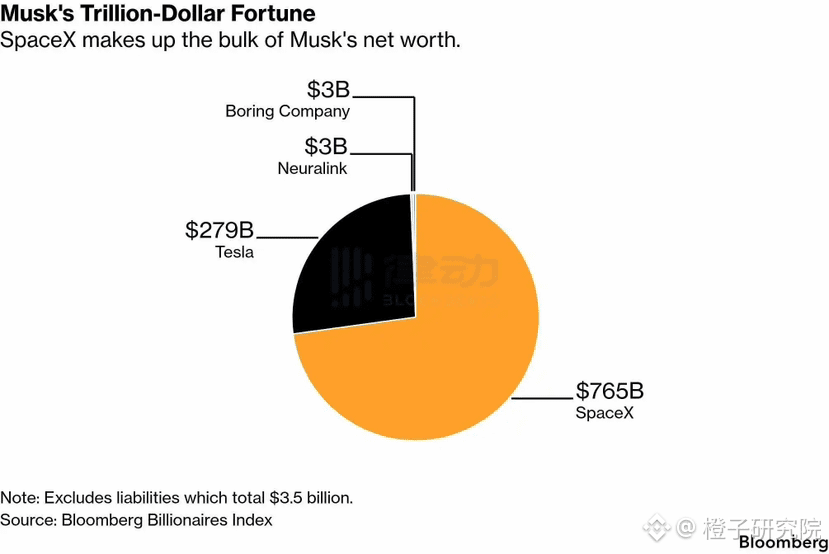
从图中可以清晰看到,马斯克财富结构已经发生根本性变化。SpaceX估值贡献高达7650亿美元,占其总财富超过70%;而曾经的核心资产特斯拉,如今仅贡献2790亿美元。Neuralink与The Boring Company合计占比甚至不足1%。
这意味着资本市场对马斯克的定价逻辑,已经从“新能源汽车革命”全面切换到“太空基础设施革命”。
过去市场给予特斯拉高估值,本质是押注电动车渗透率提升;而如今给予SpaceX近2万亿美元估值,则是在押注星链网络、低轨卫星通信、航天运输以及未来全球太空经济的长期成长空间。
更重要的是,SpaceX正在成为全球最具垄断属性的商业航天平台,其商业模式、技术壁垒和战略价值,已经远超传统科技企业。
可以说,未来影响马斯克财富波动最大的因素,不再是特斯拉销量,而是SpaceX的发射能力、星链扩张速度以及全球航天产业的发展周期。
一个属于电动车的时代正在成熟,而一个属于太空经济的新周期,或许才刚刚开始。🌎🚀
$SPCX
#SpaceX #ETH #elon #MUSK
SpaceX成功上市的意义,远比马斯克个人财富突破1万亿美元更值得关注。
从图中可以清晰看到,马斯克财富结构已经发生根本性变化。SpaceX估值贡献高达7650亿美元,占其总财富超过70%;而曾经的核心资产特斯拉,如今仅贡献2790亿美元。Neuralink与The Boring Company合计占比甚至不足1%。
这意味着资本市场对马斯克的定价逻辑,已经从“新能源汽车革命”全面切换到“太空基础设施革命”。
过去市场给予特斯拉高估值,本质是押注电动车渗透率提升;而如今给予SpaceX近2万亿美元估值,则是在押注星链网络、低轨卫星通信、航天运输以及未来全球太空经济的长期成长空间。
更重要的是,SpaceX正在成为全球最具垄断属性的商业航天平台,其商业模式、技术壁垒和战略价值,已经远超传统科技企业。
可以说,未来影响马斯克财富波动最大的因素,不再是特斯拉销量,而是SpaceX的发射能力、星链扩张速度以及全球航天产业的发展周期。
一个属于电动车的时代正在成熟,而一个属于太空经济的新周期,或许才刚刚开始。🌎🚀
$SPCX
#SpaceX #ETH #elon #MUSK
从图中可以清晰看到,马斯克财富结构已经发生根本性变化。SpaceX估值贡献高达7650亿美元,占其总财富超过70%;而曾经的核心资产特斯拉,如今仅贡献2790亿美元。Neuralink与The Boring Company合计占比甚至不足1%。
这意味着资本市场对马斯克的定价逻辑,已经从“新能源汽车革命”全面切换到“太空基础设施革命”。
过去市场给予特斯拉高估值,本质是押注电动车渗透率提升;而如今给予SpaceX近2万亿美元估值,则是在押注星链网络、低轨卫星通信、航天运输以及未来全球太空经济的长期成长空间。
更重要的是,SpaceX正在成为全球最具垄断属性的商业航天平台,其商业模式、技术壁垒和战略价值,已经远超传统科技企业。
可以说,未来影响马斯克财富波动最大的因素,不再是特斯拉销量,而是SpaceX的发射能力、星链扩张速度以及全球航天产业的发展周期。
一个属于电动车的时代正在成熟,而一个属于太空经济的新周期,或许才刚刚开始。🌎🚀
$SPCX
#SpaceX #ETH #elon #MUSK
3
2k

·
--
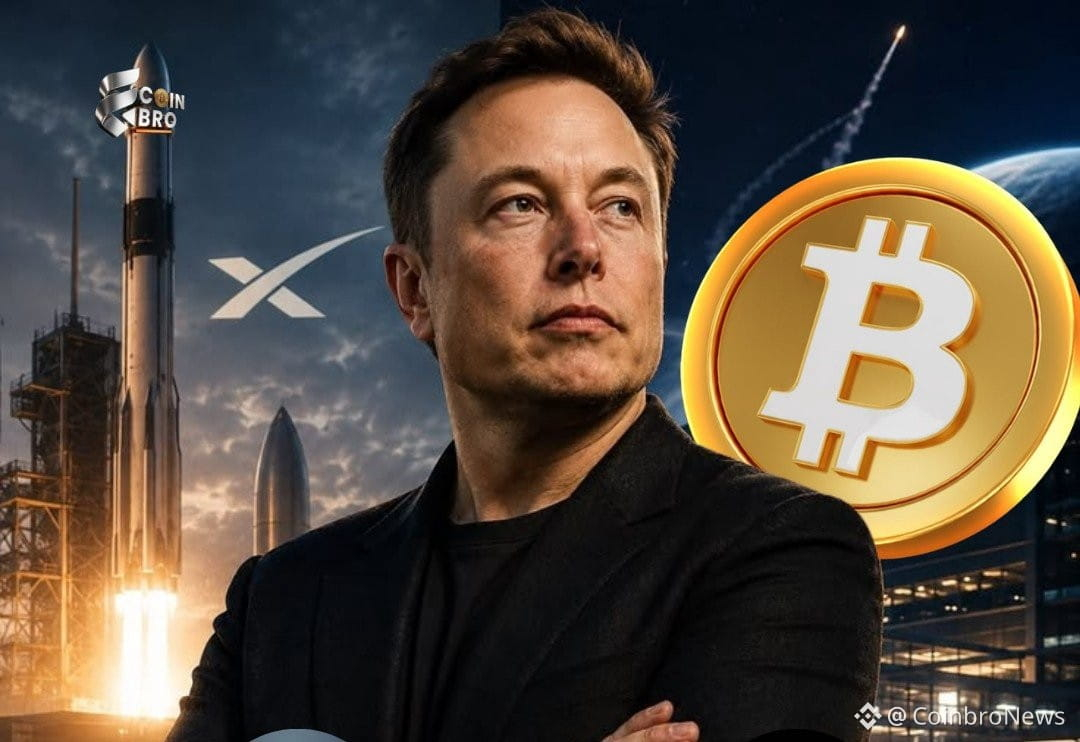
市场热议:Musk 被传正推动 Mag8 将资产负债表的一部分配置到 $BTC,甚至提出“合计持有四分之一比特币”的激进设想。
这个叙事的核心不在于一句话能否立刻落地,而在于它再次把“企业储备资产是否需要比特币”推到台前。若后续出现真实董事会提案、财报披露或托管资金流入,才会对价格形成更强支撑;若只是舆论发酵,则更可能带来短线情绪波动。
关注点:别追标题,盯公告、链上大额流动和机构持仓变化。#比特币 #Musk
市场热议:Musk 被传正推动 Mag8 将资产负债表的一部分配置到 $BTC ,甚至提出“合计持有四分之一比特币”的激进设想。
这个叙事的核心不在于一句话能否立刻落地,而在于它再次把“企业储备资产是否需要比特币”推到台前。若后续出现真实董事会提案、财报披露或托管资金流入,才会对价格形成更强支撑;若只是舆论发酵,则更可能带来短线情绪波动。
关注点:别追标题,盯公告、链上大额流动和机构持仓变化。#比特币 #Musk
这个叙事的核心不在于一句话能否立刻落地,而在于它再次把“企业储备资产是否需要比特币”推到台前。若后续出现真实董事会提案、财报披露或托管资金流入,才会对价格形成更强支撑;若只是舆论发酵,则更可能带来短线情绪波动。
关注点:别追标题,盯公告、链上大额流动和机构持仓变化。#比特币 #Musk
109
·
--
BREAKING: Elon Musk’s net worth is closing in on Bitcoin’s total market cap — the gap narrowed to just $80 billion during Friday’s trading.
#Musk #bitcoin #SaylorHintsStrategyBitcoinBuy $BTC $SPCX
BREAKING: Elon Musk’s net worth is closing in on Bitcoin’s total market cap — the gap narrowed to just $80 billion during Friday’s trading.
#Musk #bitcoin #SaylorHintsStrategyBitcoinBuy $BTC $SPCX
#Musk #bitcoin #SaylorHintsStrategyBitcoinBuy $BTC $SPCX
140
$SPACEX VALUATION DROPS $20 IN SINGLE DAY – MUSK LOSES $109B 💥
The numbers here are staggering. A $20/share slide erased nearly $110 billion from Musk's paper wealth in 24 hours — that's more than most crypto projects' entire market cap. SpaceX still sits at $156/share, but this kind of velocity on a private stock usually means big money repositioning.
When a whale of this magnitude takes a hit, liquidity often rotates into other assets. Last time Musk's net worth took a similar haircut, we saw weird volume spikes on tokens he's mentioned. Are you watching any Musk-correlated names for a potential bid?
Not financial advice. Always manage your risk.
#SpaceX #Musk #ValuationDrop #CryptoMarket
💎
$SPACEX VALUATION DROPS $20 IN SINGLE DAY – MUSK LOSES $109B 💥
The numbers here are staggering. A $20/share slide erased nearly $110 billion from Musk's paper wealth in 24 hours — that's more than most crypto projects' entire market cap. SpaceX still sits at $156/share, but this kind of velocity on a private stock usually means big money repositioning.
When a whale of this magnitude takes a hit, liquidity often rotates into other assets. Last time Musk's net worth took a similar haircut, we saw weird volume spikes on tokens he's mentioned. Are you watching any Musk-correlated names for a potential bid?
Not financial advice. Always manage your risk.
#SpaceX #Musk #ValuationDrop #CryptoMarket
💎
The numbers here are staggering. A $20/share slide erased nearly $110 billion from Musk's paper wealth in 24 hours — that's more than most crypto projects' entire market cap. SpaceX still sits at $156/share, but this kind of velocity on a private stock usually means big money repositioning.
When a whale of this magnitude takes a hit, liquidity often rotates into other assets. Last time Musk's net worth took a similar haircut, we saw weird volume spikes on tokens he's mentioned. Are you watching any Musk-correlated names for a potential bid?
Not financial advice. Always manage your risk.
#SpaceX #Musk #ValuationDrop #CryptoMarket
💎
81

·
--
🟠 Маск и Сэйлор намекают на рост Биткоина, поскольку программа эффективности правительства DOGE завершается
Департамент государственной эффективности (DOGE), временная государственная программа, официально завершил свою работу 4 июля, как и планировалось. Несмотря на его крах в ноябре прошлого года и молчаливый трекер сбережений с января, комиссия заявила о значительной экономии. Илон Маск, бывший со-лидер, отметил это событие патриотическим видео, в то время как Майкл Сэйлор из MicroStrategy ответил загадочным сообщением, намекающим на "₿etter" альтернативу. Ответ Сэйлора, заменившего букву символом Биткоина, трейдеры интерпретируют как сигнал для Биткоина взять на себя мантию "твердых денег" от усилий по реформированию правительства. Этот обмен мнениями возрождает воспоминания о прошлых призывах Сэйлора к Tesla держать Биткоин, подпитывая спекуляции о возобновлении институционального интереса.
📊 Этот сдвиг нарратива может обеспечить небольшой психологический импульс для Биткоина, потенциально влияя на краткосрочные настроения и торговые действия, хотя немедленное влияние на цену маловероятно без дальнейших конкретных событий.
Является ли "₿etter" Сэйлора настоящим призывом к действию для институционального принятия Биткоина, или просто праздничным шумом? 👇
#doge #bitcoin #musk #saylor #microstrategy
🟠 Маск и Сэйлор намекают на рост Биткоина, поскольку программа эффективности правительства DOGE завершается
Департамент государственной эффективности (DOGE), временная государственная программа, официально завершил свою работу 4 июля, как и планировалось. Несмотря на его крах в ноябре прошлого года и молчаливый трекер сбережений с января, комиссия заявила о значительной экономии. Илон Маск, бывший со-лидер, отметил это событие патриотическим видео, в то время как Майкл Сэйлор из MicroStrategy ответил загадочным сообщением, намекающим на "₿etter" альтернативу. Ответ Сэйлора, заменившего букву символом Биткоина, трейдеры интерпретируют как сигнал для Биткоина взять на себя мантию "твердых денег" от усилий по реформированию правительства. Этот обмен мнениями возрождает воспоминания о прошлых призывах Сэйлора к Tesla держать Биткоин, подпитывая спекуляции о возобновлении институционального интереса.
📊 Этот сдвиг нарратива может обеспечить небольшой психологический импульс для Биткоина, потенциально влияя на краткосрочные настроения и торговые действия, хотя немедленное влияние на цену маловероятно без дальнейших конкретных событий.
Является ли "₿etter" Сэйлора настоящим призывом к действию для институционального принятия Биткоина, или просто праздничным шумом? 👇
#doge #bitcoin #musk #saylor #microstrategy
Департамент государственной эффективности (DOGE), временная государственная программа, официально завершил свою работу 4 июля, как и планировалось. Несмотря на его крах в ноябре прошлого года и молчаливый трекер сбережений с января, комиссия заявила о значительной экономии. Илон Маск, бывший со-лидер, отметил это событие патриотическим видео, в то время как Майкл Сэйлор из MicroStrategy ответил загадочным сообщением, намекающим на "₿etter" альтернативу. Ответ Сэйлора, заменившего букву символом Биткоина, трейдеры интерпретируют как сигнал для Биткоина взять на себя мантию "твердых денег" от усилий по реформированию правительства. Этот обмен мнениями возрождает воспоминания о прошлых призывах Сэйлора к Tesla держать Биткоин, подпитывая спекуляции о возобновлении институционального интереса.
📊 Этот сдвиг нарратива может обеспечить небольшой психологический импульс для Биткоина, потенциально влияя на краткосрочные настроения и торговые действия, хотя немедленное влияние на цену маловероятно без дальнейших конкретных событий.
Является ли "₿etter" Сэйлора настоящим призывом к действию для институционального принятия Биткоина, или просто праздничным шумом? 👇
#doge #bitcoin #musk #saylor #microstrategy
156

·
--
Жоғары (өспелі)
#SKHynixRisesOver5%Premarket
El Personaje de la Semana: cuatro lecciones financieras de Musk que sirven aunque no te caiga bien.$BTC
{future}(BTCUSDT)
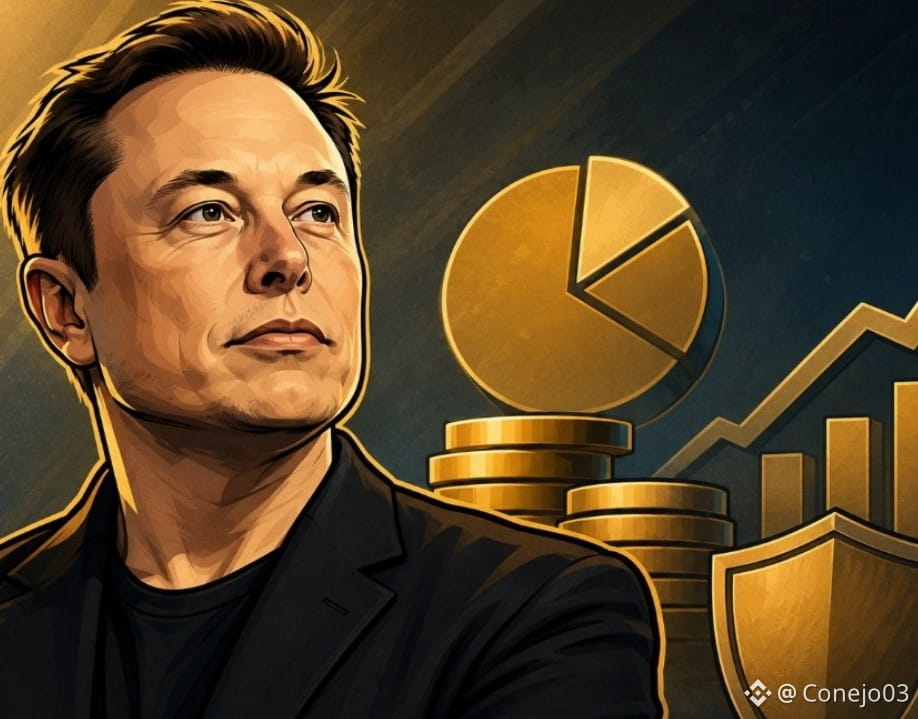
#Musk Después de tres entregas siguiendo el dinero -la fortuna de PayPal, el invierno de 2008 y el costo de mover mercados con un tuit- queda la pregunta que importa: qué se lleva de todo esto un inversor cripto que no tiene cohetes ni fábricas, Bastante, en realidad. Pero casi ninguna de las lecciones es la que suele repetirse en los hilos motivacionales de X.
1. Sobrevivir vale más que tener razón.
Musk tenía razón sobre el auto eléctrico en 2008 y eso no le sirvió de nada en diciembre de ese año. Lo que lo salvó no fue la tesis, fue llegar con capital suficiente al momento en que la tesis se validó.
2. La concentración crea fortunas, pero solo si controlas el activo.$BTC
Musk hizo exactamente lo contrario de lo que recomienda cualquier manual: puso casi todo su capital en dos apuestas simultáneas de altísima mortalidad. Le salió bien.
3. El relato consigue capital, pero no lo reemplaza.
La habilidad narrativa de Musk fue decisiva para financiar empresas que los números no justificaban todavía. Esa es la parte legítima de la historia, y es la que el ecosistema cripto imita hasta el ridículo.
4. Nunca dejes tu tesis en manos de una sola persona.$BTC
Es la lección más incómoda y la más directamente aplicable. Quien compró Bitcoin en febrero de 2021 porque Tesla lo había comprado, tenía una tesis prestada. Cuando el dueño de esa tesis cambió de opinión en mayo, no quedaba nada abajo.
#SKHynixRisesOver5%Premarket
El Personaje de la Semana: cuatro lecciones financieras de Musk que sirven aunque no te caiga bien.$BTC
#Musk Después de tres entregas siguiendo el dinero -la fortuna de PayPal, el invierno de 2008 y el costo de mover mercados con un tuit- queda la pregunta que importa: qué se lleva de todo esto un inversor cripto que no tiene cohetes ni fábricas, Bastante, en realidad. Pero casi ninguna de las lecciones es la que suele repetirse en los hilos motivacionales de X.
1. Sobrevivir vale más que tener razón.
Musk tenía razón sobre el auto eléctrico en 2008 y eso no le sirvió de nada en diciembre de ese año. Lo que lo salvó no fue la tesis, fue llegar con capital suficiente al momento en que la tesis se validó.
2. La concentración crea fortunas, pero solo si controlas el activo.$BTC
Musk hizo exactamente lo contrario de lo que recomienda cualquier manual: puso casi todo su capital en dos apuestas simultáneas de altísima mortalidad. Le salió bien.
3. El relato consigue capital, pero no lo reemplaza.
La habilidad narrativa de Musk fue decisiva para financiar empresas que los números no justificaban todavía. Esa es la parte legítima de la historia, y es la que el ecosistema cripto imita hasta el ridículo.
4. Nunca dejes tu tesis en manos de una sola persona.$BTC
Es la lección más incómoda y la más directamente aplicable. Quien compró Bitcoin en febrero de 2021 porque Tesla lo había comprado, tenía una tesis prestada. Cuando el dueño de esa tesis cambió de opinión en mayo, no quedaba nada abajo.
El Personaje de la Semana: cuatro lecciones financieras de Musk que sirven aunque no te caiga bien.$BTC
#Musk Después de tres entregas siguiendo el dinero -la fortuna de PayPal, el invierno de 2008 y el costo de mover mercados con un tuit- queda la pregunta que importa: qué se lleva de todo esto un inversor cripto que no tiene cohetes ni fábricas, Bastante, en realidad. Pero casi ninguna de las lecciones es la que suele repetirse en los hilos motivacionales de X.
1. Sobrevivir vale más que tener razón.
Musk tenía razón sobre el auto eléctrico en 2008 y eso no le sirvió de nada en diciembre de ese año. Lo que lo salvó no fue la tesis, fue llegar con capital suficiente al momento en que la tesis se validó.
2. La concentración crea fortunas, pero solo si controlas el activo.$BTC
Musk hizo exactamente lo contrario de lo que recomienda cualquier manual: puso casi todo su capital en dos apuestas simultáneas de altísima mortalidad. Le salió bien.
3. El relato consigue capital, pero no lo reemplaza.
La habilidad narrativa de Musk fue decisiva para financiar empresas que los números no justificaban todavía. Esa es la parte legítima de la historia, y es la que el ecosistema cripto imita hasta el ridículo.
4. Nunca dejes tu tesis en manos de una sola persona.$BTC
Es la lección más incómoda y la más directamente aplicable. Quien compró Bitcoin en febrero de 2021 porque Tesla lo había comprado, tenía una tesis prestada. Cuando el dueño de esa tesis cambió de opinión en mayo, no quedaba nada abajo.
1
1.1k

🦈 MUSK JUST BACKED THE $SPACEX 33% PULLBACK AS A CRAZY OPPORTUNITY! 💥
📉 $SPACEX has carved out a deep discount after sliding to $108.37 — roughly 32.67% off the $200 range that marked its post-IPO peak. A $1.43T market cap absorbing this kind of drawdown is not normal retail behavior; this is where larger hands reposition while sentiment feels heaviest.
🦈 Gali framed the downtrend as fuel for a future opportunity, and Musk's short reply — "I think so" — adds quiet conviction to the thesis. From a structure standpoint, the entire move now sits below prior highs, meaning buyers need a reclaim of that $200 area to confirm a structural flip. 💡
💬 Do you treat this as a liquidity sweep in progress or the start of a deeper repricing? 👇
⚠️ Not financial advice. Always manage your risk. 🛡️
🏷️ #SPACEX #Opportunity #Musk #Markets
💎 🦈
🦈 MUSK JUST BACKED THE $SPACEX 33% PULLBACK AS A CRAZY OPPORTUNITY! 💥
📉 $SPACEX has carved out a deep discount after sliding to $108.37 — roughly 32.67% off the $200 range that marked its post-IPO peak. A $1.43T market cap absorbing this kind of drawdown is not normal retail behavior; this is where larger hands reposition while sentiment feels heaviest.
🦈 Gali framed the downtrend as fuel for a future opportunity, and Musk's short reply — "I think so" — adds quiet conviction to the thesis. From a structure standpoint, the entire move now sits below prior highs, meaning buyers need a reclaim of that $200 area to confirm a structural flip. 💡
💬 Do you treat this as a liquidity sweep in progress or the start of a deeper repricing? 👇
⚠️ Not financial advice. Always manage your risk. 🛡️
🏷️ #SPACEX #Opportunity #Musk #Markets
💎 🦈
📉 $SPACEX has carved out a deep discount after sliding to $108.37 — roughly 32.67% off the $200 range that marked its post-IPO peak. A $1.43T market cap absorbing this kind of drawdown is not normal retail behavior; this is where larger hands reposition while sentiment feels heaviest.
🦈 Gali framed the downtrend as fuel for a future opportunity, and Musk's short reply — "I think so" — adds quiet conviction to the thesis. From a structure standpoint, the entire move now sits below prior highs, meaning buyers need a reclaim of that $200 area to confirm a structural flip. 💡
💬 Do you treat this as a liquidity sweep in progress or the start of a deeper repricing? 👇
⚠️ Not financial advice. Always manage your risk. 🛡️
🏷️ #SPACEX #Opportunity #Musk #Markets
💎 🦈
75
·
--
⚡️⚡️⚡️⚡️⚡️⚡️⚡️⚡️⚡️⚡️⚡️⚡️⚡️⚡️⚡️⚡️
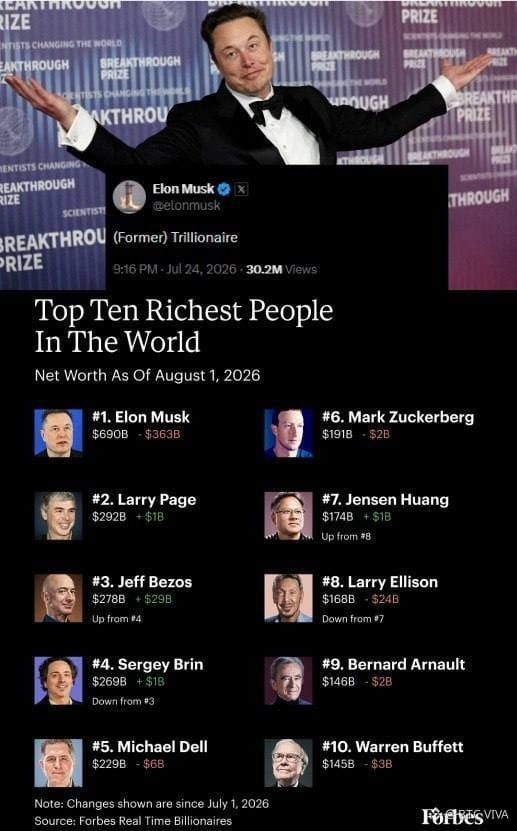
Elon Musk is no longer a trillionaire: he lost $363 billion in just one month, according to Forbes.
The publication reports that this is the largest drop in wealth in history. Musk's net worth is currently estimated at approximately $690 billion.
#Musk #SpaceX #JensenHuang
#JeffBezosWedding
$BNB
{future}(BNBUSDT)
⚡️⚡️⚡️⚡️⚡️⚡️⚡️⚡️⚡️⚡️⚡️⚡️⚡️⚡️⚡️⚡️
Elon Musk is no longer a trillionaire: he lost $363 billion in just one month, according to Forbes.
The publication reports that this is the largest drop in wealth in history. Musk's net worth is currently estimated at approximately $690 billion.
#Musk #SpaceX #JensenHuang
#JeffBezosWedding
$BNB
Elon Musk is no longer a trillionaire: he lost $363 billion in just one month, according to Forbes.
The publication reports that this is the largest drop in wealth in history. Musk's net worth is currently estimated at approximately $690 billion.
#Musk #SpaceX #JensenHuang
#JeffBezosWedding
$BNB
1
10
1k

SpaceX Files for Historic IPO, Targets Nasdaq Under “SPCX”
Elon Musk’s SpaceX has officially filed for what could become the largest IPO in history, revealing rare financial details about the company’s rocket, satellite internet, AI, and future space mining ambitions.
According to the SEC filing:
• SpaceX generated $4.7 billion in revenue in the first quarter
• The company posted a $1.9 billion operating loss
• Elon Musk will retain 85.1% voting control after the IPO
• SpaceX plans to list on Nasdaq under the ticker “SPCX”
One of the biggest surprises:
The filing reportedly reveals plans for near Earth asteroid mining operations signaling that SpaceX is positioning itself not only as a launch company, but as a future space resource giant.
AI company Anthropic will pay SpaceX $1.25 billion per month through May 2029, highlighting the growing connection between AI infrastructure and space based communications.
While the IPO size and final valuation remain undisclosed, previous reports suggested SpaceX explored raising around $75 billion at a valuation near $1.75 trillion.
If confirmed, this would instantly become one of the most important public offerings in financial history, merging AI, aerospace, satellite networks, and space industrialization into a single market giant.
#GoogleLaunchesGemini3.5Flash #Musk $B $LAB $SKYAI #cryptofirst21
SpaceX Files for Historic IPO, Targets Nasdaq Under “SPCX”
Elon Musk’s SpaceX has officially filed for what could become the largest IPO in history, revealing rare financial details about the company’s rocket, satellite internet, AI, and future space mining ambitions.
According to the SEC filing:
• SpaceX generated $4.7 billion in revenue in the first quarter
• The company posted a $1.9 billion operating loss
• Elon Musk will retain 85.1% voting control after the IPO
• SpaceX plans to list on Nasdaq under the ticker “SPCX”
One of the biggest surprises:
The filing reportedly reveals plans for near Earth asteroid mining operations signaling that SpaceX is positioning itself not only as a launch company, but as a future space resource giant.
AI company Anthropic will pay SpaceX $1.25 billion per month through May 2029, highlighting the growing connection between AI infrastructure and space based communications.
While the IPO size and final valuation remain undisclosed, previous reports suggested SpaceX explored raising around $75 billion at a valuation near $1.75 trillion.
If confirmed, this would instantly become one of the most important public offerings in financial history, merging AI, aerospace, satellite networks, and space industrialization into a single market giant.
#GoogleLaunchesGemini3.5Flash #Musk $B $LAB $SKYAI #cryptofirst21
Elon Musk’s SpaceX has officially filed for what could become the largest IPO in history, revealing rare financial details about the company’s rocket, satellite internet, AI, and future space mining ambitions.
According to the SEC filing:
• SpaceX generated $4.7 billion in revenue in the first quarter
• The company posted a $1.9 billion operating loss
• Elon Musk will retain 85.1% voting control after the IPO
• SpaceX plans to list on Nasdaq under the ticker “SPCX”
One of the biggest surprises:
The filing reportedly reveals plans for near Earth asteroid mining operations signaling that SpaceX is positioning itself not only as a launch company, but as a future space resource giant.
AI company Anthropic will pay SpaceX $1.25 billion per month through May 2029, highlighting the growing connection between AI infrastructure and space based communications.
While the IPO size and final valuation remain undisclosed, previous reports suggested SpaceX explored raising around $75 billion at a valuation near $1.75 trillion.
If confirmed, this would instantly become one of the most important public offerings in financial history, merging AI, aerospace, satellite networks, and space industrialization into a single market giant.
#GoogleLaunchesGemini3.5Flash #Musk $B $LAB $SKYAI #cryptofirst21
7
474

·
--
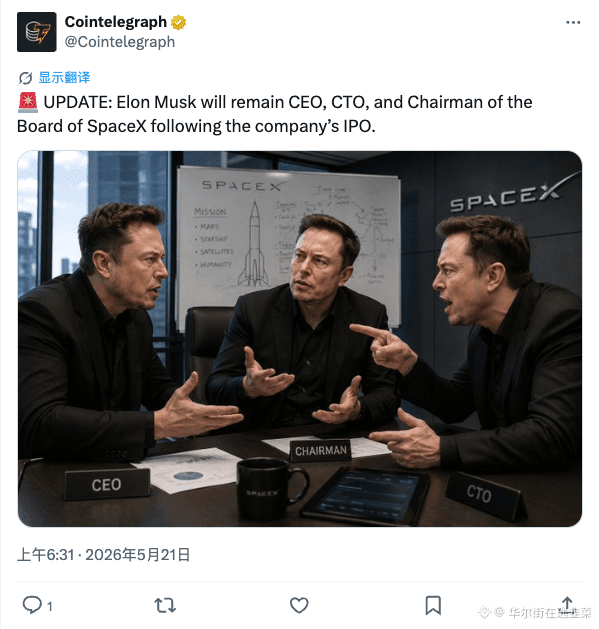
马斯克在SpaceX IPO后继续CEO、CTO、董事长一肩挑,三权归一笑死人🤡 这集权瘾比他在推特大撒币时还猛。太空土狗已经在角落抖腿了,IPO前夜就是最佳抽水机,别等钟声敲完才想起提裤子。 #SpaceXIPO #Musk $DOGE
{future}(DOGEUSDT)
马斯克在SpaceX IPO后继续CEO、CTO、董事长一肩挑,三权归一笑死人🤡 这集权瘾比他在推特大撒币时还猛。太空土狗已经在角落抖腿了,IPO前夜就是最佳抽水机,别等钟声敲完才想起提裤子。 #SpaceXIPO #Musk $DOGE
1
465

·
--
$DOGE HOLDER MUSK SEES $37.9B EVAPORATE AS SPACE X STOCK CRASHES 📉
Musk's net worth dropped below $90B after SpaceX stock fell 3.8% to near its IPO price and Tesla lost another 3% in the same session. His peak was $1.45T just three weeks ago.
This 38% correction in SpaceX mirrors the kind of structural breakdowns we watch on crypto charts — liquidity sweeps and failed highs. When the world's richest man loses almost $40B in a month, it changes risk appetite across all markets.
Could this drag down sentiment on Musk-linked tokens like Dogecoin?
Not financial advice. Always manage your risk.
#DOGE #Musk #MarketCorrection #RiskOff
💎
$DOGE HOLDER MUSK SEES $37.9B EVAPORATE AS SPACE X STOCK CRASHES 📉
Musk's net worth dropped below $90B after SpaceX stock fell 3.8% to near its IPO price and Tesla lost another 3% in the same session. His peak was $1.45T just three weeks ago.
This 38% correction in SpaceX mirrors the kind of structural breakdowns we watch on crypto charts — liquidity sweeps and failed highs. When the world's richest man loses almost $40B in a month, it changes risk appetite across all markets.
Could this drag down sentiment on Musk-linked tokens like Dogecoin?
Not financial advice. Always manage your risk.
#DOGE #Musk #MarketCorrection #RiskOff
💎
Musk's net worth dropped below $90B after SpaceX stock fell 3.8% to near its IPO price and Tesla lost another 3% in the same session. His peak was $1.45T just three weeks ago.
This 38% correction in SpaceX mirrors the kind of structural breakdowns we watch on crypto charts — liquidity sweeps and failed highs. When the world's richest man loses almost $40B in a month, it changes risk appetite across all markets.
Could this drag down sentiment on Musk-linked tokens like Dogecoin?
Not financial advice. Always manage your risk.
#DOGE #Musk #MarketCorrection #RiskOff
💎
301

·
--
Elon Musk Discusses Potential Merger of Tesla and SpaceXContext
Elon Musk has held preliminary talks with colleagues about merging Tesla and SpaceX, according to CNBC. The discussions focus on exploring operational efficiencies and strategic synergies, though no formal plans have been announced.
Analysis
A Tesla-SpaceX merger would concentrate immense capital and innovation under one roof, potentially accelerating Musk's ventures into AI, robotics, and energy. For crypto, Musk's influence on markets (especially Dogecoin and Bitcoin) could grow if the merged entity adopts or promotes digital assets. However, regulatory hurdles and corporate complexity might delay any integration, limiting near-term market impact.
Take
While intriguing, these preliminary talks are unlikely to move crypto markets directly. Traders should watch for any concrete steps toward integration that could signal broader Musk-led adoption of blockchain or payments.
$DOGE $TSLA $BTC #Musk #CryptoMarkets
Elon Musk Discusses Potential Merger of Tesla and SpaceX
Context
Elon Musk has held preliminary talks with colleagues about merging Tesla and SpaceX, according to CNBC. The discussions focus on exploring operational efficiencies and strategic synergies, though no formal plans have been announced.
Analysis
A Tesla-SpaceX merger would concentrate immense capital and innovation under one roof, potentially accelerating Musk's ventures into AI, robotics, and energy. For crypto, Musk's influence on markets (especially Dogecoin and Bitcoin) could grow if the merged entity adopts or promotes digital assets. However, regulatory hurdles and corporate complexity might delay any integration, limiting near-term market impact.
Take
While intriguing, these preliminary talks are unlikely to move crypto markets directly. Traders should watch for any concrete steps toward integration that could signal broader Musk-led adoption of blockchain or payments.
$DOGE $TSLA $BTC #Musk #CryptoMarkets
Elon Musk has held preliminary talks with colleagues about merging Tesla and SpaceX, according to CNBC. The discussions focus on exploring operational efficiencies and strategic synergies, though no formal plans have been announced.
Analysis
A Tesla-SpaceX merger would concentrate immense capital and innovation under one roof, potentially accelerating Musk's ventures into AI, robotics, and energy. For crypto, Musk's influence on markets (especially Dogecoin and Bitcoin) could grow if the merged entity adopts or promotes digital assets. However, regulatory hurdles and corporate complexity might delay any integration, limiting near-term market impact.
Take
While intriguing, these preliminary talks are unlikely to move crypto markets directly. Traders should watch for any concrete steps toward integration that could signal broader Musk-led adoption of blockchain or payments.
$DOGE $TSLA $BTC #Musk #CryptoMarkets
49
·
--
老马又要画卫星大饼了,这次把AI塞进太空轨道🤡
说几周后放详细设计,这不就是AI赛道的下一个炒作点么。太空算力,听着比机房高端一百倍,叙事够新够狠。
问题是等PPT出来再冲已经晚了,先把相关AI基础设施的底仓埋好,等韭菜来抬轿子。 #AI #Musk $FET $RNDR $AKT
{future}(AKTUSDT)
{future}(FETUSDT)
老马又要画卫星大饼了,这次把AI塞进太空轨道🤡
说几周后放详细设计,这不就是AI赛道的下一个炒作点么。太空算力,听着比机房高端一百倍,叙事够新够狠。
问题是等PPT出来再冲已经晚了,先把相关AI基础设施的底仓埋好,等韭菜来抬轿子。 #AI #Musk $FET $RNDR $AKT
说几周后放详细设计,这不就是AI赛道的下一个炒作点么。太空算力,听着比机房高端一百倍,叙事够新够狠。
问题是等PPT出来再冲已经晚了,先把相关AI基础设施的底仓埋好,等韭菜来抬轿子。 #AI #Musk $FET $RNDR $AKT

373
Көбірек контент көру үшін кіріңіз
Binance Square платформасында әлемдік криптоқоғамдастыққа қосылыңыз
⚡️ Криптовалюта туралы ең соңғы және пайдалы ақпаратты алыңыз.
💬 Әлемдегі ең ірі криптобиржаның сеніміне ие.
👍 Расталған авторлардың нақты пікірлерін табыңыз.
Электрондық пошта/телефон нөмірі
Трендтегі тақырыптар
1
#FedRateWatch
31,169 рет көрілді
194 адам талқылап жатыр
2
#BitcoinReboundsTo$79K
34,914 рет көрілді
278 адам талқылап жатыр
3
#BessentEndorsesFinalClarityActDraft
2,696 рет көрілді
125 адам талқылап жатыр
4
#ZamaOpens16ConfidentialMorphoVaults
1,667 рет көрілді
71 адам талқылап жатыр
5
#USDCOnChainVolumeTops$100Trillion
487 рет көрілді
22 адам талқылап жатыр
6
#BitcoinSpotETFsNetInflow$160M
1,400 рет көрілді
70 адам талқылап жатыр
7
#SouthKoreaCryptoTaxDelayPetitionTops50000
27,263 рет көрілді
764 адам талқылап жатыр
8
#SolanaTransactionV1GoesLiveOnMainnet
19,357 рет көрілді
504 адам талқылап жатыр
9
#RussianCentralBankFlagsCryptoAsFinancialRisk
14,371 рет көрілді
416 адам талқылап жатыр
10
#GrayscalePutsXRPAt26.11%InAdvisorPortfolio
32,139 рет көрілді
556 адам талқылап жатыр