

#gemston
gemston
12,046 рет көрілді
182 адам талқылап жатыр
Қызу саудада
Ең соңғы

·
--
STON.fi Protocol Fee Conversion Process Now Open to Public Verification
The STON.fi DAO community has approved a proposal to convert protocol fees into STON and GEMSTON for the treasury. To ensure full transparency, every conversion can now be tracked in real time.
The Ston Foundation has introduced a public transparency dashboard that provides a live on chain record of all protocol fee conversions into STON and GEMSTON, exactly as approved by the DAO. The dashboard allows anyone to independently verify every transaction, wallet address, and key treasury metric directly on chain.
This initiative demonstrates decentralized governance in action: community approved decisions are executed transparently on chain and remain publicly auditable at all times.
Explore the transparency dashboard.
The Ston Foundation's involvement is limited to supporting transparency around the DAO approved implementation. It does not participate in market making, price support activities, or discretionary token management. Any future use of the acquired tokens will be determined through additional DAO community governance decisions.
More updates will follow.
#web3 #Stonfi #Gemston
STON.fi Protocol Fee Conversion Process Now Open to Public Verification
The STON.fi DAO community has approved a proposal to convert protocol fees into STON and GEMSTON for the treasury. To ensure full transparency, every conversion can now be tracked in real time.
The Ston Foundation has introduced a public transparency dashboard that provides a live on chain record of all protocol fee conversions into STON and GEMSTON, exactly as approved by the DAO. The dashboard allows anyone to independently verify every transaction, wallet address, and key treasury metric directly on chain.
This initiative demonstrates decentralized governance in action: community approved decisions are executed transparently on chain and remain publicly auditable at all times.
Explore the transparency dashboard.
The Ston Foundation's involvement is limited to supporting transparency around the DAO approved implementation. It does not participate in market making, price support activities, or discretionary token management. Any future use of the acquired tokens will be determined through additional DAO community governance decisions.
More updates will follow.
#web3 #Stonfi #Gemston
The STON.fi DAO community has approved a proposal to convert protocol fees into STON and GEMSTON for the treasury. To ensure full transparency, every conversion can now be tracked in real time.
The Ston Foundation has introduced a public transparency dashboard that provides a live on chain record of all protocol fee conversions into STON and GEMSTON, exactly as approved by the DAO. The dashboard allows anyone to independently verify every transaction, wallet address, and key treasury metric directly on chain.
This initiative demonstrates decentralized governance in action: community approved decisions are executed transparently on chain and remain publicly auditable at all times.
Explore the transparency dashboard.
The Ston Foundation's involvement is limited to supporting transparency around the DAO approved implementation. It does not participate in market making, price support activities, or discretionary token management. Any future use of the acquired tokens will be determined through additional DAO community governance decisions.
More updates will follow.
#web3 #Stonfi #Gemston
1
68

·
--
DAO governance means more when you can actually see the results.!!!
With Ston Foundation's new public transparency page, the community can now monitor protocol fee conversions into STON and GEMSTON in real time.
It's a simple update, but an important one.
Every conversion follows the DAO-approved framework, giving the community a clear view of how protocol revenue is being handled.
Transparency builds trust, and trust is what keeps decentralized ecosystems growing.
Well done to the team and community for making governance visible, not just theoretical. 🚀
#STON #DAO #Web3 #DeFi #Blockchain #GEMSTON
DAO governance means more when you can actually see the results.!!!
With Ston Foundation's new public transparency page, the community can now monitor protocol fee conversions into STON and GEMSTON in real time.
It's a simple update, but an important one.
Every conversion follows the DAO-approved framework, giving the community a clear view of how protocol revenue is being handled.
Transparency builds trust, and trust is what keeps decentralized ecosystems growing.
Well done to the team and community for making governance visible, not just theoretical. 🚀
#STON #DAO #Web3 #DeFi #Blockchain #GEMSTON
With Ston Foundation's new public transparency page, the community can now monitor protocol fee conversions into STON and GEMSTON in real time.
It's a simple update, but an important one.
Every conversion follows the DAO-approved framework, giving the community a clear view of how protocol revenue is being handled.
Transparency builds trust, and trust is what keeps decentralized ecosystems growing.
Well done to the team and community for making governance visible, not just theoretical. 🚀
#STON #DAO #Web3 #DeFi #Blockchain #GEMSTON

71

·
--
Мақала
STON.fi and the Future of Decentralized TradingDecentralized finance is changing the way people think about trading and financial ownership. Instead of depending entirely on centralized platforms, users can interact with blockchain-based applications and maintain greater control over their assets. One project contributing to this movement is STON.fi, a decentralized exchange built on the TON blockchain.
STON.fi provides an environment where users can swap digital assets directly through decentralized infrastructure. Its design focuses on making blockchain trading accessible while taking advantage of the speed and efficiency associated with the TON ecosystem.
One important feature of decentralized exchanges is that users can interact with smart contracts rather than relying on a traditional centralized intermediary. This approach can provide greater transparency and allow users to manage their assets through compatible wallets.
The growth of the TON ecosystem also creates opportunities for decentralized applications to reach a broader audience. As more people explore blockchain technology, simple and practical trading platforms can play an important role in encouraging adoption.
STON.fi represents part of a wider movement toward open financial infrastructure. As decentralized finance continues developing, platforms that prioritize usability, accessibility, and innovation may become increasingly important in the digital economy.
#STONfi
#GEMSTON
#ston
STON.fi and the Future of Decentralized Trading
Decentralized finance is changing the way people think about trading and financial ownership. Instead of depending entirely on centralized platforms, users can interact with blockchain-based applications and maintain greater control over their assets. One project contributing to this movement is STON.fi, a decentralized exchange built on the TON blockchain.
STON.fi provides an environment where users can swap digital assets directly through decentralized infrastructure. Its design focuses on making blockchain trading accessible while taking advantage of the speed and efficiency associated with the TON ecosystem.
One important feature of decentralized exchanges is that users can interact with smart contracts rather than relying on a traditional centralized intermediary. This approach can provide greater transparency and allow users to manage their assets through compatible wallets.
The growth of the TON ecosystem also creates opportunities for decentralized applications to reach a broader audience. As more people explore blockchain technology, simple and practical trading platforms can play an important role in encouraging adoption.
STON.fi represents part of a wider movement toward open financial infrastructure. As decentralized finance continues developing, platforms that prioritize usability, accessibility, and innovation may become increasingly important in the digital economy.
#STONfi
#GEMSTON
#ston
STON.fi provides an environment where users can swap digital assets directly through decentralized infrastructure. Its design focuses on making blockchain trading accessible while taking advantage of the speed and efficiency associated with the TON ecosystem.
One important feature of decentralized exchanges is that users can interact with smart contracts rather than relying on a traditional centralized intermediary. This approach can provide greater transparency and allow users to manage their assets through compatible wallets.
The growth of the TON ecosystem also creates opportunities for decentralized applications to reach a broader audience. As more people explore blockchain technology, simple and practical trading platforms can play an important role in encouraging adoption.
STON.fi represents part of a wider movement toward open financial infrastructure. As decentralized finance continues developing, platforms that prioritize usability, accessibility, and innovation may become increasingly important in the digital economy.
#STONfi
#GEMSTON
#ston
1
106
·
--
Мақала
Understanding Token Swaps with STON.fiToken swapping is one of the most common activities in decentralized finance. A swap allows a user to exchange one digital asset for another through a blockchain-based protocol. STON.fi provides decentralized swapping functionality within the TON ecosystem.
For someone new to decentralized finance, the process can initially seem complicated. Users generally need a compatible wallet, sufficient network fees, and an understanding of the assets they want to exchange. Before confirming a transaction, it is important to review the token, amount, expected outcome, and applicable transaction costs.
One useful concept to understand is liquidity. Decentralized exchanges rely on liquidity to facilitate trading. Liquidity can influence how efficiently a swap is executed and how much price impact may occur for larger transactions.
Another important concept is slippage. Market conditions and available liquidity can affect the final amount received from a swap. Users should understand these factors rather than assuming every transaction will execute at exactly the displayed price.
STON.fi makes decentralized trading part of the TON experience. Its existence demonstrates how blockchain applications can provide practical financial tools without depending entirely on centralized intermediaries.
Learning how swaps work before trading is essential. Knowledge, careful transaction review, and responsible wallet security can help users navigate decentralized finance more confidently.
#stonfi
#GEMSTON
#ston
Understanding Token Swaps with STON.fi
Token swapping is one of the most common activities in decentralized finance. A swap allows a user to exchange one digital asset for another through a blockchain-based protocol. STON.fi provides decentralized swapping functionality within the TON ecosystem.
For someone new to decentralized finance, the process can initially seem complicated. Users generally need a compatible wallet, sufficient network fees, and an understanding of the assets they want to exchange. Before confirming a transaction, it is important to review the token, amount, expected outcome, and applicable transaction costs.
One useful concept to understand is liquidity. Decentralized exchanges rely on liquidity to facilitate trading. Liquidity can influence how efficiently a swap is executed and how much price impact may occur for larger transactions.
Another important concept is slippage. Market conditions and available liquidity can affect the final amount received from a swap. Users should understand these factors rather than assuming every transaction will execute at exactly the displayed price.
STON.fi makes decentralized trading part of the TON experience. Its existence demonstrates how blockchain applications can provide practical financial tools without depending entirely on centralized intermediaries.
Learning how swaps work before trading is essential. Knowledge, careful transaction review, and responsible wallet security can help users navigate decentralized finance more confidently.
#stonfi
#GEMSTON
#ston
For someone new to decentralized finance, the process can initially seem complicated. Users generally need a compatible wallet, sufficient network fees, and an understanding of the assets they want to exchange. Before confirming a transaction, it is important to review the token, amount, expected outcome, and applicable transaction costs.
One useful concept to understand is liquidity. Decentralized exchanges rely on liquidity to facilitate trading. Liquidity can influence how efficiently a swap is executed and how much price impact may occur for larger transactions.
Another important concept is slippage. Market conditions and available liquidity can affect the final amount received from a swap. Users should understand these factors rather than assuming every transaction will execute at exactly the displayed price.
STON.fi makes decentralized trading part of the TON experience. Its existence demonstrates how blockchain applications can provide practical financial tools without depending entirely on centralized intermediaries.
Learning how swaps work before trading is essential. Knowledge, careful transaction review, and responsible wallet security can help users navigate decentralized finance more confidently.
#stonfi
#GEMSTON
#ston
1
110
·
--
Мақала
Why Decentralized Exchanges MatterThe cryptocurrency industry has introduced a new approach to financial services through decentralized exchanges. Unlike traditional exchanges that operate through centralized companies, decentralized exchanges allow users to trade assets using blockchain-based protocols. STON.fi is one example operating within the TON ecosystem.
Decentralized exchanges can provide users with direct access to token swaps without requiring the same type of centralized account structure found on traditional platforms. This can make blockchain-based trading more flexible for people who prefer interacting directly with decentralized applications.
Another important advantage is transparency. Blockchain transactions can generally be verified through the network, allowing users to examine transaction activity and understand how assets move. Smart contracts can also automate parts of the trading process according to programmed rules.
STON.fi focuses on creating a decentralized trading experience within TON. The platform contributes to the development of an ecosystem where users can explore different digital assets and blockchain applications.
As decentralized finance develops, education will remain essential. New users need to understand wallets, transaction fees, liquidity, smart contracts, and security before participating.
The future of decentralized trading will depend not only on technology but also on usability. Platforms that make blockchain interactions easier to understand can help bring decentralized finance to a wider audience.
#STONfi
#GEMSTON
#ston
Why Decentralized Exchanges Matter
The cryptocurrency industry has introduced a new approach to financial services through decentralized exchanges. Unlike traditional exchanges that operate through centralized companies, decentralized exchanges allow users to trade assets using blockchain-based protocols. STON.fi is one example operating within the TON ecosystem.
Decentralized exchanges can provide users with direct access to token swaps without requiring the same type of centralized account structure found on traditional platforms. This can make blockchain-based trading more flexible for people who prefer interacting directly with decentralized applications.
Another important advantage is transparency. Blockchain transactions can generally be verified through the network, allowing users to examine transaction activity and understand how assets move. Smart contracts can also automate parts of the trading process according to programmed rules.
STON.fi focuses on creating a decentralized trading experience within TON. The platform contributes to the development of an ecosystem where users can explore different digital assets and blockchain applications.
As decentralized finance develops, education will remain essential. New users need to understand wallets, transaction fees, liquidity, smart contracts, and security before participating.
The future of decentralized trading will depend not only on technology but also on usability. Platforms that make blockchain interactions easier to understand can help bring decentralized finance to a wider audience.
#STONfi
#GEMSTON
#ston
Decentralized exchanges can provide users with direct access to token swaps without requiring the same type of centralized account structure found on traditional platforms. This can make blockchain-based trading more flexible for people who prefer interacting directly with decentralized applications.
Another important advantage is transparency. Blockchain transactions can generally be verified through the network, allowing users to examine transaction activity and understand how assets move. Smart contracts can also automate parts of the trading process according to programmed rules.
STON.fi focuses on creating a decentralized trading experience within TON. The platform contributes to the development of an ecosystem where users can explore different digital assets and blockchain applications.
As decentralized finance develops, education will remain essential. New users need to understand wallets, transaction fees, liquidity, smart contracts, and security before participating.
The future of decentralized trading will depend not only on technology but also on usability. Platforms that make blockchain interactions easier to understand can help bring decentralized finance to a wider audience.
#STONfi
#GEMSTON
#ston
1
96
·
--
Мақала
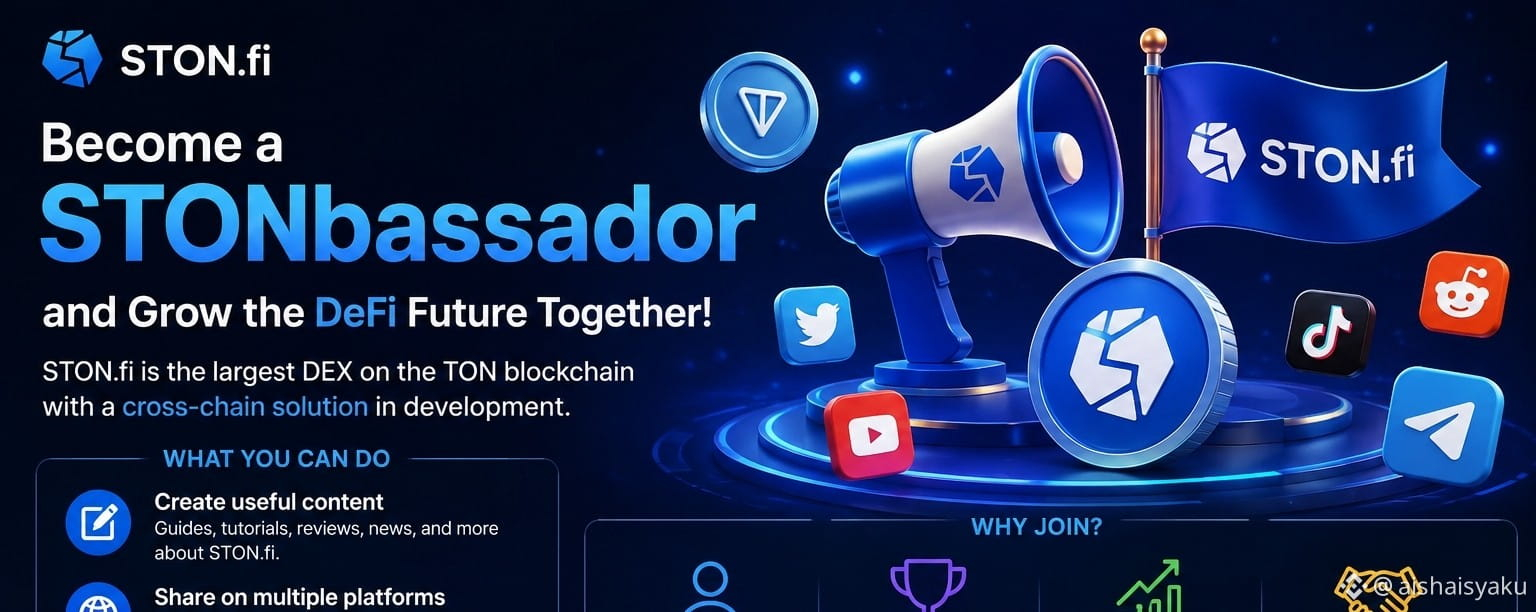
The Growing Role of DeFi CommunitiesTechnology may provide the foundation for decentralized finance, but communities help ecosystems grow. Developers build applications, traders use them, liquidity providers support markets, and educators help newcomers understand the technology. STON.fi operates within this broader community-driven environment.
Open blockchain ecosystems can encourage people from different backgrounds to contribute ideas, content, feedback, and technical development. This creates opportunities for users to become more than passive participants.
Educational content is especially valuable. Articles, guides, videos, discussions, and tutorials can help people understand decentralized exchanges and blockchain concepts. Clear information can reduce confusion and encourage responsible participation.
Community members can also contribute by sharing their experiences and discussing developments within the ecosystem. However, responsible communication is important. People should distinguish between personal opinions and verified information, especially when discussing financial assets.
STON.fi's ecosystem demonstrates how a decentralized application can become part of a larger blockchain community. As TON develops, community participation can help introduce more people to decentralized applications.
The strongest communities are not built only around promotion. They are built around education, useful contributions, constructive discussions, and shared interest in technological development.
For DeFi to grow sustainably, communities and developers must work together to make blockchain technology more understandable, accessible, and useful.
#STONfi
#GEMSTON
#ston
The Growing Role of DeFi Communities
Technology may provide the foundation for decentralized finance, but communities help ecosystems grow. Developers build applications, traders use them, liquidity providers support markets, and educators help newcomers understand the technology. STON.fi operates within this broader community-driven environment.
Open blockchain ecosystems can encourage people from different backgrounds to contribute ideas, content, feedback, and technical development. This creates opportunities for users to become more than passive participants.
Educational content is especially valuable. Articles, guides, videos, discussions, and tutorials can help people understand decentralized exchanges and blockchain concepts. Clear information can reduce confusion and encourage responsible participation.
Community members can also contribute by sharing their experiences and discussing developments within the ecosystem. However, responsible communication is important. People should distinguish between personal opinions and verified information, especially when discussing financial assets.
STON.fi's ecosystem demonstrates how a decentralized application can become part of a larger blockchain community. As TON develops, community participation can help introduce more people to decentralized applications.
The strongest communities are not built only around promotion. They are built around education, useful contributions, constructive discussions, and shared interest in technological development.
For DeFi to grow sustainably, communities and developers must work together to make blockchain technology more understandable, accessible, and useful.
#STONfi
#GEMSTON
#ston
Open blockchain ecosystems can encourage people from different backgrounds to contribute ideas, content, feedback, and technical development. This creates opportunities for users to become more than passive participants.
Educational content is especially valuable. Articles, guides, videos, discussions, and tutorials can help people understand decentralized exchanges and blockchain concepts. Clear information can reduce confusion and encourage responsible participation.
Community members can also contribute by sharing their experiences and discussing developments within the ecosystem. However, responsible communication is important. People should distinguish between personal opinions and verified information, especially when discussing financial assets.
STON.fi's ecosystem demonstrates how a decentralized application can become part of a larger blockchain community. As TON develops, community participation can help introduce more people to decentralized applications.
The strongest communities are not built only around promotion. They are built around education, useful contributions, constructive discussions, and shared interest in technological development.
For DeFi to grow sustainably, communities and developers must work together to make blockchain technology more understandable, accessible, and useful.
#STONfi
#GEMSTON
#ston
2
100
·
--
Мақала
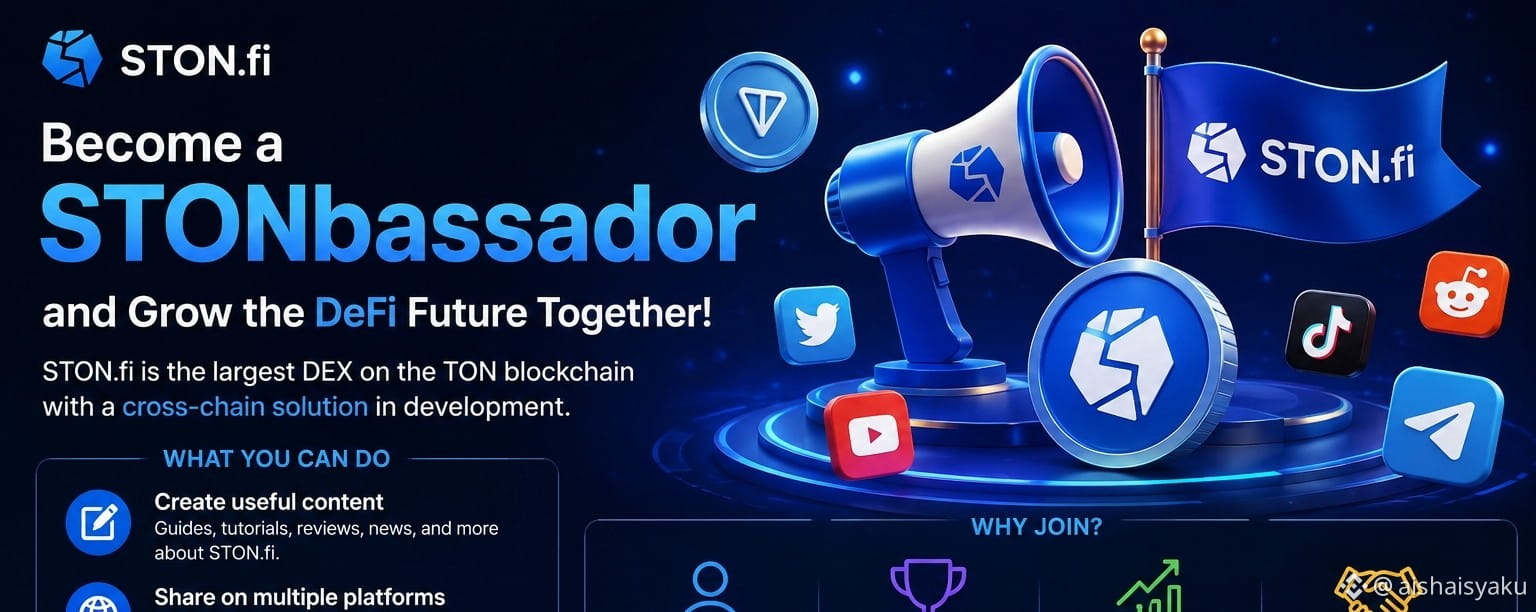
The Future of User-Friendly DeFiDecentralized finance has enormous technological potential, but complicated interfaces can discourage newcomers. For DeFi to reach a wider audience, platforms need to make blockchain interactions easier to understand. STON.fi is an example of a project working within the TON ecosystem to provide decentralized trading functionality.
User-friendly design matters because blockchain applications often introduce concepts that are unfamiliar to traditional internet users. Wallet connections, transaction confirmations, network fees, token addresses, and smart contracts can all seem complicated at first.
A well-designed decentralized application can reduce unnecessary confusion while still giving users control over their transactions. Education remains equally important because a simple interface cannot eliminate the need for responsible decision-making.
The future of DeFi may involve applications that combine decentralized infrastructure with familiar user experiences. If blockchain technology becomes easier to use, more people may feel comfortable exploring decentralized services.
STON.fi contributes to this broader development by offering decentralized trading within the TON ecosystem. As blockchain technology evolves, platforms will likely continue experimenting with new features, improved interfaces, and greater interoperability.
Ultimately, successful DeFi adoption will require more than technical innovation. It will require trust, education, security, accessibility, and useful products.
The next generation of decentralized finance could become significantly more approachable if developers continue focusing on the real needs of everyday users.
#STONfi
#GEMSTON
#ston
The Future of User-Friendly DeFi
Decentralized finance has enormous technological potential, but complicated interfaces can discourage newcomers. For DeFi to reach a wider audience, platforms need to make blockchain interactions easier to understand. STON.fi is an example of a project working within the TON ecosystem to provide decentralized trading functionality.
User-friendly design matters because blockchain applications often introduce concepts that are unfamiliar to traditional internet users. Wallet connections, transaction confirmations, network fees, token addresses, and smart contracts can all seem complicated at first.
A well-designed decentralized application can reduce unnecessary confusion while still giving users control over their transactions. Education remains equally important because a simple interface cannot eliminate the need for responsible decision-making.
The future of DeFi may involve applications that combine decentralized infrastructure with familiar user experiences. If blockchain technology becomes easier to use, more people may feel comfortable exploring decentralized services.
STON.fi contributes to this broader development by offering decentralized trading within the TON ecosystem. As blockchain technology evolves, platforms will likely continue experimenting with new features, improved interfaces, and greater interoperability.
Ultimately, successful DeFi adoption will require more than technical innovation. It will require trust, education, security, accessibility, and useful products.
The next generation of decentralized finance could become significantly more approachable if developers continue focusing on the real needs of everyday users.
#STONfi
#GEMSTON
#ston
User-friendly design matters because blockchain applications often introduce concepts that are unfamiliar to traditional internet users. Wallet connections, transaction confirmations, network fees, token addresses, and smart contracts can all seem complicated at first.
A well-designed decentralized application can reduce unnecessary confusion while still giving users control over their transactions. Education remains equally important because a simple interface cannot eliminate the need for responsible decision-making.
The future of DeFi may involve applications that combine decentralized infrastructure with familiar user experiences. If blockchain technology becomes easier to use, more people may feel comfortable exploring decentralized services.
STON.fi contributes to this broader development by offering decentralized trading within the TON ecosystem. As blockchain technology evolves, platforms will likely continue experimenting with new features, improved interfaces, and greater interoperability.
Ultimately, successful DeFi adoption will require more than technical innovation. It will require trust, education, security, accessibility, and useful products.
The next generation of decentralized finance could become significantly more approachable if developers continue focusing on the real needs of everyday users.
#STONfi
#GEMSTON
#ston
5
98
·
--
Мақала
Blockchain Innovation and Everyday FinanceBlockchain technology is moving beyond the idea of digital currencies. Developers are creating applications that attempt to improve different aspects of financial services. Decentralized exchanges are one example of this innovation, and STON.fi is part of the decentralized finance ecosystem on TON.
Traditional financial systems often depend on institutions that manage transactions and accounts. Blockchain networks introduce another model where software and decentralized networks can facilitate interactions between users.
This does not mean decentralized finance is perfect. Users still face challenges involving security, market volatility, technical complexity, and regulatory uncertainty. Understanding these challenges is essential before participating.
The potential benefit of blockchain-based financial applications comes from their accessibility and programmability. Users with compatible wallets and network access can interact with decentralized applications without necessarily going through the same traditional processes.
STON.fi contributes to this developing environment by providing decentralized trading functionality. Its role highlights how blockchain applications can transform technical infrastructure into practical services.
As the industry matures, successful projects will need to balance innovation with usability and security. Technology alone is not enough. Users need interfaces they can understand, educational resources they can trust, and tools that encourage responsible participation.
Blockchain's long-term impact may ultimately depend on how effectively these technologies solve real problems.
#STONfi
#GEMSTON
#ston
Blockchain Innovation and Everyday Finance
Blockchain technology is moving beyond the idea of digital currencies. Developers are creating applications that attempt to improve different aspects of financial services. Decentralized exchanges are one example of this innovation, and STON.fi is part of the decentralized finance ecosystem on TON.
Traditional financial systems often depend on institutions that manage transactions and accounts. Blockchain networks introduce another model where software and decentralized networks can facilitate interactions between users.
This does not mean decentralized finance is perfect. Users still face challenges involving security, market volatility, technical complexity, and regulatory uncertainty. Understanding these challenges is essential before participating.
The potential benefit of blockchain-based financial applications comes from their accessibility and programmability. Users with compatible wallets and network access can interact with decentralized applications without necessarily going through the same traditional processes.
STON.fi contributes to this developing environment by providing decentralized trading functionality. Its role highlights how blockchain applications can transform technical infrastructure into practical services.
As the industry matures, successful projects will need to balance innovation with usability and security. Technology alone is not enough. Users need interfaces they can understand, educational resources they can trust, and tools that encourage responsible participation.
Blockchain's long-term impact may ultimately depend on how effectively these technologies solve real problems.
#STONfi
#GEMSTON
#ston
Traditional financial systems often depend on institutions that manage transactions and accounts. Blockchain networks introduce another model where software and decentralized networks can facilitate interactions between users.
This does not mean decentralized finance is perfect. Users still face challenges involving security, market volatility, technical complexity, and regulatory uncertainty. Understanding these challenges is essential before participating.
The potential benefit of blockchain-based financial applications comes from their accessibility and programmability. Users with compatible wallets and network access can interact with decentralized applications without necessarily going through the same traditional processes.
STON.fi contributes to this developing environment by providing decentralized trading functionality. Its role highlights how blockchain applications can transform technical infrastructure into practical services.
As the industry matures, successful projects will need to balance innovation with usability and security. Technology alone is not enough. Users need interfaces they can understand, educational resources they can trust, and tools that encourage responsible participation.
Blockchain's long-term impact may ultimately depend on how effectively these technologies solve real problems.
#STONfi
#GEMSTON
#ston
1
91
·
--
Мақала
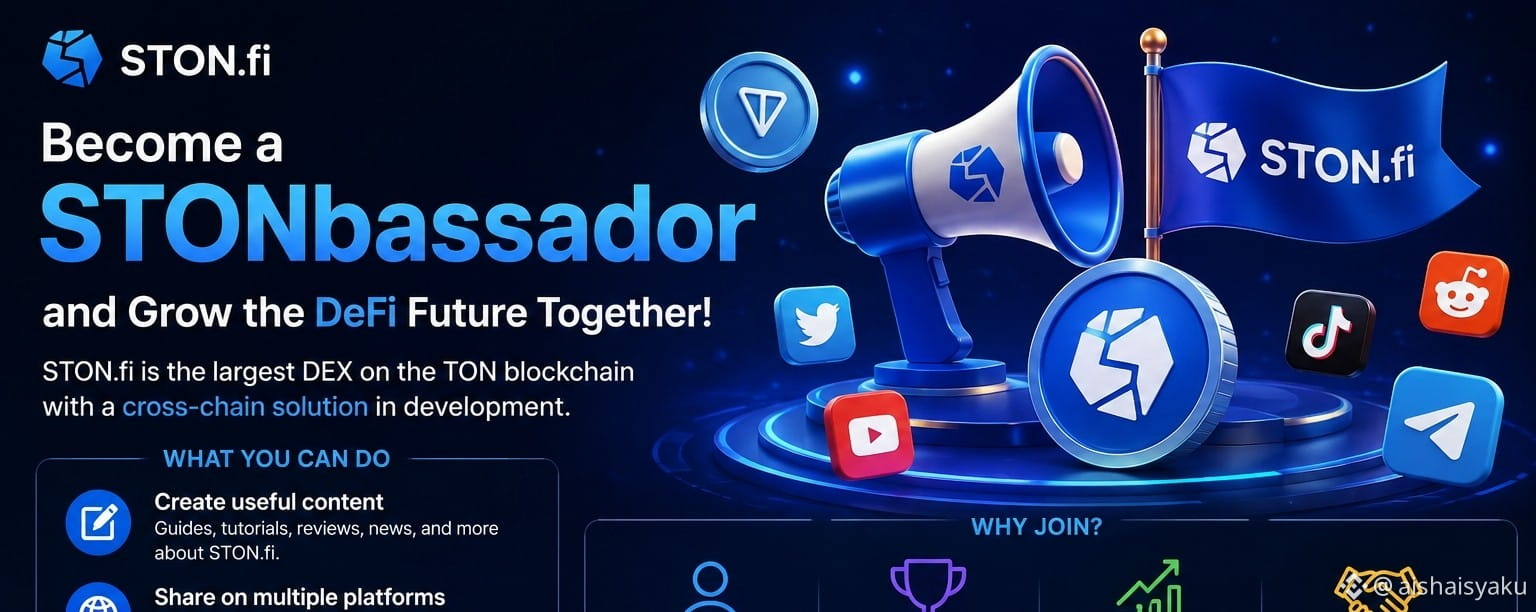
Exploring the Potential of Cross-Chain DeFiBlockchain ecosystems are often developed separately, with different networks supporting different assets and applications. Cross-chain technology aims to improve interaction between these ecosystems. For decentralized finance, this could create new opportunities for users and applications.
STON.fi has highlighted cross-chain development as part of its broader vision. The idea is significant because blockchain users may hold assets across multiple networks. Greater interoperability could make it easier to move value and interact with decentralized applications across different ecosystems.
Cross-chain systems also introduce technical challenges. Security, transaction verification, liquidity, and compatibility must all be considered carefully. A cross-chain solution needs strong infrastructure because weaknesses can create significant risks.
The development of interoperability reflects a broader trend in blockchain technology. Instead of treating individual networks as completely isolated environments, developers are increasingly exploring ways for ecosystems to communicate.
For users, successful interoperability could mean greater flexibility. Instead of choosing a single blockchain ecosystem, users may eventually interact with multiple networks through simpler interfaces.
STON.fi's focus on decentralized trading and its broader cross-chain ambitions illustrate how DeFi platforms are exploring the next stage of blockchain development.
The future of decentralized finance may therefore depend not only on individual blockchains but also on how effectively different networks can work together.
#STONfi
#GEMSTON
#ston
Exploring the Potential of Cross-Chain DeFi
Blockchain ecosystems are often developed separately, with different networks supporting different assets and applications. Cross-chain technology aims to improve interaction between these ecosystems. For decentralized finance, this could create new opportunities for users and applications.
STON.fi has highlighted cross-chain development as part of its broader vision. The idea is significant because blockchain users may hold assets across multiple networks. Greater interoperability could make it easier to move value and interact with decentralized applications across different ecosystems.
Cross-chain systems also introduce technical challenges. Security, transaction verification, liquidity, and compatibility must all be considered carefully. A cross-chain solution needs strong infrastructure because weaknesses can create significant risks.
The development of interoperability reflects a broader trend in blockchain technology. Instead of treating individual networks as completely isolated environments, developers are increasingly exploring ways for ecosystems to communicate.
For users, successful interoperability could mean greater flexibility. Instead of choosing a single blockchain ecosystem, users may eventually interact with multiple networks through simpler interfaces.
STON.fi's focus on decentralized trading and its broader cross-chain ambitions illustrate how DeFi platforms are exploring the next stage of blockchain development.
The future of decentralized finance may therefore depend not only on individual blockchains but also on how effectively different networks can work together.
#STONfi
#GEMSTON
#ston
STON.fi has highlighted cross-chain development as part of its broader vision. The idea is significant because blockchain users may hold assets across multiple networks. Greater interoperability could make it easier to move value and interact with decentralized applications across different ecosystems.
Cross-chain systems also introduce technical challenges. Security, transaction verification, liquidity, and compatibility must all be considered carefully. A cross-chain solution needs strong infrastructure because weaknesses can create significant risks.
The development of interoperability reflects a broader trend in blockchain technology. Instead of treating individual networks as completely isolated environments, developers are increasingly exploring ways for ecosystems to communicate.
For users, successful interoperability could mean greater flexibility. Instead of choosing a single blockchain ecosystem, users may eventually interact with multiple networks through simpler interfaces.
STON.fi's focus on decentralized trading and its broader cross-chain ambitions illustrate how DeFi platforms are exploring the next stage of blockchain development.
The future of decentralized finance may therefore depend not only on individual blockchains but also on how effectively different networks can work together.
#STONfi
#GEMSTON
#ston
3
21
·
--
Мақала
The Importance of Liquidity in DeFiLiquidity is one of the foundations of decentralized finance. Without sufficient liquidity, users may experience difficulty exchanging assets efficiently. Decentralized exchanges such as STON.fi depend on liquidity pools to support trading activity across supported tokens.
Liquidity pools generally contain assets that can be used by traders when making swaps. People who provide liquidity may contribute assets to these pools according to the protocol's rules. In return, liquidity providers may receive rewards or fees, depending on the specific pool and conditions.
For traders, deeper liquidity can help reduce the impact that individual transactions have on market prices. This is particularly important when users are exchanging larger amounts.
However, providing liquidity also involves risks. Digital asset prices can change significantly, and liquidity providers should understand concepts such as impermanent loss before participating. It is important to research each pool and understand its terms rather than focusing only on potential returns.
STON.fi illustrates how liquidity can support decentralized trading within the TON ecosystem. As more users participate in DeFi, liquidity mechanisms may become increasingly important for maintaining efficient markets.
The broader lesson is simple: decentralized trading requires an ecosystem of participants. Traders, liquidity providers, developers, and users all contribute to the activity that makes decentralized finance possible.
#stonfi
#GEMSTON
#ston
The Importance of Liquidity in DeFi
Liquidity is one of the foundations of decentralized finance. Without sufficient liquidity, users may experience difficulty exchanging assets efficiently. Decentralized exchanges such as STON.fi depend on liquidity pools to support trading activity across supported tokens.
Liquidity pools generally contain assets that can be used by traders when making swaps. People who provide liquidity may contribute assets to these pools according to the protocol's rules. In return, liquidity providers may receive rewards or fees, depending on the specific pool and conditions.
For traders, deeper liquidity can help reduce the impact that individual transactions have on market prices. This is particularly important when users are exchanging larger amounts.
However, providing liquidity also involves risks. Digital asset prices can change significantly, and liquidity providers should understand concepts such as impermanent loss before participating. It is important to research each pool and understand its terms rather than focusing only on potential returns.
STON.fi illustrates how liquidity can support decentralized trading within the TON ecosystem. As more users participate in DeFi, liquidity mechanisms may become increasingly important for maintaining efficient markets.
The broader lesson is simple: decentralized trading requires an ecosystem of participants. Traders, liquidity providers, developers, and users all contribute to the activity that makes decentralized finance possible.
#stonfi
#GEMSTON
#ston
Liquidity pools generally contain assets that can be used by traders when making swaps. People who provide liquidity may contribute assets to these pools according to the protocol's rules. In return, liquidity providers may receive rewards or fees, depending on the specific pool and conditions.
For traders, deeper liquidity can help reduce the impact that individual transactions have on market prices. This is particularly important when users are exchanging larger amounts.
However, providing liquidity also involves risks. Digital asset prices can change significantly, and liquidity providers should understand concepts such as impermanent loss before participating. It is important to research each pool and understand its terms rather than focusing only on potential returns.
STON.fi illustrates how liquidity can support decentralized trading within the TON ecosystem. As more users participate in DeFi, liquidity mechanisms may become increasingly important for maintaining efficient markets.
The broader lesson is simple: decentralized trading requires an ecosystem of participants. Traders, liquidity providers, developers, and users all contribute to the activity that makes decentralized finance possible.
#stonfi
#GEMSTON
#ston
83
·
--
Мақала
Why Digital Literacy MattersDigital literacy has become an essential skill in today's technology-driven world. It goes beyond knowing how to use a smartphone or computer. It involves understanding how to search for reliable information, communicate safely online, protect personal data, and use digital tools effectively.
Students rely on digital literacy to complete assignments, conduct research, and participate in online learning. Professionals use it to collaborate with colleagues, analyze information, and improve productivity. Entrepreneurs benefit by marketing products online, reaching customers through social media, and managing digital payments efficiently.
However, digital literacy also includes recognizing misinformation and avoiding online scams. As cyber threats continue to evolve, people must learn how to create strong passwords, identify suspicious emails, and protect sensitive information from unauthorized access.
Governments and educational institutions are increasingly investing in digital education programs to prepare citizens for the modern workforce. Families also play an important role by teaching children responsible internet use and encouraging critical thinking.
Developing digital literacy empowers people to adapt to changing technologies and seize new opportunities. Whether for education, employment, or everyday communication, digital skills are now fundamental to personal and professional success. Investing time in learning these skills can open doors to innovation, creativity, and lifelong learning.
#STONfi
#GEMSTON
#ston
Why Digital Literacy Matters
Digital literacy has become an essential skill in today's technology-driven world. It goes beyond knowing how to use a smartphone or computer. It involves understanding how to search for reliable information, communicate safely online, protect personal data, and use digital tools effectively.
Students rely on digital literacy to complete assignments, conduct research, and participate in online learning. Professionals use it to collaborate with colleagues, analyze information, and improve productivity. Entrepreneurs benefit by marketing products online, reaching customers through social media, and managing digital payments efficiently.
However, digital literacy also includes recognizing misinformation and avoiding online scams. As cyber threats continue to evolve, people must learn how to create strong passwords, identify suspicious emails, and protect sensitive information from unauthorized access.
Governments and educational institutions are increasingly investing in digital education programs to prepare citizens for the modern workforce. Families also play an important role by teaching children responsible internet use and encouraging critical thinking.
Developing digital literacy empowers people to adapt to changing technologies and seize new opportunities. Whether for education, employment, or everyday communication, digital skills are now fundamental to personal and professional success. Investing time in learning these skills can open doors to innovation, creativity, and lifelong learning.
#STONfi
#GEMSTON
#ston
Students rely on digital literacy to complete assignments, conduct research, and participate in online learning. Professionals use it to collaborate with colleagues, analyze information, and improve productivity. Entrepreneurs benefit by marketing products online, reaching customers through social media, and managing digital payments efficiently.
However, digital literacy also includes recognizing misinformation and avoiding online scams. As cyber threats continue to evolve, people must learn how to create strong passwords, identify suspicious emails, and protect sensitive information from unauthorized access.
Governments and educational institutions are increasingly investing in digital education programs to prepare citizens for the modern workforce. Families also play an important role by teaching children responsible internet use and encouraging critical thinking.
Developing digital literacy empowers people to adapt to changing technologies and seize new opportunities. Whether for education, employment, or everyday communication, digital skills are now fundamental to personal and professional success. Investing time in learning these skills can open doors to innovation, creativity, and lifelong learning.
#STONfi
#GEMSTON
#ston
1
7
·
--
Мақала
Article 13: How Blockchain Is Transforming the Gaming IndustryThe gaming industry has embraced blockchain technology as a way to create more engaging, transparent, and player-focused experiences. By introducing true digital ownership, decentralized marketplaces, and blockchain-based rewards, developers are changing how players interact with virtual worlds. As the technology continues to mature, blockchain gaming is opening new opportunities for both gamers and creators.
One of the most significant innovations is digital asset ownership. In traditional games, items such as weapons, costumes, and collectibles remain under the control of the game developer. Blockchain changes this model by allowing players to own in-game assets through digital tokens stored in personal wallets. These assets can often be traded or transferred on compatible marketplaces, giving players greater control over their virtual property.
Blockchain also supports transparent gaming economies. Smart contracts automate transactions and reward systems, ensuring that predefined rules are followed without manual intervention. This transparency helps reduce disputes and builds trust between players and developers. In addition, decentralized marketplaces allow users to buy and sell digital items directly with one another.
Game developers benefit as well. Blockchain enables new revenue models through digital collectibles, membership tokens, and community-driven ecosystems. Some projects encourage player participation by allowing token holders to vote on future updates or game features, creating stronger engagement between developers and their communities.
Despite these advantages, blockchain gaming still faces challenges. High transaction fees on some networks, scalability issues, and complex wallet management can discourage new players. Developers are addressing these concerns by building faster blockchain networks, improving user interfaces, and creating seamless onboarding experiences.
The future of blockchain gaming appears promising. As technology advances, players can expect richer virtual economies, better interoperability between games, and stronger digital ownership rights. By combining entertainment with decentralized technology, blockchain is reshaping the gaming industry and creating interactive experiences that empower players while encouraging innovation across the digital entertainment landscape.
#STONfi
#GEMSTON
#ston
Article 13: How Blockchain Is Transforming the Gaming Industry
The gaming industry has embraced blockchain technology as a way to create more engaging, transparent, and player-focused experiences. By introducing true digital ownership, decentralized marketplaces, and blockchain-based rewards, developers are changing how players interact with virtual worlds. As the technology continues to mature, blockchain gaming is opening new opportunities for both gamers and creators.
One of the most significant innovations is digital asset ownership. In traditional games, items such as weapons, costumes, and collectibles remain under the control of the game developer. Blockchain changes this model by allowing players to own in-game assets through digital tokens stored in personal wallets. These assets can often be traded or transferred on compatible marketplaces, giving players greater control over their virtual property.
Blockchain also supports transparent gaming economies. Smart contracts automate transactions and reward systems, ensuring that predefined rules are followed without manual intervention. This transparency helps reduce disputes and builds trust between players and developers. In addition, decentralized marketplaces allow users to buy and sell digital items directly with one another.
Game developers benefit as well. Blockchain enables new revenue models through digital collectibles, membership tokens, and community-driven ecosystems. Some projects encourage player participation by allowing token holders to vote on future updates or game features, creating stronger engagement between developers and their communities.
Despite these advantages, blockchain gaming still faces challenges. High transaction fees on some networks, scalability issues, and complex wallet management can discourage new players. Developers are addressing these concerns by building faster blockchain networks, improving user interfaces, and creating seamless onboarding experiences.
The future of blockchain gaming appears promising. As technology advances, players can expect richer virtual economies, better interoperability between games, and stronger digital ownership rights. By combining entertainment with decentralized technology, blockchain is reshaping the gaming industry and creating interactive experiences that empower players while encouraging innovation across the digital entertainment landscape.
#STONfi
#GEMSTON
#ston
One of the most significant innovations is digital asset ownership. In traditional games, items such as weapons, costumes, and collectibles remain under the control of the game developer. Blockchain changes this model by allowing players to own in-game assets through digital tokens stored in personal wallets. These assets can often be traded or transferred on compatible marketplaces, giving players greater control over their virtual property.
Blockchain also supports transparent gaming economies. Smart contracts automate transactions and reward systems, ensuring that predefined rules are followed without manual intervention. This transparency helps reduce disputes and builds trust between players and developers. In addition, decentralized marketplaces allow users to buy and sell digital items directly with one another.
Game developers benefit as well. Blockchain enables new revenue models through digital collectibles, membership tokens, and community-driven ecosystems. Some projects encourage player participation by allowing token holders to vote on future updates or game features, creating stronger engagement between developers and their communities.
Despite these advantages, blockchain gaming still faces challenges. High transaction fees on some networks, scalability issues, and complex wallet management can discourage new players. Developers are addressing these concerns by building faster blockchain networks, improving user interfaces, and creating seamless onboarding experiences.
The future of blockchain gaming appears promising. As technology advances, players can expect richer virtual economies, better interoperability between games, and stronger digital ownership rights. By combining entertainment with decentralized technology, blockchain is reshaping the gaming industry and creating interactive experiences that empower players while encouraging innovation across the digital entertainment landscape.
#STONfi
#GEMSTON
#ston
88
·
--
Мақала
3. The Growing Importance of CybersecurityCybersecurity has become one of the most important aspects of the digital world. As businesses and individuals store more information online, protecting sensitive data is essential. Cybercriminals use phishing, malware, and ransomware attacks to steal information or disrupt operations. Strong passwords, two-factor authentication, and regular software updates are simple but effective ways to improve security. Organizations also invest in employee training because human error remains a leading cause of security breaches. Artificial intelligence is helping detect threats faster, while encryption keeps personal and financial information protected. As technology advances, cybersecurity professionals continue developing new strategies to defend against evolving risks. Everyone who uses the internet shares responsibility for maintaining digital safety. By staying informed and following good security practices, individuals and businesses can reduce vulnerabilities and confidently enjoy the benefits of an increasingly connected digital environment.
#STONfi
#GEMSTON
#ston
3. The Growing Importance of Cybersecurity
Cybersecurity has become one of the most important aspects of the digital world. As businesses and individuals store more information online, protecting sensitive data is essential. Cybercriminals use phishing, malware, and ransomware attacks to steal information or disrupt operations. Strong passwords, two-factor authentication, and regular software updates are simple but effective ways to improve security. Organizations also invest in employee training because human error remains a leading cause of security breaches. Artificial intelligence is helping detect threats faster, while encryption keeps personal and financial information protected. As technology advances, cybersecurity professionals continue developing new strategies to defend against evolving risks. Everyone who uses the internet shares responsibility for maintaining digital safety. By staying informed and following good security practices, individuals and businesses can reduce vulnerabilities and confidently enjoy the benefits of an increasingly connected digital environment.
#STONfi
#GEMSTON
#ston
#STONfi
#GEMSTON
#ston
77
·
--
Мақала
The Power of Lifelong LearningLearning should not stop after finishing school. Lifelong learning is the habit of continuously gaining new knowledge and skills throughout life. In today's fast-changing world, this mindset helps people stay relevant, improve their careers, and grow personally.
Technology has transformed the way we learn. Online courses, educational videos, podcasts, and digital libraries make it possible to study almost any topic from anywhere. Whether someone wants to learn programming, photography, cooking, or a new language, countless resources are available at little or no cost.
Lifelong learning also builds confidence. Every new skill mastered increases a person's ability to solve problems and adapt to change. Employers value workers who are eager to learn because they can quickly adjust to new tools and workplace demands.
Beyond professional benefits, continuous learning enriches everyday life. Reading books, exploring different cultures, and developing hobbies keep the mind active and encourage creativity. Learning can also strengthen relationships by giving people fresh ideas to discuss and share.
The journey of education never truly ends. By making learning a regular habit, individuals prepare themselves for future opportunities while enjoying personal growth. Investing time in knowledge today creates a stronger, more adaptable, and more successful tomorrow.
#STONfi
#GEMSTON
#ston
The Power of Lifelong Learning
Learning should not stop after finishing school. Lifelong learning is the habit of continuously gaining new knowledge and skills throughout life. In today's fast-changing world, this mindset helps people stay relevant, improve their careers, and grow personally.
Technology has transformed the way we learn. Online courses, educational videos, podcasts, and digital libraries make it possible to study almost any topic from anywhere. Whether someone wants to learn programming, photography, cooking, or a new language, countless resources are available at little or no cost.
Lifelong learning also builds confidence. Every new skill mastered increases a person's ability to solve problems and adapt to change. Employers value workers who are eager to learn because they can quickly adjust to new tools and workplace demands.
Beyond professional benefits, continuous learning enriches everyday life. Reading books, exploring different cultures, and developing hobbies keep the mind active and encourage creativity. Learning can also strengthen relationships by giving people fresh ideas to discuss and share.
The journey of education never truly ends. By making learning a regular habit, individuals prepare themselves for future opportunities while enjoying personal growth. Investing time in knowledge today creates a stronger, more adaptable, and more successful tomorrow.
#STONfi
#GEMSTON
#ston
Technology has transformed the way we learn. Online courses, educational videos, podcasts, and digital libraries make it possible to study almost any topic from anywhere. Whether someone wants to learn programming, photography, cooking, or a new language, countless resources are available at little or no cost.
Lifelong learning also builds confidence. Every new skill mastered increases a person's ability to solve problems and adapt to change. Employers value workers who are eager to learn because they can quickly adjust to new tools and workplace demands.
Beyond professional benefits, continuous learning enriches everyday life. Reading books, exploring different cultures, and developing hobbies keep the mind active and encourage creativity. Learning can also strengthen relationships by giving people fresh ideas to discuss and share.
The journey of education never truly ends. By making learning a regular habit, individuals prepare themselves for future opportunities while enjoying personal growth. Investing time in knowledge today creates a stronger, more adaptable, and more successful tomorrow.
#STONfi
#GEMSTON
#ston
18


·
--
@stonfi Deep Dive: Why $STON and $GEMSTON Matter
Many crypto tokens promise utility, but STON and GEMSTON are tied to a growing DeFi ecosystem on $TON .
$STON serves as the core utility token of STON.fi, powering incentives, staking, ecosystem participation, and future governance initiatives. As protocol activity grows, so does the role of $STON within the ecosystem.
$GEMSTON complements this by rewarding long-term engagement and active participation, helping strengthen the connection between the protocol and its community.
Together, $STON and $GEMSTON create an ecosystem where users are not only participants but can also become contributors to the platform's future.
As STON.fi continues expanding its infrastructure, liquidity, and governance framework, both assets remain central to its long-term vision on $TON .
#STONfi #STON #GEMSTON #TON #DeFi
@STONfi DEX Deep Dive: Why $STON and $GEMSTON Matter
Many crypto tokens promise utility, but STON and GEMSTON are tied to a growing DeFi ecosystem on $TON .
$STON serves as the core utility token of STON.fi, powering incentives, staking, ecosystem participation, and future governance initiatives. As protocol activity grows, so does the role of $STON within the ecosystem.
$GEMSTON complements this by rewarding long-term engagement and active participation, helping strengthen the connection between the protocol and its community.
Together, $STON and $GEMSTON create an ecosystem where users are not only participants but can also become contributors to the platform's future.
As STON.fi continues expanding its infrastructure, liquidity, and governance framework, both assets remain central to its long-term vision on $TON .
#STONfi #STON #GEMSTON #TON #DeFi
Many crypto tokens promise utility, but STON and GEMSTON are tied to a growing DeFi ecosystem on $TON .
$STON serves as the core utility token of STON.fi, powering incentives, staking, ecosystem participation, and future governance initiatives. As protocol activity grows, so does the role of $STON within the ecosystem.
$GEMSTON complements this by rewarding long-term engagement and active participation, helping strengthen the connection between the protocol and its community.
Together, $STON and $GEMSTON create an ecosystem where users are not only participants but can also become contributors to the platform's future.
As STON.fi continues expanding its infrastructure, liquidity, and governance framework, both assets remain central to its long-term vision on $TON .
#STONfi #STON #GEMSTON #TON #DeFi
101
·
--
Мақала
4. How Renewable Energy Is Transforming the World
Renewable energy has become one of the most imporRenewable energy has become one of the most important solutions for addressing climate change and meeting growing global energy demands. Unlike fossil fuels, renewable energy sources such as solar, wind, hydroelectric, and geothermal power can be replenished naturally and produce significantly lower greenhouse gas emissions.
Solar energy has experienced remarkable growth due to falling equipment costs and improved efficiency. Homes, businesses, and large-scale solar farms are generating clean electricity while reducing dependence on traditional power sources. Wind energy has also expanded rapidly, especially in coastal and open-land regions where strong winds provide reliable electricity generation.
Renewable energy creates economic opportunities by supporting new industries and generating employment in manufacturing, installation, maintenance, and research. Governments and private companies continue investing in clean technologies that strengthen energy security while reducing environmental impact.
Despite impressive progress, renewable energy still faces challenges. Energy storage, grid modernization, and infrastructure development remain essential for ensuring reliable power supply. Advances in battery technology and smart electricity networks are helping overcome these limitations.
Communities also benefit from cleaner air and improved public health as renewable energy replaces polluting fuels. Reduced emissions contribute to healthier environments while supporting international efforts to combat global warming.
Individuals can participate by conserving energy, installing renewable systems where practical, and supporting policies that encourage sustainable development. Every contribution helps accelerate the transition toward cleaner energy.
Renewable energy represents more than an environmental solution. It is a pathway toward economic growth, technological innovation, and long-term sustainability. As investment continues and technology advances, renewable energy will play an increasingly important role in creating a cleaner, more resilient future for generations to come.
#STONfi
#GEMSTON
#ston
4. How Renewable Energy Is Transforming the World Renewable energy has become one of the most impor
Renewable energy has become one of the most important solutions for addressing climate change and meeting growing global energy demands. Unlike fossil fuels, renewable energy sources such as solar, wind, hydroelectric, and geothermal power can be replenished naturally and produce significantly lower greenhouse gas emissions.
Solar energy has experienced remarkable growth due to falling equipment costs and improved efficiency. Homes, businesses, and large-scale solar farms are generating clean electricity while reducing dependence on traditional power sources. Wind energy has also expanded rapidly, especially in coastal and open-land regions where strong winds provide reliable electricity generation.
Renewable energy creates economic opportunities by supporting new industries and generating employment in manufacturing, installation, maintenance, and research. Governments and private companies continue investing in clean technologies that strengthen energy security while reducing environmental impact.
Despite impressive progress, renewable energy still faces challenges. Energy storage, grid modernization, and infrastructure development remain essential for ensuring reliable power supply. Advances in battery technology and smart electricity networks are helping overcome these limitations.
Communities also benefit from cleaner air and improved public health as renewable energy replaces polluting fuels. Reduced emissions contribute to healthier environments while supporting international efforts to combat global warming.
Individuals can participate by conserving energy, installing renewable systems where practical, and supporting policies that encourage sustainable development. Every contribution helps accelerate the transition toward cleaner energy.
Renewable energy represents more than an environmental solution. It is a pathway toward economic growth, technological innovation, and long-term sustainability. As investment continues and technology advances, renewable energy will play an increasingly important role in creating a cleaner, more resilient future for generations to come.
#STONfi
#GEMSTON
#ston
Solar energy has experienced remarkable growth due to falling equipment costs and improved efficiency. Homes, businesses, and large-scale solar farms are generating clean electricity while reducing dependence on traditional power sources. Wind energy has also expanded rapidly, especially in coastal and open-land regions where strong winds provide reliable electricity generation.
Renewable energy creates economic opportunities by supporting new industries and generating employment in manufacturing, installation, maintenance, and research. Governments and private companies continue investing in clean technologies that strengthen energy security while reducing environmental impact.
Despite impressive progress, renewable energy still faces challenges. Energy storage, grid modernization, and infrastructure development remain essential for ensuring reliable power supply. Advances in battery technology and smart electricity networks are helping overcome these limitations.
Communities also benefit from cleaner air and improved public health as renewable energy replaces polluting fuels. Reduced emissions contribute to healthier environments while supporting international efforts to combat global warming.
Individuals can participate by conserving energy, installing renewable systems where practical, and supporting policies that encourage sustainable development. Every contribution helps accelerate the transition toward cleaner energy.
Renewable energy represents more than an environmental solution. It is a pathway toward economic growth, technological innovation, and long-term sustainability. As investment continues and technology advances, renewable energy will play an increasingly important role in creating a cleaner, more resilient future for generations to come.
#STONfi
#GEMSTON
#ston
115
·
--
Мақала
2. Why Blockchain Matters Beyond CryptocurrencyBlockchain technology is widely known for supporting cryptocurrencies, but its potential extends far beyond digital assets. At its core, blockchain is a secure and transparent digital ledger that records information in a way that is difficult to alter. This makes it valuable for industries such as healthcare, logistics, education, and supply chain management. Companies can use blockchain to track products, verify identities, and reduce fraud. Smart contracts also automate agreements, saving time and minimizing human error. Governments are exploring blockchain for secure voting systems and public record management. As adoption increases, businesses that embrace blockchain innovation may gain greater efficiency and customer trust. Although challenges such as scalability and regulation still exist, ongoing development is improving the technology. Blockchain has the potential to transform how organizations share information, manage assets, and build transparent digital ecosystems.
#stonfi
#GEMSTON
#ston
2. Why Blockchain Matters Beyond Cryptocurrency
Blockchain technology is widely known for supporting cryptocurrencies, but its potential extends far beyond digital assets. At its core, blockchain is a secure and transparent digital ledger that records information in a way that is difficult to alter. This makes it valuable for industries such as healthcare, logistics, education, and supply chain management. Companies can use blockchain to track products, verify identities, and reduce fraud. Smart contracts also automate agreements, saving time and minimizing human error. Governments are exploring blockchain for secure voting systems and public record management. As adoption increases, businesses that embrace blockchain innovation may gain greater efficiency and customer trust. Although challenges such as scalability and regulation still exist, ongoing development is improving the technology. Blockchain has the potential to transform how organizations share information, manage assets, and build transparent digital ecosystems.
#stonfi
#GEMSTON
#ston
#stonfi
#GEMSTON
#ston
104
·
--
Мақала
Article 2: The Importance of Renewable EnergyRenewable energy has become one of the most important solutions for addressing climate change and meeting the world's growing demand for electricity. Unlike fossil fuels, renewable sources such as solar, wind, hydroelectric, and geothermal power produce little or no greenhouse gas emissions, making them environmentally friendly alternatives.
Many countries are investing heavily in renewable energy infrastructure to reduce dependence on imported fuels and strengthen energy security. Solar panels and wind turbines are becoming more affordable, allowing households and businesses to generate their own electricity while lowering utility bills.
Renewable energy also creates employment opportunities. Engineers, technicians, construction workers, and researchers are needed to design, install, and maintain clean energy systems. As the industry expands, millions of jobs are expected to emerge worldwide, supporting economic development and innovation.
Environmental benefits extend beyond reducing carbon emissions. Renewable energy helps improve air quality by decreasing pollution from coal and oil combustion. Cleaner air contributes to better public health, reducing respiratory illnesses and healthcare costs.
However, renewable energy still faces challenges. Weather conditions can affect solar and wind power generation, making energy storage technologies increasingly important. Investments in advanced batteries and smart electricity grids are helping solve these problems by storing excess energy for later use.
Governments play a crucial role by introducing supportive policies, offering incentives, and funding research. Public awareness is equally important because individuals can contribute by conserving energy, installing renewable systems, and supporting sustainable practices.
The transition to renewable energy is not simply an environmental necessity but also an economic opportunity. Countries that embrace clean technologies are likely to become leaders in innovation and sustainable growth.
As global populations continue to grow, reliable and clean energy will remain essential for development. Renewable energy offers a practical path toward reducing environmental damage while ensuring long-term energy availability. Through collaboration between governments, businesses, and communities, the world can build a cleaner, healthier, and more resilient future powered by sustainable energy.
#STONfi
#GEMSTON
#ston
Article 2: The Importance of Renewable Energy
Renewable energy has become one of the most important solutions for addressing climate change and meeting the world's growing demand for electricity. Unlike fossil fuels, renewable sources such as solar, wind, hydroelectric, and geothermal power produce little or no greenhouse gas emissions, making them environmentally friendly alternatives.
Many countries are investing heavily in renewable energy infrastructure to reduce dependence on imported fuels and strengthen energy security. Solar panels and wind turbines are becoming more affordable, allowing households and businesses to generate their own electricity while lowering utility bills.
Renewable energy also creates employment opportunities. Engineers, technicians, construction workers, and researchers are needed to design, install, and maintain clean energy systems. As the industry expands, millions of jobs are expected to emerge worldwide, supporting economic development and innovation.
Environmental benefits extend beyond reducing carbon emissions. Renewable energy helps improve air quality by decreasing pollution from coal and oil combustion. Cleaner air contributes to better public health, reducing respiratory illnesses and healthcare costs.
However, renewable energy still faces challenges. Weather conditions can affect solar and wind power generation, making energy storage technologies increasingly important. Investments in advanced batteries and smart electricity grids are helping solve these problems by storing excess energy for later use.
Governments play a crucial role by introducing supportive policies, offering incentives, and funding research. Public awareness is equally important because individuals can contribute by conserving energy, installing renewable systems, and supporting sustainable practices.
The transition to renewable energy is not simply an environmental necessity but also an economic opportunity. Countries that embrace clean technologies are likely to become leaders in innovation and sustainable growth.
As global populations continue to grow, reliable and clean energy will remain essential for development. Renewable energy offers a practical path toward reducing environmental damage while ensuring long-term energy availability. Through collaboration between governments, businesses, and communities, the world can build a cleaner, healthier, and more resilient future powered by sustainable energy.
#STONfi
#GEMSTON
#ston
Many countries are investing heavily in renewable energy infrastructure to reduce dependence on imported fuels and strengthen energy security. Solar panels and wind turbines are becoming more affordable, allowing households and businesses to generate their own electricity while lowering utility bills.
Renewable energy also creates employment opportunities. Engineers, technicians, construction workers, and researchers are needed to design, install, and maintain clean energy systems. As the industry expands, millions of jobs are expected to emerge worldwide, supporting economic development and innovation.
Environmental benefits extend beyond reducing carbon emissions. Renewable energy helps improve air quality by decreasing pollution from coal and oil combustion. Cleaner air contributes to better public health, reducing respiratory illnesses and healthcare costs.
However, renewable energy still faces challenges. Weather conditions can affect solar and wind power generation, making energy storage technologies increasingly important. Investments in advanced batteries and smart electricity grids are helping solve these problems by storing excess energy for later use.
Governments play a crucial role by introducing supportive policies, offering incentives, and funding research. Public awareness is equally important because individuals can contribute by conserving energy, installing renewable systems, and supporting sustainable practices.
The transition to renewable energy is not simply an environmental necessity but also an economic opportunity. Countries that embrace clean technologies are likely to become leaders in innovation and sustainable growth.
As global populations continue to grow, reliable and clean energy will remain essential for development. Renewable energy offers a practical path toward reducing environmental damage while ensuring long-term energy availability. Through collaboration between governments, businesses, and communities, the world can build a cleaner, healthier, and more resilient future powered by sustainable energy.
#STONfi
#GEMSTON
#ston
84
·
--
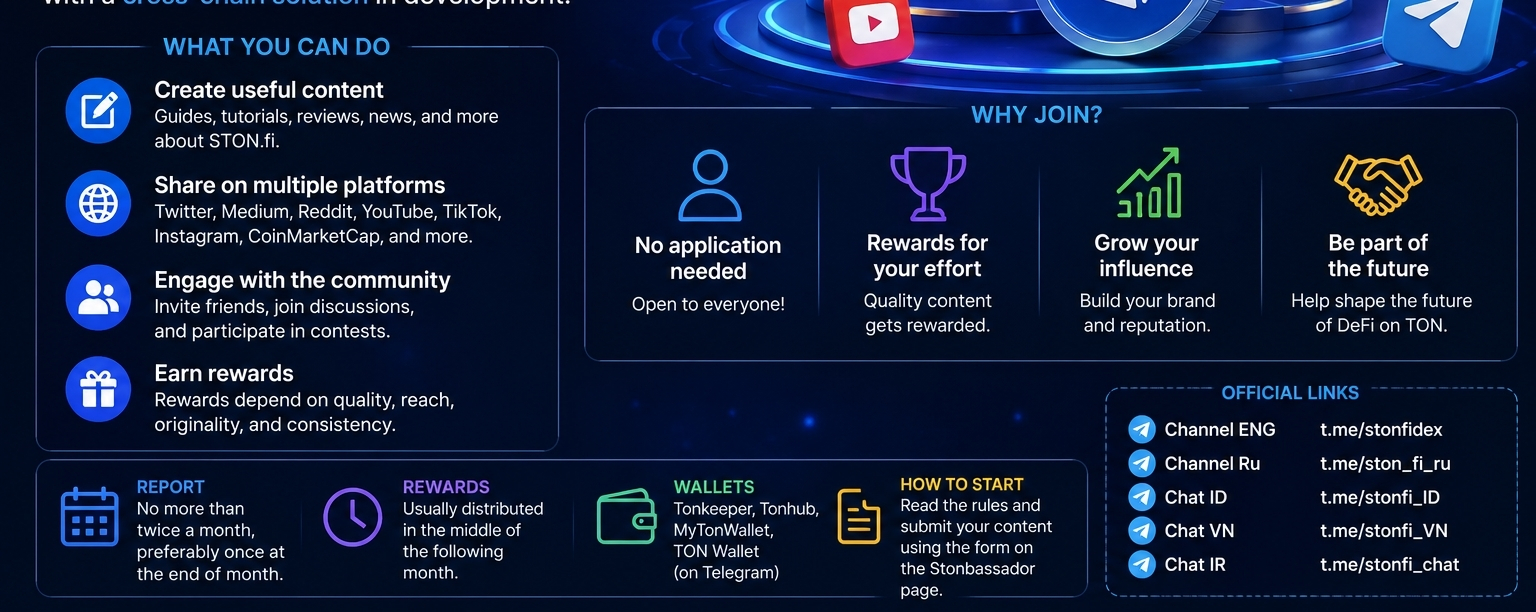
Мақала
The Growing Importance of Renewable EnergyRenewable energy is becoming one of the most important solutions for meeting global energy needs while protecting the environment. Sources such as solar, wind, hydroelectric, and geothermal power provide cleaner alternatives to fossil fuels.
One major benefit of renewable energy is the reduction of greenhouse gas emissions. By generating electricity without burning coal or oil, renewable technologies help reduce air pollution and slow the effects of climate change. Cleaner air also contributes to better public health.
Renewable energy creates economic opportunities as well. The construction and maintenance of solar farms, wind turbines, and related infrastructure generate jobs in engineering, manufacturing, installation, and maintenance. These industries continue to grow as more countries invest in sustainable development.
Although renewable energy faces challenges such as weather dependence and infrastructure costs, technological improvements are making these systems more reliable and affordable. Better battery storage and smarter power grids help ensure a stable energy supply.
Individuals can support renewable energy by conserving electricity, installing solar panels where possible, or choosing energy providers that use clean power. Governments and businesses also play important roles through investment and supportive policies.
A future powered by renewable energy offers cleaner air, stronger economies, and greater environmental sustainability for generations to come.
#STONfi
#GEMSTON
#ston
The Growing Importance of Renewable Energy
Renewable energy is becoming one of the most important solutions for meeting global energy needs while protecting the environment. Sources such as solar, wind, hydroelectric, and geothermal power provide cleaner alternatives to fossil fuels.
One major benefit of renewable energy is the reduction of greenhouse gas emissions. By generating electricity without burning coal or oil, renewable technologies help reduce air pollution and slow the effects of climate change. Cleaner air also contributes to better public health.
Renewable energy creates economic opportunities as well. The construction and maintenance of solar farms, wind turbines, and related infrastructure generate jobs in engineering, manufacturing, installation, and maintenance. These industries continue to grow as more countries invest in sustainable development.
Although renewable energy faces challenges such as weather dependence and infrastructure costs, technological improvements are making these systems more reliable and affordable. Better battery storage and smarter power grids help ensure a stable energy supply.
Individuals can support renewable energy by conserving electricity, installing solar panels where possible, or choosing energy providers that use clean power. Governments and businesses also play important roles through investment and supportive policies.
A future powered by renewable energy offers cleaner air, stronger economies, and greater environmental sustainability for generations to come.
#STONfi
#GEMSTON
#ston
One major benefit of renewable energy is the reduction of greenhouse gas emissions. By generating electricity without burning coal or oil, renewable technologies help reduce air pollution and slow the effects of climate change. Cleaner air also contributes to better public health.
Renewable energy creates economic opportunities as well. The construction and maintenance of solar farms, wind turbines, and related infrastructure generate jobs in engineering, manufacturing, installation, and maintenance. These industries continue to grow as more countries invest in sustainable development.
Although renewable energy faces challenges such as weather dependence and infrastructure costs, technological improvements are making these systems more reliable and affordable. Better battery storage and smarter power grids help ensure a stable energy supply.
Individuals can support renewable energy by conserving electricity, installing solar panels where possible, or choosing energy providers that use clean power. Governments and businesses also play important roles through investment and supportive policies.
A future powered by renewable energy offers cleaner air, stronger economies, and greater environmental sustainability for generations to come.
#STONfi
#GEMSTON
#ston
13
·
--
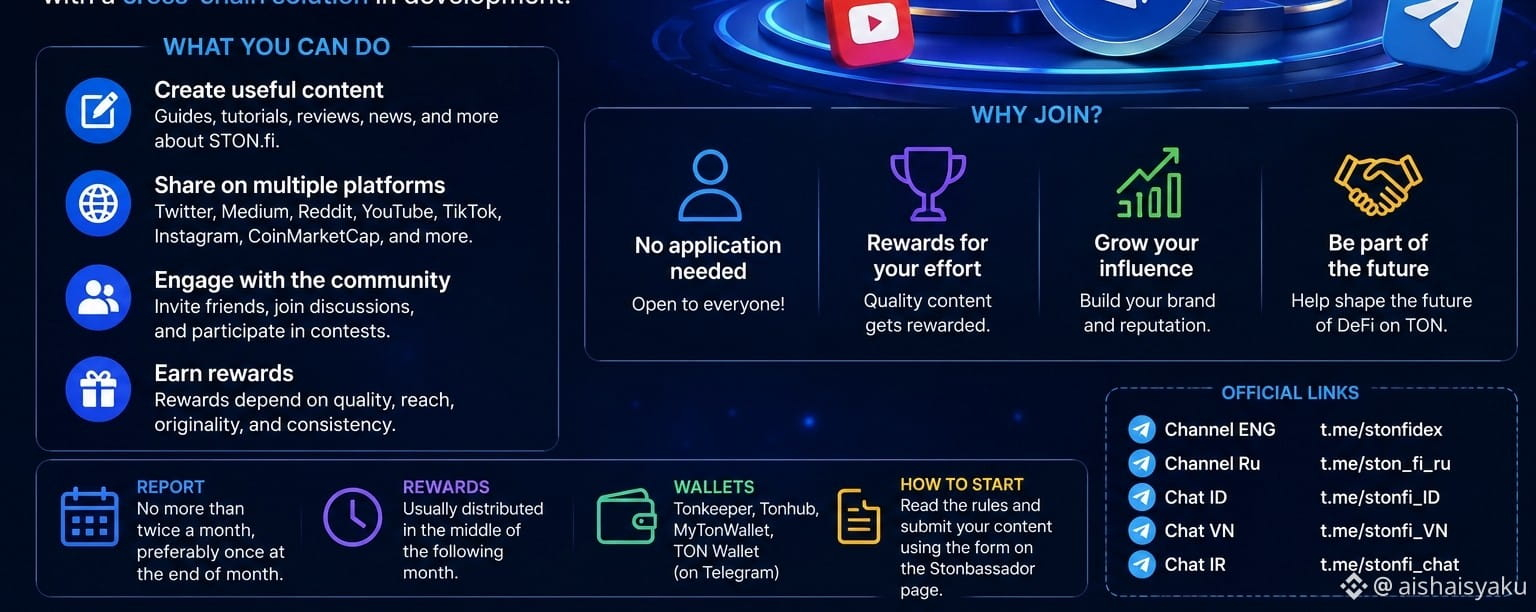
Мақала
The Benefits of Urban GardeningUrban gardening is becoming increasingly popular as more people seek fresh food and greener living spaces. Whether grown on balconies, rooftops, or small backyard plots, gardens provide numerous environmental, economic, and health benefits.
Growing vegetables, herbs, and fruits at home allows families to enjoy fresh produce while reducing grocery expenses. Homegrown food often contains fewer chemicals and can be harvested at peak freshness, improving taste and nutritional value.
Urban gardens also improve environmental sustainability. Plants absorb carbon dioxide, release oxygen, and help reduce the heat generated by concrete buildings. Green spaces support biodiversity by attracting birds, bees, and beneficial insects that contribute to healthy ecosystems.
Gardening has positive effects on mental health as well. Spending time caring for plants reduces stress, encourages physical activity, and creates opportunities for relaxation. Many community gardens also strengthen social connections by bringing neighbors together to share knowledge and resources.
Although limited space can be a challenge, creative solutions such as vertical gardens and container planting allow people to grow food in small areas. Composting kitchen waste further supports sustainable gardening practices by enriching soil naturally.
Governments and local organizations increasingly encourage urban gardening through educational programs and community initiatives. These efforts promote healthier lifestyles while enhancing food security in growing cities.
As urban populations continue to increase, gardening offers a practical way to improve the quality of life. By transforming unused spaces into productive green areas, communities can create healthier environments for present and future generations.
#STONfi
#GEMSTON
#ston
The Benefits of Urban Gardening
Urban gardening is becoming increasingly popular as more people seek fresh food and greener living spaces. Whether grown on balconies, rooftops, or small backyard plots, gardens provide numerous environmental, economic, and health benefits.
Growing vegetables, herbs, and fruits at home allows families to enjoy fresh produce while reducing grocery expenses. Homegrown food often contains fewer chemicals and can be harvested at peak freshness, improving taste and nutritional value.
Urban gardens also improve environmental sustainability. Plants absorb carbon dioxide, release oxygen, and help reduce the heat generated by concrete buildings. Green spaces support biodiversity by attracting birds, bees, and beneficial insects that contribute to healthy ecosystems.
Gardening has positive effects on mental health as well. Spending time caring for plants reduces stress, encourages physical activity, and creates opportunities for relaxation. Many community gardens also strengthen social connections by bringing neighbors together to share knowledge and resources.
Although limited space can be a challenge, creative solutions such as vertical gardens and container planting allow people to grow food in small areas. Composting kitchen waste further supports sustainable gardening practices by enriching soil naturally.
Governments and local organizations increasingly encourage urban gardening through educational programs and community initiatives. These efforts promote healthier lifestyles while enhancing food security in growing cities.
As urban populations continue to increase, gardening offers a practical way to improve the quality of life. By transforming unused spaces into productive green areas, communities can create healthier environments for present and future generations.
#STONfi
#GEMSTON
#ston
Growing vegetables, herbs, and fruits at home allows families to enjoy fresh produce while reducing grocery expenses. Homegrown food often contains fewer chemicals and can be harvested at peak freshness, improving taste and nutritional value.
Urban gardens also improve environmental sustainability. Plants absorb carbon dioxide, release oxygen, and help reduce the heat generated by concrete buildings. Green spaces support biodiversity by attracting birds, bees, and beneficial insects that contribute to healthy ecosystems.
Gardening has positive effects on mental health as well. Spending time caring for plants reduces stress, encourages physical activity, and creates opportunities for relaxation. Many community gardens also strengthen social connections by bringing neighbors together to share knowledge and resources.
Although limited space can be a challenge, creative solutions such as vertical gardens and container planting allow people to grow food in small areas. Composting kitchen waste further supports sustainable gardening practices by enriching soil naturally.
Governments and local organizations increasingly encourage urban gardening through educational programs and community initiatives. These efforts promote healthier lifestyles while enhancing food security in growing cities.
As urban populations continue to increase, gardening offers a practical way to improve the quality of life. By transforming unused spaces into productive green areas, communities can create healthier environments for present and future generations.
#STONfi
#GEMSTON
#ston
34
Көбірек контент көру үшін кіріңіз
Binance Square платформасында әлемдік криптоқоғамдастыққа қосылыңыз
⚡️ Криптовалюта туралы ең соңғы және пайдалы ақпаратты алыңыз.
💬 Әлемдегі ең ірі криптобиржаның сеніміне ие.
👍 Расталған авторлардың нақты пікірлерін табыңыз.
Электрондық пошта/телефон нөмірі
Трендтегі тақырыптар
1
#BitcoinParesGainsAfterRallyTo$86.5K
12,924 рет көрілді
59 адам талқылап жатыр
2
#CerebrasSinksNearly20%OnReportNvidiaToPowerOpenAI
23,951 рет көрілді
302 адам талқылап жатыр
3
#SECProposesCryptoCustodyRules
50,811 рет көрілді
474 адам талқылап жатыр
4
#SECApproves3xLongCryptoCommodityETPs
37,731 рет көрілді
386 адам талқылап жатыр
5
#MASKHitsRecordMarketCapAbove$35M
118 рет көрілді
25 адам талқылап жатыр
6
#G7PlansToReleaseUpTo100MBarrelsOilDiesel
33,298 рет көрілді
383 адам талқылап жатыр
7
#ICBASuesOCCOverCryptoBankCharters
24,902 рет көрілді
262 адам талқылап жатыр
8
#USStocksCloseHigherOnWeakJobsData
24,901 рет көрілді
208 адам талқылап жатыр
9
#AnchorageReportedlyCuts17%Workforce
4,868 рет көрілді
81 адам талқылап жатыр
10
#NFPWatch
11M рет көрілді
19,731 адам талқылап жатыр