

Z Y R A
9.3k 投稿

Z Y R A
 厳選トピック確認済+
報告
ユーザーをブロック
I need more Green 🚀
取引を発注

ASTERホルダー
高頻度トレーダー
1.2年
1.1K+ フォロー
31.5K+ フォロワー
24.0K+ いいね
投稿
ポートフォリオ
すべて
引用
動画
ライブ
PINNED
·
--
弱気相場
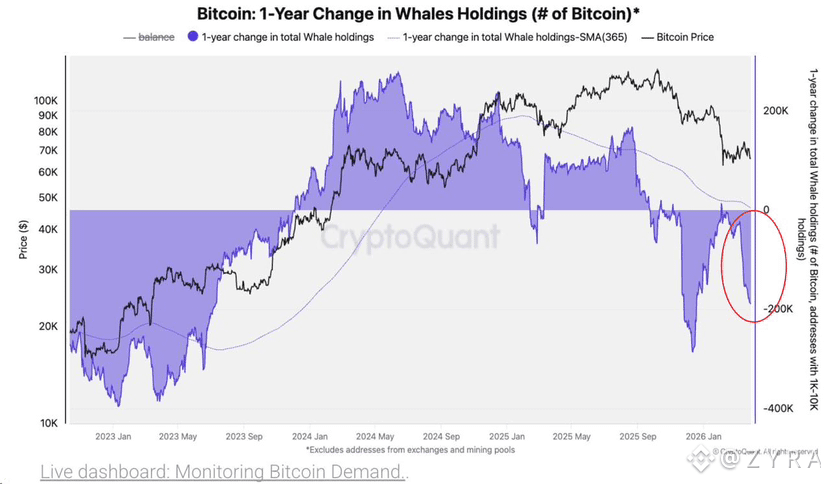
これはパニック売りには見えません。
クジラたちが静かに市場から出て行くためにレンジを利用しているようです。
価格は急落していないので、誰かがまだ買っていることを意味します。しかし同時に、1K–10K BTCのウォレットが売却しています。それは、市場がチャートにまだ現れていない何かをしていることを示しています。
所有権が移動しています。
通常、これは物事が安定しているように感じるフェーズですが、実際には安定しておらず、再配分されているのです。
ここで重要なのは、クジラが弱気になったことではありません。
彼らが低価格を必要とせずに売却することに快適であることです。
それが市場の行動を変えます。
大口保有者がレベルを守るのをやめ、強さに対して売り始めると、すべての反発が出口のための流動性になります。上昇する動きはまだありますが、それらは同じ確信を持っていません。それらは早く消えます。
これがモメンタムが静かに死ぬ方法です。
クラッシュではなく、継続しない繰り返しの試みです。
したがって、ここでのシグナルは「ダンプが来る」ということではありません。
ある意味、さらに悪化しています。
市場は供給が放出され続ける間、動かなくなる可能性があり、価格が実際に反応する頃には、ほとんどの分配がすでに完了しているということです。
#bitcoin
#DriftProtocolExploited
#GoogleStudyOnCryptoSecurityChallenges
#BTCETFFeeRace
#BitcoinPrices
$BTC
{spot}(BTCUSDT)
これはパニック売りには見えません。
クジラたちが静かに市場から出て行くためにレンジを利用しているようです。
価格は急落していないので、誰かがまだ買っていることを意味します。しかし同時に、1K–10K BTCのウォレットが売却しています。それは、市場がチャートにまだ現れていない何かをしていることを示しています。
所有権が移動しています。
通常、これは物事が安定しているように感じるフェーズですが、実際には安定しておらず、再配分されているのです。
ここで重要なのは、クジラが弱気になったことではありません。
彼らが低価格を必要とせずに売却することに快適であることです。
それが市場の行動を変えます。
大口保有者がレベルを守るのをやめ、強さに対して売り始めると、すべての反発が出口のための流動性になります。上昇する動きはまだありますが、それらは同じ確信を持っていません。それらは早く消えます。
これがモメンタムが静かに死ぬ方法です。
クラッシュではなく、継続しない繰り返しの試みです。
したがって、ここでのシグナルは「ダンプが来る」ということではありません。
ある意味、さらに悪化しています。
市場は供給が放出され続ける間、動かなくなる可能性があり、価格が実際に反応する頃には、ほとんどの分配がすでに完了しているということです。
#bitcoin
#DriftProtocolExploited
#GoogleStudyOnCryptoSecurityChallenges
#BTCETFFeeRace
#BitcoinPrices
$BTC
クジラたちが静かに市場から出て行くためにレンジを利用しているようです。
価格は急落していないので、誰かがまだ買っていることを意味します。しかし同時に、1K–10K BTCのウォレットが売却しています。それは、市場がチャートにまだ現れていない何かをしていることを示しています。
所有権が移動しています。
通常、これは物事が安定しているように感じるフェーズですが、実際には安定しておらず、再配分されているのです。
ここで重要なのは、クジラが弱気になったことではありません。
彼らが低価格を必要とせずに売却することに快適であることです。
それが市場の行動を変えます。
大口保有者がレベルを守るのをやめ、強さに対して売り始めると、すべての反発が出口のための流動性になります。上昇する動きはまだありますが、それらは同じ確信を持っていません。それらは早く消えます。
これがモメンタムが静かに死ぬ方法です。
クラッシュではなく、継続しない繰り返しの試みです。
したがって、ここでのシグナルは「ダンプが来る」ということではありません。
ある意味、さらに悪化しています。
市場は供給が放出され続ける間、動かなくなる可能性があり、価格が実際に反応する頃には、ほとんどの分配がすでに完了しているということです。
#bitcoin
#DriftProtocolExploited
#GoogleStudyOnCryptoSecurityChallenges
#BTCETFFeeRace
#BitcoinPrices
$BTC
51
7
290
390.2k
·
--
ブリッシュ
ZAMA、AR、ONEは静かなスポット指値のようには動いておらず、長い圧縮フェーズの後に古いインフラのストレージ名へ回転しているように見えます。
$ONE は最も攻撃的です:出来高の拡大を伴い+87%ですが、RSIはすでに過熱しているため、上値を追いかけるのはリスクがあります。
$AR は構造的によりクリーンで、パニック感のあるローソク足が少なく、着実に高値を切り上げています。
$ZAMA は依然としてレジスタンス付近でボラティリティが高く、ブレイクアウトのテスト寄りのチャートです。
どのチャートが最も綺麗にフォローしてくれそうですか?
#Zama #ar #one #BOJRaisesRatesTo31YearHigh #BuffettStepsDownAsBerkshireChairman
{future}(ZAMAUSDT)
{future}(ARUSDT)
{future}(ONEUSDT)
ZAMA、AR、ONEは静かなスポット指値のようには動いておらず、長い圧縮フェーズの後に古いインフラのストレージ名へ回転しているように見えます。
$ONE は最も攻撃的です:出来高の拡大を伴い+87%ですが、RSIはすでに過熱しているため、上値を追いかけるのはリスクがあります。
$AR は構造的によりクリーンで、パニック感のあるローソク足が少なく、着実に高値を切り上げています。
$ZAMA は依然としてレジスタンス付近でボラティリティが高く、ブレイクアウトのテスト寄りのチャートです。
どのチャートが最も綺麗にフォローしてくれそうですか?
#Zama #ar #one #BOJRaisesRatesTo31YearHigh #BuffettStepsDownAsBerkshireChairman
$ONE は最も攻撃的です:出来高の拡大を伴い+87%ですが、RSIはすでに過熱しているため、上値を追いかけるのはリスクがあります。
$AR は構造的によりクリーンで、パニック感のあるローソク足が少なく、着実に高値を切り上げています。
$ZAMA は依然としてレジスタンス付近でボラティリティが高く、ブレイクアウトのテスト寄りのチャートです。
どのチャートが最も綺麗にフォローしてくれそうですか?
#Zama #ar #one #BOJRaisesRatesTo31YearHigh #BuffettStepsDownAsBerkshireChairman
ONE momentum
56%
AR structure
19%
ZAMA breakout
6%
Wait for pullback
19%
16 投票 • 投票は終了しました
3
1.8k
·
--
弱気相場
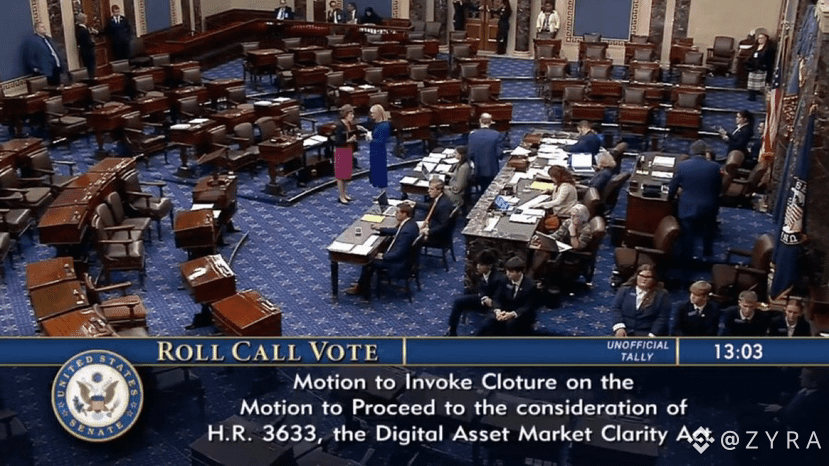
CLARITY法案が60票のテストに失敗することは、暗号資産にとって単なる政治的な遅延ではありません。
それは、市場が依然として不確実性の中で取引しなければならないということを示しています。
これが本当の損害です。
ビルダーにはきれいなルールが与えられません。取引所には明確な進路が与えられません。機関投資家には、積極的に規模を拡大するために必要な安心感が得られません。そしてトレーダーは、構造ではなく見出しの値付けをさせられます。
私にとって、重要なのは投票そのものよりも反応です。
この後BTCがそのレンジを維持するなら、市場はこう言っていることになります:「厄介な遅延だが致命的ではない」。
もしBTCが出来高を伴ってサポートを失うなら、失敗した投票はより大きなリスク削減(デリスキング)へ踏み出すための口実になります。
暗号資産は、今日、規制のストーリーを丸ごと失ったわけではありません。
失ったのは時間です。
そして流動性がすでに薄いとき、時間は高くつきます。
#ClarityActOddsHalveOnPolymarket #bitcoin #FedRateWatch #BitcoinSlidesTo$76000 #StrategyMarketCapPassesFord
$BTC
{future}(BTCUSDT)
$SAGA
{future}(SAGAUSDT)
$ASTR
{future}(ASTRUSDT)
CLARITY法案が60票のテストに失敗することは、暗号資産にとって単なる政治的な遅延ではありません。
それは、市場が依然として不確実性の中で取引しなければならないということを示しています。
これが本当の損害です。
ビルダーにはきれいなルールが与えられません。取引所には明確な進路が与えられません。機関投資家には、積極的に規模を拡大するために必要な安心感が得られません。そしてトレーダーは、構造ではなく見出しの値付けをさせられます。
私にとって、重要なのは投票そのものよりも反応です。
この後BTCがそのレンジを維持するなら、市場はこう言っていることになります:「厄介な遅延だが致命的ではない」。
もしBTCが出来高を伴ってサポートを失うなら、失敗した投票はより大きなリスク削減(デリスキング)へ踏み出すための口実になります。
暗号資産は、今日、規制のストーリーを丸ごと失ったわけではありません。
失ったのは時間です。
そして流動性がすでに薄いとき、時間は高くつきます。
#ClarityActOddsHalveOnPolymarket #bitcoin #FedRateWatch #BitcoinSlidesTo$76000 #StrategyMarketCapPassesFord
$BTC
$SAGA
$ASTR
それは、市場が依然として不確実性の中で取引しなければならないということを示しています。
これが本当の損害です。
ビルダーにはきれいなルールが与えられません。取引所には明確な進路が与えられません。機関投資家には、積極的に規模を拡大するために必要な安心感が得られません。そしてトレーダーは、構造ではなく見出しの値付けをさせられます。
私にとって、重要なのは投票そのものよりも反応です。
この後BTCがそのレンジを維持するなら、市場はこう言っていることになります:「厄介な遅延だが致命的ではない」。
もしBTCが出来高を伴ってサポートを失うなら、失敗した投票はより大きなリスク削減(デリスキング)へ踏み出すための口実になります。
暗号資産は、今日、規制のストーリーを丸ごと失ったわけではありません。
失ったのは時間です。
そして流動性がすでに薄いとき、時間は高くつきます。
#ClarityActOddsHalveOnPolymarket #bitcoin #FedRateWatch #BitcoinSlidesTo$76000 #StrategyMarketCapPassesFord
$BTC
$SAGA
$ASTR
1
3
2.1k
·
--
ブリッシュ
CPIの数字が出たわけですが、これでFRBは単に現状維持(据え置き)を続けるだけで済ませる難易度がさらに上がったと感じます。
8月のCPIは前月比+0.4%、前年比+3.4%でした。コアCPIは前月比+0.3%、前年比+2.4%です。
同時に、雇用市場はといえば、実際のところ崩壊しているわけではありません。非農業部門雇用者数は162K人増加し、失業率は4.1%のままです。
私にとって重要なのは、この“組み合わせ”です。
インフレは依然としてFRBの2%目標を上回っており、エネルギーは引き続きリスクであり、しかも景気は十分な底堅さを示しているので、FRBには引き締め状態を維持する余地があります。
そのため、私の基本シナリオは、次の「気楽な据え置き」ではなく、25bpの利上げに変わりました。
ただし、これを自動的な利上げサイクルの始まりだとは見ていません。
FRBが利上げを行うなら、市場にとっての実質的なシグナルは、その次に何が出てくるか――つまり、持続的なインフレへの“単発の対応”として位置づけるのか、それとも再びより引き締めた政策へ向かう始まりなのか――にあります。
この違いは、25bpという利上げ幅そのものよりも、株式、金、そして暗号資産にとって影響が大きくなる可能性があります。
#CPIWatch
{future}(BTCUSDT)
CPIの数字が出たわけですが、これでFRBは単に現状維持(据え置き)を続けるだけで済ませる難易度がさらに上がったと感じます。
8月のCPIは前月比+0.4%、前年比+3.4%でした。コアCPIは前月比+0.3%、前年比+2.4%です。
同時に、雇用市場はといえば、実際のところ崩壊しているわけではありません。非農業部門雇用者数は162K人増加し、失業率は4.1%のままです。
私にとって重要なのは、この“組み合わせ”です。
インフレは依然としてFRBの2%目標を上回っており、エネルギーは引き続きリスクであり、しかも景気は十分な底堅さを示しているので、FRBには引き締め状態を維持する余地があります。
そのため、私の基本シナリオは、次の「気楽な据え置き」ではなく、25bpの利上げに変わりました。
ただし、これを自動的な利上げサイクルの始まりだとは見ていません。
FRBが利上げを行うなら、市場にとっての実質的なシグナルは、その次に何が出てくるか――つまり、持続的なインフレへの“単発の対応”として位置づけるのか、それとも再びより引き締めた政策へ向かう始まりなのか――にあります。
この違いは、25bpという利上げ幅そのものよりも、株式、金、そして暗号資産にとって影響が大きくなる可能性があります。
#CPIWatch
8月のCPIは前月比+0.4%、前年比+3.4%でした。コアCPIは前月比+0.3%、前年比+2.4%です。
同時に、雇用市場はといえば、実際のところ崩壊しているわけではありません。非農業部門雇用者数は162K人増加し、失業率は4.1%のままです。
私にとって重要なのは、この“組み合わせ”です。
インフレは依然としてFRBの2%目標を上回っており、エネルギーは引き続きリスクであり、しかも景気は十分な底堅さを示しているので、FRBには引き締め状態を維持する余地があります。
そのため、私の基本シナリオは、次の「気楽な据え置き」ではなく、25bpの利上げに変わりました。
ただし、これを自動的な利上げサイクルの始まりだとは見ていません。
FRBが利上げを行うなら、市場にとっての実質的なシグナルは、その次に何が出てくるか――つまり、持続的なインフレへの“単発の対応”として位置づけるのか、それとも再びより引き締めた政策へ向かう始まりなのか――にあります。
この違いは、25bpという利上げ幅そのものよりも、株式、金、そして暗号資産にとって影響が大きくなる可能性があります。
#CPIWatch
2
671
·
--
ブリッシュ
3つの上昇銘柄がありますが、同じ質の動きではありません。
$ARB は純粋なモメンタムでは先行していますが、ほぼ垂直の上昇後で、最も伸び切っています。
$RAY は構造的によりきれいで、買い手が押し目を守ればまだ余地のあるブレイクアウトを見せています。
$IOST は良い反応をしていますが、まだ強い主導というより投機的な急騰に近く感じられます。
ここから最も継続しそうなのはどれでしょうか?
{future}(IOSTUSDT)
{spot}(RAYUSDT)
{future}(ARBUSDT)
#ARB #Ray #IOST #BTCReaches$80000 #ZECHitsANewAllTimeHigh
3つの上昇銘柄がありますが、同じ質の動きではありません。
$ARB は純粋なモメンタムでは先行していますが、ほぼ垂直の上昇後で、最も伸び切っています。
$RAY は構造的によりきれいで、買い手が押し目を守ればまだ余地のあるブレイクアウトを見せています。
$IOST は良い反応をしていますが、まだ強い主導というより投機的な急騰に近く感じられます。
ここから最も継続しそうなのはどれでしょうか?
#ARB #Ray #IOST #BTCReaches$80000 #ZECHitsANewAllTimeHigh
$ARB は純粋なモメンタムでは先行していますが、ほぼ垂直の上昇後で、最も伸び切っています。
$RAY は構造的によりきれいで、買い手が押し目を守ればまだ余地のあるブレイクアウトを見せています。
$IOST は良い反応をしていますが、まだ強い主導というより投機的な急騰に近く感じられます。
ここから最も継続しそうなのはどれでしょうか?
#ARB #Ray #IOST #BTCReaches$80000 #ZECHitsANewAllTimeHigh
ARB
58%
RAY
23%
IOST
11%
None, wait for reset
8%
935 投票 • 投票は終了しました
5
68
110.1k
·
--
ブリッシュ
Bitcoinの半減期は発行量を変える。需要を生み出すわけではない。
この違いは、主要な心理的水準の近くでは重要だ。
現在のブロック報酬は3.125 BTCなので、新規供給の流入はよりゆっくりになる。だが、その発行減少が実際に価格に影響するかどうかは、利用可能なBTCを誰が吸収しているかに左右される。
ETFのフロー、機関投資家の需要、マクロの流動性、そして既存保有者の売りが、その方程式の反対側で競い合っている。
だから私は、BTCの強さを単なる「半減期トレード」とは見ていない。
より興味深い構造は次の通りだ。
予測可能な新規供給 + 予測不能な需要 + 変化する流動性。
需要が新規発行と流通市場での売りを継続的に吸収できれば、希少性は意味を持つ。
需要が弱まれば、希少性だけで価格を押し上げることはできない。
Bitcoinの供給はプログラムされている。価格発見はそうではない。
それが、主要水準付近で私がBTCについて注視している点だ。
$BTC
#BTCReaches$80000 #bitcoin #BitcoinETFsBiggestDailyInflowSinceJanuary
{future}(BTCUSDT)
Bitcoinの半減期は発行量を変える。需要を生み出すわけではない。
この違いは、主要な心理的水準の近くでは重要だ。
現在のブロック報酬は3.125 BTCなので、新規供給の流入はよりゆっくりになる。だが、その発行減少が実際に価格に影響するかどうかは、利用可能なBTCを誰が吸収しているかに左右される。
ETFのフロー、機関投資家の需要、マクロの流動性、そして既存保有者の売りが、その方程式の反対側で競い合っている。
だから私は、BTCの強さを単なる「半減期トレード」とは見ていない。
より興味深い構造は次の通りだ。
予測可能な新規供給 + 予測不能な需要 + 変化する流動性。
需要が新規発行と流通市場での売りを継続的に吸収できれば、希少性は意味を持つ。
需要が弱まれば、希少性だけで価格を押し上げることはできない。
Bitcoinの供給はプログラムされている。価格発見はそうではない。
それが、主要水準付近で私がBTCについて注視している点だ。
$BTC
#BTCReaches$80000 #bitcoin #BitcoinETFsBiggestDailyInflowSinceJanuary
この違いは、主要な心理的水準の近くでは重要だ。
現在のブロック報酬は3.125 BTCなので、新規供給の流入はよりゆっくりになる。だが、その発行減少が実際に価格に影響するかどうかは、利用可能なBTCを誰が吸収しているかに左右される。
ETFのフロー、機関投資家の需要、マクロの流動性、そして既存保有者の売りが、その方程式の反対側で競い合っている。
だから私は、BTCの強さを単なる「半減期トレード」とは見ていない。
より興味深い構造は次の通りだ。
予測可能な新規供給 + 予測不能な需要 + 変化する流動性。
需要が新規発行と流通市場での売りを継続的に吸収できれば、希少性は意味を持つ。
需要が弱まれば、希少性だけで価格を押し上げることはできない。
Bitcoinの供給はプログラムされている。価格発見はそうではない。
それが、主要水準付近で私がBTCについて注視している点だ。
$BTC
#BTCReaches$80000 #bitcoin #BitcoinETFsBiggestDailyInflowSinceJanuary
1
1.2k
·
--
ブリッシュ
$ARB , $SC and $ONG は同じポンプではありません。
ARBは、長い間死んでいたレンジからの回転のように見えます。
SCは、混雑したRSIによるディレイドなストレージ・スクイーズのようです。
ONGは、過去のボラティリティの後のリバウンドにより近く、まだ明確なリーダーシップはありません。
本当の勝者は、今日の最大のローソク足ではありません。
最初の売り手が来たときにブレイクアウトのベースを維持するものです。
最良のホールドは?
{future}(ONGUSDT)
{spot}(SCUSDT)
{future}(ARBUSDT)
#ong #ARB #ARBRises30%OnRobinhoodChainRevenue #StrategySpends$635MOnSTRCPreferredBuybacks
$ARB , $SC and $ONG は同じポンプではありません。
ARBは、長い間死んでいたレンジからの回転のように見えます。
SCは、混雑したRSIによるディレイドなストレージ・スクイーズのようです。
ONGは、過去のボラティリティの後のリバウンドにより近く、まだ明確なリーダーシップはありません。
本当の勝者は、今日の最大のローソク足ではありません。
最初の売り手が来たときにブレイクアウトのベースを維持するものです。
最良のホールドは?
#ong #ARB #ARBRises30%OnRobinhoodChainRevenue #StrategySpends$635MOnSTRCPreferredBuybacks
ARBは、長い間死んでいたレンジからの回転のように見えます。
SCは、混雑したRSIによるディレイドなストレージ・スクイーズのようです。
ONGは、過去のボラティリティの後のリバウンドにより近く、まだ明確なリーダーシップはありません。
本当の勝者は、今日の最大のローソク足ではありません。
最初の売り手が来たときにブレイクアウトのベースを維持するものです。
最良のホールドは?
#ong #ARB #ARBRises30%OnRobinhoodChainRevenue #StrategySpends$635MOnSTRCPreferredBuybacks
ARB
49%
SC
16%
ONG
30%
Wait
5%
185 投票 • 投票は終了しました
5
23
27.7k
·
--
弱気相場
#dusk $DUSK @Dusk_Foundation 私は、OpenDuskの投票を単なるガバナンスのアップデートとして見ていたが、そのタイミングをDuskEVMと比べてみて、考え直した。
DuskEVMのテストネットは今月だけで開始されたばかりだ。開発者向けのツールは利用可能だが、より大規模なアプリケーション・エコシステムはまだ構築されていない。
いまコミュニティには、燃焼(バーン)されたブロック報酬をOpenDuskのトレジャリーへ流し始めるべきかどうかが問われている。
このタイミングは意図的に感じる。
Duskには、今はプロトコルのアップグレード以上が必要だ。ウォレット、開発者ツール、監査、アプリケーション、そして、それらの製品が実際のユーザーに届くまで作り続ける意思のあるチームが必要だ。定常的なトレジャリーがあれば、その層を支援でき、すべてのプロジェクトがFoundationに直接依存しなくて済む。
しかし、これには問題も生まれる。
エコシステム側で、どの資金決定が長期的な需要を生むのかを測る実証の手段が確立される前に、トレジャリーがDUSKを受け取ってしまう可能性がある。
プロジェクトは助成のマイルストーンを完了しても、ユーザーを獲得できないことがある。
流動性プログラムによってTVLはインセンティブが続く間は増えるが、インセンティブが止まれば効果が消える。
新しいdAppは、意味のある取引や手数料を生まないまま立ち上がることもある。
この3つすべてが、トレジャリーのレポート上では「進展」に見えるかもしれない。
だから私は、OpenDuskを投票率や、承認される提案の数で判断しない。
私は、資金提供されたプロジェクトがどれだけメインネットに到達するか、インセンティブ終了後にどれだけ利用が残るか、そしてそれらのアプリケーションがDUSKを使う取引を生み出しているかを追跡する。
そうしない限り、燃焼された報酬はエコシステム価値に変換されない。より複雑な経路を通して、ただ循環に戻っているだけになる。
最初の投票は、資金供給の仕組みが存在すべきかを決める。
そして、より重要な投票はすべての助成の後に、静かに行われる。すなわち、トレジャリーが支払って作られたものは、ユーザーが使い続けるのか?
$DUSK
{future}(DUSKUSDT)
#dusk $DUSK @Dusk 私は、OpenDuskの投票を単なるガバナンスのアップデートとして見ていたが、そのタイミングをDuskEVMと比べてみて、考え直した。
DuskEVMのテストネットは今月だけで開始されたばかりだ。開発者向けのツールは利用可能だが、より大規模なアプリケーション・エコシステムはまだ構築されていない。
いまコミュニティには、燃焼(バーン)されたブロック報酬をOpenDuskのトレジャリーへ流し始めるべきかどうかが問われている。
このタイミングは意図的に感じる。
Duskには、今はプロトコルのアップグレード以上が必要だ。ウォレット、開発者ツール、監査、アプリケーション、そして、それらの製品が実際のユーザーに届くまで作り続ける意思のあるチームが必要だ。定常的なトレジャリーがあれば、その層を支援でき、すべてのプロジェクトがFoundationに直接依存しなくて済む。
しかし、これには問題も生まれる。
エコシステム側で、どの資金決定が長期的な需要を生むのかを測る実証の手段が確立される前に、トレジャリーがDUSKを受け取ってしまう可能性がある。
プロジェクトは助成のマイルストーンを完了しても、ユーザーを獲得できないことがある。
流動性プログラムによってTVLはインセンティブが続く間は増えるが、インセンティブが止まれば効果が消える。
新しいdAppは、意味のある取引や手数料を生まないまま立ち上がることもある。
この3つすべてが、トレジャリーのレポート上では「進展」に見えるかもしれない。
だから私は、OpenDuskを投票率や、承認される提案の数で判断しない。
私は、資金提供されたプロジェクトがどれだけメインネットに到達するか、インセンティブ終了後にどれだけ利用が残るか、そしてそれらのアプリケーションがDUSKを使う取引を生み出しているかを追跡する。
そうしない限り、燃焼された報酬はエコシステム価値に変換されない。より複雑な経路を通して、ただ循環に戻っているだけになる。
最初の投票は、資金供給の仕組みが存在すべきかを決める。
そして、より重要な投票はすべての助成の後に、静かに行われる。すなわち、トレジャリーが支払って作られたものは、ユーザーが使い続けるのか?
$DUSK
DuskEVMのテストネットは今月だけで開始されたばかりだ。開発者向けのツールは利用可能だが、より大規模なアプリケーション・エコシステムはまだ構築されていない。
いまコミュニティには、燃焼(バーン)されたブロック報酬をOpenDuskのトレジャリーへ流し始めるべきかどうかが問われている。
このタイミングは意図的に感じる。
Duskには、今はプロトコルのアップグレード以上が必要だ。ウォレット、開発者ツール、監査、アプリケーション、そして、それらの製品が実際のユーザーに届くまで作り続ける意思のあるチームが必要だ。定常的なトレジャリーがあれば、その層を支援でき、すべてのプロジェクトがFoundationに直接依存しなくて済む。
しかし、これには問題も生まれる。
エコシステム側で、どの資金決定が長期的な需要を生むのかを測る実証の手段が確立される前に、トレジャリーがDUSKを受け取ってしまう可能性がある。
プロジェクトは助成のマイルストーンを完了しても、ユーザーを獲得できないことがある。
流動性プログラムによってTVLはインセンティブが続く間は増えるが、インセンティブが止まれば効果が消える。
新しいdAppは、意味のある取引や手数料を生まないまま立ち上がることもある。
この3つすべてが、トレジャリーのレポート上では「進展」に見えるかもしれない。
だから私は、OpenDuskを投票率や、承認される提案の数で判断しない。
私は、資金提供されたプロジェクトがどれだけメインネットに到達するか、インセンティブ終了後にどれだけ利用が残るか、そしてそれらのアプリケーションがDUSKを使う取引を生み出しているかを追跡する。
そうしない限り、燃焼された報酬はエコシステム価値に変換されない。より複雑な経路を通して、ただ循環に戻っているだけになる。
最初の投票は、資金供給の仕組みが存在すべきかを決める。
そして、より重要な投票はすべての助成の後に、静かに行われる。すなわち、トレジャリーが支払って作られたものは、ユーザーが使い続けるのか?
$DUSK
3
1
8
575
·
--
弱気相場
本人確認中
#dusk $DUSK @Dusk_Foundation サージキャストの発表は良い問いを投げかけていました。――取引を行った瞬間に、誰が見てもその取引が公開され、あなたの名前まで紐づくとしたらどうなるのでしょうか?
それに惹かれたのですが、より難しい問題はその後に始まると思っています。
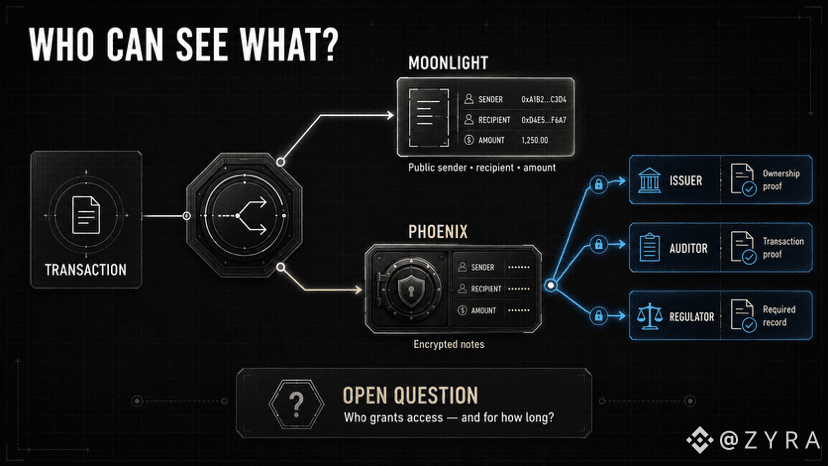
私はダスクの取引モデルを振り返りました。ムーンライトは公開口座のような仕組みで、残高や振替の詳細が見えます。フェニックスは価値を暗号化されたノートとして保存し、金額や参加者を全員に見せることなく、取引が有効であることを証明します。
つまり、@Dusk_Foundation は金融システム全体を「ひとつのプライバシー設定」に押し込もうとしているわけではありません。
・国庫(トレジャリー)の支払いには、公開記録が必要な場合がある。
・ファンドのポジションには、秘匿性が必要な場合がある。
・発行体(issuer)には、所有権の証明が必要な場合がある。
・規制当局は、特定の取引へのアクセスを求める場合がある。
これらは、同じ市場の中に存在する、4つ異なる可視性(表示)要件です。
私が立ち止まったのは「ビューイングキー(閲覧鍵)」の部分です。
フェニックスは、必要に応じて認可された相手に取引情報を開示できます。技術的には、それで「秘匿だが監査可能」という課題は解決できます。しかし運用面では、次の疑問が生まれます。――その可視性を誰に渡すのか、どれだけ狭く許可するのか、そして複数の機関が同じ記録の異なる断片を必要としたとき、どうなるのか。
それこそが、ダスクにとっての本当の「制度的(機関側)テスト」だと感じます。
ゼロ知識証明は、秘匿されたままの送金がルールに従ったことを示せます。ですが規制のある金融では、証明に関する明確な開示ポリシーも必要です。つまり、どの当事者が、何の目的で、どの情報を、そしてどれくらいの期間まで確認できるのか。
プライバシーは暗号の層。
開示に対する許可は、市場インフラの層。
私は、この区別についてヘイン・ダウヴェンが何を言っているのかに興味があります。というのも、「取引を隠す」のは仕事の半分にすぎないからです。もう半分は、適切な証拠が、適切な機関へ届くようにすること。しかも、ダスクが置き換えるはずの閉じた同一のデータベースを、こっそり作り直すようなことはせずに、です。
{future}(DUSKUSDT)
#dusk $DUSK @Dusk サージキャストの発表は良い問いを投げかけていました。――取引を行った瞬間に、誰が見てもその取引が公開され、あなたの名前まで紐づくとしたらどうなるのでしょうか?
それに惹かれたのですが、より難しい問題はその後に始まると思っています。
私はダスクの取引モデルを振り返りました。ムーンライトは公開口座のような仕組みで、残高や振替の詳細が見えます。フェニックスは価値を暗号化されたノートとして保存し、金額や参加者を全員に見せることなく、取引が有効であることを証明します。
つまり、@Dusk は金融システム全体を「ひとつのプライバシー設定」に押し込もうとしているわけではありません。
・国庫(トレジャリー)の支払いには、公開記録が必要な場合がある。
・ファンドのポジションには、秘匿性が必要な場合がある。
・発行体(issuer)には、所有権の証明が必要な場合がある。
・規制当局は、特定の取引へのアクセスを求める場合がある。
これらは、同じ市場の中に存在する、4つ異なる可視性(表示)要件です。
私が立ち止まったのは「ビューイングキー(閲覧鍵)」の部分です。
フェニックスは、必要に応じて認可された相手に取引情報を開示できます。技術的には、それで「秘匿だが監査可能」という課題は解決できます。しかし運用面では、次の疑問が生まれます。――その可視性を誰に渡すのか、どれだけ狭く許可するのか、そして複数の機関が同じ記録の異なる断片を必要としたとき、どうなるのか。
それこそが、ダスクにとっての本当の「制度的(機関側)テスト」だと感じます。
ゼロ知識証明は、秘匿されたままの送金がルールに従ったことを示せます。ですが規制のある金融では、証明に関する明確な開示ポリシーも必要です。つまり、どの当事者が、何の目的で、どの情報を、そしてどれくらいの期間まで確認できるのか。
プライバシーは暗号の層。
開示に対する許可は、市場インフラの層。
私は、この区別についてヘイン・ダウヴェンが何を言っているのかに興味があります。というのも、「取引を隠す」のは仕事の半分にすぎないからです。もう半分は、適切な証拠が、適切な機関へ届くようにすること。しかも、ダスクが置き換えるはずの閉じた同一のデータベースを、こっそり作り直すようなことはせずに、です。
それに惹かれたのですが、より難しい問題はその後に始まると思っています。
私はダスクの取引モデルを振り返りました。ムーンライトは公開口座のような仕組みで、残高や振替の詳細が見えます。フェニックスは価値を暗号化されたノートとして保存し、金額や参加者を全員に見せることなく、取引が有効であることを証明します。
つまり、@Dusk は金融システム全体を「ひとつのプライバシー設定」に押し込もうとしているわけではありません。
・国庫(トレジャリー)の支払いには、公開記録が必要な場合がある。
・ファンドのポジションには、秘匿性が必要な場合がある。
・発行体(issuer)には、所有権の証明が必要な場合がある。
・規制当局は、特定の取引へのアクセスを求める場合がある。
これらは、同じ市場の中に存在する、4つ異なる可視性(表示)要件です。
私が立ち止まったのは「ビューイングキー(閲覧鍵)」の部分です。
フェニックスは、必要に応じて認可された相手に取引情報を開示できます。技術的には、それで「秘匿だが監査可能」という課題は解決できます。しかし運用面では、次の疑問が生まれます。――その可視性を誰に渡すのか、どれだけ狭く許可するのか、そして複数の機関が同じ記録の異なる断片を必要としたとき、どうなるのか。
それこそが、ダスクにとっての本当の「制度的(機関側)テスト」だと感じます。
ゼロ知識証明は、秘匿されたままの送金がルールに従ったことを示せます。ですが規制のある金融では、証明に関する明確な開示ポリシーも必要です。つまり、どの当事者が、何の目的で、どの情報を、そしてどれくらいの期間まで確認できるのか。
プライバシーは暗号の層。
開示に対する許可は、市場インフラの層。
私は、この区別についてヘイン・ダウヴェンが何を言っているのかに興味があります。というのも、「取引を隠す」のは仕事の半分にすぎないからです。もう半分は、適切な証拠が、適切な機関へ届くようにすること。しかも、ダスクが置き換えるはずの閉じた同一のデータベースを、こっそり作り直すようなことはせずに、です。
2
8
726
·
--
弱気相場
#dusk $DUSK @Dusk_Foundation
以前は、ブロックチェーン上のプライバシーとは主に残高や送金額を隠すことだと思っていました。
しかし、金融資産が発行された後に何が起こるのかを調べ始めました。
トークン化された債券は、単に1つのウォレットから別のウォレットへ移るだけではありません。投資家が申し込み、所有権が移り、利息が支払われ、制約がチェックされ、さらに記録はカストディアン、取引会場、または規制当局による確認が必要になることがあります。
すべての手順が公開であれば、競合他社はポジションや取引の流れを分析できます。
すべての手順が完全に秘匿されていれば、コンプライアンスに責任を負う当事者は何が起きたのかを検証できません。
そこで、Duskが実際に解決しようとしているのはこの問題です。
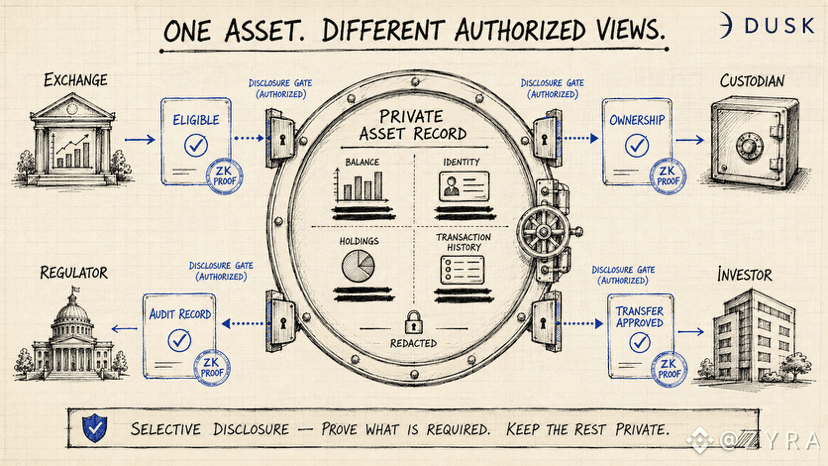
Duskのプライバシーモデルは、ネットワーク全体の「1つのスイッチ」ではありません。公開できる活動は公開のままにしつつ、機微な保有や移転は機密フローを使えます。チェックが必要な場合には、顧客の全金融履歴を開示せずに、必要な証拠だけを明らかにするための選択的開示が想定されています。
DuskEVMはここをさらに面白くします。開発者はおなじみのSolidityツールで構築できます。Hedgerが、そのEVM環境に暗号化された値とゼロ知識証明を持ち込むことで、アプリケーションは、すべての基礎となる数値を公開せずに、その取引がルールに従っていたかどうかを確認できます。
ただ、私には1つの論点がまだはっきりしています。
暗号技術によって開示できる範囲は制限できますが、「誰が何を見る権限を持つのか」を決める必要は依然として残ります。
開示要求を承認するのは誰ですか?
そのアクセスは期限切れになりますか?
機関がカストディアンを変更したり、裁判所の命令を執行する必要が生じたときはどうなるのでしょう?
これらは小さな運用上の詳細ではありません。選択的開示が「制御されたプライバシー」なのか、それとも「ZK言語の裏に隠れた別の権限システム」なのかを左右します。
Duskには、デフォルトで公開される金融に対する強力な技術的な答えがあります。
次は、実際の機関、投資家、そして資産がそれを使い始めたときに、開示権限がどれほど明確に統治されるのかを見てみたいです。
{future}(DUSKUSDT)
#dusk $DUSK @Dusk
以前は、ブロックチェーン上のプライバシーとは主に残高や送金額を隠すことだと思っていました。
しかし、金融資産が発行された後に何が起こるのかを調べ始めました。
トークン化された債券は、単に1つのウォレットから別のウォレットへ移るだけではありません。投資家が申し込み、所有権が移り、利息が支払われ、制約がチェックされ、さらに記録はカストディアン、取引会場、または規制当局による確認が必要になることがあります。
すべての手順が公開であれば、競合他社はポジションや取引の流れを分析できます。
すべての手順が完全に秘匿されていれば、コンプライアンスに責任を負う当事者は何が起きたのかを検証できません。
そこで、Duskが実際に解決しようとしているのはこの問題です。
Duskのプライバシーモデルは、ネットワーク全体の「1つのスイッチ」ではありません。公開できる活動は公開のままにしつつ、機微な保有や移転は機密フローを使えます。チェックが必要な場合には、顧客の全金融履歴を開示せずに、必要な証拠だけを明らかにするための選択的開示が想定されています。
DuskEVMはここをさらに面白くします。開発者はおなじみのSolidityツールで構築できます。Hedgerが、そのEVM環境に暗号化された値とゼロ知識証明を持ち込むことで、アプリケーションは、すべての基礎となる数値を公開せずに、その取引がルールに従っていたかどうかを確認できます。
ただ、私には1つの論点がまだはっきりしています。
暗号技術によって開示できる範囲は制限できますが、「誰が何を見る権限を持つのか」を決める必要は依然として残ります。
開示要求を承認するのは誰ですか?
そのアクセスは期限切れになりますか?
機関がカストディアンを変更したり、裁判所の命令を執行する必要が生じたときはどうなるのでしょう?
これらは小さな運用上の詳細ではありません。選択的開示が「制御されたプライバシー」なのか、それとも「ZK言語の裏に隠れた別の権限システム」なのかを左右します。
Duskには、デフォルトで公開される金融に対する強力な技術的な答えがあります。
次は、実際の機関、投資家、そして資産がそれを使い始めたときに、開示権限がどれほど明確に統治されるのかを見てみたいです。
以前は、ブロックチェーン上のプライバシーとは主に残高や送金額を隠すことだと思っていました。
しかし、金融資産が発行された後に何が起こるのかを調べ始めました。
トークン化された債券は、単に1つのウォレットから別のウォレットへ移るだけではありません。投資家が申し込み、所有権が移り、利息が支払われ、制約がチェックされ、さらに記録はカストディアン、取引会場、または規制当局による確認が必要になることがあります。
すべての手順が公開であれば、競合他社はポジションや取引の流れを分析できます。
すべての手順が完全に秘匿されていれば、コンプライアンスに責任を負う当事者は何が起きたのかを検証できません。
そこで、Duskが実際に解決しようとしているのはこの問題です。
Duskのプライバシーモデルは、ネットワーク全体の「1つのスイッチ」ではありません。公開できる活動は公開のままにしつつ、機微な保有や移転は機密フローを使えます。チェックが必要な場合には、顧客の全金融履歴を開示せずに、必要な証拠だけを明らかにするための選択的開示が想定されています。
DuskEVMはここをさらに面白くします。開発者はおなじみのSolidityツールで構築できます。Hedgerが、そのEVM環境に暗号化された値とゼロ知識証明を持ち込むことで、アプリケーションは、すべての基礎となる数値を公開せずに、その取引がルールに従っていたかどうかを確認できます。
ただ、私には1つの論点がまだはっきりしています。
暗号技術によって開示できる範囲は制限できますが、「誰が何を見る権限を持つのか」を決める必要は依然として残ります。
開示要求を承認するのは誰ですか?
そのアクセスは期限切れになりますか?
機関がカストディアンを変更したり、裁判所の命令を執行する必要が生じたときはどうなるのでしょう?
これらは小さな運用上の詳細ではありません。選択的開示が「制御されたプライバシー」なのか、それとも「ZK言語の裏に隠れた別の権限システム」なのかを左右します。
Duskには、デフォルトで公開される金融に対する強力な技術的な答えがあります。
次は、実際の機関、投資家、そして資産がそれを使い始めたときに、開示権限がどれほど明確に統治されるのかを見てみたいです。
6
8
625
·
--
ブリッシュ
#dusk $DUSK @Dusk_Foundation 私は、DuskEVMがエコシステムの成長を$DUSKのさらなるユーティリティへと変えられるというDuskの主張を改めて見直した。
論理は単純に見える。
Ethereumの開発者は、すでに知っているツールで構築できる。すると、より多くのアプリケーションが登場する。それらのアプリケーションは取引(トランザクション)を生み、そしてすべてのDuskEVMトランザクションでは$DUSK がガスとして使われる。
しかし私は、アプリケーションがデプロイされてから、実際に使われるまでの“間”に立ち止まった。
DEXは、取引がほとんどない状態でも存在し得る。貸付市場は流動性を抱えたまま、借り入れは静かなままということもある。トークン化された債券でさえ、投資家が満期まで保有するだけなら、大きな価値をネットワークにもたらしながら、生成されるトランザクションは少なくて済む。
つまり、より多くのコントラクトや高いTVLがあるからといって、ガス需要が自動的に大きく増えるとは限らない。
重要なのは、資産とアプリケーションが到着した“後”に何が起きるかだ。
人々は定期的に取引しているのか?
ローンは開かれ、そして返済されているのか?
トークン化された資産は利息を生み、所有権を変え、あるいはオンチェーン上で償還されているのか?
ここでDusk Tradeが重要になり得る。これは単に別のdAppではない。同じエコシステムに、金融商品と投資家を呼び込み、そこで資産が発行・決済・サービス提供されるようにできるかもしれない。
もしその活動がオンチェーン上にとどまるなら、ある1つの資産が、その作成時に1回使われるだけではなく、そのライフサイクルの間にDUSKを複数回使用できる。
それが、今私が注目したい部分だ。
アプリがいくつローンチするかではない。どれだけの人が戻ってきて、それらを使うかだ。TVLがいくら流入するかだけでなく、その資本が実際にどれくらいの頻度で動くかが重要だ。
DuskEVMは構築を容易にする。
未解決なのは、Dusk Tradeと、その周辺にあるアプリケーションが、繰り返しの活動を十分に生み出し、この“より容易なアクセス”を継続的なDusk需要へと変えられるかどうかだ。
$DUSK
{future}(DUSKUSDT)
#dusk $DUSK @Dusk 私は、DuskEVMがエコシステムの成長を$DUSK のさらなるユーティリティへと変えられるというDuskの主張を改めて見直した。
論理は単純に見える。
Ethereumの開発者は、すでに知っているツールで構築できる。すると、より多くのアプリケーションが登場する。それらのアプリケーションは取引(トランザクション)を生み、そしてすべてのDuskEVMトランザクションでは$DUSK がガスとして使われる。
しかし私は、アプリケーションがデプロイされてから、実際に使われるまでの“間”に立ち止まった。
DEXは、取引がほとんどない状態でも存在し得る。貸付市場は流動性を抱えたまま、借り入れは静かなままということもある。トークン化された債券でさえ、投資家が満期まで保有するだけなら、大きな価値をネットワークにもたらしながら、生成されるトランザクションは少なくて済む。
つまり、より多くのコントラクトや高いTVLがあるからといって、ガス需要が自動的に大きく増えるとは限らない。
重要なのは、資産とアプリケーションが到着した“後”に何が起きるかだ。
人々は定期的に取引しているのか?
ローンは開かれ、そして返済されているのか?
トークン化された資産は利息を生み、所有権を変え、あるいはオンチェーン上で償還されているのか?
ここでDusk Tradeが重要になり得る。これは単に別のdAppではない。同じエコシステムに、金融商品と投資家を呼び込み、そこで資産が発行・決済・サービス提供されるようにできるかもしれない。
もしその活動がオンチェーン上にとどまるなら、ある1つの資産が、その作成時に1回使われるだけではなく、そのライフサイクルの間にDUSKを複数回使用できる。
それが、今私が注目したい部分だ。
アプリがいくつローンチするかではない。どれだけの人が戻ってきて、それらを使うかだ。TVLがいくら流入するかだけでなく、その資本が実際にどれくらいの頻度で動くかが重要だ。
DuskEVMは構築を容易にする。
未解決なのは、Dusk Tradeと、その周辺にあるアプリケーションが、繰り返しの活動を十分に生み出し、この“より容易なアクセス”を継続的なDusk需要へと変えられるかどうかだ。
$DUSK
論理は単純に見える。
Ethereumの開発者は、すでに知っているツールで構築できる。すると、より多くのアプリケーションが登場する。それらのアプリケーションは取引(トランザクション)を生み、そしてすべてのDuskEVMトランザクションでは$DUSK がガスとして使われる。
しかし私は、アプリケーションがデプロイされてから、実際に使われるまでの“間”に立ち止まった。
DEXは、取引がほとんどない状態でも存在し得る。貸付市場は流動性を抱えたまま、借り入れは静かなままということもある。トークン化された債券でさえ、投資家が満期まで保有するだけなら、大きな価値をネットワークにもたらしながら、生成されるトランザクションは少なくて済む。
つまり、より多くのコントラクトや高いTVLがあるからといって、ガス需要が自動的に大きく増えるとは限らない。
重要なのは、資産とアプリケーションが到着した“後”に何が起きるかだ。
人々は定期的に取引しているのか?
ローンは開かれ、そして返済されているのか?
トークン化された資産は利息を生み、所有権を変え、あるいはオンチェーン上で償還されているのか?
ここでDusk Tradeが重要になり得る。これは単に別のdAppではない。同じエコシステムに、金融商品と投資家を呼び込み、そこで資産が発行・決済・サービス提供されるようにできるかもしれない。
もしその活動がオンチェーン上にとどまるなら、ある1つの資産が、その作成時に1回使われるだけではなく、そのライフサイクルの間にDUSKを複数回使用できる。
それが、今私が注目したい部分だ。
アプリがいくつローンチするかではない。どれだけの人が戻ってきて、それらを使うかだ。TVLがいくら流入するかだけでなく、その資本が実際にどれくらいの頻度で動くかが重要だ。
DuskEVMは構築を容易にする。
未解決なのは、Dusk Tradeと、その周辺にあるアプリケーションが、繰り返しの活動を十分に生み出し、この“より容易なアクセス”を継続的なDusk需要へと変えられるかどうかだ。
$DUSK
4
7
587
·
--
ブリッシュ
本人確認中
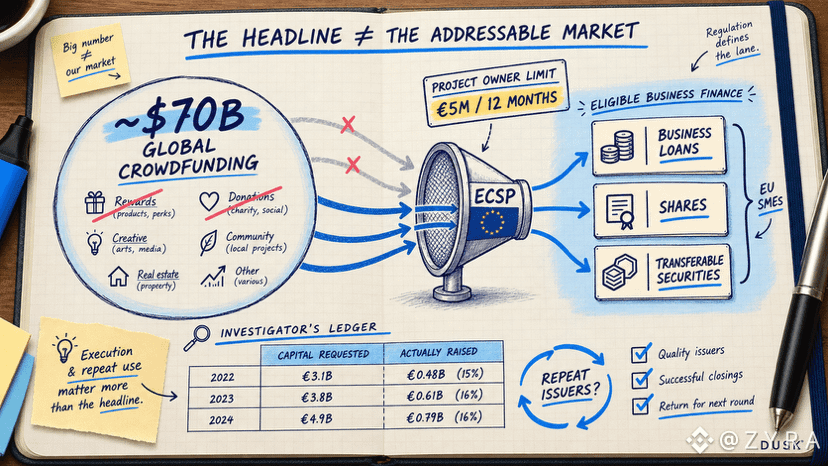
#dusk $DUSK @Dusk_Foundation ECSPの更新情報の中に、約700億ドル規模のクラウドファンディング額を盛り込んでいました。
大きな数字です。見栄えは良かったです。
でも、その内容が実際には欧州のECSPフレームワークの何をカバーしているのか確認しました。
それは、クラウドファンディング市場全体ではありません。
寄付型キャンペーンやリワード型のクラウドファンディングは対象外です。ECSPは主に、事業融資や投資ベースのオファリングを対象としており、EUの閾値は「単一のプロジェクトオーナーが12か月で調達する金額が€5百万以上」であることです。
つまり、Duskは巨大な「700億ドルのプール」へのアクセスを申請しているわけではありません。
狙っているのはより狭い市場で、欧州の中小企業(SME)が、融資、株式、または他の適格な手段を通じて、より少額を調達できる領域です。
率直に言うと、そのことで私にはむしろ計画がより現実味を帯びて見えました。薄くなったわけではありません。
欧州には約3,400万のSMEがあります。Duskが活動を始めるのに、数十億ユーロ規模の発行が必要なわけではありません。1百万ユーロ〜5百万ユーロのオファリングが安定して積み上がっていけば、すでにDusk Tradeに企業、投資家、そして金融資産を呼び込むことができます。
ただし、「オファリングを掲載できる状態になった」ことと、「実際に資金が集まる」ことの間にはギャップがあります。
ライセンスだけでは、良い企業が生まれたり、合理的な条件が整ったり、投資家の需要が生まれたりはしません。
そのため、「オファリング数」は、もし大半が未実行のまま、あるいは資金不足の状態で残り続けるなら、もう一つの弱い指標になってしまうかもしれません。
承認後に見たいのは、もっとシンプルなことです:
どれだけの資本が要請されたのか?
実際にはどれだけ調達できたのか?
そして、何社が2回目のオファリングのために戻ってきたのか?
それなら、グローバルなクラウドファンディングの見出しよりも多くのことが分かります。
{future}(DUSKUSDT)
#dusk $DUSK @Dusk ECSPの更新情報の中に、約700億ドル規模のクラウドファンディング額を盛り込んでいました。
大きな数字です。見栄えは良かったです。
でも、その内容が実際には欧州のECSPフレームワークの何をカバーしているのか確認しました。
それは、クラウドファンディング市場全体ではありません。
寄付型キャンペーンやリワード型のクラウドファンディングは対象外です。ECSPは主に、事業融資や投資ベースのオファリングを対象としており、EUの閾値は「単一のプロジェクトオーナーが12か月で調達する金額が€5百万以上」であることです。
つまり、Duskは巨大な「700億ドルのプール」へのアクセスを申請しているわけではありません。
狙っているのはより狭い市場で、欧州の中小企業(SME)が、融資、株式、または他の適格な手段を通じて、より少額を調達できる領域です。
率直に言うと、そのことで私にはむしろ計画がより現実味を帯びて見えました。薄くなったわけではありません。
欧州には約3,400万のSMEがあります。Duskが活動を始めるのに、数十億ユーロ規模の発行が必要なわけではありません。1百万ユーロ〜5百万ユーロのオファリングが安定して積み上がっていけば、すでにDusk Tradeに企業、投資家、そして金融資産を呼び込むことができます。
ただし、「オファリングを掲載できる状態になった」ことと、「実際に資金が集まる」ことの間にはギャップがあります。
ライセンスだけでは、良い企業が生まれたり、合理的な条件が整ったり、投資家の需要が生まれたりはしません。
そのため、「オファリング数」は、もし大半が未実行のまま、あるいは資金不足の状態で残り続けるなら、もう一つの弱い指標になってしまうかもしれません。
承認後に見たいのは、もっとシンプルなことです:
どれだけの資本が要請されたのか?
実際にはどれだけ調達できたのか?
そして、何社が2回目のオファリングのために戻ってきたのか?
それなら、グローバルなクラウドファンディングの見出しよりも多くのことが分かります。
大きな数字です。見栄えは良かったです。
でも、その内容が実際には欧州のECSPフレームワークの何をカバーしているのか確認しました。
それは、クラウドファンディング市場全体ではありません。
寄付型キャンペーンやリワード型のクラウドファンディングは対象外です。ECSPは主に、事業融資や投資ベースのオファリングを対象としており、EUの閾値は「単一のプロジェクトオーナーが12か月で調達する金額が€5百万以上」であることです。
つまり、Duskは巨大な「700億ドルのプール」へのアクセスを申請しているわけではありません。
狙っているのはより狭い市場で、欧州の中小企業(SME)が、融資、株式、または他の適格な手段を通じて、より少額を調達できる領域です。
率直に言うと、そのことで私にはむしろ計画がより現実味を帯びて見えました。薄くなったわけではありません。
欧州には約3,400万のSMEがあります。Duskが活動を始めるのに、数十億ユーロ規模の発行が必要なわけではありません。1百万ユーロ〜5百万ユーロのオファリングが安定して積み上がっていけば、すでにDusk Tradeに企業、投資家、そして金融資産を呼び込むことができます。
ただし、「オファリングを掲載できる状態になった」ことと、「実際に資金が集まる」ことの間にはギャップがあります。
ライセンスだけでは、良い企業が生まれたり、合理的な条件が整ったり、投資家の需要が生まれたりはしません。
そのため、「オファリング数」は、もし大半が未実行のまま、あるいは資金不足の状態で残り続けるなら、もう一つの弱い指標になってしまうかもしれません。
承認後に見たいのは、もっとシンプルなことです:
どれだけの資本が要請されたのか?
実際にはどれだけ調達できたのか?
そして、何社が2回目のオファリングのために戻ってきたのか?
それなら、グローバルなクラウドファンディングの見出しよりも多くのことが分かります。
12
12
899
·
--
ブリッシュ
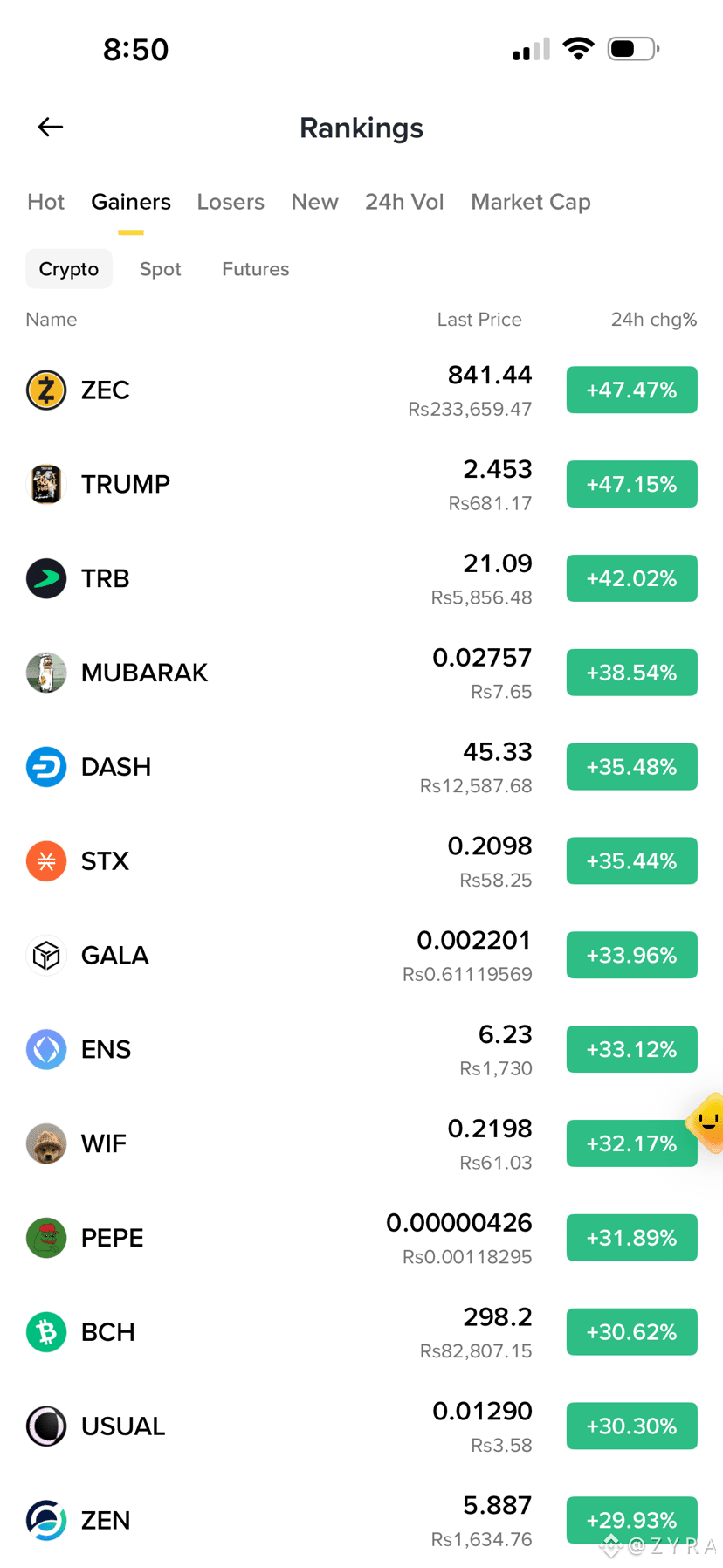
今日の上昇銘柄ボードは偶然ではありません。
市場は同時に、非常に異なる2種類のリスクへローテーションしています。古い確信と、速い注目(アテンション)です。
$ZEC , $DASH and $ZEN のリードは、プライバシーと旧サイクルのコインが突然再評価されていることを示しています。これは通常、トレーダーが長い間無視されてきた物語(ナラティブ)を探し始めるときに起きます。単なる新しい煽り(ヒット)だけではありません。
しかしそれだけでなく、$TRUMP、$WIF、$PEPE、そして $MUBARAK も、ミームの流動性が目覚めていることを示しています。こちらのほうが危険です。ミームのポンプは速く動けますが、注目が切り替わった瞬間、買い(ビッド)はさらに速く消えることがあるからです。
私にとっての重要なシグナルは、上にある ZEC です。プライバシーコインがミームが冷めている間も値上がりを維持するなら、この上昇トレンドにはより強いナラティブの土台があります。逆に、1日グリーンが出た後に全部が一緒に投げられるなら、これは単に短期の流動性がトップ(リーダーボード)を追いかけただけだったということになります。
グリーンのボードはワクワクしますが、本当の試験はシンプルです:
群衆が追いかけるのをやめた後に、どのコインが残るのか?
{future}(ZENUSDT)
{future}(DASHUSDT)
{future}(ZECUSDT)
#zen #DASH #zec #USDollarFallsToThreeMonthLow #USThreeMajorIndexesPostWeeklyLosses
今日の上昇銘柄ボードは偶然ではありません。
市場は同時に、非常に異なる2種類のリスクへローテーションしています。古い確信と、速い注目(アテンション)です。
$ZEC , $DASH and $ZEN のリードは、プライバシーと旧サイクルのコインが突然再評価されていることを示しています。これは通常、トレーダーが長い間無視されてきた物語(ナラティブ)を探し始めるときに起きます。単なる新しい煽り(ヒット)だけではありません。
しかしそれだけでなく、$TRUMP、$WIF、$PEPE、そして $MUBARAK も、ミームの流動性が目覚めていることを示しています。こちらのほうが危険です。ミームのポンプは速く動けますが、注目が切り替わった瞬間、買い(ビッド)はさらに速く消えることがあるからです。
私にとっての重要なシグナルは、上にある ZEC です。プライバシーコインがミームが冷めている間も値上がりを維持するなら、この上昇トレンドにはより強いナラティブの土台があります。逆に、1日グリーンが出た後に全部が一緒に投げられるなら、これは単に短期の流動性がトップ(リーダーボード)を追いかけただけだったということになります。
グリーンのボードはワクワクしますが、本当の試験はシンプルです:
群衆が追いかけるのをやめた後に、どのコインが残るのか?
#zen #DASH #zec #USDollarFallsToThreeMonthLow #USThreeMajorIndexesPostWeeklyLosses
市場は同時に、非常に異なる2種類のリスクへローテーションしています。古い確信と、速い注目(アテンション)です。
$ZEC , $DASH and $ZEN のリードは、プライバシーと旧サイクルのコインが突然再評価されていることを示しています。これは通常、トレーダーが長い間無視されてきた物語(ナラティブ)を探し始めるときに起きます。単なる新しい煽り(ヒット)だけではありません。
しかしそれだけでなく、$TRUMP、$WIF、$PEPE、そして $MUBARAK も、ミームの流動性が目覚めていることを示しています。こちらのほうが危険です。ミームのポンプは速く動けますが、注目が切り替わった瞬間、買い(ビッド)はさらに速く消えることがあるからです。
私にとっての重要なシグナルは、上にある ZEC です。プライバシーコインがミームが冷めている間も値上がりを維持するなら、この上昇トレンドにはより強いナラティブの土台があります。逆に、1日グリーンが出た後に全部が一緒に投げられるなら、これは単に短期の流動性がトップ(リーダーボード)を追いかけただけだったということになります。
グリーンのボードはワクワクしますが、本当の試験はシンプルです:
群衆が追いかけるのをやめた後に、どのコインが残るのか?
#zen #DASH #zec #USDollarFallsToThreeMonthLow #USThreeMajorIndexesPostWeeklyLosses
2
7
7k
·
--
ブリッシュ
このムーブは「どのコインがより急騰したか」という話ではない。
ZEC、TRB、TRUMPは、市場の“空腹(ハングリーさ)”の3つの異なるタイプを見せている。
$ZEC は、ナラティブ(物語)の再評価だ。プライバシーは長い間無視されていたが、強い一本の足が市場にもう一度見直させた。しかしRSIがほぼ上限まで来ていると、「物語が強いか?」という問いではなくなる。「この足の後に、誰が買い続けるのか?」が問題になる。
$TRB は、より流動性のスクイーズ(逼迫)っぽい。上昇は最初はコントロールされていたが、最後の動きで急に拡大した。これはたいてい、供給が薄くなっていて、後から買った人が追いかけざるを得なくなったことを意味する。
$TRUMP は別物だ。純粋な注目(アテンション)由来の流動性である。ミームのフローが到来すると、一時的にテクニカルを無視できることがある。ただし同じフローも、群衆のローテーション(資金の回り方)が変われば、すぐに消えることがある。
僕にとって本当の勝者は、いちばん高い緑の大陽足ではない。
最初の押し(プルバック)のあともブレイクアウトのベースを維持しているチャートだ。
#zec #TRB #TRUMP #USDollarFallsToThreeMonthLow #USThreeMajorIndexesPostWeeklyLosses
{future}(TRUMPUSDT)
{future}(ZECUSDT)
{future}(TRBUSDT)
どれが最も堅く保つ?
このムーブは「どのコインがより急騰したか」という話ではない。
ZEC、TRB、TRUMPは、市場の“空腹(ハングリーさ)”の3つの異なるタイプを見せている。
$ZEC は、ナラティブ(物語)の再評価だ。プライバシーは長い間無視されていたが、強い一本の足が市場にもう一度見直させた。しかしRSIがほぼ上限まで来ていると、「物語が強いか?」という問いではなくなる。「この足の後に、誰が買い続けるのか?」が問題になる。
$TRB は、より流動性のスクイーズ(逼迫)っぽい。上昇は最初はコントロールされていたが、最後の動きで急に拡大した。これはたいてい、供給が薄くなっていて、後から買った人が追いかけざるを得なくなったことを意味する。
$TRUMP は別物だ。純粋な注目(アテンション)由来の流動性である。ミームのフローが到来すると、一時的にテクニカルを無視できることがある。ただし同じフローも、群衆のローテーション(資金の回り方)が変われば、すぐに消えることがある。
僕にとって本当の勝者は、いちばん高い緑の大陽足ではない。
最初の押し(プルバック)のあともブレイクアウトのベースを維持しているチャートだ。
#zec #TRB #TRUMP #USDollarFallsToThreeMonthLow #USThreeMajorIndexesPostWeeklyLosses
どれが最も堅く保つ?
ZEC、TRB、TRUMPは、市場の“空腹(ハングリーさ)”の3つの異なるタイプを見せている。
$ZEC は、ナラティブ(物語)の再評価だ。プライバシーは長い間無視されていたが、強い一本の足が市場にもう一度見直させた。しかしRSIがほぼ上限まで来ていると、「物語が強いか?」という問いではなくなる。「この足の後に、誰が買い続けるのか?」が問題になる。
$TRB は、より流動性のスクイーズ(逼迫)っぽい。上昇は最初はコントロールされていたが、最後の動きで急に拡大した。これはたいてい、供給が薄くなっていて、後から買った人が追いかけざるを得なくなったことを意味する。
$TRUMP は別物だ。純粋な注目(アテンション)由来の流動性である。ミームのフローが到来すると、一時的にテクニカルを無視できることがある。ただし同じフローも、群衆のローテーション(資金の回り方)が変われば、すぐに消えることがある。
僕にとって本当の勝者は、いちばん高い緑の大陽足ではない。
最初の押し(プルバック)のあともブレイクアウトのベースを維持しているチャートだ。
#zec #TRB #TRUMP #USDollarFallsToThreeMonthLow #USThreeMajorIndexesPostWeeklyLosses
どれが最も堅く保つ?
ZEC
42%
TRB
21%
TRUMP
27%
Wait
10%
967 投票 • 投票は終了しました
27
59
77.9k
·
--
ブリッシュ
#termmax @termmax 私は最初、TermMaxのユーザーロールを単純な「借り手対貸し手」の構図として読み取りました。
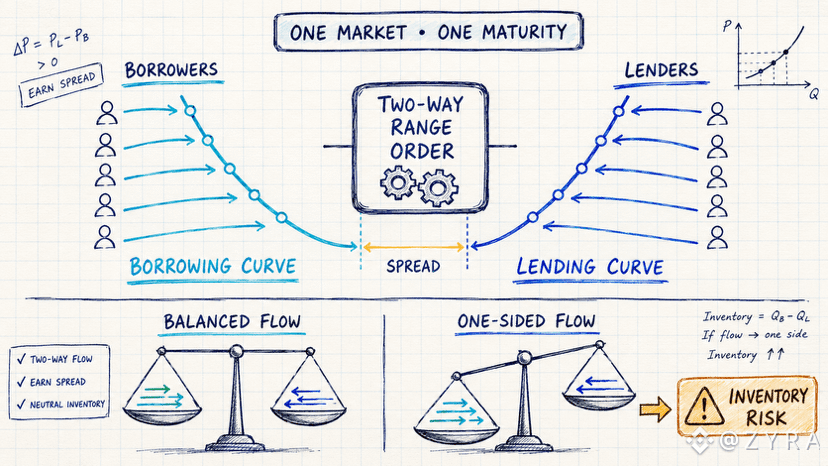
次に、Two-Way Range Order Setterにたどり着きました。
1つの注文で、同じ固定金利の市場の両側を、別々の借入カーブと貸出カーブを用いて提示できます。V2の契約では、メイカーはプロトコルが選んだレートを受け入れるのではなく、それらのカーブと価格を設定できます。
それによって、私は@termmax の見方が変わりました。
固定金利は、貸出プールに表示される唯一の普遍的な数値ではありません。異なるレートや取引サイズで、満期ごとに提供される流動性によって形成されます。
ツーウェイのメイカーは、両カーブのスプレッドを取り込める可能性があります。ただし、そのスプレッドは「無料の利回り」ではありません。
借入需要が支配的なら、注文は片側へのエクスポージャーをますます強めていく可能性があります。貸出需要が支配的なら、その在庫が反対側へとシフトします。したがって利益は、カーブがどこに置かれているか、フローがどう到達するか、そして市場が動く前にメイカーが再価格付けできるかに依存します。
MLTVは担保でローンを保護します。非対称な注文フローによって不利な位置に置かれたカーブまでは保護しません。
だから、私が注目する数値は提示されているAPYだけではありません。
各満期の両側に、どれだけ使える厚み(depth)が存在するのか、そしてそのバランスが変わったときにメイカーがどれくらい迅速に調整するのかを見ます。
TermMaxはここでは固定金利の貸出プールというより、オンチェーンの金利市場のように見えます。$TMX
#termmax @TermMax 私は最初、TermMaxのユーザーロールを単純な「借り手対貸し手」の構図として読み取りました。
次に、Two-Way Range Order Setterにたどり着きました。
1つの注文で、同じ固定金利の市場の両側を、別々の借入カーブと貸出カーブを用いて提示できます。V2の契約では、メイカーはプロトコルが選んだレートを受け入れるのではなく、それらのカーブと価格を設定できます。
それによって、私は@TermMax の見方が変わりました。
固定金利は、貸出プールに表示される唯一の普遍的な数値ではありません。異なるレートや取引サイズで、満期ごとに提供される流動性によって形成されます。
ツーウェイのメイカーは、両カーブのスプレッドを取り込める可能性があります。ただし、そのスプレッドは「無料の利回り」ではありません。
借入需要が支配的なら、注文は片側へのエクスポージャーをますます強めていく可能性があります。貸出需要が支配的なら、その在庫が反対側へとシフトします。したがって利益は、カーブがどこに置かれているか、フローがどう到達するか、そして市場が動く前にメイカーが再価格付けできるかに依存します。
MLTVは担保でローンを保護します。非対称な注文フローによって不利な位置に置かれたカーブまでは保護しません。
だから、私が注目する数値は提示されているAPYだけではありません。
各満期の両側に、どれだけ使える厚み(depth)が存在するのか、そしてそのバランスが変わったときにメイカーがどれくらい迅速に調整するのかを見ます。
TermMaxはここでは固定金利の貸出プールというより、オンチェーンの金利市場のように見えます。$TMX
次に、Two-Way Range Order Setterにたどり着きました。
1つの注文で、同じ固定金利の市場の両側を、別々の借入カーブと貸出カーブを用いて提示できます。V2の契約では、メイカーはプロトコルが選んだレートを受け入れるのではなく、それらのカーブと価格を設定できます。
それによって、私は@TermMax の見方が変わりました。
固定金利は、貸出プールに表示される唯一の普遍的な数値ではありません。異なるレートや取引サイズで、満期ごとに提供される流動性によって形成されます。
ツーウェイのメイカーは、両カーブのスプレッドを取り込める可能性があります。ただし、そのスプレッドは「無料の利回り」ではありません。
借入需要が支配的なら、注文は片側へのエクスポージャーをますます強めていく可能性があります。貸出需要が支配的なら、その在庫が反対側へとシフトします。したがって利益は、カーブがどこに置かれているか、フローがどう到達するか、そして市場が動く前にメイカーが再価格付けできるかに依存します。
MLTVは担保でローンを保護します。非対称な注文フローによって不利な位置に置かれたカーブまでは保護しません。
だから、私が注目する数値は提示されているAPYだけではありません。
各満期の両側に、どれだけ使える厚み(depth)が存在するのか、そしてそのバランスが変わったときにメイカーがどれくらい迅速に調整するのかを見ます。
TermMaxはここでは固定金利の貸出プールというより、オンチェーンの金利市場のように見えます。$TMX
4
793
·
--
ブリッシュ
#dusk $DUSK @Dusk_Foundation 私は「Duskのコアコンポーネント」ページを開き、ZedgerとHedgerが同じプライバシー・システムの、より古い/より新しいバージョンであることを期待した。
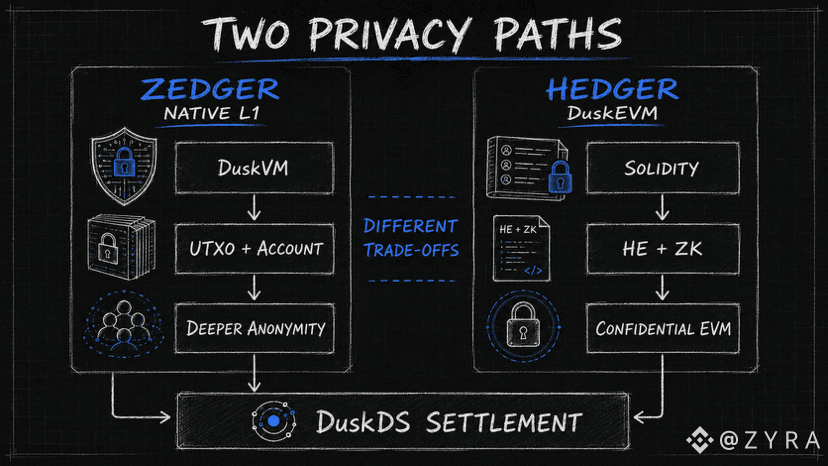
しかし違う。
このページでは、ZedgerをDuskのネイティブL1にそのまま置き、DuskVMのコントラクト経由で動かしている。そのハイブリッドUTXO/アカウント設計は、プライベートな保有が必要で、準拠した送受信、投票、配当、保有制限といった要件を満たすために作られた規制対象資産向けだ。
一方、Hedgerは別のルートを取る。
HedgerはDuskEVM上にあり、同型暗号とゼロ知識証明を組み合わせる。契約が取引の有効性を証明する間、値は暗号化されたままでもよい。Solidityや標準的なEthereumの開発ツールを捨てることなく実現できる。
そして私は、Duskが率直に示すトレードオフを見つけた。EVMアカウント・モデルでは、HedgerがZedgerで提供できる完全な匿名性を提供できない、という点だ。
そのことで、私はアーキテクチャの読み方を変えた。
Hedgerは単にZedgerのほうが優れているわけではない。EVM環境の中で機密性のあるファイナンスを使えるようにするために、ネイティブ層の匿名性の一部を手放している。
Solidityを前提にすでに構築されたトークン化債券プラットフォームなら、その互換性によって統合作業が減るかもしれない。だが、より深いプライバシーと、Duskのネイティブなトランザクション・モデルへの直接アクセスが必要なアプリケーションにとっては、Zedgerは別ルートのままだ。
Hedgerはまだテストネット上なので、主張されるブラウザでの証明スピードや暗号化ワークフローが、実際の市場活動の中で本当に通用するかは、まだ証明されていない。
Duskは、すべてに対して1つのプライバシー・モデルを選んだわけではない。
ネイティブL1のプライバシーとEVMのプライバシーを分けて保持しているのは、開発者の馴染みやすさと最大限の匿名性が、同じアーキテクチャの中にきれいに収まらないからだ。
{future}(DUSKUSDT)
#dusk $DUSK @Dusk 私は「Duskのコアコンポーネント」ページを開き、ZedgerとHedgerが同じプライバシー・システムの、より古い/より新しいバージョンであることを期待した。
しかし違う。
このページでは、ZedgerをDuskのネイティブL1にそのまま置き、DuskVMのコントラクト経由で動かしている。そのハイブリッドUTXO/アカウント設計は、プライベートな保有が必要で、準拠した送受信、投票、配当、保有制限といった要件を満たすために作られた規制対象資産向けだ。
一方、Hedgerは別のルートを取る。
HedgerはDuskEVM上にあり、同型暗号とゼロ知識証明を組み合わせる。契約が取引の有効性を証明する間、値は暗号化されたままでもよい。Solidityや標準的なEthereumの開発ツールを捨てることなく実現できる。
そして私は、Duskが率直に示すトレードオフを見つけた。EVMアカウント・モデルでは、HedgerがZedgerで提供できる完全な匿名性を提供できない、という点だ。
そのことで、私はアーキテクチャの読み方を変えた。
Hedgerは単にZedgerのほうが優れているわけではない。EVM環境の中で機密性のあるファイナンスを使えるようにするために、ネイティブ層の匿名性の一部を手放している。
Solidityを前提にすでに構築されたトークン化債券プラットフォームなら、その互換性によって統合作業が減るかもしれない。だが、より深いプライバシーと、Duskのネイティブなトランザクション・モデルへの直接アクセスが必要なアプリケーションにとっては、Zedgerは別ルートのままだ。
Hedgerはまだテストネット上なので、主張されるブラウザでの証明スピードや暗号化ワークフローが、実際の市場活動の中で本当に通用するかは、まだ証明されていない。
Duskは、すべてに対して1つのプライバシー・モデルを選んだわけではない。
ネイティブL1のプライバシーとEVMのプライバシーを分けて保持しているのは、開発者の馴染みやすさと最大限の匿名性が、同じアーキテクチャの中にきれいに収まらないからだ。
しかし違う。
このページでは、ZedgerをDuskのネイティブL1にそのまま置き、DuskVMのコントラクト経由で動かしている。そのハイブリッドUTXO/アカウント設計は、プライベートな保有が必要で、準拠した送受信、投票、配当、保有制限といった要件を満たすために作られた規制対象資産向けだ。
一方、Hedgerは別のルートを取る。
HedgerはDuskEVM上にあり、同型暗号とゼロ知識証明を組み合わせる。契約が取引の有効性を証明する間、値は暗号化されたままでもよい。Solidityや標準的なEthereumの開発ツールを捨てることなく実現できる。
そして私は、Duskが率直に示すトレードオフを見つけた。EVMアカウント・モデルでは、HedgerがZedgerで提供できる完全な匿名性を提供できない、という点だ。
そのことで、私はアーキテクチャの読み方を変えた。
Hedgerは単にZedgerのほうが優れているわけではない。EVM環境の中で機密性のあるファイナンスを使えるようにするために、ネイティブ層の匿名性の一部を手放している。
Solidityを前提にすでに構築されたトークン化債券プラットフォームなら、その互換性によって統合作業が減るかもしれない。だが、より深いプライバシーと、Duskのネイティブなトランザクション・モデルへの直接アクセスが必要なアプリケーションにとっては、Zedgerは別ルートのままだ。
Hedgerはまだテストネット上なので、主張されるブラウザでの証明スピードや暗号化ワークフローが、実際の市場活動の中で本当に通用するかは、まだ証明されていない。
Duskは、すべてに対して1つのプライバシー・モデルを選んだわけではない。
ネイティブL1のプライバシーとEVMのプライバシーを分けて保持しているのは、開発者の馴染みやすさと最大限の匿名性が、同じアーキテクチャの中にきれいに収まらないからだ。
4
9
575
·
--
ブリッシュ
$DUSK 197.5 USDT(30日間の取引)
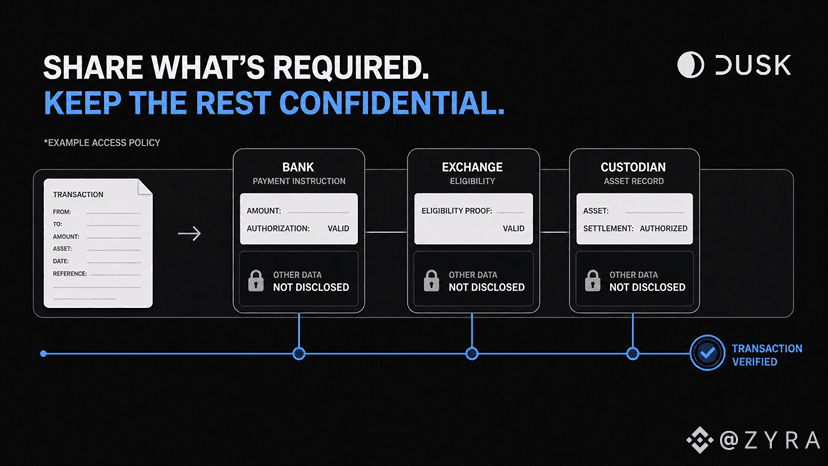
#dusk $DUSK @Dusk_Foundation 銀行、取引所、またはカストディは同一の取引を検査することはありますが、同じデータを見る必要はありません。
その違いこそが、私にとってDuskのセレクティブ・ディスクロージャ(選択的開示)モデルを面白いものにしています。
取引所は、トレーダーが資格を有していることの証明を必要とするかもしれません。
カストディは、所有権の確認が必要になるかもしれません。
規制当局は、特定の取引記録へのアクセスを求める場合があります。
しかし、それらの確認が自動的に、顧客の全残高、身元、または取引履歴を他の誰もが閲覧できるようにしてよいことを正当化するわけではありません。
Duskは、開示を「完全な秘匿と完全な透明性のどちらかの選択」ではなく、「必要な証拠への許可制のアクセス」として扱います。
これは、規制のある金融が実際に情報を扱う方法に、はるかに近いと感じます。
#dusk $DUSK @Dusk 銀行、取引所、またはカストディは同一の取引を検査することはありますが、同じデータを見る必要はありません。
その違いこそが、私にとってDuskのセレクティブ・ディスクロージャ(選択的開示)モデルを面白いものにしています。
取引所は、トレーダーが資格を有していることの証明を必要とするかもしれません。
カストディは、所有権の確認が必要になるかもしれません。
規制当局は、特定の取引記録へのアクセスを求める場合があります。
しかし、それらの確認が自動的に、顧客の全残高、身元、または取引履歴を他の誰もが閲覧できるようにしてよいことを正当化するわけではありません。
Duskは、開示を「完全な秘匿と完全な透明性のどちらかの選択」ではなく、「必要な証拠への許可制のアクセス」として扱います。
これは、規制のある金融が実際に情報を扱う方法に、はるかに近いと感じます。
その違いこそが、私にとってDuskのセレクティブ・ディスクロージャ(選択的開示)モデルを面白いものにしています。
取引所は、トレーダーが資格を有していることの証明を必要とするかもしれません。
カストディは、所有権の確認が必要になるかもしれません。
規制当局は、特定の取引記録へのアクセスを求める場合があります。
しかし、それらの確認が自動的に、顧客の全残高、身元、または取引履歴を他の誰もが閲覧できるようにしてよいことを正当化するわけではありません。
Duskは、開示を「完全な秘匿と完全な透明性のどちらかの選択」ではなく、「必要な証拠への許可制のアクセス」として扱います。
これは、規制のある金融が実際に情報を扱う方法に、はるかに近いと感じます。
3
7
224
·
--
ブリッシュ
#termmax @termmax TermMaxのV2契約を開き、Gearing Tokenが別の代替可能な負債トークンのように振る舞うと期待していました。
しかし、そうではありません。
GTはERC-721のポジションです。契約はloanInfo、addCollateral、removeCollaterl、augmentDebt、repay、liquidateを公開しています。
それが、TermMaxがここでNFTを使っている理由です。
FTは代替可能です。なぜなら、同じ市場から発行されたFTは、満期時点で同一の請求権を表すからです。GTはもっと具体的なものを保持しています。つまり、1人の借り手の担保、負債、そしてポジションの状態です。
同じ市場のGTでも、同じリスクを持つとは限りません。あるGTは余裕のある担保バッファを持っているかもしれず、別のGTは清算のごく近くにいるかもしれません。
また、契約には所有権と譲渡の機能も含まれています。つまり、GTを移すことは通常のトークンを送ることとは比較できません。稼働中のローンポジションの所有権がそれに伴って移動します。
契約はその行為をサポートしていますが、そのポジションを評価するのは別問題です。
GTを受け取る前には、その担保、未決済の負債、満期、清算までの距離を確認する必要があります。NFTというラベルだけでは、そのポジションが健全かどうかは何もわかりません。
私は今、GTをトークンというより、オンチェーンのローン口座のようなものとして捉えています。
それは借り入れプロセスの飾りではありません。
それがポジションそのものです。
GTを調べるときに最も重要なのは何でしょう?
#termmax @TermMax TermMaxのV2契約を開き、Gearing Tokenが別の代替可能な負債トークンのように振る舞うと期待していました。
しかし、そうではありません。
GTはERC-721のポジションです。契約はloanInfo、addCollateral、removeCollaterl、augmentDebt、repay、liquidateを公開しています。
それが、TermMaxがここでNFTを使っている理由です。
FTは代替可能です。なぜなら、同じ市場から発行されたFTは、満期時点で同一の請求権を表すからです。GTはもっと具体的なものを保持しています。つまり、1人の借り手の担保、負債、そしてポジションの状態です。
同じ市場のGTでも、同じリスクを持つとは限りません。あるGTは余裕のある担保バッファを持っているかもしれず、別のGTは清算のごく近くにいるかもしれません。
また、契約には所有権と譲渡の機能も含まれています。つまり、GTを移すことは通常のトークンを送ることとは比較できません。稼働中のローンポジションの所有権がそれに伴って移動します。
契約はその行為をサポートしていますが、そのポジションを評価するのは別問題です。
GTを受け取る前には、その担保、未決済の負債、満期、清算までの距離を確認する必要があります。NFTというラベルだけでは、そのポジションが健全かどうかは何もわかりません。
私は今、GTをトークンというより、オンチェーンのローン口座のようなものとして捉えています。
それは借り入れプロセスの飾りではありません。
それがポジションそのものです。
GTを調べるときに最も重要なのは何でしょう?
しかし、そうではありません。
GTはERC-721のポジションです。契約はloanInfo、addCollateral、removeCollaterl、augmentDebt、repay、liquidateを公開しています。
それが、TermMaxがここでNFTを使っている理由です。
FTは代替可能です。なぜなら、同じ市場から発行されたFTは、満期時点で同一の請求権を表すからです。GTはもっと具体的なものを保持しています。つまり、1人の借り手の担保、負債、そしてポジションの状態です。
同じ市場のGTでも、同じリスクを持つとは限りません。あるGTは余裕のある担保バッファを持っているかもしれず、別のGTは清算のごく近くにいるかもしれません。
また、契約には所有権と譲渡の機能も含まれています。つまり、GTを移すことは通常のトークンを送ることとは比較できません。稼働中のローンポジションの所有権がそれに伴って移動します。
契約はその行為をサポートしていますが、そのポジションを評価するのは別問題です。
GTを受け取る前には、その担保、未決済の負債、満期、清算までの距離を確認する必要があります。NFTというラベルだけでは、そのポジションが健全かどうかは何もわかりません。
私は今、GTをトークンというより、オンチェーンのローン口座のようなものとして捉えています。
それは借り入れプロセスの飾りではありません。
それがポジションそのものです。
GTを調べるときに最も重要なのは何でしょう?
Collateral
67%
Debt size
33%
MLTV buffer
0%
Maturity
0%
6 投票 • 投票は終了しました
1
4
448
·
--
ブリッシュ
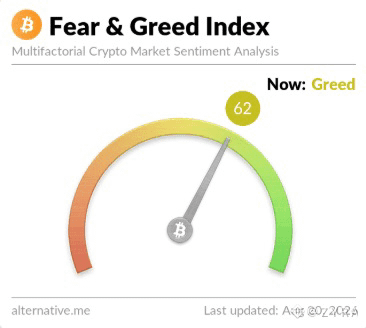
暗号資産の恐怖と強欲指数が1日で46から62へ跳ね上がった。
市場は躊躇から一気に強欲へ動いた。モメンタムは戻っているが、ここでは青い(上昇)ローソク足を追いかけるのが高くつきがちだ。
確信は改善した。だがリスクは消えていない。
#CryptoRally #FOMCWatch #AdnocPlansToTrimAsiaCrudeShipments #FedMinutesShowNoSupportForRateCuts #bitcoin $BTC $HYPE $ZEC
{future}(ZECUSDT)
{future}(HYPEUSDT)
{future}(BTCUSDT)
暗号資産の恐怖と強欲指数が1日で46から62へ跳ね上がった。
市場は躊躇から一気に強欲へ動いた。モメンタムは戻っているが、ここでは青い(上昇)ローソク足を追いかけるのが高くつきがちだ。
確信は改善した。だがリスクは消えていない。
#CryptoRally #FOMCWatch #AdnocPlansToTrimAsiaCrudeShipments #FedMinutesShowNoSupportForRateCuts #bitcoin $BTC $HYPE $ZEC
市場は躊躇から一気に強欲へ動いた。モメンタムは戻っているが、ここでは青い(上昇)ローソク足を追いかけるのが高くつきがちだ。
確信は改善した。だがリスクは消えていない。
#CryptoRally #FOMCWatch #AdnocPlansToTrimAsiaCrudeShipments #FedMinutesShowNoSupportForRateCuts #bitcoin $BTC $HYPE $ZEC
6
4
3k
·
--
ブリッシュ
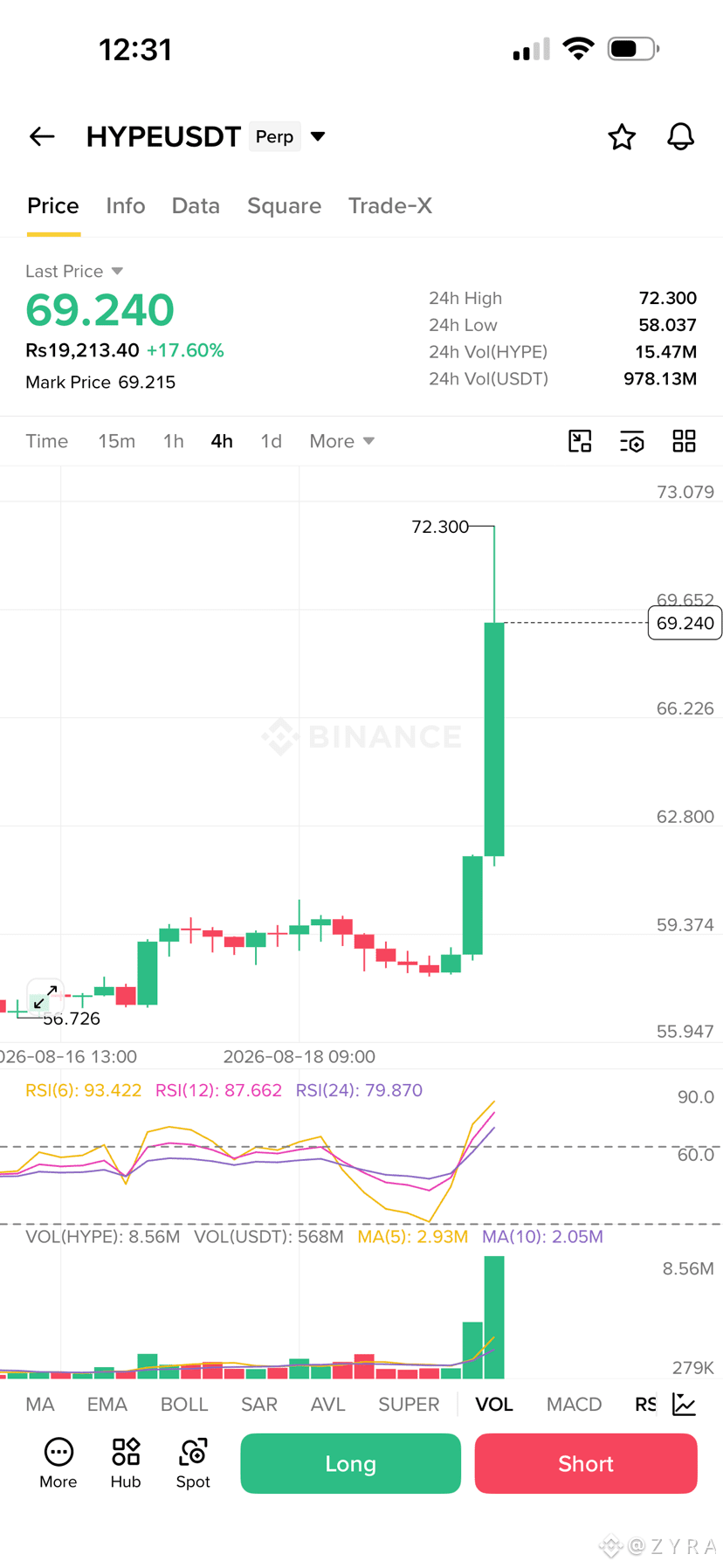
私の以前の$HYPE 分析では、$62–63が回復が本当のリバーサルになるかどうかを決めるレベルだと示していました。
その確認が入り、値動きは$65および$67–70を通過してから、$72.30に到達しました。
先のセットアップはすでに成し遂げられました。これはもう同じエントリーではありません。
$HYPE は現在、出来高の大幅な増加とともに17%以上上昇していますが、4HのRSIは極めて過熱しています。価格はまた、$72.3〜73の直近の前月レジスタンスを試しており、より大きな供給ゾーンは$75付近にあります。
私はこの足を追いかけるつもりはありません。
$73をきれいに上抜けてホールドできれば、最終局面として$75への動きが開けます。そうでなければ、$66–67への押し戻しが成立するかどうかを見ます。それが示すのは、縦に伸びた1本の足に頼るのではなく、買い手がブレイクアウトを守っているということです。
それより下では、$62.8–63が再び重要なブレイクアウトの土台になります。
方向性は強気のままですが、この拡大の後に得られるより良い情報は、グリーンの足そのものではなくリテストから来ます。
NFA。DYOR。
{future}(HYPEUSDT)
#hype #CryptoRally #FOMCWatch #ColdcardTheftInvestigationAdvances #WyomingMovesFRNTToChainlinkCCIP $BTC
{future}(BTCUSDT)
私の以前の$HYPE 分析では、$62–63が回復が本当のリバーサルになるかどうかを決めるレベルだと示していました。
その確認が入り、値動きは$65および$67–70を通過してから、$72.30に到達しました。
先のセットアップはすでに成し遂げられました。これはもう同じエントリーではありません。
$HYPE は現在、出来高の大幅な増加とともに17%以上上昇していますが、4HのRSIは極めて過熱しています。価格はまた、$72.3〜73の直近の前月レジスタンスを試しており、より大きな供給ゾーンは$75付近にあります。
私はこの足を追いかけるつもりはありません。
$73をきれいに上抜けてホールドできれば、最終局面として$75への動きが開けます。そうでなければ、$66–67への押し戻しが成立するかどうかを見ます。それが示すのは、縦に伸びた1本の足に頼るのではなく、買い手がブレイクアウトを守っているということです。
それより下では、$62.8–63が再び重要なブレイクアウトの土台になります。
方向性は強気のままですが、この拡大の後に得られるより良い情報は、グリーンの足そのものではなくリテストから来ます。
NFA。DYOR。
#hype #CryptoRally #FOMCWatch #ColdcardTheftInvestigationAdvances #WyomingMovesFRNTToChainlinkCCIP $BTC
その確認が入り、値動きは$65および$67–70を通過してから、$72.30に到達しました。
先のセットアップはすでに成し遂げられました。これはもう同じエントリーではありません。
$HYPE は現在、出来高の大幅な増加とともに17%以上上昇していますが、4HのRSIは極めて過熱しています。価格はまた、$72.3〜73の直近の前月レジスタンスを試しており、より大きな供給ゾーンは$75付近にあります。
私はこの足を追いかけるつもりはありません。
$73をきれいに上抜けてホールドできれば、最終局面として$75への動きが開けます。そうでなければ、$66–67への押し戻しが成立するかどうかを見ます。それが示すのは、縦に伸びた1本の足に頼るのではなく、買い手がブレイクアウトを守っているということです。
それより下では、$62.8–63が再び重要なブレイクアウトの土台になります。
方向性は強気のままですが、この拡大の後に得られるより良い情報は、グリーンの足そのものではなくリテストから来ます。
NFA。DYOR。
#hype #CryptoRally #FOMCWatch #ColdcardTheftInvestigationAdvances #WyomingMovesFRNTToChainlinkCCIP $BTC
Z Y R A
·
--
ブリッシュ$HYPE は、私が作業できる構造がようやく見えてきました。
$52〜54の需要ゾーンからの反発は単なる一時的な値動きではなく、価格がより高い安値を積み上げ始め、$57.5〜59のゾーンを取り戻しています。
次の本当の試練は$60〜63です。
このエリアには、過去の供給+FVG+フィボナッチのレジスタンスが重なっているので、ここをむやみに追いかけるつもりはありません。
日足で$63を明確に受け入れられれば、私は$65、その次に$67〜70を見ます。
もし$HYPE が$56.7を失うなら、モメンタムは弱まります。$53.7を下回ったら、回復の構造が崩れたと考えます。
私にとっては、$62〜63がこれが単なる安堵のリバウンドに留まるのか、実際の反転になるのかを決めます。
#hype #IsraelStrikesLebanonKillsHezbollahCommander #bitcoin #GlobalStockFundsSee$18.62BInflow $BTC
$52〜54の需要ゾーンからの反発は単なる一時的な値動きではなく、価格がより高い安値を積み上げ始め、$57.5〜59のゾーンを取り戻しています。
次の本当の試練は$60〜63です。
このエリアには、過去の供給+FVG+フィボナッチのレジスタンスが重なっているので、ここをむやみに追いかけるつもりはありません。
日足で$63を明確に受け入れられれば、私は$65、その次に$67〜70を見ます。
もし$HYPE が$56.7を失うなら、モメンタムは弱まります。$53.7を下回ったら、回復の構造が崩れたと考えます。
私にとっては、$62〜63がこれが単なる安堵のリバウンドに留まるのか、実際の反転になるのかを決めます。
#hype #IsraelStrikesLebanonKillsHezbollahCommander #bitcoin #GlobalStockFundsSee$18.62BInflow $BTC
4
992
ログインして、さらにコンテンツを読む
厳選トピックで世界の暗号資産トレーダーの仲間入り
⚡️ 暗号資産に関する最新かつ有益な情報が見つかります。
💬 世界最大の暗号資産取引所から信頼されています。
👍 認証を受けたクリエイターから、有益なインサイトを得られます。
メール / 電話番号