

ZhenyaMan
540 投稿

ZhenyaMan
報告
ユーザーをブロック
Trader
超高頻度トレーダー
3年
3.1K+ フォロー
9.6K+ フォロワー
7.3K+ いいね
投稿
すべて
引用
ライブ
·
--
bStocks の次のステップは、単なる上場ではなく「実用性」です。
本日の Binance のアップデートで注目したのは、GameStop bStocks($GMEB )が、対象ユーザーに限り、Cross Margin、Portfolio Margin、Portfolio Margin Pro における適格な担保として利用できるようになったことです。
これにより、トークン化された証券についての考え方が変わりました。
bStock は、企業の価格変動へのエクスポージャーを得ることだけを目的とするものではありません。より多くの資産が追加の実用性を獲得していく中で、より大きな RWA の問いは次のようになります——あなたがトークン化された資産を購入したあと、それを実際に何に使えるのか?
bStocks は、当初の 5 つの資産から、テクノロジー、半導体、その他の分野を含む数十の上場へ拡大してきました。そこに担保機能が加わることで、エコシステムのもう 1 つの層が形成されます。
もちろん、実用性が増えるということは、責任も増えるということです。マージンは利益も損失も増幅し得ます。また Binance は、bStocks を担保として使う場合には特に厳格なリスク管理を推奨しています。
私にとっては、まさにここがトークン化の本当に面白いところです。将来は、「それをオンチェーンに載せること」自体のために伝統的な資産を乗せるのではなく、それらの資産をよりプログラム可能で、より役に立つものにしていくことが重要になるかもしれません。
bStocks は次に何を追加すべきでしょうか?
1️⃣ もっと多くの担保資産
2️⃣ もっと多くの配当を出す企業
3️⃣ もっと多くの DeFi 連携
4️⃣ もっと多くのグローバル企業
あなたにとって、最も大きな違いを生むのはどれですか?
@BinanceCIS #bStocksCIS $GMEB
#bstockscis
bStocks の次のステップは、単なる上場ではなく「実用性」です。
本日の Binance のアップデートで注目したのは、GameStop bStocks($GMEB )が、対象ユーザーに限り、Cross Margin、Portfolio Margin、Portfolio Margin Pro における適格な担保として利用できるようになったことです。
これにより、トークン化された証券についての考え方が変わりました。
bStock は、企業の価格変動へのエクスポージャーを得ることだけを目的とするものではありません。より多くの資産が追加の実用性を獲得していく中で、より大きな RWA の問いは次のようになります——あなたがトークン化された資産を購入したあと、それを実際に何に使えるのか?
bStocks は、当初の 5 つの資産から、テクノロジー、半導体、その他の分野を含む数十の上場へ拡大してきました。そこに担保機能が加わることで、エコシステムのもう 1 つの層が形成されます。
もちろん、実用性が増えるということは、責任も増えるということです。マージンは利益も損失も増幅し得ます。また Binance は、bStocks を担保として使う場合には特に厳格なリスク管理を推奨しています。
私にとっては、まさにここがトークン化の本当に面白いところです。将来は、「それをオンチェーンに載せること」自体のために伝統的な資産を乗せるのではなく、それらの資産をよりプログラム可能で、より役に立つものにしていくことが重要になるかもしれません。
bStocks は次に何を追加すべきでしょうか?
1️⃣ もっと多くの担保資産
2️⃣ もっと多くの配当を出す企業
3️⃣ もっと多くの DeFi 連携
4️⃣ もっと多くのグローバル企業
あなたにとって、最も大きな違いを生むのはどれですか?
@BinanceCIS #bStocksCIS $GMEB
#bstockscis
本日の Binance のアップデートで注目したのは、GameStop bStocks($GMEB )が、対象ユーザーに限り、Cross Margin、Portfolio Margin、Portfolio Margin Pro における適格な担保として利用できるようになったことです。
これにより、トークン化された証券についての考え方が変わりました。
bStock は、企業の価格変動へのエクスポージャーを得ることだけを目的とするものではありません。より多くの資産が追加の実用性を獲得していく中で、より大きな RWA の問いは次のようになります——あなたがトークン化された資産を購入したあと、それを実際に何に使えるのか?
bStocks は、当初の 5 つの資産から、テクノロジー、半導体、その他の分野を含む数十の上場へ拡大してきました。そこに担保機能が加わることで、エコシステムのもう 1 つの層が形成されます。
もちろん、実用性が増えるということは、責任も増えるということです。マージンは利益も損失も増幅し得ます。また Binance は、bStocks を担保として使う場合には特に厳格なリスク管理を推奨しています。
私にとっては、まさにここがトークン化の本当に面白いところです。将来は、「それをオンチェーンに載せること」自体のために伝統的な資産を乗せるのではなく、それらの資産をよりプログラム可能で、より役に立つものにしていくことが重要になるかもしれません。
bStocks は次に何を追加すべきでしょうか?
1️⃣ もっと多くの担保資産
2️⃣ もっと多くの配当を出す企業
3️⃣ もっと多くの DeFi 連携
4️⃣ もっと多くのグローバル企業
あなたにとって、最も大きな違いを生むのはどれですか?
@BinanceCIS #bStocksCIS $GMEB
#bstockscis
1
2
194
·
--
bStocks:面白いのは、あなたが買った後に何が起きるかかもしれない
トークン化された株式について人々が話すとき、会話は通常「取引」から始まります。しかし私がより興味深いと思うのは、その資産を保有した後に何が起こるのかという点です。
Binanceは最近、資格のある保有者$AAPLB と $IBMB に対して、bStocksを通じた現金配当の分配をサポートすると発表しました。これは、トークン化された有価証券が、単に株価を追跡するだけでなく、投資家が従来型の株式に連想する経済性のより多くを反映する方向へ進んでいることを示しています。(Binance)
同時にBinanceはbStocksの世界観を拡大し続けており、直近では$NFLXB 、$ASMLB、$SMCIBを含む10の資産を追加しました。(Binance)
私にとってこれは、より大きなRWA(現実世界資産)に関する問いを提起します。つまり、トークン化された株式が、現実世界の企業へのエクスポージャーと、ブロックチェーンに基づく取引インフラ、配当、そして追加のポートフォリオ有用性を組み合わせられるなら、将来的に分散されたデジタルポートフォリオの通常の一部になり得るのでしょうか?
技術は興味深いものですが、採用が左右されるのは最終的に、有用性、流動性、透明性、そして信頼です。
bStocksであなたが最も関心を持つのはどんな機能ですか?
@BinanceCIS #bStocksCİS
#bstockscis
bStocks:面白いのは、あなたが買った後に何が起きるかかもしれない
トークン化された株式について人々が話すとき、会話は通常「取引」から始まります。しかし私がより興味深いと思うのは、その資産を保有した後に何が起こるのかという点です。
Binanceは最近、資格のある保有者$AAPLB と $IBMB に対して、bStocksを通じた現金配当の分配をサポートすると発表しました。これは、トークン化された有価証券が、単に株価を追跡するだけでなく、投資家が従来型の株式に連想する経済性のより多くを反映する方向へ進んでいることを示しています。(Binance)
同時にBinanceはbStocksの世界観を拡大し続けており、直近では$NFLXB 、$ASMLB、$SMCIBを含む10の資産を追加しました。(Binance)
私にとってこれは、より大きなRWA(現実世界資産)に関する問いを提起します。つまり、トークン化された株式が、現実世界の企業へのエクスポージャーと、ブロックチェーンに基づく取引インフラ、配当、そして追加のポートフォリオ有用性を組み合わせられるなら、将来的に分散されたデジタルポートフォリオの通常の一部になり得るのでしょうか?
技術は興味深いものですが、採用が左右されるのは最終的に、有用性、流動性、透明性、そして信頼です。
bStocksであなたが最も関心を持つのはどんな機能ですか?
@BinanceCIS #bStocksCİS
#bstockscis
トークン化された株式について人々が話すとき、会話は通常「取引」から始まります。しかし私がより興味深いと思うのは、その資産を保有した後に何が起こるのかという点です。
Binanceは最近、資格のある保有者$AAPLB と $IBMB に対して、bStocksを通じた現金配当の分配をサポートすると発表しました。これは、トークン化された有価証券が、単に株価を追跡するだけでなく、投資家が従来型の株式に連想する経済性のより多くを反映する方向へ進んでいることを示しています。(Binance)
同時にBinanceはbStocksの世界観を拡大し続けており、直近では$NFLXB 、$ASMLB、$SMCIBを含む10の資産を追加しました。(Binance)
私にとってこれは、より大きなRWA(現実世界資産)に関する問いを提起します。つまり、トークン化された株式が、現実世界の企業へのエクスポージャーと、ブロックチェーンに基づく取引インフラ、配当、そして追加のポートフォリオ有用性を組み合わせられるなら、将来的に分散されたデジタルポートフォリオの通常の一部になり得るのでしょうか?
技術は興味深いものですが、採用が左右されるのは最終的に、有用性、流動性、透明性、そして信頼です。
bStocksであなたが最も関心を持つのはどんな機能ですか?
@BinanceCIS #bStocksCİS
#bstockscis
Dividend support 💰
50%
24/7 trading 🌐
50%
Collateral utility 📊
0%
More global companies 🚀
0%
2 投票 • 投票は終了しました
4
483
·
--
Terafab + bStocks:なぜこの物語はテスラ以上に大きいのか
Terafabの発表が気になったのは、AI、半導体、そして現実のインフラという3つの主要テーマを結びつけているからです。
テスラとSpaceXは、テキサス州グライムズ郡にあるTerafabという半導体複合施設に、最初の168億ドル($16.8B)を投資する計画です。計画地は約1億平方フィートをカバーすると見込まれ、AIの計算能力として年間1テラワット超を目標としています。このプロジェクトは、テスラのOptimusおよびCybercabの各プログラムから、SpaceXが計画する宇宙ベースのデータセンターまで、幅広い用途を支えるよう設計されています。
投資家の視点で私が興味深いと思うのは、AIのサプライチェーンです。誰もがAIモデルの話をしますが、それらのモデルにはチップ、メモリ、生産能力、そして膨大な量の計算が必要です。
だからこそ、別の角度から見てもテスラは注目すべき企業だと言えます。そしてテスラのトークン化されたbStockである$TSLAB を通じて、投資家はブロックチェーン上の資産として、この現実世界の物語を追うことができます。現在、Binanceはテスラ・トークン化bStocksとしてTSLABを掲載しています。
Terafabはまだ計画段階のプロジェクトなので、実行が重要になります。しかし、そのビジョンが現実になれば、AIインフラ競争の重要なピースになり得ます。
今後数年でAI株にとって最も重要になるのは何でしょうか?
@BinanceCIS
#bstockscis #SpaceX
Terafab + bStocks:なぜこの物語はテスラ以上に大きいのか
Terafabの発表が気になったのは、AI、半導体、そして現実のインフラという3つの主要テーマを結びつけているからです。
テスラとSpaceXは、テキサス州グライムズ郡にあるTerafabという半導体複合施設に、最初の168億ドル($16.8B)を投資する計画です。計画地は約1億平方フィートをカバーすると見込まれ、AIの計算能力として年間1テラワット超を目標としています。このプロジェクトは、テスラのOptimusおよびCybercabの各プログラムから、SpaceXが計画する宇宙ベースのデータセンターまで、幅広い用途を支えるよう設計されています。
投資家の視点で私が興味深いと思うのは、AIのサプライチェーンです。誰もがAIモデルの話をしますが、それらのモデルにはチップ、メモリ、生産能力、そして膨大な量の計算が必要です。
だからこそ、別の角度から見てもテスラは注目すべき企業だと言えます。そしてテスラのトークン化されたbStockである$TSLAB を通じて、投資家はブロックチェーン上の資産として、この現実世界の物語を追うことができます。現在、Binanceはテスラ・トークン化bStocksとしてTSLABを掲載しています。
Terafabはまだ計画段階のプロジェクトなので、実行が重要になります。しかし、そのビジョンが現実になれば、AIインフラ競争の重要なピースになり得ます。
今後数年でAI株にとって最も重要になるのは何でしょうか?
@BinanceCIS
#bstockscis #SpaceX
Terafabの発表が気になったのは、AI、半導体、そして現実のインフラという3つの主要テーマを結びつけているからです。
テスラとSpaceXは、テキサス州グライムズ郡にあるTerafabという半導体複合施設に、最初の168億ドル($16.8B)を投資する計画です。計画地は約1億平方フィートをカバーすると見込まれ、AIの計算能力として年間1テラワット超を目標としています。このプロジェクトは、テスラのOptimusおよびCybercabの各プログラムから、SpaceXが計画する宇宙ベースのデータセンターまで、幅広い用途を支えるよう設計されています。
投資家の視点で私が興味深いと思うのは、AIのサプライチェーンです。誰もがAIモデルの話をしますが、それらのモデルにはチップ、メモリ、生産能力、そして膨大な量の計算が必要です。
だからこそ、別の角度から見てもテスラは注目すべき企業だと言えます。そしてテスラのトークン化されたbStockである$TSLAB を通じて、投資家はブロックチェーン上の資産として、この現実世界の物語を追うことができます。現在、Binanceはテスラ・トークン化bStocksとしてTSLABを掲載しています。
Terafabはまだ計画段階のプロジェクトなので、実行が重要になります。しかし、そのビジョンが現実になれば、AIインフラ競争の重要なピースになり得ます。
今後数年でAI株にとって最も重要になるのは何でしょうか?
@BinanceCIS
#bstockscis #SpaceX
AI demand
0%
Chip production
0%
Compute infrastructure
100%
Execution & profitability
0%
3 投票 • 投票は終了しました
4
184
·
--
bStocksについてひとつ考えていることがあります。「tokenised(トークン化された)」という言葉よりも、実際のユーティリティ(有用性)が重要だという点です。
株式をブロックチェーンに載せるのは面白いのですが、本当に大事なのはそれによって投資家に何が変わるか——アクセス性、柔軟性、ポートフォリオ管理、そして最終的には資産を使うための新しいやり方が生まれることです。
そこで、私は本当のRWA(実世界資産)のお話が面白くなると思っています。
あなたが実際にトークン化株を使うことを納得させるものは何でしょうか?
@BinanceCIS
#bstockscis #bstocks
bStocksについてひとつ考えていることがあります。「tokenised(トークン化された)」という言葉よりも、実際のユーティリティ(有用性)が重要だという点です。
株式をブロックチェーンに載せるのは面白いのですが、本当に大事なのはそれによって投資家に何が変わるか——アクセス性、柔軟性、ポートフォリオ管理、そして最終的には資産を使うための新しいやり方が生まれることです。
そこで、私は本当のRWA(実世界資産)のお話が面白くなると思っています。
あなたが実際にトークン化株を使うことを納得させるものは何でしょうか?
@BinanceCIS
#bstockscis #bstocks
株式をブロックチェーンに載せるのは面白いのですが、本当に大事なのはそれによって投資家に何が変わるか——アクセス性、柔軟性、ポートフォリオ管理、そして最終的には資産を使うための新しいやり方が生まれることです。
そこで、私は本当のRWA(実世界資産)のお話が面白くなると思っています。
あなたが実際にトークン化株を使うことを納得させるものは何でしょうか?
@BinanceCIS
#bstockscis #bstocks
More assets
0%
Better liquidity
34%
More utility
33%
Lower costs
33%
3 投票 • 投票は終了しました
3
108
·
--
SanDisk(SNDK):完璧な決算レポートだったのに、それでもウォール街を満足させられなかったSanDiskの2026年の歩みは、まさにジェットコースターのようなものだった。
同社の株価は52週安値から急騰し、AIブームと大規模なストレージ需要への期待を追い風に、約2,354ドルの過去最高値を記録しました。しかし、その後は急激な調整が入り(7月にはほぼ47%下落)、株価は極めて高い期待を背負った状態で決算を迎えました。
そこで生まれたパラドックス:
📈 記録的な結果
第4四半期の売上高は前年比372%増の89.7億ドル
調整後EPSは39.25ドルに到達
粗利益率は過去最高の84.6%まで拡大
SanDisk(SNDK):完璧な決算レポートだったのに、それでもウォール街を満足させられなかった
SanDiskの2026年の歩みは、まさにジェットコースターのようなものだった。
同社の株価は52週安値から急騰し、AIブームと大規模なストレージ需要への期待を追い風に、約2,354ドルの過去最高値を記録しました。しかし、その後は急激な調整が入り(7月にはほぼ47%下落)、株価は極めて高い期待を背負った状態で決算を迎えました。
そこで生まれたパラドックス:
📈 記録的な結果
第4四半期の売上高は前年比372%増の89.7億ドル
調整後EPSは39.25ドルに到達
粗利益率は過去最高の84.6%まで拡大
同社の株価は52週安値から急騰し、AIブームと大規模なストレージ需要への期待を追い風に、約2,354ドルの過去最高値を記録しました。しかし、その後は急激な調整が入り(7月にはほぼ47%下落)、株価は極めて高い期待を背負った状態で決算を迎えました。
そこで生まれたパラドックス:
📈 記録的な結果
第4四半期の売上高は前年比372%増の89.7億ドル
調整後EPSは39.25ドルに到達
粗利益率は過去最高の84.6%まで拡大
506
4
29
506
·
--
Binance bStocks:トークン化された株式は投資の次なる進化になるのか?
長年にわたり、従来の市場とブロックチェーンは別々の世界として存在してきました。株式は企業の所有権を表し、暗号資産は価値を送受信し管理する新しい方法をもたらしました。Binance bStocksは、この2つの世界がつながり始めていることを示す興味深い例です。
最大の変化は、トークン化された株式にアクセスできるようになったことだけではありません。ブロックチェーン技術がもたらし得る追加の柔軟性こそが重要です。従来の市場では、資産は単に「保有するもの」であることが一般的です。トークン化された資産では、会話の焦点が、ユーティリティ(用途)や利用しやすさ、そしてそれらの資産がより広い金融エコシステムの中でどのように相互作用できるかへと移っていきます。
bStocksの最近の拡大と、それを担保として利用できるようになったことで、資本効率(キャピタル・エフィシェンシー)をめぐる新しい議論が生まれています。売買することだけを考えるのではなく、現実世界の企業へのエクスポージャーを維持しながら、ポートフォリオを管理する新しい方法を投資家は探ることができます。
もう一つの重要な点は、アクセスのしやすさです。世界中の投資家は、従来の資産にアクセスする際に、さまざまな市場制限、タイムゾーン、障壁に直面しがちです。トークン化は、金融市場をより相互につながりやすくし、より幅広い層に利用可能にする可能性があります。
もちろん、この分野はまだ発展途上であり、教育、透明性、リスク管理は引き続き不可欠です。しかし、方向性は興味深いものです。現実世界の資産がブロックチェーンにより近づき、Binanceのようなプラットフォームがこの移行の一部になってきています。
問いは「株がオンチェーン上で存在し得るのか?」だけではなく、「そうなったとき、どんな新しい可能性が生まれるのか?」です。
トークン化された株式の未来にとって最も重要なのは何でしょうか?
@BinanceCIS #bStocksCIS $NFLXB
Binance bStocks:トークン化された株式は投資の次なる進化になるのか?
長年にわたり、従来の市場とブロックチェーンは別々の世界として存在してきました。株式は企業の所有権を表し、暗号資産は価値を送受信し管理する新しい方法をもたらしました。Binance bStocksは、この2つの世界がつながり始めていることを示す興味深い例です。
最大の変化は、トークン化された株式にアクセスできるようになったことだけではありません。ブロックチェーン技術がもたらし得る追加の柔軟性こそが重要です。従来の市場では、資産は単に「保有するもの」であることが一般的です。トークン化された資産では、会話の焦点が、ユーティリティ(用途)や利用しやすさ、そしてそれらの資産がより広い金融エコシステムの中でどのように相互作用できるかへと移っていきます。
bStocksの最近の拡大と、それを担保として利用できるようになったことで、資本効率(キャピタル・エフィシェンシー)をめぐる新しい議論が生まれています。売買することだけを考えるのではなく、現実世界の企業へのエクスポージャーを維持しながら、ポートフォリオを管理する新しい方法を投資家は探ることができます。
もう一つの重要な点は、アクセスのしやすさです。世界中の投資家は、従来の資産にアクセスする際に、さまざまな市場制限、タイムゾーン、障壁に直面しがちです。トークン化は、金融市場をより相互につながりやすくし、より幅広い層に利用可能にする可能性があります。
もちろん、この分野はまだ発展途上であり、教育、透明性、リスク管理は引き続き不可欠です。しかし、方向性は興味深いものです。現実世界の資産がブロックチェーンにより近づき、Binanceのようなプラットフォームがこの移行の一部になってきています。
問いは「株がオンチェーン上で存在し得るのか?」だけではなく、「そうなったとき、どんな新しい可能性が生まれるのか?」です。
トークン化された株式の未来にとって最も重要なのは何でしょうか?
@BinanceCIS #bStocksCIS $NFLXB
長年にわたり、従来の市場とブロックチェーンは別々の世界として存在してきました。株式は企業の所有権を表し、暗号資産は価値を送受信し管理する新しい方法をもたらしました。Binance bStocksは、この2つの世界がつながり始めていることを示す興味深い例です。
最大の変化は、トークン化された株式にアクセスできるようになったことだけではありません。ブロックチェーン技術がもたらし得る追加の柔軟性こそが重要です。従来の市場では、資産は単に「保有するもの」であることが一般的です。トークン化された資産では、会話の焦点が、ユーティリティ(用途)や利用しやすさ、そしてそれらの資産がより広い金融エコシステムの中でどのように相互作用できるかへと移っていきます。
bStocksの最近の拡大と、それを担保として利用できるようになったことで、資本効率(キャピタル・エフィシェンシー)をめぐる新しい議論が生まれています。売買することだけを考えるのではなく、現実世界の企業へのエクスポージャーを維持しながら、ポートフォリオを管理する新しい方法を投資家は探ることができます。
もう一つの重要な点は、アクセスのしやすさです。世界中の投資家は、従来の資産にアクセスする際に、さまざまな市場制限、タイムゾーン、障壁に直面しがちです。トークン化は、金融市場をより相互につながりやすくし、より幅広い層に利用可能にする可能性があります。
もちろん、この分野はまだ発展途上であり、教育、透明性、リスク管理は引き続き不可欠です。しかし、方向性は興味深いものです。現実世界の資産がブロックチェーンにより近づき、Binanceのようなプラットフォームがこの移行の一部になってきています。
問いは「株がオンチェーン上で存在し得るのか?」だけではなく、「そうなったとき、どんな新しい可能性が生まれるのか?」です。
トークン化された株式の未来にとって最も重要なのは何でしょうか?
@BinanceCIS #bStocksCIS $NFLXB
Easier global market access 🌍
67%
More portfolio flexibility 📊
0%
New financial tools 💼
0%
Growth of real-world assets 🚀
33%
3 投票 • 投票は終了しました
3
84
·
--
伝統的な株式は、これまで市場の営業時間、国境、そしてアクセスの障壁によって制約されてきました。Binance BStocksは、現実世界の資産をブロックチェーン技術と結びつけるための興味深い一歩であり、投資家がグローバル市場とどのように関わるかについて新しい視点を提供します。この分野がどのように進化していくのか、楽しみにしています。@BinanceCIS #bStocksCIS
#bstockscis
伝統的な株式は、これまで市場の営業時間、国境、そしてアクセスの障壁によって制約されてきました。Binance BStocksは、現実世界の資産をブロックチェーン技術と結びつけるための興味深い一歩であり、投資家がグローバル市場とどのように関わるかについて新しい視点を提供します。この分野がどのように進化していくのか、楽しみにしています。@BinanceCIS #bStocksCIS
#bstockscis
#bstockscis
4
107
·
--
Babylonの新キャンペーンを発見:なぜTrust-lessなビットコイン・ボルトが重要なのか最近、Binance Square上の新しいBabylon Leaderboard Campaignに出会い、@babylonlabs_io が構築しているものをより深く見てみるよう促されました。キャンペーン自体を超えて、Trust-less Bitcoin Vaults(TBV)に関するプロジェクトのビジョンこそが、特に際立っています。
ビットコインの採用がさらに広がる中、自己管理を犠牲にせずにBTCを保護することがますます重要になっています。Trust-less(トラストレス)なビットコイン・ボルトは、プログラム可能な保護と復旧メカニズムによって資産の安全性を強化することを目的としたアプローチを導入しつつ、ユーザーが自分のビットコインを完全に管理し続けられるようにしています。これは、分散化と信頼の最小化というビットコインの中核原則を反映しています。
Babylonの新キャンペーンを発見:なぜTrust-lessなビットコイン・ボルトが重要なのか
最近、Binance Square上の新しいBabylon Leaderboard Campaignに出会い、@BabylonLabs_io が構築しているものをより深く見てみるよう促されました。キャンペーン自体を超えて、Trust-less Bitcoin Vaults(TBV)に関するプロジェクトのビジョンこそが、特に際立っています。
ビットコインの採用がさらに広がる中、自己管理を犠牲にせずにBTCを保護することがますます重要になっています。Trust-less(トラストレス)なビットコイン・ボルトは、プログラム可能な保護と復旧メカニズムによって資産の安全性を強化することを目的としたアプローチを導入しつつ、ユーザーが自分のビットコインを完全に管理し続けられるようにしています。これは、分散化と信頼の最小化というビットコインの中核原則を反映しています。
ビットコインの採用がさらに広がる中、自己管理を犠牲にせずにBTCを保護することがますます重要になっています。Trust-less(トラストレス)なビットコイン・ボルトは、プログラム可能な保護と復旧メカニズムによって資産の安全性を強化することを目的としたアプローチを導入しつつ、ユーザーが自分のビットコインを完全に管理し続けられるようにしています。これは、分散化と信頼の最小化というビットコインの中核原則を反映しています。
3
144
·
--

記事
OpenLedgerが暗号の中で最も重要なAIプロジェクトの一つになる可能性最近、AIが実際にどこに向かっているのか、特に話題になっている部分だけでなく、長期的な影響について考えることが多い。毎週新しいAIツールが登場しているけれど、これらのシステムを支えるデータの背後にいる人々について話す人はほとんどいない。
正直なところ、だからこそ @Openledger が私の注意を引いた。
今のところ、AI業界は非常に中央集権的に感じる。大手企業は膨大なデータを集めて強力なモデルをトレーニングし、すべてを閉じたエコシステムの中にロックしている。ユーザーは毎日価値を提供しているが、その価値がコミュニティに戻ることはほとんどない。
OpenLedgerが暗号の中で最も重要なAIプロジェクトの一つになる可能性
最近、AIが実際にどこに向かっているのか、特に話題になっている部分だけでなく、長期的な影響について考えることが多い。毎週新しいAIツールが登場しているけれど、これらのシステムを支えるデータの背後にいる人々について話す人はほとんどいない。
正直なところ、だからこそ @OpenLedger が私の注意を引いた。
今のところ、AI業界は非常に中央集権的に感じる。大手企業は膨大なデータを集めて強力なモデルをトレーニングし、すべてを閉じたエコシステムの中にロックしている。ユーザーは毎日価値を提供しているが、その価値がコミュニティに戻ることはほとんどない。
正直なところ、だからこそ @OpenLedger が私の注意を引いた。
今のところ、AI業界は非常に中央集権的に感じる。大手企業は膨大なデータを集めて強力なモデルをトレーニングし、すべてを閉じたエコシステムの中にロックしている。ユーザーは毎日価値を提供しているが、その価値がコミュニティに戻ることはほとんどない。
2
168
·
--
記事
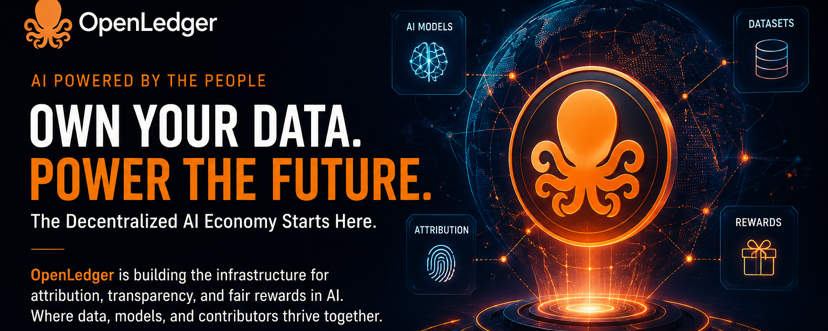
なぜOpenLedgerが注目すべき最も重要なAI-暗号プロジェクトの一つになり得るのかみんなAIが未来だって話してるけど、実際に重要な質問をする人は少ない:誰が実際に作られているインテリジェンスを所有しているのか?
今、AI産業はかなり中央集権的だ。大企業が膨大なデータを集めて、裏でモデルをトレーニングし、すべてをマネタイズしている一方で、貢献者はほとんど何も受け取っていない。このアンバランスは次のテクノロジーの波で最大の問題の一つになりつつある。
だからこそ、@Openledger が暗号とAIセクターで注目を集め始めたんだ。
なぜOpenLedgerが注目すべき最も重要なAI-暗号プロジェクトの一つになり得るのか
みんなAIが未来だって話してるけど、実際に重要な質問をする人は少ない:誰が実際に作られているインテリジェンスを所有しているのか?
今、AI産業はかなり中央集権的だ。大企業が膨大なデータを集めて、裏でモデルをトレーニングし、すべてをマネタイズしている一方で、貢献者はほとんど何も受け取っていない。このアンバランスは次のテクノロジーの波で最大の問題の一つになりつつある。
だからこそ、@OpenLedger が暗号とAIセクターで注目を集め始めたんだ。
今、AI産業はかなり中央集権的だ。大企業が膨大なデータを集めて、裏でモデルをトレーニングし、すべてをマネタイズしている一方で、貢献者はほとんど何も受け取っていない。このアンバランスは次のテクノロジーの波で最大の問題の一つになりつつある。
だからこそ、@OpenLedger が暗号とAIセクターで注目を集め始めたんだ。
2
6
322

·
--

記事
Fogoと暗号が通常避ける難しい質問: 本当の需要はどこから来るのか?暗号のすべてのサイクルは、最終的に同じ見えない壁にぶつかります。
活動が増え、TVLが上昇し、トークンが評価される — そして次の疑問が浮かび上がる: この使用は本物なのか、それとも補助金なのか?
ほとんどのチェーンはインセンティブを通じてエコシステムをブートストラップします。流動性マイニング、排出、ポイント、エアドロップ — これらのメカニズムは迅速に活動を生み出しますが、需要と報酬の抽出の境界線を曖昧にします。インセンティブが薄れると、使用もそれに伴って薄れることがよくあります。
今、Fogoを興味深くするのは、そのアーキテクチャが異なる仮定に基づいて設計されているように見えることです: 取引需要が、実行品質が十分に高ければ、自給自足できるということです。
Fogoと暗号が通常避ける難しい質問: 本当の需要はどこから来るのか?
暗号のすべてのサイクルは、最終的に同じ見えない壁にぶつかります。
活動が増え、TVLが上昇し、トークンが評価される — そして次の疑問が浮かび上がる: この使用は本物なのか、それとも補助金なのか?
ほとんどのチェーンはインセンティブを通じてエコシステムをブートストラップします。流動性マイニング、排出、ポイント、エアドロップ — これらのメカニズムは迅速に活動を生み出しますが、需要と報酬の抽出の境界線を曖昧にします。インセンティブが薄れると、使用もそれに伴って薄れることがよくあります。
今、Fogoを興味深くするのは、そのアーキテクチャが異なる仮定に基づいて設計されているように見えることです: 取引需要が、実行品質が十分に高ければ、自給自足できるということです。
活動が増え、TVLが上昇し、トークンが評価される — そして次の疑問が浮かび上がる: この使用は本物なのか、それとも補助金なのか?
ほとんどのチェーンはインセンティブを通じてエコシステムをブートストラップします。流動性マイニング、排出、ポイント、エアドロップ — これらのメカニズムは迅速に活動を生み出しますが、需要と報酬の抽出の境界線を曖昧にします。インセンティブが薄れると、使用もそれに伴って薄れることがよくあります。
今、Fogoを興味深くするのは、そのアーキテクチャが異なる仮定に基づいて設計されているように見えることです: 取引需要が、実行品質が十分に高ければ、自給自足できるということです。
6
103
·
--
次のAIインフラの波は中央集権的ではなく、検証可能で分散型、そしてコミュニティ所有のものになるでしょう。だからこそ、私は@mira_network とそのトラストレスAI計算へのアプローチを研究してきました。
Miraは、AIの出力が証明され、検証され、オンチェーンで統合できるプロトコルレイヤーとしての地位を確立しています。自律エージェント、DeFi自動化、AI駆動の意思決定システムで満ちた未来において、検証可能性は重要になります。暗号的保証がなければ、AIはただのブラックボックスです。
$MIRA が興味深いのは、バリデーター、開発者、ユーザー間のインセンティブを整える役割です。AI推論とデータパイプラインが検証され、透明に報酬を受けられるなら、オンチェーンのAIエージェントから証明可能な分析、分散型自動化ネットワークに至るまで、まったく新しいアプリケーションのカテゴリを解放します。
AIとクリプトの収束はまだ初期段階ですが、#Mira のようにトラストレイヤーを構築しているプロジェクトは、次のインターネットの基盤インフラとなる可能性があります。この分野を注視しています。
#mira $MIRA
{spot}(MINAUSDT)
次のAIインフラの波は中央集権的ではなく、検証可能で分散型、そしてコミュニティ所有のものになるでしょう。だからこそ、私は@Mira - Trust Layer of AI とそのトラストレスAI計算へのアプローチを研究してきました。
Miraは、AIの出力が証明され、検証され、オンチェーンで統合できるプロトコルレイヤーとしての地位を確立しています。自律エージェント、DeFi自動化、AI駆動の意思決定システムで満ちた未来において、検証可能性は重要になります。暗号的保証がなければ、AIはただのブラックボックスです。
$MIRA が興味深いのは、バリデーター、開発者、ユーザー間のインセンティブを整える役割です。AI推論とデータパイプラインが検証され、透明に報酬を受けられるなら、オンチェーンのAIエージェントから証明可能な分析、分散型自動化ネットワークに至るまで、まったく新しいアプリケーションのカテゴリを解放します。
AIとクリプトの収束はまだ初期段階ですが、#Mira のようにトラストレイヤーを構築しているプロジェクトは、次のインターネットの基盤インフラとなる可能性があります。この分野を注視しています。
#mira $MIRA
Miraは、AIの出力が証明され、検証され、オンチェーンで統合できるプロトコルレイヤーとしての地位を確立しています。自律エージェント、DeFi自動化、AI駆動の意思決定システムで満ちた未来において、検証可能性は重要になります。暗号的保証がなければ、AIはただのブラックボックスです。
$MIRA が興味深いのは、バリデーター、開発者、ユーザー間のインセンティブを整える役割です。AI推論とデータパイプラインが検証され、透明に報酬を受けられるなら、オンチェーンのAIエージェントから証明可能な分析、分散型自動化ネットワークに至るまで、まったく新しいアプリケーションのカテゴリを解放します。
AIとクリプトの収束はまだ初期段階ですが、#Mira のようにトラストレイヤーを構築しているプロジェクトは、次のインターネットの基盤インフラとなる可能性があります。この分野を注視しています。
#mira $MIRA
4
87
·
--
記事
2026年のMira Network:Web3における検証可能なAIのための信頼レイヤーを構築する人工知能が金融、自動化、デジタルインフラストラクチャにますます組み込まれるにつれて、無視できない1つの課題があります:信頼です。今日のAIシステムはしばしば不透明な「ブラックボックス」として機能し、ユーザーは検証可能な証拠なしに出力を受け入れなければなりません。この信頼性のギャップは、@mira_network がその分散型検証可能なAIアーキテクチャを通じて解決を目指している正確な問題です。
Mira Networkは、AIのための信頼レイヤーとも説明できるものを開発しています。それは、機械学習の計算と出力を暗号的に検証し、チェーン上に固定できるプロトコル環境です。実際には、これはAIの決定、分析、または自律的な行動が盲目的に信頼されるのではなく、独立して検証できることを意味します。AIエージェントが資本を管理し、取引を実行し、Web3エコシステム内のワークフローを自動化し始めると、この種の検証可能性はオプションの機能ではなく、重要なインフラストラクチャになります。
2026年のMira Network:Web3における検証可能なAIのための信頼レイヤーを構築する
人工知能が金融、自動化、デジタルインフラストラクチャにますます組み込まれるにつれて、無視できない1つの課題があります:信頼です。今日のAIシステムはしばしば不透明な「ブラックボックス」として機能し、ユーザーは検証可能な証拠なしに出力を受け入れなければなりません。この信頼性のギャップは、@Mira - Trust Layer of AI がその分散型検証可能なAIアーキテクチャを通じて解決を目指している正確な問題です。
Mira Networkは、AIのための信頼レイヤーとも説明できるものを開発しています。それは、機械学習の計算と出力を暗号的に検証し、チェーン上に固定できるプロトコル環境です。実際には、これはAIの決定、分析、または自律的な行動が盲目的に信頼されるのではなく、独立して検証できることを意味します。AIエージェントが資本を管理し、取引を実行し、Web3エコシステム内のワークフローを自動化し始めると、この種の検証可能性はオプションの機能ではなく、重要なインフラストラクチャになります。
Mira Networkは、AIのための信頼レイヤーとも説明できるものを開発しています。それは、機械学習の計算と出力を暗号的に検証し、チェーン上に固定できるプロトコル環境です。実際には、これはAIの決定、分析、または自律的な行動が盲目的に信頼されるのではなく、独立して検証できることを意味します。AIエージェントが資本を管理し、取引を実行し、Web3エコシステム内のワークフローを自動化し始めると、この種の検証可能性はオプションの機能ではなく、重要なインフラストラクチャになります。
5
42
·
--
Fogoで微妙な変化に気づき始めました: デザインの選択肢は「暗号実験」のようではなく、金融工学のように感じます。
通常、この早い段階でチェーンがレイテンシー地理、オークションの公平性、またはトレーダーのUXについて考えているのは見られません。
まだ非常に若く、リスクもありますが、建築的には、これはミームよりも市場に近いです。
#fogo @fogo $FOGO
Fogoで微妙な変化に気づき始めました: デザインの選択肢は「暗号実験」のようではなく、金融工学のように感じます。
通常、この早い段階でチェーンがレイテンシー地理、オークションの公平性、またはトレーダーのUXについて考えているのは見られません。
まだ非常に若く、リスクもありますが、建築的には、これはミームよりも市場に近いです。
#fogo @Fogo Official $FOGO
通常、この早い段階でチェーンがレイテンシー地理、オークションの公平性、またはトレーダーのUXについて考えているのは見られません。
まだ非常に若く、リスクもありますが、建築的には、これはミームよりも市場に近いです。
#fogo @Fogo Official $FOGO
7
67
·
--

記事
Fogoと時間のホライズン問題:ビルダーと市場が異なるスピードで動くときすべての若いプロトコルの内部にある静かな緊張の一つは、技術的なものではありません。
それは時間的なものです。
ビルダーは年単位で考えます。
市場は週単位で考えます。
FOGOは、これらの時計が同期していないと何が起こるかを示し始めています。
インフラストラクチャーの時間と市場の時間
プロトコルインフラストラクチャーはゆっくりと進化します。統合、流動性の道筋、ツール、そして開発者エコシステムは長いサイクルの中で複合的に作用します。Fogoを構築している人々は明らかにその視野で動いています。
しかし、トークン市場はそうではありません。
トレーダーはパフォーマンスを日単位で評価します。物語は月単位で回転します。資本は常に再配分されます。これにより、短期間の注意によって資金提供される長期間の建設という構造的ミスマッチが生じます。
Fogoと時間のホライズン問題:ビルダーと市場が異なるスピードで動くとき
すべての若いプロトコルの内部にある静かな緊張の一つは、技術的なものではありません。
それは時間的なものです。
ビルダーは年単位で考えます。
市場は週単位で考えます。
FOGOは、これらの時計が同期していないと何が起こるかを示し始めています。
インフラストラクチャーの時間と市場の時間
プロトコルインフラストラクチャーはゆっくりと進化します。統合、流動性の道筋、ツール、そして開発者エコシステムは長いサイクルの中で複合的に作用します。Fogoを構築している人々は明らかにその視野で動いています。
しかし、トークン市場はそうではありません。
トレーダーはパフォーマンスを日単位で評価します。物語は月単位で回転します。資本は常に再配分されます。これにより、短期間の注意によって資金提供される長期間の建設という構造的ミスマッチが生じます。
それは時間的なものです。
ビルダーは年単位で考えます。
市場は週単位で考えます。
FOGOは、これらの時計が同期していないと何が起こるかを示し始めています。
インフラストラクチャーの時間と市場の時間
プロトコルインフラストラクチャーはゆっくりと進化します。統合、流動性の道筋、ツール、そして開発者エコシステムは長いサイクルの中で複合的に作用します。Fogoを構築している人々は明らかにその視野で動いています。
しかし、トークン市場はそうではありません。
トレーダーはパフォーマンスを日単位で評価します。物語は月単位で回転します。資本は常に再配分されます。これにより、短期間の注意によって資金提供される長期間の建設という構造的ミスマッチが生じます。
7
58
ログインして、さらにコンテンツを読む
厳選トピックで世界の暗号資産トレーダーの仲間入り
⚡️ 暗号資産に関する最新かつ有益な情報が見つかります。
💬 世界最大の暗号資産取引所から信頼されています。
👍 認証を受けたクリエイターから、有益なインサイトを得られます。
メール / 電話番号