

X A N D E R _ B T C
2.5k 投稿
X A N D E R _ B T C
報告
ユーザーをブロック
Crypto KOL | Web3 Content Creator | Trader & HODLer | Sharing Market Insights & Alpha
取引を発注
高頻度トレーダー
1.4年
69 フォロー
8.2K+ フォロワー
8.0K+ いいね
投稿
ポートフォリオ
すべて
引用
ライブ
PINNED
記事
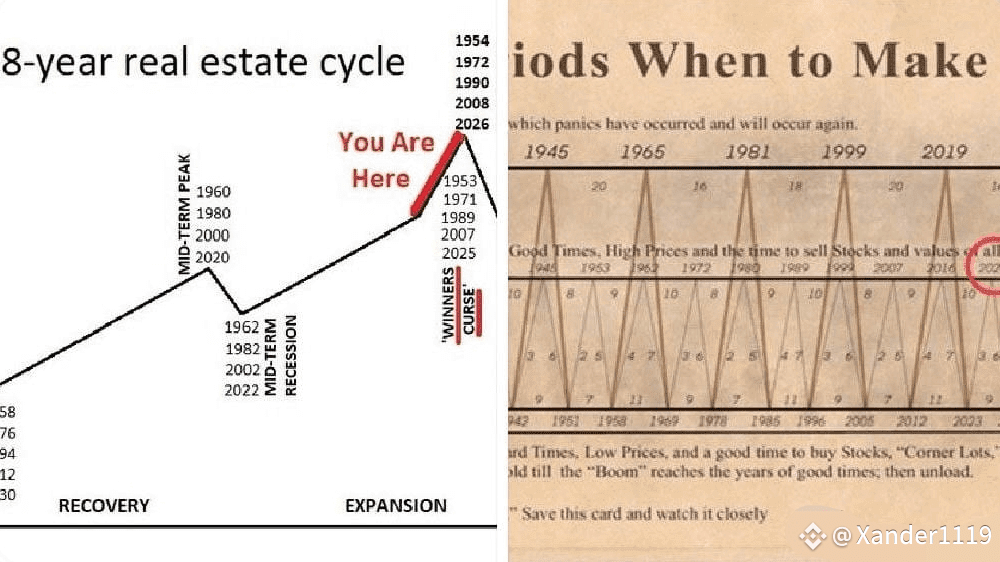
私たちの時代の最も深い市場修正が迫っています 🚨🚀📅 2026年はただの別の年ではない — 二つのメガ経済サイクルのピークです。
歴史は、次に続くクラッシュが現代史上最大のものである可能性があると言っている。
これからのことと私が監視しているプレイを紹介します🧵👇
1/
200年以上にわたり、18年の不動産サイクルは繁栄と破綻を生み出す時計仕掛けのドライバーであった。
すべてのサイクルは熱狂的なピークで終わり…その後にクラッシュが続く。
最後のピーク? 2007年。
次のピーク? 2026年。
📈 このサイクルは一度も逃したことがない。
2/
200年の農業富サイクルもあり、生産性、投機、資本の流れを世代を超えて追跡します。
私たちの時代の最も深い市場修正が迫っています 🚨🚀
📅 2026年はただの別の年ではない — 二つのメガ経済サイクルのピークです。
歴史は、次に続くクラッシュが現代史上最大のものである可能性があると言っている。
これからのことと私が監視しているプレイを紹介します🧵👇
1/
200年以上にわたり、18年の不動産サイクルは繁栄と破綻を生み出す時計仕掛けのドライバーであった。
すべてのサイクルは熱狂的なピークで終わり…その後にクラッシュが続く。
最後のピーク? 2007年。
次のピーク? 2026年。
📈 このサイクルは一度も逃したことがない。
2/
200年の農業富サイクルもあり、生産性、投機、資本の流れを世代を超えて追跡します。
歴史は、次に続くクラッシュが現代史上最大のものである可能性があると言っている。
これからのことと私が監視しているプレイを紹介します🧵👇
1/
200年以上にわたり、18年の不動産サイクルは繁栄と破綻を生み出す時計仕掛けのドライバーであった。
すべてのサイクルは熱狂的なピークで終わり…その後にクラッシュが続く。
最後のピーク? 2007年。
次のピーク? 2026年。
📈 このサイクルは一度も逃したことがない。
2/
200年の農業富サイクルもあり、生産性、投機、資本の流れを世代を超えて追跡します。
48
23
187
197.4k
·
--
弱気相場
$SKR
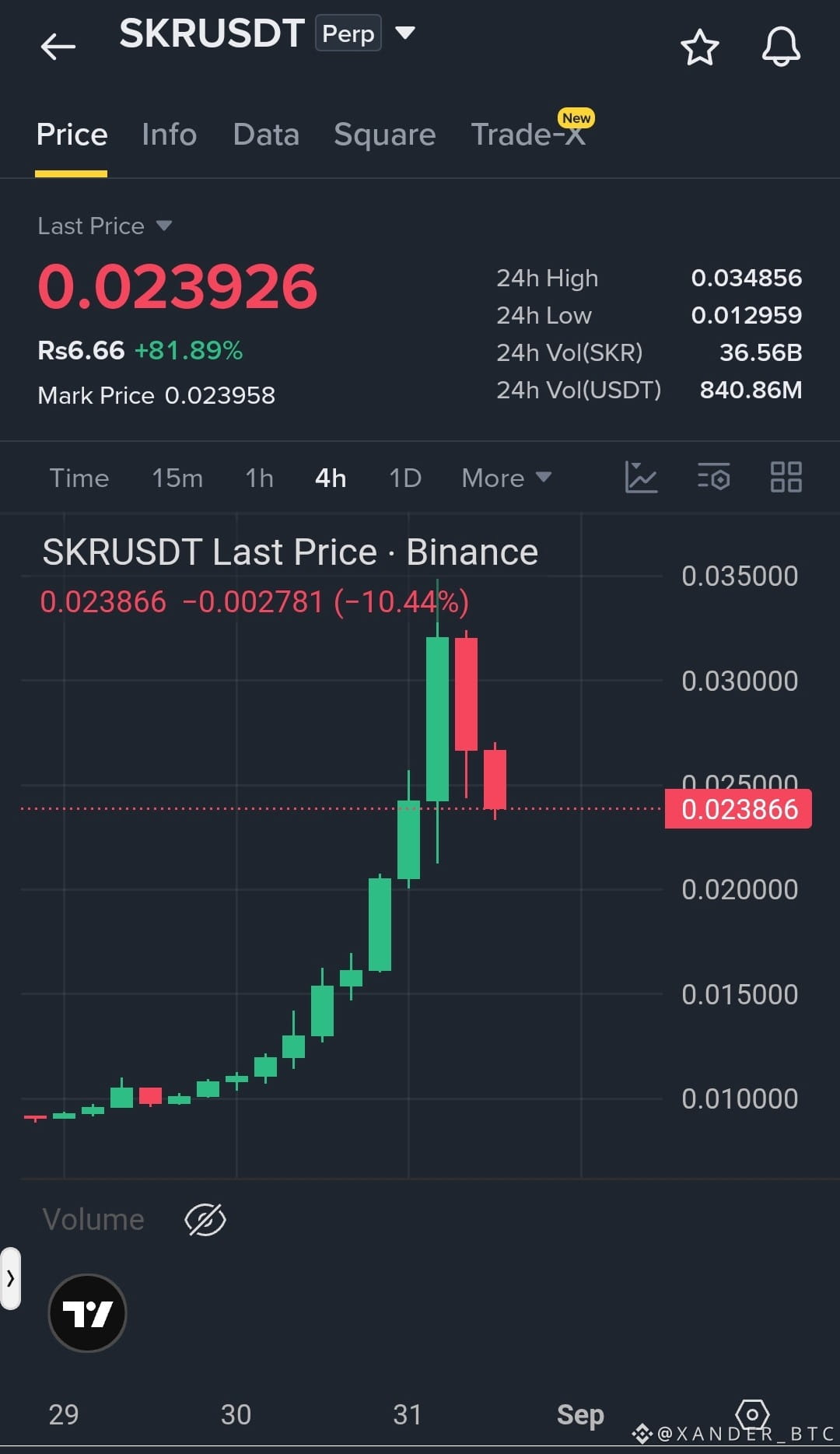
4Hで0.010のベースから明確なモメンタム拡大が見られ、強い衝動的な上昇余地。価格は0.035近辺のローカル高値をタッチした後、現在はコントロールされた押し目に入っています。高時間足のサポートが維持されている限り、構造は依然として強気です。現在の値動きは、分配というよりは健全な消化(ダイジェスト)の状態であり、上昇トレンドを買い手が防衛しています。
注目は0.0220〜0.0240の需要ゾーンです。ここをきれいに維持できれば、ブレイクアウトの継続リスクが過去の高値に向けて高まります。
エントリーゾーン:0.0225〜0.0240
TP1:0.0275
TP2:0.0315
TP3:0.0355
ストップロス:0.0208
モメンタムは、サポート確認後の選択的なロングバイアスを支持しています。次の方向性の拡大に向けて、ゾーンでの出来高と反応を注視してください。
$SKR
#SKR #Crypto #Altcoins #Binance #TechnicalAnalysis #WriteToEarnUpgrade
$SKR
4Hで0.010のベースから明確なモメンタム拡大が見られ、強い衝動的な上昇余地。価格は0.035近辺のローカル高値をタッチした後、現在はコントロールされた押し目に入っています。高時間足のサポートが維持されている限り、構造は依然として強気です。現在の値動きは、分配というよりは健全な消化(ダイジェスト)の状態であり、上昇トレンドを買い手が防衛しています。
注目は0.0220〜0.0240の需要ゾーンです。ここをきれいに維持できれば、ブレイクアウトの継続リスクが過去の高値に向けて高まります。
エントリーゾーン:0.0225〜0.0240
TP1:0.0275
TP2:0.0315
TP3:0.0355
ストップロス:0.0208
モメンタムは、サポート確認後の選択的なロングバイアスを支持しています。次の方向性の拡大に向けて、ゾーンでの出来高と反応を注視してください。
$SKR
#SKR #Crypto #Altcoins #Binance #TechnicalAnalysis #WriteToEarnUpgrade
4Hで0.010のベースから明確なモメンタム拡大が見られ、強い衝動的な上昇余地。価格は0.035近辺のローカル高値をタッチした後、現在はコントロールされた押し目に入っています。高時間足のサポートが維持されている限り、構造は依然として強気です。現在の値動きは、分配というよりは健全な消化(ダイジェスト)の状態であり、上昇トレンドを買い手が防衛しています。
注目は0.0220〜0.0240の需要ゾーンです。ここをきれいに維持できれば、ブレイクアウトの継続リスクが過去の高値に向けて高まります。
エントリーゾーン:0.0225〜0.0240
TP1:0.0275
TP2:0.0315
TP3:0.0355
ストップロス:0.0208
モメンタムは、サポート確認後の選択的なロングバイアスを支持しています。次の方向性の拡大に向けて、ゾーンでの出来高と反応を注視してください。
$SKR
#SKR #Crypto #Altcoins #Binance #TechnicalAnalysis #WriteToEarnUpgrade
183
$FLOCK
{alpha}(84530x5ab3d4c385b400f3abb49e80de2faf6a88a7b691)
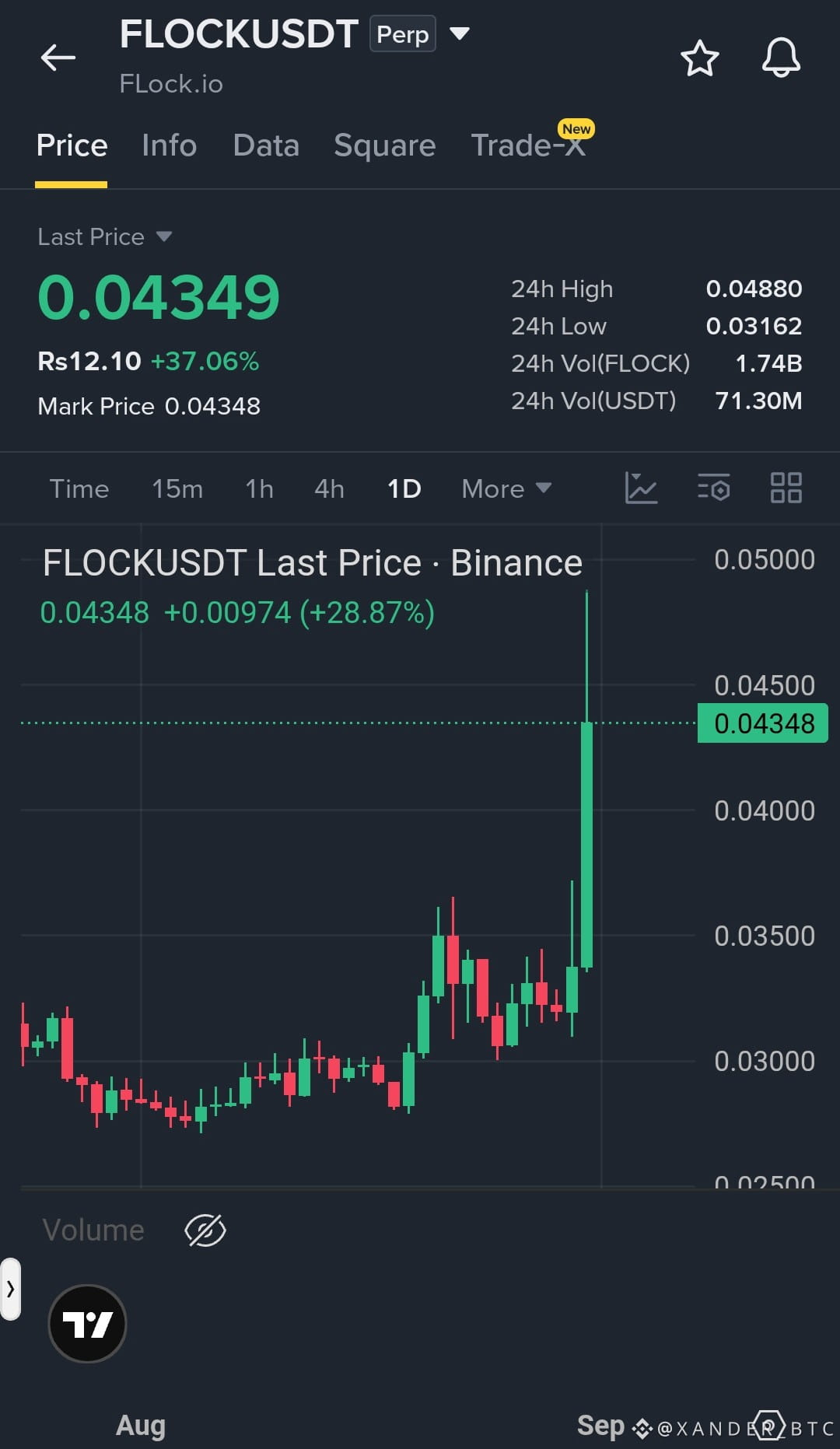
FLOCKは、強い上昇モメンタムを伴う長期のレンジ(持ち合い)を突破し、$0.049のレジスタンス帯へ接近しています。急激な拡大の後でボラティリティが高まっているため、再テスト時のコントロールされた買いが望ましいです。$0.040〜$0.042を維持できればブレイクアウトの構造が保たれますが、$0.049を明確に上抜けると次の上昇局面が開ける可能性があります。
エントリーゾーン: $0.0405〜$0.0435
TP1: $0.0488
TP2: $0.0550
TP3: $0.0620
損切り(ストップロス): $0.0375
サポート: $0.0400
レジスタンス: $0.0490
#FLOCK #Crypto #CryptoTrading #Altcoins #Binance #Trading #WriteToEarnUpgrade
$FLOCK
FLOCKは、強い上昇モメンタムを伴う長期のレンジ(持ち合い)を突破し、$0.049のレジスタンス帯へ接近しています。急激な拡大の後でボラティリティが高まっているため、再テスト時のコントロールされた買いが望ましいです。$0.040〜$0.042を維持できればブレイクアウトの構造が保たれますが、$0.049を明確に上抜けると次の上昇局面が開ける可能性があります。
エントリーゾーン: $0.0405〜$0.0435
TP1: $0.0488
TP2: $0.0550
TP3: $0.0620
損切り(ストップロス): $0.0375
サポート: $0.0400
レジスタンス: $0.0490
#FLOCK #Crypto #CryptoTrading #Altcoins #Binance #Trading #WriteToEarnUpgrade
FLOCKは、強い上昇モメンタムを伴う長期のレンジ(持ち合い)を突破し、$0.049のレジスタンス帯へ接近しています。急激な拡大の後でボラティリティが高まっているため、再テスト時のコントロールされた買いが望ましいです。$0.040〜$0.042を維持できればブレイクアウトの構造が保たれますが、$0.049を明確に上抜けると次の上昇局面が開ける可能性があります。
エントリーゾーン: $0.0405〜$0.0435
TP1: $0.0488
TP2: $0.0550
TP3: $0.0620
損切り(ストップロス): $0.0375
サポート: $0.0400
レジスタンス: $0.0490
#FLOCK #Crypto #CryptoTrading #Altcoins #Binance #Trading #WriteToEarnUpgrade
70
·
--
ブリッシュ
$HEMI
{spot}(HEMIUSDT)
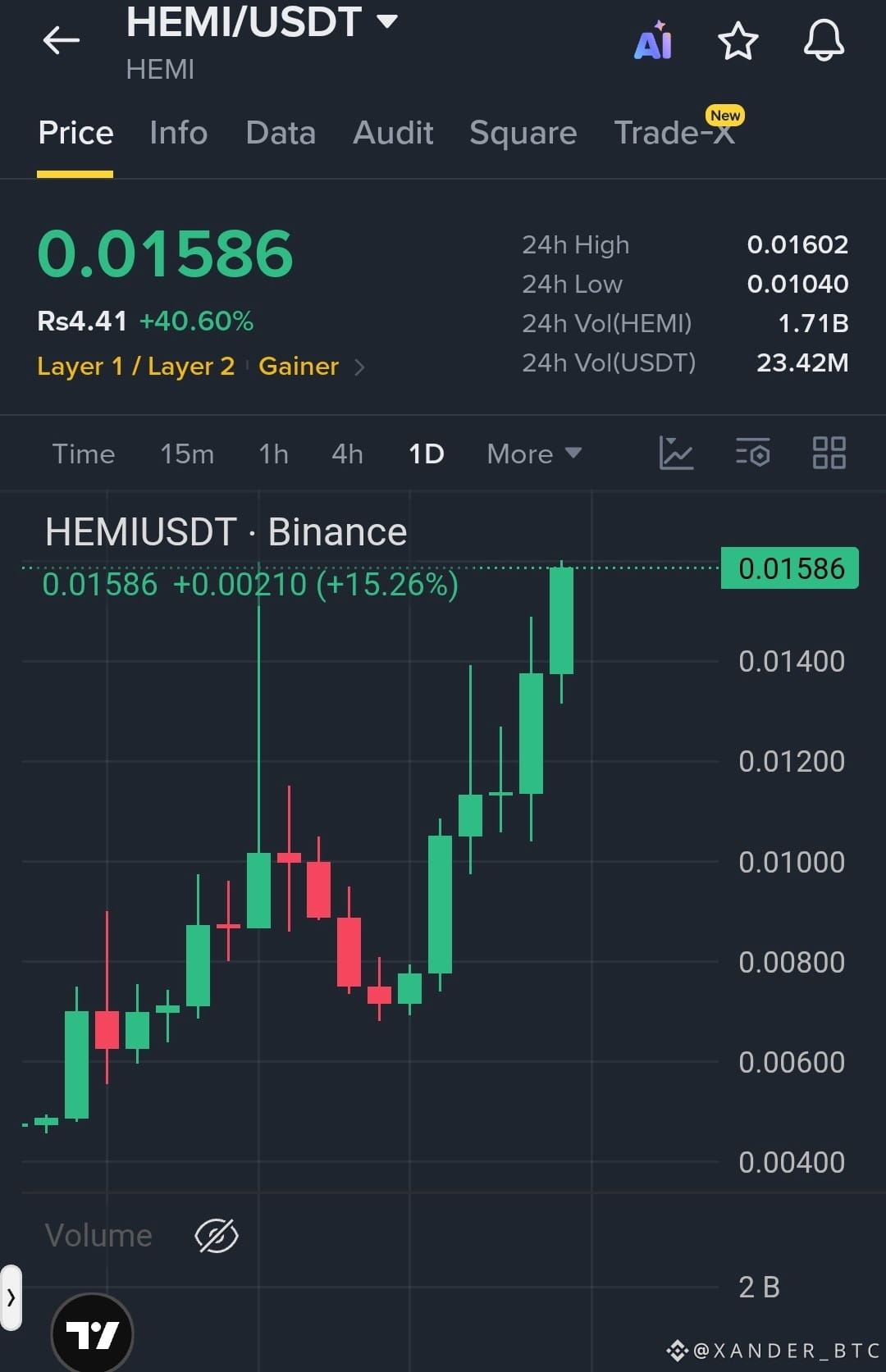
HEMIは強い上昇トレンドの拡大を示しており、価格が$0.010のベースから$0.016のレジスタンス帯へ押し上げられています。急激な40%の上昇後のモメンタムは強く、ボラティリティと押し戻し(プルバック)のリスクが高まっています。$0.014〜$0.015の範囲でのコントロールされた再テストは、より良いエントリーとなり得ます。一方、$0.016を上抜ける明確なブレイクアウトはトレンドをさらに延長する可能性があります。
エントリーゾーン: $0.0142〜$0.0152
TP1: $0.0175
TP2: $0.0200
TP3: $0.0230
損切り(ストップロス): $0.0128
サポート: $0.0140
レジスタンス: $0.0160
#HEMI #Crypto #CryptoTrading #Altcoins #Binance #Trading #WriteToEarnUpgrade
$HEMI
HEMIは強い上昇トレンドの拡大を示しており、価格が$0.010のベースから$0.016のレジスタンス帯へ押し上げられています。急激な40%の上昇後のモメンタムは強く、ボラティリティと押し戻し(プルバック)のリスクが高まっています。$0.014〜$0.015の範囲でのコントロールされた再テストは、より良いエントリーとなり得ます。一方、$0.016を上抜ける明確なブレイクアウトはトレンドをさらに延長する可能性があります。
エントリーゾーン: $0.0142〜$0.0152
TP1: $0.0175
TP2: $0.0200
TP3: $0.0230
損切り(ストップロス): $0.0128
サポート: $0.0140
レジスタンス: $0.0160
#HEMI #Crypto #CryptoTrading #Altcoins #Binance #Trading #WriteToEarnUpgrade
HEMIは強い上昇トレンドの拡大を示しており、価格が$0.010のベースから$0.016のレジスタンス帯へ押し上げられています。急激な40%の上昇後のモメンタムは強く、ボラティリティと押し戻し(プルバック)のリスクが高まっています。$0.014〜$0.015の範囲でのコントロールされた再テストは、より良いエントリーとなり得ます。一方、$0.016を上抜ける明確なブレイクアウトはトレンドをさらに延長する可能性があります。
エントリーゾーン: $0.0142〜$0.0152
TP1: $0.0175
TP2: $0.0200
TP3: $0.0230
損切り(ストップロス): $0.0128
サポート: $0.0140
レジスタンス: $0.0160
#HEMI #Crypto #CryptoTrading #Altcoins #Binance #Trading #WriteToEarnUpgrade
196
$MIRA
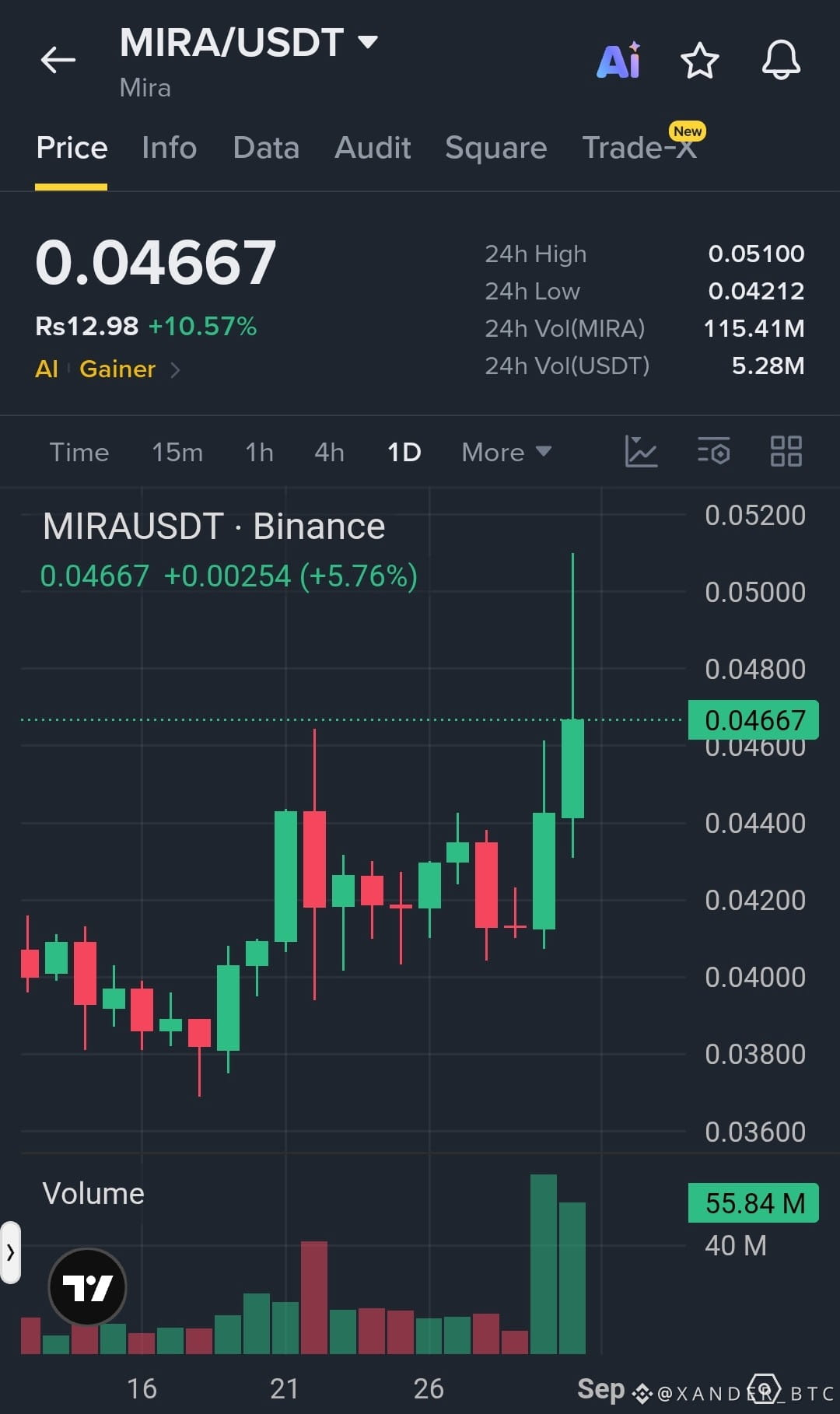
MIRAは、出来高の増加と切り上がる安値により、強い強気のリカバリーを見せています。価格は直近のレンジ(もみ合い)をブレイクした後、$0.044の上で維持されています。$0.051の抵抗線が重要なブレイクアウト水準です。出来高を伴った明確な再奪還が起これば次の拡大につながる可能性があり、反落すればサポートの再テストとなるかもしれません。
エントリーゾーン:$0.0445–$0.0470
TP1:$0.0510
TP2:$0.0550
TP3:$0.0600
ストップロス:$0.0415
$0.044が維持されている間はモメンタムは強気のままです。$0.051付近では変動が大きくなることが見込まれます。ブレイクアウトを追いかけるよりも、コントロールされた買いが望ましいです。
#MIRA #Crypto #CryptoTrading #Altcoins #Binance #Trading #WriteToEarnUpgrade
$MIRA
MIRAは、出来高の増加と切り上がる安値により、強い強気のリカバリーを見せています。価格は直近のレンジ(もみ合い)をブレイクした後、$0.044の上で維持されています。$0.051の抵抗線が重要なブレイクアウト水準です。出来高を伴った明確な再奪還が起これば次の拡大につながる可能性があり、反落すればサポートの再テストとなるかもしれません。
エントリーゾーン:$0.0445–$0.0470
TP1:$0.0510
TP2:$0.0550
TP3:$0.0600
ストップロス:$0.0415
$0.044が維持されている間はモメンタムは強気のままです。$0.051付近では変動が大きくなることが見込まれます。ブレイクアウトを追いかけるよりも、コントロールされた買いが望ましいです。
#MIRA #Crypto #CryptoTrading #Altcoins #Binance #Trading #WriteToEarnUpgrade
MIRAは、出来高の増加と切り上がる安値により、強い強気のリカバリーを見せています。価格は直近のレンジ(もみ合い)をブレイクした後、$0.044の上で維持されています。$0.051の抵抗線が重要なブレイクアウト水準です。出来高を伴った明確な再奪還が起これば次の拡大につながる可能性があり、反落すればサポートの再テストとなるかもしれません。
エントリーゾーン:$0.0445–$0.0470
TP1:$0.0510
TP2:$0.0550
TP3:$0.0600
ストップロス:$0.0415
$0.044が維持されている間はモメンタムは強気のままです。$0.051付近では変動が大きくなることが見込まれます。ブレイクアウトを追いかけるよりも、コントロールされた買いが望ましいです。
#MIRA #Crypto #CryptoTrading #Altcoins #Binance #Trading #WriteToEarnUpgrade
99
·
--
ブリッシュ
$UNI
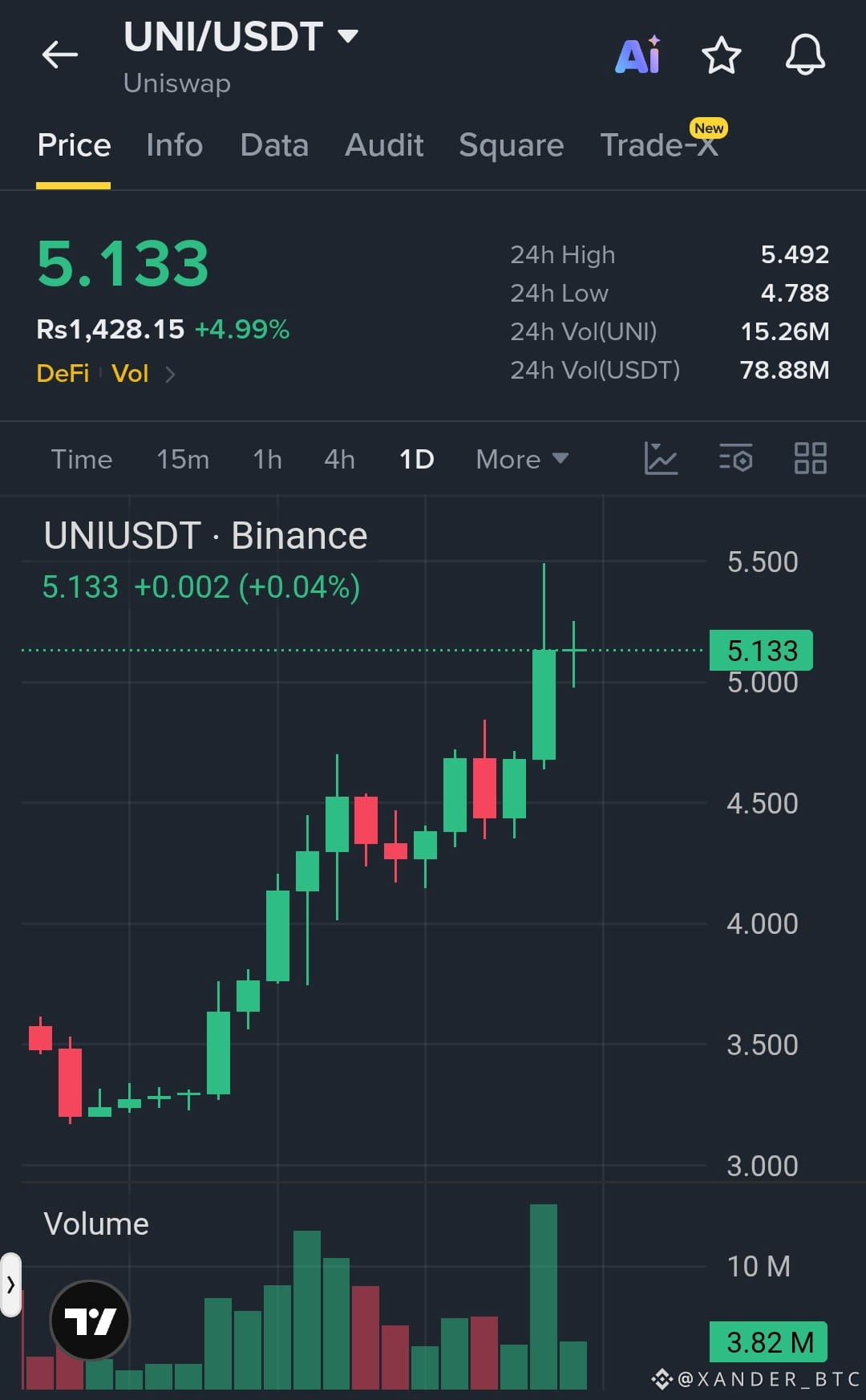
UNIは、上昇する出来高に支えられた高値更新・安値更新の強い強気構造を維持しています。価格は$5.49のレジスタンスをテストした後、$5.13付近で推移(もみ合い)しています。$5.50を上抜けする明確なブレイクアウトが起これば、この動きがさらに拡大する可能性があります。一方で、$5.00が目先の重要なサポートです。
エントリーゾーン: $5.00–$5.15
TP1: $5.50
TP2: $5.80
TP3: $6.20
損切り(ストップロス): $4.75
$5.00が維持される限り、モメンタムは強気のままです。ブレイクアウト時の出来高による確認に注目してください。
#UNI #Uniswap #Crypto #CryptoTrading #Altcoins #Binance #Trading #WriteToEarnUpgrade
$UNI
UNIは、上昇する出来高に支えられた高値更新・安値更新の強い強気構造を維持しています。価格は$5.49のレジスタンスをテストした後、$5.13付近で推移(もみ合い)しています。$5.50を上抜けする明確なブレイクアウトが起これば、この動きがさらに拡大する可能性があります。一方で、$5.00が目先の重要なサポートです。
エントリーゾーン: $5.00–$5.15
TP1: $5.50
TP2: $5.80
TP3: $6.20
損切り(ストップロス): $4.75
$5.00が維持される限り、モメンタムは強気のままです。ブレイクアウト時の出来高による確認に注目してください。
#UNI #Uniswap #Crypto #CryptoTrading #Altcoins #Binance #Trading #WriteToEarnUpgrade
UNIは、上昇する出来高に支えられた高値更新・安値更新の強い強気構造を維持しています。価格は$5.49のレジスタンスをテストした後、$5.13付近で推移(もみ合い)しています。$5.50を上抜けする明確なブレイクアウトが起これば、この動きがさらに拡大する可能性があります。一方で、$5.00が目先の重要なサポートです。
エントリーゾーン: $5.00–$5.15
TP1: $5.50
TP2: $5.80
TP3: $6.20
損切り(ストップロス): $4.75
$5.00が維持される限り、モメンタムは強気のままです。ブレイクアウト時の出来高による確認に注目してください。
#UNI #Uniswap #Crypto #CryptoTrading #Altcoins #Binance #Trading #WriteToEarnUpgrade
90
·
--
ブリッシュ
$牛来
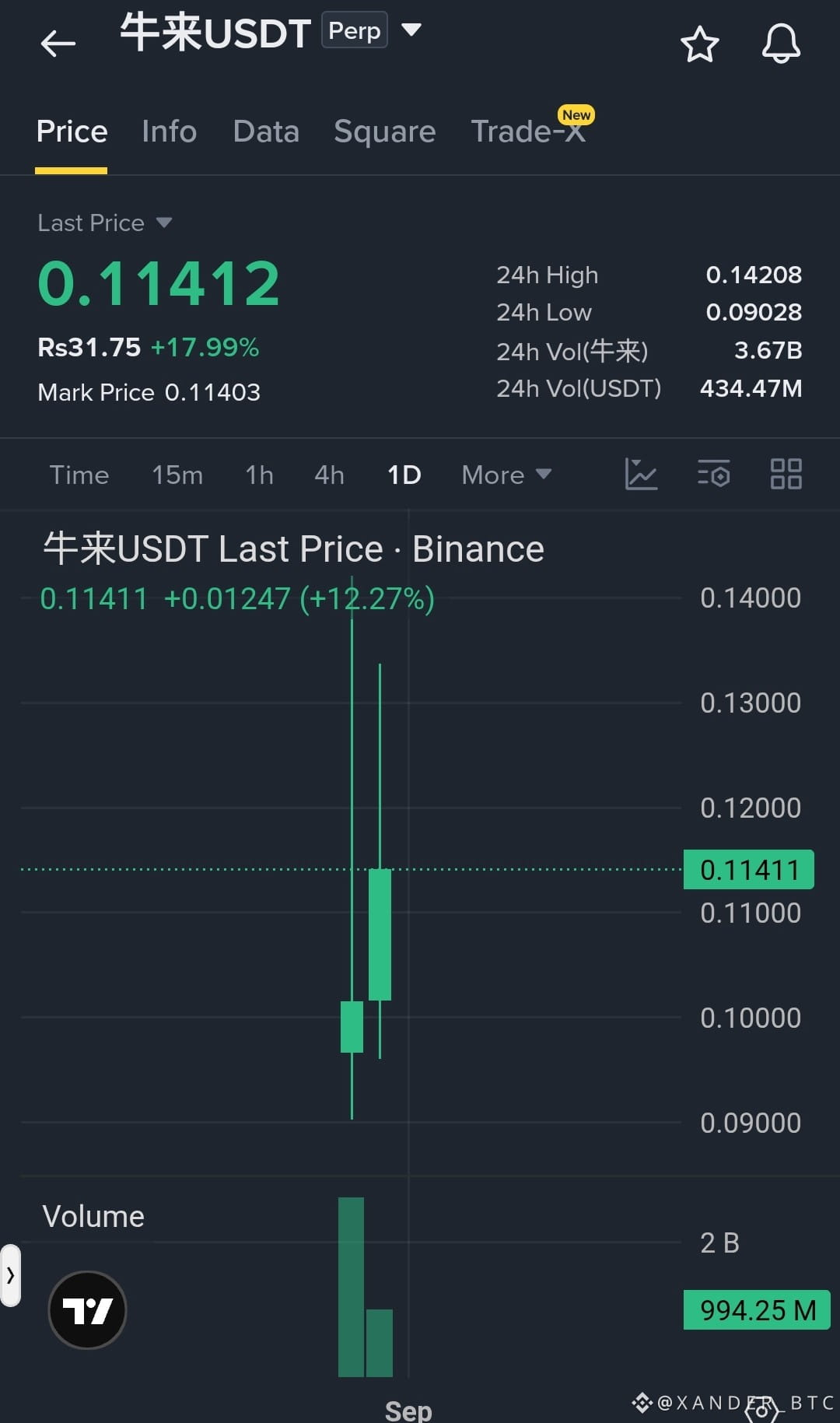
出来高の多い強い上昇拡大により、トレンドは強気へと移行しました。価格は $0.10 のベースをブレイクした後、$0.11 以上を維持していますが、ボラティリティは依然として高めです。サポート付近でのコントロールされた買いが入れば、直近の $0.142 のレジスタンスに向けてもう一段のブレイクアウトが起こる可能性があります。
エントリーゾーン:$0.108–$0.114
TP1:$0.125
TP2:$0.135
TP3:$0.142
損切り:$0.098
$0.10 が維持されている間はモメンタムが強気です。$0.142 をきれいに上抜ければさらなる上昇余地が開けますが、跳ね返されればサポート方向への押し戻しが起こるかもしれません。
#NIULAI #Crypto #CryptoTrading #Binance #Altcoins #Trading #WriteToEarnUpgrade
$NIULAI
$牛来
出来高の多い強い上昇拡大により、トレンドは強気へと移行しました。価格は $0.10 のベースをブレイクした後、$0.11 以上を維持していますが、ボラティリティは依然として高めです。サポート付近でのコントロールされた買いが入れば、直近の $0.142 のレジスタンスに向けてもう一段のブレイクアウトが起こる可能性があります。
エントリーゾーン:$0.108–$0.114
TP1:$0.125
TP2:$0.135
TP3:$0.142
損切り:$0.098
$0.10 が維持されている間はモメンタムが強気です。$0.142 をきれいに上抜ければさらなる上昇余地が開けますが、跳ね返されればサポート方向への押し戻しが起こるかもしれません。
#NIULAI #Crypto #CryptoTrading #Binance #Altcoins #Trading #WriteToEarnUpgrade
$NIULAI
出来高の多い強い上昇拡大により、トレンドは強気へと移行しました。価格は $0.10 のベースをブレイクした後、$0.11 以上を維持していますが、ボラティリティは依然として高めです。サポート付近でのコントロールされた買いが入れば、直近の $0.142 のレジスタンスに向けてもう一段のブレイクアウトが起こる可能性があります。
エントリーゾーン:$0.108–$0.114
TP1:$0.125
TP2:$0.135
TP3:$0.142
損切り:$0.098
$0.10 が維持されている間はモメンタムが強気です。$0.142 をきれいに上抜ければさらなる上昇余地が開けますが、跳ね返されればサポート方向への押し戻しが起こるかもしれません。
#NIULAI #Crypto #CryptoTrading #Binance #Altcoins #Trading #WriteToEarnUpgrade
$NIULAI
158
·
--
ブリッシュ
$BTC
BTC/USDTは$63K〜$64Kのベースからの強い週次リバウンド後、$78Kを上回って推移しています。モメンタムは依然として良好ですが、価格は現在$79.5K〜$80Kのレジスタンス帯をテストしています。明確なブレイクアウトが起これば、$84K方向への上昇を加速させる可能性があります。一方でリジェクションが起きれば、$76Kのサポートまで再テストすることもあり得ます。
エントリーゾーン:$76,600〜$79,000
TP1:$80,000
TP2:$82,000
TP3:$84,000
ストップロス:$75,500
$76Kを上回るコントロールされた買いがあれば、強気の構造は維持されます。ブレイクアウトの確証のために出来高を注意深く監視してください。
#BTC #Bitcoin #Crypto #Trading #BTCUSDT #CryptoTrading #WriteToEarnUpgrade
$BTC
$BTC
BTC/USDTは$63K〜$64Kのベースからの強い週次リバウンド後、$78Kを上回って推移しています。モメンタムは依然として良好ですが、価格は現在$79.5K〜$80Kのレジスタンス帯をテストしています。明確なブレイクアウトが起これば、$84K方向への上昇を加速させる可能性があります。一方でリジェクションが起きれば、$76Kのサポートまで再テストすることもあり得ます。
エントリーゾーン:$76,600〜$79,000
TP1:$80,000
TP2:$82,000
TP3:$84,000
ストップロス:$75,500
$76Kを上回るコントロールされた買いがあれば、強気の構造は維持されます。ブレイクアウトの確証のために出来高を注意深く監視してください。
#BTC #Bitcoin #Crypto #Trading #BTCUSDT #CryptoTrading #WriteToEarnUpgrade
$BTC
BTC/USDTは$63K〜$64Kのベースからの強い週次リバウンド後、$78Kを上回って推移しています。モメンタムは依然として良好ですが、価格は現在$79.5K〜$80Kのレジスタンス帯をテストしています。明確なブレイクアウトが起これば、$84K方向への上昇を加速させる可能性があります。一方でリジェクションが起きれば、$76Kのサポートまで再テストすることもあり得ます。
エントリーゾーン:$76,600〜$79,000
TP1:$80,000
TP2:$82,000
TP3:$84,000
ストップロス:$75,500
$76Kを上回るコントロールされた買いがあれば、強気の構造は維持されます。ブレイクアウトの確証のために出来高を注意深く監視してください。
#BTC #Bitcoin #Crypto #Trading #BTCUSDT #CryptoTrading #WriteToEarnUpgrade
$BTC
87
·
--
ブリッシュ
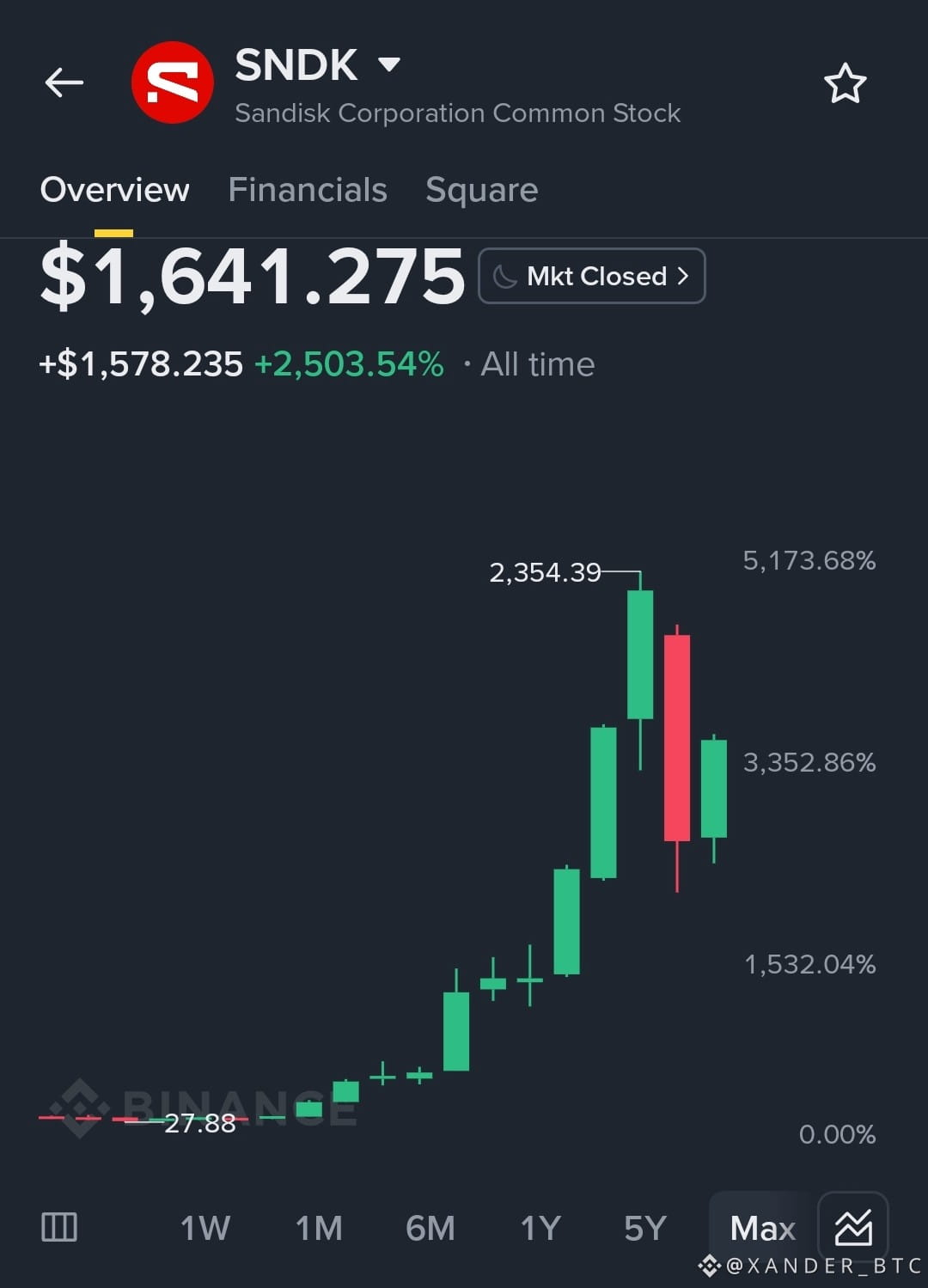
$SNDK.US は、$27 から $1,641 まで上昇するなど、大きな長期的な値動きを見せました。
$2,354 に到達した後、価格は押し戻されましたが、買い手はより高い水準をまだ防衛しています。
モメンタムは依然として強いものの、ボラティリティは極めて大きいです。
次の値動きのために、$1,500〜$1,650 のゾーンを注意深く見守りましょう。
#SNDK #Write2Earn #stock s #Trading #Investing
$SNDK.US は、$27 から $1,641 まで上昇するなど、大きな長期的な値動きを見せました。
$2,354 に到達した後、価格は押し戻されましたが、買い手はより高い水準をまだ防衛しています。
モメンタムは依然として強いものの、ボラティリティは極めて大きいです。
次の値動きのために、$1,500〜$1,650 のゾーンを注意深く見守りましょう。
#SNDK #Write2Earn #stock s #Trading #Investing
$2,354 に到達した後、価格は押し戻されましたが、買い手はより高い水準をまだ防衛しています。
モメンタムは依然として強いものの、ボラティリティは極めて大きいです。
次の値動きのために、$1,500〜$1,650 のゾーンを注意深く見守りましょう。
#SNDK #Write2Earn #stock s #Trading #Investing
1
791
$BTC あなたを変える。\nビットコインは単なる価格チャートではありません。\nそれは、お金、所有、希少性、そして経済的自由について考えるための新しい方法です。\n私たちが何も考えずに受け入れてきた仕組みを問い直すようになります。\n誰がお金を支配しているのか?\nお金の価値は何によって決まるのか?\nなぜ希少性が重要なのか?\n将来に向けて、どのように自分の資産を守れるのか?\nビットコインは、異なる考え方を提示しました――分散型ネットワーク上に構築された、デジタルで希少な資産で、最大供給量は2,100万BTCです。\n本当の変化は、ビットコインを「買うもの」だけとして見なくなり、それがなぜ存在するのかを理解し始めたときに起こります。\nビットコインは忍耐を教えます。\nセルフカストディ(自己管理)を教えます。\n経済的責任を教えます。\n短期的な価格の変動を超えて考えることを教えます。\nもしかすると、ビットコインは一晩で世界を変えないかもしれません。\nしかし、すでに何百万人もの人々がお金について考える方法を変えています。\nビットコインはあなたのポートフォリオを変えるだけではありません。\nあなたの視点を変え得ます。\n#Bitcoin #BTC #Blockchain #FinancialFreedom #Decentralization #Web3 #FutureOfFinance @bitcoin
$BTC あなたを変える。\nビットコインは単なる価格チャートではありません。\nそれは、お金、所有、希少性、そして経済的自由について考えるための新しい方法です。\n私たちが何も考えずに受け入れてきた仕組みを問い直すようになります。\n誰がお金を支配しているのか?\nお金の価値は何によって決まるのか?\nなぜ希少性が重要なのか?\n将来に向けて、どのように自分の資産を守れるのか?\nビットコインは、異なる考え方を提示しました――分散型ネットワーク上に構築された、デジタルで希少な資産で、最大供給量は2,100万BTCです。\n本当の変化は、ビットコインを「買うもの」だけとして見なくなり、それがなぜ存在するのかを理解し始めたときに起こります。\nビットコインは忍耐を教えます。\nセルフカストディ(自己管理)を教えます。\n経済的責任を教えます。\n短期的な価格の変動を超えて考えることを教えます。\nもしかすると、ビットコインは一晩で世界を変えないかもしれません。\nしかし、すでに何百万人もの人々がお金について考える方法を変えています。\nビットコインはあなたのポートフォリオを変えるだけではありません。\nあなたの視点を変え得ます。\n#Bitcoin #BTC #Blockchain #FinancialFreedom #Decentralization #Web3 #FutureOfFinance @Bitcoin
82

記事
Bitcoinがあなたを変える:古い金融スタンダードから新しい経済的マインドセットへ何十年もの間、人々はお金について一つの簡単な考え方で考えるよう教えられてきました。
働く。稼ぐ。貯める。使う。繰り返す。
しかしお金そのものが変わったらどうなるのでしょうか?
人々がそれを誰が管理しているのか、どれだけのものが作り出せるのか、購買力が時間とともにどのように変化するのか、そして個人が伝統的な金融機関に全面的に依存せずに価値を所有し移転できるべきなのか、という点に疑問を抱き始めたらどうなるでしょうか。
そこでビットコインが会話に登場します。
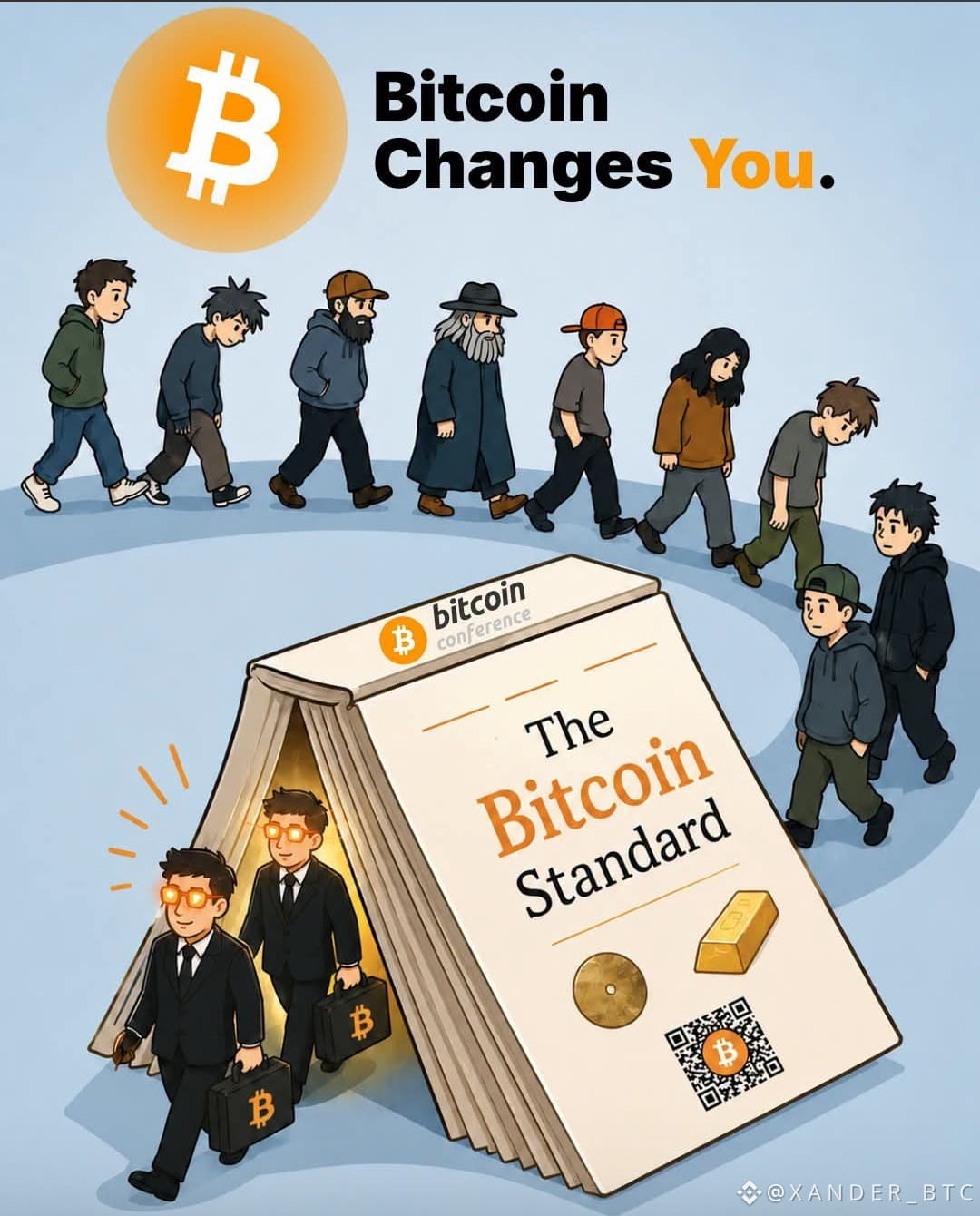
上の画像は、強力なアイデアを捉えています。人々が「ビットコイン・スタンダード」に向かって歩き、古い金融システムを置き去りにしていく様子です。このメッセージは、ビットコインが買うための別の資産だということだけではありません。
Bitcoinがあなたを変える:古い金融スタンダードから新しい経済的マインドセットへ
何十年もの間、人々はお金について一つの簡単な考え方で考えるよう教えられてきました。
働く。稼ぐ。貯める。使う。繰り返す。
しかしお金そのものが変わったらどうなるのでしょうか?
人々がそれを誰が管理しているのか、どれだけのものが作り出せるのか、購買力が時間とともにどのように変化するのか、そして個人が伝統的な金融機関に全面的に依存せずに価値を所有し移転できるべきなのか、という点に疑問を抱き始めたらどうなるでしょうか。
そこでビットコインが会話に登場します。
上の画像は、強力なアイデアを捉えています。人々が「ビットコイン・スタンダード」に向かって歩き、古い金融システムを置き去りにしていく様子です。このメッセージは、ビットコインが買うための別の資産だということだけではありません。
働く。稼ぐ。貯める。使う。繰り返す。
しかしお金そのものが変わったらどうなるのでしょうか?
人々がそれを誰が管理しているのか、どれだけのものが作り出せるのか、購買力が時間とともにどのように変化するのか、そして個人が伝統的な金融機関に全面的に依存せずに価値を所有し移転できるべきなのか、という点に疑問を抱き始めたらどうなるでしょうか。
そこでビットコインが会話に登場します。
上の画像は、強力なアイデアを捉えています。人々が「ビットコイン・スタンダード」に向かって歩き、古い金融システムを置き去りにしていく様子です。このメッセージは、ビットコインが買うための別の資産だということだけではありません。
1
85
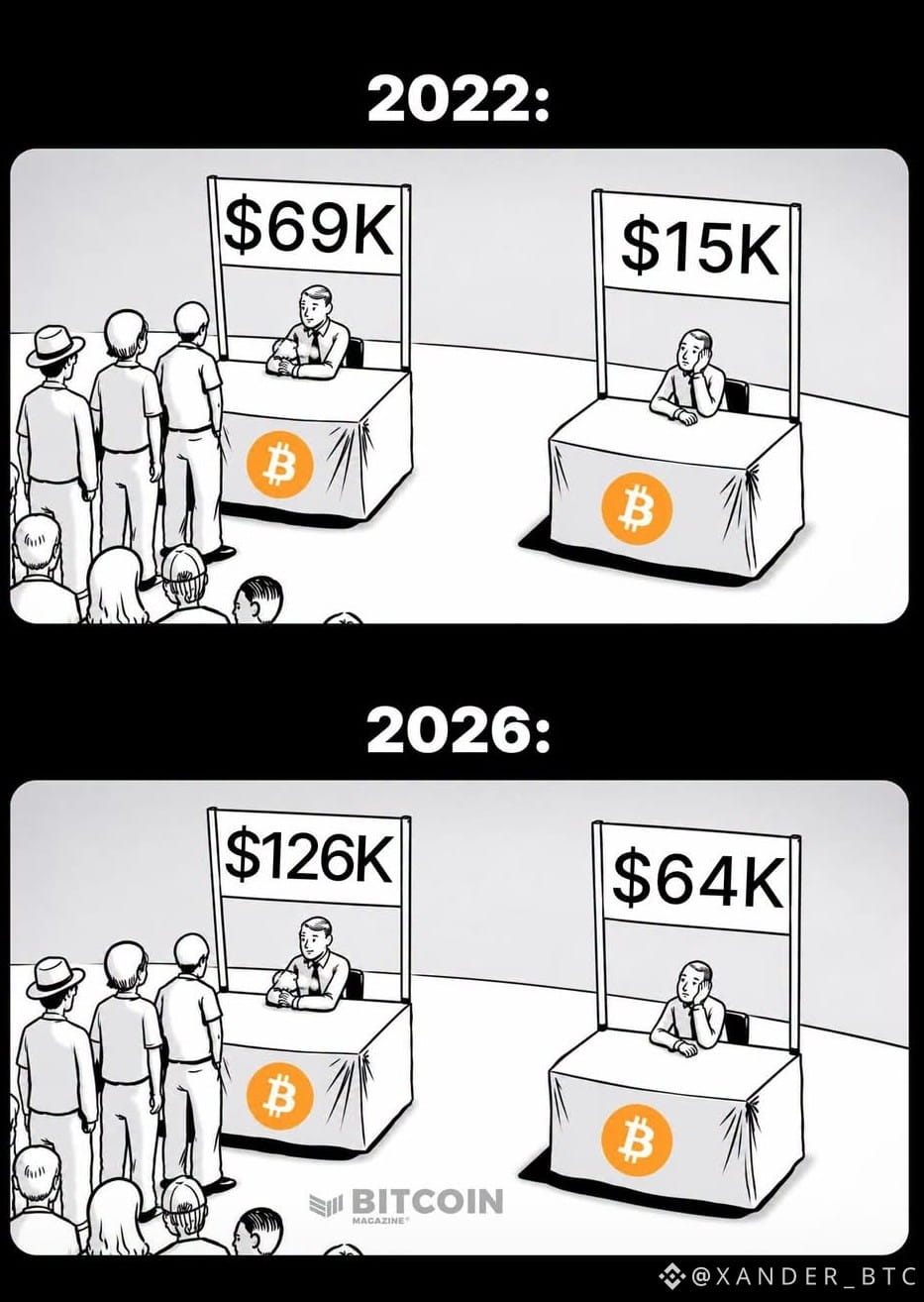
史上最大のビットコインのミスは「高値で買うこと」ではなく、「安値で買うことを拒むこと」です。
ビットコインが$69Kに到達したとき、誰もが参入したがりました。
それが$15Kまで下落したとき、恐怖が確信に取って代わりました。
そして今、価格が再び上昇するにつれて、同じ人たちがまた急いで戻ってきています。
市場は焦りではなく忍耐に報いるものです。最高の機会は、自信が消えたときにこそ現れやすいのです。歴史はまったく同じ形では繰り返しませんが、投資家心理はしばしば似た動きをします。
感情に意思決定を任せないでください。戦略を組み立て、ぶれずに続け、今日の価格の先を見て考えましょう。
群衆はトレンドに追随します。賢い投資家は、トレンドが始まる前に備えます。
#Bitcoin #BTC #Crypto #Investing #MarketCycles #Blockchain #HODL #DigitalAssets #CryptoCommunity #Web3
史上最大のビットコインのミスは「高値で買うこと」ではなく、「安値で買うことを拒むこと」です。
ビットコインが$69Kに到達したとき、誰もが参入したがりました。
それが$15Kまで下落したとき、恐怖が確信に取って代わりました。
そして今、価格が再び上昇するにつれて、同じ人たちがまた急いで戻ってきています。
市場は焦りではなく忍耐に報いるものです。最高の機会は、自信が消えたときにこそ現れやすいのです。歴史はまったく同じ形では繰り返しませんが、投資家心理はしばしば似た動きをします。
感情に意思決定を任せないでください。戦略を組み立て、ぶれずに続け、今日の価格の先を見て考えましょう。
群衆はトレンドに追随します。賢い投資家は、トレンドが始まる前に備えます。
#Bitcoin #BTC #Crypto #Investing #MarketCycles #Blockchain #HODL #DigitalAssets #CryptoCommunity #Web3
ビットコインが$69Kに到達したとき、誰もが参入したがりました。
それが$15Kまで下落したとき、恐怖が確信に取って代わりました。
そして今、価格が再び上昇するにつれて、同じ人たちがまた急いで戻ってきています。
市場は焦りではなく忍耐に報いるものです。最高の機会は、自信が消えたときにこそ現れやすいのです。歴史はまったく同じ形では繰り返しませんが、投資家心理はしばしば似た動きをします。
感情に意思決定を任せないでください。戦略を組み立て、ぶれずに続け、今日の価格の先を見て考えましょう。
群衆はトレンドに追随します。賢い投資家は、トレンドが始まる前に備えます。
#Bitcoin #BTC #Crypto #Investing #MarketCycles #Blockchain #HODL #DigitalAssets #CryptoCommunity #Web3
1
97
ビットコインはもはや無視されなくなっている
長年にわたり、ビットコインは投機的な実験として片づけられてきました。
しかし今日では、会話の内容が変わっています。
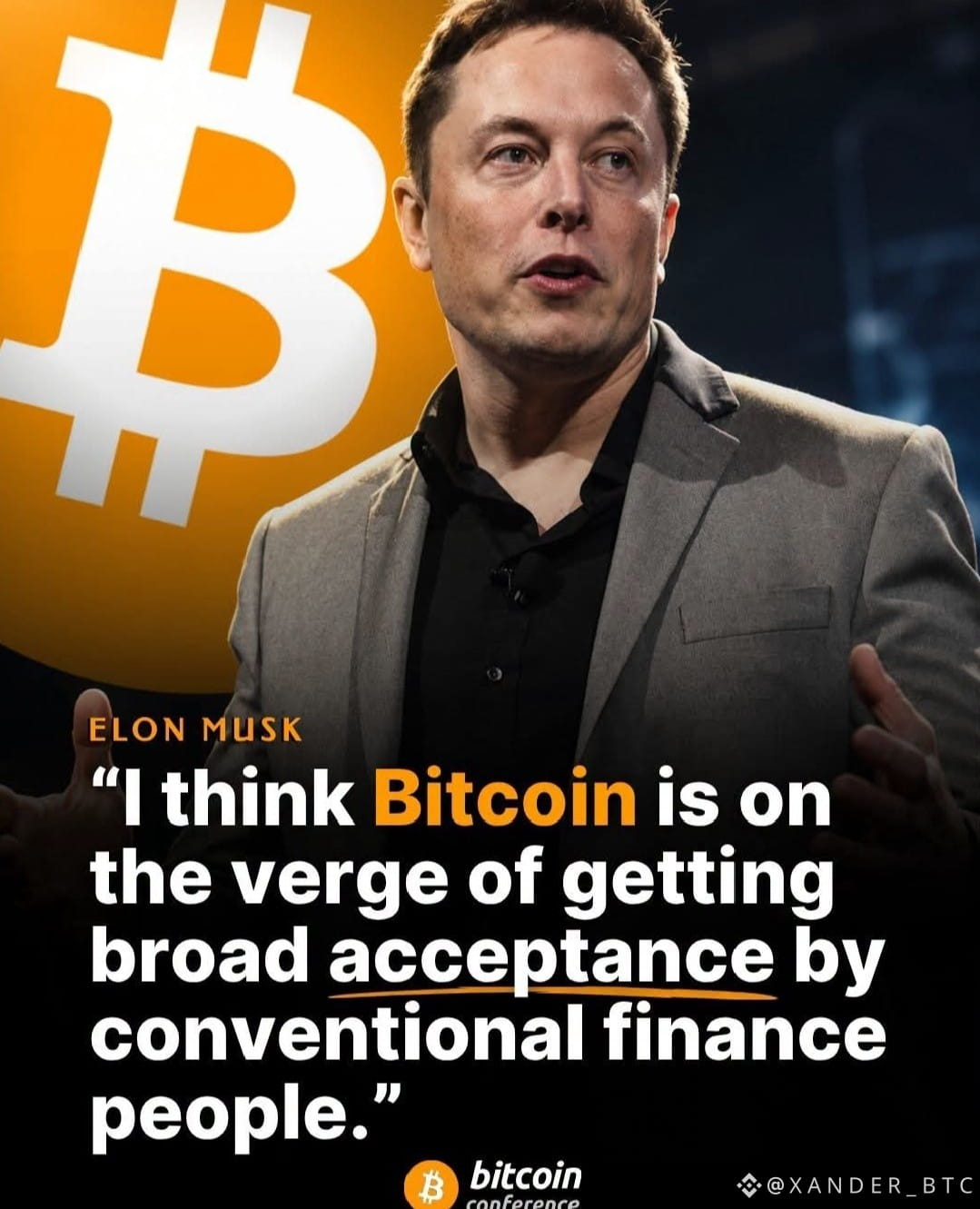
機関投資家から大手金融企業に至るまで、ビットコインは着実に世界の金融システムの一部になりつつあります。強気であれ慎重であれ、次第に明らかになってきているのはひとつです。デジタル資産はもはや傍観の場に置かれていません。
マスアダプションは一夜にして起こるものではありません。1歩ずつ積み重ねて実現します。認知が広がり、インフラが改善するにつれて、ビットコインは世界的に認知された資産としての地位を引き続き強めています。
最大のチャンスは、多くの人が「存在する」と合意する前に現れることが多いものです。#BTC🔥🔥🔥🔥🔥 #news_update #BTC、
ビットコインはもはや無視されなくなっている
長年にわたり、ビットコインは投機的な実験として片づけられてきました。
しかし今日では、会話の内容が変わっています。
機関投資家から大手金融企業に至るまで、ビットコインは着実に世界の金融システムの一部になりつつあります。強気であれ慎重であれ、次第に明らかになってきているのはひとつです。デジタル資産はもはや傍観の場に置かれていません。
マスアダプションは一夜にして起こるものではありません。1歩ずつ積み重ねて実現します。認知が広がり、インフラが改善するにつれて、ビットコインは世界的に認知された資産としての地位を引き続き強めています。
最大のチャンスは、多くの人が「存在する」と合意する前に現れることが多いものです。#BTC🔥🔥🔥🔥🔥 #news_update #BTC、
長年にわたり、ビットコインは投機的な実験として片づけられてきました。
しかし今日では、会話の内容が変わっています。
機関投資家から大手金融企業に至るまで、ビットコインは着実に世界の金融システムの一部になりつつあります。強気であれ慎重であれ、次第に明らかになってきているのはひとつです。デジタル資産はもはや傍観の場に置かれていません。
マスアダプションは一夜にして起こるものではありません。1歩ずつ積み重ねて実現します。認知が広がり、インフラが改善するにつれて、ビットコインは世界的に認知された資産としての地位を引き続き強めています。
最大のチャンスは、多くの人が「存在する」と合意する前に現れることが多いものです。#BTC🔥🔥🔥🔥🔥 #news_update #BTC、
119
わずか19歳のラミン・ヤマルは、すでにサッカーの歴史に名を刻んでいます。
ラ・マシアから、スペインとバルセロナで最も輝く才能の一人になるまでの彼の歩みは、才能・規律・そして恐れを知らない野心の証です。
息をのむようなドリブルと卓越した視野、年齢をはるかに超えた成熟さを備えたヤマルは、単にサッカーの未来ではありません。現在そのものを形作っています。
物語はまだ始まったばかりで、世界は彼を見守っています。
#LamineYamal #Spai #Barcelona #FutureLegend #WorldChampion
わずか19歳のラミン・ヤマルは、すでにサッカーの歴史に名を刻んでいます。
ラ・マシアから、スペインとバルセロナで最も輝く才能の一人になるまでの彼の歩みは、才能・規律・そして恐れを知らない野心の証です。
息をのむようなドリブルと卓越した視野、年齢をはるかに超えた成熟さを備えたヤマルは、単にサッカーの未来ではありません。現在そのものを形作っています。
物語はまだ始まったばかりで、世界は彼を見守っています。
#LamineYamal #Spai #Barcelona #FutureLegend #WorldChampion
ラ・マシアから、スペインとバルセロナで最も輝く才能の一人になるまでの彼の歩みは、才能・規律・そして恐れを知らない野心の証です。
息をのむようなドリブルと卓越した視野、年齢をはるかに超えた成熟さを備えたヤマルは、単にサッカーの未来ではありません。現在そのものを形作っています。
物語はまだ始まったばかりで、世界は彼を見守っています。
#LamineYamal #Spai #Barcelona #FutureLegend #WorldChampion

1
65

記事
ETFの流入が市場の楽観を後押しし、ビットコインは6.5万ドル超を堅持ビットコインは6万5,815ドルまで上昇し、機関投資家の需要が引き続き強まる中で回復を延長しました。今回の上昇は、スポット型ビットコインETFへの5日連続の資金流入によって支えられており、投資家の信頼が再び高まり、市場に持続的に資金が流入していることを示しています。
前向きなセンチメントに追い打ちをかける形で、中東の地政学的緊張が緩和され、世界の金融市場全体でリスク選好が改善しています。不確実性が低下するにつれ、投資家はより高リスクな資産へと再び資金を振り向ける動きを強めており、ビットコインはその中で最も恩恵を受けている有力な銘柄の一つです。
ETFの流入が市場の楽観を後押しし、ビットコインは6.5万ドル超を堅持
ビットコインは6万5,815ドルまで上昇し、機関投資家の需要が引き続き強まる中で回復を延長しました。今回の上昇は、スポット型ビットコインETFへの5日連続の資金流入によって支えられており、投資家の信頼が再び高まり、市場に持続的に資金が流入していることを示しています。
前向きなセンチメントに追い打ちをかける形で、中東の地政学的緊張が緩和され、世界の金融市場全体でリスク選好が改善しています。不確実性が低下するにつれ、投資家はより高リスクな資産へと再び資金を振り向ける動きを強めており、ビットコインはその中で最も恩恵を受けている有力な銘柄の一つです。
前向きなセンチメントに追い打ちをかける形で、中東の地政学的緊張が緩和され、世界の金融市場全体でリスク選好が改善しています。不確実性が低下するにつれ、投資家はより高リスクな資産へと再び資金を振り向ける動きを強めており、ビットコインはその中で最も恩恵を受けている有力な銘柄の一つです。
73
FIFAワールドカップのトロフィー。
すべてのサッカー選手が追い求める夢。偉大さの象徴。信じる勇気を持つ国へのご褒美。
忘れられないゴールから歴史的な勝利まで、この象徴的なトロフィーは、永遠に続く情熱、犠牲、栄光を体現しています。
それを掲げられるのは一つのチームだけですが、何百万人もの人々がそれを夢見ています。
次のワールドカップ史の一章を描くのは、どの国だと思いますか?
#FIFAWorldCup #WorldCup2026 #Football #Soccer #Champions #Trophy #Legend #FootballFandom
FIFAワールドカップのトロフィー。
すべてのサッカー選手が追い求める夢。偉大さの象徴。信じる勇気を持つ国へのご褒美。
忘れられないゴールから歴史的な勝利まで、この象徴的なトロフィーは、永遠に続く情熱、犠牲、栄光を体現しています。
それを掲げられるのは一つのチームだけですが、何百万人もの人々がそれを夢見ています。
次のワールドカップ史の一章を描くのは、どの国だと思いますか?
#FIFAWorldCup #WorldCup2026 #Football #Soccer #Champions #Trophy #Legend #FootballFandom
すべてのサッカー選手が追い求める夢。偉大さの象徴。信じる勇気を持つ国へのご褒美。
忘れられないゴールから歴史的な勝利まで、この象徴的なトロフィーは、永遠に続く情熱、犠牲、栄光を体現しています。
それを掲げられるのは一つのチームだけですが、何百万人もの人々がそれを夢見ています。
次のワールドカップ史の一章を描くのは、どの国だと思いますか?
#FIFAWorldCup #WorldCup2026 #Football #Soccer #Champions #Trophy #Legend #FootballFandom

1
121

わずか19歳で、ラミン・ヤマルは世界を征服した。
才能が扉を開いた。規律がその扉を開け続けた。勇気が歴史を刻んだ。
最大の舞台は年齢を待たない——その瞬間を掴む準備ができている者に報いる。
これは、ある世代を形作りうるレガシーの始まりにすぎない。
未来はやって来たのではない。未来が自己主張してきた。
#LamineYamal #Spain #WorldCup #Football #Champions
わずか19歳で、ラミン・ヤマルは世界を征服した。
才能が扉を開いた。規律がその扉を開け続けた。勇気が歴史を刻んだ。
最大の舞台は年齢を待たない——その瞬間を掴む準備ができている者に報いる。
これは、ある世代を形作りうるレガシーの始まりにすぎない。
未来はやって来たのではない。未来が自己主張してきた。
#LamineYamal #Spain #WorldCup #Football #Champions
才能が扉を開いた。規律がその扉を開け続けた。勇気が歴史を刻んだ。
最大の舞台は年齢を待たない——その瞬間を掴む準備ができている者に報いる。
これは、ある世代を形作りうるレガシーの始まりにすぎない。
未来はやって来たのではない。未来が自己主張してきた。
#LamineYamal #Spain #WorldCup #Football #Champions

1
35
ログインして、さらにコンテンツを読む
厳選トピックで世界の暗号資産トレーダーの仲間入り
⚡️ 暗号資産に関する最新かつ有益な情報が見つかります。
💬 世界最大の暗号資産取引所から信頼されています。
👍 認証を受けたクリエイターから、有益なインサイトを得られます。
メール / 電話番号
トレンドトピック
FedMinutesFocusOnOctoberPause
閲覧回数 114,919
1,106人が討論中
🚨 警戒レベル引き上げ ‼️ 次の1時間は無闇に取引しないでください 🚨
皆さん、FOMC議事要旨の発表まで1時間を切りました。
今日すでに大きなボラティリティが見られたことを考えると、発表直前に誰にも無謀な高レバレッジポジションを取ってほしくありません。
私が注目している大きな反応は、ゴールド(XAU)、シルバー(XAG)、BTC、ETHです。さらにSOLのような銘柄や、レバレッジの高い時価総額が中小規模のアルトコインは、BTCの値動きを増幅させる可能性があります。
今夜は特にゴールドとシルバーに注意が必要です。市場はすでに米ドルと米国債利回りに反応しており、両方の貴金属はFRB議事要旨の発表を前に大きな圧力を受けています。
簡単に言うと、
📉タカ派的なFOMC議事要旨 → 米ドル・利回りが上昇する可能性 → BTC、暗号資産、ゴールド、シルバーに下押し圧力
📈ハト派的なFOMC議事要旨 → 米ドル・利回りが落ち着く可能性 → BTC、ゴールド、シルバー、リスク資産が大きく反発する可能性があります。
そして、最初のローソク足が罠になることもあるので忘れないでください。一度急騰してすぐに急落し、両方向で清算が起きてから、本当の方向性が見えてくることもあります。
今はポジションを守り、不要なレバレッジを減らし、最初の値動きにFOMOで飛び乗らないようにしてください。
今夜はまず$XAU 、$XAG 、$BTC を注視しています。これらの動きを見れば、市場がFRBの発表をどう受け止めているか、すぐに分かるでしょう。
時間どおりに皆さんに最新情報をお知らせします。
@Panda Traders をフォローして、今すぐ通知をオンにしてください。
#FedMinutesFocusOnOctoberPause
Panda Traders
·いいね:18件
·閲覧回数 3.3k
BinanceLaunchesBinanceIntelligence
閲覧回数 1.1M
6,324人が討論中
EvernorthDelaysNasdaqDebutToOct12
閲覧回数 7,503
223人が討論中