

William Henry
19.5k 投稿

William Henry
 厳選トピック確認済+
報告
ユーザーをブロック
Trader, Crypto Lover • LFG • 2025 Last Marketing. Forex X. @Wi_lliam_12 . X
取引を発注
高頻度トレーダー
2年
74 フォロー
45.0K+ フォロワー
64.9K+ いいね
投稿
ポートフォリオ
すべて
引用
ライブ
·
--
弱気相場
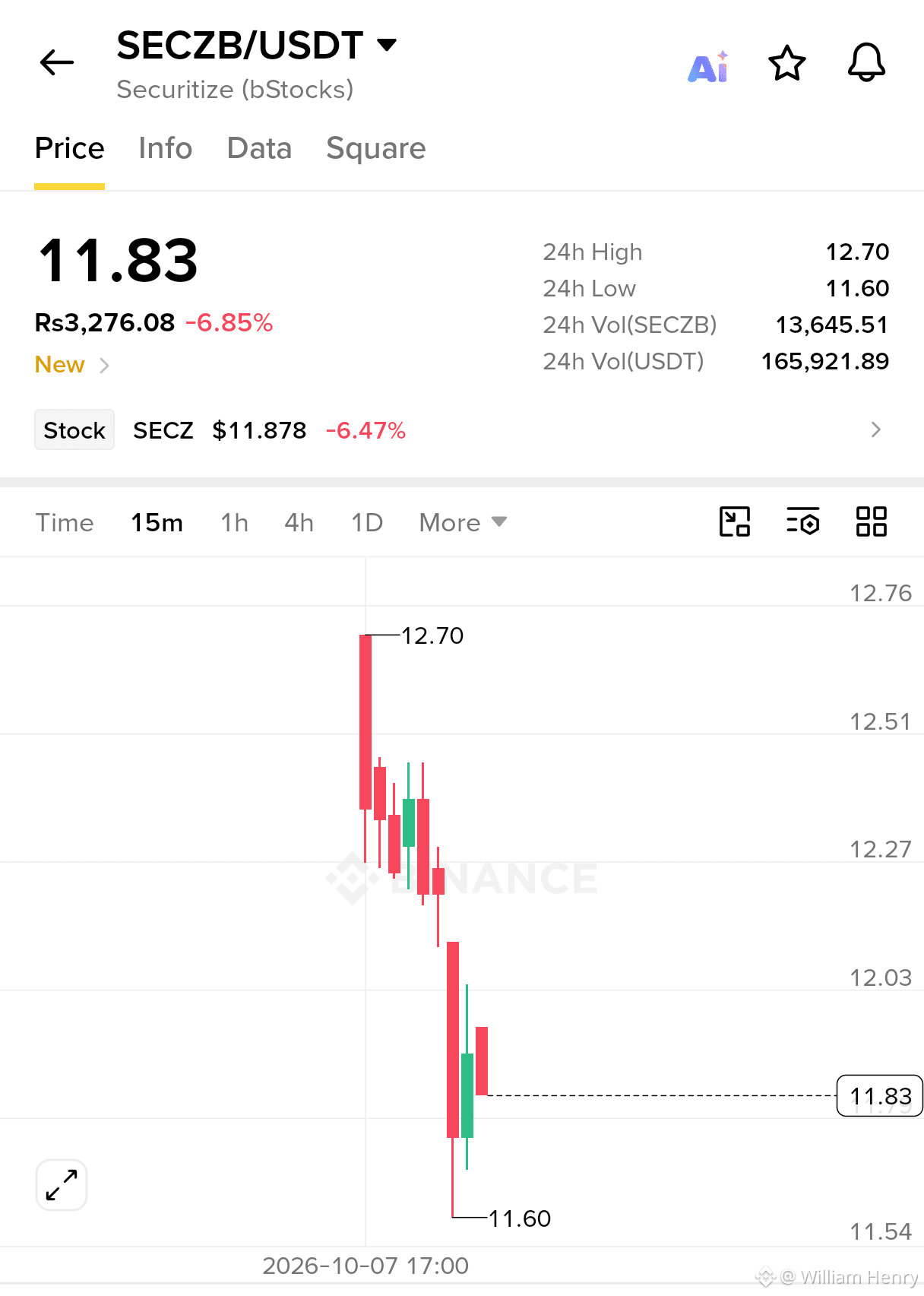
$SECZB は12.70で上値を拒まれた後、圧力を受けており、現在は11.83付近で推移しています。
EP 11.80 - 11.90
TP1 12.03
TP2 12.27
TP3 12.50
SL 11.60
12.03を回復できれば、再び勢いが戻る可能性があります。一方、11.60は引き続き注目すべき重要なサポートです。
油断せず、次の値動きでこのシナリオが裏付けられるのを待ちましょう。
さあ行こう $SECZB
{spot}(SECZBUSDT)
$SECZB は12.70で上値を拒まれた後、圧力を受けており、現在は11.83付近で推移しています。
EP 11.80 - 11.90
TP1 12.03
TP2 12.27
TP3 12.50
SL 11.60
12.03を回復できれば、再び勢いが戻る可能性があります。一方、11.60は引き続き注目すべき重要なサポートです。
油断せず、次の値動きでこのシナリオが裏付けられるのを待ちましょう。
さあ行こう $SECZB
EP 11.80 - 11.90
TP1 12.03
TP2 12.27
TP3 12.50
SL 11.60
12.03を回復できれば、再び勢いが戻る可能性があります。一方、11.60は引き続き注目すべき重要なサポートです。
油断せず、次の値動きでこのシナリオが裏付けられるのを待ちましょう。
さあ行こう $SECZB
170
·
--
ブリッシュ
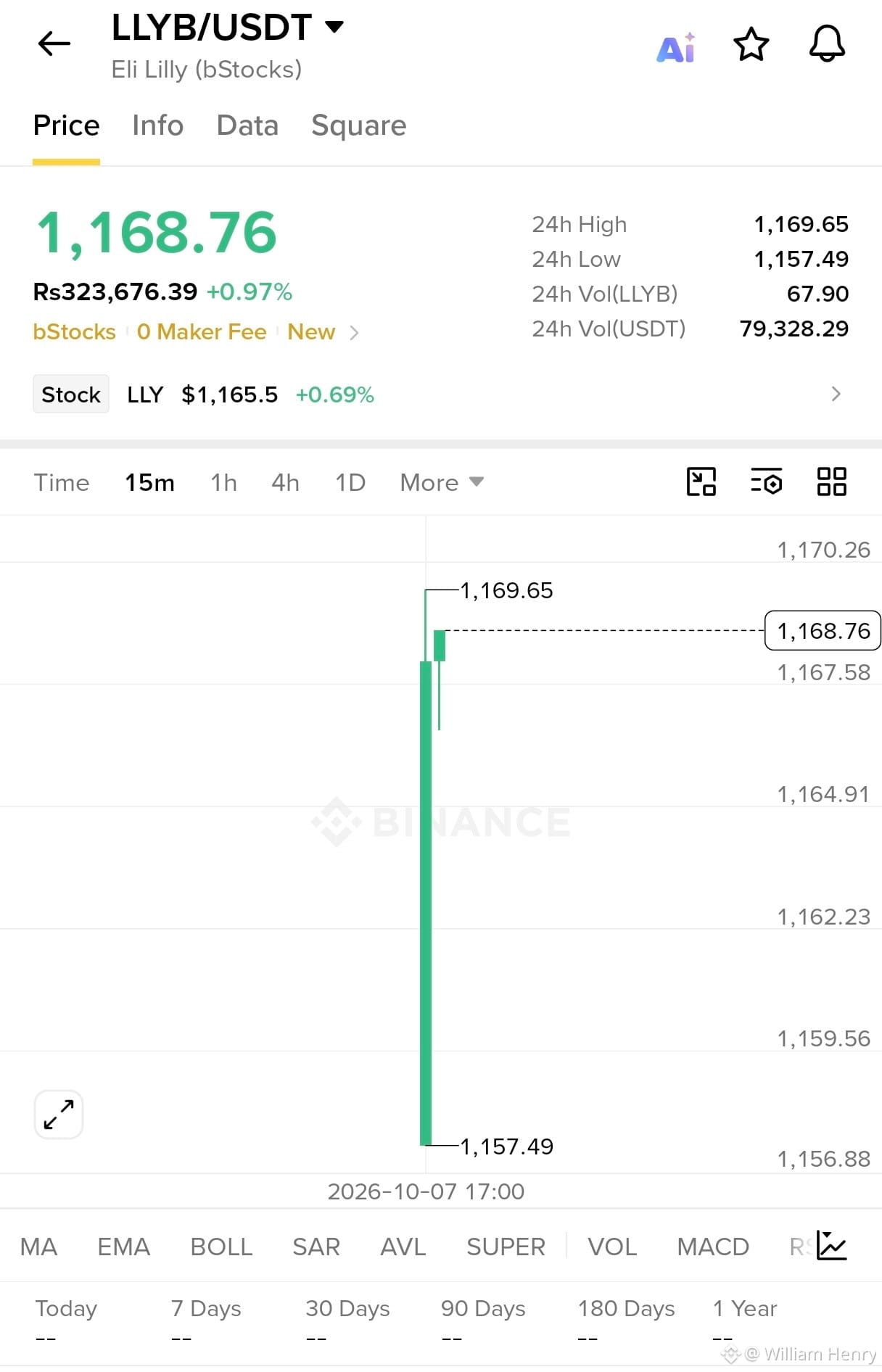
$LLYB はセッション高値付近で強い上昇を見せています!
価格:1,168.76
24時間高値:1,169.65
24時間安値:1,157.49
エントリーゾーン:1,167.50–1,168.80
利確目標1:1,170.25
利確目標2:1,172.50
利確目標3:1,175.00
損切り:1,164.90
1,157.49から急上昇した後、強い勢いが続いています。1,169.65をしっかり上回って維持できれば、さらに上昇する可能性があります。一方、1,164.90を下回ると、この見通しは弱まります。
さあ、行きましょう $LLYB
{spot}(LLYBUSDT)
#FedMinutesFocusOnOctoberPause
$LLYB はセッション高値付近で強い上昇を見せています!
価格:1,168.76
24時間高値:1,169.65
24時間安値:1,157.49
エントリーゾーン:1,167.50–1,168.80
利確目標1:1,170.25
利確目標2:1,172.50
利確目標3:1,175.00
損切り:1,164.90
1,157.49から急上昇した後、強い勢いが続いています。1,169.65をしっかり上回って維持できれば、さらに上昇する可能性があります。一方、1,164.90を下回ると、この見通しは弱まります。
さあ、行きましょう $LLYB
#FedMinutesFocusOnOctoberPause
価格:1,168.76
24時間高値:1,169.65
24時間安値:1,157.49
エントリーゾーン:1,167.50–1,168.80
利確目標1:1,170.25
利確目標2:1,172.50
利確目標3:1,175.00
損切り:1,164.90
1,157.49から急上昇した後、強い勢いが続いています。1,169.65をしっかり上回って維持できれば、さらに上昇する可能性があります。一方、1,164.90を下回ると、この見通しは弱まります。
さあ、行きましょう $LLYB
#FedMinutesFocusOnOctoberPause
299
·
--
ブリッシュ
$XAUT
トレーダーが米連邦準備制度理事会(FRB)の最新の議事録を待つなか、金価格は1オンスあたり4,150ドル近辺を維持しています。
利回りの低下がいくらか下支えとなっていますが、金利上昇への予想が上値を抑えています。
$XAUT
{future}(XAUTUSDT)
#WinklevossFilesSpotZcashETFApplication
$XAUT
トレーダーが米連邦準備制度理事会(FRB)の最新の議事録を待つなか、金価格は1オンスあたり4,150ドル近辺を維持しています。
利回りの低下がいくらか下支えとなっていますが、金利上昇への予想が上値を抑えています。
$XAUT
#WinklevossFilesSpotZcashETFApplication
トレーダーが米連邦準備制度理事会(FRB)の最新の議事録を待つなか、金価格は1オンスあたり4,150ドル近辺を維持しています。
利回りの低下がいくらか下支えとなっていますが、金利上昇への予想が上値を抑えています。
$XAUT
#WinklevossFilesSpotZcashETFApplication

1
473
·
--
ブリッシュ
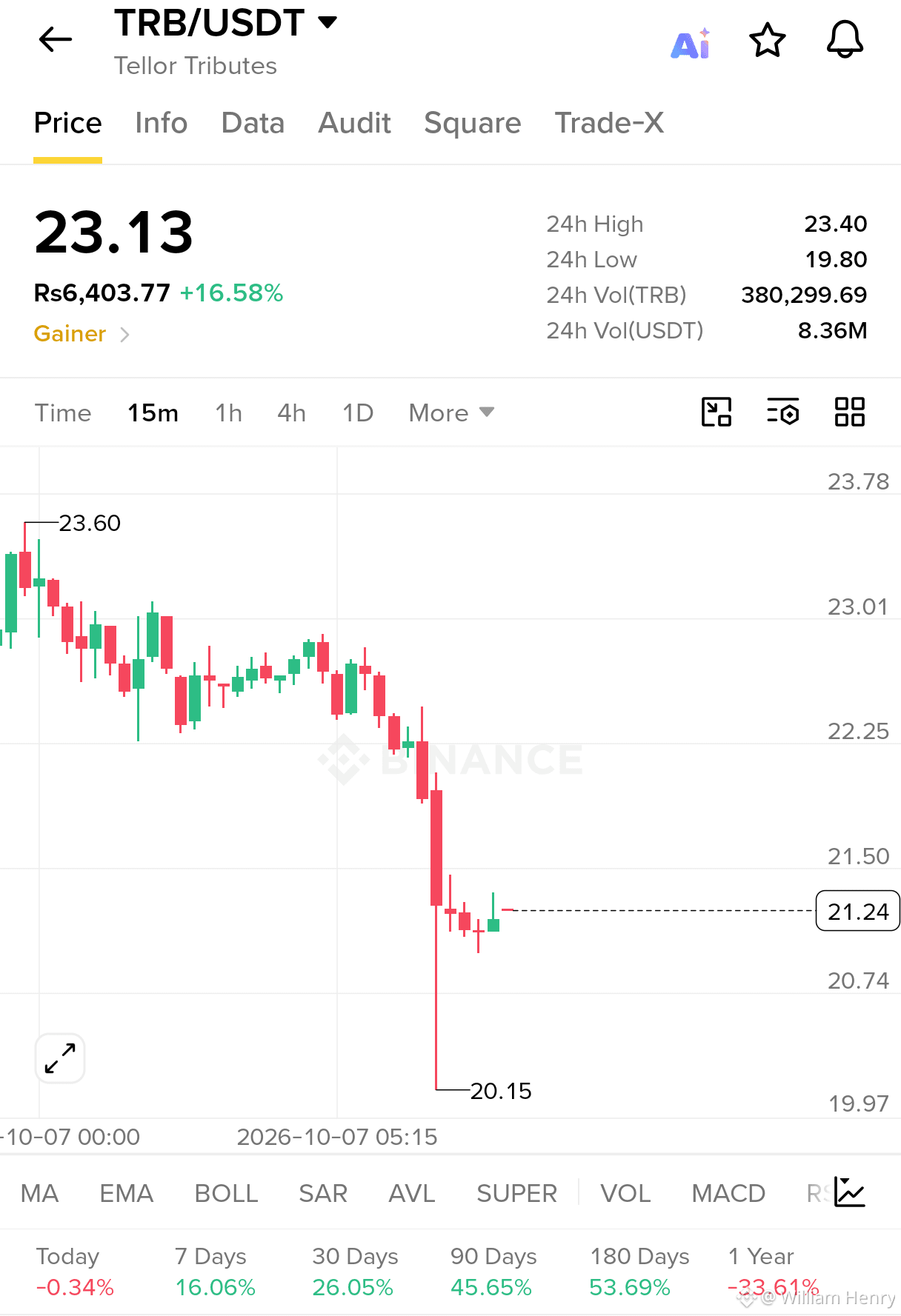
$TRB が一気に23.40まで急騰し、わずか1日で+16.58%超の上昇!19.80近辺の安値から23.40まで駆け上がった後、やや落ち着きました。出来高を伴う強い陽線が勢いの強さを示しており、買い手が明らかに主導権を握っています。
トレード戦略
• エントリーゾーン:21.00 – 21.30
• 目標1:23.40
• 目標2:24.20
• 目標3:25.00
• 損切り:20.15
$TRB が出来高を伴って23.40を上抜ければ、さらなる急騰が期待できます。勢いが続けば、短期間で二桁台のさらに高い水準まで上昇する可能性があります。
さあ行こう、$TRB
{future}(TRBUSDT)
#BinanceLaunchesBinanceIntelligence
$TRB が一気に23.40まで急騰し、わずか1日で+16.58%超の上昇!19.80近辺の安値から23.40まで駆け上がった後、やや落ち着きました。出来高を伴う強い陽線が勢いの強さを示しており、買い手が明らかに主導権を握っています。
トレード戦略
• エントリーゾーン:21.00 – 21.30
• 目標1:23.40
• 目標2:24.20
• 目標3:25.00
• 損切り:20.15
$TRB が出来高を伴って23.40を上抜ければ、さらなる急騰が期待できます。勢いが続けば、短期間で二桁台のさらに高い水準まで上昇する可能性があります。
さあ行こう、$TRB
#BinanceLaunchesBinanceIntelligence
トレード戦略
• エントリーゾーン:21.00 – 21.30
• 目標1:23.40
• 目標2:24.20
• 目標3:25.00
• 損切り:20.15
$TRB が出来高を伴って23.40を上抜ければ、さらなる急騰が期待できます。勢いが続けば、短期間で二桁台のさらに高い水準まで上昇する可能性があります。
さあ行こう、$TRB
#BinanceLaunchesBinanceIntelligence
1
739
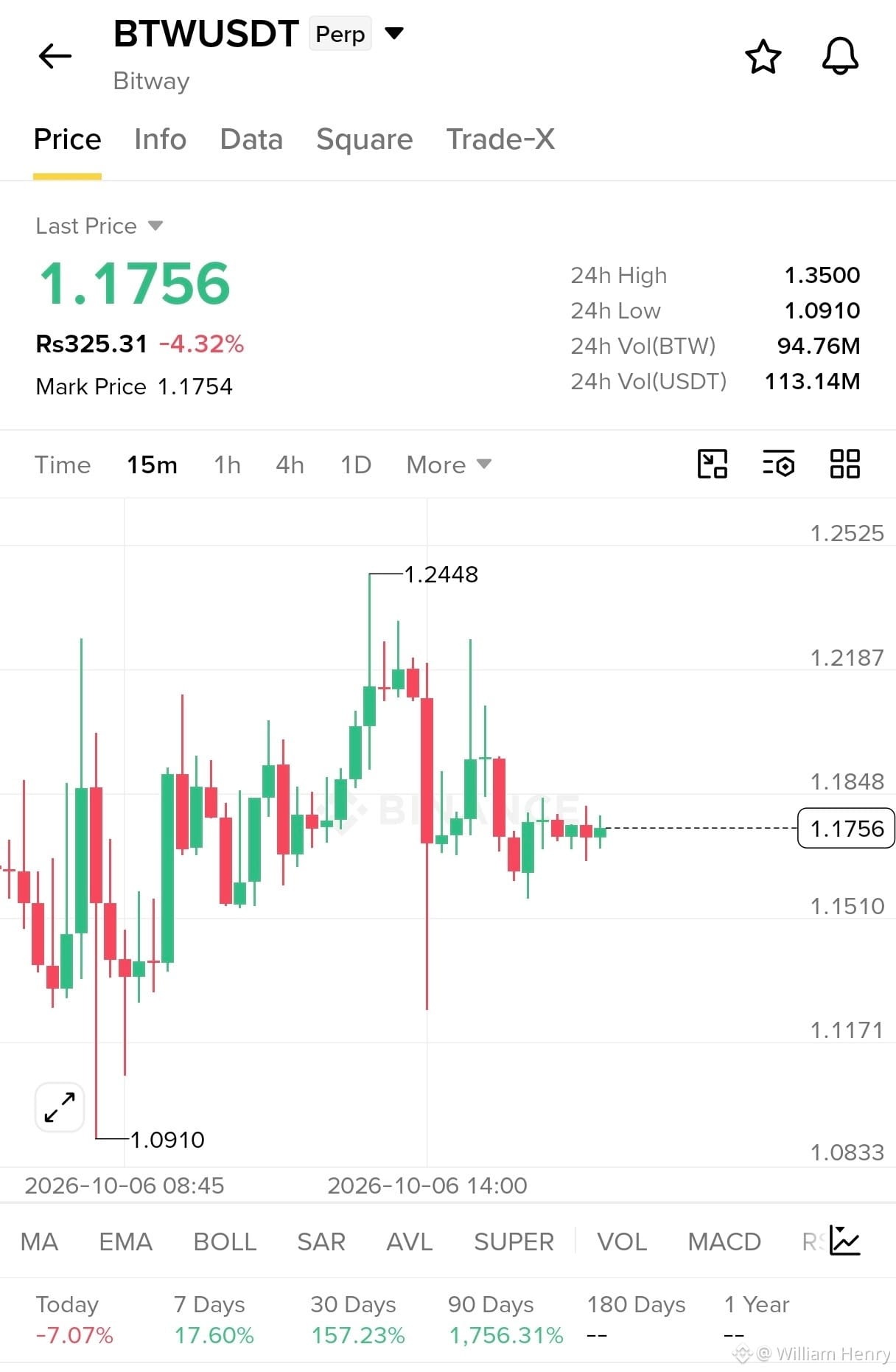
$BTW は急落後、1.1756付近で推移しています。24時間高値は1.3500、安値は1.0910です。ブレイクアウトの強さを見極めるには1.1848に注目し、1.1510は引き続き重要なサポートです。1.2187を上抜ければ、1.2448に向かう可能性があります。ボラティリティが高いため、慎重に取引しましょう。
さあ、行こう $BTW
{future}(BTWUSDT)
$BTW は急落後、1.1756付近で推移しています。24時間高値は1.3500、安値は1.0910です。ブレイクアウトの強さを見極めるには1.1848に注目し、1.1510は引き続き重要なサポートです。1.2187を上抜ければ、1.2448に向かう可能性があります。ボラティリティが高いため、慎重に取引しましょう。
さあ、行こう $BTW
さあ、行こう $BTW
1
1
633
·
--
ブリッシュ
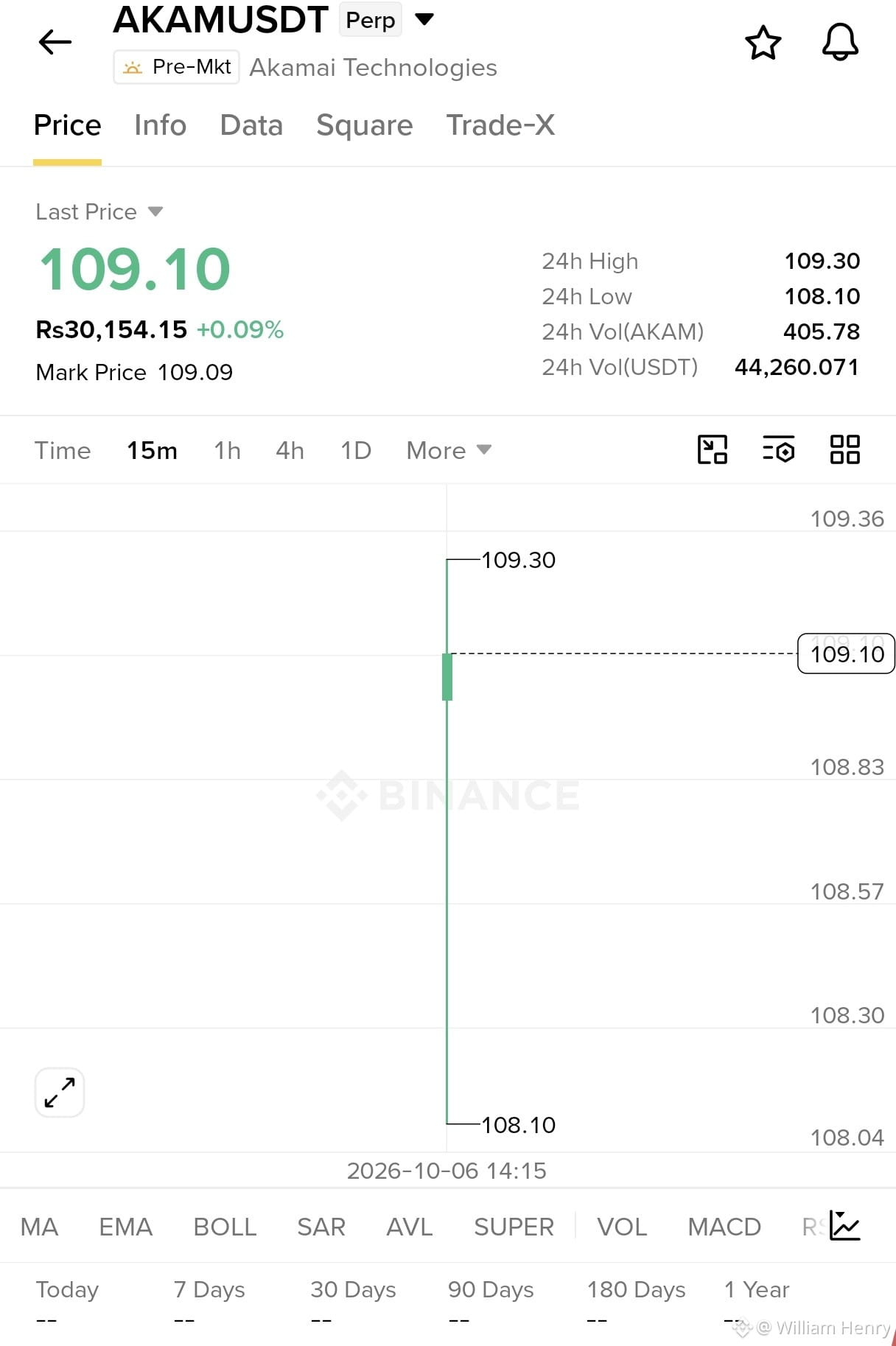
$AKAM トレード戦略 — 15分足
価格: 109.10
レジスタンス: 109.30
サポート: 108.10
ロング: 109.30を上回ったら
利確1: 109.60
利確2: 110.00
損切り: 108.85
ショート: 108.10を下回ったら
利確1: 107.70
利確2: 107.30
損切り: 108.40
ブレイクアウトが次の動きを決めます。警戒を怠らず、リスクを管理しましょう。
さあ行こう $AKAM
{future}(AKAMUSDT)
#BinanceLaunchesBinanceIntelligence
$AKAM トレード戦略 — 15分足
価格: 109.10
レジスタンス: 109.30
サポート: 108.10
ロング: 109.30を上回ったら
利確1: 109.60
利確2: 110.00
損切り: 108.85
ショート: 108.10を下回ったら
利確1: 107.70
利確2: 107.30
損切り: 108.40
ブレイクアウトが次の動きを決めます。警戒を怠らず、リスクを管理しましょう。
さあ行こう $AKAM
#BinanceLaunchesBinanceIntelligence
価格: 109.10
レジスタンス: 109.30
サポート: 108.10
ロング: 109.30を上回ったら
利確1: 109.60
利確2: 110.00
損切り: 108.85
ショート: 108.10を下回ったら
利確1: 107.70
利確2: 107.30
損切り: 108.40
ブレイクアウトが次の動きを決めます。警戒を怠らず、リスクを管理しましょう。
さあ行こう $AKAM
#BinanceLaunchesBinanceIntelligence
1
410
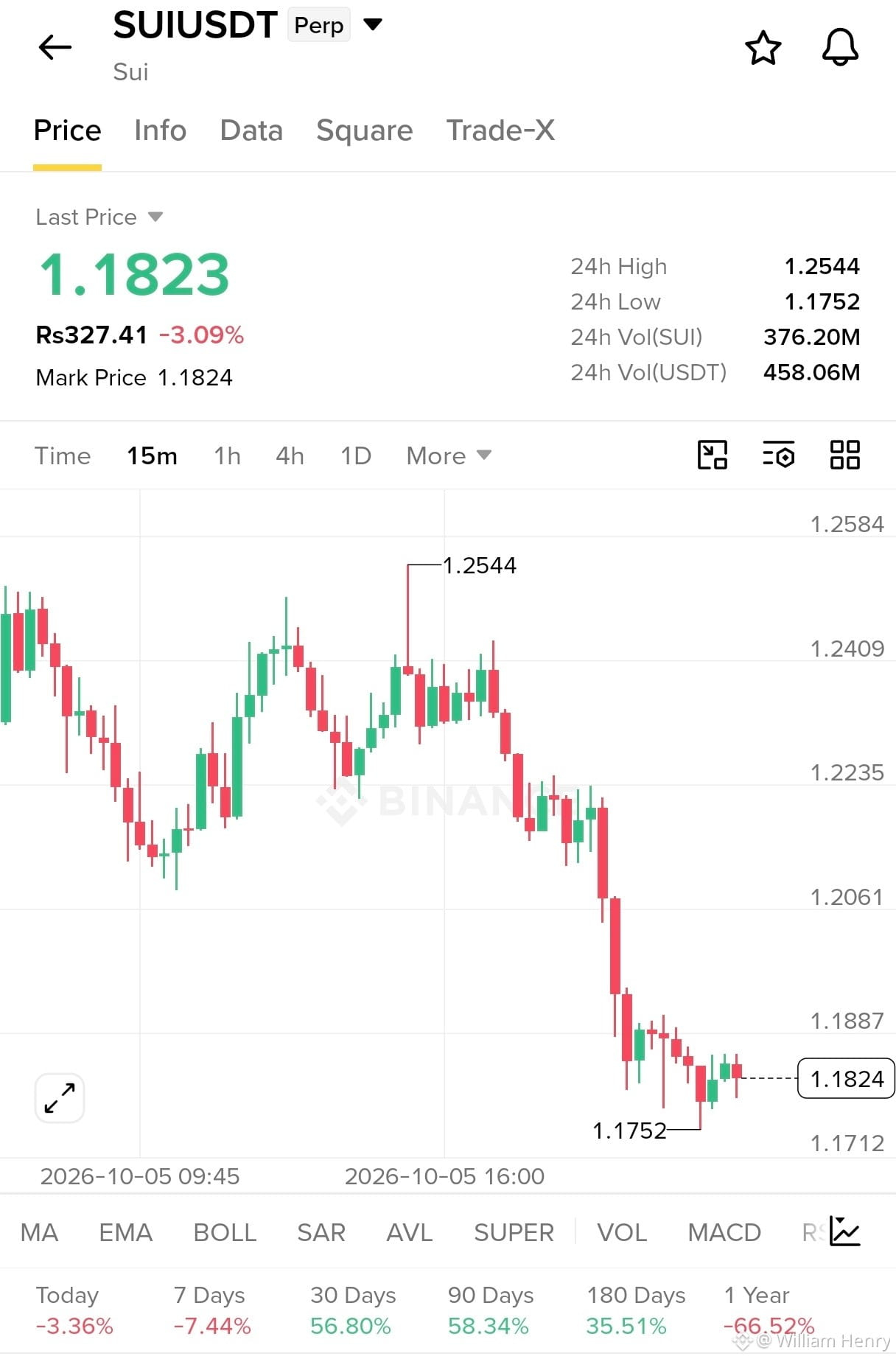
$SUI — 売り手が主導権を握る!
SUIは現在約$1.1823で取引されており、24時間で3.09%下落しています。価格は高値の$1.2544から急落し、安値の$1.1752を付けました。取引高は$458.06M USDTと大幅に増加しています。
15分足の値動きは引き続き弱気ですが、価格は安値付近を維持しています。重要なサポートは$1.1750、レジスタンスは$1.1887 → $1.2061です。
パフォーマンス:7日間 -7.44% | 30日間 +56.80% | 90日間 +58.34% | 180日間 +35.51%
$1.2061を回復できれば反発に弾みがつく可能性があります。一方、$1.1750を割り込むと、さらなる急落を招くおそれがあります。
次の動きに注目 — SUI
{future}(SUIUSDT)
#ETHUp70%InQ3ButLiquidityFalls
$SUI — 売り手が主導権を握る!
SUIは現在約$1.1823で取引されており、24時間で3.09%下落しています。価格は高値の$1.2544から急落し、安値の$1.1752を付けました。取引高は$458.06M USDTと大幅に増加しています。
15分足の値動きは引き続き弱気ですが、価格は安値付近を維持しています。重要なサポートは$1.1750、レジスタンスは$1.1887 → $1.2061です。
パフォーマンス:7日間 -7.44% | 30日間 +56.80% | 90日間 +58.34% | 180日間 +35.51%
$1.2061を回復できれば反発に弾みがつく可能性があります。一方、$1.1750を割り込むと、さらなる急落を招くおそれがあります。
次の動きに注目 — SUI
#ETHUp70%InQ3ButLiquidityFalls
SUIは現在約$1.1823で取引されており、24時間で3.09%下落しています。価格は高値の$1.2544から急落し、安値の$1.1752を付けました。取引高は$458.06M USDTと大幅に増加しています。
15分足の値動きは引き続き弱気ですが、価格は安値付近を維持しています。重要なサポートは$1.1750、レジスタンスは$1.1887 → $1.2061です。
パフォーマンス:7日間 -7.44% | 30日間 +56.80% | 90日間 +58.34% | 180日間 +35.51%
$1.2061を回復できれば反発に弾みがつく可能性があります。一方、$1.1750を割り込むと、さらなる急落を招くおそれがあります。
次の動きに注目 — SUI
#ETHUp70%InQ3ButLiquidityFalls
320
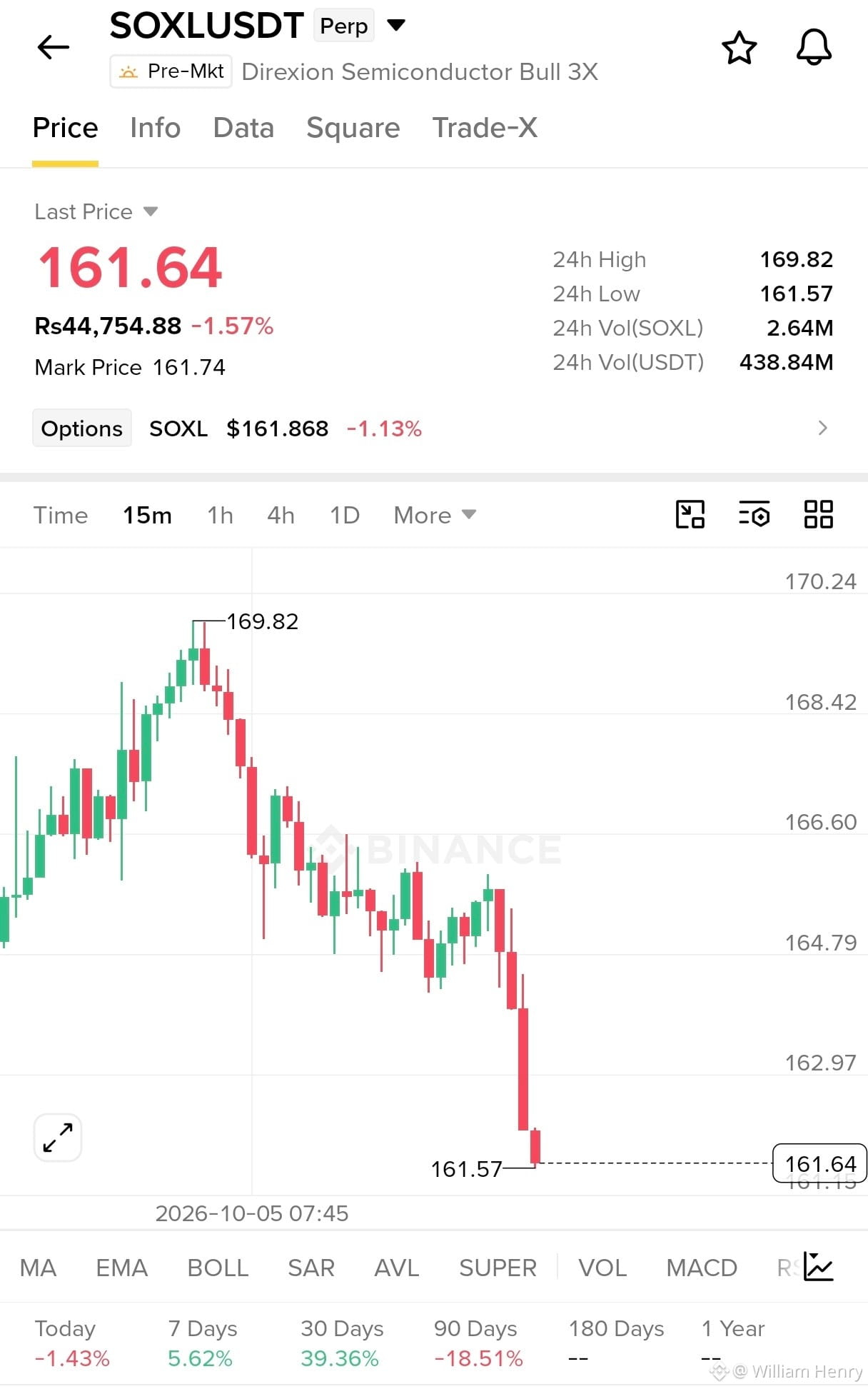
$SOXL
売り方が$SOXL 価格を161.57まで一気に押し下げました。15分足チャートで急落した後、現在は161.64付近で推移しています。
重要水準:エントリー監視:161.60~162.00 TP1:162.97 TP2:164.79 TP3:166.60 レジスタンス:168.42~169.82 無効化水準:161.50を下回る水準
現在、モメンタムは弱気ですが、162.97を奪回すれば、力強い自律反発につながる可能性があります。次の15分足ローソクに注目してください。
{future}(SOXLUSDT)
#DriftHackVictimsBeginClaims
$SOXL
売り方が$SOXL 価格を161.57まで一気に押し下げました。15分足チャートで急落した後、現在は161.64付近で推移しています。
重要水準:エントリー監視:161.60~162.00 TP1:162.97 TP2:164.79 TP3:166.60 レジスタンス:168.42~169.82 無効化水準:161.50を下回る水準
現在、モメンタムは弱気ですが、162.97を奪回すれば、力強い自律反発につながる可能性があります。次の15分足ローソクに注目してください。
#DriftHackVictimsBeginClaims
売り方が$SOXL 価格を161.57まで一気に押し下げました。15分足チャートで急落した後、現在は161.64付近で推移しています。
重要水準:エントリー監視:161.60~162.00 TP1:162.97 TP2:164.79 TP3:166.60 レジスタンス:168.42~169.82 無効化水準:161.50を下回る水準
現在、モメンタムは弱気ですが、162.97を奪回すれば、力強い自律反発につながる可能性があります。次の15分足ローソクに注目してください。
#DriftHackVictimsBeginClaims
1
1.5k
·
--
ブリッシュ
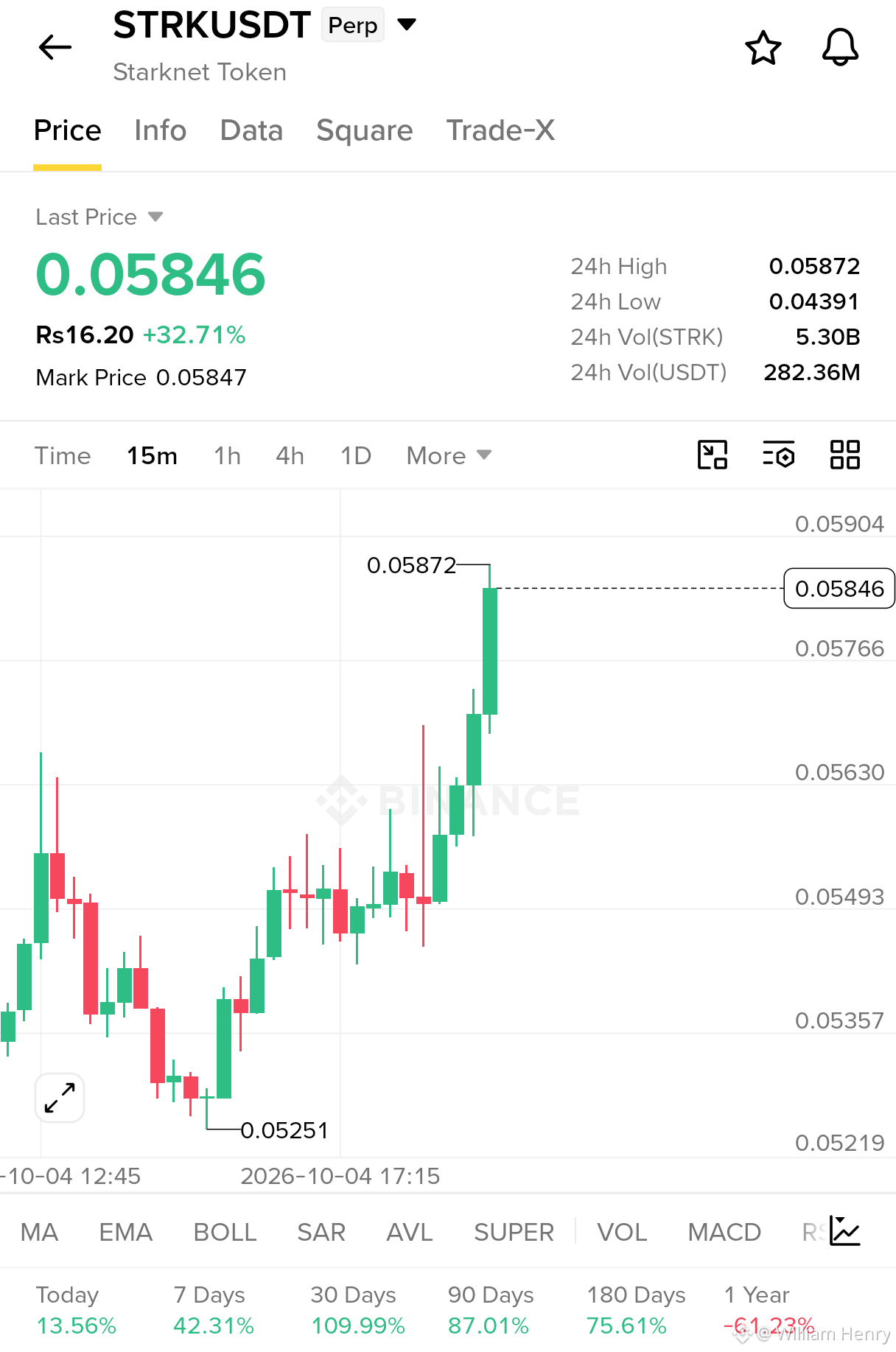
$STRK
15分足で強い上昇モメンタム。
価格:0.05846
エントリー:0.05780–0.05840
利確1:0.05920
利確2:0.06000
利確3:0.06120
損切り:0.05670
0.05872を上抜ければ、次の上昇局面に進む可能性があります。
$STRK で取引しましょう
{future}(STRKUSDT)
#EthereumValidatorExitQueueJumps392%
$STRK
15分足で強い上昇モメンタム。
価格:0.05846
エントリー:0.05780–0.05840
利確1:0.05920
利確2:0.06000
利確3:0.06120
損切り:0.05670
0.05872を上抜ければ、次の上昇局面に進む可能性があります。
$STRK で取引しましょう
#EthereumValidatorExitQueueJumps392%
15分足で強い上昇モメンタム。
価格:0.05846
エントリー:0.05780–0.05840
利確1:0.05920
利確2:0.06000
利確3:0.06120
損切り:0.05670
0.05872を上抜ければ、次の上昇局面に進む可能性があります。
$STRK で取引しましょう
#EthereumValidatorExitQueueJumps392%
1
438
·
--
ブリッシュ
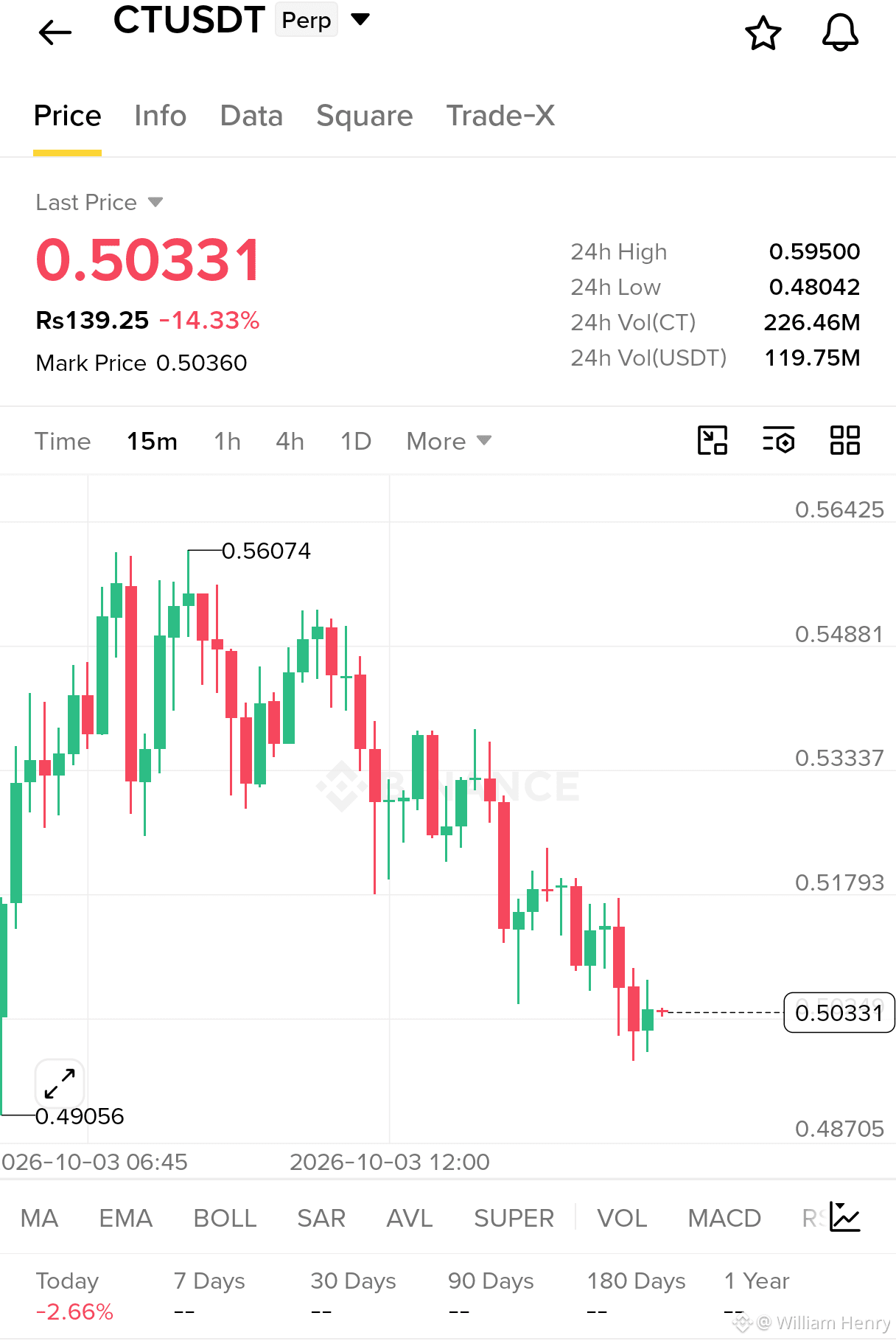
$CT は$0.49のあたりから鋭いリバウンドを試みています――勢いを加速させるには買い手が$0.51を取り戻す必要があります。
買いゾーン: $0.500–$0.505
TP1: $0.515
TP2: $0.530
TP3: $0.548
損切り: $0.490
$0.515を上抜けてクリーンに回復できれば、次の上昇局面が開ける可能性があります。さあ行こう。
$CT
{future}(CTUSDT)
$CT は$0.49のあたりから鋭いリバウンドを試みています――勢いを加速させるには買い手が$0.51を取り戻す必要があります。
買いゾーン: $0.500–$0.505
TP1: $0.515
TP2: $0.530
TP3: $0.548
損切り: $0.490
$0.515を上抜けてクリーンに回復できれば、次の上昇局面が開ける可能性があります。さあ行こう。
$CT
買いゾーン: $0.500–$0.505
TP1: $0.515
TP2: $0.530
TP3: $0.548
損切り: $0.490
$0.515を上抜けてクリーンに回復できれば、次の上昇局面が開ける可能性があります。さあ行こう。
$CT
1
1
884
$XAU
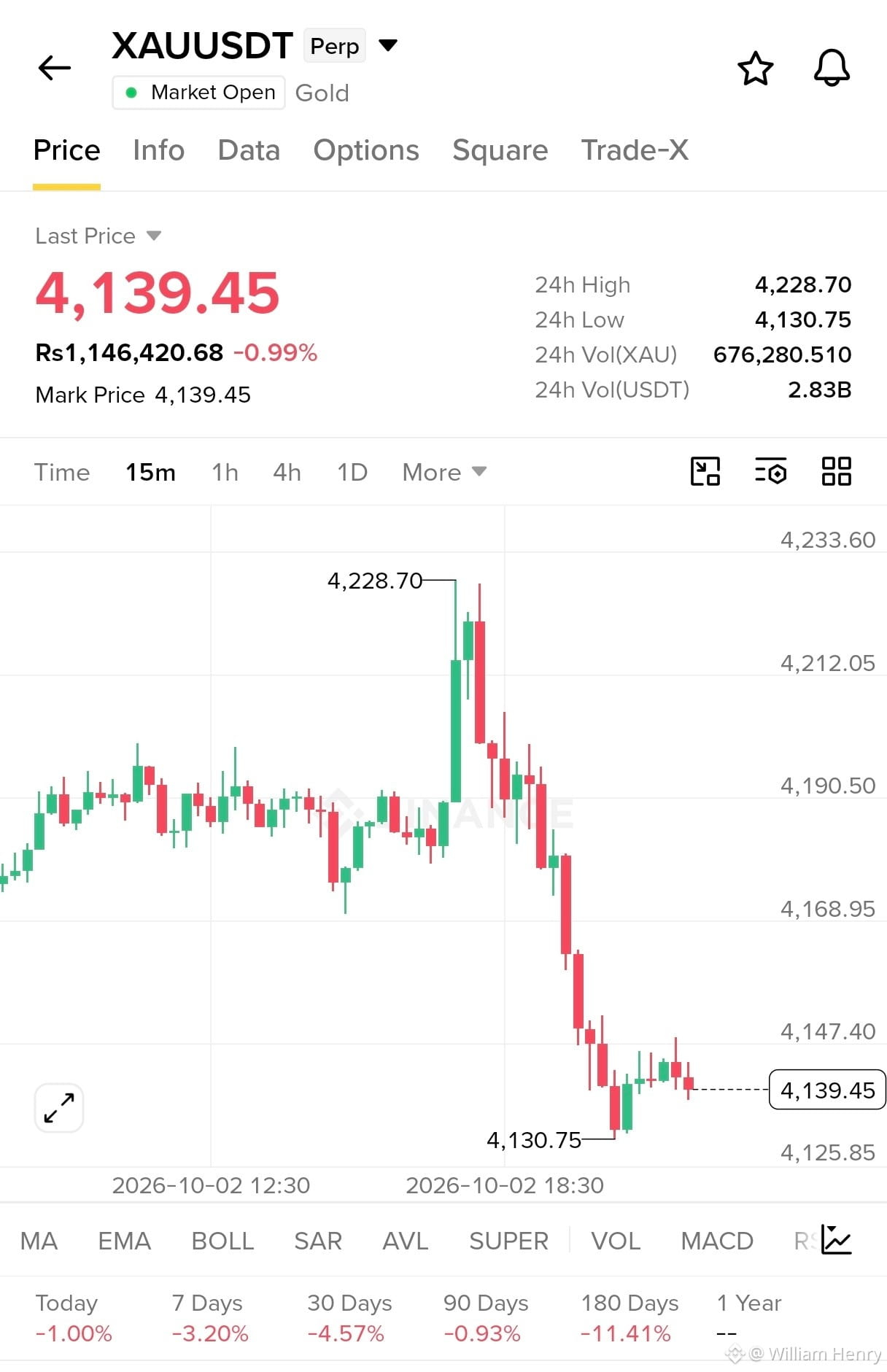
4,228.70を拒否したことで、金は強い売り圧力にさらされています。価格は4,168.95を下抜けし、現在は4,139付近で推移しており、短期の構造は弱気のままです。
取引セットアップ:SELL 4,140–4,145
TP1:4,130
TP2:4,125
TP3:4,110
SL:4,155
レジスタンス:4,147–4,168
サポート:4,130–4,125
勢いは4,147を下回ったまま弱いです。4,130.75を明確に割り込むと、下方向への加速につながる可能性があります。
さあ $XAUUSDT — ブレイクダウンに注目しましょう。
{future}(XAUUSDT)
$XAU
4,228.70を拒否したことで、金は強い売り圧力にさらされています。価格は4,168.95を下抜けし、現在は4,139付近で推移しており、短期の構造は弱気のままです。
取引セットアップ:SELL 4,140–4,145
TP1:4,130
TP2:4,125
TP3:4,110
SL:4,155
レジスタンス:4,147–4,168
サポート:4,130–4,125
勢いは4,147を下回ったまま弱いです。4,130.75を明確に割り込むと、下方向への加速につながる可能性があります。
さあ $XAUUSDT — ブレイクダウンに注目しましょう。
4,228.70を拒否したことで、金は強い売り圧力にさらされています。価格は4,168.95を下抜けし、現在は4,139付近で推移しており、短期の構造は弱気のままです。
取引セットアップ:SELL 4,140–4,145
TP1:4,130
TP2:4,125
TP3:4,110
SL:4,155
レジスタンス:4,147–4,168
サポート:4,130–4,125
勢いは4,147を下回ったまま弱いです。4,130.75を明確に割り込むと、下方向への加速につながる可能性があります。
さあ $XAUUSDT — ブレイクダウンに注目しましょう。
1
395
·
--
ブリッシュ
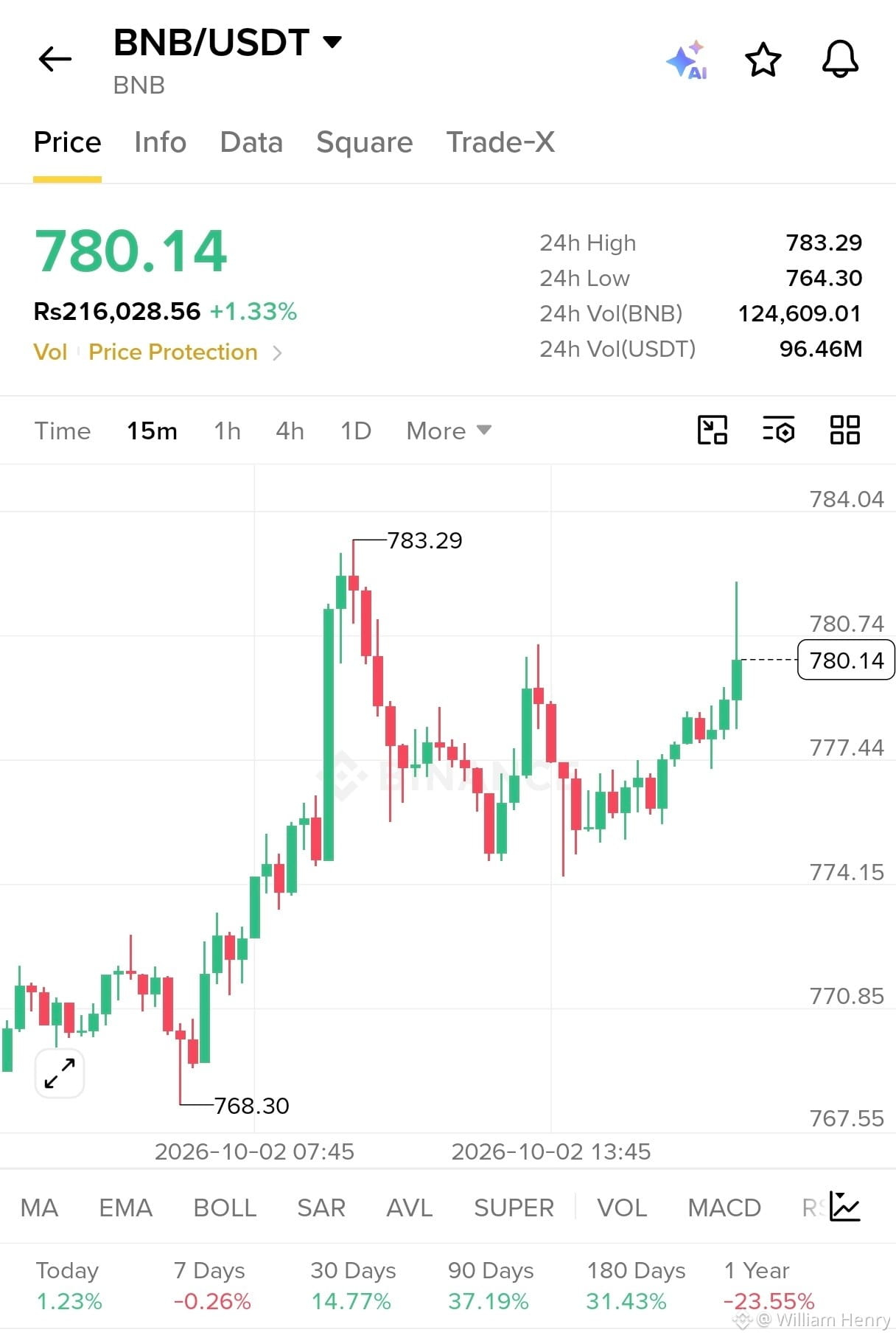
$BNB — 15M トレードセットアップ
BNBは 774–775 ゾーンからのクリーンな回復後、上昇を続けています。短期モメンタムは強気に転じました。現在、価格は 780–783 のレジスタンスエリアをテストしています。
📈 トレードセットアップ:ロング エントリー:779.5–780.5
TP1:781.8
TP2:783.3
TP3:784.5
SL:777.2
重要なトリガー:783.3 を上回る強い 15M の終値があれば、ブレイクアウトの試みが確認されます。
777.4 を下回ると、セットアップは弱まります。
価格:780.14 | 24H:+1.33% | 24H 高値:783.29
$BNB
{future}(BNBUSDT)
$BNB — 15M トレードセットアップ
BNBは 774–775 ゾーンからのクリーンな回復後、上昇を続けています。短期モメンタムは強気に転じました。現在、価格は 780–783 のレジスタンスエリアをテストしています。
📈 トレードセットアップ:ロング エントリー:779.5–780.5
TP1:781.8
TP2:783.3
TP3:784.5
SL:777.2
重要なトリガー:783.3 を上回る強い 15M の終値があれば、ブレイクアウトの試みが確認されます。
777.4 を下回ると、セットアップは弱まります。
価格:780.14 | 24H:+1.33% | 24H 高値:783.29
$BNB
BNBは 774–775 ゾーンからのクリーンな回復後、上昇を続けています。短期モメンタムは強気に転じました。現在、価格は 780–783 のレジスタンスエリアをテストしています。
📈 トレードセットアップ:ロング エントリー:779.5–780.5
TP1:781.8
TP2:783.3
TP3:784.5
SL:777.2
重要なトリガー:783.3 を上回る強い 15M の終値があれば、ブレイクアウトの試みが確認されます。
777.4 を下回ると、セットアップは弱まります。
価格:780.14 | 24H:+1.33% | 24H 高値:783.29
$BNB
223
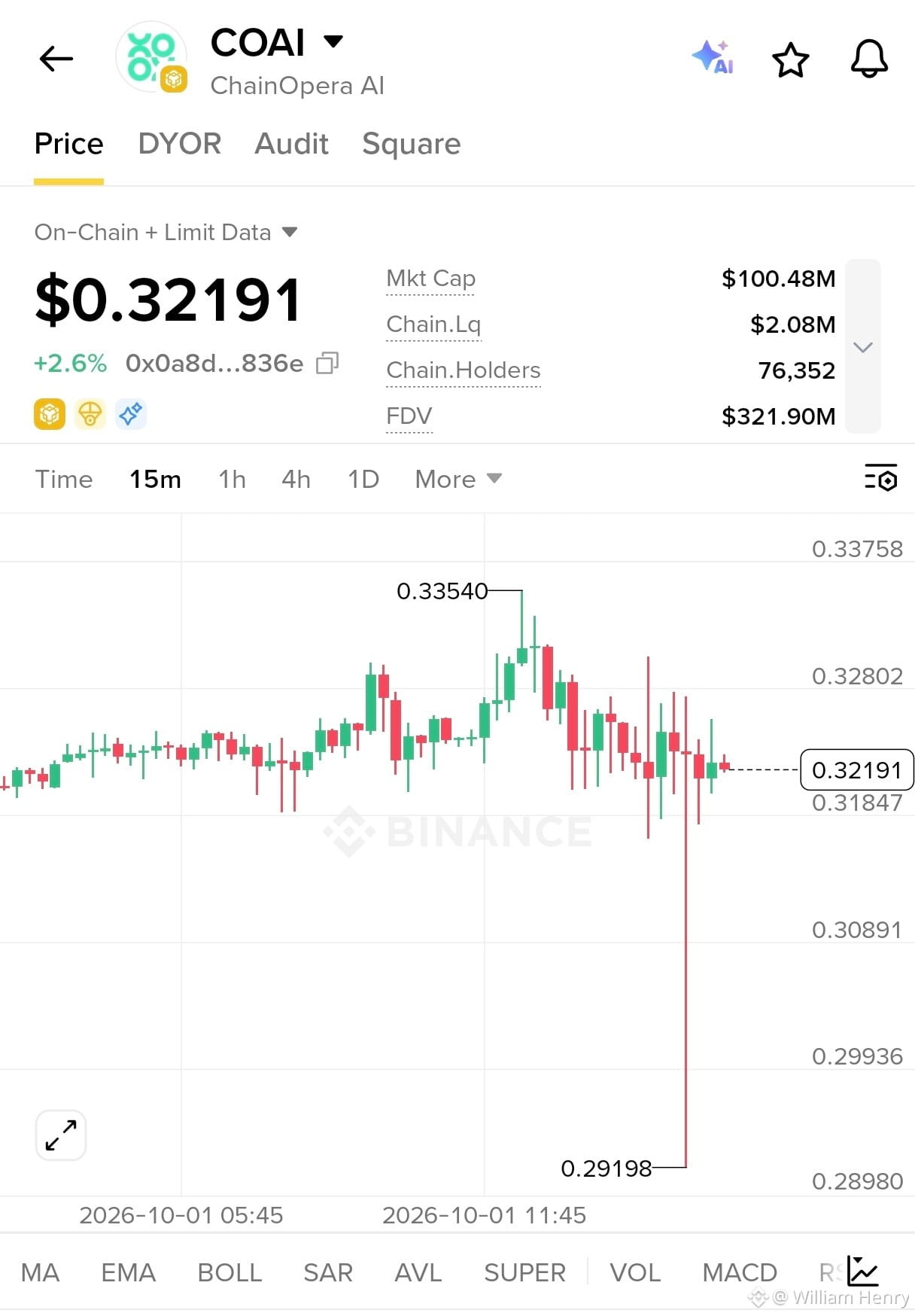
$COAI は、0.29198まで鋭い流動性スイープが入った後、0.31847を上回って強い回復を見せたことにより、15Mチャート上で私の注目を集めています。価格がこのサポートをどう維持するかを見ています。リジェクションが示すのは、買い手が下側のレンジをまだ守っているということだからです。
構造はまだ完全に強気とは言えませんが、0.3219を取り戻したことでロングのセットアップは興味深いものになっています。0.3280を上抜けできれば、直近の0.33540高値へ向かう道が開ける可能性があります。
取引セットアップ
エントリー:$0.3200〜$0.3225
ストップロス:$0.3140
ターゲット:
ターゲット1:$0.3280
ターゲット2:$0.3320
ターゲット3:$0.3354
ターゲット4:$0.3375
そう考える理由
0.29198まで深く伸びたウィックは、攻撃的な流動性の回収を示していますが、その後価格はすぐに以前の取引ゾーンへ戻りました。この回復が、私が注目している重要なサインです。
買い手が0.3185を維持し、より強い勢いで0.3280を取り戻すなら、直近の高値が次の注目ポイントになります。リスクはサポートの下でコントロールされたままです。
さあ行って、今すぐトレード $COAI
{future}(COAIUSDT)
$COAI は、0.29198まで鋭い流動性スイープが入った後、0.31847を上回って強い回復を見せたことにより、15Mチャート上で私の注目を集めています。価格がこのサポートをどう維持するかを見ています。リジェクションが示すのは、買い手が下側のレンジをまだ守っているということだからです。
構造はまだ完全に強気とは言えませんが、0.3219を取り戻したことでロングのセットアップは興味深いものになっています。0.3280を上抜けできれば、直近の0.33540高値へ向かう道が開ける可能性があります。
取引セットアップ
エントリー:$0.3200〜$0.3225
ストップロス:$0.3140
ターゲット:
ターゲット1:$0.3280
ターゲット2:$0.3320
ターゲット3:$0.3354
ターゲット4:$0.3375
そう考える理由
0.29198まで深く伸びたウィックは、攻撃的な流動性の回収を示していますが、その後価格はすぐに以前の取引ゾーンへ戻りました。この回復が、私が注目している重要なサインです。
買い手が0.3185を維持し、より強い勢いで0.3280を取り戻すなら、直近の高値が次の注目ポイントになります。リスクはサポートの下でコントロールされたままです。
さあ行って、今すぐトレード $COAI
構造はまだ完全に強気とは言えませんが、0.3219を取り戻したことでロングのセットアップは興味深いものになっています。0.3280を上抜けできれば、直近の0.33540高値へ向かう道が開ける可能性があります。
取引セットアップ
エントリー:$0.3200〜$0.3225
ストップロス:$0.3140
ターゲット:
ターゲット1:$0.3280
ターゲット2:$0.3320
ターゲット3:$0.3354
ターゲット4:$0.3375
そう考える理由
0.29198まで深く伸びたウィックは、攻撃的な流動性の回収を示していますが、その後価格はすぐに以前の取引ゾーンへ戻りました。この回復が、私が注目している重要なサインです。
買い手が0.3185を維持し、より強い勢いで0.3280を取り戻すなら、直近の高値が次の注目ポイントになります。リスクはサポートの下でコントロールされたままです。
さあ行って、今すぐトレード $COAI
1
688
·
--
ブリッシュ
$CT PERPは急速に加熱中です。
取引セットアップ:ロング
エントリー:$0.4270–$0.4310
TP1:$0.4337
TP2:$0.4400
TP3:$0.4500
SL:$0.4190
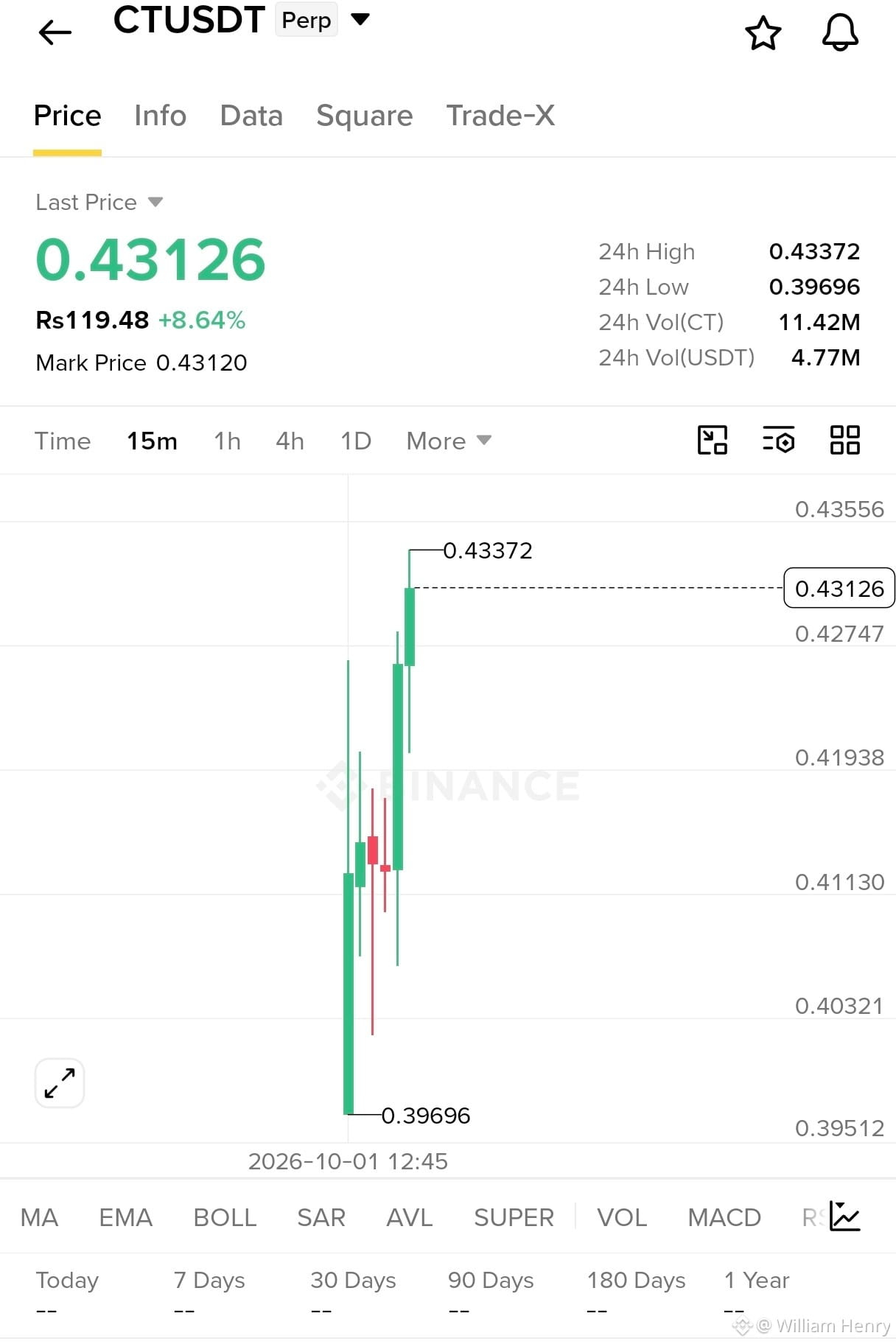
価格は強い15Mのモメンタムにより8.64%上昇しており、セッションの高値は$0.43372です。サポートとして$0.4270のエリアを注目してください。きれいに維持されればセットアップは建設的に保たれますが、$0.4190を下回るブレイクが起きると無効になります。
さあ行こう — $CT
{future}(CTUSDT)
#MetaMaskExitsLidoValidatorsAfterSecurityIncident
$CT PERPは急速に加熱中です。
取引セットアップ:ロング
エントリー:$0.4270–$0.4310
TP1:$0.4337
TP2:$0.4400
TP3:$0.4500
SL:$0.4190
価格は強い15Mのモメンタムにより8.64%上昇しており、セッションの高値は$0.43372です。サポートとして$0.4270のエリアを注目してください。きれいに維持されればセットアップは建設的に保たれますが、$0.4190を下回るブレイクが起きると無効になります。
さあ行こう — $CT
#MetaMaskExitsLidoValidatorsAfterSecurityIncident
取引セットアップ:ロング
エントリー:$0.4270–$0.4310
TP1:$0.4337
TP2:$0.4400
TP3:$0.4500
SL:$0.4190
価格は強い15Mのモメンタムにより8.64%上昇しており、セッションの高値は$0.43372です。サポートとして$0.4270のエリアを注目してください。きれいに維持されればセットアップは建設的に保たれますが、$0.4190を下回るブレイクが起きると無効になります。
さあ行こう — $CT
#MetaMaskExitsLidoValidatorsAfterSecurityIncident
1.4k
$MAGMA LONG — 強気が主導権を握り始めている
エントリー:$0.1930–$0.1940
TP1:$0.1965
TP2:$0.1987
TP3:$0.2020
SL:$0.1904
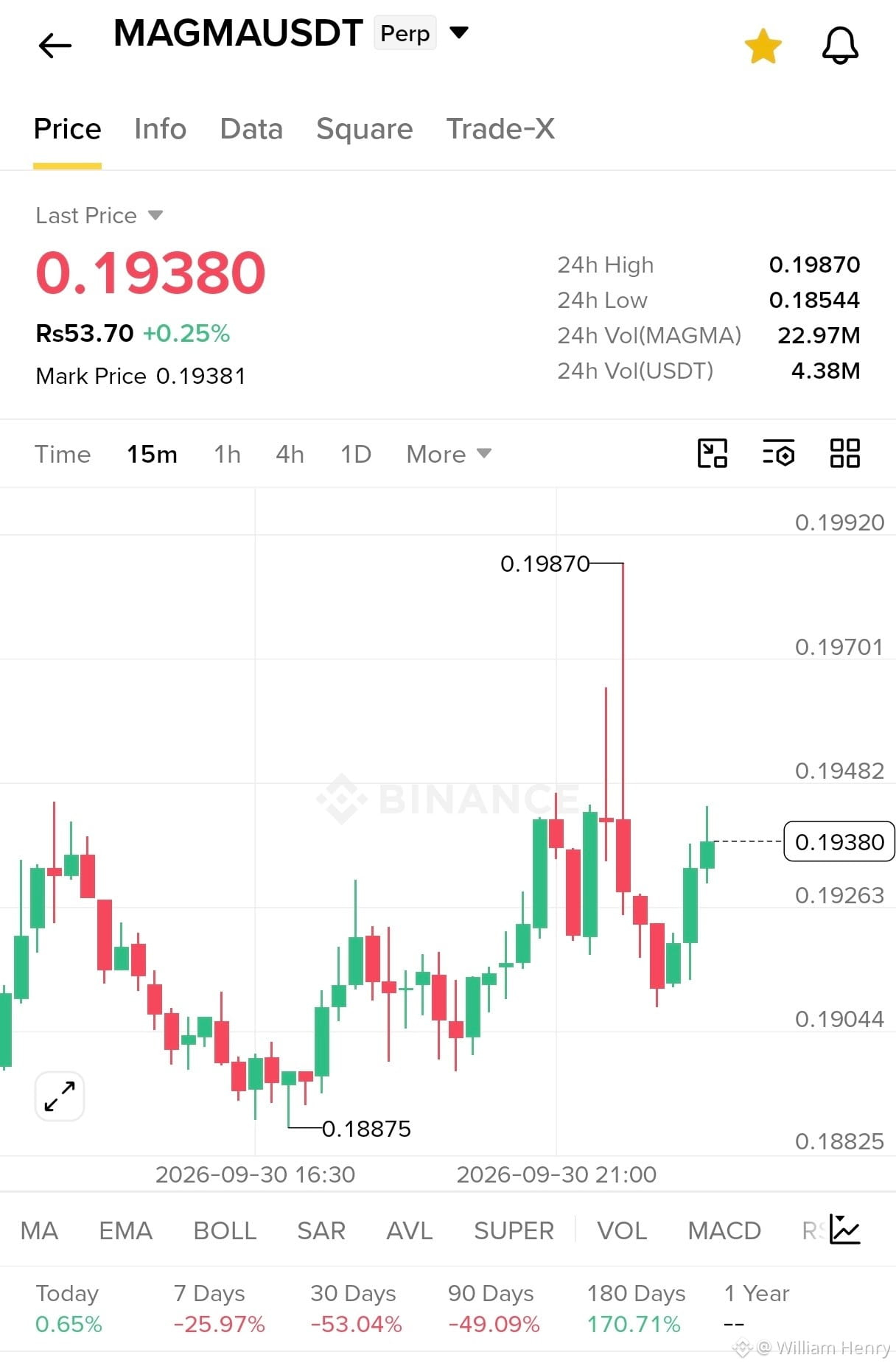
$MAGMA はサポートから強く跳ね返っており、買い手が価格を$0.1987のレジスタンスへ押し戻しています。$0.1987を明確に上抜ければ、より高い水準に向けた道が開ける可能性があります。
$MAGMA に行こう
{future}(MAGMAUSDT)
#AltcoinSeasonIndexHoldsAbove60For5Days
$MAGMA LONG — 強気が主導権を握り始めている
エントリー:$0.1930–$0.1940
TP1:$0.1965
TP2:$0.1987
TP3:$0.2020
SL:$0.1904
$MAGMA はサポートから強く跳ね返っており、買い手が価格を$0.1987のレジスタンスへ押し戻しています。$0.1987を明確に上抜ければ、より高い水準に向けた道が開ける可能性があります。
$MAGMA に行こう
#AltcoinSeasonIndexHoldsAbove60For5Days
エントリー:$0.1930–$0.1940
TP1:$0.1965
TP2:$0.1987
TP3:$0.2020
SL:$0.1904
$MAGMA はサポートから強く跳ね返っており、買い手が価格を$0.1987のレジスタンスへ押し戻しています。$0.1987を明確に上抜ければ、より高い水準に向けた道が開ける可能性があります。
$MAGMA に行こう
#AltcoinSeasonIndexHoldsAbove60For5Days
442
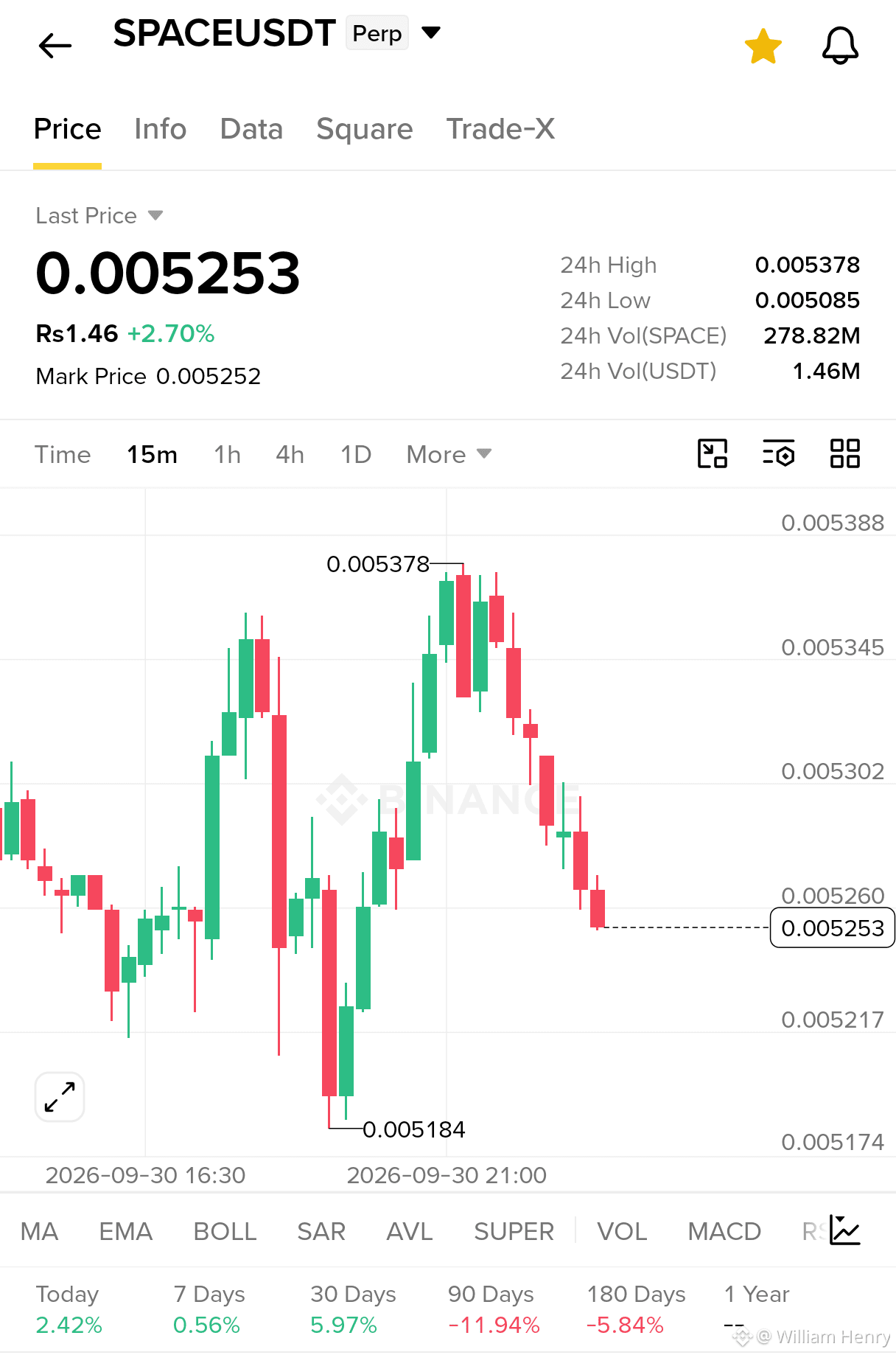
$SPACE は0.005378を拒否した後、0.00525のキーボックスを保持しています。
買いゾーン:0.00523〜0.00526
TP1:0.00530
TP2:0.00535
TP3:0.00538
ストップロス:0.00518
15Mのセットアップは、サポートからのリバウンド、または0.00530を上抜けするブレイクアウトを監視しています。
行こう、$SPACE
{future}(SPACEUSDT)
$SPACE は0.005378を拒否した後、0.00525のキーボックスを保持しています。
買いゾーン:0.00523〜0.00526
TP1:0.00530
TP2:0.00535
TP3:0.00538
ストップロス:0.00518
15Mのセットアップは、サポートからのリバウンド、または0.00530を上抜けするブレイクアウトを監視しています。
行こう、$SPACE
買いゾーン:0.00523〜0.00526
TP1:0.00530
TP2:0.00535
TP3:0.00538
ストップロス:0.00518
15Mのセットアップは、サポートからのリバウンド、または0.00530を上抜けするブレイクアウトを監視しています。
行こう、$SPACE
632
·
--
ブリッシュ
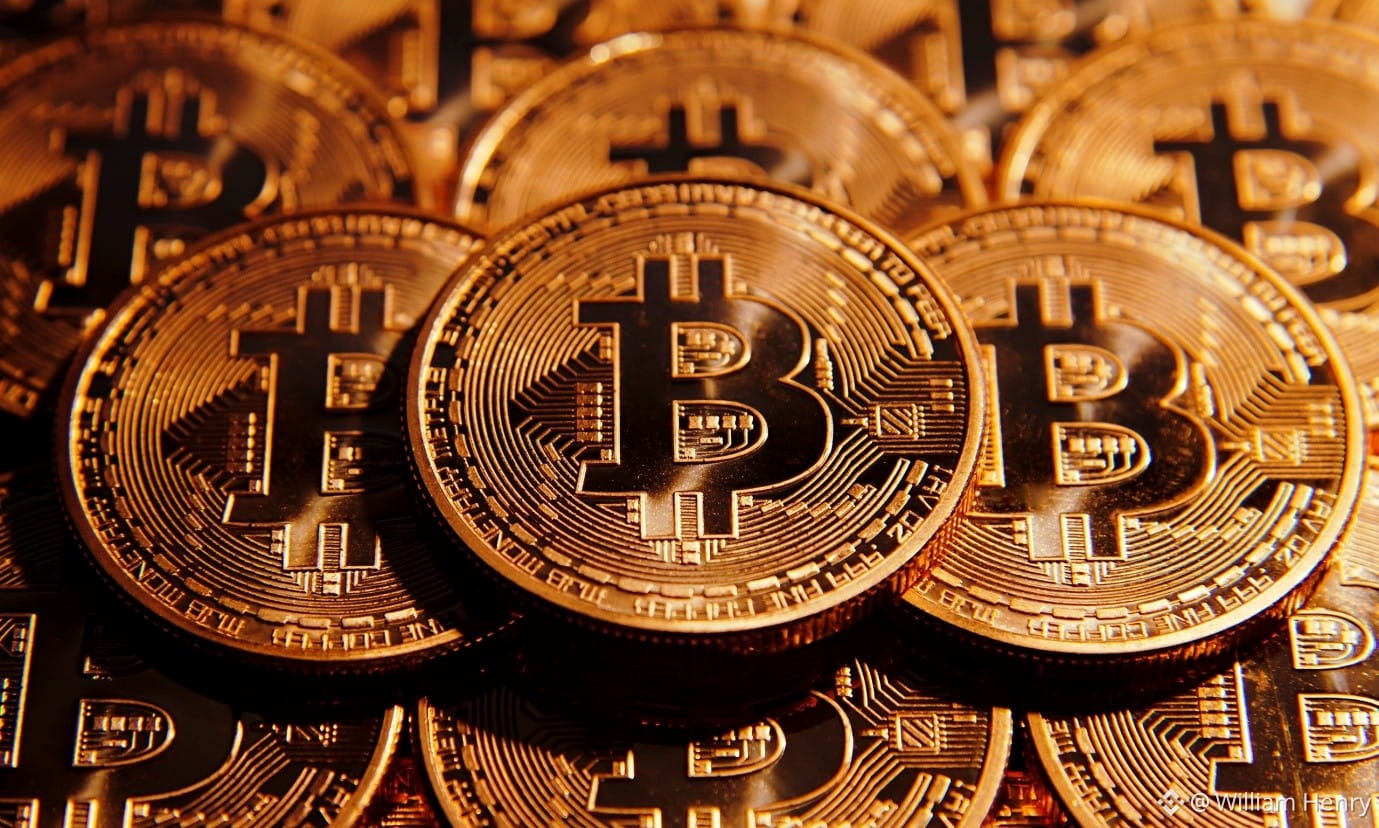
$BTC ようやく再入手しました。85Kドル
ビットコインは重要な85Kドルの水準を上回り、勢いが急速に加速しています。
• BTCは最近86Kドルを突破
• 第3四半期の上昇は約45%
• スポットETFへの資金流入は依然として強い
• 9月21日にETFへ999Mドルが流入
• 上昇する米国債利回りが主要なマクロリスク
いまの戦場は85Kドルです。明確な維持があれば、ブレイクアウトの物語が生き続けます。
行こう $BTC
{future}(BTCUSDT)
$BTC ようやく再入手しました。85Kドル
ビットコインは重要な85Kドルの水準を上回り、勢いが急速に加速しています。
• BTCは最近86Kドルを突破
• 第3四半期の上昇は約45%
• スポットETFへの資金流入は依然として強い
• 9月21日にETFへ999Mドルが流入
• 上昇する米国債利回りが主要なマクロリスク
いまの戦場は85Kドルです。明確な維持があれば、ブレイクアウトの物語が生き続けます。
行こう $BTC
ビットコインは重要な85Kドルの水準を上回り、勢いが急速に加速しています。
• BTCは最近86Kドルを突破
• 第3四半期の上昇は約45%
• スポットETFへの資金流入は依然として強い
• 9月21日にETFへ999Mドルが流入
• 上昇する米国債利回りが主要なマクロリスク
いまの戦場は85Kドルです。明確な維持があれば、ブレイクアウトの物語が生き続けます。
行こう $BTC
1
399
·
--
ブリッシュ
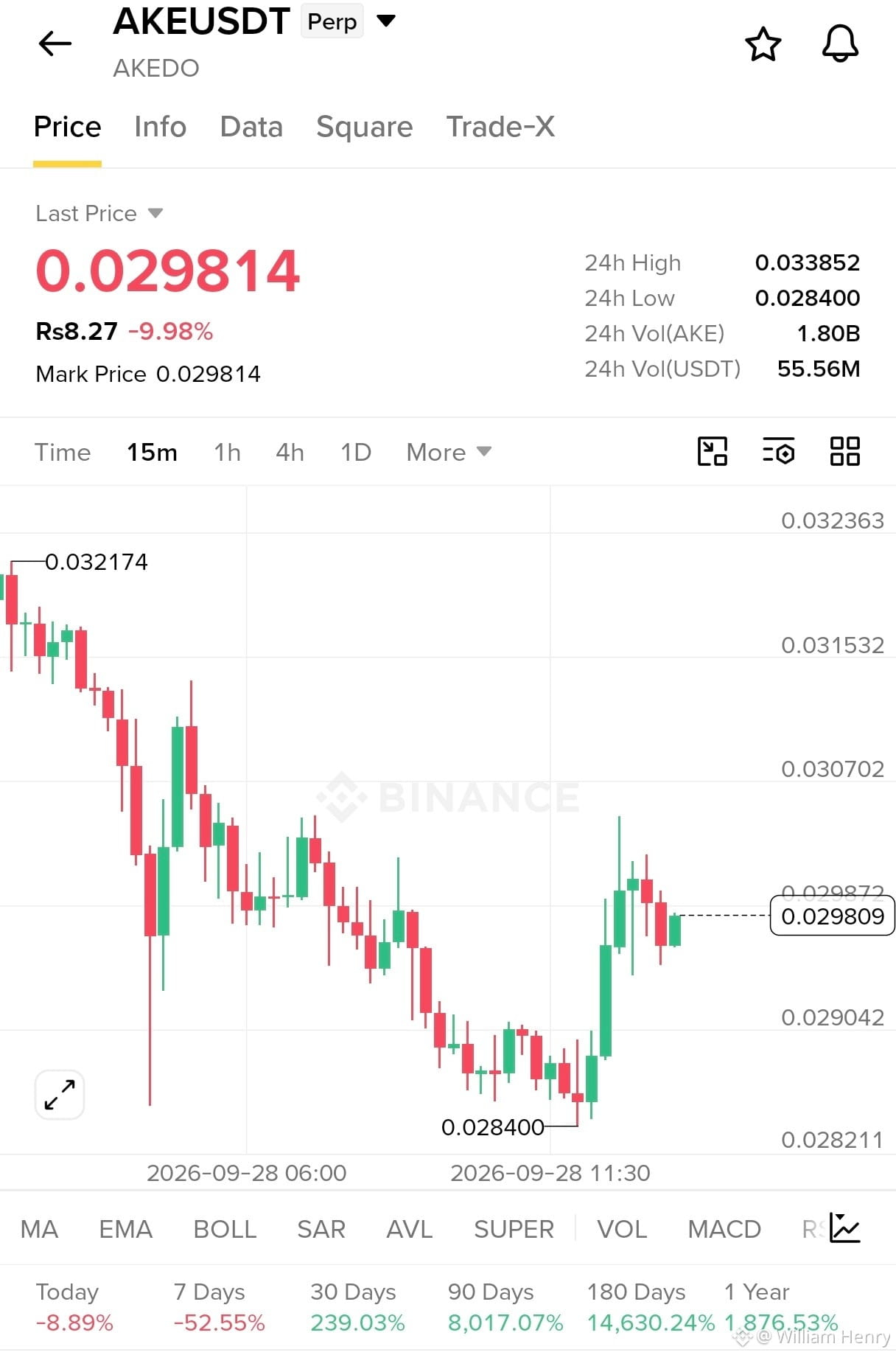
$AKE は、売り手が価格を0.028400まで押し下げた後、15Mチャートで鋭い反応を示しています。買い手がすぐにその水準を防衛し、価格を0.02904より上へ引き戻したため、短期的な回復が強い形で生まれています。
価格は現在、インパルスの動きの後に0.0298付近で推移(レンジ形成)しています。重要なレジスタンスは0.03070付近です。一方、最初に維持してほしいサポートが0.02904です。0.03070を明確にブレイクすれば、より上の流動性ゾーンが再び視野に入ってきます。
取引セットアップ
エントリー:$0.0295–$0.0299
損切り:$0.0283
目標
目標1:$0.0307
目標2:$0.0315
目標3:$0.0323
目標4:$0.0338
なぜ可能性があるのか
0.028400からの反応が、私が特に注目している最大の理由です。売り手はそれ以前の下落局面を通じて支配していましたが、最新のローソク足は強い買い圧を示しており、当該セッションの安値からのはっきりしたリジェクション(拒否)も確認できます。
$AKE が0.02904を上回って維持し、勢いを伴って0.03070をブレイクできれば、次のレジスタンス水準に向けて回復の流れが継続する可能性があります。
損切りは直近の流動性スイープの下に設定しているため、売り手が再び主導権を取り返した場合でもリスクは明確に保てます。
さあ、今すぐ取引しよう $AKE
{future}(AKEUSDT)
#ChinaMayLetAlibabaByteDanceBuyNvidiaChips
$AKE は、売り手が価格を0.028400まで押し下げた後、15Mチャートで鋭い反応を示しています。買い手がすぐにその水準を防衛し、価格を0.02904より上へ引き戻したため、短期的な回復が強い形で生まれています。
価格は現在、インパルスの動きの後に0.0298付近で推移(レンジ形成)しています。重要なレジスタンスは0.03070付近です。一方、最初に維持してほしいサポートが0.02904です。0.03070を明確にブレイクすれば、より上の流動性ゾーンが再び視野に入ってきます。
取引セットアップ
エントリー:$0.0295–$0.0299
損切り:$0.0283
目標
目標1:$0.0307
目標2:$0.0315
目標3:$0.0323
目標4:$0.0338
なぜ可能性があるのか
0.028400からの反応が、私が特に注目している最大の理由です。売り手はそれ以前の下落局面を通じて支配していましたが、最新のローソク足は強い買い圧を示しており、当該セッションの安値からのはっきりしたリジェクション(拒否)も確認できます。
$AKE が0.02904を上回って維持し、勢いを伴って0.03070をブレイクできれば、次のレジスタンス水準に向けて回復の流れが継続する可能性があります。
損切りは直近の流動性スイープの下に設定しているため、売り手が再び主導権を取り返した場合でもリスクは明確に保てます。
さあ、今すぐ取引しよう $AKE
#ChinaMayLetAlibabaByteDanceBuyNvidiaChips
価格は現在、インパルスの動きの後に0.0298付近で推移(レンジ形成)しています。重要なレジスタンスは0.03070付近です。一方、最初に維持してほしいサポートが0.02904です。0.03070を明確にブレイクすれば、より上の流動性ゾーンが再び視野に入ってきます。
取引セットアップ
エントリー:$0.0295–$0.0299
損切り:$0.0283
目標
目標1:$0.0307
目標2:$0.0315
目標3:$0.0323
目標4:$0.0338
なぜ可能性があるのか
0.028400からの反応が、私が特に注目している最大の理由です。売り手はそれ以前の下落局面を通じて支配していましたが、最新のローソク足は強い買い圧を示しており、当該セッションの安値からのはっきりしたリジェクション(拒否)も確認できます。
$AKE が0.02904を上回って維持し、勢いを伴って0.03070をブレイクできれば、次のレジスタンス水準に向けて回復の流れが継続する可能性があります。
損切りは直近の流動性スイープの下に設定しているため、売り手が再び主導権を取り返した場合でもリスクは明確に保てます。
さあ、今すぐ取引しよう $AKE
#ChinaMayLetAlibabaByteDanceBuyNvidiaChips
1
802
·
--
ブリッシュ
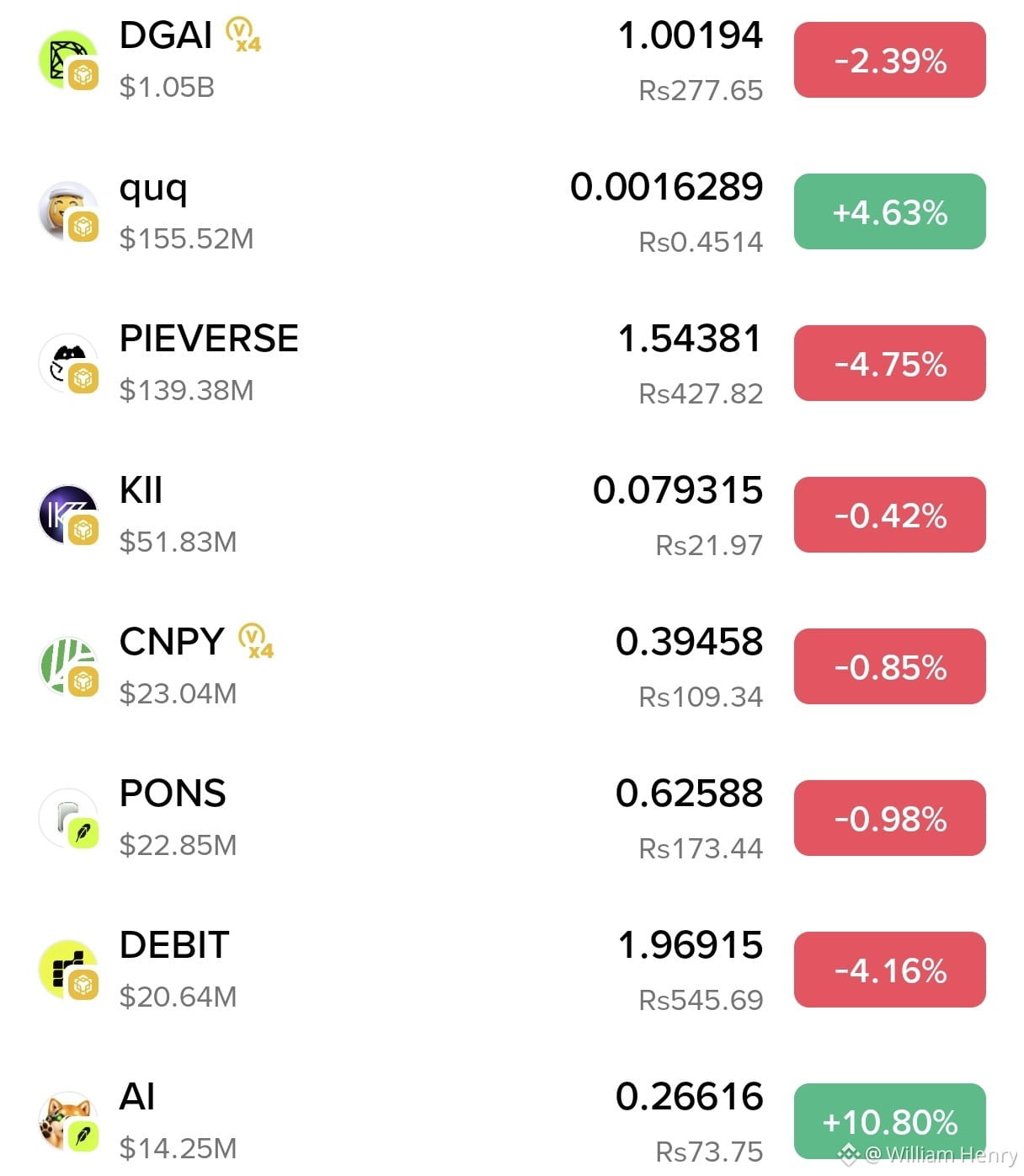
🔥 アルトコイン・ヒートマップ — 資金がローテーション中
いまテープはこう分かれている:
🟢 $AI — $14.25M | $0.26616 | +10.80%
🟢 $GUQ — $155.52M | $0.0016289 | +4.63%
🔴 $DGAI — $1.05B | $1.00194 | -2.39%
🔴 $PIEVERSE — $139.38M | $1.54381 | -4.75%
🔴 $DEBIT — $20.64M | $1.96915 | -4.16%
🔴 $KII — $51.83M | $0.079315 | -0.42%
🔴 $CNPY — $23.04M | $0.39458 | -0.85%
🔴 $PONS — $22.85M | $0.62588 | -0.98%
注目ポイント:AIは +10.8% と大きく伸びている一方で、いくつかの大型銘柄は下落している。
これは、広範な強さというより「選別されたリスク許容」のサインだ。
小型の値動きに注目してくれ — 流動性が時価総額カーブから下へ回り始めると、値動きが荒くなることがある。
🔥 アルトコイン・ヒートマップ — 資金がローテーション中
いまテープはこう分かれている:
🟢 $AI — $14.25M | $0.26616 | +10.80%
🟢 $GUQ — $155.52M | $0.0016289 | +4.63%
🔴 $DGAI — $1.05B | $1.00194 | -2.39%
🔴 $PIEVERSE — $139.38M | $1.54381 | -4.75%
🔴 $DEBIT — $20.64M | $1.96915 | -4.16%
🔴 $KII — $51.83M | $0.079315 | -0.42%
🔴 $CNPY — $23.04M | $0.39458 | -0.85%
🔴 $PONS — $22.85M | $0.62588 | -0.98%
注目ポイント:AIは +10.8% と大きく伸びている一方で、いくつかの大型銘柄は下落している。
これは、広範な強さというより「選別されたリスク許容」のサインだ。
小型の値動きに注目してくれ — 流動性が時価総額カーブから下へ回り始めると、値動きが荒くなることがある。
いまテープはこう分かれている:
🟢 $AI — $14.25M | $0.26616 | +10.80%
🟢 $GUQ — $155.52M | $0.0016289 | +4.63%
🔴 $DGAI — $1.05B | $1.00194 | -2.39%
🔴 $PIEVERSE — $139.38M | $1.54381 | -4.75%
🔴 $DEBIT — $20.64M | $1.96915 | -4.16%
🔴 $KII — $51.83M | $0.079315 | -0.42%
🔴 $CNPY — $23.04M | $0.39458 | -0.85%
🔴 $PONS — $22.85M | $0.62588 | -0.98%
注目ポイント:AIは +10.8% と大きく伸びている一方で、いくつかの大型銘柄は下落している。
これは、広範な強さというより「選別されたリスク許容」のサインだ。
小型の値動きに注目してくれ — 流動性が時価総額カーブから下へ回り始めると、値動きが荒くなることがある。
3
2.1k
·
--
ブリッシュ
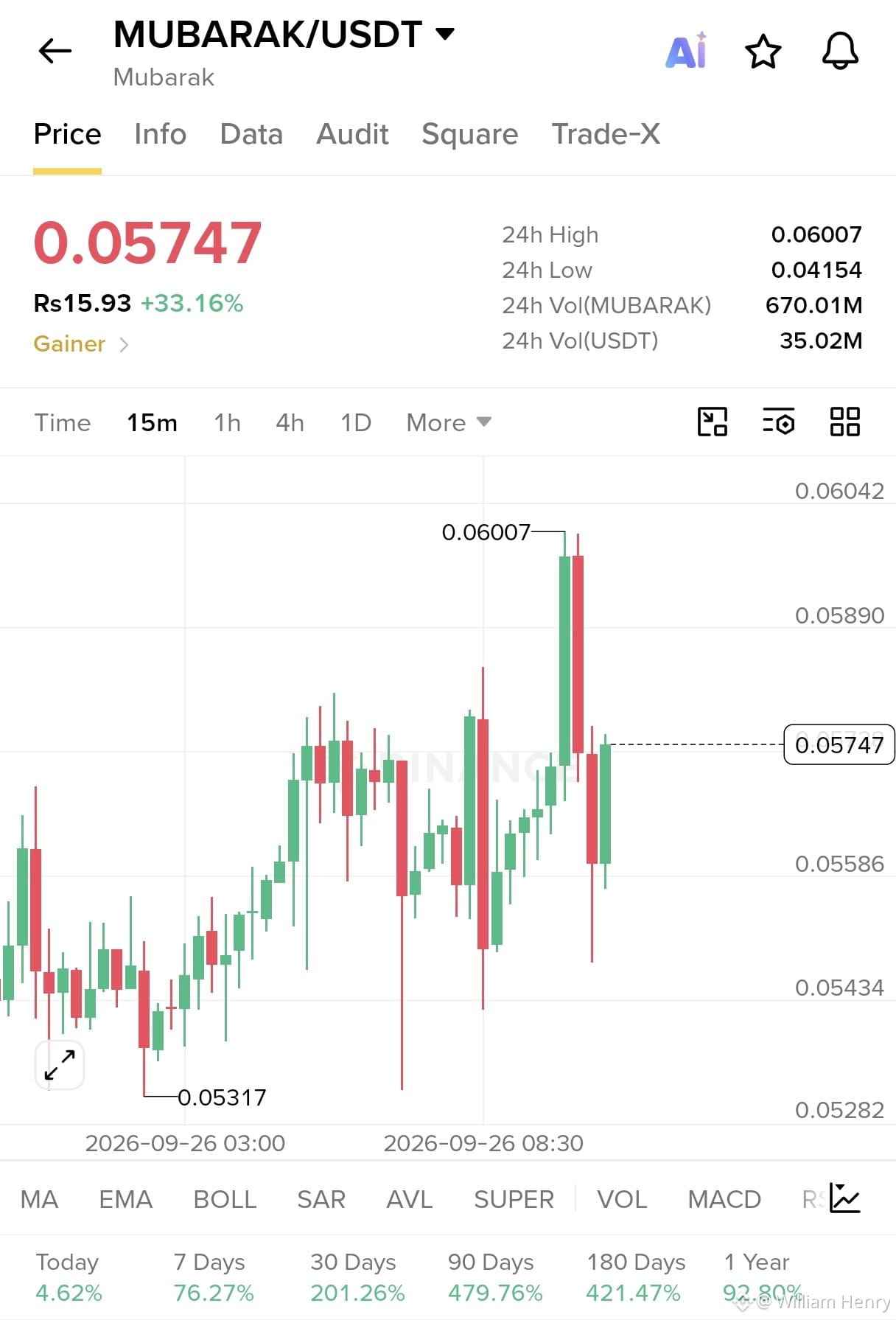
$MUBARAK は勢いよく動いています — 強い+33.16%の上昇の後、現在は約0.05747です。価格は0.06007まで急騰し、その後いったん押し戻されて0.05586付近から反発しました。買い手の勢いはまだありますが、注目すべき重要なレジスタンスは0.06007です。
取引セットアップ:エントリー:0.05600〜0.05750
SL:0.05420
TP1:0.05890
TP2:0.06007
TP3:0.06200
0.06007を明確に上抜けできれば新たな勢いにつながる可能性があり、一方で0.05586を割り込むとセットアップが弱まるかもしれません。次の15M足の確証を見ています。
{future}(MUBARAKUSDT)
#PolymarketBankFailureBetsDrawFDICConcern
$MUBARAK は勢いよく動いています — 強い+33.16%の上昇の後、現在は約0.05747です。価格は0.06007まで急騰し、その後いったん押し戻されて0.05586付近から反発しました。買い手の勢いはまだありますが、注目すべき重要なレジスタンスは0.06007です。
取引セットアップ:エントリー:0.05600〜0.05750
SL:0.05420
TP1:0.05890
TP2:0.06007
TP3:0.06200
0.06007を明確に上抜けできれば新たな勢いにつながる可能性があり、一方で0.05586を割り込むとセットアップが弱まるかもしれません。次の15M足の確証を見ています。
#PolymarketBankFailureBetsDrawFDICConcern
取引セットアップ:エントリー:0.05600〜0.05750
SL:0.05420
TP1:0.05890
TP2:0.06007
TP3:0.06200
0.06007を明確に上抜けできれば新たな勢いにつながる可能性があり、一方で0.05586を割り込むとセットアップが弱まるかもしれません。次の15M足の確証を見ています。
#PolymarketBankFailureBetsDrawFDICConcern
1
484
ログインして、さらにコンテンツを読む
厳選トピックで世界の暗号資産トレーダーの仲間入り
⚡️ 暗号資産に関する最新かつ有益な情報が見つかります。
💬 世界最大の暗号資産取引所から信頼されています。
👍 認証を受けたクリエイターから、有益なインサイトを得られます。
メール / 電話番号
トレンドトピック
FedMinutesFocusOnOctoberPause
閲覧回数 361,247
2,221人が討論中
🚨 FRBが重大な手がかりを示唆:10月に利上げ停止か?
ウォール街は、FRBが10月にブレーキを踏むと見ています。暗号資産のトレーダーたちも注目しています。👀
最新のFOMC議事録を受け、10月27日・28日の会合で利上げが見送られる可能性に注目が集まっています。
📊 市場の見通し:
🔥 10月に金利を据え置く確率:最新の公表データで約82.8%。
🔥 利上げの確率:約17.2%。
🔥 労働市場の弱まりにより、直ちに利上げを正当化するのは難しくなっています。
しかし、ここで話は変わります。
利上げ停止は、利下げではありません。
FRBは10月に金利を据え置きつつ、その後、金融引き締めを再開する可能性を残すこともできます。
$BTC、$ETH、$XAUにとって、この違いは重要です。
利上げ停止は、リスク資産への当面の圧力を和らげる可能性があります。しかし、根強いインフレと高水準の米国債利回りが、上昇の勢いを抑える可能性は依然としてあります。
⚠️ 最大の疑問:
ウォール街は暗号資産の上昇ブレイクアウトに備えているのでしょうか?それとも、次のFRBの決定を前に、またしても大規模なブルトラップを仕掛けようとしているのでしょうか?
$BTC $ETH $BNB $SOL $XAU
#fedminutesfocusonoctoberpause #BinanceLaunchesBinanceIntelligence #EvernorthDelaysNasdaqDebutToOct12 #RobinhoodAdds25MInBitcoinToBalanceSheet $25MInBitcoinToBalanceSh #SP500AndNasdaqHitRecordHighs
Carmelita Gilliland zXSW
·いいね:9件
·閲覧回数 13.4k
VitalikWarnsAICouldWeakenCryptographySecurity
閲覧回数 91
42人が討論中
XRPSpotETFsHold$1.7BWeeklyInflowsSlow
閲覧回数 216
18人が討論中