

WALEWEB3
890 投稿

WALEWEB3
報告
ユーザーをブロック
WALEWEB3 | Crypto Researcher & Binance Square Creator. Sharing insights on Web3, blockchain trends, market analysis, and digital asset opportunities.
96 フォロー
327 フォロワー
2.0K+ いいね
投稿
すべて
引用
·
--
1時間足チャートを見ると、現在のPROMは明確に強気(ブル)です。価格は2.6あたりから3.9まで非常に素早く上昇しているので、3.83を追いかけて買うのは避けたいです。
3.55〜3.65で押し目が来たところを見て、買い手がその水準を守るかどうか確認します。
ロング:3.60〜3.70
SL:3.40
TP1:3.98
TP2:4.30
TP3:4.60
もし4.00を出来高を伴って上抜けし、その上で維持できるなら、再テスト時にもう一度エントリーのチャンスが出るかもしれません。
私の場合は、現在の価格で入るよりも、押し目を待つほうがより安全だと思います。
1時間足チャートを見ると、現在のPROMは明確に強気(ブル)です。価格は2.6あたりから3.9まで非常に素早く上昇しているので、3.83を追いかけて買うのは避けたいです。
3.55〜3.65で押し目が来たところを見て、買い手がその水準を守るかどうか確認します。
ロング:3.60〜3.70
SL:3.40
TP1:3.98
TP2:4.30
TP3:4.60
もし4.00を出来高を伴って上抜けし、その上で維持できるなら、再テスト時にもう一度エントリーのチャンスが出るかもしれません。
私の場合は、現在の価格で入るよりも、押し目を待つほうがより安全だと思います。
3.55〜3.65で押し目が来たところを見て、買い手がその水準を守るかどうか確認します。
ロング:3.60〜3.70
SL:3.40
TP1:3.98
TP2:4.30
TP3:4.60
もし4.00を出来高を伴って上抜けし、その上で維持できるなら、再テスト時にもう一度エントリーのチャンスが出るかもしれません。
私の場合は、現在の価格で入るよりも、押し目を待つほうがより安全だと思います。
1
120
·
--
弱気相場
委任者が最終性提供者を、手数料率や実績の履歴に基づいて選ぶことについて、私たちはよく話します。その前提は、分散化された自由市場が自然に、最も安全で信頼性の高いインフラ運用者を @babylonlabs_io に対して引き上げる、というものです。しかし市場は、実際には高リスクなセキュリティ運用であるノード運営を、単なる商品として扱っています。裏側で実際に起きているのは、削滄(スラッシング)メカニズムにおける壊滅的な非対称性です。ノード運用者は数か月間、完璧に運用し、委任者に対して自分が生み出す利回りに対して小さな 5% のコミッションを得ることができます。
しかし、単一の運用ミス――誤ったハードウェアのフェイルオーバー設定により、偶発的な二重署名が発生する――が、EOTS 条件を引き起こし、委任者の実際のビットコインが即座に削滄されます。
運用者は評判と少量の自己担保(self-bonded stake)を失いますが、委任者は元本の資産価値を失います。運用者側の経済的な下振れは、初期設定コストによって上限がある一方、ステーカー側の下振れは残高シートに対する直撃です。
この非対称性のため、運用者は手数料で競争力を保つために、高価な冗長アーキテクチャで手を抜くようインセンティブが働きます。
完璧で、軍用グレードのセキュリティ・インフラを稼働させるコストが、市場が許容する薄いマージンを食い尽くしてしまうなら、私たちは意図せず、他人のビットコインで静かな運用リスクを抱えるよう運用者を促してしまっていないでしょうか? $BABY #baby
$VIC $HOME
#CoinbaseBTCPremiumNegative77Days #USIranDealOrNoDeal #USJapanJointYenInterventionFirstSince2011 #YenRisesTo156
委任者が最終性提供者を、手数料率や実績の履歴に基づいて選ぶことについて、私たちはよく話します。その前提は、分散化された自由市場が自然に、最も安全で信頼性の高いインフラ運用者を @BabylonLabs_io に対して引き上げる、というものです。しかし市場は、実際には高リスクなセキュリティ運用であるノード運営を、単なる商品として扱っています。裏側で実際に起きているのは、削滄(スラッシング)メカニズムにおける壊滅的な非対称性です。ノード運用者は数か月間、完璧に運用し、委任者に対して自分が生み出す利回りに対して小さな 5% のコミッションを得ることができます。
しかし、単一の運用ミス――誤ったハードウェアのフェイルオーバー設定により、偶発的な二重署名が発生する――が、EOTS 条件を引き起こし、委任者の実際のビットコインが即座に削滄されます。
運用者は評判と少量の自己担保(self-bonded stake)を失いますが、委任者は元本の資産価値を失います。運用者側の経済的な下振れは、初期設定コストによって上限がある一方、ステーカー側の下振れは残高シートに対する直撃です。
この非対称性のため、運用者は手数料で競争力を保つために、高価な冗長アーキテクチャで手を抜くようインセンティブが働きます。
完璧で、軍用グレードのセキュリティ・インフラを稼働させるコストが、市場が許容する薄いマージンを食い尽くしてしまうなら、私たちは意図せず、他人のビットコインで静かな運用リスクを抱えるよう運用者を促してしまっていないでしょうか? $BABY #baby
$VIC $HOME
#CoinbaseBTCPremiumNegative77Days #USIranDealOrNoDeal #USJapanJointYenInterventionFirstSince2011 #YenRisesTo156
しかし、単一の運用ミス――誤ったハードウェアのフェイルオーバー設定により、偶発的な二重署名が発生する――が、EOTS 条件を引き起こし、委任者の実際のビットコインが即座に削滄されます。
運用者は評判と少量の自己担保(self-bonded stake)を失いますが、委任者は元本の資産価値を失います。運用者側の経済的な下振れは、初期設定コストによって上限がある一方、ステーカー側の下振れは残高シートに対する直撃です。
この非対称性のため、運用者は手数料で競争力を保つために、高価な冗長アーキテクチャで手を抜くようインセンティブが働きます。
完璧で、軍用グレードのセキュリティ・インフラを稼働させるコストが、市場が許容する薄いマージンを食い尽くしてしまうなら、私たちは意図せず、他人のビットコインで静かな運用リスクを抱えるよう運用者を促してしまっていないでしょうか? $BABY #baby
$VIC $HOME
#CoinbaseBTCPremiumNegative77Days #USIranDealOrNoDeal #USJapanJointYenInterventionFirstSince2011 #YenRisesTo156
1
1
268
·
--
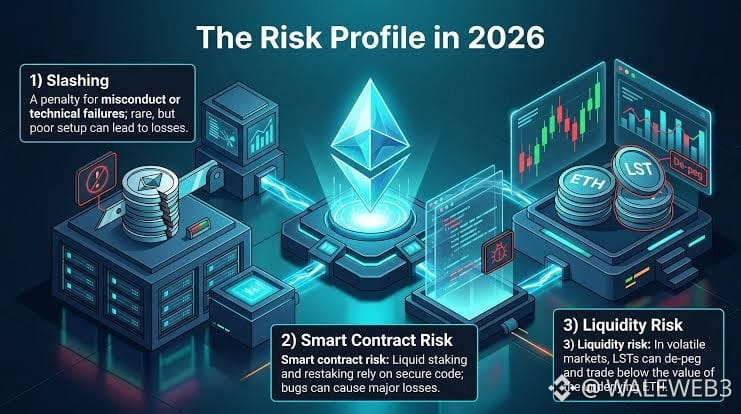
現在の物語は、Liquid Staking Tokens(LST)が、ビットコインを@babylonlabs_io でロックすることによる資本効率の悪化を完全に解決すると示唆しています。提案は単純です。BTCを渡せば、受領書トークンが返ってき、その受領書トークンを使って取引やファームを行いましょう。一方で、実際のBTCがネットワークを安全に守ります。無料の昼食のように聞こえますが、デカップリング(分離)のリスクを見落とすと危険です。実際には、暗号学的なセキュリティの上に、さらにスマートコントラクトのリスクを重ねているのです。基盤となるBabylonプロトコルはネイティブのビットコイン取引と数式に依存していますが、LSTのラッパーは、その受領書トークンを発行するために、イーサリアム風のスマートコントラクト、またはマルチシグに依存しています。
LSTプロトコルでエクスプロイトが発生したり、オラクルが価格を誤報告したりすると、受領書トークンは市場で急速にデペッグする可能性があります。あなたの実BTCはBabylonの金庫(vault)の中で完全に安全なままですが、それでもあなたのポジションは結局は損なわれます。というのも、あなたが実際に保有し取引している資産の価値が失われてしまうからです。二次市場がパニックになれば、あなたは強制的に、資本がアンボンド(解除)待ちのウィンドウの背後に座り続けるのを見守るしかなくなり、完全に回収できません。LSTは流動性の乏しさ(イリクィディティ)のリスクを取り除くわけではありません。ただ、それを第三者のラッパーへの構造的な依存に変えているだけです。
市場が本当の流動性危機に直面したとき、受領書トークンの利便性は本当に意味を持つのでしょうか。それとも、ビットコインのネイティブなセキュリティを、追加の層としてのシステミック(体系的)な脆弱性に置き換えただけだと示しているのでしょうか。#baby $BABY
$MUBARAK $BICO #USToCancelIranAttackSubjectToDeal
#CLARITYActNotOnMondaySenateSchedule
現在の物語は、Liquid Staking Tokens(LST)が、ビットコインを@BabylonLabs_io でロックすることによる資本効率の悪化を完全に解決すると示唆しています。提案は単純です。BTCを渡せば、受領書トークンが返ってき、その受領書トークンを使って取引やファームを行いましょう。一方で、実際のBTCがネットワークを安全に守ります。無料の昼食のように聞こえますが、デカップリング(分離)のリスクを見落とすと危険です。実際には、暗号学的なセキュリティの上に、さらにスマートコントラクトのリスクを重ねているのです。基盤となるBabylonプロトコルはネイティブのビットコイン取引と数式に依存していますが、LSTのラッパーは、その受領書トークンを発行するために、イーサリアム風のスマートコントラクト、またはマルチシグに依存しています。
LSTプロトコルでエクスプロイトが発生したり、オラクルが価格を誤報告したりすると、受領書トークンは市場で急速にデペッグする可能性があります。あなたの実BTCはBabylonの金庫(vault)の中で完全に安全なままですが、それでもあなたのポジションは結局は損なわれます。というのも、あなたが実際に保有し取引している資産の価値が失われてしまうからです。二次市場がパニックになれば、あなたは強制的に、資本がアンボンド(解除)待ちのウィンドウの背後に座り続けるのを見守るしかなくなり、完全に回収できません。LSTは流動性の乏しさ(イリクィディティ)のリスクを取り除くわけではありません。ただ、それを第三者のラッパーへの構造的な依存に変えているだけです。
市場が本当の流動性危機に直面したとき、受領書トークンの利便性は本当に意味を持つのでしょうか。それとも、ビットコインのネイティブなセキュリティを、追加の層としてのシステミック(体系的)な脆弱性に置き換えただけだと示しているのでしょうか。#baby $BABY
$MUBARAK $BICO #USToCancelIranAttackSubjectToDeal
#CLARITYActNotOnMondaySenateSchedule
LSTプロトコルでエクスプロイトが発生したり、オラクルが価格を誤報告したりすると、受領書トークンは市場で急速にデペッグする可能性があります。あなたの実BTCはBabylonの金庫(vault)の中で完全に安全なままですが、それでもあなたのポジションは結局は損なわれます。というのも、あなたが実際に保有し取引している資産の価値が失われてしまうからです。二次市場がパニックになれば、あなたは強制的に、資本がアンボンド(解除)待ちのウィンドウの背後に座り続けるのを見守るしかなくなり、完全に回収できません。LSTは流動性の乏しさ(イリクィディティ)のリスクを取り除くわけではありません。ただ、それを第三者のラッパーへの構造的な依存に変えているだけです。
市場が本当の流動性危機に直面したとき、受領書トークンの利便性は本当に意味を持つのでしょうか。それとも、ビットコインのネイティブなセキュリティを、追加の層としてのシステミック(体系的)な脆弱性に置き換えただけだと示しているのでしょうか。#baby $BABY
$MUBARAK $BICO #USToCancelIranAttackSubjectToDeal
#CLARITYActNotOnMondaySenateSchedule
5
4
326
·
--
俊敏なインシデント対応チームこそがWeb3セキュリティの頂点だという前提は、より深い真実を見落としています。圧力下で人間が完璧に行動できることに依存することは、システムとしての脆弱性です。私の視点を完全に変えたBabylonのTrustless Bitcoin Vault(TBV)設計の一部は、意図的に人間の俊敏さを設計上の欠陥として扱う点です。従来のセキュリティでは、エクスプロイトをハイステークスのチェスの対局のように扱います。システムは、すべてが崩れたときに開発者がログインし、リークを動的にパッチし、資産が消える前に資金を手作業で安全へ誘導すると想定しています。TBVはチェスをしません。盤面をひっくり返します。プロトコルは、標準的なセキュリティ上の遅延を、ちょうど2つの地点を結ぶ厳格な単一車線のトンネルに変えます。接続先はTemporary Staking AddressとUltimate Recovery Destinationです。これにより、行き先の定まらない実行経路を完全に排除します。流動的な意思決定は、クローズドループとして機能する事前計算済みのパイプラインに置き換えられます。もし侵害が起きても、緊急の指揮室はありません。メンプールで時間との必死の競争をする必要もありません。攻撃者は、座標スクリプトを書き換えたり、起動後に新しい出口地点を捏造したりできません。彼らは、攻撃者をそこへ導かない所定のレール上の時間的なボトルネックに閉じ込められます。この遅延は、巧妙な反撃のための猶予枠ではありません。攻撃者が影響したり悪用したりできない目的地へ向けてタイマーがカウントダウンする、容赦のない数学的障壁です。業界の標準は、セキュリティとは脅威を出し抜くことだと私たちに考えさせます。Babylonはそのモデルを変えます。真のセキュリティとは、構造的にあまりにも硬いシステムを作ることであり、スピードが無関係になるようにすることです。
#baby $BABY @babylonlabs_io $HOME $HYPER
俊敏なインシデント対応チームこそがWeb3セキュリティの頂点だという前提は、より深い真実を見落としています。圧力下で人間が完璧に行動できることに依存することは、システムとしての脆弱性です。私の視点を完全に変えたBabylonのTrustless Bitcoin Vault(TBV)設計の一部は、意図的に人間の俊敏さを設計上の欠陥として扱う点です。従来のセキュリティでは、エクスプロイトをハイステークスのチェスの対局のように扱います。システムは、すべてが崩れたときに開発者がログインし、リークを動的にパッチし、資産が消える前に資金を手作業で安全へ誘導すると想定しています。TBVはチェスをしません。盤面をひっくり返します。プロトコルは、標準的なセキュリティ上の遅延を、ちょうど2つの地点を結ぶ厳格な単一車線のトンネルに変えます。接続先はTemporary Staking AddressとUltimate Recovery Destinationです。これにより、行き先の定まらない実行経路を完全に排除します。流動的な意思決定は、クローズドループとして機能する事前計算済みのパイプラインに置き換えられます。もし侵害が起きても、緊急の指揮室はありません。メンプールで時間との必死の競争をする必要もありません。攻撃者は、座標スクリプトを書き換えたり、起動後に新しい出口地点を捏造したりできません。彼らは、攻撃者をそこへ導かない所定のレール上の時間的なボトルネックに閉じ込められます。この遅延は、巧妙な反撃のための猶予枠ではありません。攻撃者が影響したり悪用したりできない目的地へ向けてタイマーがカウントダウンする、容赦のない数学的障壁です。業界の標準は、セキュリティとは脅威を出し抜くことだと私たちに考えさせます。Babylonはそのモデルを変えます。真のセキュリティとは、構造的にあまりにも硬いシステムを作ることであり、スピードが無関係になるようにすることです。
#baby $BABY @BabylonLabs_io $HOME $HYPER
#baby $BABY @BabylonLabs_io $HOME $HYPER

1
1
96
·
--
#baby $BABY .....
ほとんどのビットコイン担保の設計は、いずれ似たようなものに見えてくる。TBVのドキュメントに腰を据えて向き合ったあと、その前提をやめた。
システムが実際に求めているのは、暗号技術、ビットコインとイーサリアムのネットワーク、担保を受け取るアプリケーションへの信頼、そしてチームが一時的と呼ぶガバナンスと緊急のマルチシグがまだ有効であることだ。保管庫自体は、固定されたスクリプト条件のもとでコインをビットコイン上に保持する。そこが、通常の取り決めと比べて本当に違って感じる部分だ。追加の鍵が設計を台無しにするわけではない。むしろ、純粋な形を資本が本当に望んでいるかどうかを、ライブのテストに変えている。流動性は、ほぼいつも後ろ盾がまだ存在している間にやってくる。静かな存在感の周りに習慣が形成される。二つのチェーン間の変換が失敗した場合でも、誰かが介入できるのだという知識に、人は慣れていく。鍵がついに退役するとき、あるいは十分な人が「そもそも消えていなかった」と気づくとき、ロックされたBTCは選択を迫られる。より厳格なルールのままでいるのか、それとも、人間の層を決して完全には取り除かなかったシステムへ移るのか。その選択を、私は見守っている。ほかのすべては足場だ。
@babylonlabs_io
#baby $BABY .....
ほとんどのビットコイン担保の設計は、いずれ似たようなものに見えてくる。TBVのドキュメントに腰を据えて向き合ったあと、その前提をやめた。
システムが実際に求めているのは、暗号技術、ビットコインとイーサリアムのネットワーク、担保を受け取るアプリケーションへの信頼、そしてチームが一時的と呼ぶガバナンスと緊急のマルチシグがまだ有効であることだ。保管庫自体は、固定されたスクリプト条件のもとでコインをビットコイン上に保持する。そこが、通常の取り決めと比べて本当に違って感じる部分だ。追加の鍵が設計を台無しにするわけではない。むしろ、純粋な形を資本が本当に望んでいるかどうかを、ライブのテストに変えている。流動性は、ほぼいつも後ろ盾がまだ存在している間にやってくる。静かな存在感の周りに習慣が形成される。二つのチェーン間の変換が失敗した場合でも、誰かが介入できるのだという知識に、人は慣れていく。鍵がついに退役するとき、あるいは十分な人が「そもそも消えていなかった」と気づくとき、ロックされたBTCは選択を迫られる。より厳格なルールのままでいるのか、それとも、人間の層を決して完全には取り除かなかったシステムへ移るのか。その選択を、私は見守っている。ほかのすべては足場だ。
@BabylonLabs_io
ほとんどのビットコイン担保の設計は、いずれ似たようなものに見えてくる。TBVのドキュメントに腰を据えて向き合ったあと、その前提をやめた。
システムが実際に求めているのは、暗号技術、ビットコインとイーサリアムのネットワーク、担保を受け取るアプリケーションへの信頼、そしてチームが一時的と呼ぶガバナンスと緊急のマルチシグがまだ有効であることだ。保管庫自体は、固定されたスクリプト条件のもとでコインをビットコイン上に保持する。そこが、通常の取り決めと比べて本当に違って感じる部分だ。追加の鍵が設計を台無しにするわけではない。むしろ、純粋な形を資本が本当に望んでいるかどうかを、ライブのテストに変えている。流動性は、ほぼいつも後ろ盾がまだ存在している間にやってくる。静かな存在感の周りに習慣が形成される。二つのチェーン間の変換が失敗した場合でも、誰かが介入できるのだという知識に、人は慣れていく。鍵がついに退役するとき、あるいは十分な人が「そもそも消えていなかった」と気づくとき、ロックされたBTCは選択を迫られる。より厳格なルールのままでいるのか、それとも、人間の層を決して完全には取り除かなかったシステムへ移るのか。その選択を、私は見守っている。ほかのすべては足場だ。
@BabylonLabs_io
1
119
·
--
ブリッシュ
一部該当
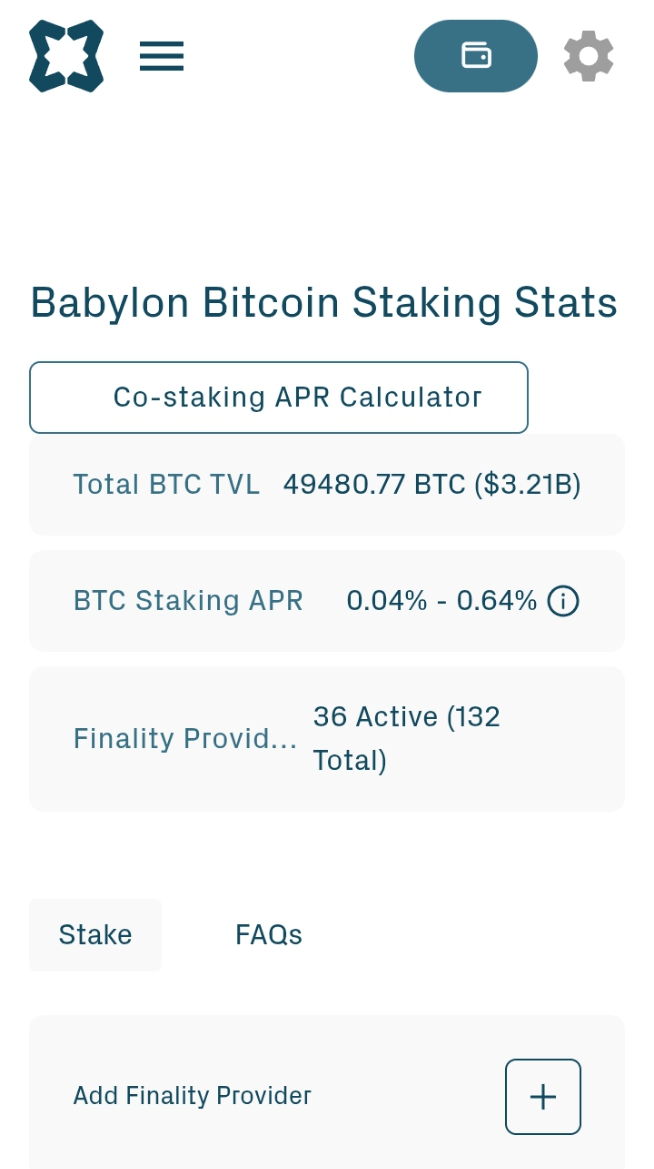
午後3:01(15:01 UTC)に目を覚まし、Babylonのダッシュボードを開きました。TVL列に49,480.77 BTC(約32.1億ドル)が流れ込んでいくのを見ていました。何十億ドルもの資金がロックされているのは、通常は市場の強い信頼を示します。けれど、ネイティブAPRを見ると——0.04%という微小な水準から0.64%の間で揺れていて——現実は冷たいシャワーのように感じられました。
暗号資産市場が高い利回りを約束する“らしさ”に築かれているのに、自分の資本が1%未満しか稼げないのは、悪い冗談のようです。すると避けられない問いが出てきます。なぜクジラは、ほぼゼロの利回りのために数十億ドルをロックするのでしょうか?答えは利回りではありません。建築上の制約です。BabylonのTrustless Bitcoin Vault(TBV)設計で、それでもなおラディカルに感じるのは、自分で管理する(自己カストディ)の主張ではありません。最初のサトシが動く前に、あらゆる正当な支出経路を確定するという判断です。
ペッグインでは、取引グラフ全体が構築され、必要な当事者すべてによって事前に署名されます。クレームパス、払い戻しパス、清算パス、自己クレームパス——それらはすべて、ヴォルトが有効化される前に、署名済みのビットコイントランザクションとして存在します。その時点以降は、参加者がBTCを新しい方法で使うことはできません。スクリプトと署名が、すでに合法的な結末の全集合を定義しているのです。
多くのプロトコルは、出口(exit)のルールを柔軟に残し、後から運用者やガバナンスに任せます。
TBVはまず暗号の“コンクリート”でルールを凍結し、その後にヴォルトを稼働させます。総計132のうちActive Finality Providersが36しかないことで、このロールアウトがどれほど熟慮されたものかをまさに示しています。参入の摩擦は低い——3 sats/vBに最適化されていますが——出口パラメータは完全に硬直しています。
私は親指を「Enter Amount(投入額)」の欄の上に置いたまま、画面を見つめていました。ここでの未来は、意図的に制約されている。その制約こそが、実際のセキュリティモデルです。あなたは、高利回りDeFiの柔軟性を捨て、ビットコイン・スクリプトという“揺るがない物理”と引き換えるのです。
$BABY @babylonlabs_io #baby #Babylon #StakingRevolution $GRVT
{alpha}(560x46f2564e0fa8248d15125e7e54173cfbdef91be7)
{future}(BABYUSDT)
{spot}(SPCXBUSDT)
午後3:01(15:01 UTC)に目を覚まし、Babylonのダッシュボードを開きました。TVL列に49,480.77 BTC(約32.1億ドル)が流れ込んでいくのを見ていました。何十億ドルもの資金がロックされているのは、通常は市場の強い信頼を示します。けれど、ネイティブAPRを見ると——0.04%という微小な水準から0.64%の間で揺れていて——現実は冷たいシャワーのように感じられました。
暗号資産市場が高い利回りを約束する“らしさ”に築かれているのに、自分の資本が1%未満しか稼げないのは、悪い冗談のようです。すると避けられない問いが出てきます。なぜクジラは、ほぼゼロの利回りのために数十億ドルをロックするのでしょうか?答えは利回りではありません。建築上の制約です。BabylonのTrustless Bitcoin Vault(TBV)設計で、それでもなおラディカルに感じるのは、自分で管理する(自己カストディ)の主張ではありません。最初のサトシが動く前に、あらゆる正当な支出経路を確定するという判断です。
ペッグインでは、取引グラフ全体が構築され、必要な当事者すべてによって事前に署名されます。クレームパス、払い戻しパス、清算パス、自己クレームパス——それらはすべて、ヴォルトが有効化される前に、署名済みのビットコイントランザクションとして存在します。その時点以降は、参加者がBTCを新しい方法で使うことはできません。スクリプトと署名が、すでに合法的な結末の全集合を定義しているのです。
多くのプロトコルは、出口(exit)のルールを柔軟に残し、後から運用者やガバナンスに任せます。
TBVはまず暗号の“コンクリート”でルールを凍結し、その後にヴォルトを稼働させます。総計132のうちActive Finality Providersが36しかないことで、このロールアウトがどれほど熟慮されたものかをまさに示しています。参入の摩擦は低い——3 sats/vBに最適化されていますが——出口パラメータは完全に硬直しています。
私は親指を「Enter Amount(投入額)」の欄の上に置いたまま、画面を見つめていました。ここでの未来は、意図的に制約されている。その制約こそが、実際のセキュリティモデルです。あなたは、高利回りDeFiの柔軟性を捨て、ビットコイン・スクリプトという“揺るがない物理”と引き換えるのです。
$BABY @BabylonLabs_io #baby #Babylon #StakingRevolution $GRVT
暗号資産市場が高い利回りを約束する“らしさ”に築かれているのに、自分の資本が1%未満しか稼げないのは、悪い冗談のようです。すると避けられない問いが出てきます。なぜクジラは、ほぼゼロの利回りのために数十億ドルをロックするのでしょうか?答えは利回りではありません。建築上の制約です。BabylonのTrustless Bitcoin Vault(TBV)設計で、それでもなおラディカルに感じるのは、自分で管理する(自己カストディ)の主張ではありません。最初のサトシが動く前に、あらゆる正当な支出経路を確定するという判断です。
ペッグインでは、取引グラフ全体が構築され、必要な当事者すべてによって事前に署名されます。クレームパス、払い戻しパス、清算パス、自己クレームパス——それらはすべて、ヴォルトが有効化される前に、署名済みのビットコイントランザクションとして存在します。その時点以降は、参加者がBTCを新しい方法で使うことはできません。スクリプトと署名が、すでに合法的な結末の全集合を定義しているのです。
多くのプロトコルは、出口(exit)のルールを柔軟に残し、後から運用者やガバナンスに任せます。
TBVはまず暗号の“コンクリート”でルールを凍結し、その後にヴォルトを稼働させます。総計132のうちActive Finality Providersが36しかないことで、このロールアウトがどれほど熟慮されたものかをまさに示しています。参入の摩擦は低い——3 sats/vBに最適化されていますが——出口パラメータは完全に硬直しています。
私は親指を「Enter Amount(投入額)」の欄の上に置いたまま、画面を見つめていました。ここでの未来は、意図的に制約されている。その制約こそが、実際のセキュリティモデルです。あなたは、高利回りDeFiの柔軟性を捨て、ビットコイン・スクリプトという“揺るがない物理”と引き換えるのです。
$BABY @BabylonLabs_io #baby #Babylon #StakingRevolution $GRVT
1
1
120
·
--
本人確認中
重要な何かをビットコイン上で証明する必要があると仮定してください。しかし、チェーン自体が信頼するツールは単純なロックボックスと一方向のシュレッダーだけです。ビットコイン上で複雑な数学や重い検証アルゴリズムを直接実行することはできません。
これは1979年にレスリー・ランポートが直面したまさにその制約であり、同じ制約が今日バビロンにも「Trustless Bitcoin Vaults(信頼不要のビットコイン金庫)」を構築する際に立ちはだかっています。
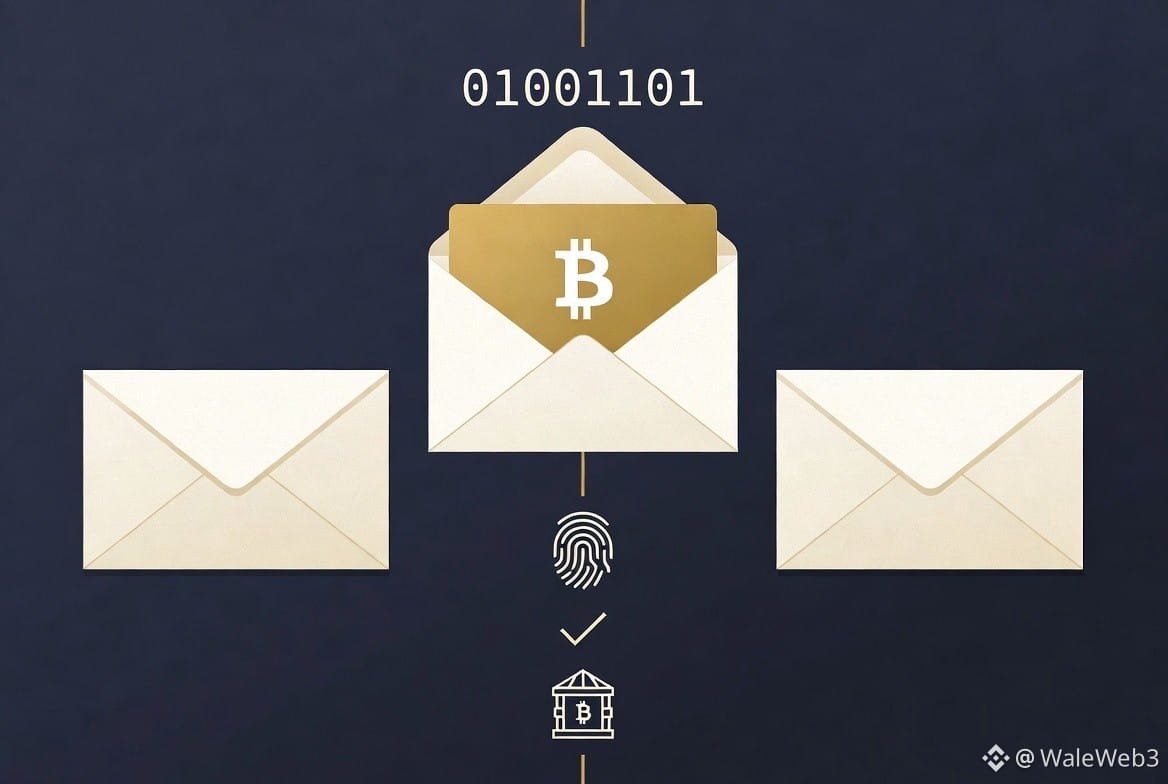
ランポートの解決策は、その抑制の美しさにあります。メッセージに署名するために、まずハッシュして長いビット列に変換します。各1ビットごとに、事前に2つの封筒を用意します。「0」用と「1」用の2つです。
それぞれの封筒の中にはランダムな秘密が入っています。秘密は鍵をかけて保管し、公開するのはそれらの指紋だけにします――各秘密をシュレッダーにかけた結果です。署名するタイミングになったら、ハッシュに従ってビットごとにちょうど1つの封筒だけを開けます。そして、それらの秘密を開示します。
誰でも同じシュレッダーを実行して、指紋が一致することを確認できます。一致すれば、署名は有効です。
代償は絶対です。封筒のセットは1回きりしか使えません。もう一度開けると、攻撃者は将来の署名を偽造できてしまいます。鍵は、使われた瞬間に消費されます。
この制限は弱点ではありません。設計があまりに純粋に保たれている理由そのものです。ランポート署名は、信頼できるハッシュ関数さえあれば十分です。楕円曲線も、信頼できるセットアップも、複雑な前提も要りません。この単純さこそが、バビロンの信頼不要のビットコイン金庫の中で有用になるのです。ビットコインのスクリプトは、自身で完全なSNARK証明を検証できません。
しかし、ハッシュを確認し、値を比較することはできます。ここでバビロンが賢くなります。複雑な証明はオフチェーンにとどめますが、その結果は、ビットコイン・スクリプトがチャレンジ時に検証できるランポートの秘密に還元されます。BTCは金庫から決して出ていません。ビットコインが最終的な判断を下します。単純な暗号。強力な強制力。
$BABY #BABY @babylonlabs_io $COTI $RE
{future}(BABYUSDT)
{future}(COTIUSDT)
{spot}(REUSDT)
重要な何かをビットコイン上で証明する必要があると仮定してください。しかし、チェーン自体が信頼するツールは単純なロックボックスと一方向のシュレッダーだけです。ビットコイン上で複雑な数学や重い検証アルゴリズムを直接実行することはできません。
これは1979年にレスリー・ランポートが直面したまさにその制約であり、同じ制約が今日バビロンにも「Trustless Bitcoin Vaults(信頼不要のビットコイン金庫)」を構築する際に立ちはだかっています。
ランポートの解決策は、その抑制の美しさにあります。メッセージに署名するために、まずハッシュして長いビット列に変換します。各1ビットごとに、事前に2つの封筒を用意します。「0」用と「1」用の2つです。
それぞれの封筒の中にはランダムな秘密が入っています。秘密は鍵をかけて保管し、公開するのはそれらの指紋だけにします――各秘密をシュレッダーにかけた結果です。署名するタイミングになったら、ハッシュに従ってビットごとにちょうど1つの封筒だけを開けます。そして、それらの秘密を開示します。
誰でも同じシュレッダーを実行して、指紋が一致することを確認できます。一致すれば、署名は有効です。
代償は絶対です。封筒のセットは1回きりしか使えません。もう一度開けると、攻撃者は将来の署名を偽造できてしまいます。鍵は、使われた瞬間に消費されます。
この制限は弱点ではありません。設計があまりに純粋に保たれている理由そのものです。ランポート署名は、信頼できるハッシュ関数さえあれば十分です。楕円曲線も、信頼できるセットアップも、複雑な前提も要りません。この単純さこそが、バビロンの信頼不要のビットコイン金庫の中で有用になるのです。ビットコインのスクリプトは、自身で完全なSNARK証明を検証できません。
しかし、ハッシュを確認し、値を比較することはできます。ここでバビロンが賢くなります。複雑な証明はオフチェーンにとどめますが、その結果は、ビットコイン・スクリプトがチャレンジ時に検証できるランポートの秘密に還元されます。BTCは金庫から決して出ていません。ビットコインが最終的な判断を下します。単純な暗号。強力な強制力。
$BABY #BABY @BabylonLabs_io $COTI $RE
これは1979年にレスリー・ランポートが直面したまさにその制約であり、同じ制約が今日バビロンにも「Trustless Bitcoin Vaults(信頼不要のビットコイン金庫)」を構築する際に立ちはだかっています。
ランポートの解決策は、その抑制の美しさにあります。メッセージに署名するために、まずハッシュして長いビット列に変換します。各1ビットごとに、事前に2つの封筒を用意します。「0」用と「1」用の2つです。
それぞれの封筒の中にはランダムな秘密が入っています。秘密は鍵をかけて保管し、公開するのはそれらの指紋だけにします――各秘密をシュレッダーにかけた結果です。署名するタイミングになったら、ハッシュに従ってビットごとにちょうど1つの封筒だけを開けます。そして、それらの秘密を開示します。
誰でも同じシュレッダーを実行して、指紋が一致することを確認できます。一致すれば、署名は有効です。
代償は絶対です。封筒のセットは1回きりしか使えません。もう一度開けると、攻撃者は将来の署名を偽造できてしまいます。鍵は、使われた瞬間に消費されます。
この制限は弱点ではありません。設計があまりに純粋に保たれている理由そのものです。ランポート署名は、信頼できるハッシュ関数さえあれば十分です。楕円曲線も、信頼できるセットアップも、複雑な前提も要りません。この単純さこそが、バビロンの信頼不要のビットコイン金庫の中で有用になるのです。ビットコインのスクリプトは、自身で完全なSNARK証明を検証できません。
しかし、ハッシュを確認し、値を比較することはできます。ここでバビロンが賢くなります。複雑な証明はオフチェーンにとどめますが、その結果は、ビットコイン・スクリプトがチャレンジ時に検証できるランポートの秘密に還元されます。BTCは金庫から決して出ていません。ビットコインが最終的な判断を下します。単純な暗号。強力な強制力。
$BABY #BABY @BabylonLabs_io $COTI $RE
1
3
244
·
--
一部該当
人間による統治の誤謬:なぜ私は委員会の信頼を「スクリプトの最終性」と入れ替えたのか 🚨
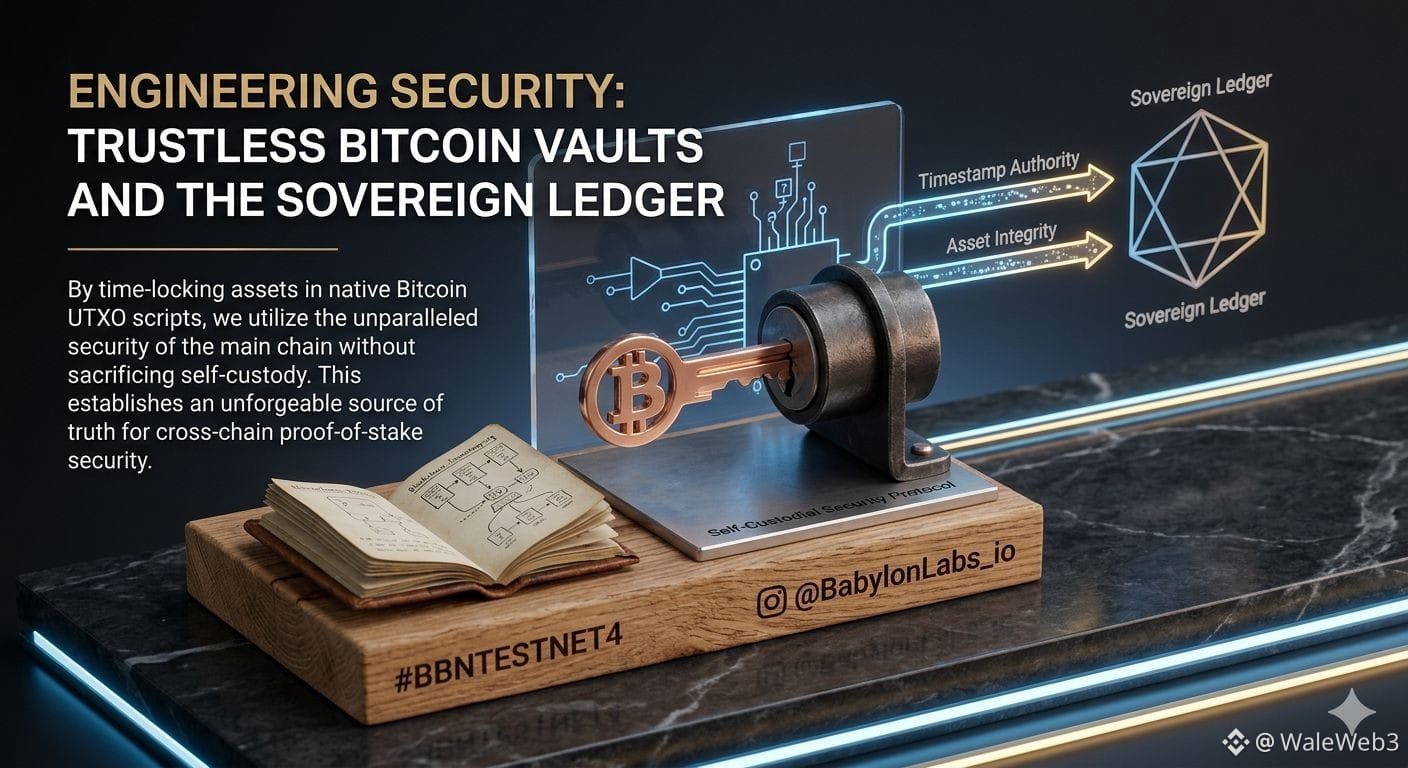
オンチェーン危機の最中に、異なるネットワーク間で資金回収の道筋を扱うには、多署名のコンソーシアムや外部バリデータ委員会が唯一の論理的な方法だと私は考えていました。私は、人間による統治はクロスチェーン基盤にとって回避不可能な摩擦点であり、外部ローンがデフォルトした、あるいは返済されたことを誰かが手作業で確認してから、基礎となる担保を移動しなければならないと思っていたのです。@babylonlabs_io プロトコルの技術的な評価は、この見方を完全に覆しました。Trustless Bitcoin Vaults(TBV)が、純粋なスクリプトの決定性によって絶対的なイグジットの最終性をどのように確立するのかを明らかにしたからです。ネイティブのOP_CSVオペコードを通じて、各ポジションの個別のMASTツリーに相対的なタイムロックを直接埋め込むことで、資金回収は人間の投票サイクルではなく、ビットコインのブロック・コンセンサスのみによって決定されます。資産の表現が外部ネットワーク上の複雑な流動性プールと積極的に相互作用しているとしても、基礎となる担保パラメータは外部の関係者によって一切変更できません。もし重要なネットワークの切断が発生した場合、ネイティブのスクリプト経路が自動的に有効化され、外部のプラットフォームやコーディネータがあなたの資産回収を凍結したりフロントランしたりすることはできなくなります。
{future}(BABYUSDT)
#baby $BABY @babylonlabs_io
人間による統治の誤謬:なぜ私は委員会の信頼を「スクリプトの最終性」と入れ替えたのか 🚨
オンチェーン危機の最中に、異なるネットワーク間で資金回収の道筋を扱うには、多署名のコンソーシアムや外部バリデータ委員会が唯一の論理的な方法だと私は考えていました。私は、人間による統治はクロスチェーン基盤にとって回避不可能な摩擦点であり、外部ローンがデフォルトした、あるいは返済されたことを誰かが手作業で確認してから、基礎となる担保を移動しなければならないと思っていたのです。@BabylonLabs_io プロトコルの技術的な評価は、この見方を完全に覆しました。Trustless Bitcoin Vaults(TBV)が、純粋なスクリプトの決定性によって絶対的なイグジットの最終性をどのように確立するのかを明らかにしたからです。ネイティブのOP_CSVオペコードを通じて、各ポジションの個別のMASTツリーに相対的なタイムロックを直接埋め込むことで、資金回収は人間の投票サイクルではなく、ビットコインのブロック・コンセンサスのみによって決定されます。資産の表現が外部ネットワーク上の複雑な流動性プールと積極的に相互作用しているとしても、基礎となる担保パラメータは外部の関係者によって一切変更できません。もし重要なネットワークの切断が発生した場合、ネイティブのスクリプト経路が自動的に有効化され、外部のプラットフォームやコーディネータがあなたの資産回収を凍結したりフロントランしたりすることはできなくなります。
#baby $BABY @BabylonLabs_io
オンチェーン危機の最中に、異なるネットワーク間で資金回収の道筋を扱うには、多署名のコンソーシアムや外部バリデータ委員会が唯一の論理的な方法だと私は考えていました。私は、人間による統治はクロスチェーン基盤にとって回避不可能な摩擦点であり、外部ローンがデフォルトした、あるいは返済されたことを誰かが手作業で確認してから、基礎となる担保を移動しなければならないと思っていたのです。@BabylonLabs_io プロトコルの技術的な評価は、この見方を完全に覆しました。Trustless Bitcoin Vaults(TBV)が、純粋なスクリプトの決定性によって絶対的なイグジットの最終性をどのように確立するのかを明らかにしたからです。ネイティブのOP_CSVオペコードを通じて、各ポジションの個別のMASTツリーに相対的なタイムロックを直接埋め込むことで、資金回収は人間の投票サイクルではなく、ビットコインのブロック・コンセンサスのみによって決定されます。資産の表現が外部ネットワーク上の複雑な流動性プールと積極的に相互作用しているとしても、基礎となる担保パラメータは外部の関係者によって一切変更できません。もし重要なネットワークの切断が発生した場合、ネイティブのスクリプト経路が自動的に有効化され、外部のプラットフォームやコーディネータがあなたの資産回収を凍結したりフロントランしたりすることはできなくなります。
#baby $BABY @BabylonLabs_io
7
3
100
·
--
本人確認中
ラッパーメタを超えて:vaultBTC不変性ルールへの深掘り🚨
私は、国外の仮想マシン上で運用されるビットコインのトークン化表現であれば、必ずシステム的なラッパー発行者リスクを内在すると考えていました。預託機関が単一企業であれ、分散型のマルチシグ連合であれ、トークン契約そのものが常に、裏付けのない鋳造や不正なプールのリヒポテケーションのような構造的な脆弱性を生み出すだろうと見ていたのです。Trustless Bitcoin Vaults(TBV)向けに @BabylonLabs_io が構築したデータ・アーキテクチャの技術的評価を行ったことで、このラッパーという前提を根本から見直すことを余儀なくされました。
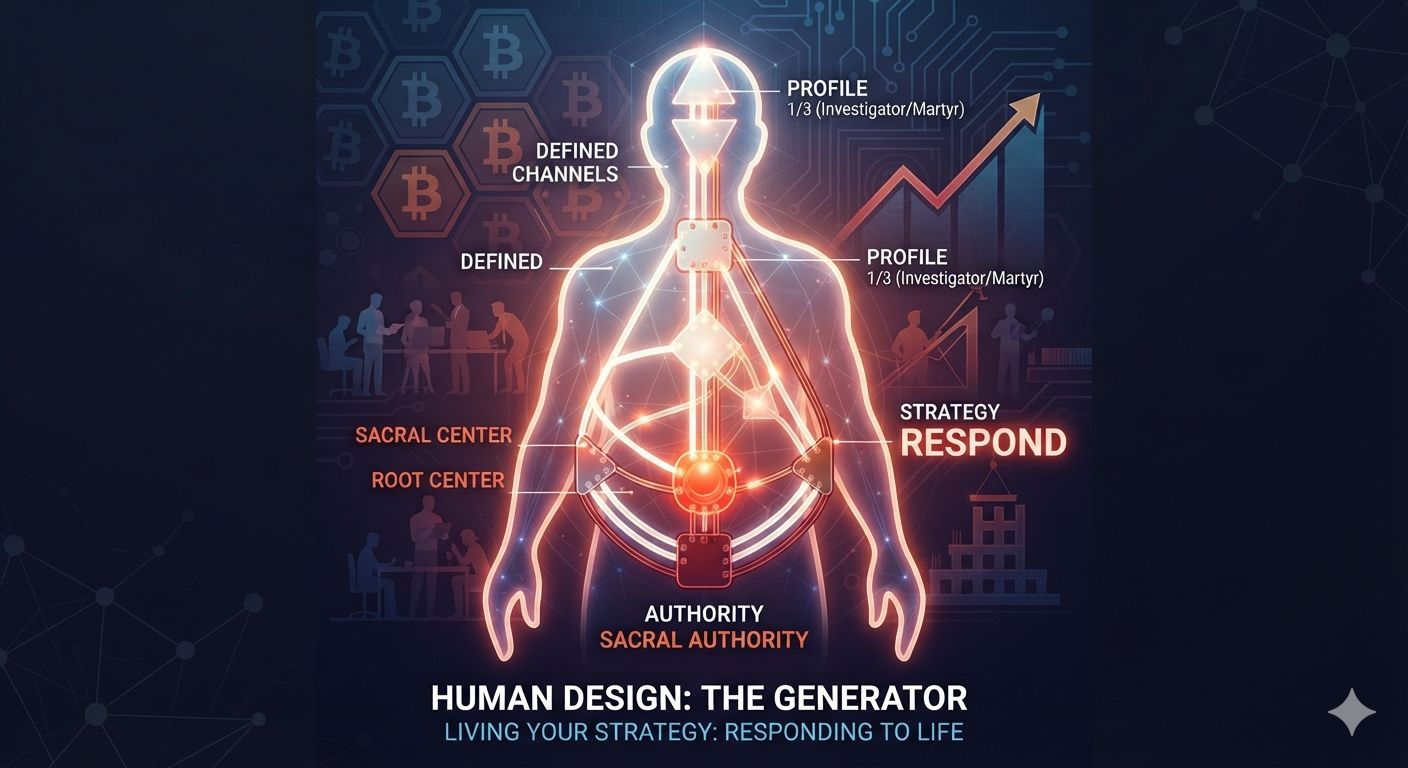
この枠組みでは、鋳造された vaultBTC トークンは、厳格な構造的不変性がハードコードされています。つまり、ホワイトリスト化された貸付の「スポーク」間のやり取り以外では譲渡不可であり、かつベース・レジャー上の個別で隔離されたバルブ(vault)アドレスに厳密に結び付けられています。TBV は、ゼロプールの暗号学的なセーフのように振る舞い、資産の個別化は絶対的です。アプリケーション層は、清算や利息パラメータを外部で管理しますが、基礎となる担保はクリーンなままで、共有流動性プールの広域的な感染経路(コンタグジョン・ベクター)から完全に隔離されています。
{future}(BABYUSDT)
@babylonlabs_io #baby $BABY
ラッパーメタを超えて:vaultBTC不変性ルールへの深掘り🚨
私は、国外の仮想マシン上で運用されるビットコインのトークン化表現であれば、必ずシステム的なラッパー発行者リスクを内在すると考えていました。預託機関が単一企業であれ、分散型のマルチシグ連合であれ、トークン契約そのものが常に、裏付けのない鋳造や不正なプールのリヒポテケーションのような構造的な脆弱性を生み出すだろうと見ていたのです。Trustless Bitcoin Vaults(TBV)向けに @BabylonLabs_io が構築したデータ・アーキテクチャの技術的評価を行ったことで、このラッパーという前提を根本から見直すことを余儀なくされました。
この枠組みでは、鋳造された vaultBTC トークンは、厳格な構造的不変性がハードコードされています。つまり、ホワイトリスト化された貸付の「スポーク」間のやり取り以外では譲渡不可であり、かつベース・レジャー上の個別で隔離されたバルブ(vault)アドレスに厳密に結び付けられています。TBV は、ゼロプールの暗号学的なセーフのように振る舞い、資産の個別化は絶対的です。アプリケーション層は、清算や利息パラメータを外部で管理しますが、基礎となる担保はクリーンなままで、共有流動性プールの広域的な感染経路(コンタグジョン・ベクター)から完全に隔離されています。
@BabylonLabs_io #baby $BABY
私は、国外の仮想マシン上で運用されるビットコインのトークン化表現であれば、必ずシステム的なラッパー発行者リスクを内在すると考えていました。預託機関が単一企業であれ、分散型のマルチシグ連合であれ、トークン契約そのものが常に、裏付けのない鋳造や不正なプールのリヒポテケーションのような構造的な脆弱性を生み出すだろうと見ていたのです。Trustless Bitcoin Vaults(TBV)向けに @BabylonLabs_io が構築したデータ・アーキテクチャの技術的評価を行ったことで、このラッパーという前提を根本から見直すことを余儀なくされました。
この枠組みでは、鋳造された vaultBTC トークンは、厳格な構造的不変性がハードコードされています。つまり、ホワイトリスト化された貸付の「スポーク」間のやり取り以外では譲渡不可であり、かつベース・レジャー上の個別で隔離されたバルブ(vault)アドレスに厳密に結び付けられています。TBV は、ゼロプールの暗号学的なセーフのように振る舞い、資産の個別化は絶対的です。アプリケーション層は、清算や利息パラメータを外部で管理しますが、基礎となる担保はクリーンなままで、共有流動性プールの広域的な感染経路(コンタグジョン・ベクター)から完全に隔離されています。
@BabylonLabs_io #baby $BABY
5
2
118
·
--
非同期決済の神話を解く:清算のメンタルモデルを再構築 🚨
ネイティブのビットコイン担保に対して、中央の仲介者なしで自動清算を実行することは、ブロック承認の遅延ギャップによって構造的に不可能だと思っていました。突発的な市場のフラッシュクラッシュが起きた場合、担保の移動を検証するのに複数のネイティブ・ビットコインの確認(コンファメーション)を必要とするオンチェーン清算メカニズムは、致命的なレイテンシー障害に陥り、大規模な不良債権(バッドデット)につながると考えたのです。Trustless Bitcoin Vaults(TBV)の仕様を追跡したことで、私は自身の全メンタルモデルを作り直さざるを得なくなりました。システムは、BTC Vault Swap Spoke 固有の機能によって、プールの健全性をベースレイヤー資産の決済から切り離すことで、この確認遅延を処理します。
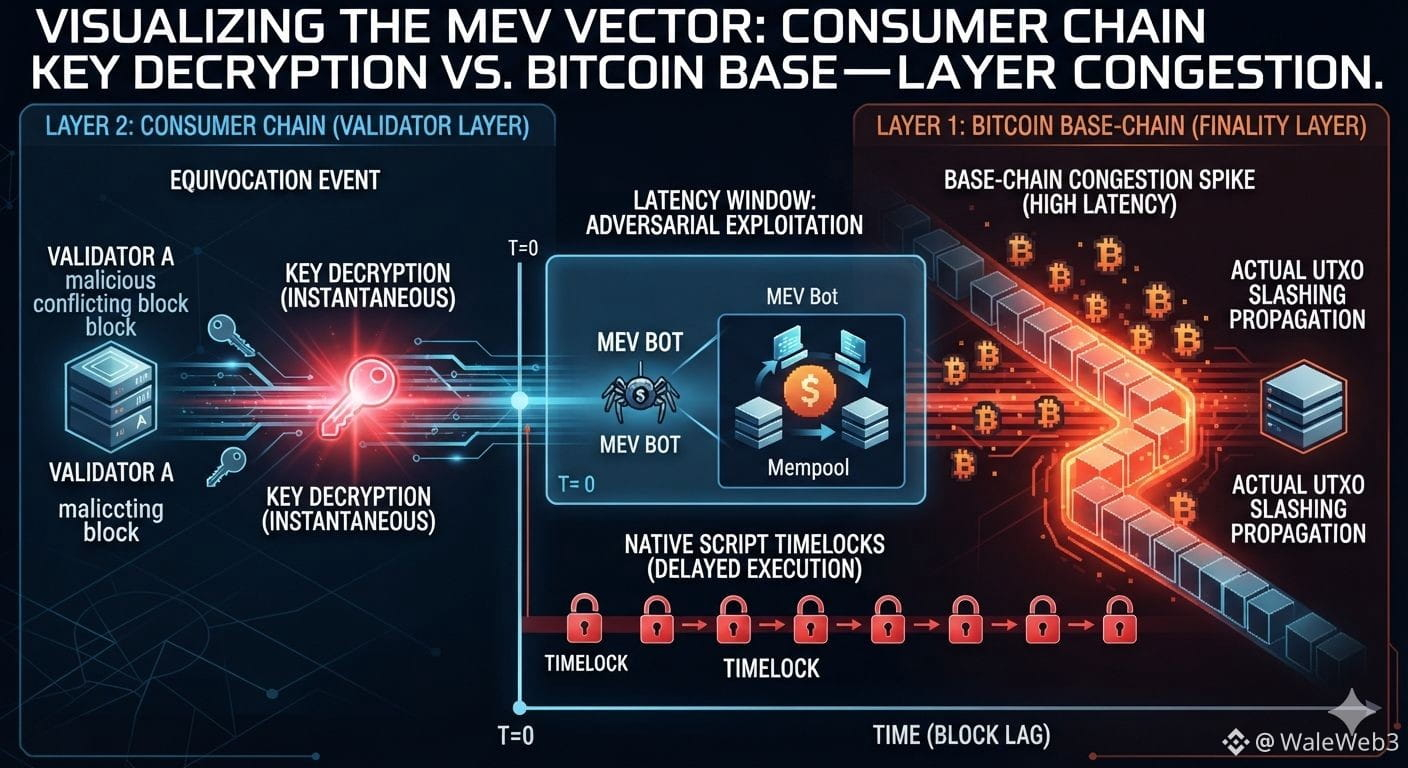
Aave v4 において借り手のクレジットラインがヘルス閾値を下回った場合、清算業者はビットコインメインネット上の遅いトランザクションをブロードキャストしたり待ったりしません。到達側(デスティネーション側)のスポーク・コントラクトは、WBTC のようなラッパーペアを用いた即時のローカルなプール再バランスを可能にし、バッドデットを瞬時に解消します。対応する TBV からネイティブ BTC を物理的に償還する作業は、専門の裁定取引者(アービトラージャー)に委ねられ、後のタイミングでベースレイヤーの Taproot 償還パスを非同期に実行します。これにより、確定(コンファメーション)の遅延から貸付プールを完全に保護します。
@babylonlabs_io #baby $BABY
{future}(BABYUSDT)
非同期決済の神話を解く:清算のメンタルモデルを再構築 🚨
ネイティブのビットコイン担保に対して、中央の仲介者なしで自動清算を実行することは、ブロック承認の遅延ギャップによって構造的に不可能だと思っていました。突発的な市場のフラッシュクラッシュが起きた場合、担保の移動を検証するのに複数のネイティブ・ビットコインの確認(コンファメーション)を必要とするオンチェーン清算メカニズムは、致命的なレイテンシー障害に陥り、大規模な不良債権(バッドデット)につながると考えたのです。Trustless Bitcoin Vaults(TBV)の仕様を追跡したことで、私は自身の全メンタルモデルを作り直さざるを得なくなりました。システムは、BTC Vault Swap Spoke 固有の機能によって、プールの健全性をベースレイヤー資産の決済から切り離すことで、この確認遅延を処理します。
Aave v4 において借り手のクレジットラインがヘルス閾値を下回った場合、清算業者はビットコインメインネット上の遅いトランザクションをブロードキャストしたり待ったりしません。到達側(デスティネーション側)のスポーク・コントラクトは、WBTC のようなラッパーペアを用いた即時のローカルなプール再バランスを可能にし、バッドデットを瞬時に解消します。対応する TBV からネイティブ BTC を物理的に償還する作業は、専門の裁定取引者(アービトラージャー)に委ねられ、後のタイミングでベースレイヤーの Taproot 償還パスを非同期に実行します。これにより、確定(コンファメーション)の遅延から貸付プールを完全に保護します。
@BabylonLabs_io #baby $BABY
ネイティブのビットコイン担保に対して、中央の仲介者なしで自動清算を実行することは、ブロック承認の遅延ギャップによって構造的に不可能だと思っていました。突発的な市場のフラッシュクラッシュが起きた場合、担保の移動を検証するのに複数のネイティブ・ビットコインの確認(コンファメーション)を必要とするオンチェーン清算メカニズムは、致命的なレイテンシー障害に陥り、大規模な不良債権(バッドデット)につながると考えたのです。Trustless Bitcoin Vaults(TBV)の仕様を追跡したことで、私は自身の全メンタルモデルを作り直さざるを得なくなりました。システムは、BTC Vault Swap Spoke 固有の機能によって、プールの健全性をベースレイヤー資産の決済から切り離すことで、この確認遅延を処理します。
Aave v4 において借り手のクレジットラインがヘルス閾値を下回った場合、清算業者はビットコインメインネット上の遅いトランザクションをブロードキャストしたり待ったりしません。到達側(デスティネーション側)のスポーク・コントラクトは、WBTC のようなラッパーペアを用いた即時のローカルなプール再バランスを可能にし、バッドデットを瞬時に解消します。対応する TBV からネイティブ BTC を物理的に償還する作業は、専門の裁定取引者(アービトラージャー)に委ねられ、後のタイミングでベースレイヤーの Taproot 償還パスを非同期に実行します。これにより、確定(コンファメーション)の遅延から貸付プールを完全に保護します。
@BabylonLabs_io #baby $BABY
4
1
120
·
--
ブリッシュ
本人確認中
感染モデルの覆し:スポーク・コントラクト隔離についての私の実感🚨
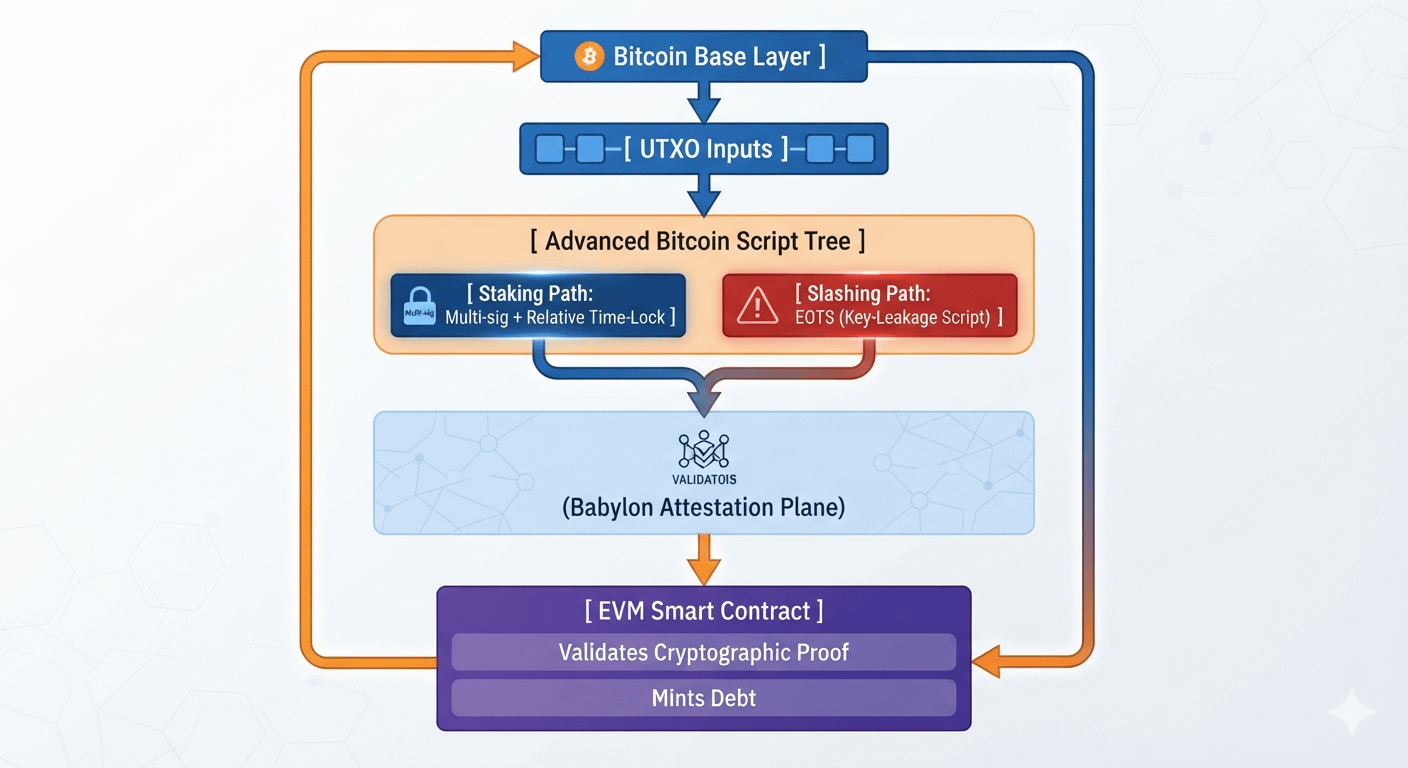
私は、ネイティブのビットコイン流動性をイーサリアムのような外部の仮想マシンへミラーしようとするあらゆるインフラは、本質的にコールドストレージをデスティネーション層のスマートコントラクトのバグにさらすものだと前提していました。私の考え方では、ERC-20のレンディング・プールでオラクル操作のイベントやロジックの悪用が起きた場合、そのプールにロックされているすべての資産はデフォルトで引き出されてしまう、というものでした。私は、@BabylonLabs_io が Aave DAO に提出したアーキテクチャ文書を精査し、それが本当にそうではないことを彼らが立証できるのか確かめるために時間を費やしました。私の前提を完全に壊したのは、Trustless Bitcoin Vaults(TBV)が強制する明示的なコントラクト分離を対応づけたことです。TBV は、ビットコイン本体ネット上でネイティブ資産を完全に隔離しつつ、EVM 側では 2 つの別個のネットワーク・アダプタによって外部の状態を管理します。具体的には、Babylon Core Lending Spoke と BTC Vault Swap Spoke です。資産をブリッジする代わりに、プロトコルは vaultBTC(譲渡制限されたトークンで、固定された許可済みアドレスにのみ紐づけられている)を使用します。借り入れの仕組みは、物理的な資産の所在から完全に切り離されて動いていると私は気づきました。これにより、ユーザーはイーサリアム上でステーブル資産の流動性を引き出しつつ、根底にある担保の保管はネイティブの Taproot UTXO スクリプトパスに厳密に結びついたままになります。
#baby $BABY @babylonlabs_io
感染モデルの覆し:スポーク・コントラクト隔離についての私の実感🚨
私は、ネイティブのビットコイン流動性をイーサリアムのような外部の仮想マシンへミラーしようとするあらゆるインフラは、本質的にコールドストレージをデスティネーション層のスマートコントラクトのバグにさらすものだと前提していました。私の考え方では、ERC-20のレンディング・プールでオラクル操作のイベントやロジックの悪用が起きた場合、そのプールにロックされているすべての資産はデフォルトで引き出されてしまう、というものでした。私は、@BabylonLabs_io が Aave DAO に提出したアーキテクチャ文書を精査し、それが本当にそうではないことを彼らが立証できるのか確かめるために時間を費やしました。私の前提を完全に壊したのは、Trustless Bitcoin Vaults(TBV)が強制する明示的なコントラクト分離を対応づけたことです。TBV は、ビットコイン本体ネット上でネイティブ資産を完全に隔離しつつ、EVM 側では 2 つの別個のネットワーク・アダプタによって外部の状態を管理します。具体的には、Babylon Core Lending Spoke と BTC Vault Swap Spoke です。資産をブリッジする代わりに、プロトコルは vaultBTC(譲渡制限されたトークンで、固定された許可済みアドレスにのみ紐づけられている)を使用します。借り入れの仕組みは、物理的な資産の所在から完全に切り離されて動いていると私は気づきました。これにより、ユーザーはイーサリアム上でステーブル資産の流動性を引き出しつつ、根底にある担保の保管はネイティブの Taproot UTXO スクリプトパスに厳密に結びついたままになります。
#baby $BABY @BabylonLabs_io
私は、ネイティブのビットコイン流動性をイーサリアムのような外部の仮想マシンへミラーしようとするあらゆるインフラは、本質的にコールドストレージをデスティネーション層のスマートコントラクトのバグにさらすものだと前提していました。私の考え方では、ERC-20のレンディング・プールでオラクル操作のイベントやロジックの悪用が起きた場合、そのプールにロックされているすべての資産はデフォルトで引き出されてしまう、というものでした。私は、@BabylonLabs_io が Aave DAO に提出したアーキテクチャ文書を精査し、それが本当にそうではないことを彼らが立証できるのか確かめるために時間を費やしました。私の前提を完全に壊したのは、Trustless Bitcoin Vaults(TBV)が強制する明示的なコントラクト分離を対応づけたことです。TBV は、ビットコイン本体ネット上でネイティブ資産を完全に隔離しつつ、EVM 側では 2 つの別個のネットワーク・アダプタによって外部の状態を管理します。具体的には、Babylon Core Lending Spoke と BTC Vault Swap Spoke です。資産をブリッジする代わりに、プロトコルは vaultBTC(譲渡制限されたトークンで、固定された許可済みアドレスにのみ紐づけられている)を使用します。借り入れの仕組みは、物理的な資産の所在から完全に切り離されて動いていると私は気づきました。これにより、ユーザーはイーサリアム上でステーブル資産の流動性を引き出しつつ、根底にある担保の保管はネイティブの Taproot UTXO スクリプトパスに厳密に結びついたままになります。
#baby $BABY @BabylonLabs_io
8
2
266
·
--
ブリッシュ
本人確認中
ついに、ラップ、ブリッジ、あるいは単一の仲介者を信頼することなく、自分のビットコインをDeFi担保として使えるようになったら?🚨
2026年6月上旬から稼働しているBabylonの信託不要(Trustless)ビットコイン・ボールトTBVパブリック・テストネットを実際に手を動かして検証しましたが、暗号アーキテクチャは本当に目を見張るものがあります。
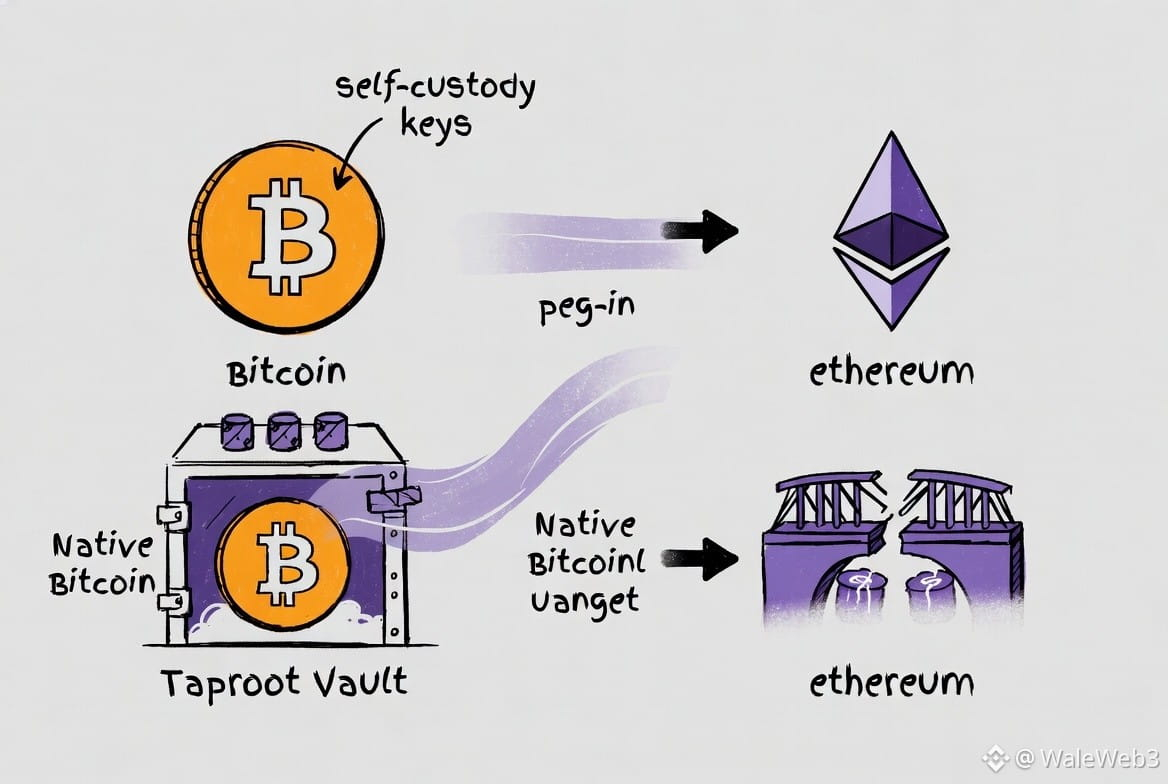
多くのBTCソリューションは、信頼をどこかで妥協しています。WBTCやcbBTCは、BitGoマルチシグやCoinbaseの保管庫のような中央集権的なカストディに依存します。tBTCは閾値暗号で改善されていますが、それでもブリッジのスマートコントラクトに伴うリスクが追加されます。TBVは、より純粋にネイティブ優先のアプローチを取ります。預託者キー、Vault Provider、Application Vault Keeperの間で、ボールト作成時に支出パスが事前コミットされたTaprootアウトプットを使って、L1上でビットコインをロックします。これにより、資産をオフチェーンへ移さずに、ビットコイン・スクリプトの直接的な執行が可能になります。
ペグインのフローは正確で洗練されています。Signet上でPre-PegInトランザクションをブロードキャストし、その後、経済的な最終性のために12ブロック分の確認(およそ2時間)を待ちます。さらに、オフチェーンのマルチパーティACK署名ラウンドを行い、24時間のタイムアウトを設定。最後に、Sepolia上のイーサリアム・スマートコントラクトによってアクティブ化します。アクティブなボールトは厳格なパラメータの下で運用されます。担保係数78%、ヘルスファクターが1.0未満になると清算が発動、ポジションごとの上限が0.4 BTCで最大10ボールトまで対応。加えて、自己カストディ型の払い戻しタイムロックを伴う3日間のタイムロック・リデンプションのチャレンジ期間があります。
Pre-PegInの構築からアクティベーションのシーケンス、ポジション管理、返済、タイムロックの払い戻しまで、一連のライフサイクル全体を体験してみて、TBVがビットコインの不変なスクリプト保証を、イーサリアムのプログラマブルなレイヤーからどれほどクリーンに切り離しつつ、完全な秘密鍵の主権と復旧のためのアーティファクトを維持しているのかがよく分かりました。これは本当の前進です。ネイティブで、信頼を最小化し、そしてスケールのために作られています。
@babylonlabs_io $BABY #baby
{future}(BABYUSDT)
ついに、ラップ、ブリッジ、あるいは単一の仲介者を信頼することなく、自分のビットコインをDeFi担保として使えるようになったら?🚨
2026年6月上旬から稼働しているBabylonの信託不要(Trustless)ビットコイン・ボールトTBVパブリック・テストネットを実際に手を動かして検証しましたが、暗号アーキテクチャは本当に目を見張るものがあります。
多くのBTCソリューションは、信頼をどこかで妥協しています。WBTCやcbBTCは、BitGoマルチシグやCoinbaseの保管庫のような中央集権的なカストディに依存します。tBTCは閾値暗号で改善されていますが、それでもブリッジのスマートコントラクトに伴うリスクが追加されます。TBVは、より純粋にネイティブ優先のアプローチを取ります。預託者キー、Vault Provider、Application Vault Keeperの間で、ボールト作成時に支出パスが事前コミットされたTaprootアウトプットを使って、L1上でビットコインをロックします。これにより、資産をオフチェーンへ移さずに、ビットコイン・スクリプトの直接的な執行が可能になります。
ペグインのフローは正確で洗練されています。Signet上でPre-PegInトランザクションをブロードキャストし、その後、経済的な最終性のために12ブロック分の確認(およそ2時間)を待ちます。さらに、オフチェーンのマルチパーティACK署名ラウンドを行い、24時間のタイムアウトを設定。最後に、Sepolia上のイーサリアム・スマートコントラクトによってアクティブ化します。アクティブなボールトは厳格なパラメータの下で運用されます。担保係数78%、ヘルスファクターが1.0未満になると清算が発動、ポジションごとの上限が0.4 BTCで最大10ボールトまで対応。加えて、自己カストディ型の払い戻しタイムロックを伴う3日間のタイムロック・リデンプションのチャレンジ期間があります。
Pre-PegInの構築からアクティベーションのシーケンス、ポジション管理、返済、タイムロックの払い戻しまで、一連のライフサイクル全体を体験してみて、TBVがビットコインの不変なスクリプト保証を、イーサリアムのプログラマブルなレイヤーからどれほどクリーンに切り離しつつ、完全な秘密鍵の主権と復旧のためのアーティファクトを維持しているのかがよく分かりました。これは本当の前進です。ネイティブで、信頼を最小化し、そしてスケールのために作られています。
@BabylonLabs_io $BABY #baby
2026年6月上旬から稼働しているBabylonの信託不要(Trustless)ビットコイン・ボールトTBVパブリック・テストネットを実際に手を動かして検証しましたが、暗号アーキテクチャは本当に目を見張るものがあります。
多くのBTCソリューションは、信頼をどこかで妥協しています。WBTCやcbBTCは、BitGoマルチシグやCoinbaseの保管庫のような中央集権的なカストディに依存します。tBTCは閾値暗号で改善されていますが、それでもブリッジのスマートコントラクトに伴うリスクが追加されます。TBVは、より純粋にネイティブ優先のアプローチを取ります。預託者キー、Vault Provider、Application Vault Keeperの間で、ボールト作成時に支出パスが事前コミットされたTaprootアウトプットを使って、L1上でビットコインをロックします。これにより、資産をオフチェーンへ移さずに、ビットコイン・スクリプトの直接的な執行が可能になります。
ペグインのフローは正確で洗練されています。Signet上でPre-PegInトランザクションをブロードキャストし、その後、経済的な最終性のために12ブロック分の確認(およそ2時間)を待ちます。さらに、オフチェーンのマルチパーティACK署名ラウンドを行い、24時間のタイムアウトを設定。最後に、Sepolia上のイーサリアム・スマートコントラクトによってアクティブ化します。アクティブなボールトは厳格なパラメータの下で運用されます。担保係数78%、ヘルスファクターが1.0未満になると清算が発動、ポジションごとの上限が0.4 BTCで最大10ボールトまで対応。加えて、自己カストディ型の払い戻しタイムロックを伴う3日間のタイムロック・リデンプションのチャレンジ期間があります。
Pre-PegInの構築からアクティベーションのシーケンス、ポジション管理、返済、タイムロックの払い戻しまで、一連のライフサイクル全体を体験してみて、TBVがビットコインの不変なスクリプト保証を、イーサリアムのプログラマブルなレイヤーからどれほどクリーンに切り離しつつ、完全な秘密鍵の主権と復旧のためのアーティファクトを維持しているのかがよく分かりました。これは本当の前進です。ネイティブで、信頼を最小化し、そしてスケールのために作られています。
@BabylonLabs_io $BABY #baby
32
5
159
·
--
本人確認中
私は以前、ビットコインのセキュリティに関しては厳格なピュアリストでした。ビットコインにDeFiをもたらすと主張するあらゆるプロジェクトには、裏側で必ず同じ構造的な欠陥がありました。つまり、資産をラップさせる、ブリッジさせる、あるいはインサイダーによるマルチシグの連合を信頼させることを要求していたのです。私はいつも立ち去っていました。ビットコインの合意が持つ“鉄壁”のセキュリティを、脆弱な外部バリデータのクォーラムと引き換える合理性はまったくないからです。@babylonlabs_io の分析を始めたとき、私はそのまったく同じ懐疑心を持ち込みました。視点を完全にひっくり返したのは、Trustless Bitcoin Vaults(TBV)を支える暗号ロジックを整理して見ていったことです。
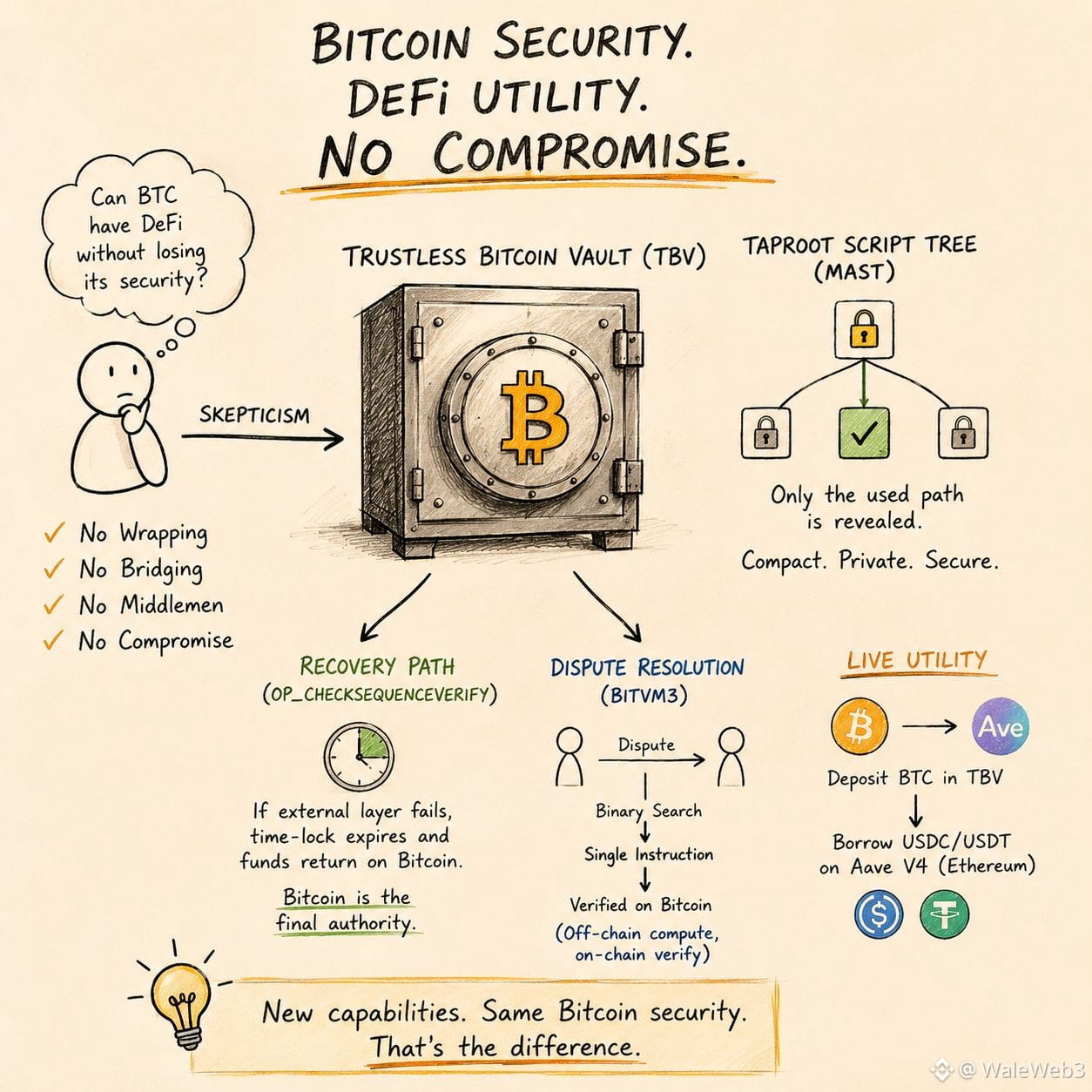
TBVは、BTCを共有の担保プールに押し込むのではなく、Pay-to-Taproot(P2TR)スクリプトを用いて、あなたの資産を個別のネイティブTaproot出力として隔離します。MASTベースのTaprootスクリプトツリーに支出パスをコミットすることで、システムは外部チェーン上で複雑な金融ロジックを強制しつつ、オンチェーンのデータフットプリントは驚くほど小さく保ちます。あなたのビットコインはネイティブ層から一度も出ていません。スクリプトツリーが状態依存関係を処理し、償還(リデンプション)に使われる特定のブランチだけが明らかになります。私にとっての決定的な突破は、プロトコルが最悪のライブネス(稼働性)障害をどう扱うかを見て理解できたことでした。TBVアーキテクチャには、OP_CHECKSEQUENCEVERIFY opcodeによって制御される専用のリカバリーブランチが統合されています。外部の実行レイヤーが暗くなったとしても、相対タイムロックが自然に熟します。そのブロック間隔を過ぎると、リカバリーパスは自動的に開きます。ベースレイヤーのビットコイン合意があなたの資金に対する絶対的な最終執行権限であるため、バリデータや連合の誰もあなたのトランザクションを止めることはできません。
BitVM3は重い計算をオフチェーンに逃がします。状態遷移に異議がある場合、インタラクティブなチャレンジによってそれを、Taprootのコミットメントに対して検証される単一のCPU命令へと還元します。ビットコインは最終的な裁定者のままです。BabylonのTBVテストネットはこのモデルを証明しています。ネイティブBTCが、Bitcoinのセキュリティモデルから離れることなく、Aave v4上でUSDC/USDTの借り入れを確保できるのです。
#baby $BABY @babylonlabs_io
{future}(BABYUSDT)
私は以前、ビットコインのセキュリティに関しては厳格なピュアリストでした。ビットコインにDeFiをもたらすと主張するあらゆるプロジェクトには、裏側で必ず同じ構造的な欠陥がありました。つまり、資産をラップさせる、ブリッジさせる、あるいはインサイダーによるマルチシグの連合を信頼させることを要求していたのです。私はいつも立ち去っていました。ビットコインの合意が持つ“鉄壁”のセキュリティを、脆弱な外部バリデータのクォーラムと引き換える合理性はまったくないからです。@BabylonLabs_io の分析を始めたとき、私はそのまったく同じ懐疑心を持ち込みました。視点を完全にひっくり返したのは、Trustless Bitcoin Vaults(TBV)を支える暗号ロジックを整理して見ていったことです。
TBVは、BTCを共有の担保プールに押し込むのではなく、Pay-to-Taproot(P2TR)スクリプトを用いて、あなたの資産を個別のネイティブTaproot出力として隔離します。MASTベースのTaprootスクリプトツリーに支出パスをコミットすることで、システムは外部チェーン上で複雑な金融ロジックを強制しつつ、オンチェーンのデータフットプリントは驚くほど小さく保ちます。あなたのビットコインはネイティブ層から一度も出ていません。スクリプトツリーが状態依存関係を処理し、償還(リデンプション)に使われる特定のブランチだけが明らかになります。私にとっての決定的な突破は、プロトコルが最悪のライブネス(稼働性)障害をどう扱うかを見て理解できたことでした。TBVアーキテクチャには、OP_CHECKSEQUENCEVERIFY opcodeによって制御される専用のリカバリーブランチが統合されています。外部の実行レイヤーが暗くなったとしても、相対タイムロックが自然に熟します。そのブロック間隔を過ぎると、リカバリーパスは自動的に開きます。ベースレイヤーのビットコイン合意があなたの資金に対する絶対的な最終執行権限であるため、バリデータや連合の誰もあなたのトランザクションを止めることはできません。
BitVM3は重い計算をオフチェーンに逃がします。状態遷移に異議がある場合、インタラクティブなチャレンジによってそれを、Taprootのコミットメントに対して検証される単一のCPU命令へと還元します。ビットコインは最終的な裁定者のままです。BabylonのTBVテストネットはこのモデルを証明しています。ネイティブBTCが、Bitcoinのセキュリティモデルから離れることなく、Aave v4上でUSDC/USDTの借り入れを確保できるのです。
#baby $BABY @BabylonLabs_io
TBVは、BTCを共有の担保プールに押し込むのではなく、Pay-to-Taproot(P2TR)スクリプトを用いて、あなたの資産を個別のネイティブTaproot出力として隔離します。MASTベースのTaprootスクリプトツリーに支出パスをコミットすることで、システムは外部チェーン上で複雑な金融ロジックを強制しつつ、オンチェーンのデータフットプリントは驚くほど小さく保ちます。あなたのビットコインはネイティブ層から一度も出ていません。スクリプトツリーが状態依存関係を処理し、償還(リデンプション)に使われる特定のブランチだけが明らかになります。私にとっての決定的な突破は、プロトコルが最悪のライブネス(稼働性)障害をどう扱うかを見て理解できたことでした。TBVアーキテクチャには、OP_CHECKSEQUENCEVERIFY opcodeによって制御される専用のリカバリーブランチが統合されています。外部の実行レイヤーが暗くなったとしても、相対タイムロックが自然に熟します。そのブロック間隔を過ぎると、リカバリーパスは自動的に開きます。ベースレイヤーのビットコイン合意があなたの資金に対する絶対的な最終執行権限であるため、バリデータや連合の誰もあなたのトランザクションを止めることはできません。
BitVM3は重い計算をオフチェーンに逃がします。状態遷移に異議がある場合、インタラクティブなチャレンジによってそれを、Taprootのコミットメントに対して検証される単一のCPU命令へと還元します。ビットコインは最終的な裁定者のままです。BabylonのTBVテストネットはこのモデルを証明しています。ネイティブBTCが、Bitcoinのセキュリティモデルから離れることなく、Aave v4上でUSDC/USDTの借り入れを確保できるのです。
#baby $BABY @BabylonLabs_io
5
1
175
·
--
記事
紙の富の錯覚:なぜWeb3の「ベンチャーキャピタル・メタ」が個人投資家に不利に仕組まれているのかこの市場で最悪なのは、高いベンチャーキャピタル支援を理由に、何も考えずに新しいアルトコインを買うことです。数十億ドル規模のプロトコルが革命的なインフラを約束していても、そのトークノミクスには致命的な設計の選択が隠されています。それが「完全希薄化評価額(FDV)トラップ」です。
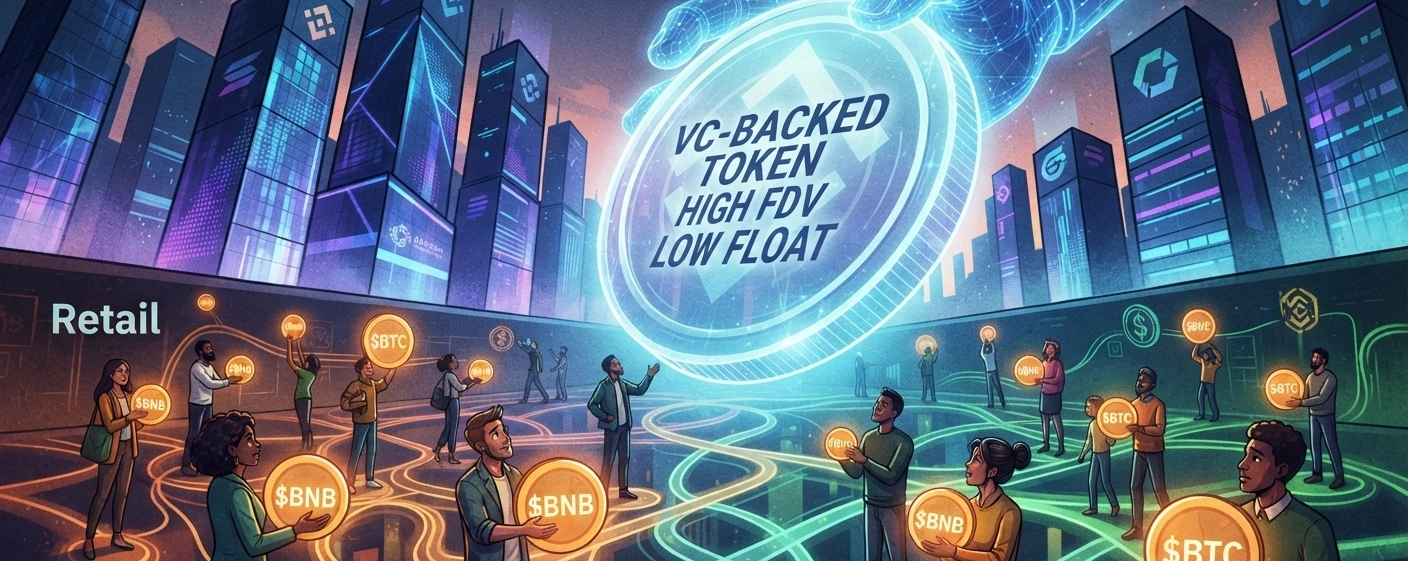
現代のWeb3エコシステムは、前例のない構造的な危機に直面しています。プロジェクトは、天文学的に高い初期評価額で立ち上げられ、循環供給量は極めて小さい—多くの場合5%〜10%程度にまで抑えられています。この設計は、希少性が演出されたかのような錯覚を意図的に作り出し、それを数十億ドル規模の搾取メカニズムとして機能させます。その結果、日常の個人投資家(リテール)が、長期的な下振れリスクを引き受けることになります。
紙の富の錯覚:なぜWeb3の「ベンチャーキャピタル・メタ」が個人投資家に不利に仕組まれているのか
この市場で最悪なのは、高いベンチャーキャピタル支援を理由に、何も考えずに新しいアルトコインを買うことです。数十億ドル規模のプロトコルが革命的なインフラを約束していても、そのトークノミクスには致命的な設計の選択が隠されています。それが「完全希薄化評価額(FDV)トラップ」です。
現代のWeb3エコシステムは、前例のない構造的な危機に直面しています。プロジェクトは、天文学的に高い初期評価額で立ち上げられ、循環供給量は極めて小さい—多くの場合5%〜10%程度にまで抑えられています。この設計は、希少性が演出されたかのような錯覚を意図的に作り出し、それを数十億ドル規模の搾取メカニズムとして機能させます。その結果、日常の個人投資家(リテール)が、長期的な下振れリスクを引き受けることになります。
現代のWeb3エコシステムは、前例のない構造的な危機に直面しています。プロジェクトは、天文学的に高い初期評価額で立ち上げられ、循環供給量は極めて小さい—多くの場合5%〜10%程度にまで抑えられています。この設計は、希少性が演出されたかのような錯覚を意図的に作り出し、それを数十億ドル規模の搾取メカニズムとして機能させます。その結果、日常の個人投資家(リテール)が、長期的な下振れリスクを引き受けることになります。
1
114
·
--
記事
ニュートン・プロトコルを知ってから、なぜ私はブロックチェーンの透明性をリスクとして見なくなったのか長い間、私はブロックチェーンの透明性は単に取引の条件の一部だと思っていました。すべての取引が公開されているなら、見られていることも分散化の代償にすぎない。ウォレットは追跡でき、取引戦略はコピーされ、ボットはほとんどの人が気づくずっと前に取引に反応できます。
私はその現実が好きではありませんでしたが、それを受け入れました。けれども私が気づかなかったのは、透明性を「信頼を築くための一部分」ではなく、最終目的のように扱っていたことです。
それが変わったのは、NEWT Protocolについて少し時間をかけて読んだ後でした。プロジェクトがより多くの透明性を約束したからではありません。大きな約束をするプロジェクトはたくさんあります。目立ったのは、透明性にまったく別の角度から取り組んでいたことでした。
ニュートン・プロトコルを知ってから、なぜ私はブロックチェーンの透明性をリスクとして見なくなったのか
長い間、私はブロックチェーンの透明性は単に取引の条件の一部だと思っていました。すべての取引が公開されているなら、見られていることも分散化の代償にすぎない。ウォレットは追跡でき、取引戦略はコピーされ、ボットはほとんどの人が気づくずっと前に取引に反応できます。
私はその現実が好きではありませんでしたが、それを受け入れました。けれども私が気づかなかったのは、透明性を「信頼を築くための一部分」ではなく、最終目的のように扱っていたことです。
それが変わったのは、NEWT Protocolについて少し時間をかけて読んだ後でした。プロジェクトがより多くの透明性を約束したからではありません。大きな約束をするプロジェクトはたくさんあります。目立ったのは、透明性にまったく別の角度から取り組んでいたことでした。
私はその現実が好きではありませんでしたが、それを受け入れました。けれども私が気づかなかったのは、透明性を「信頼を築くための一部分」ではなく、最終目的のように扱っていたことです。
それが変わったのは、NEWT Protocolについて少し時間をかけて読んだ後でした。プロジェクトがより多くの透明性を約束したからではありません。大きな約束をするプロジェクトはたくさんあります。目立ったのは、透明性にまったく別の角度から取り組んでいたことでした。
15
4
108
·
--
最初は、標準はシステム間でデータをやり取りする必要があるときにだけ重要なのだと思っていました。
それが、インターネットが進化してきた道です。
HTTPSは安全な通信を標準化しました。
SMTPはメール配信を標準化しました。
GPSは測位を標準化しました。
それぞれ別の課題を解決しましたが、同じ結果に至りました。完全に独立したシステムに共通の言語を与えたのです。
それが、@NewtonProtocol を別の視点から見直すきっかけになりました。
では、次の標準は情報の交換のためのものではなかったら?
もしそれが「意思決定を表現する」ためのものだったら?
今日では、あらゆるプロトコルがそれぞれ独自の権限、認可ロジック、実行ルールを定義しています。実装が違えば前提も違い、しかも同じエンジニアリング作業が何度も何度も繰り返されがちです。
NEWTは、プログラマブルなポリシーが、HTTPSやSMTPが通信に対してなったのと同じ役割になるのではないかと私に考えさせました。単なる別の機能ではなく、異なるアプリケーションがその周りに構築できる共有のフレームワークです。
標準はイノベーションをなくしません。繰り返しをなくします。
開発者が同じ基盤を作り直すのをやめれば、実際にアプリケーションを差別化するものを作る時間が増えます。それが、インフラが静かにエコシステムを変えていく方法です。
インターネットがグローバルになったのは、誰もが同じアプリを作ったからではありません。
同じ根本的な標準を誰もが信頼したから、グローバルになったのです。
もしプログラマブル・ポリシーが同じ道をたどるなら、Newton Protocolは新しい機能を導入したことよりも、自律的な意思決定のための共通言語を定義する手助けをしたと記憶されるかもしれません。
最大のブレイクスルーは、別の機能を追加するものではないのかもしれません。むしろ、あるカテゴリ全体が自己流に作り直すのをやめられるようにするものなのです。
@NewtonProtocol #newt $NEWT
{future}(NEWTUSDT)
最初は、標準はシステム間でデータをやり取りする必要があるときにだけ重要なのだと思っていました。
それが、インターネットが進化してきた道です。
HTTPSは安全な通信を標準化しました。
SMTPはメール配信を標準化しました。
GPSは測位を標準化しました。
それぞれ別の課題を解決しましたが、同じ結果に至りました。完全に独立したシステムに共通の言語を与えたのです。
それが、@NewtonProtocol を別の視点から見直すきっかけになりました。
では、次の標準は情報の交換のためのものではなかったら?
もしそれが「意思決定を表現する」ためのものだったら?
今日では、あらゆるプロトコルがそれぞれ独自の権限、認可ロジック、実行ルールを定義しています。実装が違えば前提も違い、しかも同じエンジニアリング作業が何度も何度も繰り返されがちです。
NEWTは、プログラマブルなポリシーが、HTTPSやSMTPが通信に対してなったのと同じ役割になるのではないかと私に考えさせました。単なる別の機能ではなく、異なるアプリケーションがその周りに構築できる共有のフレームワークです。
標準はイノベーションをなくしません。繰り返しをなくします。
開発者が同じ基盤を作り直すのをやめれば、実際にアプリケーションを差別化するものを作る時間が増えます。それが、インフラが静かにエコシステムを変えていく方法です。
インターネットがグローバルになったのは、誰もが同じアプリを作ったからではありません。
同じ根本的な標準を誰もが信頼したから、グローバルになったのです。
もしプログラマブル・ポリシーが同じ道をたどるなら、Newton Protocolは新しい機能を導入したことよりも、自律的な意思決定のための共通言語を定義する手助けをしたと記憶されるかもしれません。
最大のブレイクスルーは、別の機能を追加するものではないのかもしれません。むしろ、あるカテゴリ全体が自己流に作り直すのをやめられるようにするものなのです。
@NewtonProtocol #newt $NEWT
それが、インターネットが進化してきた道です。
HTTPSは安全な通信を標準化しました。
SMTPはメール配信を標準化しました。
GPSは測位を標準化しました。
それぞれ別の課題を解決しましたが、同じ結果に至りました。完全に独立したシステムに共通の言語を与えたのです。
それが、@NewtonProtocol を別の視点から見直すきっかけになりました。
では、次の標準は情報の交換のためのものではなかったら?
もしそれが「意思決定を表現する」ためのものだったら?
今日では、あらゆるプロトコルがそれぞれ独自の権限、認可ロジック、実行ルールを定義しています。実装が違えば前提も違い、しかも同じエンジニアリング作業が何度も何度も繰り返されがちです。
NEWTは、プログラマブルなポリシーが、HTTPSやSMTPが通信に対してなったのと同じ役割になるのではないかと私に考えさせました。単なる別の機能ではなく、異なるアプリケーションがその周りに構築できる共有のフレームワークです。
標準はイノベーションをなくしません。繰り返しをなくします。
開発者が同じ基盤を作り直すのをやめれば、実際にアプリケーションを差別化するものを作る時間が増えます。それが、インフラが静かにエコシステムを変えていく方法です。
インターネットがグローバルになったのは、誰もが同じアプリを作ったからではありません。
同じ根本的な標準を誰もが信頼したから、グローバルになったのです。
もしプログラマブル・ポリシーが同じ道をたどるなら、Newton Protocolは新しい機能を導入したことよりも、自律的な意思決定のための共通言語を定義する手助けをしたと記憶されるかもしれません。
最大のブレイクスルーは、別の機能を追加するものではないのかもしれません。むしろ、あるカテゴリ全体が自己流に作り直すのをやめられるようにするものなのです。
@NewtonProtocol #newt $NEWT

14
2
145
·
--
記事
なぜニュートンの事前トランザクション安全シールドが意外なサポート・パラドックスを生むのか金曜の午後を、開発者向けのプライベートDiscordチャンネルで過ごし、@NewtonProtocol Mainnet Betaのローンチ指標を確認していました。その裏側で進行している、非常に具体的で人間的な運用上の危機に偶然出会いました。私はそれをこう呼んでいます。:
ニュートン・ポリシー支援のパラドックス。
ニュートンのインライン・ポリシー・エンジンを統合している初期のビルダーの誰かが、チームのヘルプデスクの待ち行列についてこぼしていると仮定しましょう。ニュートンのコアとなる価値提案は、安全性のパラメータを、トランザクションが確定する前に実行されるプログラマブルなコードへと変換することです。これにより、アプリは不審なトランザクション意図を自動的にブロックしたり一時停止したりできます。
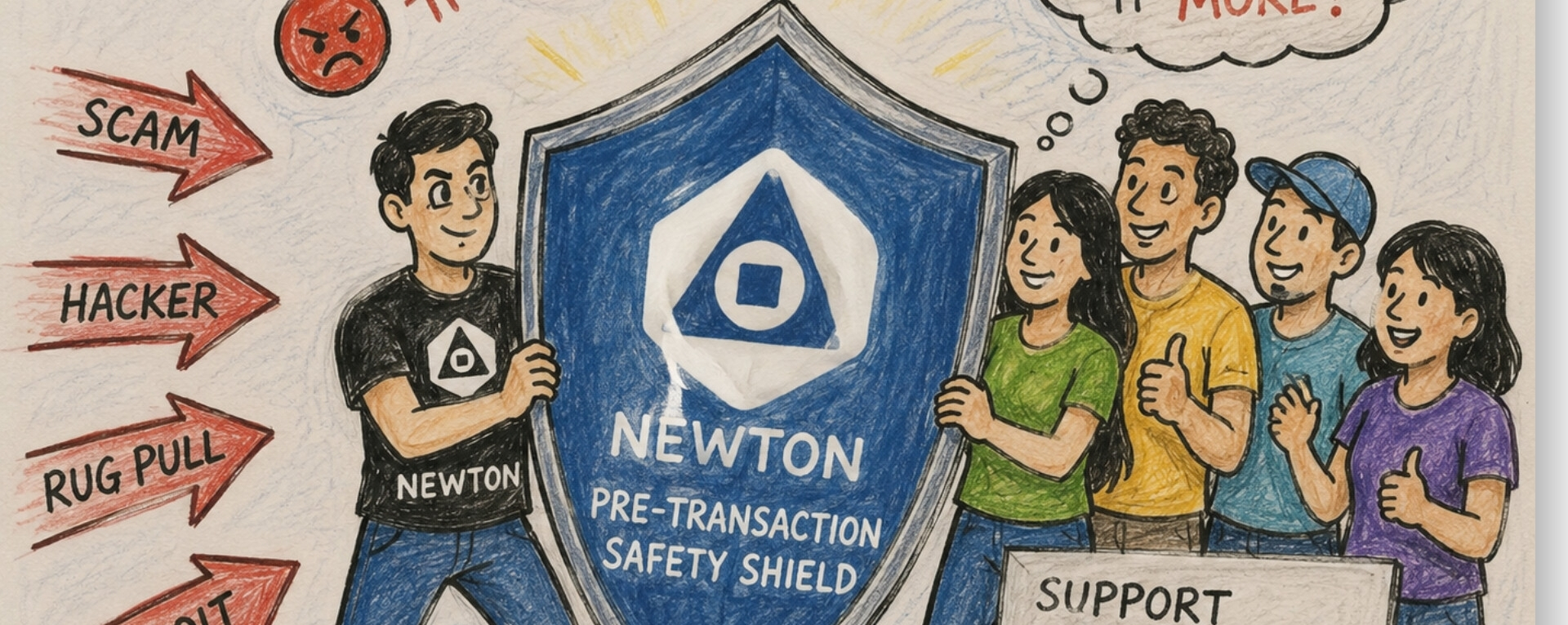
なぜニュートンの事前トランザクション安全シールドが意外なサポート・パラドックスを生むのか
金曜の午後を、開発者向けのプライベートDiscordチャンネルで過ごし、@NewtonProtocol Mainnet Betaのローンチ指標を確認していました。その裏側で進行している、非常に具体的で人間的な運用上の危機に偶然出会いました。私はそれをこう呼んでいます。:
ニュートン・ポリシー支援のパラドックス。
ニュートンのインライン・ポリシー・エンジンを統合している初期のビルダーの誰かが、チームのヘルプデスクの待ち行列についてこぼしていると仮定しましょう。ニュートンのコアとなる価値提案は、安全性のパラメータを、トランザクションが確定する前に実行されるプログラマブルなコードへと変換することです。これにより、アプリは不審なトランザクション意図を自動的にブロックしたり一時停止したりできます。
ニュートン・ポリシー支援のパラドックス。
ニュートンのインライン・ポリシー・エンジンを統合している初期のビルダーの誰かが、チームのヘルプデスクの待ち行列についてこぼしていると仮定しましょう。ニュートンのコアとなる価値提案は、安全性のパラメータを、トランザクションが確定する前に実行されるプログラマブルなコードへと変換することです。これにより、アプリは不審なトランザクション意図を自動的にブロックしたり一時停止したりできます。
19
4
117
ログインして、さらにコンテンツを読む
厳選トピックで世界の暗号資産トレーダーの仲間入り
⚡️ 暗号資産に関する最新かつ有益な情報が見つかります。
💬 世界最大の暗号資産取引所から信頼されています。
👍 認証を受けたクリエイターから、有益なインサイトを得られます。
メール / 電話番号
トレンドトピック
FedMinutesFocusOnOctoberPause
閲覧回数 233,180
1,516人が討論中
🚨 警戒レベル引き上げ ‼️ 次の1時間は無闇に取引しないでください 🚨
皆さん、FOMC議事要旨の発表まで1時間を切りました。
今日すでに大きなボラティリティが見られたことを考えると、発表直前に誰にも無謀な高レバレッジポジションを取ってほしくありません。
私が注目している大きな反応は、ゴールド(XAU)、シルバー(XAG)、BTC、ETHです。さらにSOLのような銘柄や、レバレッジの高い時価総額が中小規模のアルトコインは、BTCの値動きを増幅させる可能性があります。
今夜は特にゴールドとシルバーに注意が必要です。市場はすでに米ドルと米国債利回りに反応しており、両方の貴金属はFRB議事要旨の発表を前に大きな圧力を受けています。
簡単に言うと、
📉タカ派的なFOMC議事要旨 → 米ドル・利回りが上昇する可能性 → BTC、暗号資産、ゴールド、シルバーに下押し圧力
📈ハト派的なFOMC議事要旨 → 米ドル・利回りが落ち着く可能性 → BTC、ゴールド、シルバー、リスク資産が大きく反発する可能性があります。
そして、最初のローソク足が罠になることもあるので忘れないでください。一度急騰してすぐに急落し、両方向で清算が起きてから、本当の方向性が見えてくることもあります。
今はポジションを守り、不要なレバレッジを減らし、最初の値動きにFOMOで飛び乗らないようにしてください。
今夜はまず$XAU 、$XAG 、$BTC を注視しています。これらの動きを見れば、市場がFRBの発表をどう受け止めているか、すぐに分かるでしょう。
時間どおりに皆さんに最新情報をお知らせします。
@Panda Traders をフォローして、今すぐ通知をオンにしてください。
#FedMinutesFocusOnOctoberPause
Panda Traders
·いいね:19件
·閲覧回数 4.4k
BinanceLaunchesBinanceIntelligence
閲覧回数 1.2M
6,688人が討論中
EvernorthDelaysNasdaqDebutToOct12
閲覧回数 26,567
366人が討論中