
Vpushaptrader
126 投稿

Vpushaptrader
報告
ユーザーをブロック
crypto news and information about new crypto earning explained

#BinanceTurns7
取引を発注
低高頻度トレーダー
5.6年
24 フォロー
97 フォロワー
83 いいね
1 バッジ
投稿
ポートフォリオ
すべて
引用
PINNED
記事
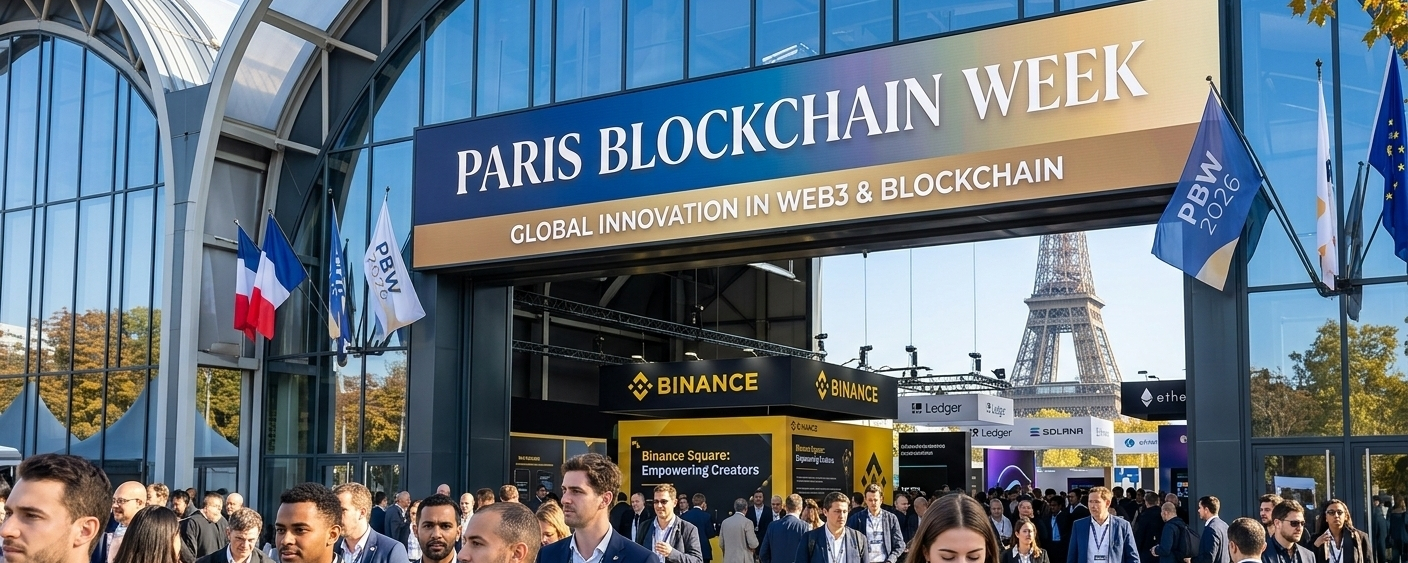
重要なポイントとWeb3の未来未来はここにあります!
パリブロックチェーンウィークは大きなアップデートで賑わっています。こちらがあなたのポートフォリオの「長すぎて読まなかった」(#TL;DR)です:
RWAは王様です:主要な銀行が実世界の資産の完全なトークン化に向かっています。流動性が来ています!
ゼロ手数料の未来:新しいLayer 2のアップグレードにより、ガス手数料がほぼ$0に押し上げられ、大衆採用への道が開かれています。
AI統合:分散型AIマーケットプレイスが今年のサミットのブレイクアウトスターです。
MiCAの影響:ヨーロッパでの明確な規制が、より多くの機関投資家の「ビッグマネー」をこの分野に引き込んでいます。
重要なポイントとWeb3の未来
未来はここにあります!
パリブロックチェーンウィークは大きなアップデートで賑わっています。こちらがあなたのポートフォリオの「長すぎて読まなかった」(#TL;DR)です:
RWAは王様です:主要な銀行が実世界の資産の完全なトークン化に向かっています。流動性が来ています!
ゼロ手数料の未来:新しいLayer 2のアップグレードにより、ガス手数料がほぼ$0に押し上げられ、大衆採用への道が開かれています。
AI統合:分散型AIマーケットプレイスが今年のサミットのブレイクアウトスターです。
MiCAの影響:ヨーロッパでの明確な規制が、より多くの機関投資家の「ビッグマネー」をこの分野に引き込んでいます。
パリブロックチェーンウィークは大きなアップデートで賑わっています。こちらがあなたのポートフォリオの「長すぎて読まなかった」(#TL;DR)です:
RWAは王様です:主要な銀行が実世界の資産の完全なトークン化に向かっています。流動性が来ています!
ゼロ手数料の未来:新しいLayer 2のアップグレードにより、ガス手数料がほぼ$0に押し上げられ、大衆採用への道が開かれています。
AI統合:分散型AIマーケットプレイスが今年のサミットのブレイクアウトスターです。
MiCAの影響:ヨーロッパでの明確な規制が、より多くの機関投資家の「ビッグマネー」をこの分野に引き込んでいます。
1
309
·
--
ブリッシュ
学ぶことに年齢はない—決して遅すぎることはない。今始めよう$NVDAB #AnthropicChoosesNasdaqForPotentialIPO
{spot}(NVDABUSDT)
学ぶことに年齢はない—決して遅すぎることはない。今始めよう$NVDAB #AnthropicChoosesNasdaqForPotentialIPO

63
次の暗号資産(クリプト)ブルランを最も左右する最大の要因は何でしょうか? 🔥
{future}(BTCUSDT)
次の暗号資産(クリプト)ブルランを最も左右する最大の要因は何でしょうか? 🔥
🟠 Bitcoin ETF inflows
33%
🏦 Institutional adoption
67%
⚡ AI + Crypto projects
0%
🌍 Global crypto regulations
0%
3 投票 • 投票は終了しました
1
160
·
--
ブリッシュ
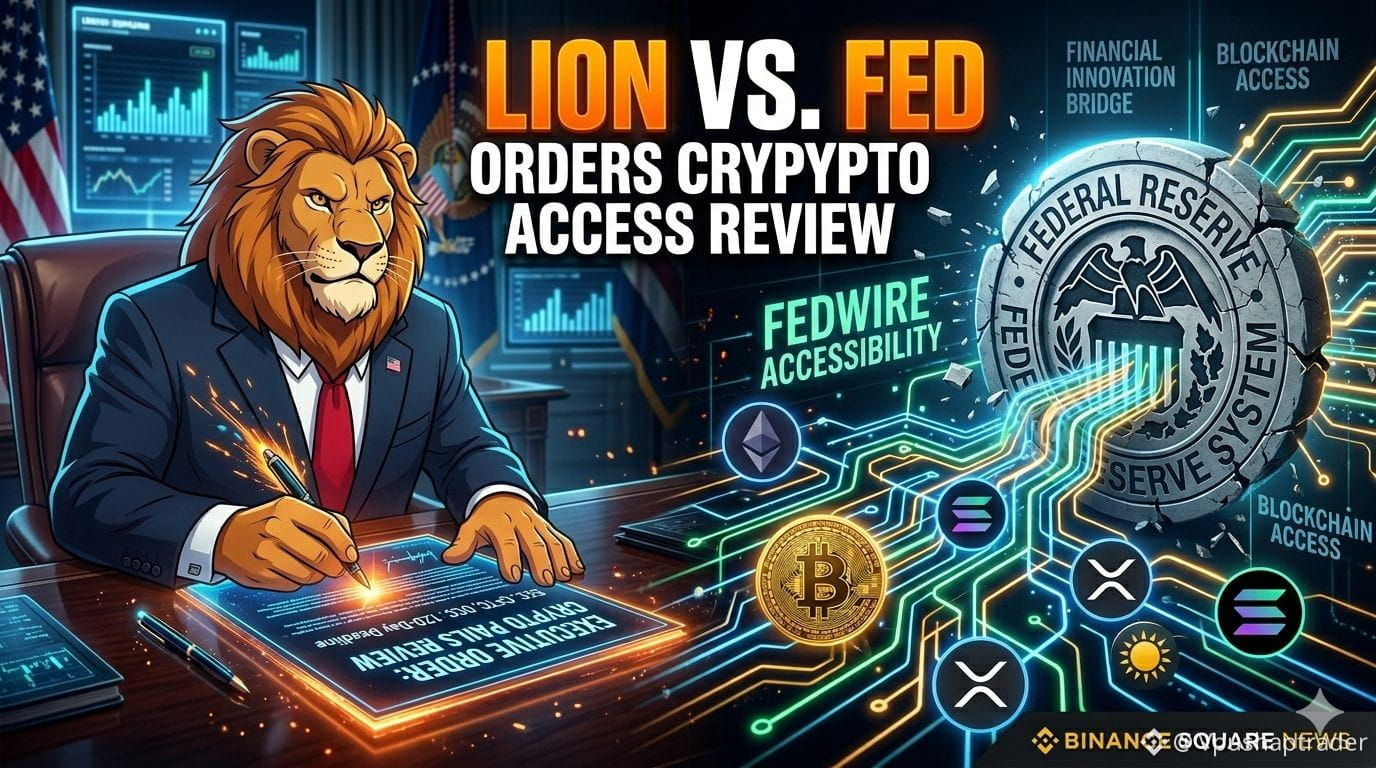
#TrumpOrdersFedCryptoPaymentRailsReview
アメリカの金融風景が永遠に変わりました。
ドナルド・トランプ大統領が「金融テクノロジー革新を規制フレームワークに統合する」という画期的な大統領令に署名しました。この指令は、連邦準備制度、SEC、CFTC、OCCに対し、中央銀行の決済ラインにアクセスする際の障壁を見直し、解体するよう命じることで、従来の銀行の独占に真っ向から挑戦しています。
もしあなたが伝統的な金融(TradFi)とデジタル資産経済との究極の架け橋を待っていたなら、これがその時です。
{future}(BTCUSDT)
$BTC $XRP
{future}(XRPUSDT)
#TrumpOrdersFedCryptoPaymentRailsReview
アメリカの金融風景が永遠に変わりました。
ドナルド・トランプ大統領が「金融テクノロジー革新を規制フレームワークに統合する」という画期的な大統領令に署名しました。この指令は、連邦準備制度、SEC、CFTC、OCCに対し、中央銀行の決済ラインにアクセスする際の障壁を見直し、解体するよう命じることで、従来の銀行の独占に真っ向から挑戦しています。
もしあなたが伝統的な金融(TradFi)とデジタル資産経済との究極の架け橋を待っていたなら、これがその時です。
$BTC $XRP
アメリカの金融風景が永遠に変わりました。
ドナルド・トランプ大統領が「金融テクノロジー革新を規制フレームワークに統合する」という画期的な大統領令に署名しました。この指令は、連邦準備制度、SEC、CFTC、OCCに対し、中央銀行の決済ラインにアクセスする際の障壁を見直し、解体するよう命じることで、従来の銀行の独占に真っ向から挑戦しています。
もしあなたが伝統的な金融(TradFi)とデジタル資産経済との究極の架け橋を待っていたなら、これがその時です。
$BTC $XRP
169
·
--
弱気相場
混合信号 – 短期の弱気センチメントとエコシステムの成長のバランスを取る。**$ サポートレベル**に注目。下にブレイクすると下落が続く可能性があるが、$0.05を取り戻すことができれば、シフトのサインとなる。
混合信号 – 短期の弱気センチメントとエコシステムの成長のバランスを取る。**$ サポートレベル**に注目。下にブレイクすると下落が続く可能性があるが、$0.05を取り戻すことができれば、シフトのサインとなる。
172
·
--
弱気相場
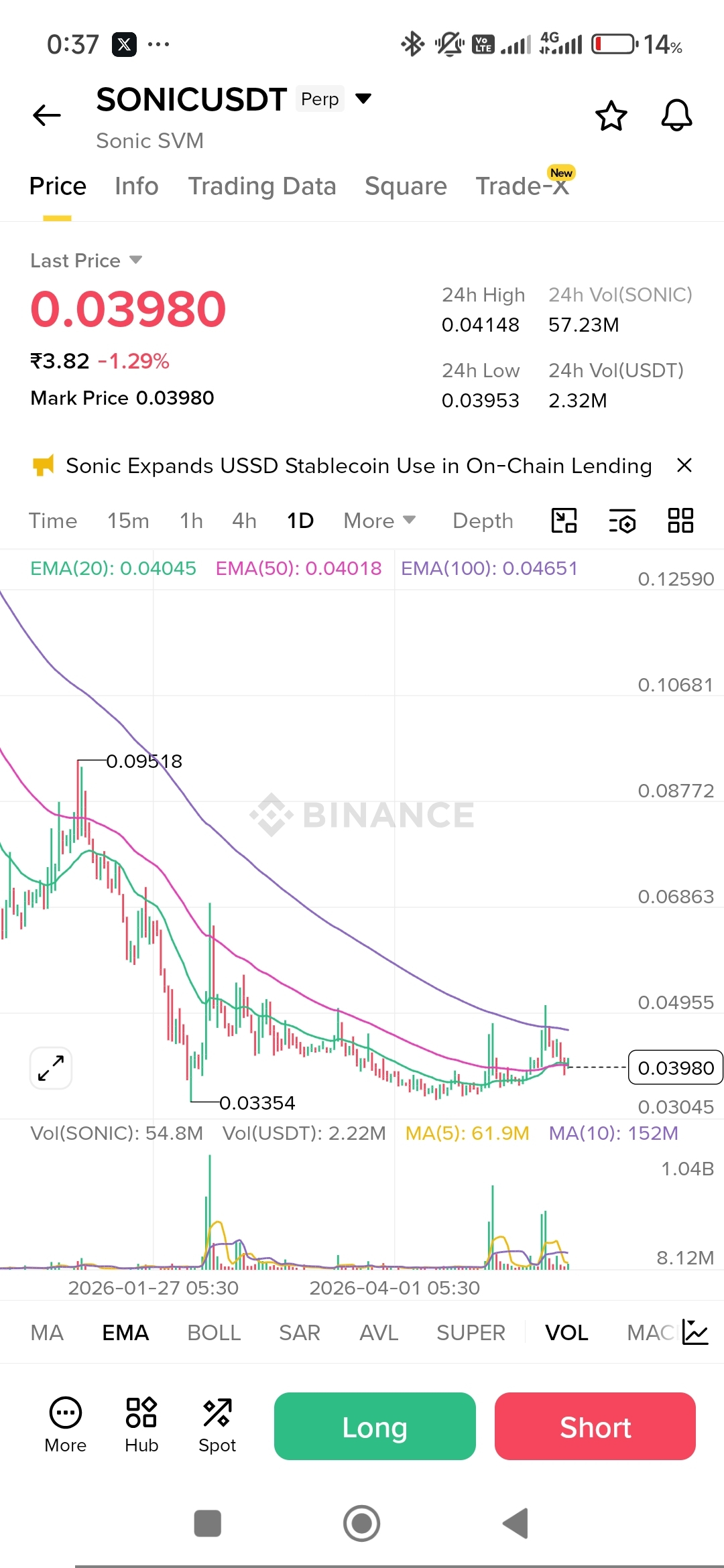
$SONIC
アナリストは、今後30日間で$0.037から$0.039の範囲にSが予測されると言っています。
トレーディングシグナルは非常にベアで、14の移動平均が売りを指示しており、恐怖と欲望指数が42(恐怖)で慎重なセンチメントを示しています。
10月のトークンバーン – シーズン1と2から約32.69百万の未請求Sが、2026年10月15日の後に請求されない場合は永久に消失します。ミックスシグナル – 短期的なベアセンチメントとエコシステムの成長をバランスさせてください。**$0.037のサポートレベル**に注目—これを下回るとさらなる下落が続く可能性があり、$0.05を取り戻すとシグナルが出ます。
#TrumpDisclosesTradesIncludingMARAStock
#DuneCuts25%AmidAIEfficiencyPush
{future}(SONICUSDT)
$SONIC
アナリストは、今後30日間で$0.037から$0.039の範囲にSが予測されると言っています。
トレーディングシグナルは非常にベアで、14の移動平均が売りを指示しており、恐怖と欲望指数が42(恐怖)で慎重なセンチメントを示しています。
10月のトークンバーン – シーズン1と2から約32.69百万の未請求Sが、2026年10月15日の後に請求されない場合は永久に消失します。ミックスシグナル – 短期的なベアセンチメントとエコシステムの成長をバランスさせてください。**$0.037のサポートレベル**に注目—これを下回るとさらなる下落が続く可能性があり、$0.05を取り戻すとシグナルが出ます。
#TrumpDisclosesTradesIncludingMARAStock
#DuneCuts25%AmidAIEfficiencyPush
アナリストは、今後30日間で$0.037から$0.039の範囲にSが予測されると言っています。
トレーディングシグナルは非常にベアで、14の移動平均が売りを指示しており、恐怖と欲望指数が42(恐怖)で慎重なセンチメントを示しています。
10月のトークンバーン – シーズン1と2から約32.69百万の未請求Sが、2026年10月15日の後に請求されない場合は永久に消失します。ミックスシグナル – 短期的なベアセンチメントとエコシステムの成長をバランスさせてください。**$0.037のサポートレベル**に注目—これを下回るとさらなる下落が続く可能性があり、$0.05を取り戻すとシグナルが出ます。
#TrumpDisclosesTradesIncludingMARAStock
#DuneCuts25%AmidAIEfficiencyPush
304
記事
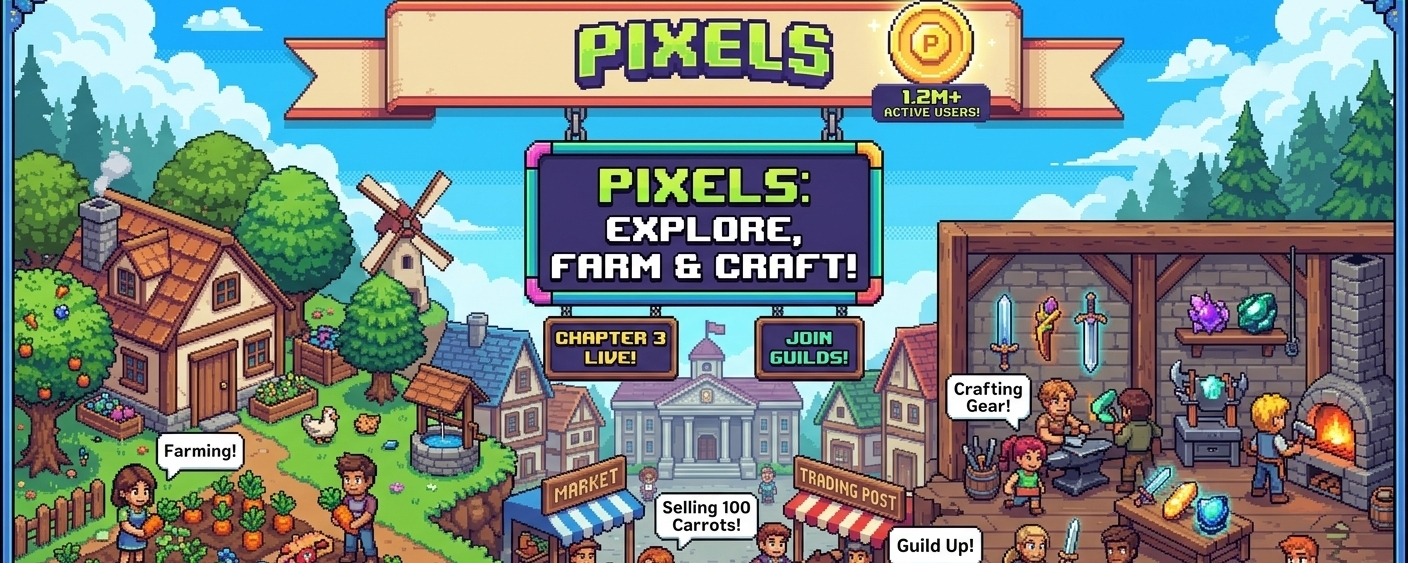
なぜ2026年にPixelsに対して依然として強気なのか正直なところ、ほとんどのWeb3ゲームは一瞬の華で、6ヶ月以内に消えてしまいます。しかし、#Pixels ($PIXEL) は珍しいことを成し遂げました:私たちをプレイし続けさせたのです。
最近、Chapter 3のインダストリアルメカニクスへのシフトが、完全に雰囲気を変えました。もはや単なるカジュアルなクリックゲームではなく、戦略的なリソース戦争です。私が最も気に入っているのは、「トラストスコア」システムが実際にボット問題を解決し、経済が実際の人間にとって報われるものに感じられるようになったことです。
レアなリソースをグラインドしているか、テラヴィラでただくつろいでいるかにかかわらず、ここには他のGameFiプロジェクトでは見られないコミュニティの感覚があります。ロニンの統合はスムーズで、$PIXELユーティリティはこれまで以上にしっかりとしたものに感じられます。
なぜ2026年にPixelsに対して依然として強気なのか
正直なところ、ほとんどのWeb3ゲームは一瞬の華で、6ヶ月以内に消えてしまいます。しかし、#Pixels ($PIXEL ) は珍しいことを成し遂げました:私たちをプレイし続けさせたのです。
最近、Chapter 3のインダストリアルメカニクスへのシフトが、完全に雰囲気を変えました。もはや単なるカジュアルなクリックゲームではなく、戦略的なリソース戦争です。私が最も気に入っているのは、「トラストスコア」システムが実際にボット問題を解決し、経済が実際の人間にとって報われるものに感じられるようになったことです。
レアなリソースをグラインドしているか、テラヴィラでただくつろいでいるかにかかわらず、ここには他のGameFiプロジェクトでは見られないコミュニティの感覚があります。ロニンの統合はスムーズで、$PIXEL ユーティリティはこれまで以上にしっかりとしたものに感じられます。
最近、Chapter 3のインダストリアルメカニクスへのシフトが、完全に雰囲気を変えました。もはや単なるカジュアルなクリックゲームではなく、戦略的なリソース戦争です。私が最も気に入っているのは、「トラストスコア」システムが実際にボット問題を解決し、経済が実際の人間にとって報われるものに感じられるようになったことです。
レアなリソースをグラインドしているか、テラヴィラでただくつろいでいるかにかかわらず、ここには他のGameFiプロジェクトでは見られないコミュニティの感覚があります。ロニンの統合はスムーズで、$PIXEL ユーティリティはこれまで以上にしっかりとしたものに感じられます。
1
1
53
記事
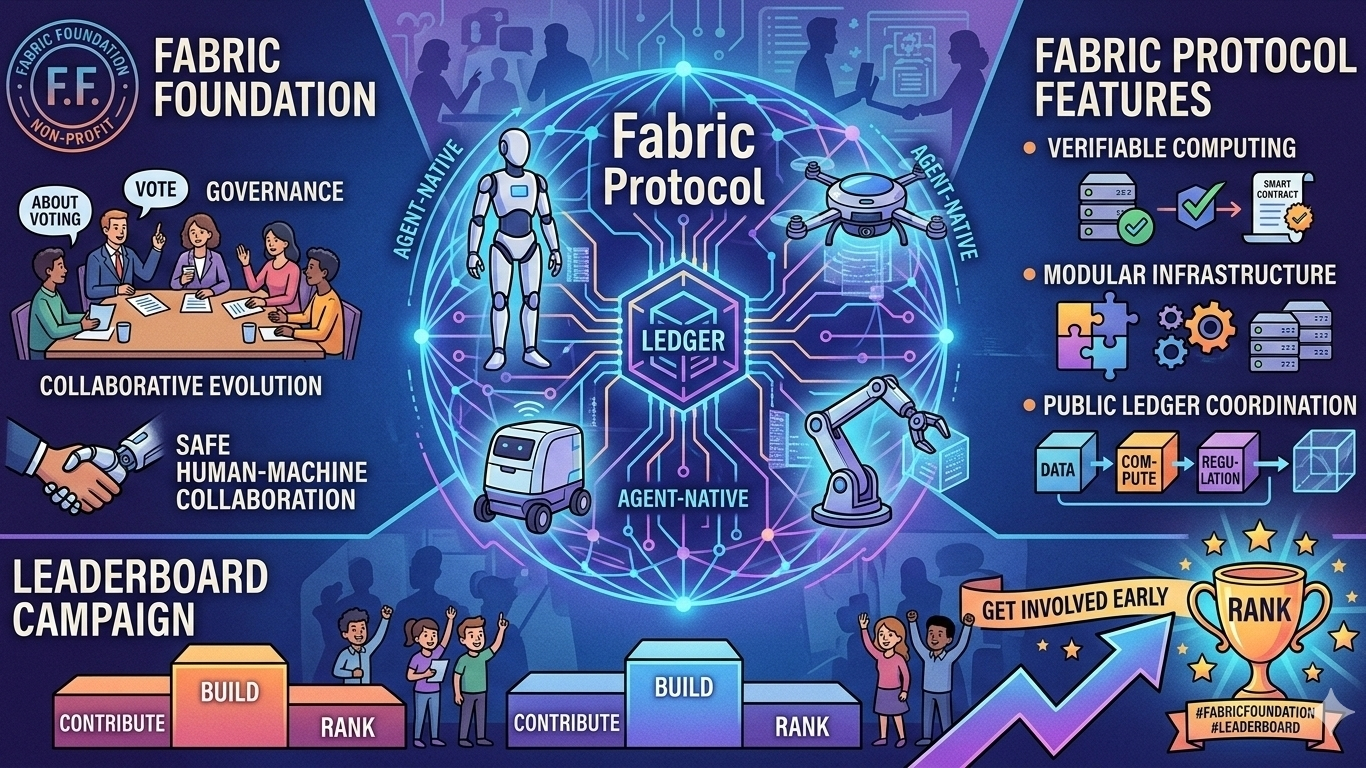
ロボティクス革命の解放:Fabricプロトコル – 一般目的AIのための究極のレイヤー1家にロボットを持つという夢—ただ掃除をするだけでなく、実際に助け方を理解するロボット—は常に「5年後の話」のように感じられました。しかし、ボトルネックはハードウェアではなく、脳と信頼でした。
Fabricプロトコルに参加してください。これは、ロボティクスのための孤立した技術から協力的で分散型の未来へのパラダイムシフトをもたらす、グローバルなオープンネットワークです。非営利のFabric Foundationに支えられ、これは単なる別の暗号プロジェクトではありません。人間と機械のコラボレーションの次の時代のためのインフラストラクチャーです。
ロボティクス革命の解放:Fabricプロトコル – 一般目的AIのための究極のレイヤー1
家にロボットを持つという夢—ただ掃除をするだけでなく、実際に助け方を理解するロボット—は常に「5年後の話」のように感じられました。しかし、ボトルネックはハードウェアではなく、脳と信頼でした。
Fabricプロトコルに参加してください。これは、ロボティクスのための孤立した技術から協力的で分散型の未来へのパラダイムシフトをもたらす、グローバルなオープンネットワークです。非営利のFabric Foundationに支えられ、これは単なる別の暗号プロジェクトではありません。人間と機械のコラボレーションの次の時代のためのインフラストラクチャーです。
Fabricプロトコルに参加してください。これは、ロボティクスのための孤立した技術から協力的で分散型の未来へのパラダイムシフトをもたらす、グローバルなオープンネットワークです。非営利のFabric Foundationに支えられ、これは単なる別の暗号プロジェクトではありません。人間と機械のコラボレーションの次の時代のためのインフラストラクチャーです。
38
記事
Clarity法案はいつ通過するのか?今後の道のりを見てみましょう。#WhenWillCLARITYActPass
現在の状況: 政治的チェスのゲーム
2026年2月現在、Clarity法案は高リスクの待機室にあります。2025年中旬に驚くべき超党派の支持を得て下院を通過したものの、上院はより厳しい群衆であることが証明されています。
[The January Delay](https://www.binance.com/activity/trading-competition/trading-power-up?ref=88163297): 多くの人が2026年初頭に「新年の贈り物」を期待していましたが、上院銀行委員会は1月中旬にそのマークアップ投票を延期しました。
[The Main Sticking Point](https://www.binance.com/activity/trading-competition/trading-power-up?ref=88163297) : それは単なる「いつもの政治」ではありません。この遅延は、クリプト業界と伝統的な銀行の間でのステーブルコイン報酬と、SECがCFTCに対してどれだけの権限を持つべきかについての綱引きが大きな要因です。$XRP
Clarity法案はいつ通過するのか?今後の道のりを見てみましょう。
#WhenWillCLARITYActPass
現在の状況: 政治的チェスのゲーム
2026年2月現在、Clarity法案は高リスクの待機室にあります。2025年中旬に驚くべき超党派の支持を得て下院を通過したものの、上院はより厳しい群衆であることが証明されています。
The January Delay: 多くの人が2026年初頭に「新年の贈り物」を期待していましたが、上院銀行委員会は1月中旬にそのマークアップ投票を延期しました。
The Main Sticking Point : それは単なる「いつもの政治」ではありません。この遅延は、クリプト業界と伝統的な銀行の間でのステーブルコイン報酬と、SECがCFTCに対してどれだけの権限を持つべきかについての綱引きが大きな要因です。$XRP
現在の状況: 政治的チェスのゲーム
2026年2月現在、Clarity法案は高リスクの待機室にあります。2025年中旬に驚くべき超党派の支持を得て下院を通過したものの、上院はより厳しい群衆であることが証明されています。
The January Delay: 多くの人が2026年初頭に「新年の贈り物」を期待していましたが、上院銀行委員会は1月中旬にそのマークアップ投票を延期しました。
The Main Sticking Point : それは単なる「いつもの政治」ではありません。この遅延は、クリプト業界と伝統的な銀行の間でのステーブルコイン報酬と、SECがCFTCに対してどれだけの権限を持つべきかについての綱引きが大きな要因です。$XRP
75
·
--
弱気相場
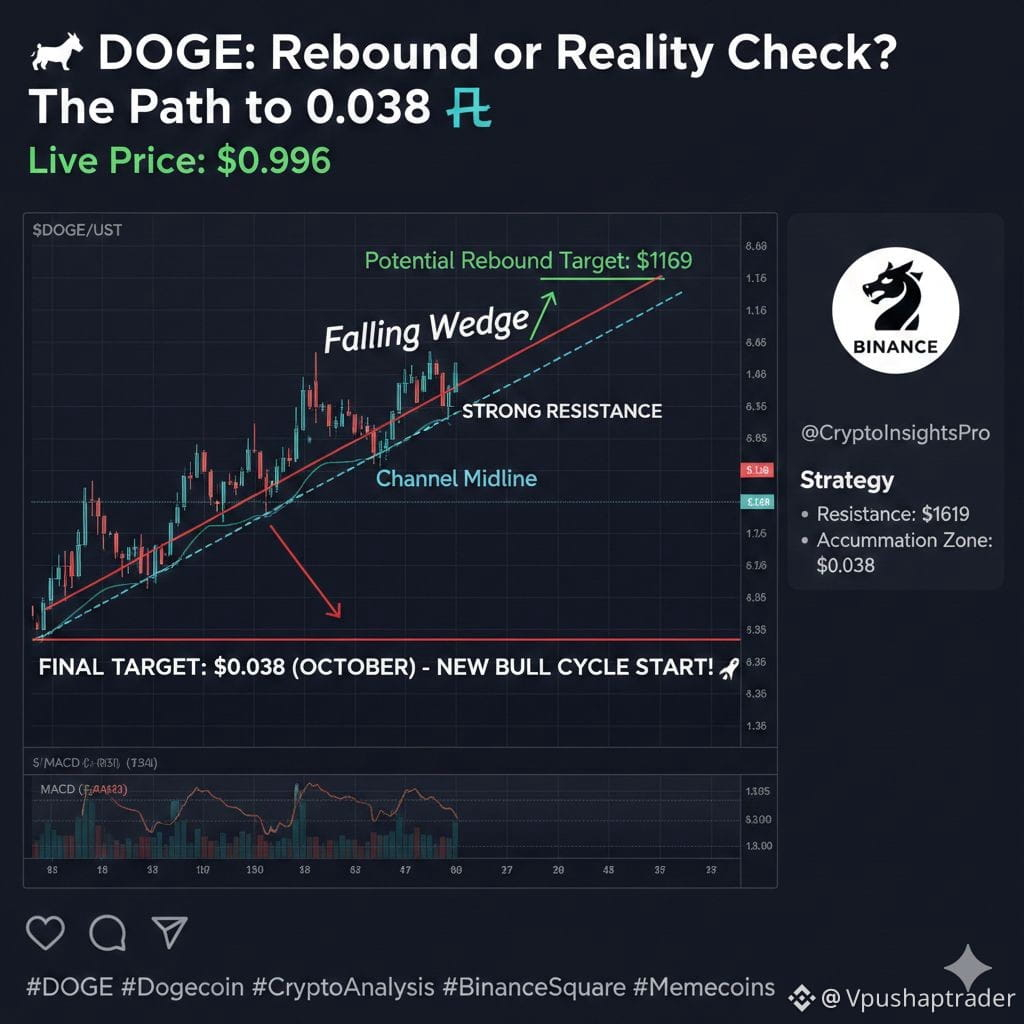
DOGE: バウンスをキャッチするか、さらに下落するか?
現在の価格: $0.096 📉
現実を見てみましょう—$DOGE は今、重い下降ウェッジの中にあります。今日は少し安堵のバウンスを見ていますが、緑のキャンドルに騙されないでください。
$0.169のエリアへの潜在的な上昇を目指していますが、そこには巨大な障害があります:チャネルの中線です。それを突破できなければ、クマたちは運転席に留まる可能性が高いです。
私のマクロな見解は?10月までに$0.038に向かう最終的なフラッシュがあるかもしれません。痛みを伴うように聞こえますが、そこが実際に最も強力な「ムーンミッション」が始まる場所です。🚀
ゲームプラン:
$0.169での拒否を監視してください。
潜在的なQ4のボトムに向けて乾いた粉を準備しておいてください。
忍耐強く、安全を保ちましょう!あなたはこのディップを買いますか、それとも「本当の」ボトムを待ちますか?
#DOGE冲冲冲 #WhaleDeRiskETH #priceaction #memecoins $DOGE
{future}(DOGEUSDT)
$XRP
{future}(XRPUSDT)
DOGE: バウンスをキャッチするか、さらに下落するか?
現在の価格: $0.096 📉
現実を見てみましょう—$DOGE は今、重い下降ウェッジの中にあります。今日は少し安堵のバウンスを見ていますが、緑のキャンドルに騙されないでください。
$0.169のエリアへの潜在的な上昇を目指していますが、そこには巨大な障害があります:チャネルの中線です。それを突破できなければ、クマたちは運転席に留まる可能性が高いです。
私のマクロな見解は?10月までに$0.038に向かう最終的なフラッシュがあるかもしれません。痛みを伴うように聞こえますが、そこが実際に最も強力な「ムーンミッション」が始まる場所です。🚀
ゲームプラン:
$0.169での拒否を監視してください。
潜在的なQ4のボトムに向けて乾いた粉を準備しておいてください。
忍耐強く、安全を保ちましょう!あなたはこのディップを買いますか、それとも「本当の」ボトムを待ちますか?
#DOGE冲冲冲 #WhaleDeRiskETH #priceaction #memecoins $DOGE
$XRP
現在の価格: $0.096 📉
現実を見てみましょう—$DOGE は今、重い下降ウェッジの中にあります。今日は少し安堵のバウンスを見ていますが、緑のキャンドルに騙されないでください。
$0.169のエリアへの潜在的な上昇を目指していますが、そこには巨大な障害があります:チャネルの中線です。それを突破できなければ、クマたちは運転席に留まる可能性が高いです。
私のマクロな見解は?10月までに$0.038に向かう最終的なフラッシュがあるかもしれません。痛みを伴うように聞こえますが、そこが実際に最も強力な「ムーンミッション」が始まる場所です。🚀
ゲームプラン:
$0.169での拒否を監視してください。
潜在的なQ4のボトムに向けて乾いた粉を準備しておいてください。
忍耐強く、安全を保ちましょう!あなたはこのディップを買いますか、それとも「本当の」ボトムを待ちますか?
#DOGE冲冲冲 #WhaleDeRiskETH #priceaction #memecoins $DOGE
$XRP
194
·
--
ブリッシュ
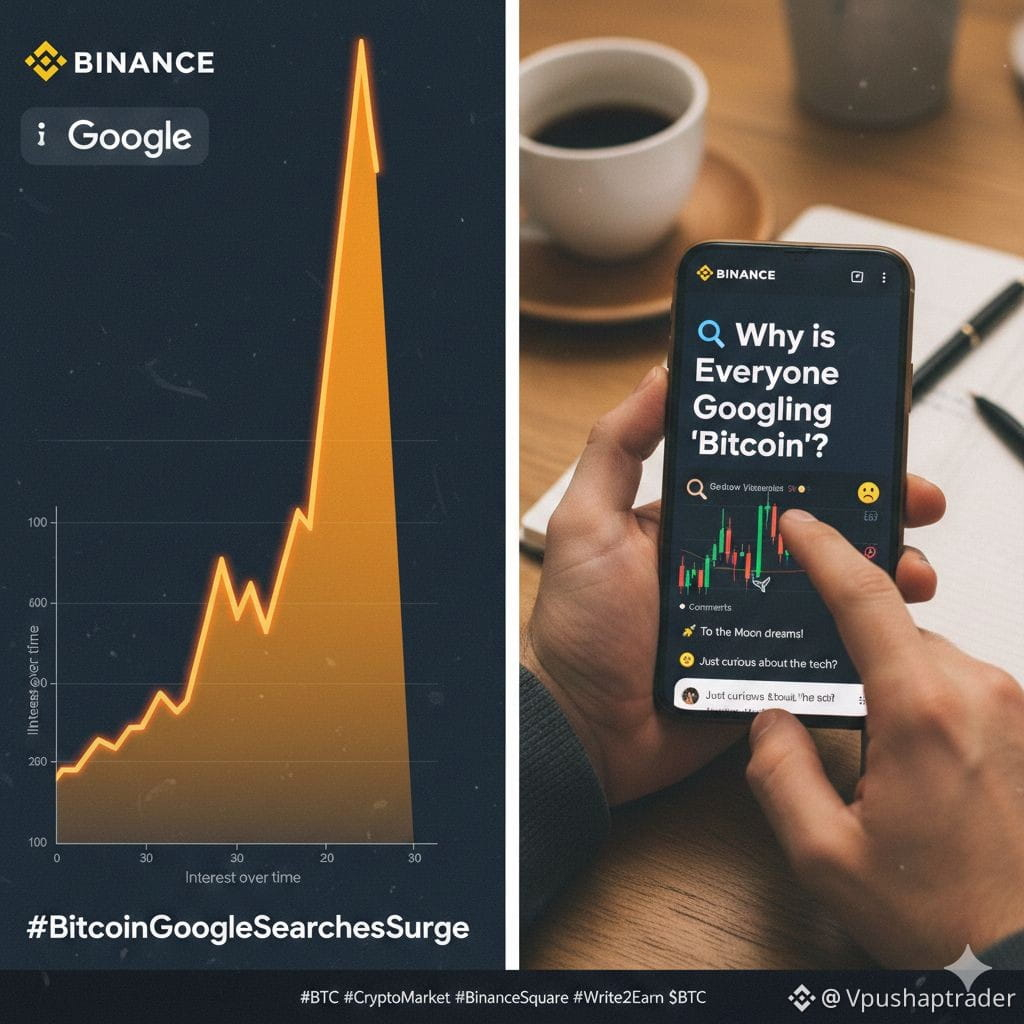
通知のピンに気づきましたか?見出しは?#BitcoinGoogleSearchesSurge は単なる統計ではなく、それはムードです。📈
Googleトレンドが100スコアに達すると、世界が注目していることを意味します。しかし「メインストリート」の人々が「$BTC とは何か?」と検索バーに入力し始める中、私たちバイナンスコミュニティは、本当の物語がチャートと感情に書かれていることを知っています。
💡 実際に何が起こっているのか?
小売のリターン:新参者たちは再び好奇心を持っています。急激な価格変動(最近の$60kへの下落と$71kへの反発のような)は、市場への巨大な「オープン」サインのように機能します。
「恐れ」要因:恐怖と欲望の指数は最近、極端に低い数値を記録しています。人々が恐れているとき、彼らは検索します。検索すると、機会を見つけます。
スマートマネーは静かに動いている:世界が検索する中、クジラたちは蓄積しています。コインベースのプレミアムがプラスに転じるのに気づきましたか?🐋
🧘 同じトレーダーへのメモ:
騒音に巻き込まれないでください。検索の急増はしばしばボラティリティをもたらしますが、同時に流動性ももたらします。あなたが$BTC HODLerであろうとスキャルパーであろうと、地に足をつけてください。最高の取引はパニックの中で行われるのではなく、計画を持って行われます。
あなたが初めて暗号に触れた理由は何ですか?
🚀 「月へ行く」夢?
📉 大規模な価格崩壊?
🤔 技術にただ好奇心がある?
あなたのストーリーをコメントに書いてください!新参者を実際の知恵で歓迎しましょう。👇
#BitcoinGoogleSearchesSurge #BTC #CryptoMarket #BinanceSquare #Write2Earn $BTC
通知のピンに気づきましたか?見出しは?#BitcoinGoogleSearchesSurge は単なる統計ではなく、それはムードです。📈
Googleトレンドが100スコアに達すると、世界が注目していることを意味します。しかし「メインストリート」の人々が「$BTC とは何か?」と検索バーに入力し始める中、私たちバイナンスコミュニティは、本当の物語がチャートと感情に書かれていることを知っています。
💡 実際に何が起こっているのか?
小売のリターン:新参者たちは再び好奇心を持っています。急激な価格変動(最近の$60kへの下落と$71kへの反発のような)は、市場への巨大な「オープン」サインのように機能します。
「恐れ」要因:恐怖と欲望の指数は最近、極端に低い数値を記録しています。人々が恐れているとき、彼らは検索します。検索すると、機会を見つけます。
スマートマネーは静かに動いている:世界が検索する中、クジラたちは蓄積しています。コインベースのプレミアムがプラスに転じるのに気づきましたか?🐋
🧘 同じトレーダーへのメモ:
騒音に巻き込まれないでください。検索の急増はしばしばボラティリティをもたらしますが、同時に流動性ももたらします。あなたが$BTC HODLerであろうとスキャルパーであろうと、地に足をつけてください。最高の取引はパニックの中で行われるのではなく、計画を持って行われます。
あなたが初めて暗号に触れた理由は何ですか?
🚀 「月へ行く」夢?
📉 大規模な価格崩壊?
🤔 技術にただ好奇心がある?
あなたのストーリーをコメントに書いてください!新参者を実際の知恵で歓迎しましょう。👇
#BitcoinGoogleSearchesSurge #BTC #CryptoMarket #BinanceSquare #Write2Earn $BTC
Googleトレンドが100スコアに達すると、世界が注目していることを意味します。しかし「メインストリート」の人々が「$BTC とは何か?」と検索バーに入力し始める中、私たちバイナンスコミュニティは、本当の物語がチャートと感情に書かれていることを知っています。
💡 実際に何が起こっているのか?
小売のリターン:新参者たちは再び好奇心を持っています。急激な価格変動(最近の$60kへの下落と$71kへの反発のような)は、市場への巨大な「オープン」サインのように機能します。
「恐れ」要因:恐怖と欲望の指数は最近、極端に低い数値を記録しています。人々が恐れているとき、彼らは検索します。検索すると、機会を見つけます。
スマートマネーは静かに動いている:世界が検索する中、クジラたちは蓄積しています。コインベースのプレミアムがプラスに転じるのに気づきましたか?🐋
🧘 同じトレーダーへのメモ:
騒音に巻き込まれないでください。検索の急増はしばしばボラティリティをもたらしますが、同時に流動性ももたらします。あなたが$BTC HODLerであろうとスキャルパーであろうと、地に足をつけてください。最高の取引はパニックの中で行われるのではなく、計画を持って行われます。
あなたが初めて暗号に触れた理由は何ですか?
🚀 「月へ行く」夢?
📉 大規模な価格崩壊?
🤔 技術にただ好奇心がある?
あなたのストーリーをコメントに書いてください!新参者を実際の知恵で歓迎しましょう。👇
#BitcoinGoogleSearchesSurge #BTC #CryptoMarket #BinanceSquare #Write2Earn $BTC
1
164
·
--
ブリッシュ
レッドパケットギブアウェイのアップデート 🧧
{future}(DUSKUSDT)
明けましておめでとうございます、クライプトファミリー! 🚀
2026年を迎えて、Binance Payのレッドパケットギブアウェイはまだまだ盛り上がっています!驚きの報酬がいっぱいです!
最新のポイント:今すぐ無料で@DuskFoundation $DUSKレッドパケットを獲得しましょう!簡単で素早く、クリプトギフトが満載です! 🎁
見逃さないでください – 今すぐアクセスして自分の分をゲットしましょう:友達を招待すれば、さらに多くのレッドパケットとボーナスが手に入ります。次にどんなサプライズが待っているか、楽しみですね!
#Binance #RedPacket #CryptoGiveaway #DUSK
{future}(BNBUSDT)
[giveaway](https://app.binance.com/uni-qr/Tw1eGe29)
レッドパケットギブアウェイのアップデート 🧧
明けましておめでとうございます、クライプトファミリー! 🚀
2026年を迎えて、Binance Payのレッドパケットギブアウェイはまだまだ盛り上がっています!驚きの報酬がいっぱいです!
最新のポイント:今すぐ無料で@DuskFoundation $DUSKレッドパケットを獲得しましょう!簡単で素早く、クリプトギフトが満載です! 🎁
見逃さないでください – 今すぐアクセスして自分の分をゲットしましょう:友達を招待すれば、さらに多くのレッドパケットとボーナスが手に入ります。次にどんなサプライズが待っているか、楽しみですね!
#Binance #RedPacket #CryptoGiveaway #DUSK
giveaway
明けましておめでとうございます、クライプトファミリー! 🚀
2026年を迎えて、Binance Payのレッドパケットギブアウェイはまだまだ盛り上がっています!驚きの報酬がいっぱいです!
最新のポイント:今すぐ無料で@DuskFoundation $DUSKレッドパケットを獲得しましょう!簡単で素早く、クリプトギフトが満載です! 🎁
見逃さないでください – 今すぐアクセスして自分の分をゲットしましょう:友達を招待すれば、さらに多くのレッドパケットとボーナスが手に入ります。次にどんなサプライズが待っているか、楽しみですね!
#Binance #RedPacket #CryptoGiveaway #DUSK
giveaway
20
記事
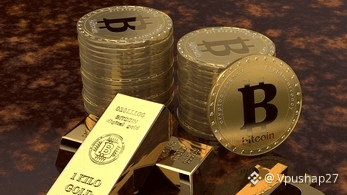
ビットコイン対金: デジタル革命か、時代を超えた安全な避難所か?#BTCVSGOLD 2026年以降、どの価値の保存手段が支配するのでしょうか?
2026年の幕開けとともに、古くからの議論が続いています: 革新的なデジタル資産であるビットコイン(BTC)か、千年の実績を持つ物理的な宝である金か? ビットコインは88,000ドル前後で推移し、金は1オンスあたり4,300ドルを超える記録的な高値で取引されています。投資家たちは経済の不確実性、インフレの恐れ、地政学的緊張の中で資産をどこに置くべきか決めかねています。
より賢い投資判断を下すために、対決形式で分解してみましょう。
ビットコイン対金: デジタル革命か、時代を超えた安全な避難所か?
#BTCVSGOLD 2026年以降、どの価値の保存手段が支配するのでしょうか?
2026年の幕開けとともに、古くからの議論が続いています: 革新的なデジタル資産であるビットコイン(BTC)か、千年の実績を持つ物理的な宝である金か? ビットコインは88,000ドル前後で推移し、金は1オンスあたり4,300ドルを超える記録的な高値で取引されています。投資家たちは経済の不確実性、インフレの恐れ、地政学的緊張の中で資産をどこに置くべきか決めかねています。
より賢い投資判断を下すために、対決形式で分解してみましょう。
2026年の幕開けとともに、古くからの議論が続いています: 革新的なデジタル資産であるビットコイン(BTC)か、千年の実績を持つ物理的な宝である金か? ビットコインは88,000ドル前後で推移し、金は1オンスあたり4,300ドルを超える記録的な高値で取引されています。投資家たちは経済の不確実性、インフレの恐れ、地政学的緊張の中で資産をどこに置くべきか決めかねています。
より賢い投資判断を下すために、対決形式で分解してみましょう。
1
136
記事
心が痛む、ETHが$3,000を繰り返し試すのを見て心が痛むが、再び滑り落ちる#Ethereumは、2018年の厳しいベアマーケット以来見られない9回連続の月次損失を回避するために緊張した96時間のカウントダウンを迎えています。現在、約$2,925にしがみついており、私たち全員が鷹のように見守る重要な$3,000のラインにはわずかに届いていません。
価格バトル - トレーダーは、$ETH が$3,000を繰り返し試すのを見て心が痛むが、$3,050–$3,250の流動性の壁に打ちひしがれ、希望のある急騰を粉砕します。$2,850を下回ると、$2,400–$2,700に向かって痛みを伴う下落が起こり、最も強固なホルダーの神経さえ試されます。現在、$2,925.28で変化率0.00%でフラットに浮遊しており、日中の高値は$2,936.24、安値は$2,917.50です—かろうじて息をしています。
心が痛む、ETHが$3,000を繰り返し試すのを見て心が痛むが、再び滑り落ちる
#Ethereumは、2018年の厳しいベアマーケット以来見られない9回連続の月次損失を回避するために緊張した96時間のカウントダウンを迎えています。現在、約$2,925にしがみついており、私たち全員が鷹のように見守る重要な$3,000のラインにはわずかに届いていません。
価格バトル - トレーダーは、$ETH が$3,000を繰り返し試すのを見て心が痛むが、$3,050–$3,250の流動性の壁に打ちひしがれ、希望のある急騰を粉砕します。$2,850を下回ると、$2,400–$2,700に向かって痛みを伴う下落が起こり、最も強固なホルダーの神経さえ試されます。現在、$2,925.28で変化率0.00%でフラットに浮遊しており、日中の高値は$2,936.24、安値は$2,917.50です—かろうじて息をしています。
価格バトル - トレーダーは、$ETH が$3,000を繰り返し試すのを見て心が痛むが、$3,050–$3,250の流動性の壁に打ちひしがれ、希望のある急騰を粉砕します。$2,850を下回ると、$2,400–$2,700に向かって痛みを伴う下落が起こり、最も強固なホルダーの神経さえ試されます。現在、$2,925.28で変化率0.00%でフラットに浮遊しており、日中の高値は$2,936.24、安値は$2,917.50です—かろうじて息をしています。
18
記事
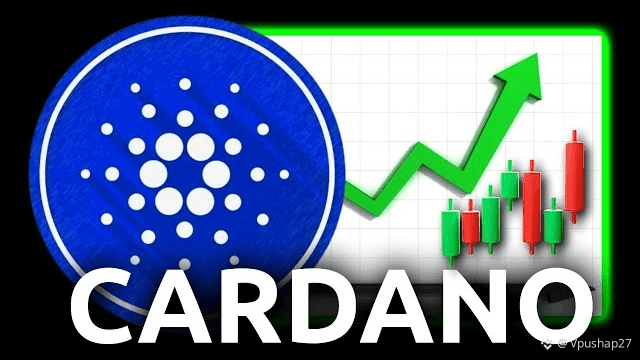
ADA 2026 予測チャレンジ: どれだけ高くなるのか?
#カルダノの #ADA トークンは現在、$0.35前後で取引されており、2026年の大規模なブレイクアウトの噂が広がっています。創設者のチャールズ・ホスキンソンが野心的なロードマップを描く中、暗号通貨の世界は #ADA が $3 以上に急騰するか、より速いライバルの影に埋もれるかを噂しています。この課題は、ADAの道を形作る予測、要因、リスクに dive します。価格スペクトル2026年のADAに関する予測は、慎重なホールドからムーンショットの夢までの可能性を鮮やかに描いています。インベスティングヘイブンのようなアナリストは、$1.25から$3.03の範囲を予測しており、重要な抵抗線を突破すれば$3.12のピークプッシュが見込まれています。コインペディアを含むより楽観的な声は、強気相場で$2.75-$3.25を見越しており、チャンジェリーからの保守的な見解は$0.44-$0.47の平均で推移しています。中程度の予測は$0.59-$1.25にクラスターし、安定したエコシステムの成長に期待を寄せています。これらの数字は空から降ってきたものではなく、#ADA が遅れた後に飛躍した技術チャート、フィボナッチレベル、歴史的サイクルから導き出されています。火を燃やすロードマップホスキンソンの2026年のマスタープランは、カルダノへの戦いの叫びのように感じられます。これは、ガバナンスの改革、AIツール、ハイドラとミスリルによるバショのスケーラビリティ、さらに #DeFi の爆発を強調しています。これを想像してください:7000万ADAがステーブルコインと機関投資家向けのフックに割り当てられ、米国財務省やETFを引き寄せる可能性があります。実行されれば、TVLは急上昇し、ソラナの上昇を模倣するかもしれませんが、カルダノの研究に裏打ちされた優位性を持っています。しかし、過去の遅延は物語を悩ませており、調整の問題は$0.61-$0.75のサポートレベルでの利益を制限する可能性があります。強気と弱気の戦場何が天秤を傾けるのでしょうか?ここでは、プレイされている力の正対決です。強気派はカルダノの安定した成長が成熟した市場で報われると賭け、弱気派は再び "イーサリアムキラー "が消えてしまうと警告しています。現実的な高値とあなたのプレイ基本ケースでは、ADAは2026年末までに$1.50-$2に達し、ロードマップの勝利と穏やかな強気を融合させます。$3+へのストレッチは完璧な実行を要求します。
ADA 2026 予測チャレンジ: どれだけ高くなるのか?
#カルダノの #ADA トークンは現在、$0.35前後で取引されており、2026年の大規模なブレイクアウトの噂が広がっています。創設者のチャールズ・ホスキンソンが野心的なロードマップを描く中、暗号通貨の世界は #ADA が $3 以上に急騰するか、より速いライバルの影に埋もれるかを噂しています。この課題は、ADAの道を形作る予測、要因、リスクに dive します。価格スペクトル2026年のADAに関する予測は、慎重なホールドからムーンショットの夢までの可能性を鮮やかに描いています。インベスティングヘイブンのようなアナリストは、$1.25から$3.03の範囲を予測しており、重要な抵抗線を突破すれば$3.12のピークプッシュが見込まれています。コインペディアを含むより楽観的な声は、強気相場で$2.75-$3.25を見越しており、チャンジェリーからの保守的な見解は$0.44-$0.47の平均で推移しています。中程度の予測は$0.59-$1.25にクラスターし、安定したエコシステムの成長に期待を寄せています。これらの数字は空から降ってきたものではなく、#ADA が遅れた後に飛躍した技術チャート、フィボナッチレベル、歴史的サイクルから導き出されています。火を燃やすロードマップホスキンソンの2026年のマスタープランは、カルダノへの戦いの叫びのように感じられます。これは、ガバナンスの改革、AIツール、ハイドラとミスリルによるバショのスケーラビリティ、さらに #DeFi の爆発を強調しています。これを想像してください:7000万ADAがステーブルコインと機関投資家向けのフックに割り当てられ、米国財務省やETFを引き寄せる可能性があります。実行されれば、TVLは急上昇し、ソラナの上昇を模倣するかもしれませんが、カルダノの研究に裏打ちされた優位性を持っています。しかし、過去の遅延は物語を悩ませており、調整の問題は$0.61-$0.75のサポートレベルでの利益を制限する可能性があります。強気と弱気の戦場何が天秤を傾けるのでしょうか?ここでは、プレイされている力の正対決です。強気派はカルダノの安定した成長が成熟した市場で報われると賭け、弱気派は再び "イーサリアムキラー "が消えてしまうと警告しています。現実的な高値とあなたのプレイ基本ケースでは、ADAは2026年末までに$1.50-$2に達し、ロードマップの勝利と穏やかな強気を融合させます。$3+へのストレッチは完璧な実行を要求します。
1
1
3
183
🆕 バイナンスで新しいトークン? 🚨 価格が狂った理由...
💥 **最初の数時間 = ムーンショットまたはクラッシュ**
- FOMOが押し寄せる → 50%の急騰
- クジラが売り払う → 即時の下落
- ボリュームがボットと新参者から爆発的に増加
⚠️ **プロの動き:**
✅ トークノミクスについての調査
✅ ストップロスは常に
✅ ピークFOMOでのYOLOは禁止
ハイプの富。賢く取引しよう! 🧠💰
#新規上場 #バイナンス #暗号ボラティリティ #トークンローンチ #アルトシーズン #DYOR
🆕 バイナンスで新しいトークン? 🚨 価格が狂った理由...
💥 **最初の数時間 = ムーンショットまたはクラッシュ**
- FOMOが押し寄せる → 50%の急騰
- クジラが売り払う → 即時の下落
- ボリュームがボットと新参者から爆発的に増加
⚠️ **プロの動き:**
✅ トークノミクスについての調査
✅ ストップロスは常に
✅ ピークFOMOでのYOLOは禁止
ハイプの富。賢く取引しよう! 🧠💰
#新規上場 #バイナンス #暗号ボラティリティ #トークンローンチ #アルトシーズン #DYOR
💥 **最初の数時間 = ムーンショットまたはクラッシュ**
- FOMOが押し寄せる → 50%の急騰
- クジラが売り払う → 即時の下落
- ボリュームがボットと新参者から爆発的に増加
⚠️ **プロの動き:**
✅ トークノミクスについての調査
✅ ストップロスは常に
✅ ピークFOMOでのYOLOは禁止
ハイプの富。賢く取引しよう! 🧠💰
#新規上場 #バイナンス #暗号ボラティリティ #トークンローンチ #アルトシーズン #DYOR
1
37
·
--
弱気相場
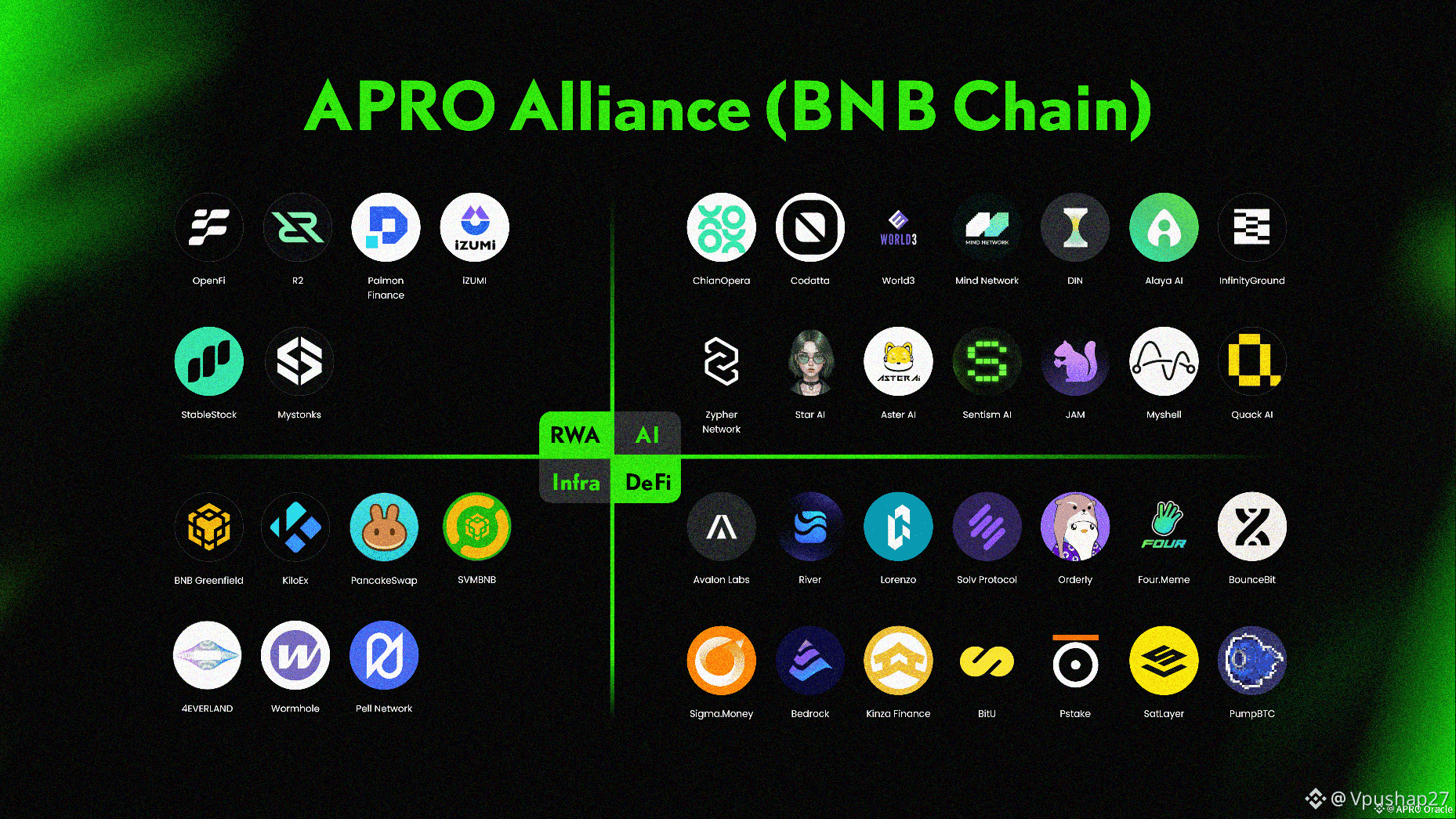
#apro $AT 皆さん、APROのトークン解除について掘り下げています - どの暗号プレイにも非常に重要です!🚀 こちらが彼らのスケジュールからの内訳です(TGEは2025年10月24日でした)。パブリックセール(15%、約1億5000万AT)と流動性(3%、約3000万AT)がすぐに市場に出ます。チーム(10%、1億AT)は2026年10月まで1年間のクリフがあり、その後2年間で線形的に配布されます - 最初の大きな部分は2026年遅くに約2500万です。投資家(20%、2億AT)も同様で、2026年第4四半期(約5000万)から2027年を通じて始まります。エコシステムファンド(約25%、2億5000万AT)は2025年11月から48か月間毎月約500万ずつ流れます。ステーキング報酬(約20%)は徐々に展開され、クリフはありません。全体的に、供給は2026-27年に30-40%跳ね上がる可能性があるので、売り圧力に注意してください!📉 これはアドバイスではありません、DYOR - あなたはどう思いますか? #APRO #CryptoTokenomics #Web3$BTC
$ETH
#apro $AT 皆さん、APROのトークン解除について掘り下げています - どの暗号プレイにも非常に重要です!🚀 こちらが彼らのスケジュールからの内訳です(TGEは2025年10月24日でした)。パブリックセール(15%、約1億5000万AT)と流動性(3%、約3000万AT)がすぐに市場に出ます。チーム(10%、1億AT)は2026年10月まで1年間のクリフがあり、その後2年間で線形的に配布されます - 最初の大きな部分は2026年遅くに約2500万です。投資家(20%、2億AT)も同様で、2026年第4四半期(約5000万)から2027年を通じて始まります。エコシステムファンド(約25%、2億5000万AT)は2025年11月から48か月間毎月約500万ずつ流れます。ステーキング報酬(約20%)は徐々に展開され、クリフはありません。全体的に、供給は2026-27年に30-40%跳ね上がる可能性があるので、売り圧力に注意してください!📉 これはアドバイスではありません、DYOR - あなたはどう思いますか? #APRO #CryptoTokenomics #Web3$BTC
$ETH
$ETH
76
$BTC – 更新
現在、日足チャートでは非常に中立的なゾーンにいますが、高時間足の上昇トレンドは維持されています。
{future}(BTCUSDT)
注目すべき重要なレベル: [ローカル]
サポート: 112,500 – 111,800 – 110,000
レジスタンス: 114,800 – 115,500 – 117,400 – 118,200
価格の動きは、次の大きな動きが見られるまで、ここで数日間横ばいの状態が続く可能性があります。おそらく、進行中の高時間足のトレンドに沿って上昇するでしょう。[短期的な価格方向は不明]
{future}(SOLUSDT)
#CryptoRally
特に、多くの#アルトがサポートのすぐ上にあり、#BTC が56%のエリアに向かってさらなる下落の可能性がある場合、安定すれば、#アルトコインは再び急騰する可能性があります!
{future}(ETHUSDT)
$BTC – 更新
現在、日足チャートでは非常に中立的なゾーンにいますが、高時間足の上昇トレンドは維持されています。
注目すべき重要なレベル: [ローカル]
サポート: 112,500 – 111,800 – 110,000
レジスタンス: 114,800 – 115,500 – 117,400 – 118,200
価格の動きは、次の大きな動きが見られるまで、ここで数日間横ばいの状態が続く可能性があります。おそらく、進行中の高時間足のトレンドに沿って上昇するでしょう。[短期的な価格方向は不明]
#CryptoRally
特に、多くの#アルトがサポートのすぐ上にあり、#BTC が56%のエリアに向かってさらなる下落の可能性がある場合、安定すれば、#アルトコインは再び急騰する可能性があります!
現在、日足チャートでは非常に中立的なゾーンにいますが、高時間足の上昇トレンドは維持されています。
注目すべき重要なレベル: [ローカル]
サポート: 112,500 – 111,800 – 110,000
レジスタンス: 114,800 – 115,500 – 117,400 – 118,200
価格の動きは、次の大きな動きが見られるまで、ここで数日間横ばいの状態が続く可能性があります。おそらく、進行中の高時間足のトレンドに沿って上昇するでしょう。[短期的な価格方向は不明]
#CryptoRally
特に、多くの#アルトがサポートのすぐ上にあり、#BTC が56%のエリアに向かってさらなる下落の可能性がある場合、安定すれば、#アルトコインは再び急騰する可能性があります!
45
ペンシルベニア州のHB 1812が暗号の世界を揺るがしました!
🔒 公務員とその家族は暗号を保有することを禁止されます
⏳ 就任後90日以内にデジタル資産を売却する必要があります
⚖️ 違反の場合は最大50,000ドルの罰金または最大5年の懲役
これは民主主義を守ると思いますか 🏛️ それとも革新を殺すと思いますか 🚀?
#cryptouniverseofficial #PennsylvaniaShowdown #HB1812 #PennsylvaniaBitcoinReserve $BTC $SOL $ETH
{future}(ETHUSDT)
{future}(SOLUSDT)
{future}(BTCUSDT)
ペンシルベニア州のHB 1812が暗号の世界を揺るがしました!
🔒 公務員とその家族は暗号を保有することを禁止されます
⏳ 就任後90日以内にデジタル資産を売却する必要があります
⚖️ 違反の場合は最大50,000ドルの罰金または最大5年の懲役
これは民主主義を守ると思いますか 🏛️ それとも革新を殺すと思いますか 🚀?
#cryptouniverseofficial #PennsylvaniaShowdown #HB1812 #PennsylvaniaBitcoinReserve $BTC $SOL $ETH
🔒 公務員とその家族は暗号を保有することを禁止されます
⏳ 就任後90日以内にデジタル資産を売却する必要があります
⚖️ 違反の場合は最大50,000ドルの罰金または最大5年の懲役
これは民主主義を守ると思いますか 🏛️ それとも革新を殺すと思いますか 🚀?
#cryptouniverseofficial #PennsylvaniaShowdown #HB1812 #PennsylvaniaBitcoinReserve $BTC $SOL $ETH
102
·
--
ブリッシュ
#ProjectCrypto
{future}(ETHUSDT)
イーサリアムは現在、重要な$3,500サポートレベルの周辺で推移しています。このゾーンは次の価格動向にとって重要な意義を持っています。このレベルは強気のブレイクアウトを確認するための重要な基盤と見なされており、$4,800のターゲットを持つ可能性があります。もし$ETH がこのサポートの上にしっかりと保持されれば、強い買いの勢いと再び投資家の信頼が高まることを示すかもしれず、さらなる上昇ラリーへの道を開く可能性があります。しかし、このレベルを維持できなければ、さらなる価格の弱さと可能な修正につながるかもしれません。市場のセンチメントが揺れ動く中、トレーダーと長期保有者はこの価格動向を注意深く見守り、イーサリアムの短期的なトレンドを判断しようとしています。
#ProjectCrypto
イーサリアムは現在、重要な$3,500サポートレベルの周辺で推移しています。このゾーンは次の価格動向にとって重要な意義を持っています。このレベルは強気のブレイクアウトを確認するための重要な基盤と見なされており、$4,800のターゲットを持つ可能性があります。もし$ETH がこのサポートの上にしっかりと保持されれば、強い買いの勢いと再び投資家の信頼が高まることを示すかもしれず、さらなる上昇ラリーへの道を開く可能性があります。しかし、このレベルを維持できなければ、さらなる価格の弱さと可能な修正につながるかもしれません。市場のセンチメントが揺れ動く中、トレーダーと長期保有者はこの価格動向を注意深く見守り、イーサリアムの短期的なトレンドを判断しようとしています。
イーサリアムは現在、重要な$3,500サポートレベルの周辺で推移しています。このゾーンは次の価格動向にとって重要な意義を持っています。このレベルは強気のブレイクアウトを確認するための重要な基盤と見なされており、$4,800のターゲットを持つ可能性があります。もし$ETH がこのサポートの上にしっかりと保持されれば、強い買いの勢いと再び投資家の信頼が高まることを示すかもしれず、さらなる上昇ラリーへの道を開く可能性があります。しかし、このレベルを維持できなければ、さらなる価格の弱さと可能な修正につながるかもしれません。市場のセンチメントが揺れ動く中、トレーダーと長期保有者はこの価格動向を注意深く見守り、イーサリアムの短期的なトレンドを判断しようとしています。
27
ログインして、さらにコンテンツを読む
厳選トピックで世界の暗号資産トレーダーの仲間入り
⚡️ 暗号資産に関する最新かつ有益な情報が見つかります。
💬 世界最大の暗号資産取引所から信頼されています。
👍 認証を受けたクリエイターから、有益なインサイトを得られます。
メール / 電話番号
トレンドトピック
BitcoinReboundsTo$79K
閲覧回数 20,666
186人が討論中
🚨 $BTC はさらに上昇しようとしています。
ビットコインは約 $78,804 で取引されており、先ほど $78K の水準を回復したことでおよそ 1.9% 上昇しています。次に注目すべきは、日中の高値である約 $78,905 です。
その水準を明確に上抜けると、$79K〜$80K へ向かう道が開ける可能性があります。もしBTCが跳ね返される場合、サポートは $78,300 あたりにあり、その次は $77,975 です。
強気筋には勢いがありますが、BTC は $78K を上回って維持する必要があります。
#Bitcoin #BTC #CryptoTrading #CryptoMarket #CryptoAnalysis
PulseON
·いいね:18件
·閲覧回数 17.5k
BitcoinSpotETFsNetInflow$160M
閲覧回数 212
33人が討論中
SouthKoreaCryptoTaxDelayPetitionTops50000
閲覧回数 11,239
324人が討論中