

VKArya
8.7k 投稿

VKArya
報告
ユーザーをブロック
I m gamer
取引を発注
高頻度トレーダー
2年
2.1K+ フォロー
20.9K+ フォロワー
2.1K+ いいね
投稿
ポートフォリオ
すべて
引用
ライブ
·
--
記事
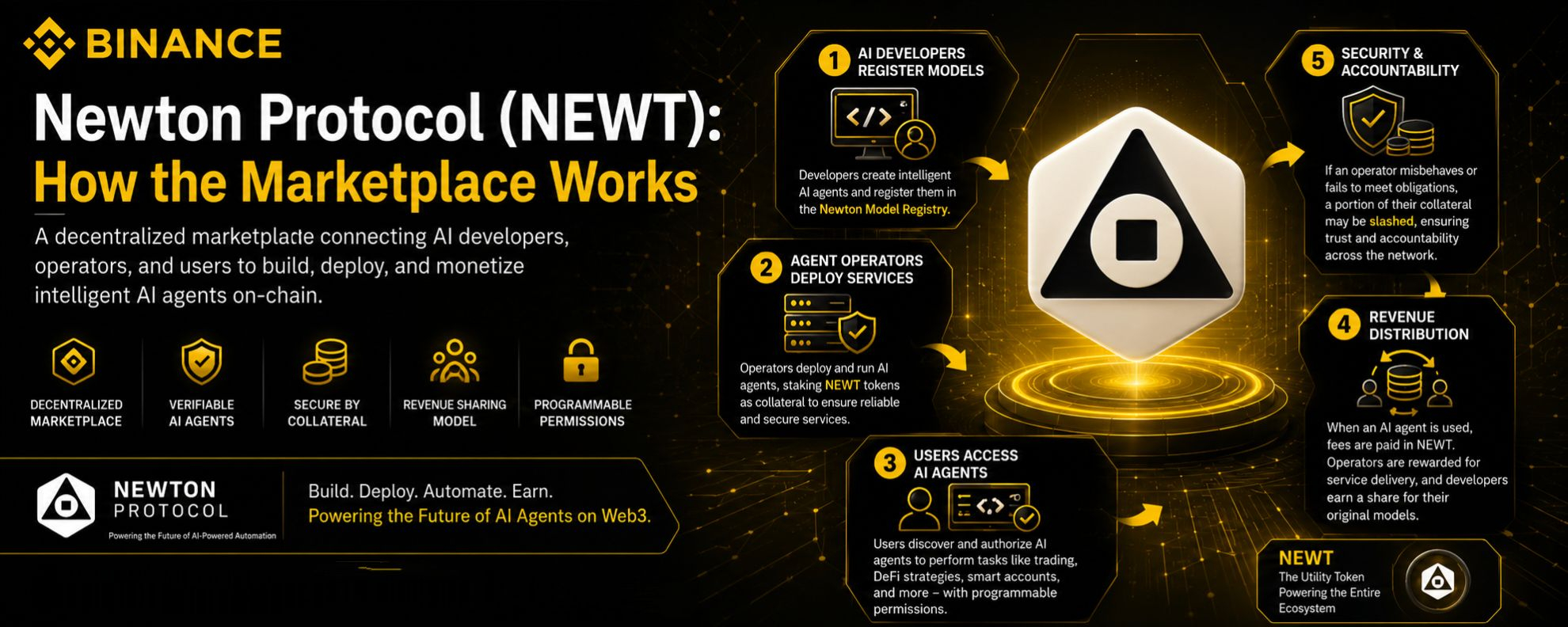
Newton Protocol(NEWT):マーケットプレイスの仕組みNewton Protocol(NEWT)は、AI開発者、エージェント運用者、エンドユーザーを安全で分散化されたエコシステムでつなぐためのオンチェーン・マーケットプレイスを導入します。Newton Model Registryを通じて、開発者は自律型AIエージェントを公開でき、運用者は現実世界のアプリケーションのためにこれらのエージェントをデプロイし、維持します。このマーケットプレイスは、中央集権型プラットフォームに依存せずに、イノベーション、透明性、そして持続可能な報酬を促進することを目的としています。
ステップ1:AI開発者が自分のモデルを登録する
AI開発者は、インテリジェントなエージェントまたは自動化モデルを作成し、Newton Model Registryに登録します。登録により、これらのAIエージェントは一般に公開され、ユーザーや企業が閲覧・評価し、ブロックチェーンベースのアプリケーションに統合できるようになります。レジストリは、検証可能なAIサービスの信頼できるカタログとして機能します。
Newton Protocol(NEWT):マーケットプレイスの仕組み
Newton Protocol(NEWT)は、AI開発者、エージェント運用者、エンドユーザーを安全で分散化されたエコシステムでつなぐためのオンチェーン・マーケットプレイスを導入します。Newton Model Registryを通じて、開発者は自律型AIエージェントを公開でき、運用者は現実世界のアプリケーションのためにこれらのエージェントをデプロイし、維持します。このマーケットプレイスは、中央集権型プラットフォームに依存せずに、イノベーション、透明性、そして持続可能な報酬を促進することを目的としています。
ステップ1:AI開発者が自分のモデルを登録する
AI開発者は、インテリジェントなエージェントまたは自動化モデルを作成し、Newton Model Registryに登録します。登録により、これらのAIエージェントは一般に公開され、ユーザーや企業が閲覧・評価し、ブロックチェーンベースのアプリケーションに統合できるようになります。レジストリは、検証可能なAIサービスの信頼できるカタログとして機能します。
ステップ1:AI開発者が自分のモデルを登録する
AI開発者は、インテリジェントなエージェントまたは自動化モデルを作成し、Newton Model Registryに登録します。登録により、これらのAIエージェントは一般に公開され、ユーザーや企業が閲覧・評価し、ブロックチェーンベースのアプリケーションに統合できるようになります。レジストリは、検証可能なAIサービスの信頼できるカタログとして機能します。
1
3
247
·
--
記事
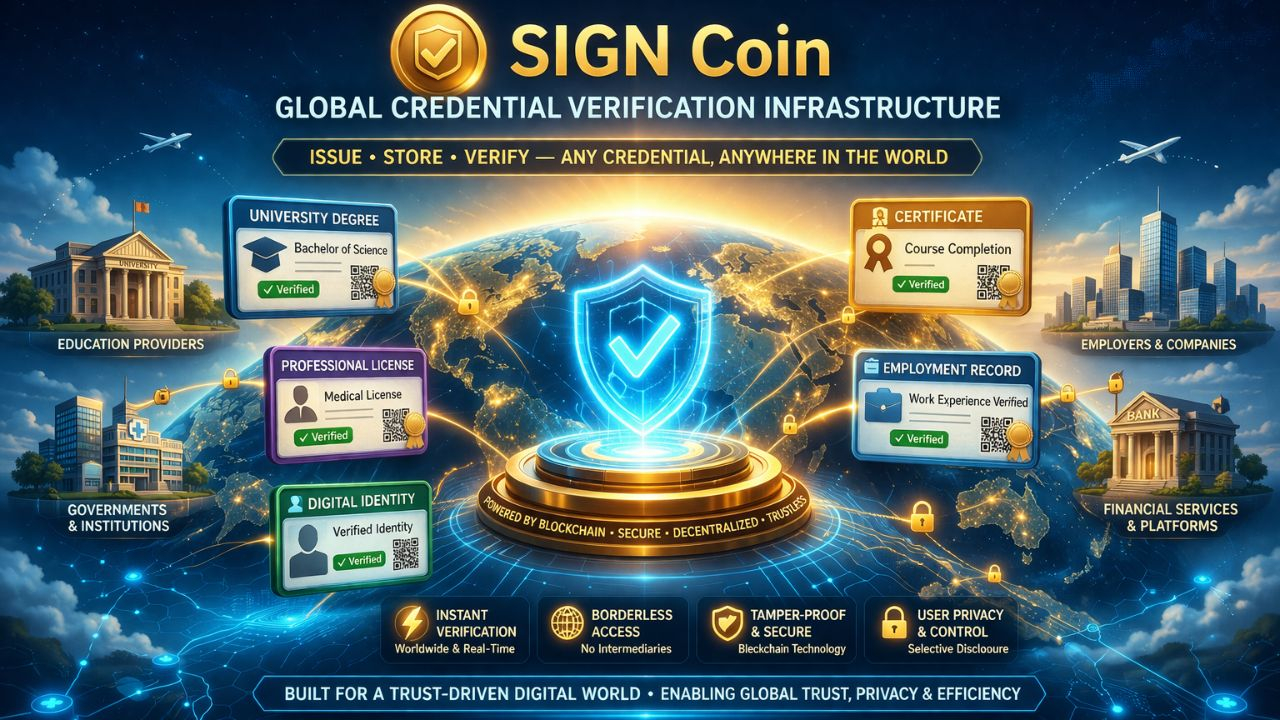
SIGN - グローバル資格検証インフラ$SIGN Coinは、デジタル世界で信頼がどのように確立されるかを再定義するために設計された強力なグローバル資格検証インフラを導入します。このシステムの核心は、個人、機関、組織が学術証明書、専門ライセンス、デジタルID、法的文書などの資格を安全で分散型のネットワーク上で発行、保存、検証できるようにすることです。中央集権的な権威や手動プロセスに大きく依存する従来の検証システムとは異なり、@SignOfficial Coinはブロックチェーン技術を活用して、改ざん不可能で普遍的にアクセス可能な信頼の層を作り出します。ネットワーク上で発行されたすべての資格は暗号的に署名され、永久に記録されるため、真正性が保証され、偽造を防ぎ、繰り返しの検証チェックの必要性がなくなります。
SIGN - グローバル資格検証インフラ
$SIGN Coinは、デジタル世界で信頼がどのように確立されるかを再定義するために設計された強力なグローバル資格検証インフラを導入します。このシステムの核心は、個人、機関、組織が学術証明書、専門ライセンス、デジタルID、法的文書などの資格を安全で分散型のネットワーク上で発行、保存、検証できるようにすることです。中央集権的な権威や手動プロセスに大きく依存する従来の検証システムとは異なり、@SignOfficial Coinはブロックチェーン技術を活用して、改ざん不可能で普遍的にアクセス可能な信頼の層を作り出します。ネットワーク上で発行されたすべての資格は暗号的に署名され、永久に記録されるため、真正性が保証され、偽造を防ぎ、繰り返しの検証チェックの必要性がなくなります。
1
507
·
--
記事
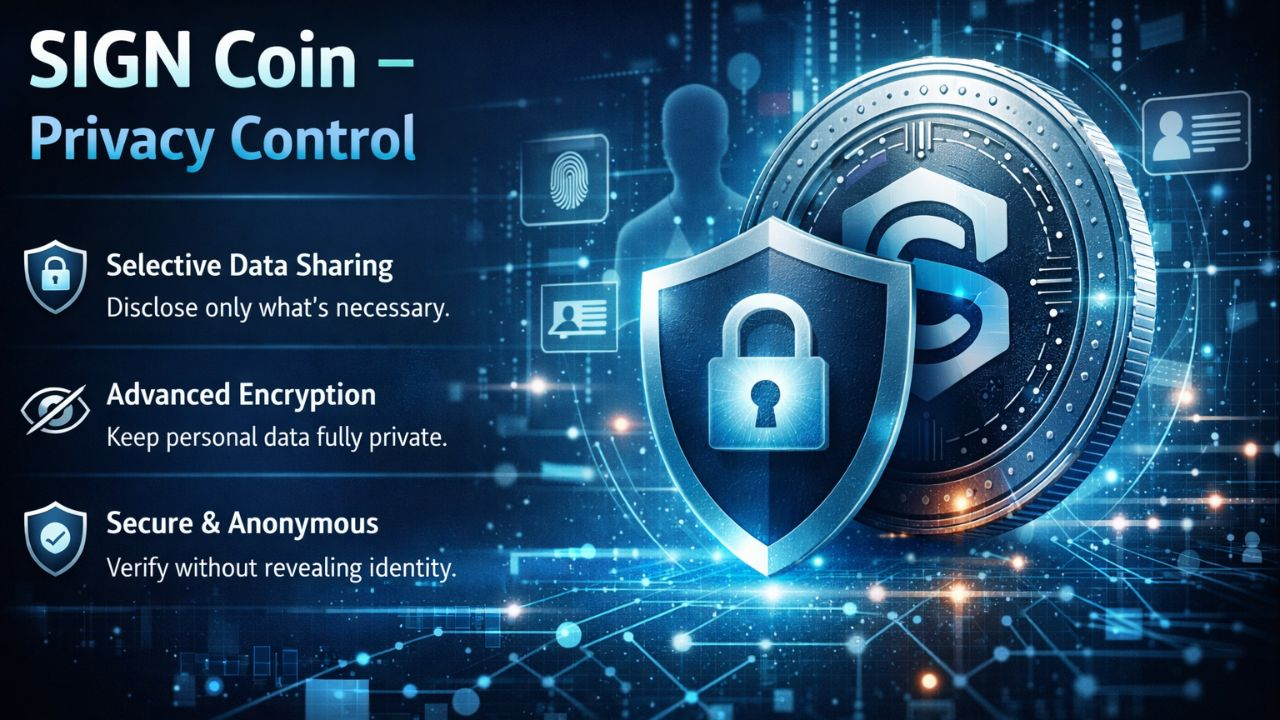
SIGN – プライバシー管理プライバシー管理は$SIGN Coinによって慎重に設計されており、ユーザーに個人および取引データに対する完全なコントロールを提供しつつ、セキュリティと透明性の間の強いバランスを維持しています。デジタル環境ではデータが過剰に露出することが多いため、@SignOfficial Coinは、すべての段階で機密情報を保護する高度な暗号技術を通じて、よりスマートなアプローチを導入しています。ユーザーは選択的開示の権限を持ち、特定の目的に必要な正確な詳細のみを共有でき、完全なアイデンティティや不必要なデータを開示することはありません。各取引はデジタル署名によって保護され、ユーザー情報の機密性を保持しながら真正性を確保します。このアプローチは、データ漏洩、アイデンティティ盗難、無許可の追跡などのリスクを最小限に抑えるだけでなく、ユーザー間の信頼と自信の感覚を構築します。さらに、SIGN Coinは、露出なしでの検証を可能にし、システムや関係者が実際のコンテンツにアクセスすることなくデータの有効性を確認できるようにします。プライバシー優先のアーキテクチャとインテリジェントなセキュリティメカニズムを組み合わせることで、SIGN Coinは、安全でユーザー中心のエコシステムを創造し、個人や組織が自由に対話し、デジタルフットプリントを保護し、ますますデータ駆動の世界において自分の情報を完全に所有できるようにします。
SIGN – プライバシー管理
プライバシー管理は$SIGN Coinによって慎重に設計されており、ユーザーに個人および取引データに対する完全なコントロールを提供しつつ、セキュリティと透明性の間の強いバランスを維持しています。デジタル環境ではデータが過剰に露出することが多いため、@SignOfficial Coinは、すべての段階で機密情報を保護する高度な暗号技術を通じて、よりスマートなアプローチを導入しています。ユーザーは選択的開示の権限を持ち、特定の目的に必要な正確な詳細のみを共有でき、完全なアイデンティティや不必要なデータを開示することはありません。各取引はデジタル署名によって保護され、ユーザー情報の機密性を保持しながら真正性を確保します。このアプローチは、データ漏洩、アイデンティティ盗難、無許可の追跡などのリスクを最小限に抑えるだけでなく、ユーザー間の信頼と自信の感覚を構築します。さらに、SIGN Coinは、露出なしでの検証を可能にし、システムや関係者が実際のコンテンツにアクセスすることなくデータの有効性を確認できるようにします。プライバシー優先のアーキテクチャとインテリジェントなセキュリティメカニズムを組み合わせることで、SIGN Coinは、安全でユーザー中心のエコシステムを創造し、個人や組織が自由に対話し、デジタルフットプリントを保護し、ますますデータ駆動の世界において自分の情報を完全に所有できるようにします。
1
268
·
--
記事
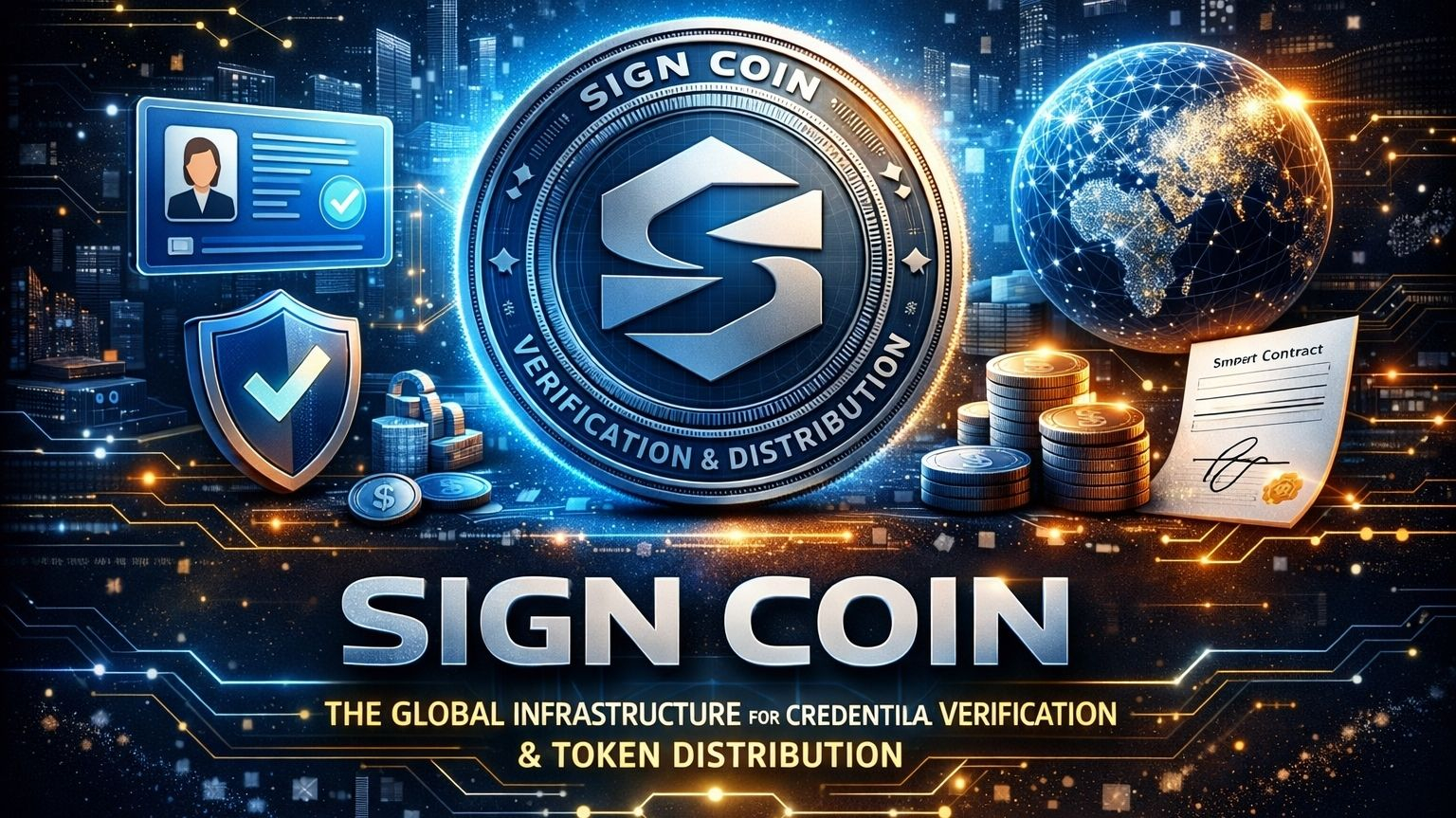
Sign - 資格確認とトークン分配のためのグローバルインフラストラクチャ@SignOfficial (SIGN) は、デジタルシステムにおける最も重要な信頼の問題の1つを解決するために設計されたWeb3インフラストラクチャプロジェクトです。それは、情報、アイデンティティ、および資格が本物であることを、中央集権的な権限に完全に依存せずにどのように検証するかという問題です。簡単に言えば、Signは、資格情報、証明書、承認、トークン権利がアプリケーション全体で発行、確認、再利用できるブロックチェーンベースの信頼層を作成します。そのより大きなビジョンは、単なる別の暗号トークンではなく、アイデンティティ、公共システム、および資本分配のためのデジタルインフラストラクチャ層になることを目指しています。このプロジェクトは、「資格確認とトークン分配のためのグローバルインフラストラクチャ」として自らを提示しています。なぜなら、そのアーキテクチャは、アイデンティティ確認、証明、およびプログラム可能なトークン配信を1つの統合されたエコシステムに組み合わせているからです。
Sign - 資格確認とトークン分配のためのグローバルインフラストラクチャ
@SignOfficial (SIGN) は、デジタルシステムにおける最も重要な信頼の問題の1つを解決するために設計されたWeb3インフラストラクチャプロジェクトです。それは、情報、アイデンティティ、および資格が本物であることを、中央集権的な権限に完全に依存せずにどのように検証するかという問題です。簡単に言えば、Signは、資格情報、証明書、承認、トークン権利がアプリケーション全体で発行、確認、再利用できるブロックチェーンベースの信頼層を作成します。そのより大きなビジョンは、単なる別の暗号トークンではなく、アイデンティティ、公共システム、および資本分配のためのデジタルインフラストラクチャ層になることを目指しています。このプロジェクトは、「資格確認とトークン分配のためのグローバルインフラストラクチャ」として自らを提示しています。なぜなら、そのアーキテクチャは、アイデンティティ確認、証明、およびプログラム可能なトークン配信を1つの統合されたエコシステムに組み合わせているからです。
2
123
·
--
記事
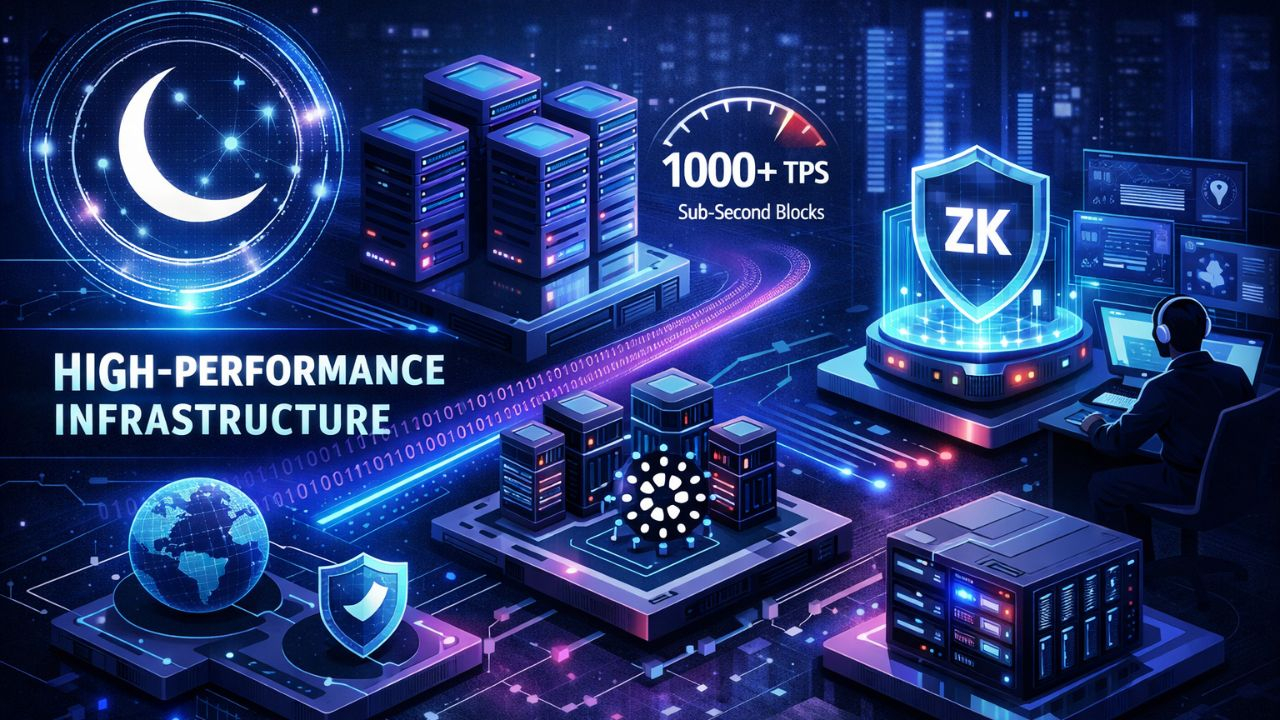
ミッドナイトネットワークにおけるハイパフォーマンスインフラストラクチャハイパフォーマンスインフラストラクチャは、@MidnightNetwork の基本的な設計目標の1つです。このプラットフォームは、プライバシーとスピードの両方を必要とする大規模な分散型アプリケーションをサポートするように設計されており、従来のブロックチェーンシステムの最大の制限の1つに対処しています。高度な暗号操作が導入されるとスケーラビリティに苦しむ多くのネットワークとは異なり、ミッドナイトは最適化された暗号技術、特化された実行環境、およびスケーラブルなバリデーターインフラストラクチャを統合して、機密トランザクションを保持しながら強力なパフォーマンスを維持します。
ミッドナイトネットワークにおけるハイパフォーマンスインフラストラクチャ
ハイパフォーマンスインフラストラクチャは、@MidnightNetwork の基本的な設計目標の1つです。このプラットフォームは、プライバシーとスピードの両方を必要とする大規模な分散型アプリケーションをサポートするように設計されており、従来のブロックチェーンシステムの最大の制限の1つに対処しています。高度な暗号操作が導入されるとスケーラビリティに苦しむ多くのネットワークとは異なり、ミッドナイトは最適化された暗号技術、特化された実行環境、およびスケーラブルなバリデーターインフラストラクチャを統合して、機密トランザクションを保持しながら強力なパフォーマンスを維持します。
3
86
·
--
記事
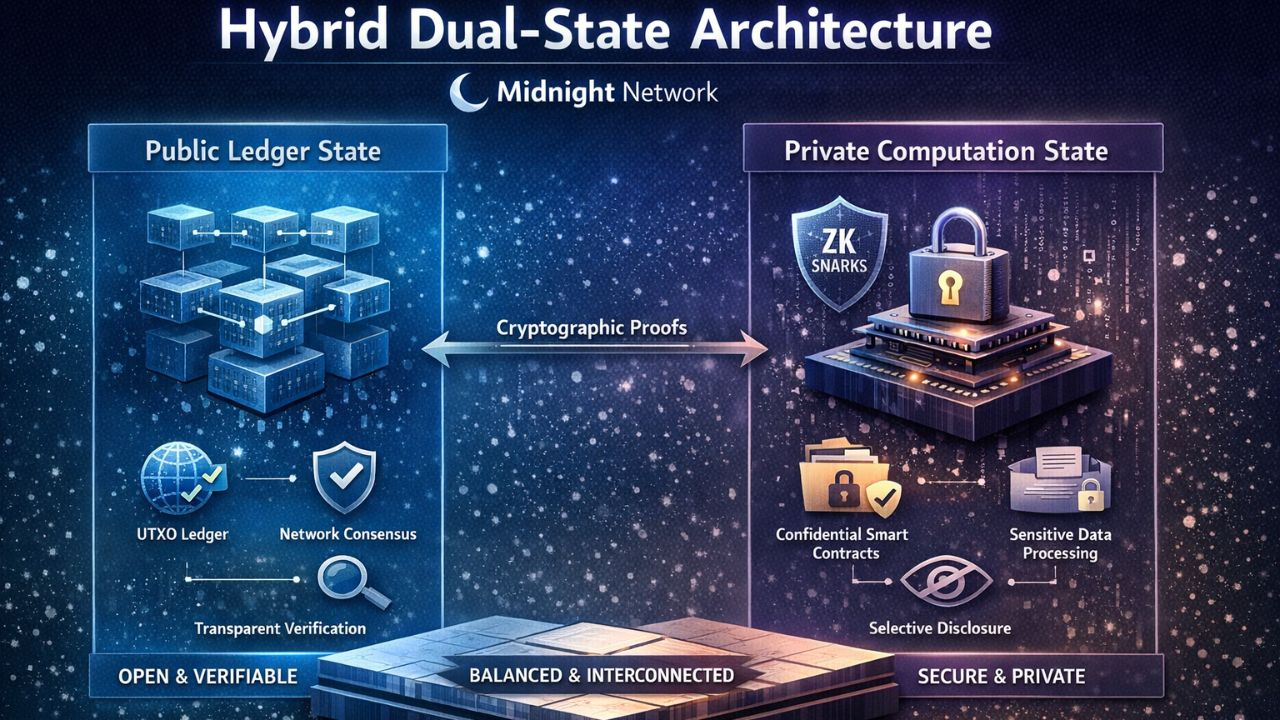
ミッドナイトネットワークのハイブリッドデュアルステートアーキテクチャミッドナイトネットワークのハイブリッドデュアルステートアーキテクチャは、プラットフォームの最も特徴的な技術革新の一つです。Input Output Globalによって設計され、このアーキテクチャはブロックチェーン技術における長年の課題を解決することを目指しています:公共の検証可能性と強力なプライバシー保護とのバランスをとることです。従来の公共ブロックチェーンは透明性を重視し、すべての取引とデータの相互作用が台帳に表示されます。この透明性は信頼と分散化を強化しますが、敏感な情報が露呈する可能性もあります。@MidnightNetwork は、公共とプライベートの状態を統合されたシステムに結合することによって、この課題に対処し、説明責任を犠牲にすることなく安全な計算を可能にします。
ミッドナイトネットワークのハイブリッドデュアルステートアーキテクチャ
ミッドナイトネットワークのハイブリッドデュアルステートアーキテクチャは、プラットフォームの最も特徴的な技術革新の一つです。Input Output Globalによって設計され、このアーキテクチャはブロックチェーン技術における長年の課題を解決することを目指しています:公共の検証可能性と強力なプライバシー保護とのバランスをとることです。従来の公共ブロックチェーンは透明性を重視し、すべての取引とデータの相互作用が台帳に表示されます。この透明性は信頼と分散化を強化しますが、敏感な情報が露呈する可能性もあります。@MidnightNetwork は、公共とプライベートの状態を統合されたシステムに結合することによって、この課題に対処し、説明責任を犠牲にすることなく安全な計算を可能にします。
3
99
·
--

記事
ミッドナイトネットワークはデータ保護または所有権を損なうことなくユーティリティを提供します。この@MidnightNetwork は、データ保護と所有権がユーザーの手に完全に残る一方で、強力なブロックチェーンユーティリティを提供するように設計されています。多くの従来のブロックチェーンシステムでは、透明性は取引データを公開することによって達成されます。このオープンさは信頼を維持するのに役立ちますが、個人、企業、または機関に関する敏感な情報を露出させる可能性もあります。ミッドナイトネットワークは、ユーザーが不必要なデータを開示することなく安全に操作できる分散型アプリケーションを可能にするプライバシー重視のアーキテクチャを導入することによって、この課題に対処しています。高度な暗号技術とプログラム可能なプライバシーを統合することで、ミッドナイトは参加者が取引と計算を検証しながらも、個人情報を機密に保つことができるシステムを構築しています。
ミッドナイトネットワークはデータ保護または所有権を損なうことなくユーティリティを提供します。
この@MidnightNetwork は、データ保護と所有権がユーザーの手に完全に残る一方で、強力なブロックチェーンユーティリティを提供するように設計されています。多くの従来のブロックチェーンシステムでは、透明性は取引データを公開することによって達成されます。このオープンさは信頼を維持するのに役立ちますが、個人、企業、または機関に関する敏感な情報を露出させる可能性もあります。ミッドナイトネットワークは、ユーザーが不必要なデータを開示することなく安全に操作できる分散型アプリケーションを可能にするプライバシー重視のアーキテクチャを導入することによって、この課題に対処しています。高度な暗号技術とプログラム可能なプライバシーを統合することで、ミッドナイトは参加者が取引と計算を検証しながらも、個人情報を機密に保つことができるシステムを構築しています。
4
75
·
--
記事
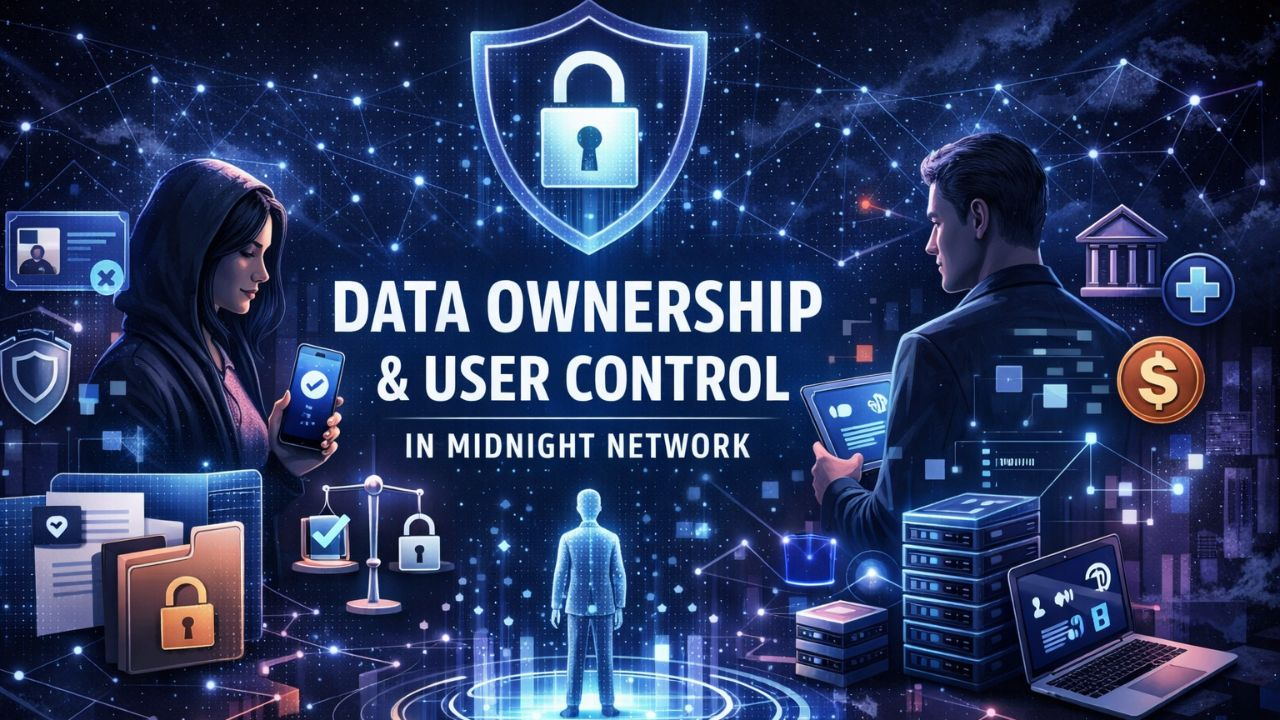
ミッドナイトネットワークにおけるデータ所有権とユーザーコントロールミッドナイトネットワークの背後にある最も変革的な原則の一つは、データの所有権とユーザーのコントロールへのコミットメントです。この概念は、デジタルプラットフォームの伝統的な構造に挑戦します。ほとんどの従来のオンラインシステムでは、ユーザーはサービスにアクセスするために、大量の個人情報を中央集権的な企業に渡す必要があります。ソーシャルネットワーク、金融プラットフォーム、そして多くのデジタルアプリケーションは、ユーザーデータを中央集権的なデータベースに保存し管理しており、その結果、個人は自分の情報がどのように使用され、共有され、または収益化されるかについて限られたコントロールしか持てません。ミッドナイトネットワークは、個人が自分の個人データに対する直接的な権限を保持しながら、デジタルサービスやブロックチェーンアプリケーションと相互作用できる分散型環境を構築することで、このモデルを根本的に変えようとしています。
ミッドナイトネットワークにおけるデータ所有権とユーザーコントロール
ミッドナイトネットワークの背後にある最も変革的な原則の一つは、データの所有権とユーザーのコントロールへのコミットメントです。この概念は、デジタルプラットフォームの伝統的な構造に挑戦します。ほとんどの従来のオンラインシステムでは、ユーザーはサービスにアクセスするために、大量の個人情報を中央集権的な企業に渡す必要があります。ソーシャルネットワーク、金融プラットフォーム、そして多くのデジタルアプリケーションは、ユーザーデータを中央集権的なデータベースに保存し管理しており、その結果、個人は自分の情報がどのように使用され、共有され、または収益化されるかについて限られたコントロールしか持てません。ミッドナイトネットワークは、個人が自分の個人データに対する直接的な権限を保持しながら、デジタルサービスやブロックチェーンアプリケーションと相互作用できる分散型環境を構築することで、このモデルを根本的に変えようとしています。
6
115
·
--
記事
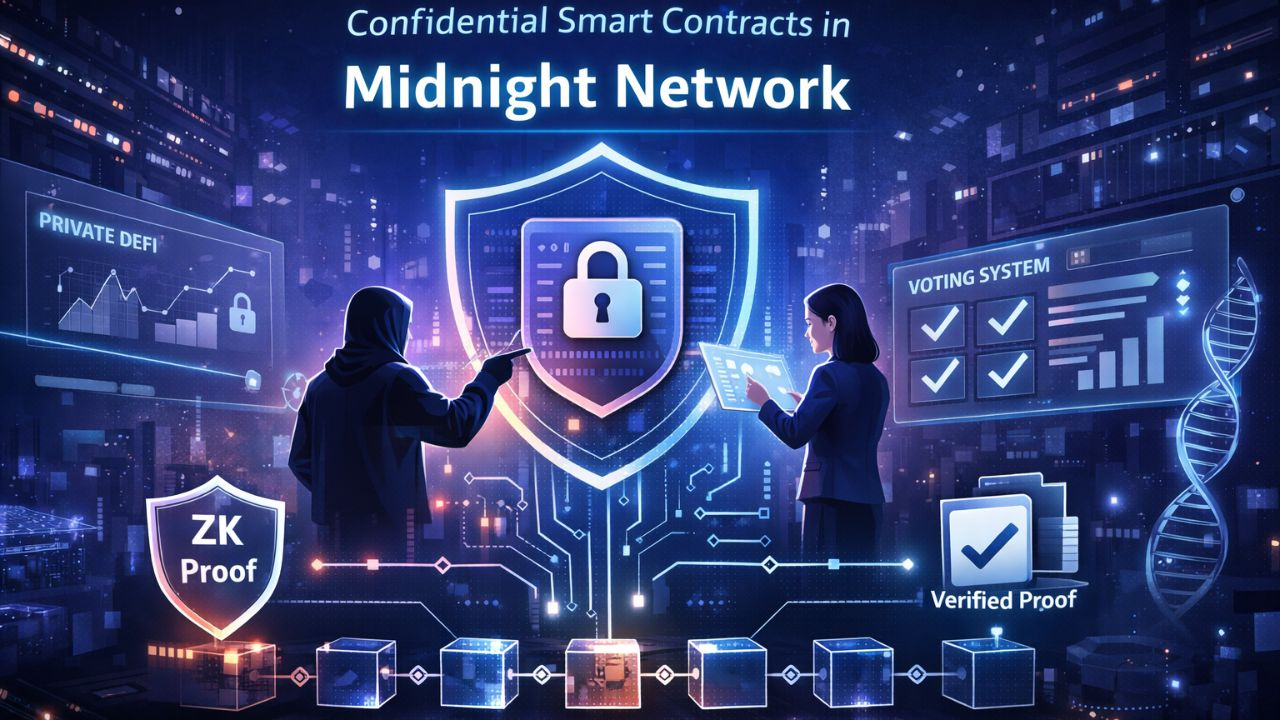
ミッドナイトネットワークにおける機密性の高いスマートコントラクトミッドナイトネットワークの最も革新的な機能の一つは、機密性の高いスマートコントラクトのサポートです。この技術は、センシティブなデータを保護しながら、分散型アプリケーションが安全かつ透明に機能できるように設計されています。従来のブロックチェーンは、すべての取引の詳細や契約データを公共台帳に表示することが一般的です。この透明性は検証と信頼にとって価値がありますが、金融サービス、アイデンティティシステム、医療記録、または企業データ管理のようなプライバシーを必要とするアプリケーションに制限をもたらします。@MidnightNetwork は、基盤となるデータを公共ネットワークに公開することなく情報を処理し、検証できる新しいスマートコントラクトのモデルを導入することで、この課題に対処します。
ミッドナイトネットワークにおける機密性の高いスマートコントラクト
ミッドナイトネットワークの最も革新的な機能の一つは、機密性の高いスマートコントラクトのサポートです。この技術は、センシティブなデータを保護しながら、分散型アプリケーションが安全かつ透明に機能できるように設計されています。従来のブロックチェーンは、すべての取引の詳細や契約データを公共台帳に表示することが一般的です。この透明性は検証と信頼にとって価値がありますが、金融サービス、アイデンティティシステム、医療記録、または企業データ管理のようなプライバシーを必要とするアプリケーションに制限をもたらします。@MidnightNetwork は、基盤となるデータを公共ネットワークに公開することなく情報を処理し、検証できる新しいスマートコントラクトのモデルを導入することで、この課題に対処します。
1
3
150
·
--
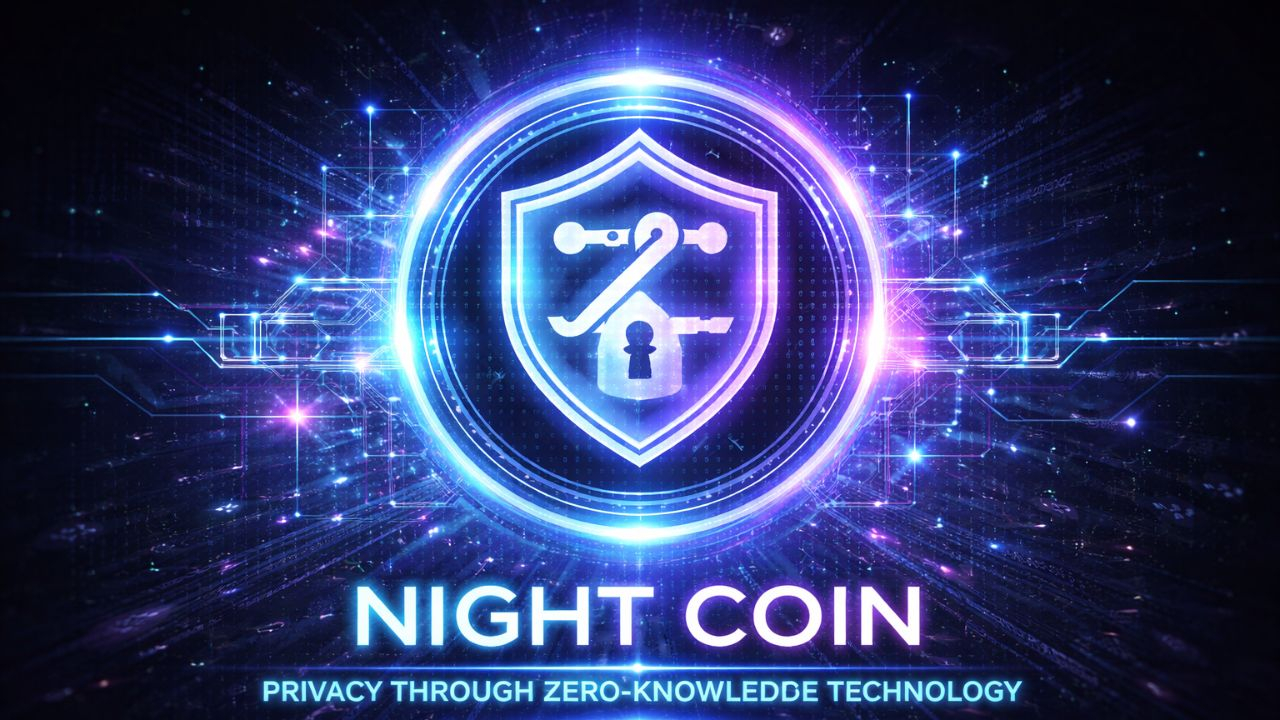
記事
MIDNIGHT NETWORK - ゼロ知識技術によるプライバシープライバシーはナイトコインの定義的な原則の一つであり、高度なゼロ知識(ZK)証明技術の統合を通じて実現されています。多くの従来のブロックチェーンネットワークでは、取引は設計上透明であり、ウォレットアドレス、取引額、活動履歴が公開台帳に表示されることを意味します。この透明性は信頼性と監査可能性を向上させますが、敏感な金融情報やユーザー活動を露呈させる可能性もあります。#Night Coinは、取引を正当として検証できるゼロ知識暗号手法を取り入れることで、この課題に対処します。
MIDNIGHT NETWORK - ゼロ知識技術によるプライバシー
プライバシーはナイトコインの定義的な原則の一つであり、高度なゼロ知識(ZK)証明技術の統合を通じて実現されています。多くの従来のブロックチェーンネットワークでは、取引は設計上透明であり、ウォレットアドレス、取引額、活動履歴が公開台帳に表示されることを意味します。この透明性は信頼性と監査可能性を向上させますが、敏感な金融情報やユーザー活動を露呈させる可能性もあります。#Night Coinは、取引を正当として検証できるゼロ知識暗号手法を取り入れることで、この課題に対処します。
2
123
·
--

記事
Fabric Protocol (ROBO) AIとロボティクスの統合Fabric Protocol内のAIとロボティクスの統合は、ネットワークのアーキテクチャの中で最も特異な側面の一つです。人工知能、ロボティクス、ブロックチェーンを別々の技術領域として扱うのではなく、@FabricFND Protocolはそれらを統一された運用フレームワークに組み込み、知能を持つ機械が相互作用し、調整し、分散環境で取引できるようにします。この統合は、AIシステムが洞察を生み出し、ロボットデバイスが物理的なタスクを実行し、ブロックチェーンインフラストラクチャがすべての相互作用を記録、検証し、経済的にインセンティブを与えるエコシステムを作成することを目的としています。
Fabric Protocol (ROBO) AIとロボティクスの統合
Fabric Protocol内のAIとロボティクスの統合は、ネットワークのアーキテクチャの中で最も特異な側面の一つです。人工知能、ロボティクス、ブロックチェーンを別々の技術領域として扱うのではなく、@Fabric Foundation Protocolはそれらを統一された運用フレームワークに組み込み、知能を持つ機械が相互作用し、調整し、分散環境で取引できるようにします。この統合は、AIシステムが洞察を生み出し、ロボットデバイスが物理的なタスクを実行し、ブロックチェーンインフラストラクチャがすべての相互作用を記録、検証し、経済的にインセンティブを与えるエコシステムを作成することを目的としています。
197
·
--
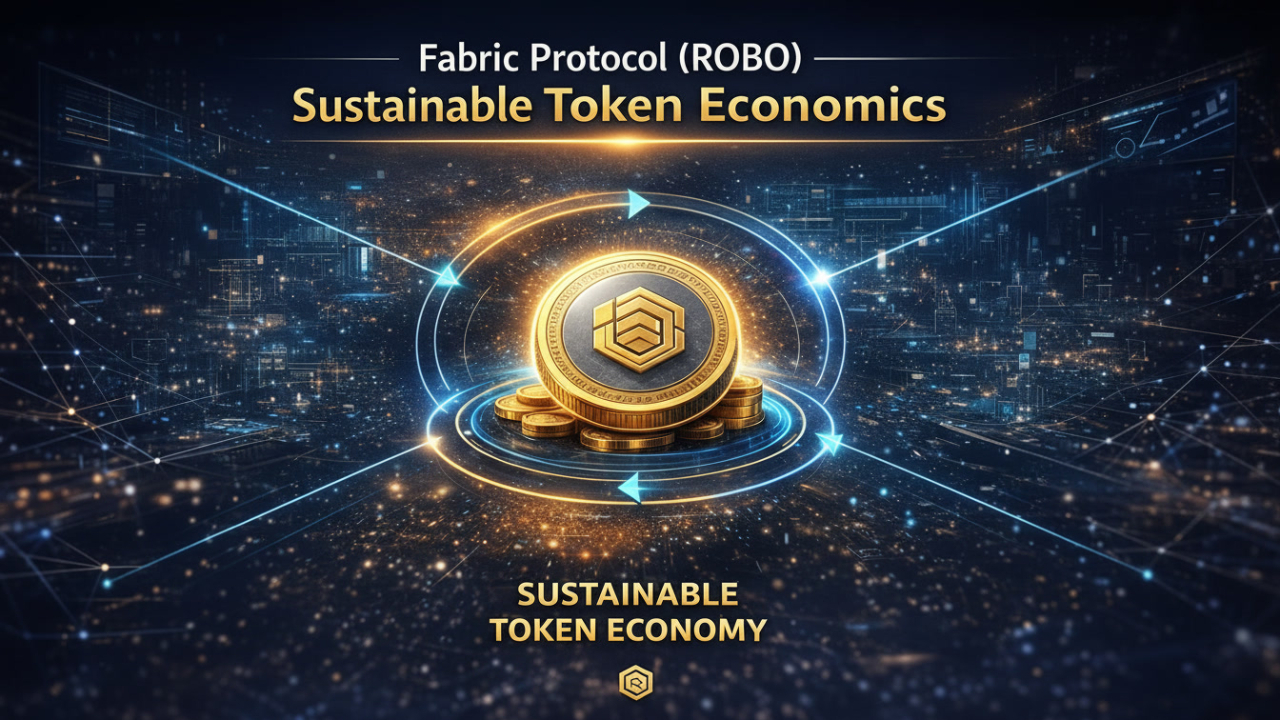
記事
Fabricプロトコル(ROBO) – サステナブルトークンエコノミクスm-69プロトコル(t-71)は、長期的なネットワークの安定性、参加者のインセンティブ、およびエコシステムの成長をサポートする、バランスの取れたレジリエントな経済システムを作成するように設計されています。多くのブロックチェーンプロジェクトでは、インセンティブが不整合になるか、トークン供給メカニズムが不適切に構造されると、トークン経済が不安定になる可能性があります。Fabricプロトコルは、ROBOトークンの役割を慎重に設計することで、この課題に対処し、ネットワーク内での交換媒体としてだけでなく、ガバナンス参加、バリデーターインセンティブ、およびエコシステム開発のための基本的なメカニズムとして機能するようにしています。
Fabricプロトコル(ROBO) – サステナブルトークンエコノミクス
m-69プロトコル(t-71)は、長期的なネットワークの安定性、参加者のインセンティブ、およびエコシステムの成長をサポートする、バランスの取れたレジリエントな経済システムを作成するように設計されています。多くのブロックチェーンプロジェクトでは、インセンティブが不整合になるか、トークン供給メカニズムが不適切に構造されると、トークン経済が不安定になる可能性があります。Fabricプロトコルは、ROBOトークンの役割を慎重に設計することで、この課題に対処し、ネットワーク内での交換媒体としてだけでなく、ガバナンス参加、バリデーターインセンティブ、およびエコシステム開発のための基本的なメカニズムとして機能するようにしています。
5
310
·
--
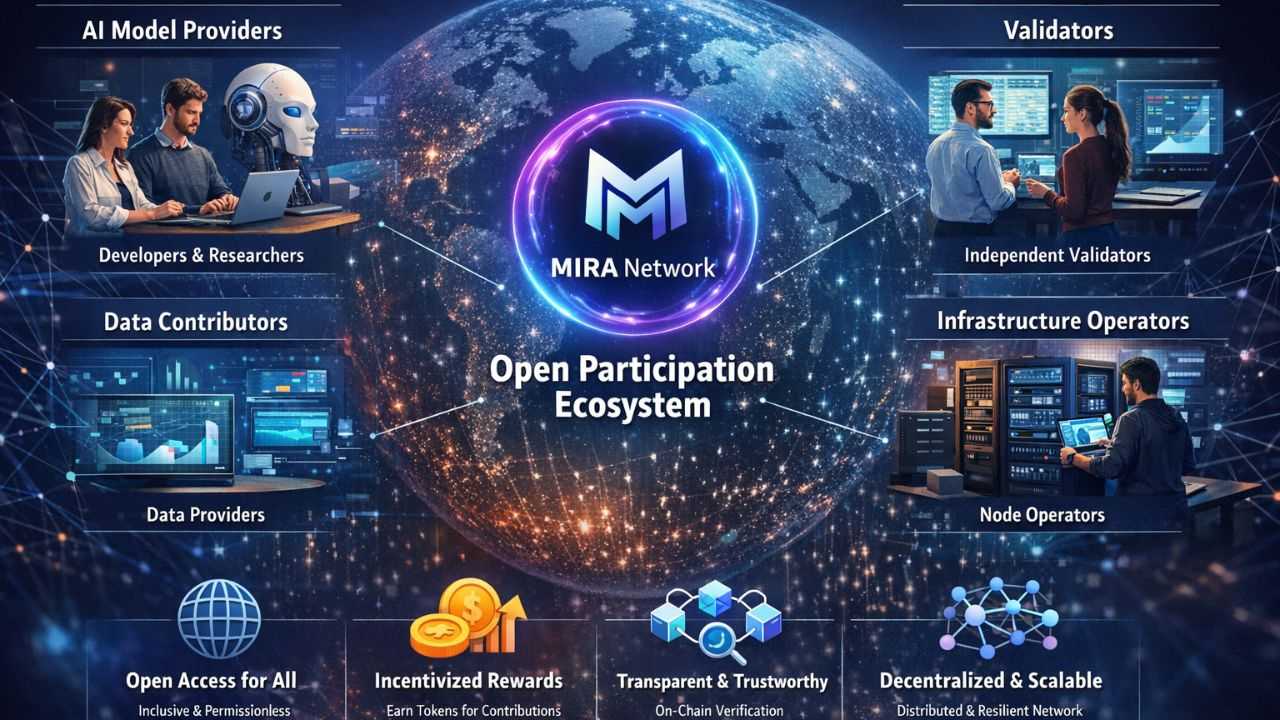
記事
MIRAネットワーク – オープン参加エコシステム@mira_network ネットワークのオープン参加エコシステムは、その分散型インテリジェンスインフラストラクチャの背後にある基本的な原則の1つを表しています。人工知能の開発、検証、配布を少数の中央集権的な組織に集中させるのではなく、#MIRA は、個人、開発者、研究者、インフラストラクチャの提供者がネットワークに直接貢献できる環境を導入します。このオープンアーキテクチャにより、多様なグローバルコミュニティがAI駆動のインテリジェンスシステムの構築、検証、改善に参加し、プロトコルに組み込まれた透明な経済的インセンティブから利益を得ることができます。
MIRAネットワーク – オープン参加エコシステム
@Mira - Trust Layer of AI ネットワークのオープン参加エコシステムは、その分散型インテリジェンスインフラストラクチャの背後にある基本的な原則の1つを表しています。人工知能の開発、検証、配布を少数の中央集権的な組織に集中させるのではなく、#MIRA は、個人、開発者、研究者、インフラストラクチャの提供者がネットワークに直接貢献できる環境を導入します。このオープンアーキテクチャにより、多様なグローバルコミュニティがAI駆動のインテリジェンスシステムの構築、検証、改善に参加し、プロトコルに組み込まれた透明な経済的インセンティブから利益を得ることができます。
3
191
·
--
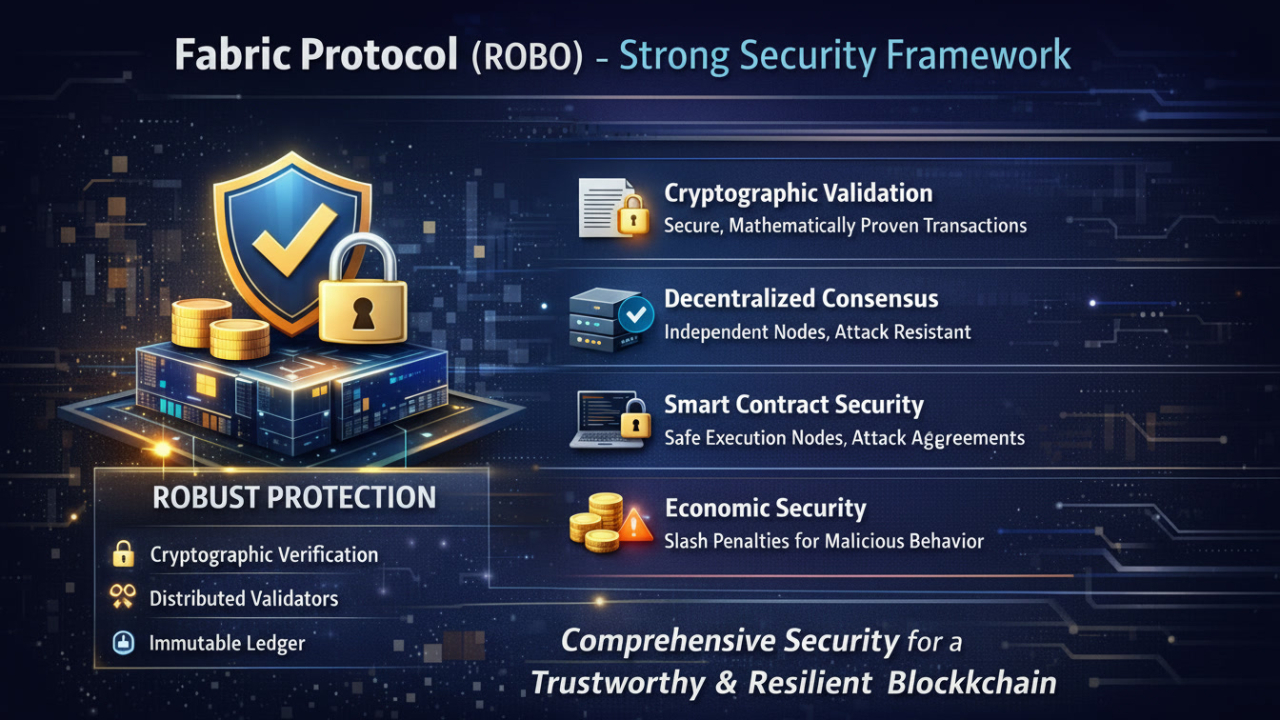
記事
Fabric Protocol (ROBO) — 強力なセキュリティフレームワークFabric Protocol (ROBO) におけるセキュリティは、オプションの強化ではなく、ネットワークの基盤コンポーネントとして設計されています。金融資産、デジタルアイデンティティ、重要データが継続的に相互作用する分散システムにおいて、弾力的なセキュリティ構造を維持することが不可欠です。Fabric Protocol は、この課題に対処するために、アーキテクチャ全体にわたって複数の保護層を統合し、トランザクション、スマートコントラクト、ネットワーク操作が安全で、検証可能で、操作に対して抵抗力を持つようにしています。この層状アプローチにより、プロトコルは複雑で高活動のブロックチェーン環境でも整合性を維持することができます。
Fabric Protocol (ROBO) — 強力なセキュリティフレームワーク
Fabric Protocol (ROBO) におけるセキュリティは、オプションの強化ではなく、ネットワークの基盤コンポーネントとして設計されています。金融資産、デジタルアイデンティティ、重要データが継続的に相互作用する分散システムにおいて、弾力的なセキュリティ構造を維持することが不可欠です。Fabric Protocol は、この課題に対処するために、アーキテクチャ全体にわたって複数の保護層を統合し、トランザクション、スマートコントラクト、ネットワーク操作が安全で、検証可能で、操作に対して抵抗力を持つようにしています。この層状アプローチにより、プロトコルは複雑で高活動のブロックチェーン環境でも整合性を維持することができます。
3
113
ログインして、さらにコンテンツを読む
厳選トピックで世界の暗号資産トレーダーの仲間入り
⚡️ 暗号資産に関する最新かつ有益な情報が見つかります。
💬 世界最大の暗号資産取引所から信頼されています。
👍 認証を受けたクリエイターから、有益なインサイトを得られます。
メール / 電話番号
トレンドトピック
SECHaltsCryptoETFReviewsAmidFundingLapse
閲覧回数 259
36人が討論中
#SECHaltsCryptoETFReviewsAmidFundingLapse
米国証券取引委員会(SEC)は、すべての新規暗号資産の$ETFT.ETF
に関する審査を正式に一時停止しました。凍結措置は、2026年10月1日に発効しました。米国の連邦会計年度が、承認された予算なしで開始されたため、当局は資金の不確保(政府機関の資金繰りの遅れ)に直面し、結果としてこの措置が取られました。[1, 2]
SECの危機対応計画のもと、当局は閉鎖(シャットダウン)準備の体制で運用しており、職員は市場の監督における不可欠な機能のみを実行できる状態です。[1, 2]
$MLM.US
$ETH
zoni-11c22
·いいね:0件
·閲覧回数 34
ZcashETFPostsFirstWeeklyOutflow$93.6M
閲覧回数 52,943
157人が討論中
GreekPoliceBustCryptoScamRingArrest17
閲覧回数 150,114
1,073人が討論中